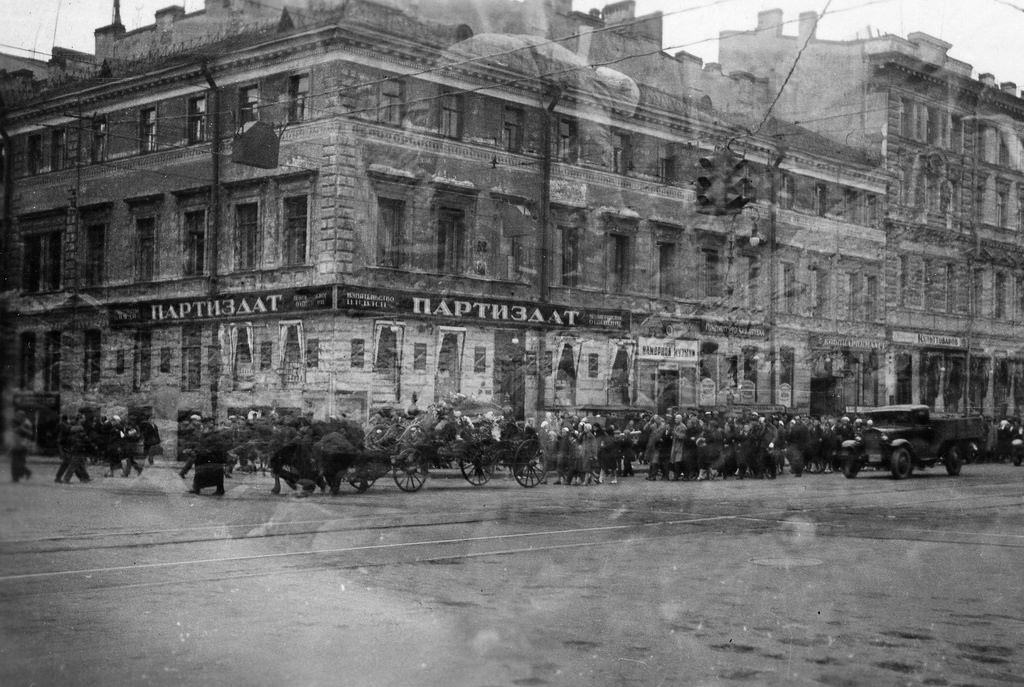
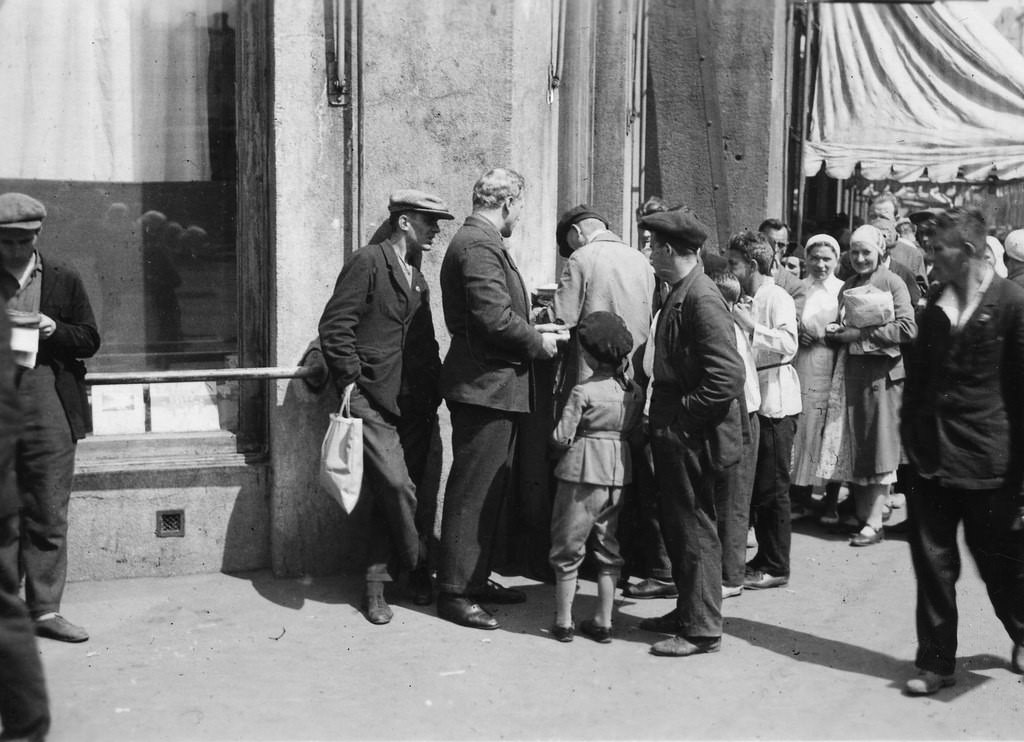
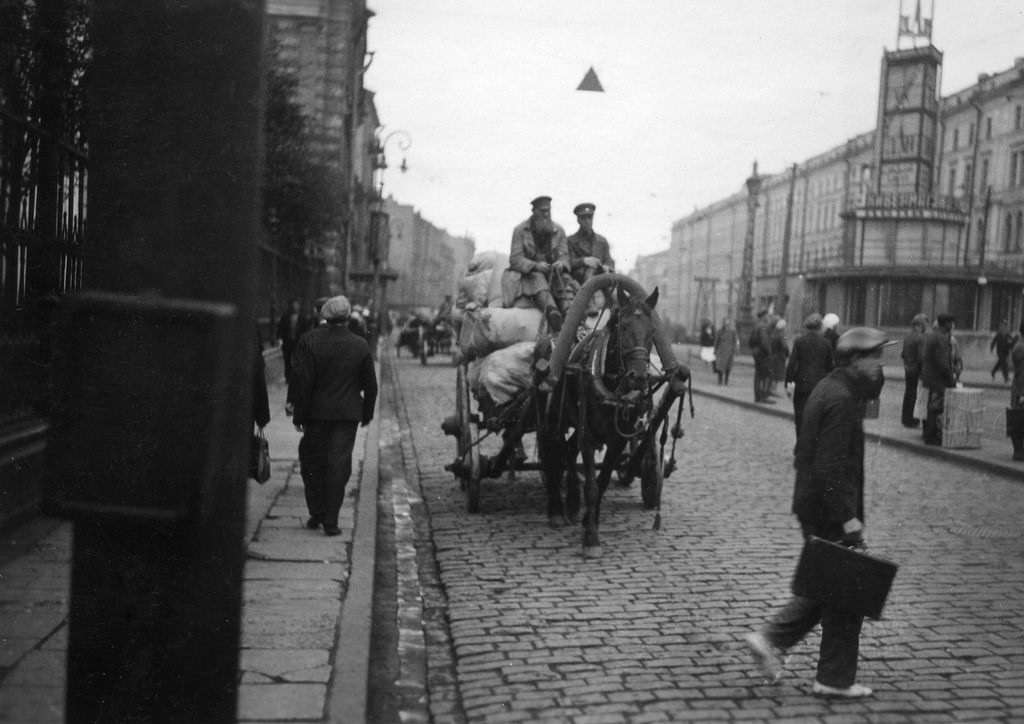
In 1935, Norwegian journalist Eirik Sundvor traveled to the Soviet Union and spent time documenting Moscow with his camera. His photographs offer a rare outside perspective on a city that was changing faster than almost anywhere else in the world at that time.
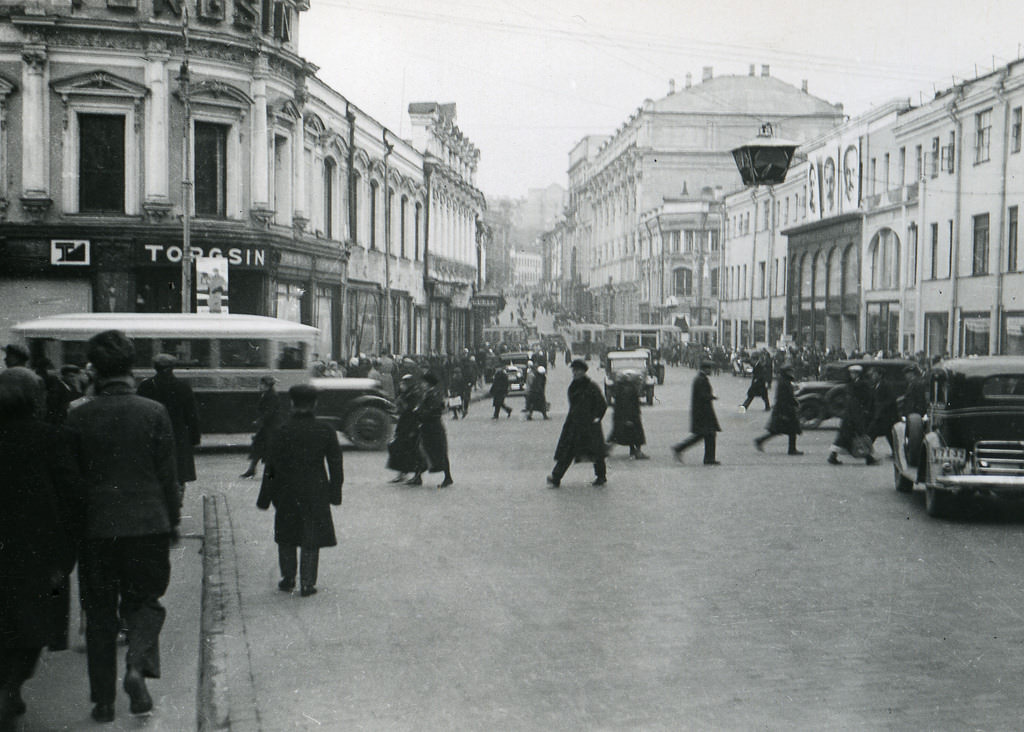
Moscow in the 1930s was a city under enormous pressure. Joseph Stalin’s government was pushing a sweeping industrialization program, and the pace was relentless. The first five-year plan, launched in 1928, set ambitious targets for heavy industries like steel and coal. Moscow sat at the center of this drive, and the city’s physical landscape was being redrawn to serve it.
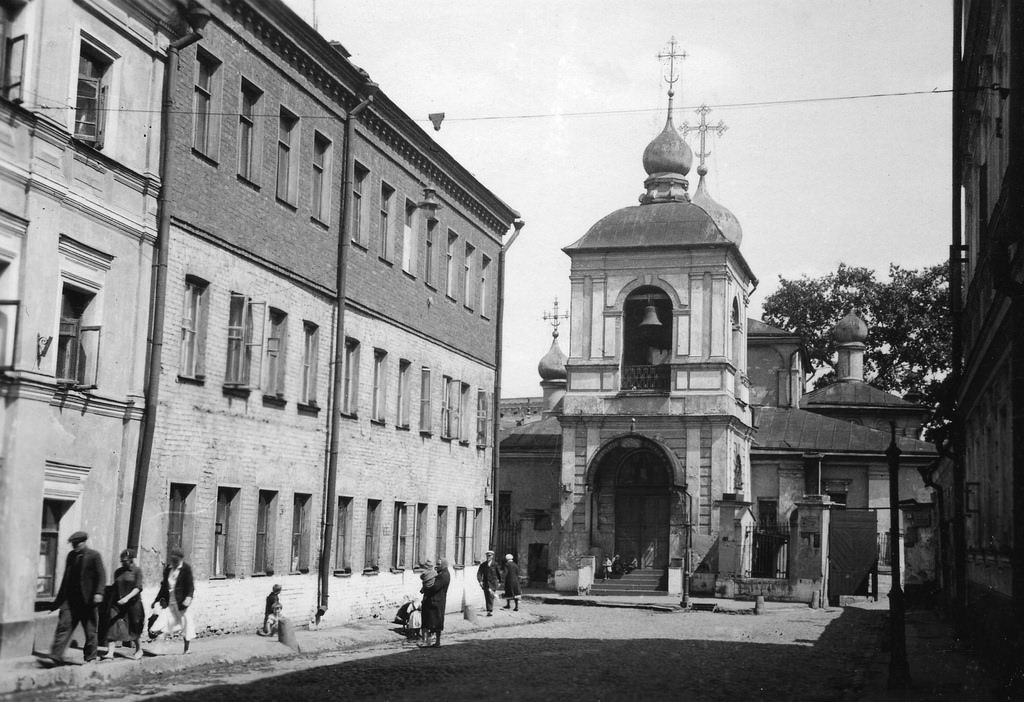
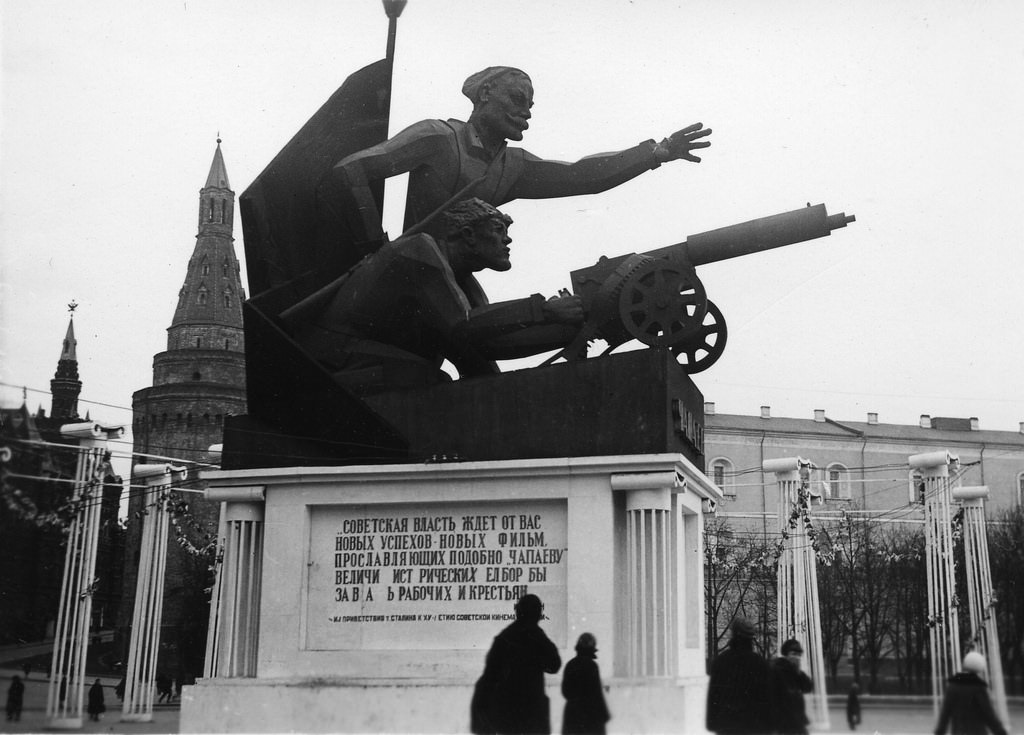
The population surge during this period was dramatic. Workers from rural villages across the Soviet Union poured into Moscow looking for factory jobs. The city scrambled to keep up, throwing up new housing blocks and expanding roads and infrastructure at a rapid clip.
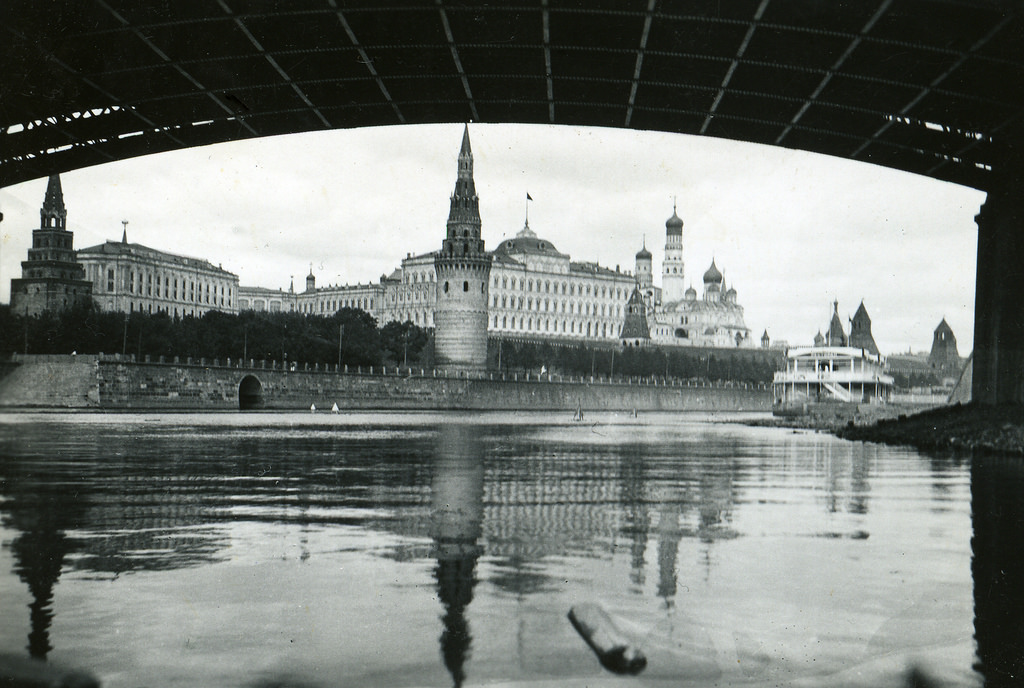
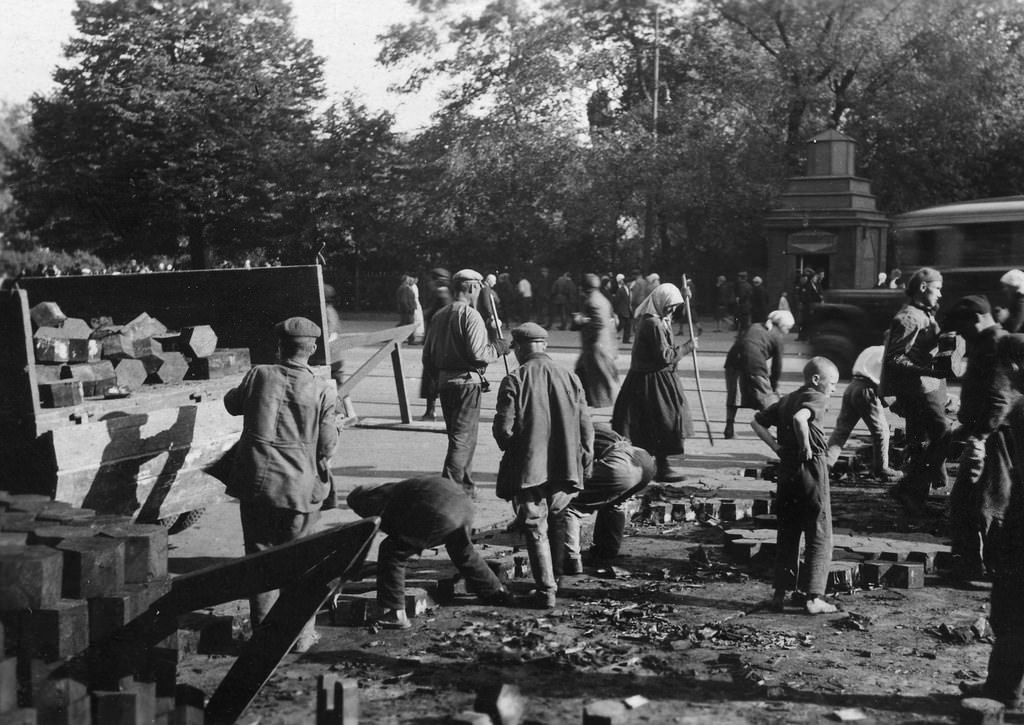
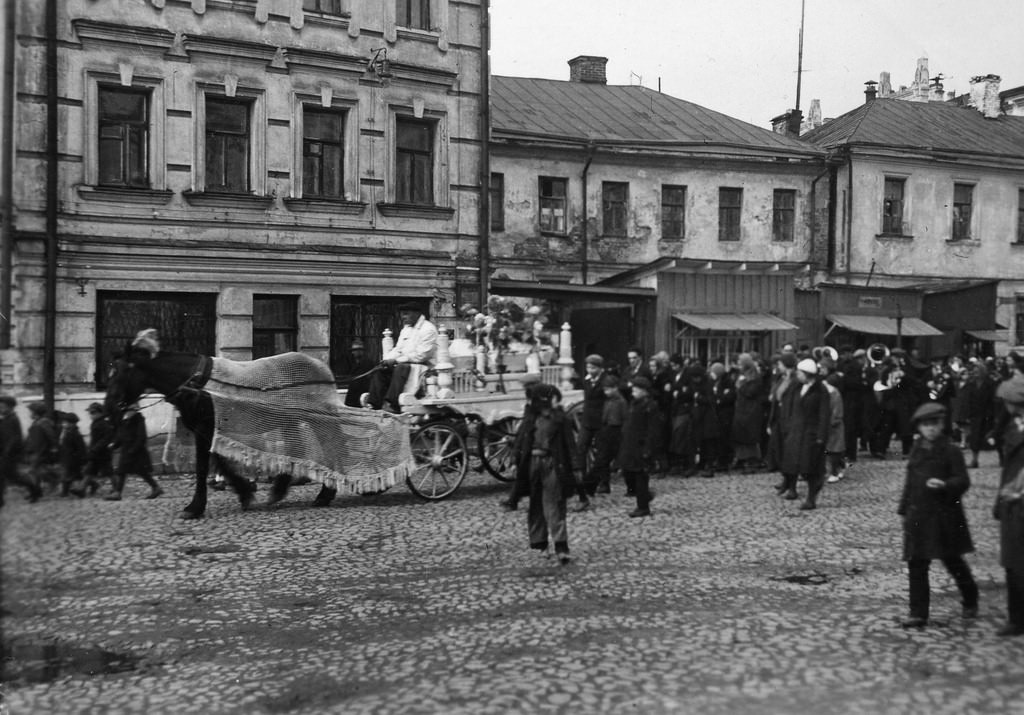
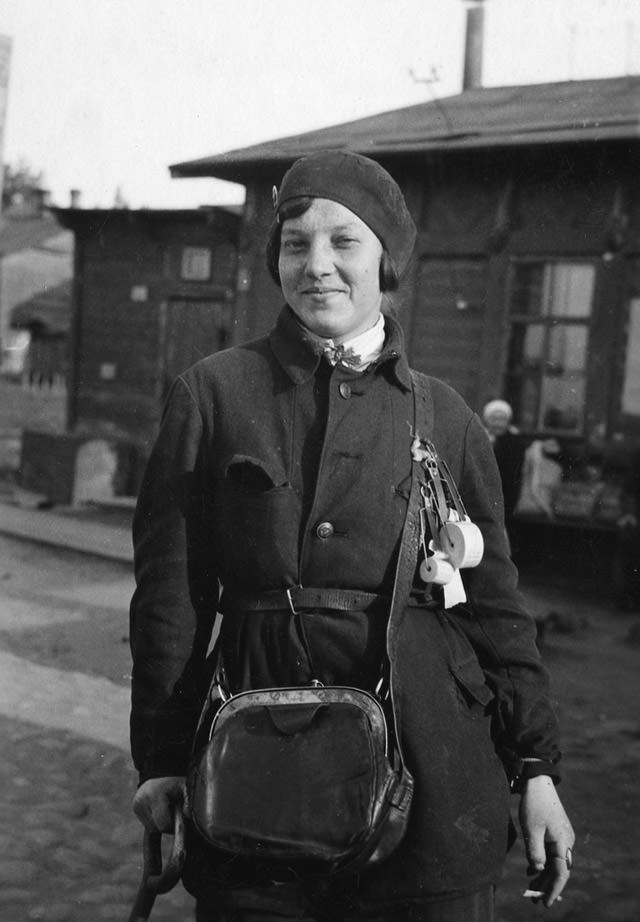
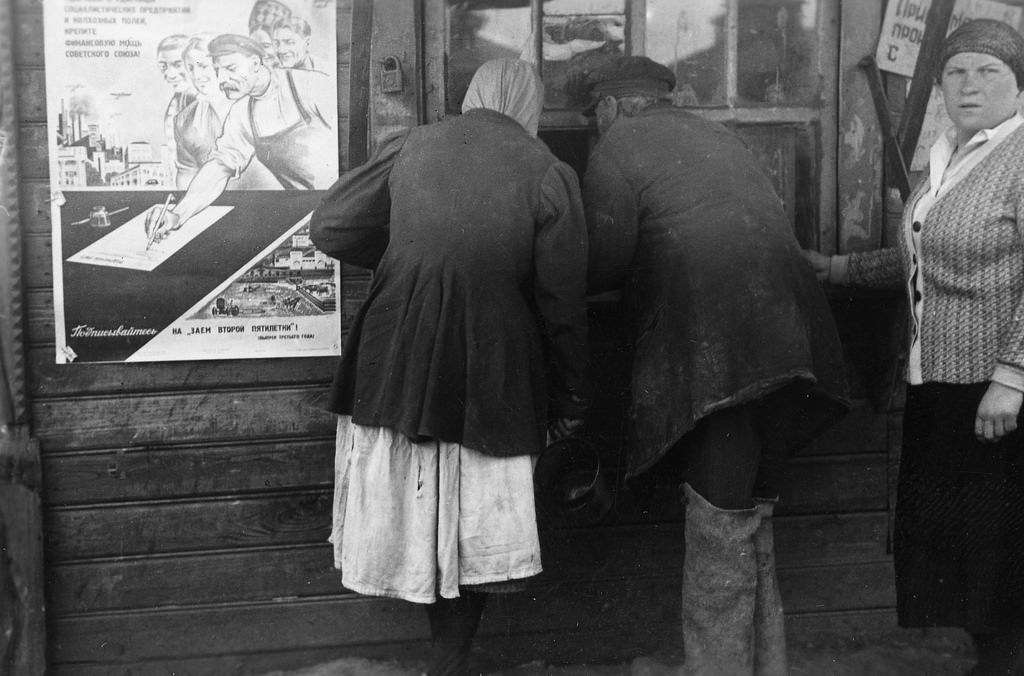
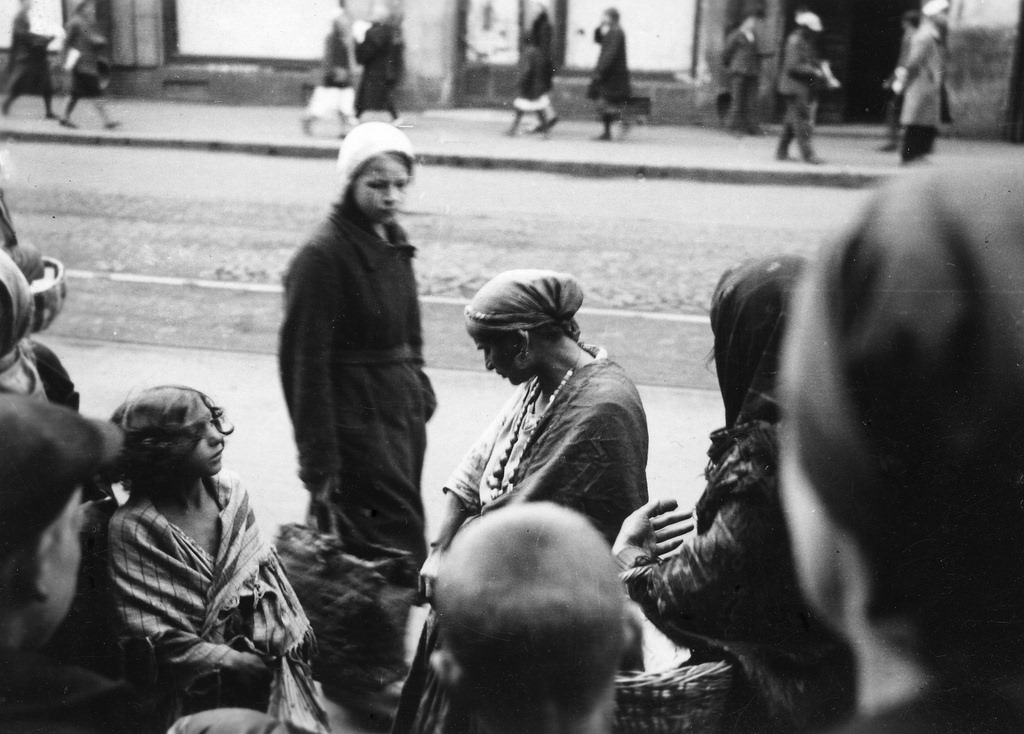
Sundvor moved through the city’s streets and documented what he saw plainly and directly. His photographs show the full range of Moscow life — factory workers, street scenes, and ordinary residents going about their days under a government that controlled nearly every aspect of Soviet society.
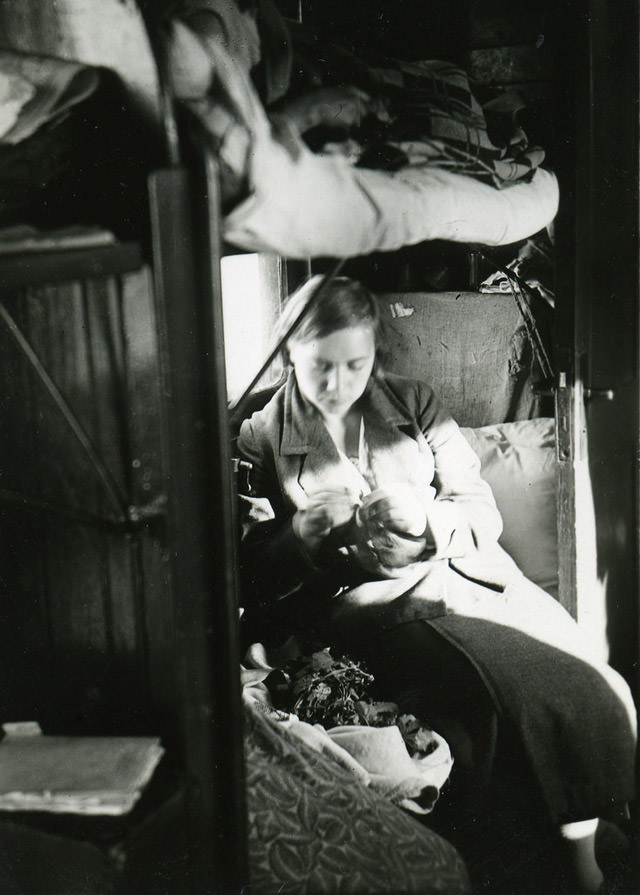
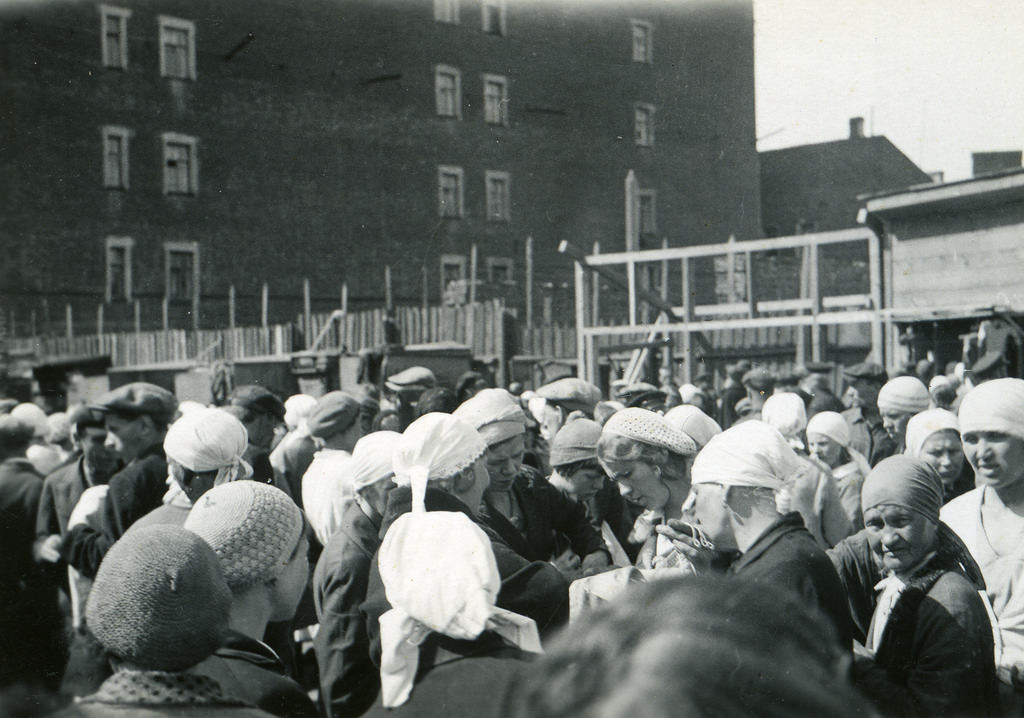
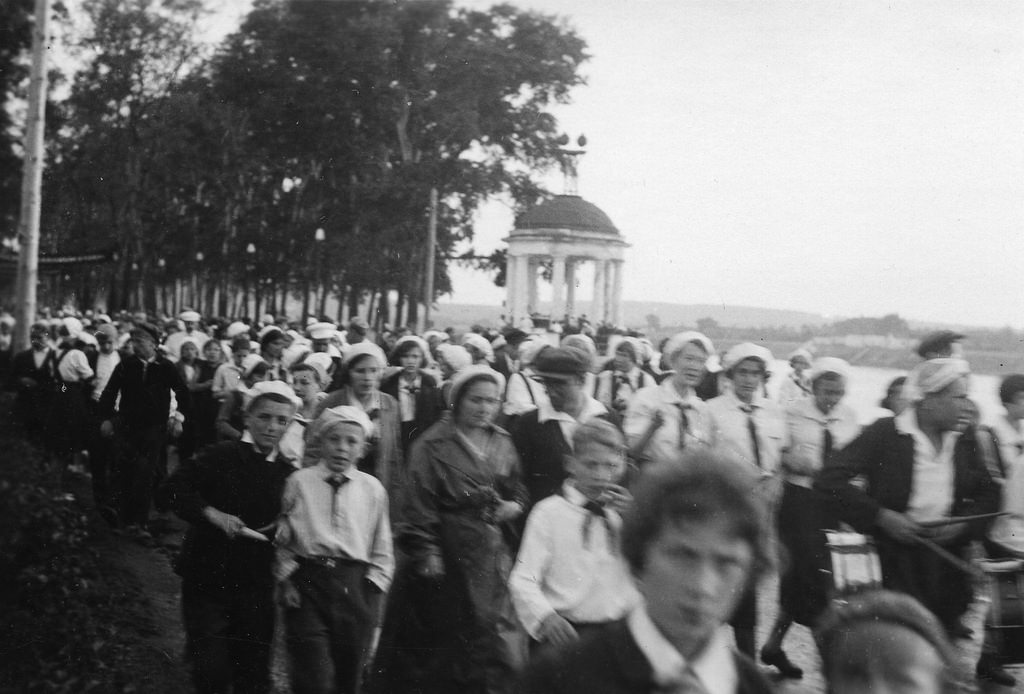
What makes Sundvor’s work distinctive is his focus on people rather than monuments or official spectacle. He photographed workers, families, and crowds — the human reality of industrialization rather than its propaganda version.
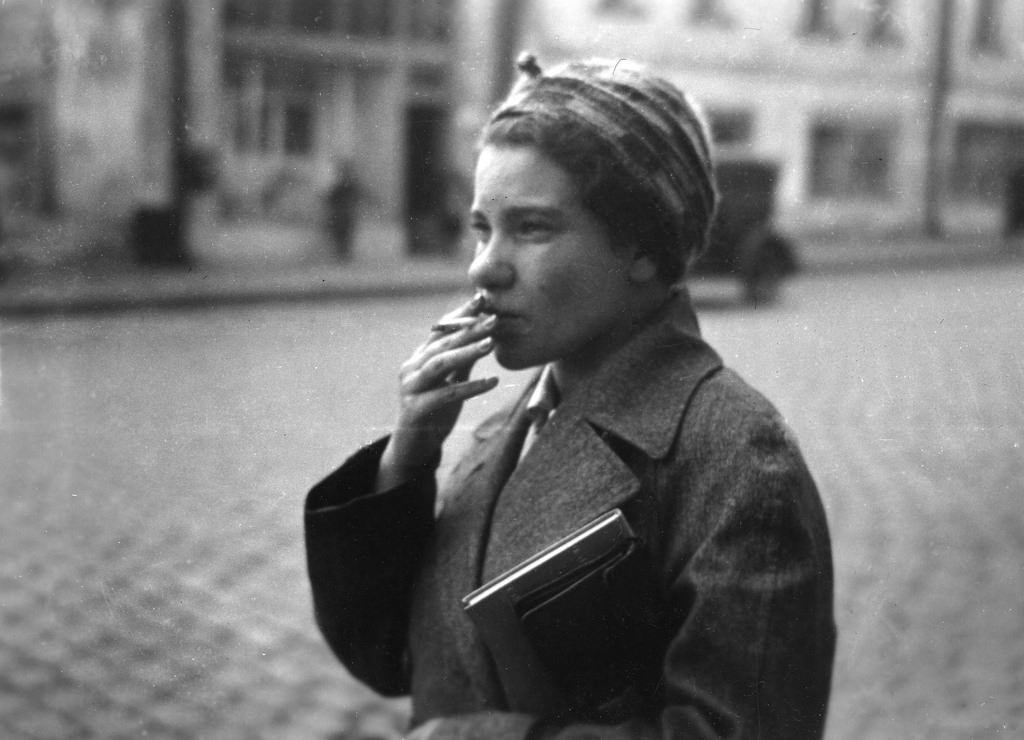
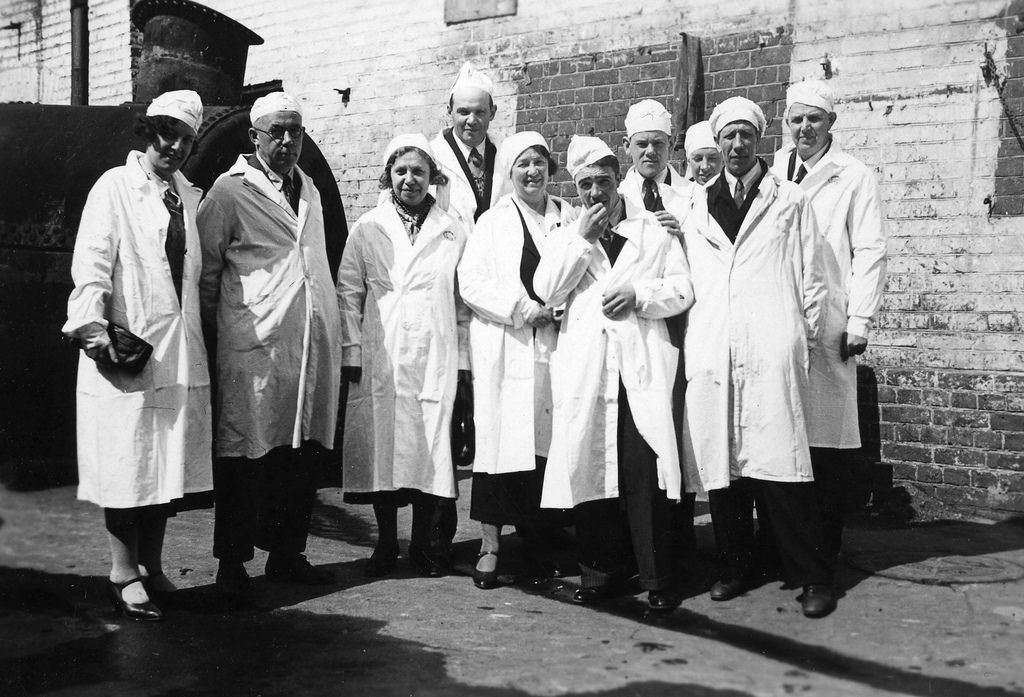
The Soviet Union in 1935 was well into Stalin’s political consolidation. The secret police were active, political purges were underway, and public life was shaped by fear as much as by ideology. Sundvor’s photographs exist against that backdrop, even when the images themselves show something as simple as a street market or a group of workers.
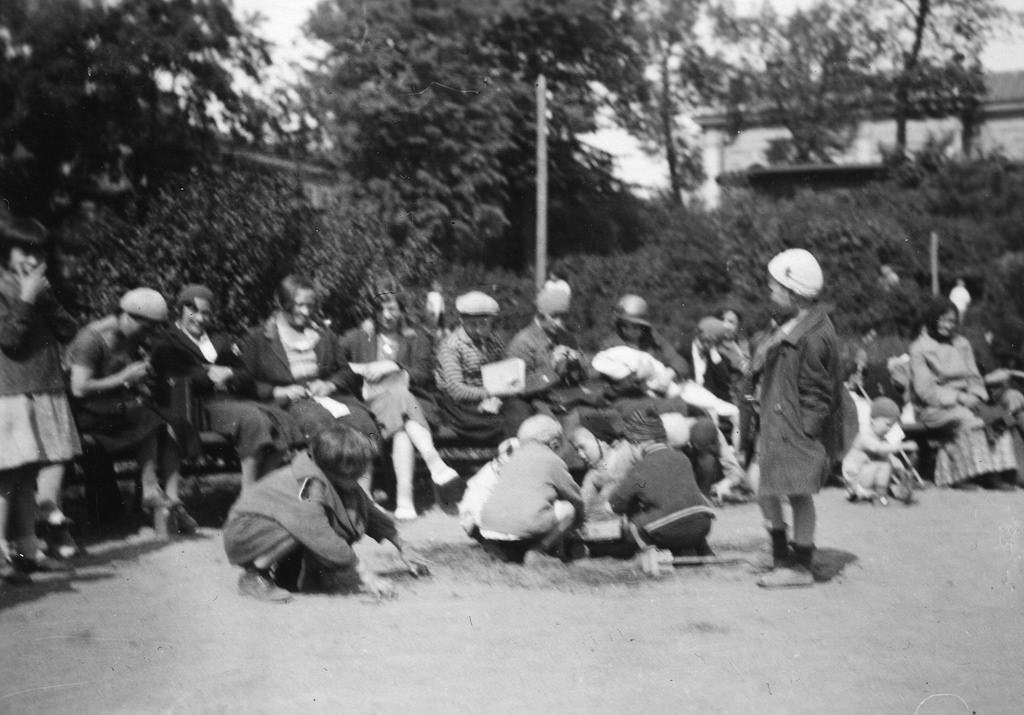
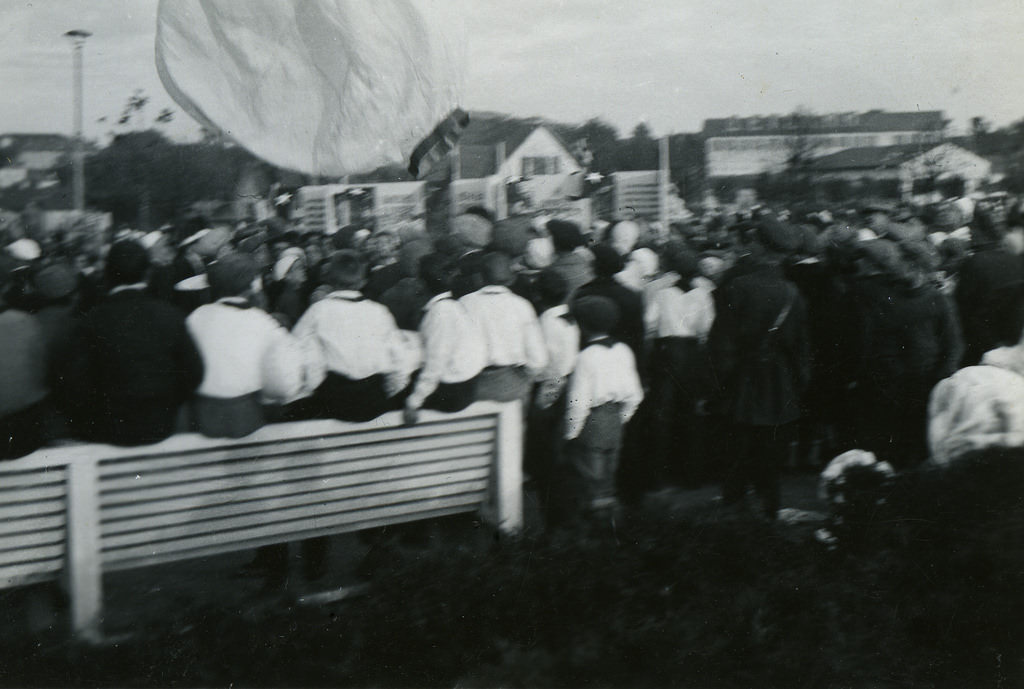
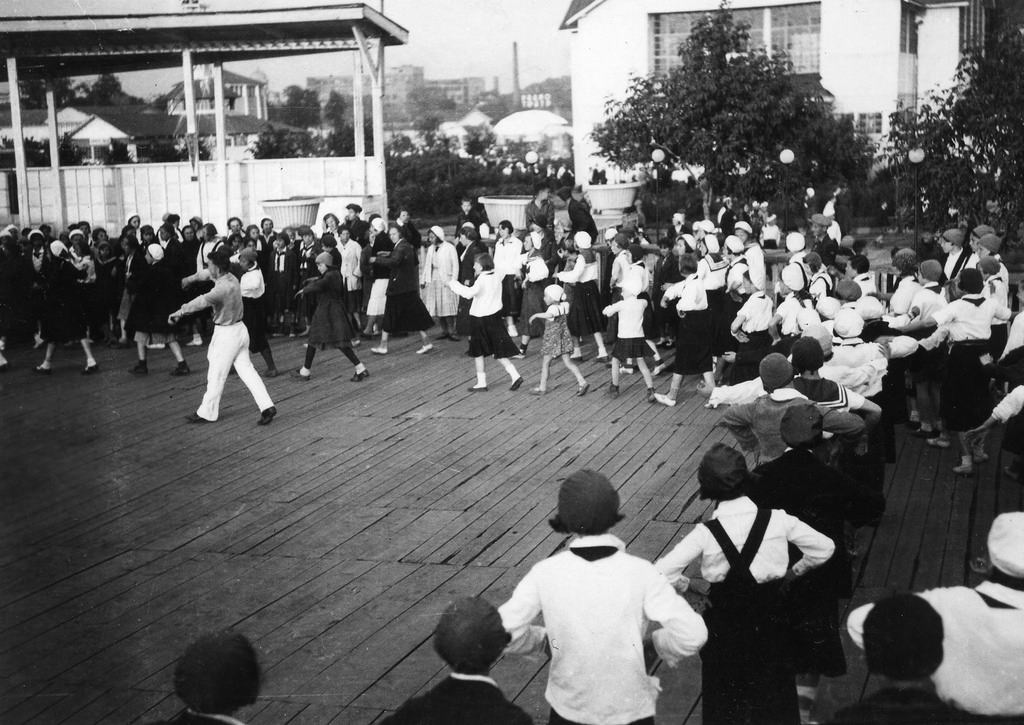
As a foreign journalist, Sundvor had access that Soviet citizens did not have — the ability to observe and record without being a subject of the system he was watching. That position gave his photographs a candid quality that state-approved Soviet photography of the era rarely carried.
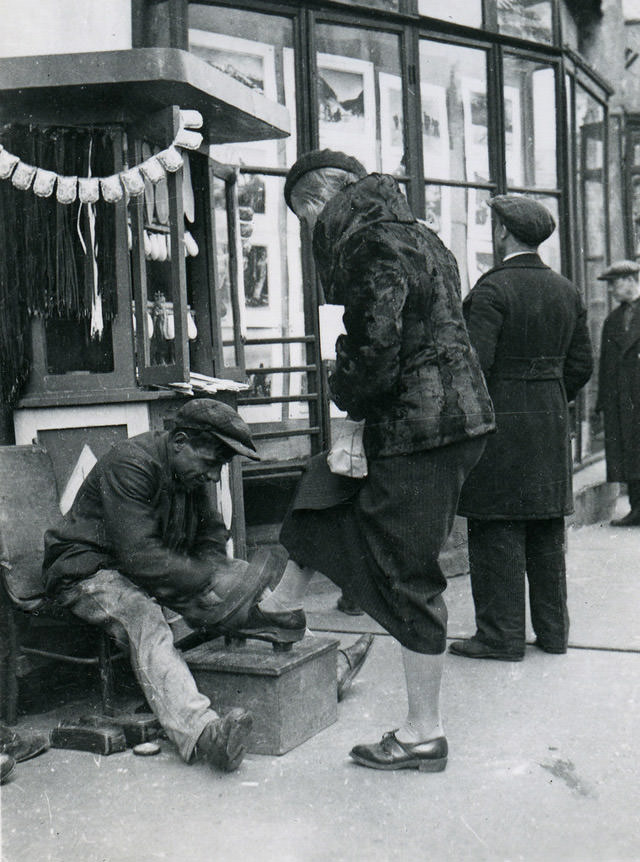
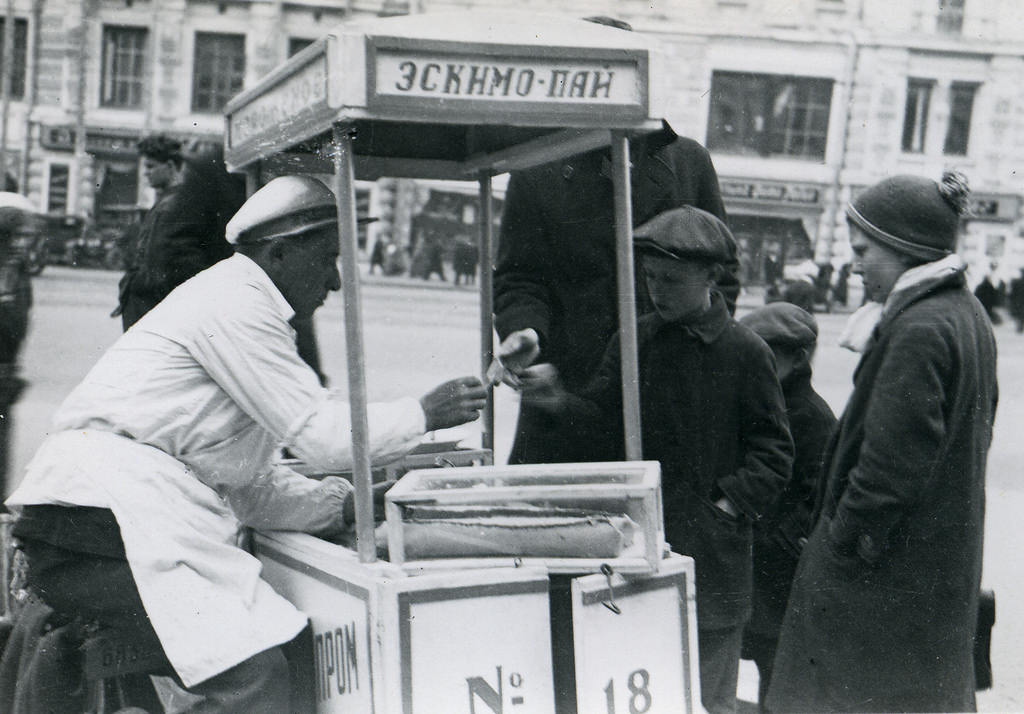
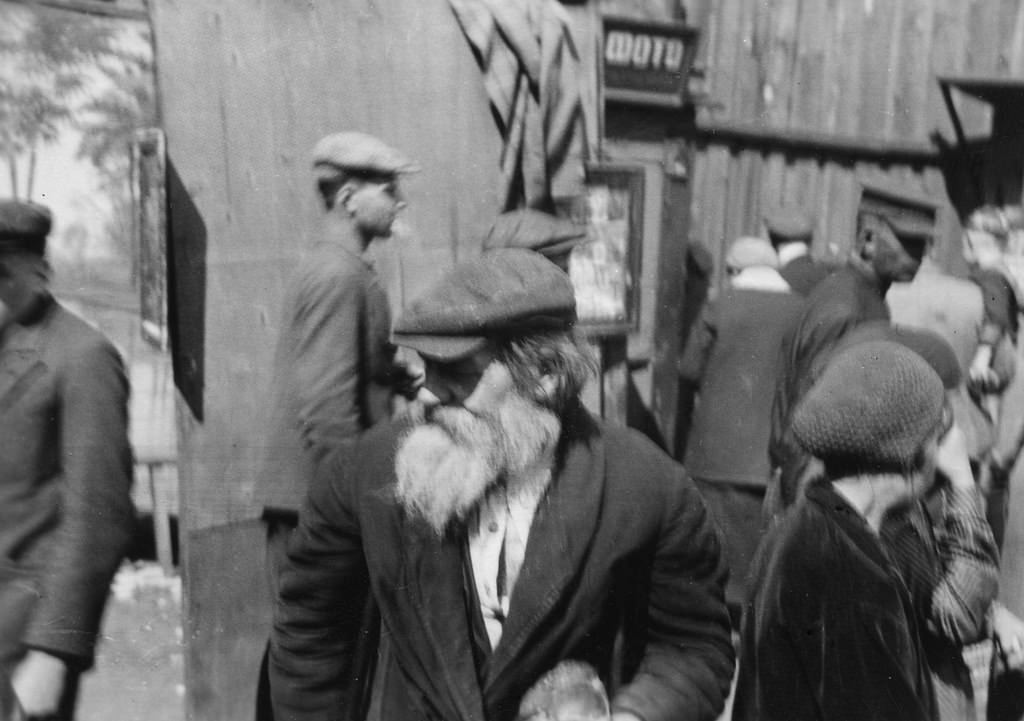
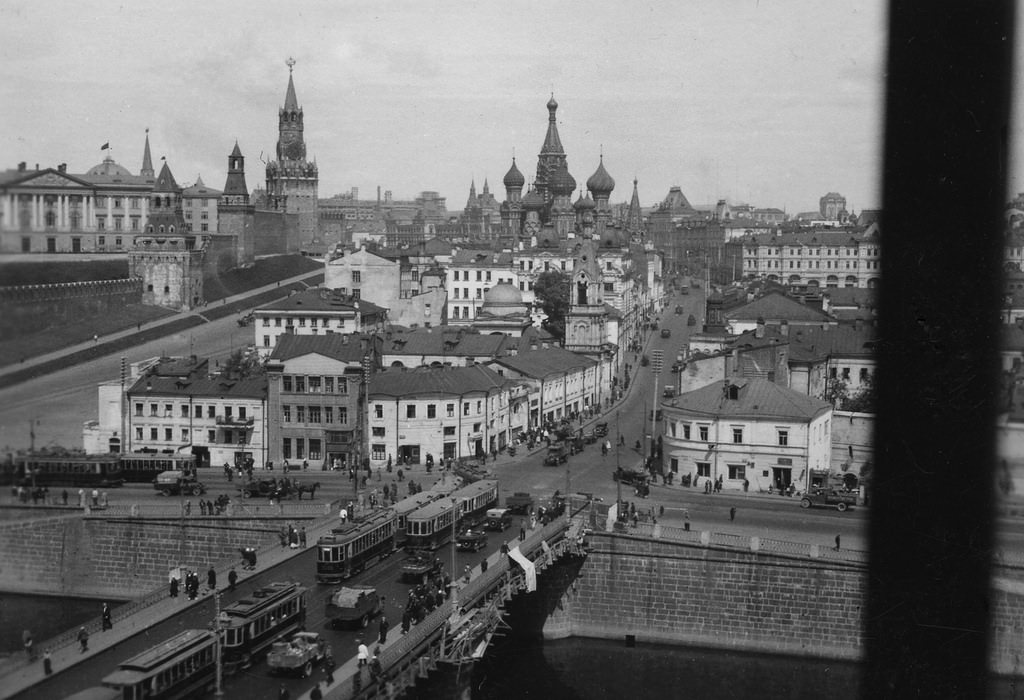
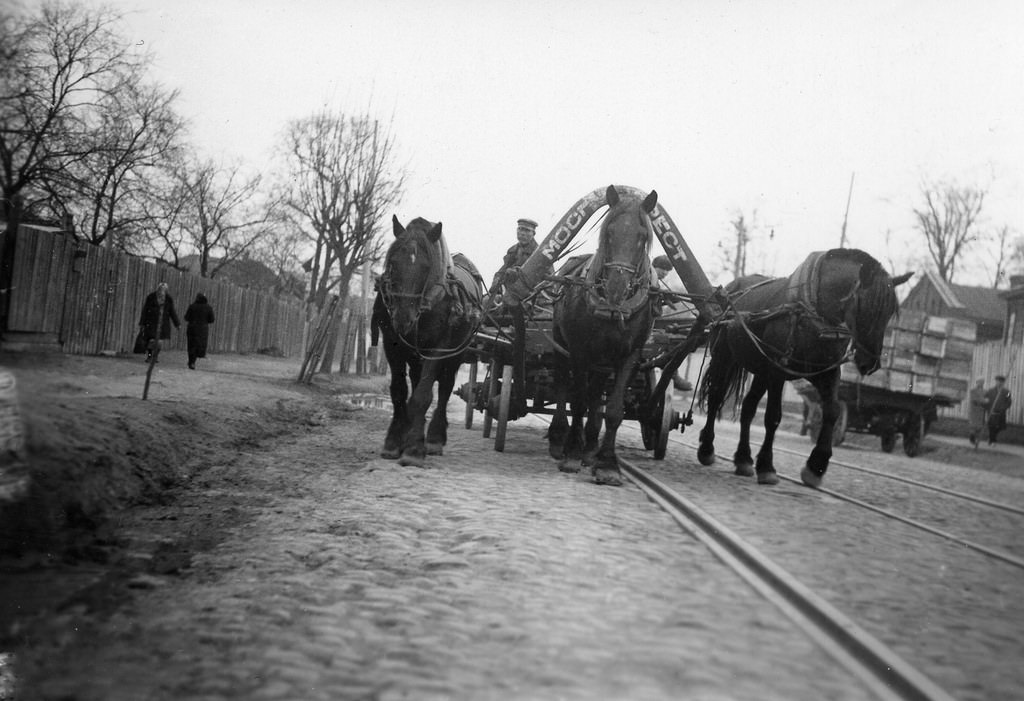
The construction boom reshaping Moscow was visible everywhere Sundvor looked. New buildings rose alongside older structures, and the contrast between the pre-revolutionary city and the new Soviet one was sharp. Streets built for horse traffic were now competing with trucks and trams.
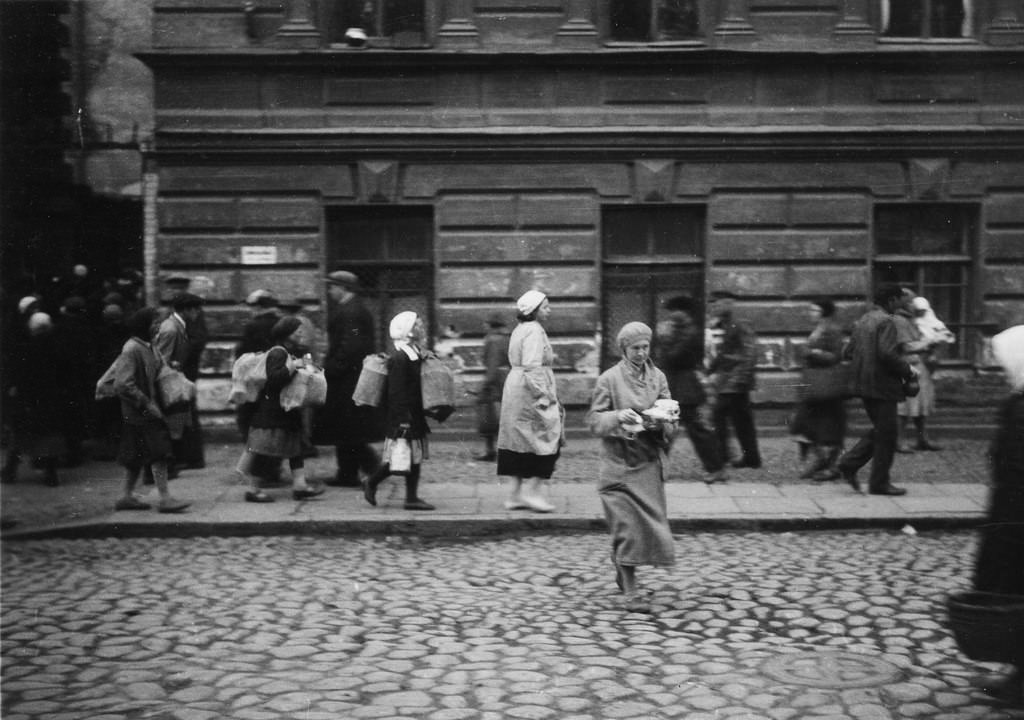
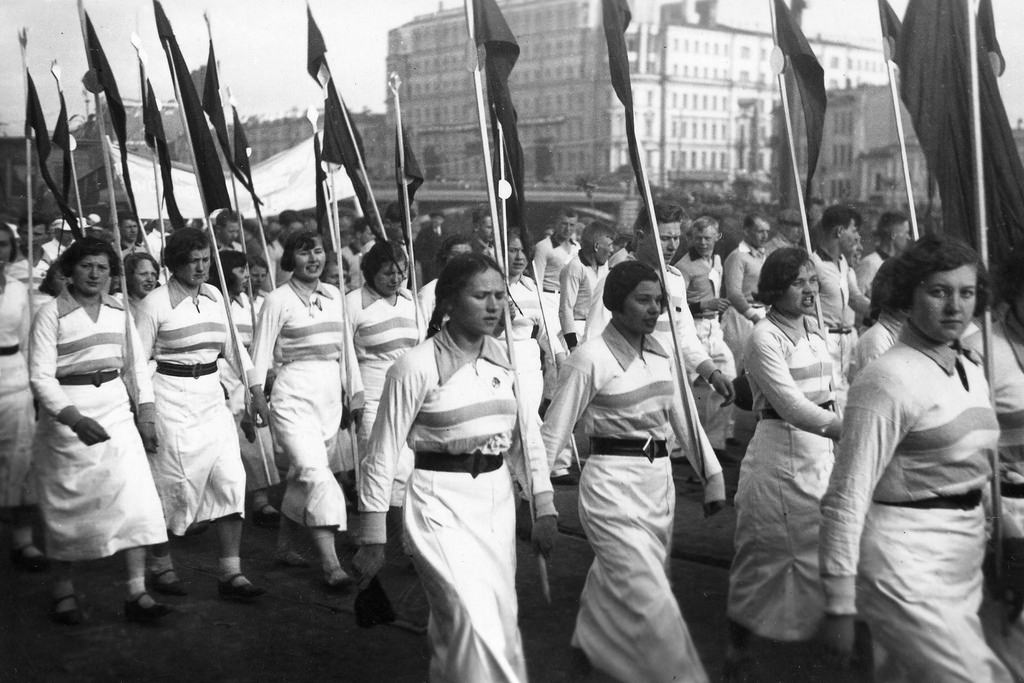
Daily life for Moscow’s working population was hard. Housing was crowded, food was rationed, and long factory shifts were the norm. The state promoted industrial output as a collective achievement, but the cost fell heavily on individual workers and their families.
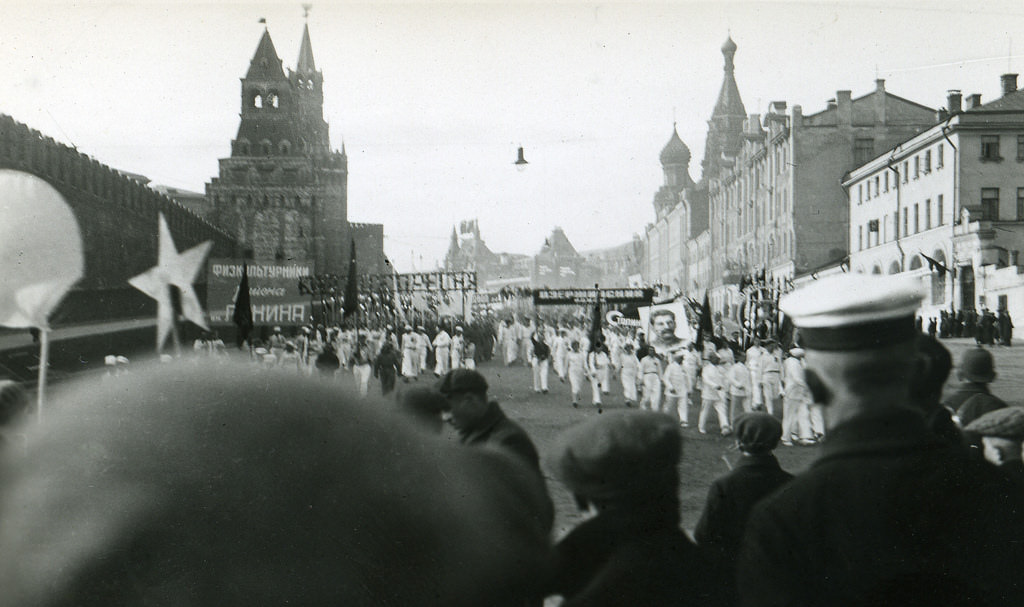
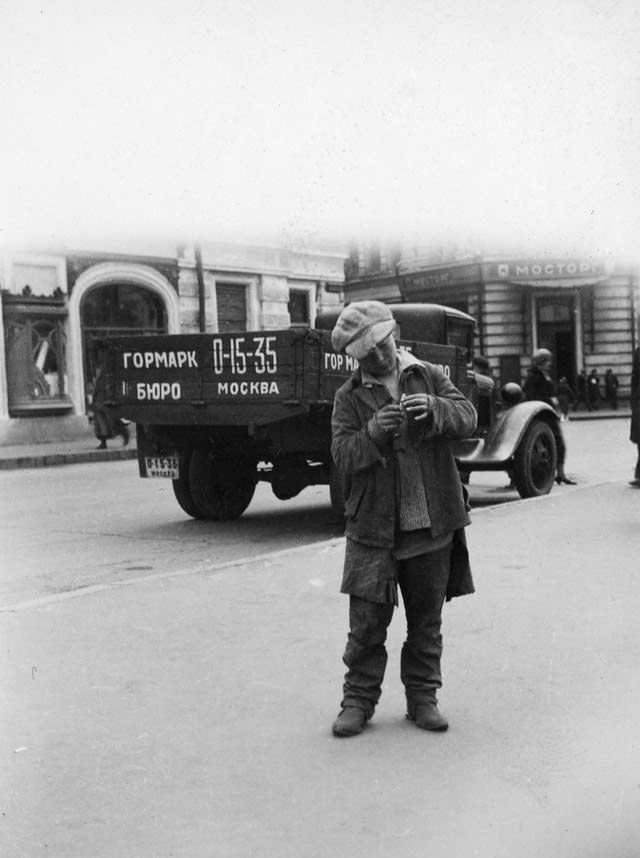
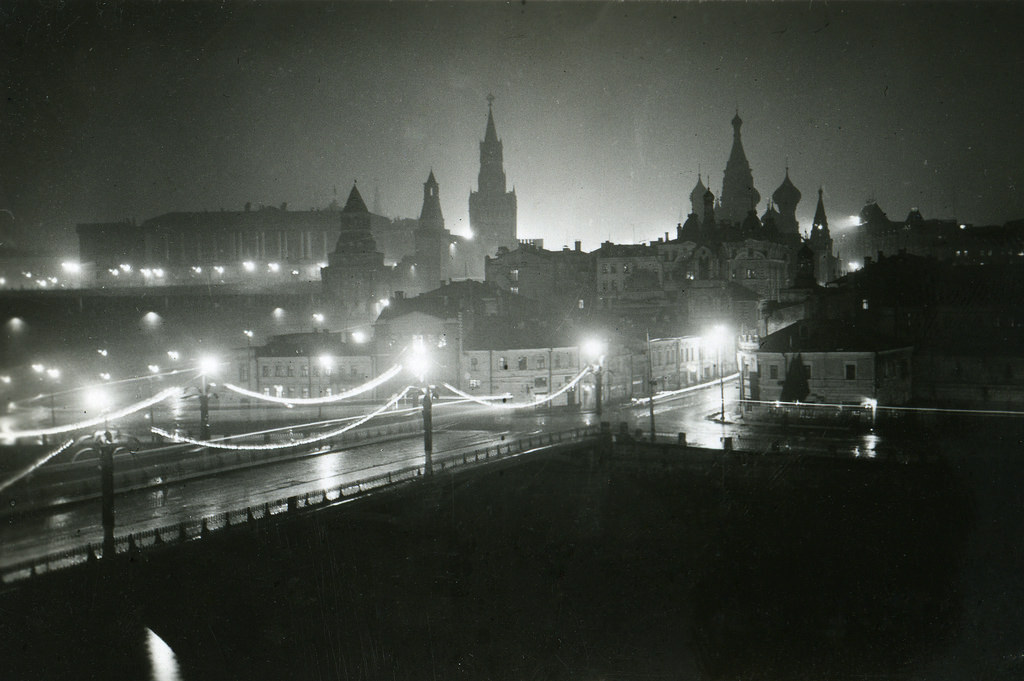
Sundvor’s archive captures a city that was simultaneously being built up and locked down — one where cranes and construction scaffolding shared the skyline with propaganda posters and the ever-present symbols of state authority.
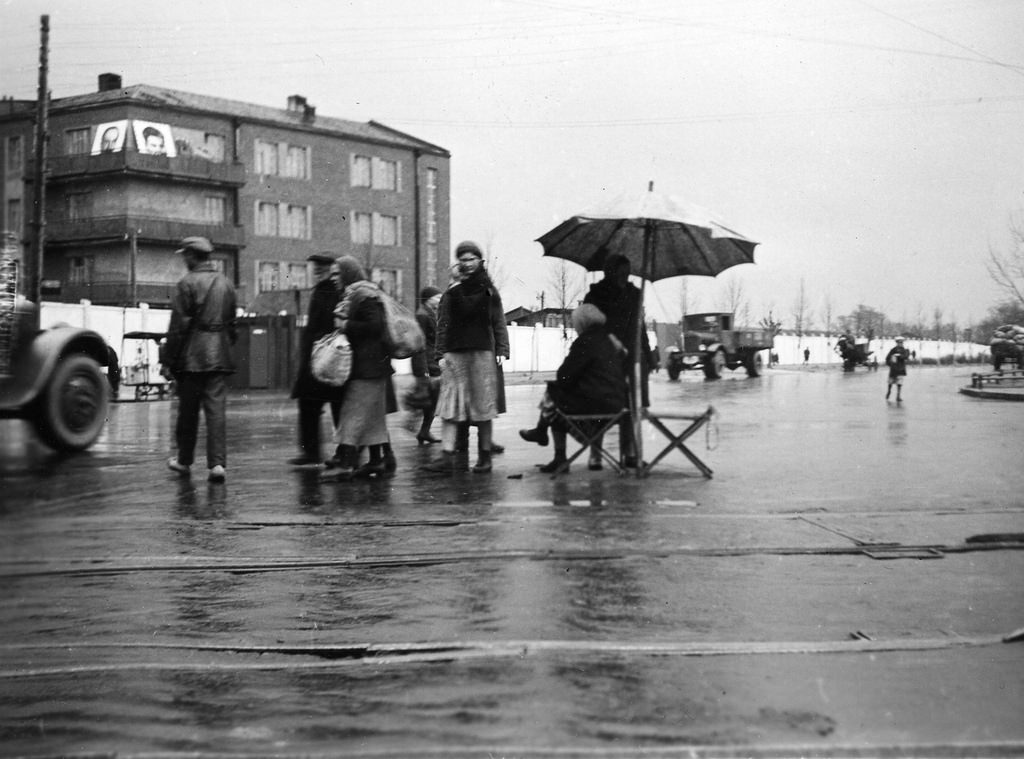
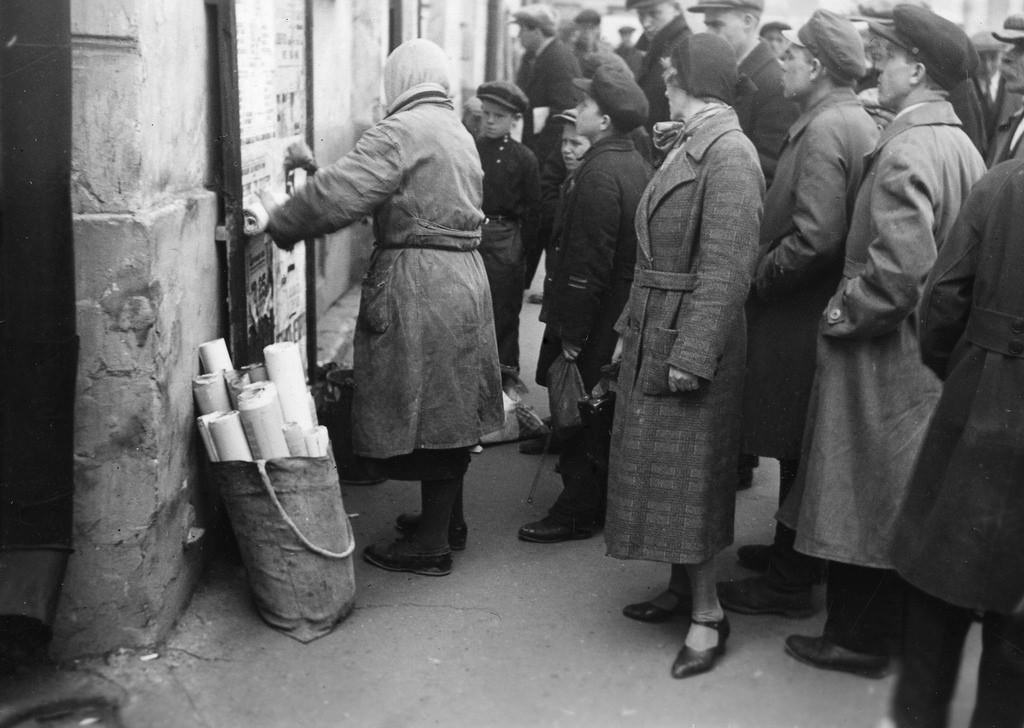
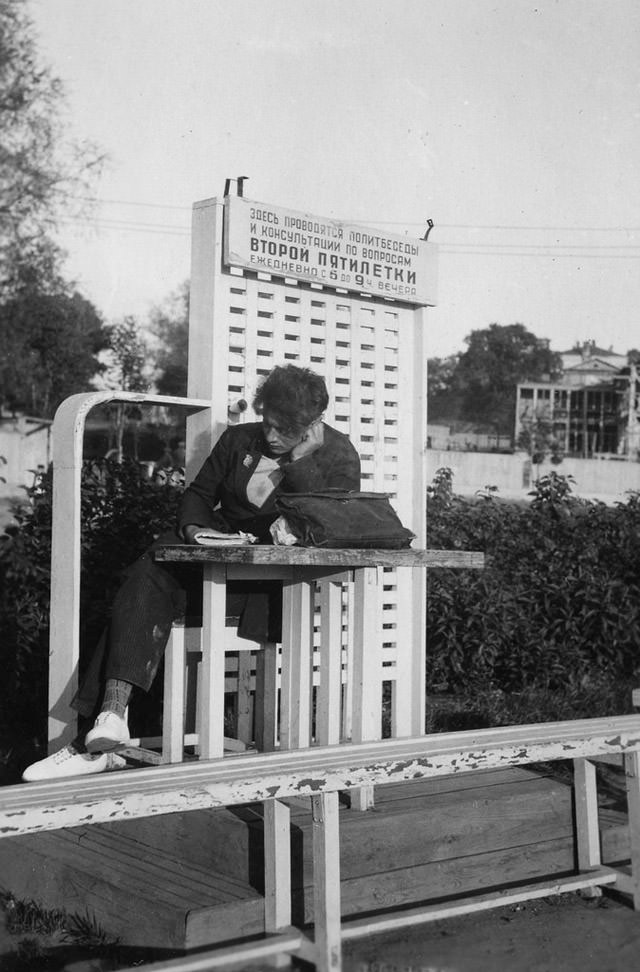
His photographs of Moscow’s streets show a working city in motion — not a showcase, but a place where real people navigated real hardship. Children played near construction sites. Women carried goods through crowded markets. Men in work clothes waited at tram stops.
The industrial zones on Moscow’s outskirts were expanding rapidly in 1935. Factories that had been built during the first five-year plan were now in full operation, pulling in thousands of workers from across the country. Sundvor photographed this world too — the machinery, the workers, the scale of it all.
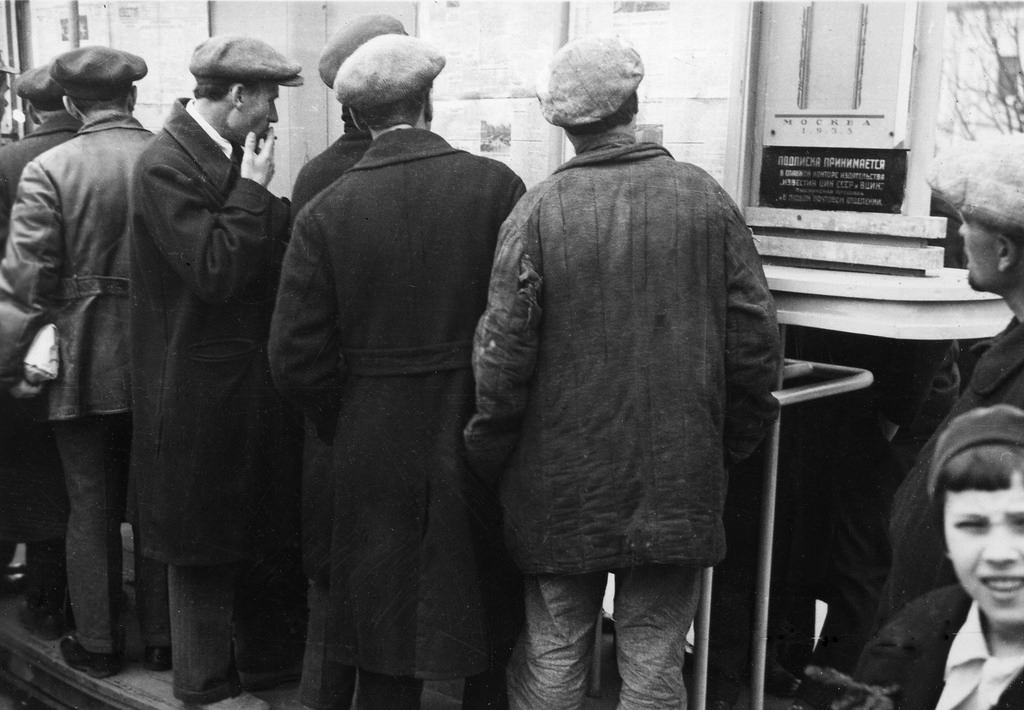
For Norway and the rest of Western Europe, images like Sundvor’s were often the closest most people came to seeing what the Soviet experiment actually looked like on the ground. His photographs sat outside Soviet censorship, making them a genuinely independent record of Moscow at one of the most consequential moments in its modern history.