Hey There! Before You Go. 😧
Get the best vintage content straight into your inbox!

Don't worry, we don't spam

Stunning Illustrations from the Mechanism of Human Physiognomy by Guillaume-Benjamin-Amand Duchenne de Boulogne

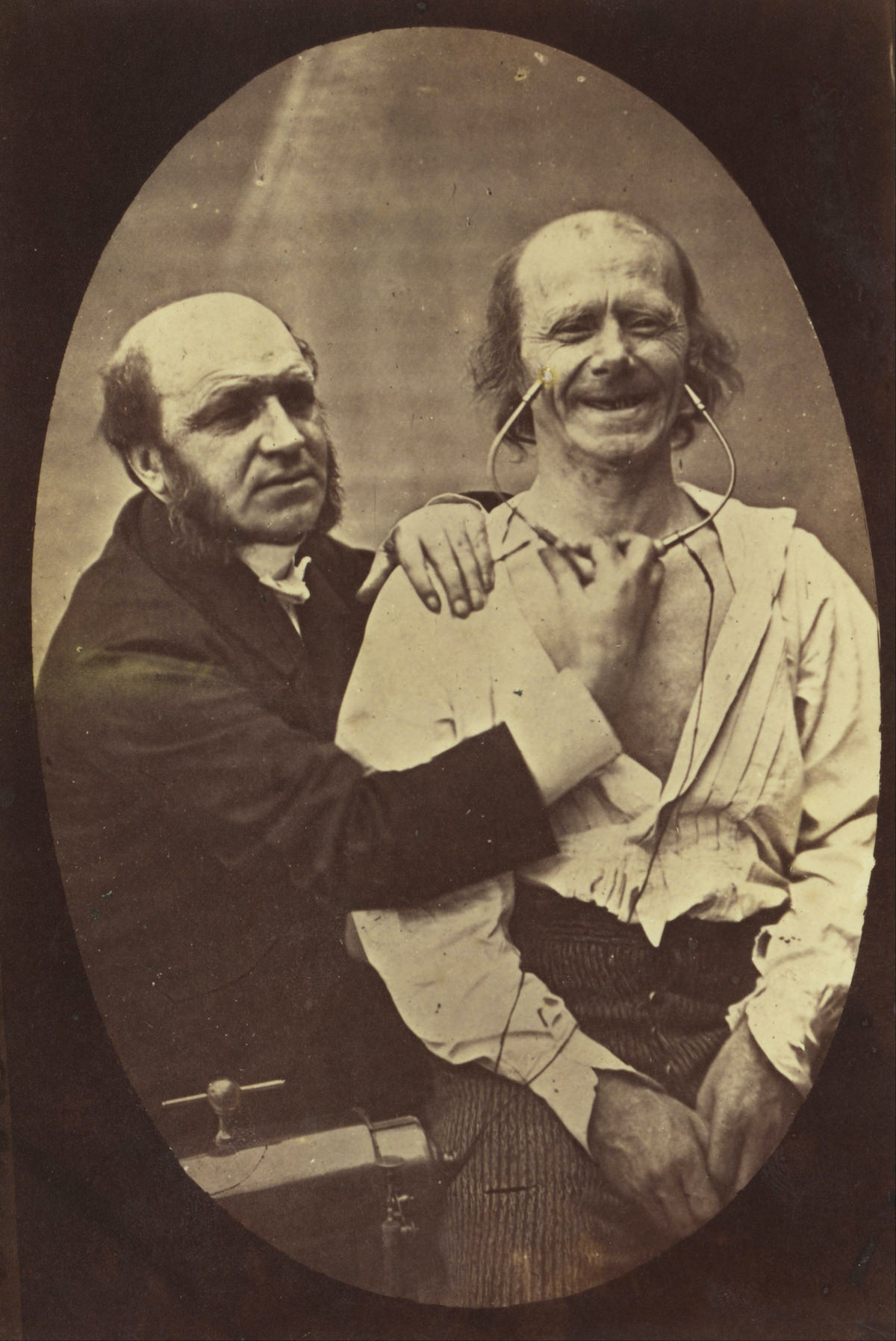
In 1862, French neurologist Guillaume-Benjamin-Amand Duchenne de Boulogne published one of the most unusual scientific books of the 19th century. Its full title was Mécanisme de la Physionomie Humaine — The Mechanism of Human Physiognomy — and it set out to answer a deceptively simple question: what exactly happens in the human face when we feel something?
Stunning Illustrations from the Mechanism of Human Physiognomy by Guillaume-Benjamin-Amand Duchenne de Boulogne

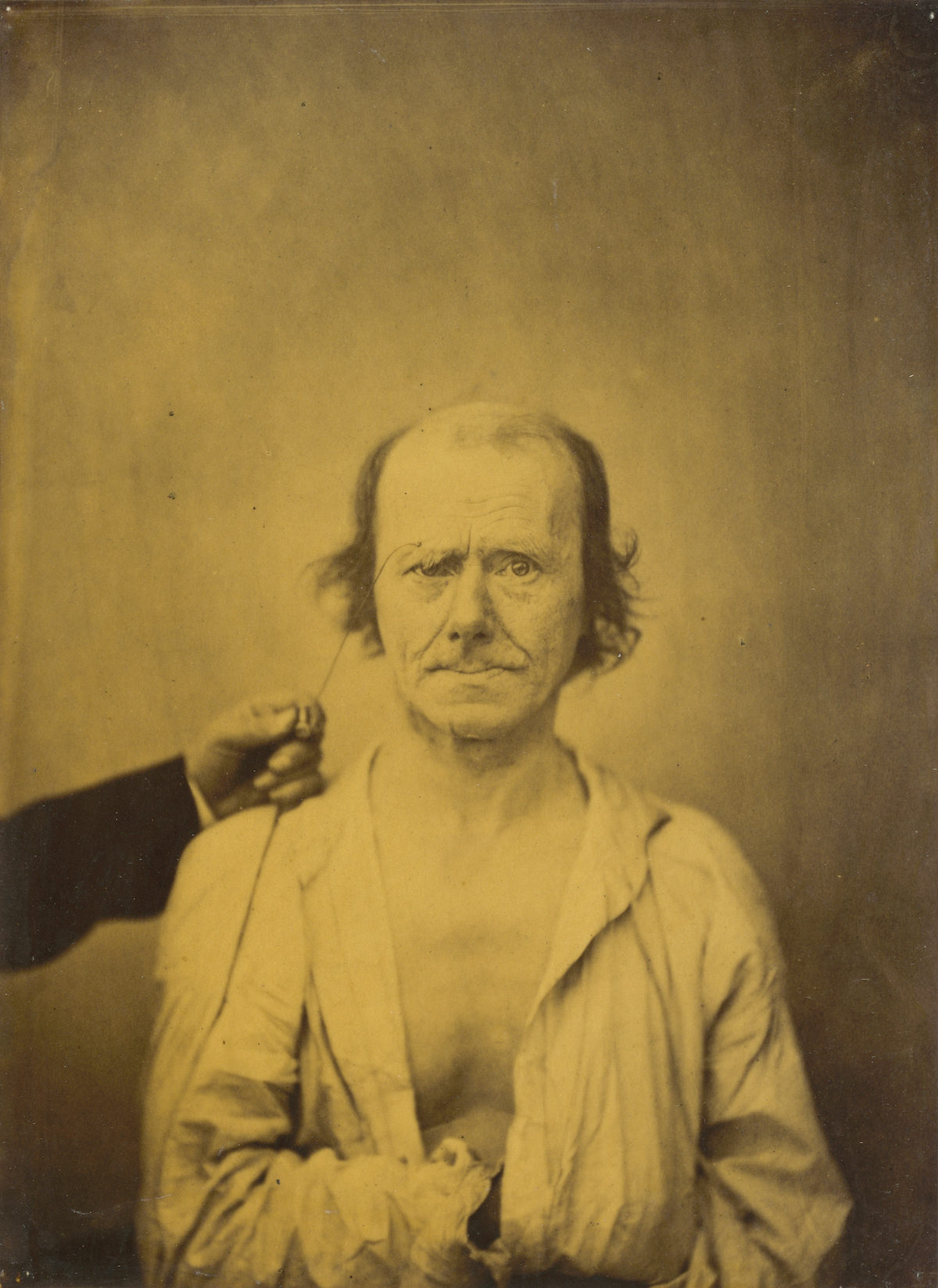
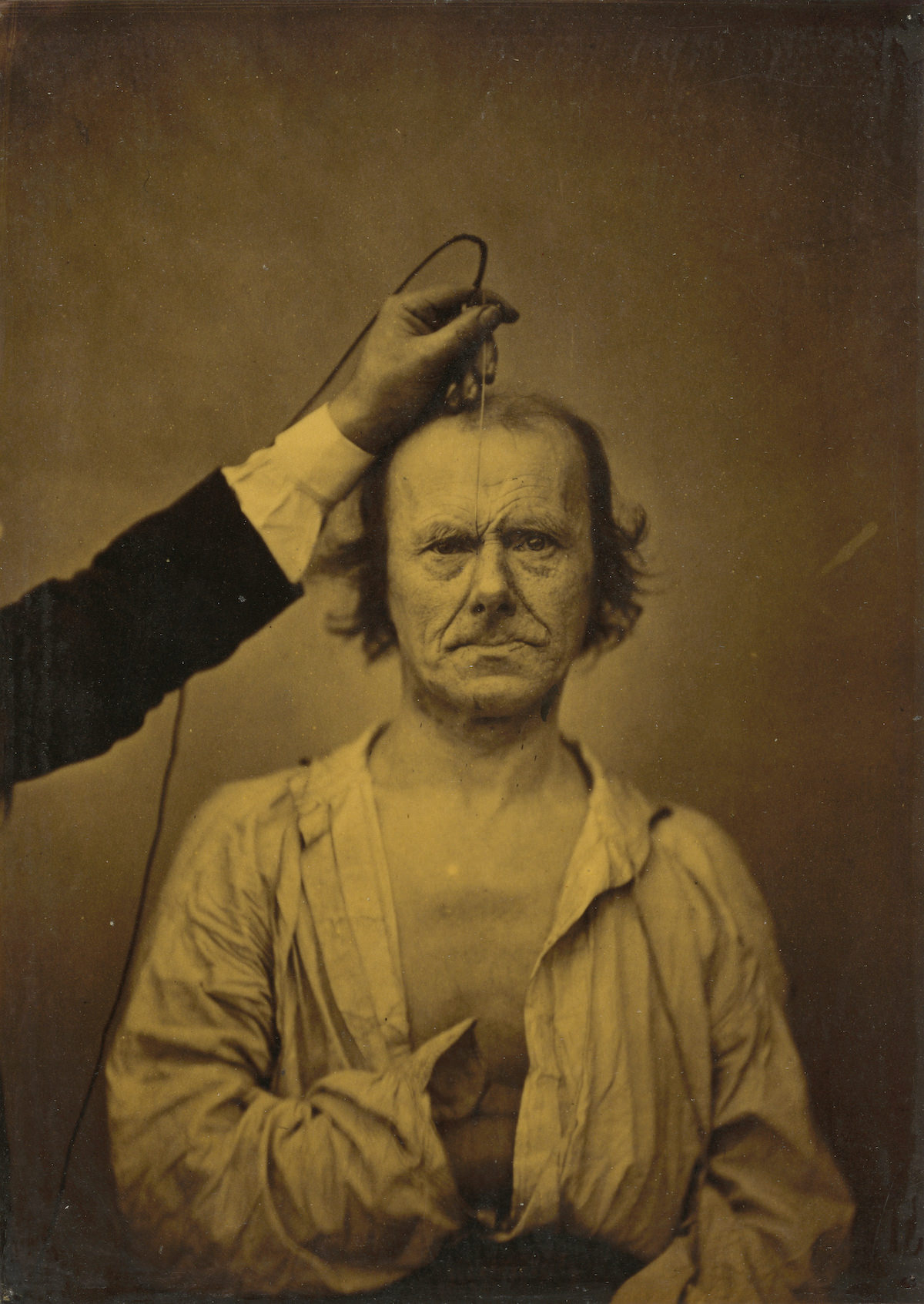
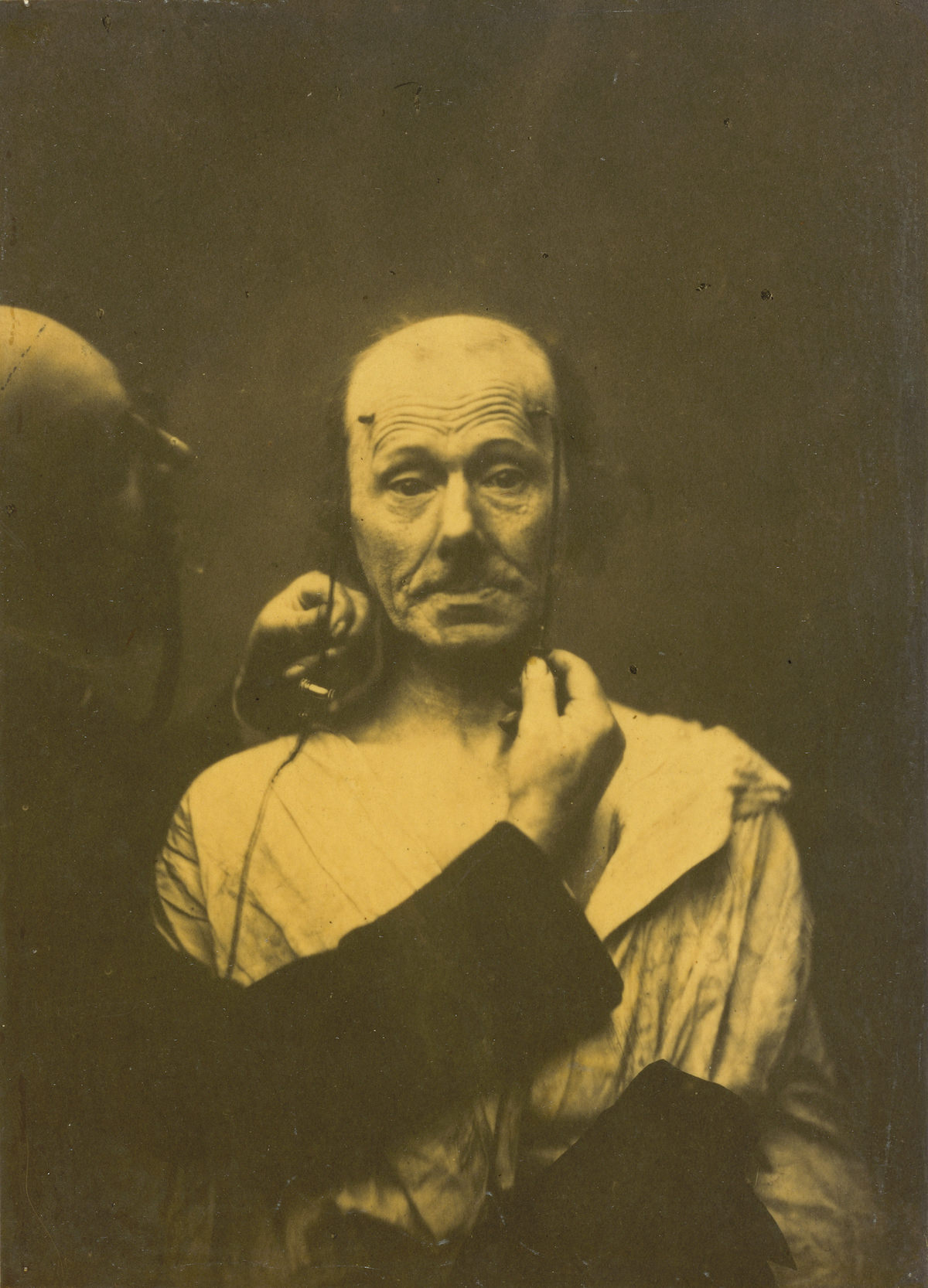
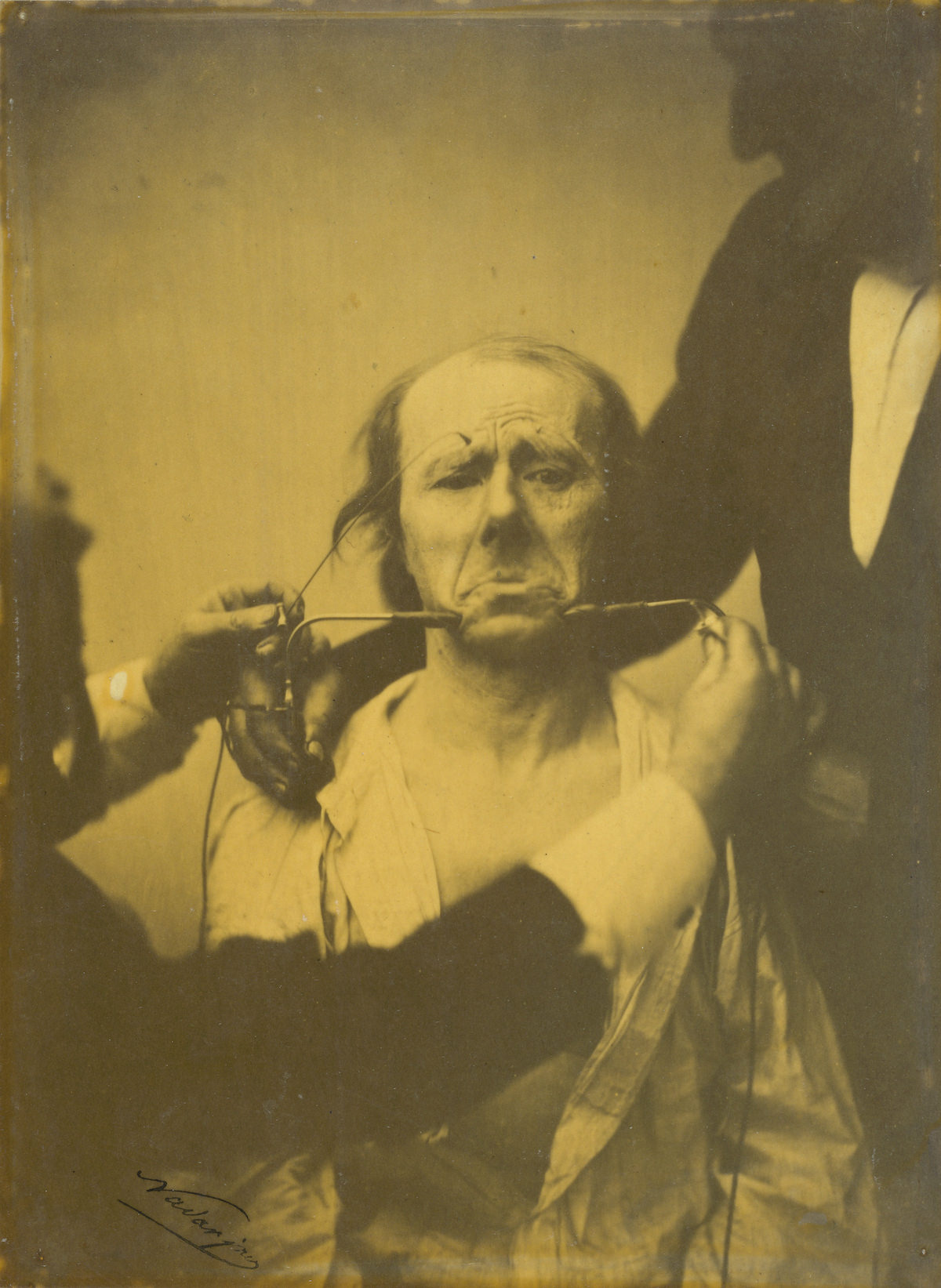
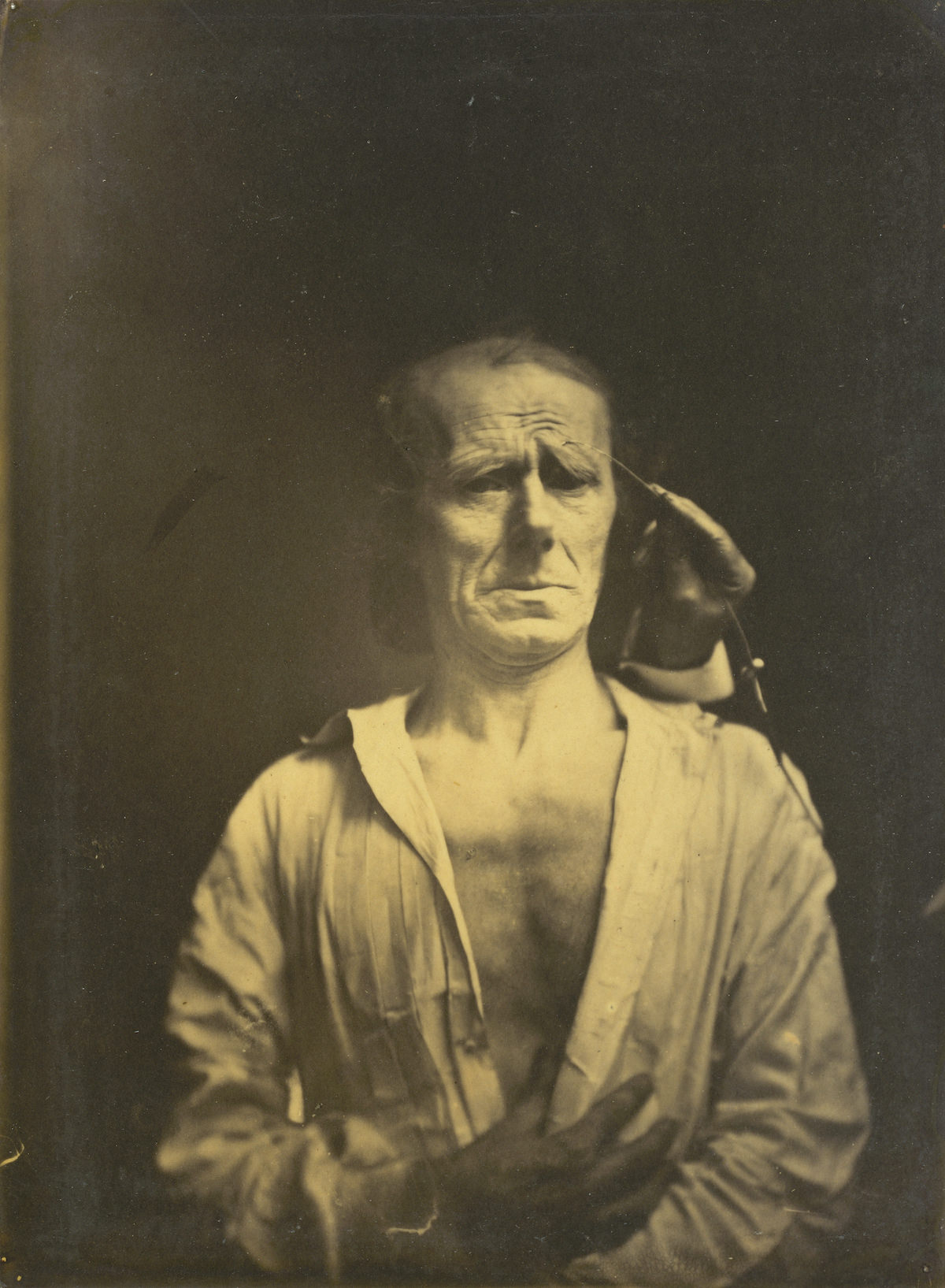
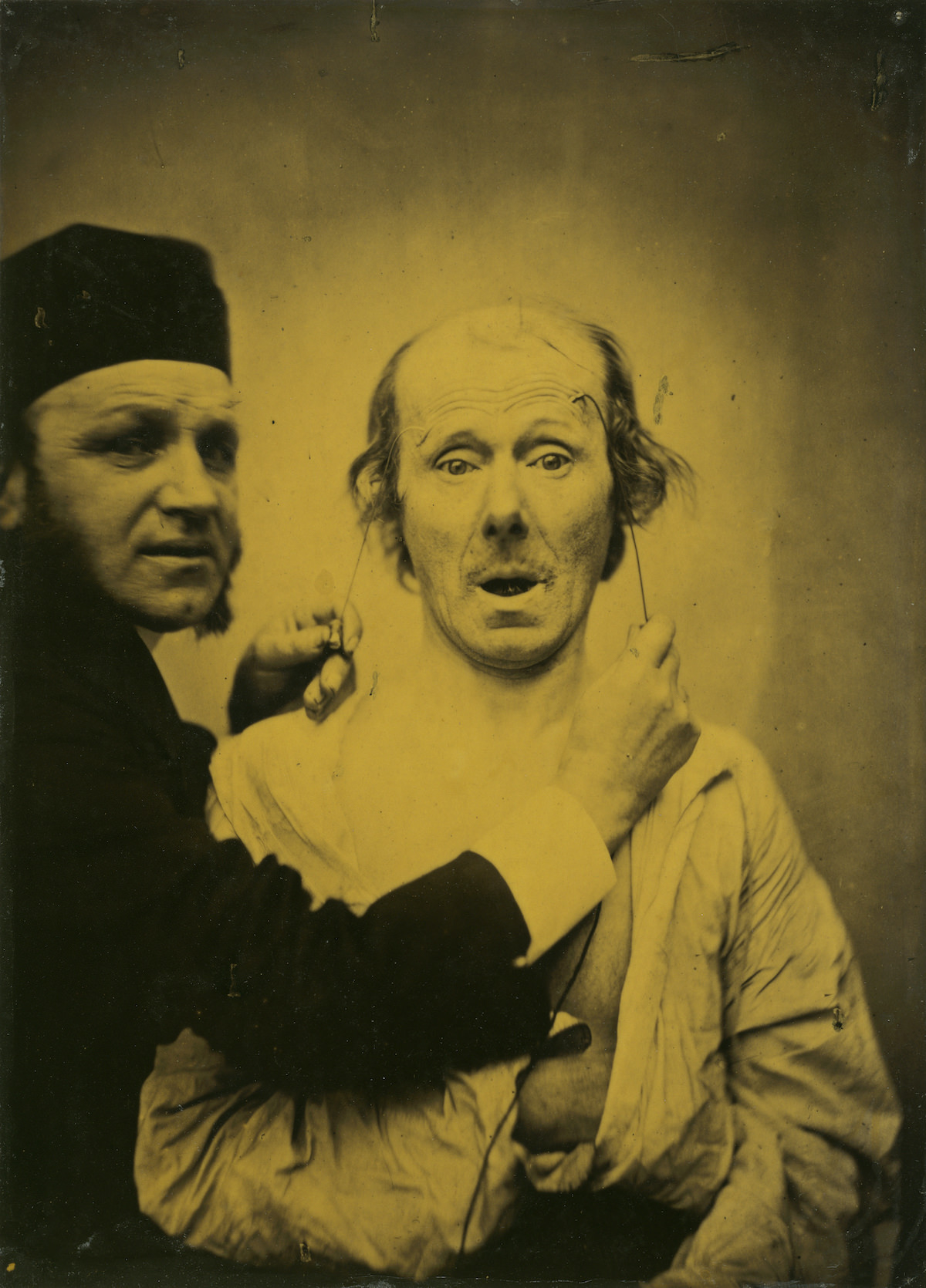
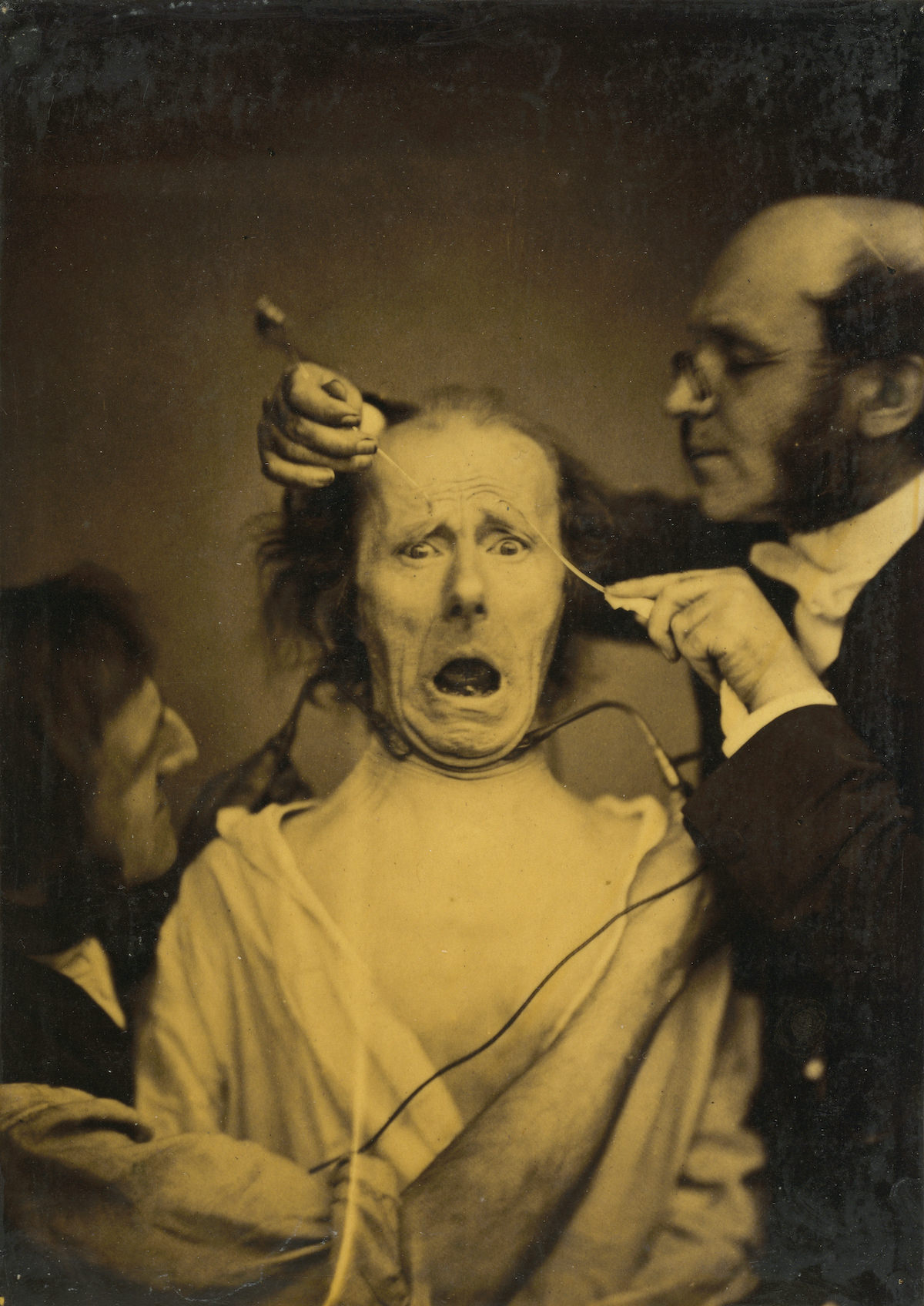
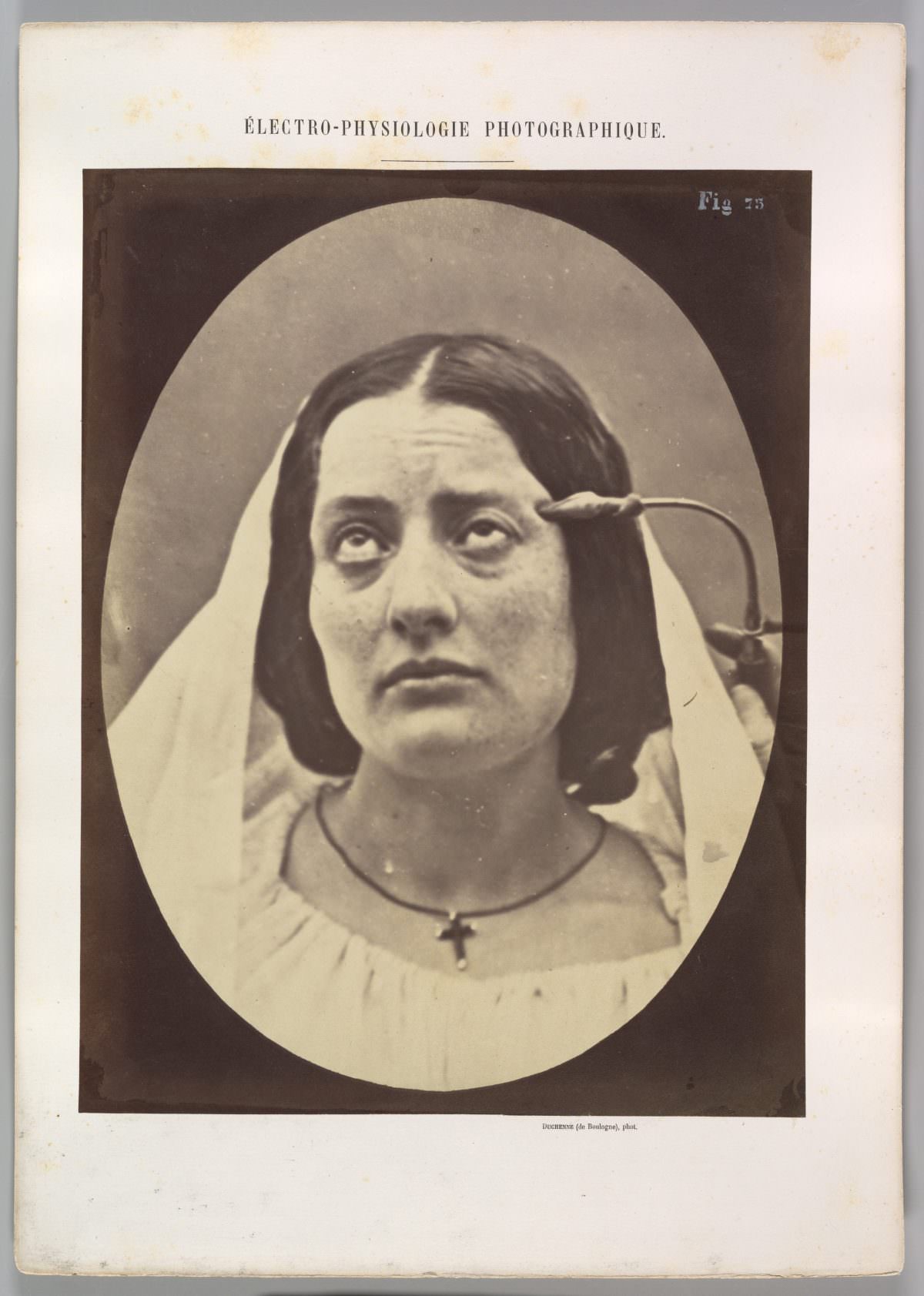
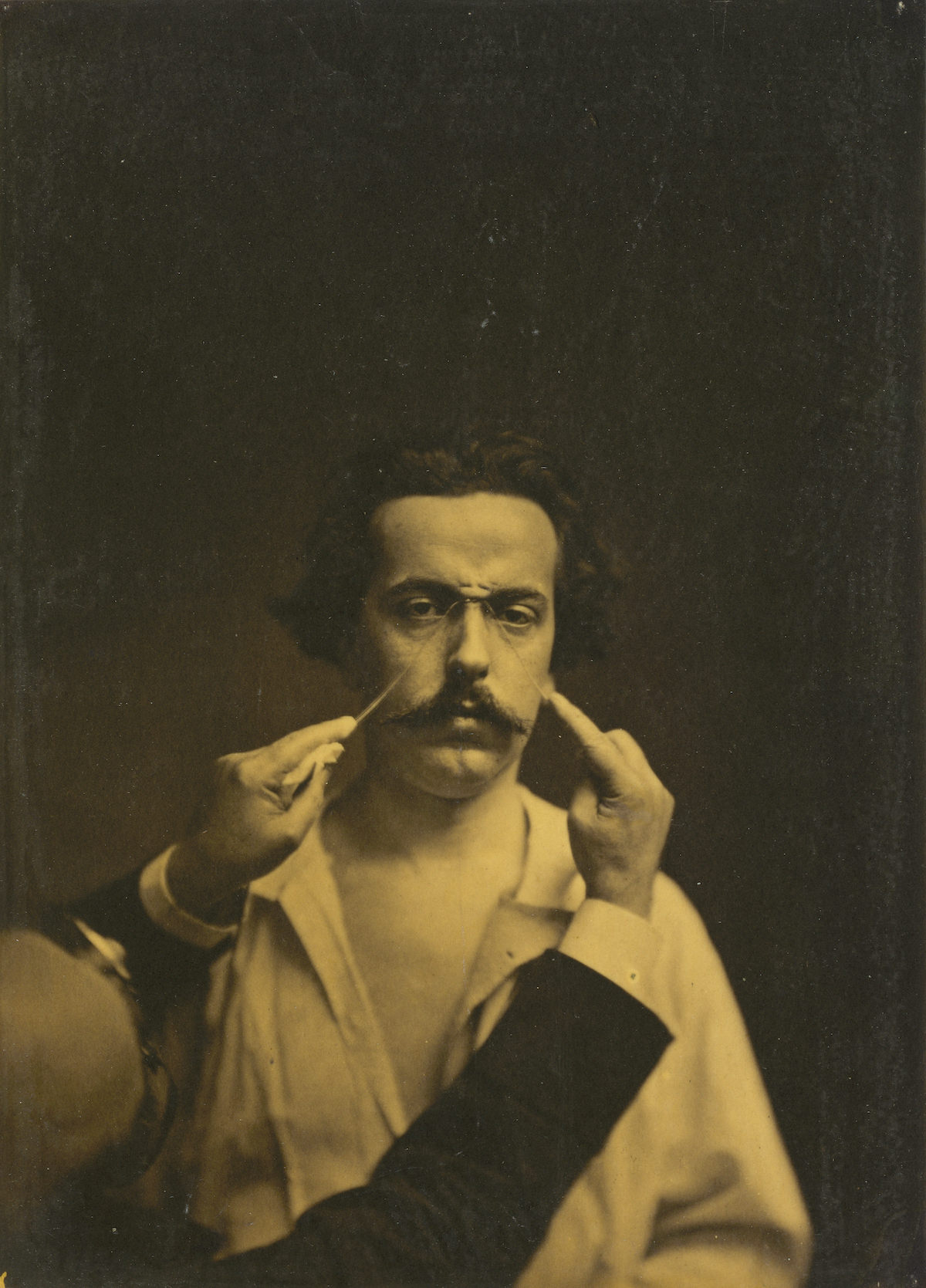
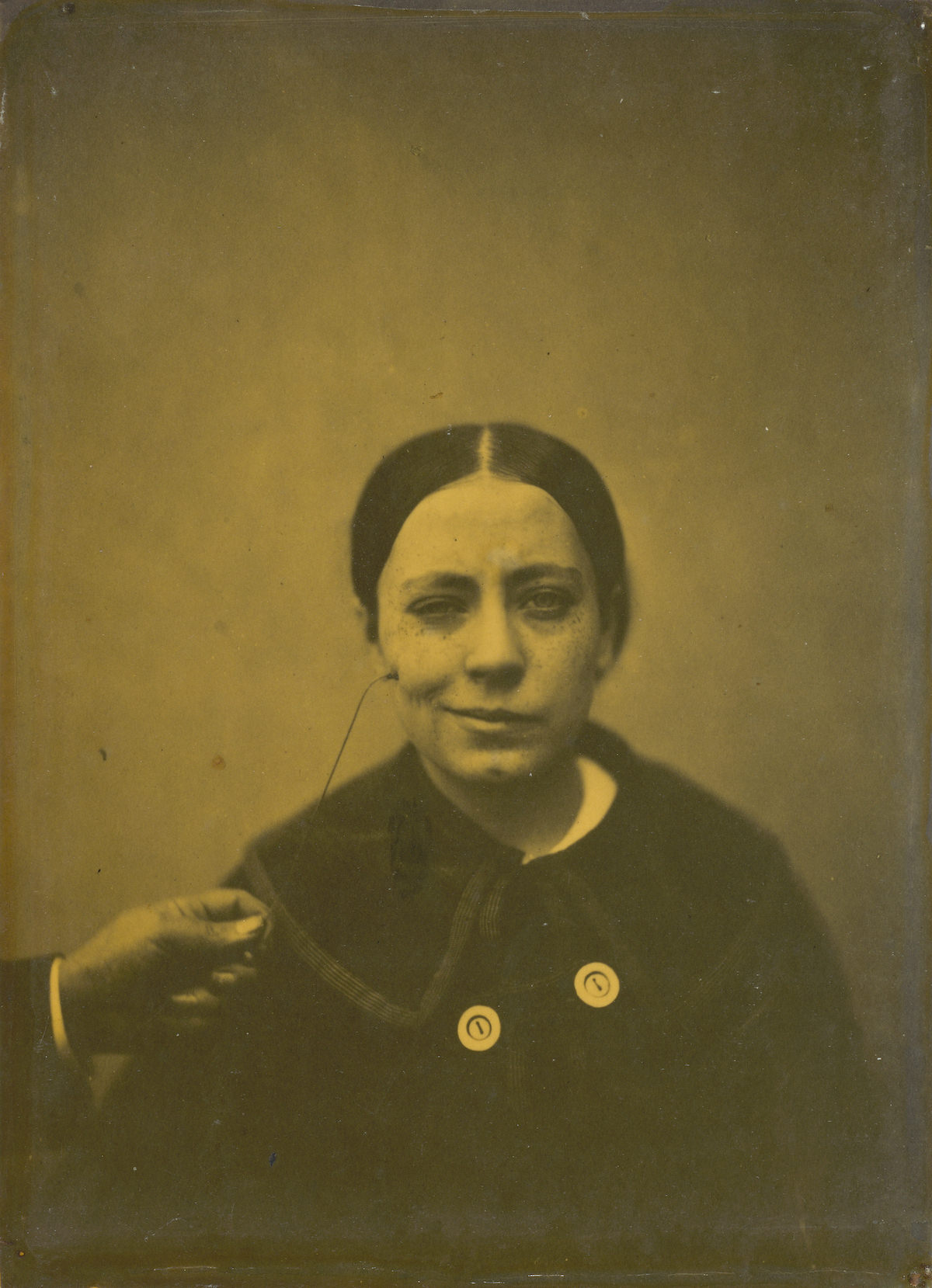
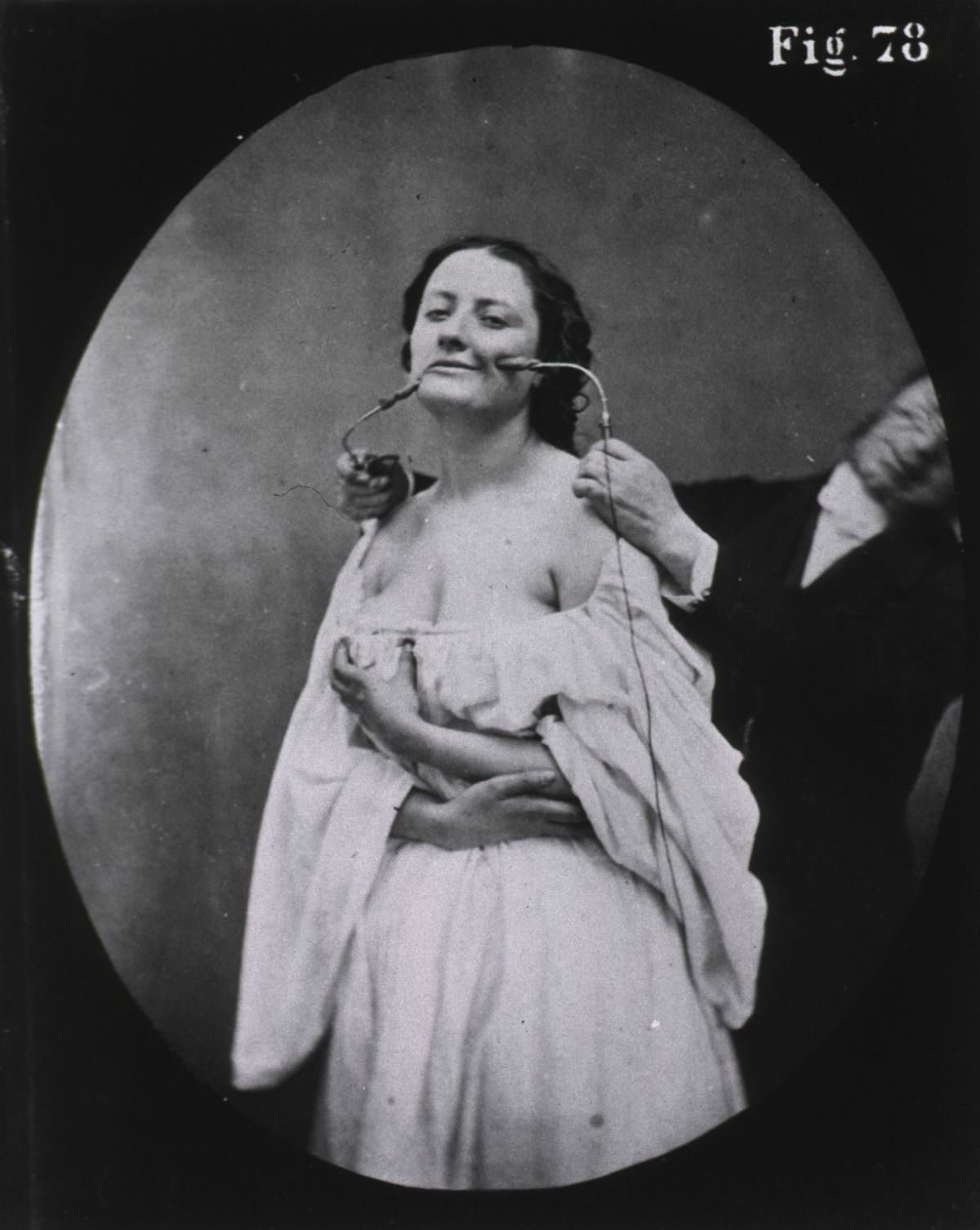
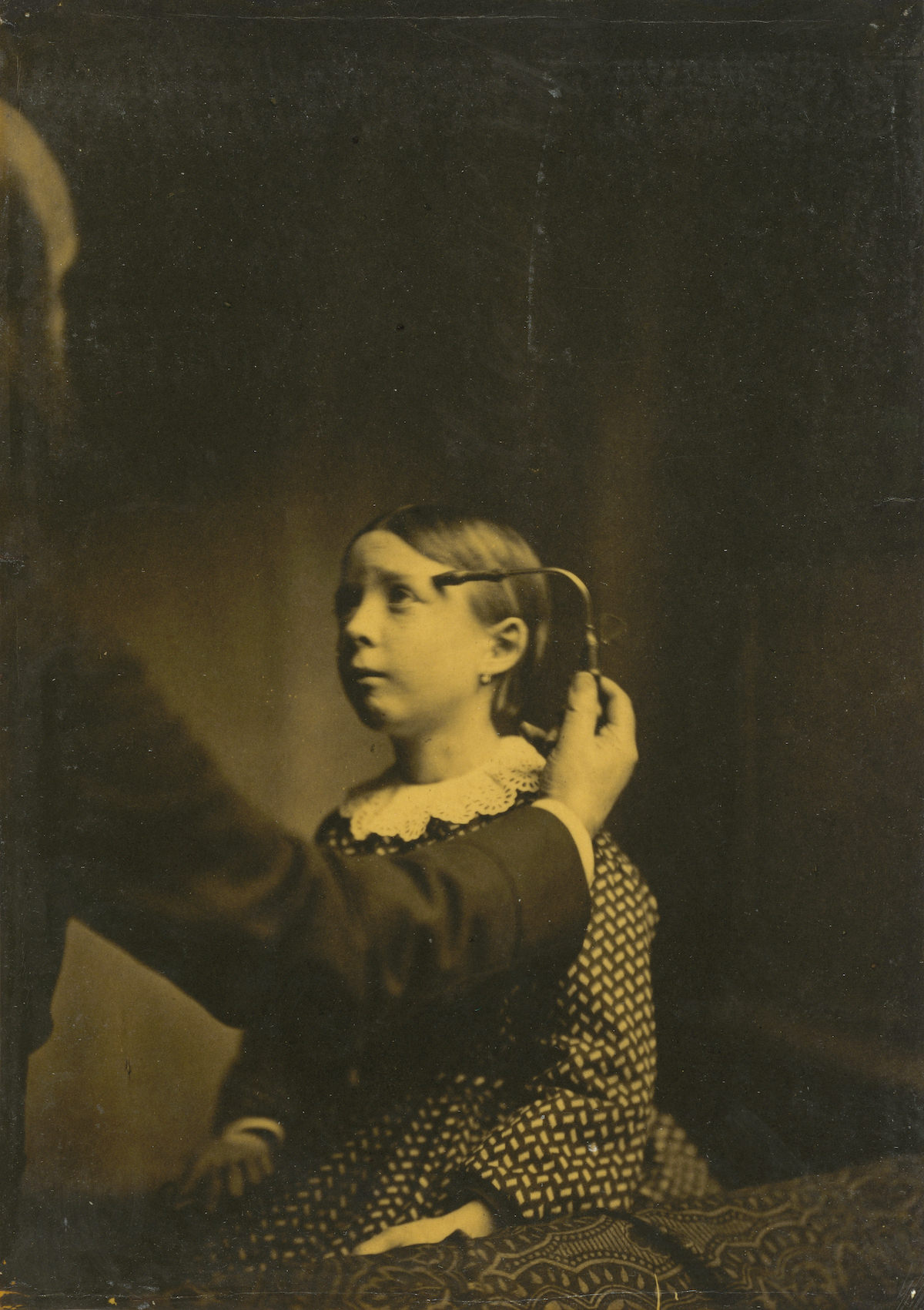
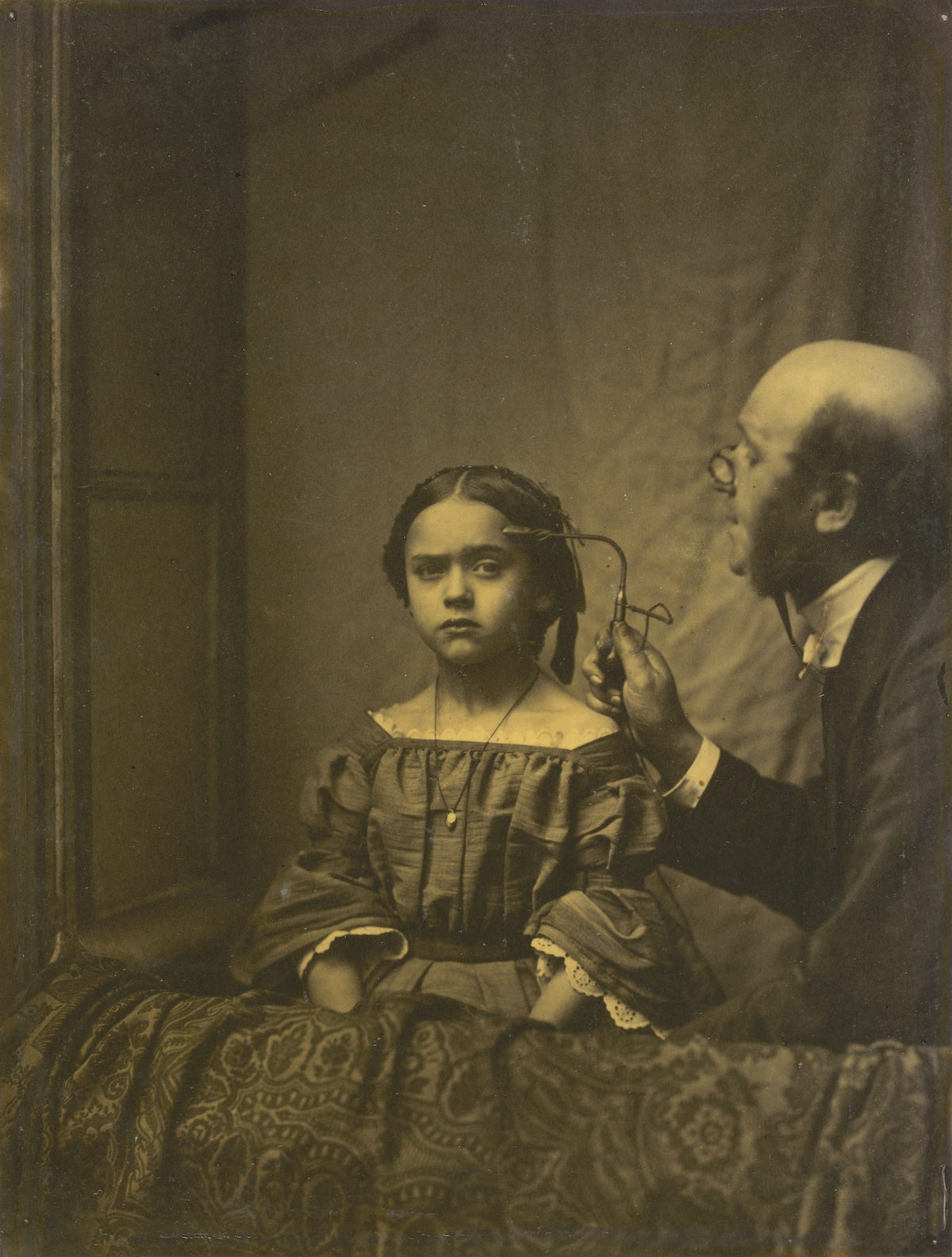
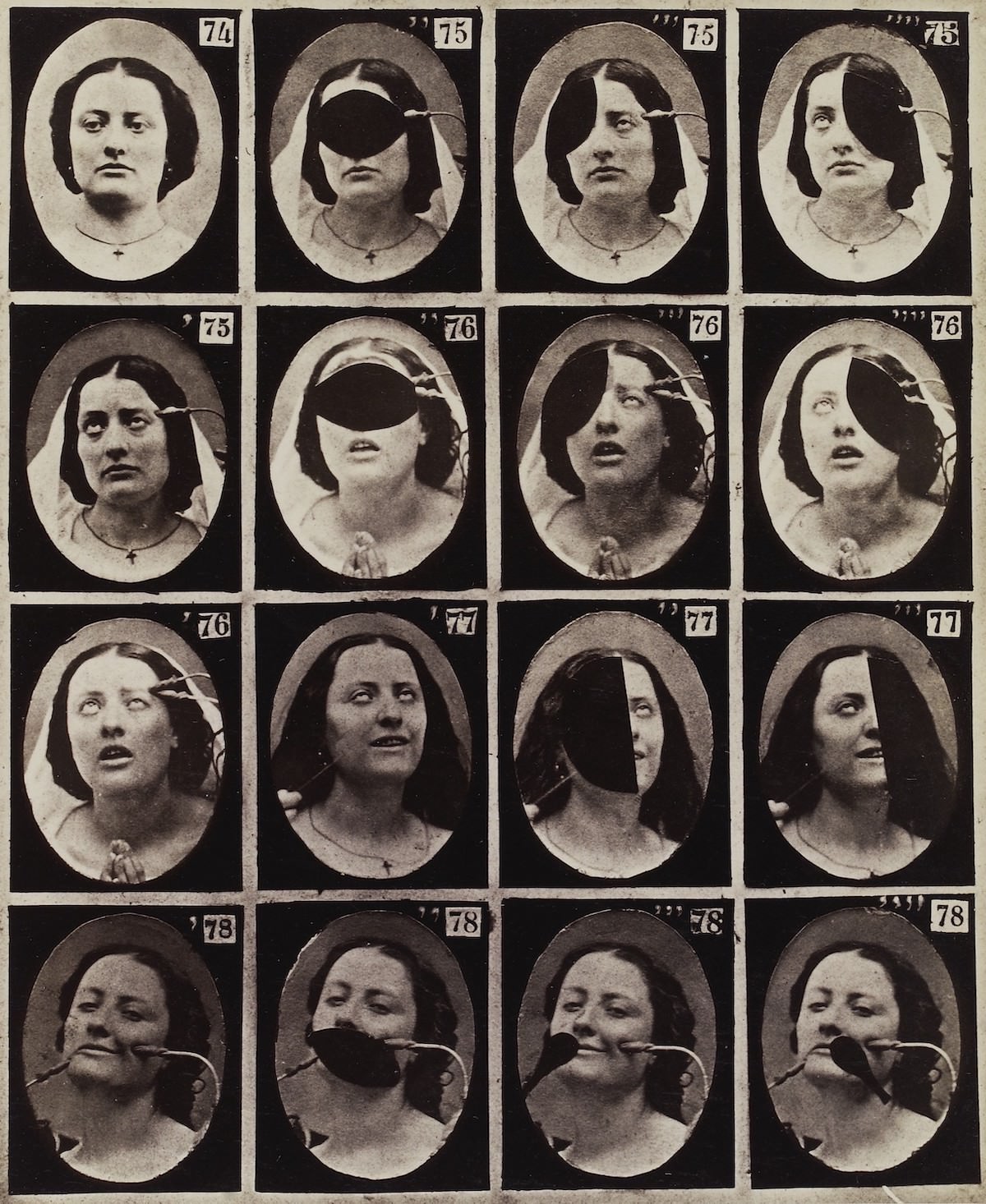
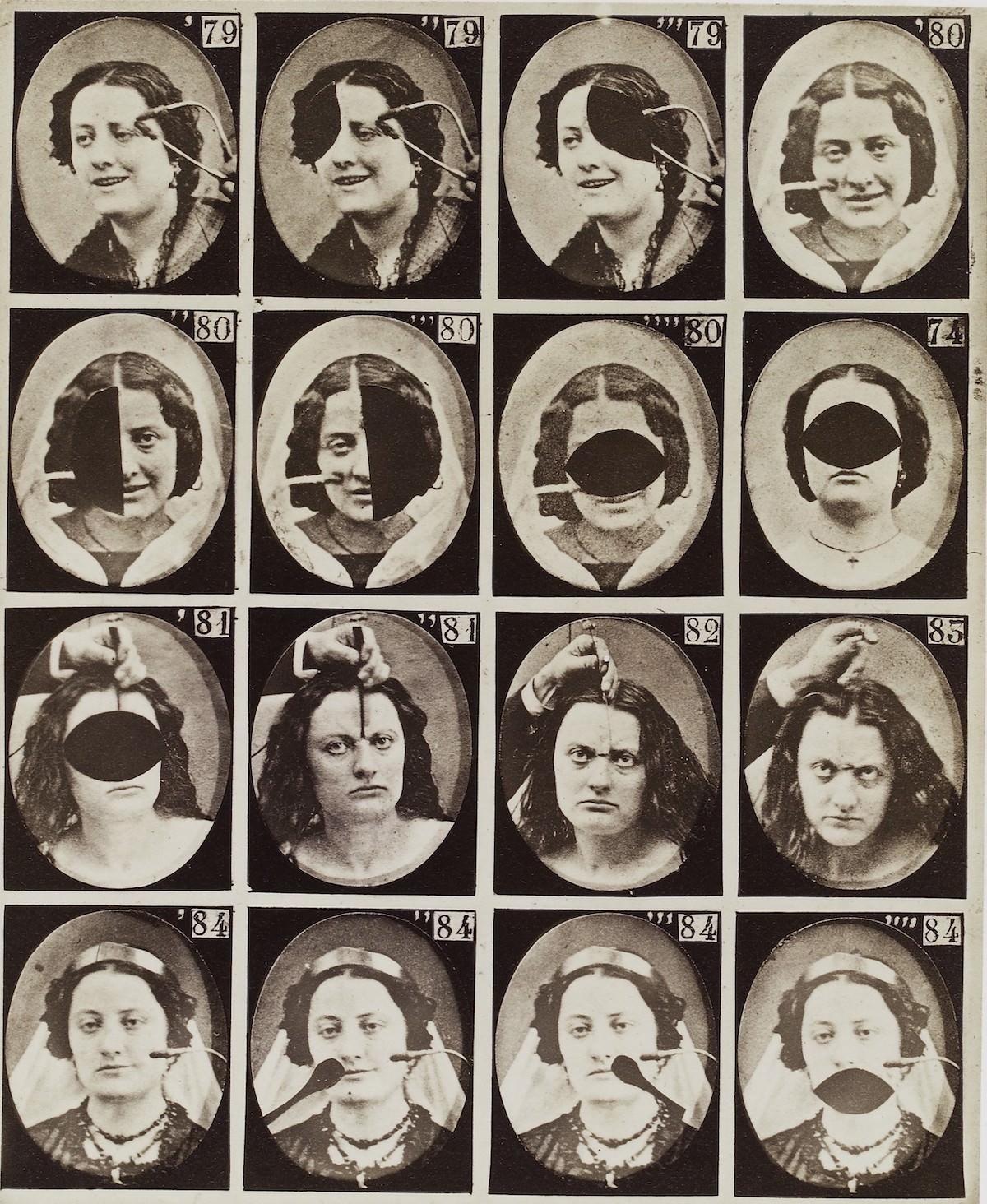
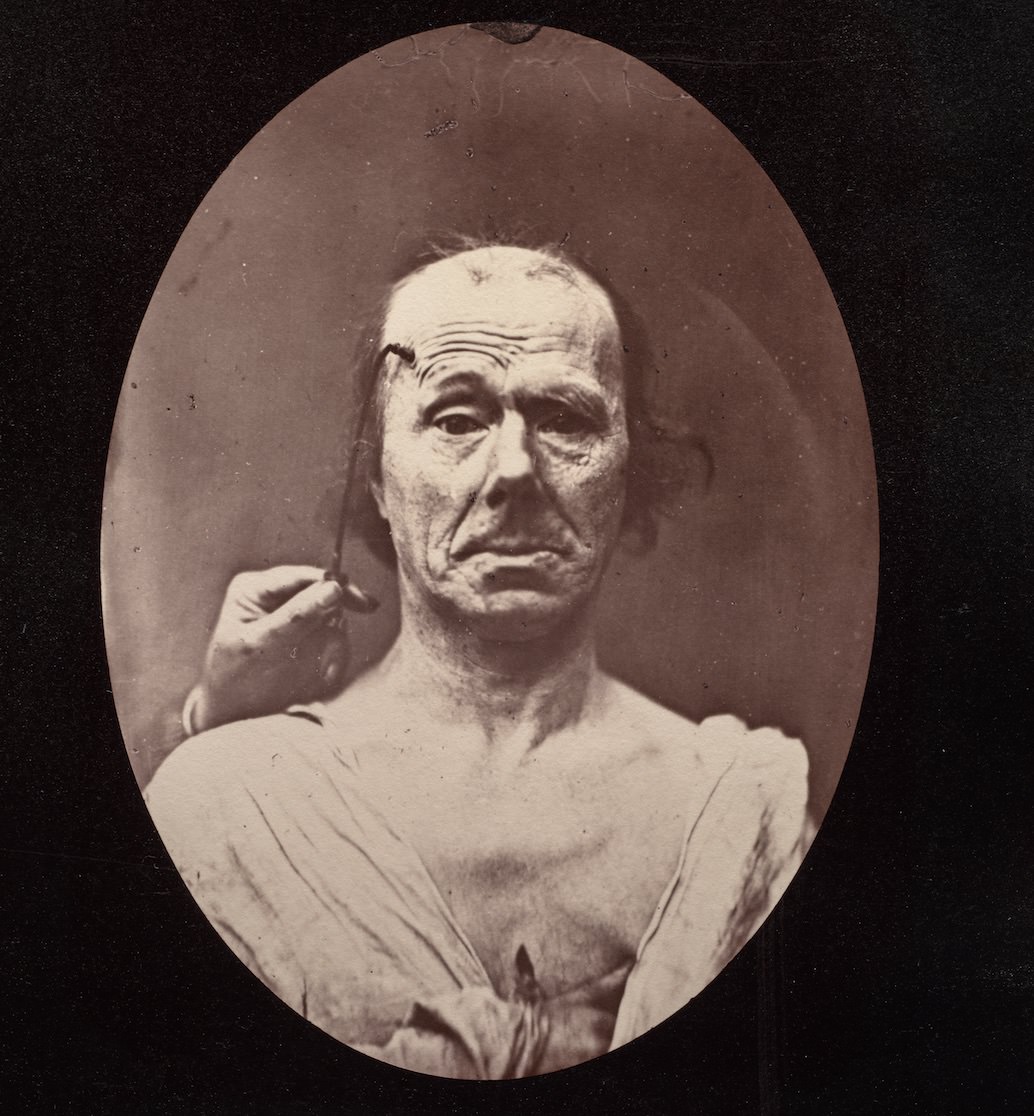
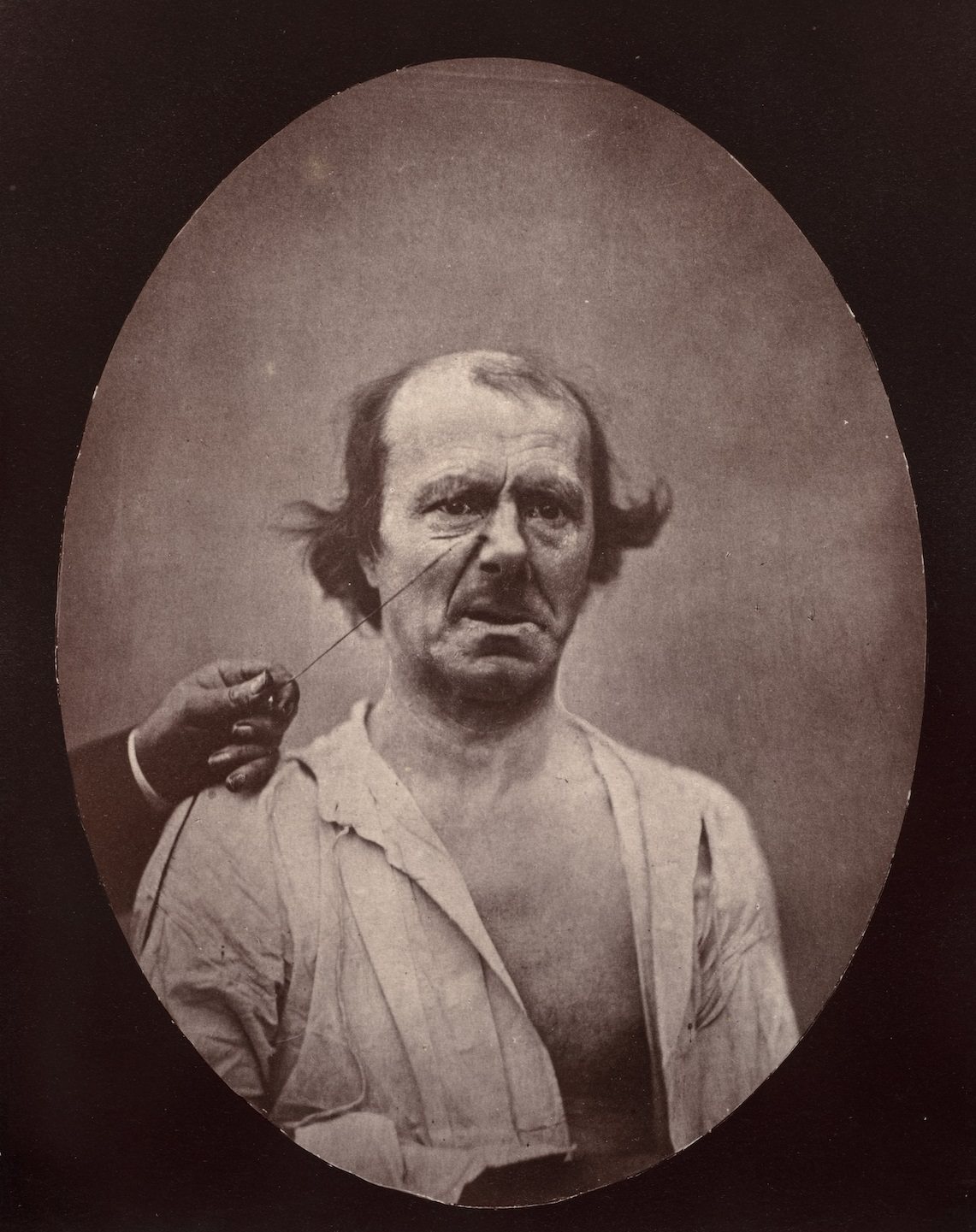
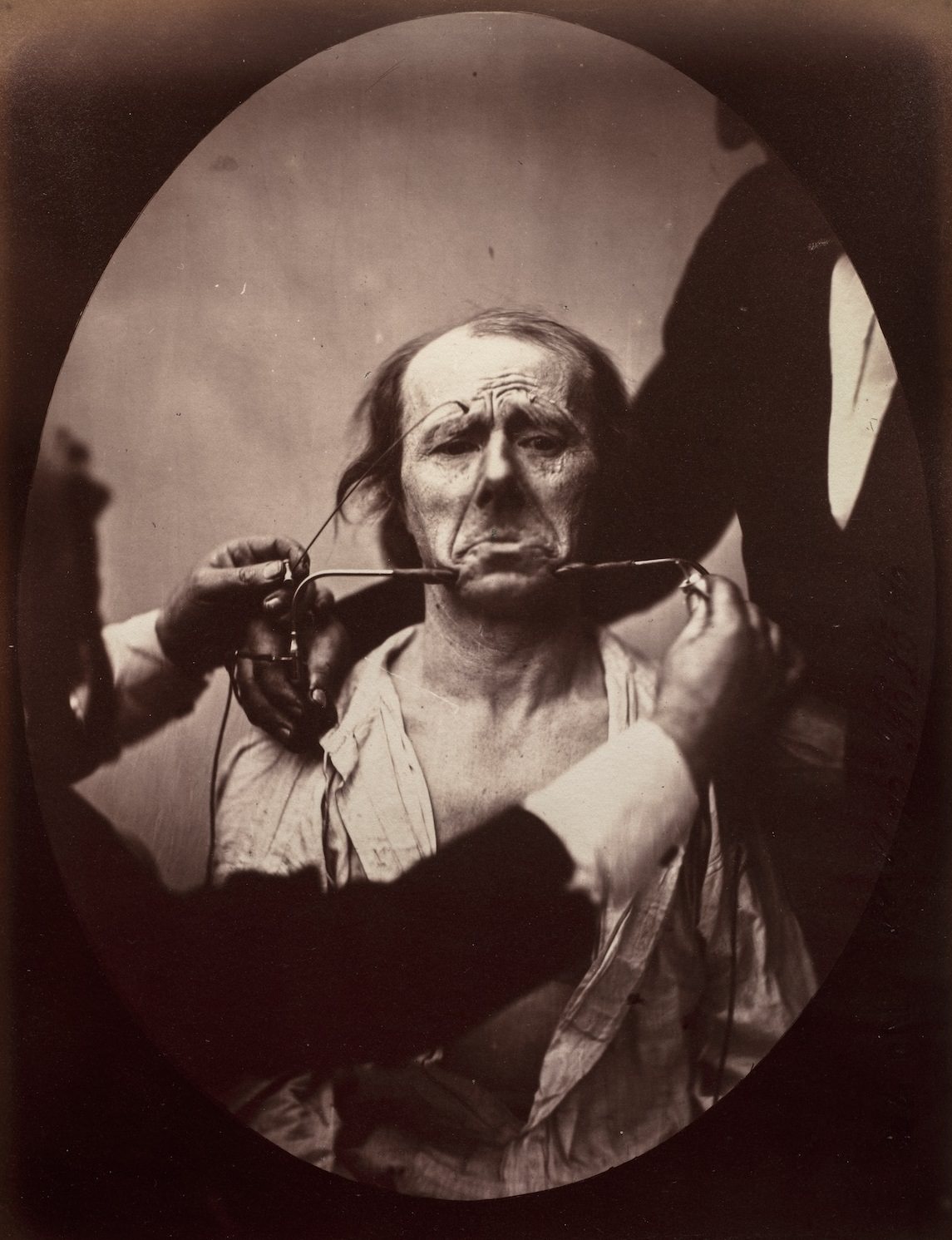
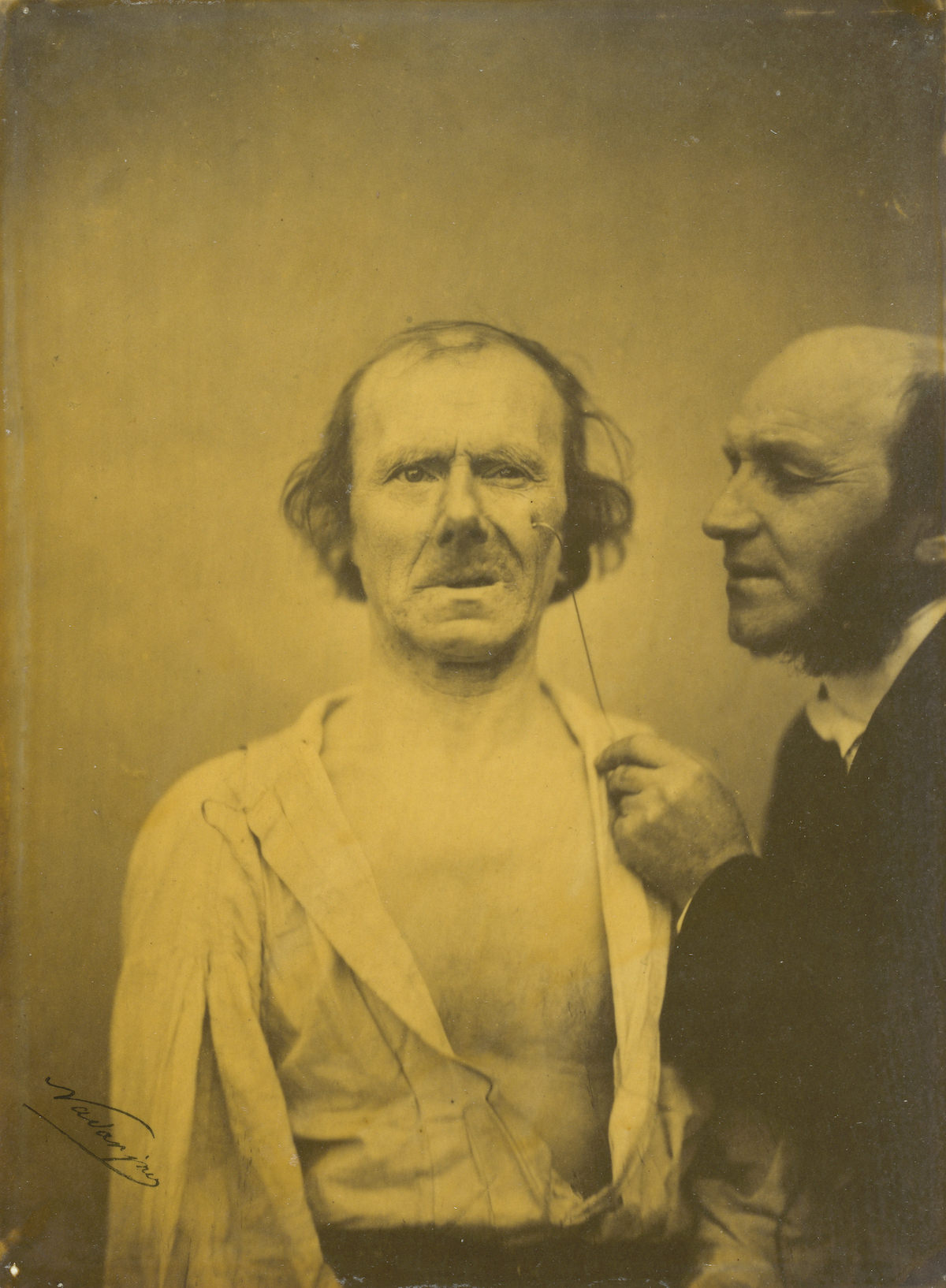
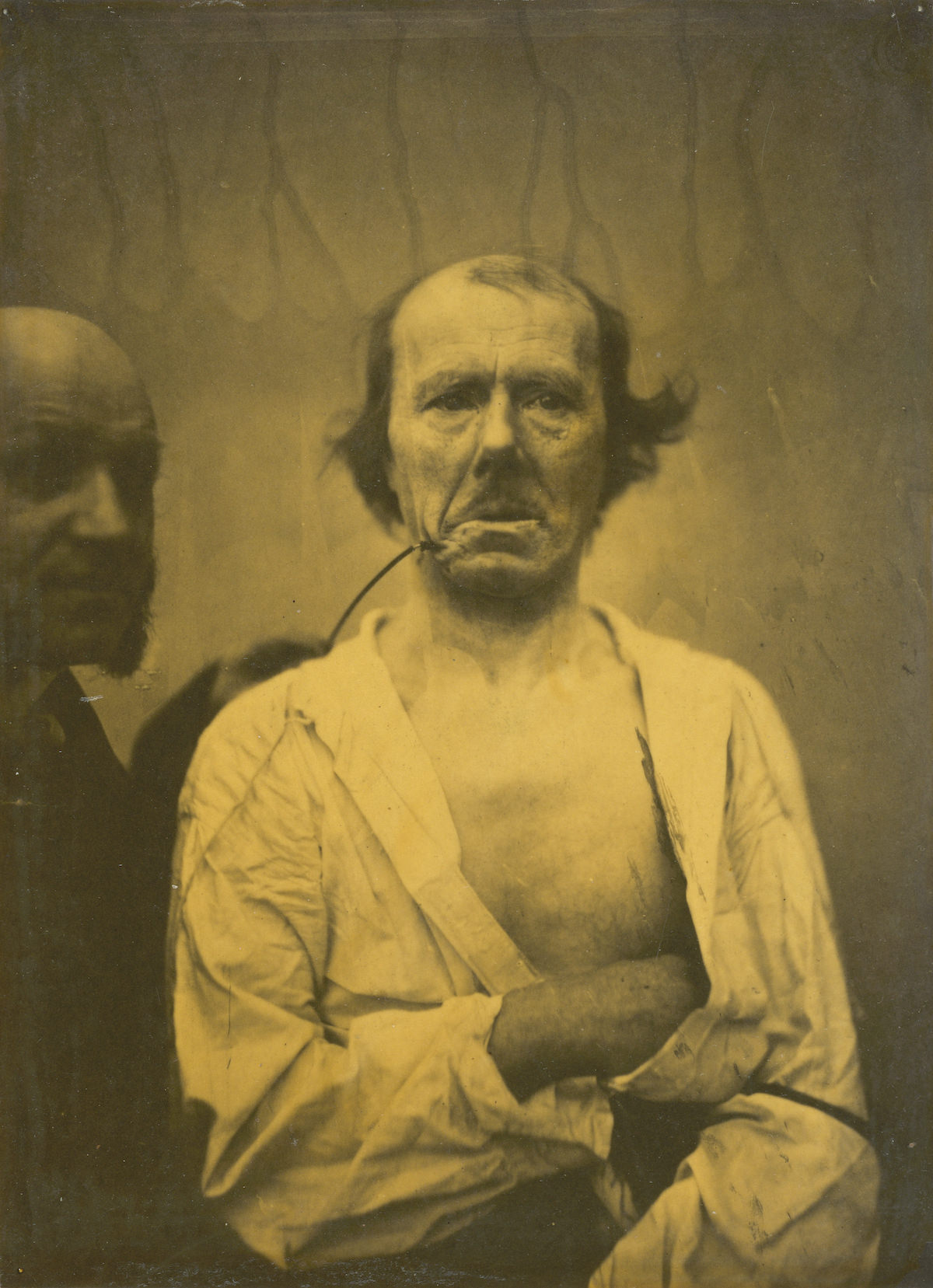
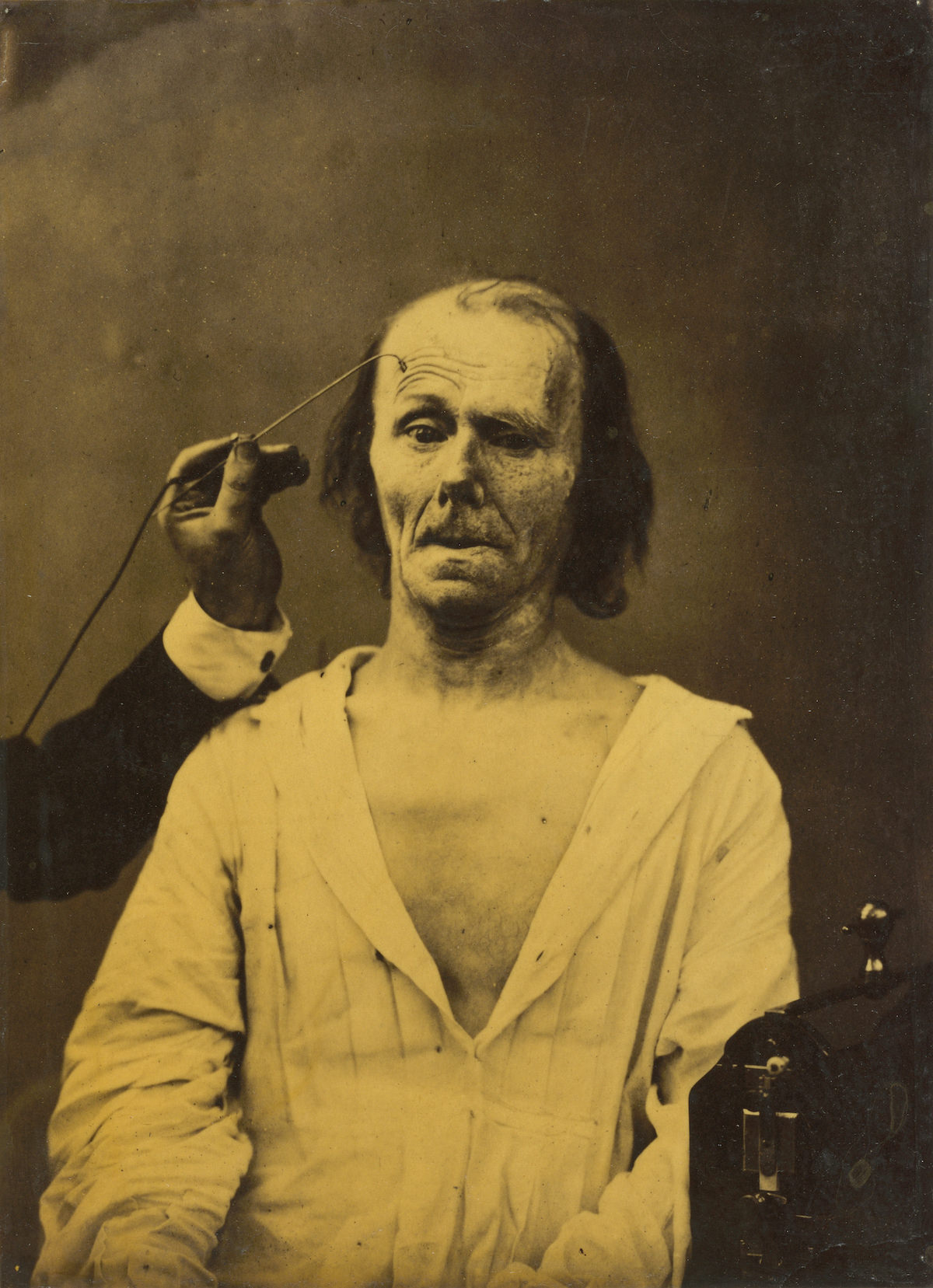
Duchenne was already known for his work with electrical stimulation of muscles. He applied that same method directly to the face, using electrodes to trigger individual muscles and isolate the precise movements behind each expression. His subjects — many of them patients with facial conditions that reduced their sensitivity to pain — sat for both written descriptions and photographs as Duchenne recorded the results.
Stunning Illustrations from the Mechanism of Human Physiognomy by Guillaume-Benjamin-Amand Duchenne de Boulogne

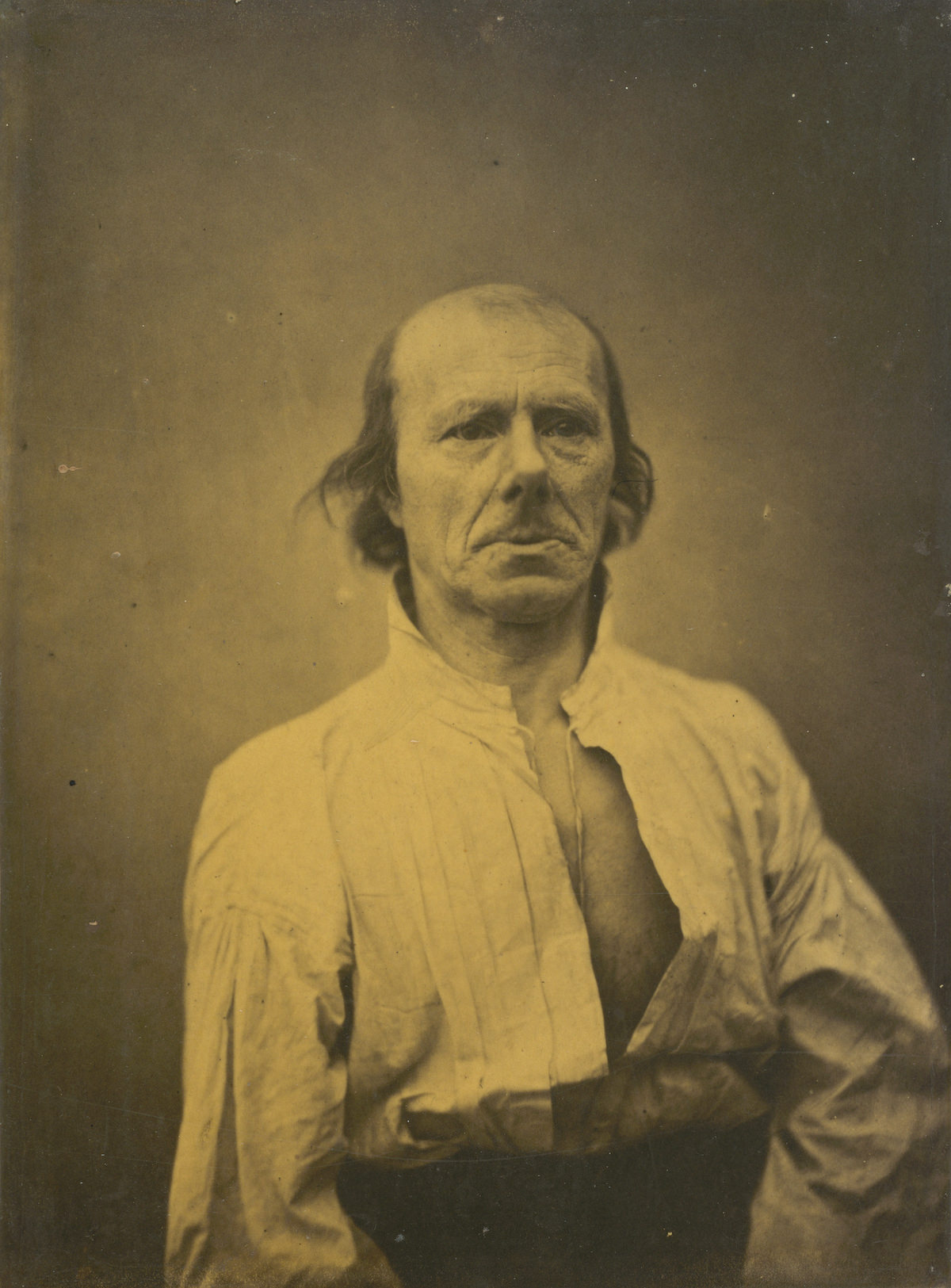
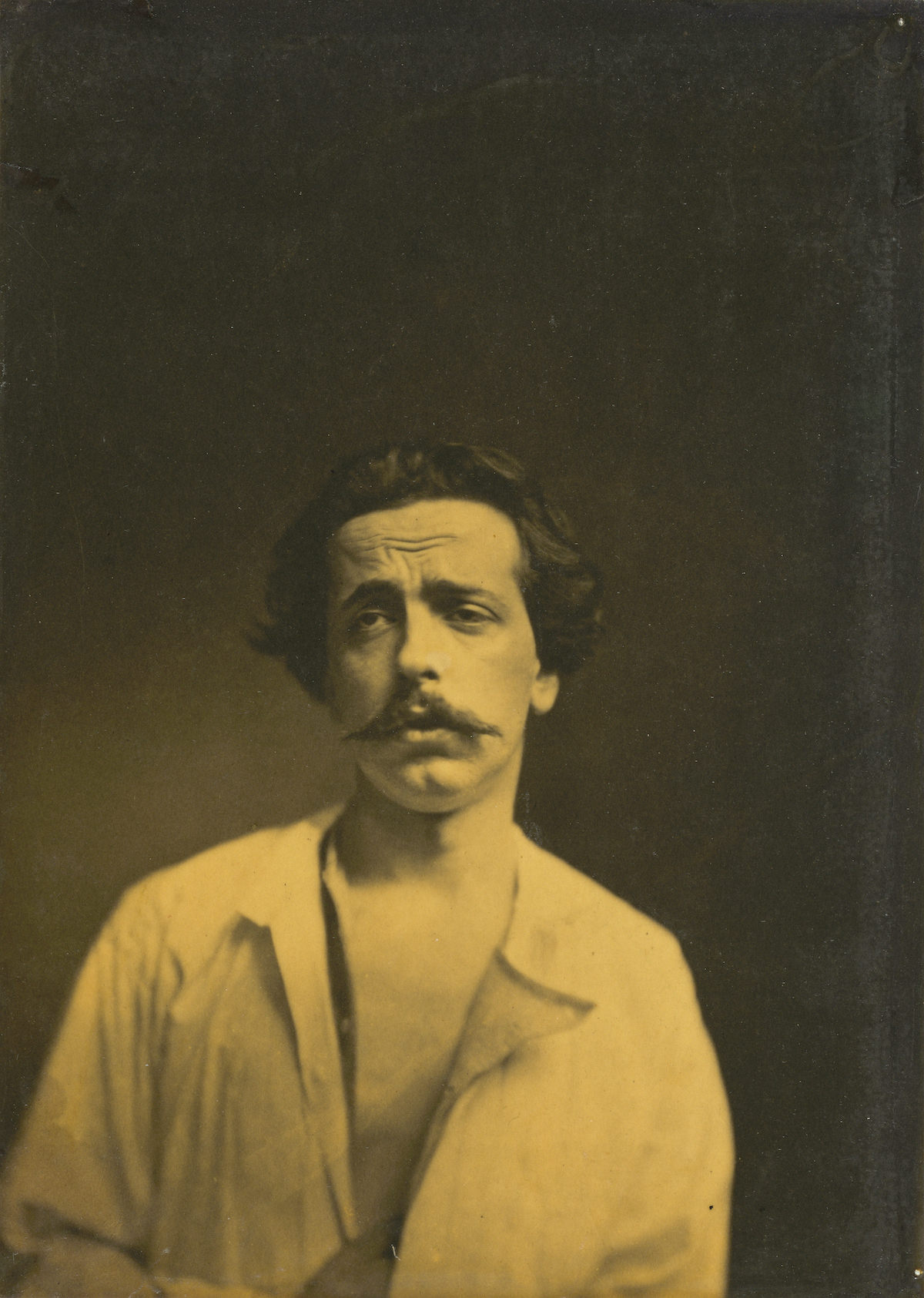
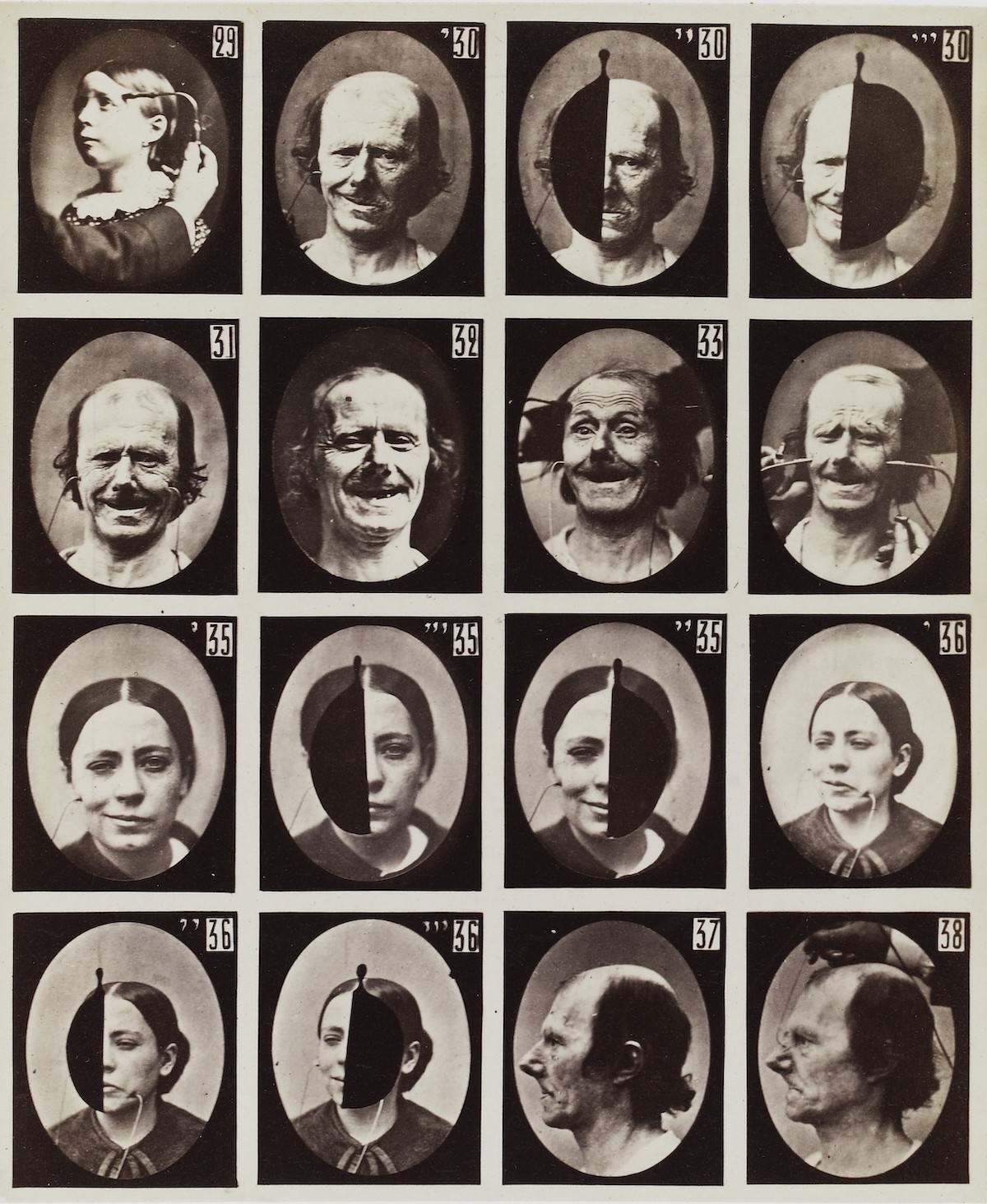
The book was not a work of art, but it produced images that look like art. Each photograph was carefully staged to show one expression, sometimes contrasted side by side with a relaxed or neutral face to highlight exactly what had changed. The comparisons were deliberate and methodical — science made visible.
Stunning Illustrations from the Mechanism of Human Physiognomy by Guillaume-Benjamin-Amand Duchenne de Boulogne
Weeping, tears of pity (left); Relaxed face (right)

Duchenne mapped expressions ranging from joy and attention to disgust, terror, and grief. He argued that specific muscle groups were responsible for each emotional state, and that these combinations were not learned — they were universal. Every human being, he believed, contracts the same muscles to express the same feelings.
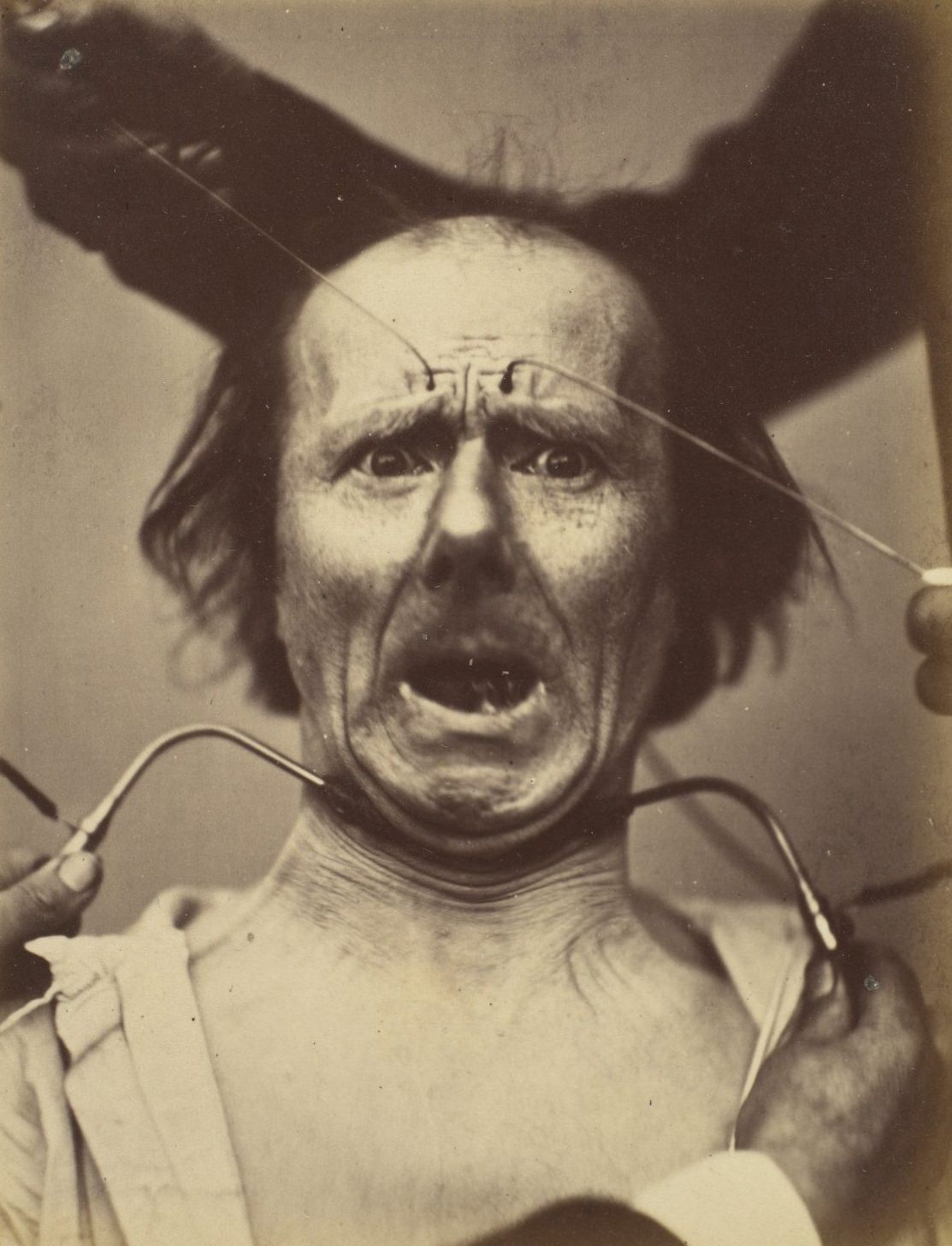
A relaxed expression (left); Disgust (right)
Icono-photographique. Mécanisme de la Physionomie Humaine.

His writing carried a distinct spiritual tone. Duchenne wrote: “In the face our creator was not concerned with mechanical necessity. He was able in his wisdom — or please pardon this manner of speaking — in pursuing a divine fantasy… to put any particular muscles into action, one alone or several muscles together, when He wished the characteristic signs of the emotions, even the most fleeting, to be written briefly on man’s face.” For Duchenne, the face was a text written by God and readable by all people equally.
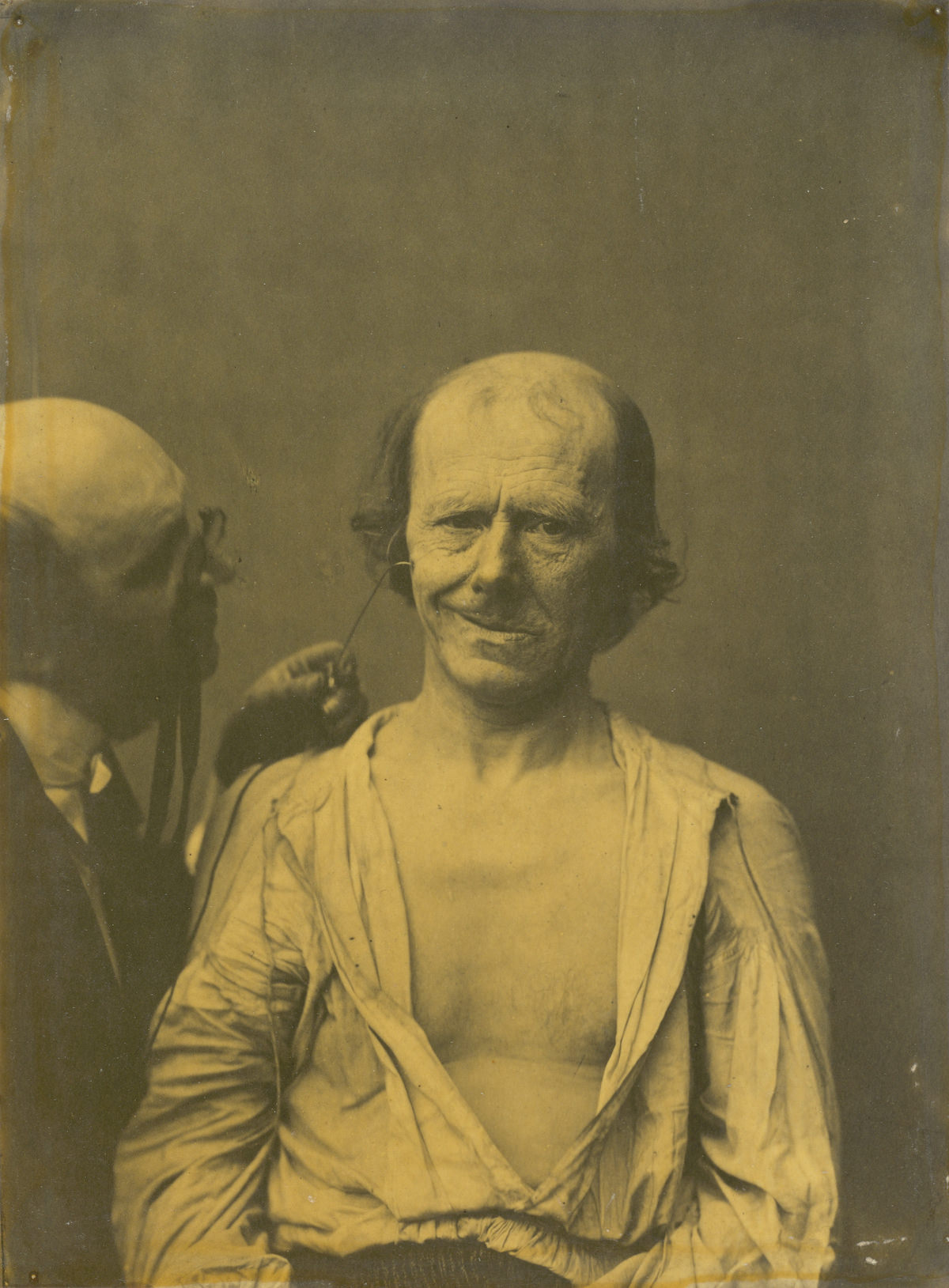
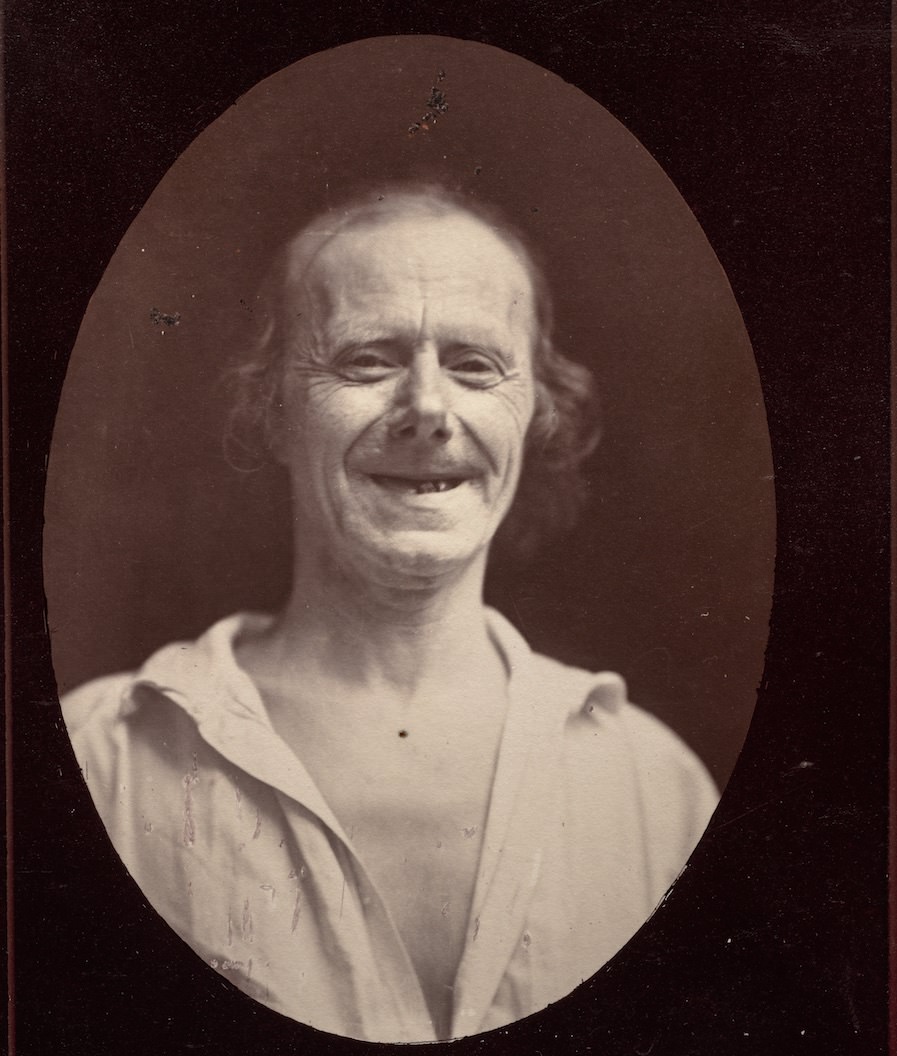
False joy or laughter (right)
A relaxed face (left); Profound attention (right)

One of his more lasting findings was the distinction between genuine and false expressions. He demonstrated that true joy activates not only the zygomatic major muscle — which pulls the corners of the mouth up — but also the orbicularis oculi, which creates the crow’s feet around the eyes. A forced smile, he showed, uses only the mouth. This distinction is now known as the Duchenne smile.
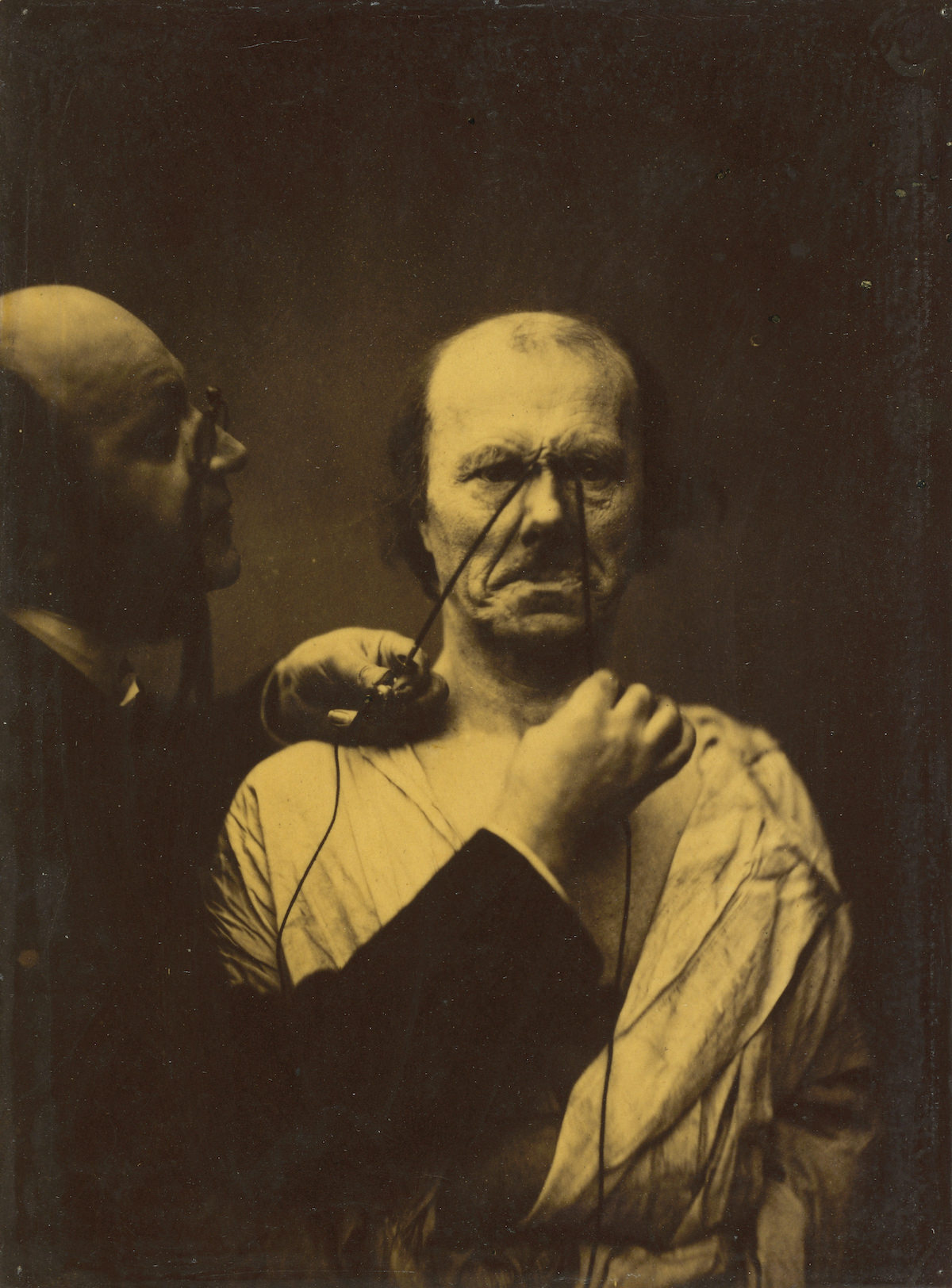
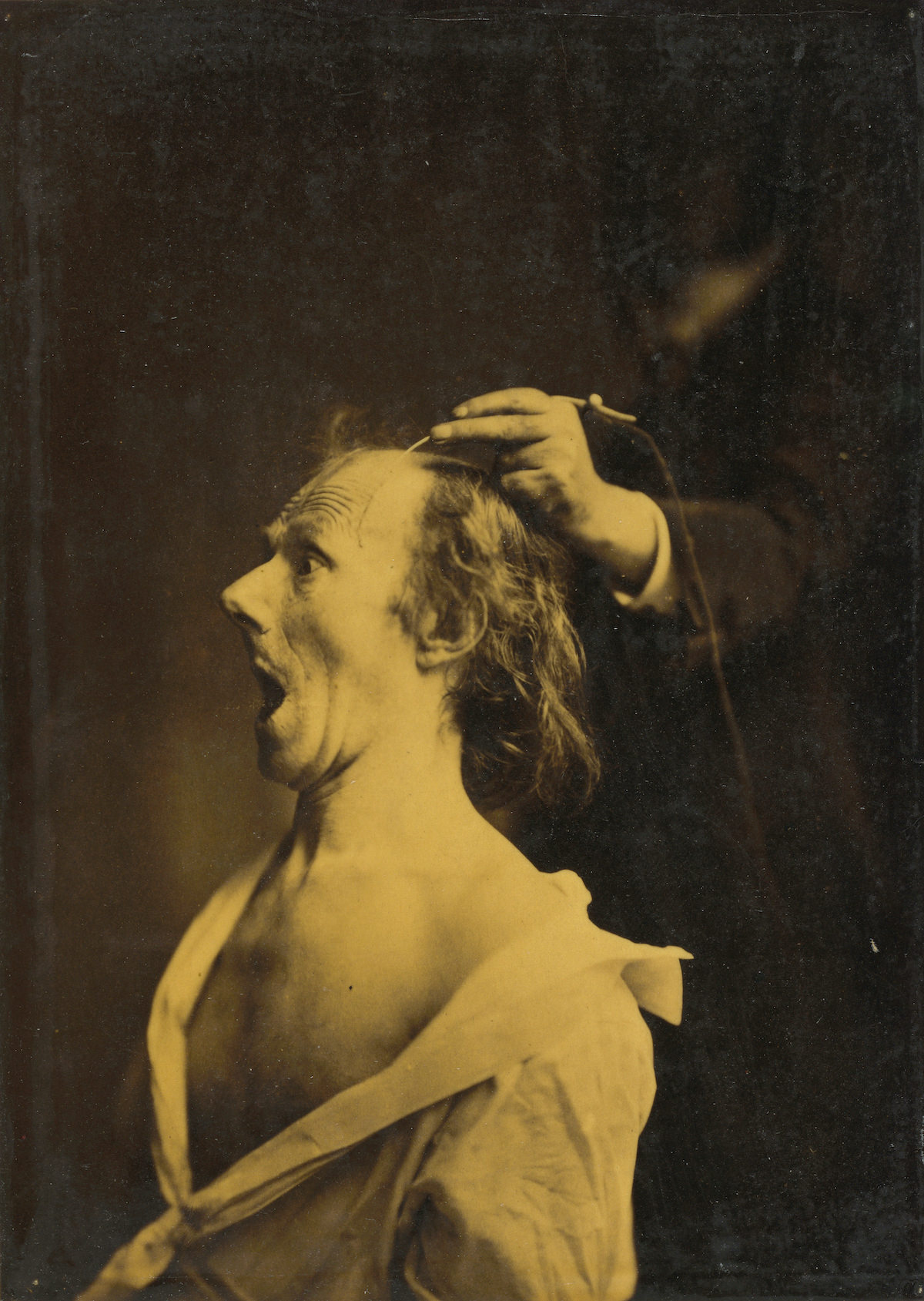
Aggression, wickedness
Astonishment, stupefaction, amazement
ttention (left); Reflection (right)
Attention (left); Severity, aggression (right)
Attention
Attention

The photographs in the book documented emotions that ranged from mild to extreme. Some subjects were shown in states of pain and despair, others in expressions of lascivious desire, terror, or deep religious feeling. Duchenne included a nun in prayer alongside subjects displaying aggression and suffering — treating each state as equally worthy of scientific record.
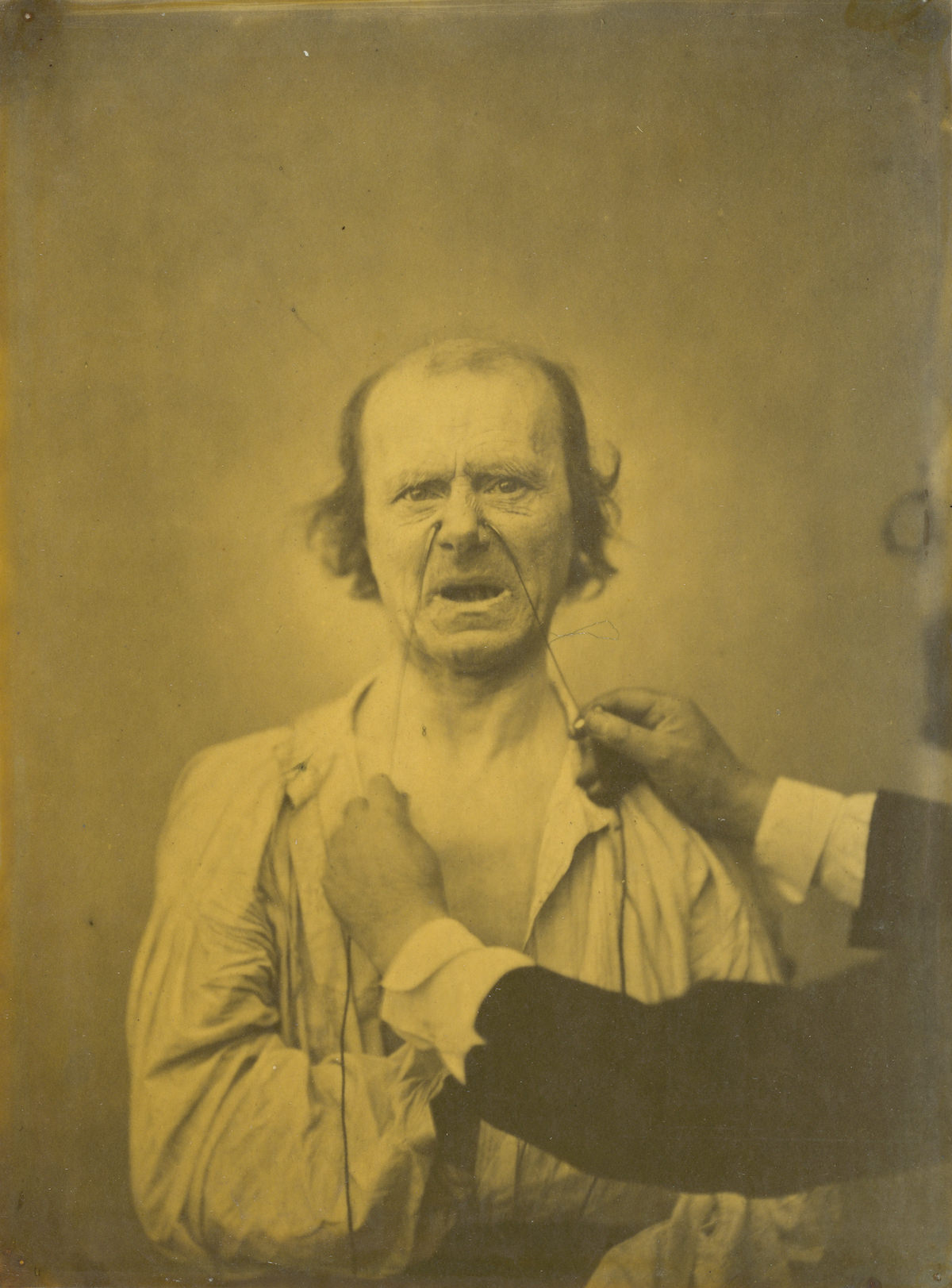
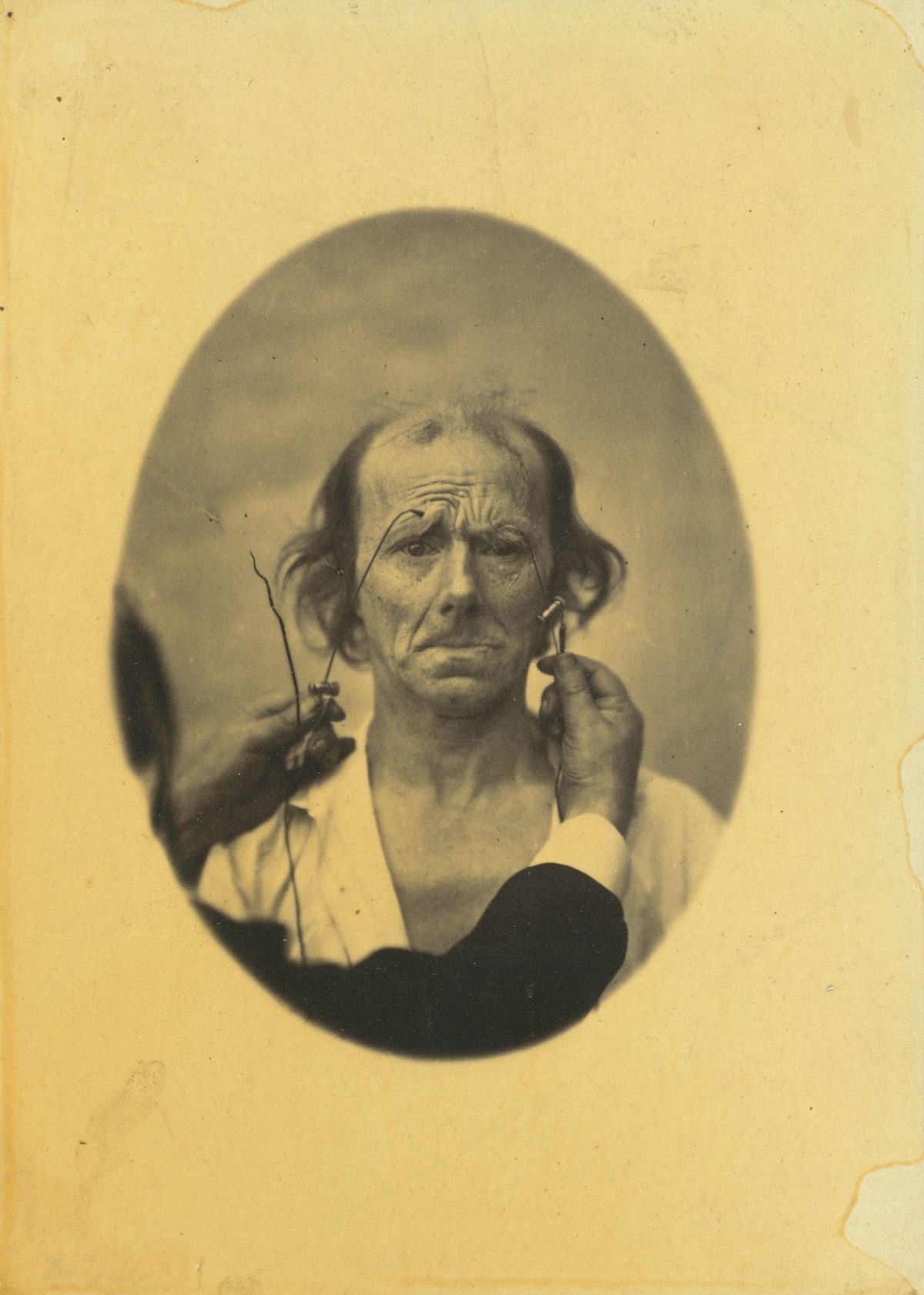
Guillaume-Benjamin-Amant Duchenne (de Boulogne), Discontent, bad humor, 1854-1856
Guillaume-Benjamin-Amant Duchenne (de Boulogne), Dissatisfaction, somber thoughts (left); Reflection (right), 1854-1856,
Face in repose
Face in repose
Pain and despair
Pain and despair
No painful expression
Surprise
Surprise
Terror mixed with pain, torture

The range of subjects and emotions Duchenne documented was extraordinary. His photographs captured states that few scientists before him had tried to measure — not just calm attention or mild reflection, but extremes like stupefaction, lascivious thought, painful recollection, and coquetry. Each image was paired with precise anatomical notes identifying which muscles were active and why.
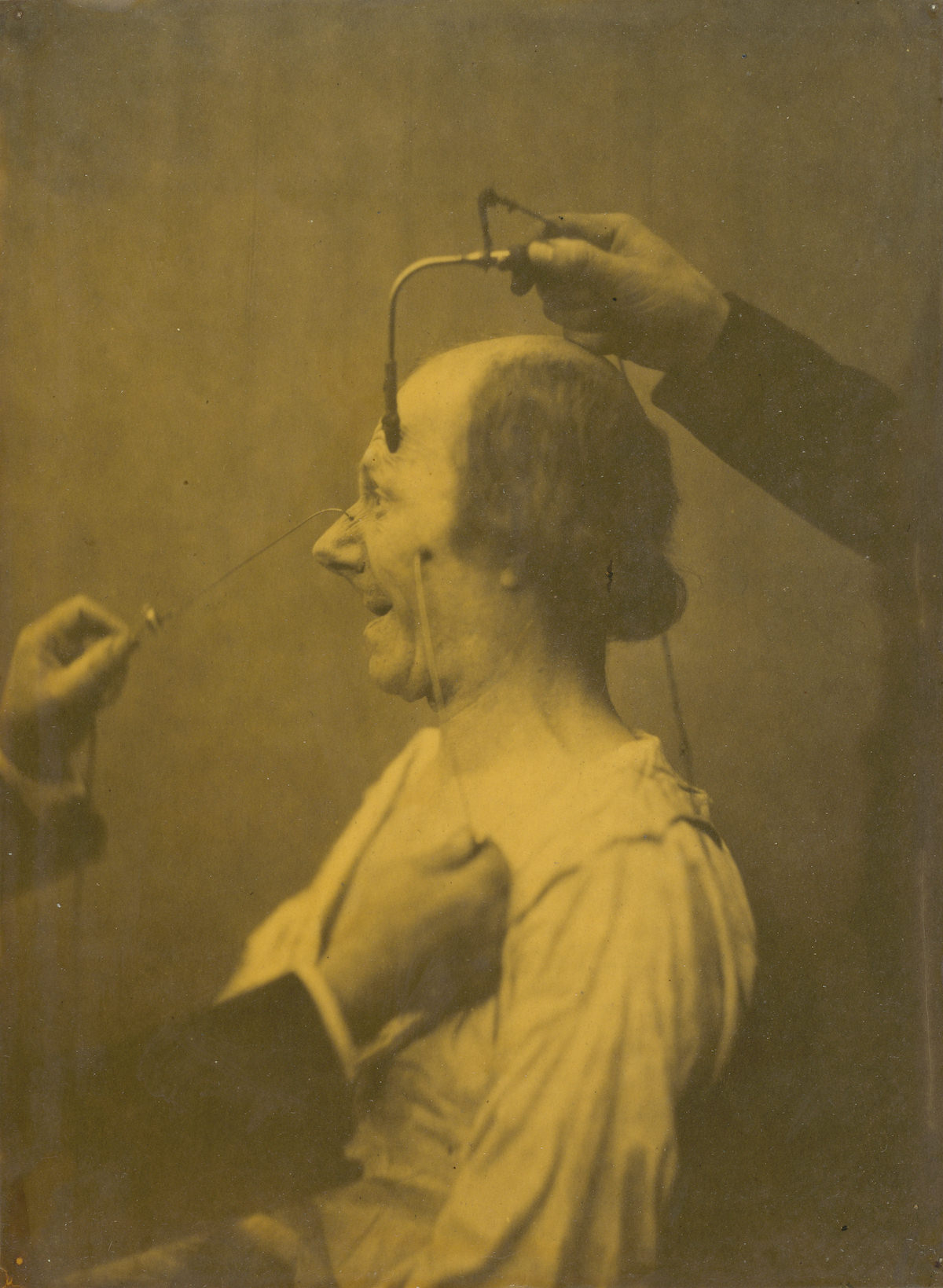
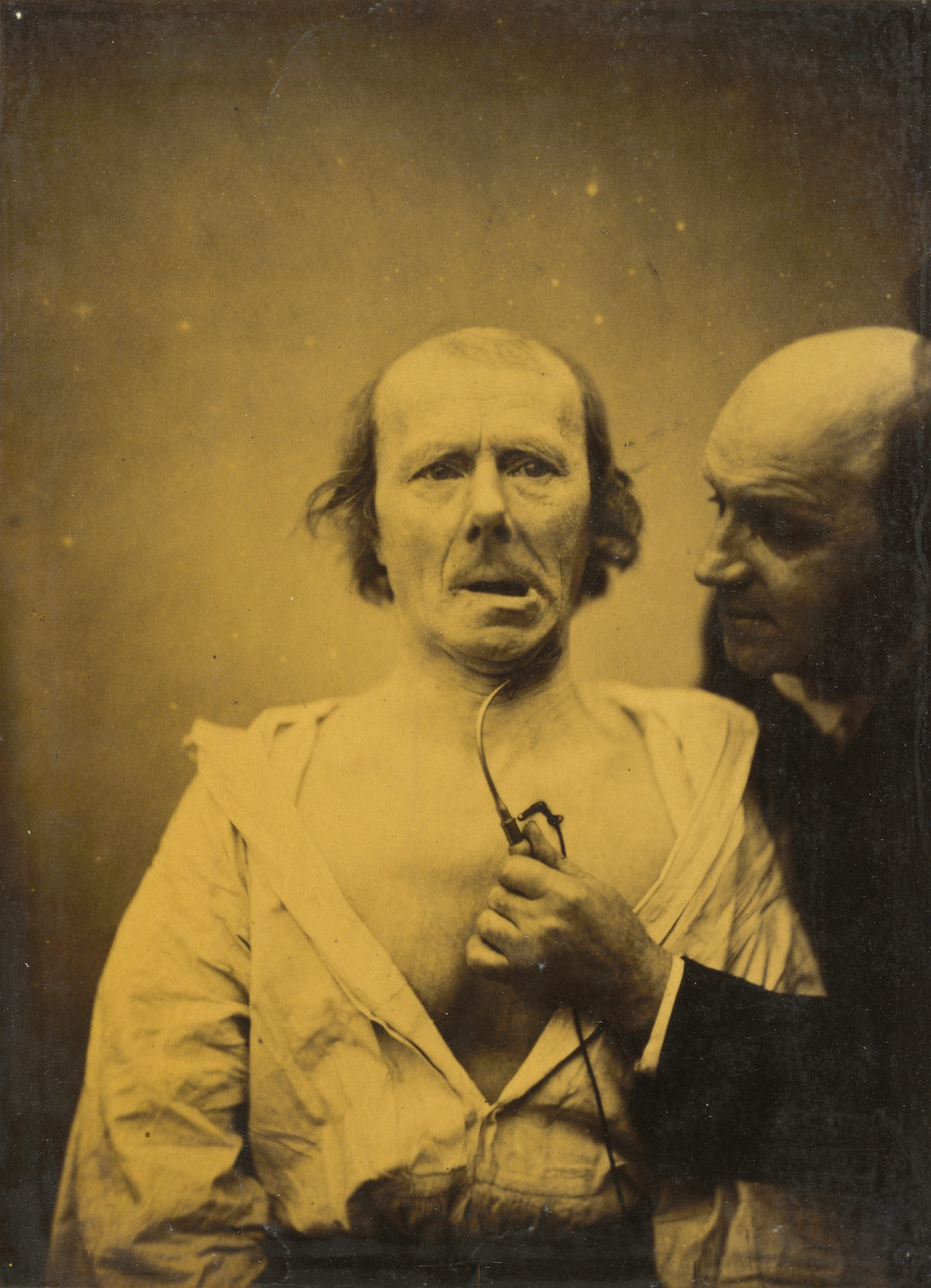
Lascivious ideas and desires
This contraction of m. platysma alone lacks expression'
This contraction of m. platysma alone lacks expression’
Nun saying prayer
Nun saying prayer
Severity
Severity
Memory of love or ecstatic gaze

Photography was still a relatively new tool in 1862, and Duchenne was among the first scientists to use it systematically as evidence. The images gave his arguments a kind of authority that drawings alone could not. Readers could see the contracted muscles, the asymmetries, the subtle differences between a genuine expression and a performed one.
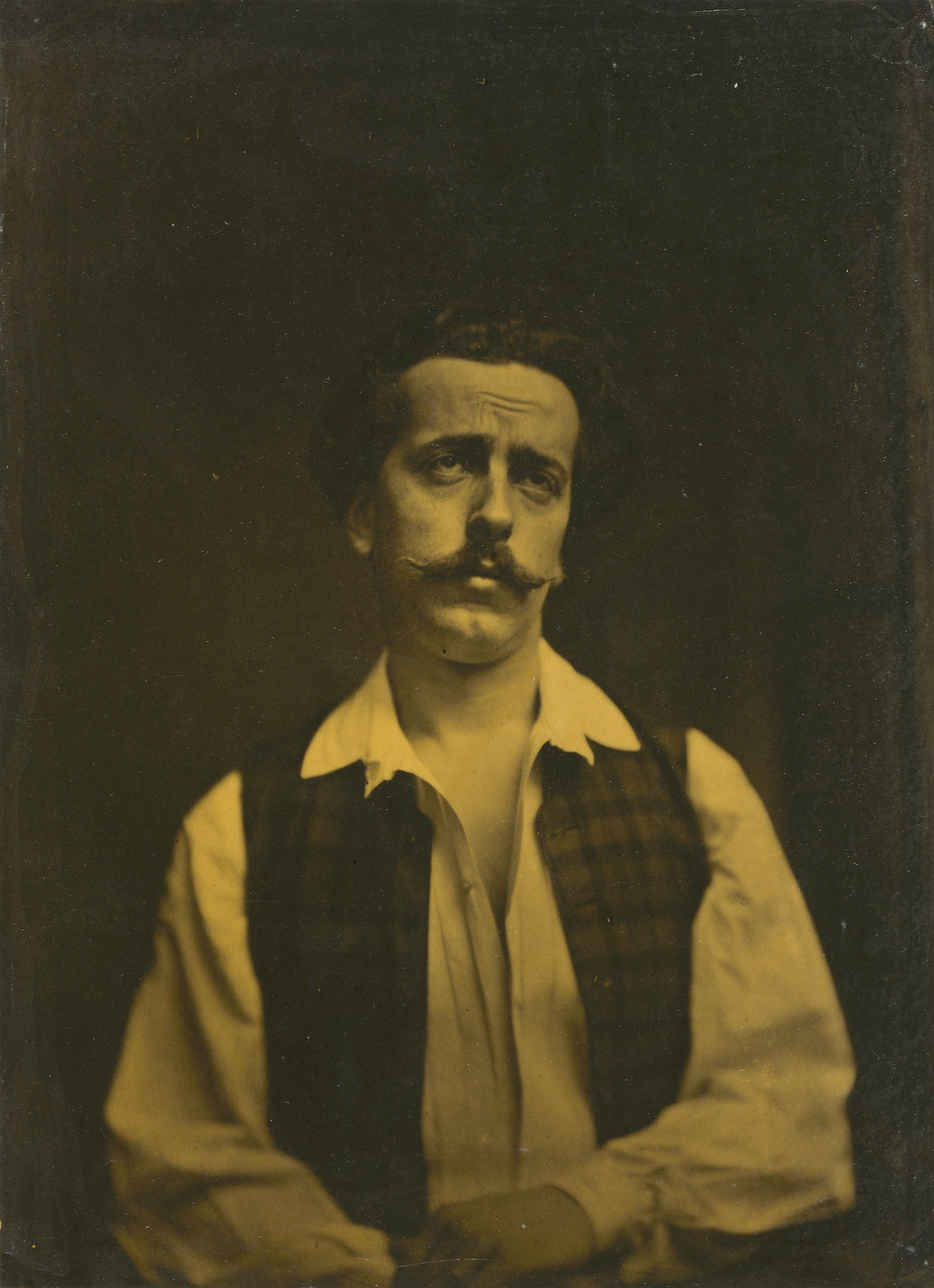
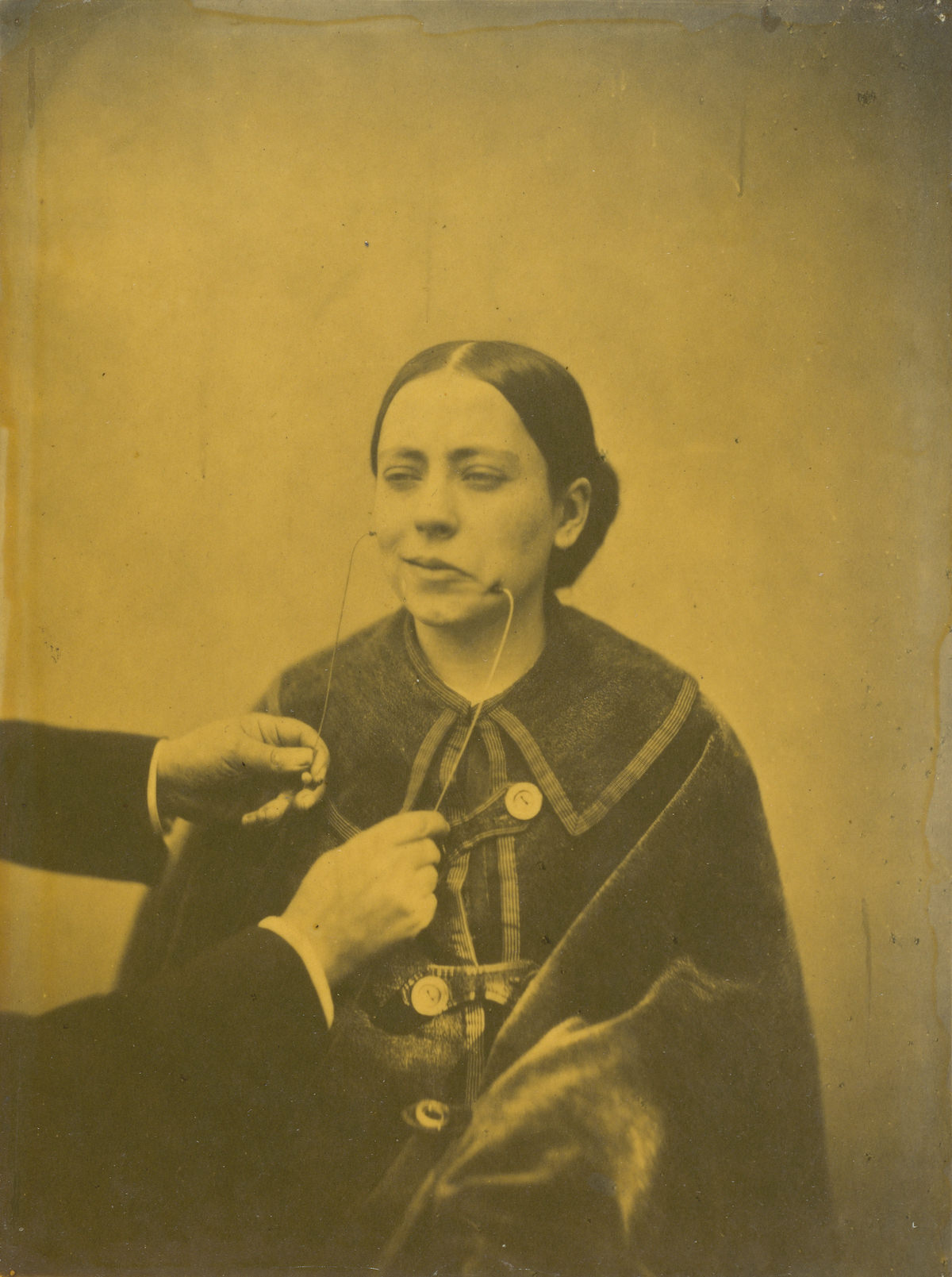
Painful recollection or painful thoughts
Figure 50: Affected weeping and face in repose
False laughter
False laughter
Scene of coquetry
Scene of coquetry
Painful memories
Painful memories
Attention
Attention
Stunning Illustrations from the Mechanism of Human Physiognomy by Guillaume-Benjamin-Amand Duchenne de Boulogne
Enjoyed this post? Get new ones in your inbox.

Leave a Comment

Your email address will not be published. Required fields are marked *

Share this Post 🥺

Please take a moment to share this content. Your support is greatly appreciated! 🙌🙏

Share this Post 🥺

Please take a moment to share this content. Your support is greatly appreciated! 🙌🙏
Scroll to Top
 
Hey Friend, Before You Go.. Please like & follow for more interesting content