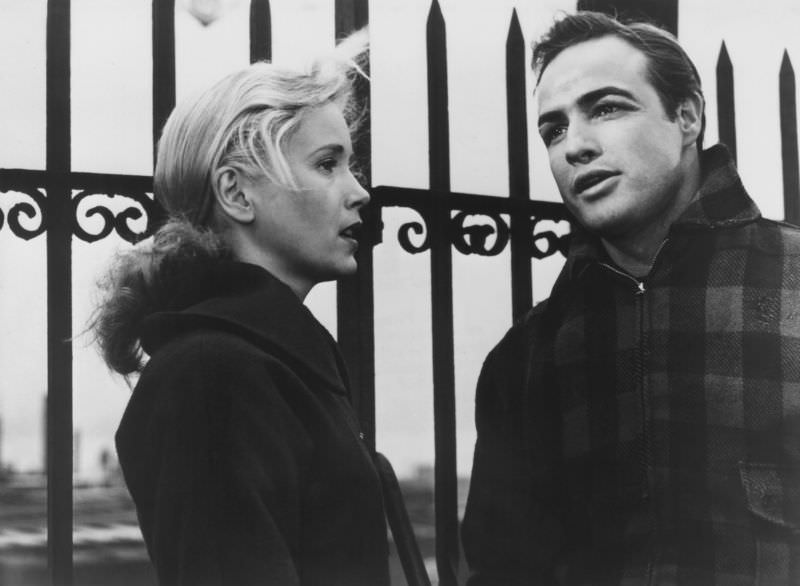
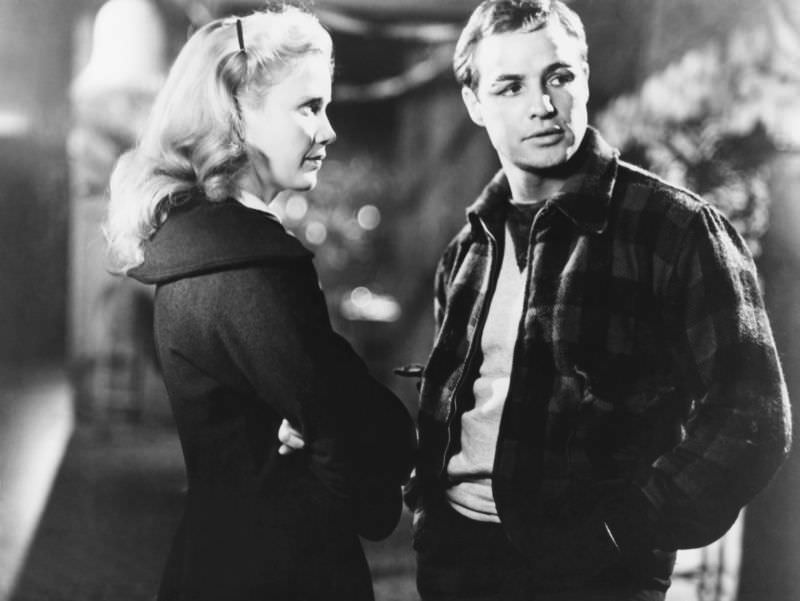
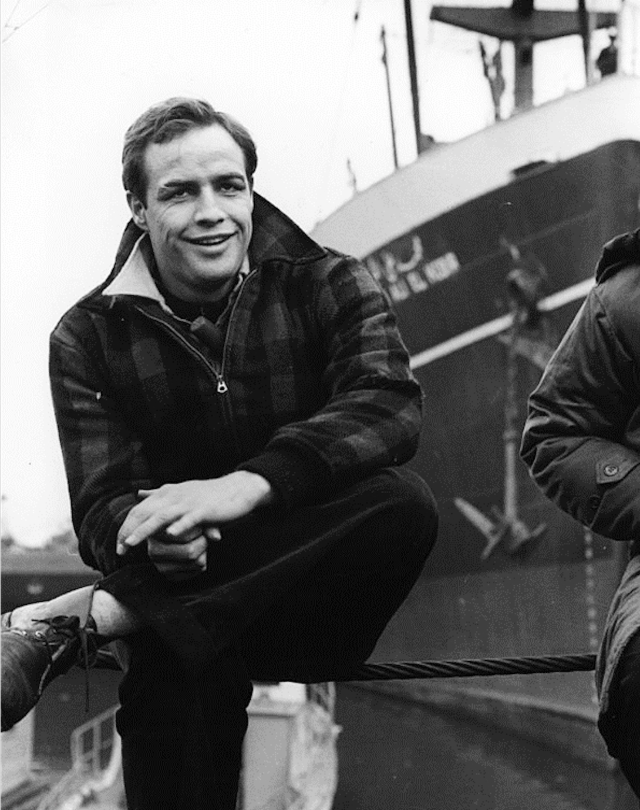
On the Waterfront (1954) is an American crime drama built around one of the most raw and gripping performances ever put on film. Directed by Elia Kazan, the story unfolds on the docks of New York City, where a powerful mob has a stranglehold on the longshoremen’s union. Violence, corruption, and silence are the rules — and breaking them comes at a cost.
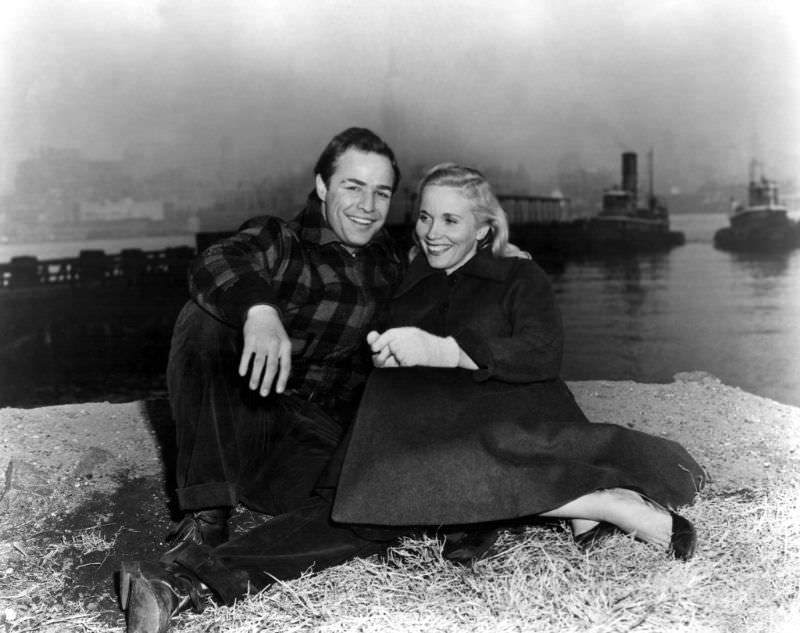
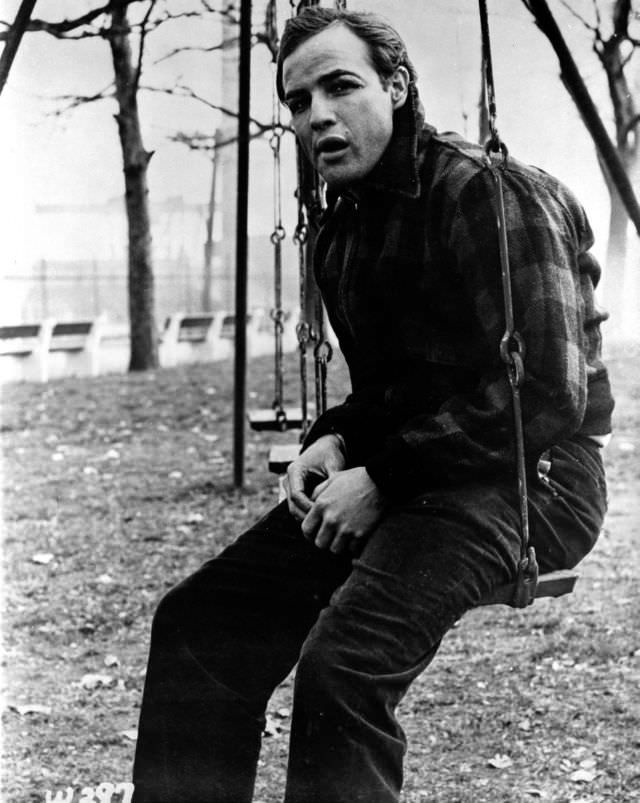
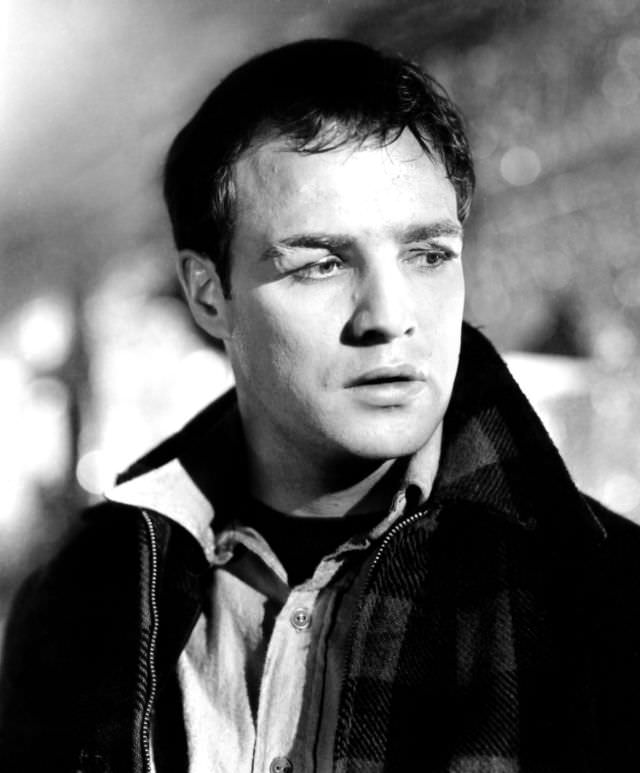
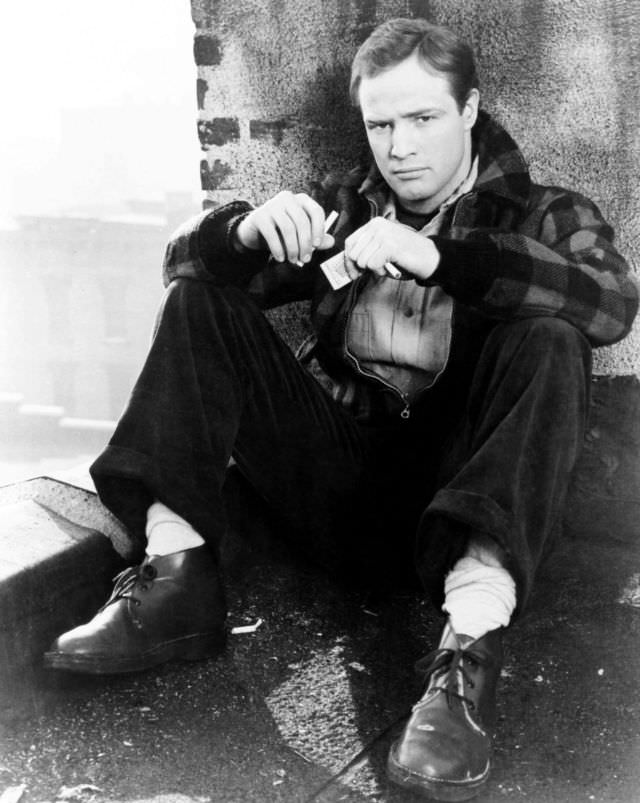
Marlon Brando plays Terry Malloy, a former prizefighter who has drifted into work as a longshoreman. He’s not a hero by nature — he’s a man tangled up in the mob’s machinery, doing small favors and keeping his head down. But events force him toward a decision he can’t avoid: stay silent and stay safe, or speak out against the men who run his world.
Terry’s brother, a crooked lawyer who operates as the mob’s legal fixer, was played by Rod Steiger. The role was first offered to Lawrence Tierney, but he priced himself out of the part. Steiger stepped in and delivered one of the film’s most memorable supporting performances.
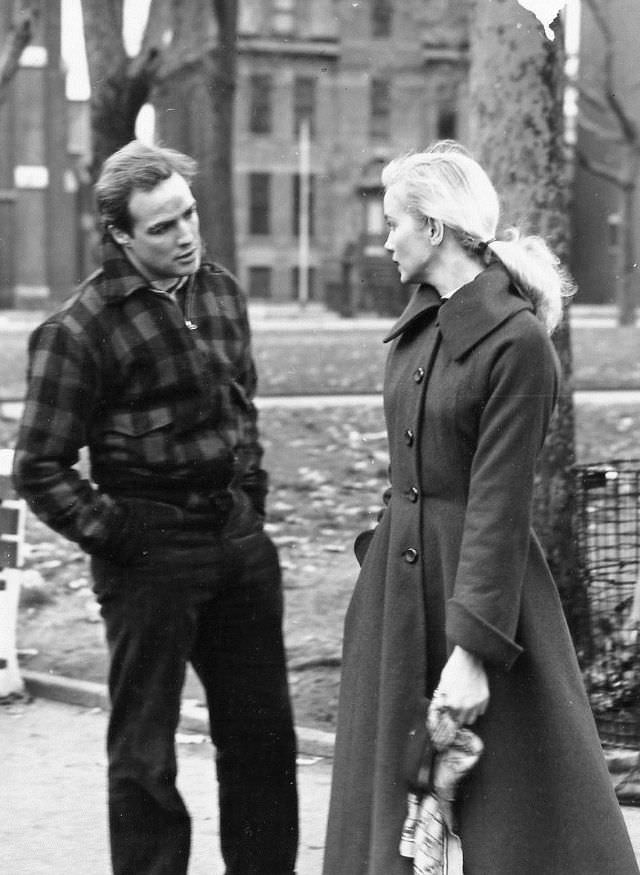
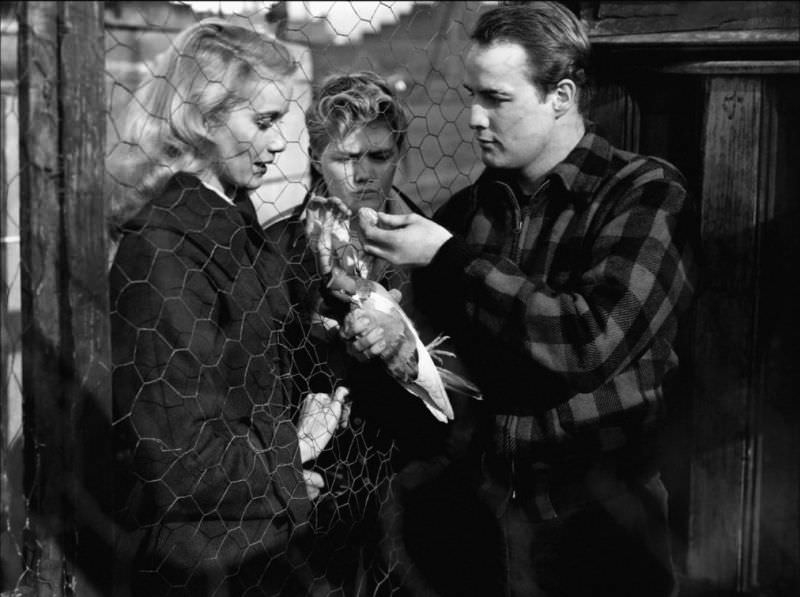
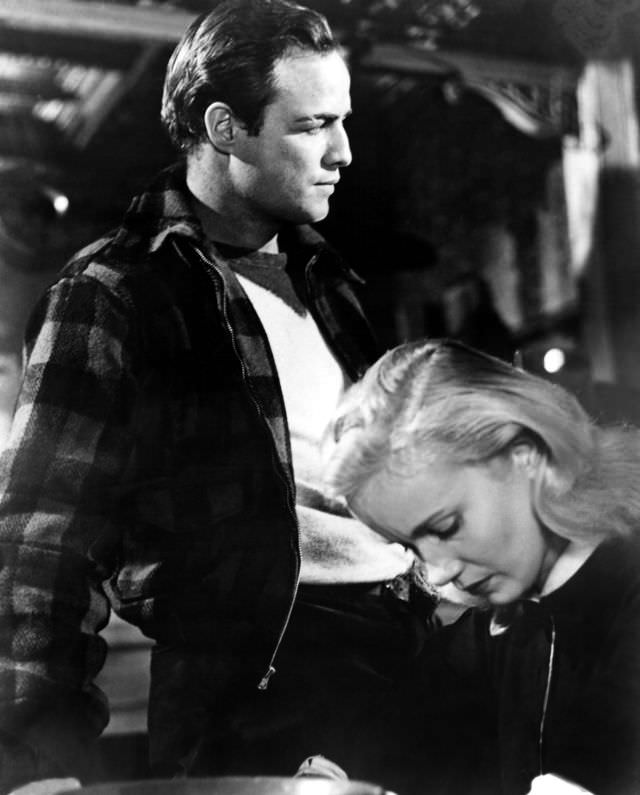
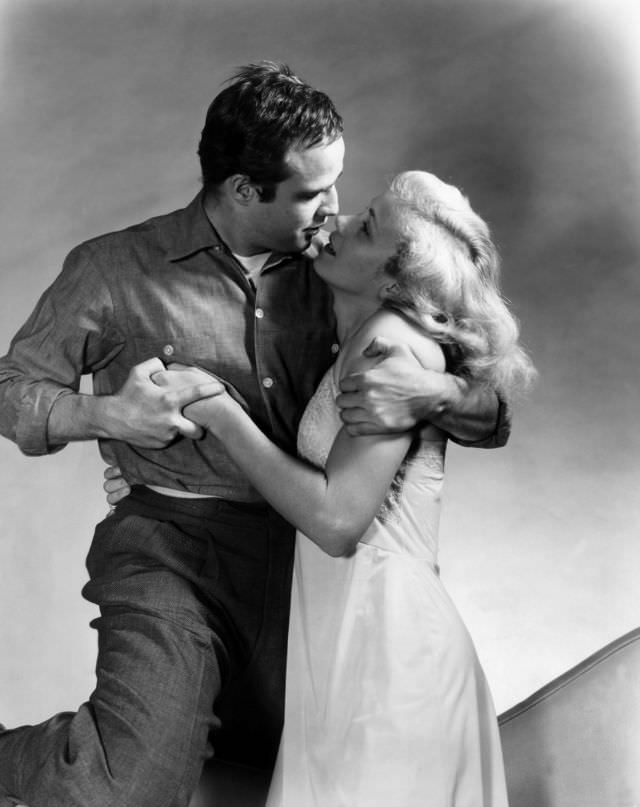
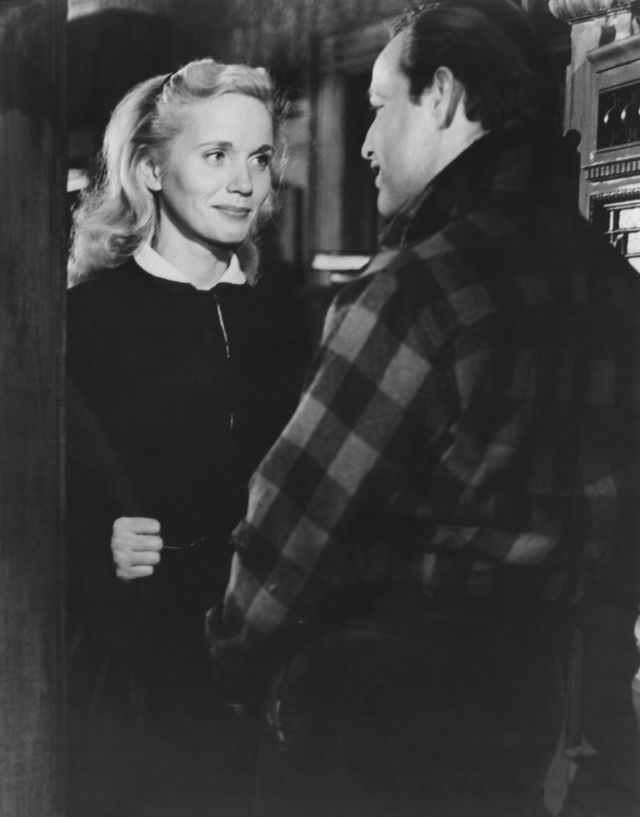
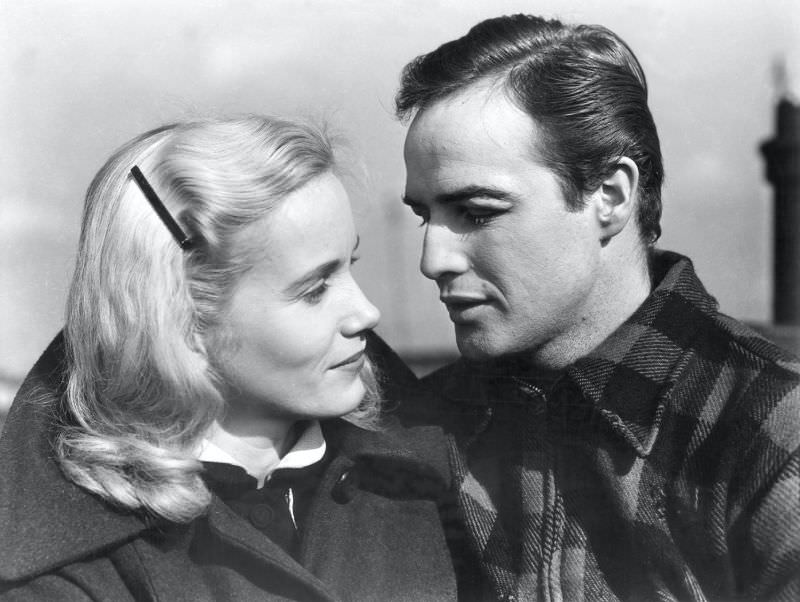
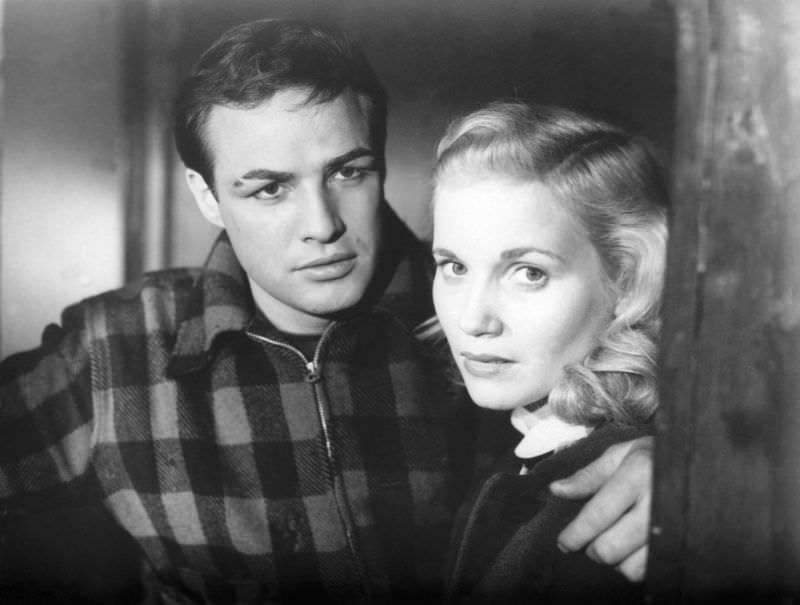
Eva Marie Saint plays Edie Doyle, a young woman Terry falls for during the course of the film. Grace Kelly had been considered for the role but chose to make Rear Window instead. Saint brought a quiet intensity to Edie that fit perfectly alongside Brando’s brooding, physical style of acting.
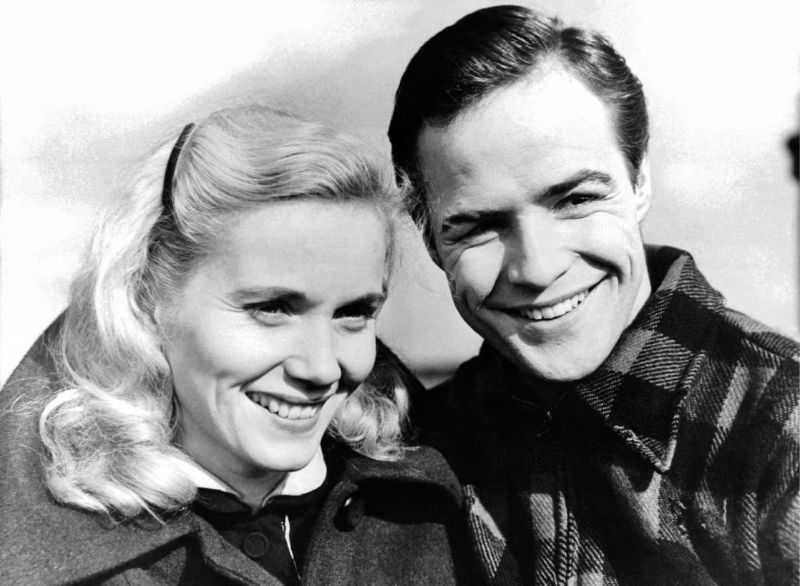
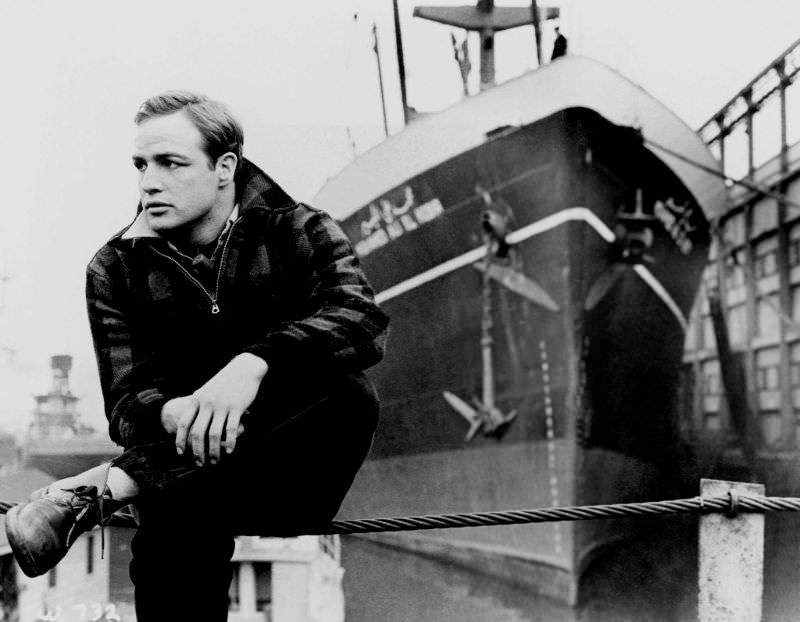
Karl Malden rounded out the central cast as a local priest who urges the dockworkers to stand up against mob control. Along with Malden, Lee J. Cobb and Rod Steiger all earned Oscar nominations for Outstanding Supporting Actor — a remarkable three nominations in the same category from a single film.
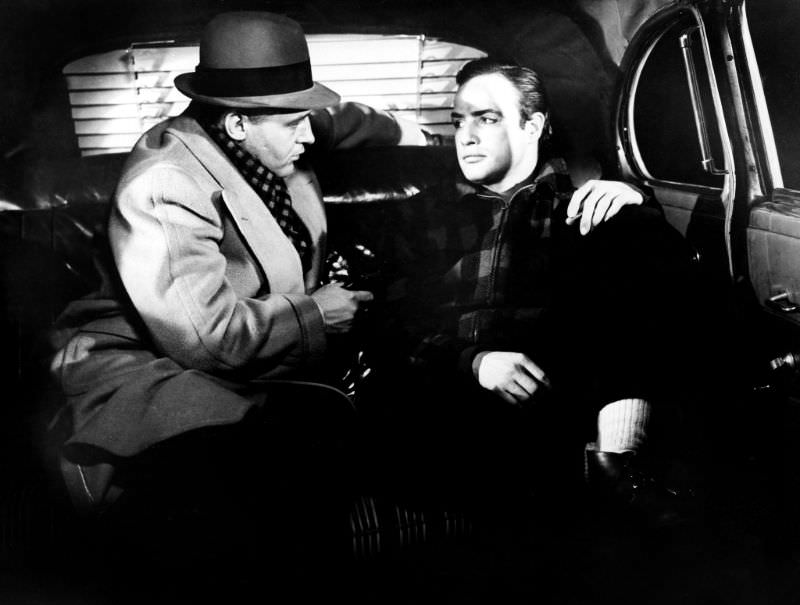
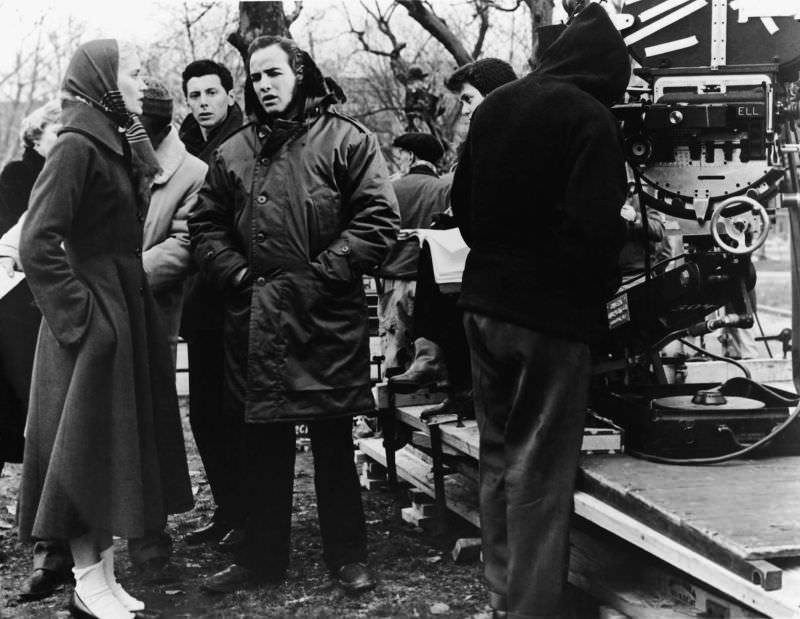
The film’s screenplay was sharp and direct, giving each scene a tension that never lets up. The dialogue feels lived-in rather than written, and the actors deliver it that way. The setting — real New York docks, shot on location in Hoboken, New Jersey — gave the film a gritty, documentary-like quality that studio sets simply couldn’t match.
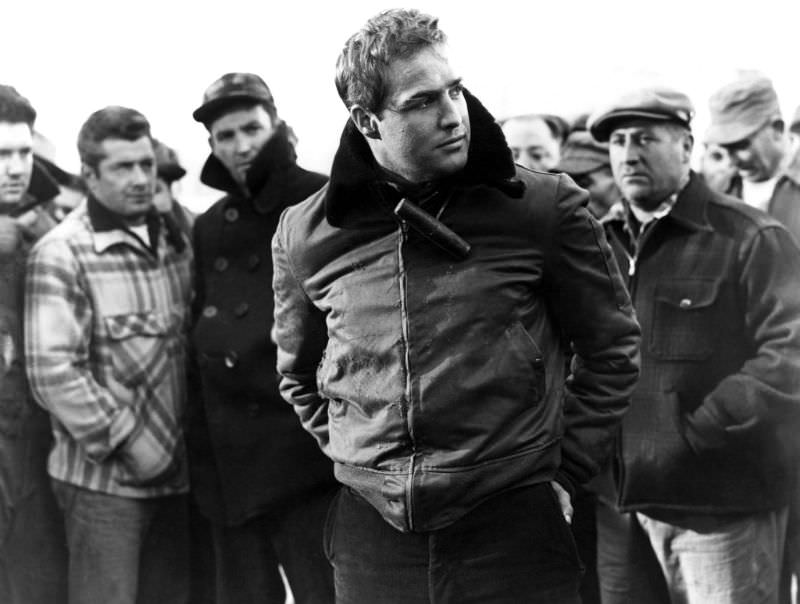
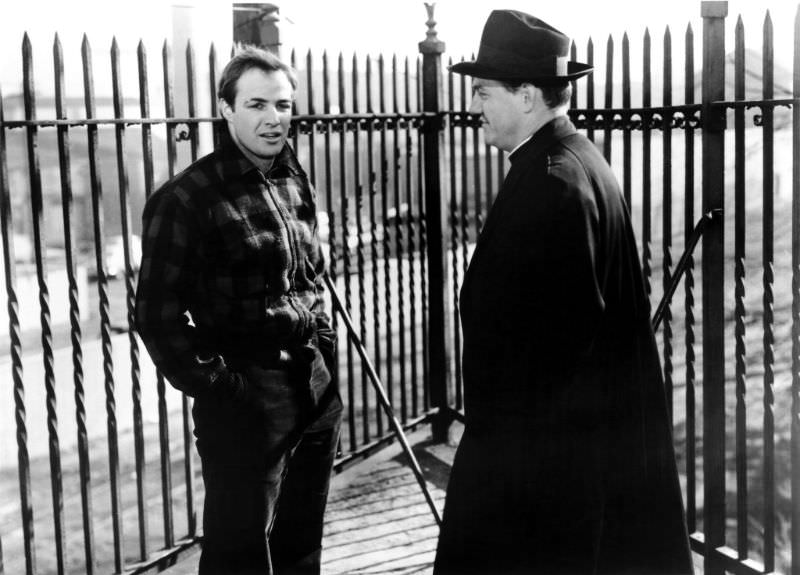
Leonard Bernstein composed the film’s musical score, bringing a bold, jazz-influenced sound that matched the tension on screen. The cinematography by Boris Kaufman, which earned an Oscar nomination, captured the cold, industrial bleakness of the waterfront with precision.
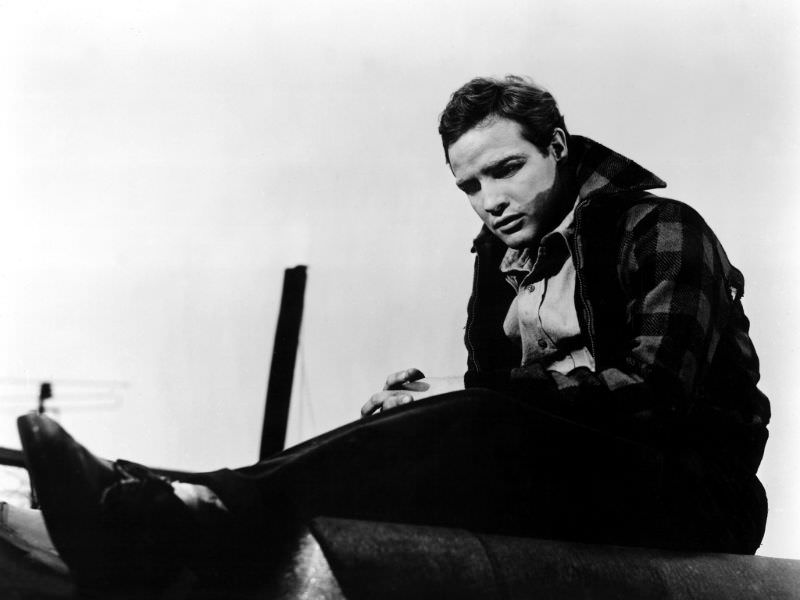
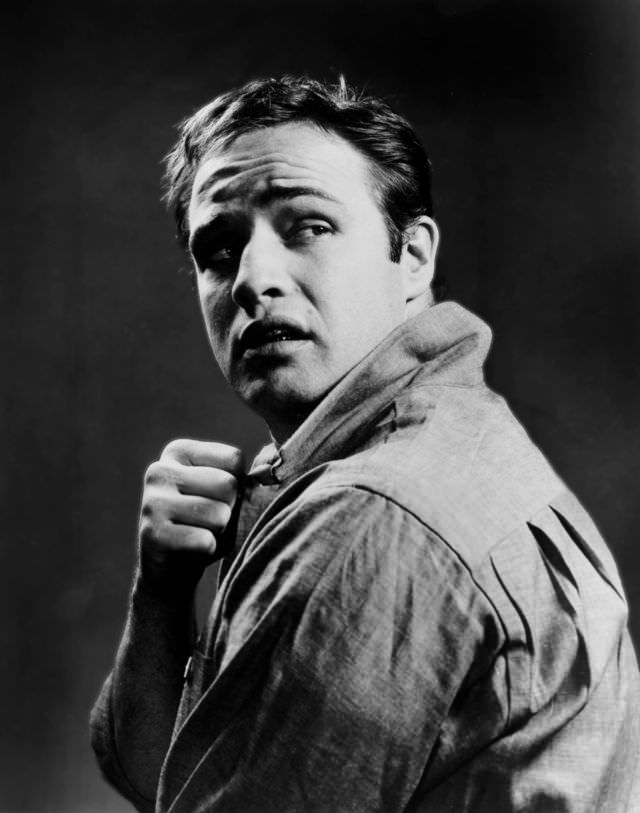
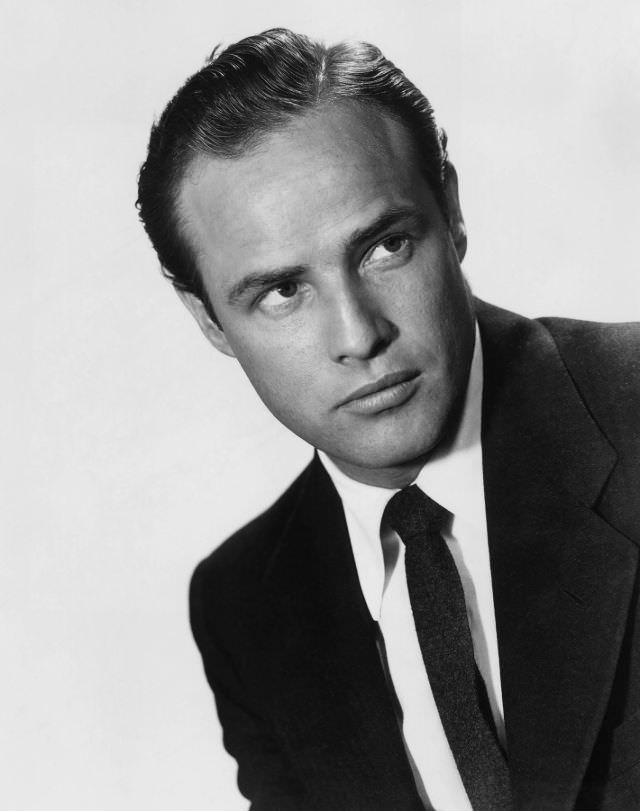
At the center of everything is Brando. His performance as Terry Malloy is physical, emotionally honest, and completely unguarded. He mumbles, hesitates, and moves through scenes with the weight of a man carrying something he doesn’t know how to put down. Every scene he’s in feels immediate and real.
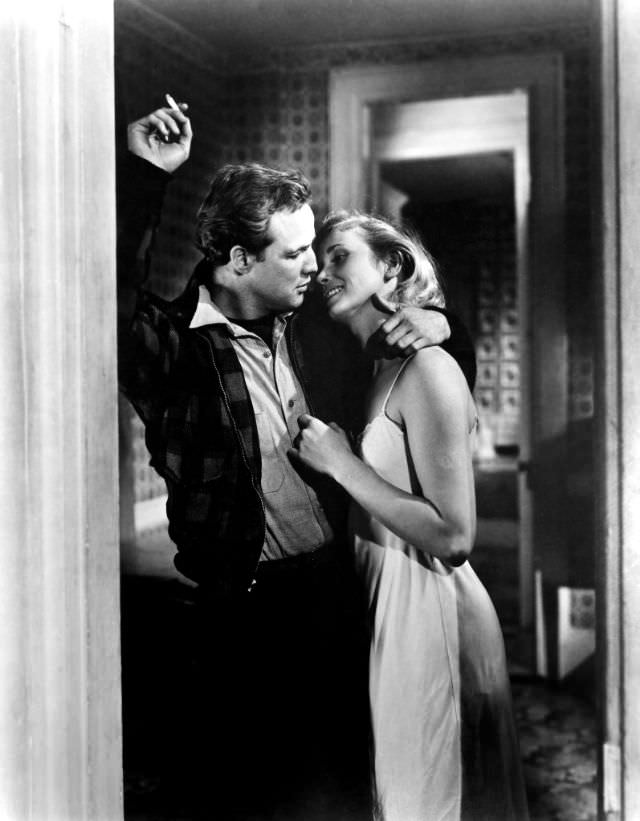
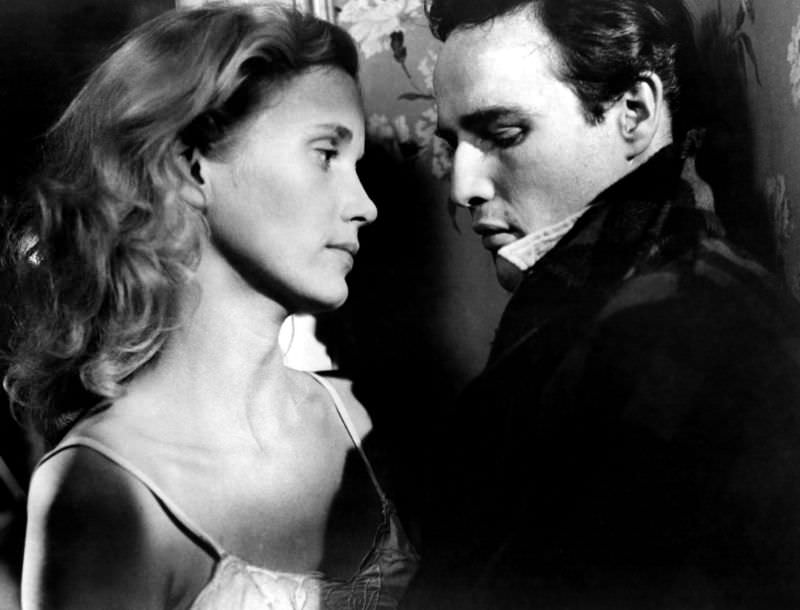
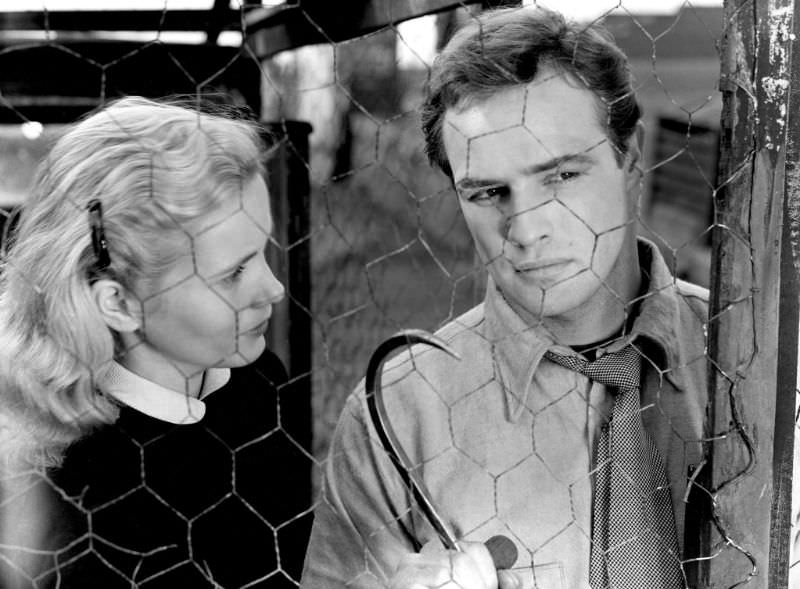
The film received nominations across eight categories at the Academy Awards: Best Picture, Best Director for Kazan, Best Actor for Brando, Best Actress for Saint, Best Supporting Actor (three nominees), Best Screenplay, Best Editing, Best Cinematography, and Best Art Direction. It swept in nearly every category it was nominated in, winning eight Oscars in total.
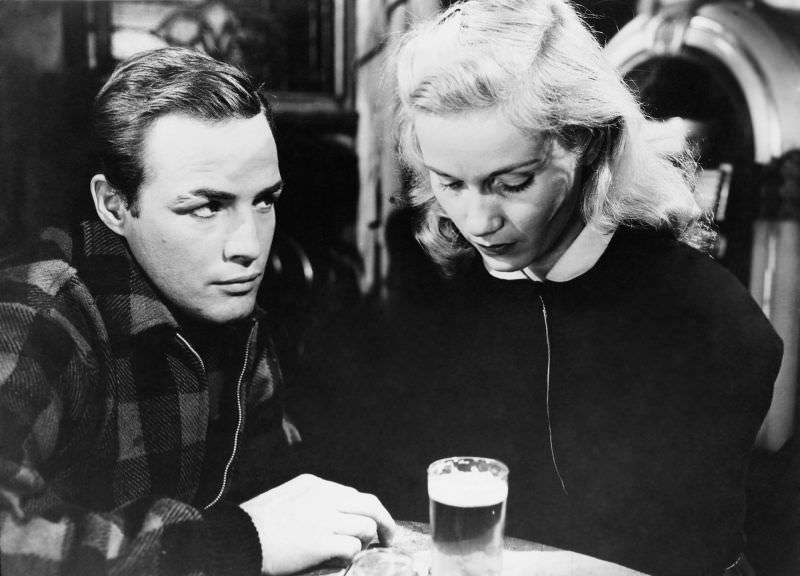
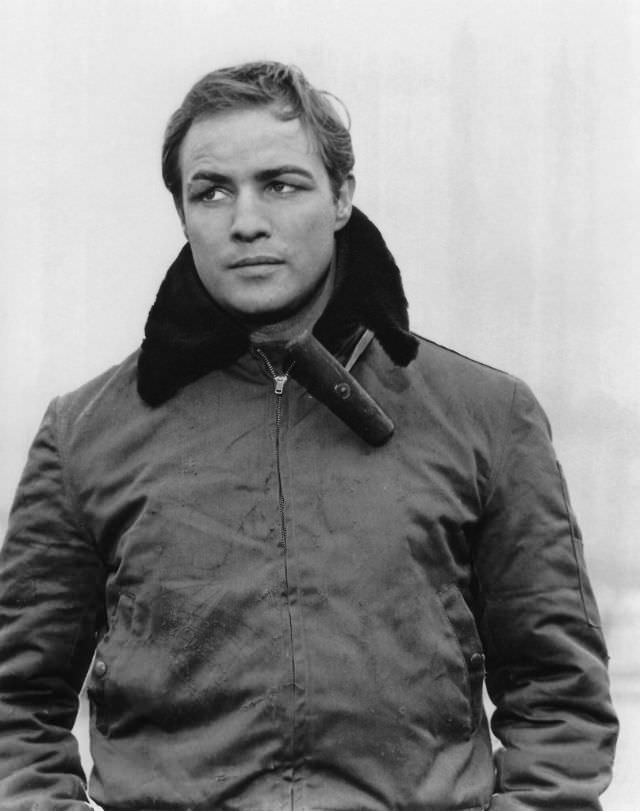
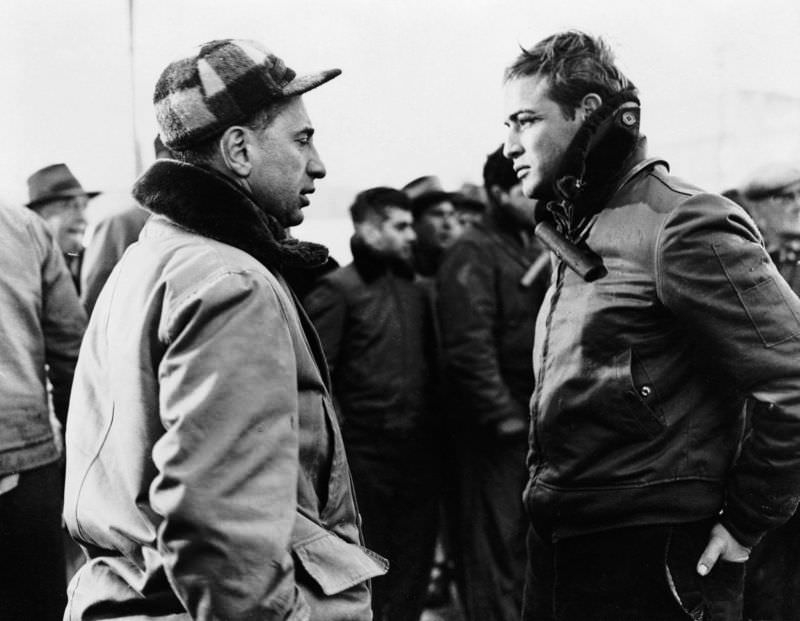
On set, Kazan maintained a tightly controlled but creatively open atmosphere. He had worked closely with the Actors Studio in New York, and his approach encouraged performers to draw on personal experience rather than theatrical technique. Brando, trained in the same tradition, thrived under that direction.
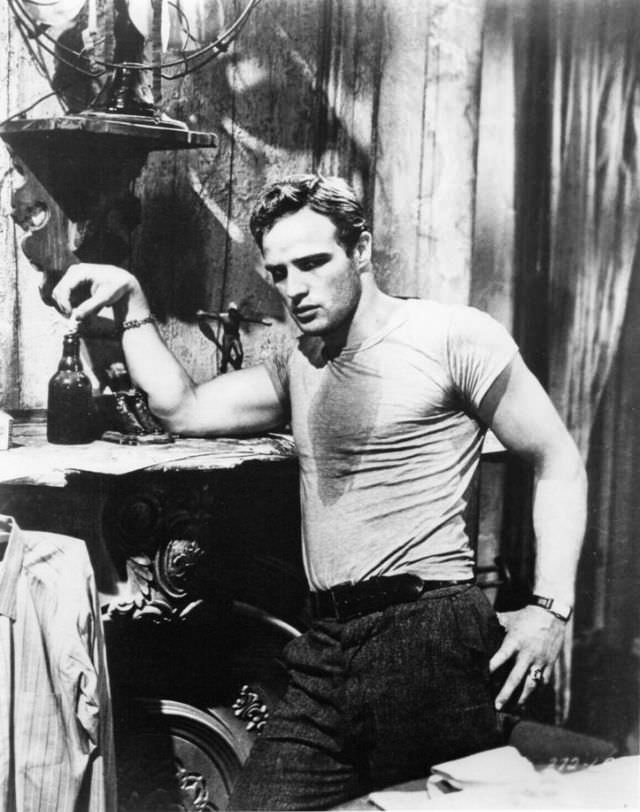
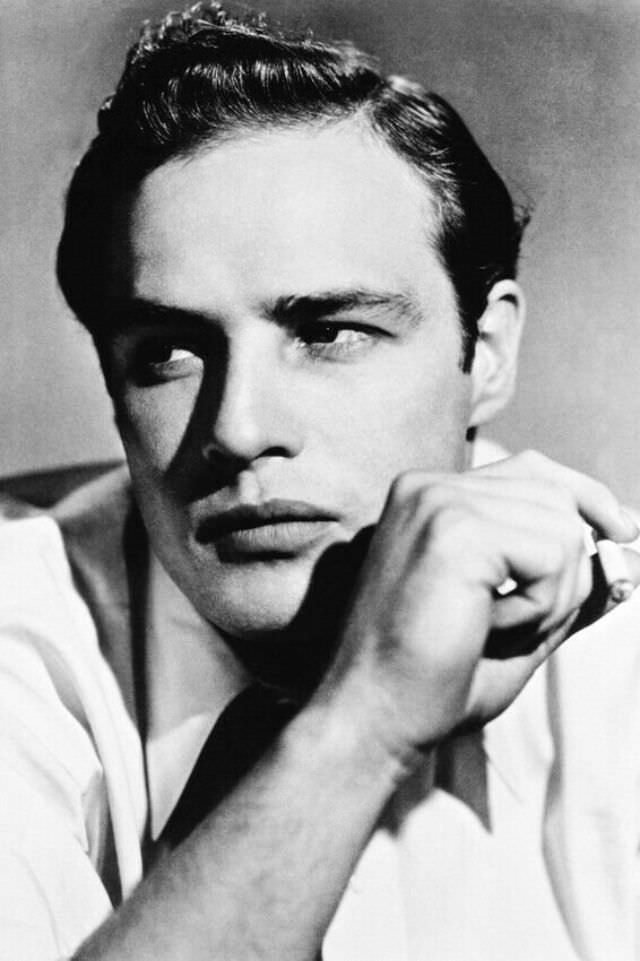
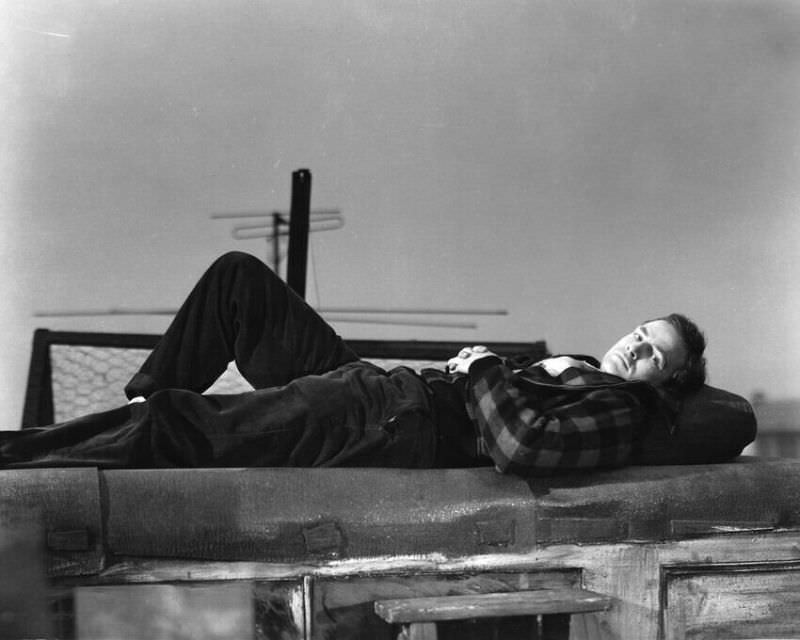
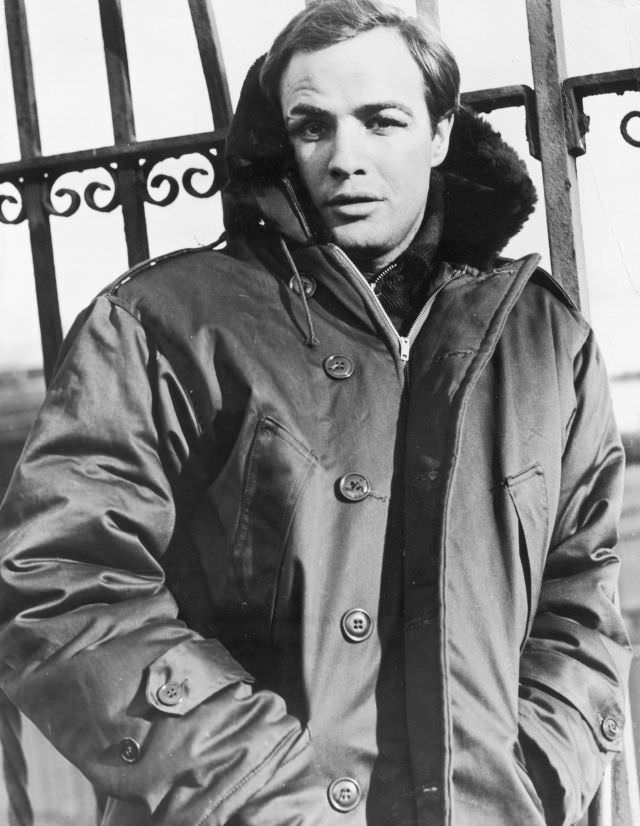
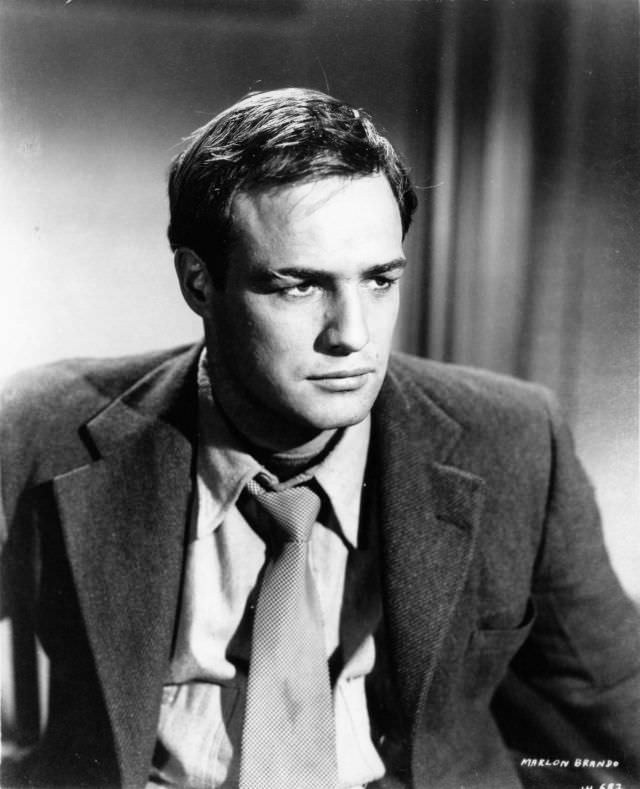
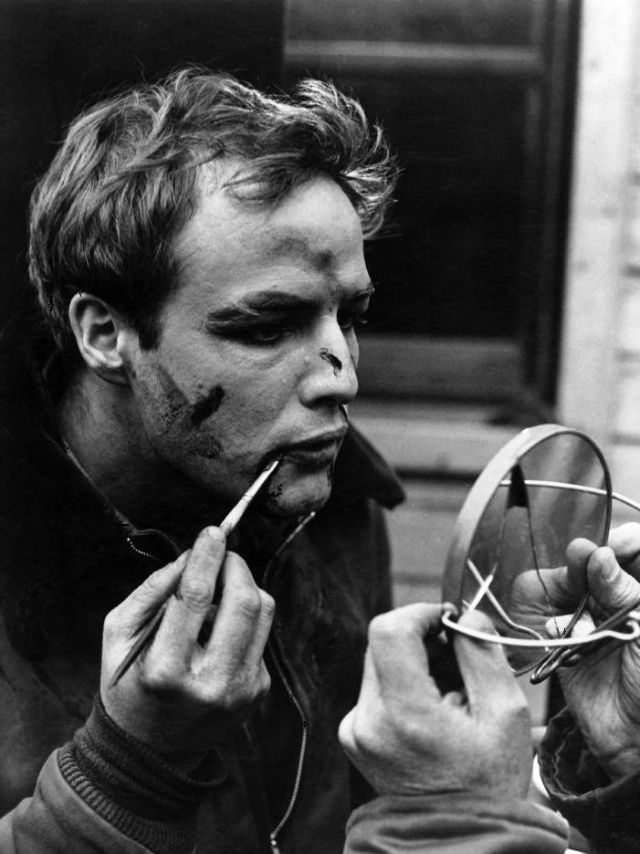
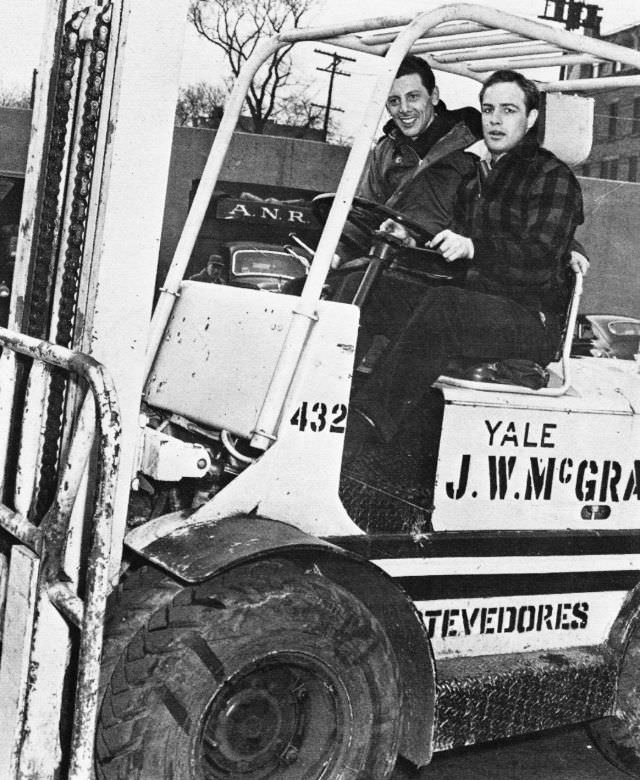
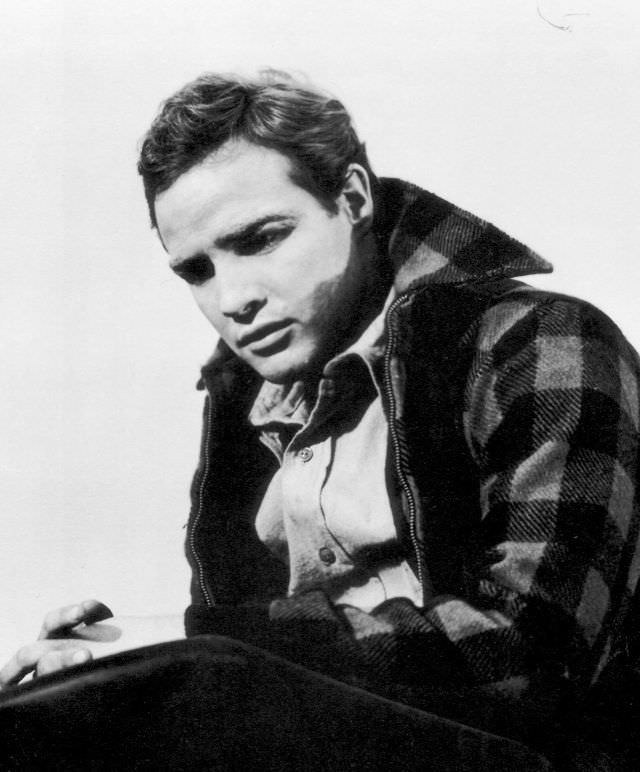
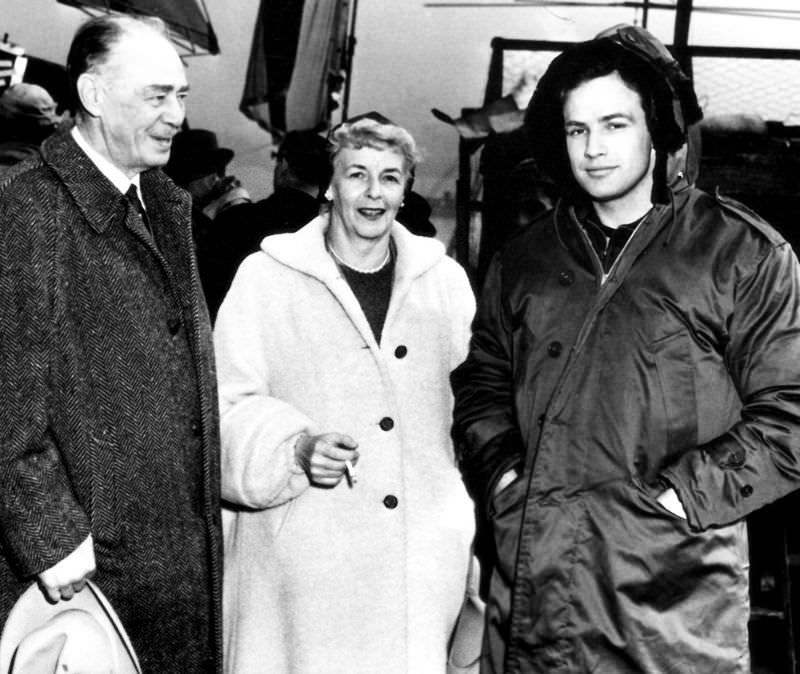
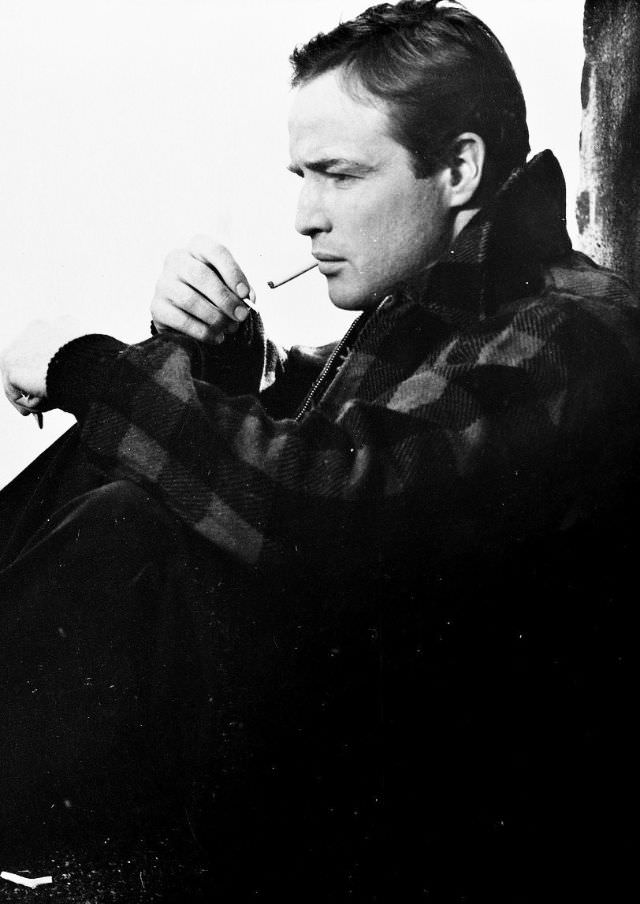
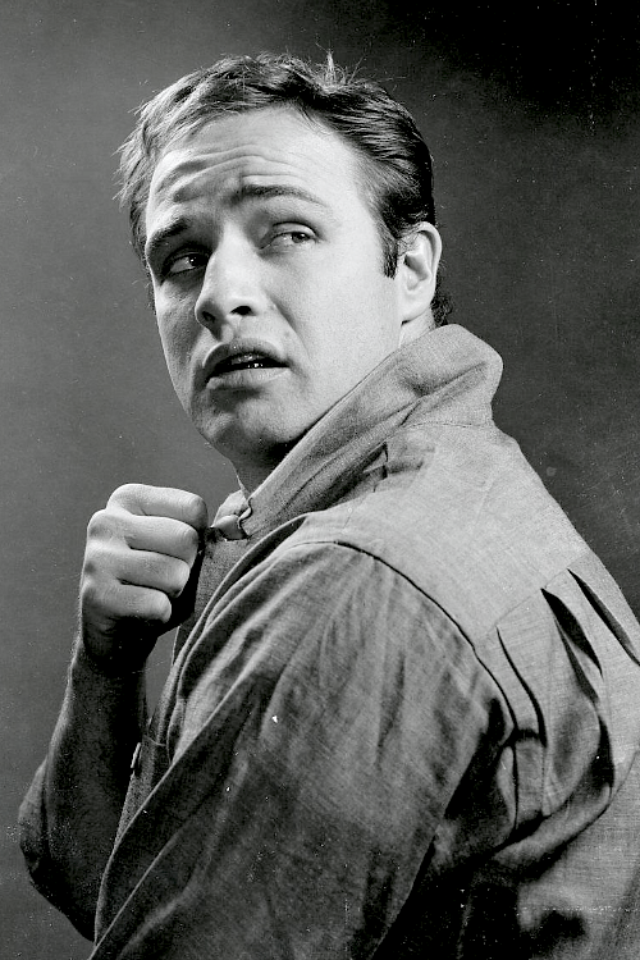
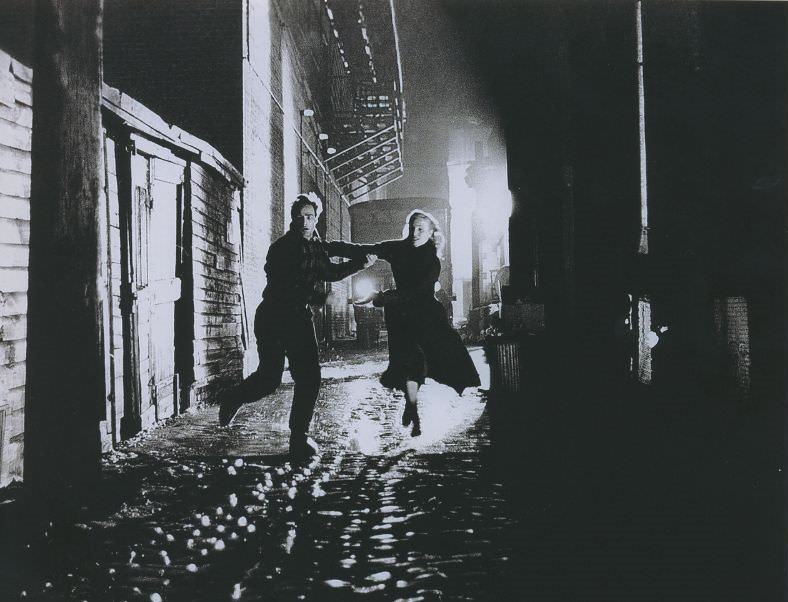
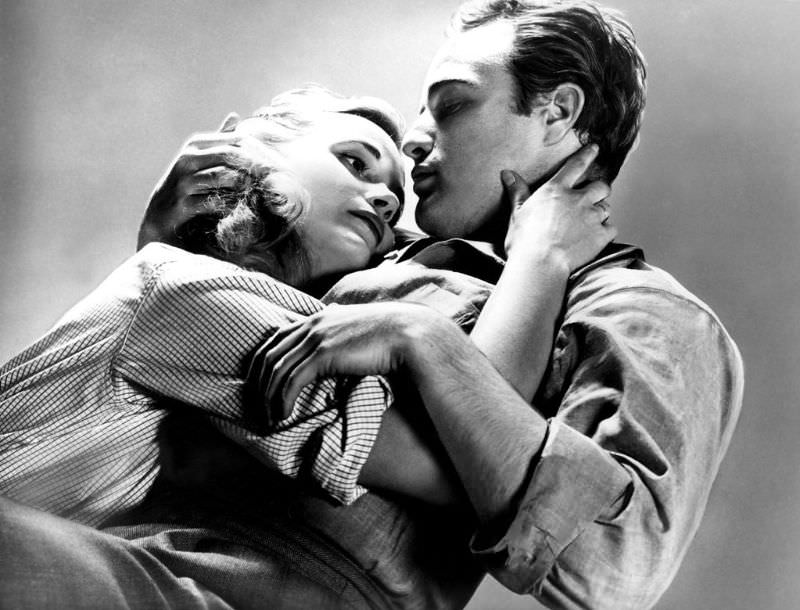
The photos collected here offer a rare look at the cast and crew during production — candid moments between takes, on-location shots along the Hoboken waterfront, and behind-the-scenes glimpses of a film being made with total seriousness of purpose.