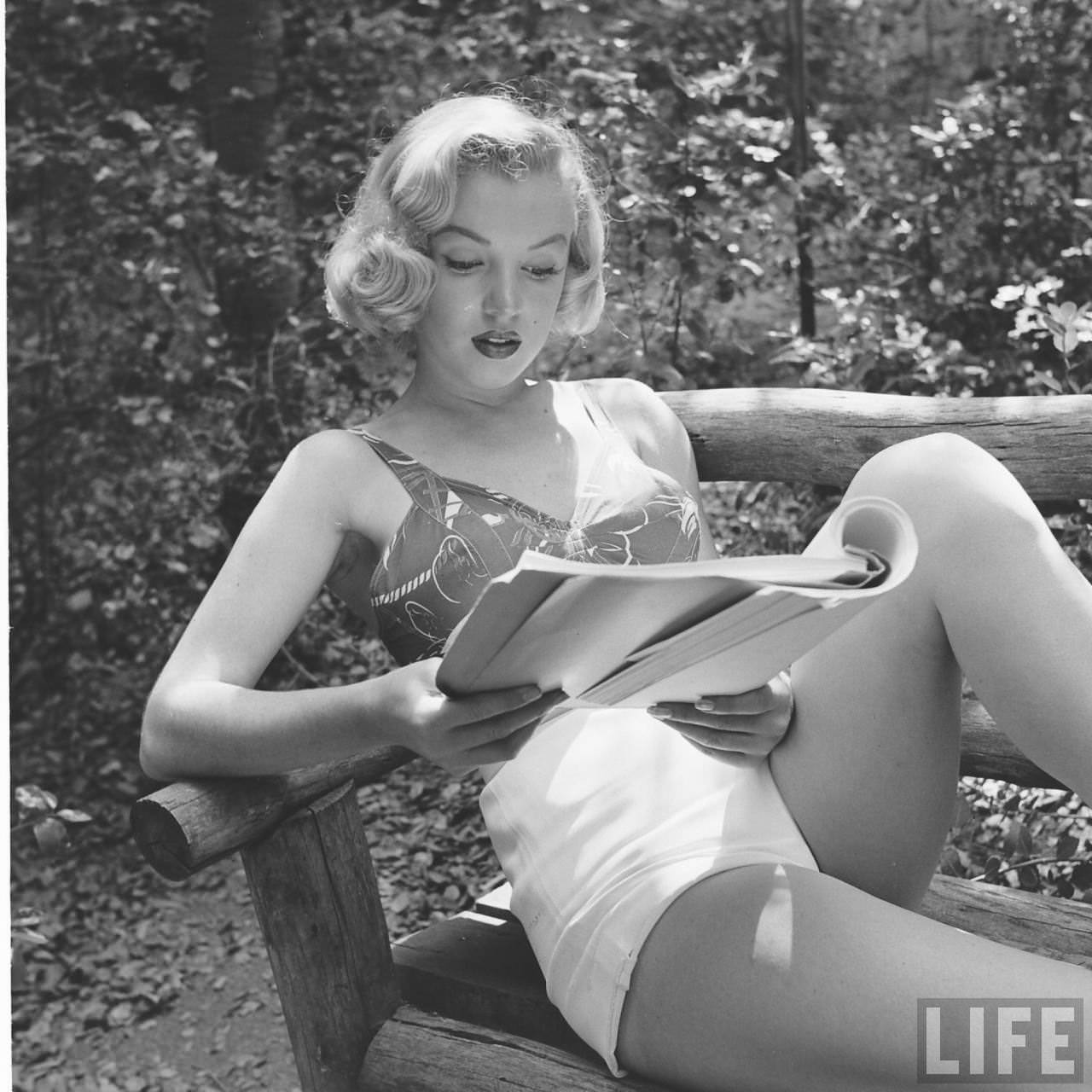
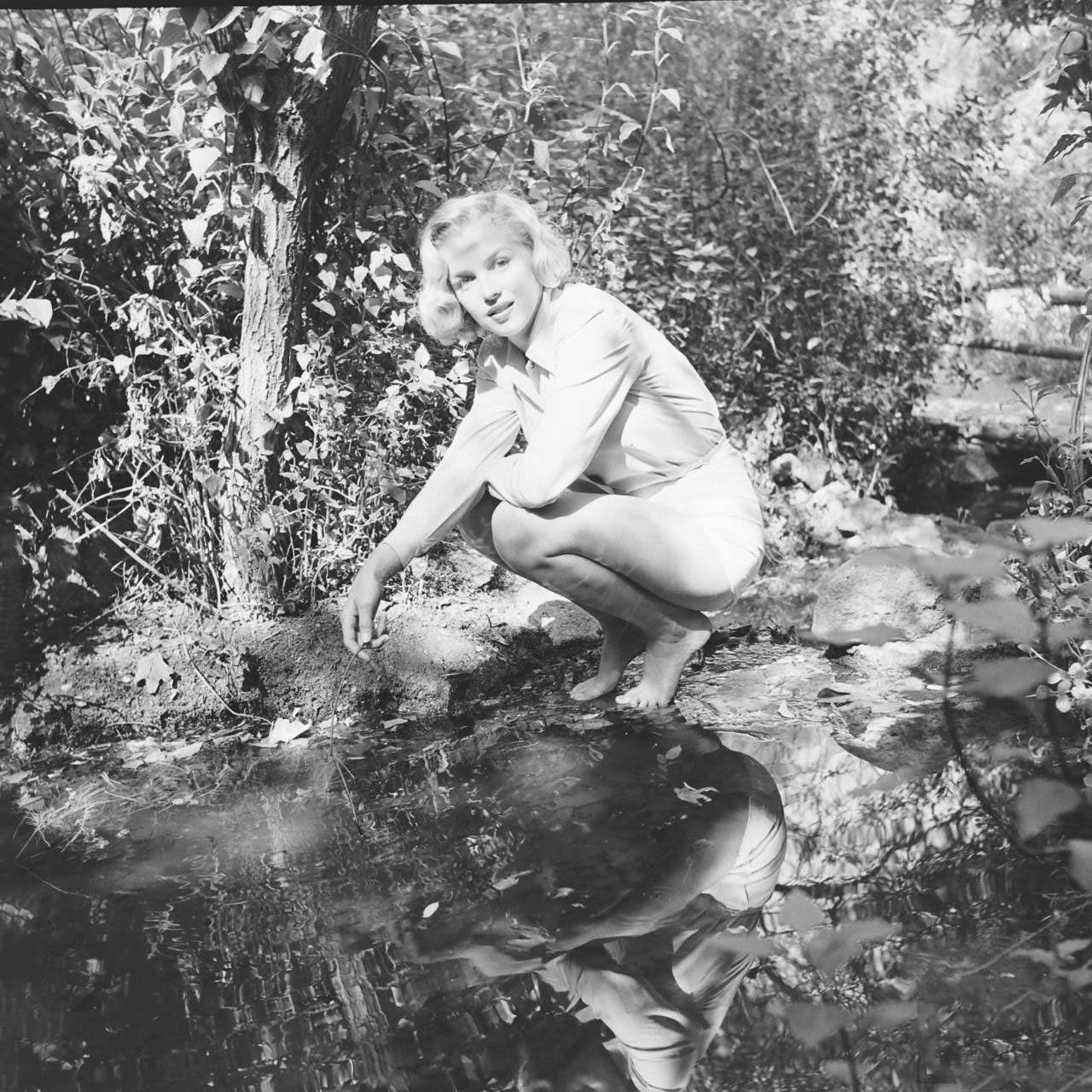
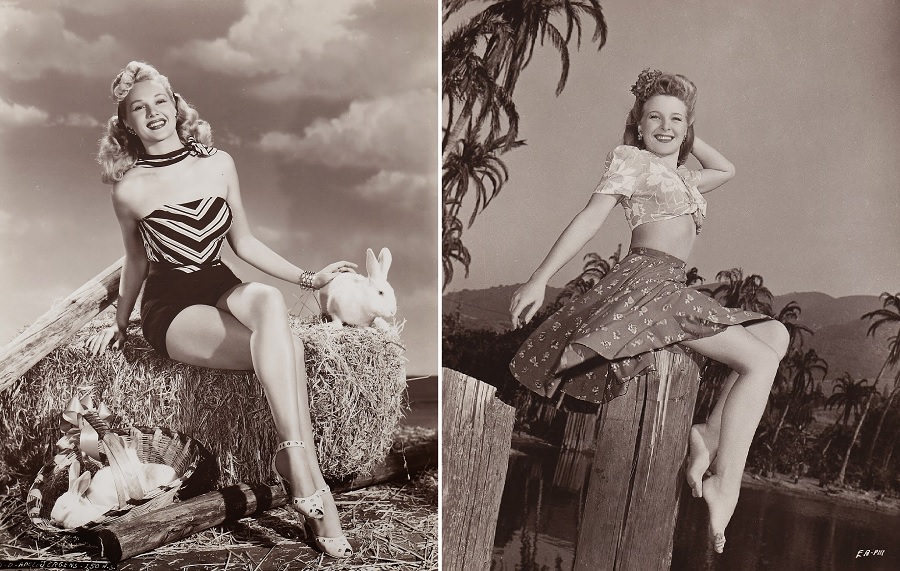
In 1950, Marilyn Monroe was not yet a household name. She had appeared in only a handful of small film roles and was still working her way up in Hollywood. That year, Life magazine photographer Ed Clark was assigned to shoot a feature on her — and what he created became some of the most distinctive early photographs of Monroe ever published.
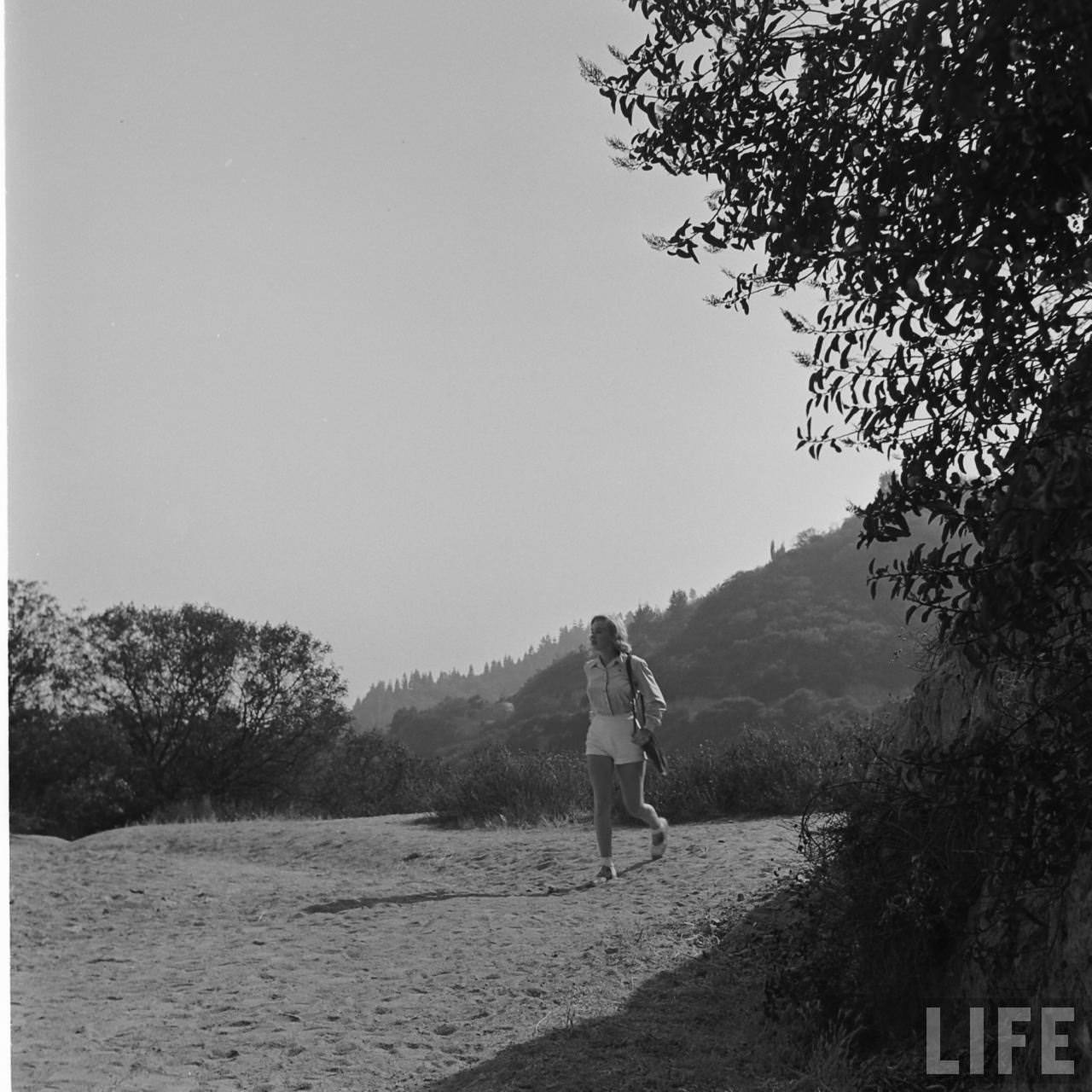
Clark made a deliberate choice that set this shoot apart from anything typical of the era. Instead of booking a studio with a painted backdrop and carefully arranged lighting, he took Monroe out of Los Angeles and into the woods. At the time, Hollywood actresses were almost always photographed in highly controlled, stylized settings. Clark threw that playbook out entirely.
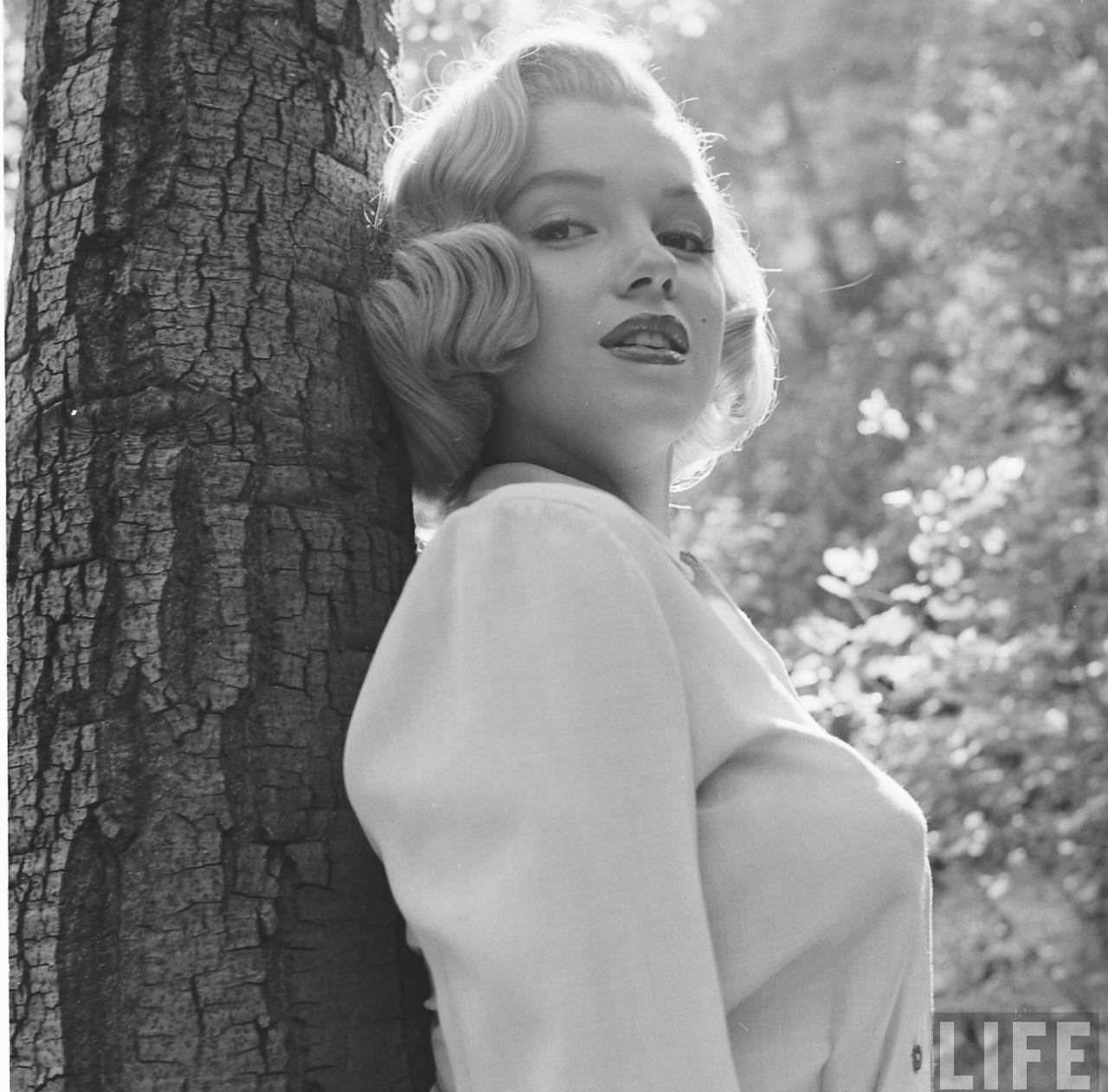
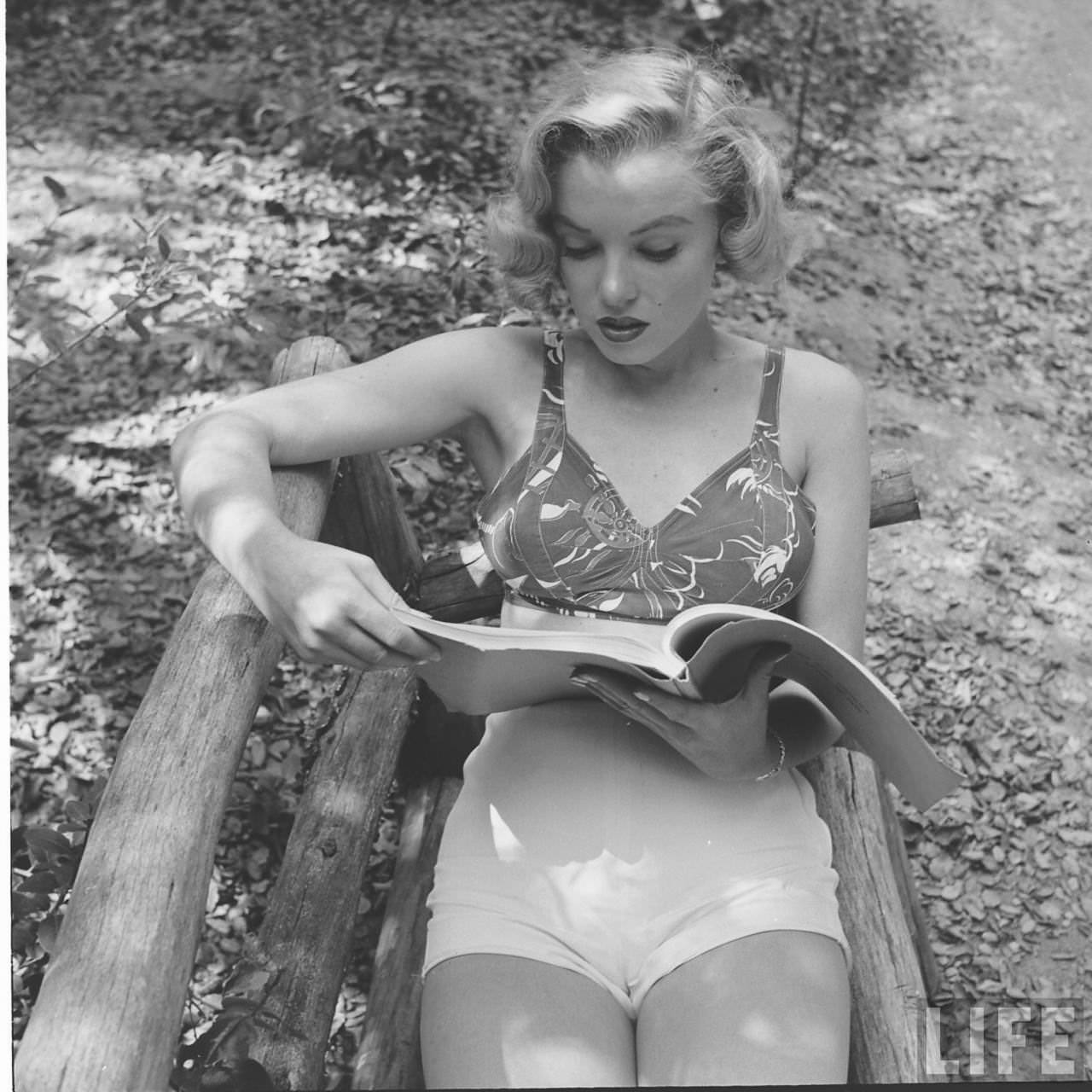
The resulting photographs show Monroe dressed in a casual outfit and carrying a backpack, hiking through the trees. She is laughing, moving, and at ease — a stark contrast to the stiff, posed glamour shots that defined how studios presented their actresses. There is nothing performed about these images.
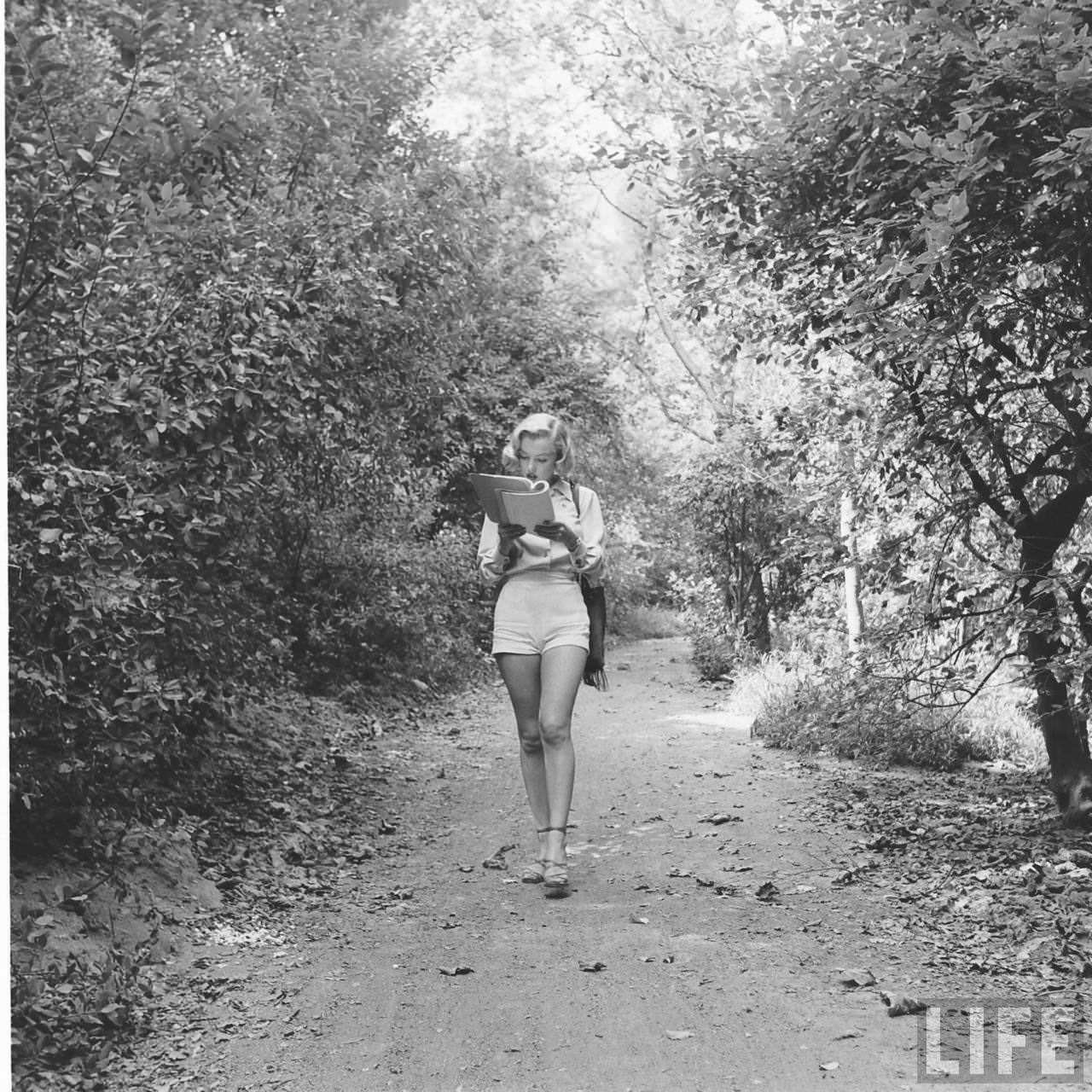
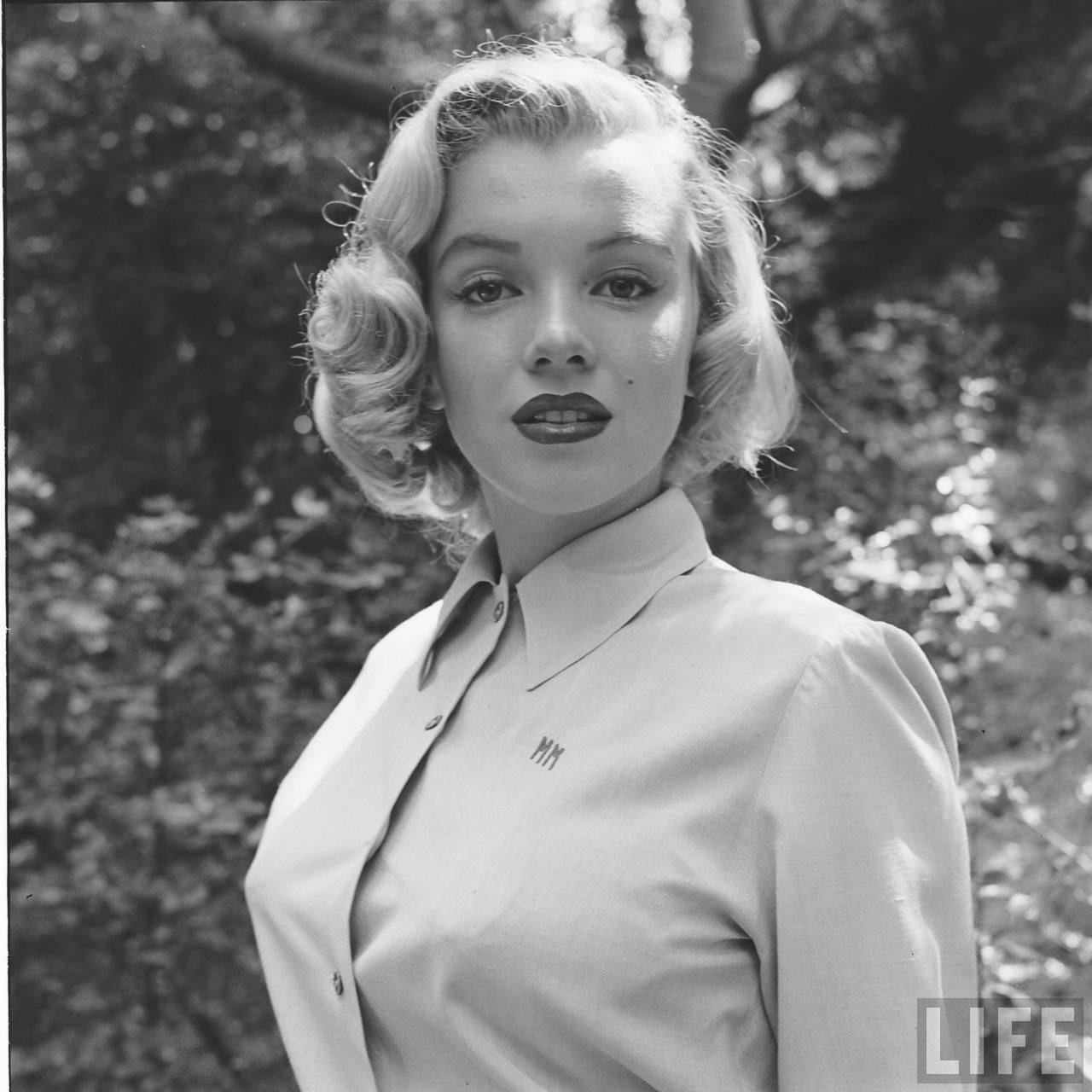
These photos were among the first images of Monroe to appear in a national magazine. For many Americans seeing her for the first time, this was their introduction — not a bombshell in a studio, but a young woman smiling in the woods. That framing mattered. It gave her the “girl next door” quality that connected with everyday readers.
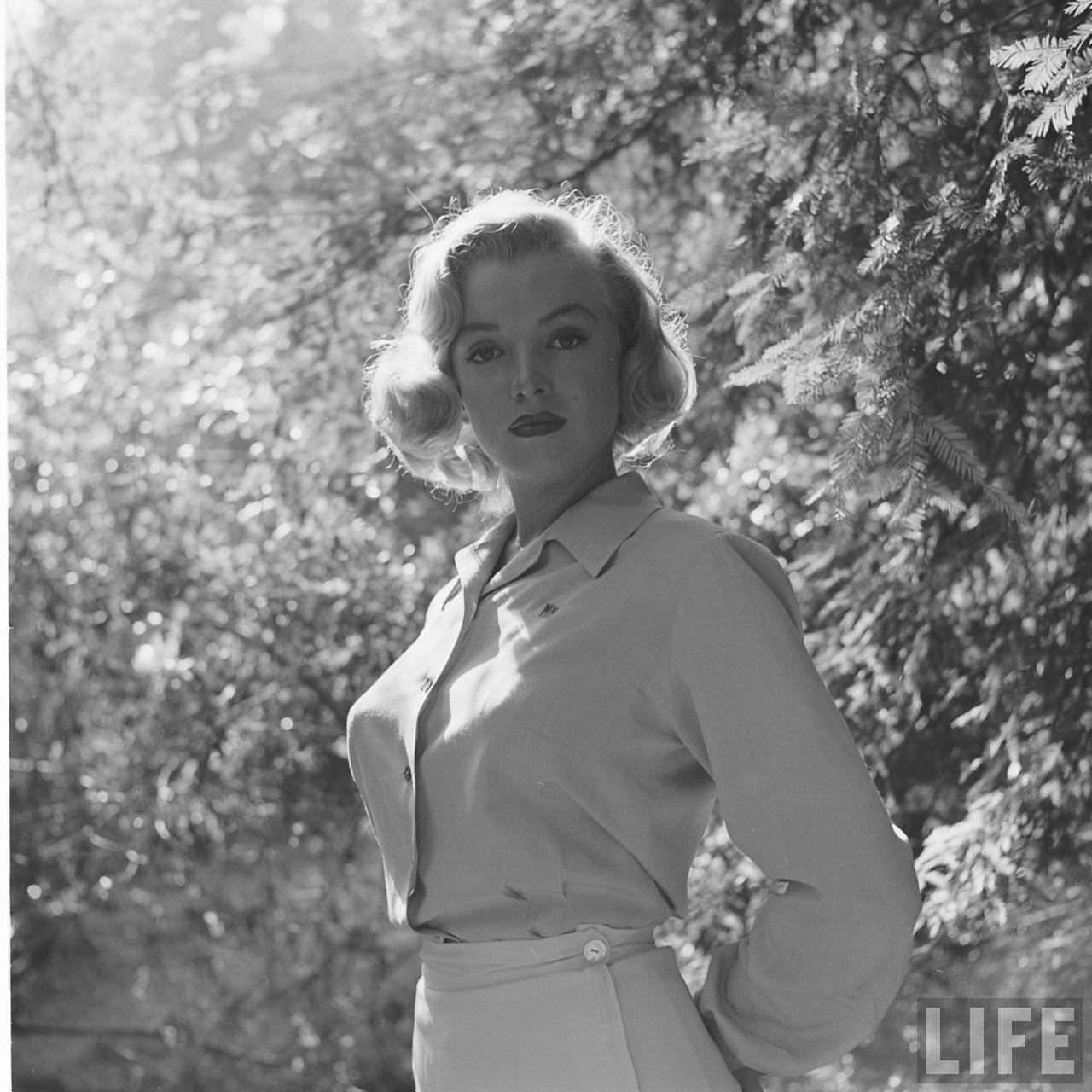
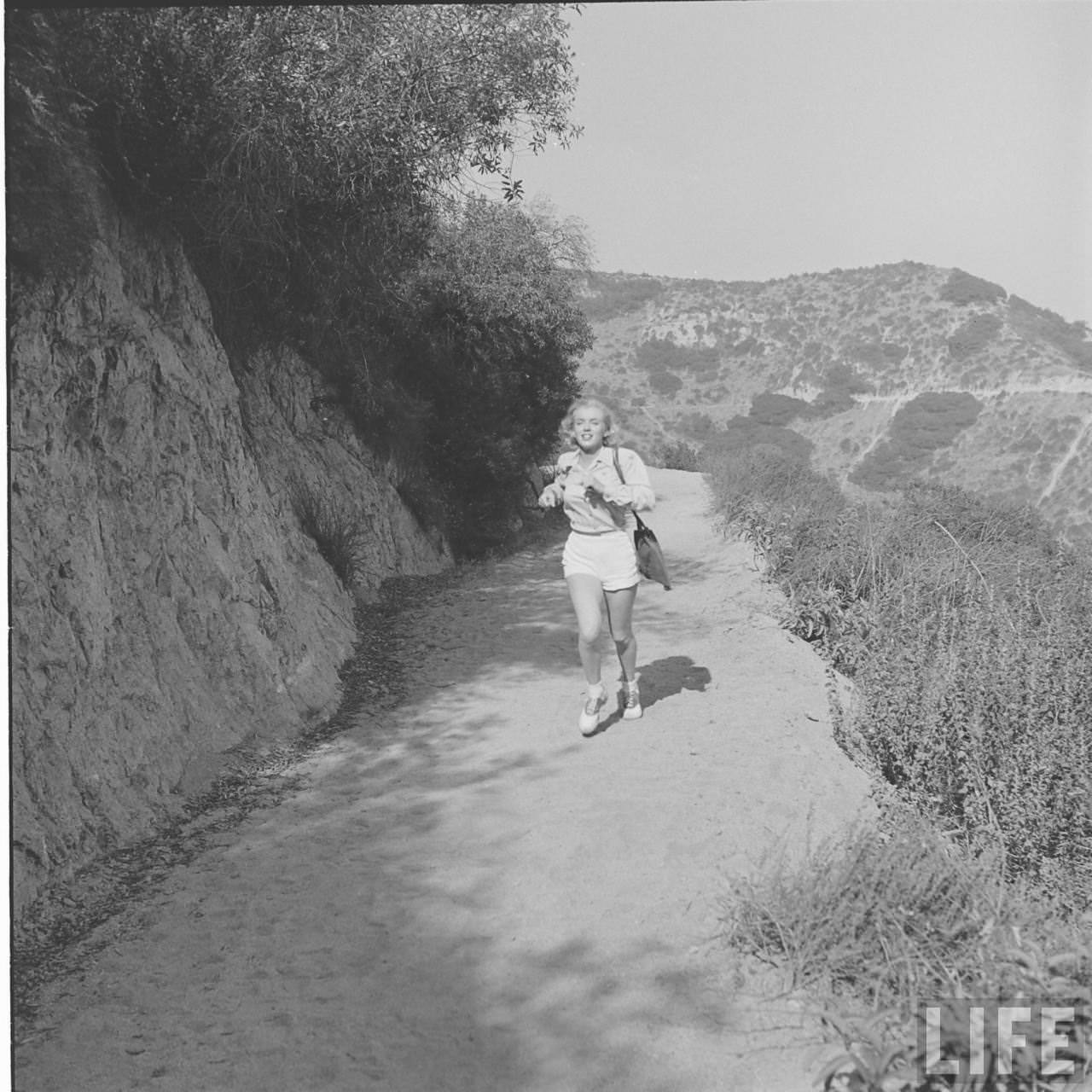
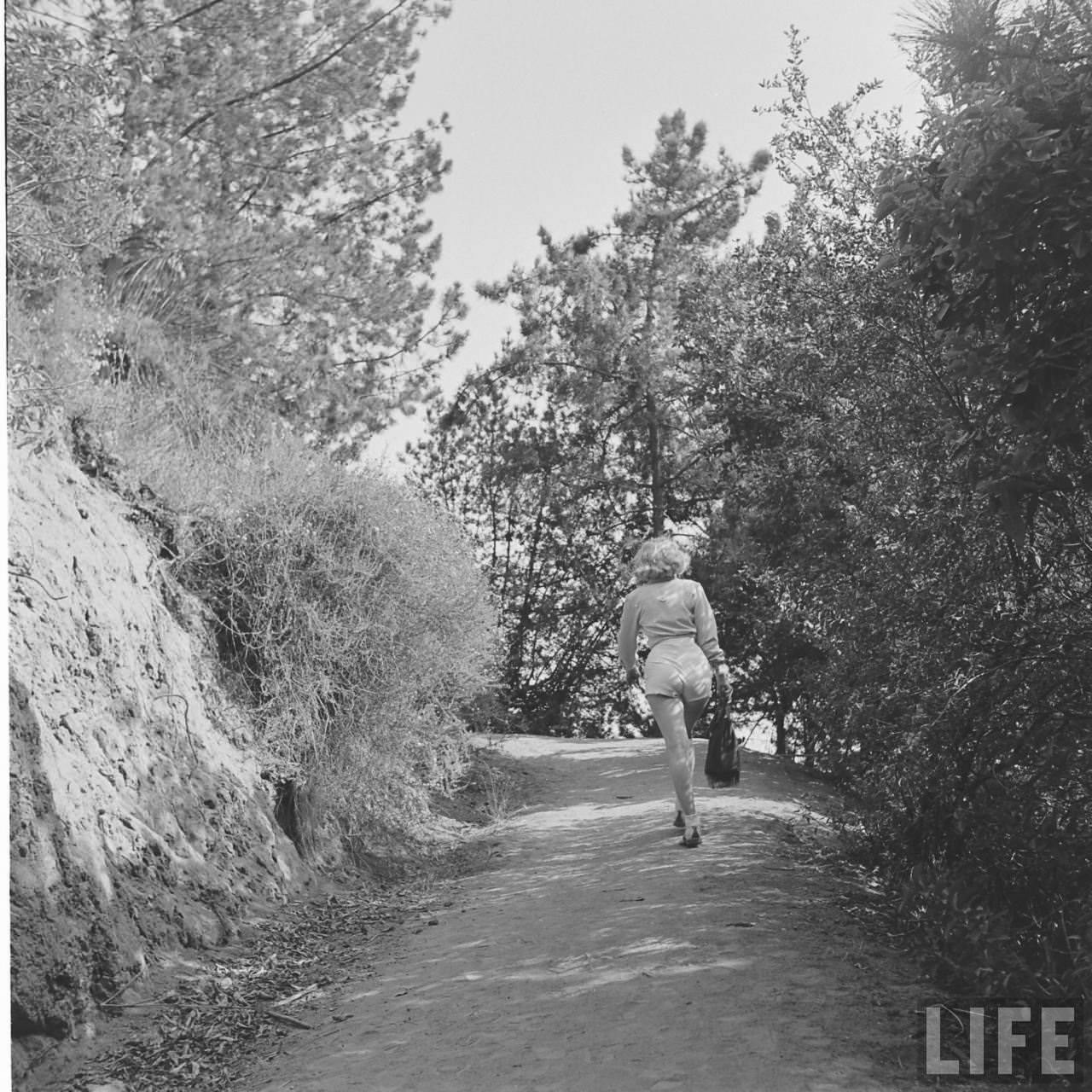
Clark’s approach was rooted in naturalism. He let Monroe move freely, react genuinely, and exist in the environment rather than perform for a lens. The light filtering through the trees, the unscripted expressions, and the casual wardrobe all worked together to produce something that felt real — because it was.
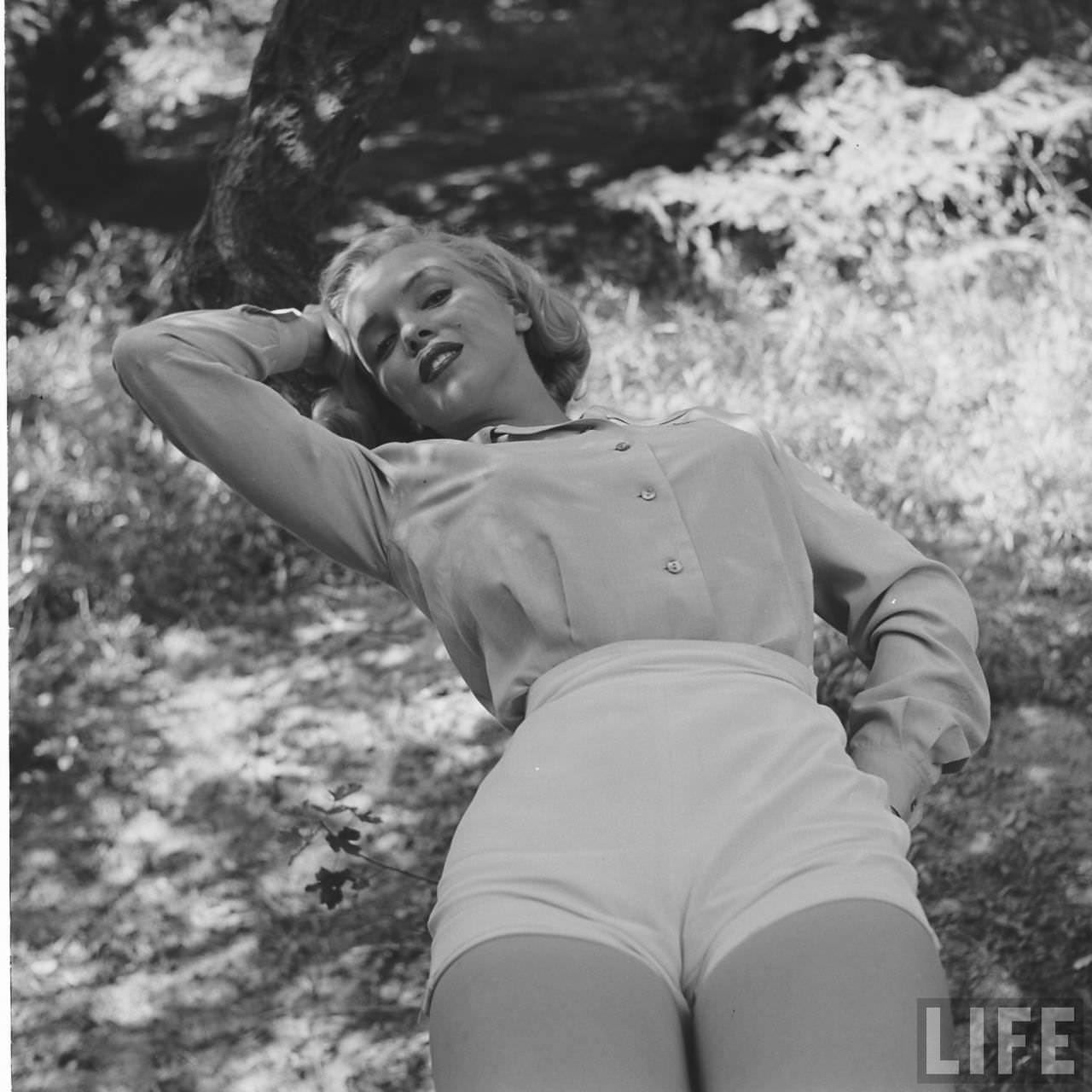
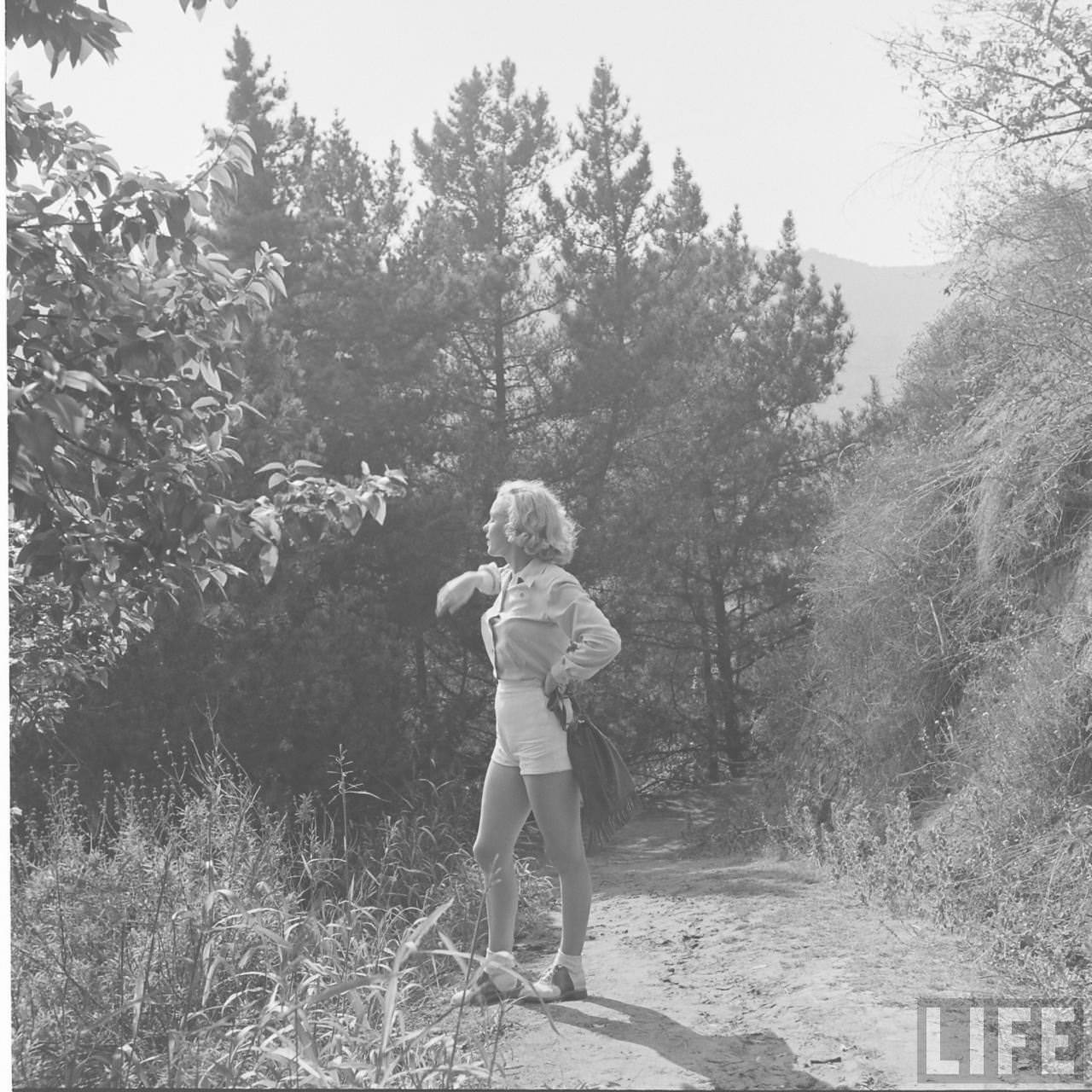
Monroe was 24 years old during this shoot. Her career was still in its earliest stages. Within just a few years, she would star in films like Gentlemen Prefer Blondes and How to Marry a Millionaire, becoming one of the most recognized faces in the world. But in 1950, she was still building — and these photographs caught her at that exact turning point.
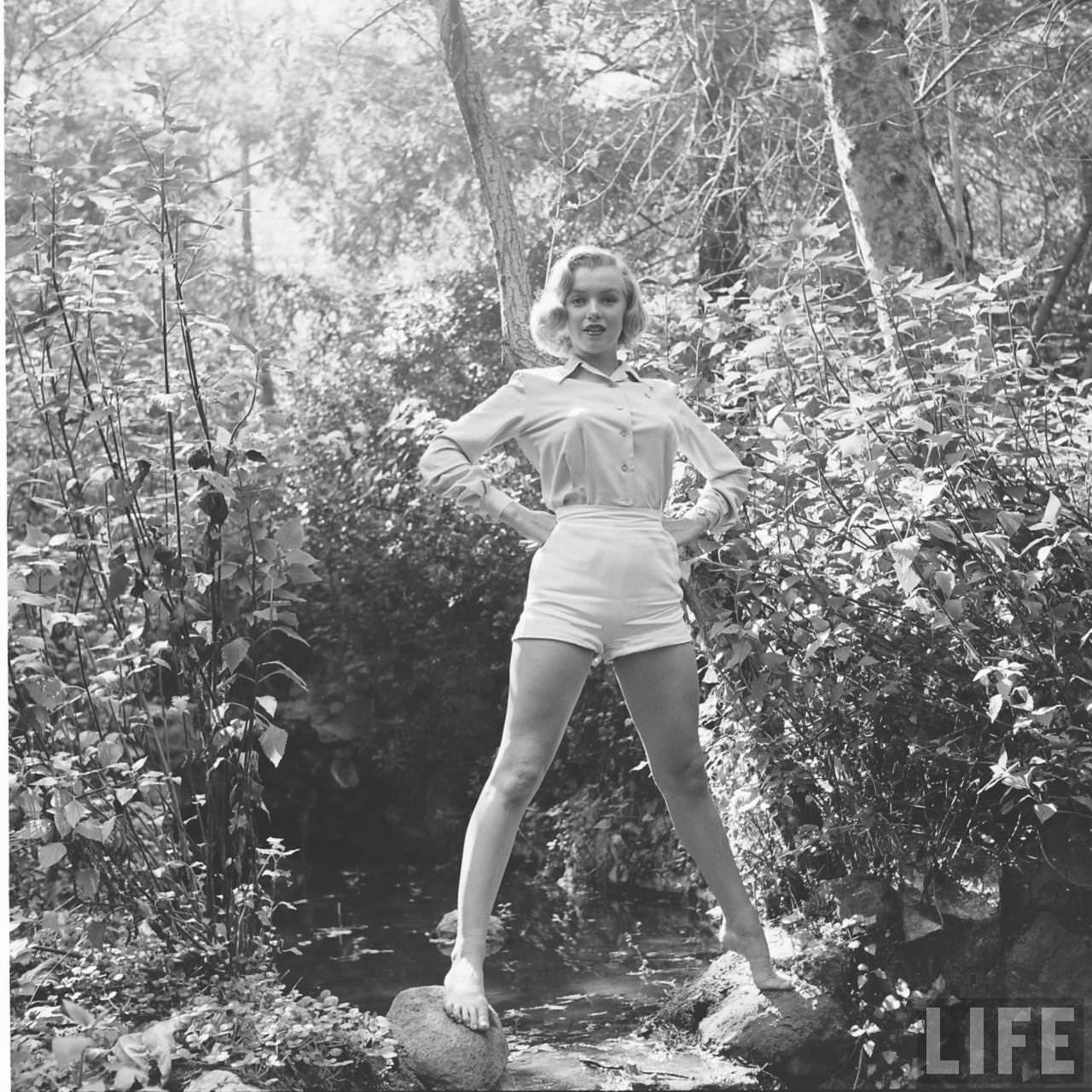
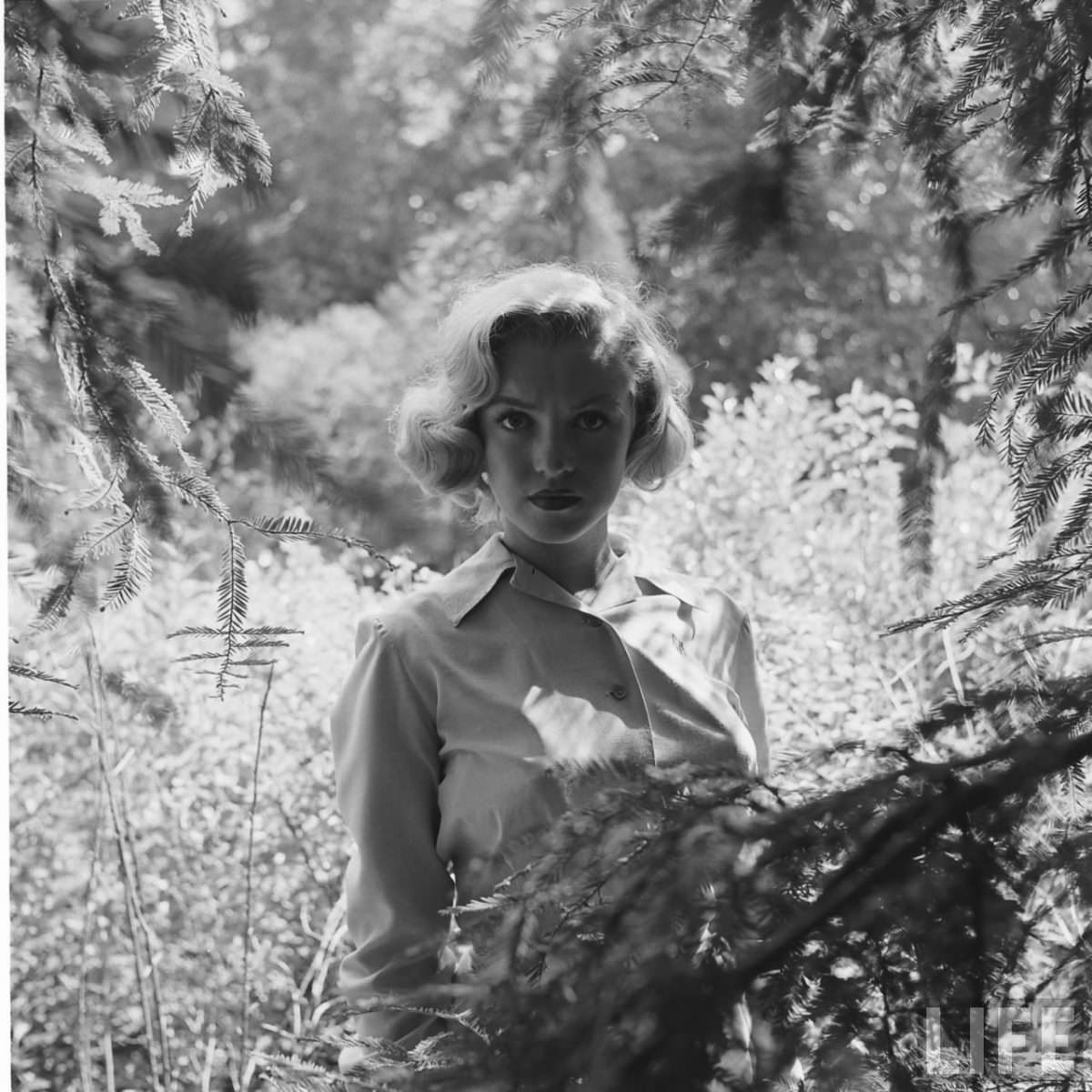
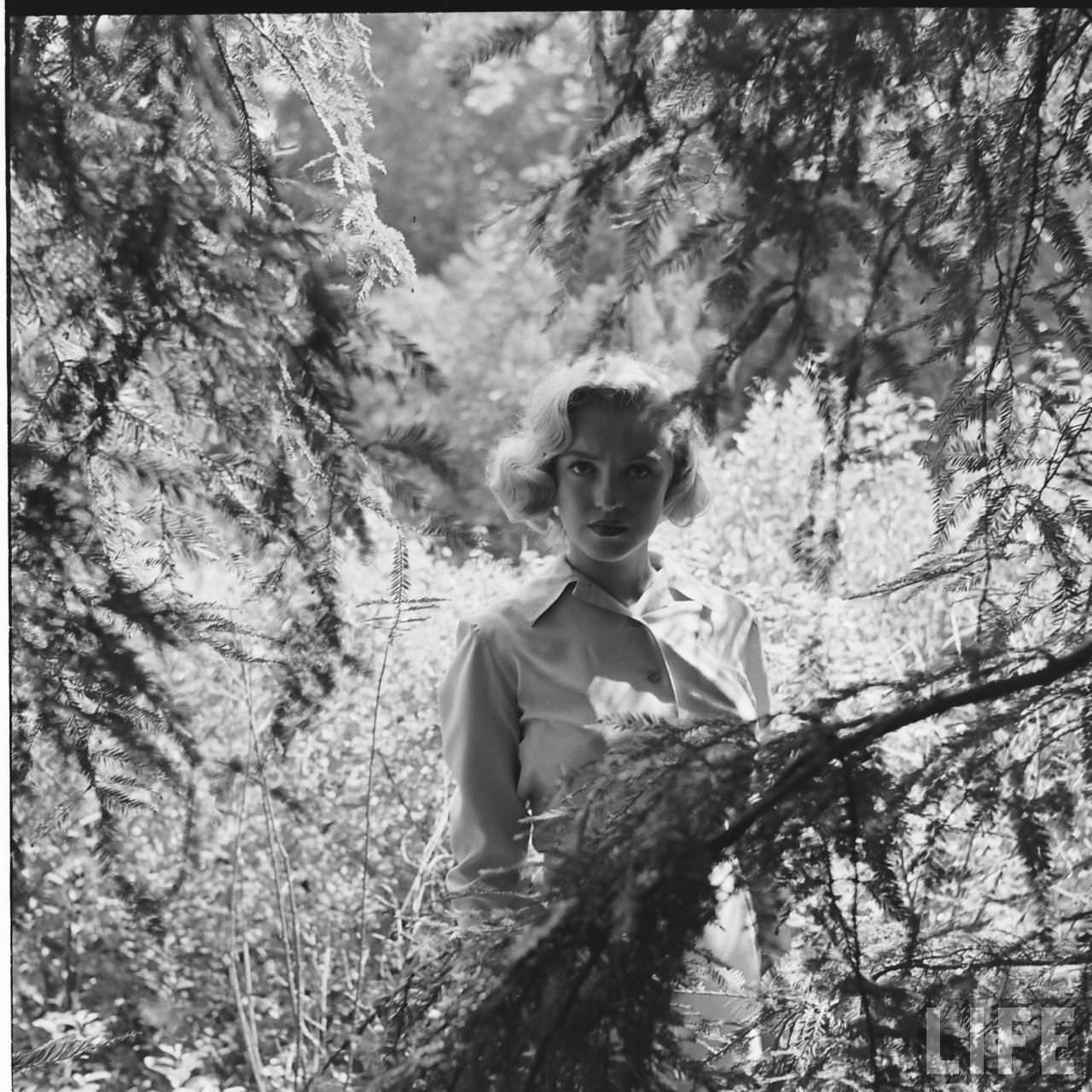
What makes the photos rare is not just their subject, but their timing. Clark documented Monroe before the machinery of Hollywood stardom fully took hold. The version of her seen in these woods is unfiltered — someone on the edge of fame, not yet consumed by it.
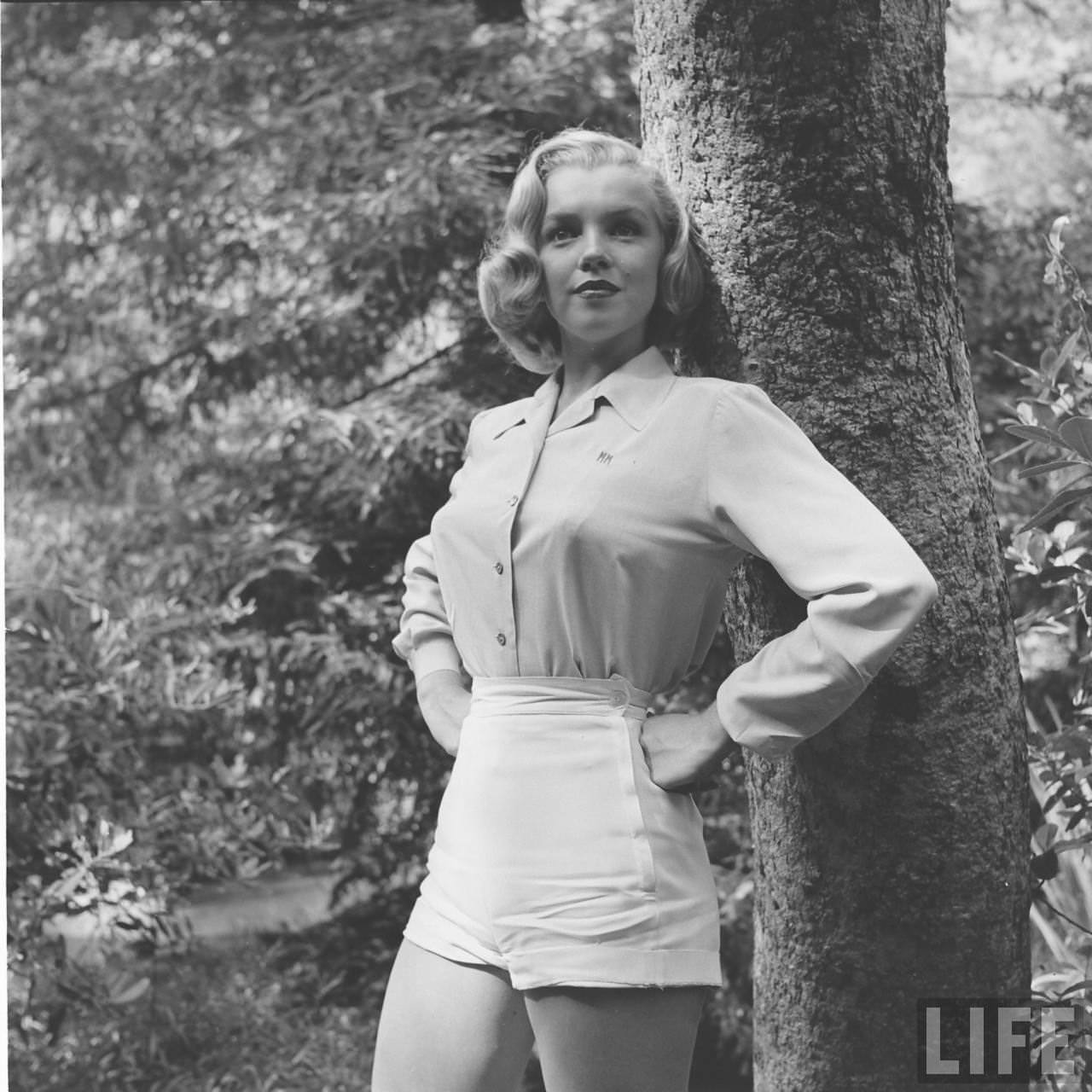
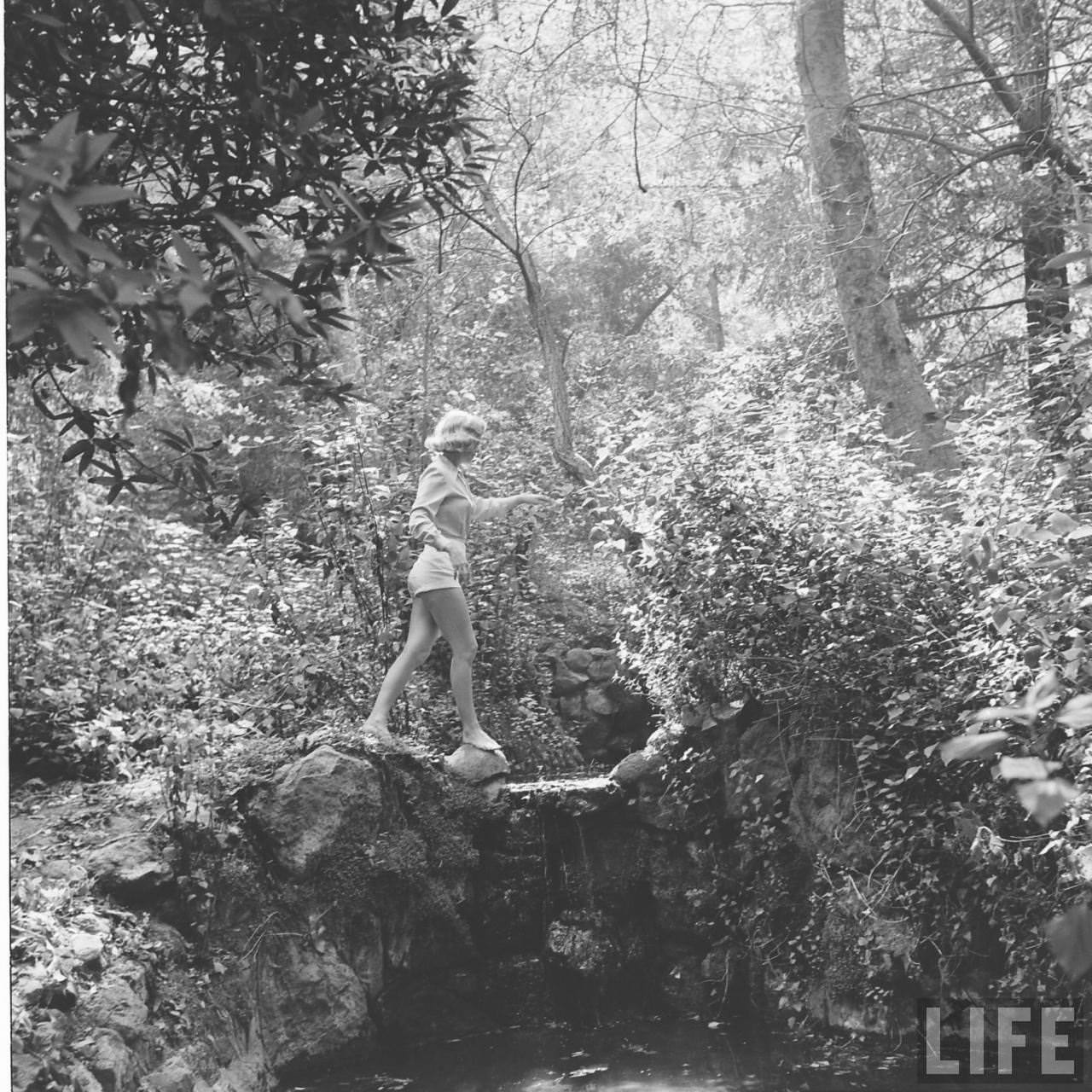
Ed Clark was a seasoned photojournalist. His work for Life covered major world events, and he brought that documentary instinct to this assignment. Rather than directing Monroe into poses, he followed her. That approach produced candid frames that studio photographers of the time simply were not trained to pursue.
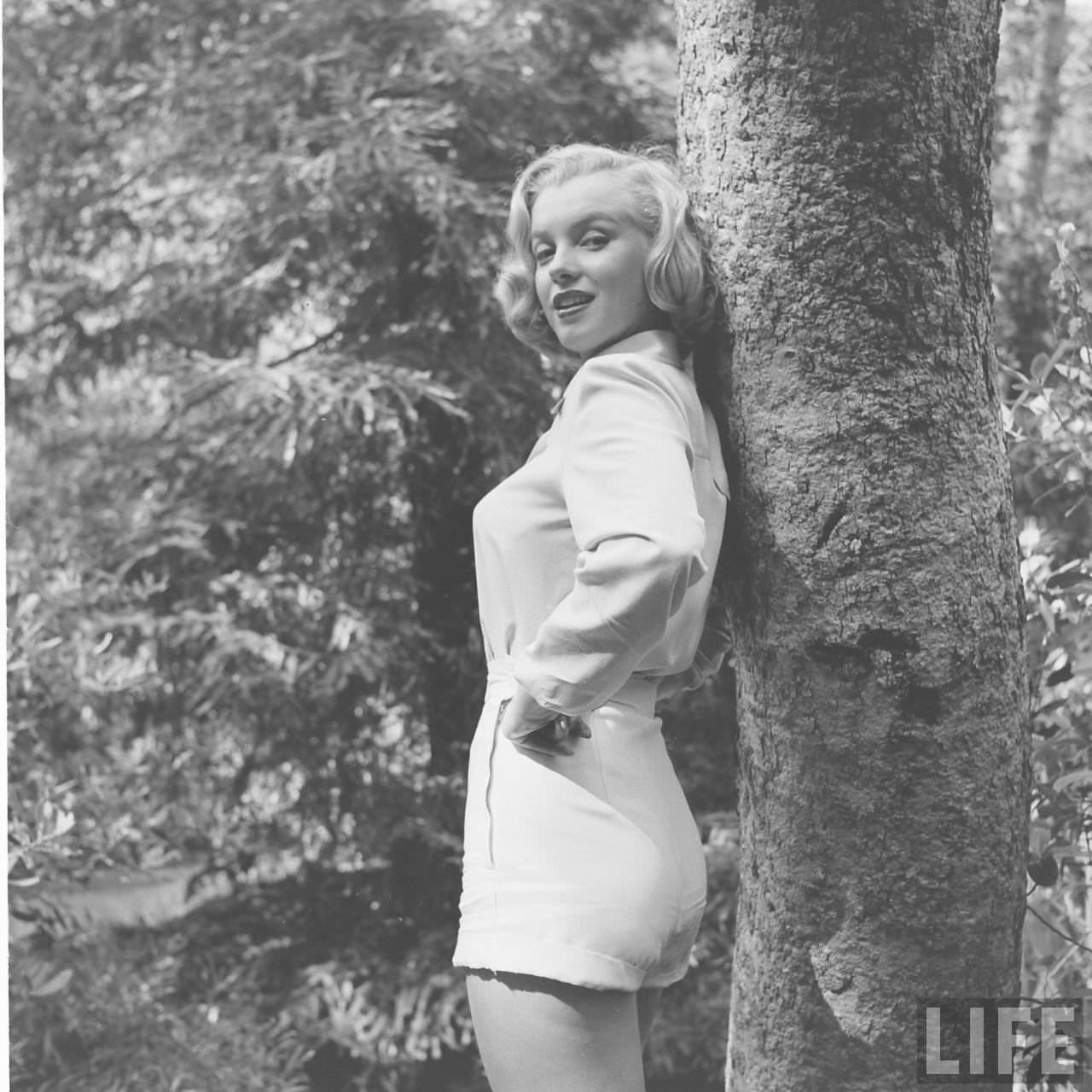
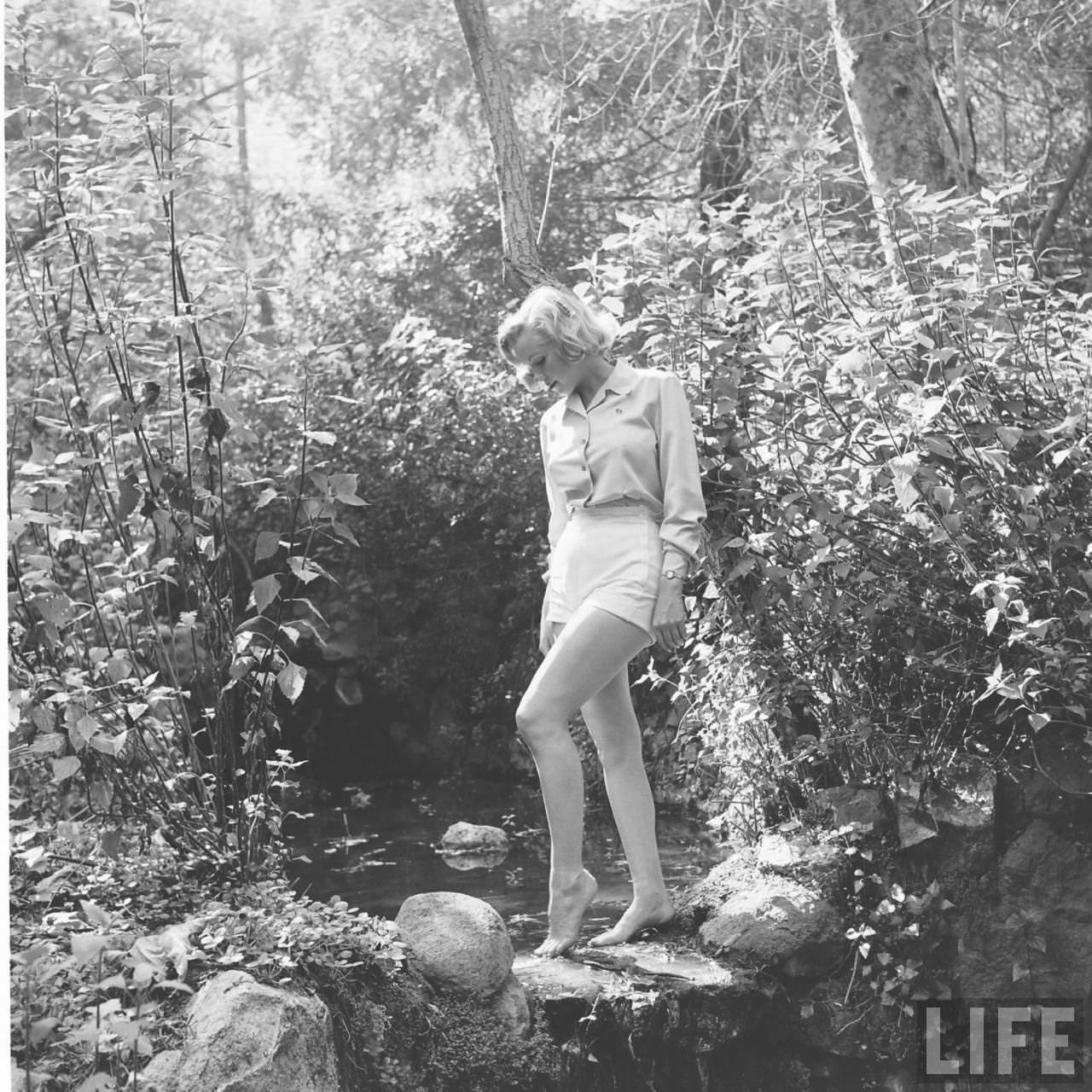
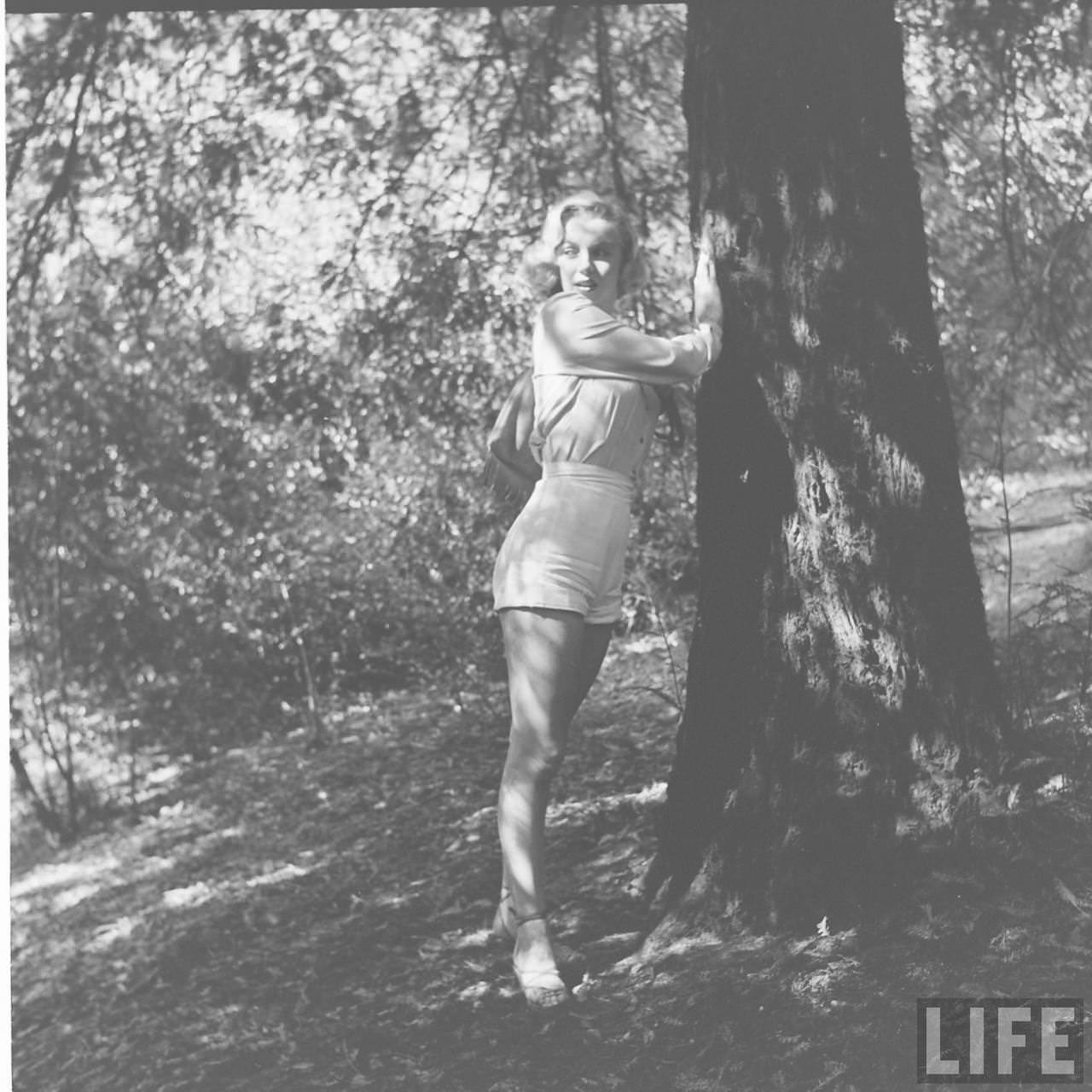
The backpack Monroe carries in several frames is a small but telling detail. No stylist would have placed it there for a glamour shoot. It signals that Clark dressed the session for a hike, not a performance — and Monroe played along with complete ease.
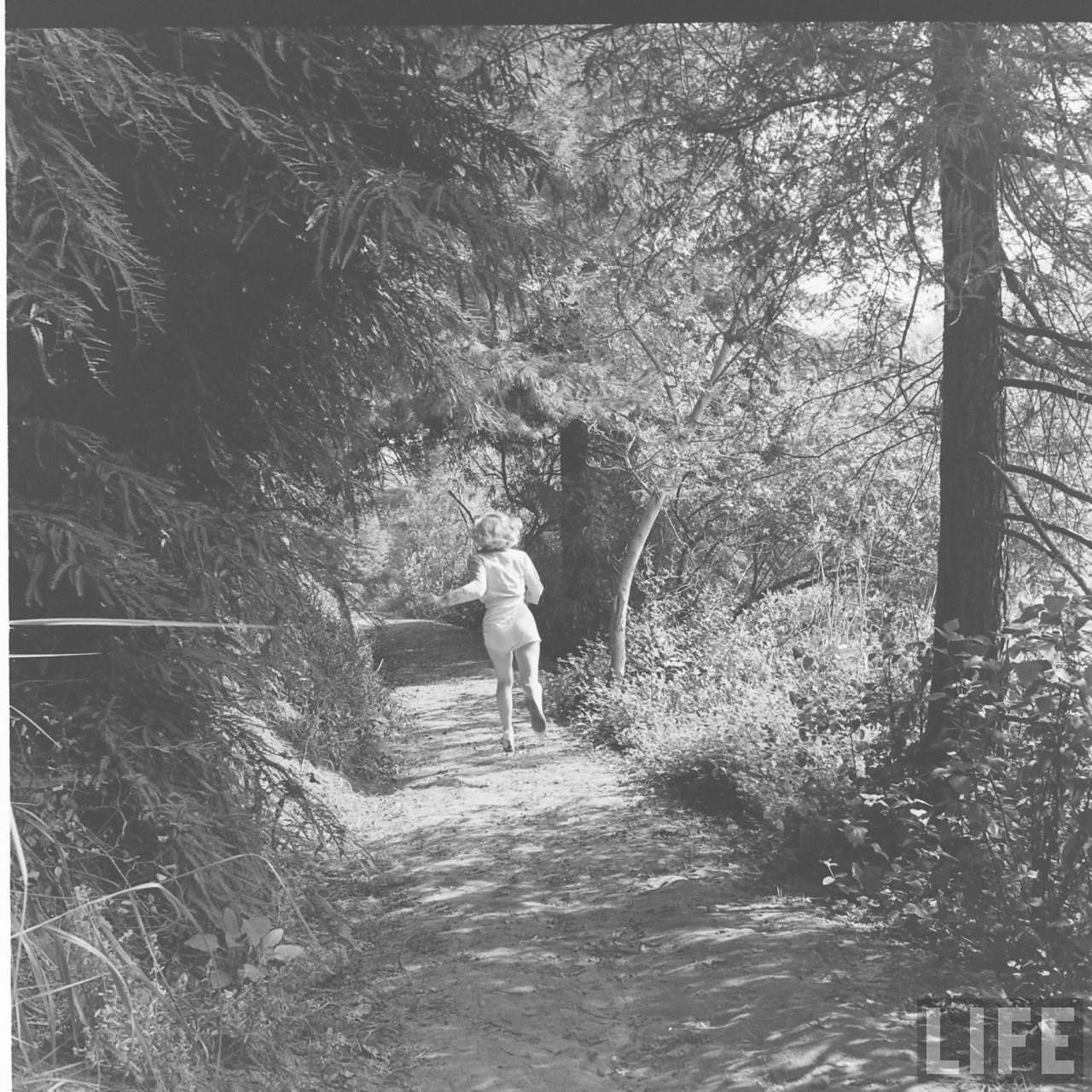
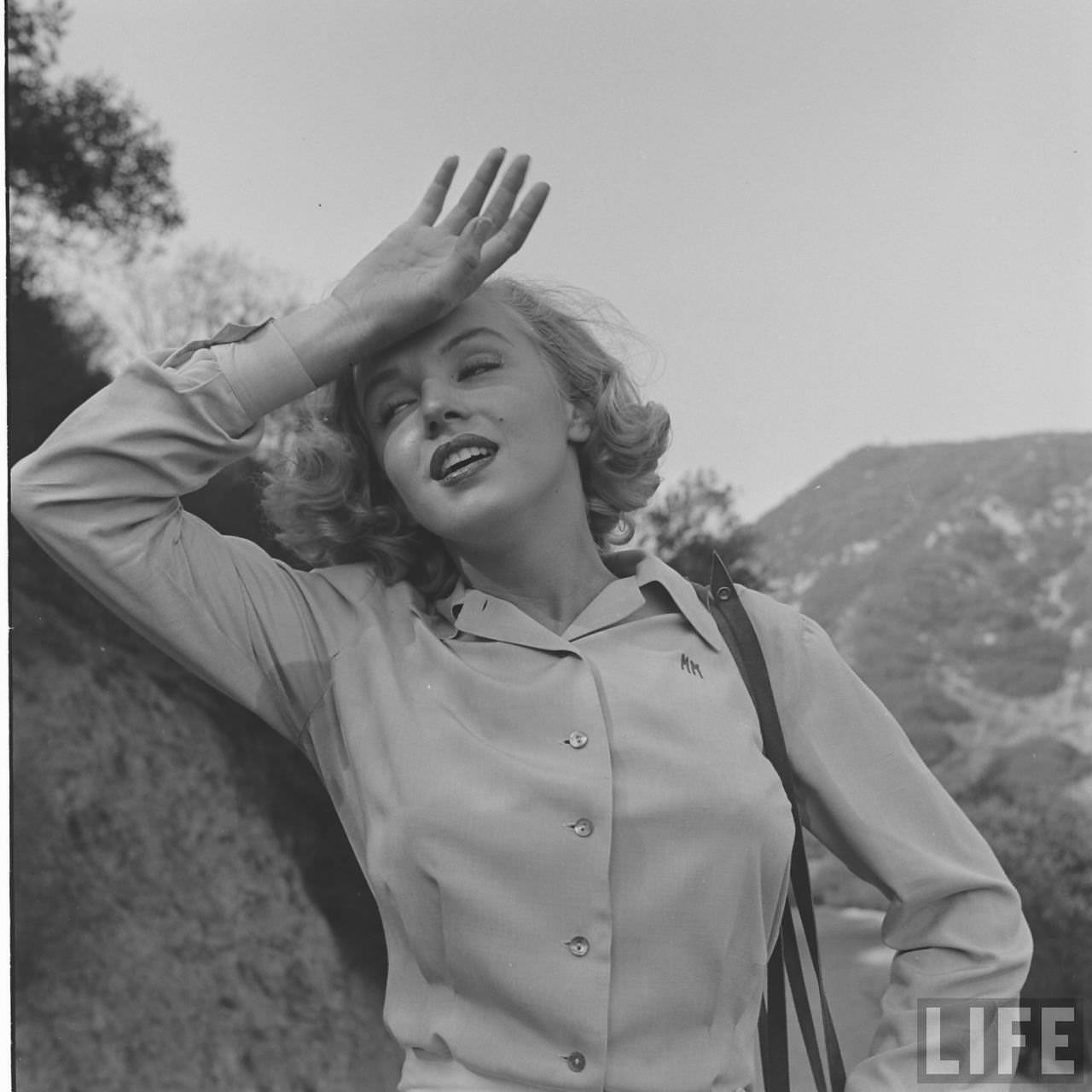
Across the full set of photographs, Monroe’s expressions shift naturally — laughing in one frame, looking off into the distance in another, caught mid-step in a third. The variety tells a story on its own. This was a person enjoying an afternoon outdoors, not a star performing for a camera.
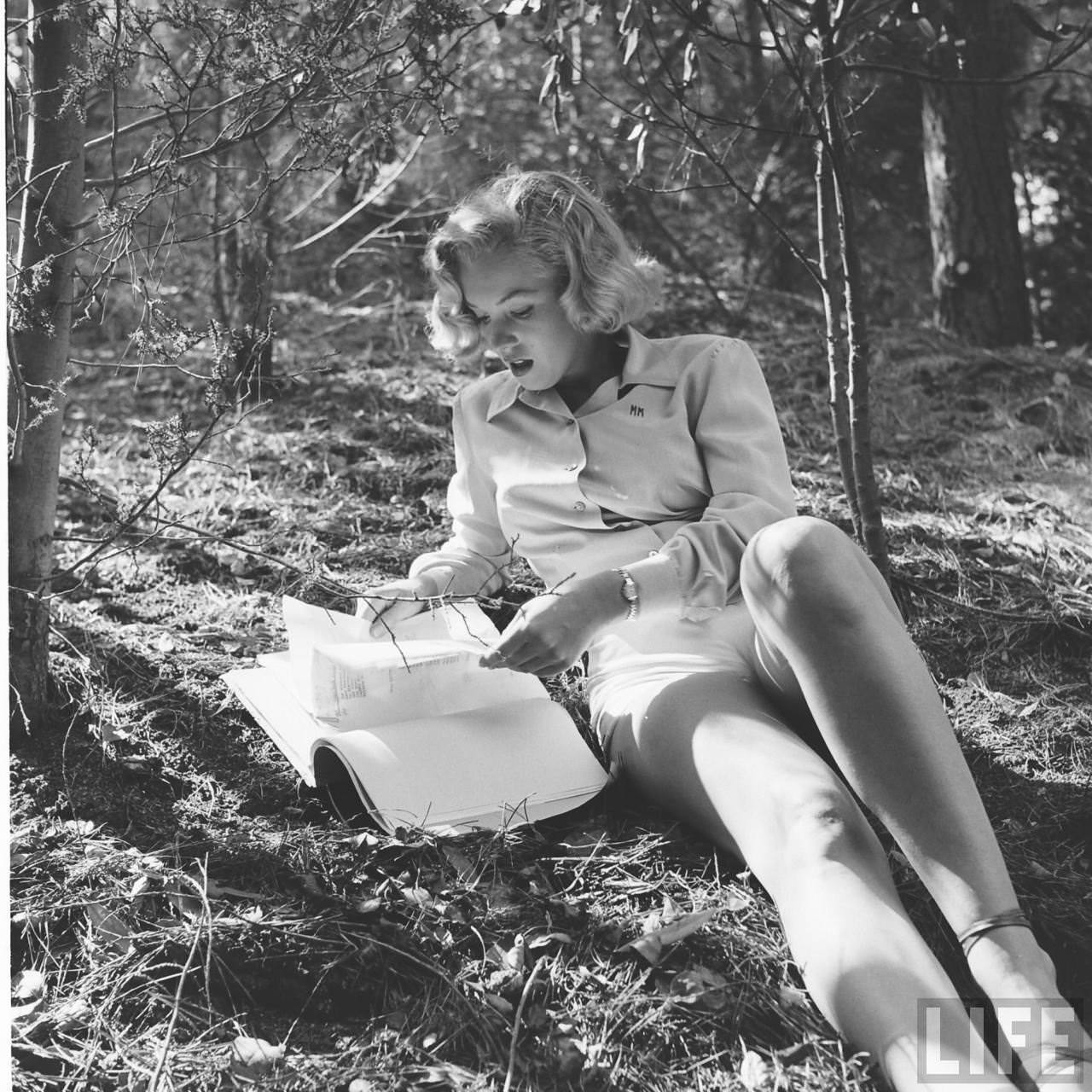
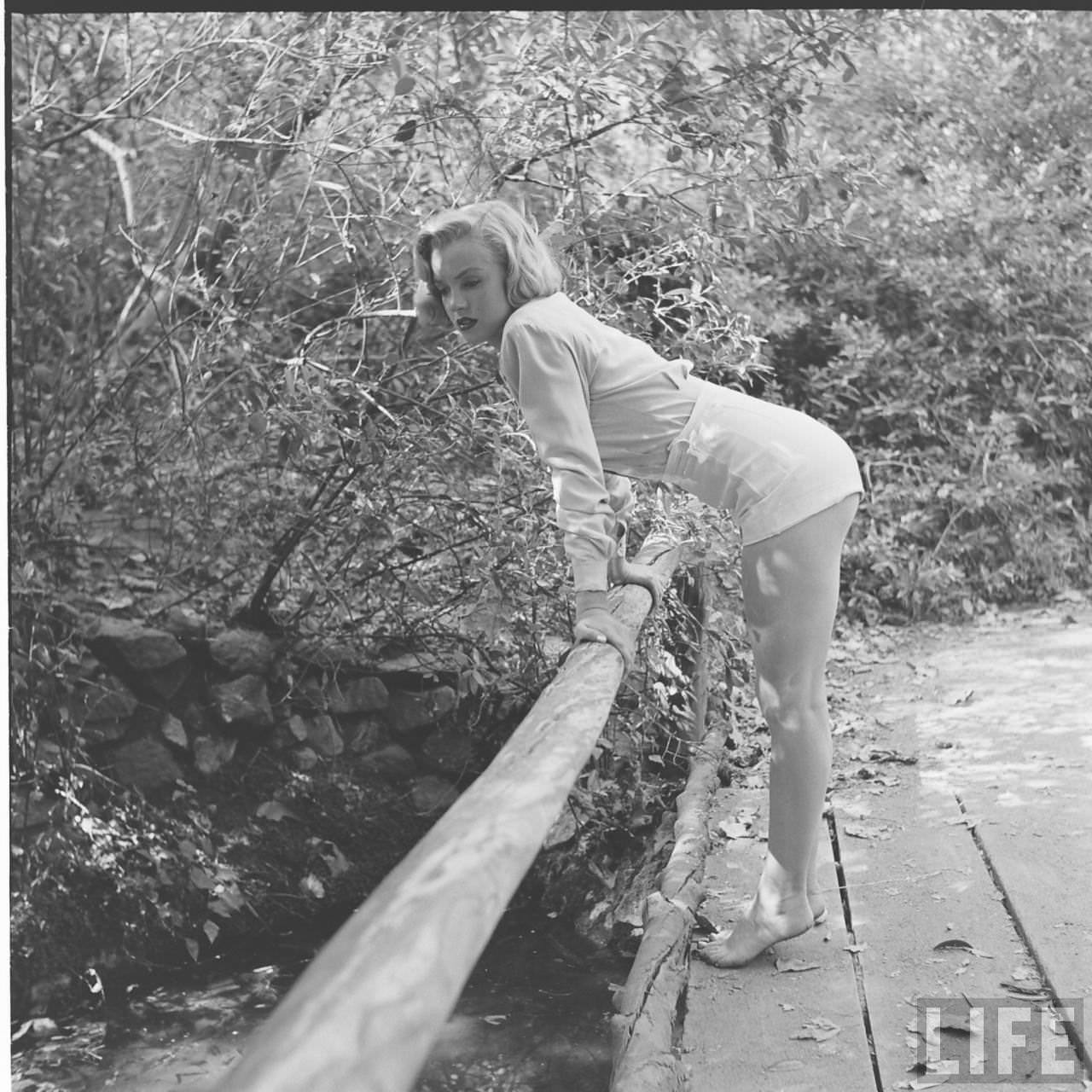
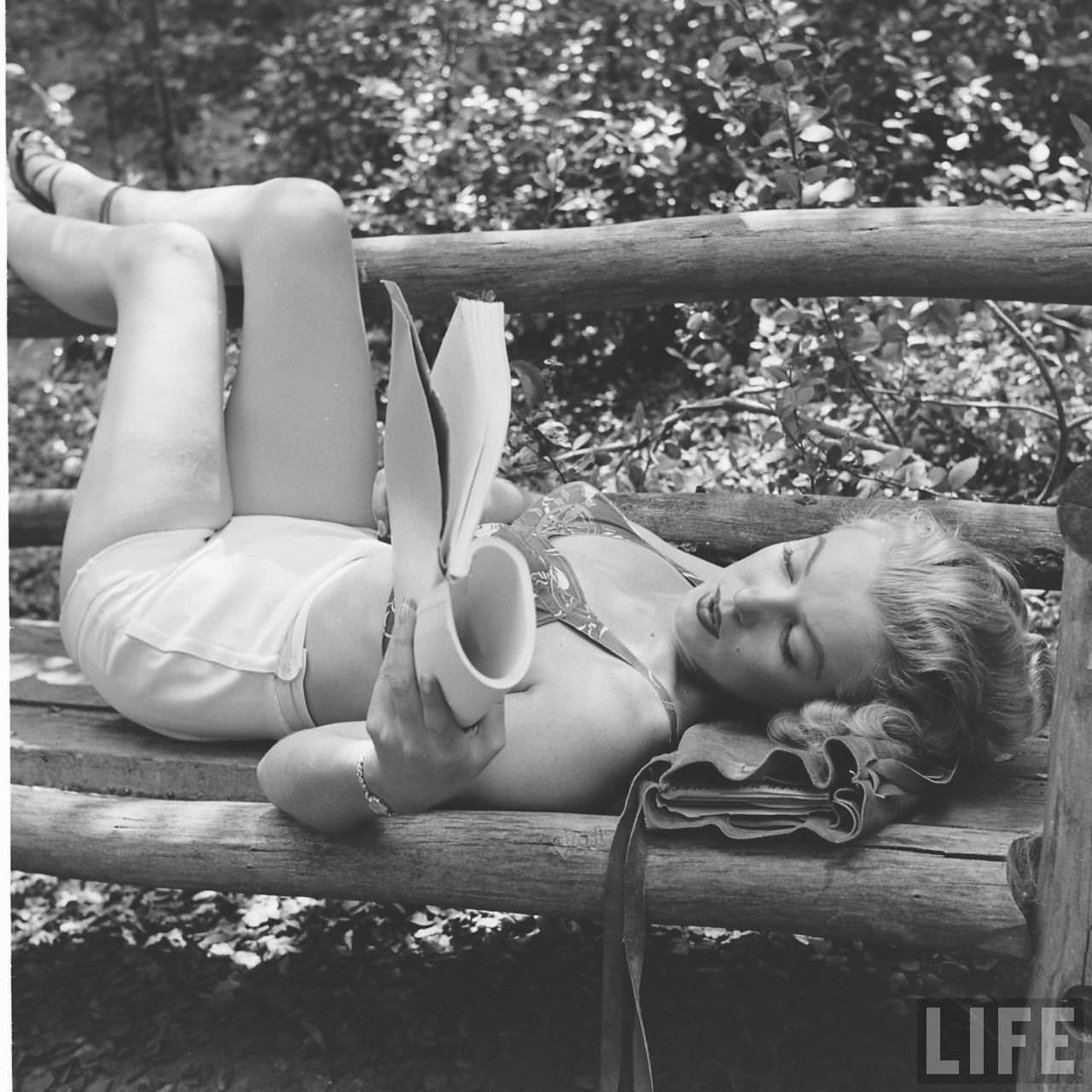
These photographs endure because they captured something that became nearly impossible to recreate as Monroe’s fame grew. The access Clark had in 1950 — to a relaxed, unguarded subject in an open setting — vanished as her star rose. That morning in the woods exists now only in these frames.