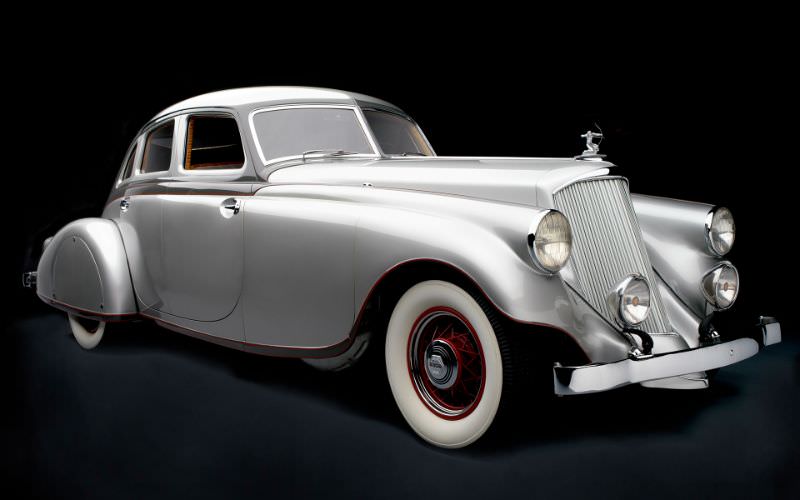
In January 1933, the New York Auto Show introduced the world to one of the most striking automobiles ever built on American soil. The Pierce-Arrow Silver Arrow, produced by the Pierce-Arrow Motor Car Company of Buffalo, New York, was unlike anything the public had seen before. It was sleek, low-slung, and futuristic — a car that seemed to belong to a decade that hadn’t arrived yet.
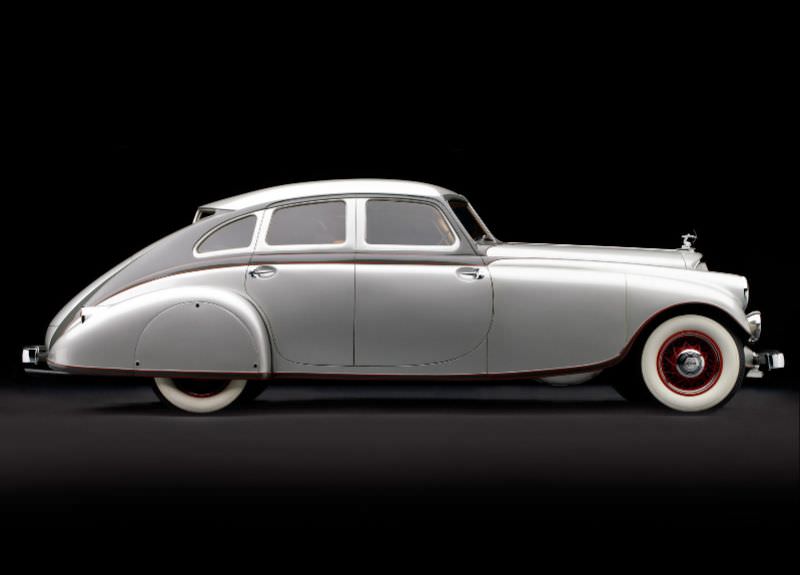
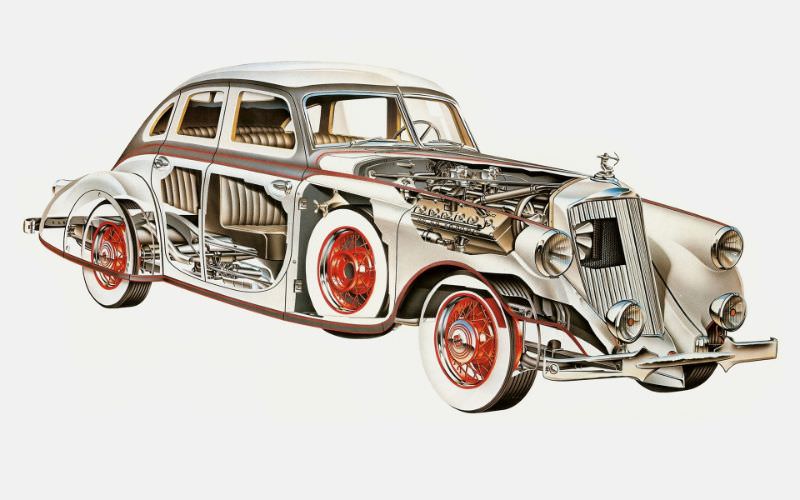
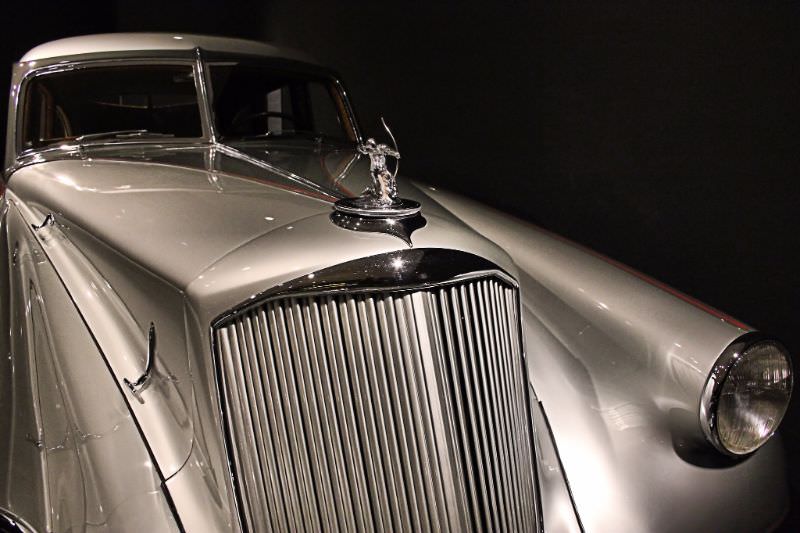
The Silver Arrow’s design broke sharply from the tall, boxy luxury cars that dominated the early 1930s. Its body was aerodynamic, with smooth, flowing lines and a low profile that gave it the appearance of speed even at a standstill. The streamlined grille, integrated fenders, and tapered tail were all part of a unified design language that was radical for its time. The body was crafted from aluminum, keeping the car lightweight despite its grand proportions.
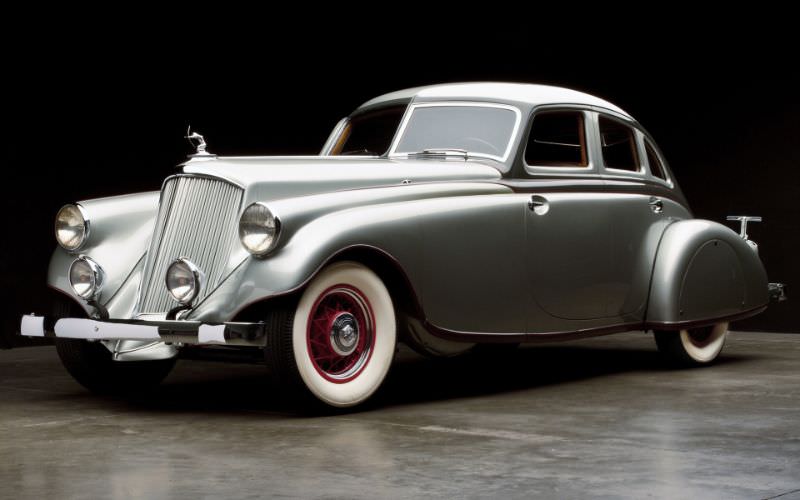
Built on a 120-inch wheelbase, the Silver Arrow was shorter than many of its rivals in the luxury segment. That compact chassis, combined with the aluminum body, made the car nimble compared to the heavy, full-frame machines of the era. It was a deliberate engineering choice that reinforced the car’s sporty identity without sacrificing its role as a premium vehicle.
Under the hood, the Silver Arrow ran a 165-horsepower, 8-cylinder engine. For 1933, that was a serious amount of power. The engine matched the car’s aggressive looks and gave drivers a performance experience worthy of the price tag attached to it.
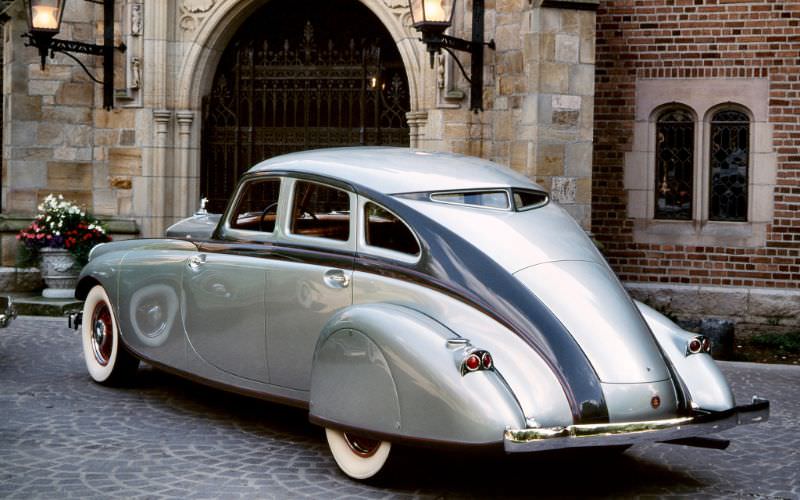
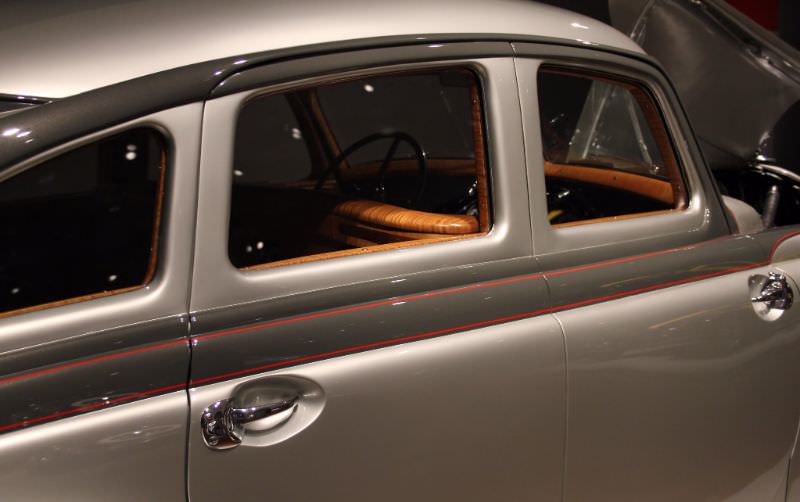
Inside, the Silver Arrow was fitted with leather upholstery, a radio, and air conditioning — amenities that were far from standard in the early 1930s. Air conditioning in a production automobile was almost unheard of at the time, and its inclusion in the Silver Arrow underscored just how forward-thinking Pierce-Arrow’s engineers were. Every detail of the interior spoke to the car’s positioning as a top-tier luxury product.
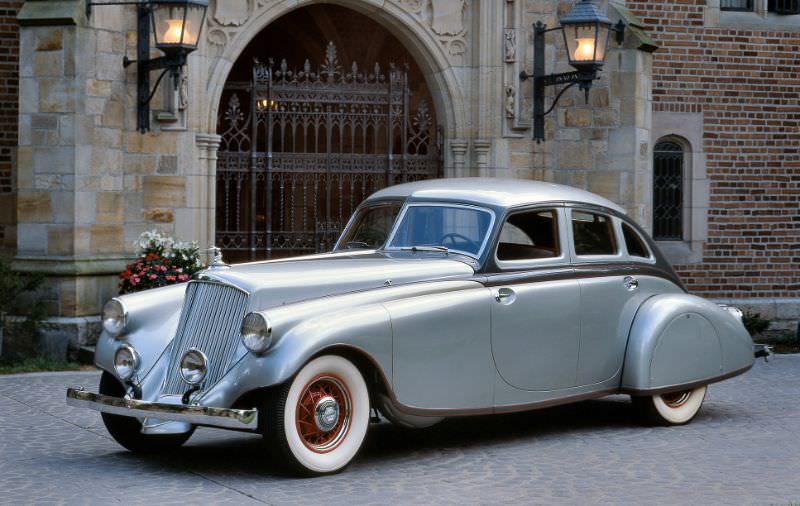
Despite the public’s enthusiasm and widespread praise from automotive critics, only five Silver Arrows were ever built. The car’s price was extraordinarily high, placing it far beyond the reach of most buyers. Pierce-Arrow marketed it as an exclusive statement piece, and exclusive it certainly was — but that exclusivity came at a cost to commercial viability.
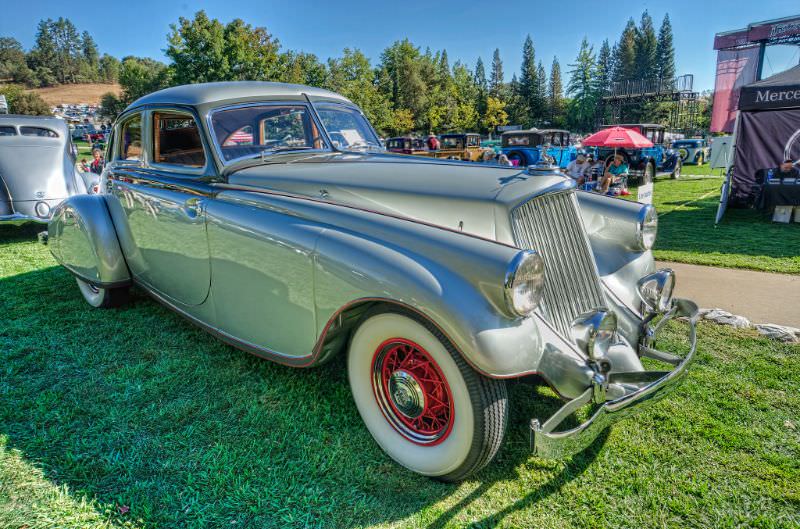
The timing could not have been worse. The Great Depression, which had taken hold after the 1929 stock market crash, had devastated consumer spending across the United States. Even wealthy buyers were cautious. Luxury car manufacturers across the country struggled to move inventory, and Pierce-Arrow was no exception.
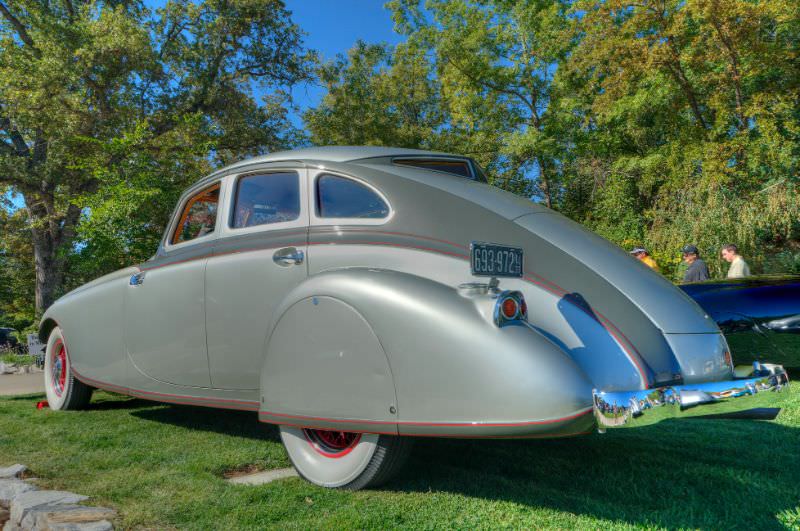
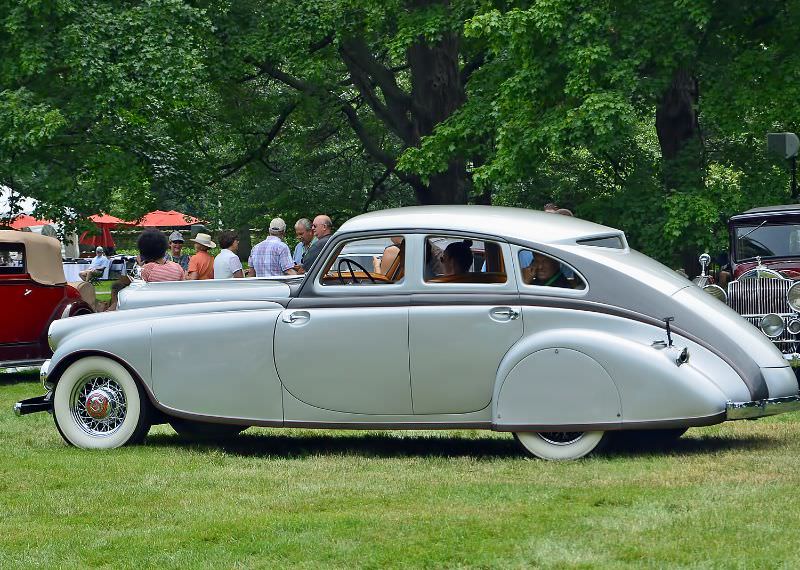
The Silver Arrow drew enormous attention at the 1933 show. Press coverage was extensive, and the public treated it as a symbol of what American manufacturing and design could achieve even in the darkest economic times. It represented ambition, craftsmanship, and a refusal to scale back on innovation despite financial pressure.
Yet admiration alone could not sustain a car company. Pierce-Arrow continued to struggle financially throughout the mid-1930s. The Silver Arrow never translated its critical success into the kind of sales that could reverse the company’s fortunes. In 1938, Pierce-Arrow Motor Car Company declared bankruptcy, bringing an end to a marque that had once been among the most prestigious in the United States.
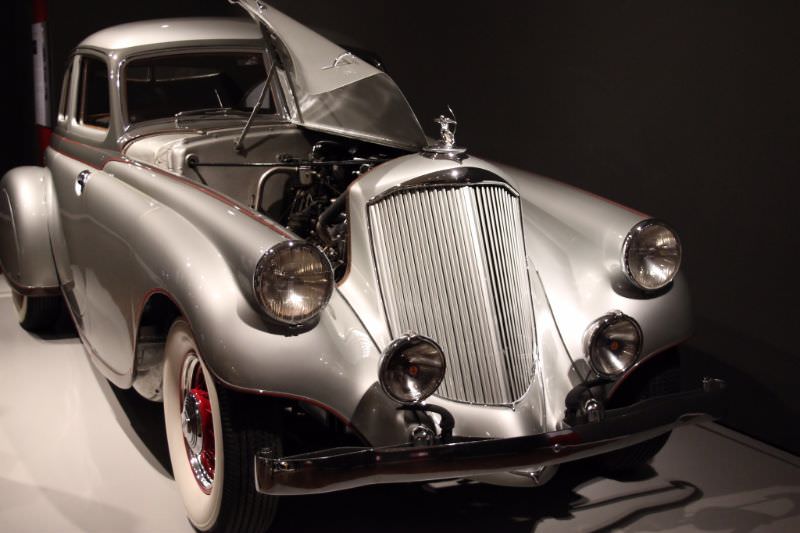
The five Silver Arrows that were built survived as artifacts of a pivotal moment in automotive history. Each one represents a specific intersection of design ambition, engineering skill, and economic hardship. Their aluminum bodies, advanced interiors, and distinctive silhouettes have kept them in the spotlight long after the company that made them ceased to exist.
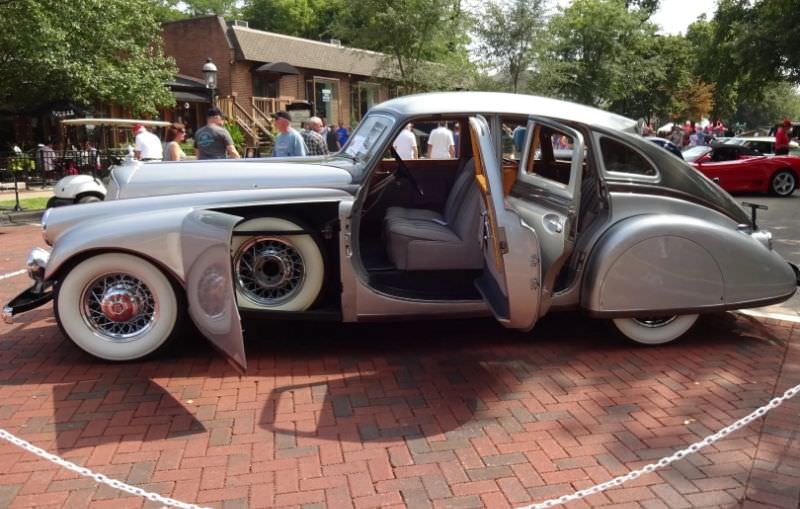
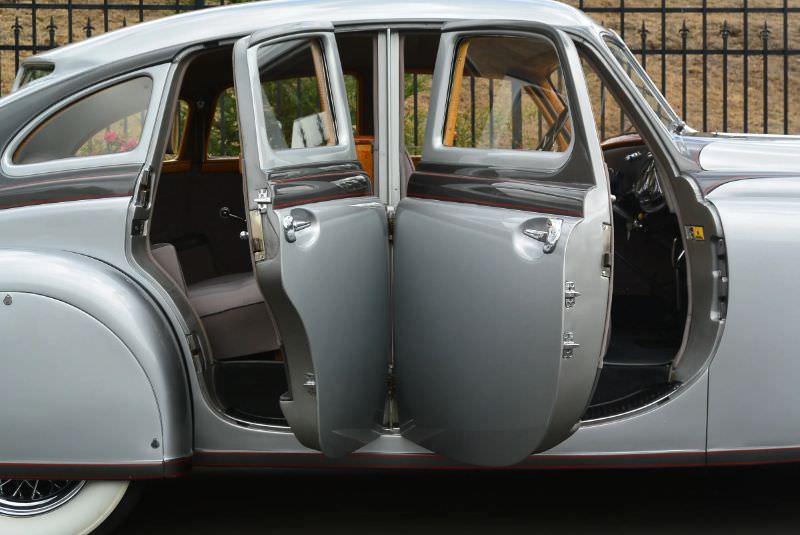
Collectors today place enormous value on surviving examples of the Silver Arrow. Their rarity alone makes them exceptional, but it is the combination of historical significance, groundbreaking design, and mechanical quality that puts them in a league of their own among vintage American automobiles.
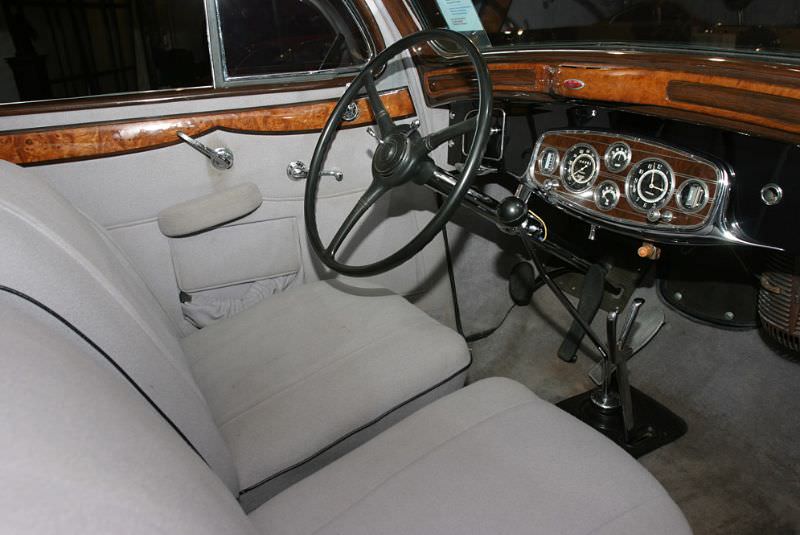
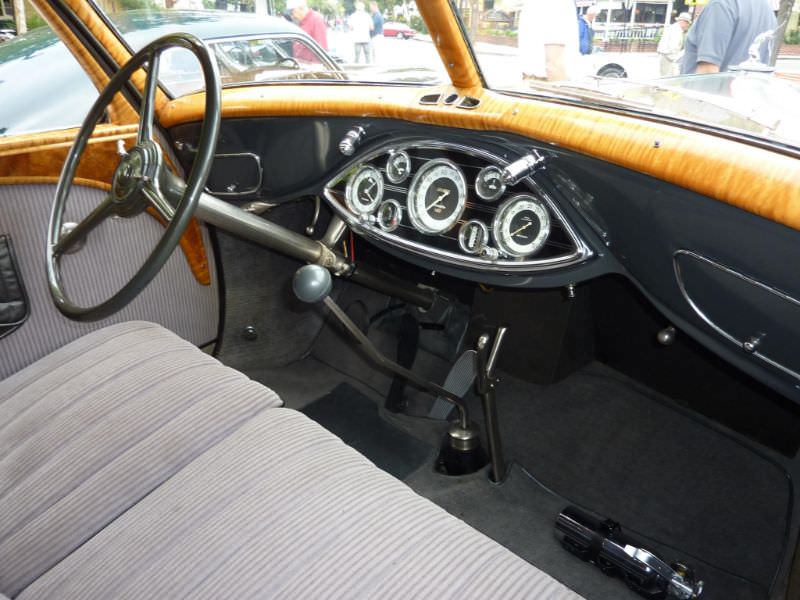
When the Silver Arrow debuted at the 1933 New York Auto Show, it stopped people in their tracks. The lines were clean, the surfaces were smooth, and the overall shape felt like something designed by someone who had already seen the future. In a showroom full of upright, ornate machines, it was an outlier — and that is precisely what made it unforgettable.
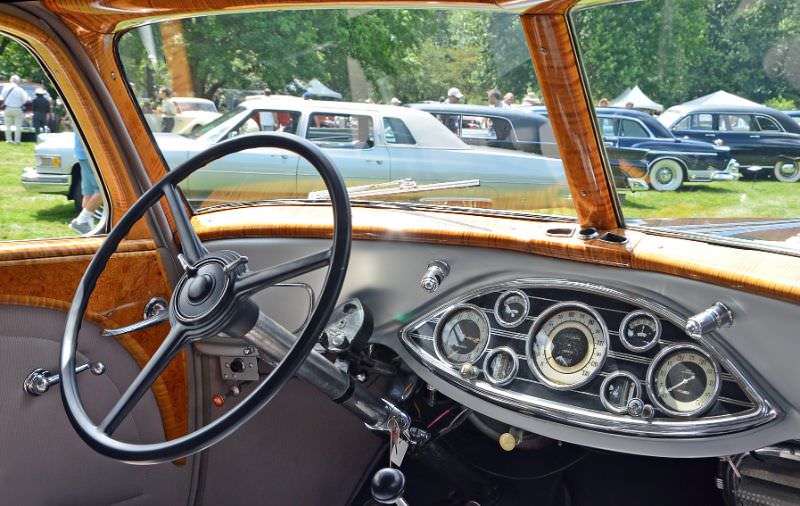
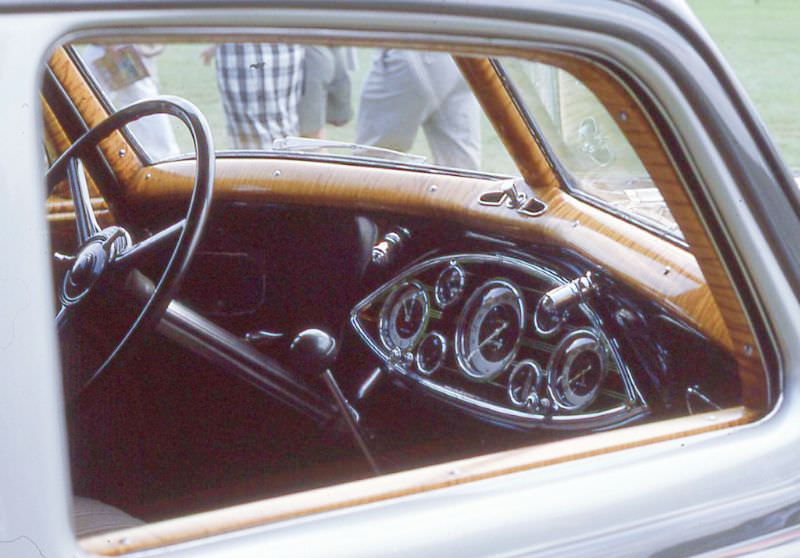
The car’s aluminum construction was not just a weight-saving measure. It also allowed for body shapes that would have been difficult or costly to achieve in steel. The smooth, unbroken surfaces of the Silver Arrow’s exterior were a direct result of working with a material that offered designers more freedom to sculpt and form.
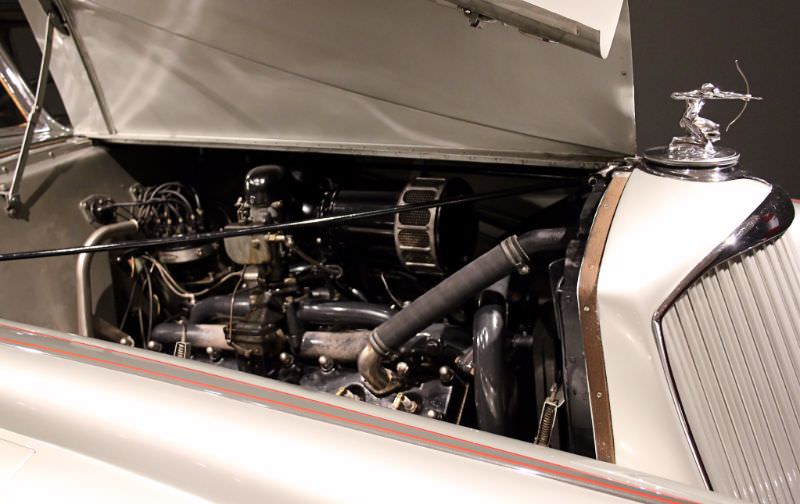
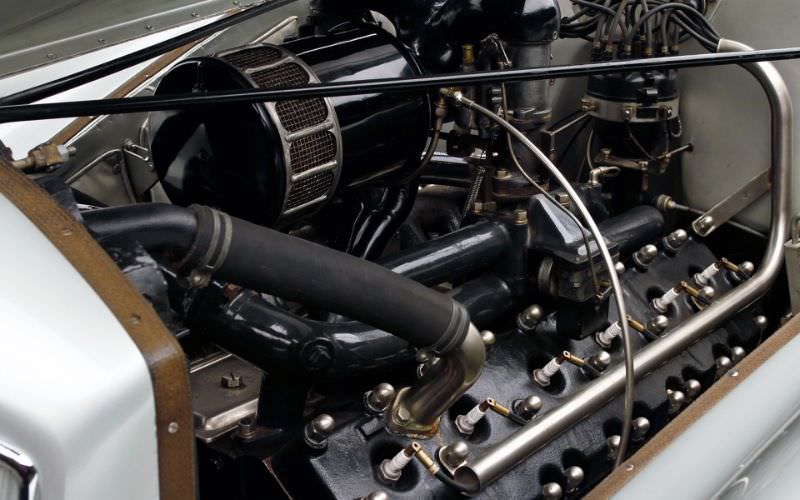
Pierce-Arrow built the Silver Arrow as a statement — proof that the company could compete at the highest level of design and engineering. The car demonstrated that American automakers were not simply following European trends but were capable of setting their own. With only five ever made, the Silver Arrow remains one of the rarest and most recognized automobiles of the 1930s.