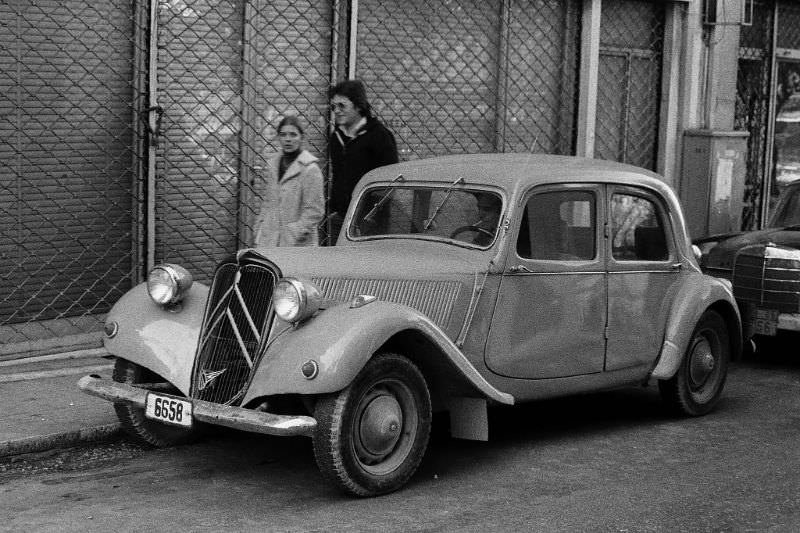
By the 1970s, Athens was home to more than 2.5 million people. It was a city in motion — growing fast, absorbing new ideas, and wrestling with the pressures that came with rapid urban expansion. Fashion trends, music, and entertainment were pouring in from Western Europe and beyond, reshaping how Athenians lived and spent their time. Yet underneath all that change, the city’s ancient bones remained — its churches, its markets, its hilltop monuments — giving the streets a layered quality that few cities in the world could match.
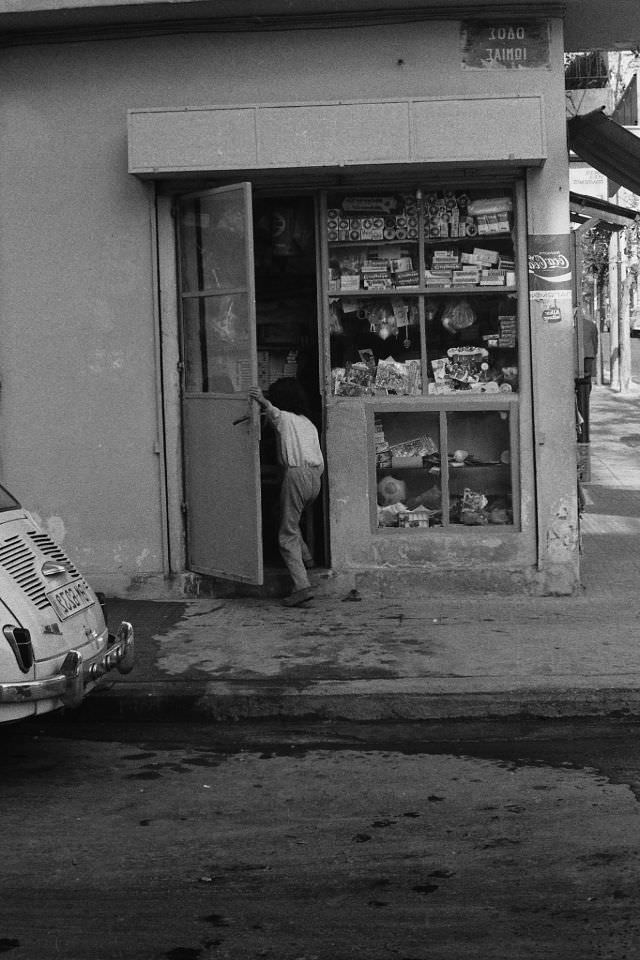
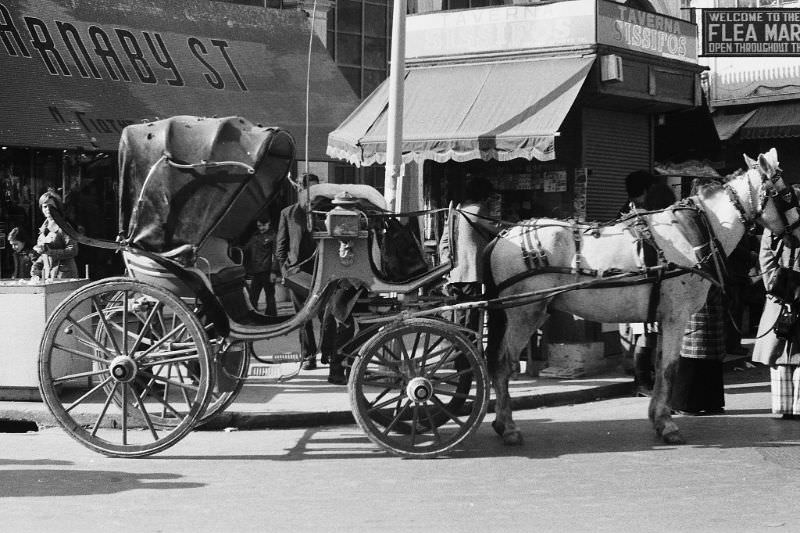
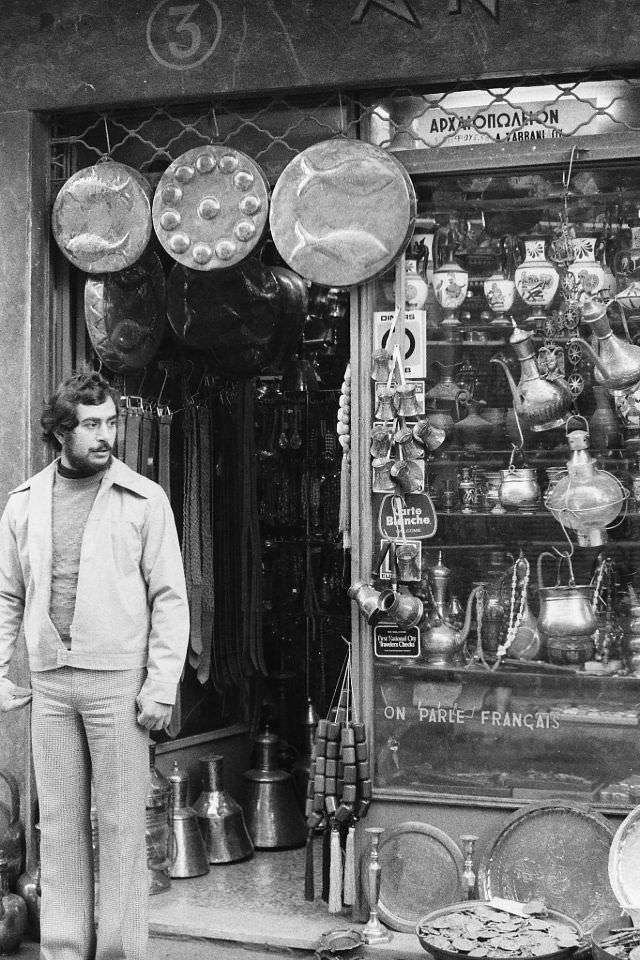
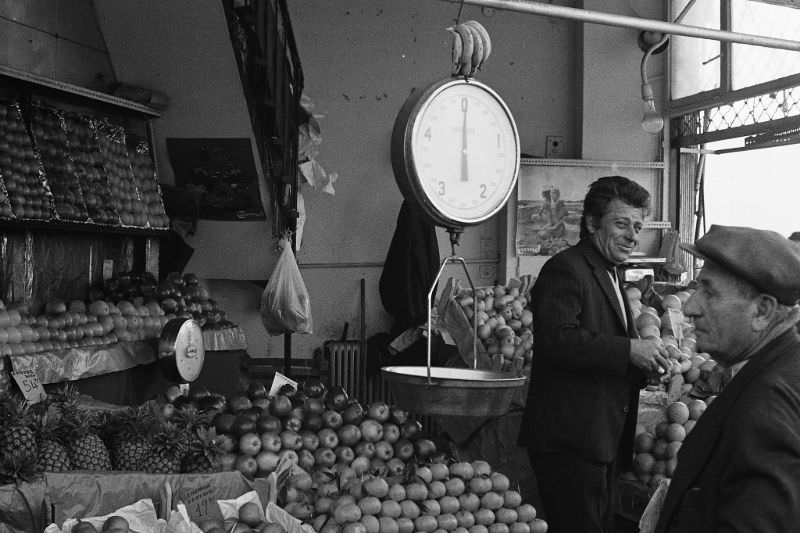
The flea markets of Athens were a world unto themselves. Vendors spread out everything from handmade goods to antiques, and the noise and color of these open-air bazaars drew both locals and visitors in equal measure. They were places where bargaining was expected and the line between commerce and community was blurred.
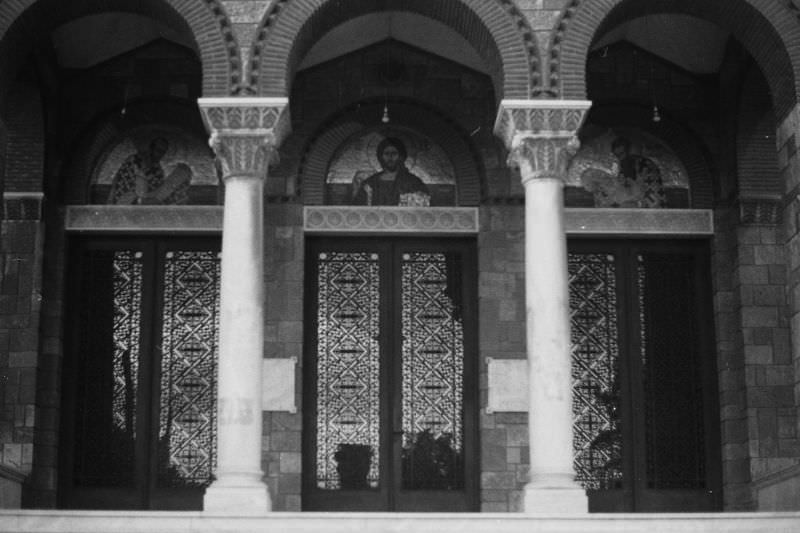
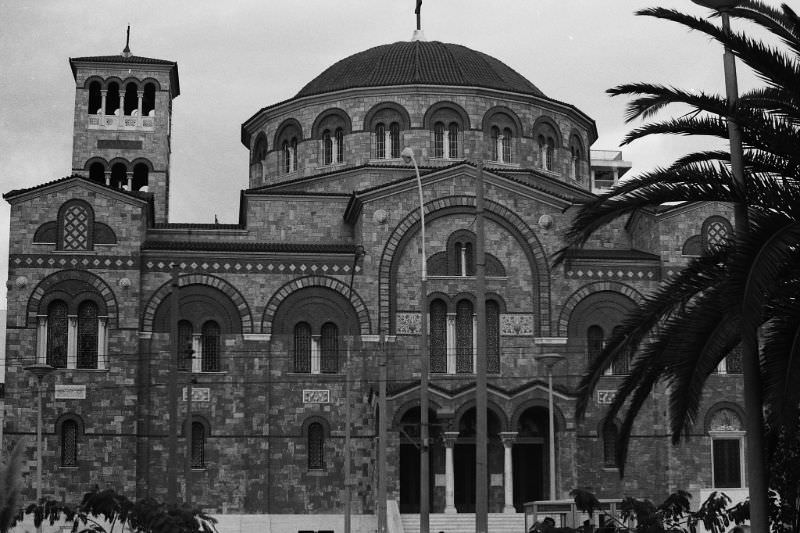
Religion remained deeply woven into daily life across the city. Greek Orthodox churches stood on nearly every corner, their whitewashed walls and domed rooftops a constant presence amid the urban sprawl. For many Athenians, the church was not just a place of worship — it was the center of neighborhood life.
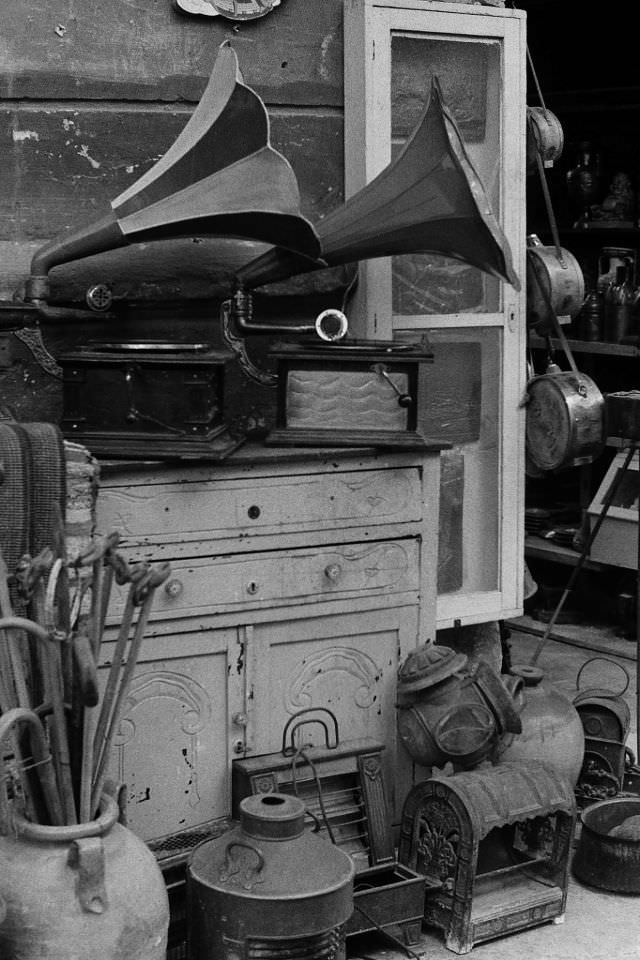
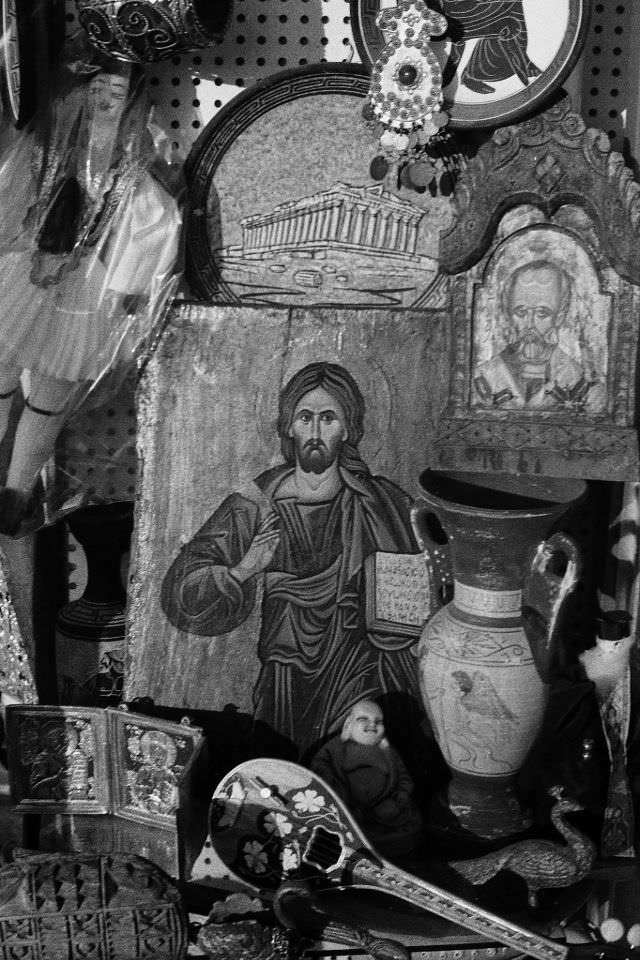
Religious icons were not confined to church walls. Vendors in the flea markets sold them openly, stacked against crates or hung from makeshift displays. These painted images of saints and holy figures were everyday objects for Greek families, bought and sold alongside vegetables, clothes, and old tools.
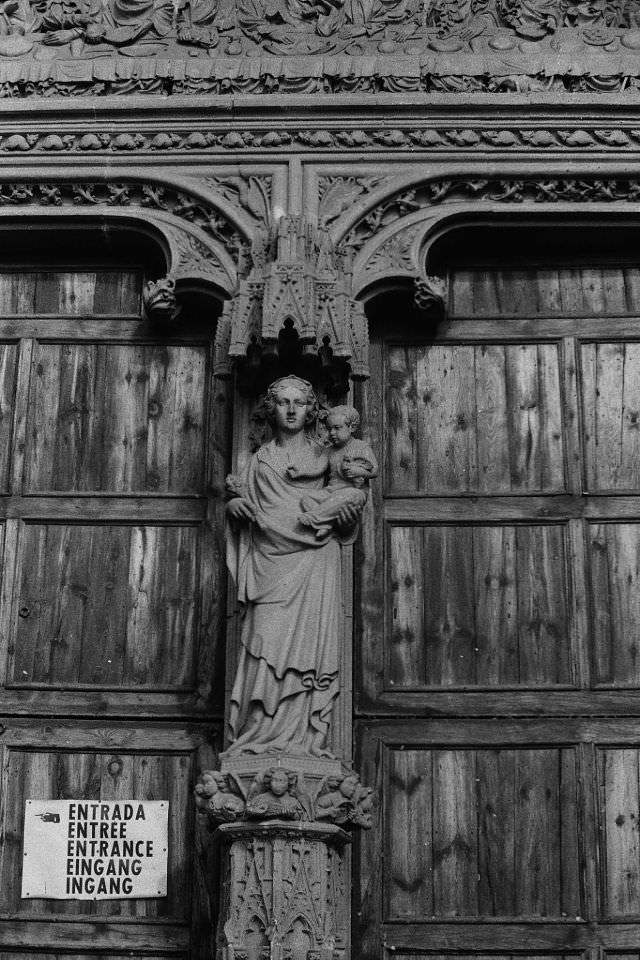
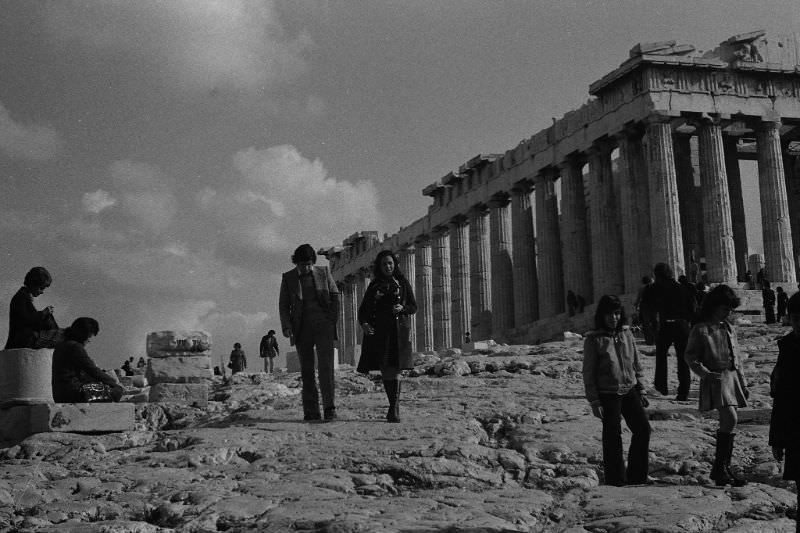
The Acropolis loomed over the city as it always had, but by the early 1970s it was under an invisible assault. Air pollution from Athens’ factories, vehicles, and rapid industrial growth was eating away at the ancient marble. Constantine Trypanis, who served as Greece’s Minister of Culture at the time, was direct about the damage: the carved details on the five caryatids of the Erechtheum had seriously degenerated, and the face of the horseman on the Parthenon’s west side was all but obliterated. The pollution problem would not be seriously addressed until the 1990s, when a series of air quality measures were finally put in place.
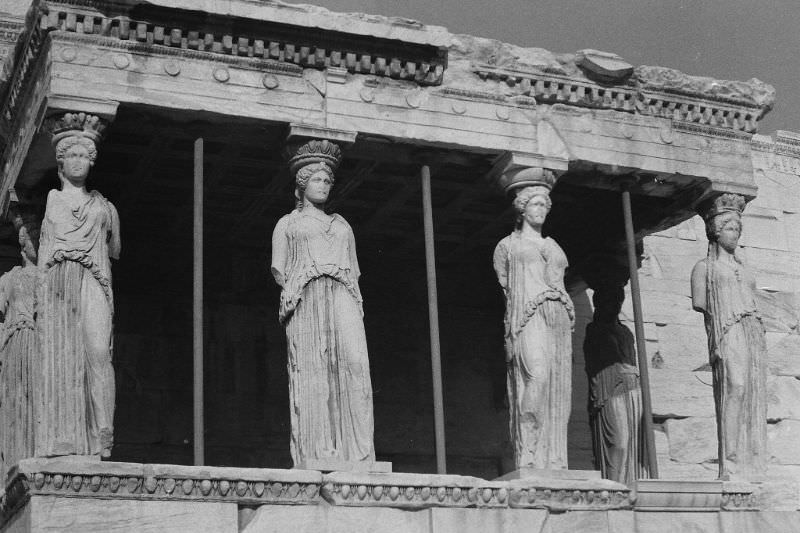
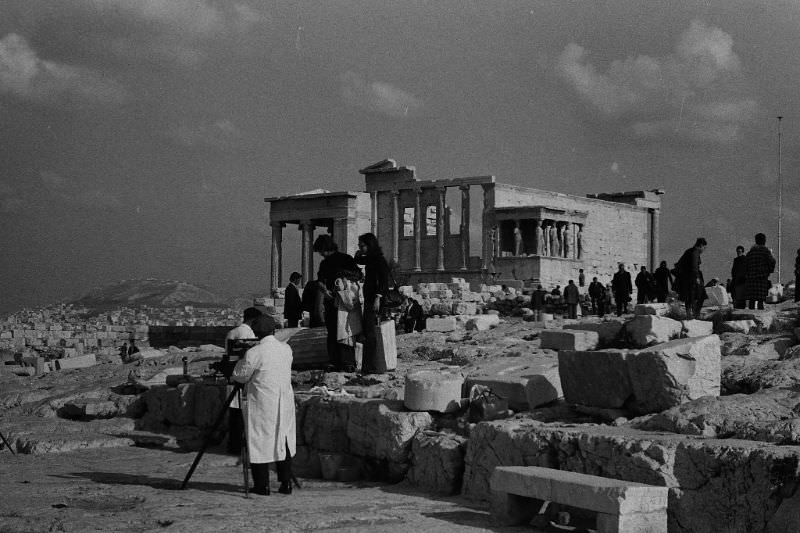
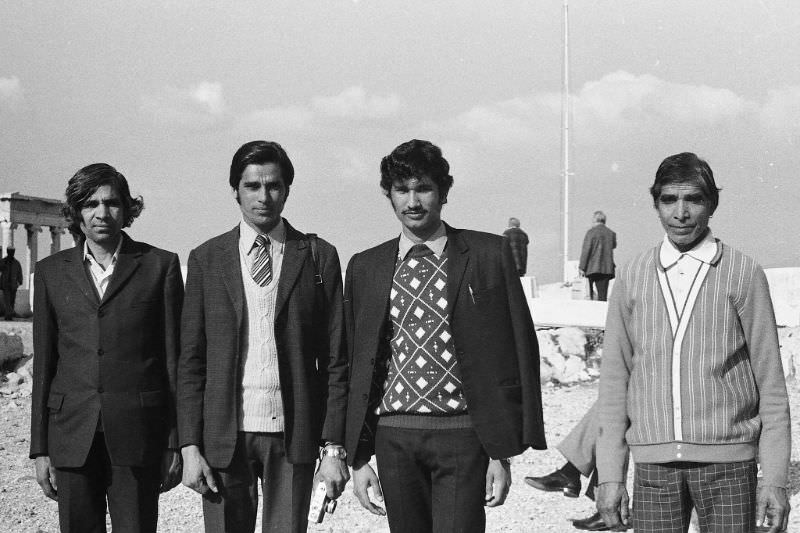
Visitors and locals alike climbed the hill to the Parthenon throughout the decade. Despite the ongoing damage from pollution, the monument still drew crowds, and its sheer scale never failed to impress. Up close, the columns showed their age — chipped, darkened, and worn — but the structure as a whole remained one of the most recognizable buildings on earth.
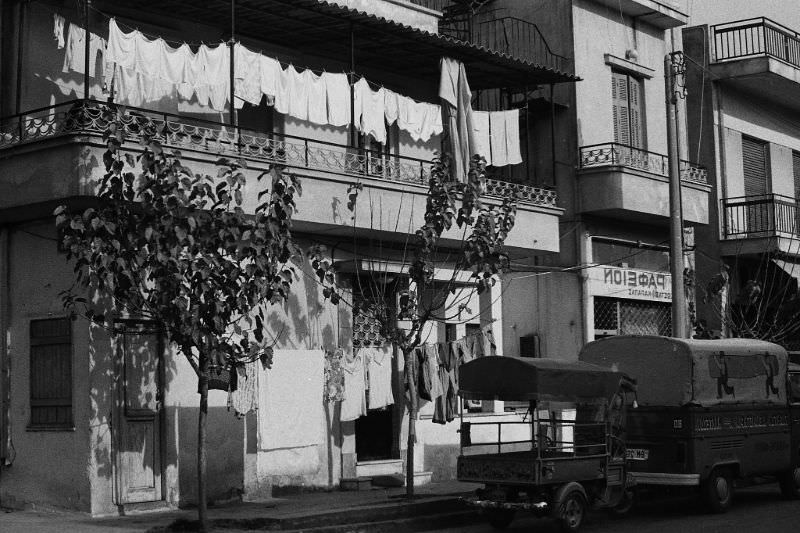
Down at street level, Athens was alive with movement. The city’s streets in 1974 were a mix of pedestrians, small cars, and vendors. Storefronts displayed goods on the sidewalk, and foot traffic was dense in the commercial neighborhoods. These scenes capture a city that was modern enough to feel busy, but still traditional enough to feel human-scaled.
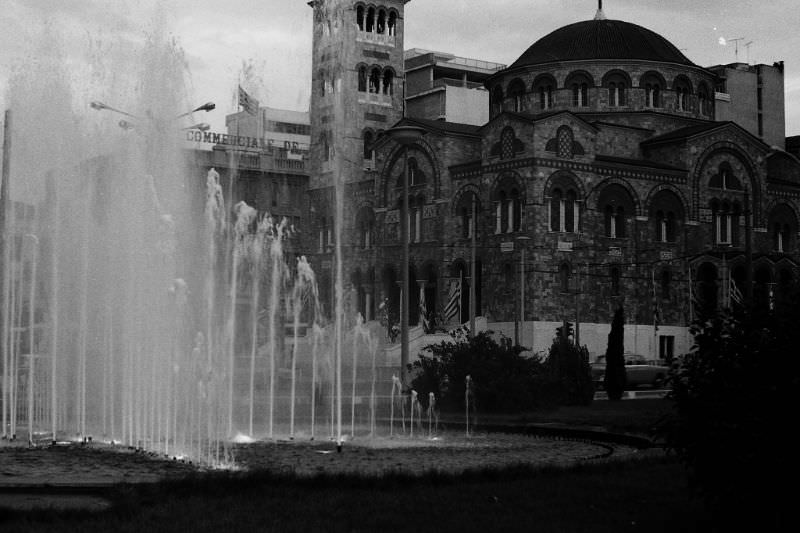
Athens had no shortage of small churches tucked between apartment blocks and shops. Some were centuries old, sitting just a few feet below the modern street level — the city had built up around them over time. A fountain near a church entrance was a common sight, used both for ritual washing and as a gathering spot in the neighborhood.
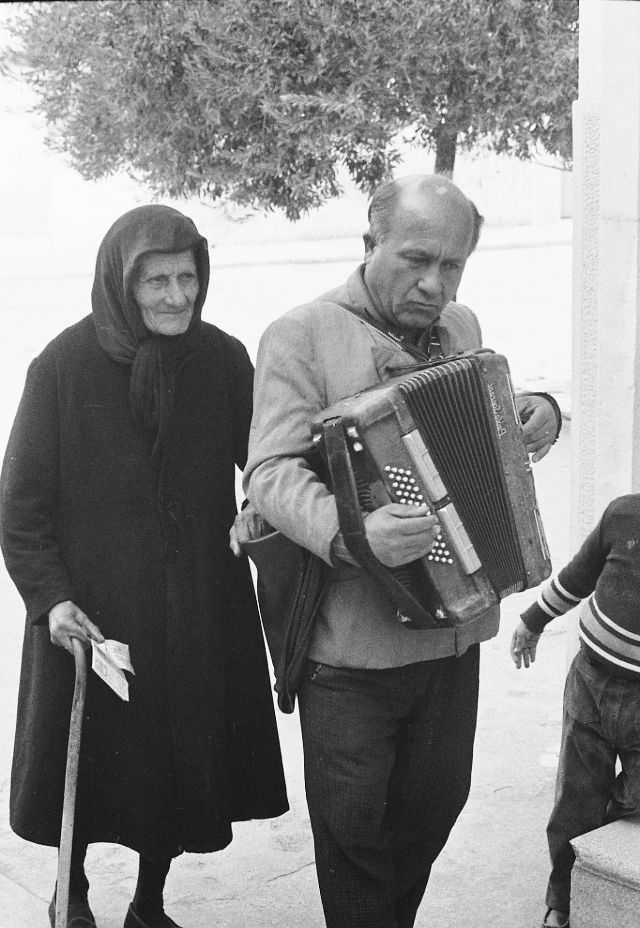
Charity had a visible, public face in 1970s Athens. Drachmas — the Greek currency used until the country adopted the euro in 2001 — were left out for the poor in small dishes or containers near churches and busy walkways. It was an informal but widely practiced custom that reflected the community-minded character of Greek urban life.
The flea markets of 1974 looked much like those of the year before — sprawling, crowded, and full of finds. Secondhand goods, crafts, and food sat side by side. These markets were not just for tourists; they were functional parts of city life, where working-class Athenians sourced everyday items at affordable prices.
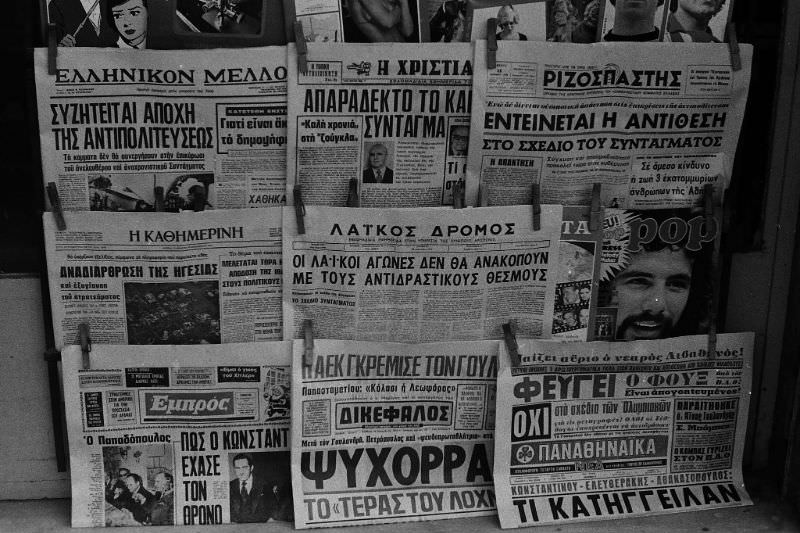
News traveled through print in the Athens of the 1970s. Newspaper kiosks — known as periptera — were fixtures on nearly every block, stocked with daily papers, magazines, and cigarettes. Greeks were avid readers of the news, and the press played a central role in public life, particularly given the political turbulence Greece experienced during this period.
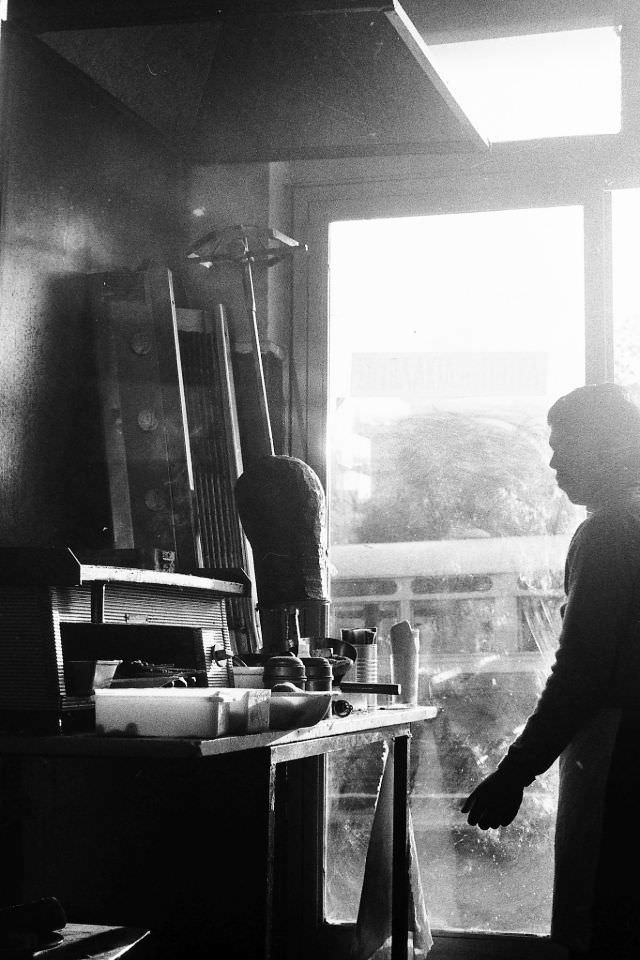
Street food was part of the daily rhythm of the city. Lamb gyros — strips of meat slow-cooked on a vertical rotisserie and served in pita — were already a staple of Athenian fast food by the 1970s. The dish shares its roots with the Turkish döner kebab but had become firmly established as a Greek food tradition in its own right.
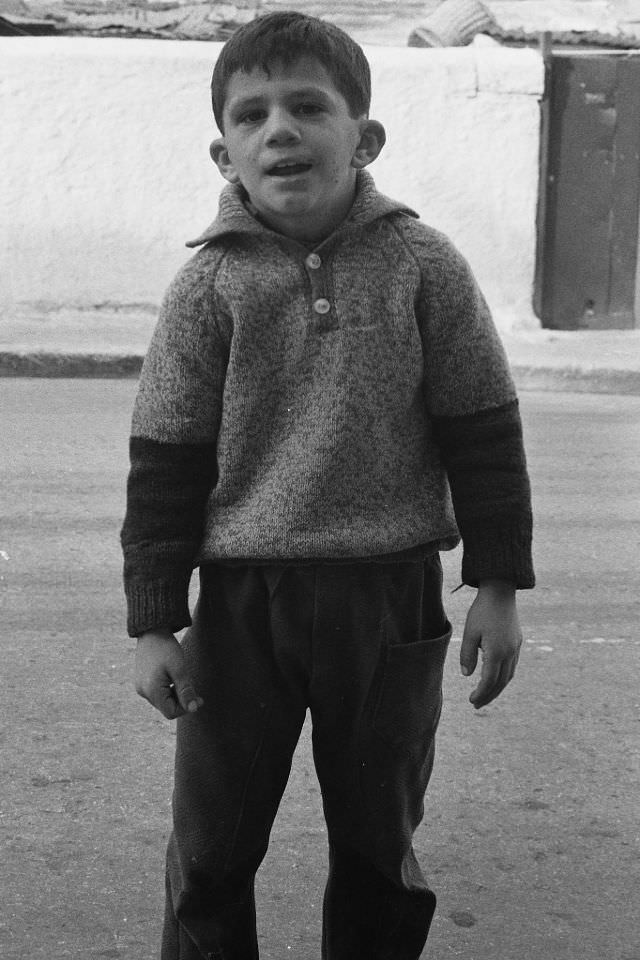
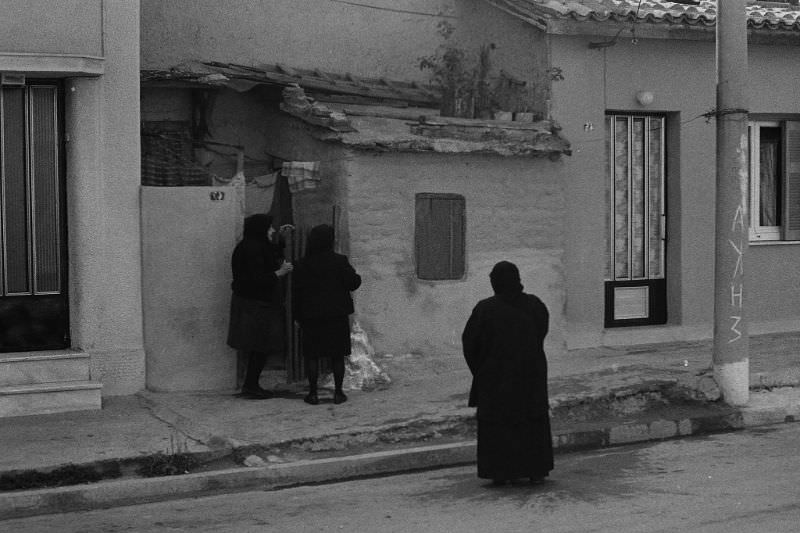
Neighborhood life in Athens was close-knit. People knew their neighbors, and public spaces between buildings served as natural meeting points. Children played outside, adults stopped to talk, and the boundaries between private and public life were porous in a way that was typical of Mediterranean urban culture.
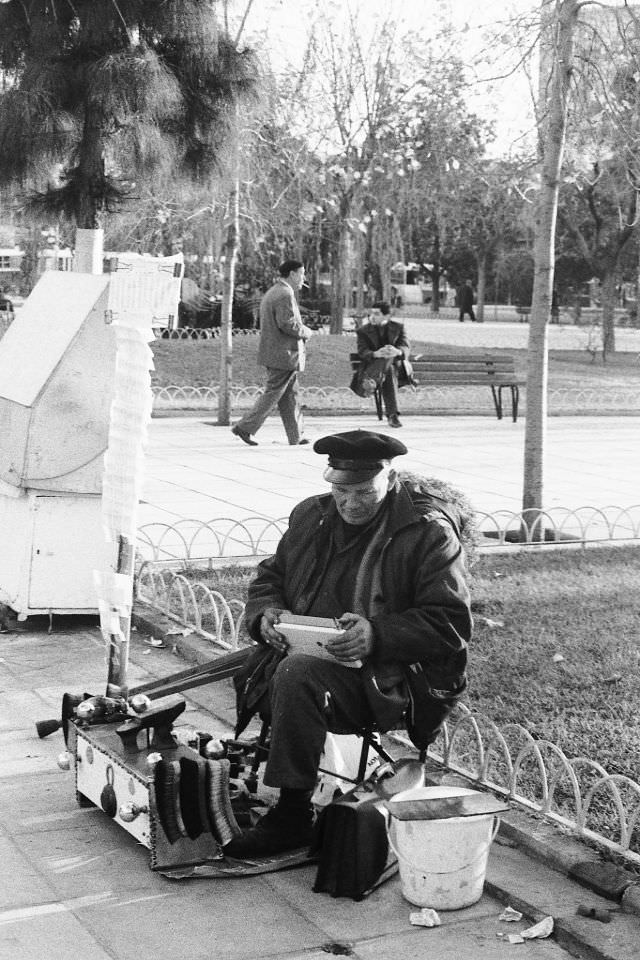
Shoeshine stands were common throughout the city’s parks and public squares. They served a practical purpose in an era when leather shoes were standard wear for men across most social classes. The shine boys and older vendors who ran these stands were a familiar part of the urban landscape, working the same spots day after day.
Athenians walked. The city’s commercial districts and historic neighborhoods were compact enough to cover on foot, and strolling — especially in the evenings — was a social activity in itself. The Greek custom of the volta, a leisurely evening walk, was very much alive in the 1970s, filling the sidewalks with people in no particular hurry to get anywhere.