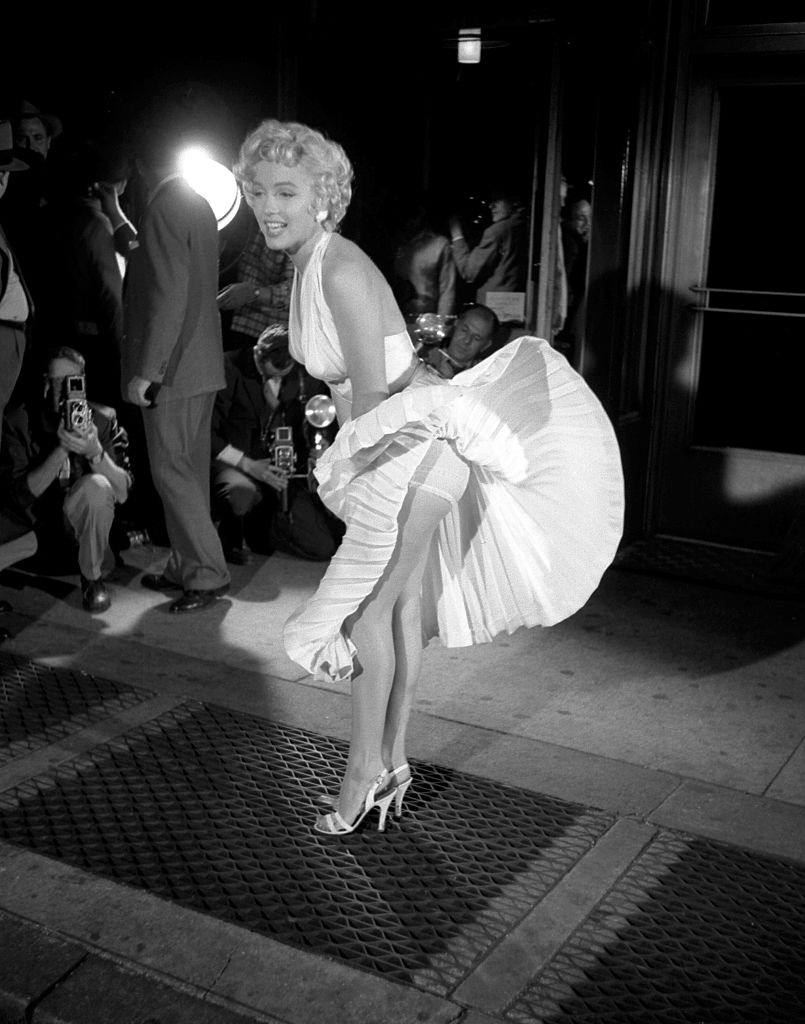
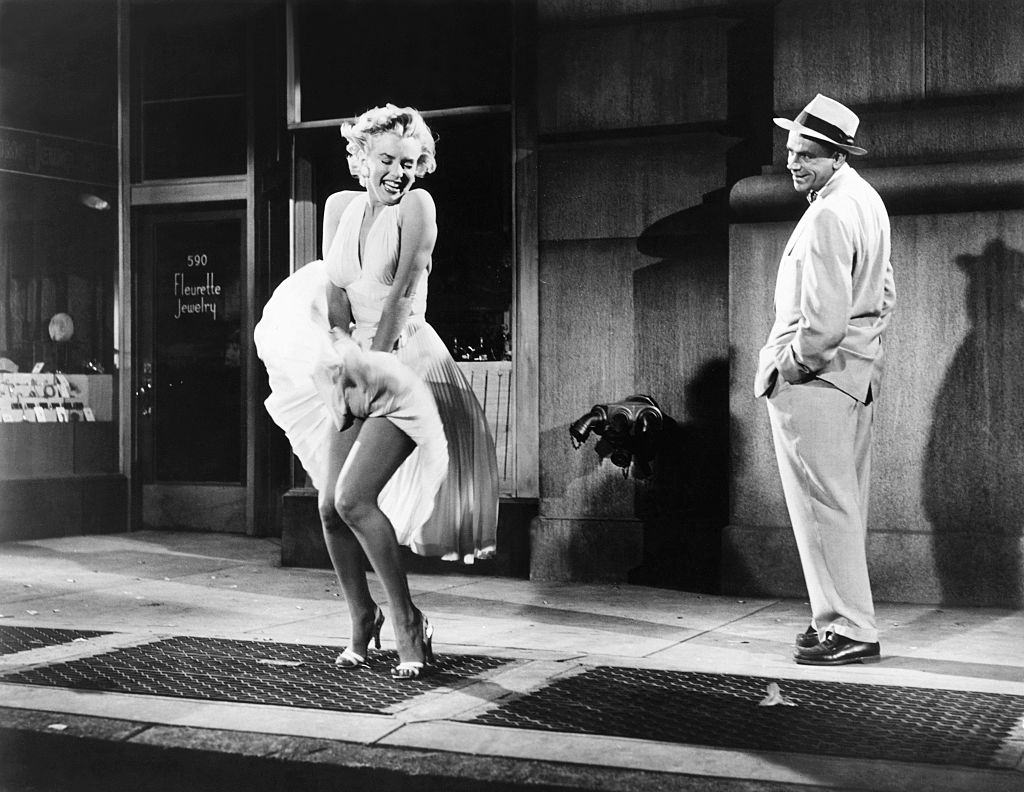
Of the thousands of photographs taken of Marilyn Monroe throughout her career, one image stands above the rest. Shot on September 15, 1954, in New York City, it shows Monroe standing over a subway grate on Lexington Avenue, her white dress billowing up around her waist, her expression full of delight. The image came from the production of Billy Wilder’s film “The Seven Year Itch,” and it became one of the most recognizable photographs in cinema history. But the story behind it — who dreamed it up, how it was captured, and what it cost Monroe personally — is far more layered than the image itself suggests.
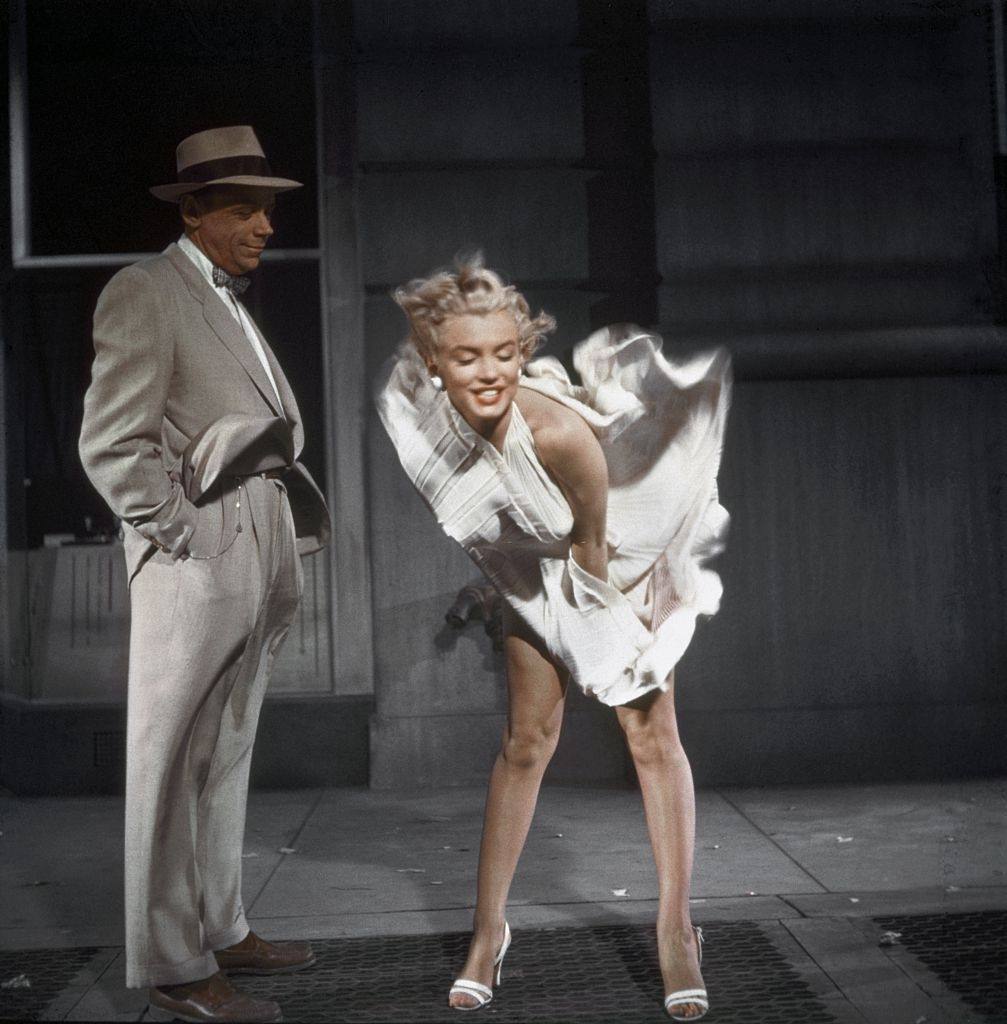
In “The Seven Year Itch,” Monroe played a glamorous upstairs neighbor who captures the attention of a middle-aged publishing executive, played by Tom Ewell. The flying skirt scene occurs after the two characters leave a movie theater together. A passing subway train sends a gust of air up through the street grate beneath Monroe’s feet, lifting her dress. Rather than shying away or covering herself — as most women of the 1950s were expected to do — Monroe exclaims, “Oh, do you feel the breeze from the subway? Isn’t it delicious?”
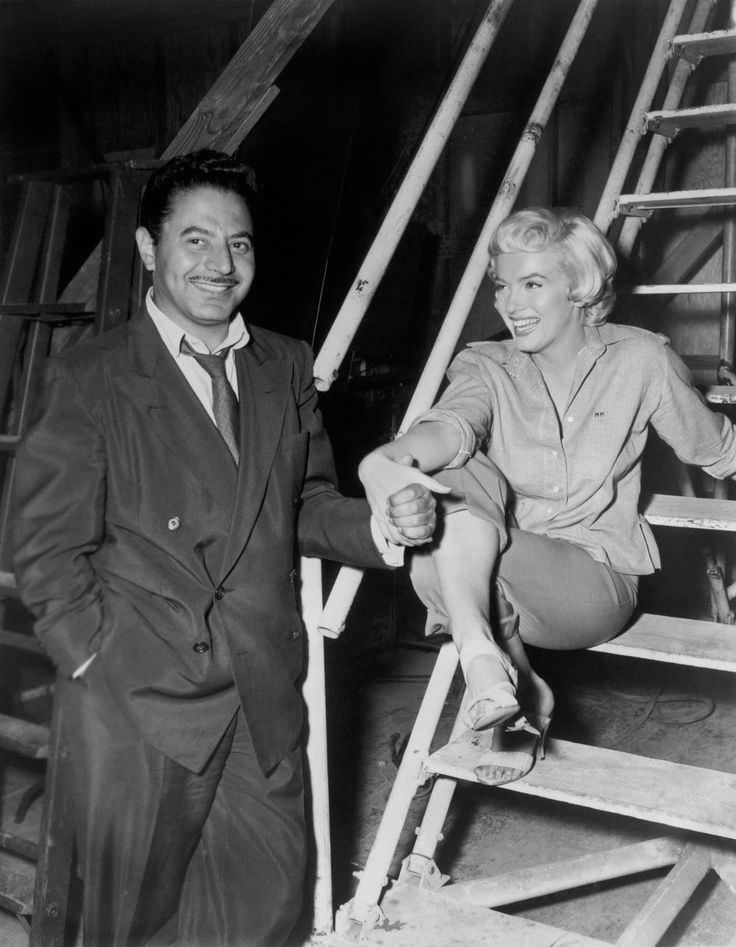
The scene did not originate with the film’s director or its screenwriters. The idea belonged to photographer Sam Shaw. Shaw first met Monroe in 1951 on the set of “Viva Zapata!” when she was still a relatively unknown starlet working her way up in Hollywood. The two became close friends. Monroe gave Shaw the nickname “Sam Spade,” a playful reference to the fictional detective. Their friendship would last the rest of her life. When Monroe was cast in “The Seven Year Itch” at age 28 — by then married to baseball legend Joe DiMaggio — Shaw was reading through the film’s script. A memory from his earlier career came back to him. In the 1940s, Shaw had photographed a young woman whose skirt blew upward in a wind tunnel for the cover of “Friday Magazine.” That cover sold exceptionally well. Reading the script, Shaw saw the same opportunity on a much larger scale.
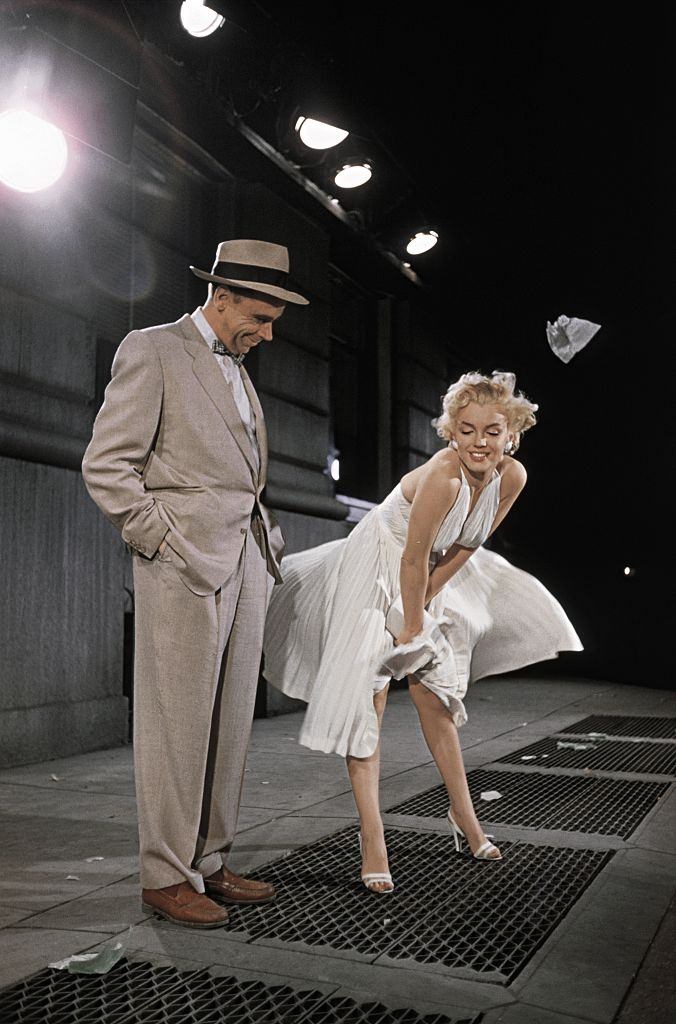
Shaw brought the concept to producer Charles Feldman, suggesting the grate scene could double as a defining poster image for the film. The pitch landed. Monroe would wear a light-colored ivory cocktail dress — a two-piece design with a plunging neckline and soft fabric that tied behind the neck — and a wind machine installed beneath the street grate would send the dress flying above her waist. The scene was planned to be filmed twice: once for the actual movie, and once as a press event staged to generate publicity.
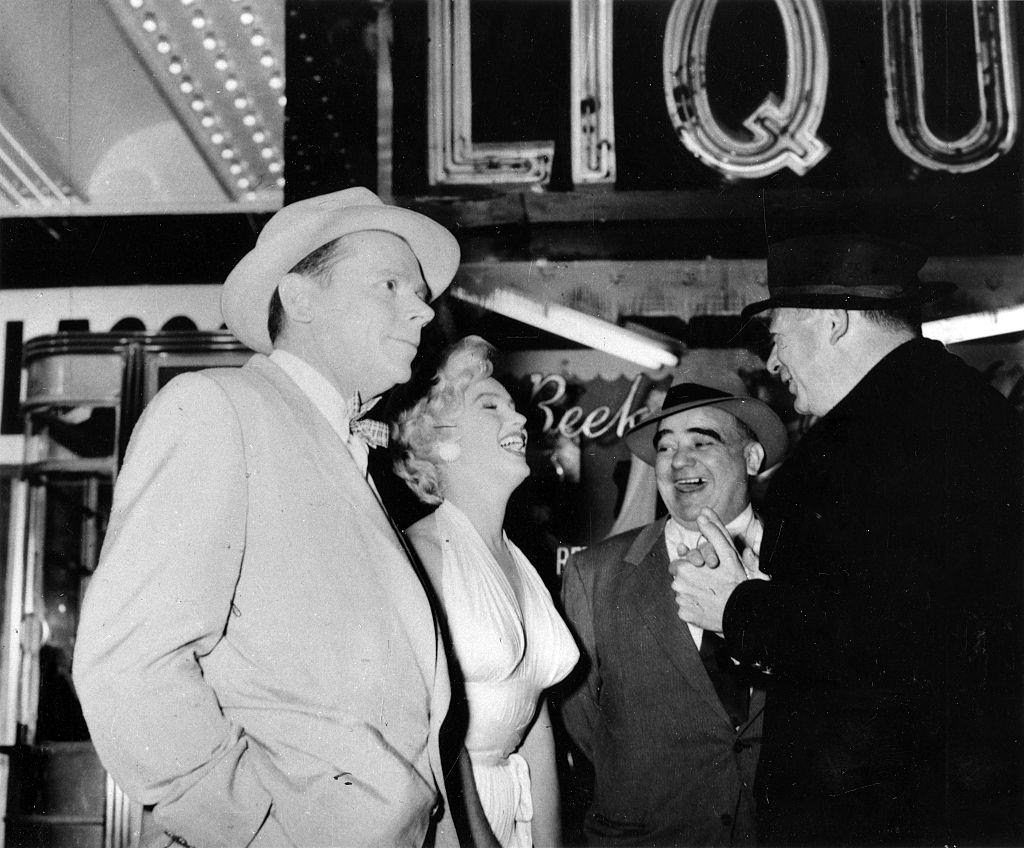
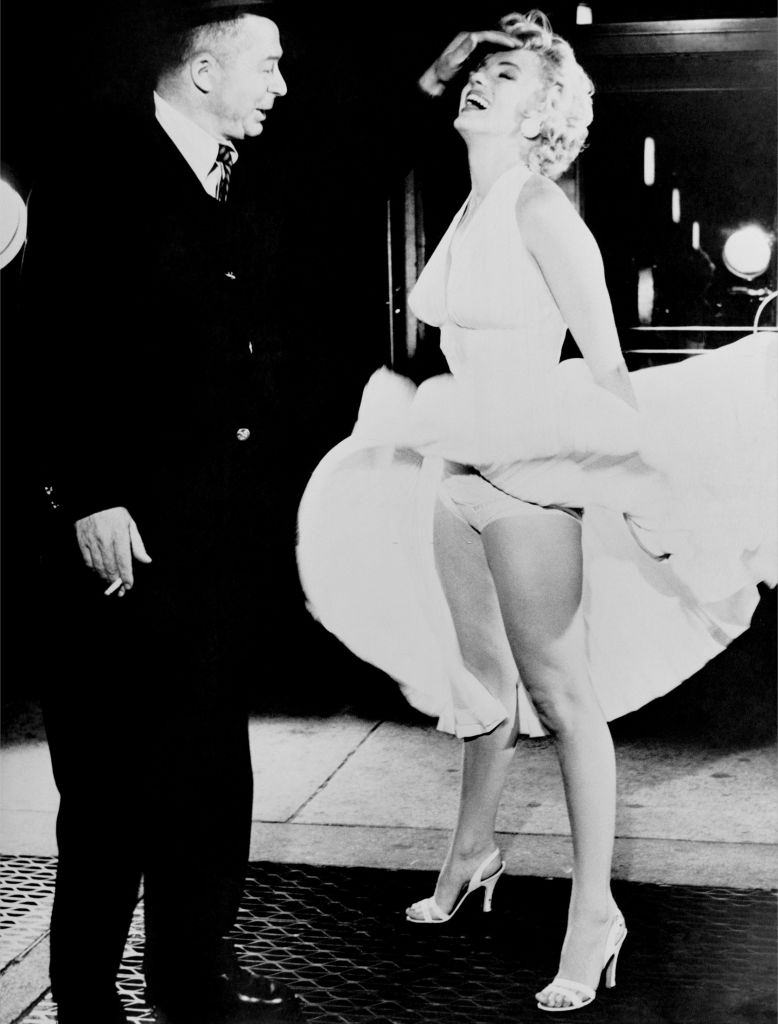
The New York shoot took place outside the Trans-Lux Theatre on Lexington Avenue, starting at around 2 a.m. The late hour was no deterrent. A large crowd gathered to watch, and as the scene was filmed repeatedly, the onlookers grew louder and more restless.
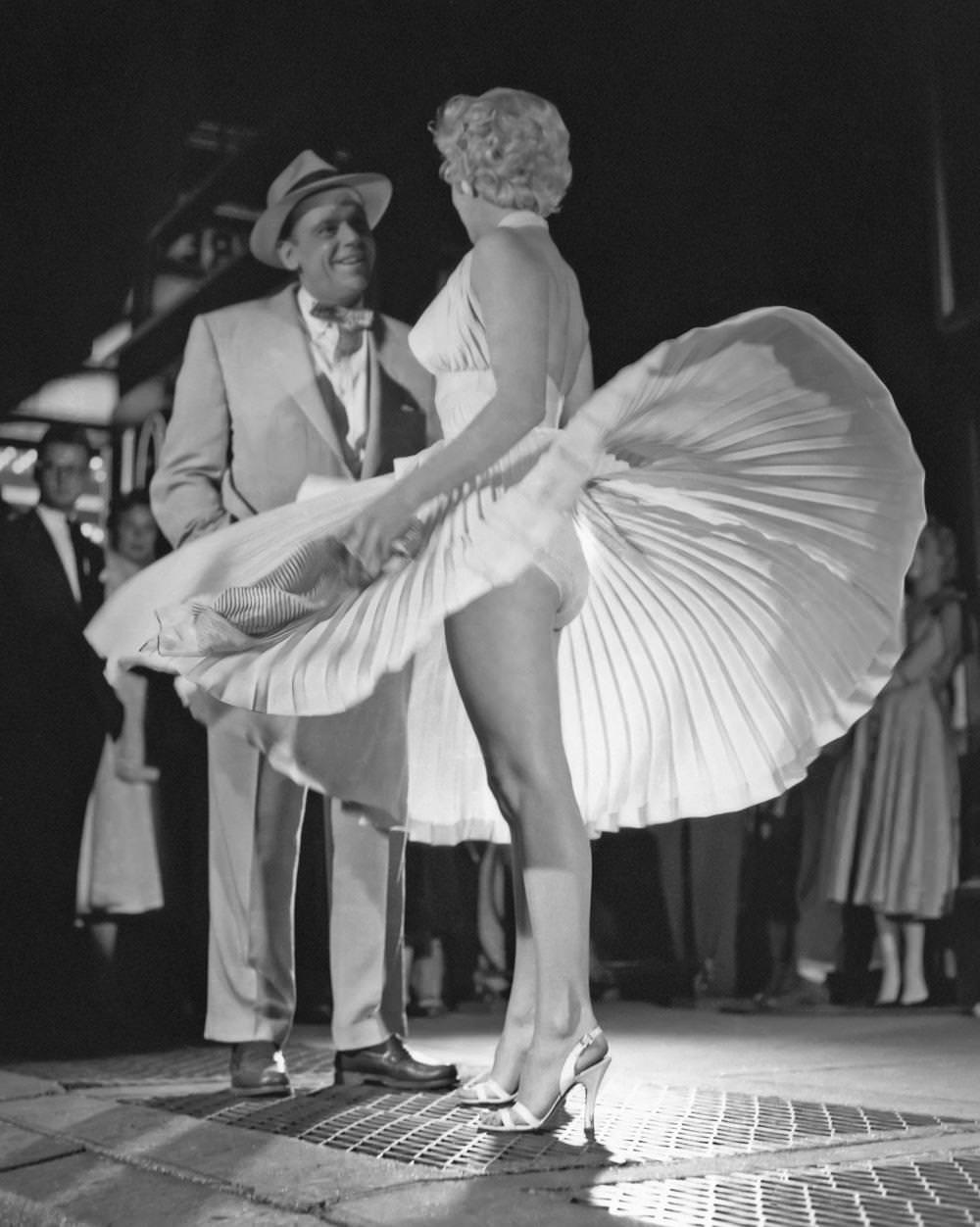
The noise from the crowd that night made the footage completely unusable for the film. The scene was later recreated on a closed studio set in Los Angeles, where access was tightly controlled and only the director and photographer were allowed in. The New York footage was discarded, but the night itself had already produced something the film crew hadn’t anticipated — and something far more damaging to Monroe’s personal life.
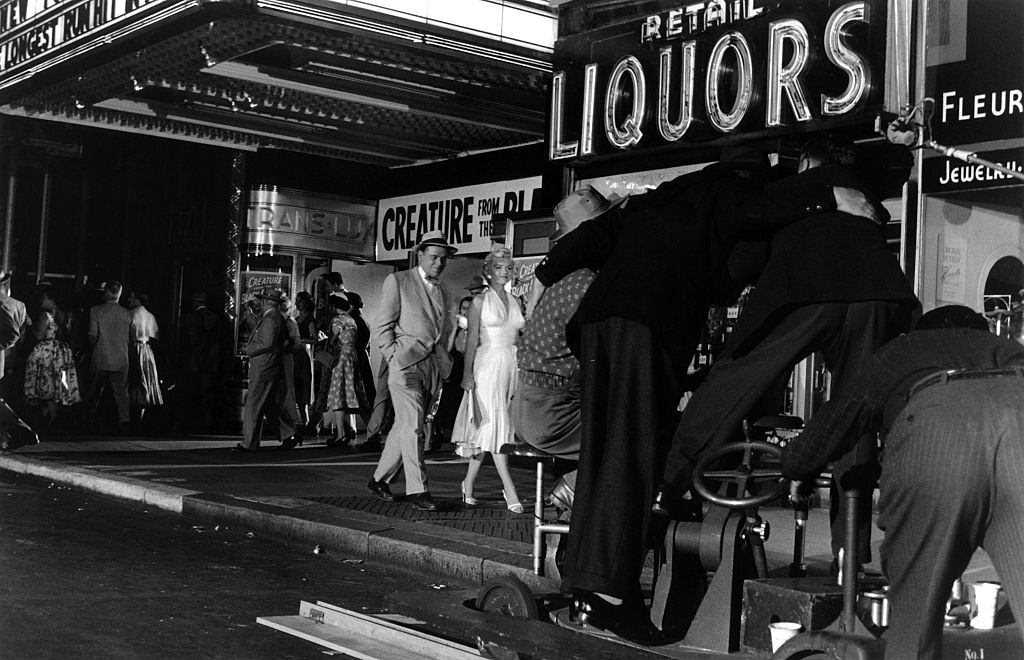
Joe DiMaggio was among the spectators on Lexington Avenue that night. Watching hundreds of men in the crowd whistle and shout as his wife’s dress flew above her waist sent him into a furious rage. He left the set, and the couple’s relationship never recovered. Monroe and DiMaggio divorced in October 1954 — just nine months after their wedding. The flying skirt scene, which Monroe had approached with playful confidence, directly triggered the end of her second marriage.
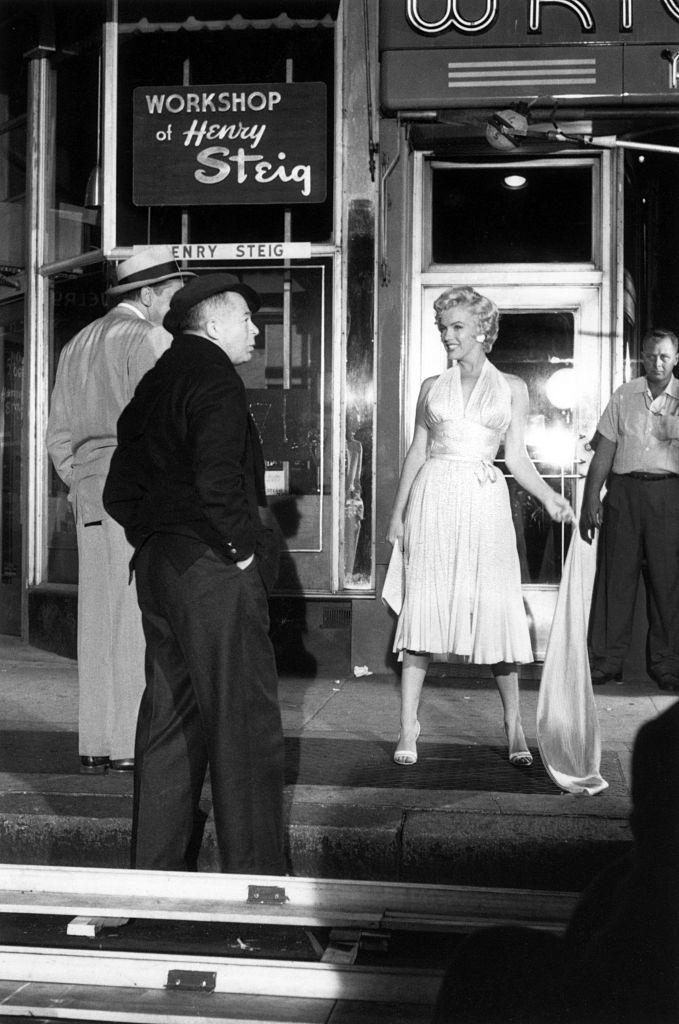
After filming wrapped in New York, Shaw organized a dedicated press photocall to recreate the scene for the cameras. Several photographers attended, including Magnum’s Elliott Erwitt. Shaw, who had conceived the entire idea, made sure he had the best position in the room. As Monroe stood over the grate with her dress blowing upward, she turned and spotted him. “Hey, Sam Spade!” she called out. Shaw pressed the shutter on his Rolleiflex camera.
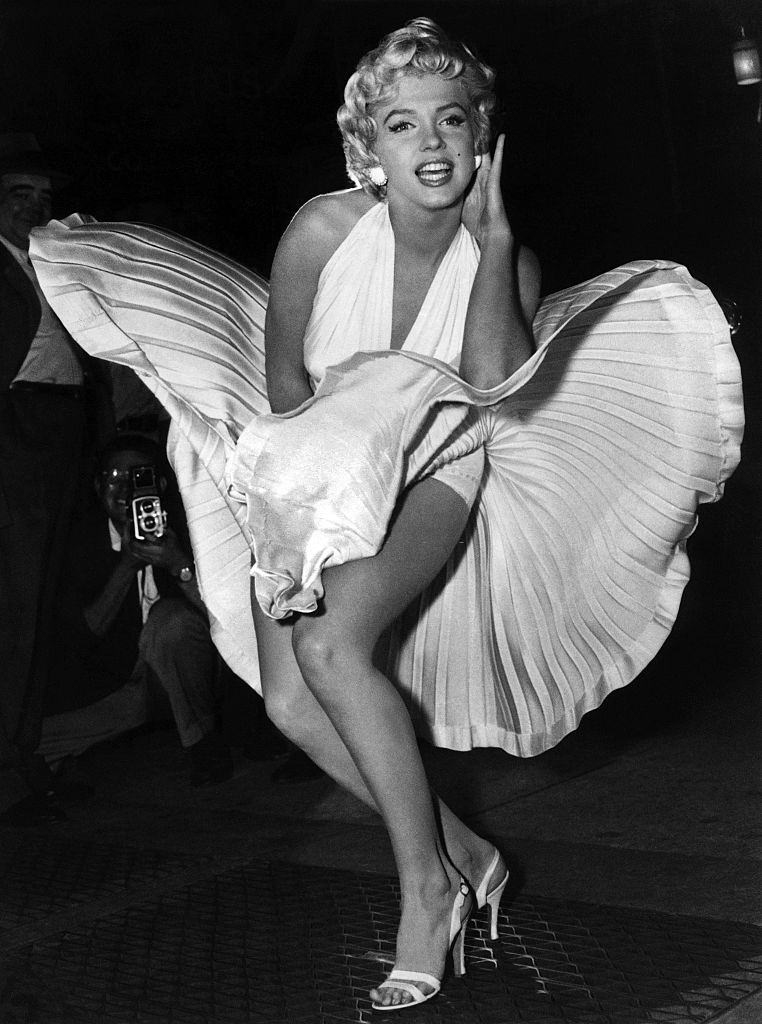
The photographs Shaw captured that night were published the following day in newspapers and magazines across the world. They generated enormous publicity for the film and fixed Monroe’s image as one of the defining sex symbols of the twentieth century.
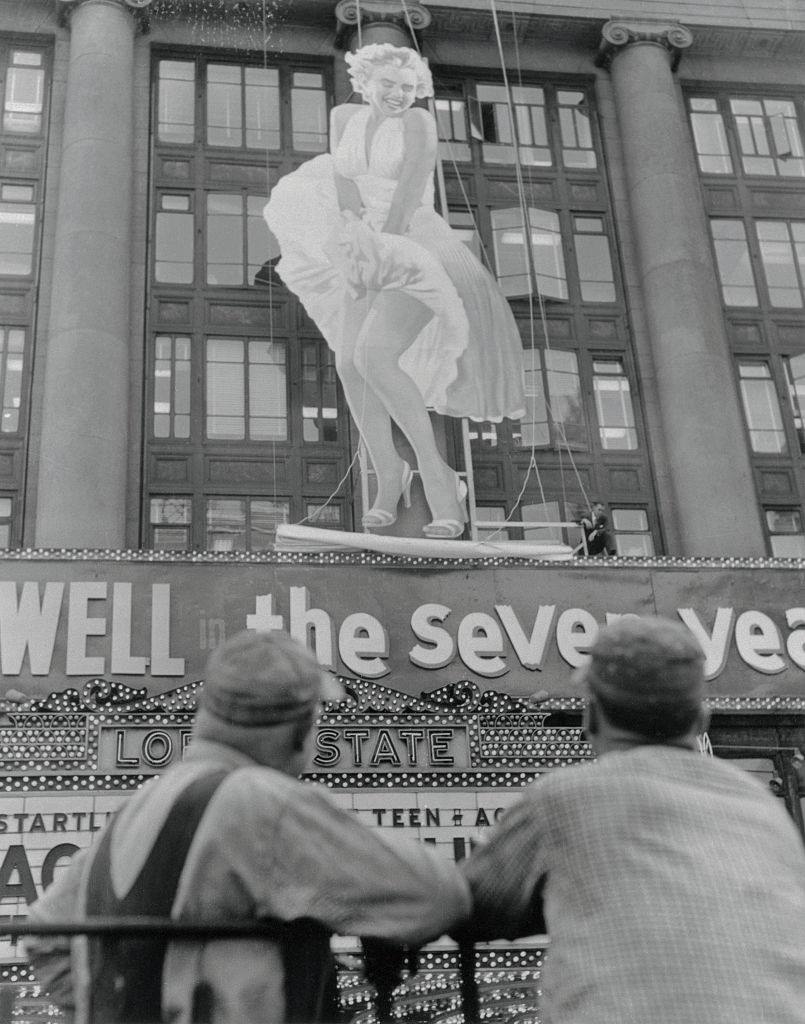
When “The Seven Year Itch” premiered on June 3rd at Loew’s State Theatre, the studio made its intentions about the scene very clear. A 52-foot-tall figure of Monroe in the flying dress pose was erected on the front of the theater building — four and a half stories of white fabric and outstretched arms towering over Times Square.
Sam Shaw and Monroe continued to work together in the years that followed, and their friendship held firm until her death in August 1962 at age 36. Out of respect for her, Shaw refused to publish any of his Monroe photographs for a full decade after she died. The ivory dress Monroe wore that night on Lexington Avenue was later estimated to be worth between one and two million dollars — and sold for over five million dollars after her death.
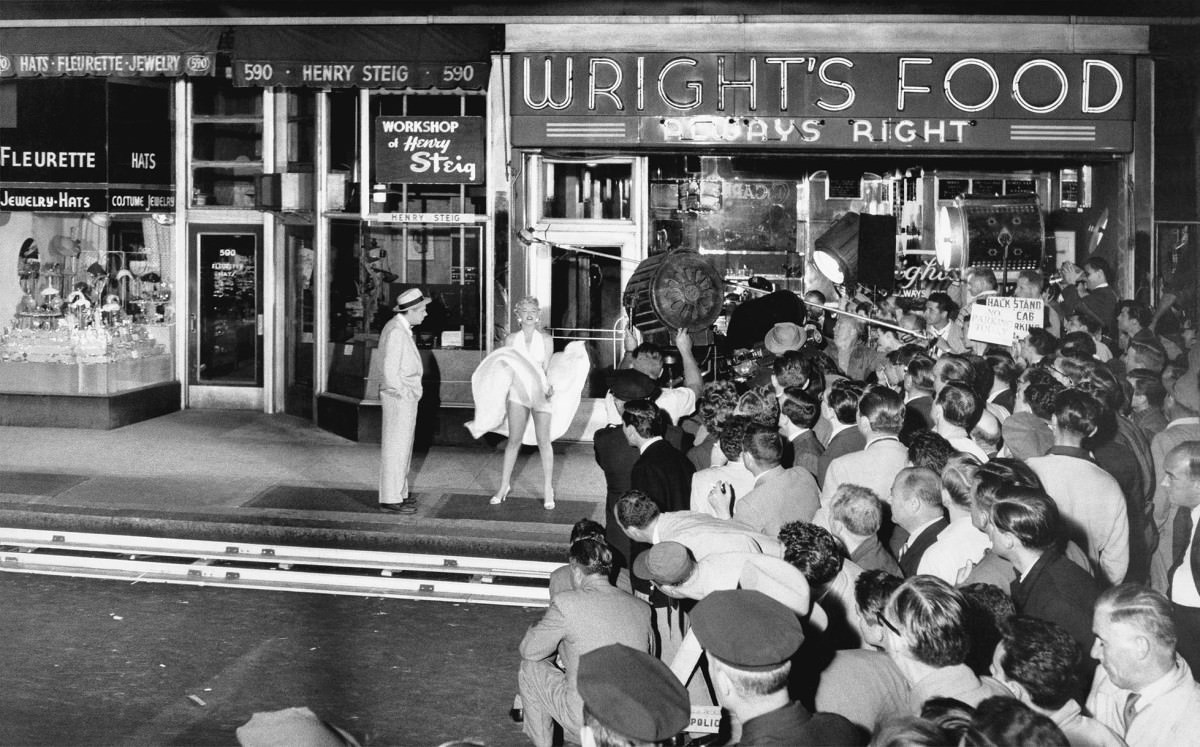
The corner of Lexington Avenue and 52nd Street in New York remains a landmark for fans of Monroe. The spot where the scene was filmed draws visitors who want to stand on the same grate. Many actresses over the decades have recreated the pose — white dress, arms raised, hair flying — but none have replicated the specific combination of timing, personality, and chemistry that Monroe brought to that moment.
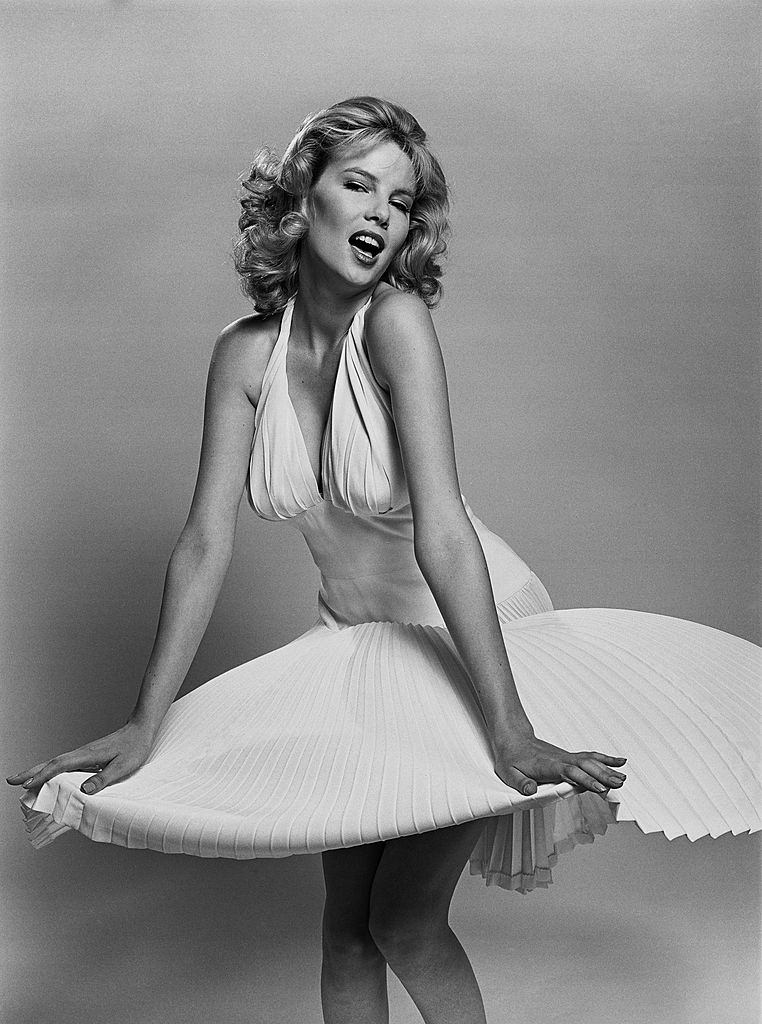
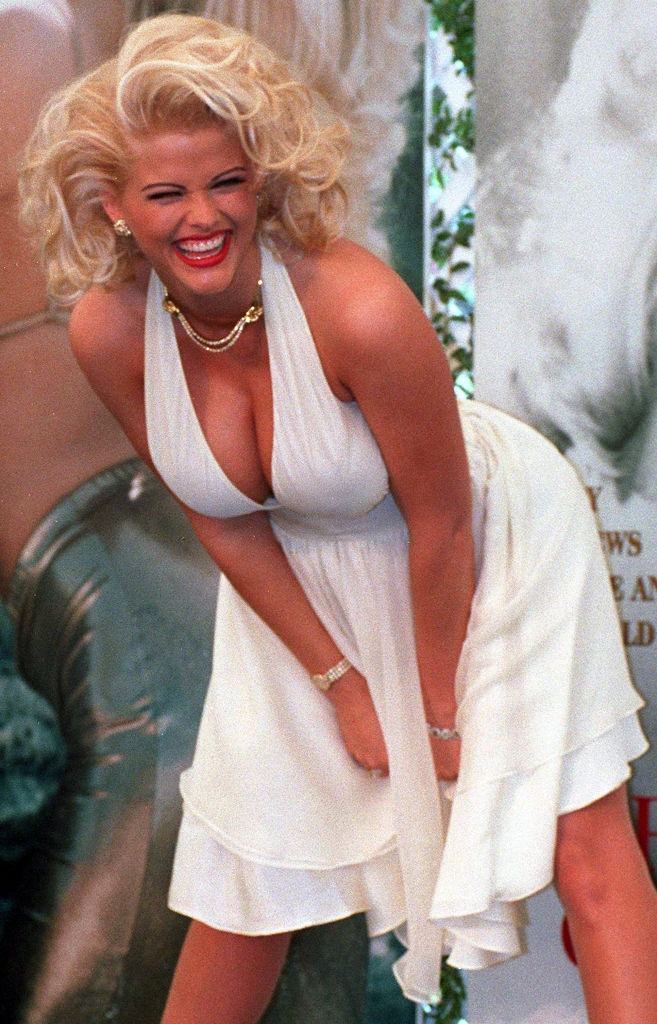
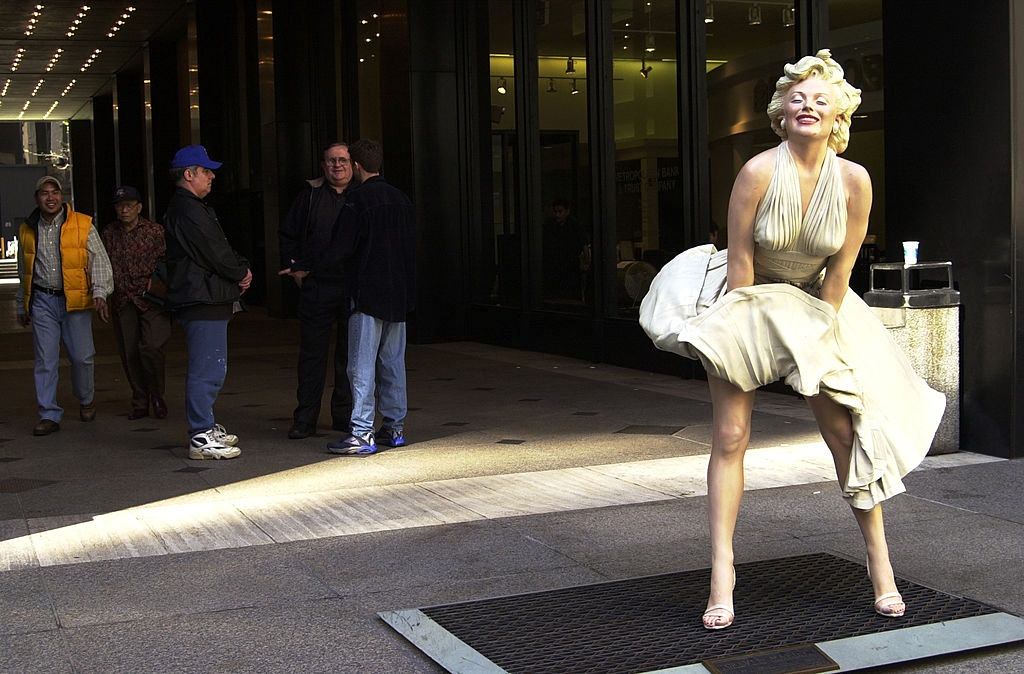
Monroe’s presence in public spaces has been kept alive in other ways too. A life-size sculpture titled “Forever Marilyn,” created by artist Seward Johnson, was installed at the entrance to the HarperCollins building on East 53rd Street in New York. The statue captures Monroe in the exact pose from the grate scene — dress flying, arms held wide — a permanent tribute to the most photographed moment of her career.