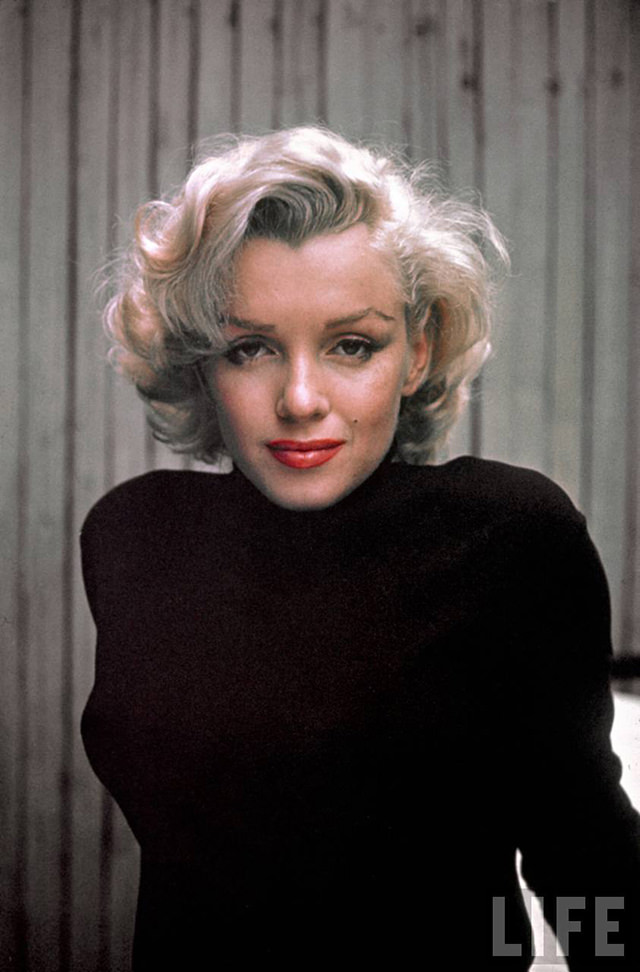
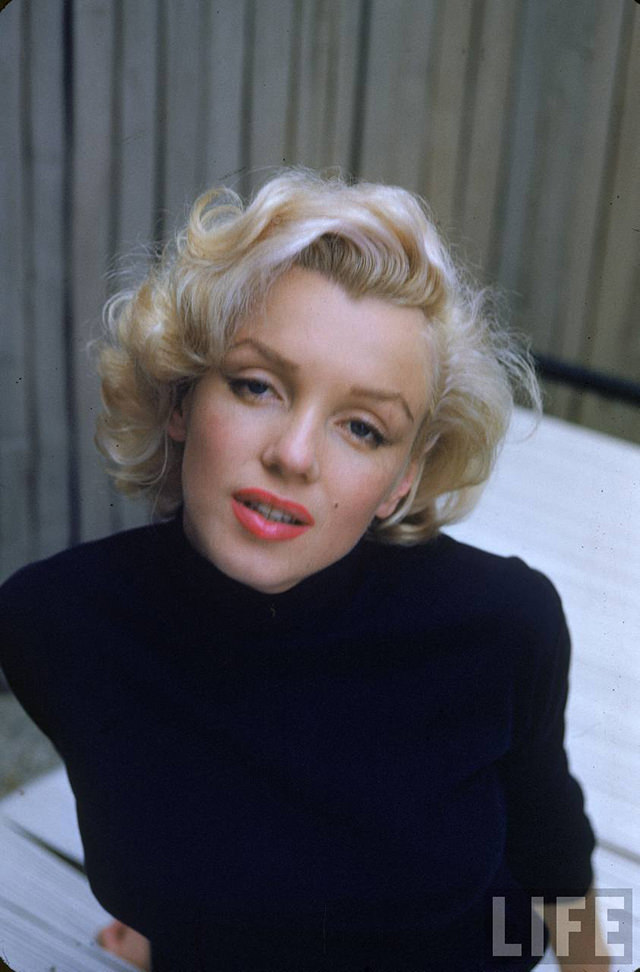
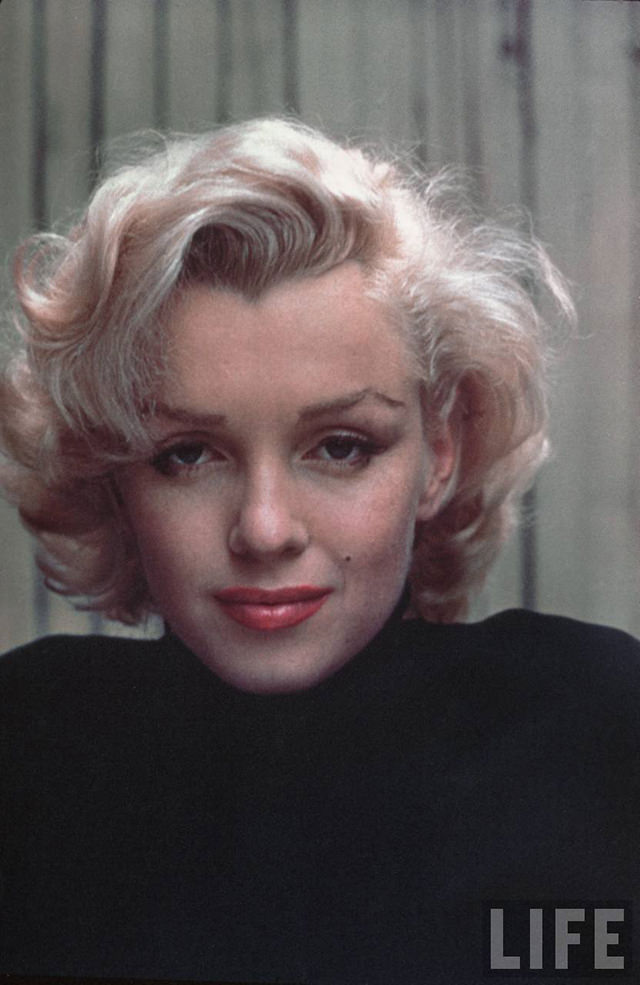
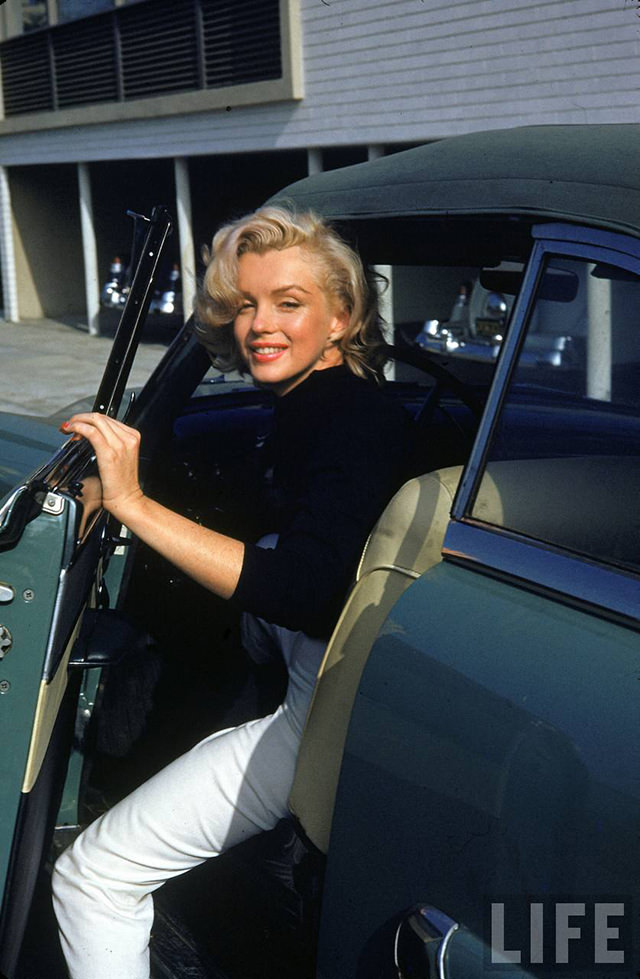
In 1953, Marilyn Monroe was one of the most recognized faces on the planet. But for one quiet afternoon, she opened the doors to her home and let photographer Alfred Eisenstaedt inside. Eisenstaedt was a seasoned photojournalist, already famous for his ability to catch celebrities in unguarded, natural moments. What he captured that day was something rare — Marilyn completely off-script.
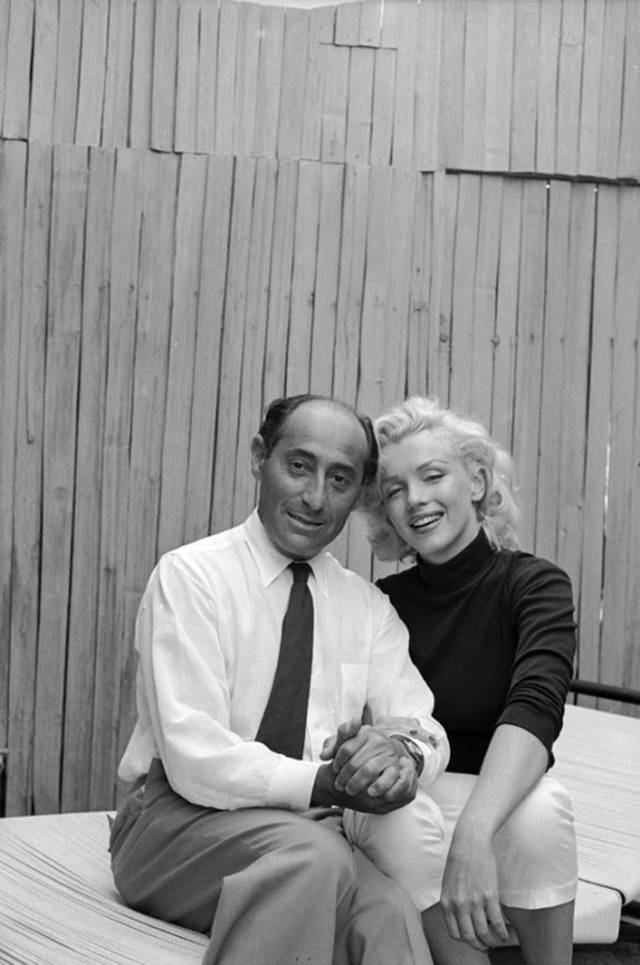
There were no studio lights, no costumes, and no carefully rehearsed poses. Marilyn wore simple white pants and a black turtleneck. At other points during the shoot, she changed into checkered pants. The look was casual and relaxed — nothing like the polished Hollywood image she was known for projecting.
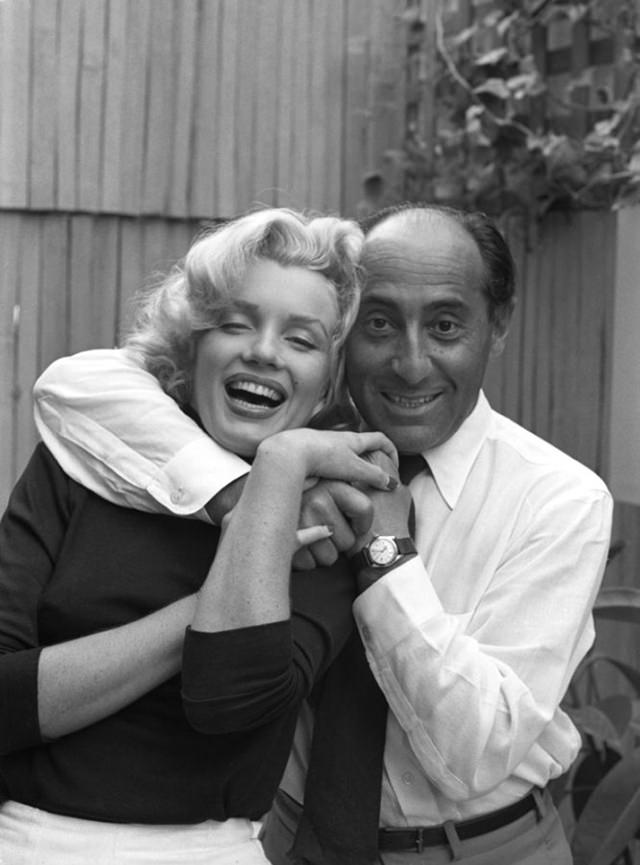
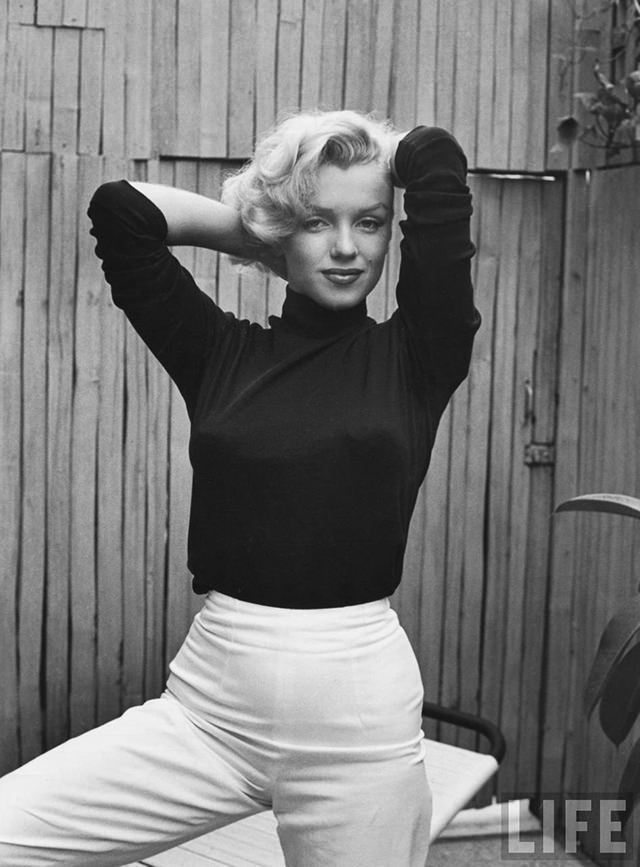
Eisenstaedt’s approach was straightforward: he did not direct her. He let Marilyn move, sit, laugh, and read on her own terms. The results showed a woman at ease — her smile unforced, her posture loose, her attention drifting naturally from moment to moment.
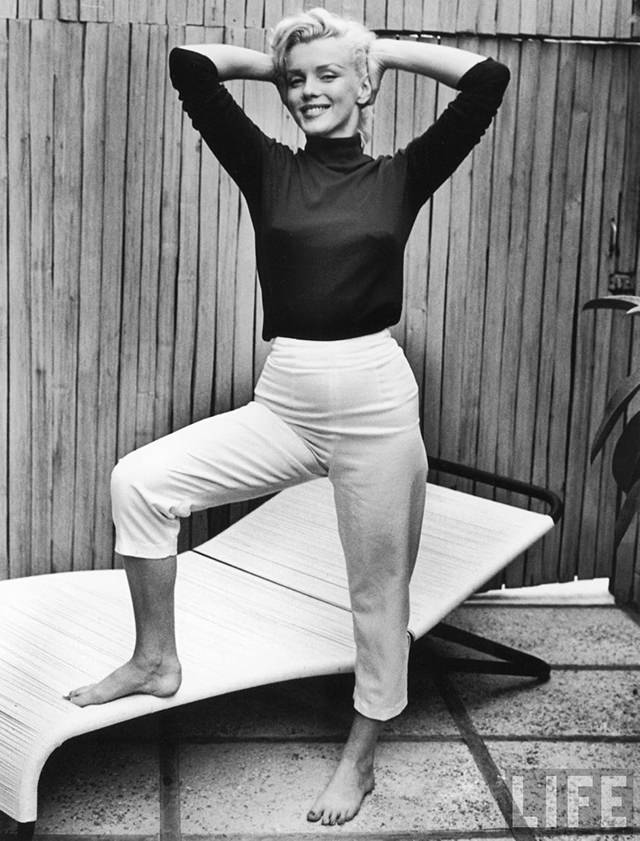
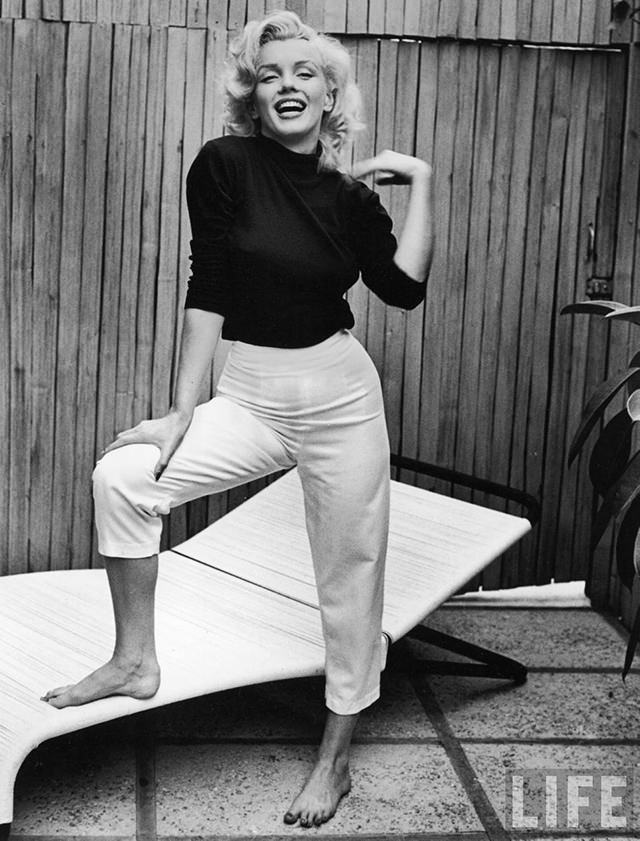
Much of the shoot took place on her patio. Potted plants and flowers surrounded her, and the outdoor setting gave the photos a calm, unhurried feeling. In one shot, she sat on the edge of a chair with a book in her lap, looking lost in thought. In another, she leaned back against a wall with her face tilted toward the sun.
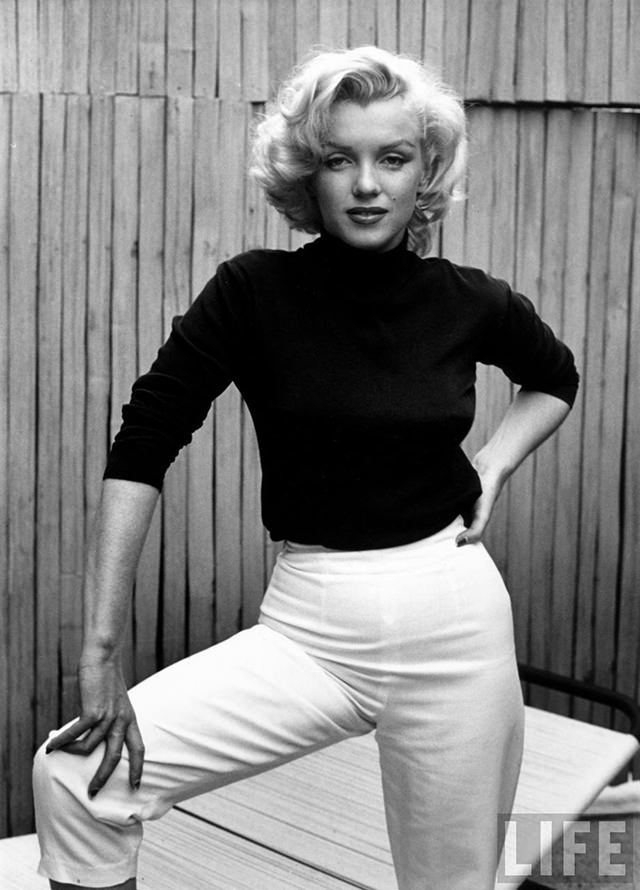
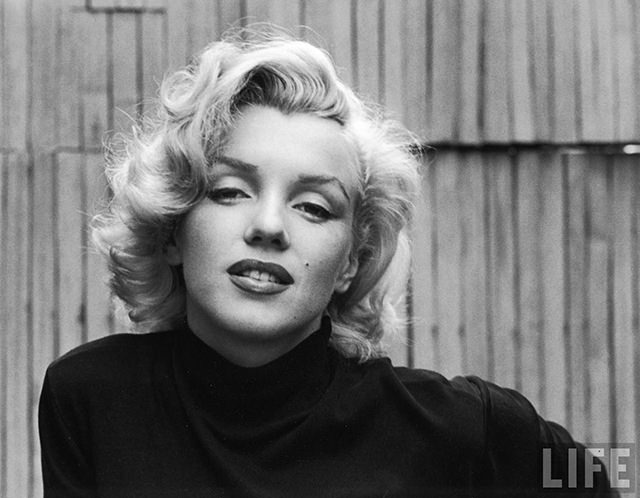
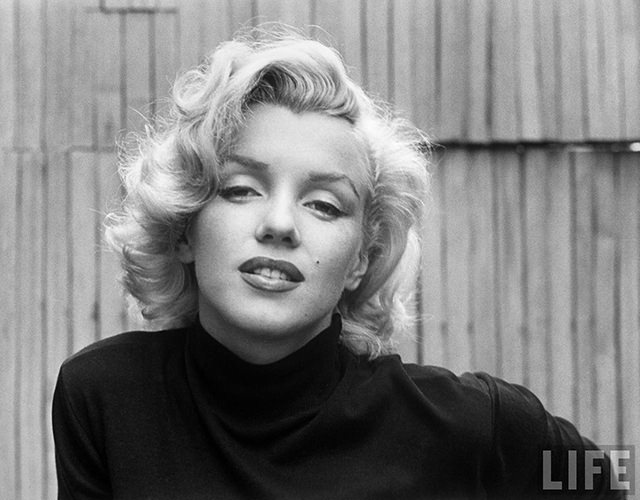
During the shoot, Eisenstaedt accidentally mixed up his cameras. The error meant that the session produced both black-and-white and color photographs. Most of the well-exposed, usable shots came out in black and white. Only two color photographs survived the mix-up.
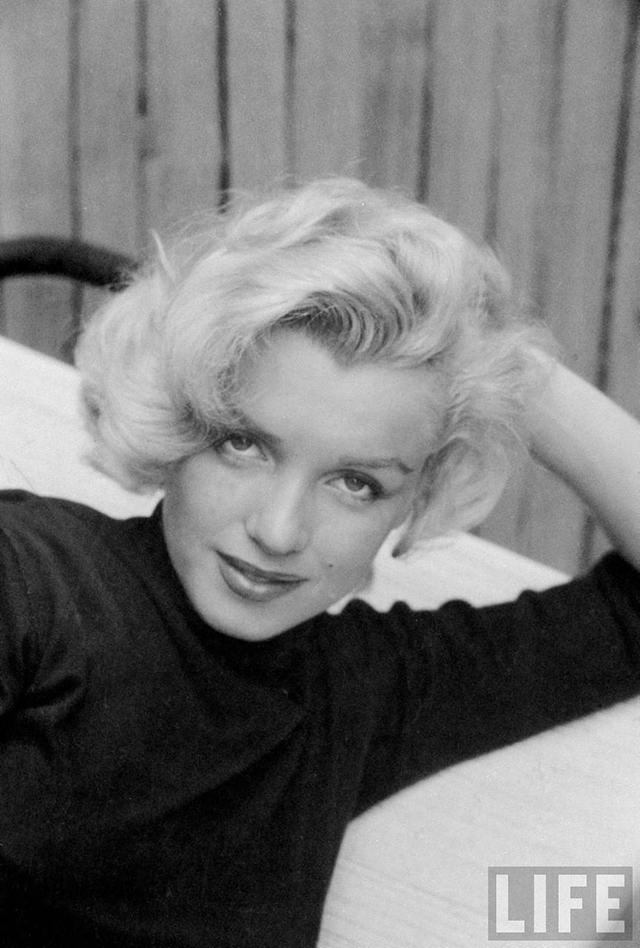
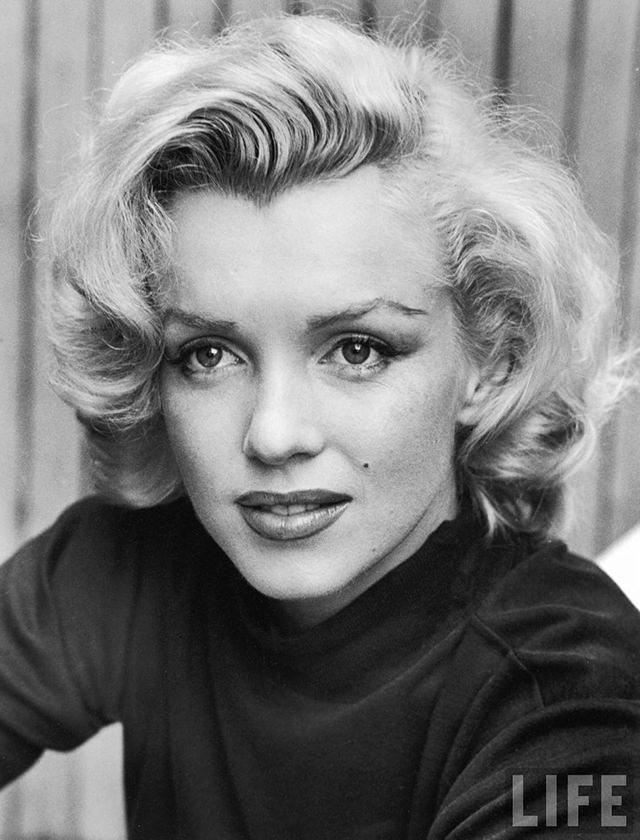
Those two color images stand apart from the rest. The warmth of the light and the natural tones of the outdoor setting give them a different feel entirely — more vivid and immediate than the black-and-white frames alongside them.
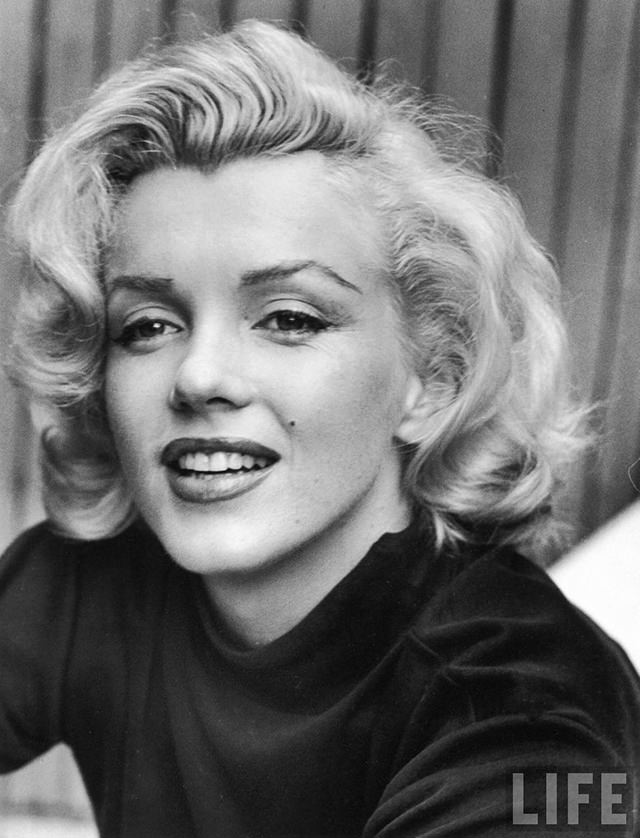
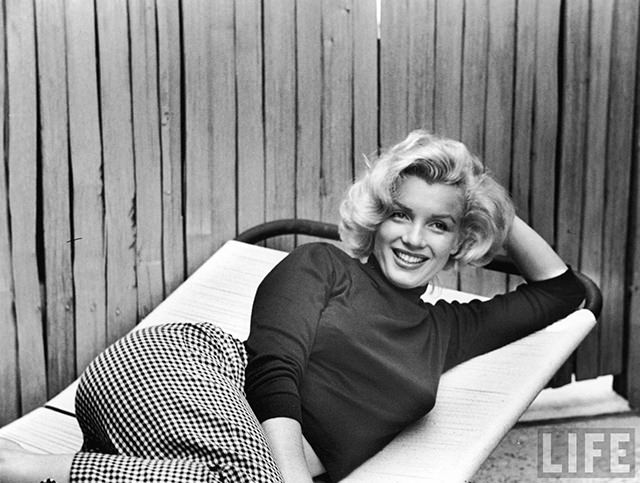
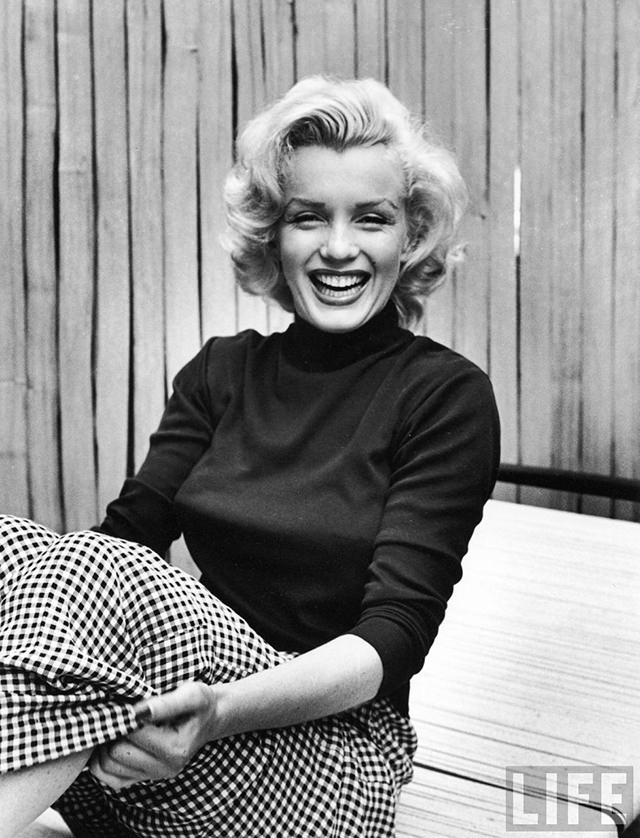
Taken together, the black-and-white photographs carry their own power. The contrast and shadow in those images highlight Marilyn’s expressions in a way that color cannot. Eisenstaedt’s instinct for timing meant he caught her in genuine moments — laughing, thinking, simply existing without an audience in mind.
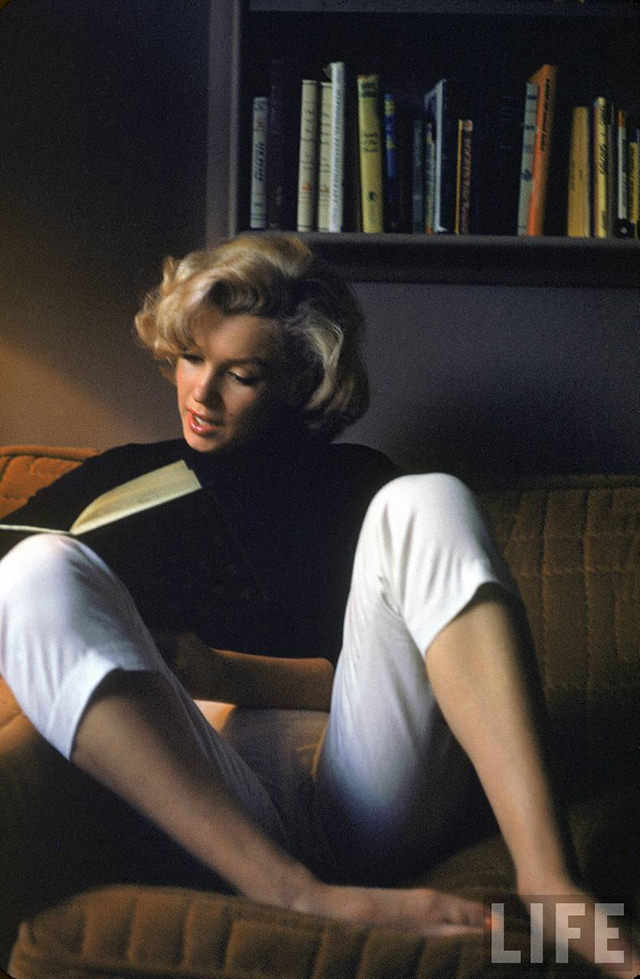
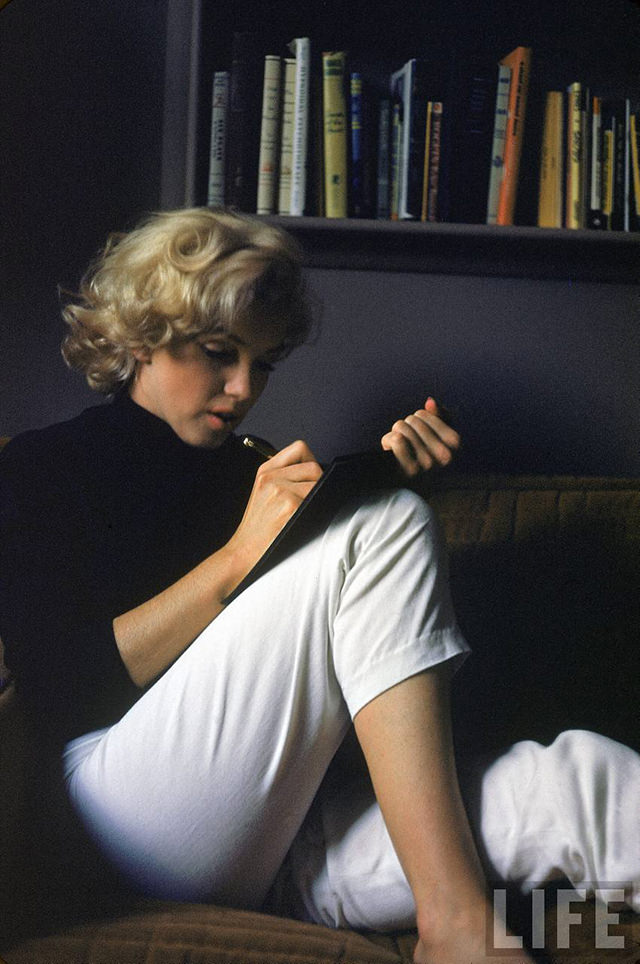
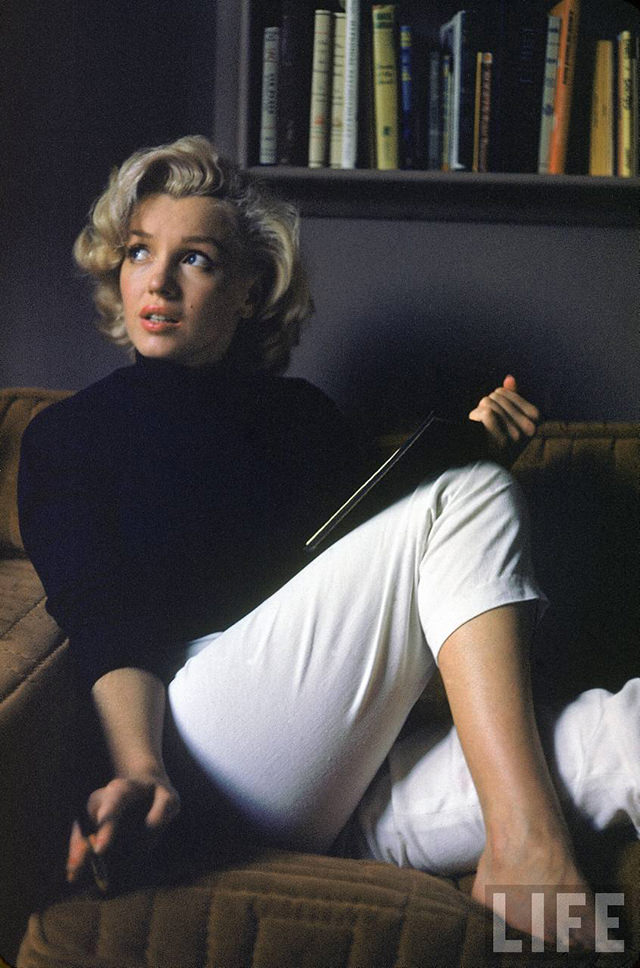
By 1953, Marilyn had already starred in Gentlemen Prefer Blondes and How to Marry a Millionaire. She was a full-fledged box office star. Yet these photographs present someone who, away from the cameras of Hollywood, looked perfectly content sitting in the sun with a book.
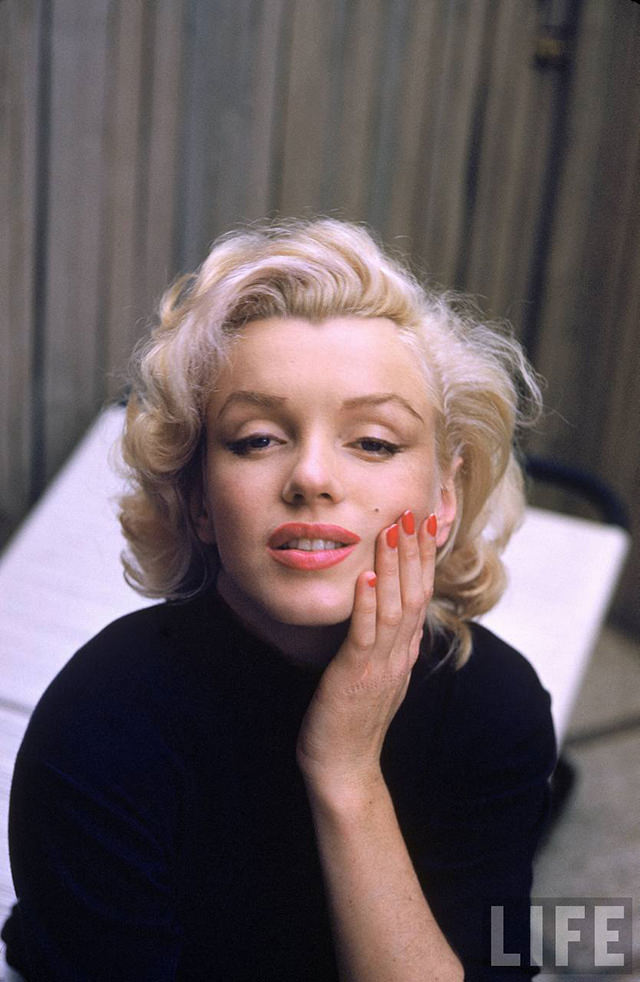
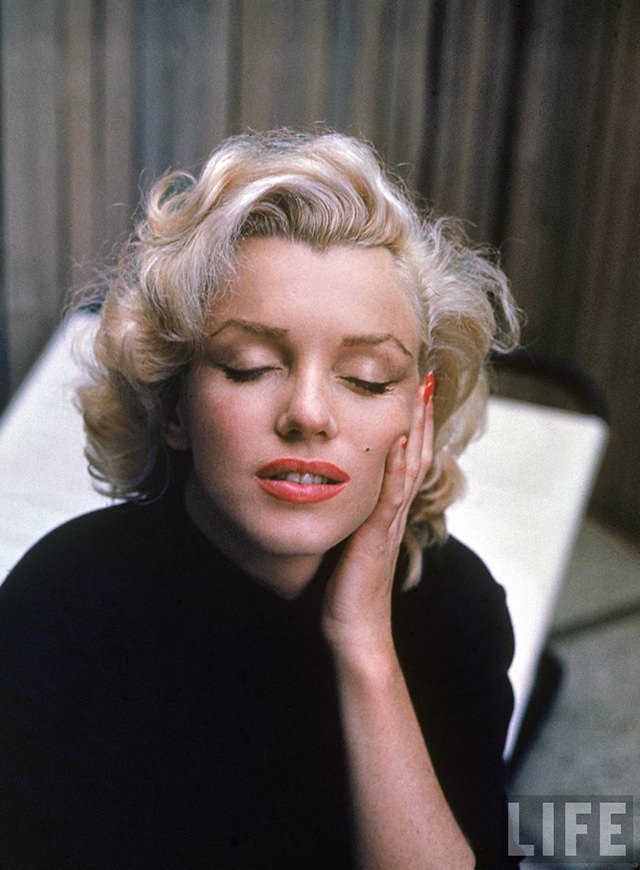
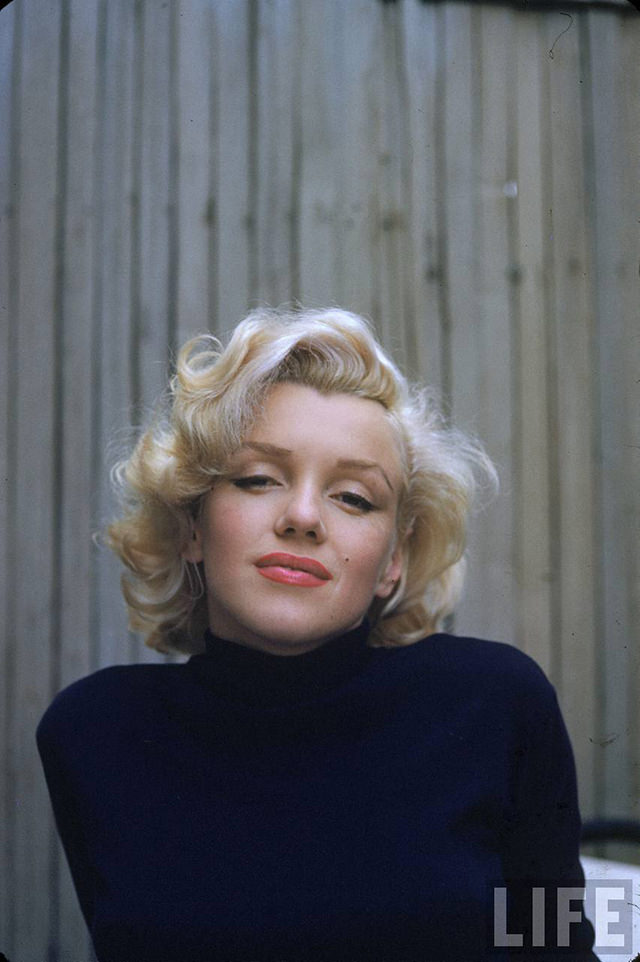
What makes this collection so striking is how ordinary it all looks. The patio, the plants, the casual clothes — none of it matches the image of the glamorous movie star. That gap between public persona and private person is exactly what Eisenstaedt managed to document.