By the time the 1980s arrived, Liverpool was in serious trouble. Factory closures were stacking up, whole neighbourhoods sat derelict, and roughly 12,000 people were leaving the city every year. Around 15% of the city’s land stood empty or abandoned. Unemployment was brutal — by 1985, more than one in five people in Liverpool were out of work, nearly double the national average. These weren’t abstract statistics. They were the lived reality for hundreds of thousands of people trying to get by in a city that felt like it had been left behind.
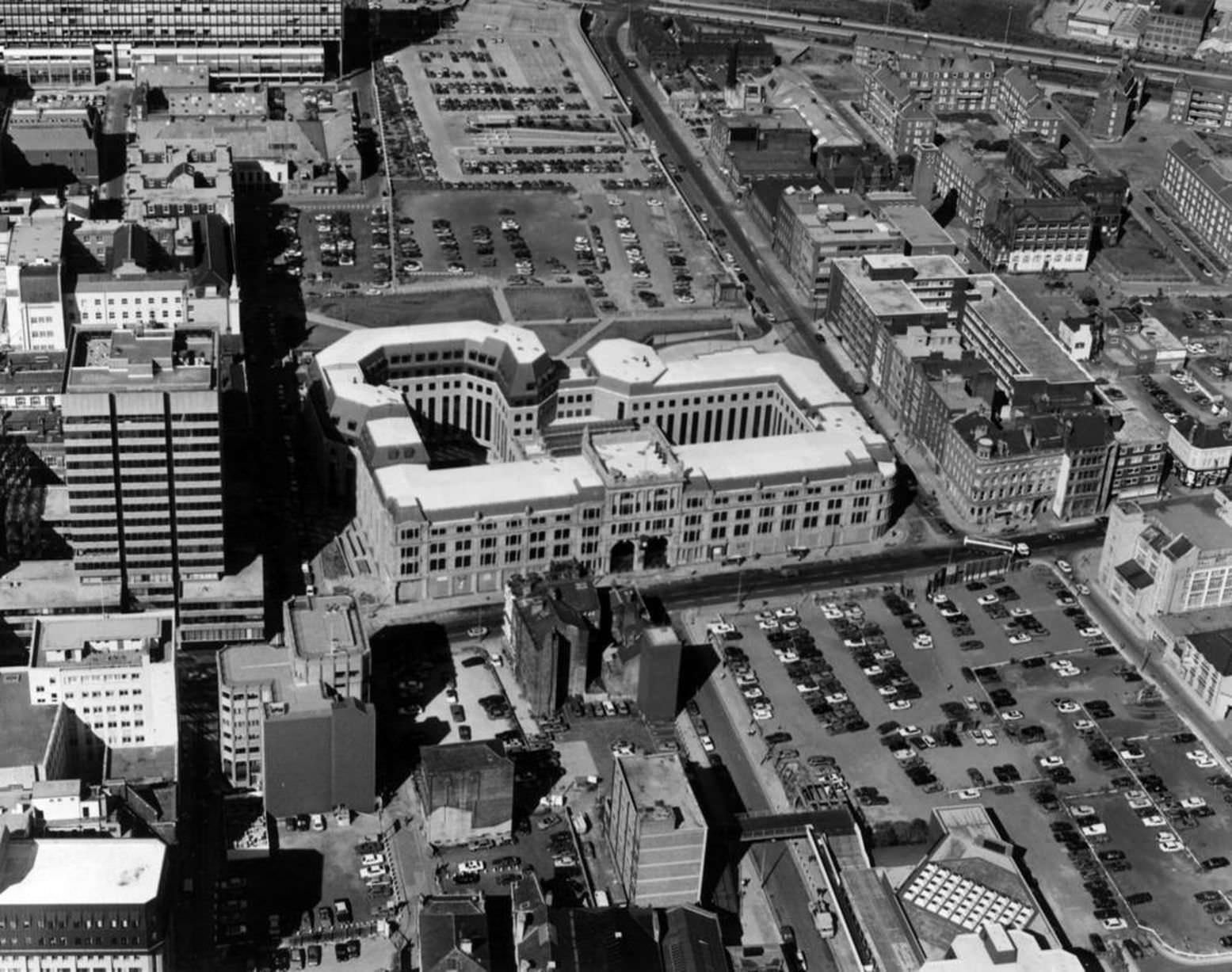
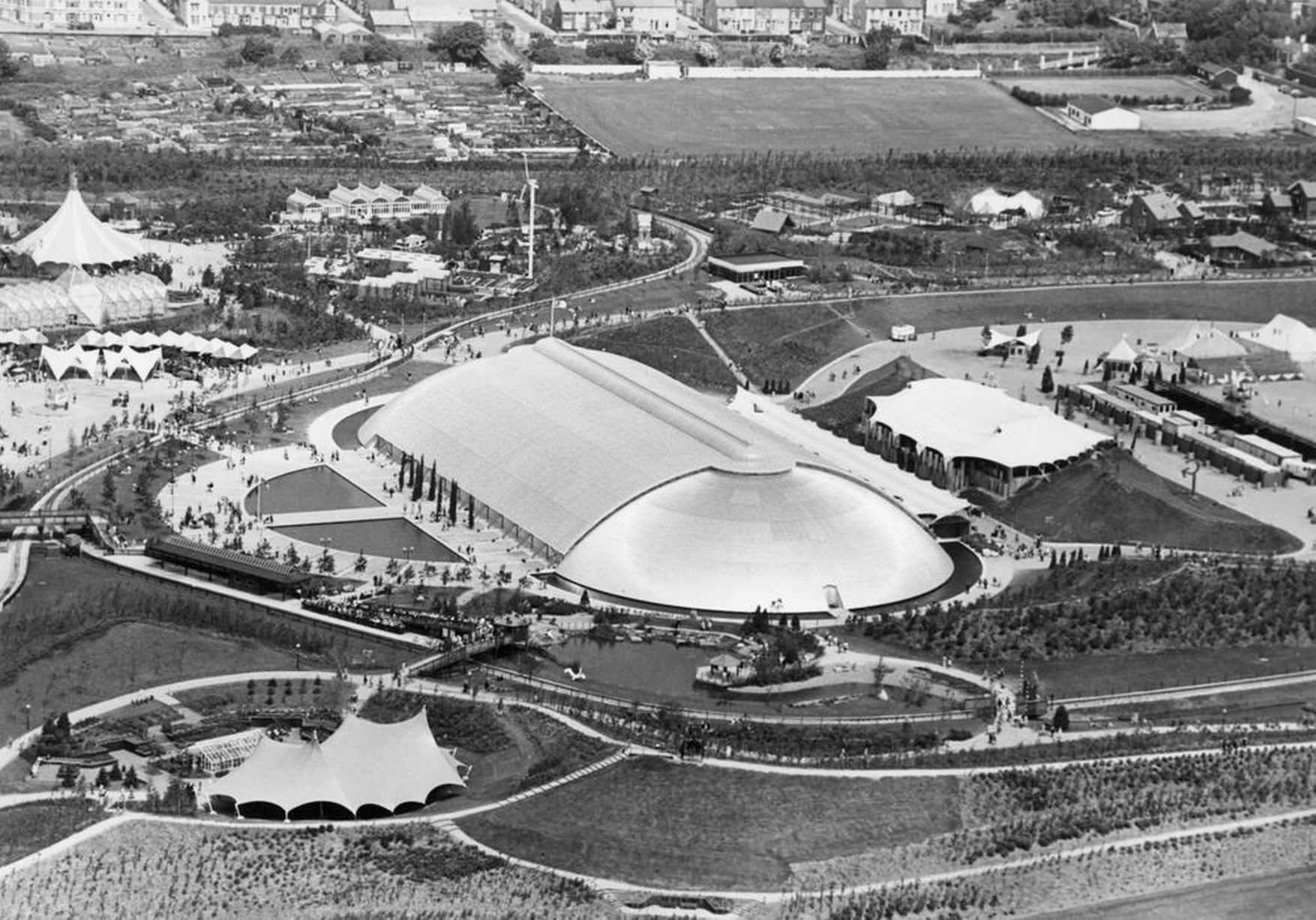
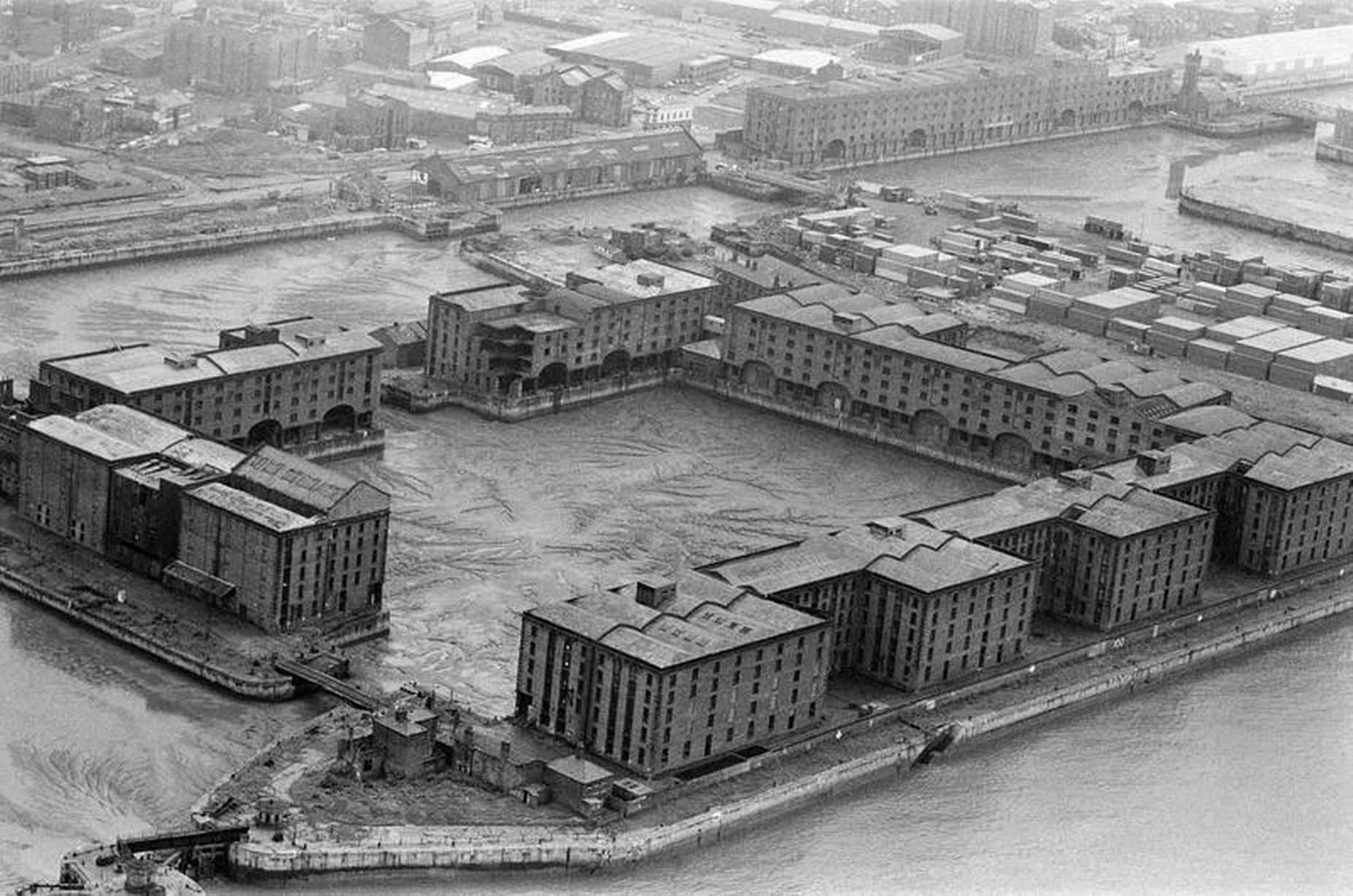
Aerial Views of Liverpool, Merseyside, 11th June 1987.
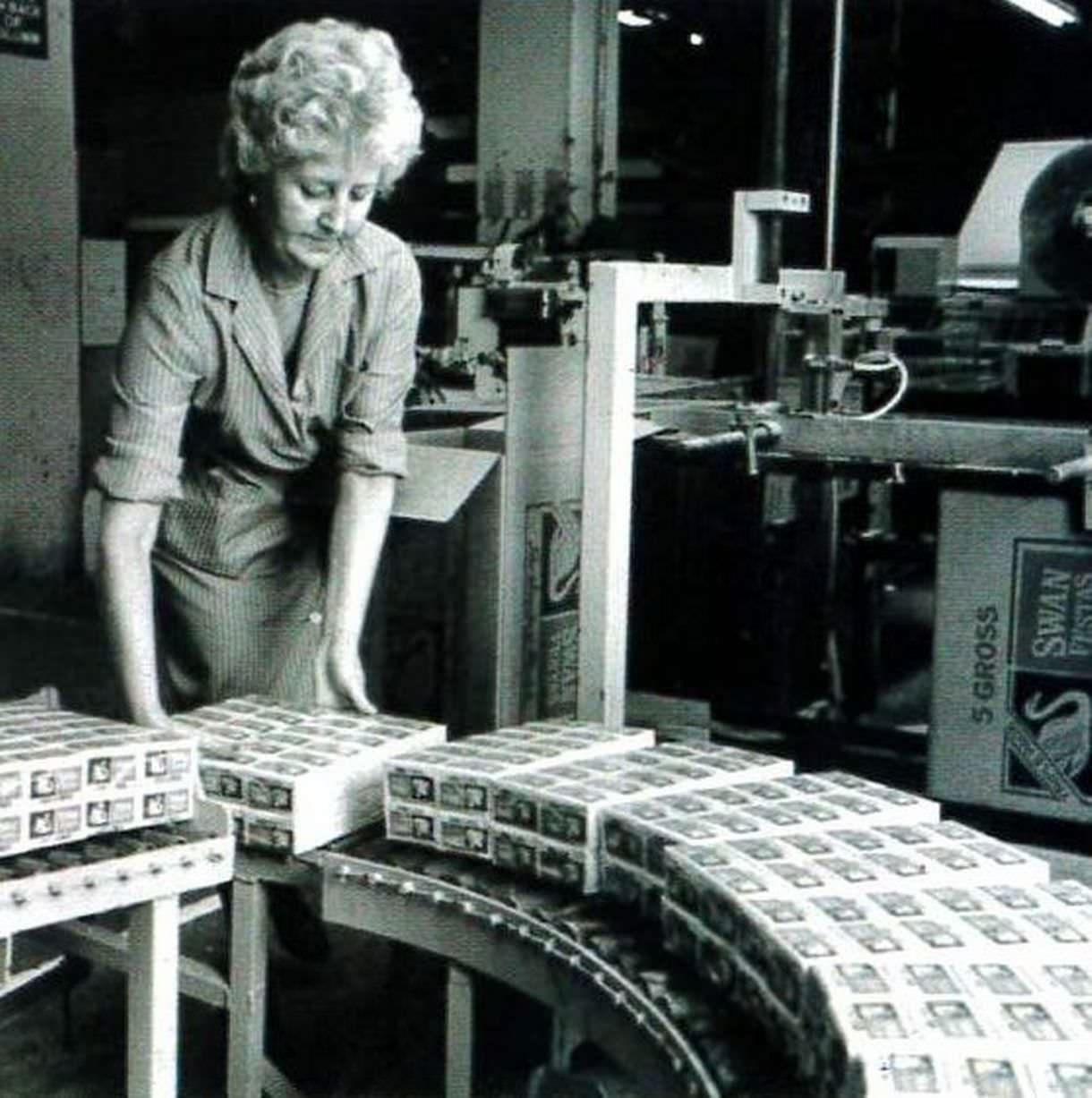
The closure of the Tate and Lyle sugar works in 1982 hit hard. It had been a cornerstone of local manufacturing for years, and its loss came on top of an already shrinking dock industry. The docks, once the beating heart of the city’s economy, had been declining for years before the decade even started. Workers who had spent their careers on the waterfront found themselves with nowhere to turn. The Bryant & May match factory in Speke was one of the few large employers still running in the early years of the decade, but it too was fighting against the tide.
A match packer at work in the Bryant & May factory in Speke in 1980
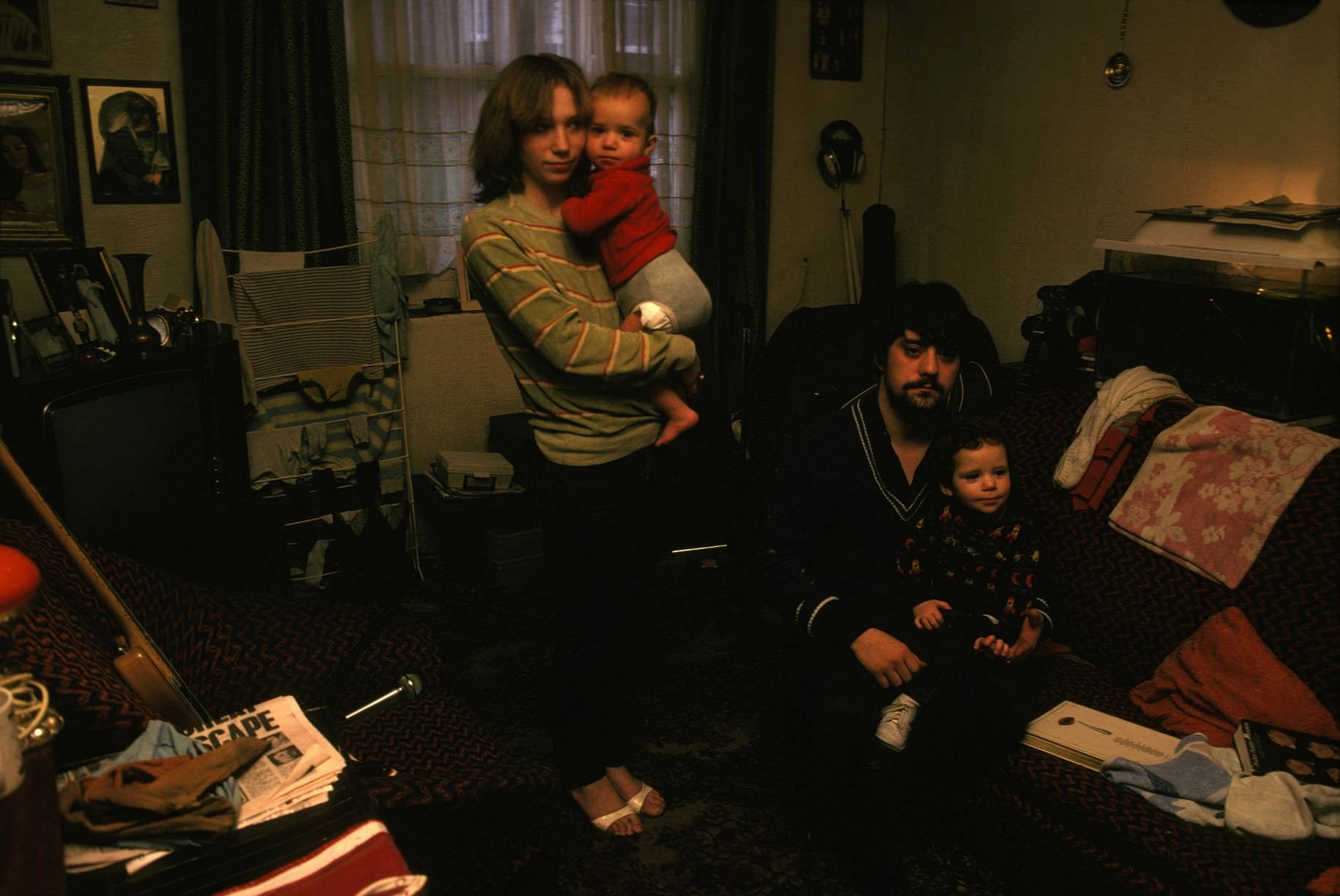
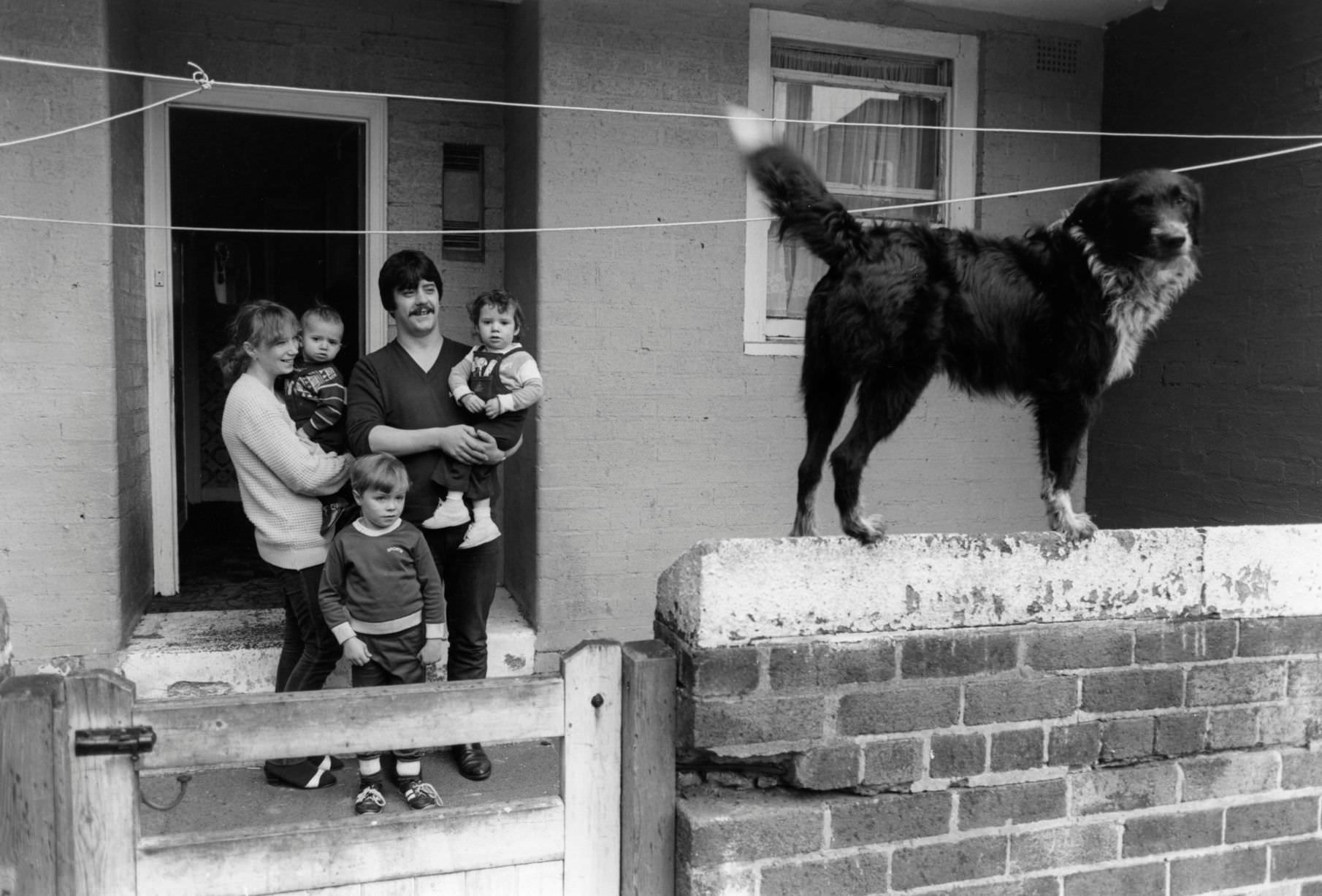
The human cost of all this was plain to see. Families squeezed budgets to breaking point. Young people, especially, had few prospects. Rows of empty, crumbling buildings became the backdrop of daily life in some parts of the city.
Economic crisis in England in the eighties; a family in Liverpool on February 24, 1983 in LiverpoolEconomic crisis in England in the eighties; a family in Liverpool in 1983 in Liverpool
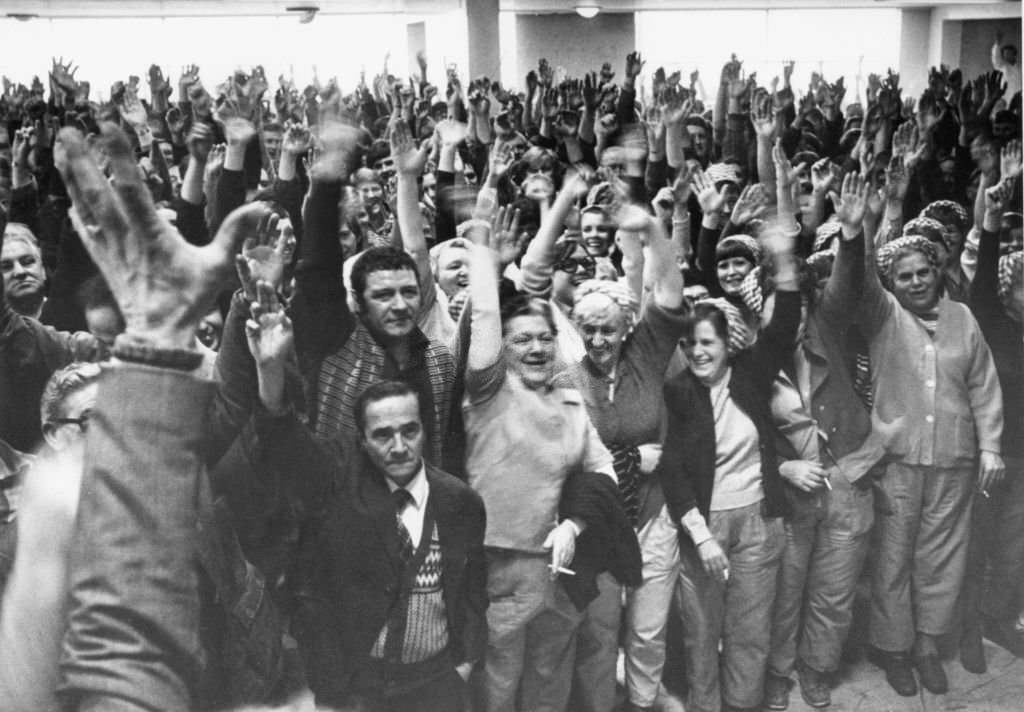
Tate and Lyle workers didn’t accept the closure without a fight. In January 1981, workers packed into a mass meeting and voted to resist the shutdown. Their efforts ultimately failed, but the defiance captured a city-wide mood — one that would soon boil over in a far more explosive way.
Tate and Lyle workers seen here at a mass meeting, vote to fight the closure of the refinery, 23rd January 1981.
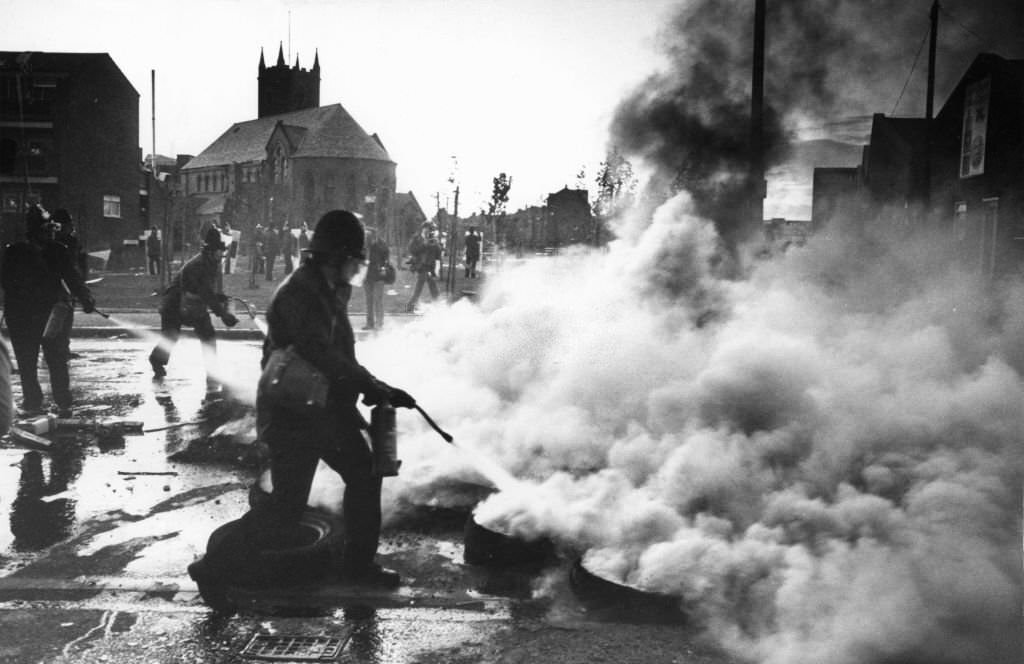
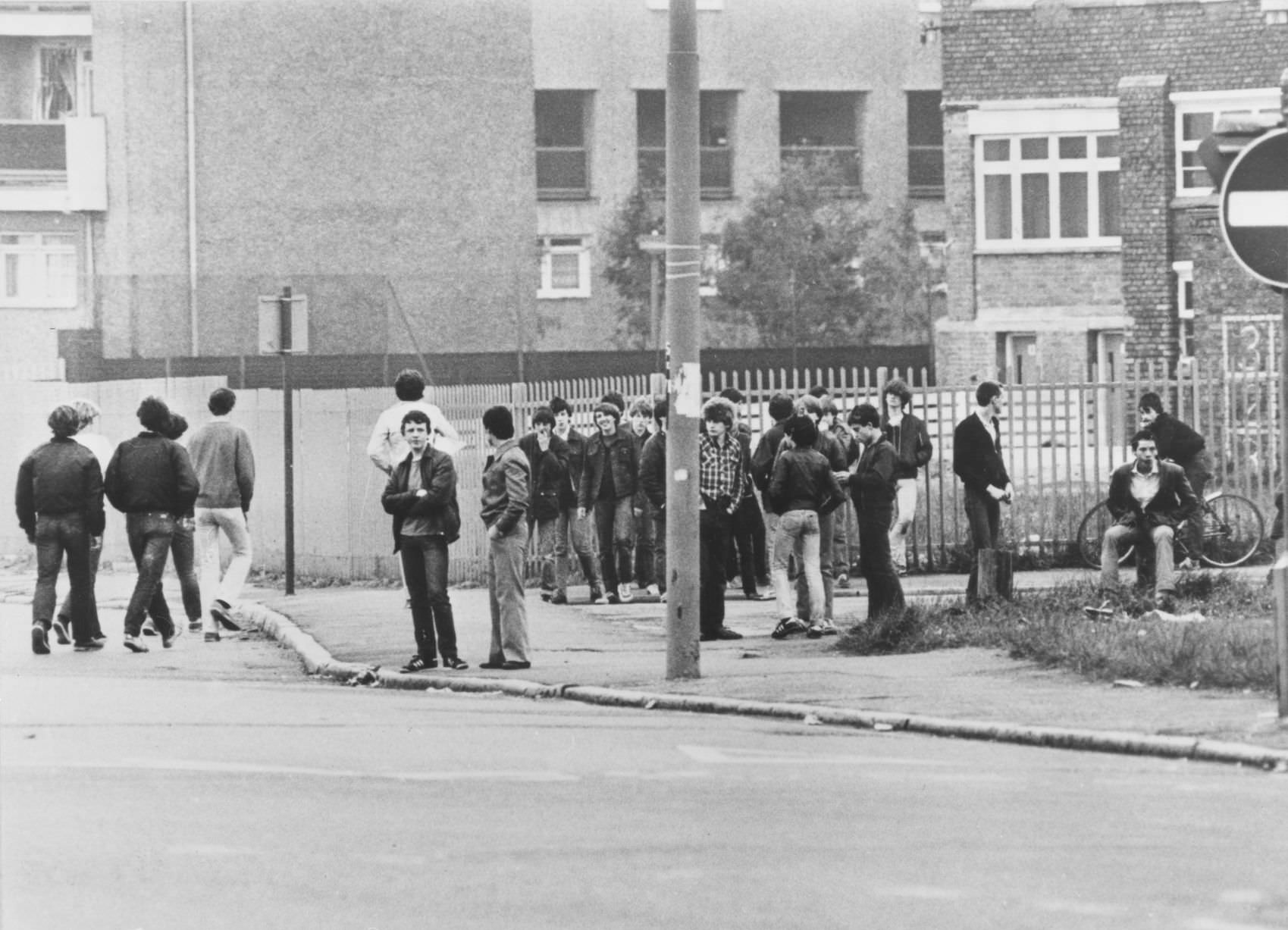
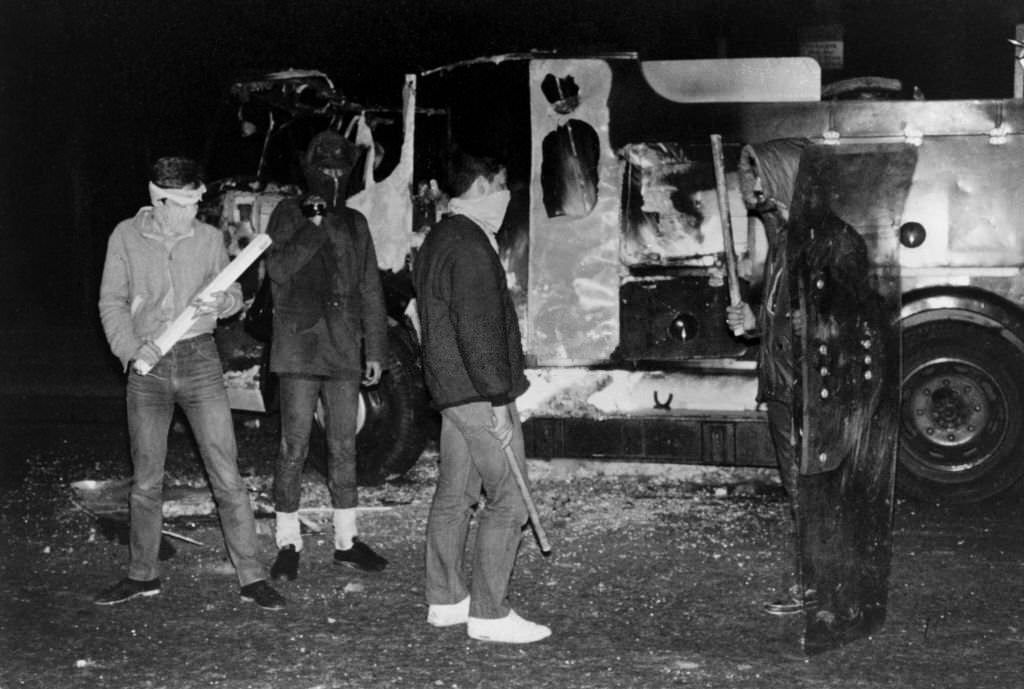
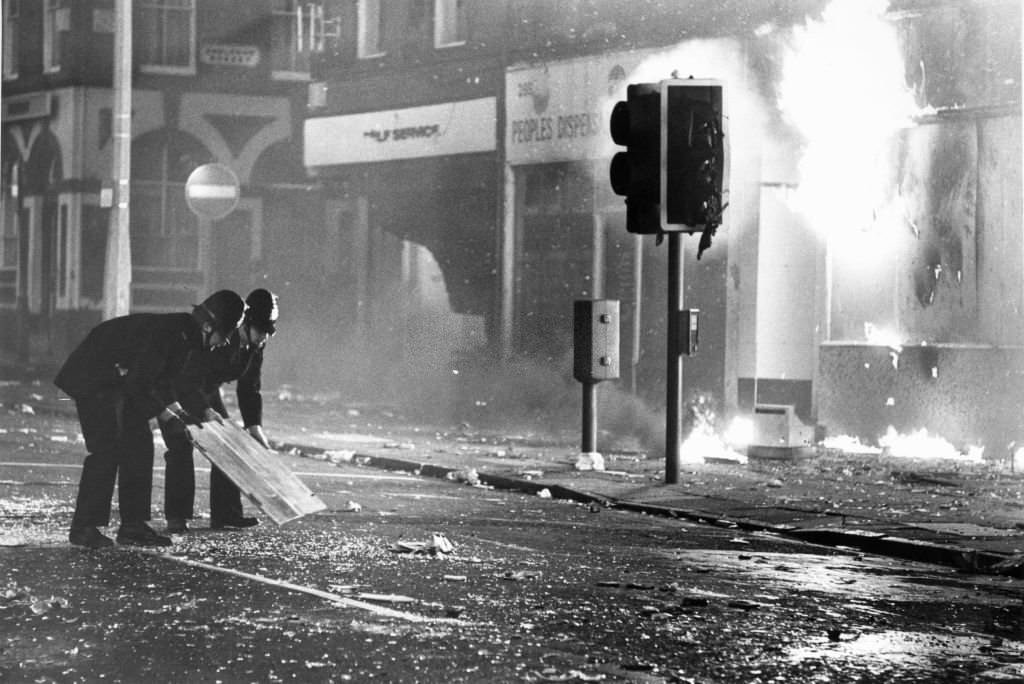
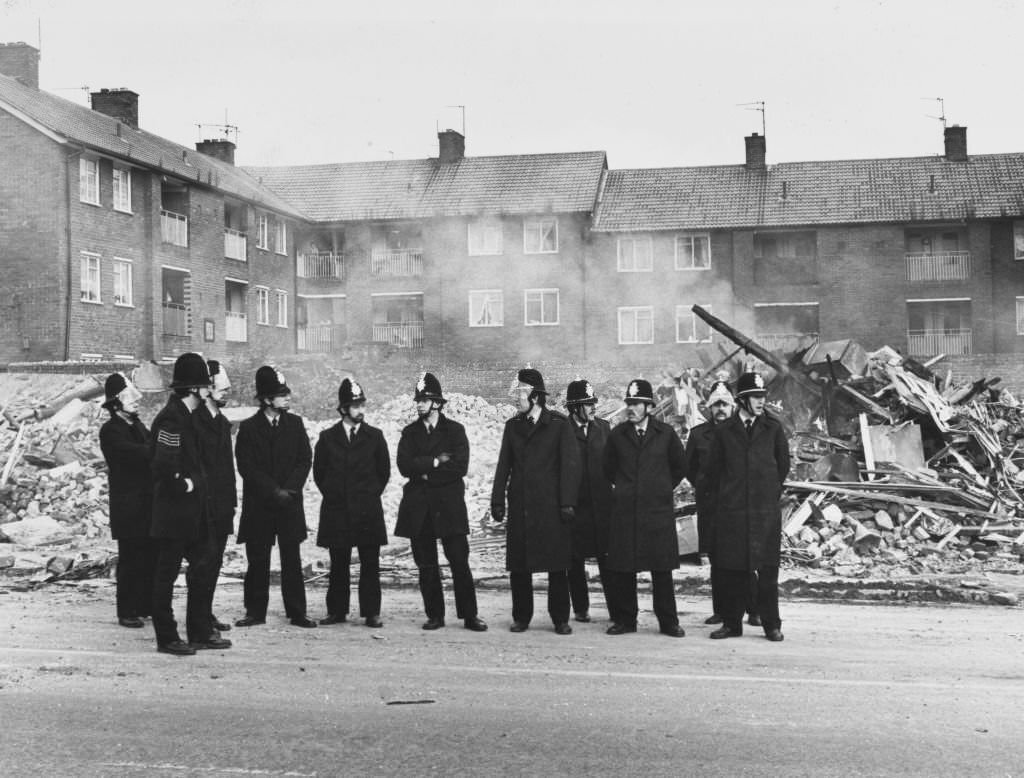
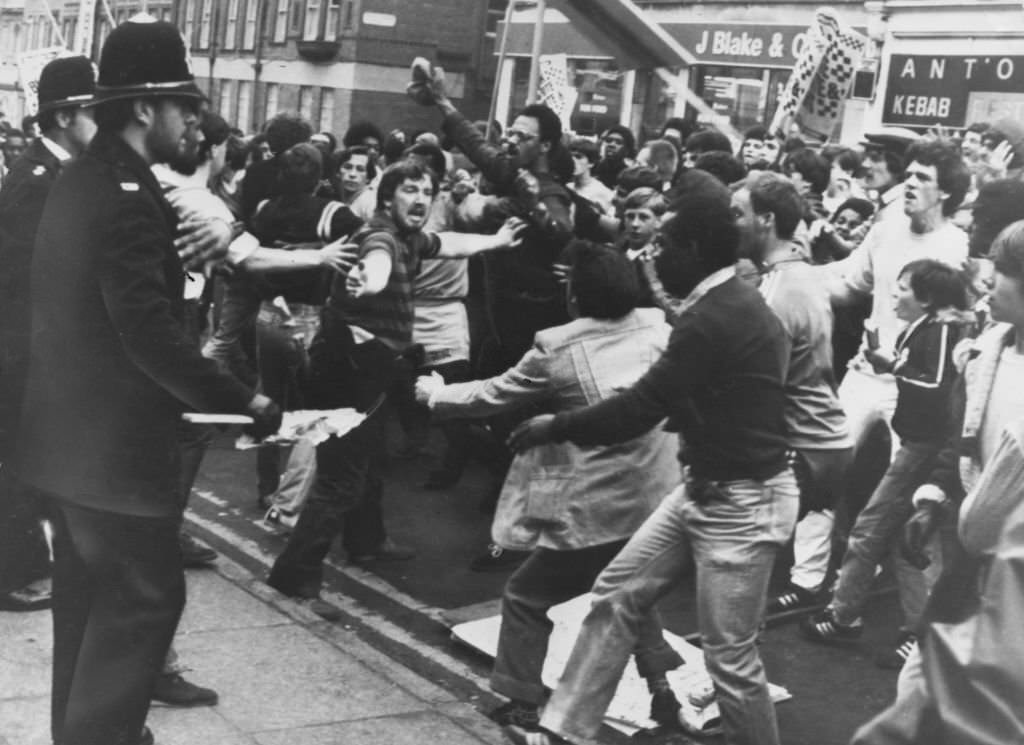
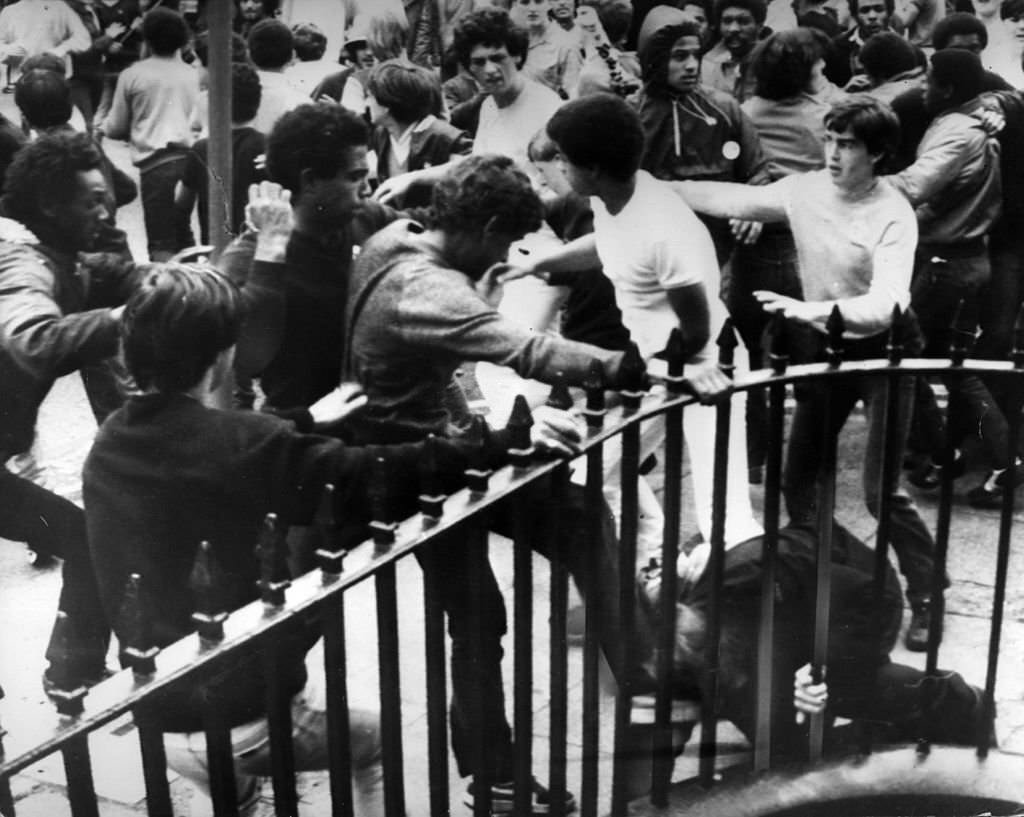
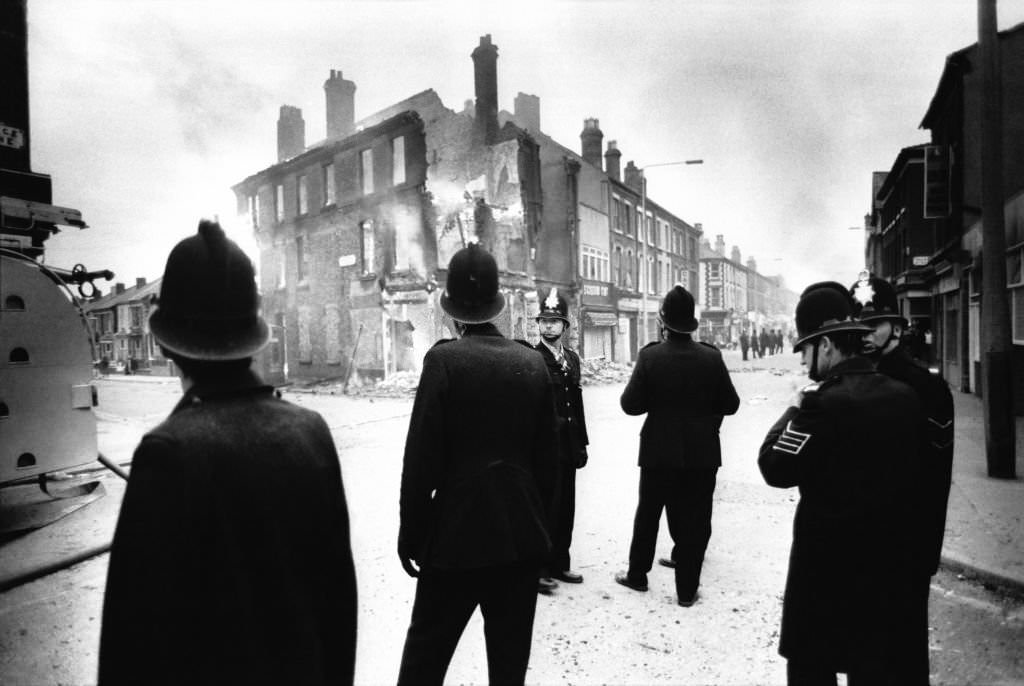
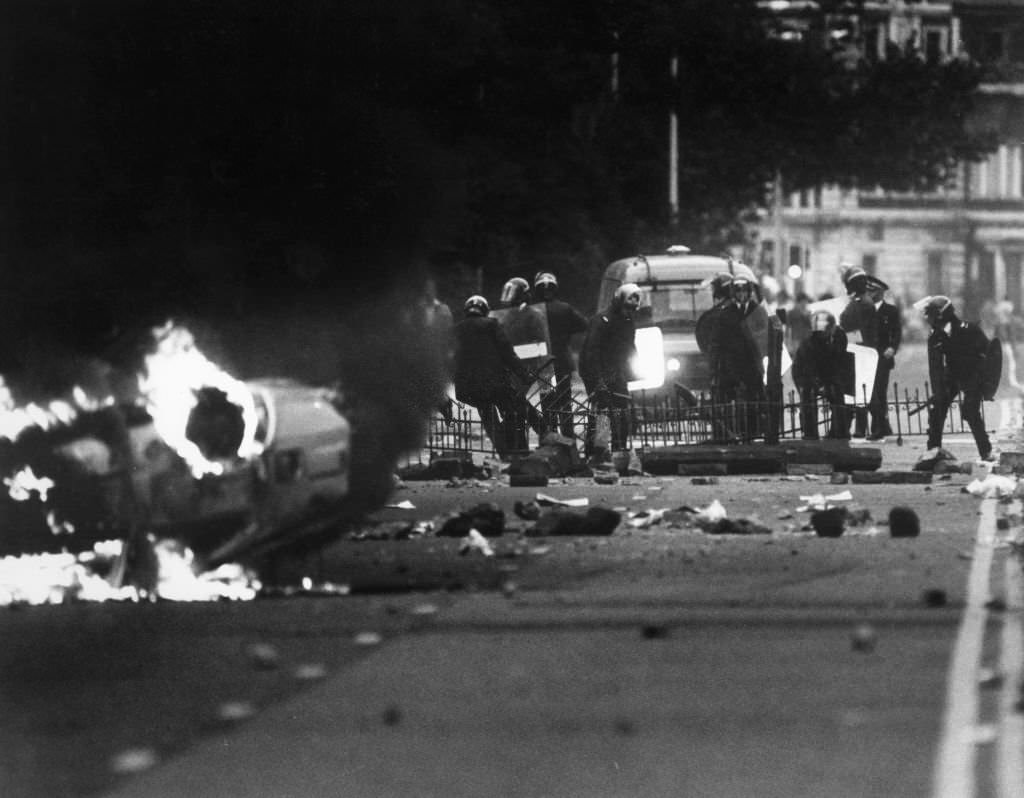
In July 1981, Toxteth erupted. What started as tension between local youths and police turned into nine days of rioting that shocked the entire country. For the first time on the British mainland outside Northern Ireland, police deployed CS gas against civilians. Officers faced burning barricades, thrown projectiles, and scenes of destruction on streets they were supposed to patrol. The causes were deep-rooted: high unemployment, aggressive policing tactics, racial tension, and years of neglect in one of the city’s most deprived communities.
Toxteth RiotA crowd of youths standing on a street corner before rioting started in the Toxteth area of Liverpool, England, July 1981Protesters armed with sticks during the Toxteth race riots in Liverpool, July 5, 1981.Police officers try to clear broken glass from Park Road outside a burning looted shop, so that the fire brigade can control the fire.A group of police officers stand before the rubble of a wrecked building after a night of rioting in the Toxteth area of Liverpool, July 1981.
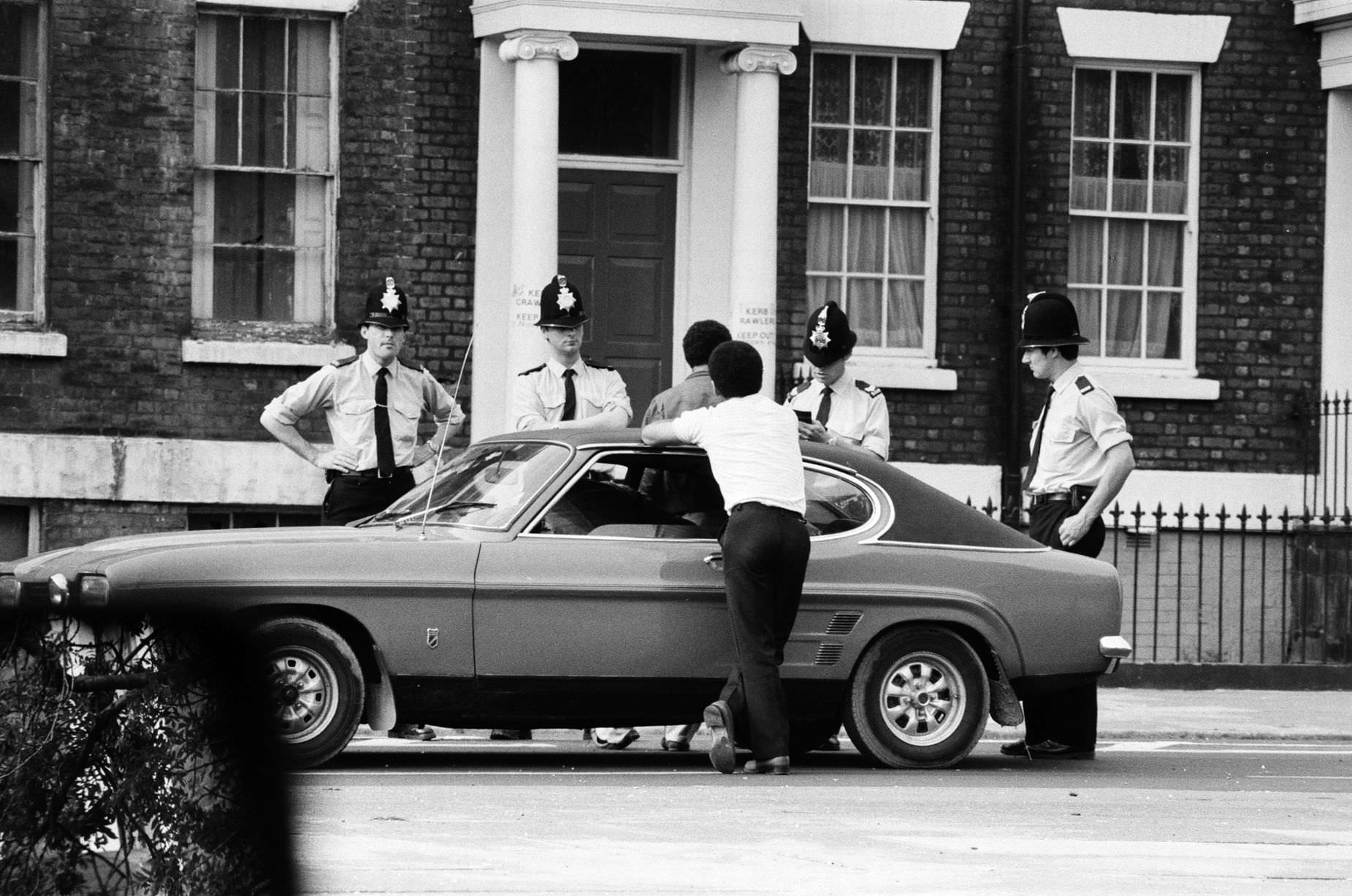
In the immediate aftermath of the riots, Toxteth’s streets were raw. Police patrolled in numbers, and the area’s residents — many of them already struggling — faced the added stress of a neighbourhood that had been physically torn apart. Black youths were stopped and searched routinely, a reflection of the policing culture that had partly triggered the unrest in the first place.
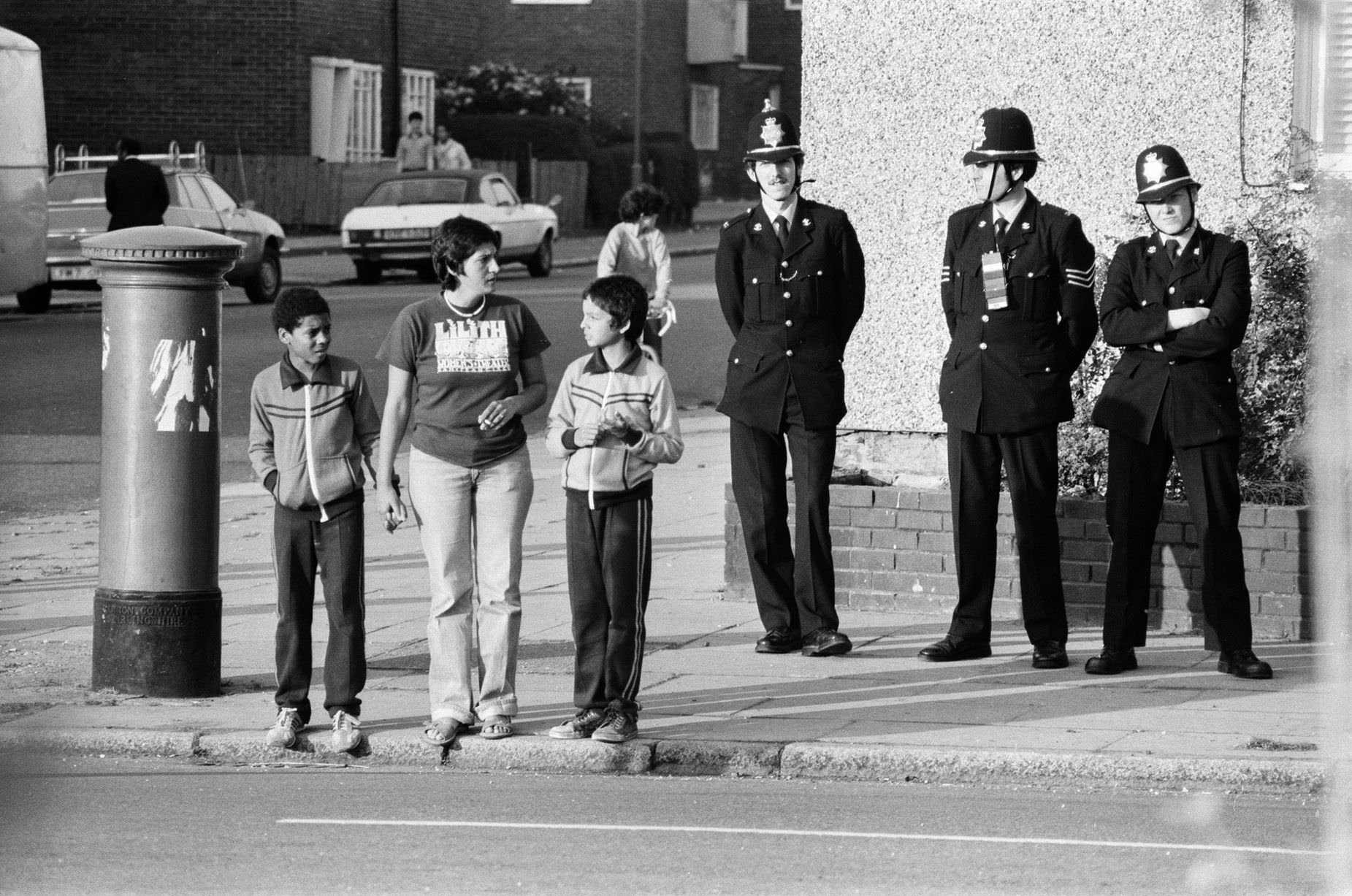
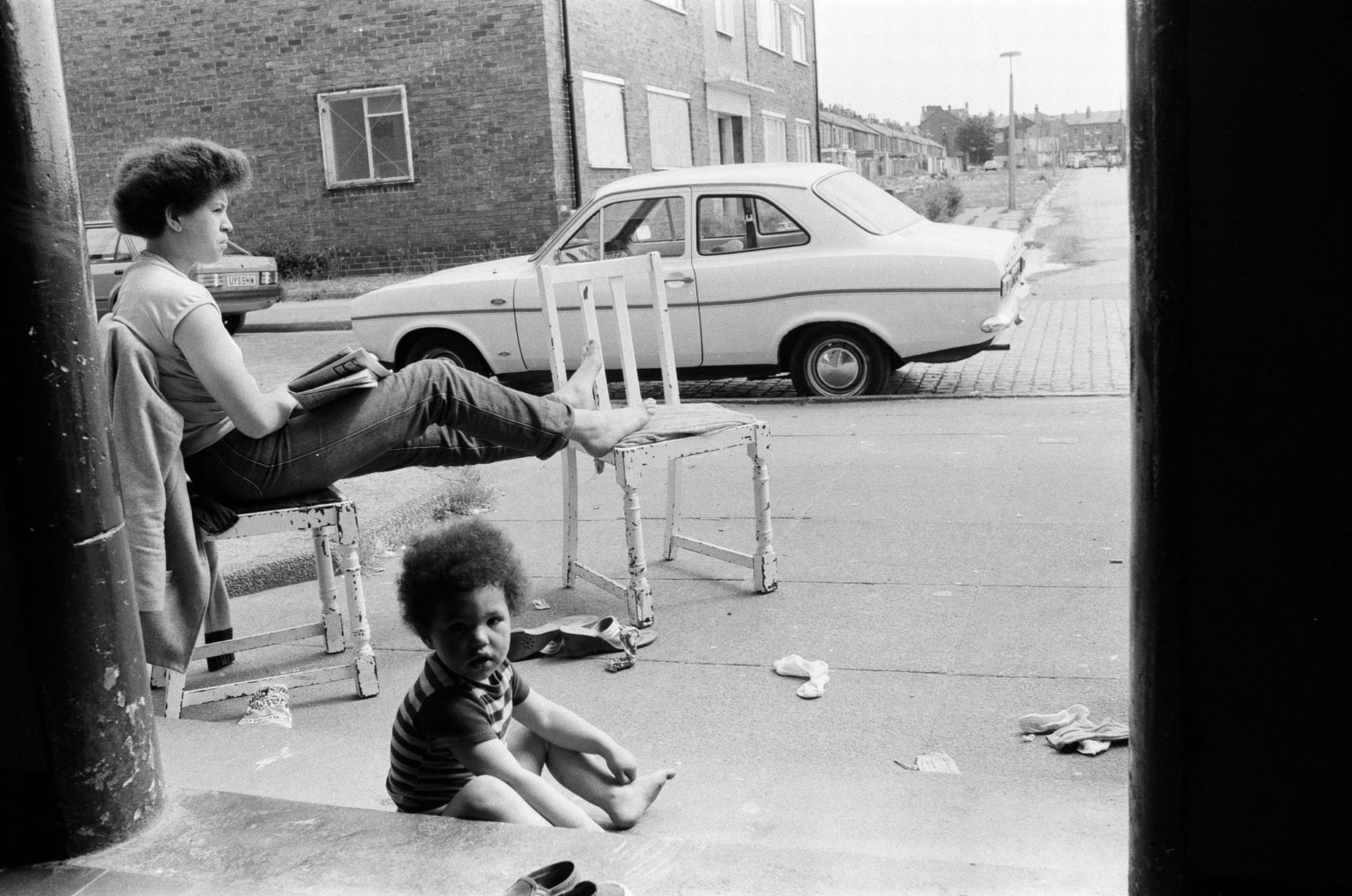
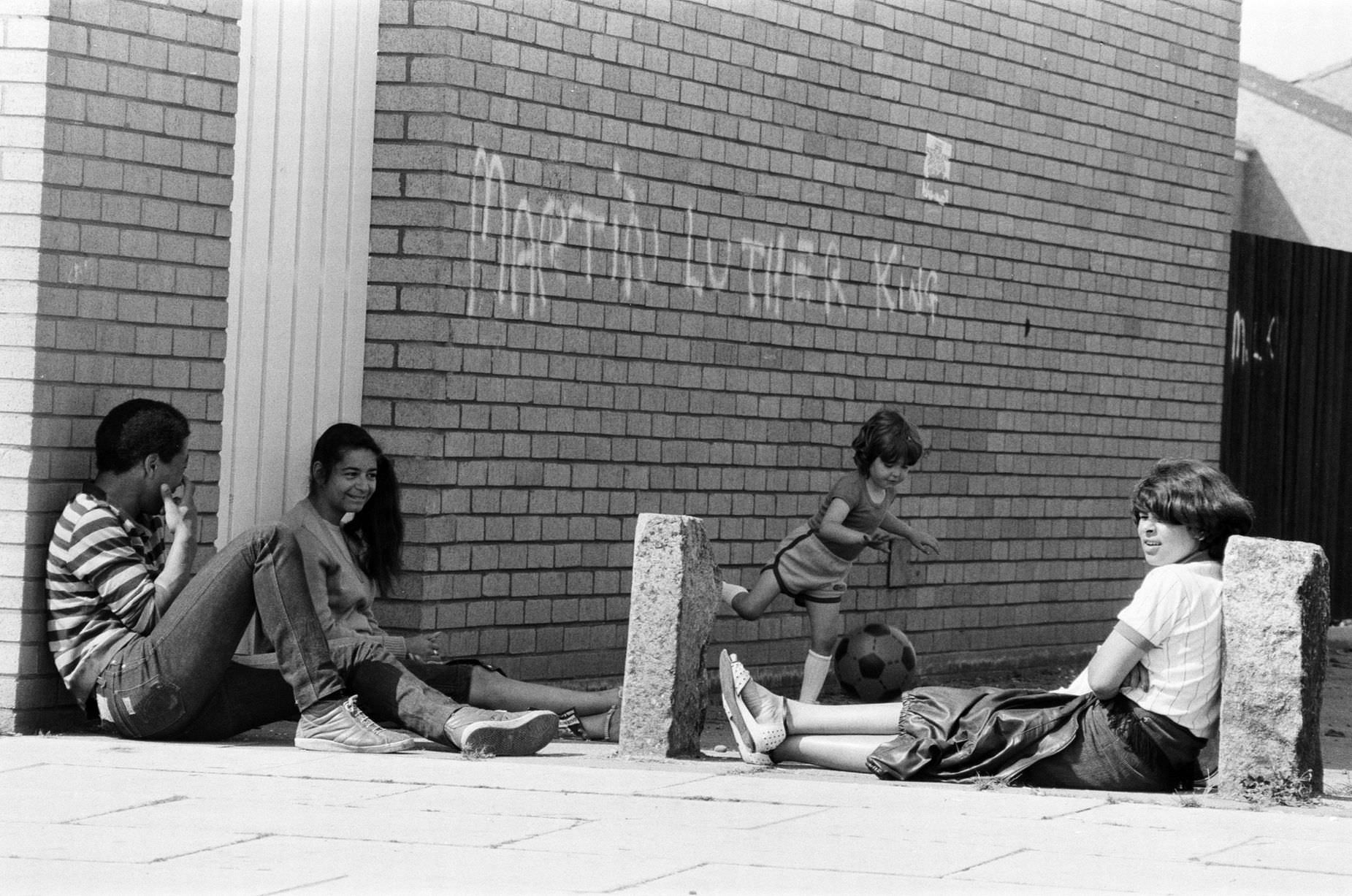
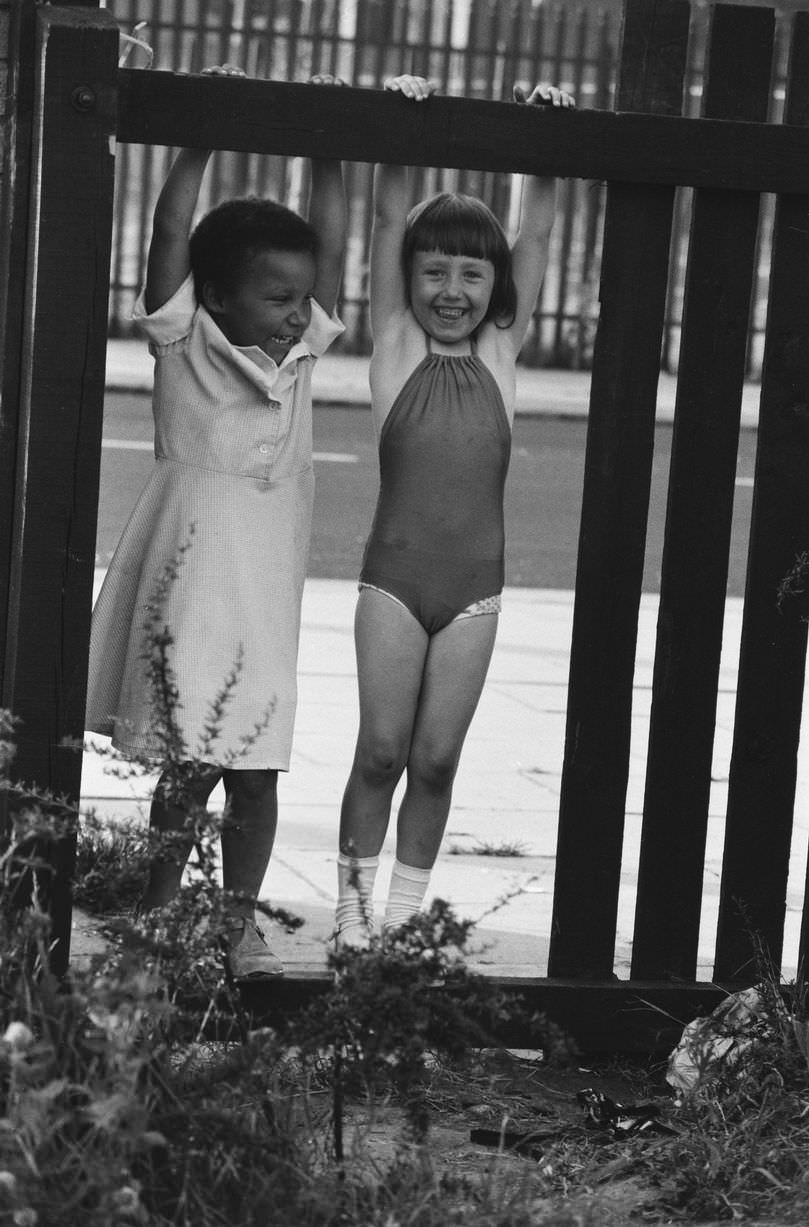
Life in Toxteth, Liverpool. These pictures taken a few days after the riots, 9th July 1981Life in Toxteth, Liverpool, is one of despair for the unemployed. Black youths are stopped and searched by Police a few days after the Toxteth riots, 9th July 1981Life in Toxteth, Liverpool. These pictures taken a few days after the riots, 9th July 1981Life in Toxteth, Liverpool. These pictures taken a few days after the riots, 9th July 1981Life in Toxteth, Liverpool. These pictures taken a few days after the riots, 9th July 1981
Life in Toxteth. Swinging on the fence are Karen and Buster, 9th July 1981.
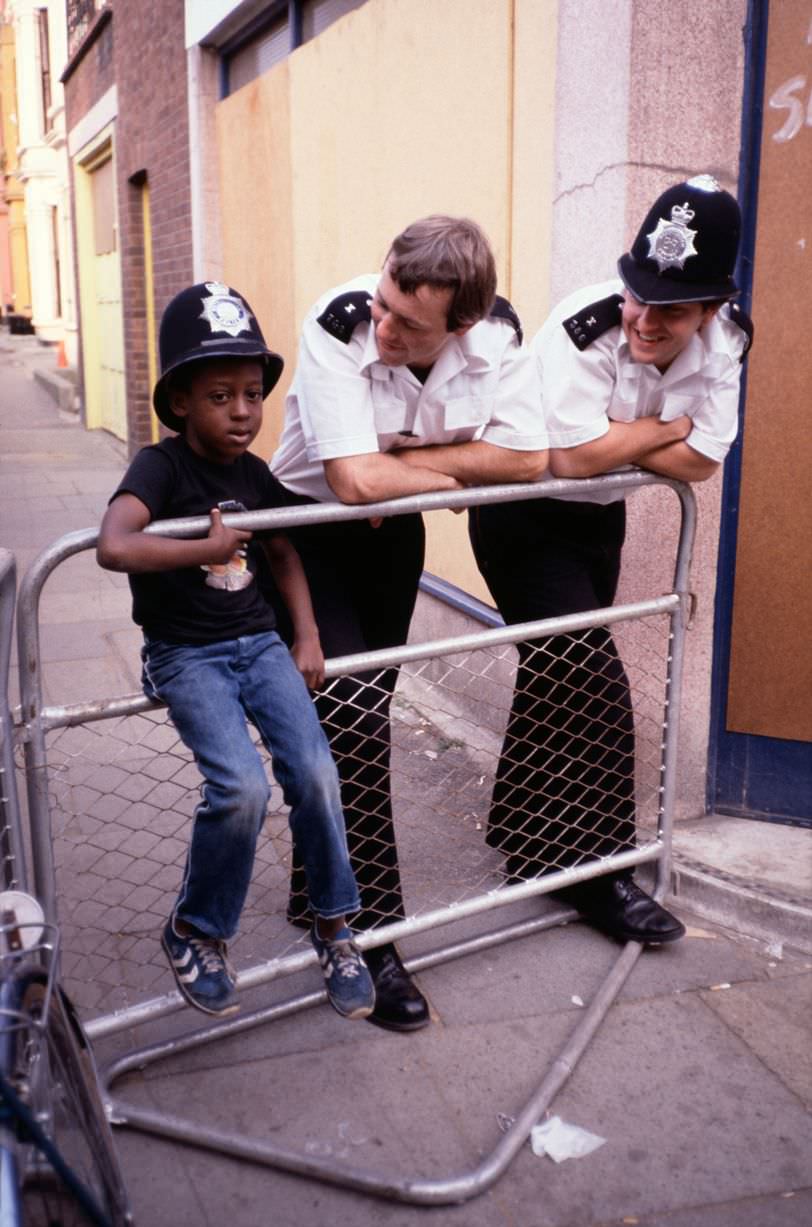
Police with young child in Toxteth, 1981
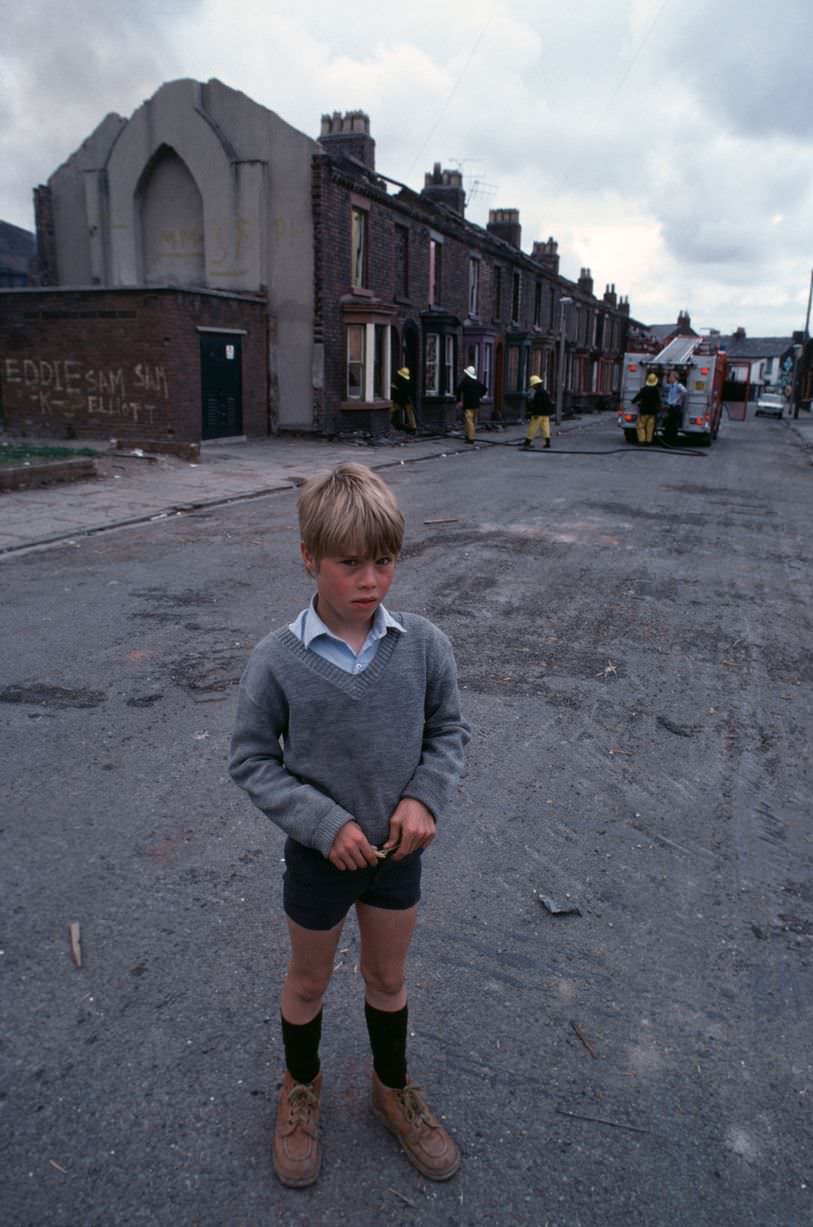
Boy standing in the street in Toxteth in 1981
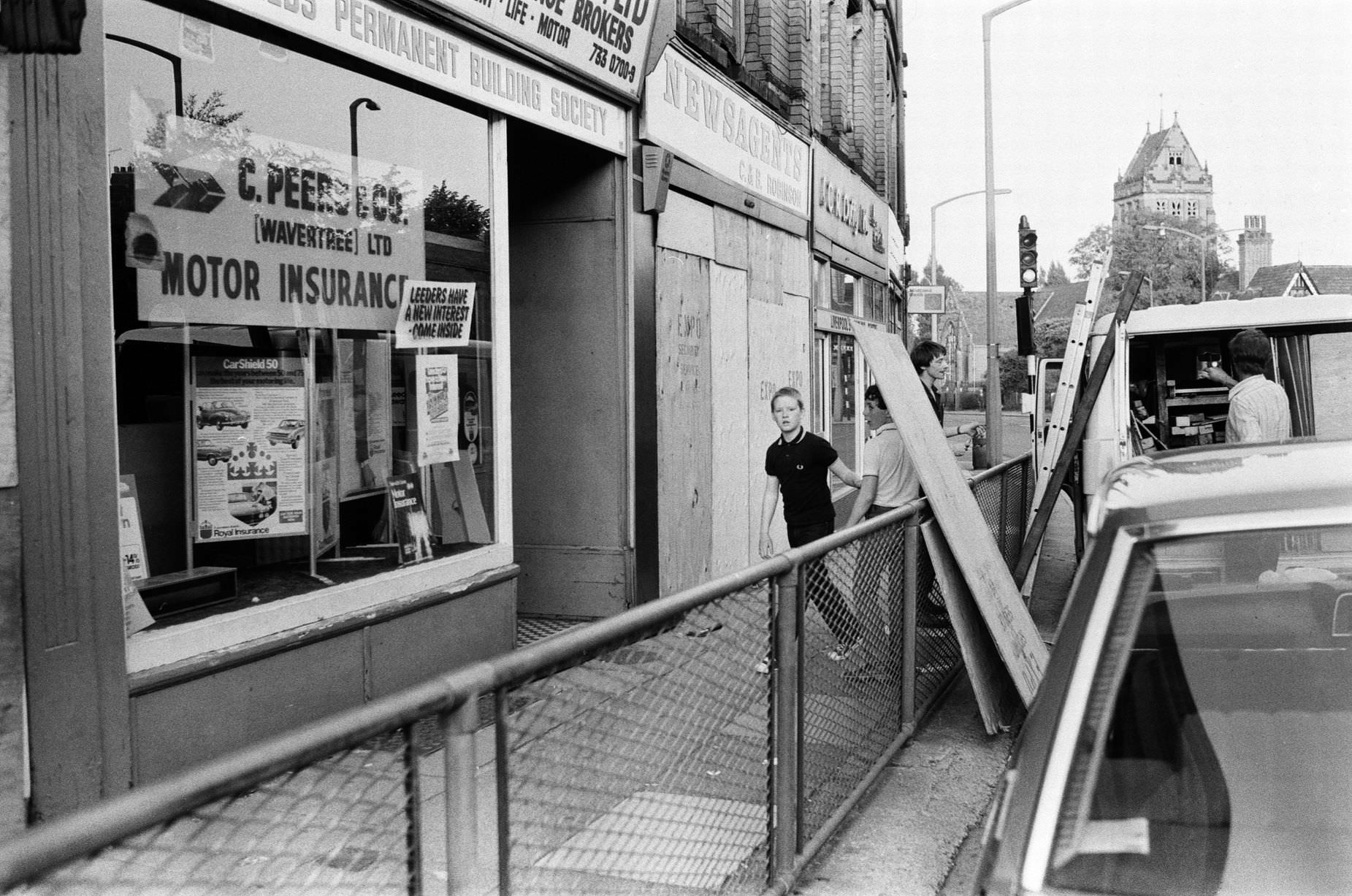
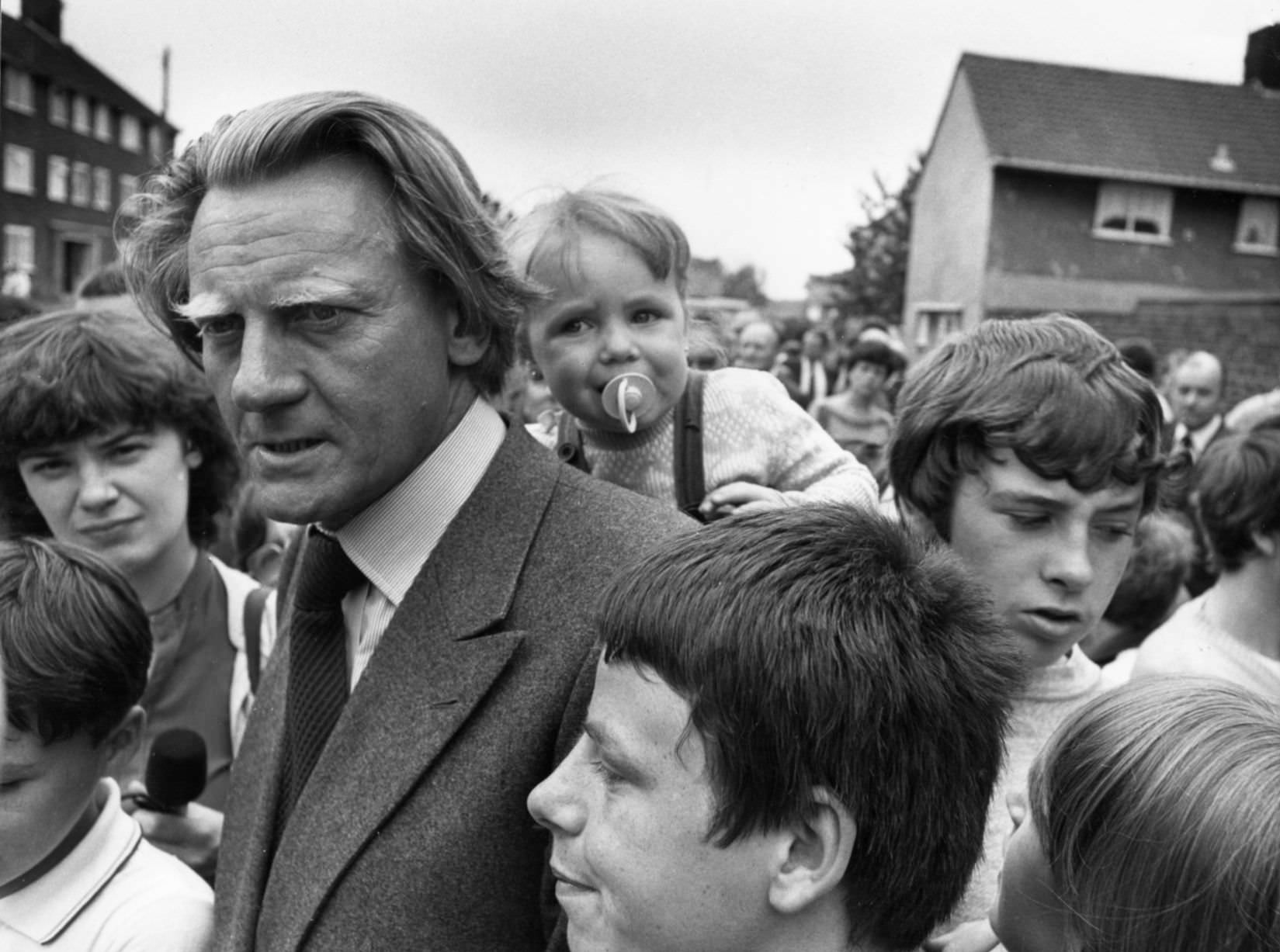
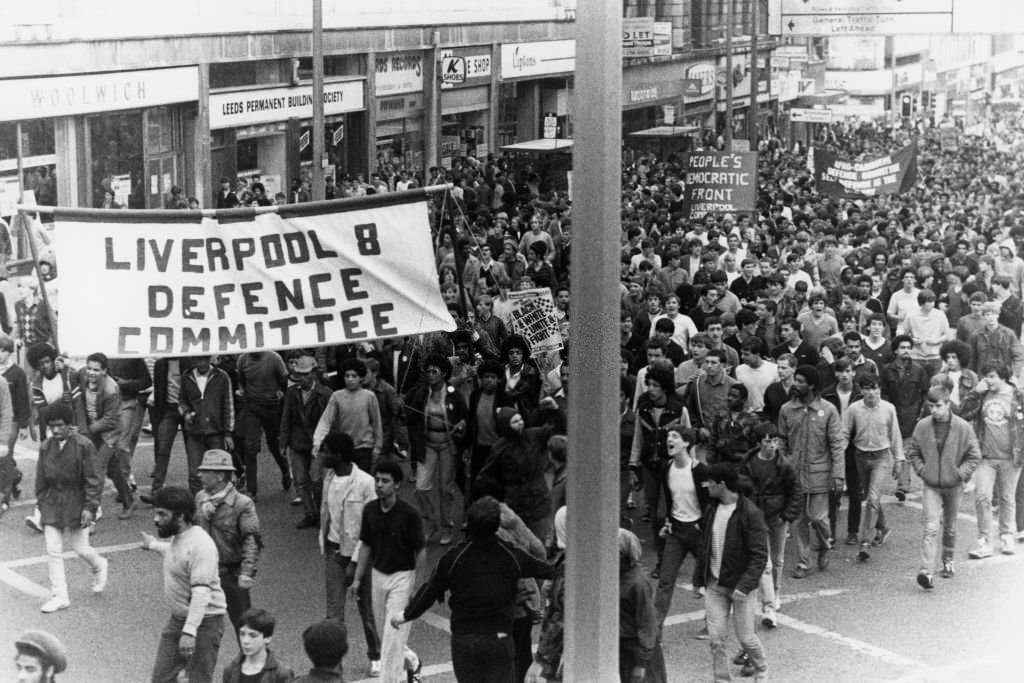
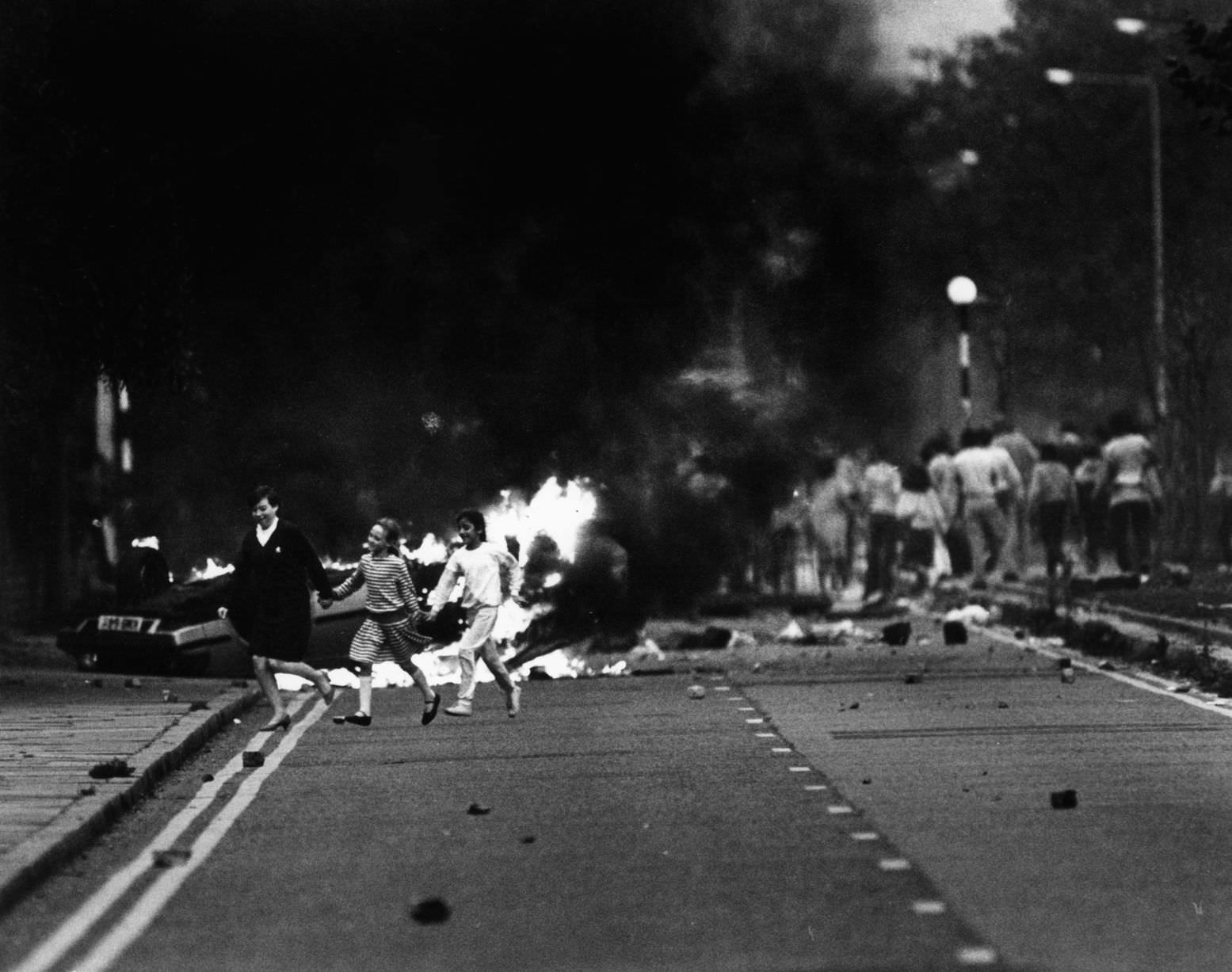
The government sent Environment Secretary Michael Heseltine to survey the damage and report back. He toured the area in late July 1981, seeing first-hand the scale of what needed fixing. Anti-police demonstrations followed in August, with stewards struggling to keep protesters and officers apart. Unrest flared again in October 1985, when further rioting broke out on Princes Road.
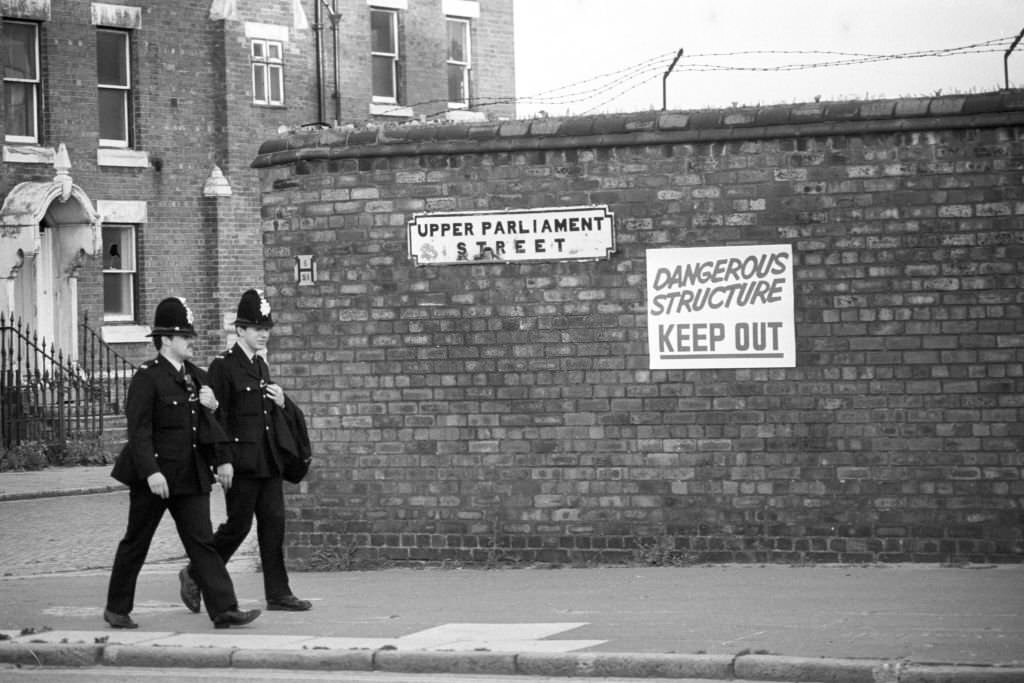
Michael Heseltine Secretary of State for the Environment seen here touring Toxteth following the riots, 25th July 1981.Stewards attempt to maintain a distance between the protestors and the police officers during an anti-police demonstration in the Toxteth area of Liverpool, 17th August 1981.Anti-Police Demo in Toxteth, Liverpool, 1981Demonstration against police violence in Liverpool on August 15, 1981Police officers on Upper Parliament Street, in Toxteth, Liverpool in the aftermath of the Toxteth Riots.Police after the race riots in the Toxteth area of Liverpool in July 1981Toxteth Riot 1st October 1985 Police officers attempt to remove a road block set up by rioters on Princes Road Toxteth.Toxteth Riot 1st October 1985 Children crossing the street as the riot goes on in the background on Princes Road, Toxteth
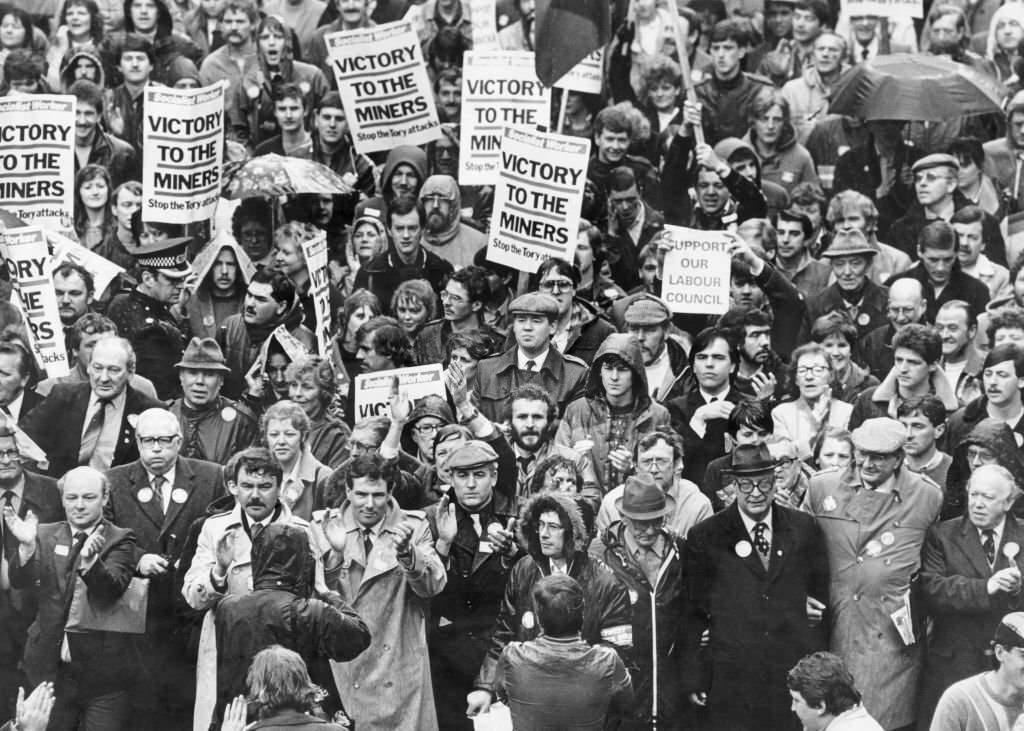
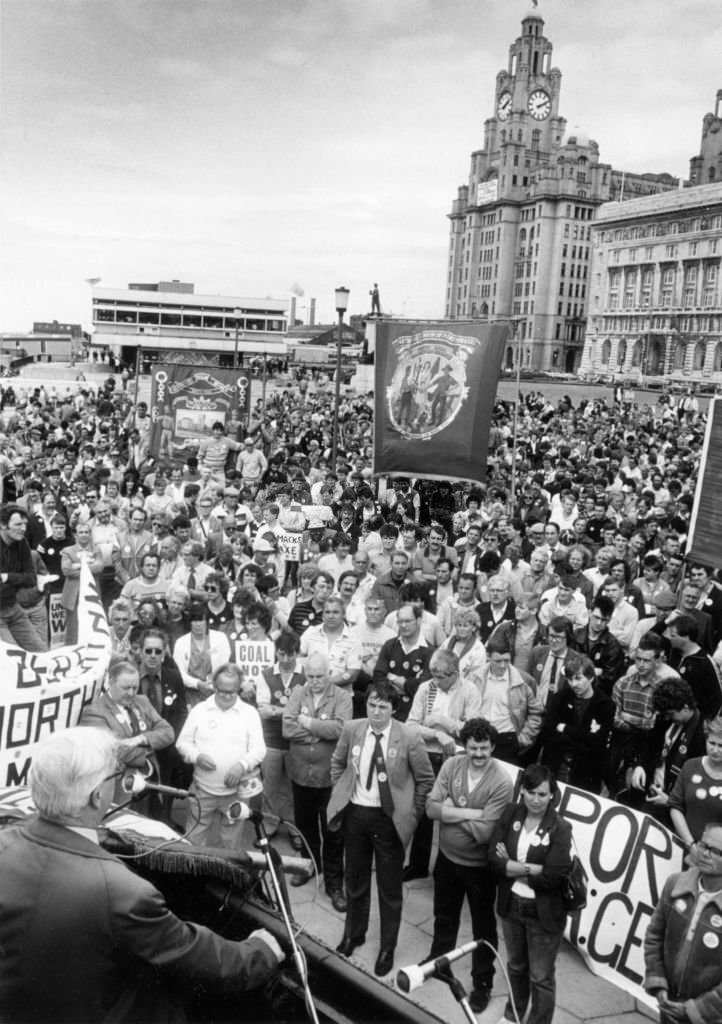
Away from the worst of the crisis, Liverpool’s political landscape was just as turbulent. Labour councillors, led by John Hamilton and deputy Derek Hatton, brought 50,000 marchers through the city centre in 1984 in support of a deficit budget — a direct challenge to the Conservative government’s spending cuts. That same year, Merseyside trade unionists rallied at the Pier Head in support of the miners’ strike. The city’s relationship with Westminster was openly hostile throughout the decade.
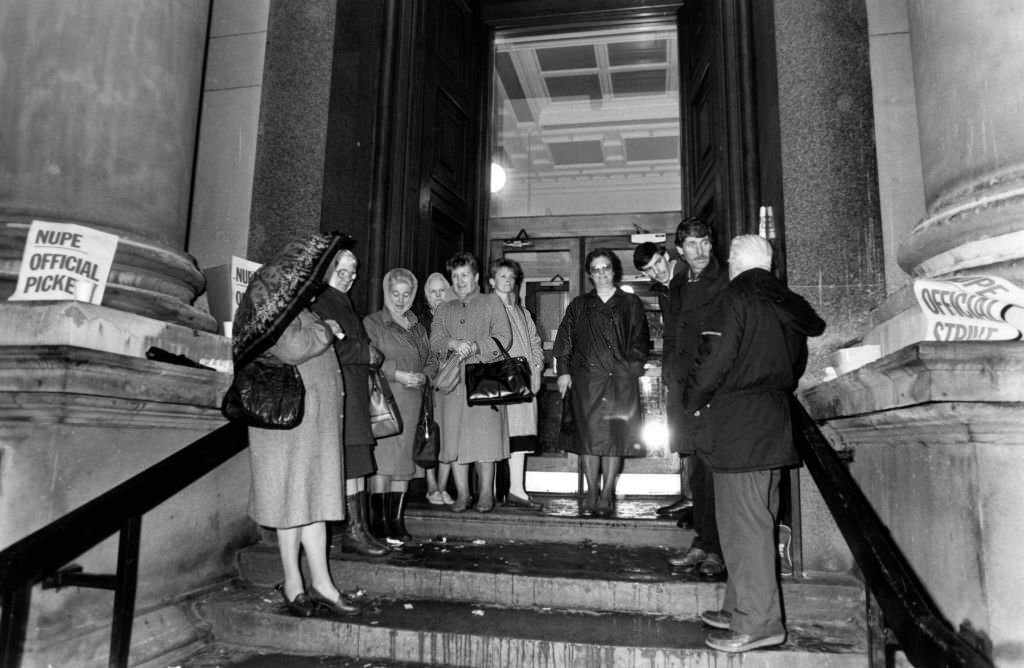
Labour Council Budget March, 1984Liverpool Councillor Hamilton addresses a rally of Merseyside trade unionist during a day of action in support of the miners strike.A NUPE Picket at the Municipal Buildings, Dale Street, Liverpool, Merseyside, 4th December 1985.
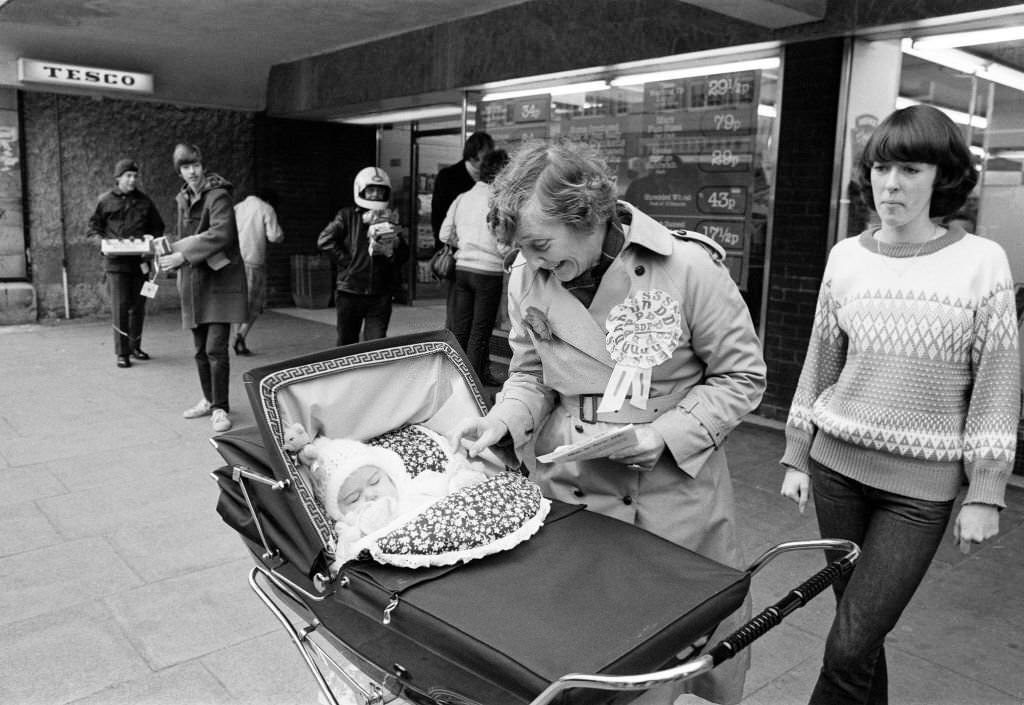
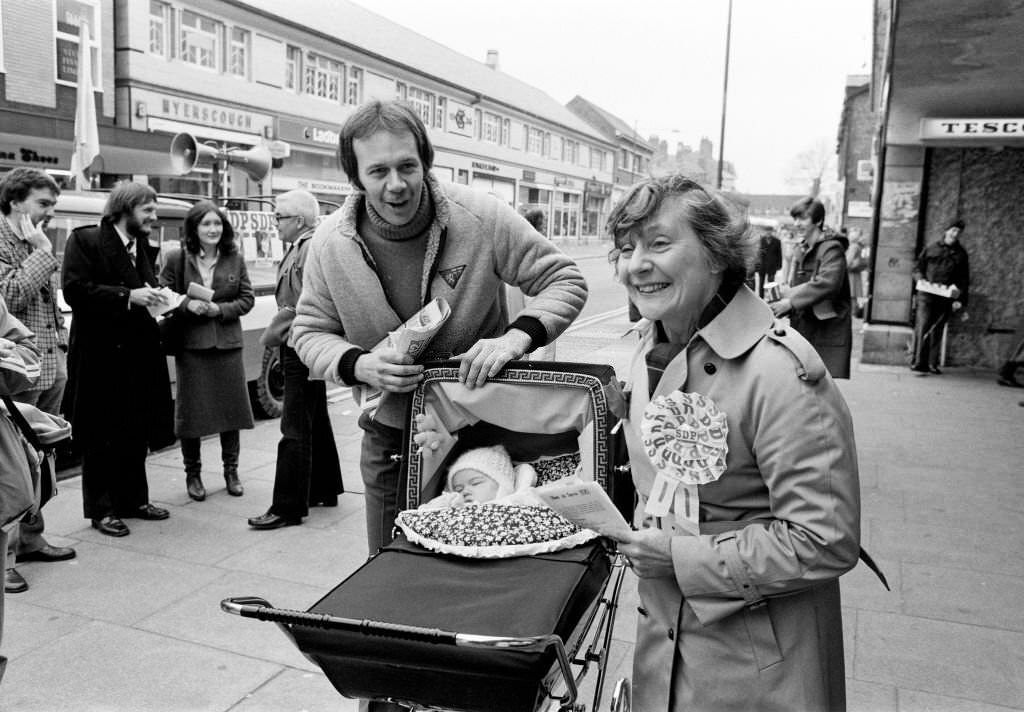
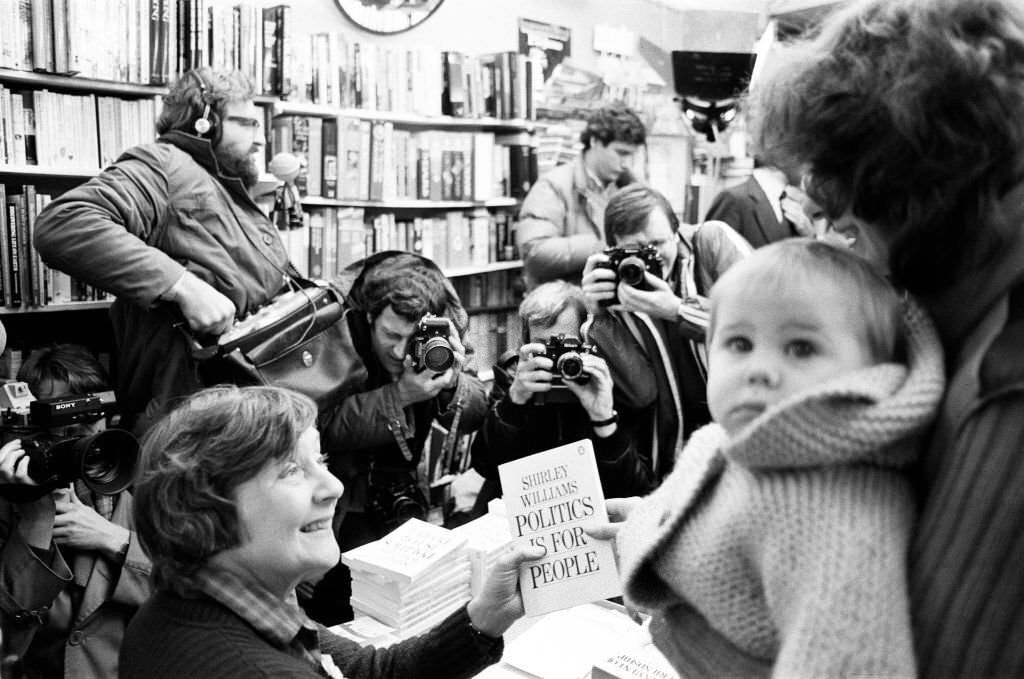
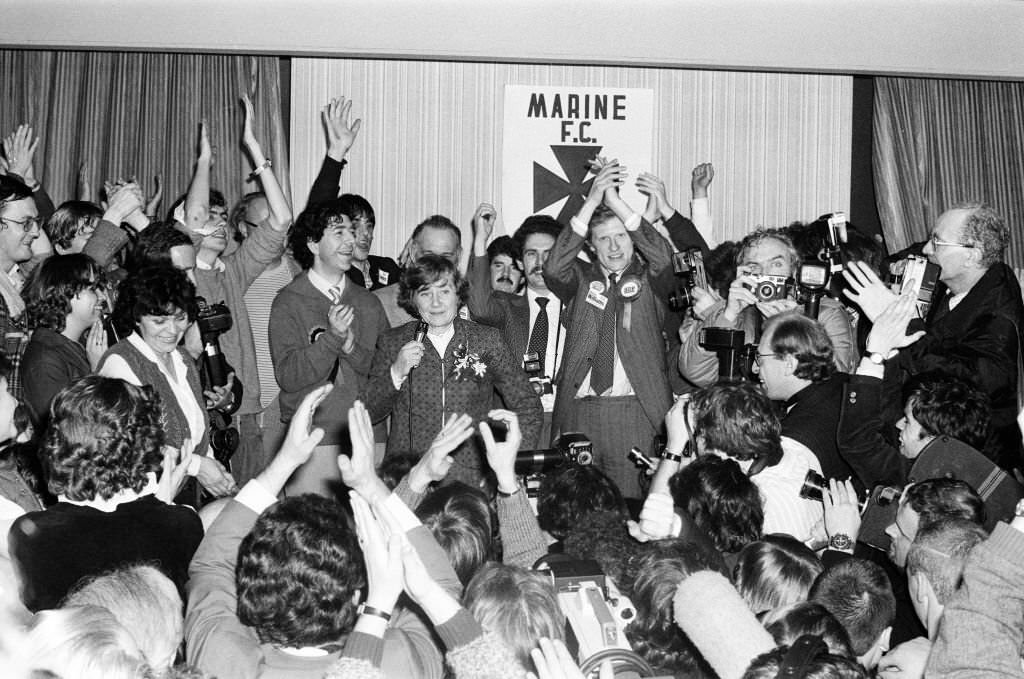
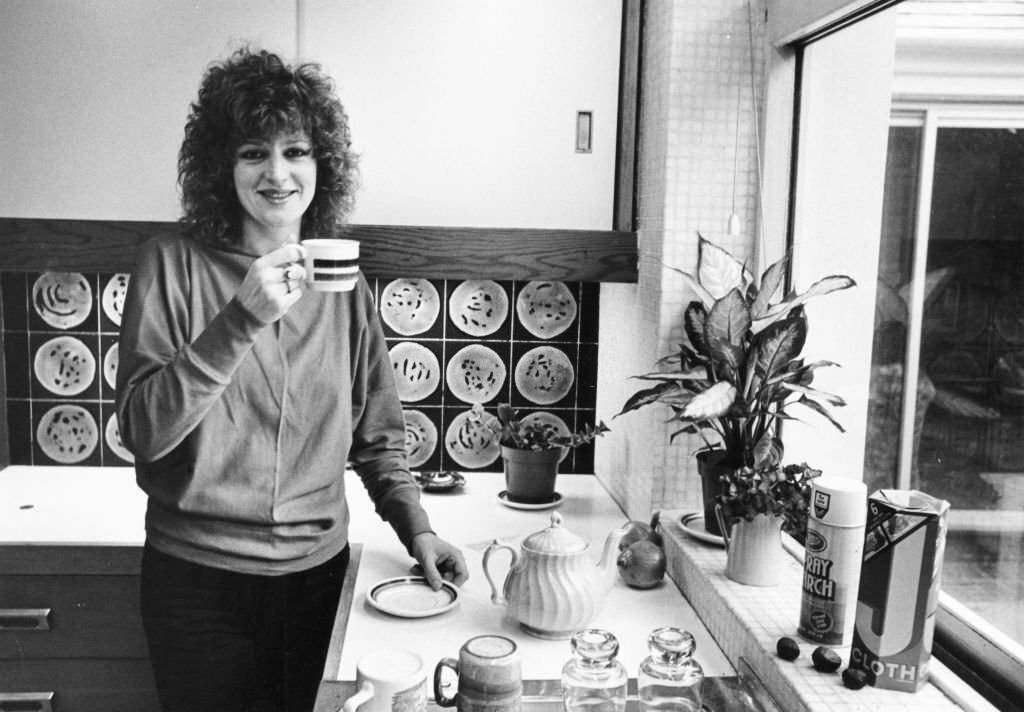
The Crosby by-election in November 1981 drew national attention when Shirley Williams of the newly formed Social Democratic Party won the seat, campaigning on the streets of Merseyside against a backdrop of economic despair. Her victory signalled just how desperate voters were for an alternative to the two main parties.
Shirley Williams of the Social Democratic Party getting her election campaign in Liverpool, 1981Shirley Williams of the Social Democratic Party getting her election campaign in Liverpool, 1981Shirley Williams of the Social Democratic Party on the campaign trail in Crosby ahead of the by-election, 18th November 1981.Shirley Williams of the Social Democratic Party celebrates her victory at the Crosby by-election with her supporters at the Blundellsands Hotel, Crosby, 27th November 1981.
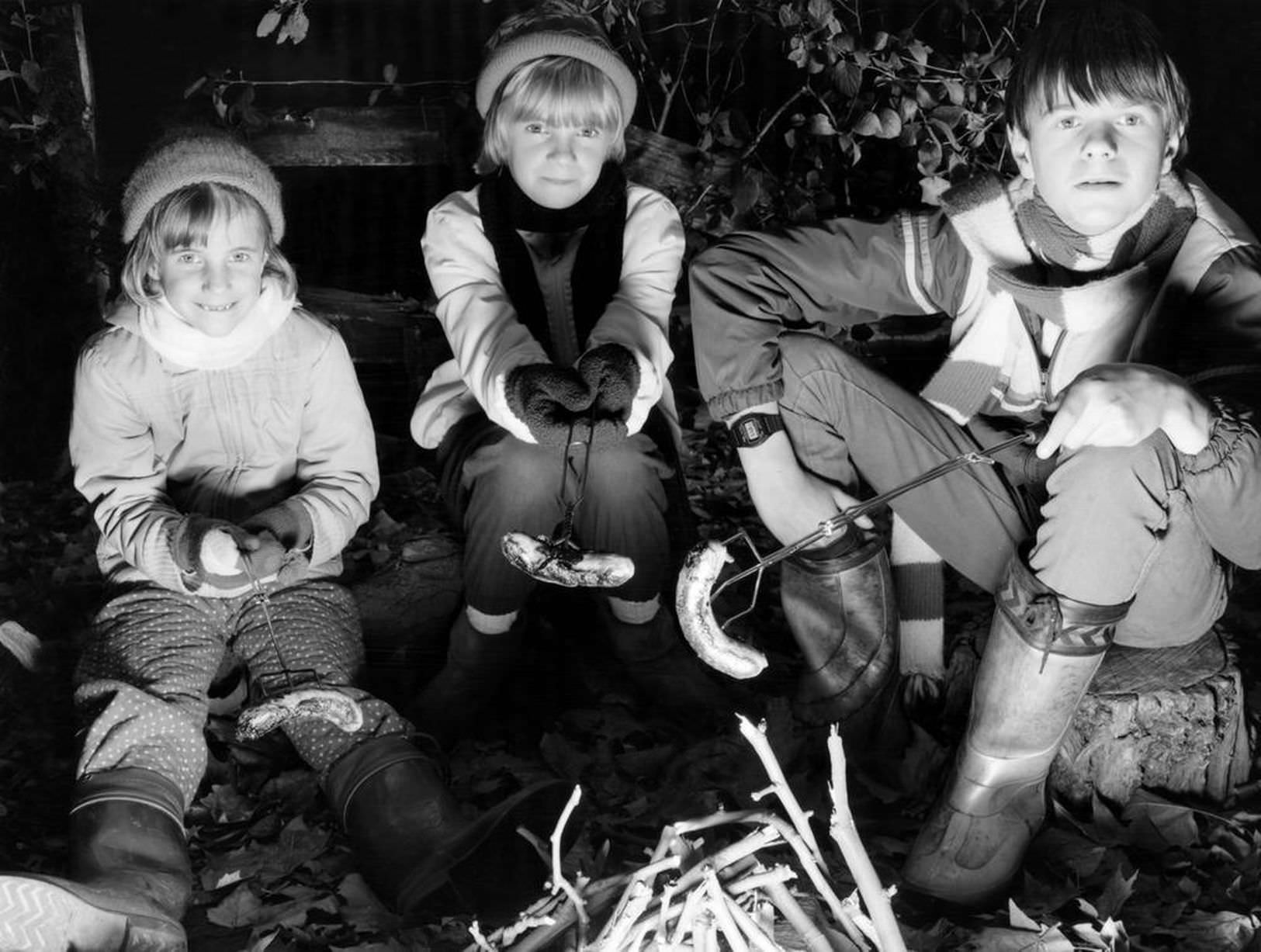
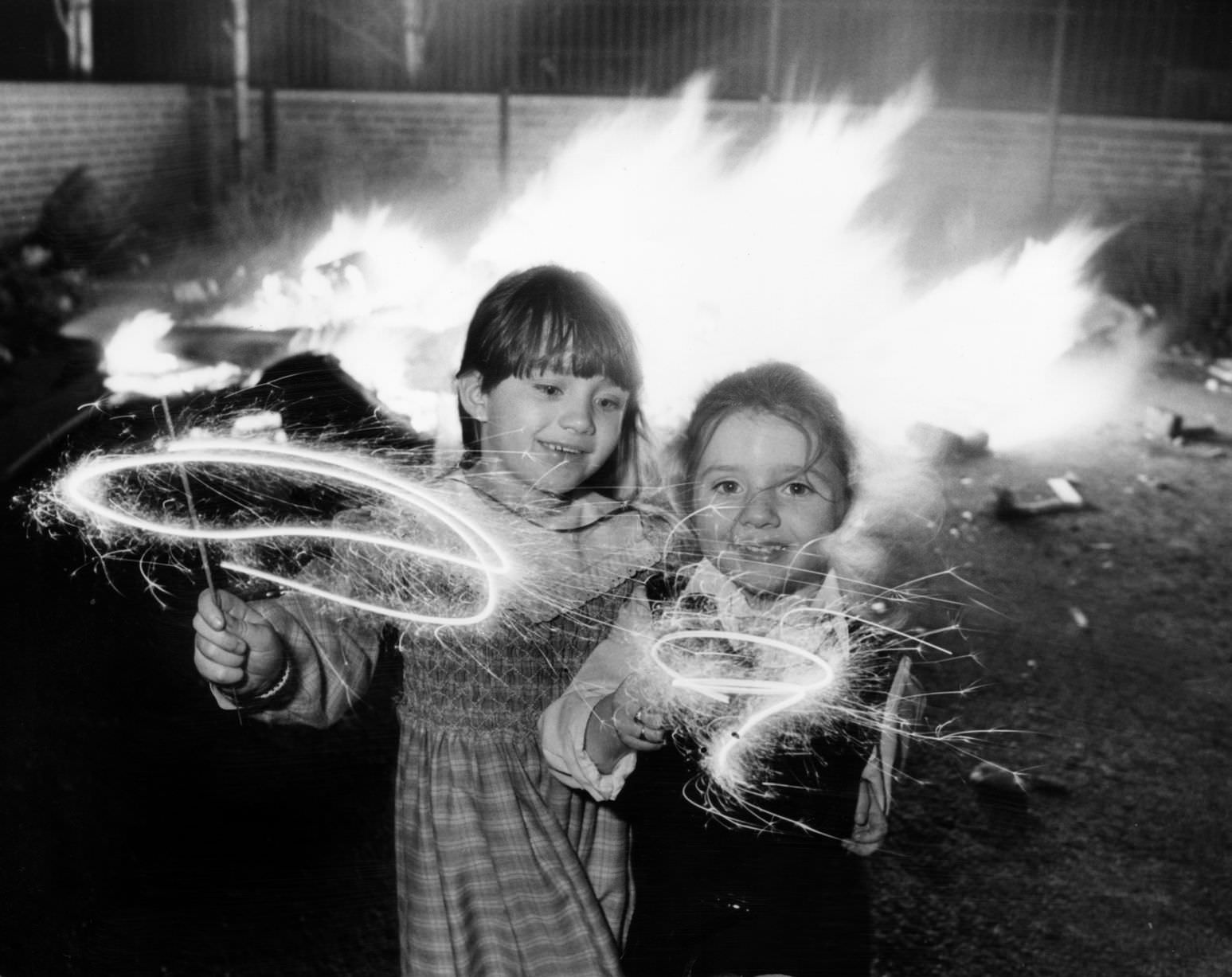
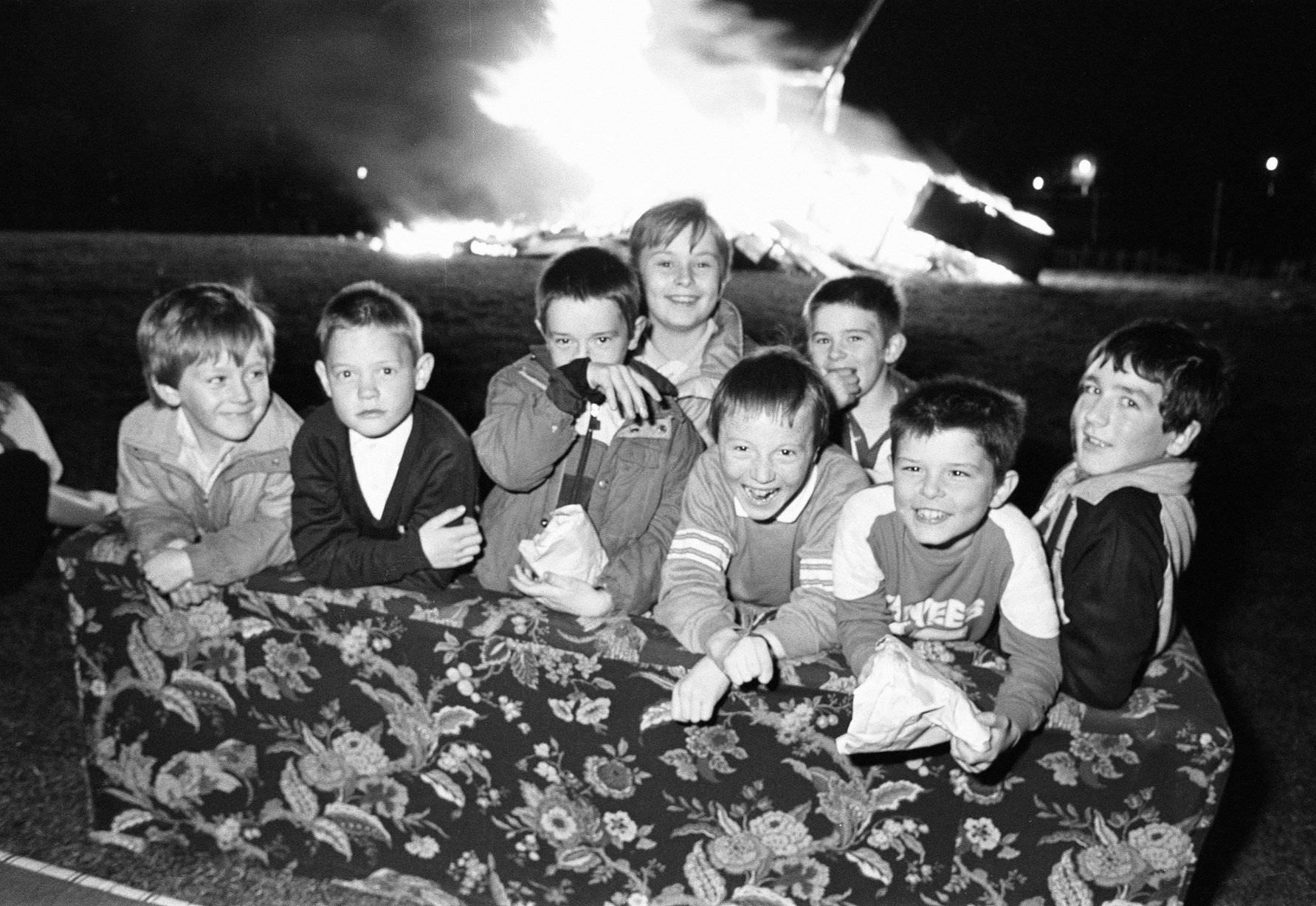
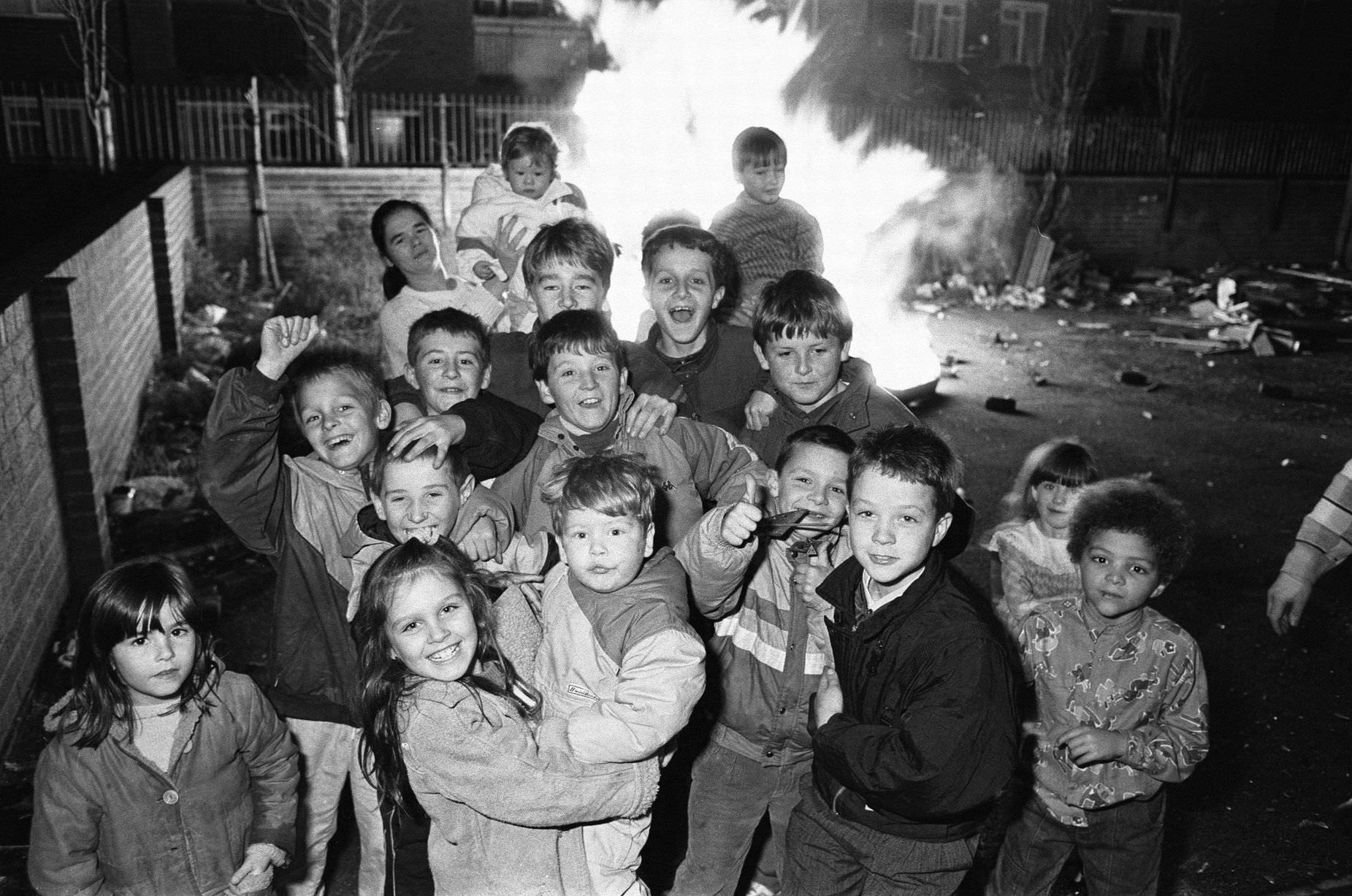
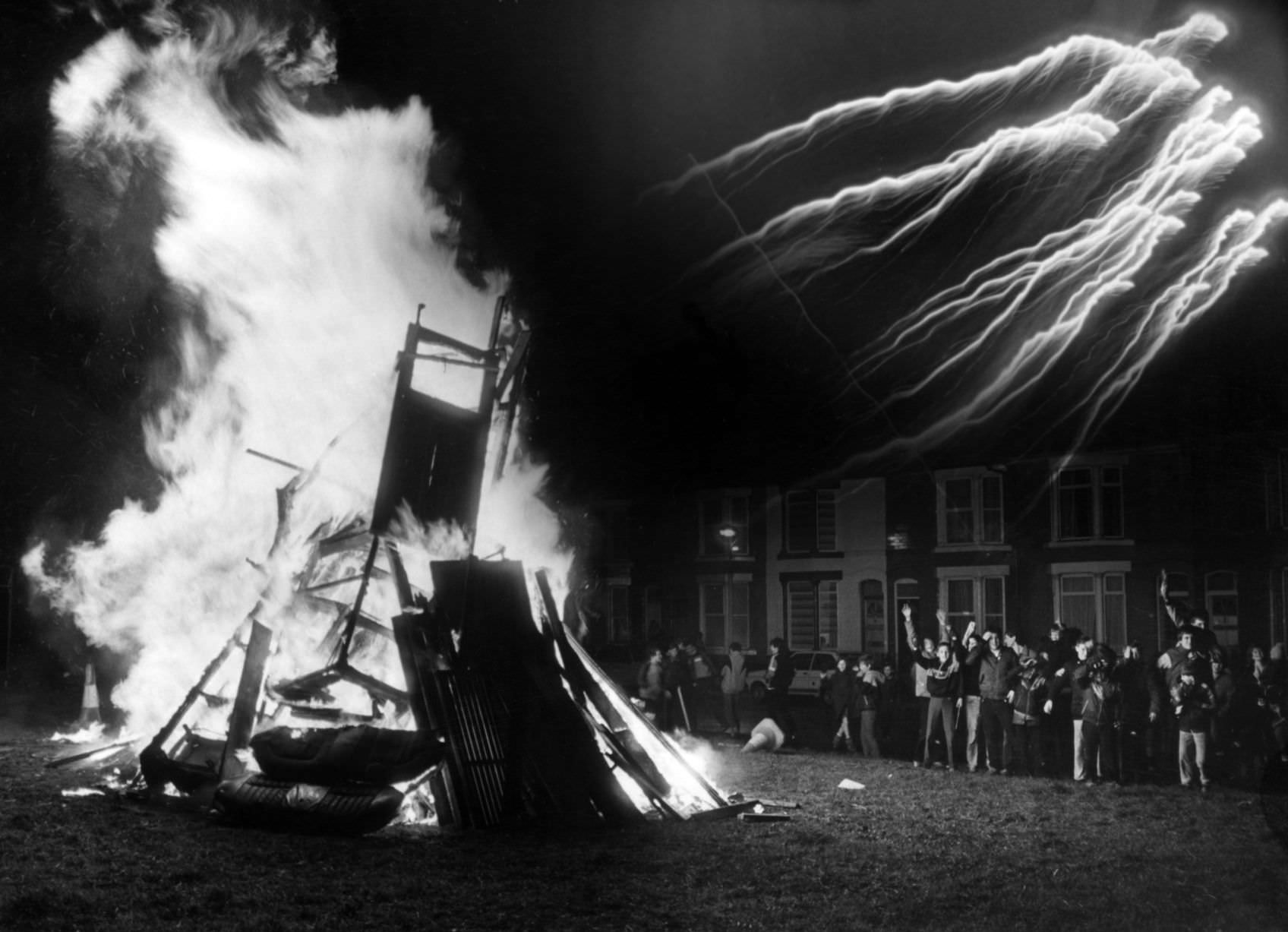
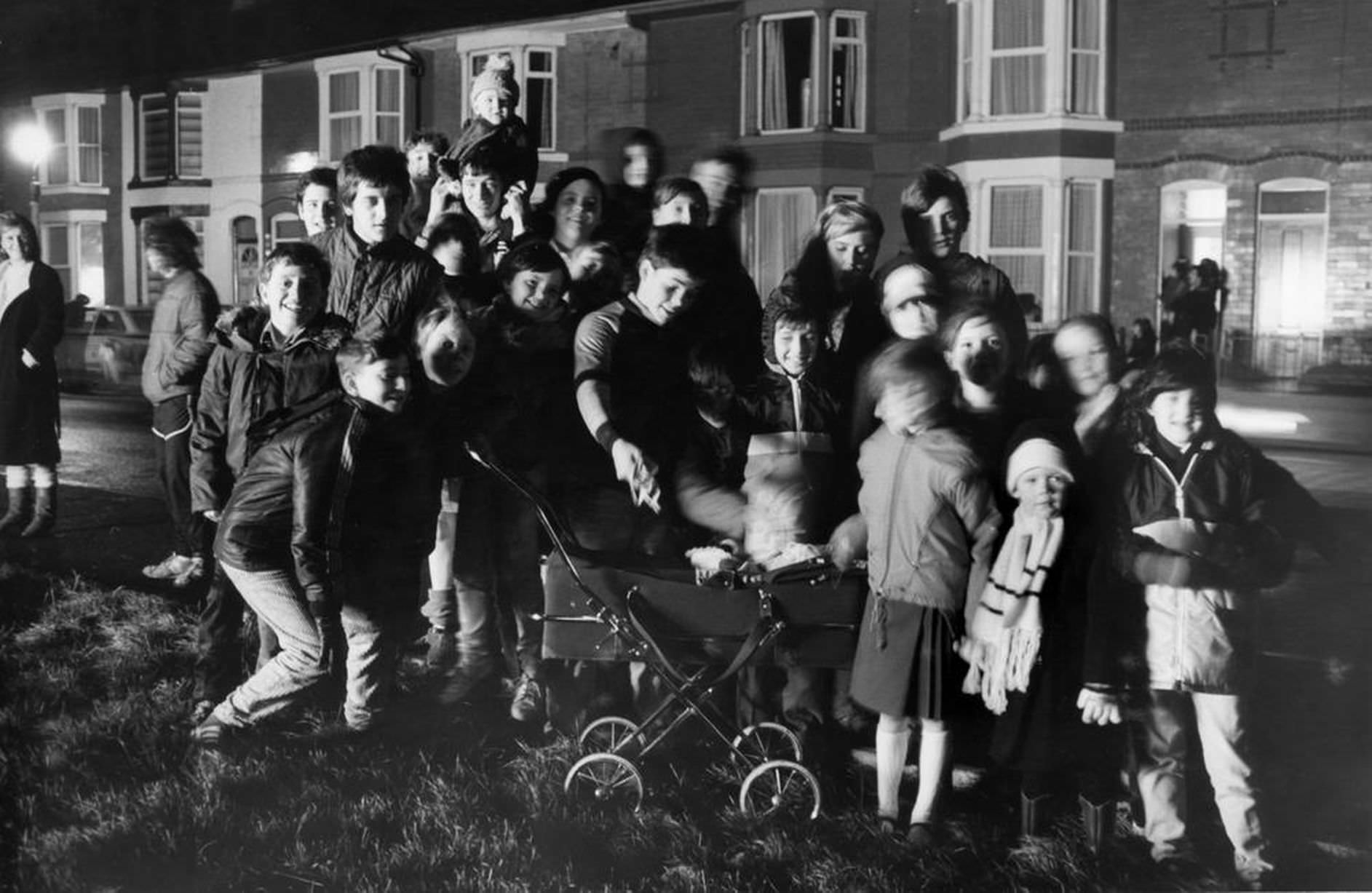
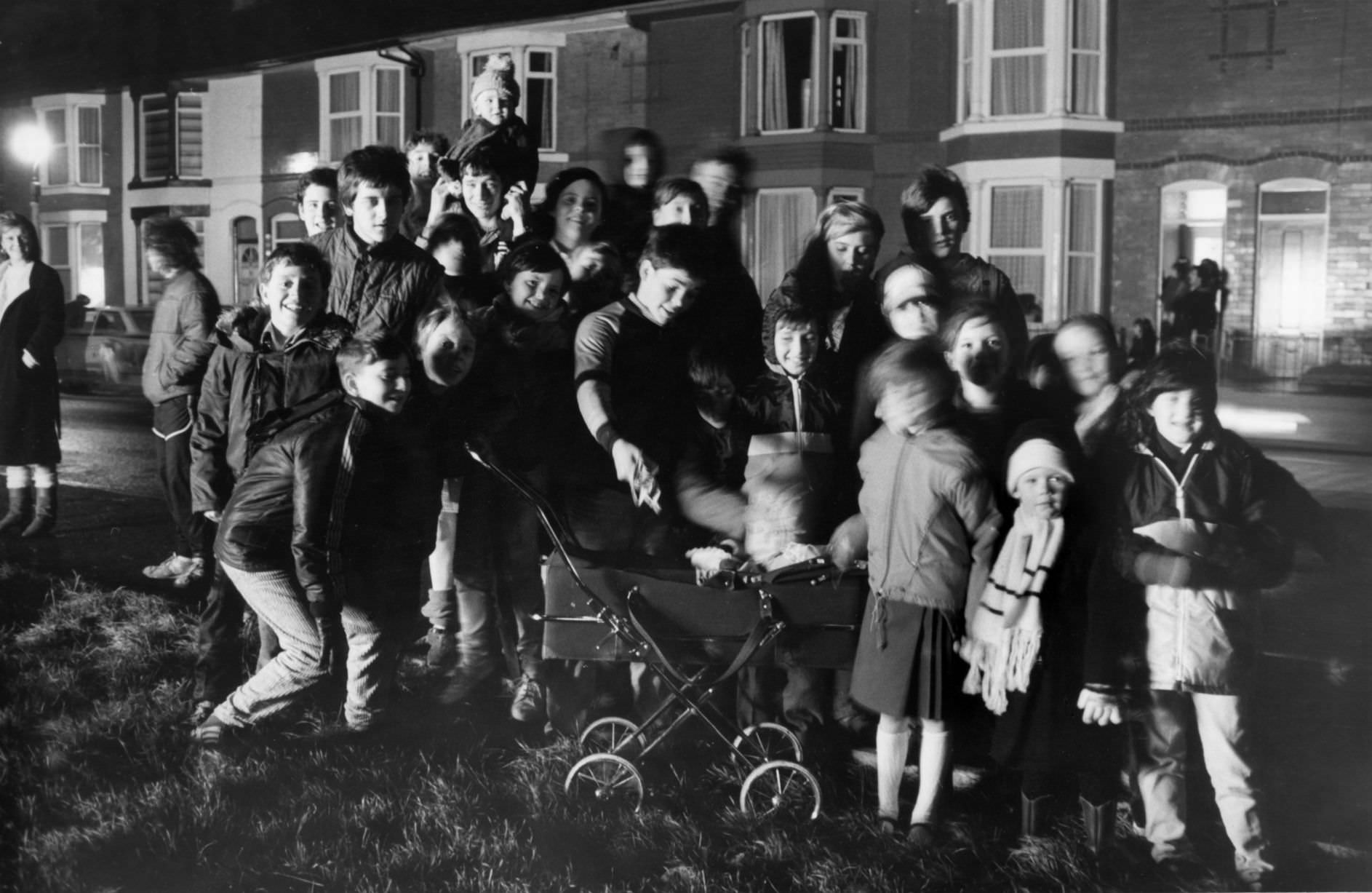
Even in a city under this kind of pressure, life continued. Children still went to school, played in the streets, and celebrated bonfire night with sparklers and sausages cooked over open flames. Community mattered enormously. In Kensington, Bootle, and across the wider city, neighbours gathered in the streets every November 5th for impromptu bonfires.
The original bonfire night banger. Children at a private Merseyside bonfire night part cooking sausages over the fire, 5th November 1985Clare aged 6 and Lindsay Gerard aged four (right) enjoying their sparklers at an impromptu bonfire party in Kensington, Liverpool, 1986Bonfire Night Kensington, Liverpool, Wednesday 5th November 1986Bonfire Night Kensington, Liverpool, Wednesday 5th November 1986Youngsters enjoying Guy Fawkes Night, Hornby Boulevard, Bootle, Sefton in Merseyside, 5th November 1985Residents of Hornby Boulevard, Bootle gather to watch a private bonfire and fireworks display, 5th November 1987Residents of Hornby Boulevard, Bootle gather to watch a private bonfire and fireworks display, 5th November 1987
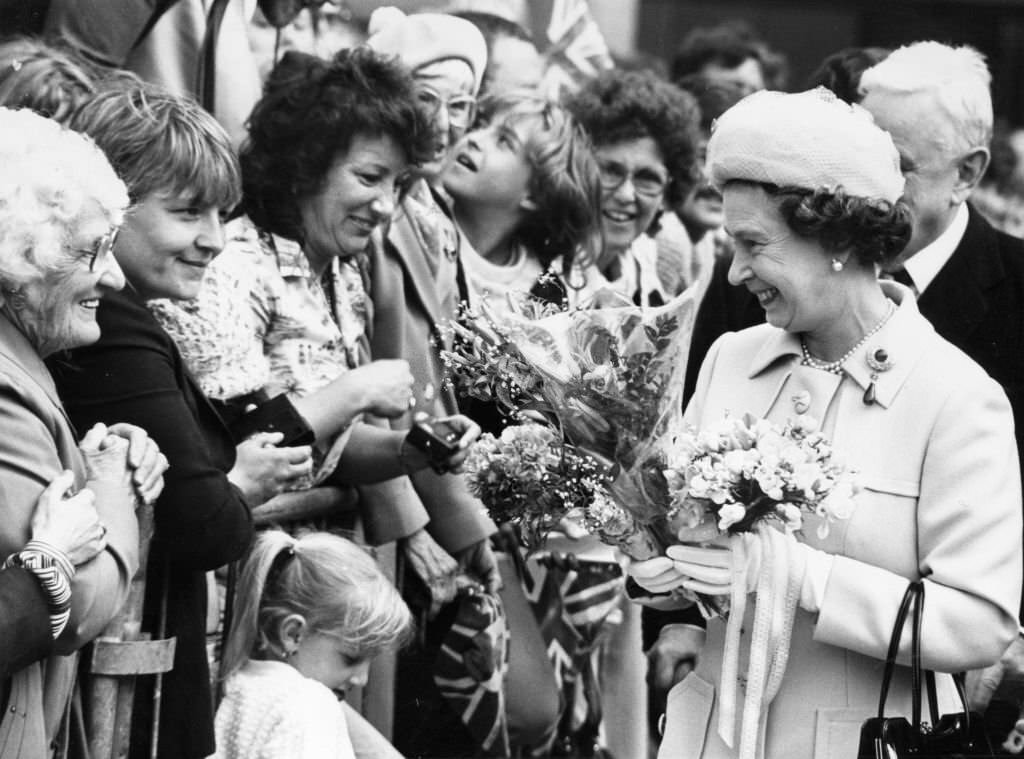
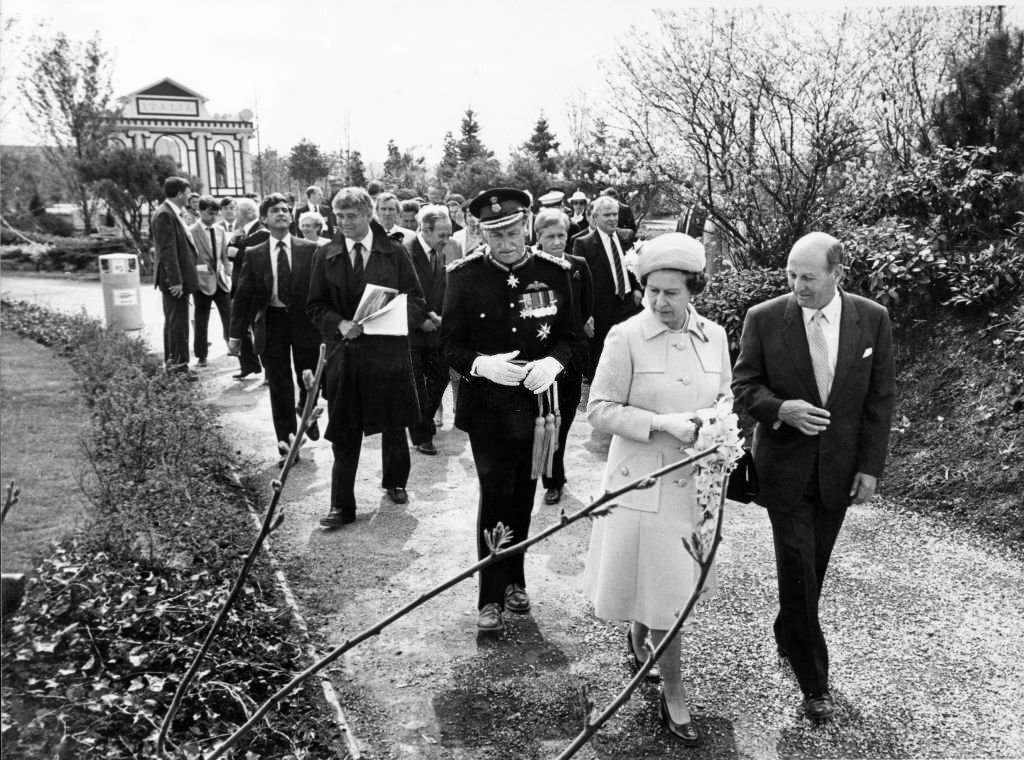
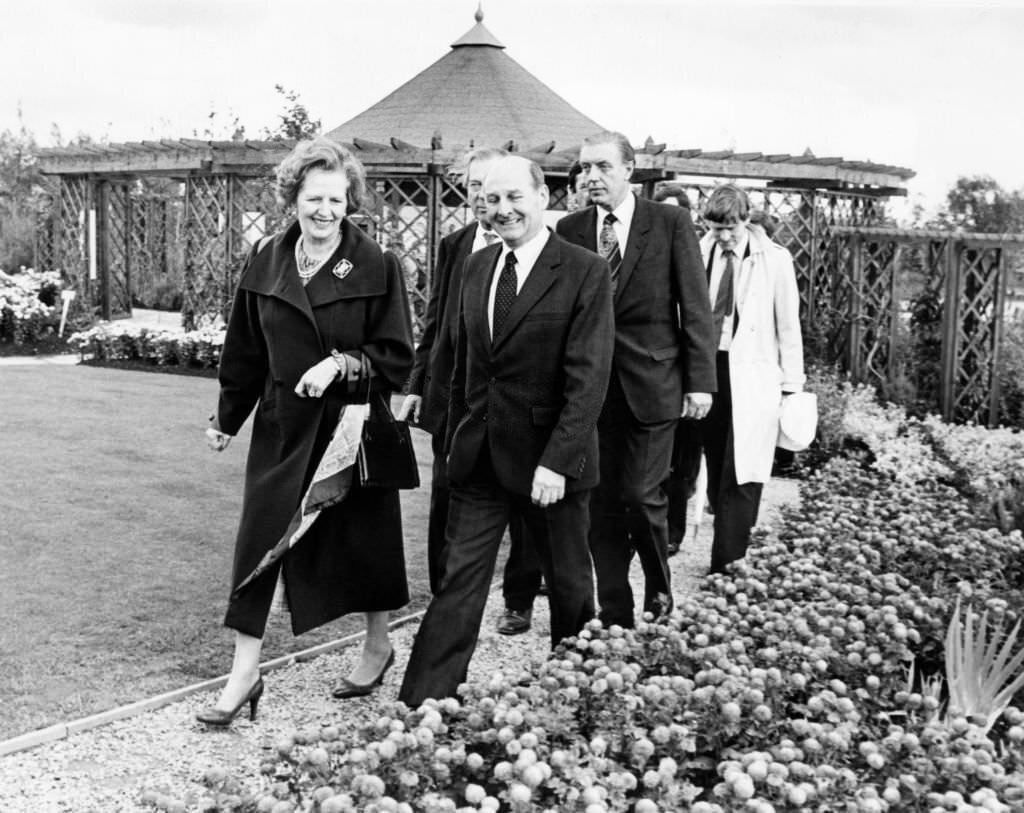
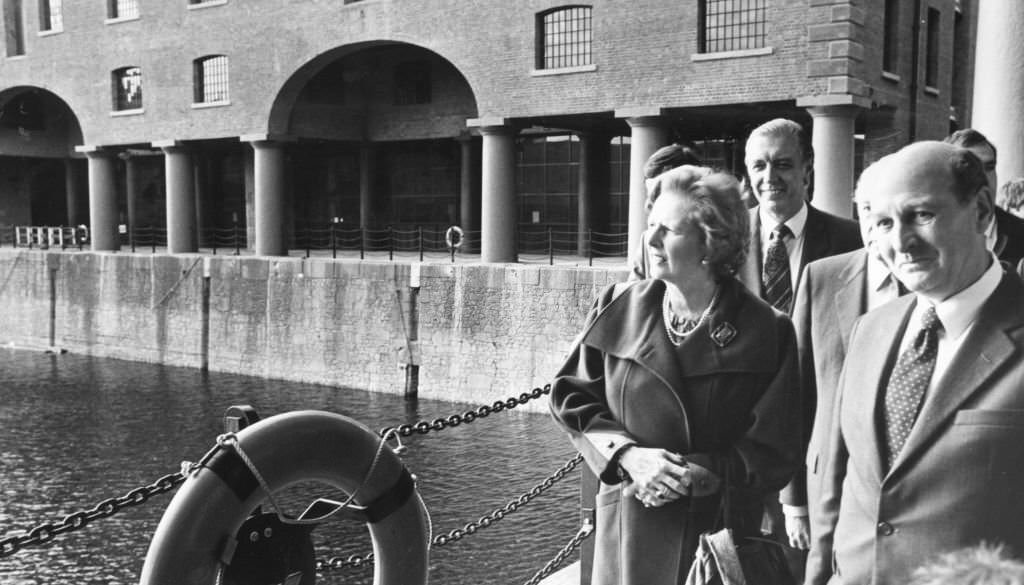
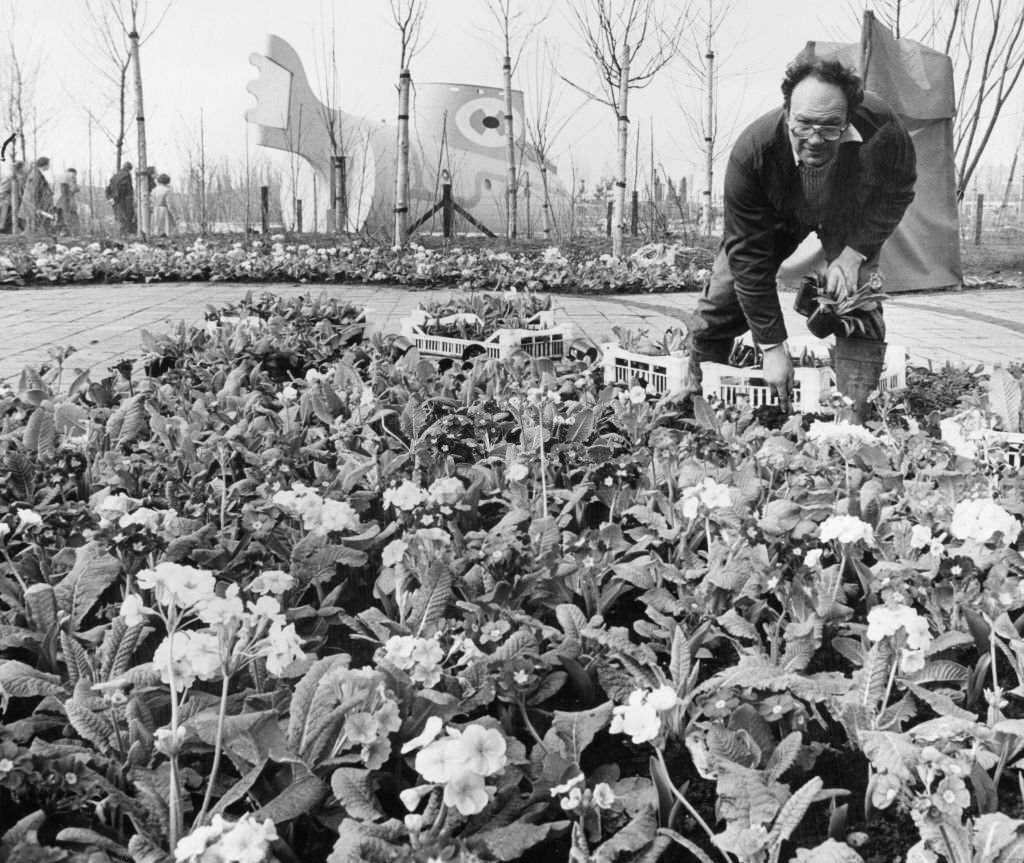
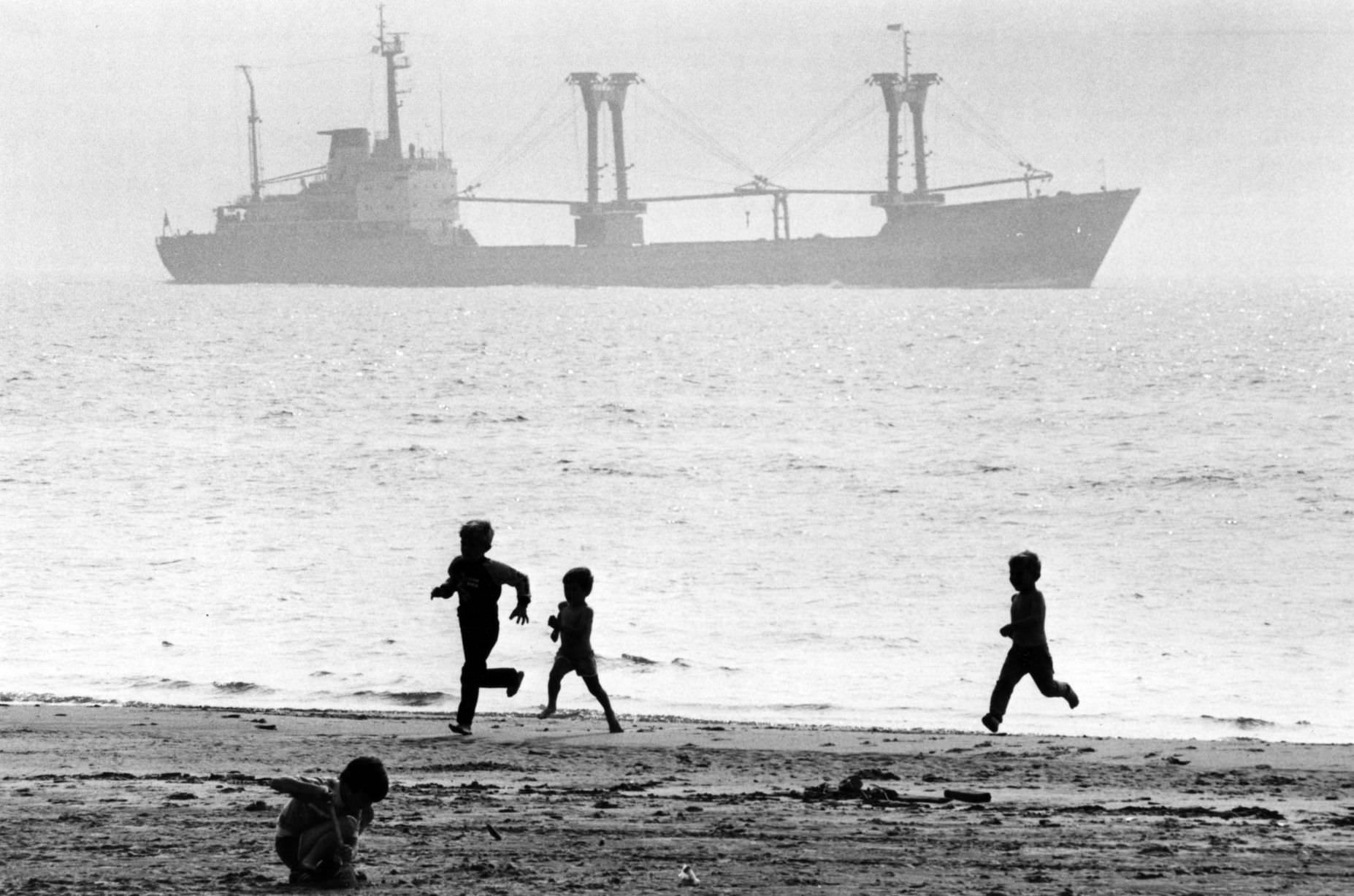
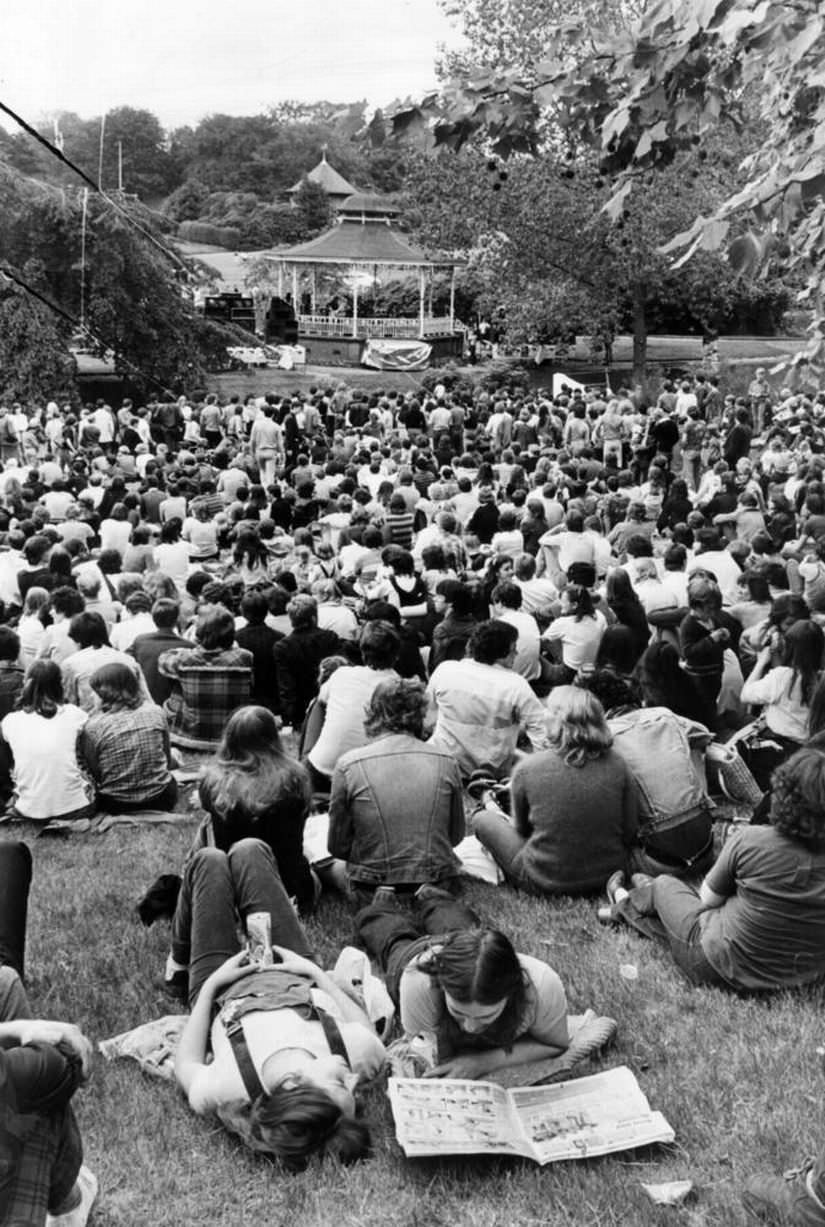
Summers brought their own relief. Kids played on Crosby beach and Formby’s windswept sands. The Larks in the Park music festival drew crowds to Sefton Park. In 1984, the city hosted the International Garden Festival — Queen Elizabeth officially opened it on 2nd May, and it ran until October. The event was designed to breathe life back into a stretch of derelict dockland and draw visitors to a city that badly needed them. Margaret Thatcher also visited that year, touring the festival site and inspecting the redeveloping Albert Dock.
Queen Elizabeth officially opens the Garden Festival in Liverpool, 1984Queen Elizabeth officially opens the Garden Festival.Aerial view of Liverpool’s International Garden Festival. 7th July 1984Margaret Thatcher visits Graden Festival, 1984British Prime Minister Margaret Thatcher accompanied by Sir Leslie Young, observes the architecture of Albert Dock during her visit to the city of Liverpool, 3rd October 1984.Liverpool International Garden Festival Fringe, 1984Liverpool’s International Garden Festival, 23rd March 1984
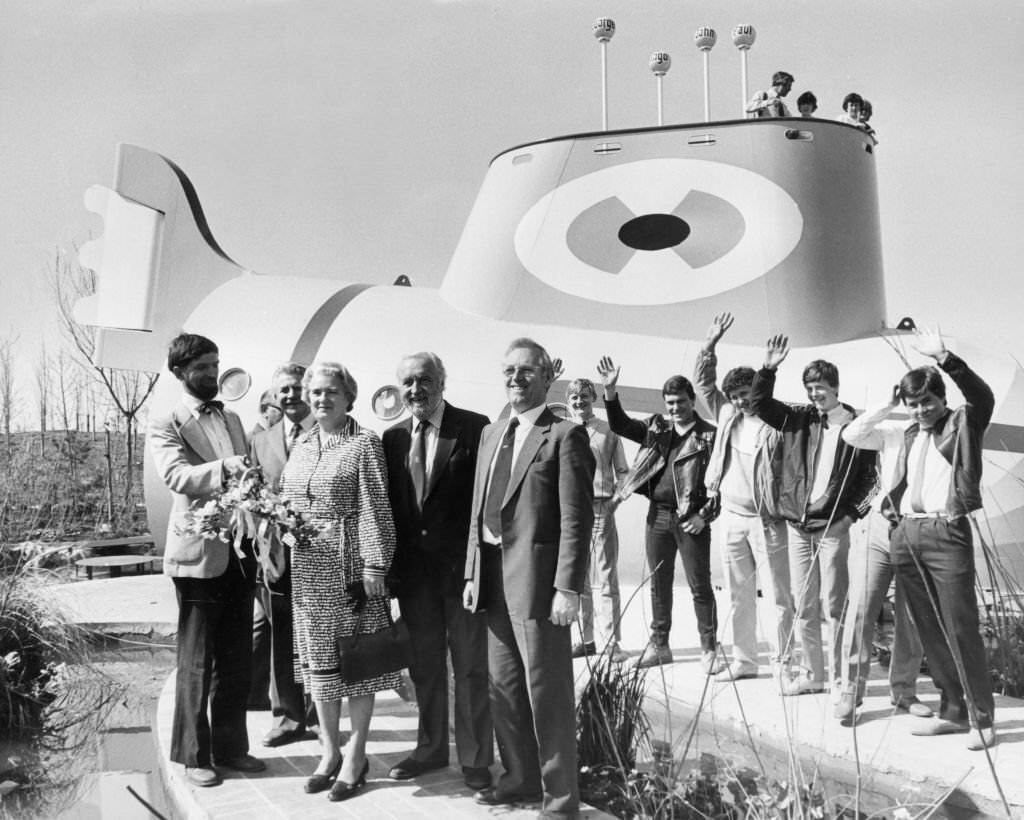
One of the festival’s standout exhibits was a full-scale model Yellow Submarine, built by around 80 apprentices from the Cammell Laird shipyard in Birkenhead. It was a striking tribute to Liverpool’s most famous export — the Beatles — and a reminder that the city still had pride in its identity even at its lowest point.
The Yellow Submarine in Liverpool, 26th April 1984.
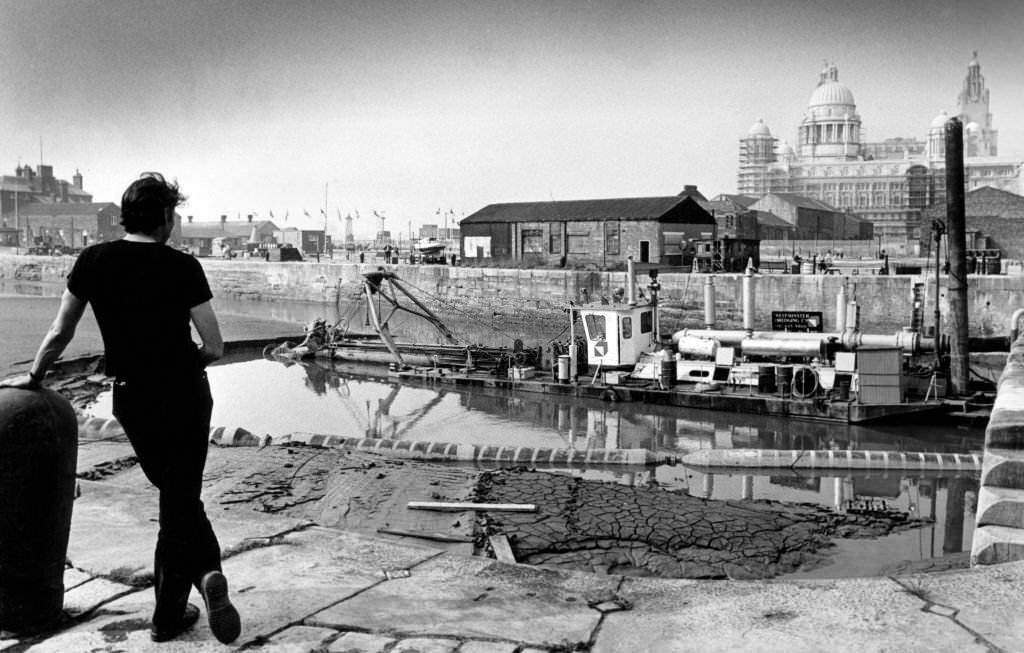
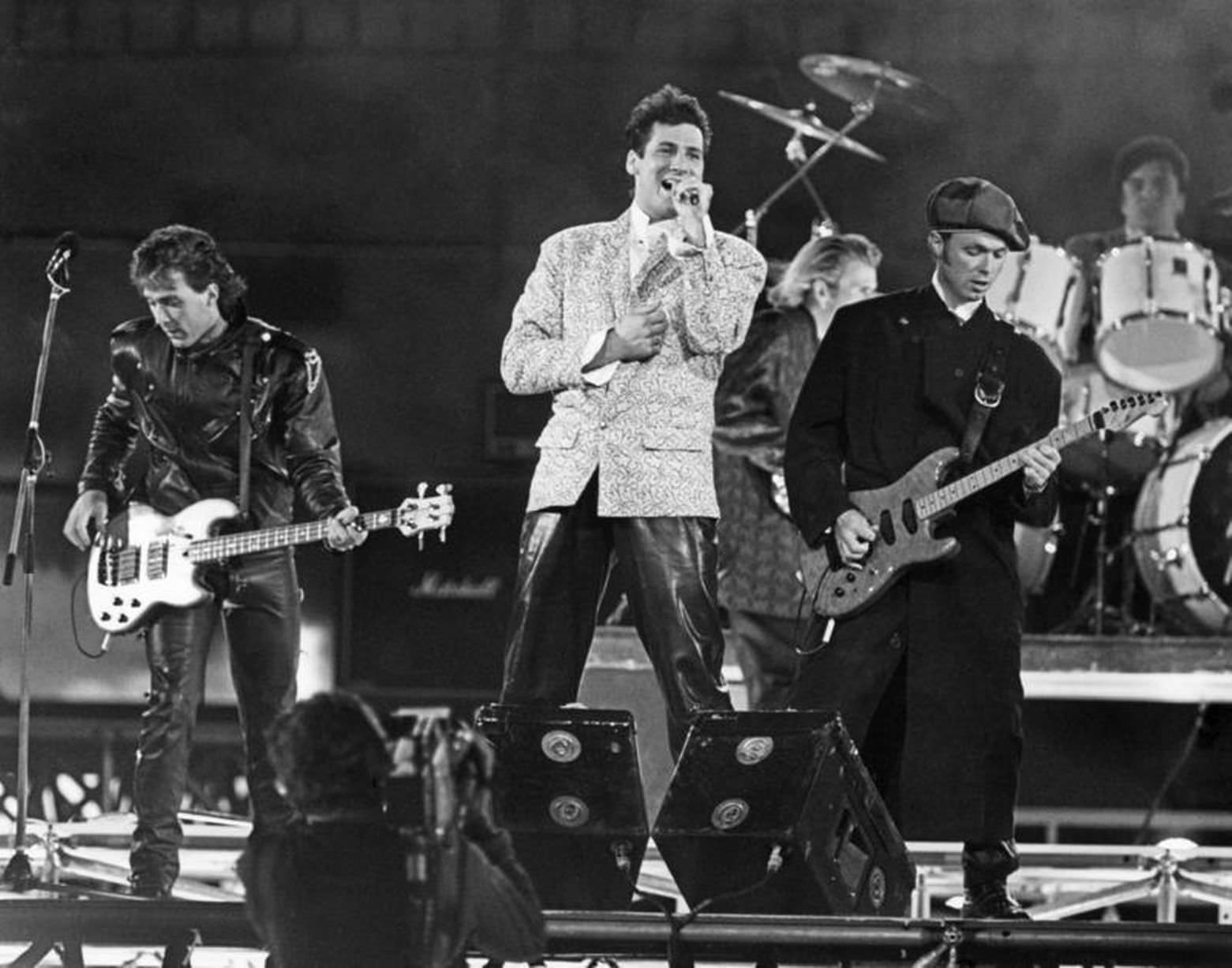
Albert Dock itself became a symbol of the city’s gradual recovery. Dredging work began as early as September 1982, and by the late 1980s the site was being transformed into a destination for shopping, culture, and tourism. New museums opened to tell the story of the city’s past. Spandau Ballet even performed at a Rock Around the Dock concert in July 1986, with the iconic waterfront as their backdrop.
Liverpool Albert Dock re-development, work begins to dredge the docks, Merseyside, 17th September 1982.Albert Dock in the 1980sSpandau Ballet perform at Rock Around The Dock in Liverpool, 31st July 1986
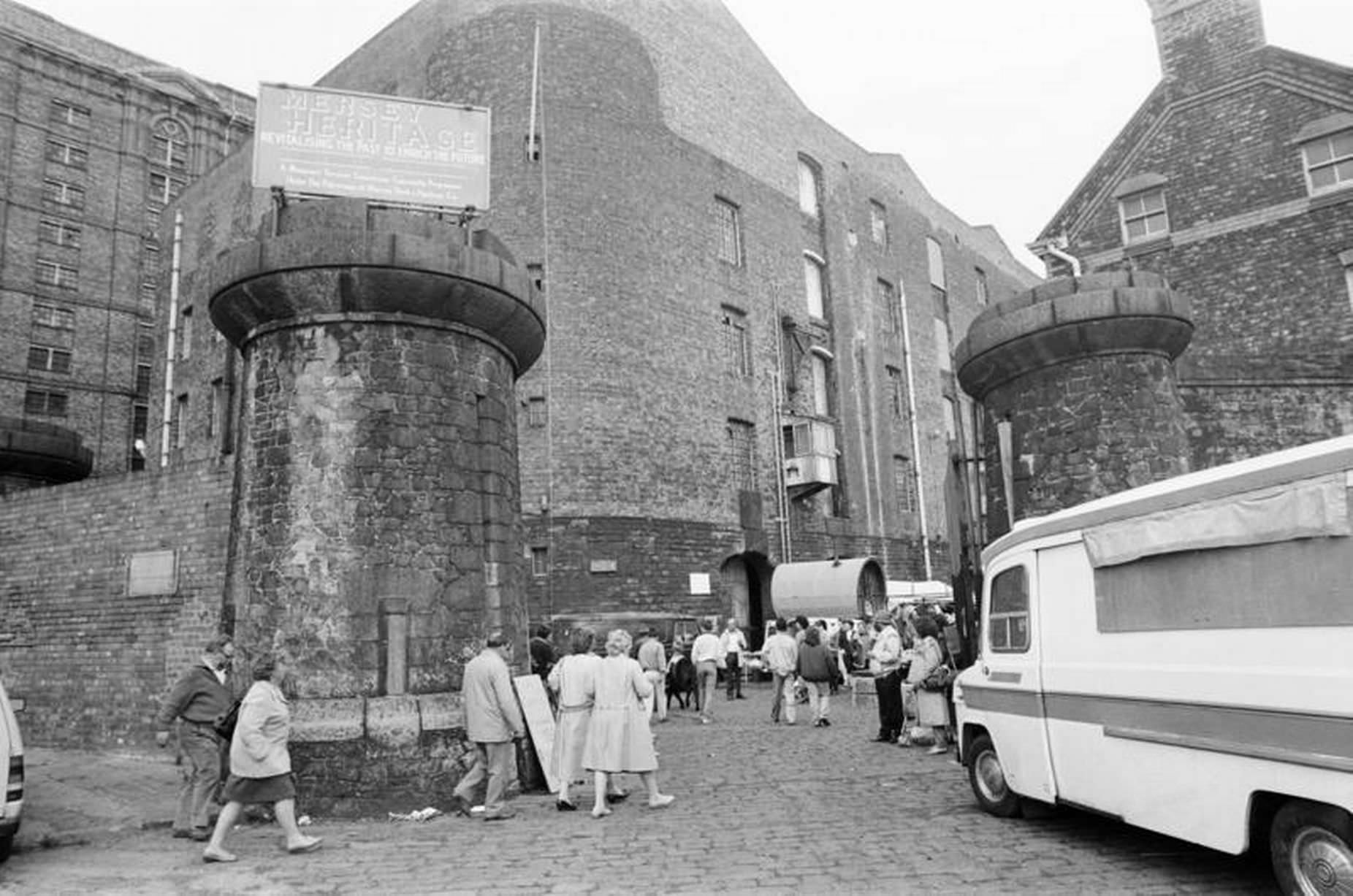
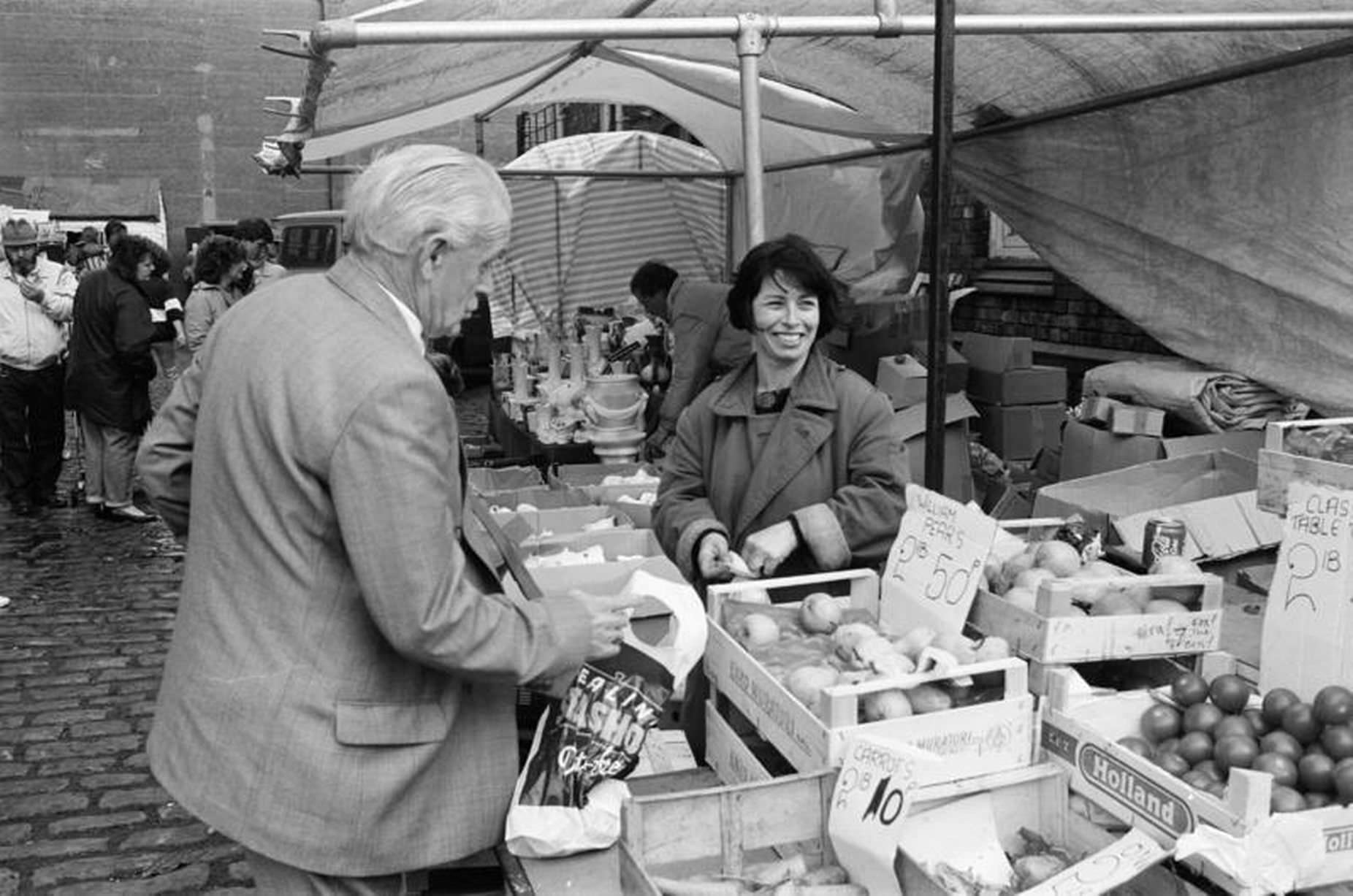
Stanley Dock also saw new life. By September 1988, a Heritage Market was drawing visitors to the area, with stalls spread through the vast Victorian warehouse spaces.
Heritage Market, Stanley Dock, Liverpool, 25th September 1988.Heritage Market, Stanley Dock, Liverpool, 25th September 1988.Heritage Market, Stanley Dock, Liverpool, 25th September 1988.
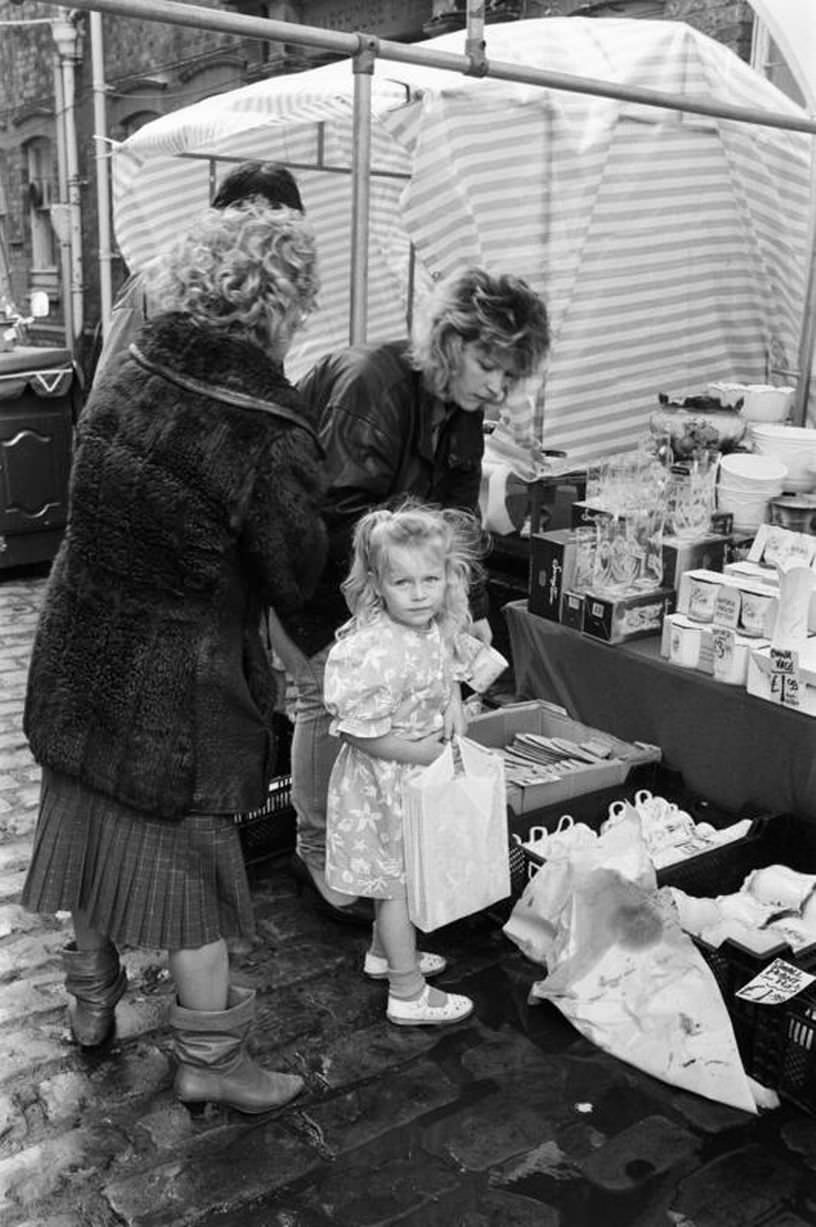
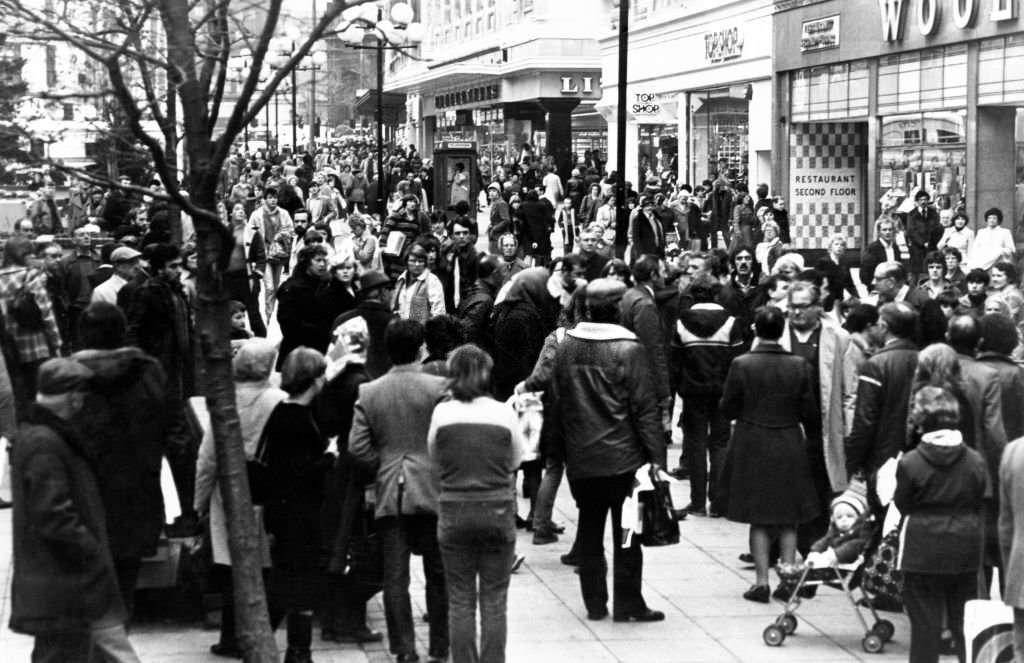
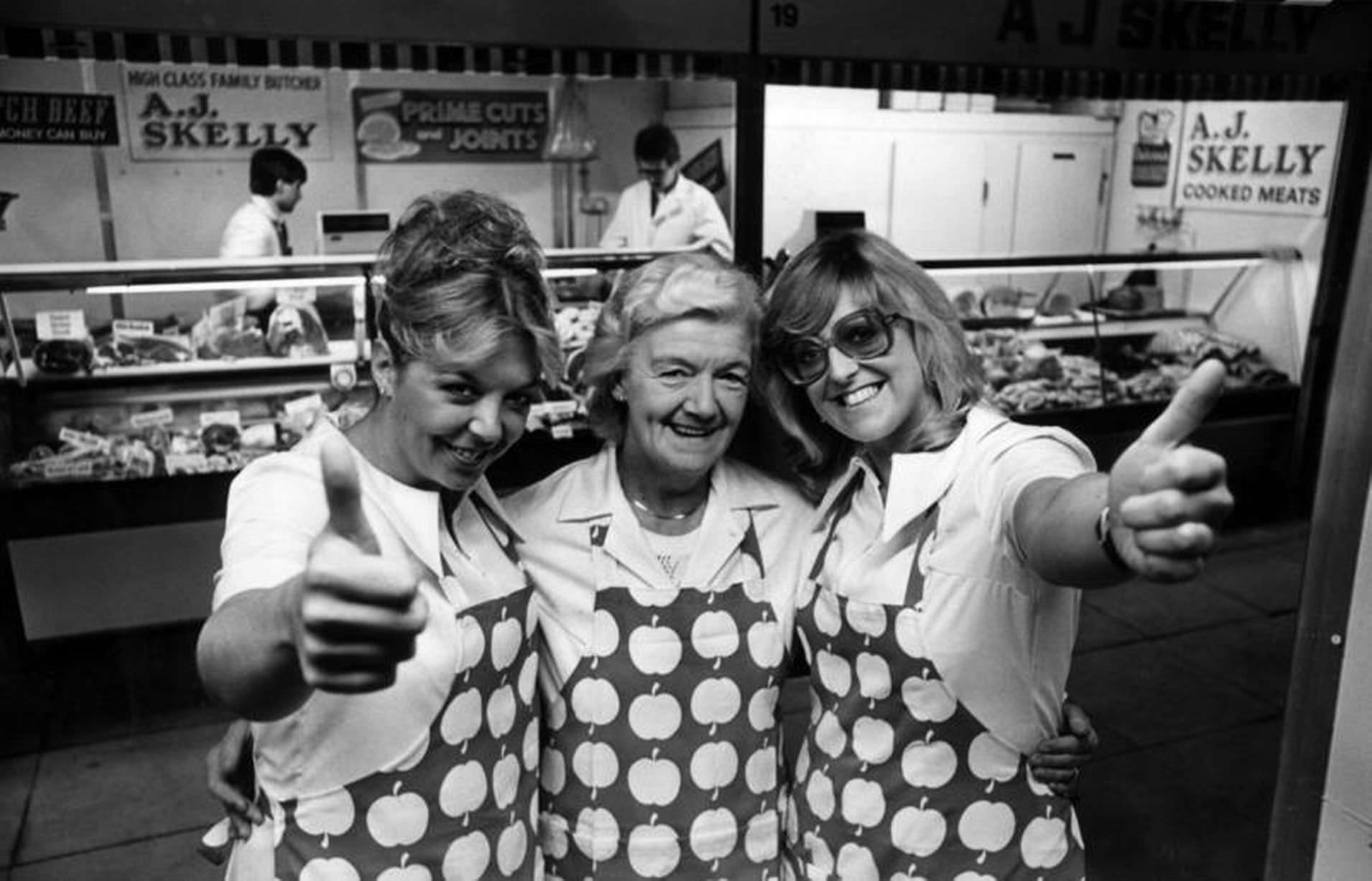
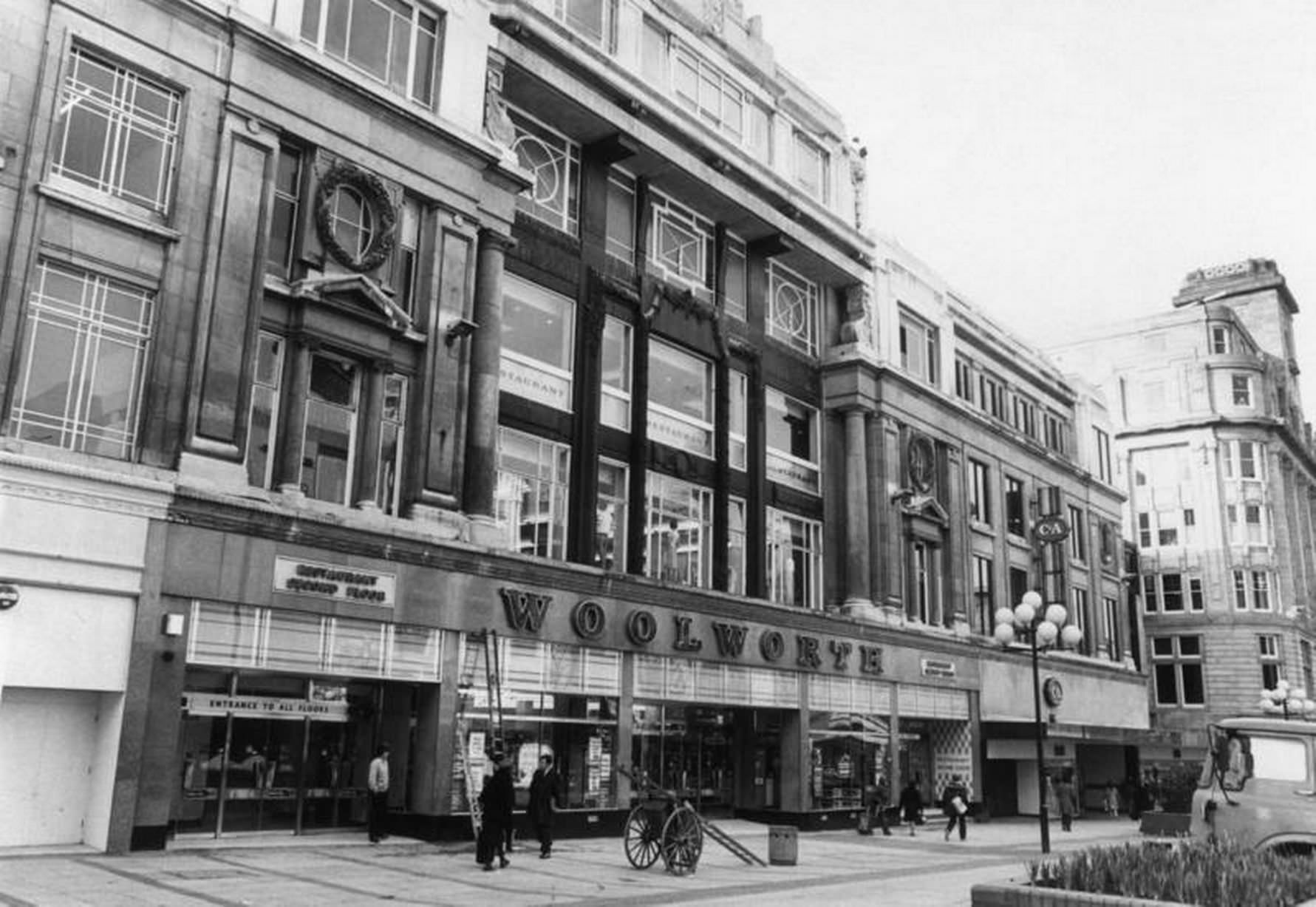
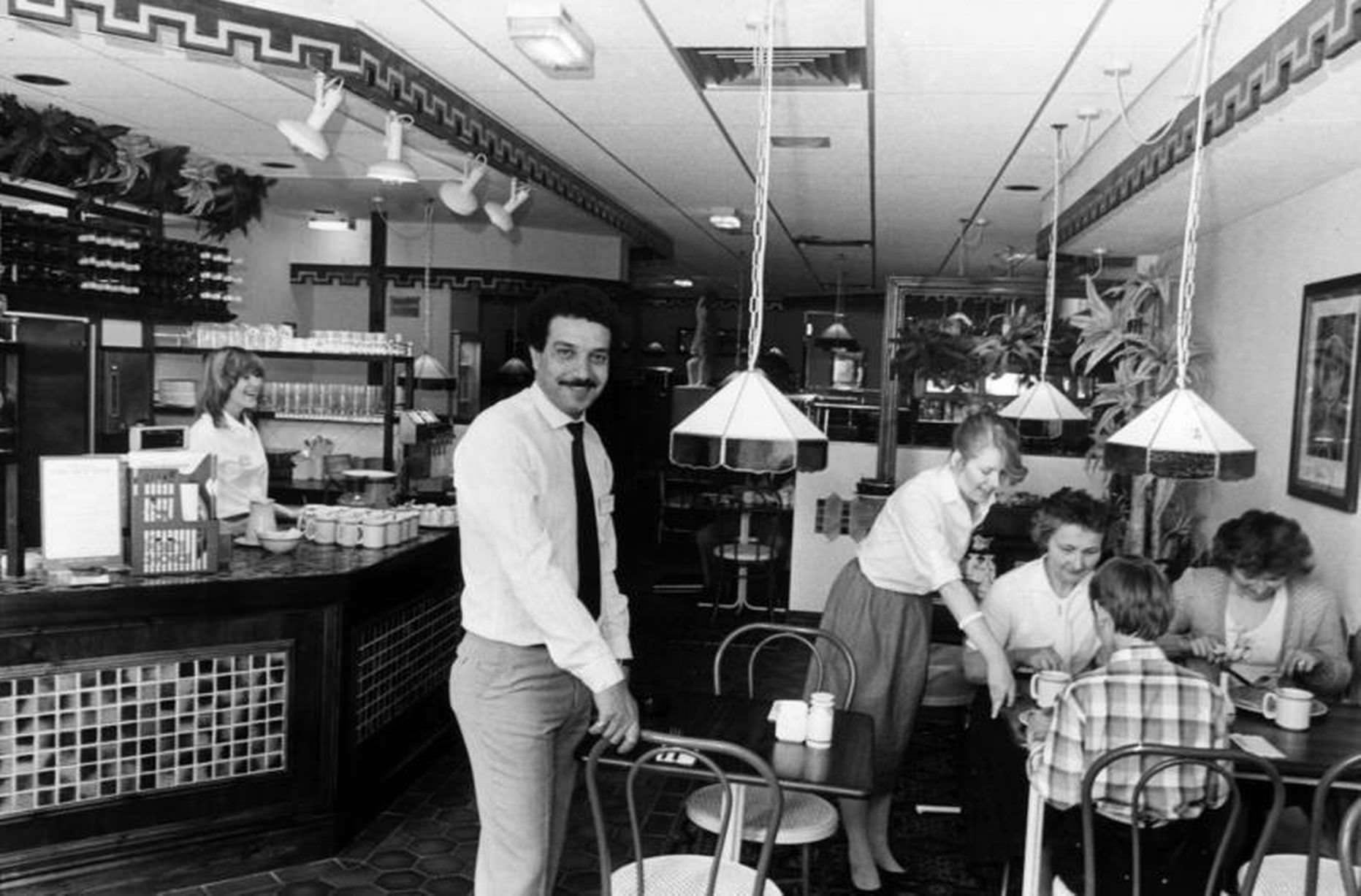
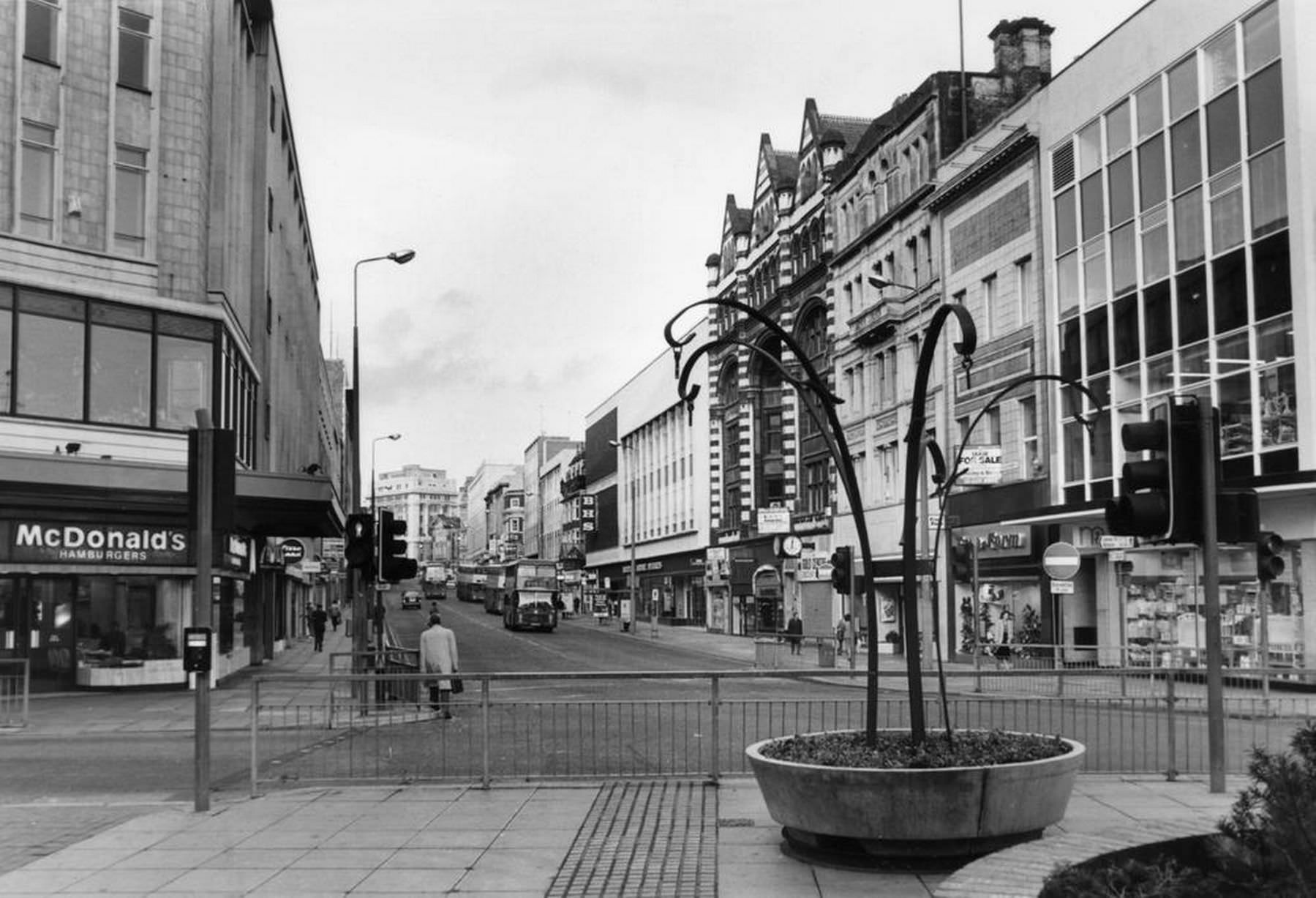
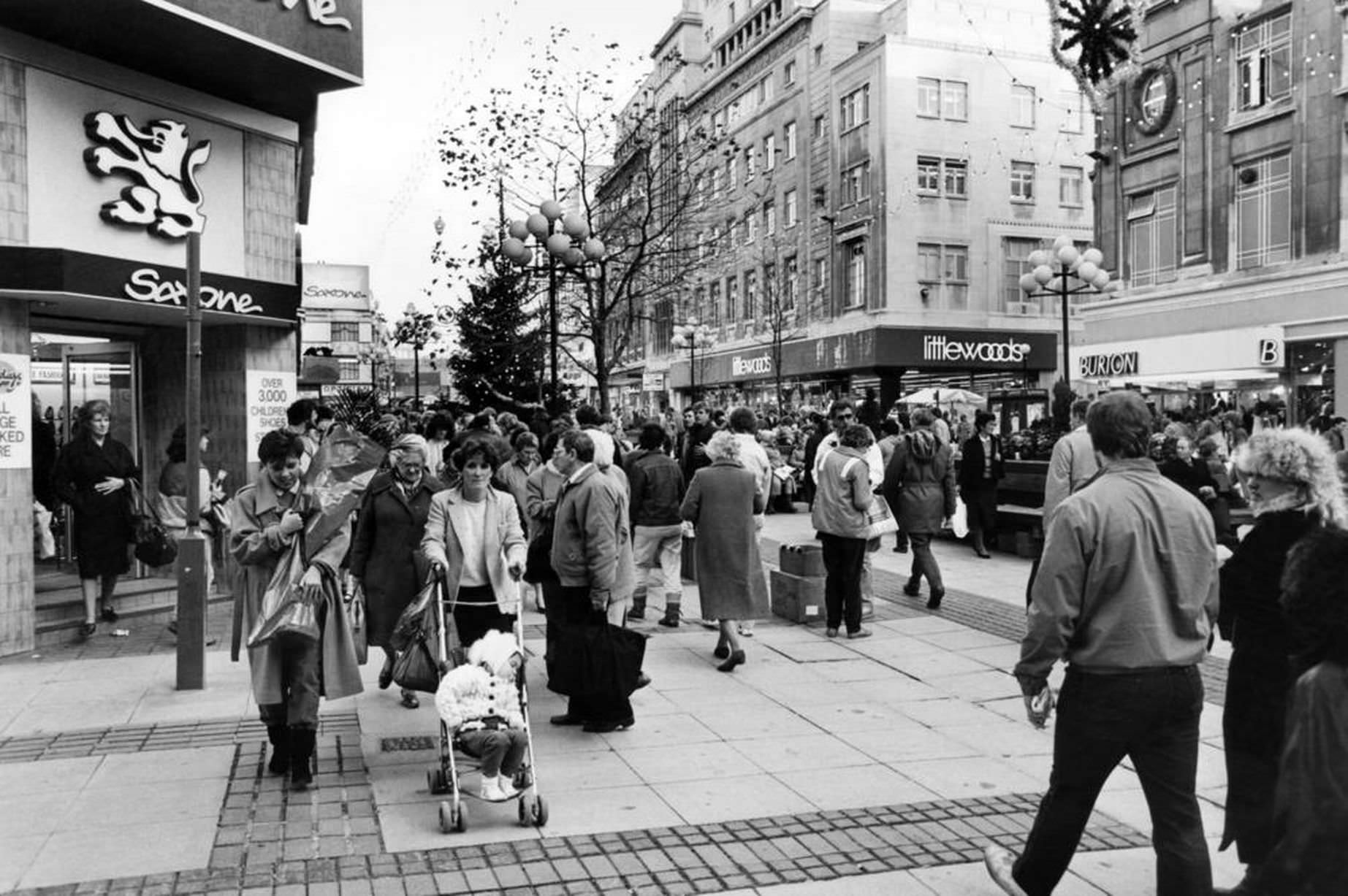
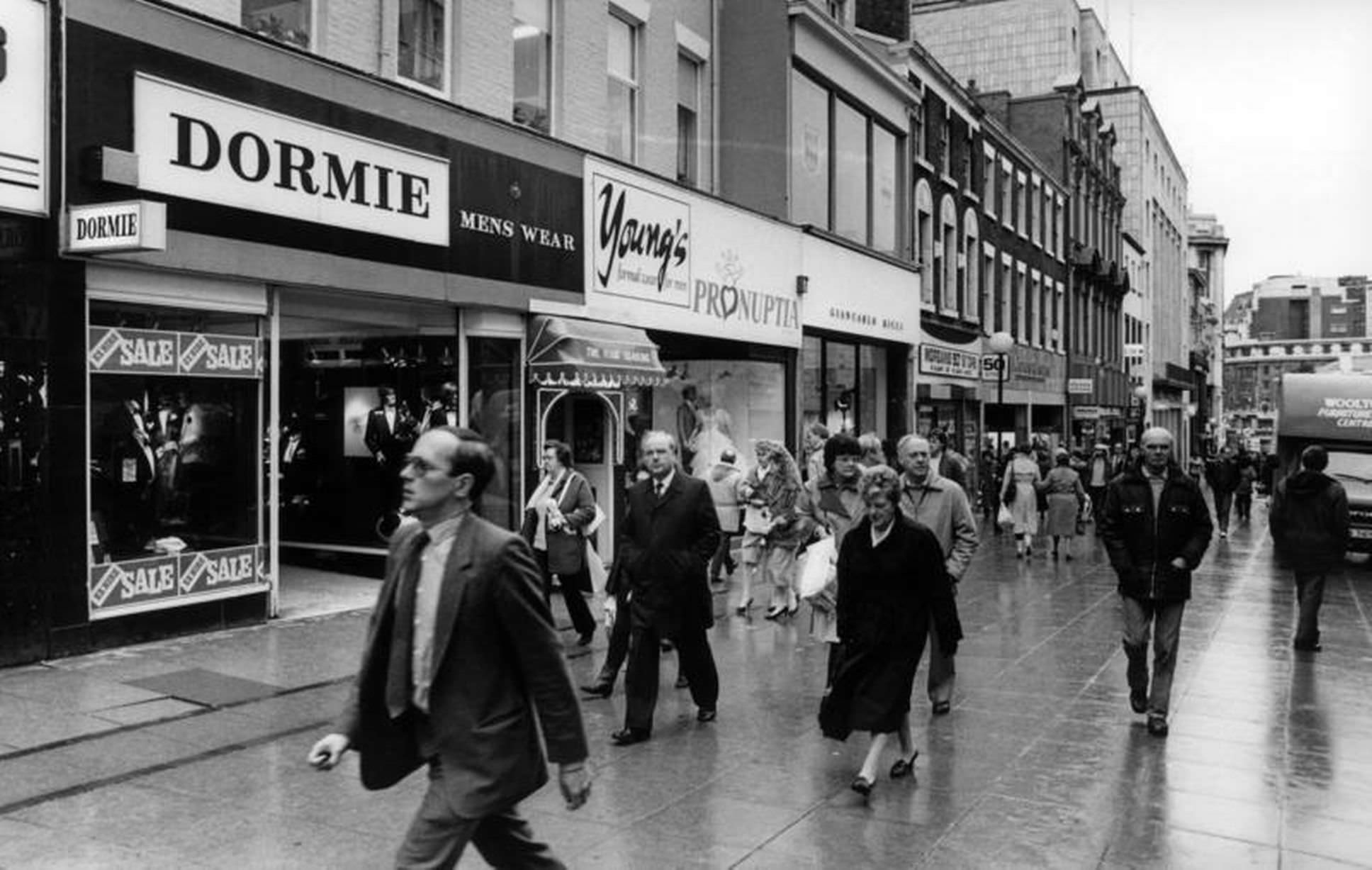
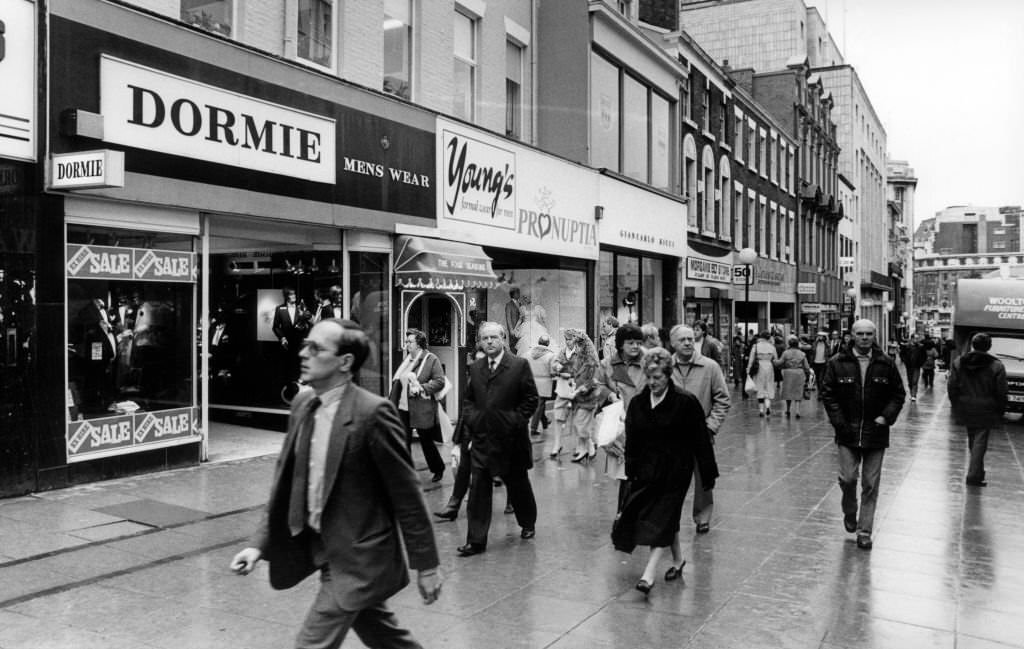
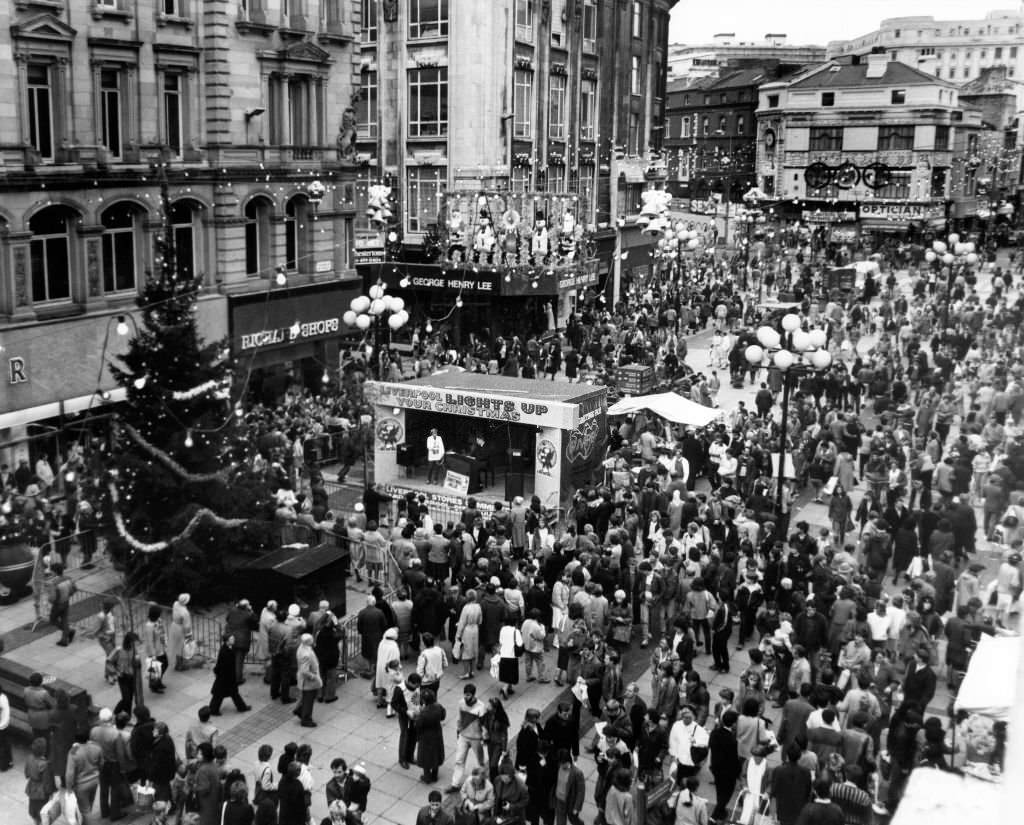
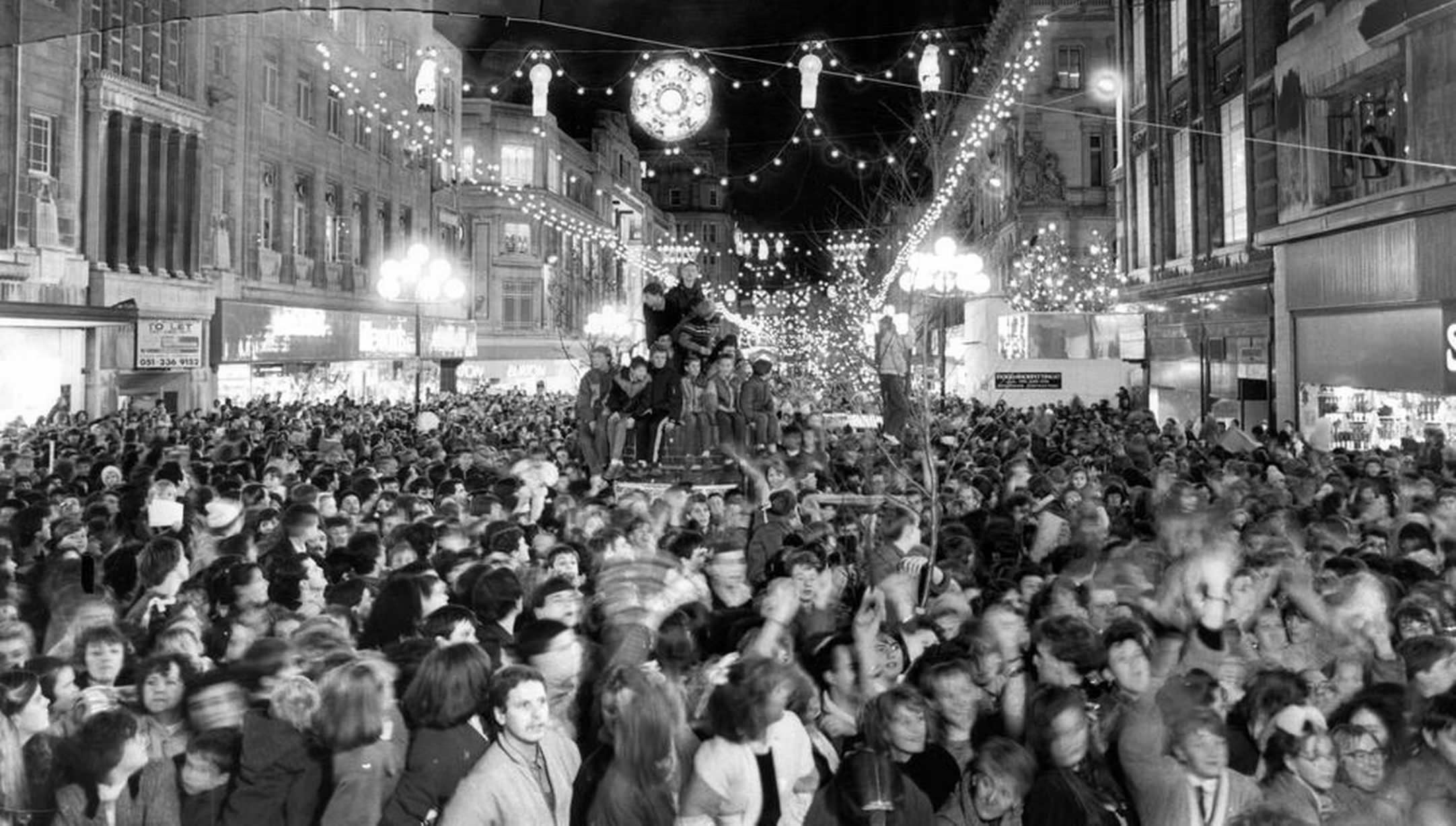
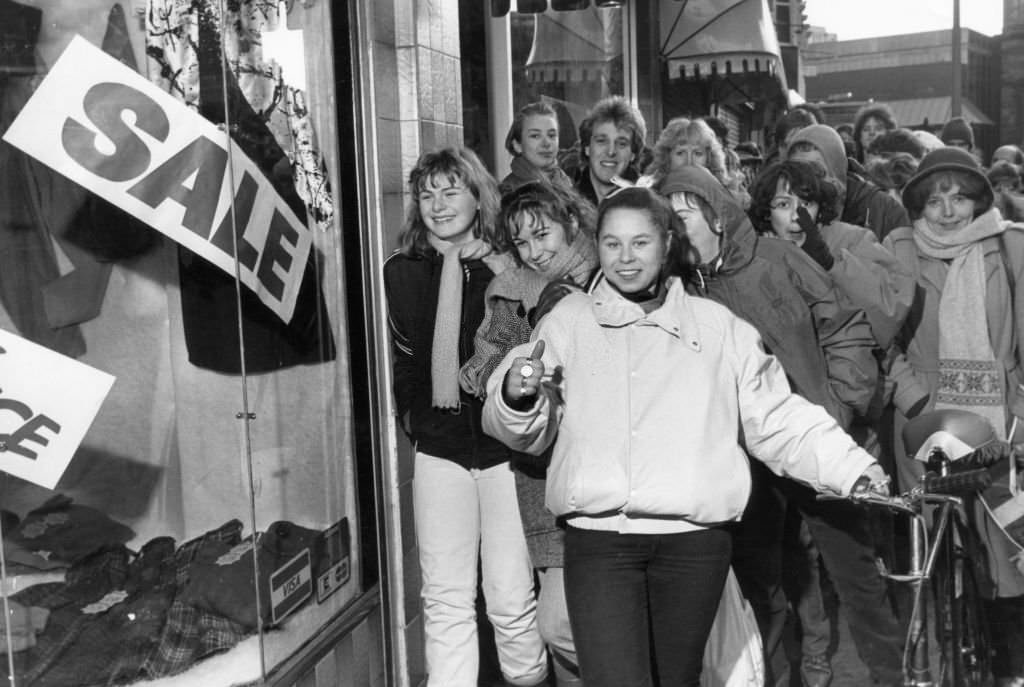
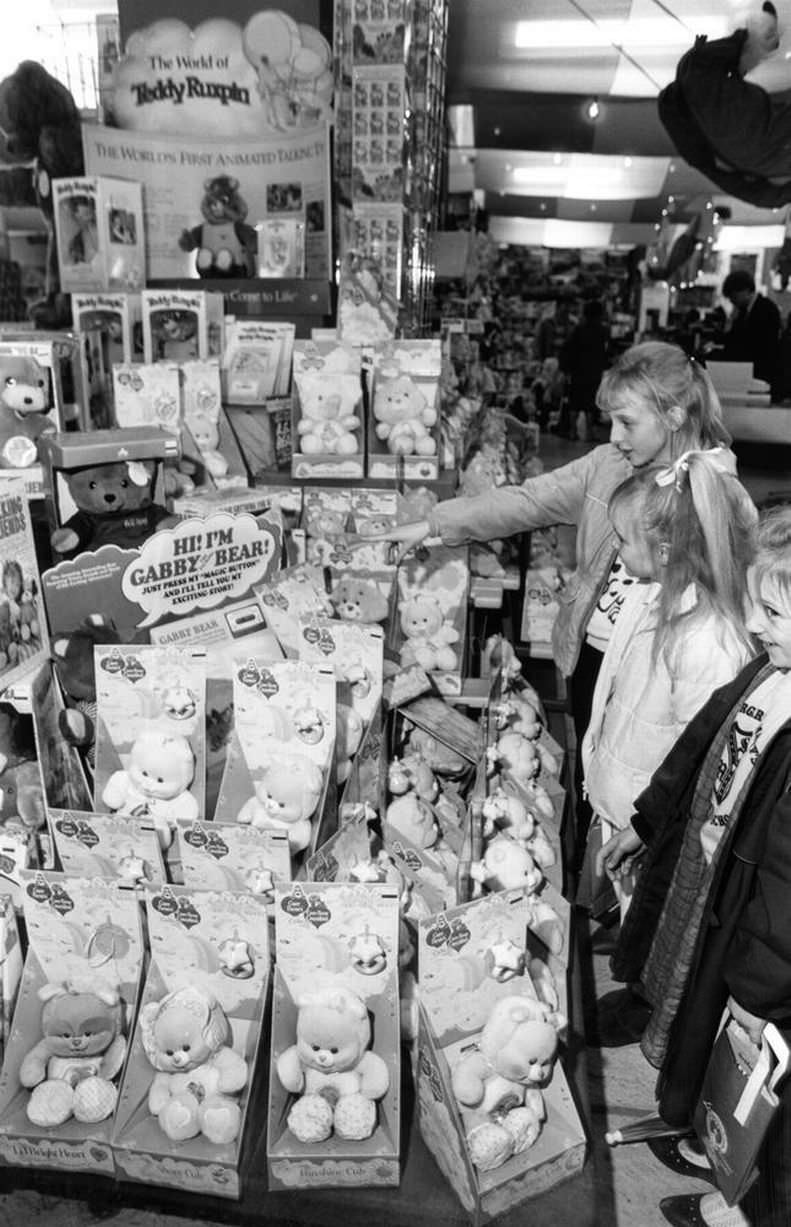
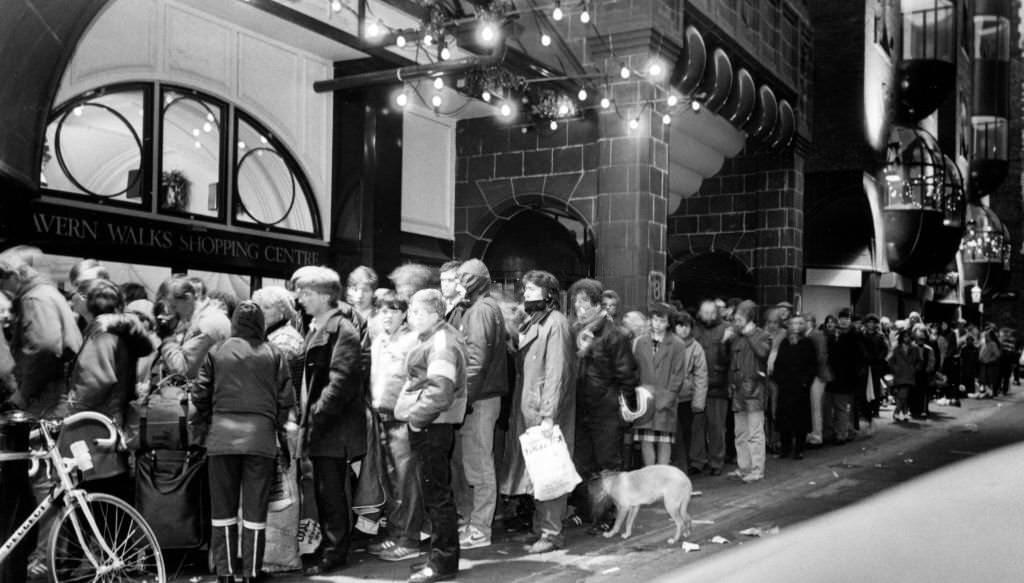
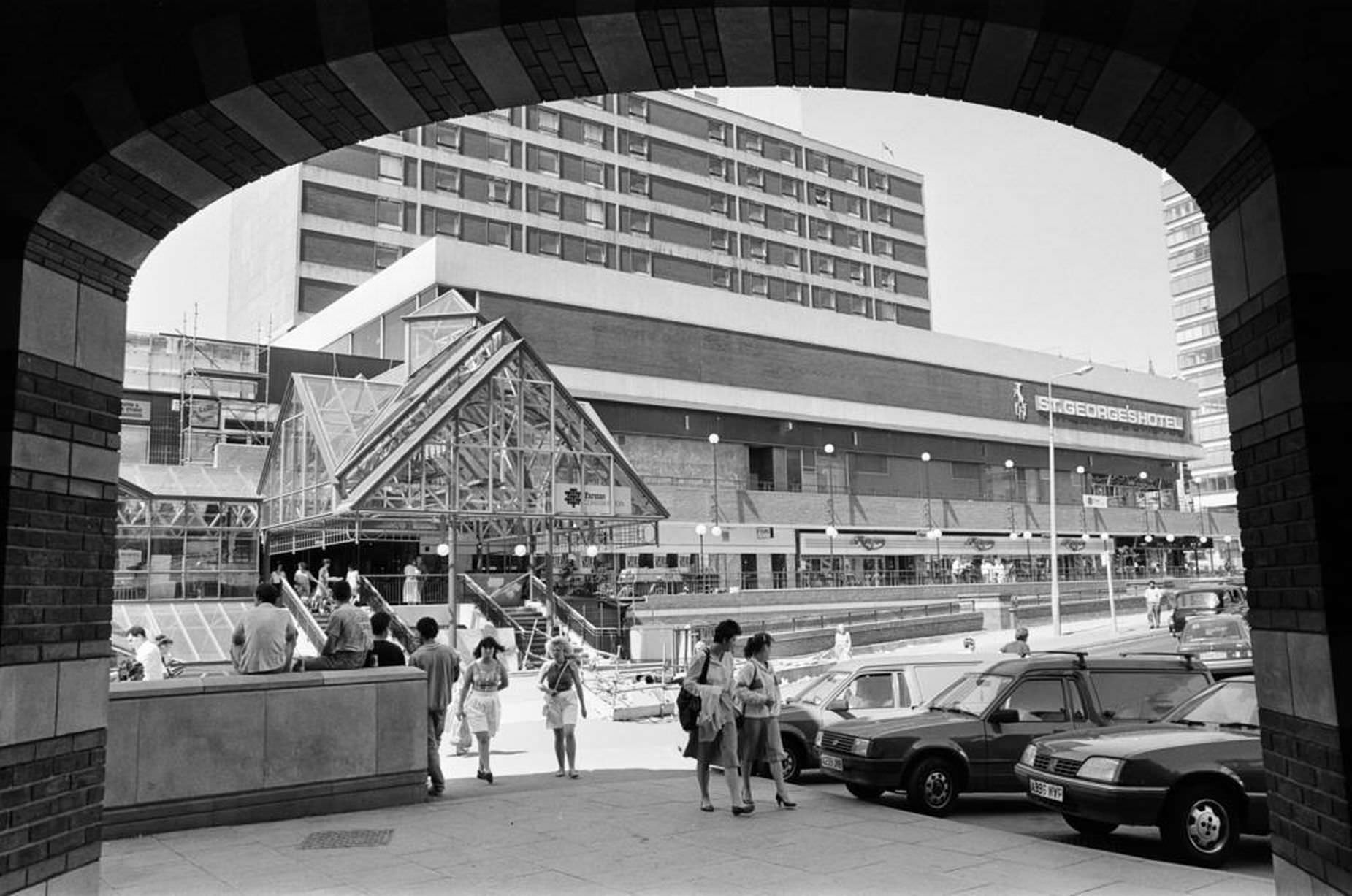
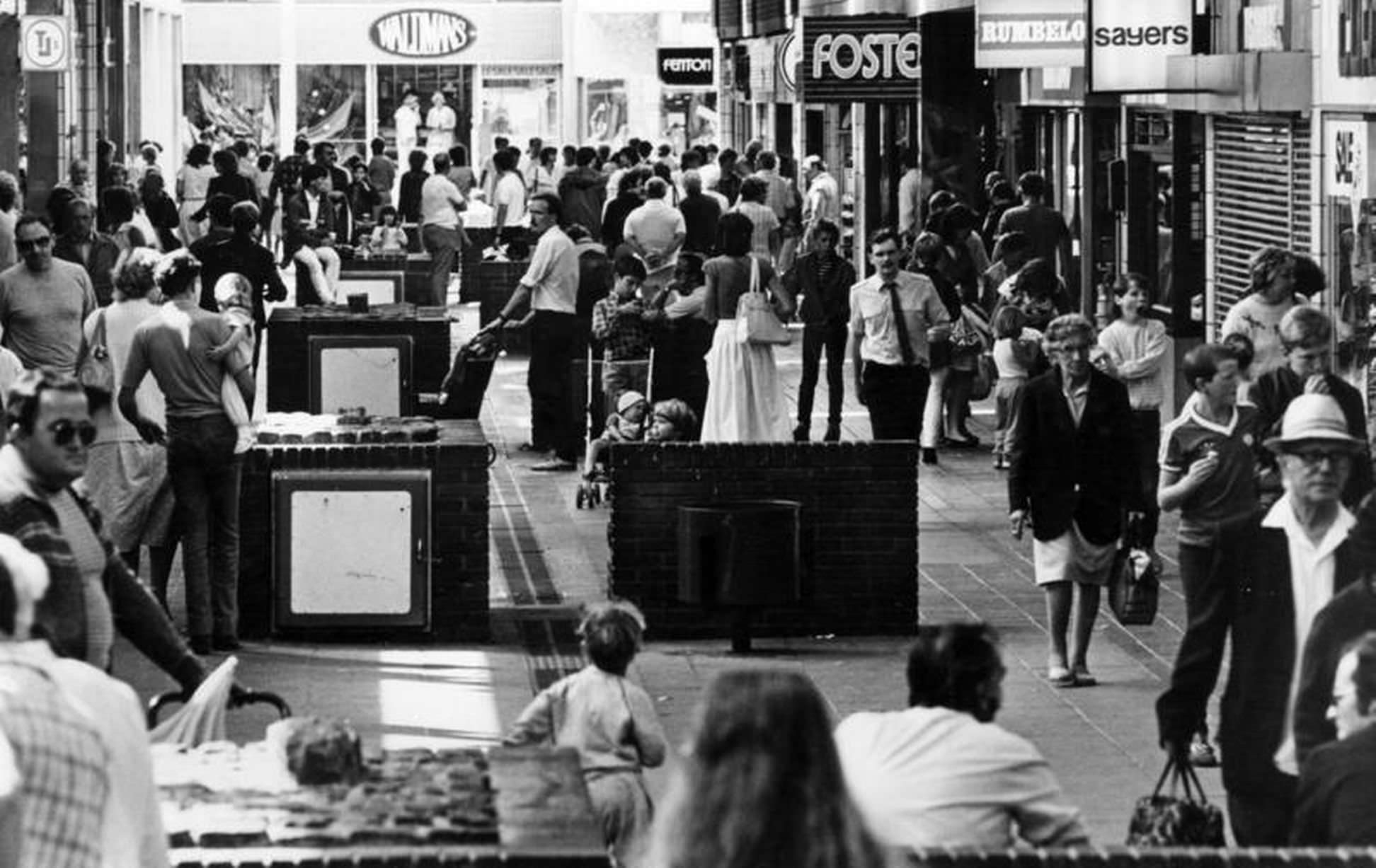
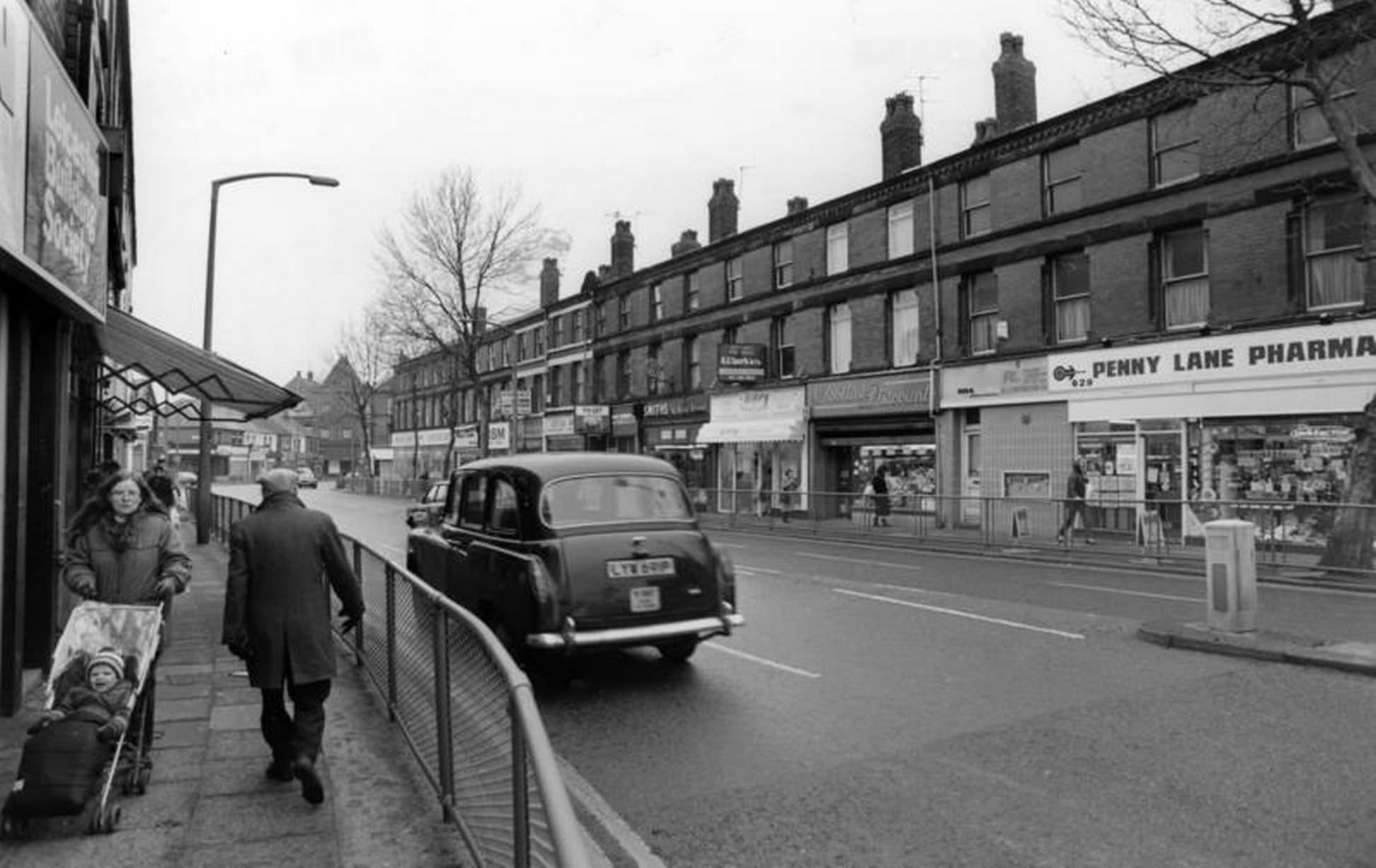
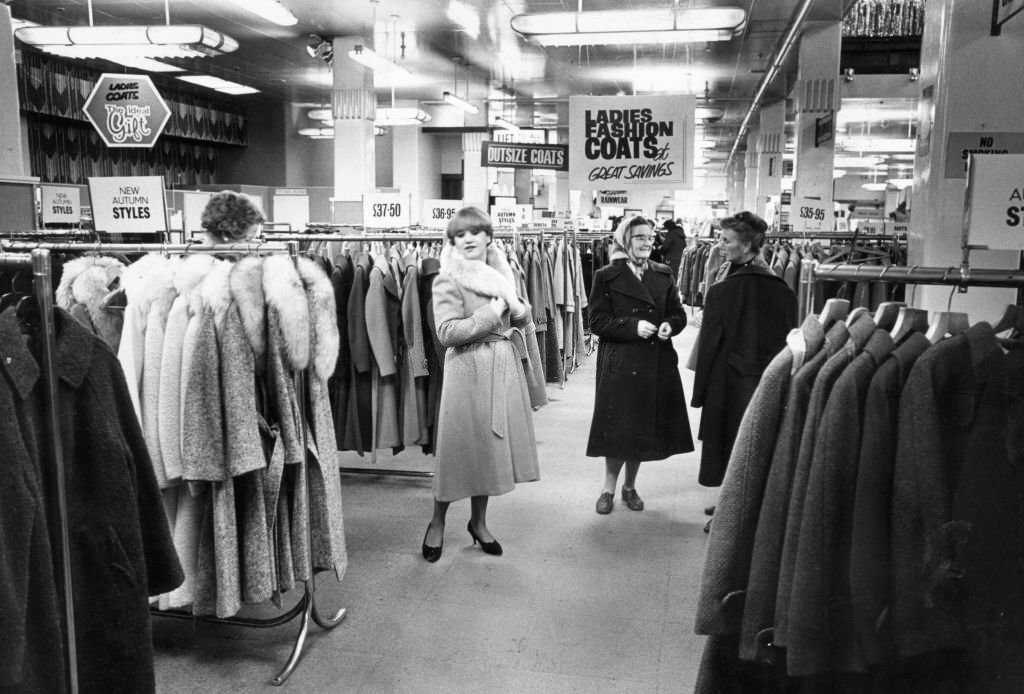
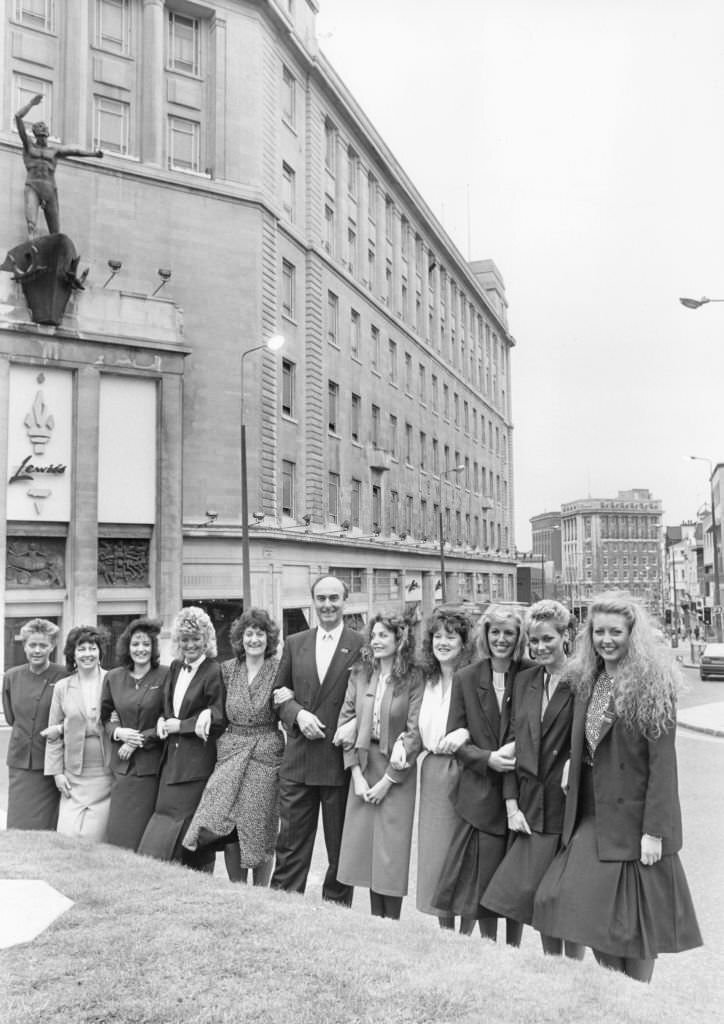
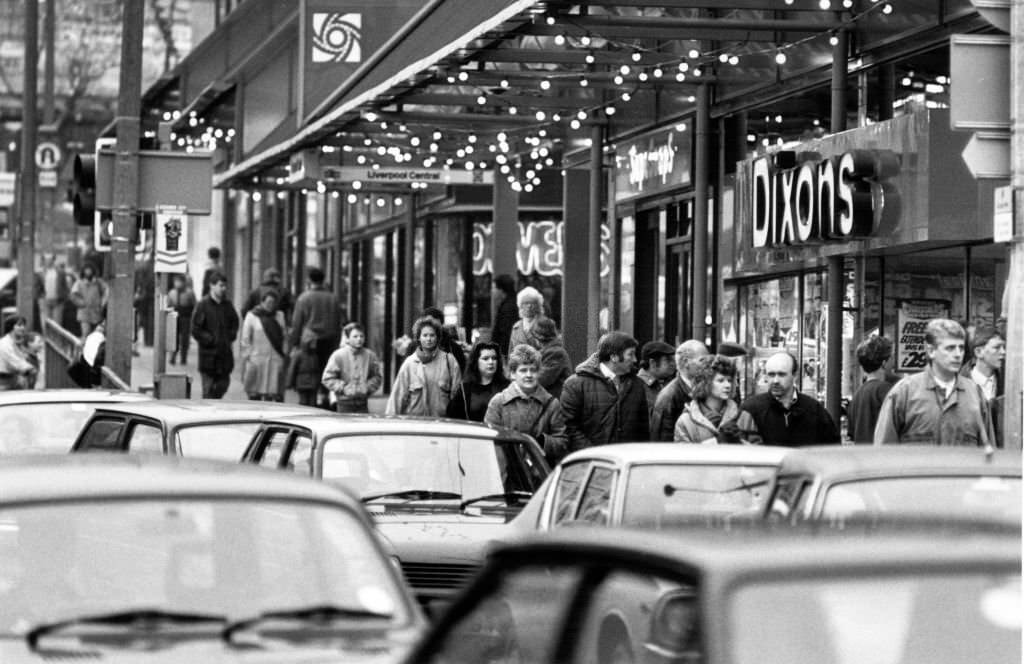
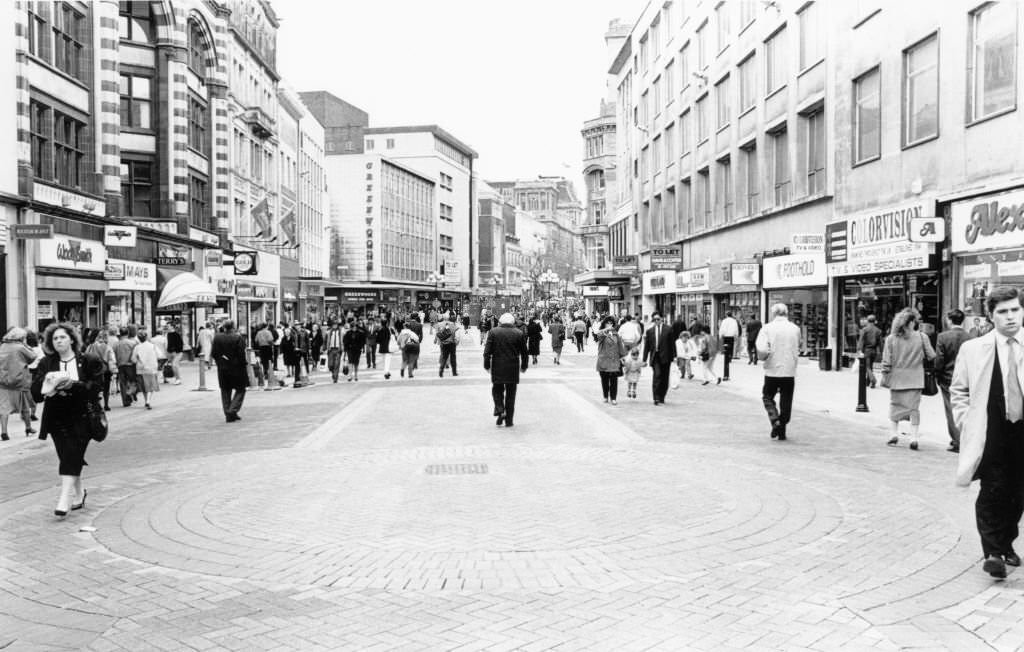
The city’s streets still hummed with shopping, socialising, and everyday commerce. Church Street, Bold Street, and Lord Street were busy with shoppers throughout the decade, particularly in the run-up to Christmas. The Clayton Square Shopping Centre was under construction by 1989, replacing the old Blackler’s store. Woolworths was still standing in 1982. Pizzaland opened on Lime Street in 1984. Life in the city centre carried on, even as parts of the wider city struggled.
Church Street, one of Liverpool’s shopping areas, Liverpool, 1980St John’s Market, temporary site on the undercover pavement in Elliot Street, Liverpool, 16th September 1980.F W Woolworth Department Store, Liverpool, 11th March 1982.Pizzaland Restaurant, Lime Street, Liverpool, 7th June 1984.General scene of Lord Street Liverpool, 15th October, 1986Christmas shoppers on Church Street, one of Liverpool’s shopping areas. Church Street, Liverpool, Merseyside, 4th December 1985.Christmas shoppers on Bold Street, Liverpool, Merseyside. 24th November 1986.Christmas shoppers on Bold Street, Liverpool, Merseyside, 24th November 1986.The Christmas shopping spree slipped into top gear with Liverpool city centre thronged with people, 1985People watchiing the Christmas Lights as they are switched on, Church Street, Liverpool, 27th November 1986.Post Christmas Sales Liverpool, 1985Christmas Shopping Trip, 25th November 1986. Young girls examine Gabby Bear DollsQueue at Cavern Walks which began on Christmas Eve, 27th December 1985.Clayton Square Shopping Centre, St Johns Blacklers store conversion well under way, Liverpool 19th July 1989.Grange Precinct, Birkenhead, bustling with shoppers. 27th July 1984.Shops on Smithdown Road, near the Penny Lane junction, 6th January 1986.Womens Fashion Floor at Blackers Department Store, Liverpool, 14th November 1980Lewis’s store manager David Cameron with some of the sales assistants on the day that the Sears group sold off the Liverpool Department store, 1988
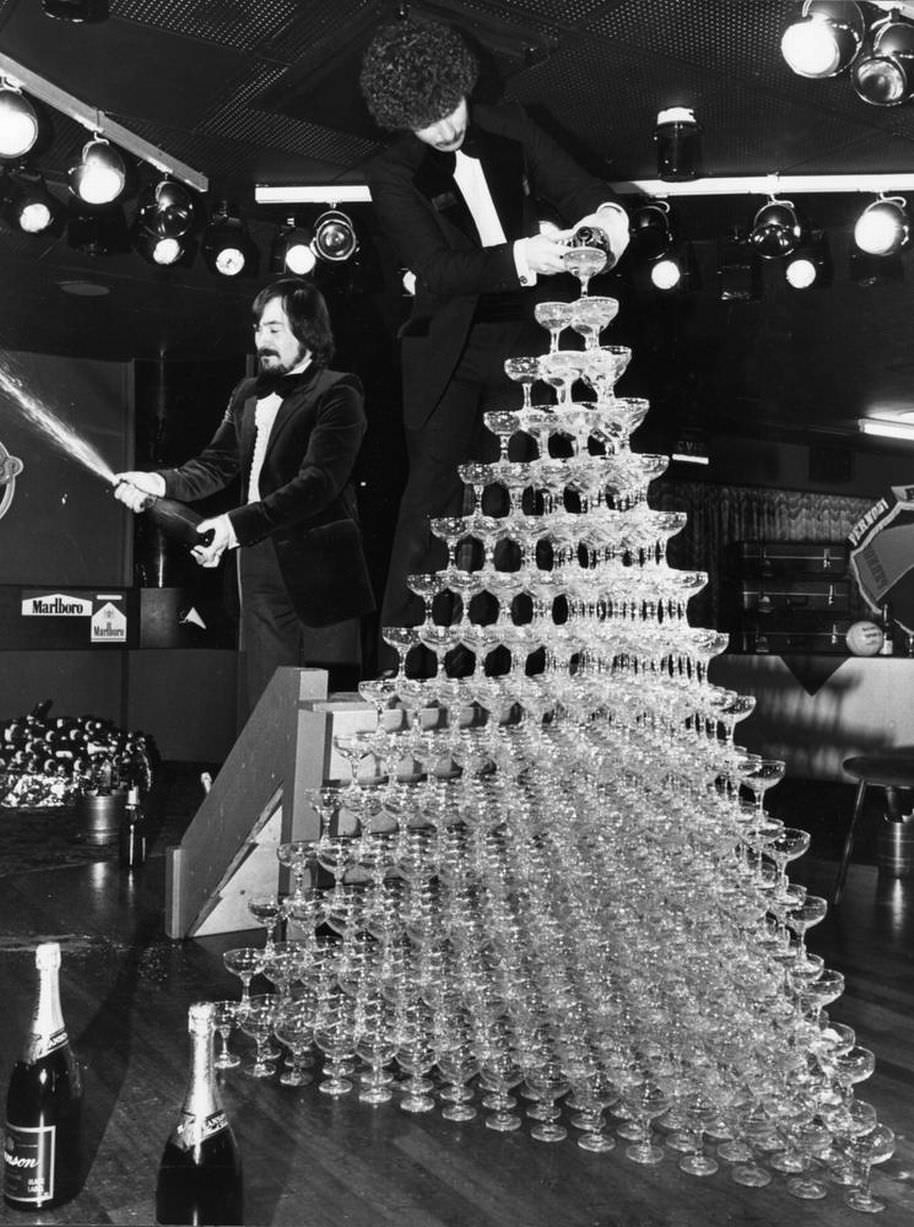
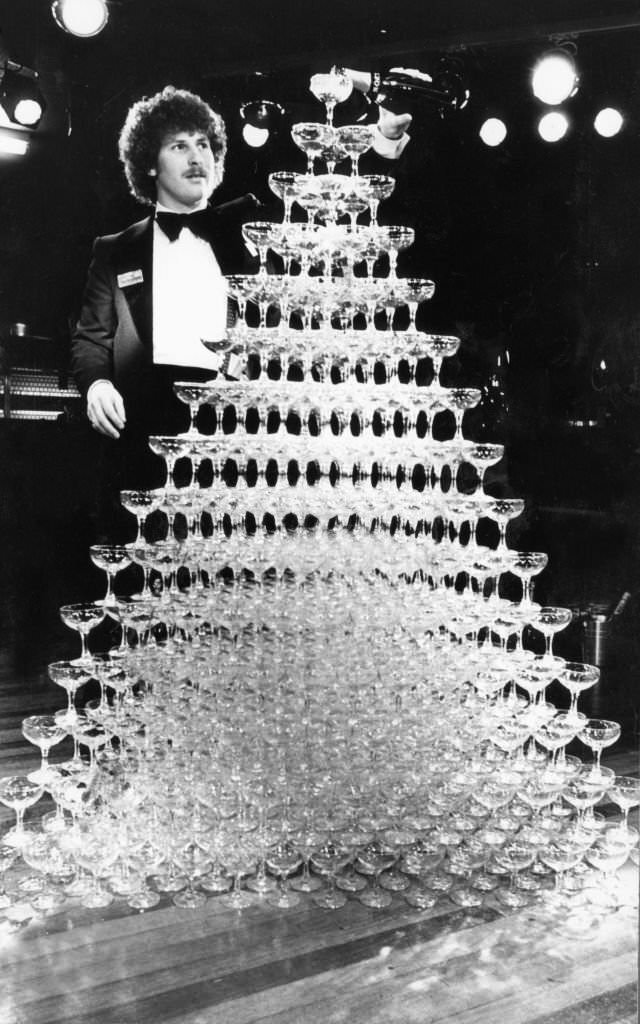
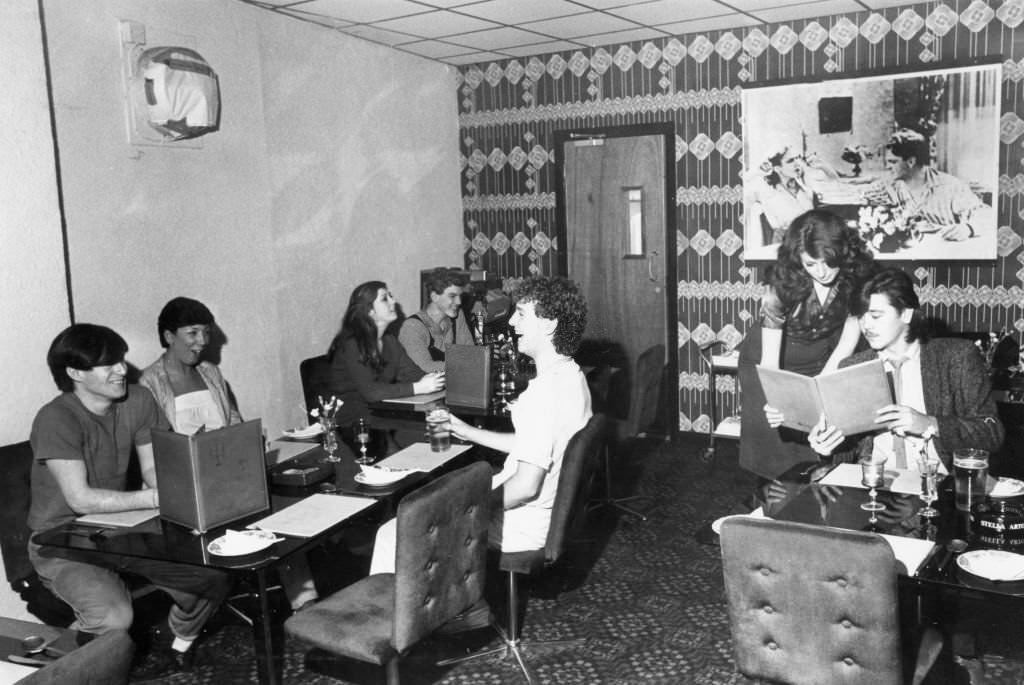
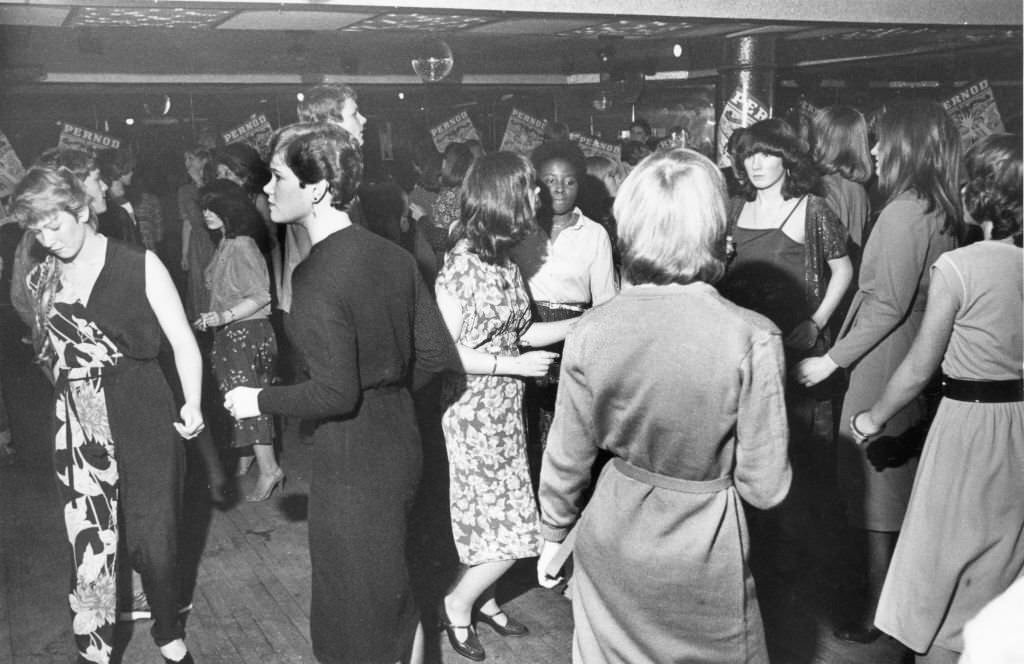
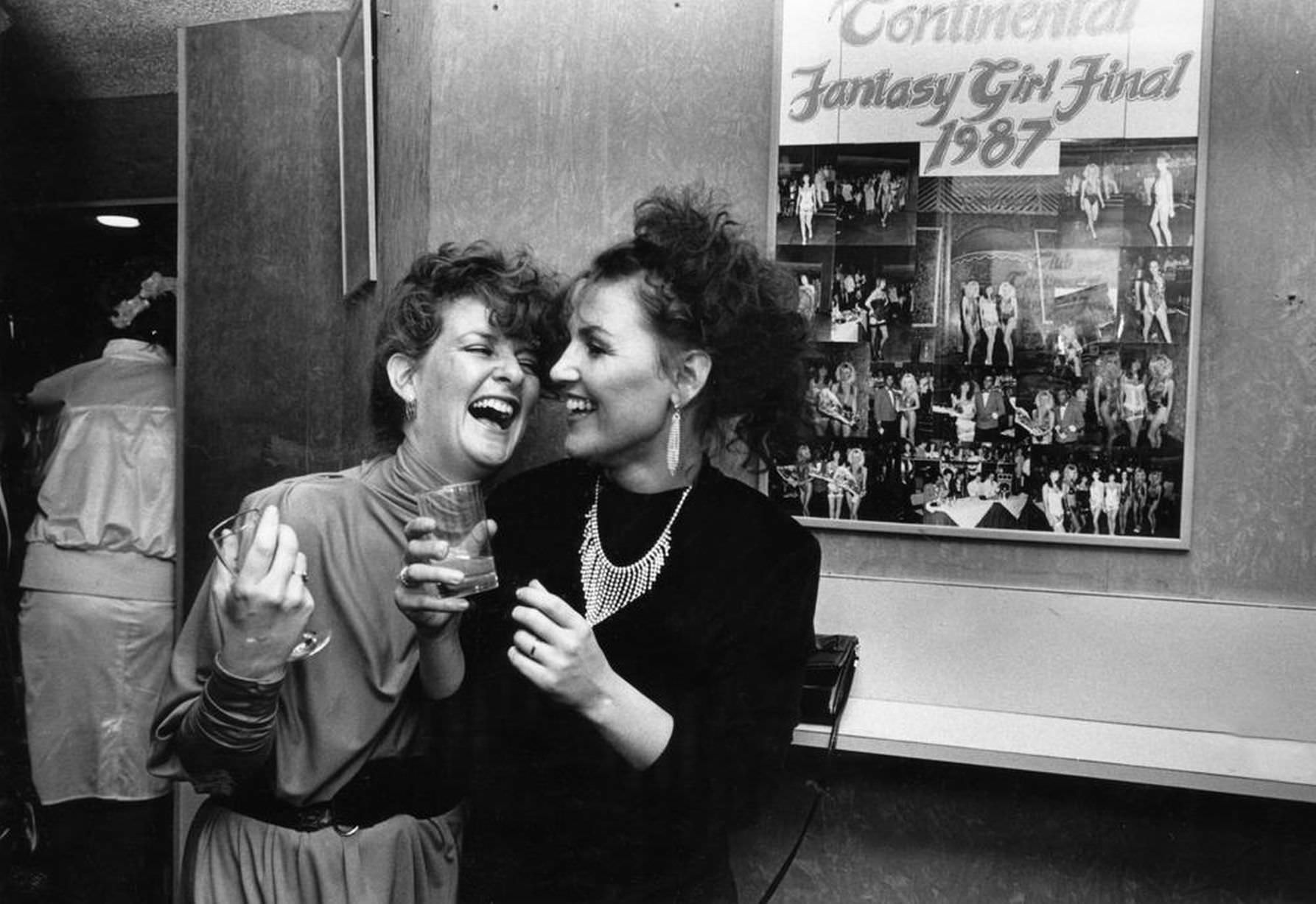
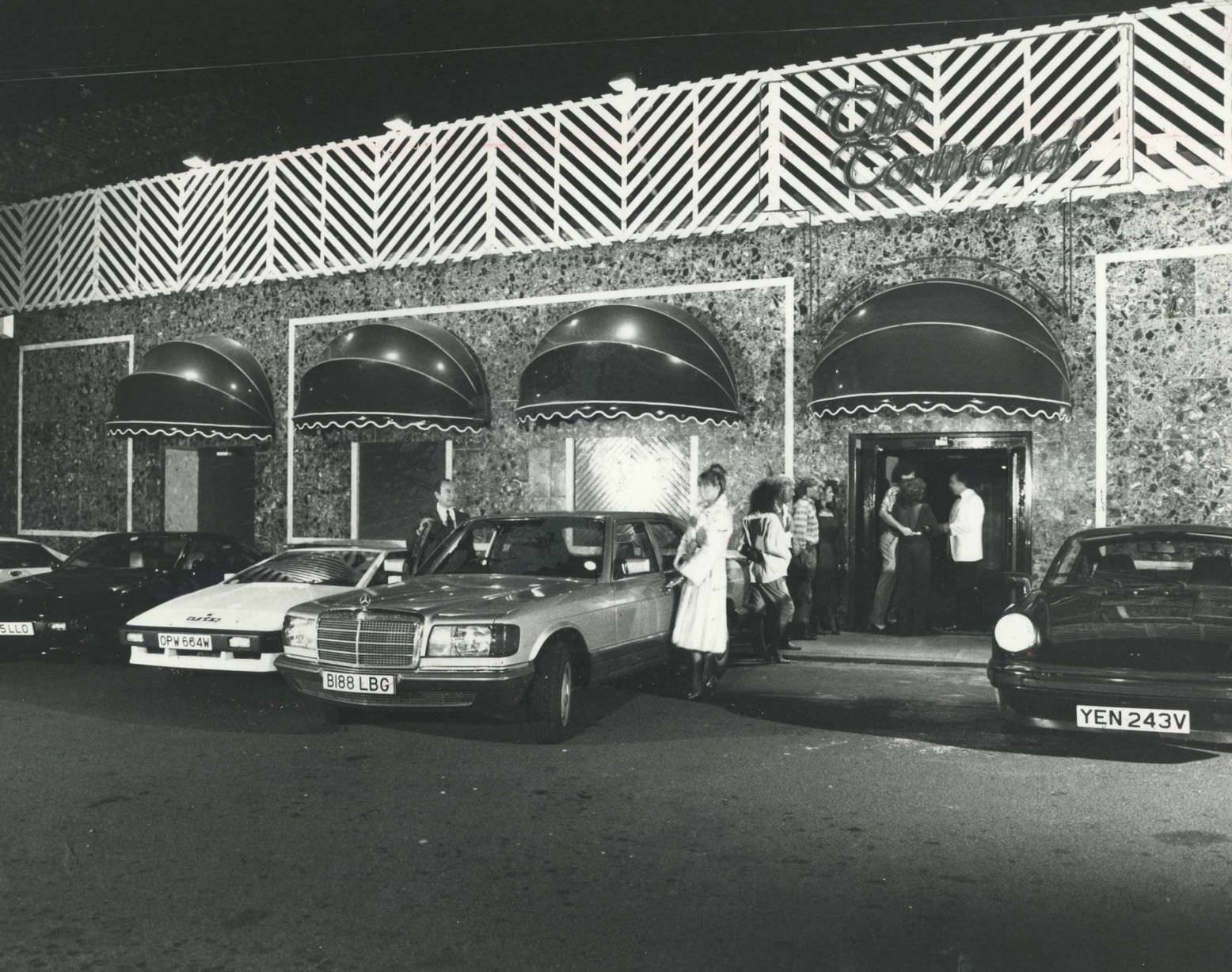
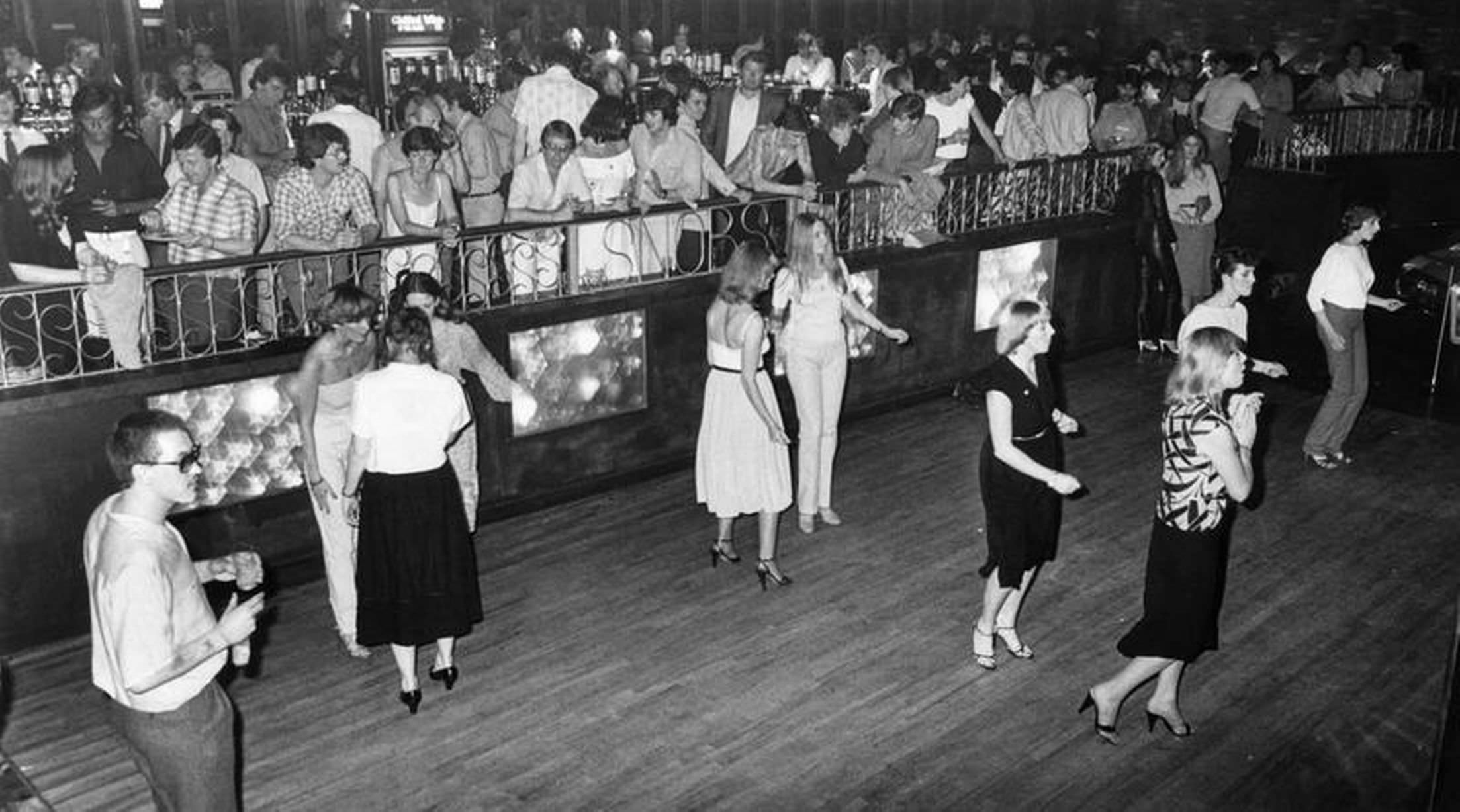
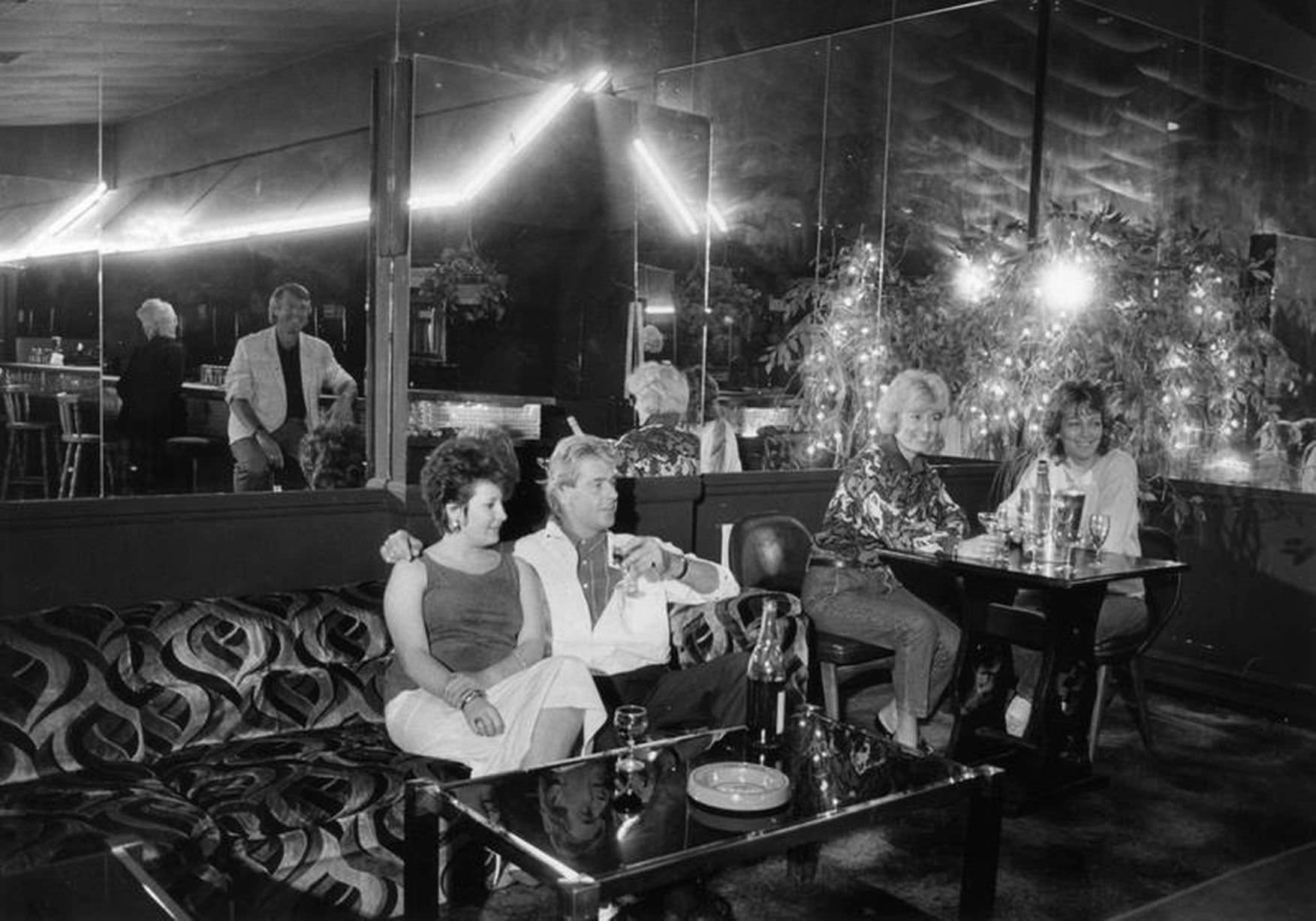
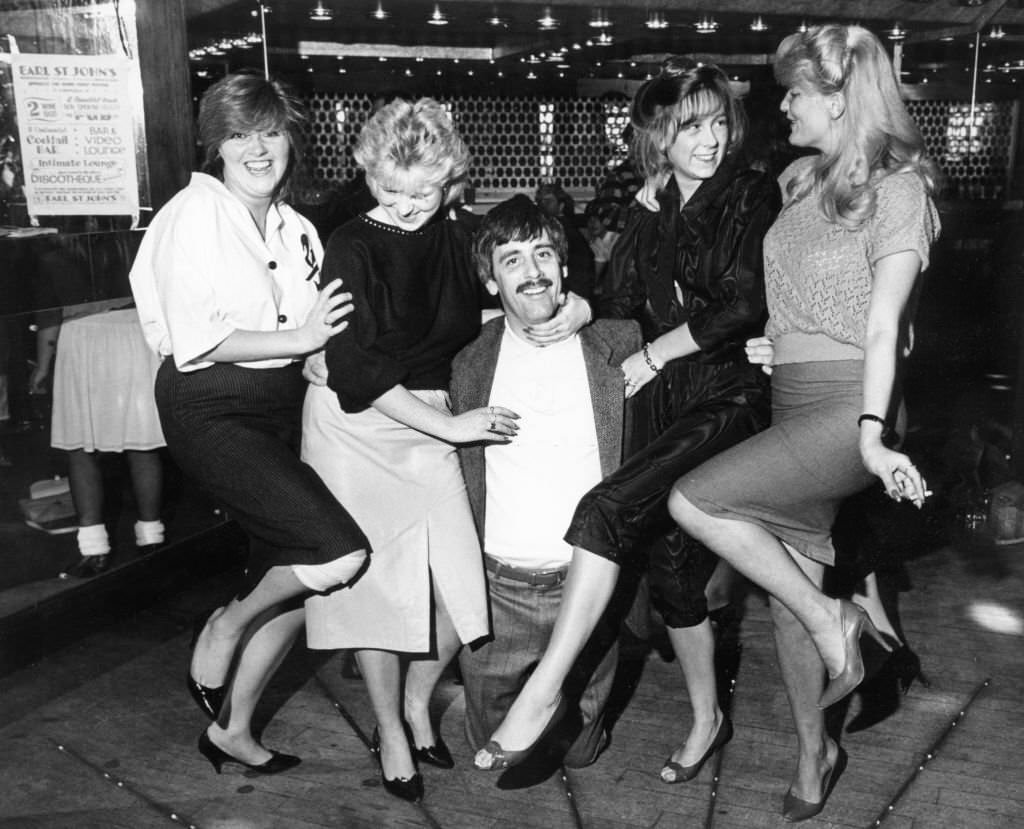
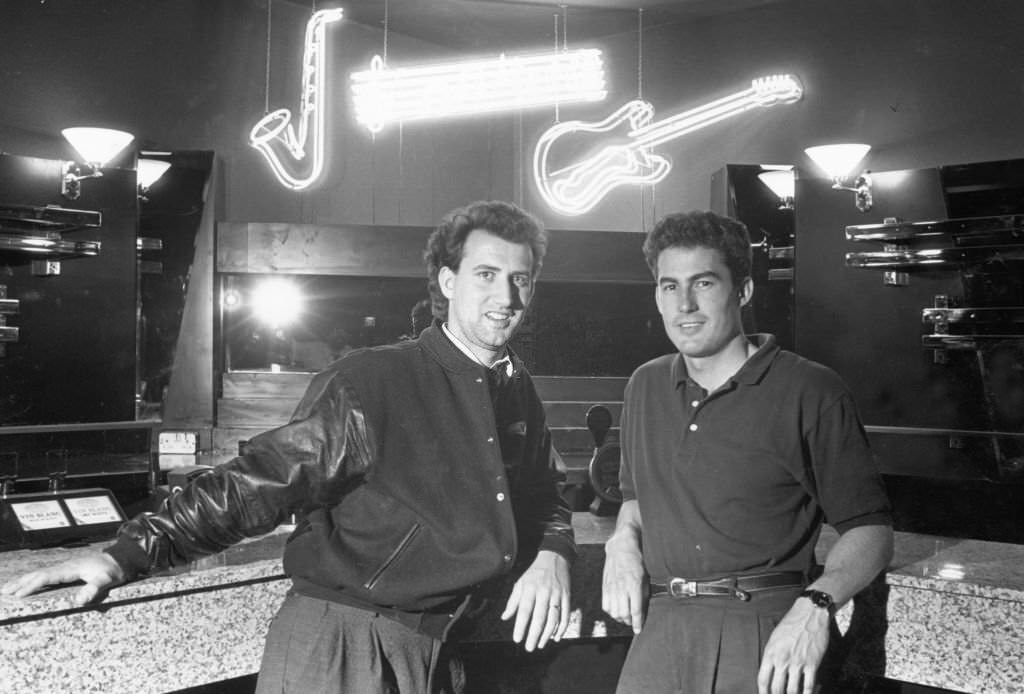
Liverpool’s nightlife was a genuine constant through the decade. Cagney’s on Fraser Street pulled in crowds for dancing and dining. Rotters nightclub made headlines in March 1980 when it broke the world record for the largest champagne fountain — more than 700 glasses filled from 14 gallons of champagne. Snobs, Club Continental, and the Earl St John disco all had their regulars. Bedrock was still drawing a crowd in 1989.
The world champagne fountain goes pop at Rotters night club in Liverpool.
The world champagne fountain goes pop at Rotters night club in Liverpool, 20th March 1980
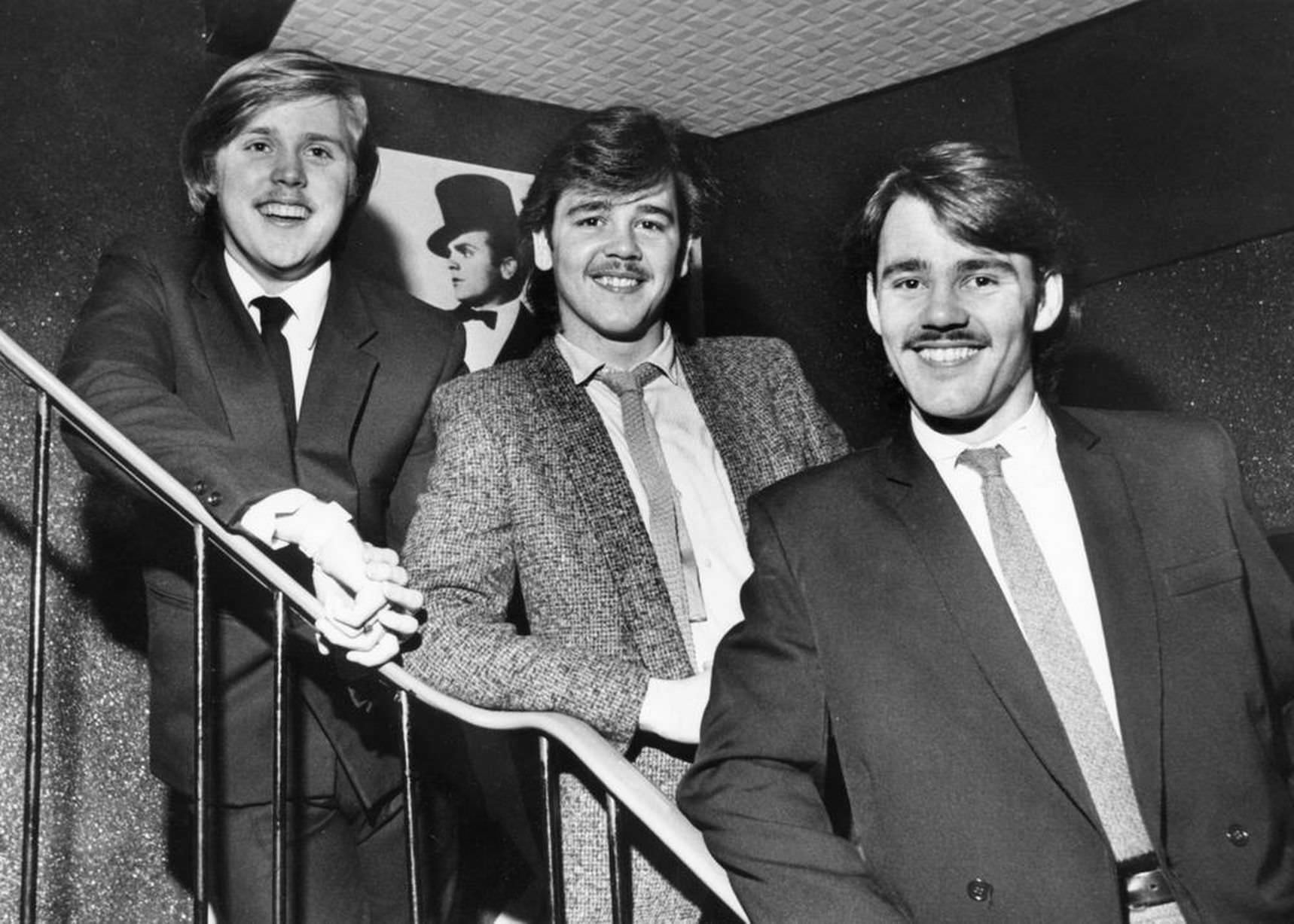
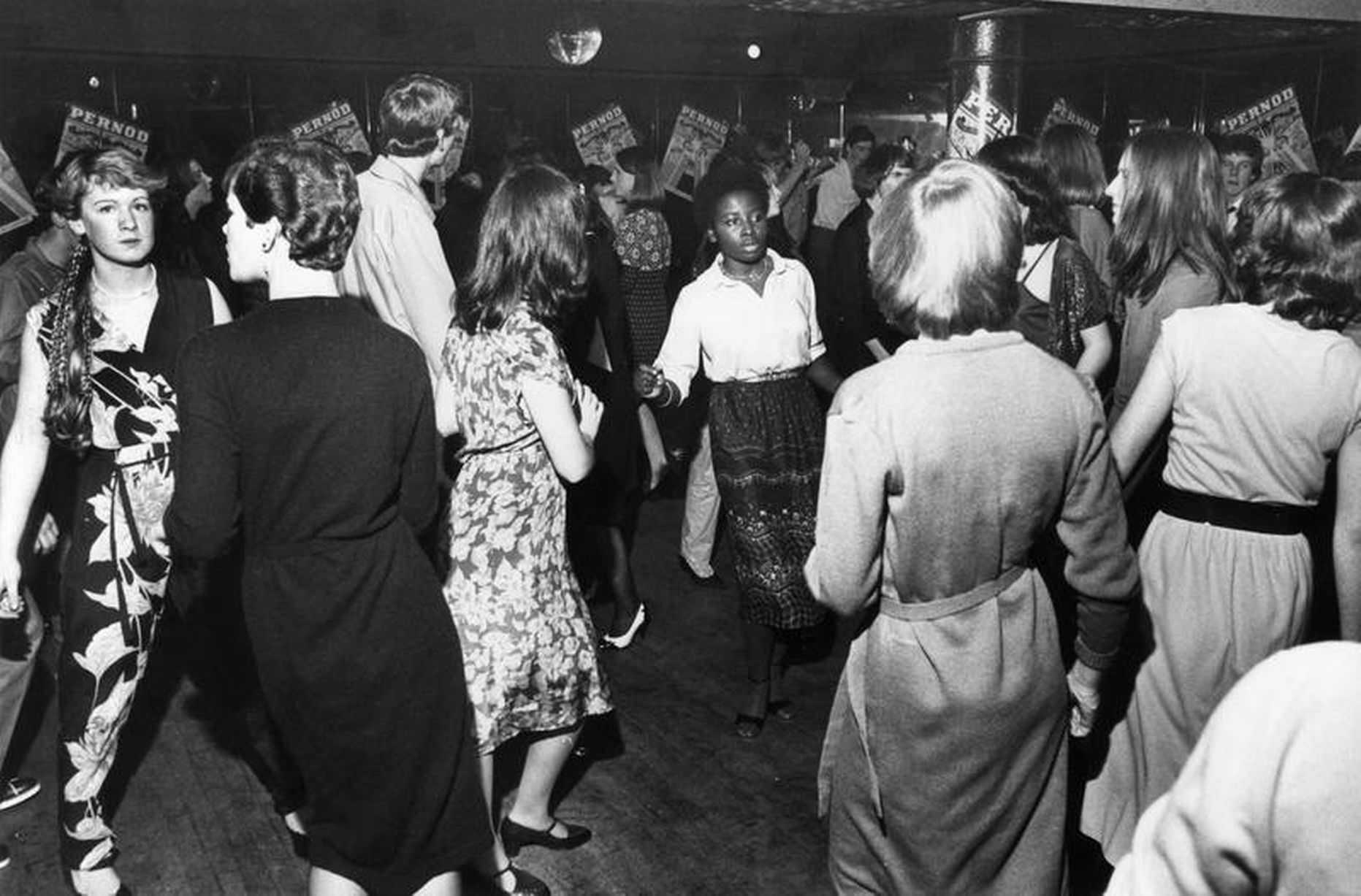
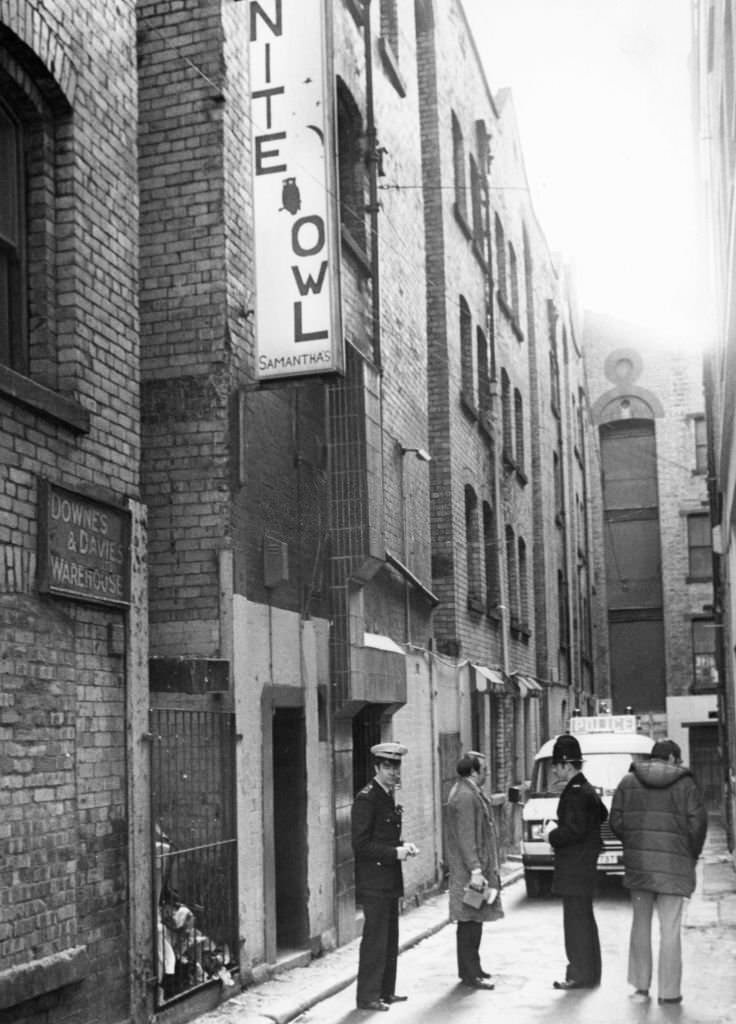
The restaurant at Cagneys Night Club in Liverpool, February 1980.A crowded dance floor at Cagneys Night Club in Liverpool, 1980The three managers at Cagneys Night Club in Liverpool, 1980sCagney’s Club, Fraser Street, Liverpool, 1985.Giggles and a good time at Liverpool’s Club Continental, 25th February 1988The Conti in its heydaySnobs Nightclub, Liverpool, 3rd July 1980.Snobs Nightclub, Liverpool, 22nd August 1986.Funtime at the Earl St John disci below the Rockfords Wine Bar, 27th October 1984.Disc jockey Pez (left) and manager Steve Fleury seen here in the cocktail bar of the Bedrock night club 17th June 1989.Police outside the Nite Owl Club in Davies Street the morning after a fierce fight at the club left one man in hospital fighting for his life, 1981
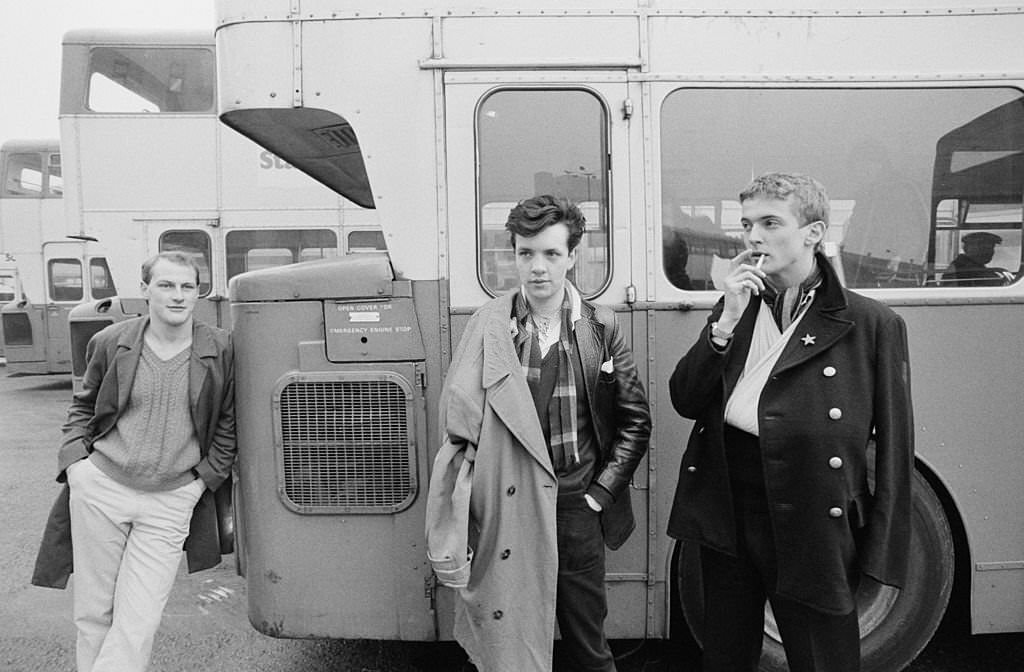
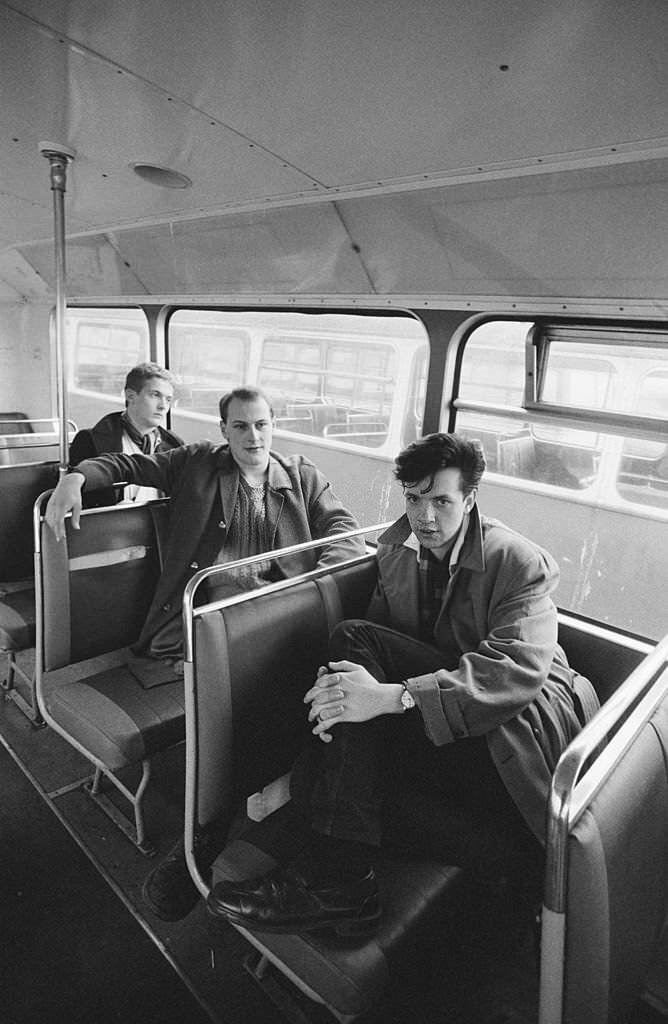
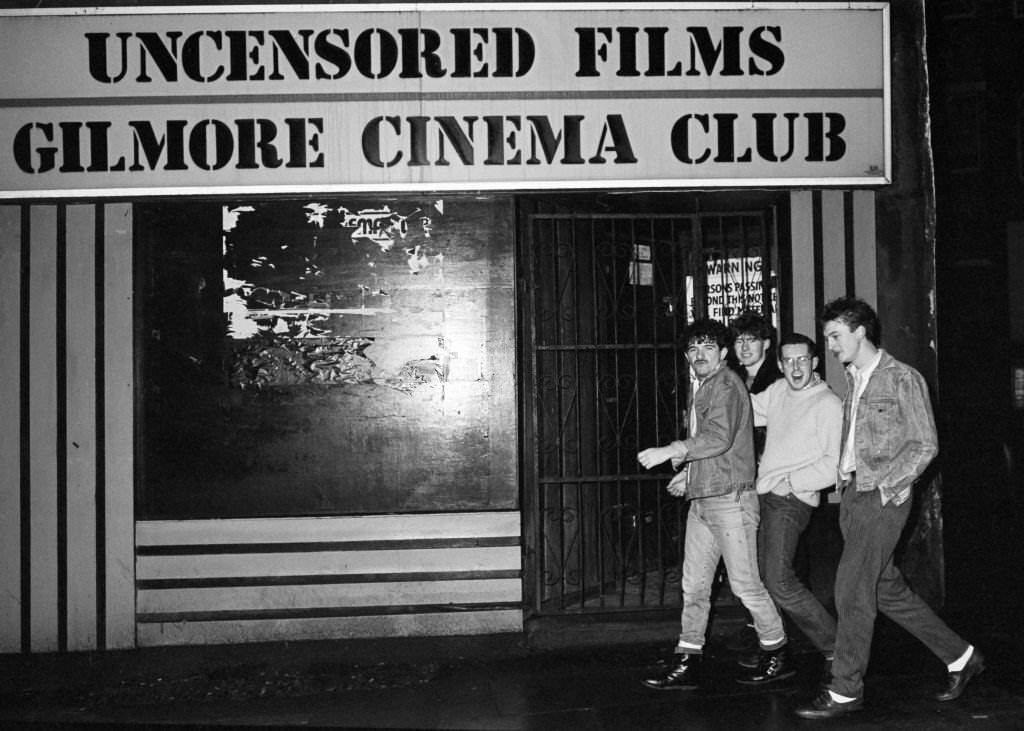
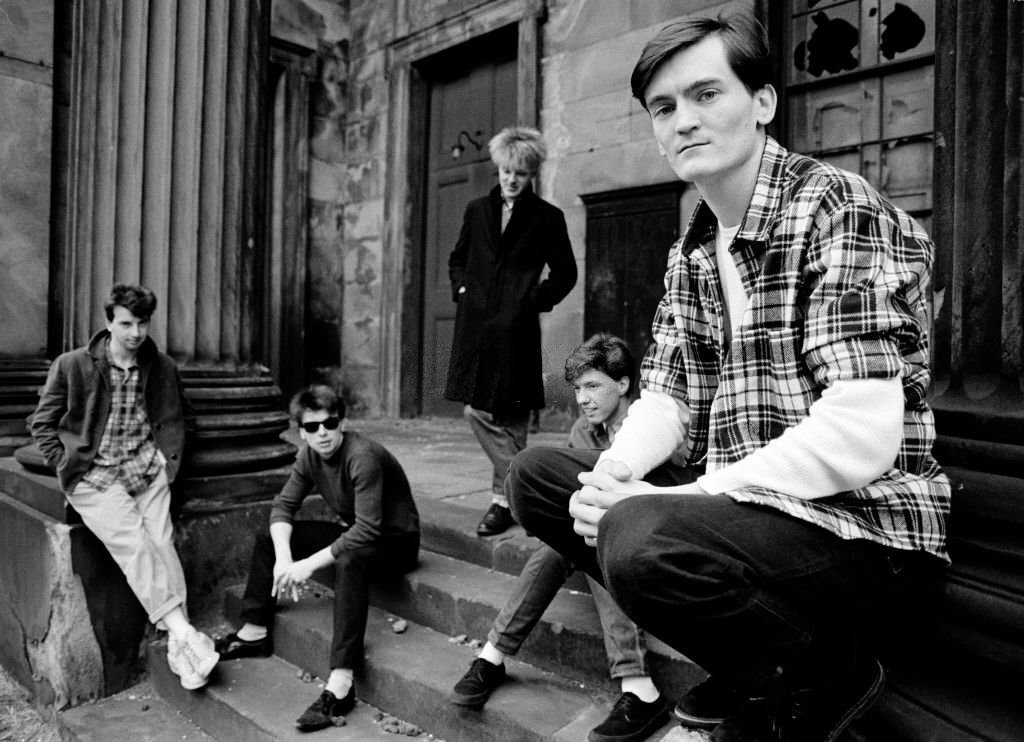
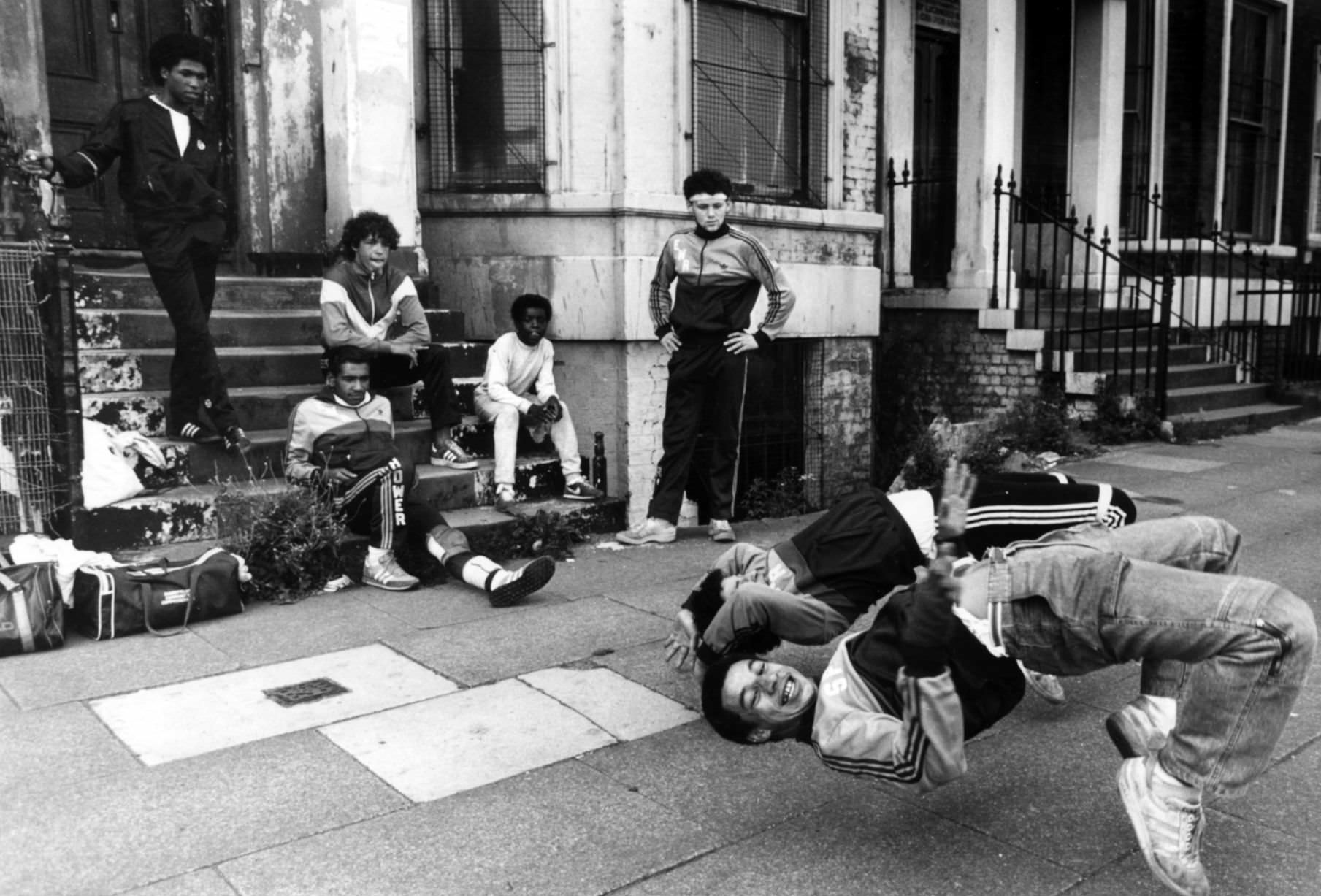
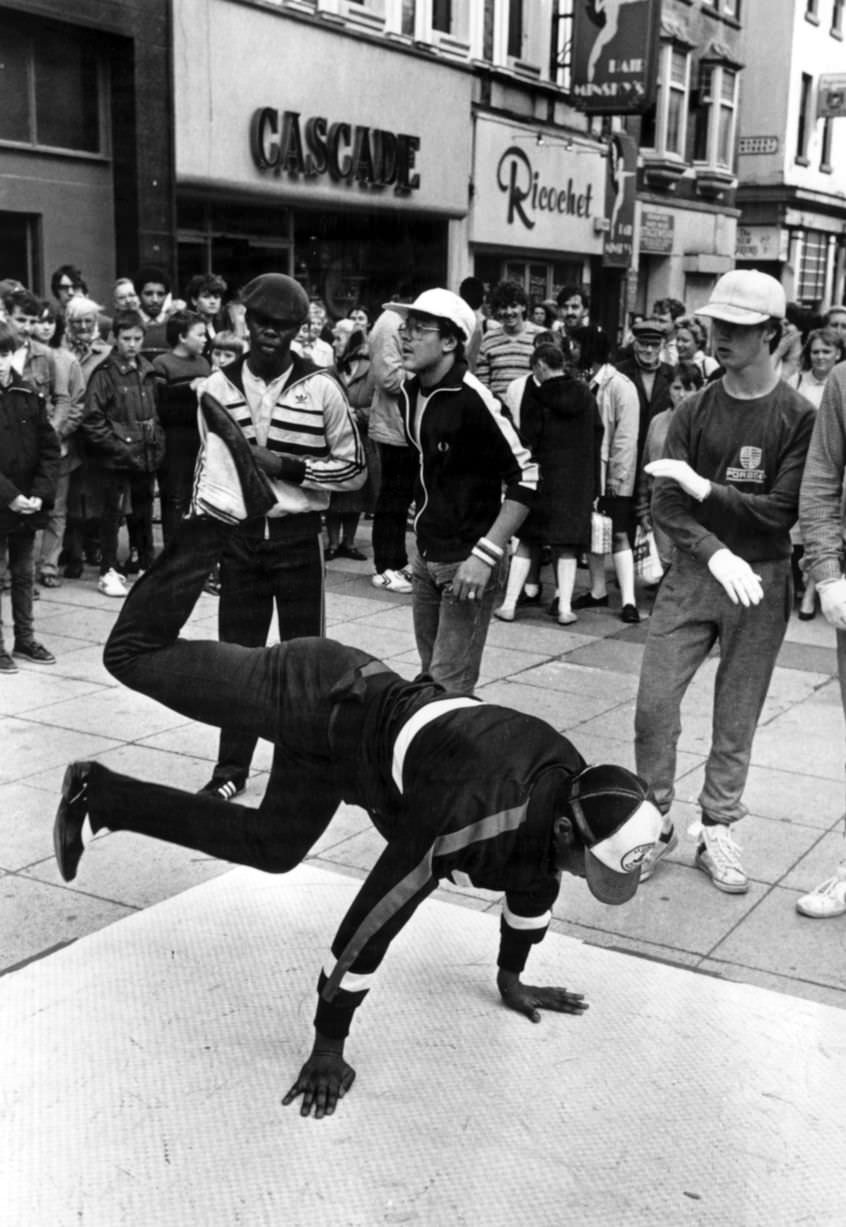
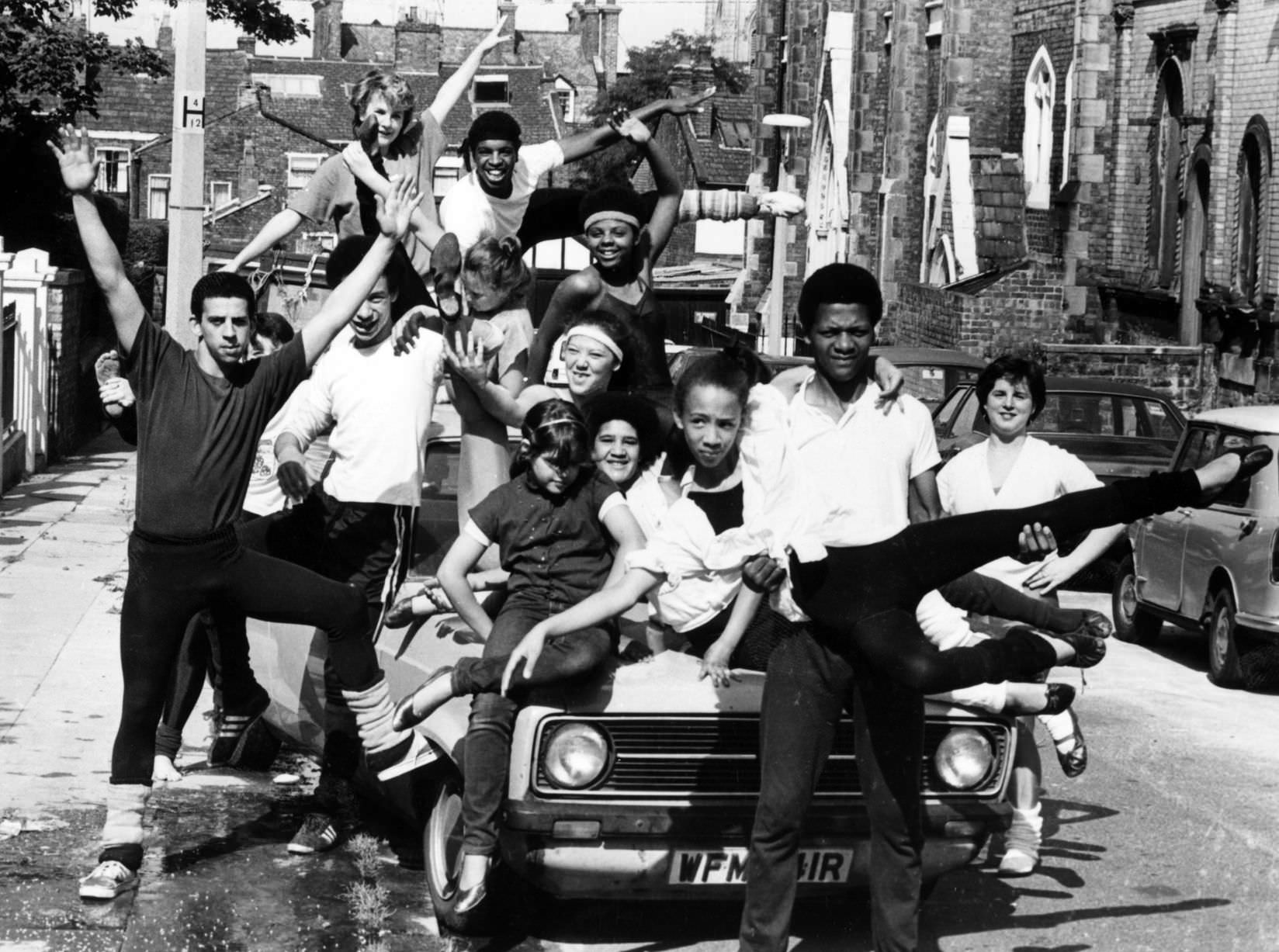
The city’s music scene was alive in more than just clubs. Bands like Frankie Goes to Hollywood and Wah! were making noise in the early years of the decade, photographed around the city’s streets. Breakdancers took over squares and pavements — the Eastwood Rockers and Broken Glass crew were performing their routines in Clayton Square and on Lord Street. Street culture filled the gaps left by closed-down factories and empty lots.
Pete Wylie (centre) of British band Wah! in Liverpool, England on January 11, 1980.Pete Wylie (right) of British band Wah! in Liverpool, England on January 11, 1980.Frankie Goes to HollywoodThe Undertones in Liverpool, 1983A group of breakdancers, the Eastwood Rockers, going through their break dancing paces on the streets of Liverpool.Street dance crew Broken Glass, in Clayton Square, Liverpool, demonstrating their moves, 6th October 1983Shades of fame – as a group of Liverpool youngsters go through some dance routines during the summer holidays, 1982
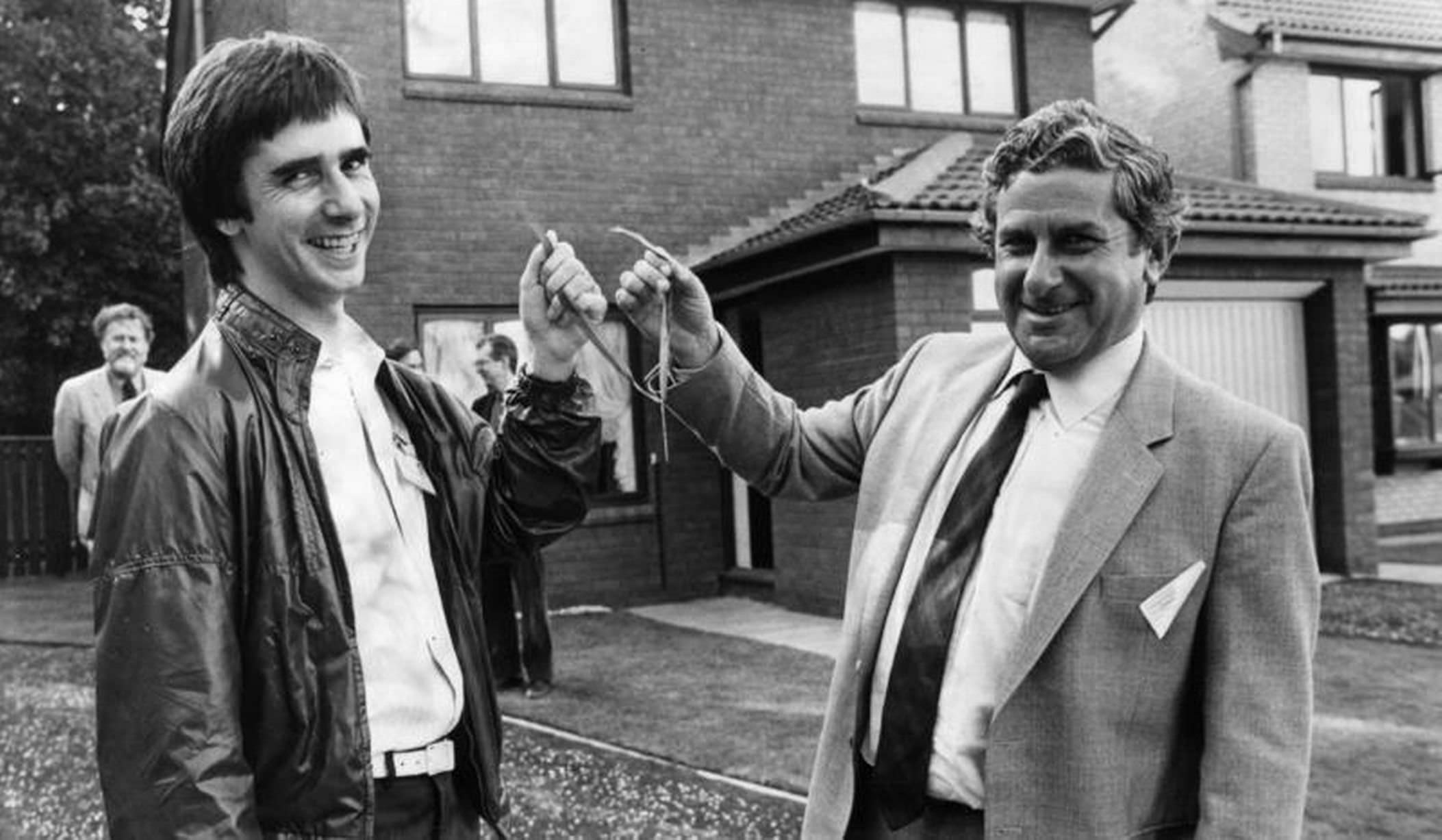
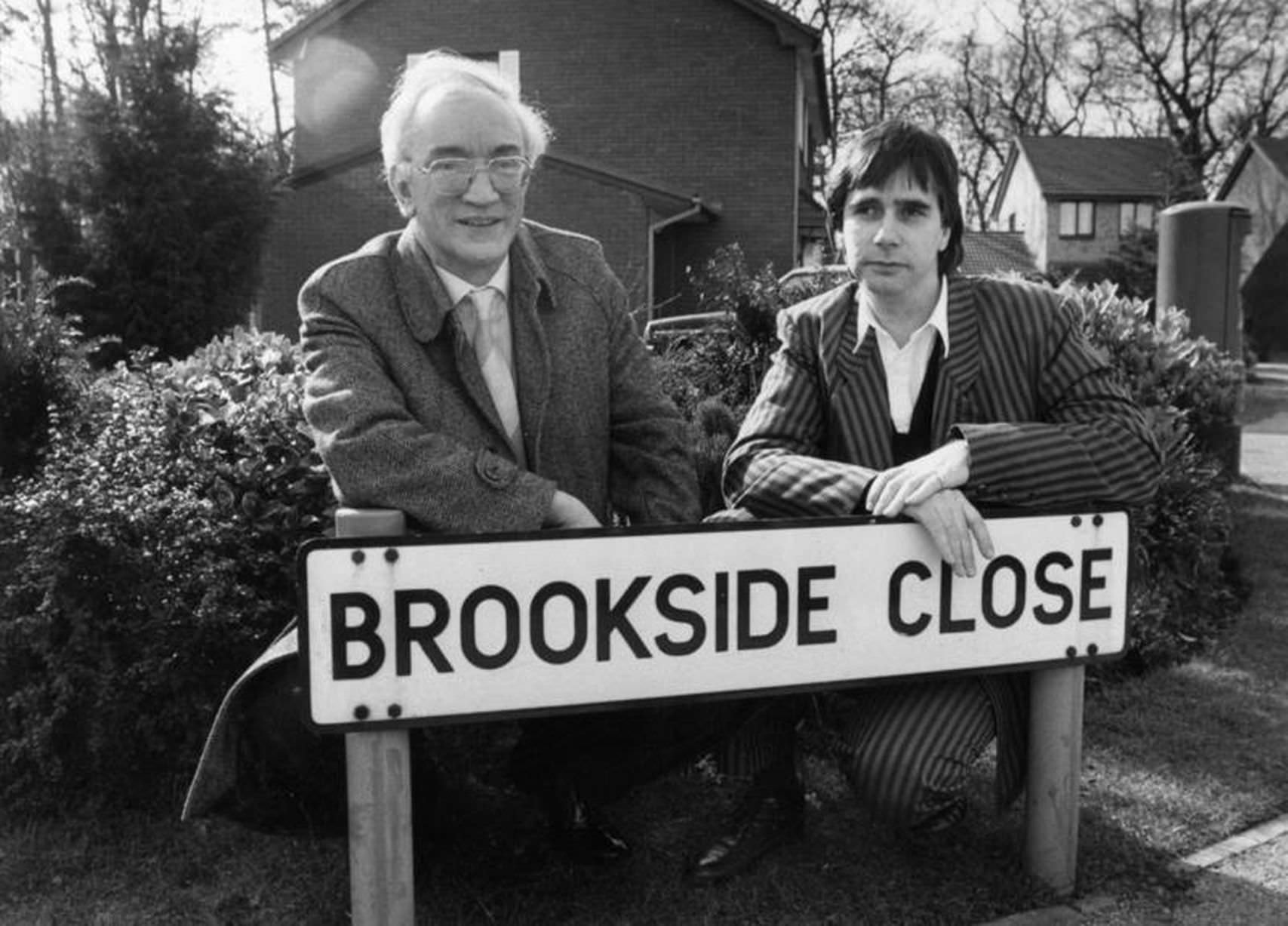
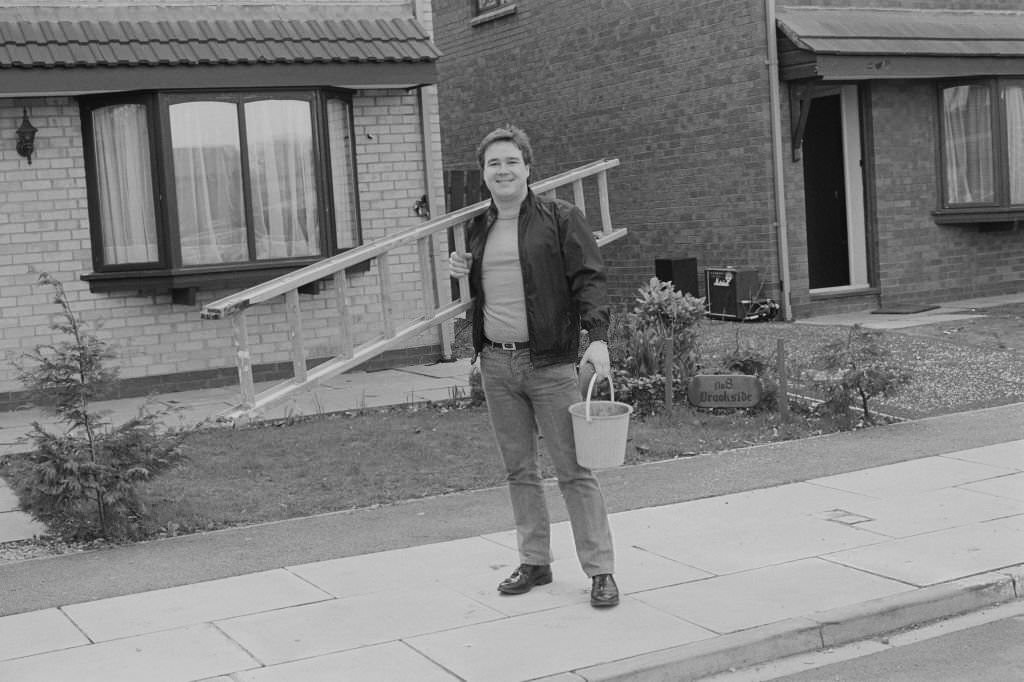
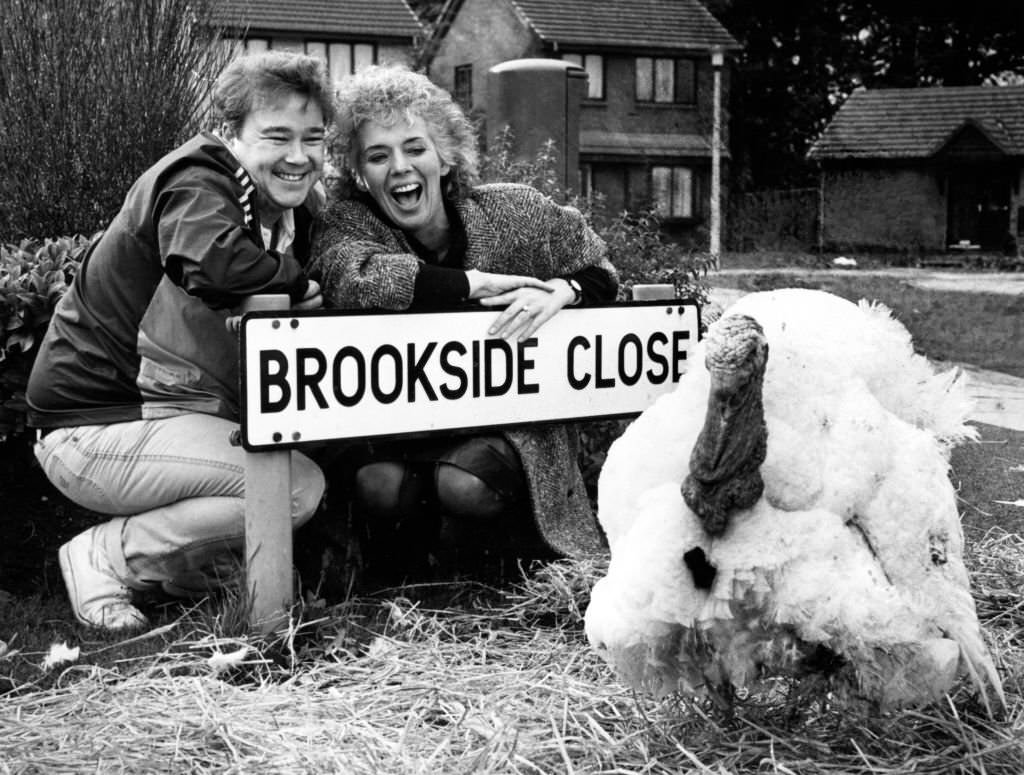
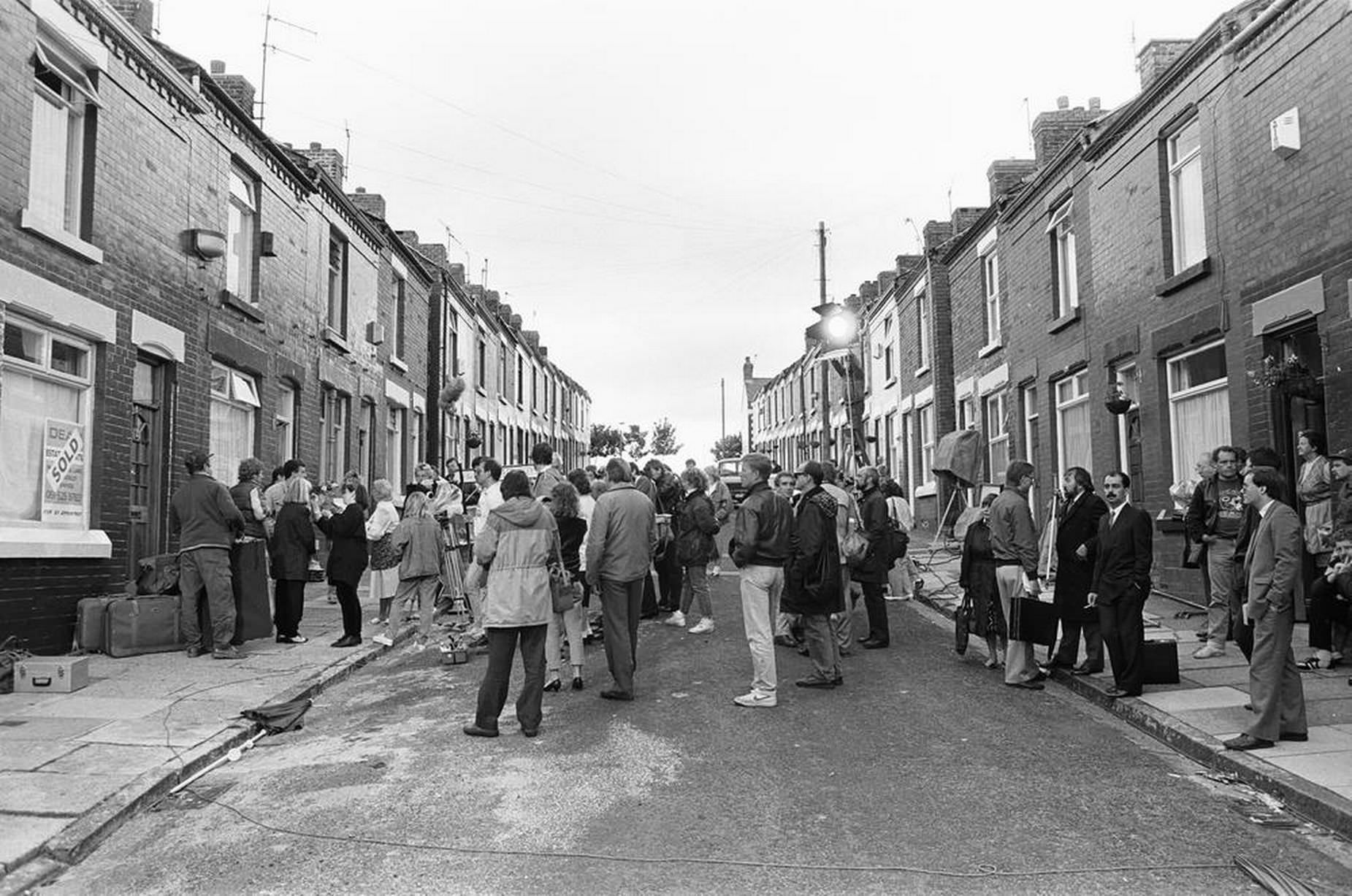
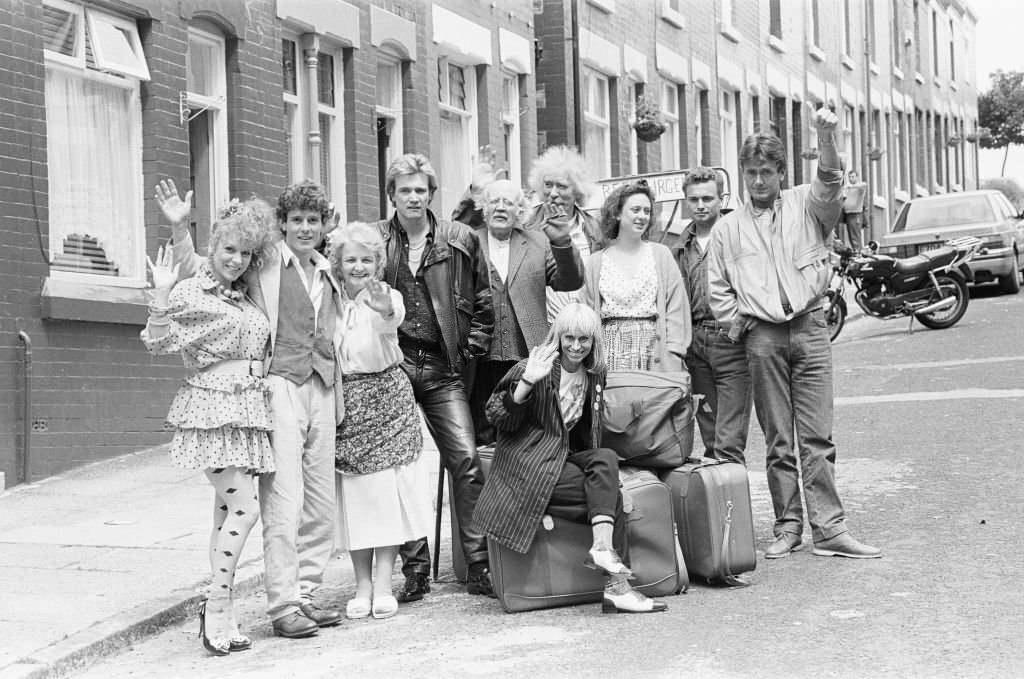
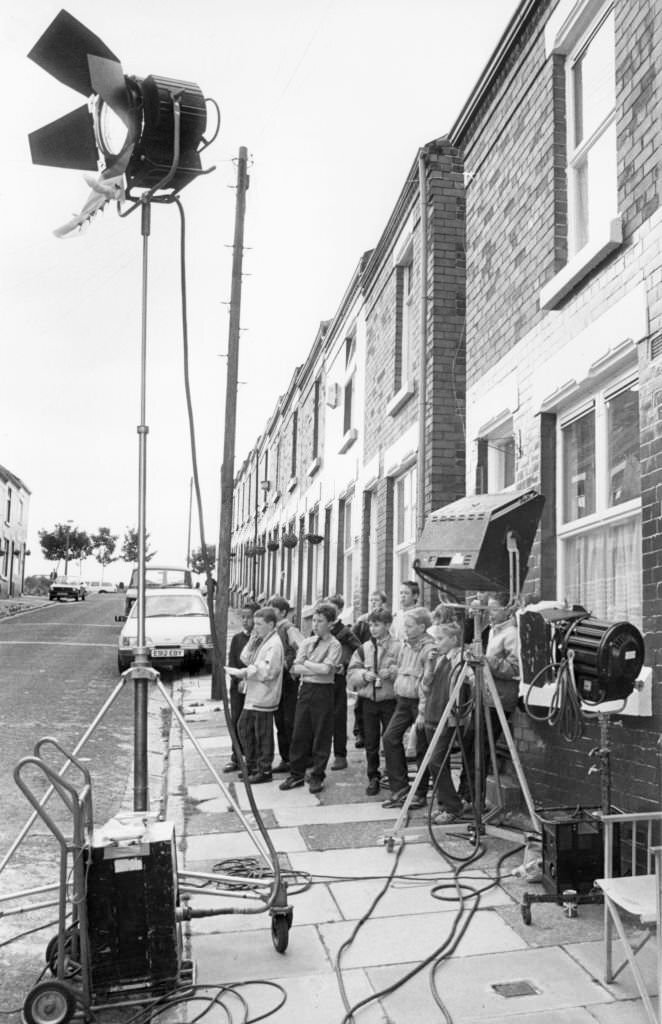
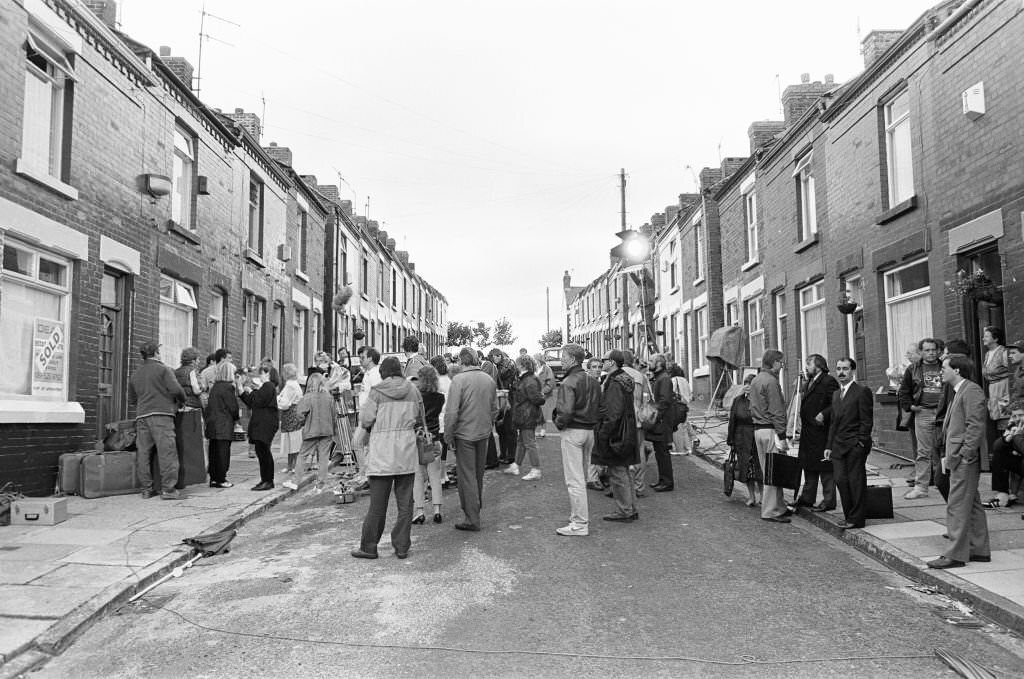
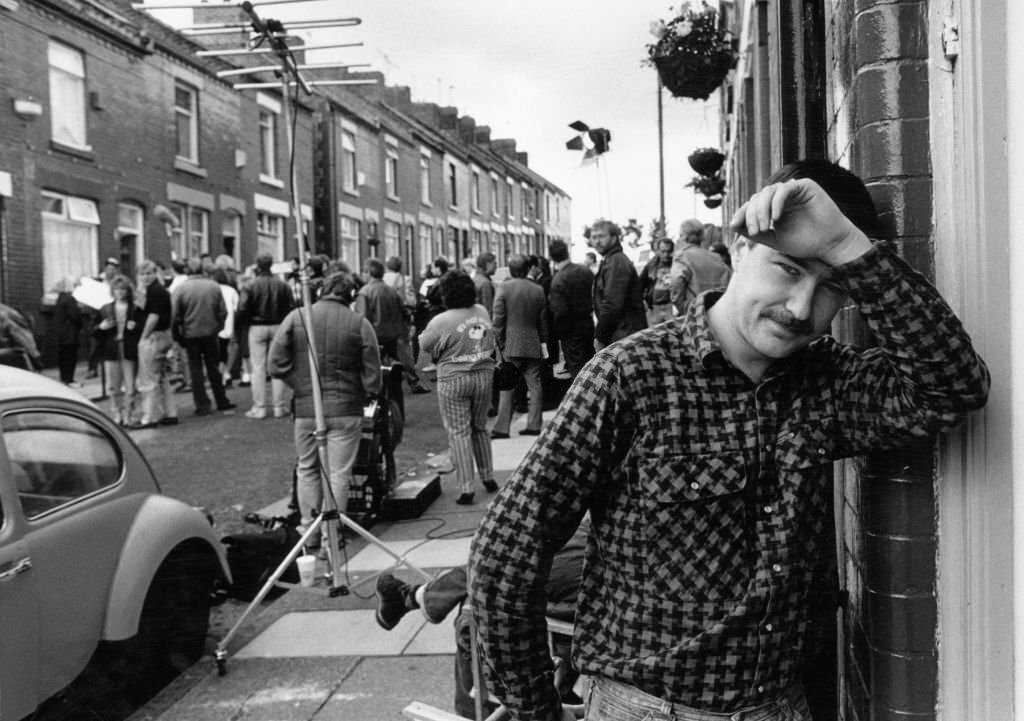
Television brought Liverpool to a national audience in new ways during the 1980s. Phil Redmond launched Brookside in August 1982, filming on a purpose-built estate in Croxteth. The soap tackled unemployment, addiction, and social issues head-on, making it compulsive viewing. Meanwhile, the BBC comedy Bread filmed on Elswick Street in Dingle from 1986, turning the area into a temporary set. Locals gathered to watch the cast and crew at work, and at least one neighbour — Ford night shift worker Ian Dean — complained repeatedly about the noise during location filming.
Soap opera Brookside, which was officially launched at Croxteth housing estate, Tuesday 10th August 1982John Stalker, Deputy Chief Constable of Greater Manchester Police with Phil Redmond on the Brookside set, Liverpool, Monday 16th March 1987.English actor Michael Starke in character as Thomas ‘Sinbad’ Sweeney from the long running television soap opera Brookside, in Liverpool on 18th April 1985.Michael stark and Sue Johnston from the Brookside cast with Trevor the Turkey, 6th November 1985.The BBC in Elswick Street, Dingle filming the hit comedy “Bread” 11th July 1987BBC Filming Bread in LiverpoolFilming BBC Bread in Liverpool, 1988The BBC in Elswick Street, Dingle filming the hit comedy “Bread” 11th July 1987.Noisy Neighbours, 1988Paul McCartney in Liverpool, 1988
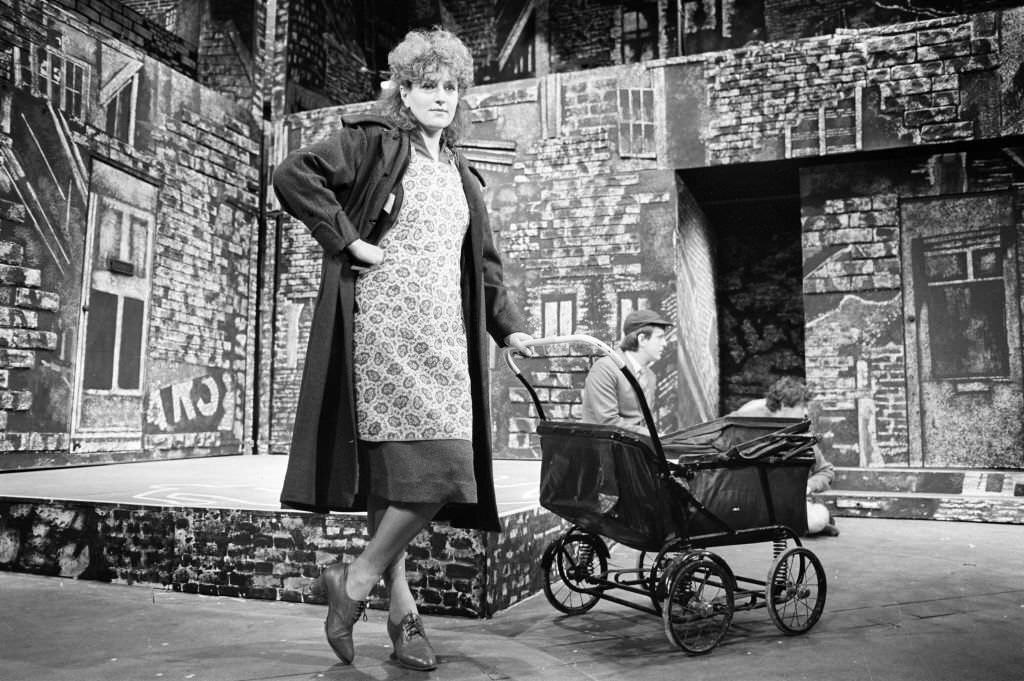
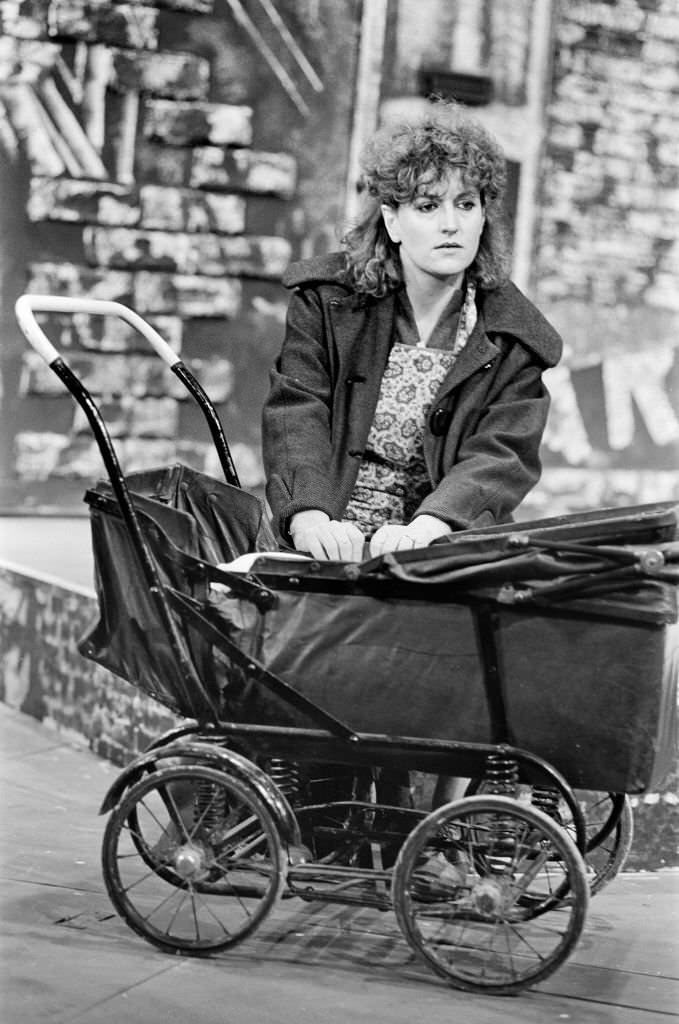
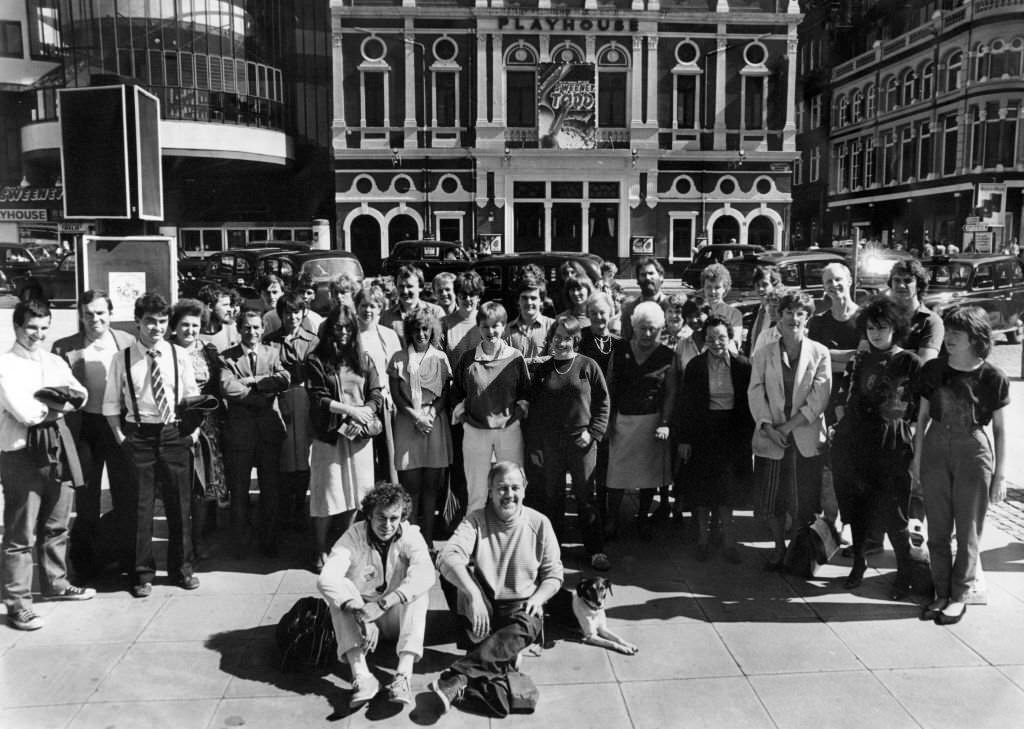
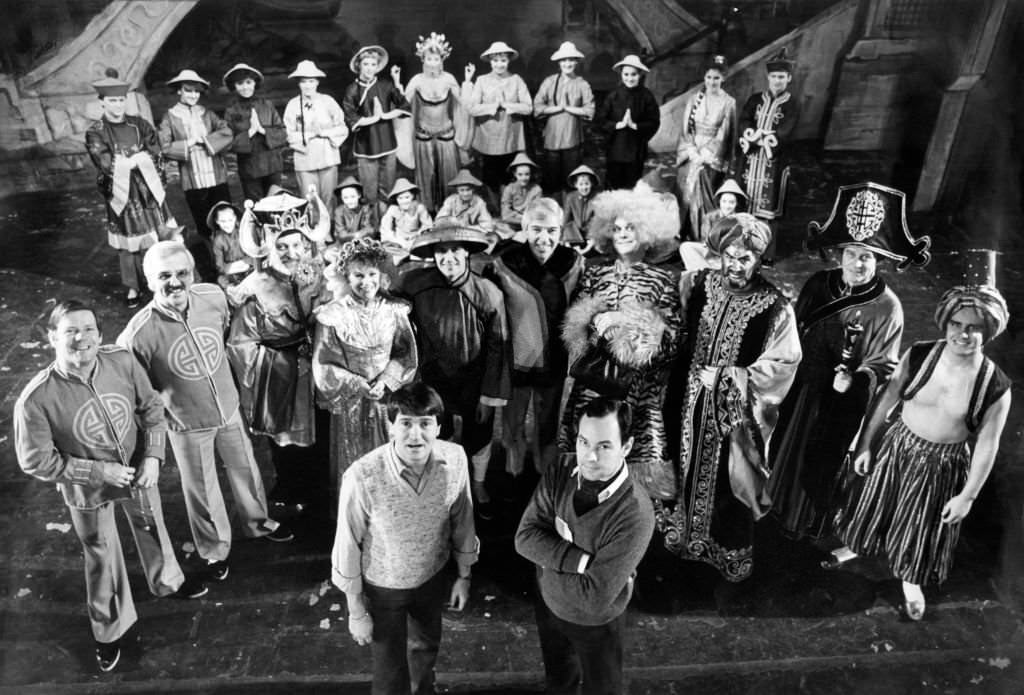
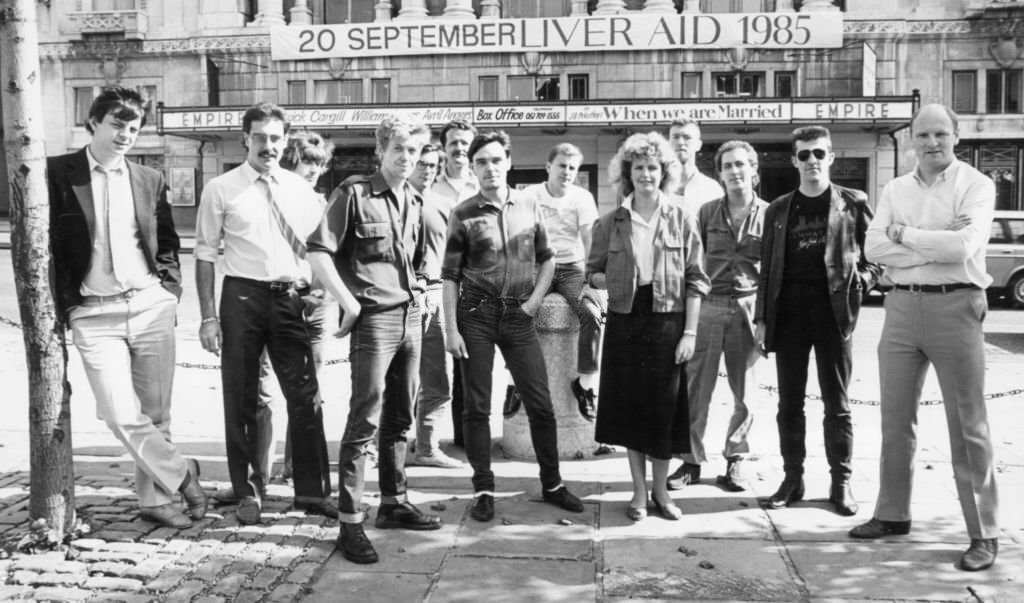
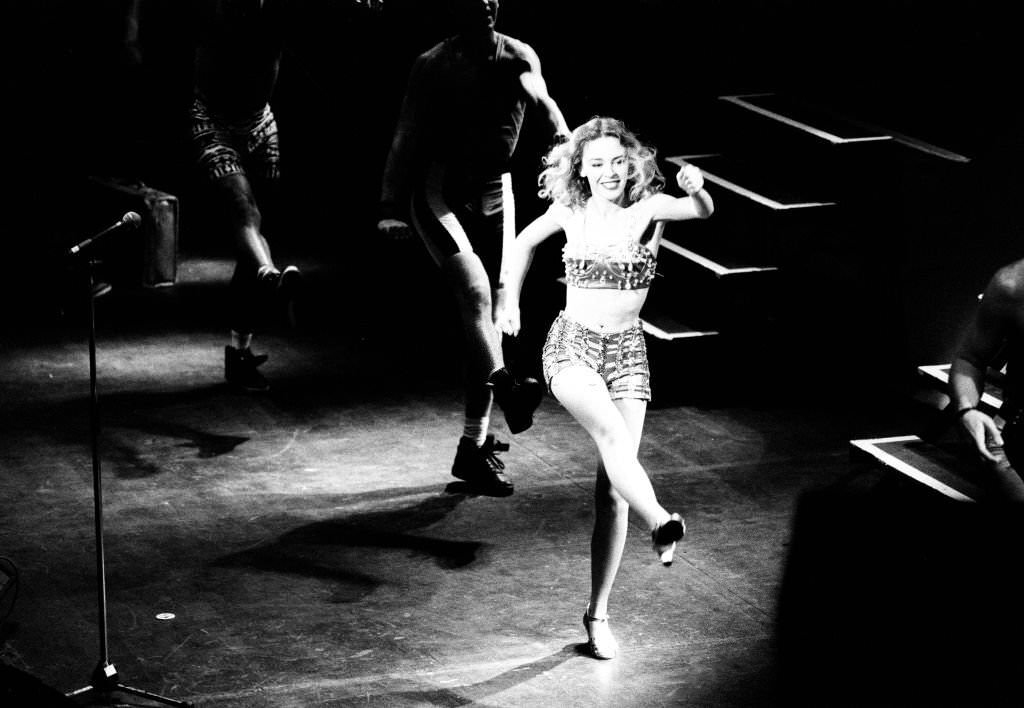
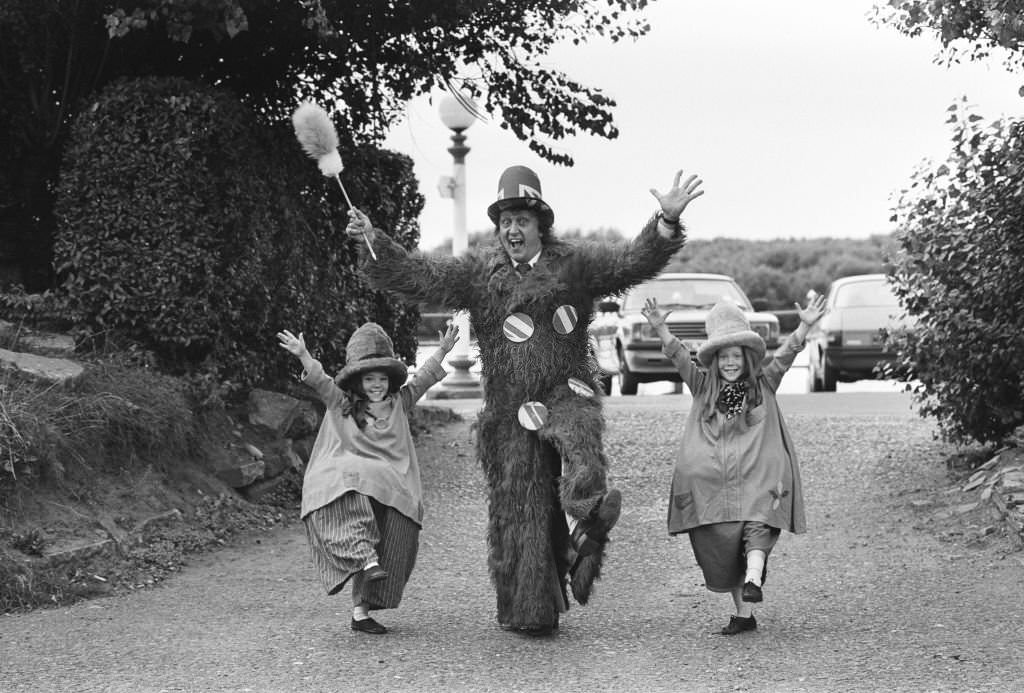
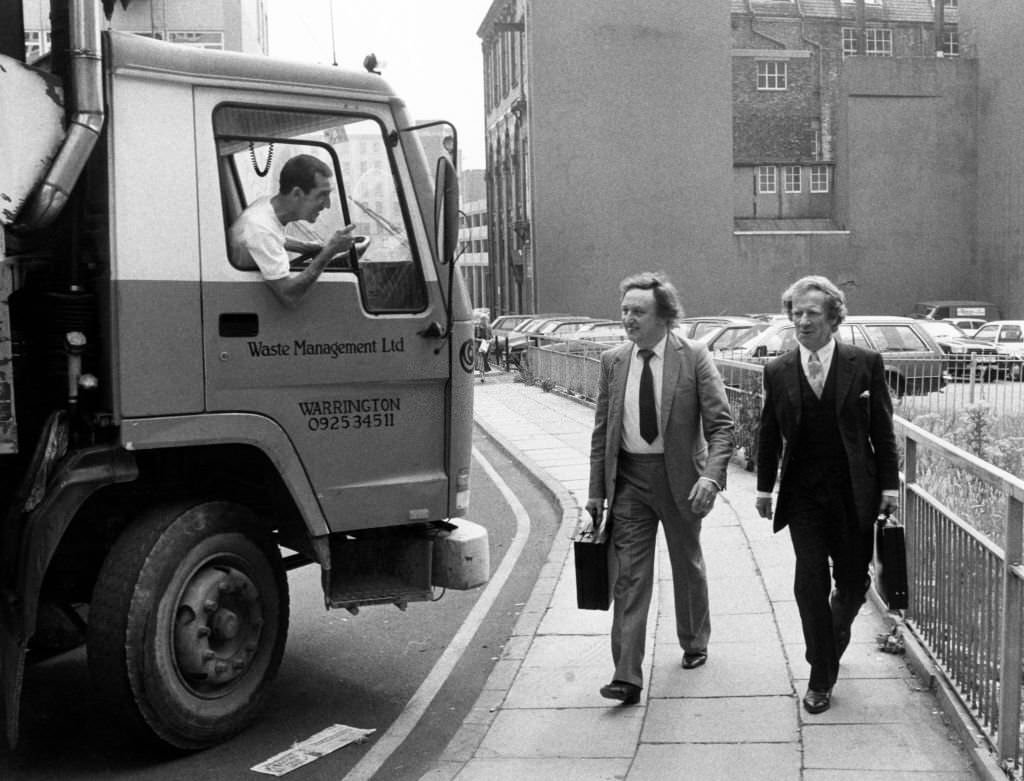
Liverpool’s theatres kept audiences coming through the decade. The Playhouse staged the world premiere of Willy Russell’s Blood Brothers in December 1982, with Barbara Dickson starring as Mrs Johnstone. The Liverpool Empire hosted everyone from pantomime casts to Kylie Minogue, who performed there in October 1989. Comedian Ken Dodd remained a Merseyside institution — still playing Southport Theatre in September 1989, even as he faced his own legal troubles the same year.
Blood Brothers premiere, 1983The Playhouse Theatre in Liverpool, 1983Scottish singer and actress Barbara Dickson photographed at home, 1983Liverpool Playhouse staff, 1982.Pantomime at Liverpool Empire Theatre, 1983The team behind the starts appearing at the Liver Aid concert for Ethiopia at the Liverpool Empire. 19th September 1985.Kylie Minogue in concert at Liverpool Empire Theatre, Merseyside, 19th October 1989.Ken Dodd at Southport Theatre, 3rd September 1989.Ken Dodd arriving at court, 20th July 1989.
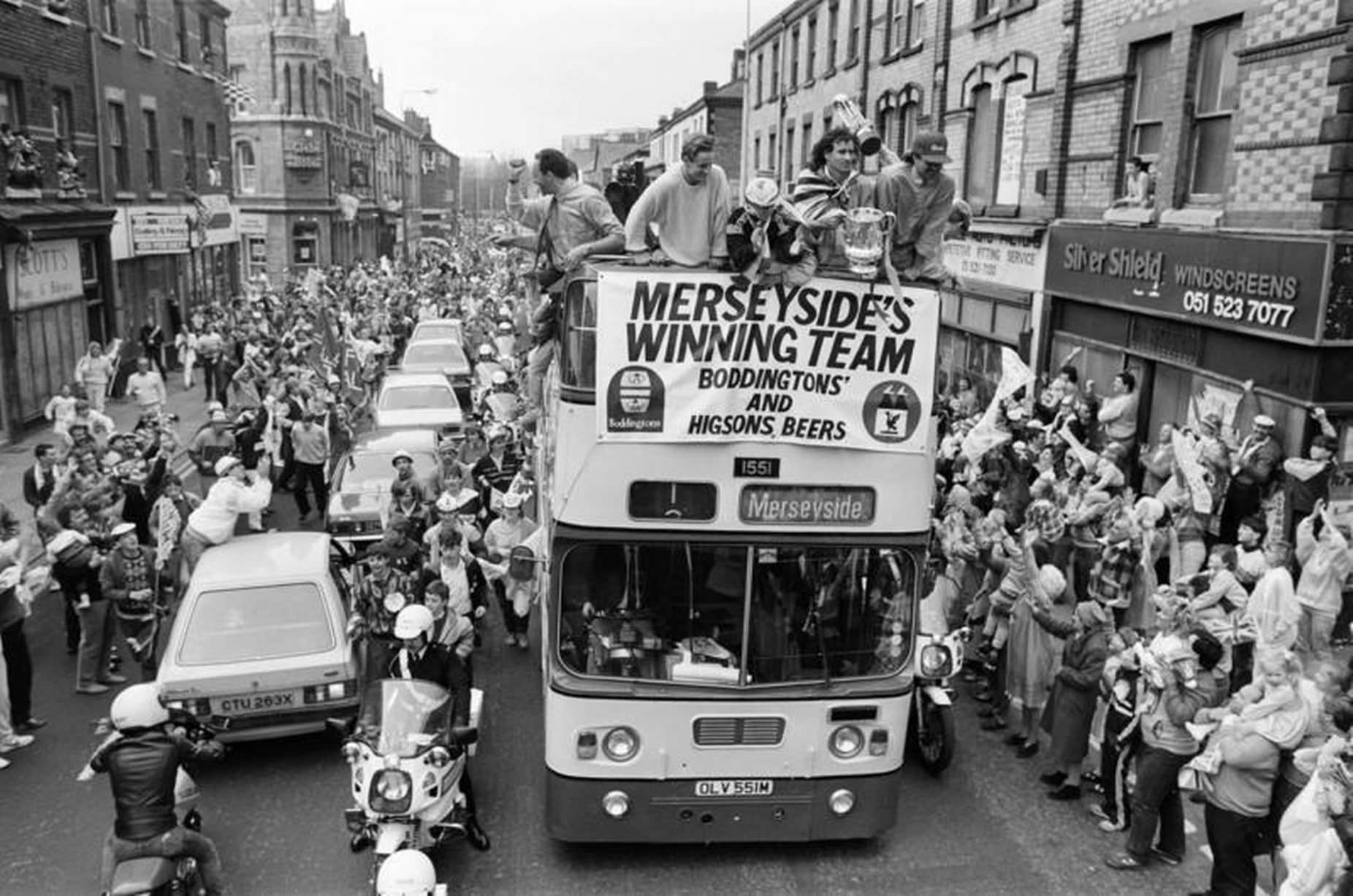
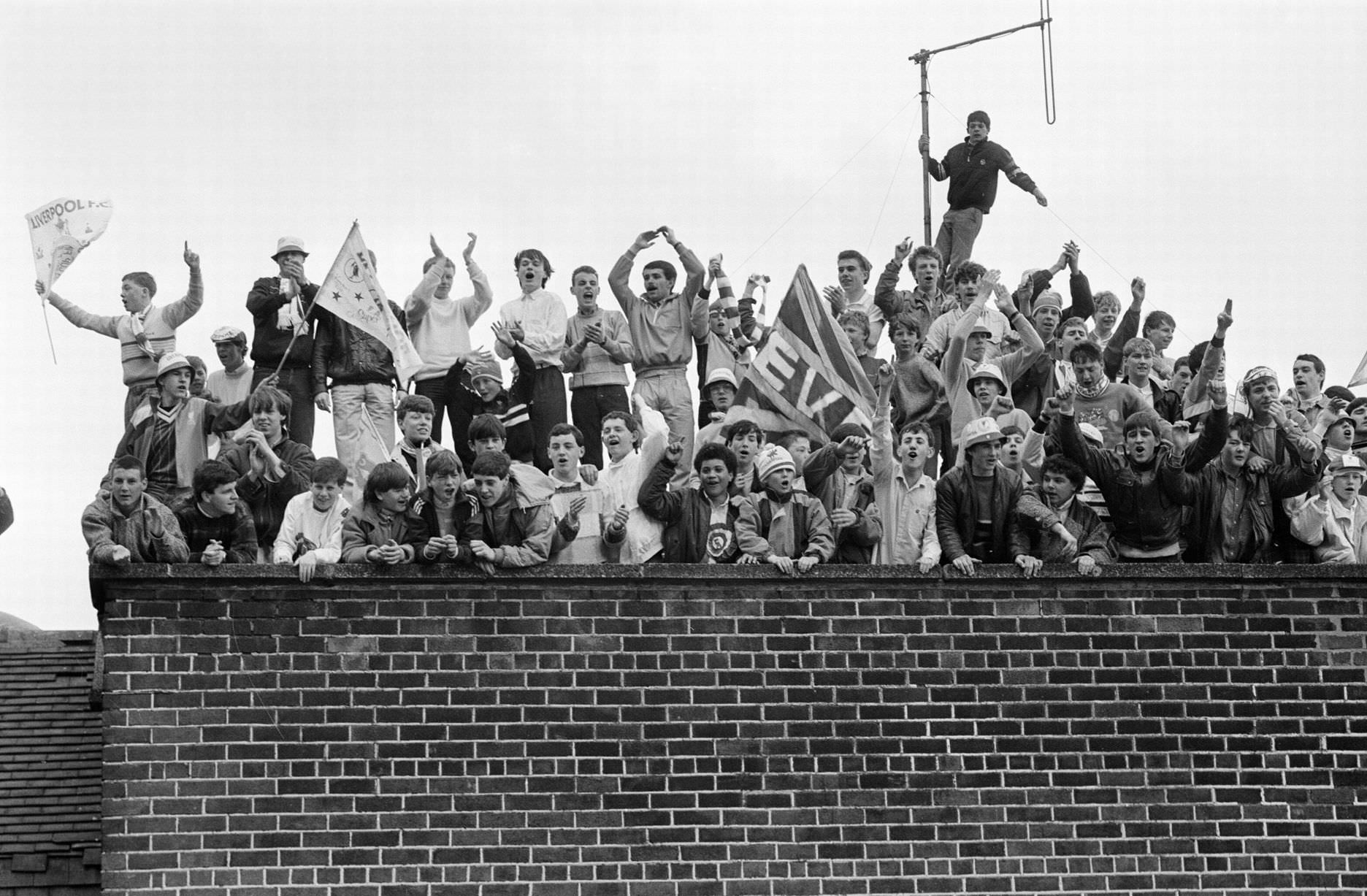
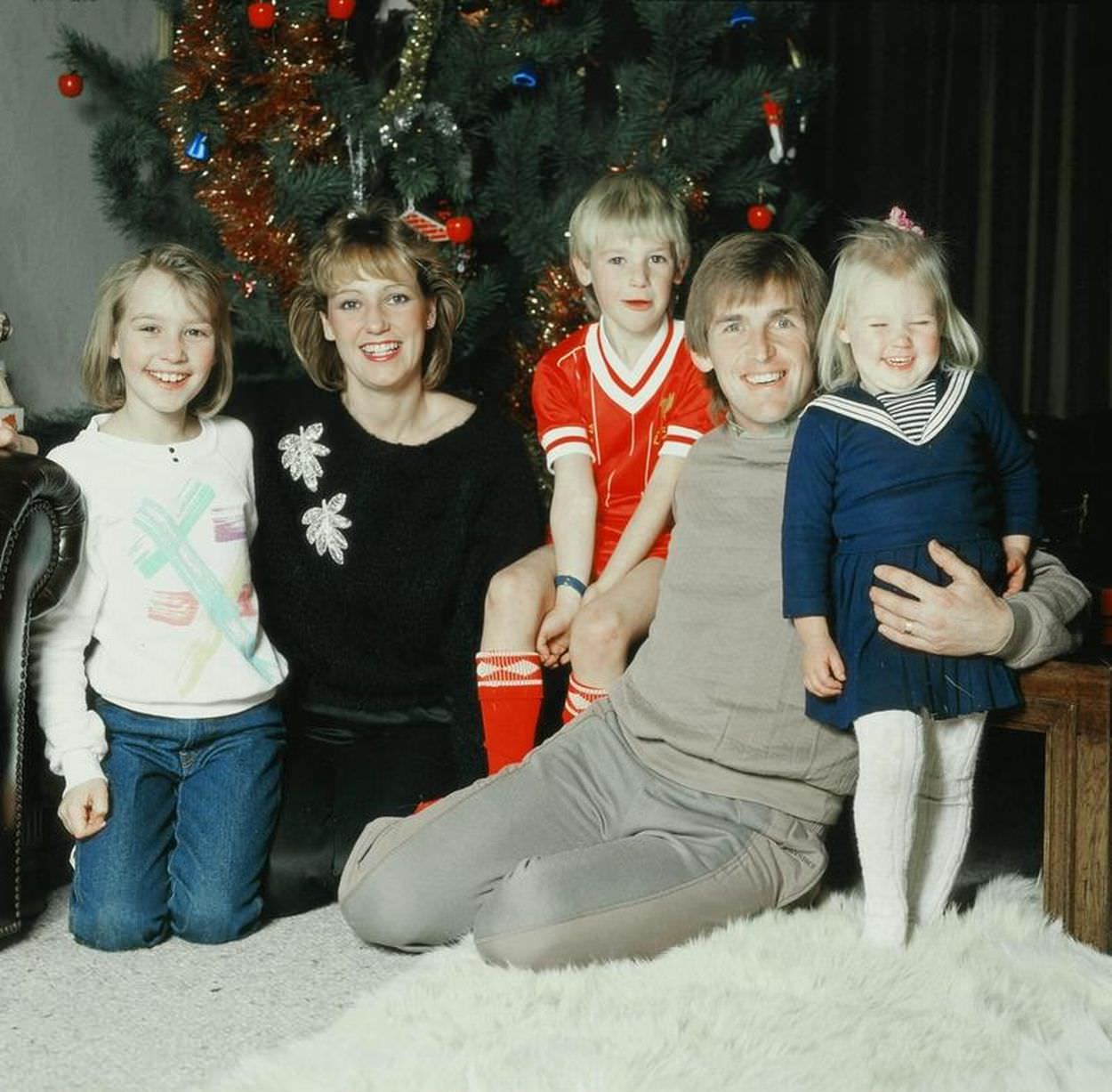
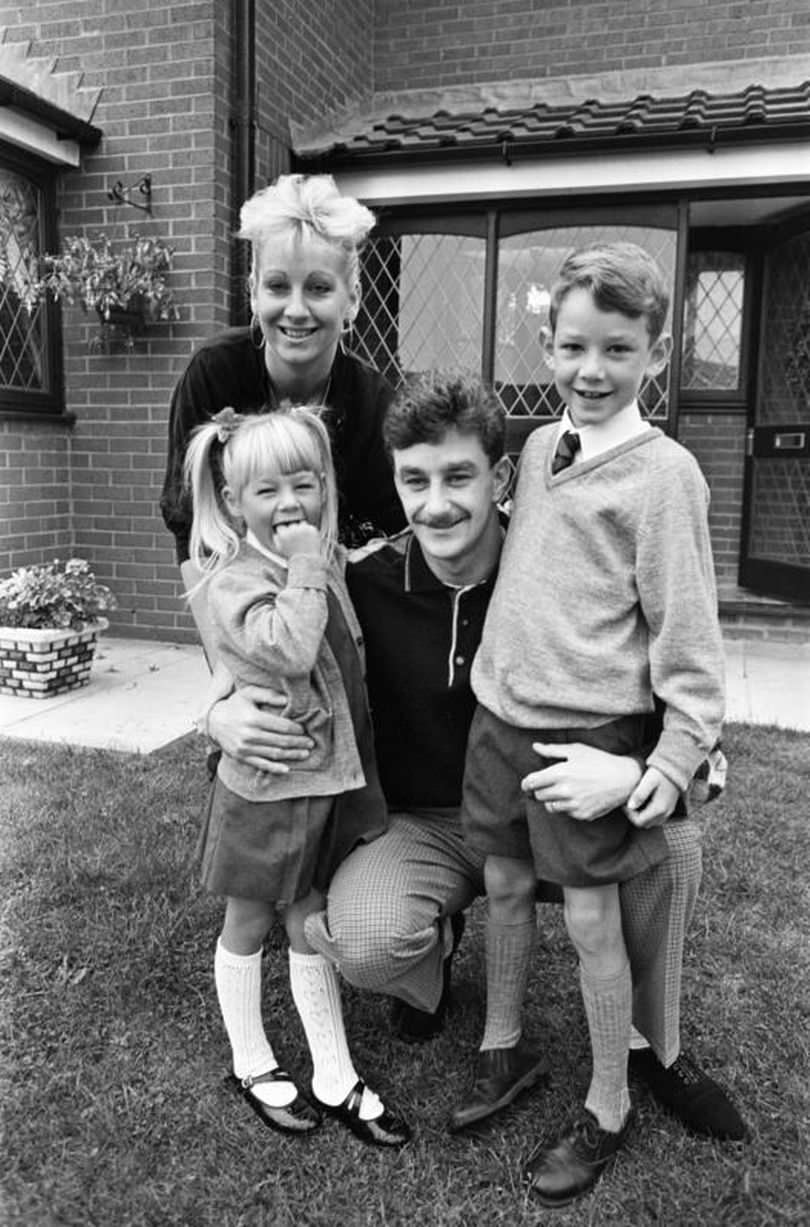
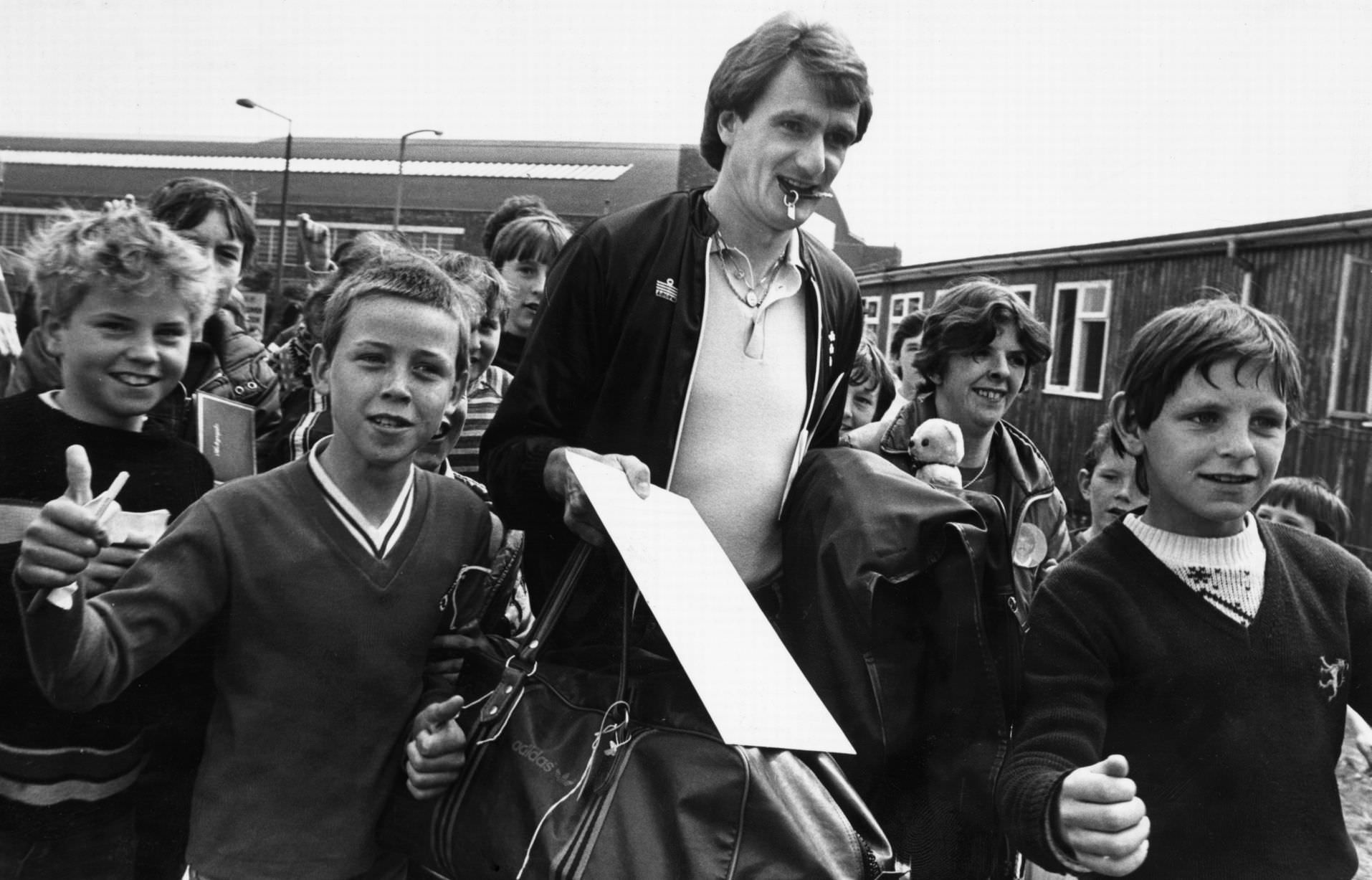
Football gave the city something to celebrate. Liverpool FC dominated English football throughout the decade. In May 1986, Kenny Dalglish’s side completed a league and FA Cup double. The homecoming parade brought the city to a standstill. Players like John Aldridge and Phil Thompson were genuine local heroes, recognisable faces in the community long before football players became untouchable celebrities.
Liverpool FC, Homecoming Victory Parade after winning the FA Cup, and completing a League and Cup double, Sunday 11th May 1986.Liverpool FC, Homecoming Victory Parade after winning the FA Cup, and completing a League and Cup double, Sunday 11th May 1986Kenny Dalglish and his familyLiverpool footballer John Aldridge at home with his family, 13th September 1989.Liverpool footballer Phil Thompson surrounded by youngsters. Dated: 26th May 1981
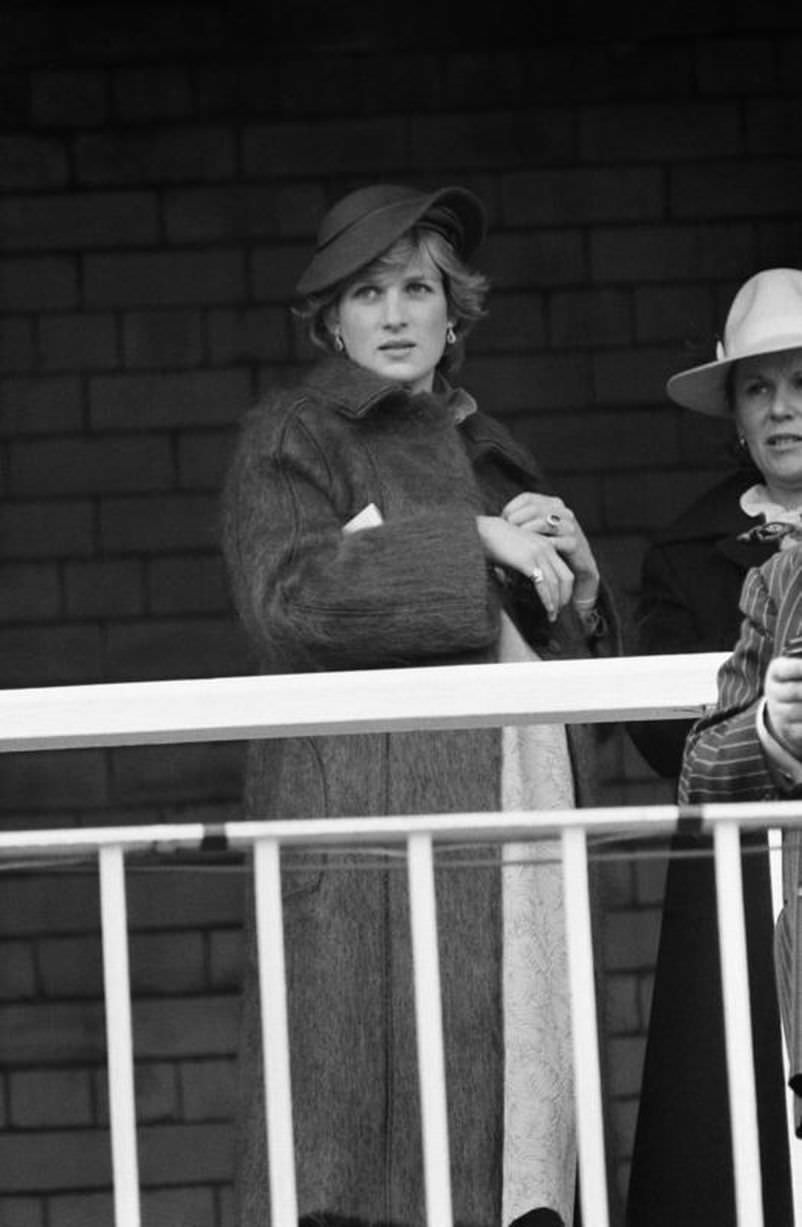
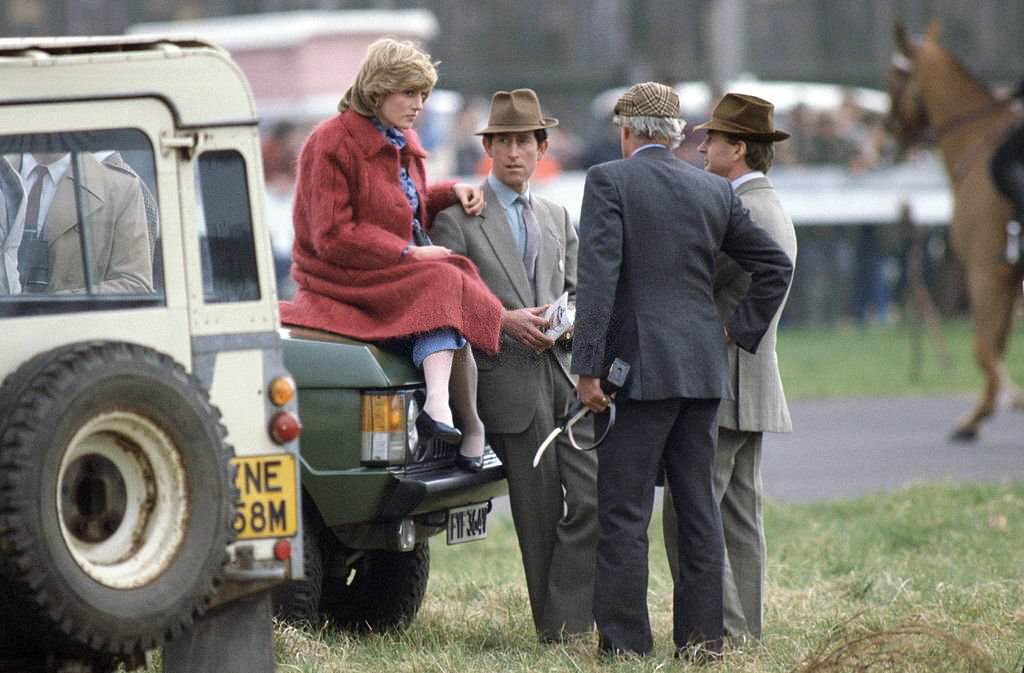
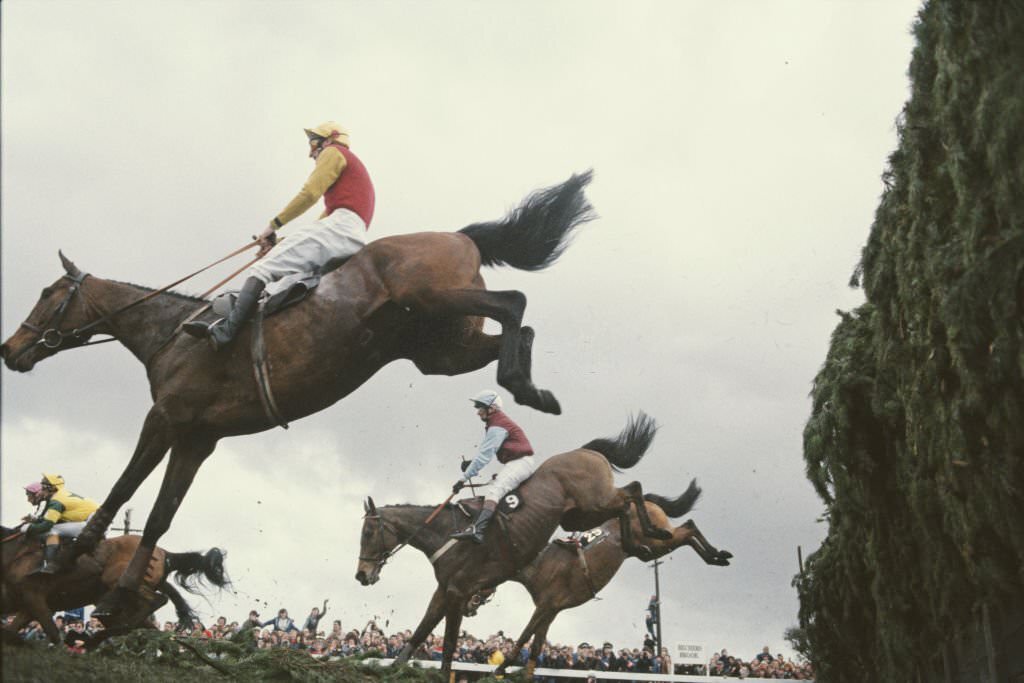
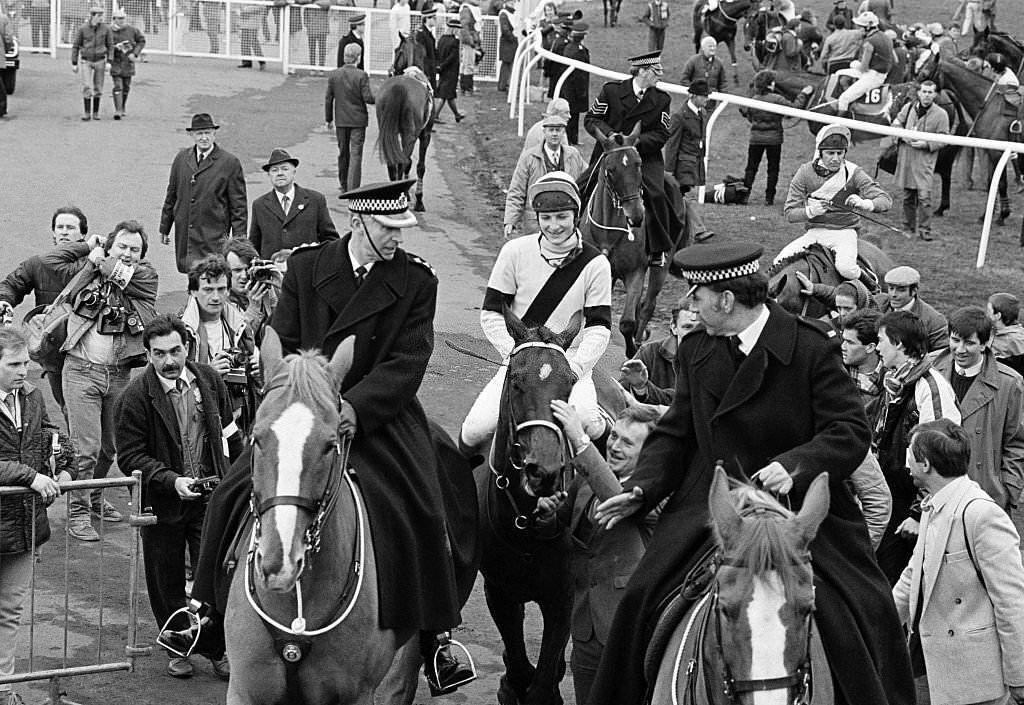
Aintree Racecourse continued to draw national attention every spring for the Grand National. Princess Diana attended in April 1982, and the 1986 race was won by West Tip, ridden by Richard Dunwoody. The racecourse was one of the major annual events that reminded the wider country that Liverpool was still very much on the map.
Princess Diana at Aintree Racecourse for the the Grand National horserace. 3rd April 1982.Diana Pregnant Sits At The Grand National Racecourse.1985 Grand NationalGrand National Winner – West Tip Ridden By Richard Dunwoody
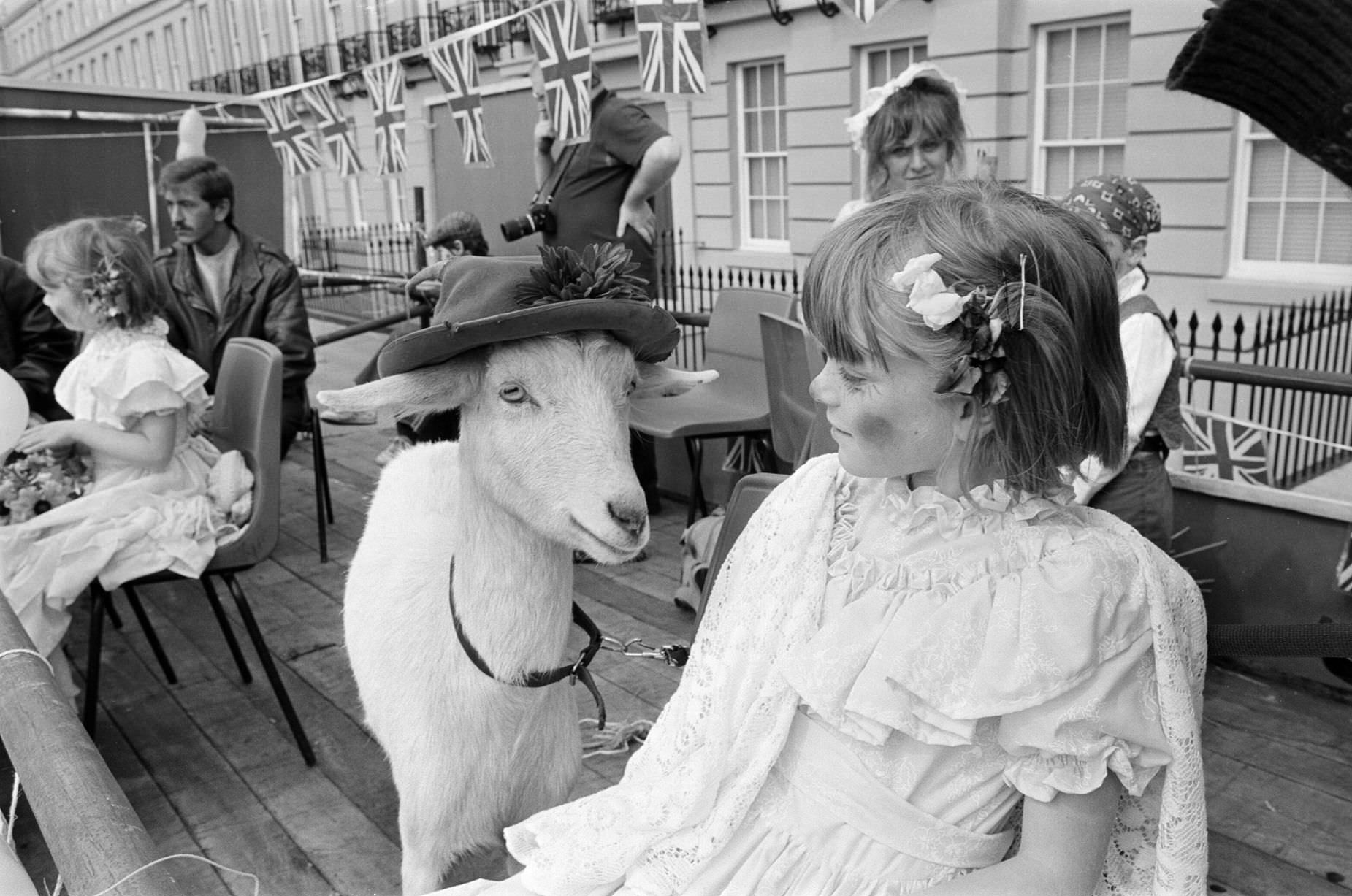
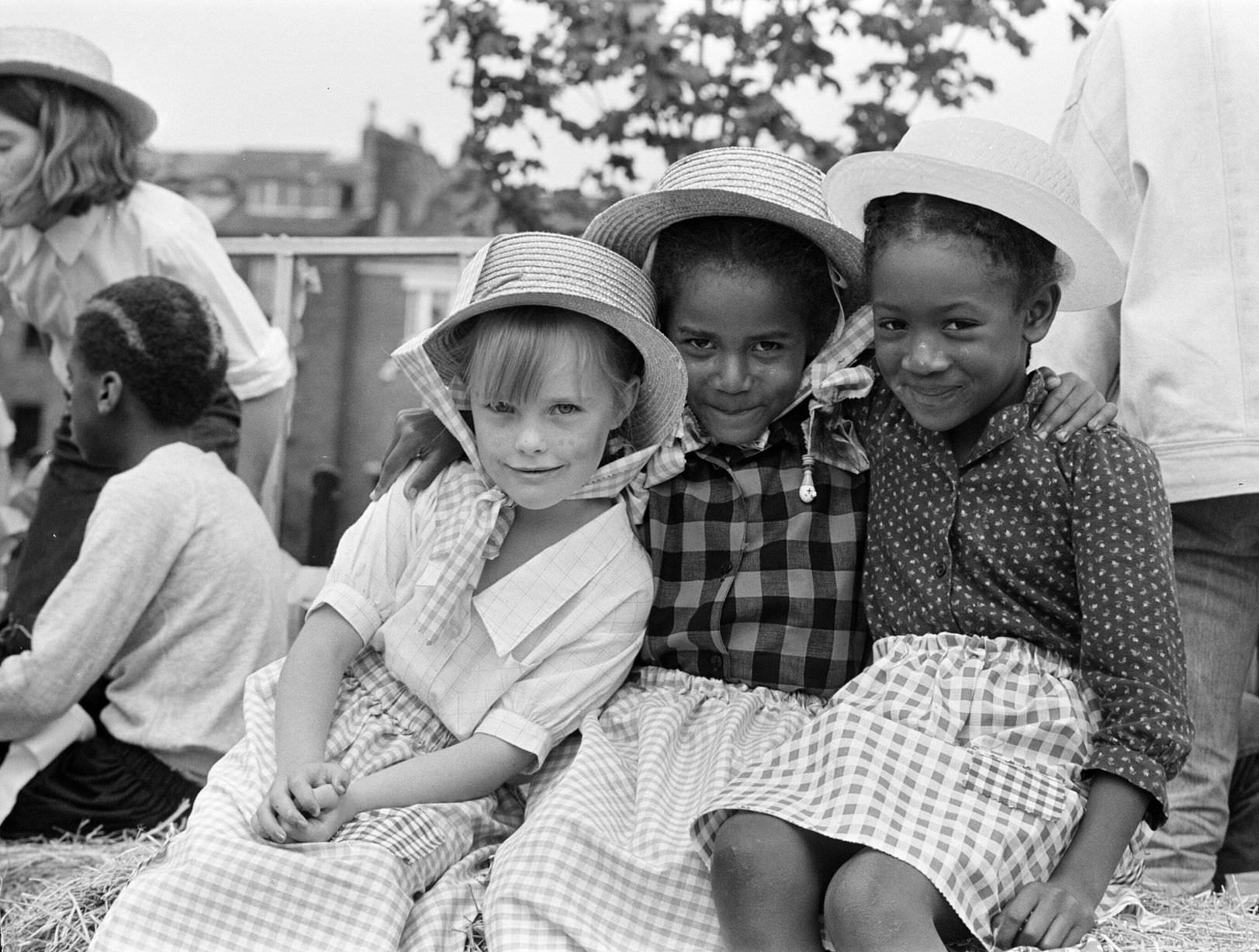
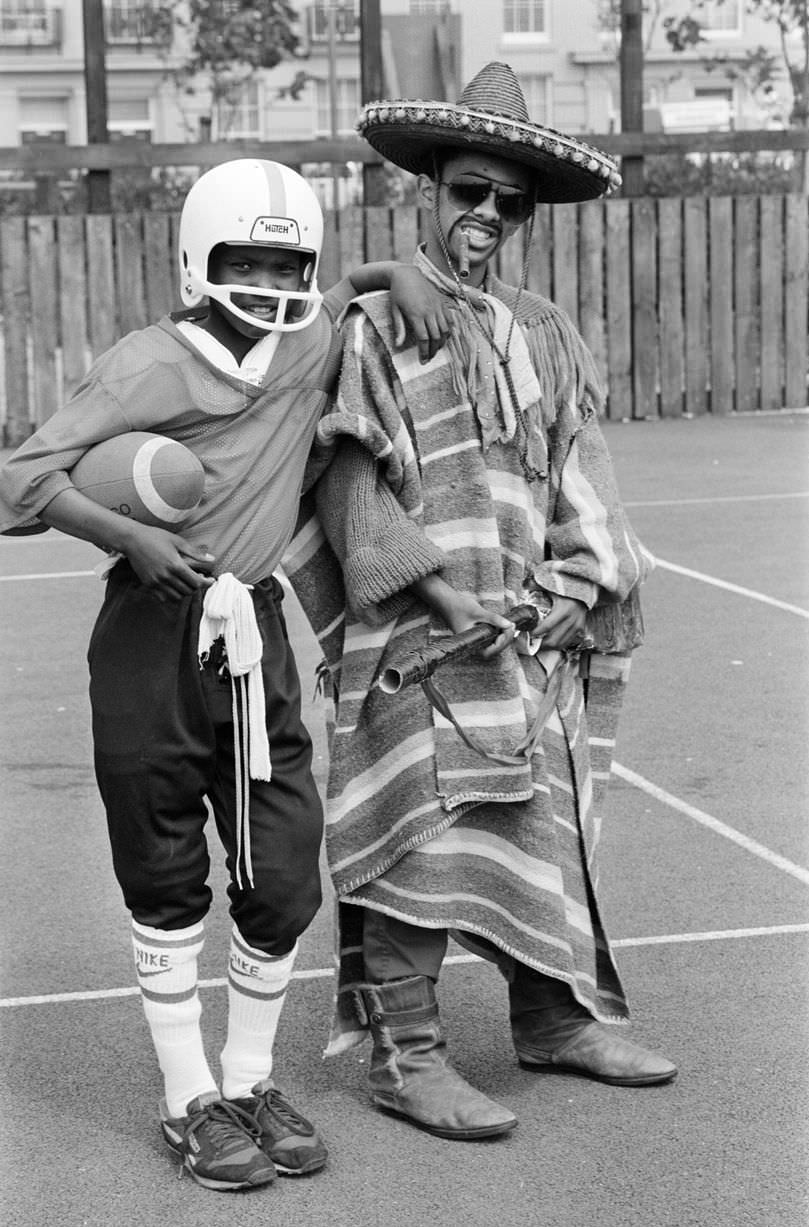
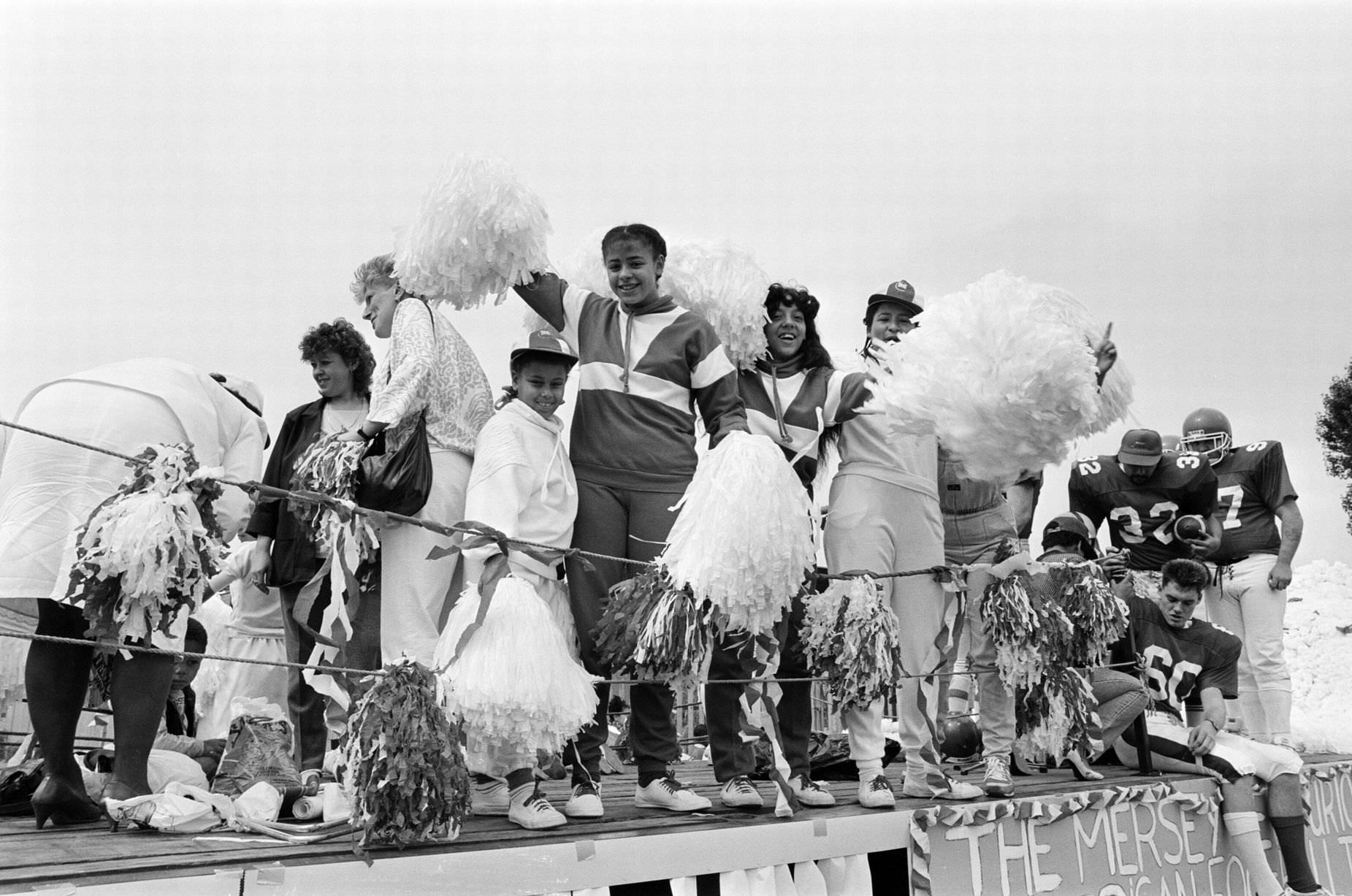
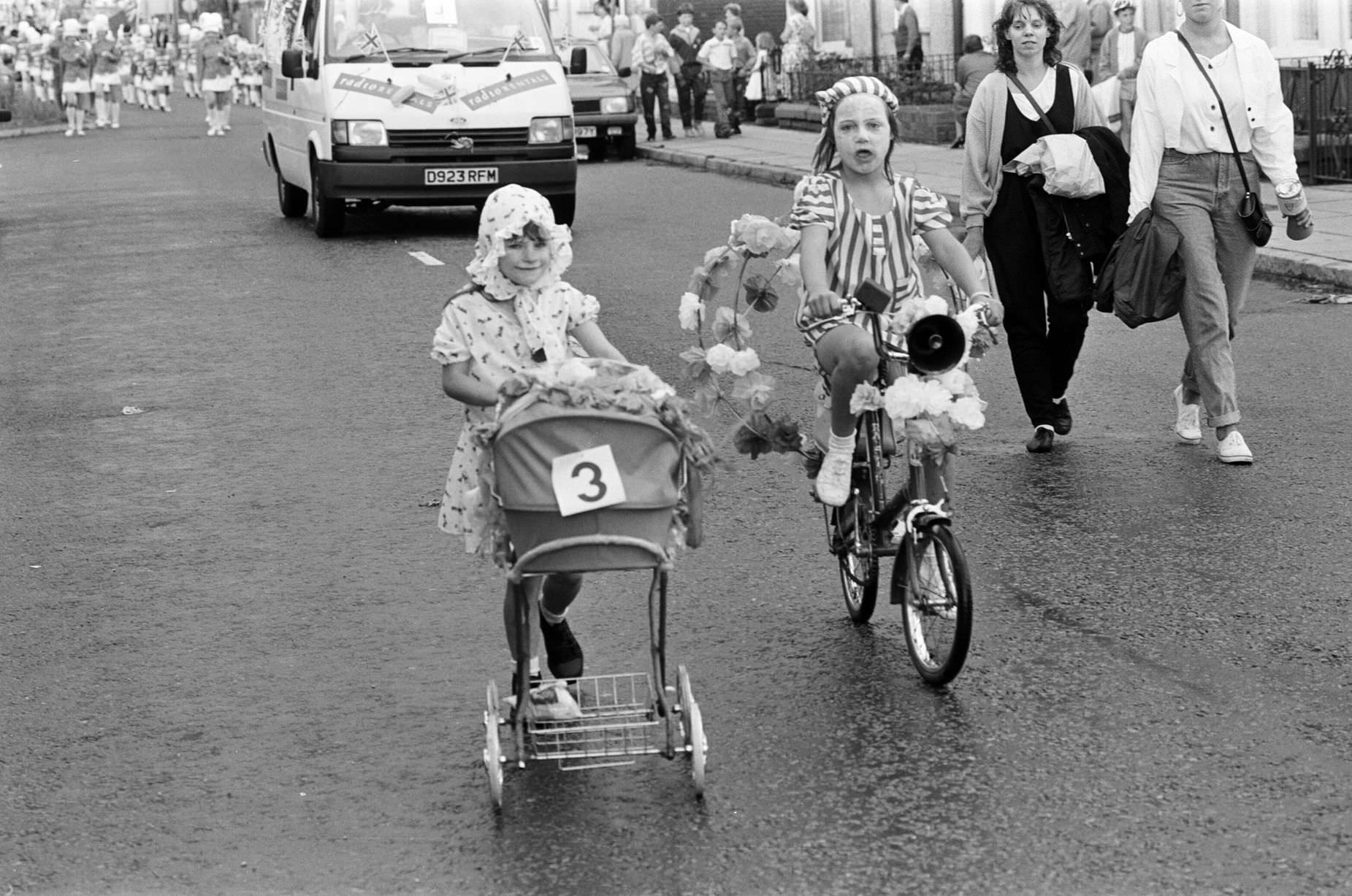
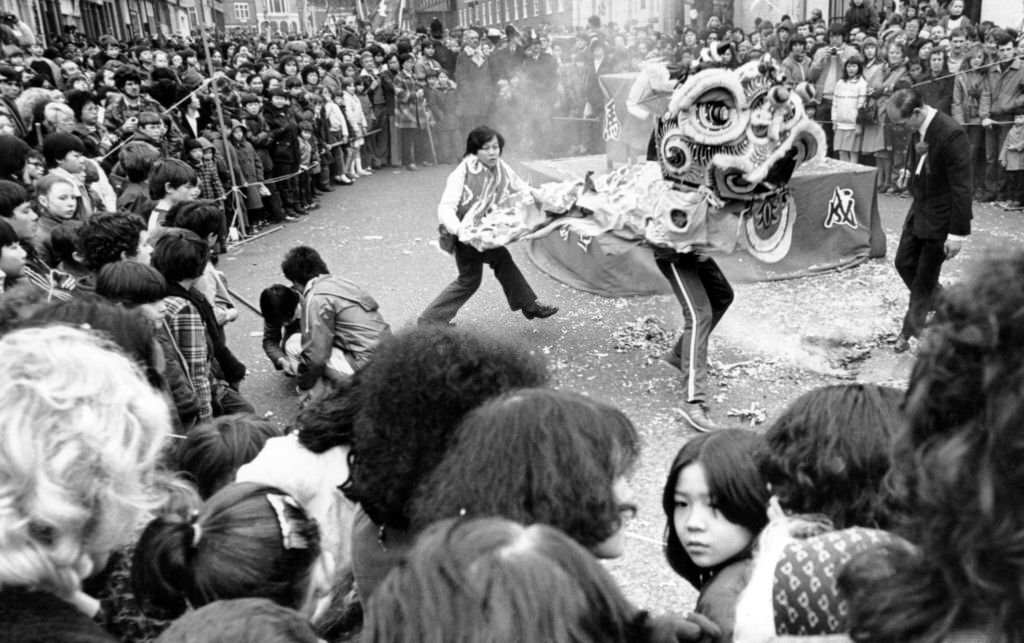
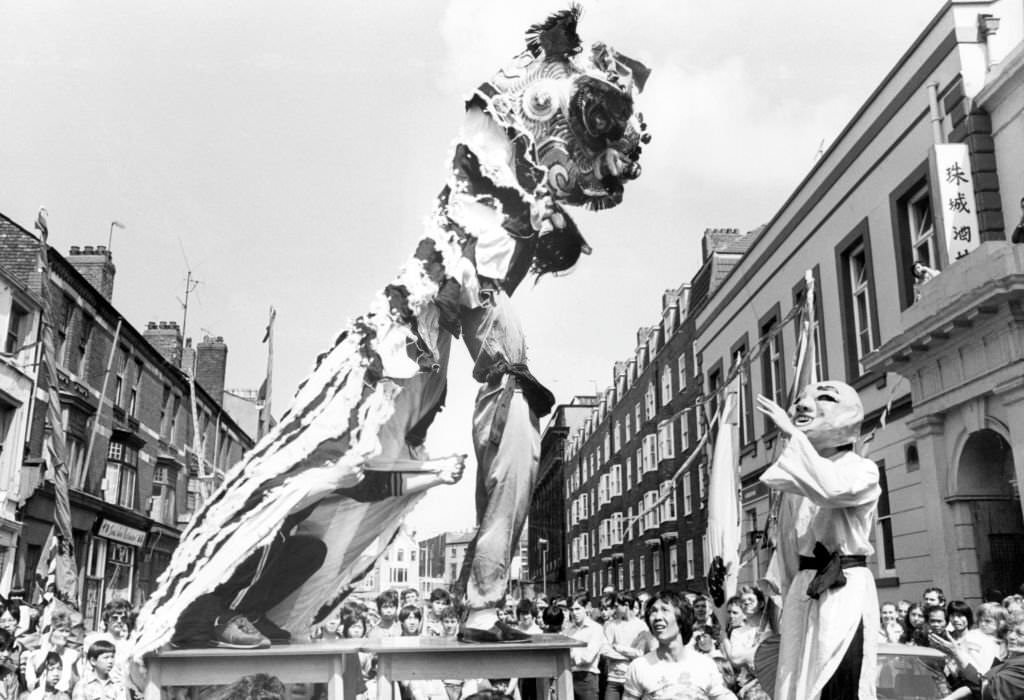
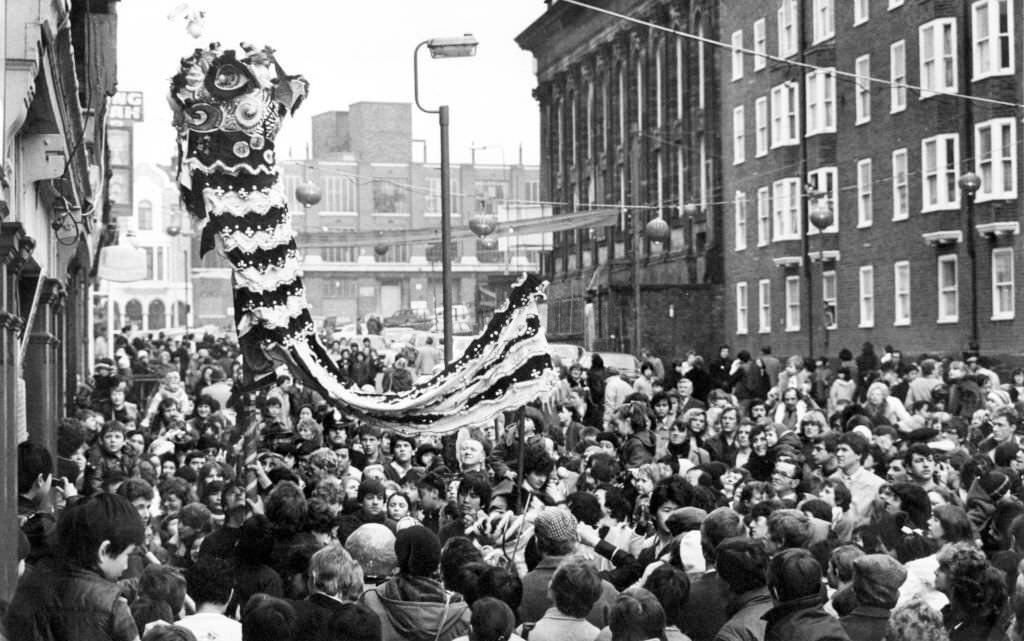
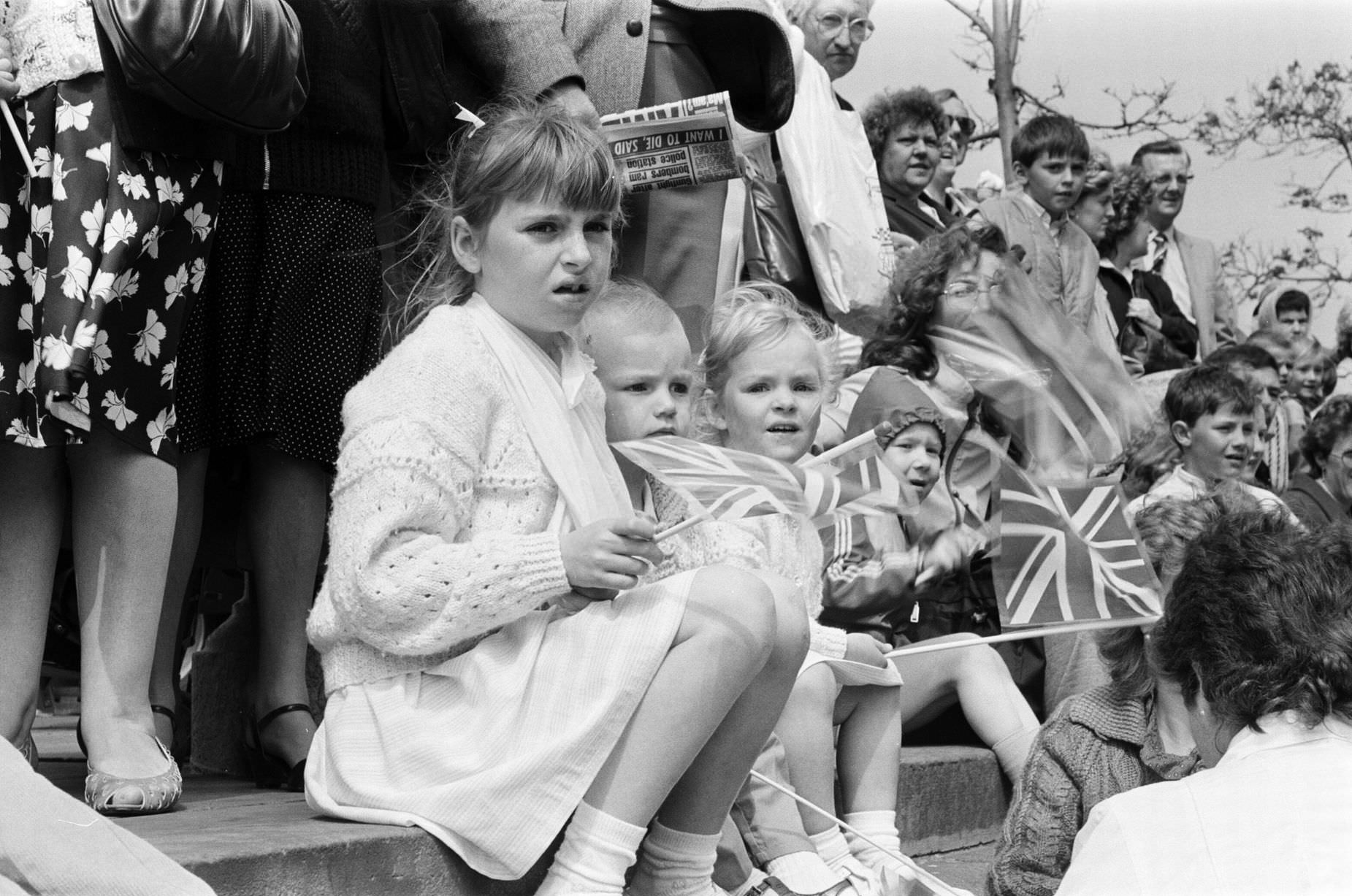
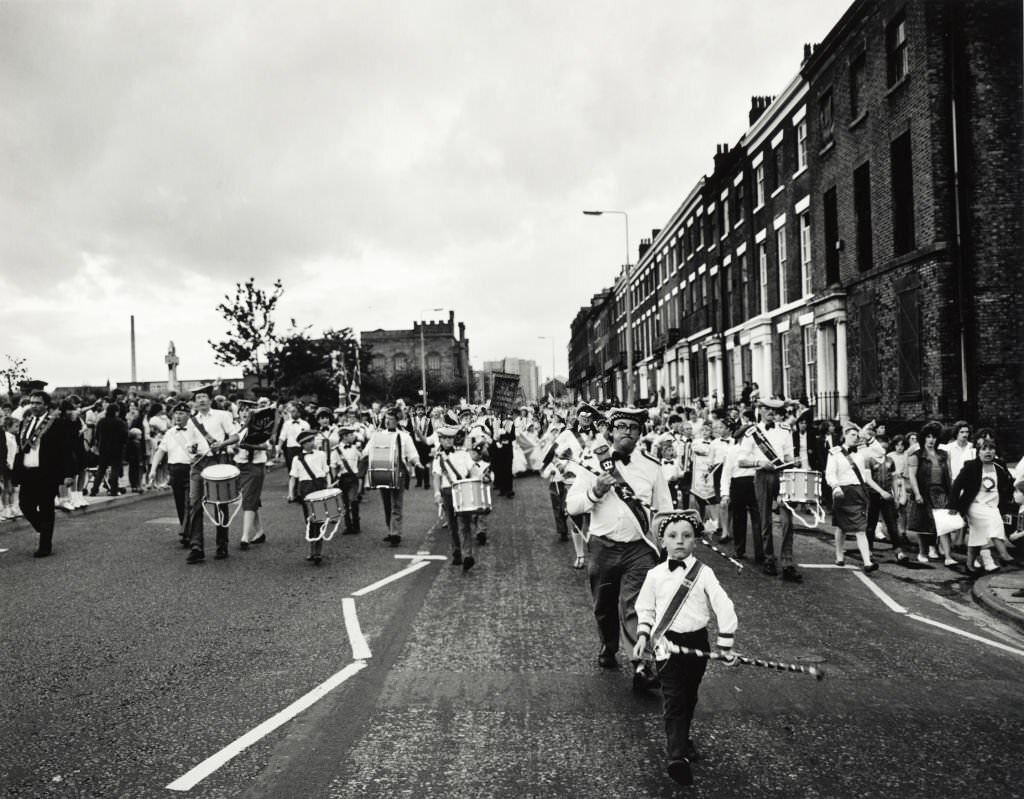
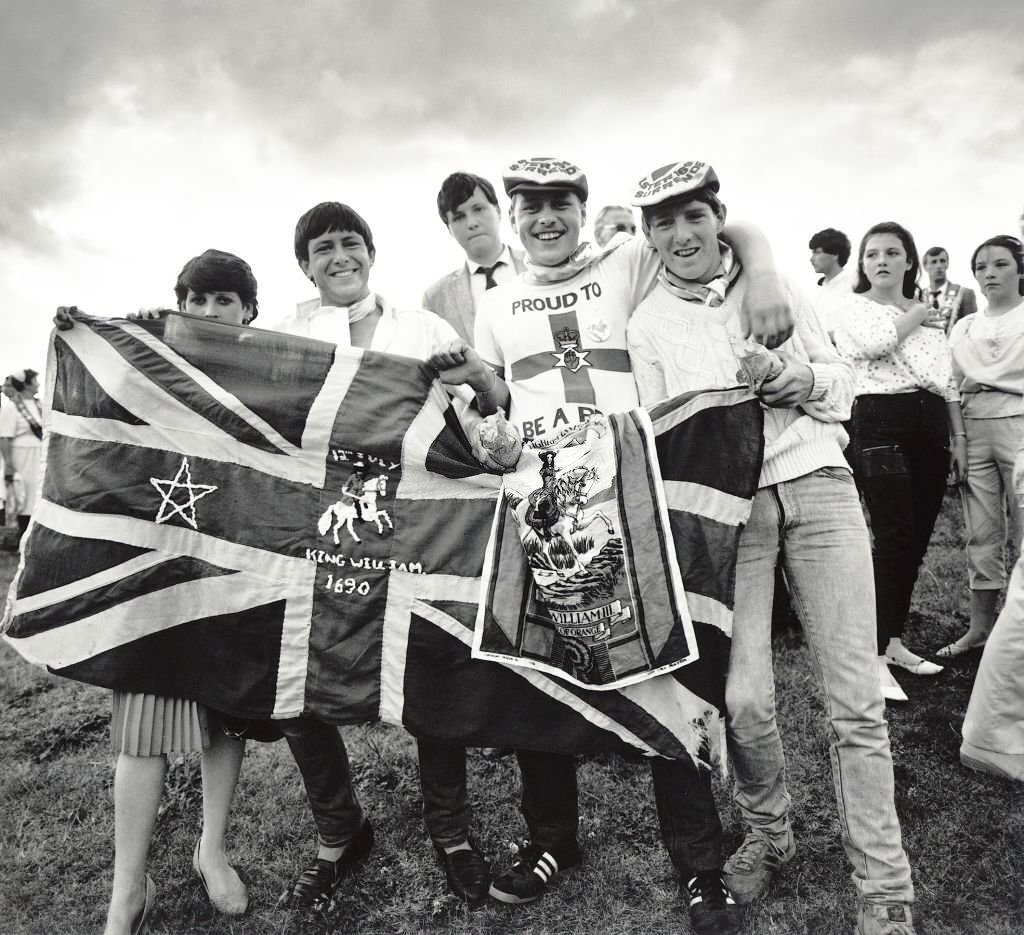
The city’s communities found their own ways to celebrate too. Toxteth’s carnival in July 1986 — held five years after the riots — was a vivid display of colour and community spirit. Chinese New Year brought huge crowds to Nelson Street in the heart of Chinatown each year. The May Horse Parade moved through the city centre in 1987. These events were proof that the city’s social fabric, however frayed, had not been destroyed.
Toxteth Carnival, Liverpool, 9th July 1986Toxteth Carnival, Liverpool, 9th July 1986Toxteth Carnival, Liverpool, 9th July 1986Toxteth Carnival, Liverpool, 9th July 1986Garston Carnival, Liverpool, Merseyside, 2nd July 1988Chinatown in Liverpool, 1982Chinatown in Liverpool, 1981A large crowd watches traditional celebrations for the Chinese New Year, Liverpool, Merseyside, 13th February 1983.Liverpool May Horse Parade, City Centre, Liverpool, Saturday 9th May 1987The annual Orange Order march in Liverpool, July 1982.Young men with their flag during the annual Orange Order march in Liverpool, July 1982.
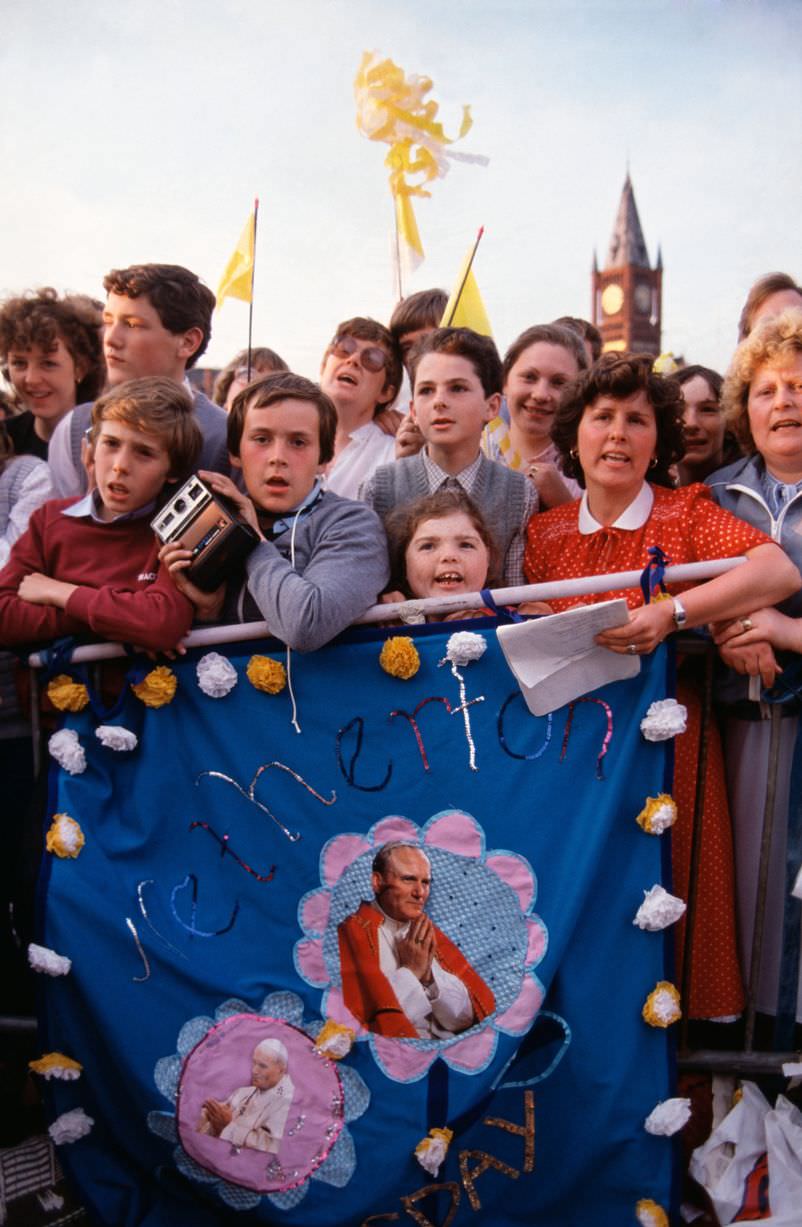
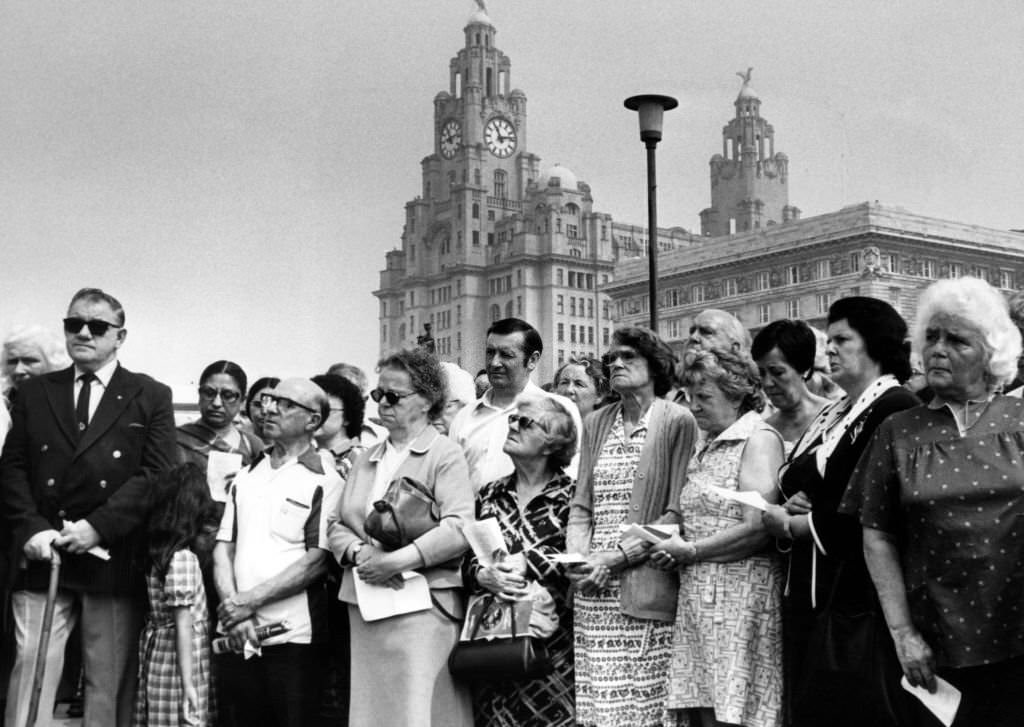
Pope John Paul II visited Liverpool in 1982, drawing enormous crowds. Children were held aloft to catch a glimpse of him. That same year, the city remembered the 12 men killed when the container ship Atlantic Conveyor was struck by an Argentine Exocet missile during the Falklands War. Merseysiders gathered at the Pier Head for a service of remembrance — a solemn moment that cut across the city’s many divisions.
Children among the crowds to welcome Pope John Paul II on his visit to Liverpool in 1982Atlantic Conveyor, 1982
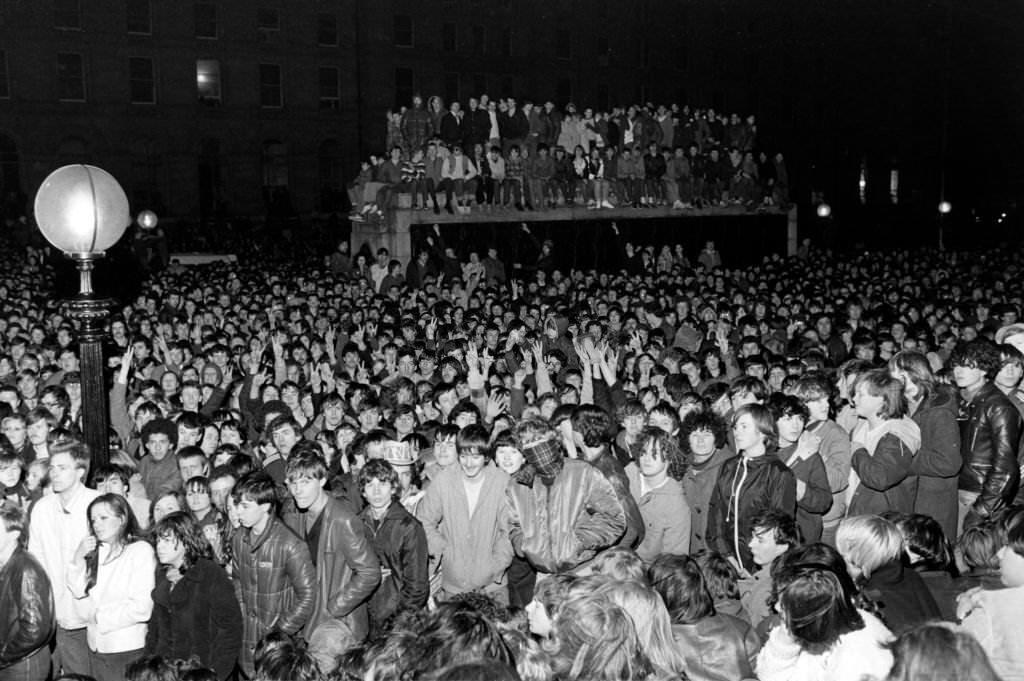
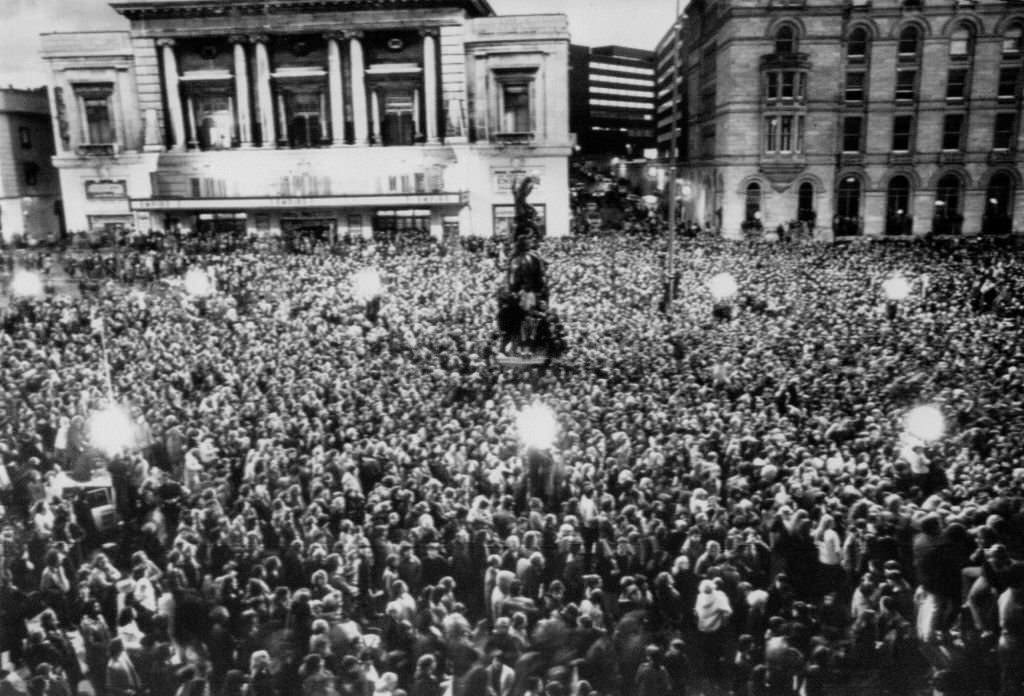
Earlier, in December 1980, thousands gathered outside St George’s Hall for a concert to commemorate John Lennon, shot dead in New York the previous week. More than 100 young people needed first aid when the crowd surged. The city’s grief was raw and physical. Liverpool had lost one of its own, and it felt it deeply.
Crowd gathered in tribute to John Lennon in Liverpool, December 14, 1980The scene when Liverpool paid tribute to one of its most famous sons, pop superstar John Lennon.
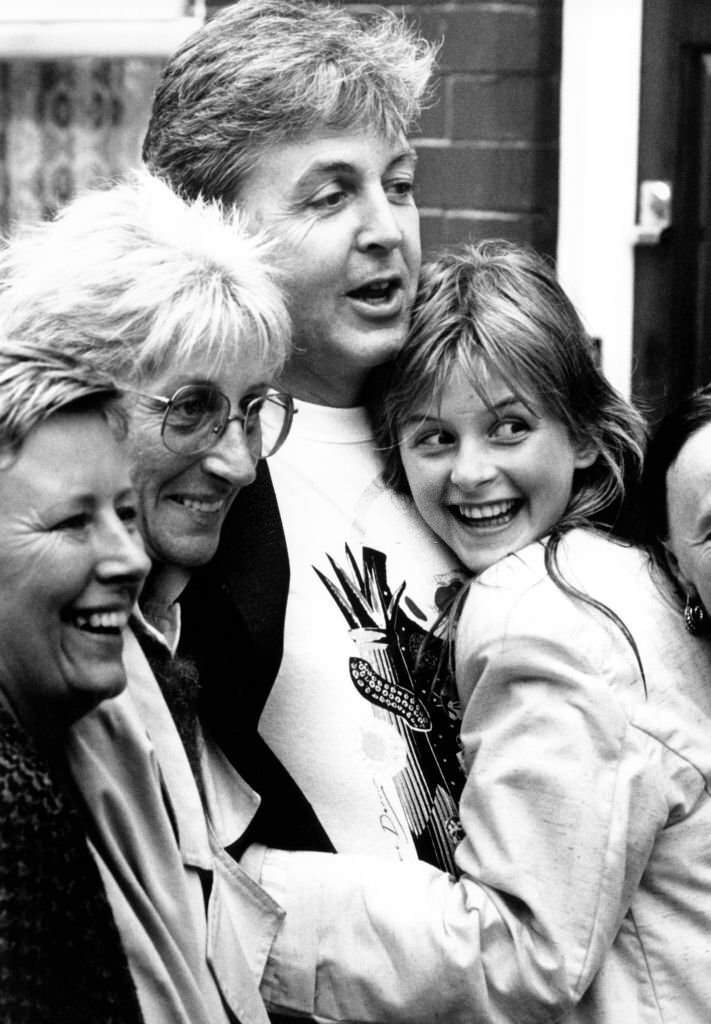
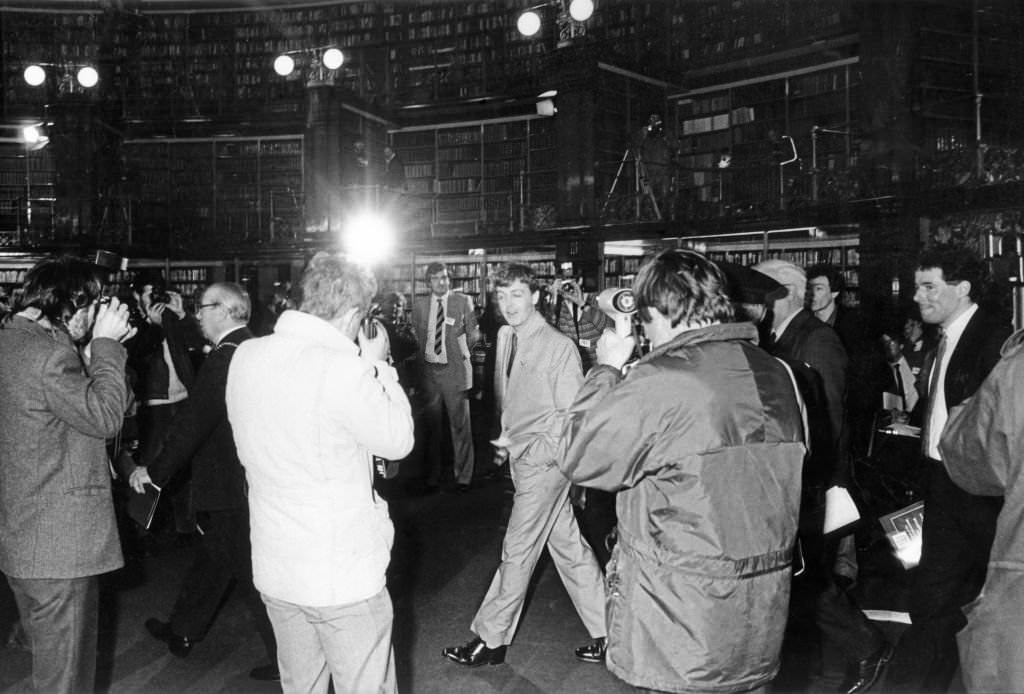
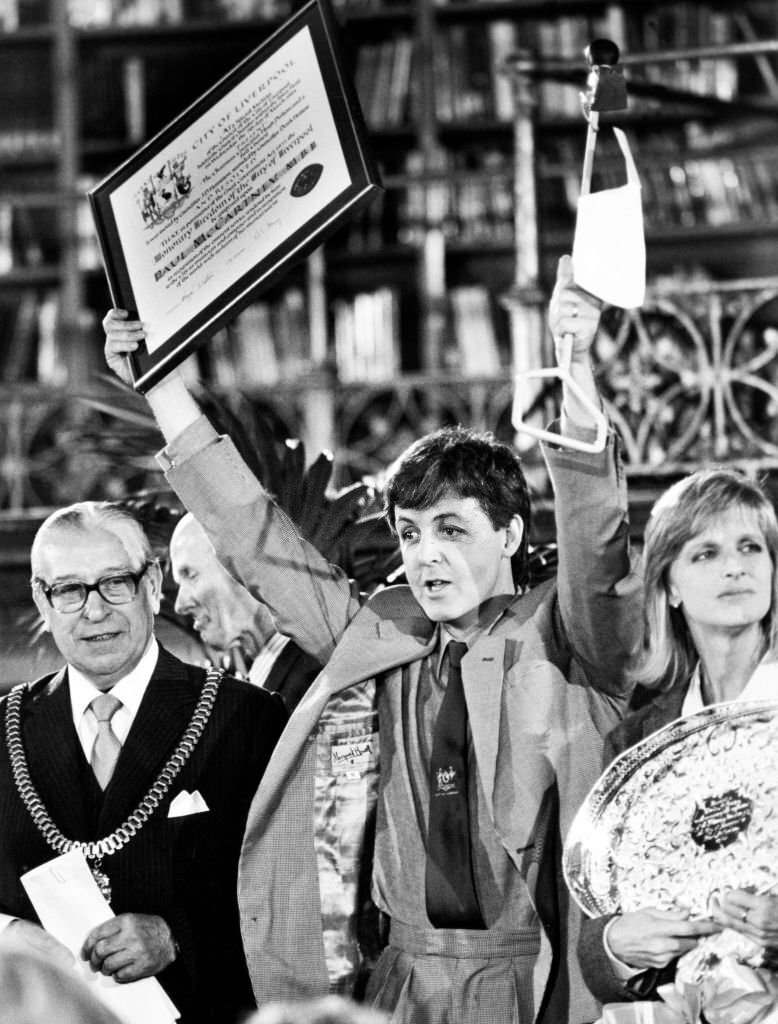
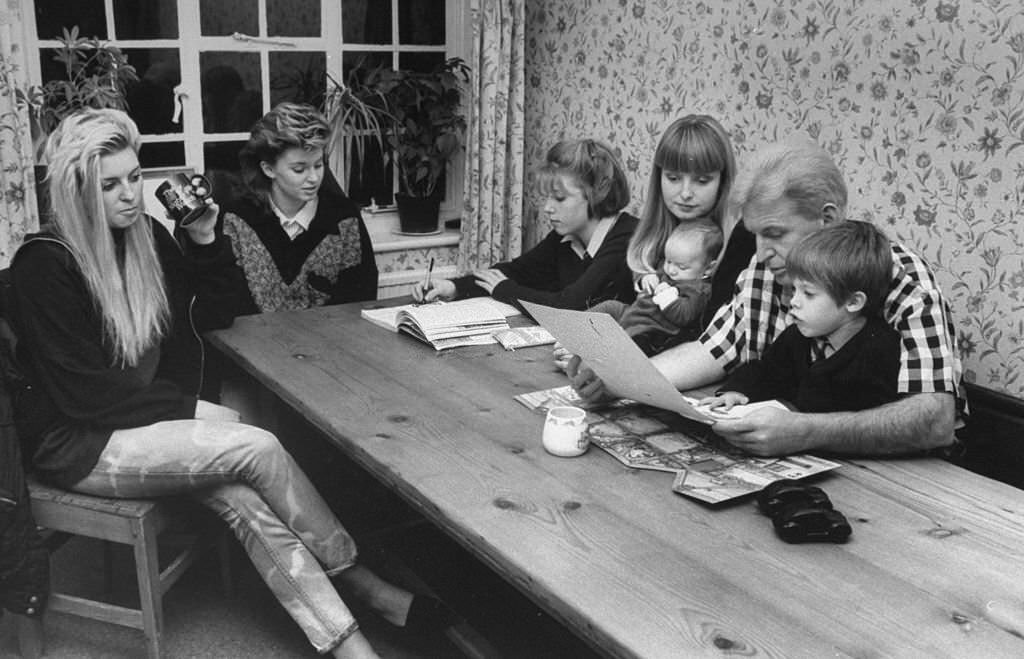
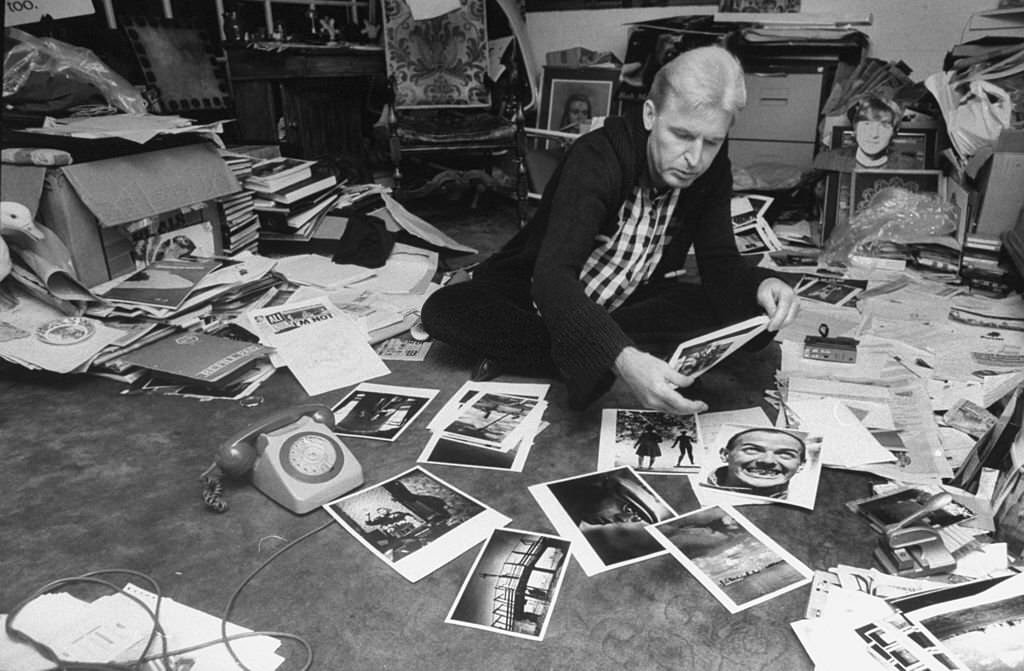
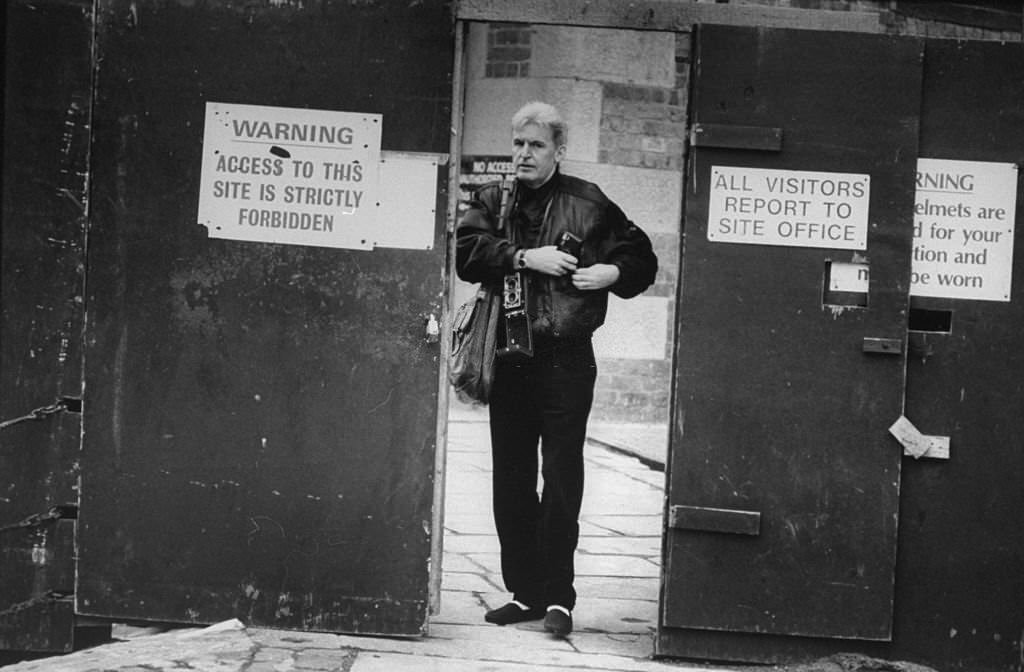
Paul McCartney was awarded the Honorary Freedom of the City in November 1984, with Councillor Hugh Dalton and Linda McCartney present for the ceremony. Mike McCartney — Paul’s brother and a photographer in his own right — remained a well-known figure around the city throughout the decade. In 1988, Paul returned to Elswick Street to film a special episode of Bread.
Paul McCartney, in Liverpool, on the day he receives the title of Honorary Freedom of the City of Liverpool, 1984Paul McCartney awarded the title of Honorary Freedom of the City of Liverpool, with Linda McCartney and Councillor Hugh Dalton, 28th November 1984.Photographer Mike McCartney, brother of Paul McCartney, at table with wife, Rowena & kids Theran, Benna, Abbi, Max & Josh.Photographer Mike McCartney, brother of Paul McCartney, at home going through photos.Photographer Mike McCartney, brother of Paul McCartney, shooting pictures with Rollei camera Paul bought him im 1962.
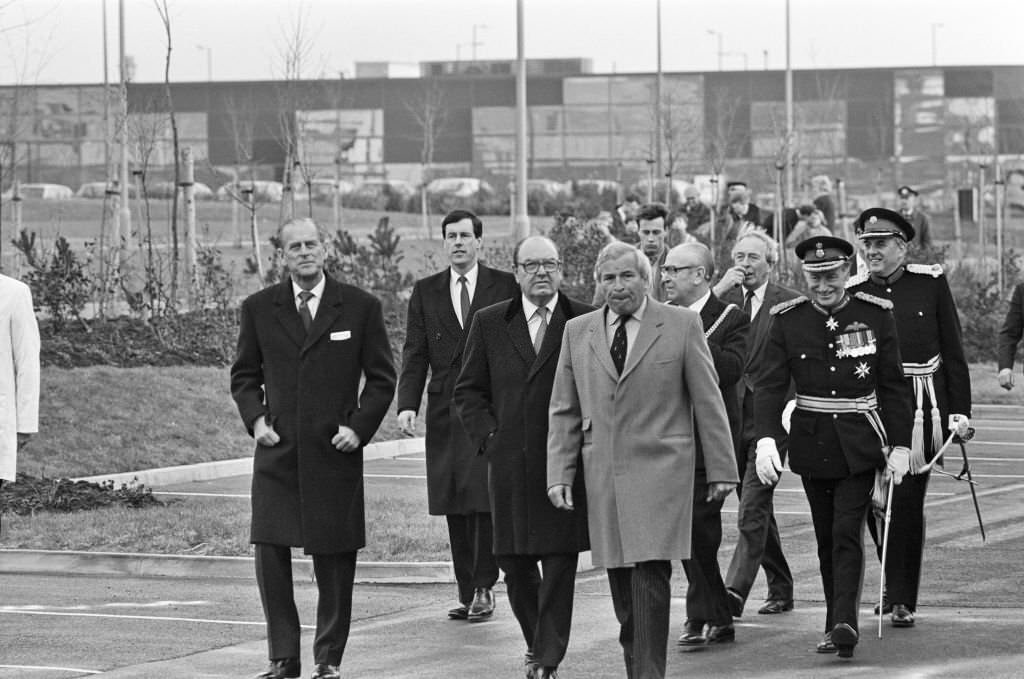
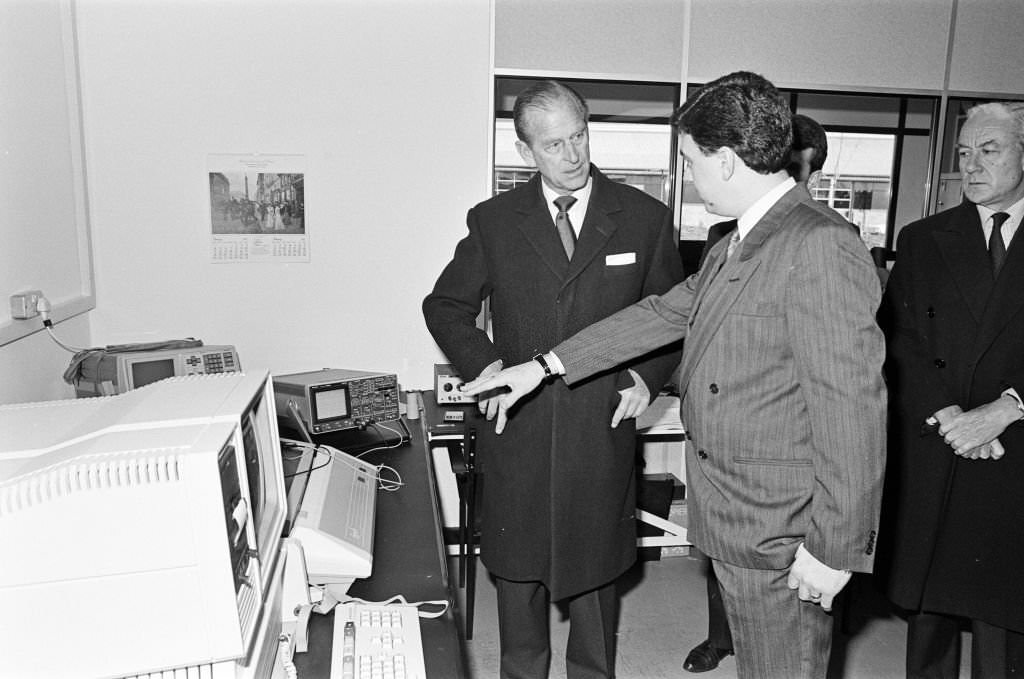
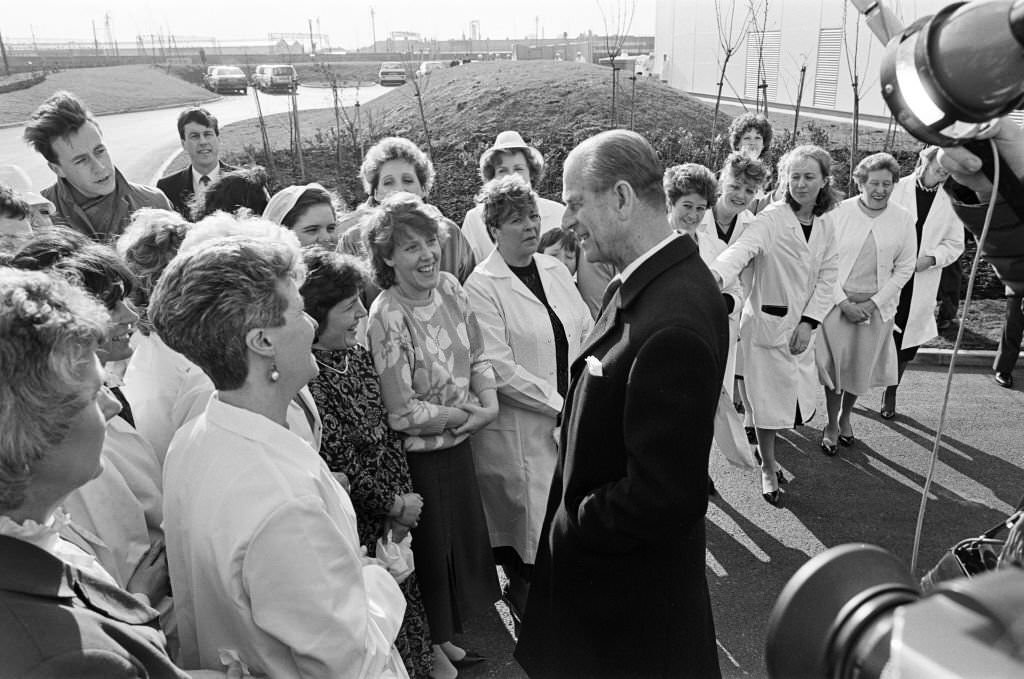
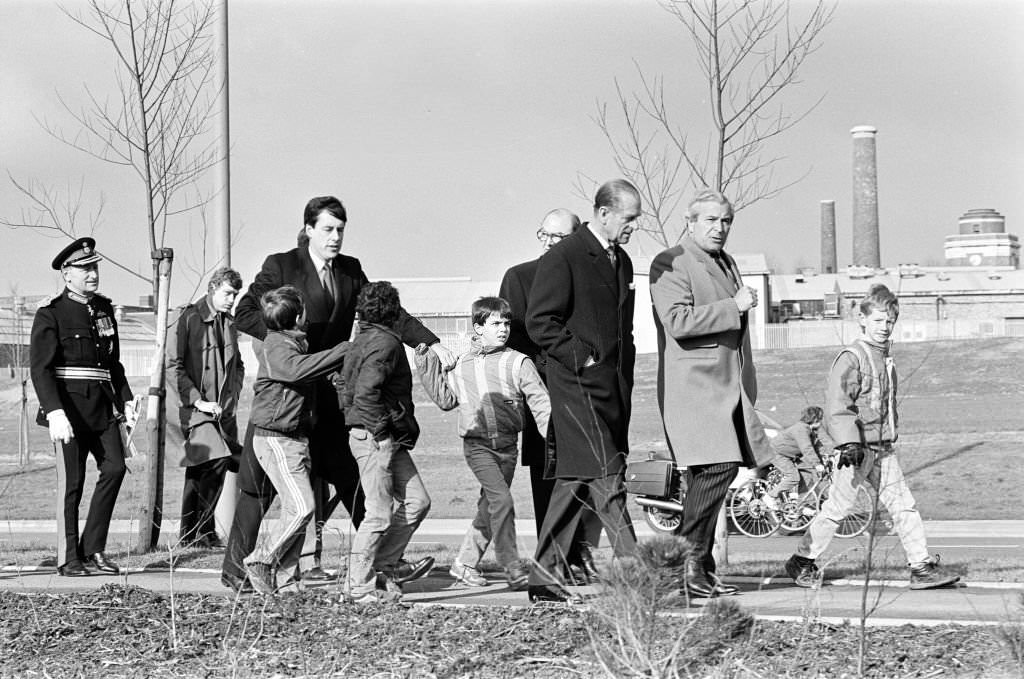
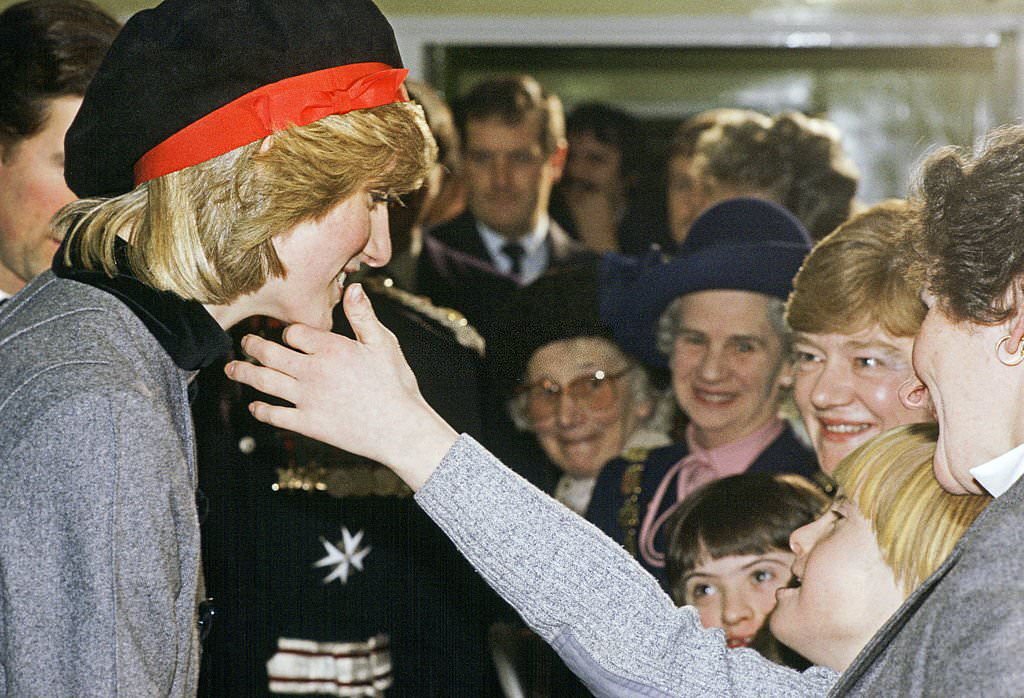
Royal visits were a regular feature of the decade. Prince Philip toured Wavertree Technology Park in February 1987. Princess Diana visited Ford’s Halewood plant in 1988 and received a hug from a local child during one of her Liverpool appearances. The technology park visit reflected a genuine push by the mid-to-late 1980s to attract new industries to replace what had been lost.
Prince Philip, Duke of Edinburgh visits Wavertree Technology Park, Liverpool, 20th February 1987.Prince Philip, Duke of Edinburgh visits Wavertree Technology Park, Liverpool, 20th February 1987.Prince Philip, Duke of Edinburgh visits Wavertree Technology Park, Liverpool, 20th February 1987.Prince Philip, Duke of Edinburgh visits Wavertree Technology Park, Liverpool, 20th February 1987.Princess Diana at Ford Haleswood, 1988A Hug For Princess Diana from a Child during her Visit to Liverpool
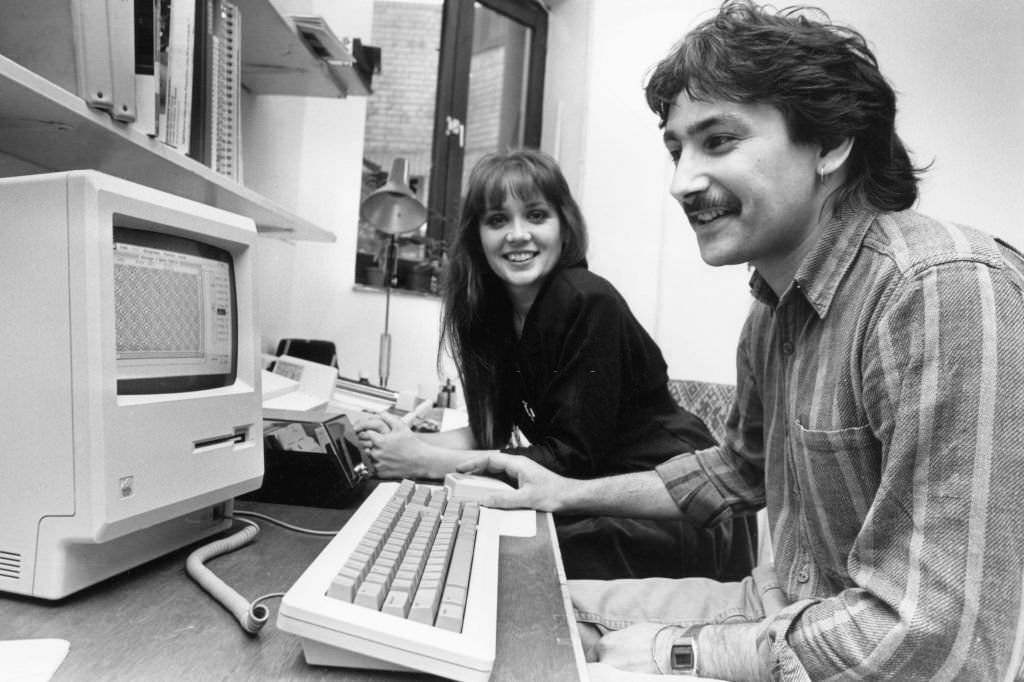
By the late 1980s, computers were beginning to appear in workplaces. Textile designers at a Merseyside firm were photographed in September 1987 working on Apple Mac computers. Wavertree Technology Park was part of a broader effort to build a digital and light industrial economy to replace the heavy manufacturing that had vanished. It was a slow, uneven process — but it was happening.
Computer textile designers Yvonne Robertson an d Nairish Nash with their Apple Mac computer. 30th September 1987.
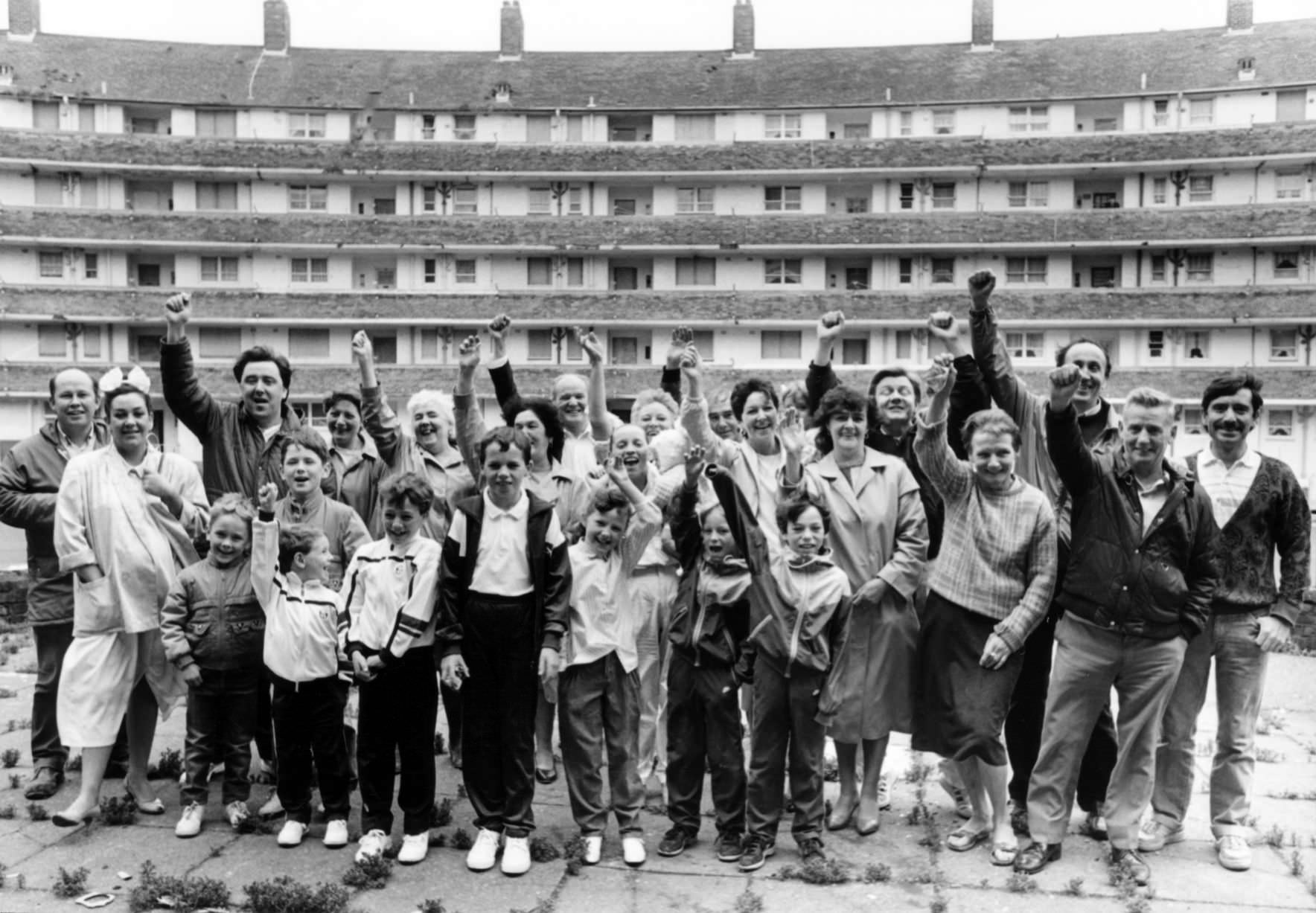
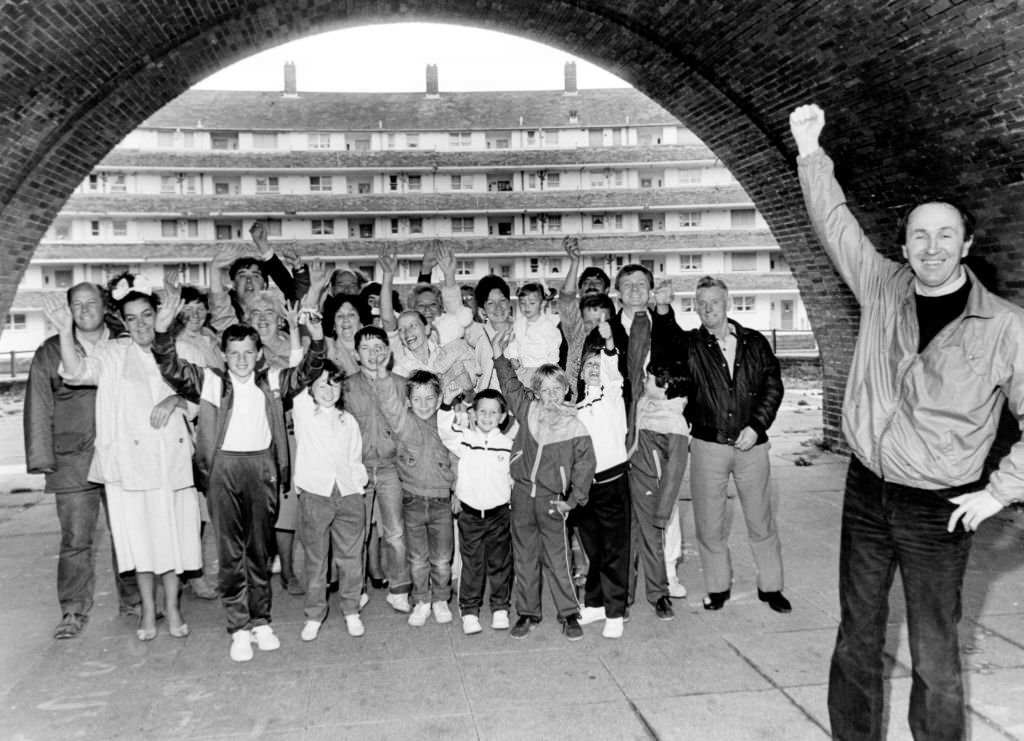
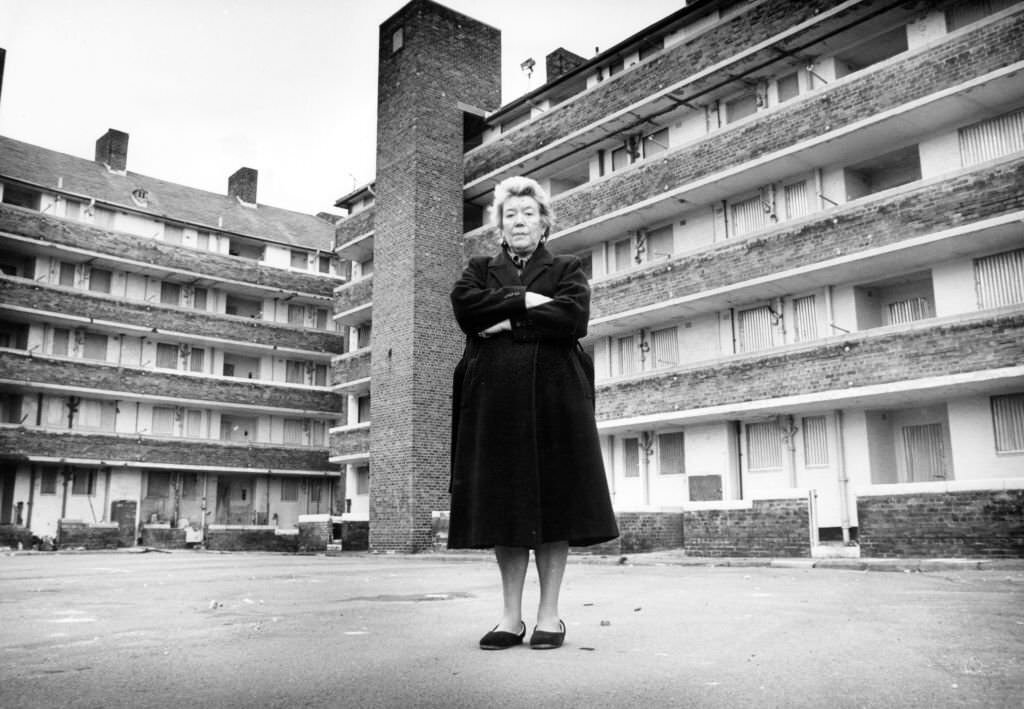
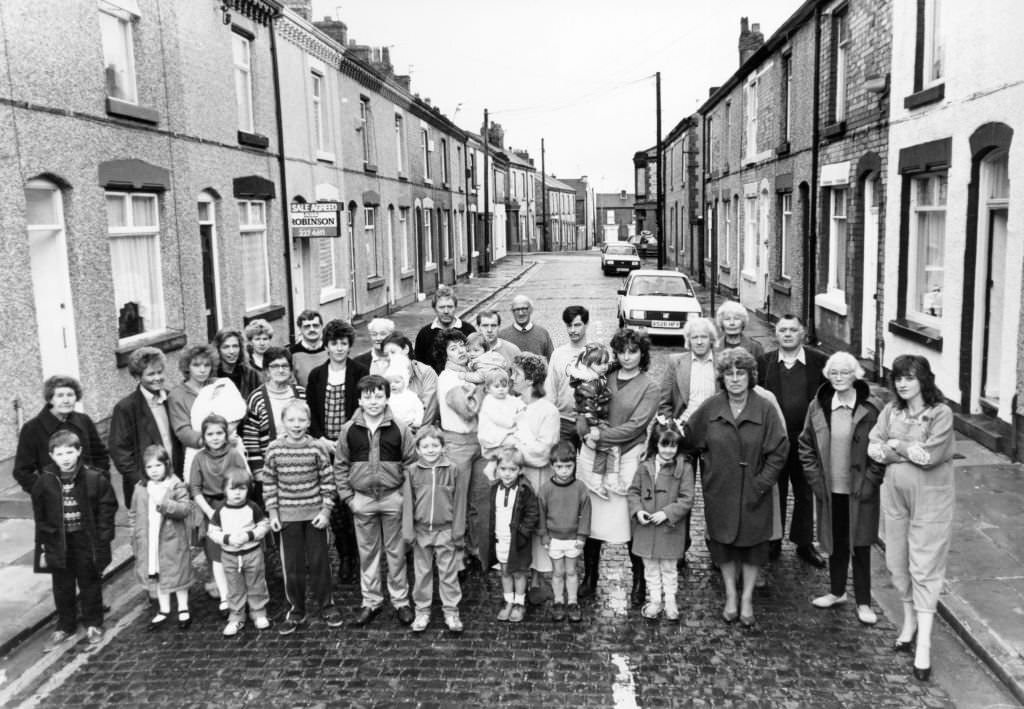
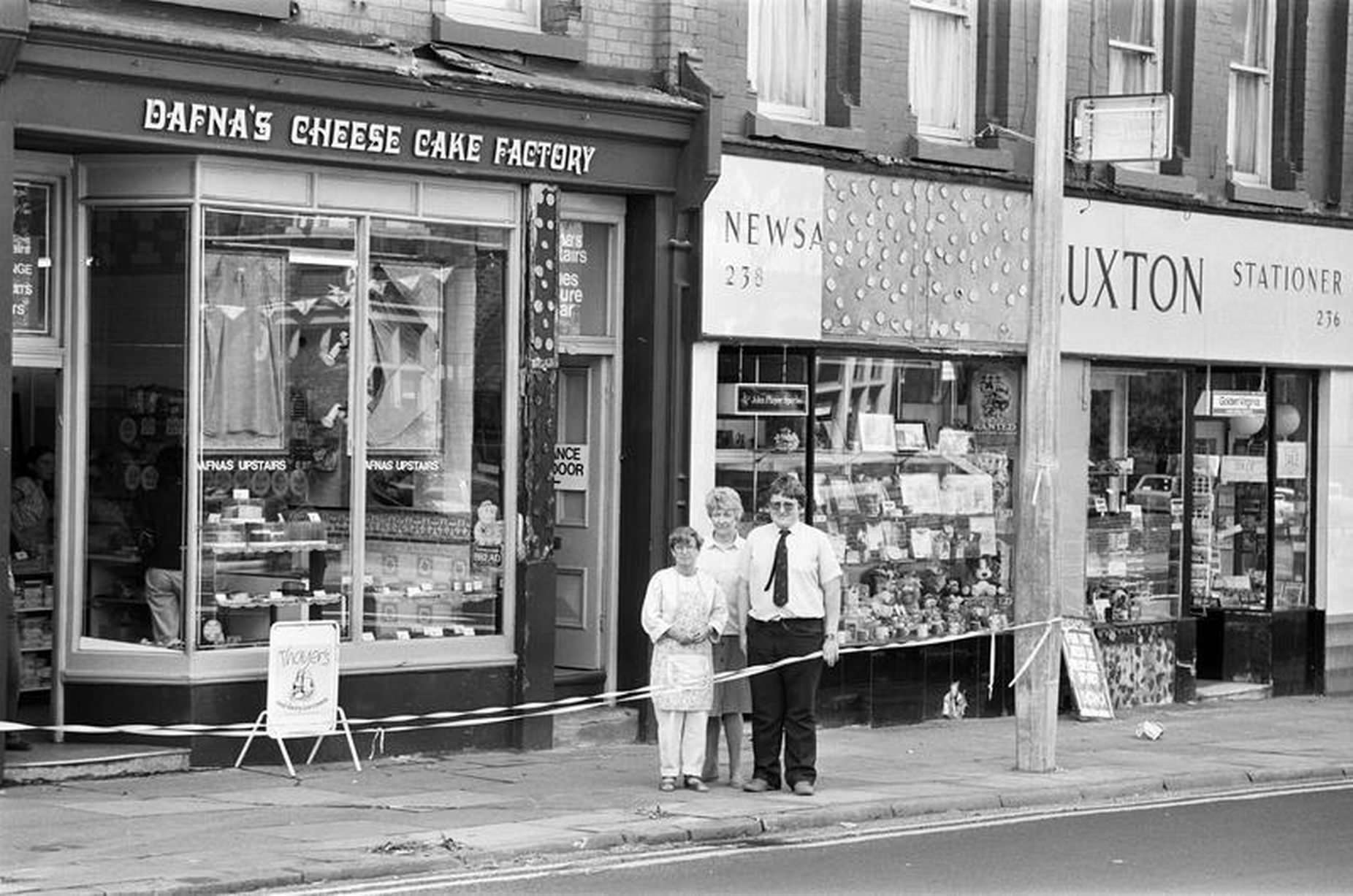
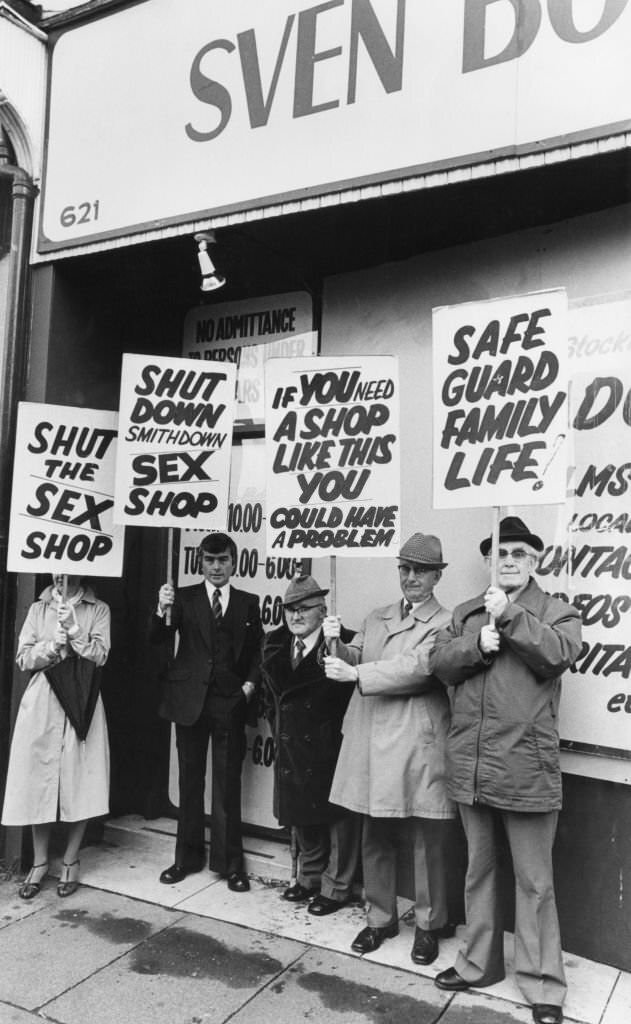
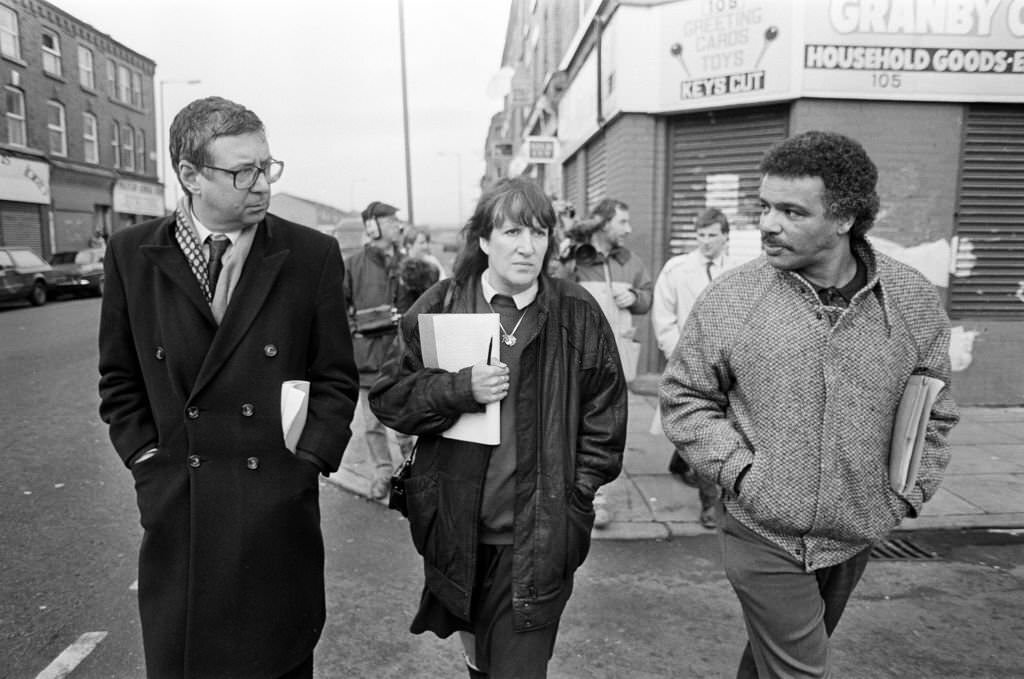
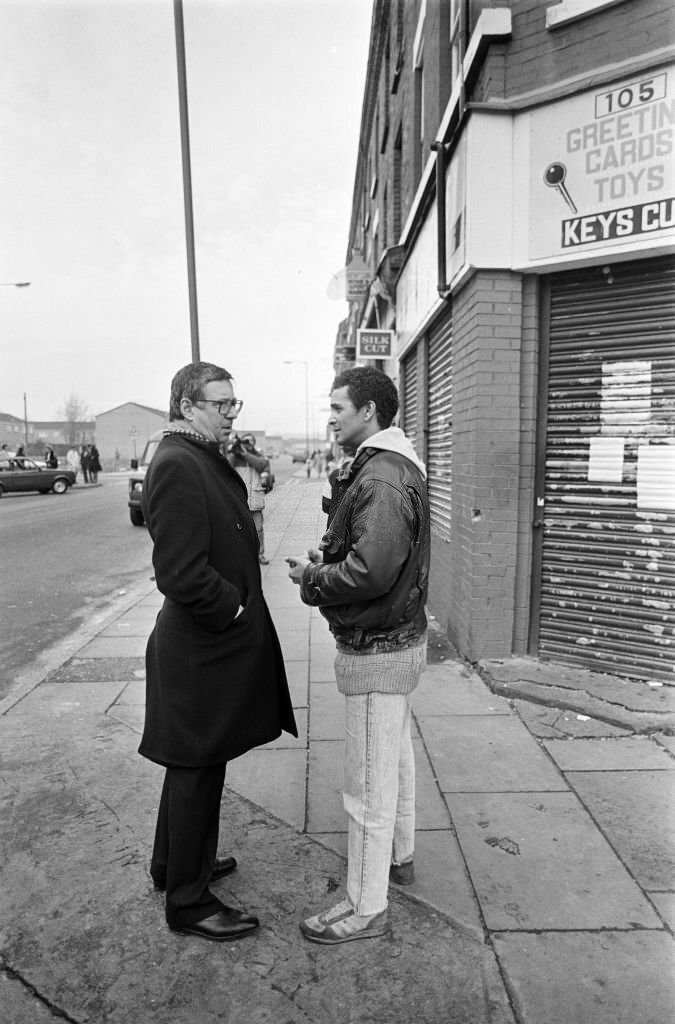
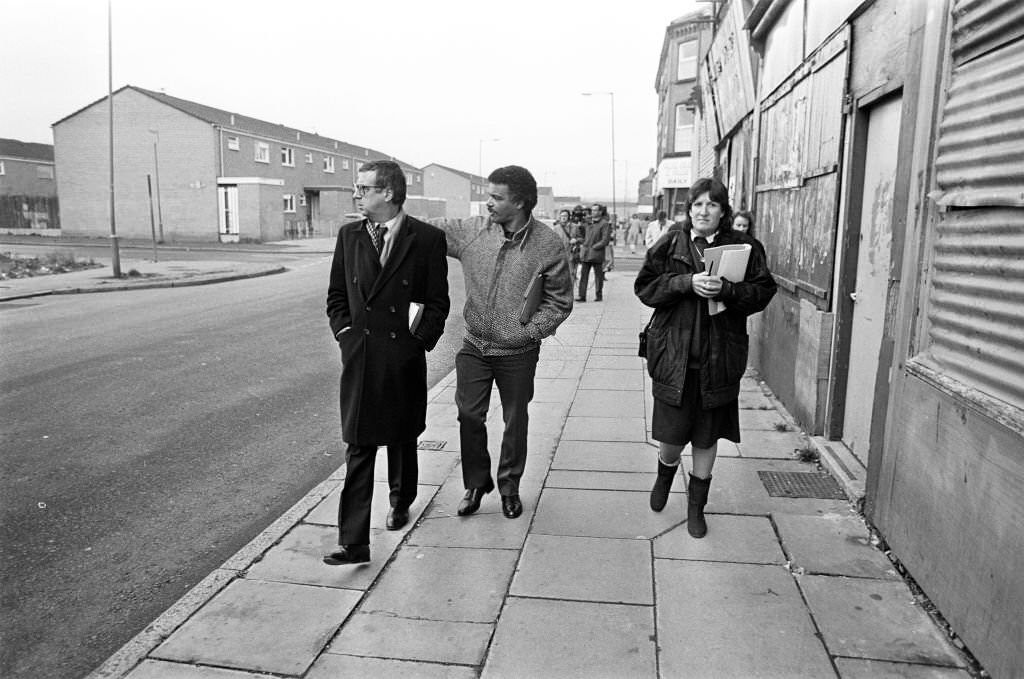
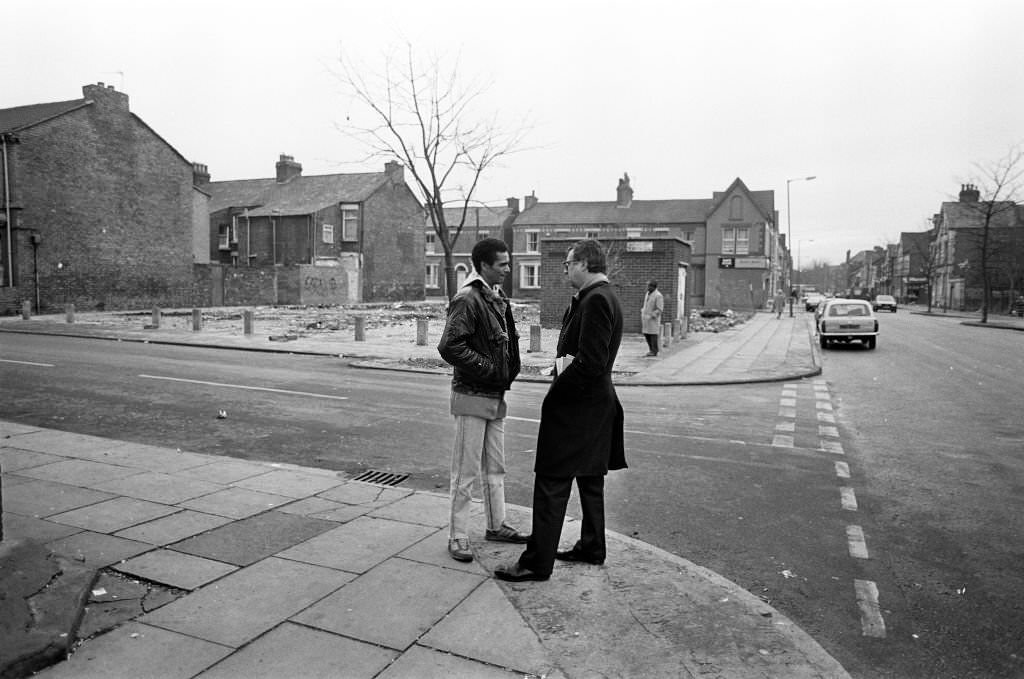
Residents across the city continued to fight local battles. Families in Gerard Gardens took Liverpool City Council to court to stop their homes from being demolished, and won — a judge threw out the council’s application in August 1986. Residents on Randolph Street in Anfield petitioned for their potholed cobbled road to be resurfaced. On Smithdown Road, shopkeepers whose premises were damaged in August 1985 stood outside and made their feelings clear. Lord Gifford visited Granby Street in Toxteth in November 1988 to speak directly with residents about ongoing conditions in the area.
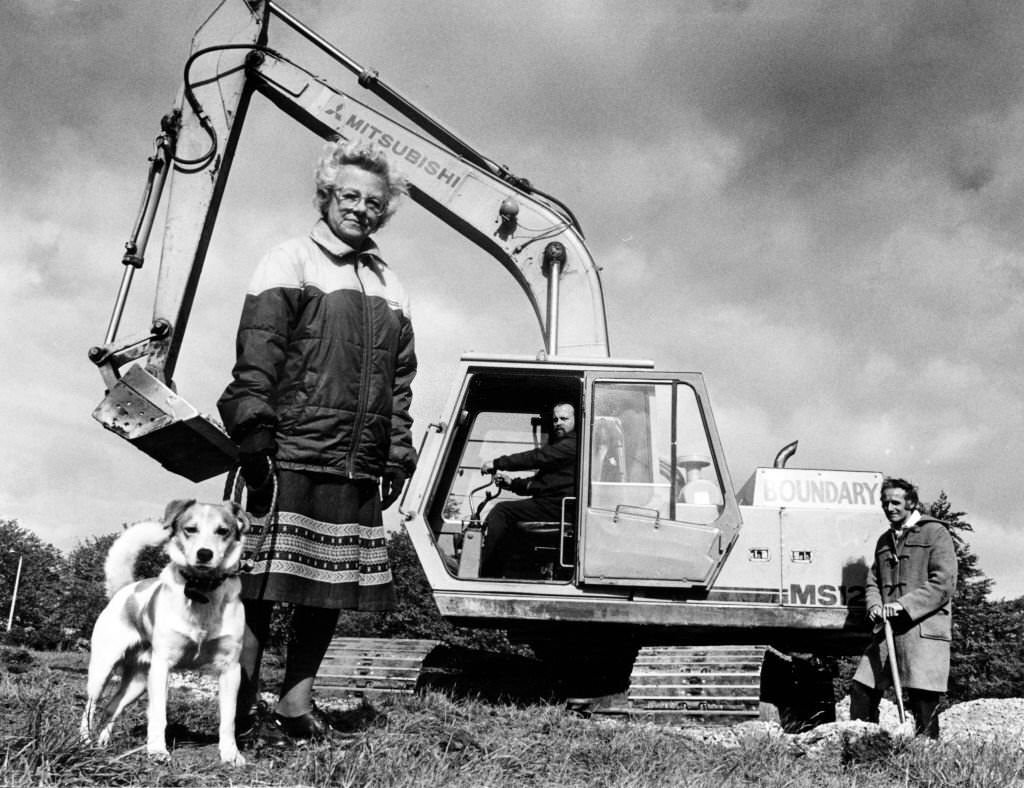
11 families of Gerard Gardens celebrate a victory over Liverpool City Council.Gerard Gardens, a tenement block in Liverpool city centre, 1986Gerard Gardens, Liverpool, 1987Randolph Street, Anfield, Liverpool road protest, 1983Smithdown Road shopkeepers Mrs Anne Lev (right) and Mrs Elsie Luxton and her son, John outside their damaged shops, 10th August 1985.Men and women protesting outside a new sex shop in Liverpool, ‘Sven Books’ in Smithdown Road Wavertree.Angry residents fighting plans to build on their only recreational land might as well not bother – the work has started.Lord Gifford visits Granby Street, Toxteth. 29th November 1988.Lord Gifford visits Granby Street, Toxteth, 29th November 1988.Lord Gifford visits Granby Street, Toxteth, 29th November 1988.Lord Gifford talks to local resident Delroy Burris in Granby Street, Toxteth, 29th November 1988.
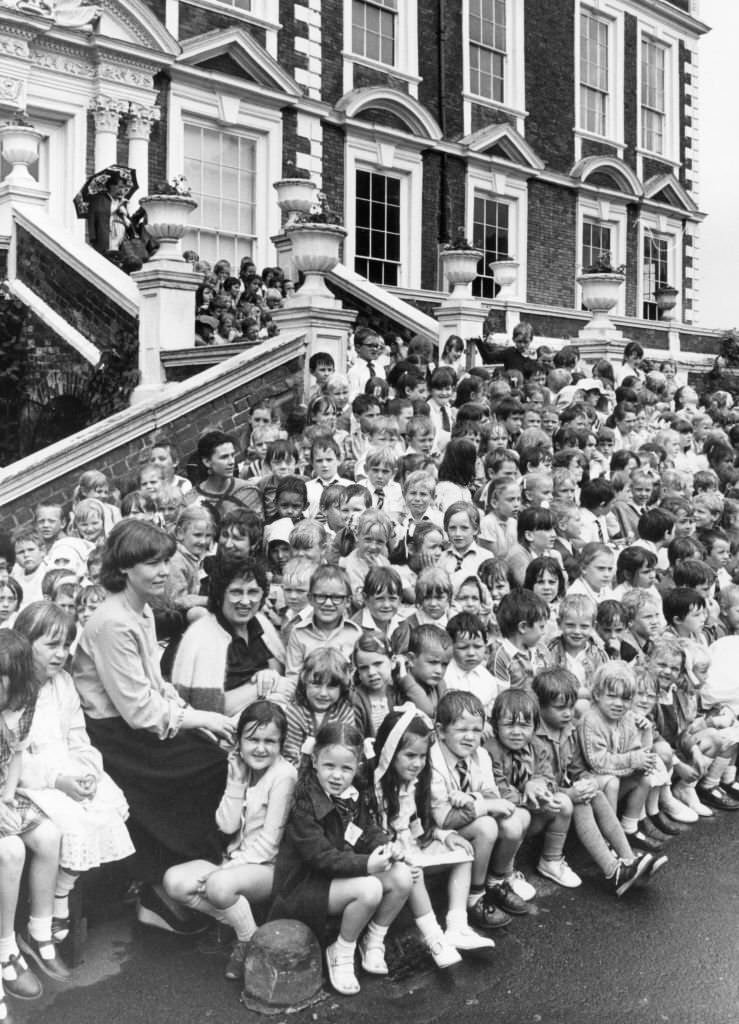
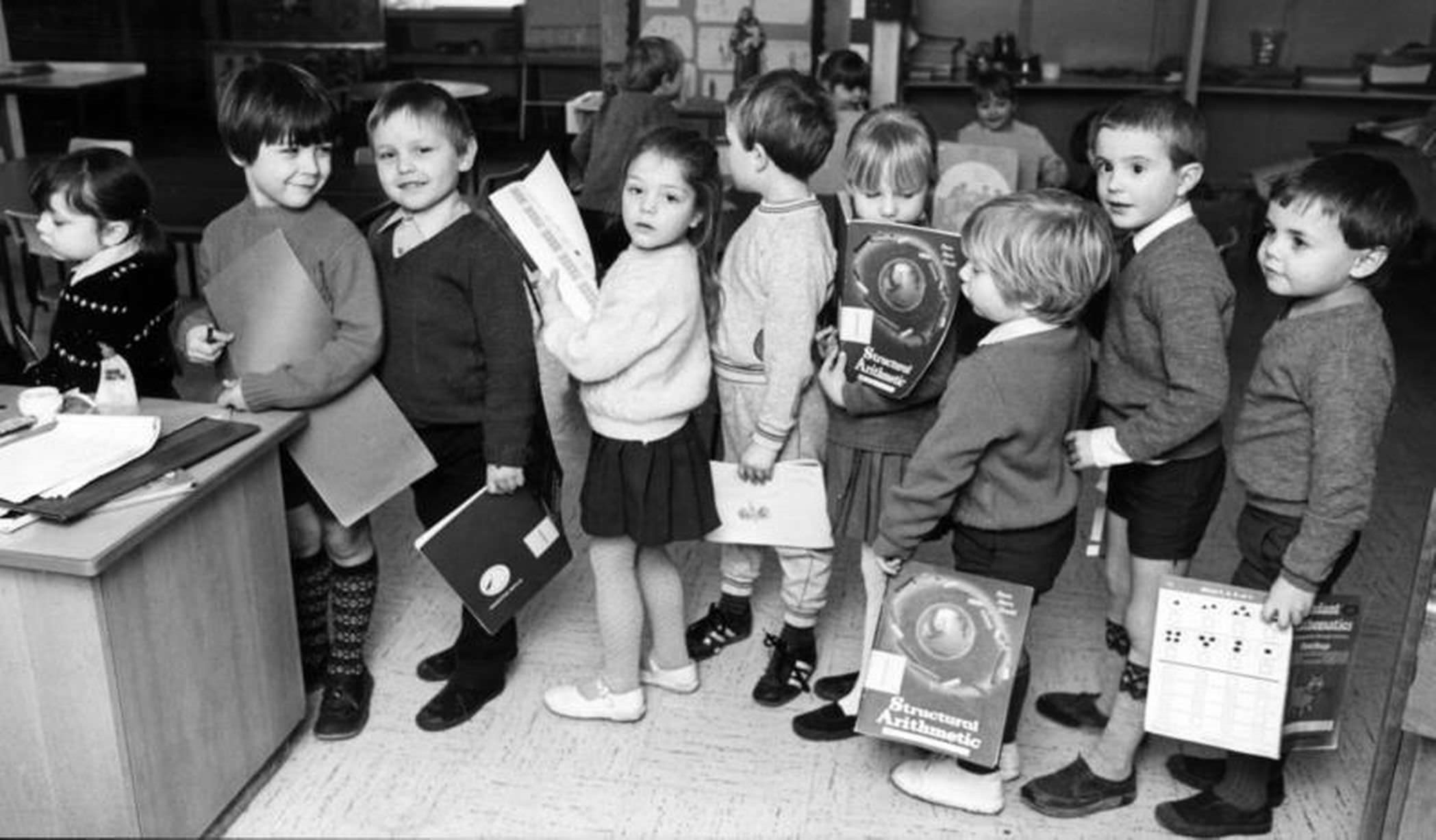
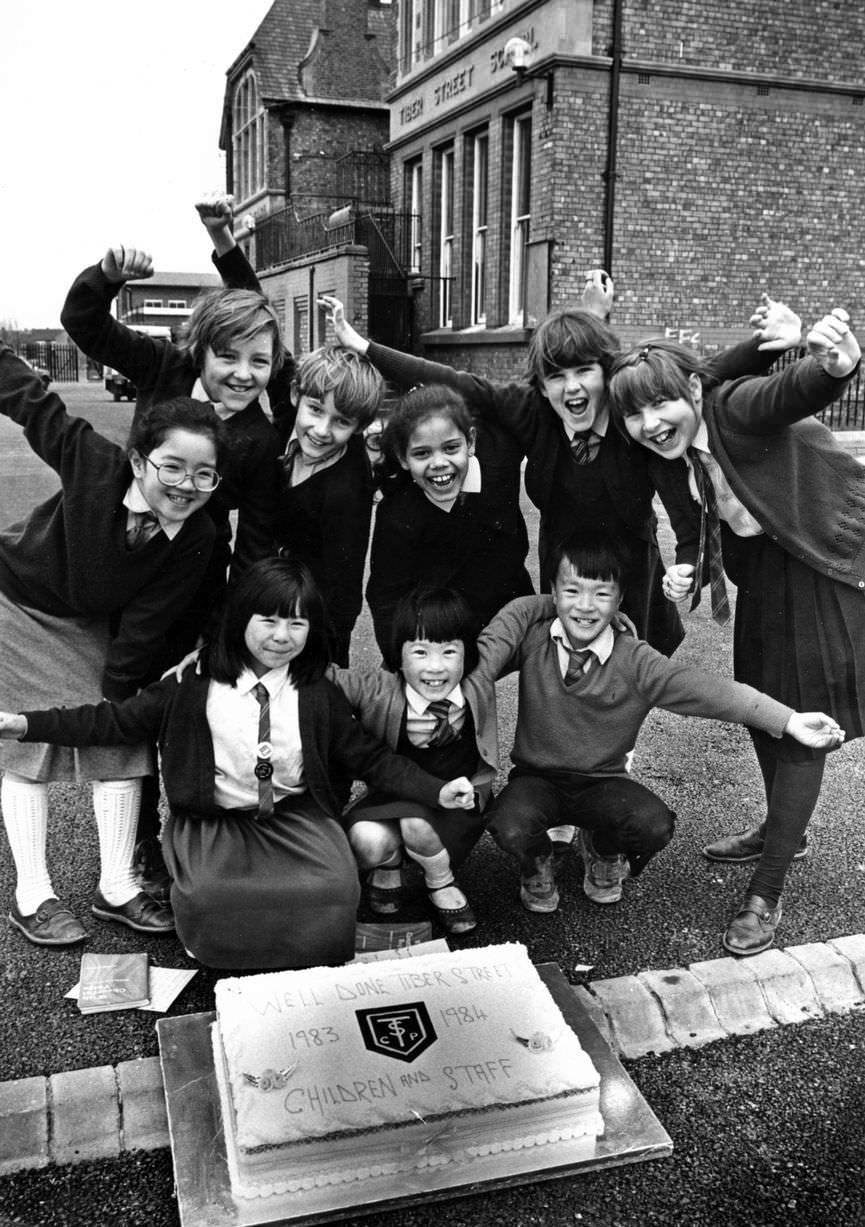
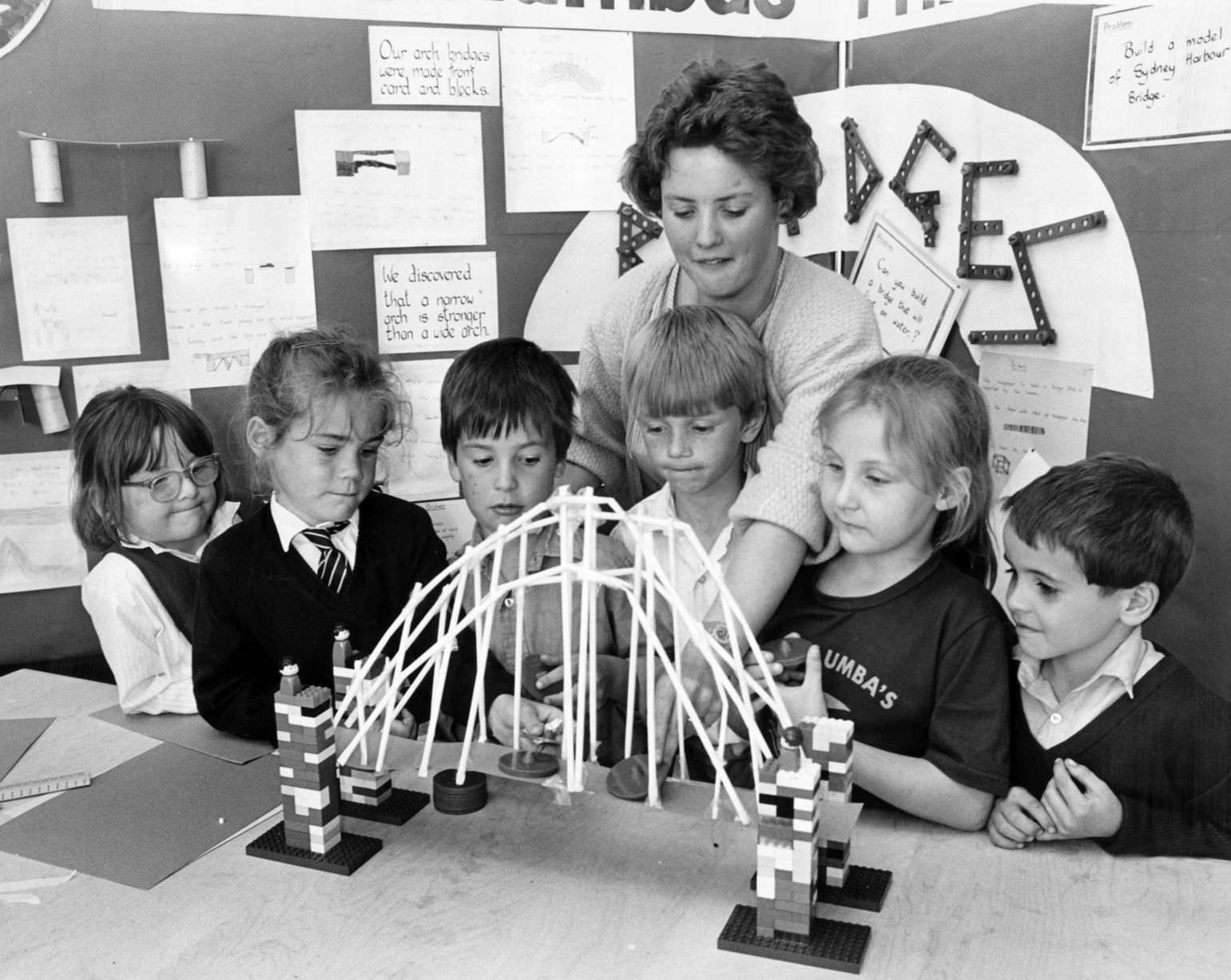
Schools carried on educating children through all of it. Pupils at St Brigid’s Catholic Primary in Cantril Farm sat for their photos in February 1984. Kids at Tiber Street School in Toxteth received a government inspection rating of ten out of ten in April 1984 and celebrated accordingly. Young engineering students at St Columba’s Primary in Knowsley were studying bridge stresses in June 1988. Education remained a constant, even when everything else felt unstable.
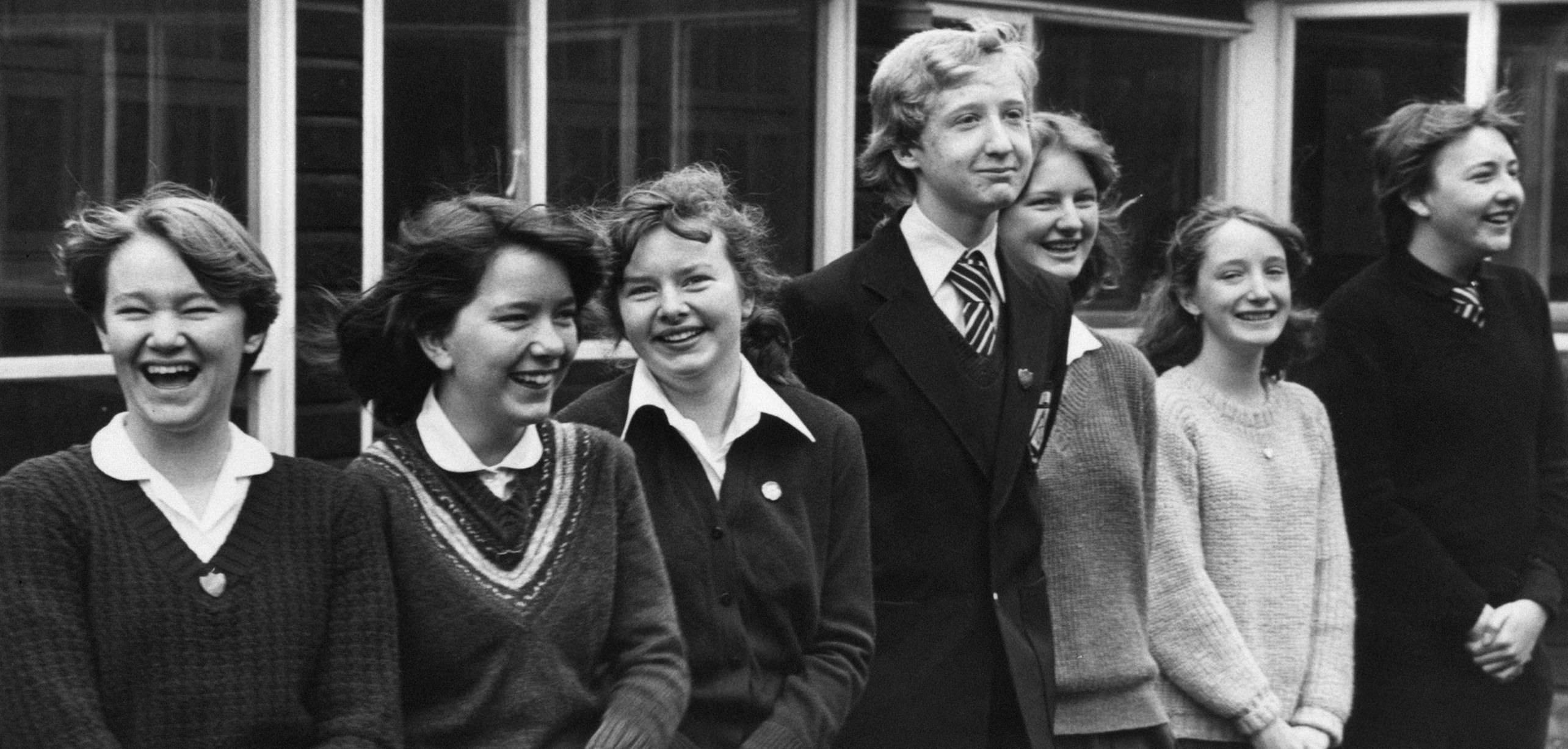
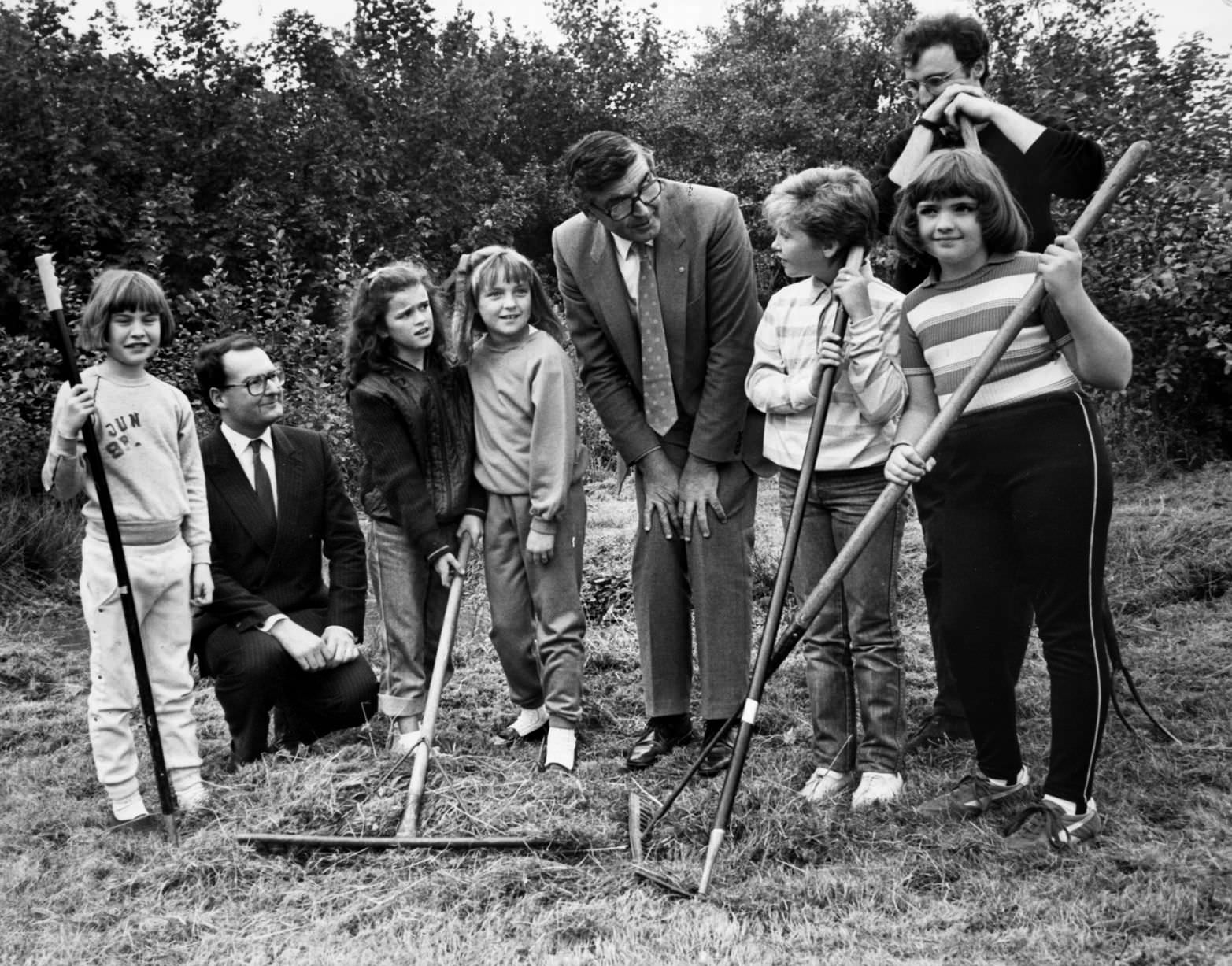
Pupils at St Brigid’s Catholic Primary School, Cantril Farm, Liverpool. 22nd February 1984.Party time for children from Tiber Street School, Toxteth, after they were given 10 out of 10 for achievement from Government inspectors, 14th April 1984Bridge stresses, young engineering scientists from St Columba’s Primary School with their teacher Mrs Naomi Flynn.Schoolchildren at Ellergreen Comprehensive School, Norris Green, Liverpool, 5th April 1980.Pupils from John Fisher School in Knowsley Village with former Environment Secretary Mr Peter Jenkin, October 1989
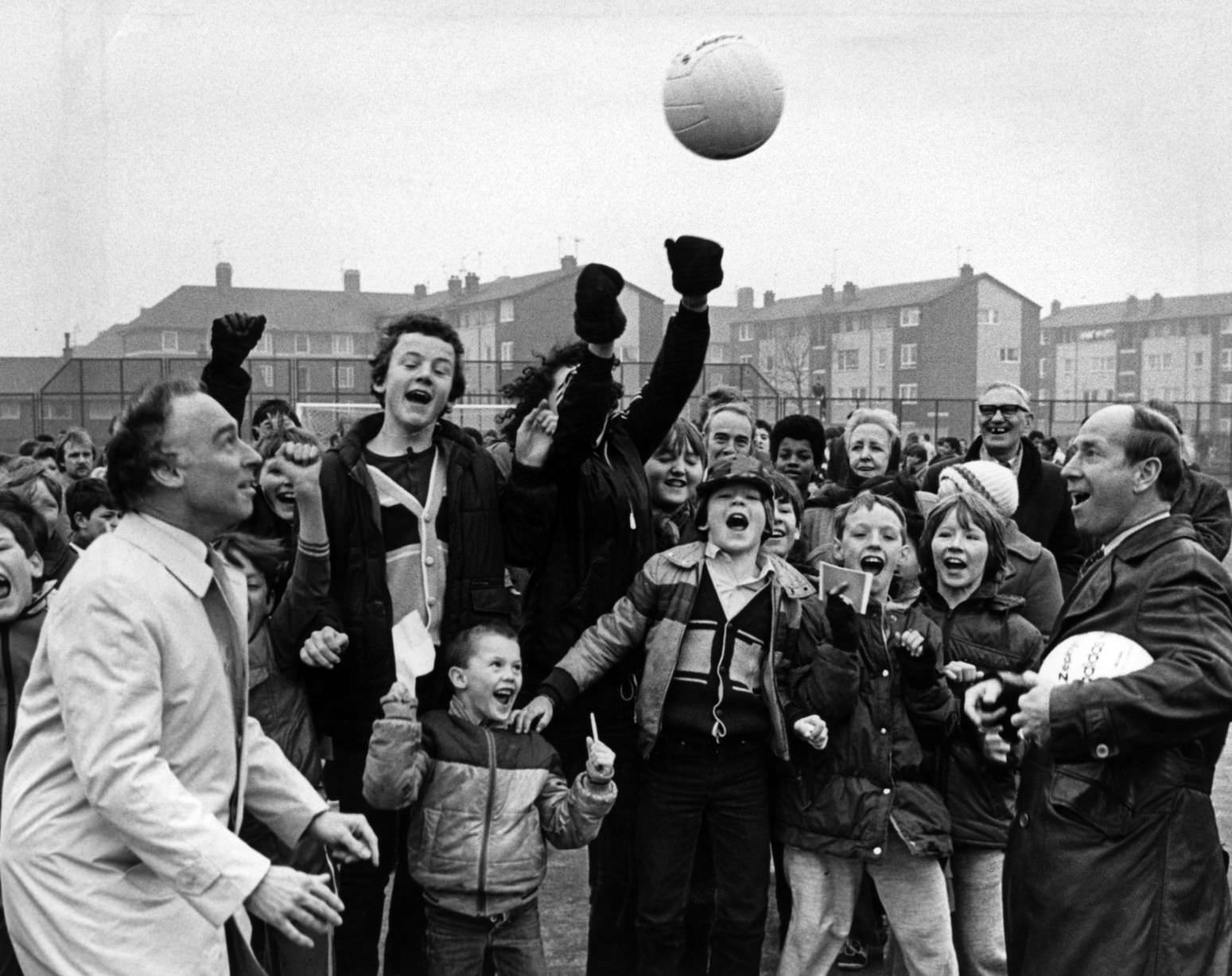
In Toxteth, Sports Minister Neil MacFarlane and Bobby Charlton turned up in February 1983 to open a new all-weather sports pitch — a small but concrete gesture toward giving the area’s young people somewhere to go. Whether grand gestures from government or neighbours gathering around a backyard fire, life in Liverpool during the 1980s was defined by a constant tension between hardship and resilience.
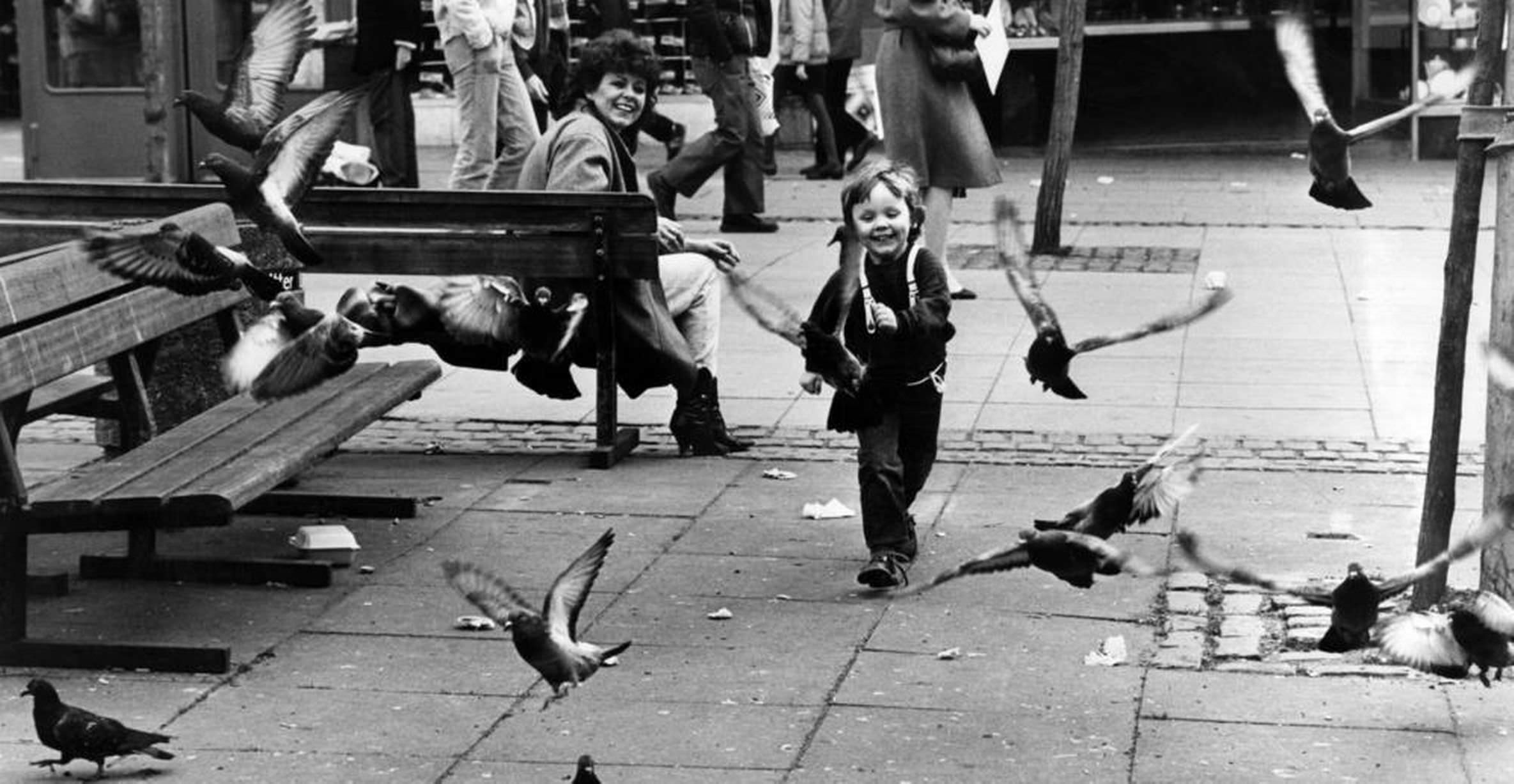
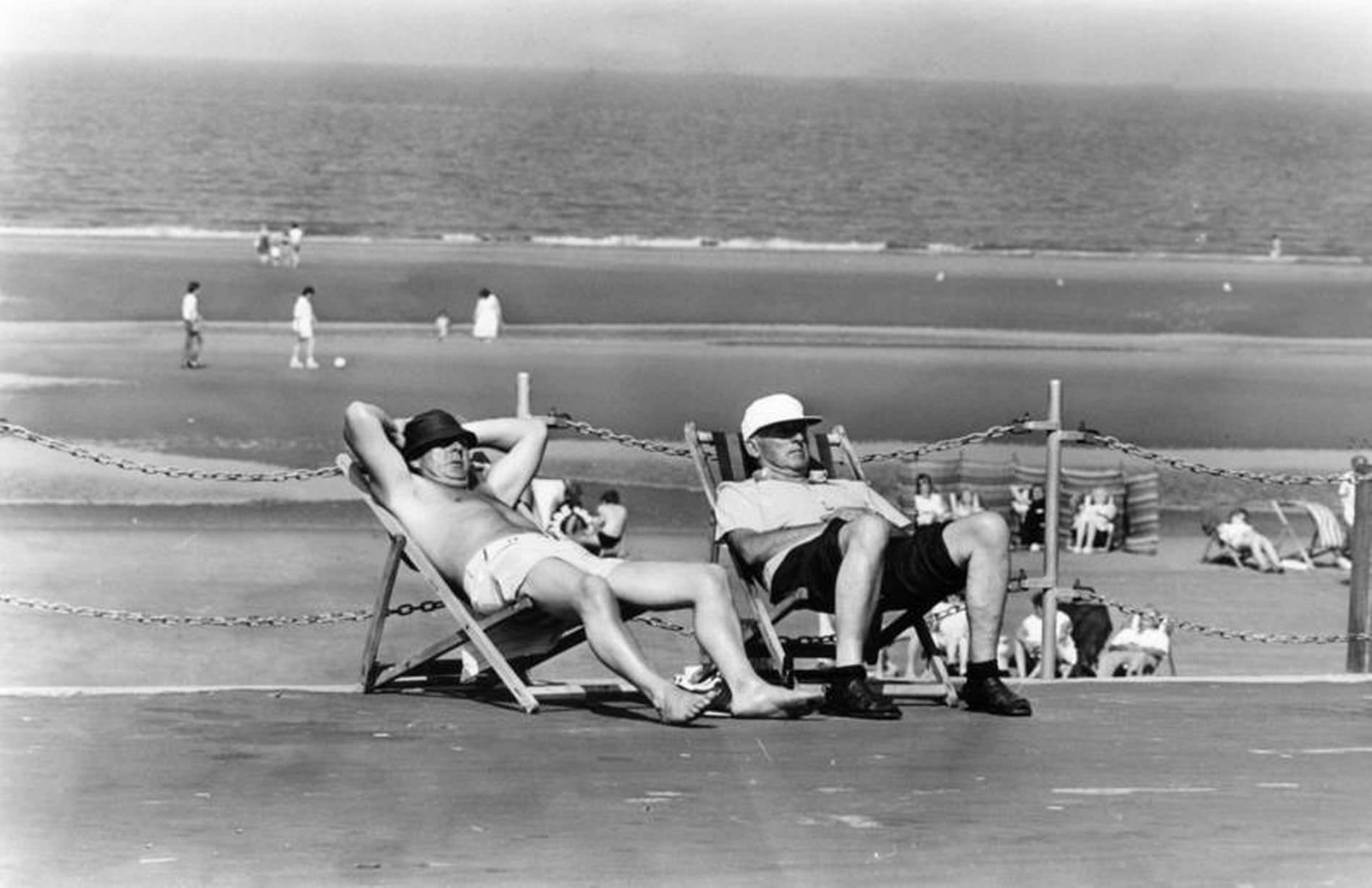
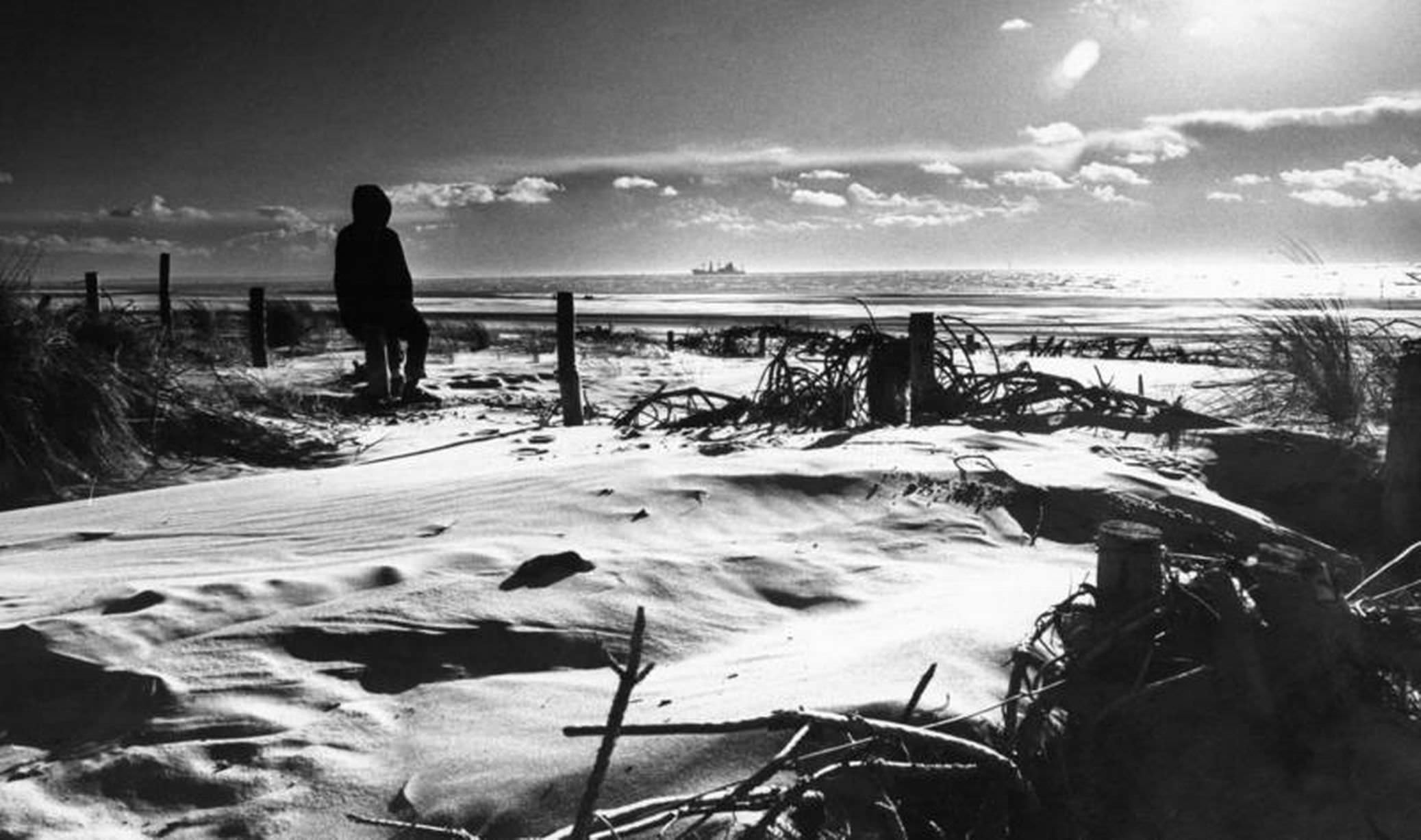
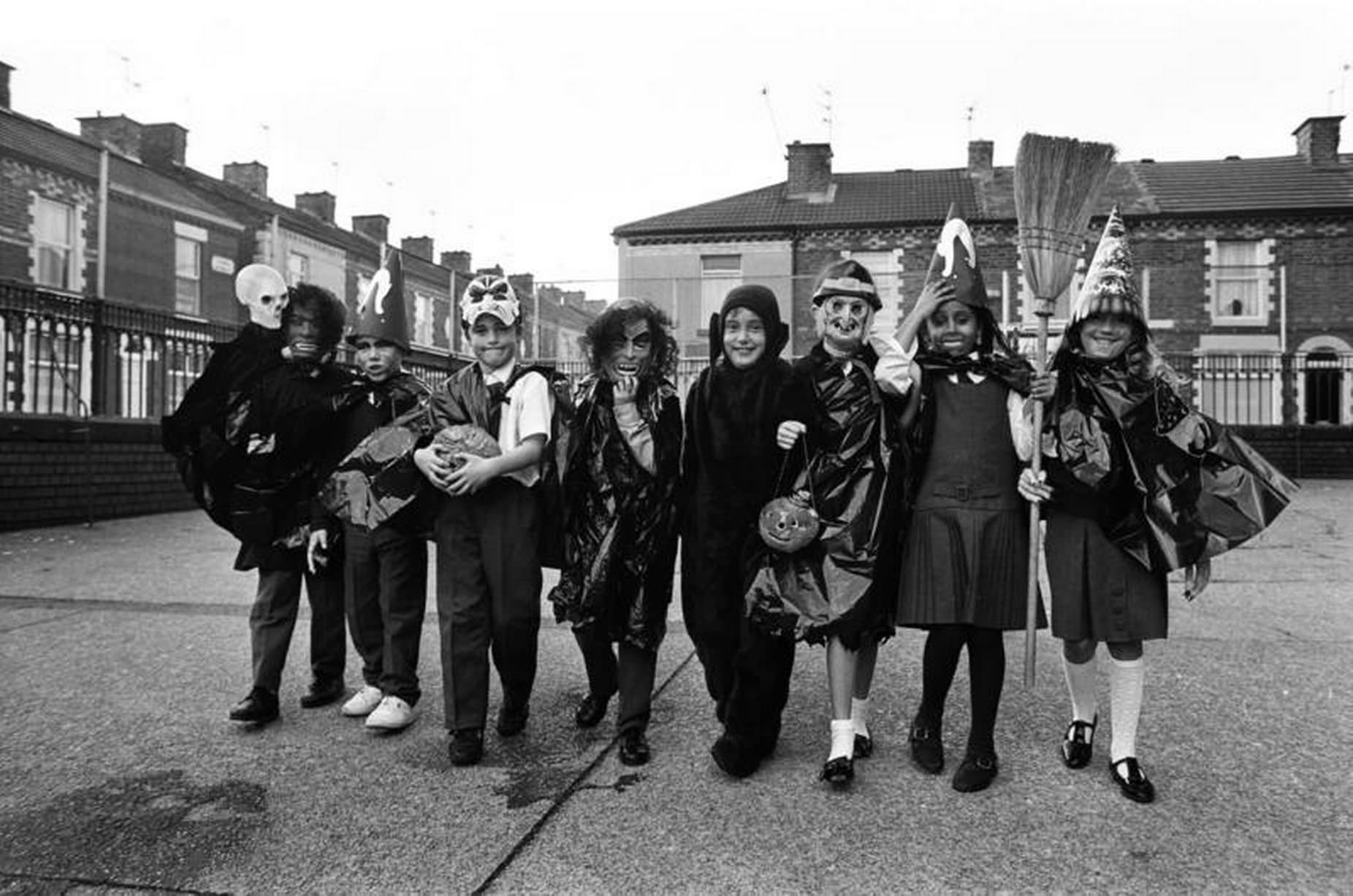
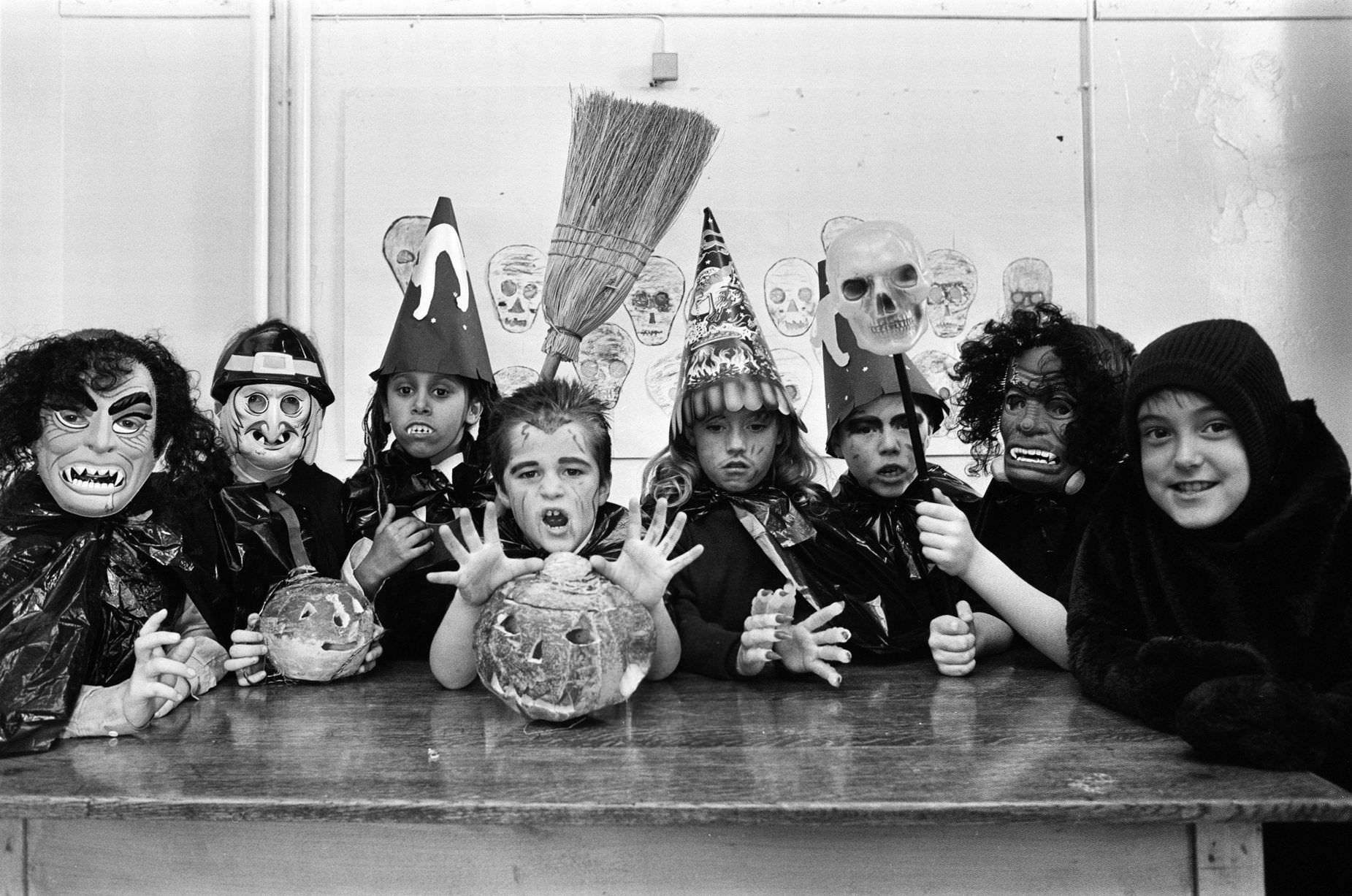
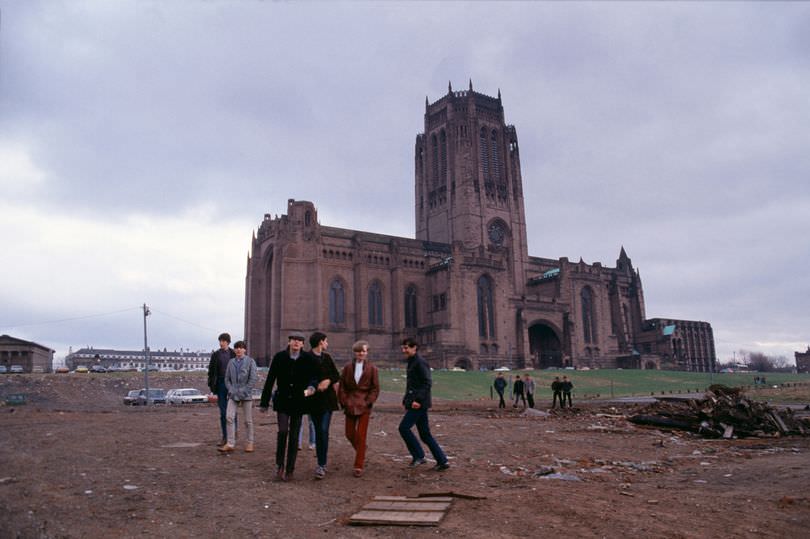
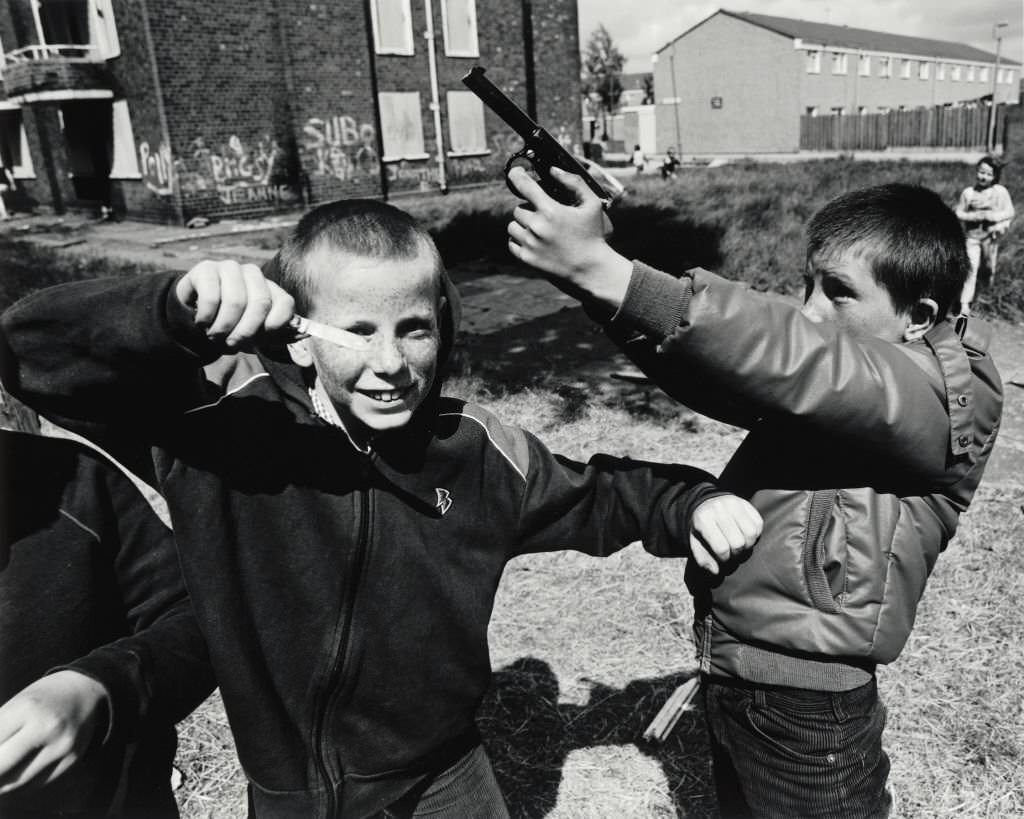
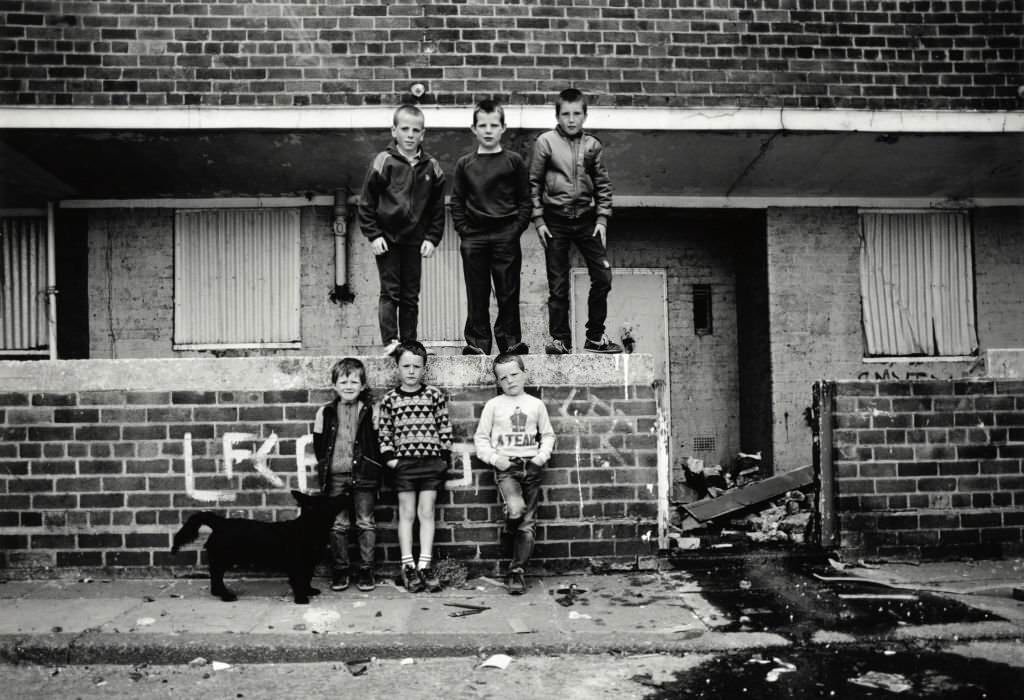
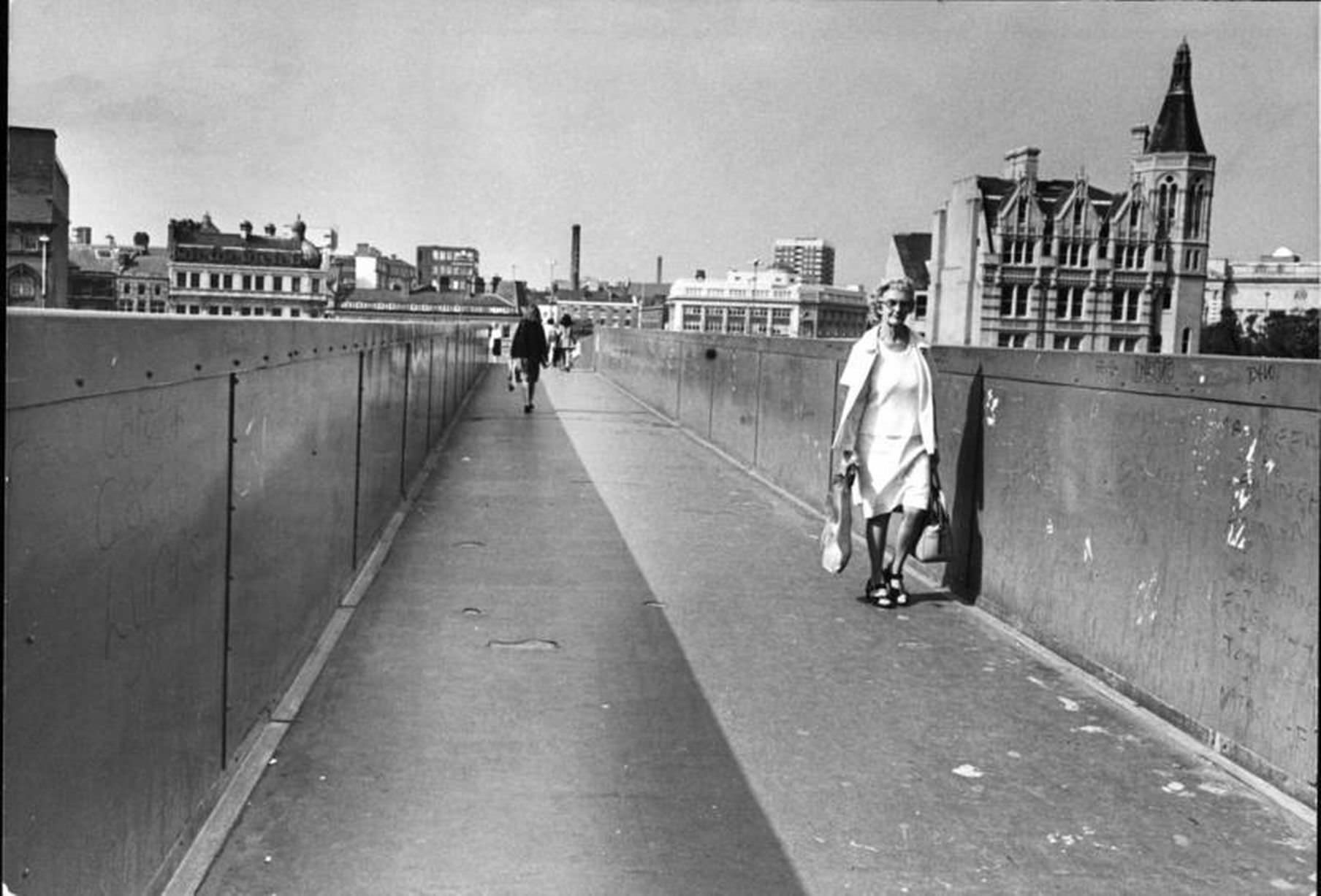
A head start for the new all-weather pitch as Sports Minister Neil MacFarlane (left) and Bobby Charlton give the youngsters in Toxteth something to cheer about. 24th February 1983A young boy having fun chasing pigeons, Liverpool, 13th April 1984.Merseyside Beach Scenes, 23rd July 1987.Children enjoying the summer holidays on Crosby beach. Crosby, Sefton, Merseyside. August 1984Formby Beach, evening sun in an autumn sky turns the beach at Formby into a surrealistic shadowland, 12th November 1980.Larks in the Park, Music Festival, Sefton Park, Liverpool, 24th August 1984.Children celebrating Halloween in Liverpool. 31st October 1989.Children celebrating Halloween in Liverpool. 31st October 1989Youths standing on wasteland in front of the Anglican CathedralTwo young boys playing out their frustrations, violence and confrontation was evident on the streets on Liverpool. 1982.A group of young boys outside a derelict building in Liverpool 1982.Ranelagh Street, Liverpool, 1987.Lord Street Liverpool, 24th July 1989Picture shows pedestrians using the walkway, also known as the sky bridge, in Roe Street, Liverpool city centre.
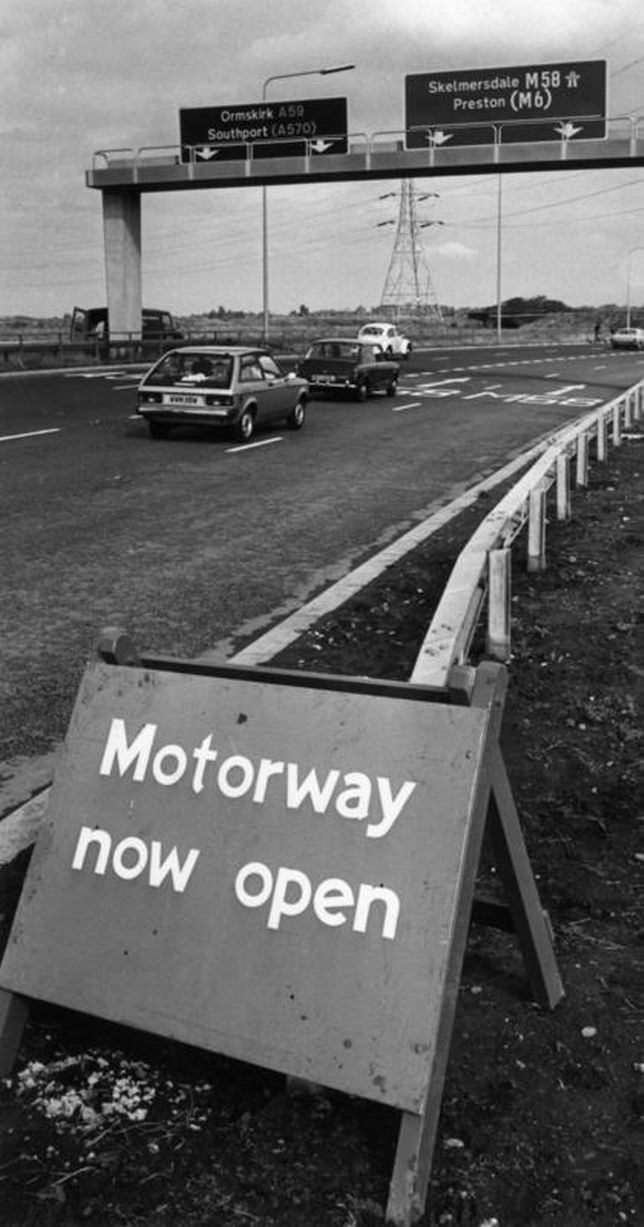
M58, new 6.5 mile stretch from Aintree to Skelmersdale helps link North Merseyside to the M6 after years of controversy.
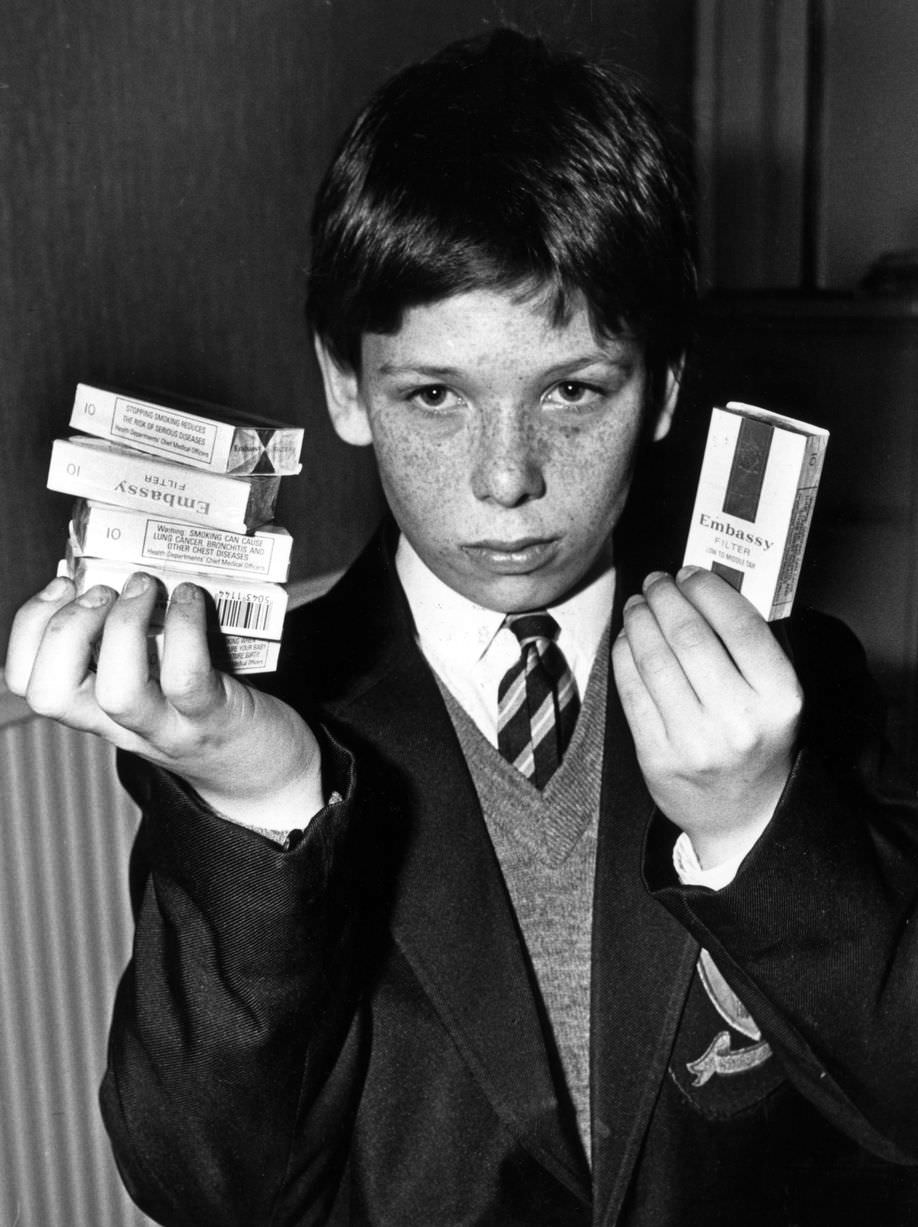
13-year-old Terry Rose with the collection of cigarettes sold to him by shopkeepers in Liverpool, 6th March 1989
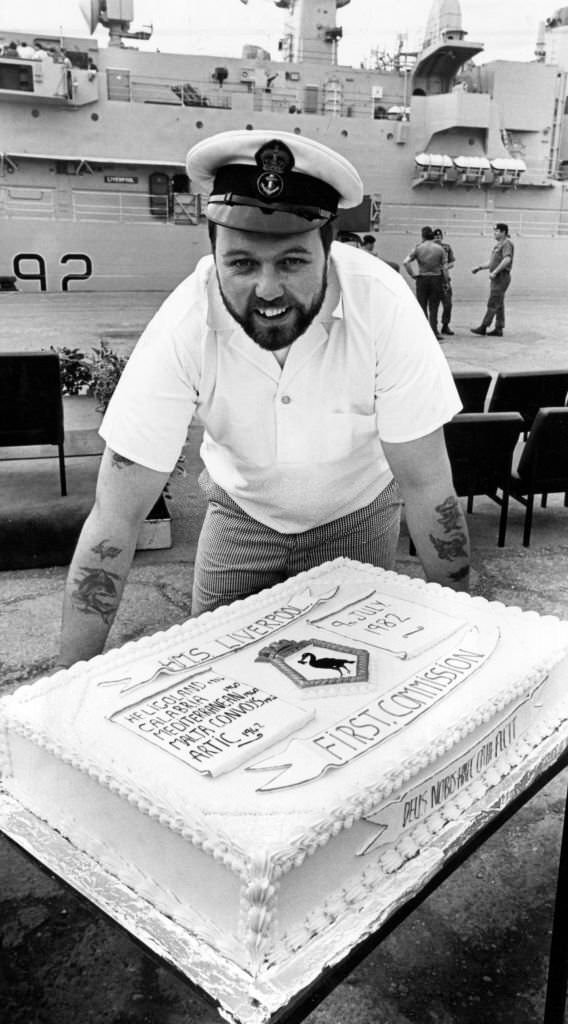
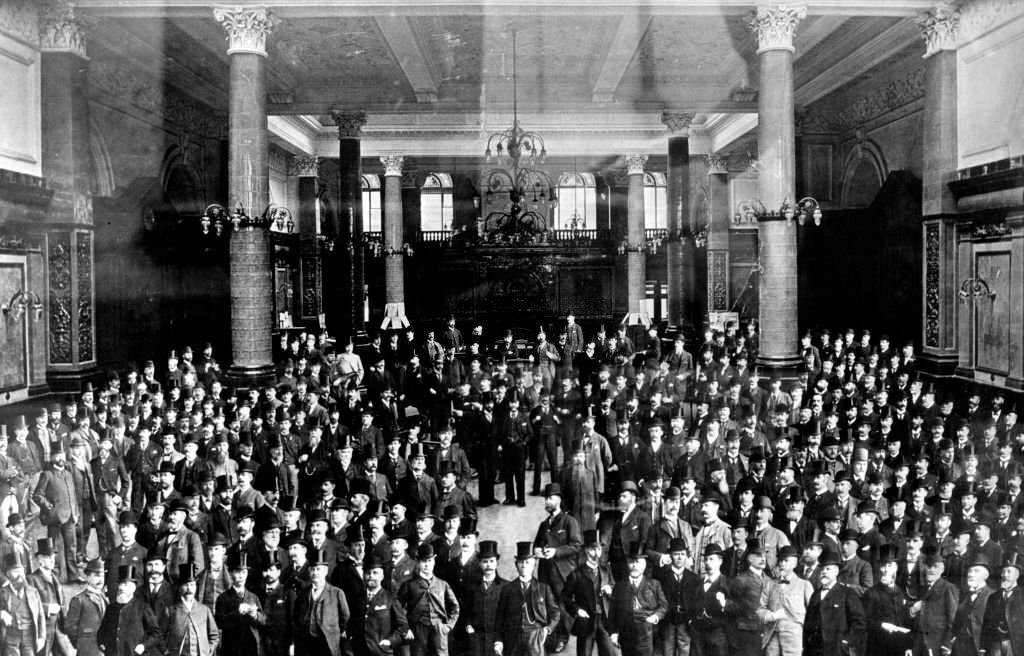
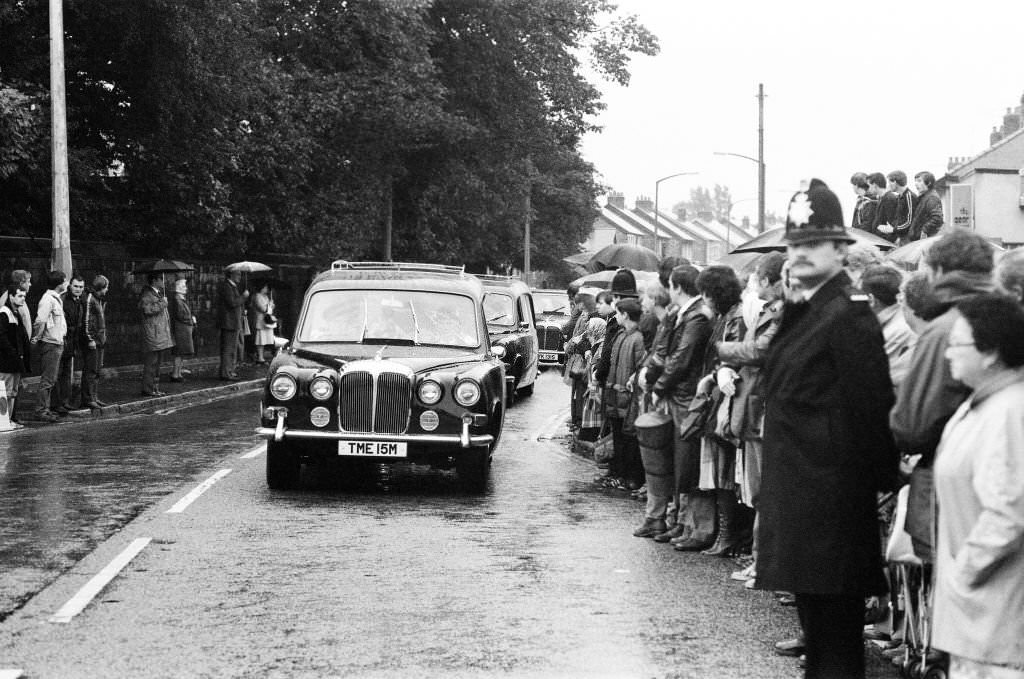
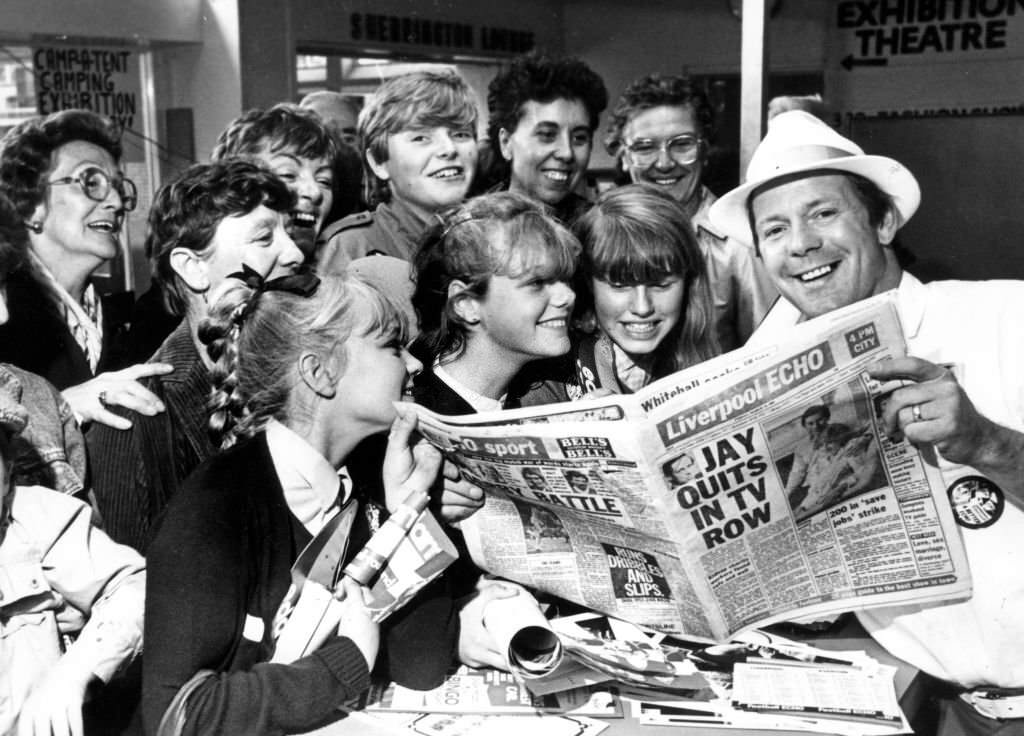
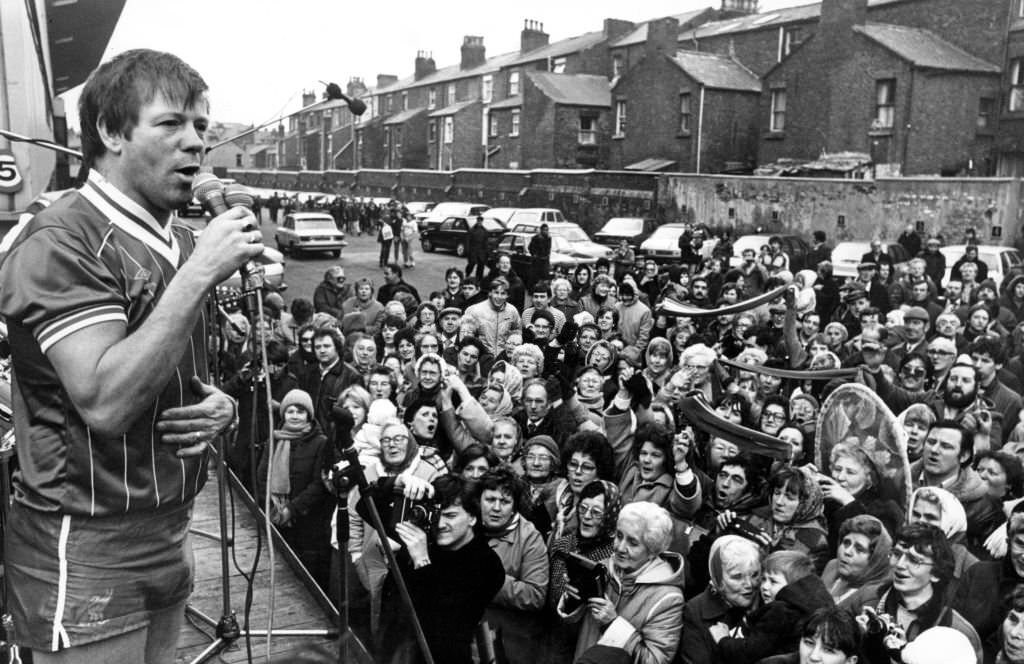
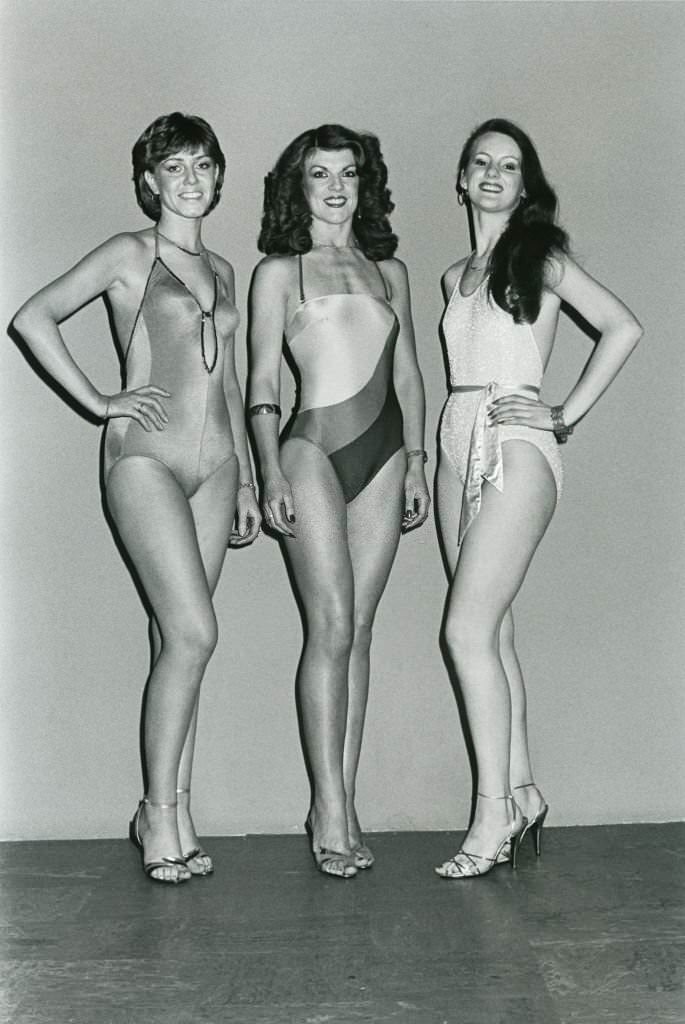
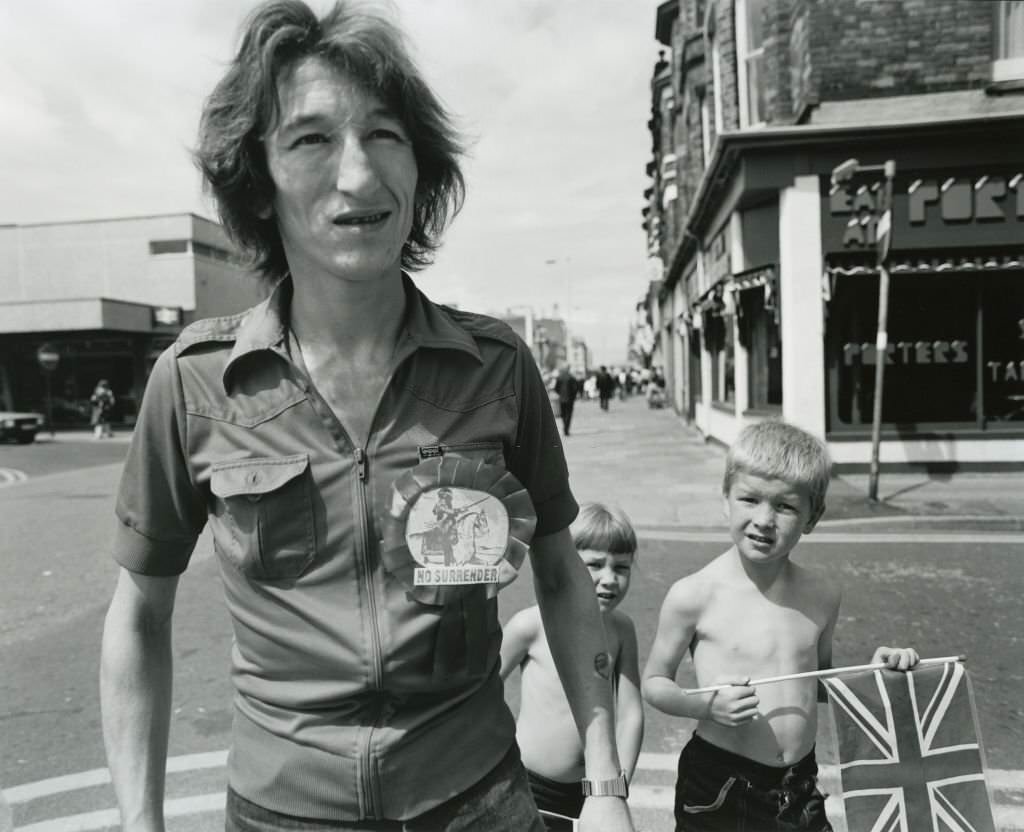
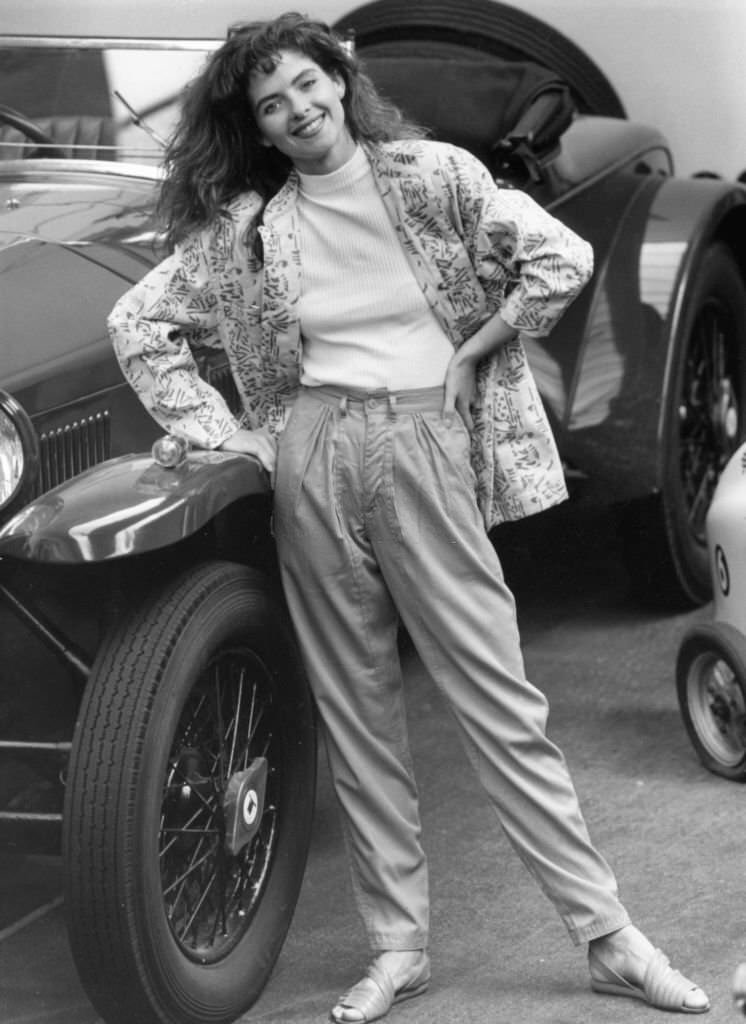
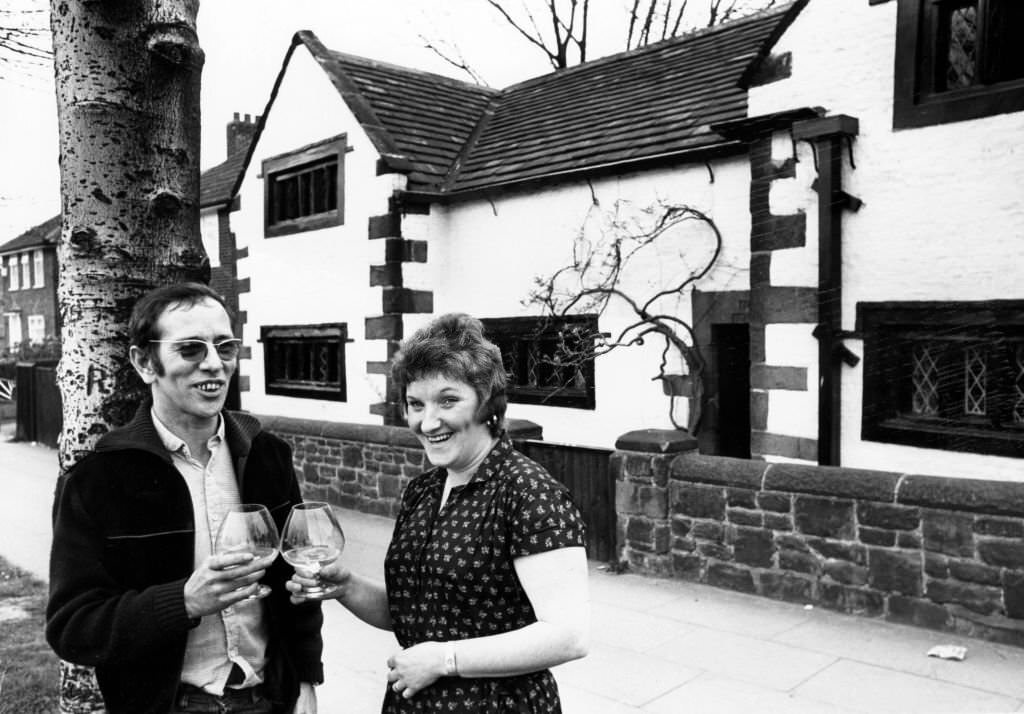
Chef, Petty Officer Bill Colmer with the cake made to commemorate HMS Liverpool’s commissioning ceremony, 9th July 1982.The Liverpool Cotton Exchange in 1896Funeral service of former Liverpool manager Bill Shankly, held at St mary’s church in West Derby, Liverpool.DJ Billy Butler shows off the new style of tabloid Liverpool Echo to visitors to the Echo Ideal Home Exhibition, 7th September 1983.Radio star Billy Butler entertains a crowd of 300 fans at Anfield with a version of Top anthem ‘You’ll Never Walk Alone’. Clad in a Liverpool FC strip, 1983Three contestants in beauty contest being staged in Liverpool, 1981.A man wearing a rosette with the message ‘No Surrender’ accompanied by two young boys carrying a union jack flag on the streets of Liverpool, June 1982.Model wears apple green trousers with green white pattern jacket standing beside a 19-29 Lancia Lamda. 9th June 1986.John and Dorothy Crawley outside their West Derby home, Tue Brook house. The pair are celebrating a full year as residents of the oldest dated house in Liverpool, 22nd April 1982.