Ken Reid was born in 1919 and built one of the most distinctive careers in British comics. He started out working for newspapers and children’s publications before landing at The Beano, where he created some of his best-known characters. Roger the Dodger debuted there in April 1953 — a sharp, scheming kid who always wriggled out of trouble. Reid also gave readers Jonah, a cursed sailor who somehow managed to sink every single ship he stepped aboard.
Another standout creation was Faceache, a boy whose rubbery face could twist into any grotesque shape he liked. These characters showed off Reid’s gift for physical comedy and absurd storytelling. In 1964, he moved from The Beano to Odhams Press, and his work took a darker turn. He leaned into comic horror, creating Frankie Stein — a bumbling, good-natured monster raised by his mad scientist father, Professor Cube. The character borrowed from Mary Shelley’s novel but played everything strictly for laughs.
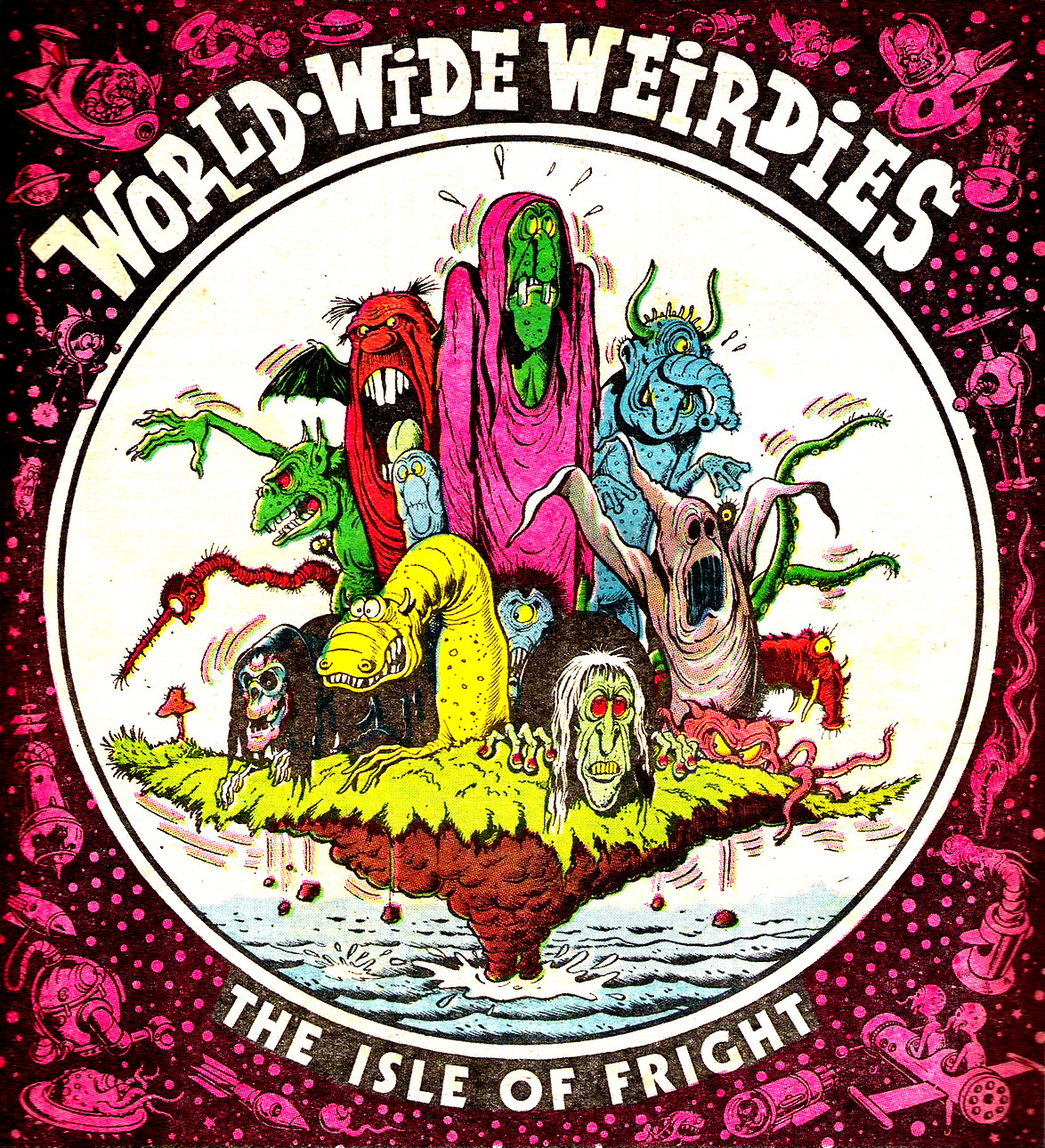
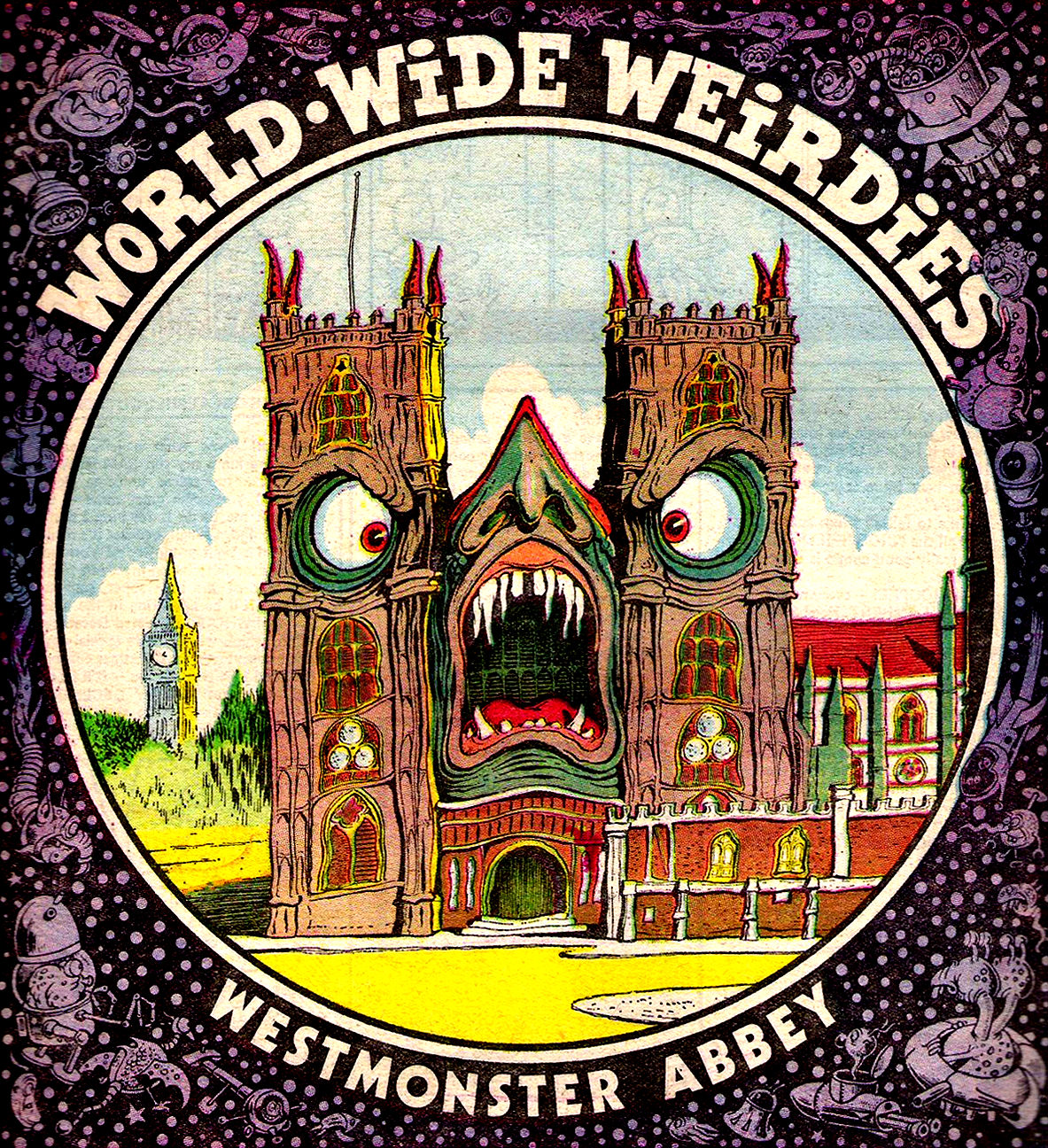
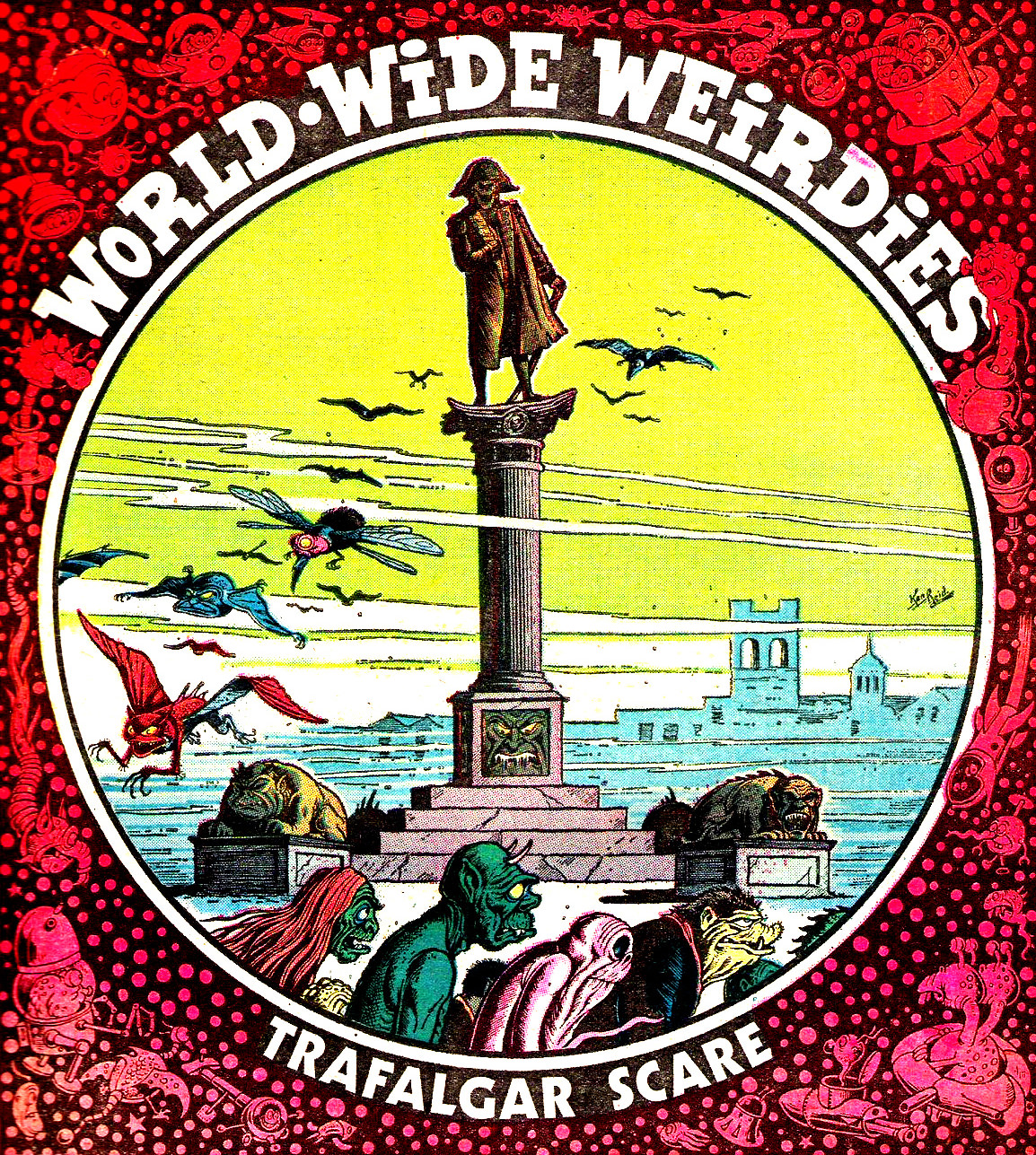
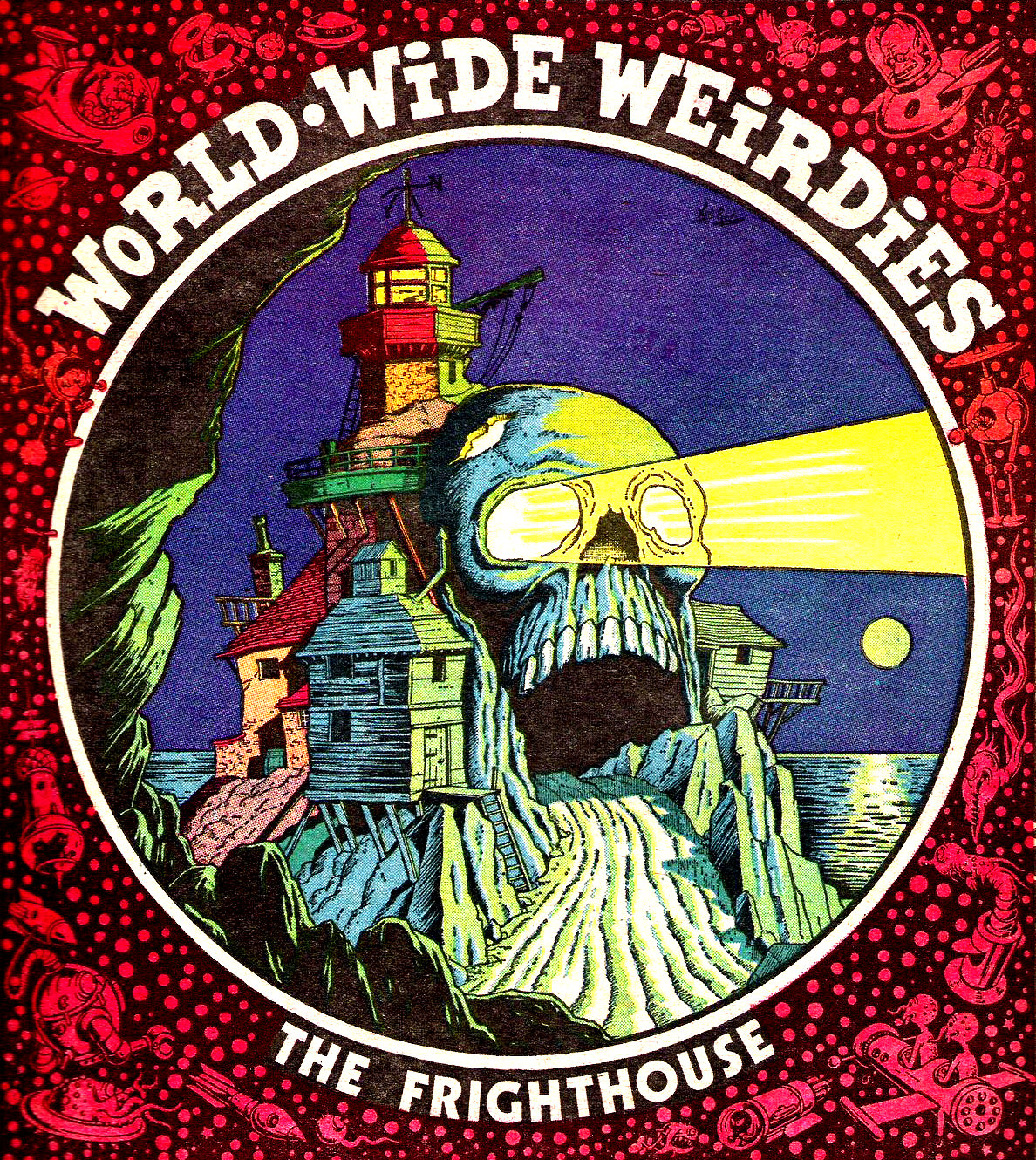
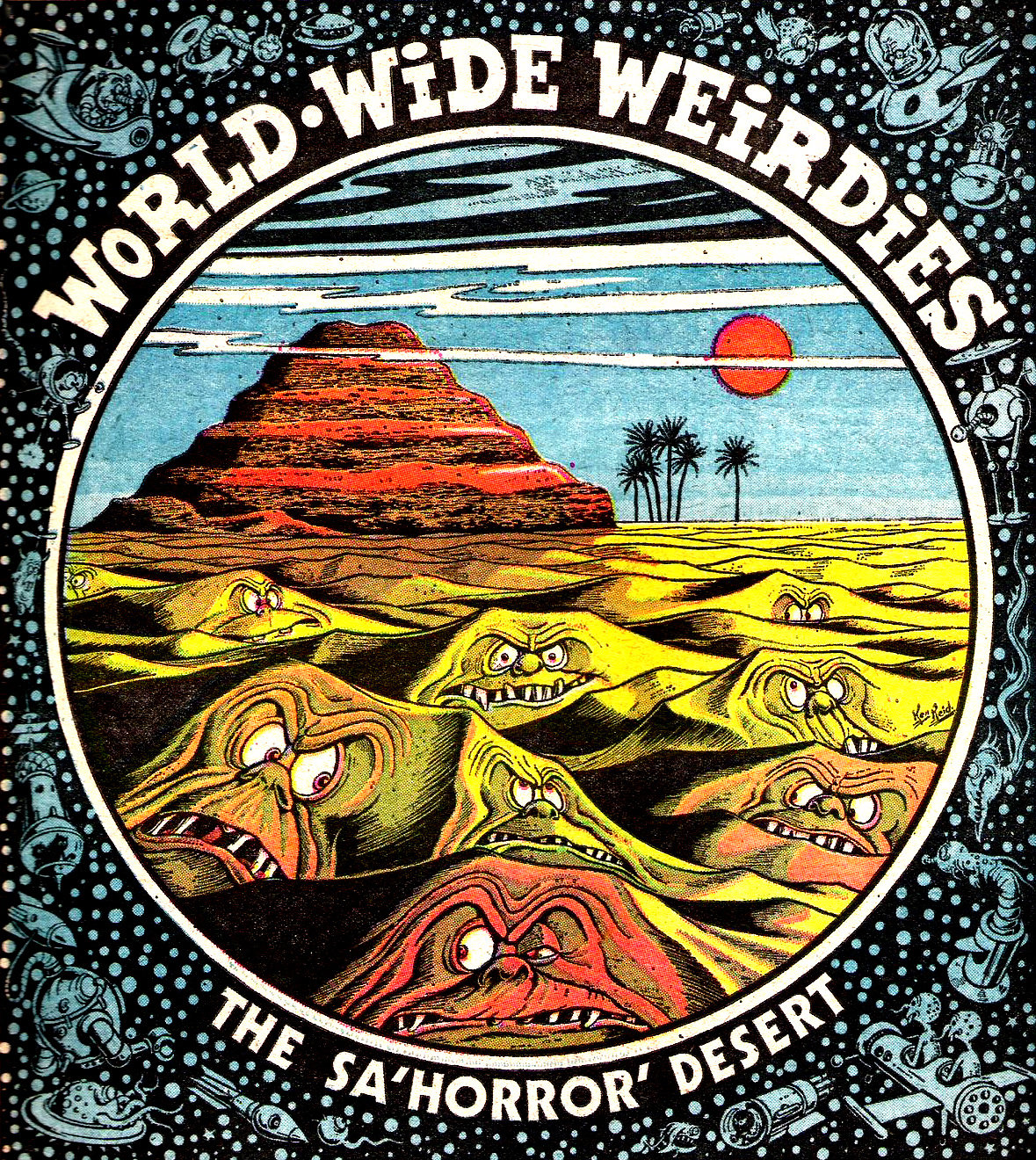
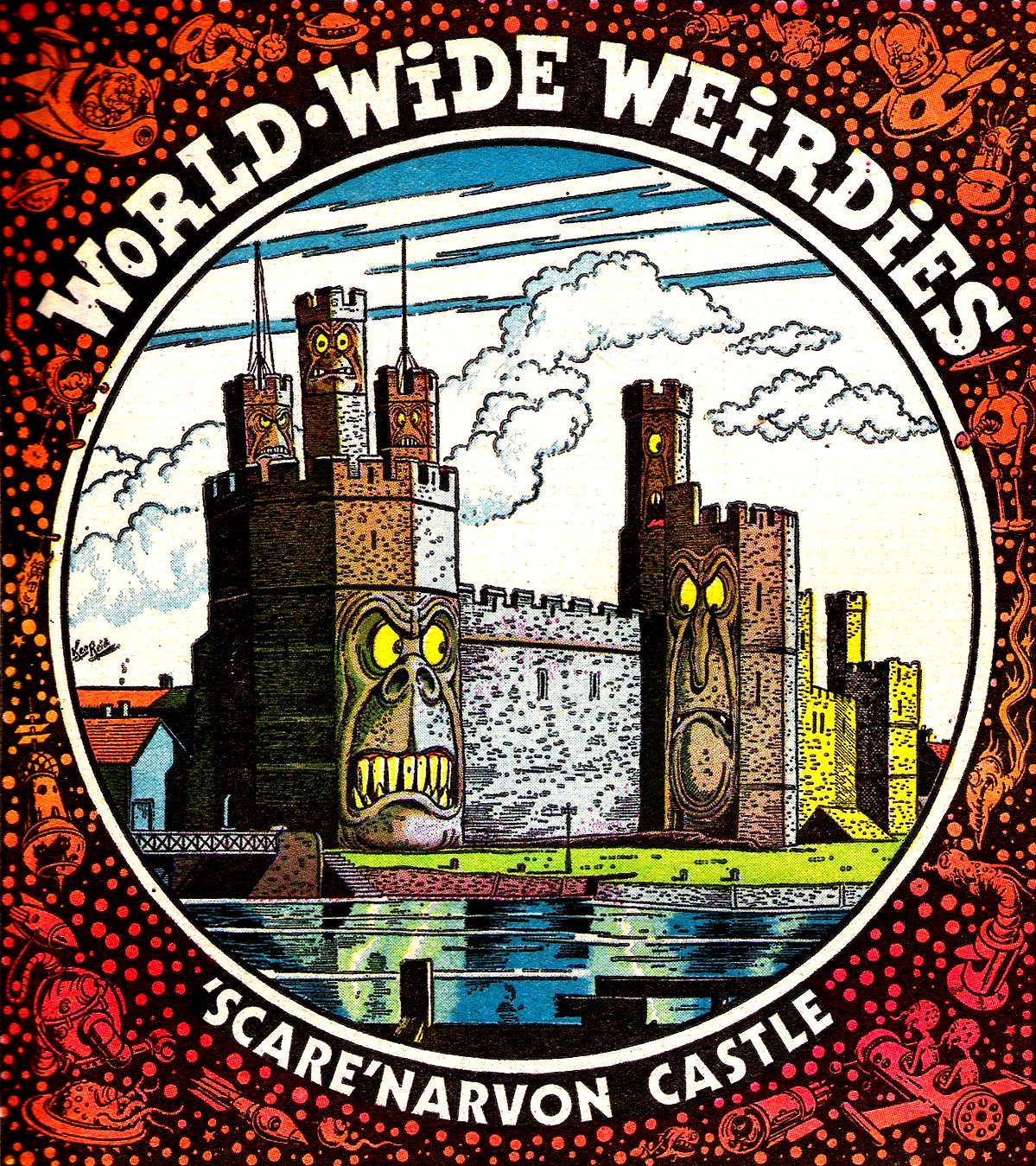
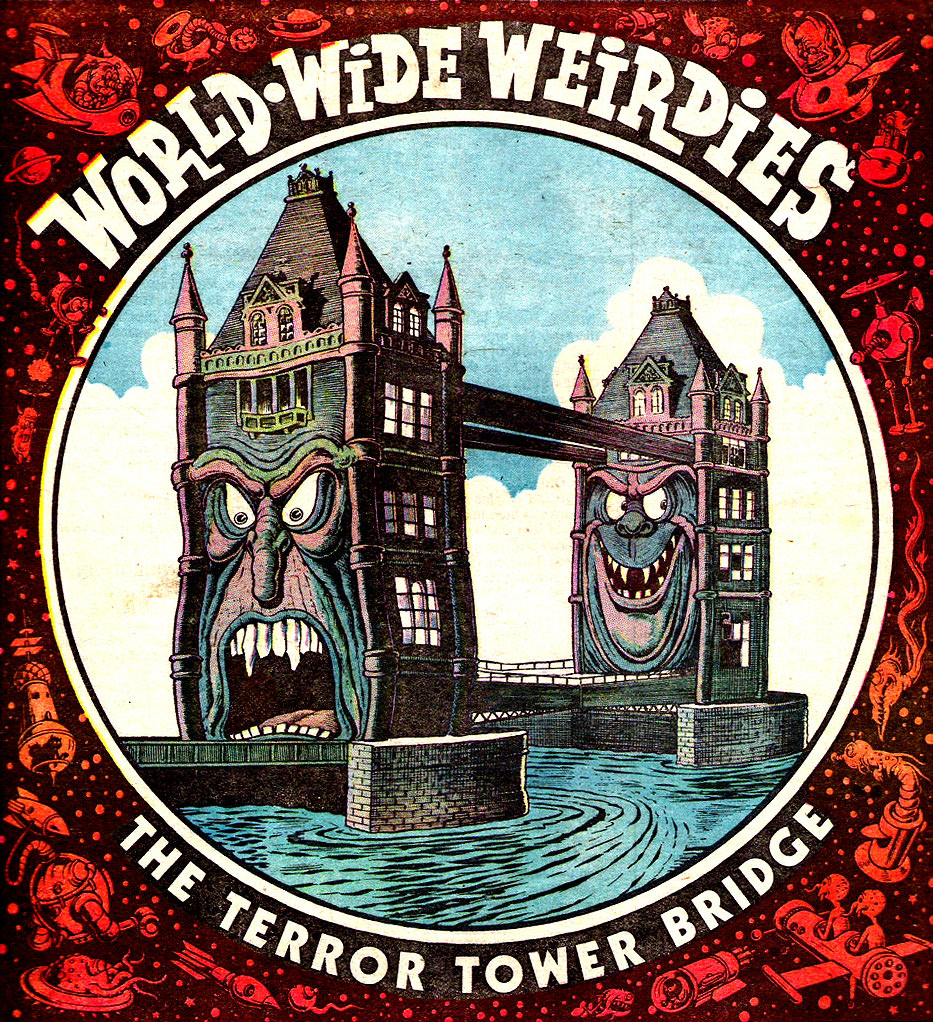
Reid’s most ambitious project arrived on September 12, 1974, when World-Wide Weirdies launched as a regular feature in IPC’s comics, including Whoopee! and Shiver and Shake. The series ran through October 1978 and appeared on the back covers, printed in full, eye-catching color. That placement alone made it impossible to miss on the newsstand.
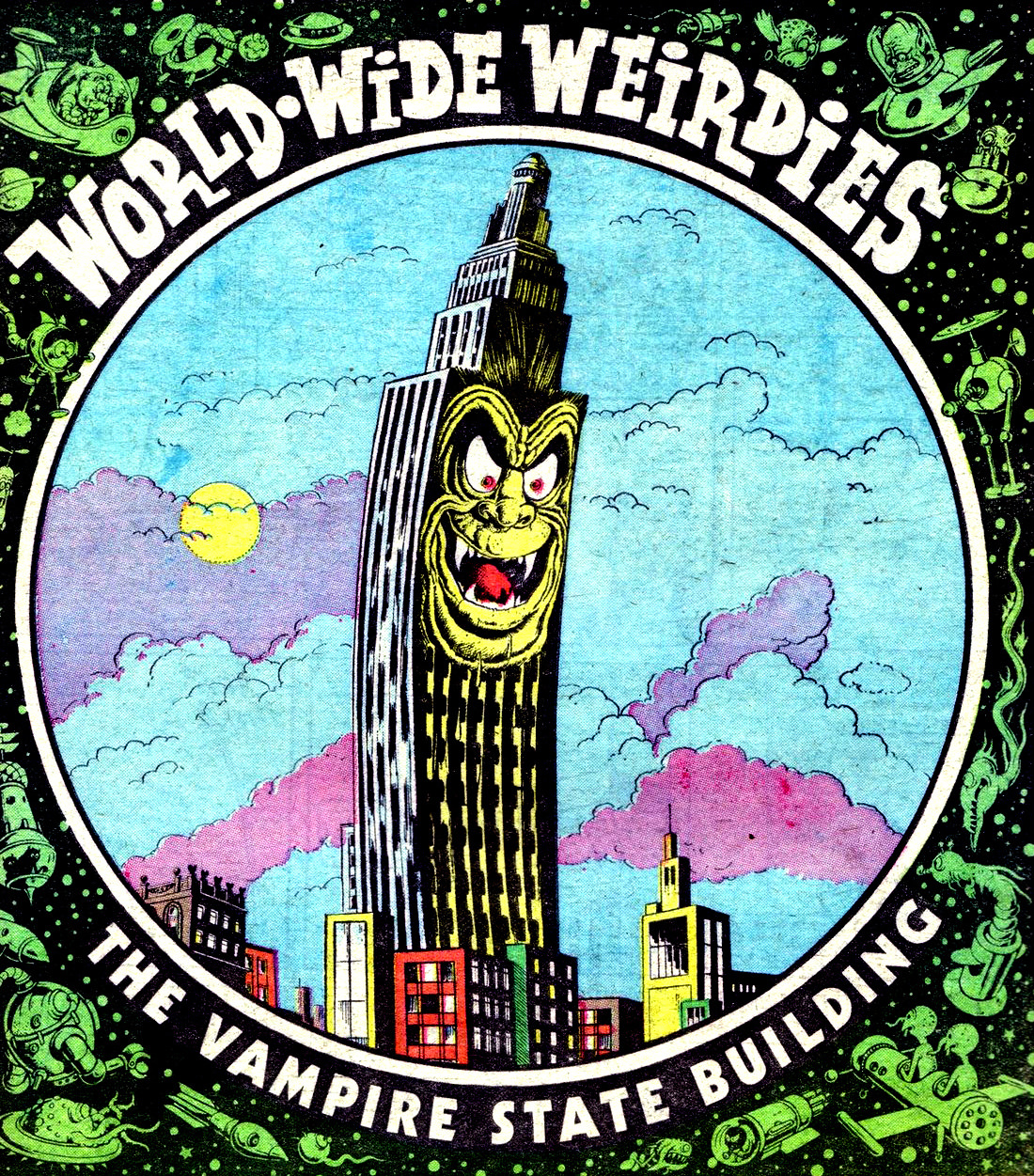
Each installment presented a new set of strange characters, odd creatures, or ridiculous situations drawn from every corner of the world. Reid used the global theme as a loose framework to let his imagination run completely wild. No two Weirdies were alike.
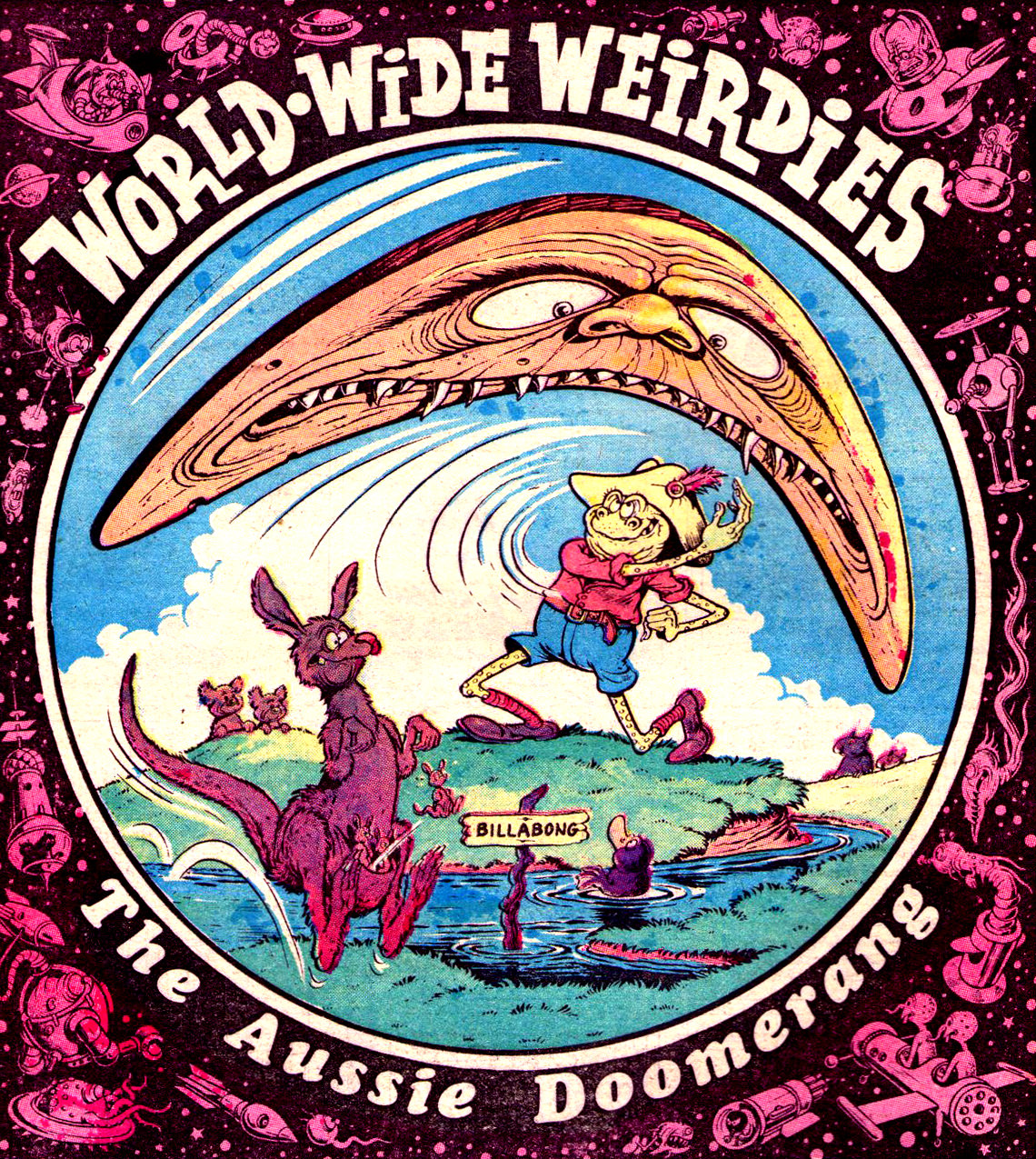
One recurring highlight was “Creepy Creations,” which showcased bizarre monsters and outlandish inventions. Reid drew them with the same gleeful energy he brought to everything — exaggerated, colorful, and deliberately unsettling in a way that made young readers laugh rather than look away.
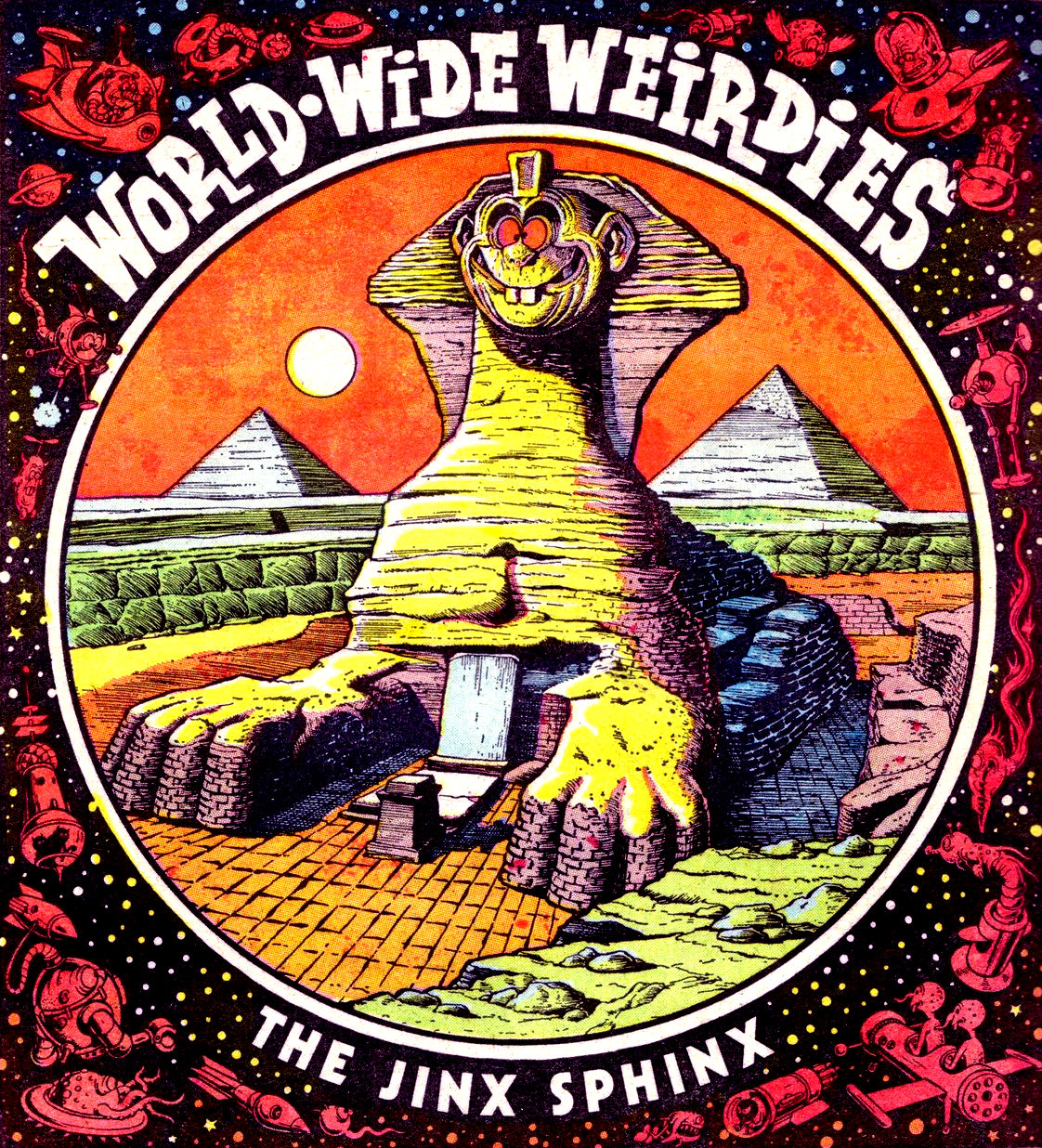
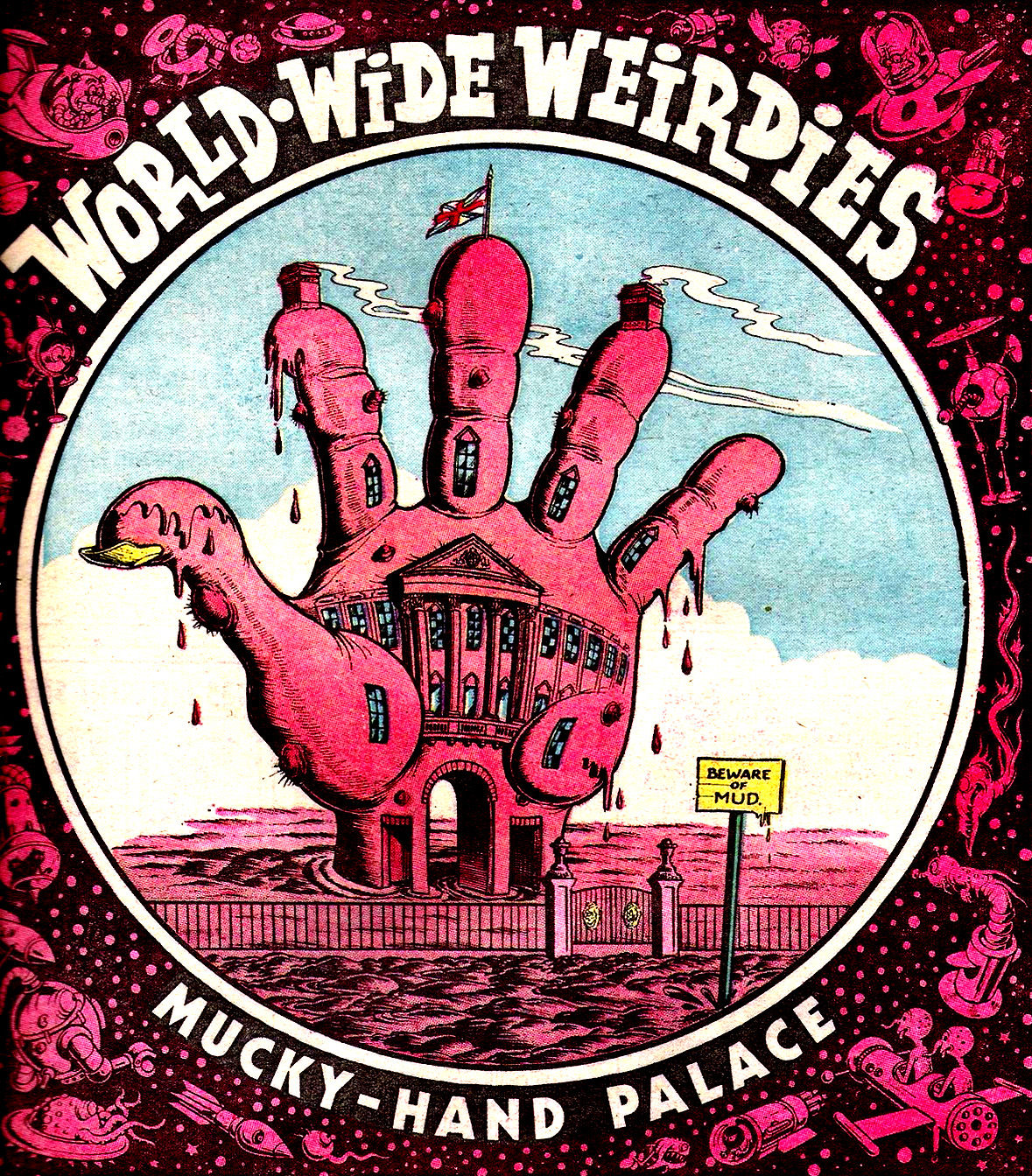
The series also featured “Wanted Posters” — mock criminal notices packed with ridiculous descriptions and wildly drawn faces. They worked as standalone gags, letting readers enjoy both the artwork and the absurd humor at a glance.
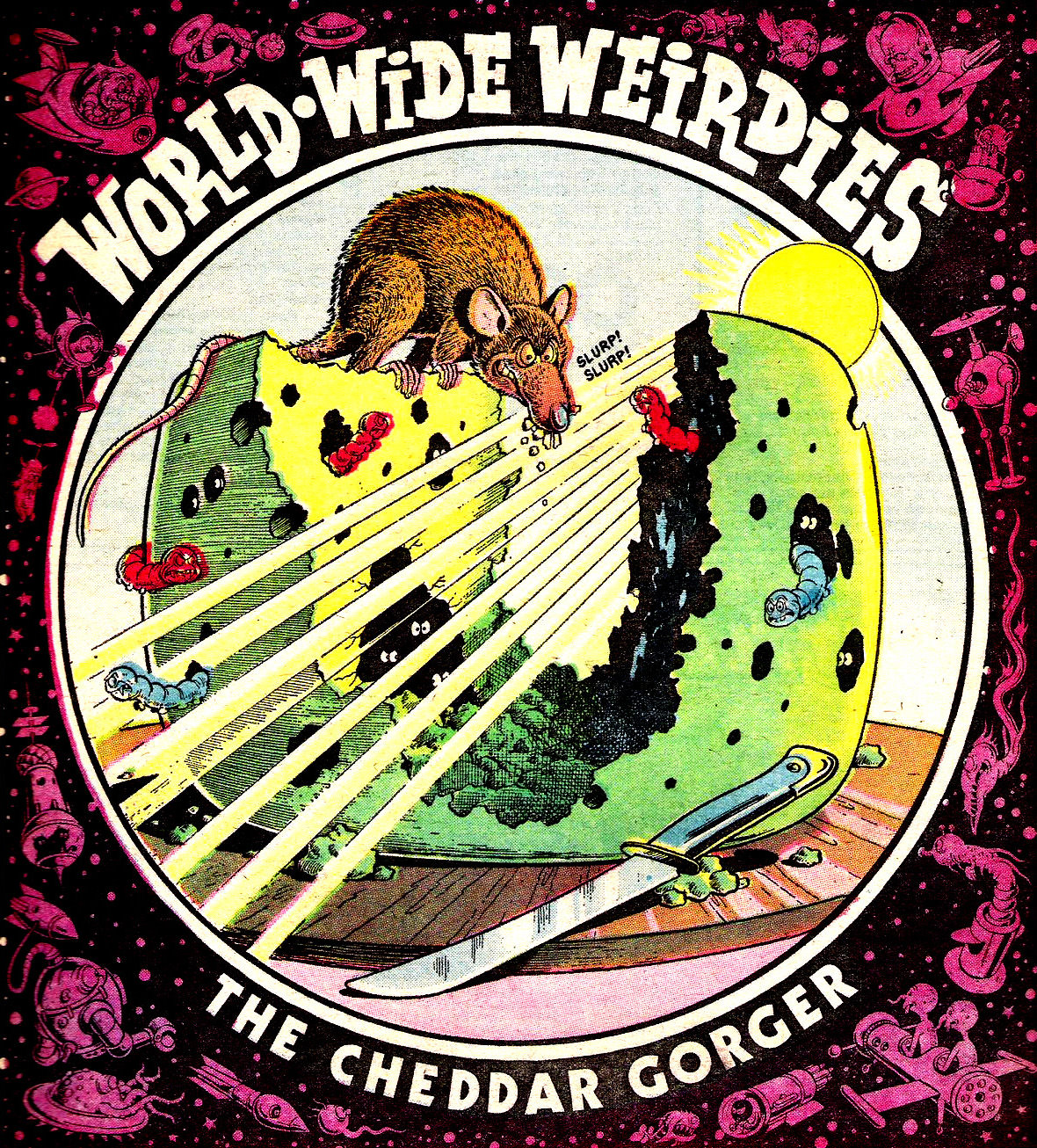
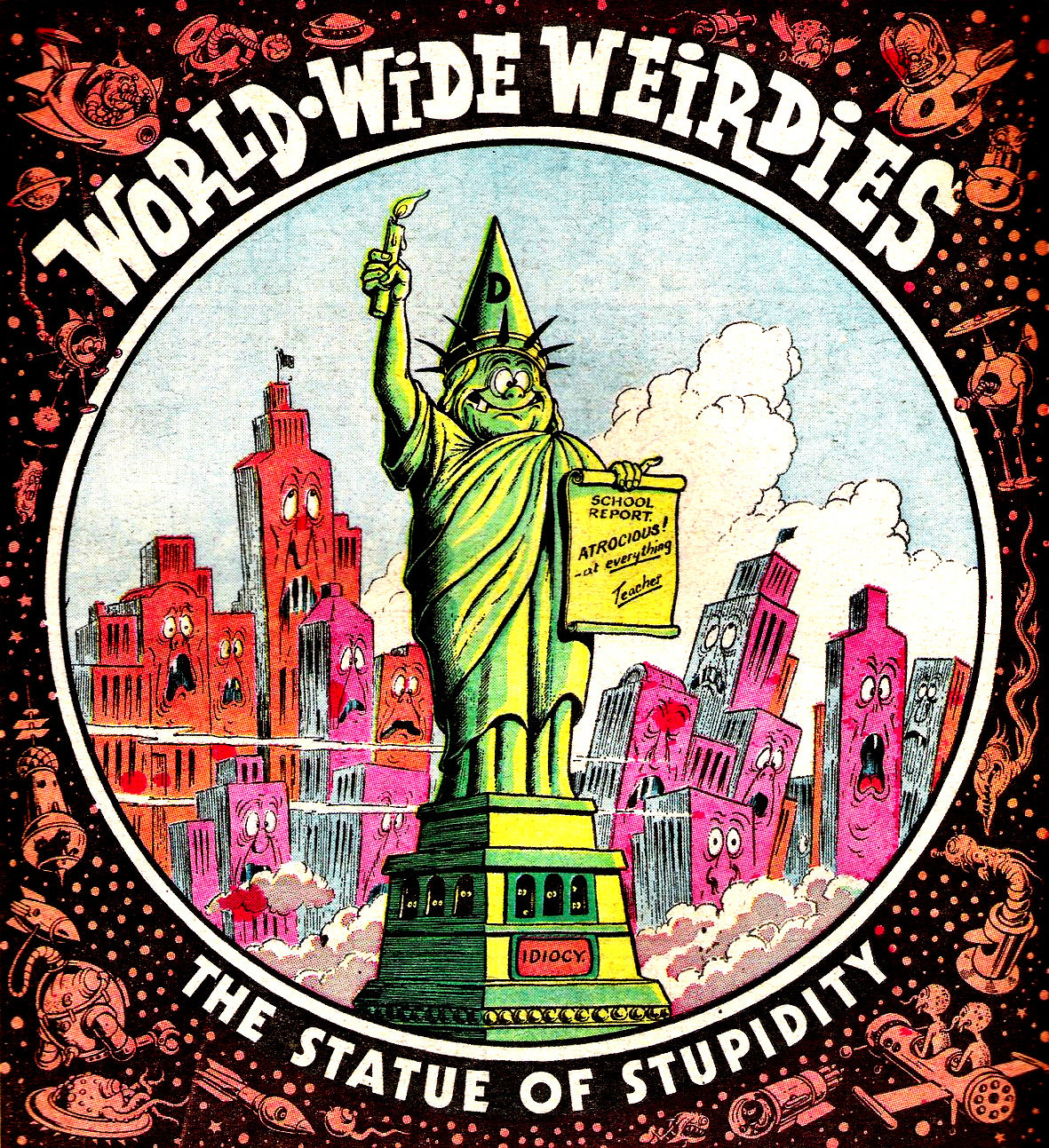
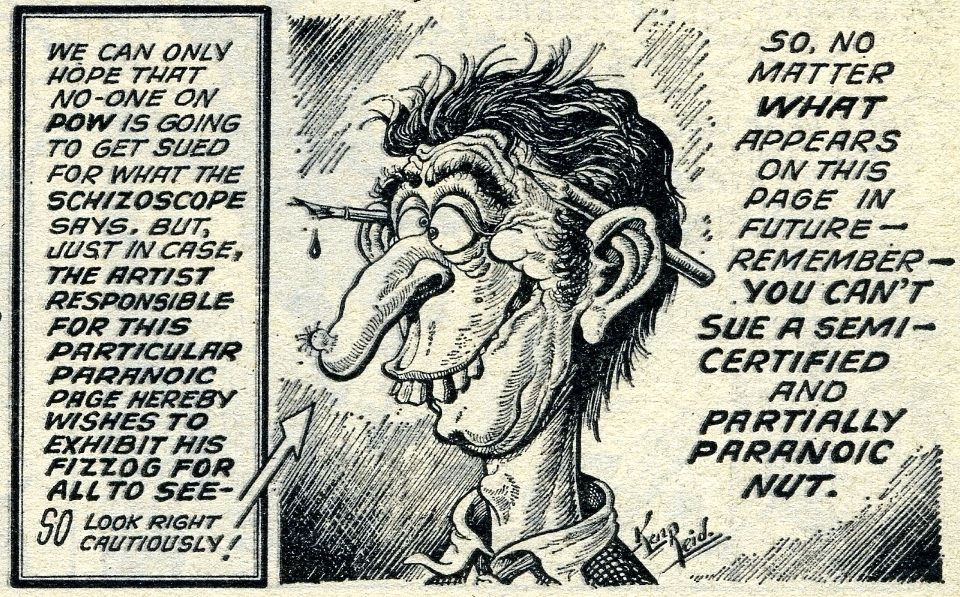
Reid’s style was immediately recognizable. His characters had elastic, exaggerated features — bulging eyes, stretched mouths, and bodies that defied normal proportions. That visual language made the Weirdies feel alive and unpredictable on the page.
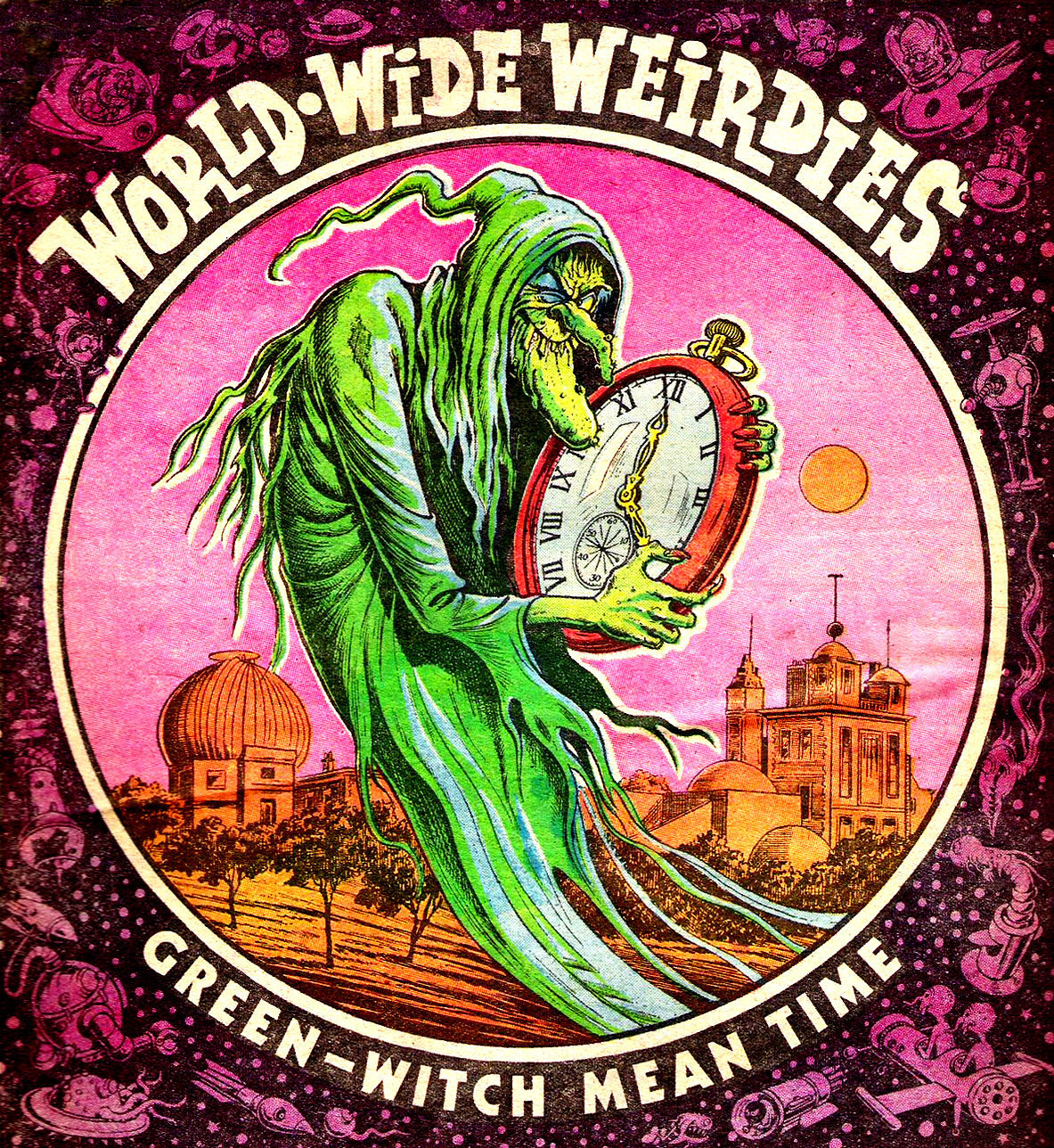
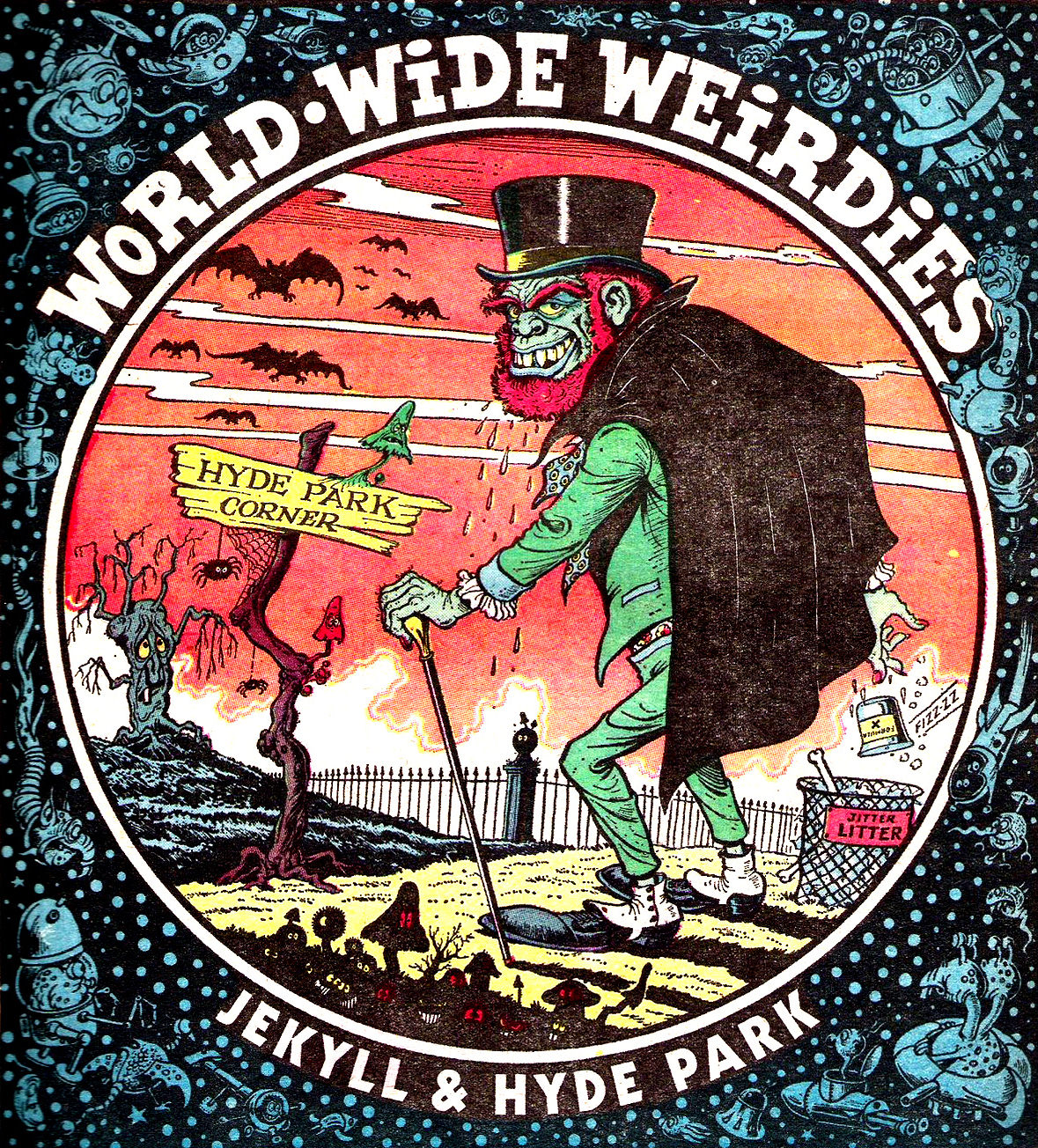
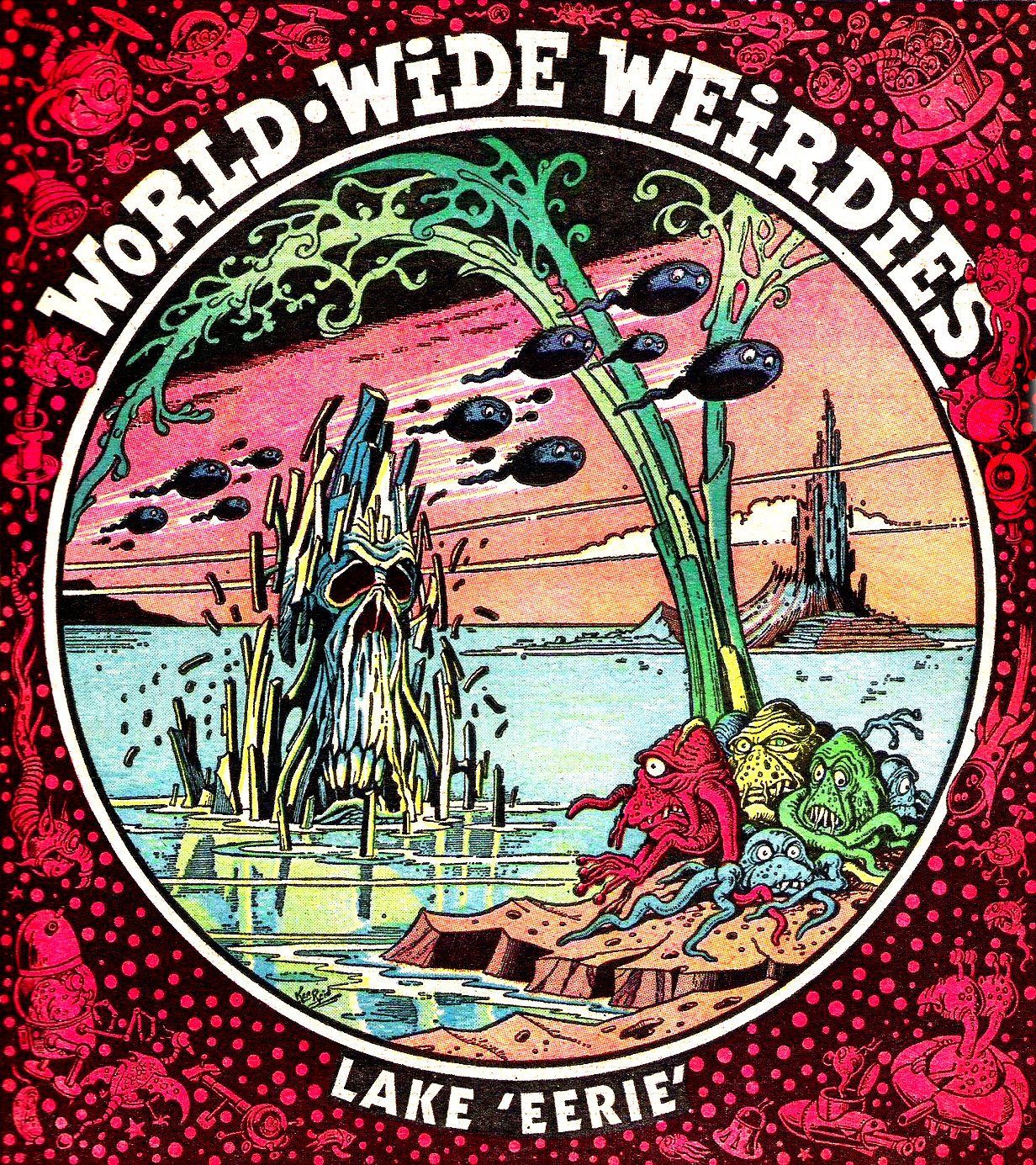
The blend of humor and horror was deliberate. Reid understood that children enjoyed being grossed out just as much as they enjoyed being made to laugh, and World-Wide Weirdies delivered both in every single edition.
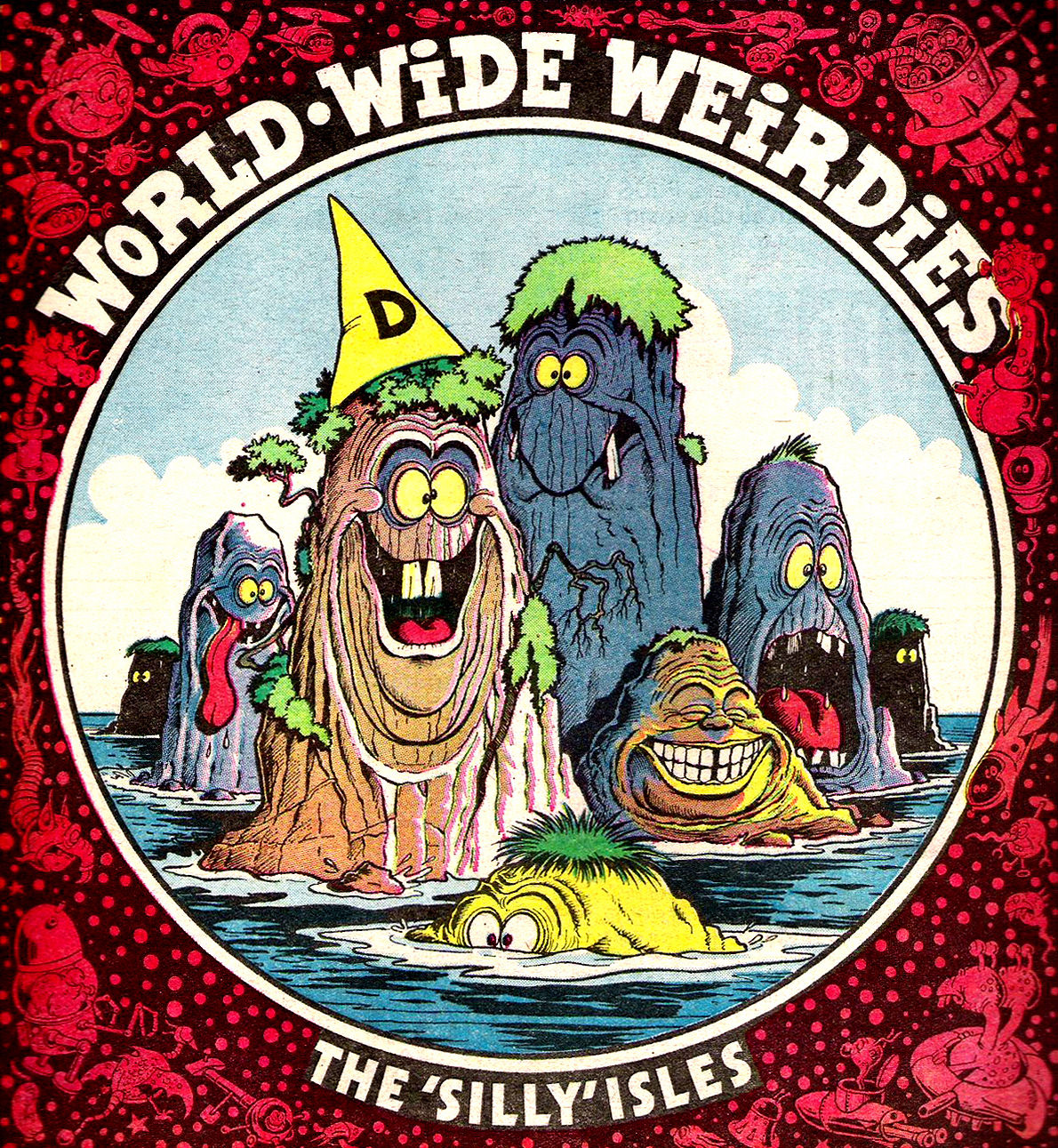
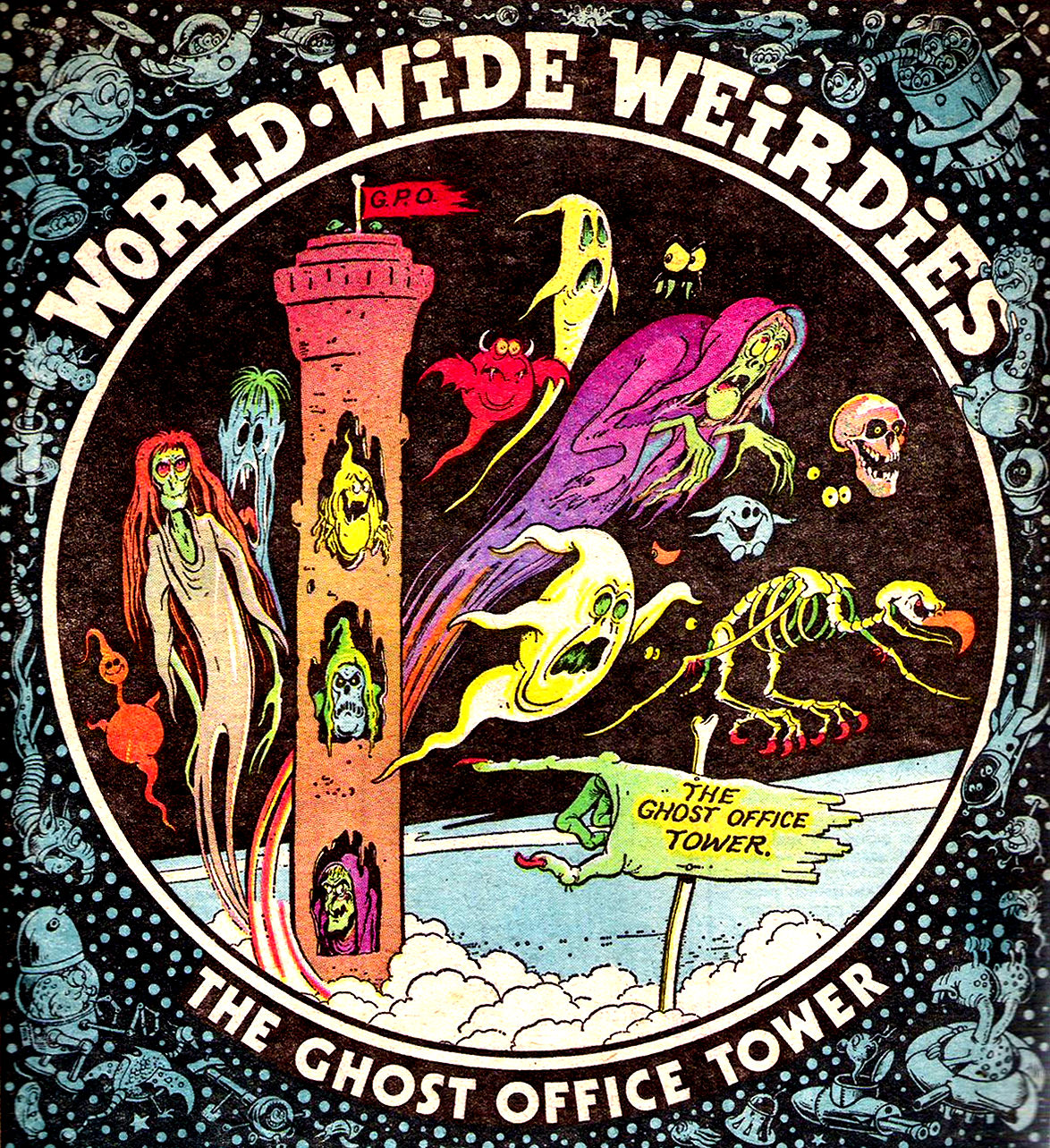
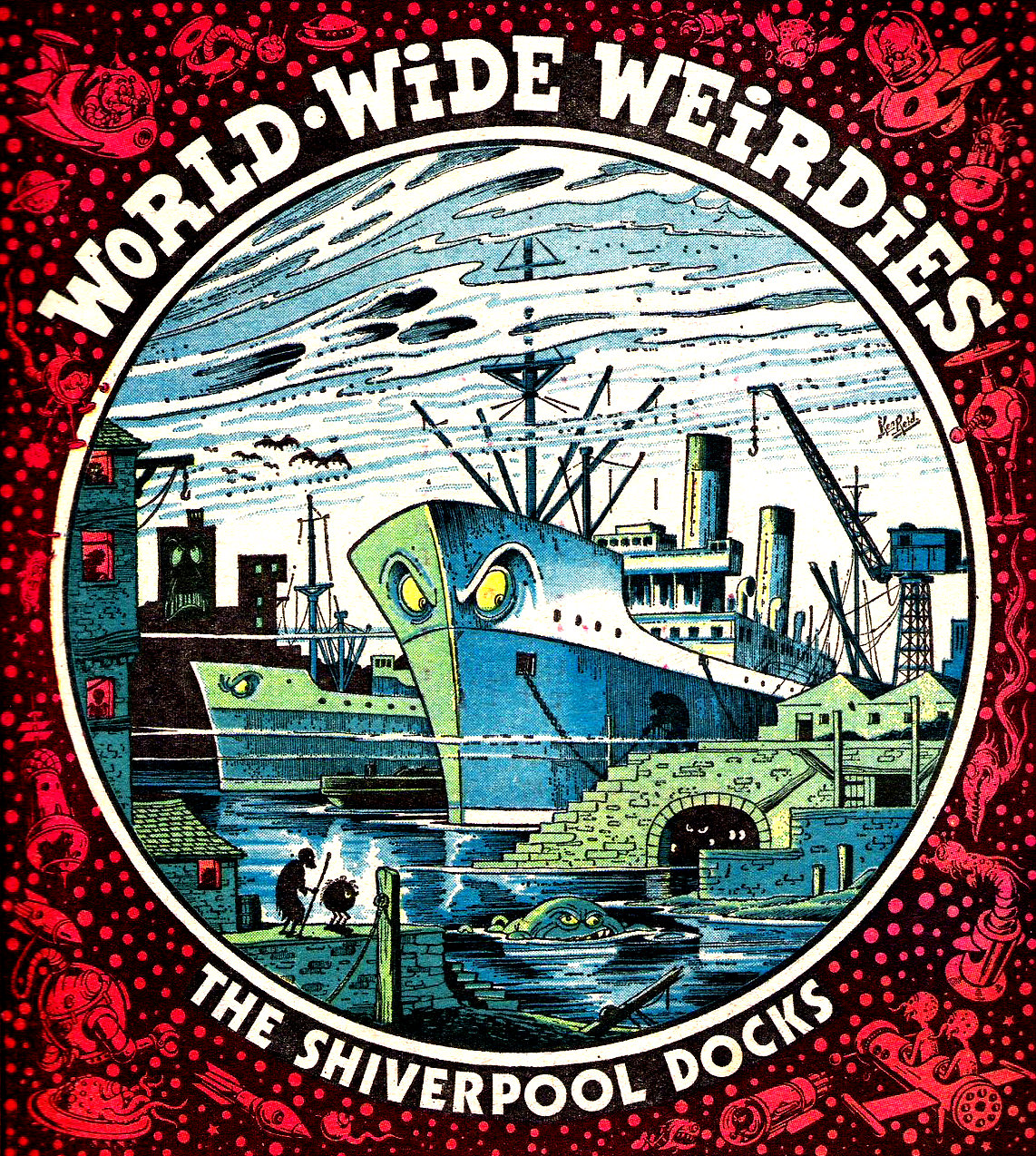
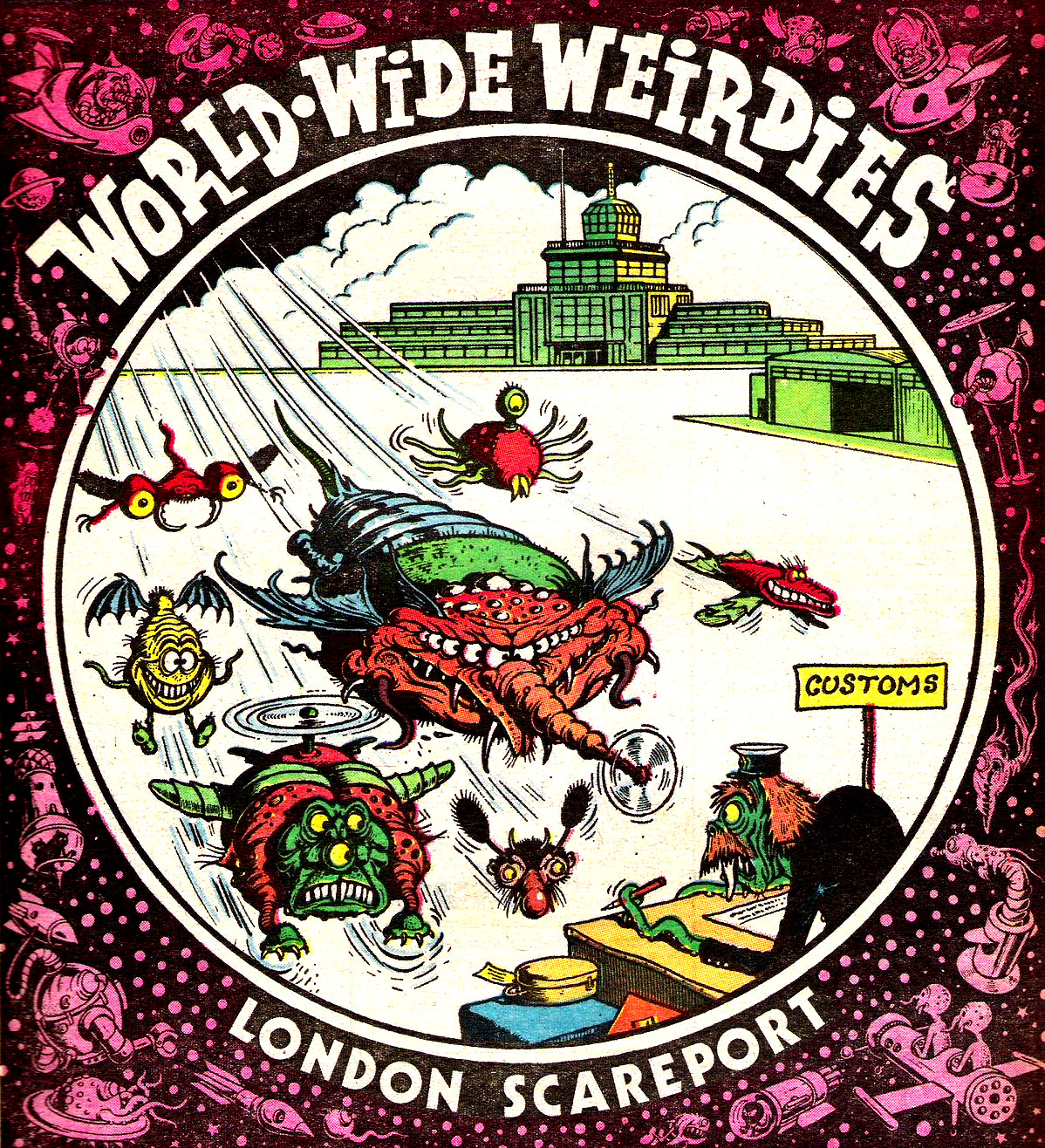
Over the course of its four-year run, the series produced a remarkable number of one-off characters and concepts. Reid never recycled ideas — each Weirdie was built from scratch, which kept the feature fresh week after week.