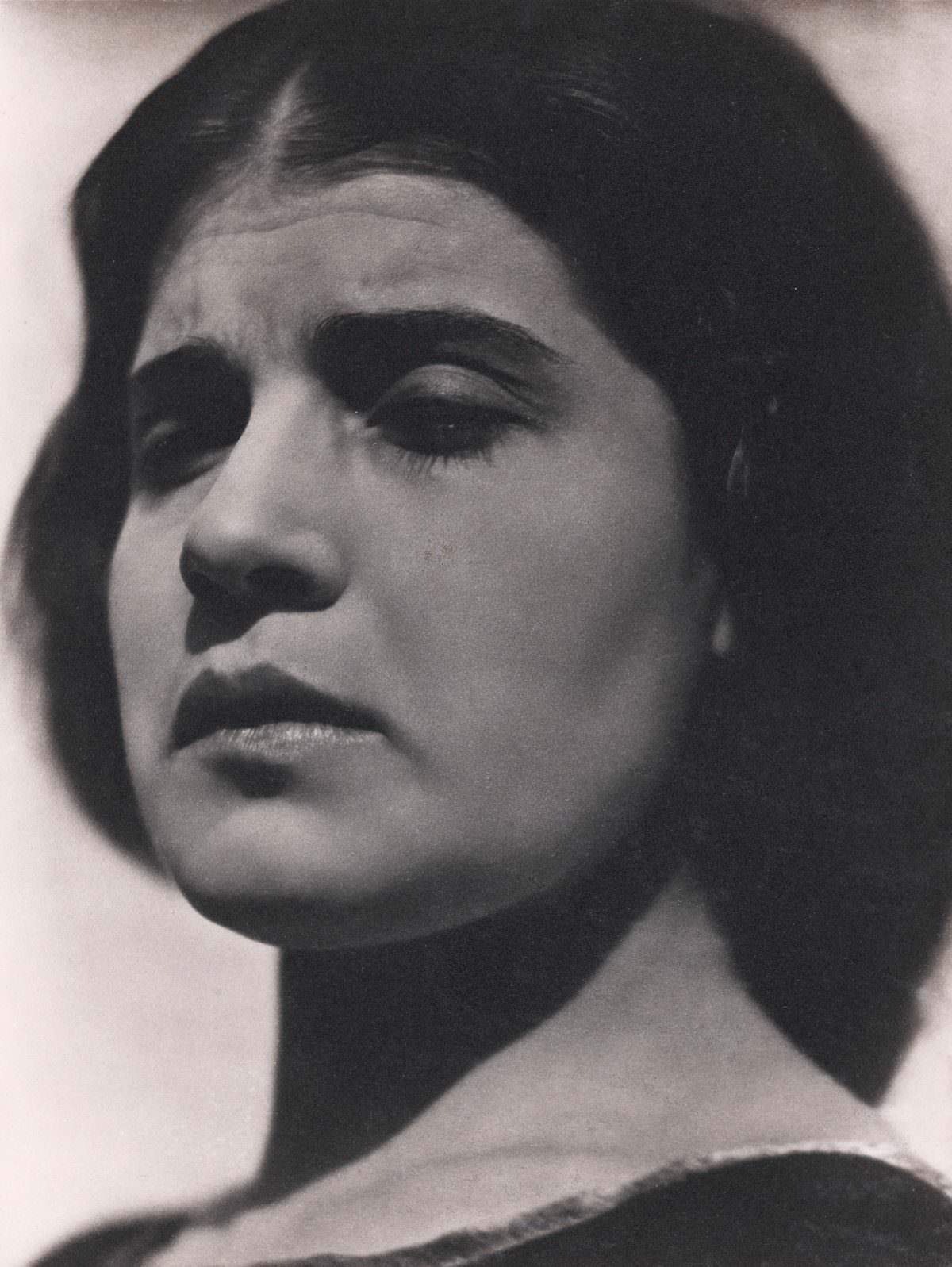
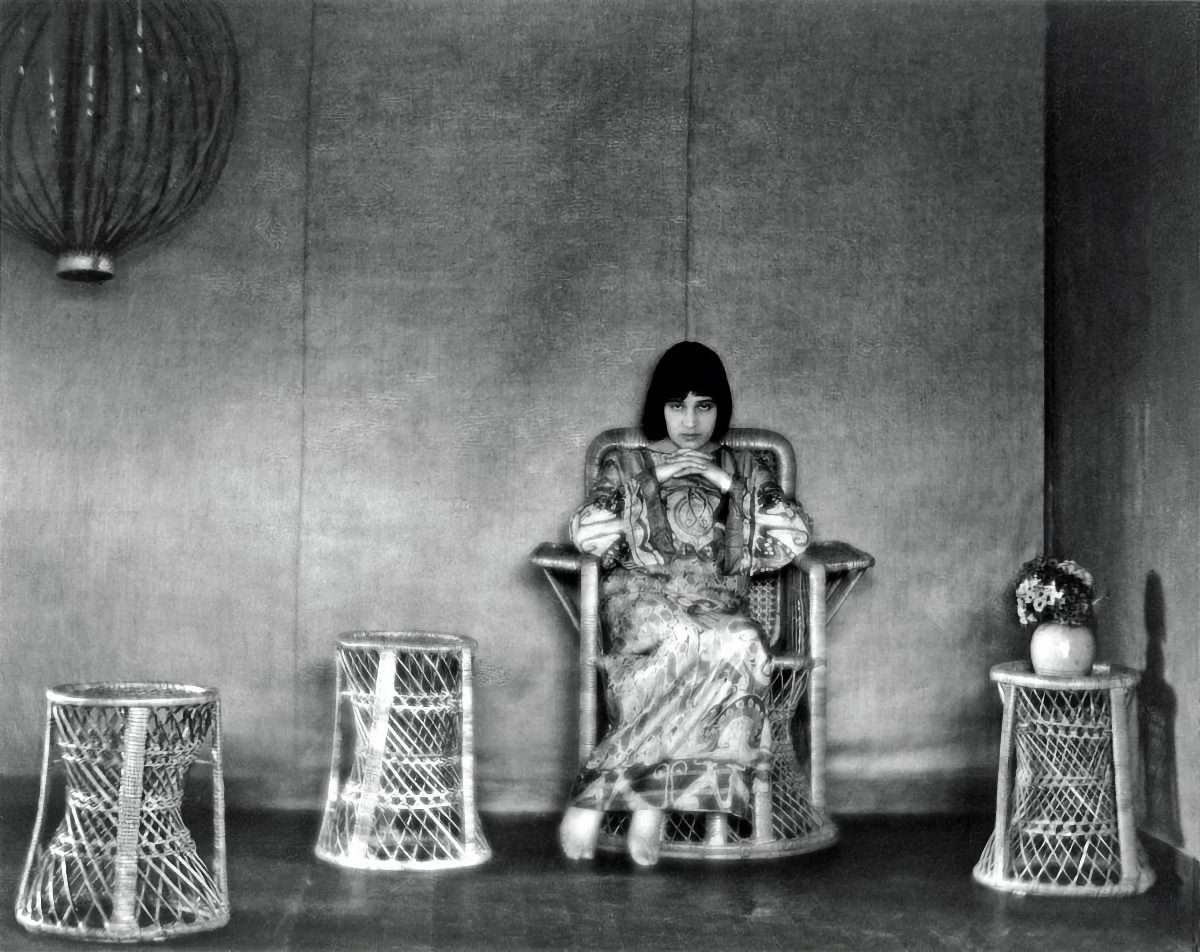
Tina Modotti was born Assunta Adelaide Luigia Modotti Mondini on August 16, 1896, in Udine, a small city in northeastern Italy nestled between the Alps and the Adriatic Sea. She grew up in modest surroundings, but her world expanded dramatically at the age of 16 when she made the decision to emigrate alone to the United States. In 1913, she boarded the SS Moltke in Genoa, sailed to Ellis Island, and described herself upon arrival as a single, healthy student. She carried $100 and a train ticket to San Francisco, where her father and sister had already settled.
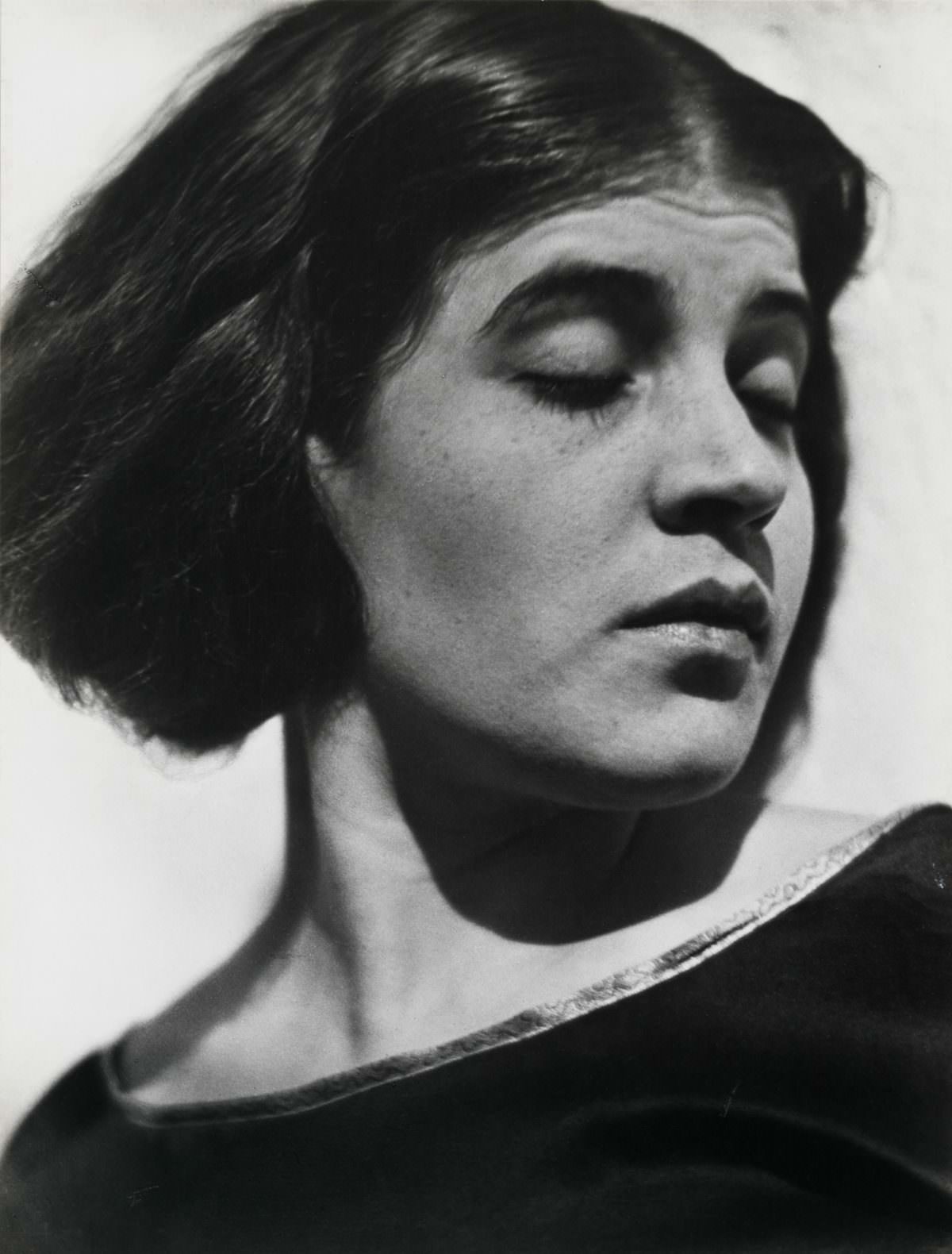
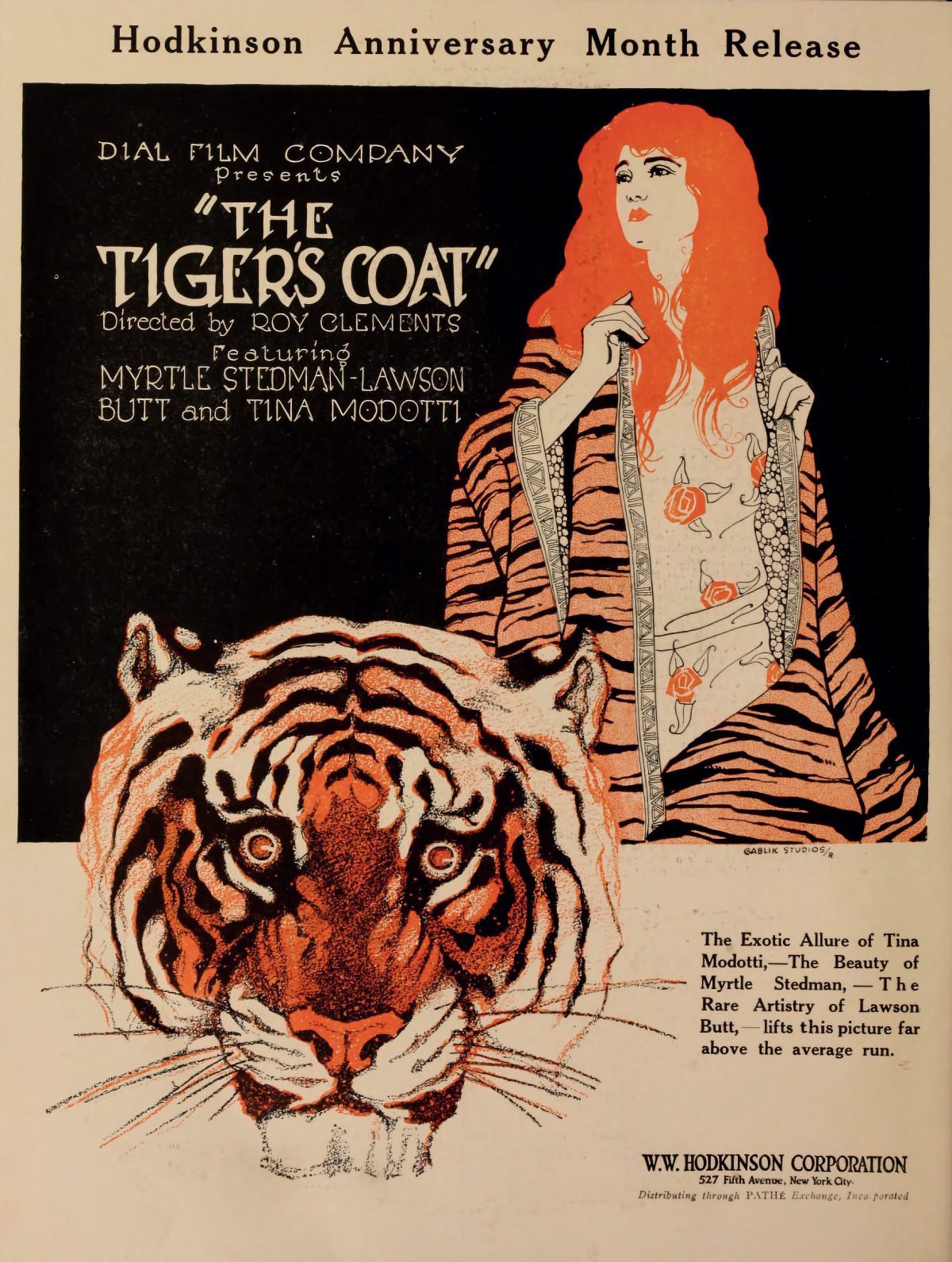
San Francisco suited Tina. She found work as an artist’s model and threw herself into the theater and film scenes of the era. Her acting career built steadily through the late 1910s, reaching its high point in 1920 when she starred in the silent film The Tiger’s Coat. She was striking on screen, and the role brought her genuine recognition in the industry.
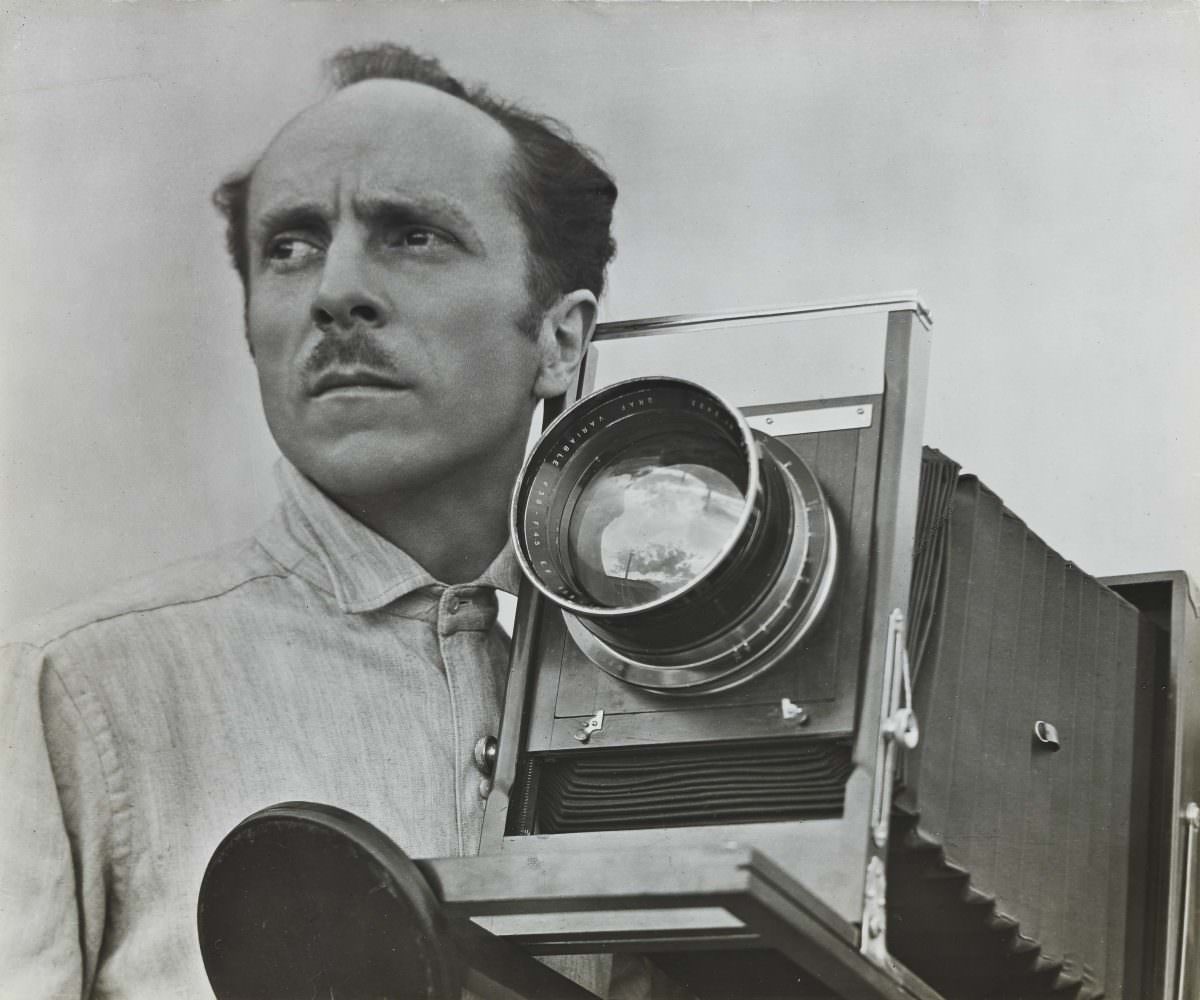
But the camera behind the lens interested Tina far more than the one pointed at her face. Through her work in film circles, she connected with photographer Edward Weston. Their relationship was both romantic and deeply collaborative. Weston became a major force in shaping Tina’s approach to photography, and she studied the craft closely under his guidance. She proved to be a fast learner and an original thinker. Her own voice emerged quickly.
By the early 1920s, Tina had shifted her focus entirely to photography. She moved to Mexico, where a cultural and political revolution was reshaping society. The country became her muse. She photographed workers, farmers, mothers, and the textures of daily life with unflinching honesty. She relied on natural light and leaned into high contrast and sharp texture to give her images a raw, physical presence. She once stated plainly: “What is important is to distinguish between good and bad photography.” For Tina, good photography told the truth.
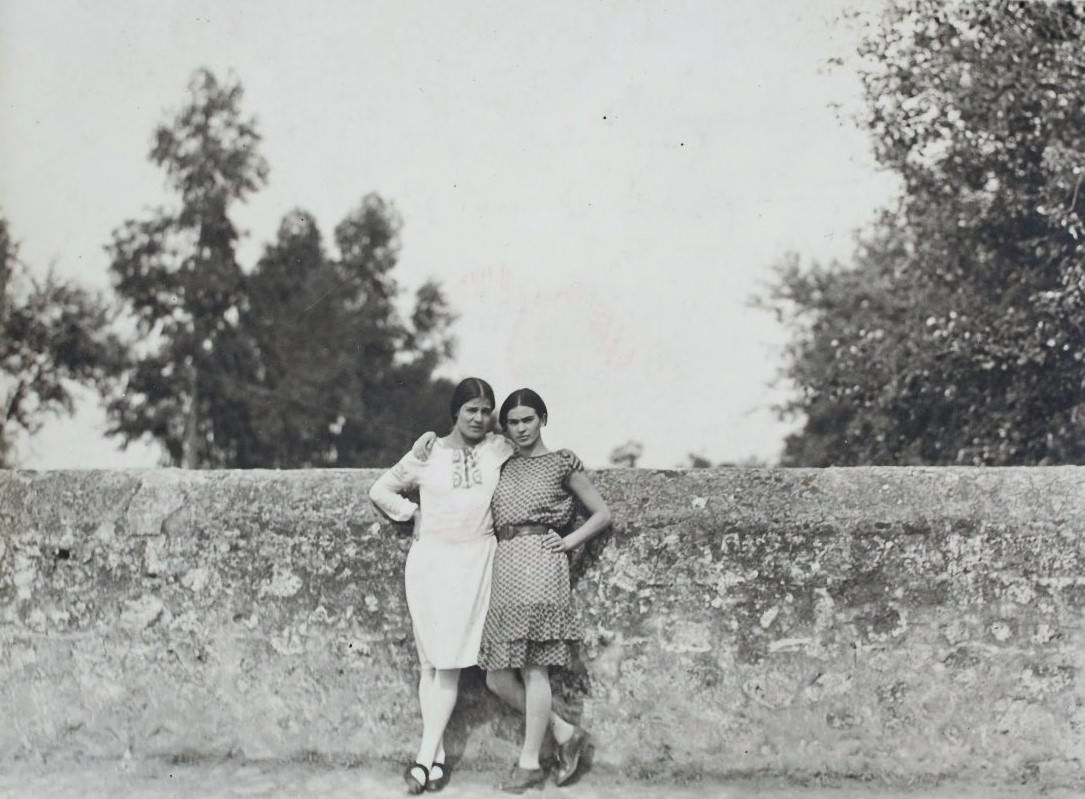
Mexico also brought Tina into the orbit of some of the most important artists and intellectuals of the 20th century. She built close friendships with muralist Diego Rivera and painter Frida Kahlo. These relationships deepened her political convictions and pushed her work further into themes of labor, class, and social justice.
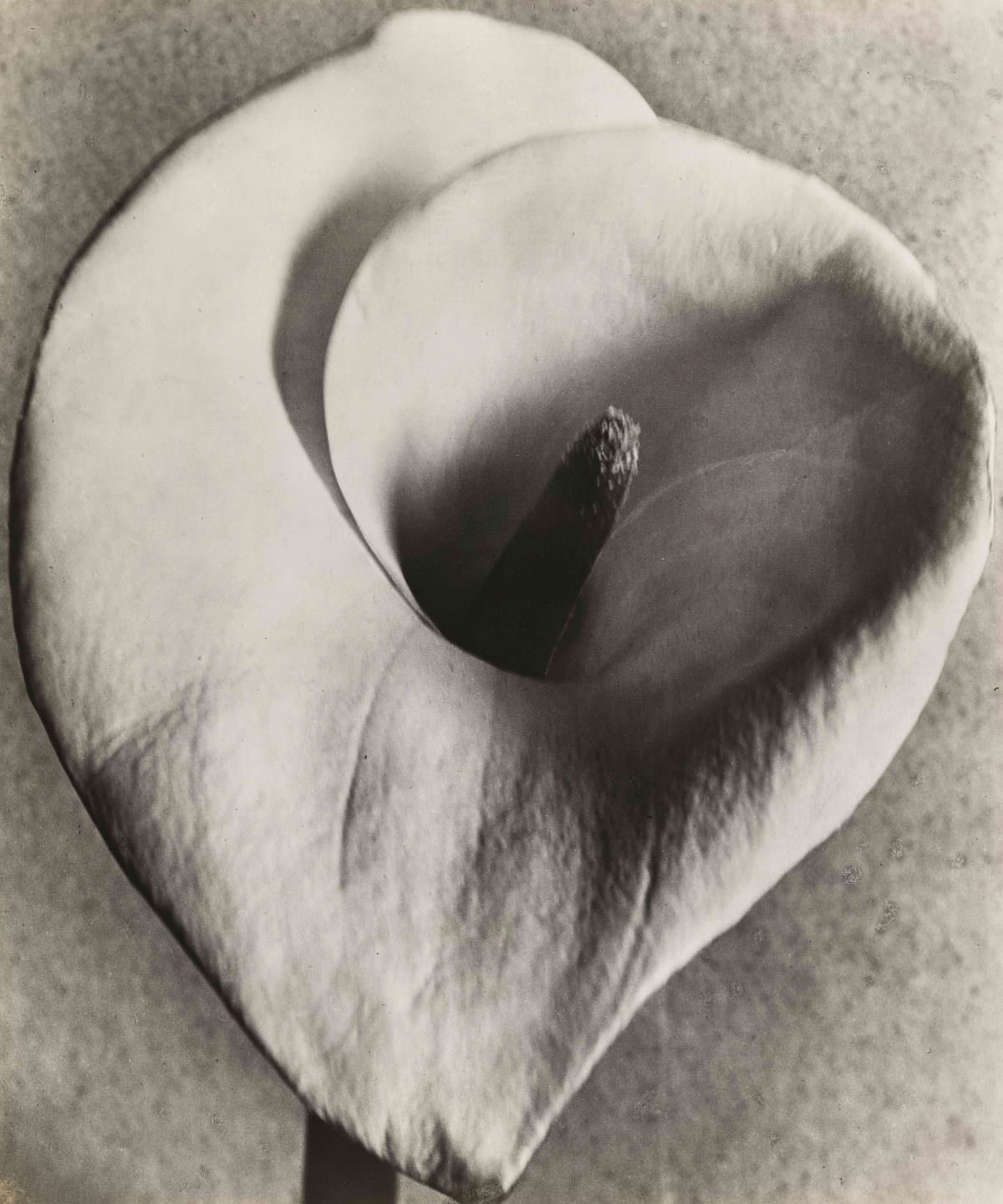
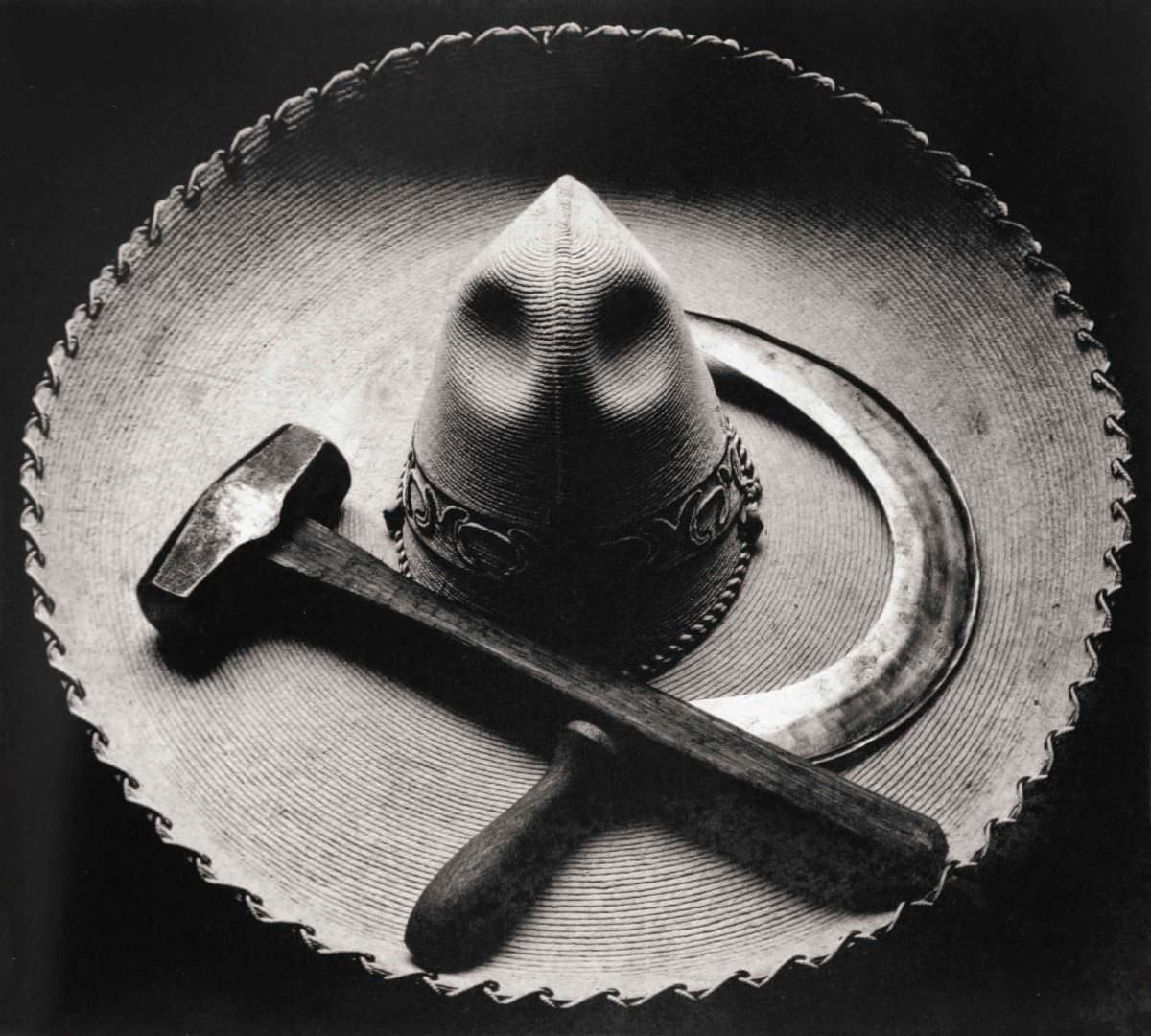
Her still-life photographs are among the most technically refined work of the period. She turned everyday objects — flowers, tools, hats — into powerful visual statements. A calla lily became a study in form and light. A sombrero placed beside a hammer and sickle became a political declaration. She never needed a dramatic subject to make a dramatic image.
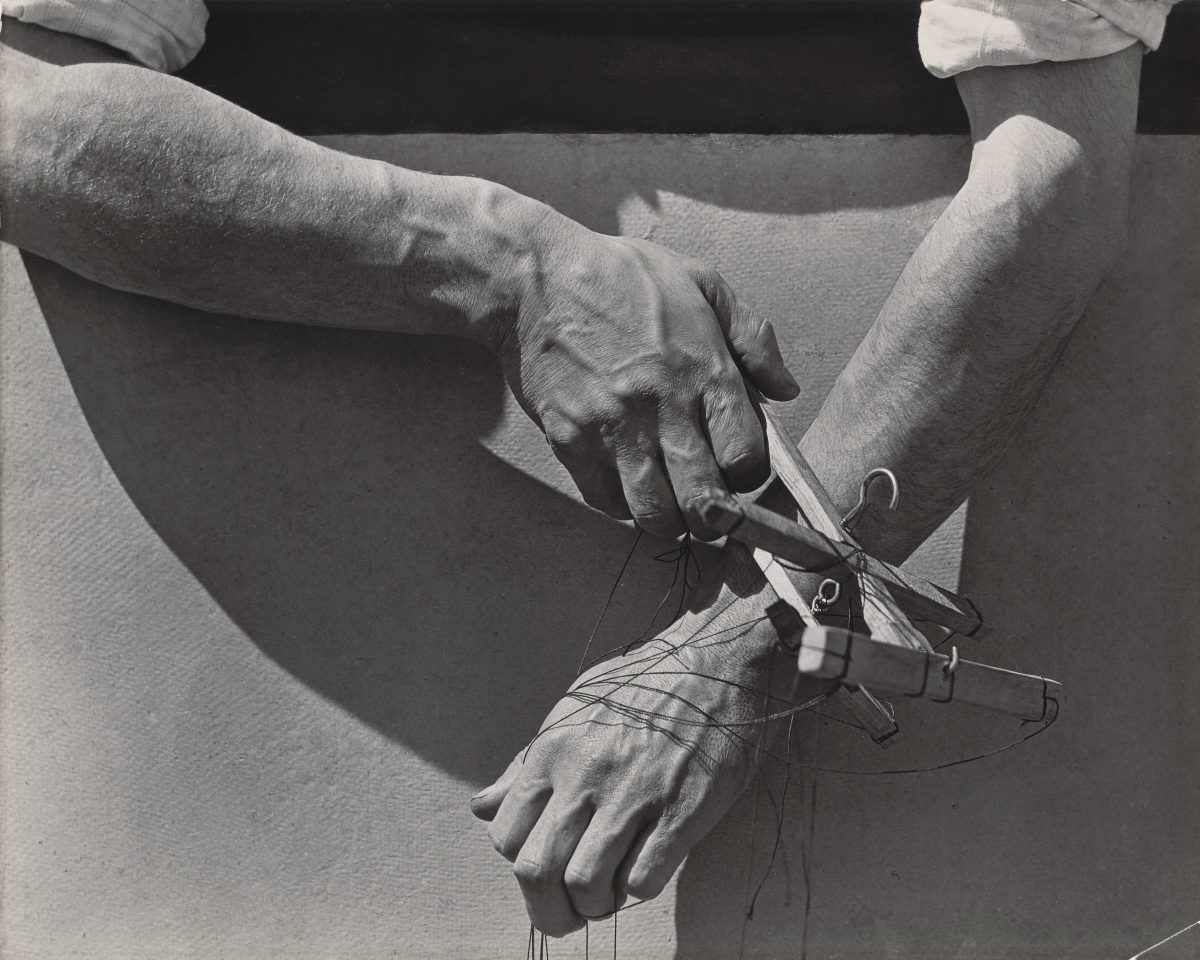
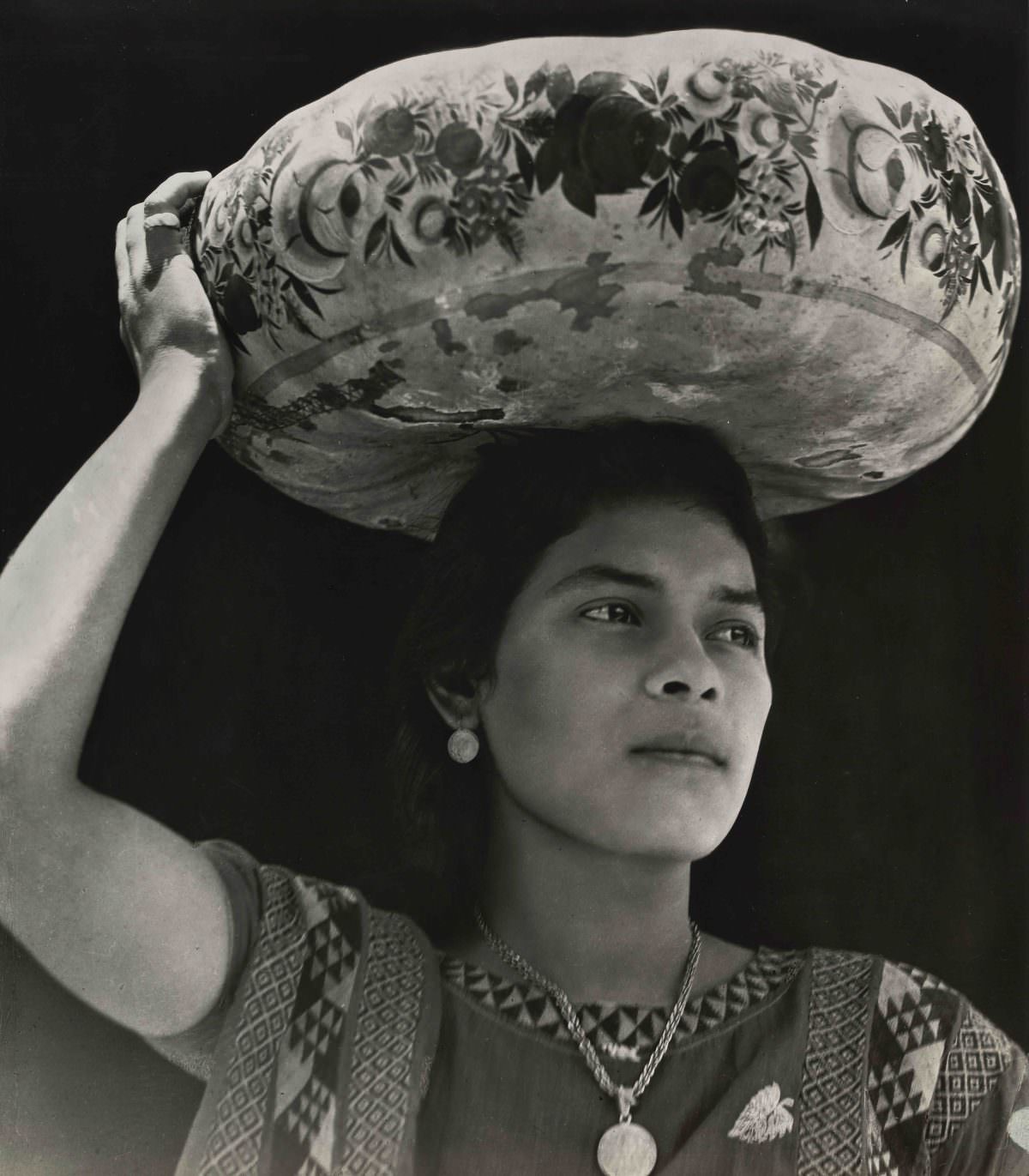
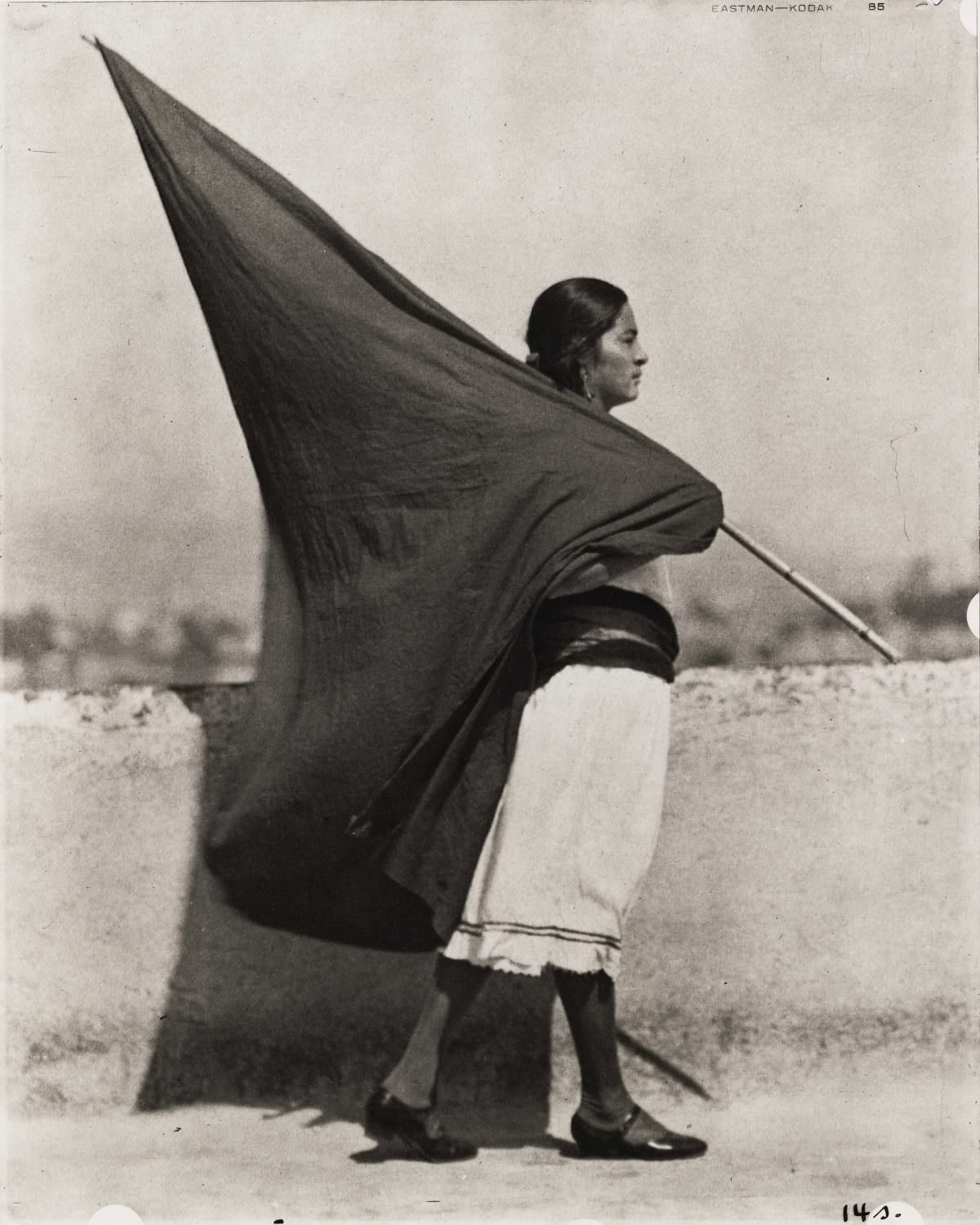
Her portraits carried equal weight. Tina photographed the faces and hands of ordinary people with the same care and seriousness usually reserved for heads of state. The hands of a marionette player. A Tehuantepec woman caught in a quiet moment. A woman holding a flag. Each image treated its subject with full dignity.
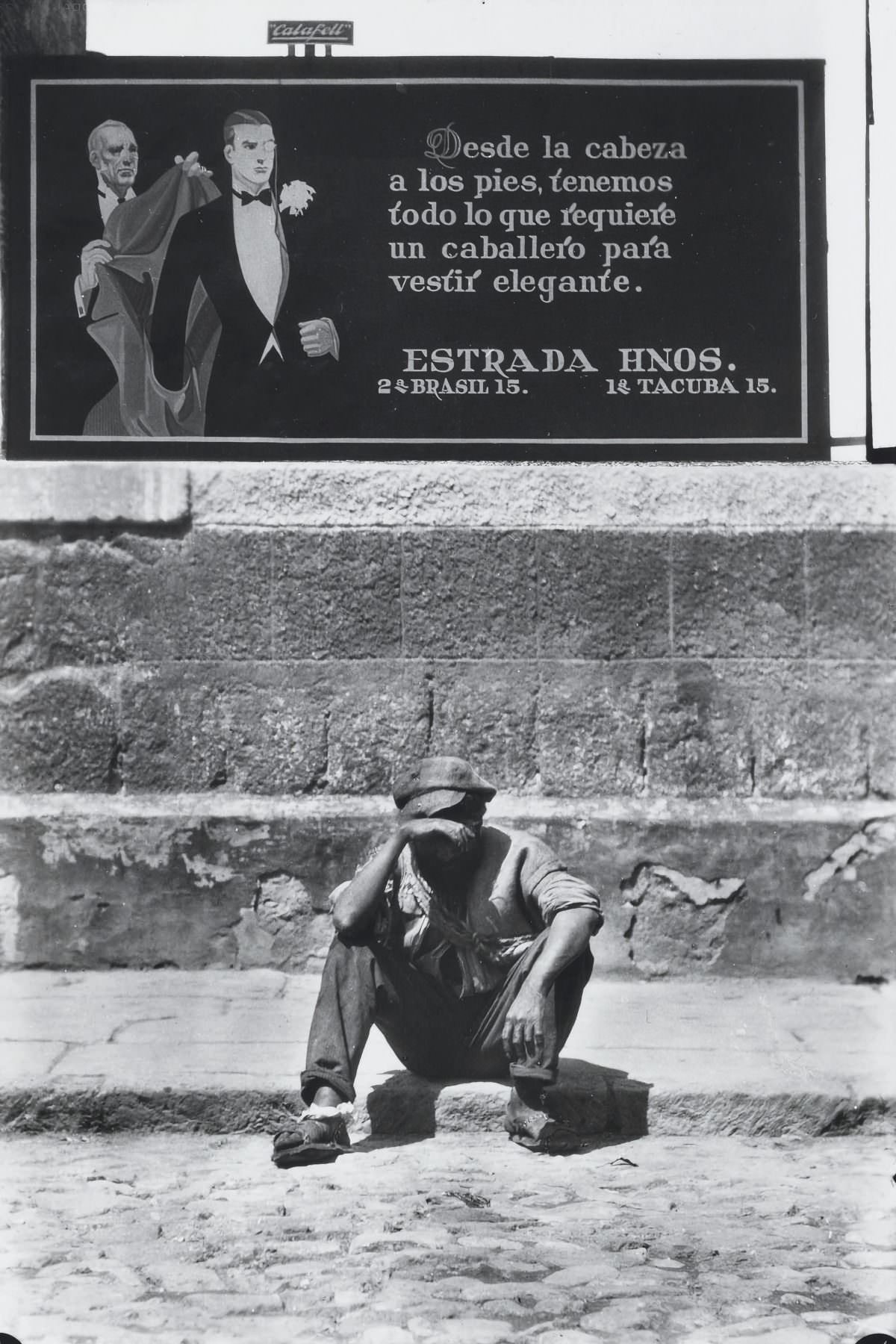
Tina’s political activism ran parallel to her art and was never separate from it. She used her photographs to document the Mexican Revolution and to support the causes of workers and the poor. Her image Elegance and Poverty placed wealth and deprivation side by side without commentary — she let the visual fact speak. Her work for left-wing publications brought her under increasing political scrutiny throughout the late 1920s.
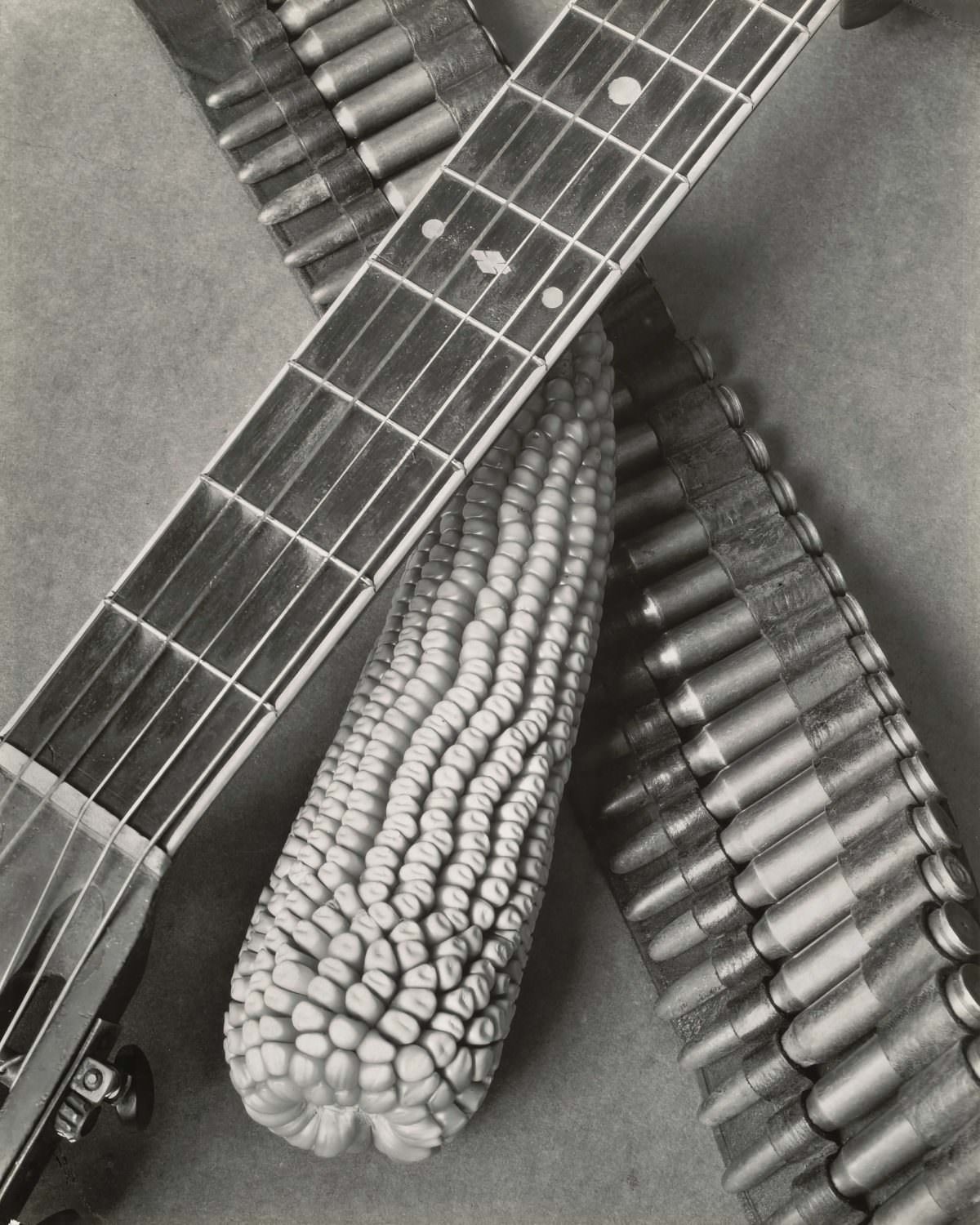
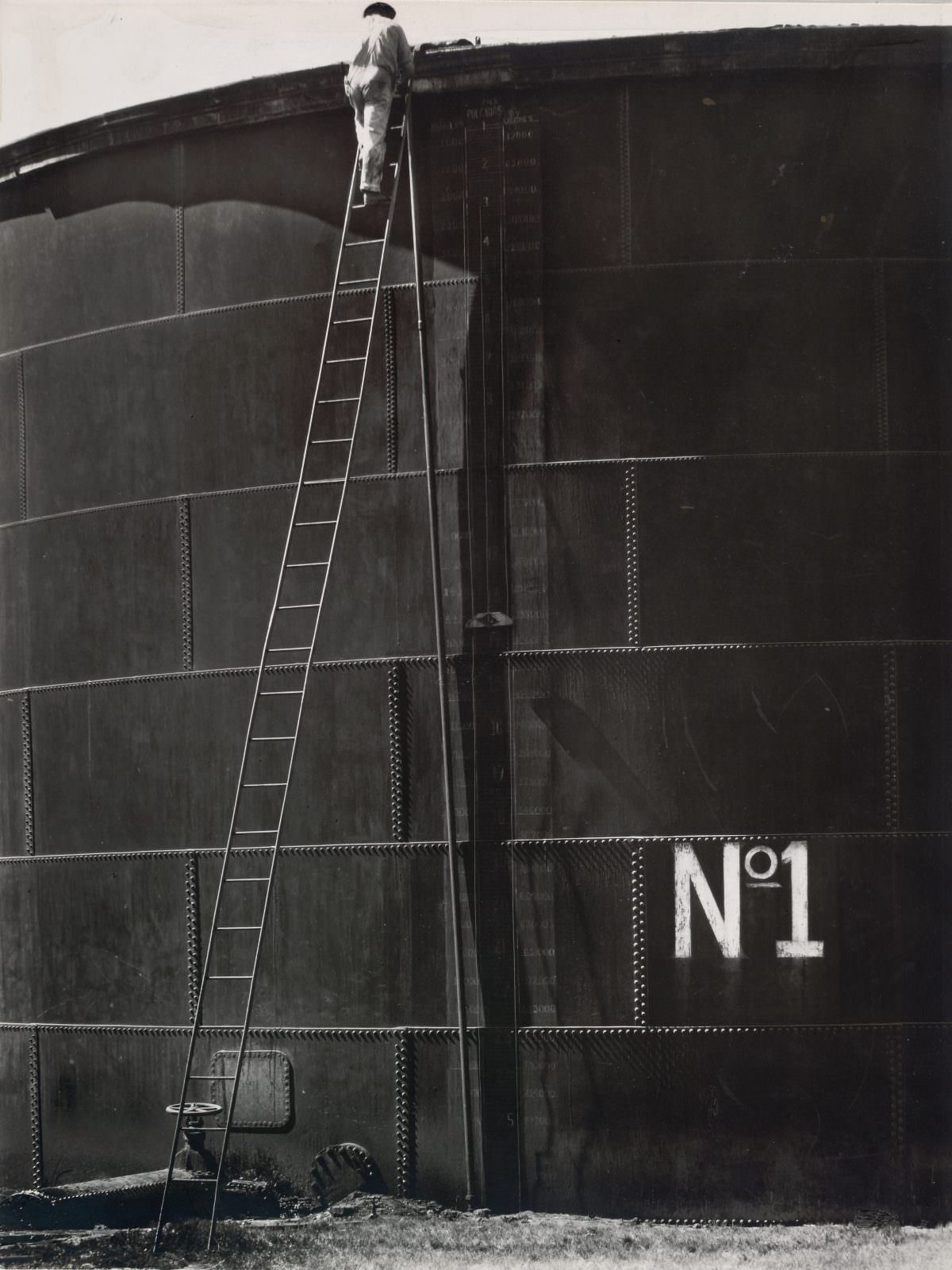
Her time in Mexico also produced some of her most abstract industrial work. Photographs like Oil Tank showed her interest in geometry and structure — the way industry shaped the physical world. By 1930, her travels had taken her to Berlin, where she continued photographing street life with the same steady, observant eye she had trained in Mexico.
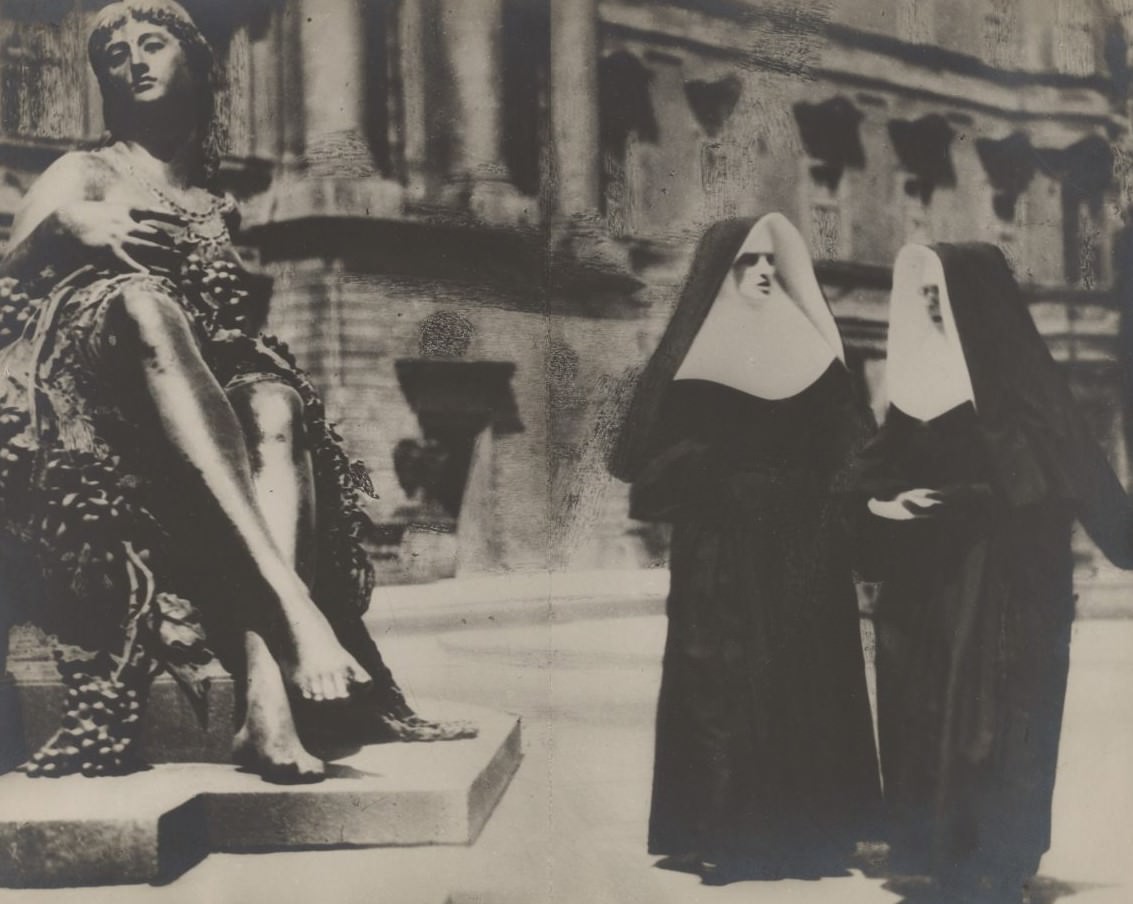
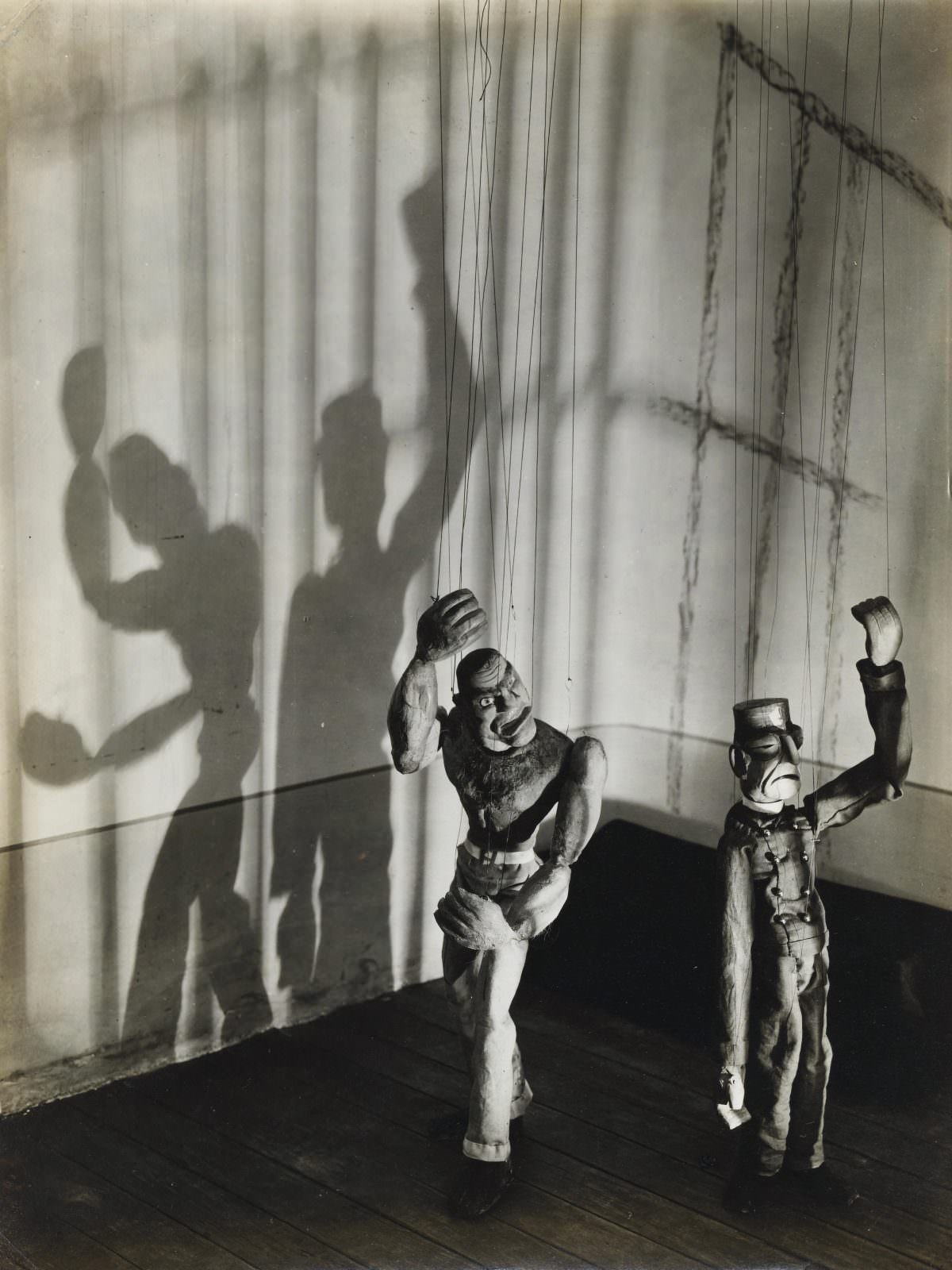
Tina’s photographs of marionettes offered a different dimension to her portfolio — a wry, almost satirical look at power and control. Yank and Police Marionette from 1926 used puppetry to comment on authority, a theme that ran quietly through much of her work. Even her most playful images carried a point of view.
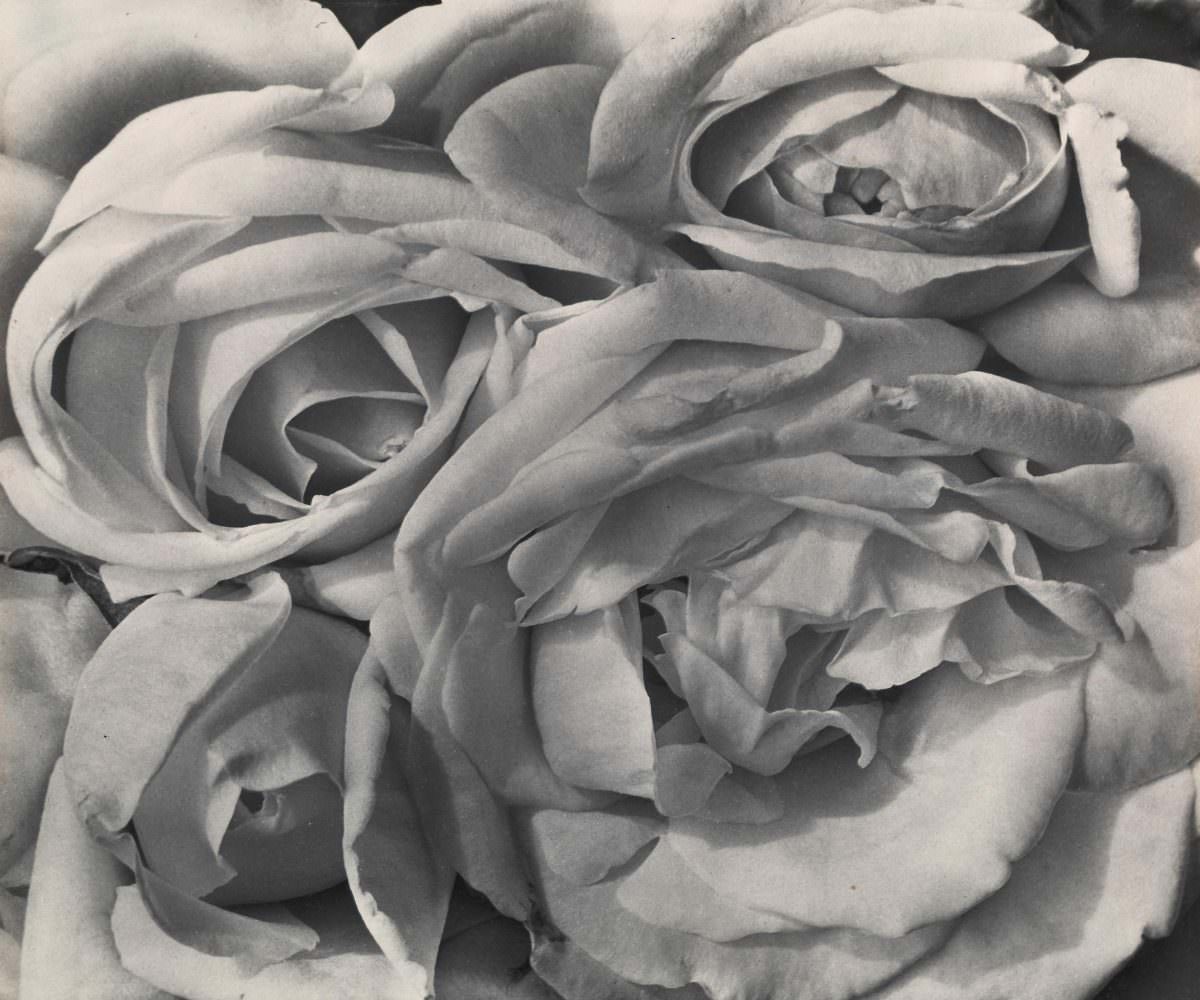
Across every subject she photographed — roses in Mexico, workers in the fields, street corners in Berlin — Tina Modotti brought the same exacting attention to light, composition, and meaning. Her photographs were never accidental. Every frame was a choice made by someone who understood both the technical demands of the medium and the political weight of what she was pointing her camera at.