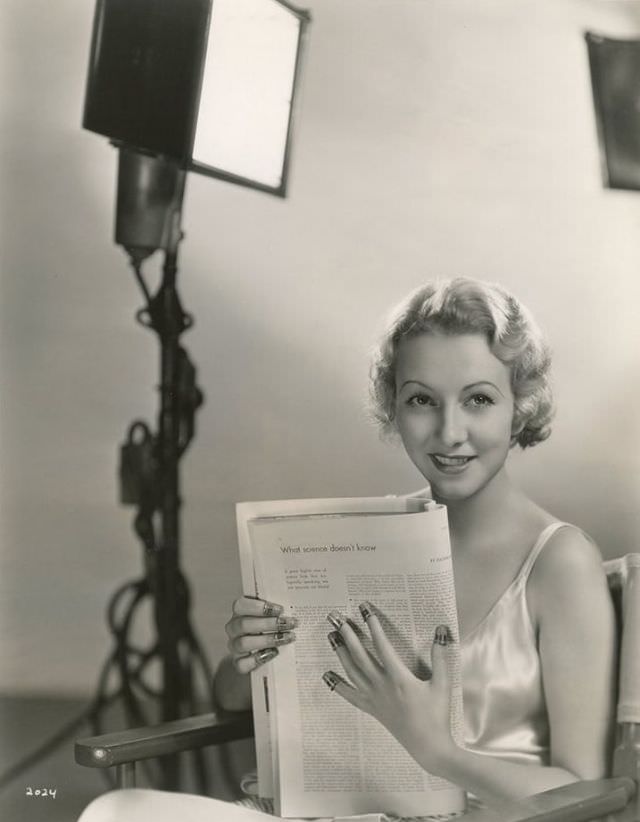
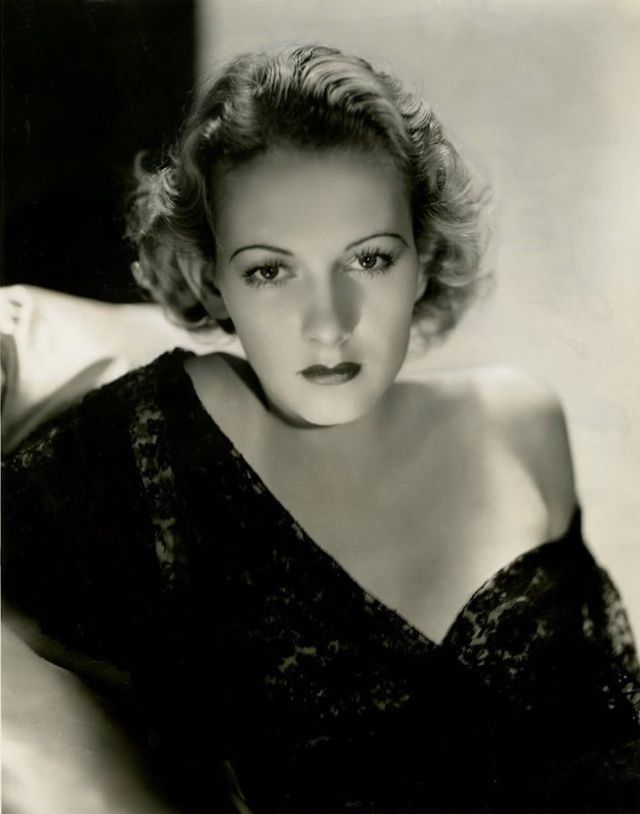
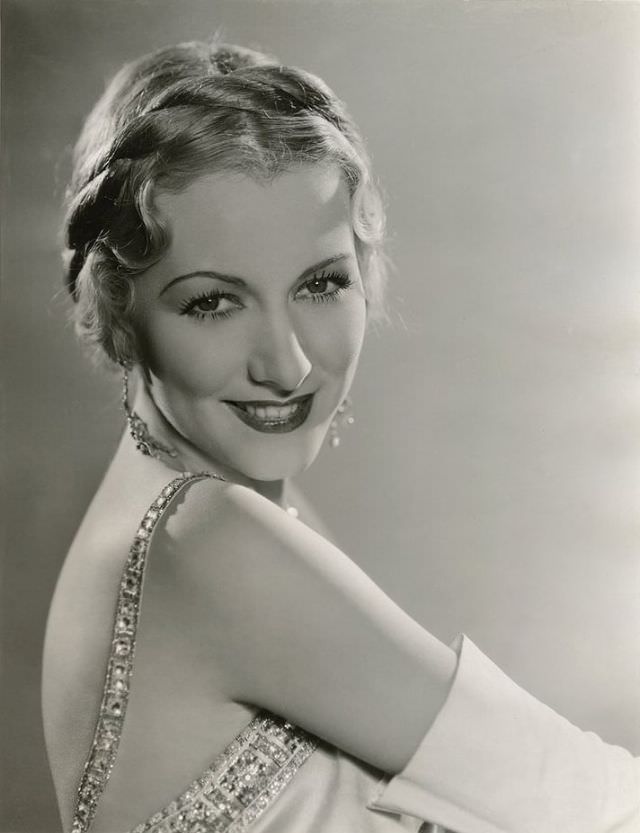
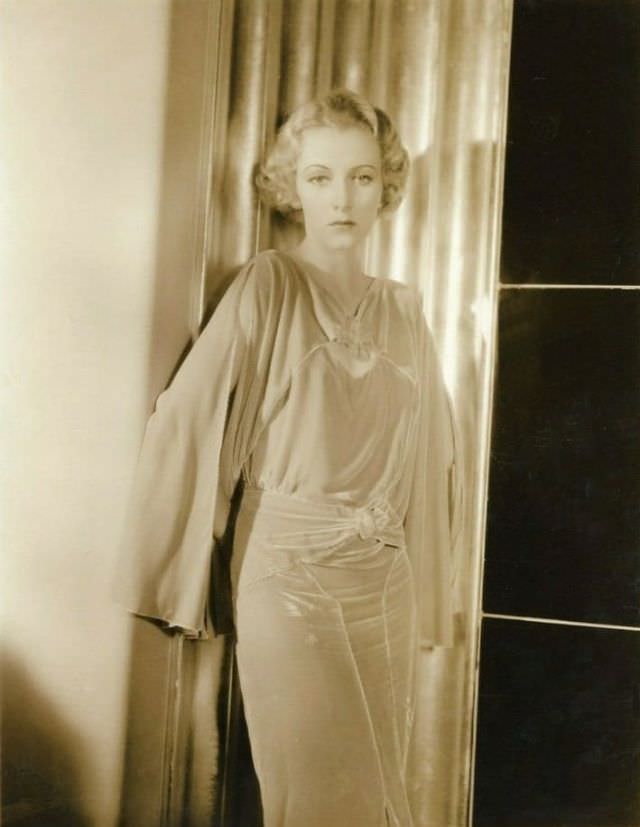
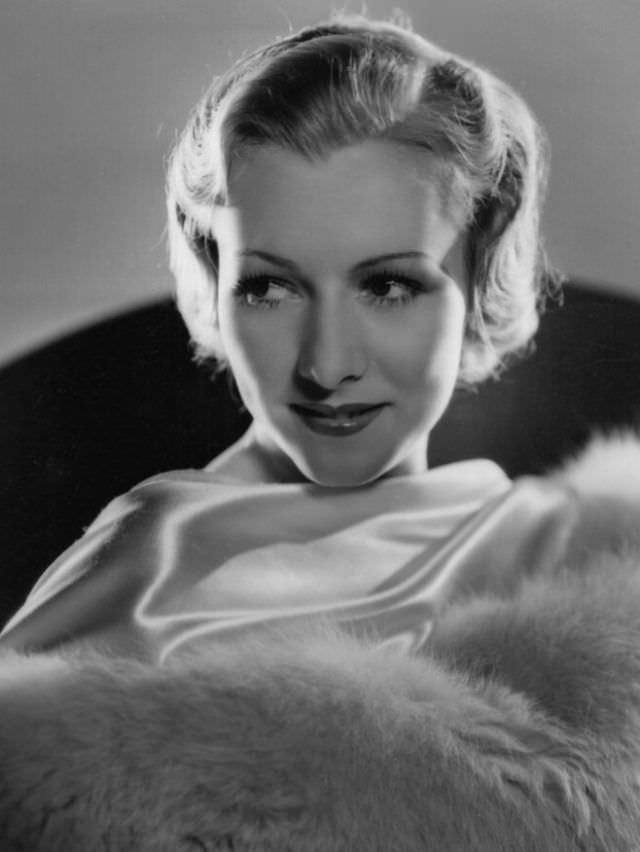
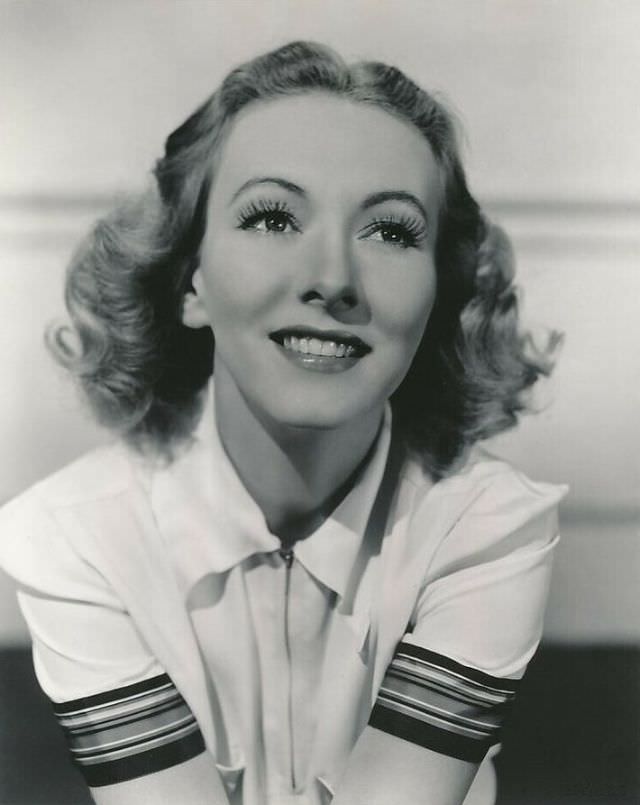
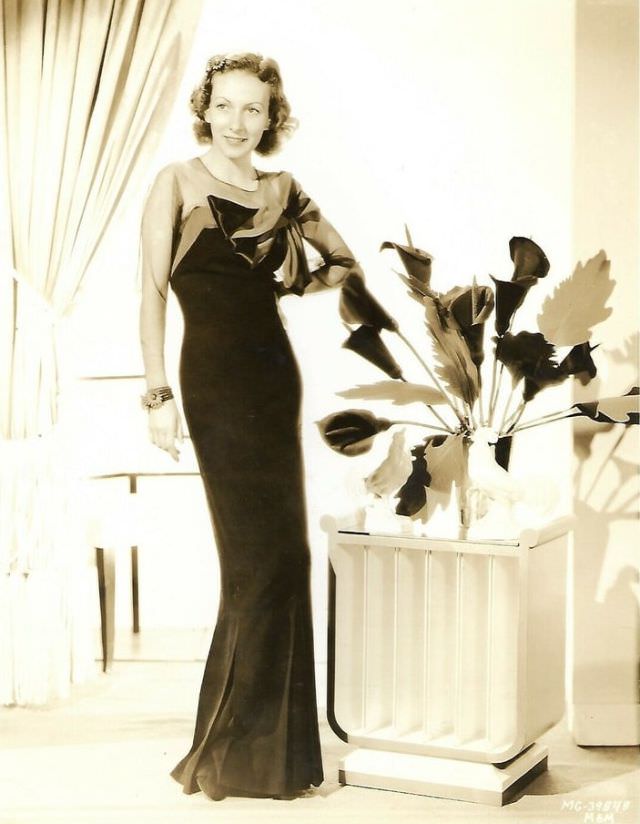
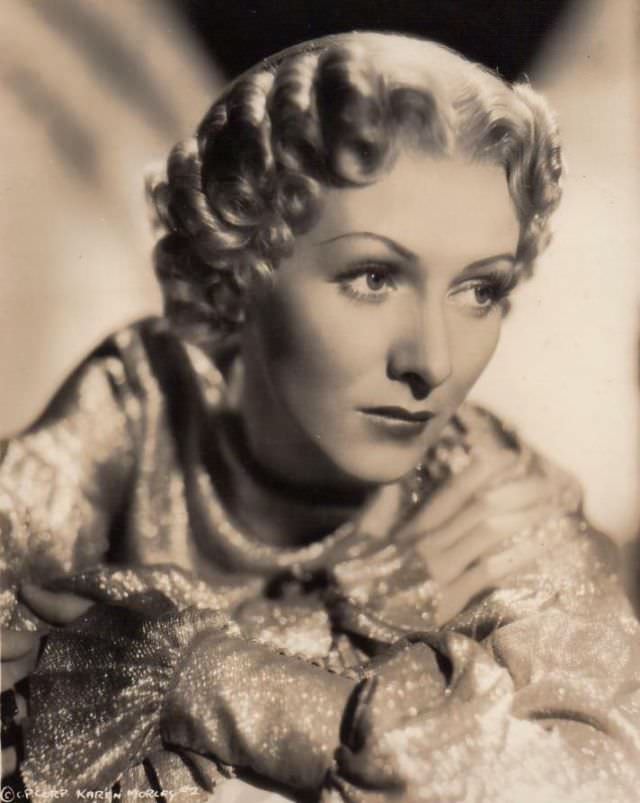
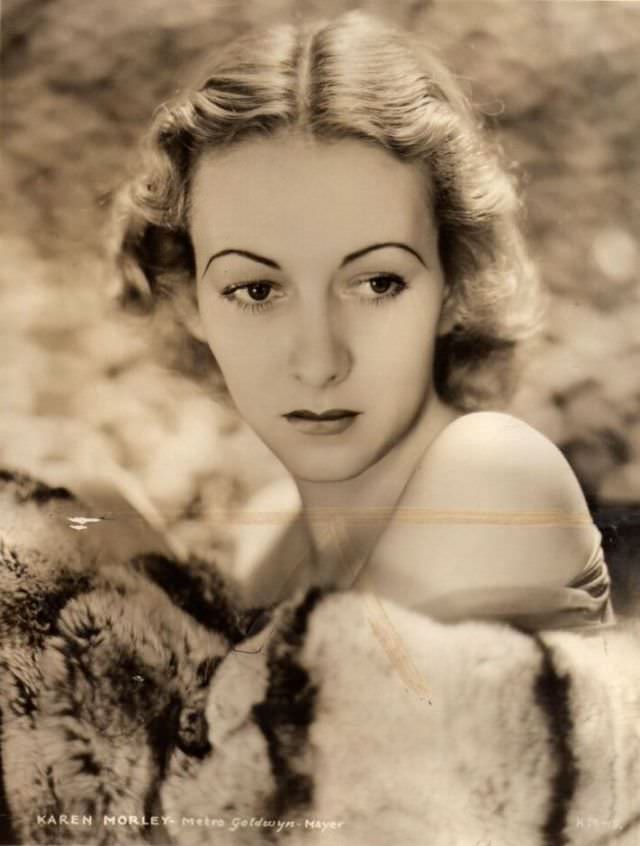
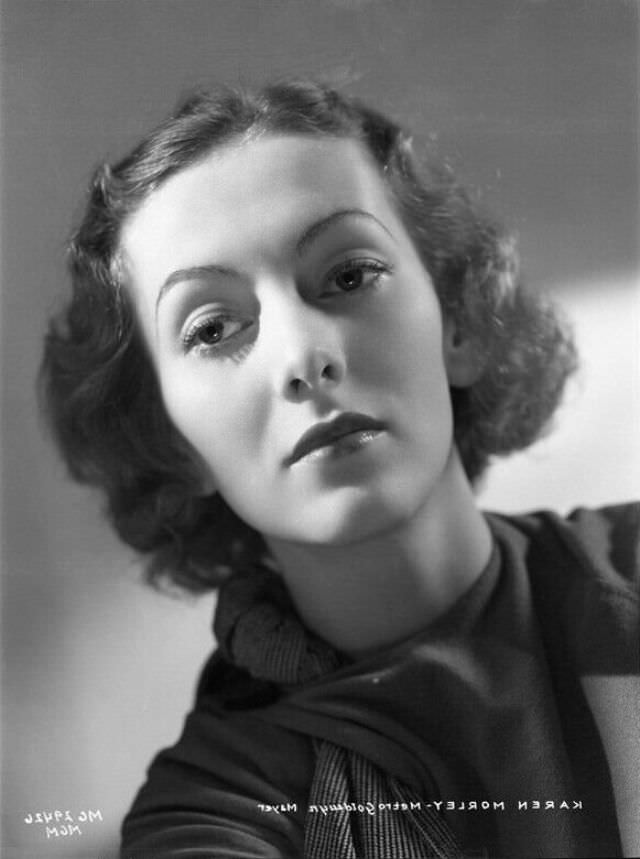
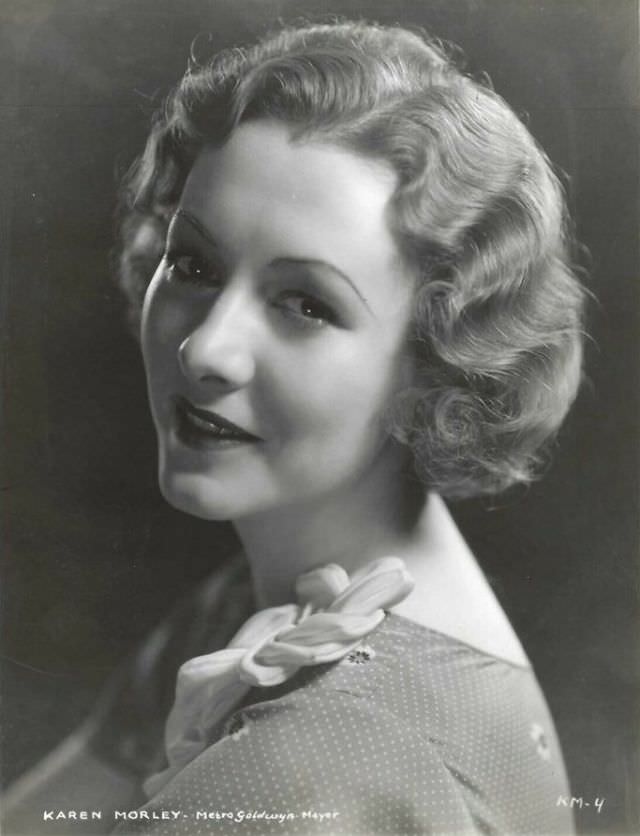
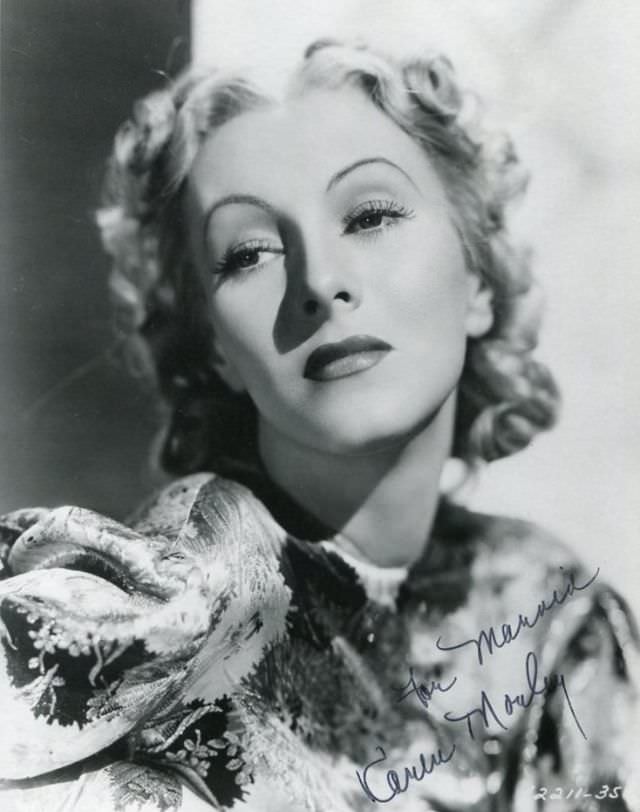
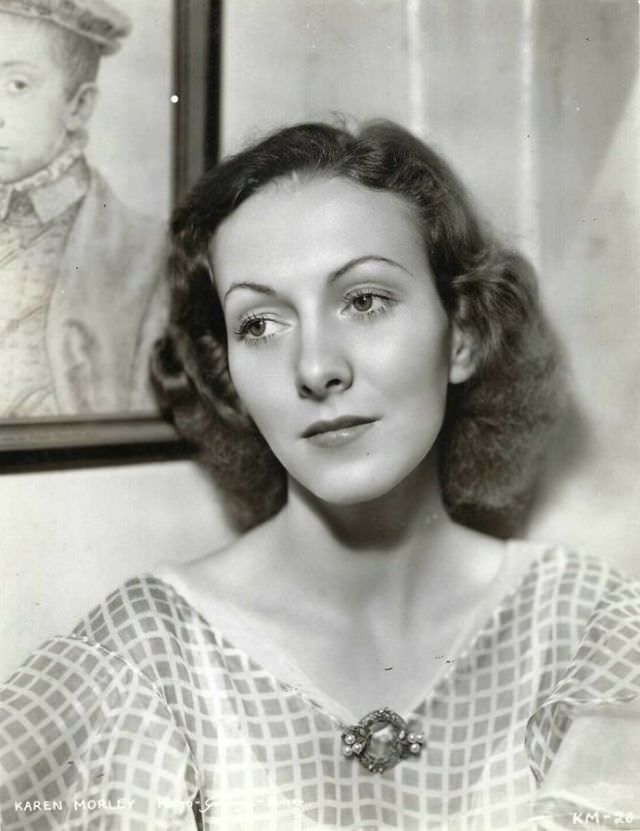
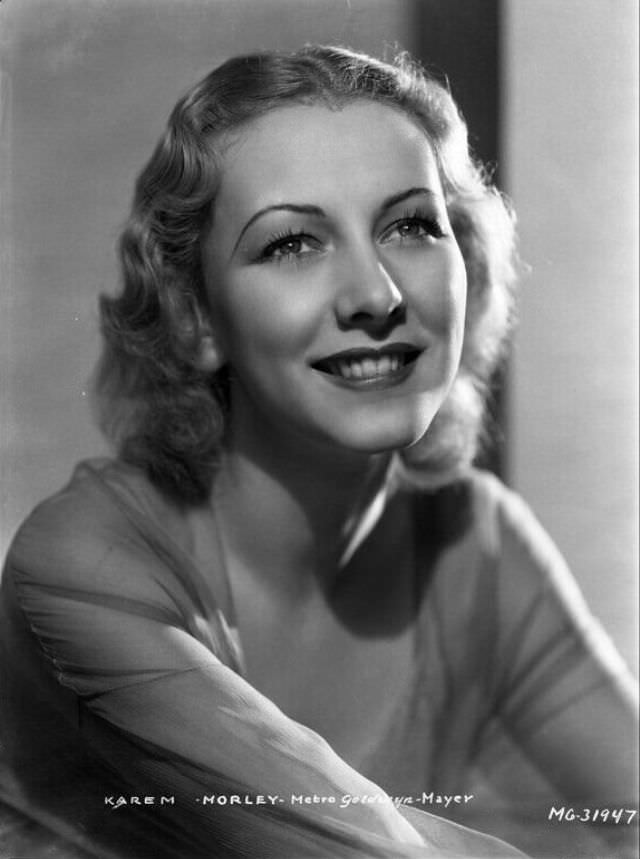
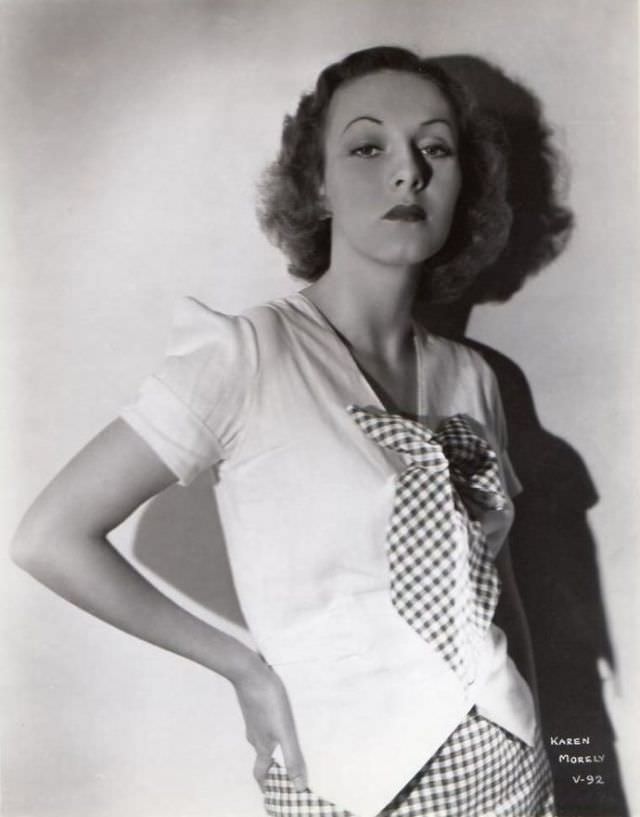
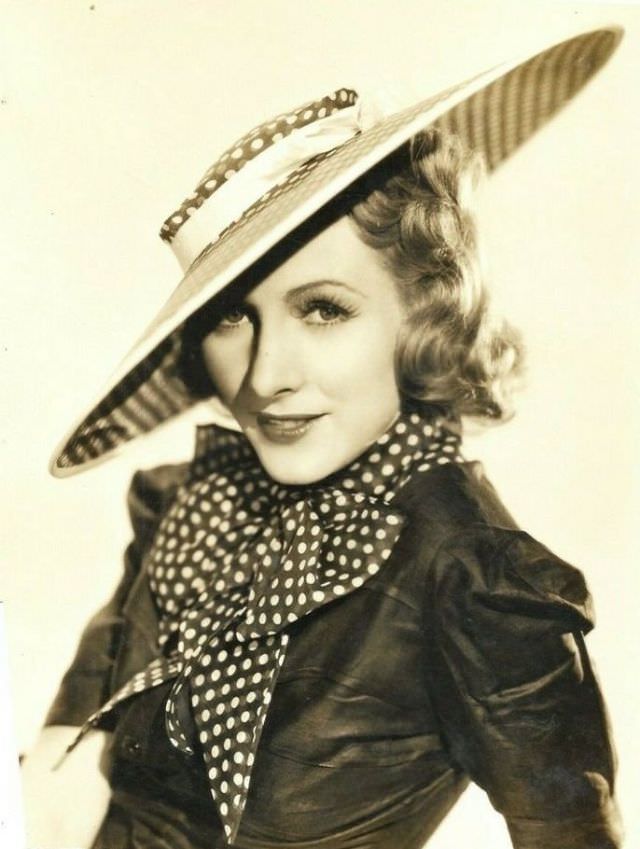
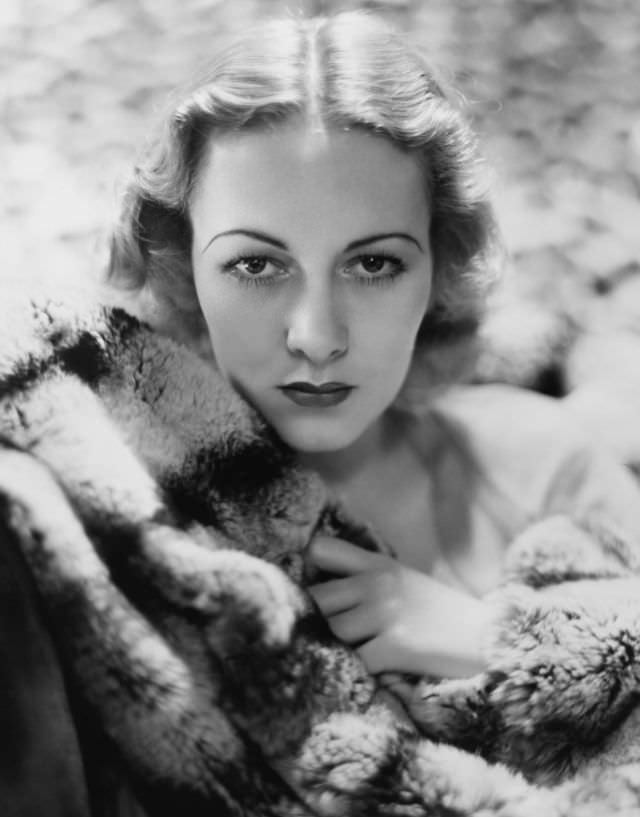
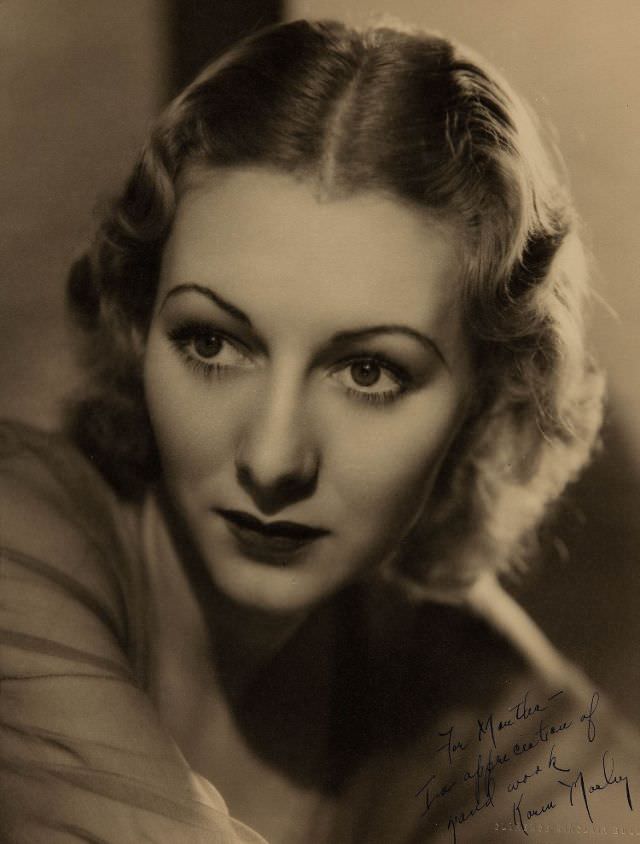
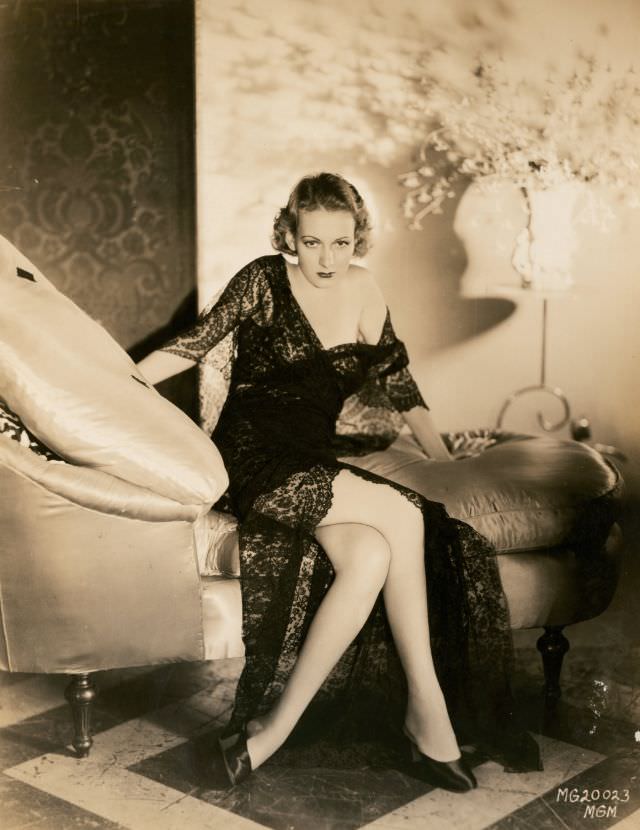
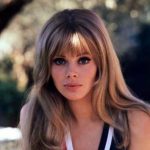
Karen Morley was an actress. Her first choice was to study medicine at UCLA, but a theatre class led to a change in a career goal.
Acting career
Morley made her screen debut in 1931 with the role of Carlotta in the movie ‘Mata Hair’. The following year she was starred in ‘Scarface’, ‘The Phantom of Crestwood’, and ‘Arsene Lupin’. Morley left MGM in 1934, and director King Vidor offered her a role in the American drama film ‘Our Daily Bread (1934)’. Due to the lack of studio support, her roles became less frequent; however, she did play Charlotte Lucas in ‘Pride and Prejudice (1940)’, which was produced by MGM. Despite the film’s positive reception, her career was not furthered. Instead, Morley focused on stage plays. She performed on Broadway in numerous plays during the early 1940s, including Gerda in The Walrus and the Carpenter, which she originally played.
After her testimony to the House Un-American Activities Committee in 1947, where she declined to respond to questions about her alleged membership in the American Communist Party, her career came to an end. She continued to be active in politics throughout her life. The American Labor Party nominated her for lieutenant governor of New York in 1954, and she lost the race. She couldn’t rebuild her career in acting after being blacklisted in Hollywood by studio bosses.
Karen Morley briefly resumed her acting career in the early 1970s with guest roles in television series such as ‘Kojak’, ‘Kung Fu, and ‘Police Woman’. Morley appeared in a 1993 documentary about The Great Depression. She talked about the helplessness that she felt like a Hollywood actress facing all the poverty and suffering in her life.
Personal life
Morley was married twice in her life. She was first married to director Charles Vidor in 1923, and they divorced in 1943. Vidor and Morley had a son, Michael Karoly, who was born in August 1933. After that, she married Lloyd Gough. The couple had one child together. Their marriage lasted until Gough died in 1984.
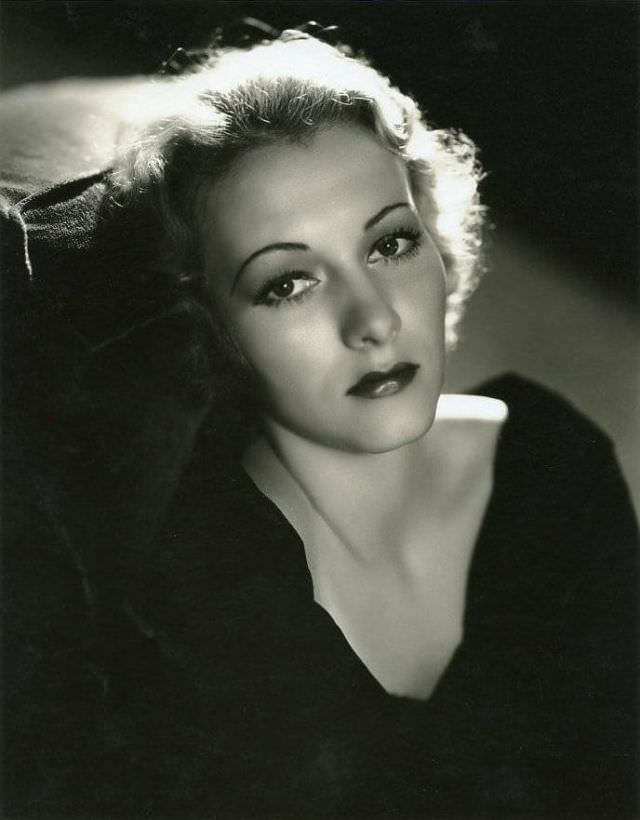
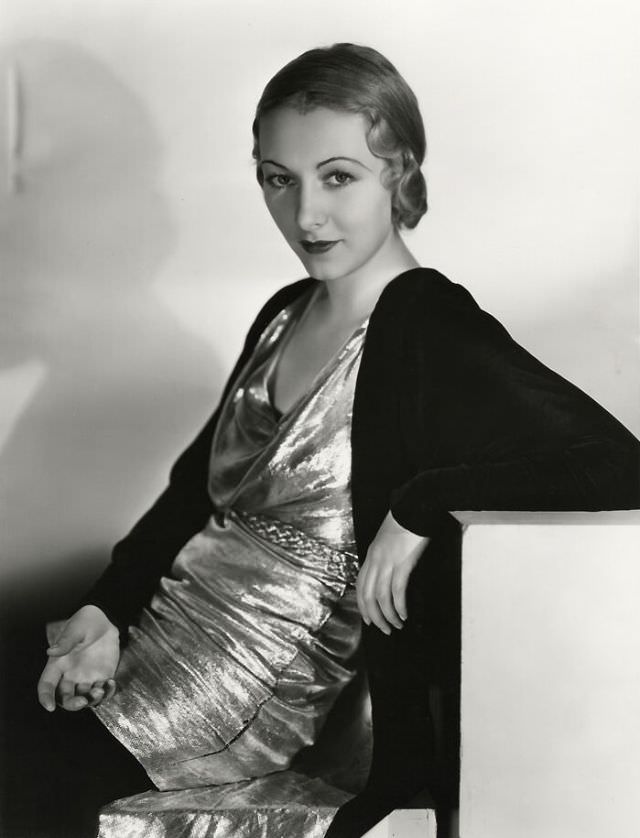
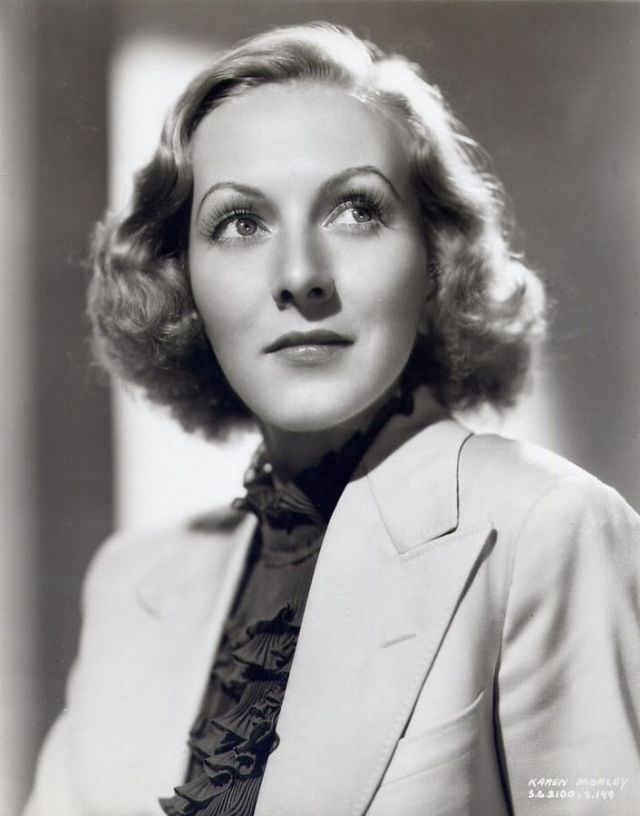
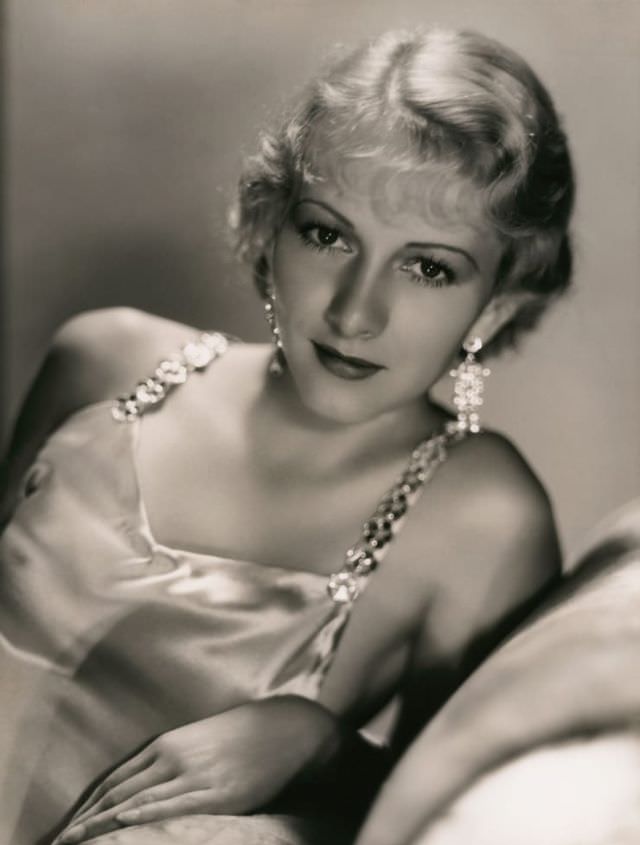
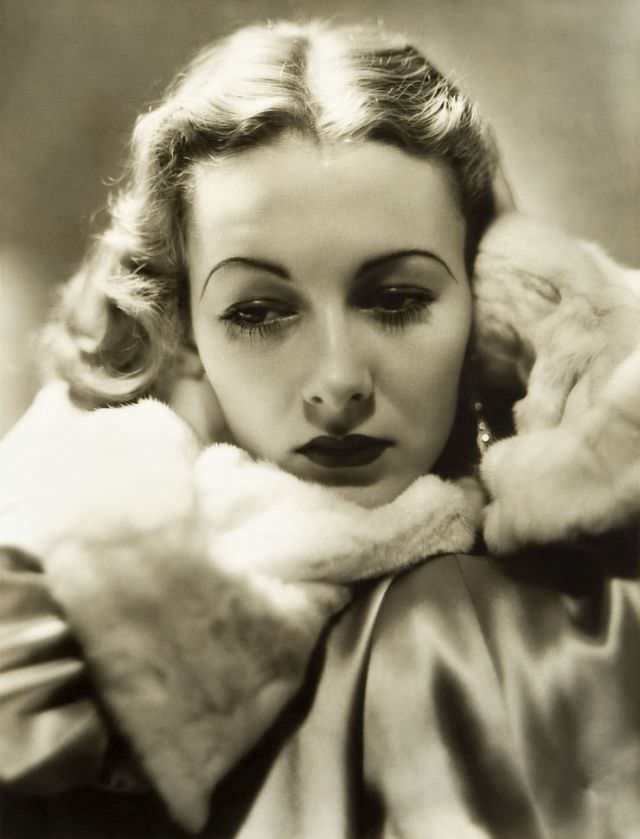
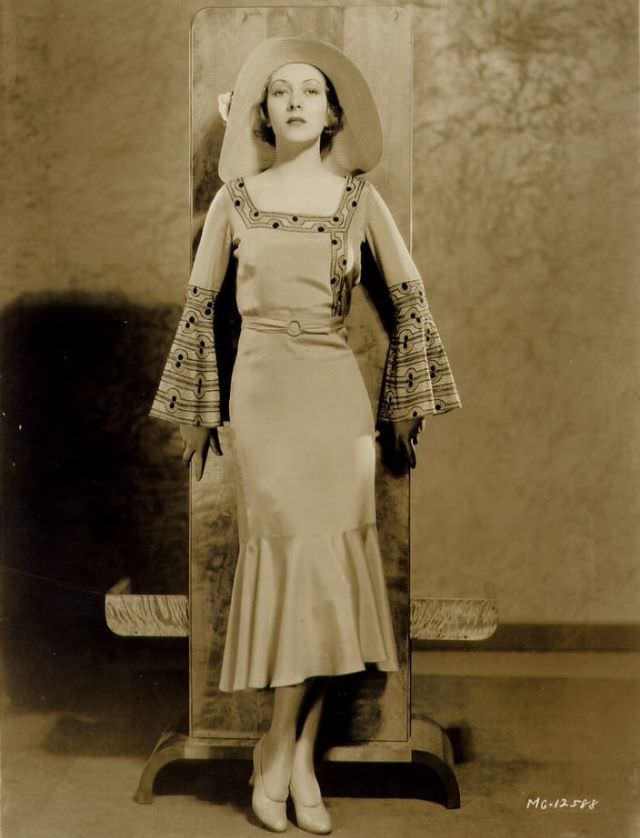
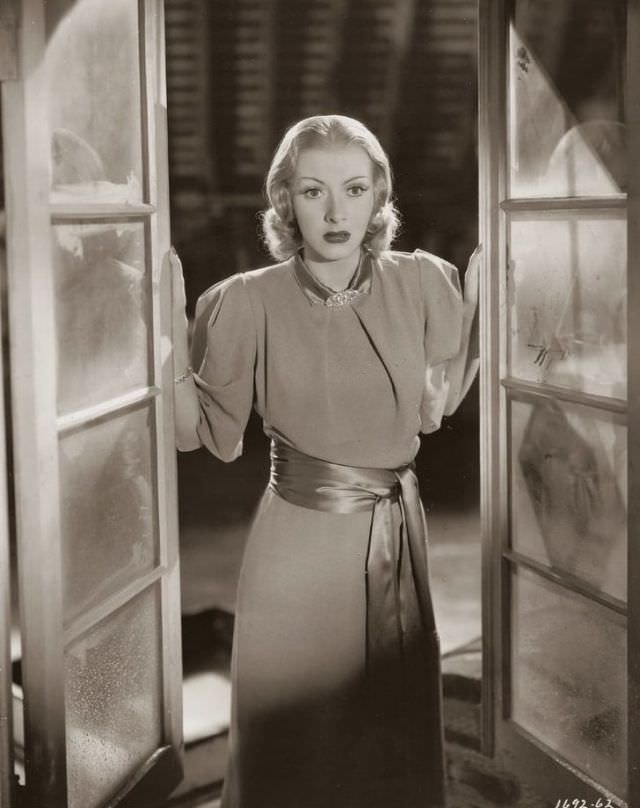
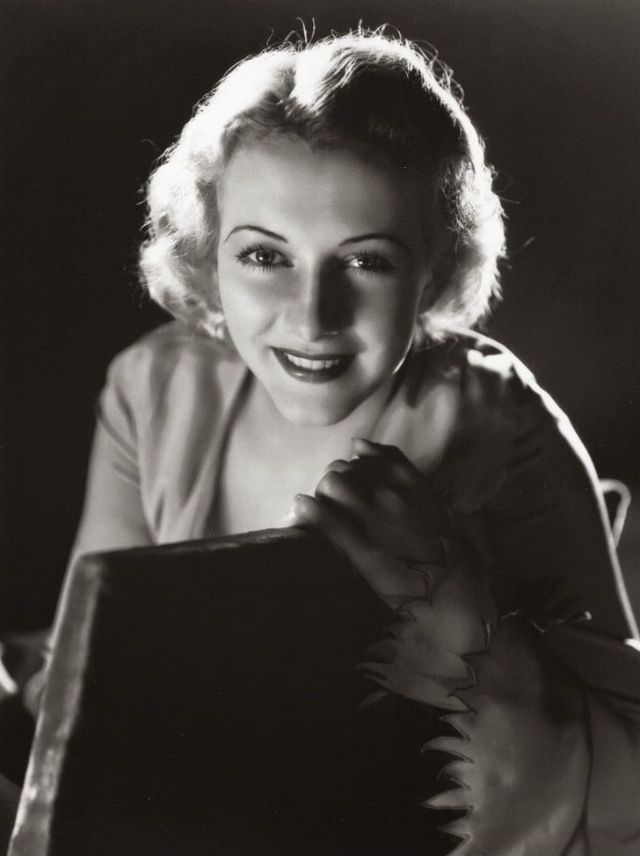
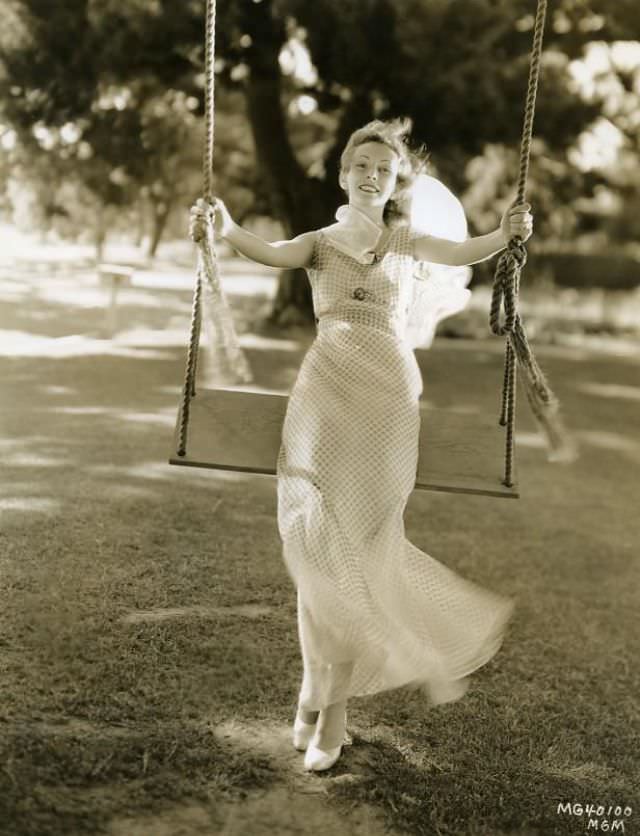
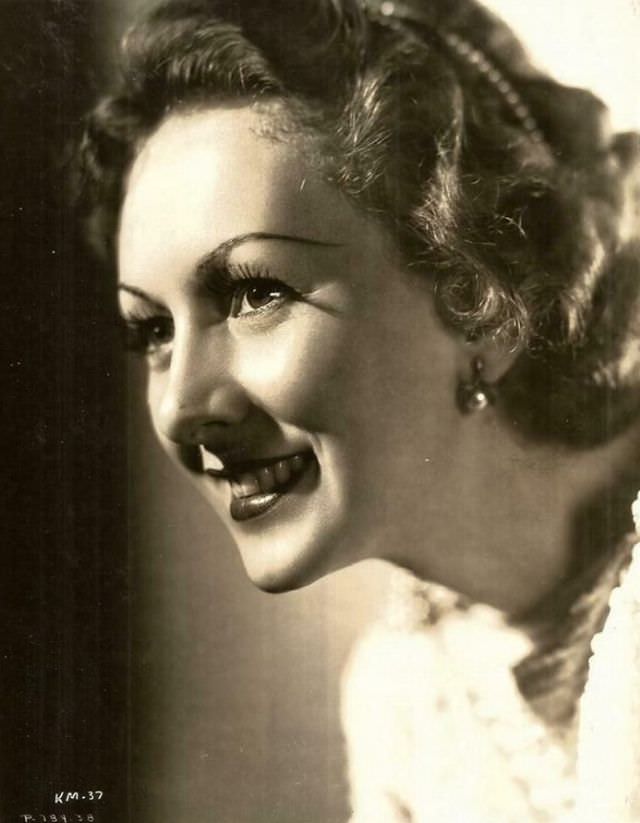
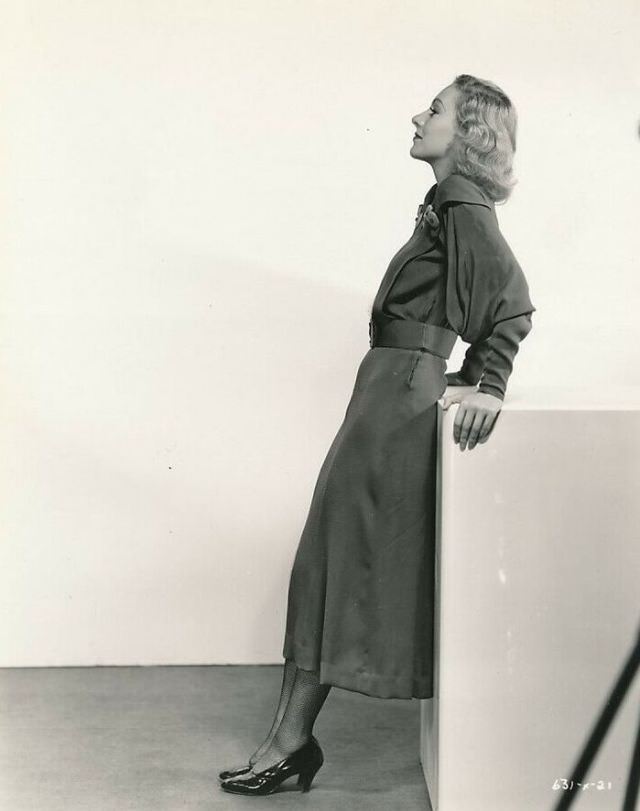
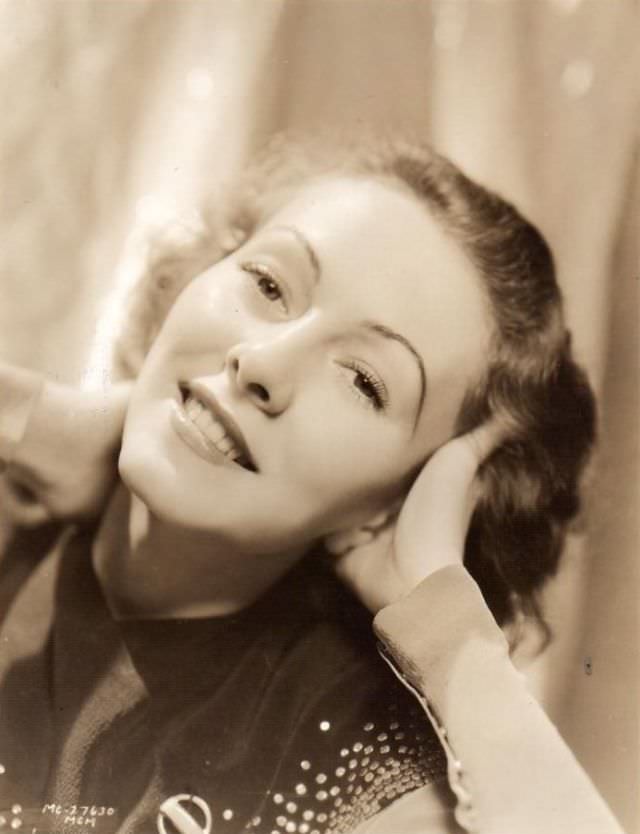
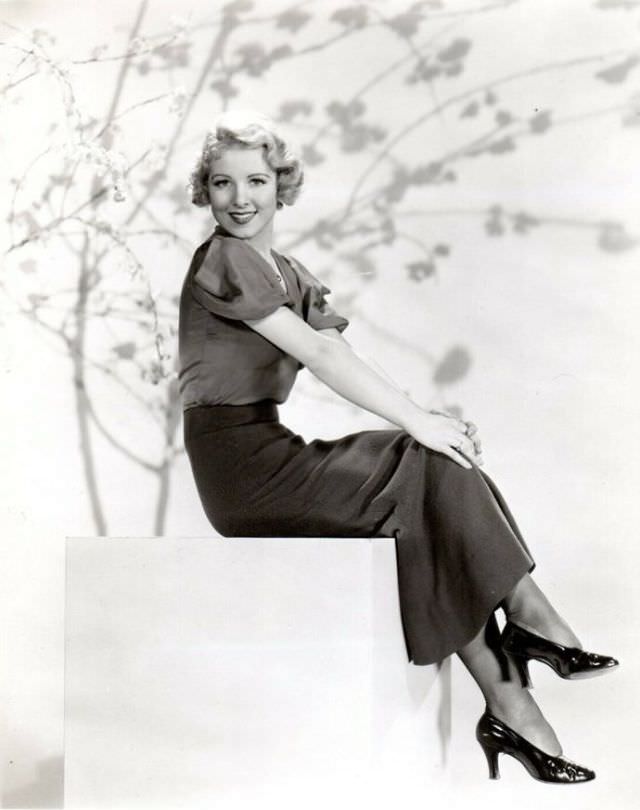
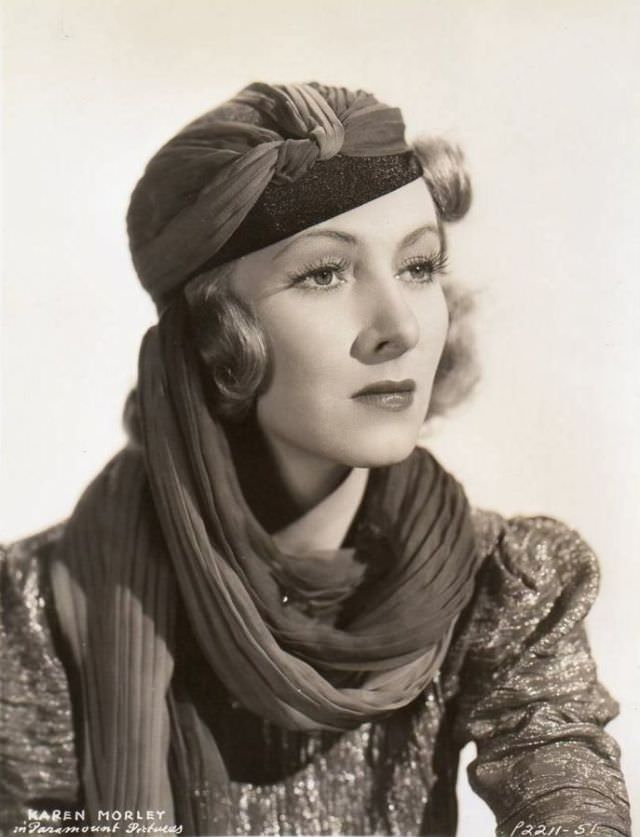
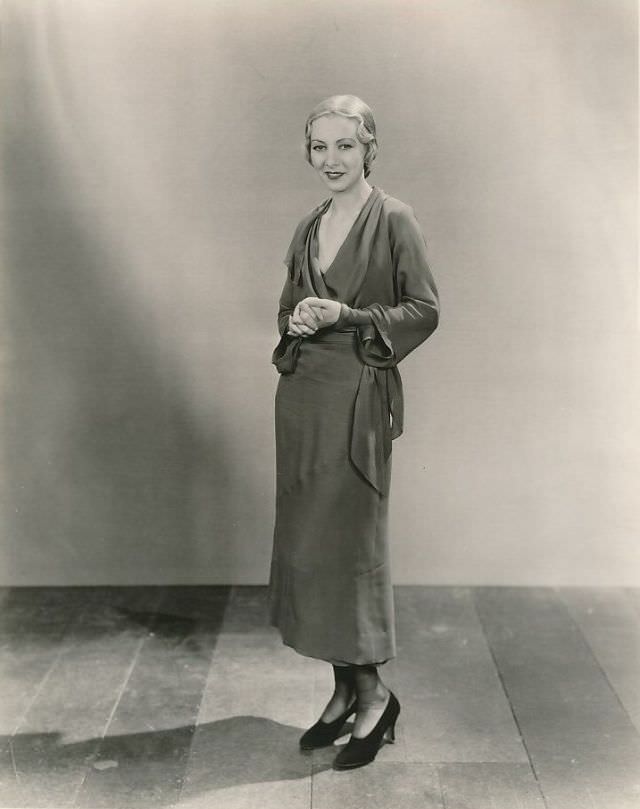
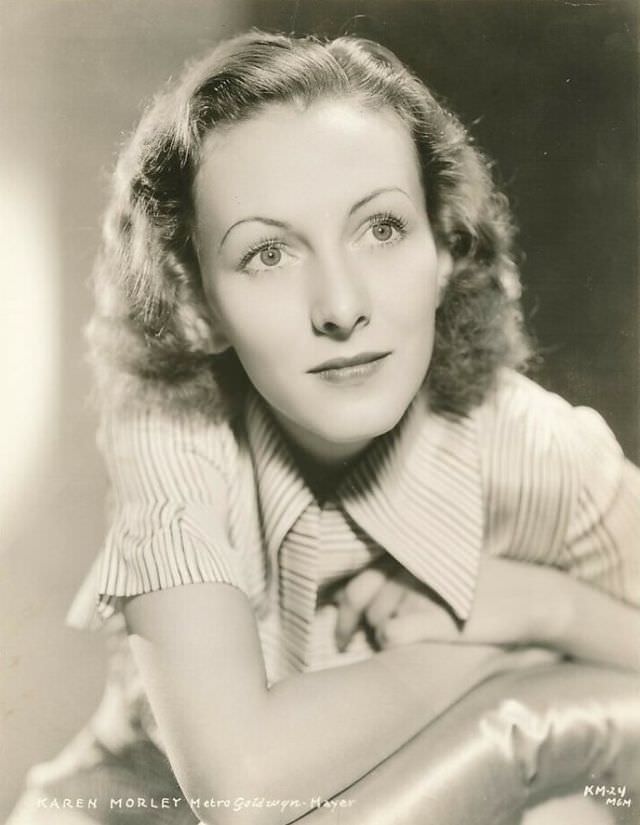
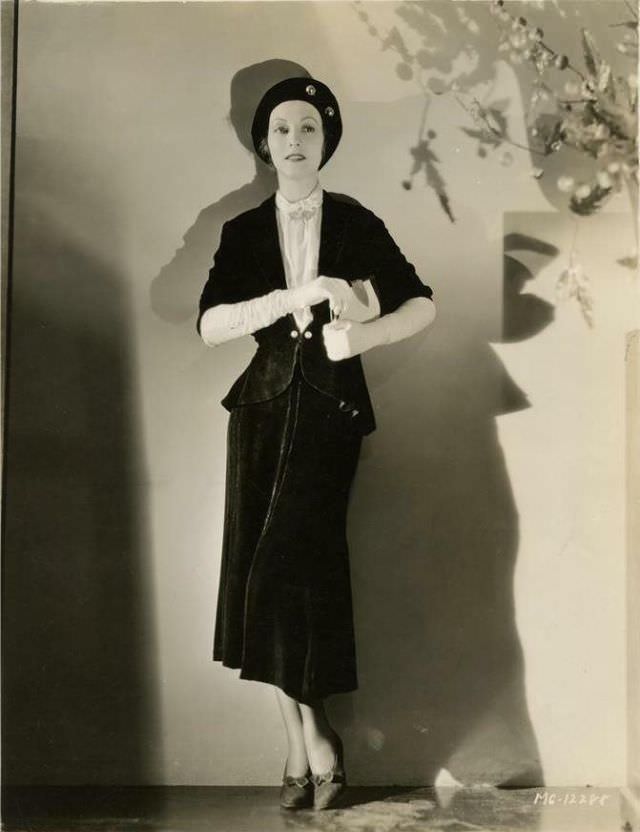
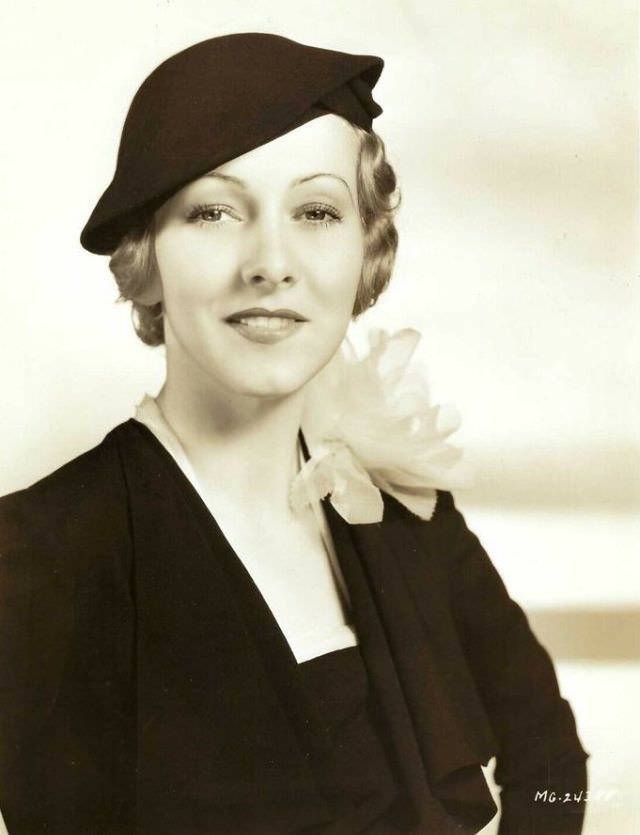
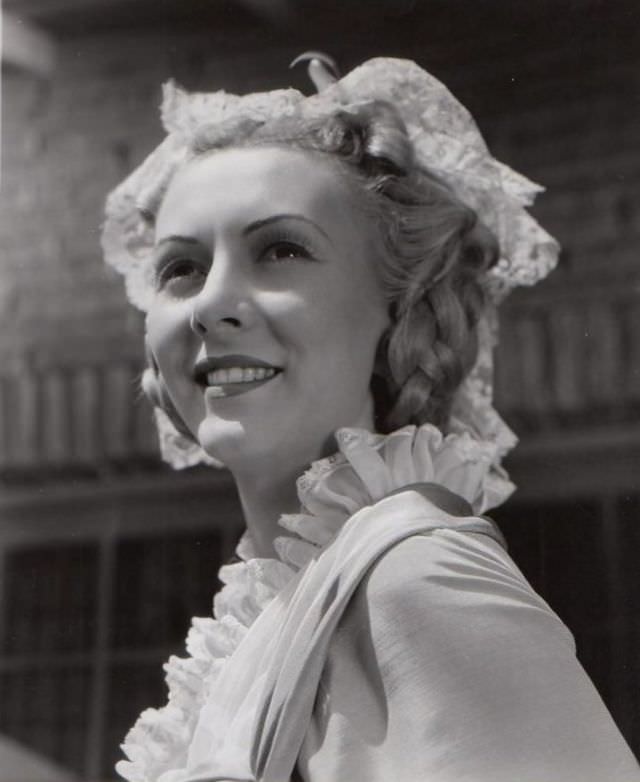
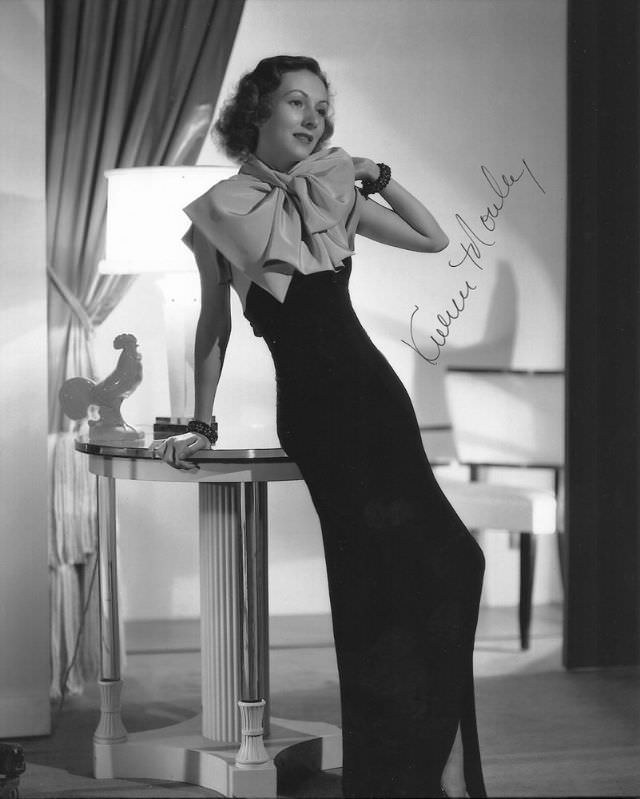
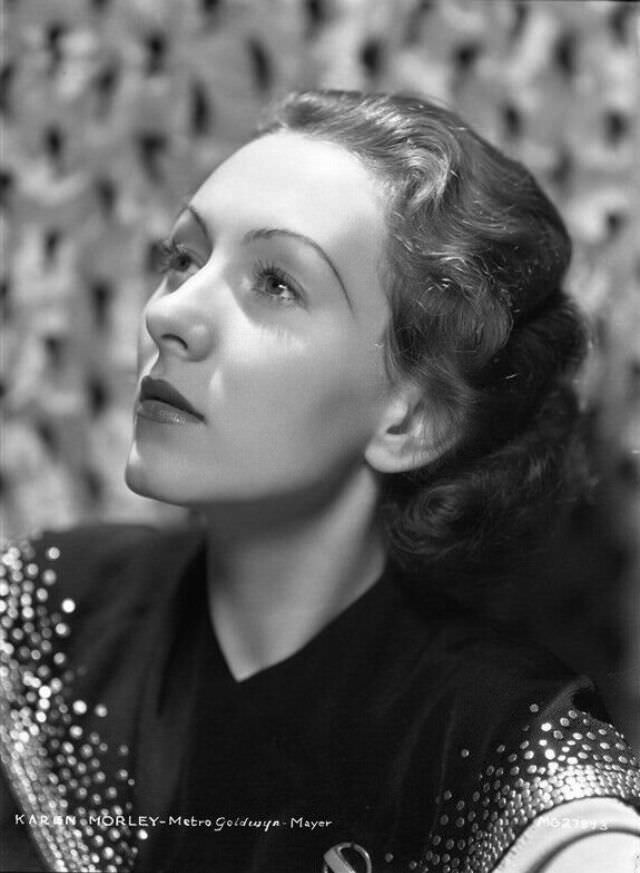
Morley died of pneumonia at the age of 93 in Woodland Hills, California, and was survived by two grandsons. Below are some gorgeous photos of Karen Morley when she was young.