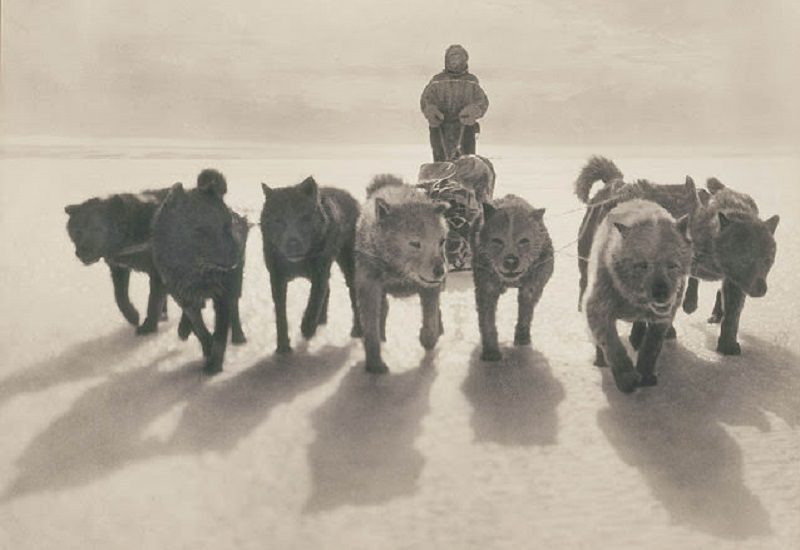
Jeanloup Sieff was born in Paris in 1933 to parents of Polish descent. His path into photography began on his fourteenth birthday, when his parents gave him his first camera. A holiday trip to Zakopane — where he spent his time photographing girls he had just met — turned that gift into a full-blown obsession. He went on to study at the Vaugirard School of Photography in Paris and later at the Vevey School in Switzerland, trading an early flirtation with cinema for a life behind the lens.
By 1954, Sieff was working as a freelance reporter. He joined the prestigious Magnum Agency in 1958, which sent him across Europe — through Italy, Greece, Poland, and Turkey. Fashion photography had already caught his attention by 1956, and it would become the arena where he made his name. In the 1960s, he relocated to New York and began shooting for some of the most powerful publications in the world: Esquire, Glamour, Vogue, and Harper’s Bazaar.
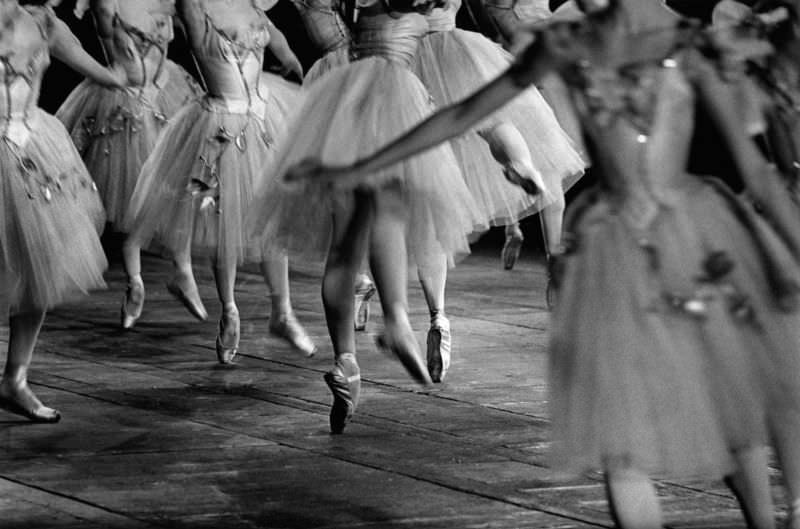
His early 1960s work in Paris captured the elegance of the city’s cultural world. The Paris Opera was a natural subject — graceful, disciplined, and deeply tied to French identity. Sieff photographed its ballet with the same careful eye he brought to the fashion world, finding drama in posture and stillness alike.
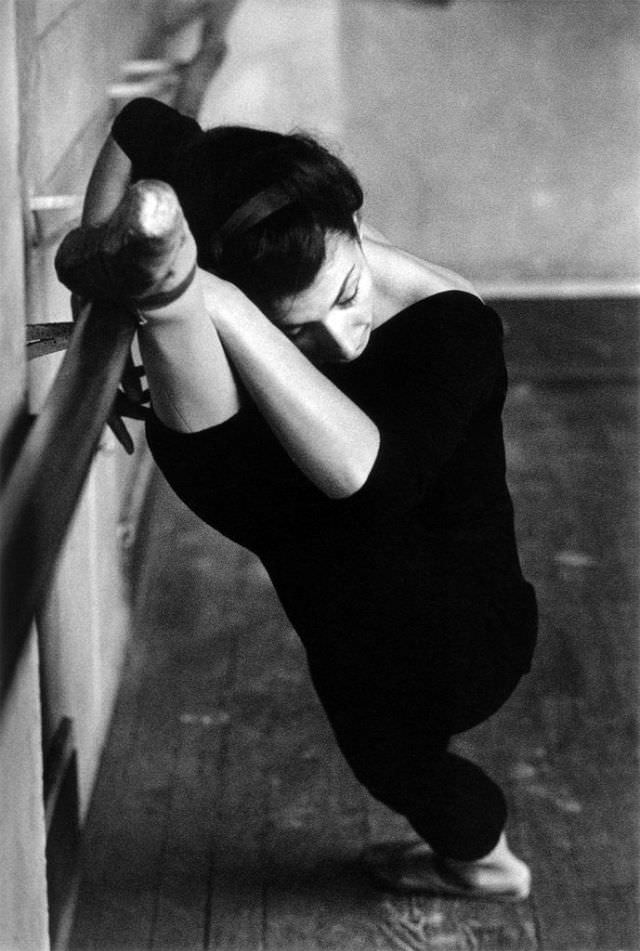
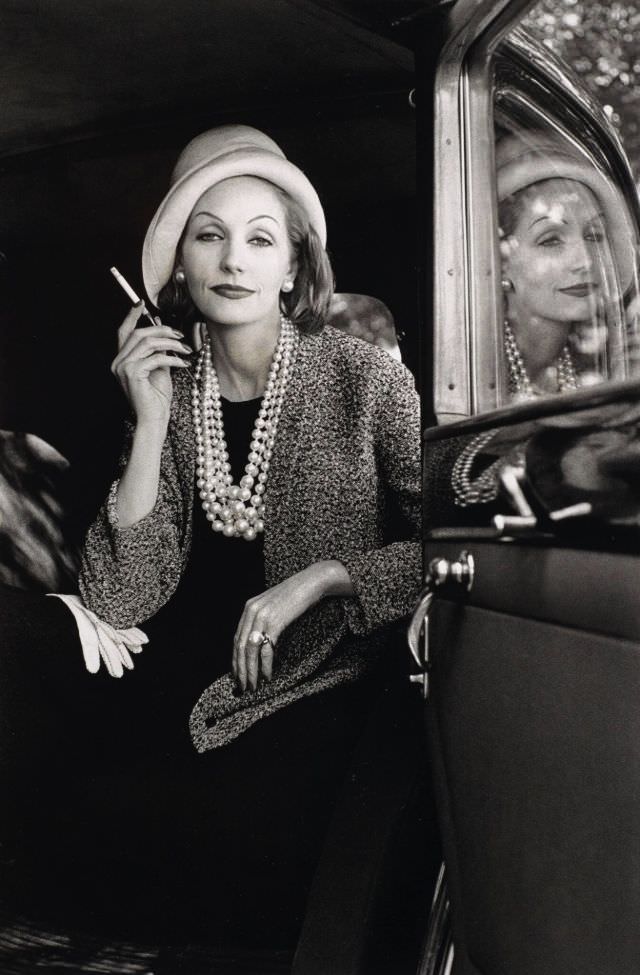
Sieff had a clear talent for photographing women with both strength and softness. His portraits from 1960 — whether of dancers, models, or personalities — carry a confidence that reflects his growing mastery of light and composition. These were not passive subjects; they were collaborators in front of his lens.
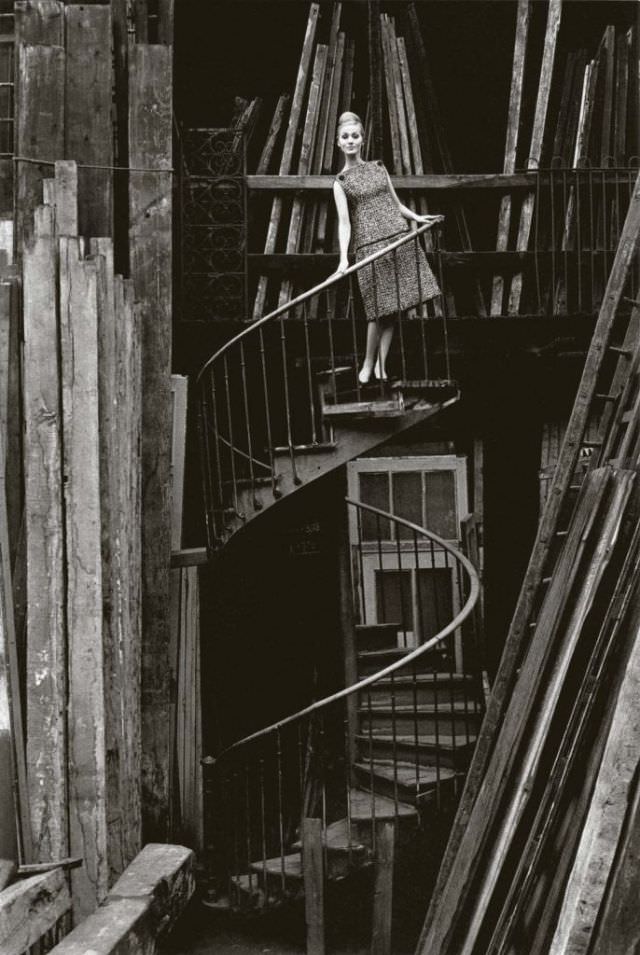
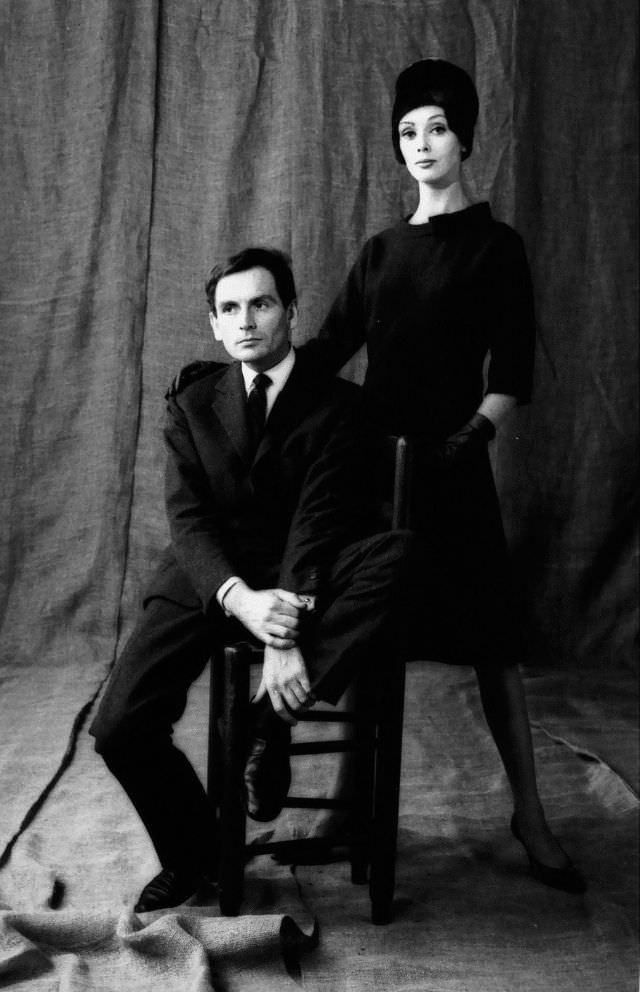
Designer Pierre Cardin was already reshaping French fashion in 1960, and Sieff placed him alongside model Ina Balke in a frame that captured both the designer’s precision and the model’s poise. Balke would appear in Sieff’s work repeatedly throughout the decade, becoming one of his most recognizable faces.
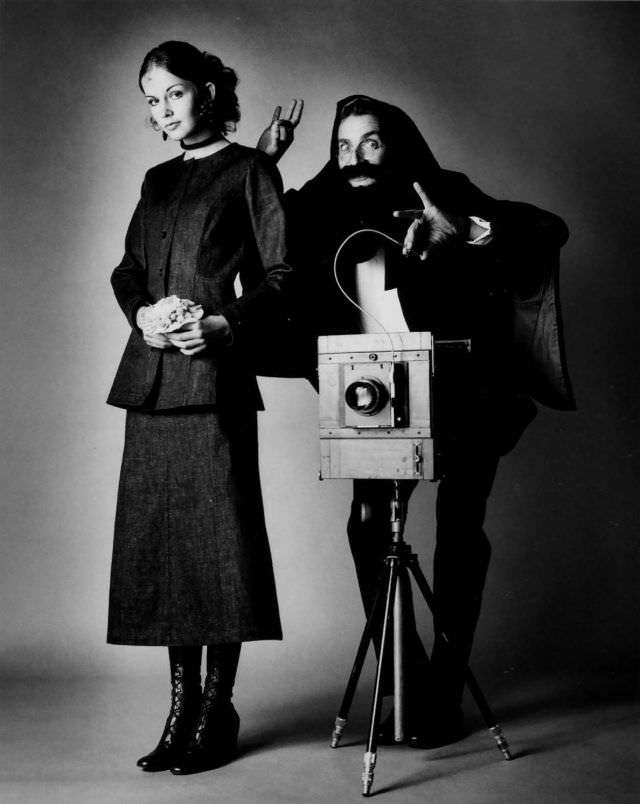
Sieff occasionally turned the camera on himself. This self-portrait with Barbara offers a rare personal glimpse into the photographer’s world — intimate and unguarded in a way his commercial work rarely was. It stands apart from his fashion assignments as something closer to a personal document.
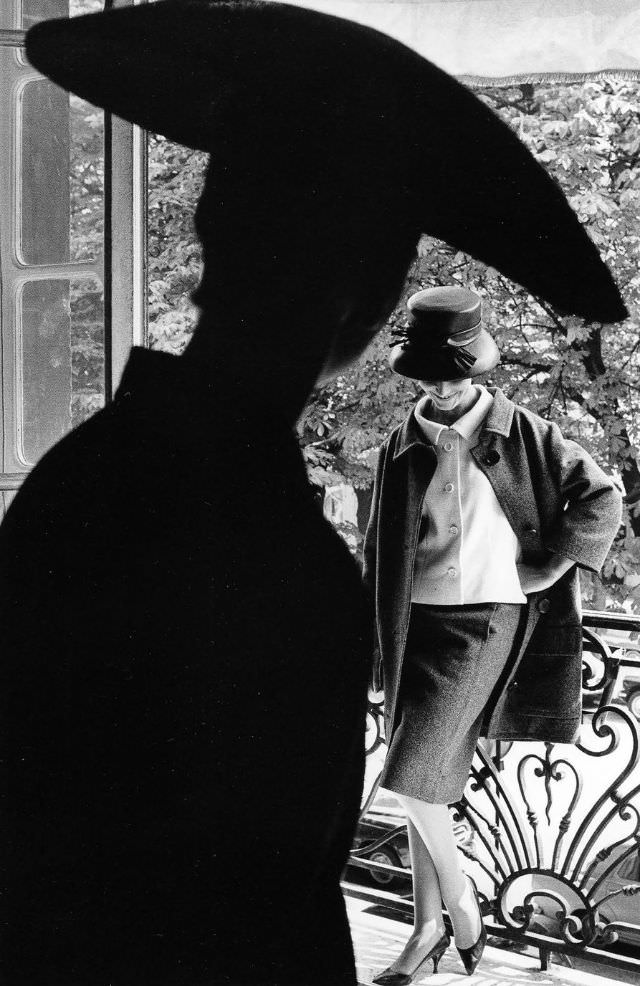
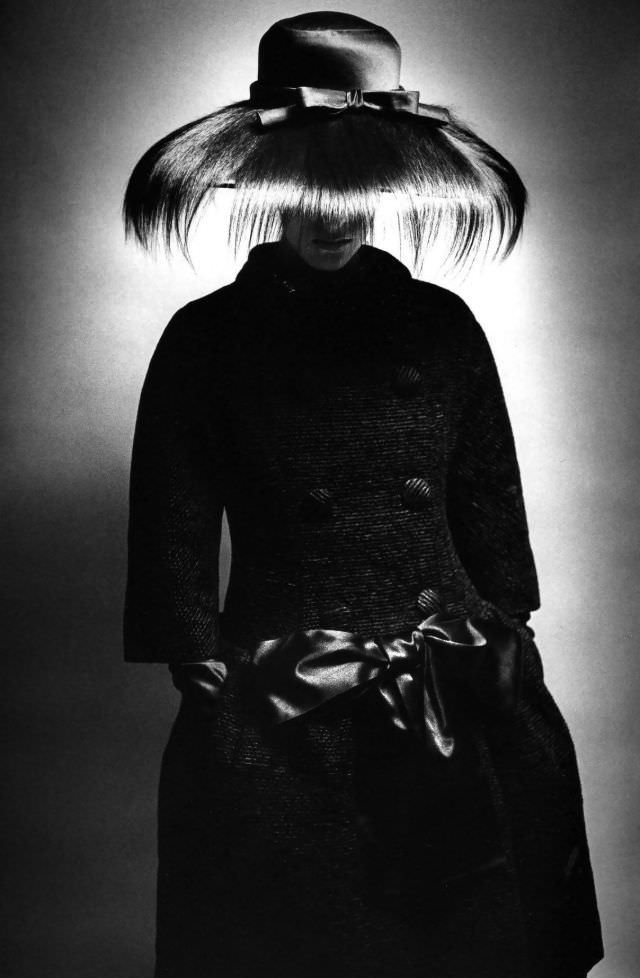
By 1961, Sieff was shooting for major publications on both sides of the English Channel. Work for Jardin des Modes in France and Queen magazine in London showed his ability to read two very different fashion markets. French fashion favored sharp elegance; London in the early 1960s was beginning its drift toward the playful rebellion that would define the decade.
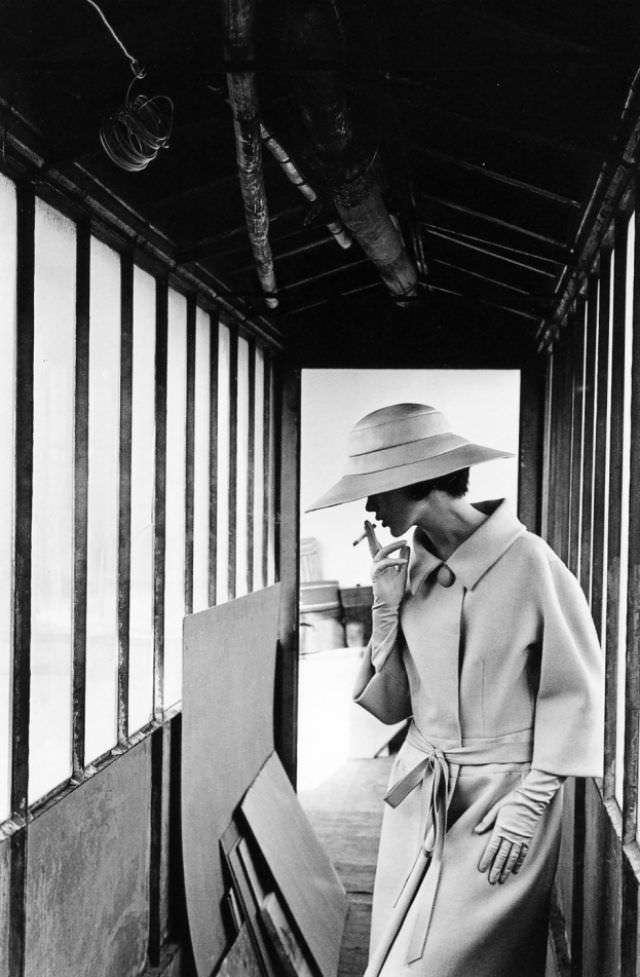
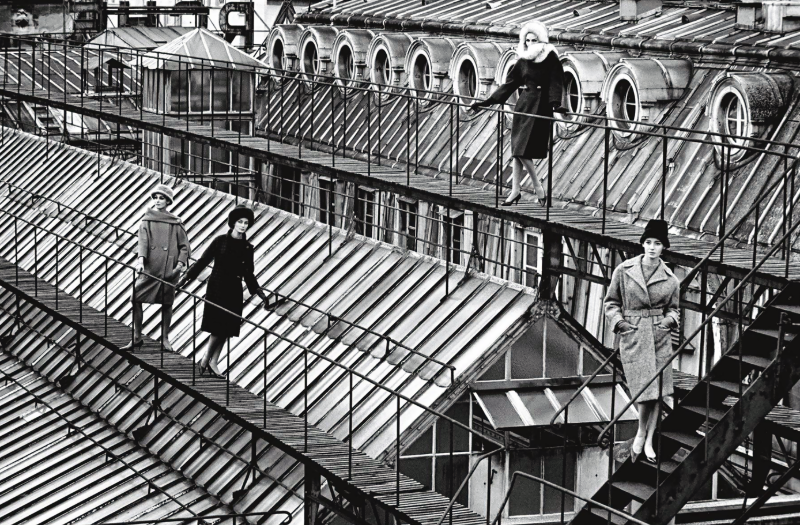
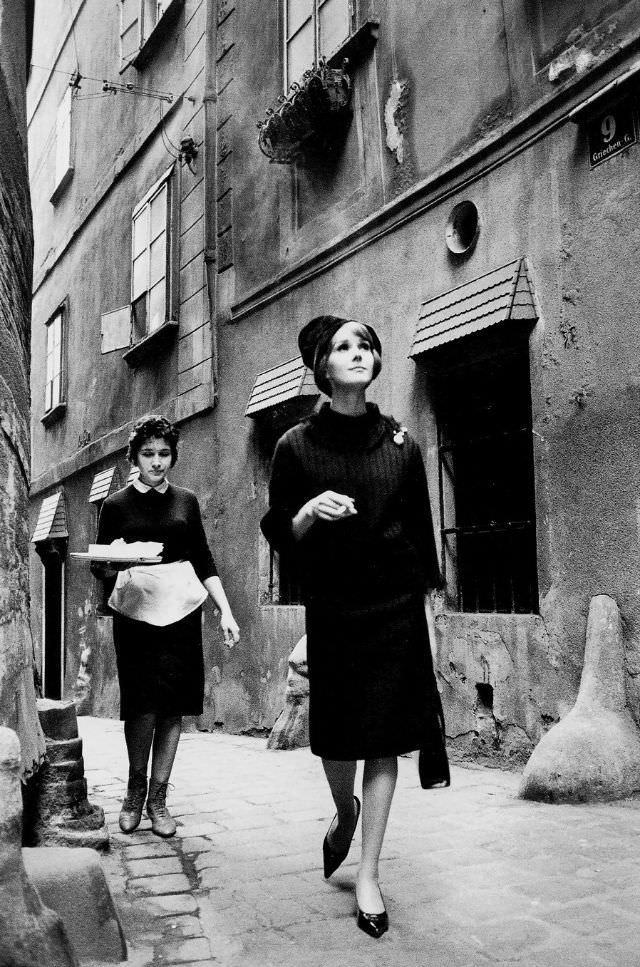
Sieff moved fluidly between cities and contexts. A candid street-style shot in Paris, an atmospheric frame from Vienna — he brought the same focused attention to urban scenes that he applied to controlled studio shoots. His 1961 travels produced work that felt alive rather than staged.
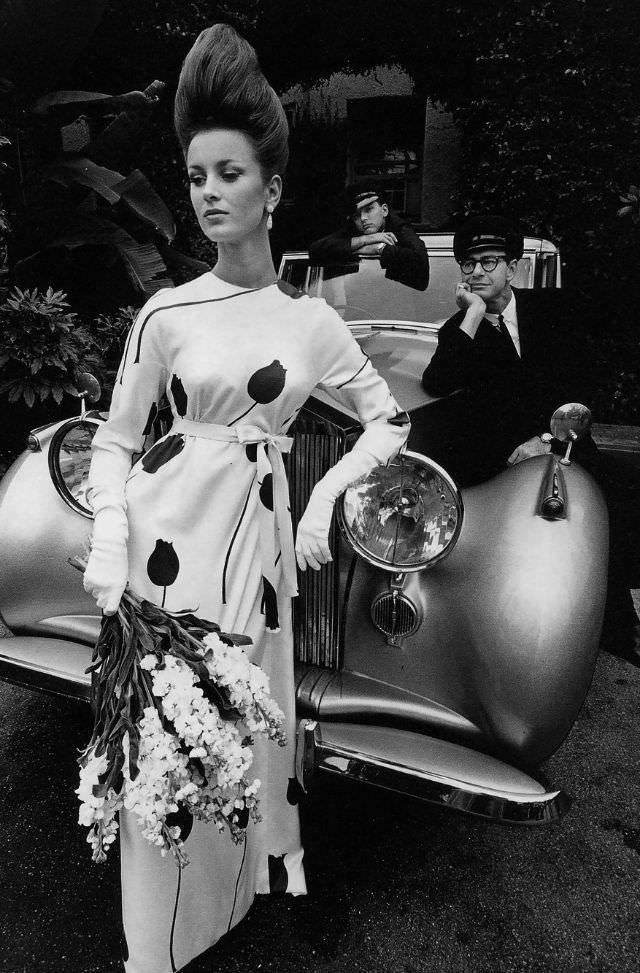
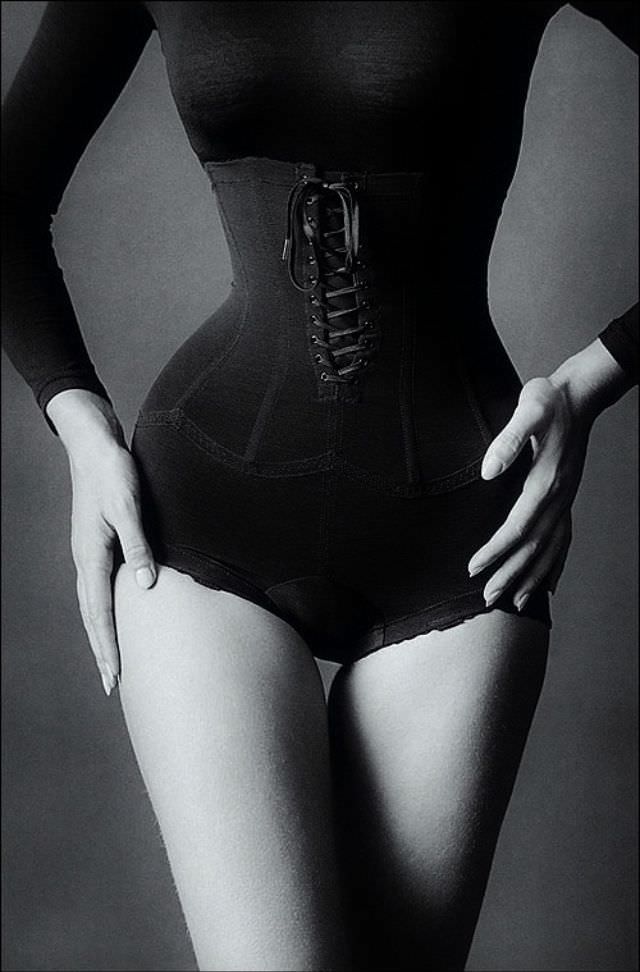
The corset photograph from New York in 1962 speaks directly to Sieff’s reputation as a master of fashion’s more daring edges. He described his commitment to fashion photography as an embrace of the frivolous and superficial — but that was a deliberate artistic stance, not a limitation. He understood that clothing, when photographed well, said something real about the culture wearing it.
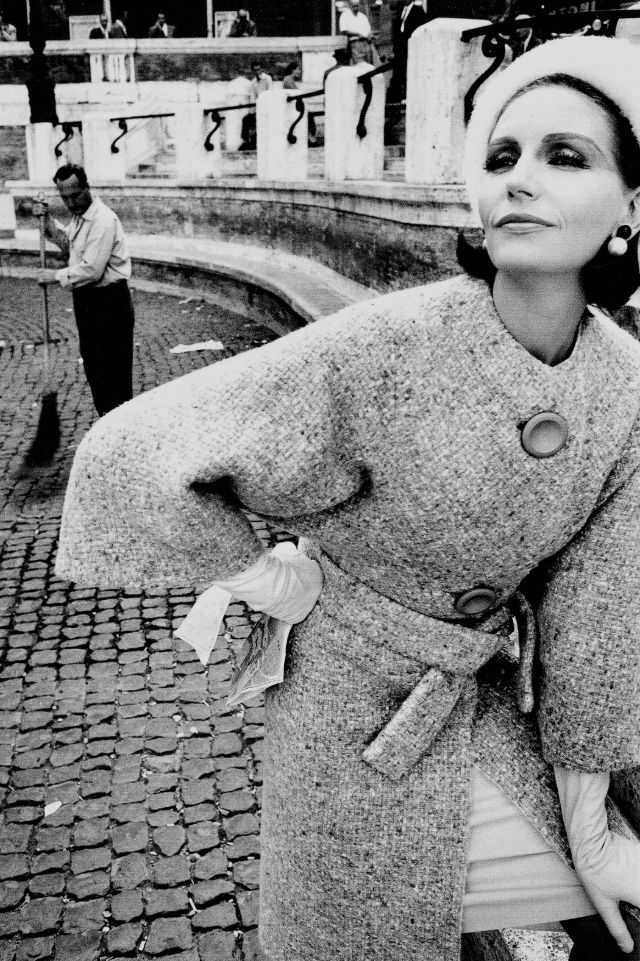
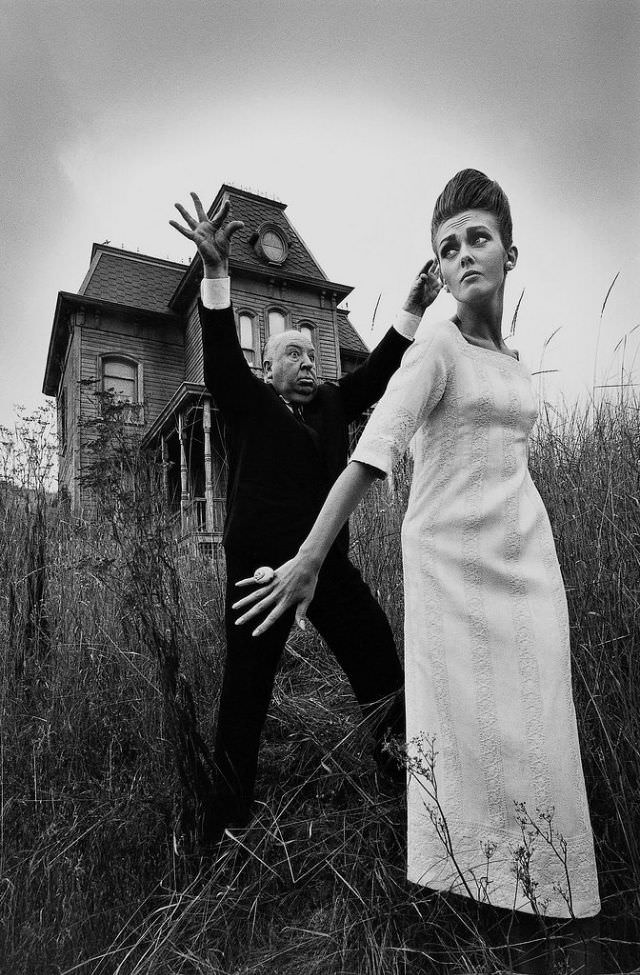
Among Sieff’s most memorable 1962 Harper’s Bazaar images is the pairing of model Ina Balke with director Alfred Hitchcock. Hitchcock’s iconic presence alongside Balke’s model poise created a frame that was at once playful and cinematic. Sieff had a gift for orchestrating unlikely combinations and making them feel perfectly natural.
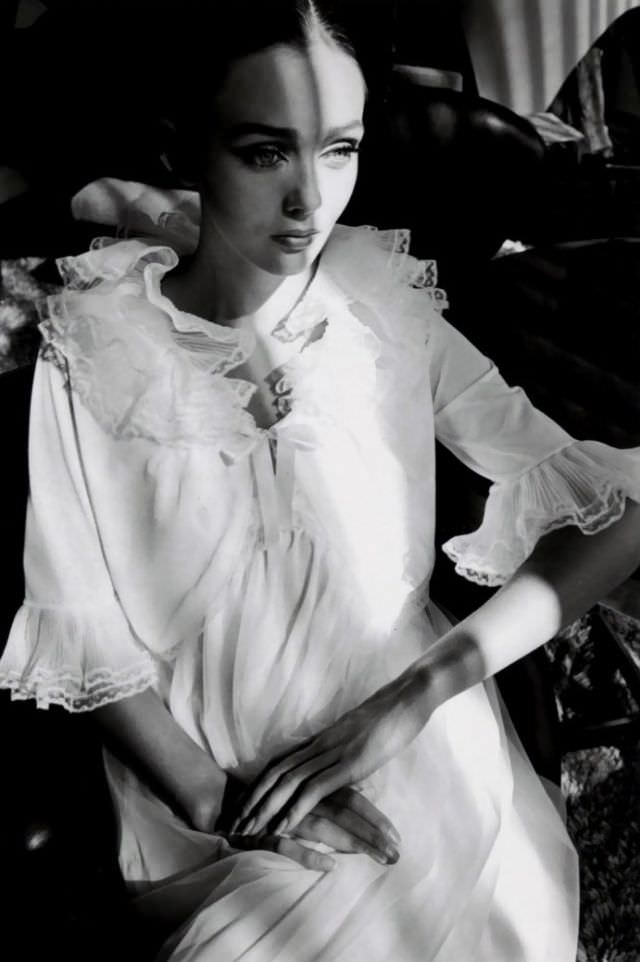
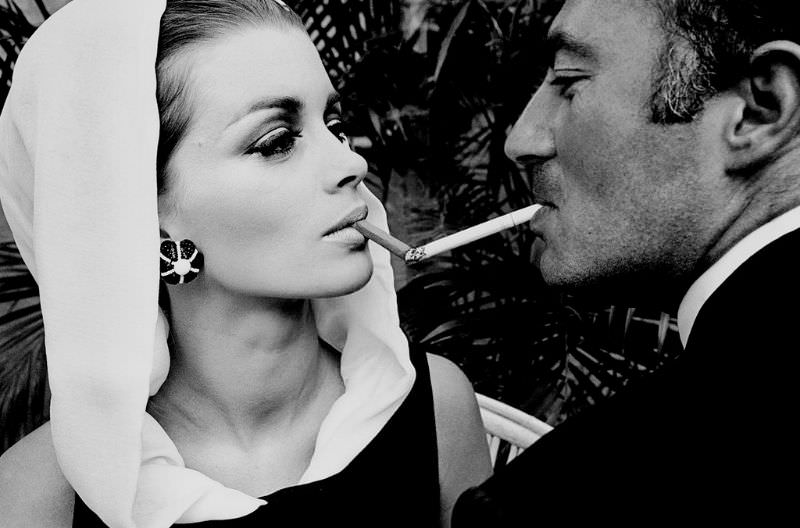
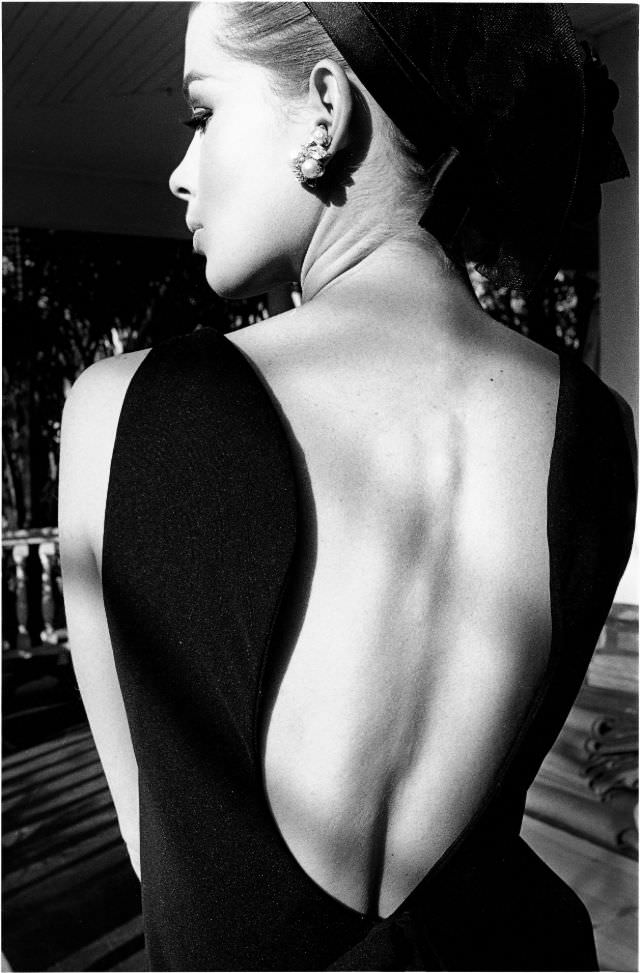
The Palm Beach shoots of 1964 brought a sun-drenched American glamour to Sieff’s portfolio. Model Astrid Heeren appeared across multiple frames that year, photographed against the backdrop of one of America’s wealthiest resort towns. The location gave his Harper’s Bazaar work a relaxed confidence that studio settings could not replicate.
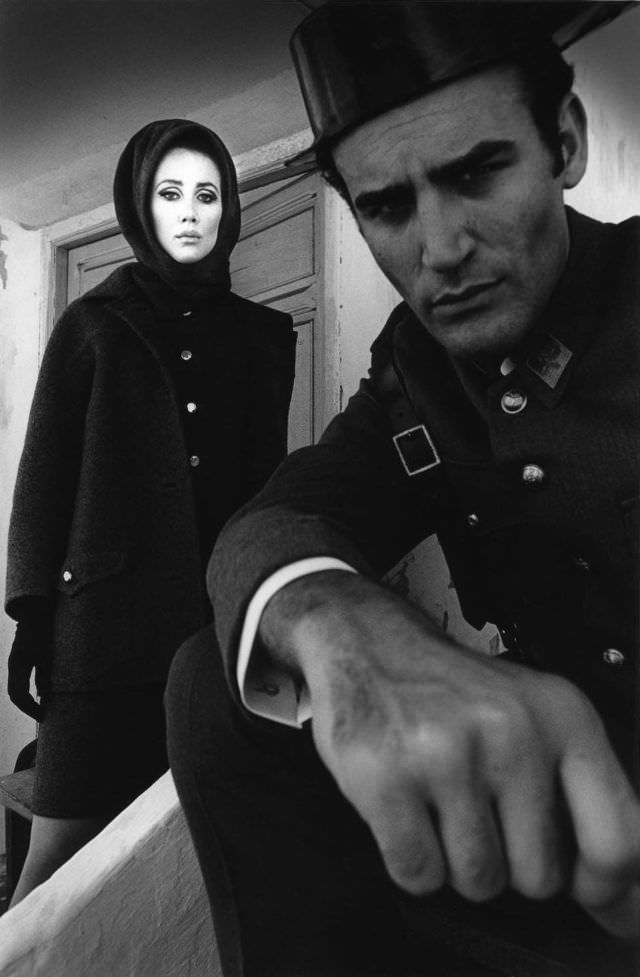
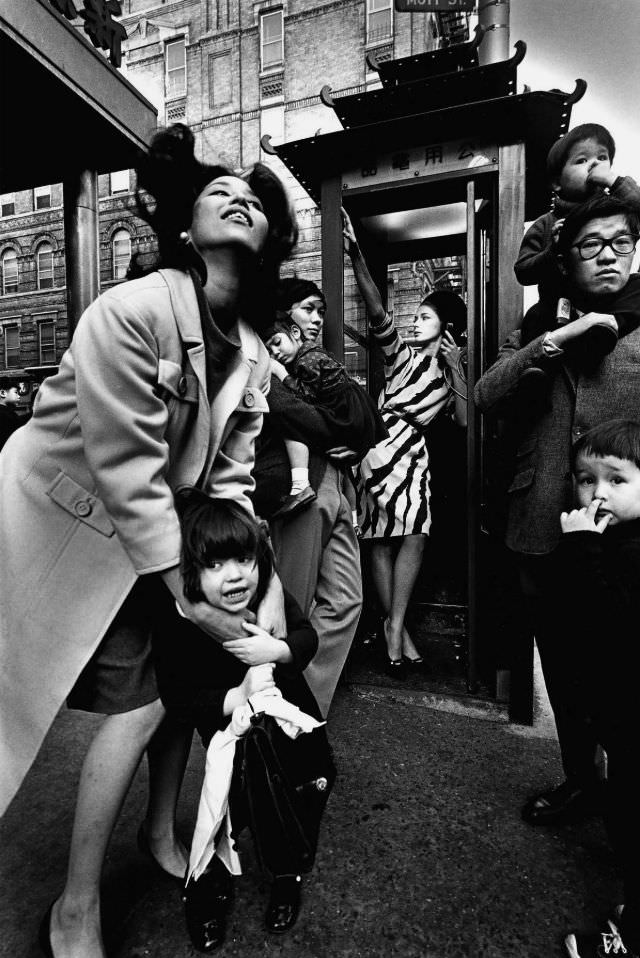
Sieff’s 1964 photograph of China Machado — one of the first non-white models to appear on a major American fashion magazine cover — alongside photographer Hiro and others is a candid slice of the New York fashion world at its most interconnected. These were the people shaping American style from the inside.
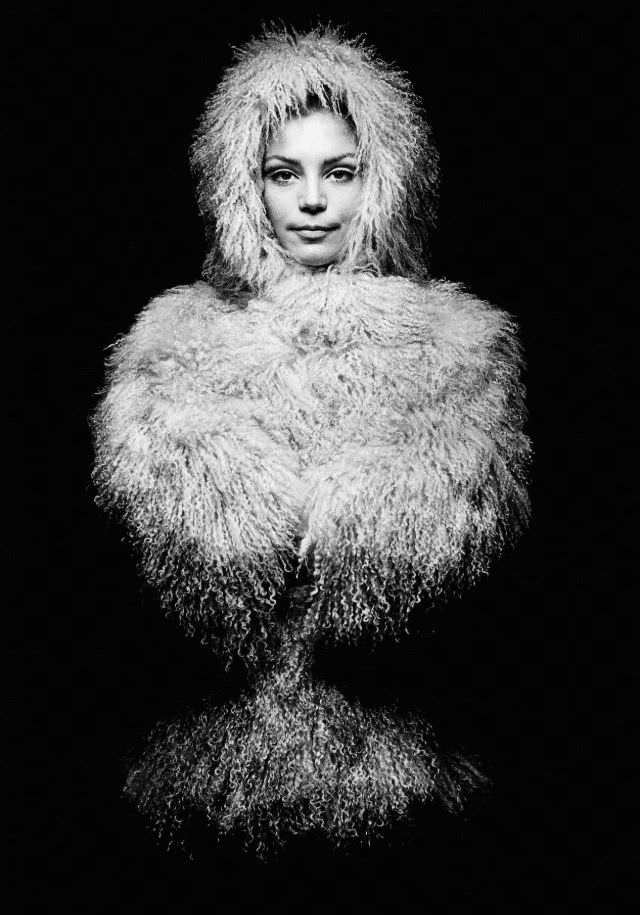
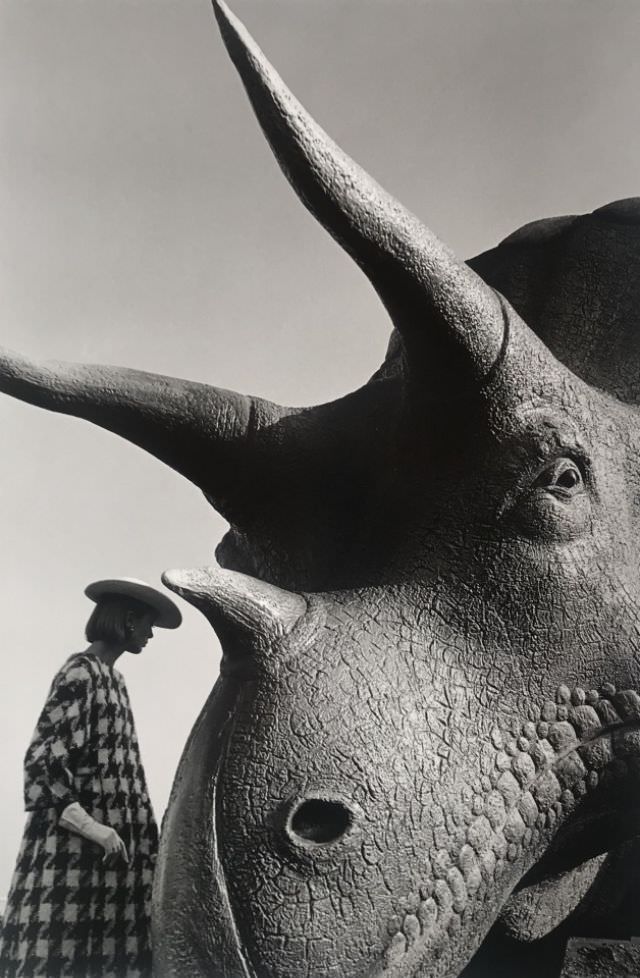
The 1964 World’s Fair in New York gave Sieff an unusual backdrop for a Harper’s Bazaar shoot. Ina Balke, photographed in a coat by Monte-Sano & Pruzan, stands against the Fair’s futuristic architecture — a collision of fashion and the era’s optimism about the future. It is one of the more distinctly time-stamped images of his career.
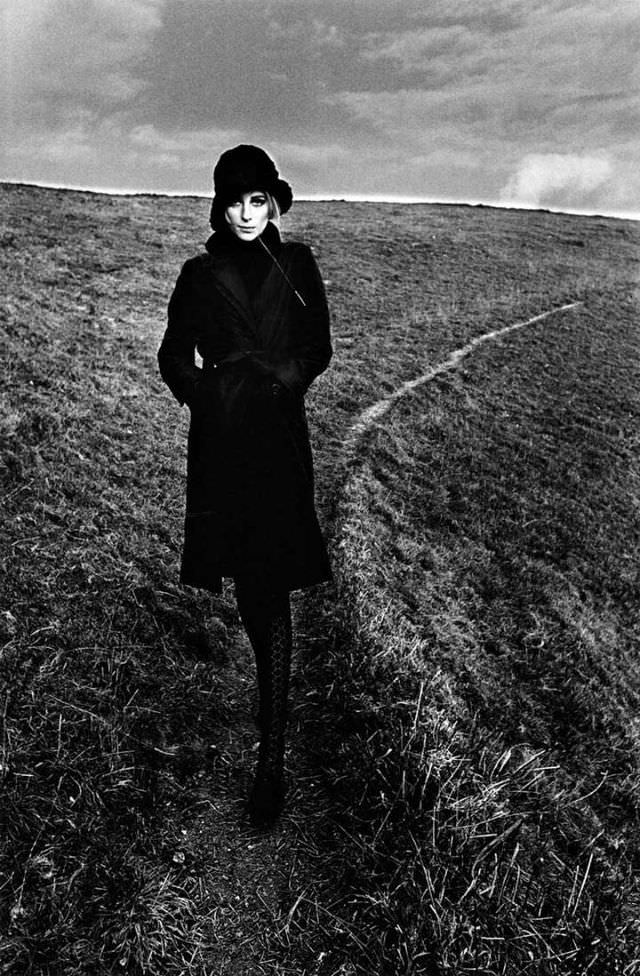
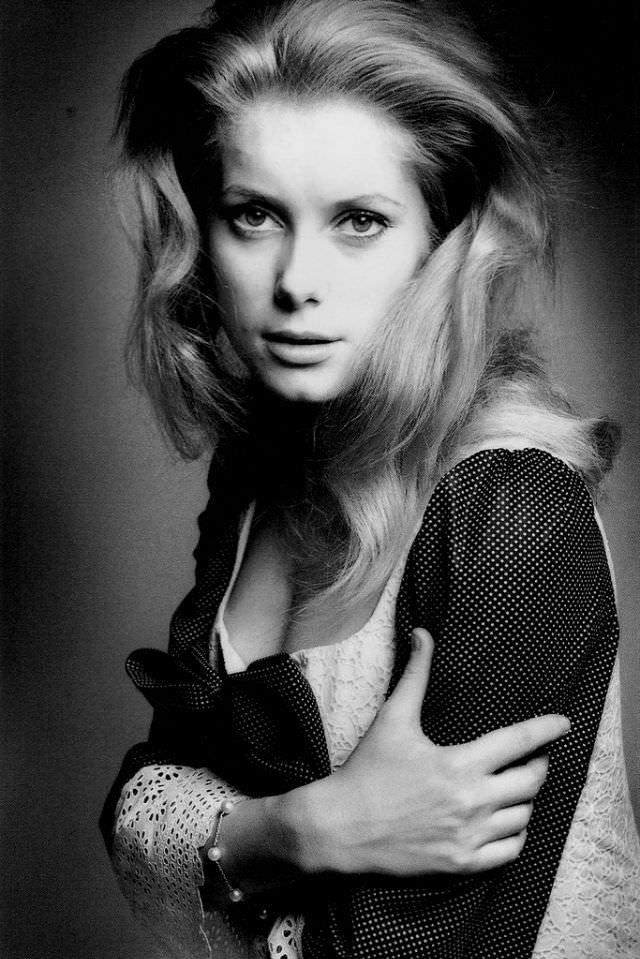
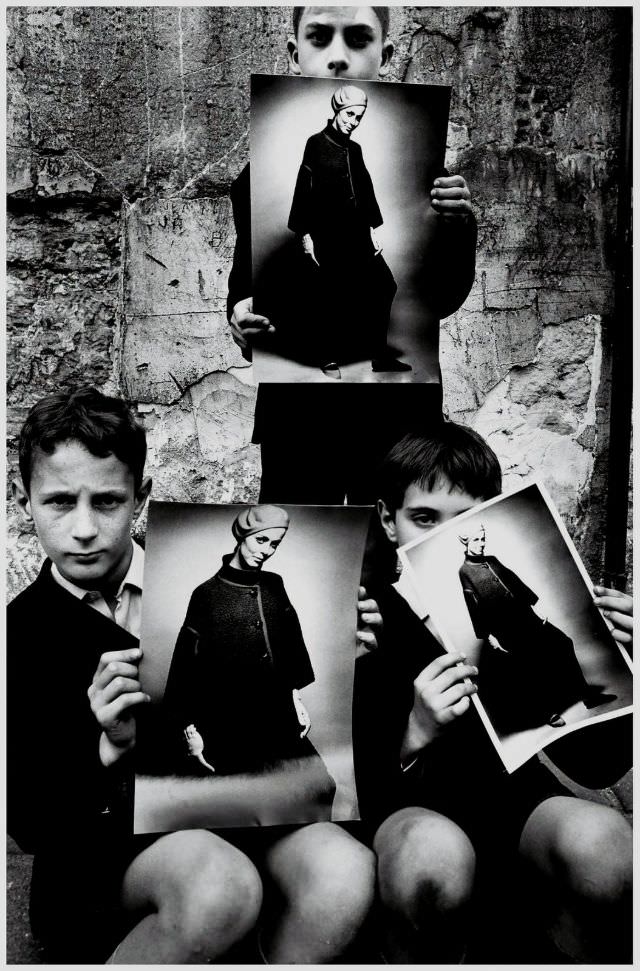
By 1965, Sieff was photographing some of the most famous faces in European culture. Catherine Deneuve — already established as one of France’s defining film stars — sat for Sieff that year, as did British model Pattie Boyd, who was then at the height of her fame. Both photographs show Sieff’s ability to capture celebrity without reducing his subjects to mere icons.
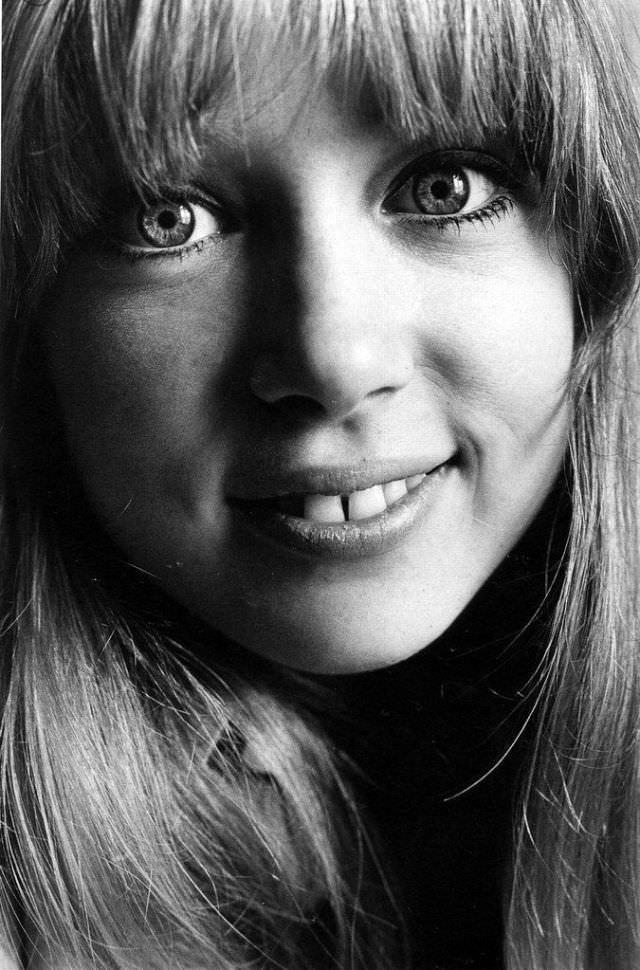
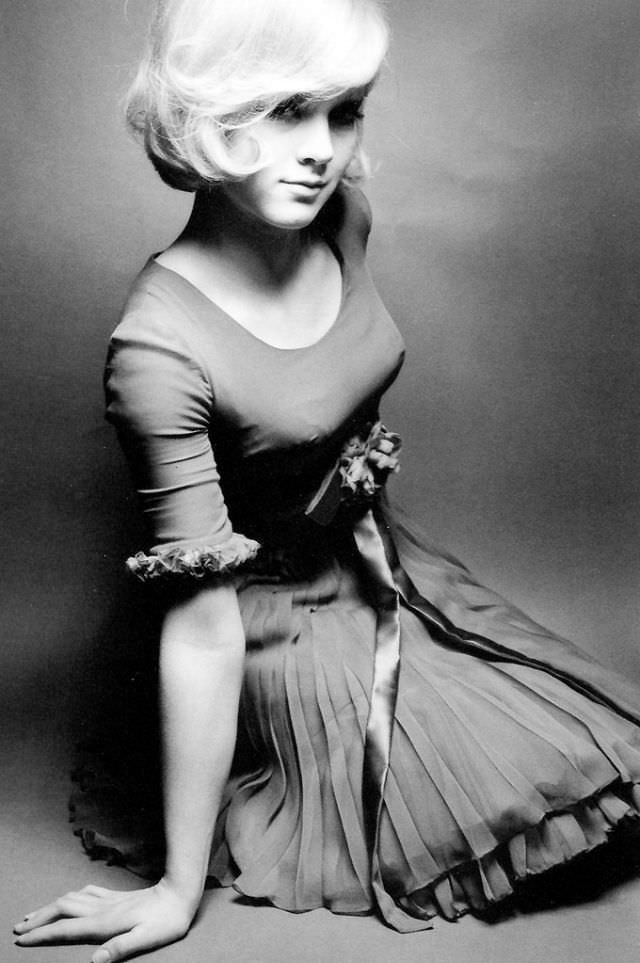
French pop star Sylvie Vartan was photographed by Sieff in Paris in 1965, at the peak of her yé-yé fame. Vartan’s image — youthful, energetic, deeply tied to the sounds and styles of mid-1960s France — fit naturally into Sieff’s growing portfolio of cultural figures who defined their moment.
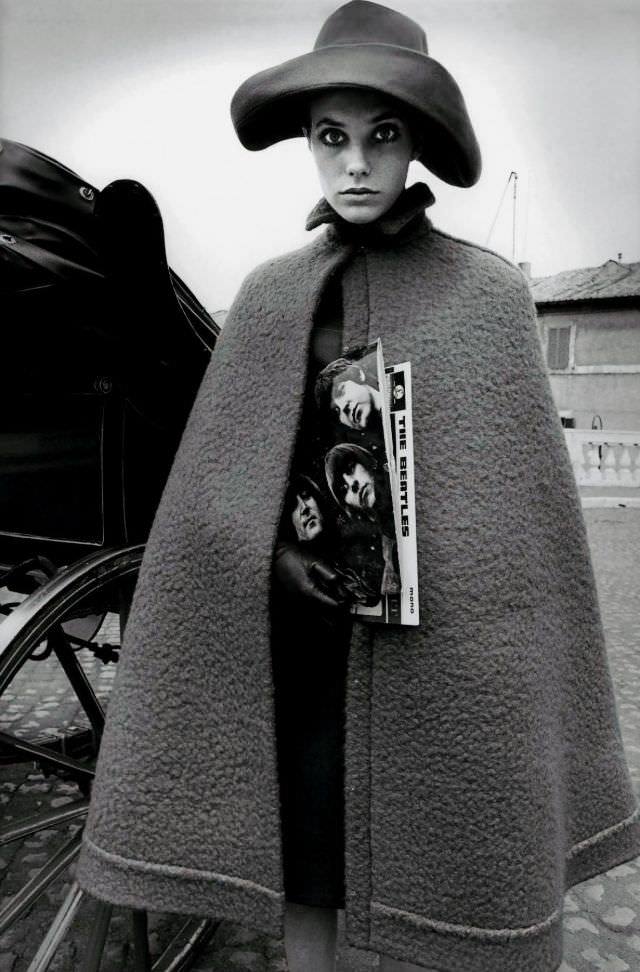
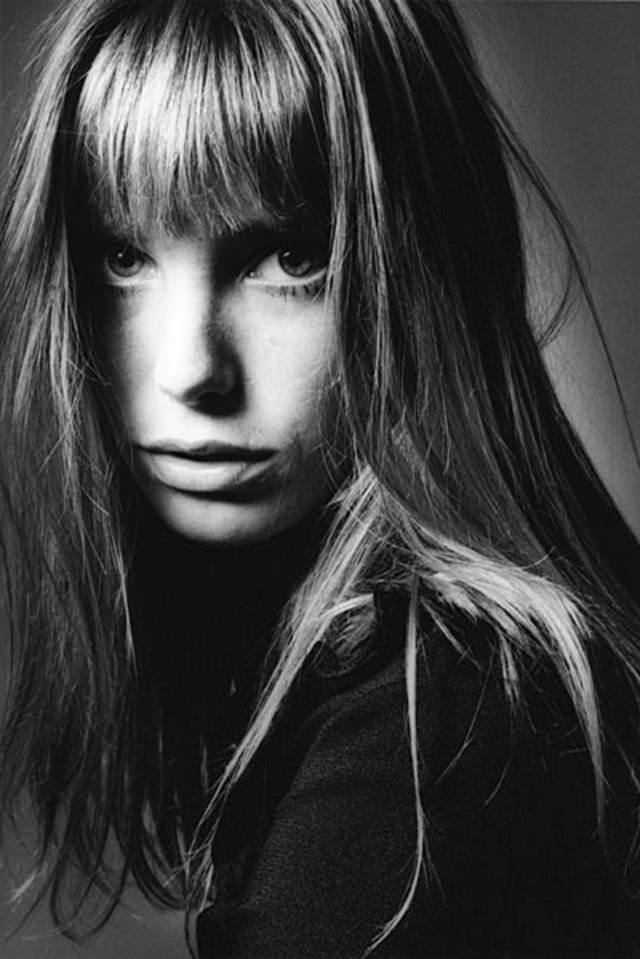
Jane Birkin, the British actress and model who became a central figure in French popular culture, first appeared in Sieff’s work in 1966. She would sit for him again in 1968, and the two photographs together trace her rising profile across those years. Birkin’s natural ease in front of a camera made her a natural subject for Sieff’s style.
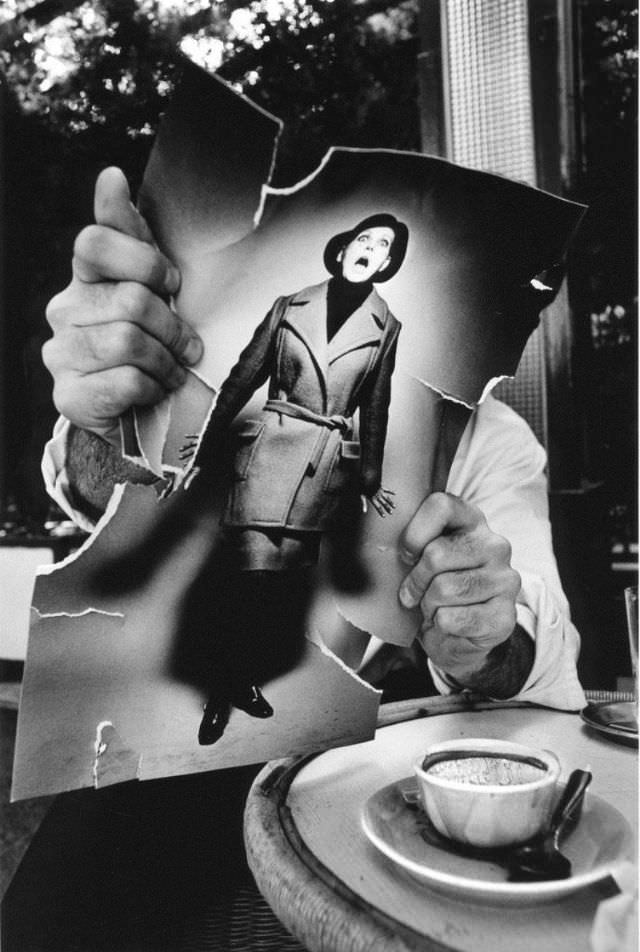
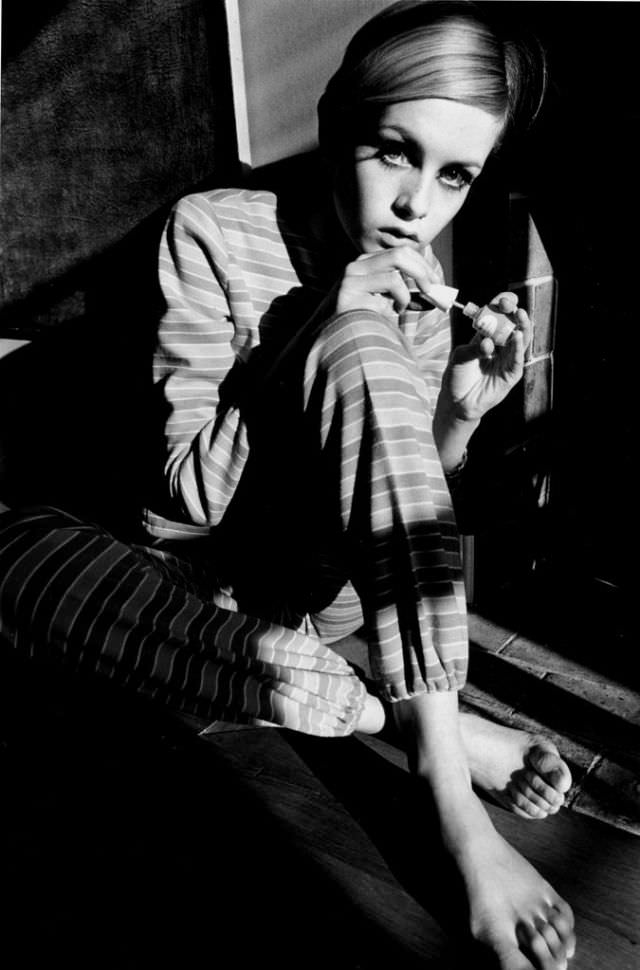
Twiggy arrived on the world stage in 1966 as the defining face of the decade’s fashion revolution. Her sharp features, close-cropped hair, and thin frame broke completely from the curves that had dominated modeling in the 1950s. Sieff photographed her that year and again in 1967, producing two very different portraits of the same cultural phenomenon.
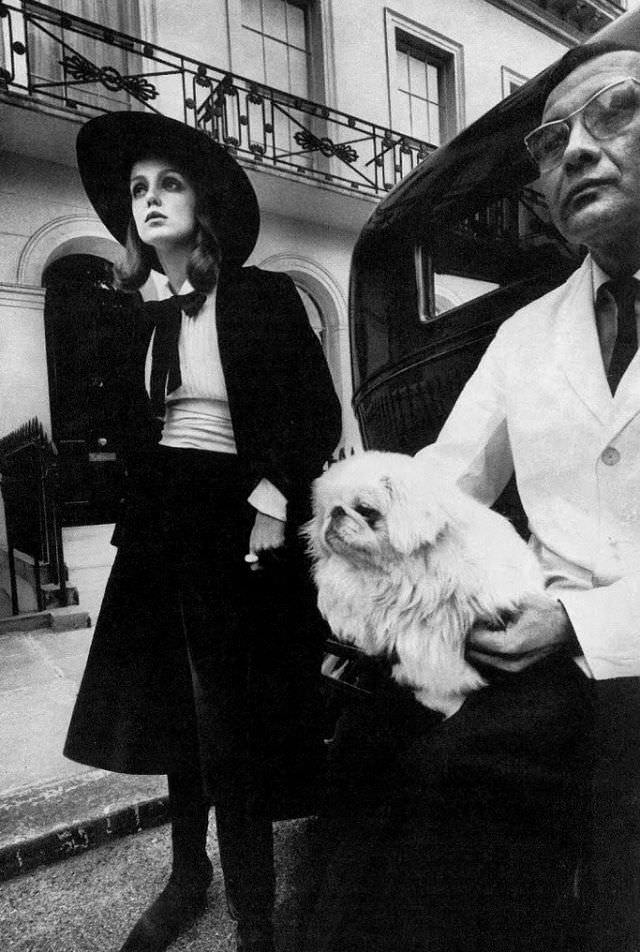
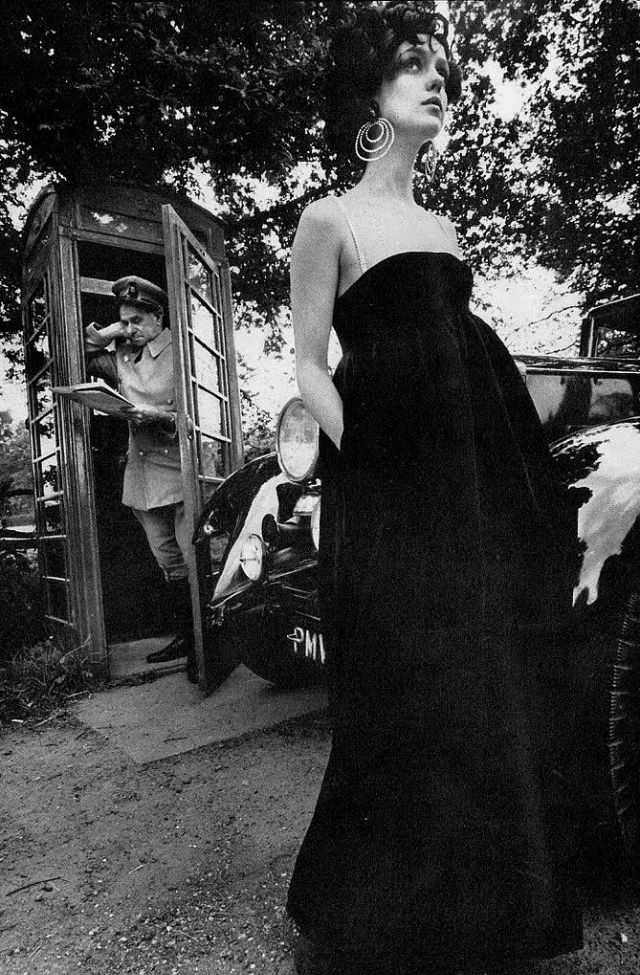
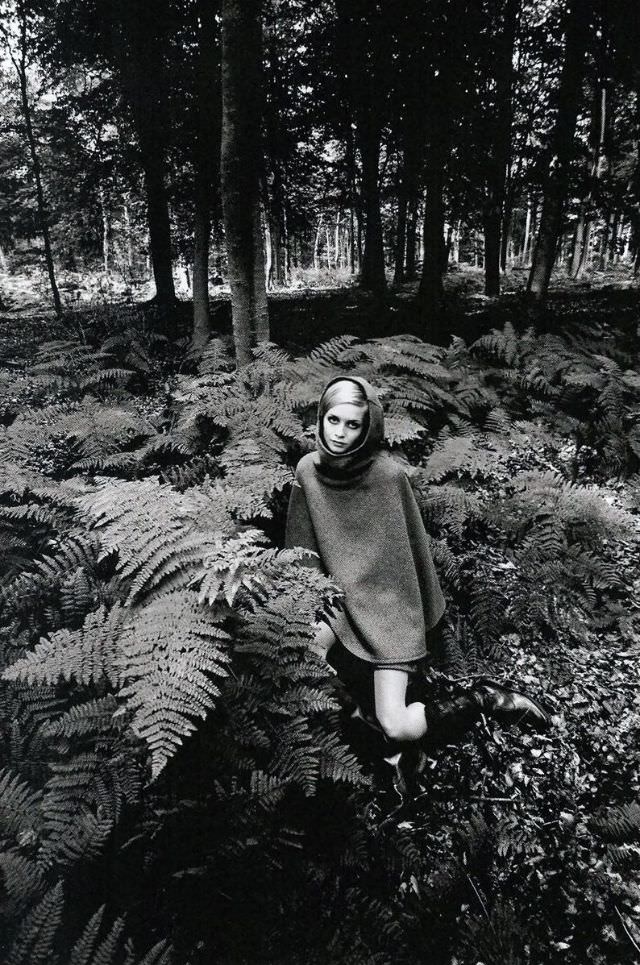
Model Donna Mitchell appeared in Vogue’s October 1967 issue wearing a black velvet gaucho-inspired suit — one of the decade’s more adventurous silhouettes. Sieff’s framing gave the garment room to read clearly while keeping his subject at the center. His 1967 image of Twiggy in the bracken took a different approach entirely: natural, textured, and deliberately unpolished.
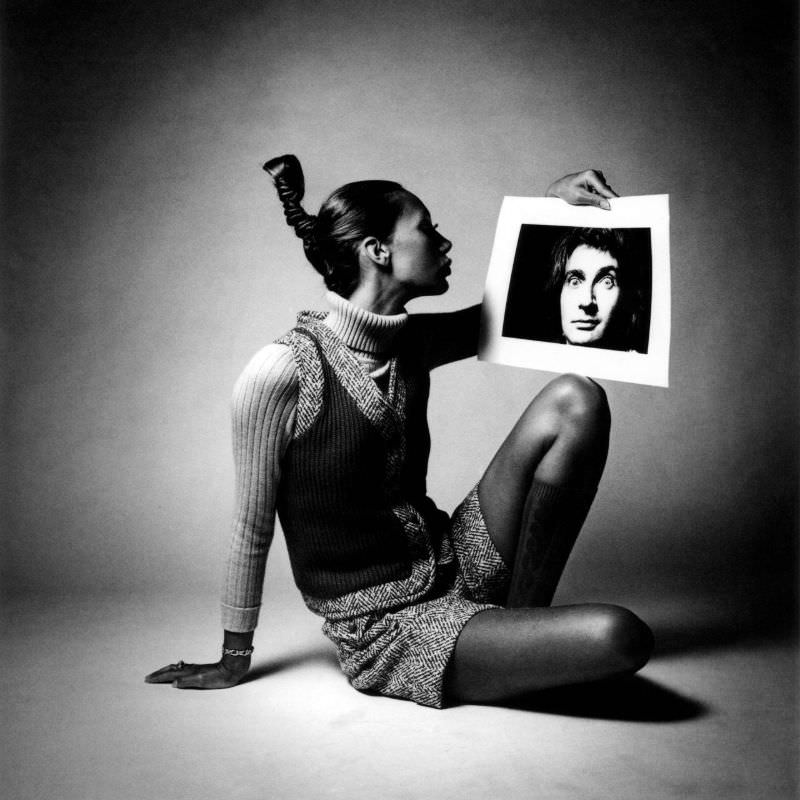
Sieff’s October 1968 Vogue shoot featured model and actress Marisa Berenson — granddaughter of designer Elsa Schiaparelli — alongside the photographer himself. Like his earlier self-portrait, the image collapses the boundary between photographer and subject, a choice that was both personal and deliberate.
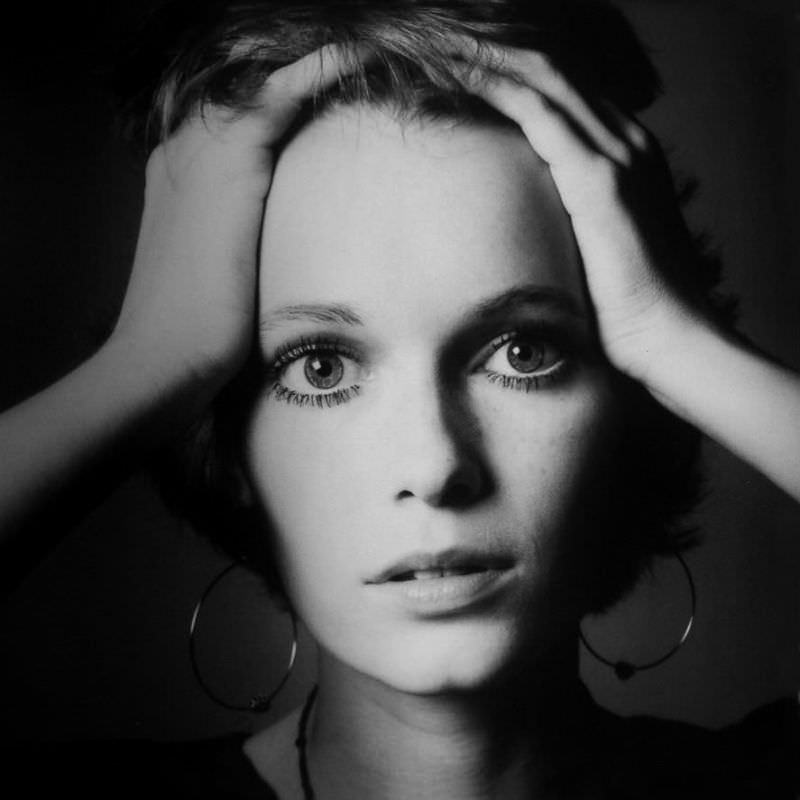
Mia Farrow in 1968 was one of the most photographed women in the world, fresh from her starring role in Rosemary’s Baby. Sieff’s portrait of her that year captures something quieter than the media frenzy surrounding her — a stillness that his best celebrity portraits consistently achieved.
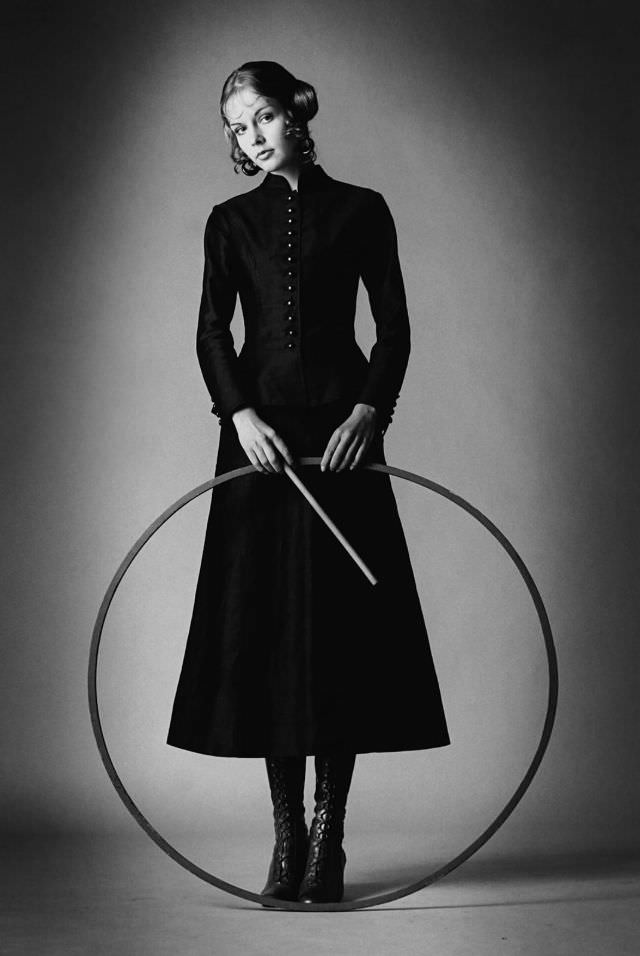
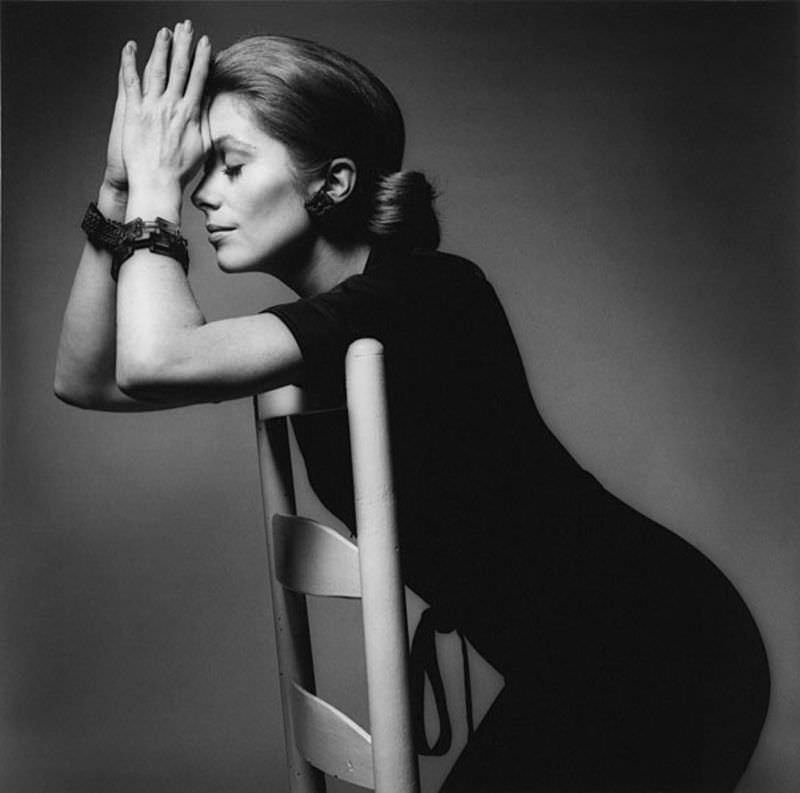
As the decade closed, Sieff photographed his wife Barbara Rix — an intimate portrait that sits apart from his professional assignments. He also returned to Catherine Deneuve for a second sitting in 1969, four years after their first session. The contrast between the two women in his lens that year underlines the range of his personal and professional world.
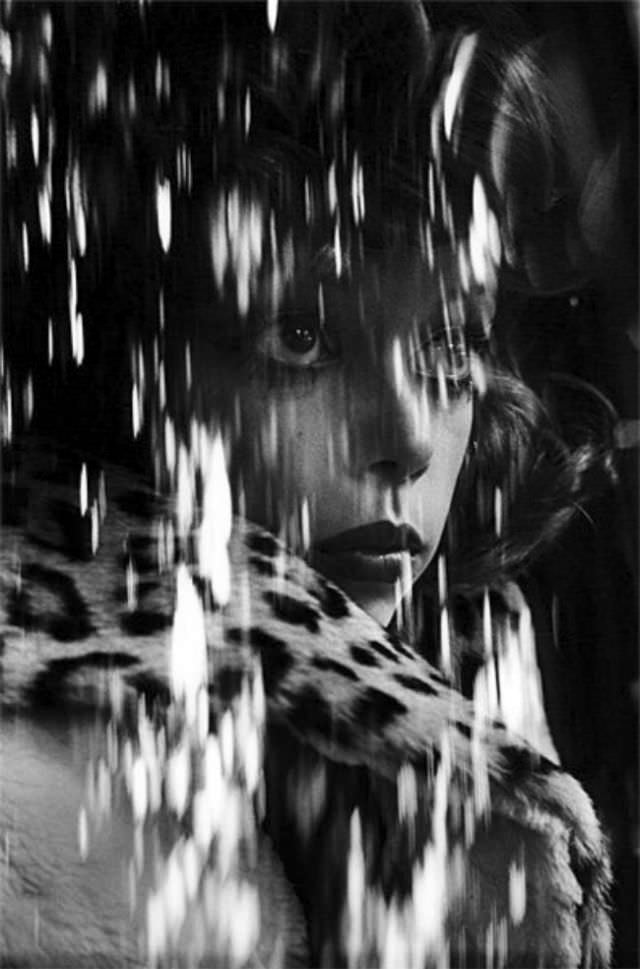
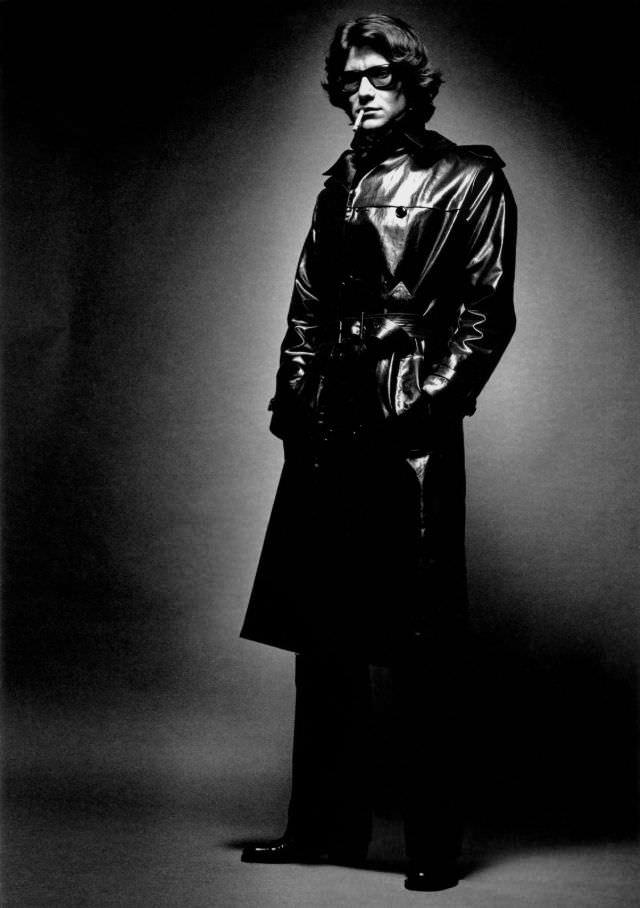
Sieff’s 1969 portrait of Yves Saint Laurent — one of the most influential designers of the twentieth century — brought together two figures who each defined their craft with precision and intention. Sieff went on to earn the Prix Niepce, the Chevalier des Arts et Lettres in 1981, and the Grand Prix National de la Photographie in 1992. He died in Paris in 2000 at the age of 66. His daughter, Sonia Sieff, carries the family’s photographic legacy forward as an accomplished photographer in her own right.