In 1967, San Francisco was the center of a seismic shift in American music. Two women stood at the front of that shift: Janis Joplin, the raw, blues-drenched voice of Big Brother and the Holding Company, and Grace Slick, the sharp, commanding singer of Jefferson Airplane. The press loved to frame them as rivals. They were not.
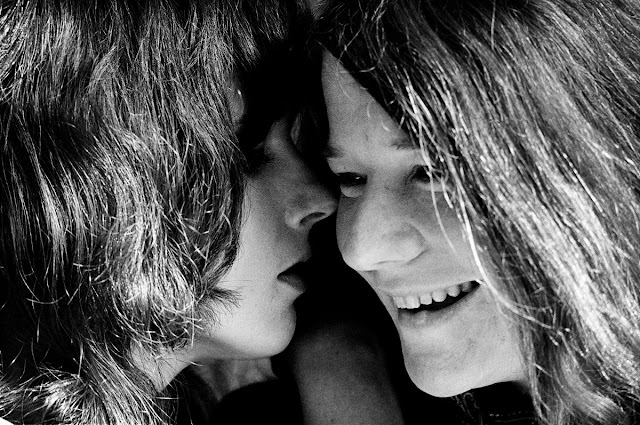
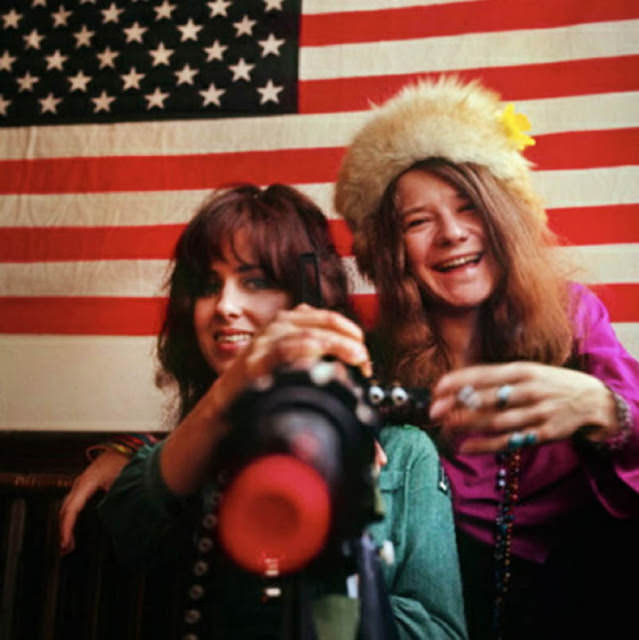
Photographer Jim Marshall captured their real dynamic shortly after the Monterey Pop Festival in the summer of 1967. Marshall was already known for getting rock musicians to drop their guard in front of his camera. This session was no different. There were no stylists, no hair and makeup teams — just Joplin and Slick together, relaxed and unscripted.
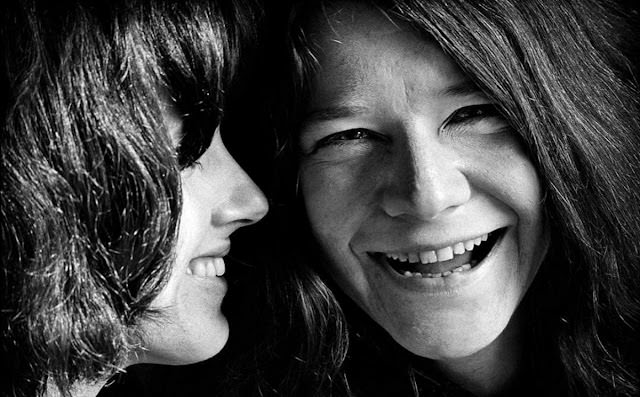
Marshall later noted that by the end of the shoot, everyone was getting silly and clowning around. That looseness shows in the photographs. The two women are at ease with each other in a way that can’t be staged. These are the only known photographs of Joplin and Slick together.
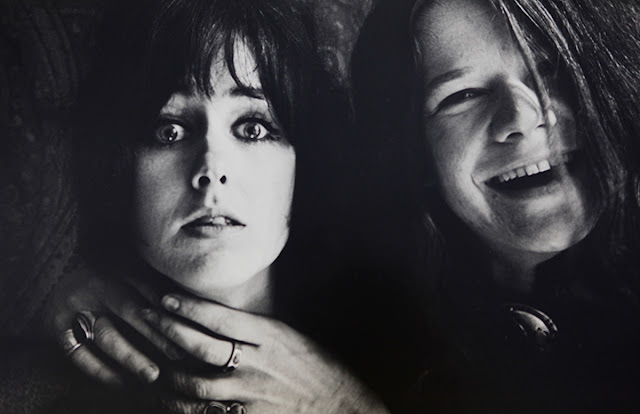
Grace Slick spoke directly about her friendship with Joplin. She described Joplin as “fun to be with, very vocal, very outspoken, very funny” — a side of Joplin that popular culture often buried under the image of a tortured, tragic singer. Slick’s words point to a woman who was sharp, energetic, and genuinely good company.
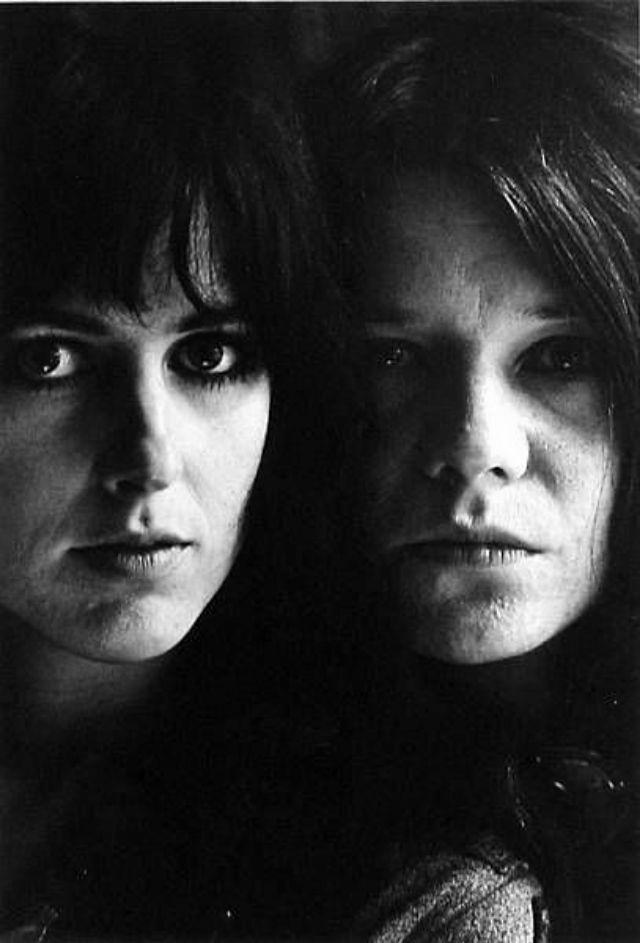
Both women were operating in an industry dominated by men. They led their bands, wrote or chose their own material, and performed with an intensity that drew massive crowds. At Monterey in June 1967, both delivered landmark sets that cemented their reputations on a national stage.
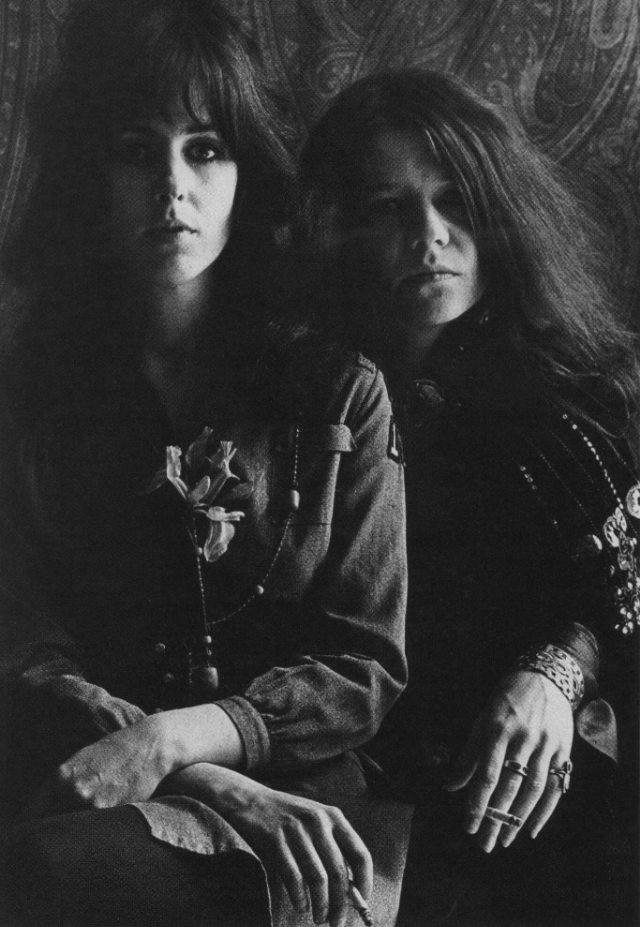
Marshall’s approach throughout his career was to document musicians in genuine moments rather than posed publicity shots. His archive includes defining images of Johnny Cash, Jimi Hendrix, and the Rolling Stones. The Joplin-Slick session fits squarely into that tradition — two subjects photographed as people first, icons second.
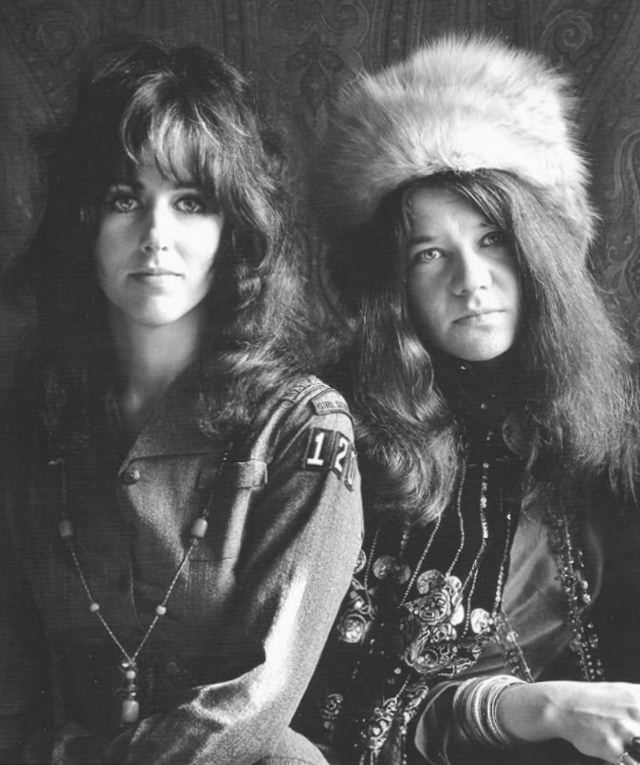
The photos also serve as a time stamp. San Francisco in 1967 was months into what would become known as the Summer of Love. The Haight-Ashbury neighborhood was packed with young people drawn by the music, the politics, and the culture forming around both. Joplin and Slick were not observers of that scene — they were central to it.
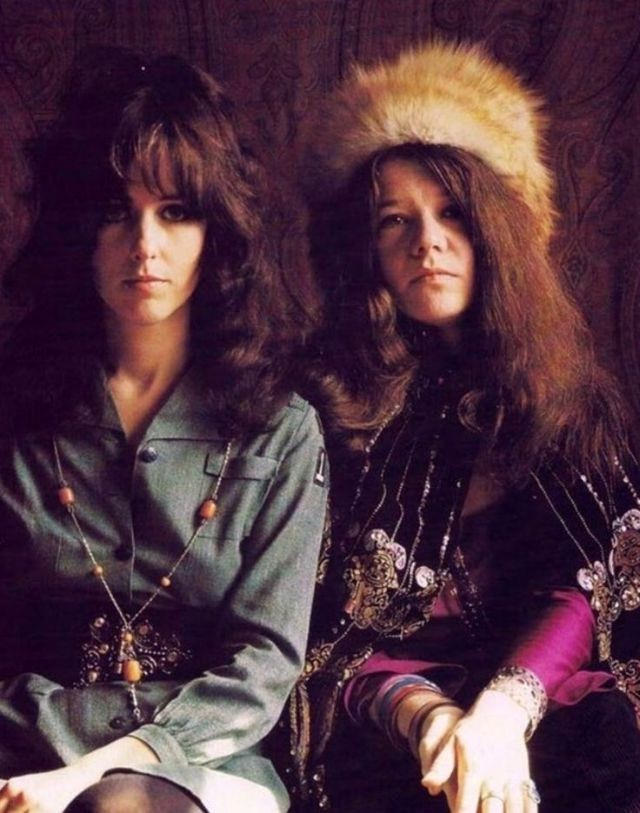
Jefferson Airplane had released “Surrealistic Pillow” earlier that year, featuring Slick on “Somebody to Love” and “White Rabbit” — both Top 40 hits. Joplin’s national profile was still rising after Monterey but would explode with the release of “Cheap Thrills” the following year.
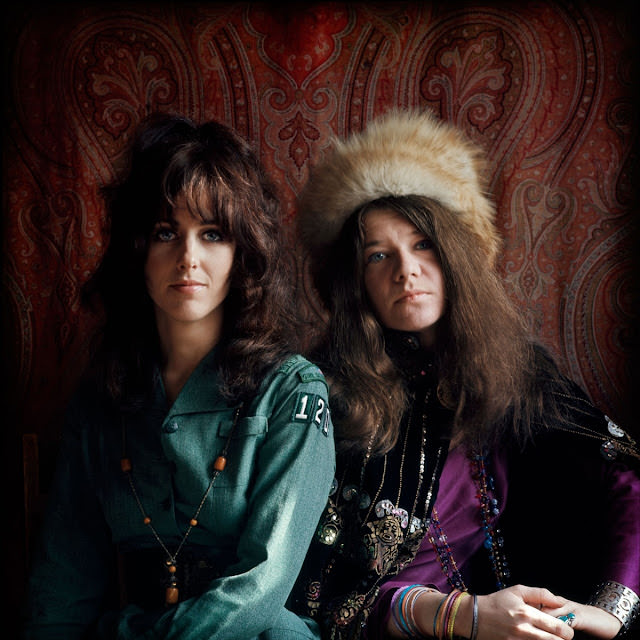
Marshall’s session caught both women at a specific, unrepeatable moment — before the full weight of fame settled in, before the decade’s harder years took hold. Joplin died in October 1970 at age 27. The photographs remain the only visual record of the two of them sharing the same space.
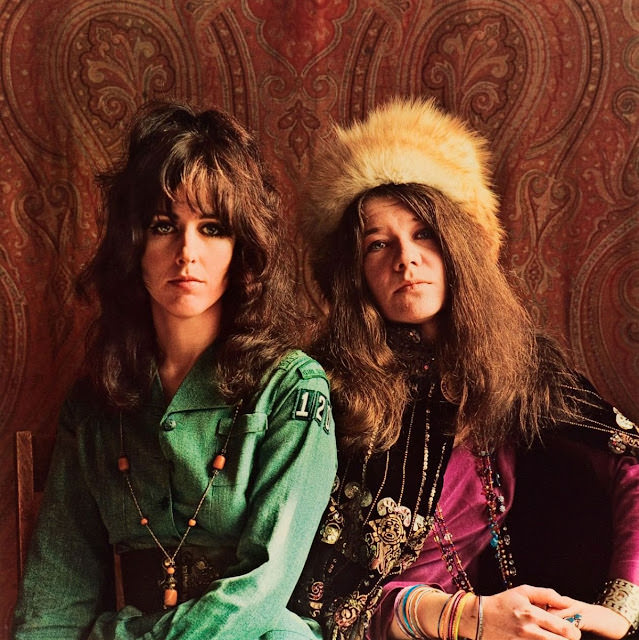
What Jim Marshall produced that day was not a promotional shoot or a magazine assignment. It was a candid record of a genuine friendship between two of rock’s most important figures, preserved at the exact moment their world was at its most alive.