The 1970s threw out the rulebook on interior design. Furniture stopped being stiff and formal, and seating became a statement — bold, low, strange, and sometimes outright bizarre. Designers chased new materials, wild shapes, and a laid-back lifestyle that traditional chairs simply couldn’t deliver.
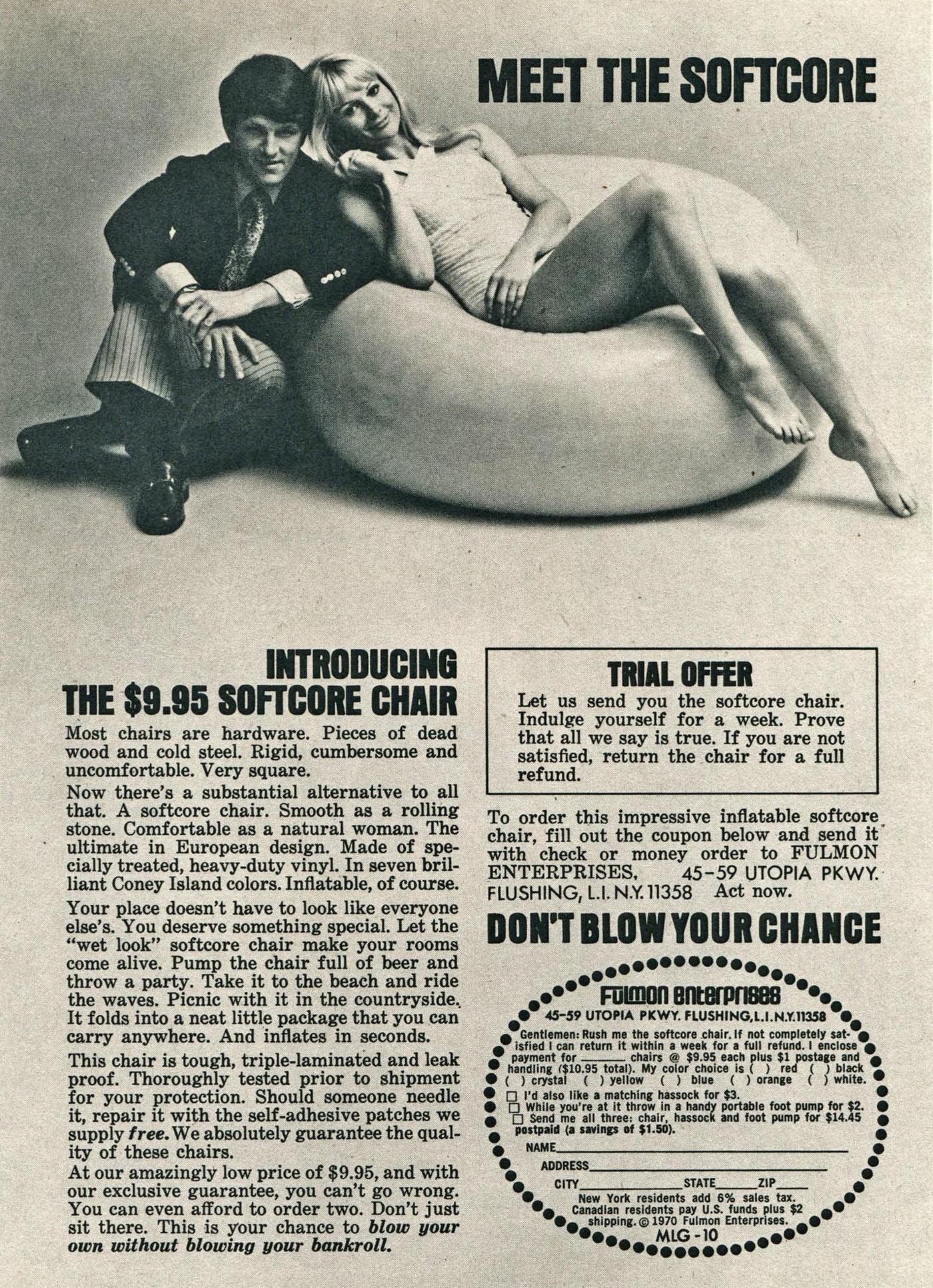
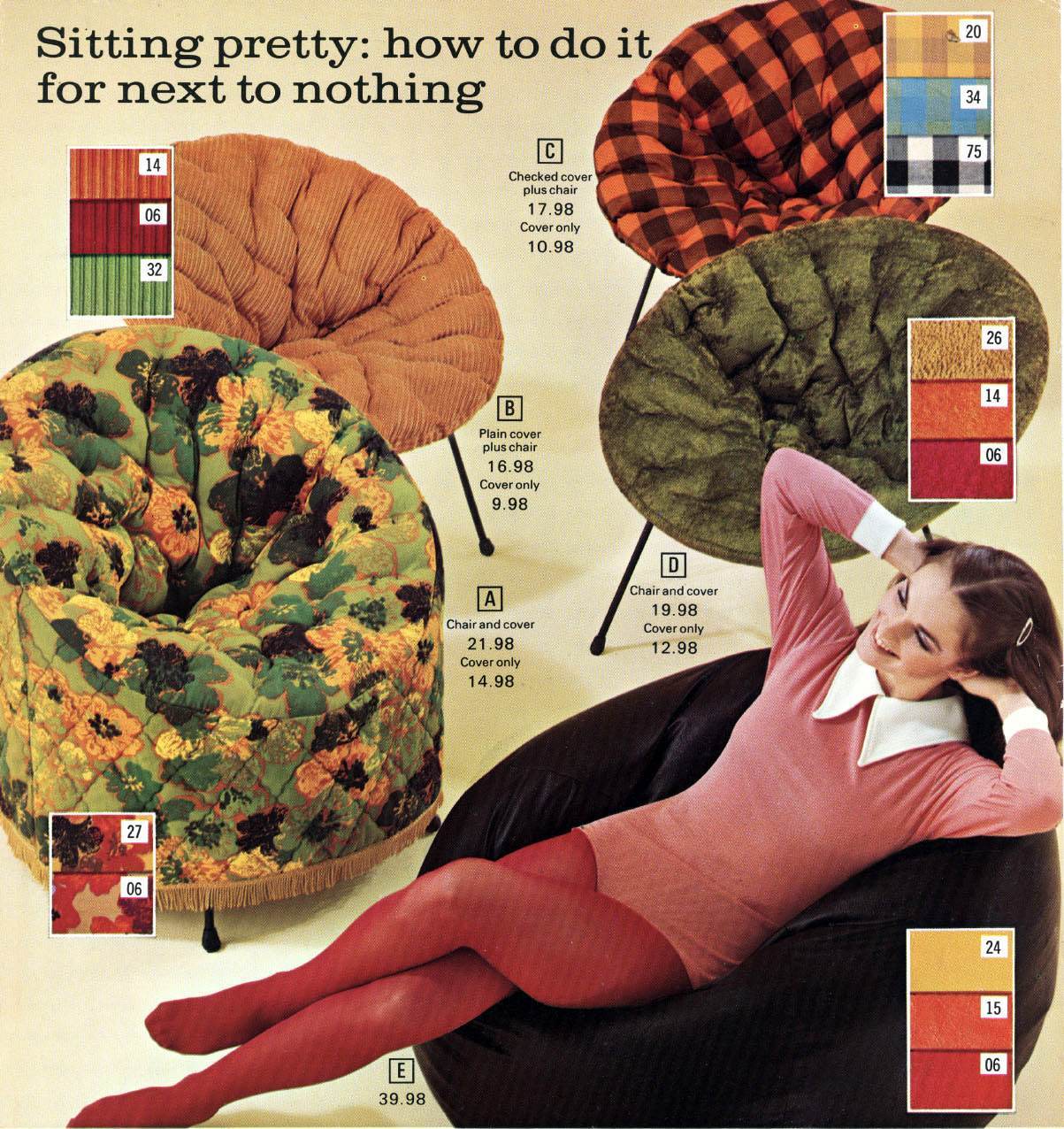
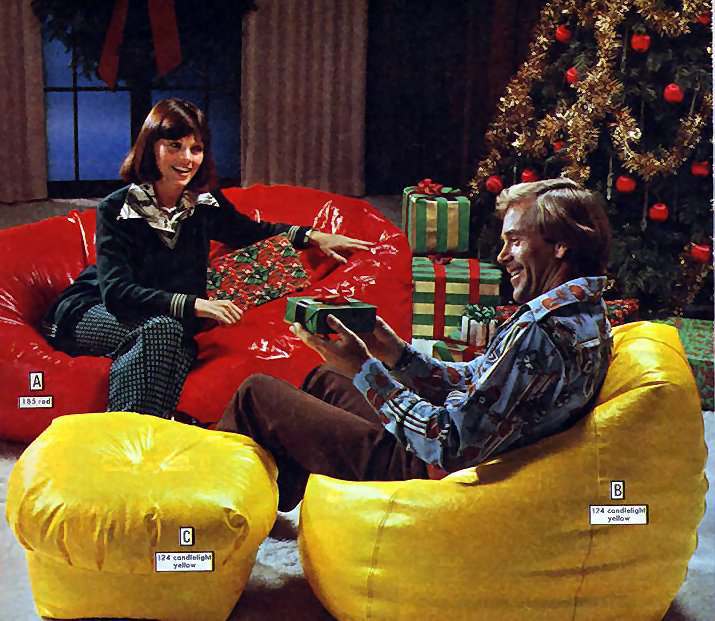
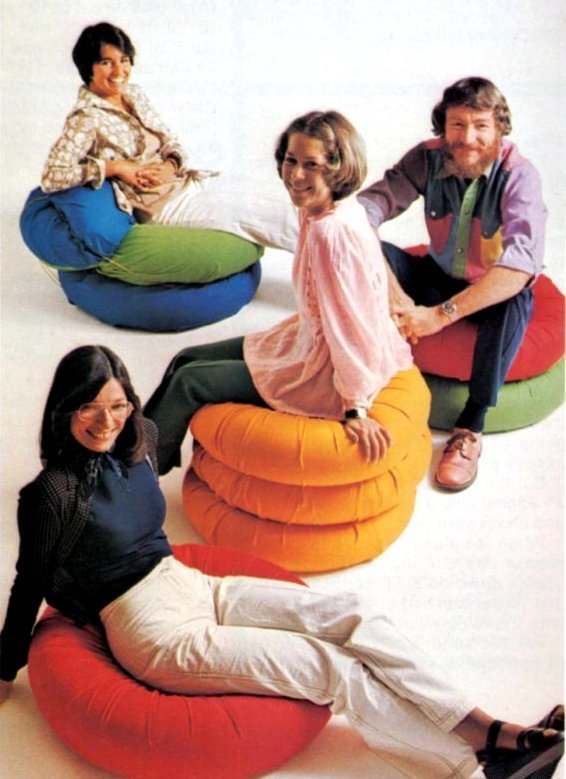
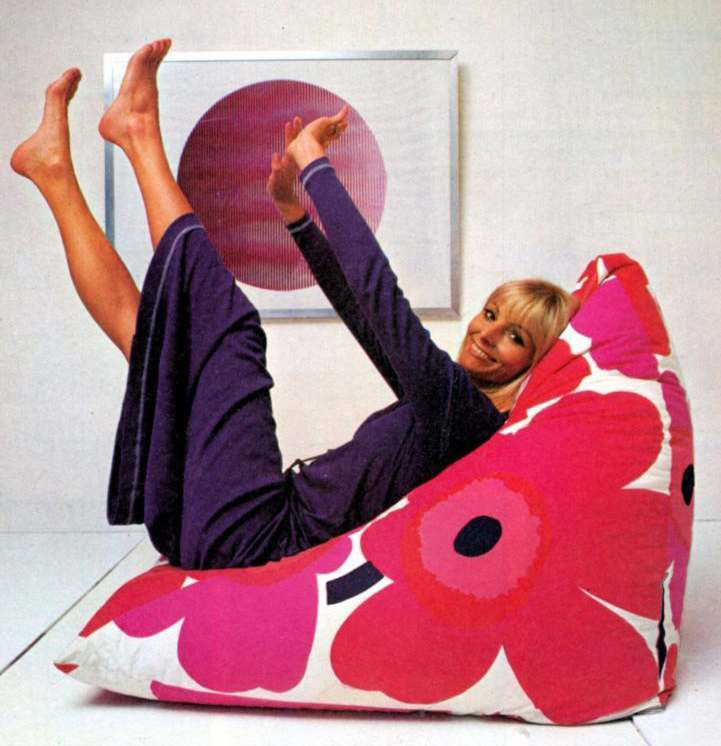
One of the decade’s most recognizable pieces was the beanbag chair. Large bags filled with foam pellets or small plastic beads, they collapsed around your body the moment you sat down. They were cheap, lightweight, and easy to drag across a shag carpet. No legs, no arms, no fuss.
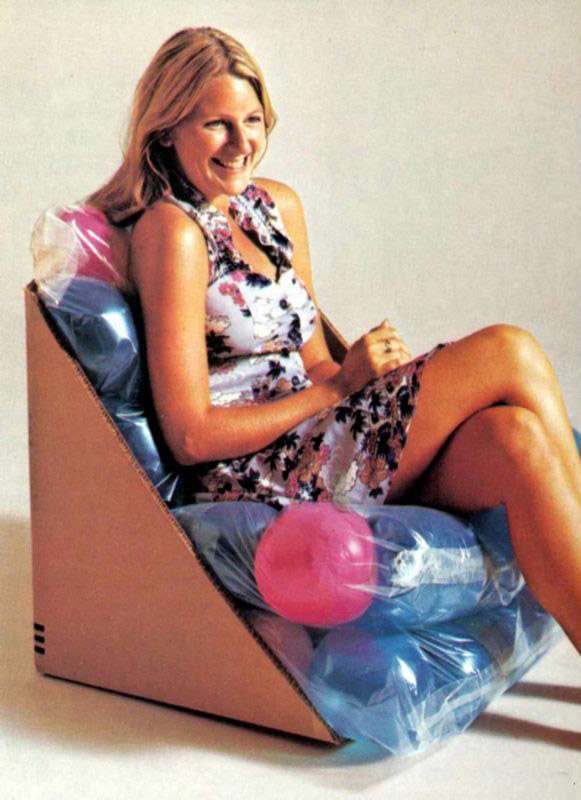
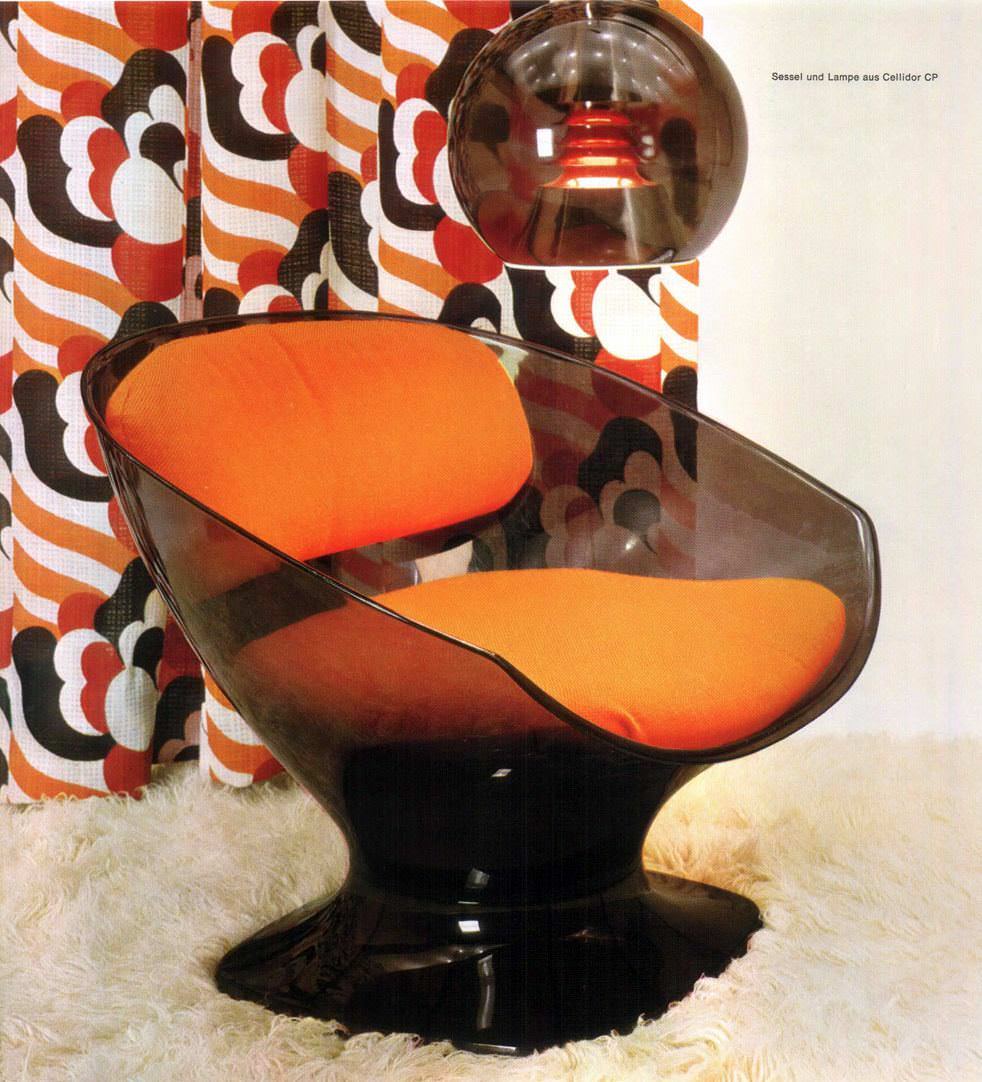
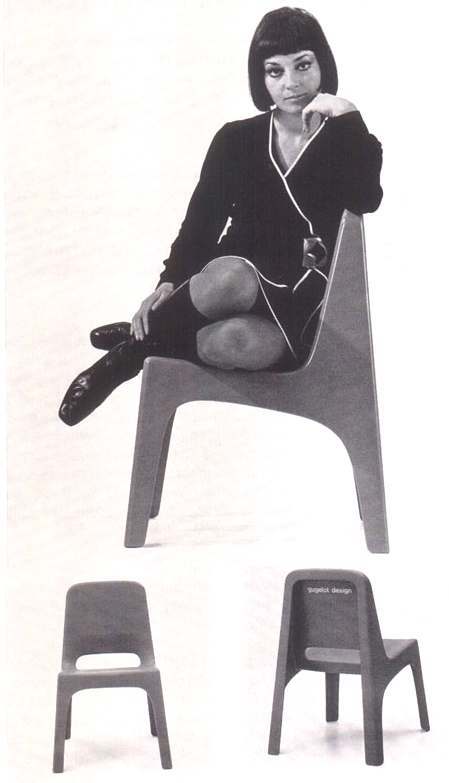
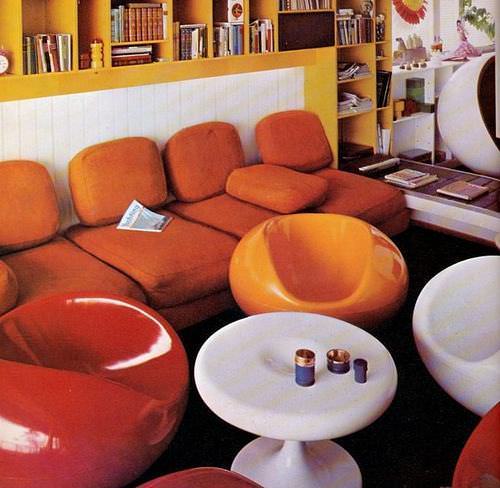
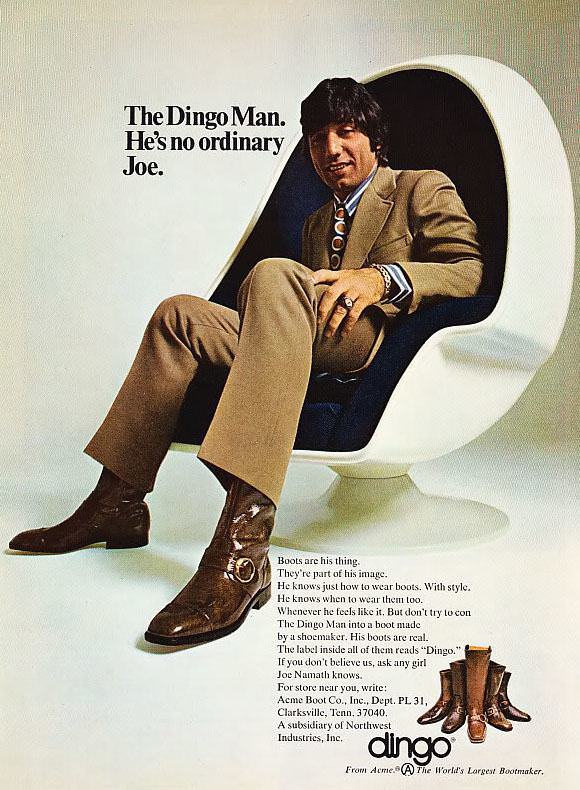
Molded plastic and fiberglass chairs took design in a completely different direction. Built from a single piece of material, these chairs arrived in smooth, curved, or geometric forms that looked like they belonged on a space station. Bright oranges, avocado greens, and harvest golds were standard color choices.
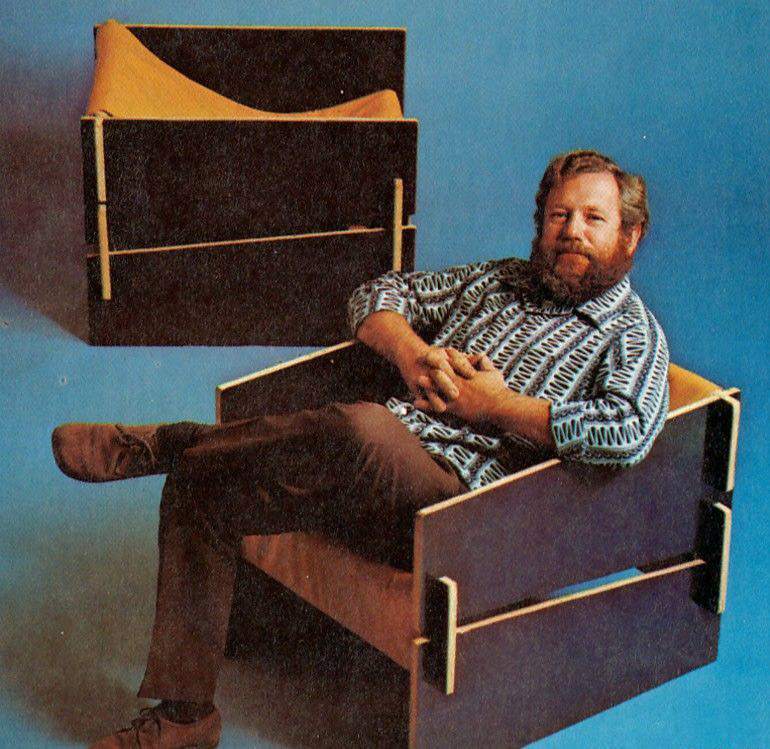
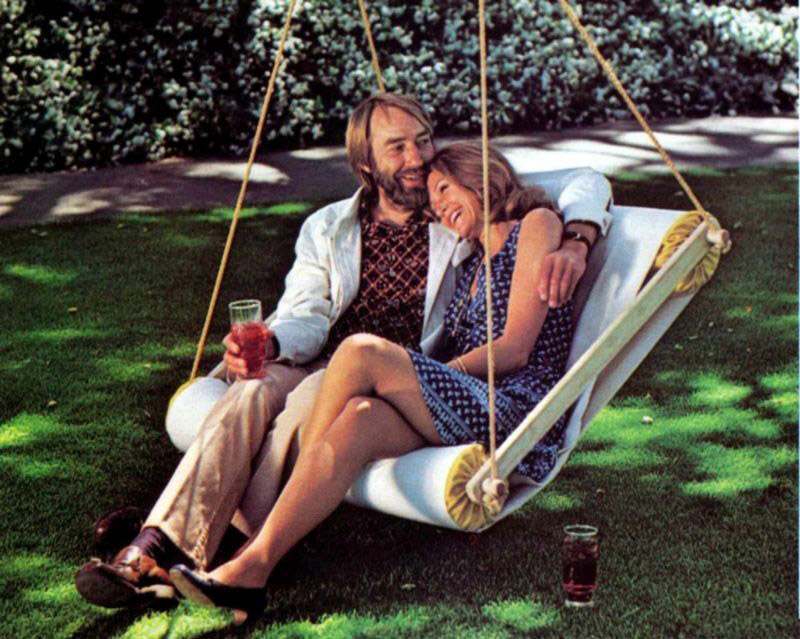
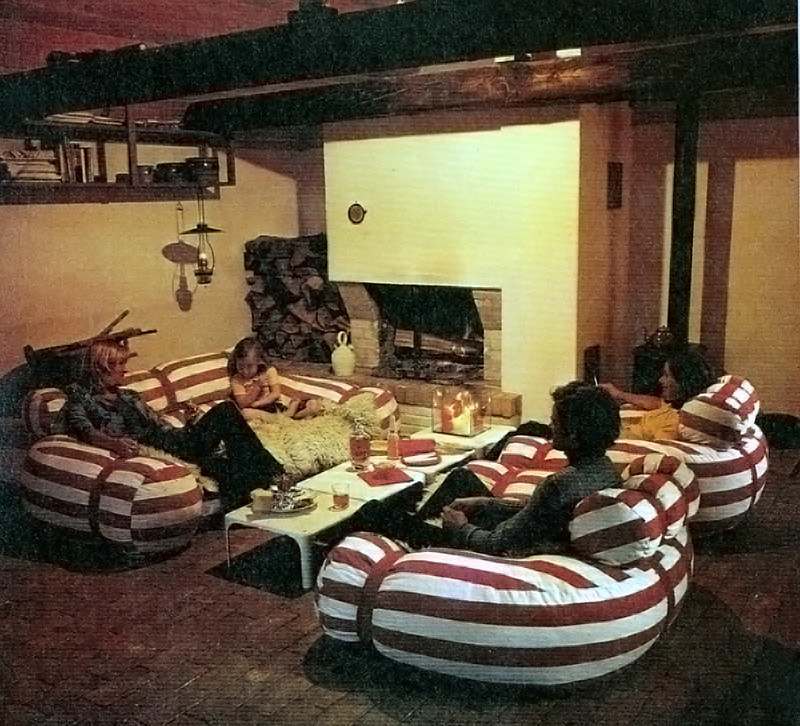
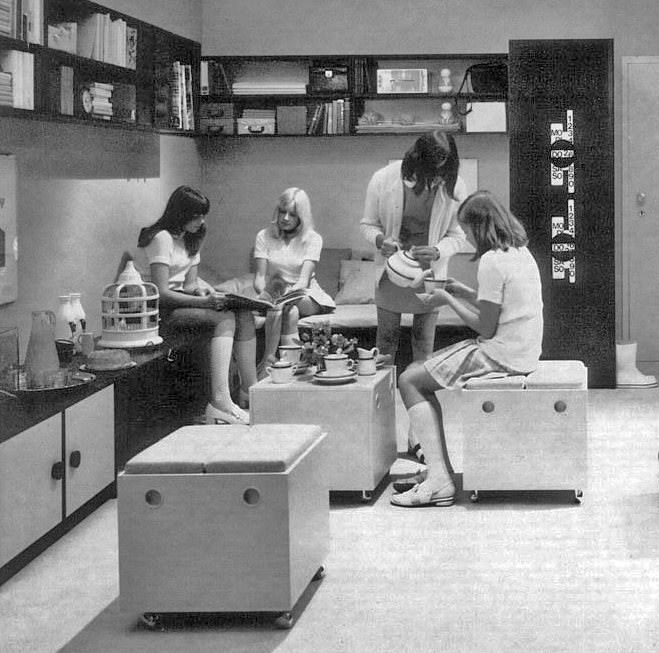
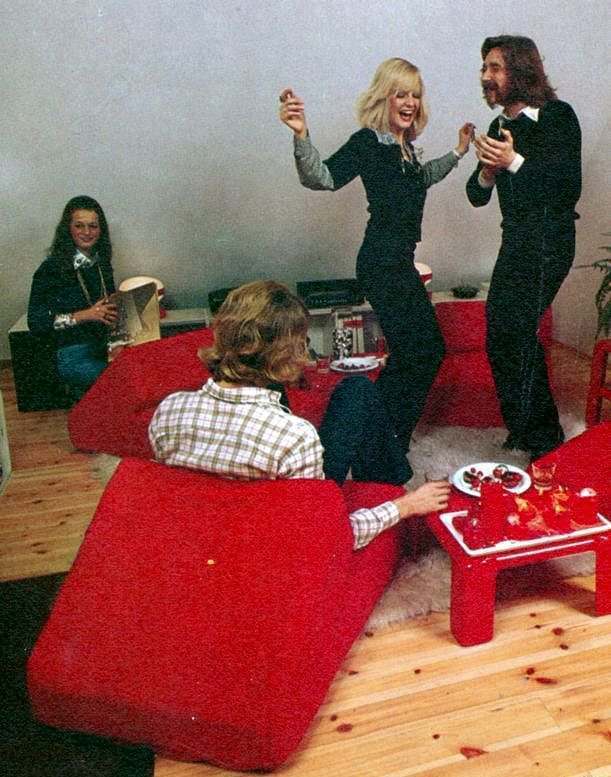
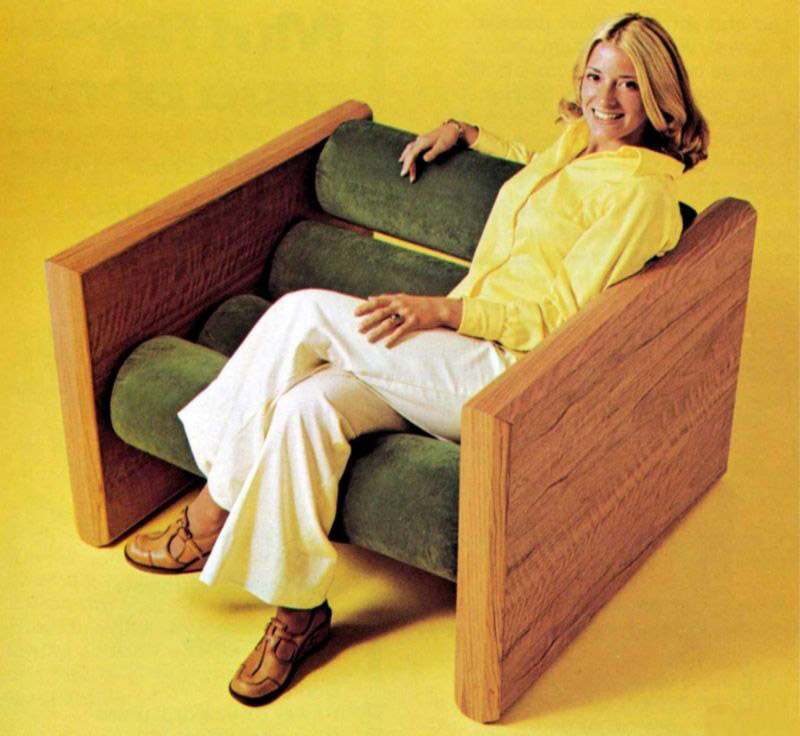
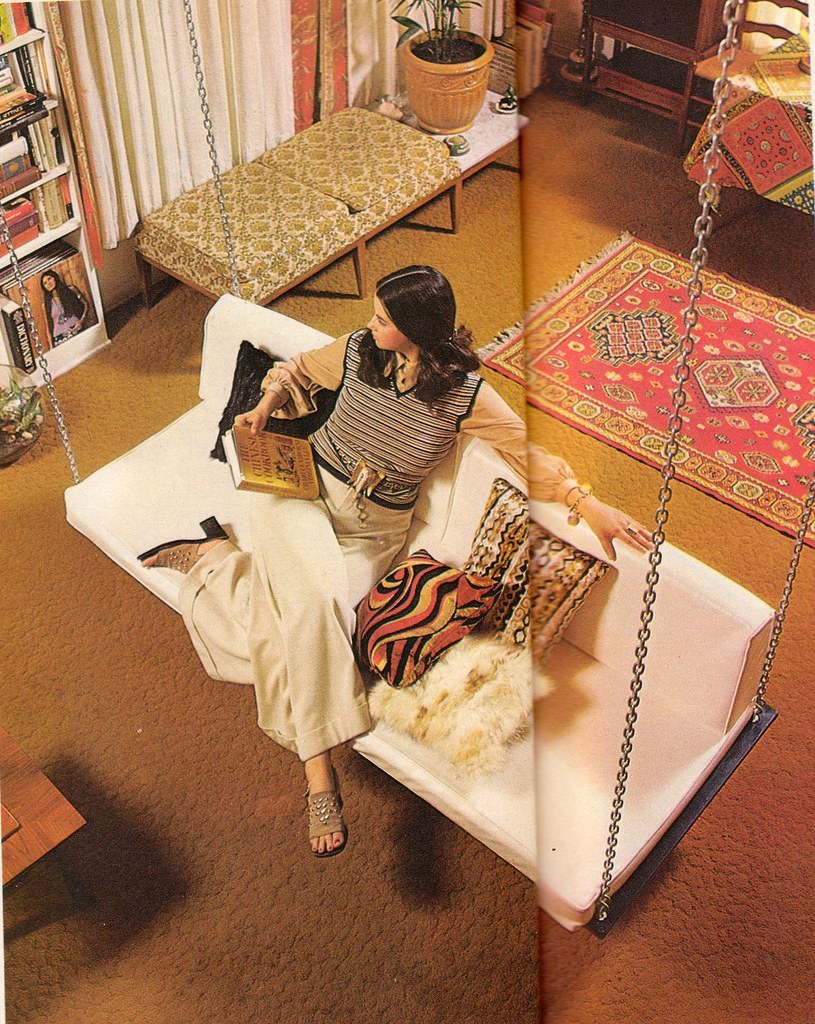
Low-profile seating defined living rooms across the decade. Sofas and lounge chairs sat just inches off the floor, loaded with oversized cushions meant for sprawling rather than sitting upright. The message was clear: relax, sink in, stay a while.
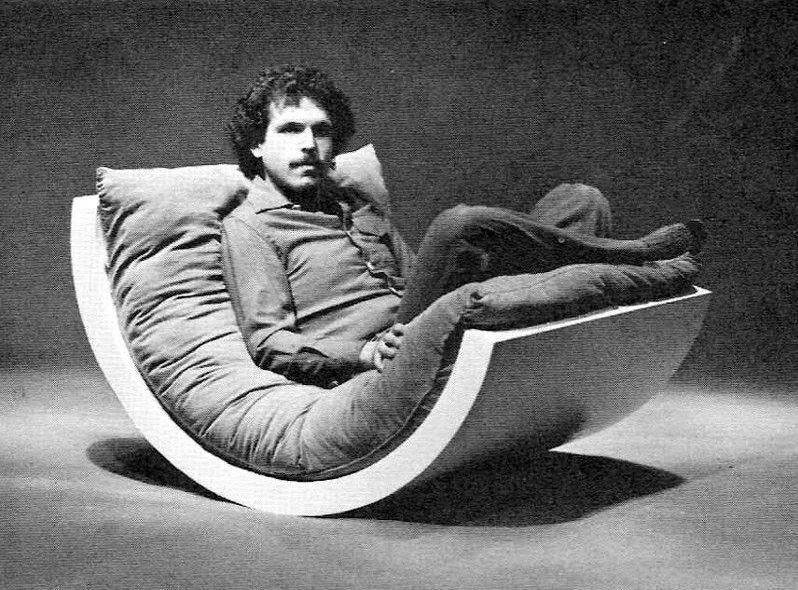
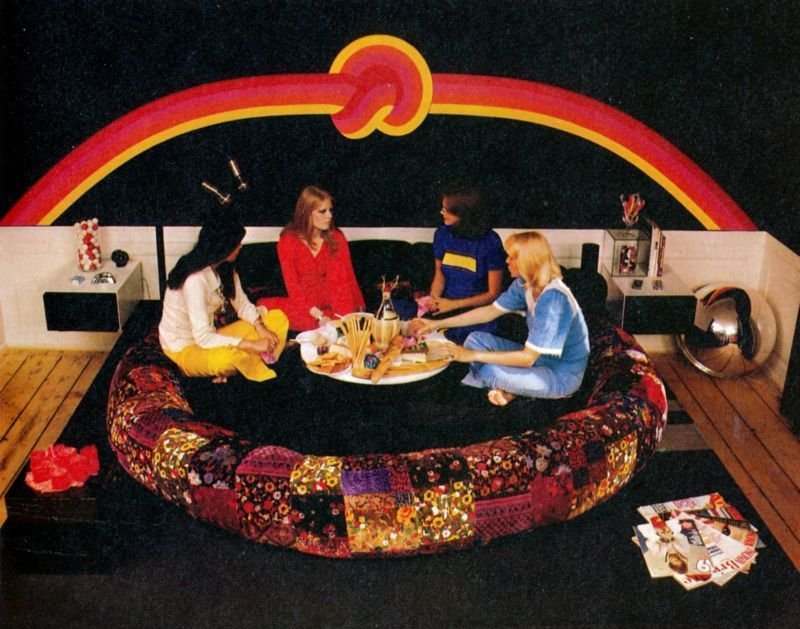
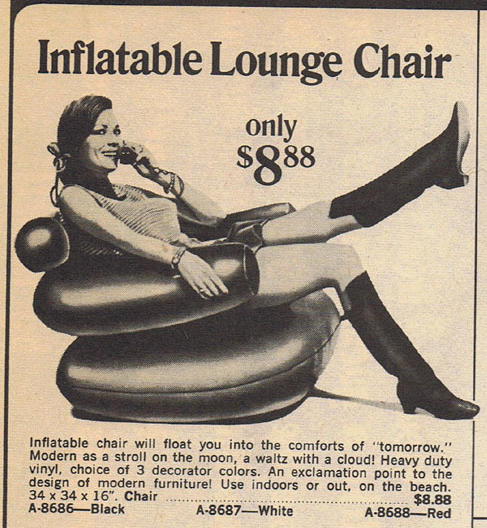
Some designers went further, experimenting with ergonomic shapes that challenged what a chair was even supposed to look like. These pieces contorted into forms meant to cradle the spine or redistribute body weight — with results that were as visually striking as they were unconventional.
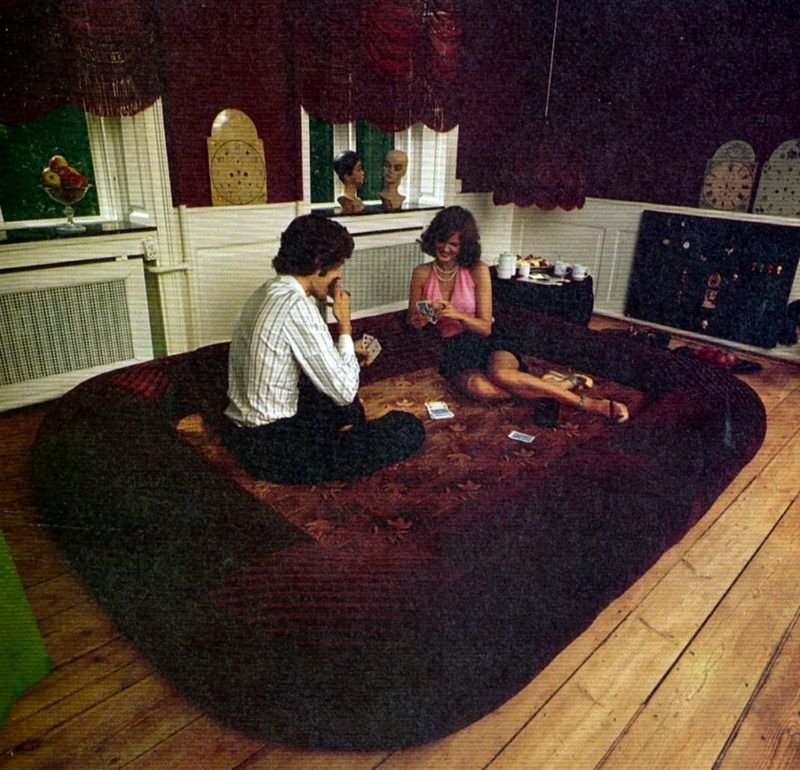
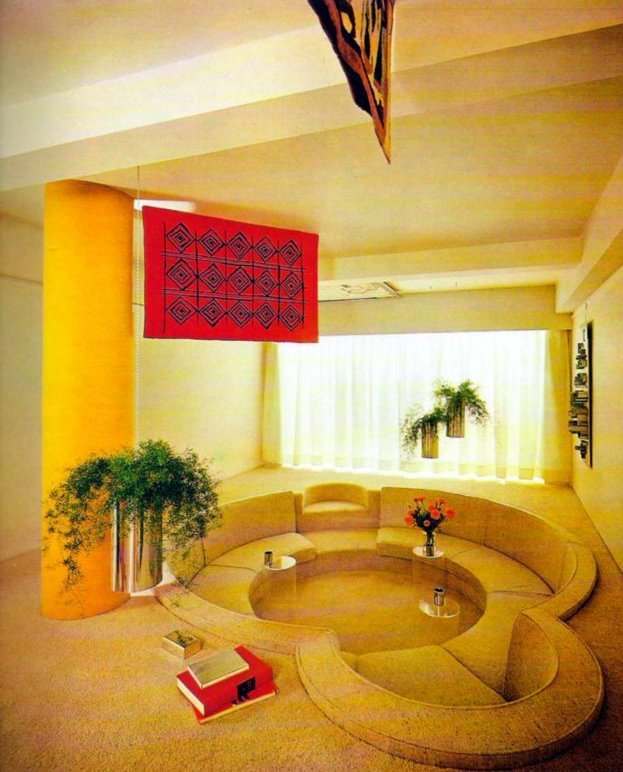
Perhaps the most architectural seating trend of the era was the conversation pit — a sunken area built directly into the floor of a living room or den. Lined with built-in cushioned seating along its edges, it pulled everyone down to the same level and created a cozy, enclosed pocket for socializing.
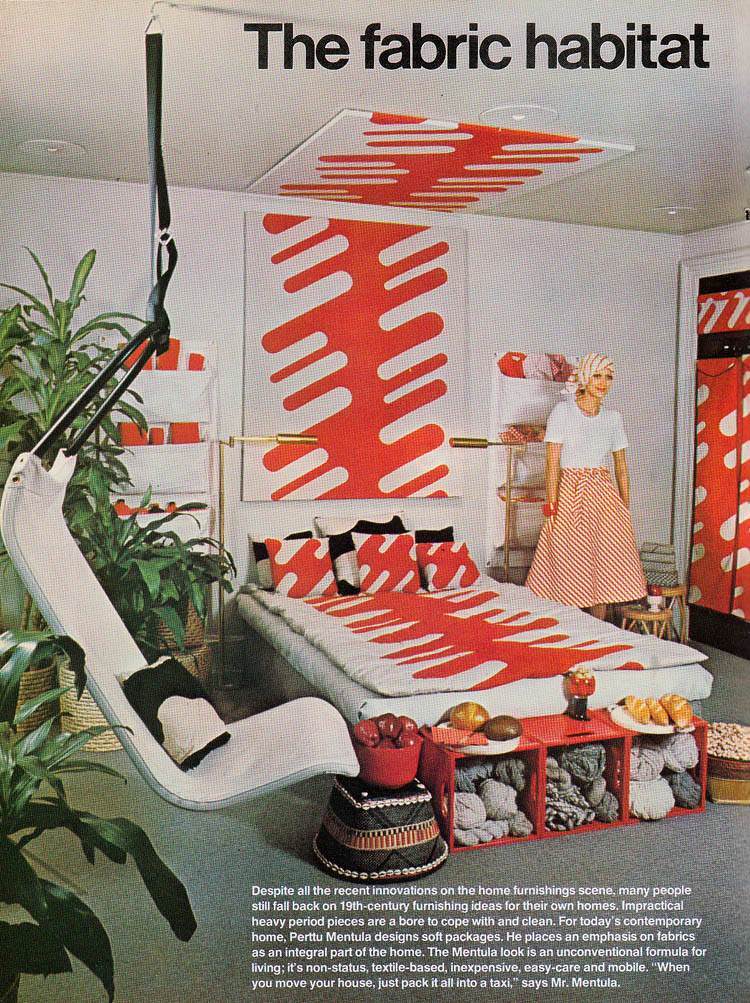
Upholstery fabrics matched the energy of the furniture shapes. Bold geometric patterns, heavy textures, and even shag-style materials showed up on chair cushions and sofas, not just on floors. The overall effect was a room that demanded attention from every angle.