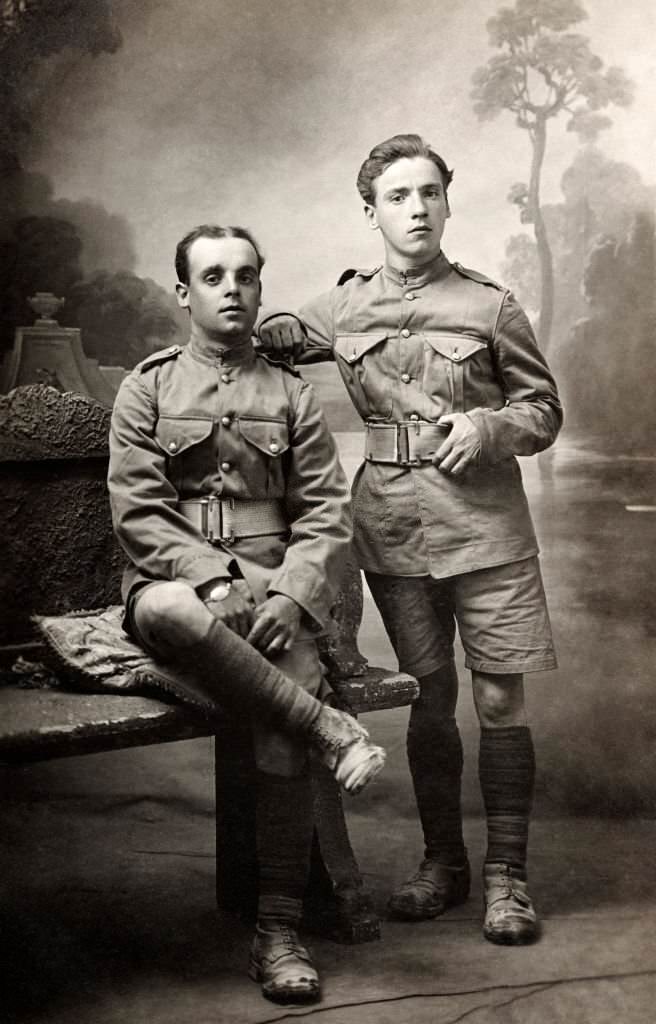
Egypt in the 1910s was a country caught between ancient traditions and modern upheaval. The decade opened with ongoing British influence and a complex political identity, and it ended with revolution brewing in the streets of Cairo. In between, the country served as a military staging ground, a refuge for war-displaced people, and a land where archaeologists were still uncovering treasures buried for thousands of years. These photographs capture that world in sharp, unfiltered detail.
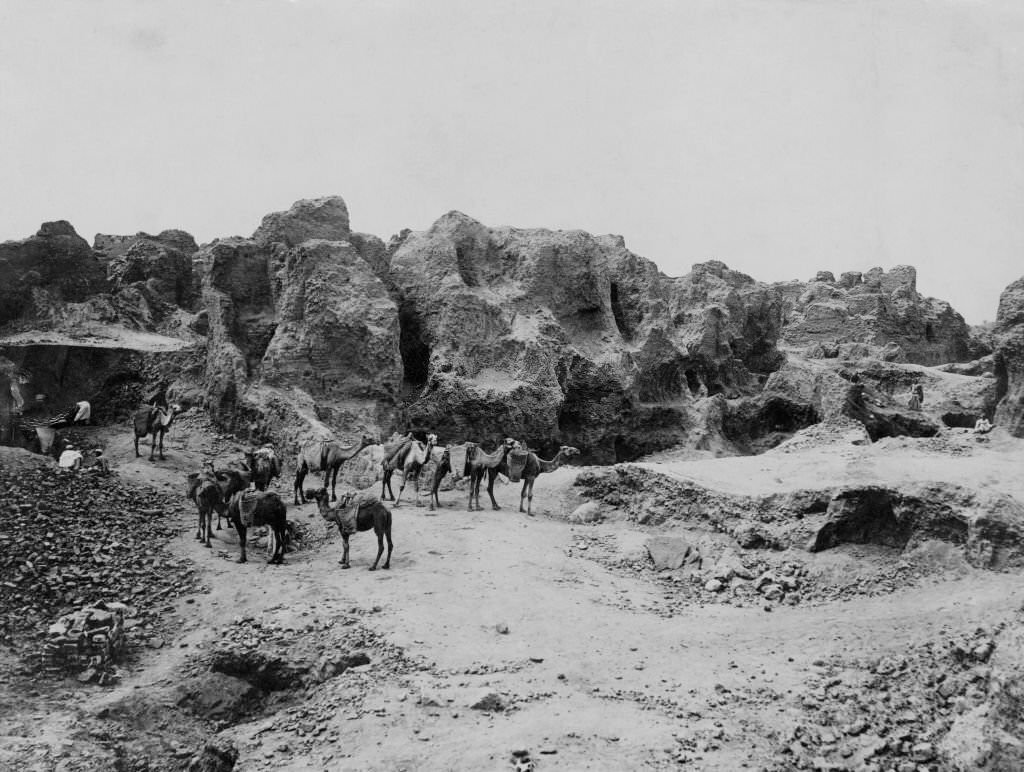
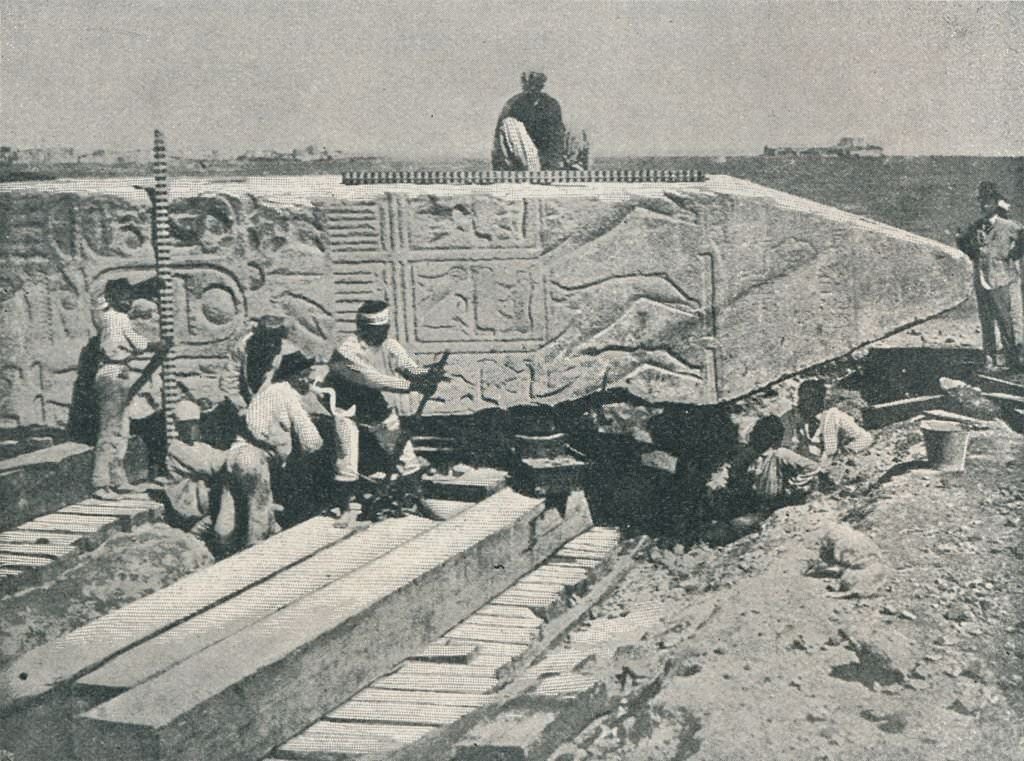
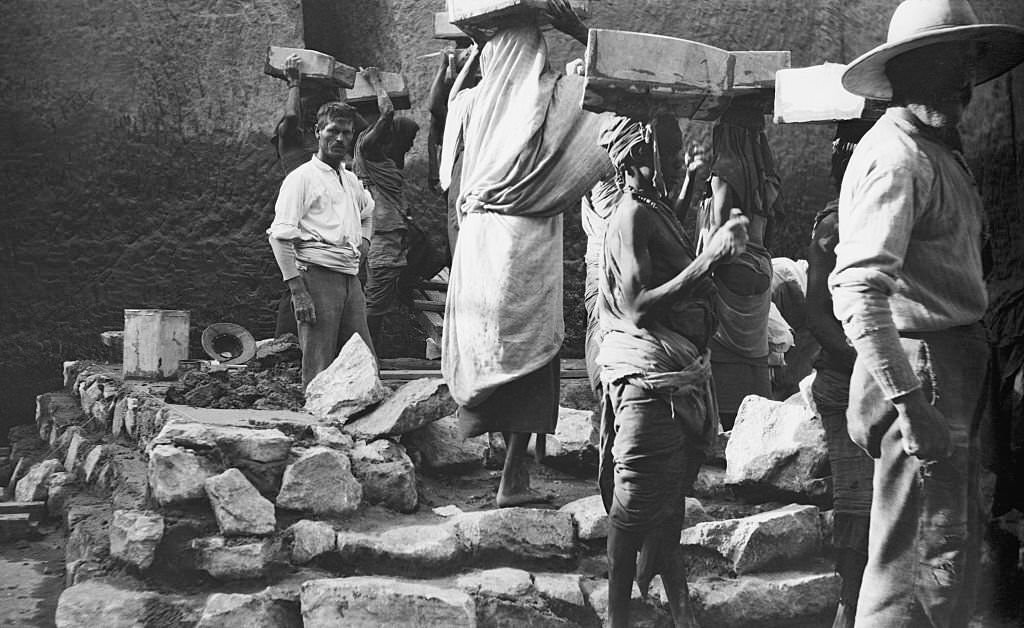
At the turn of the decade, archaeological work was in full swing across Egypt. Dig sites attracted international teams, and local workers were essential to the excavations that were reshaping our understanding of ancient civilization.
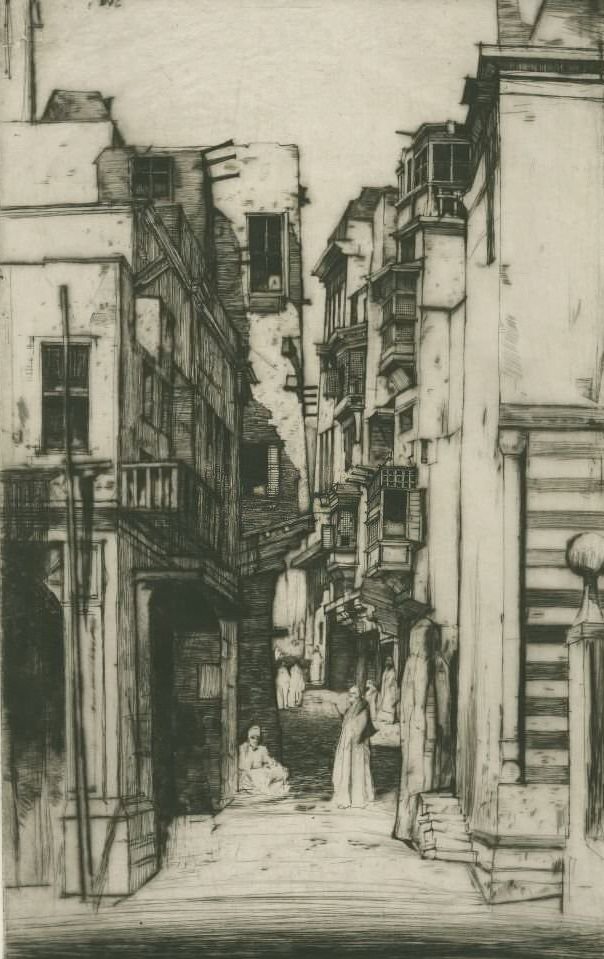
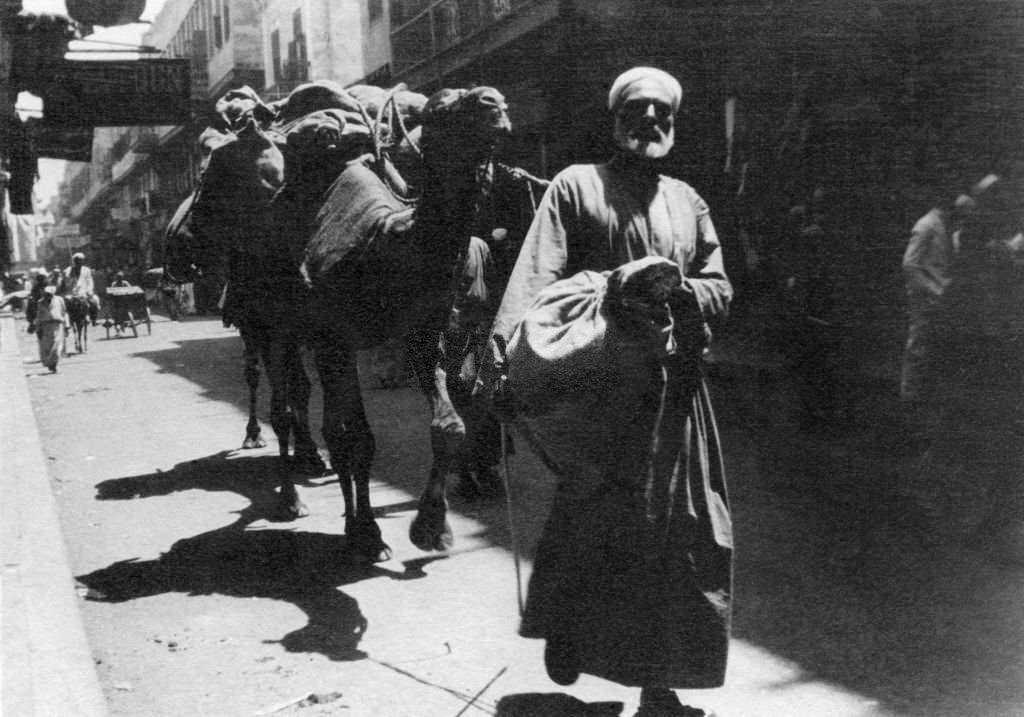
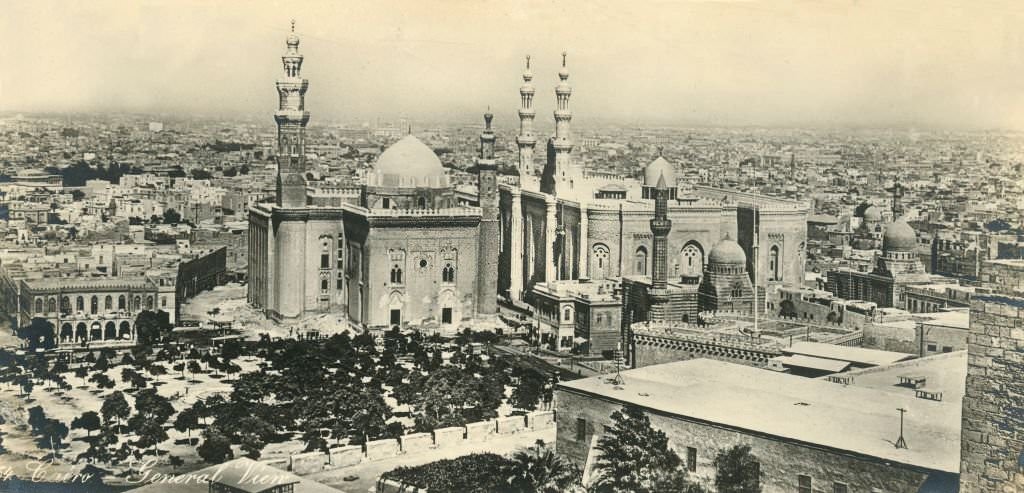
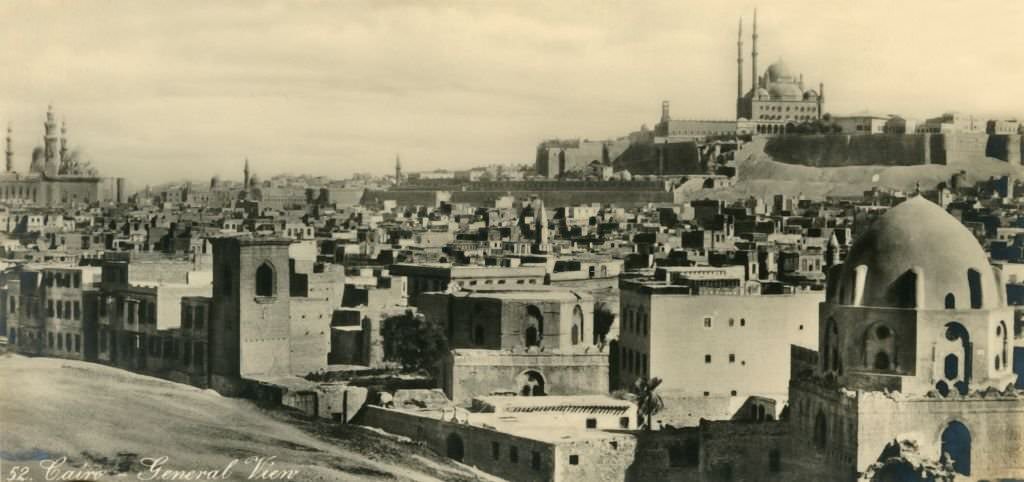
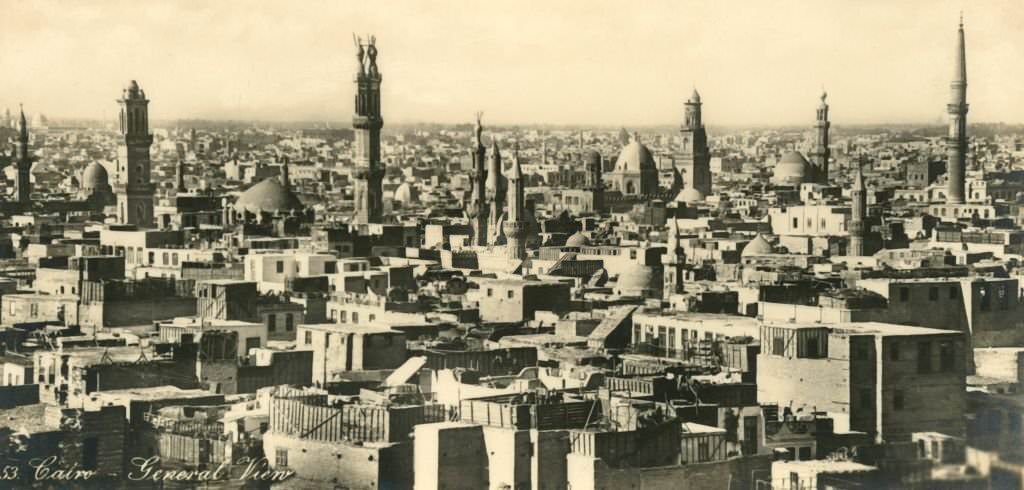
Cairo in 1910 was a city of layered histories. Ottoman-era architecture stood alongside European-style buildings, and the streets hummed with the daily activity of traders, craftsmen, and residents moving through narrow alleyways.
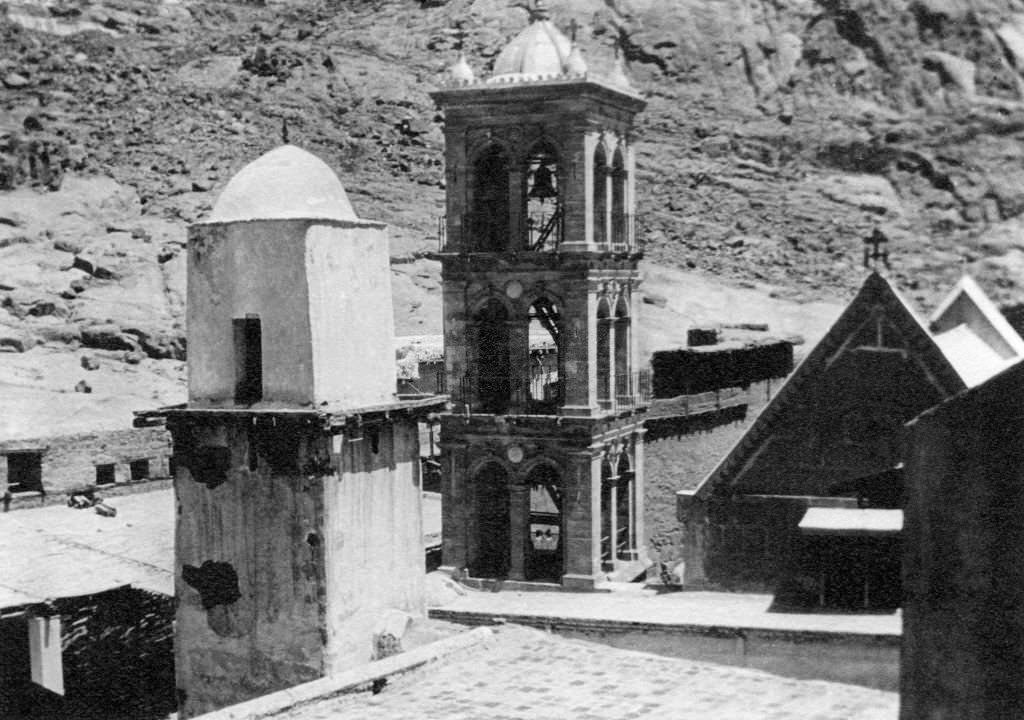
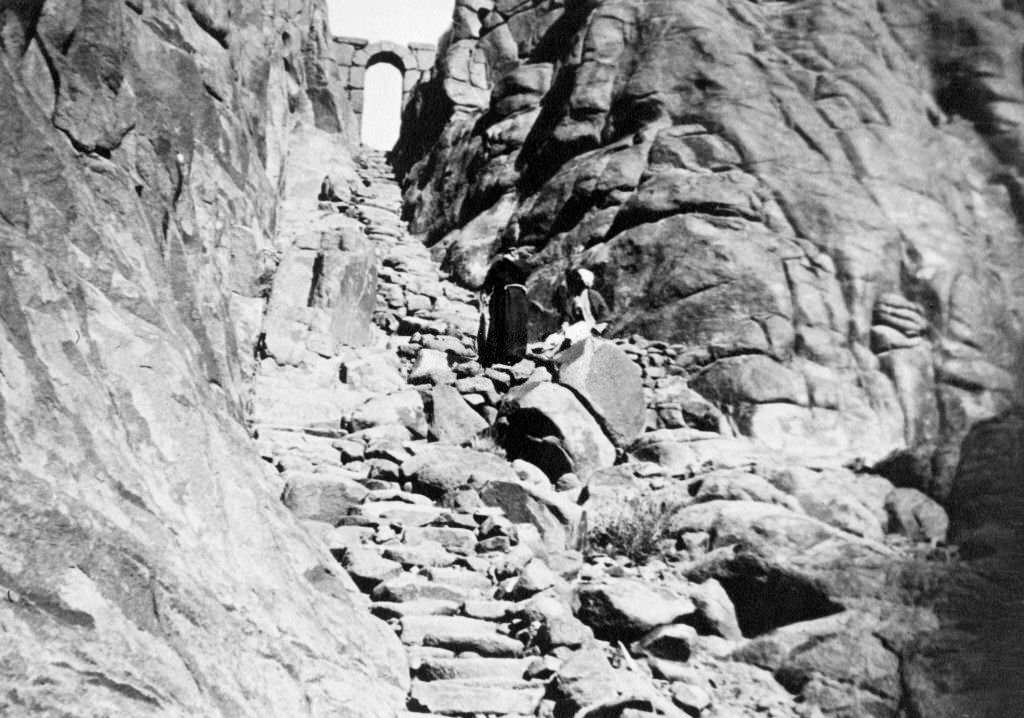
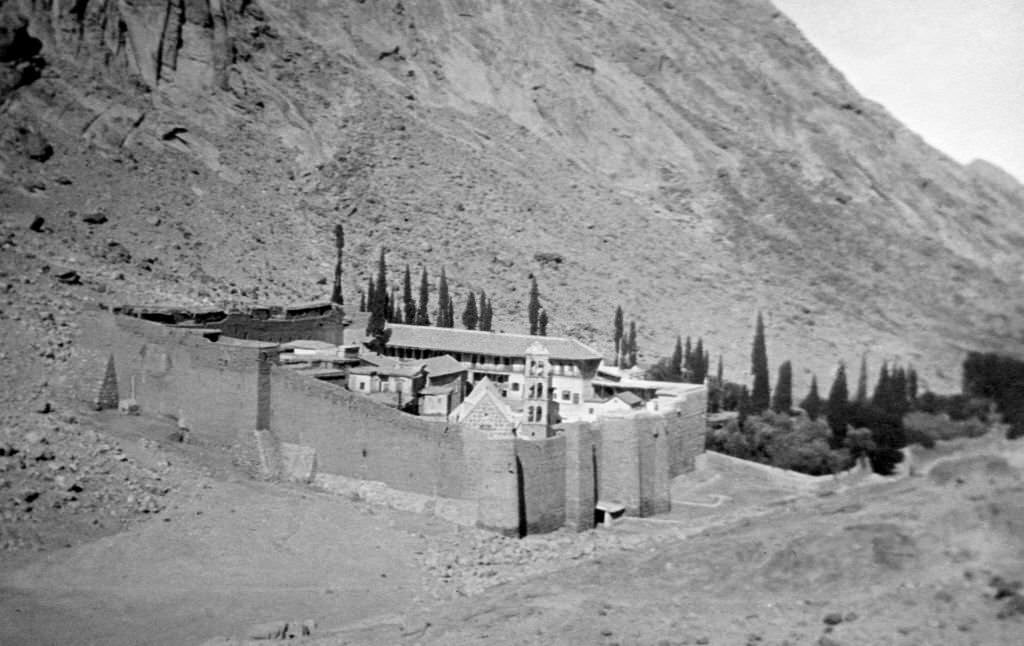
The Sinai Peninsula held some of Egypt’s most enduring religious landmarks. Saint Catherine’s Monastery, nestled at the foot of Mount Sinai, had stood for over a thousand years by the time these photographs were taken in 1912 and 1913. It remained a functioning monastery and one of the oldest continuously inhabited Christian monasteries in the world.
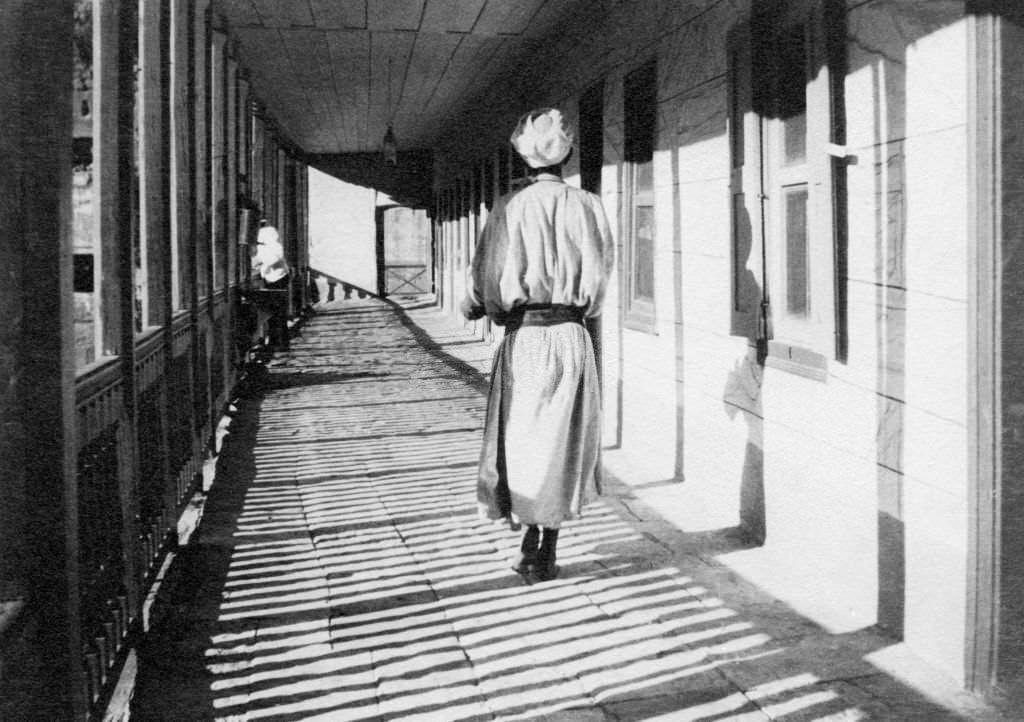
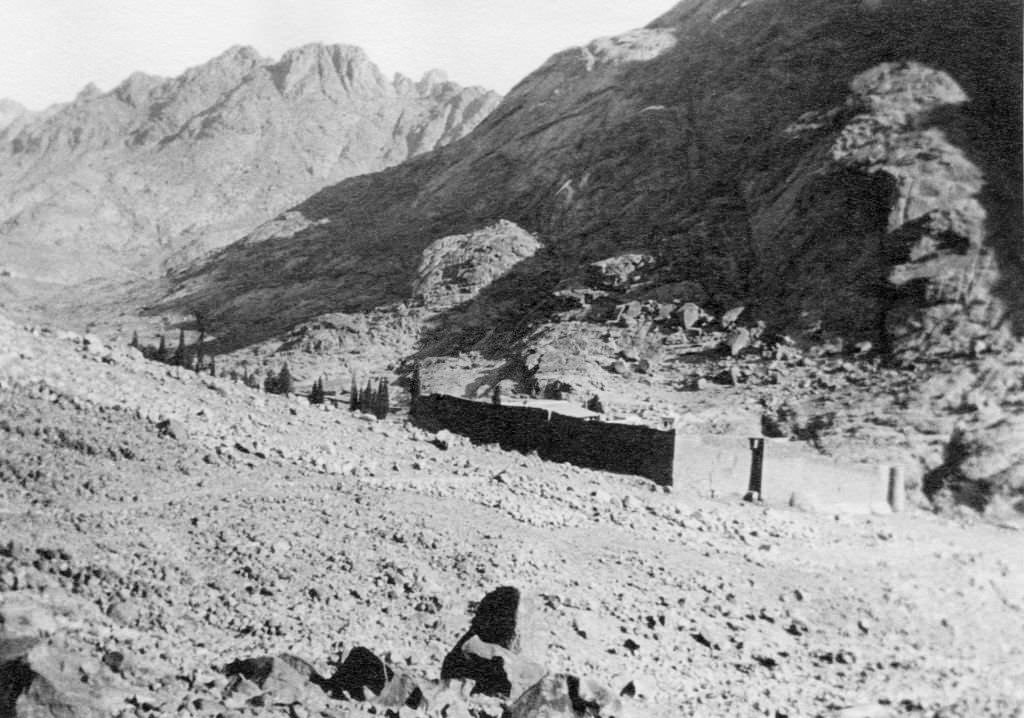
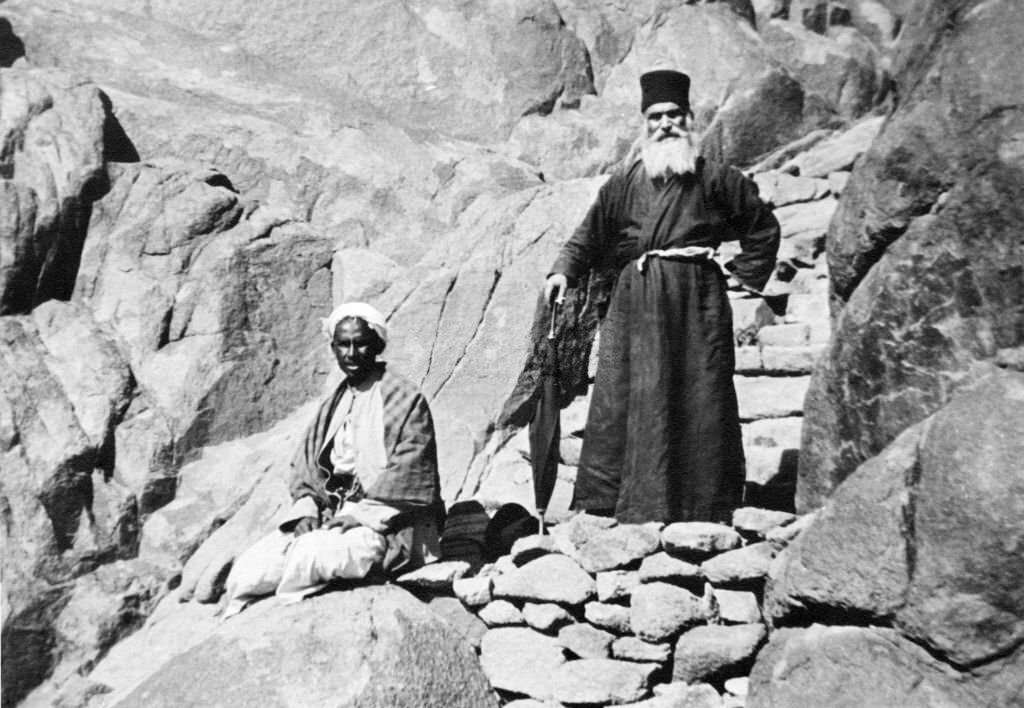
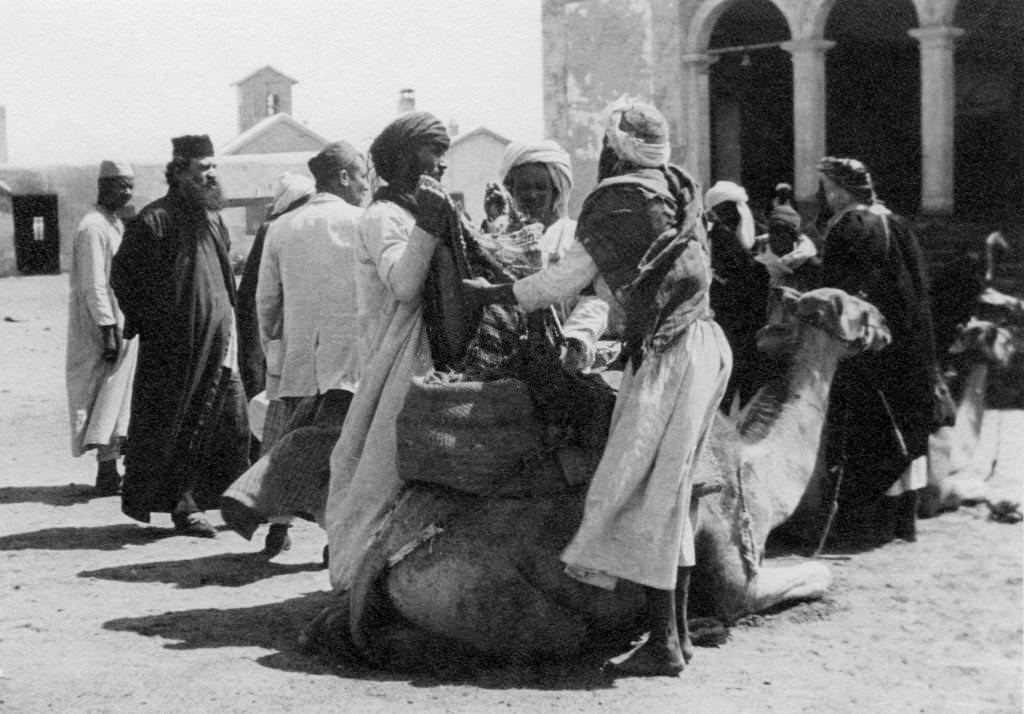
Egypt’s Red Sea coastline was another world entirely — remote, rugged, and sparsely populated. Photographs from 1912 and 1913 show a raw, undeveloped shoreline that had changed little over centuries.
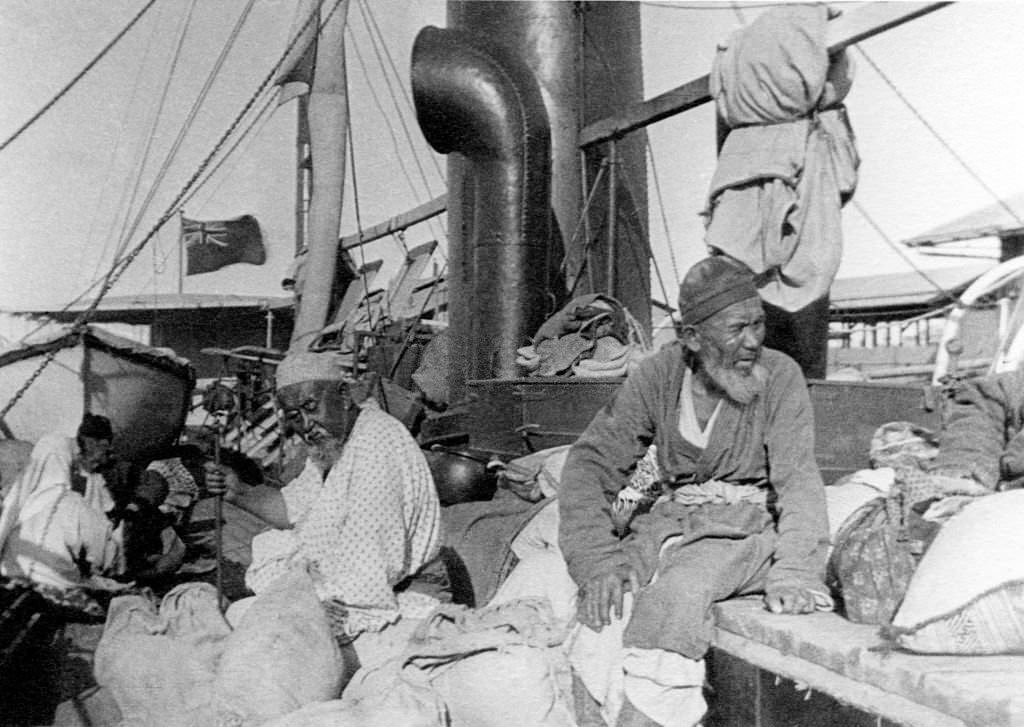
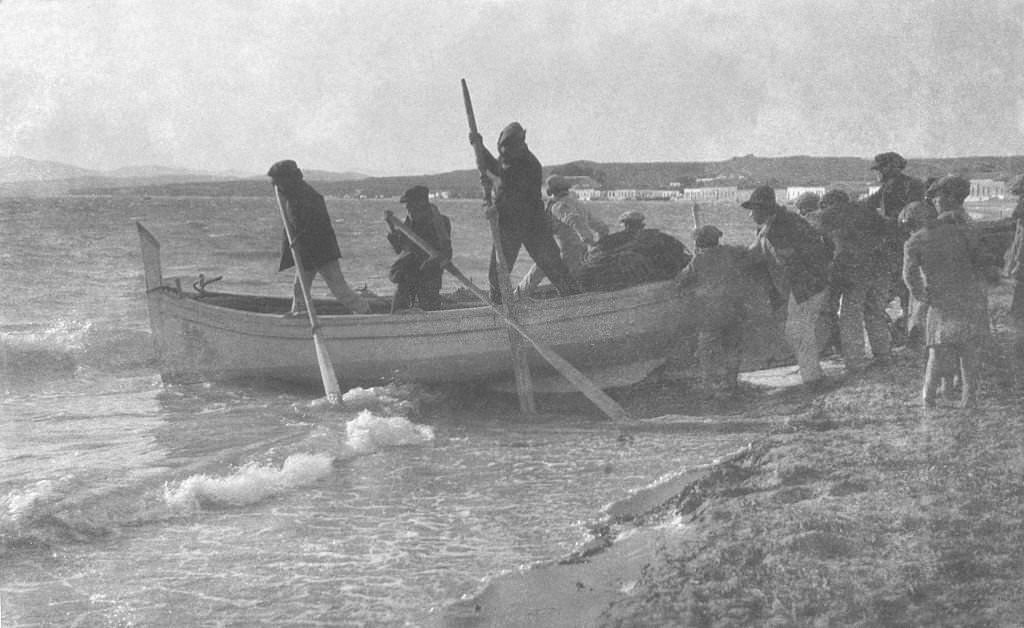
Along the coast, fishing communities relied on boats launched directly from the shore. The work was physical and communal — groups of men pushing vessels into the sea while others prepared to row out.
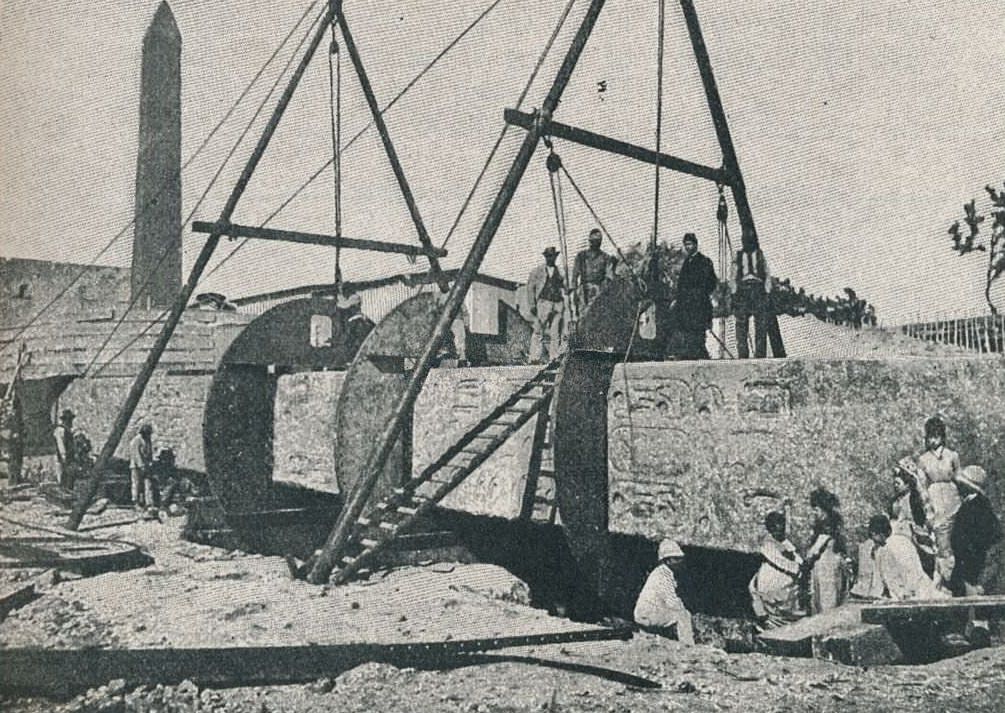
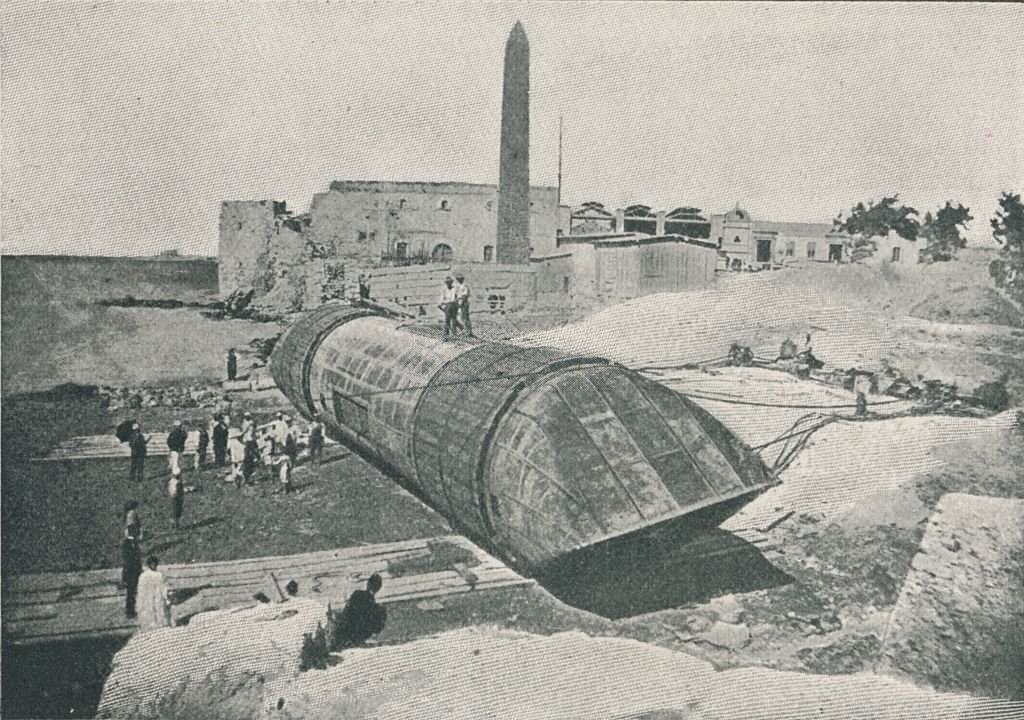
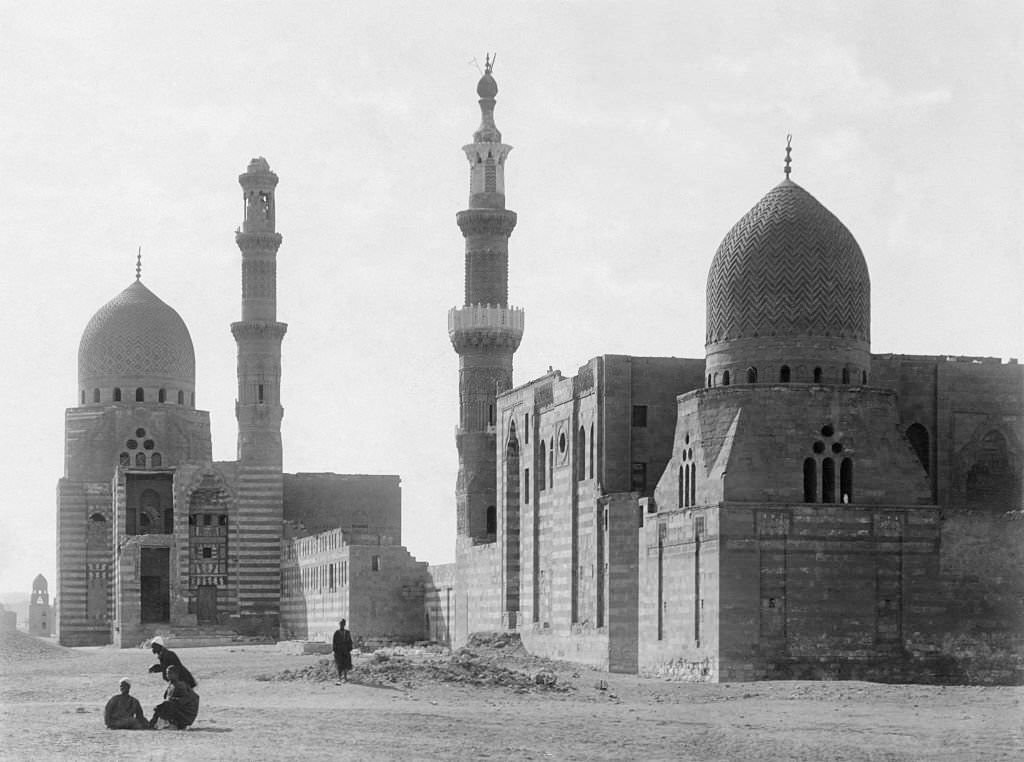
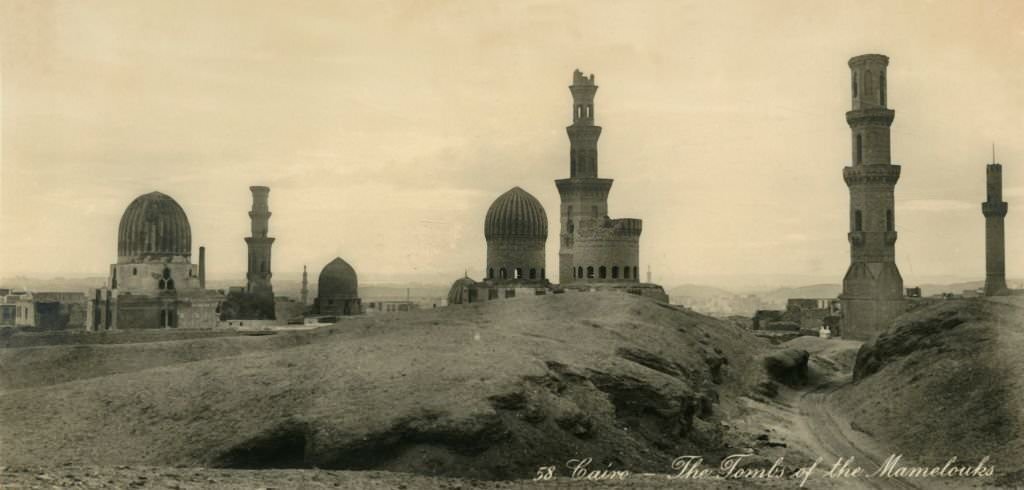
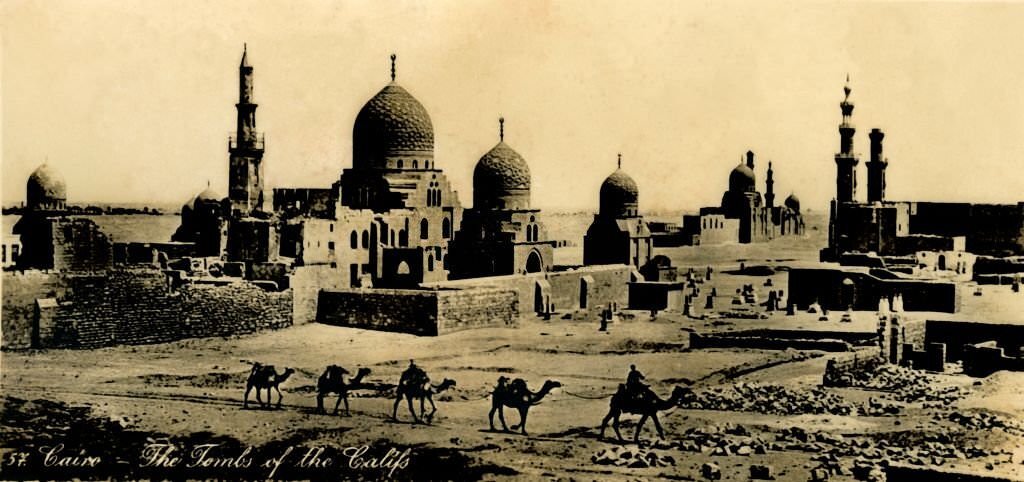
Cairo’s historic Islamic cemeteries, known as the Cities of the Dead, housed magnificent mausoleum structures built for the caliphs and other rulers. These tombs were not just burial places — they were architectural monuments that defined the city’s eastern skyline.
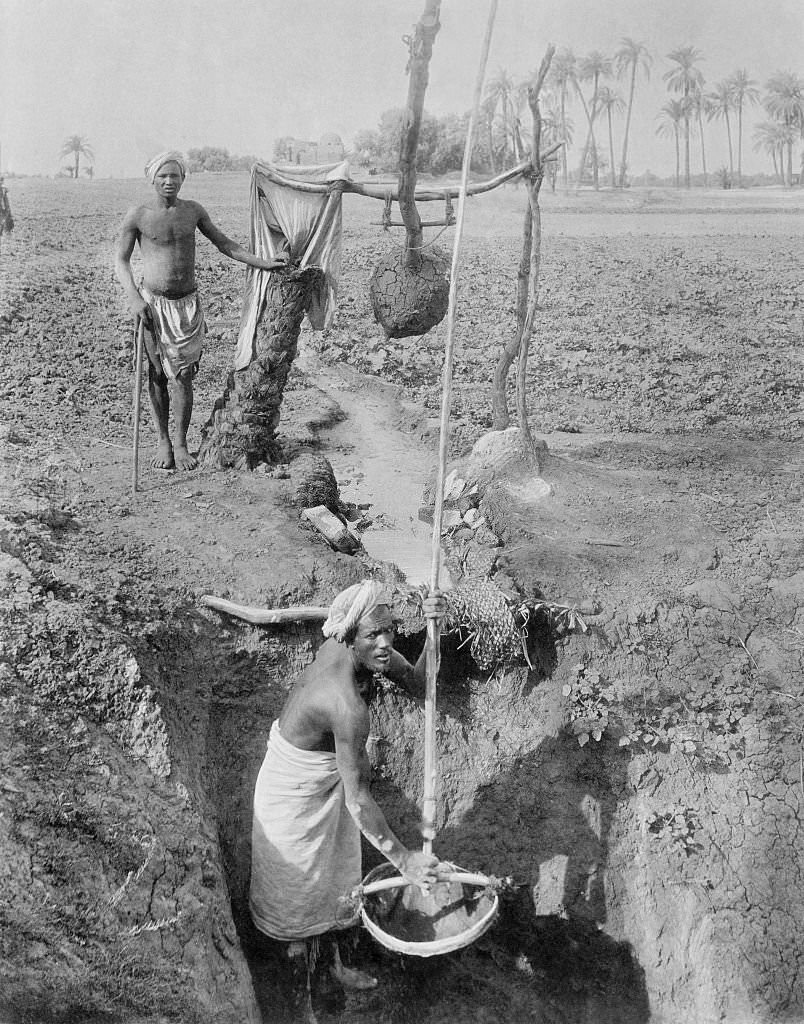
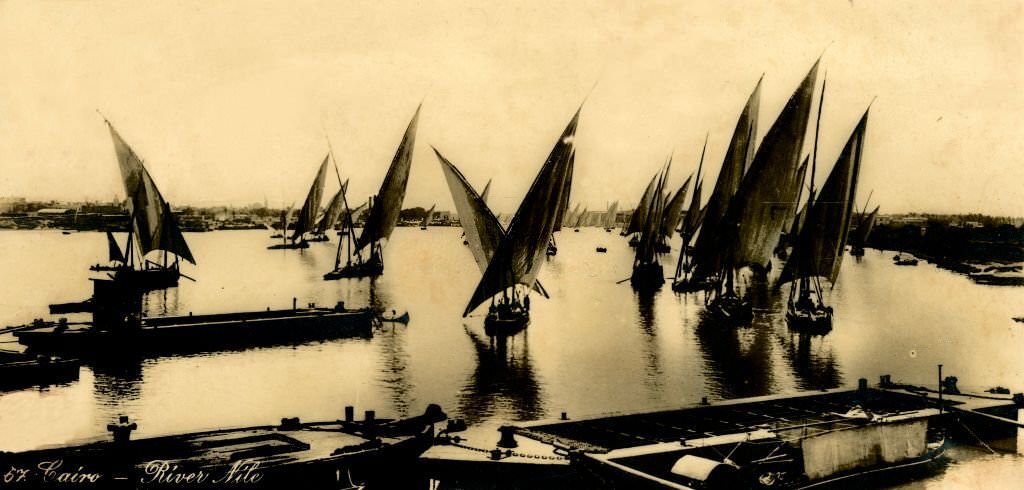
Egypt’s agricultural system depended entirely on irrigation from the Nile. Fields were flooded and channeled using methods that had been refined over thousands of years. Alexandria, the country’s main coastal city and port, was a busy hub of trade and culture.
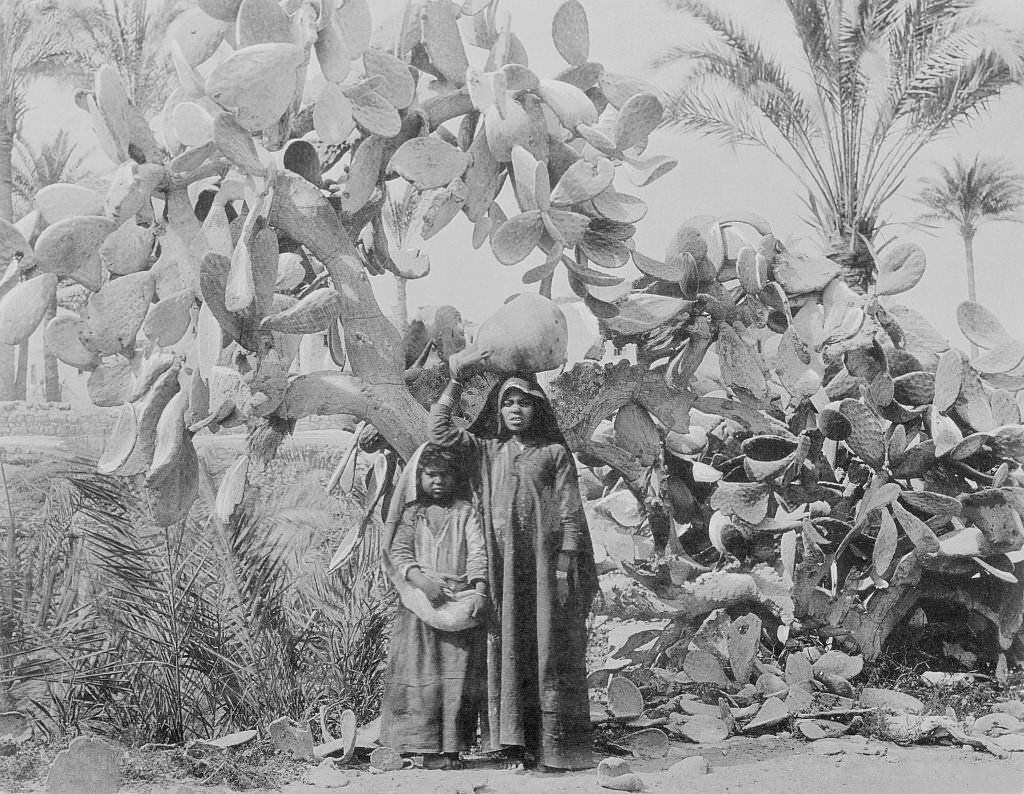
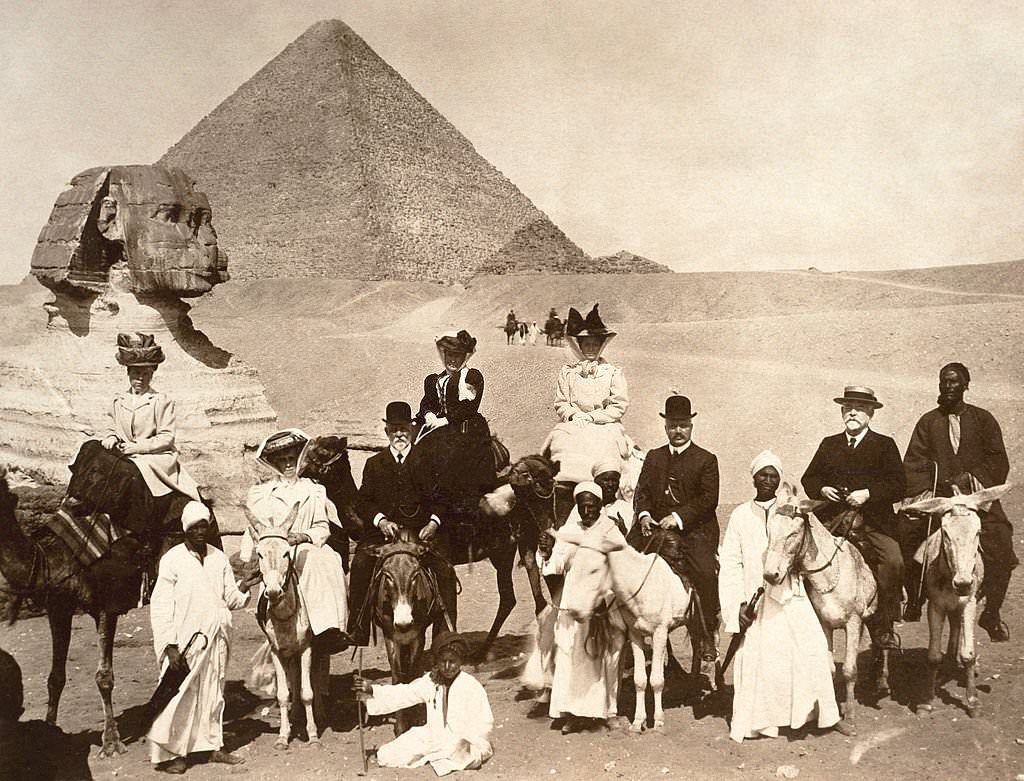
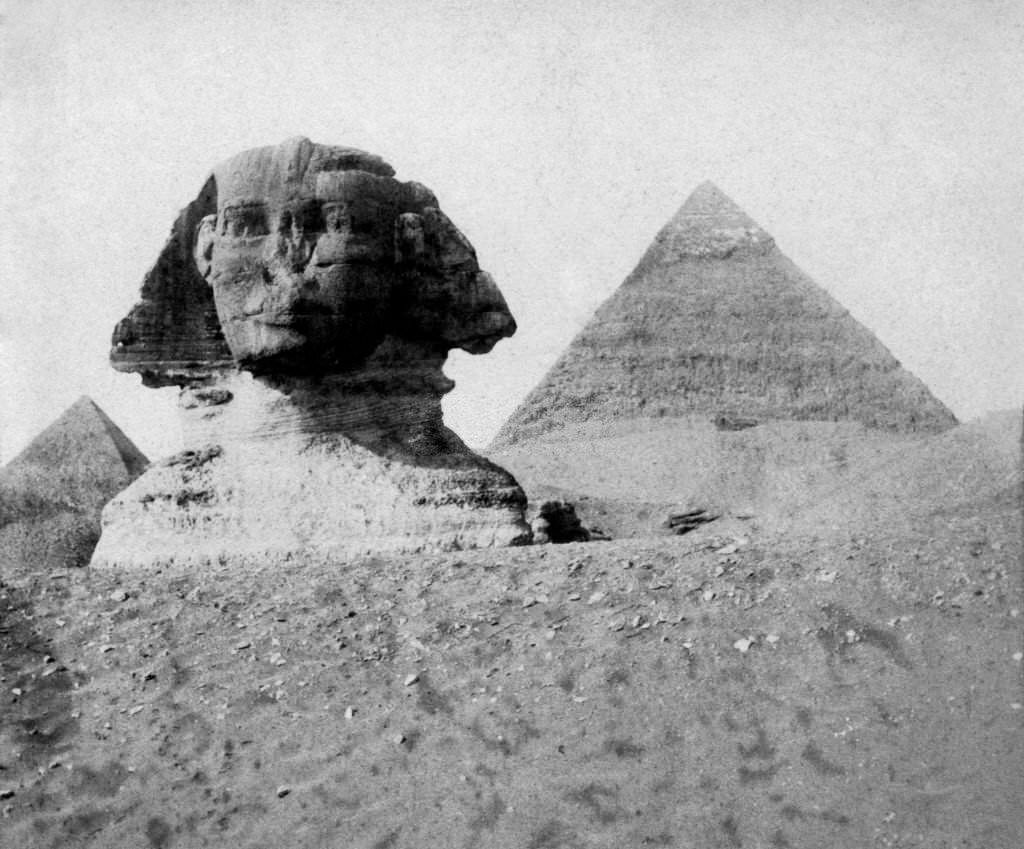
European tourists had been visiting Egypt’s ancient monuments in growing numbers since the 19th century. By 1910, trips to the Sphinx and the Pyramids at Giza were organized excursions, often completed on the backs of donkeys and camels provided by local guides.
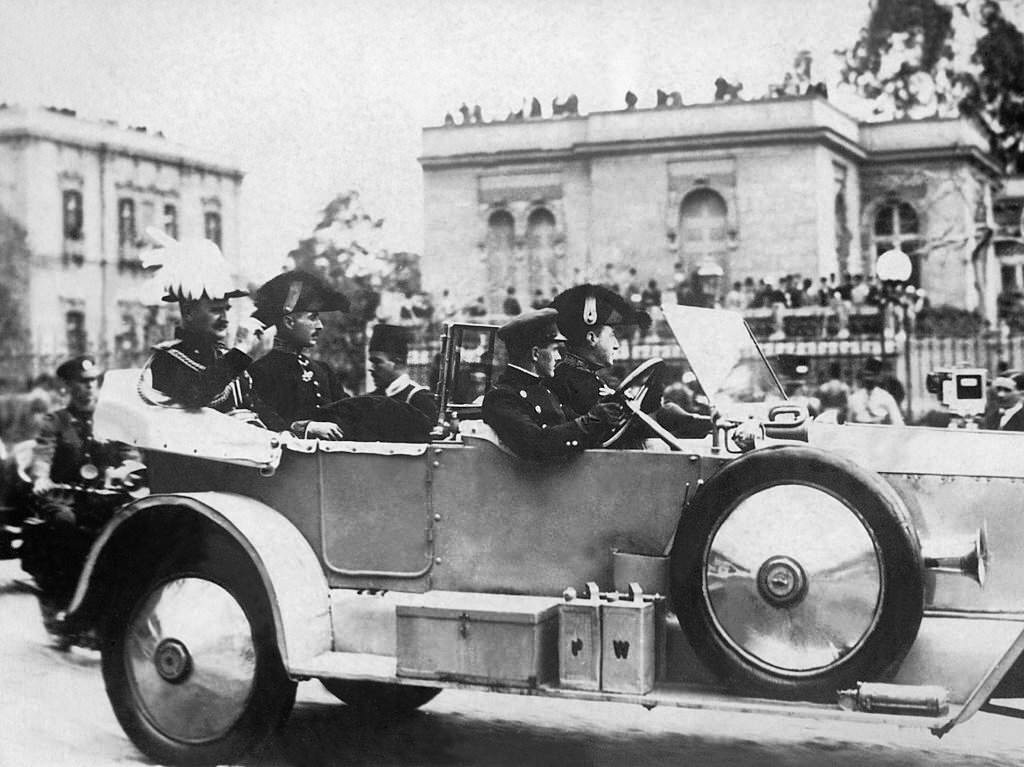
When World War One broke out in 1914, Egypt’s political situation shifted dramatically. Egypt was technically a province of the Ottoman Empire, which aligned with Germany against Britain and France. The British, who had long occupied Egypt, declared it a formal protectorate in December 1914. The reigning khedive, Abbas II, was deposed and replaced by his uncle, Hussein Kamil, who was given the title of sultan. Turkish, German, and Austro-Hungarian nationals living in Egypt were forced into internment camps, and Egyptian nationalists were exiled to Malta.
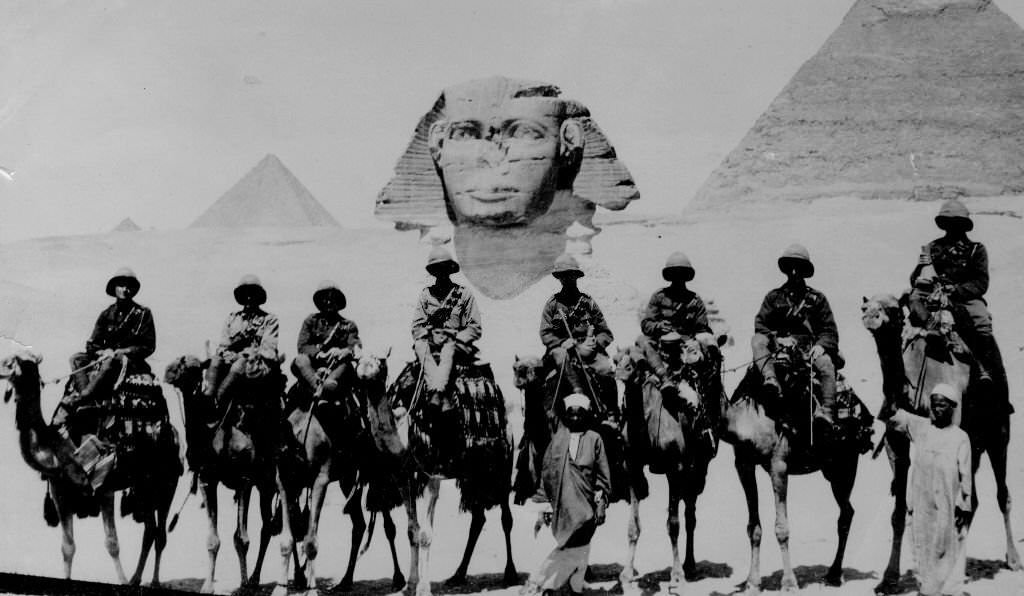
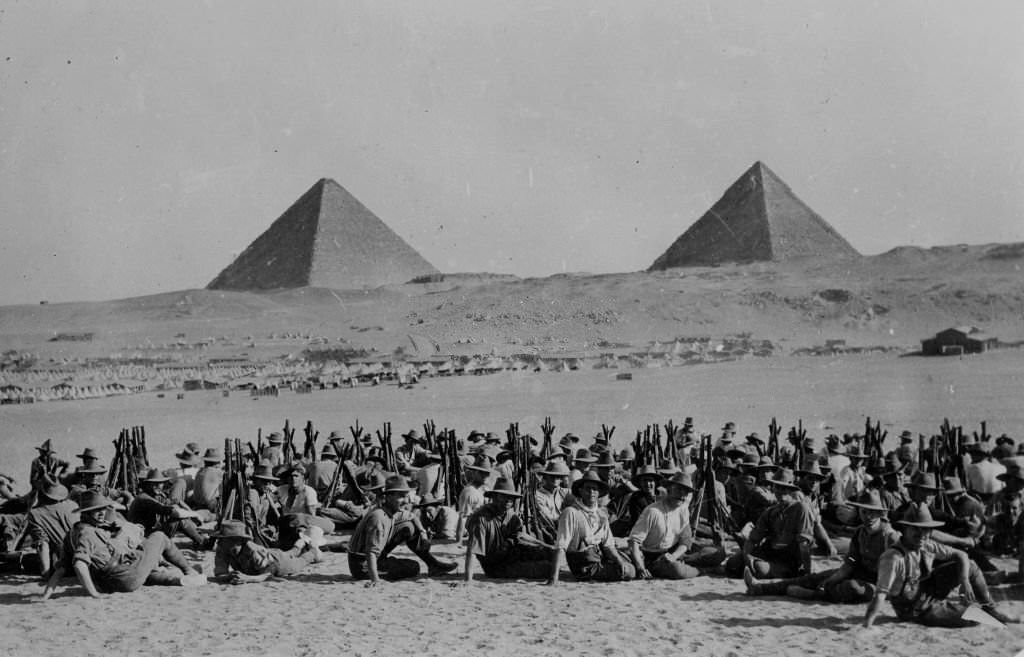
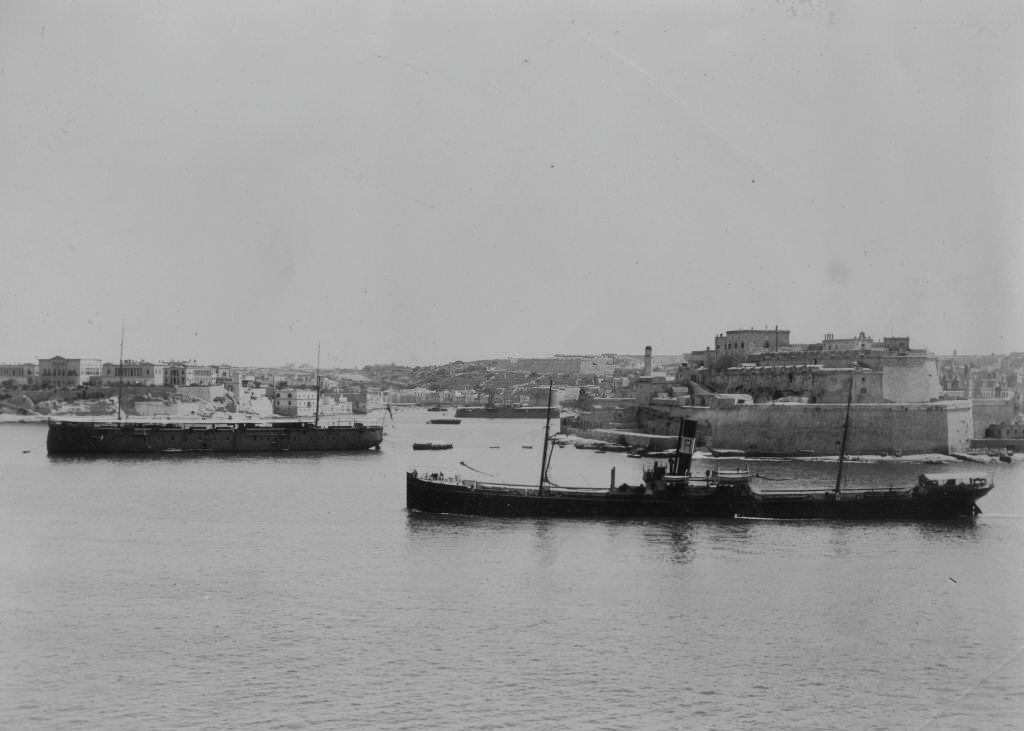
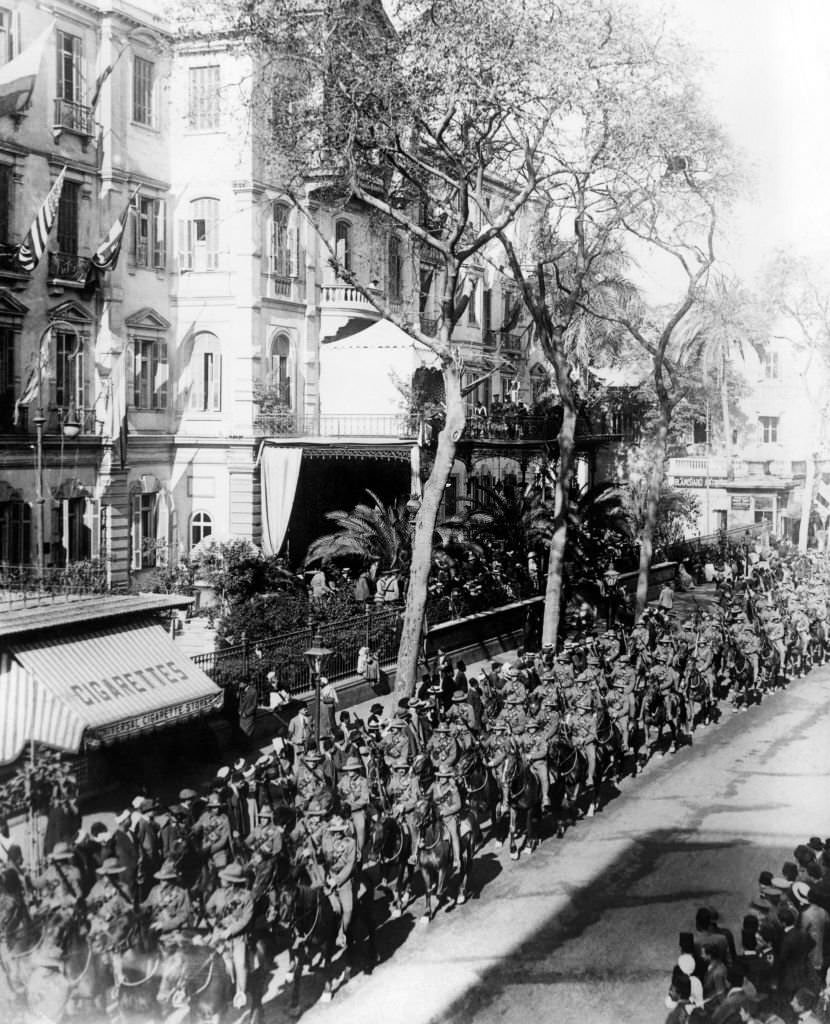
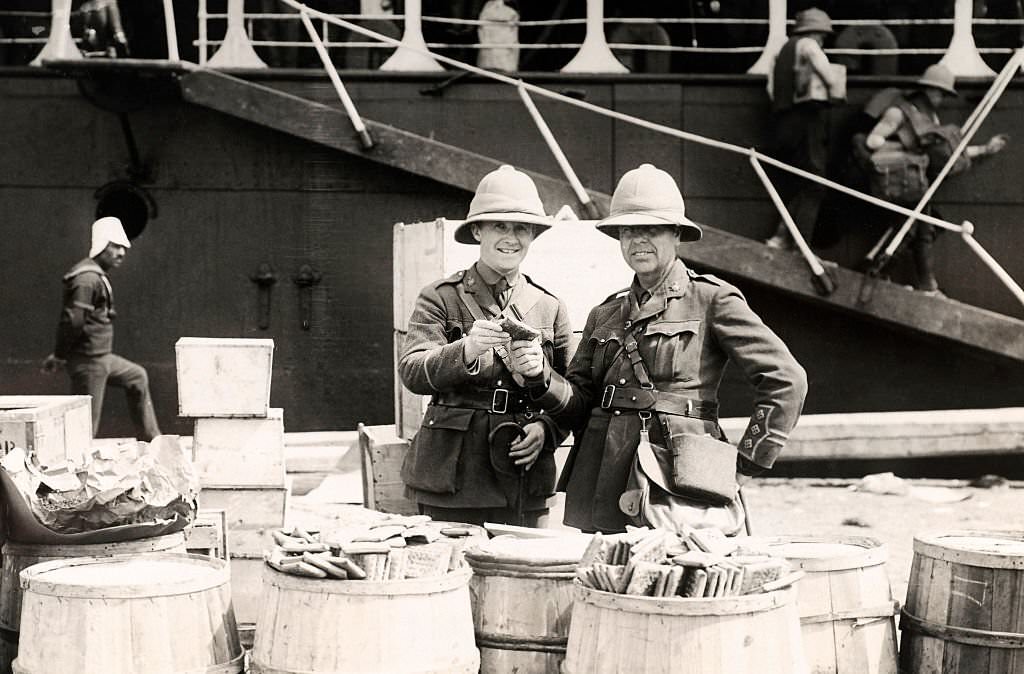
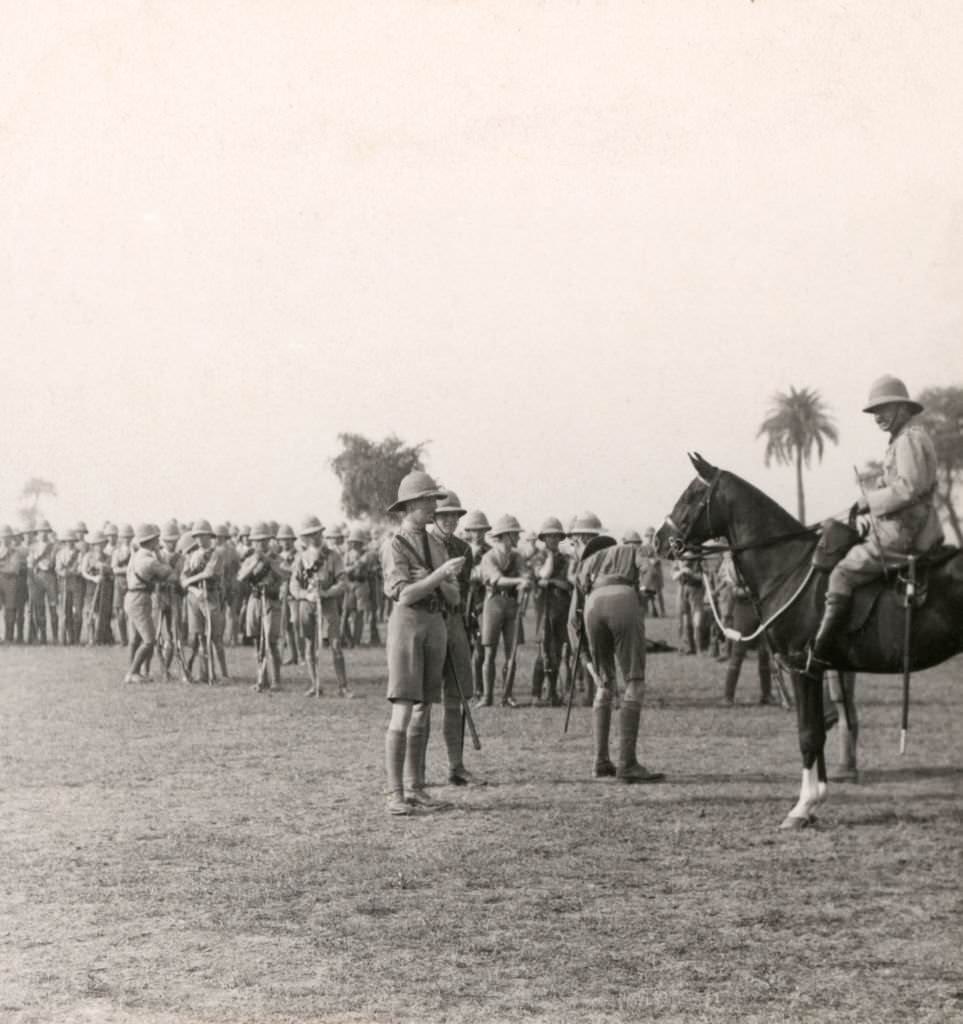
British and Allied military forces used Egypt as a major base of operations throughout the war. Troops from Australia, New Zealand, Britain, France, and India passed through the country in massive numbers. The port of Alexandria became one of the busiest military transit points in the region.
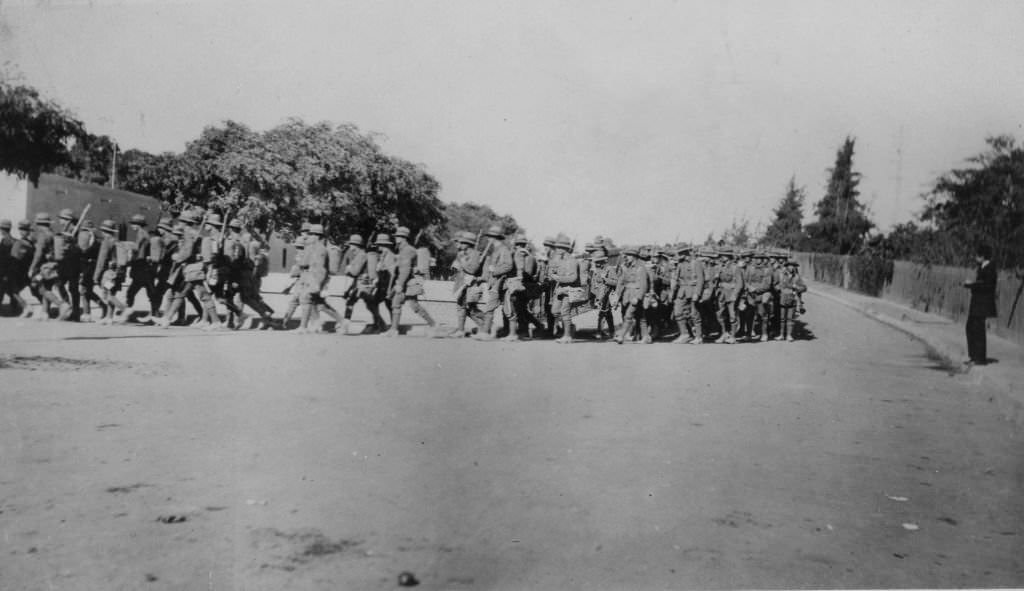
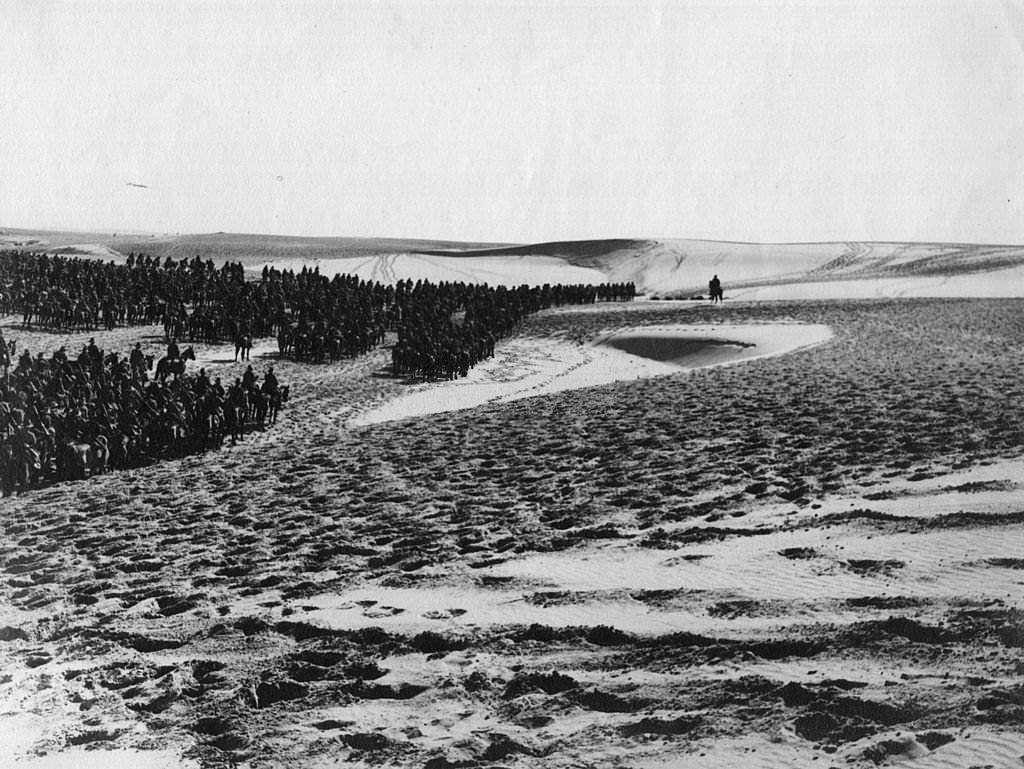
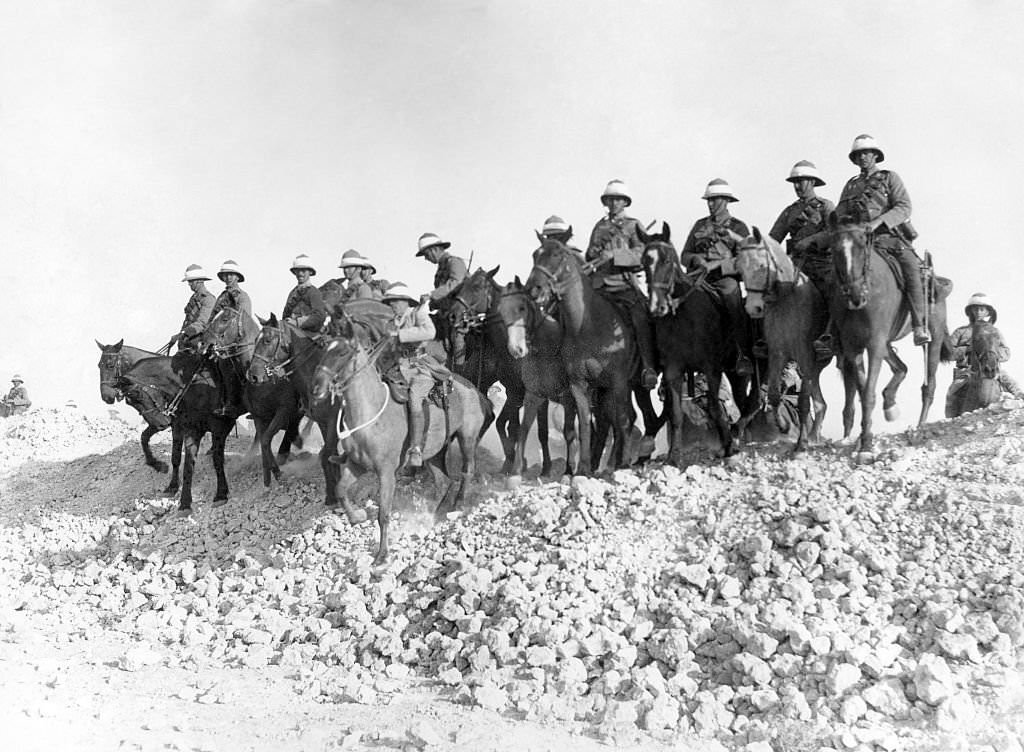
British Yeomanry units conducted operations against armed tribesmen in the western desert regions of Egypt during the war. These were not small skirmishes — they involved coordinated cavalry movements across open desert terrain against organized resistance.
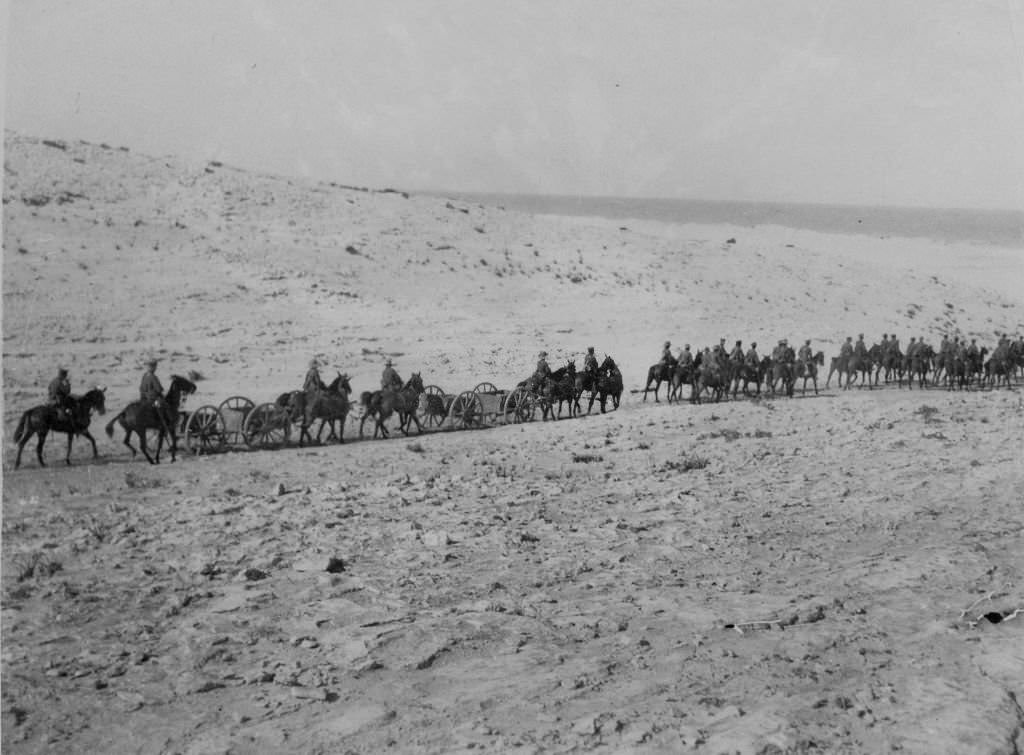
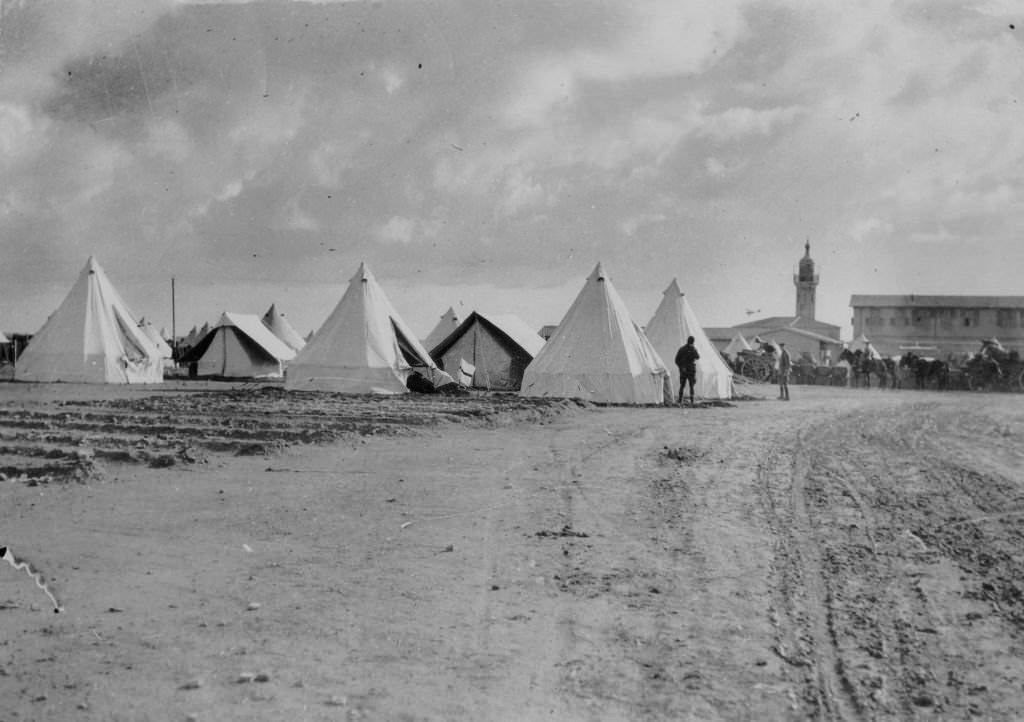
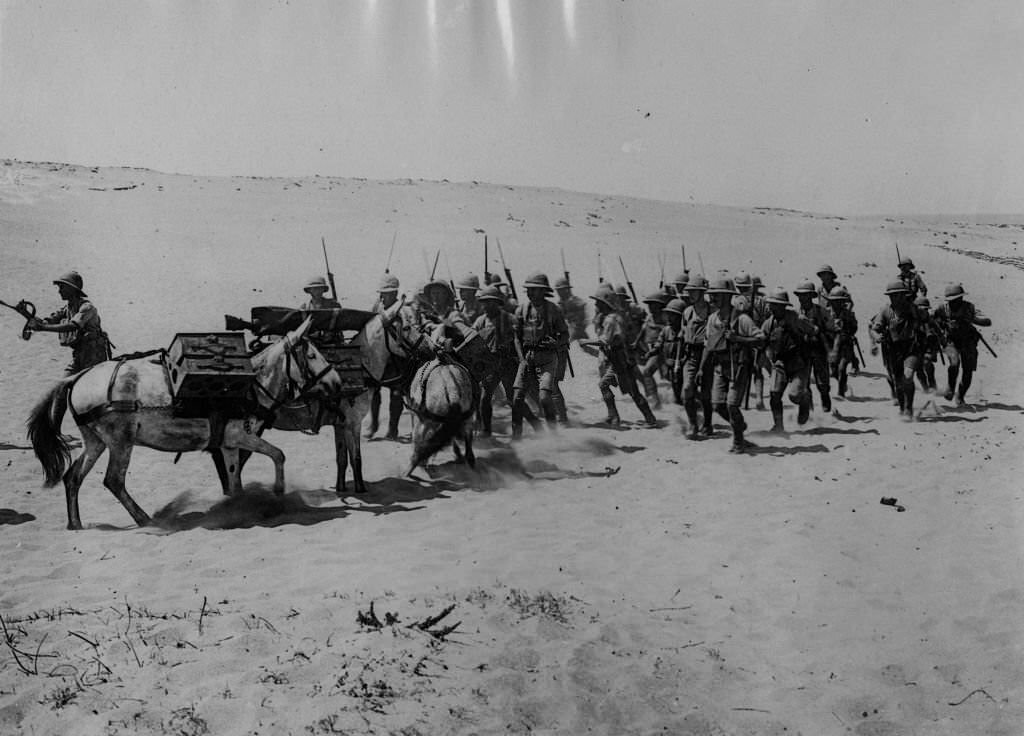
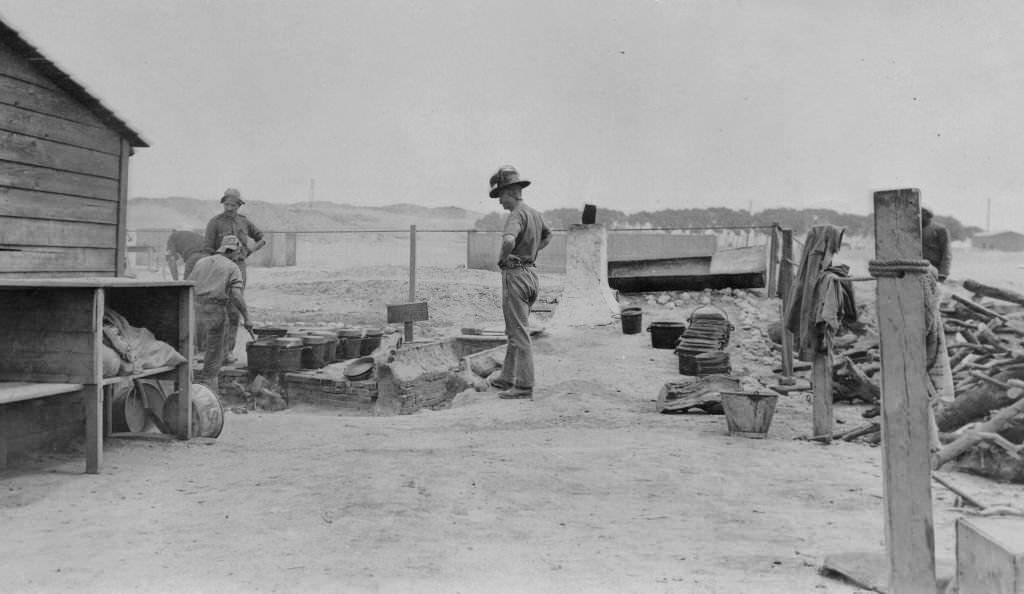
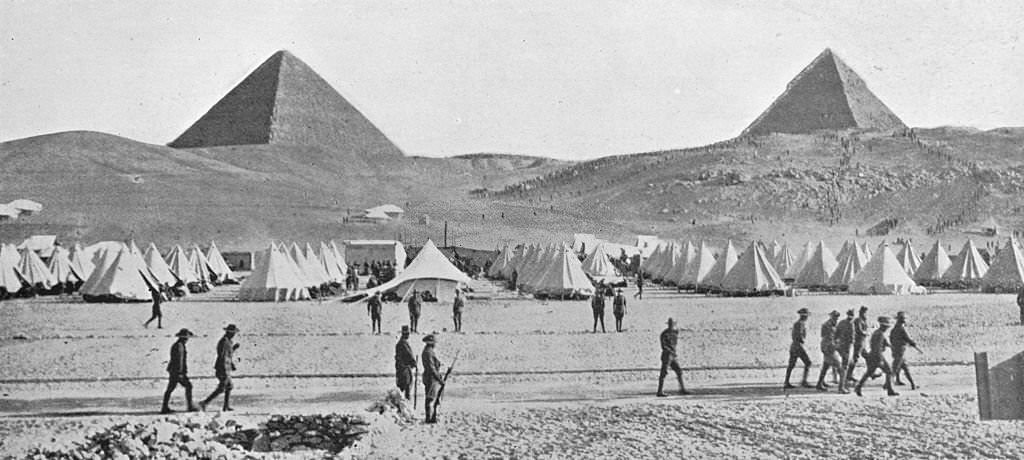
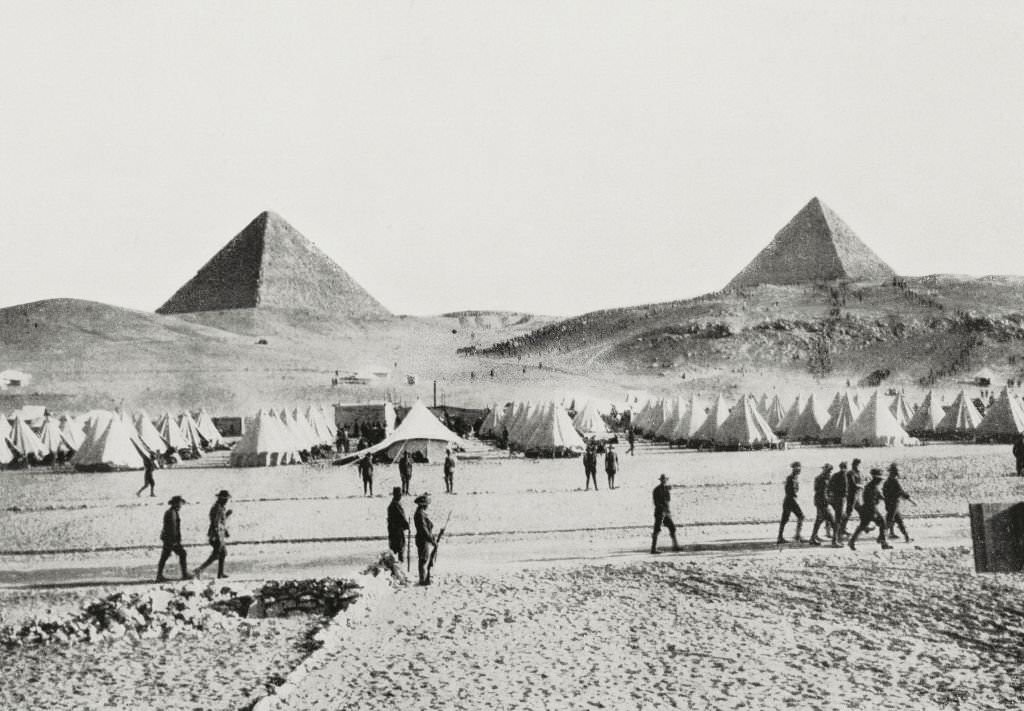
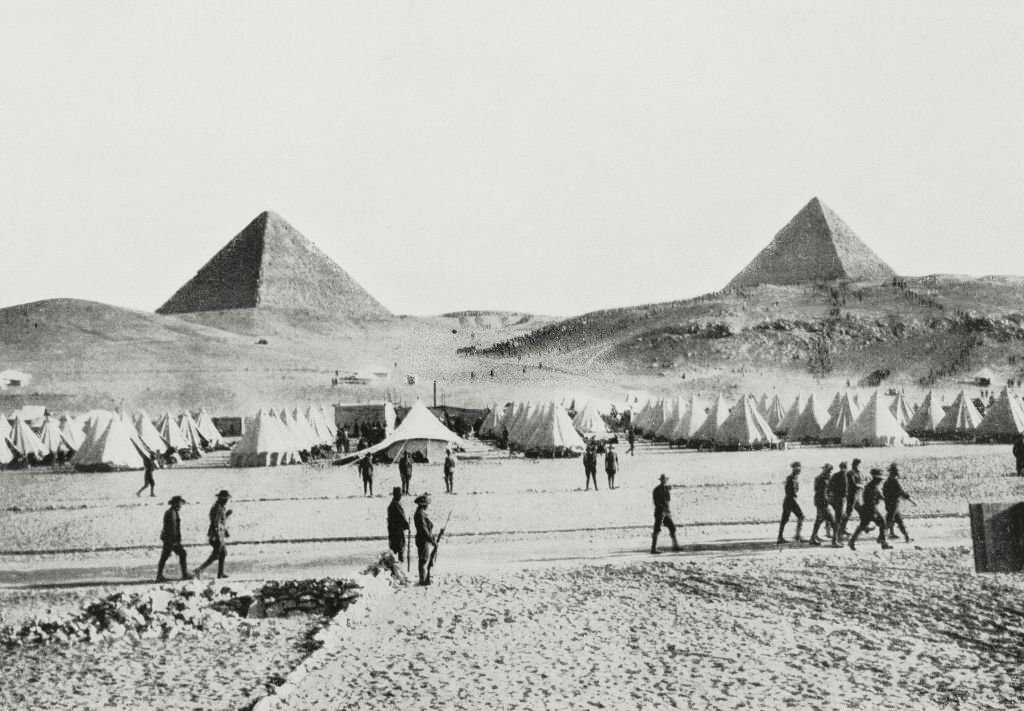
Australian troops set up large encampments near the Pyramids of Giza while training in Egypt before deployments to Gallipoli and the broader Middle Eastern theater. The camps were extensive, equipped with electric tram lines built across the sand to move food and equipment.
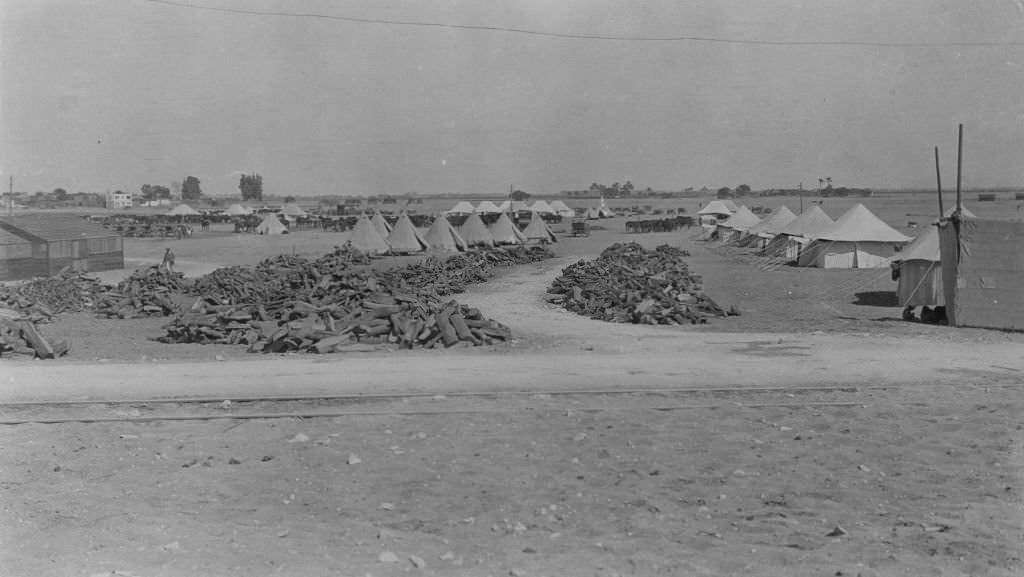
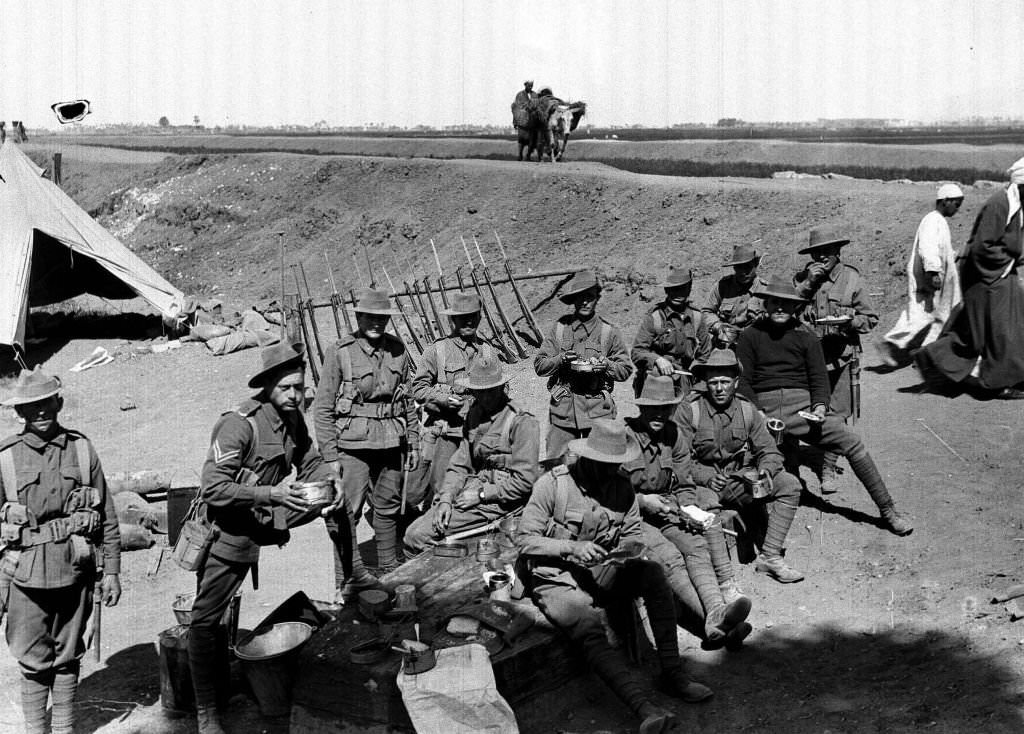
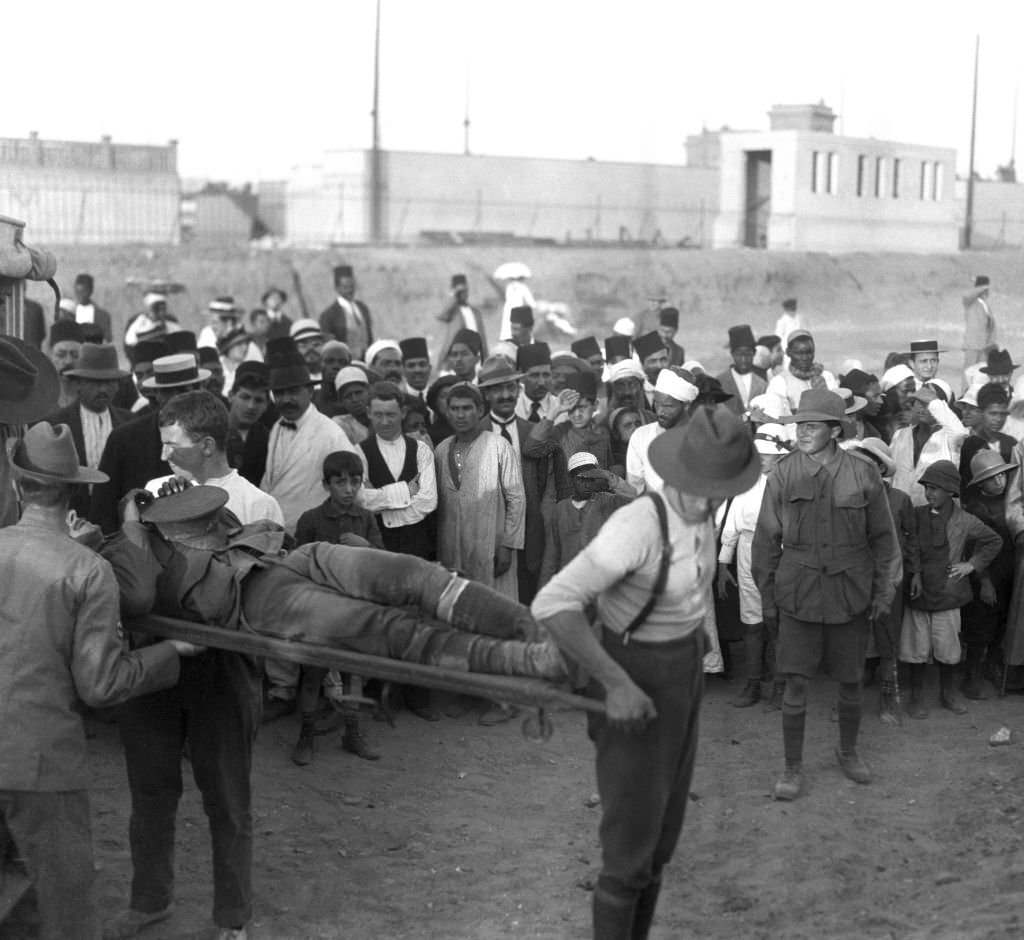
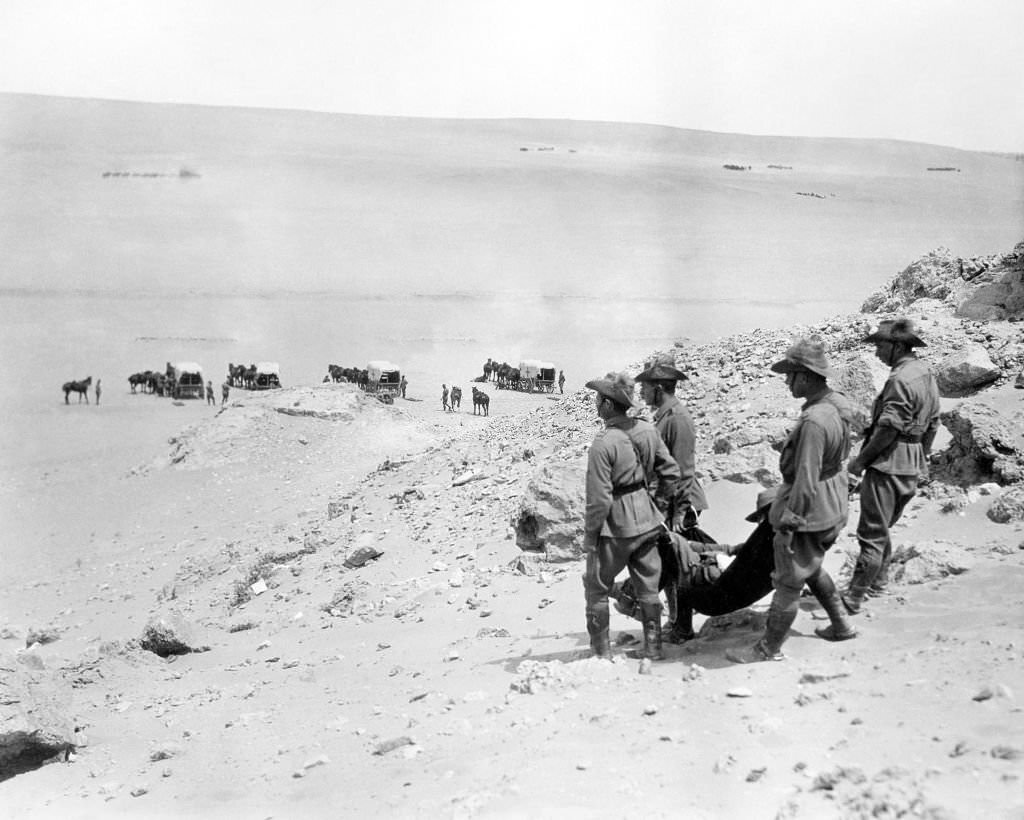
ANZAC forces — Australian and New Zealand Army Corps — were a major presence in Egypt from 1915 onward. After the Gallipoli campaign, Egypt served as both a recovery base and a launching point for further operations. Australian stretcher bearers managed a steady stream of casualties arriving from the Dardanelles.
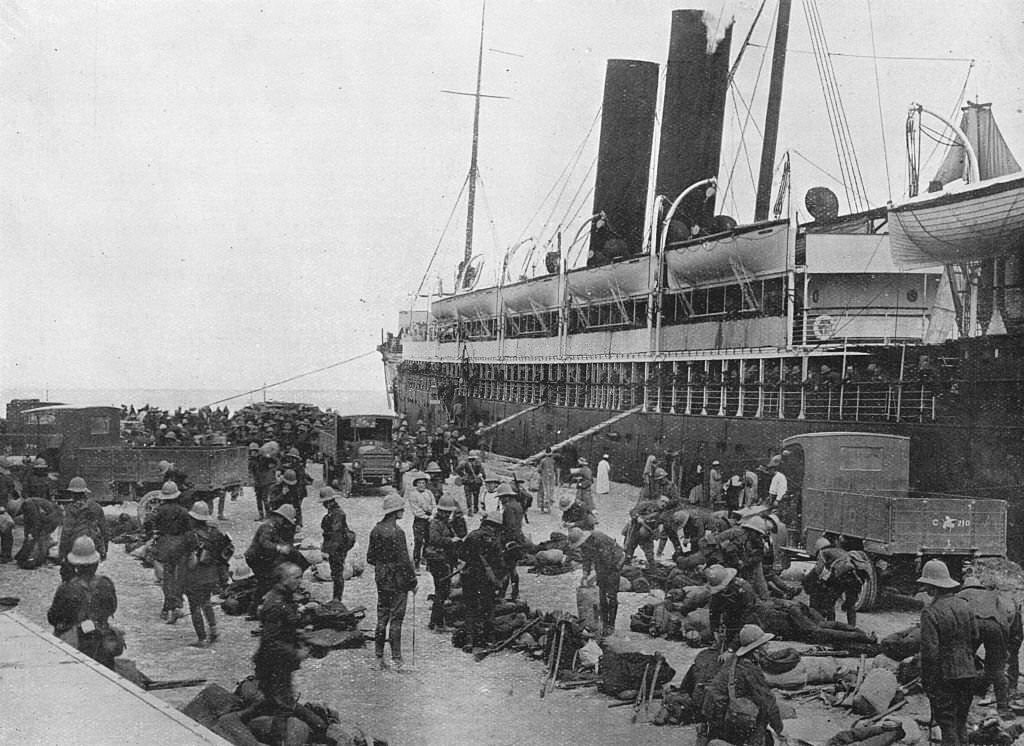
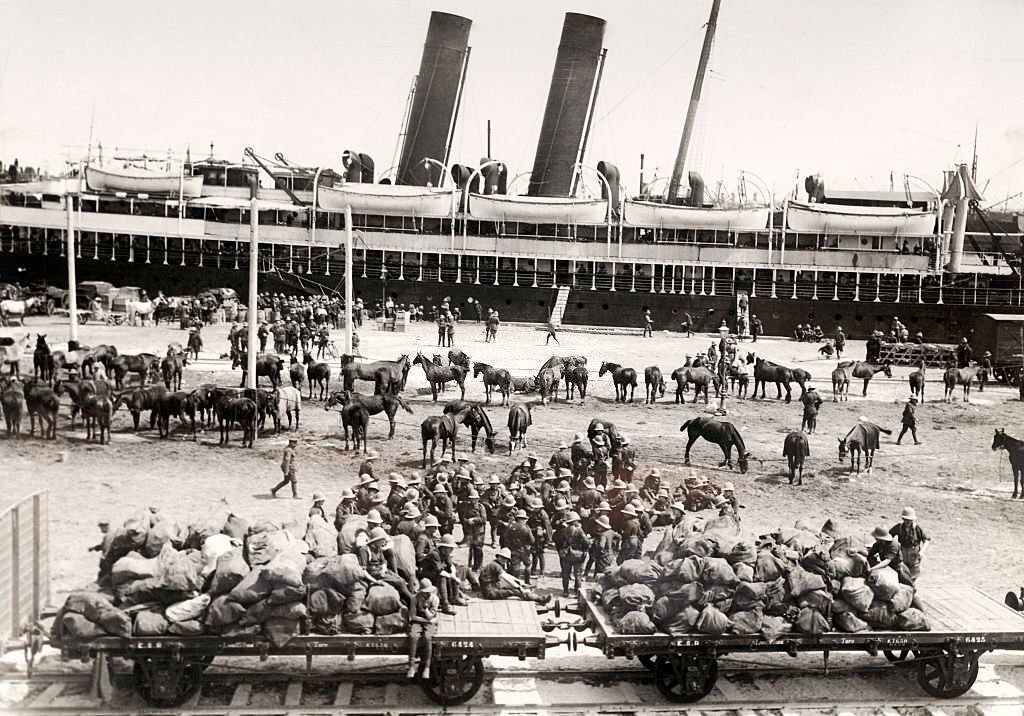
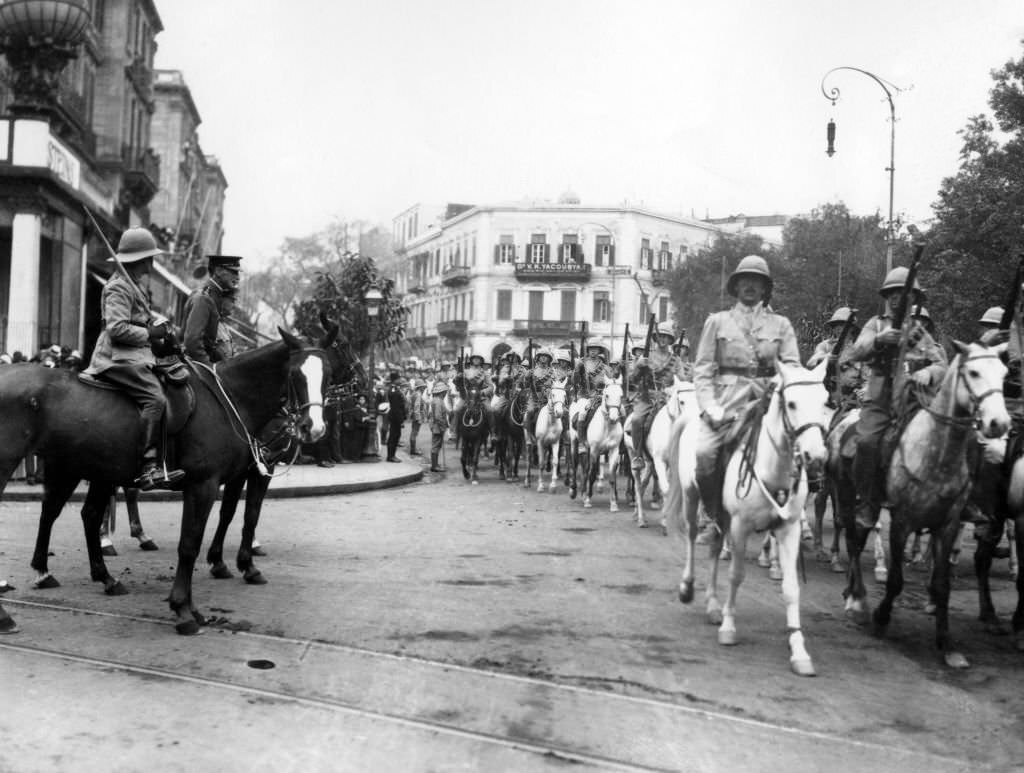
For the first time since Napoleon’s campaign over a century earlier, French troops marched on Egyptian soil. Allied forces assembled in Egypt in 1915, with French soldiers waiting to march past General Sir Ian Hamilton as part of the broader Dardanelles Expeditionary Force.
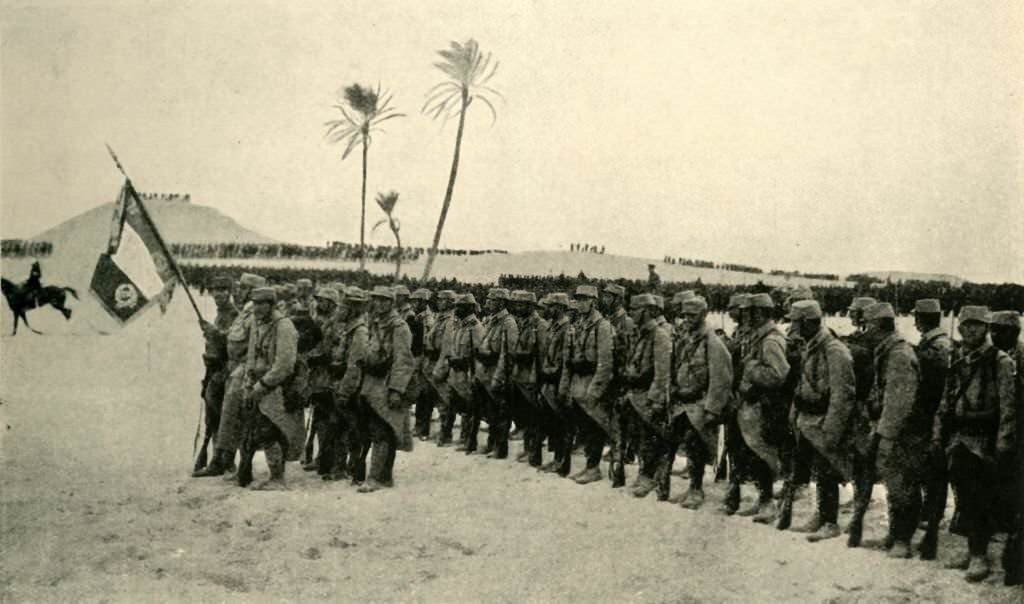
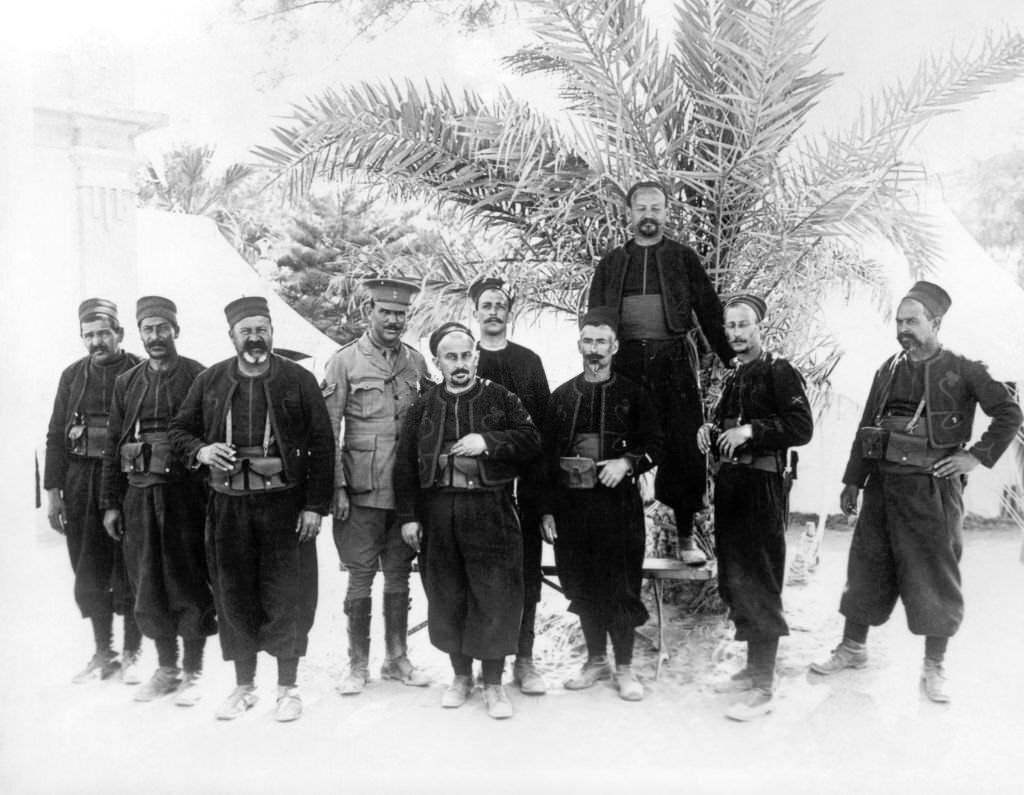
Medical facilities in Alexandria were guarded by French Zouave soldiers while serving as Indian General Hospitals. The multinational nature of these operations reflected just how central Egypt had become to the Allied war effort.
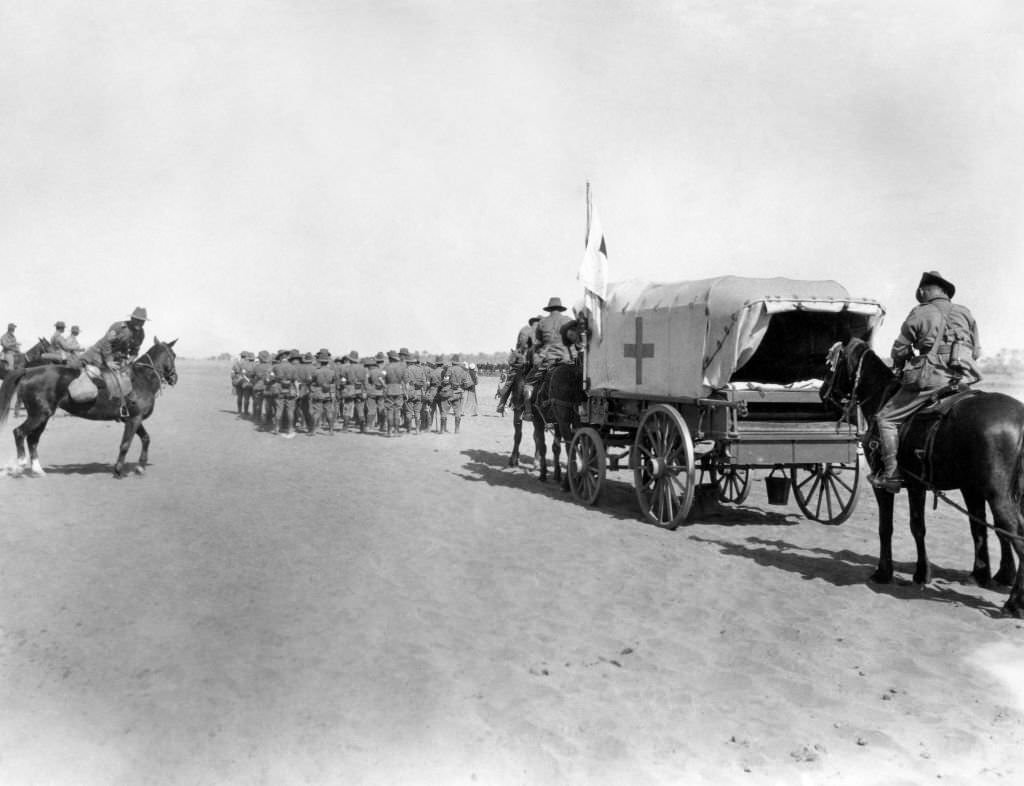
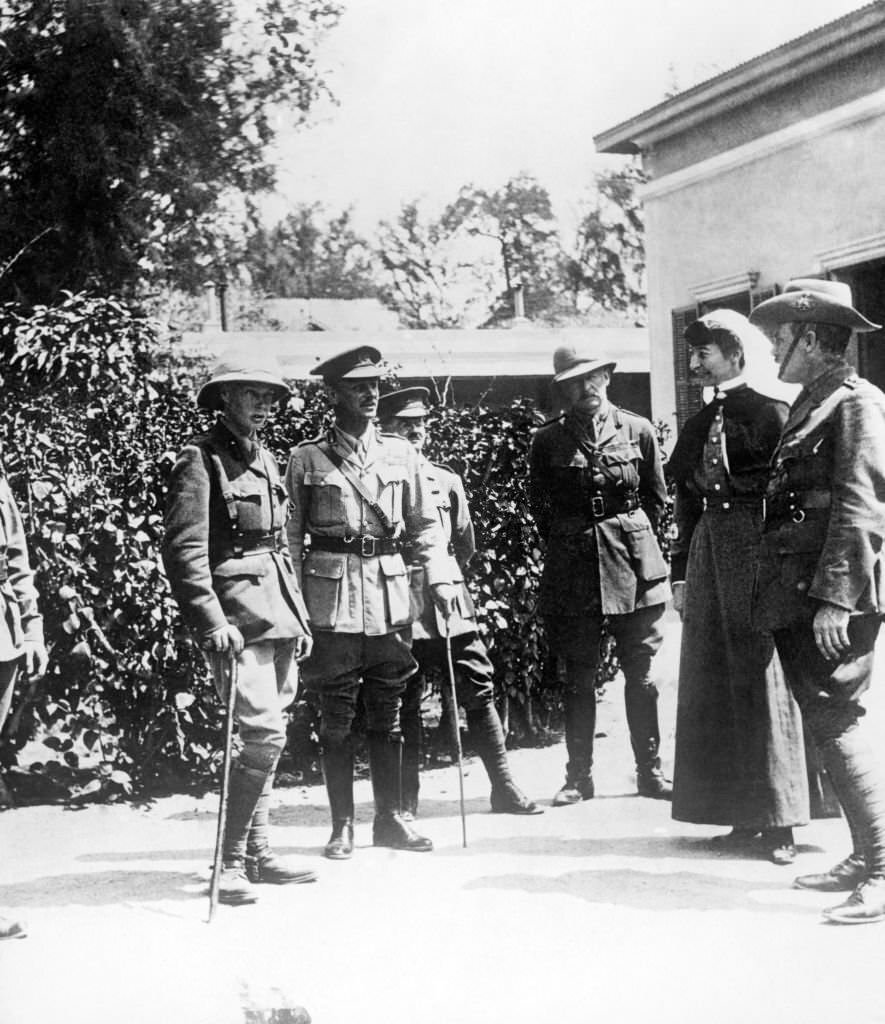
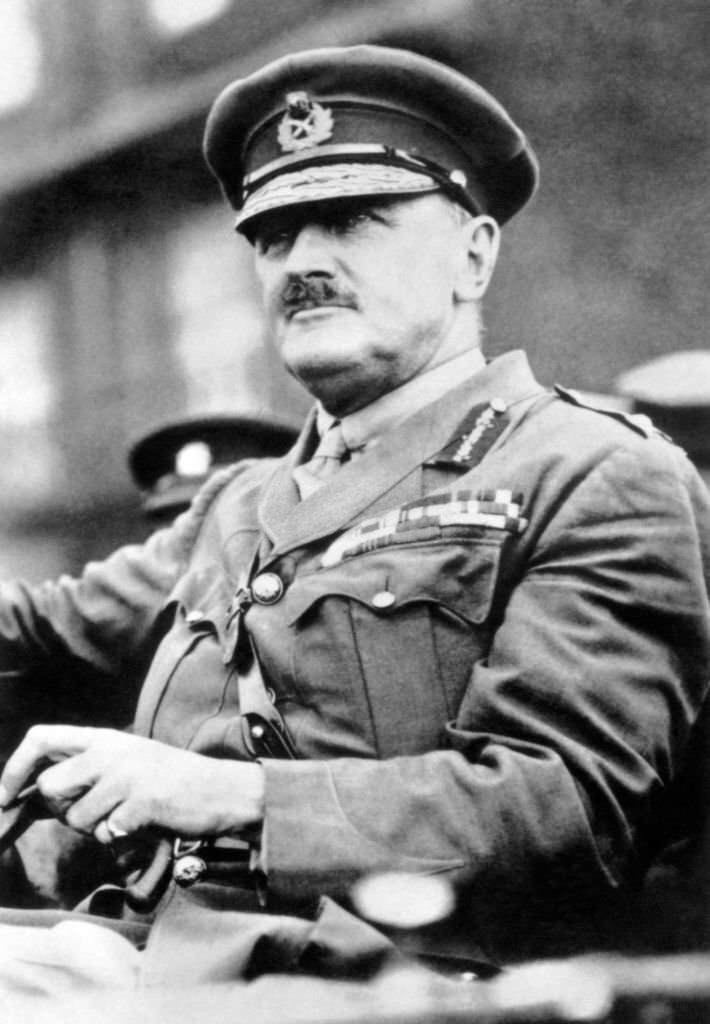
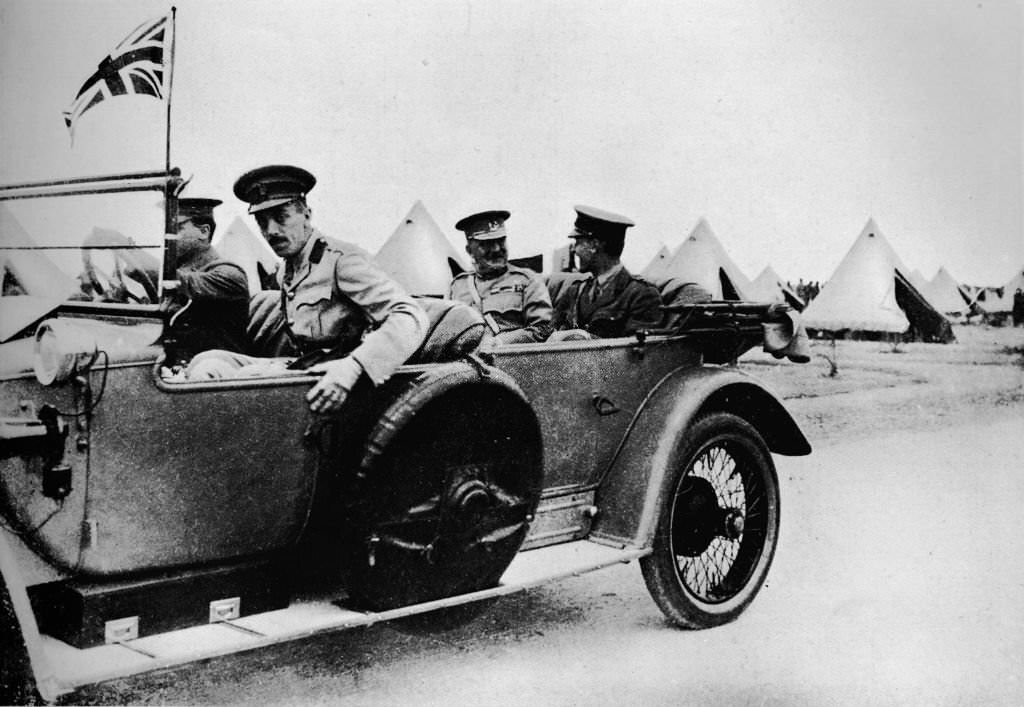
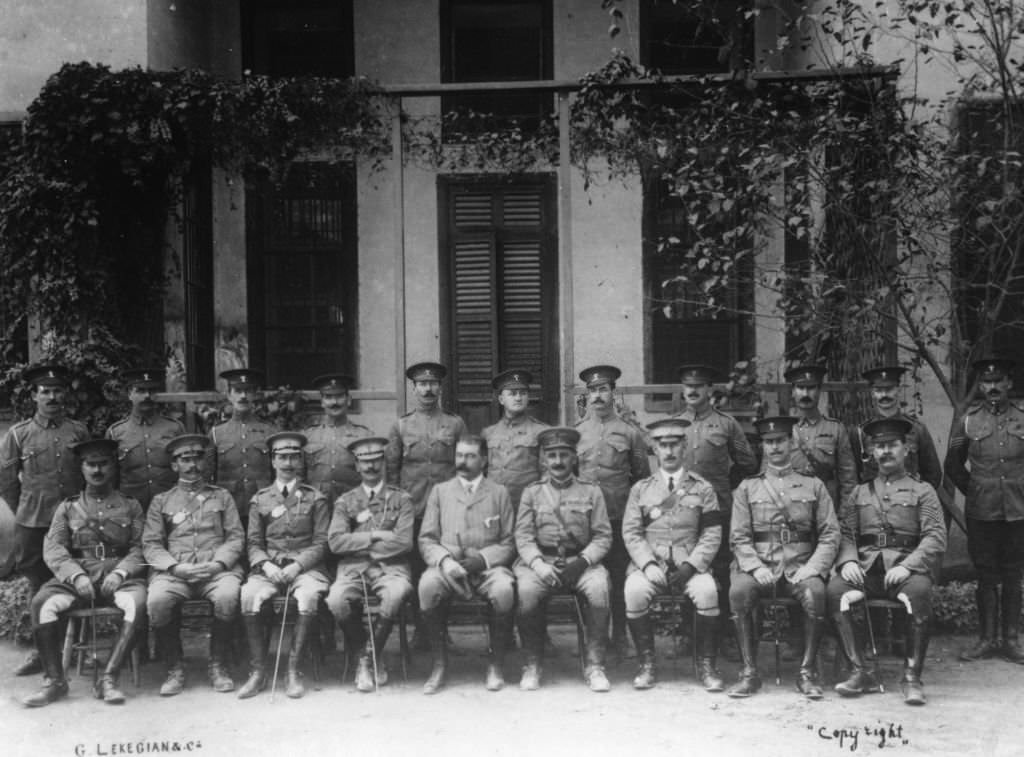
Senior British commanders played central roles in managing Egypt’s wartime operations. Lord Edmund Allenby and General Sir John Maxwell were among the most prominent figures directing British forces in the region during this period.
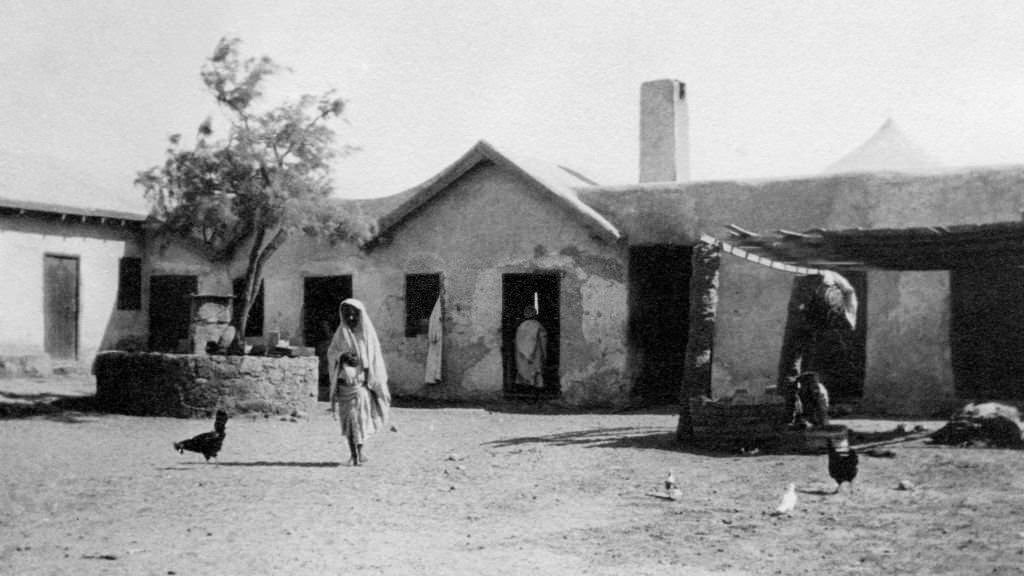
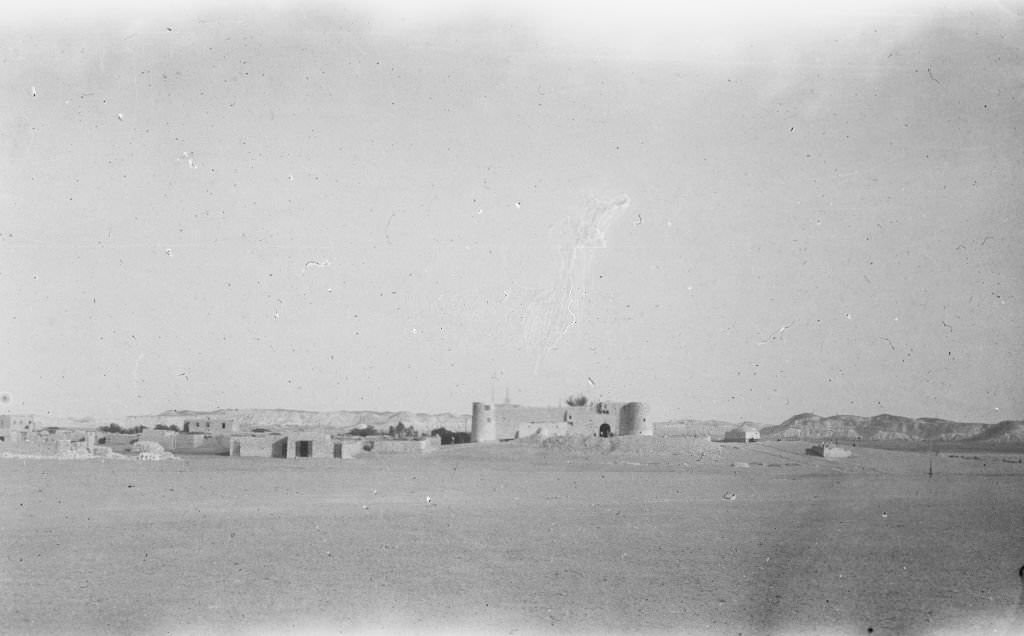
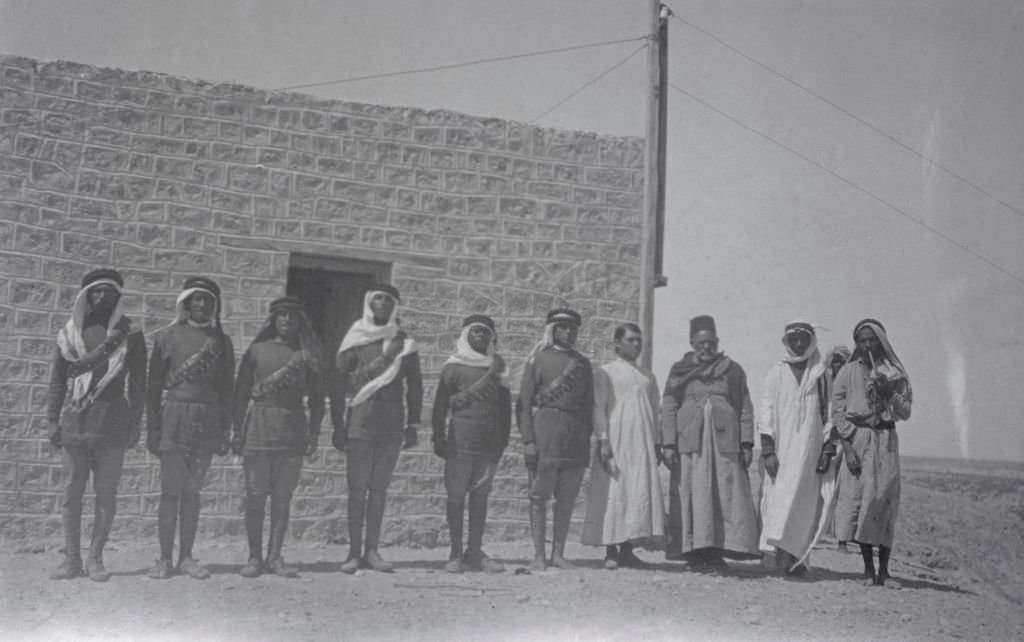
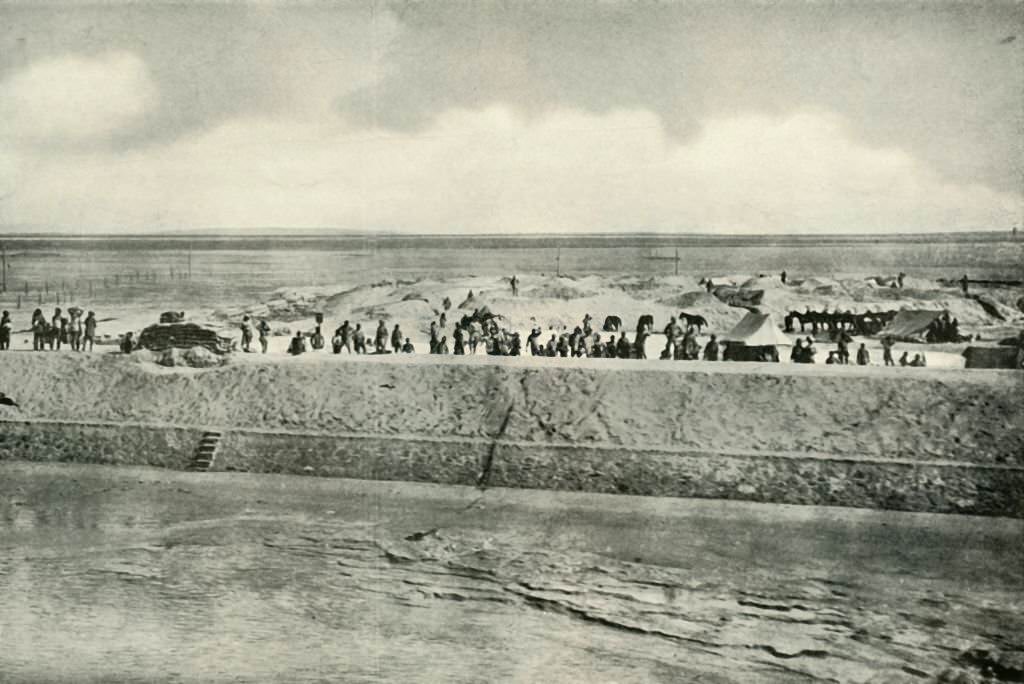
Remote outposts like Nakhl and Al-Kuntillah in the Sinai held small garrisons that monitored the desert frontier. These border posts were crucial during the war, as the Sinai was a contested zone between British-controlled Egypt and Ottoman-held territory.
The Sinai Peninsula’s ancient monasteries stood in stark contrast to the military activity surrounding them. Saint Catherine’s Monastery at Mount Sinai continued to preserve thousands of years of religious manuscripts and art, even as armies moved through the desert around it.
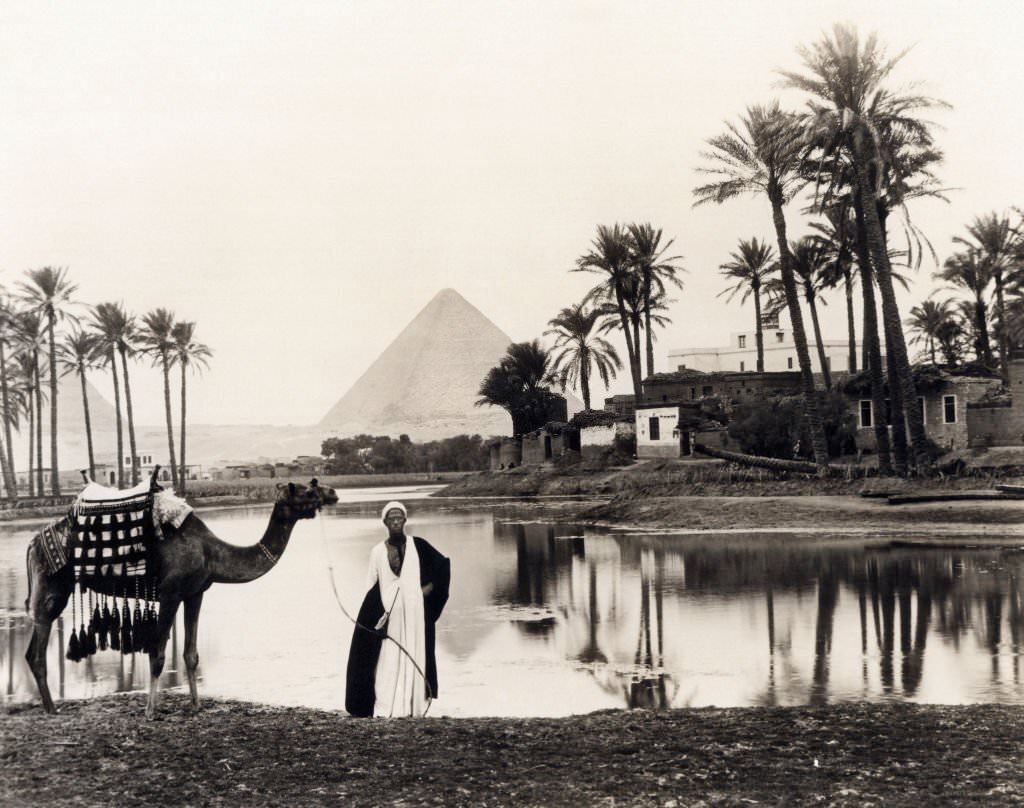
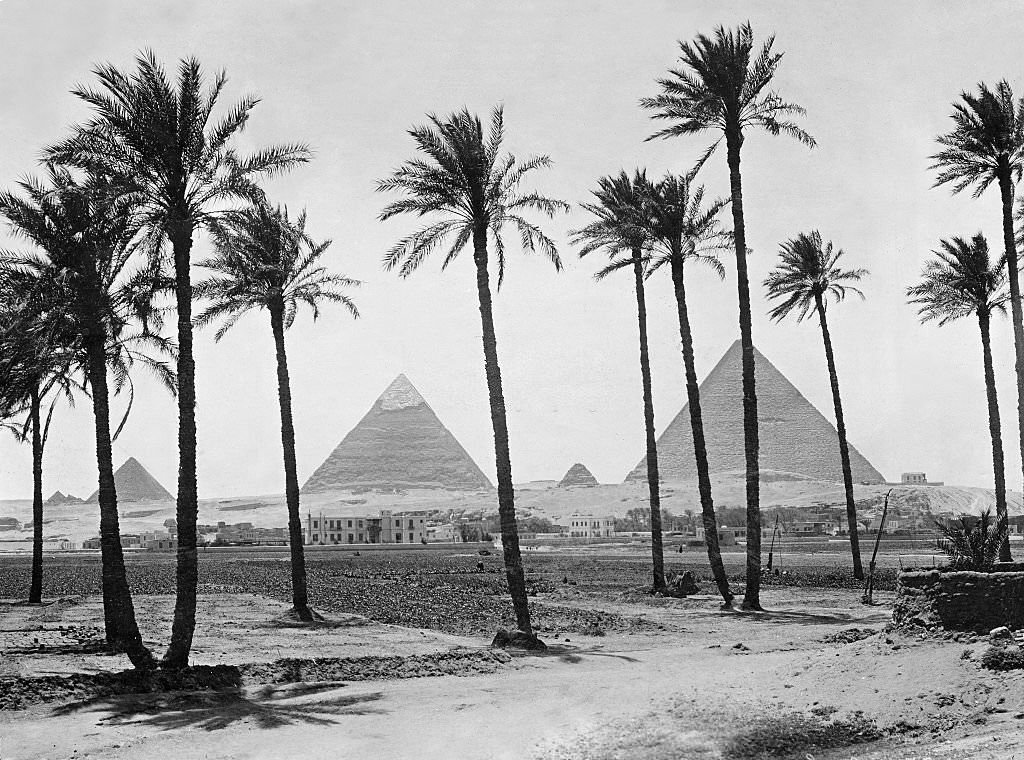
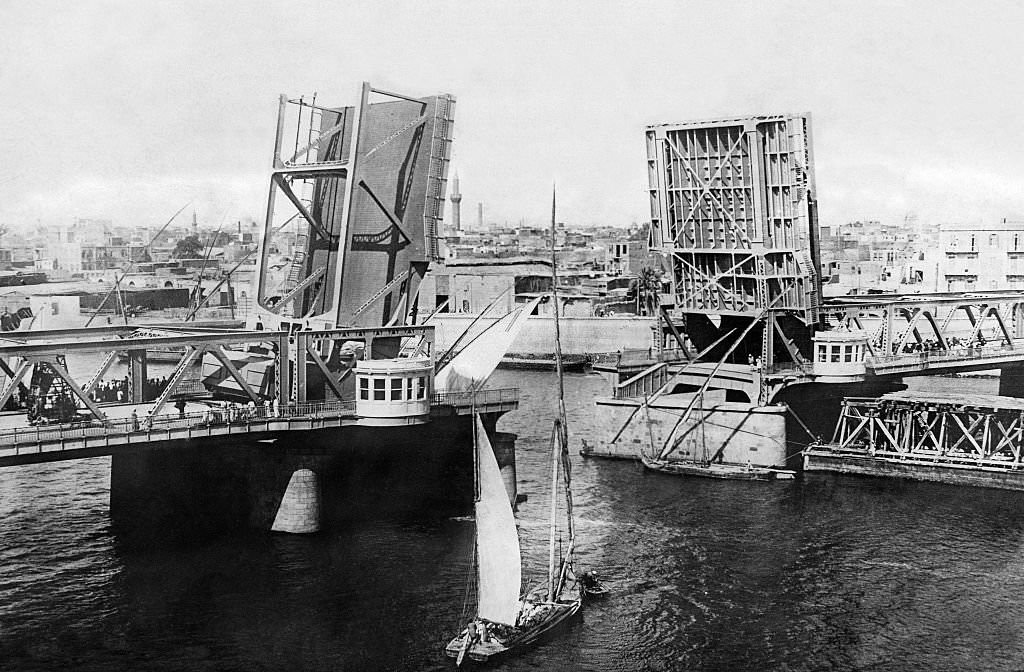
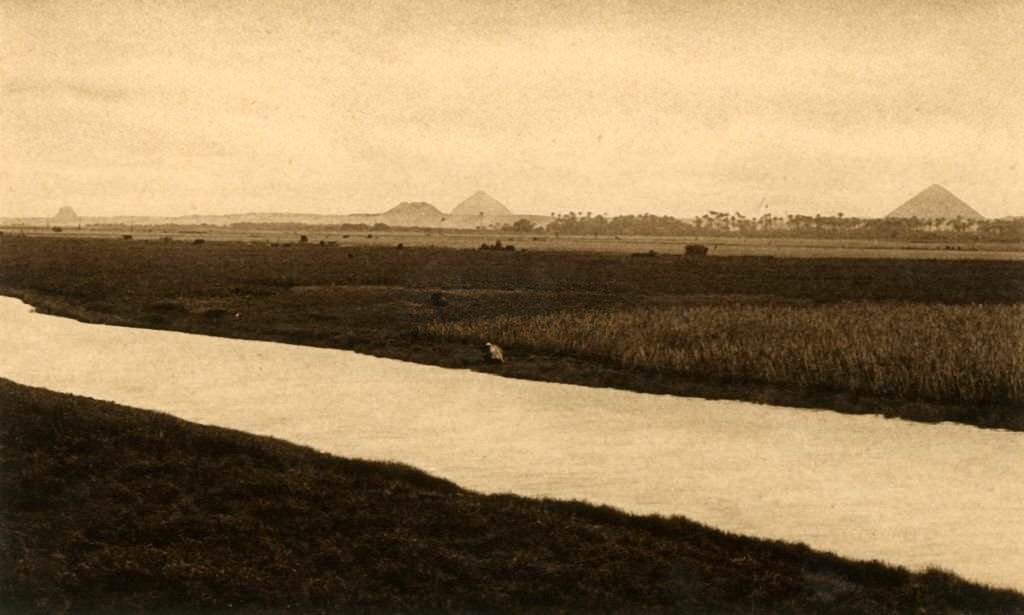
Beyond the military presence, Egypt’s civilian landscape remained striking. The Giza plateau, with its pyramids rising above groves of palm trees, looked much as it had for millennia. Infrastructure projects were also changing the cities — Cairo’s Abou al-Ela bridge, a bascule bridge over the Nile, was a modern engineering addition to an ancient river.
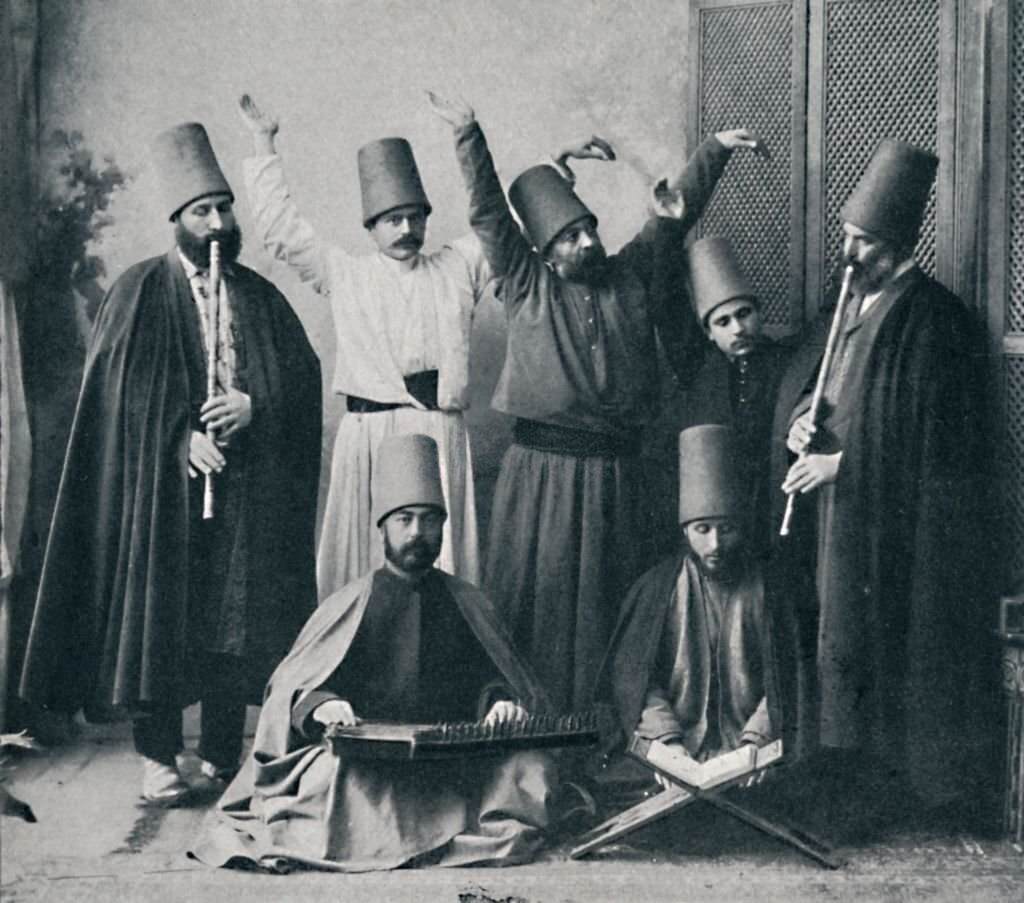
Egyptian culture remained very much alive beneath the weight of foreign occupation. The Whirling Dervishes — Sufi performers known for their spinning ritual dances — were a visible part of religious and public life in Egypt’s cities.
Viscount Kitchener served as Britain’s Consul General in Egypt before the war, and his tenure shaped British policy there significantly. By 1912, he was one of the most powerful figures in the country’s administration.
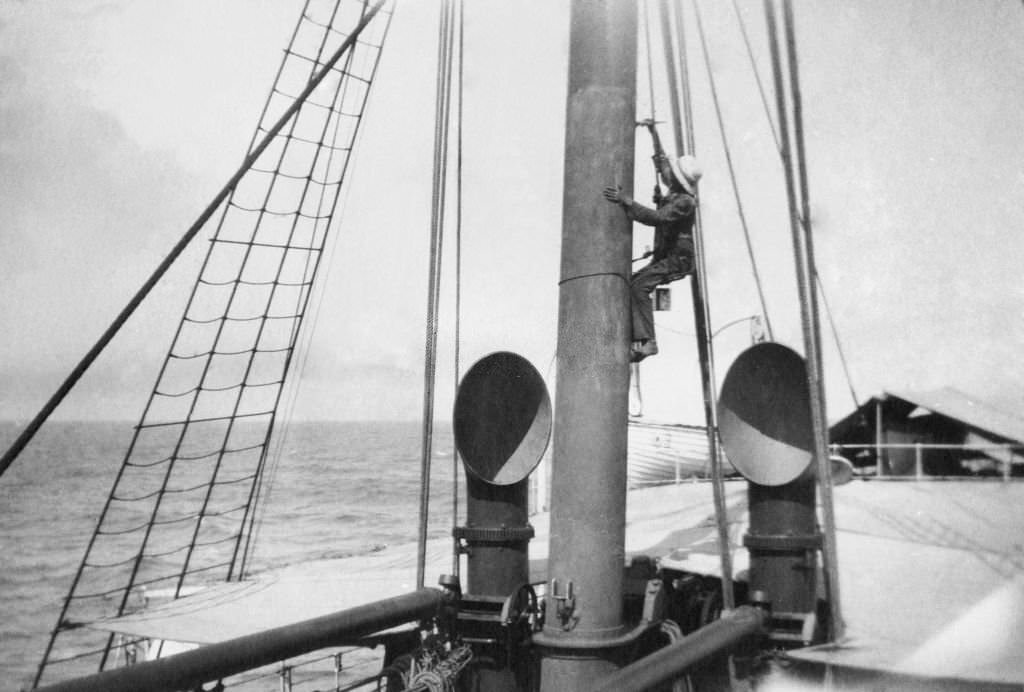
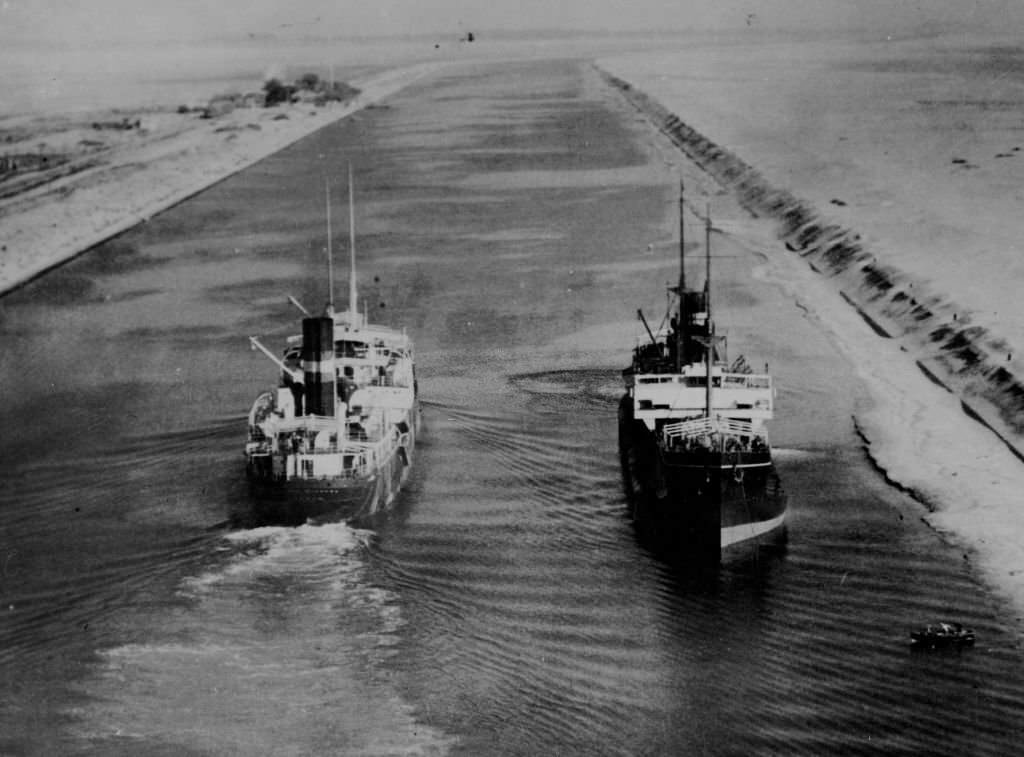
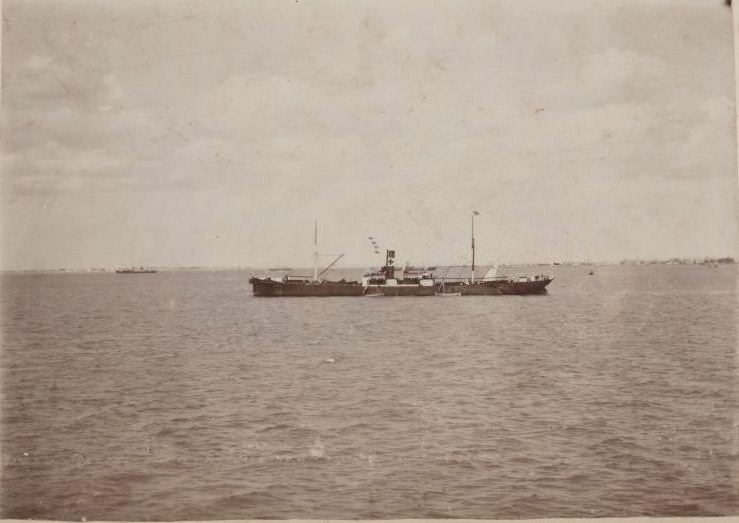
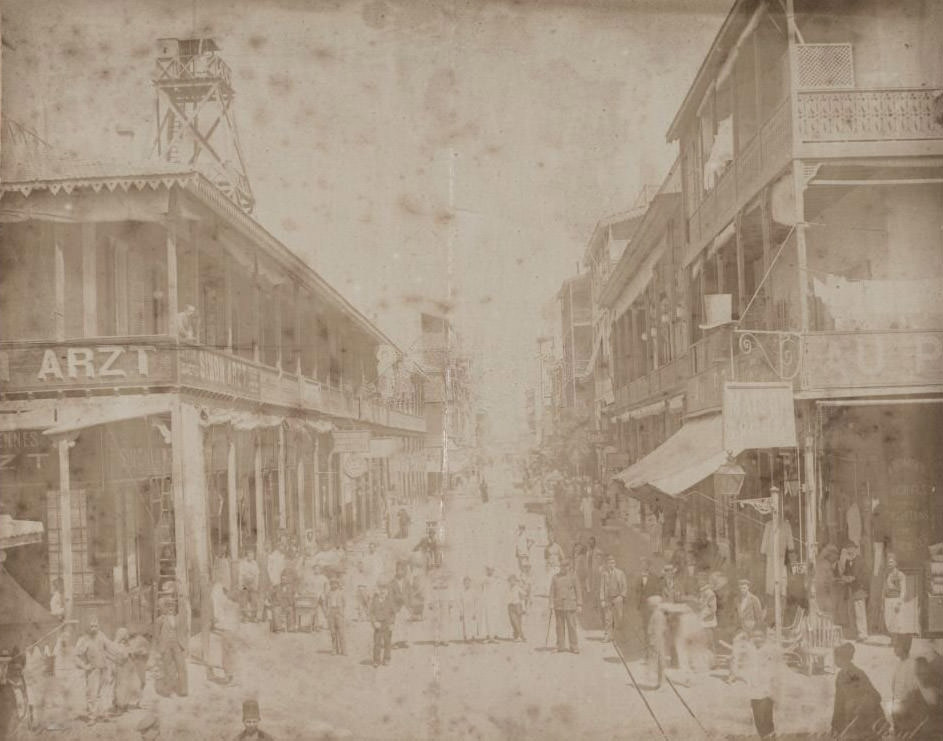
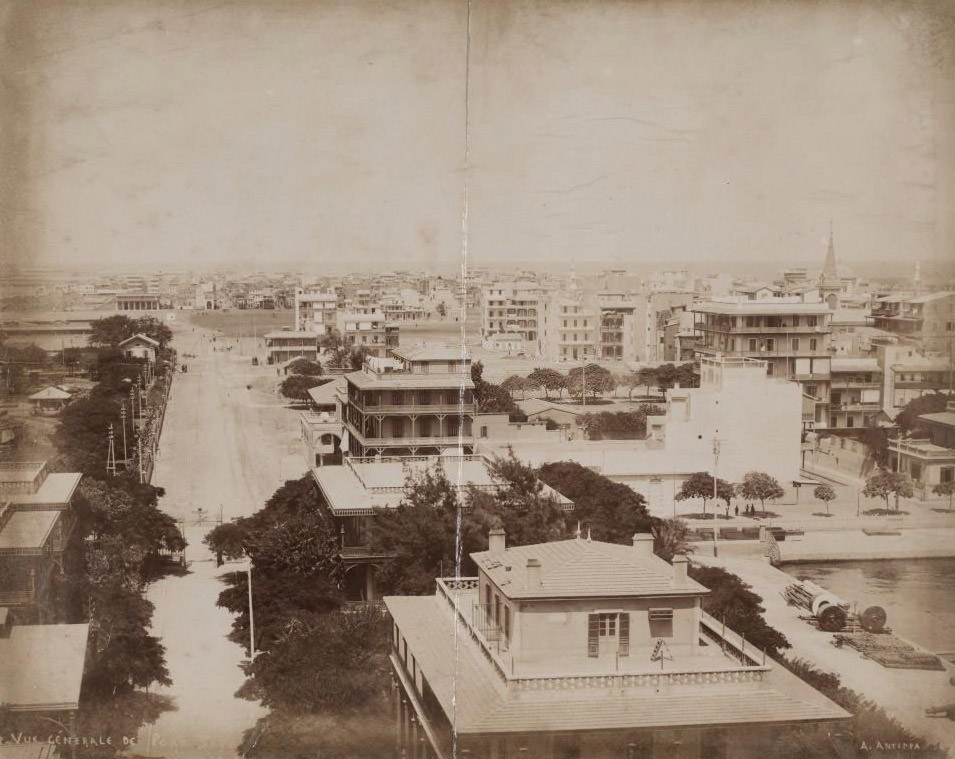
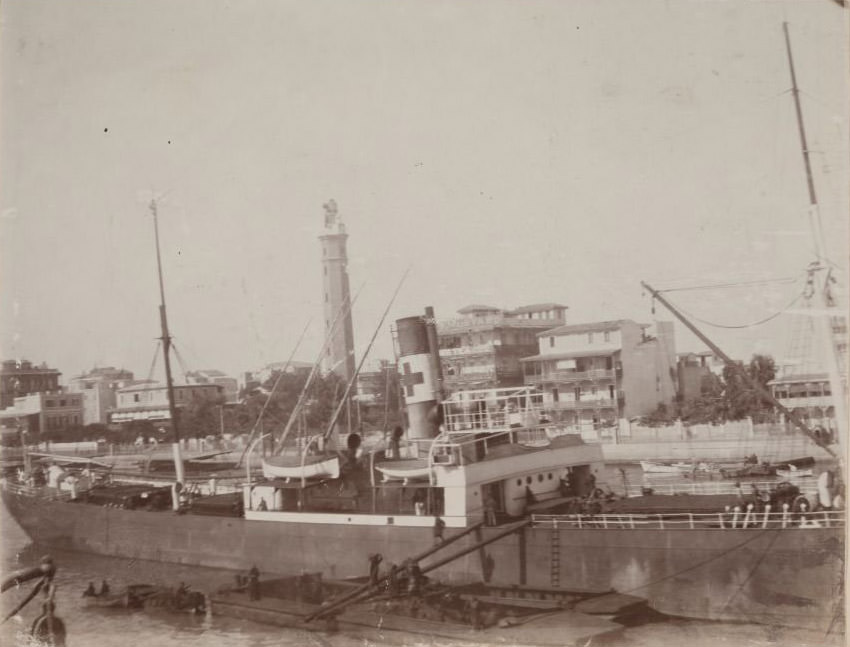
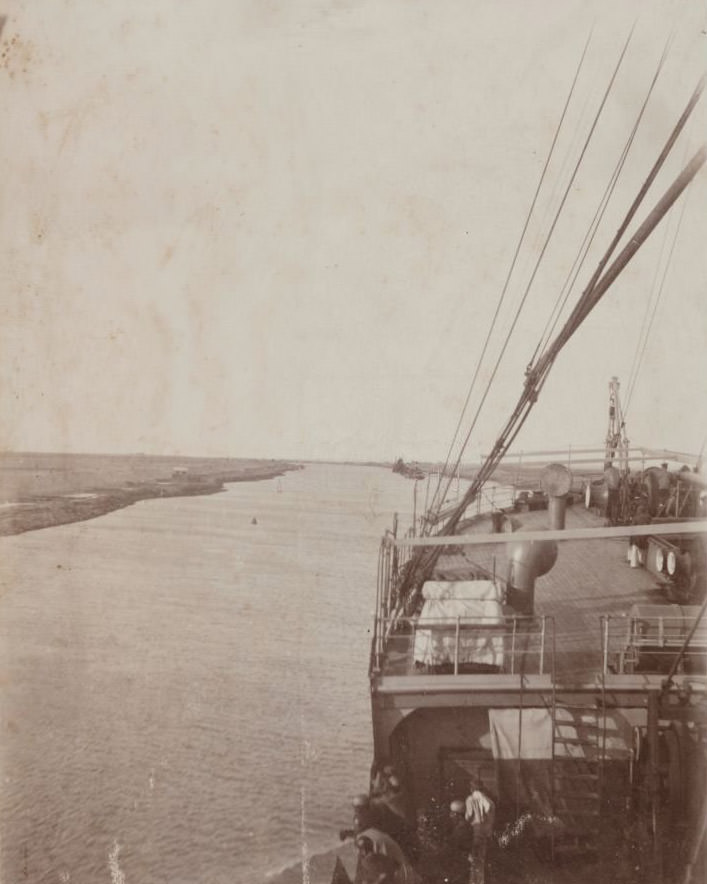
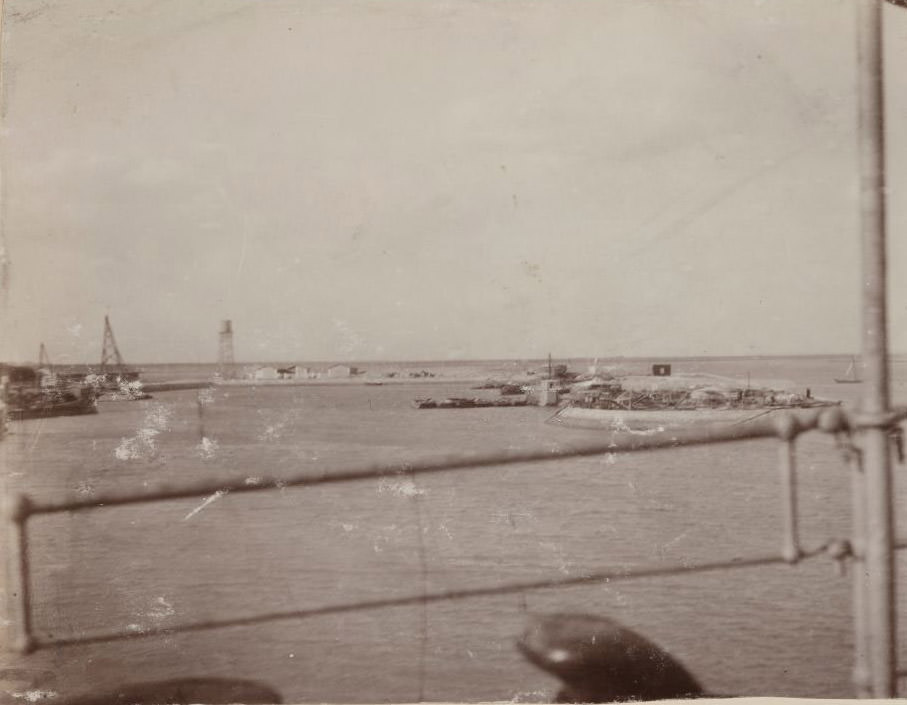
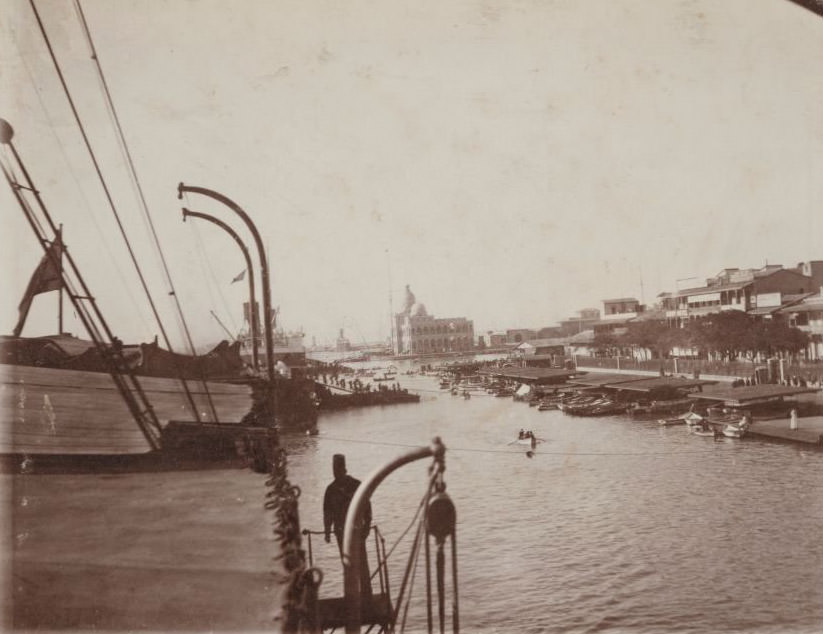
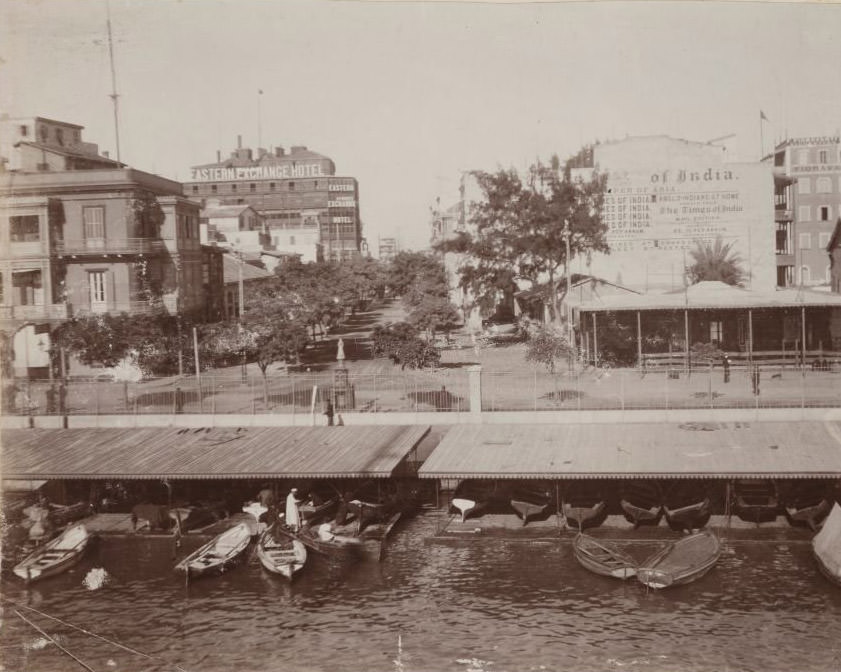
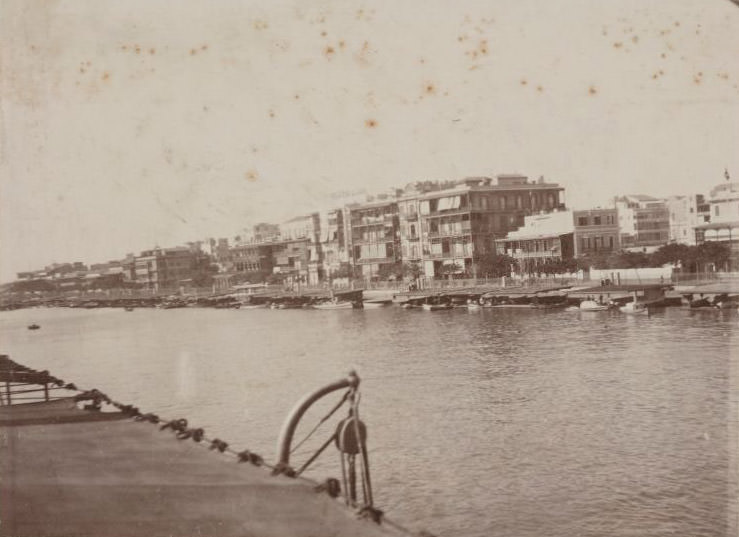
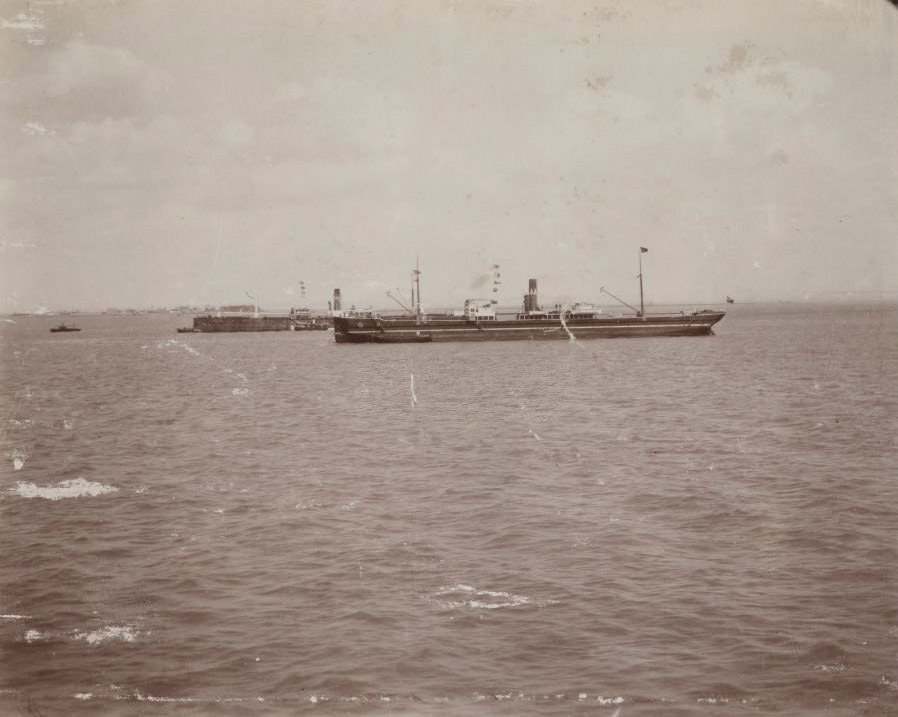
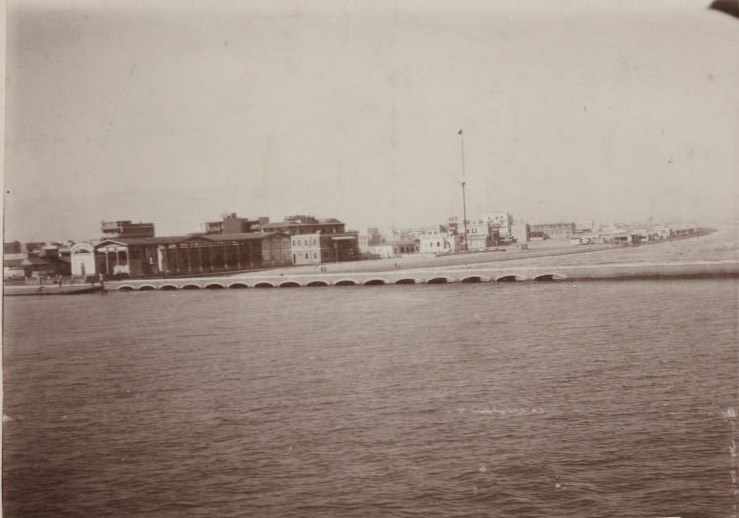
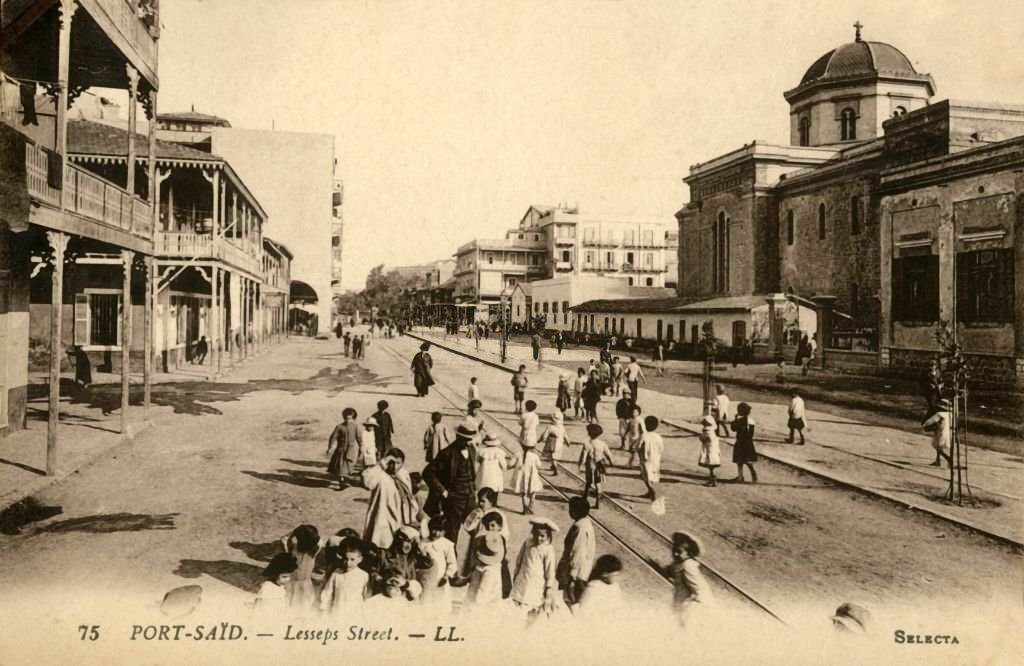
The port cities of Suez and Port Said were Egypt’s gateways to the world. Ships traveling between Europe, Asia, and Africa passed through the Suez Canal, making these cities among the busiest and most cosmopolitan in the region. Traders, travelers, and sailors filled their streets.
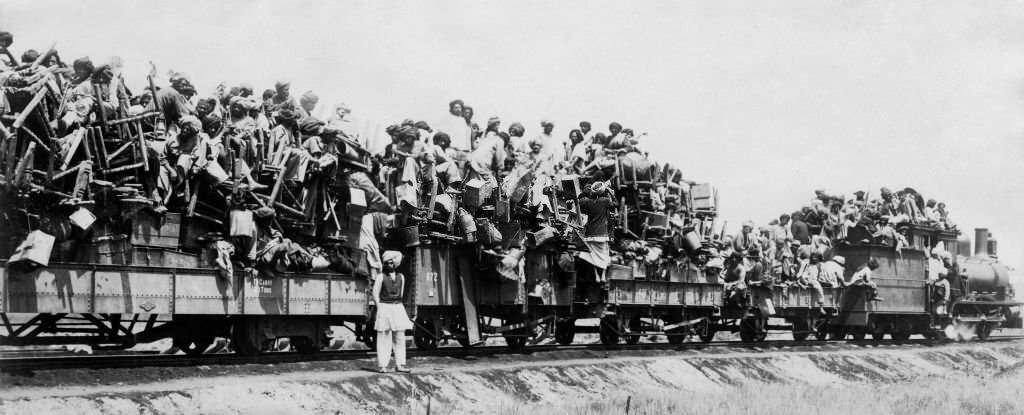
Egypt’s railway network was a vital artery for both commerce and military logistics. Workers and soldiers alike depended on the trains to move people and supplies across a vast and demanding landscape.
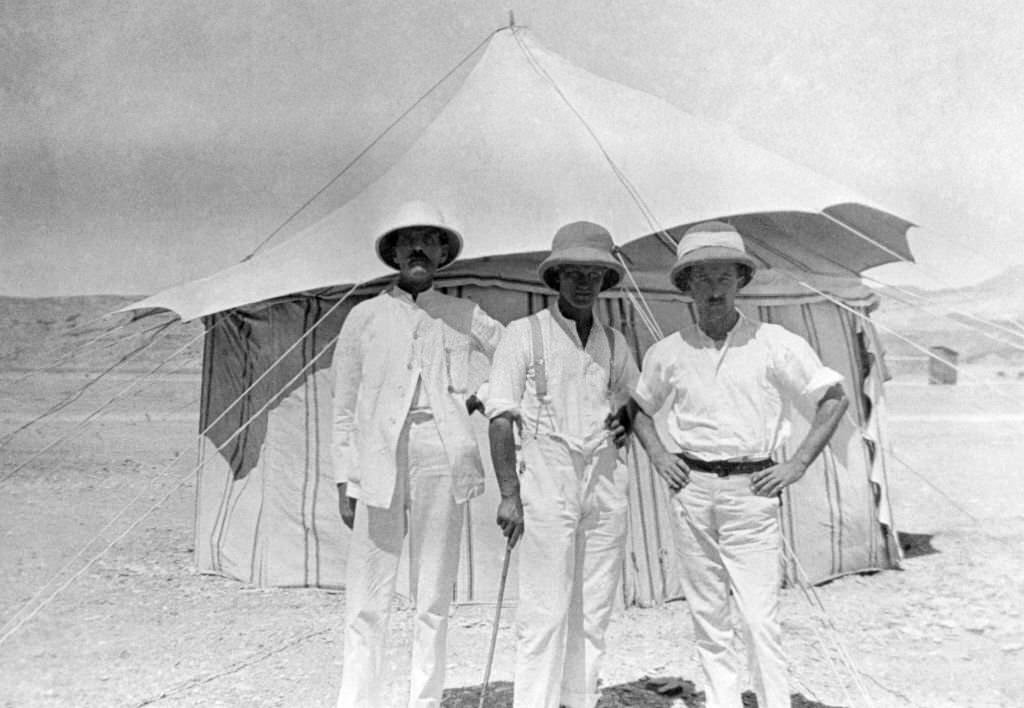
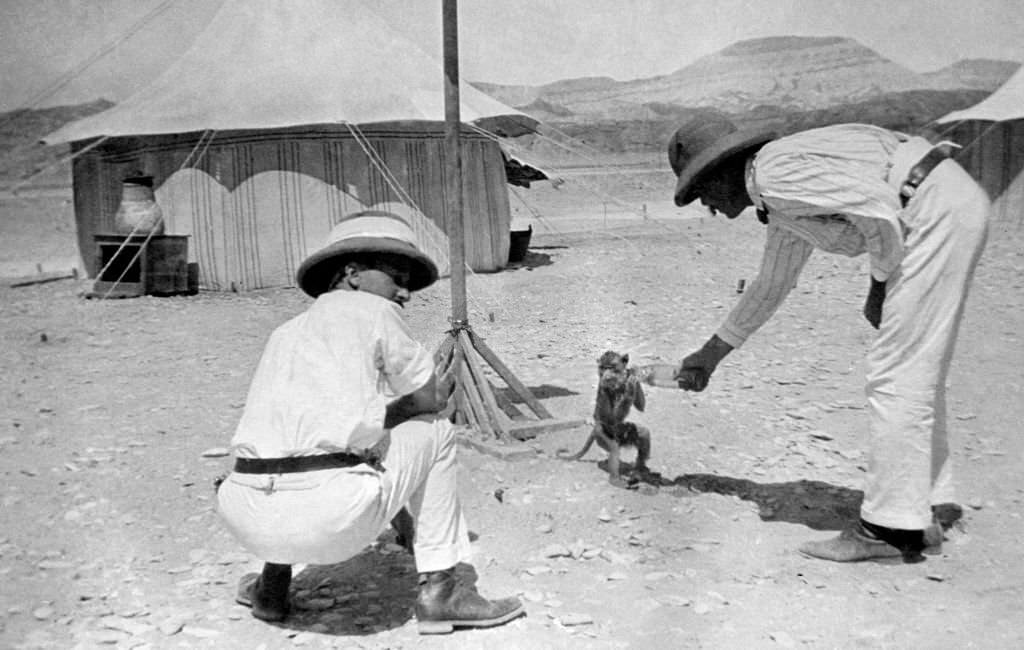
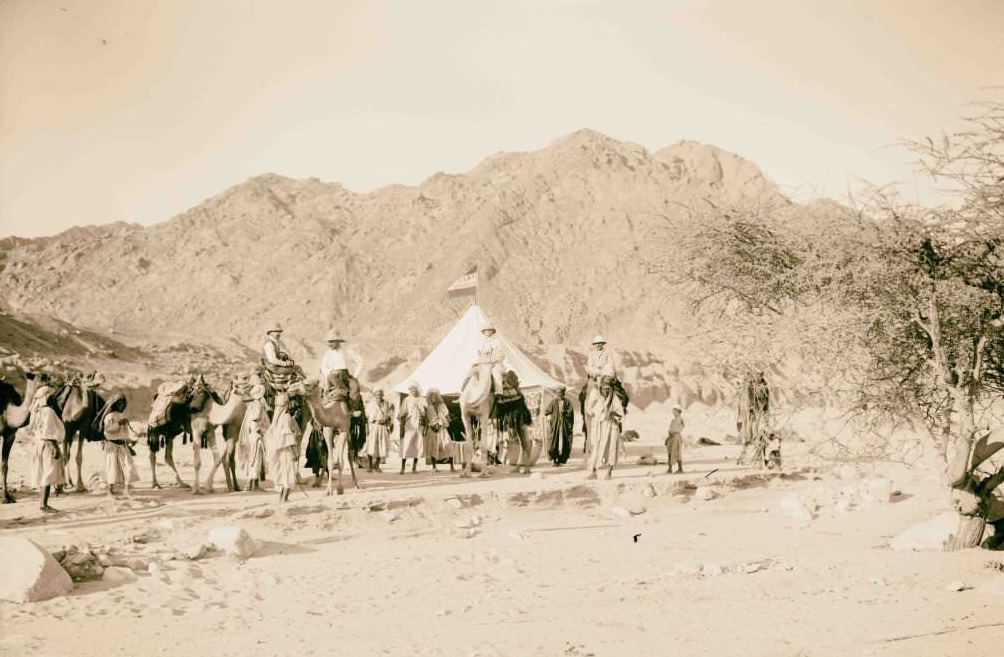
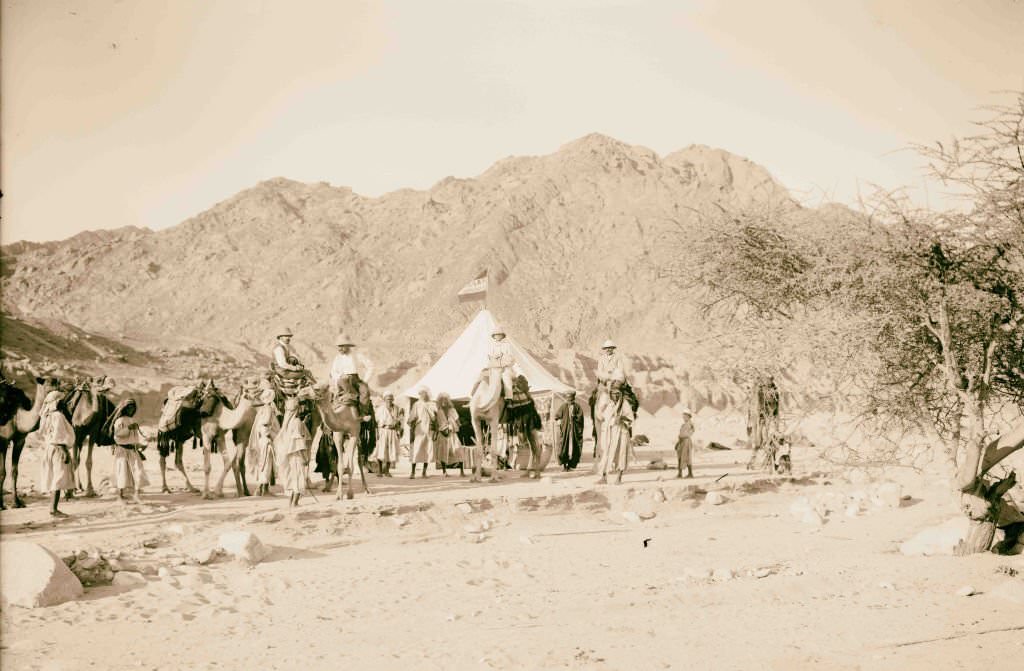
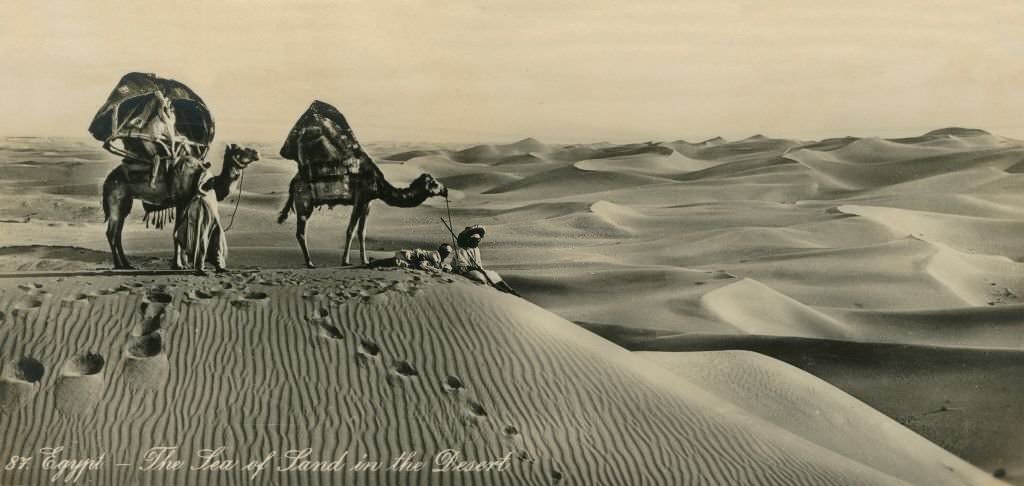
Expedition camps in the Sinai served researchers and explorers throughout the decade. Lewis Larsson, associated with the American Colony, led and participated in several documented Sinai expeditions during the early 1910s, traveling by camel across the harsh desert terrain.
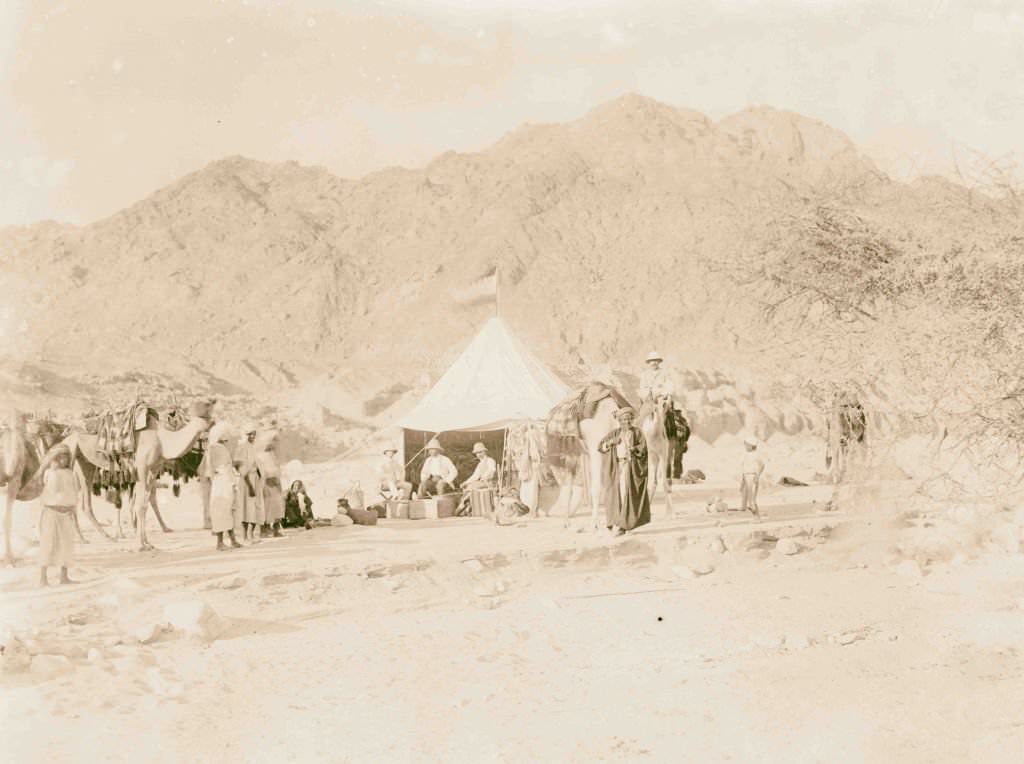
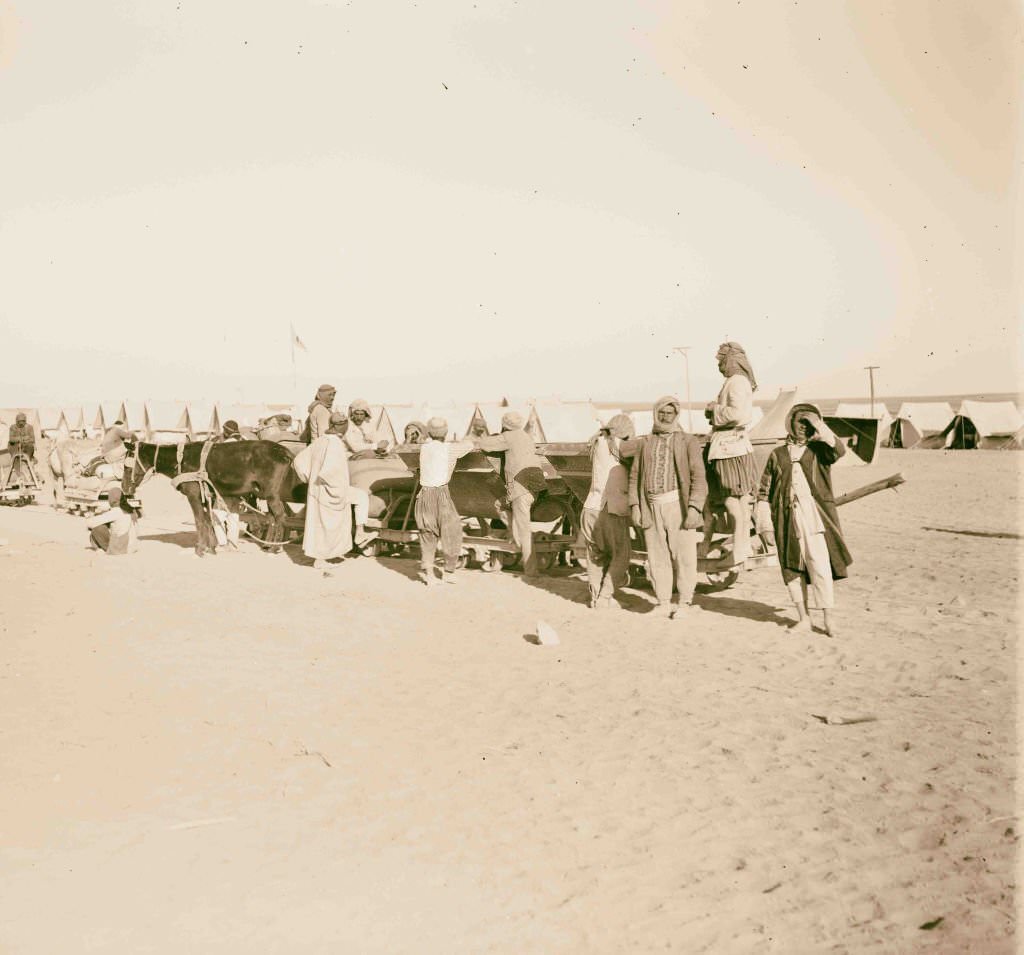
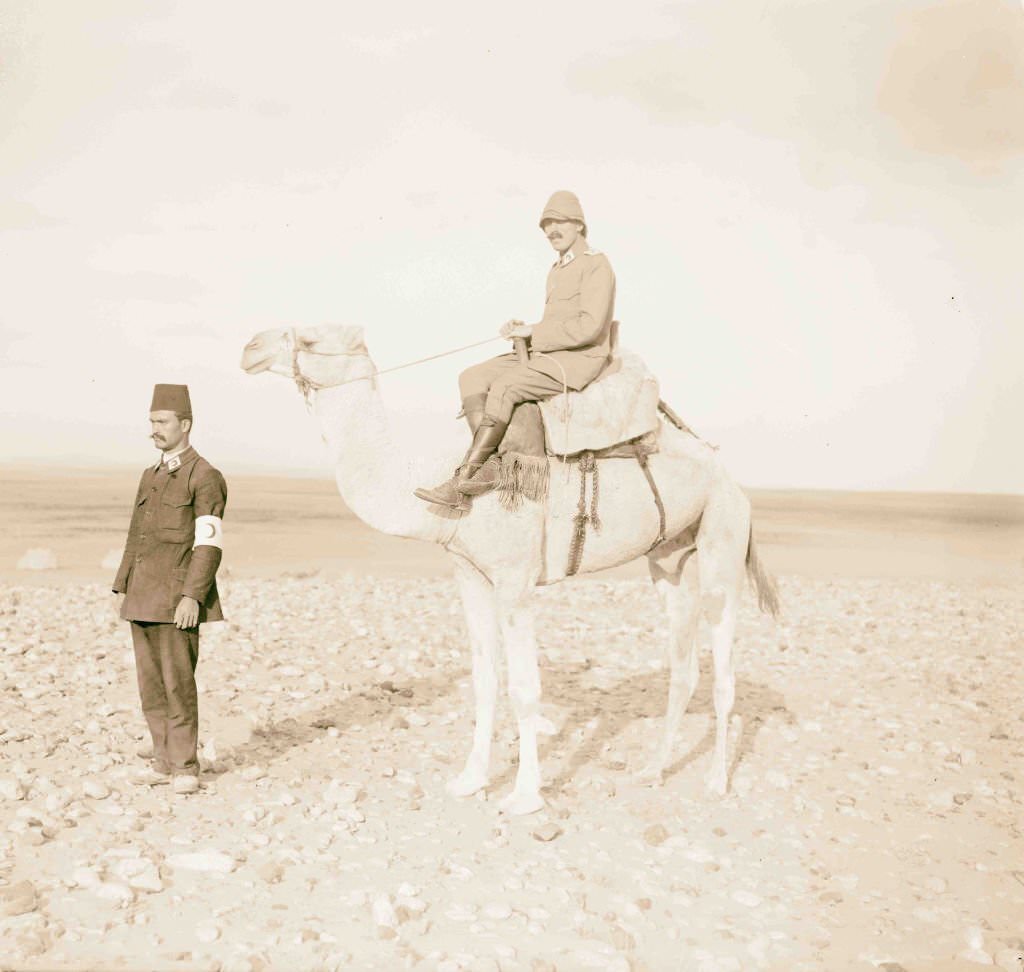
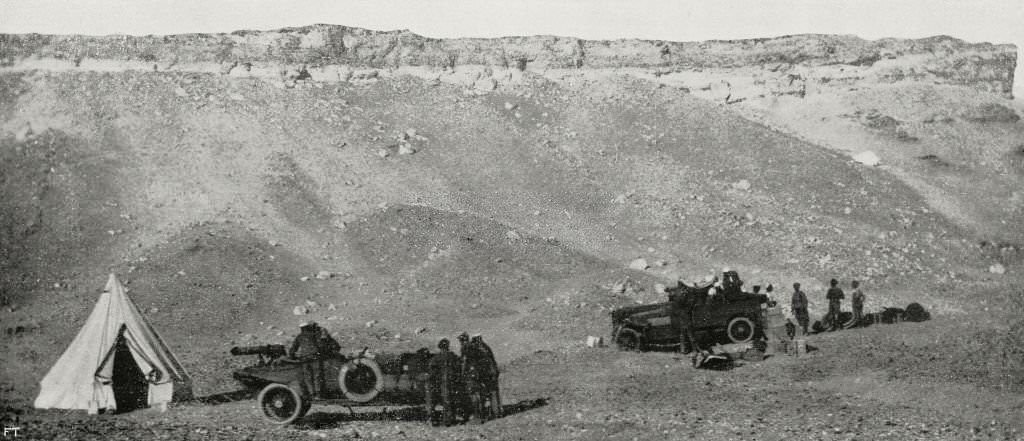
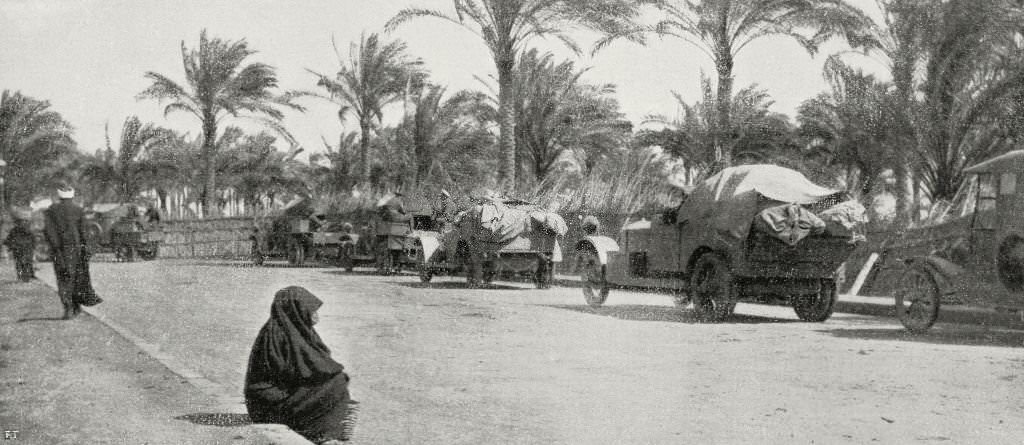
By 1917, the Sinai had become an active military theater. Hospital tents were erected across the desert to treat the wounded, and Ottoman Turkish officers with camels were a common sight during the Sinai campaign. British military vehicles and lorry convoys also crossed the peninsula in support of operations pushing toward Palestine.
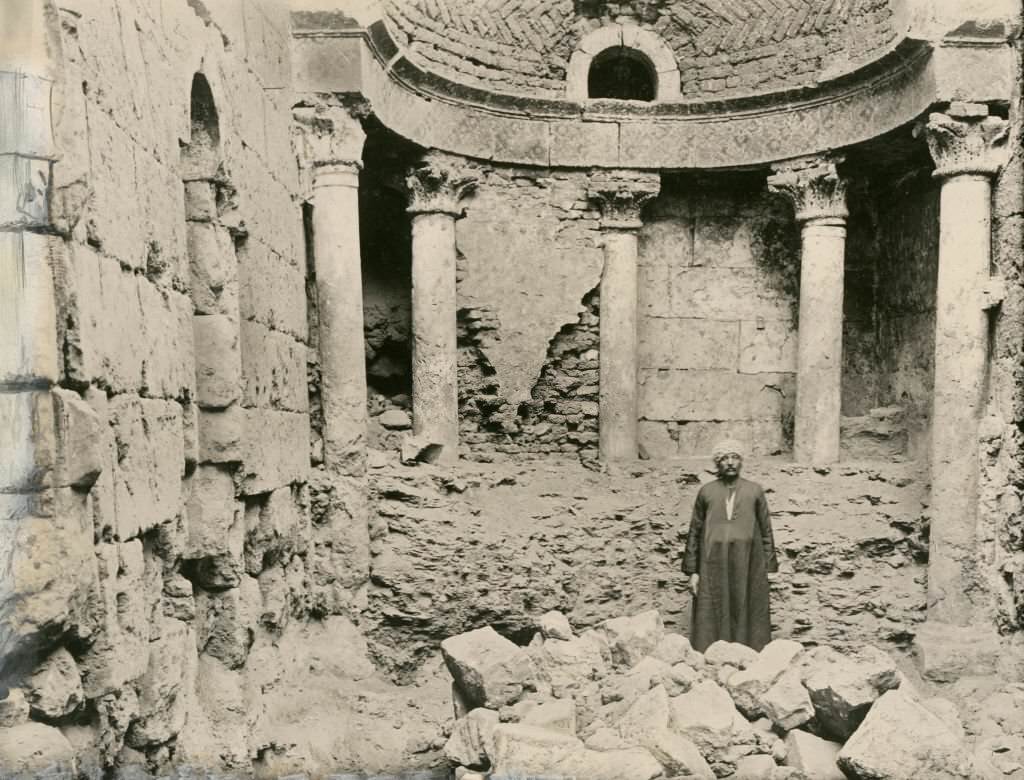
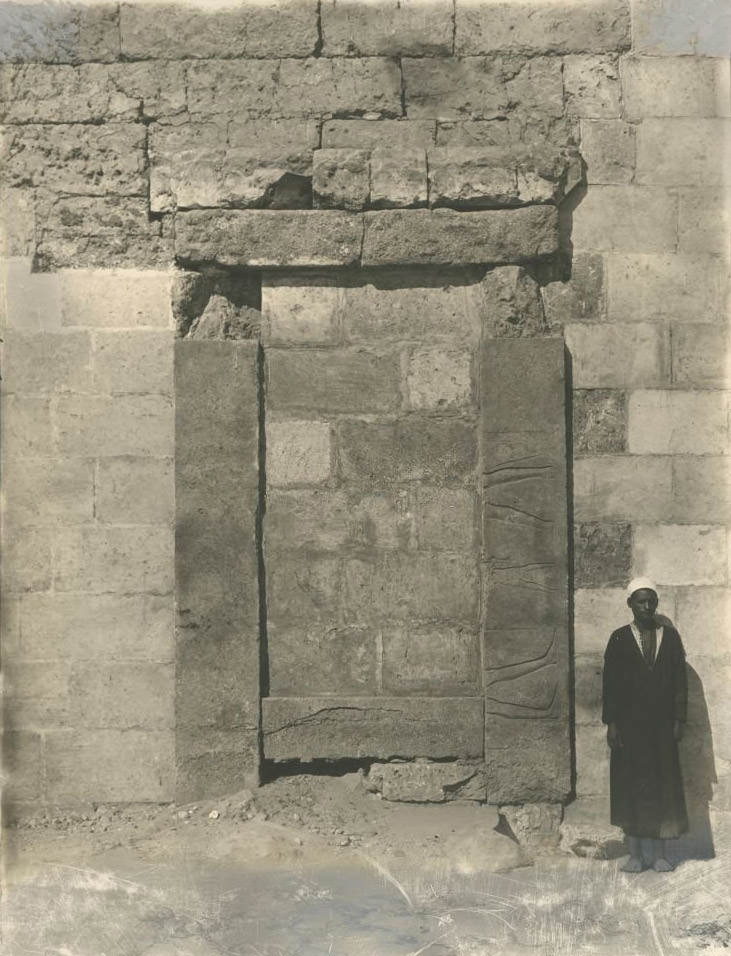
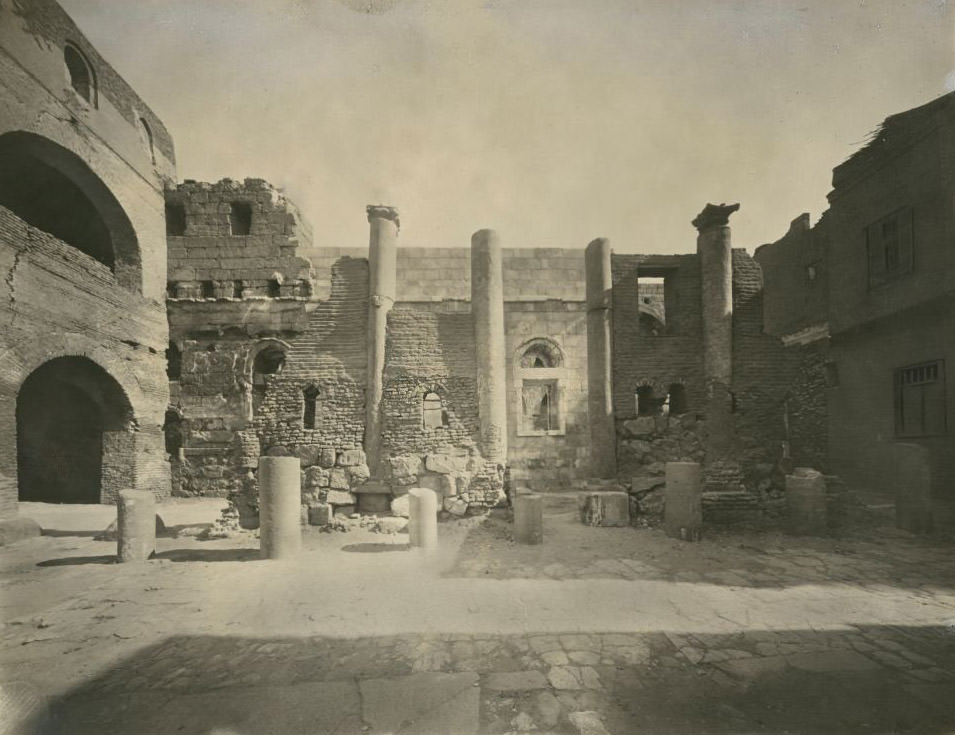
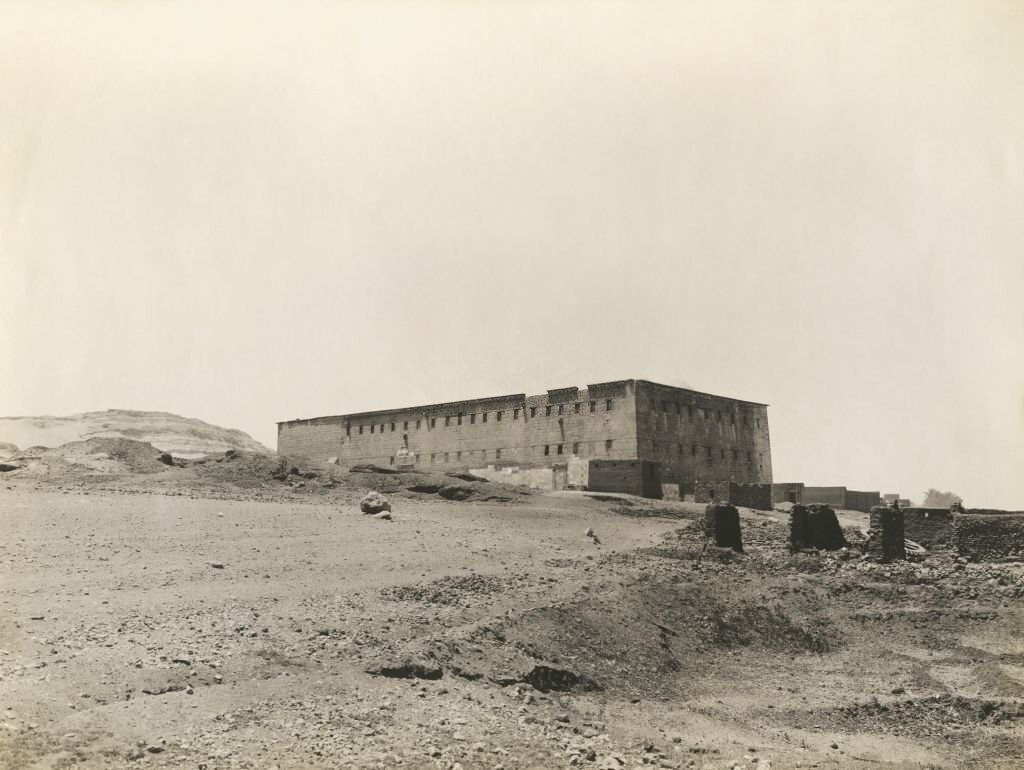
Upper Egypt was home to ancient Christian monasteries that had survived centuries of political change. The Red Convent, known as Deir al-Ahmar, near Sohag, was documented extensively in 1912. Its thick stone walls, carved doorways, and vaulted interiors reflected a Coptic Christian architectural tradition stretching back to the 5th century.
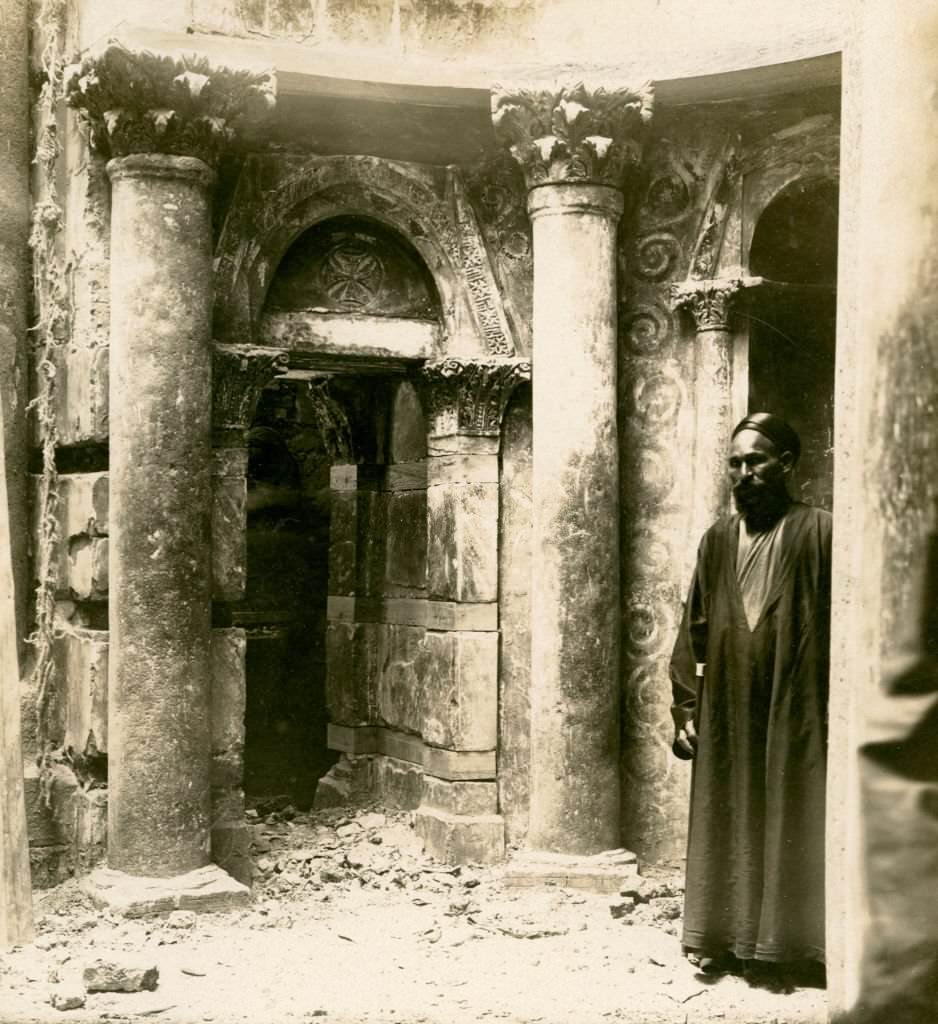
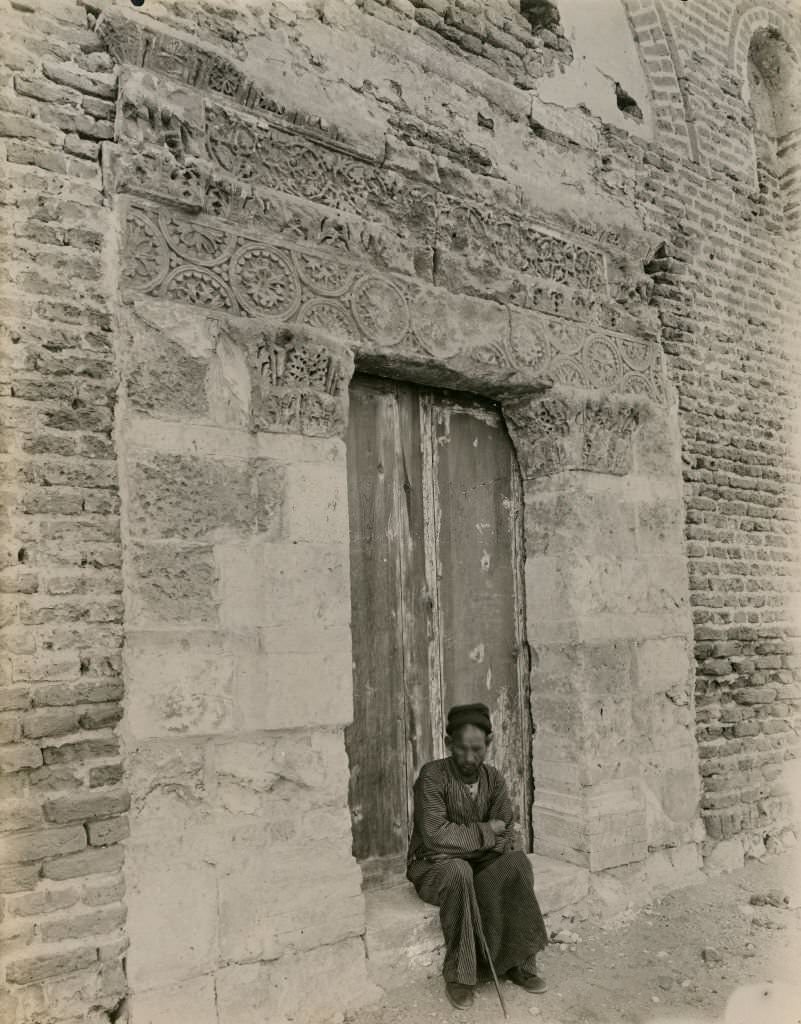
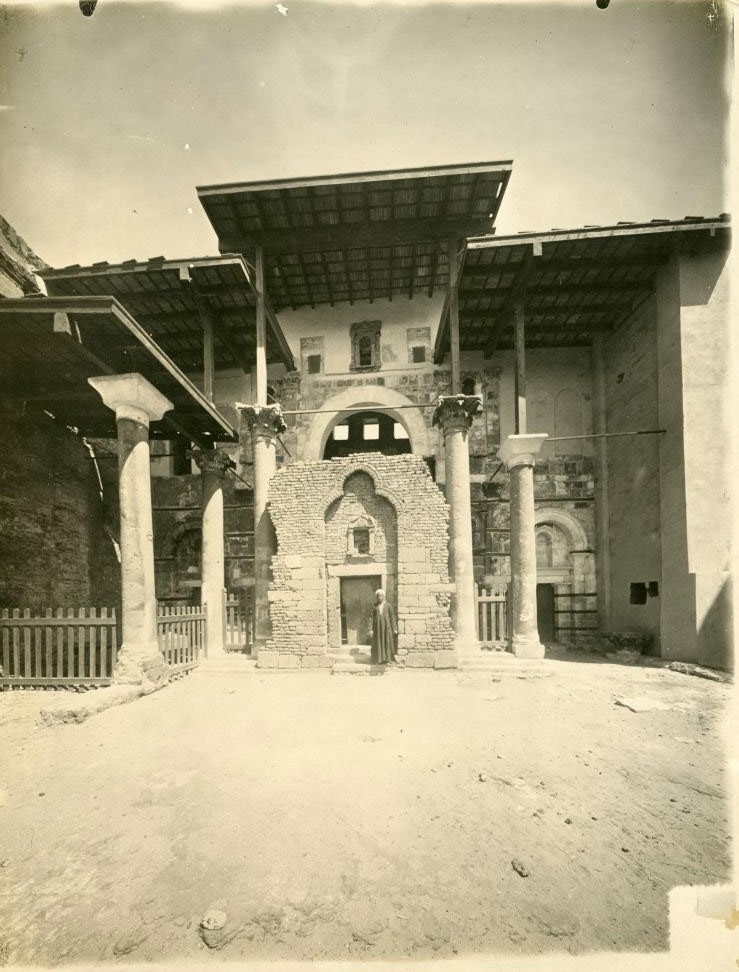
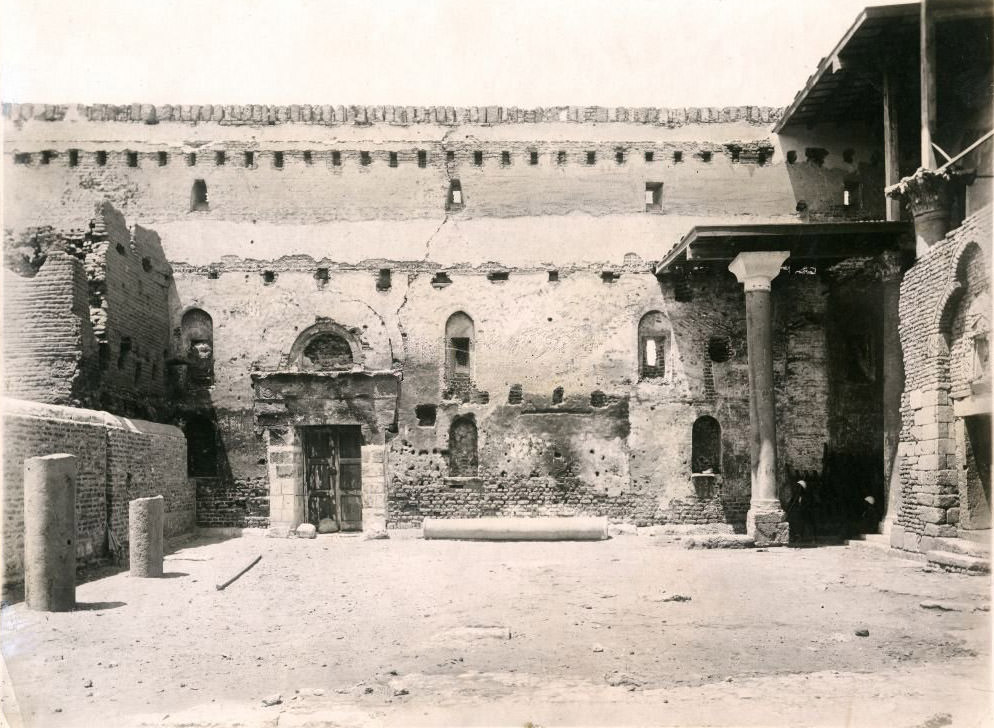
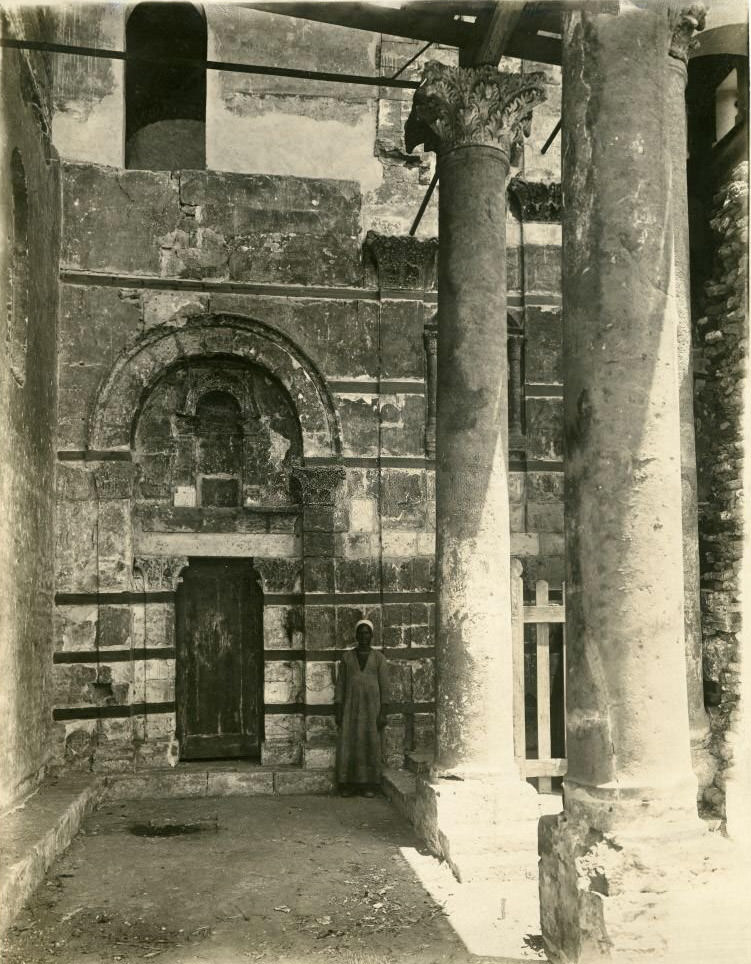
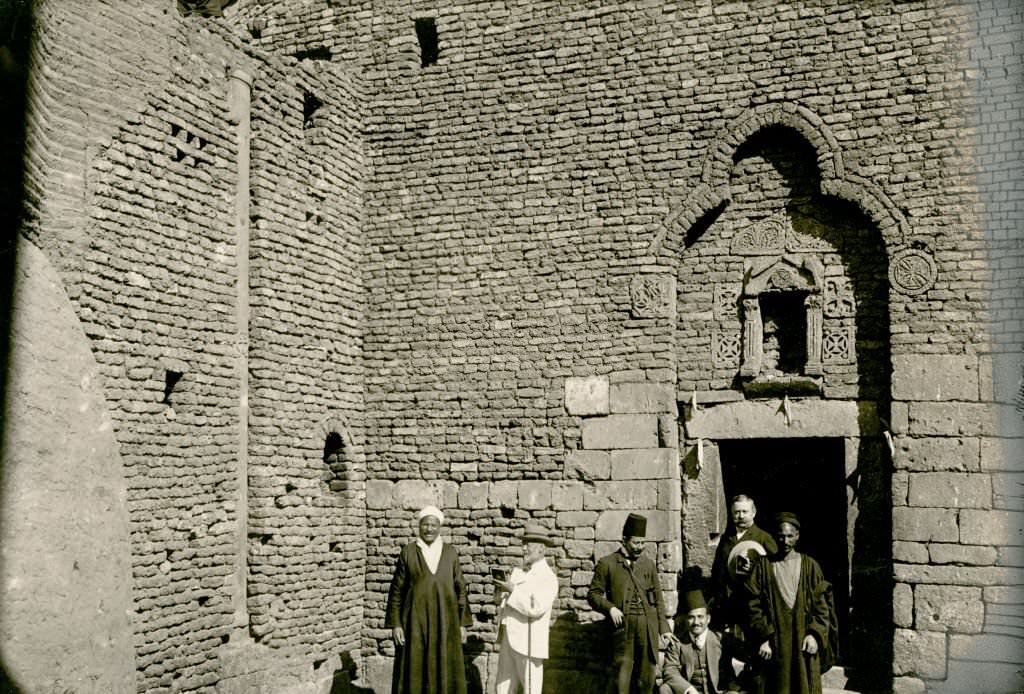
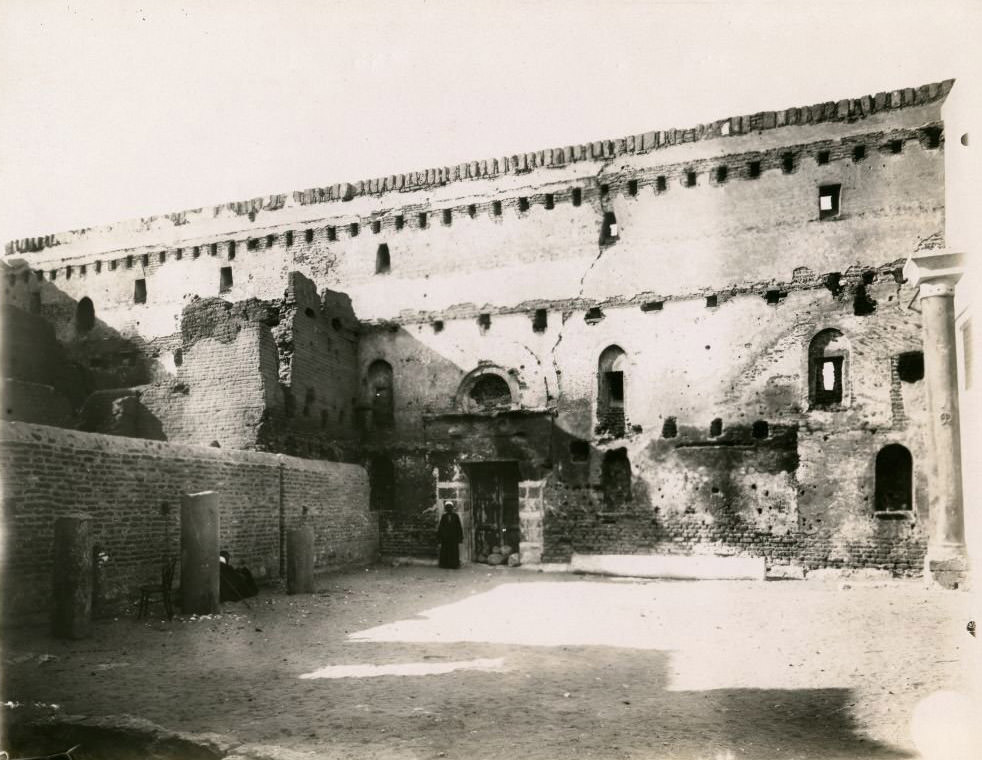
Nearby, the White Monastery — Deir el-Abyad — was another ancient Coptic Christian site near Sohag documented in 1912. Its imposing exterior walls, courtyard, chapel apses, and ornate columns were photographed in careful detail, preserving a record of a structure that had endured since late antiquity.
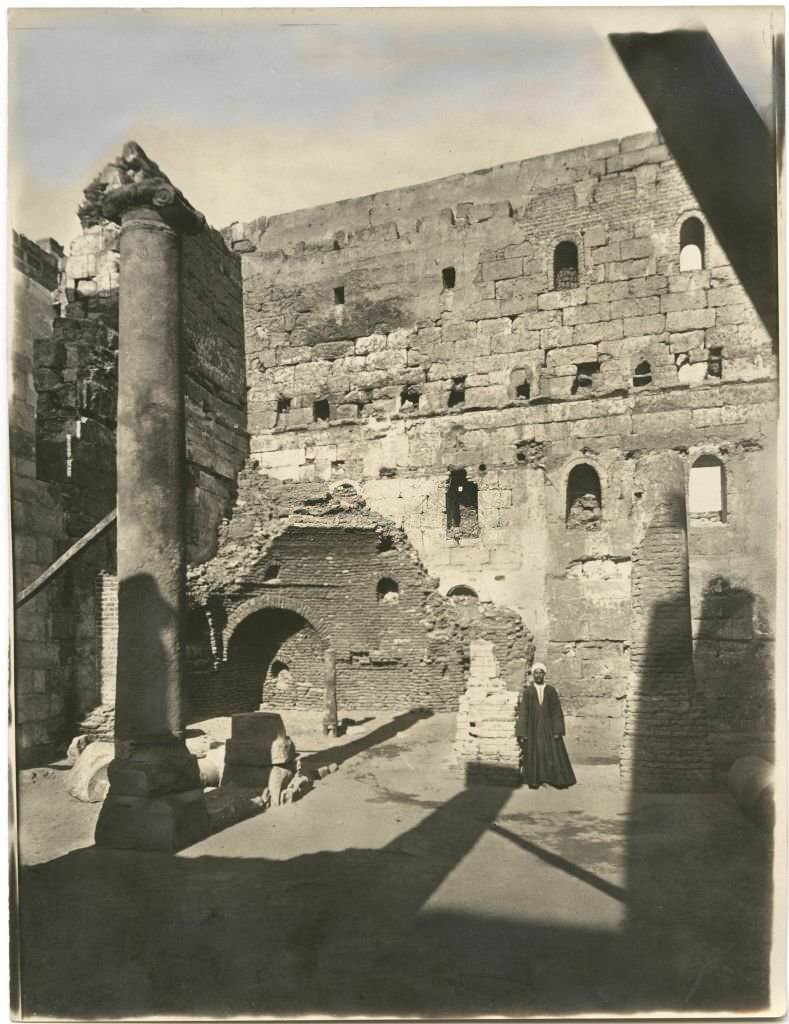
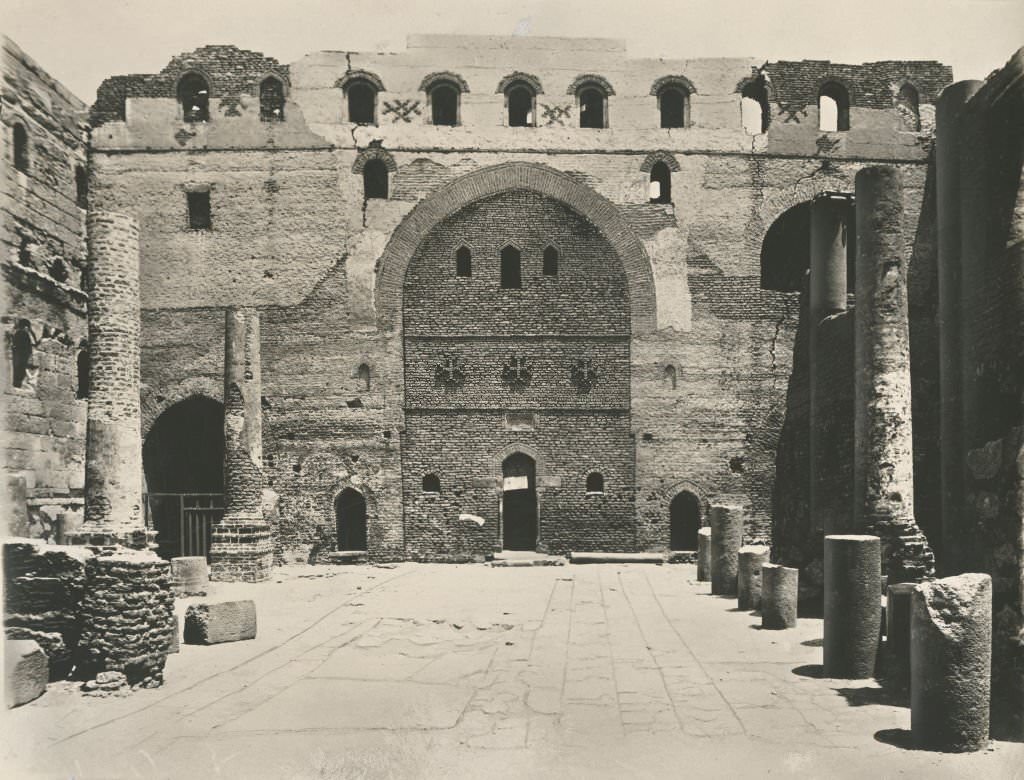
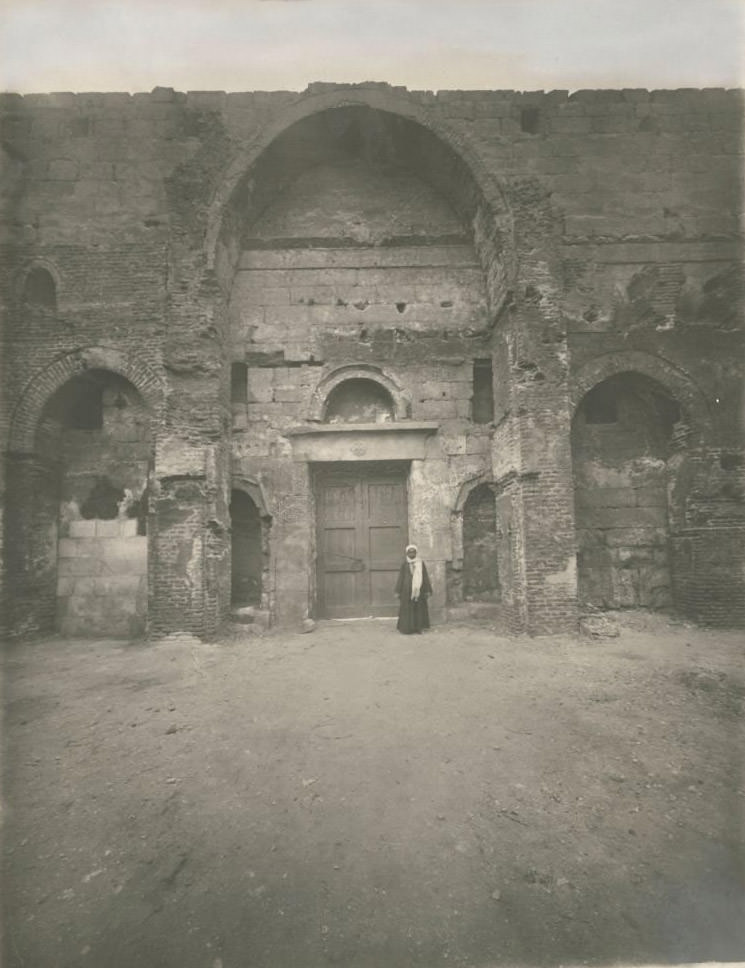
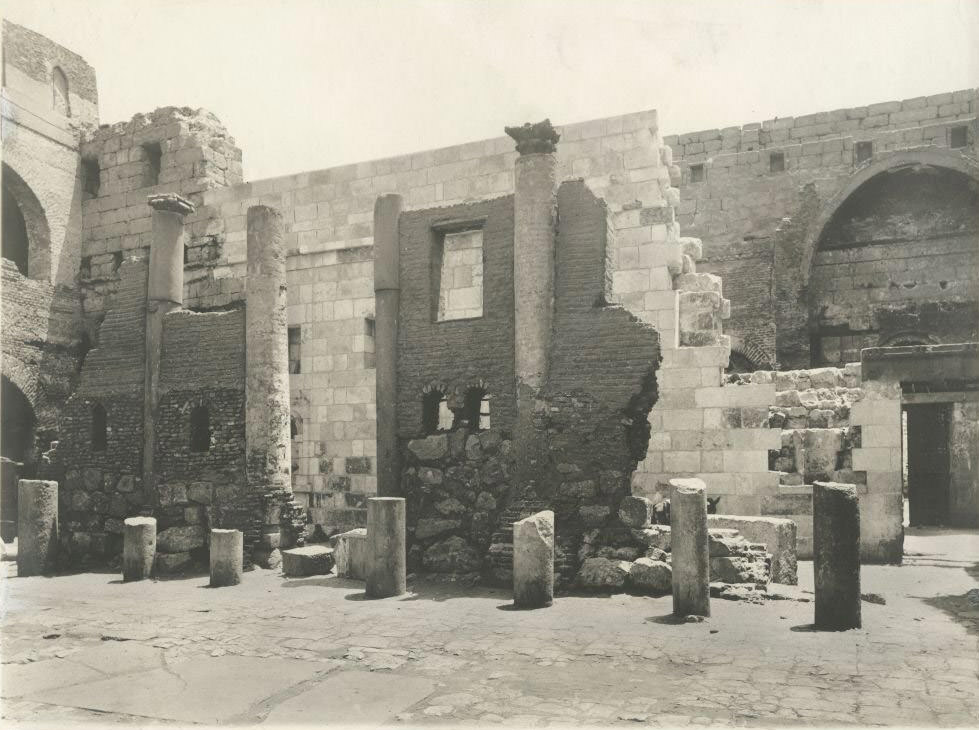
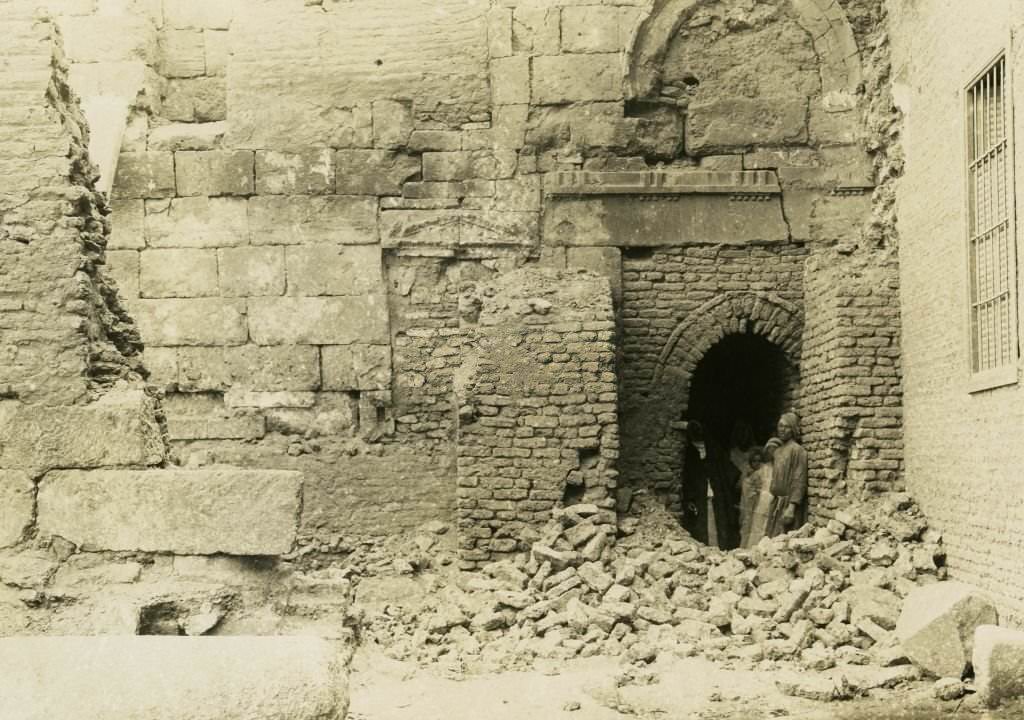
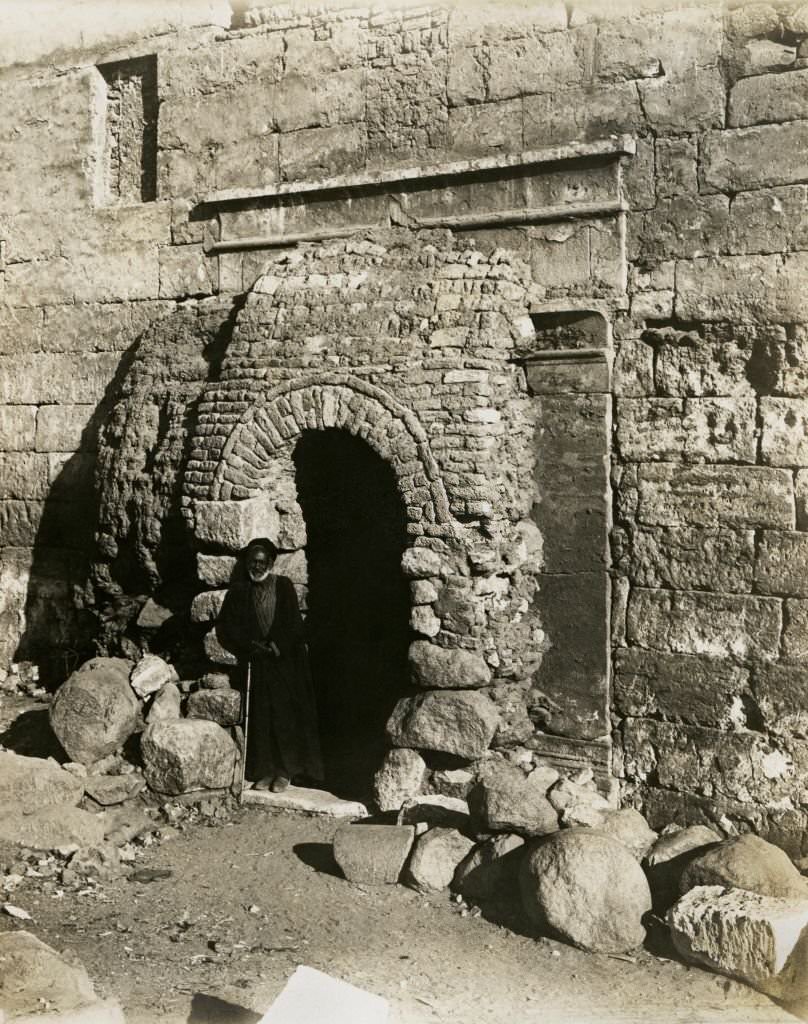
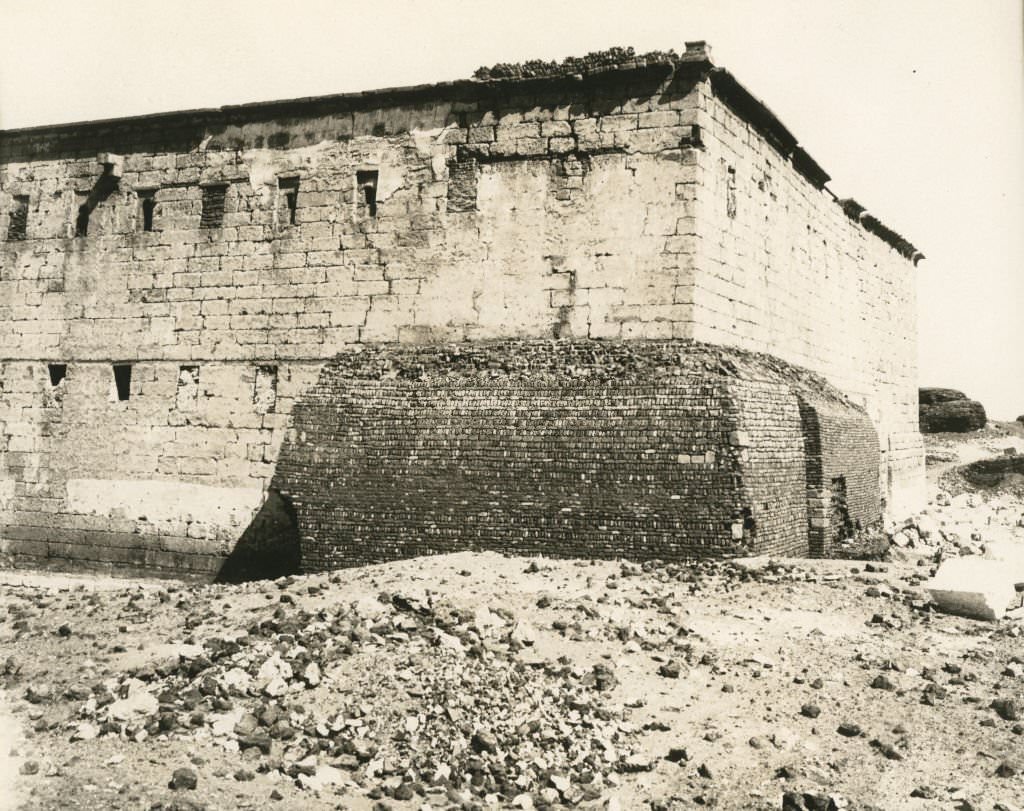
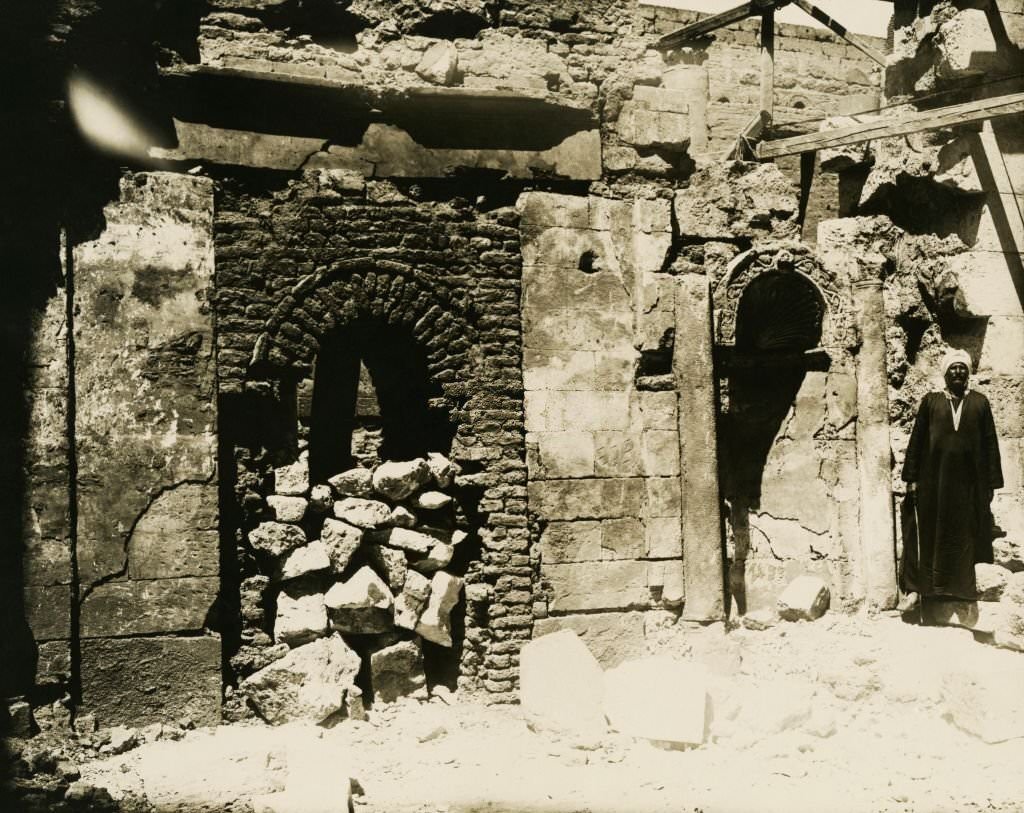
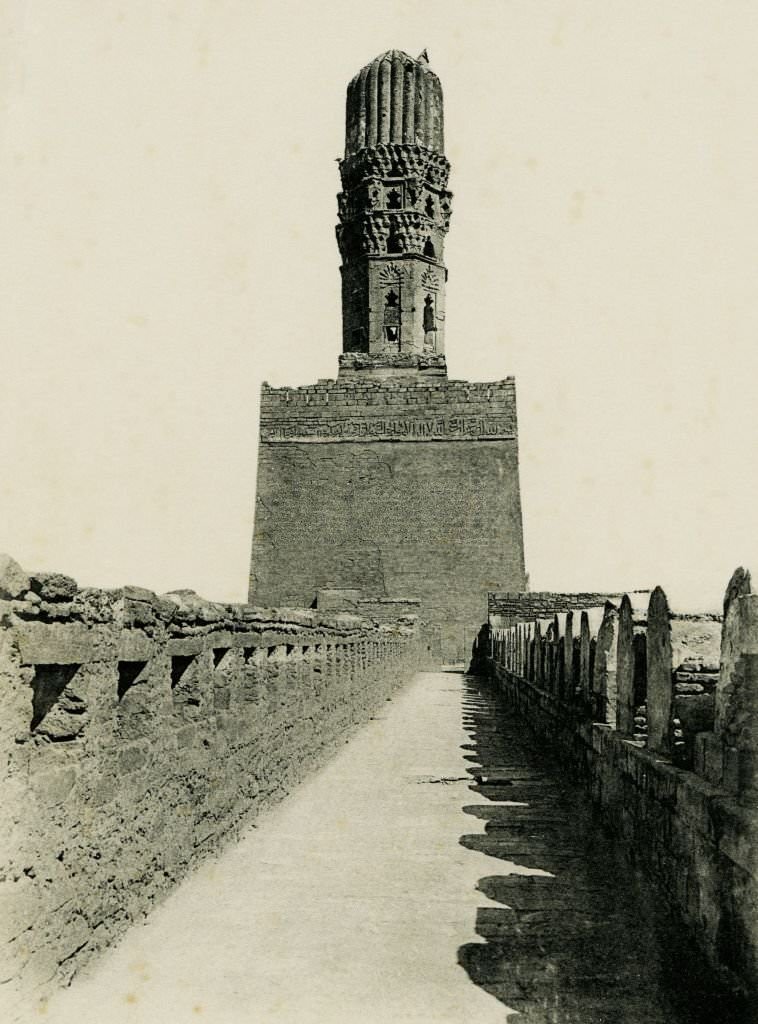
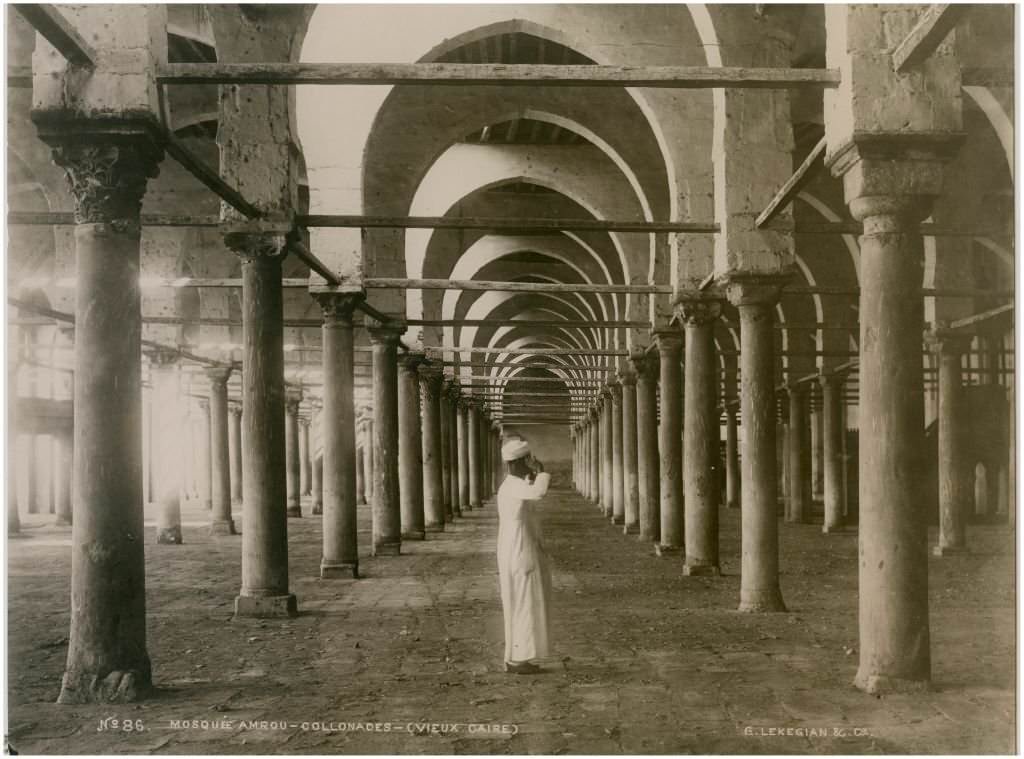
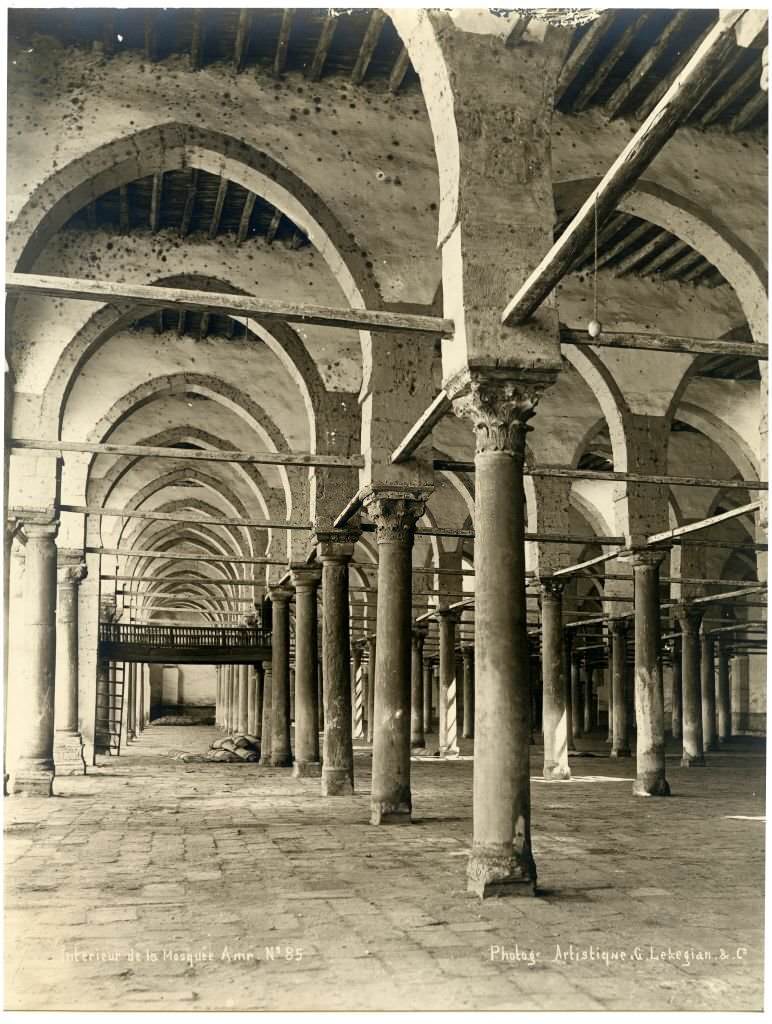
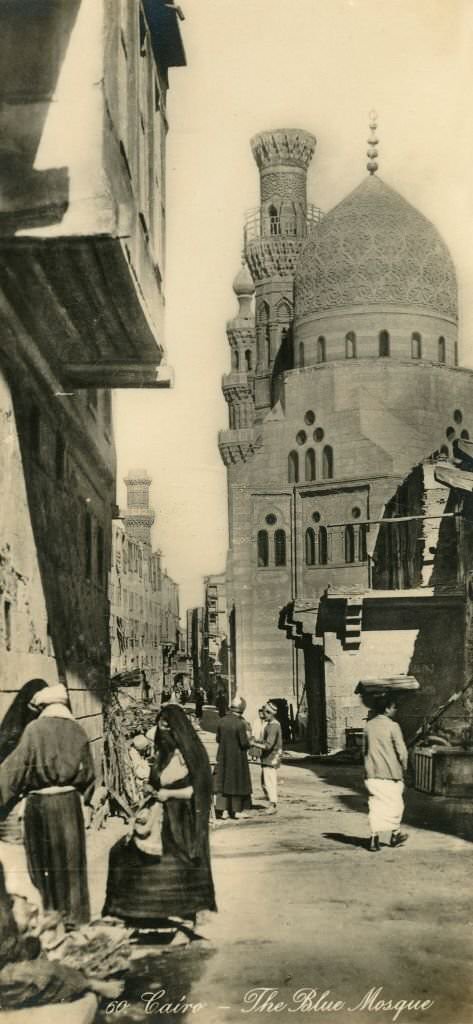
Cairo’s Islamic architecture was equally well preserved. The minaret of Al-Hakim Mosque, the interior of the Mosque of Amr ibn al-As — one of the oldest mosques in Africa — and the Blue Mosque all reflected centuries of Islamic art and religious life that continued uninterrupted through the political turmoil of the era.
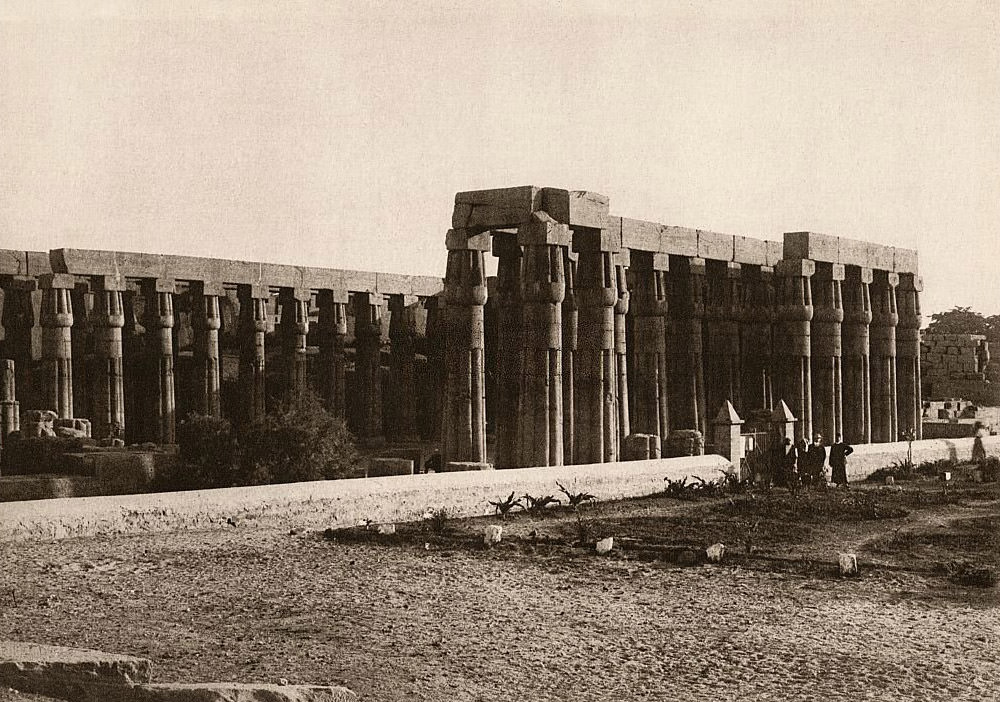
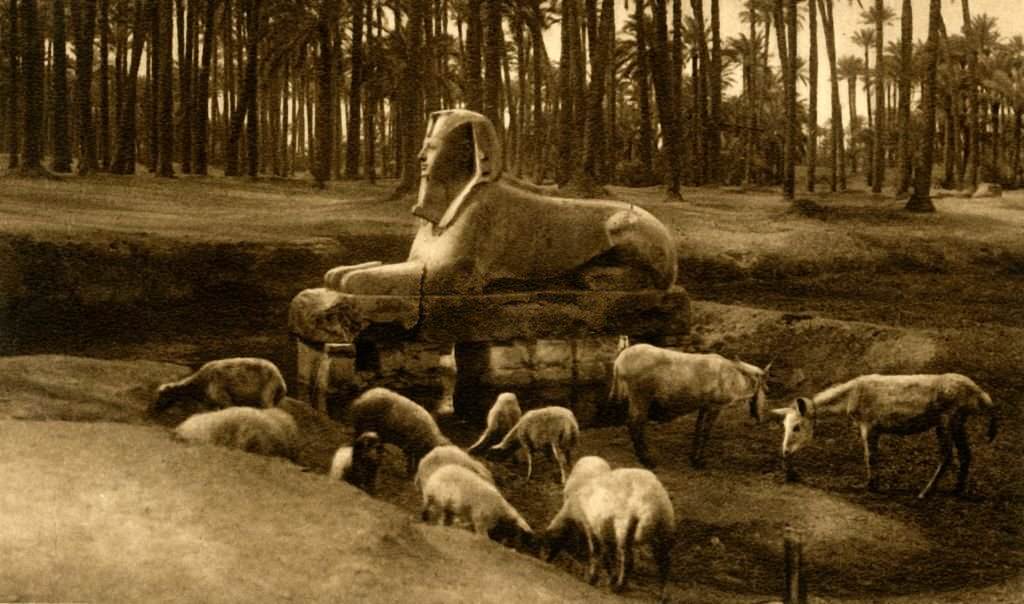
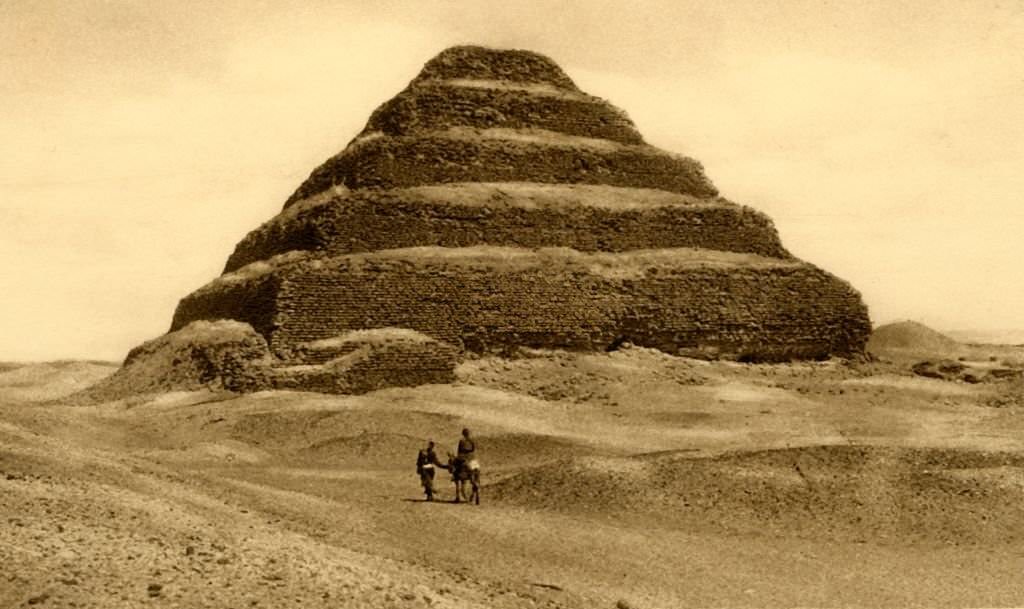
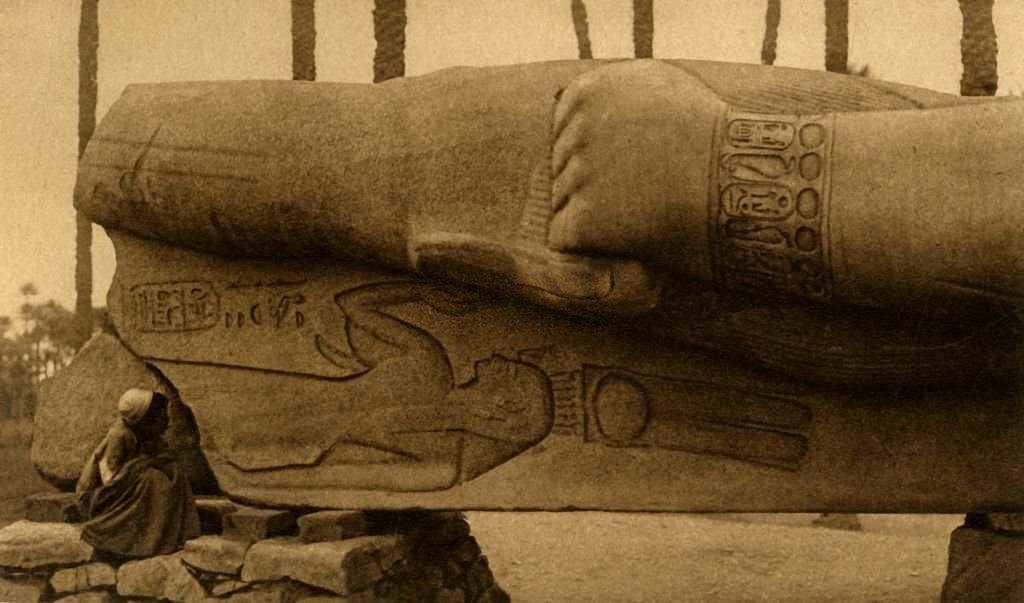
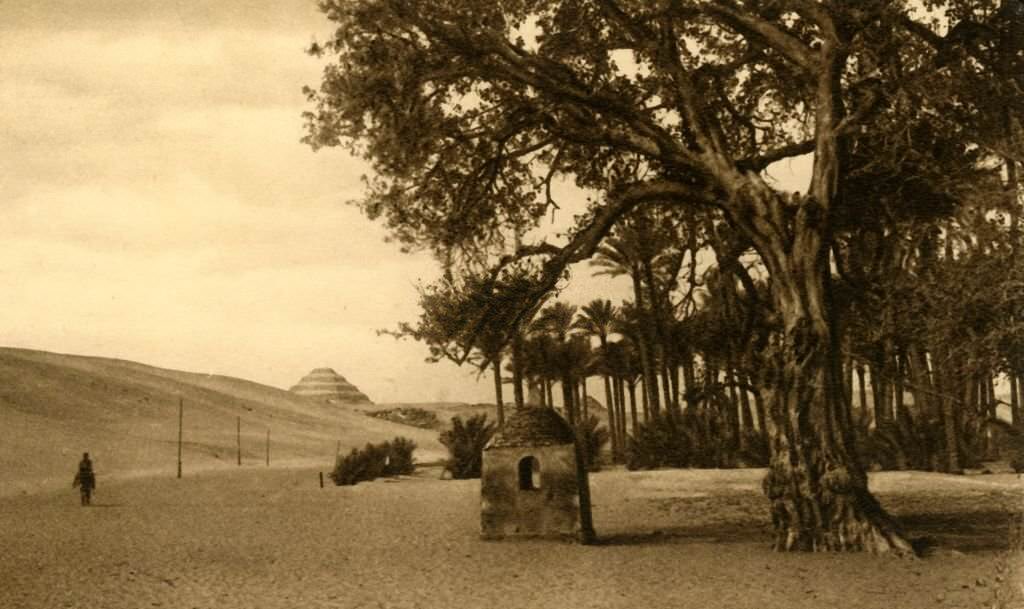
By 1918, photographers were producing detailed records of Egypt’s ancient monuments. The Alabaster Sphinx at Memphis, the Step Pyramid at Saqqara, and the colossal statue of Rameses II were all captured in sharp photographs that year. These images documented a landscape of ruins that had been drawing visitors for centuries but was only beginning to be studied with modern archaeological methods.
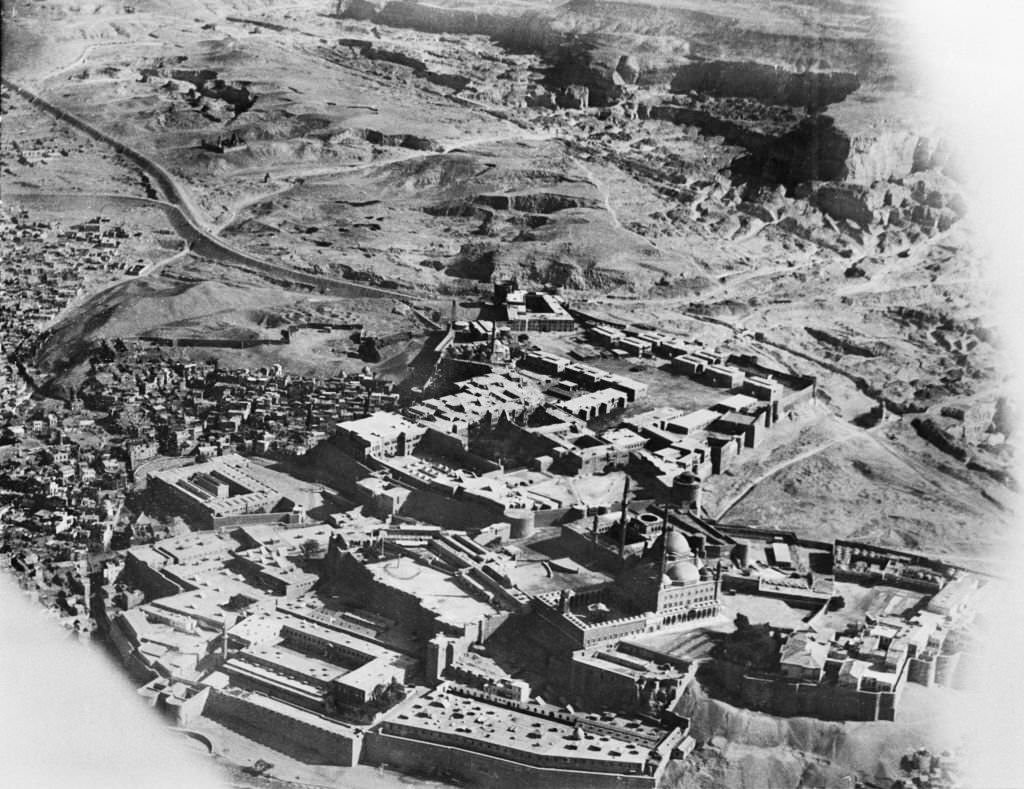
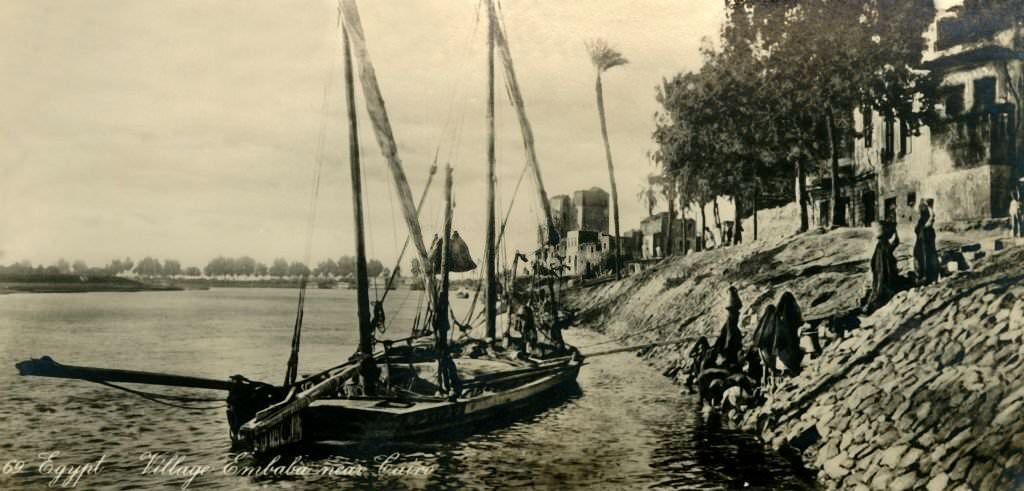
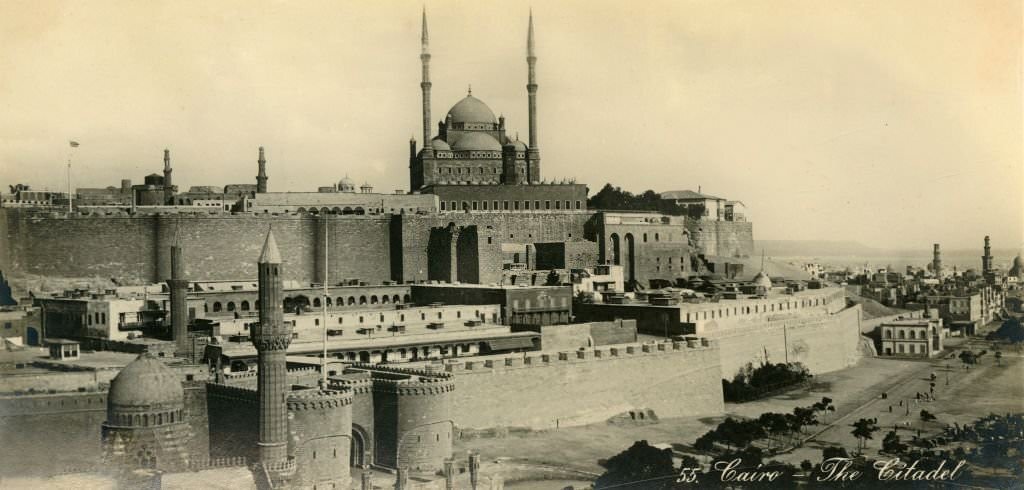
Cairo in 1918 was a sprawling city of minarets, citadels, and dense neighborhoods that spread along the Nile. Villages like Embaba sat on the city’s edges, while the Cairo Citadel — a medieval fortification built by Saladin — dominated the skyline from its hilltop position.
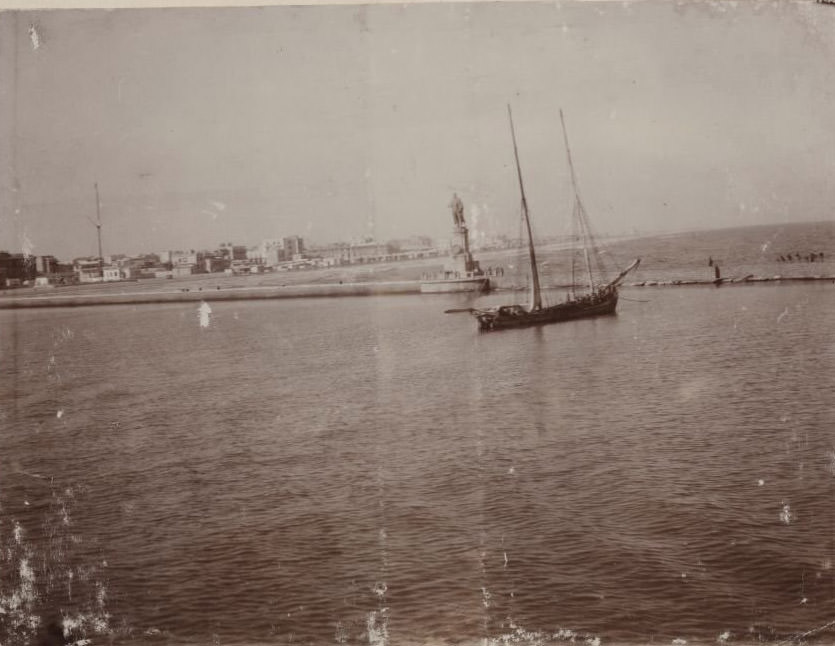
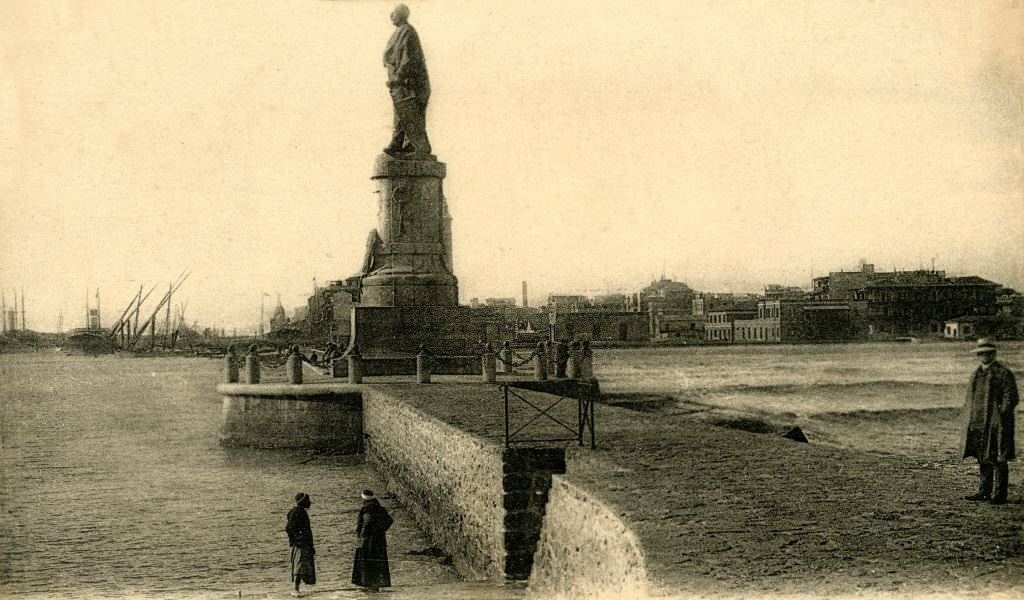
At the entrance to the Suez Canal in Port Said, a statue of Ferdinand de Lesseps — the French diplomat who led the canal’s construction — marked the waterway’s beginning. The canal itself was a vital strategic asset, and the British guarded it heavily throughout the war.
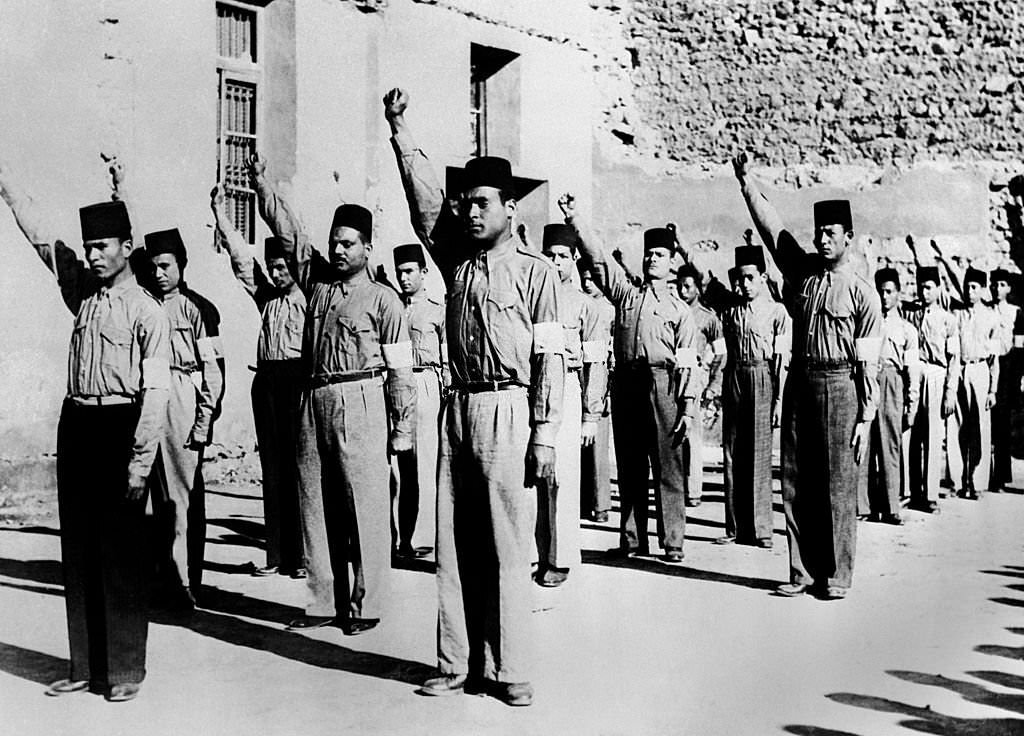
When the war ended in 1918, Egyptian politicians immediately demanded that the British withdraw. The British refused. Saad Zaghlul, a prominent politician who had previously maintained friendly ties with Lord Cromer, organized a movement called the Wafd — Arabic for “delegation” — to push for full independence. He led protests across the country and was subsequently arrested and deported along with other leaders. Egyptians responded with mass street demonstrations, strikes, riots, and attacks on British-connected buildings and infrastructure. The uprising brought the country to a standstill.
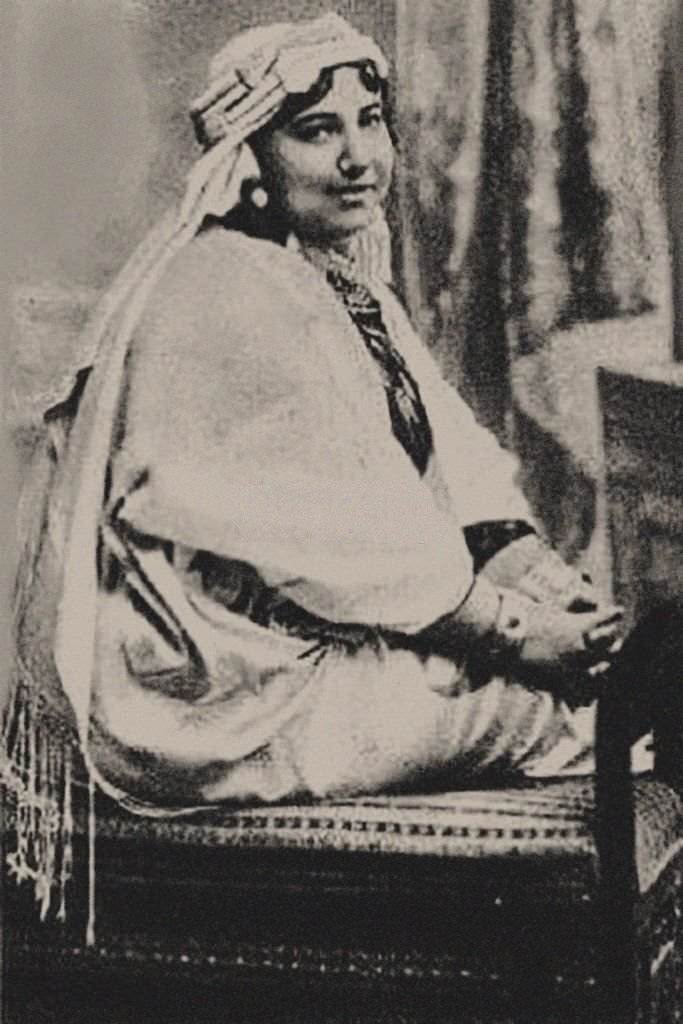
Malak Hifni Nasif was one of Egypt’s most outspoken women’s rights advocates during this period. Writing under the pen name Bahithat al-Badiya, she argued publicly for women’s education and greater freedom in Egyptian society — a bold stance in an era defined almost entirely by male political and religious authority.
General Edmund Allenby returned to Egypt in a different role after the war, serving as British High Commissioner. He was the figure who ultimately communicated to London that British control could not be sustained without extreme force. In 1922, Britain agreed to withdraw and grant Egypt conditional independence — ending over four decades of British occupation.