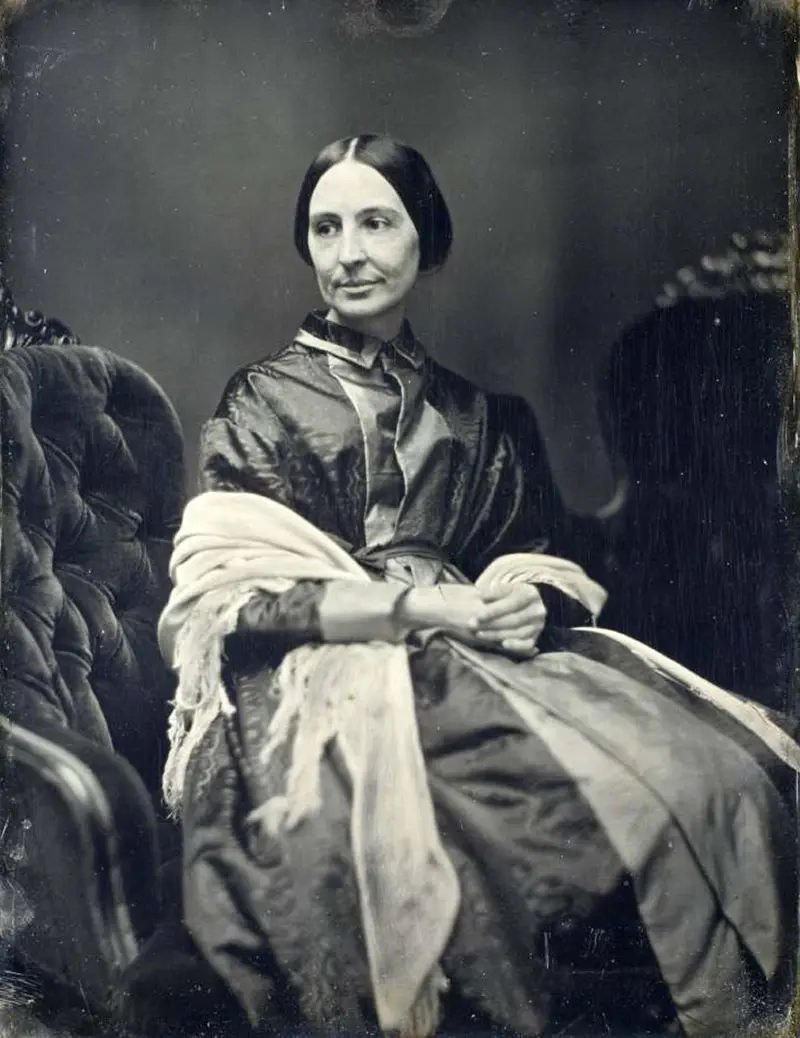
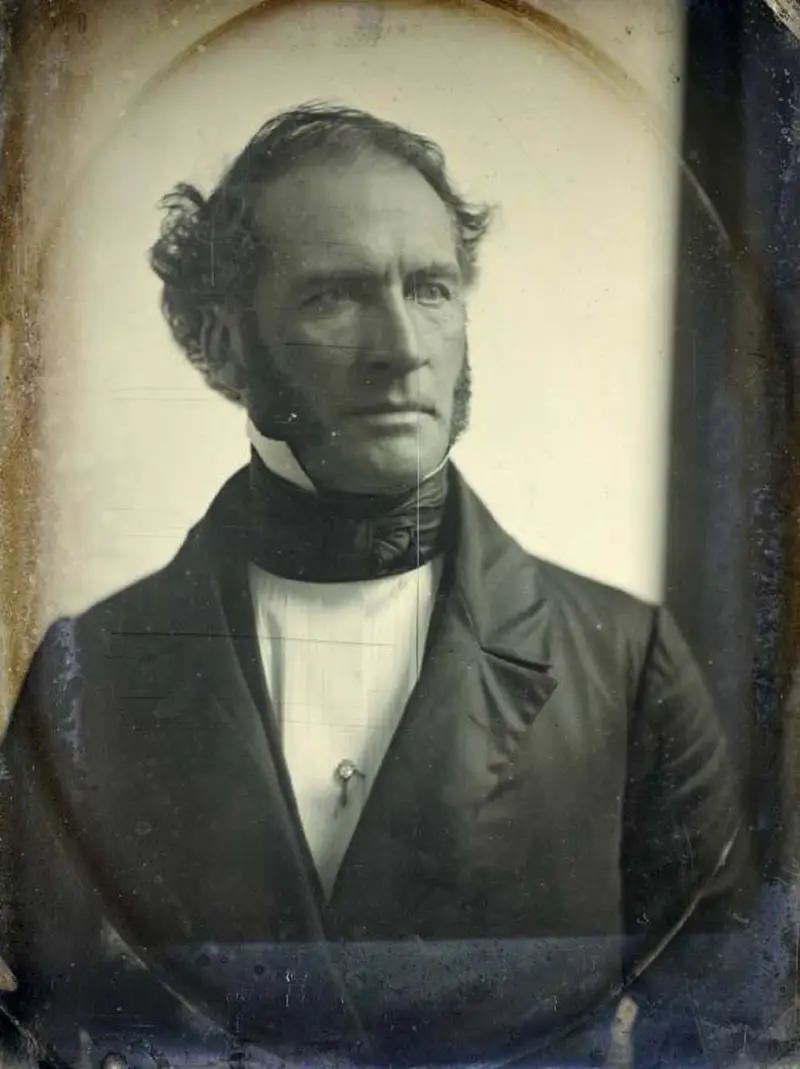
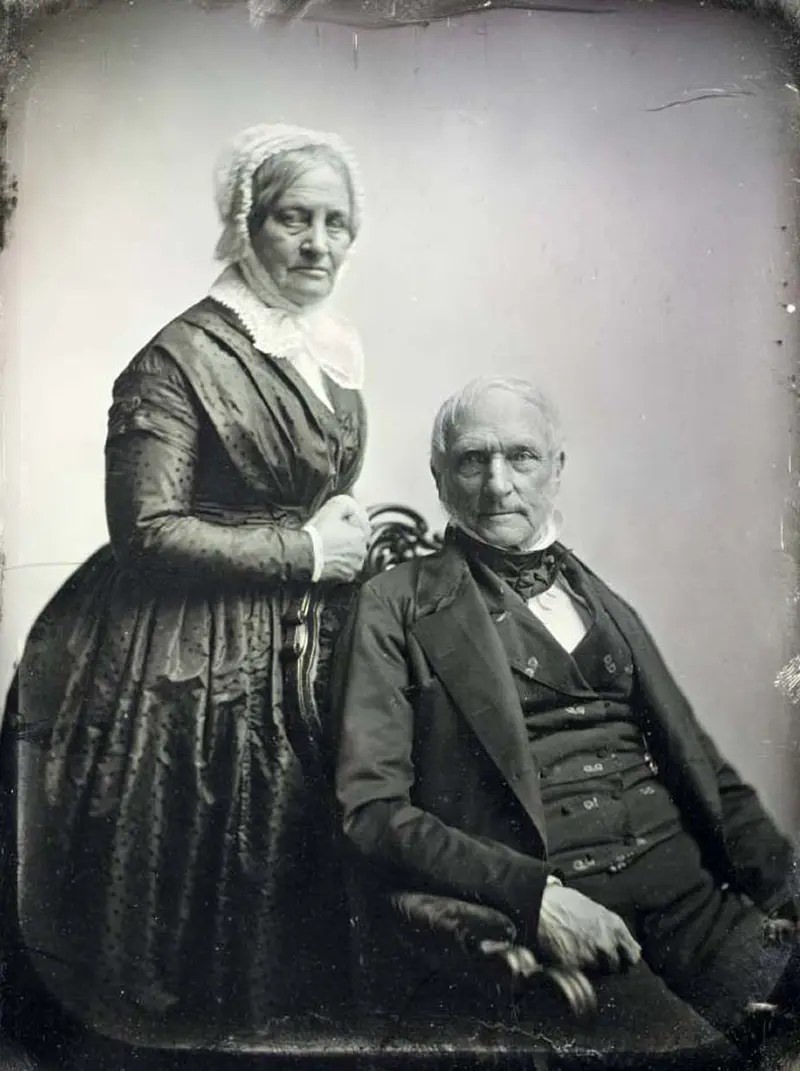
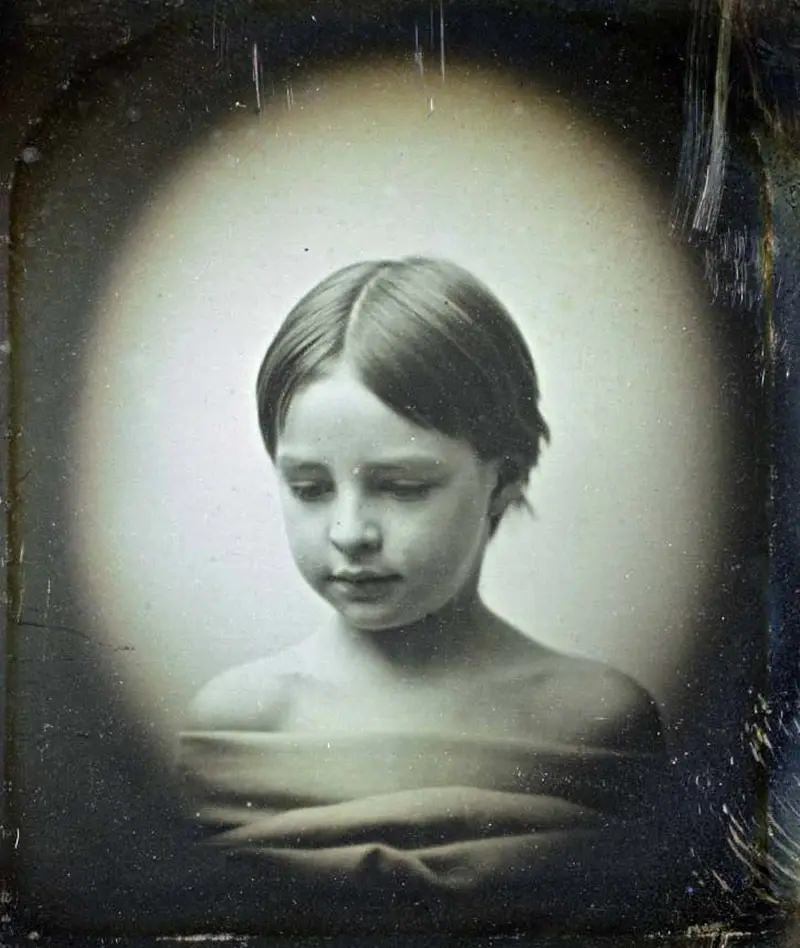
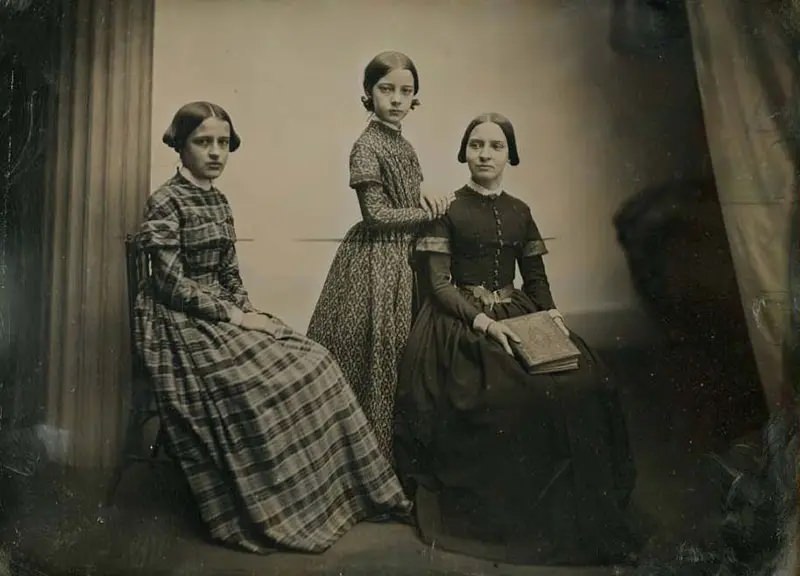
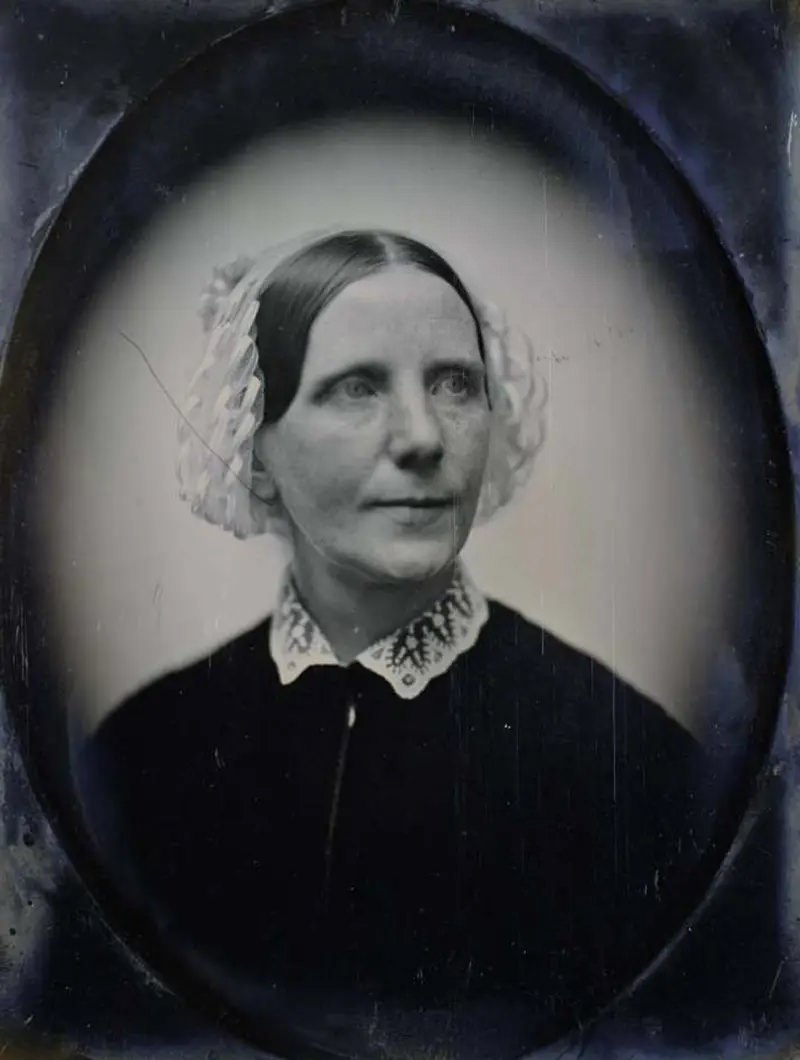
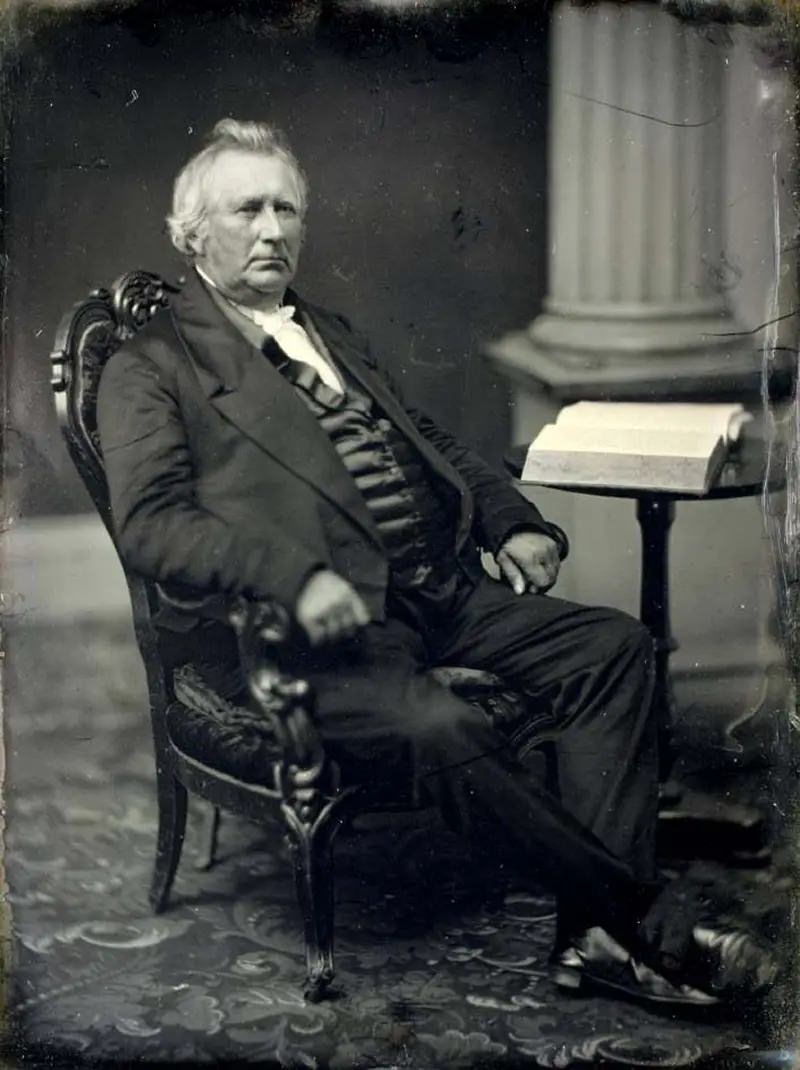
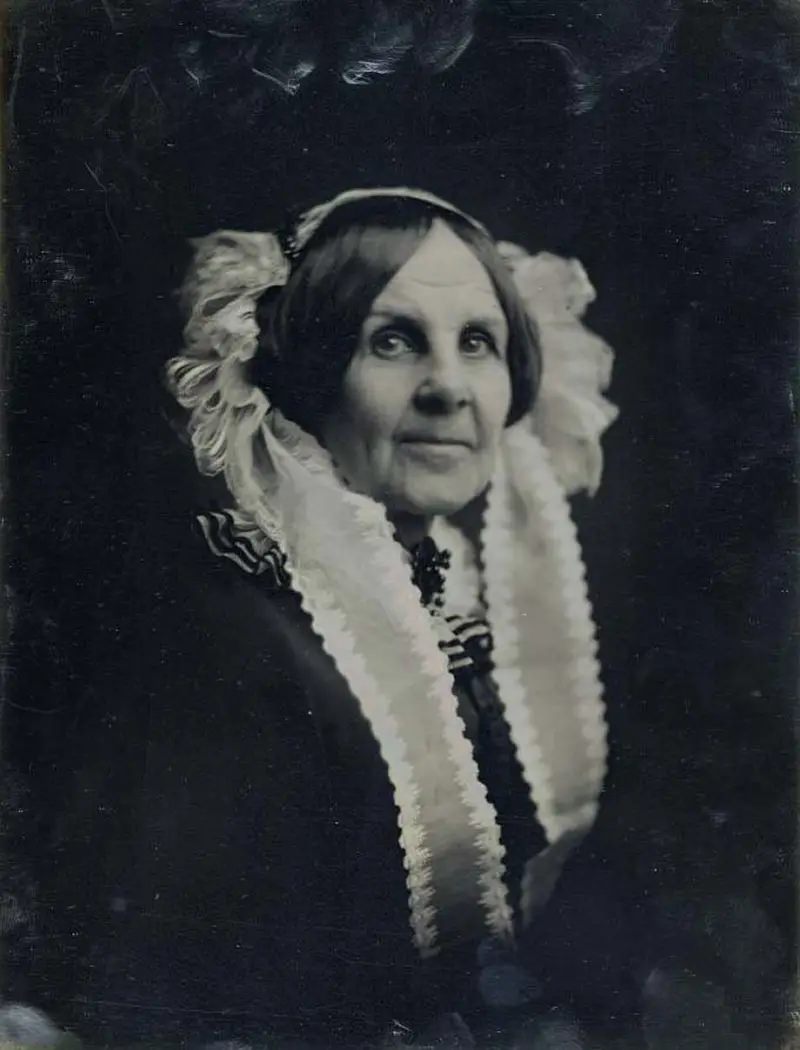
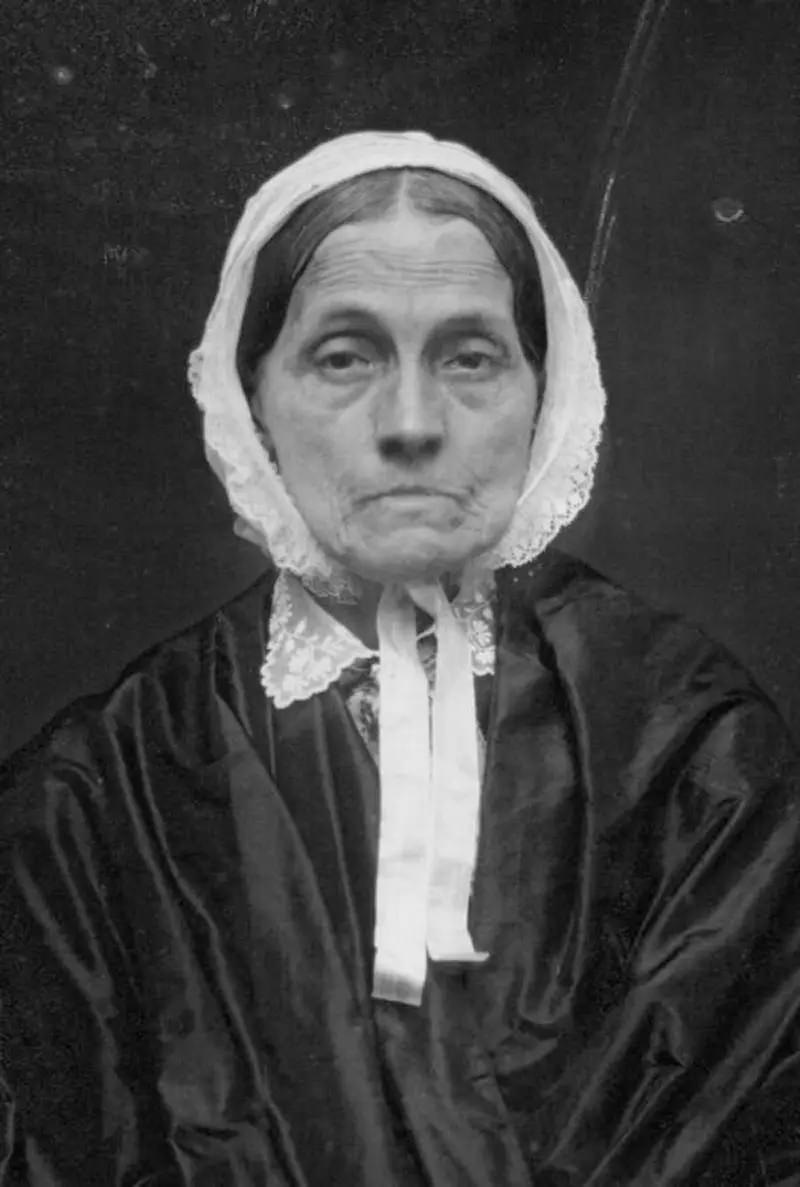
The faces in these photographs are among the oldest ever captured on camera. Taken between 1840 and 1850, these daguerreotype portraits show men and women who were already elderly when photography was brand new. Some of them were born in the 1700s. A handful lived through the American Revolutionary War. By the time a photographer’s lens turned toward them, they had already outlasted entire generations.
Photography in this era was not cheap or easy. Getting a portrait made required money, time, and access to a professional studio. That means the people who sat for these early portraits were almost exclusively wealthy. Ordinary working people rarely appear in daguerreotypes from this period. What survives, then, is a narrow but remarkable window — the faces of the privileged elderly, preserved at the very dawn of the photographic age.
The daguerreotype process was the first photographic method made available to the public. It dominated the field through the 1840s and into the late 1850s. To make one, a photographer started with a sheet of copper plated with silver. The surface was polished to a mirror finish, then treated with chemical fumes to make it sensitive to light. The plate was loaded into a camera and exposed — anywhere from a few seconds in bright sunlight to well over a minute in dim conditions.
After exposure, the plate was held over heated mercury vapor, which brought out the image. A liquid chemical treatment then removed the plate’s remaining sensitivity to light so it wouldn’t keep darkening. It was washed, dried, and sealed behind glass inside a protective case. The final result sits on a mirror-like silver surface. Depending on the viewing angle, the lighting, and what color is reflected in the metal, the image can appear either as a positive or a negative.
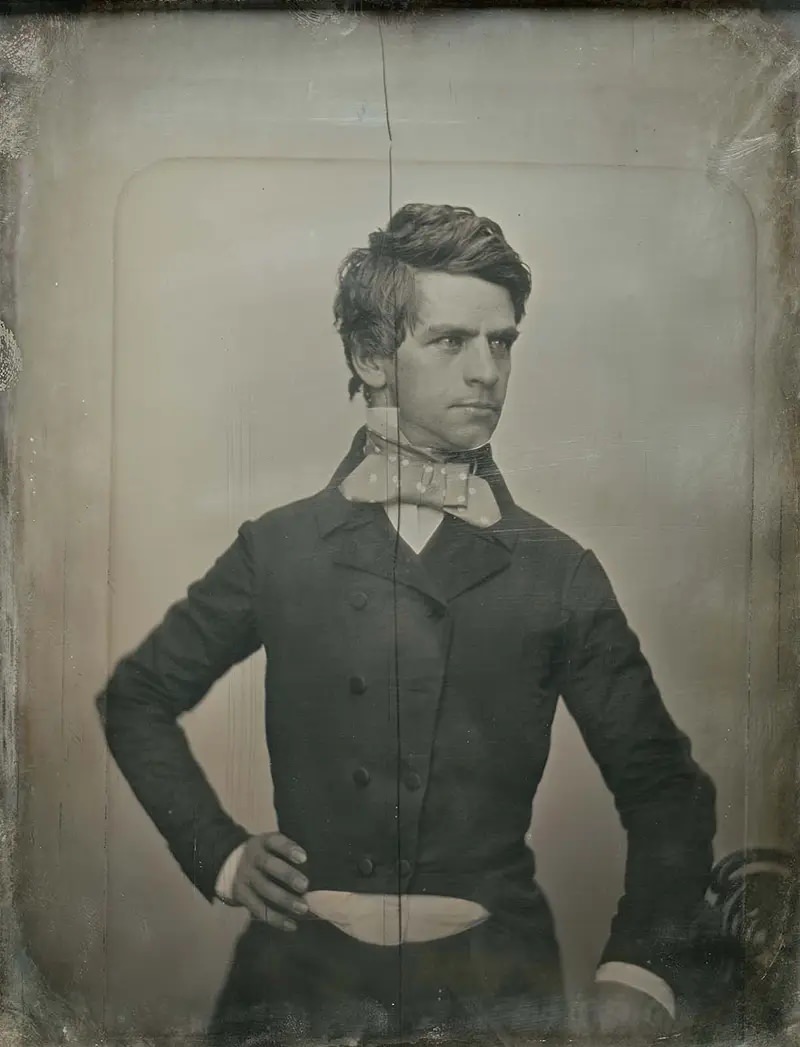
He would later be a U.S. congressman, the governor of Massachusetts, and a Union Army general during the American Civil War.
The silver in a daguerreotype forms the darkest tones in the image, while the lighter areas take on a fine, textured appearance that scatters light softly. The surface is extraordinarily fragile. A single scratch or smudge can cause permanent damage. Tarnish around the edges of old daguerreotypes is common and expected. These were objects meant to be handled carefully, stored safely, and passed down — not treated casually.
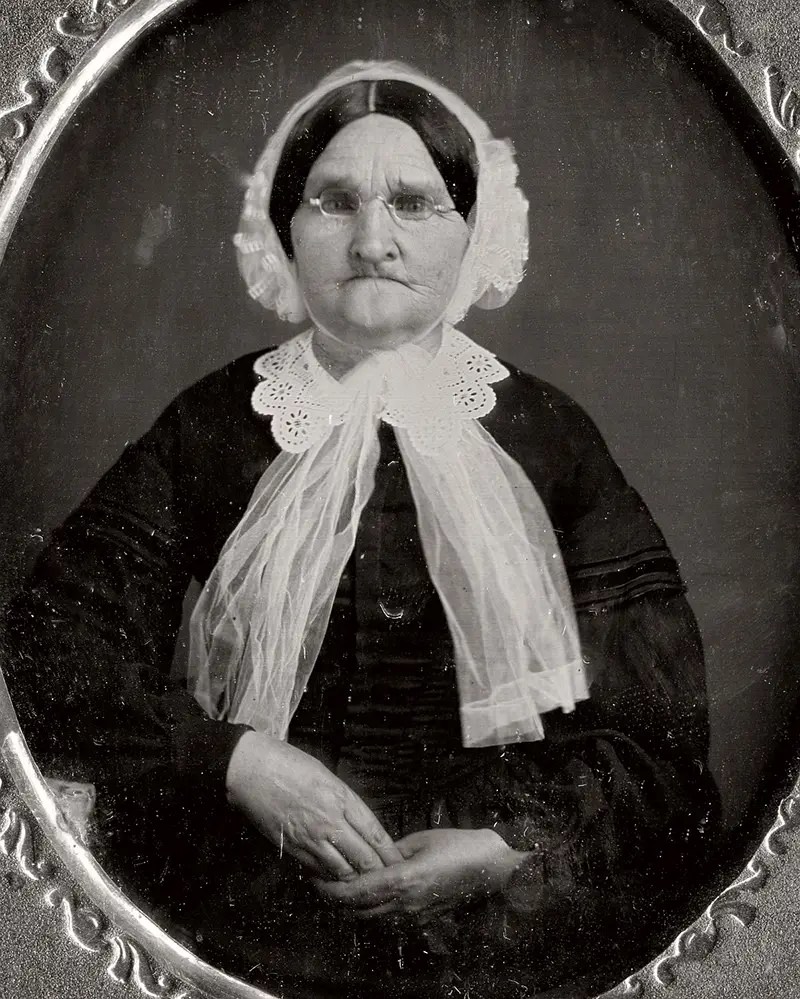
Clamps were sometimes used to hold the subject’s face in position so the photographer could capture the best image
Sitting for a daguerreotype portrait was not like a modern photo. Subjects had to hold completely still for the duration of the exposure. Head clamps and neck braces were sometimes used to keep a person from moving and blurring the image. The results could be stiff and formal, but they were accurate. What you see in these portraits is a real face, a real expression, and a real moment — not a painting or an artist’s interpretation.
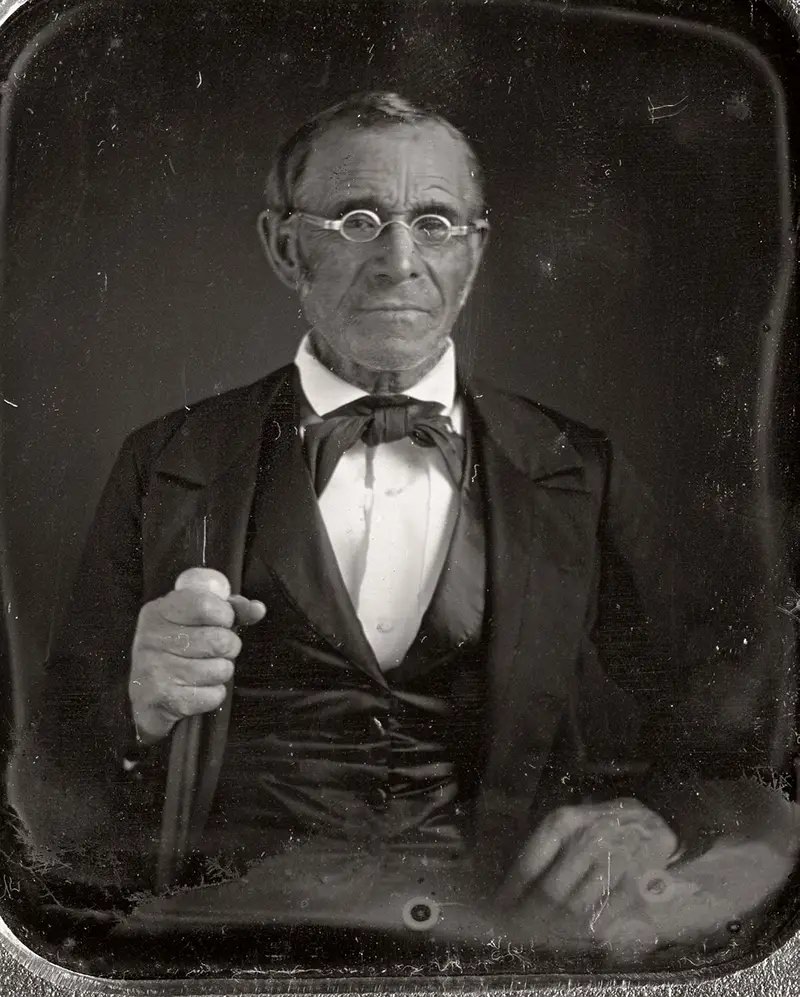
Photographers like Mathew Brady were among the most prominent daguerreotypists working in the United States during this period. Brady operated studios in New York and Washington and photographed many notable figures of the era. Not every portrait from this collection, however, comes with documentation identifying the photographer. Some subjects are also unidentified, their names lost to time, leaving only their image behind.
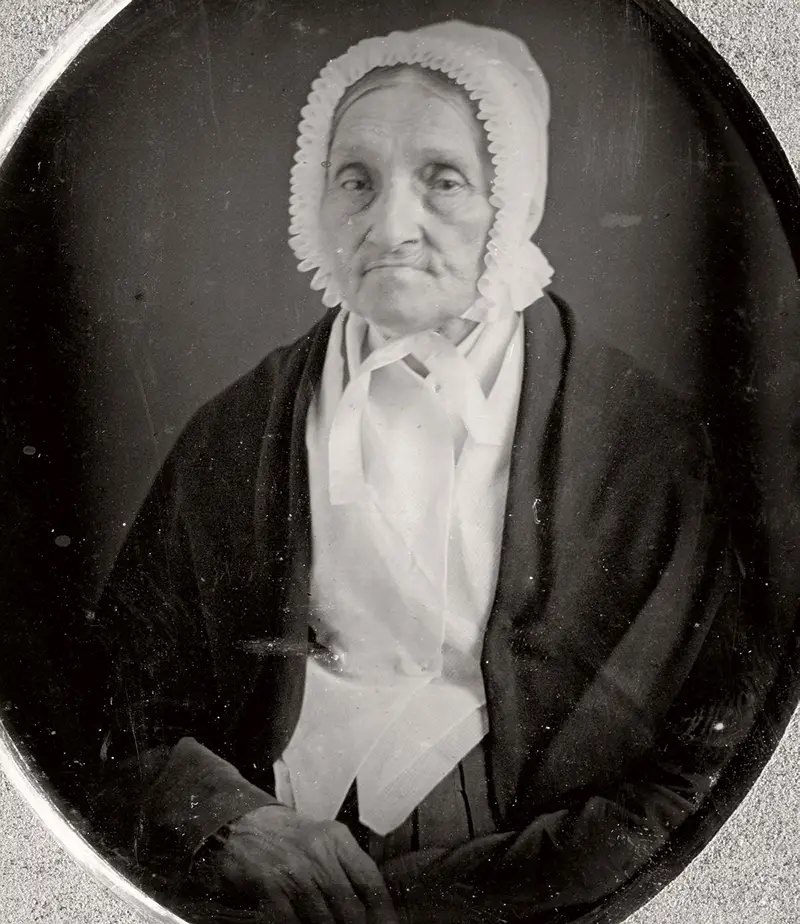
One important distinction worth noting: not every antique photograph sealed in an ornate case is a daguerreotype. The two most common items mistaken for daguerreotypes are ambrotypes and tintypes, both of which use different materials and processes. Even some early paper prints have been misidentified simply because they were stored in the same style of decorative case used for daguerreotypes in the United States and United Kingdom. The term “daguerreotype” applies only to one specific image type, produced by one specific process.
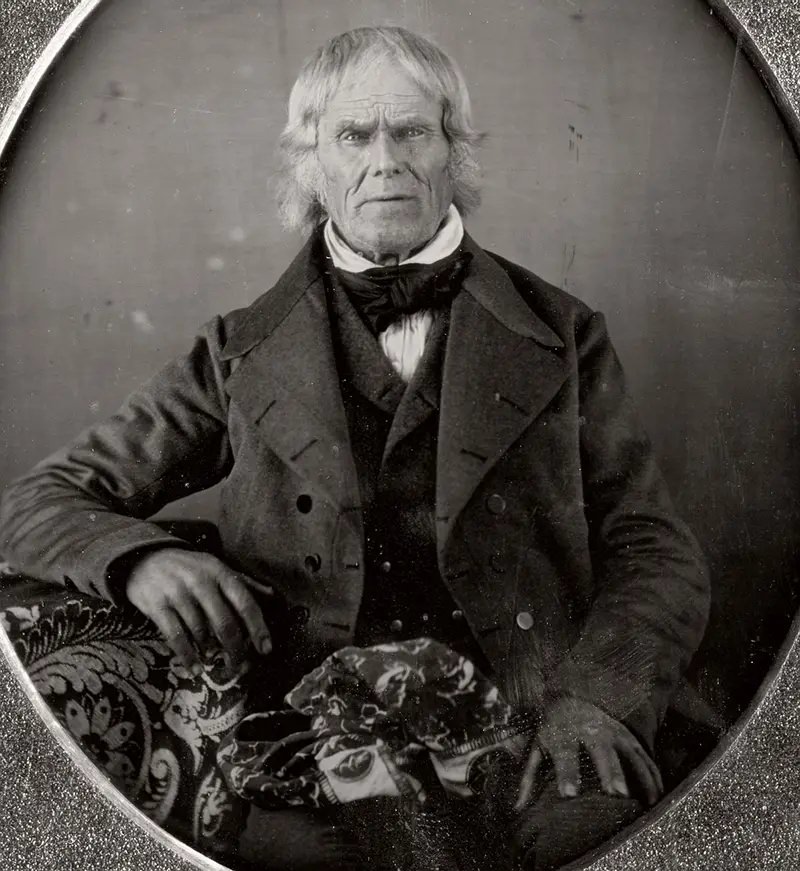
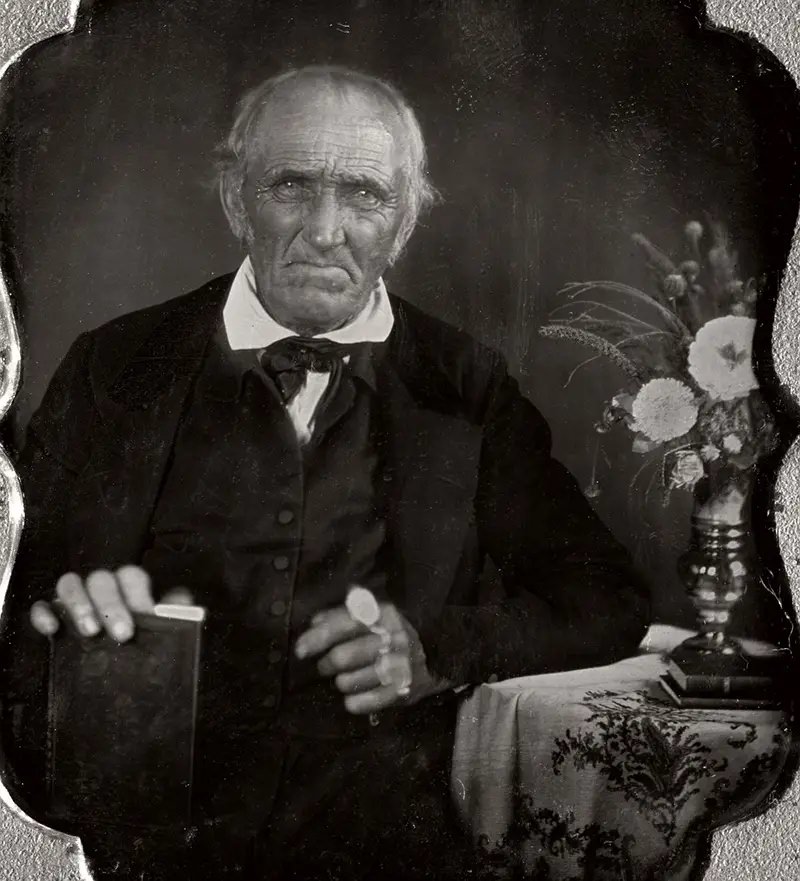
The elderly subjects in this collection represent something historically unique. These are not just old photographs — they are photographs of old people who themselves belonged to an earlier historical world. A person in their seventies or eighties in 1845 was born around 1765 to 1775. They grew up in the colonial era. They experienced the founding of the United States as lived reality, not history.
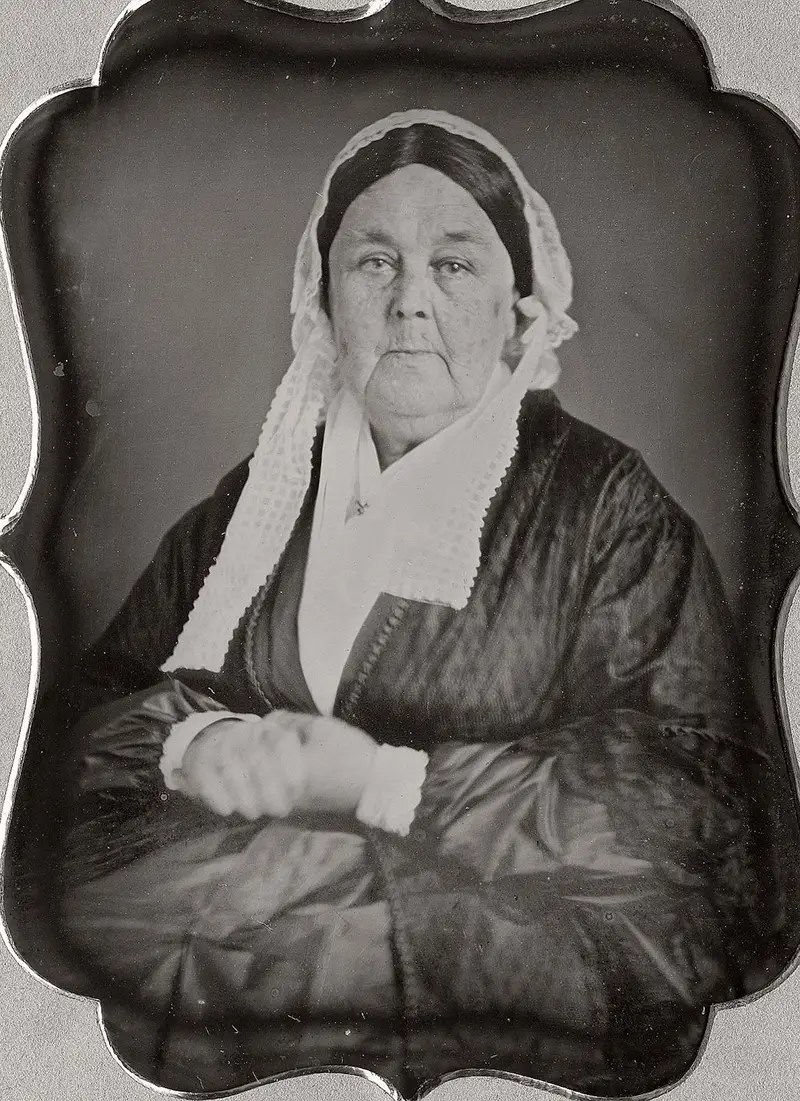
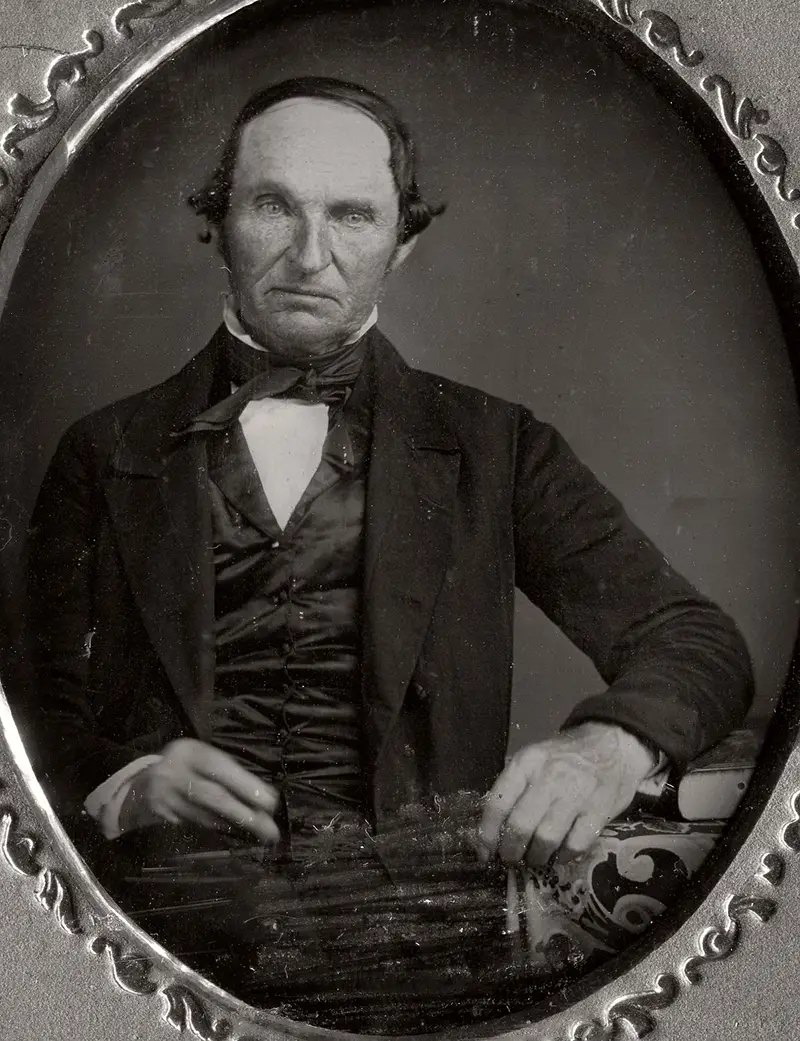
Photography arrived too late to capture the founders themselves, but it arrived just in time to capture the people who remembered them. The wrinkled faces in these portraits belong to individuals who crossed into the photographic age from a world that predated it entirely. They were photographed once, sometimes only once, and in many cases their names were never recorded alongside their image.
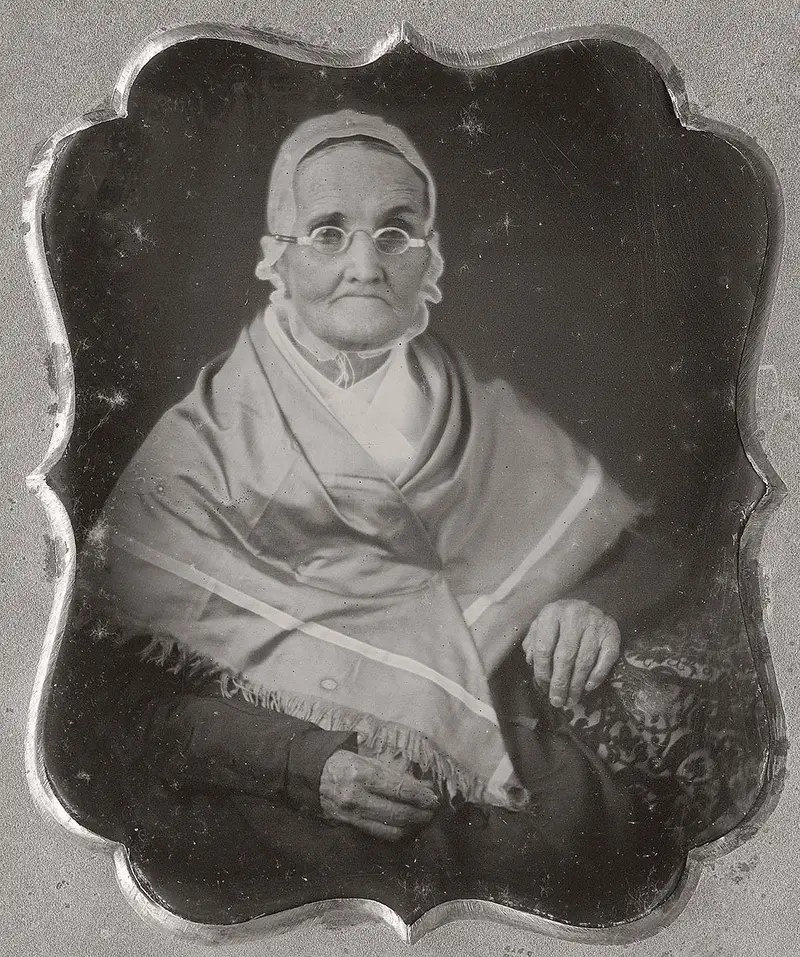
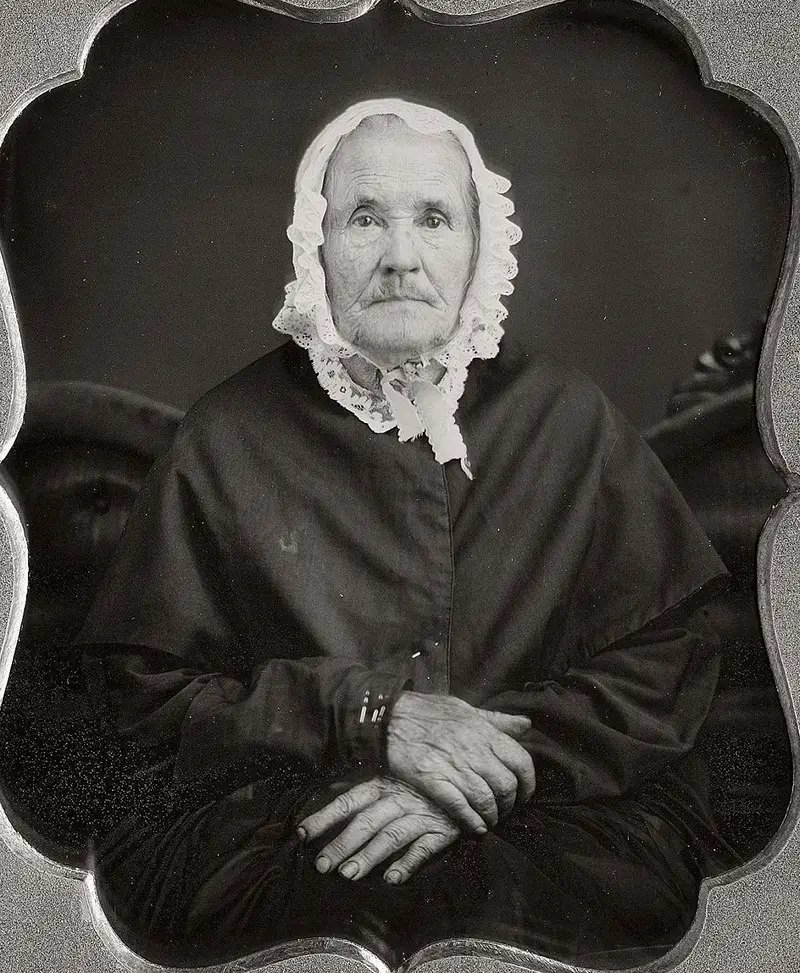
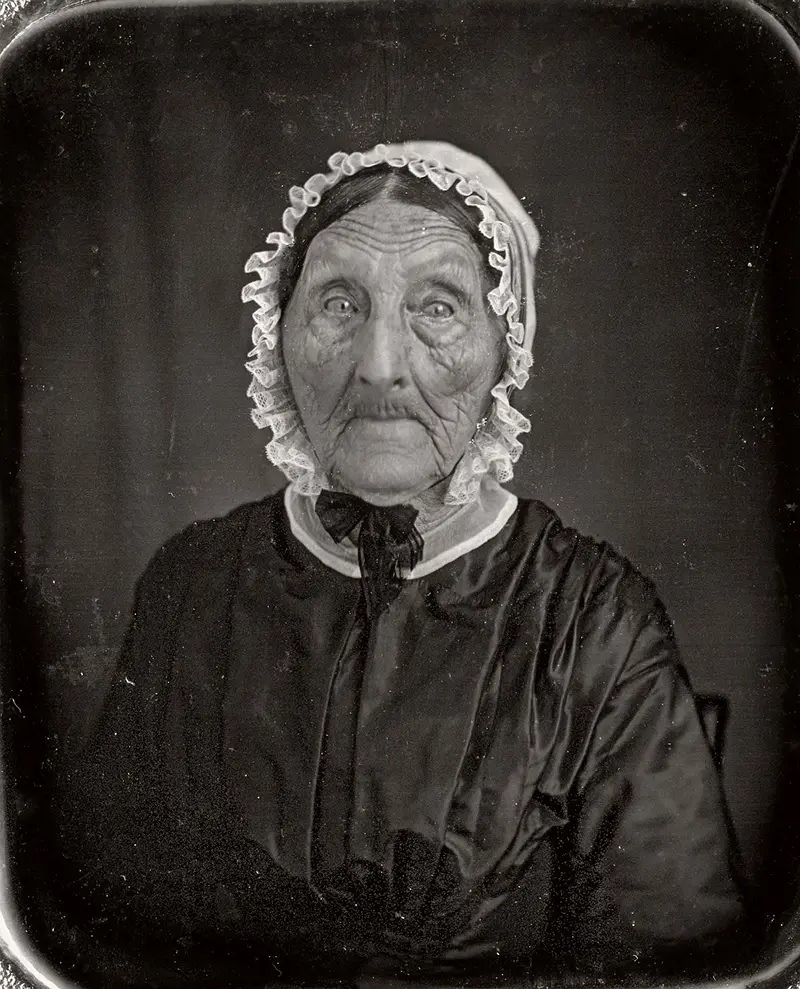
The quality of these portraits varies. Some are crisp and well-preserved, showing fine details — the texture of fabric, the lines of a face, the glint of a piece of jewelry. Others have suffered tarnish, spotting, or surface damage over their 170-plus years of existence. Even imperfect daguerreotypes carry extraordinary detail compared to any other visual medium of their time.
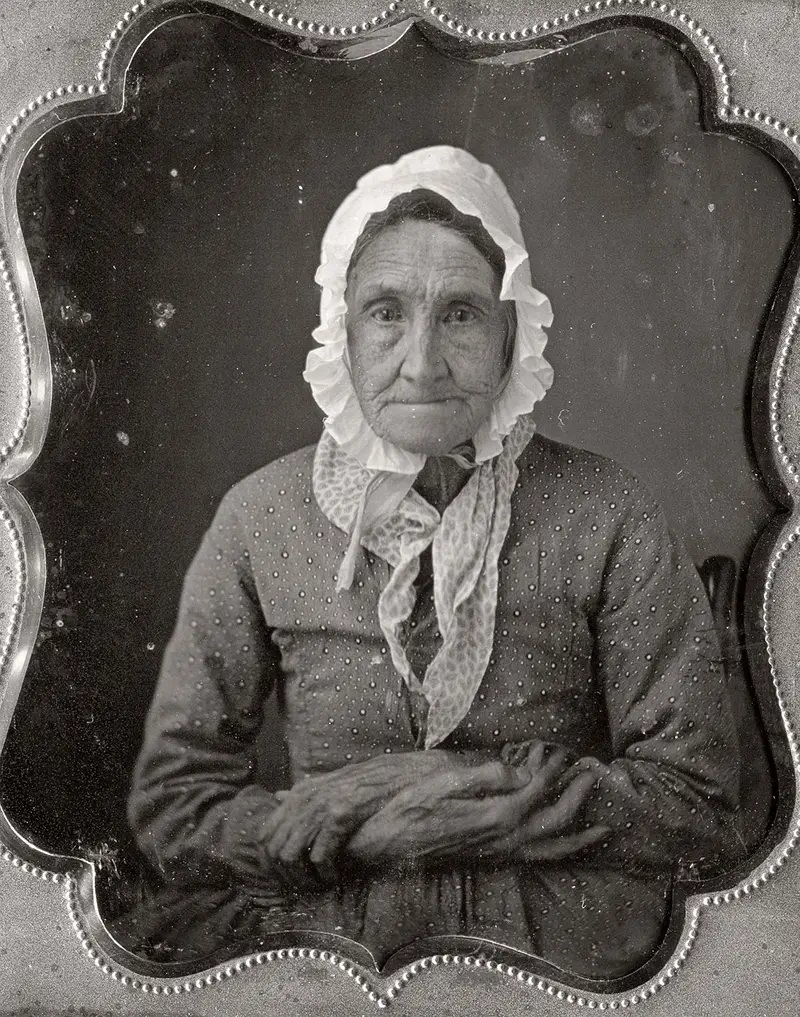
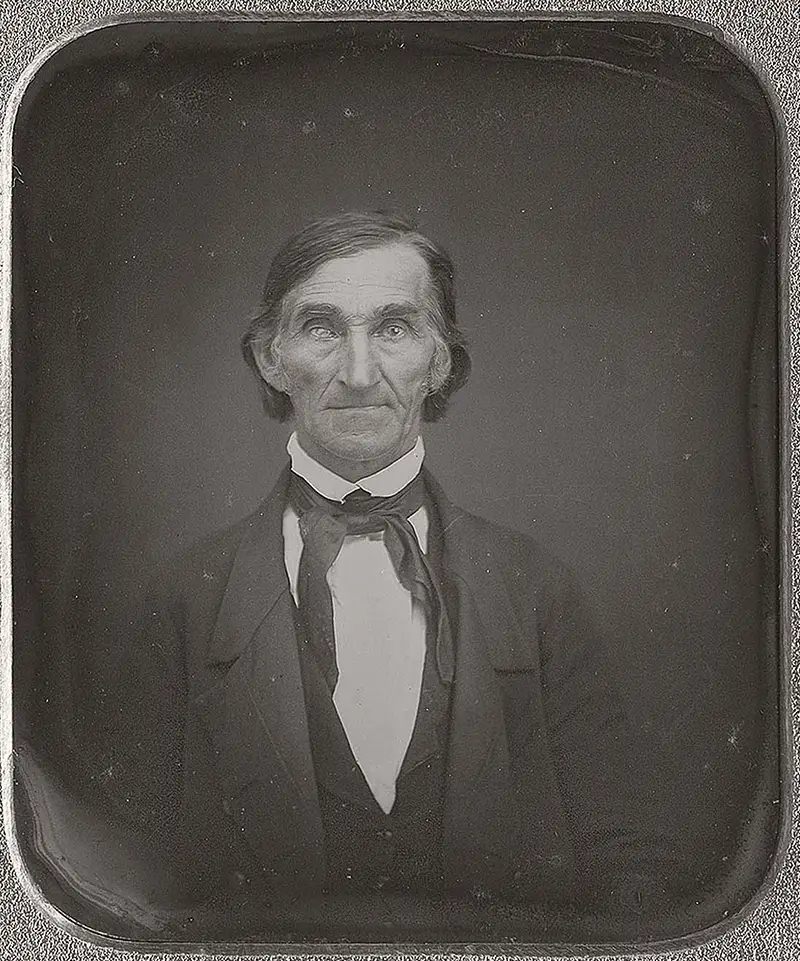
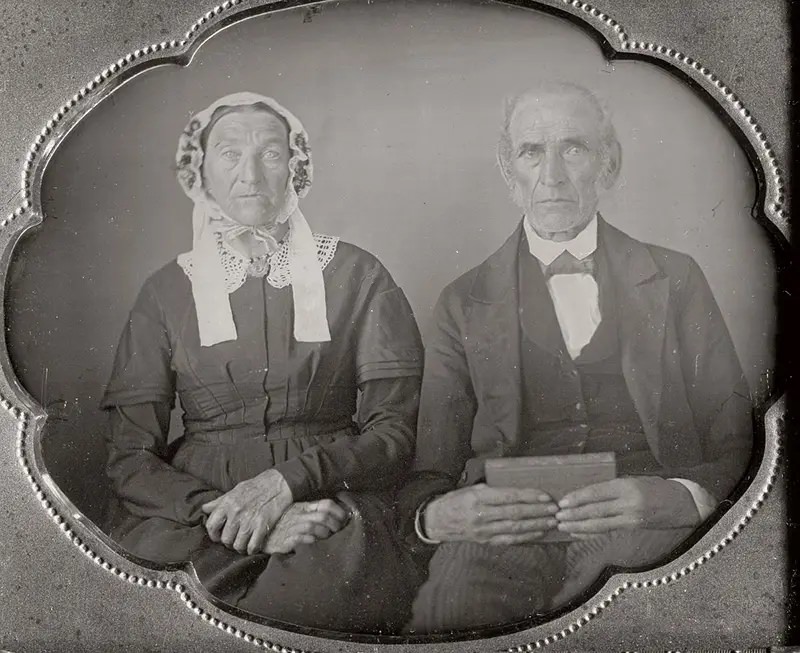
The clothing, hairstyles, and accessories visible in these portraits also provide historical detail beyond just the faces. Men appear in high collars and dark coats. Women wear bonnets, lace, and formal dress. These were their best clothes, chosen deliberately for a formal sitting. A daguerreotype portrait was an event, not a casual snapshot, and subjects dressed accordingly.
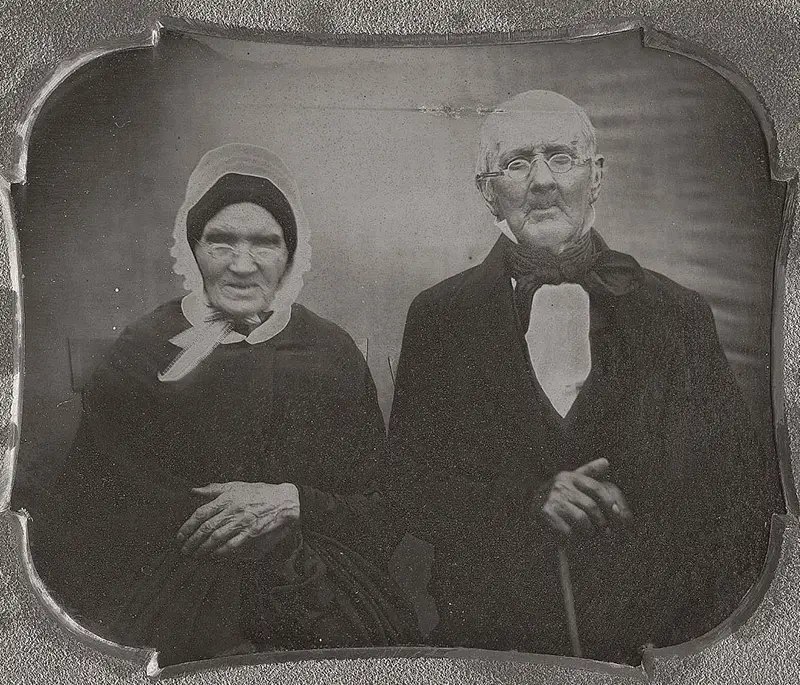
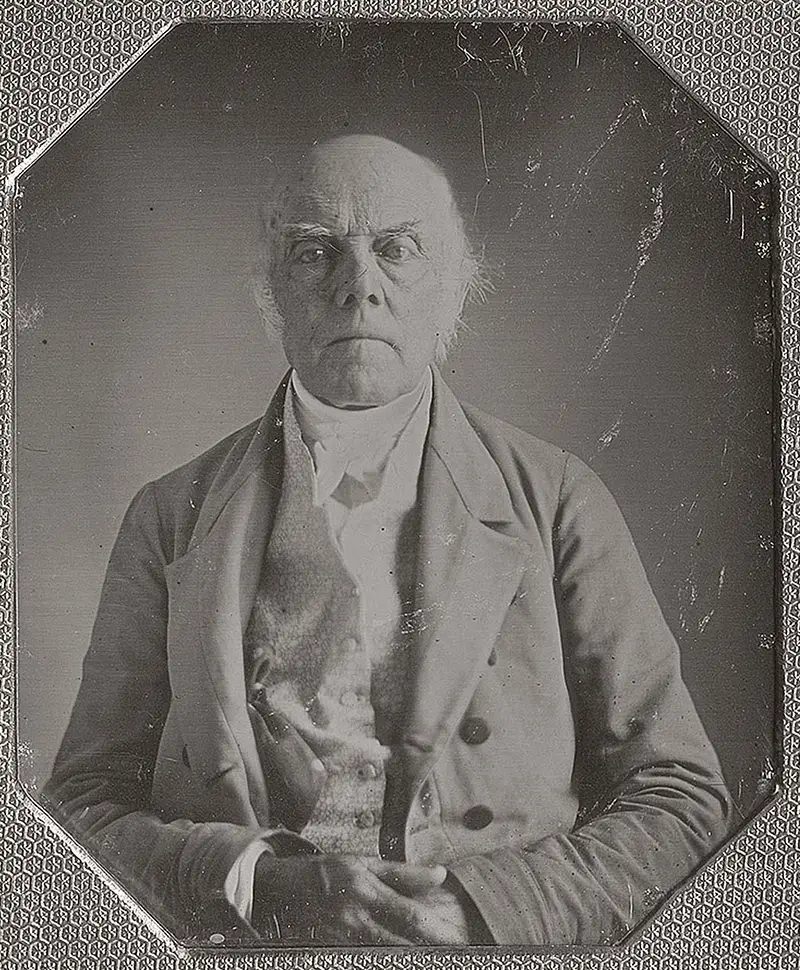
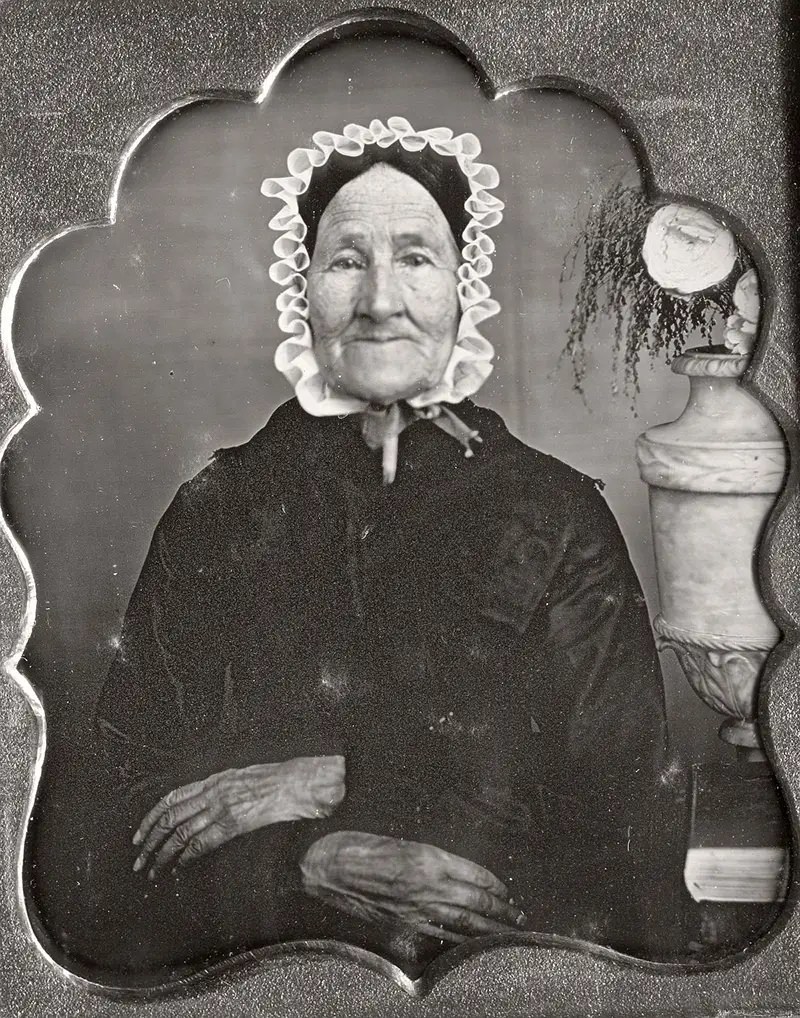
Many of these portraits were created as keepsakes for family members. A daguerreotype of an elderly parent or grandparent served as a lasting memorial, something to be kept in a velvet-lined case and passed to the next generation. For many families, this was the only photographic record they ever had of their oldest relatives. In some cases, portraits were taken specifically because a person was ill or dying — a final record before death.
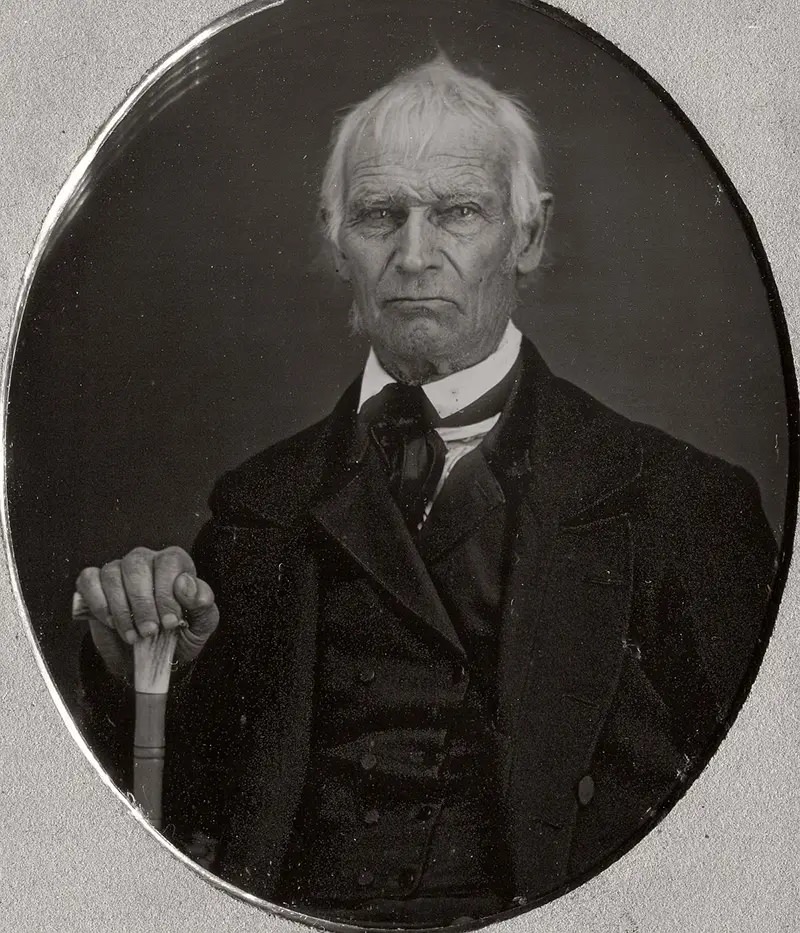
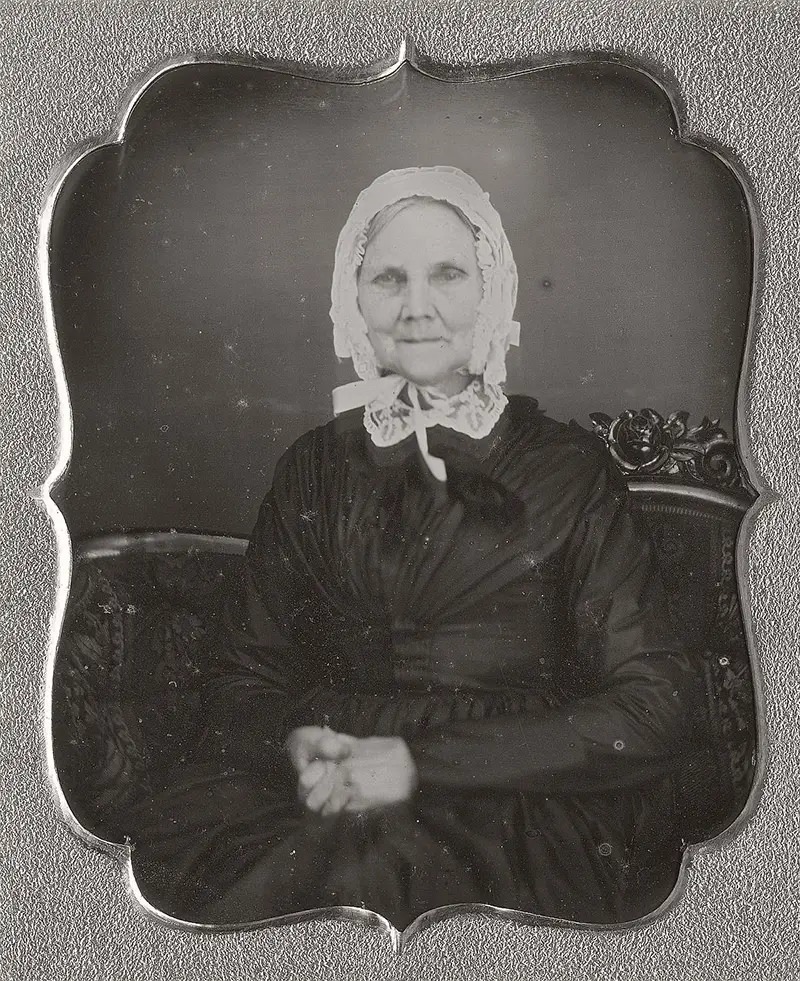
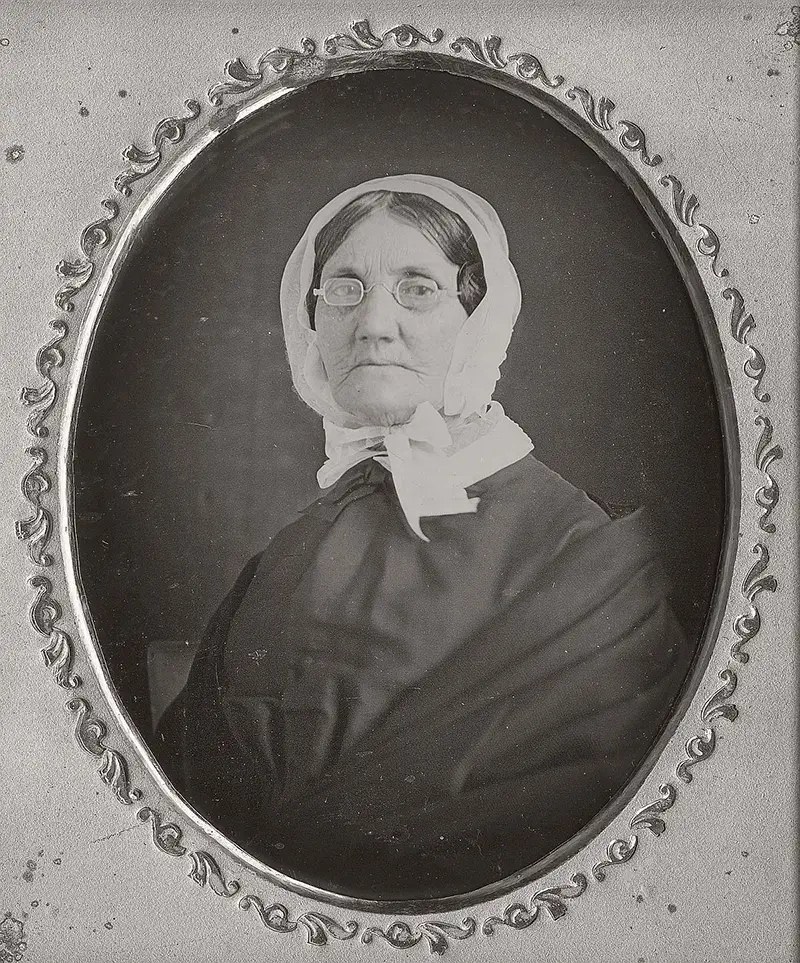
The silver-plated surface of a daguerreotype responds to light in a way that no other photographic medium does. Tilt one slightly and the image disappears, replaced by a reflection of whatever is in front of it. Tilt it back and the portrait reappears, sharp and detailed. This strange quality made daguerreotypes feel almost magical to people encountering photography for the first time in the 1840s.
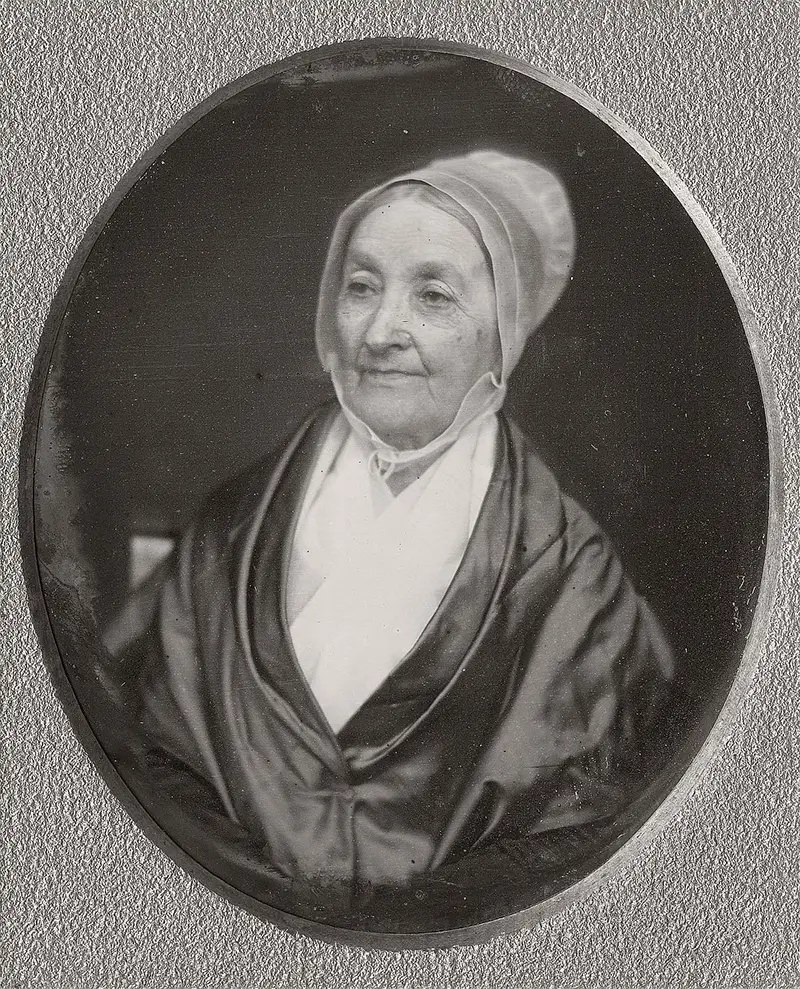
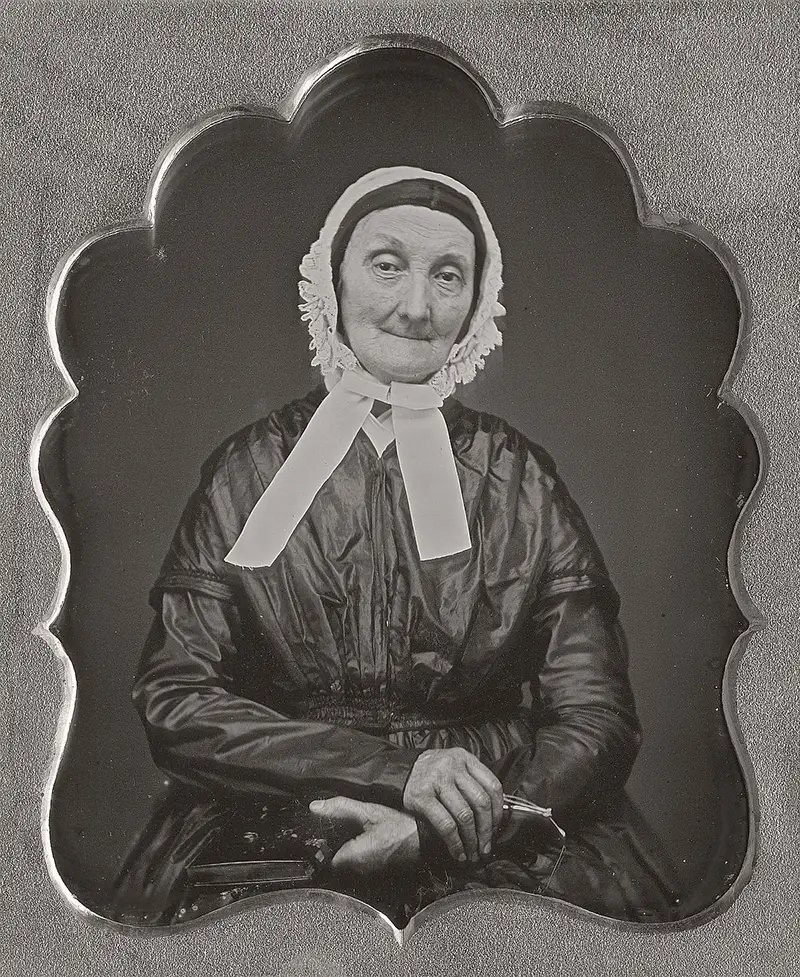
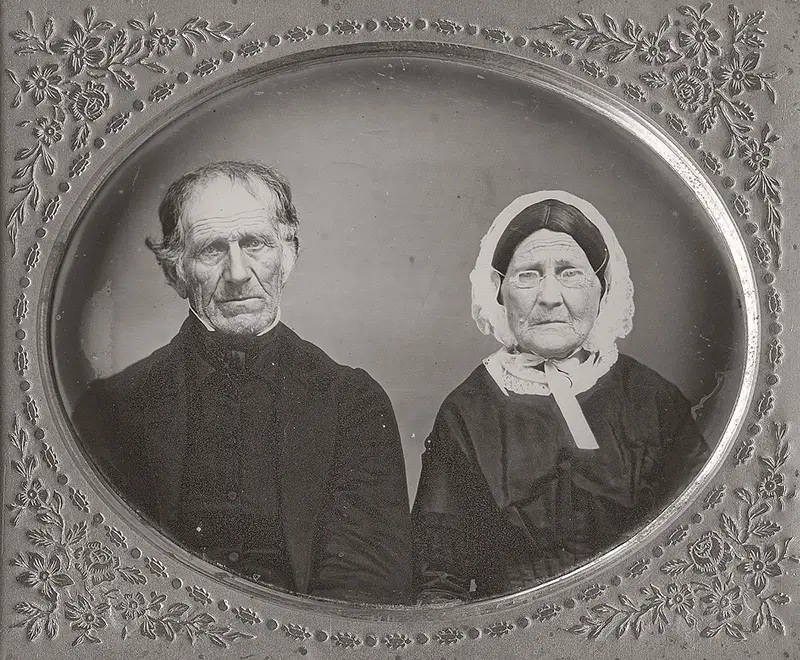
Studios competed on the quality of their lighting, their equipment, and their ability to put subjects at ease during a long, motionless exposure. A successful portrait required the subject to remain perfectly still — eyes open, expression held — while the photographer managed the technical side. The results, when everything worked, were startlingly lifelike by the standards of any earlier era.
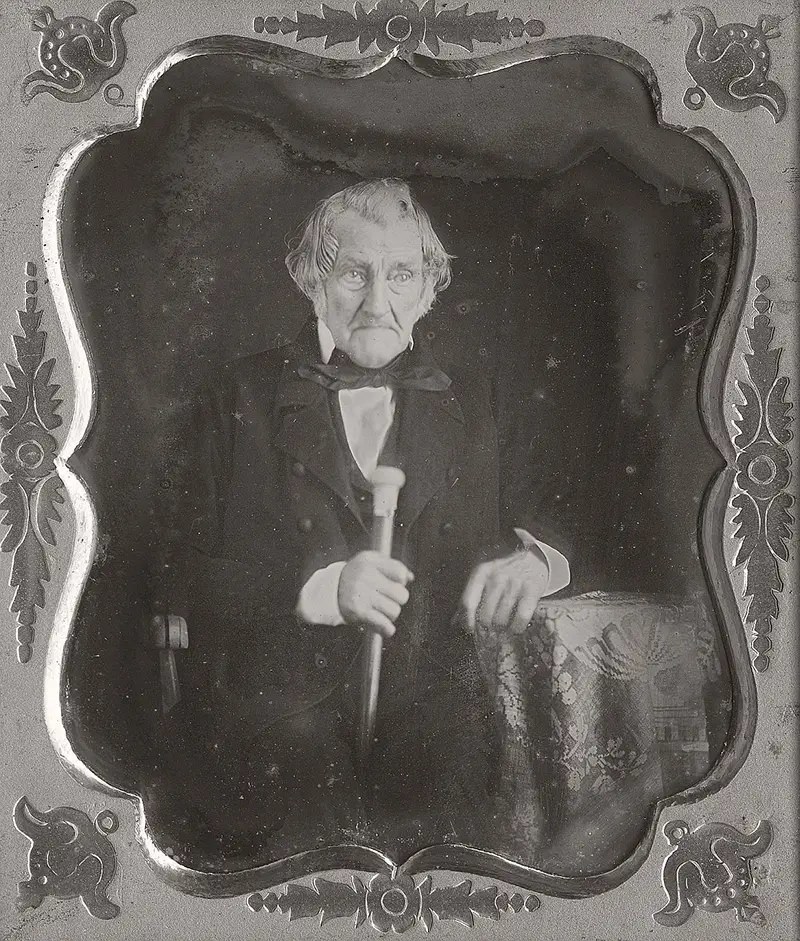
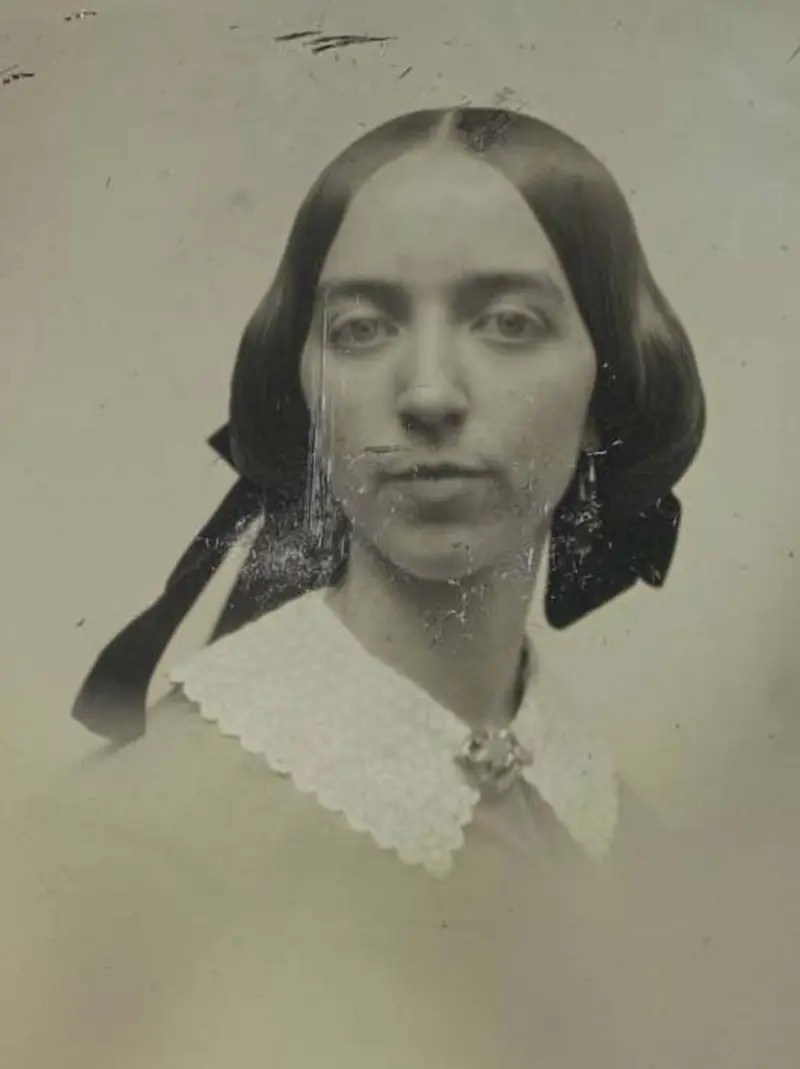
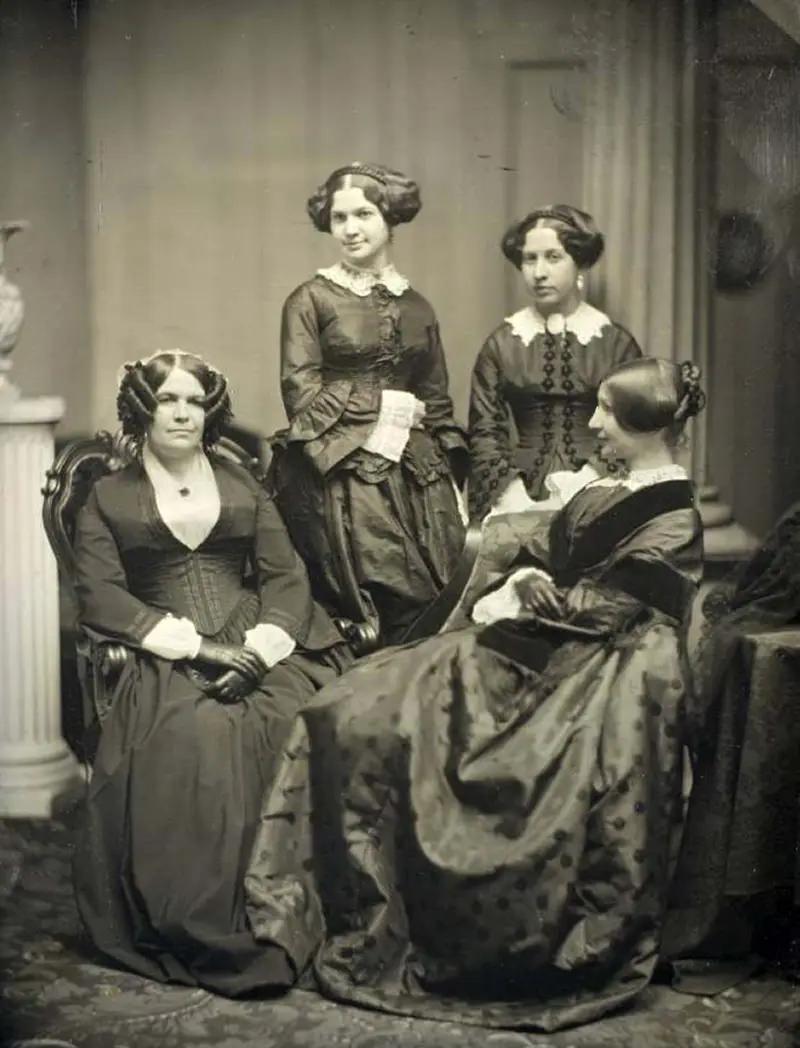
What makes this collection particularly significant is the age gap it bridges. These images sit at an intersection between two worlds — one in which human faces could only be painted or drawn, and one in which they could be mechanically recorded. The oldest subjects here lived most of their lives in the former world and died shortly after entering the latter.