
On the night of November 28, 1942, the Cocoanut Grove nightclub in Boston, Massachusetts, was packed with more than 1,000 people. They had come to drink, dance, and celebrate on a Saturday night. Within five minutes, the club was engulfed in flames. By the time the smoke cleared, 492 people were dead — more than 30% of everyone inside. It remains one of the deadliest nightclub disasters in American history.
The Cocoanut Grove had been a premier Boston destination since the 1930s. The club was designed to feel like a South Seas paradise, with fake palm trees, fabric ceiling decorations, and elaborate tropical décor spread across multiple bars, lounges, and dining rooms. It drew a wide crowd — from Boston’s social elite to soldiers and sailors on leave, to ordinary working people looking for a night out. Hollywood celebrities visited when they were in town. On busy nights, the atmosphere was electric.
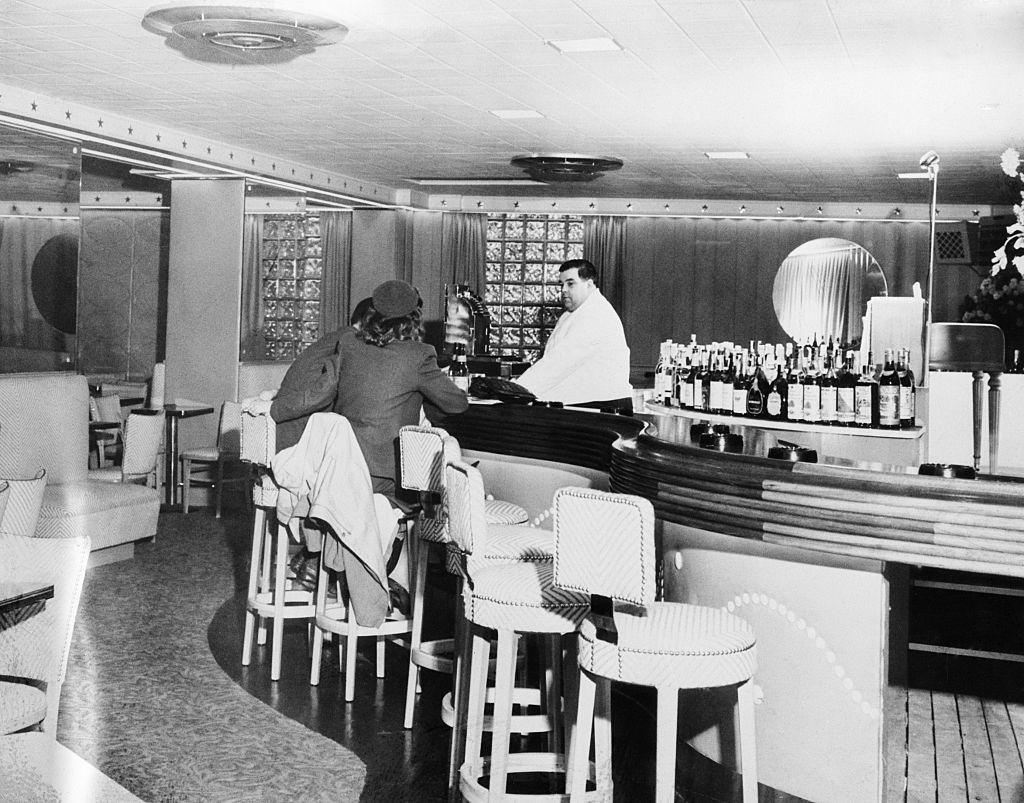
The fire started in the basement Melody Lounge. A patron had unscrewed a light bulb — likely for privacy in a dim corner — and a 16-year-old busboy named Stanley Tomaszewski was sent to replace it. Unable to see clearly in the dark, he struck a match. The flame touched the artificial palm frond decorations on the ceiling and immediately caught. Tomaszewski blew the match out, but the damage was done. The decorations were highly flammable, and the fire raced across the ceiling within seconds.
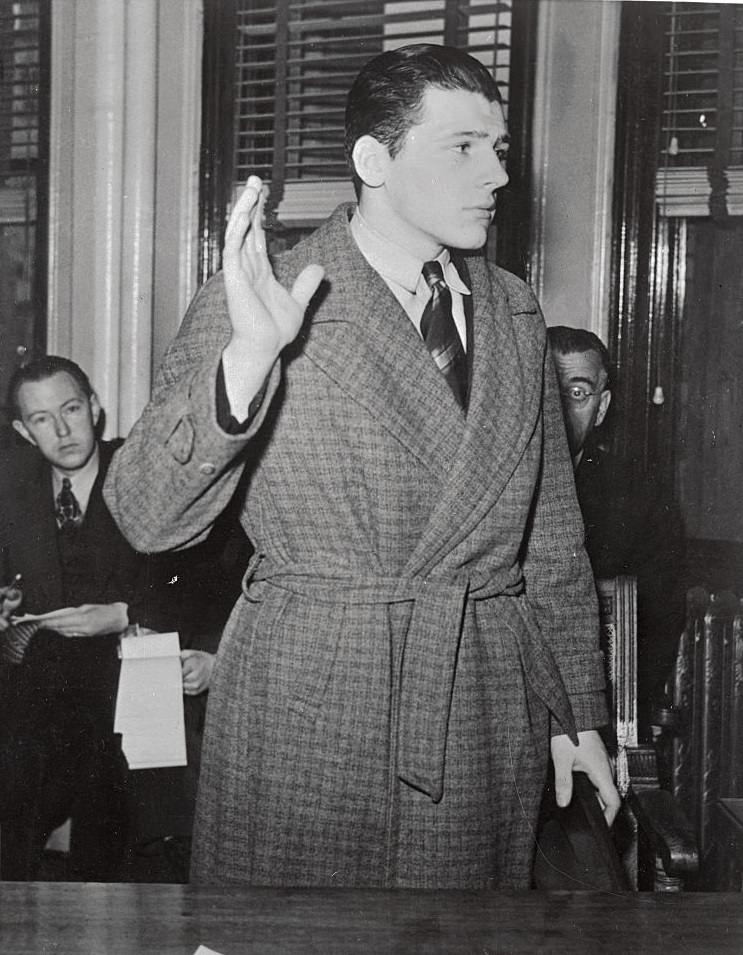
Tomaszewski was a 16-year-old model student and star athlete with no intent to cause harm. He cooperated fully with investigators and testified at the official hearing. The fire investigation also floated the theory of a carelessly discarded cigarette, but Tomaszewski’s account of the lit match near the palm fronds was the most thoroughly documented cause.
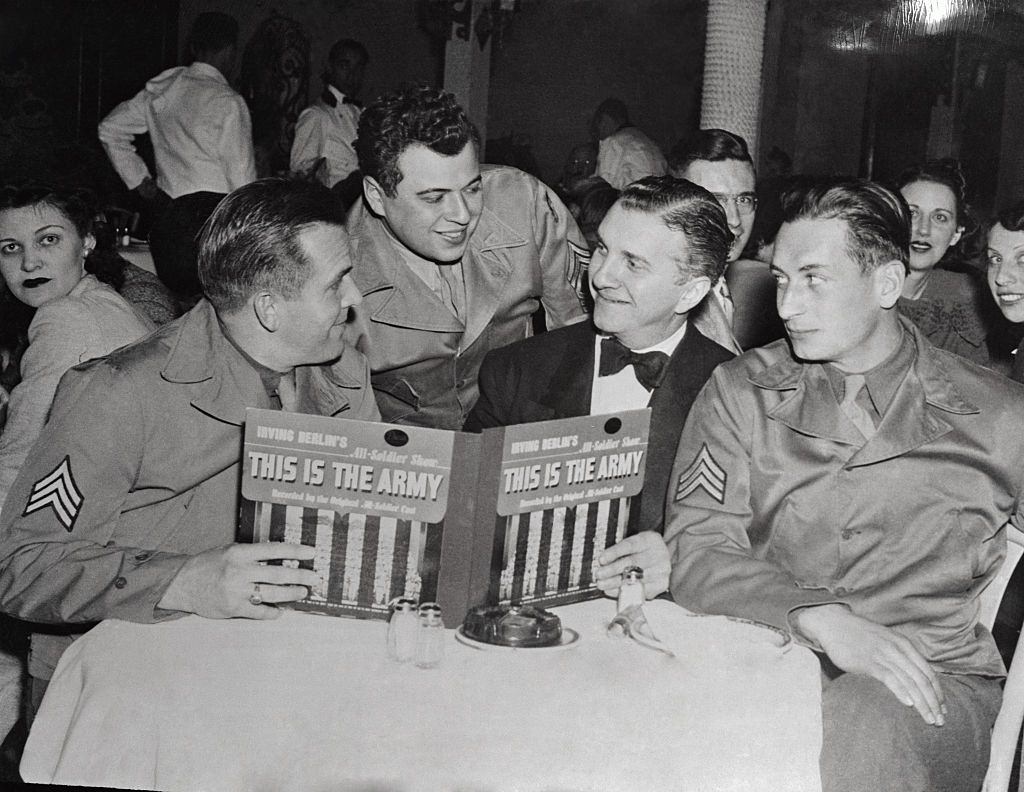
The fire spread with a ferocity that outpaced any chance of an orderly evacuation. Thick, toxic smoke filled the rooms faster than people could move. Carbon monoxide replaced the oxygen in the air, causing patrons to lose consciousness before they even knew the severity of what was happening. Many victims were found slumped over their tables or still seated in their chairs — overcome before they had a chance to stand up.
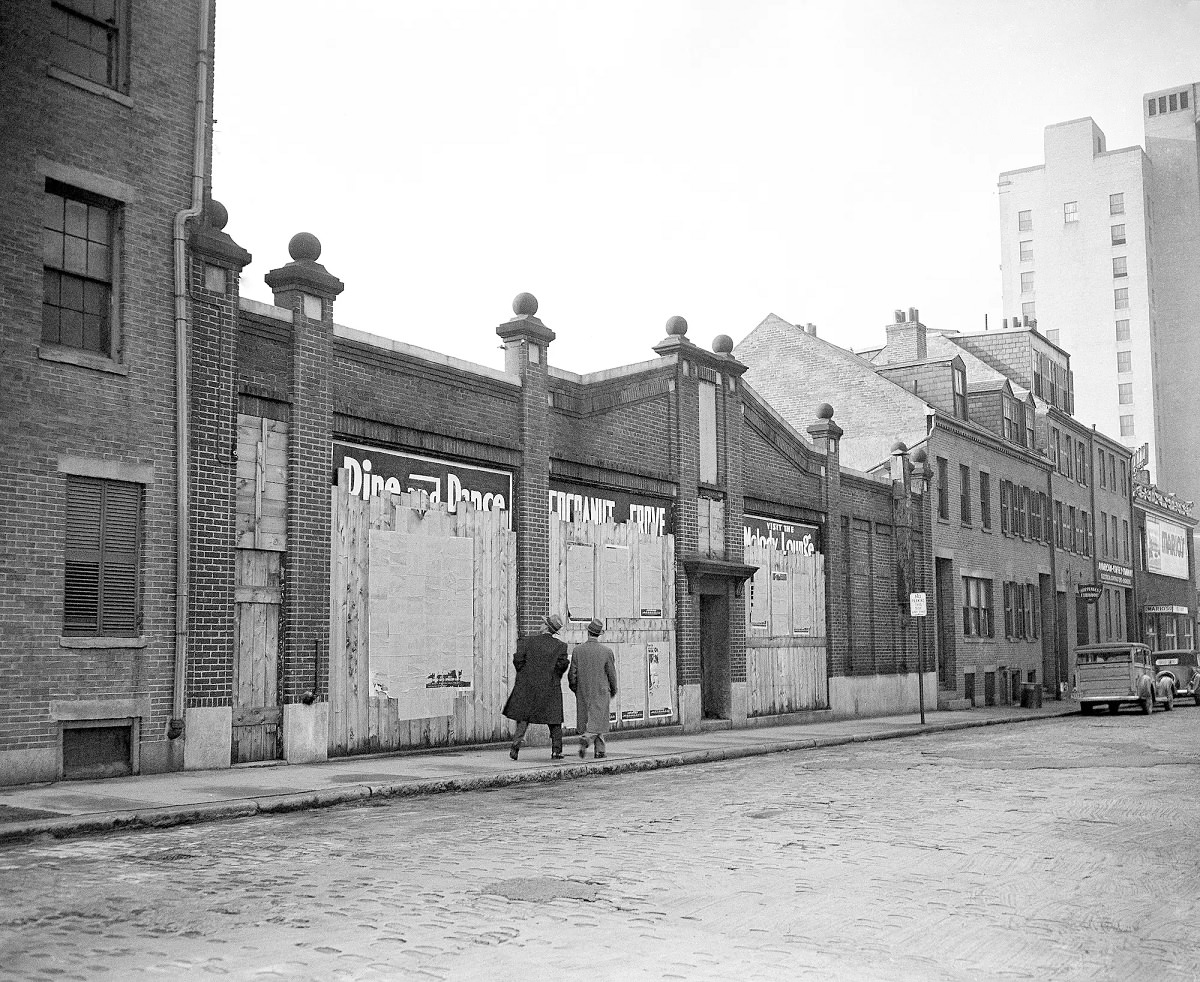
For those who did try to flee, the club’s design became a death trap. The main exit was a single revolving door, and the crush of panicking bodies jammed it almost immediately. Other exits were locked — reportedly to stop patrons from leaving without paying their tabs. Several more exits were hidden behind curtains or drapery, with no signs pointing to them. Many windows had been bricked over or boarded up to prevent break-ins. People were found piled up against blocked exits, having come within feet of escaping.
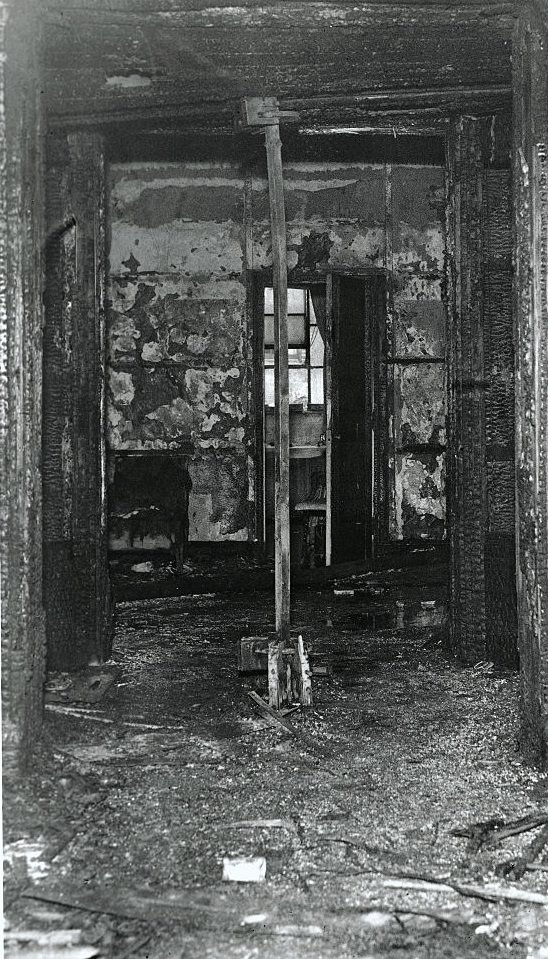
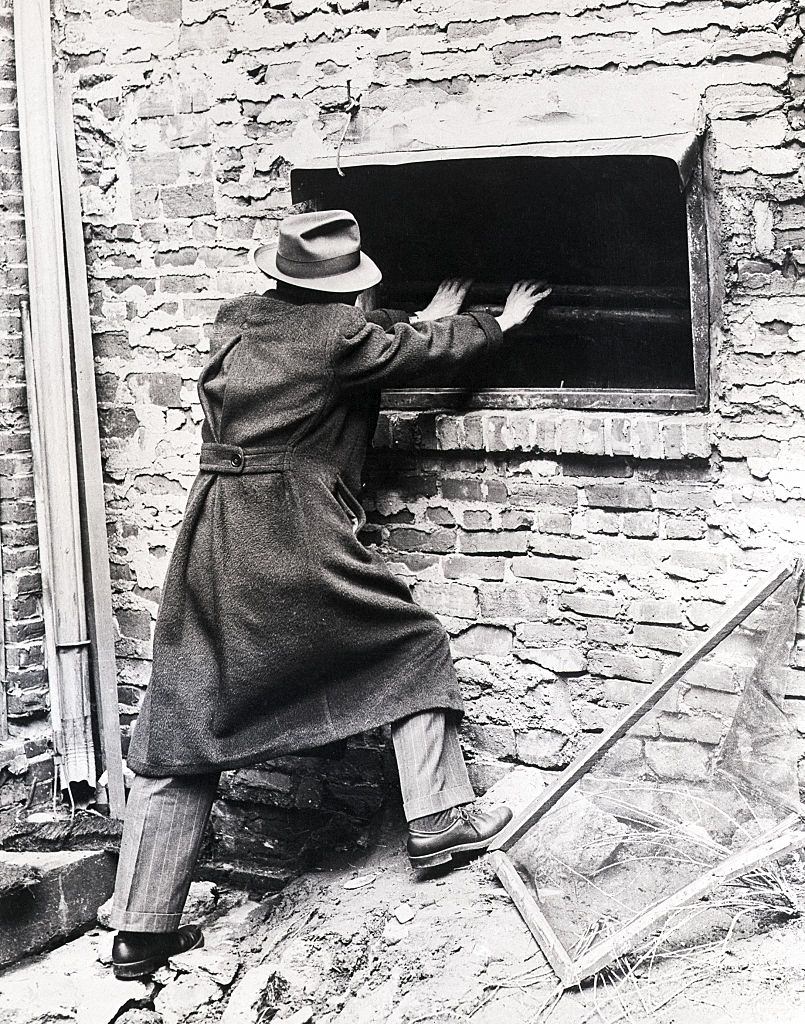
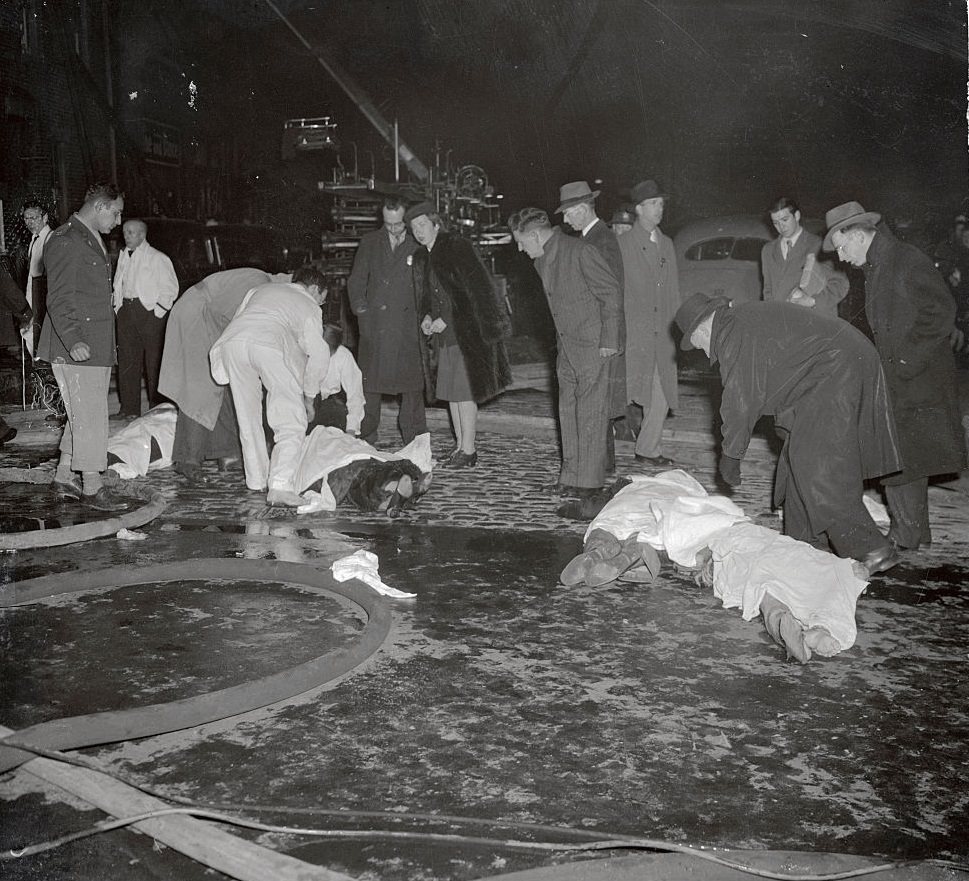
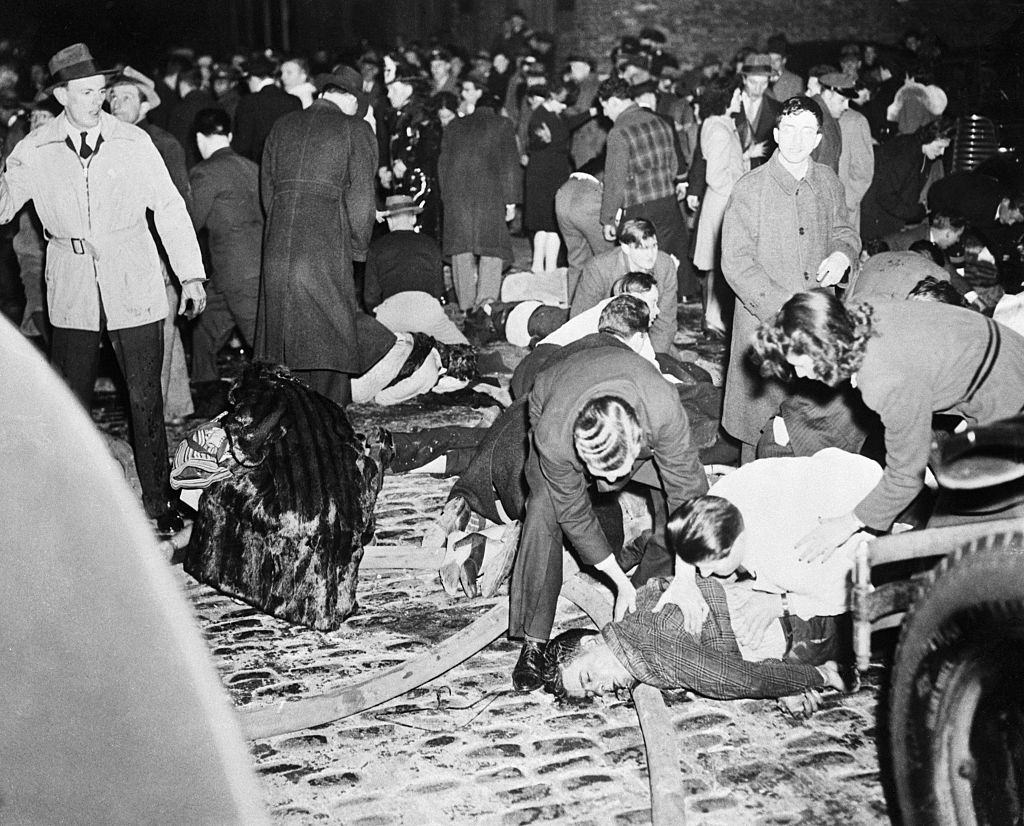
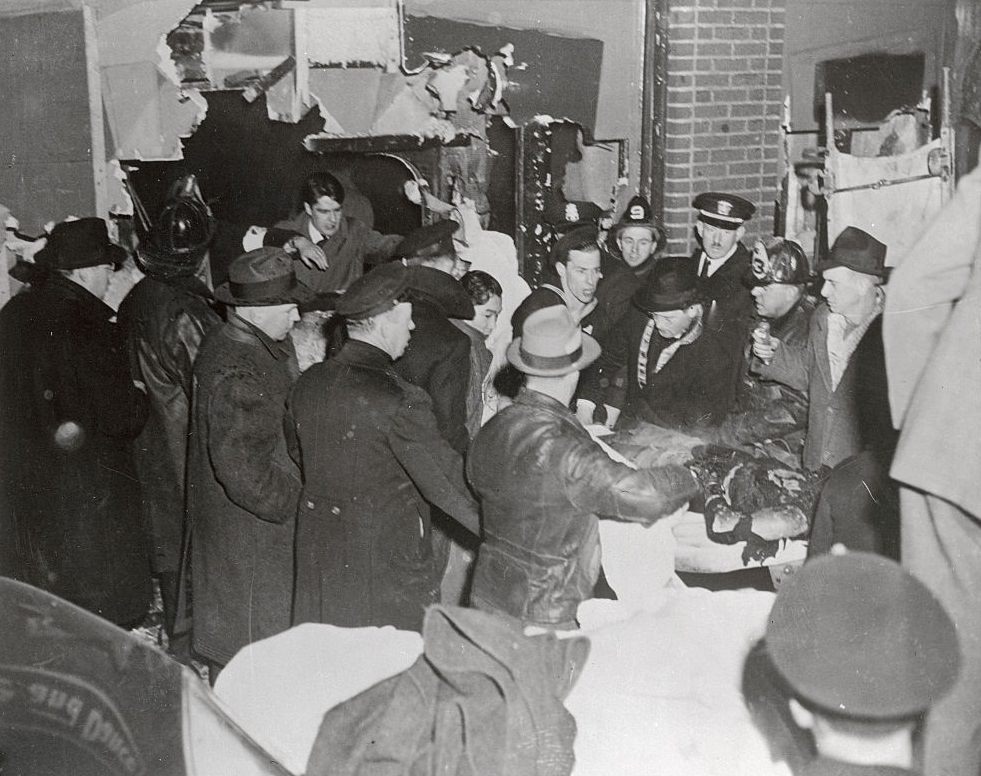
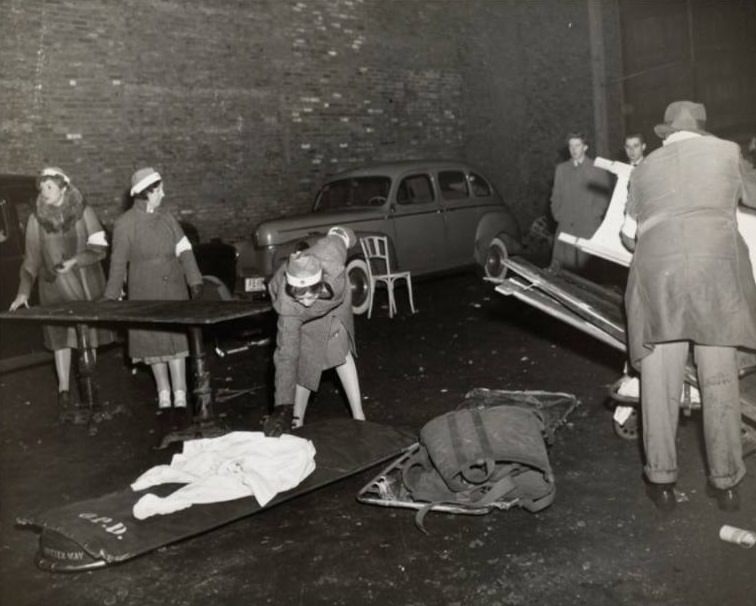
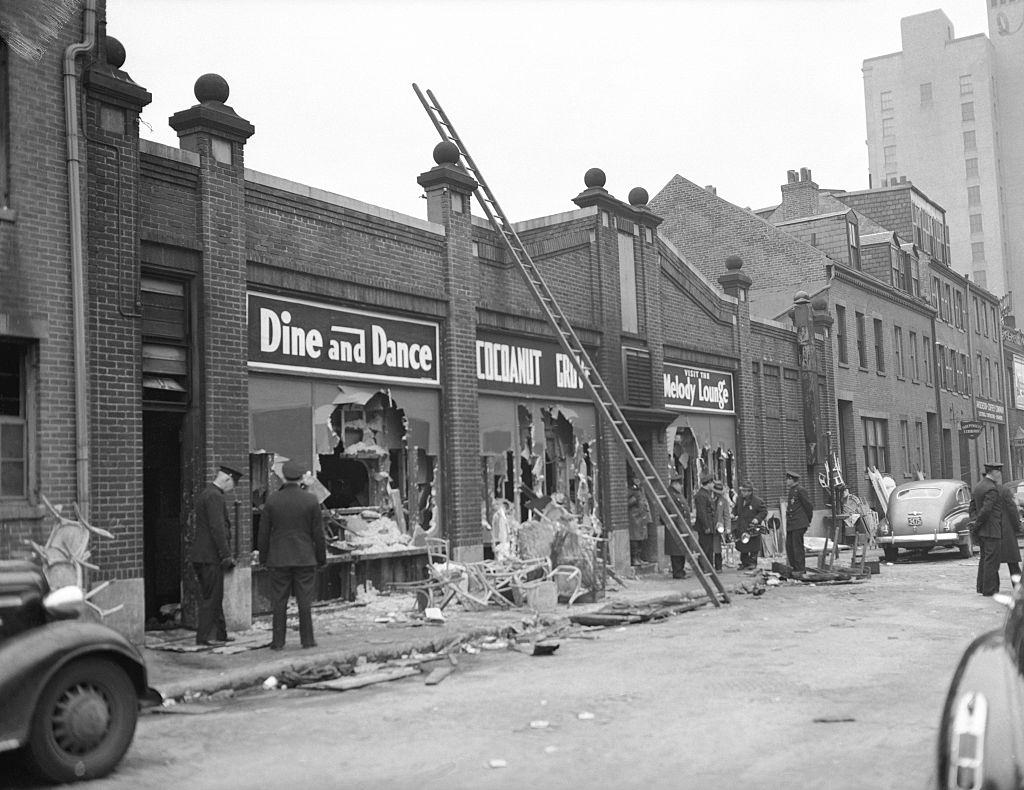
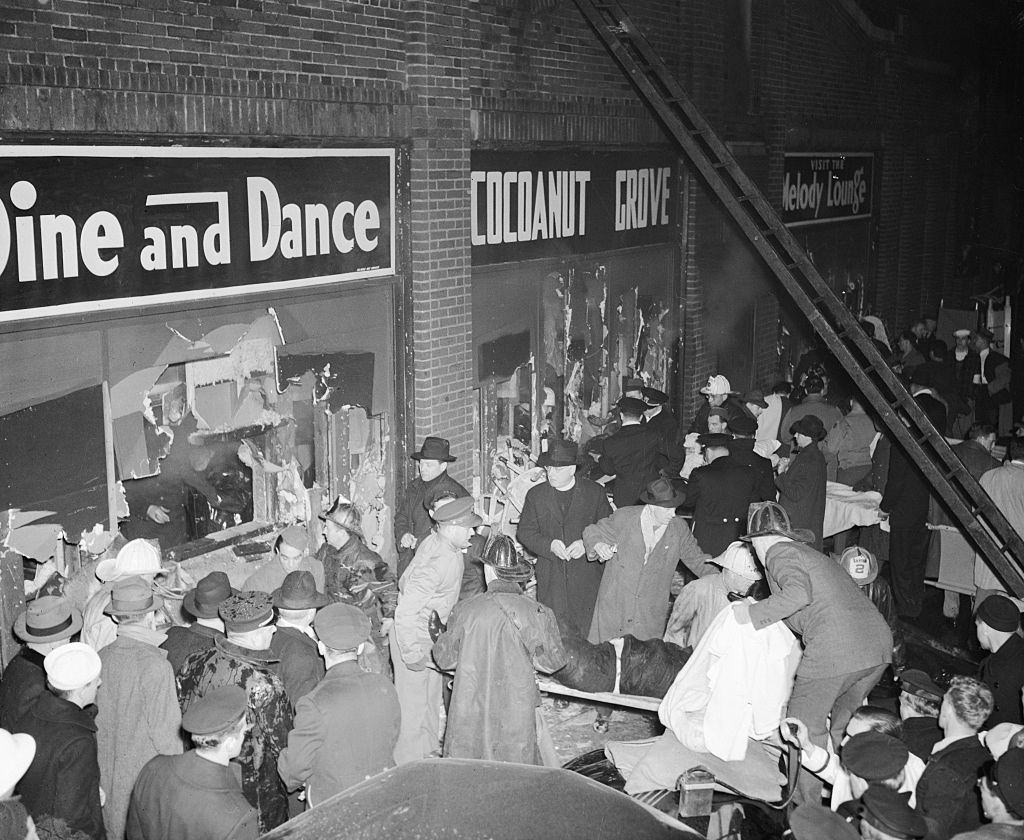
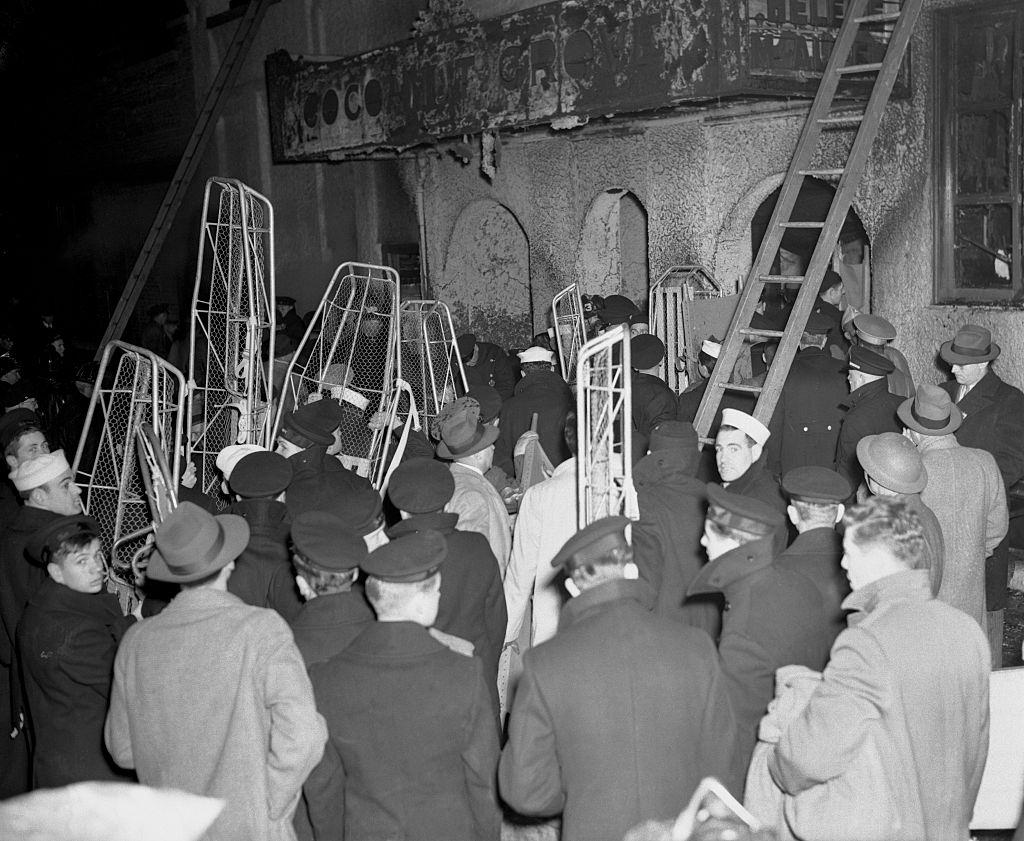
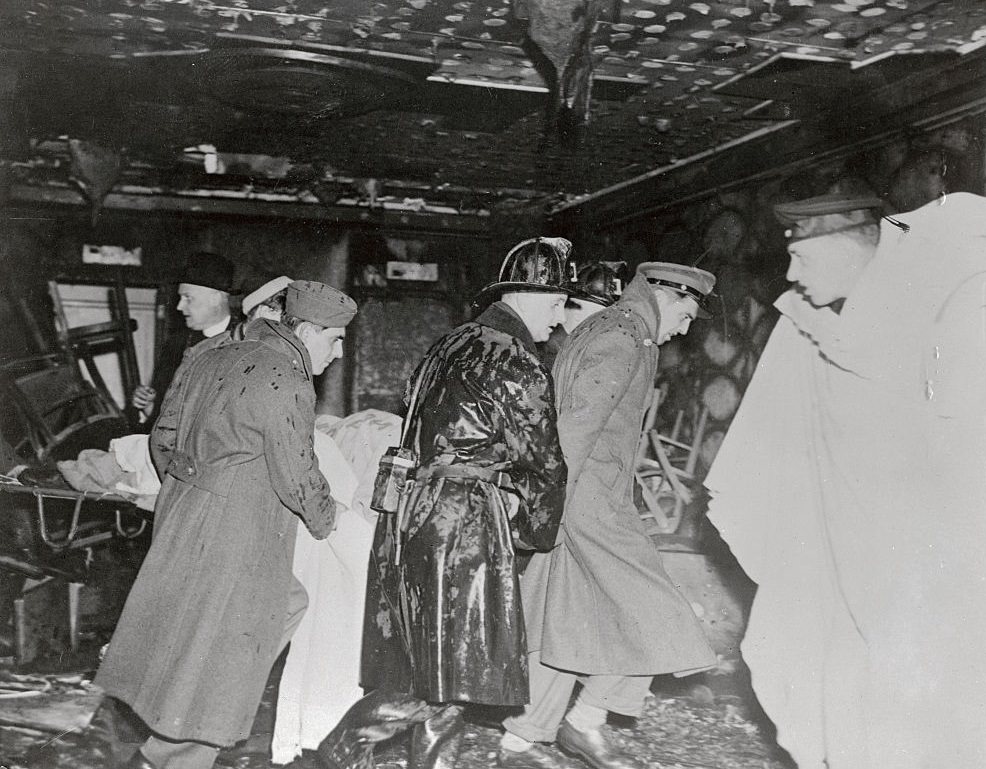
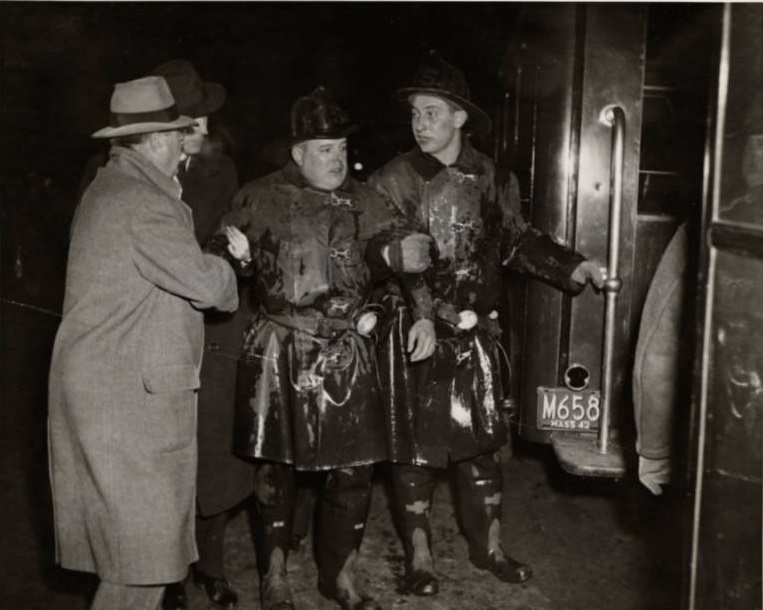
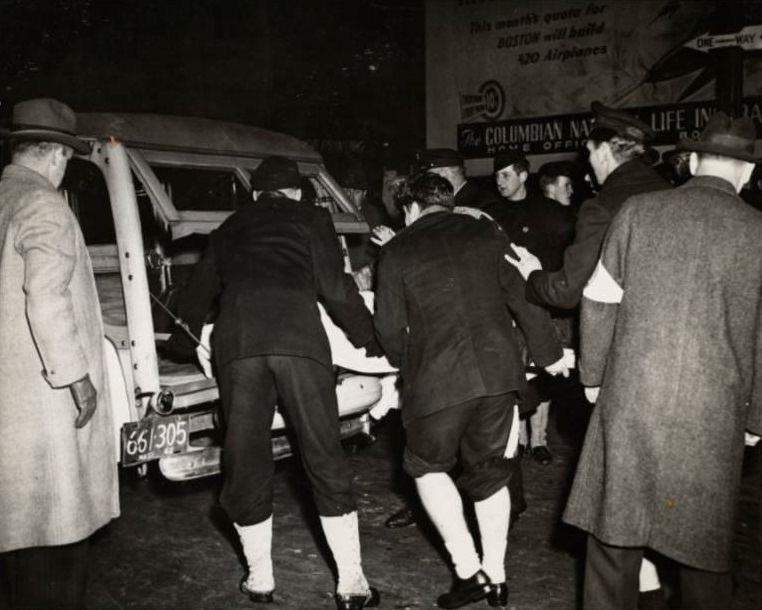
Emergency responders arrived to a scene of mass casualties on the street outside the club. Civilians, soldiers, sailors, priests, and firefighters all worked side by side to pull victims from the ruins. Bodies were laid out on sidewalks. Stretchers and blankets were rushed in. Ambulances made run after run to Boston’s hospitals, which were completely overwhelmed within the first hour.
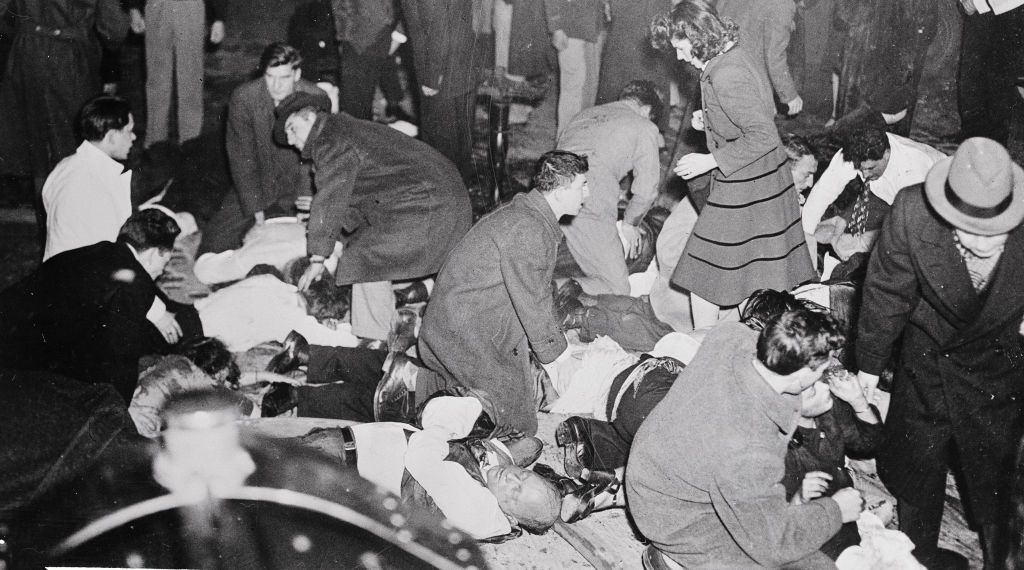
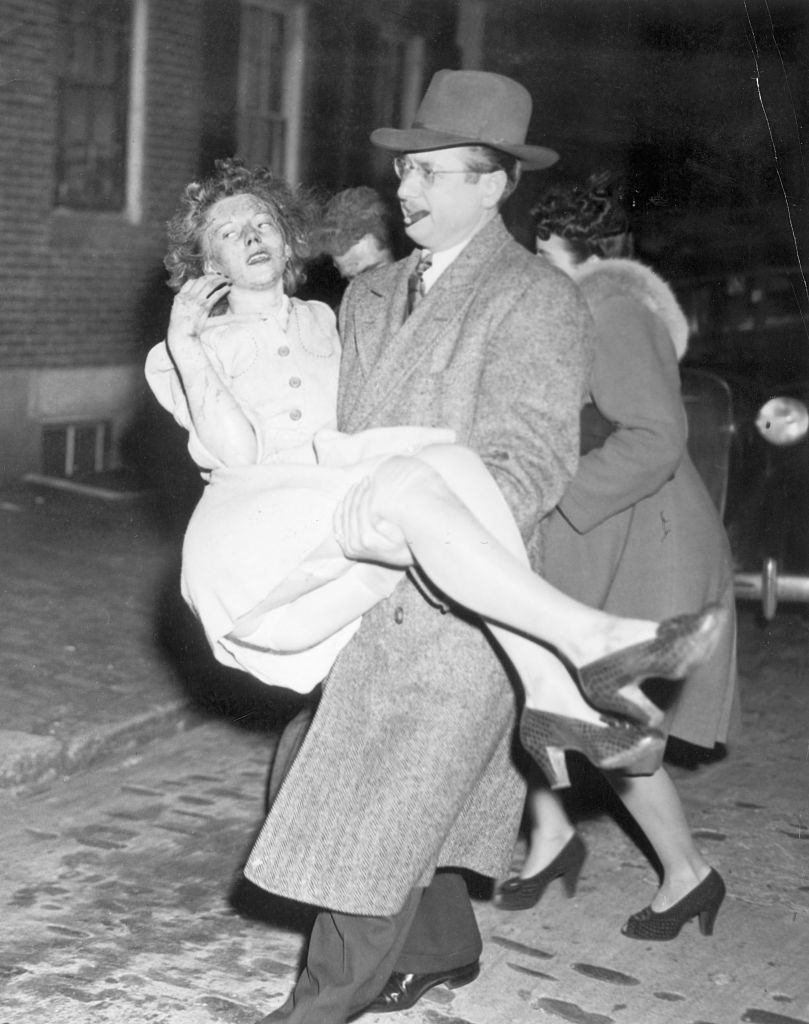
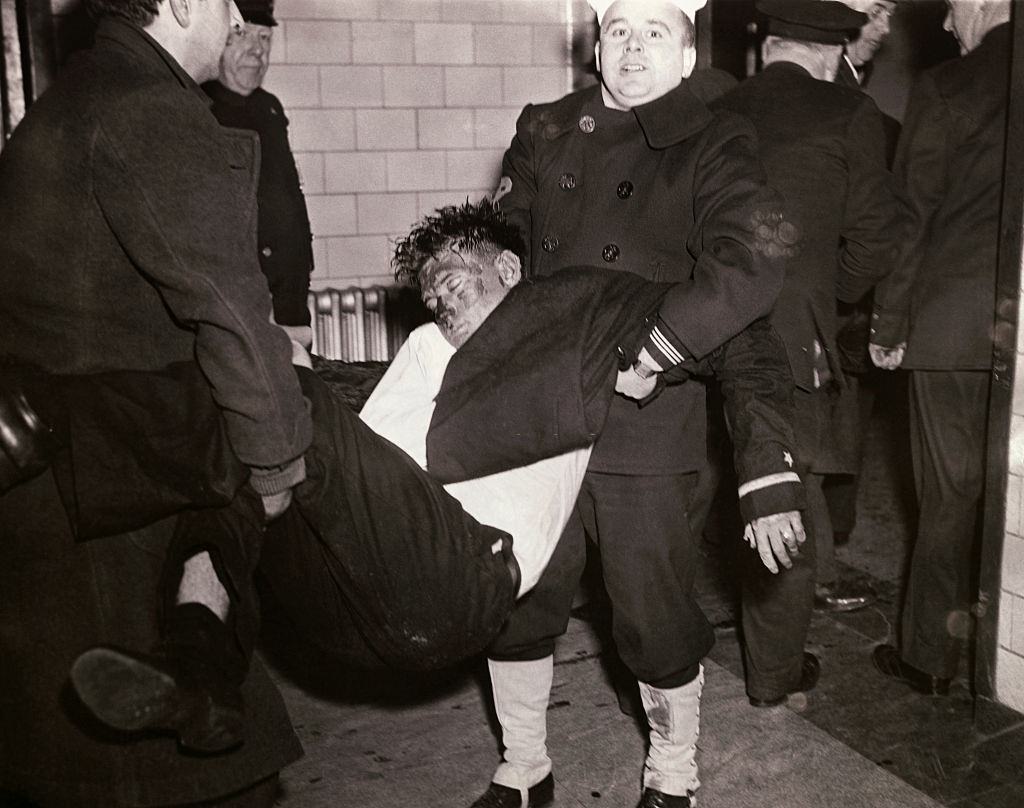
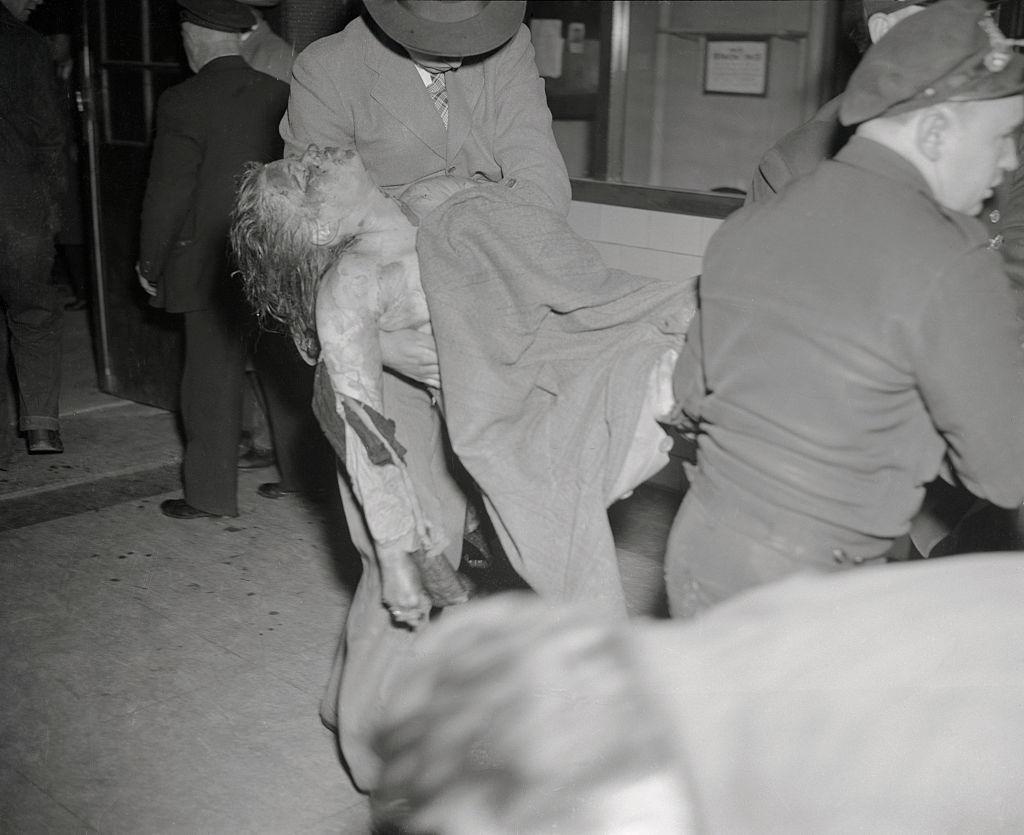
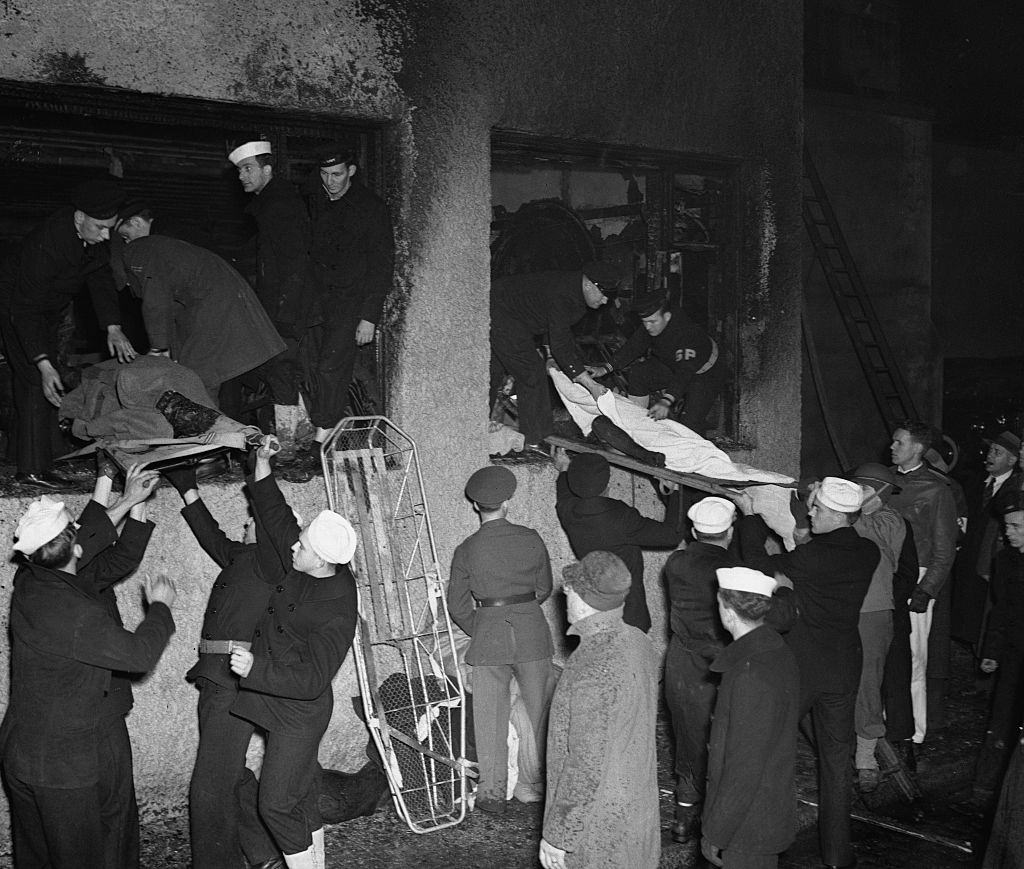
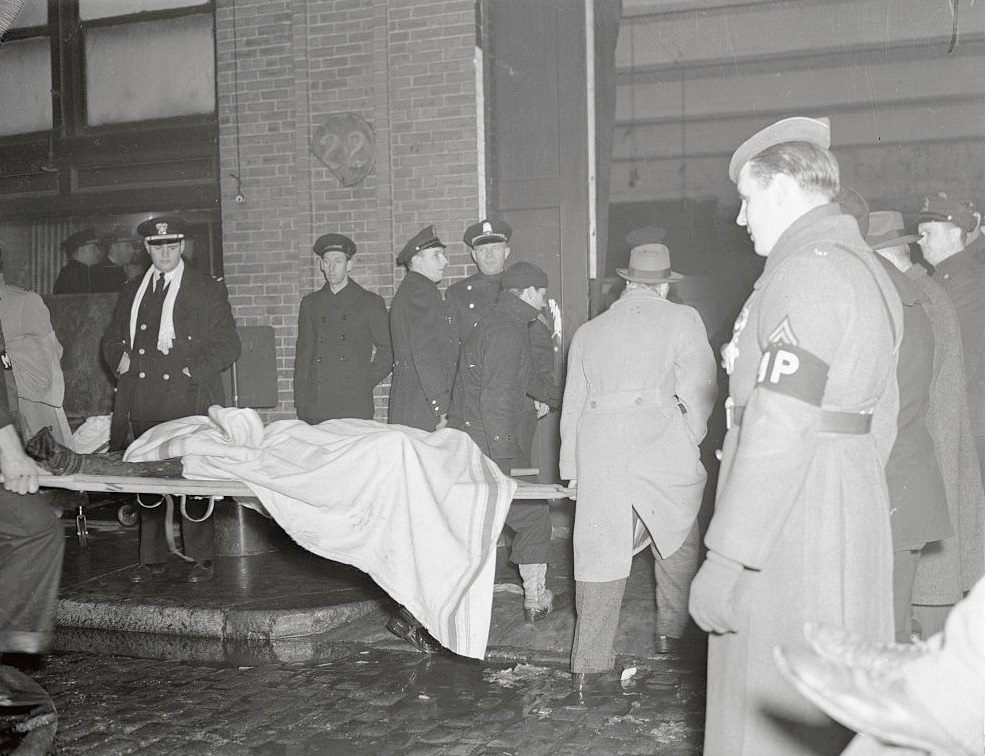
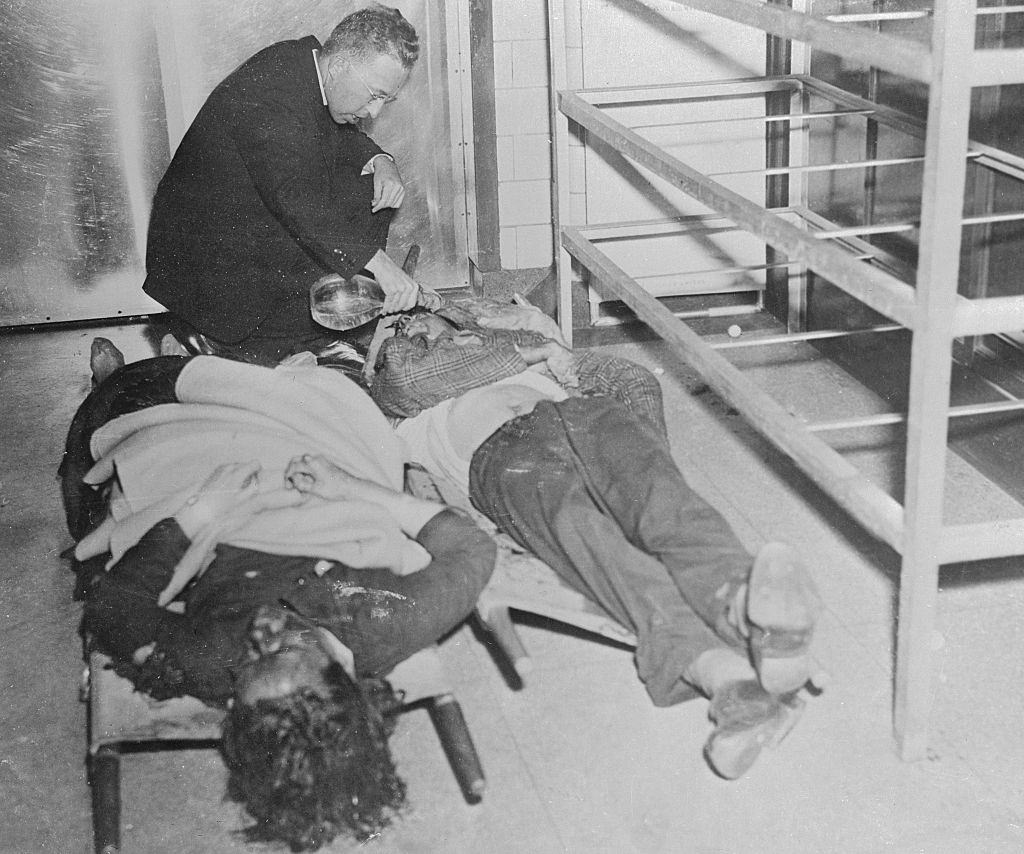
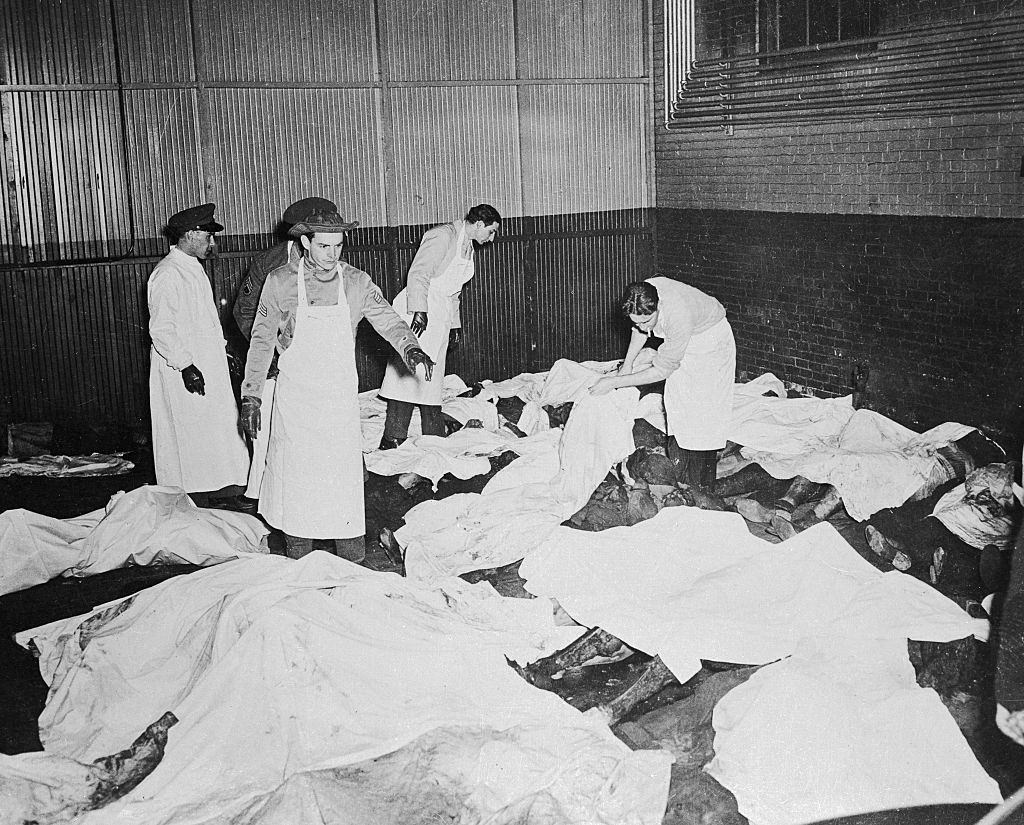
Victims were found not just inside the club but on the streets surrounding it. Bodies were laid out on the pavement as the city’s morgues filled beyond capacity. A temporary morgue was opened at a local armory just to handle the number of dead.
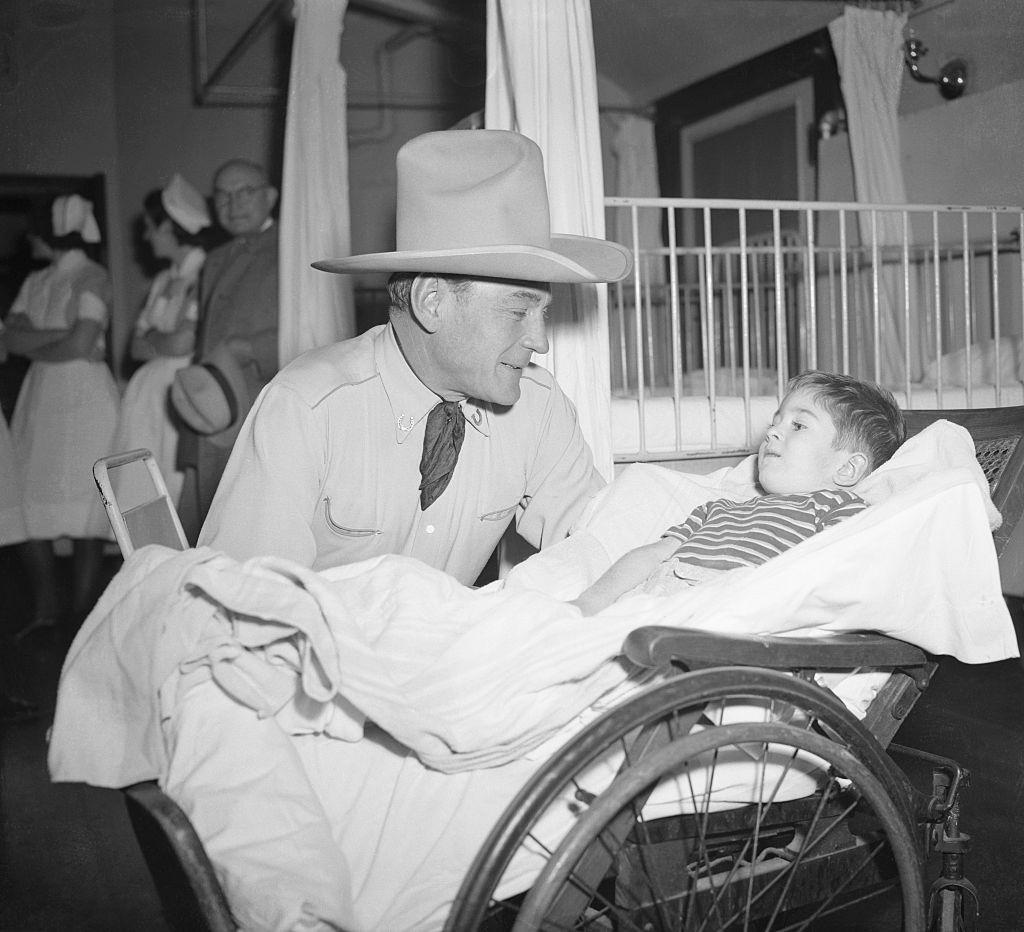
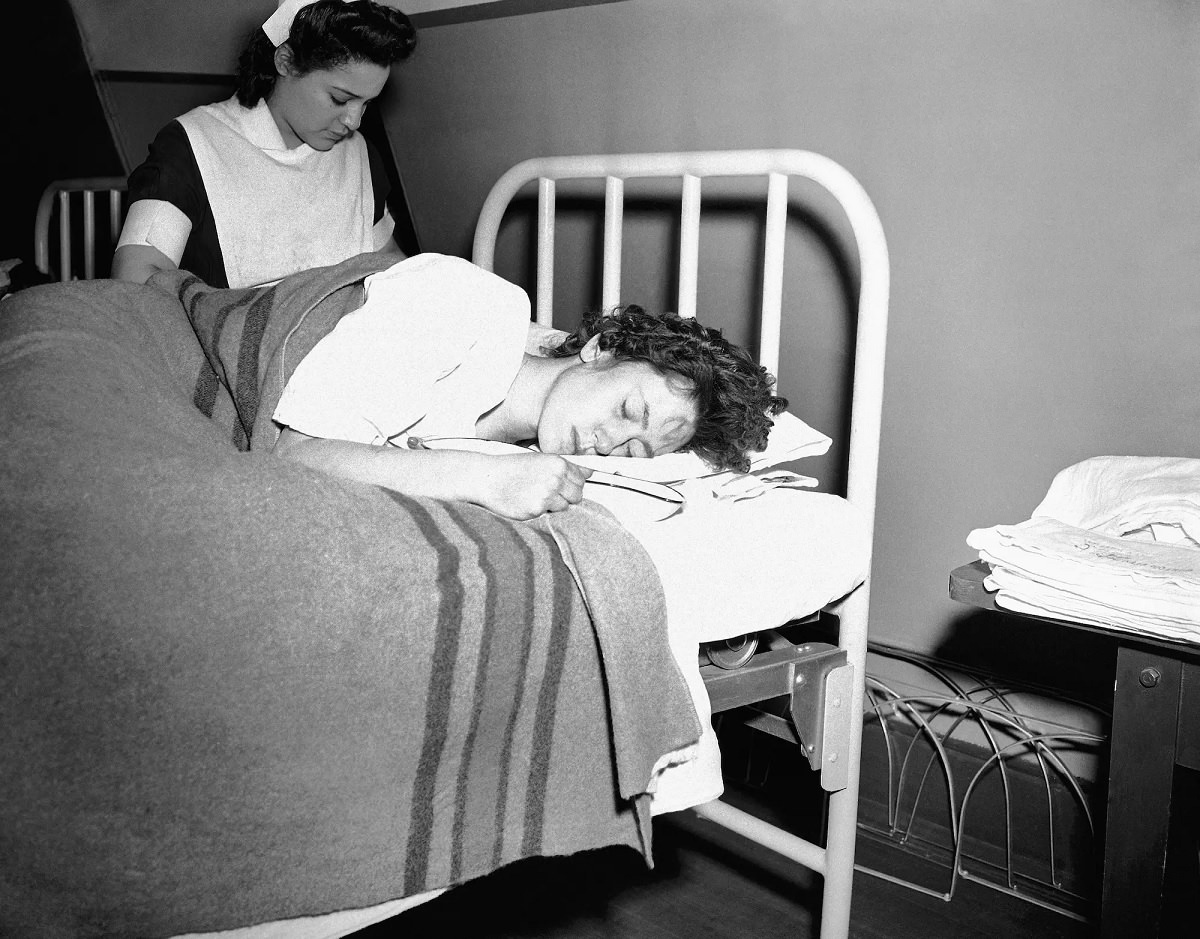
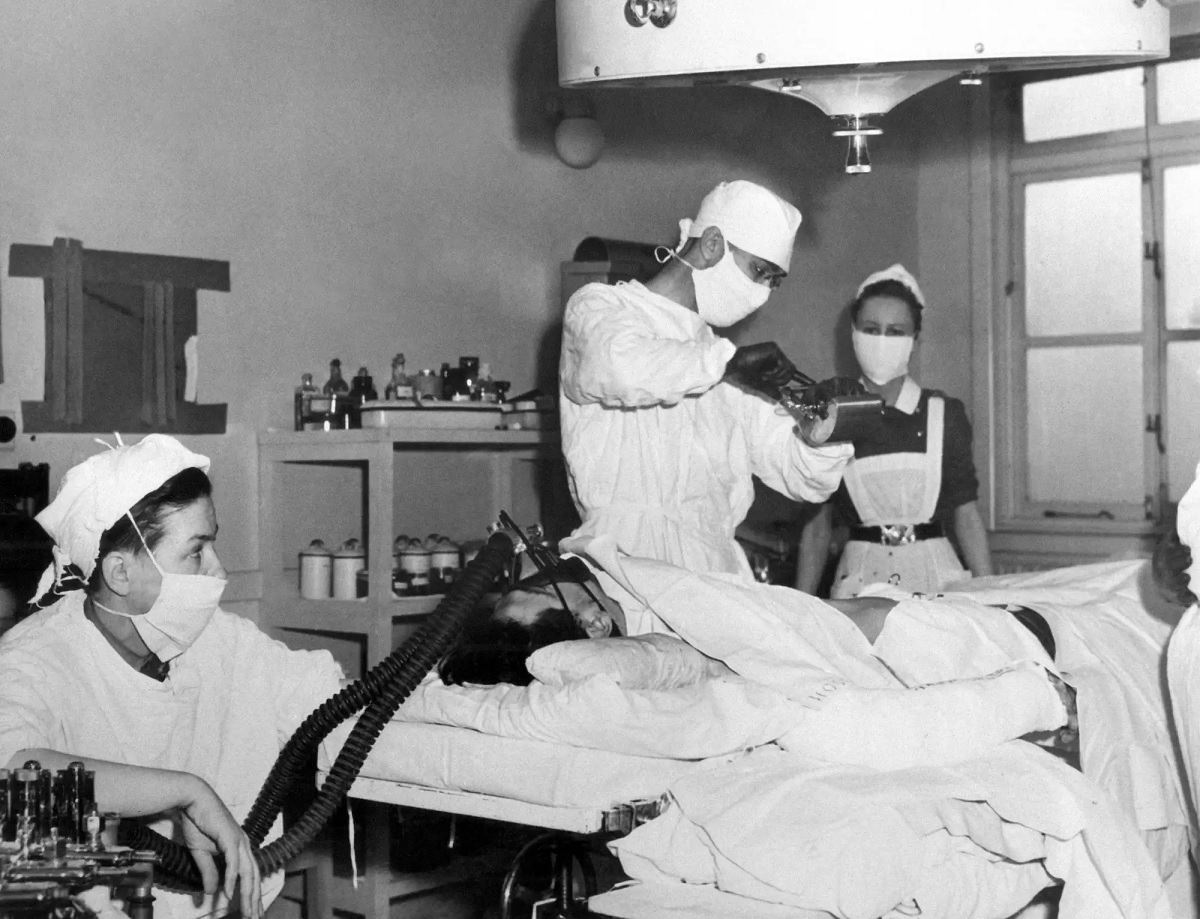
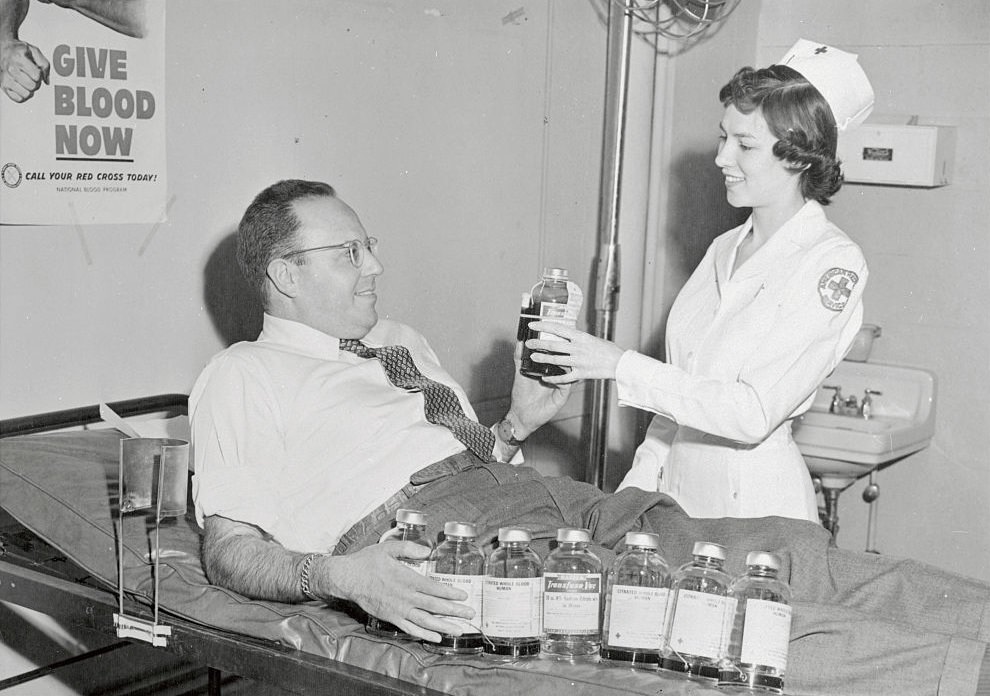
Approximately 166 survivors were hospitalized with severe burns. Among the most well-known victims was Buck Jones, a famous Western film actor who was in Boston at the time. He survived the initial fire but died two days later from his injuries. Clifford Johnson, a 22-year-old Coast Guard sailor, became the last surviving patient to be discharged from Boston City Hospital — nearly a full year later, on November 26, 1943. His treatment had involved nearly 100 blood transfusions and thousands of individual skin grafts, at a medical cost of $50,000.
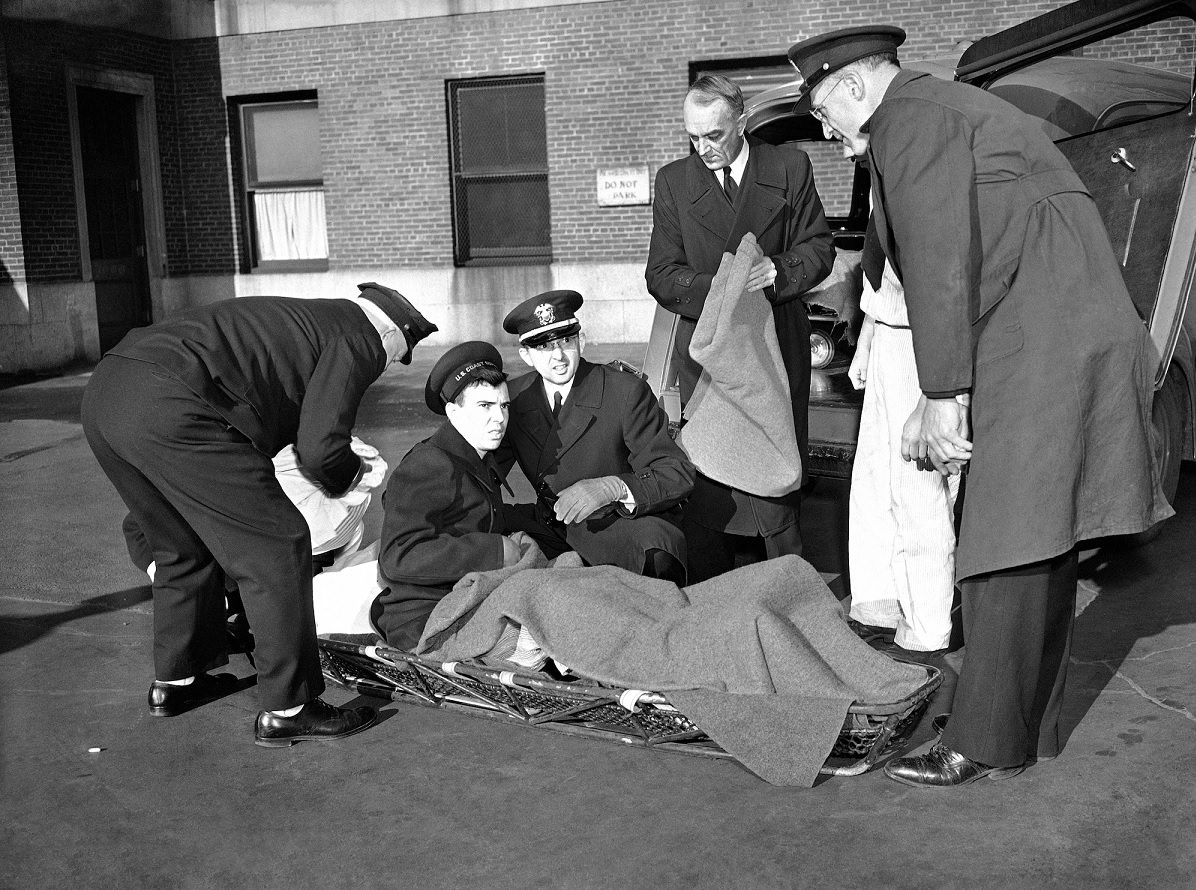
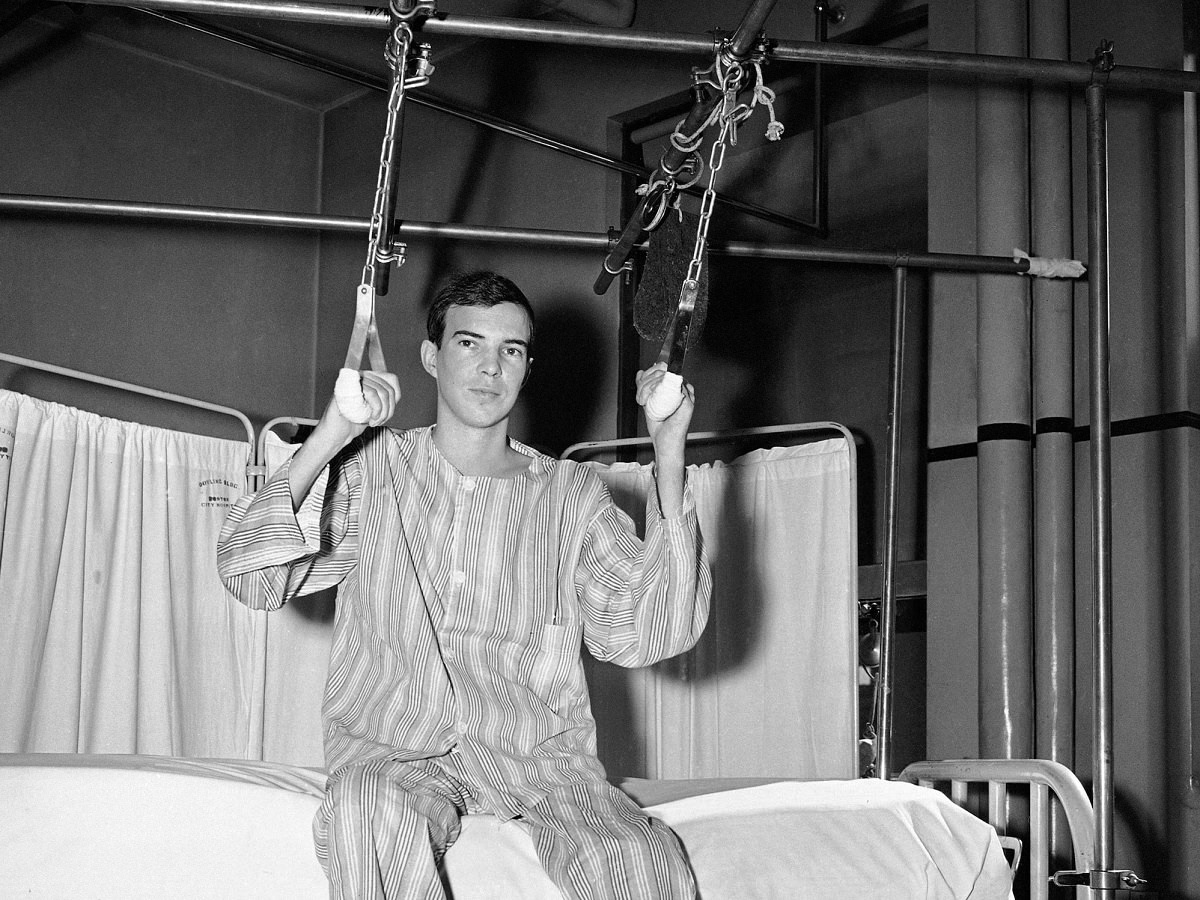
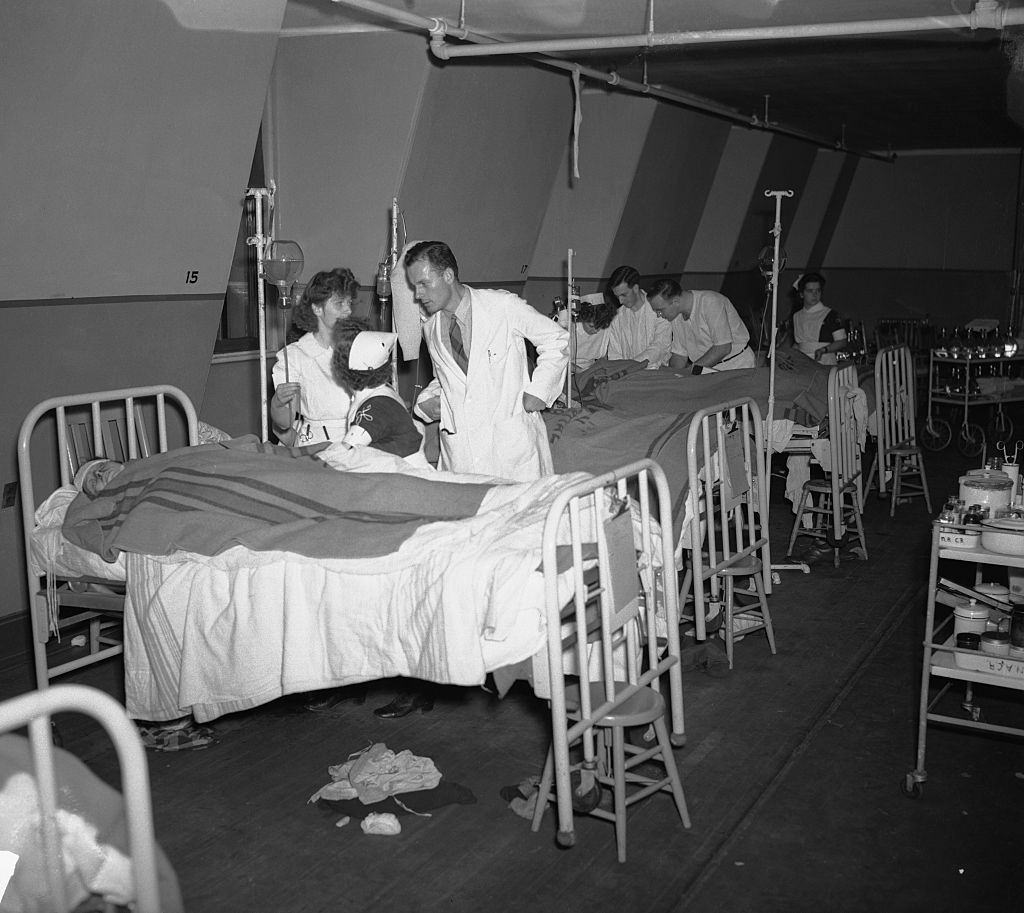
Boston’s hospitals had never seen anything like it. Wards filled up in minutes. Medical staff worked without rest to treat hundreds of burn victims simultaneously. The disaster exposed serious gaps in the city’s ability to handle mass casualty events and pushed medical personnel to develop new burn treatment techniques out of sheer necessity.
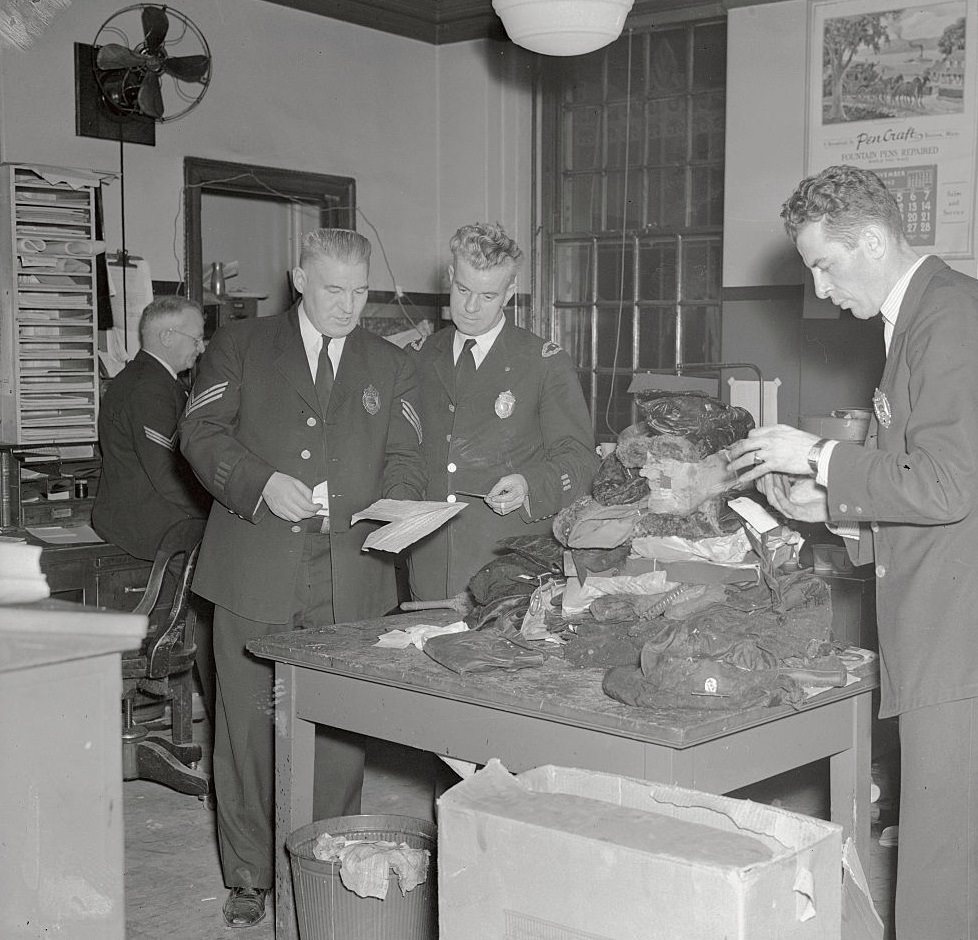
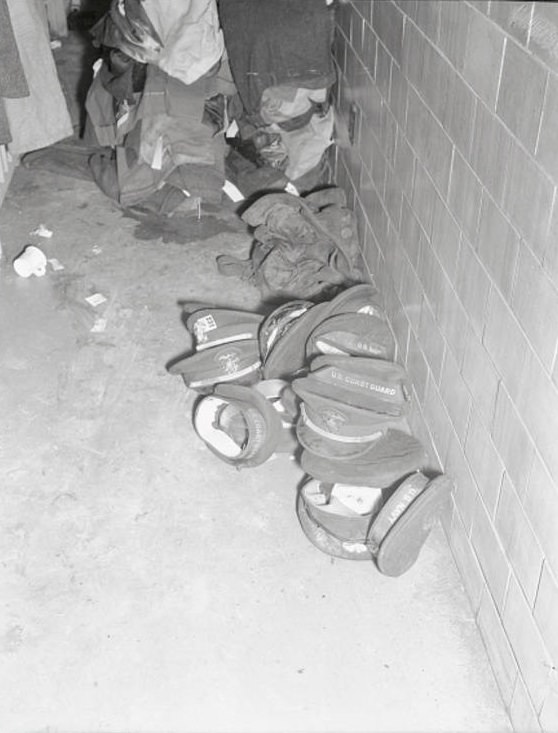
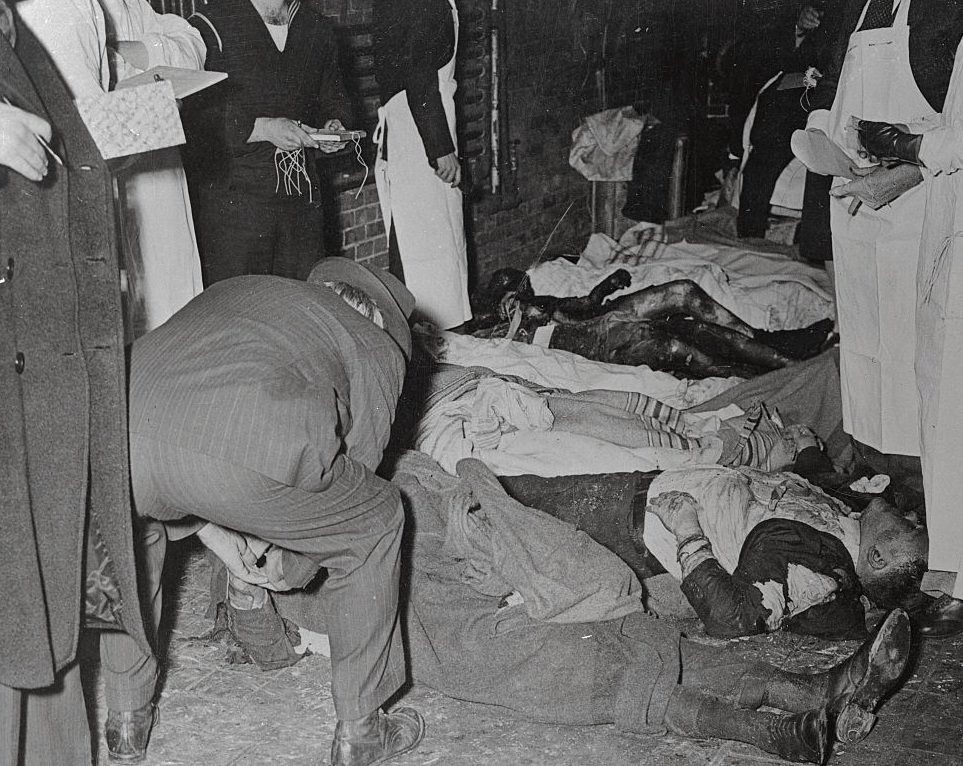
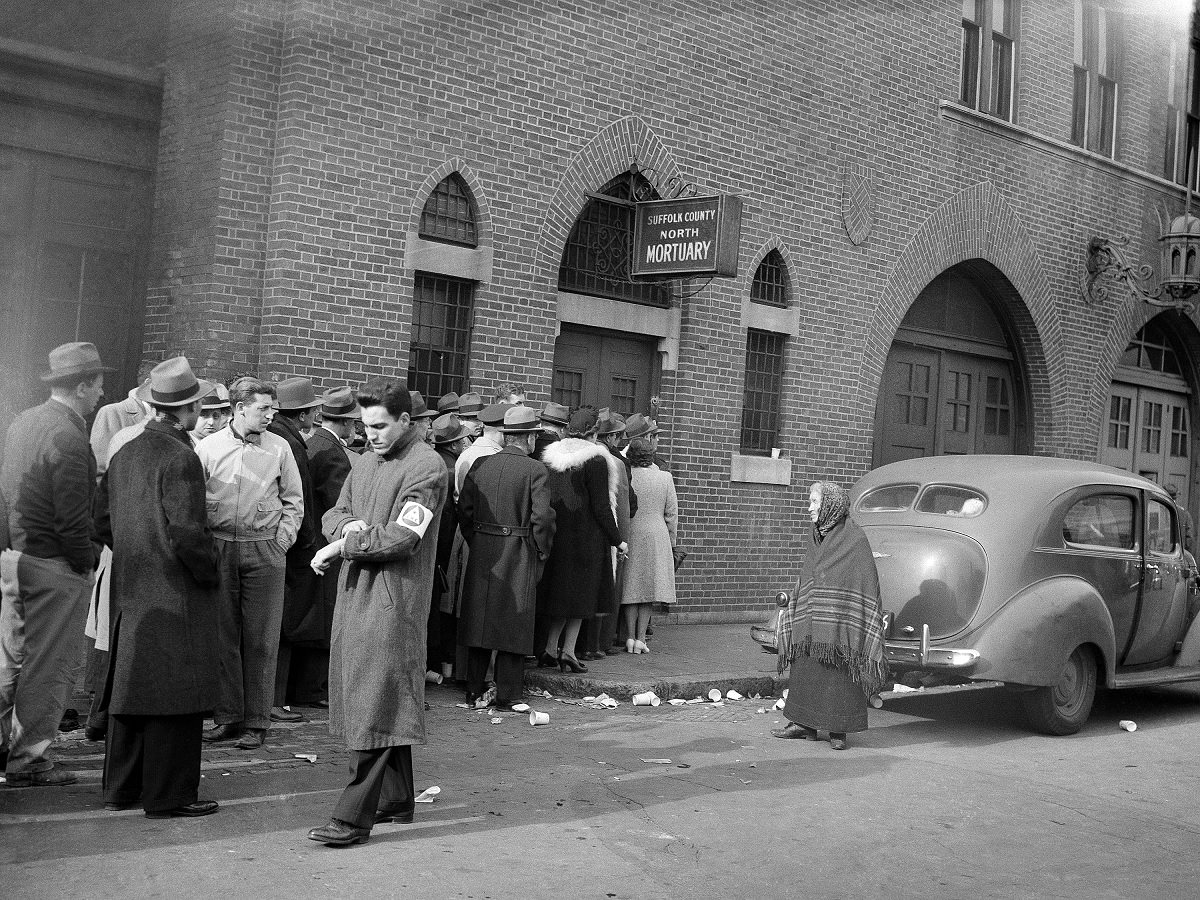
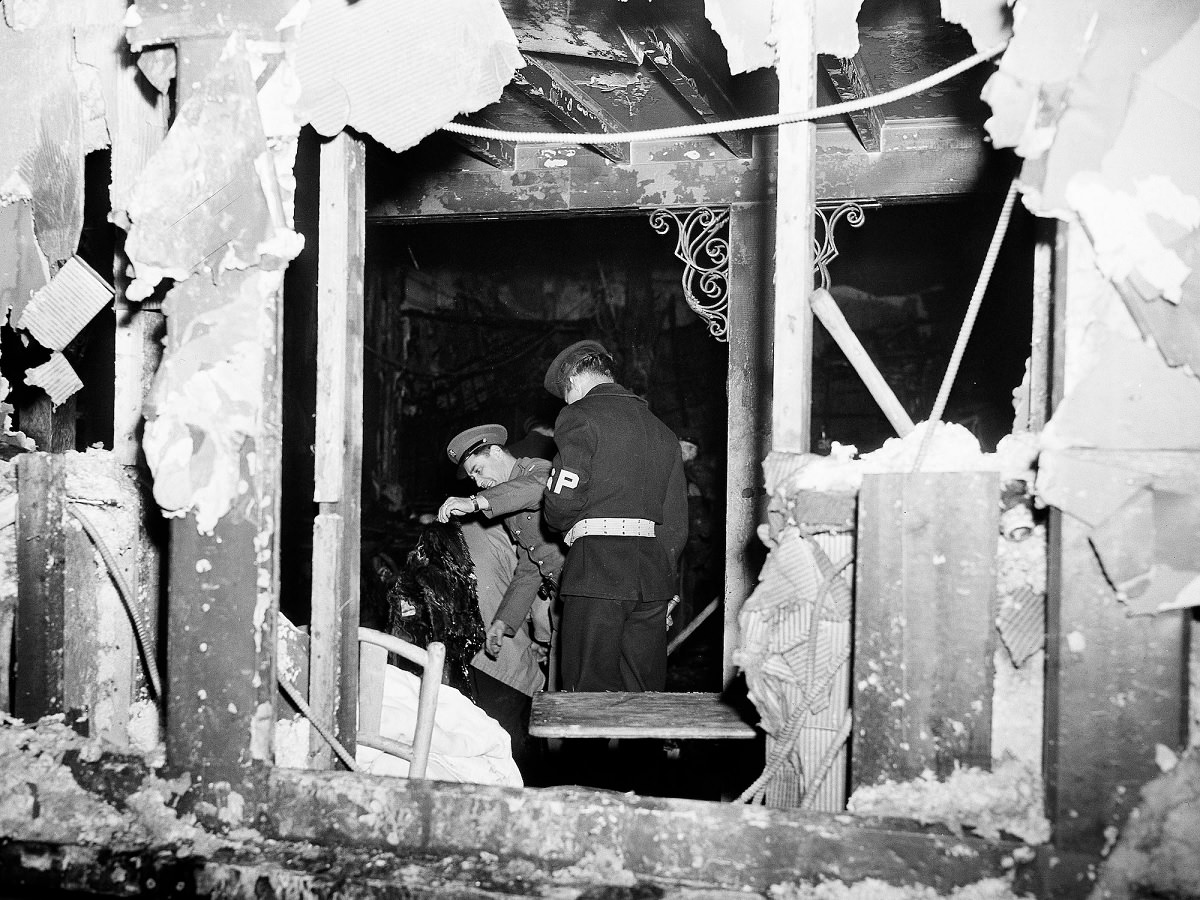
The process of identifying the dead was agonizing. Police went through the pocketbooks and wallets of victims looking for identification. Servicemen’s hats, which had been checked at the door, became crucial tools in identifying the dead. Military personnel assisted at the morgues, tagging bodies as they were identified. Families lined up outside mortuaries for hours, waiting for the chance to find out if their loved ones were among the victims.
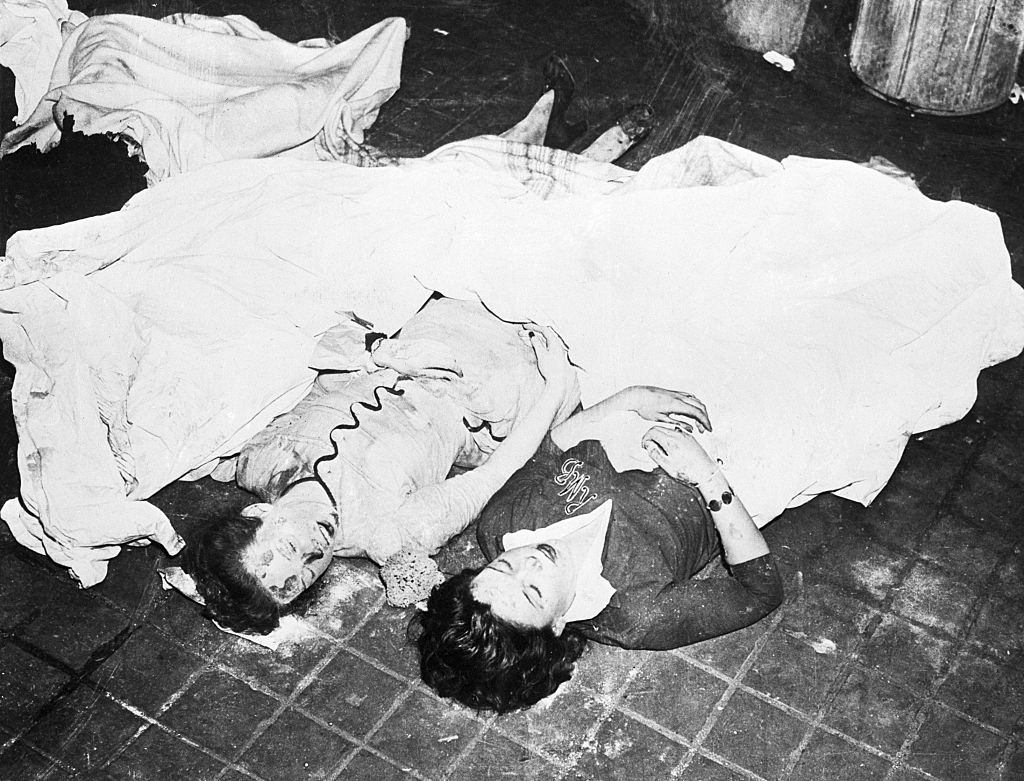
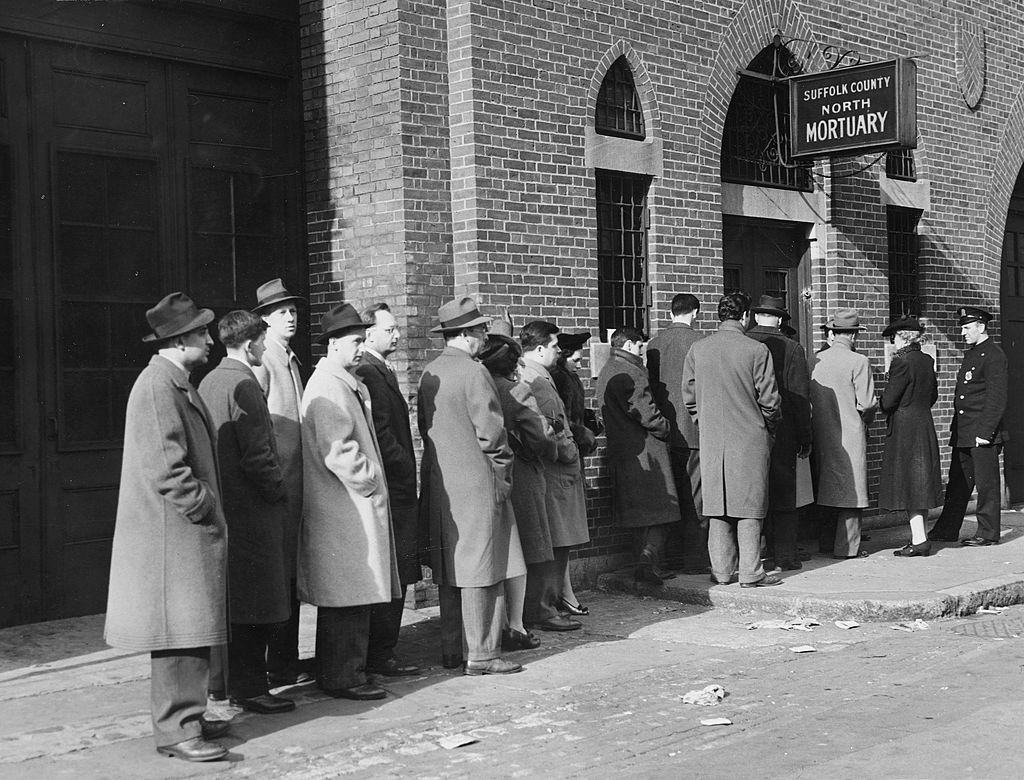
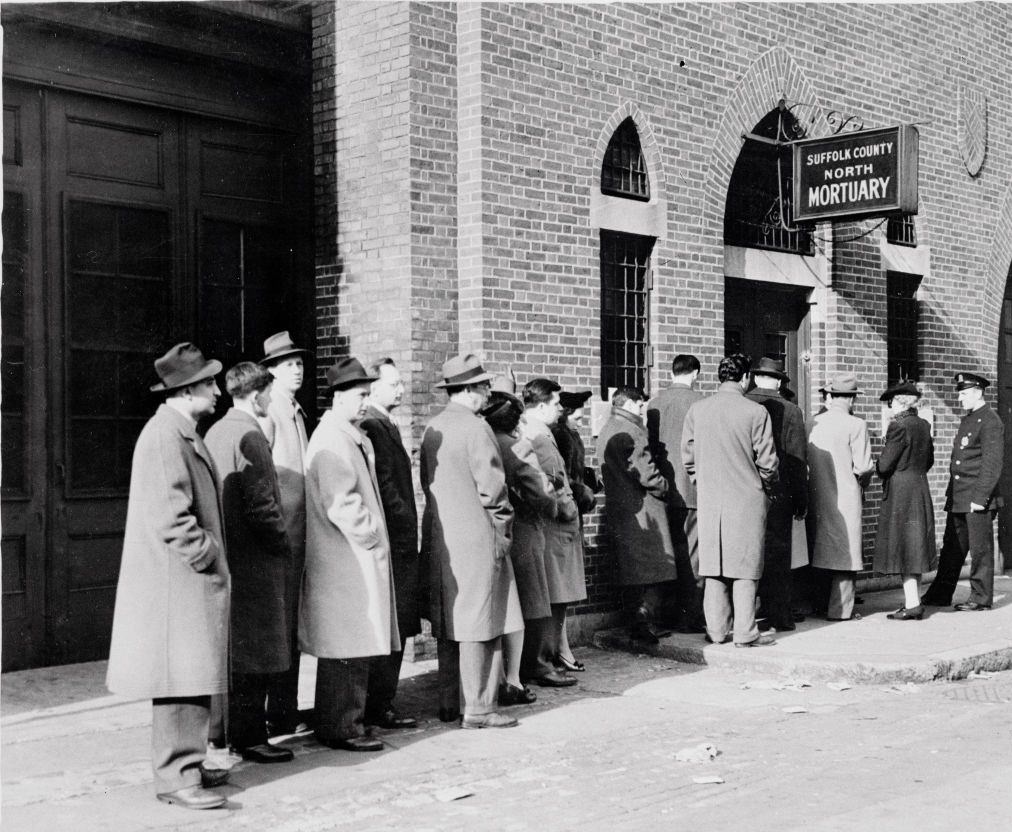
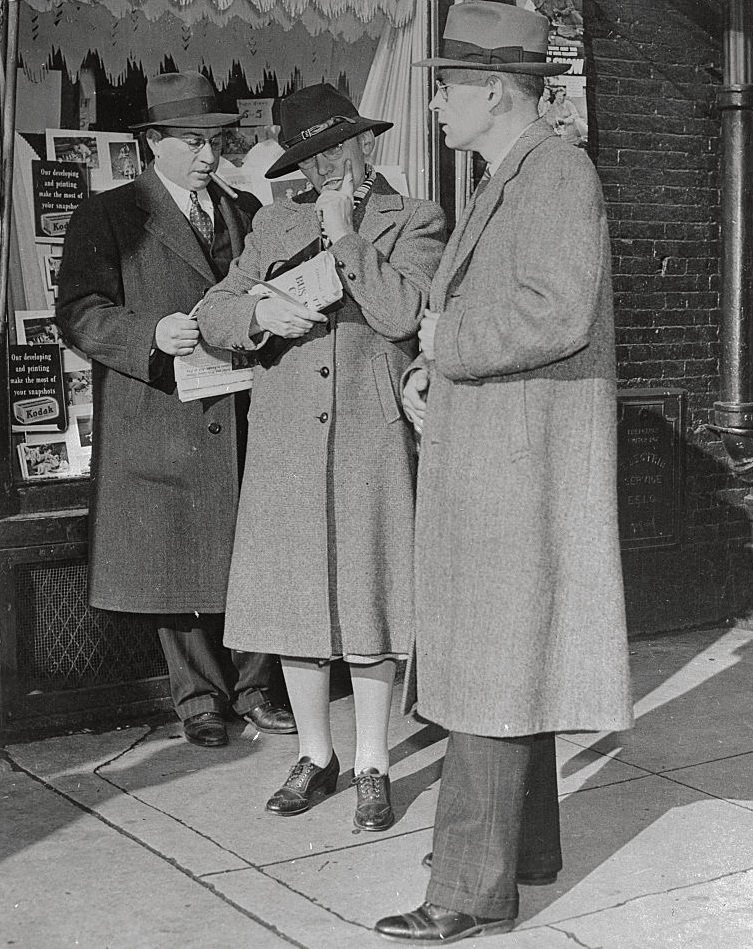
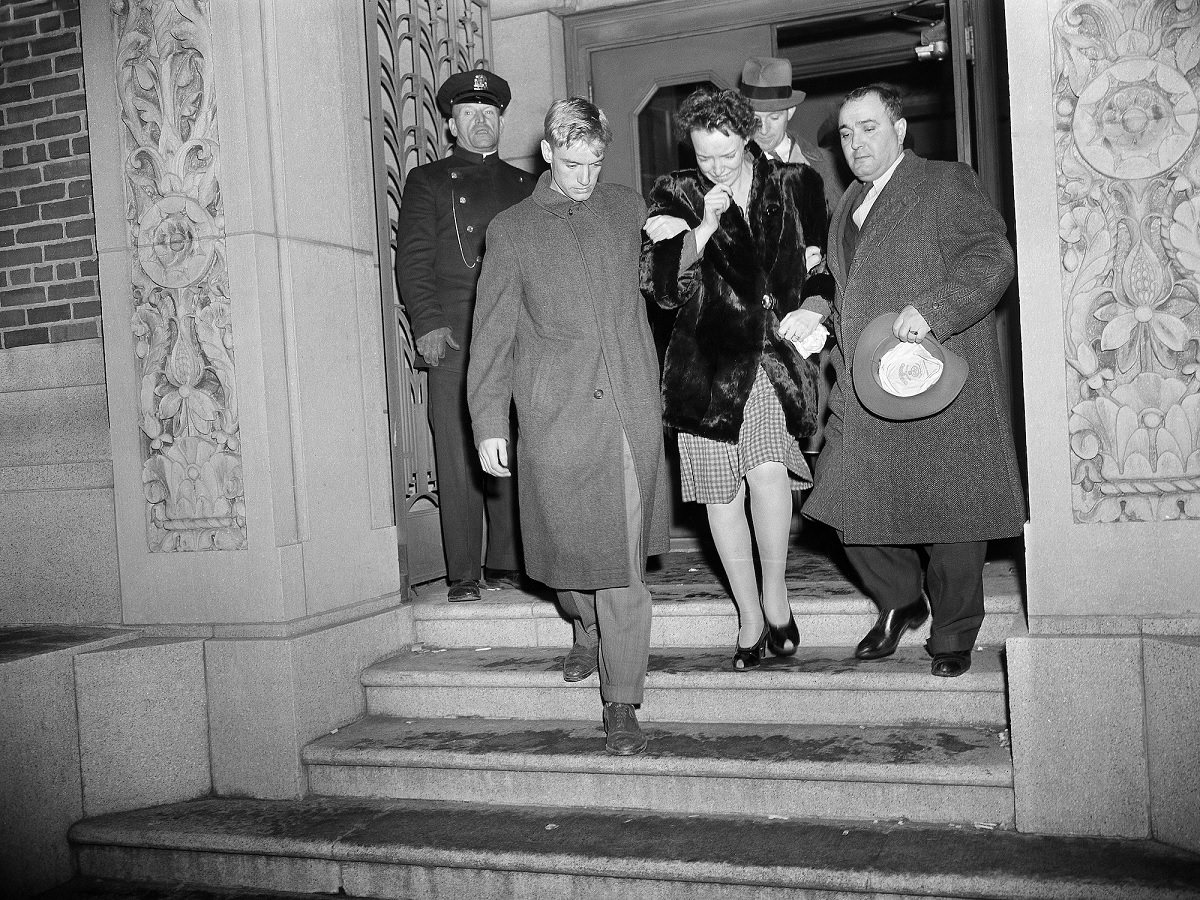
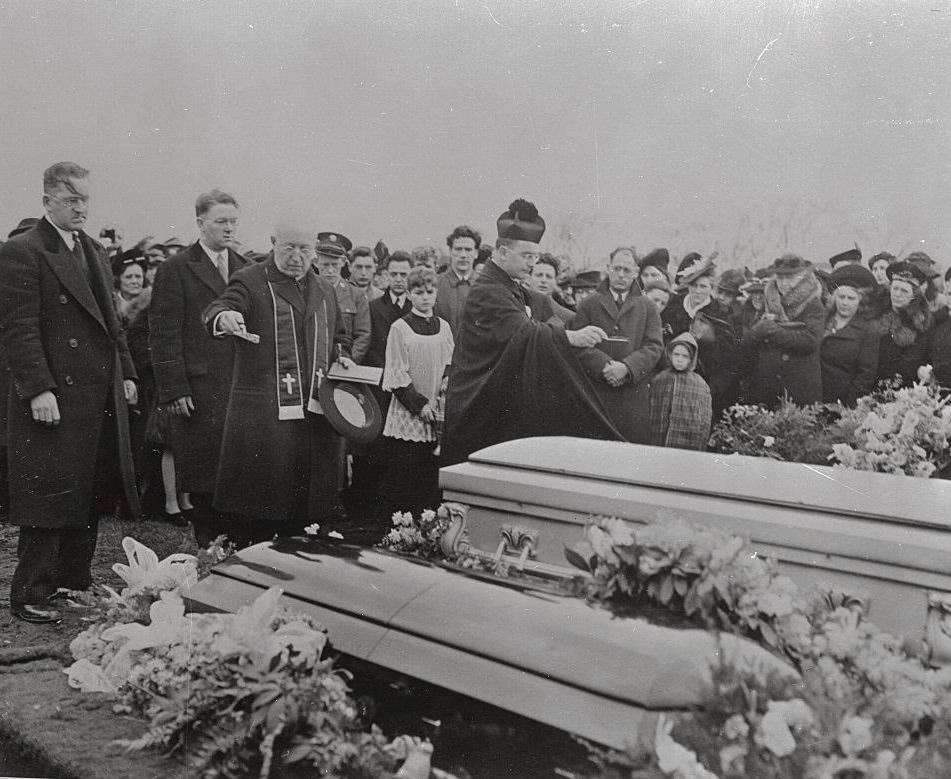
The tragedy also touched entire families at once. John O’Neill, his new bride, and his sister Anna — who had served as maid of honor at their wedding earlier that same day — all perished in the fire. They were buried together in a single grave at St. Joan’s Cemetery on December 2, 1942.
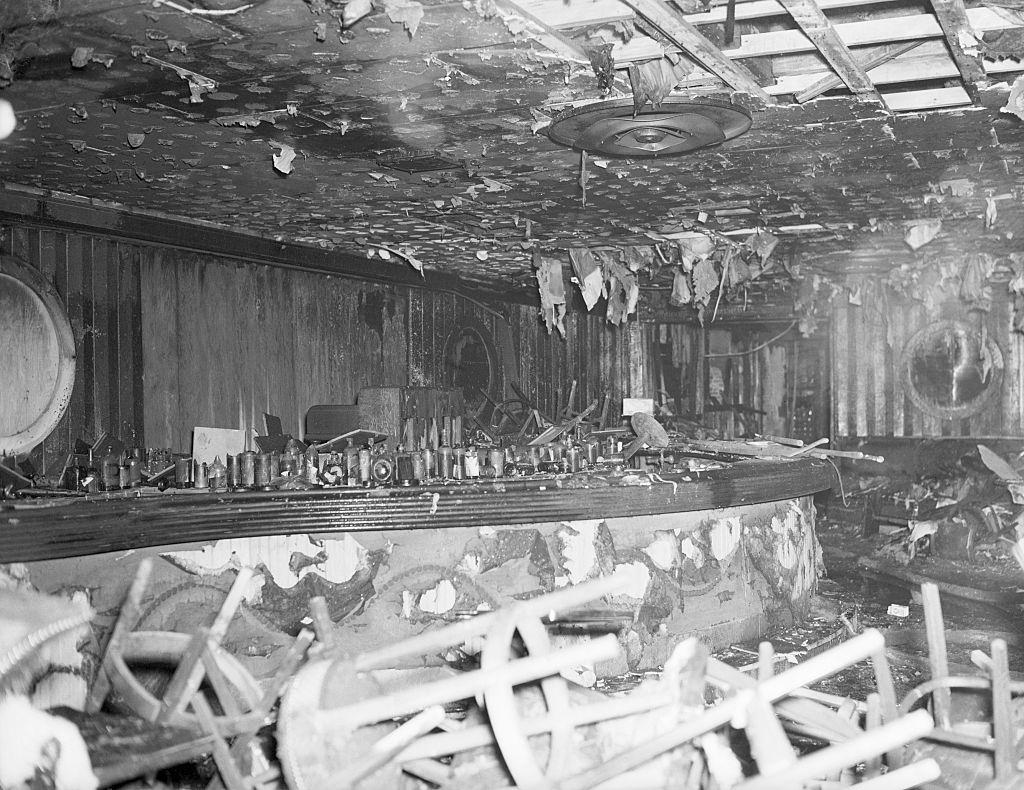
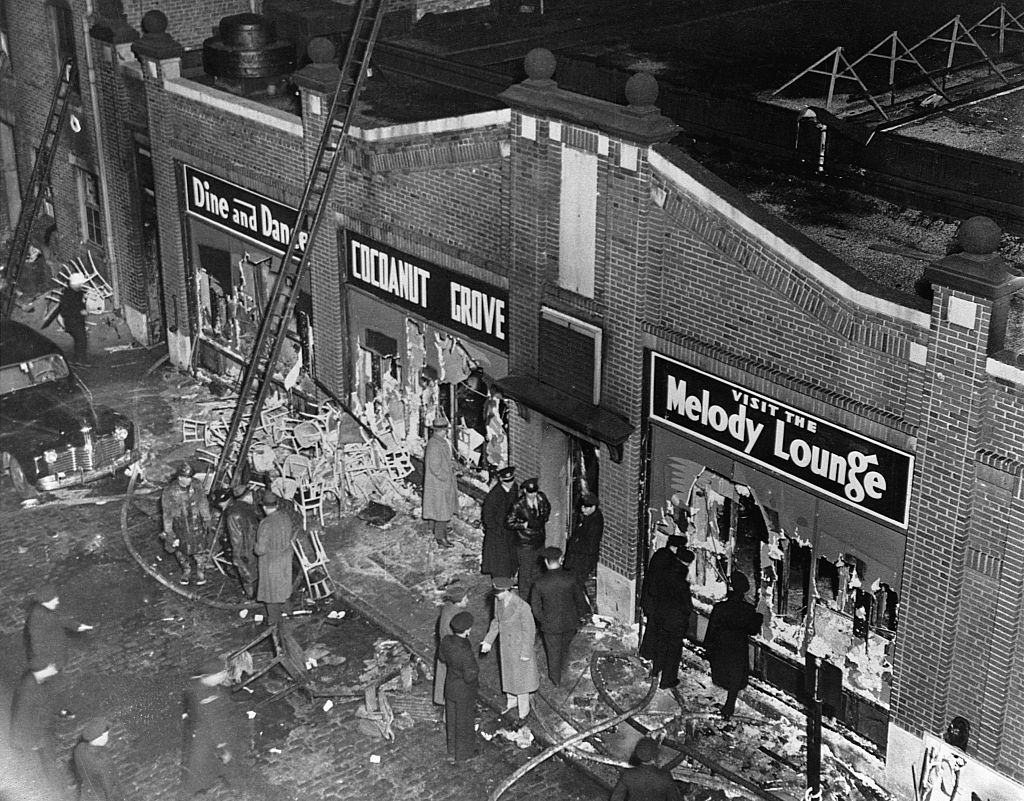
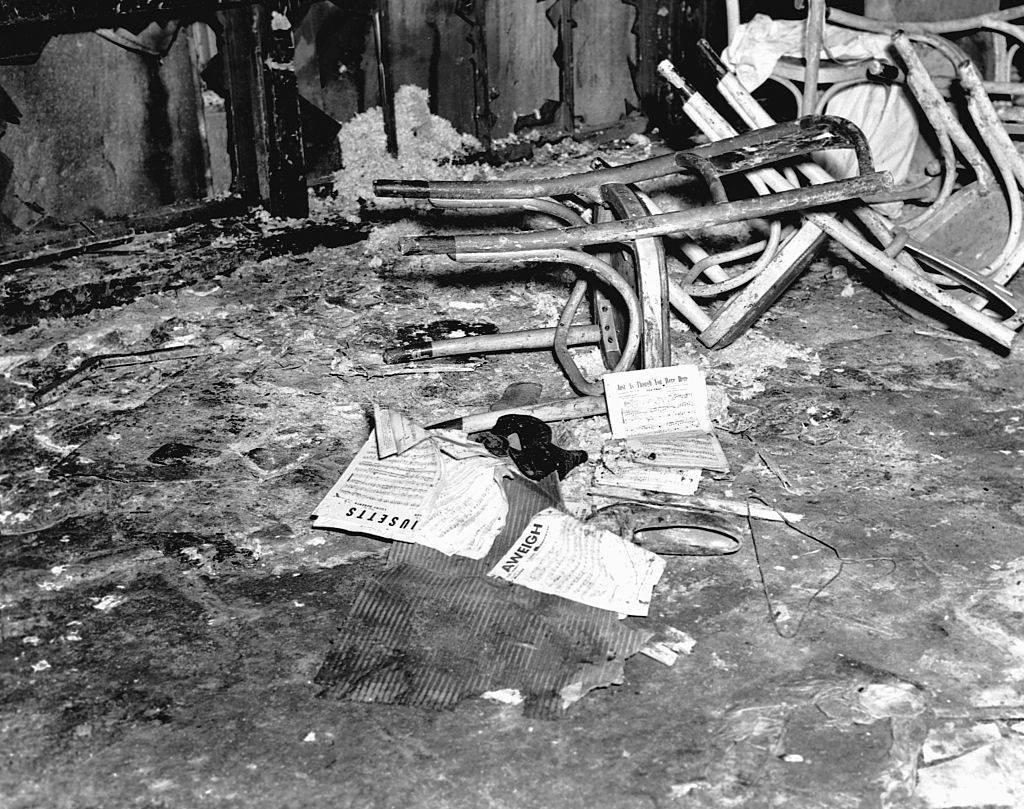
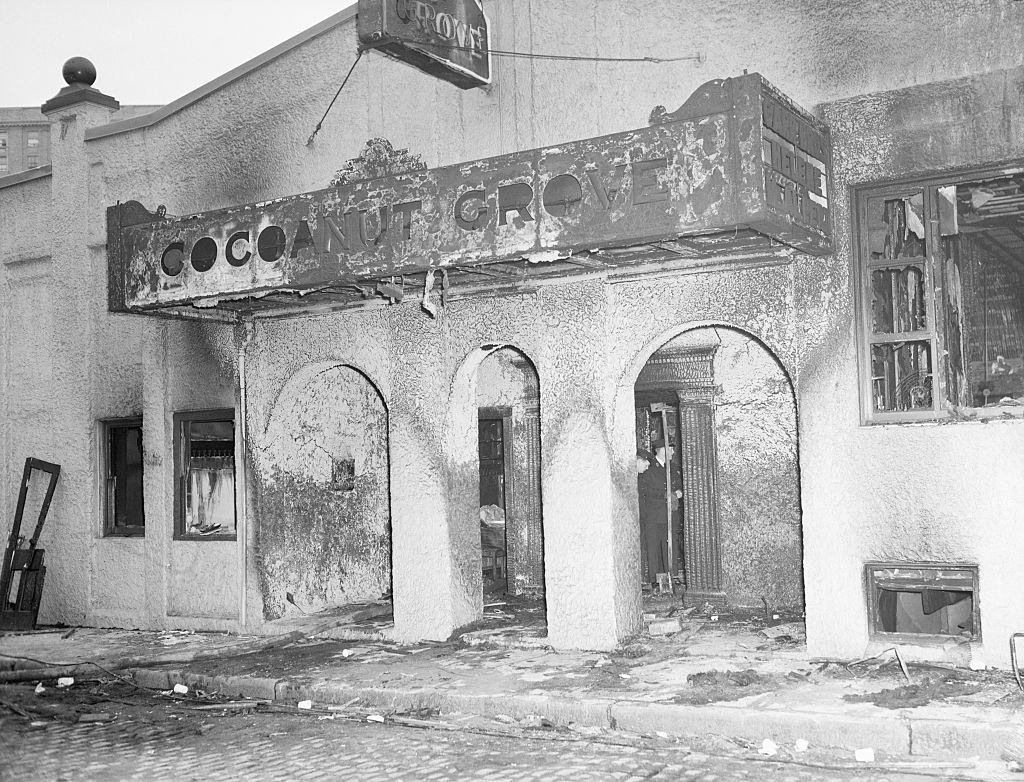
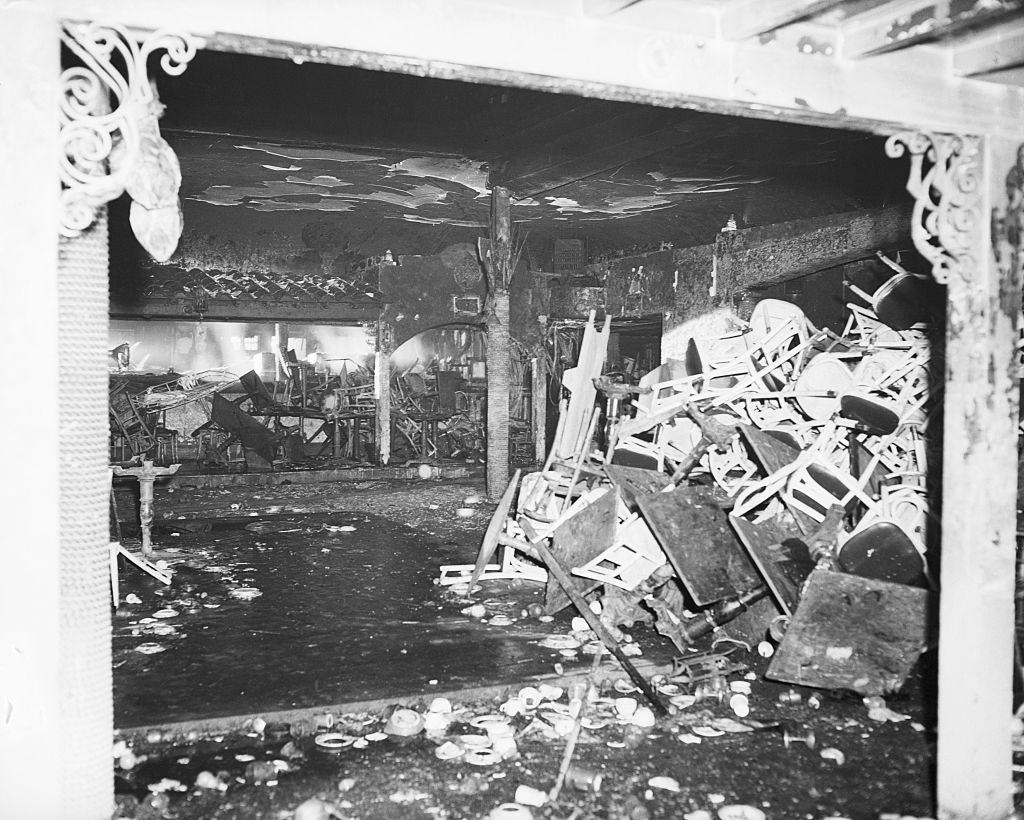
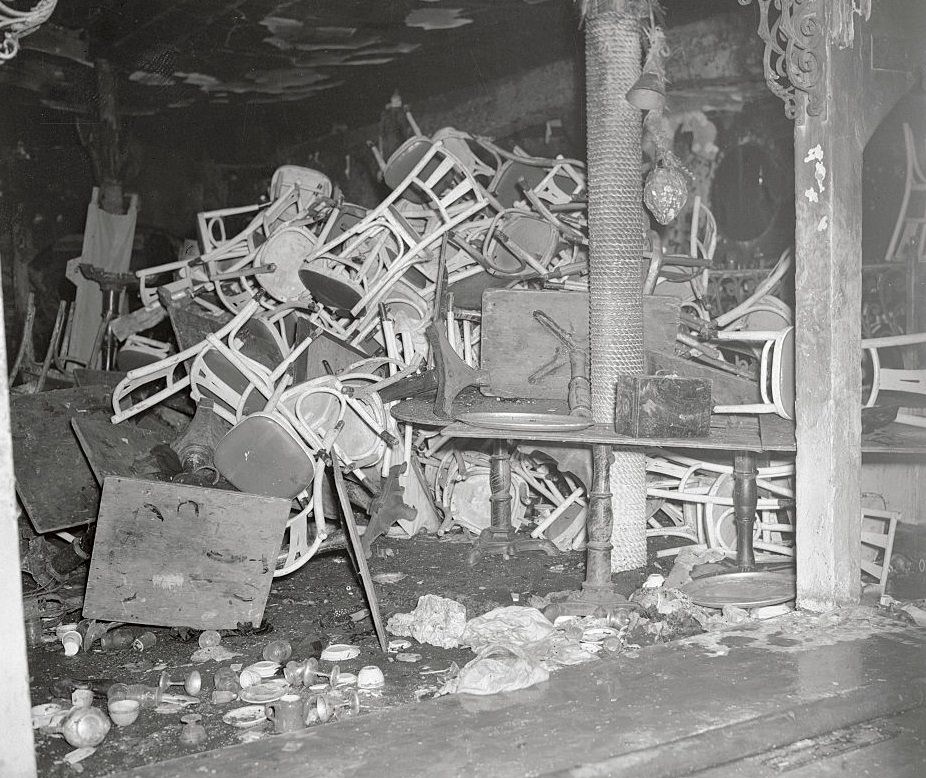
The scene outside the club the morning after was surreal. Chairs, shoes, and sheet music were scattered across the sidewalk. The revolving door was burned into a twisted shell. The interior — once alive with music and laughter — was a blackened wreck of charred tables, broken wine glasses, and debris.
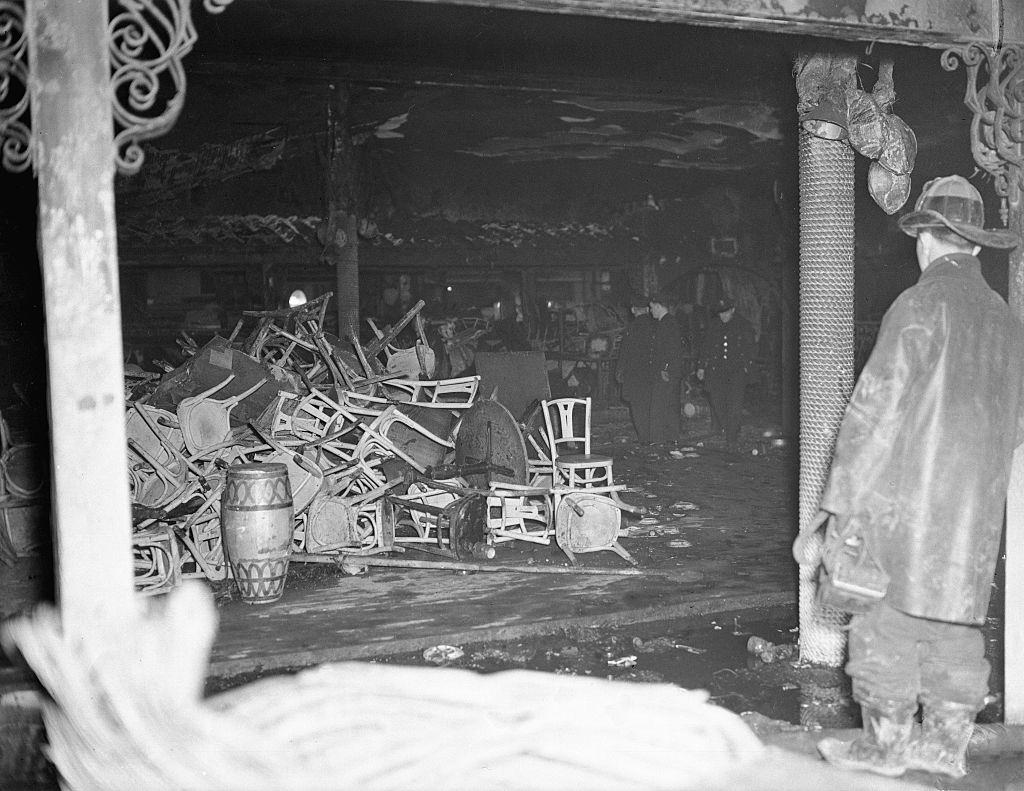
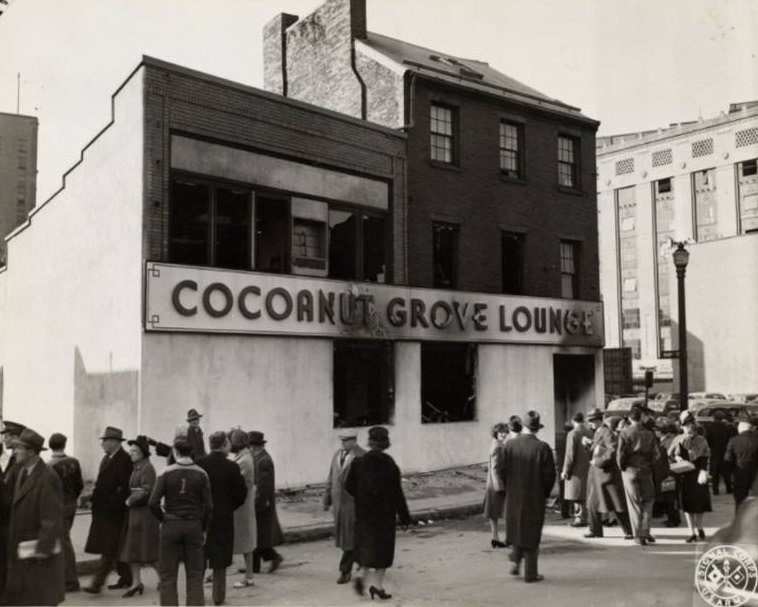
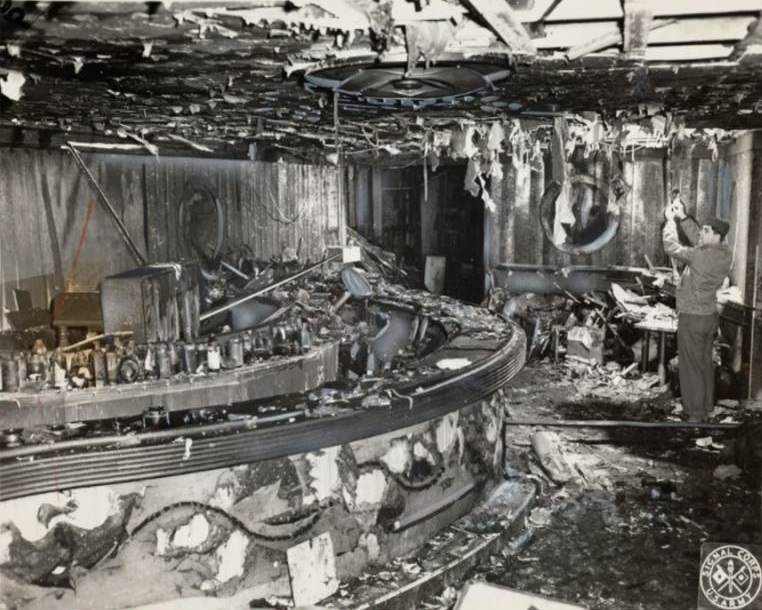
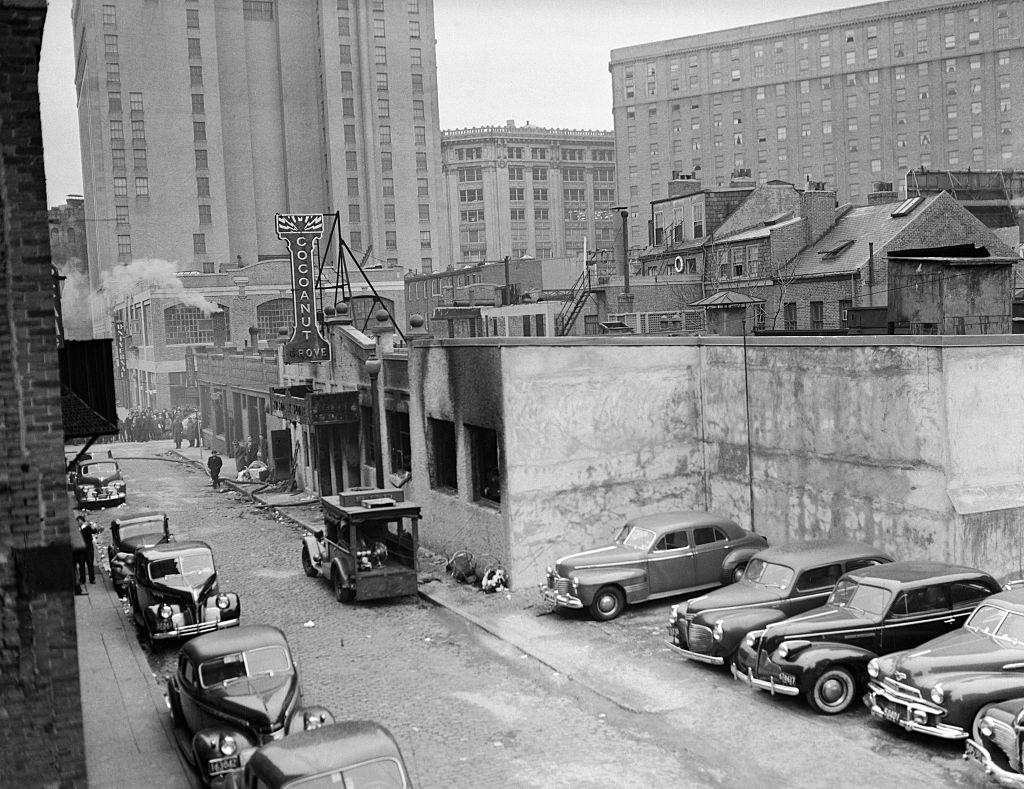
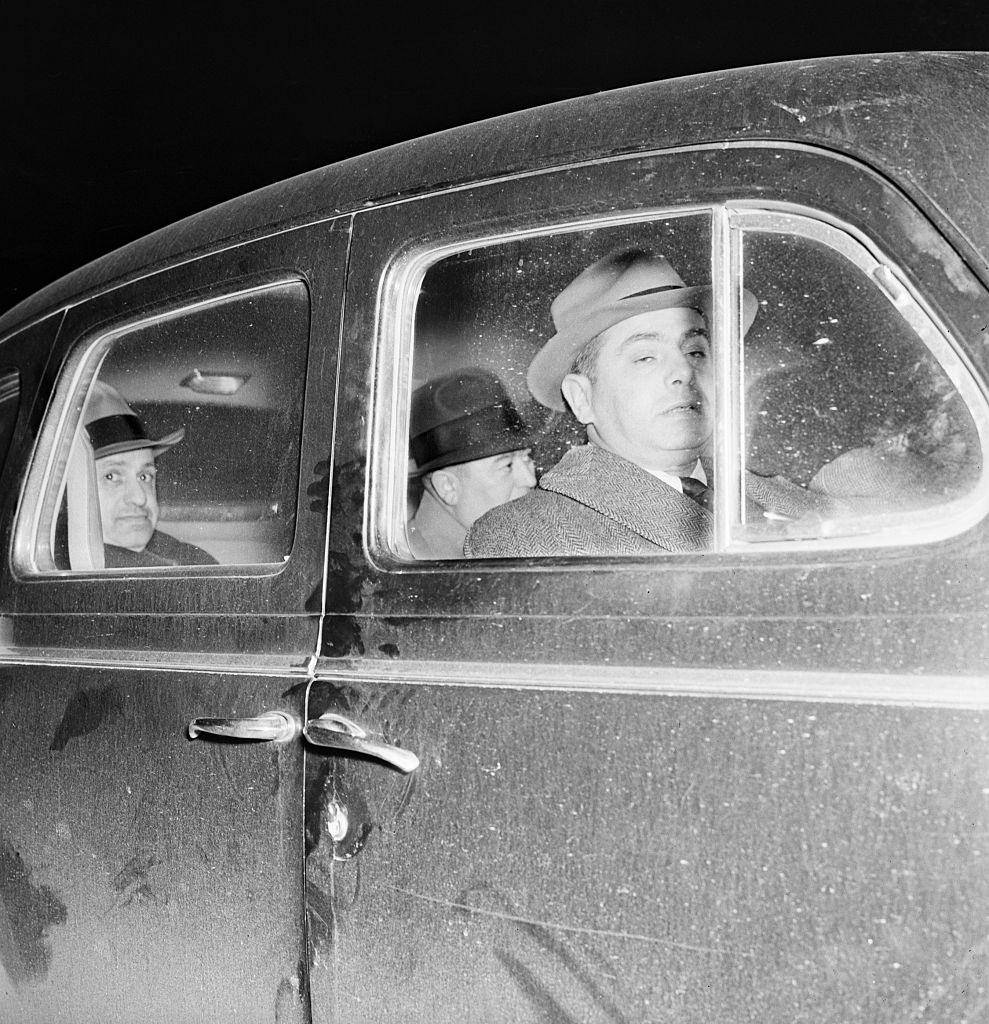
The legal fallout began almost immediately. Suffolk County convened a grand jury, and ten men were indicted in connection with the fire. Among them were Barnett Welansky, the club’s owner, and his brother James Welansky, along with several Boston city officials. Barnett Welansky was convicted of manslaughter. The court found that his deliberate disregard for fire safety — locked exits, hidden doors, overcrowding — had directly caused the deaths. He was sentenced to 12 to 15 years in prison. He served less than four years before being pardoned in 1946 due to terminal illness. He died nine weeks after his release.
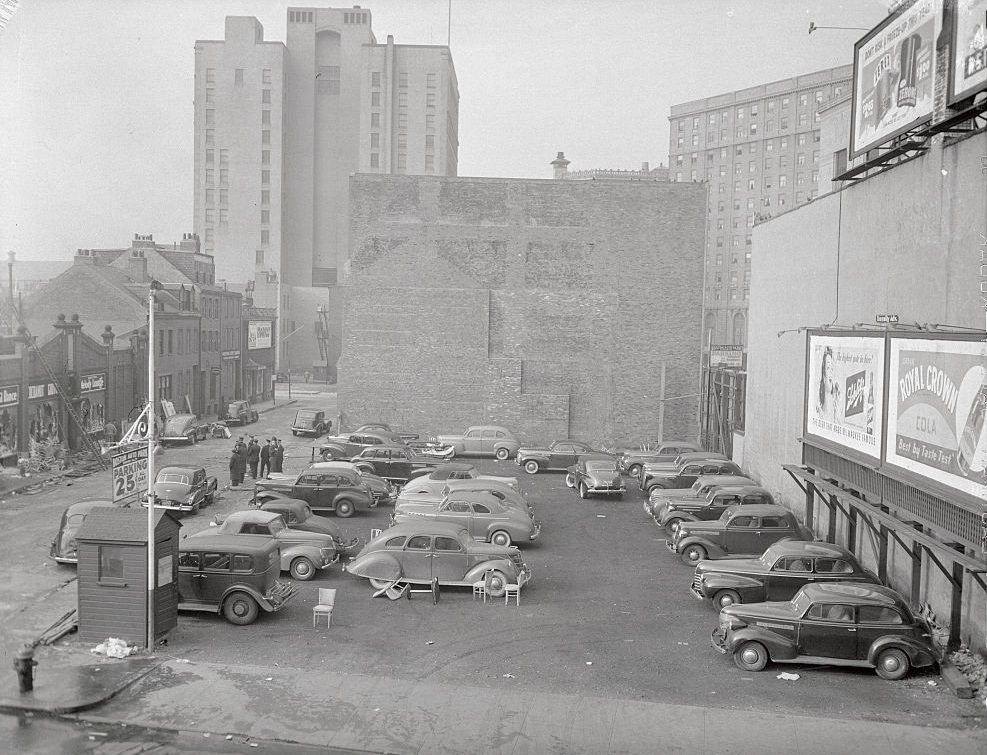
The parking lot near the club held another grim reminder of the disaster. Rows of cars sat unclaimed in the days after the fire — their owners never coming back for them. Police worked through the vehicles as part of the effort to identify the missing.
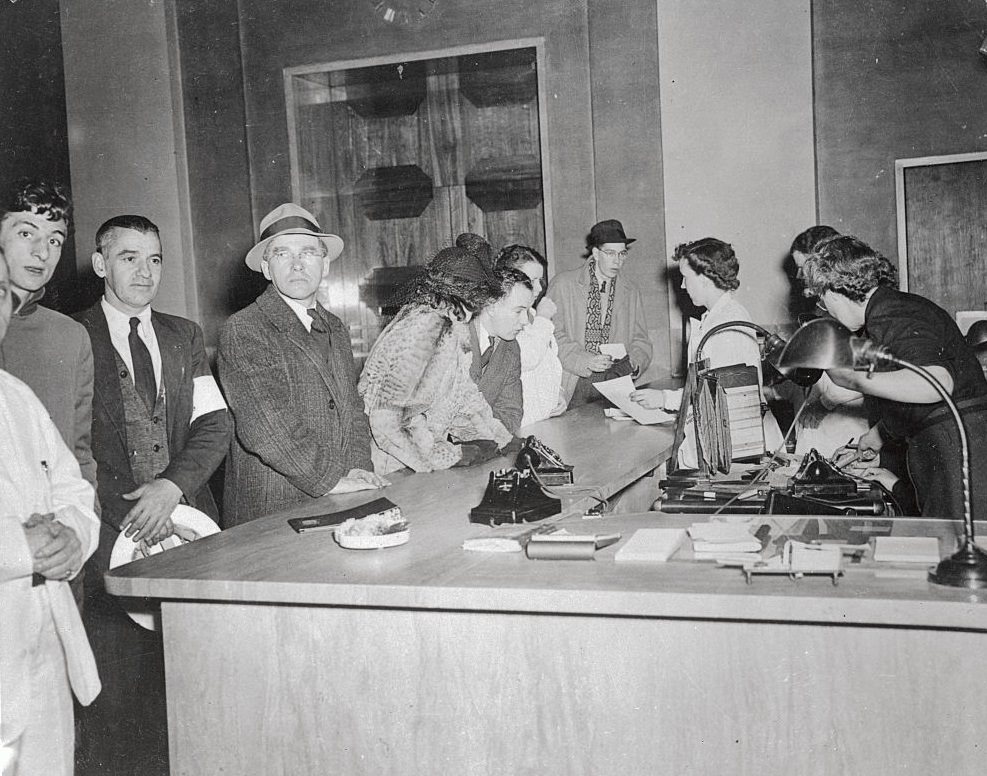
Families of missing patrons also flooded Boston City Hospital’s information desk in the days that followed, desperately seeking any word on their loved ones. Hospitals posted updated lists of patients, and crowds gathered outside for news.
In the years that followed, the fire led to sweeping changes in fire safety regulations and building codes across the United States. Exit requirements were overhauled. Panic bars — the horizontal push bars now found on nearly every emergency exit door — became mandatory. Outward-opening doors, clearly marked exits, and strict capacity limits became legal requirements. The disaster proved that building codes written on paper mean nothing if they are not enforced.

So heartbreaking for all the families and rescuers.
God bless you all.
Why were doors and windows boarded up?.
In Britain drinks are paid for beforehand.
Surely this catastrophe could have been avoided by paying up front.
I truly hope the owners and all who were charged spent a long time in prison.
May they all rot in hell.
The love of money has a lot to answer for.
R.I.P.
Two things stick out to me about this fire: Blaming the kid who replaced a bulb that had been unscrewed by someone else. At such a young age, this person must have faced a lot of guilt. While he may have been directly responsible, it was purely accidental, and the fault lies more with the decision to place large amounts of flammable material above and around people. A second story involved a gentleman who initially escaped the fire but couldn’t locate his girlfriend. He went into the building several times. It turns out the girlfriend had already run. Fortunately, he survived. But he had more burns than anyone else. He taught us modern techniques that are still used today, IIRC.
His name was Clifford Johnson. Despite recovering from his burns, he died in a car accident 14 years later.
I’ve never heard of it. These photos are fascinating
I wish I could find more information about his car accident death
My grandparents both survived this fire. She mentioned the scale, and I could tell how much it still weighed on her. When I inquired about it, she said people were jamming up at the exits because some of the doors swung inward, so people were pounding each other against them.
My great grandmother also survived this fire! She was performing there and jumped from a window to escape. In fact, I didn’t realize how serious the situation was until my mom shared this article.
I wish I had spoken to my grandparents more about their defining moments if they were willing to talk about them.
Yes, but the main exits were revolving doors. It literally got jammed with people and then bodies as people tried to leave so quickly. In the aftermath photos, you can see all the bodies piled up in the doors. There is a reason why we have certain fire codes today because of this horrific event.
I cannot imagine how terrifying that would be. People in the front might have tried to move back so they could open the doors, but the sheer amount of people and pressure from pushing would have made that impossible, and all the screaming would have been deafening. Maybe everyone was too panicked to even think about that. Some people might have become incapacitated pretty quickly due to the smoke. All around, it’s tragic.
Go watch the video of The Station nightclub fire and you won’t have to imagine. Go watch the video of The Station nightclub fire and you won’t have to imagine.
That video bugged me. I pay closer attention to fire exits. It makes me sick to see how many horrible tragedies are caused by simple greed (e.g. not paying to bring buildings up to code, locking emergency exits so no one can sneak out without paying, etc.).
The only evidence that luxury condominiums or apartments were built over the site is an engraving in the sidewalk. There are dozens of people living where hundreds of others died horribly and they may not even be aware of what happened.
Yeah it’s like the whole place is built over some ancient Native American burial grounds it’s crazy
My first instinct when I came in a building was to look for the emergency exits whenever I entered because of the Station fire and this.
Is this the one where it started because of the fake plastic trees and the emergency exits were chained?
That’s right. It was probably due to the plastic trees. Pyrotechnics lit up the foam on the walls and ceiling, starting the station.
Although the exact source has never been determined, the entire interior of the club was flammable. Walls and ceilings were draped with fabric, and booth walls were made of a fake leather (called leatherette) that was easily flammable. The fire started in/near one of the trees on the lower level, spreading quickly to draped fabric and then into void spaces above the ceiling. As people tried to escape, burning debris fell on them. Since there was only one way in and out of that level, it basically became an inferno, with smoke and fireballs rushing up the stairs. There was only one entrance to the entire club: the revolving door at the front. Other members were chained, boarded up, or hidden in non-public areas of the club. As someone else mentioned, they opened inward and were almost immediately useless.
IIRC this fire is the reason why buildings have rotating doors and normal doors.
One of the survivors of the fire, a bartender named Barney Welansky, went on to become a psychiatrist who played a key role in the formalization of the diagnosis of Post-Traumatic Stress Disorder (PTSD). His work helped bring greater awareness and understanding to the mental health impacts of traumatic events.
The tragedy also led to significant upgrades in fire codes for public venues. The implementation of safety features such as lighted exit signs, sprinklers, panic bars on exit doors, and many others, were all direct results of the Cocoanut Grove fire. These changes have since helped to prevent countless injuries and fatalities in similar incidents.
What is the psychiatrist’s name? I think I may have read a book he wrote.
Daniel Weiss was 24 years old at the time. During his fourth year at Boston University, he had worked weekends for his uncle Barney Welansky, owner of Cocoanut Grove, for the past three years.
Modern fire codes for buildings are largely derived from this fire and a couple others. We still use the standards set by this fire for mass casualty burn care.
My god that’s horrible. I read they were indicted but were they actually charged and convicted?
IIRC the owner got 15(?) years but was released after 4.
When you examine other tragedies like this one, it’s infuriating how often no one is charged or their sentence is laughable. Money talks, bullshit walks.
You steal $10,000 from a business and you get slapped with jail time and a criminal record. If a business steals $10,000 from their employees they get a slap on the wrist and time to pay it back. No jail time. No criminal record.
A terrible way to die. I can’t imagine how afraid they were in their last moments.
A man who survived – with the most severe burns seen in a surviving victim up until that time – later married his nurse, moved out of state, and tragically died from his injuries.
I just wanted to clarify something: He was pardoned because he had late terminal cancer, went straight to hospice care, and died a few weeks later. He wasn’t pardoned for corruption or anything like that. During that time, prisoners who were terminal were pardoned because prisons were too small to provide palliative care.
Marshall Cole, a survivor who was a backup dancer at the Cocoanut Grove when he was sixteen, survived the fire by fleeing through his dressing room window for the roof along with another guy and a group of chorus girls. Although they knew jumping would likely kill them, they grabbed a ladder on the way out… but it wasn’t long enough. Two boys quickly hung the ladder over the side of the building and held it up while the girls climbed down, and then dropped it safely from the bottom. Backup dancers started wondering who would hold the ladder for them and the other man as they climbed down the ladder. The two girls had jumped from the ladder, and witnesses on the ground realized the predicament the two were in, so they alerted fire fighters that a ladder was needed right away. The group escaped without injuries after Cole and the other man climbed down that ladder.
My Great Aunt died in this fire. She was only 18 yrs old.
Clifford Johnson, one of the survivors of the fire, sustained third degree burns covering 55% of his body. At the time, he was the most severely burned person to survive his injuries. Fourteen years later, he tragically lost his life in a car accident after being burned to death.
That’s some real final destination’s shit.
When my grandparents were dating, they frequented the restaurant. Before they even considered marriage and starting a family, they were together for three years. During their 1 year dating aniversary, they decided to go to the chocoanut grove for it. This incident occurred on the same day. As soon as they arrived, they realized it was quite crowded, so they decided to go somewhere else with a bit more privacy. This happened before the incident and they didn’t even hear of the fires until the next day. The thought that if they had gone inside, they may not have survived and my family may not have existed.
When I worked in a nursing home in New Hampshire, I took care of a woman who survived the Cocoanut Grove fire; her skin had been severely burned, and she needed constant application of a special cream. It was such a pleasure to know her.
In Brookline, MA, there was a lady named Michelle who lived in the home her parents bought for her. Her reputation as a socialite in the neighborhood has been well known for decades, and we were privileged to befriend her. During the mid-nineties, she knew all the best piano bars in Boston. Over much of her body, she also had horrendous burn scars. Michelle shared with us the terrific scene that was the Coconut Grove.
Several years ago, I met a woman who told me she had an aunt who lived near the Cocoanut Grove at the time of the fire when she was a child. She told me how, after the fire, there were cars parked on the streets nearby that stayed there for weeks and weeks without moving. Patrons of the club were believed to have owned the cars on the night of the fire. Injuries or death prevented them from moving their cars.
During the Cocoanut Grove fire, Clifford Johnson was the most severely burned individual of his time to survive his injuries. Twenty-one months later, he married the nurse who treated him at the hospital, and 15 years later, he was killed in a fiery car crash.
Nobody escapes the Final Destination.
So his date didn’t make it then?
She did. He went in 4 times looking for her not knowing she was outside. That’s how he got the burns
The Fire was, finally, satisfied that all sacrifices had been taken.
In some cases, people fall in love with life and drink it from a fountain that pours like an avalanche down the mountain
The irony is that when he was on his way to Burning Man…
It reminds me of the Jewish Holocaust survivor in “Marathon Man”, who spots a Nazi officer on the streets of New York and tries to arrest him, but instead gets his throat cut by him. 40 years of survival and then being cut down by the same person, how tragic.
The Station Nightclub Fire. The fire code was finally implemented for places that were grandfathered out of it. Since the building changed hands, the grandfathered status was dissolved, so sprinklers should have been installed. They had inward opening front doors, and the same thing happened, bodies stacked on top of each other. Thirty-one bodies are found at the front door, 18 are in a room nearby, and ten bodies are found by the walk-in refrigerator. They might have thought it would help, been blinded by smoke, or thought it was another exit. 100 people died. There is video of the Station fire, and it is one of the most terrifying things I have ever seen. There was a news camera there to film a piece about nightclub safety. I’m not kidding. It only took about 30 seconds for the fire to spread over soundproof foam and become a raging inferno.A cameraman yelled at people to leave and managed to get out. From the outside, you can hear screams…..you’ve never heard a scream like someone unable to escape a fire scream for their life until you hear someone trapped in a fire scream for their lives.
They should have this regulation for bathroom doors. The amount of paper towels it’d save would be enormous.
According to the theory, interior doors open in, so you won’t get trapped if someone blocks the outside. However, I prefer bathrooms without doors.
Oh for fuck sake we have an immune system for a reason
Hepatitis is spread by hands contaminated by faecal matter.
The treatment of trauma and crisis is also considered to have been born at this time. Certainly the most famous of the early national tragedies. People who said they were fine ended up killing themselves and doctors didn’t really understand why. Those who were nowhere near or involved reported being deeply affected by it. Furthermore, it was reported to every major news outlet much faster than previous events, allowing everyone to know pretty much all at once. If you are interested in psychology, it’s a fascinating albeit morbid topic.
At the time, my father was stationed in Boston. The line was too long that night when he was supposed to go there with several friends. Later, they had to walk past the aftermath after going somewhere else.
I live right around the corner for there. Now it’s million dollar apartments
What about them opening inward made it more deadly?
During a panic, crowds rush towards exits in one large group. When the doors open inward, crowds in the front are unable to open them while the crowds in the back just keep pressing forward – effectively the doors get stuck shut. As a result, bodies pile up, crushing those in front to death and leaving those in back to suffocate or burn.
Ah that’s actually kind of obvious. Thank you.
Also, panic bars (or crash bars, as they’re sometimes called) were invented for this reason. When the Iroquois Theatre burned down in 1903, those bars were created so people could push against the doors without having to find and turn a doorknob.
In case of fire, those doors require one action to open (at least in Quebec, Canada). Push bars are allowed, not turn-push handles (2 actions). It’s got to the point where I wonder WHO could be killed by a fire…
ProfessorNoodleYou can still do it in a hurry. Take a look at the Station Nightclub fire in Warwick RI a few years ago. There is a rush to get out of a still relatively small opening. Once one person trips, more are likely to do so. People will eventually try to climb over them. My friend who was there said he was trying to pull people off of people in the doorway. Each time he pulled one person off, another would jump on and try to climb out. Eventually, the people on the bottom just stopped moving, he said.
It was also one of the first times penicillin was used in the U.S.
The fire killed 492 people – which was 32 more than the building’s authorised capacity!
It was horrific. Picture the Station nightclub fire from Rhode Island with almost five times the deaths.
Yesterday I watched a documentary about this, and holy crap was it bad. Survivors commented on the huge piles of dead bodies, how they reminded them of massive piles of firewood, and how they stacked them high. People were sitting upright with drinks in hand at the bars and tables when the fire spread so quickly. When rescuers arrived at the scene and shouted at the victims to get up and leave, they thought they were unaware of the danger until they grabbed them to pull them out and discovered that they were charred bodies.
That is unbelievably horrific. I suppose they succumbed to smoke inhalation before they could move, or even thought about moving, and then got burnt.
Next time you’re in a restaurant, bar, or music venue, take a look around. Those emergency signs, the well-lit exits, the large, easy-to-open doors, the easy-to-pull fire alarms, don’t they look great? They all stem from horrific tragedies.
Yea one of the most haunting videos I’ve ever watched was of the pub fire where the pyrotechnics from the band set the place ablaze,
I can’t imagine what it would be like to burn to death in a crowded nightclub.
There’s a good chance you’d die from the smoke before anything else.
Several of the dead were found still seated at their tables. There was a lot of toxic smoke.
I couldn’t imagine being trapped in a death box of fire with 600 other people.
Before 9/11, there was the General Slocum disaster, which killed over 1000 mostly women and children onboard a weekend boat to Long Island. Instead, it became a fiery hell with people drowning near hell gate (a turbulent section of the east river in New York) or dying on board. Since it occurred during a period of anti-german sentiment, that disaster has been forgotten. the general slocum disaster was followed by the Triangle Shirtwaist Factory fire in 1911 where 146 mostly young immigrant jewish women died, one as young as 11(or 14, i forgot); fire ladders only reached up to the 4th floor where people were trapped on the highest floors of the 10 story building. Fire and life safety codes were changed as a result of both tragedies occurring in NYC, including automatic fire sprinklers, outward-opening doors, etc.
This fire’s history is actually quite fascinating. In Boston, they had just conducted a drill that simulated mass casualties due to WWII due to their level of preparedness. PTSD/Psychology practice was also greatly advanced as a result of this.
Building codes too
By developing entirely new ways of treating serious burn cases, Massachusetts General Hospital became one of the country’s leading centers for treating burn victims.
A huge priority was given to collapsible doors and doors that opened out. Moreover, exit signs and flood lights that illuminate even when power goes out will be required in future building installations. In the end, all establishments had to be brought up to code. Most of the current codes were put in place after the Station fire. Any fabric, including carpets, curtains, furniture (including chair cushions), must be flame retardant or be treated to be flame retardant. In addition, sprinklers are now mandatory in establishments with more than 100 people. It sometimes takes tragedy to make safety a priority, but it is not free. A Holy Cross victory was celebrated by many Worcester residents in Cocoanut Grove. My grandparents knew multiple people who were killed. It’s such a shame.
There was an event planned for the nationally ranked, undefeated BC football team that night. Holy Cross smoked them and they didn’t go. To consider is remarkable.
Despite the tragedy of this fire, it led to lessons learned that have unsoundly saved lives. It proved the value of blood banks, banned flammable decorations, and one of the most widely implemented is the requirement that revolving doors cannot be the only exits from buildings.
My wife’s aunt survived this fire and spoke of it often. Absolute horror show
This is amazing collection of photos. FYI to the unwary, some of them are hard to look at.
Despite living in Central Mass, my mom, whose family never owned a car, was taken to the smoldering rubble by her cool aunt a few days later. To be able to drive out to Boston and see it was a big deal. It was like a ghoulish pop-up tourist attraction, like most disasters/train wrecks.
The Station fire was compared to the Cocoanut Grove fire when it happened.
If you want to learn more about Cocoanut Grove, check out the Missed In History podcast!
What was the number of entrances to the place? The photos show three different entrances called “the entrance” that look totally different.
I think they just built some luxury condos at this address…
Boston doesn’t have much underground / basement show culture because of this. They crack down on those because they don’t want a basement full of dead college kids – like the Ghost Ship fire in Oakland.
My mother was a 2nd year nursing student at St. E’s when this happened. Even they got called into action. She only mentioned it once.
The codes in 1942 weren’t as good as they are now, but Cocoanut Grove didn’t follow even them.
The most glaring issue was that the maximum authorized capacity was 460. It is estimated there were at least twice that many people inside.
Many many years ago, I took a Fire Safety class in college with future firefighters. We studied this fire and what went wrong. Very cool class.
A survivor, Clifford Johnson, returned into the building several times to help others escape went on to become most severely burned person to survive his injuries at the time, with third-degree burns over 55% of his body.
He later married one of his nurses, moved back to his home state to settle down with her. 14 years later he died in another fire. His truck slid off the road, ignited, and he was stuck in the cab. Life’s a bitch.
Always look for exits. Have a plan just in case.
My mother lost her best friend and her friend’s twin sister from high school in that fire.
Oy the janky spelling of “Cocoanut” makes my skin crawl.
Wonder why they spelled it that way.
It was just an old-timey spelling:
https://www.merriam-webster.com/wordplay/cocoanut-vs-coconut-spelling-history
Can confirm, as a long time resident of Coconut Grove, there are still a few historic signs and things spelled that way.
Not sure when or why it changed, but to me cocoa palms (chocolate) are quite different and pretty uncommon compared with our ubiquitous coconut palms.
The link you are responding to tells you why it was changed
Cocoa doesn’t fruit from a palm, it’s a rather sparsely but large leafed, smallish tree. It flowers (and fruits), directly on the trunk, all over its length.
Yup you’re correct- leafy tree not a palm, sorry I misspoke. Also it’s been about 20 years since I had cocoa in my back yard. Even though we are USDA zoned as tropical we can ((and did) get a nasty cold snap that took a toll on my more beautiful plants. Lost the cocoa, and a sealing wax palm that year. And so many inshore fish, but that’s another story…
But my coconut palm stands strong, still producing wonderful fruit for us without fail.
Yeah, interesting detail that in order to get the best yield, and some say the better quality of cocoa, the flowers need to be pollinated by a type of fly that itself needs a very specific type of banana tree trunk to be rotting nearby for its larvae to grow in. In my youth I used to frequent a very small coastal town in the central coast of Venezuela called Chuao, where the best Cocoa in the world is harvested. Local farmers knew long ago to cultivate both the inedible banana and the cocoa trees close together to make life easy for the little bugs.
Sadly, my grandmas sister died in this fire.
Fire is no joke! Take fire safety deadly seriously!
The actor Buck Jones, who is most famous for his Columbia Pictures cowboy roles but starred in more than 160 (!) films, died in this fire.