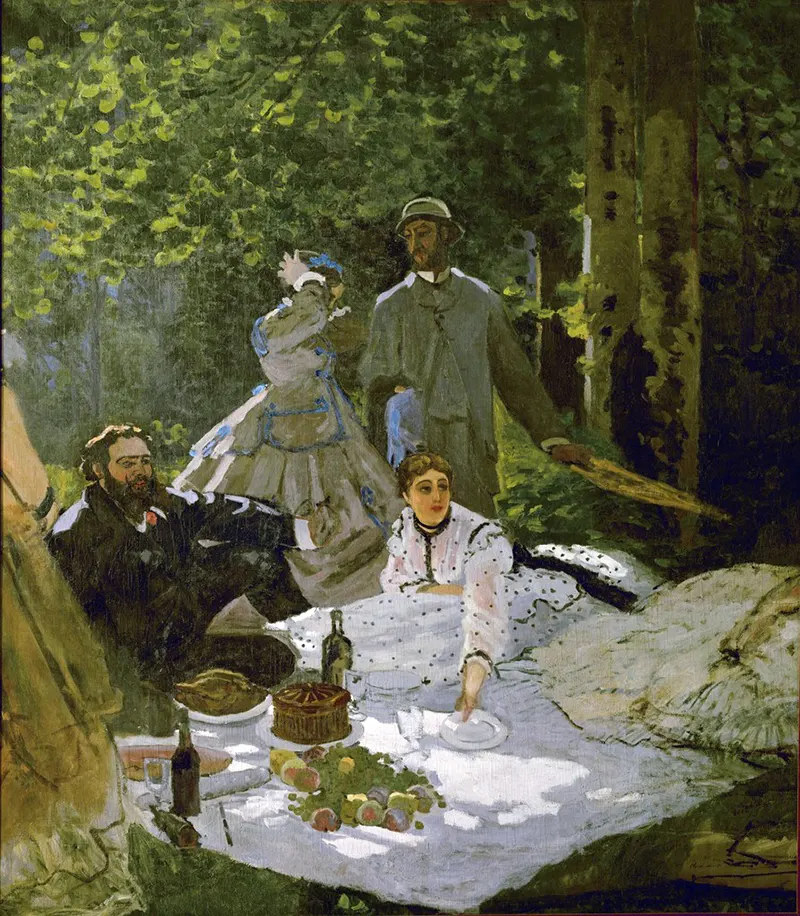
Claude Monet is one of the most recognized artists in history, his work tied closely to the rise of Impressionism in France. Before he settled at Giverny, his paintings already showed a sharp focus on light, color, and the natural world. Works from the 1860s placed him alongside other bold new voices in French art, capturing figures outdoors and experimenting with how sunlight falls on surfaces.
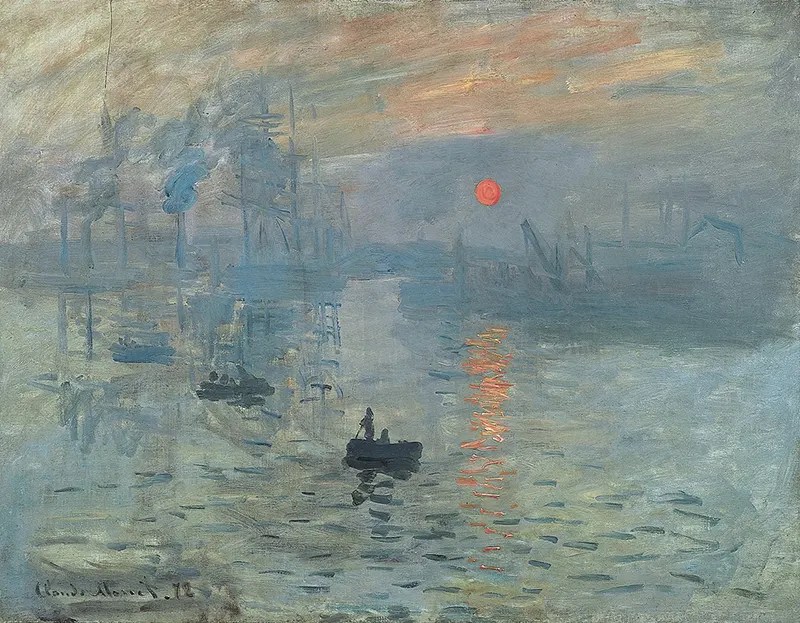
By the early 1870s, Monet had developed a loose, energetic brushstroke that could freeze a fleeting moment — a misty harbor at dawn, a rippling riverbank, a garden in bloom. His 1872 painting of Le Havre harbor gave Impressionism its very name after a critic used the word mockingly, though the label stuck and became a badge of honor.
Throughout the late 1860s and into the 1870s, Monet returned repeatedly to gardens and outdoor scenes. Women in sunlit surroundings, flowers catching the afternoon light, figures half-swallowed by shadow — these were his obsessions long before he owned a single flower bed at Giverny.
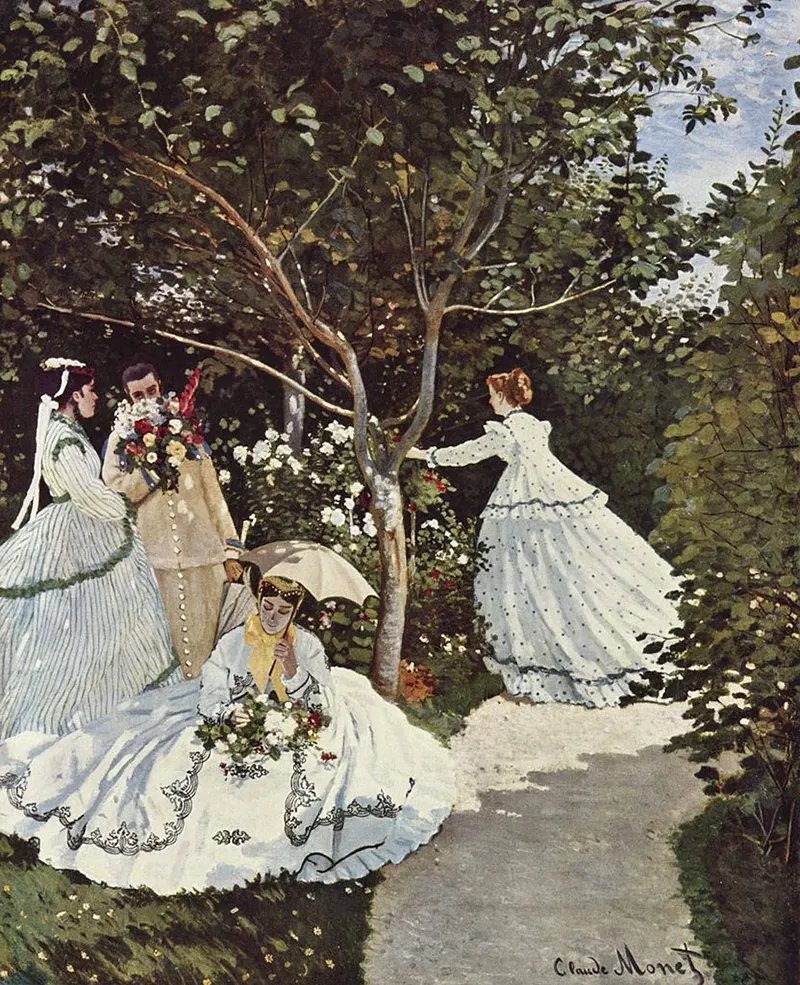
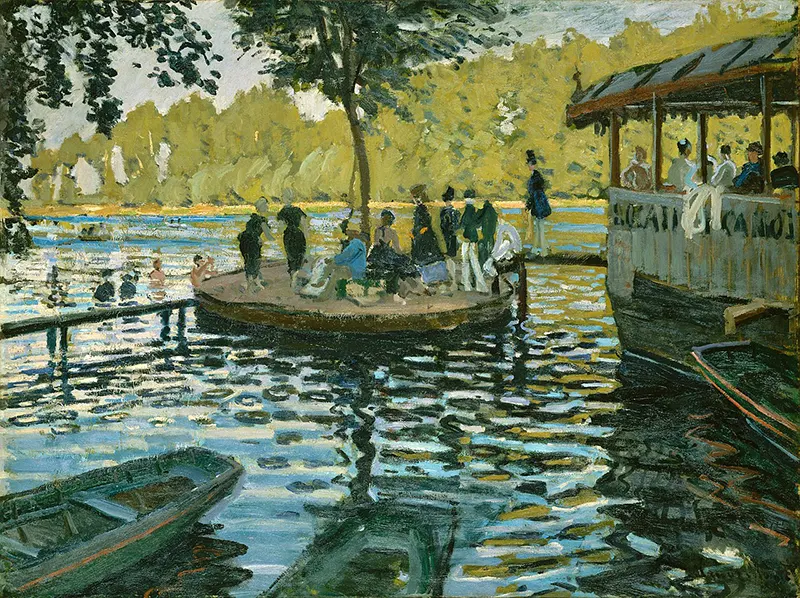
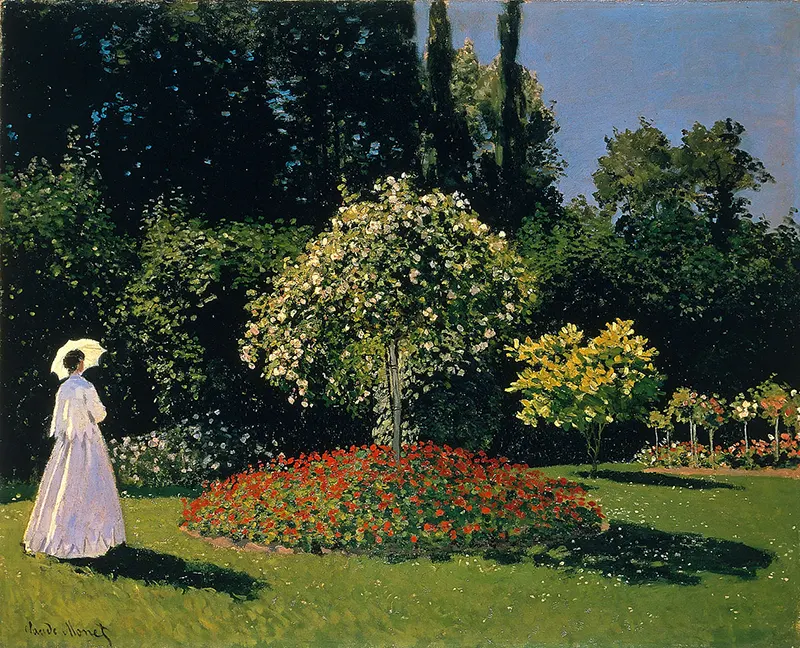
Monet’s time in Argenteuil during the 1870s was especially productive. He painted the Seine, local gardens, and the surrounding countryside with tireless energy. These years refined his technique and deepened his understanding of how color changes depending on the time of day and the season.
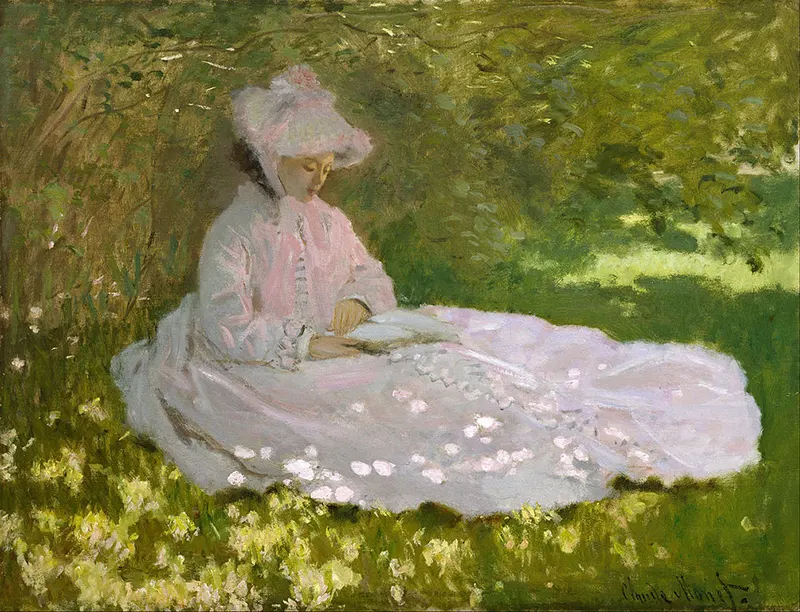
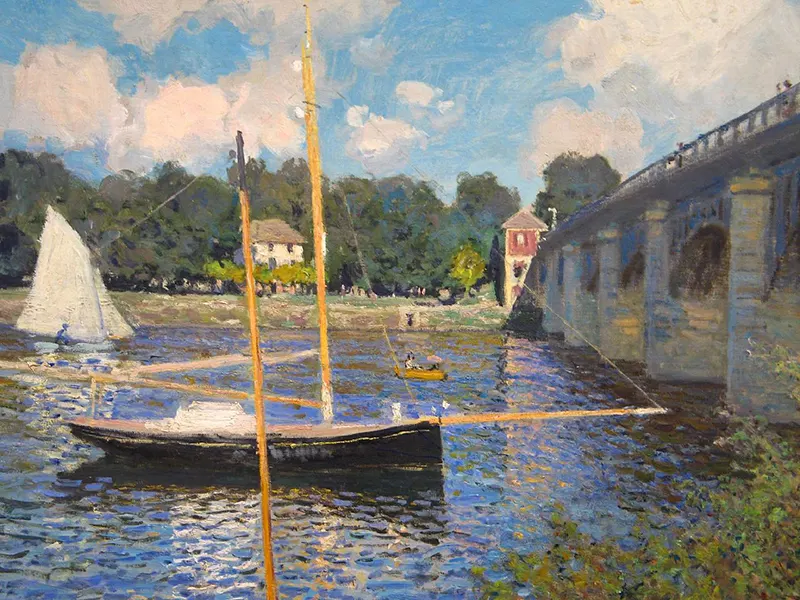
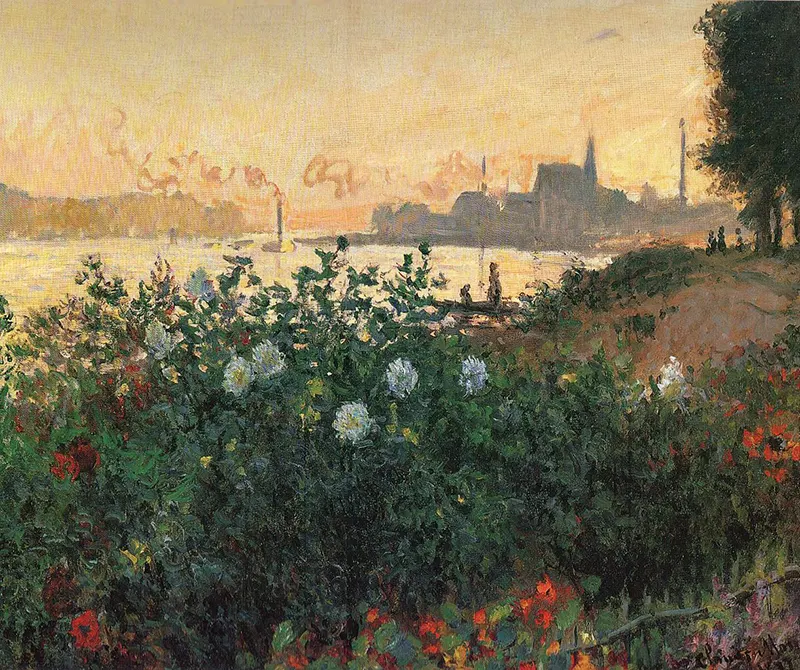
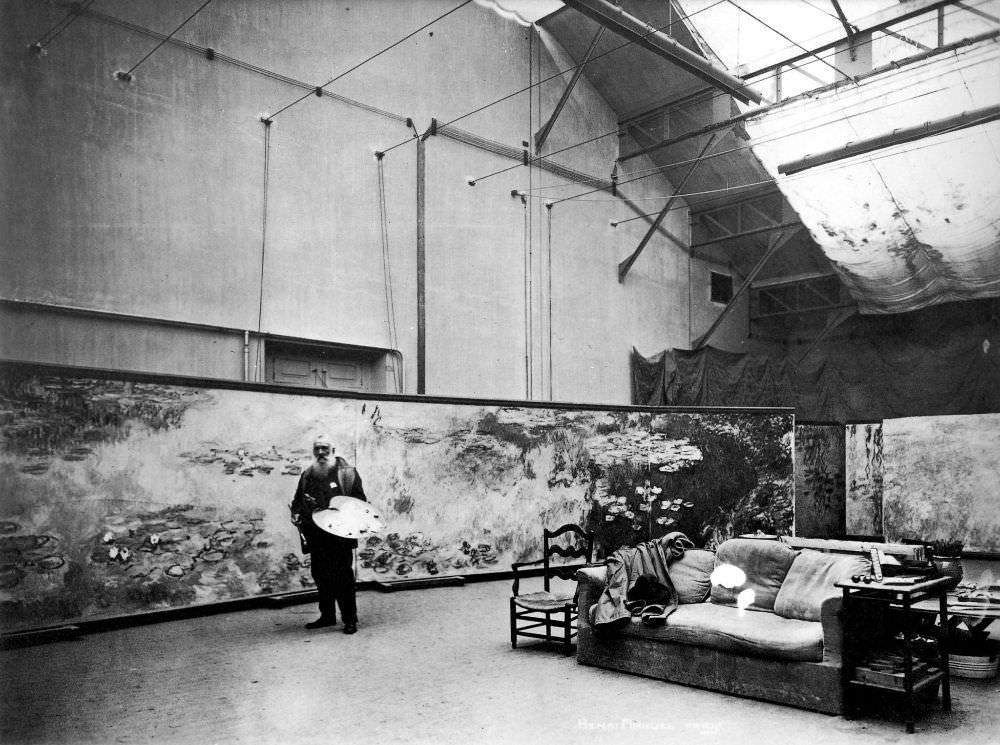
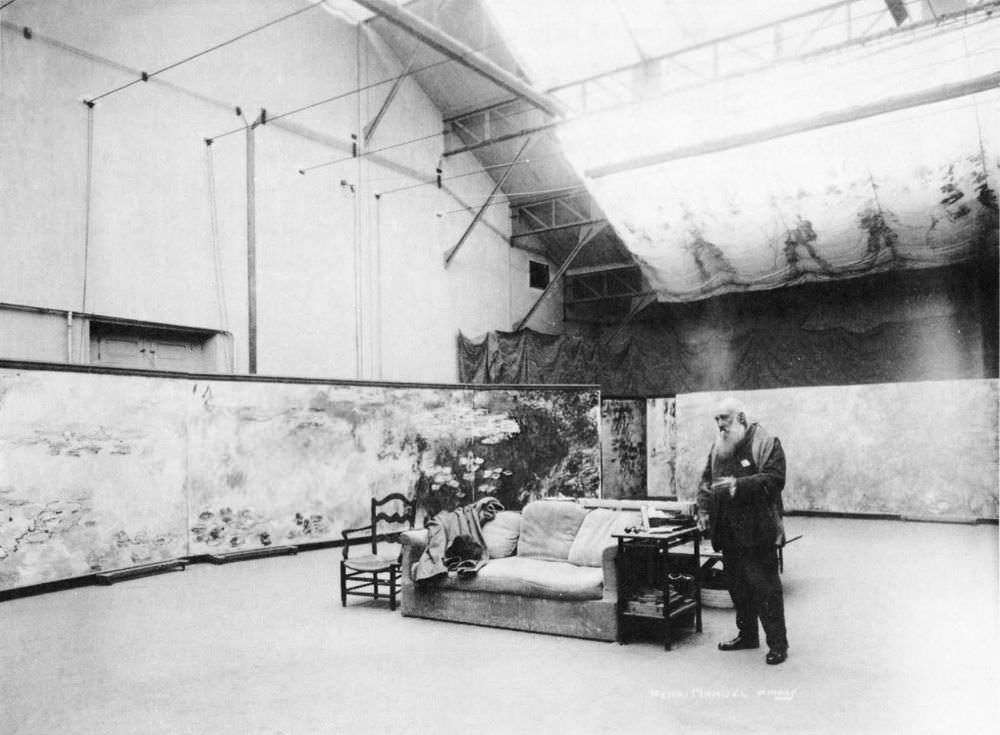
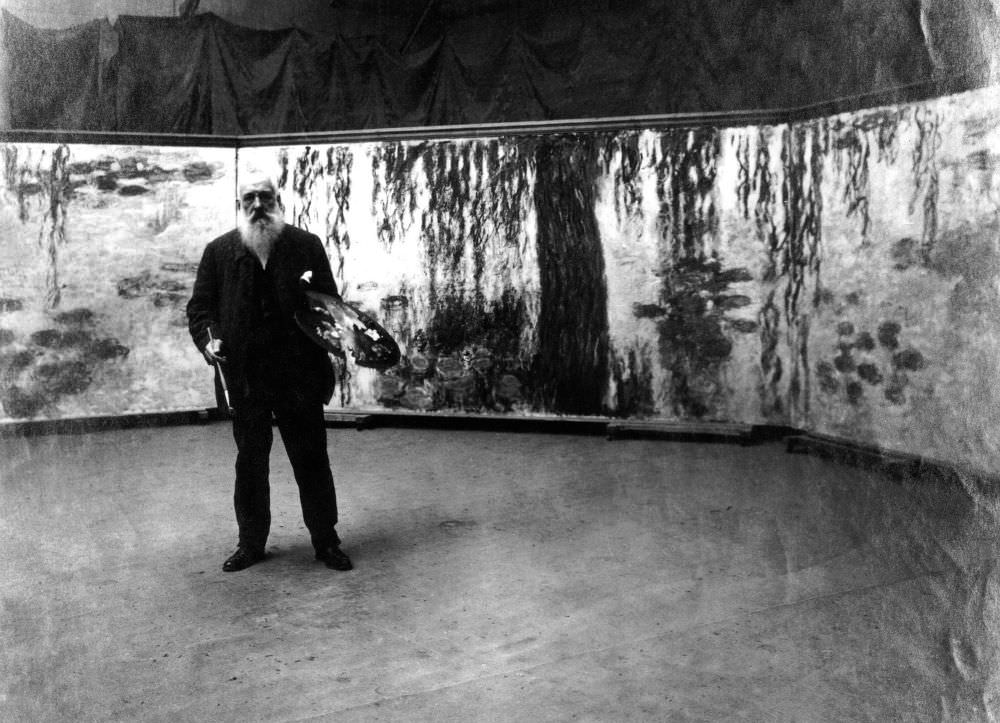
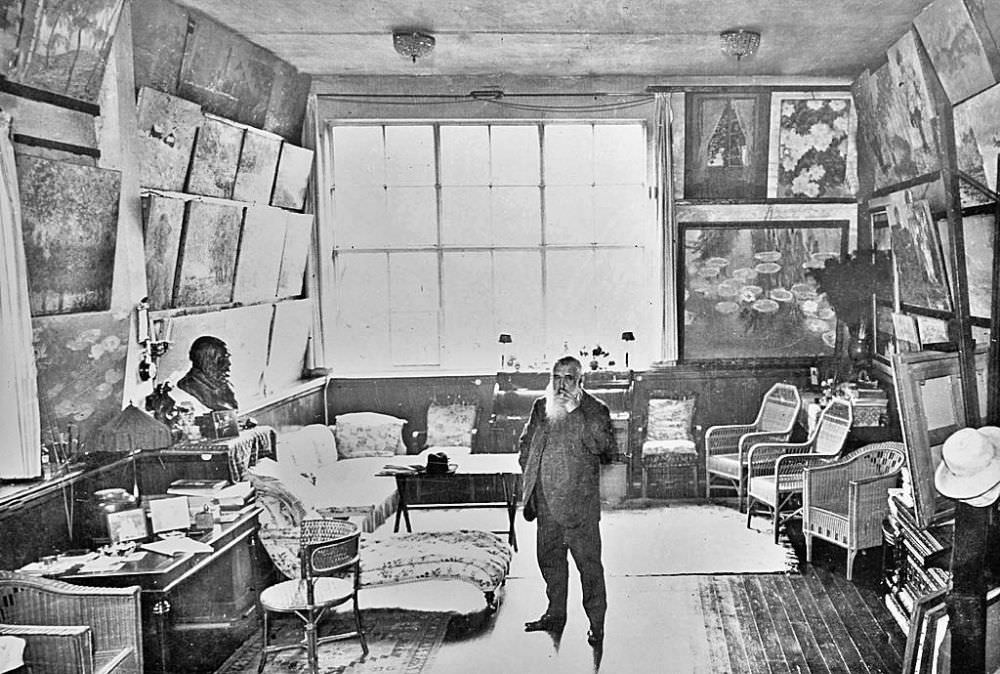
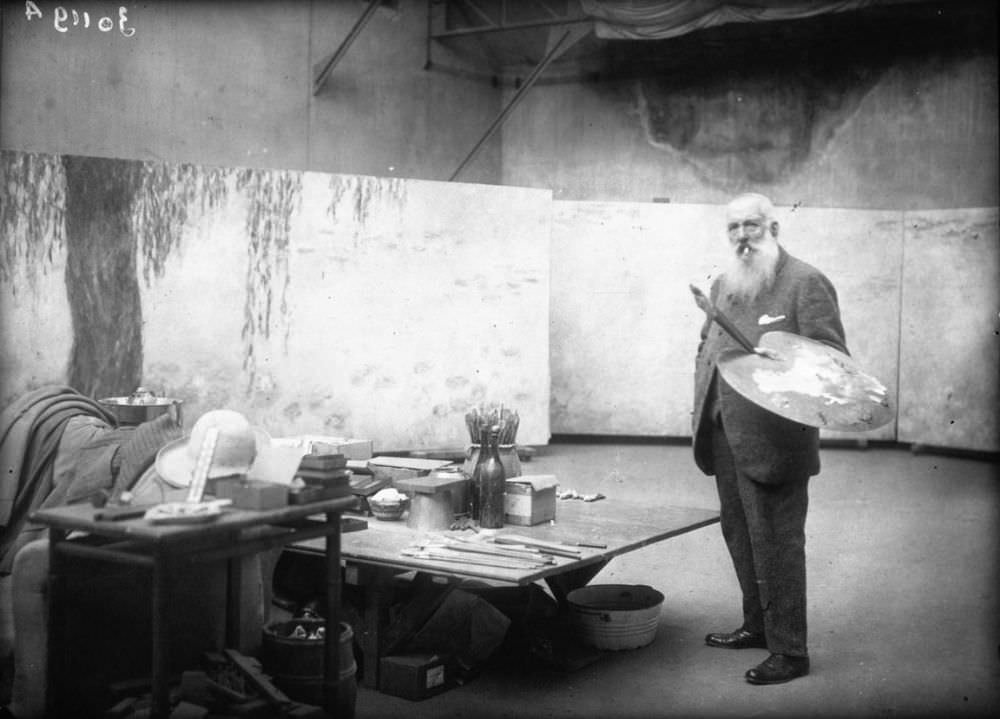
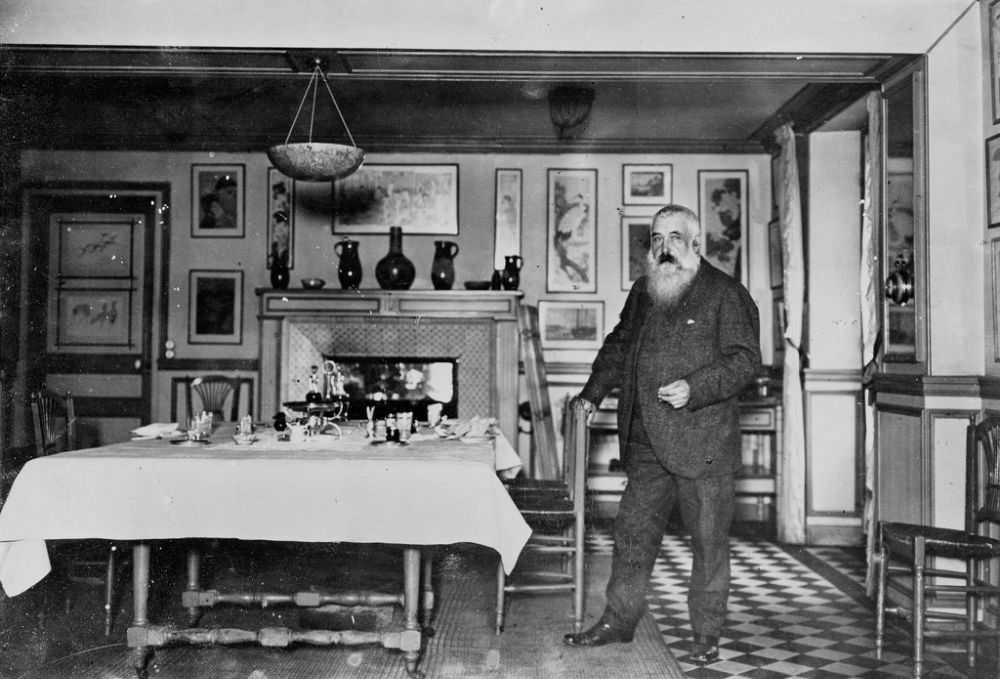
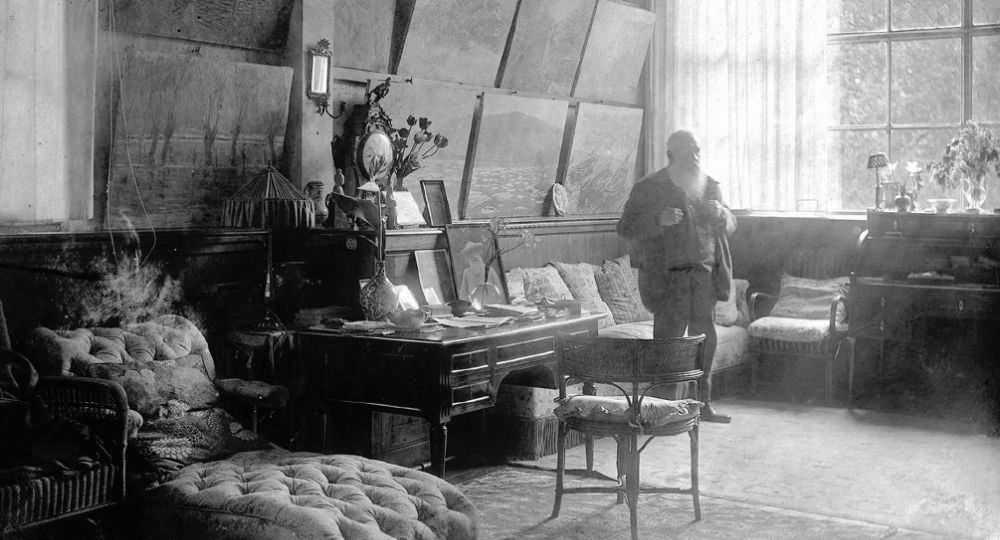
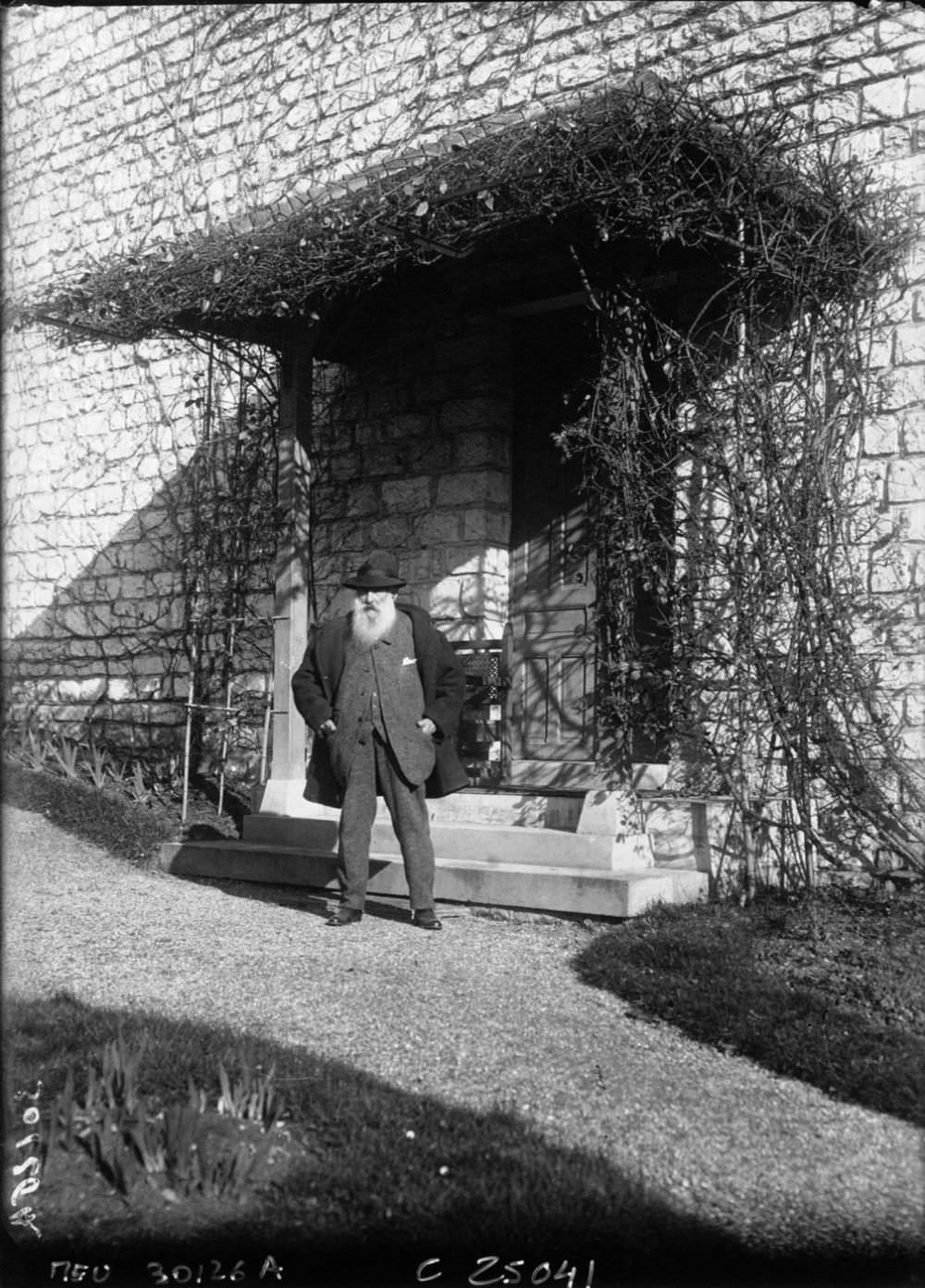
After achieving financial success, Monet purchased the Giverny estate in 1890, in the small Normandy village where he had already been renting since 1883. What followed was not simply moving into a house — it was the deliberate construction of an environment designed to feed his art. The pink-plastered main house with green shutters served as both his home and a place of quiet contemplation. His studio sat within this domestic space, large and well-lit, stocked with paints, brushes, and canvases ready to capture whatever the gardens outside were doing at any given hour.
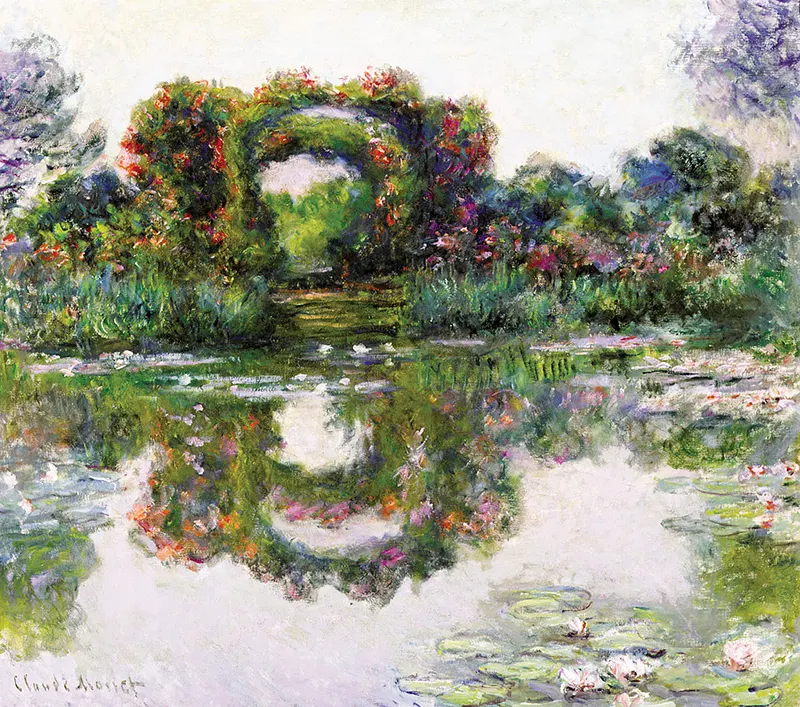
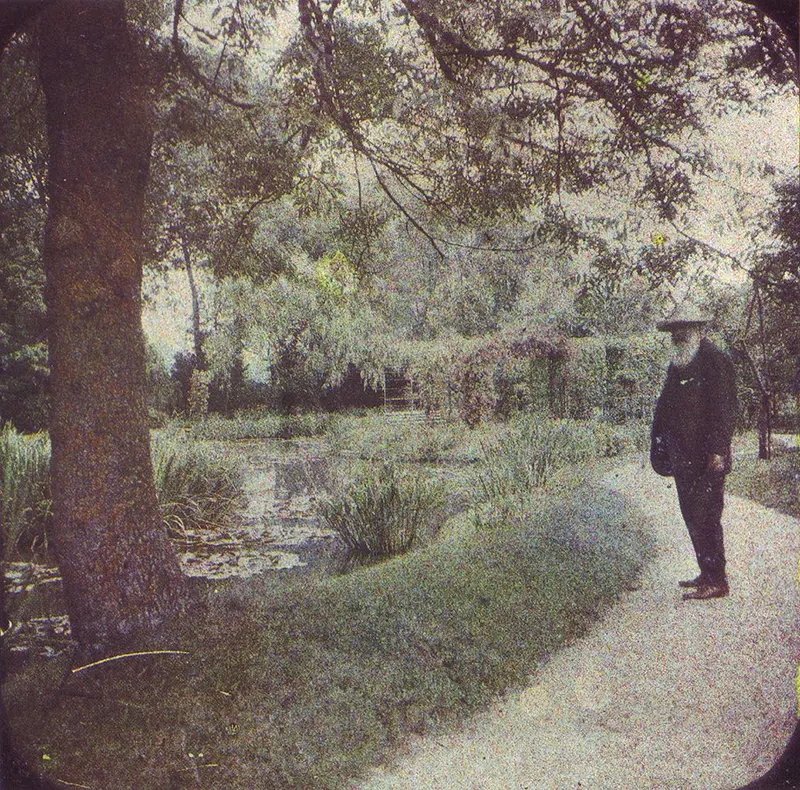
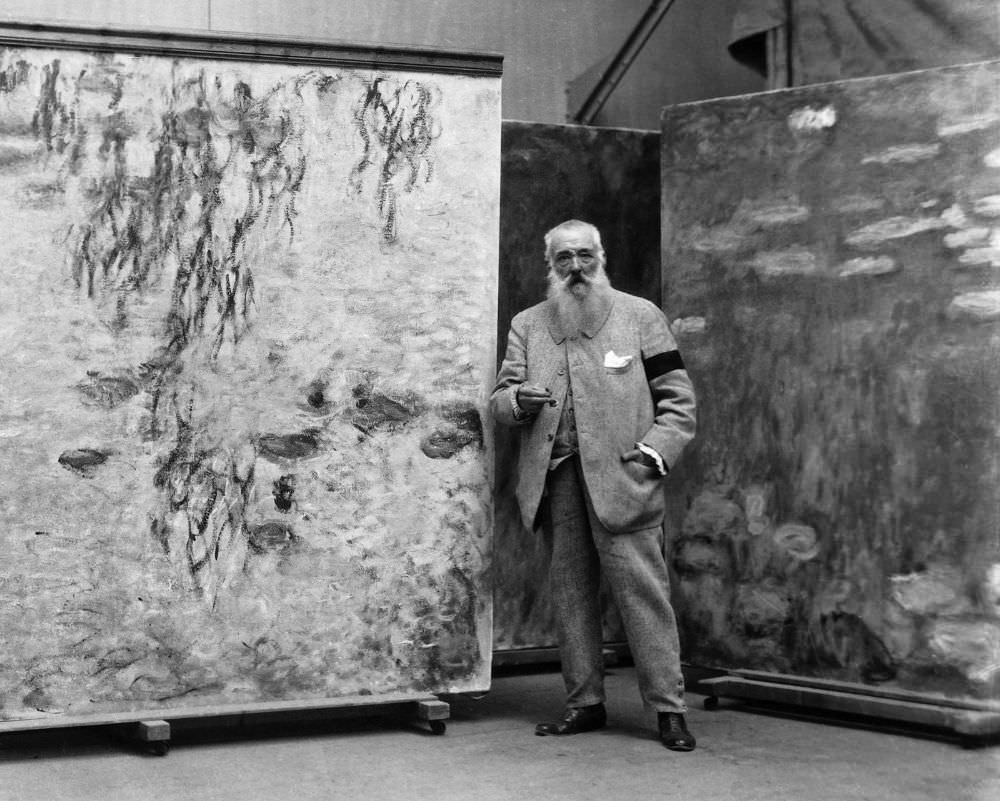
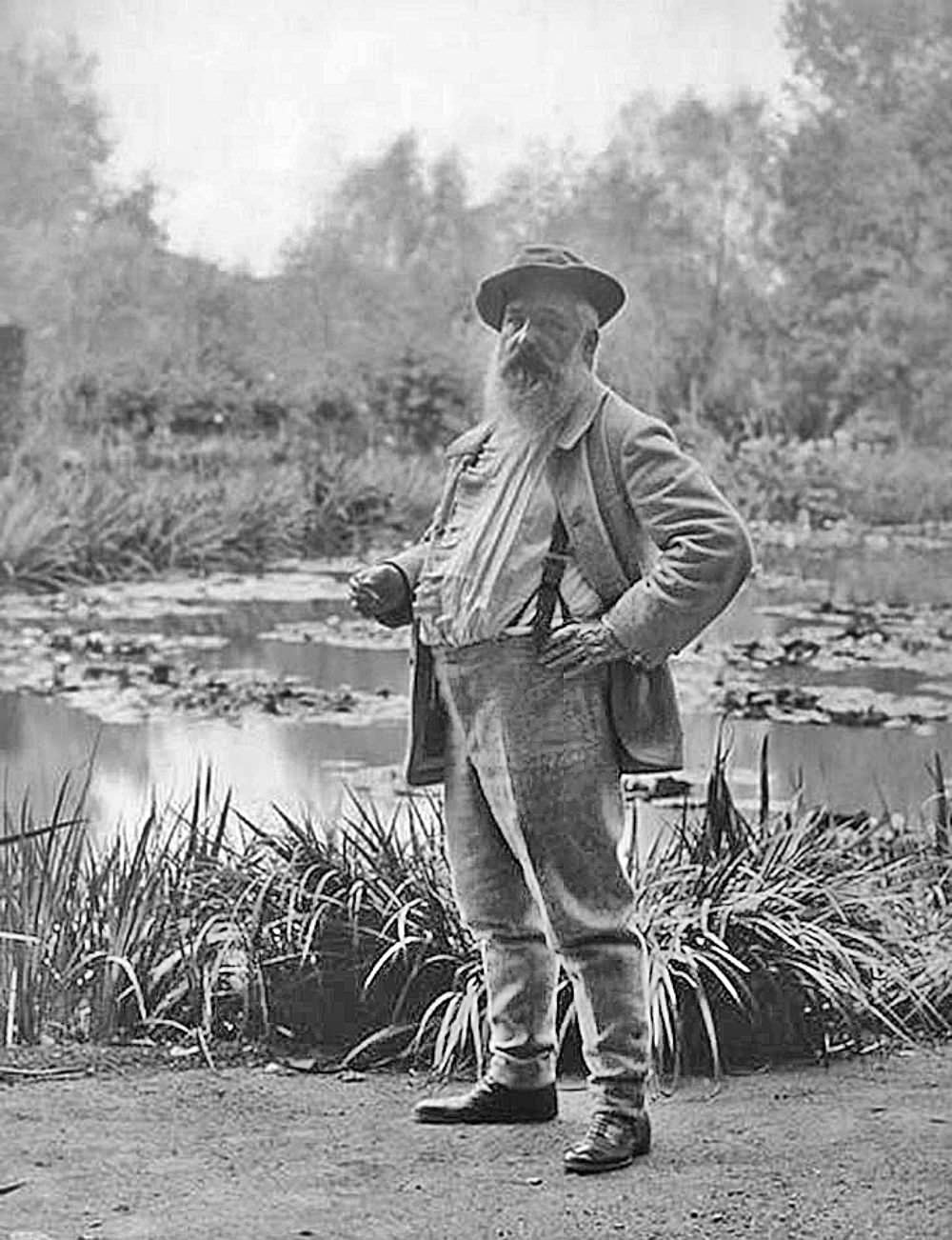
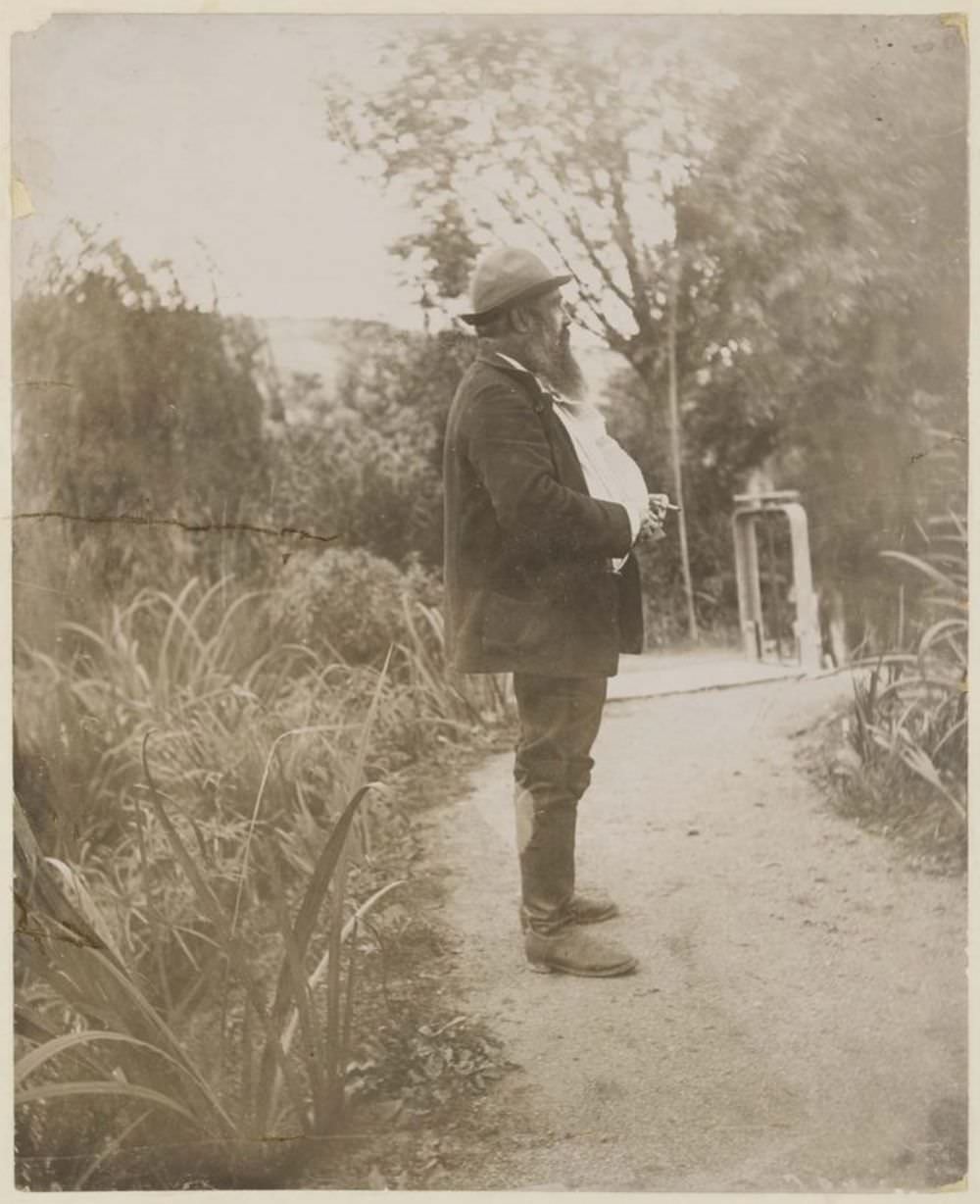
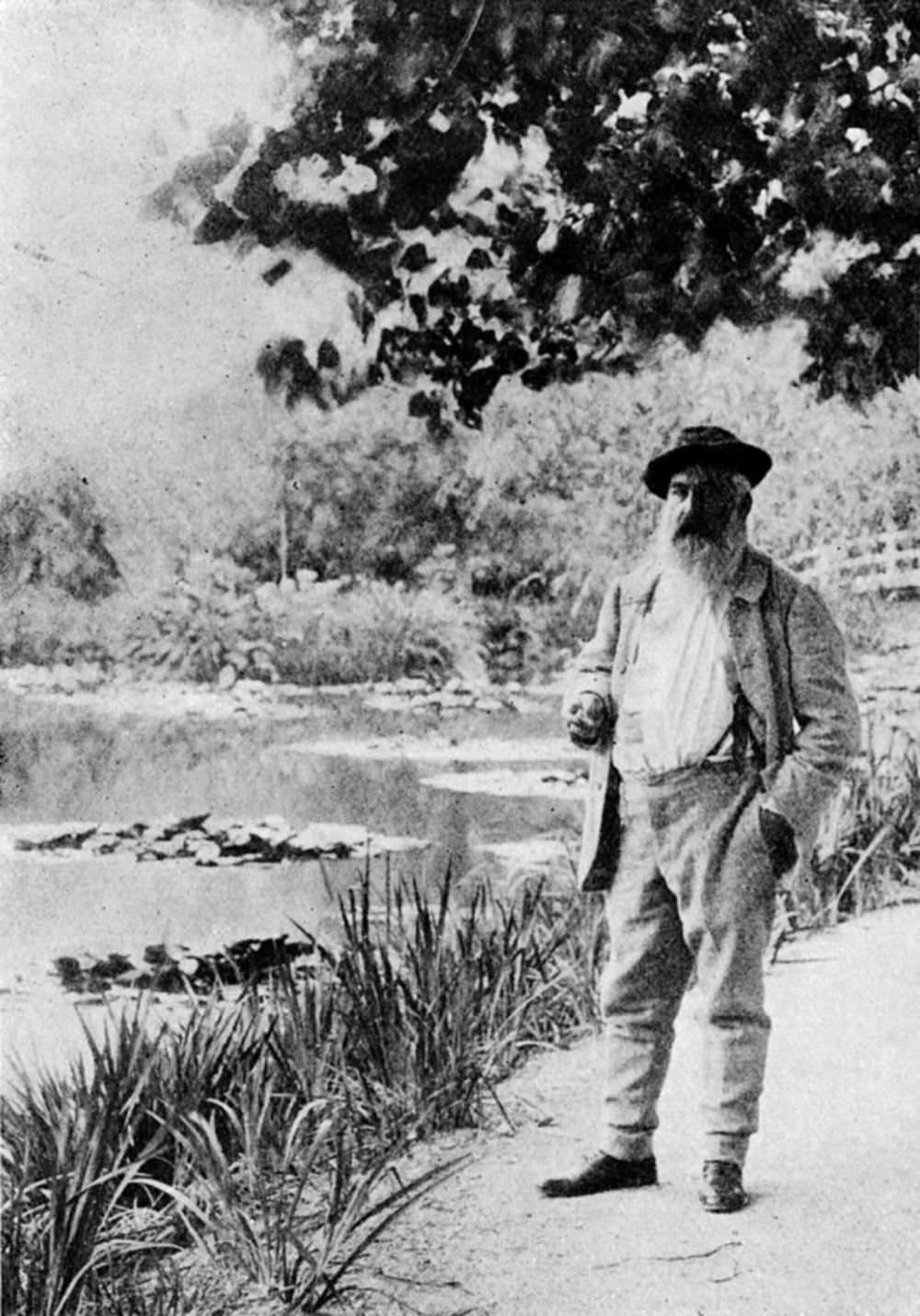
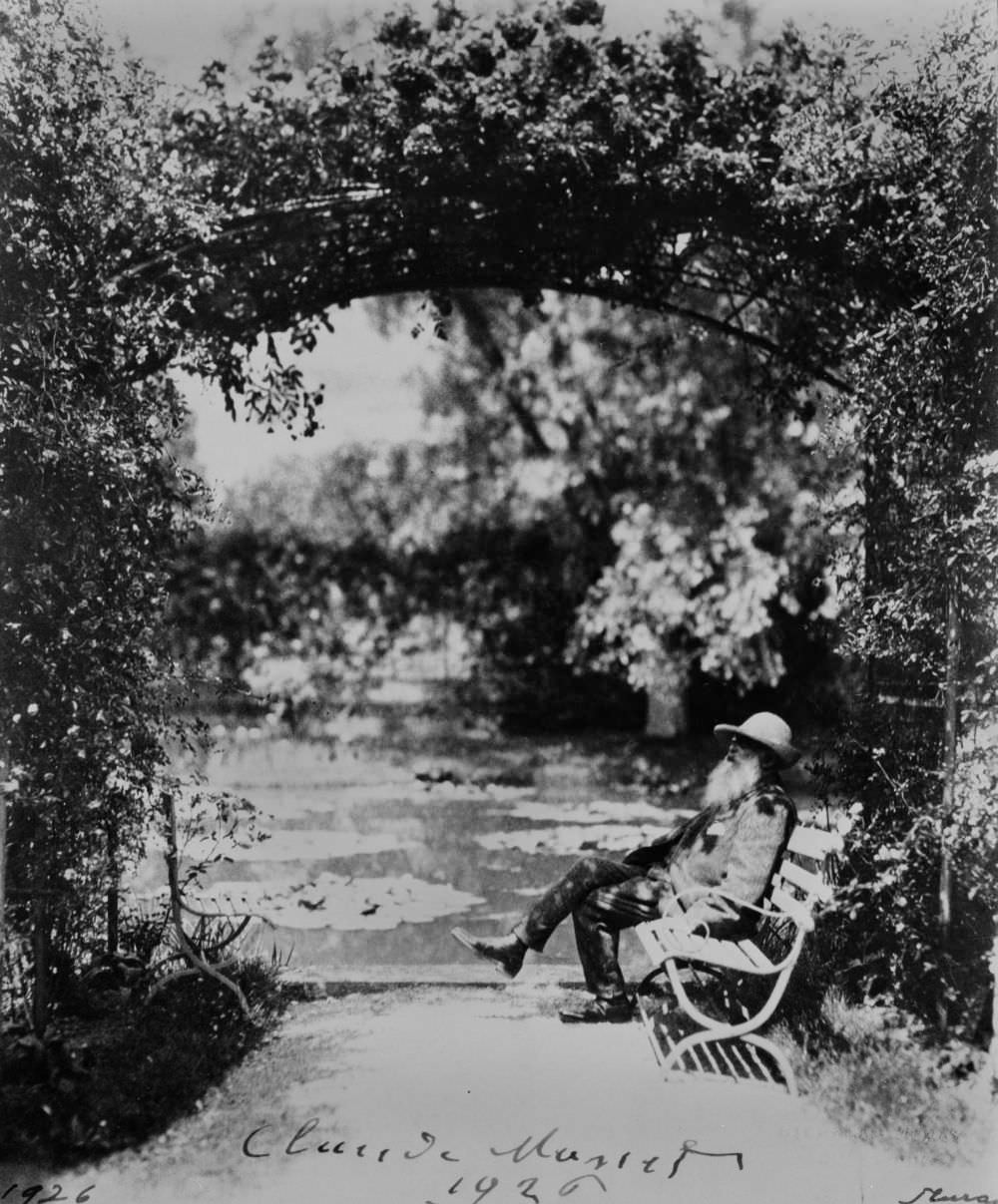
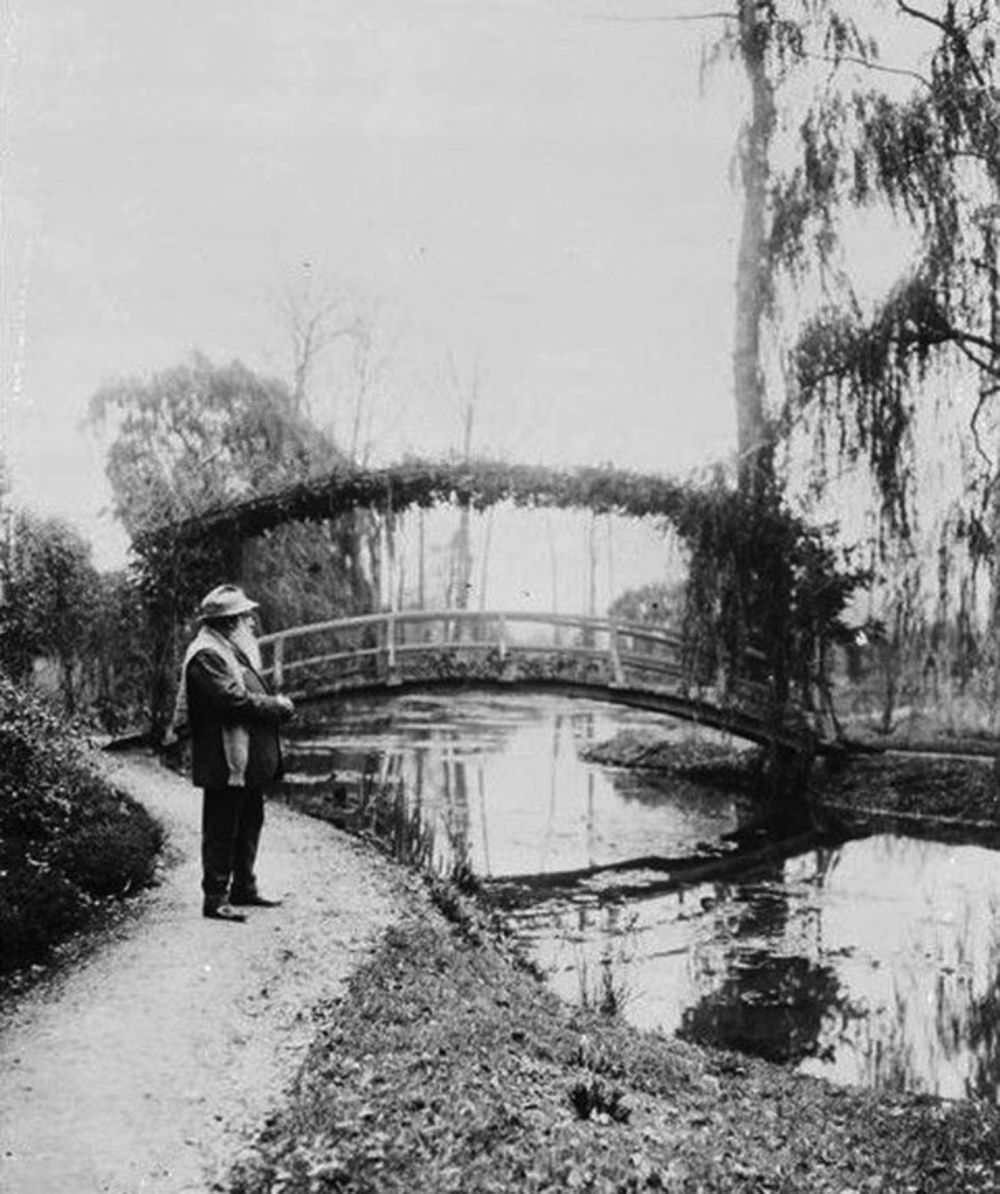
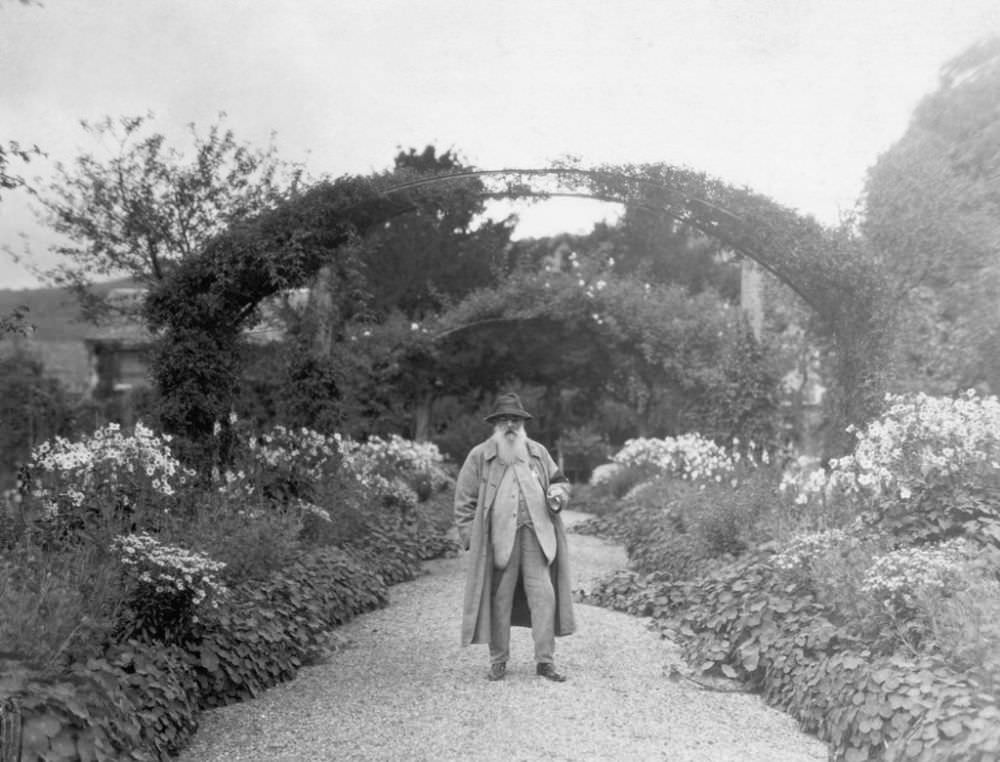
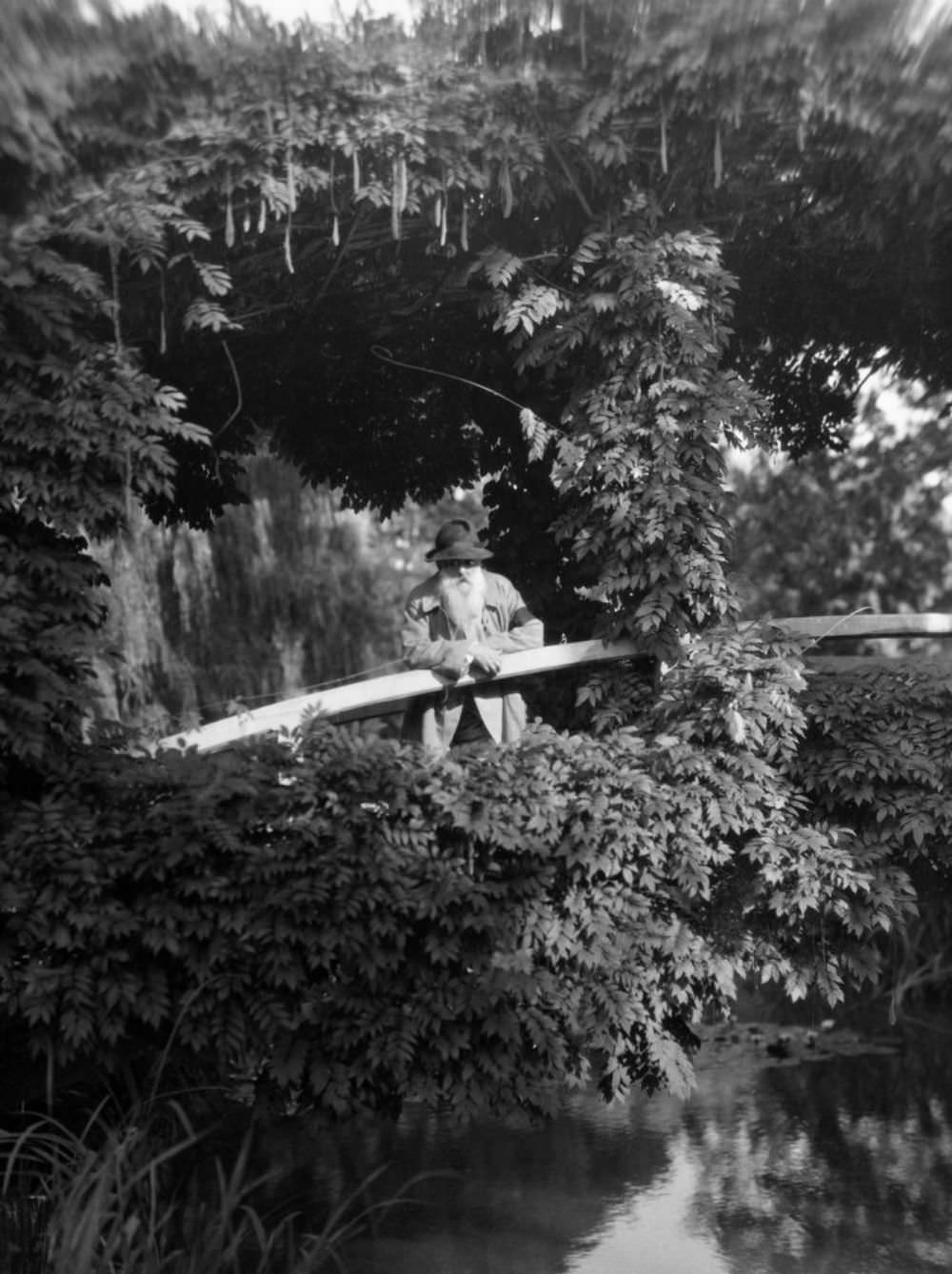
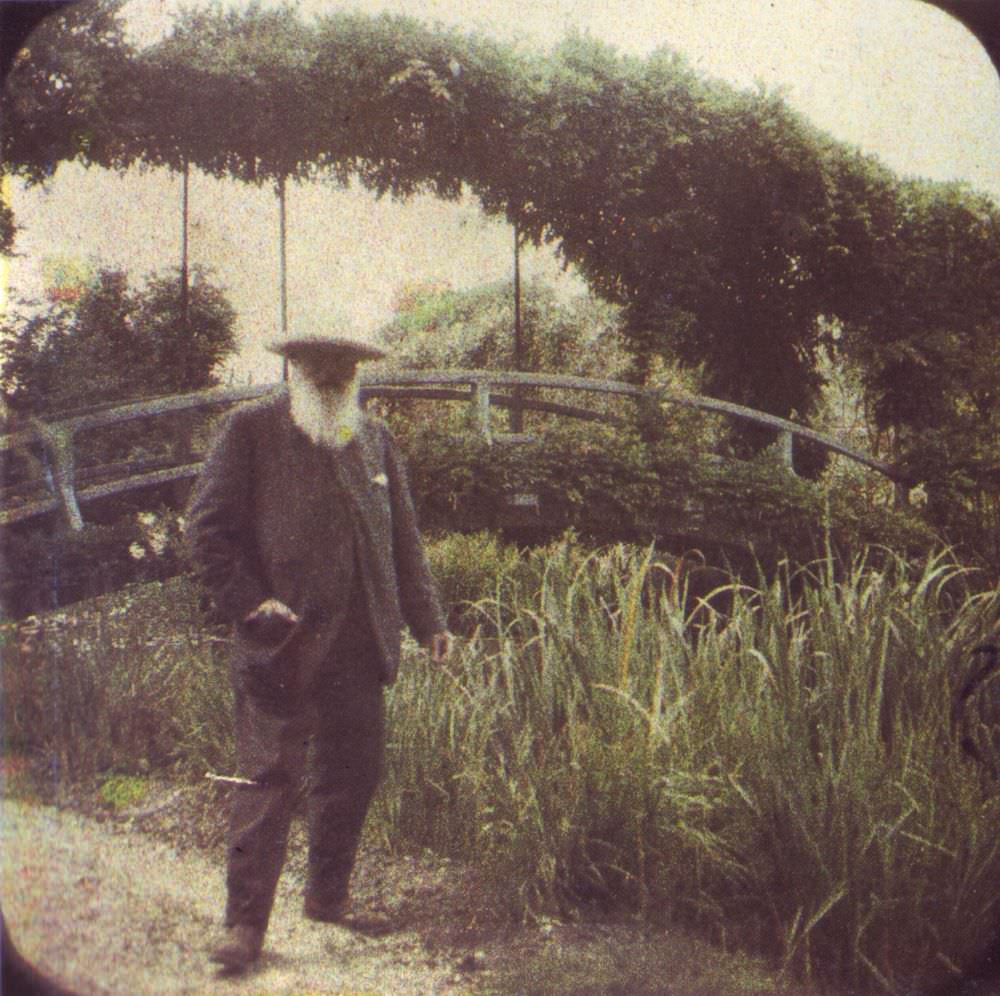
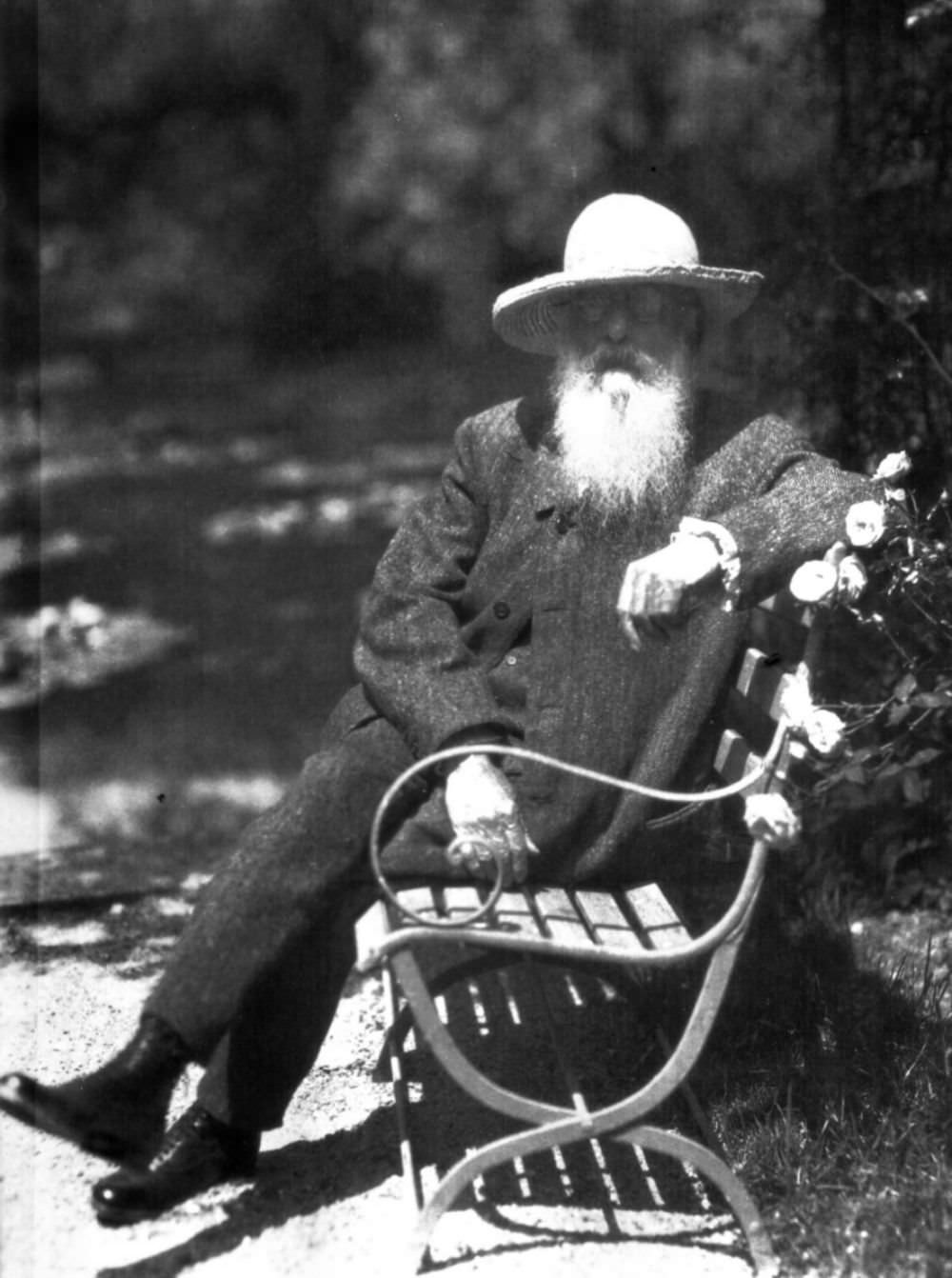
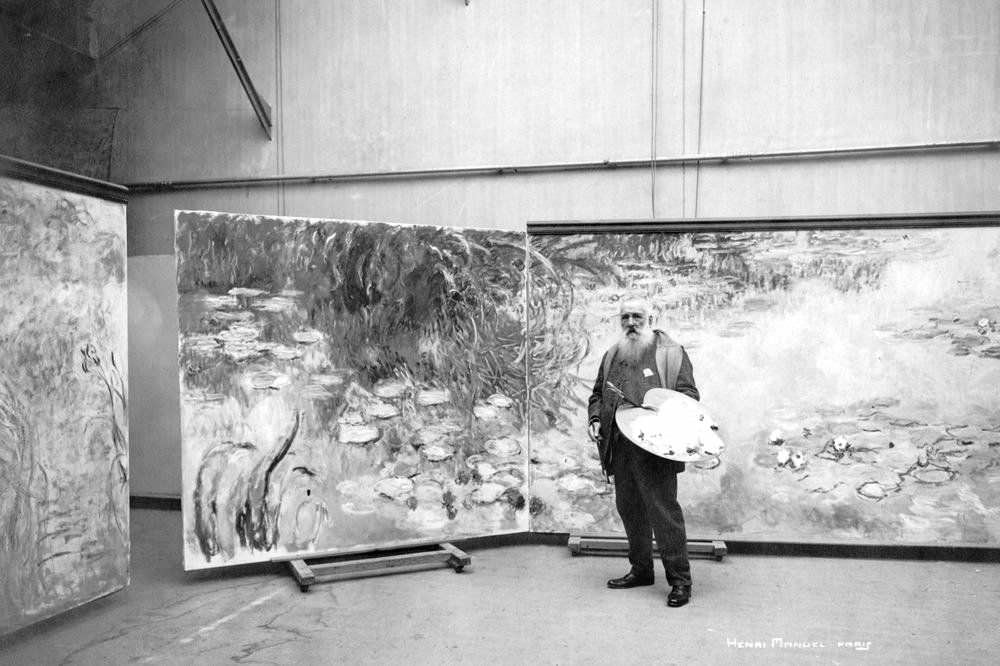
Monet’s gardens at Giverny were divided into two distinct areas. The Clos Normand sat in front of the house — a dense, overflowing flower garden built around metal arches and trellises draped in climbing roses. Unlike the formal, symmetrical gardens fashionable at the time, the Clos Normand was deliberately wild. Flowerbeds were packed tightly together, chosen for contrasts in color, height, and volume. Behind the property, Monet diverted a branch of the Epte river to feed his water garden. This second space was inspired by Japanese garden design and filled with exotic plants from around the world. The famous lily pond, weeping willows, and a green Japanese bridge became the beating heart of his later work. It was here that he painted the monumental “Water Lilies” series, focusing on the abstract reflections shifting across the pond’s surface.
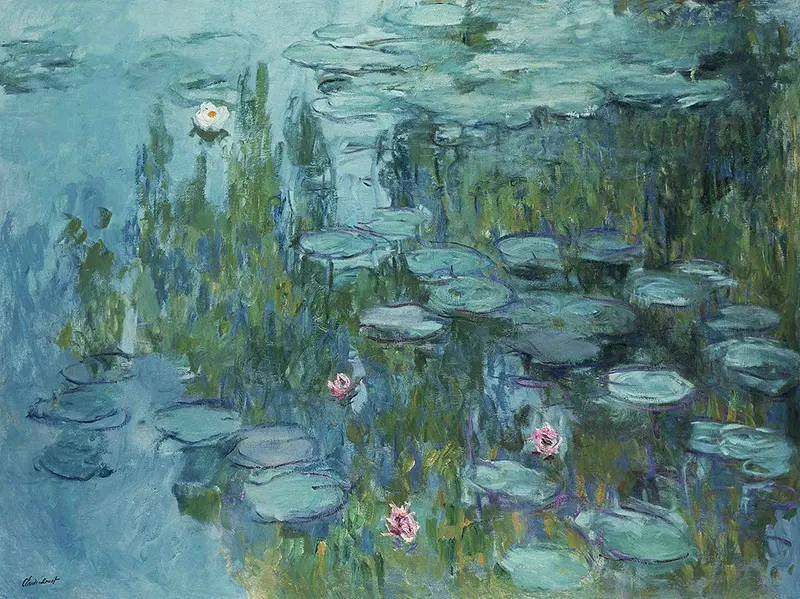
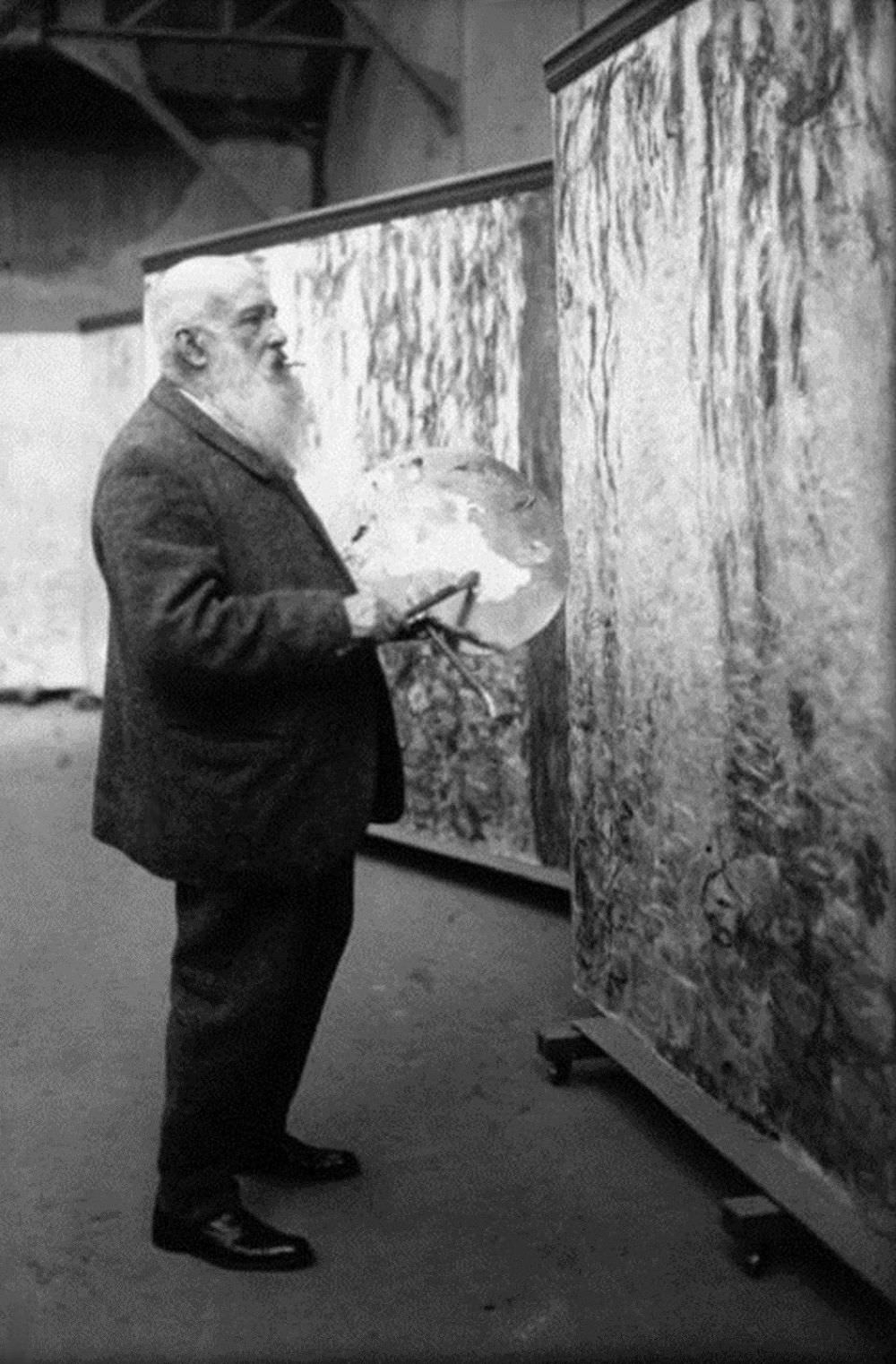
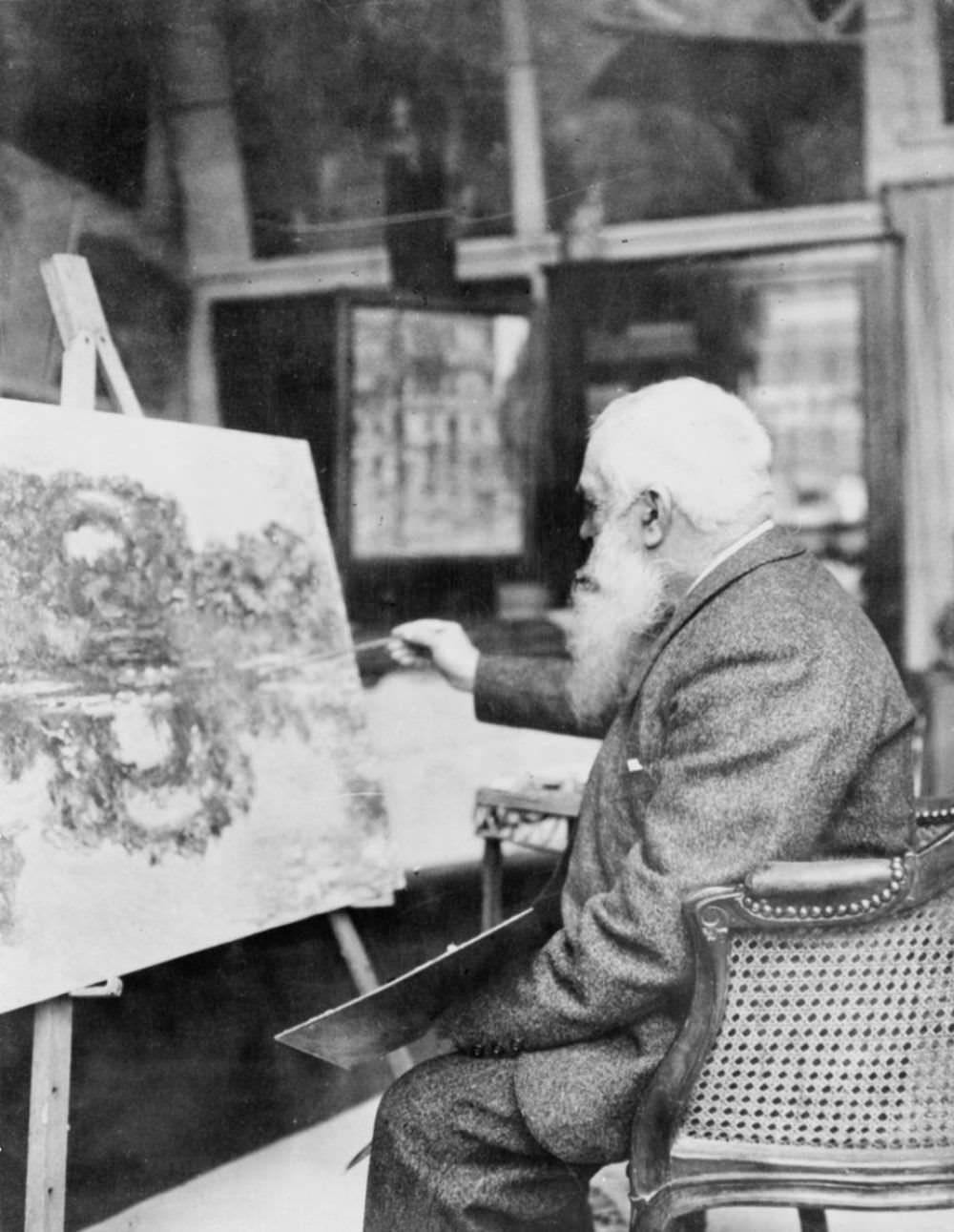
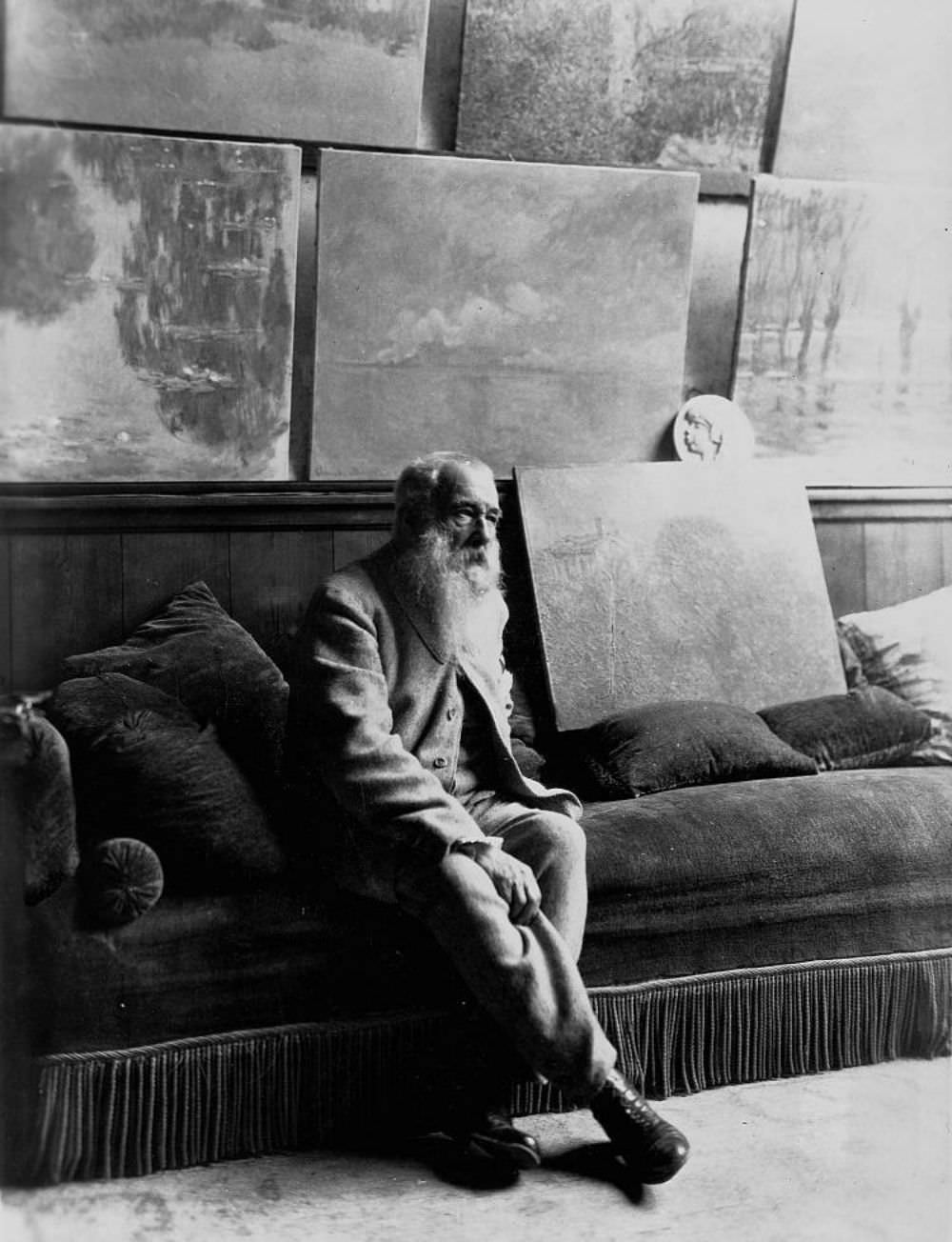
Monet treated the gardens as active participants in his painting process. He often worked on multiple canvases at the same time, moving between them as the light shifted. The seasons, the weather, and the time of day all changed what he saw — and he chased those changes obsessively. After personal losses, including the deaths of his wife Alice and his son Jean, the gardens became his refuge. He could be found working among the flowerbeds well into his eighties, even as his eyesight deteriorated from cataracts.