Bert Six was one of Hollywood’s most skilled portrait photographers. Born in Missouri, he built his career shooting glamour stills for some of the biggest names in the film industry. He joined Warner Bros. in 1934 and rose to head of the still department by 1945. Over the course of his career, he photographed legends like Bette Davis, Joan Crawford, Lauren Bacall, Vivien Leigh, Elizabeth Taylor, and Audrey Hepburn. He died in Los Angeles in 1967 at the age of 65.
Six had a rare ability to capture a star’s screen persona in a single still image. His portraits weren’t just promotional tools — they defined how audiences saw their favorite actresses. His work for Warner Bros. covered dozens of major productions throughout the 1940s and into the 1950s. Among his earliest and most celebrated subjects was Bette Davis, whom he photographed repeatedly during her peak years at the studio.
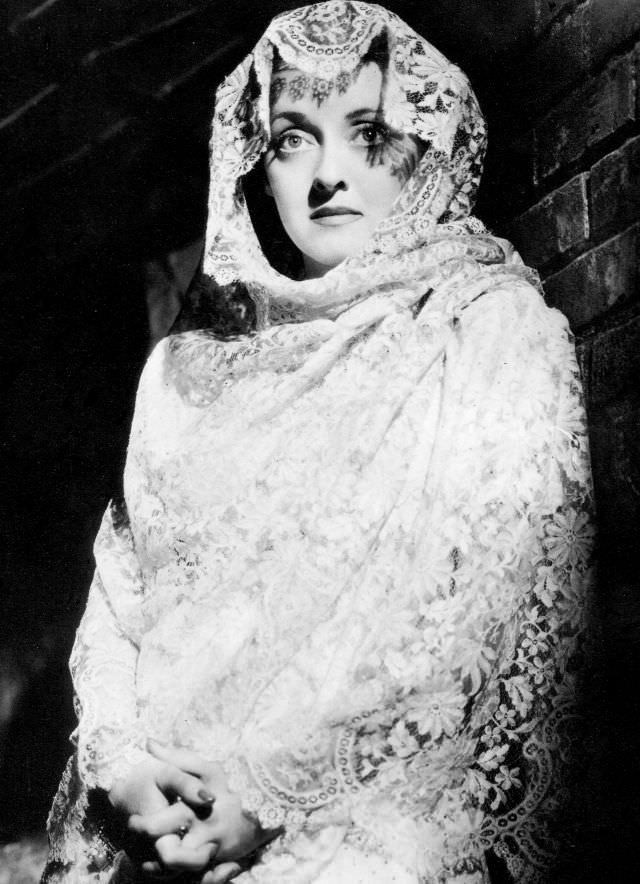
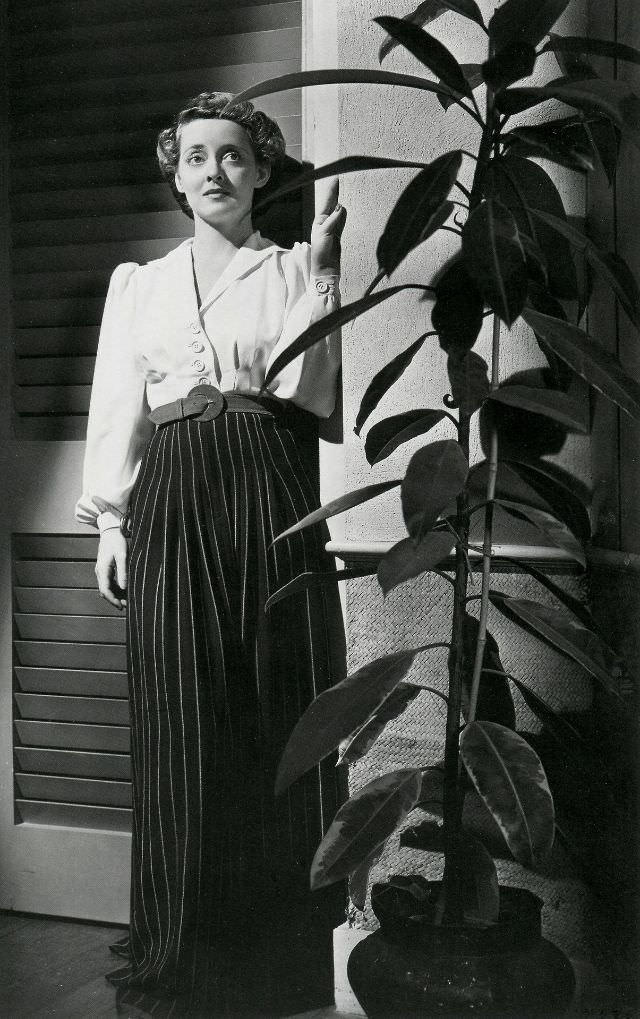
Davis and Six collaborated across multiple films. His portraits for the 1940 film ‘The Letter’ rank among the most striking work of his early career. Two years later, he photographed her again for ‘Now, Voyager,’ capturing a different, softer side of the actress.
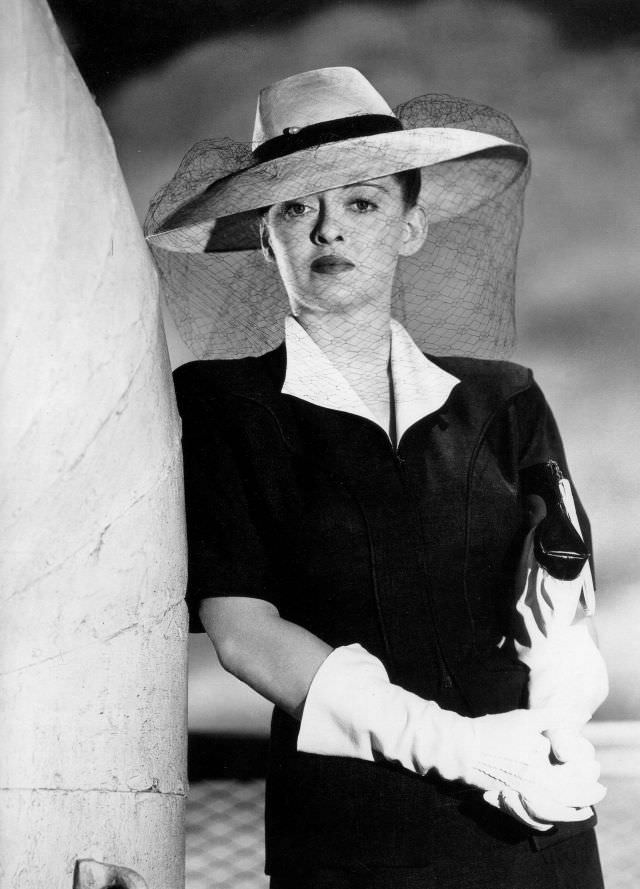
By the mid-1940s, Six was photographing a wide range of Warner Bros. talent. Alexis Smith, Dolores Moran, and Janis Paige all sat for portraits during this period, each image carrying the polished, high-contrast style that made Six’s work instantly recognizable.
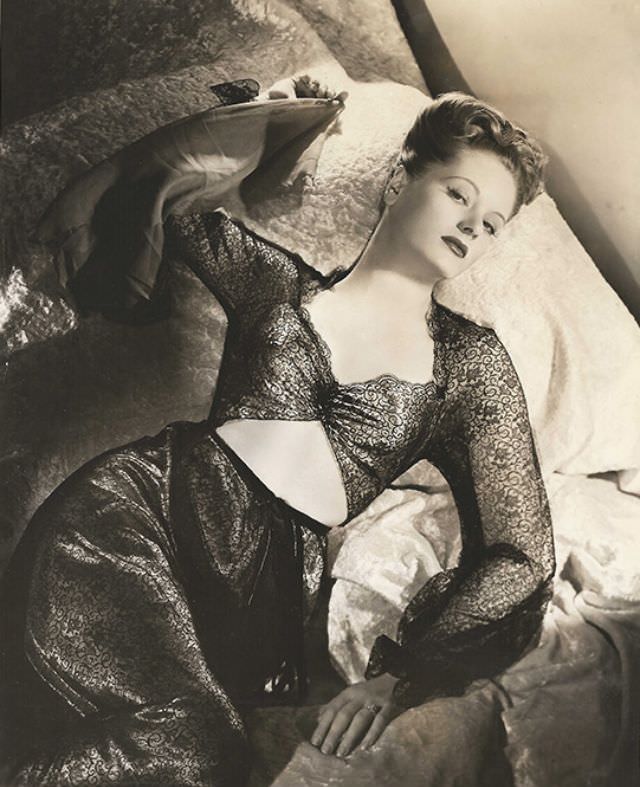
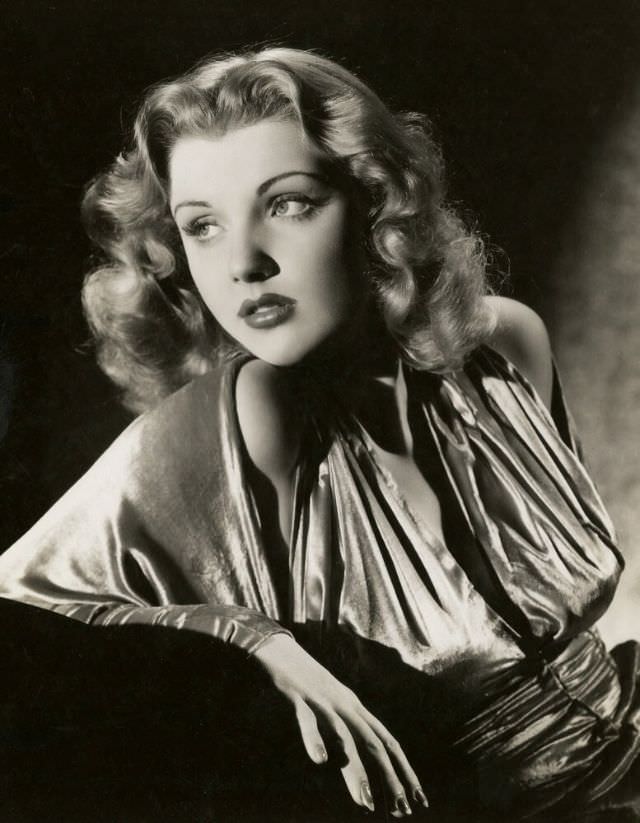
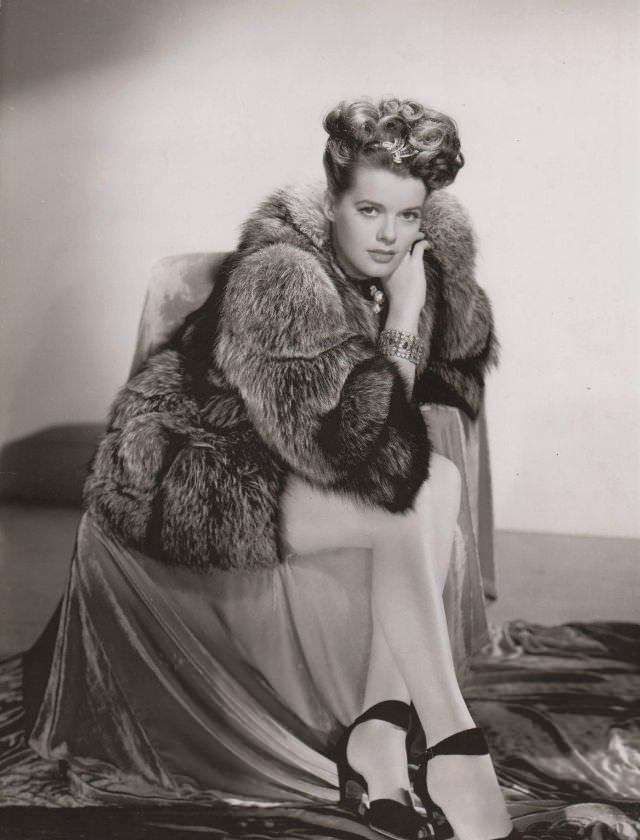
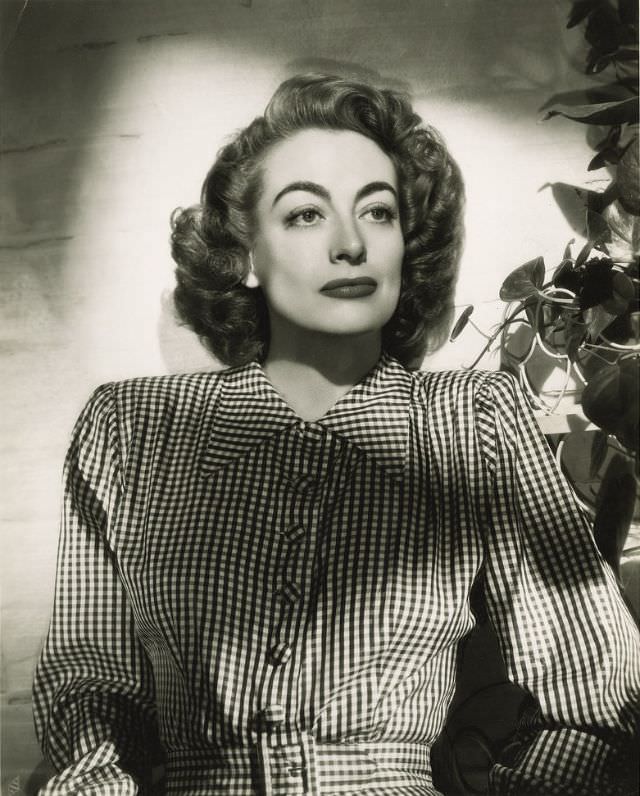
1945 was a landmark year for Six — the year he became head of Warner Bros.’ still department. That same year, he produced memorable portraits of both Ida Lupino and Joan Crawford, two of the most powerful actresses working in Hollywood at the time.
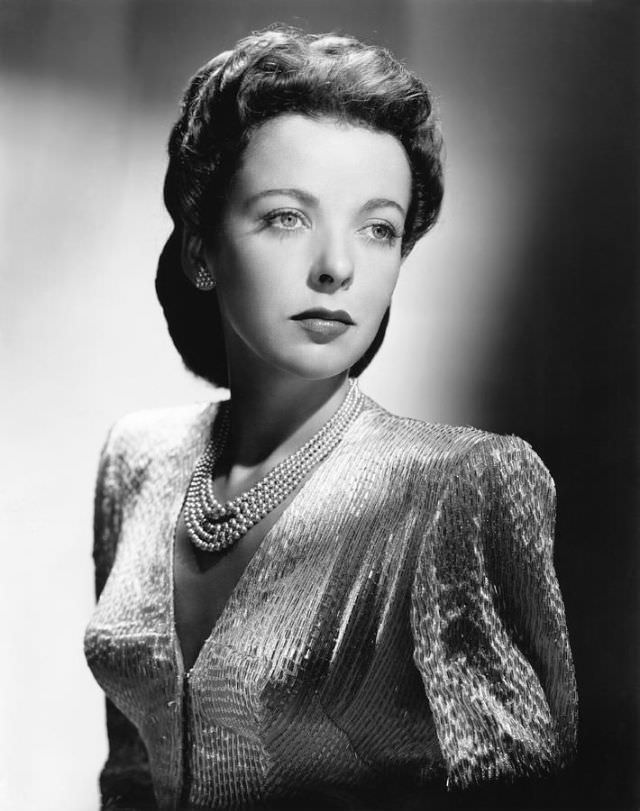
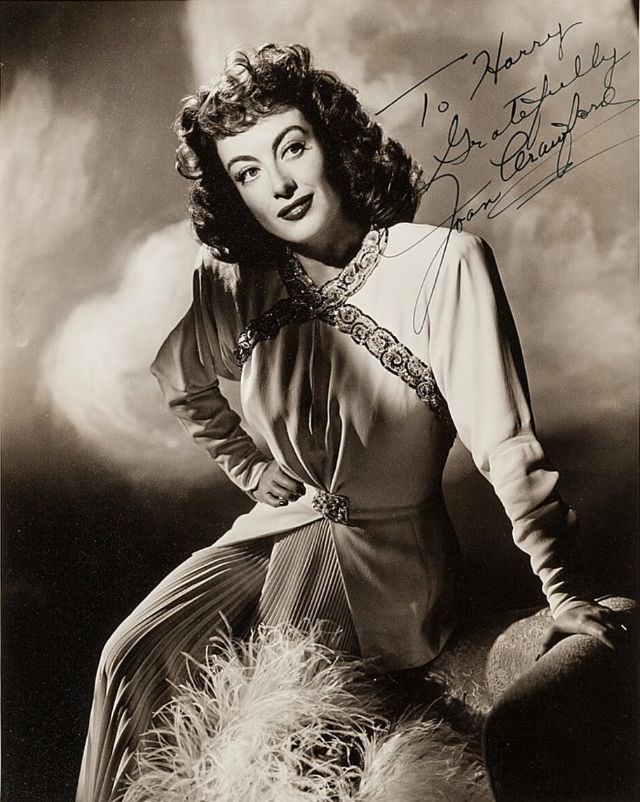
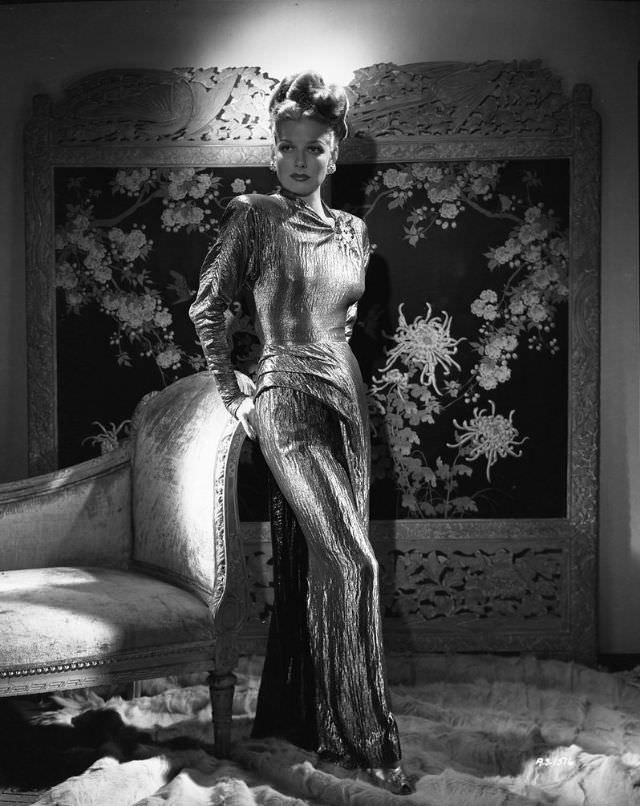
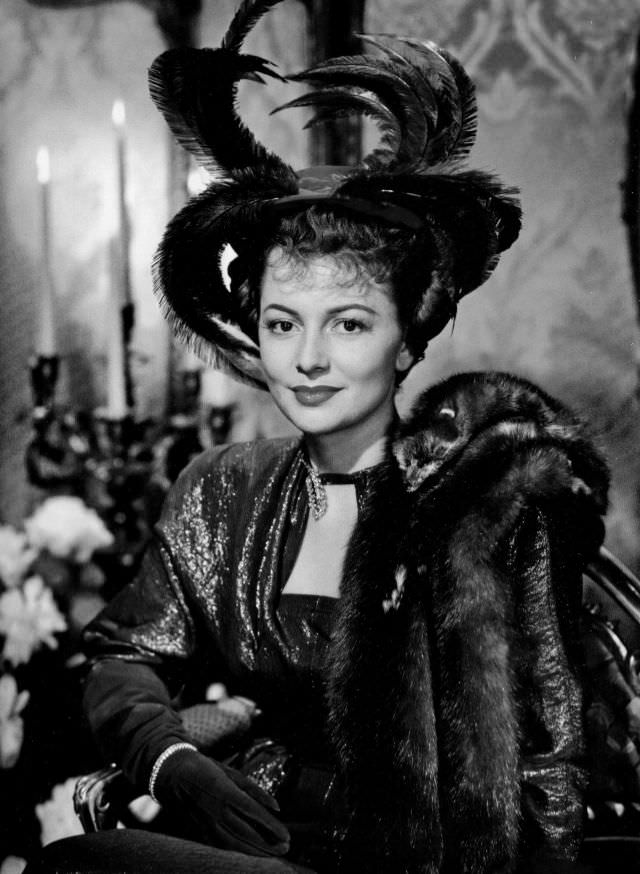
In 1946, Six photographed Ann Sheridan for ‘One More Tomorrow’ and shot Joan Crawford again for ‘Humoresque.’ He also turned his lens on Olivia de Havilland that same year, producing one of his most elegant portraits.
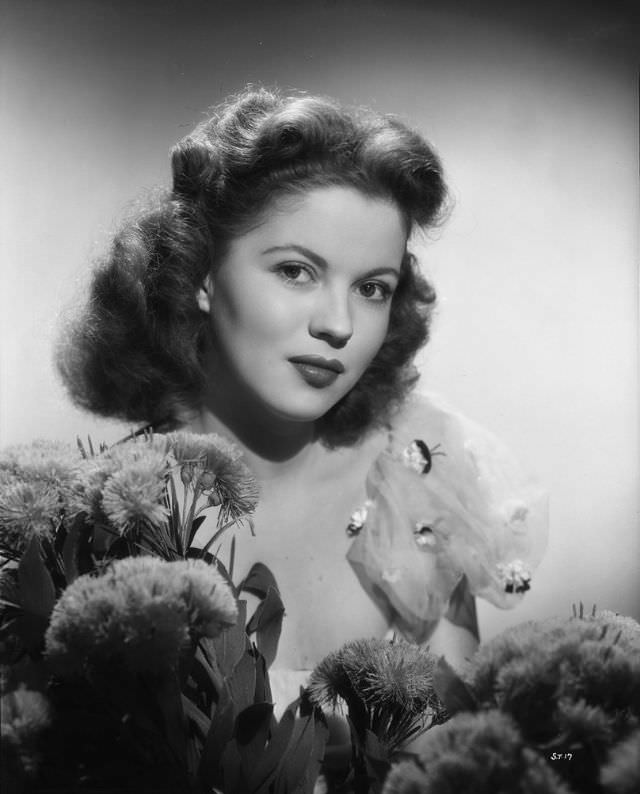
In 1947, a then-teenage Shirley Temple appeared before Six’s camera for ‘That Hagen Girl’ — a dramatic departure from her childhood film persona. The portraits show a young woman stepping firmly into adult roles.
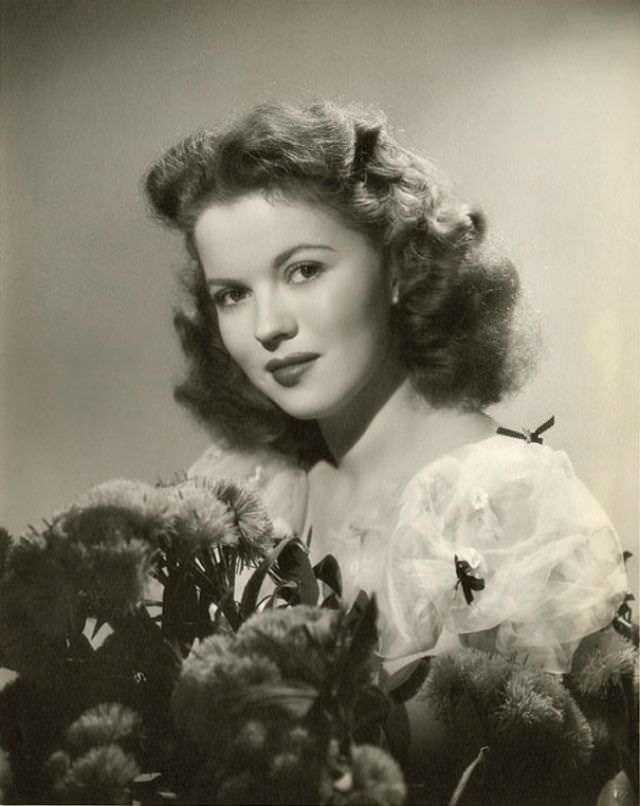
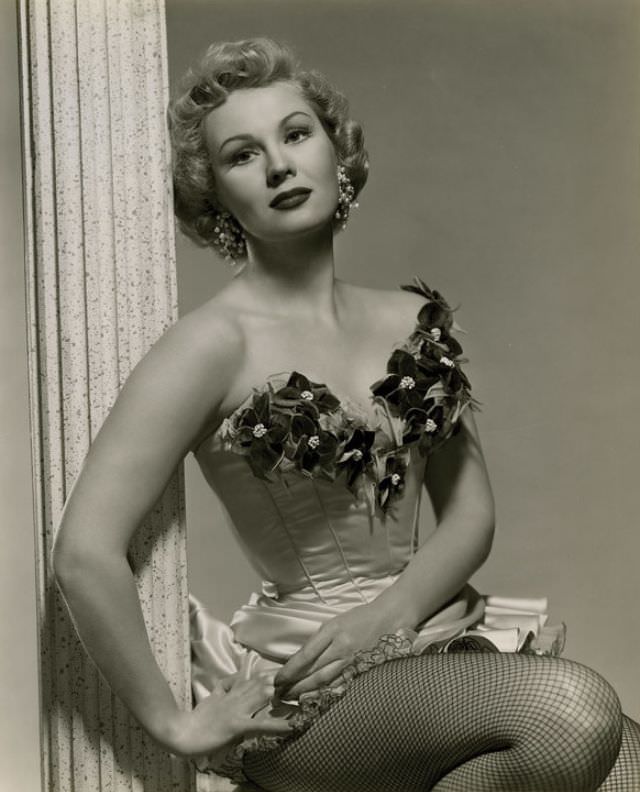
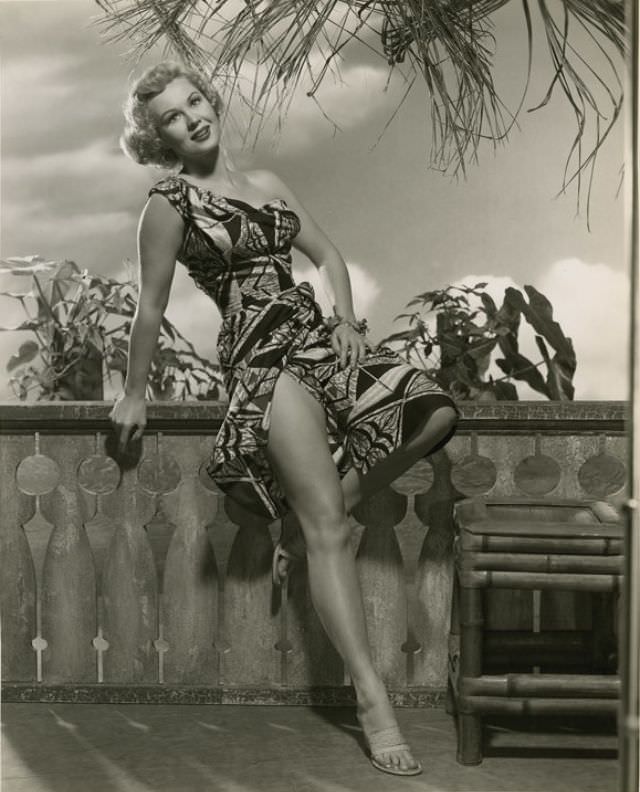
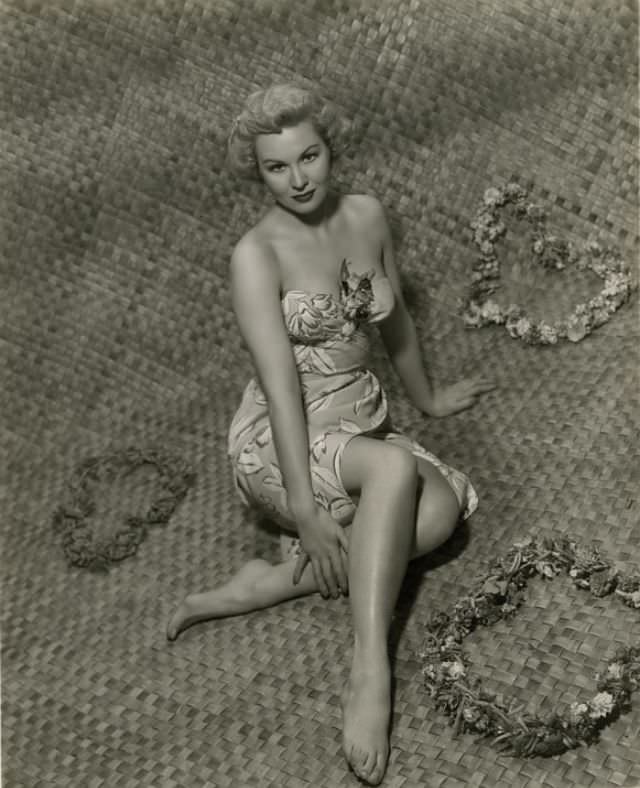
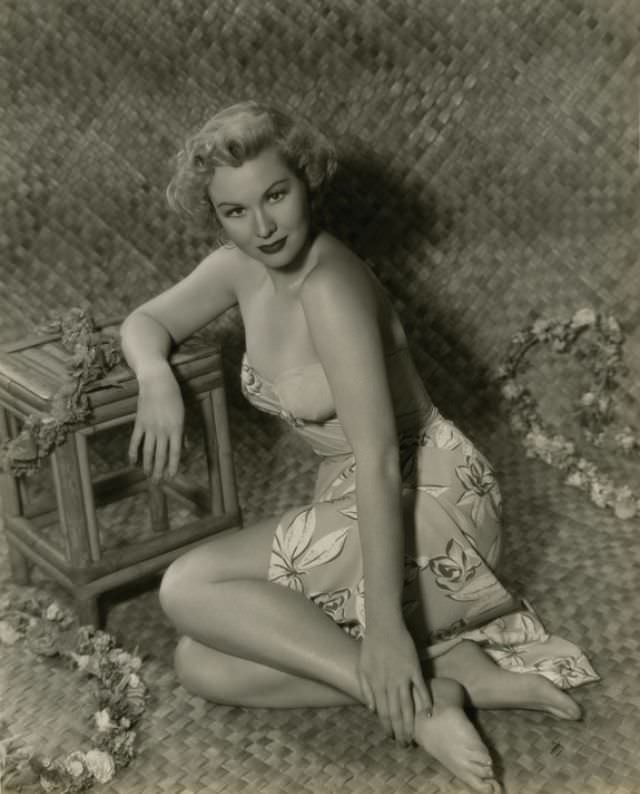
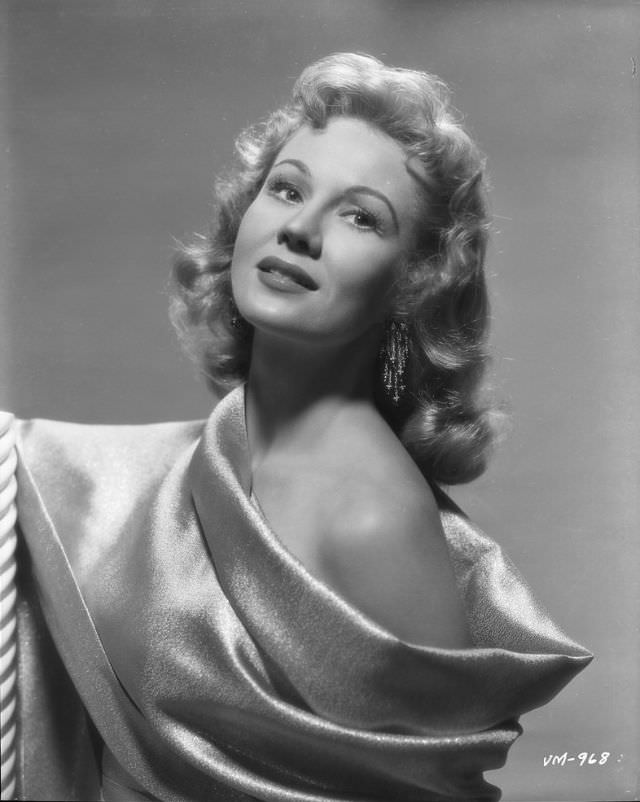
Virginia Mayo was another frequent subject for Six. He photographed her multiple times between 1948 and the 1950s, producing some of the most glamorous studio portraits of her career.
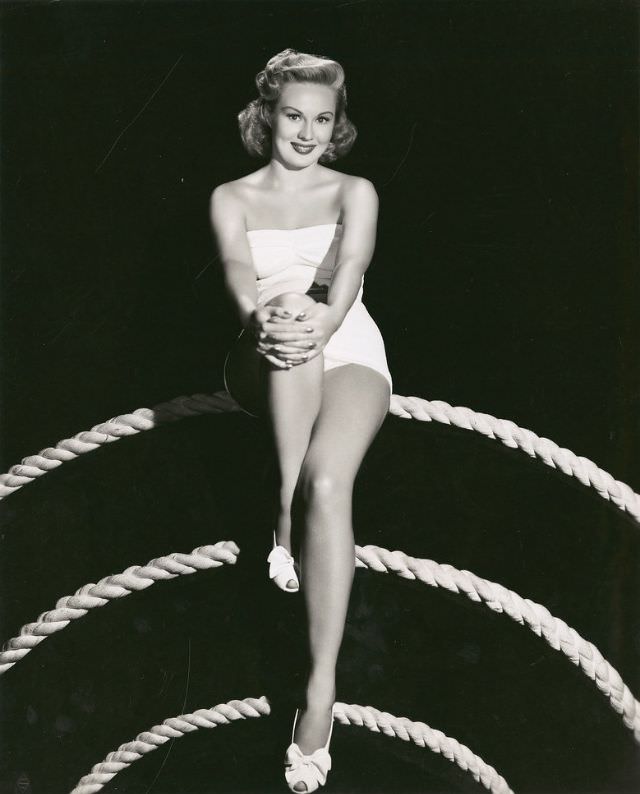
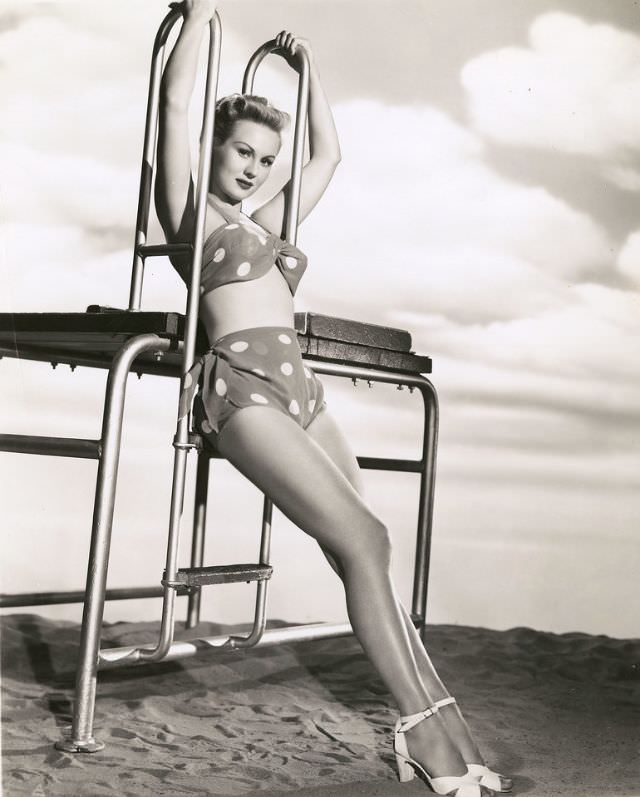
Throughout the 1940s, Six also produced timeless portraits of Bette Davis, Ida Lupino, Joan Crawford, Lauren Bacall, and Martha Vickers — images that weren’t tied to a specific film but stood on their own as pure glamour photography.
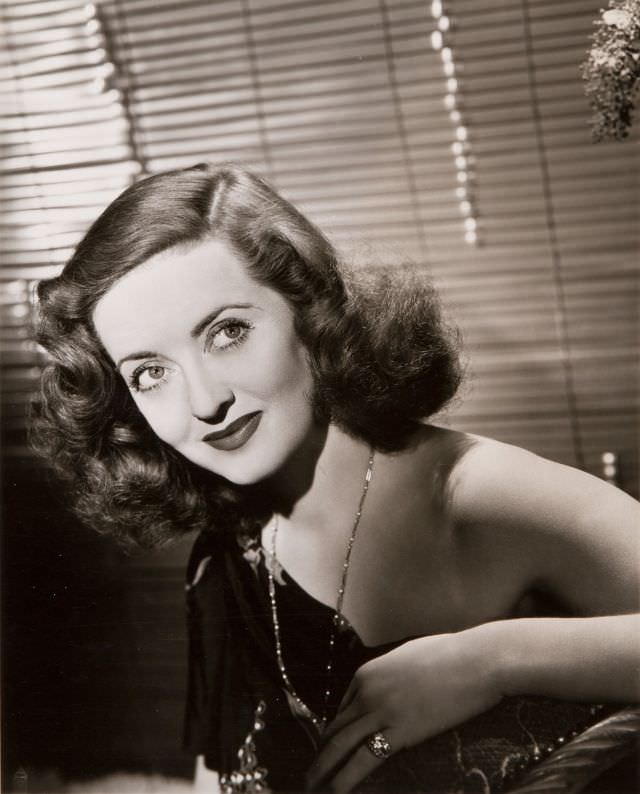
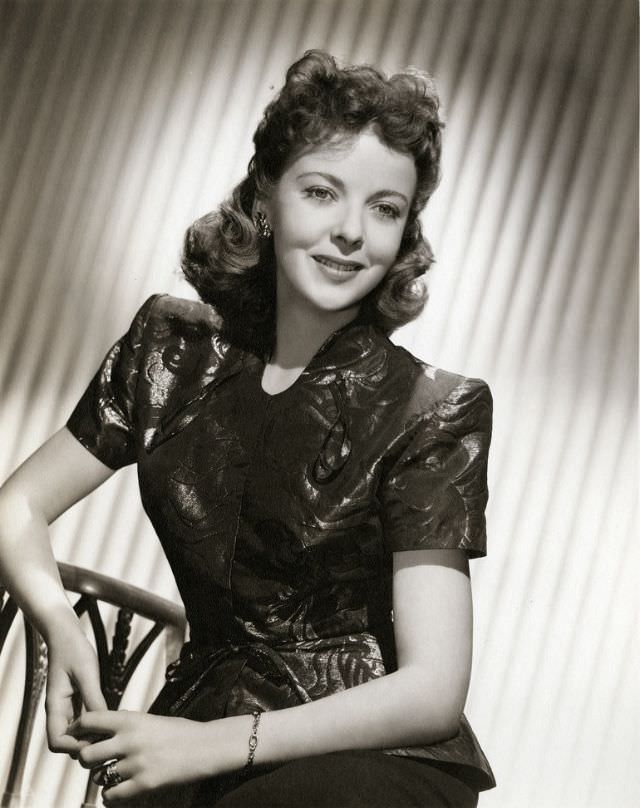
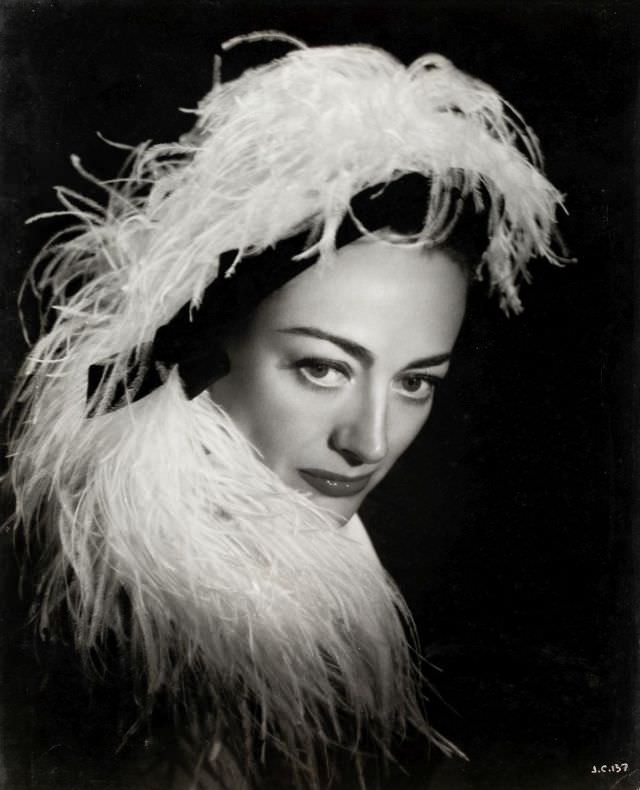
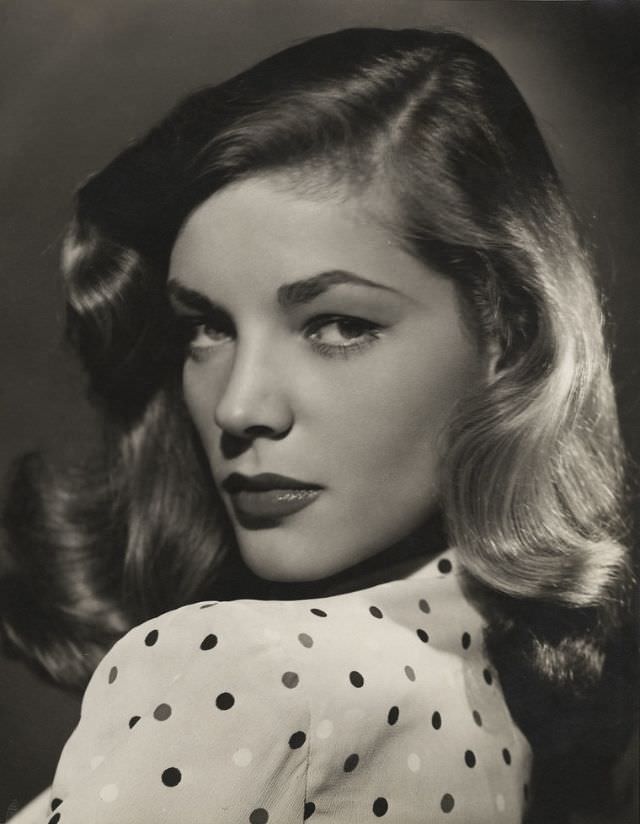
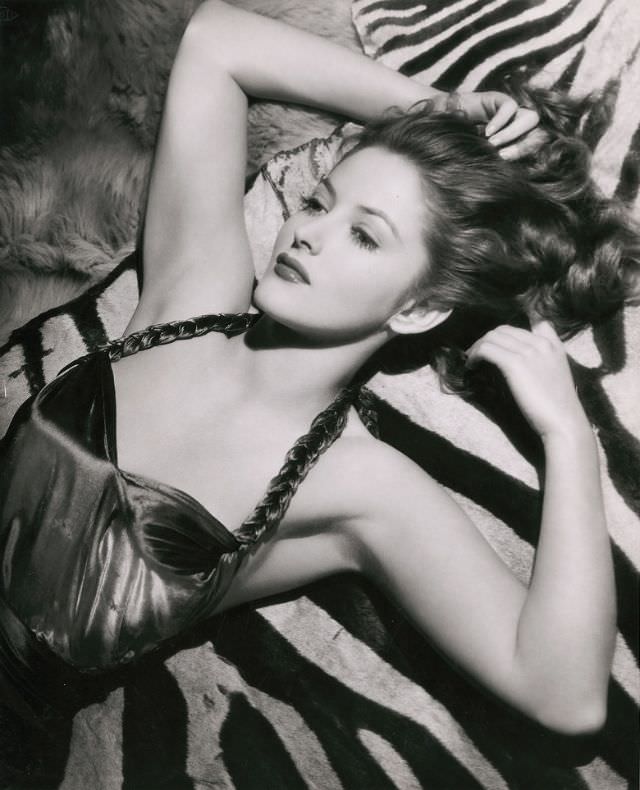
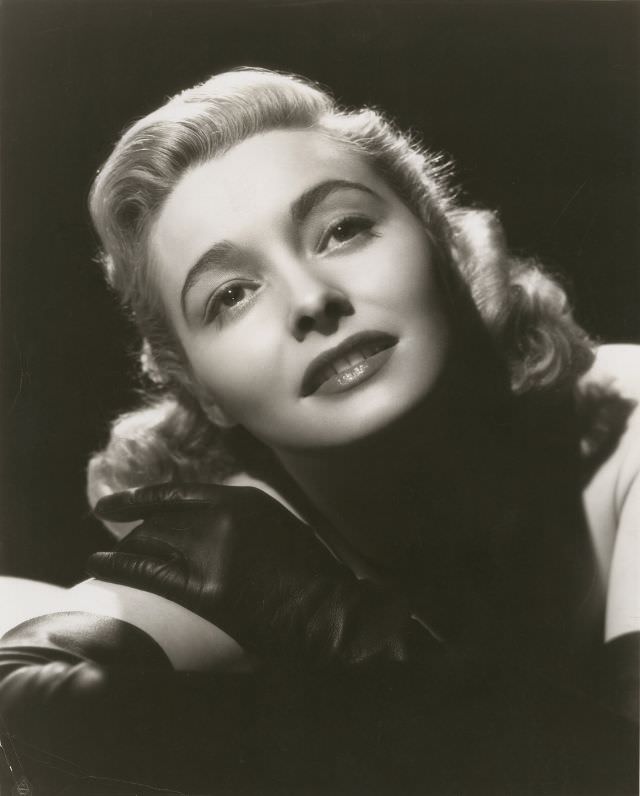
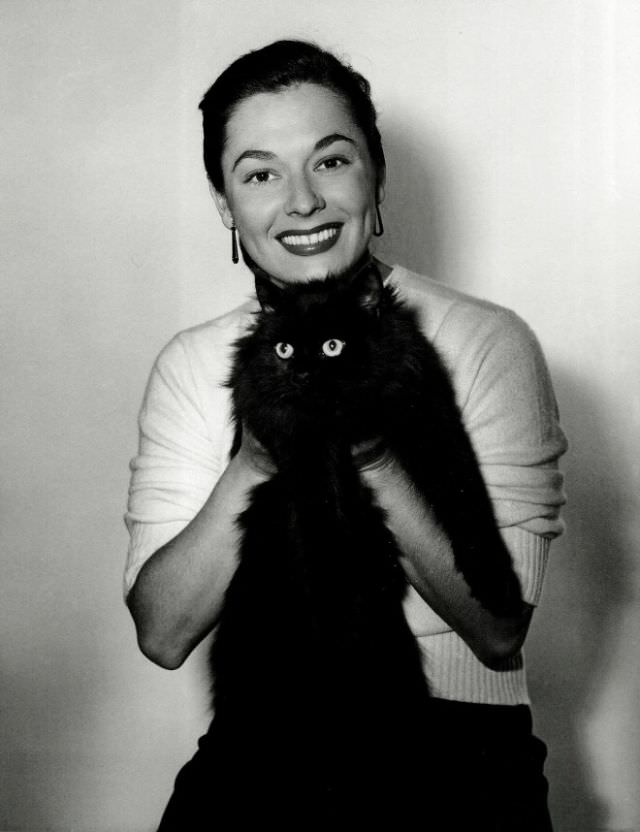
As the decade closed, Six photographed Patricia Neal multiple times, including a notable session tied to her role in ‘The Fountainhead’ in 1949. He also shot Ruth Roman and Virginia Mayo that same year.
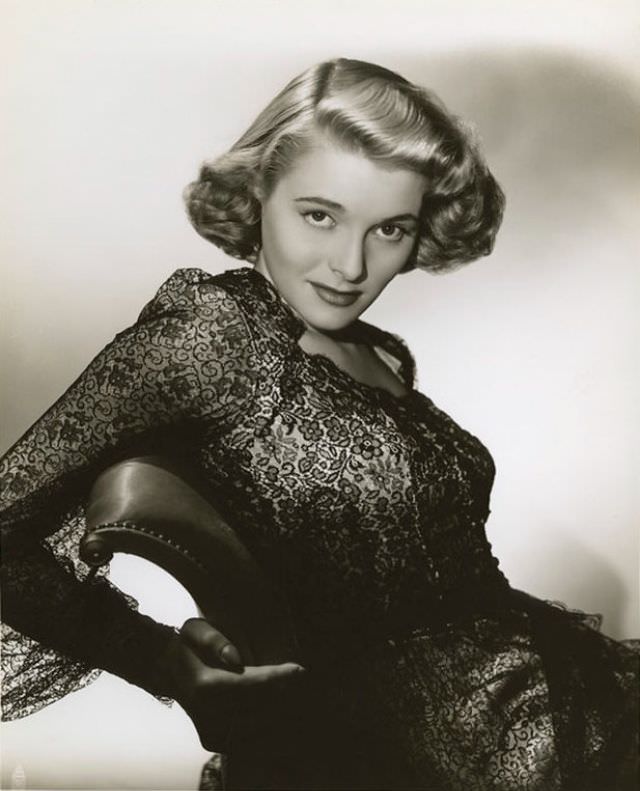
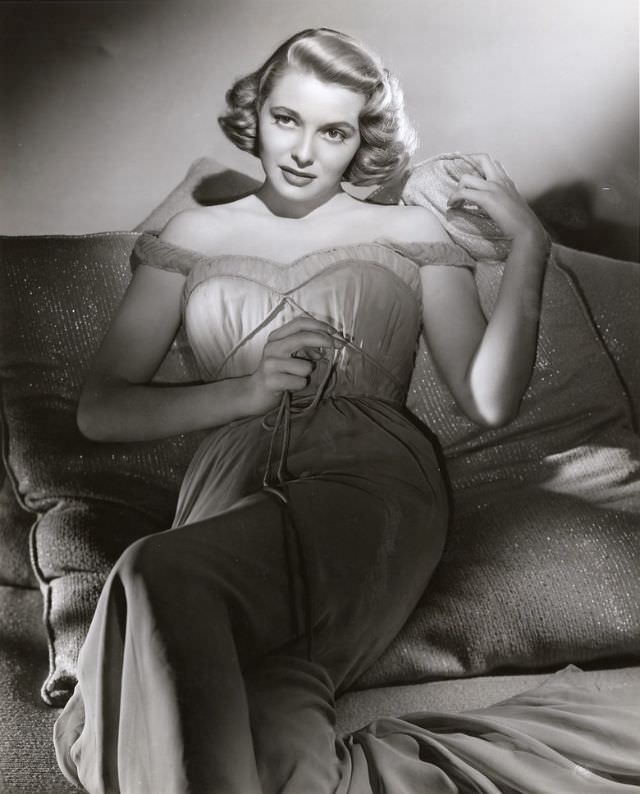
The 1950s brought no slowdown. Six continued shooting Patricia Neal, Doris Day, Gene Tierney, and a series of stunning portraits of Vivien Leigh — three of which came from her work on ‘A Streetcar Named Desire’ in 1951.
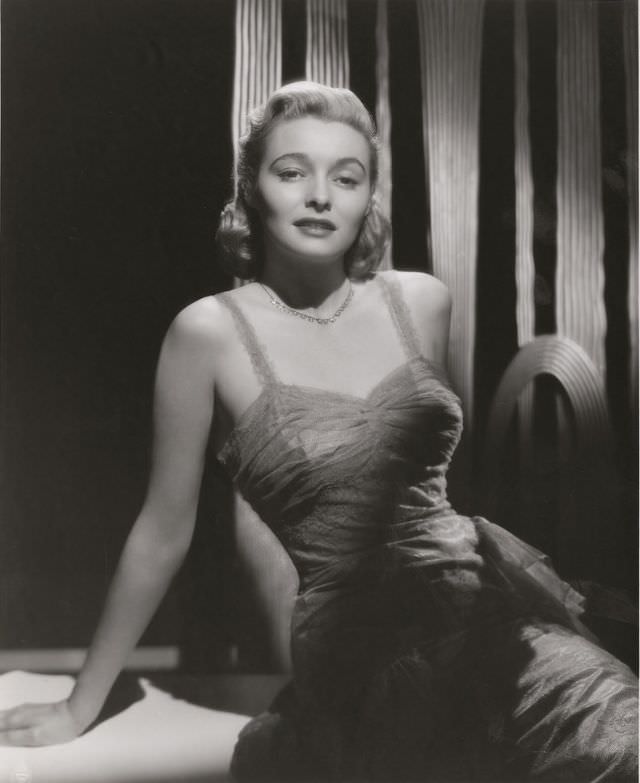
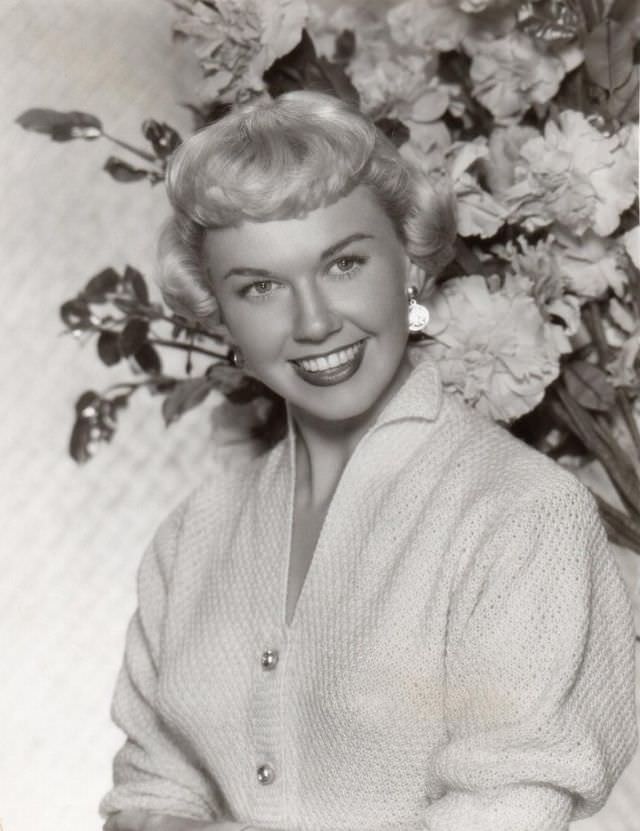
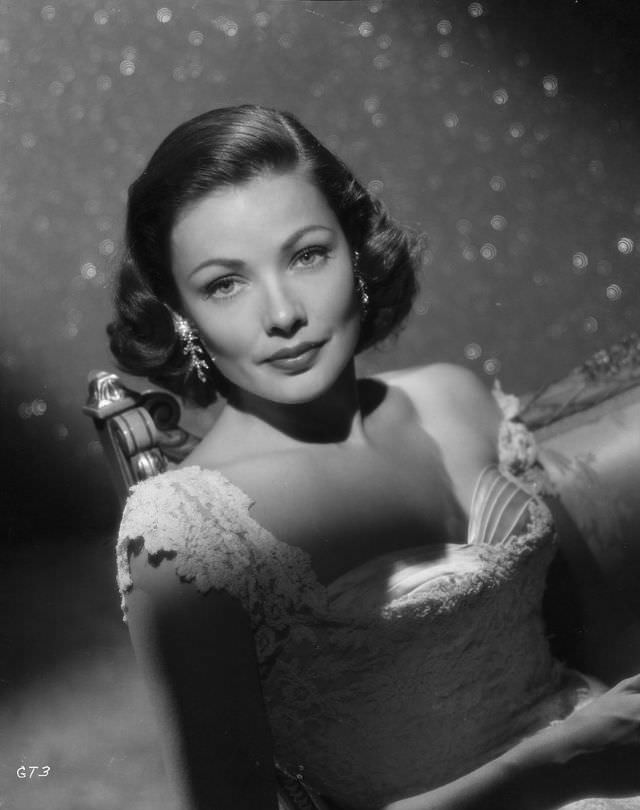
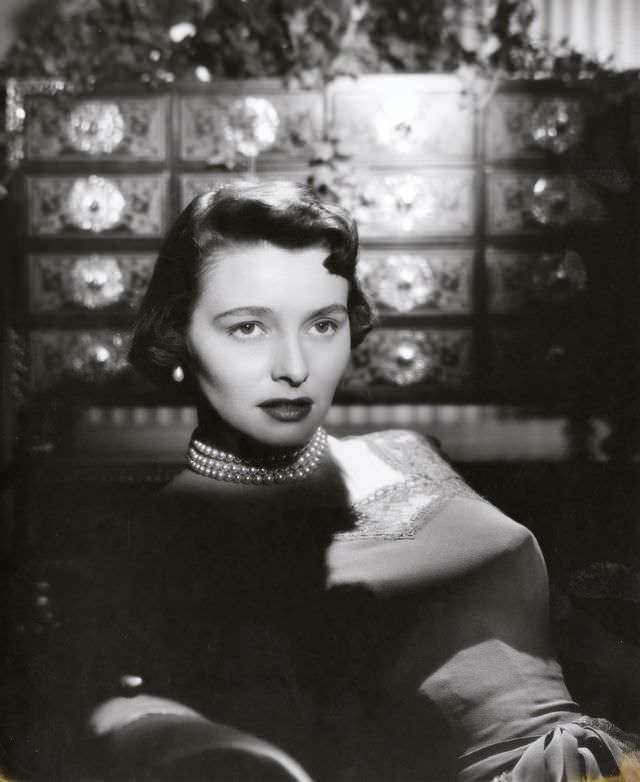
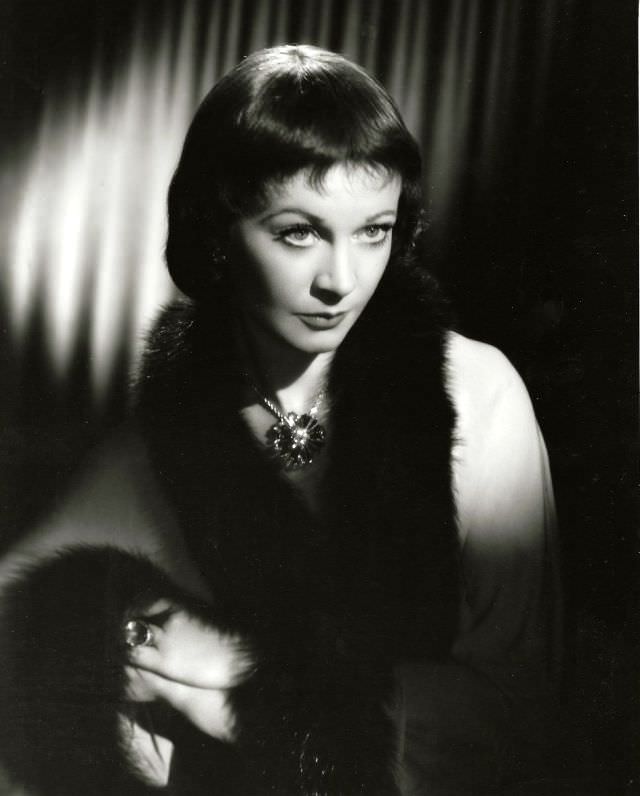
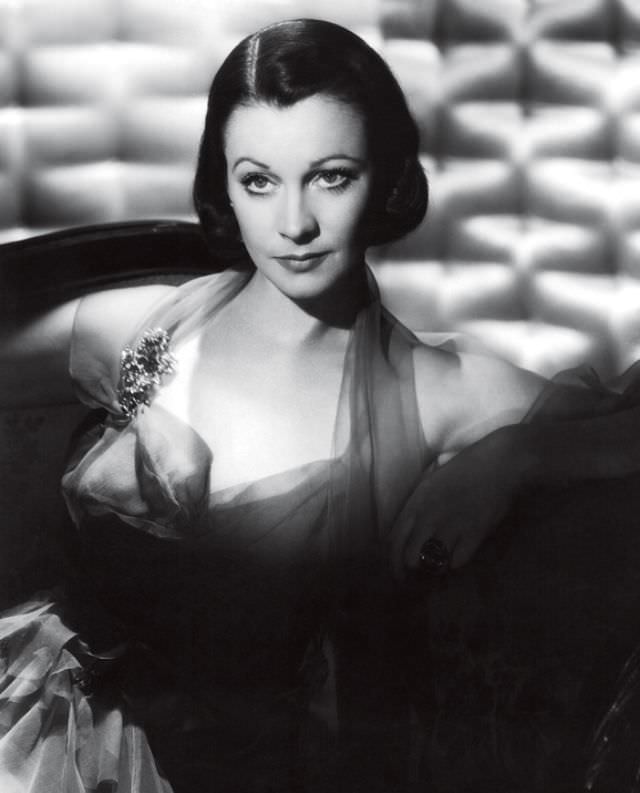
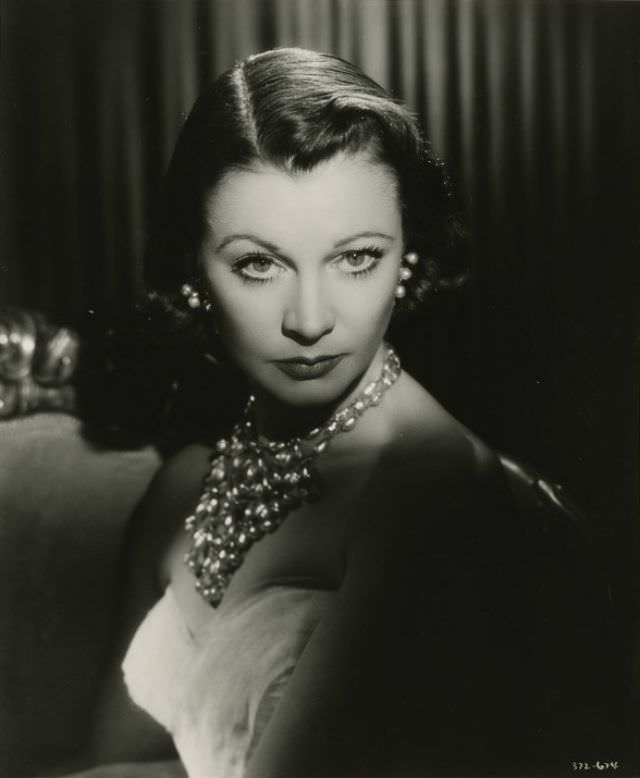

Mid-decade brought more iconic work. In 1954, Six photographed Grace Kelly on the set of ‘Dial M for Murder.’ The following year he shot Jayne Mansfield. Then in 1956, he produced a celebrated series of Elizabeth Taylor portraits from the epic production of ‘Giant.’
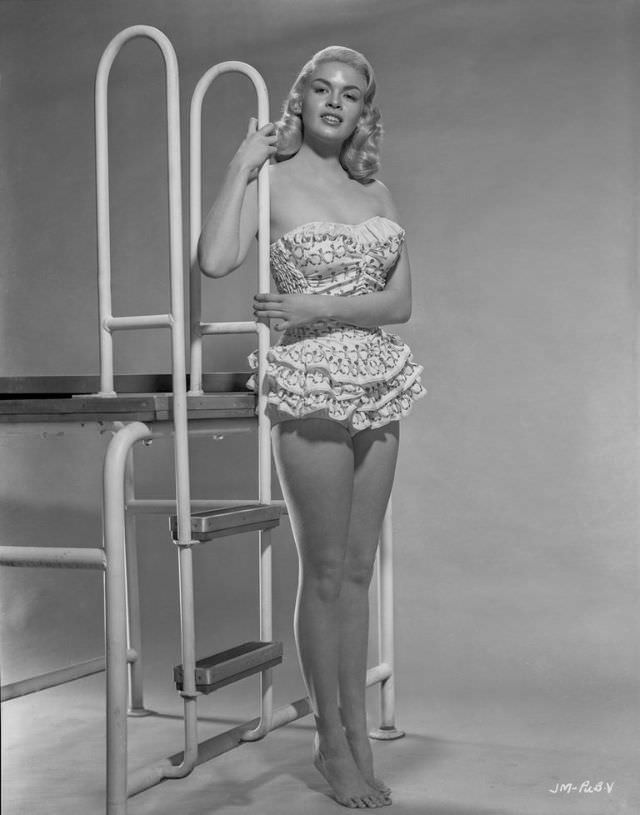
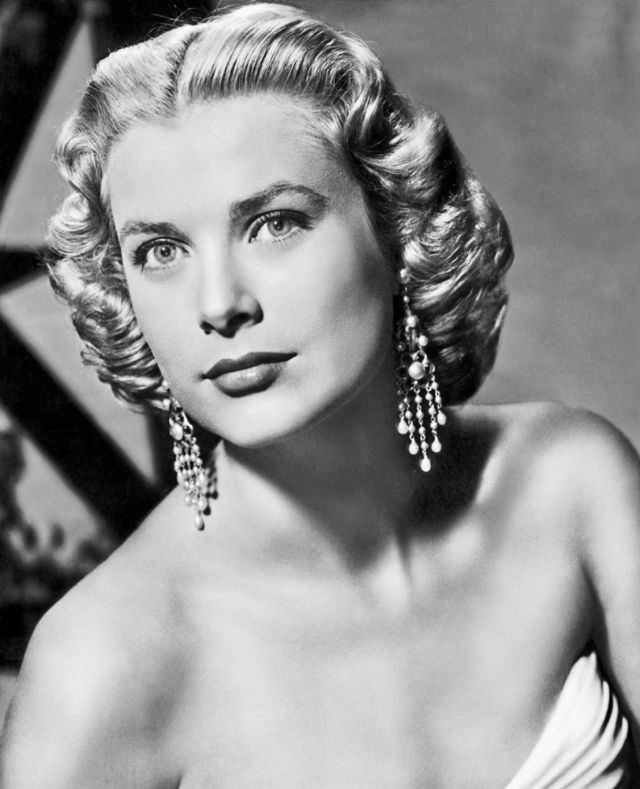
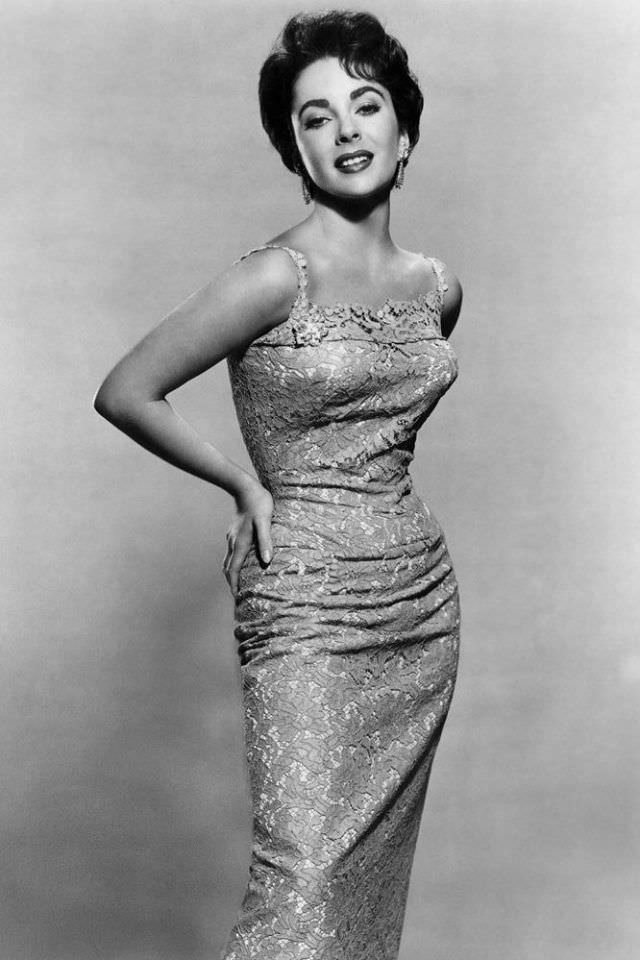
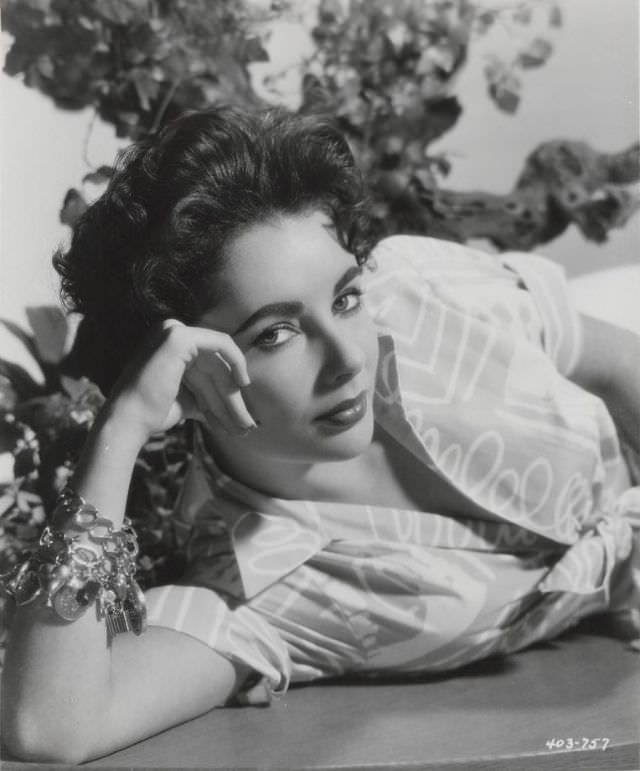
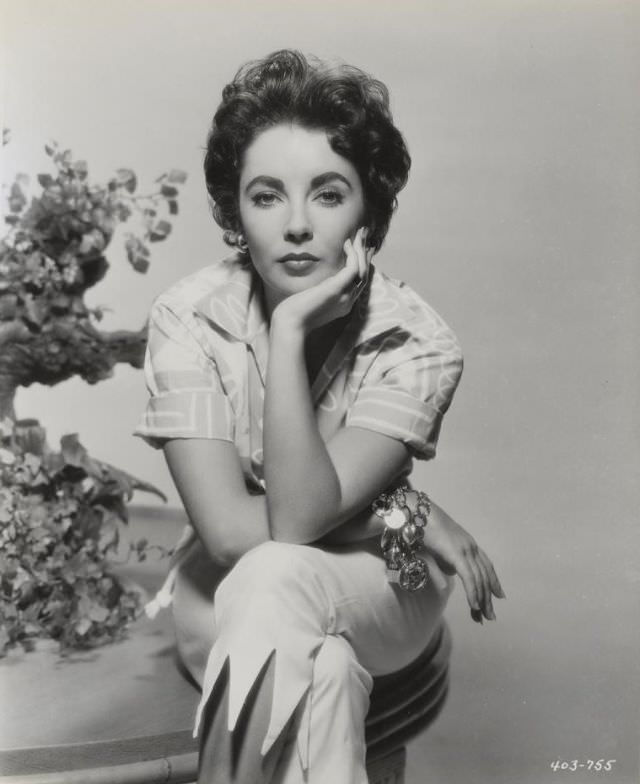
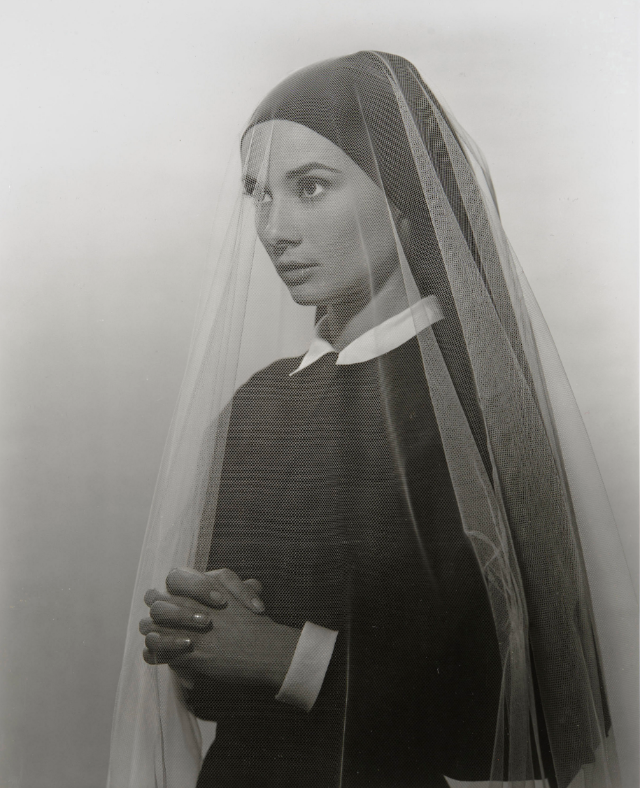
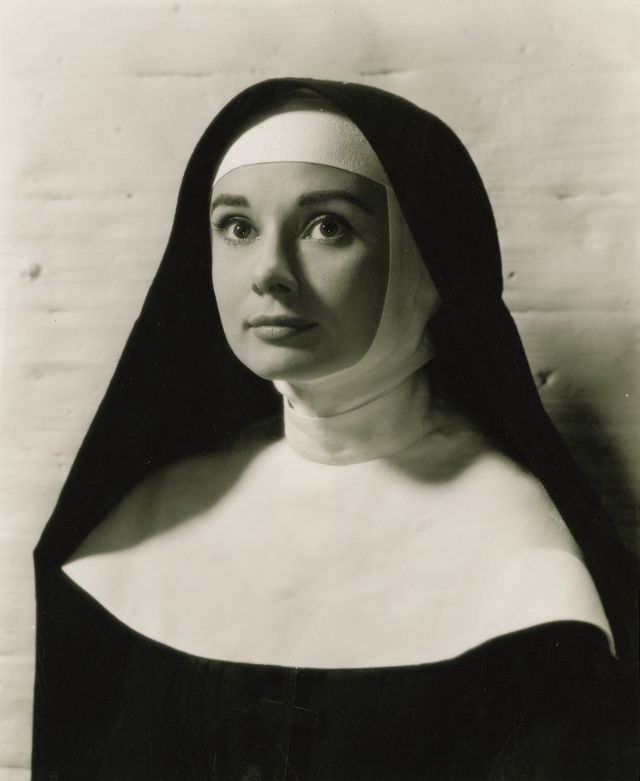
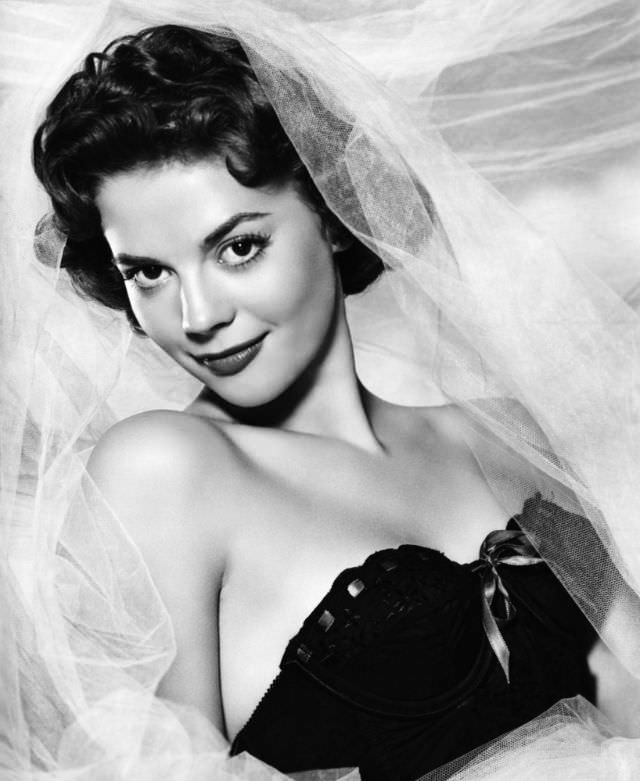
Near the end of the decade, Six photographed Audrey Hepburn for ‘The Nun’s Story’ in 1959. The portraits — stark, precise, and quietly powerful — show the full range of what Six could draw out of a subject. His later work also included undated portraits of Natalie Wood, Patricia Neal, and multiple sessions with Virginia Mayo.