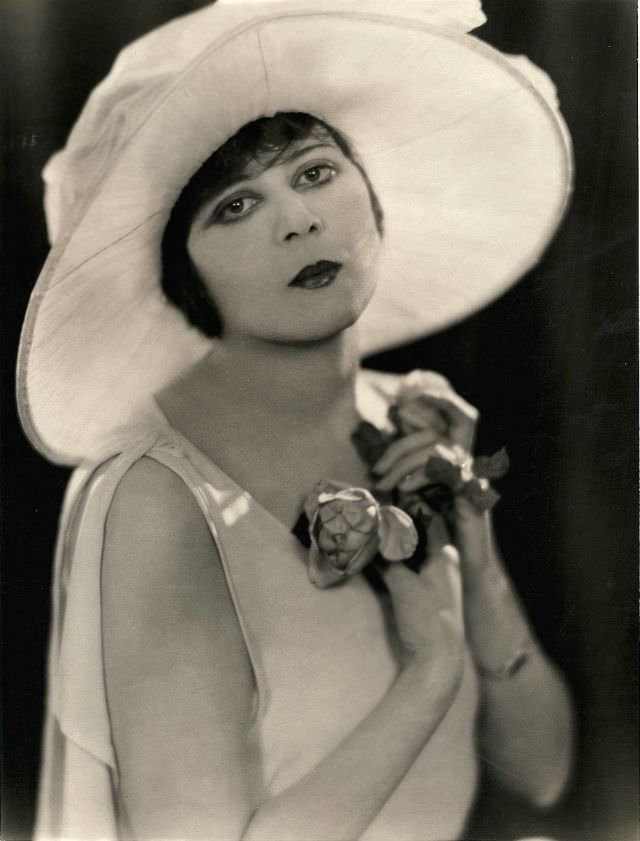
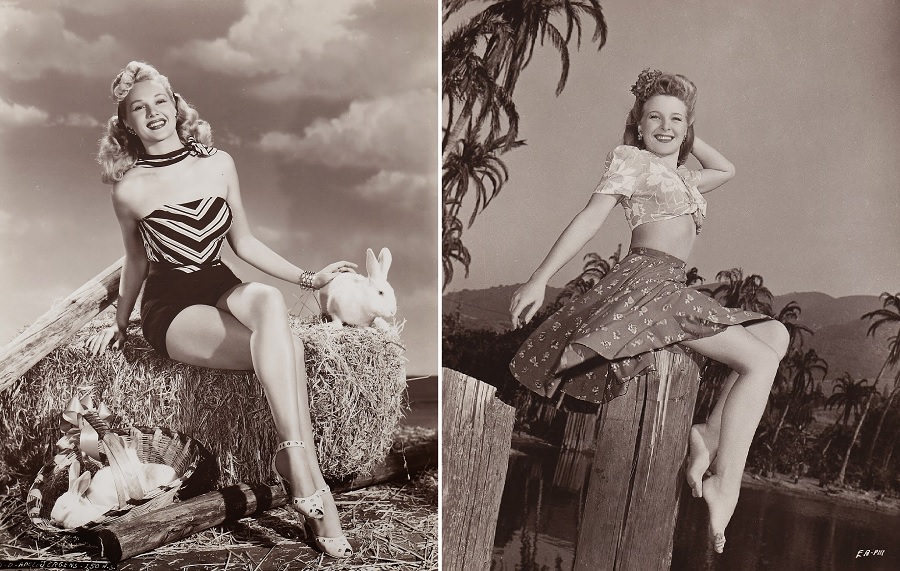
Edwin Bower Hesser wore many hats across his lifetime — theatrical impresario, screenwriter, actor, director, military officer, and educator. But it was photography that made him a legend. He picked up a camera in 1919, drawn to the work of fellow artist Frances Benjamin Johnston, and within three years he had become Hollywood’s most celebrated portraitist of women. With studios in both New York City and Los Angeles, Hesser had direct access to the biggest stars of the silver screen and the stage.
One of the most recognizable names he photographed was Anna May Wong, the first Chinese-American actress to gain international stardom. Hesser’s lens met her at the height of her fame, and the result was exactly the kind of striking, carefully lit portrait he was known for.
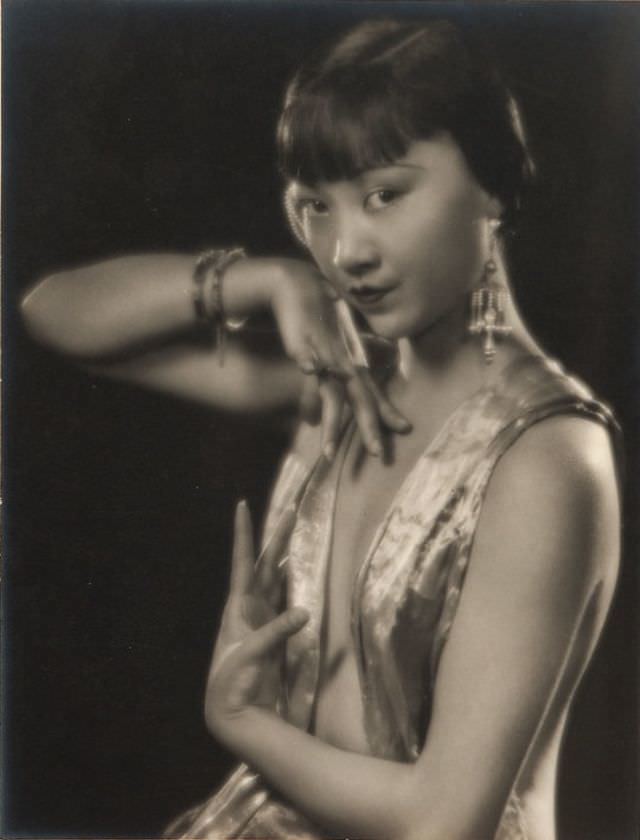
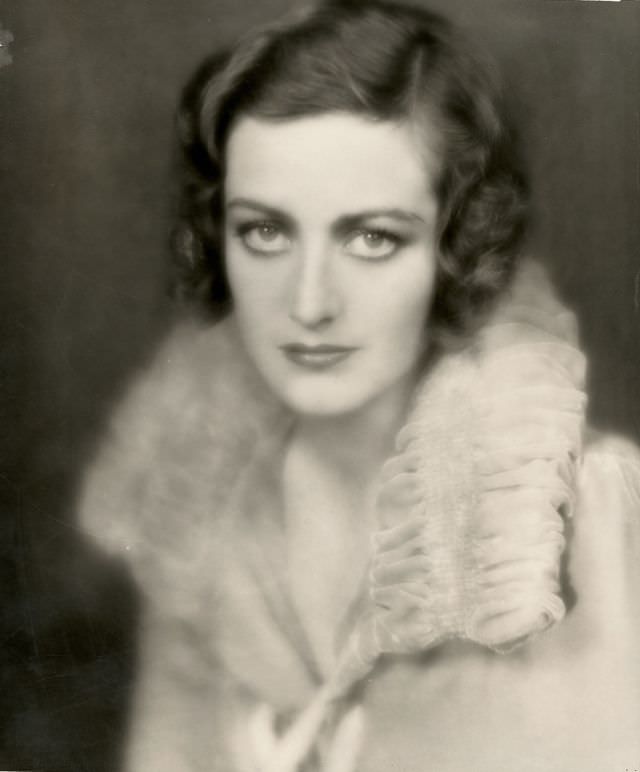
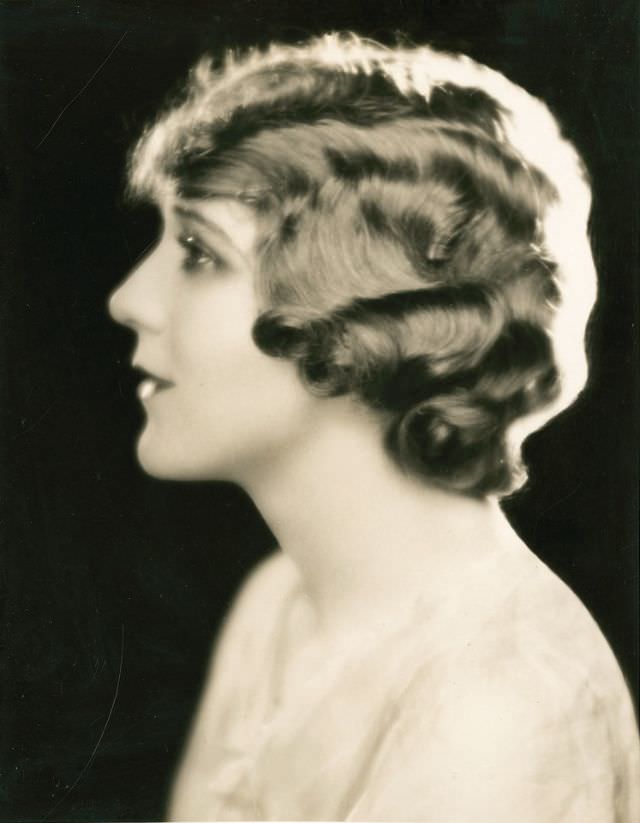
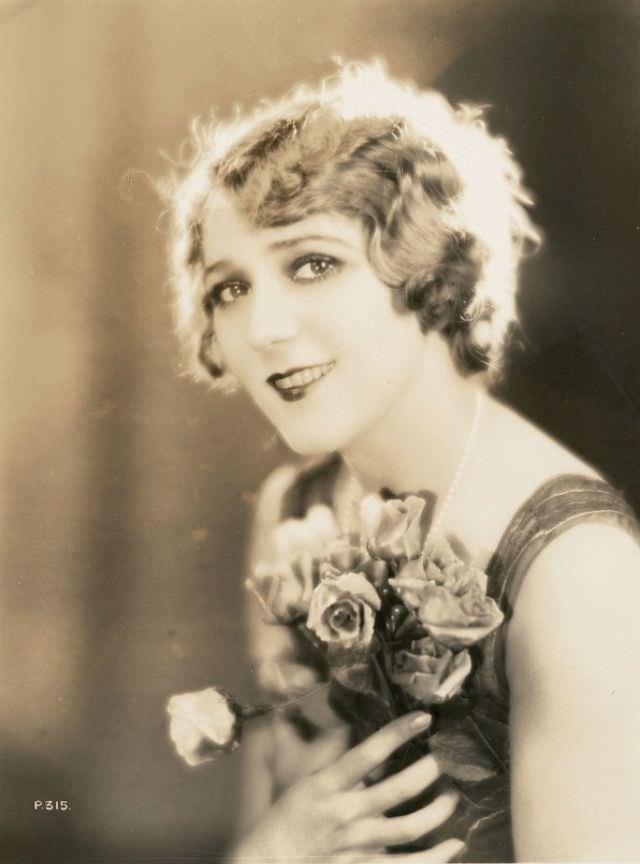
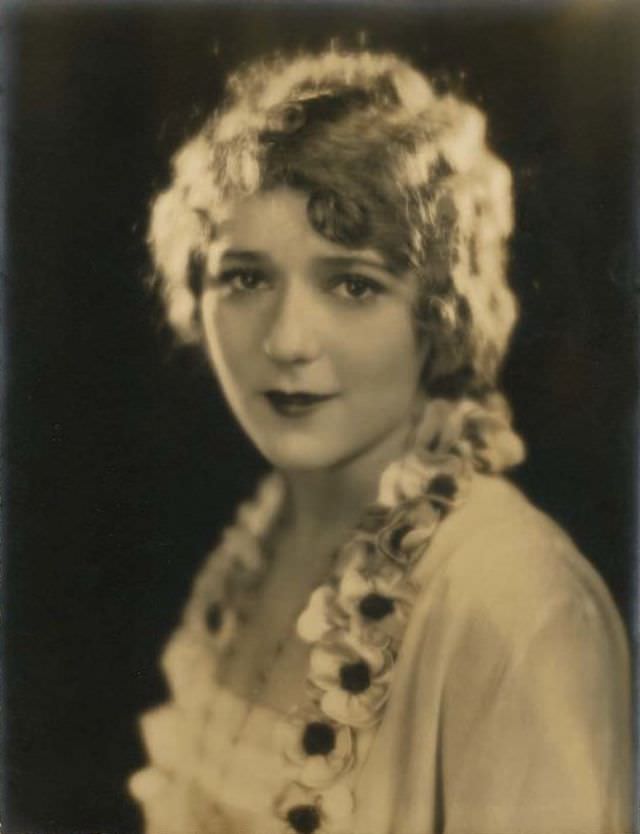
Hesser had a distinctive technical signature. He frequently used backlighting, which gave many of his 1920s portraits a soft glow — almost like a halo surrounding the subject. He also stood apart from most portraitists of his era by regularly photographing sitters from the front rather than at an angle. This gave his subjects a direct, confident presence on film. He published a monthly periodical featuring his art studies, even as censorship battles and police harassment dogged his work.
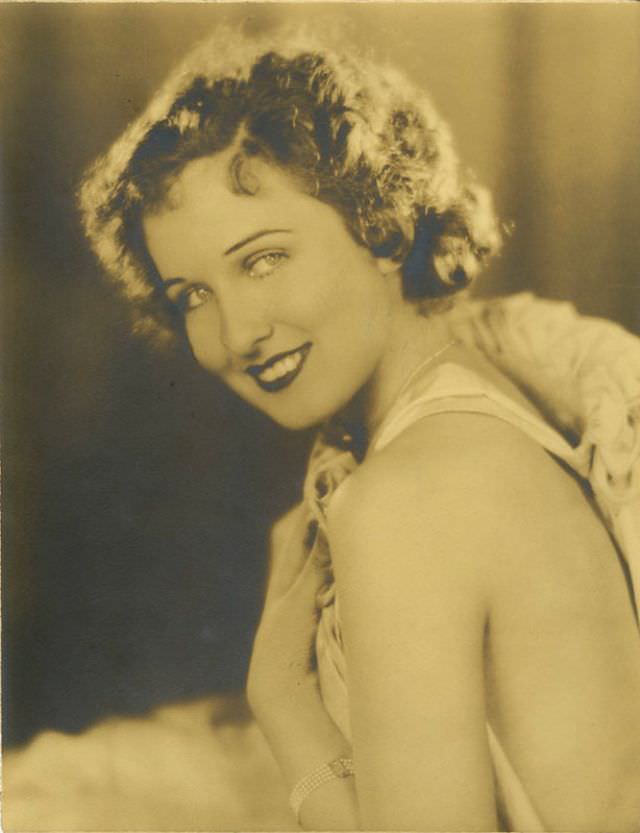
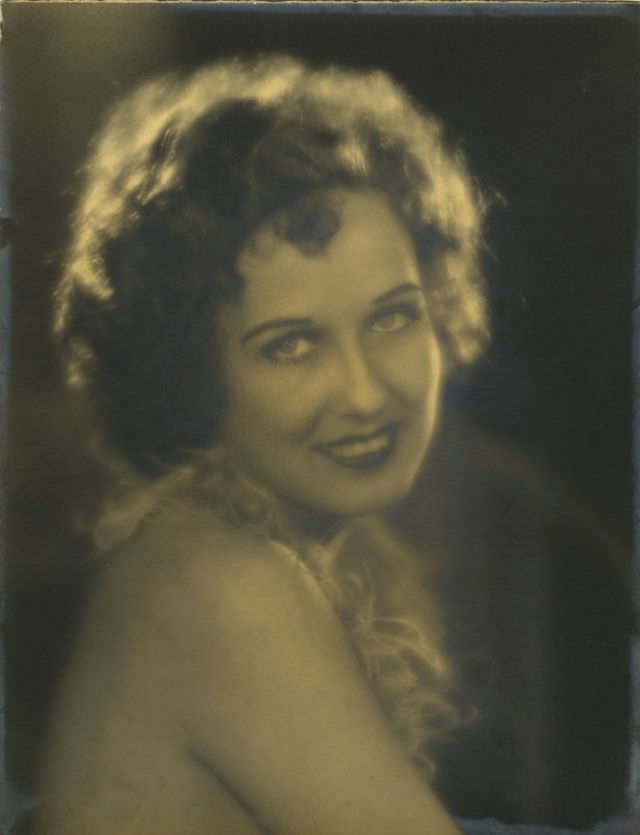
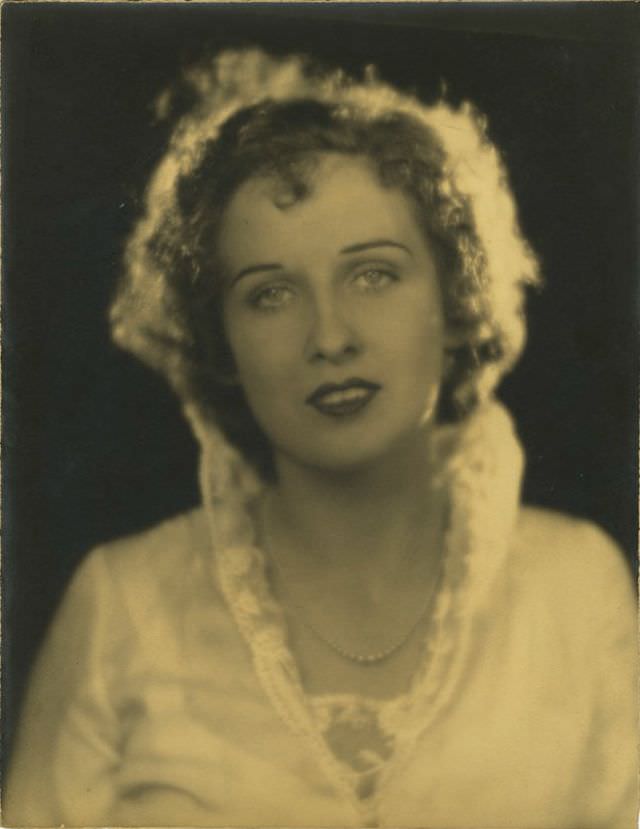
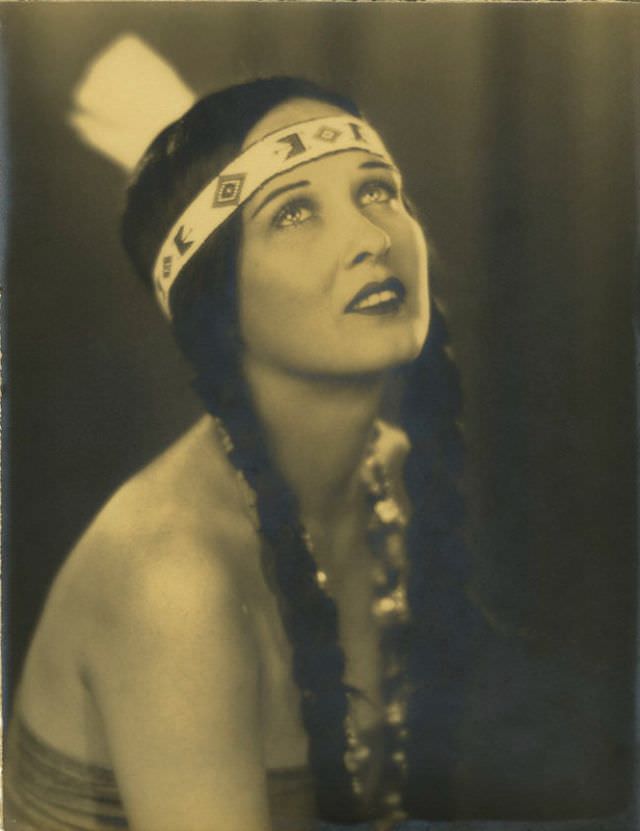
Hesser was relentlessly experimental in the darkroom. He kept detailed notebooks recording tests with different chemical developers, always chasing a richer or more expressive image. That drive came at a cost — many of his prints from the late 1920s show a yellowish tint today, the result of silver nitrate that was never fully stabilized during development. The flaw is a direct record of his restless experimentation.
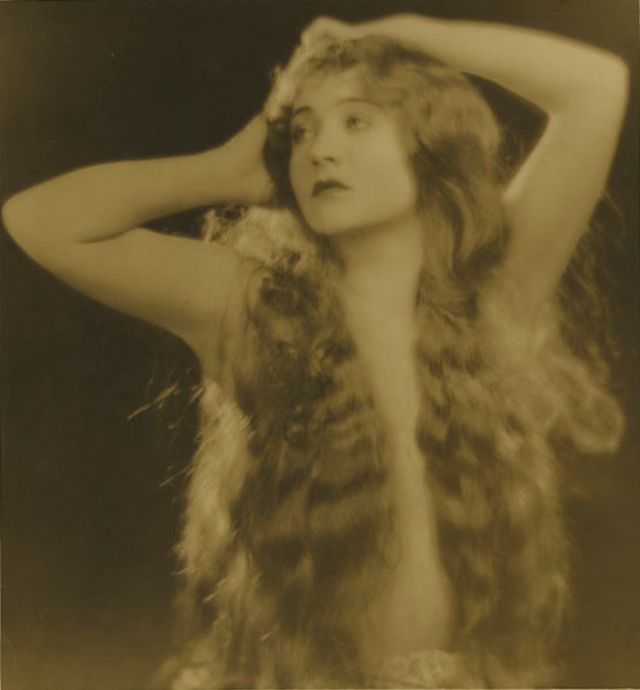
Among his most famous subjects were Carole Lombard and Joan Crawford, two actresses who defined the glamour of the era. Hesser photographed both women multiple times, producing a series of portraits that captured their different personalities — Lombard’s playful magnetism and Crawford’s sharp, sculpted beauty.
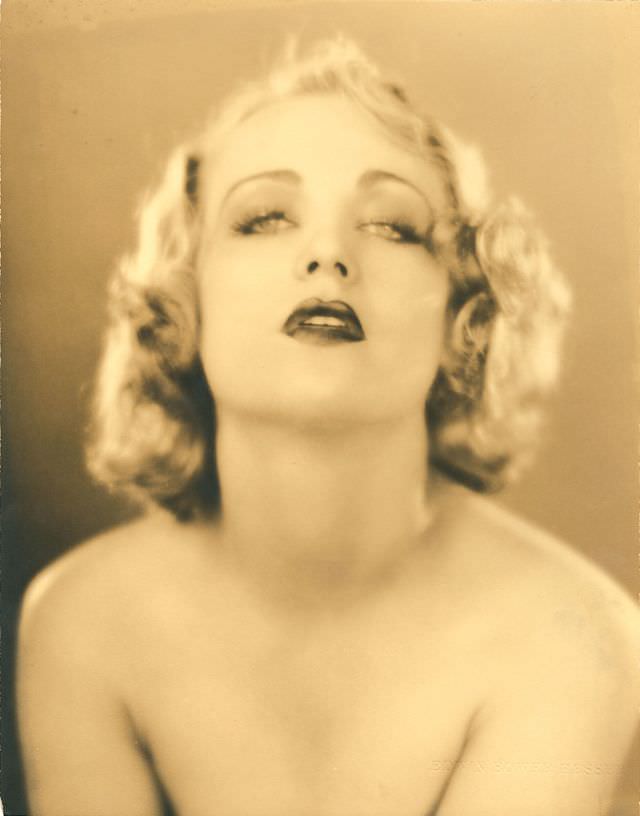
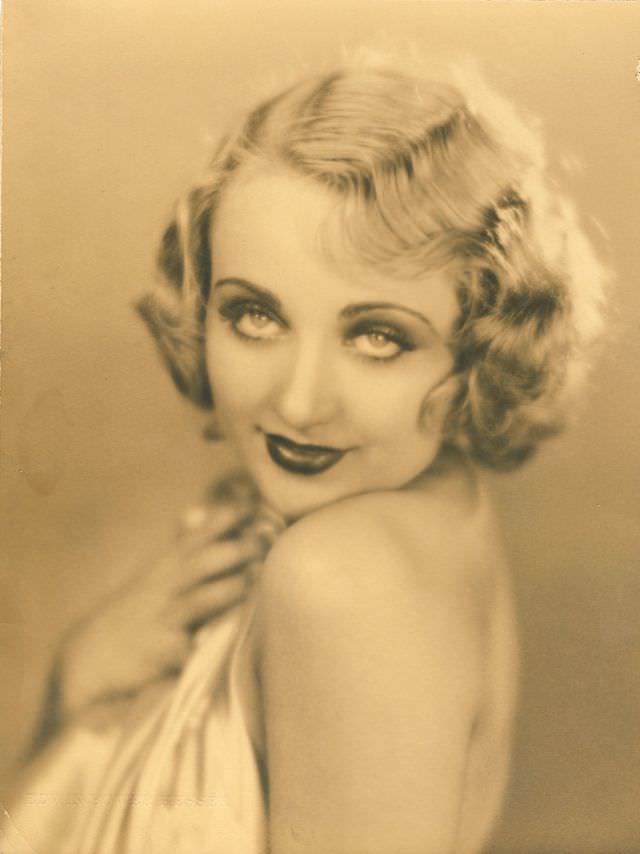
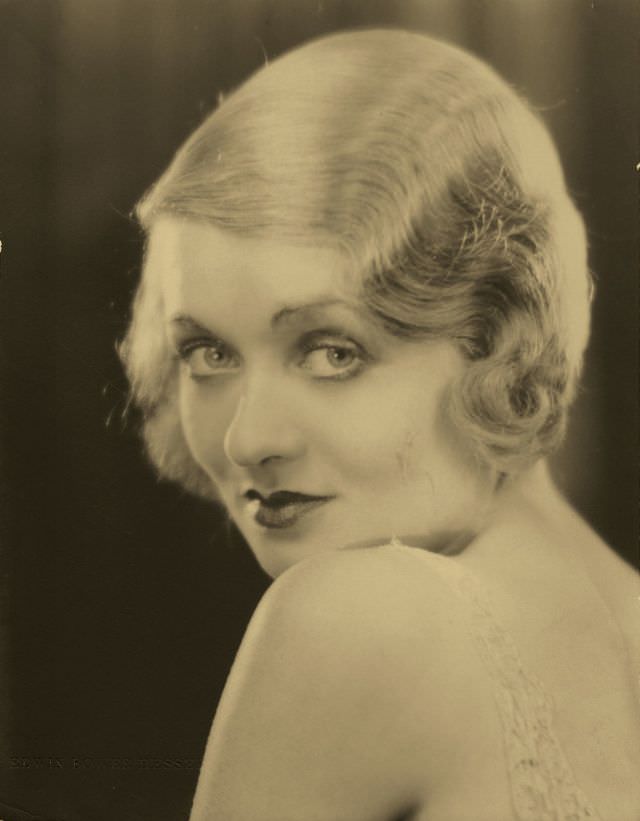
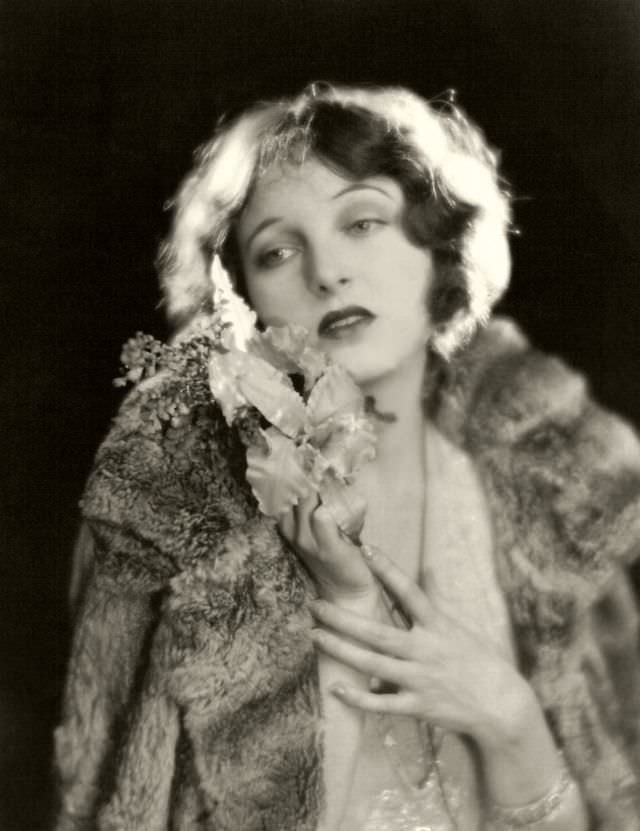
The period from 1925 to 1930 was the peak of Hesser’s influence. His glamour photographs of movie and theatre stars set the visual standard for celebrity portraiture during those years. Stars like Dixie Lee, Dolores del Rio, and Dorothy Mackaill all sat before his camera, each portrait a carefully constructed study in light and form.
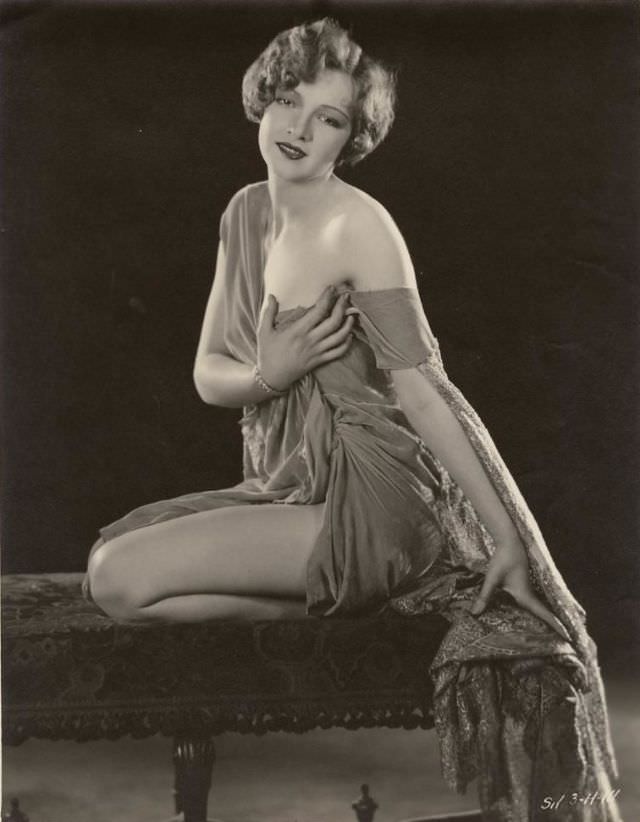
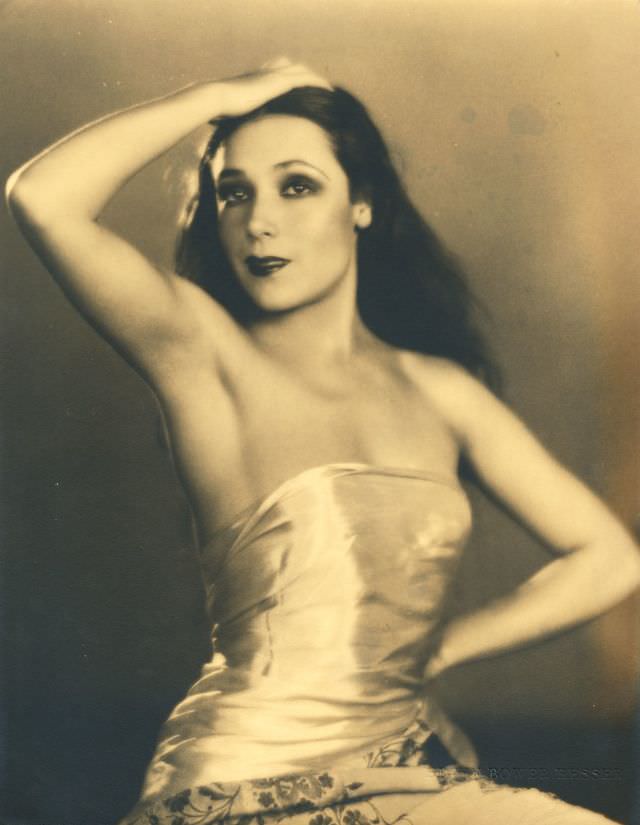
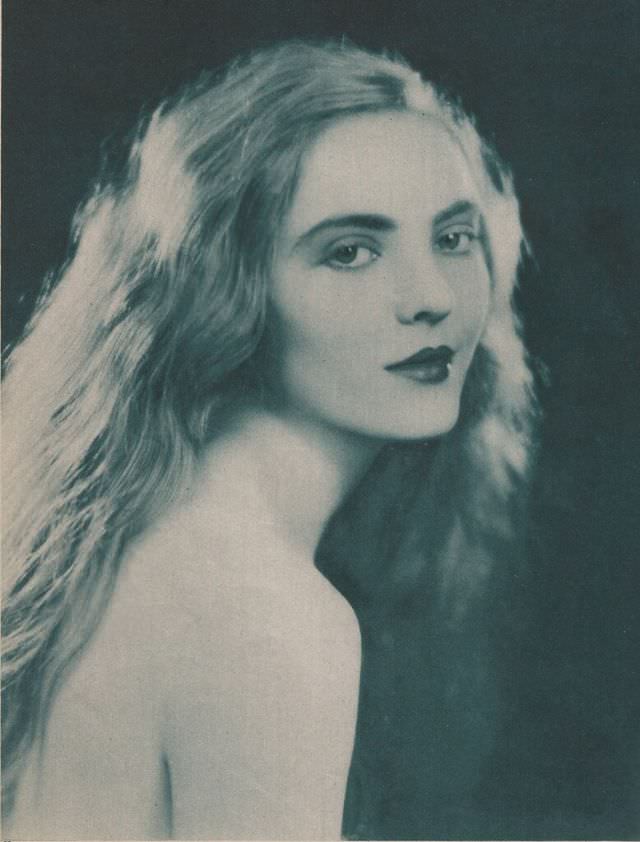
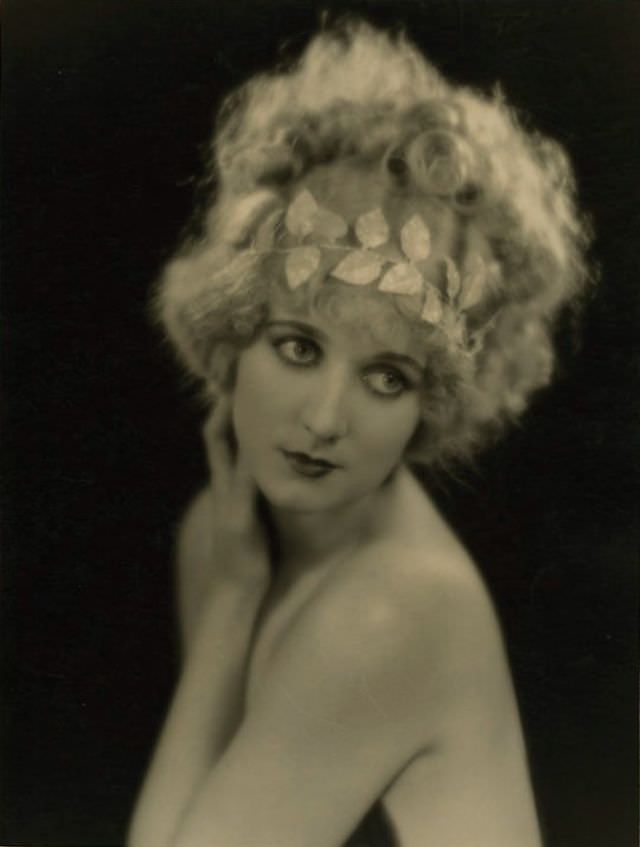
In the late 1930s, Hesser developed a new obsession. Working at his Long Beach studio, he studied the process screen techniques pioneered by photographer William Mortensen. Using darkroom manipulation, Hesser transformed standard photographic images so they resembled detailed engravings. It was a complete departure from the soft, backlit glamour he had built his name on — and it showed how wide his technical curiosity truly ran.
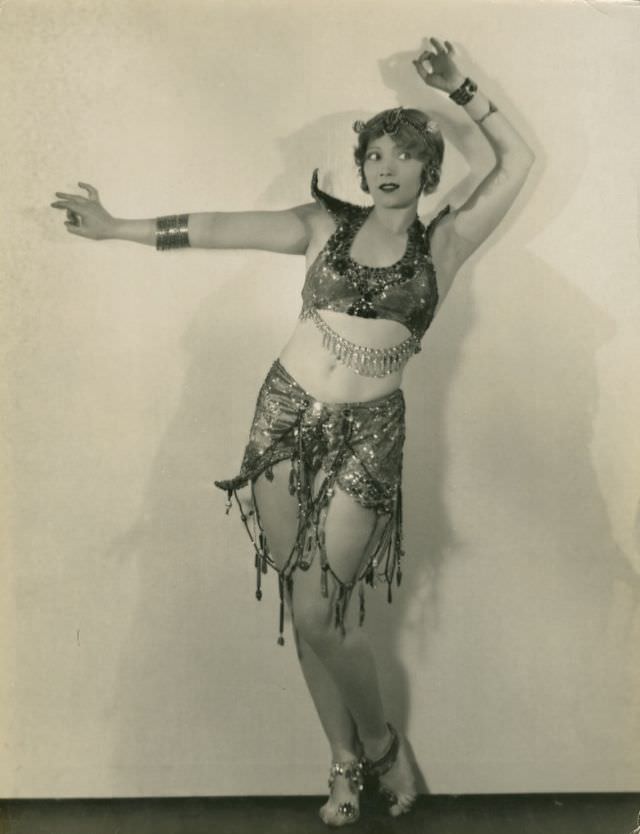
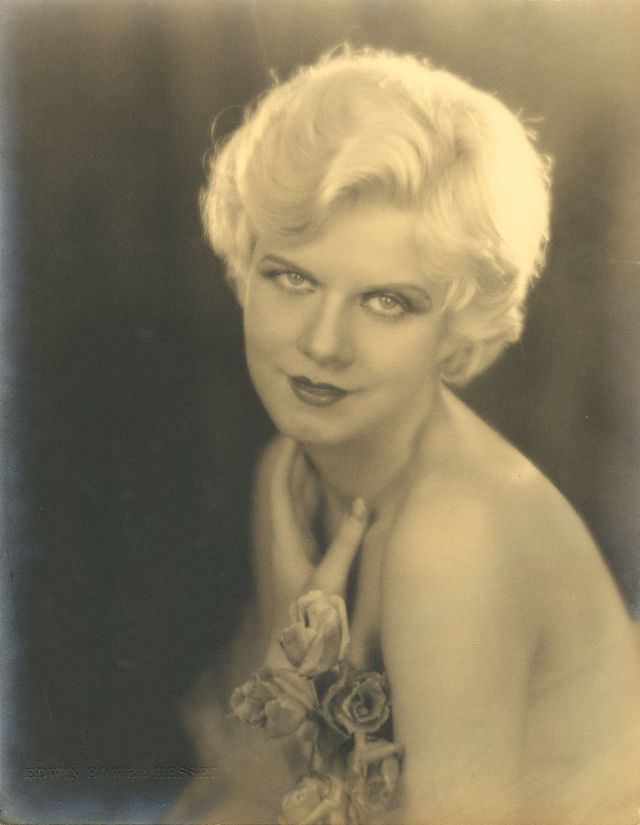
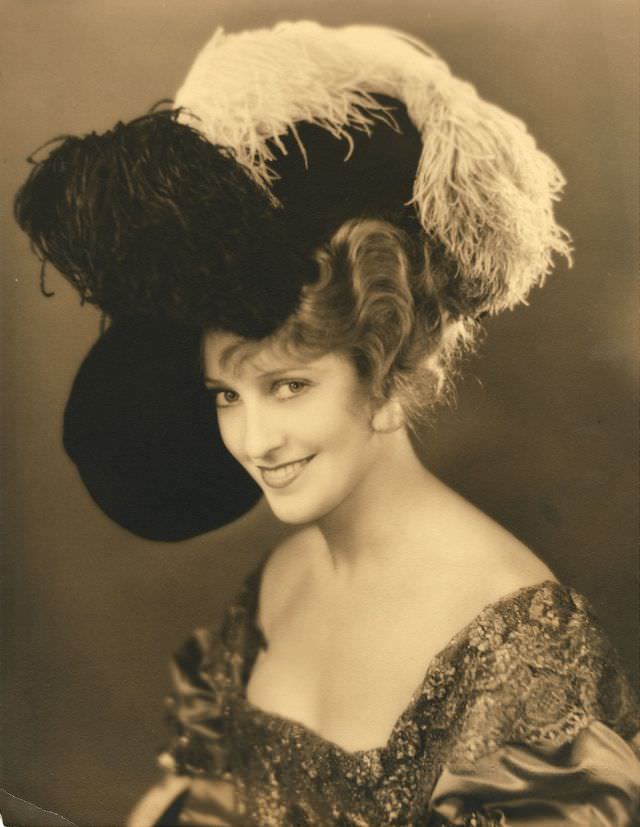
Joan Crawford appeared in front of Hesser’s camera on multiple occasions, and the resulting portraits rank among his most celebrated work. Each sitting produced something distinct — different lighting, different mood, different angles — yet all unmistakably Hesser’s.
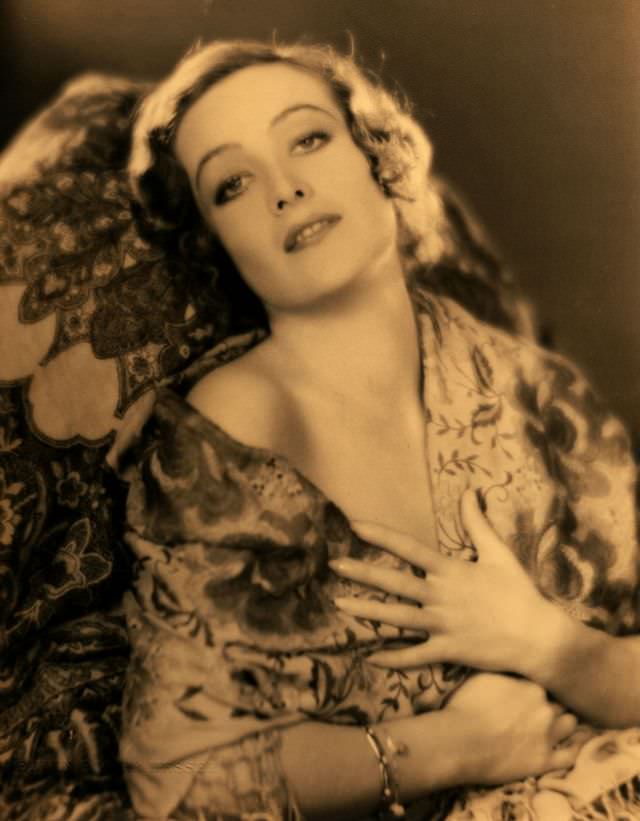
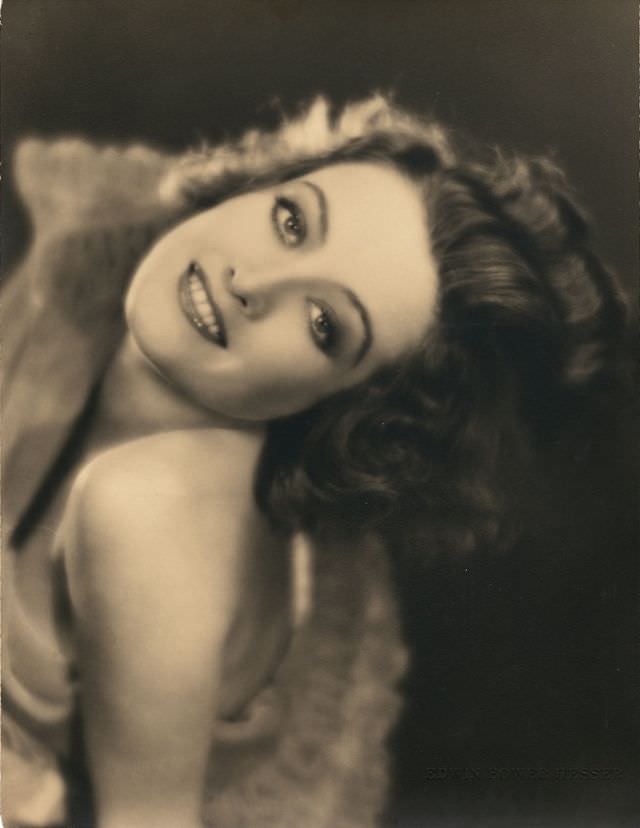
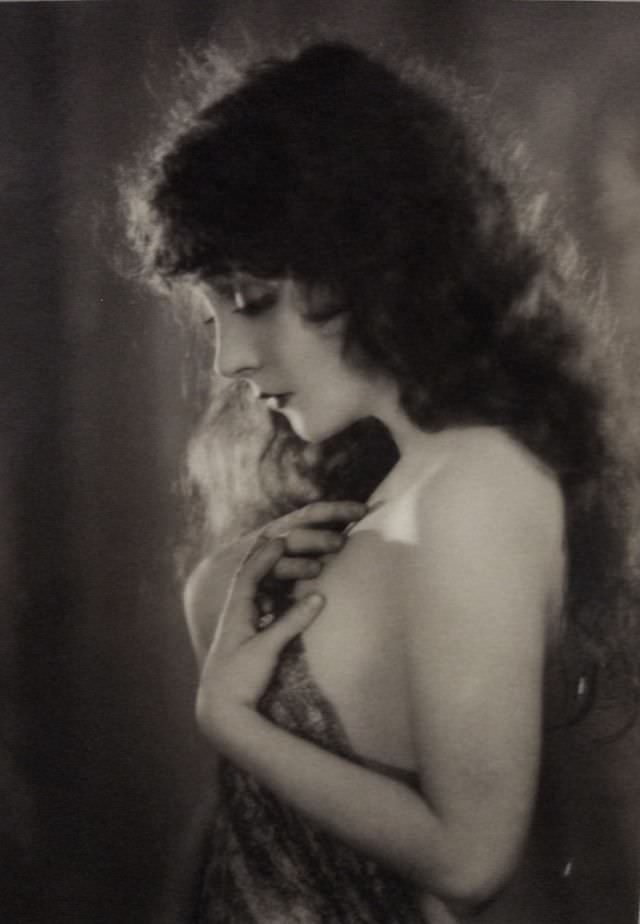
Hesser was also a pioneer in color photography long before it became standard in Hollywood. He developed his own system, known as Hessercolor, and later contributed to Kinemacolor’s marketing through illustrated educational photography. During World War II, he applied that same inventive mind to build an aerial color camera and develop aircraft insulation materials.
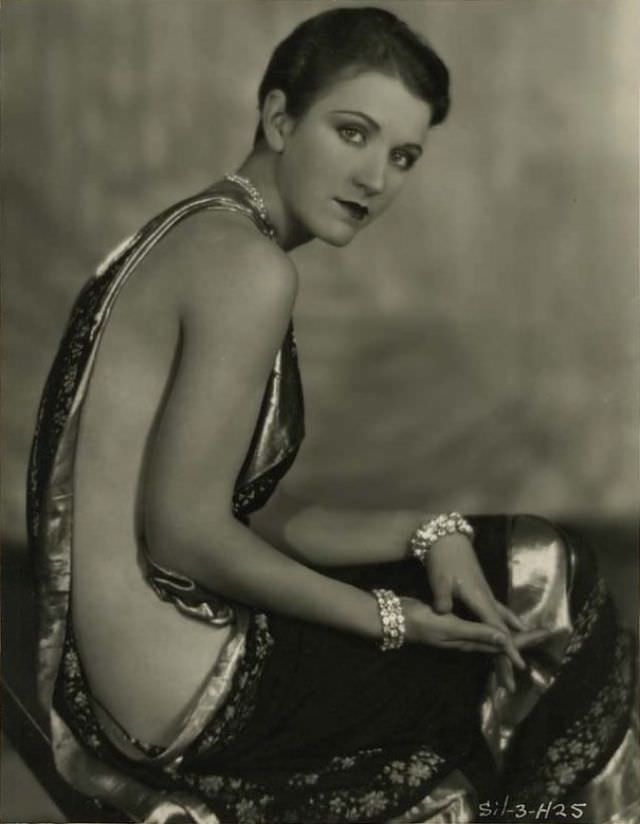
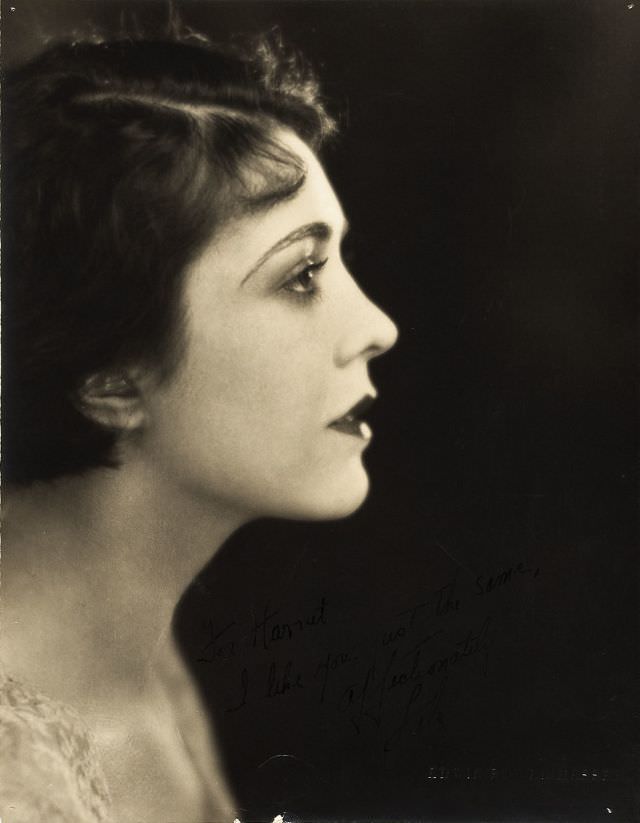
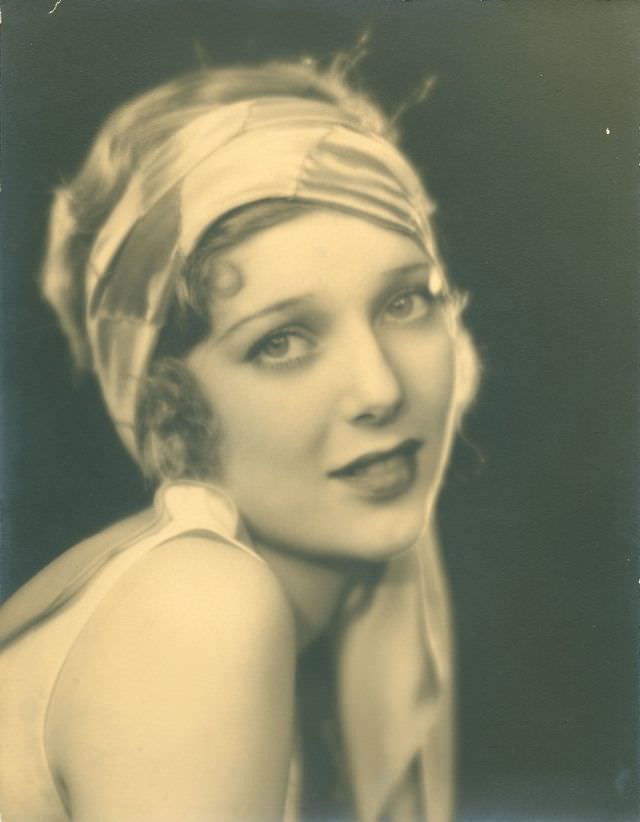
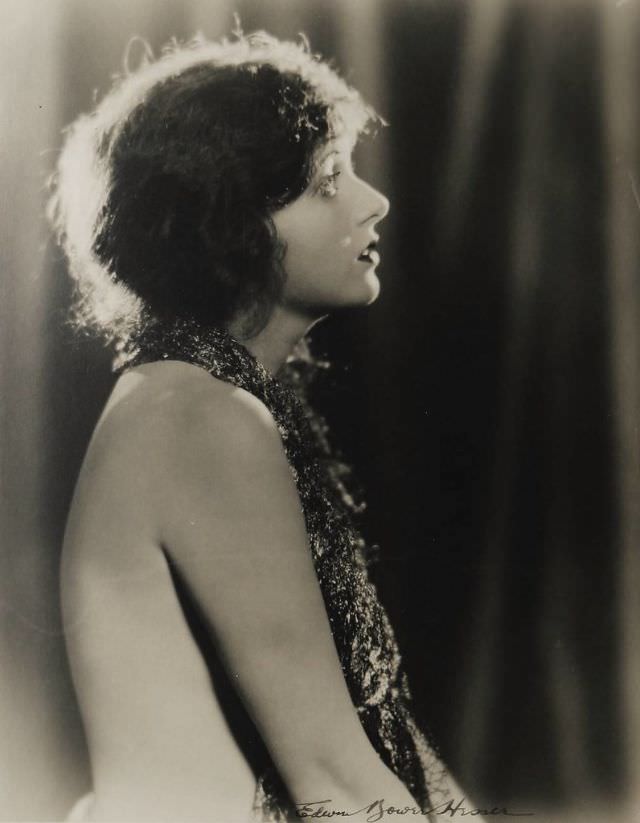
Mae Murray was another major star who appeared before Hesser’s lens more than once. Known for her bee-stung lips and outsized screen presence, Murray gave Hesser the kind of dramatic subject his style was built to capture. Marian Nixon, a quieter but steady presence in 1920s cinema, also sat for multiple Hesser portraits.
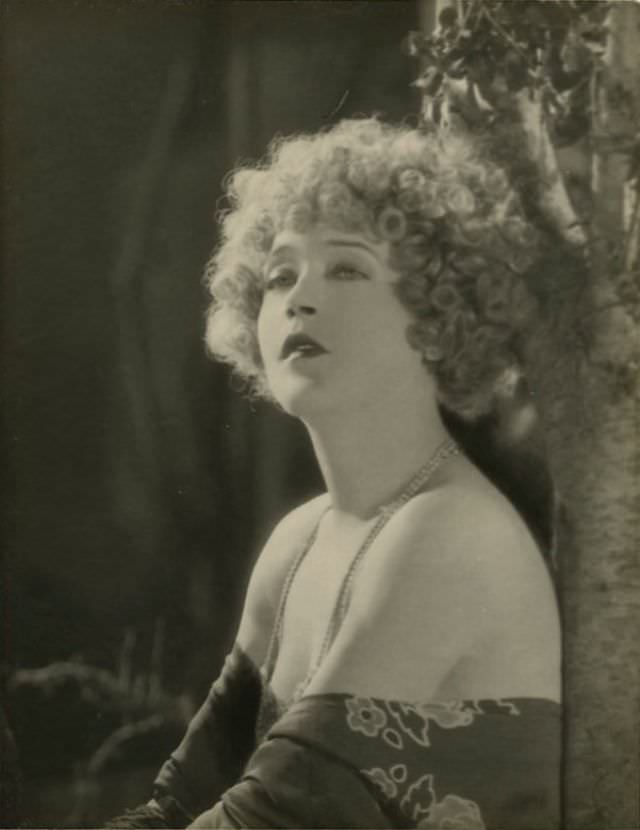
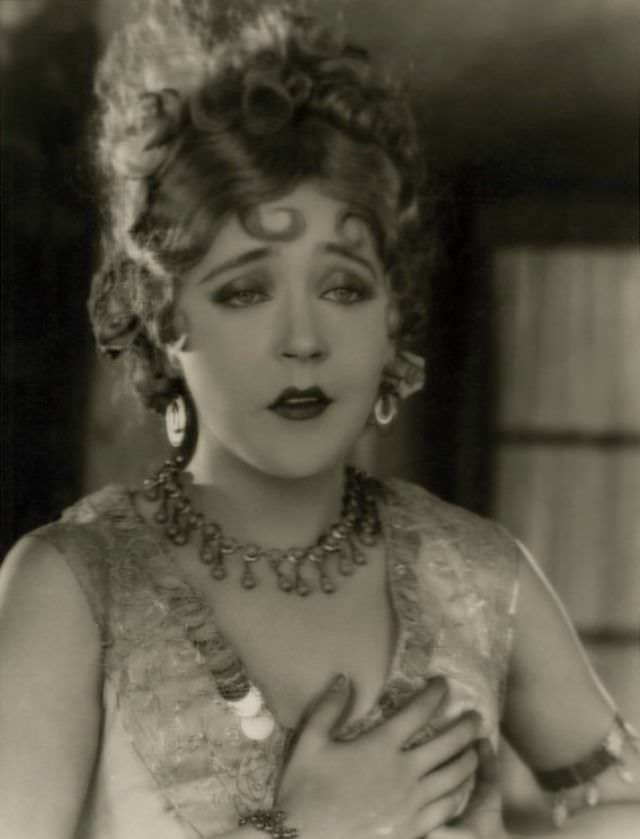
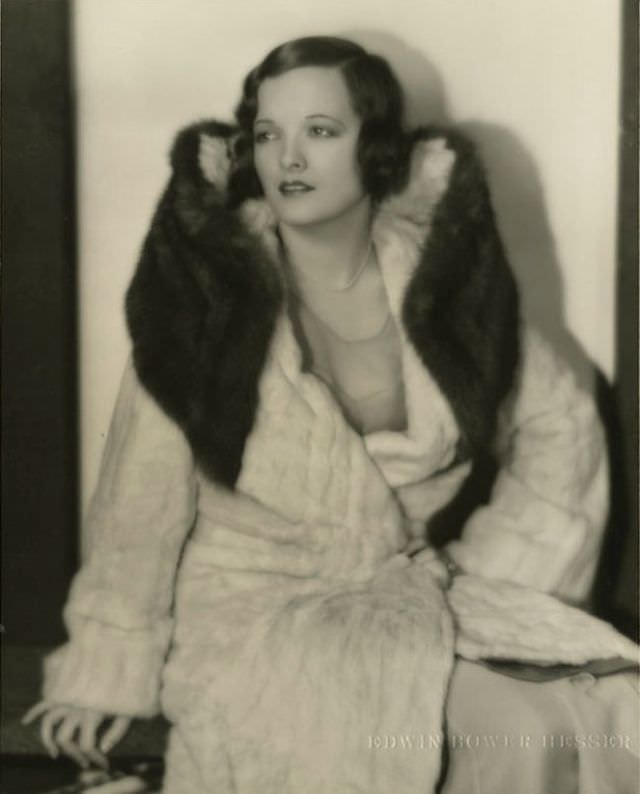
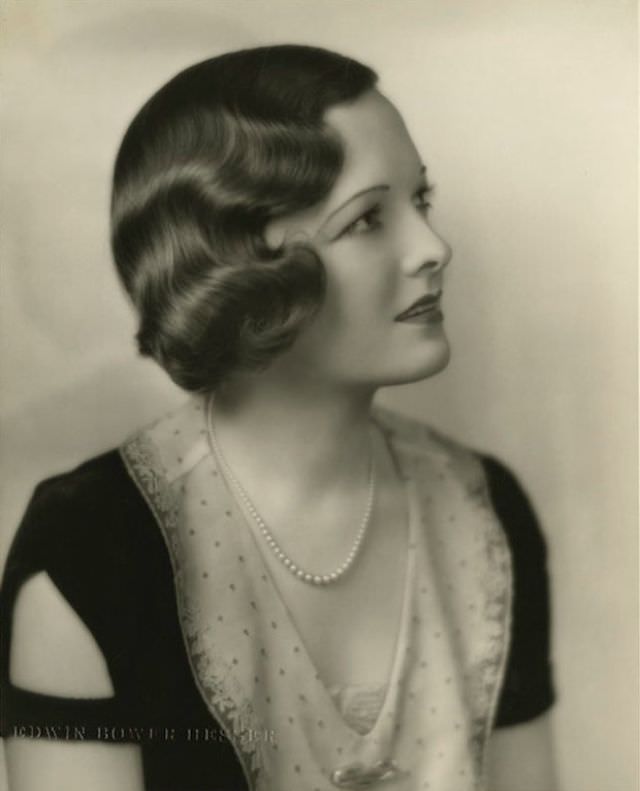
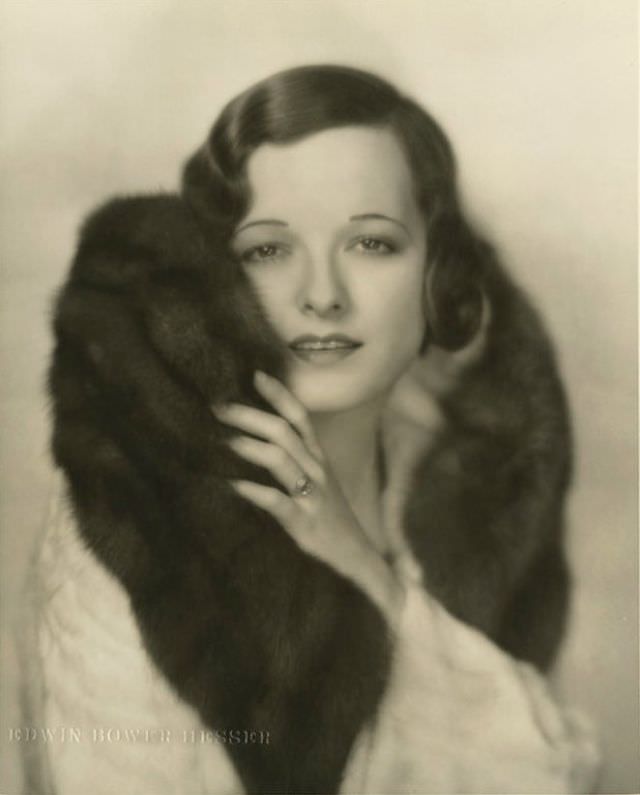
No name in Hesser’s portfolio carries more weight than Mary Pickford. Photographed four times by Hesser, Pickford — one of the most powerful figures in silent film history — trusted him to capture her image at a time when screen image was everything. Each portrait reflects a different facet of a woman who was simultaneously an actress, a studio co-founder, and a global celebrity.
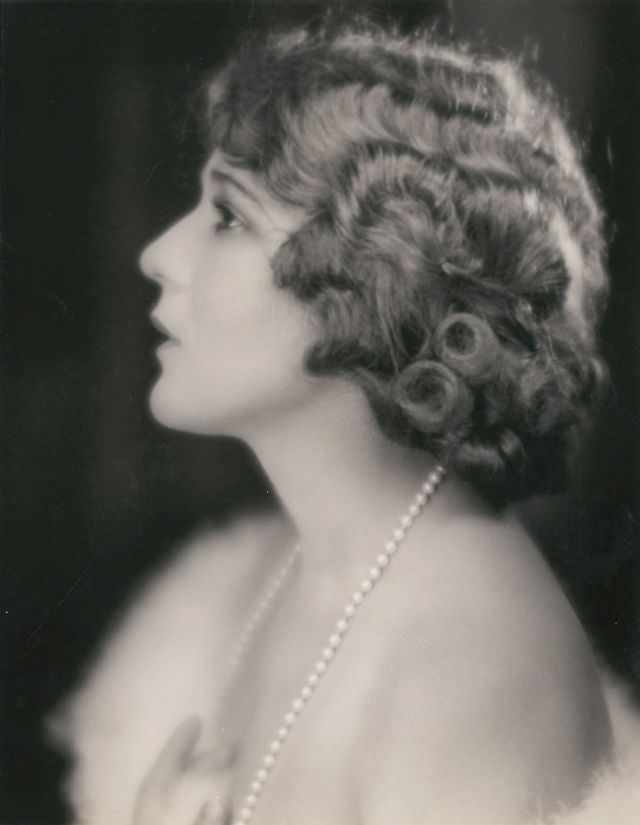
Theda Bara, the original screen vamp, closes this gallery of Hesser’s classic beauties. She was one of the first major sex symbols of American cinema, and Hesser’s portrait of her stands as a reminder of just how wide his roster of subjects stretched — from silent film pioneers to the sound era’s brightest stars. After the war, Hesser moved into magazine color photography, shooting with Kodachrome film and bringing the same technical ambition to a new medium.