
Charlotte emerged as a major trade city for the textile industry during the 1920s. People moved from the countryside into mill towns like Belmont, Mount Holly, and Charlotte. In the 1920 census, Charlotte ranked as the state’s second-largest city, behind Winston-Salem with 48,395 people, but Charlotte overtook it a few years later. By 1928, the city had expanded its boundaries to cover more than twenty square miles, and its suburbs grew increasingly divided by economic class.
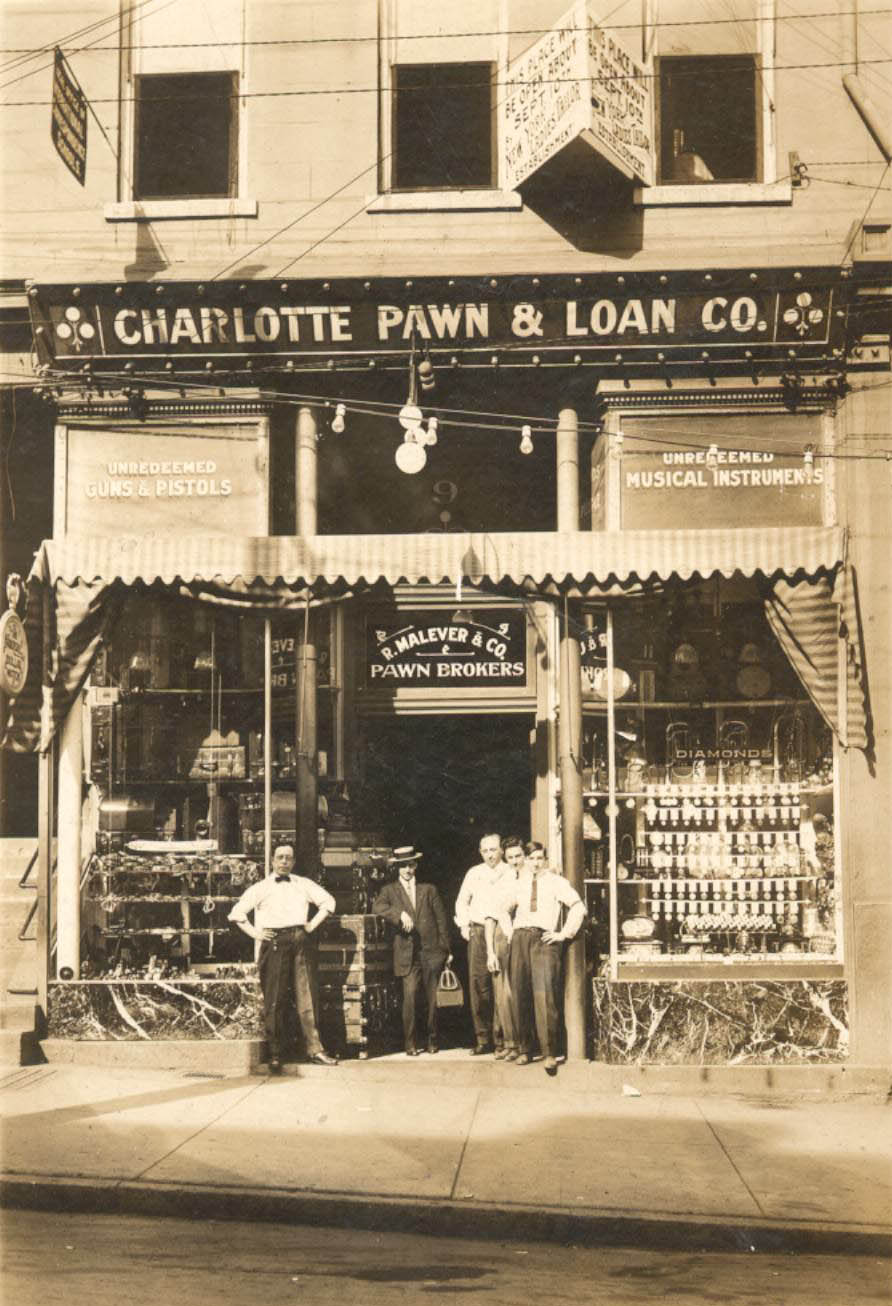
Raphael Malever, third from the right, opened his business at 9 E. Trade Street (now Founders Hall) in 1909. The former occupant of this building, Independence Trust, left a large safe which Malever used to store his jewelry. “Rafe”, whose family came from Russia, was in the jewelry business in Savannah before coming to Charlotte.
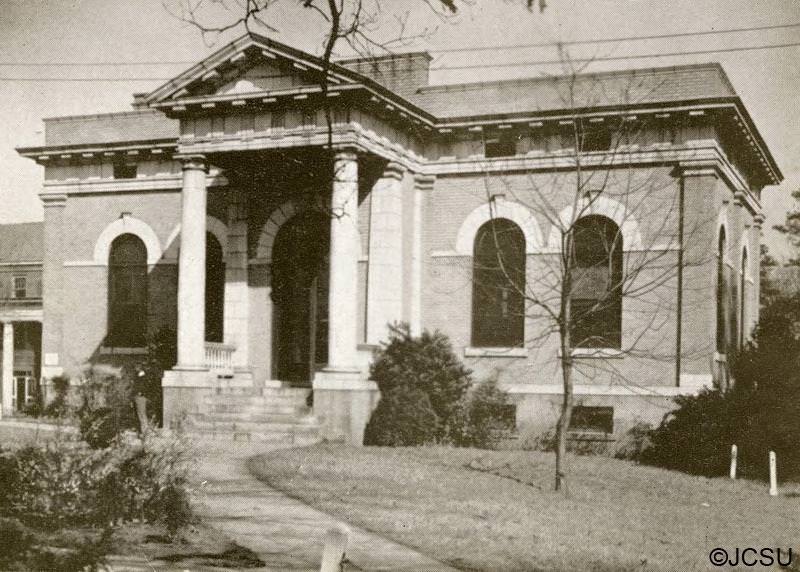
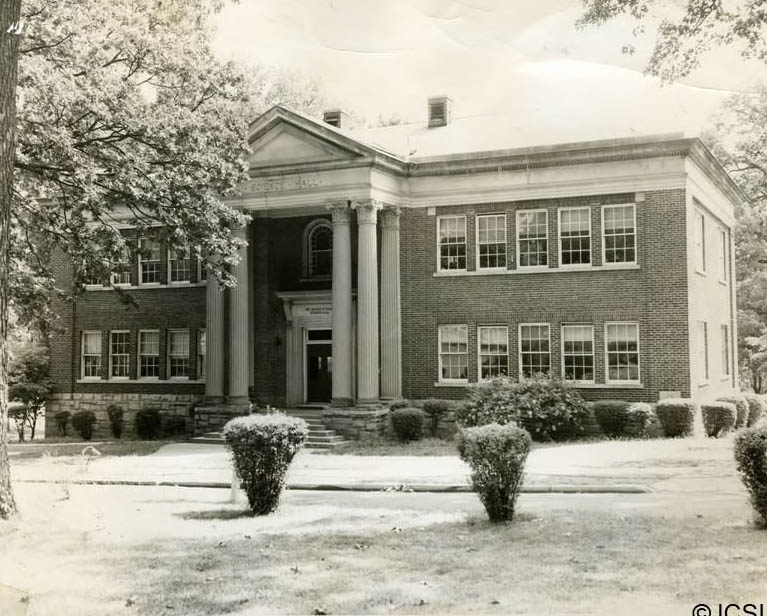
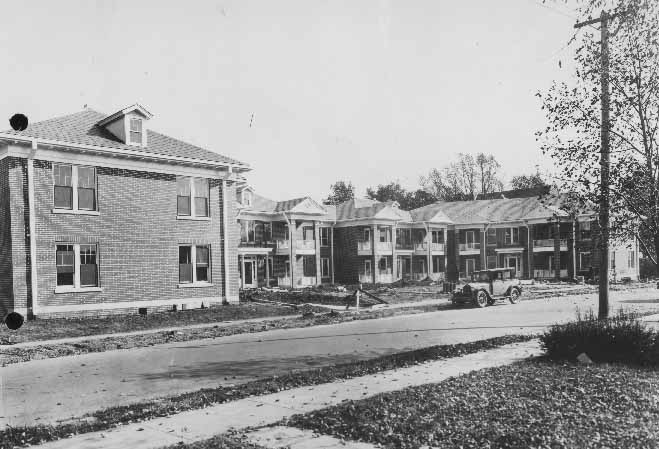
Located at Caswell and Vail Avenues, these apartment buildings were built in 1928 by W.P. Smith.
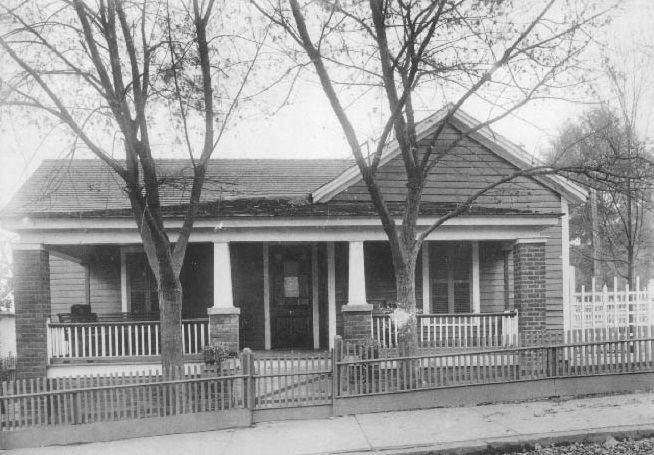
Dr. E. French Tyson practiced medicine in Charlotte from 1913 to 1950. His home was located at 907 South Brevard Street.
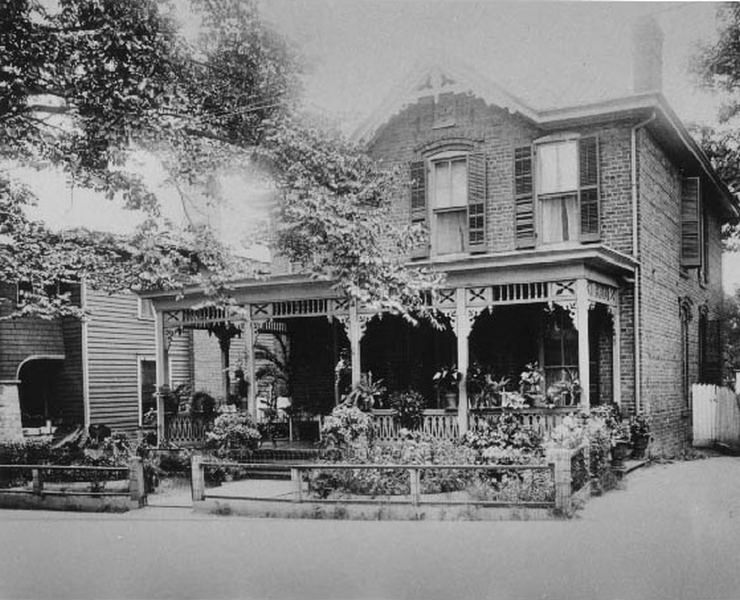
The Tate family lived in this elegant home at 504 East 7th Street. Thaddeus Tate opened a barber shop in 1882 which prospered for over sixty years. He co-founded several of Charlotte’s leading Black businesses, including the Afro-American Mutual Insurance Company and the Mecklenburg Investment Company.
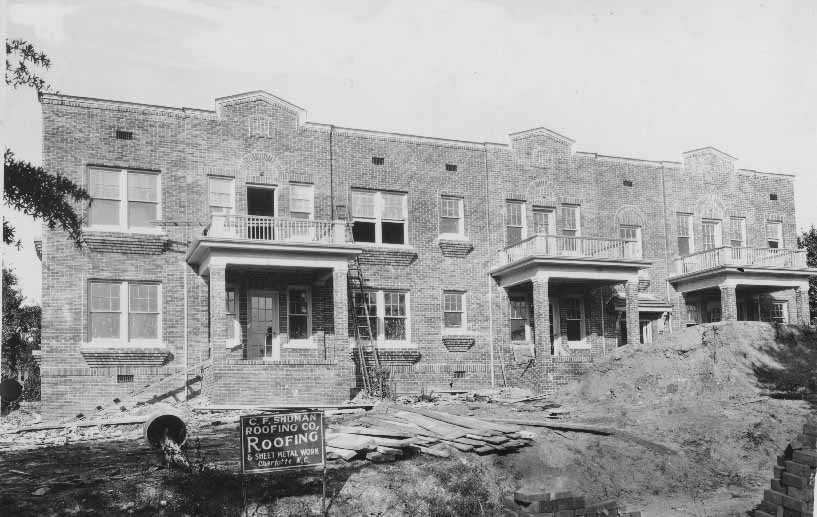
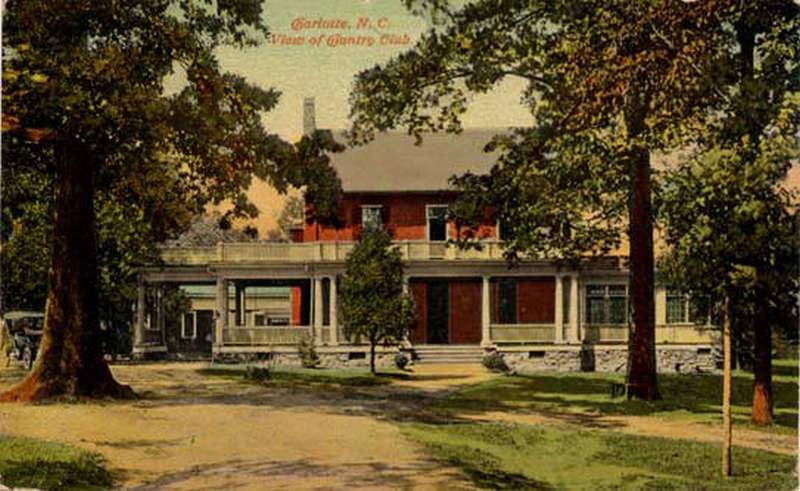
Charlotte Country Club began as The Mecklenburg Club in 1910. This first club was located west of the city adjoining a pond on or near Stewart Creek. The activities of this early club were confined to card games, picnics, boating, and fishing. The name was changed to Charlotte Country Club in 1917. The club moved to its present location in the Plaza Midwood neighborhood in 1931.
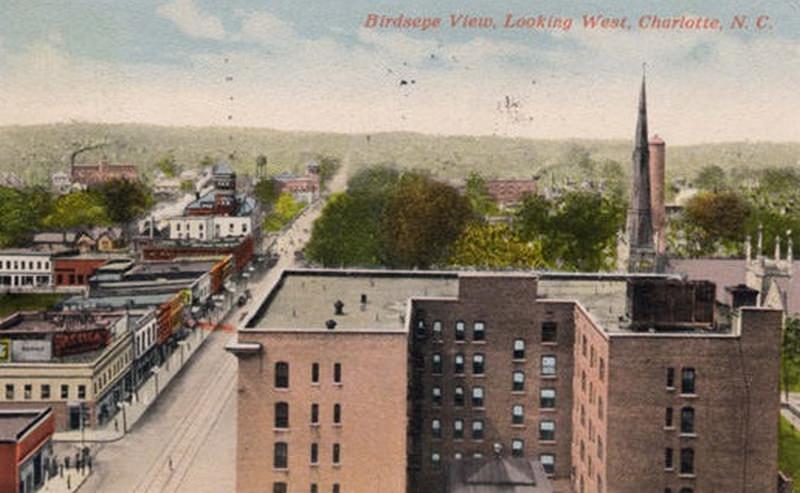
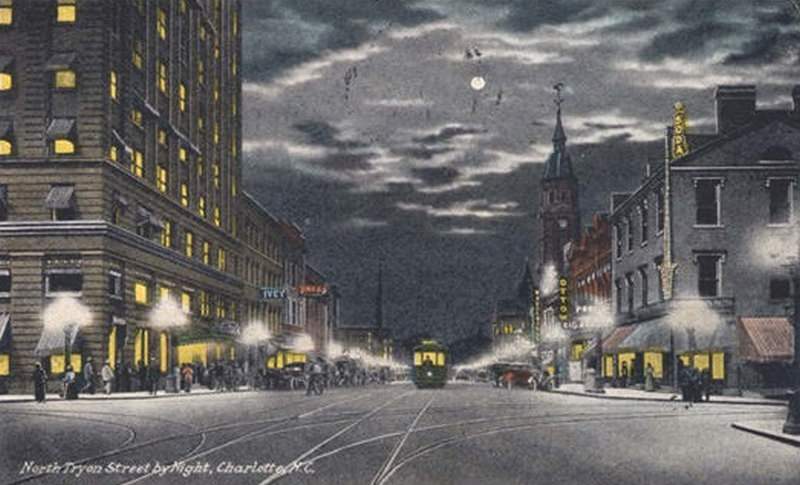
Night scene of North Tryon Street in the twenties. City Hall can be seen on the right as well as a sign for Ivey and Kress. A trolley is coming down the middle of the street.
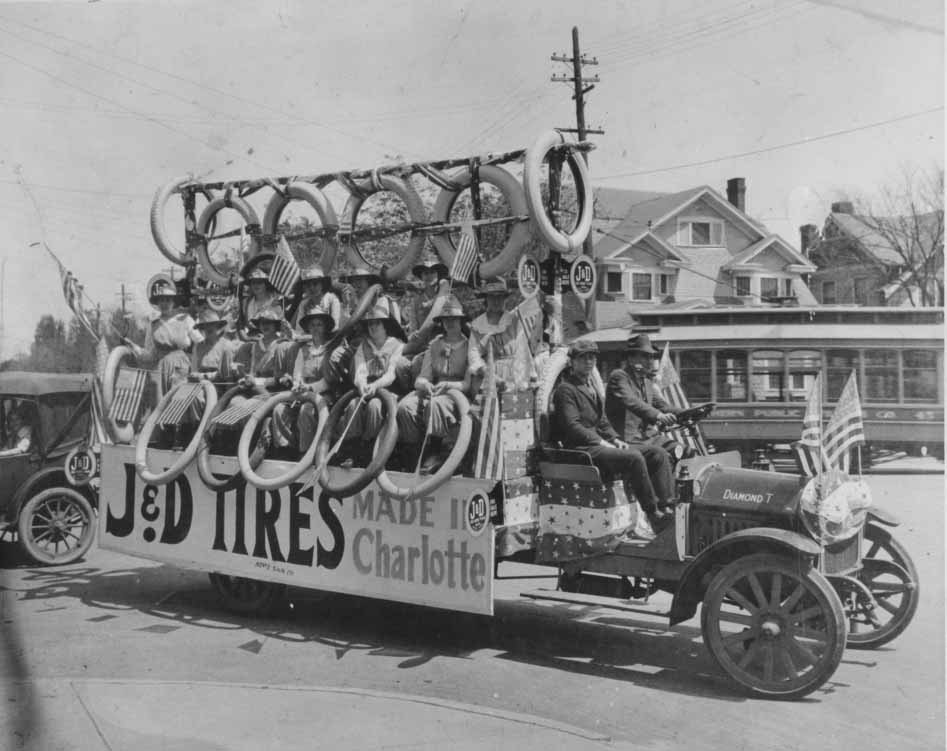
This float for a 1920 parade was sponsored by J&D Tires, a Charlotte company.
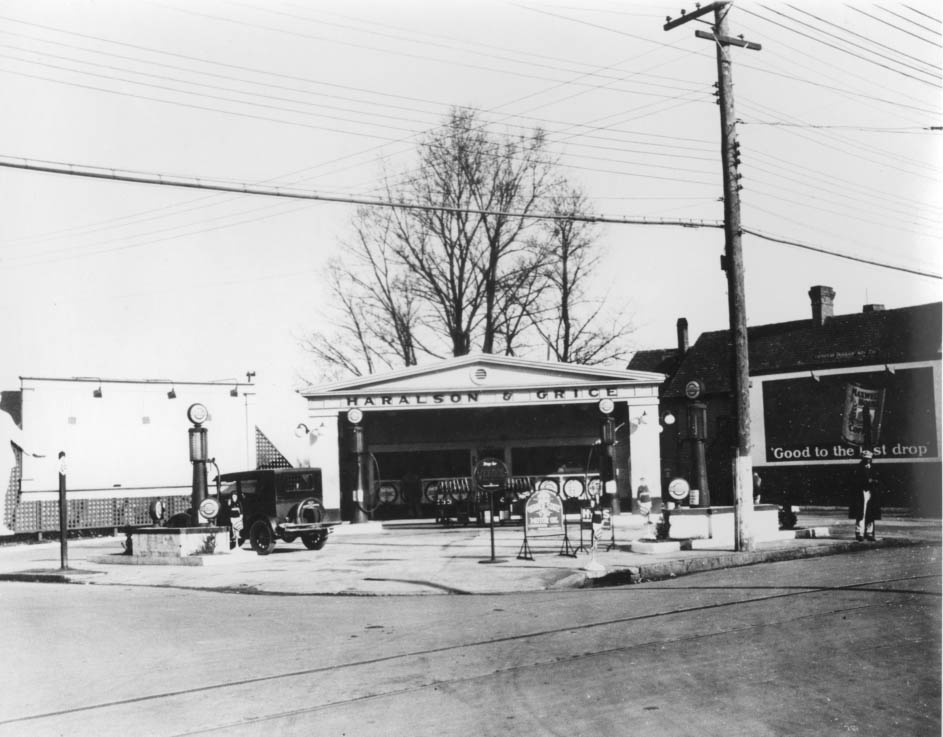
J.M. Haralson and Keely M. Grice Service Station No. 2 was located on the northwest corner of Morehead and Mint Streets in the 1920s.
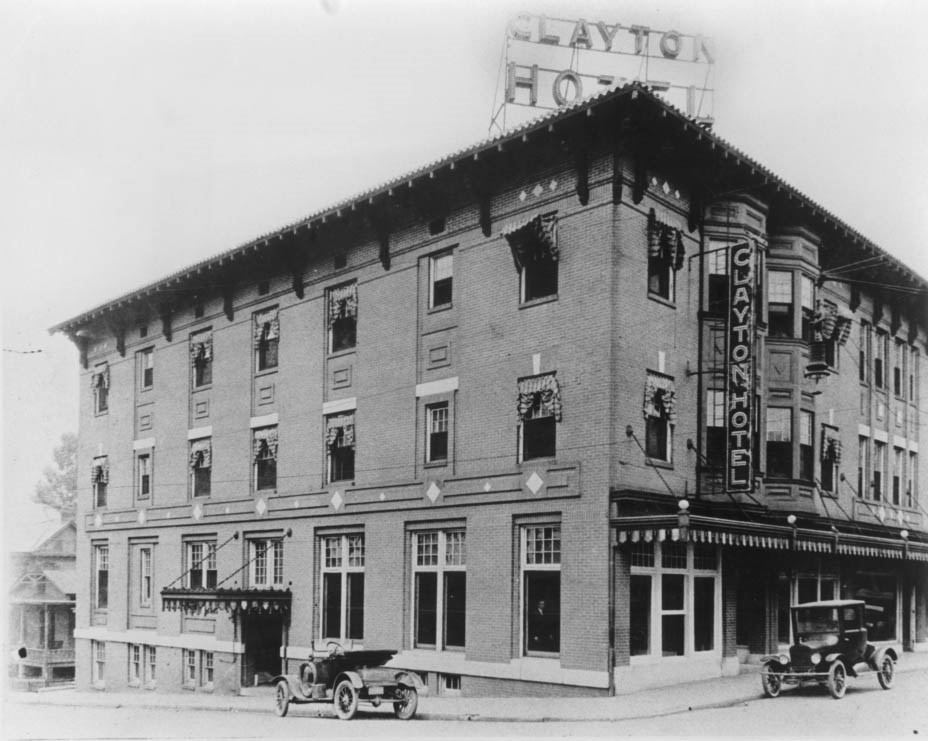
The Clayton Hotel was located at the northeast corner of Church and Fifth Streets. Built in 1913, the hotel offered one hundred rooms and fifty baths. Merton C. Propst was the owner. The Clayton Hotel was demolished in the mid-1970s to make room for a parking lot.
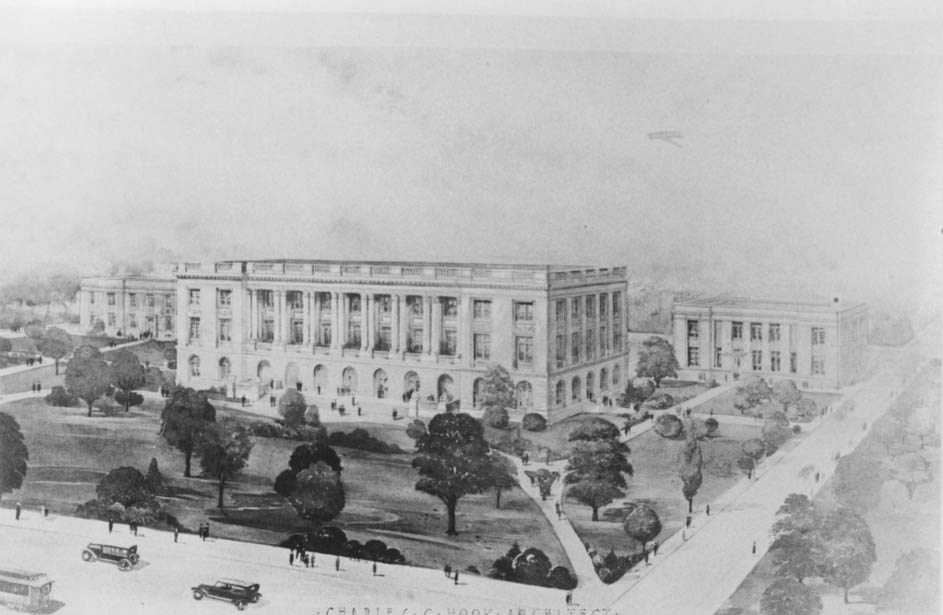
Photograph of the architectural rendering by Charles C. Hook for three government facilities. The City Hall is in the center, the Fire Station to the right, and the Police Station complex is on the left. The facilities were built and occupied by the fall of 1925.
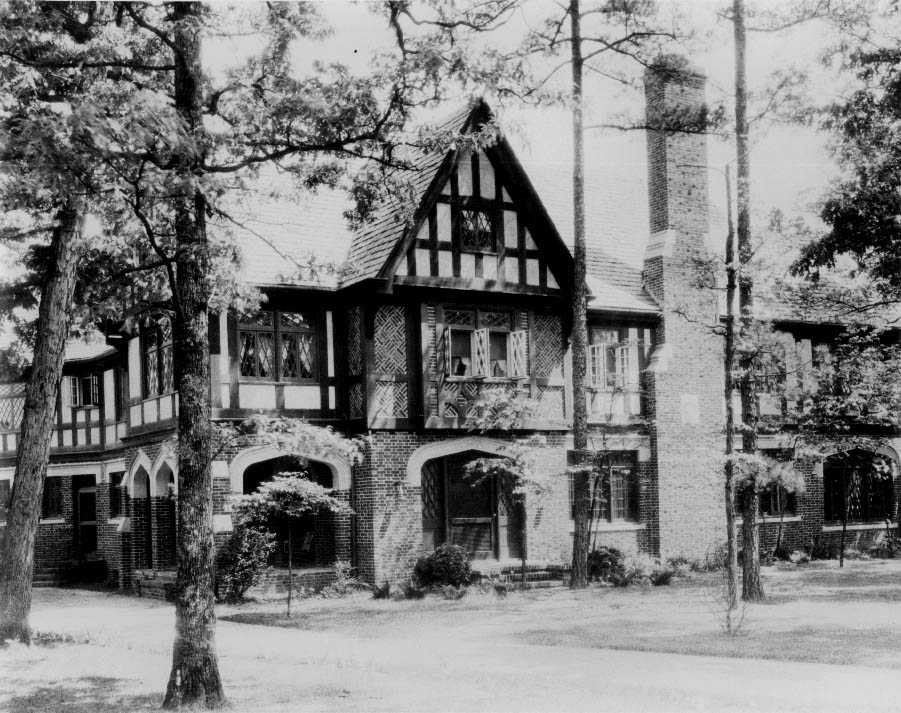
The Earl J. Draper House was located at 1005 Queens Road. He was the resident landscape architect for Myers Park.
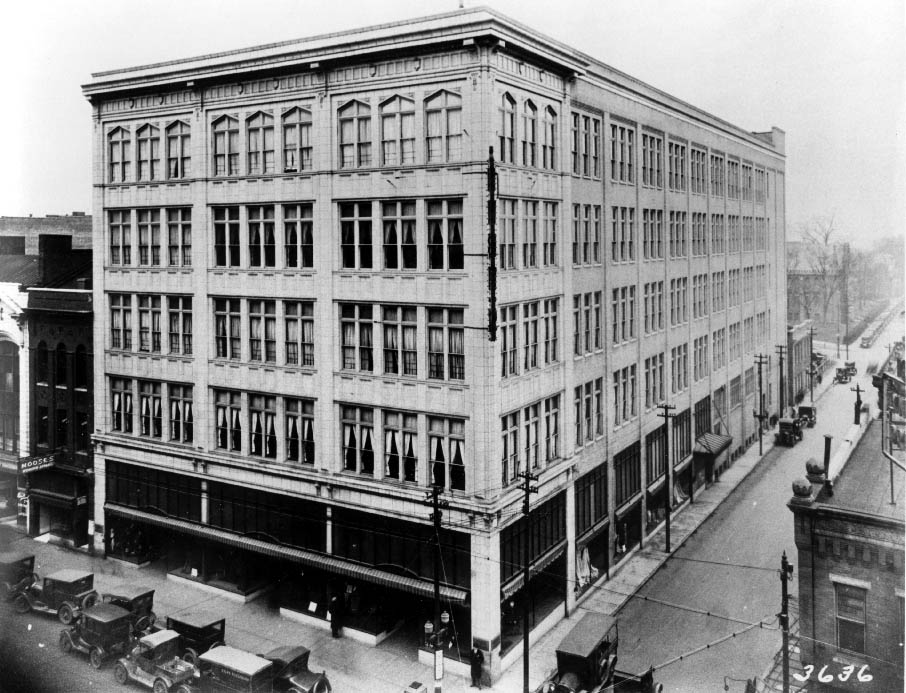
J.B. Ivey and Company was located at Tryon and Fifth Streets. Completed in May 1924, it was designed by William Peeps and cost $1,250,000. Today the building is used for condominiums and shops.
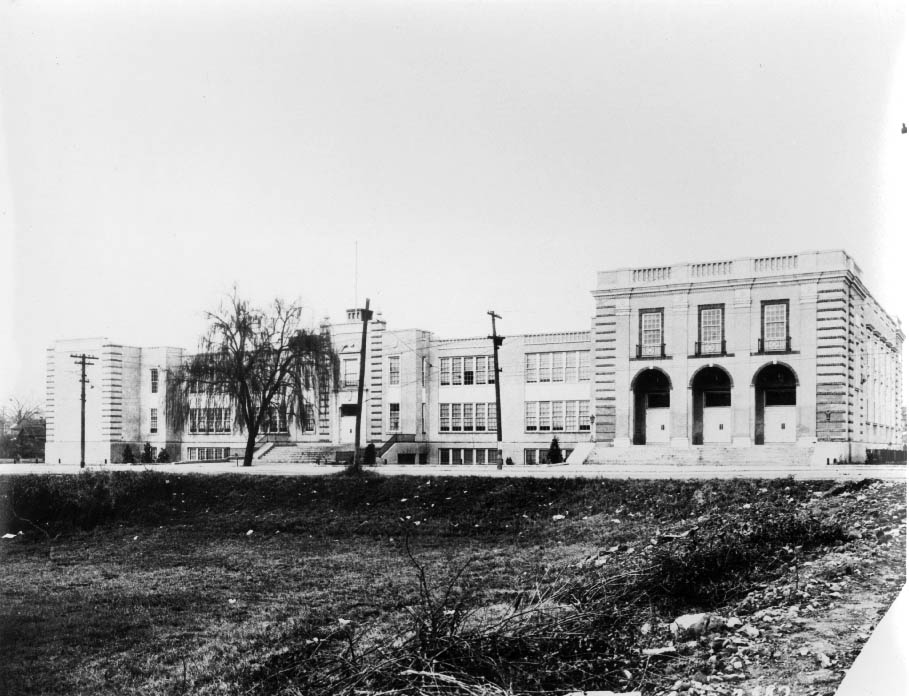
Central High School was built in 1923. Lockwood-Greene and Company were the architects, and J.A. Jones Company was the contractor. Located at Elizabeth Avenue and Cecil Street (now Kings Drive), the school is now part of Central Piedmont Community College’s campus.
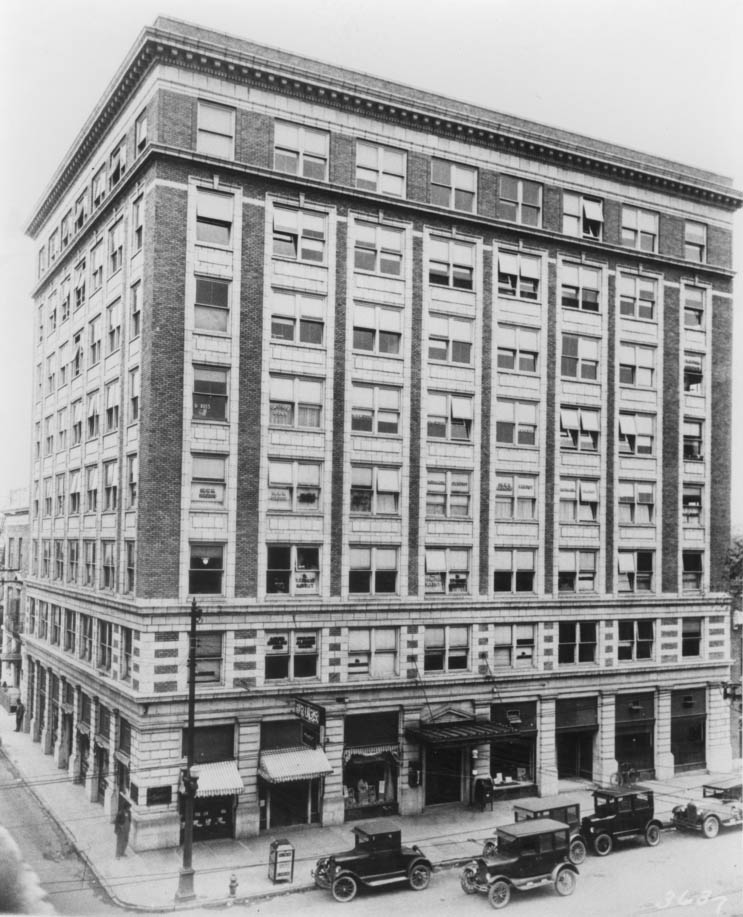
The Professional Building housed a number of offices for doctors and lawyers, hence its name. Completed in 1924, the building was located at North Tryon and Seventh Street. Louis H. Asbury (1877–1975) designed the building and J.A. Jones Company was the contractor.
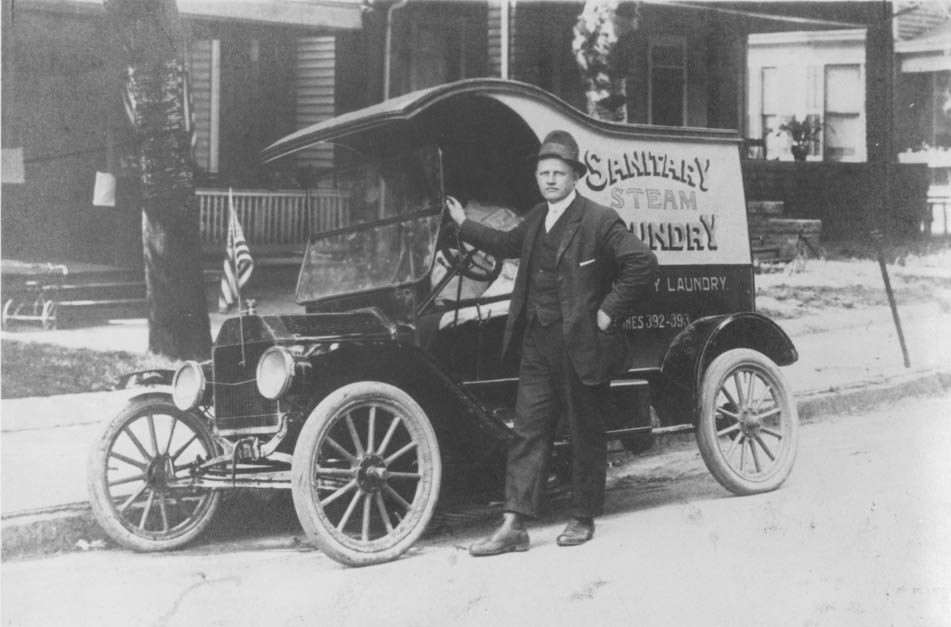
Rowland Stewart Ferguson (1889–1966) stands by his laundry truck at 210 North Cecil Street. (The latter is now known as Kings Drive.)
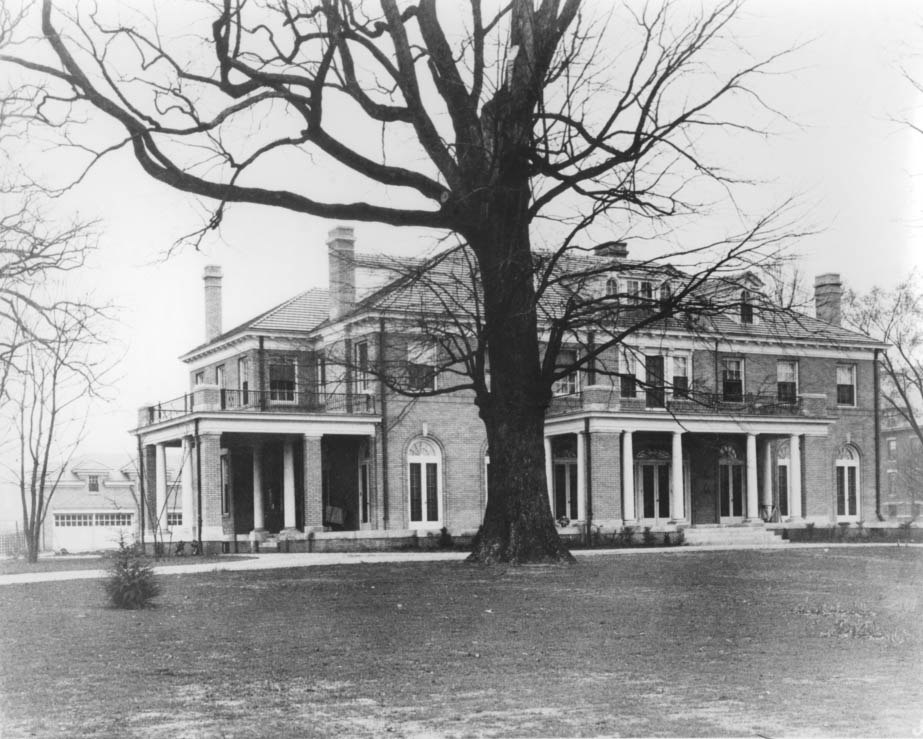
The residence of William Henry Belk (1862–1952) was located at 120 Hawthorne Lane. It was built in 1925 by the Theis-Smith Company. Charles C. Hook (1869–1934) was the architect. Today the house is used by Presbyterian Hospital.
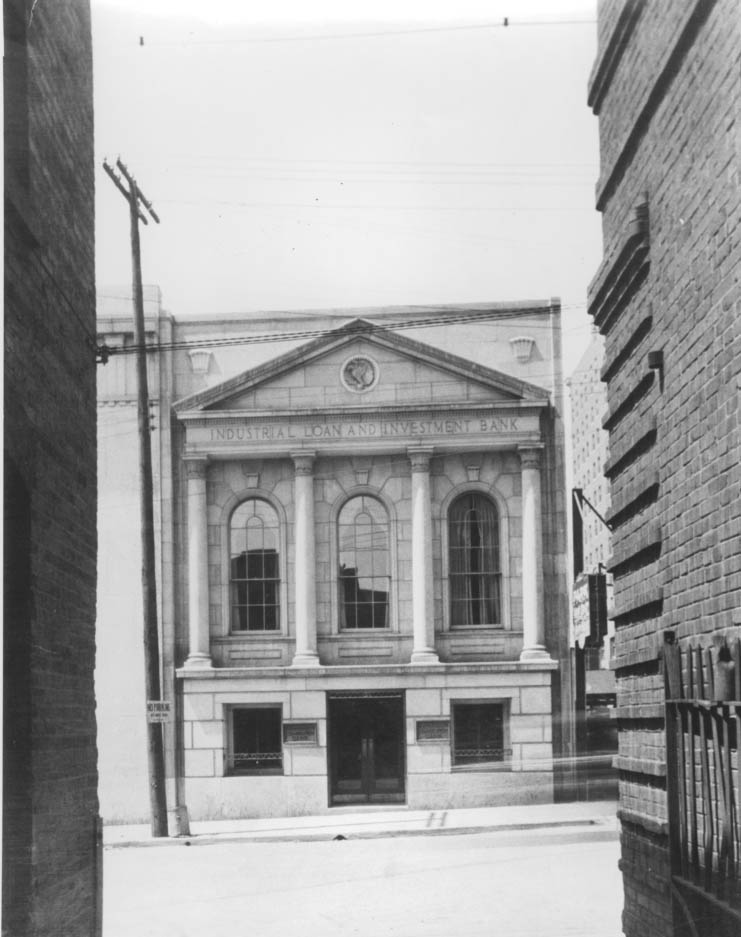
The Industrial Loan and Investment Bank was located in the 100 block of South Church Street.
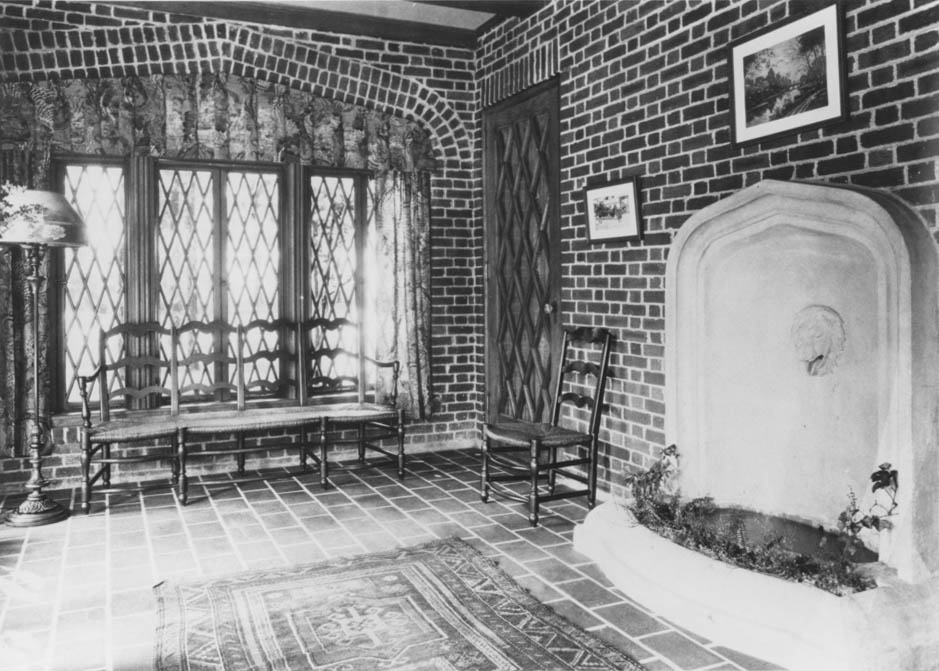
An interior shot of the Earl W. S. Draper House around 1928. He was the resident landscape architect for Myers Park.
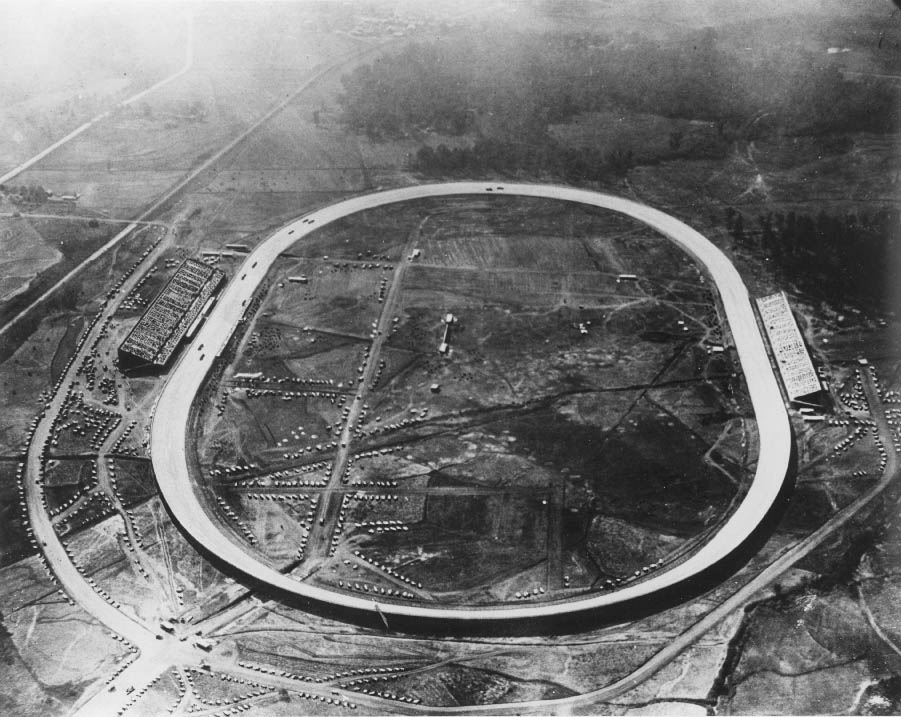
This is an aerial view of Charlotte Speedway, Inc., when it was located nine miles south of Charlotte at Pineville and Park Roads, near the Southern Railway tracks. The actual track was a mile and a quarter long. It was made entirely of wooden planks and could seat 20,000 people. It was built in 1924 for $300,000.
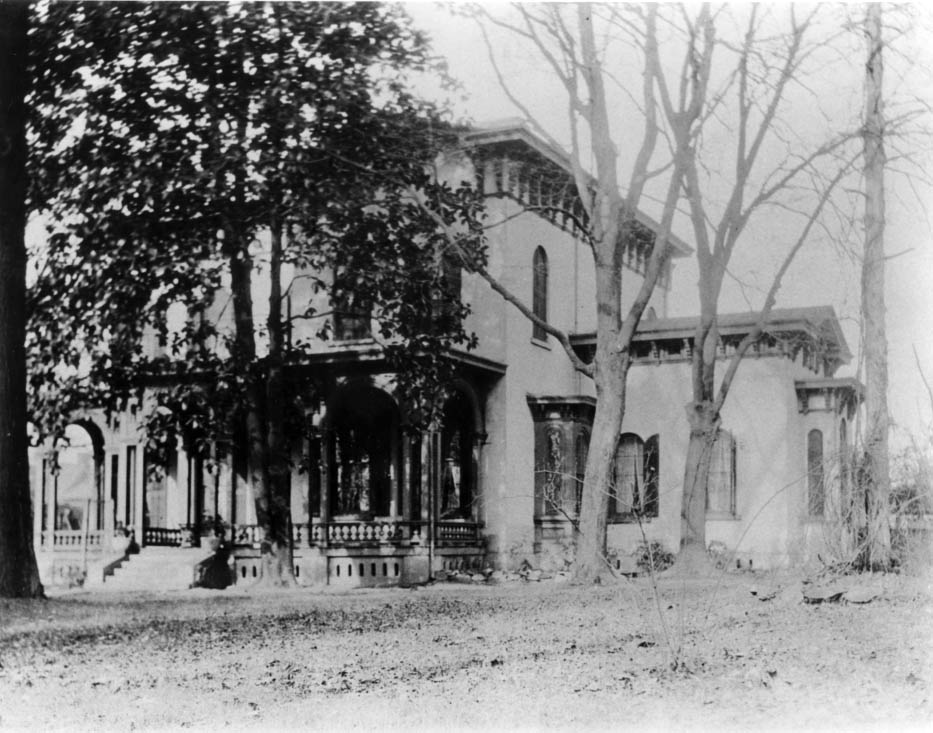
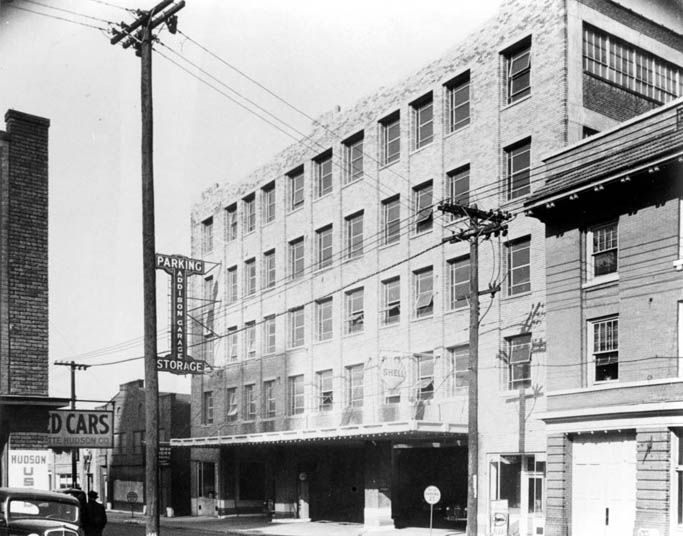
The Addison Building at 222 South Church Street when it was a parking garage. The building later housed the offices of the Charlotte Chamber of Commerce.
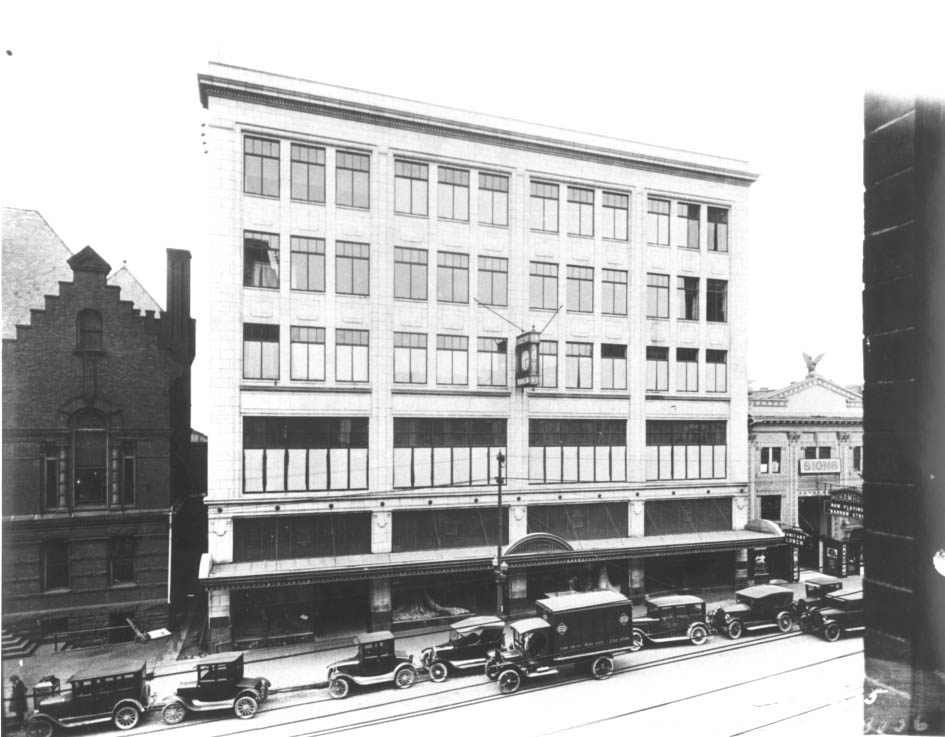
The Efird’s Department Store was located at 124–30 North Tryon Street. When it was completed in 1923, it was “the only store south of Philadelphia with escalators.” Louis Asbury was the architect and J.A. Jones was the contractor.
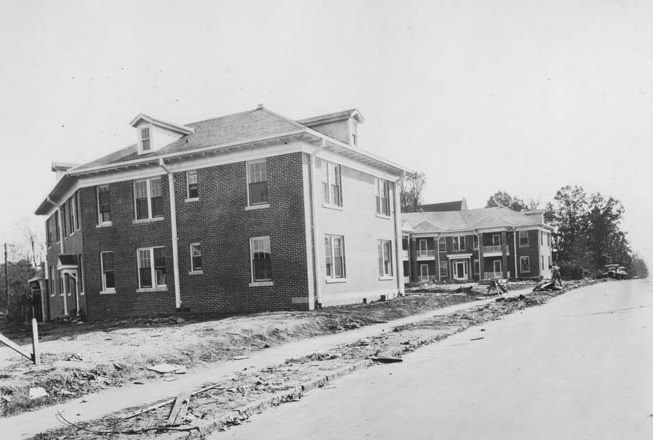
A.C. and W.P. Smith were the original owners of these apartment buildings that are located at the corner of Caswell and Vail Avenue.
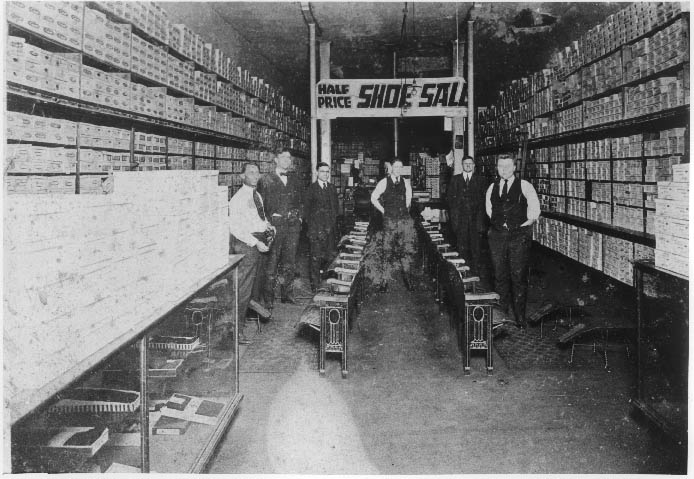
The Standard Shoe Store was located at 32 East Trade Street. This is an interior shot of the store. People identified in the shot include Mr. Barnes, Marion Trapp, Mr. True, Ed Gallagher, and Z.C. Leonard. Second from the left is the manager, Frank N. Littlejohn. He became a police detective in 1929 and later rose to the position of Police Chief of Charlotte.
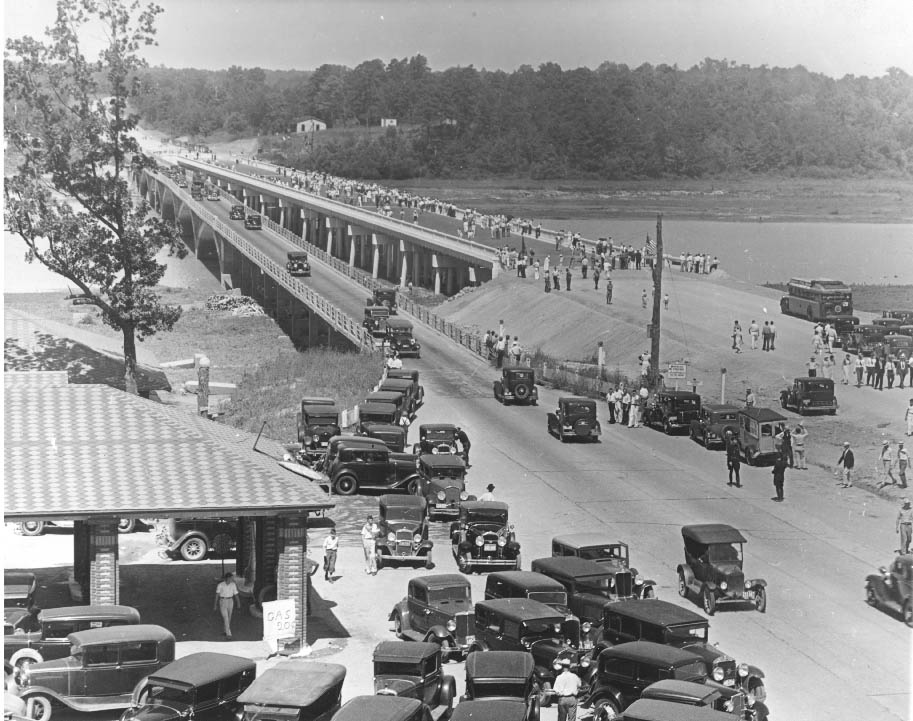
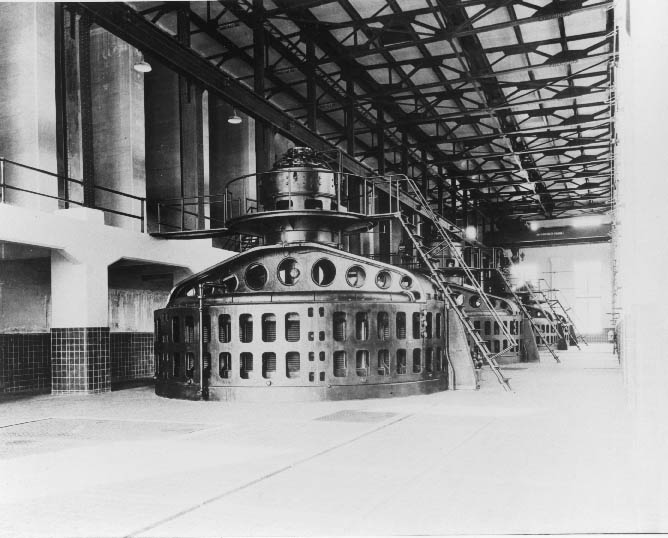
Interior shot of the Mountain Island Power Plant at Mountain Island Dam on the Catawba River, which was approximately twelve miles from Charlotte.
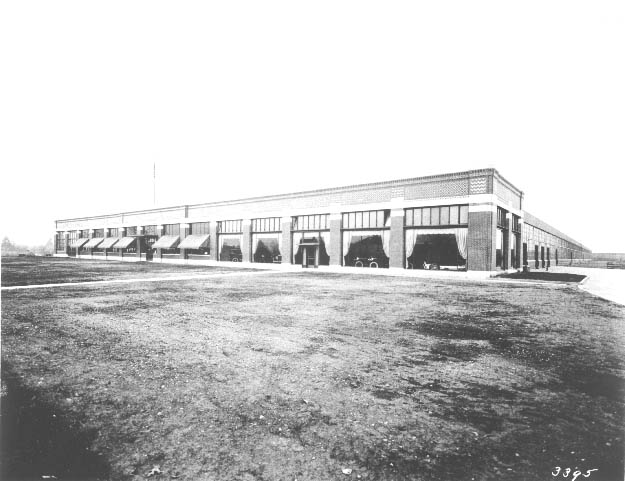
The Ford Motor Company Assembly Plant on Statesville Road was completed in 1924. Four hundred cars could be assembled at this facility in one day. The building was constructed at a cost of 2 million dollars. Albert Kahn designed the building. (E.C. Ball of Detroit is also given credit for assisting with the architectural design.) Charlotte contractors MacDevitt-Flemming built the plant.
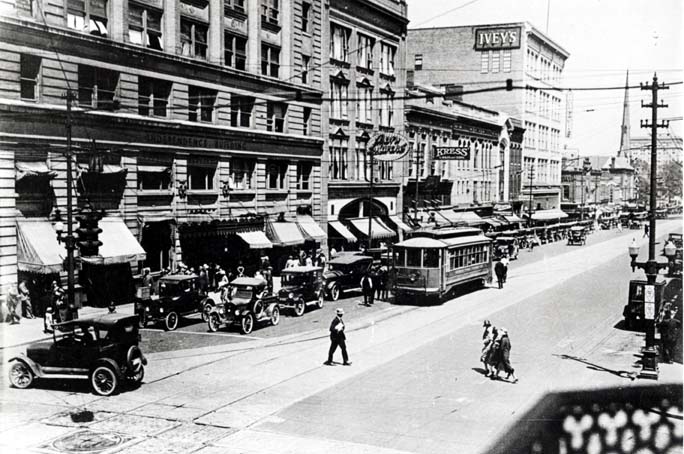
Wonderful view of North Tryon Street in the mid-1920s. Image features businesses, including Kress and Ivey’s, cars, people, and streetcars.
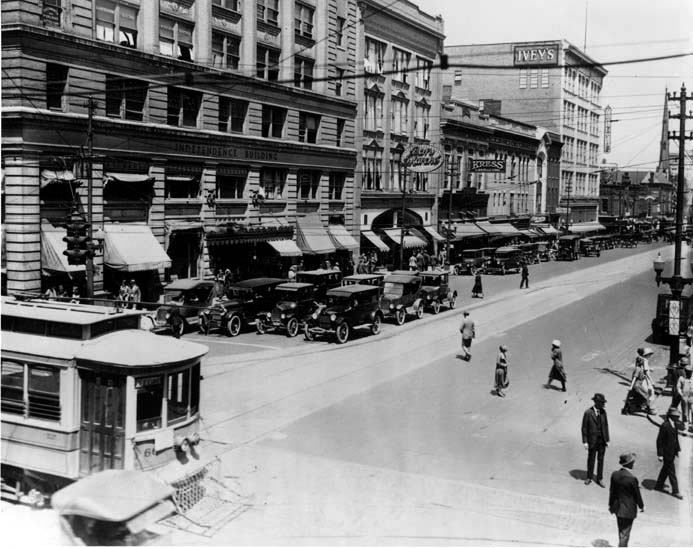
This is a more detailed view of North Tryon Street in the mid-1920s. Image features a close-up of the Independence Building and businesses, including Bon Marie’s, Kress, and Ivey’s Department Stores, as well as cars, people, and streetcars.
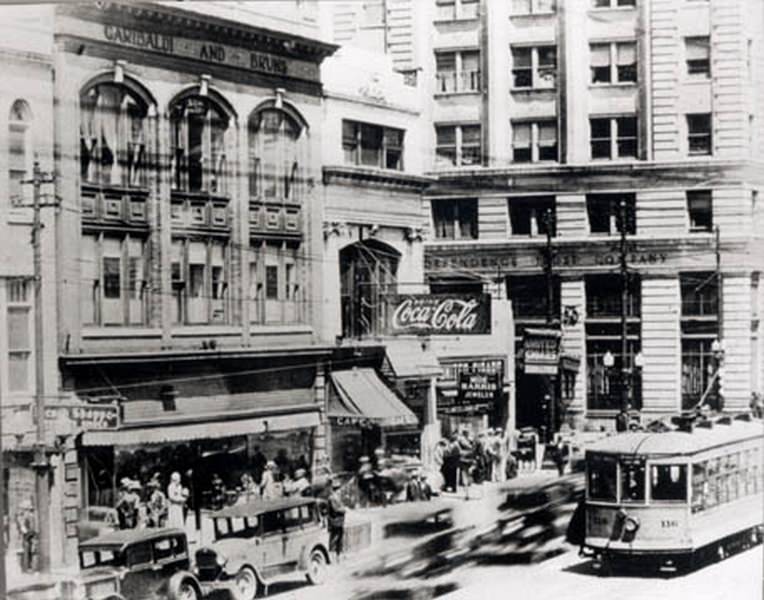
View of uptown Charlotte businesses and street near the Square. Features Rousso’s Building, referring to Paul Rousso, a leading businessman.
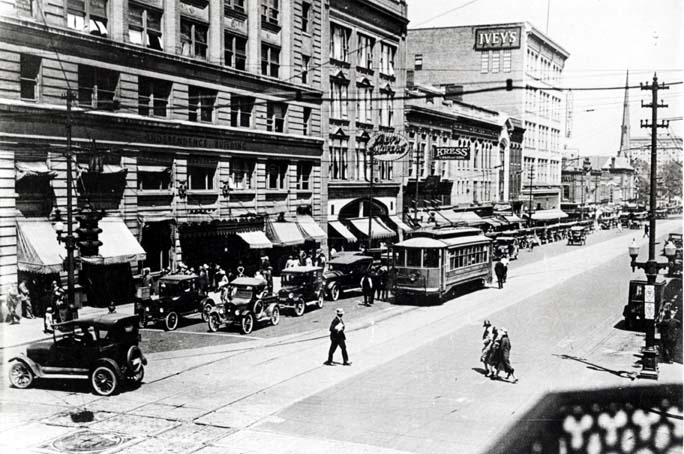
Wonderful view of North Tryon Street in the mid-1920s. Image features businesses, including Kress and Ivey’s, cars, people, and streetcars.
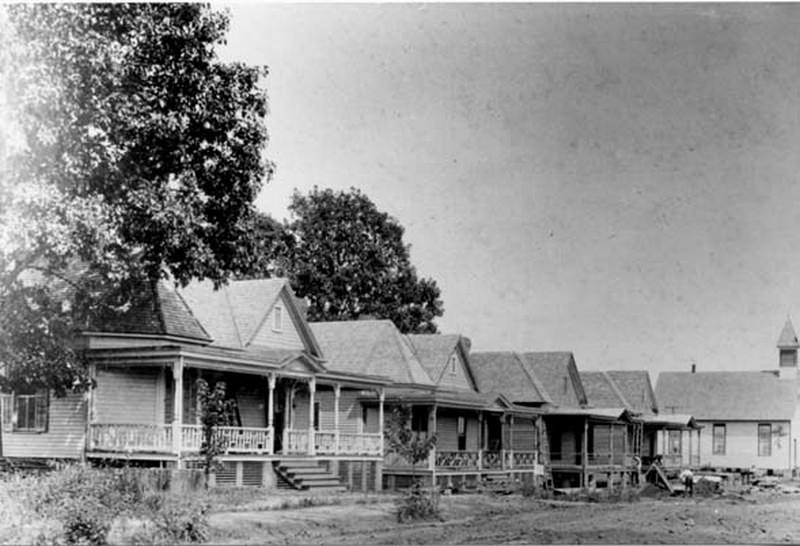
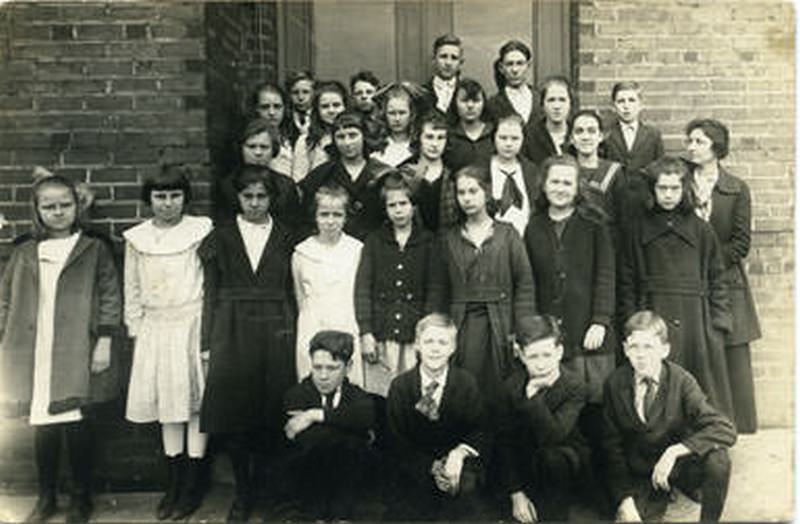
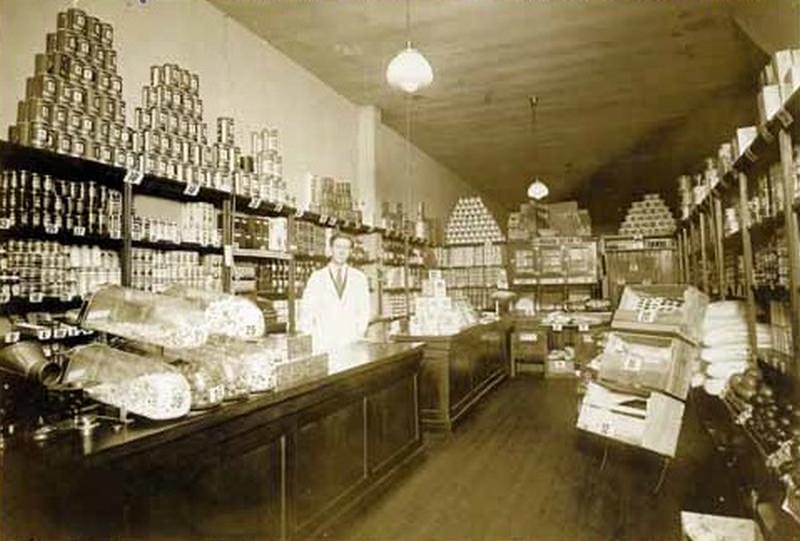
Claude Felix Biggers (1880–1937) was the manager of the A&P Grocery Store on South Church Street where the Charlotte News building was later built — N.W. corner of Church and Fourth Street.
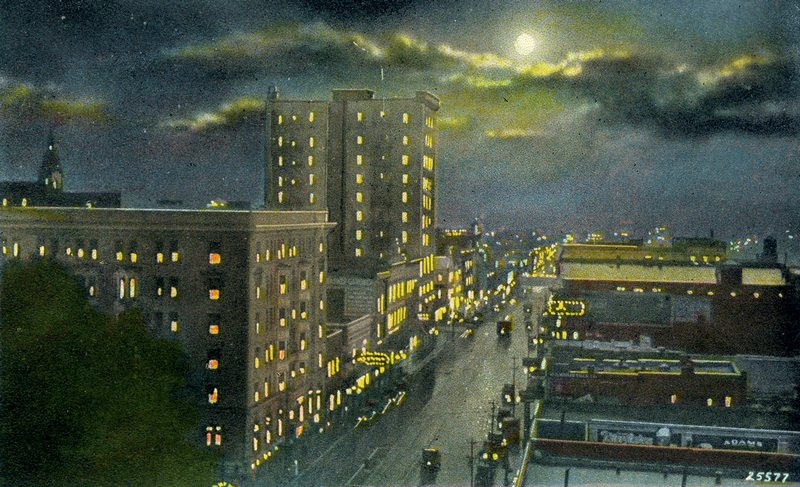
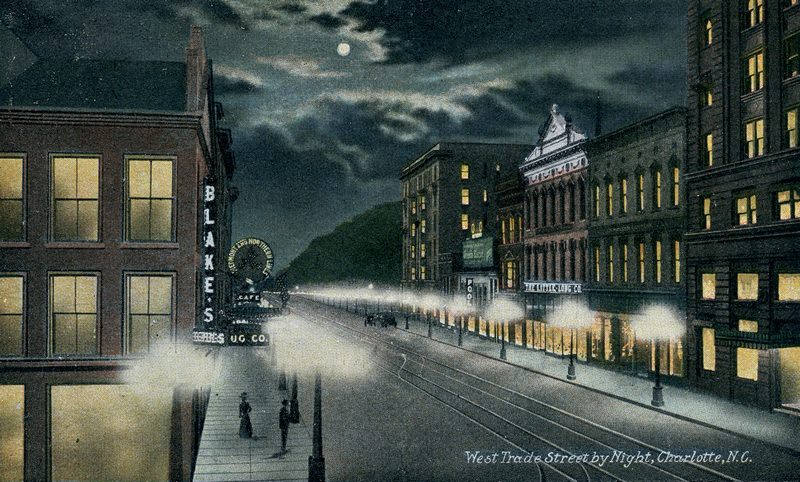
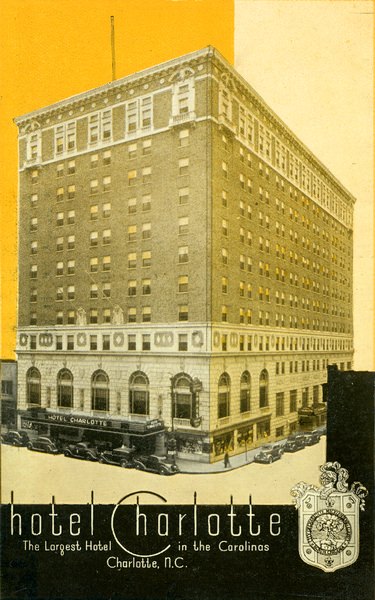
The Hotel Charlotte opened its doors in 1923. It was located at the corner of West Trade and Poplar Streets. The hotel was the most popular hotel in Charlotte. During the 1920s, the Hotel Charlotte was the site of an early recording studio. Bill Monroe, the Delmore Brothers, and other country music legends made their early recordings at the hotel. It was demolished in 1988.
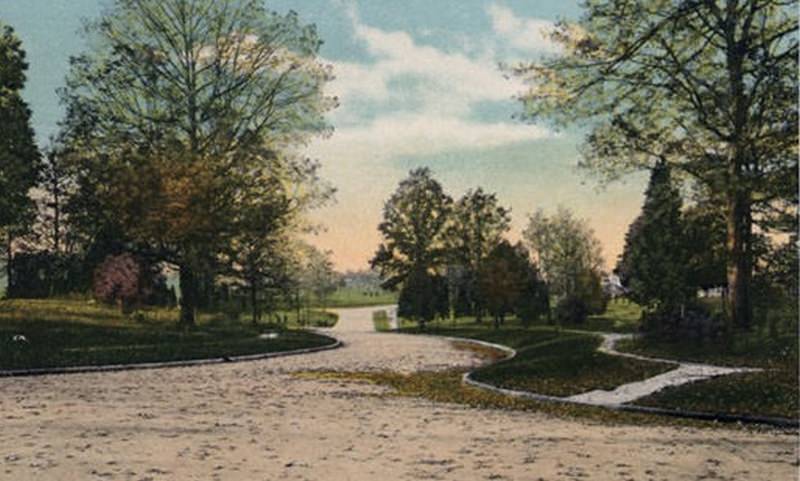
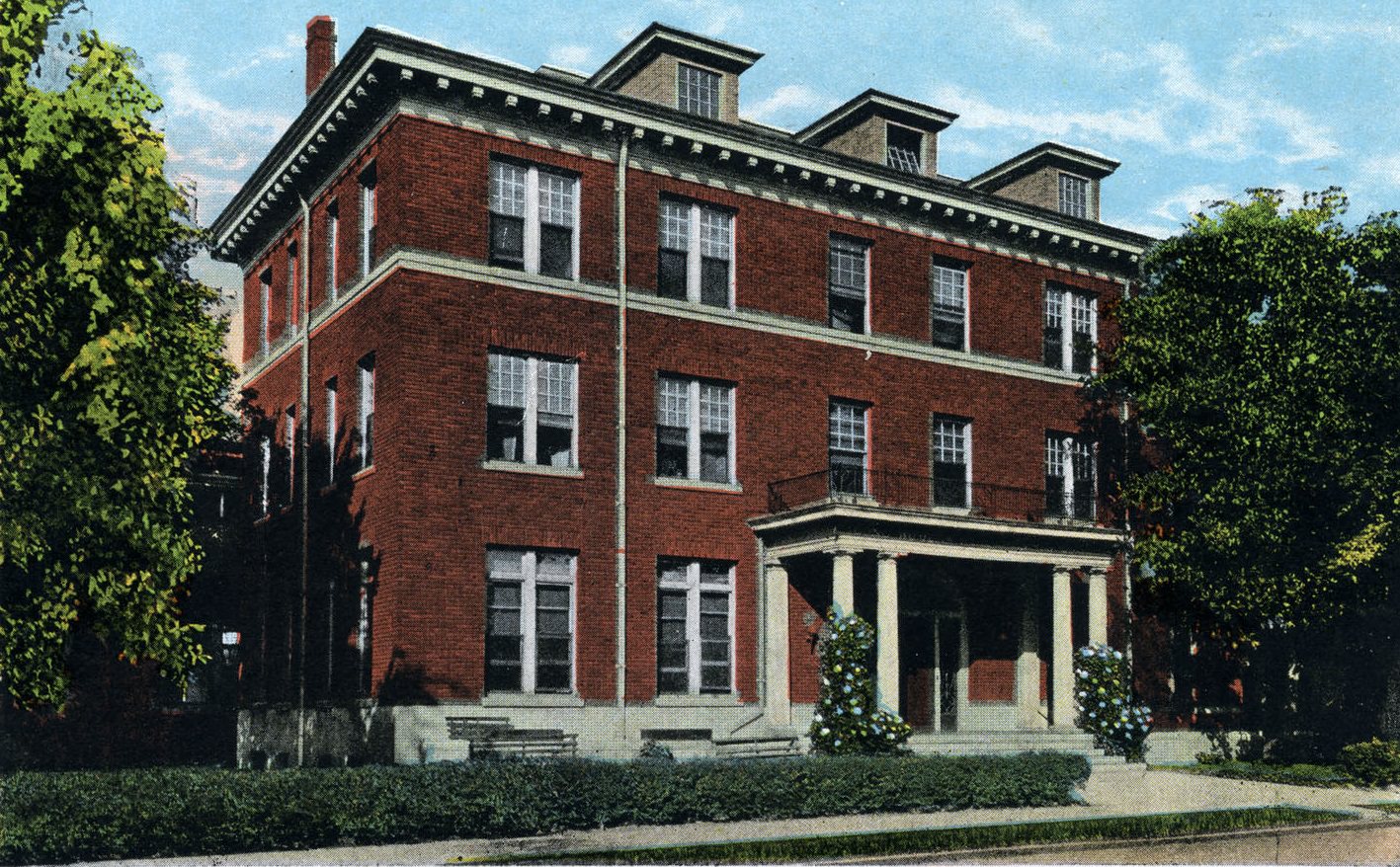
The YWCA in Charlotte was first organized in 1902 by the Charlotte Woman’s Club. Helen Sherman Ogden Liddell (1863–1961) served as the first president. This picture is of the second YWCA building, which opened in 1914. It was located at 406 East Avenue, now Elizabeth Avenue.
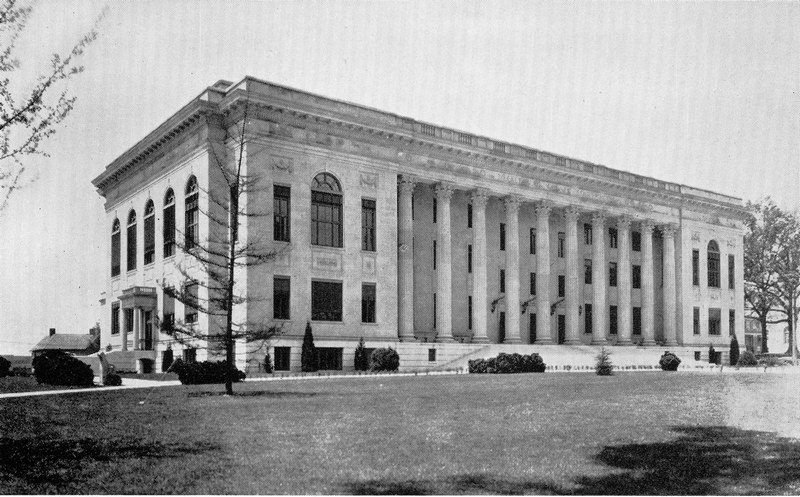
The fifth Mecklenburg County Court House is located at 700 East Trade Street. Built at a cost of one million dollars, it first opened in 1928. A “natural finish” card was made by Gray and Thompson, Chapel Hill, North Carolina.




