Norman Seeff built one of the most remarkable photography careers of the 20th century from his base in Los Angeles. A South African-born physician turned photographer and filmmaker, Seeff had a rare ability to strip away the polished, public-facing version of a celebrity and reveal something far more honest. His sessions were less like traditional photo shoots and more like creative collaborations, often unfolding over hours as his subjects loosened up, played music, or simply talked. The result was a body of work that felt alive in a way that carefully staged studio portraits rarely do.
The 1970s and 1980s were a golden era for the kind of talent Seeff gravitated toward. Rock bands, soul legends, Hollywood actors, directors, and visual artists all passed through his lens. His black and white photographs from this period are especially striking. Without color as a distraction, the viewer is drawn straight to expression, body language, and the raw energy of whoever is in the frame. The images below represent a wide sweep of the era’s most defining personalities.
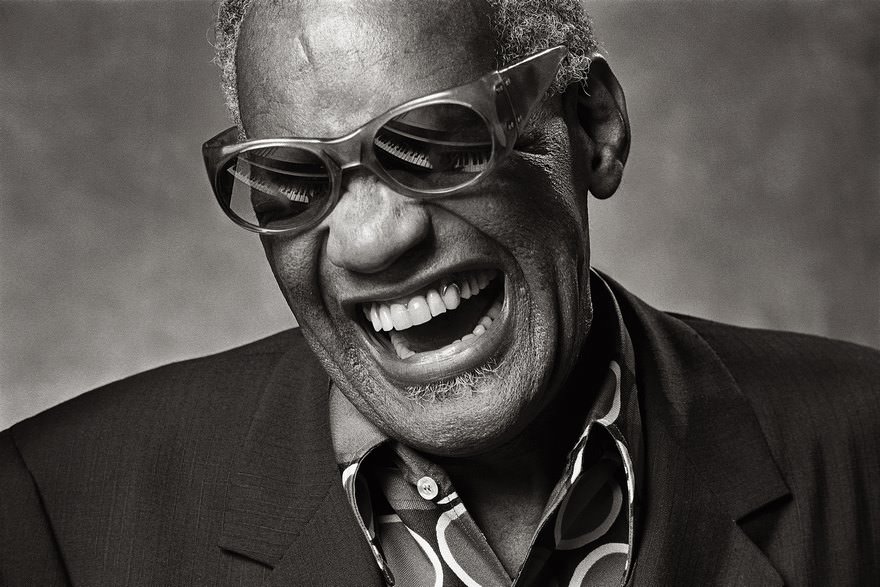
Ray Charles was already a living legend by the time Seeff photographed him. His face, shaped by decades of performance and personal hardship, carried a weight that translated powerfully into black and white. Seeff’s portrait captures that gravity without trying to dramatize it.
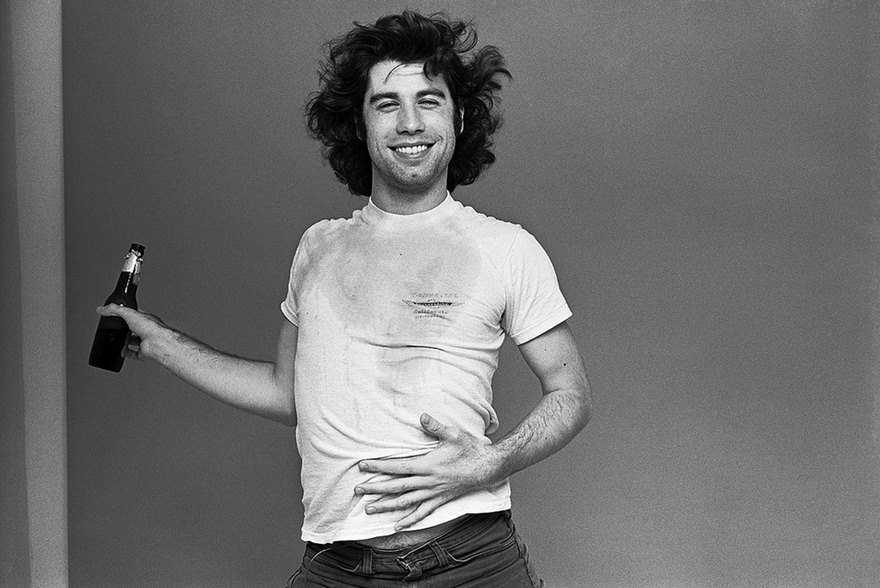
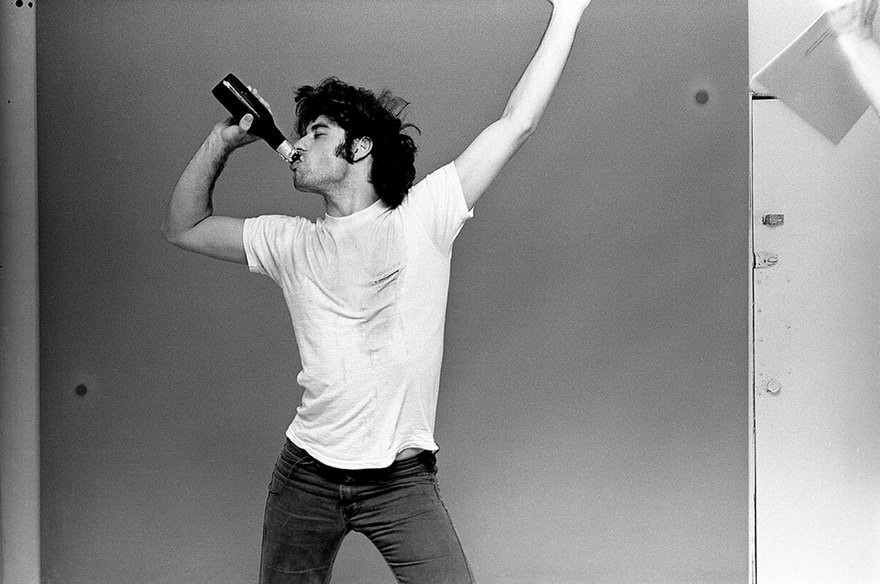
John Travolta was at the height of his fame when Seeff turned the camera on him. Saturday Night Fever and Grease had made him a global icon, and Seeff’s lens catches the magnetic quality that made audiences respond to him so strongly.
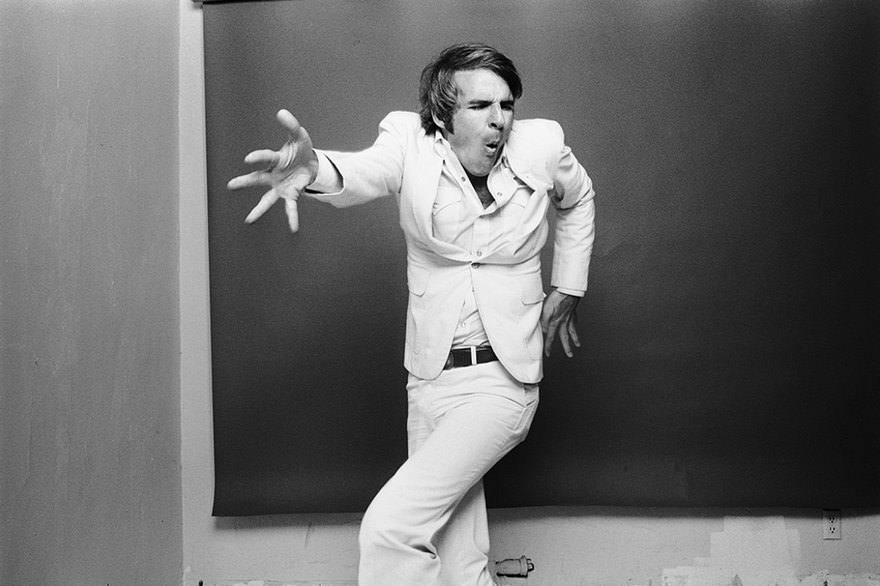
Steve Martin appears multiple times throughout Seeff’s portfolio, a sign of the genuine creative connection between the two. Martin’s comedy persona was wild and unpredictable on stage, but Seeff also found the quieter, more reflective side of him.
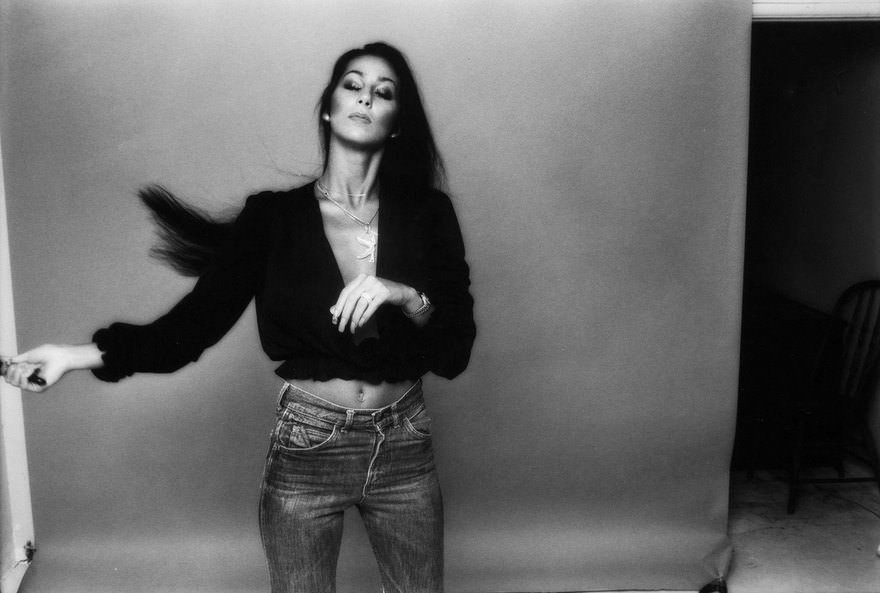
Cher’s bone structure and commanding presence were made for Seeff’s style of portraiture. She appears more than once in his work, including alongside her then-husband Gregg Allman, giving viewers a glimpse into both her public and private worlds.
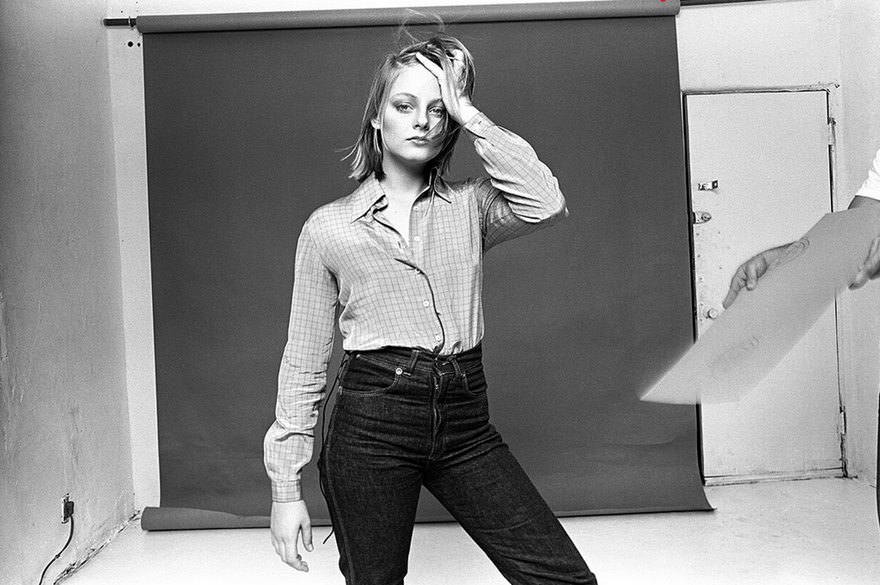
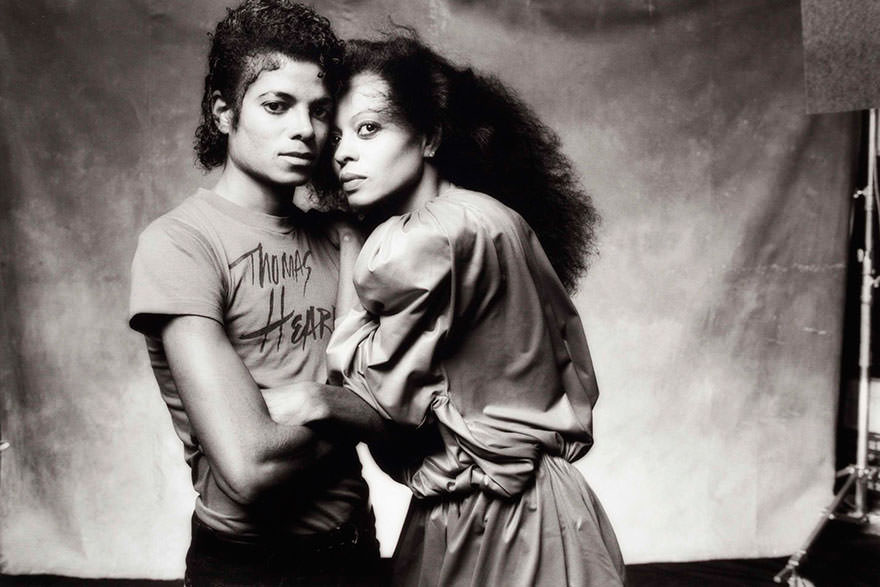
Michael Jackson appears here in a shared frame, a rarer image than his many solo portraits. By the late 1970s and early 1980s, Jackson was transitioning from his years with the Jackson 5 into an unstoppable solo career, and Seeff documented him during that pivotal stretch.
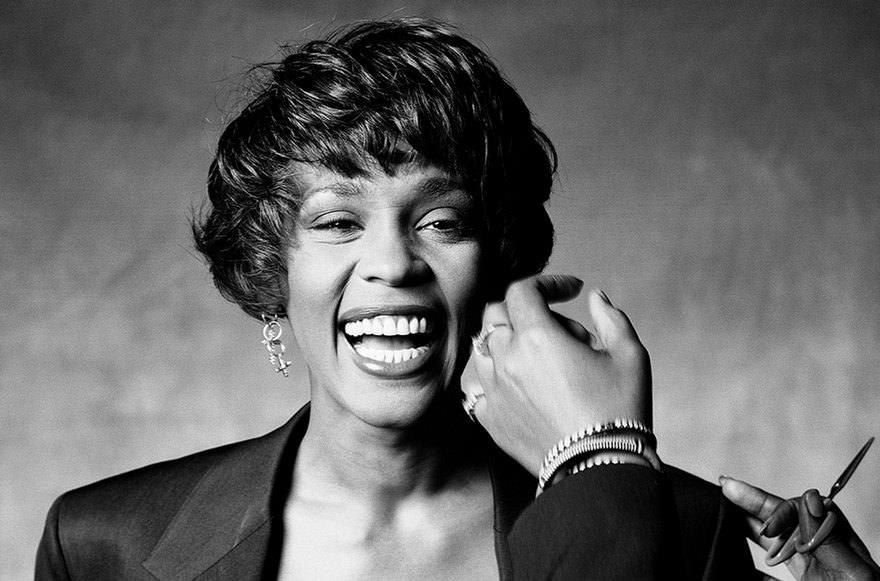
Whitney Houston radiated an effortless star quality that needed no embellishment. Seeff photographed her more than once, and each image underscores why she was considered one of the most naturally gifted performers of her generation.
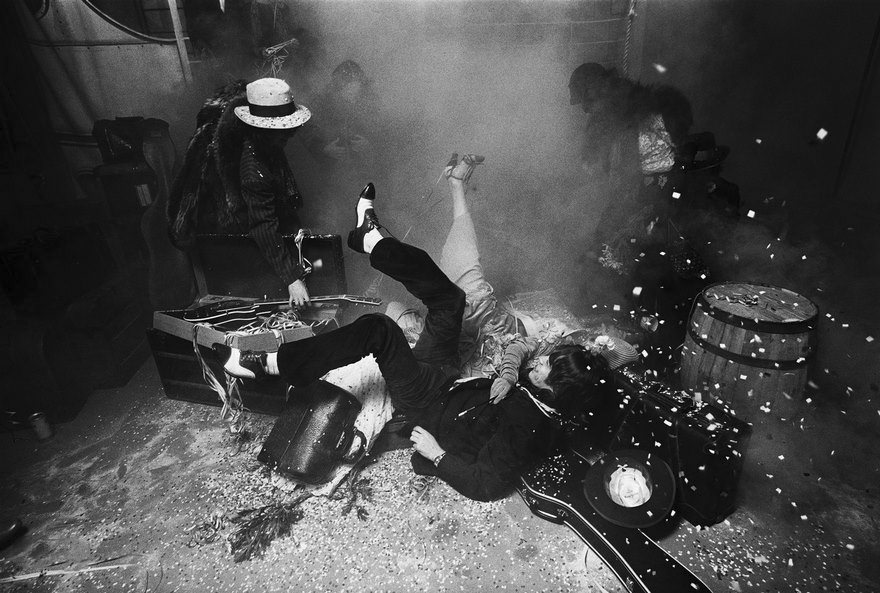
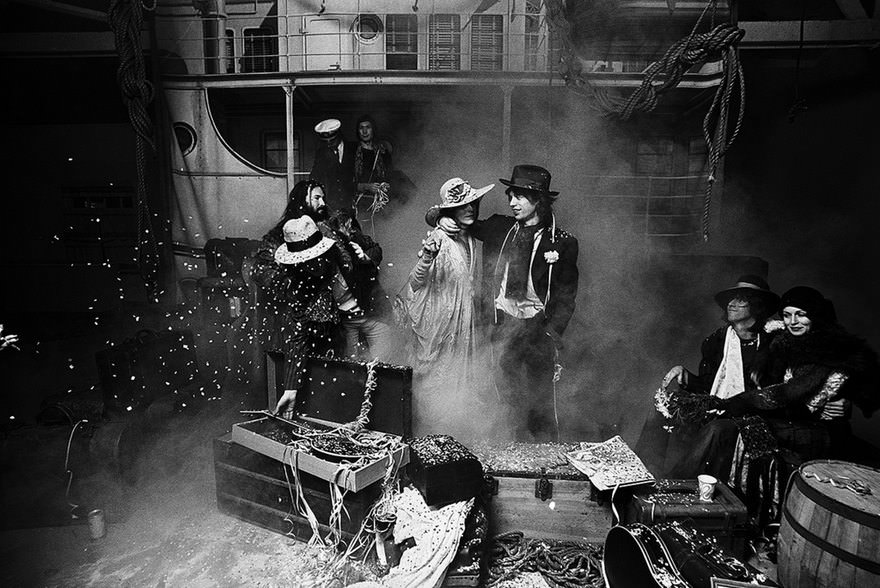
The Rolling Stones were one of the most photographed bands in rock history, yet Seeff still managed to find something fresh. His images of the group — captured both together and individually — reflect the band’s swagger without leaning on the usual rock clichés.
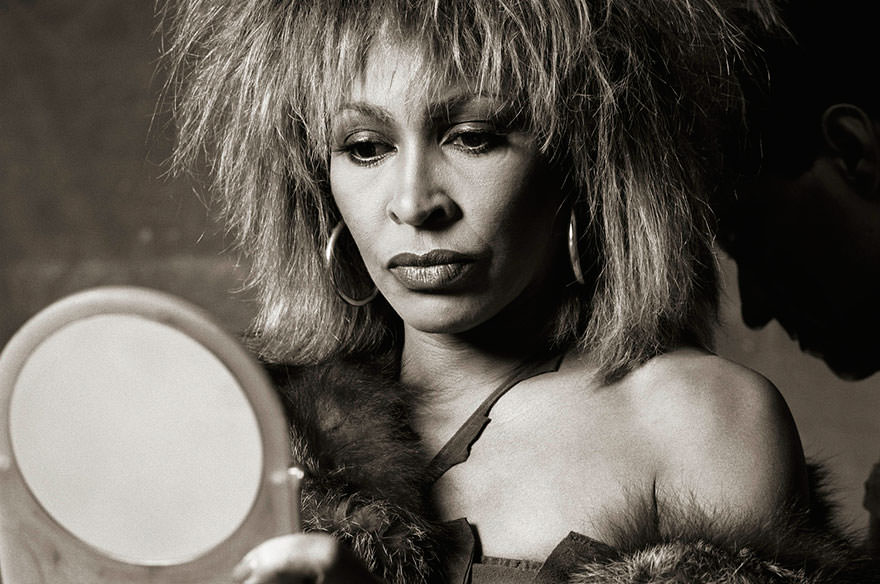
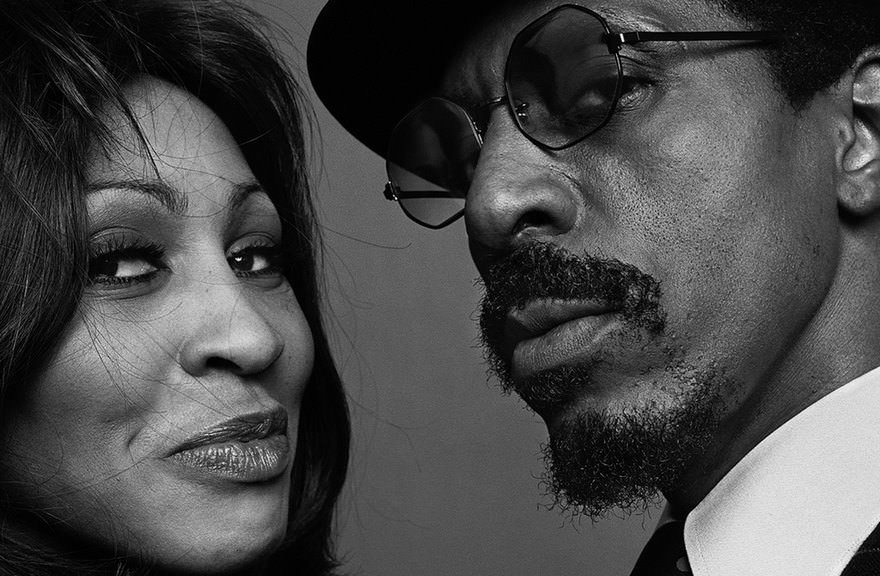
Tina Turner is one of Seeff’s most celebrated subjects. She appears both with Ike Turner and in her own right, and the contrast between those two sets of images is telling. Even in still photographs, her physical power and intensity are unmistakable.
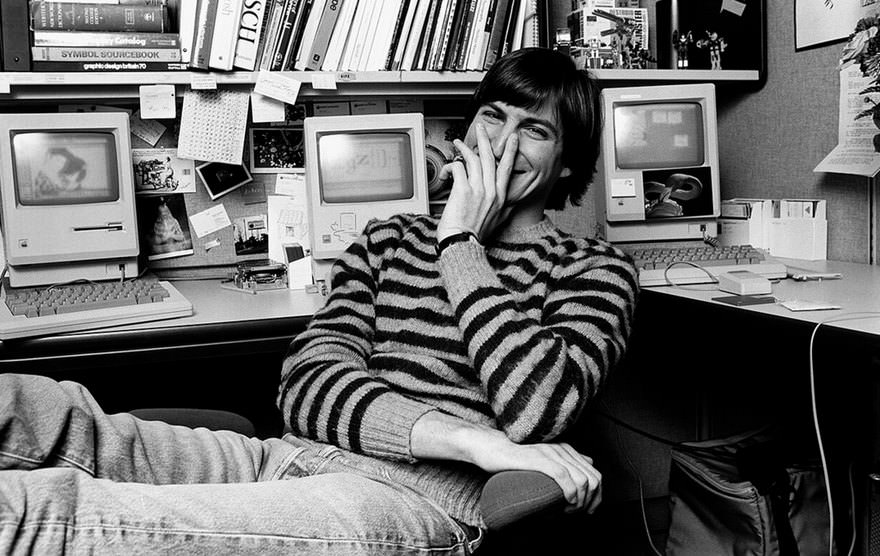
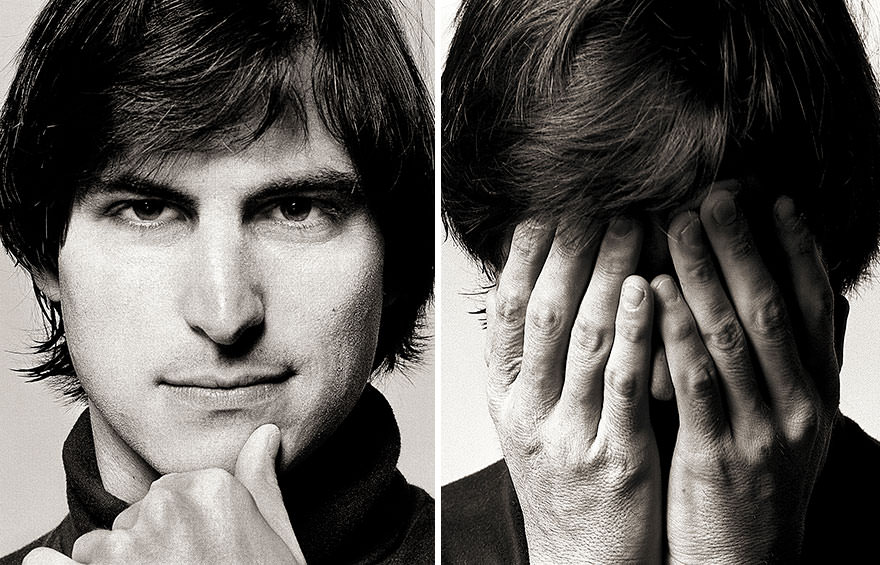
Steve Jobs sits among Seeff’s subjects as a reminder that the photographer’s reach extended well beyond entertainment. Jobs appears three times in this collection, each image offering a slightly different facet of the man who was reshaping the technology industry from a garage in Cupertino.
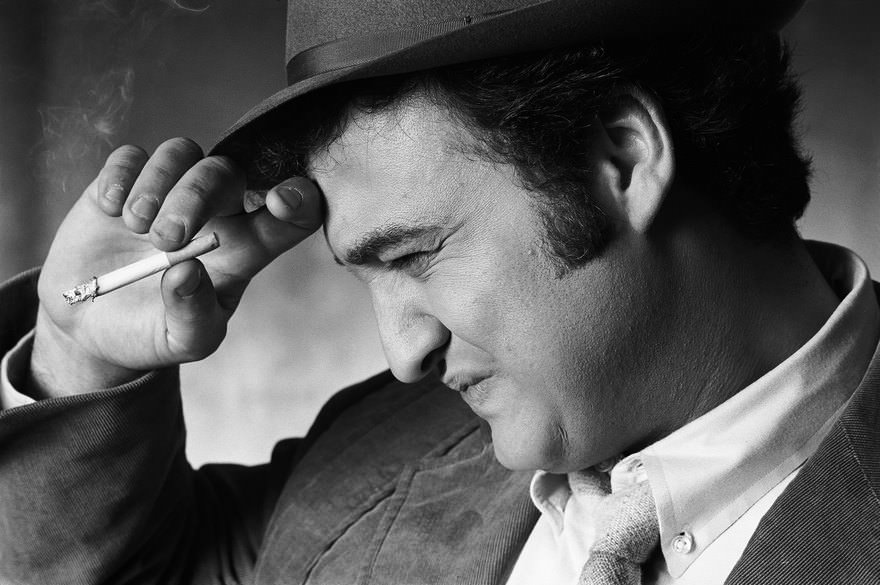
John Belushi brought a barely contained chaos to everything he did, and Seeff’s portrait of him holds that energy in check just enough to make it compelling. Belushi died in 1982, making photographs like this one part of a limited visual record of a short but explosive career.
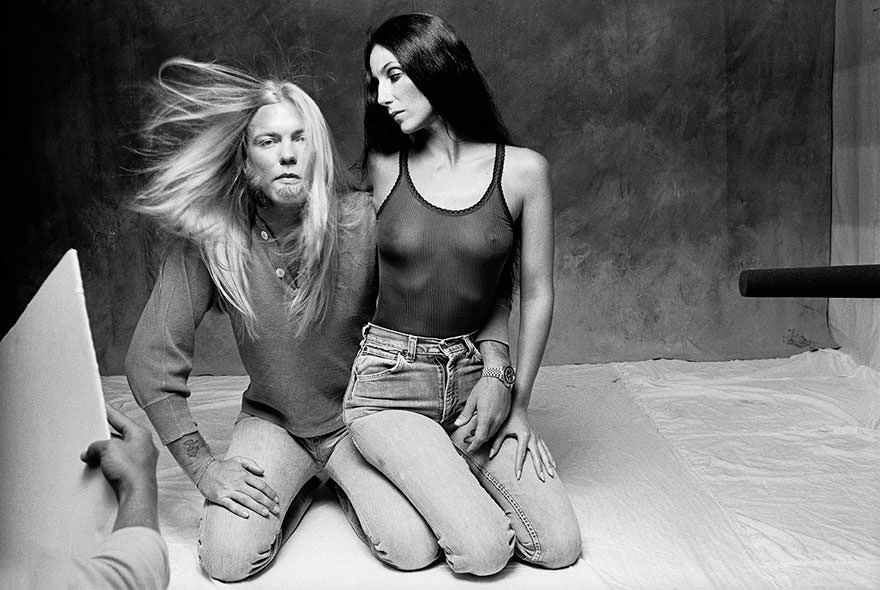
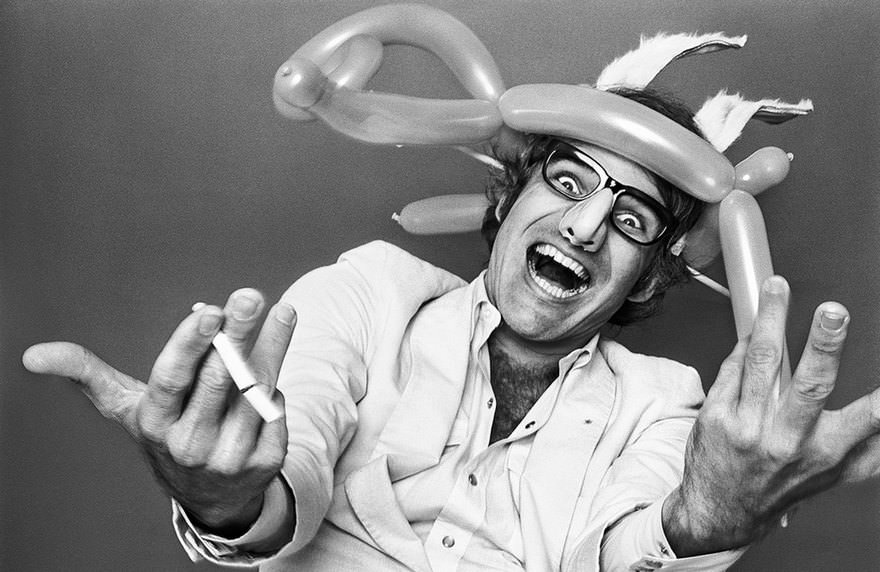
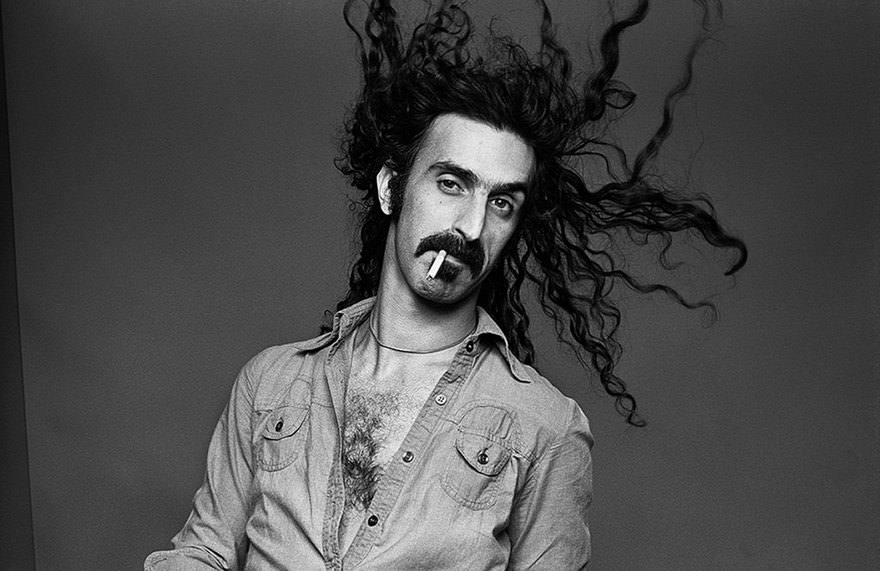
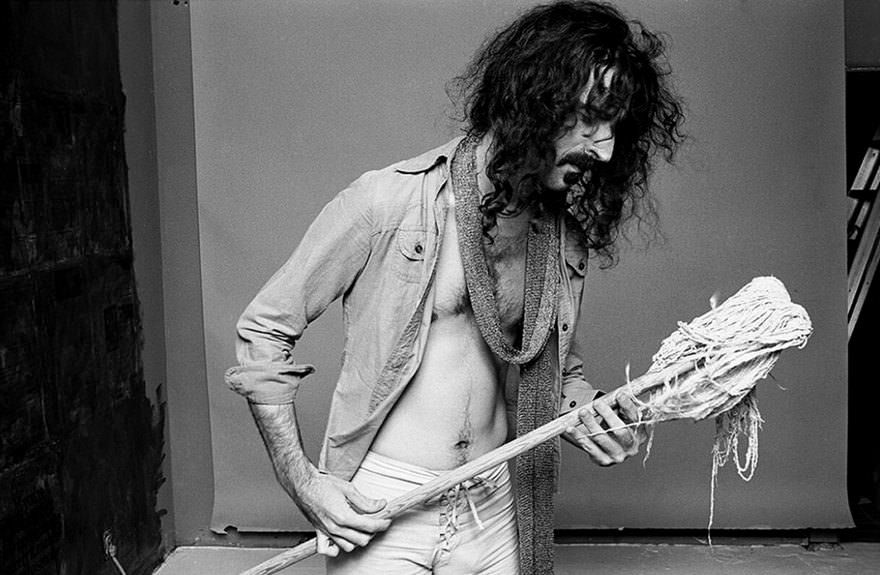
Frank Zappa was one of rock’s most intellectually restless figures, and he appears twice in Seeff’s collection. Zappa’s face — angular and sharp — photographs almost as distinctively as his music sounds. Seeff captures him without irony, letting the subject speak for himself.
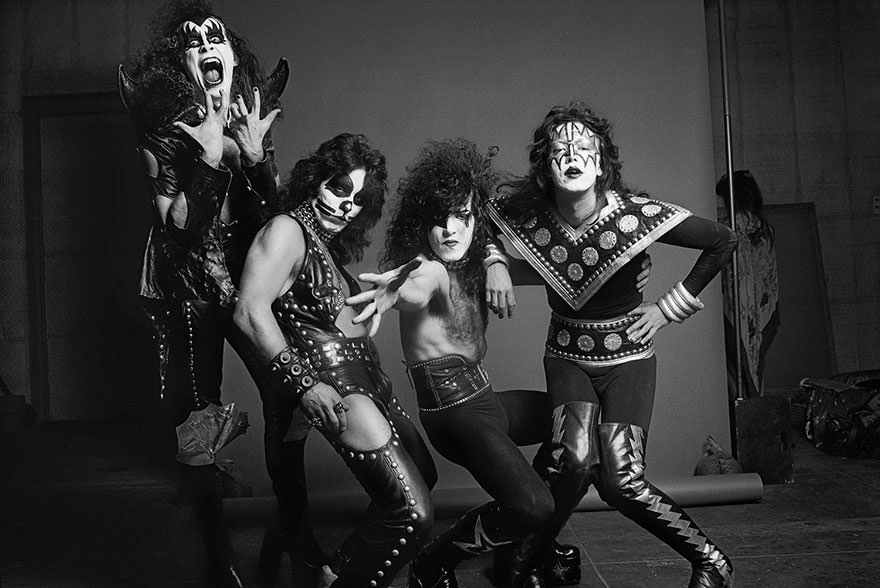
Kiss in full makeup is an instantly recognizable image, but Seeff’s black and white treatment transforms the theatrical look into something almost painterly. The absence of color forces the viewer to focus on form rather than spectacle.
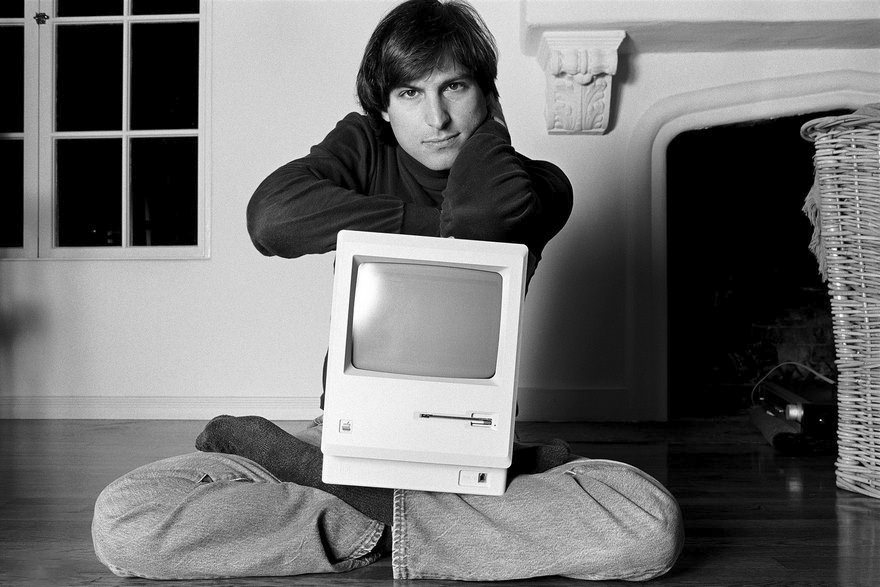
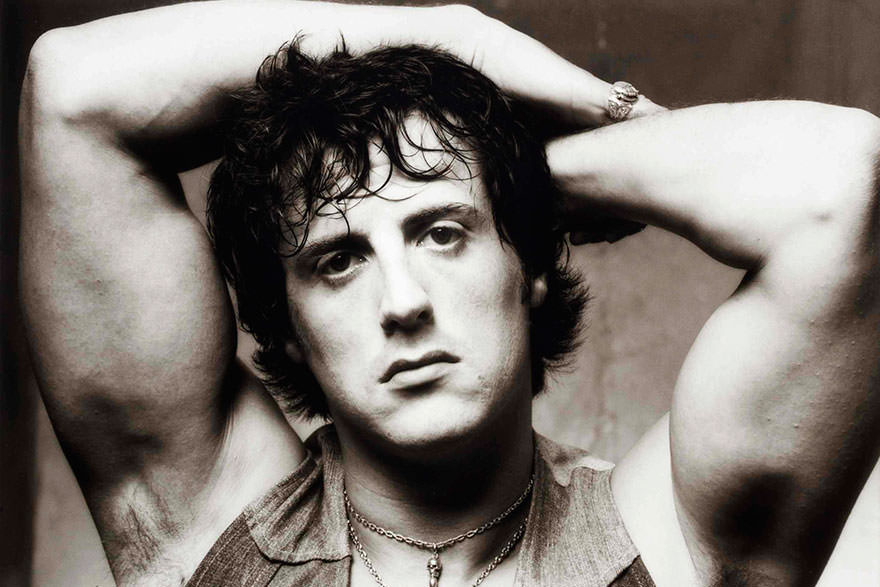
Sylvester Stallone was one of the biggest action stars in the world during this period, with Rocky and Rambo turning him into a cultural symbol. Seeff’s portrait moves past the action-hero image and finds something more considered and still.
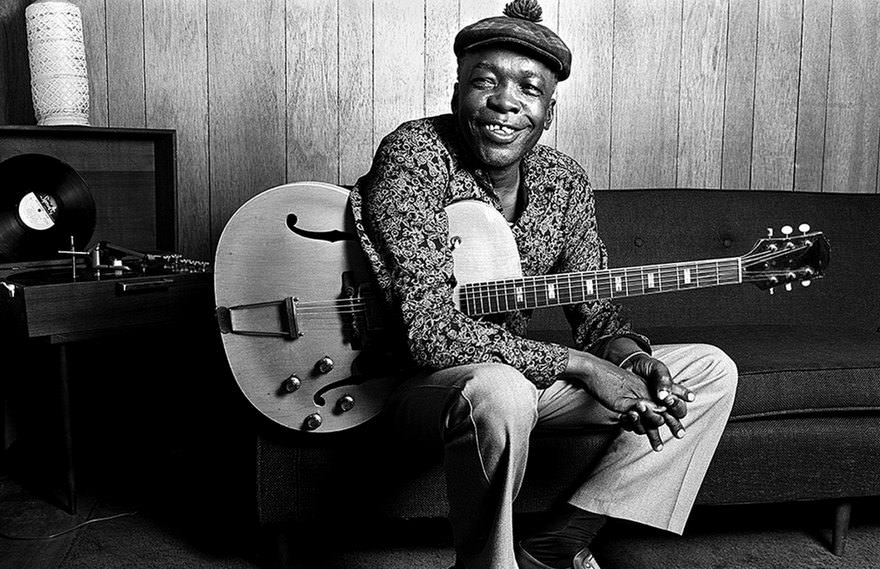
John Lee Hooker was one of the architects of the blues, and by the time Seeff photographed him, he had been performing for decades. His portrait carries the weight of that history. Few genres translate to black and white photography as naturally as the blues.
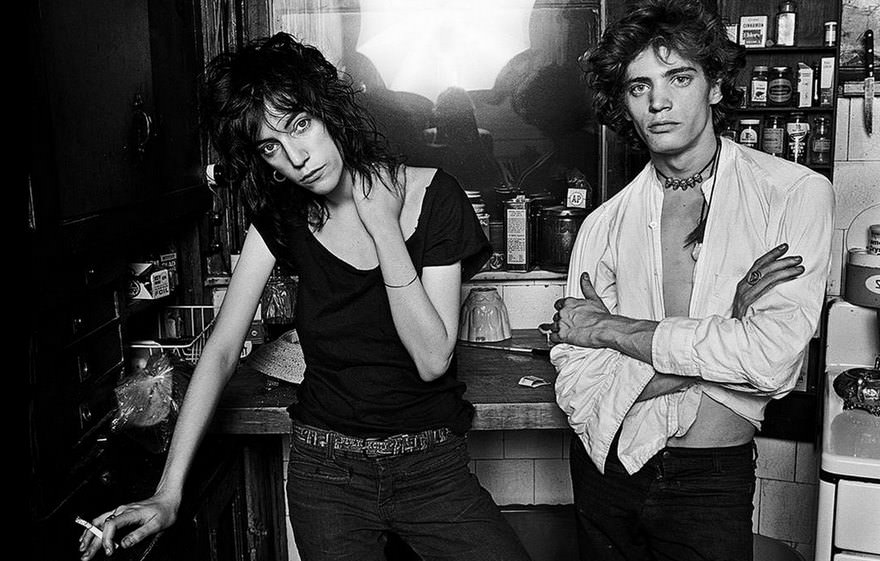
Patti Smith and Robert Mapplethorpe together in a single frame is a significant image. Their friendship and creative partnership defined a key chapter of New York’s downtown arts scene in the 1970s. Mapplethorpe himself was one of the great photographers of the era, making this a portrait of a portrait-maker.
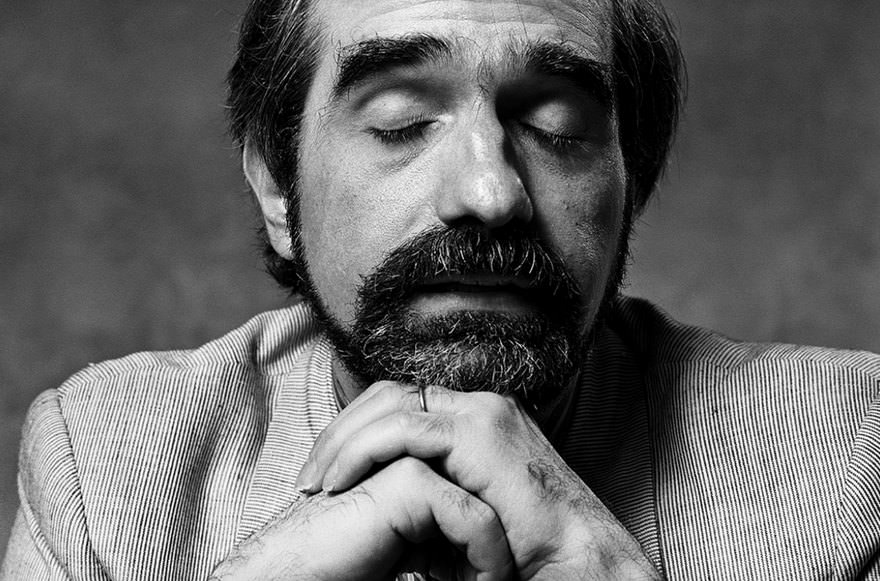
Martin Scorsese was directing some of the most important American films of the 1970s during his time in front of Seeff’s camera. Taxi Driver, Raging Bull, and Mean Streets all came from this period. Seeff’s image of him is alert and focused, matching the director’s own intensity.
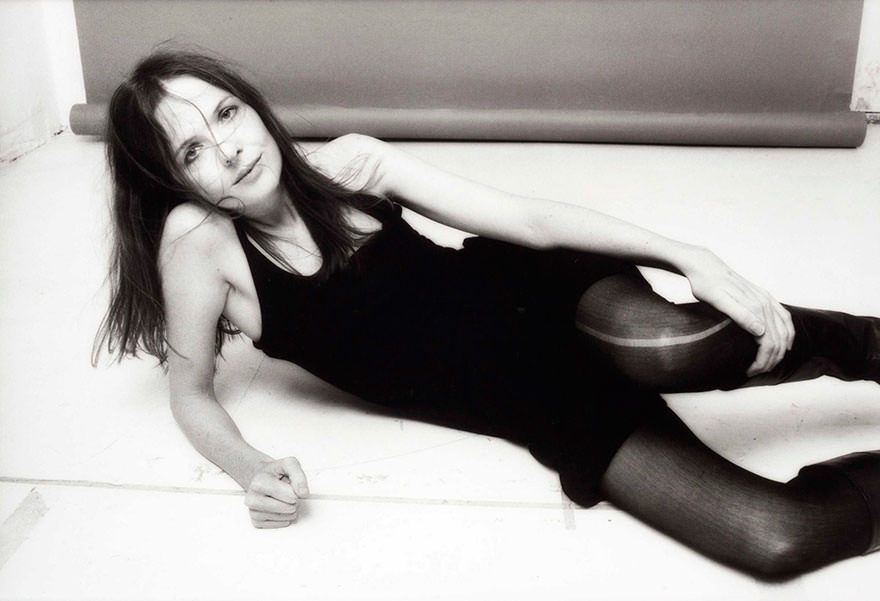
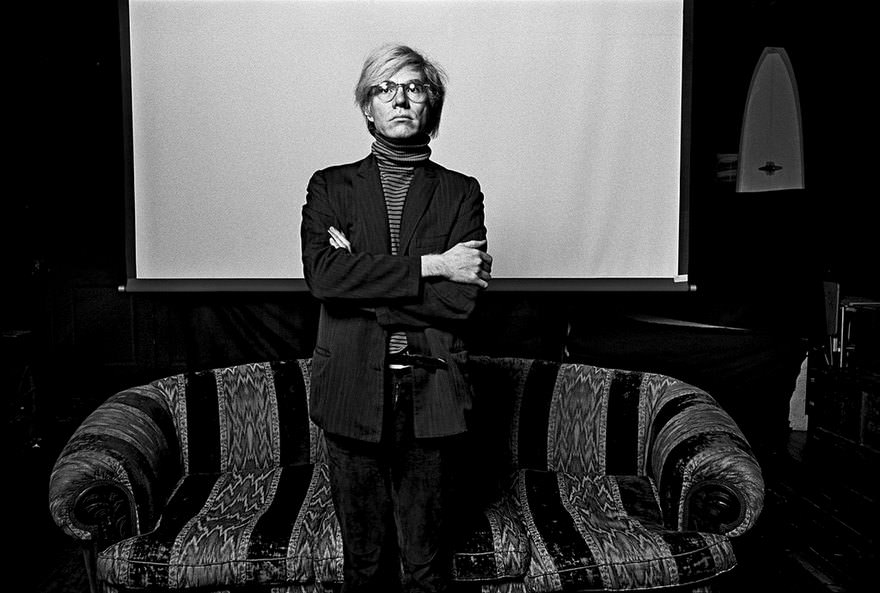
Andy Warhol spent much of his career photographing and filming others, so being on the opposite side of a camera lens carries its own layer of meaning. Seeff’s portrait of Warhol is cool and composed, reflecting the Factory founder’s own detached aesthetic sensibility.
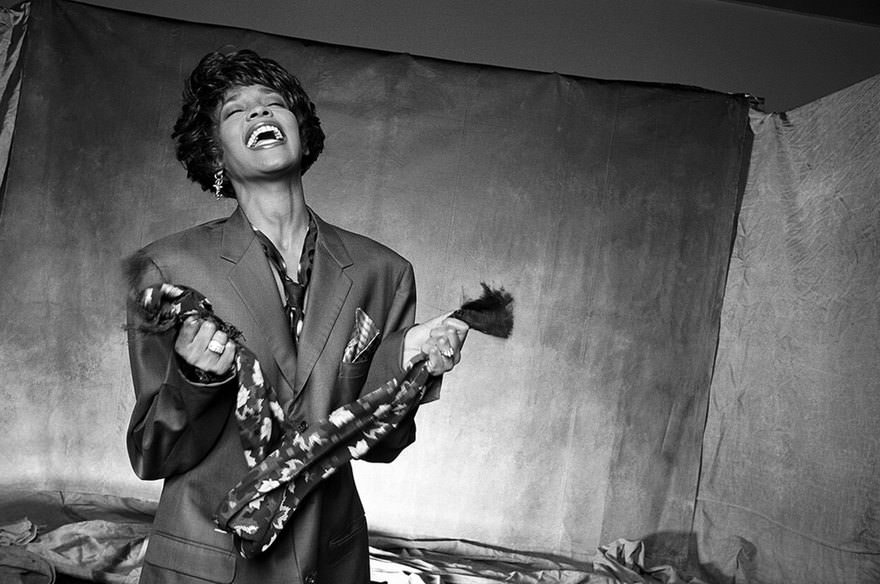
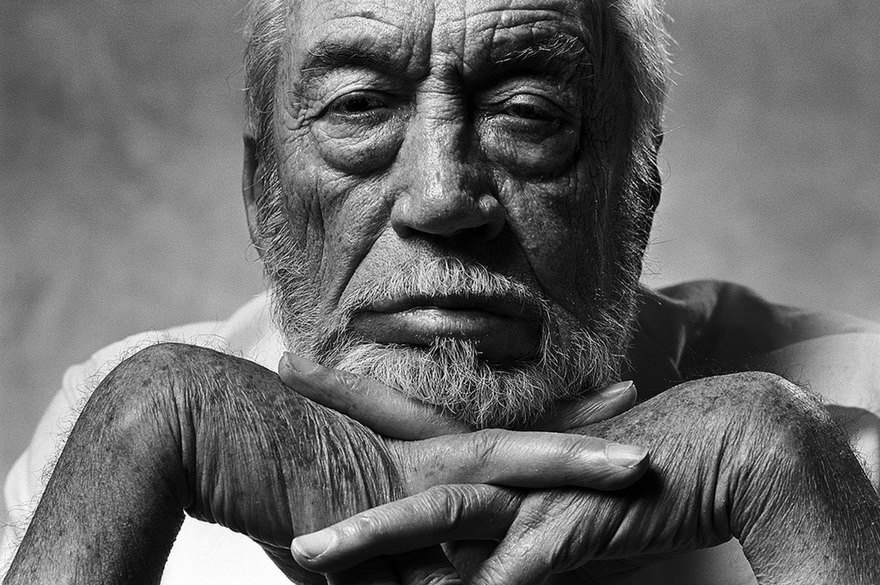
John Huston, the director of The Maltese Falcon and Chinatown, was in the later years of his career when Seeff photographed him. His face by then had become one of Hollywood’s most weathered and recognizable, and Seeff’s black and white image captures its deep character without flattery.
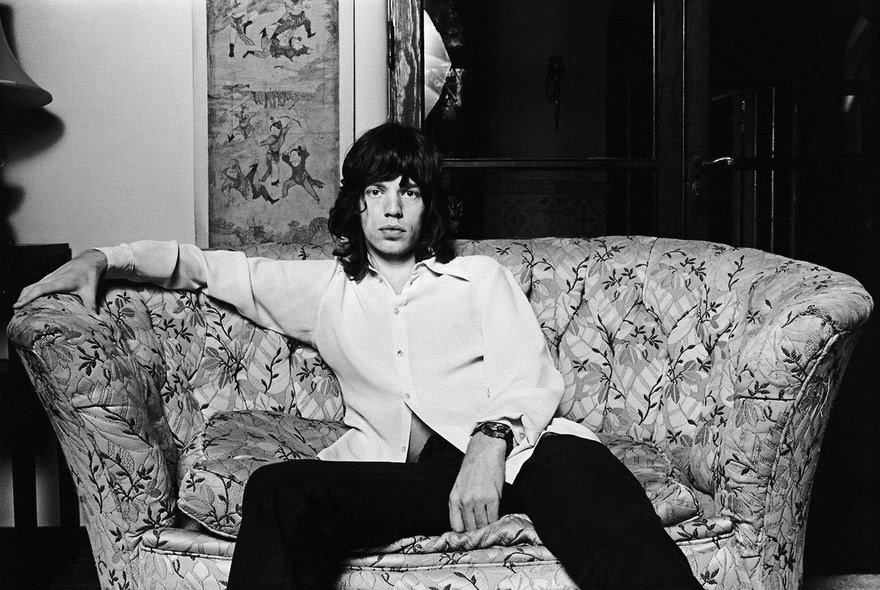
Mick Jagger apart from the rest of the Stones is a different kind of photograph. Without the band around him, the focus falls entirely on his face and bearing, both of which Seeff renders with exceptional clarity.
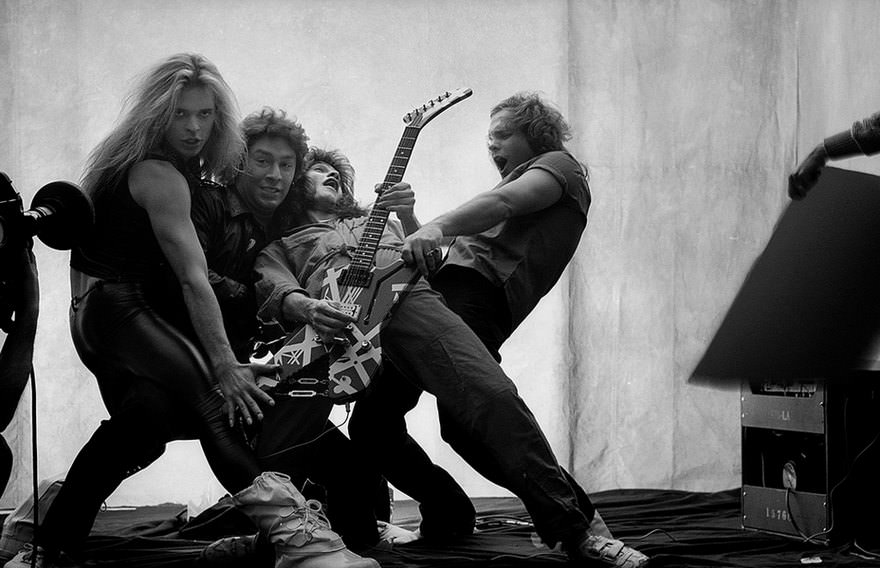
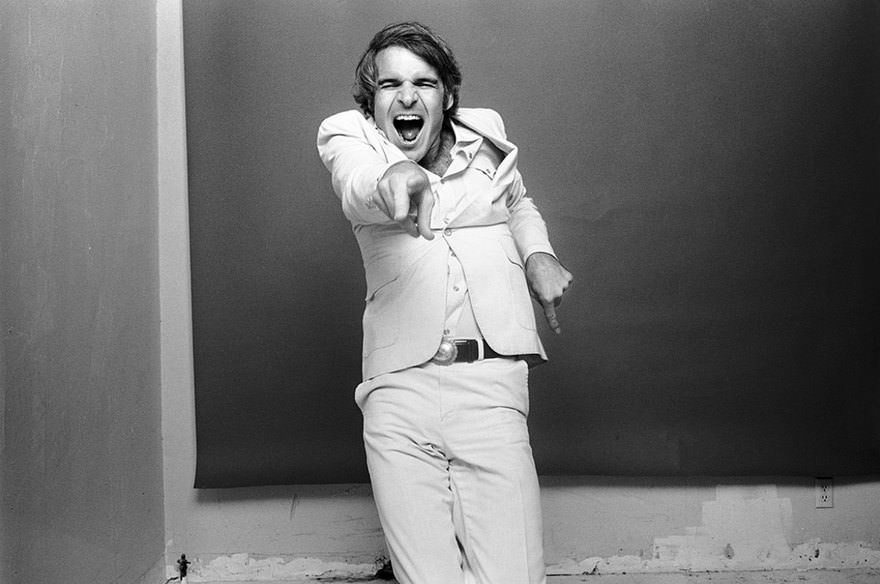
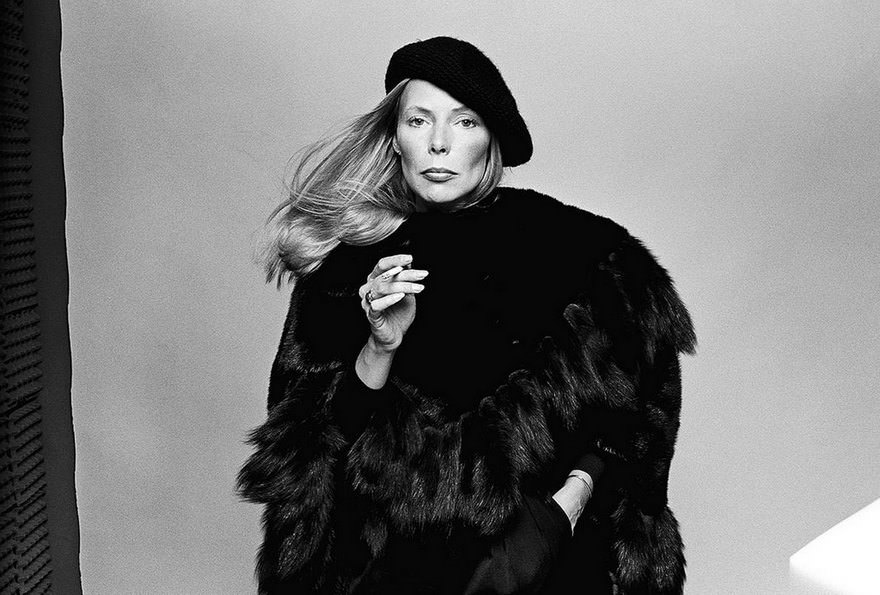
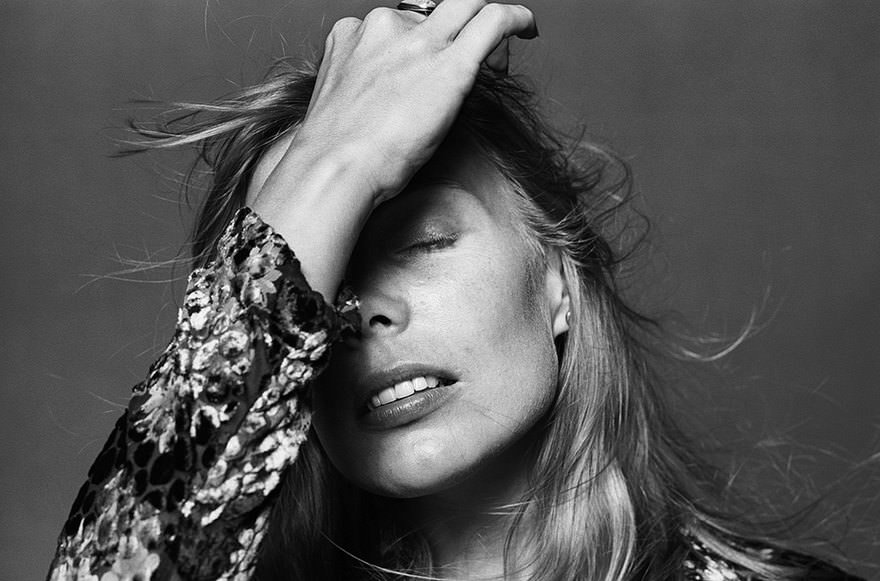
Joni Mitchell appears twice in Seeff’s collection. Her music from the 1970s — albums like Court and Spark and Hejira — put her at the center of the singer-songwriter movement, and Seeff’s portraits reflect a thoughtful, interior quality that matches her songwriting.
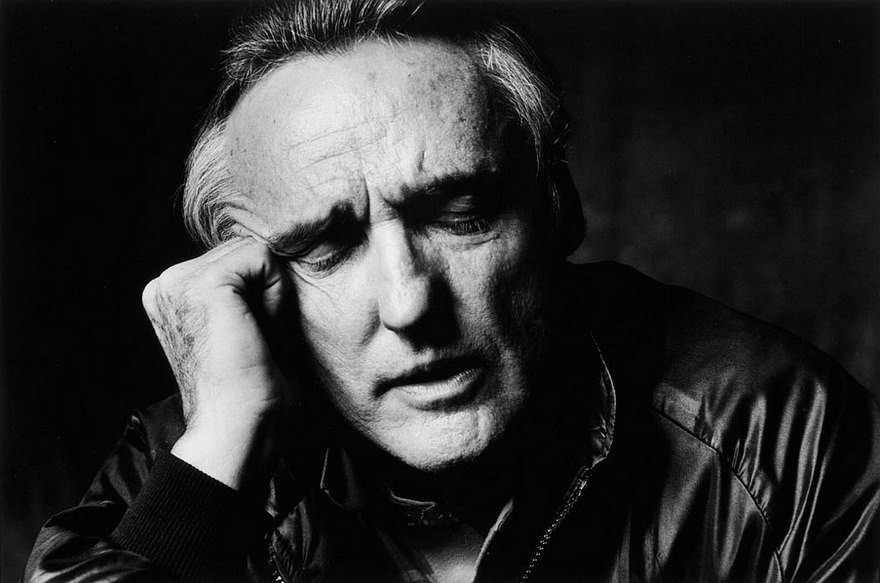
Dennis Hopper was an actor and director whose personal life was as turbulent as his on-screen characters. Seeff’s portrait doesn’t shy away from the hard edges. Hopper directed Easy Rider in 1969 and spent much of the 1970s navigating a complicated Hollywood comeback.
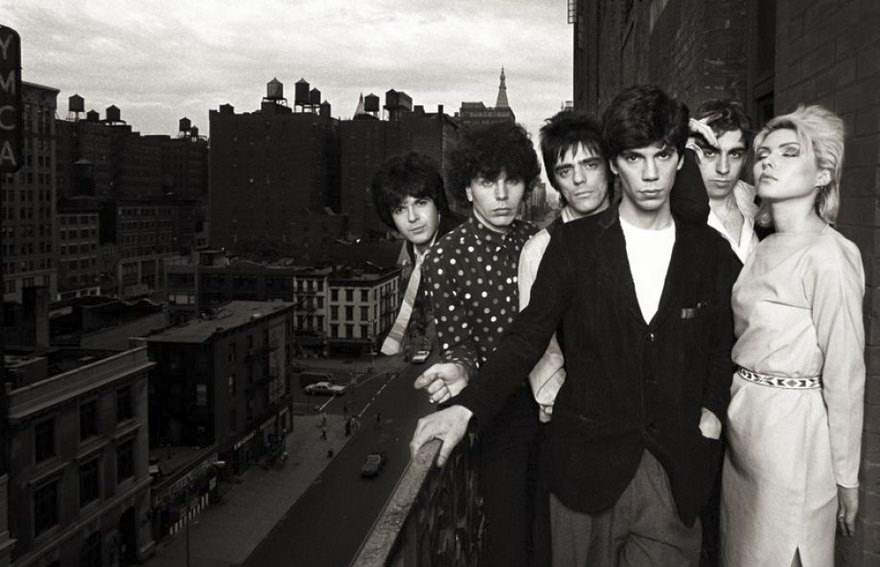
Blondie brought punk energy and pop accessibility together in a way that few bands managed. Seeff’s photograph captures the group during their commercial peak, when Debbie Harry’s image was everywhere and the band was crossing over from CBGB regulars to mainstream radio dominance.
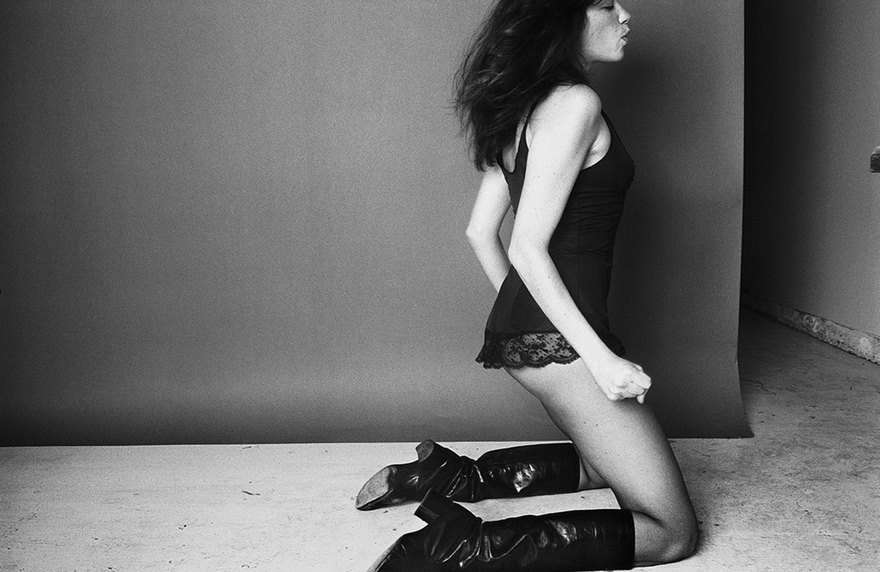
Carly Simon appears three times across this collection, more than almost any other individual subject. Her warmth and directness in front of the camera made her a natural fit for Seeff’s approach, which depended on a real exchange between photographer and subject.
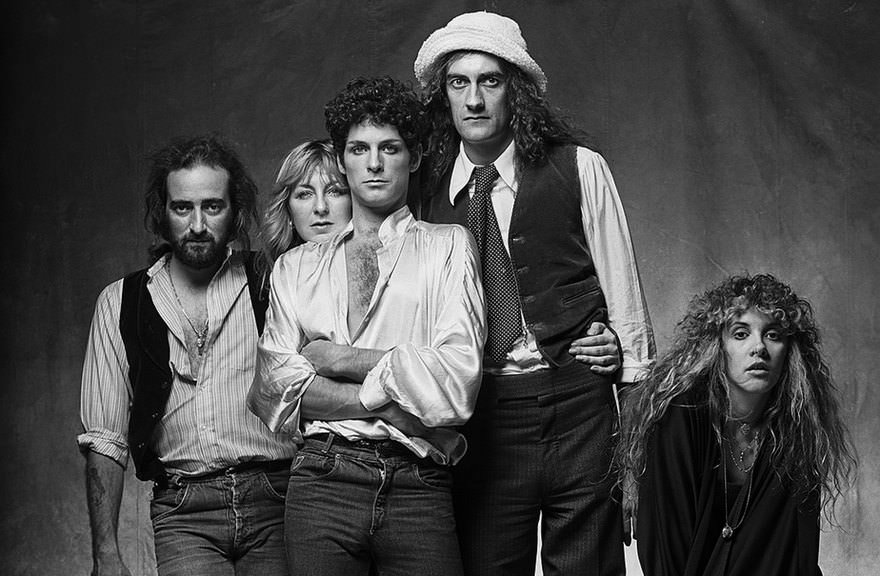
Fleetwood Mac were in the middle of one of the most dramatic periods in rock band history when Seeff photographed them. Rumours, released in 1977, documented the romantic and personal breakdowns happening within the group in real time, and the tensions were far from resolved when this image was taken.
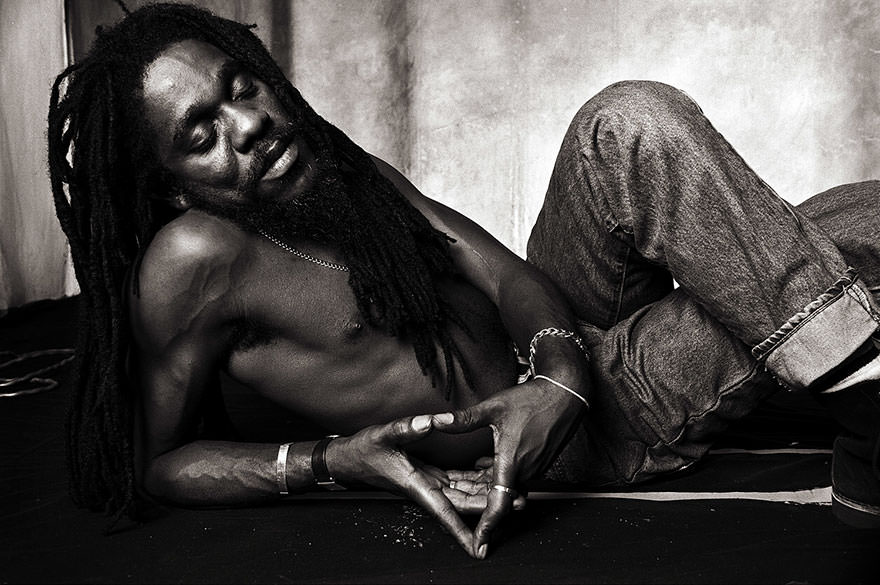
Bob Marley was introducing reggae to a global audience during the late 1970s, and Seeff’s portrait of him is one of the quieter images in the collection. Marley died in 1981, and photographs from this period are among the last taken of him in good health.
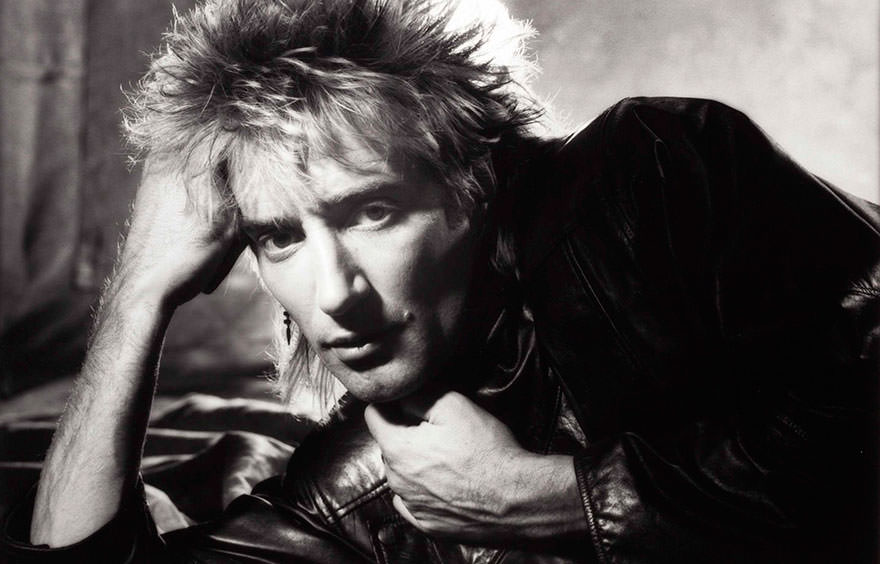
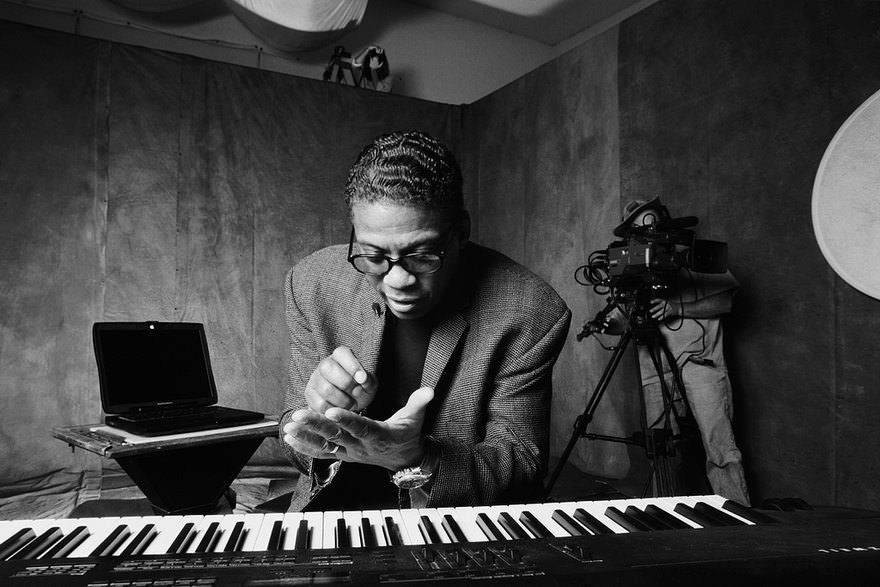
Herbie Hancock was one of jazz’s most adventurous musicians, constantly pushing the genre toward new sounds and electronic instruments. Seeff’s portrait of him fits naturally into a collection that prizes creative ambition above celebrity surface.
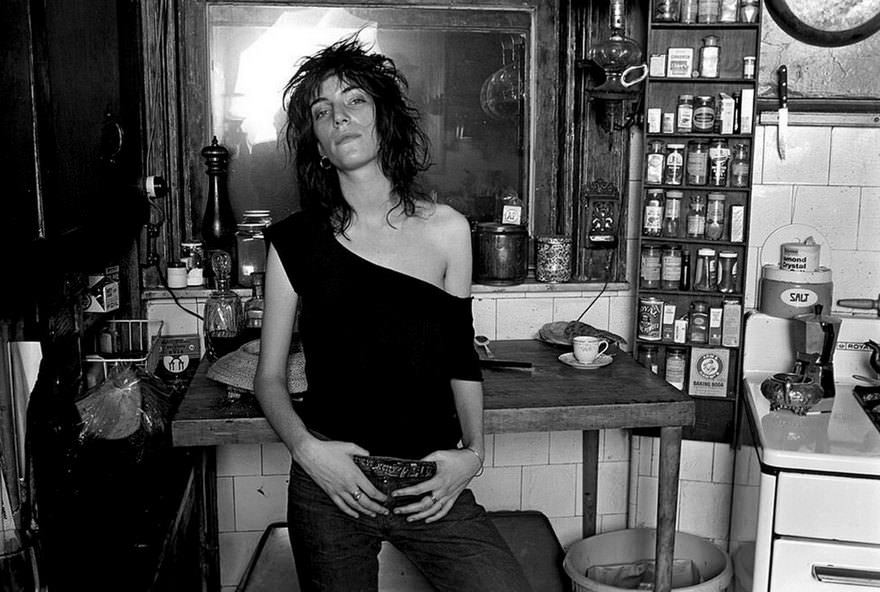
Patti Smith on her own is a striking contrast to her earlier image alongside Mapplethorpe. Her 1975 album Horses had made her one of punk’s founding voices, and Seeff’s solo portrait of her projects the full force of that identity.
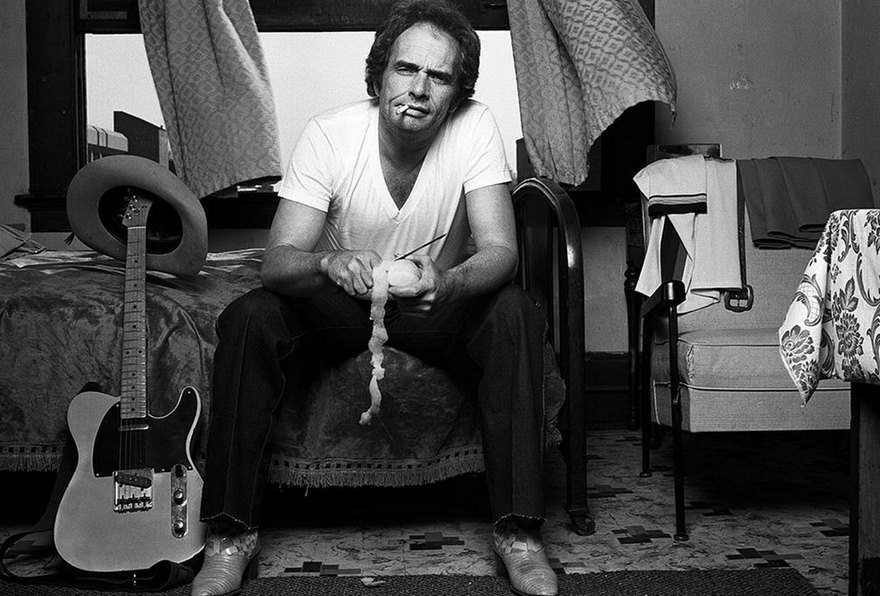
Merle Haggard stands as the country music outlier in a collection dominated by rock, pop, and Hollywood. His presence here underlines the breadth of Seeff’s interests. Haggard’s face tells decades of American working-class life, and Seeff’s camera reads it plainly.
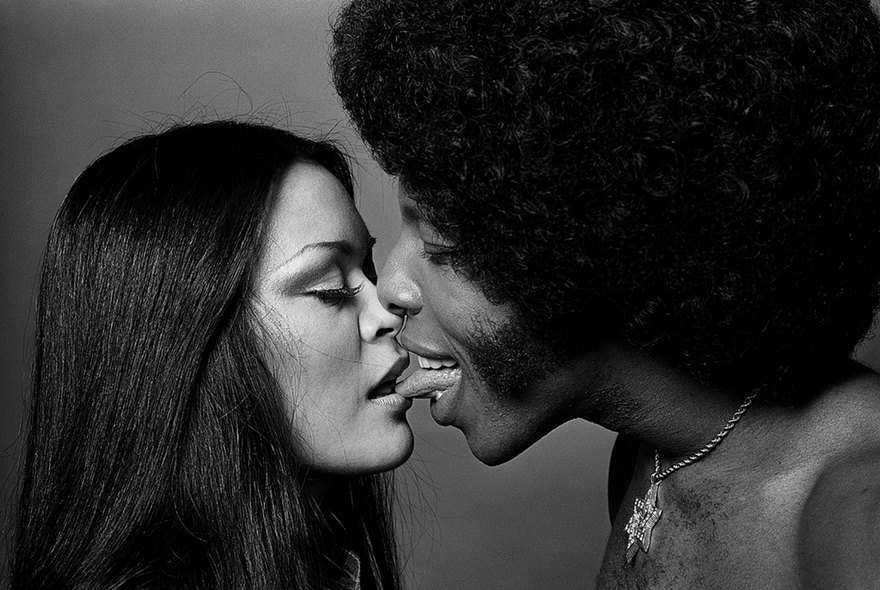
Sly Stone photographed with Kathy Silva, whom he married in 1974 in a ceremony held at Madison Square Garden in front of 21,000 people. By that point, Sly and the Family Stone had already changed the direction of funk and soul music permanently.
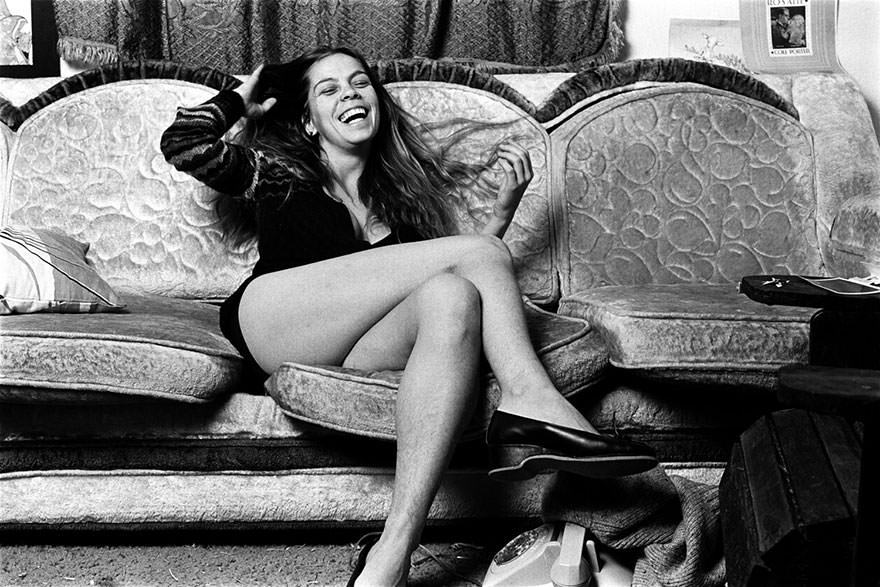
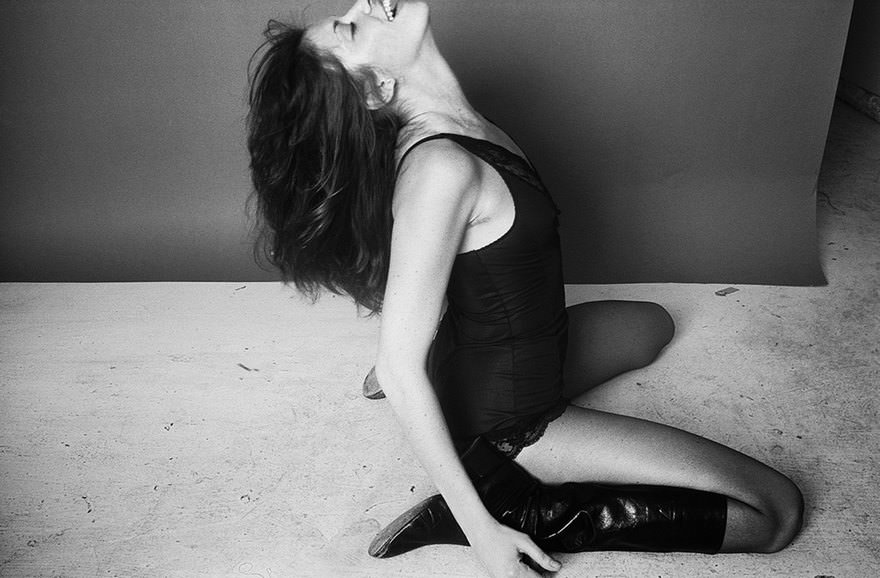
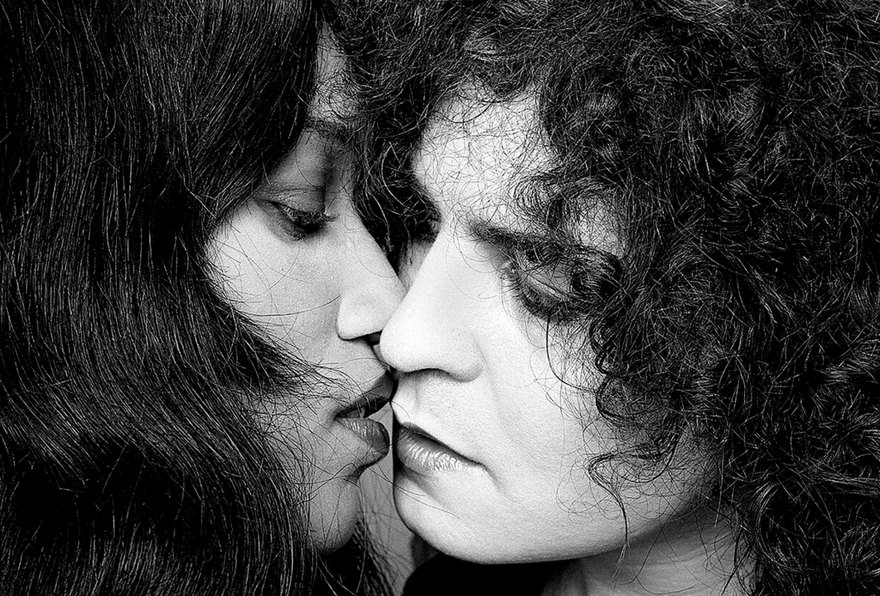
Marc Bolan of T. Rex appears here with Gloria Jones, his partner during the final years of his life. Bolan died in a car crash in September 1977, and Jones was driving the vehicle at the time. This image, taken before that tragedy, shows them together without any trace of what was to come.
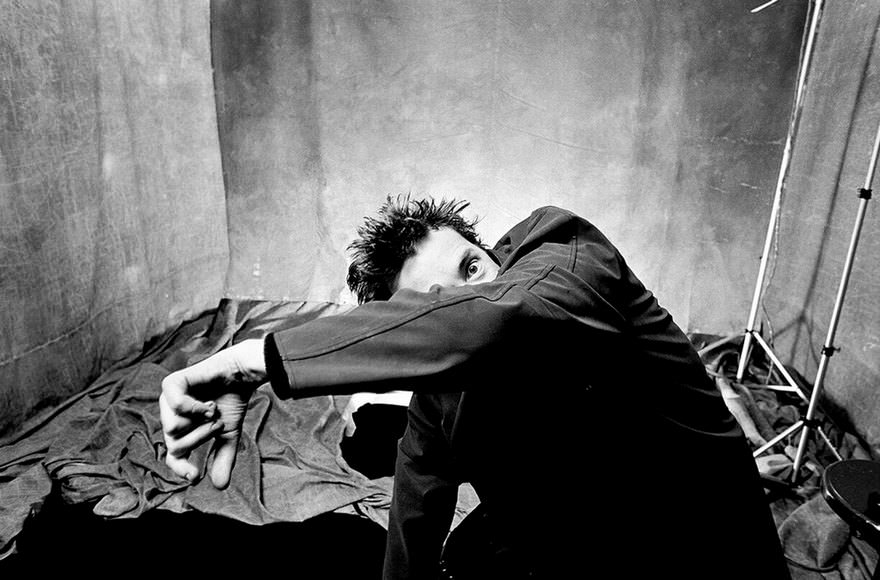
John Lydon, known as Johnny Rotten during his time with the Sex Pistols, brought a confrontational edge to everything he did. Seeff’s portrait of him strips away the punk theater and presents a sharply intelligent face that explains why Lydon was always more than just a provocateur.
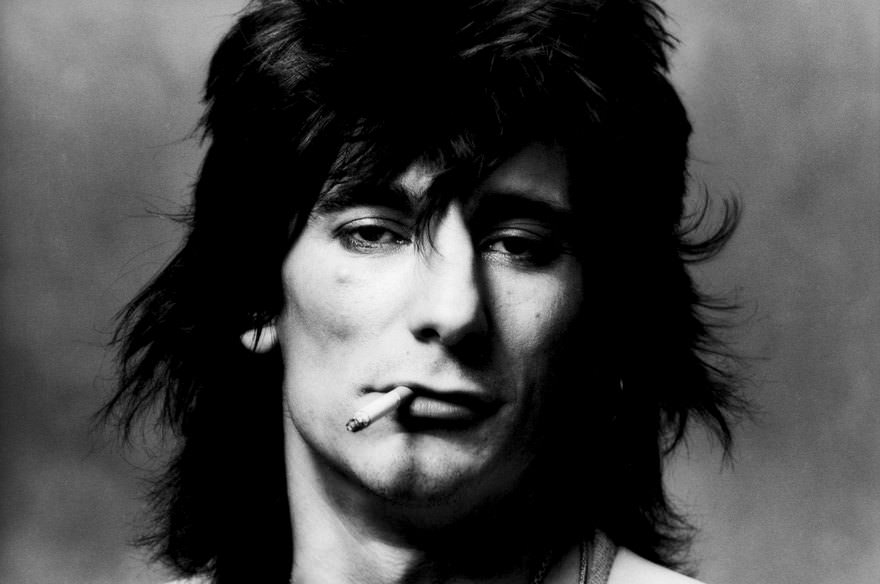
Ronnie Wood closes out the collection as he joined the Rolling Stones — arriving at a moment of transition and making himself essential. Seeff photographed Wood both as part of the Stones and in this individual portrait, rounding out a collection that spans five decades of music, film, and art at their most vital.