Between the First and Second World Wars, no car carried more prestige than a Bugatti. The French marque — founded by Italian-born engineer Ettore Bugatti in Alsace — built machines that were as beautiful to look at as they were fast on a circuit. During the 1920s and 1930s, Bugatti carved out a reputation as the carmaker of choice for royalty, industrialists, and the racing elite. The brand did this not through mass production, but through the opposite: extremely limited numbers, obsessive attention to detail, and a presence on the most famous racetracks in the world.
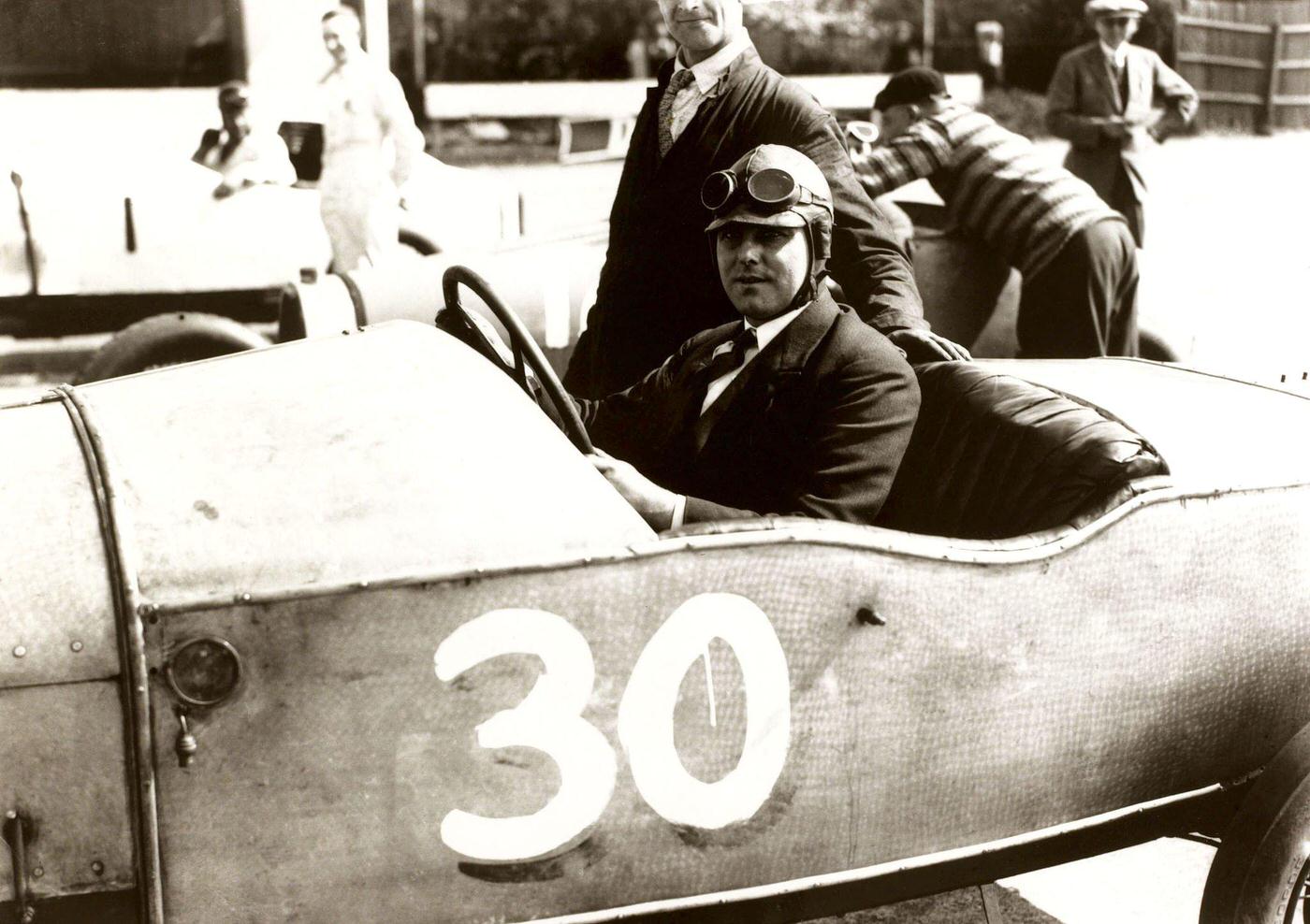
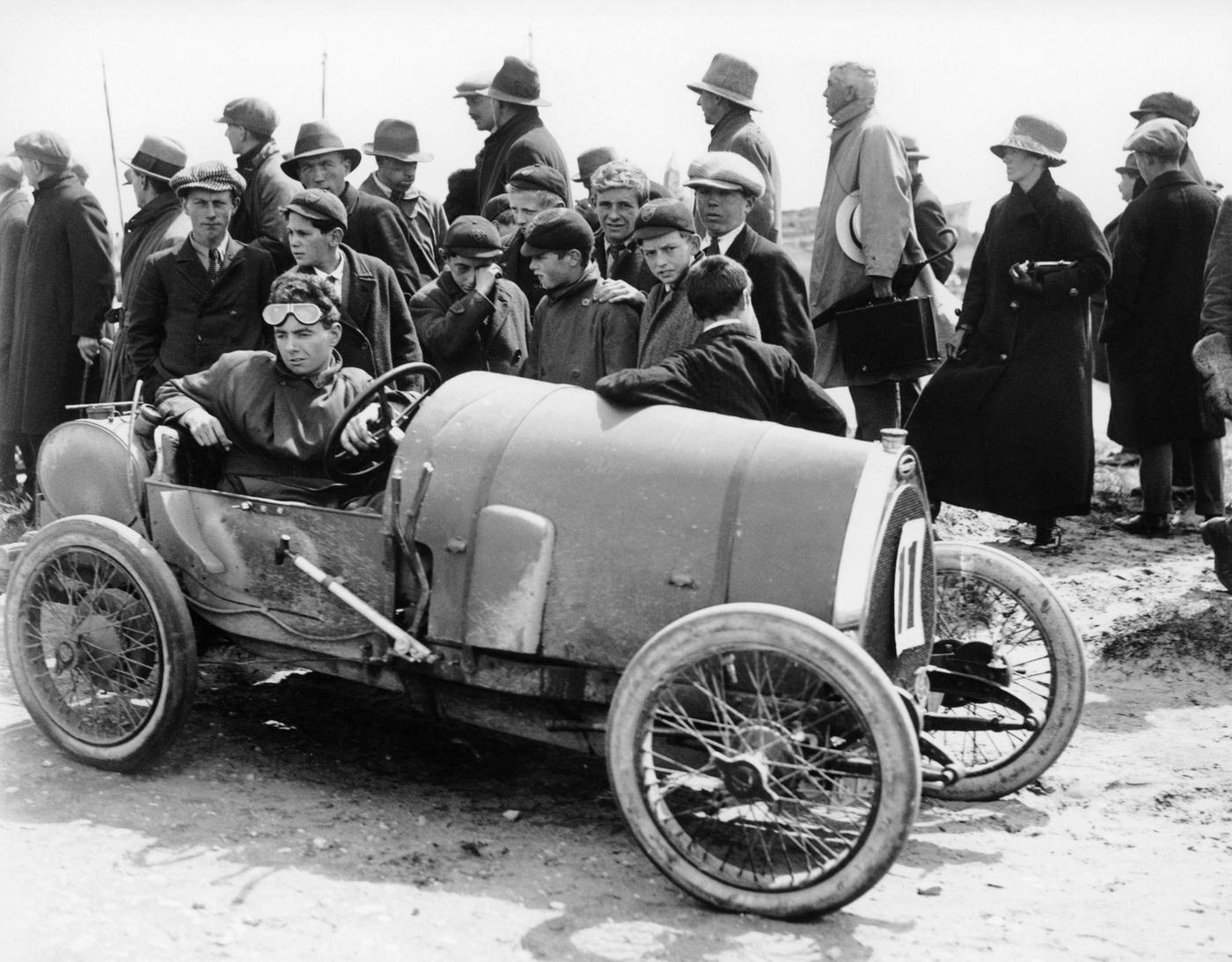
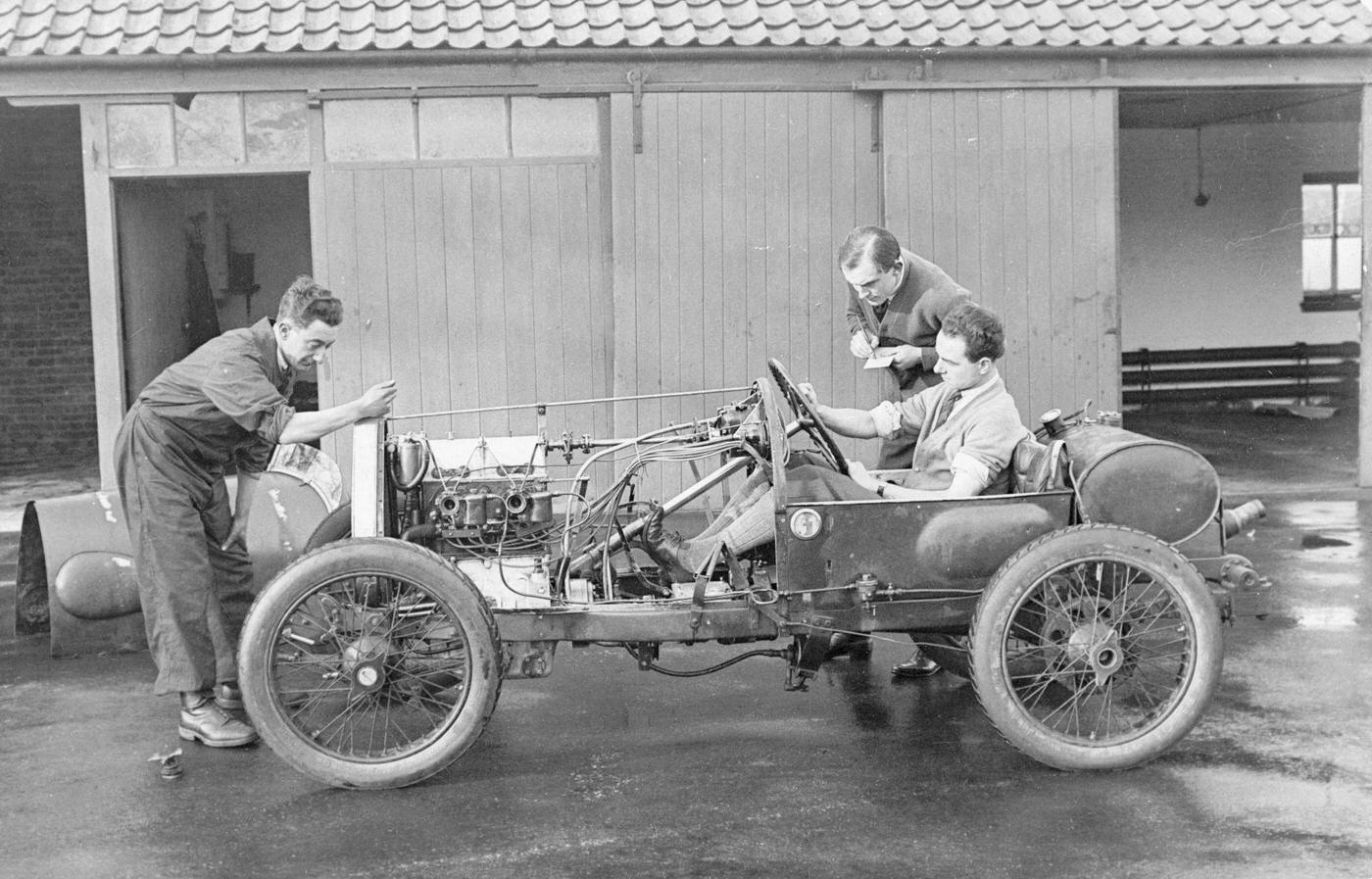
Bugatti’s racing story stretches back to the very beginning. The Type 13, first produced in 1910, was the company’s debut car — a compact machine with a 4-cylinder engine built primarily for competition. The Type 22 followed in 1913, stepping up to a 6-cylinder engine and serving double duty on both road and track. By 1924, the Type 30 had arrived, a smaller 4-cylinder racer that kept Bugatti competitive during a period when rivals were rapidly evolving. These early models laid the groundwork for what was coming next.
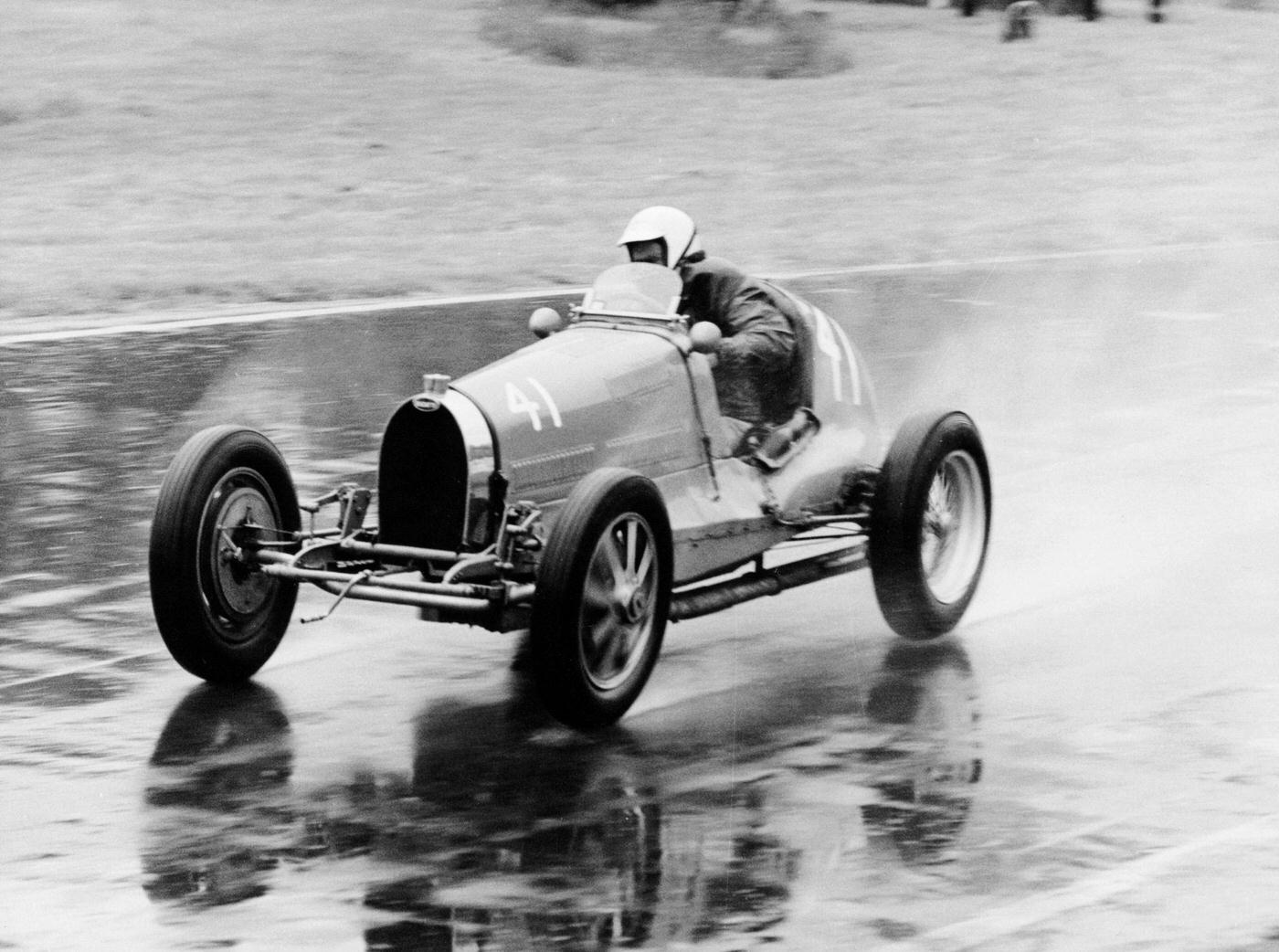
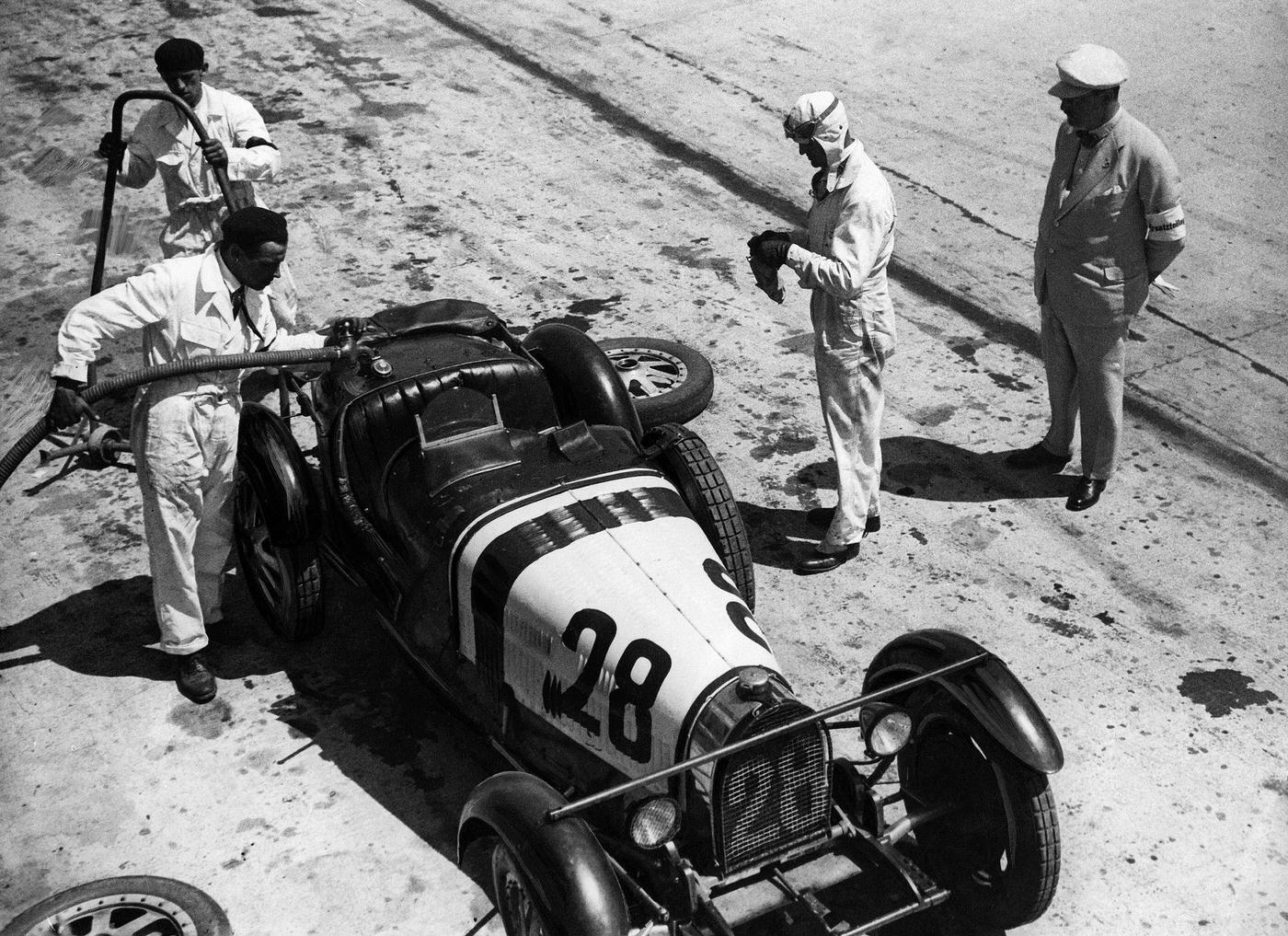
The Type 35, produced from 1924 to 1929, stands as one of the most successful racing cars ever built. Powered by a straight-8 engine, it won over 1,000 races during its production run, dominating Grand Prix circuits across Europe. Its lightweight construction, precise steering, and distinctive alloy wheels with integrated brake drums made it an engineering marvel of the era. Drivers loved how it handled, and race organizers came to expect it on the starting grid as a matter of course.
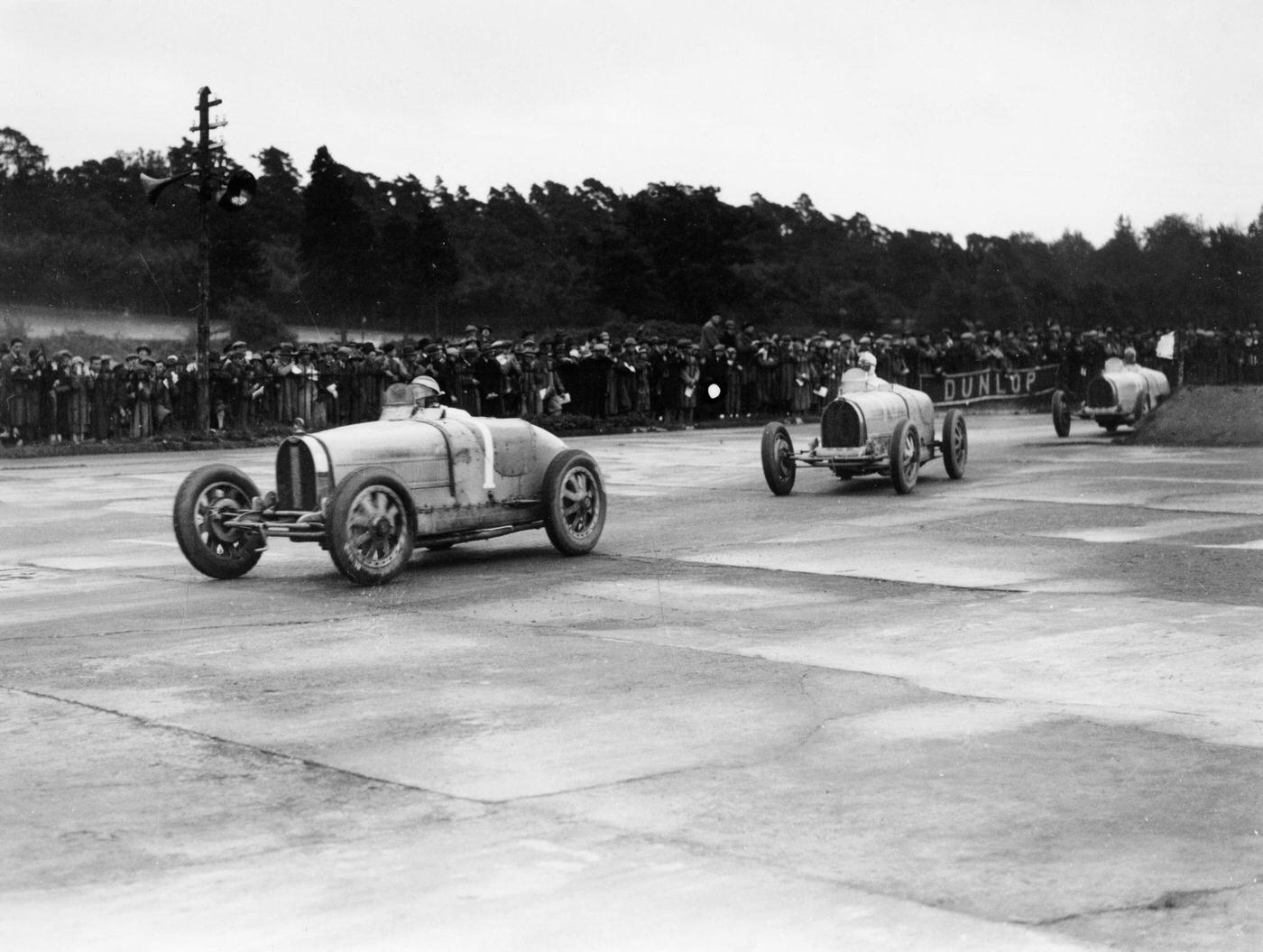
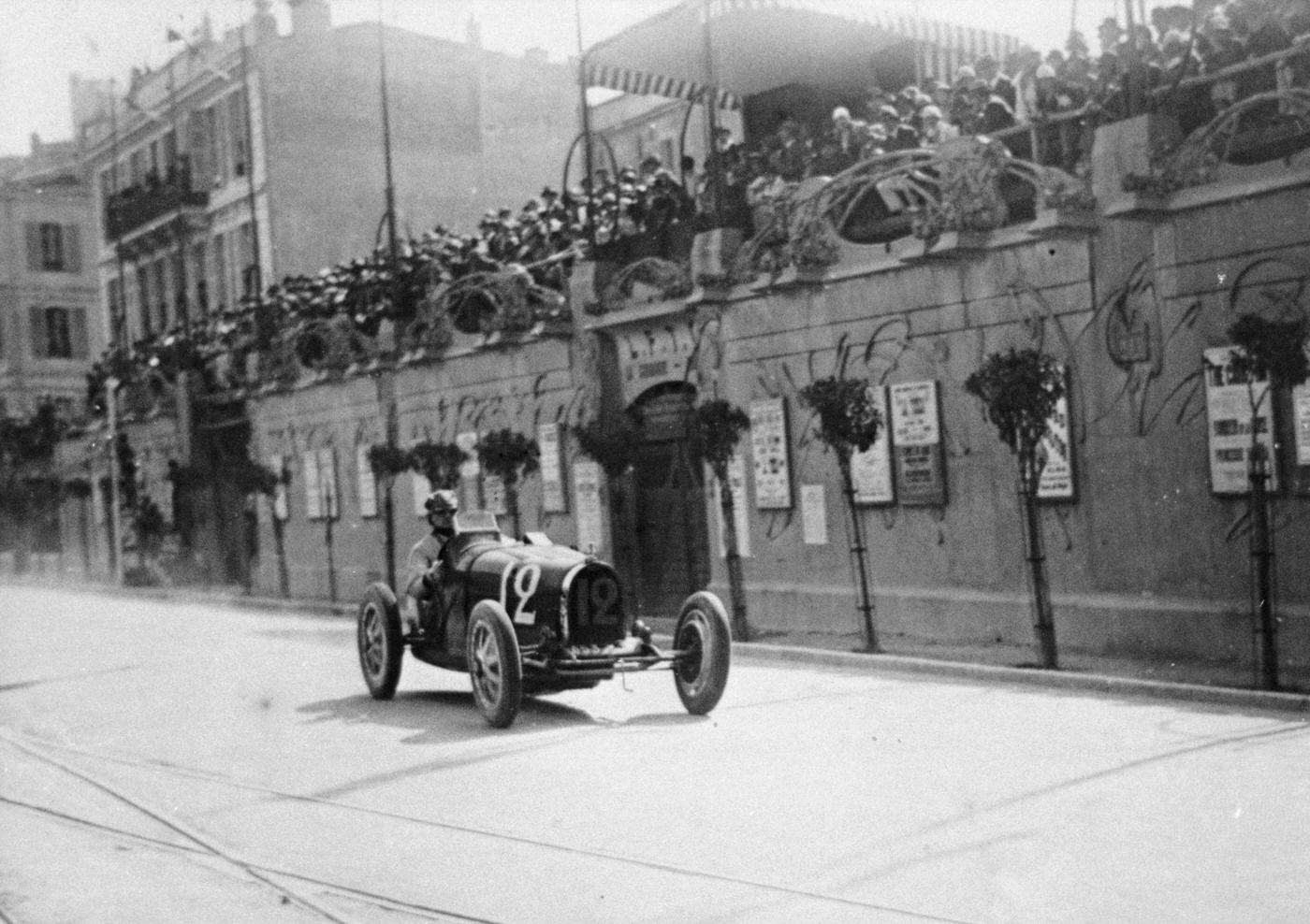
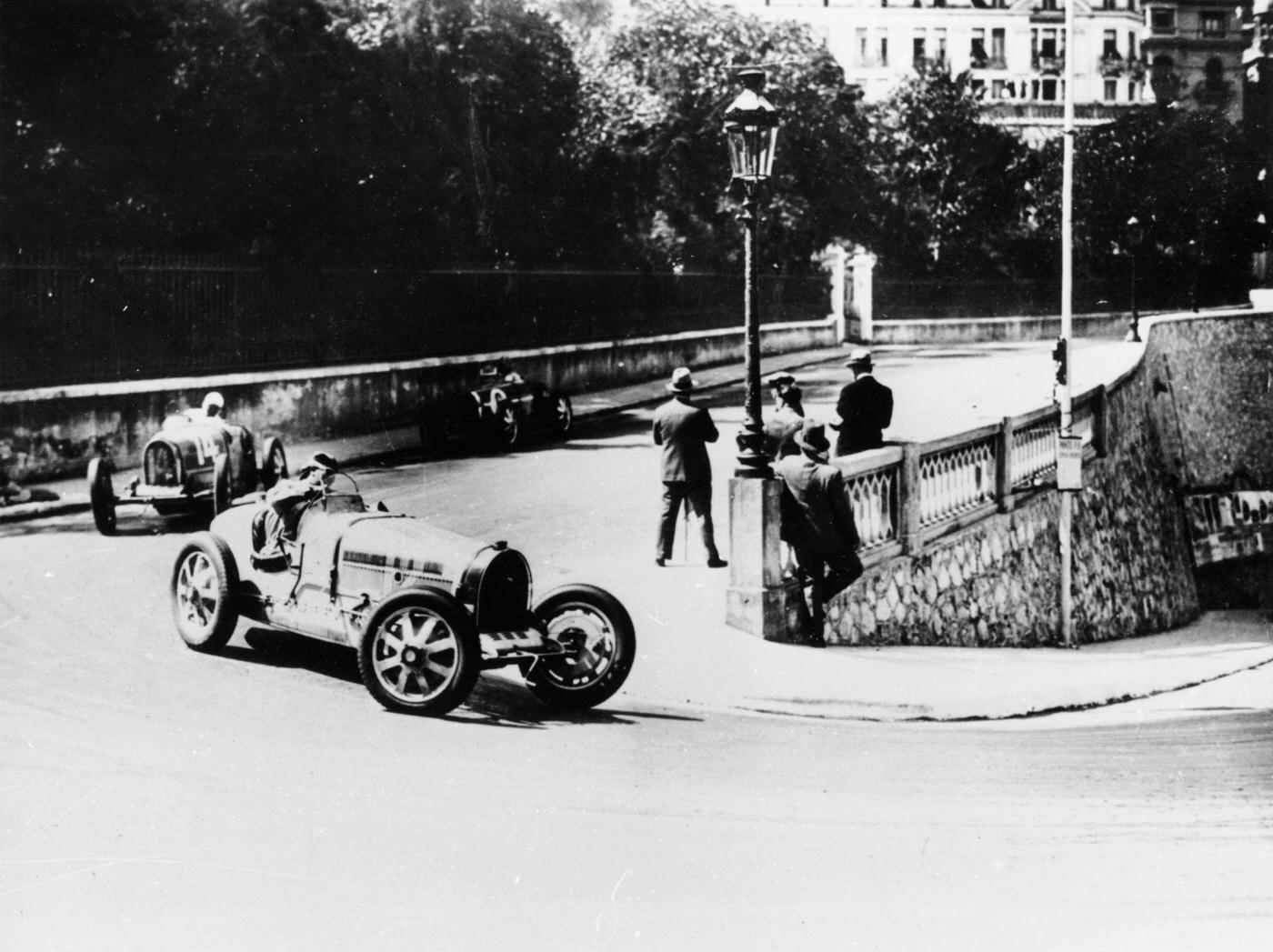
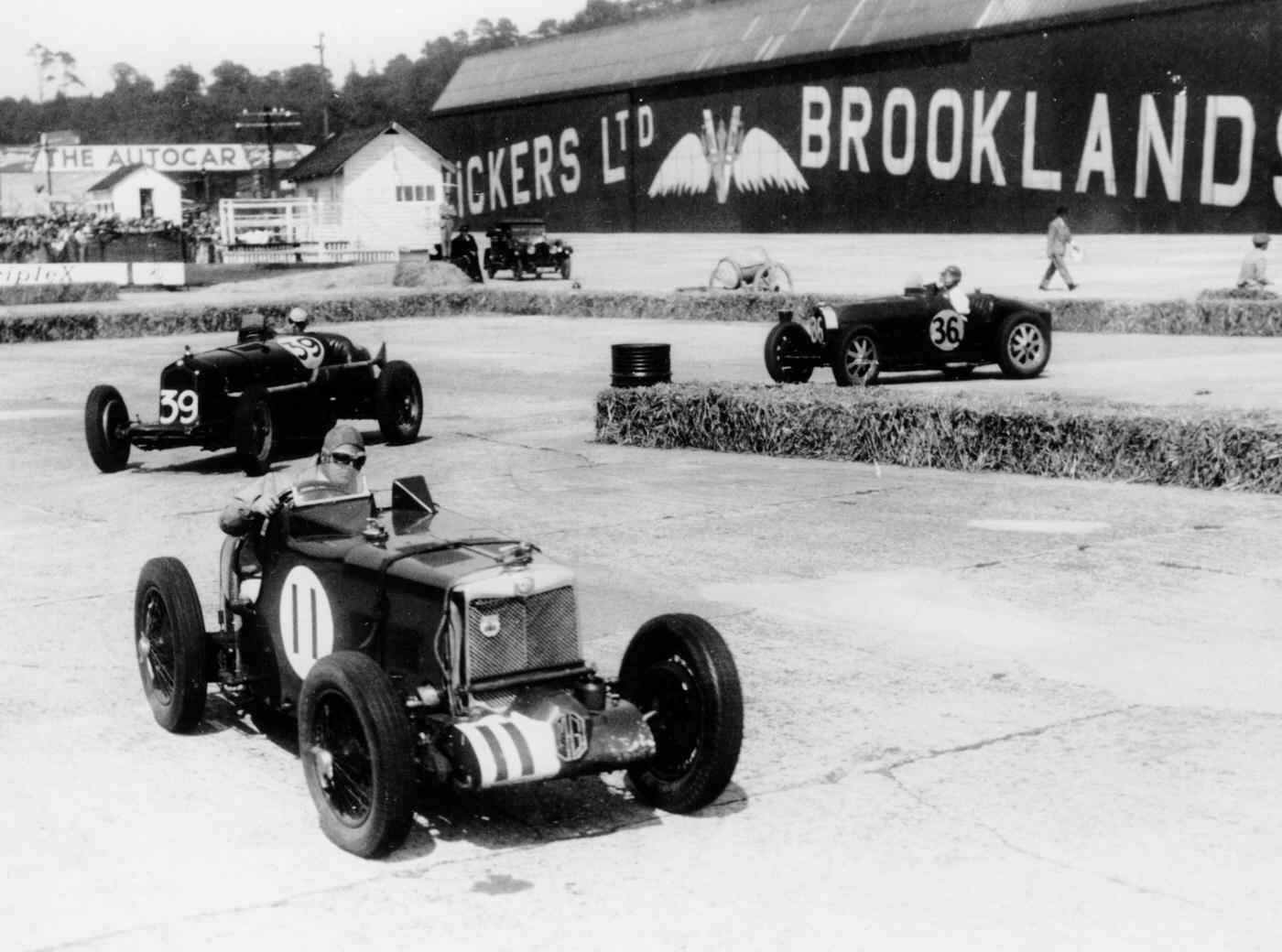
The 1927 British Grand Prix at Brooklands illustrated just how thoroughly the Type 35 had come to dominate motorsport. George Eyston led Count Caberto Conelli and Emilio Materassi — all three in Bugattis — around the banked Surrey circuit. Events like this were common during the Type 35’s reign. Two years later, at the very first Monaco Grand Prix held on April 14, 1929, William Grover-Williams took the victory wheel-to-wheel through the streets of the principality, also driving a Bugatti.

Bugatti’s racing story wasn’t just about winning — it was about the battles along the way. The 1933 Monaco Grand Prix produced one of the great duels in Grand Prix history. Italian rivals Achille Varzi, driving a Bugatti, and Tazio Nuvolari, in an Alfa Romeo, traded the lead back and forth across 97 of the race’s 100 laps. Varzi held on to win. Nuvolari was ultimately disqualified after receiving a push from a mechanic. It was the kind of racing that cemented Bugatti’s place in motorsport legend.
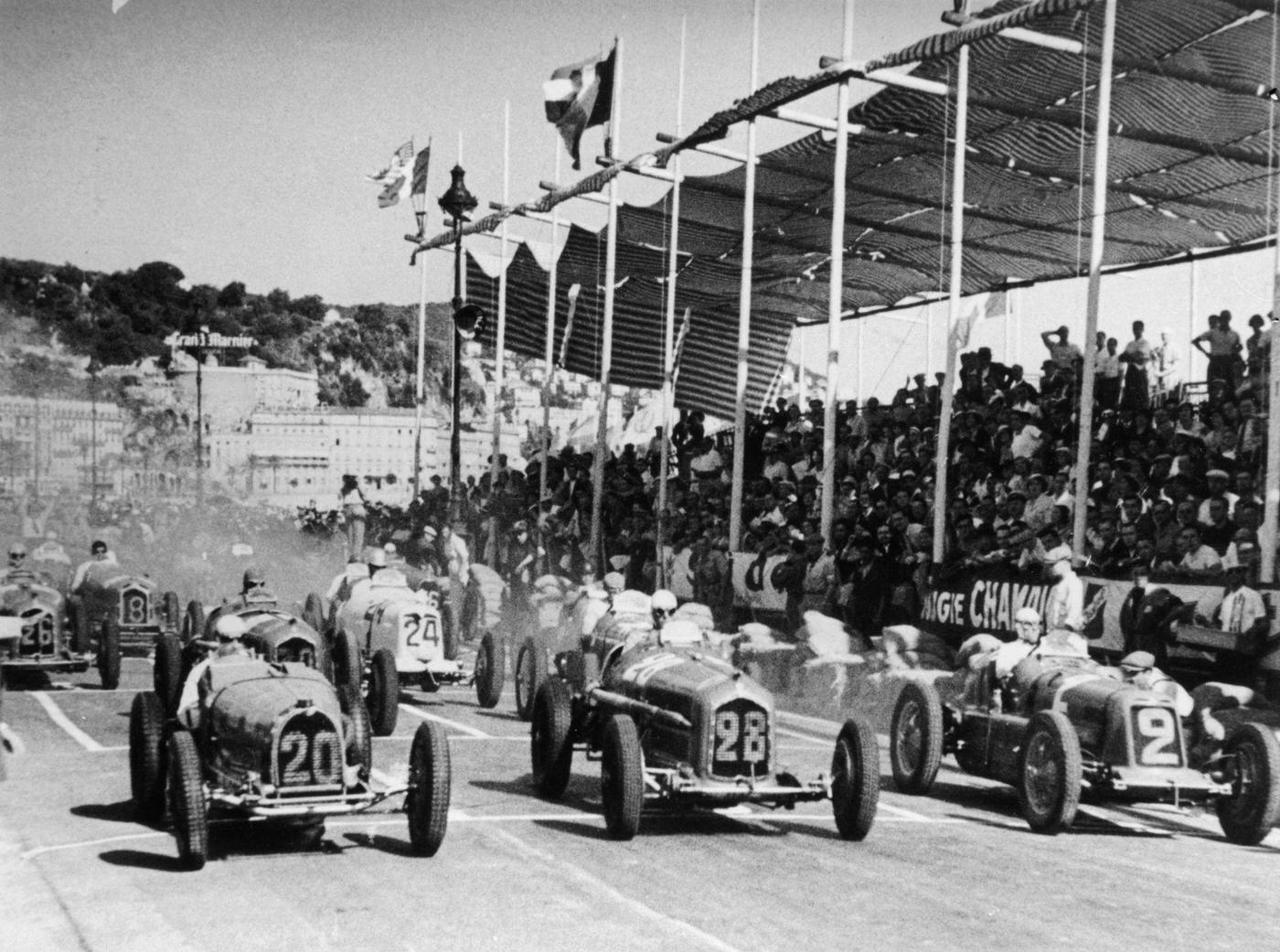
The following year at the Nice Grand Prix, the starting grid again told the story of an era. René Dreyfus lined up in car number 20, a Bugatti Type 59, beside Achille Varzi in an Alfa Romeo and Tazio Nuvolari in a Maserati. Varzi won the race, but the sheer concentration of talent and machinery on that grid captures what Grand Prix racing looked like at its peak in the early 1930s.
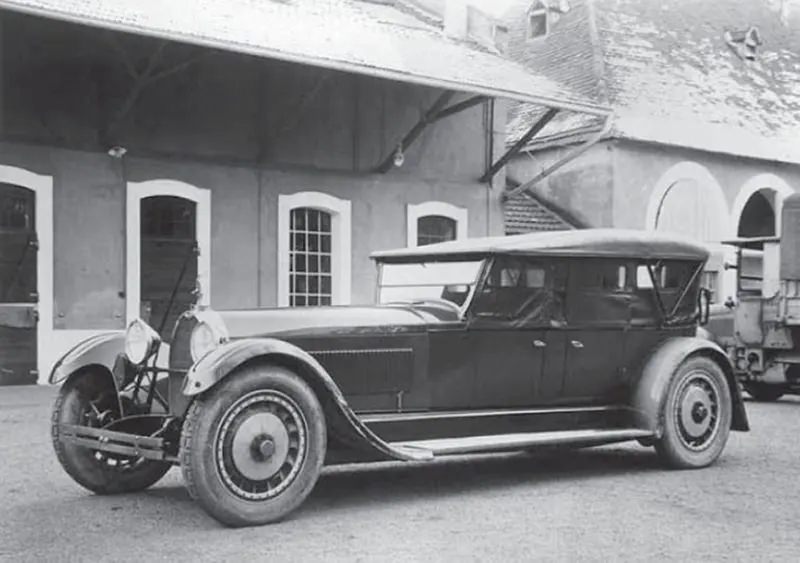
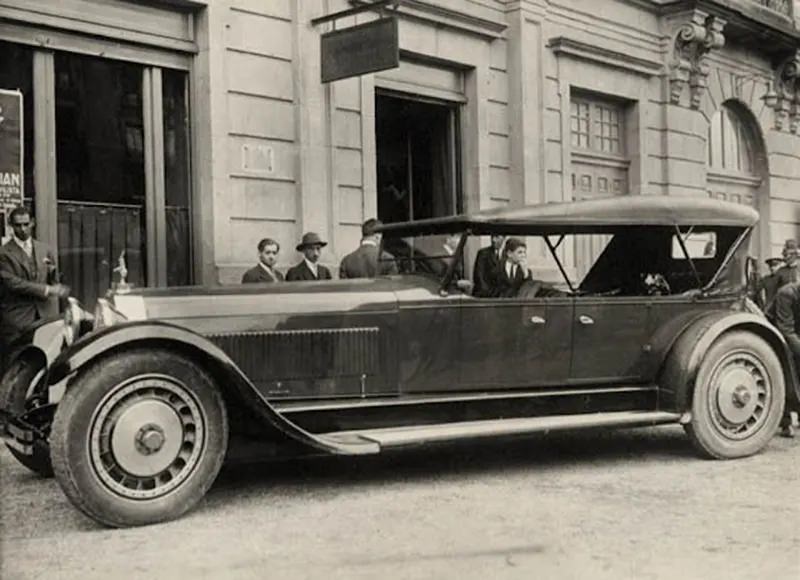
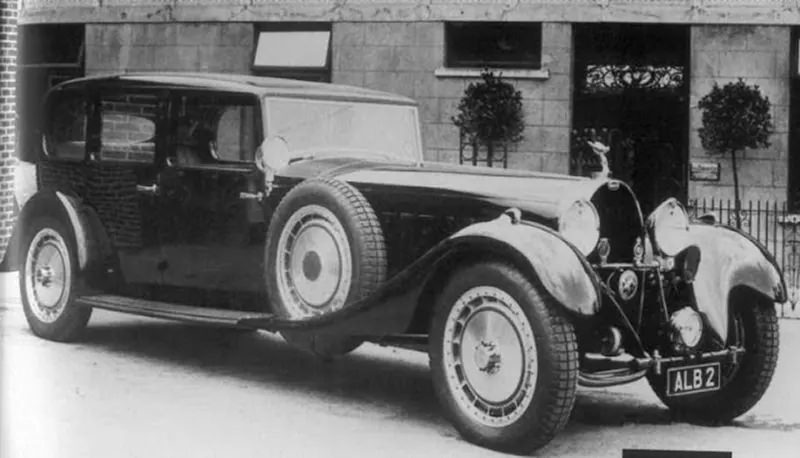
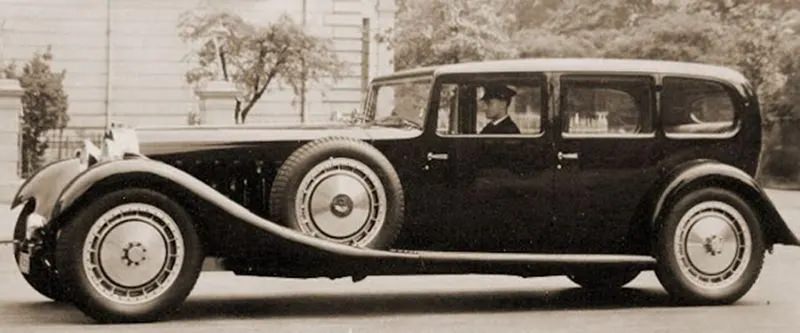
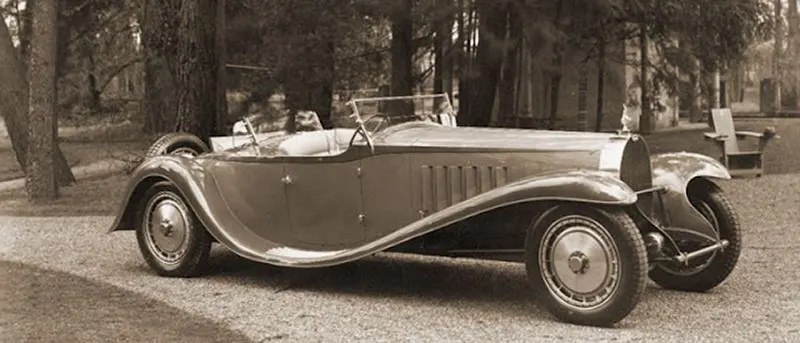
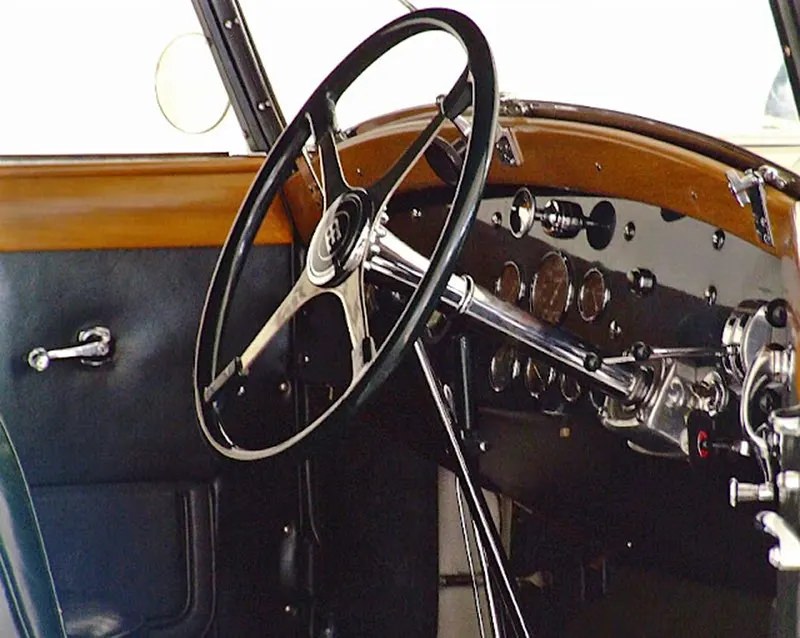
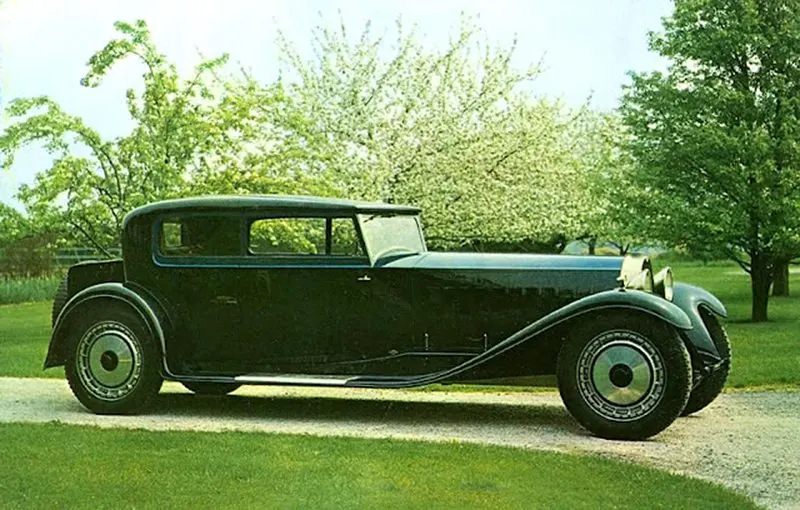
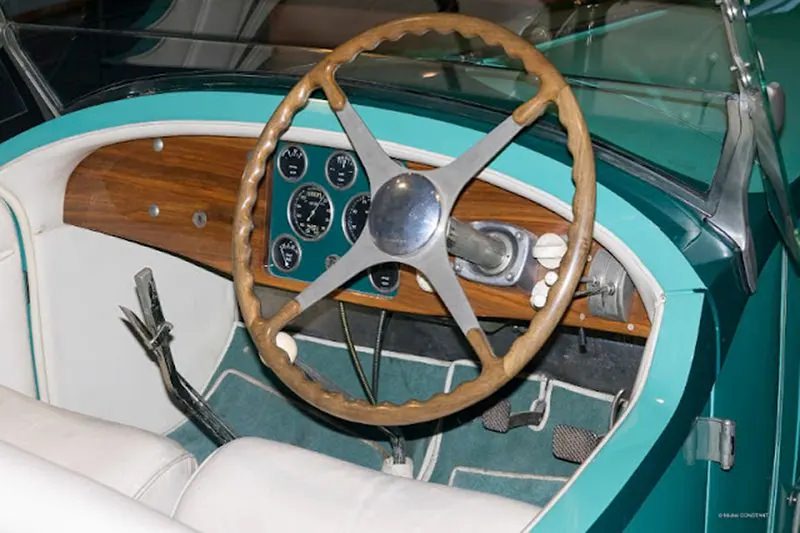
Away from the racetrack, Bugatti was building something even more extraordinary. The Type 41, known universally as the Royale, was produced from 1926 to 1933, and it remains one of the most astonishing automobiles ever made. Powered by a massive 8-cylinder engine displacing nearly 13 liters, the Royale was enormous — over 21 feet long in some configurations. Only six were ever built. Each one was bodied by a different coachbuilder, meaning no two were exactly alike. The price was staggering even by the standards of the wealthy, and Ettore Bugatti intended it to be sold exclusively to royalty.
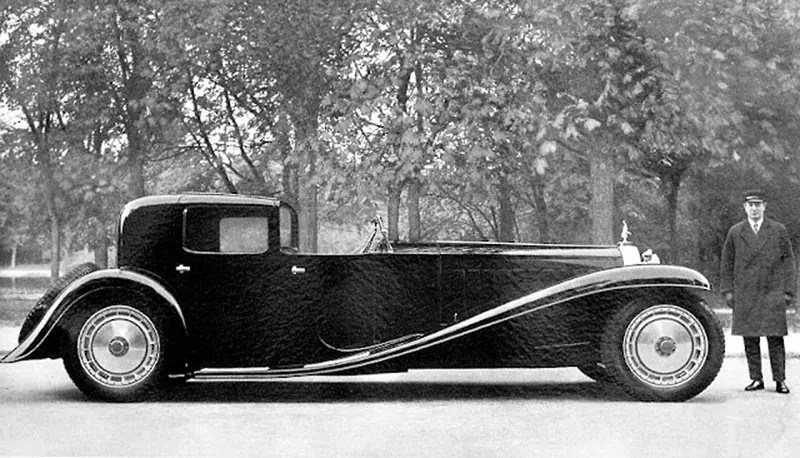
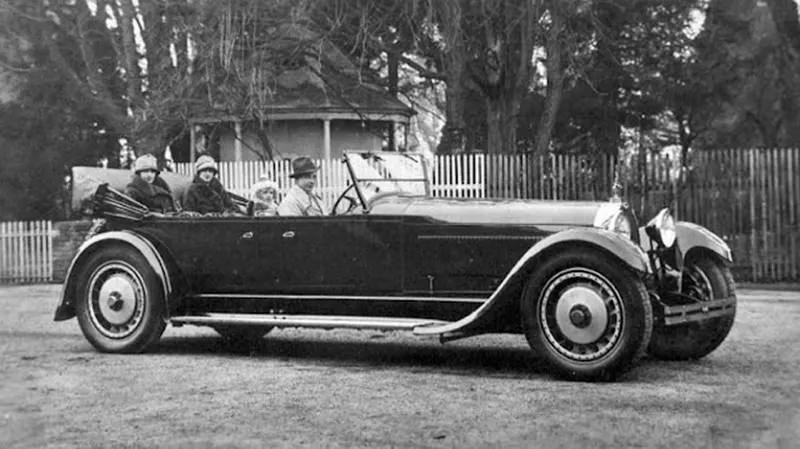
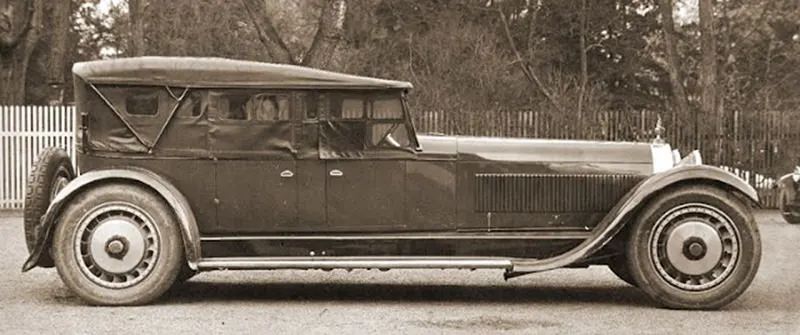
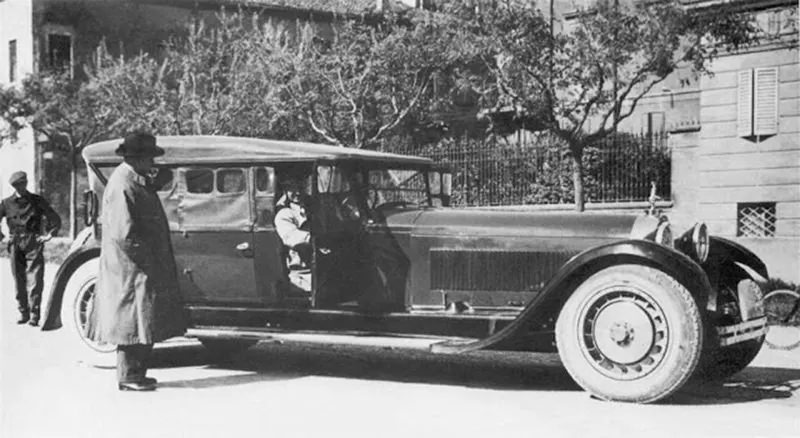
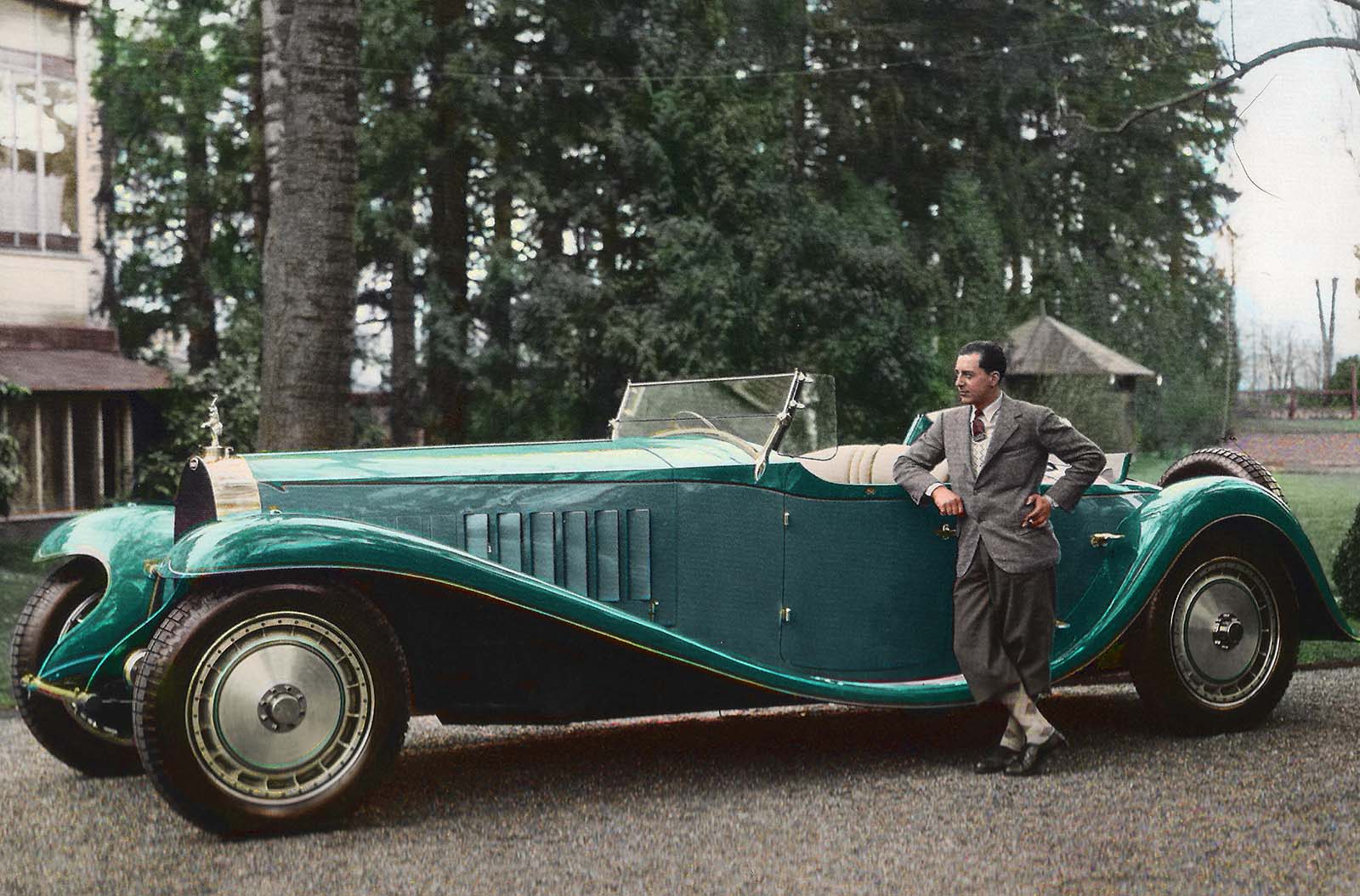
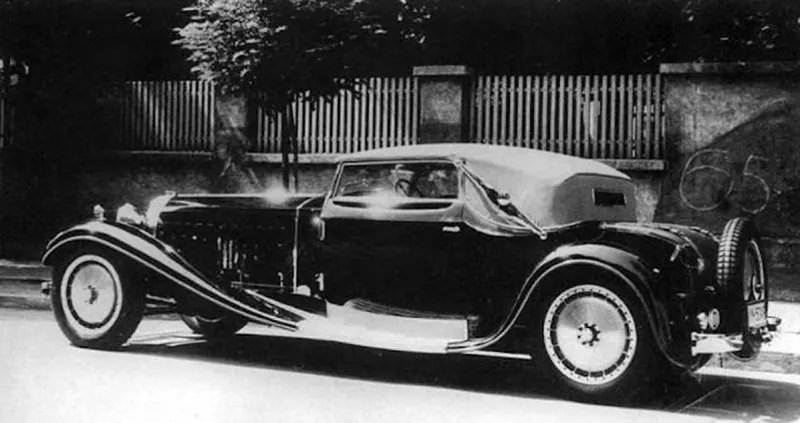
The Royale’s body styles ranged from the sweeping Coupe Napoleon and the open Esders Roadster — designed by Ettore’s son Jean Bugatti — to formal limousines and cabriolets crafted by coachbuilders such as Park Ward, Weinberger, Kellner, and Weymann. Each interpretation of the chassis reflected the tastes of its commissioner and the skills of its builder. The result was a series of cars that functioned as rolling sculpture.
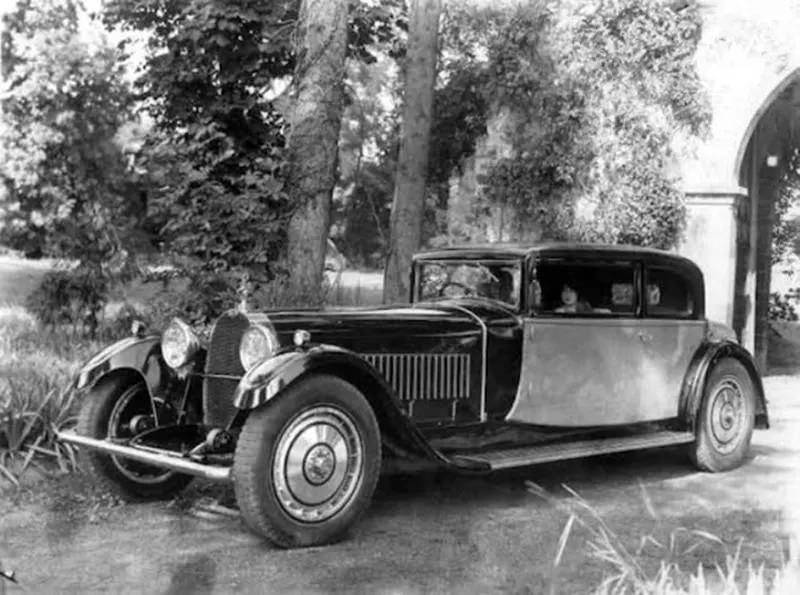
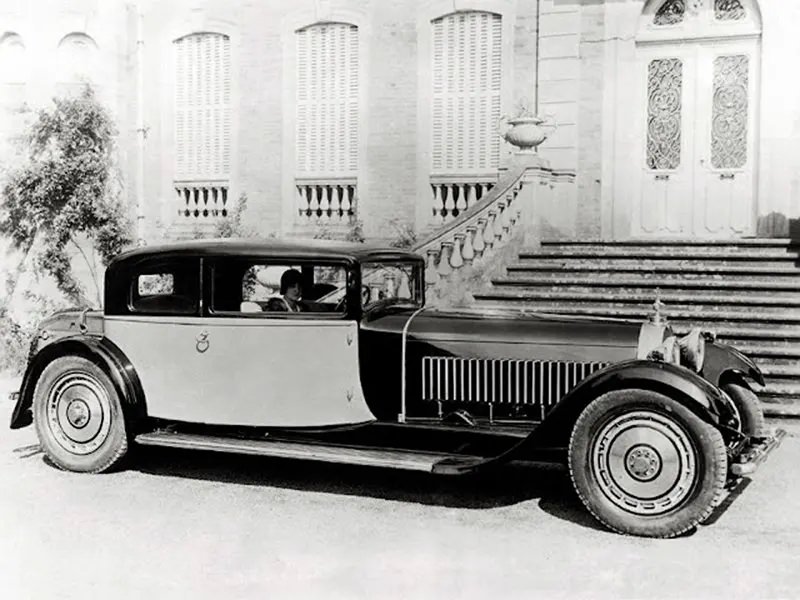
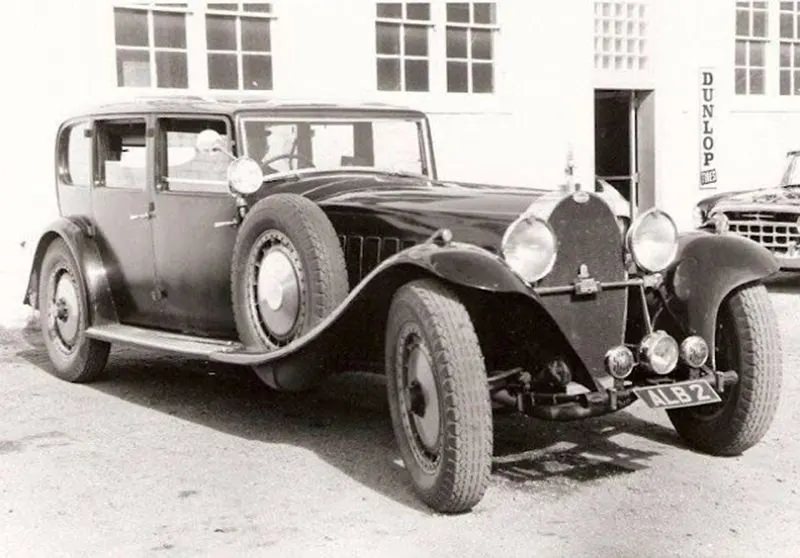
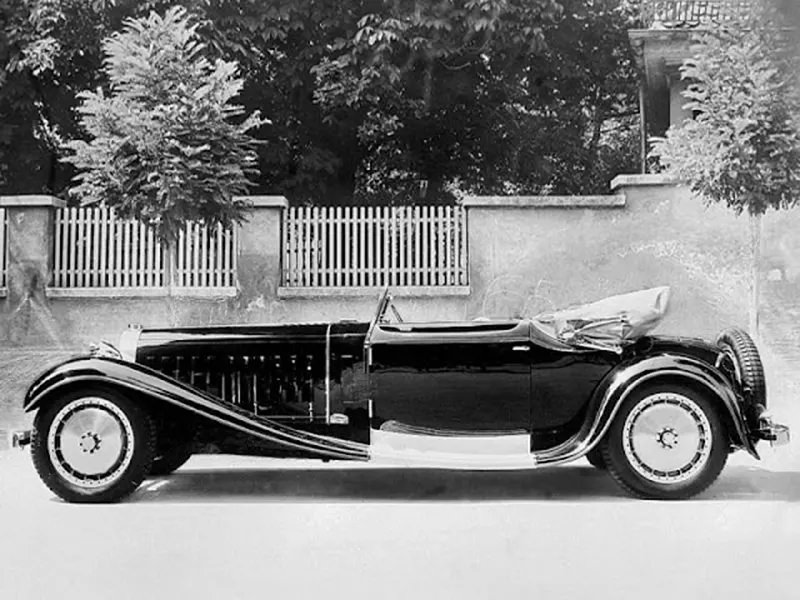
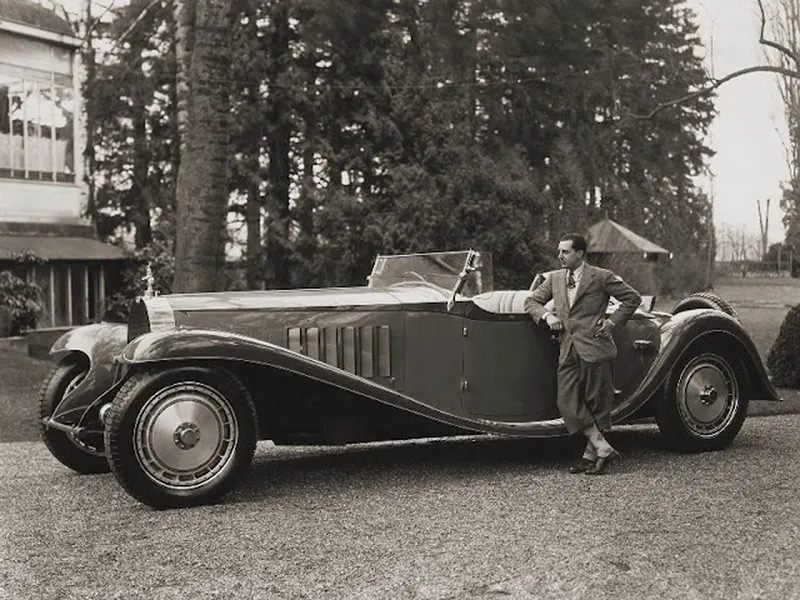
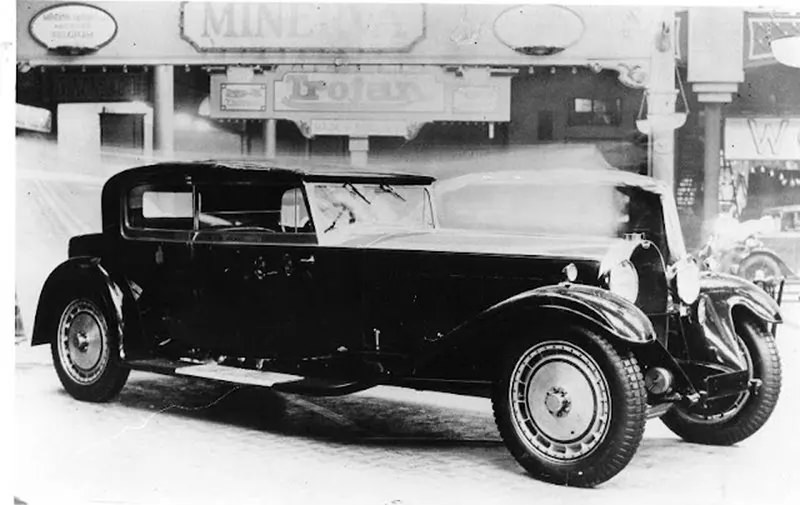
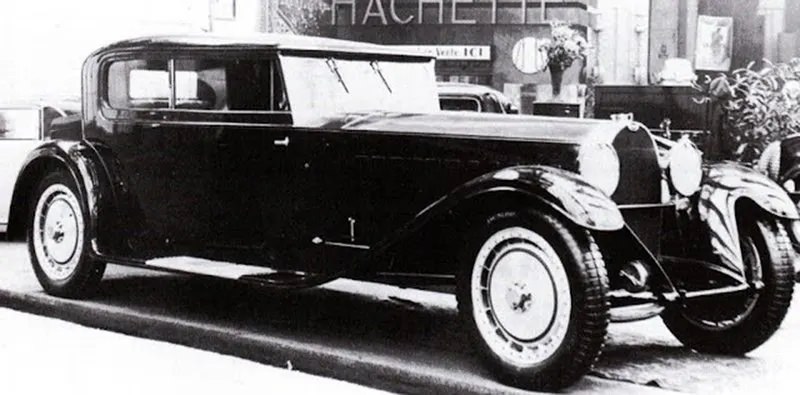
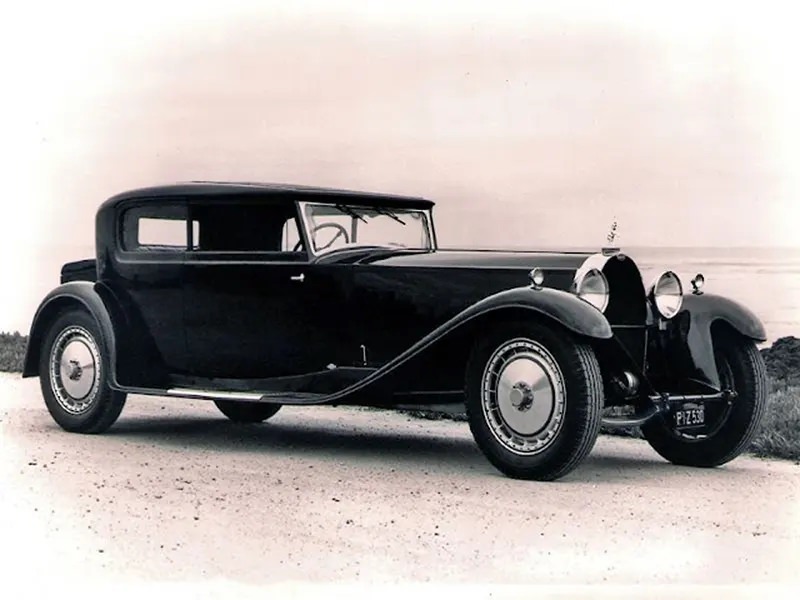
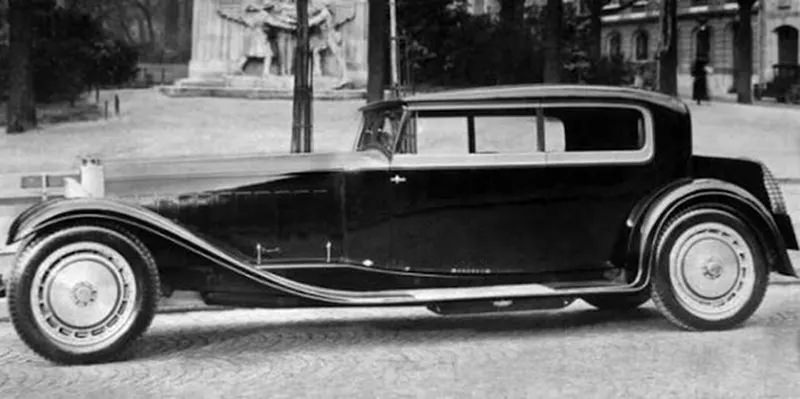
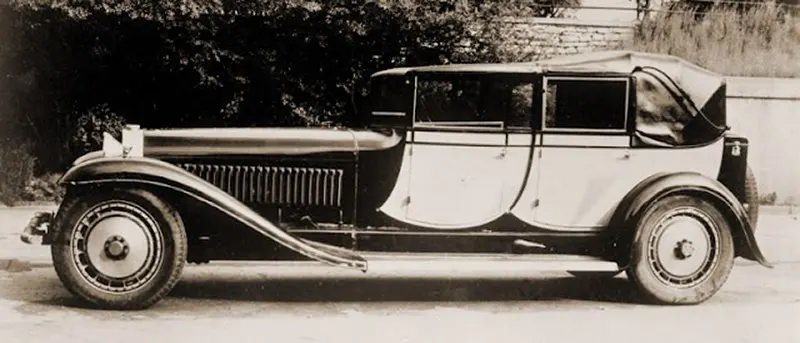
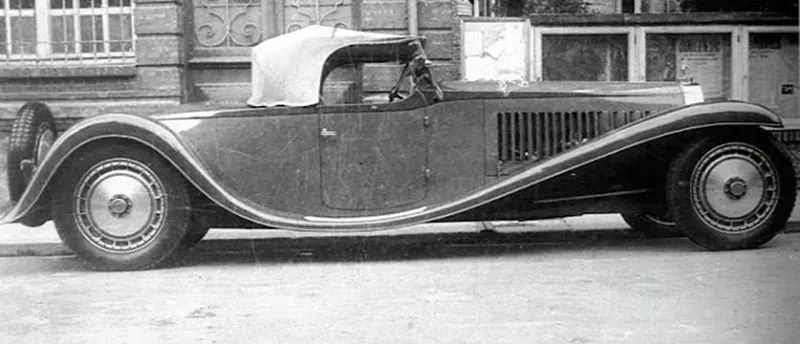
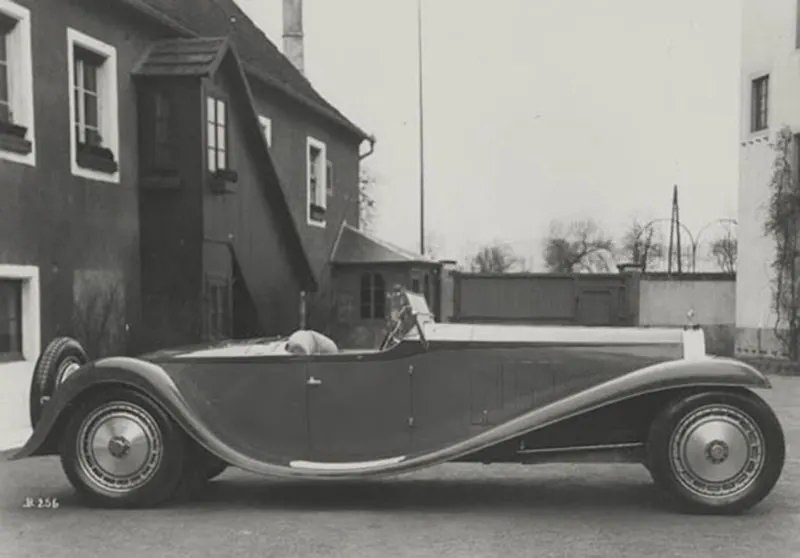
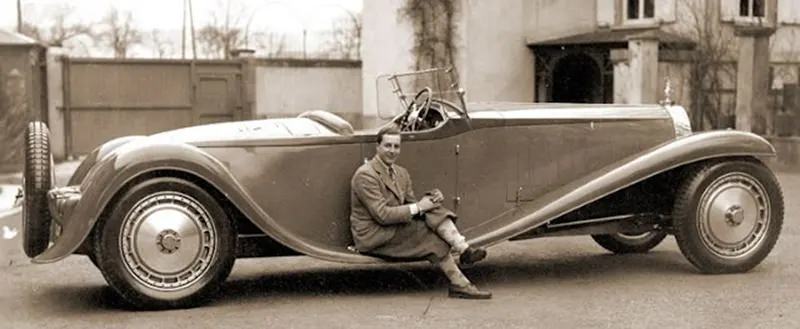
Jean Bugatti played a significant role in the company’s design direction during this period. Ettore’s son had a natural talent for body styling, and his work on the Royale and other models gave the brand a visual identity that matched its mechanical reputation. The Bugatti name was, in many ways, a family enterprise, and Jean’s contributions were inseparable from the cars that came out of the Molsheim factory.
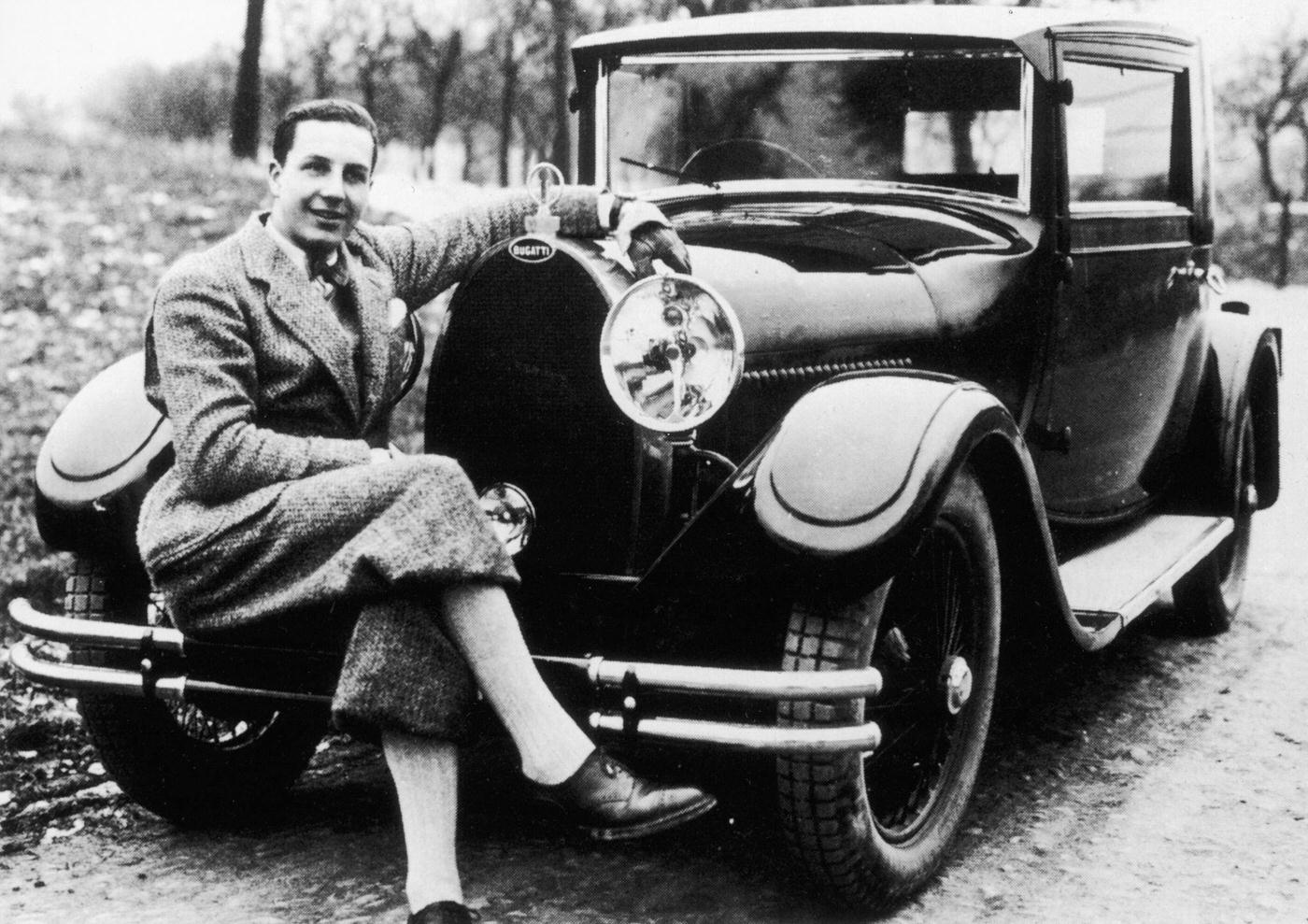
Outside the Royale, Bugatti’s road cars of the 1920s were also reserved for a very select clientele. The Type 43 Grand Sport, produced from 1927 onward, gave wealthy buyers a road car derived directly from the racing Type 35. It could reach 100 mph — remarkable performance for its time — and was sold to drivers who wanted genuine speed without the commitment of pure competition. King Alfonso XIII of Spain, King George V of England, and King Gustav V of Sweden were among those who owned Bugattis during this period.
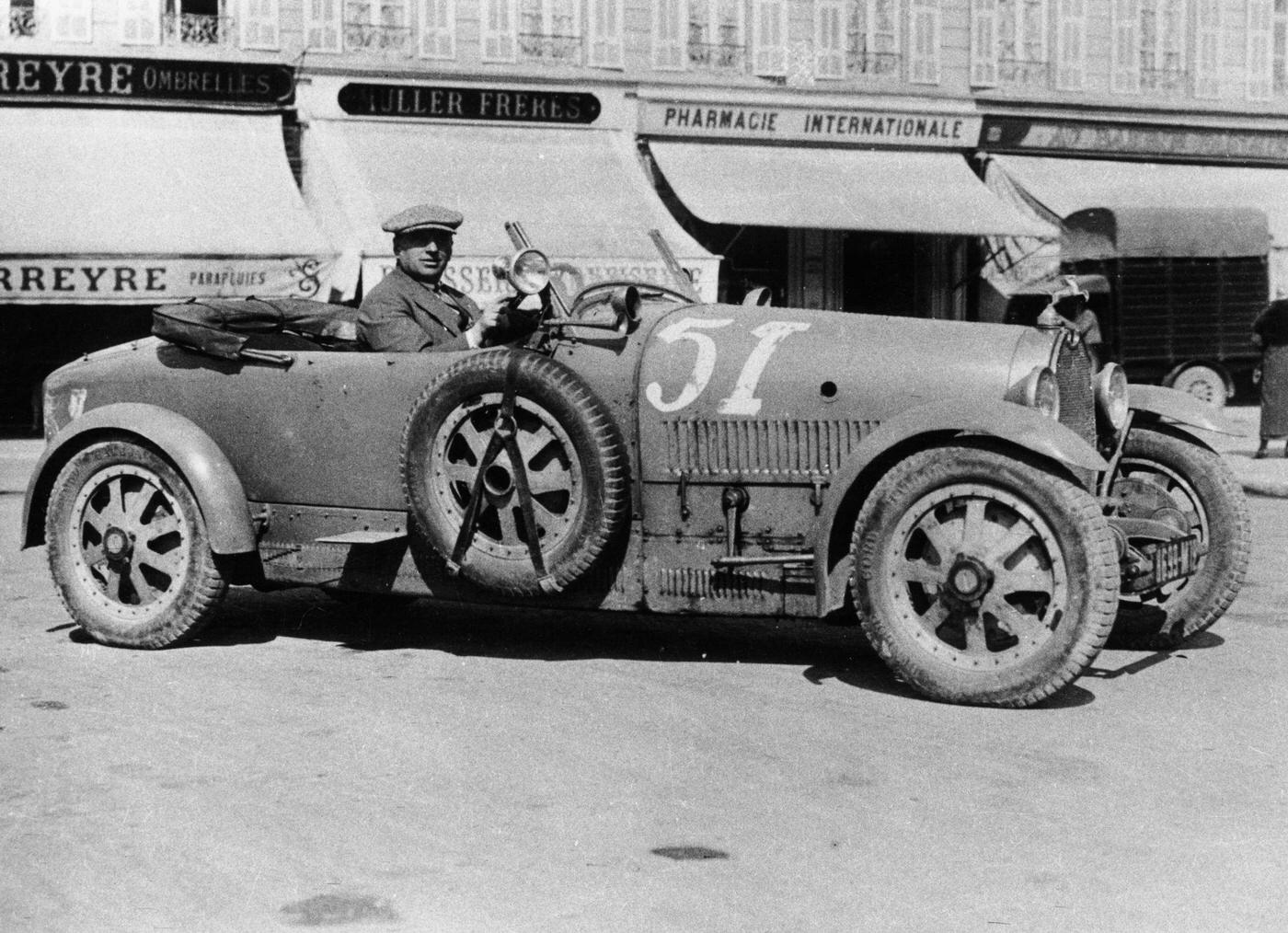
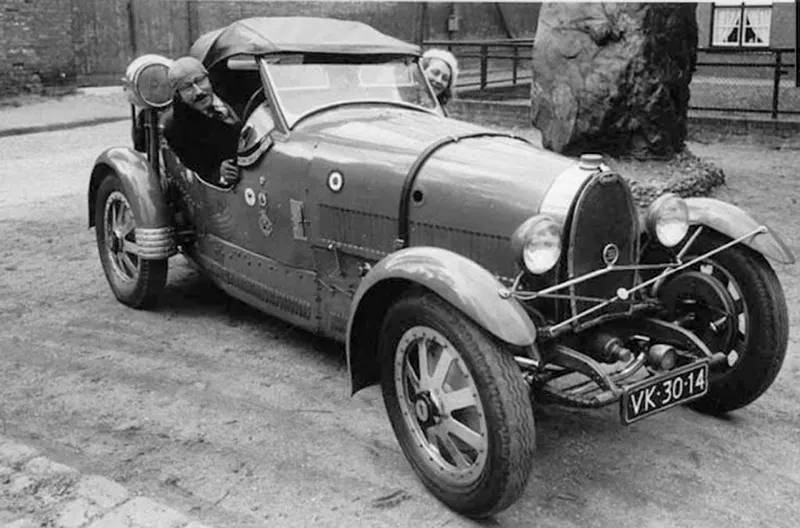
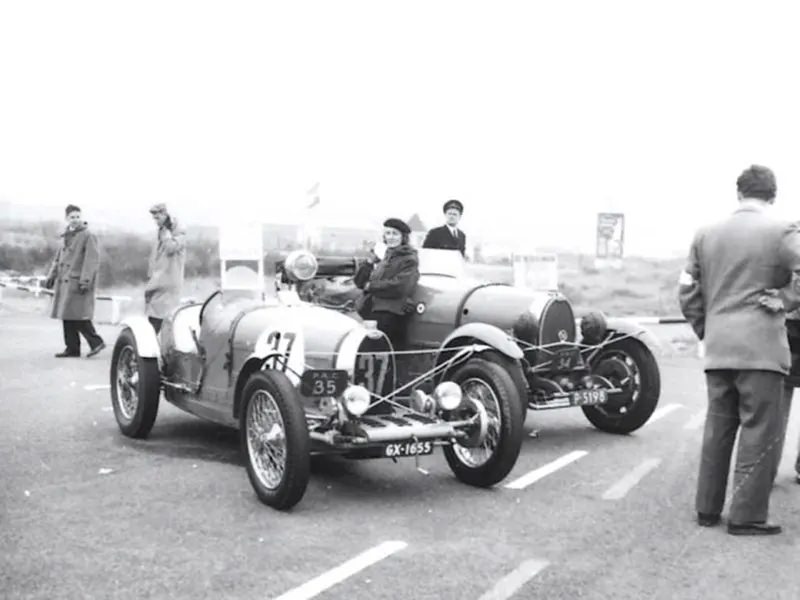
One of the Royale owners was the Crown Prince of Sweden, whose 8-cylinder Bugatti cabriolet was bodied by the coachbuilder Neuss. It represented exactly what Bugatti was selling during this era — not just a car, but a statement of position. Ownership was restricted not just by price, but by the deliberate structure of Bugatti’s sales network. Cars were sold through a small circle of dealers and agents with direct ties to the Molsheim factory. There were no showrooms on every high street, no catalog orders. Acquiring a Bugatti required access.
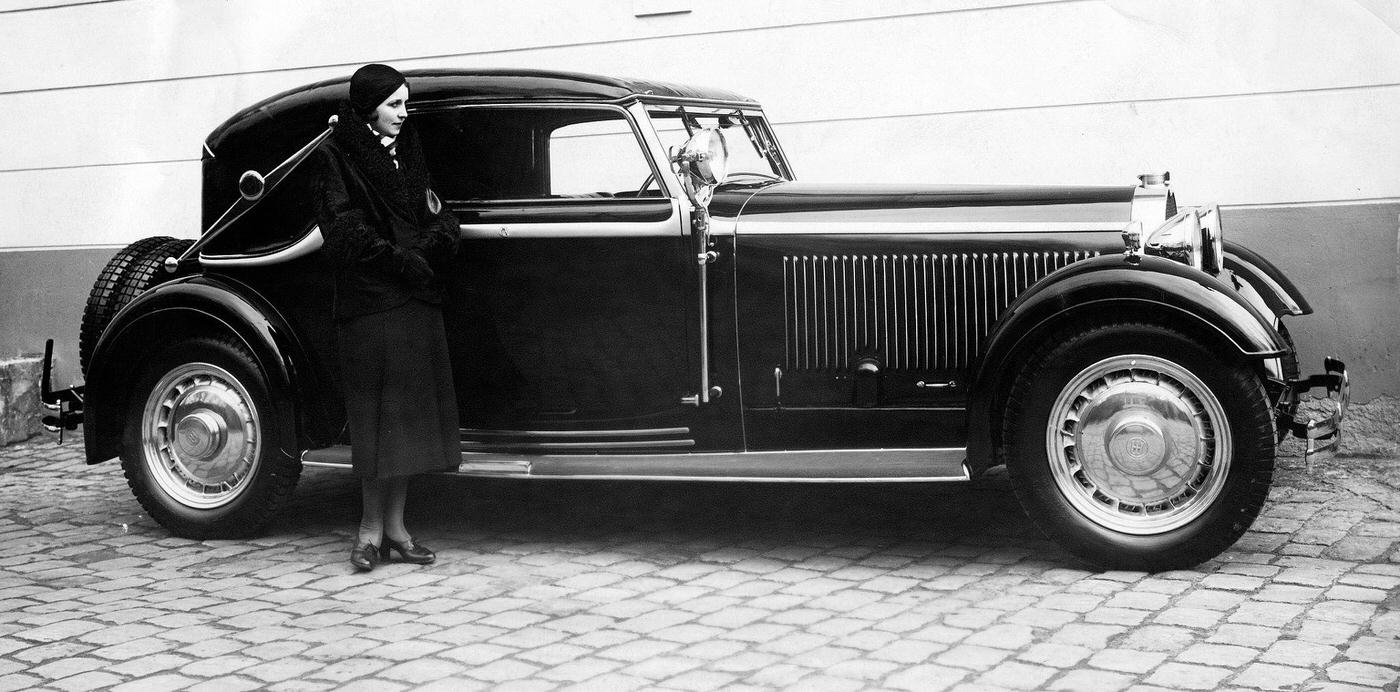
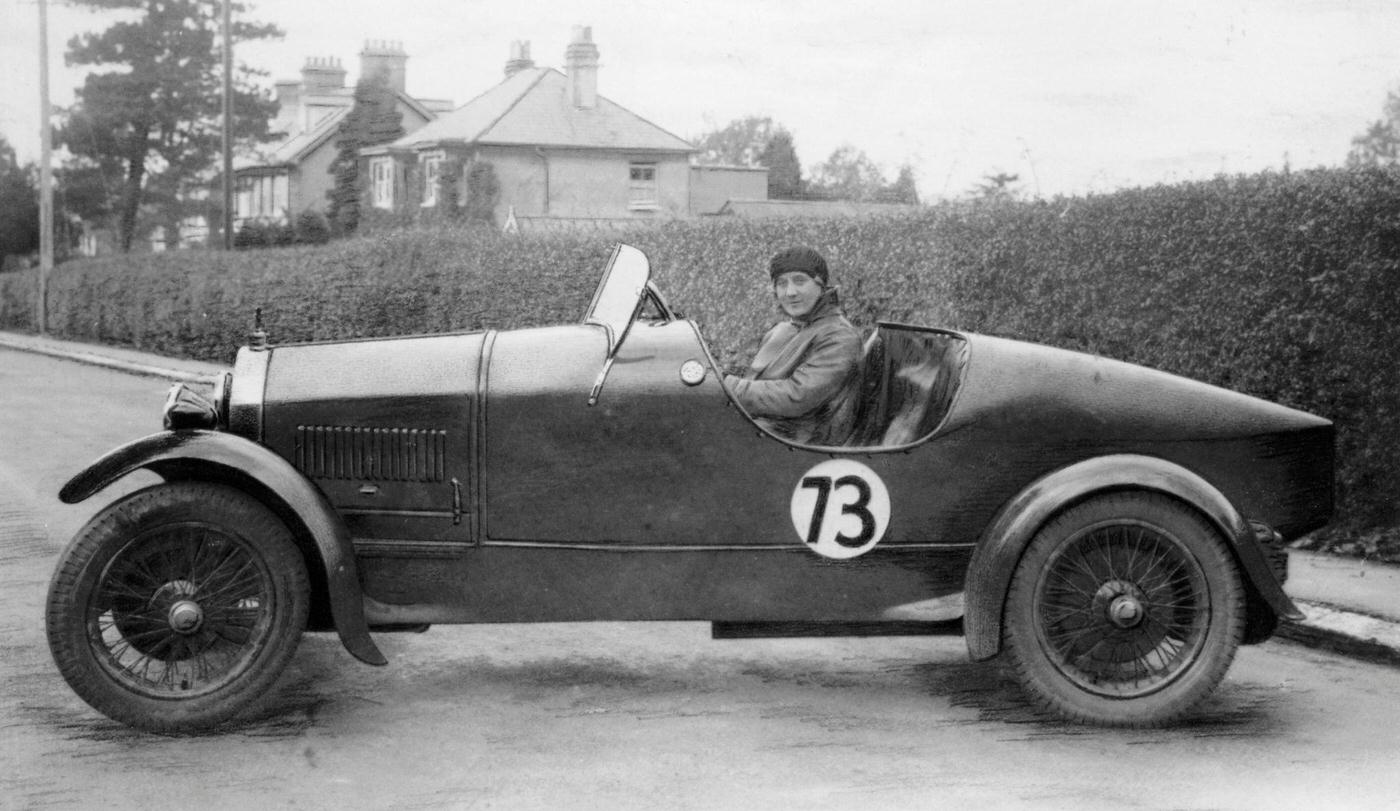
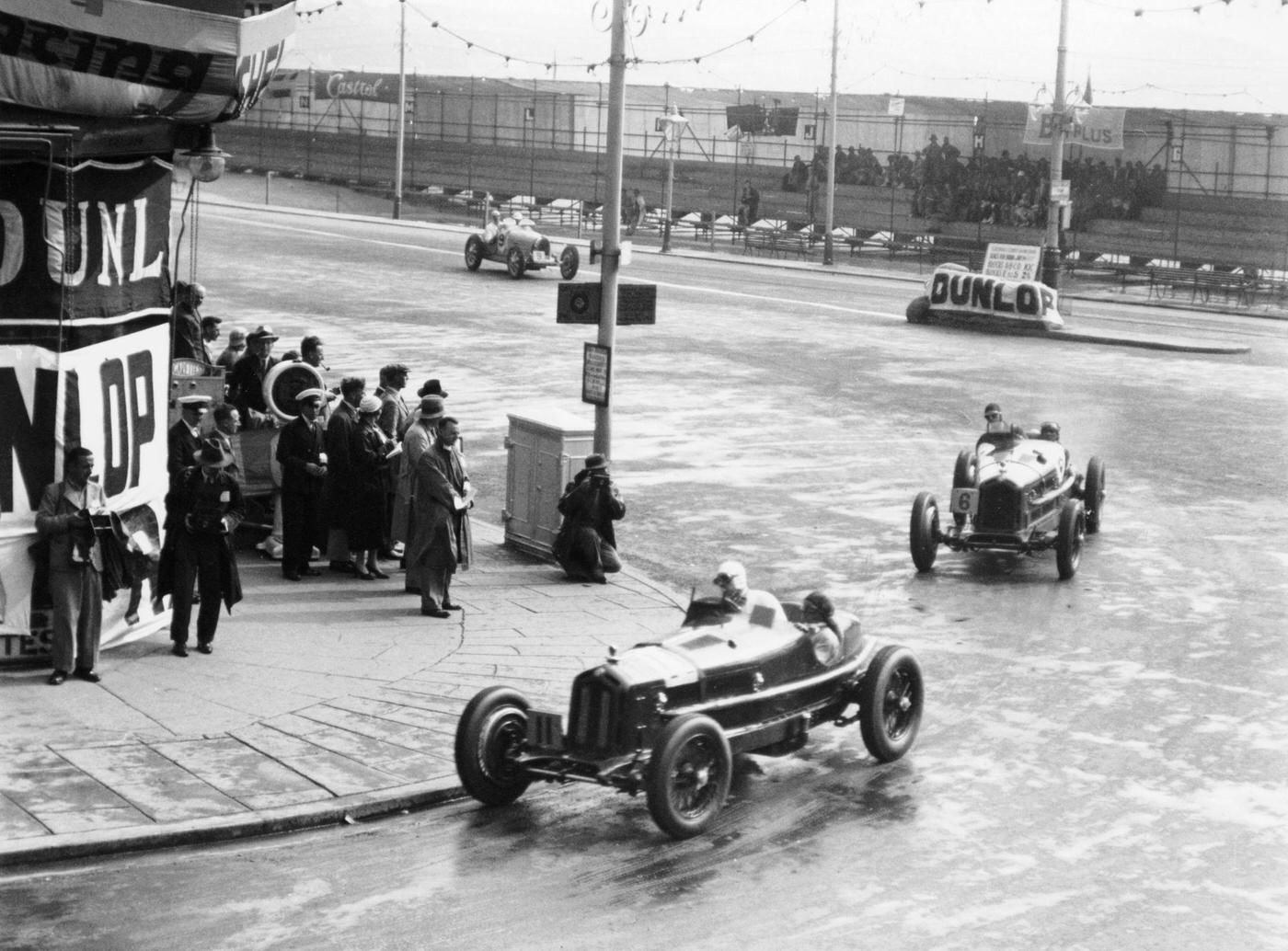
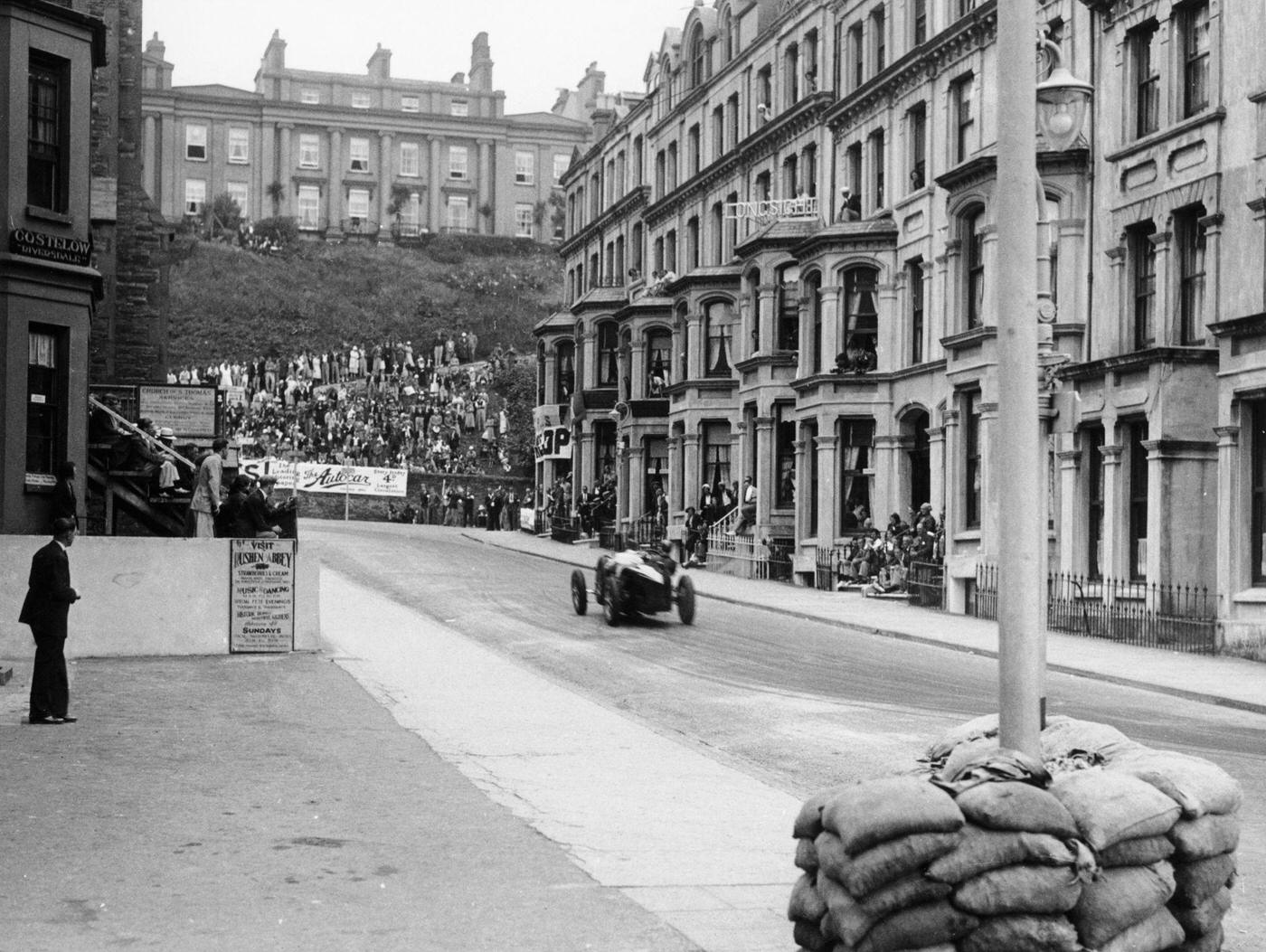
Bugatti was not only competing in the grandest races of the era. The cars appeared at regional events and speed trials across Britain and Europe, driven by a mix of professional racers and wealthy amateurs. The Mannin Moar race on the Isle of Man in 1933 drew Bugatti entries alongside Alfa Romeos and other machinery, reflecting how broadly the brand had spread through motorsport at every level.