In 1941, 20th Century Fox released Belle Starr, a Western film directed by Irving Cummings. The story was loosely based on the real Belle Starr, a female outlaw who gained a fierce reputation in the American Old West during the late 19th century. She was known as a horse thief and bandit who operated across the frontier, often beyond the reach of the law.
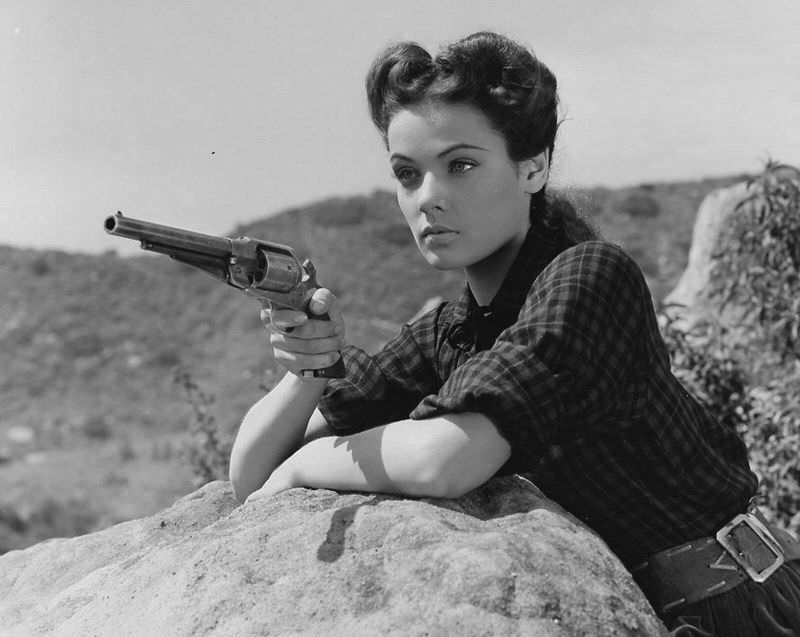
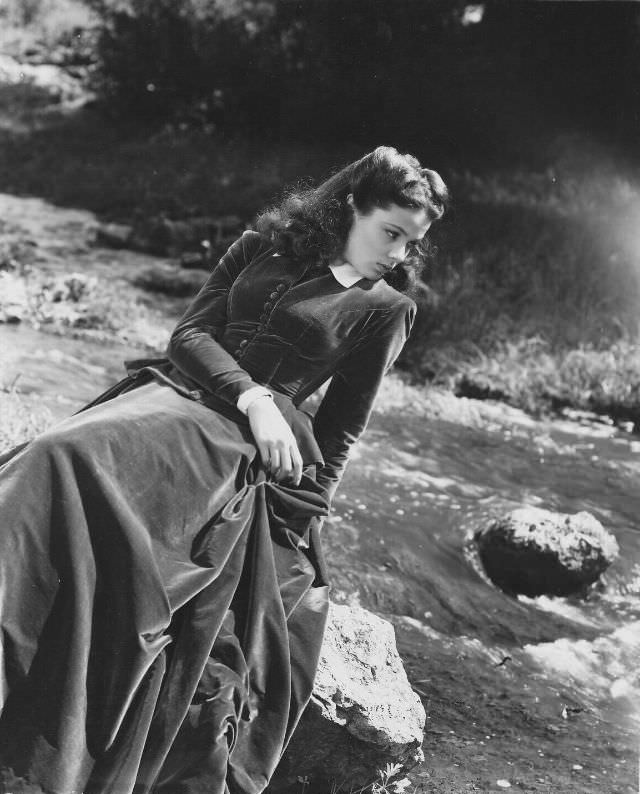
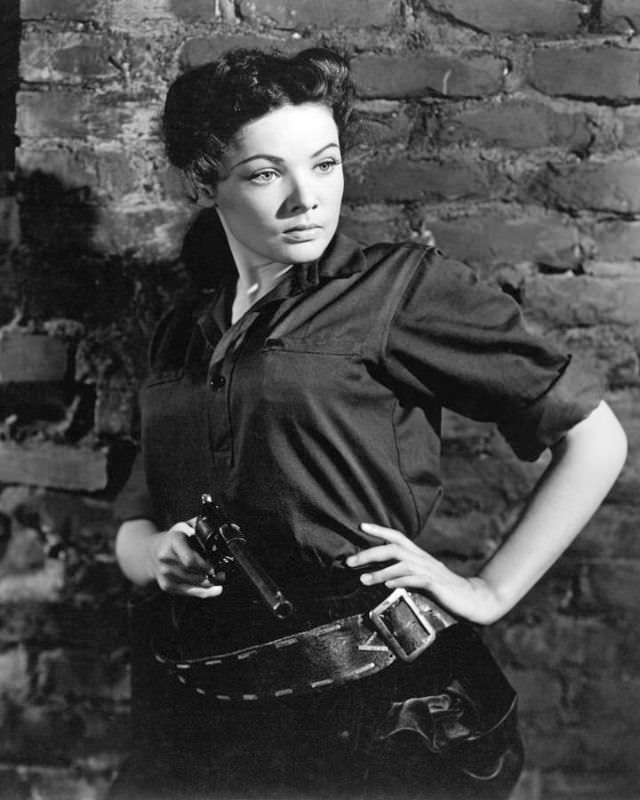
Gene Tierney took on the title role, and her performance became the centerpiece of the film. At just 21 years old, Tierney brought a striking presence to the character — equal parts fierce and magnetic. George Montgomery starred alongside her as Sam Starr, Belle’s outlaw lover and partner in crime.
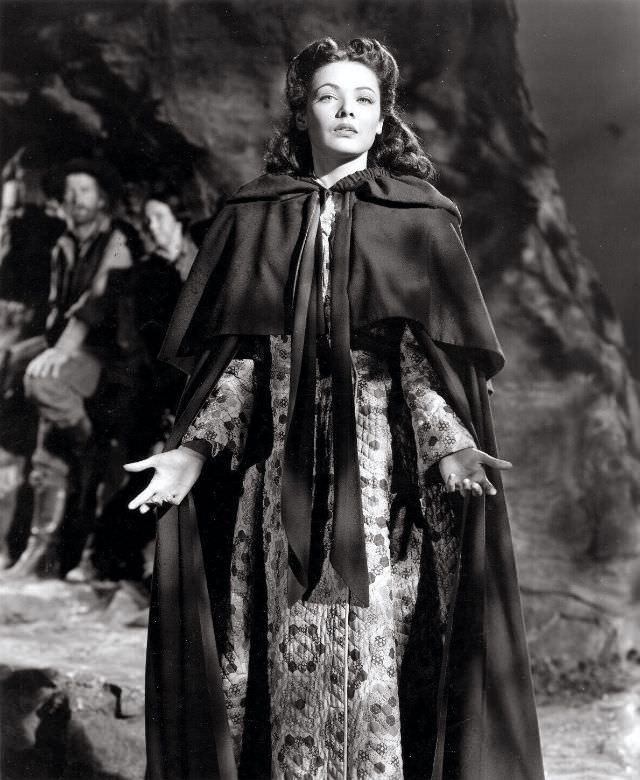
The film’s version of Belle Starr is a strong, independent woman pushed into outlawry after being wronged by a powerful rancher. Rather than painting her as simply villainous, the story frames her as someone driven by injustice. This gave Tierney rich dramatic material to work with, and she delivered a performance critics took notice of.
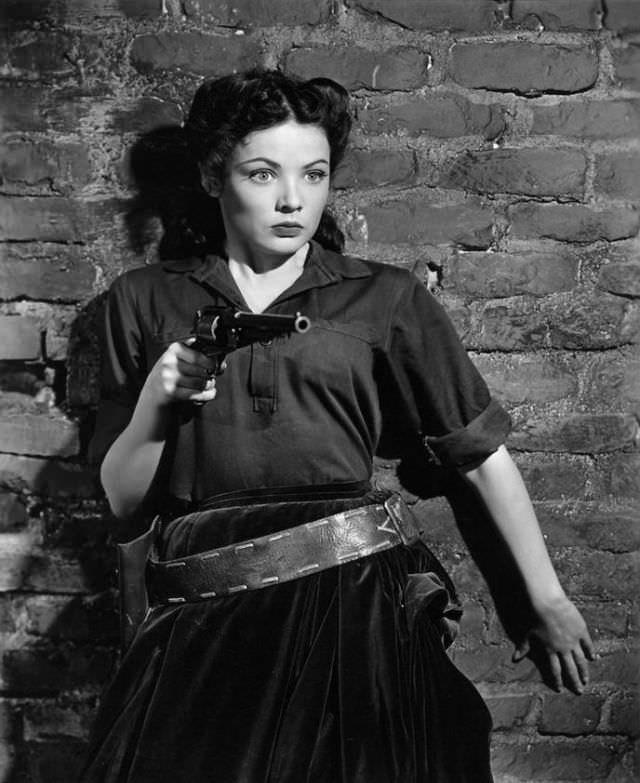
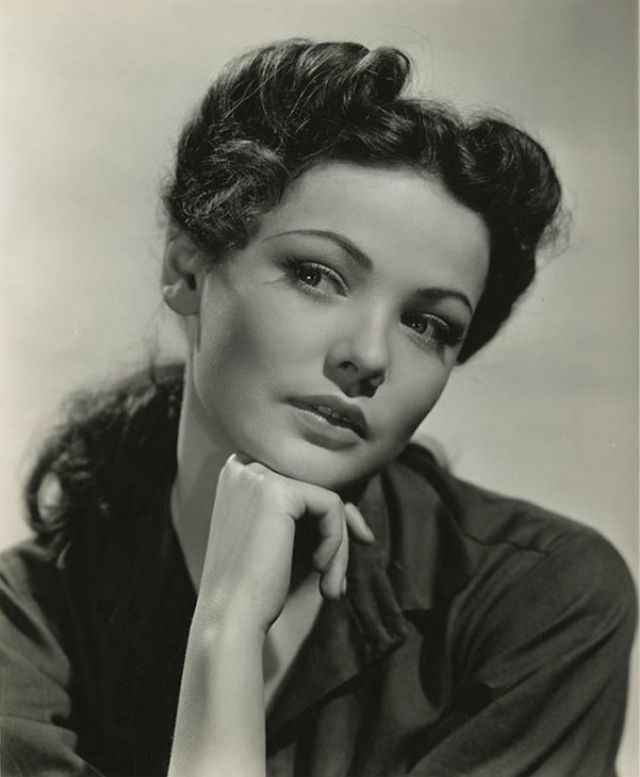
Alongside Sam Starr, Belle rises to become a feared bandit. Lawmen and ordinary citizens alike know her name. The film leans into the outlaw mythology of the Old West, with Belle commanding loyalty from a band of riders and evading capture through cunning and nerve.
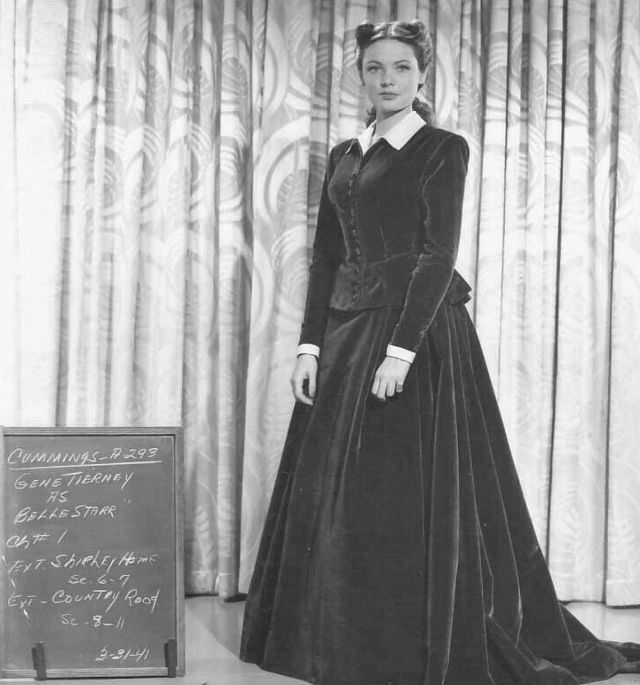
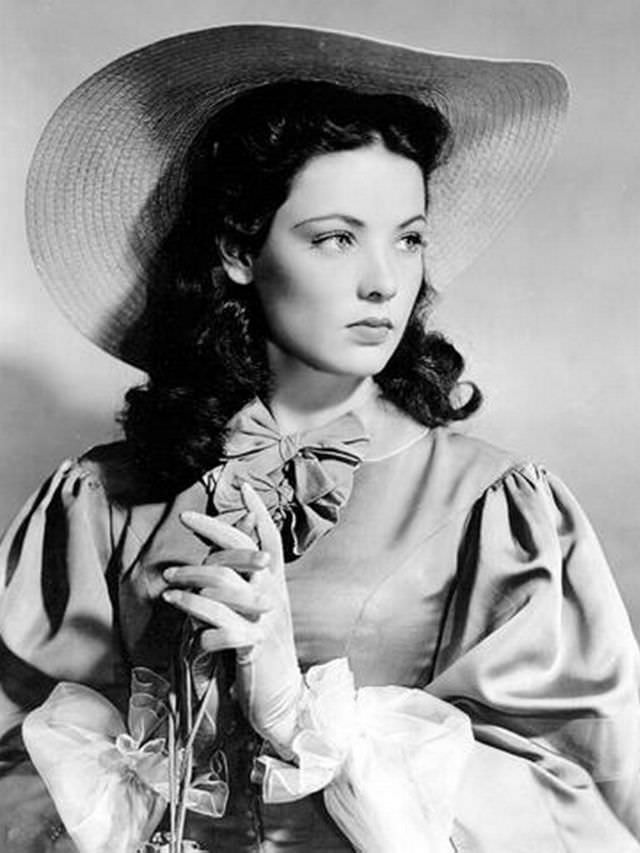
A central conflict drives the plot forward: Belle falls for a U.S. marshal, forcing her to weigh her life of crime against a different future. This tension between loyalty to the outlaw life and a chance at something else gives the story its emotional core and keeps the stakes personal throughout.
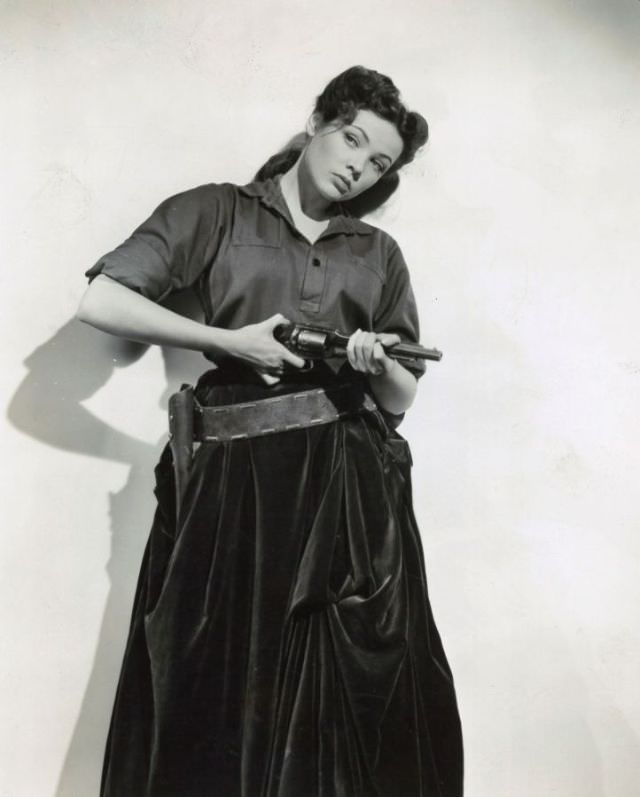
The cinematography drew praise when the film opened. The sweeping landscapes captured the rugged terrain of the American West in vivid Technicolor, giving the film a visual richness that set it apart from many Westerns of the era. Every outdoor scene felt expansive and lived-in.
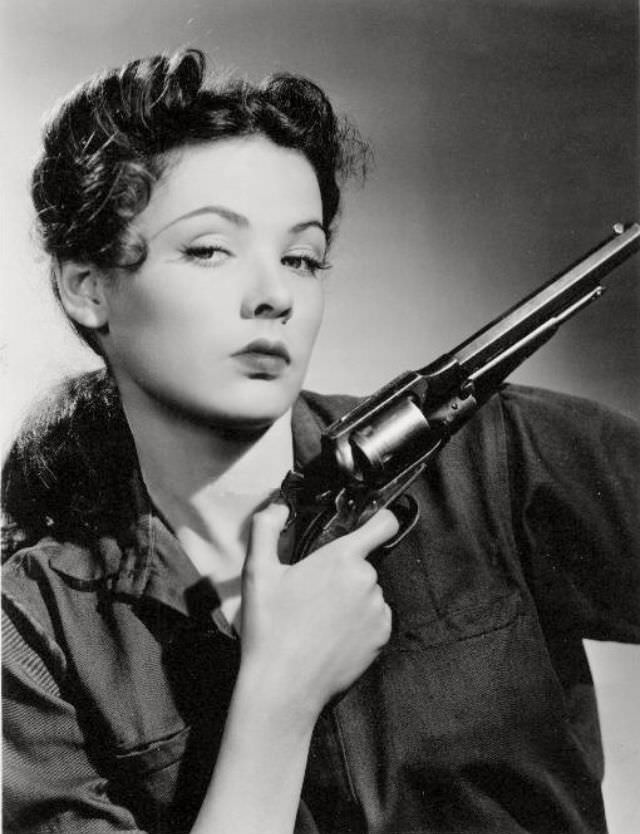
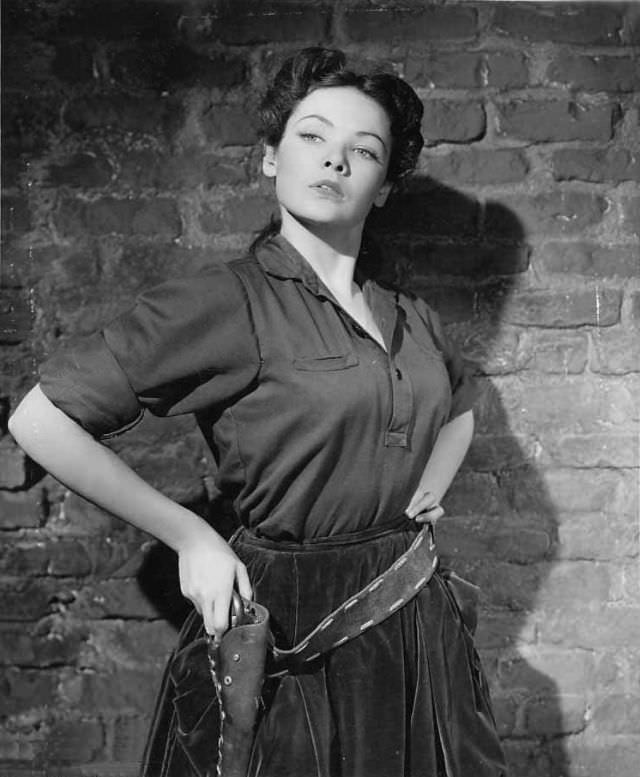
Belle Starr takes clear liberties with history. The real Belle Starr was a complex and controversial figure — involved in horse theft and association with outlaws like Jesse James, and shot dead from ambush in 1889. The film reshapes her story into a more dramatic narrative, but the historical person underneath remains recognizable.
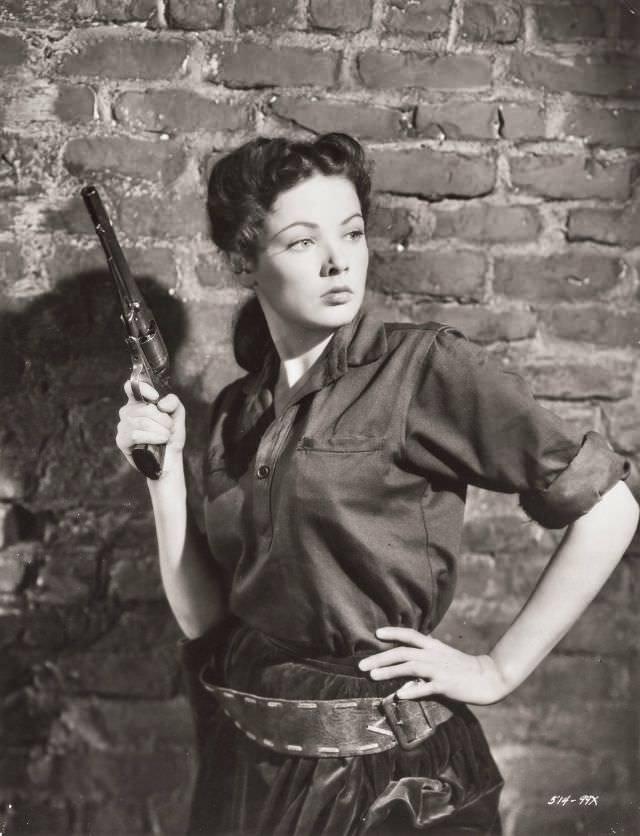
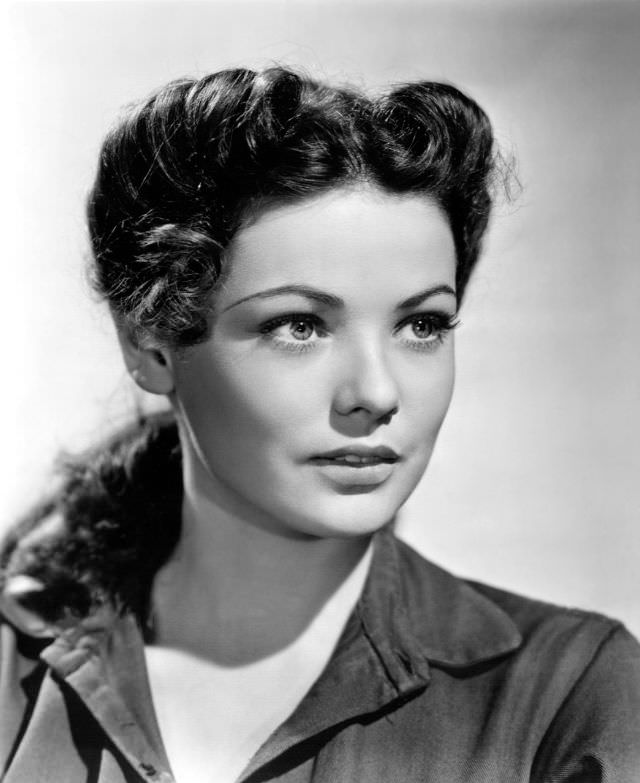
Director Irving Cummings kept the pacing tight throughout the film’s runtime. Known for working with strong female leads, Cummings gave Tierney space to command the screen rather than simply react to the action around her. The result was a Western where the woman at the center drove the story forward.
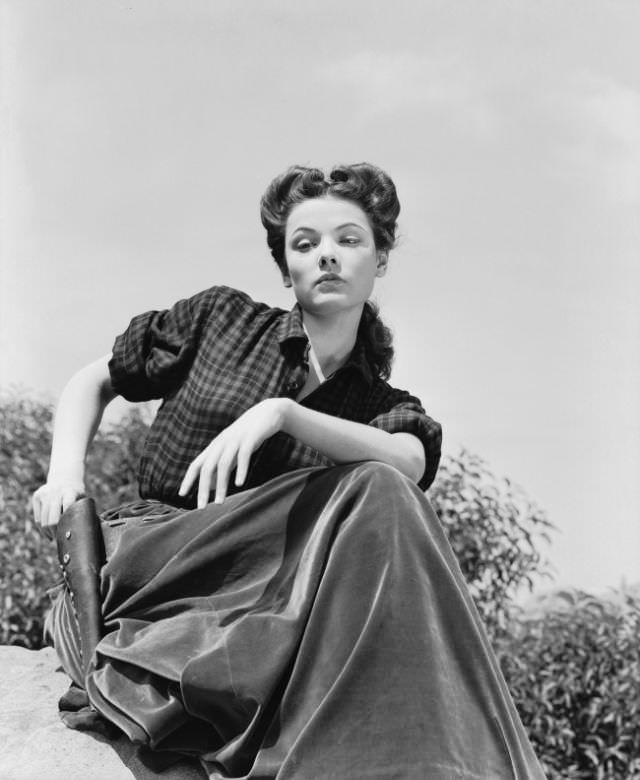
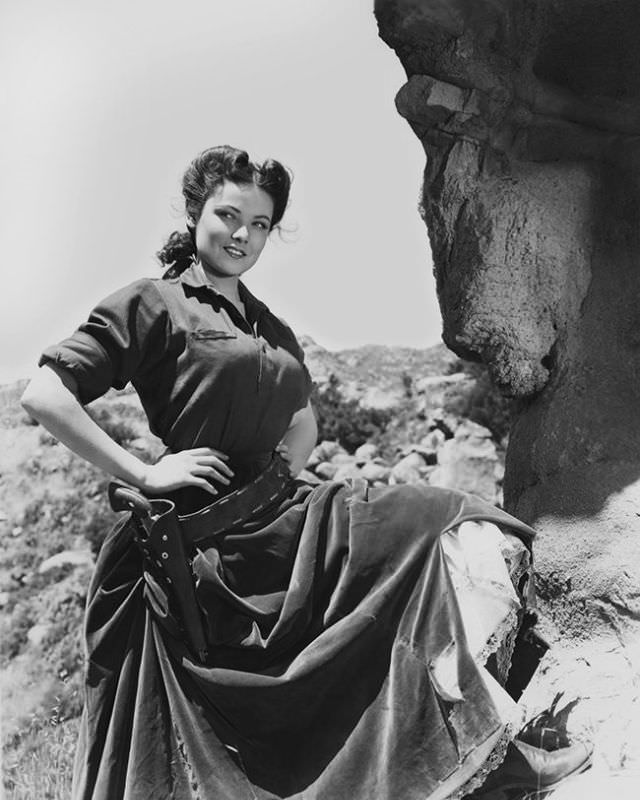
Gene Tierney was early in her career when Belle Starr was filmed. She had appeared in only a handful of films before this role. Taking on a title character in a major studio Western marked a significant step, and the attention the performance received helped establish her as a name worth watching in Hollywood.
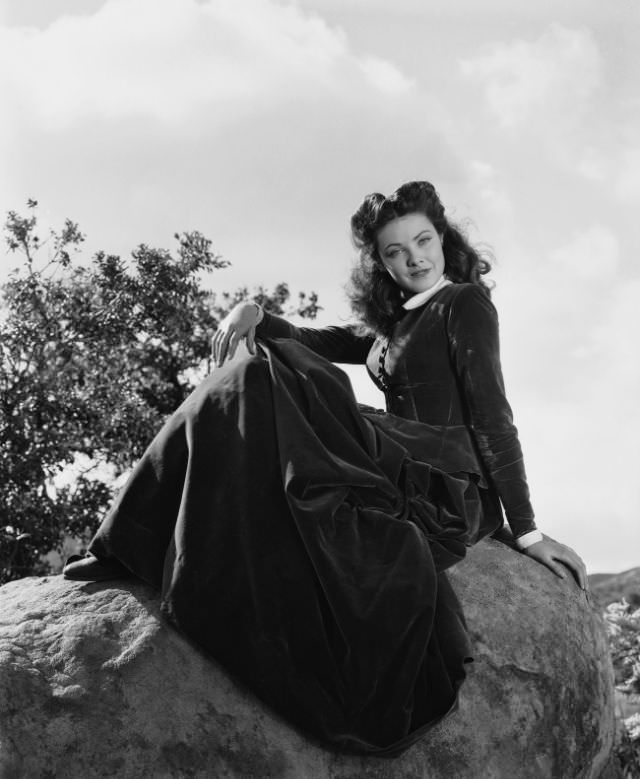
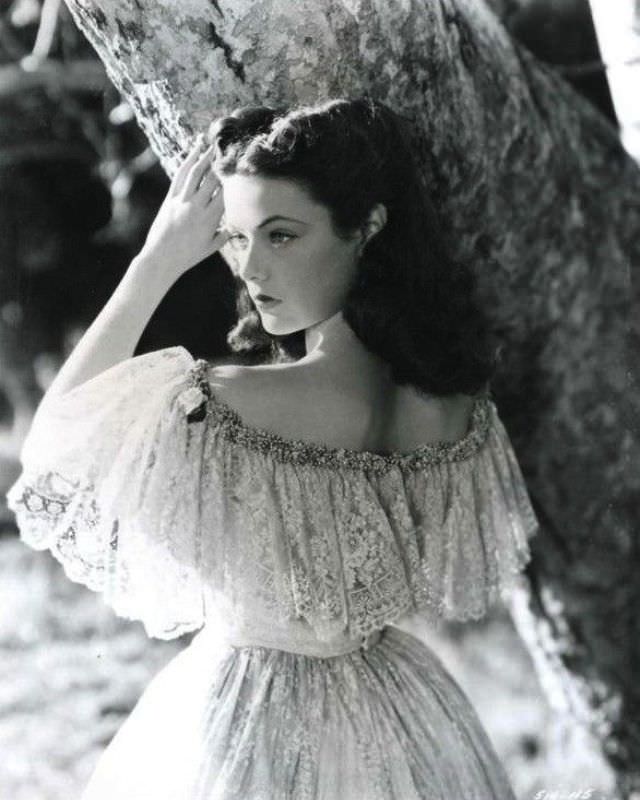
The film was well-received upon release and played to audiences who had a growing appetite for Westerns featuring complex, morally layered characters. Belle Starr fit that appetite well — it offered action and romance without reducing its lead to a simple role.
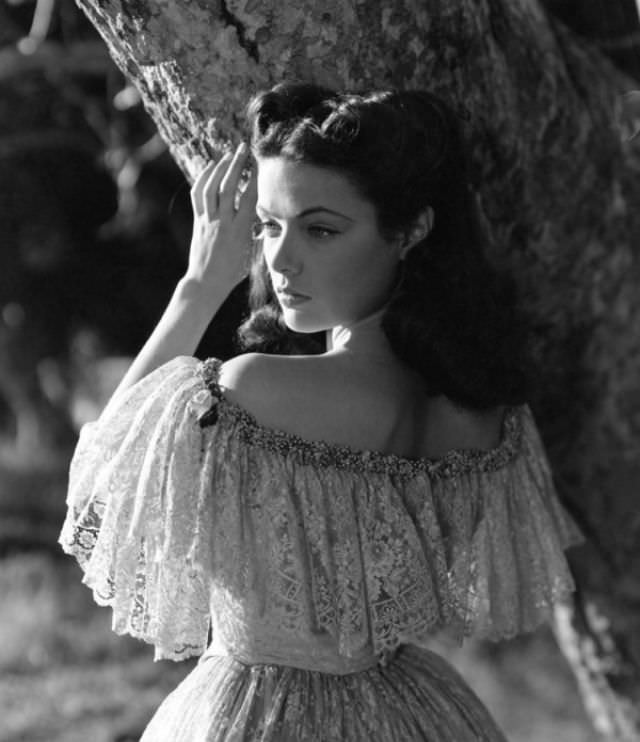
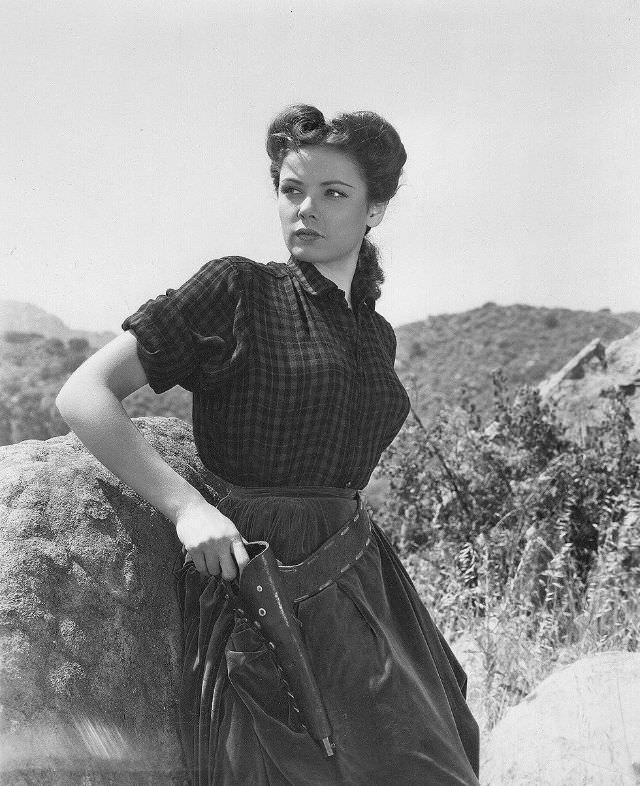
For fans of classic Hollywood Westerns, Belle Starr remains a notable entry in the genre. It stands as a document of how early 1940s studios approached frontier mythology — and as clear evidence that Gene Tierney could carry a film entirely on her own terms.