Beer advertising in the 1950s and ’60s was a craft of its own. Artists and copywriters worked together to produce bold, colorful posters that didn’t just sell a product — they sold a feeling. A cold beer after work. A backyard cookout with friends. A winning game. These posters were designed to connect with everyday life, and they did it with remarkable skill.
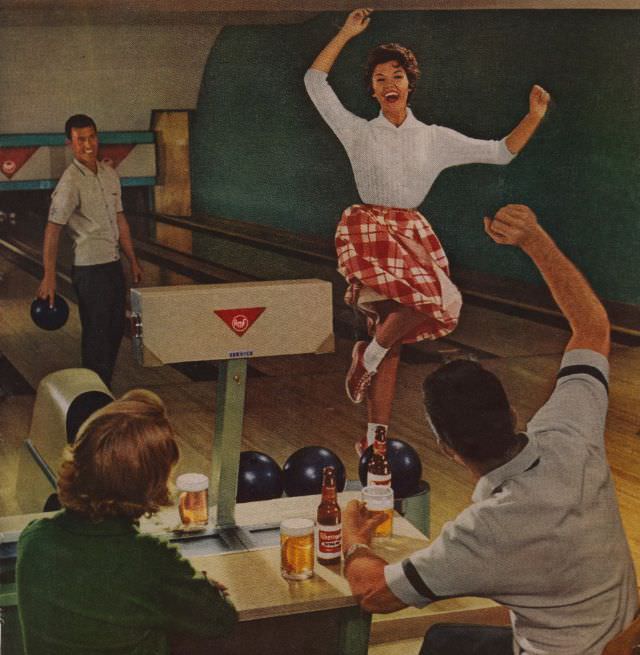
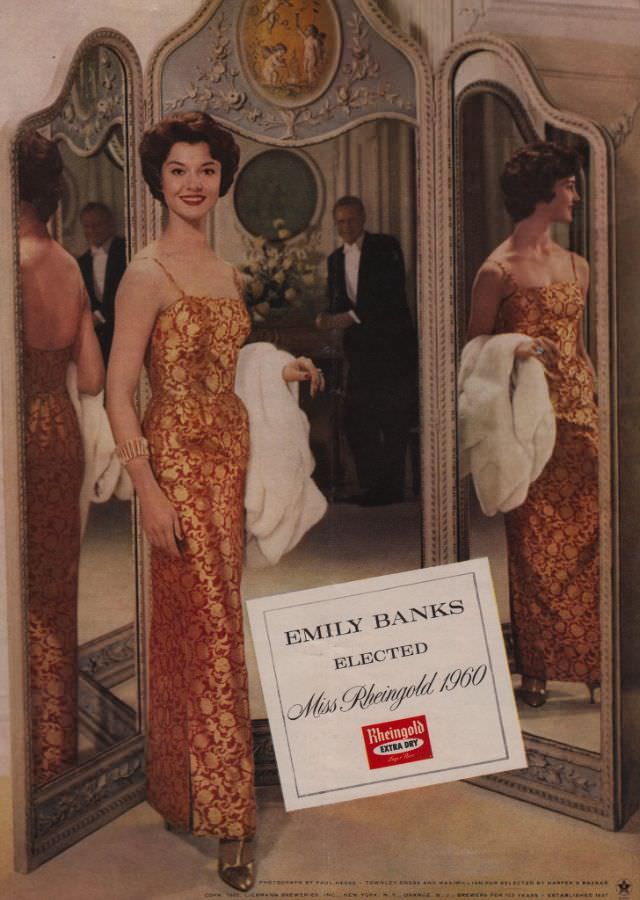
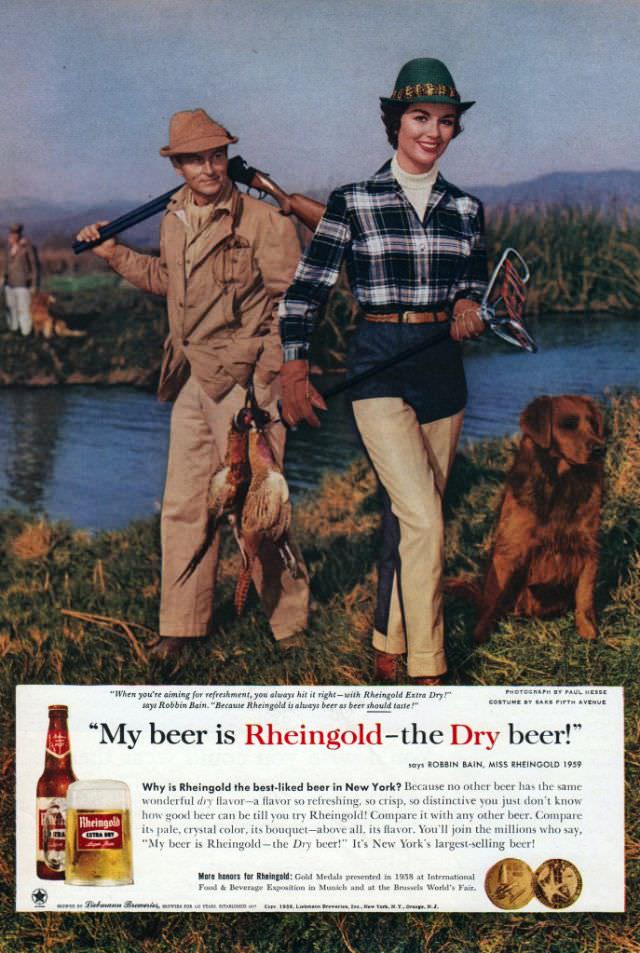
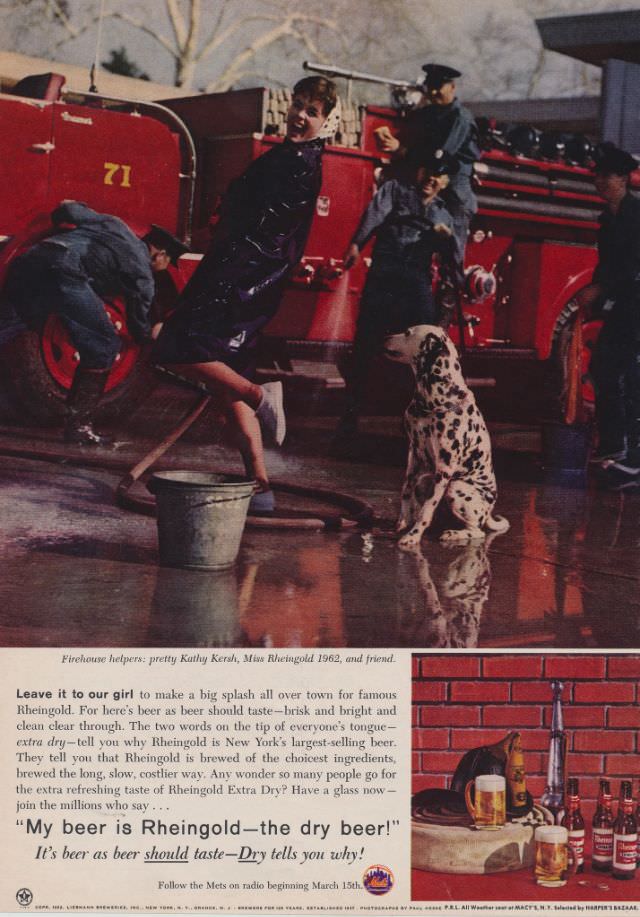
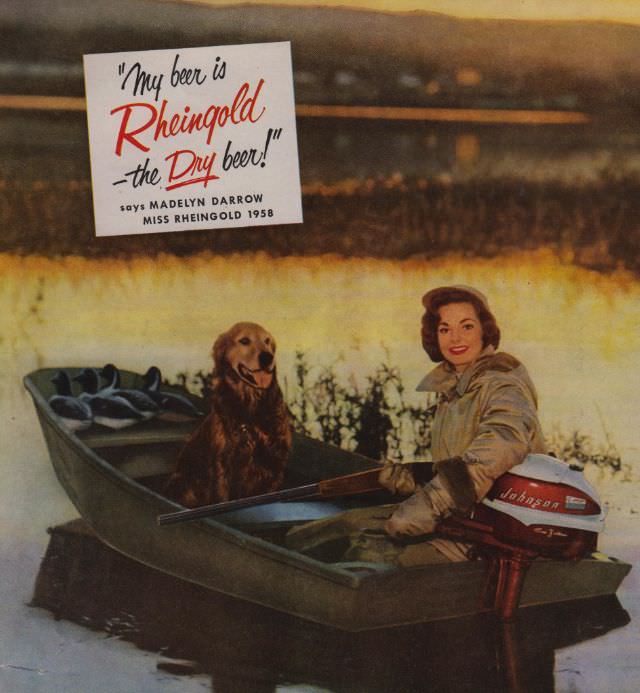
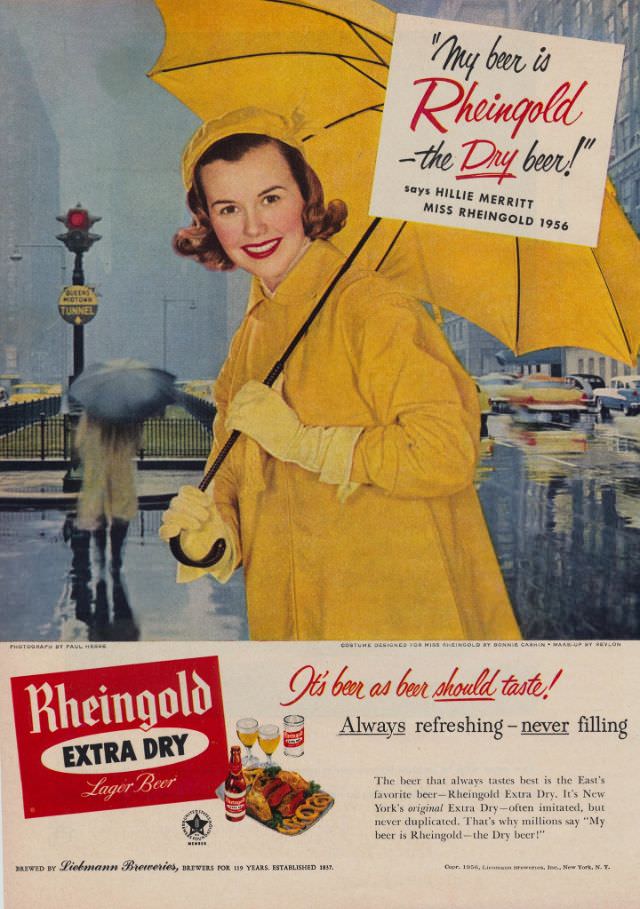
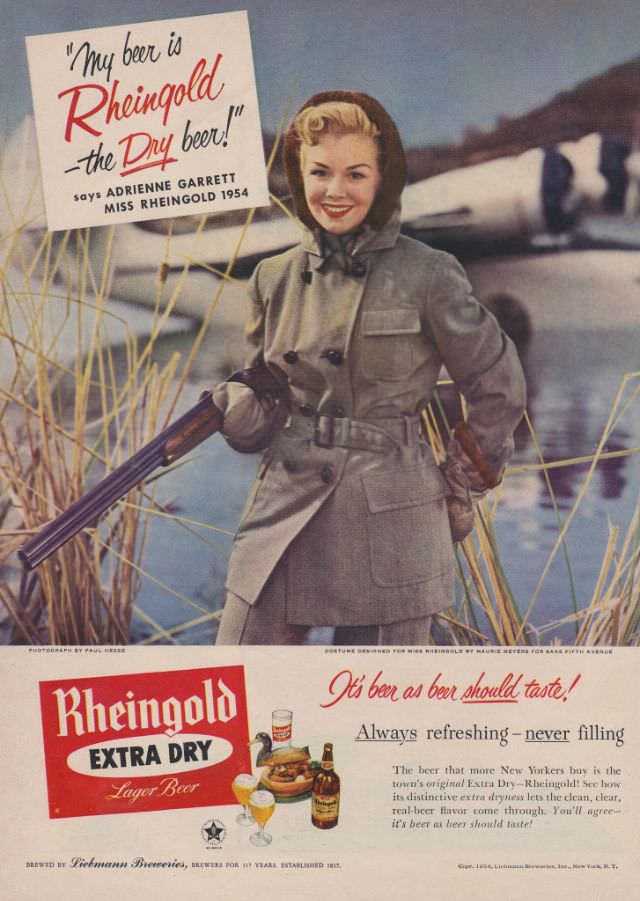
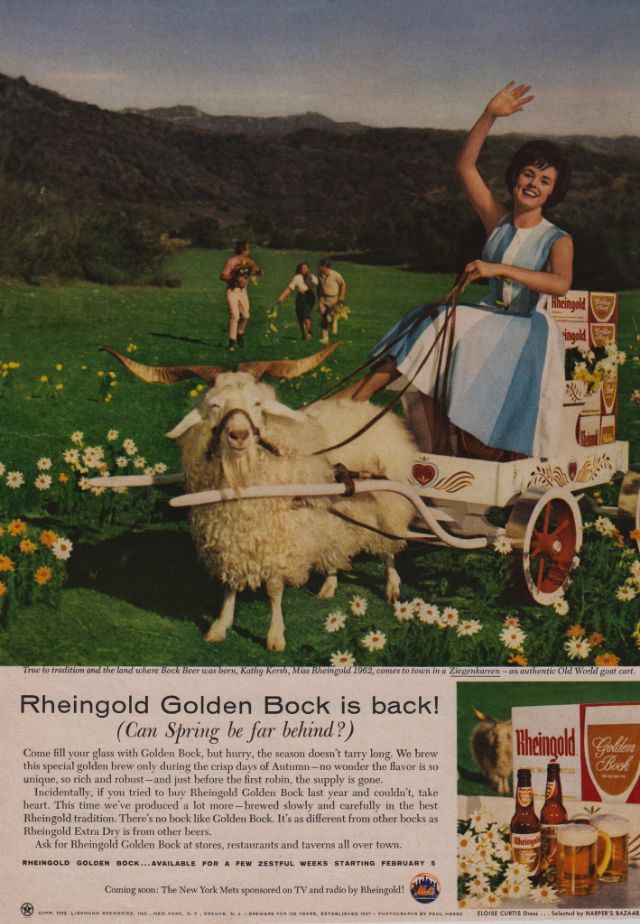
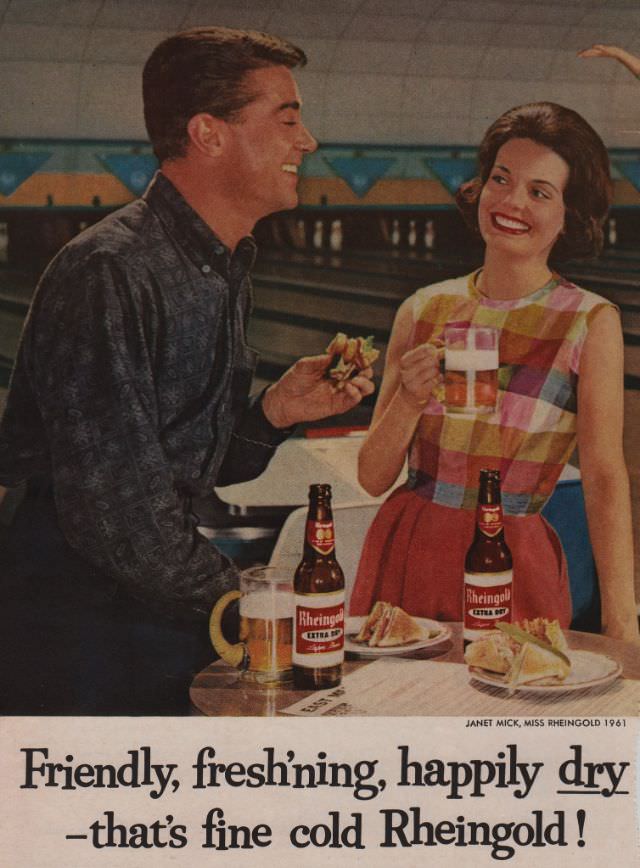
Regional brands competed fiercely for shelf space and brand loyalty. In New York, Rheingold Beer dominated the market with one of the most clever promotional campaigns of the era: the Miss Rheingold contest. Each year, consumers voted for their favorite face to represent the brand. The contest ran from 1940 through 1964 and drew millions of votes annually — at its peak, rivaling the U.S. presidential election in total ballots cast.
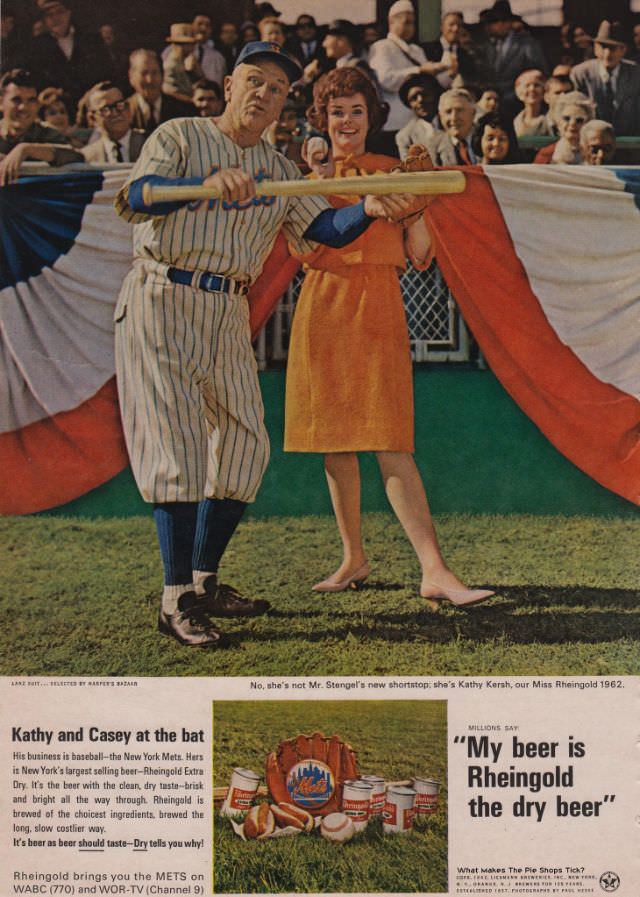
The Miss Rheingold campaign featured celebrities and everyday women alike. In 1958, New York Yankees manager Casey Stengel appeared alongside that year’s winner, Kathy Kersh, in a series of promotional materials that blended sports culture with the brand’s wholesome image.
By 1960, actress Emily Banks had been elected Miss Rheingold, keeping the campaign fresh with a new face and a new round of vibrant poster art. The rotating cast of winners kept consumers engaged year after year.
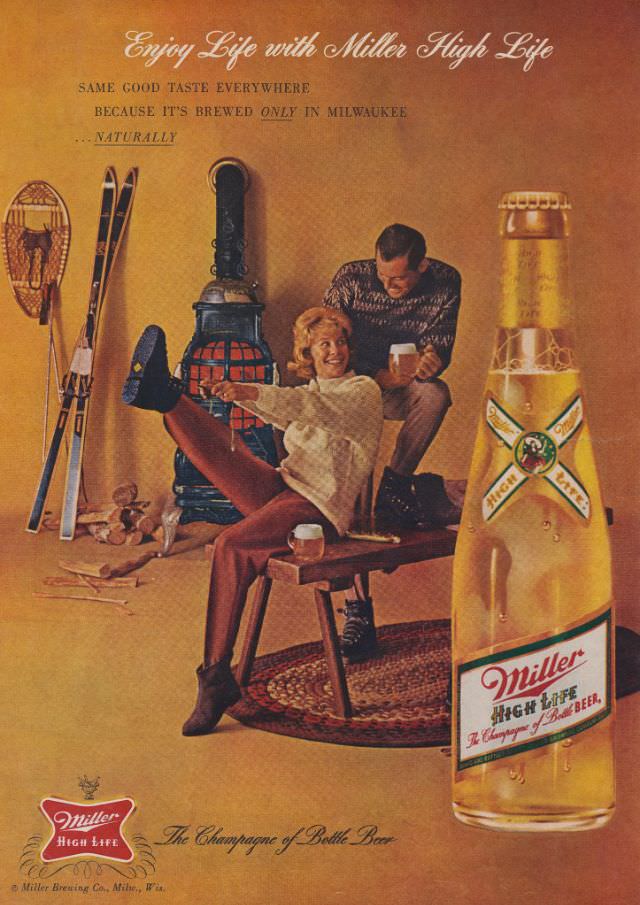
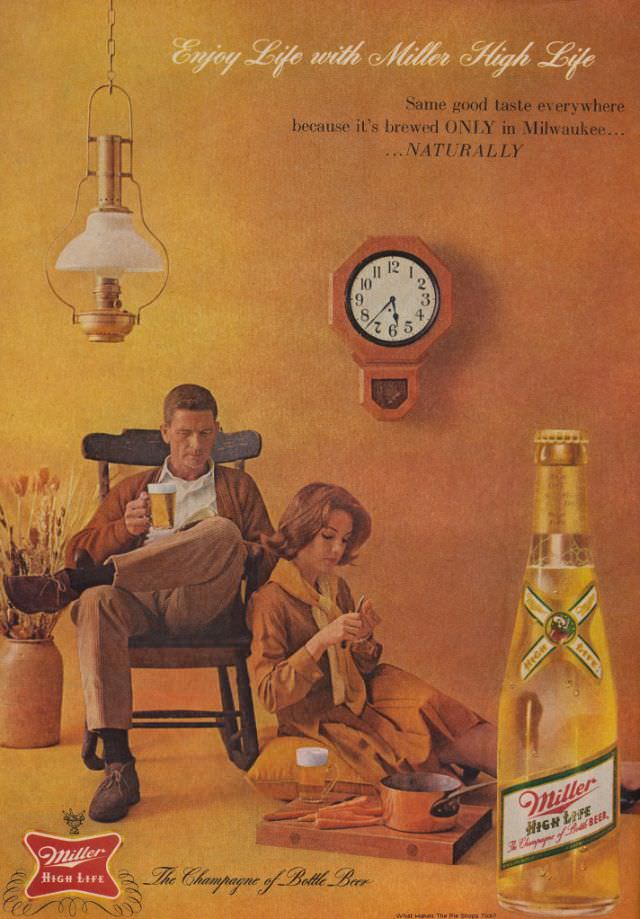
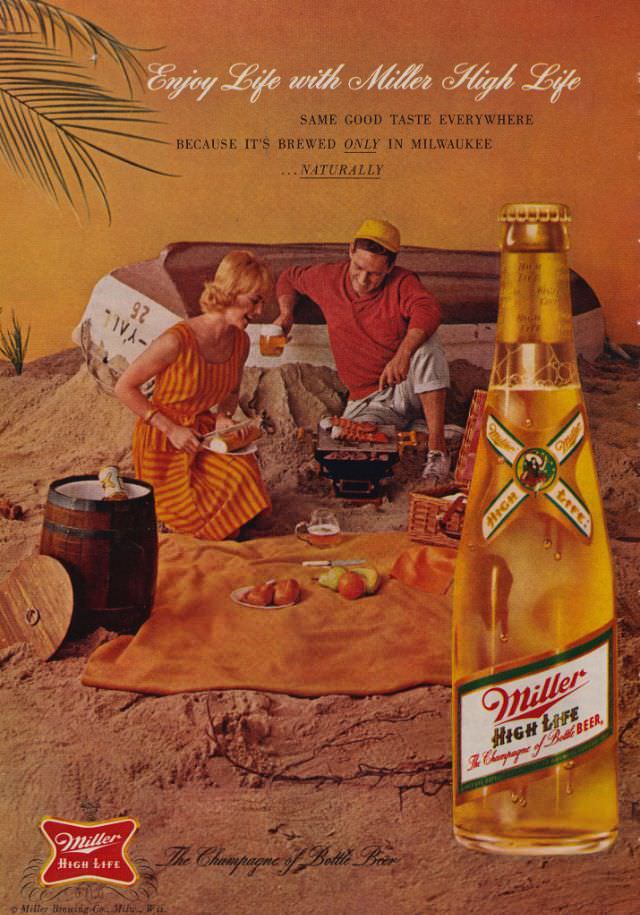
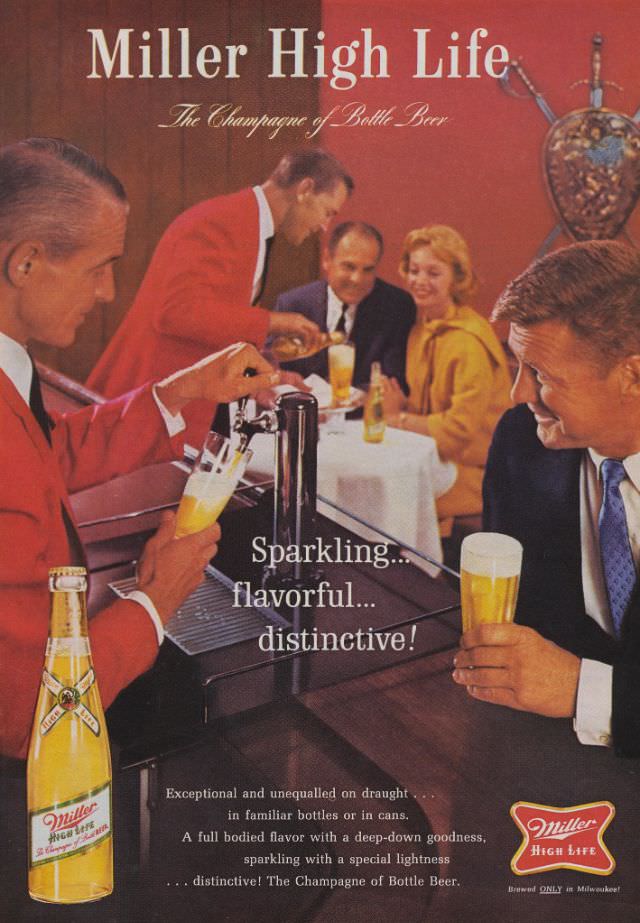
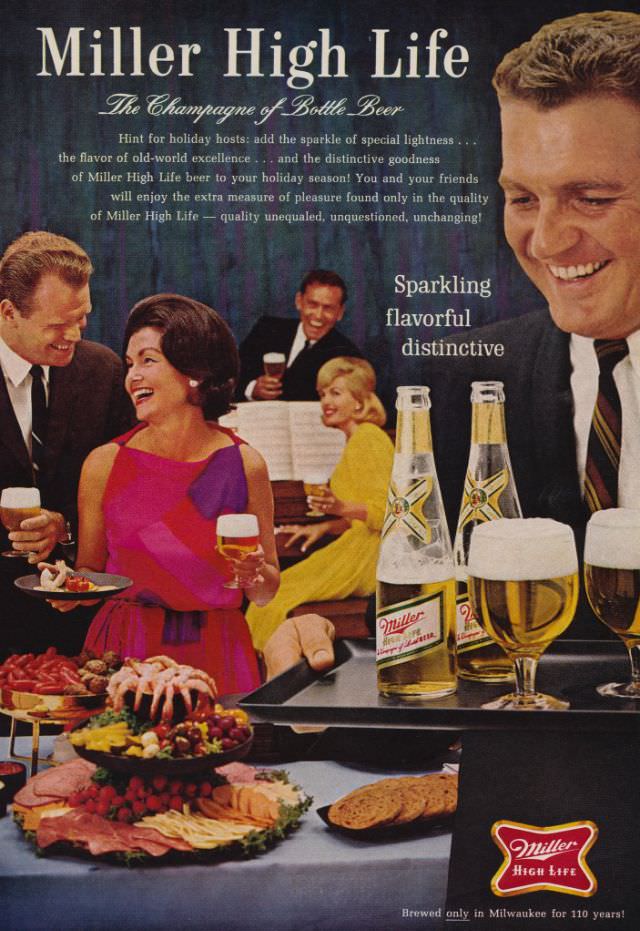
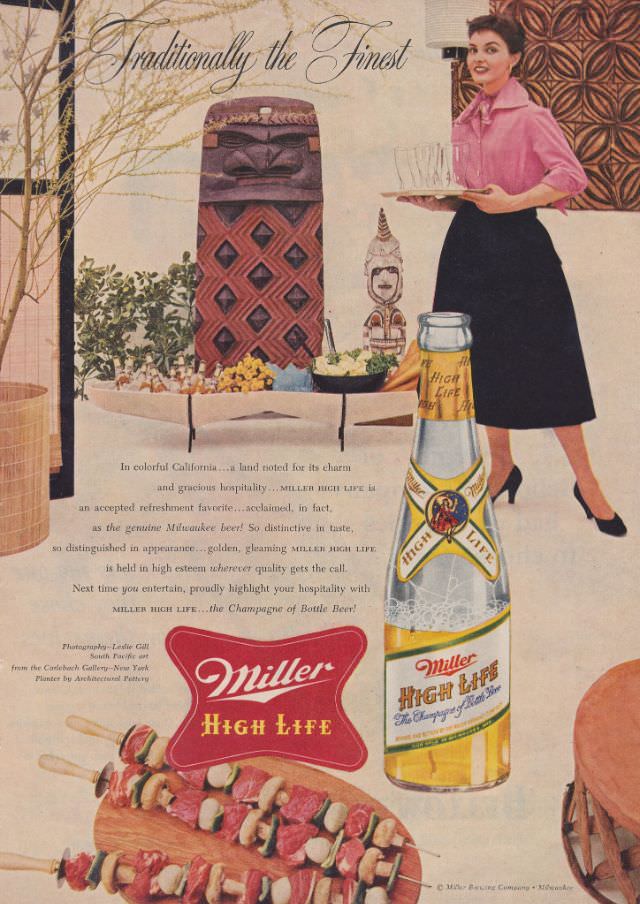
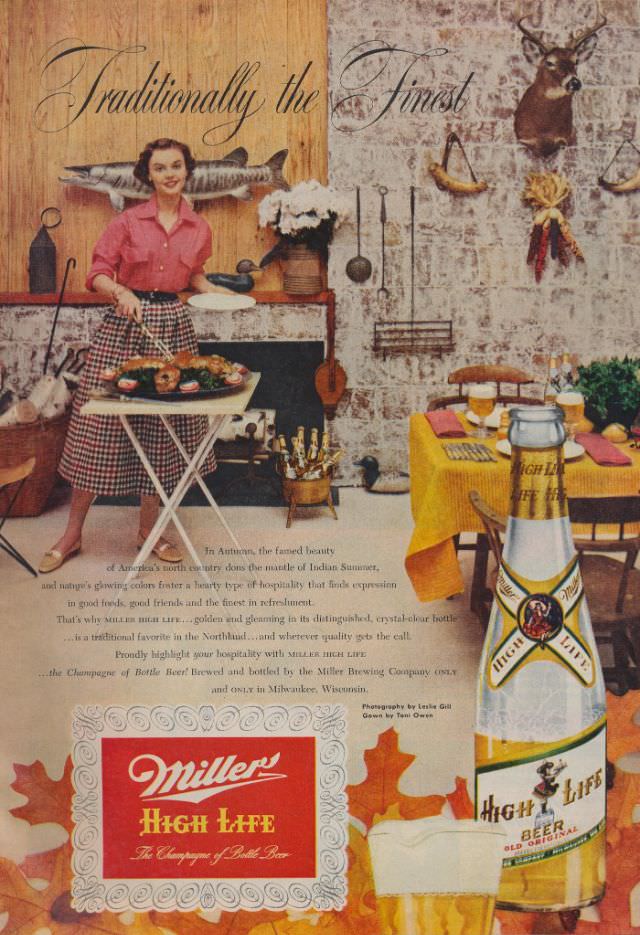
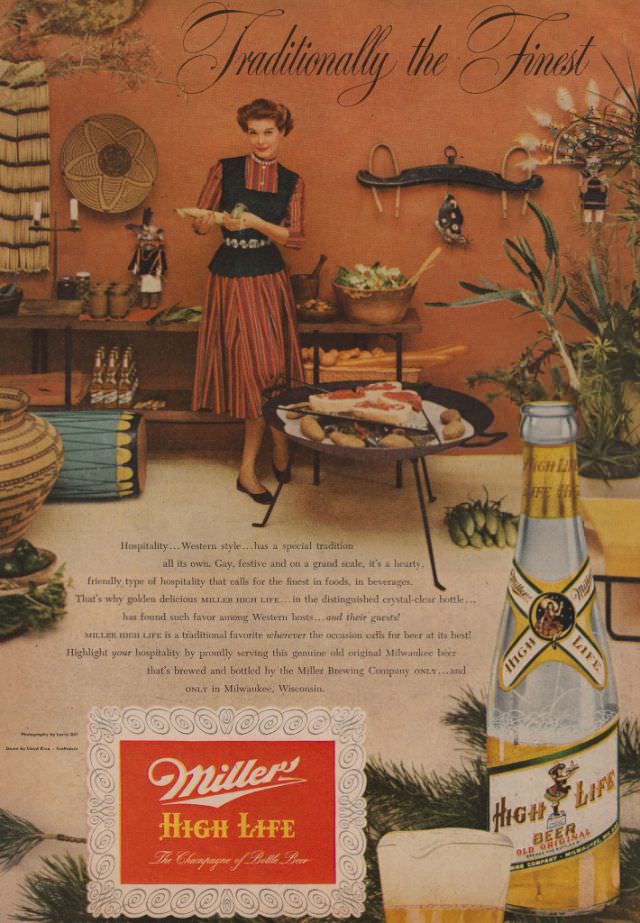
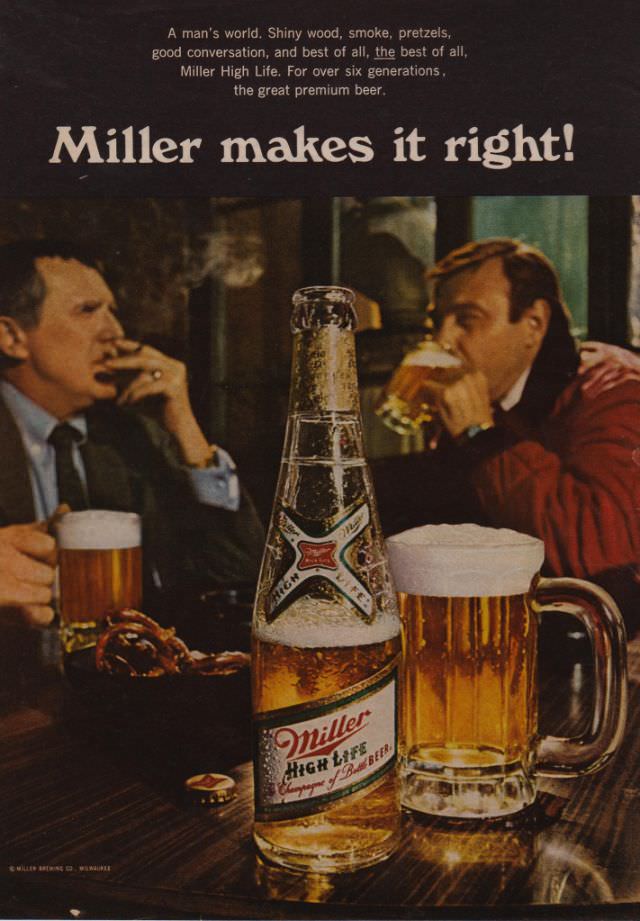
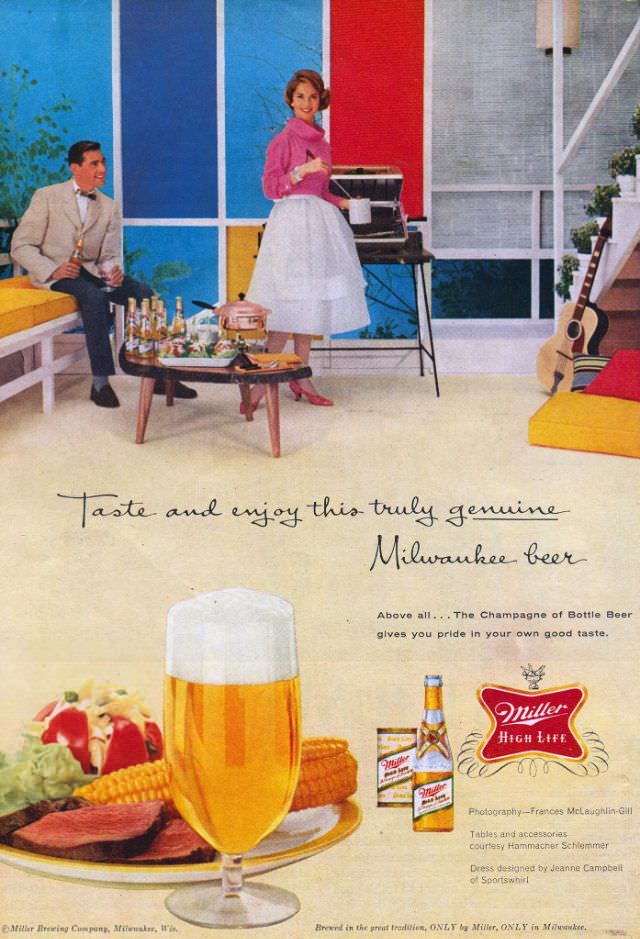
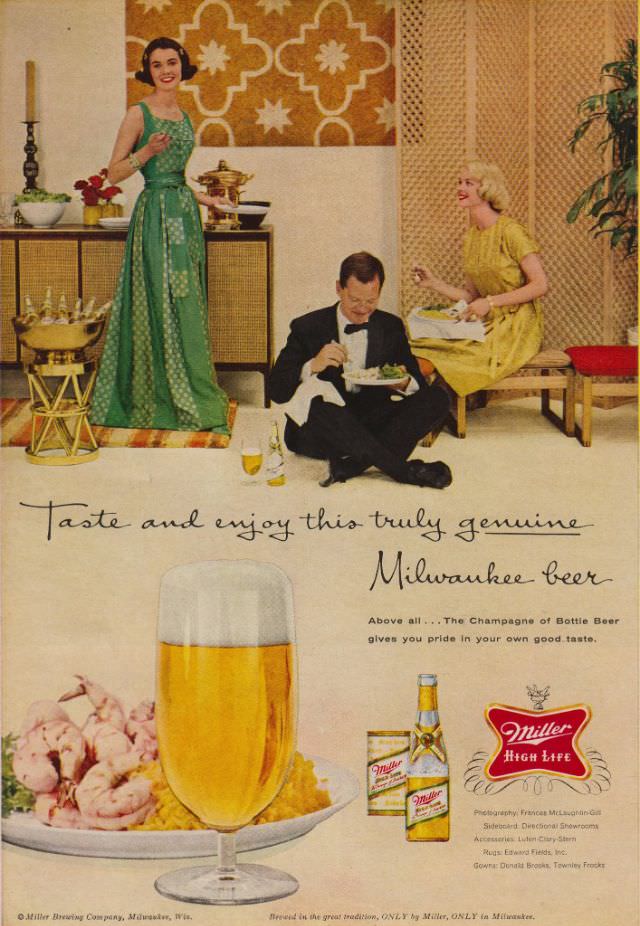
While Rheingold owned New York, Miller High Life was staking its claim nationwide. Founded in Milwaukee in 1855, Miller leaned heavily into its premium image, billing itself as “The Champagne of Bottle Beer.” Its ads featured stylish, aspirational scenes — fishing trips, ski lodges, candlelit dinners — positioning a bottle of High Life as a mark of good taste.
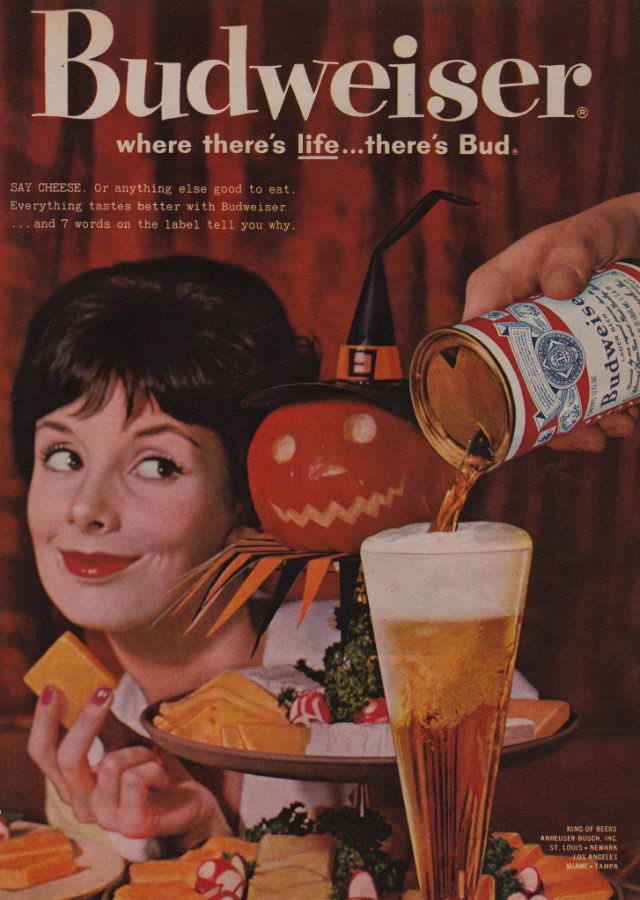
Budweiser took a different approach. Rather than luxury, Anheuser-Busch focused on accessibility and occasion. Slogans like “Everything Tastes Better With Budweiser” and “This Calls For Budweiser” placed the brand at the center of any gathering, big or small. The ads were warm, direct, and built around the idea that Bud belonged at every table.
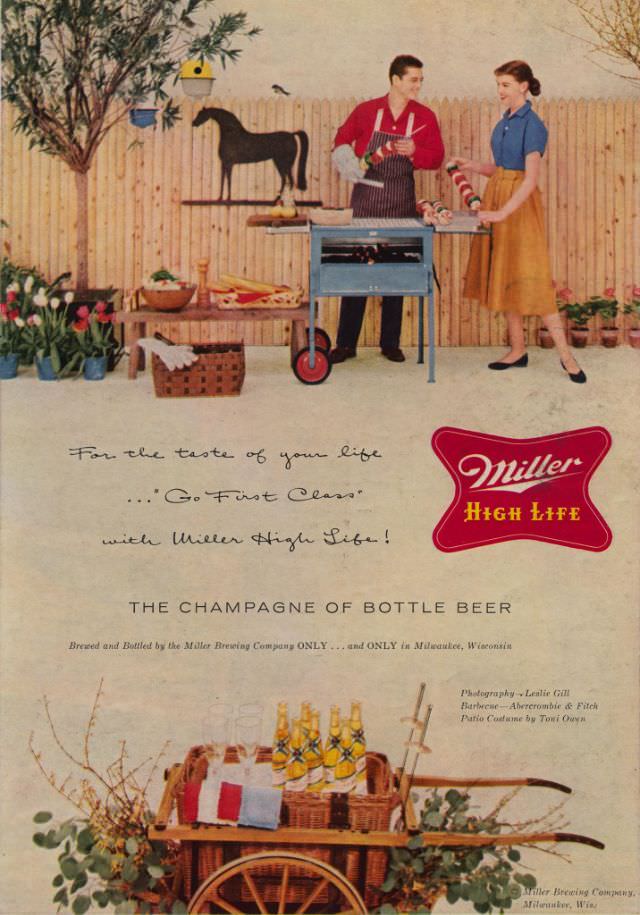
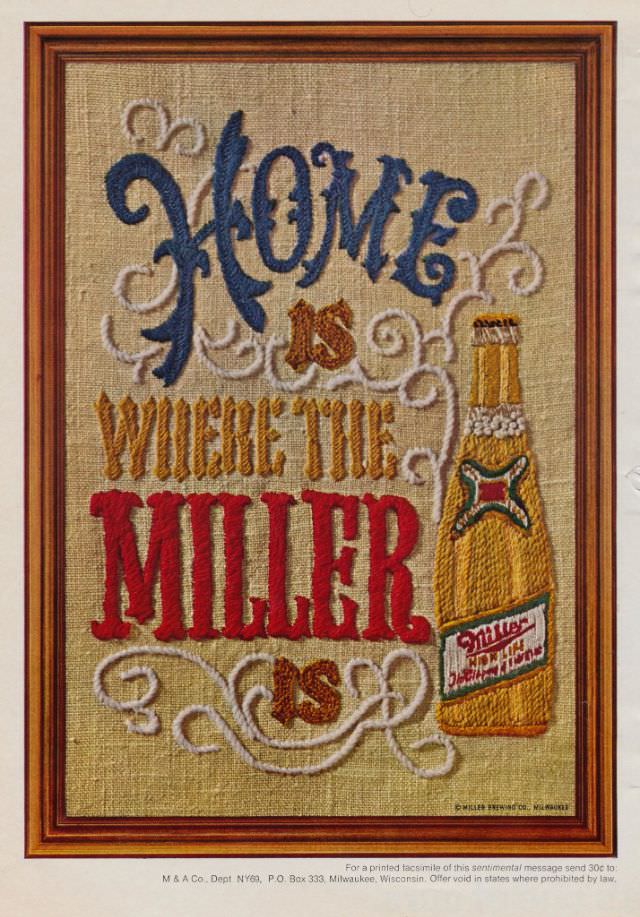
Miller’s advertising team was especially prolific during this period, producing dozens of poster variations under the “Traditionally The Finest” and “Champagne of Bottle Beer” banners. The consistency of the brand’s messaging helped it build a loyal following across multiple demographics.
Back in New York, Rheingold’s core tagline — “My Beer Is Rheingold — The Dry Beer!” — appeared on a wide range of posters throughout the late 1950s and into the ’60s. The “dry beer” descriptor was a marketing angle meant to suggest a cleaner, crisper taste, differentiating it from sweeter competitors.
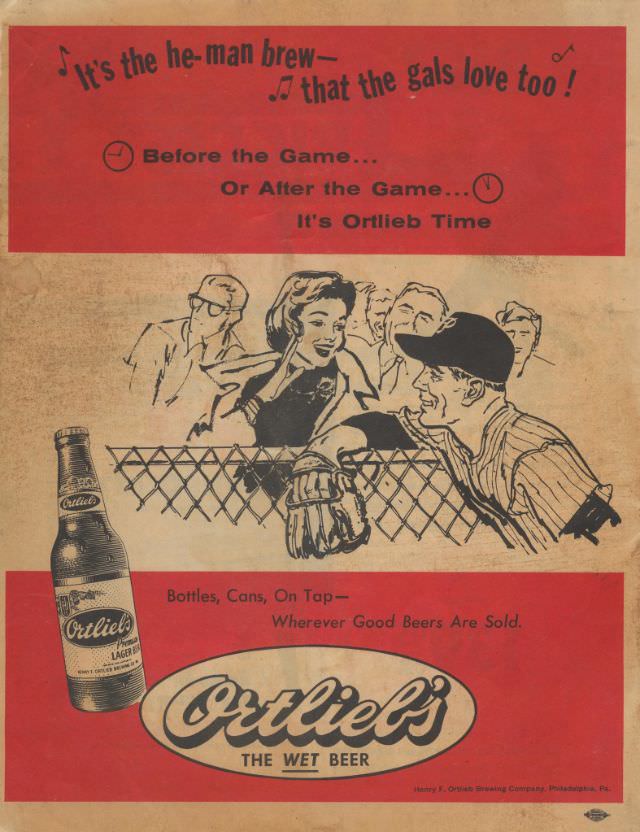
Philadelphia’s Ortlieb’s Brewing Company fired back at Rheingold’s dry beer campaign with a pointed counter-slogan: “The Wet Beer.” It was a rare example of direct competitive humor in advertising — simple, self-aware, and effective for a regional audience that knew exactly what it was referencing.
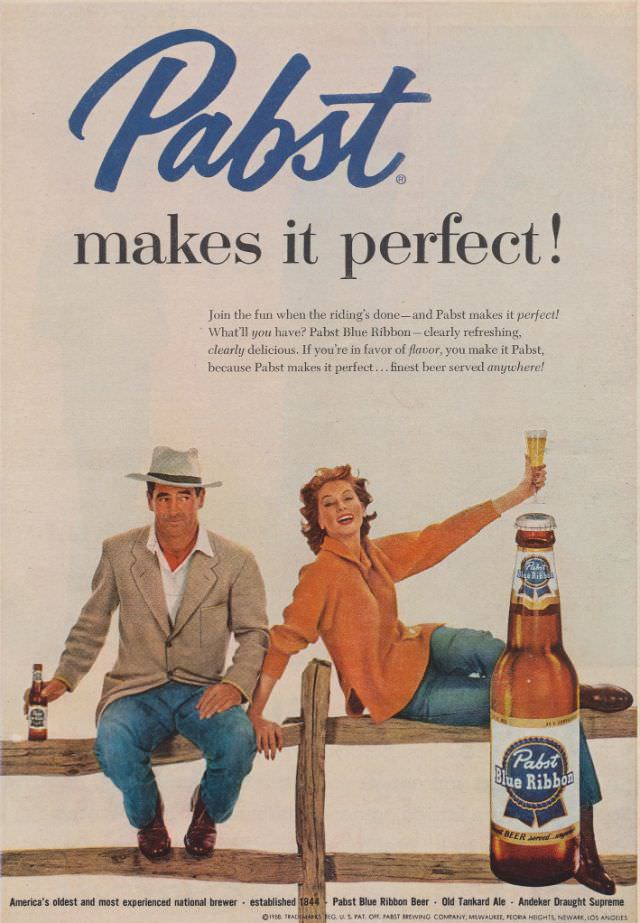
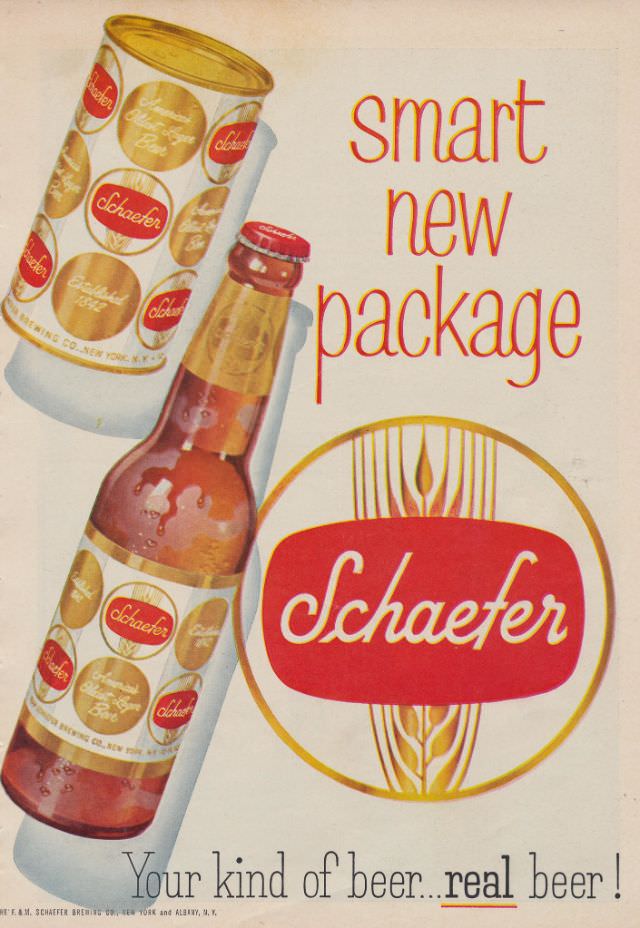
Pabst Blue Ribbon kept its message upbeat and uncomplicated. Ads like “Pabst Makes It Perfect!” used clean layouts and bright colors to reinforce a sense of quality without pretension. Meanwhile, Schaefer Beer in New York updated its packaging and promoted the change directly through its poster campaign.
Rheingold also promoted seasonal varieties, with its Golden Bock returning each spring to considerable fanfare. The 1962 announcement — “Rheingold Golden Bock is Back!” — was treated as a genuine event, reminding drinkers that even within a brand, variety could drive excitement.
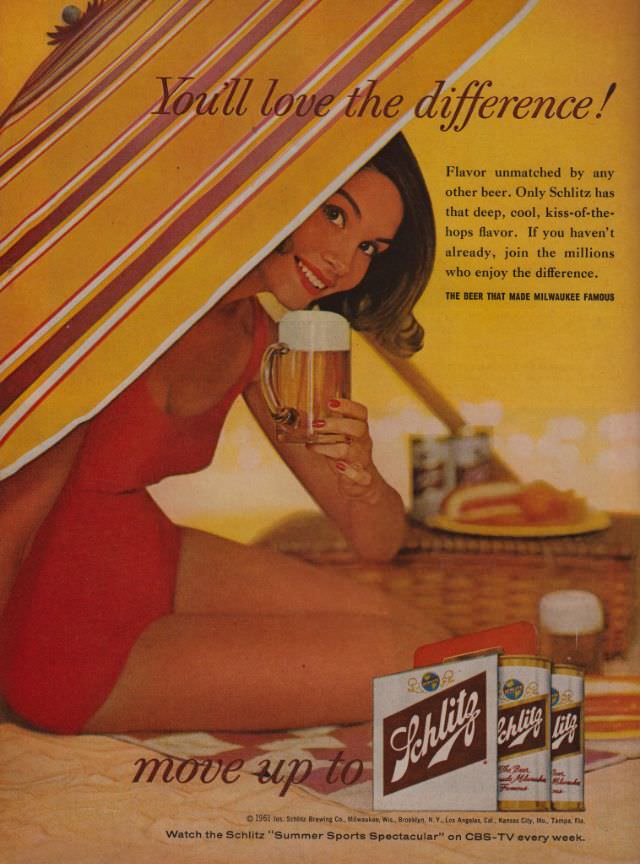
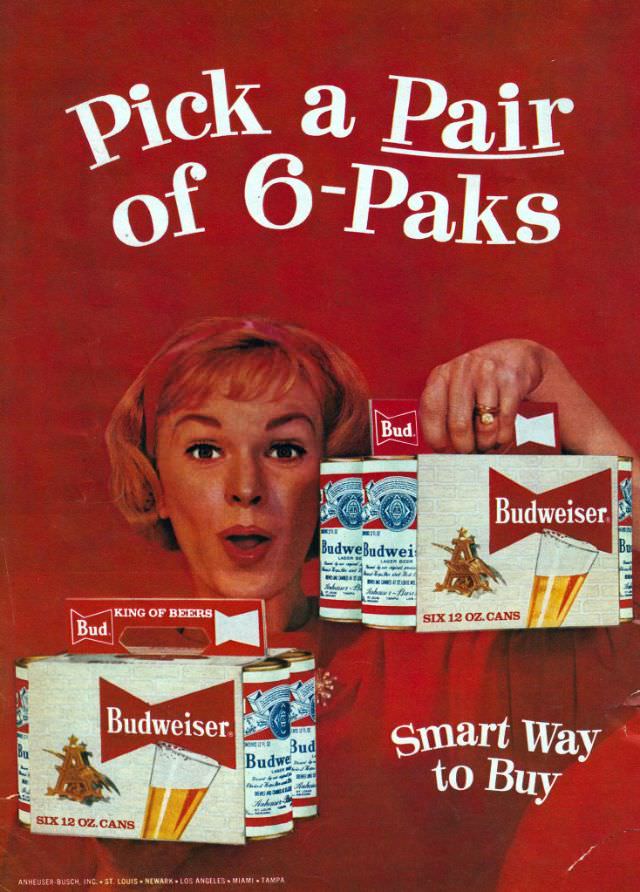
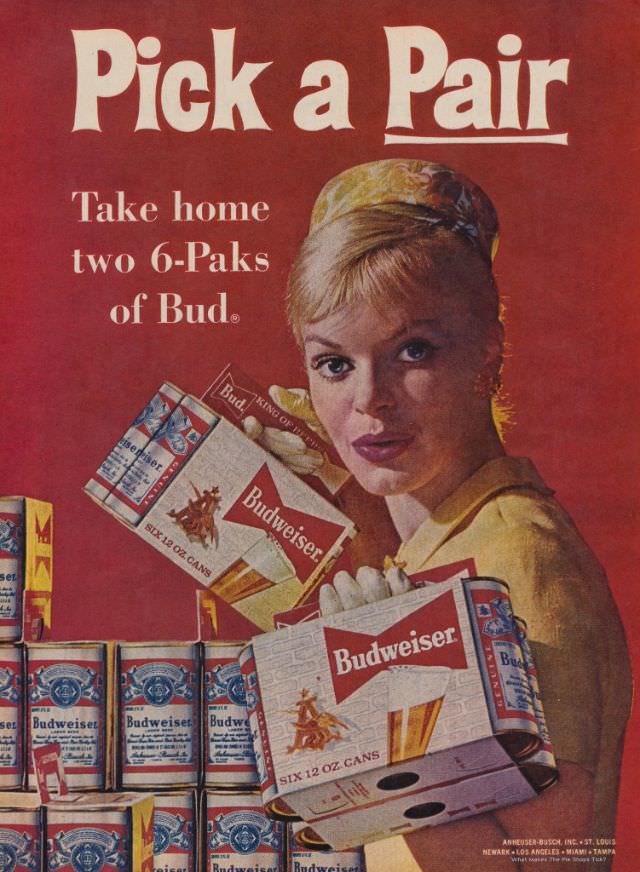
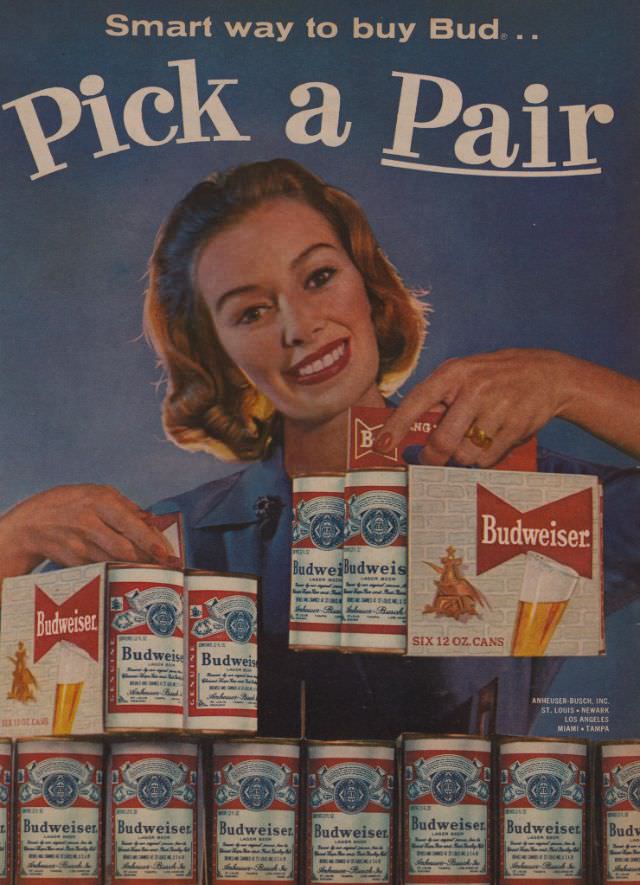
Budweiser’s campaign output during this period was staggering. Posters pushing multi-pack purchases, like “Smart Way To Buy Bud” and “Pick a Pair of Buds,” reflected a shift in how Americans shopped — the rise of the supermarket made bulk buying practical, and brewers moved fast to capitalize on it.
Milwaukee’s identity as a brewing capital was a selling point in itself. Brands rooted there used that reputation directly, as seen in posters promoting “Truly Genuine Milwaukee Beer” — letting geography do the heavy lifting as a quality signal.
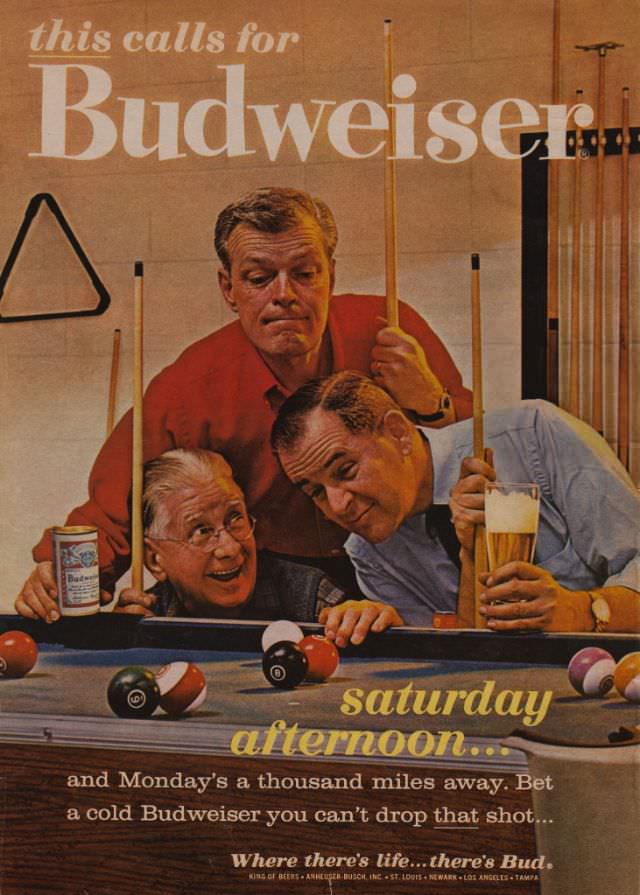
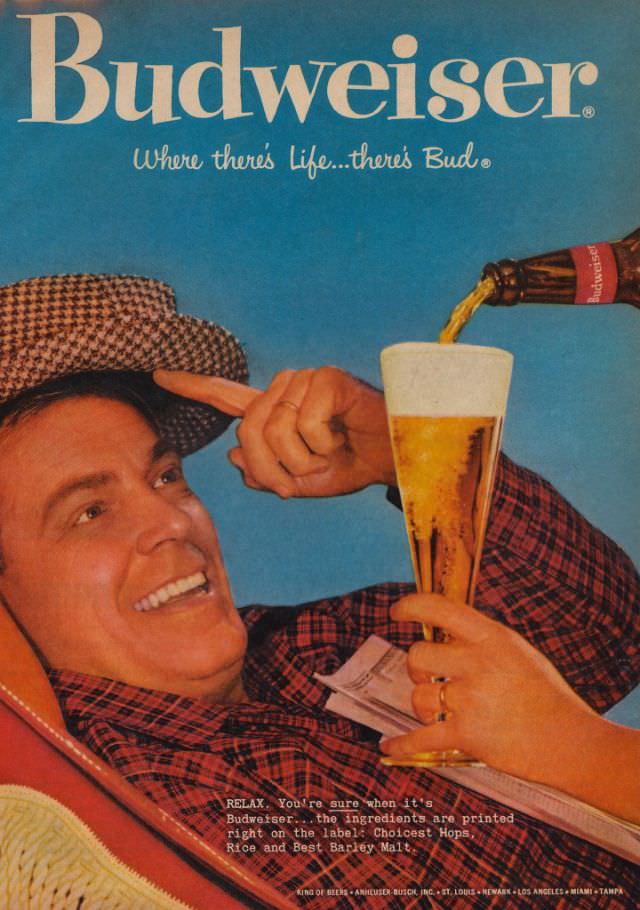
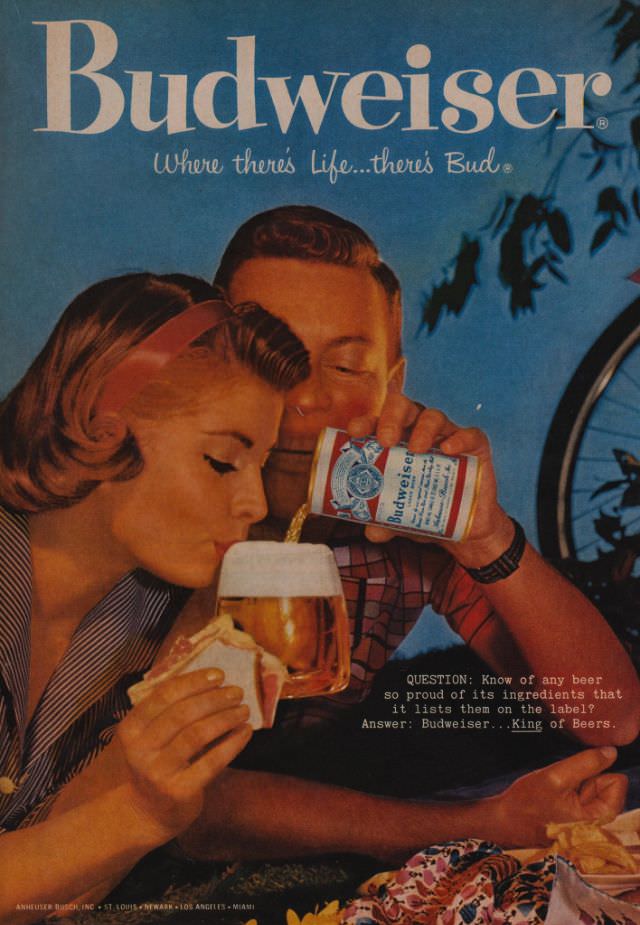
Few slogans from the era were as widely recognized as Budweiser’s “Where There’s Life…There’s Bud.” It ran across countless posters, print ads, and television spots throughout the late 1950s and ’60s, cementing Budweiser’s position as America’s best-known beer brand. These final two posters close out this collection as a fitting reminder of just how much ground Budweiser covered during the golden age of beer advertising.