Bhowani Junction (1956) is a film adaptation of the novel of the same name by British author John Masters. MGM produced the picture, and it brought together two of Hollywood’s most compelling stars of the era: Ava Gardner and Stewart Granger. Gardner plays Victoria Jones, an Anglo-Indian woman serving in the Indian Army who finds herself caught between two worlds as British rule in India comes to an end. Granger plays Colonel Rodney Savage, a British Indian Army officer navigating the same turbulent moment in history.
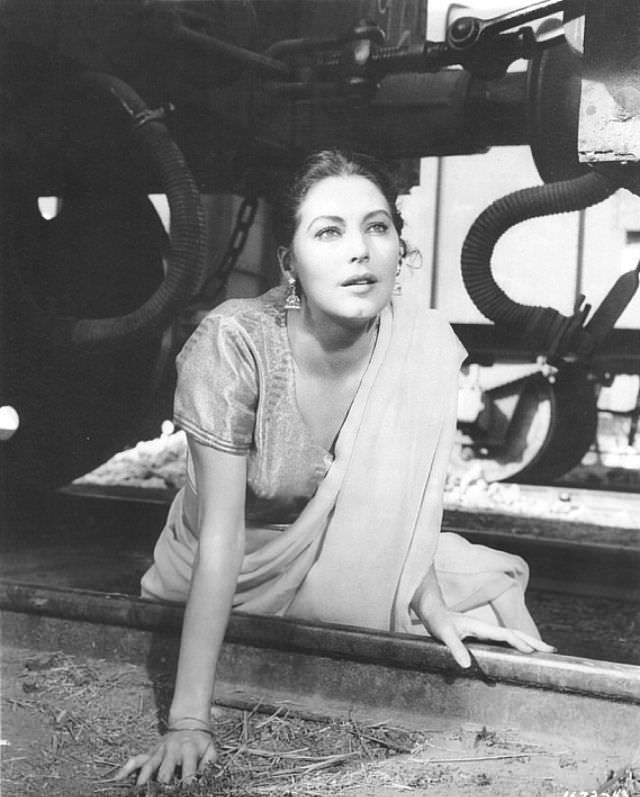
Production took place across several locations. Interior scenes were shot at MGM-British Studios in Borehamwood, Hertfordshire. The crew also filmed on location at the Longmoor Military Railway in Hampshire and in Lahore, Pakistan. The mix of studio work and real-world locations gave the film a grounded, lived-in look that matched the weight of its story.
The film’s plot centers on Bhowani, a fictional railroad junction in India. Both the Communist Party and the Indian National Congress are actively sabotaging the junction’s operations. Their goal is to speed up the British withdrawal from India. Each group has its own political reasons for wanting the British out, and the junction becomes the site where those competing pressures collide.
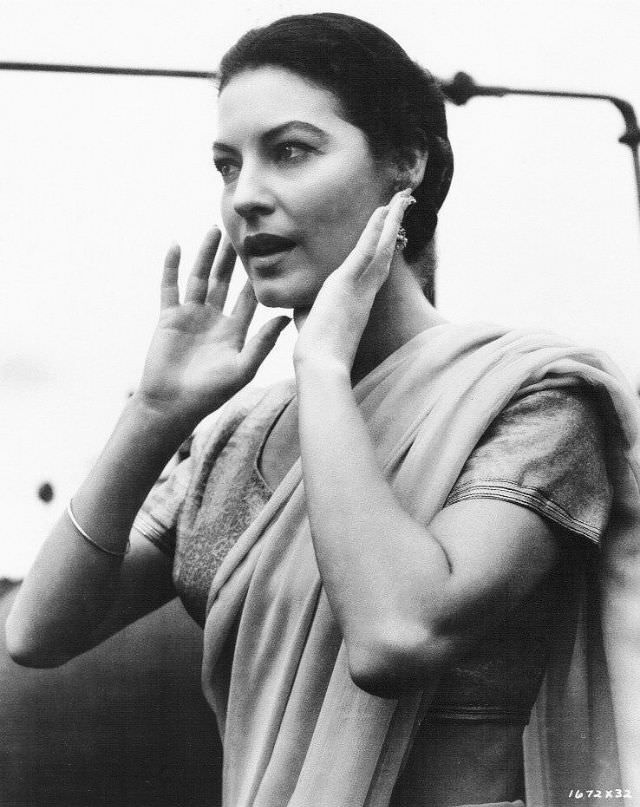
At the center of the drama is Victoria Jones, the character Gardner brings to life. Victoria is Anglo-Indian, meaning she has both British and Indian heritage, and she struggles to find her place in a society that doesn’t fully accept her on either side. She feels the pull of British identity and Indian identity simultaneously, and that internal conflict drives much of the film’s emotional tension.
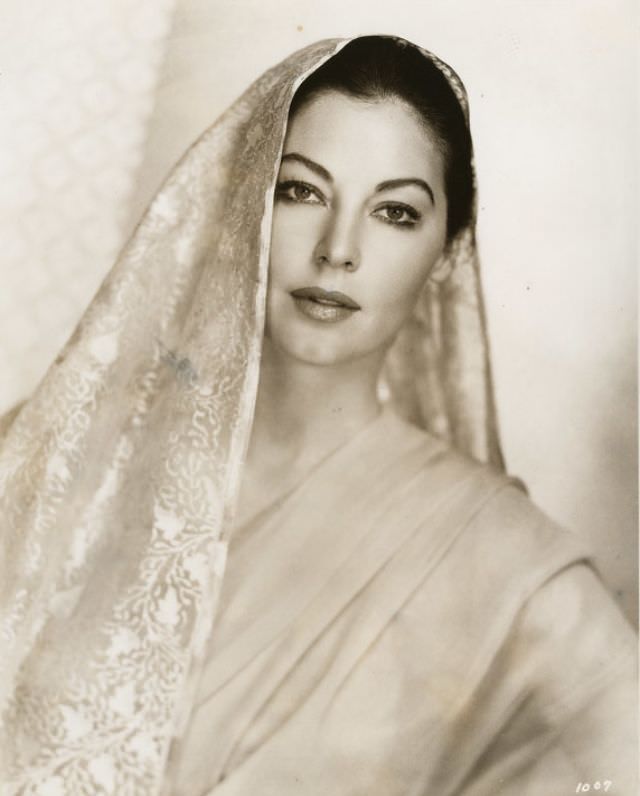
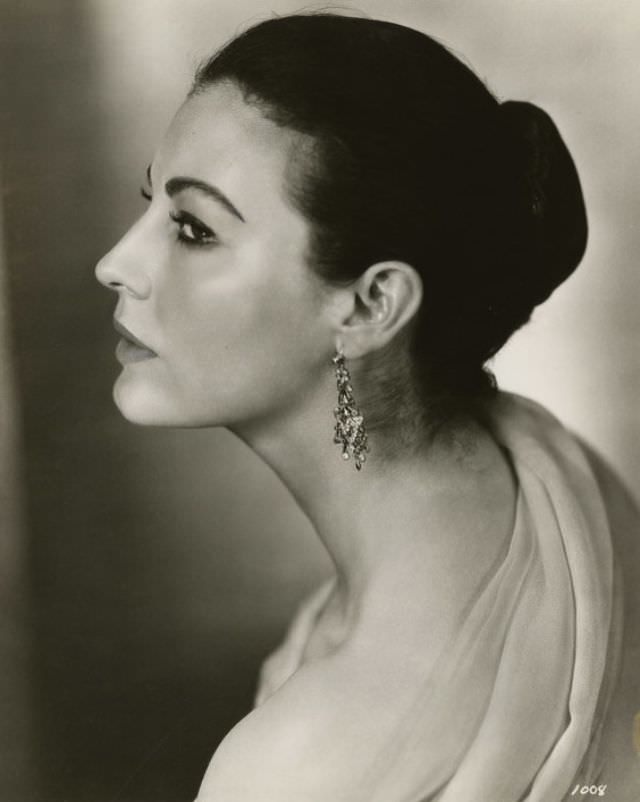
Gardner’s performance is widely regarded as one of the strongest of her career. She brings real depth to Victoria’s anxiety and indecision, never letting the character feel like a simple victim of circumstance. Victoria is active, emotional, and contradictory — all the things that make a screen performance stick with an audience long after the credits roll.
Bill Travers also delivers a standout performance as Patrick Taylor, a fellow Anglo-Indian who works as the railroad station manager at Bhowani. Where Victoria is torn and searching, Patrick has buried himself entirely in his job. He defines himself through his role in the railway, using it as his entire source of identity and status.
Patrick’s tunnel vision is both his strength and his flaw. He is so focused on keeping the railway running that he fails to see how dramatically the world around him is shifting. When the British finally leave India, his position in the social order of the Raj — however small — is at serious risk of vanishing entirely. His story is a quiet tragedy running alongside the film’s larger political drama.
The film’s director, George Cukor, was known for drawing strong performances from his actors, and Bhowani Junction is a clear example of that skill. The combination of a sharp script, based faithfully on Masters’ novel, and a cast fully committed to their roles made the production something well above a standard Hollywood spectacle.
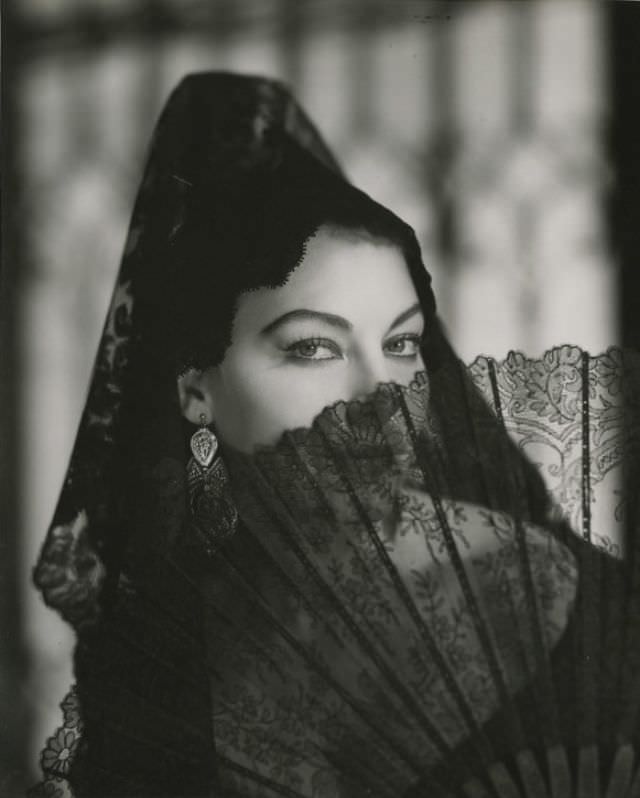
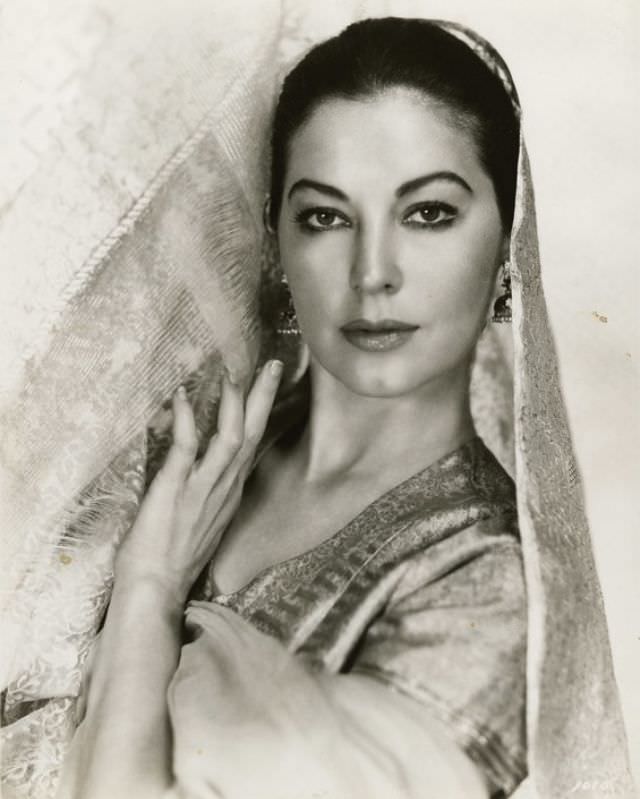
Shooting in Lahore added an authenticity to the film that a purely studio-bound production never could have achieved. The streets, crowds, and architecture of the city placed the story firmly in the subcontinent during one of its most significant historical moments — the final years of British colonial rule and the aftermath of the 1947 Partition.
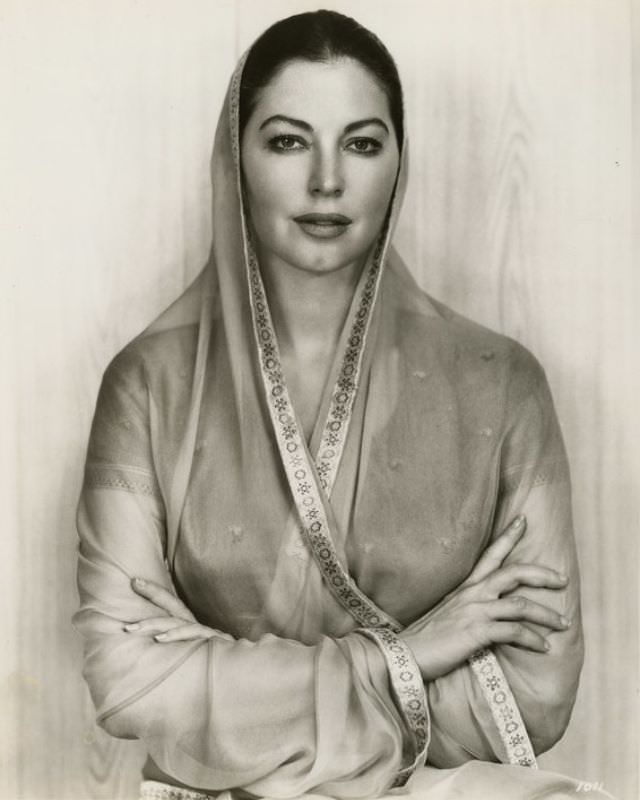
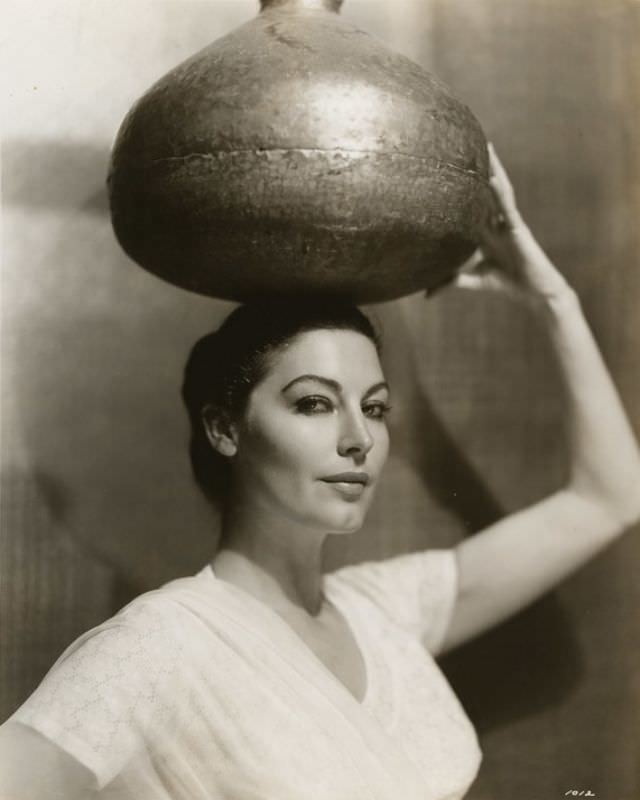
Gardner was already one of MGM’s biggest stars by the time filming began. Her career had produced hits like The Killers (1946), Show Boat (1951), and Mogambo (1953). Taking on a role as complex as Victoria Jones showed her willingness to push beyond glamour and into genuinely demanding dramatic territory.
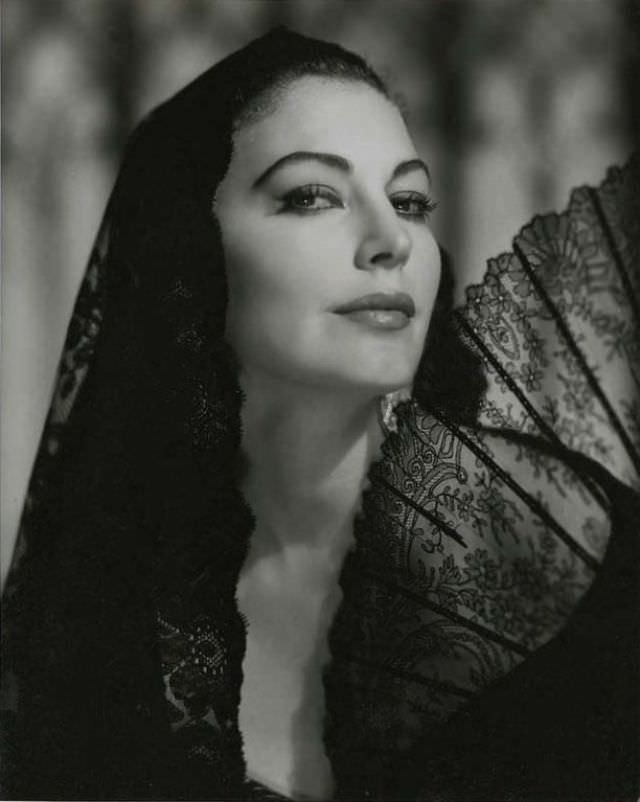
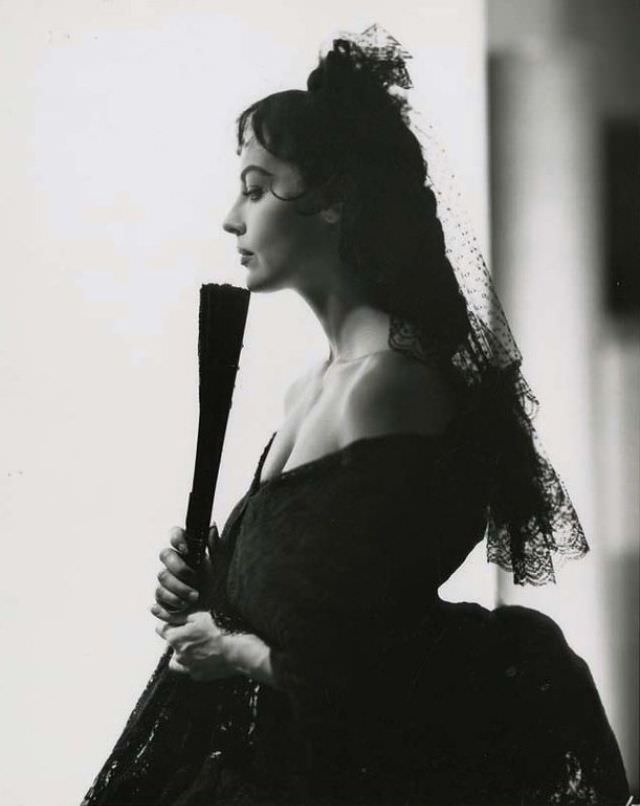
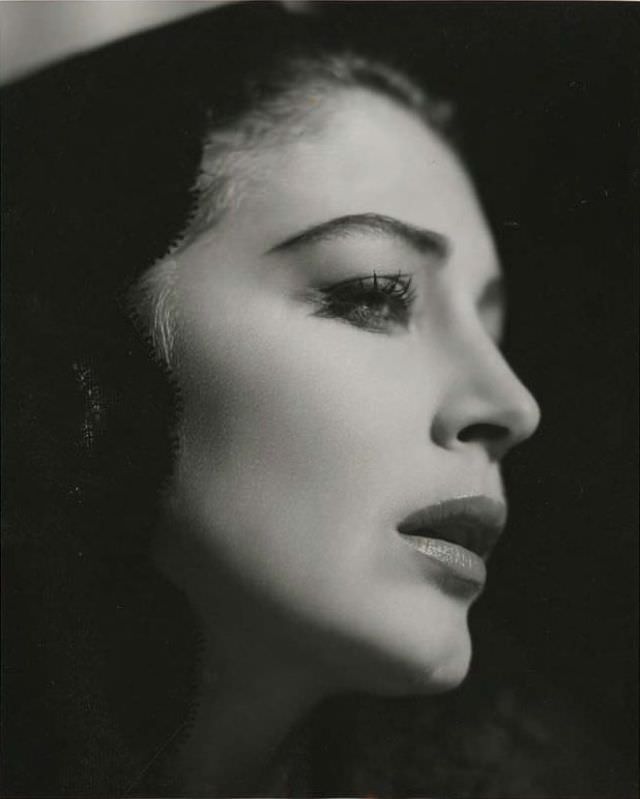
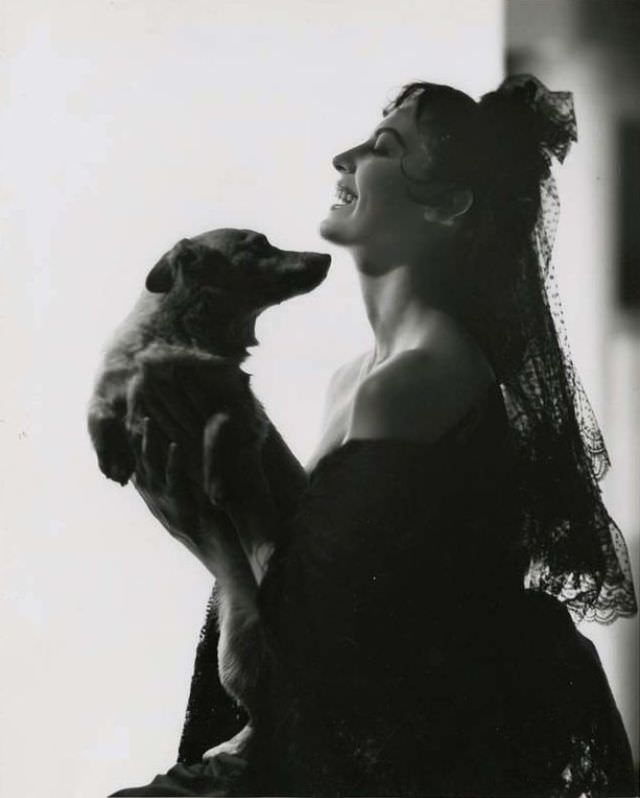
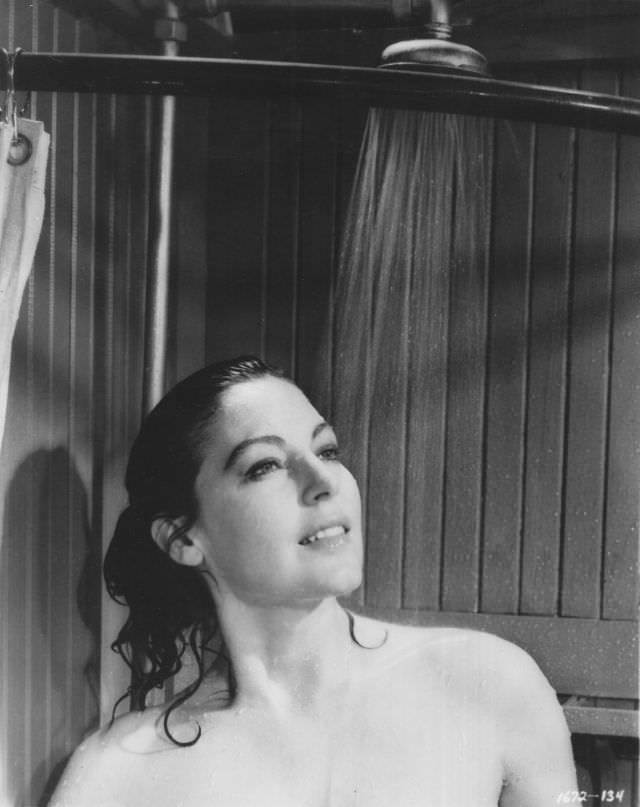
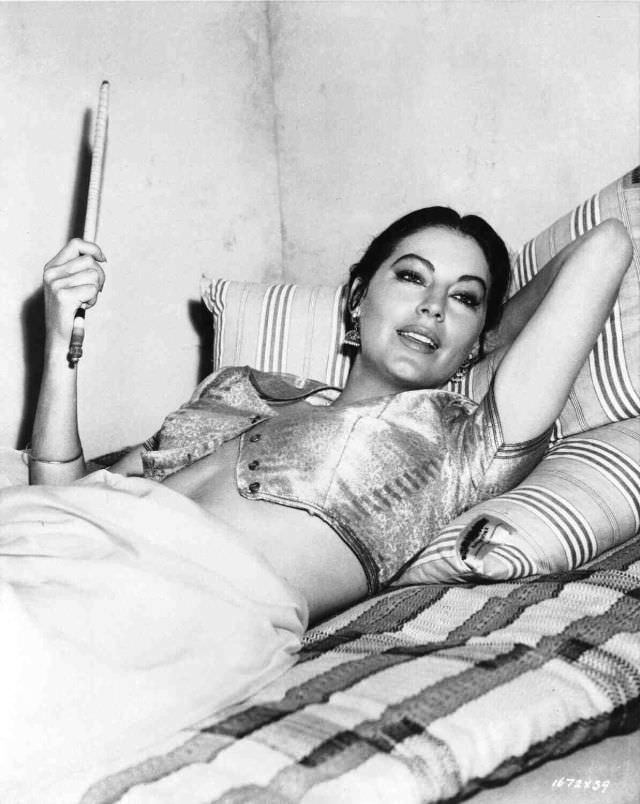
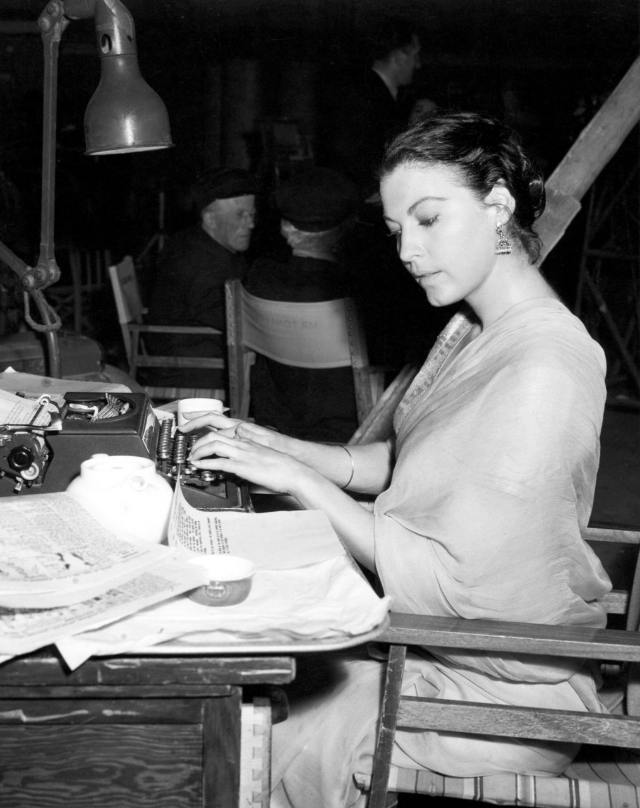
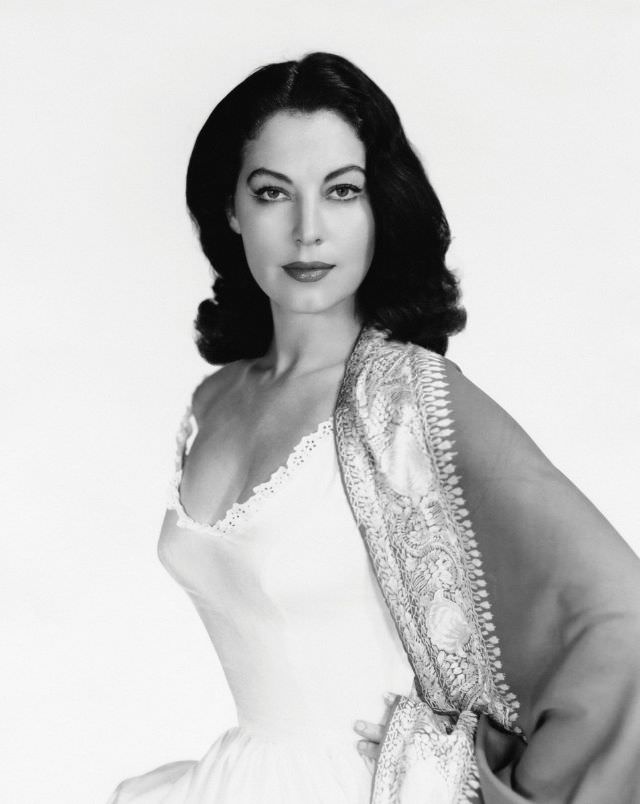
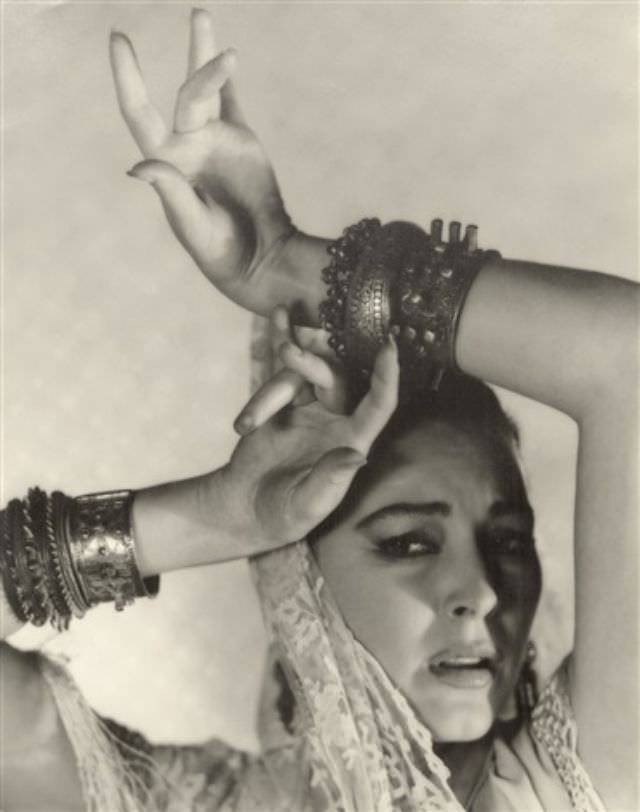
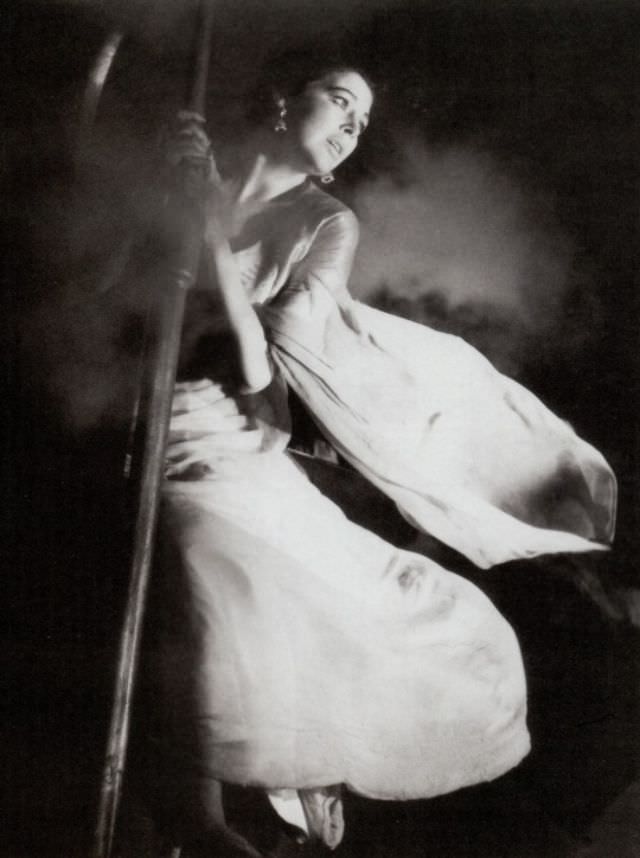
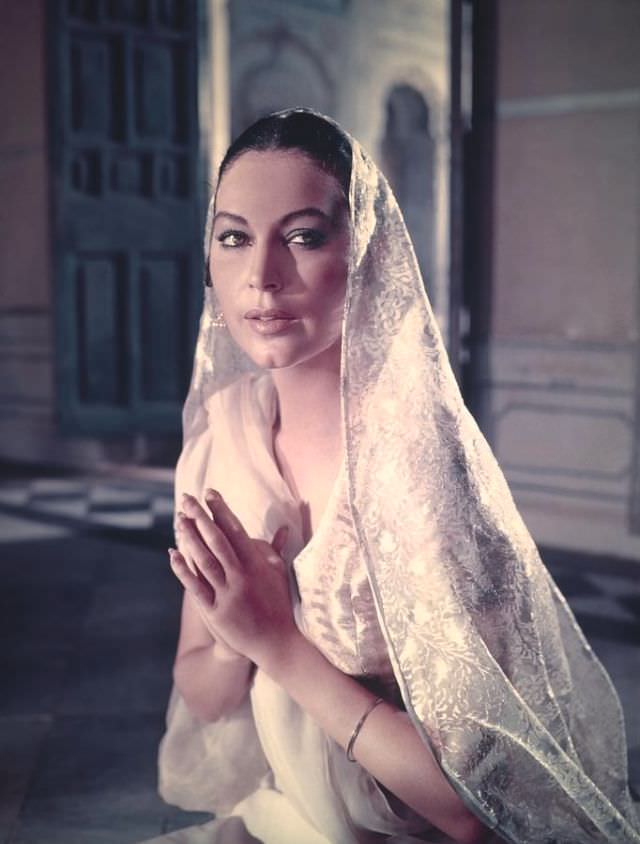
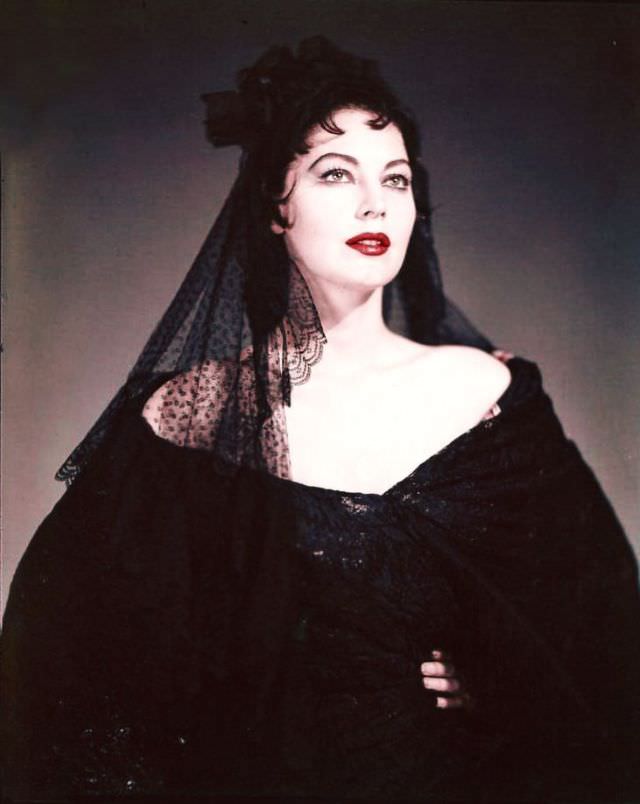
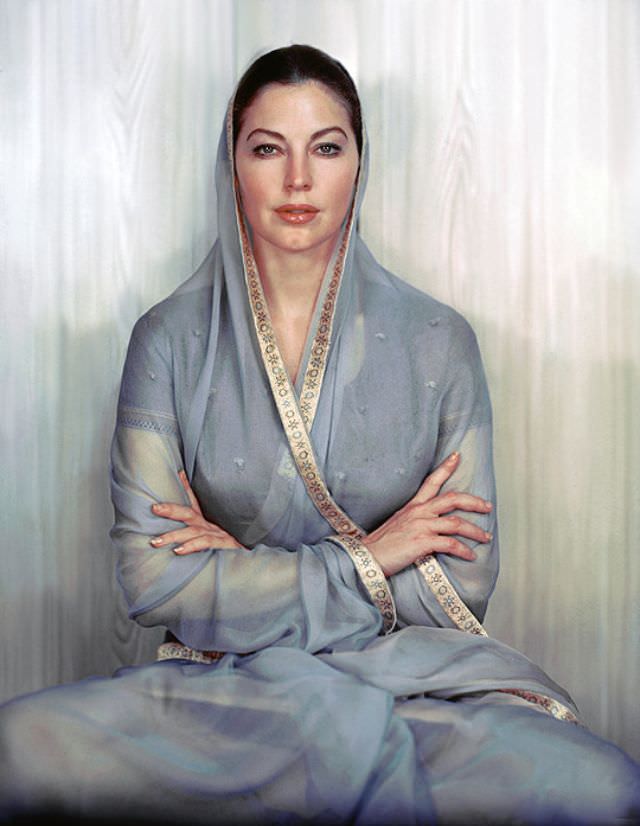
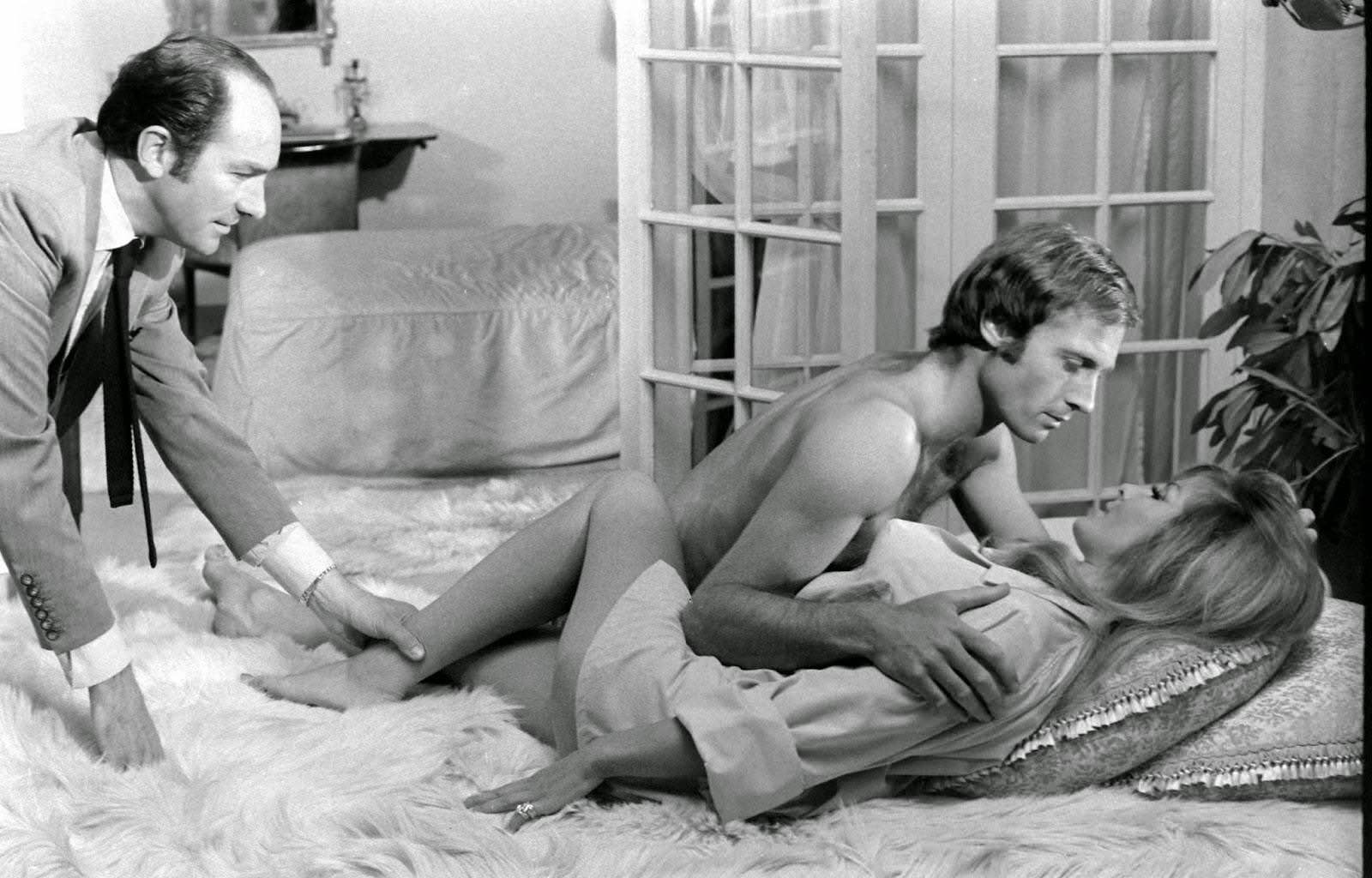
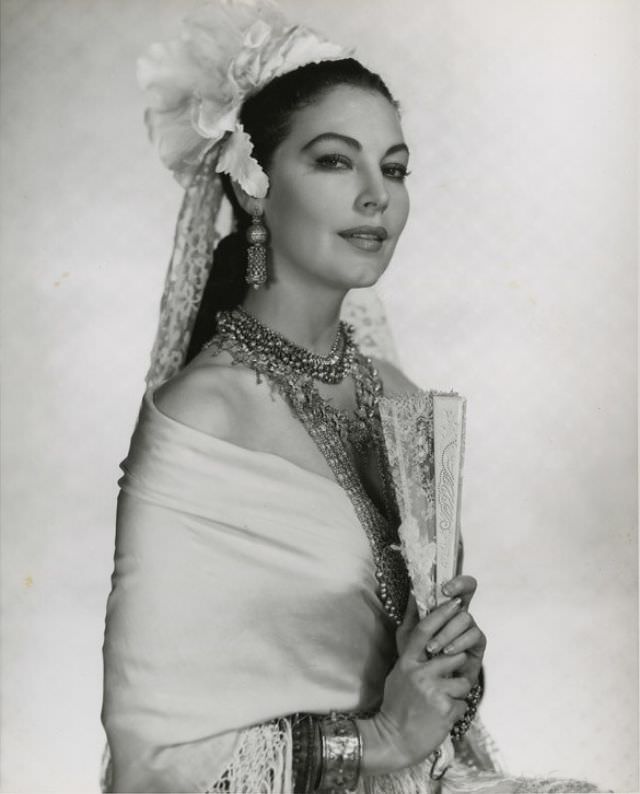
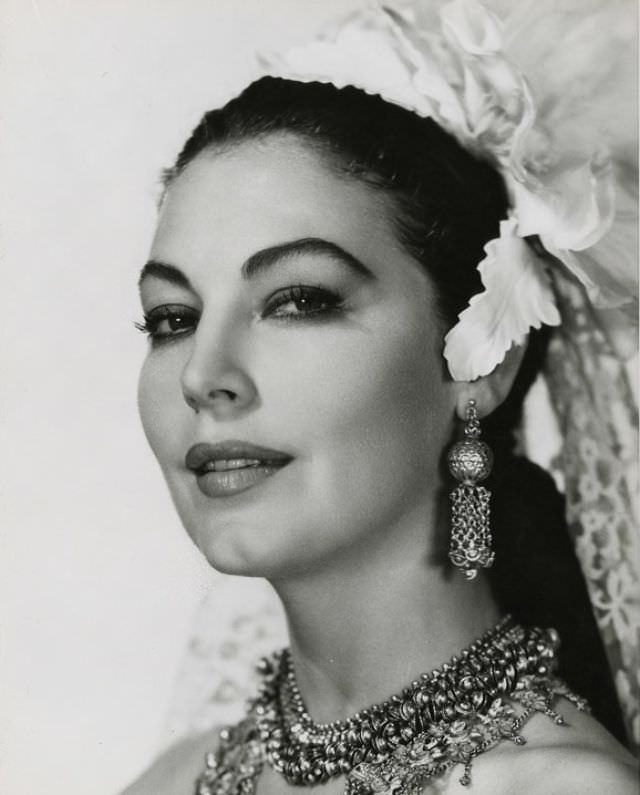
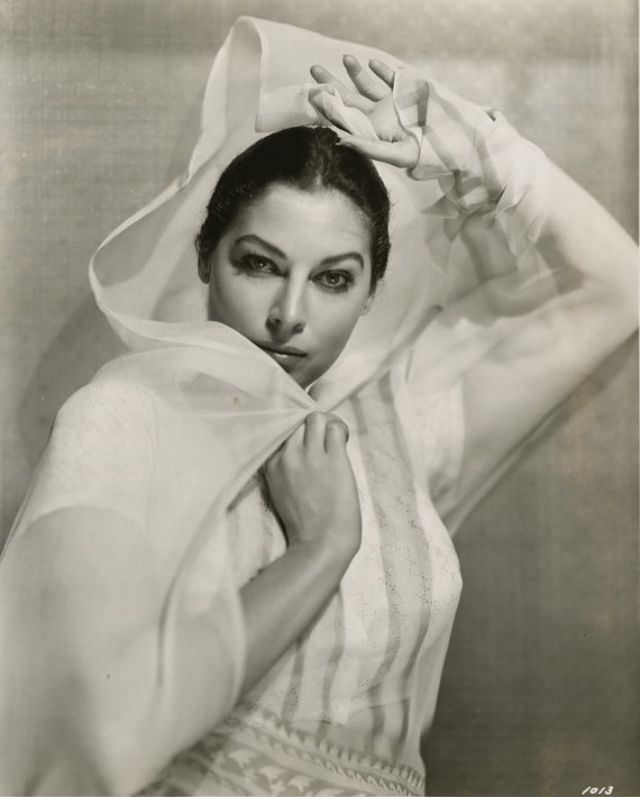
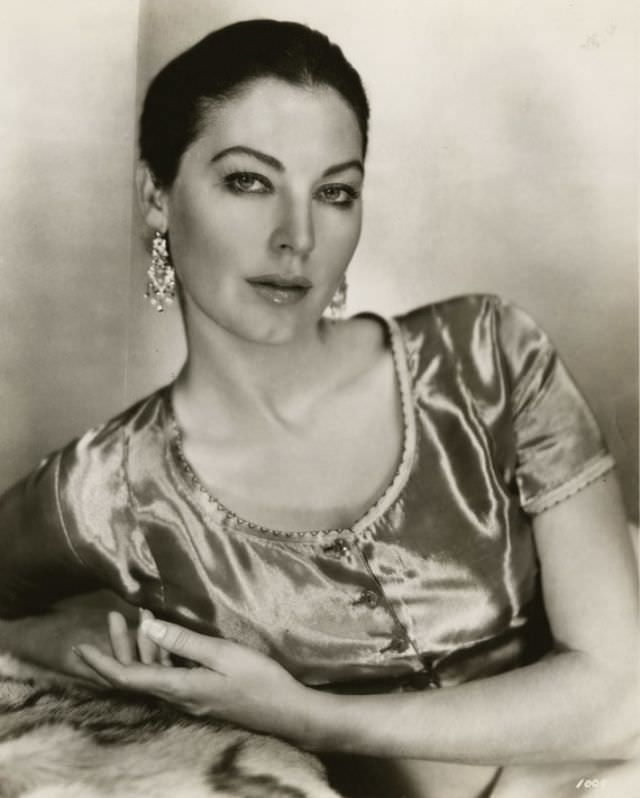
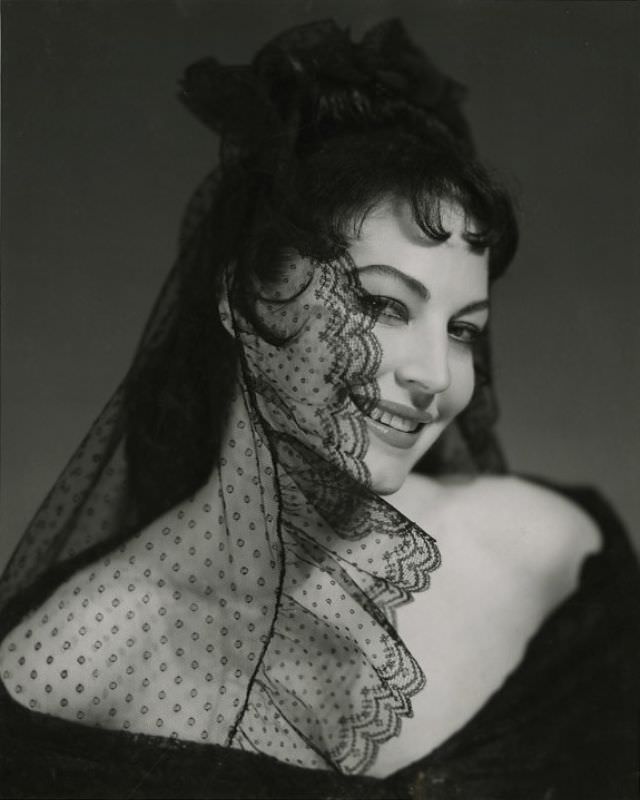
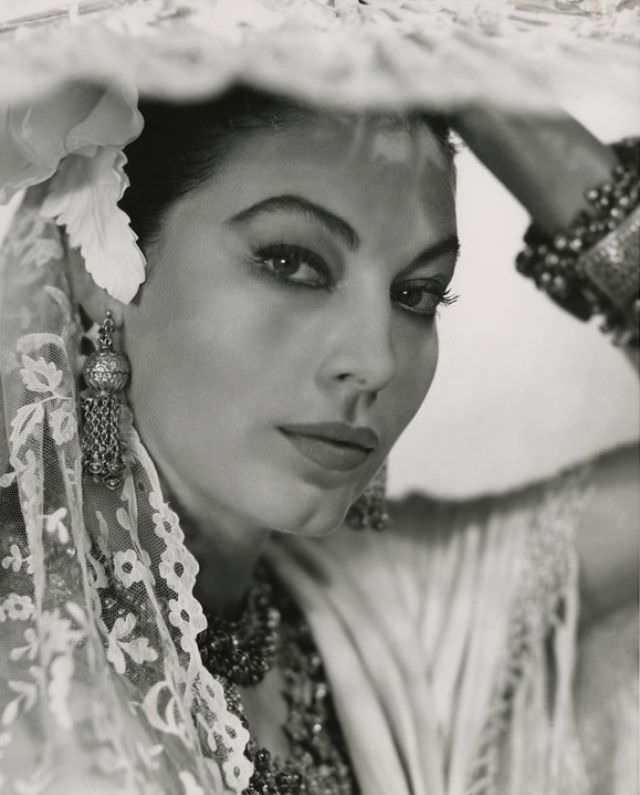
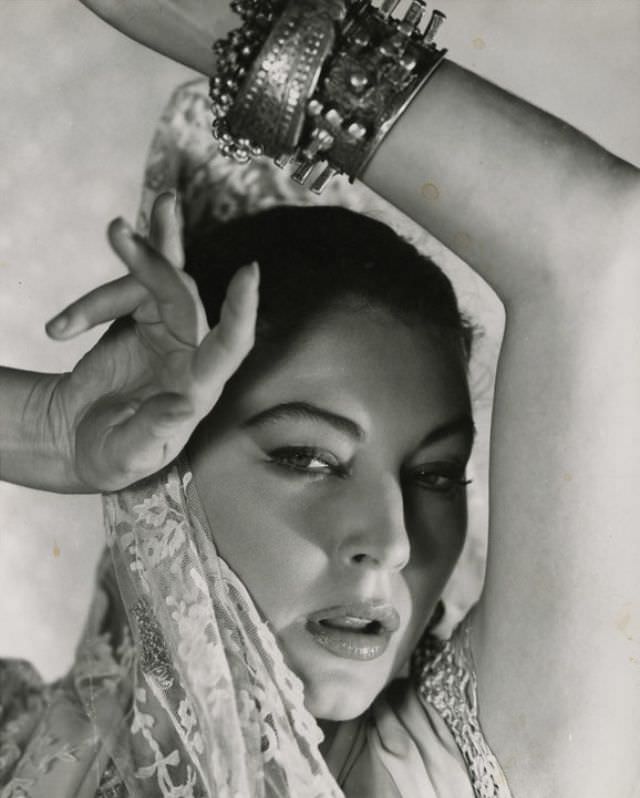
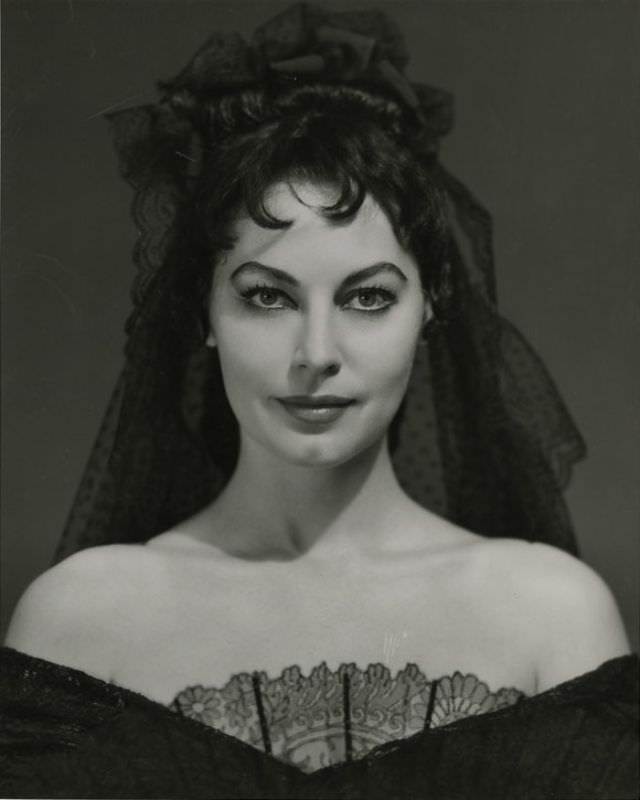
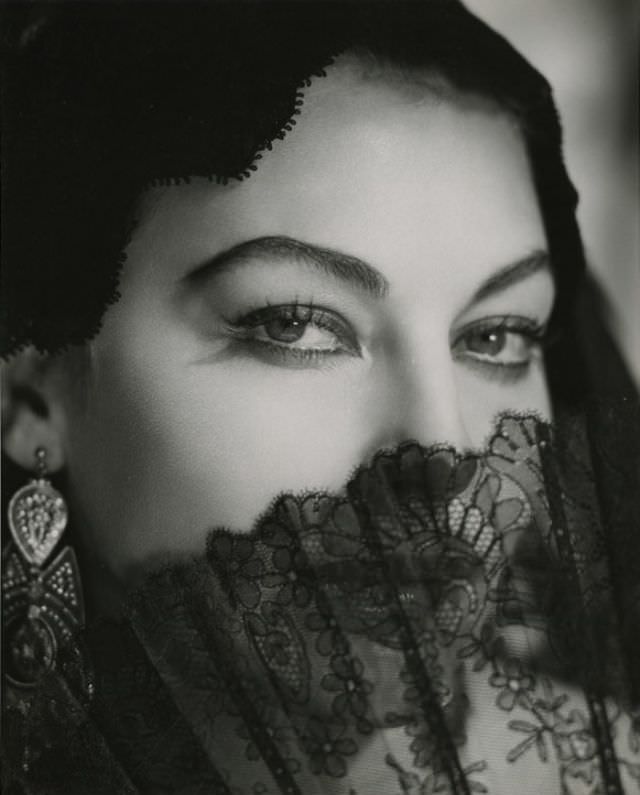
The photos from the set of Bhowani Junction capture Gardner both in character and in the quieter moments between takes. They show a production that was large in scale, shot across multiple countries, and built around a story with real political and human stakes.