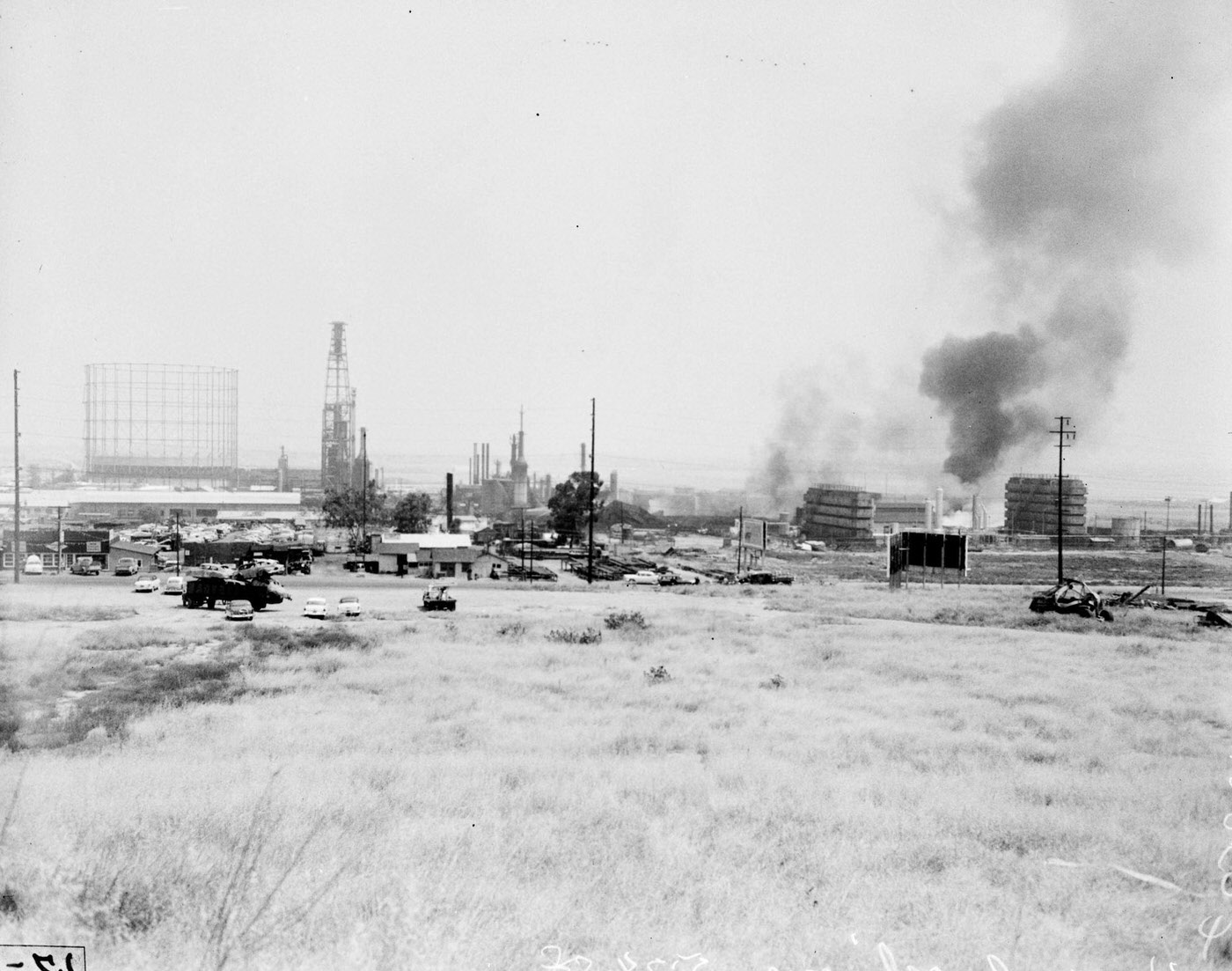
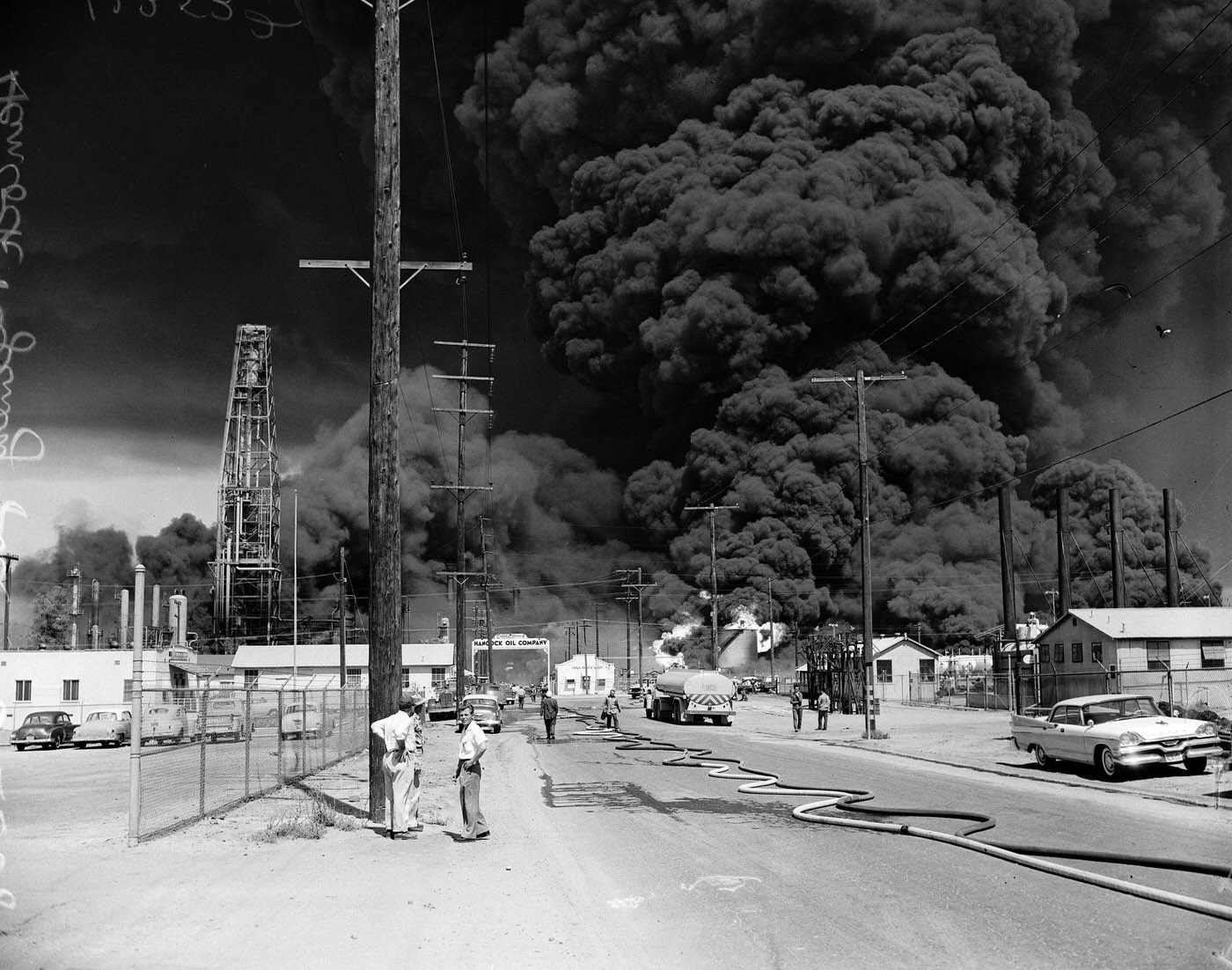
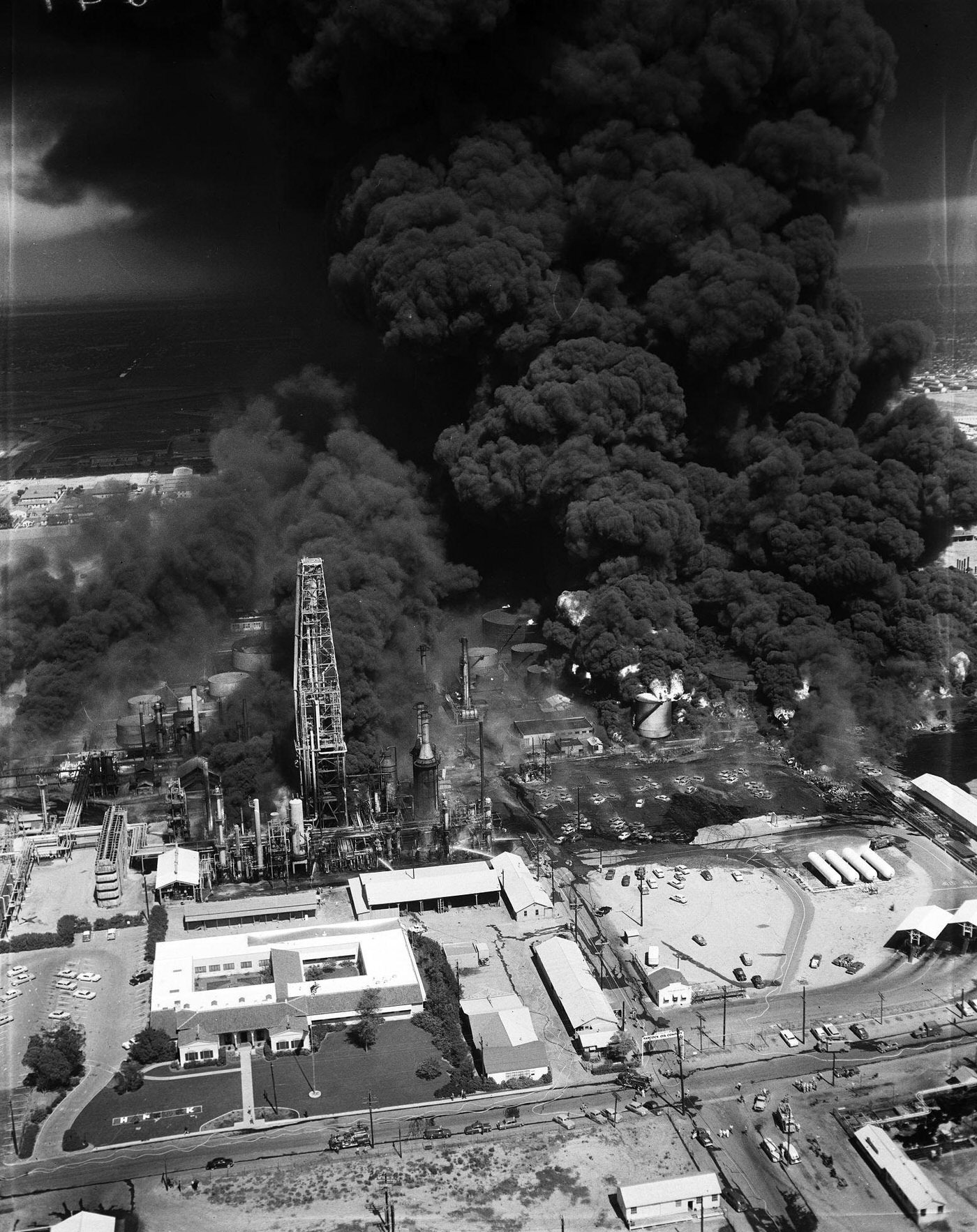
At 9:40 AM on April 7, 1958, an explosion ripped through the Hancock Oil Refinery on Signal Hill in California. What had been a routine morning of crude oil processing became one of the most dramatic industrial disasters in the region’s history. Thick black smoke billowed into the sky, visible for miles in every direction. The roar of the flames was loud enough to shake nearby neighborhoods, and within minutes, emergency calls flooded dispatch centers across Los Angeles County.
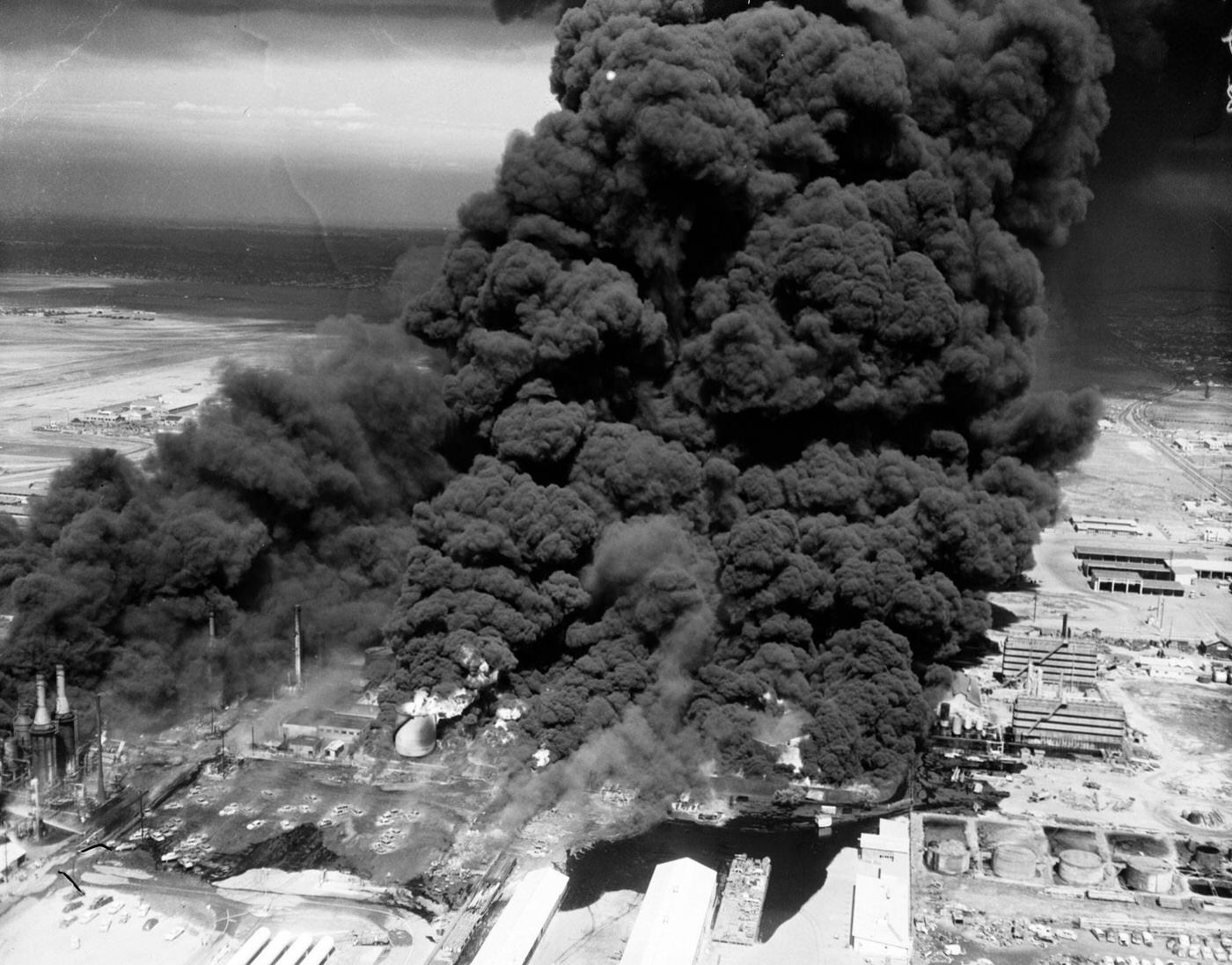
Fire departments from Long Beach, Los Angeles, and several surrounding cities rushed to the scene. What they found was not a single burning structure but a sprawling refinery complex fully engulfed — crude oil, gasoline, and a range of other flammable chemicals feeding the fire from every direction. The heat was intense enough to force firefighters back repeatedly. Towering flames threatened to jump to neighboring storage tanks, which held enough fuel to turn the disaster into something far worse.
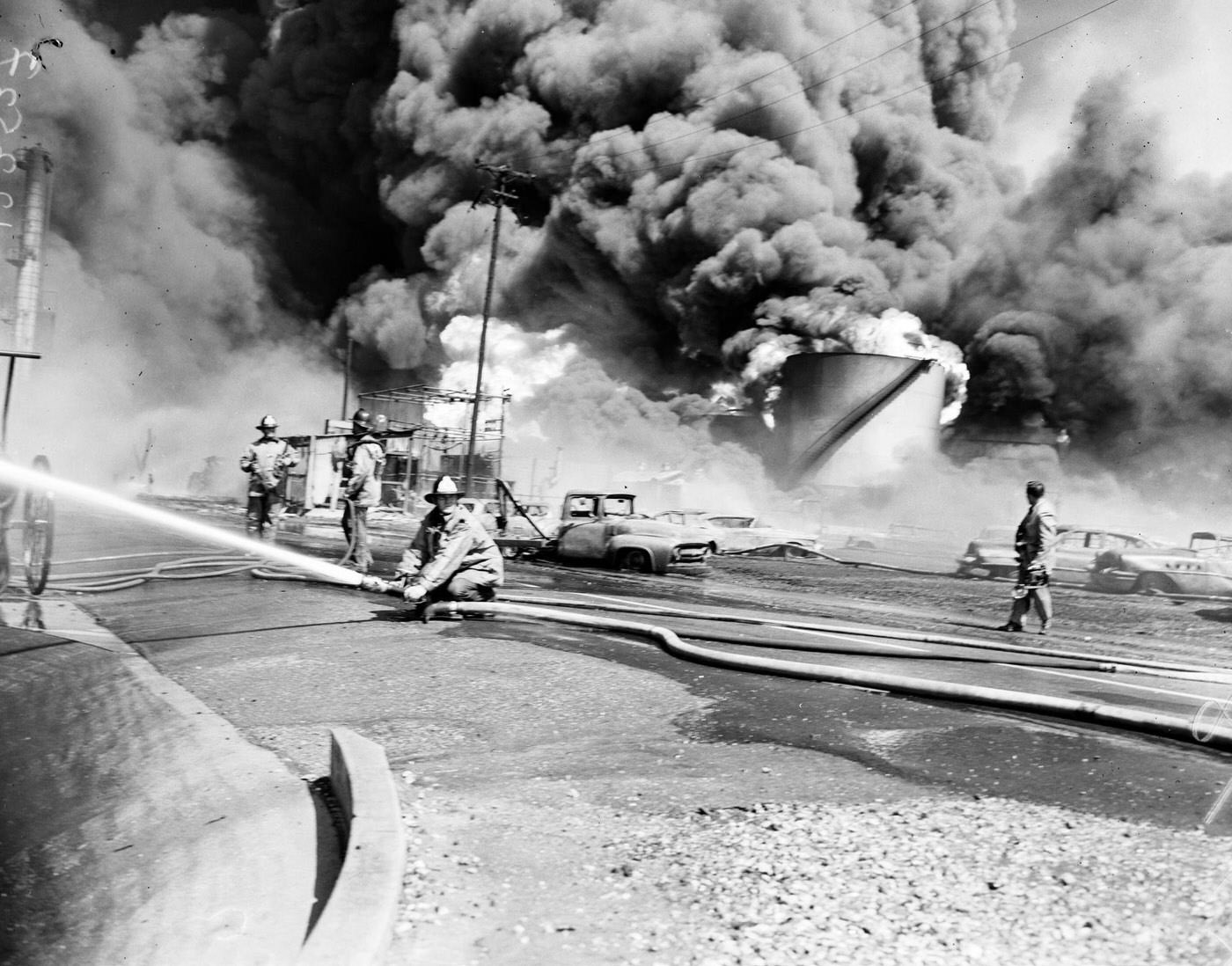
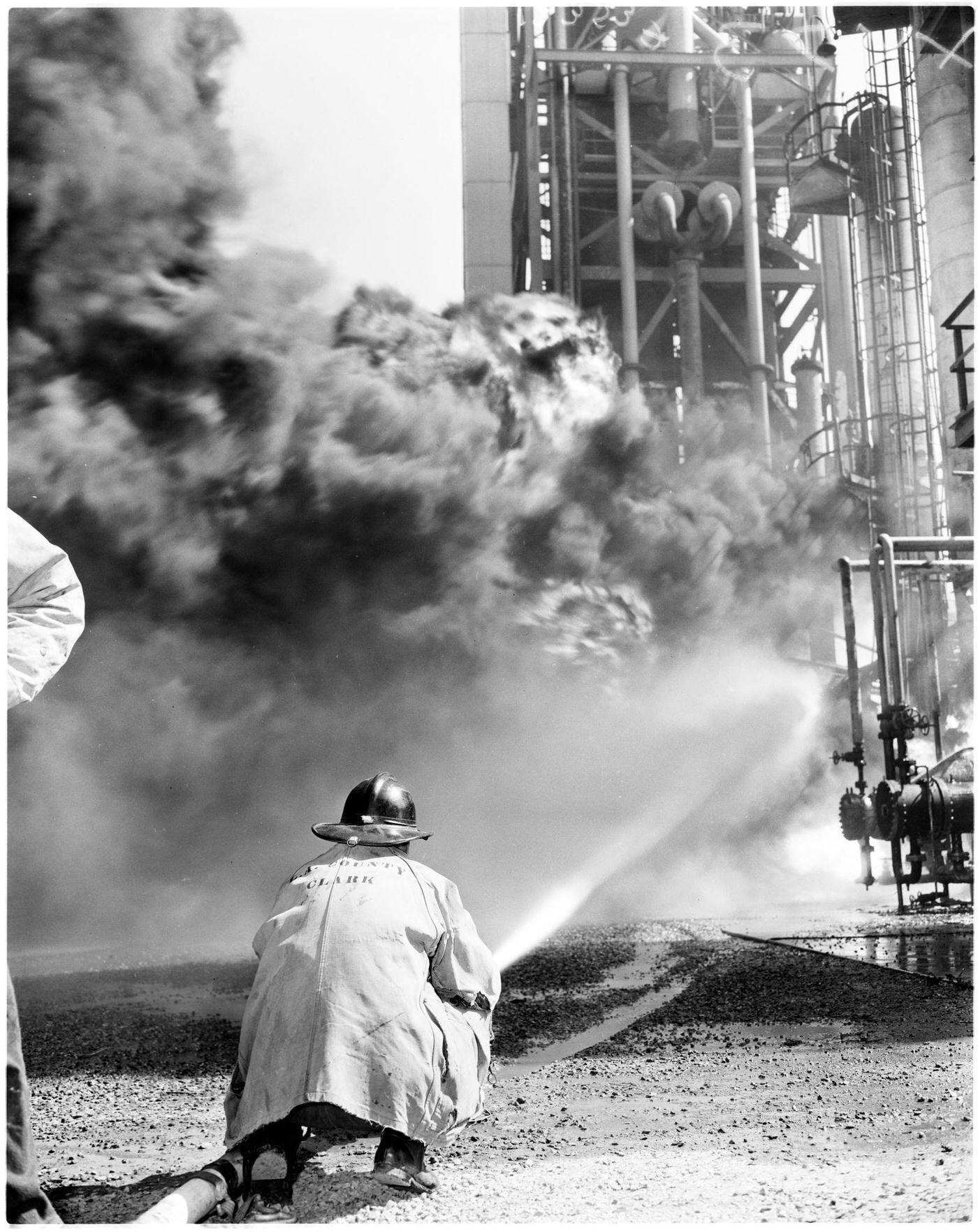
Crews attacked the blaze using foam and water, working in coordinated teams to protect the surrounding tank farm. Every advance came with risk. The refinery’s layout was a maze of pipes, towers, and interconnected systems, and secondary explosions were a constant threat. Firefighters pushed through smoke and heat for hours, focusing their efforts on containing the fire rather than simply putting it out — stopping the spread was the priority.
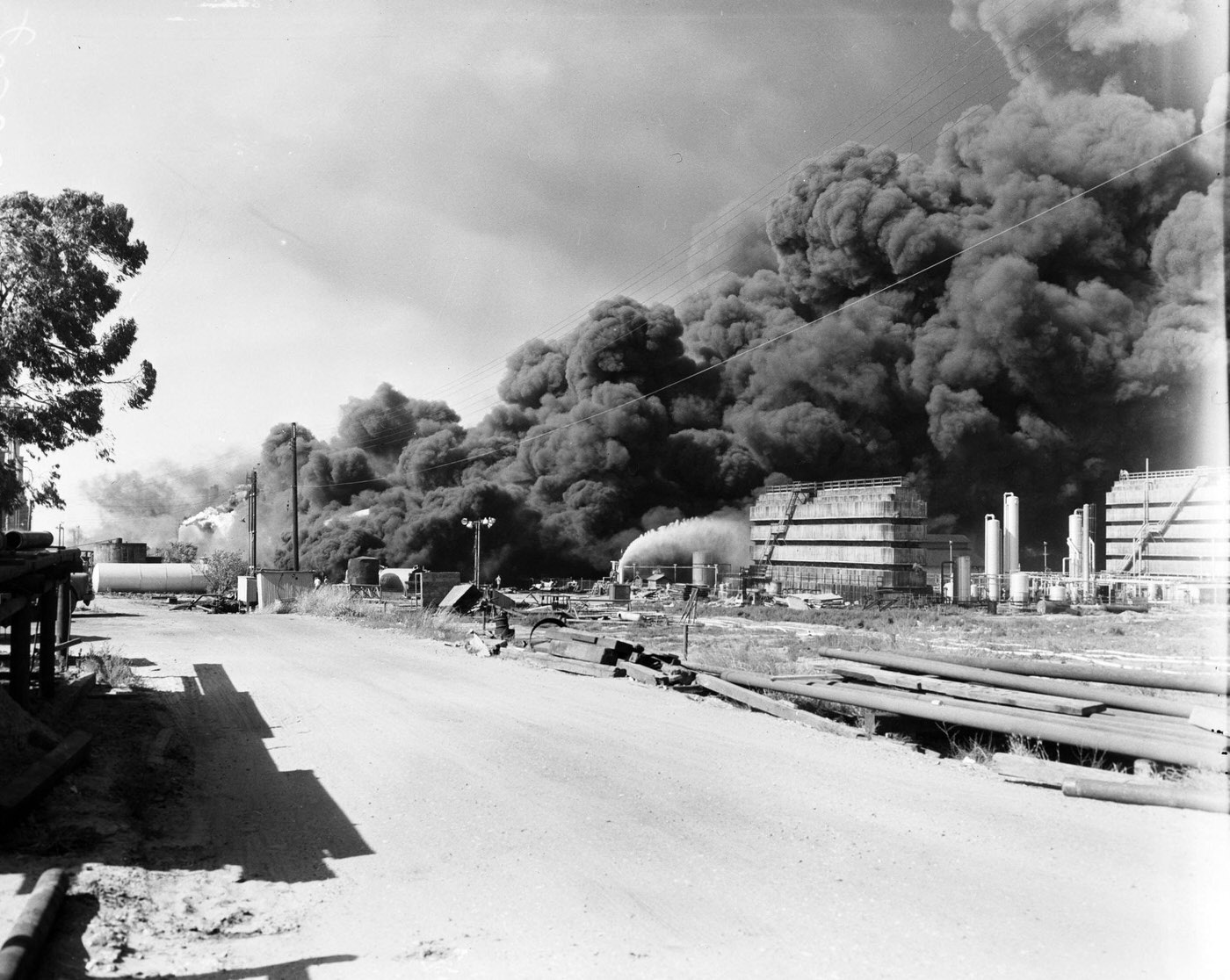
Investigators later traced the fire to a failure in one of the refinery’s pumping systems. Pressure built up inside the system until a gasket blew out, releasing a stream of flammable material. That material ignited when it contacted a spark. The chain of events was fast and catastrophic. The investigation also found that the refinery’s safety protocols were inadequate and that the facility’s design lacked proper preventive measures to stop a failure like this from escalating into a full disaster.
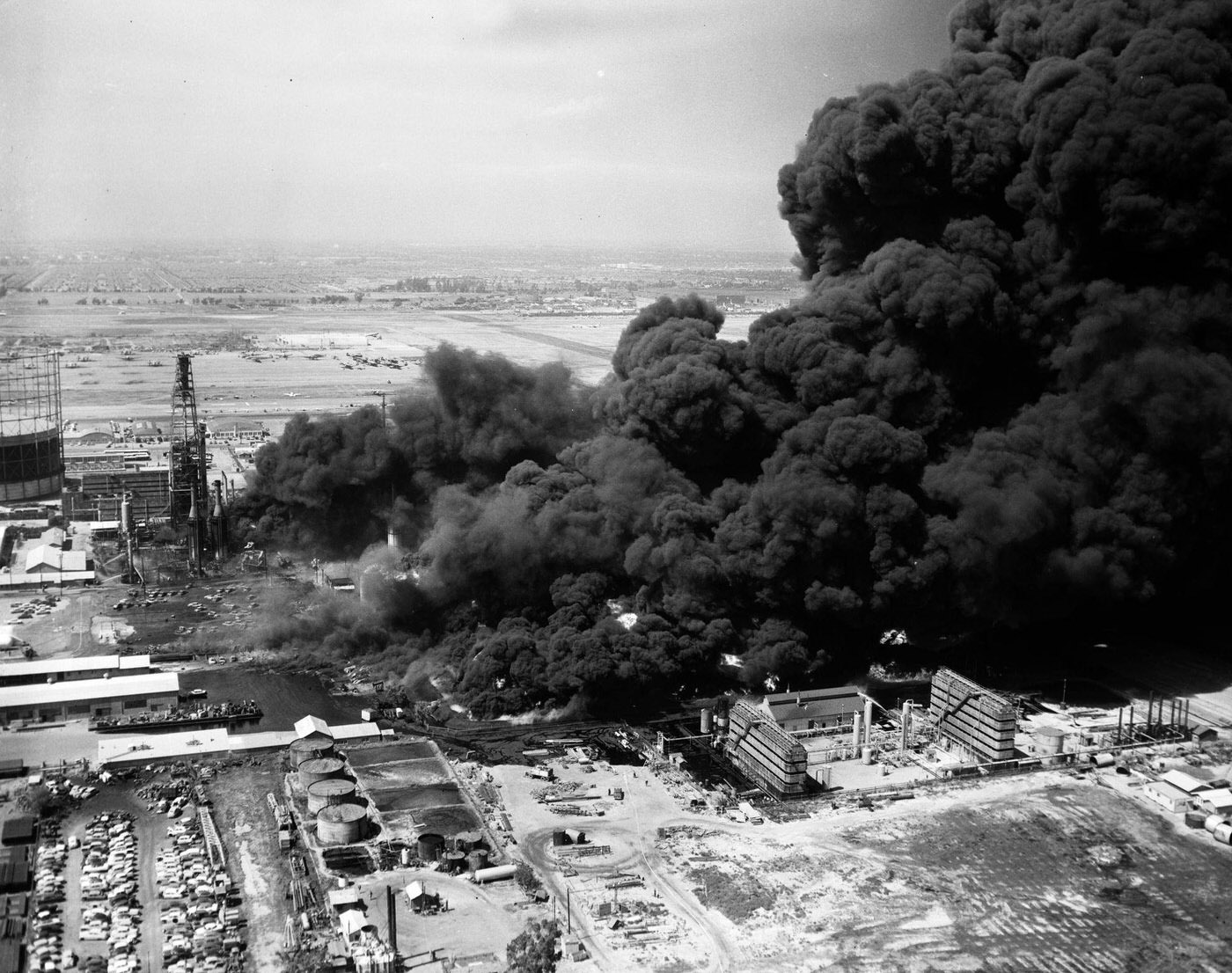
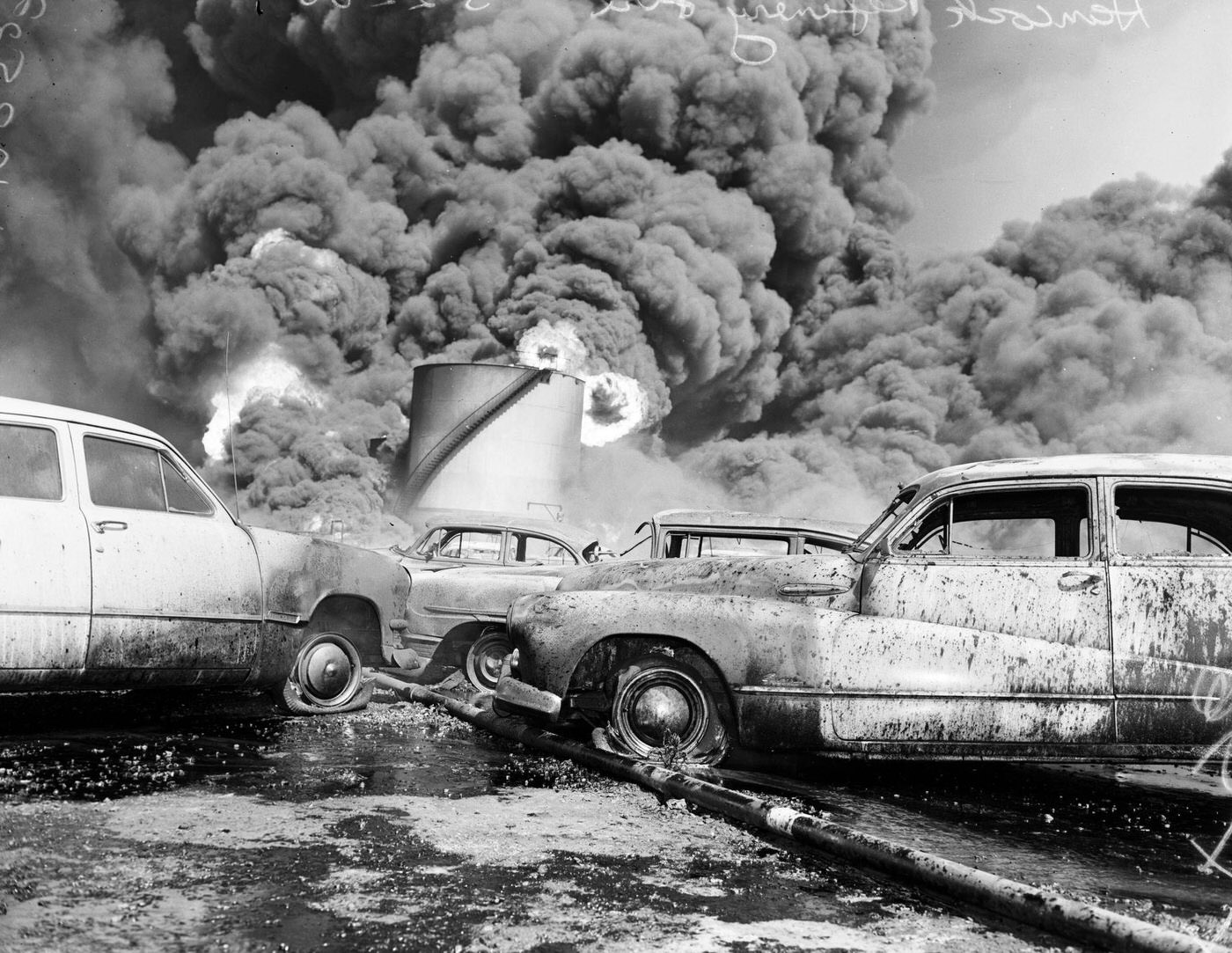
No workers died in the fire, but several employees and firefighters were injured, some seriously. For hours, families of refinery workers had no information about whether their loved ones were safe. The uncertainty was its own kind of damage. Those who fought the fire and those who witnessed it up close carried lasting effects from the experience. The broader community’s confidence in the oil industry took a direct hit, and public calls for transparency and accountability grew louder in the days that followed.
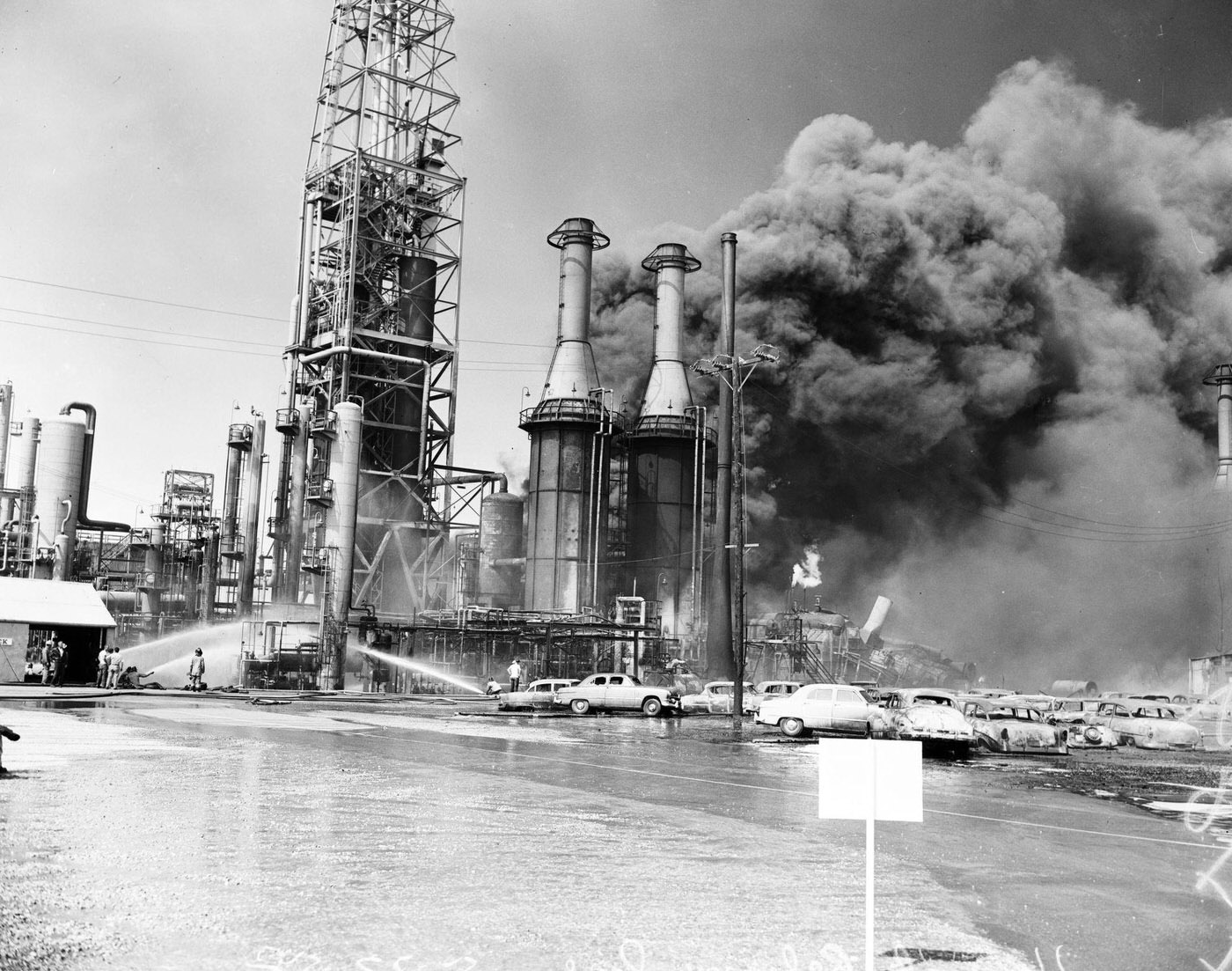
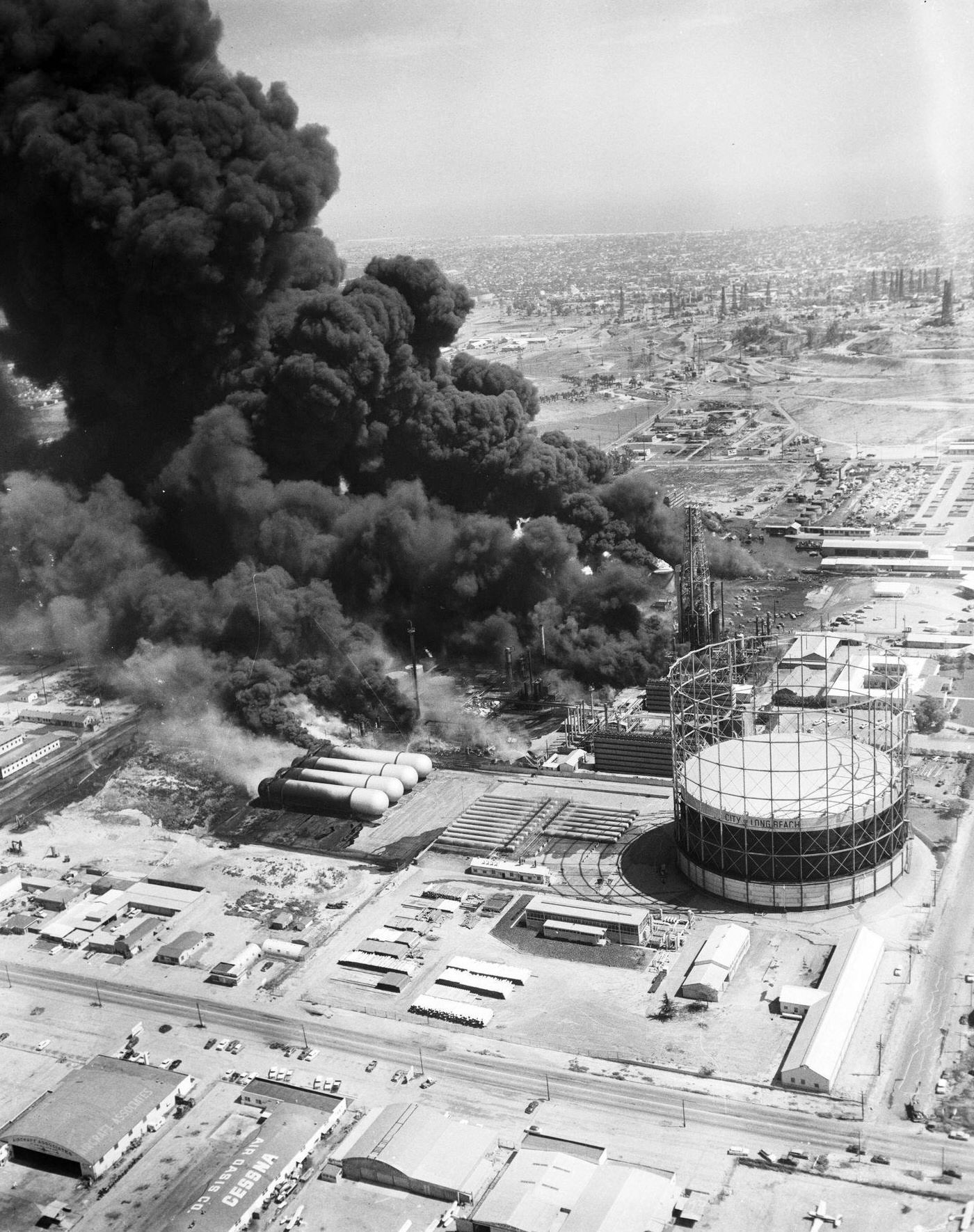
The environmental damage was severe. Large quantities of pollutants were released into both the air and the surrounding water supply during the fire. Soil and water contamination lingered in the area for years, affecting local plant and animal life. The cleanup operation was extensive and took months to complete. For Hancock Oil, the financial consequences were steep — the cost of repairing the refinery combined with lengthy legal battles placed a heavy burden on the company.
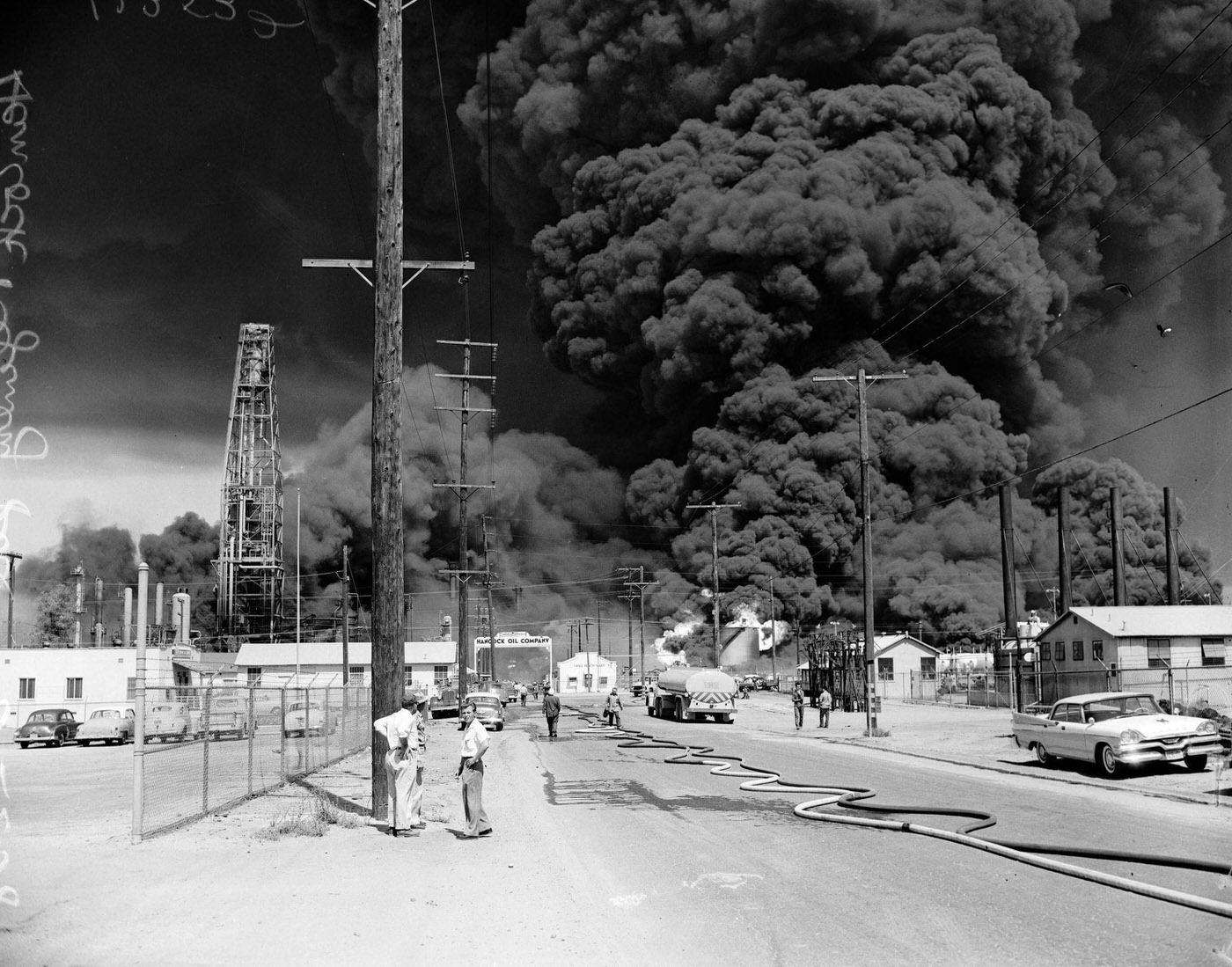
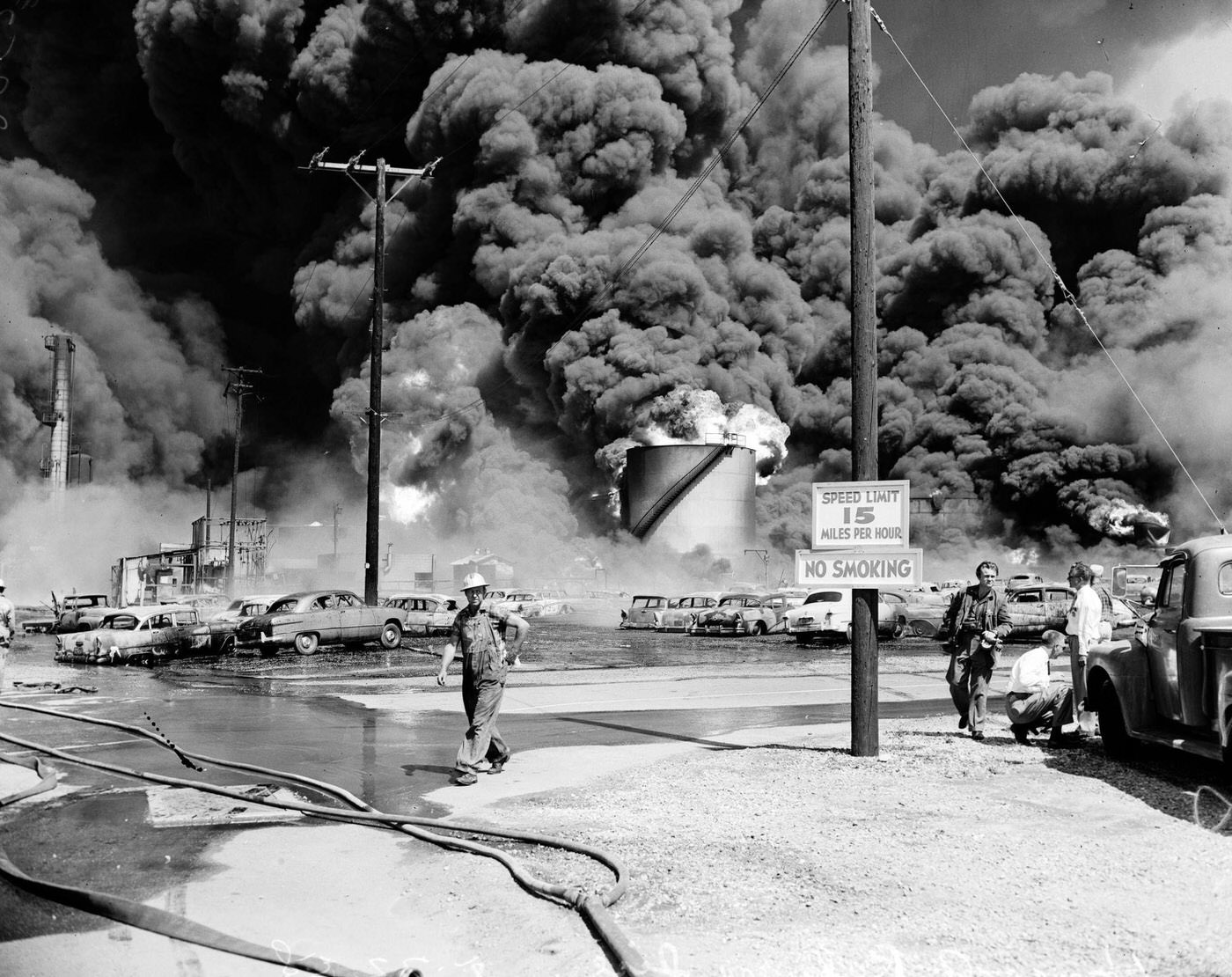
The local economy felt the ripple effects as well. Job losses at the refinery and reduced business for nearby shops and services added economic strain to an already shaken community. Signal Hill, a city whose identity had long been tied to oil production, now had to reckon with the true cost of operating large-scale refining facilities without sufficient safeguards.
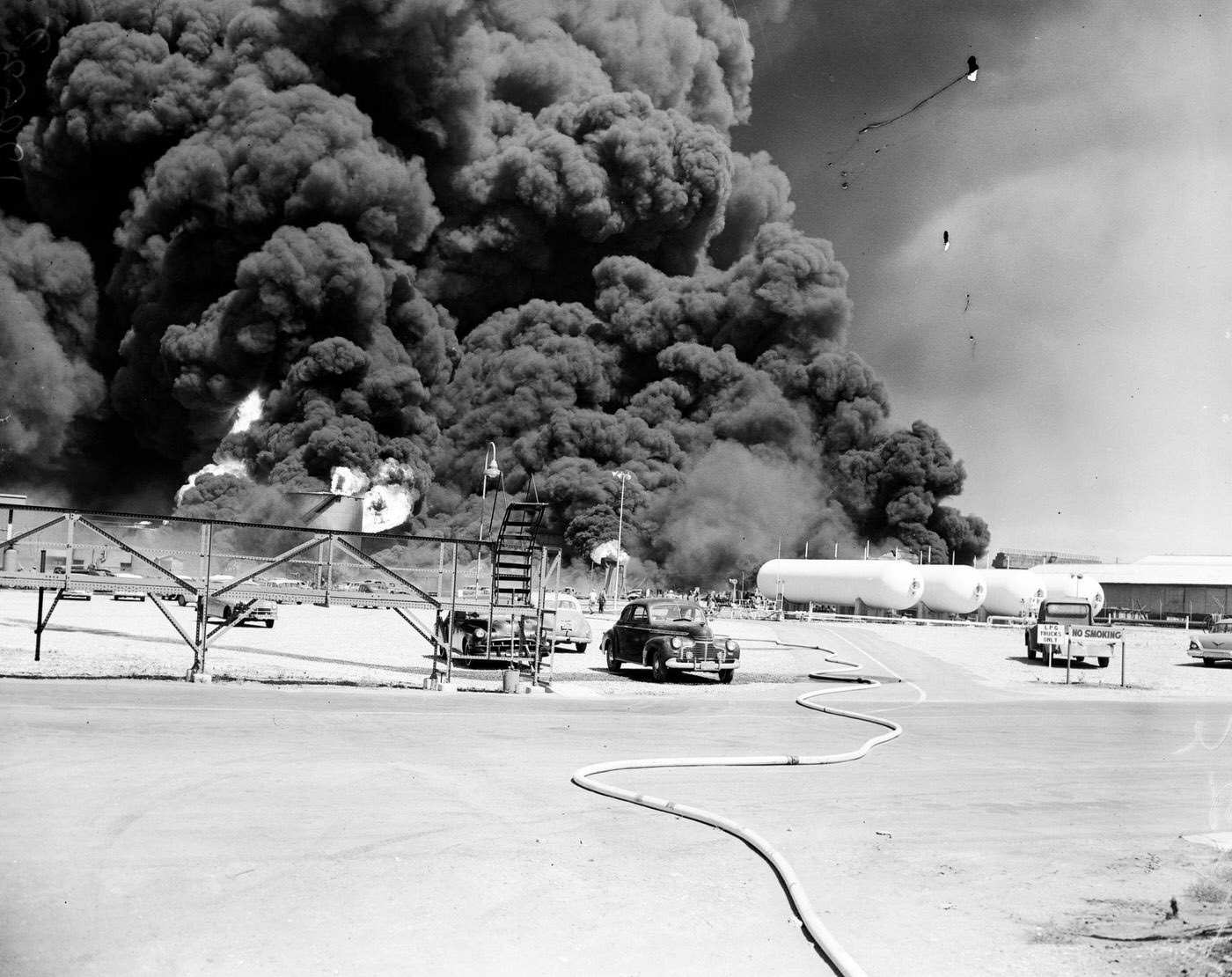
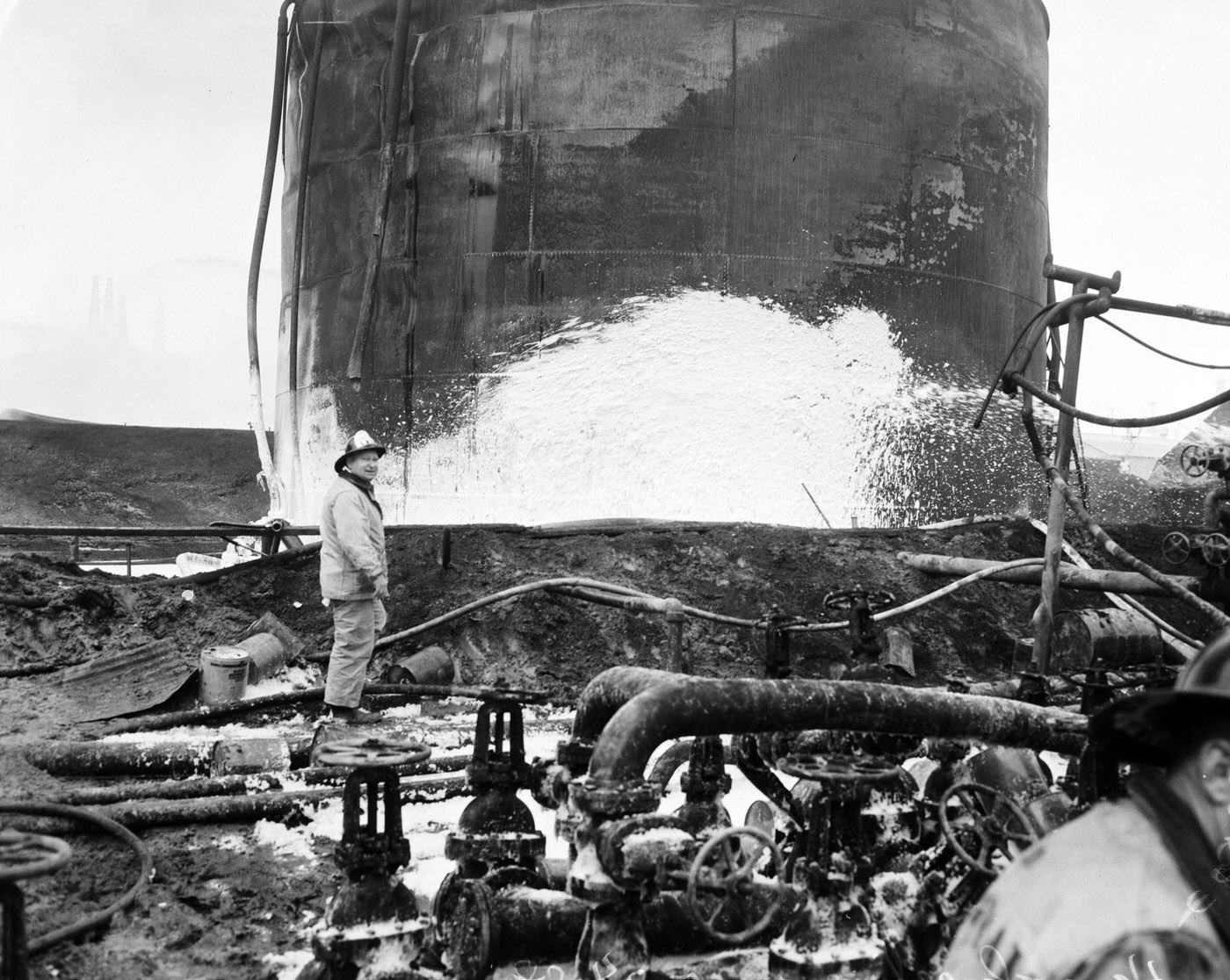
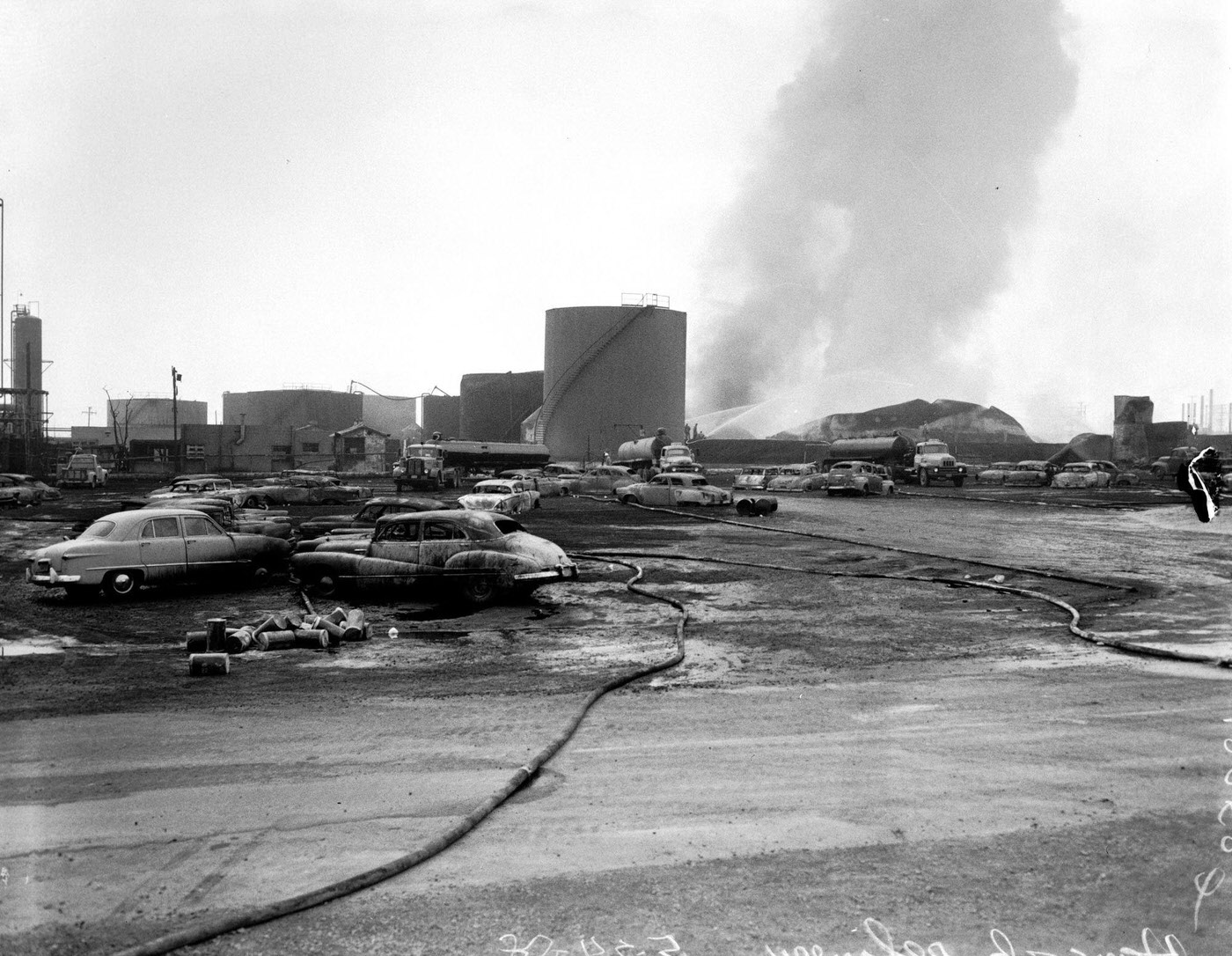
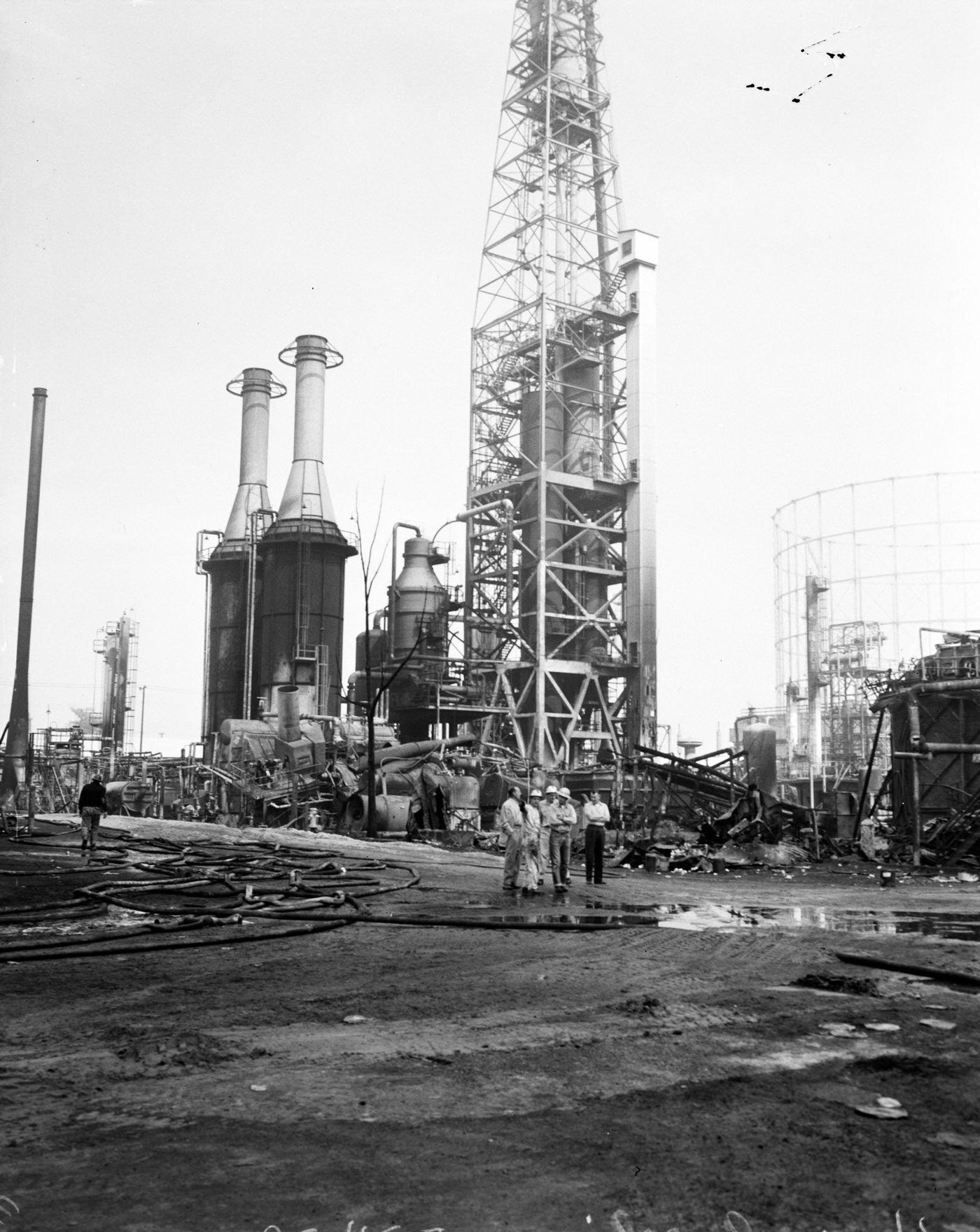
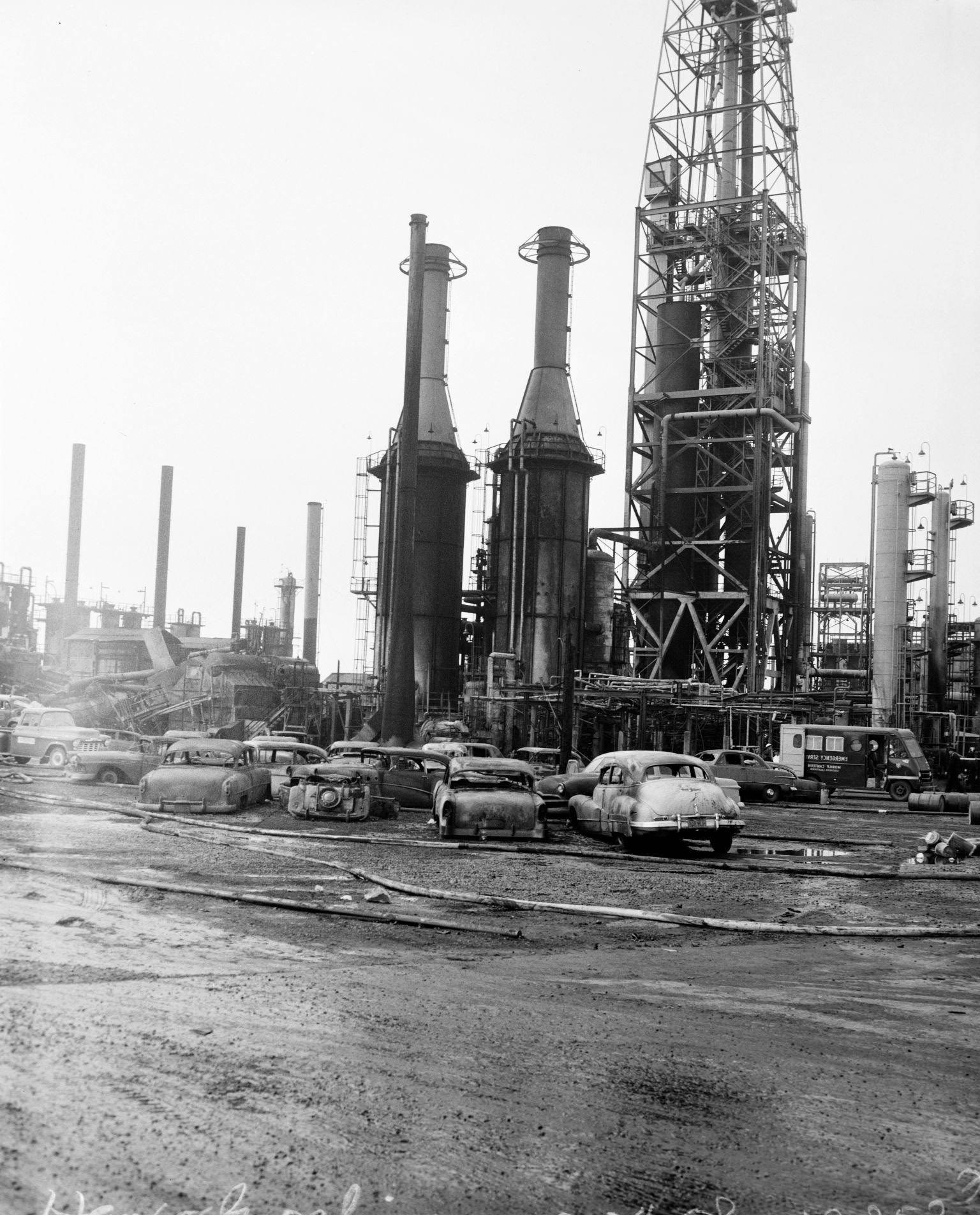
Once the flames were finally out, the cleanup phase revealed just how much destruction the fire had caused. Burned-out towers, scorched equipment, and the wreckage of vehicles across the refinery grounds told the full story of the blaze’s intensity. Cleanup crews worked through the debris for months, using foam, water sprays, and heavy equipment to strip the site back to a workable state.
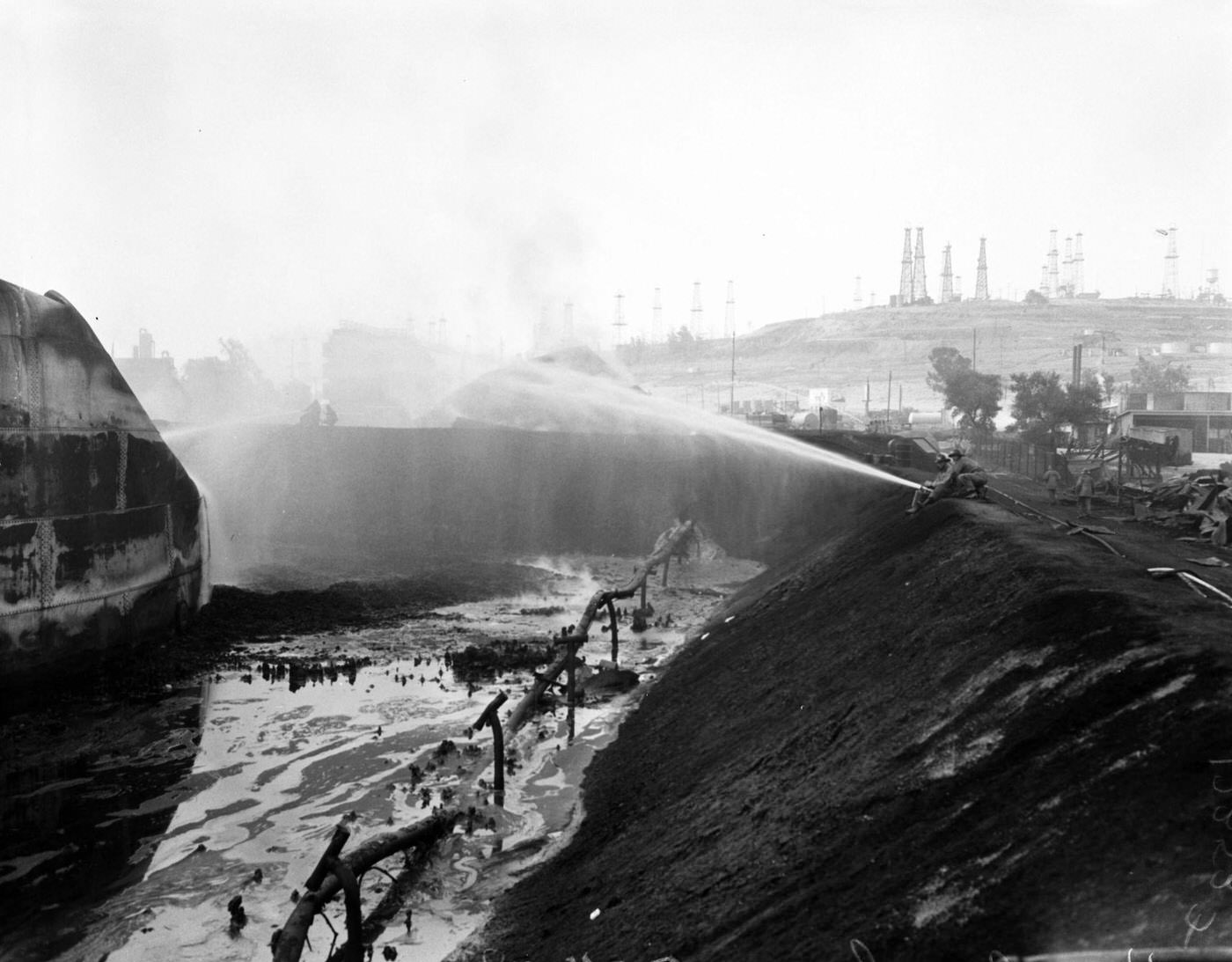
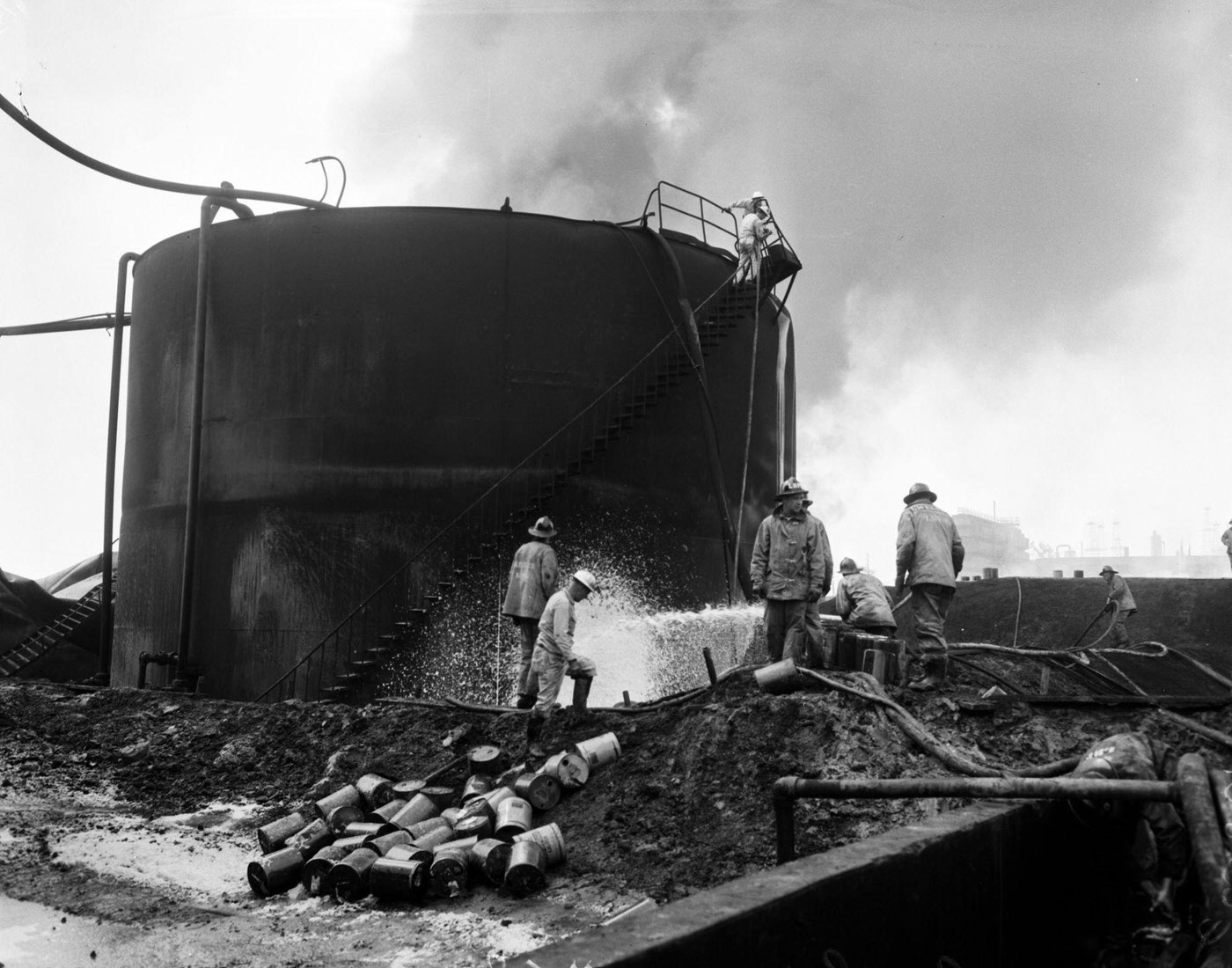
Regulatory agencies moved quickly after the disaster. A thorough review of safety standards across the oil refining industry followed, with existing regulations scrutinized at every level. The findings led directly to new requirements for enhanced safety protocols, more rigorous facility inspections, and better-trained personnel. The Hancock fire made clear that voluntary safety measures were not enough — formal, enforceable standards were necessary.