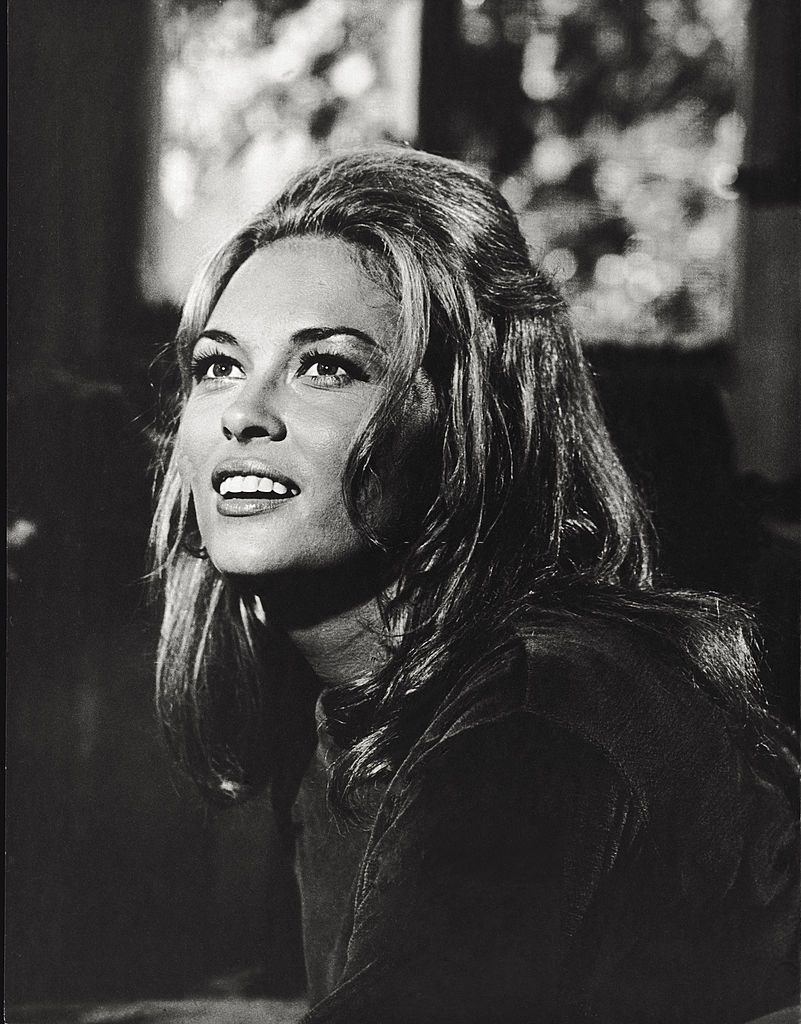
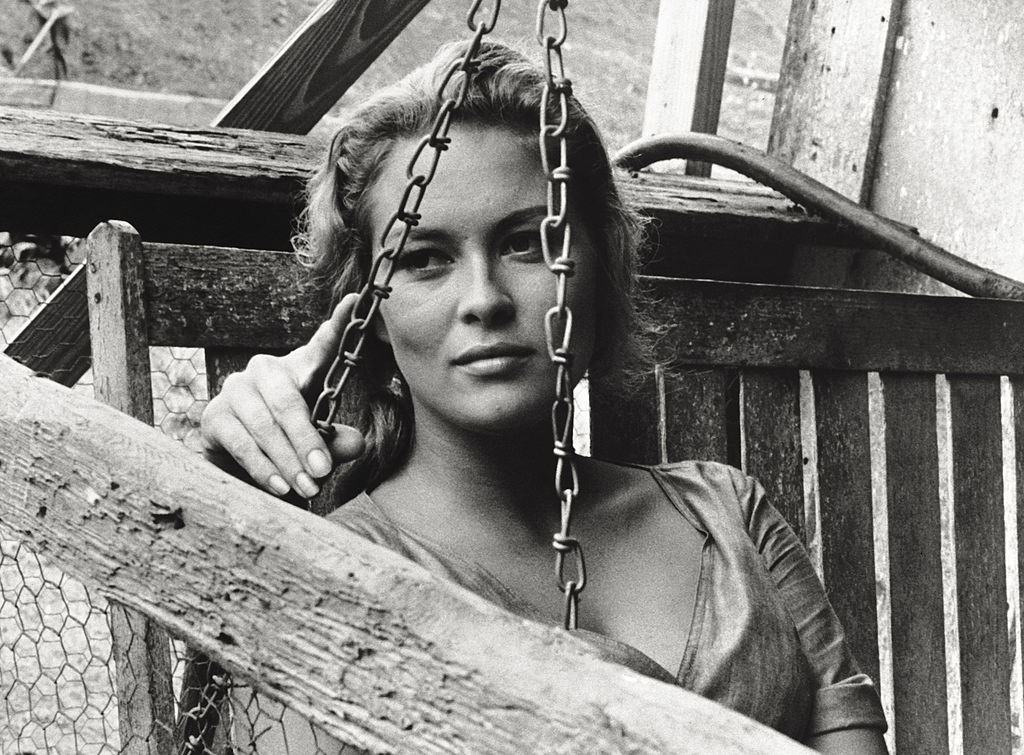
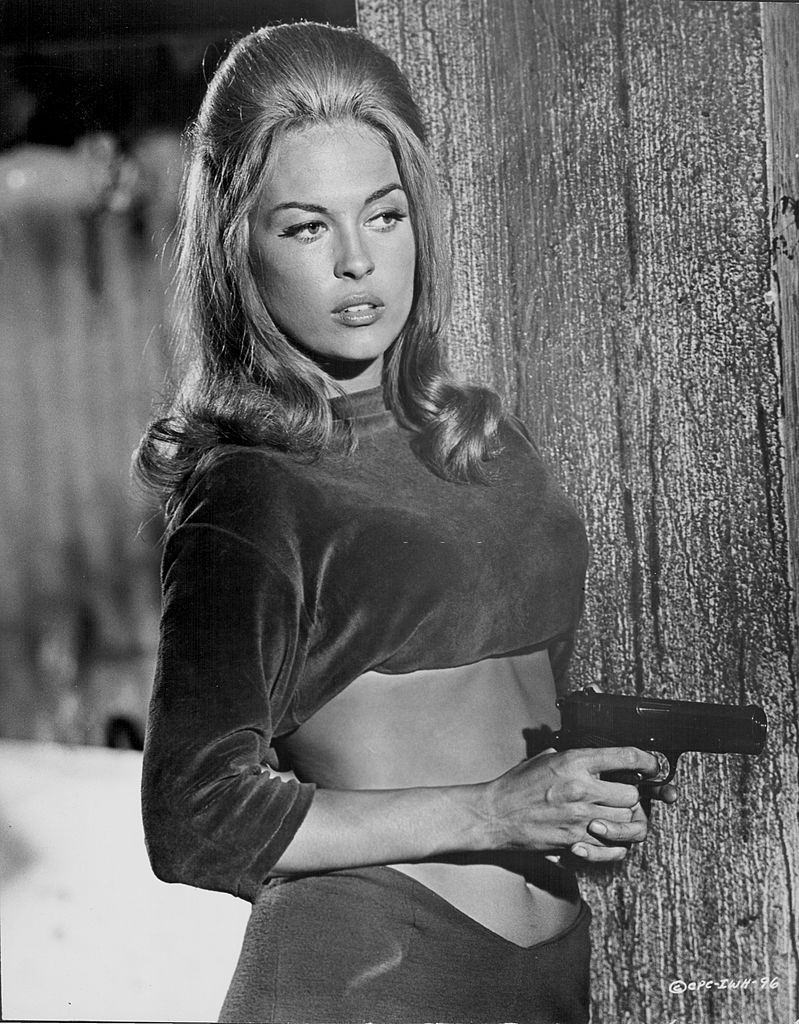
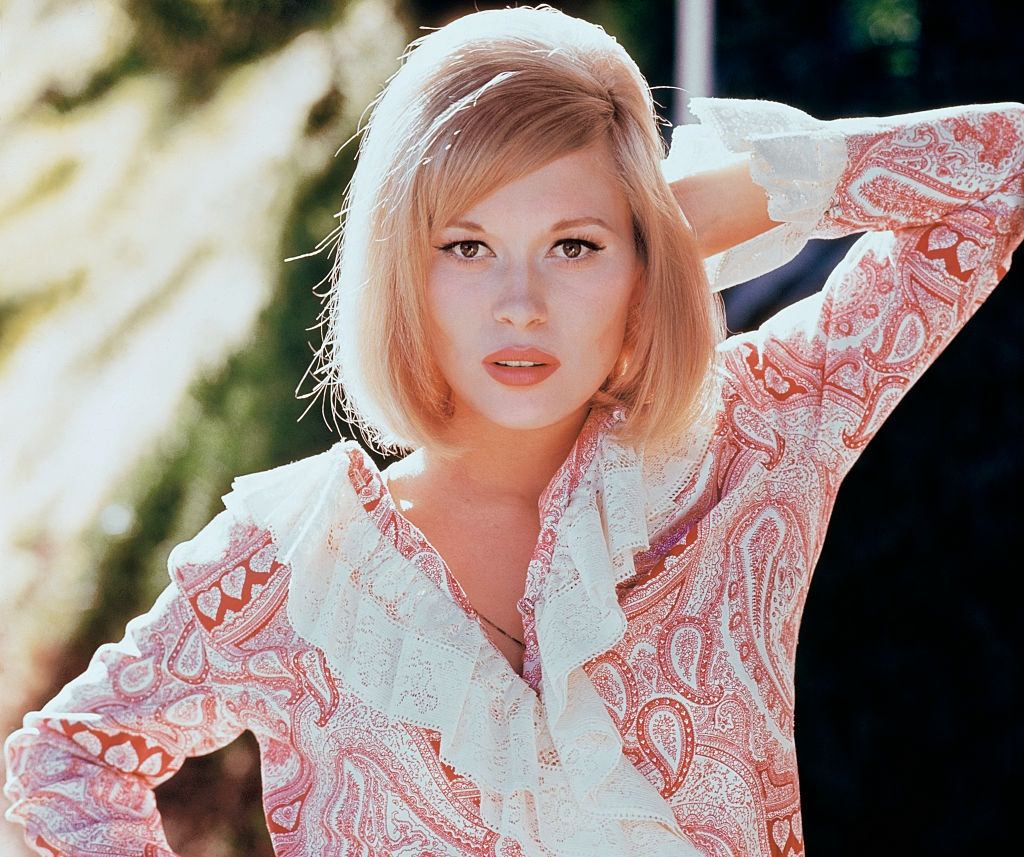
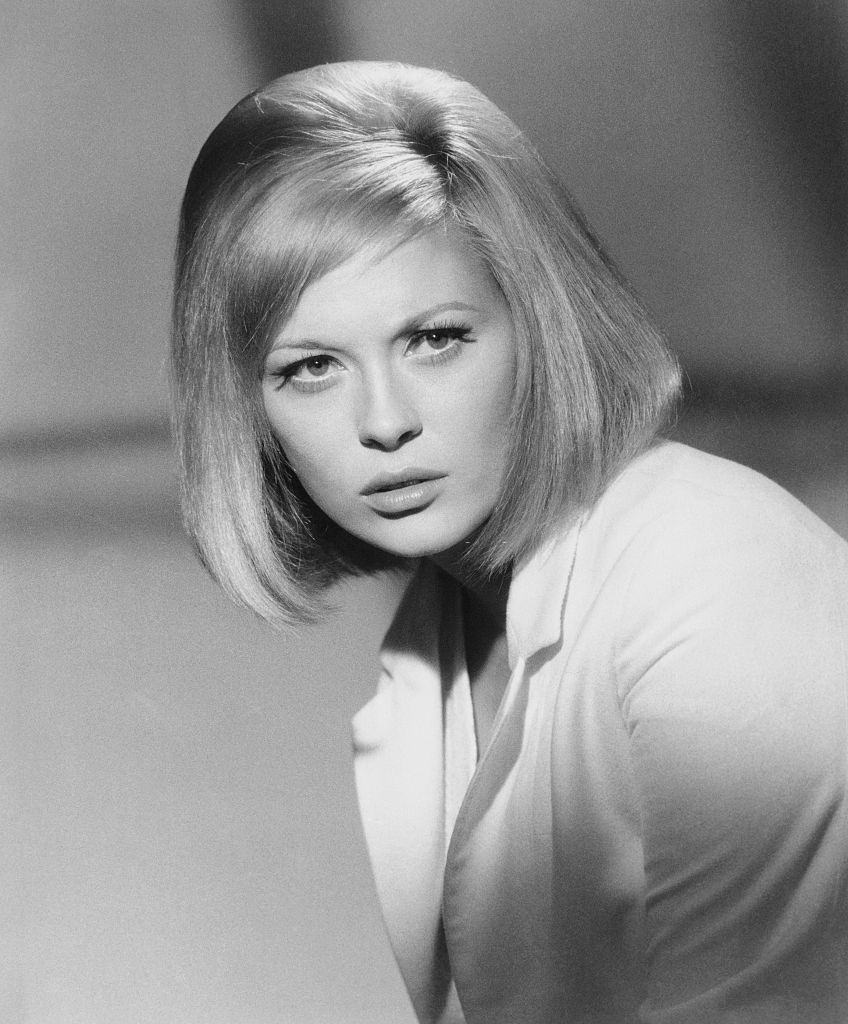
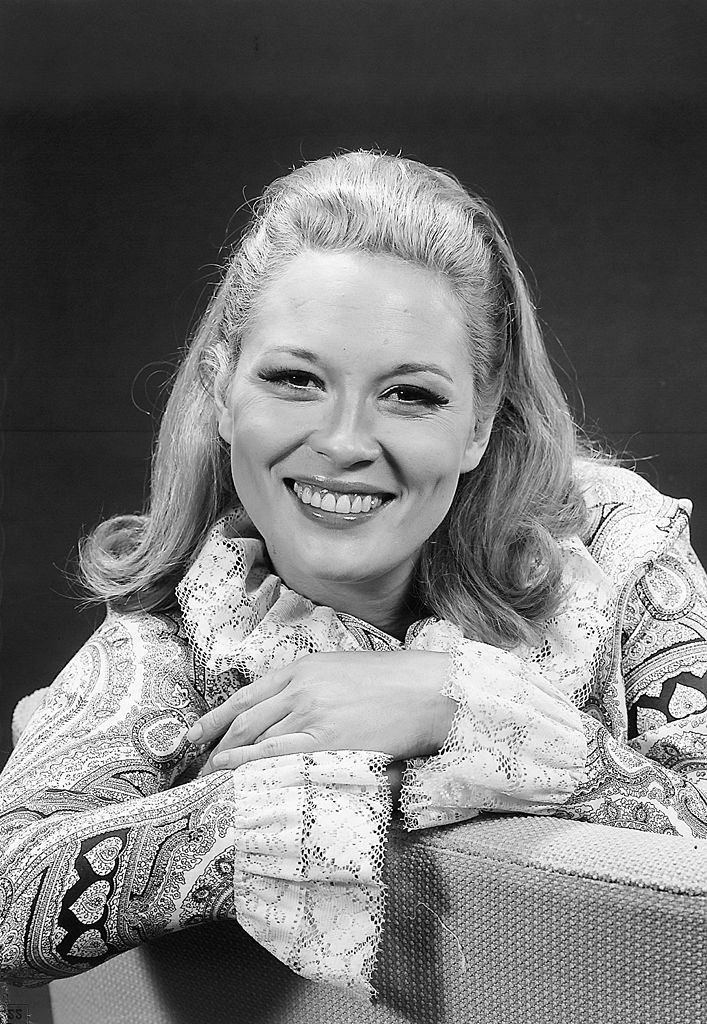
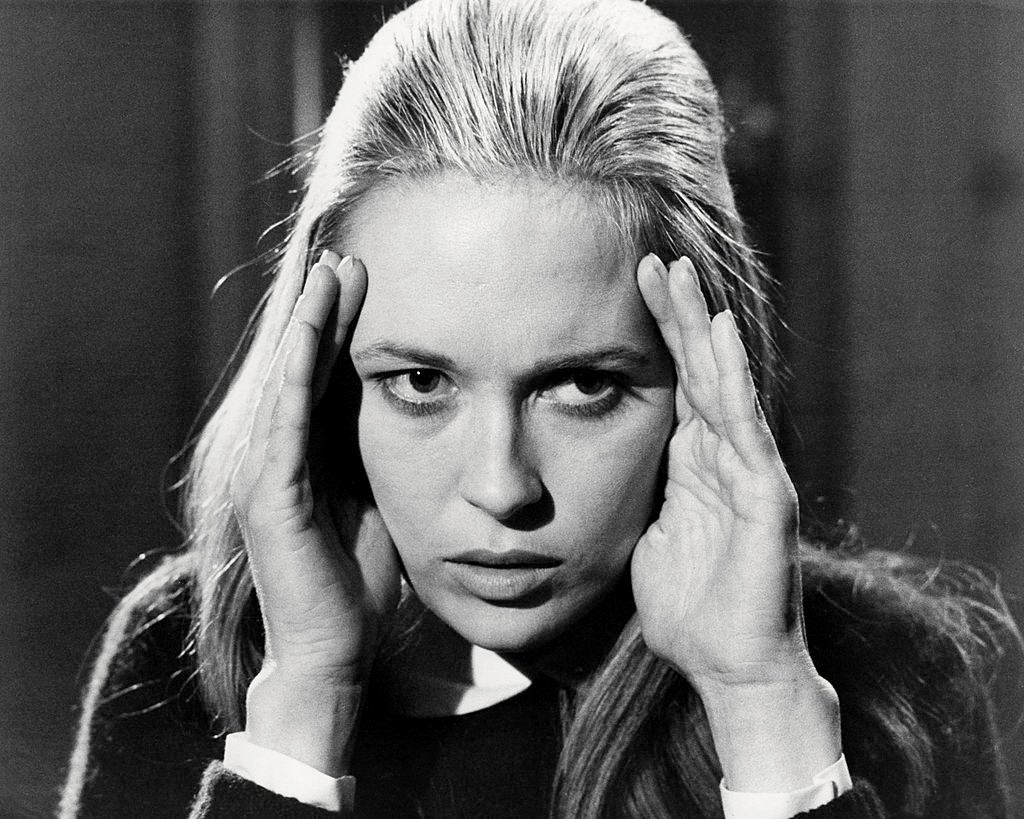
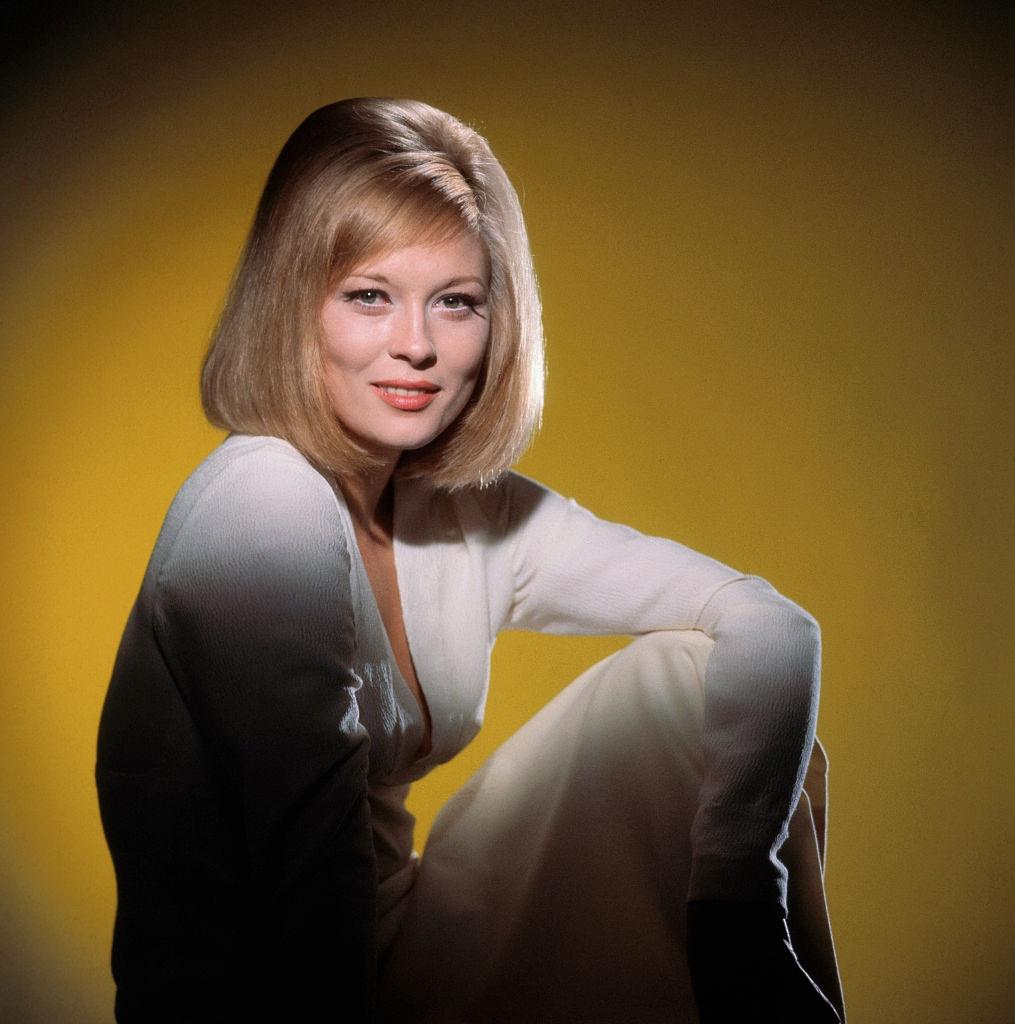
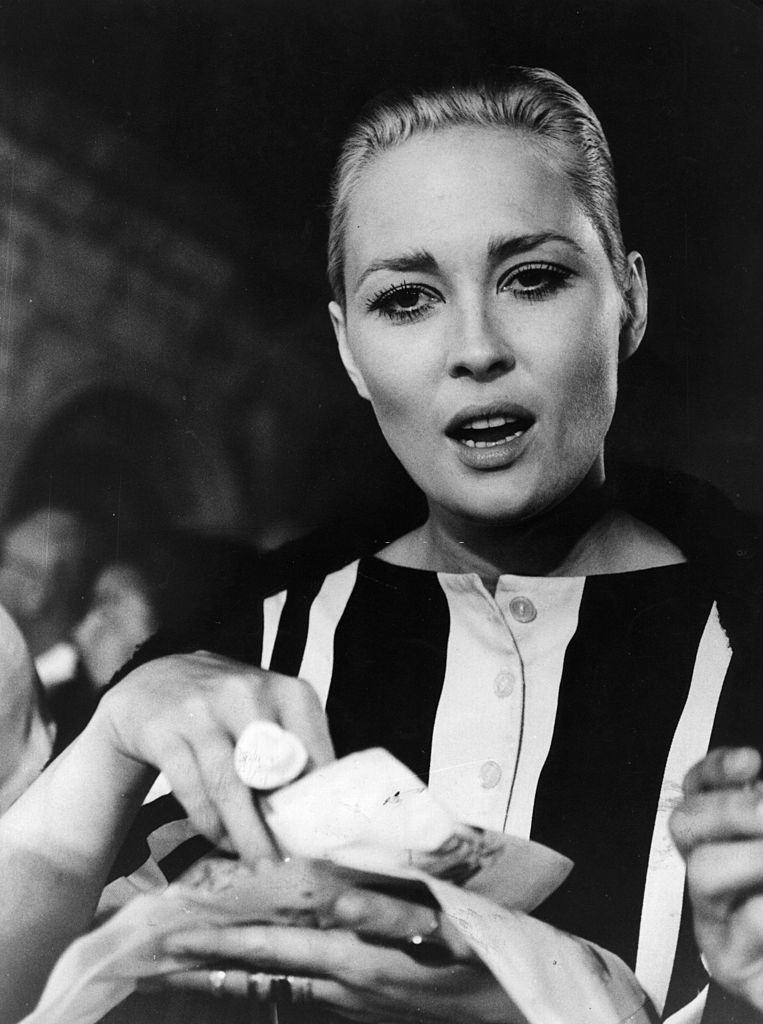
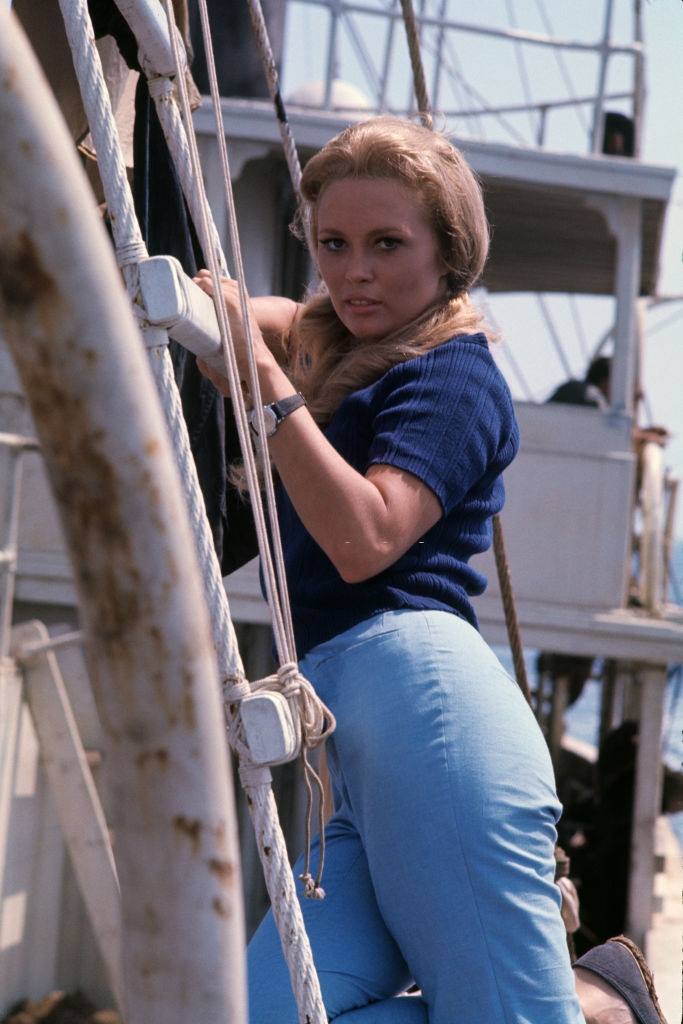
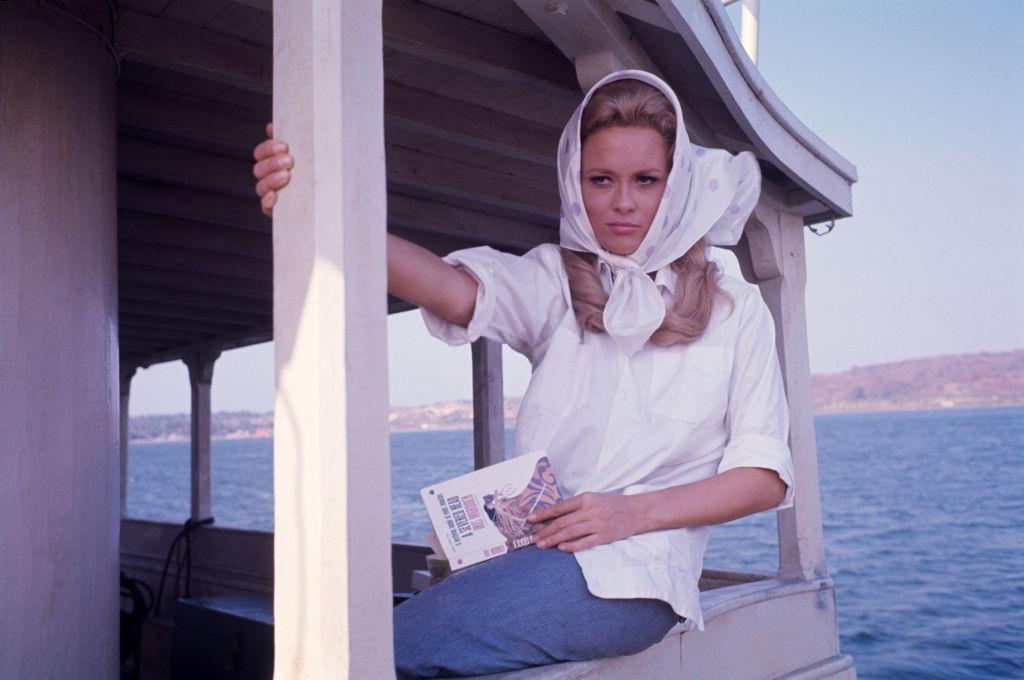
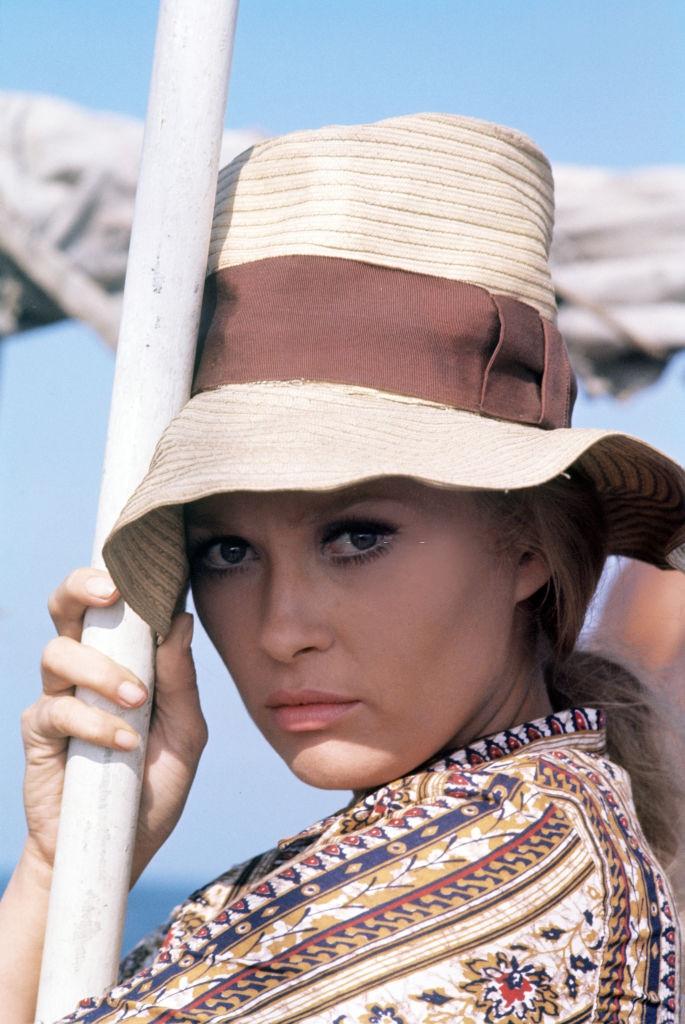
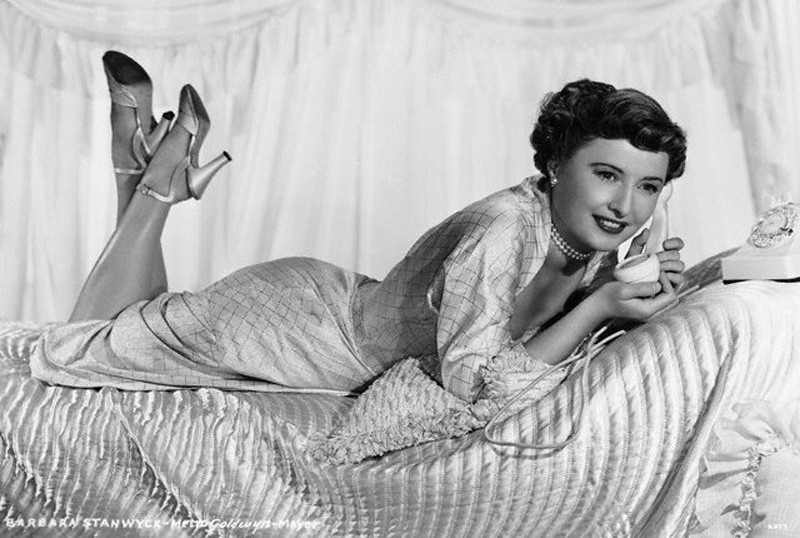
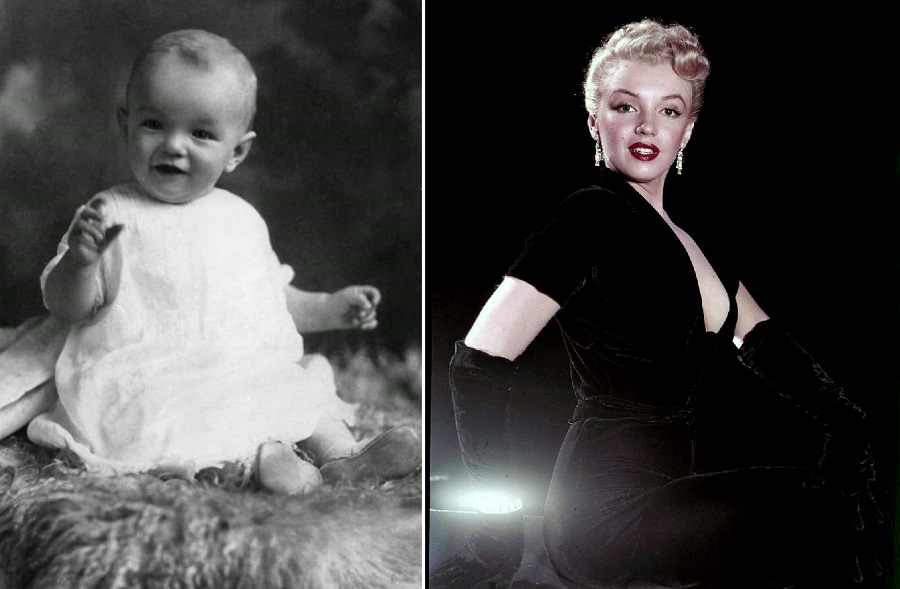
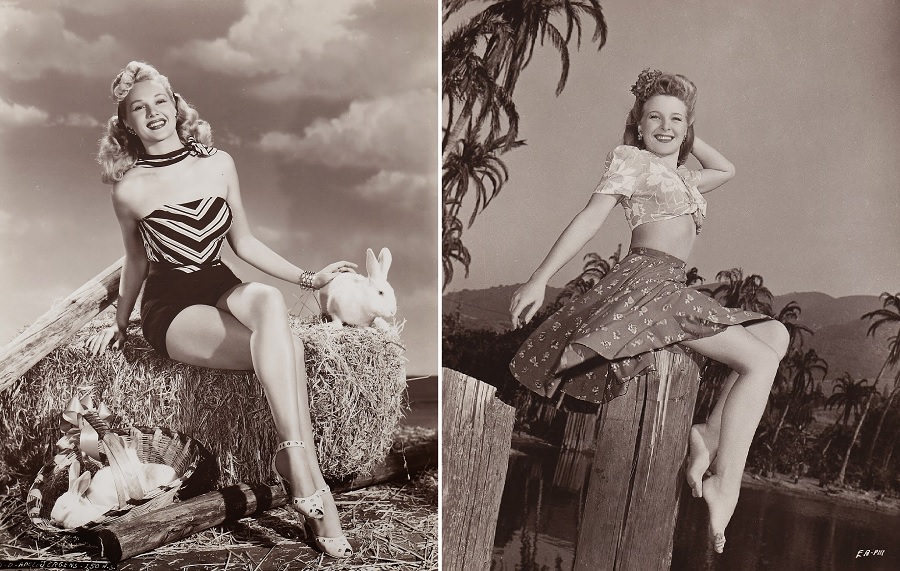
Faye Dunaway built one of Hollywood’s most striking careers on a foundation of sharp talent, natural elegance, and a willingness to take on bold, complicated roles. Before any of that, though, she was a Florida-born girl with ambitions that had nothing to do with film. She originally planned to become a teacher. Along the way, she picked up dancing, piano, and singing while finishing high school — a creative foundation that would serve her well on stage and screen.
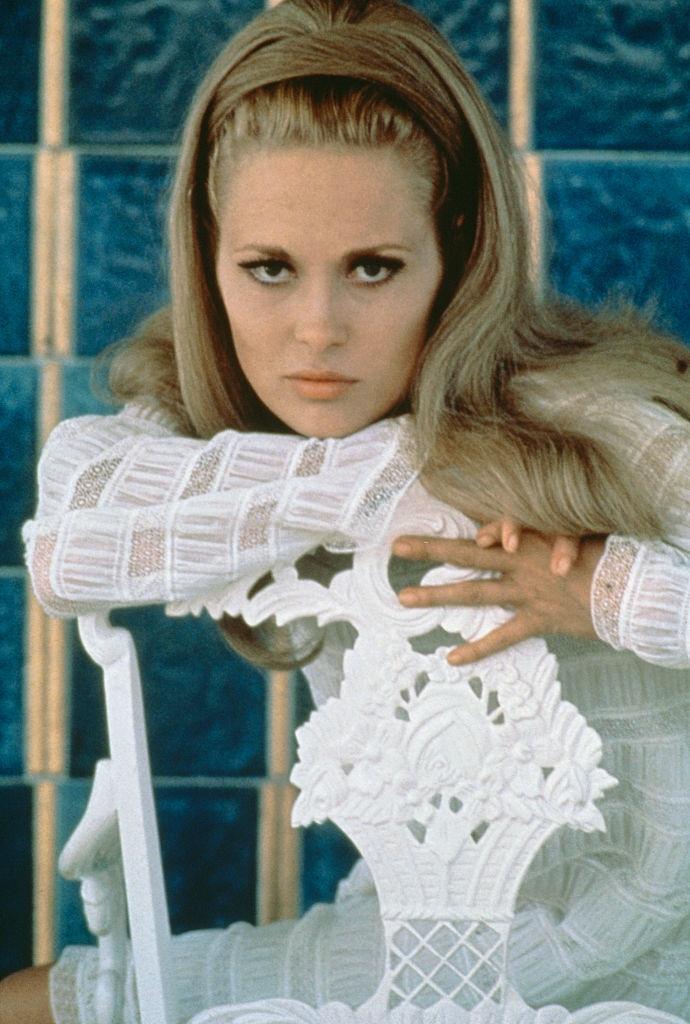
Her professional start came not in Hollywood but on the stage. Dunaway made her theatrical debut in Robert Bolt’s drama A Man for All Seasons, a demanding period piece that required real dramatic range. It was a serious introduction to the craft, and she took it seriously. Stage work shaped her instincts in ways that would show up clearly once the cameras started rolling.
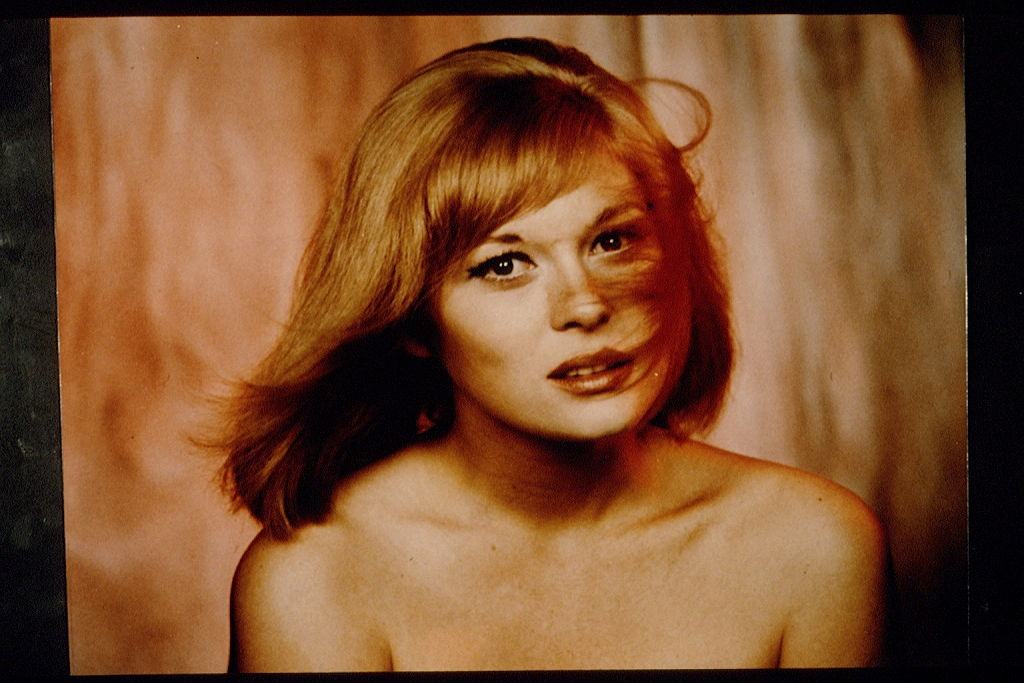
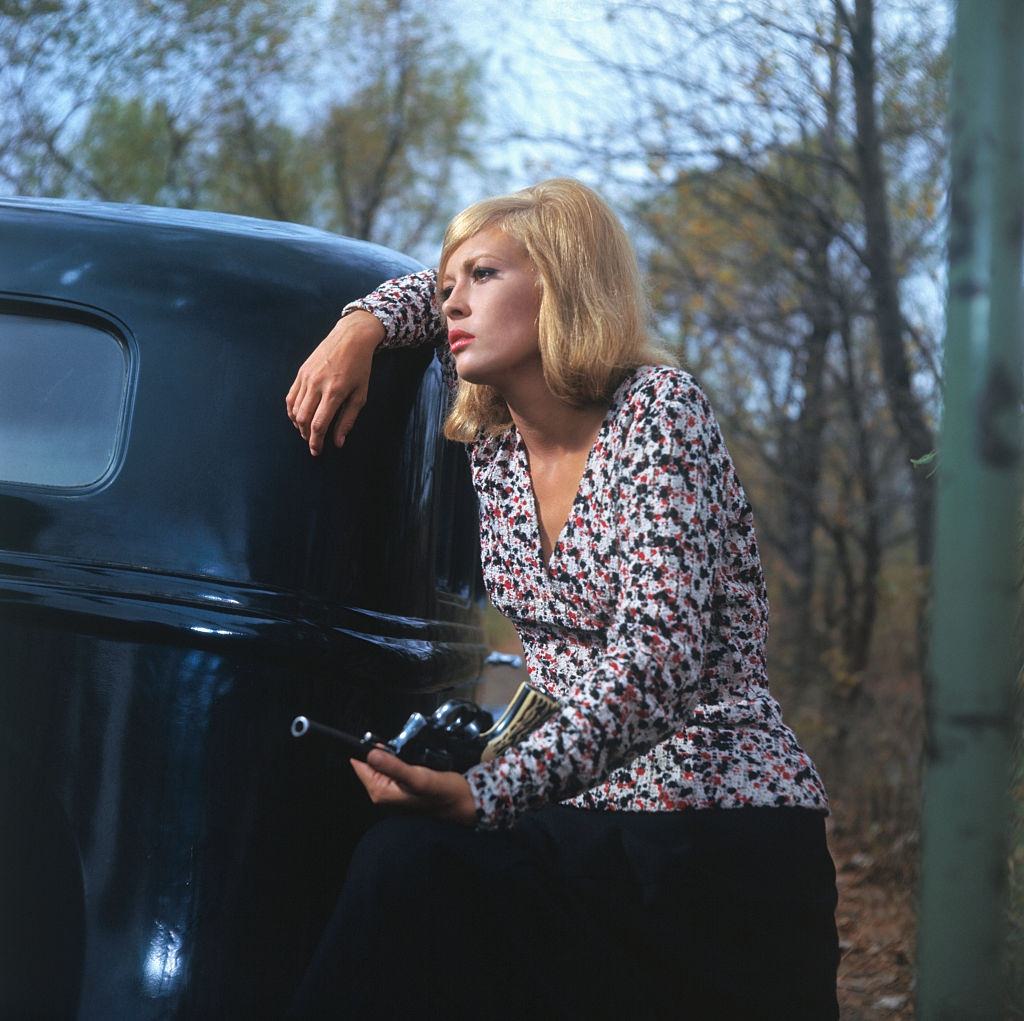
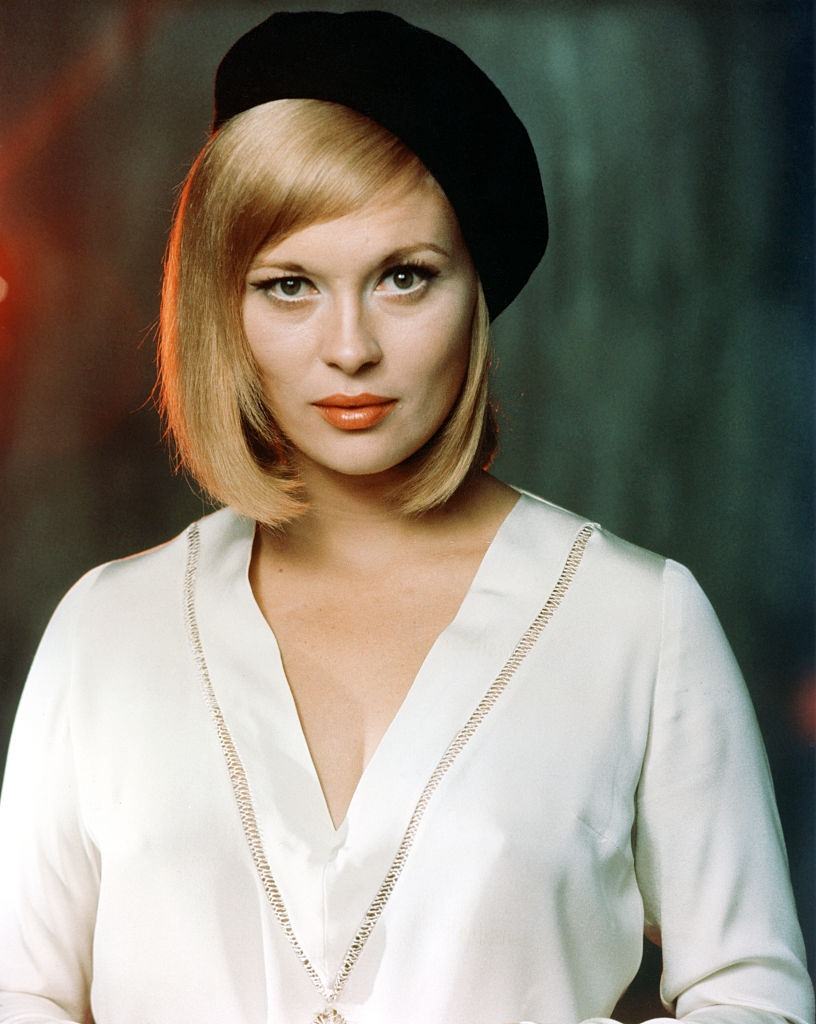
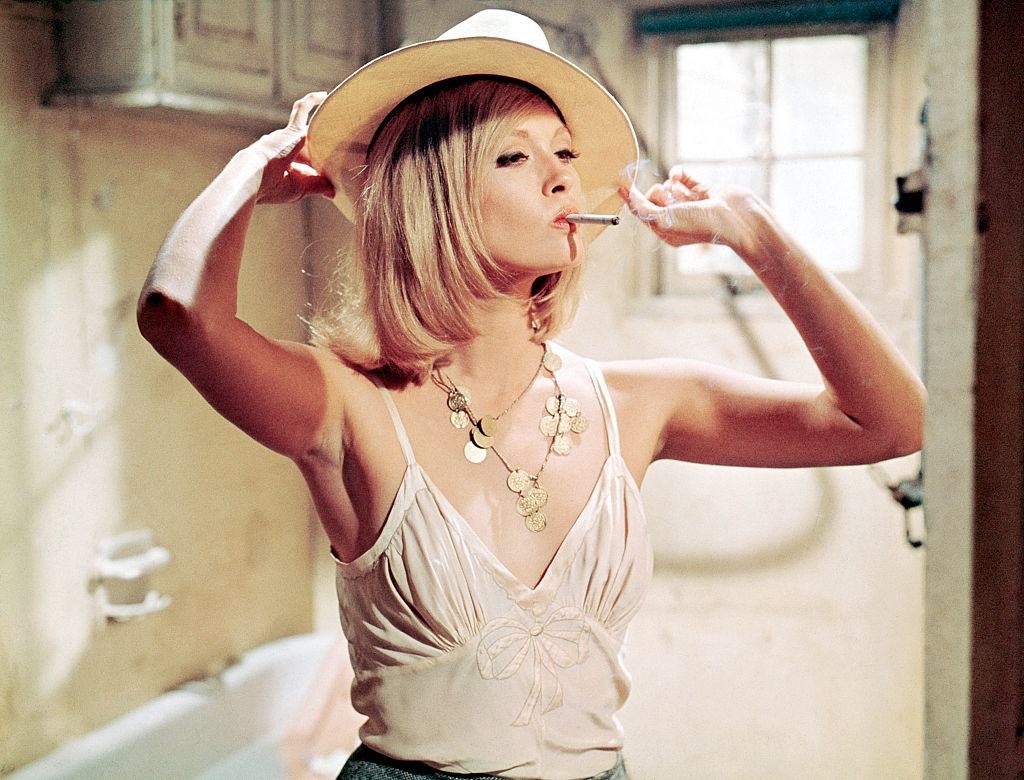
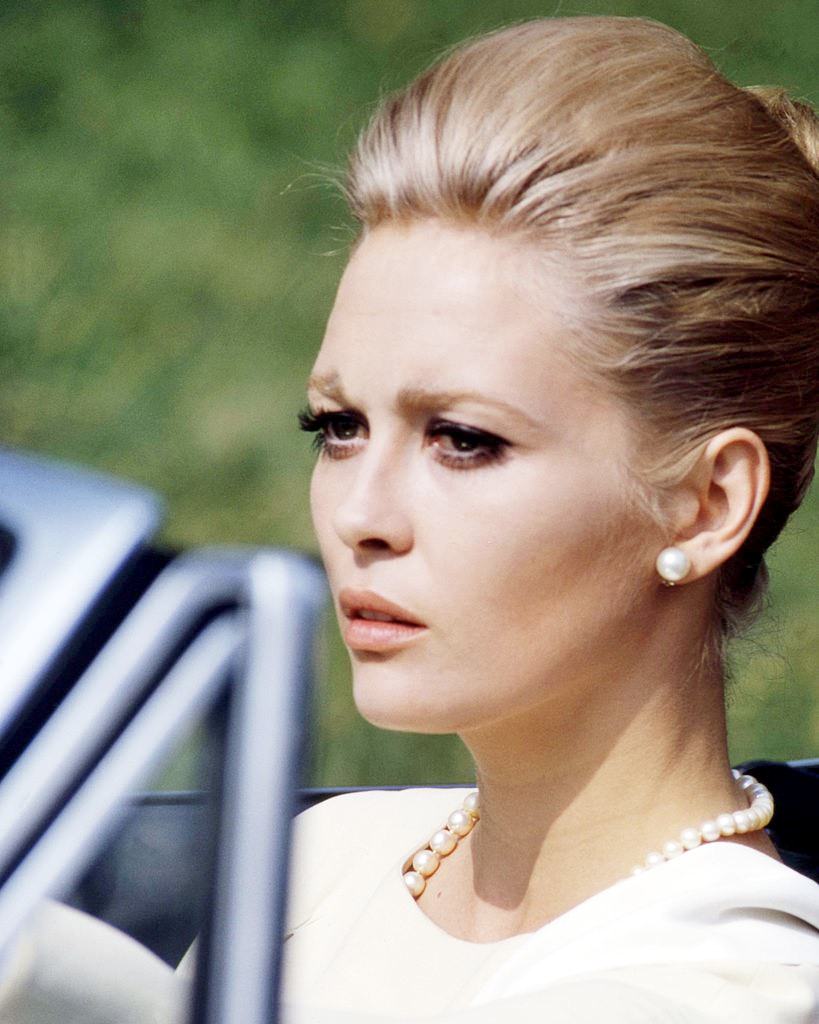
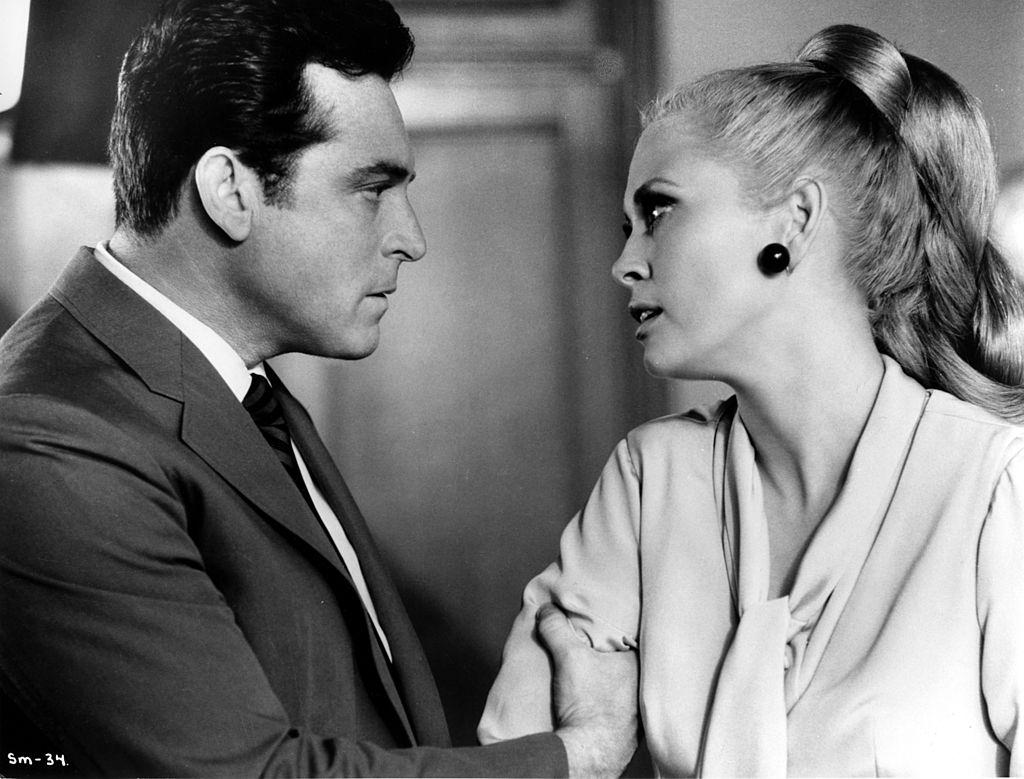
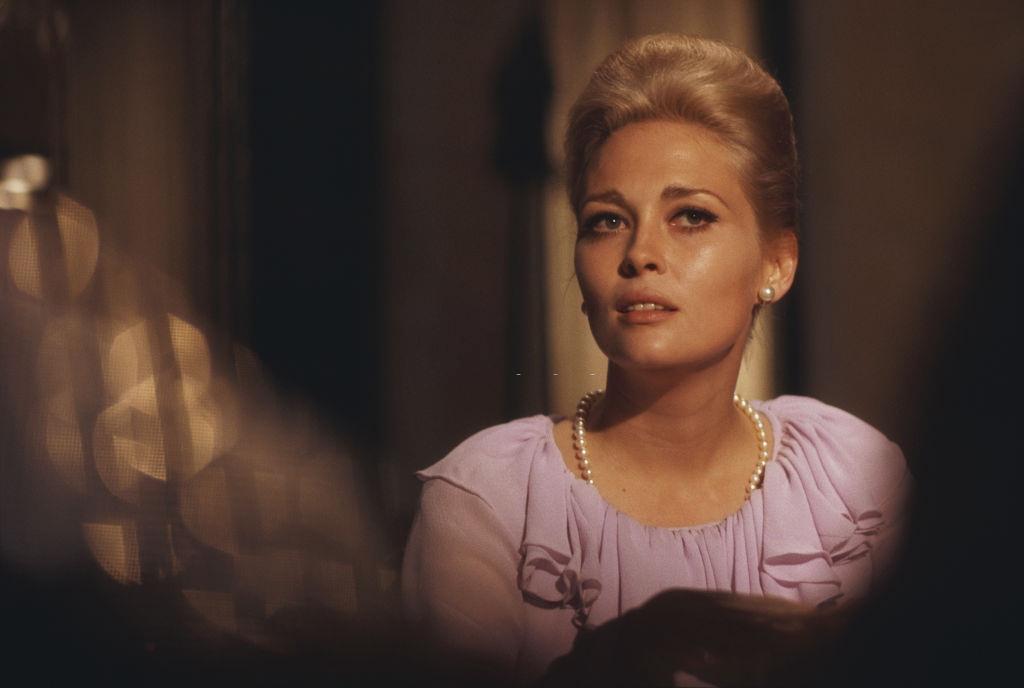
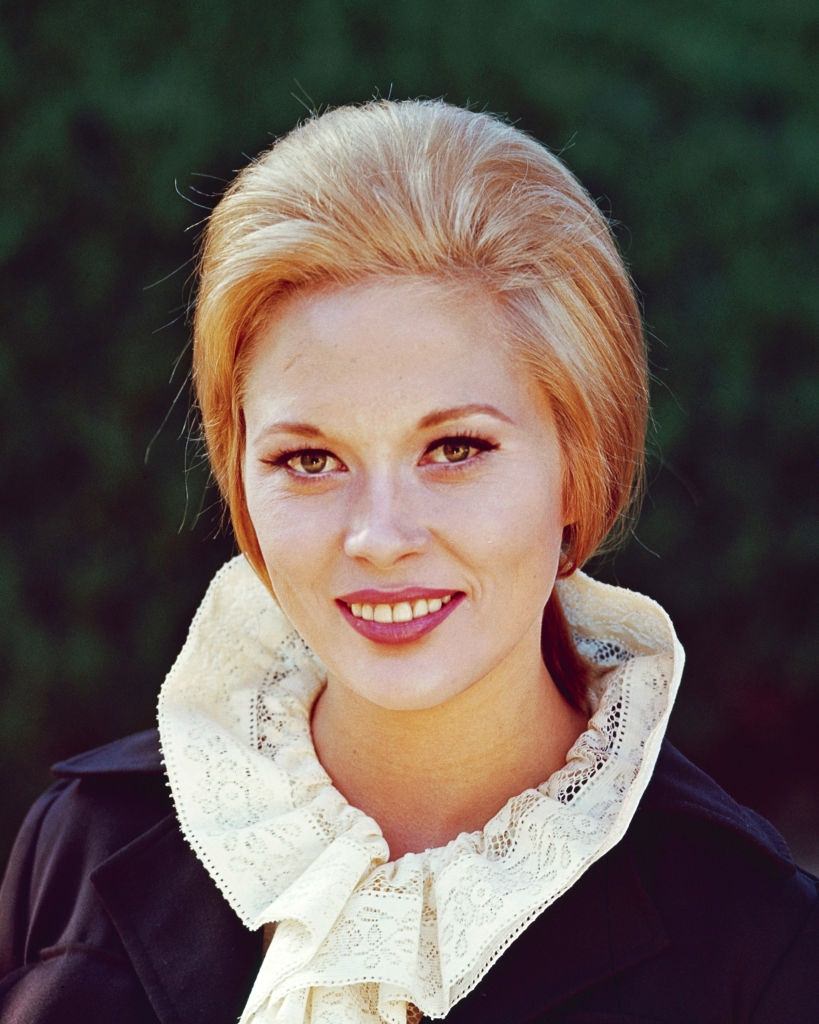
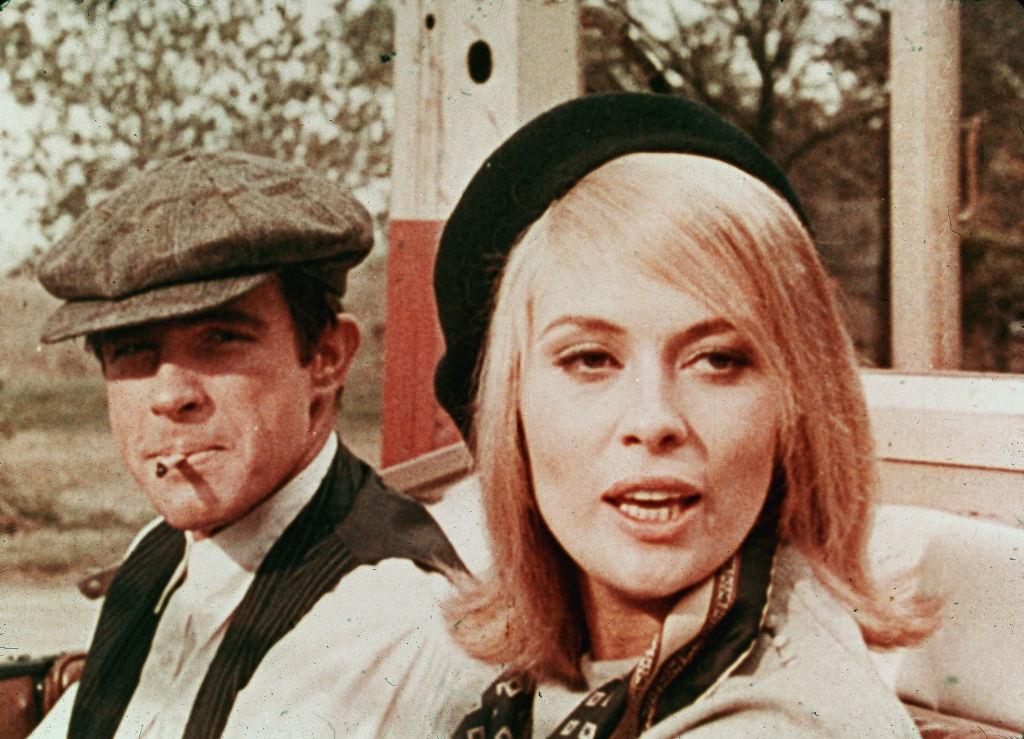
Her film debut came in 1967 with The Happening, a crime thriller that put her face in front of a national audience for the first time. But it was her second film that year — Bonnie and Clyde — that turned her into a star overnight. Playing outlaw Bonnie Parker opposite Warren Beatty, she brought a dangerous, magnetic energy to the role that audiences and critics couldn’t ignore. The film was a cultural event, and Dunaway was at its center.
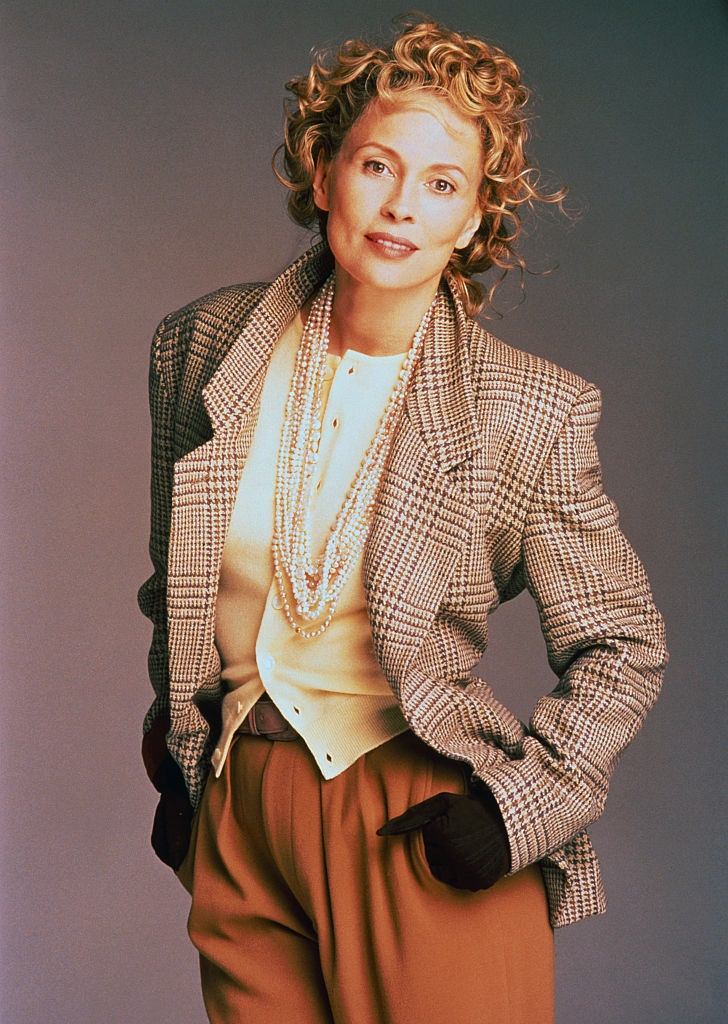
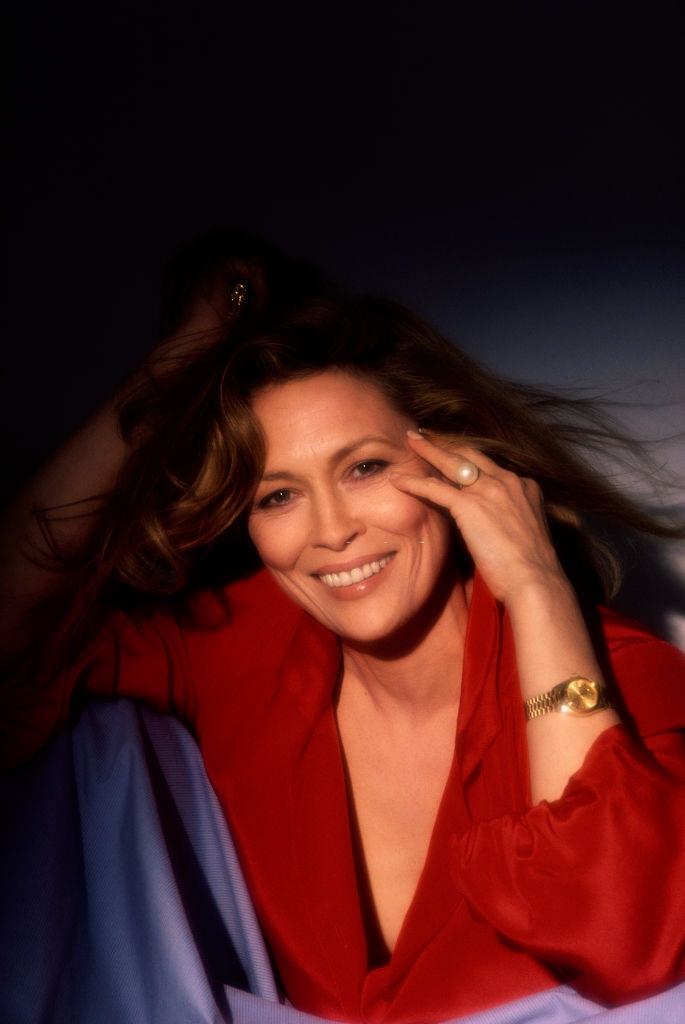
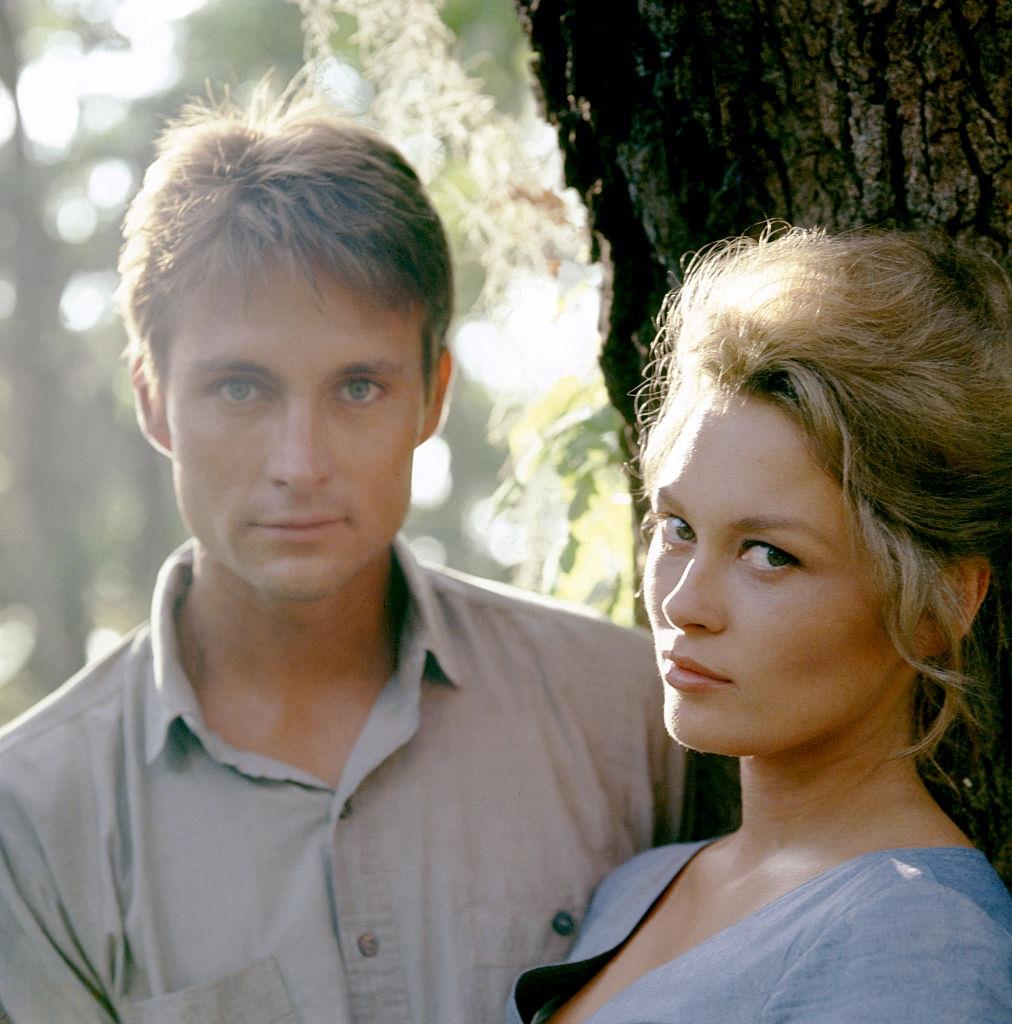
The Bonnie and Clyde role placed Dunaway firmly in the Hollywood elite, but she never relied on one image. She appeared in Hurry Sundown in 1967 and also took on The Extraordinary Seaman, showing a willingness to move between genres. Her on-screen range during these early years was already notable.
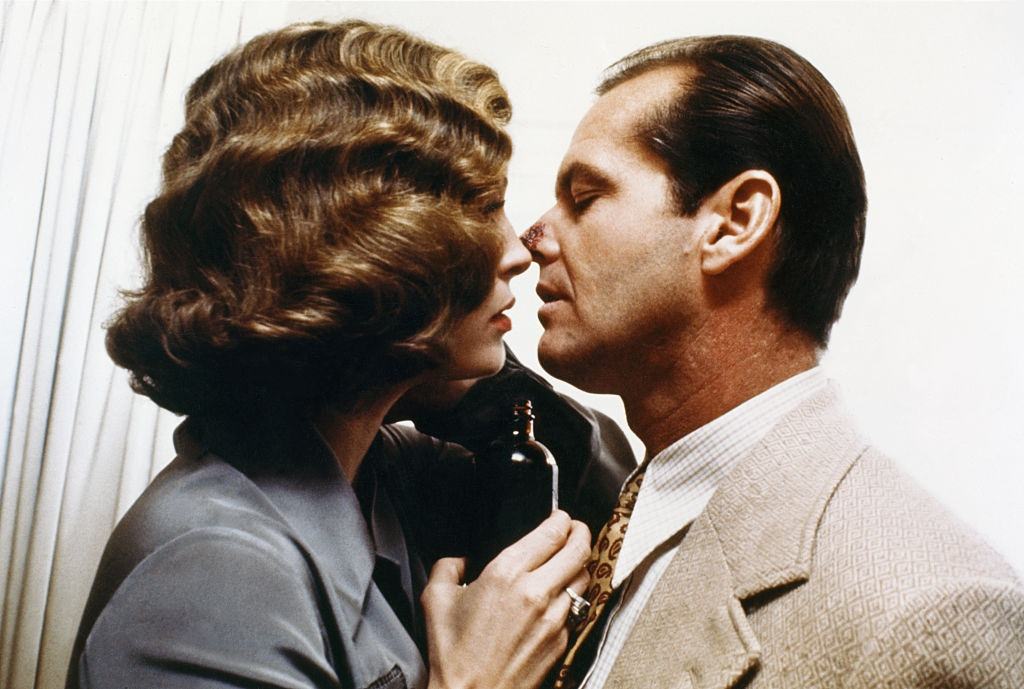
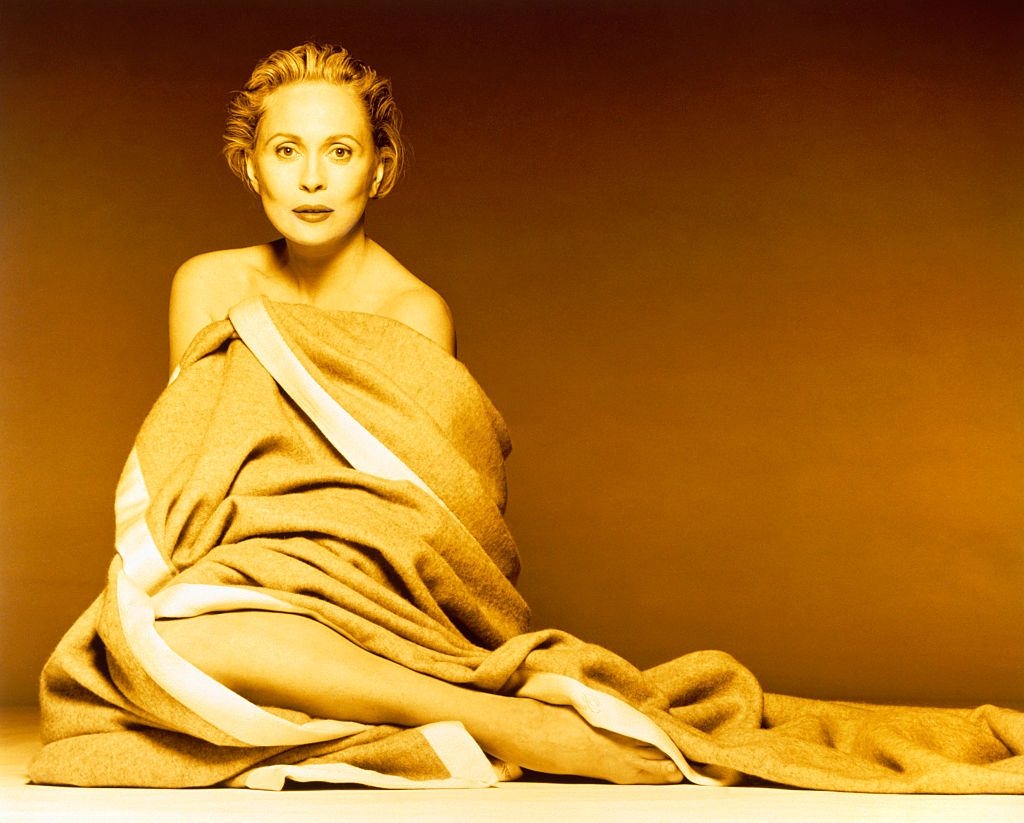
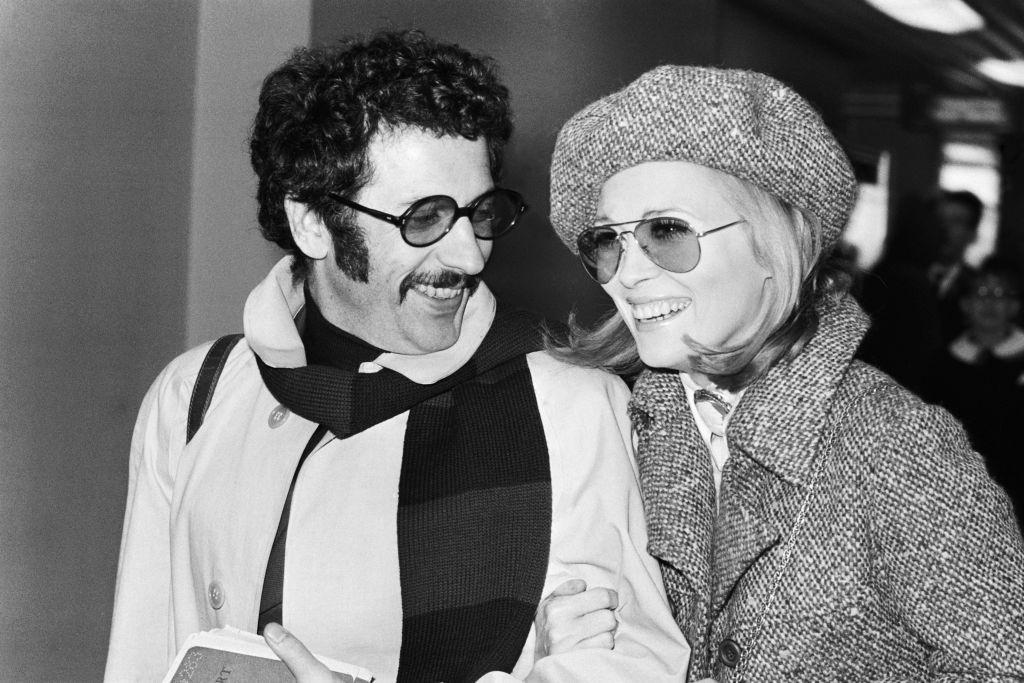
Off screen, Dunaway’s personal life during the 1960s was as busy as her professional one. She was engaged to photographer Jerry Schatzberg from 1967 to 1968, and the two were frequently photographed together at events and in Paris. She also had relationships with stand-up comedian Lenny Bruce, director Robert Altman, and Italian actor Marcello Mastroianni during this period.
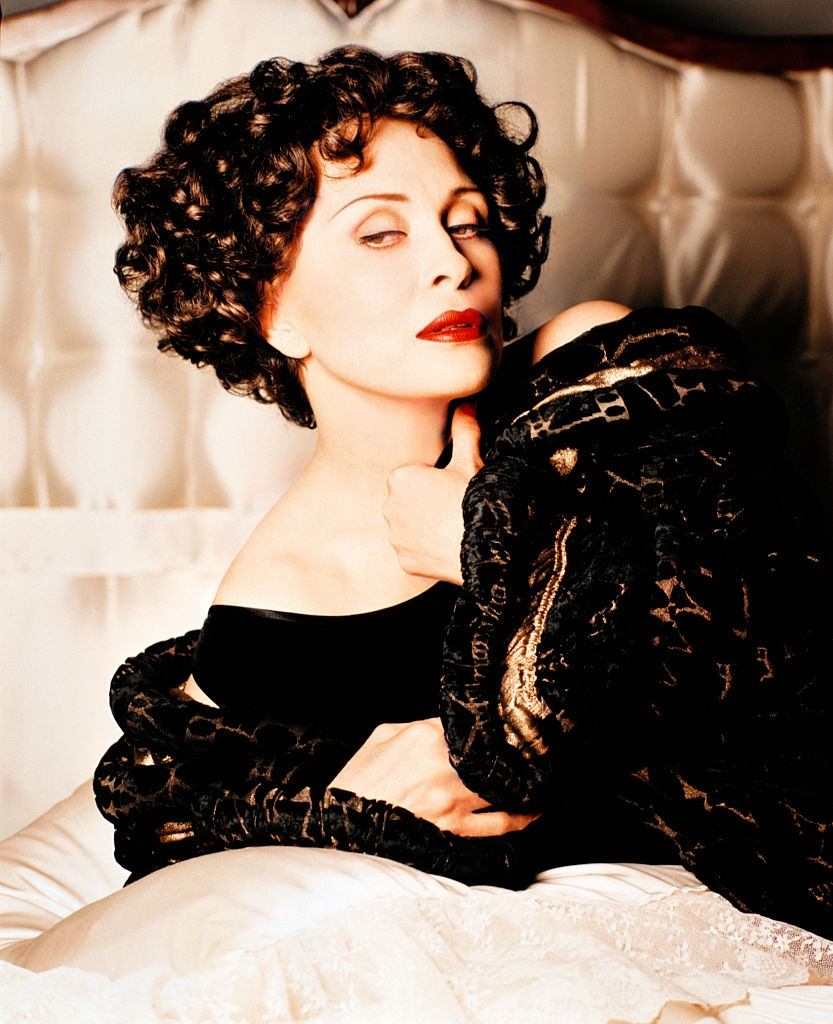
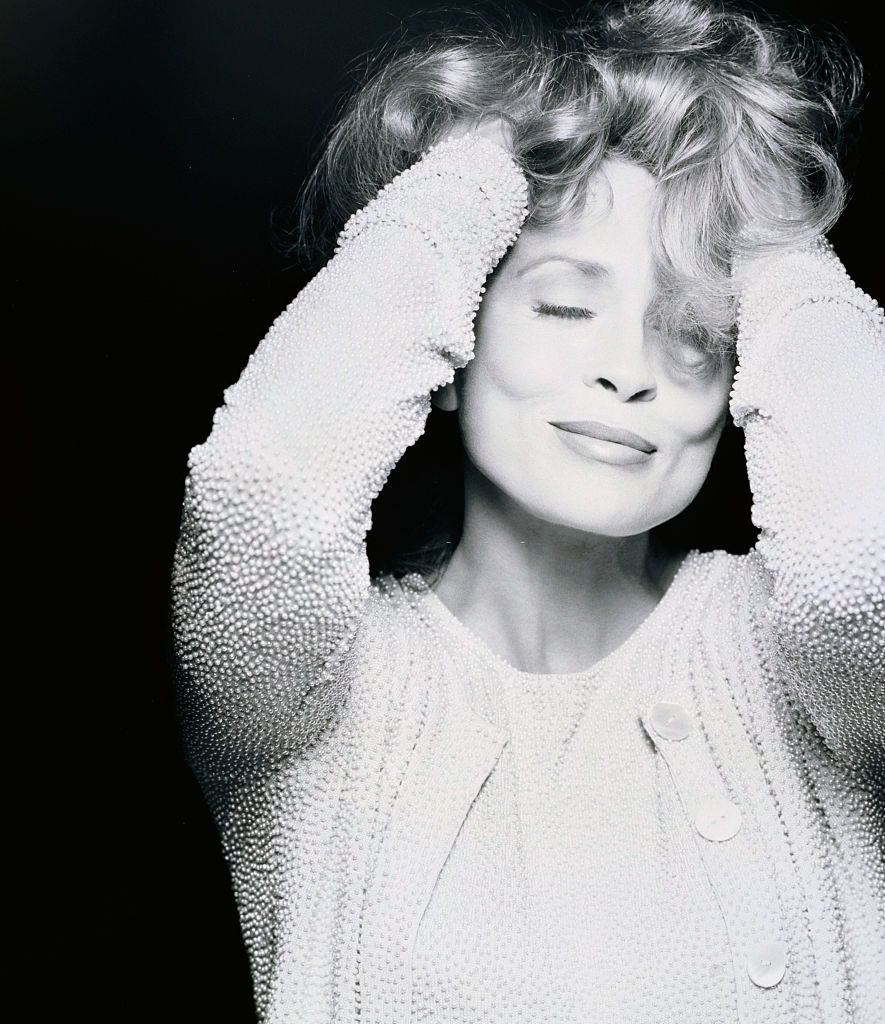
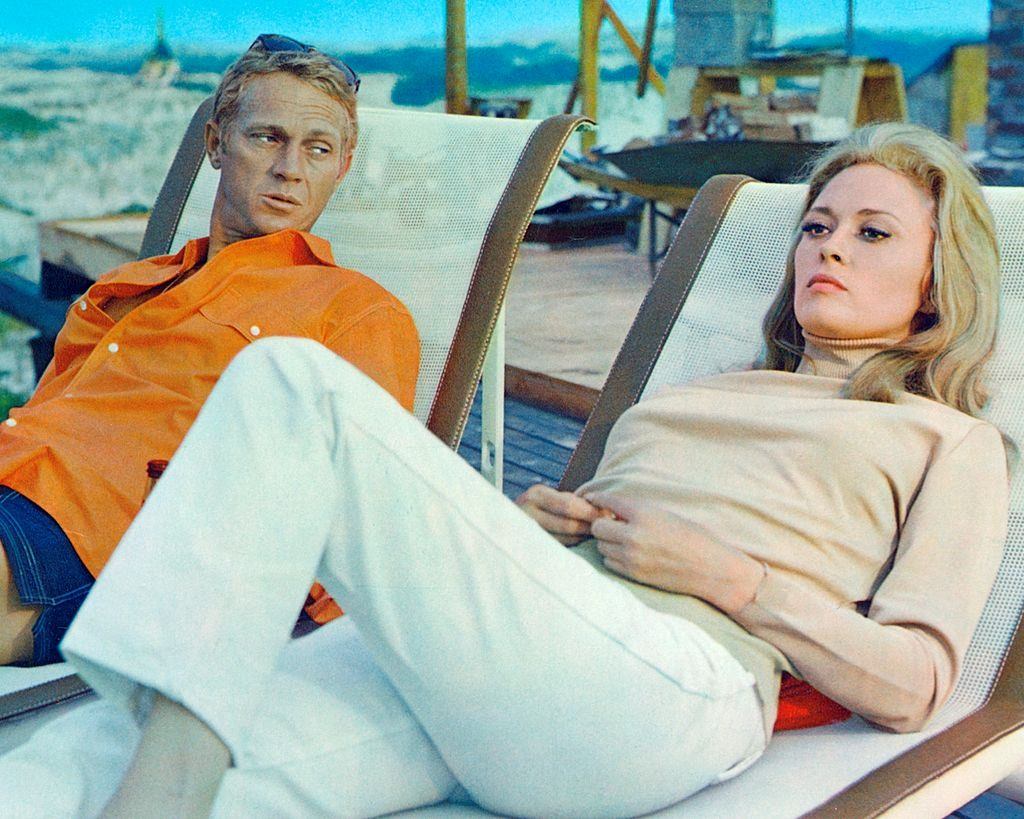
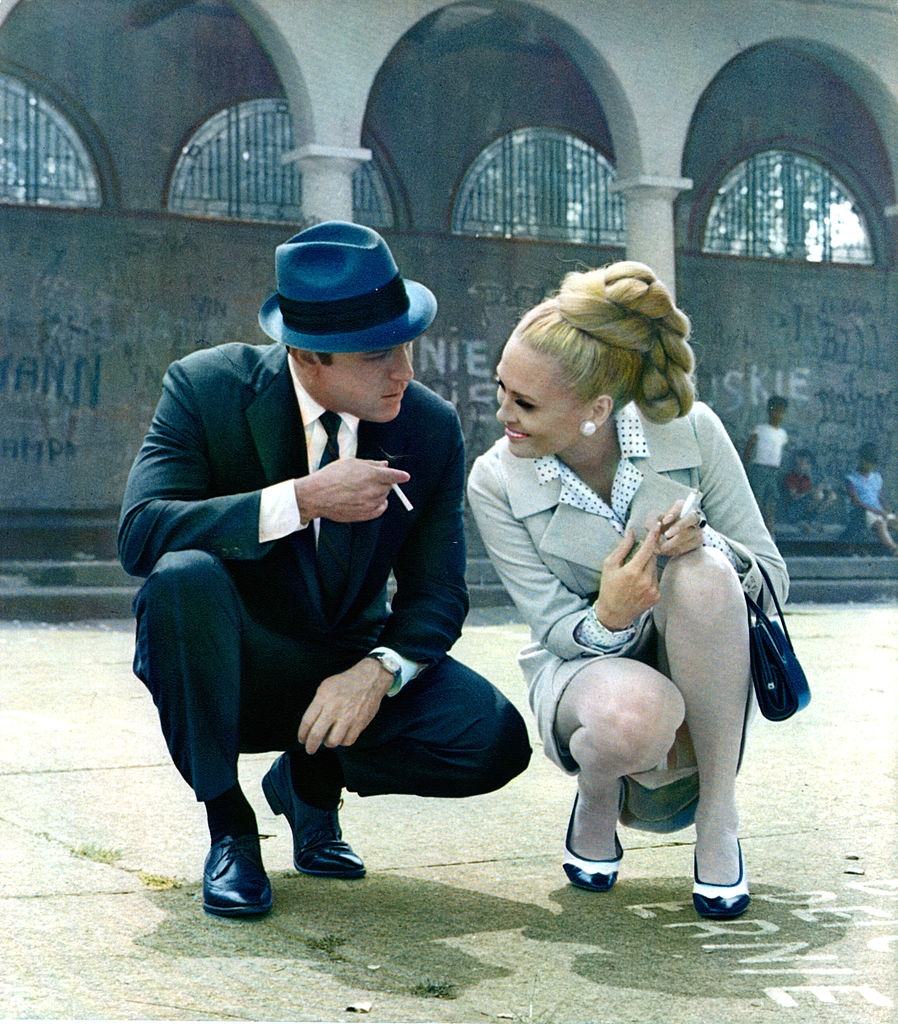
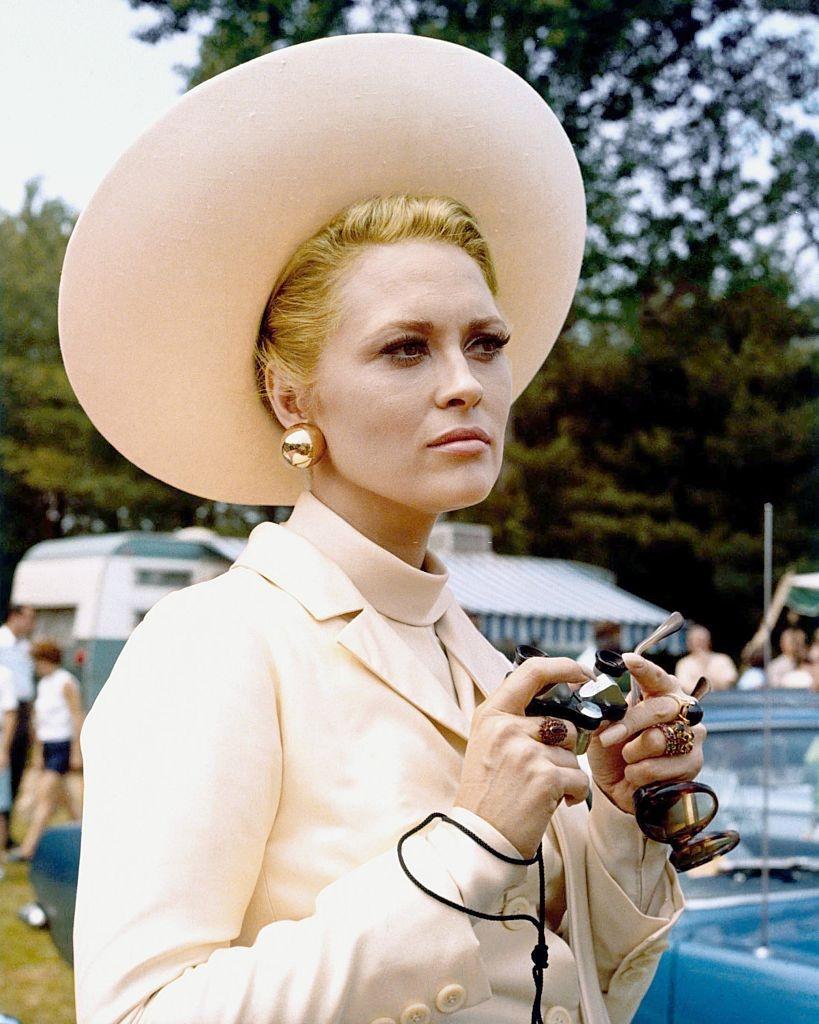
In 1968, Dunaway followed up Bonnie and Clyde with The Thomas Crown Affair, playing insurance investigator Vicki Anderson opposite Steve McQueen. The film was sleek, stylish, and sophisticated — a sharp contrast to the gritty outlaw world of her previous hit. She held her own against McQueen in every scene, and the film became another box office success. Back-to-back hits in two very different genres cemented her as one of the most versatile actresses working in Hollywood at the time.
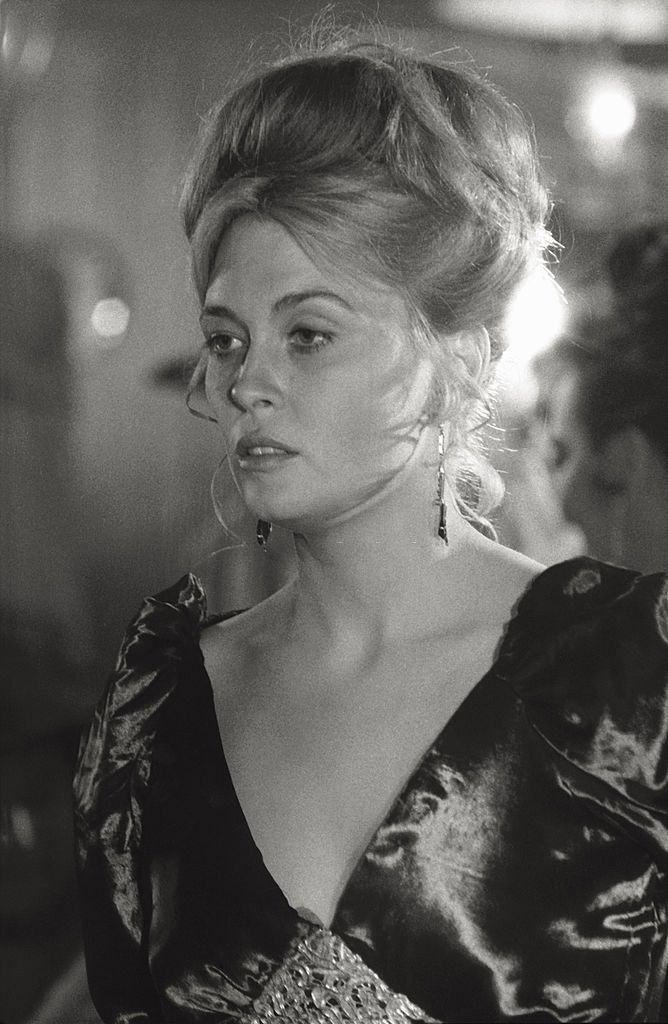
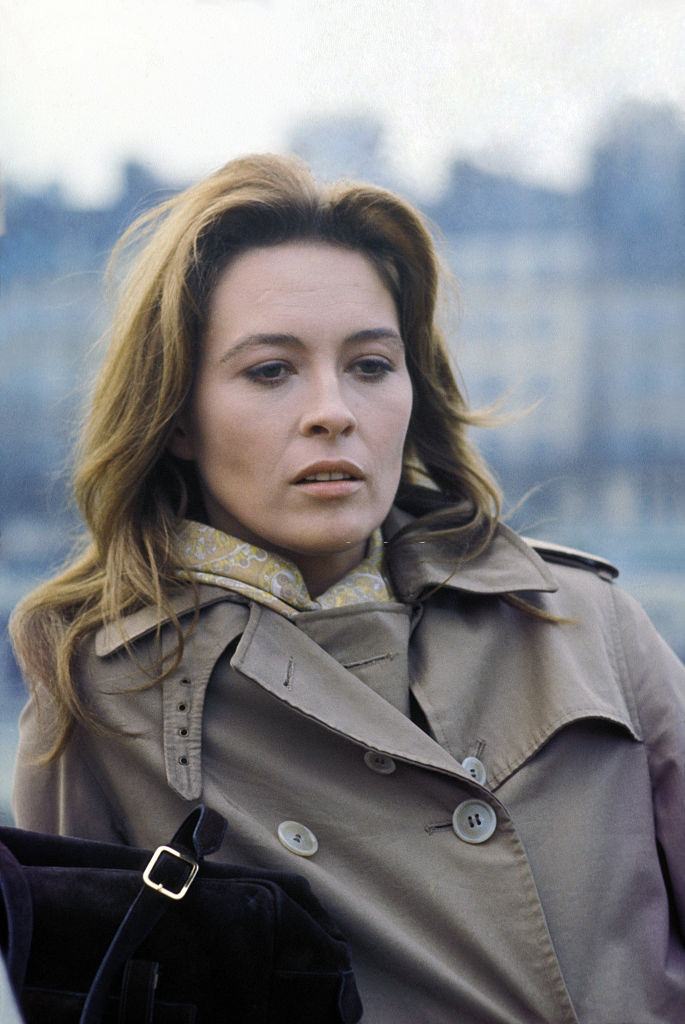
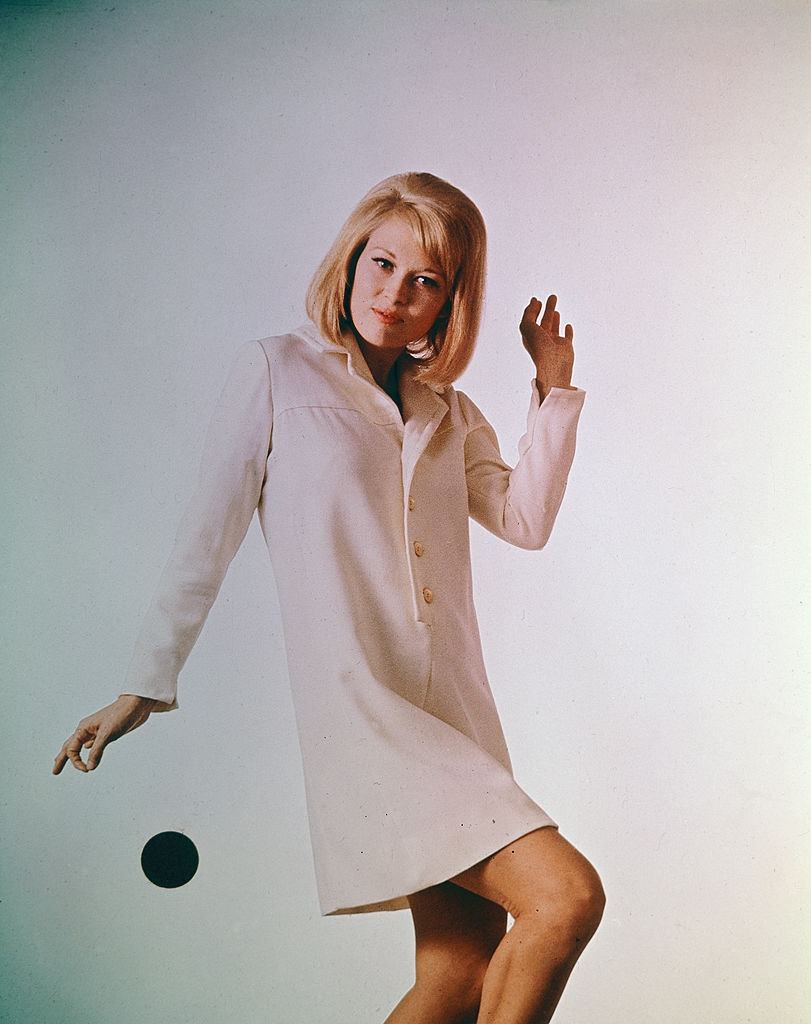
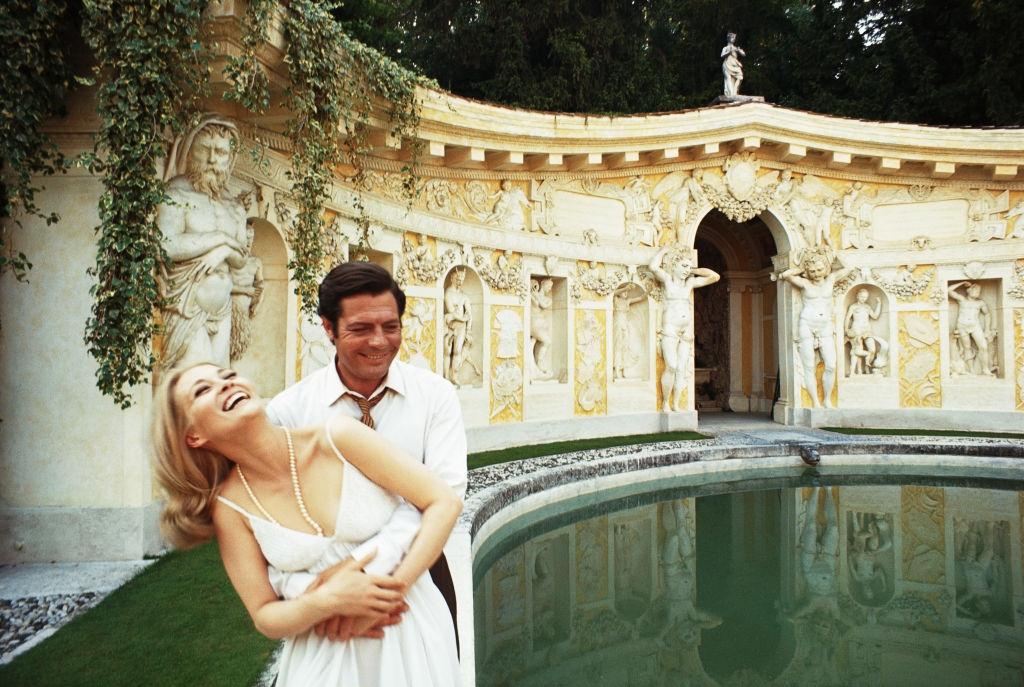
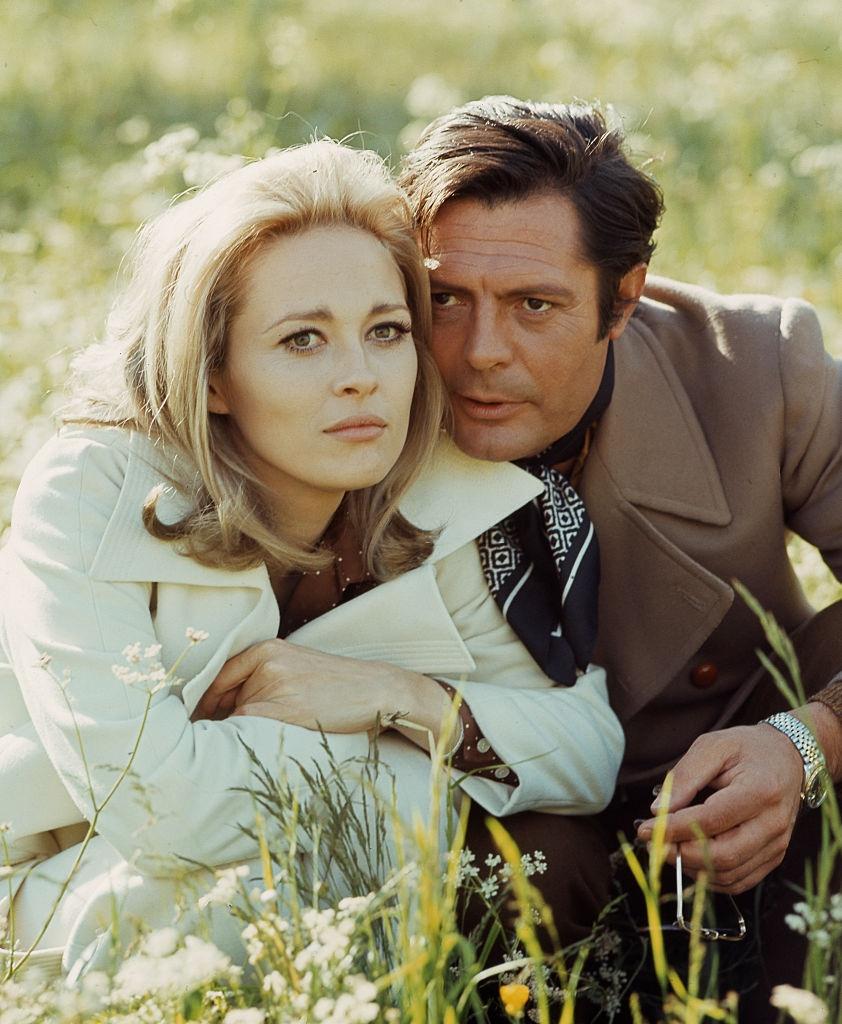
The late 1960s also saw Dunaway step into the international spotlight. She appeared in the Italian film Amanti in 1968 and spent time in Europe, including a notable stint in France and Italy. She was photographed alongside Marcello Mastroianni at the Villa Barbaro in 1968, and she participated in a fashion show on the island of Capri in 1969. Her profile extended well beyond American borders.
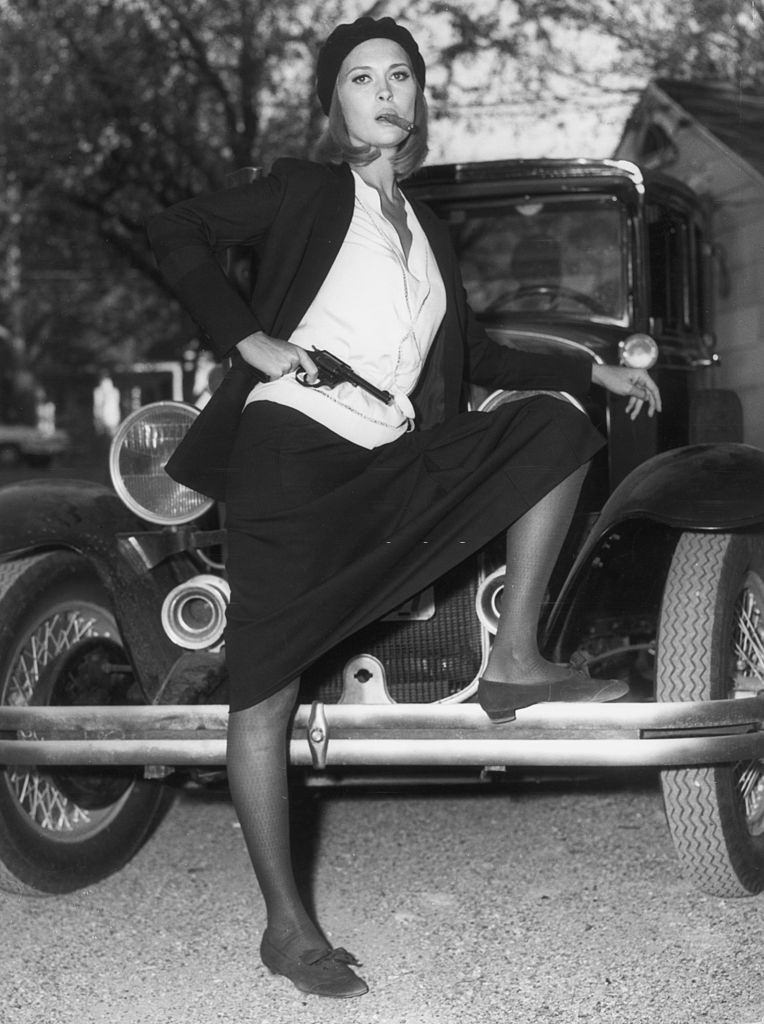
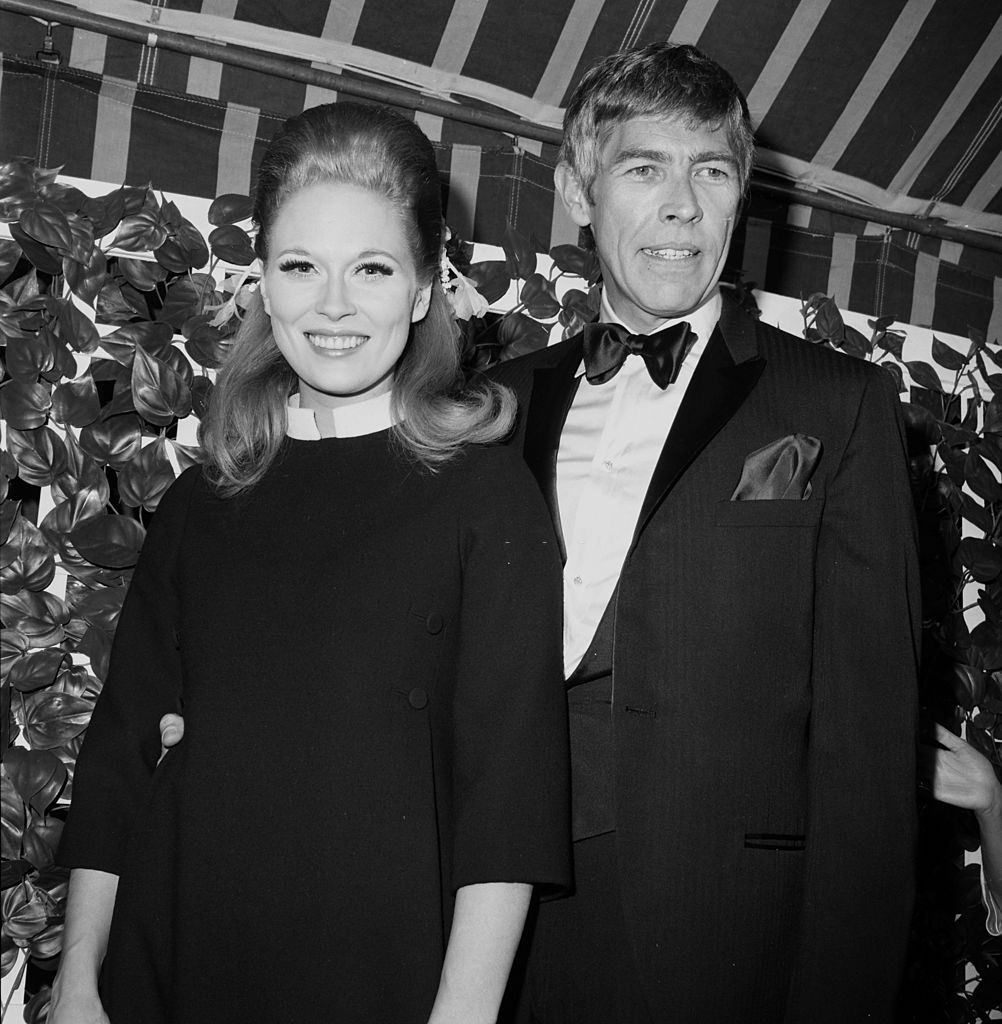
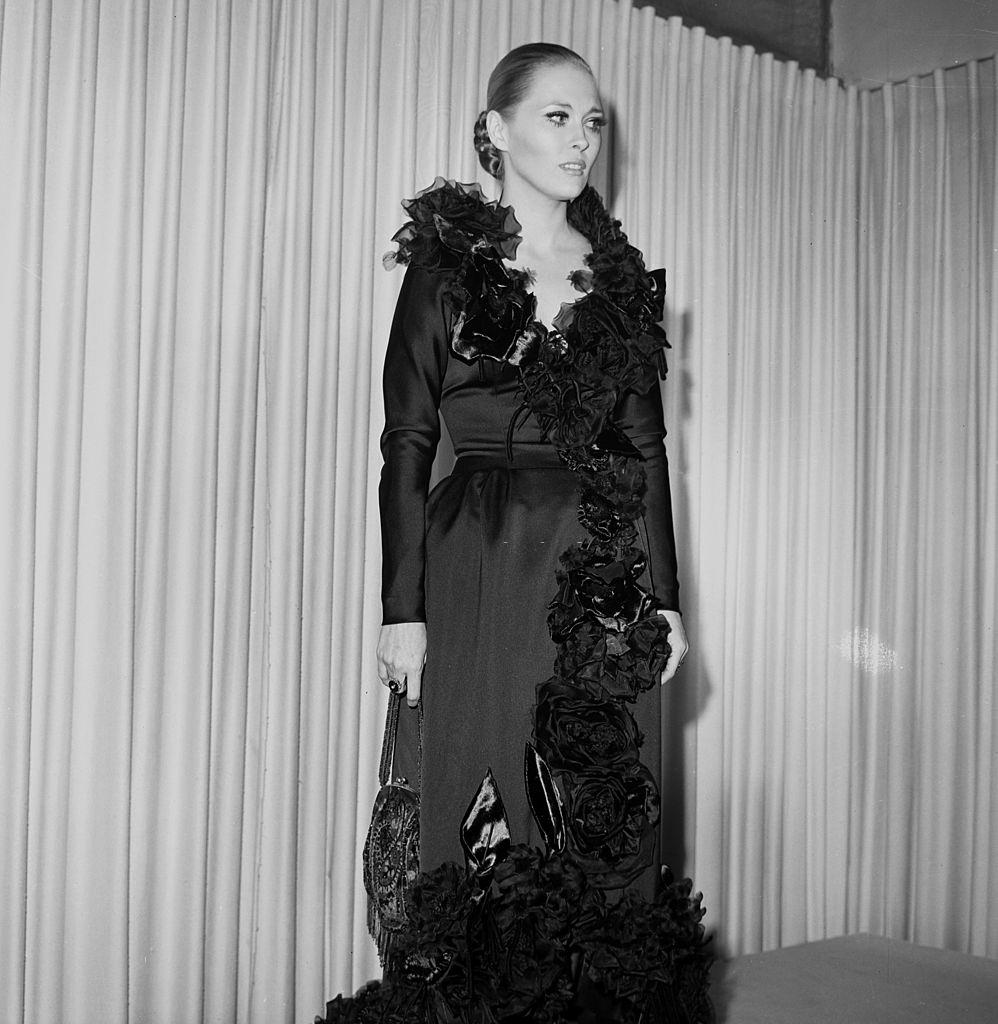
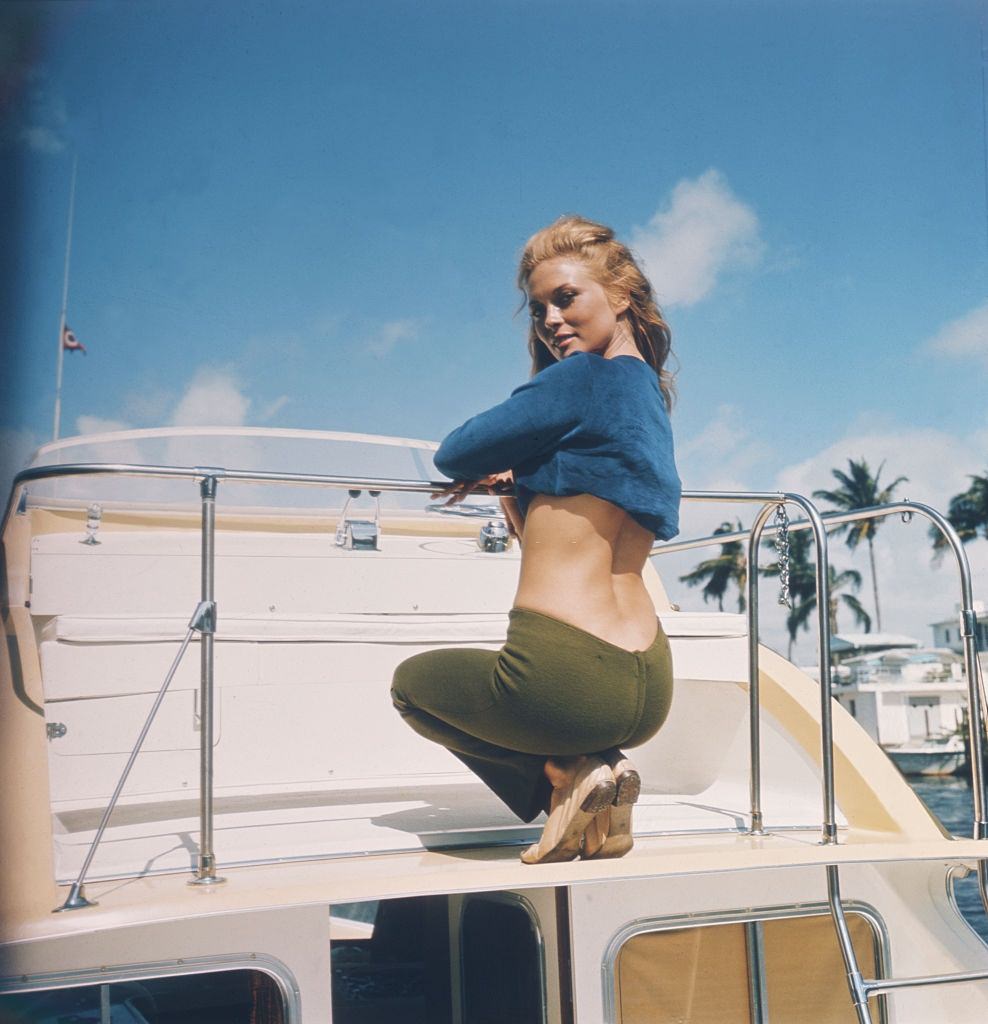
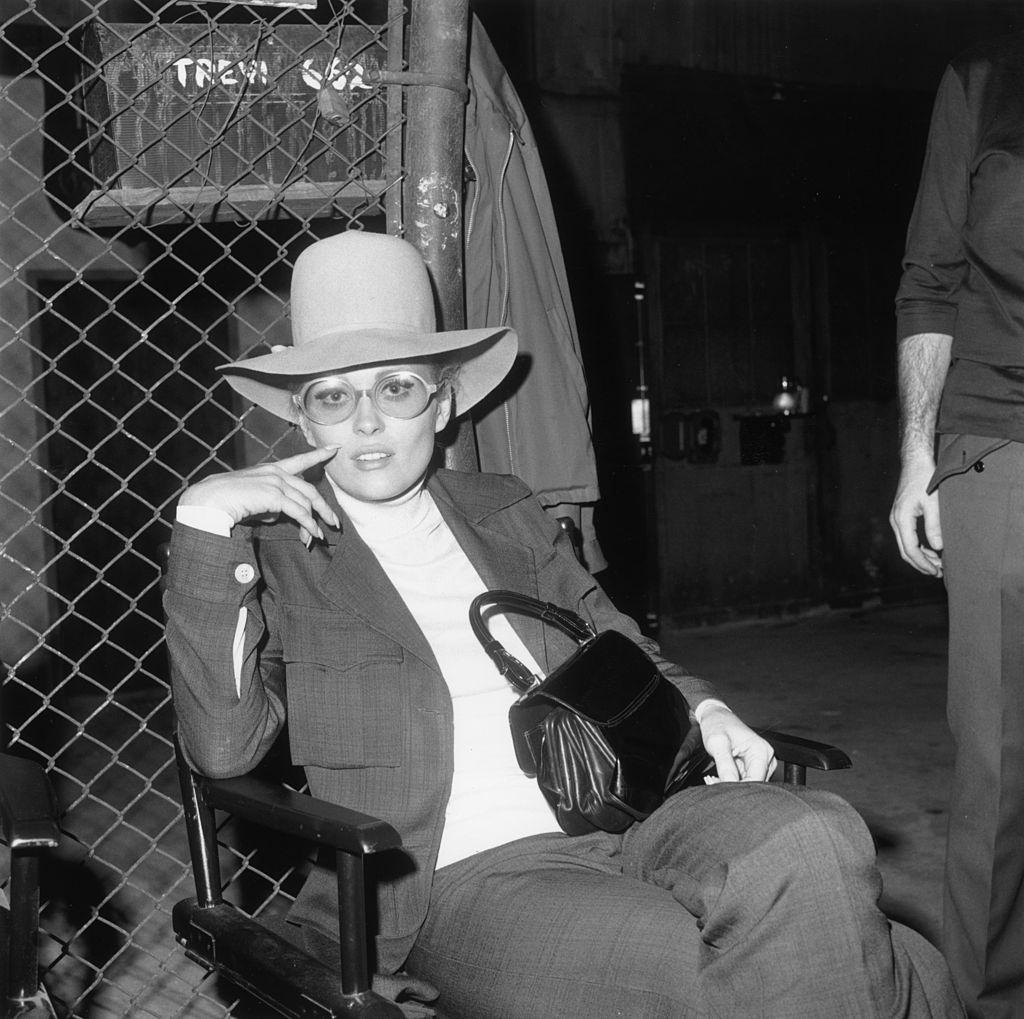
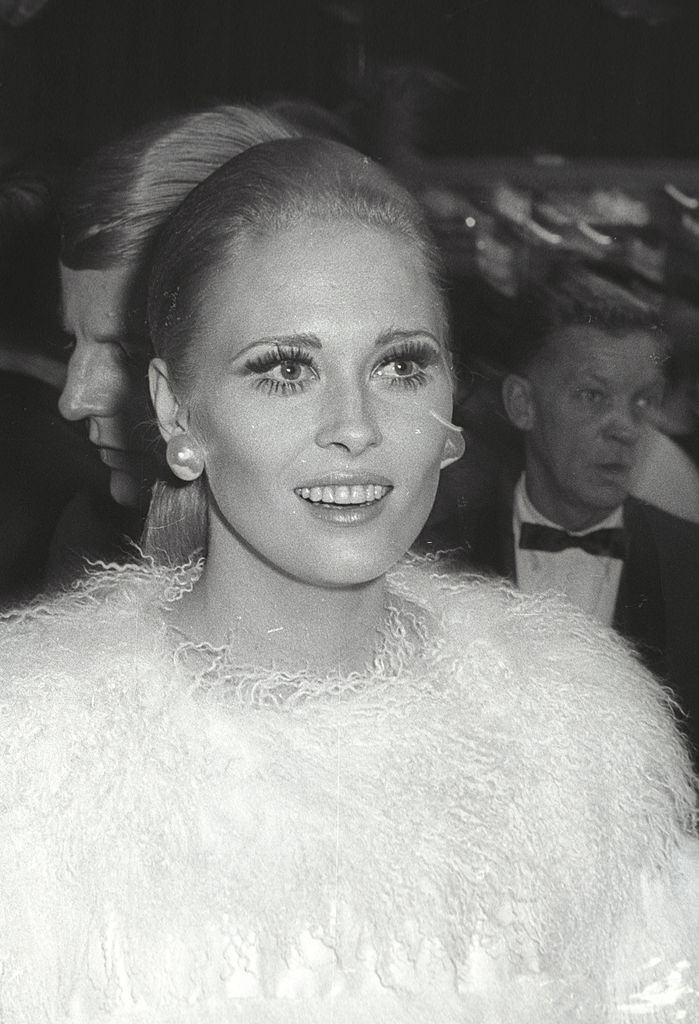
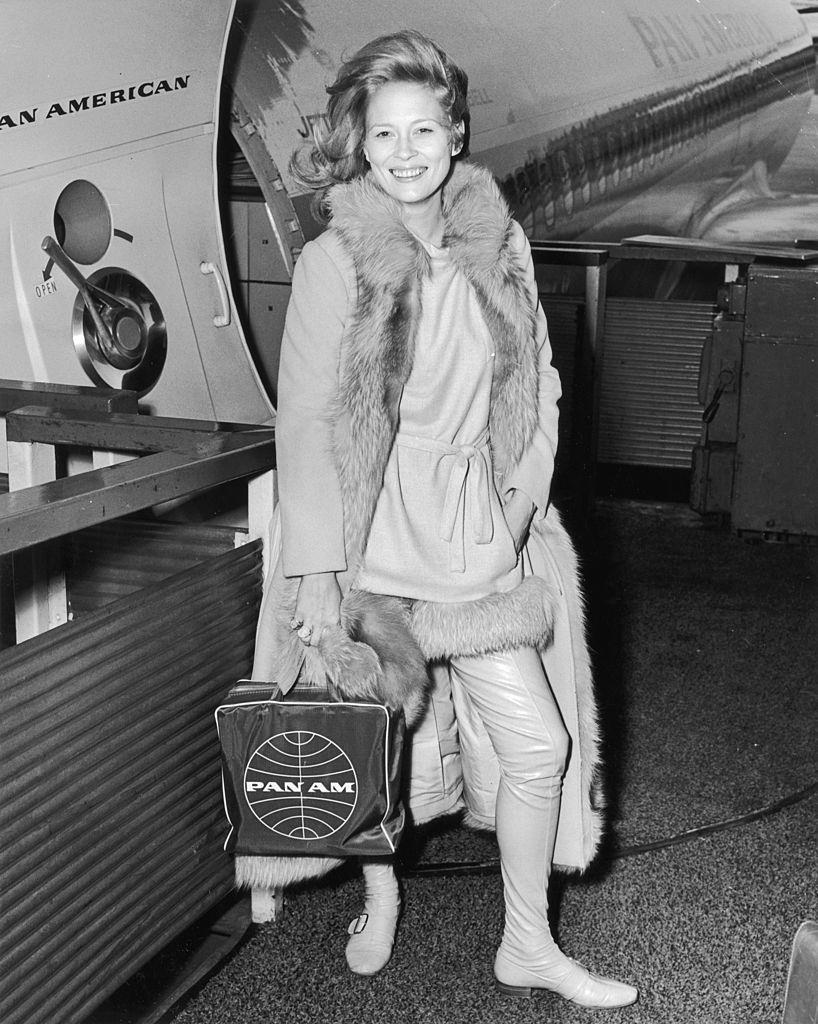
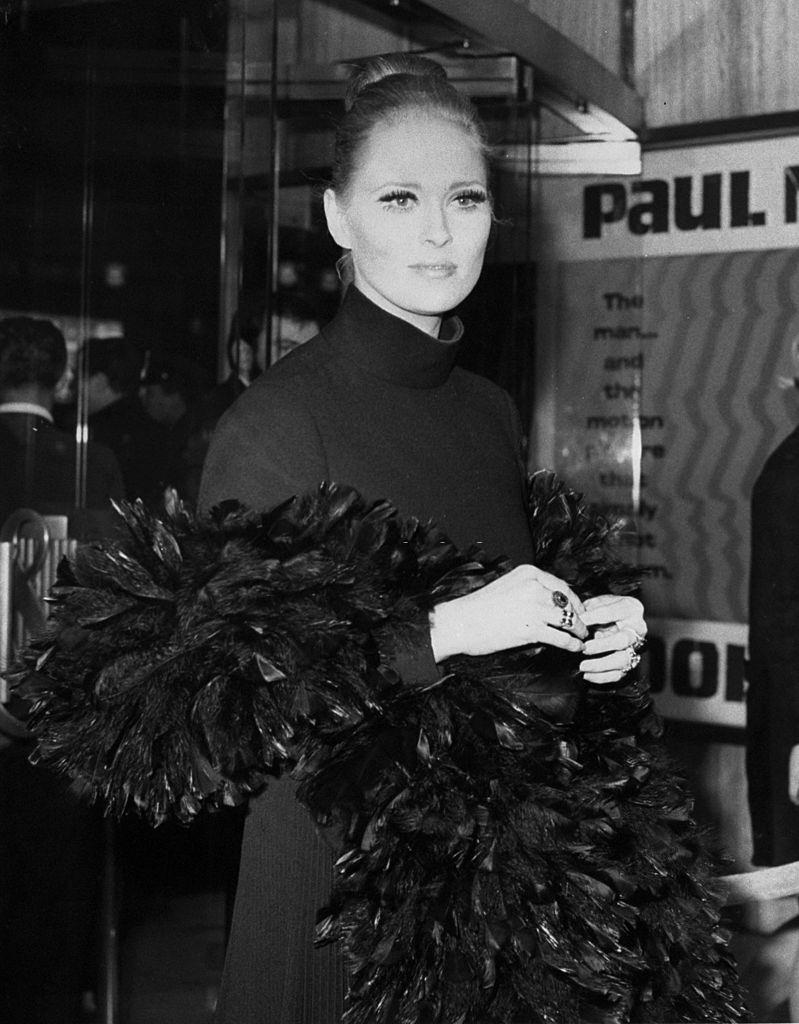
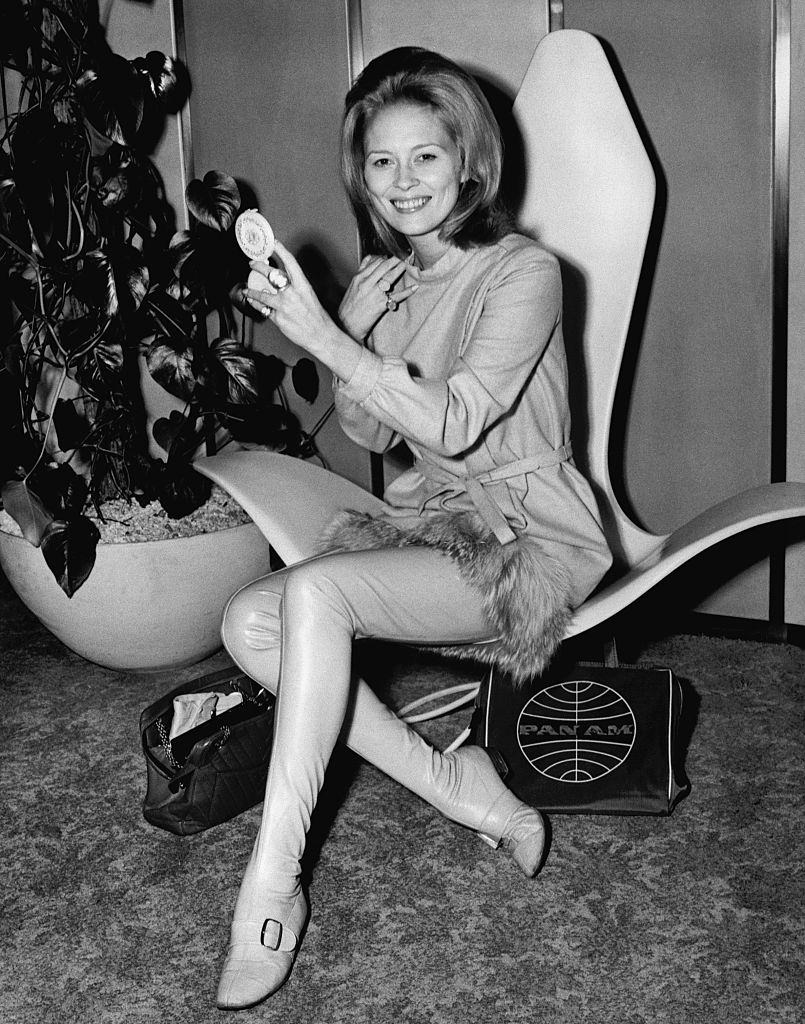
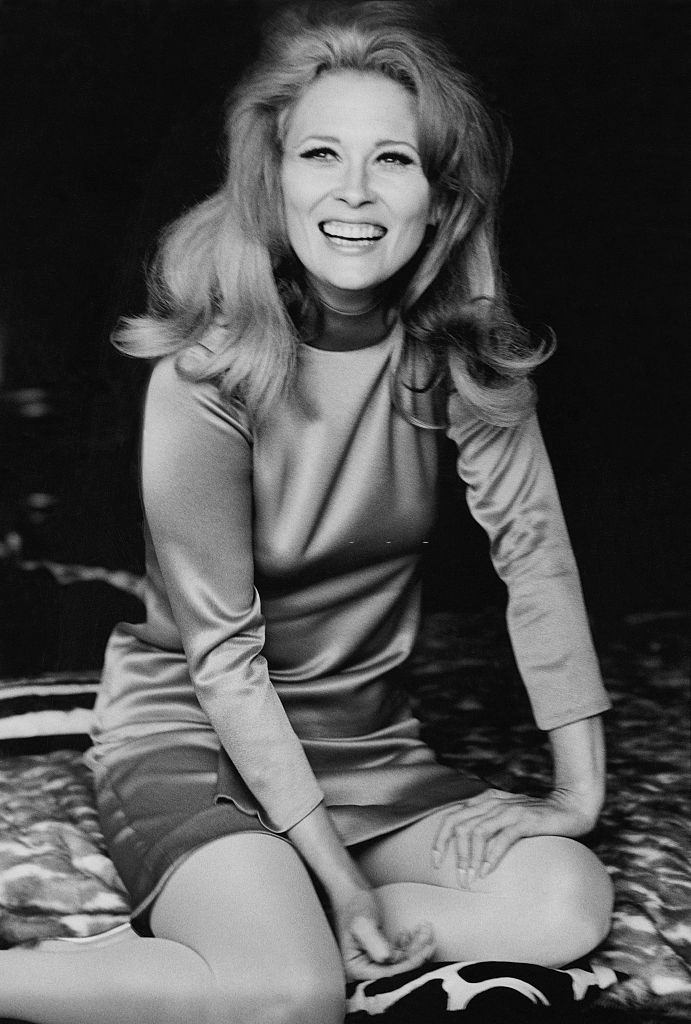
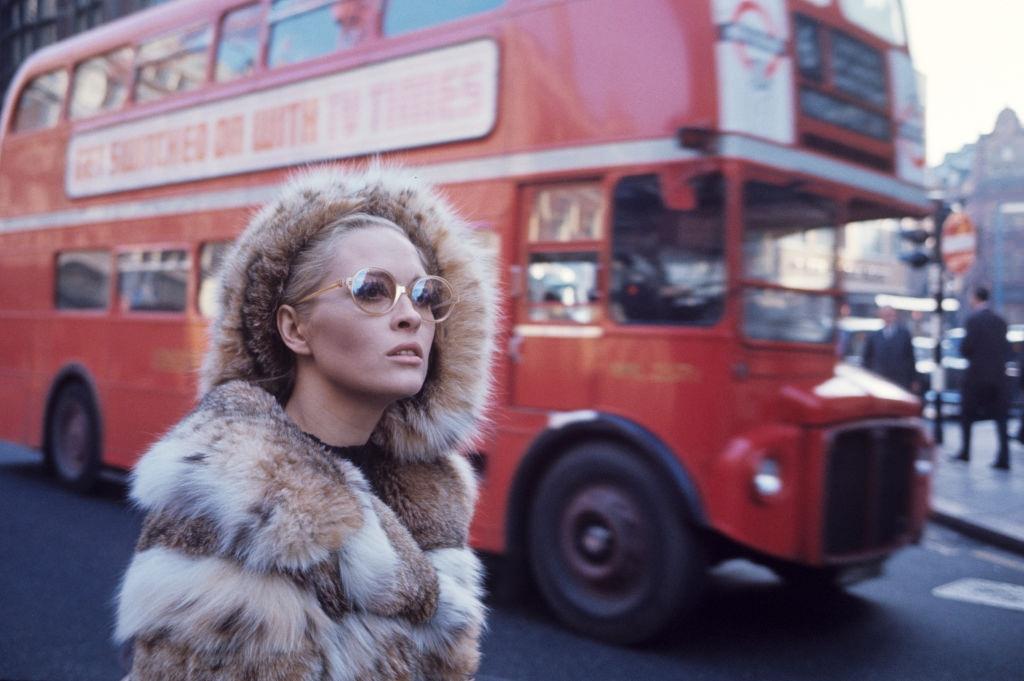
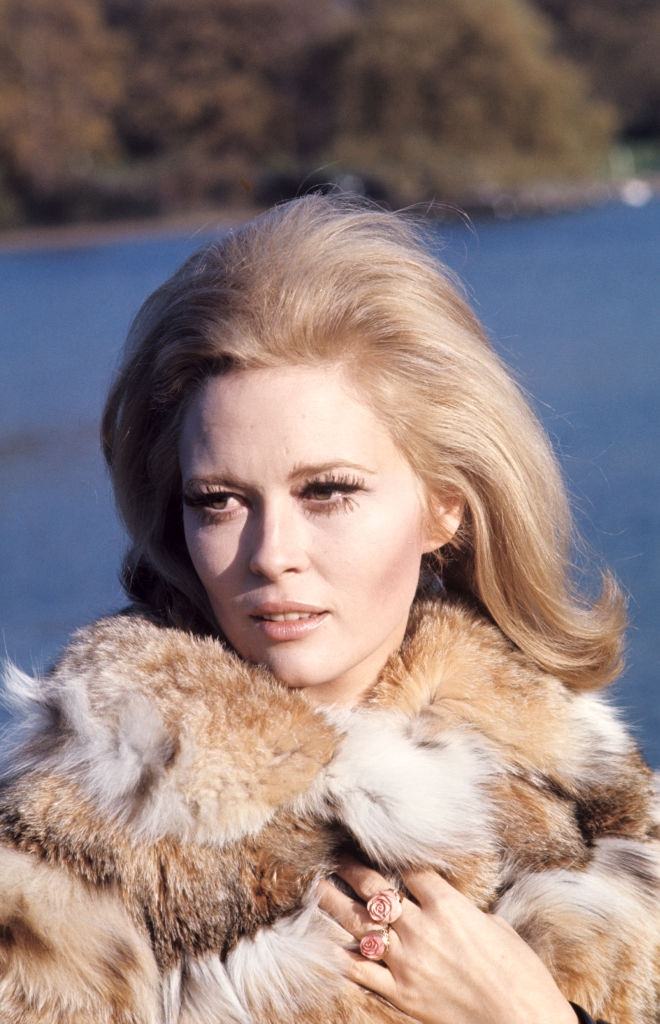
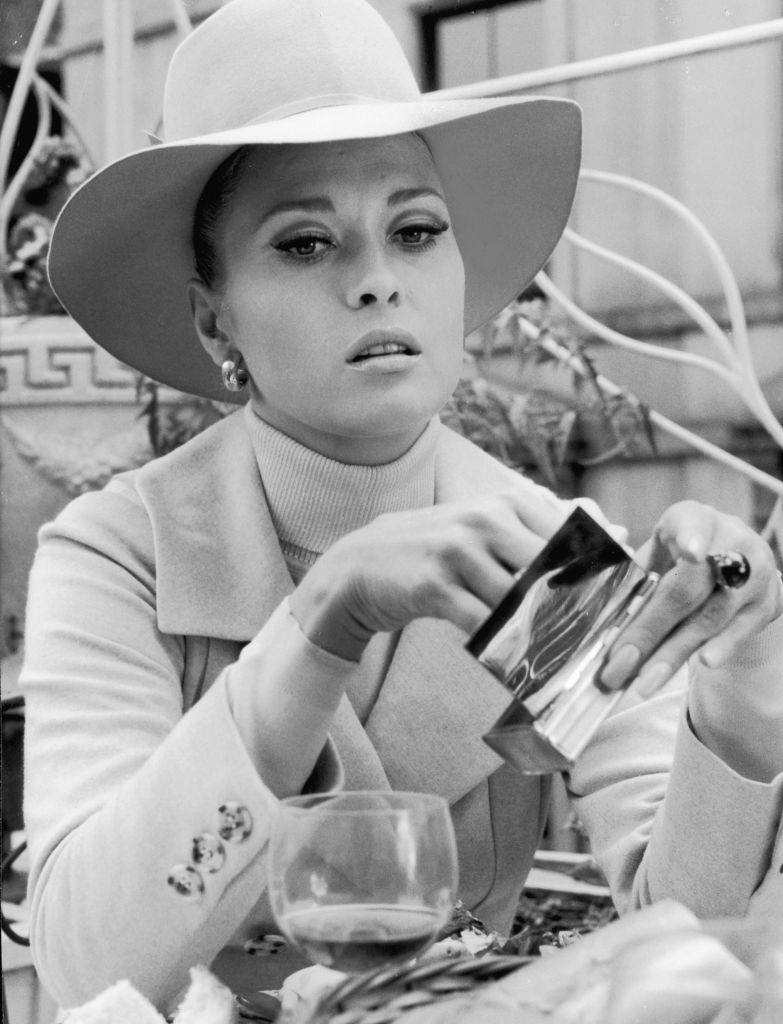
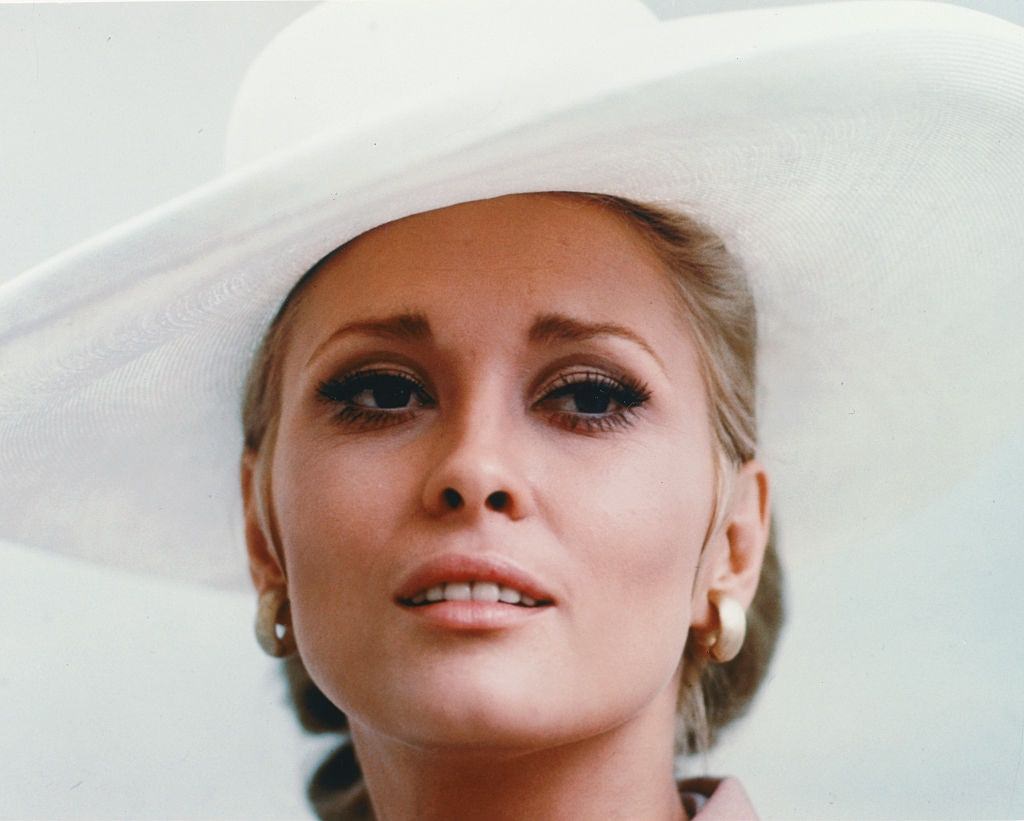
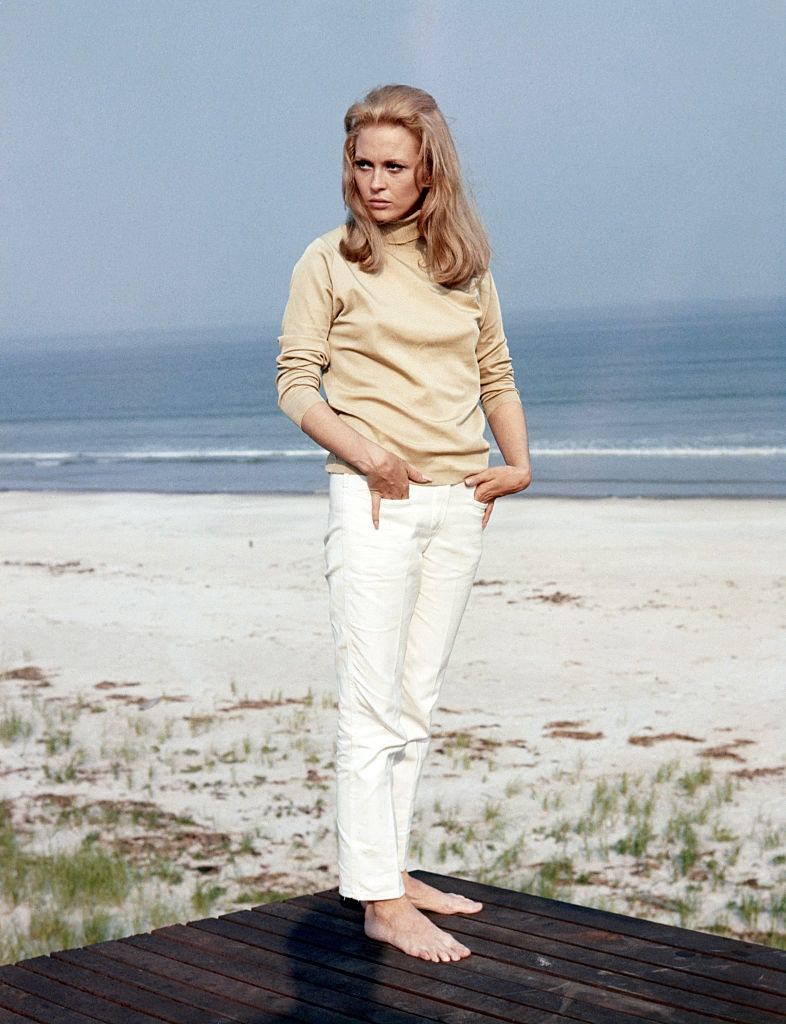
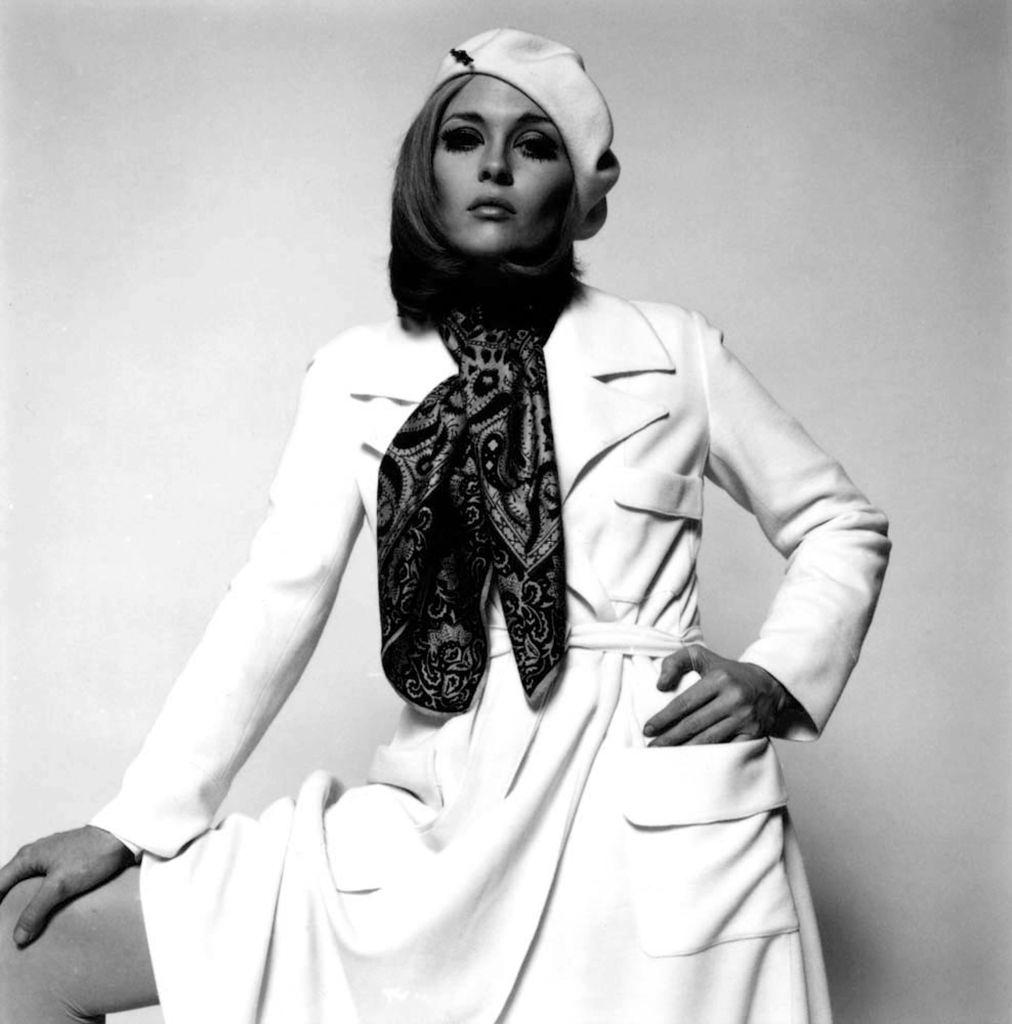
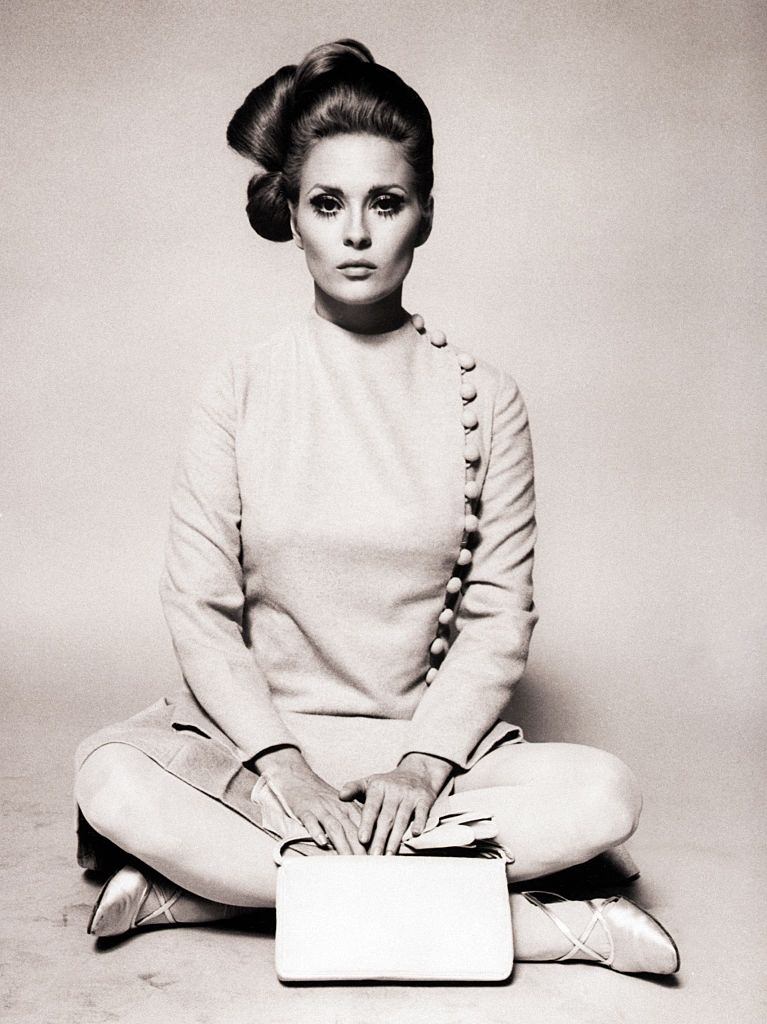
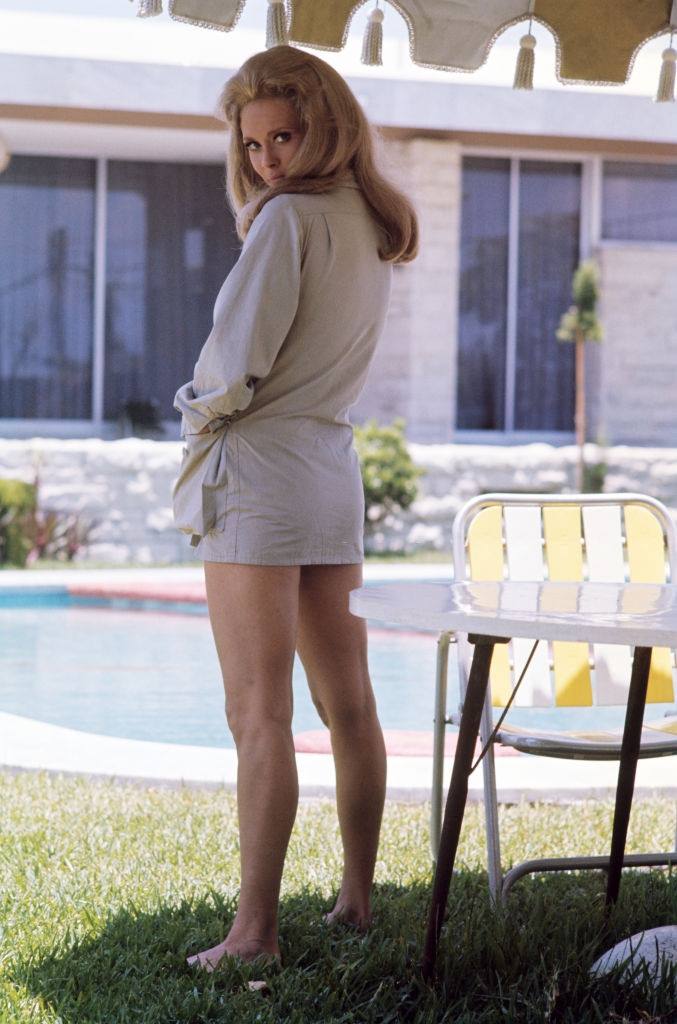
Dunaway was a fixture at Hollywood events throughout 1967, attending premieres for Camelot and Cool Hand Luke, and she was frequently spotted at New York hotspots like The Factory nightclub. Her style during this period was sharp and deliberate — pants suits, satin minidresses, fur coats, and wide-brimmed hats. She dressed with the same intention she brought to her roles.
Her first marriage was to rock singer Peter Wolf in 1974. They divorced in 1979. Her second marriage was to British photographer Terry O’Neill in 1983, and that marriage ended in 1987. After her divorce from O’Neill, she dated English author Frederick Forsyth and later Warren Lieberfarb. In 1995, she published her autobiography, Looking for Gatsby: My Life, which gave readers a candid account of her journey from a small-town girl to a Hollywood star.