Betty Marion White Ludden is one of the most recognized names in American entertainment. Long before she became a household face on prime-time television, she was building her career from the ground up — working in theater, performing on radio, and modeling. Her path to stardom was not a lucky break. It was decades of consistent work that made her one of the most enduring TV personalities in history.

During World War II, Betty stepped away from entertainment to serve her country. She joined the American Women’s Voluntary Services and drove a PX truck — a supply vehicle used to deliver goods to military personnel. It was a hands-on, physically demanding role, and she took it seriously. That sense of duty and dedication carried into every part of her life.


Her personal life in the 1940s moved quickly. In 1945, she married U.S. Army pilot Dick Barker. The marriage lasted only six months. Her second marriage, to Hollywood agent Lane Allen, ended in divorce in 1949. Neither relationship lasted, but Betty kept moving forward professionally, staying focused on building her career in an industry that was still finding its footing.


The 1950s marked a turning point. Betty launched her first television series, “Life With Elizabeth,” a sitcom she developed with writer George Tibbles. The show gave her creative control at a time when women rarely held that kind of power in TV production. It ran successfully and proved that she was not just a performer — she was a force behind the camera as well.


Television was still a new medium in those years, and Betty was one of the people helping to shape what it could be. She appeared on talk shows, variety programs, and game shows with a natural ease that cameras loved. Her timing was sharp, her smile was genuine, and audiences responded to her immediately.


In 1963, Betty married TV personality Allen Ludden. It was the relationship that defined much of her adult life. The two spent 18 years together until Allen died from stomach cancer in 1981. By every account, their marriage was a genuinely close and loving partnership, and Betty spoke openly about him for the rest of her life.


Both Betty and Allen have stars on the Hollywood Walk of Fame, and their stars are placed side by side — a detail that feels fitting for two people who shared so much of their professional world as well as their personal one.


Throughout her career, Betty collected six Emmy Awards and earned 18 Emmy nominations in total. Those numbers place her among the most recognized performers in the history of the medium. Each nomination reflected a different role, a different show, and a different decade — a career that refused to slow down.


Outside of acting, Betty was deeply committed to animal welfare. She volunteered with multiple animal organizations and worked closely with zoos across the country. This was not a passing hobby — it was a lifelong commitment that she treated with the same energy she brought to her professional work.


Her love of animals made it to television too. She hosted a series called “The Pet Set,” which brought celebrities onto the show along with their pets. It was a warm, genuine program that reflected her real-life priorities and gave her a platform to spotlight a cause she cared about deeply.


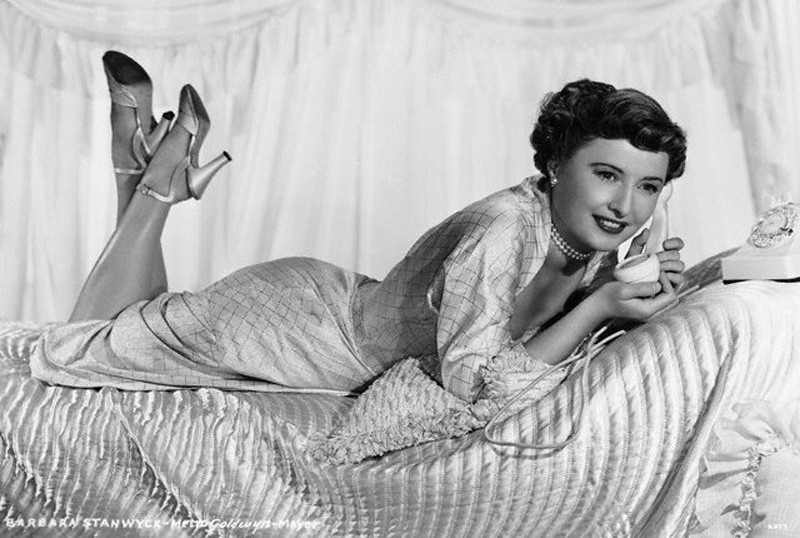
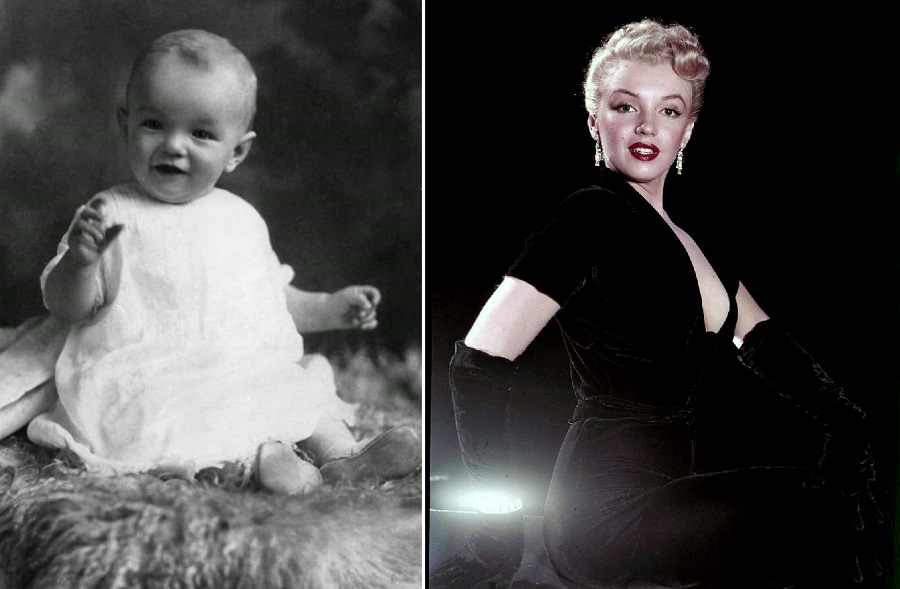
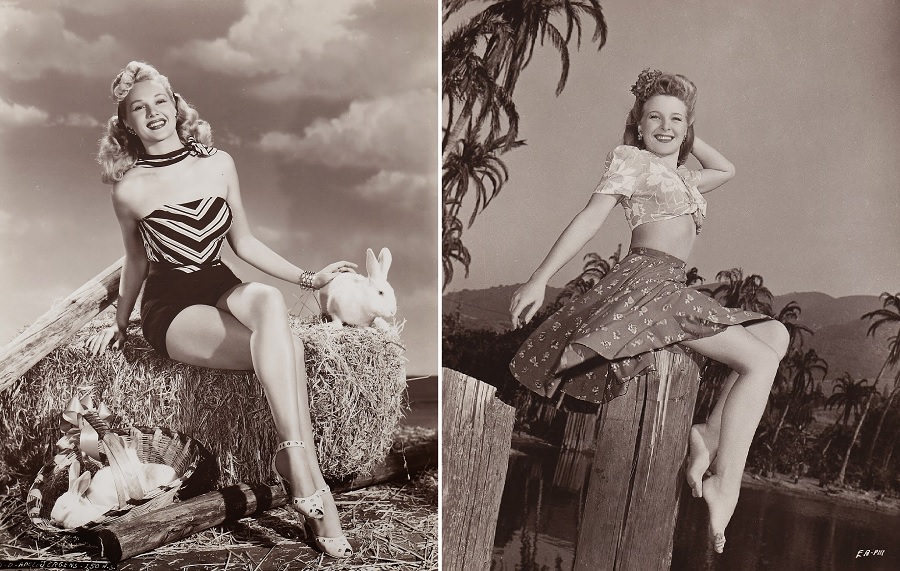
The early photographs of Betty White capture a performer in motion — someone always working, always present, always fully committed to whatever role she was in. These images come from a time when she was still climbing, still building the name that would eventually become one of the most well-known in American television.


What stands out in these photos is how composed and professional she looks even in candid moments. Whether she was on set, at a public appearance, or posing for a formal portrait, she carried herself with confidence. That quality was not manufactured for the camera — it was simply who she was.


Her modeling work from the early years shows a different side of her — polished, stylish, and suited for the fashion sensibilities of the era. These weren’t just publicity shots. They were part of how she paid her dues while waiting for the television world to catch up with her talent.


Radio was one of her first real training grounds. Performing for an audience you cannot see demands a very specific kind of skill — voice, timing, and presence without the help of facial expressions or body language. Betty developed all of that early on, and it gave her an edge when the cameras finally came.


By the time she became a regular on game shows and panel programs in the 1950s and 60s, she was already a seasoned performer. She didn’t stumble into fame. She prepared for it across multiple formats and platforms over many years.


These rare photos are a window into the early chapters of a career that spanned more than seven decades. Each one captures a moment from a time when Betty White was still proving herself — long before the Emmy wins, the Walk of Fame star, and the title many gave her as the first lady of television.