
Audrey Hepburn was ranked by the American Film Institute as the third-greatest female screen legend in Hollywood’s Golden Age. That ranking alone doesn’t capture who she was before the fame — a girl born into European aristocracy, raised through war and scarcity, who clawed her way onto the stage through sheer discipline. These rare photographs trace her journey from infancy in the late 1920s to her early Hollywood years in the 1950s.
She was born Audrey Kathleen Ruston on May 4, 1929, in Brussels, Belgium. Her mother, Ella van Heemstra, was a Dutch baroness. Her father, Joseph Victor Anthony Ruston, was a British-Irish banker. The family moved frequently during Audrey’s early years, living across England, Belgium, and the Netherlands.
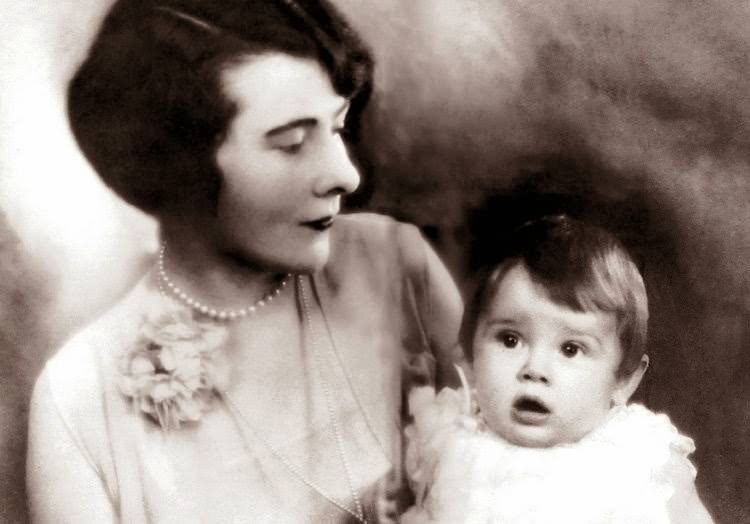
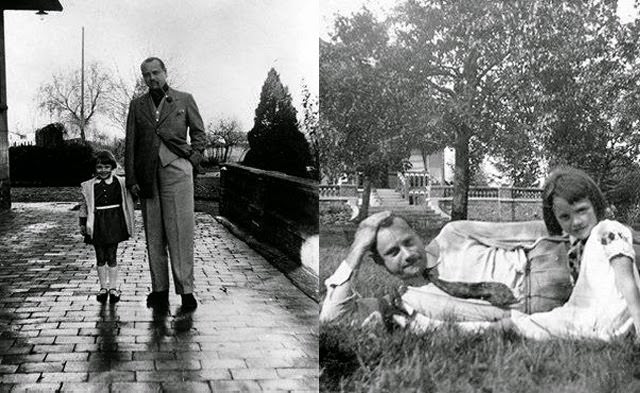
By 1933, the family was settled in Linkebeek, Belgium, where young Audrey spent time with her father before his eventual departure from the family. Joseph Ruston left the household when Audrey was around six years old — an absence she spoke of as deeply painful throughout her life.
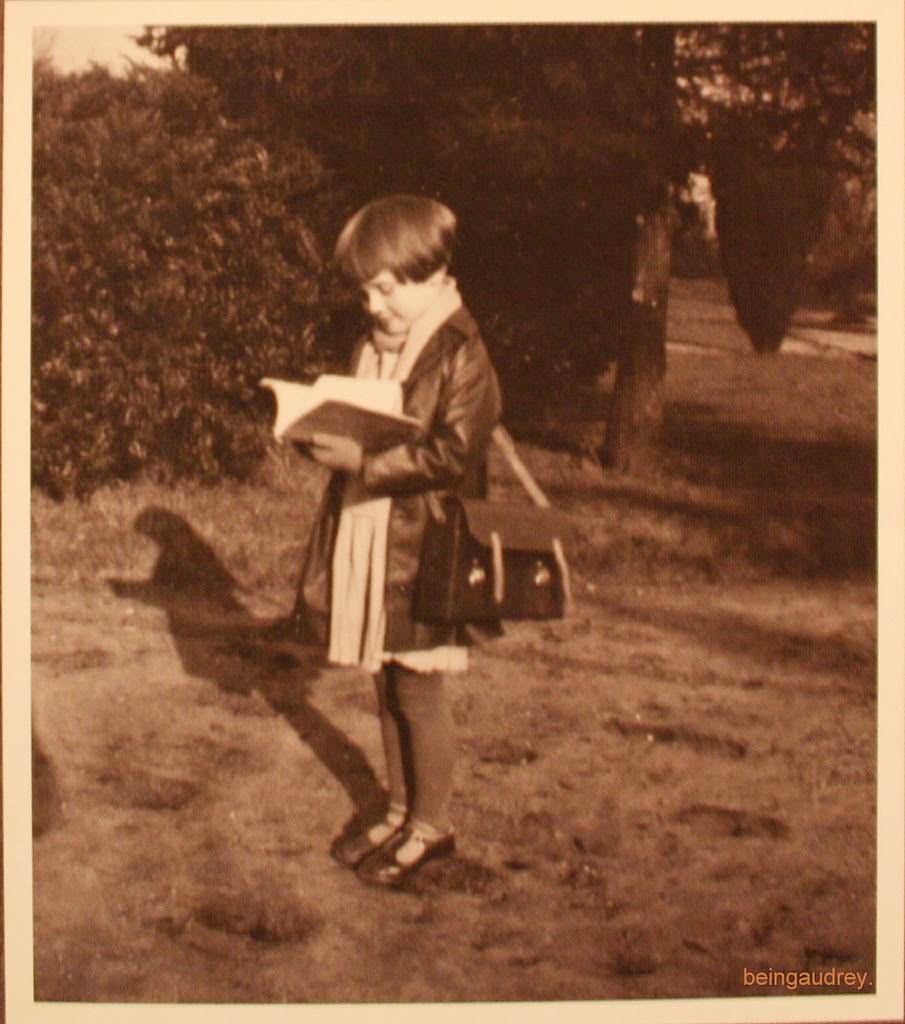
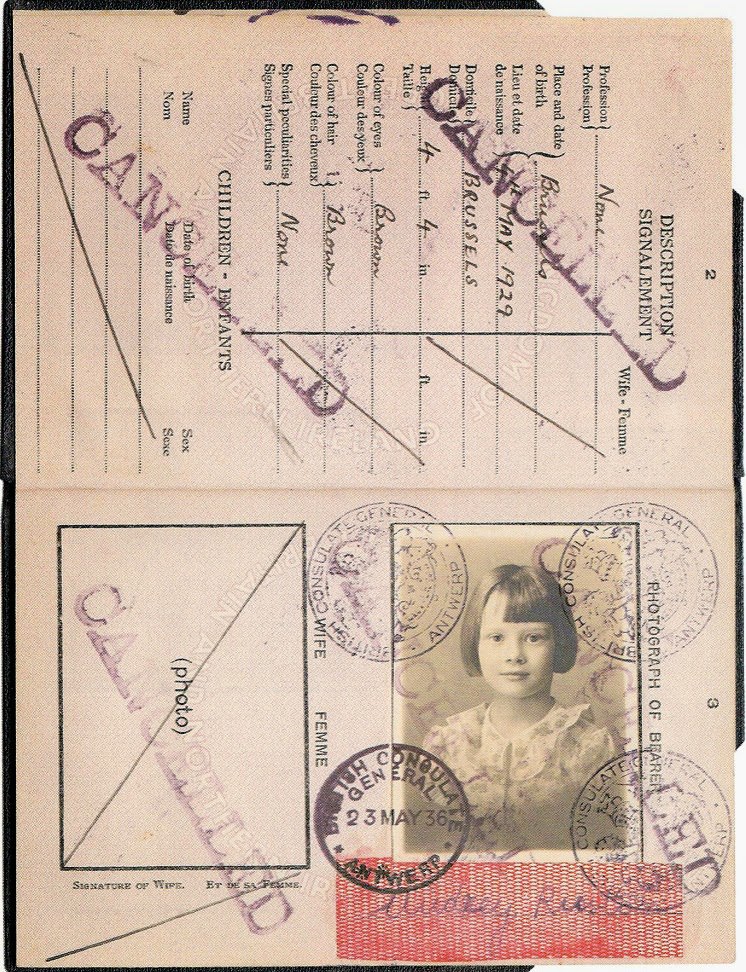
Before she was old enough for a career, Audrey was already accumulating the paperwork of a well-traveled life. Her 1936 passport documents her movement across borders at just seven years old — a childhood defined by mobility across Europe.
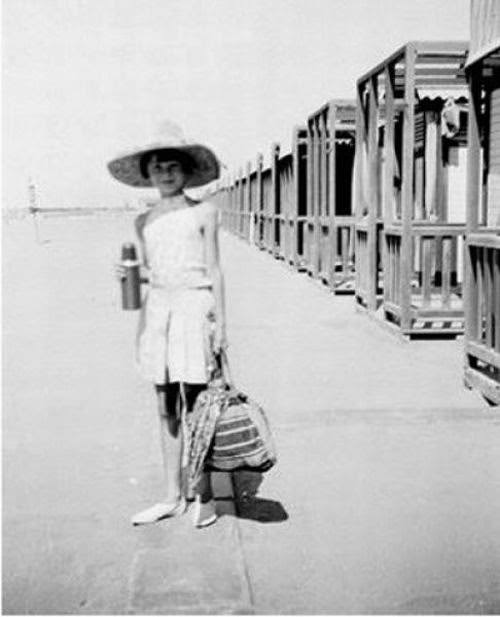
In the summers before World War II, Audrey lived a relatively carefree childhood. She spent time at the beach in 1937, one year before the world shifted dramatically. Within two years, Nazi Germany had invaded Poland, and the conflict would soon consume the Netherlands, where Ella van Heemstra had taken Audrey to live, believing it would remain neutral.
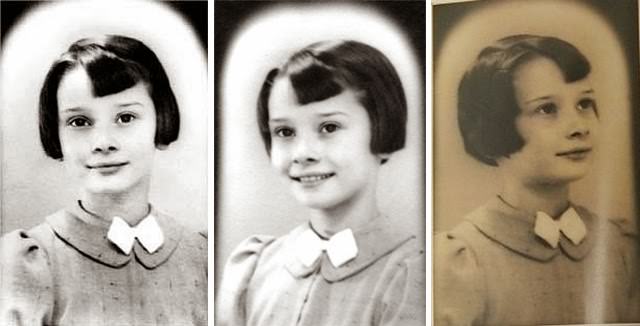
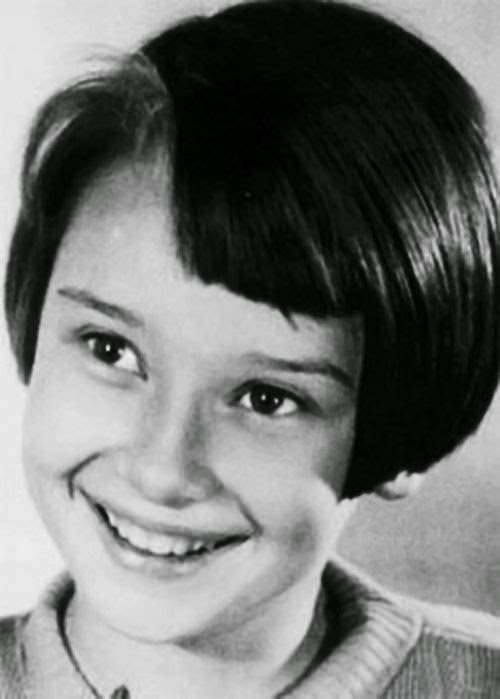
Germany occupied the Netherlands in May 1940. Audrey was ten years old. The family lived in Arnhem, one of the cities that suffered most during the occupation. Food became scarce as the war dragged on. By the winter of 1944, during what the Dutch called the Hongerwinter — the Hunger Winter — Audrey survived on tulip bulbs and other emergency food sources. The deprivation left lasting effects on her health, contributing to the slender physique that would later be called iconic.
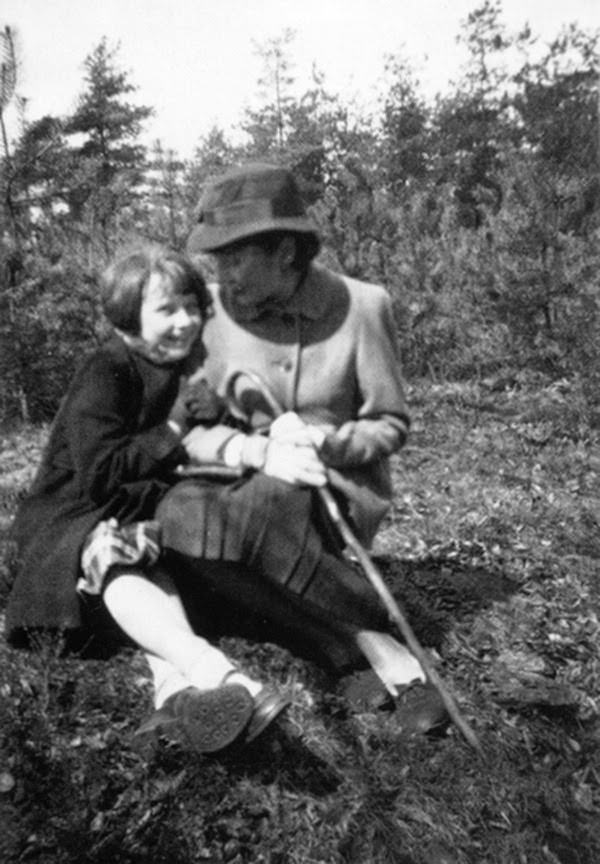
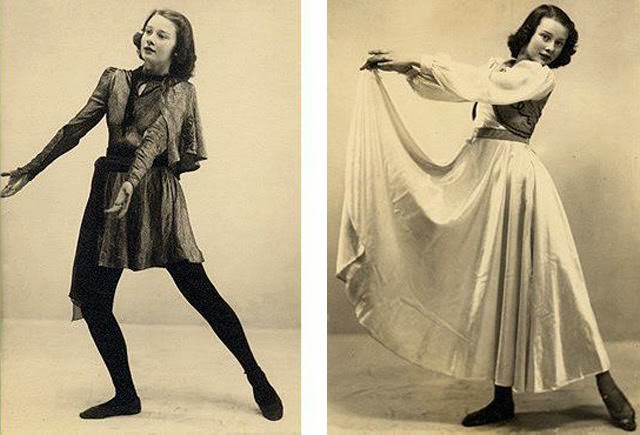
Even during the occupation, Audrey trained as a ballet dancer. She performed in secret benefit shows to raise money and support for the Dutch resistance. These performances were held quietly — public gatherings could attract German attention, making them dangerous. Audrey danced anyway.
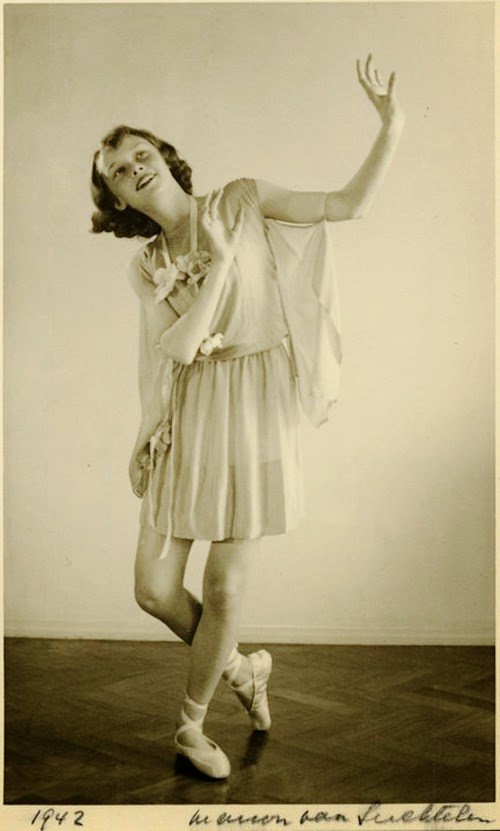
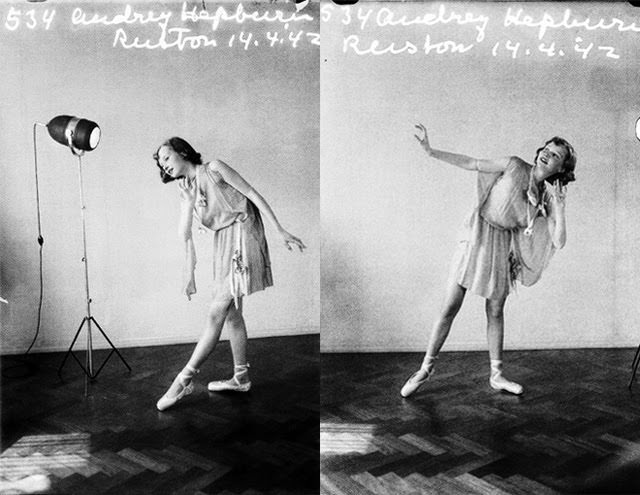
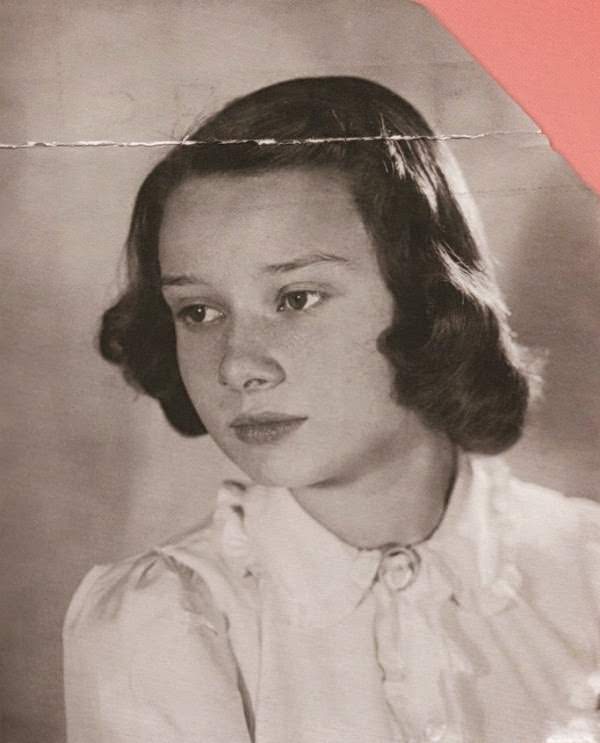
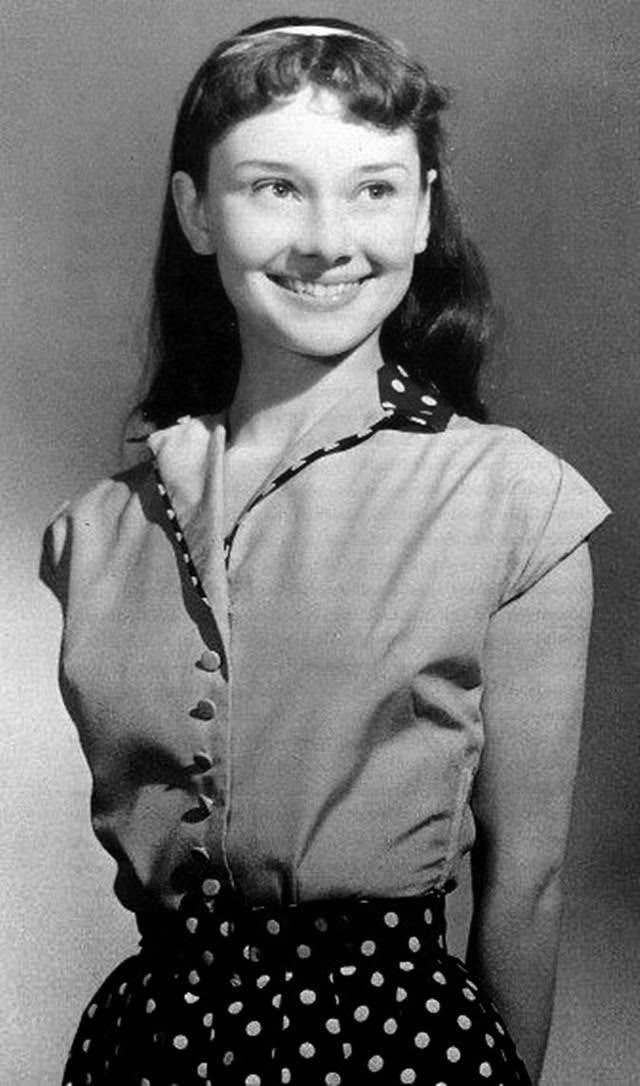
By 1944, Allied forces were pushing toward the Netherlands. The Battle of Arnhem — part of Operation Market Garden — brought heavy fighting directly to the city where Audrey lived. She was fifteen years old and dancing in recitals even as the war reached its most destructive phase around her.
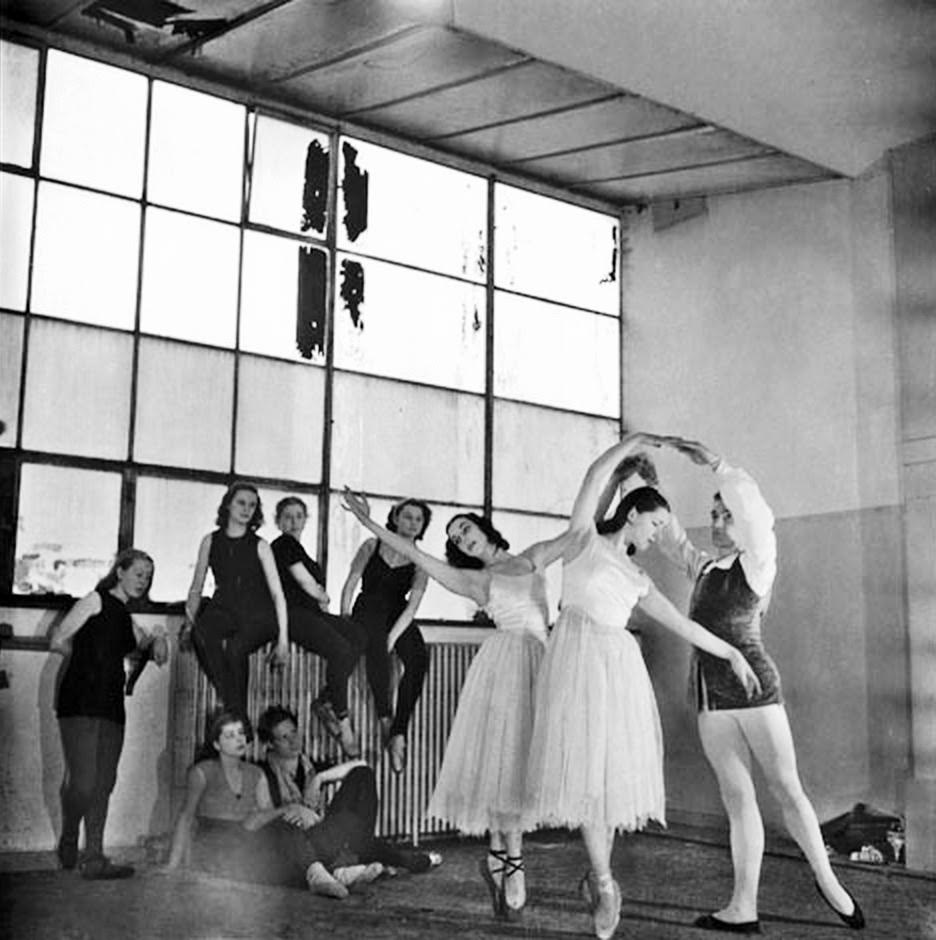
After liberation in 1945, Audrey continued her ballet training under the Dutch choreographer Sonia Gaskell in Amsterdam. Gaskell’s studio on Zomerdijkstraat was a serious training ground, and Audrey was among the dedicated students who worked at the barre there in the immediate postwar years.
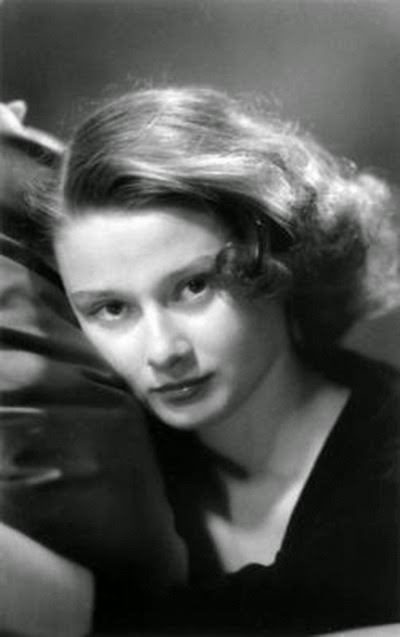
By 1946, Holland was free. Audrey was seventeen and already being photographed as a young woman with a striking presence. That same year, her British passport was issued — a document that reflected her decision to pursue opportunities in London rather than stay in the Netherlands. A Dutch photographer captured her around the same time, likely at the Arnhem Conservatory where she had been taking dance lessons.
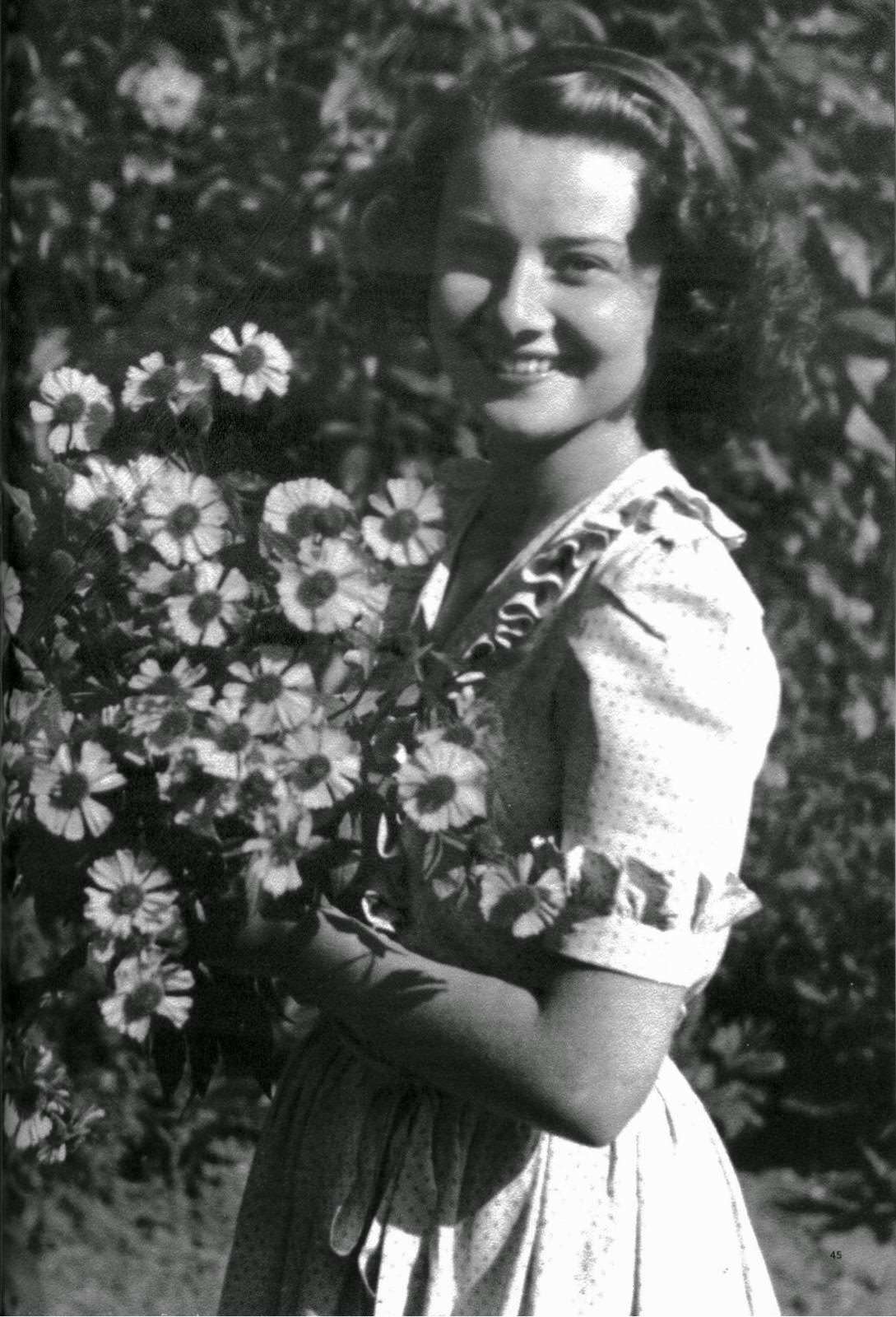
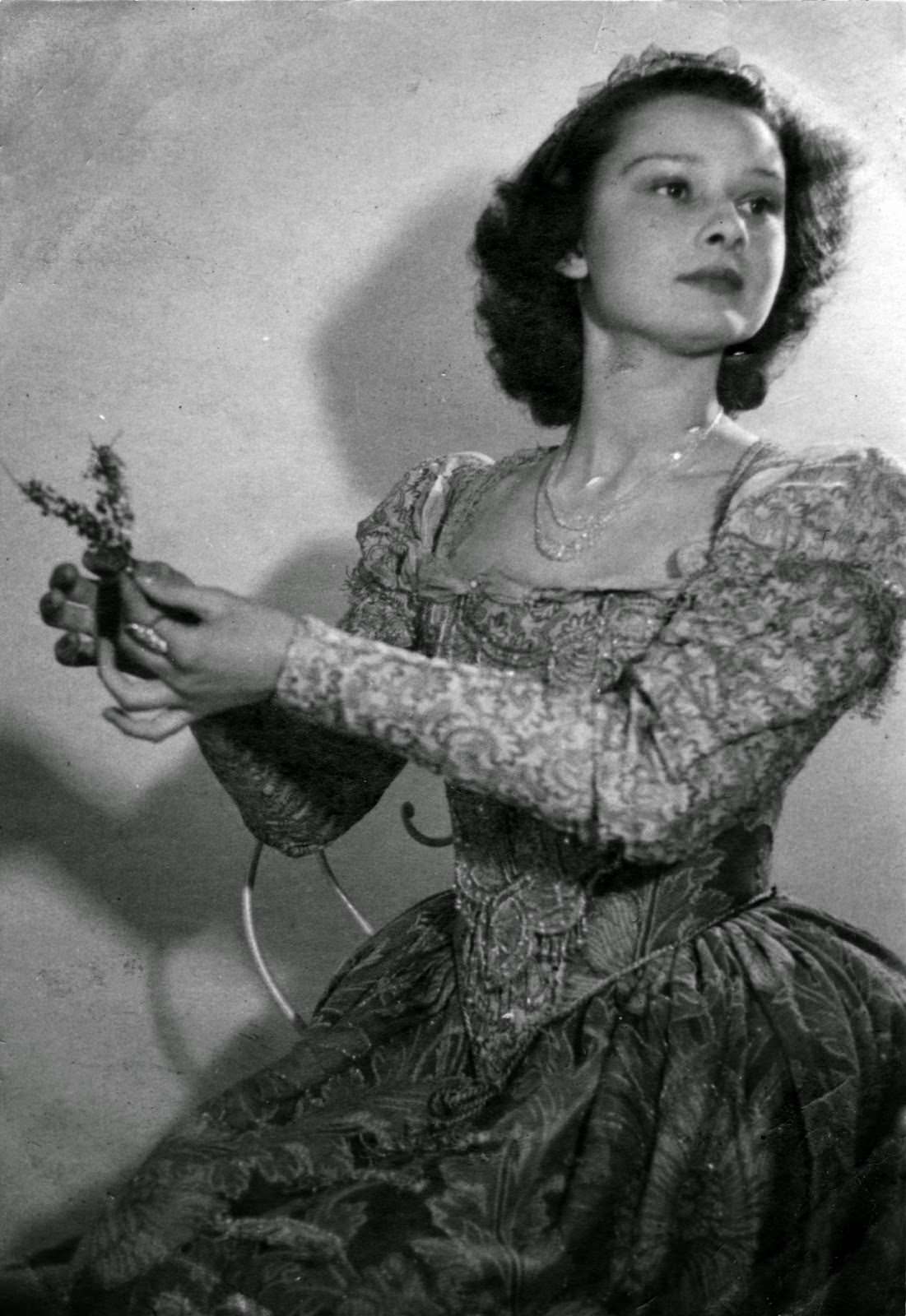
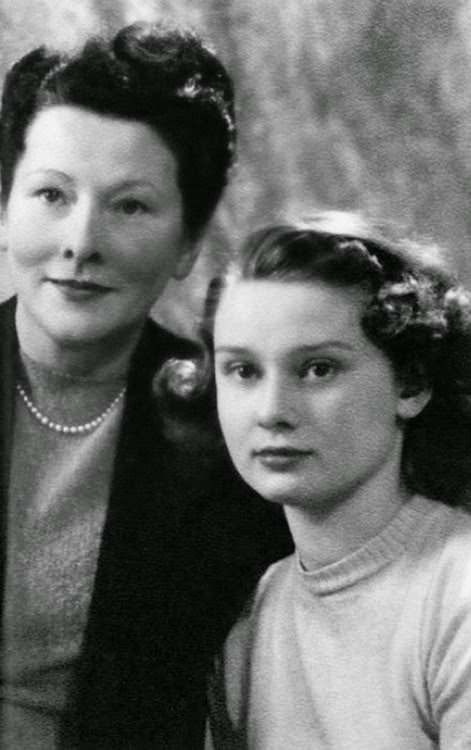
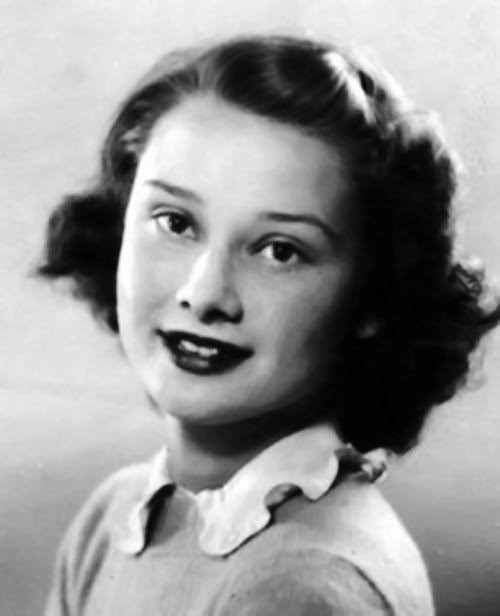
Audrey also began modeling in 1946, picking up work to help support herself and her mother. These early modeling photographs show a teenager with a natural ease in front of the camera — a quality that would serve her well as her career expanded.
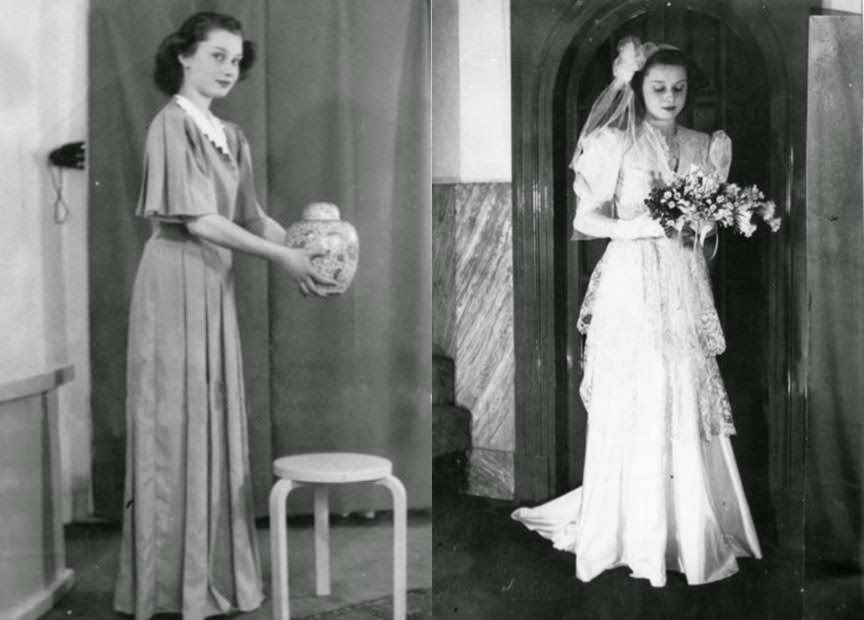
In 1948, Audrey made her film debut playing an air stewardess in the Dutch travelogue *Dutch in Seven Lessons*. That same year, she auditioned for chorus roles in West End musical theater productions in London, including *High Button Shoes*. These auditions marked the real start of her stage career.
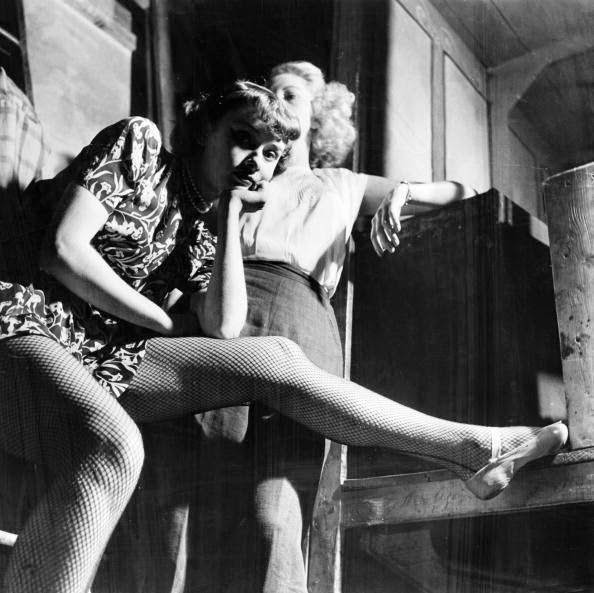
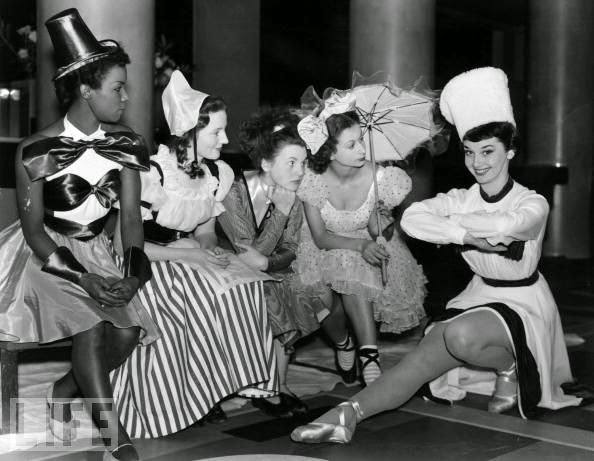
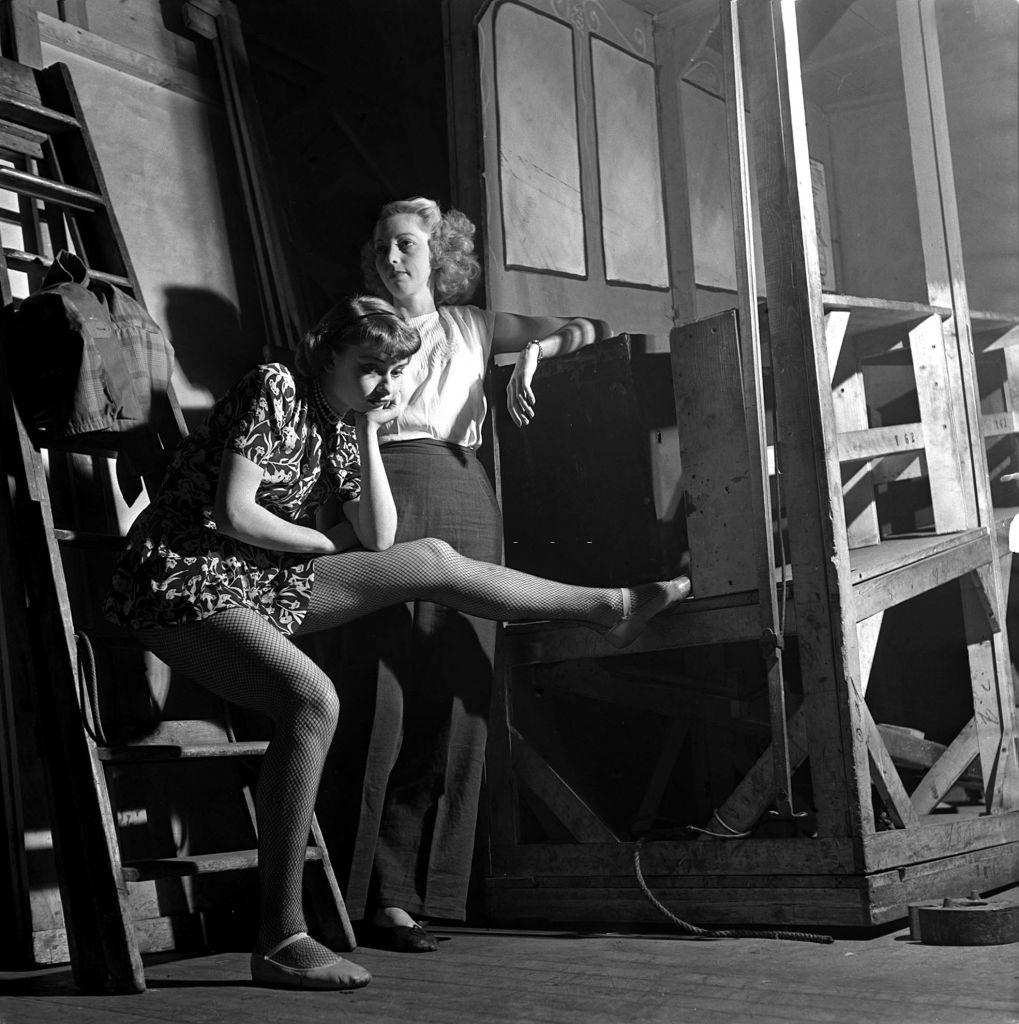
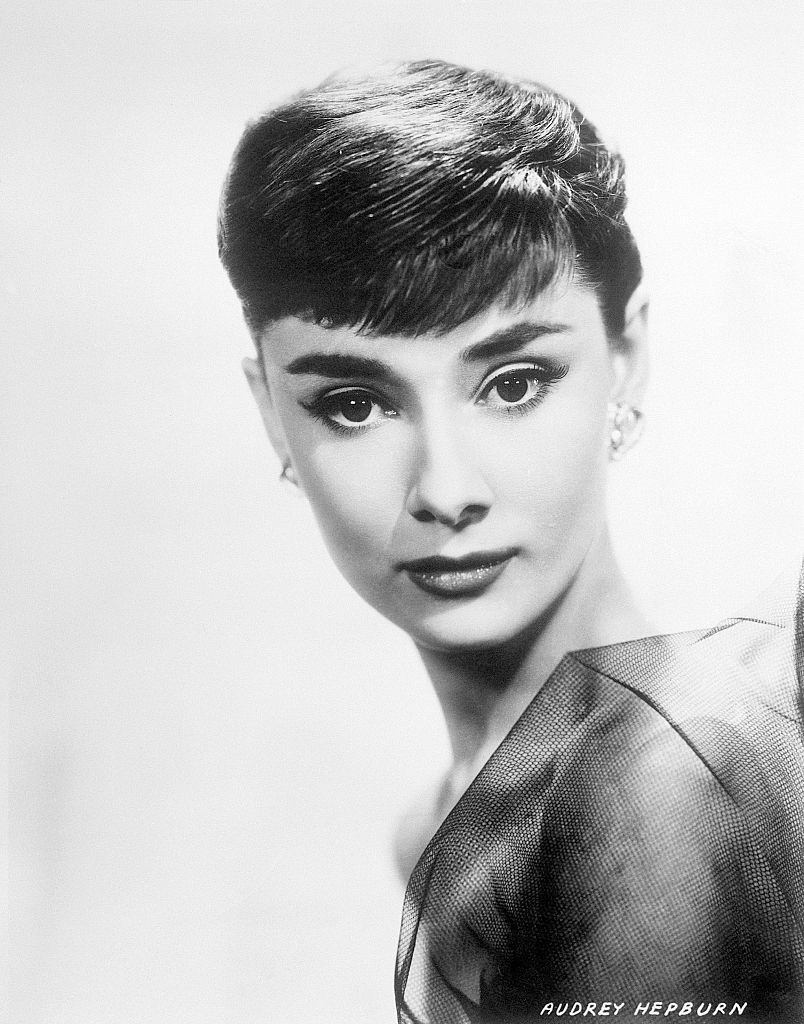
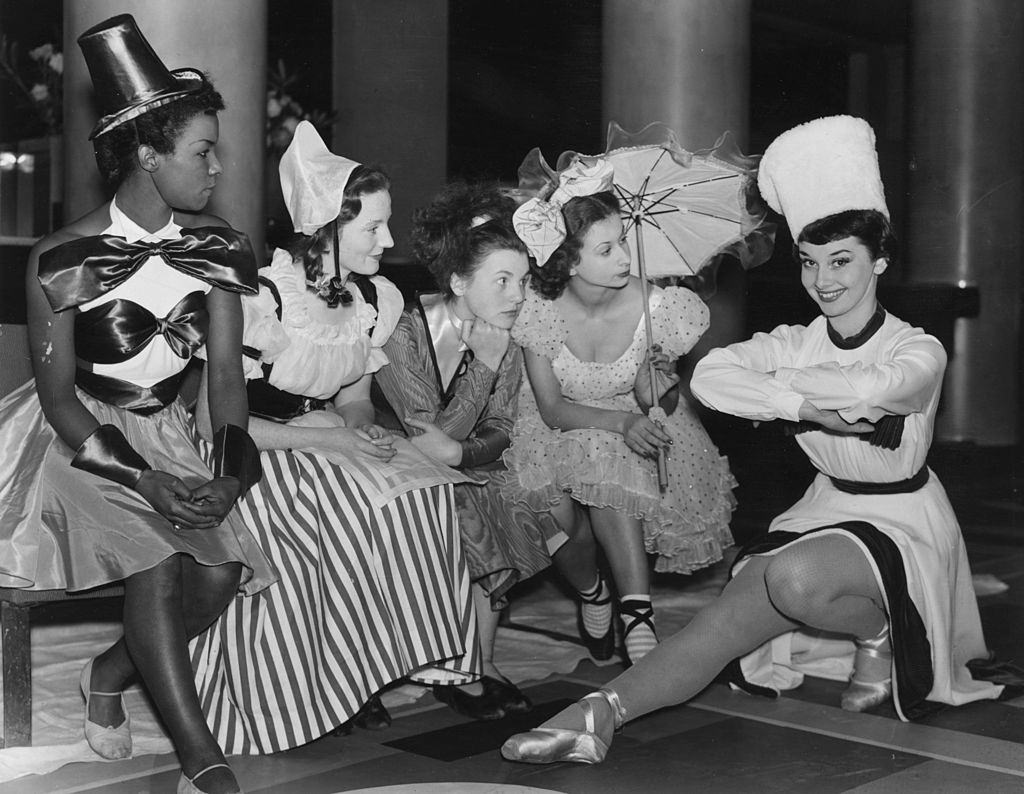
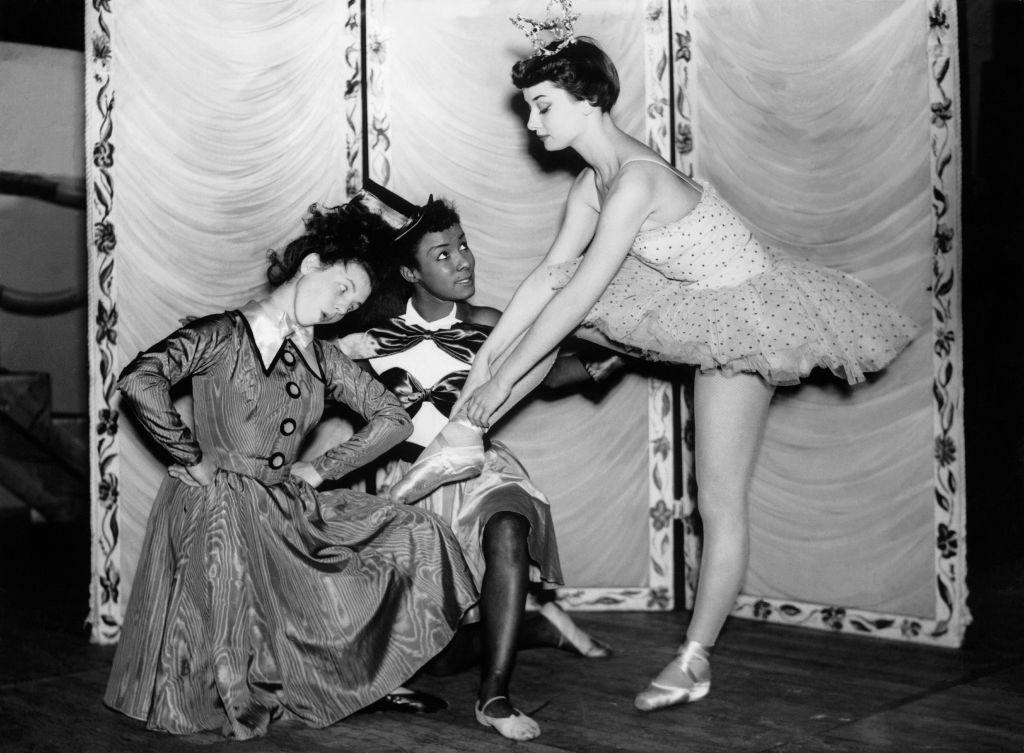
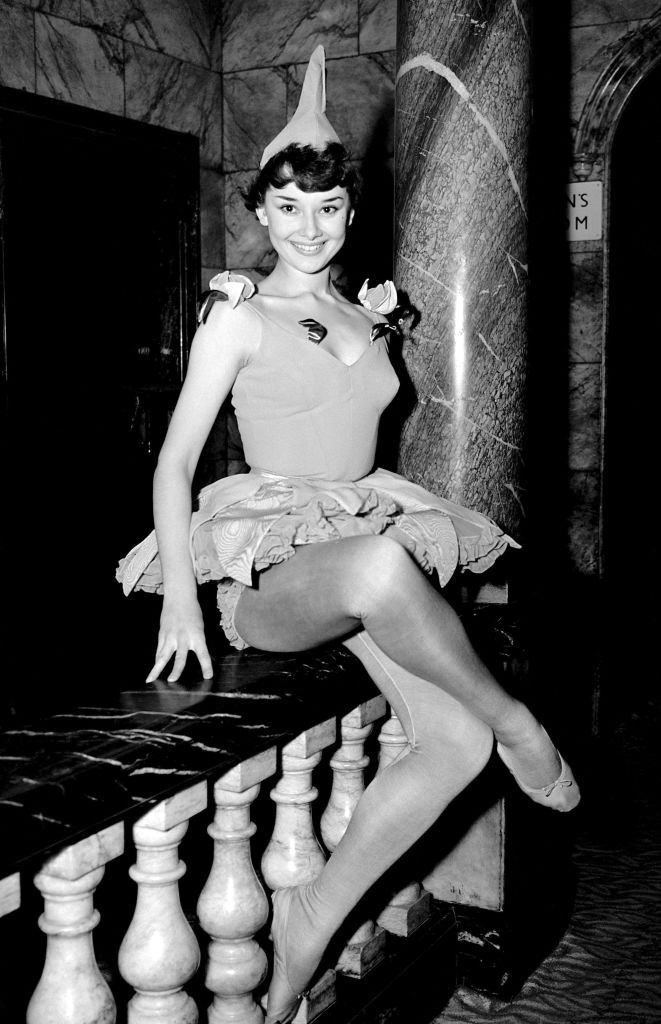
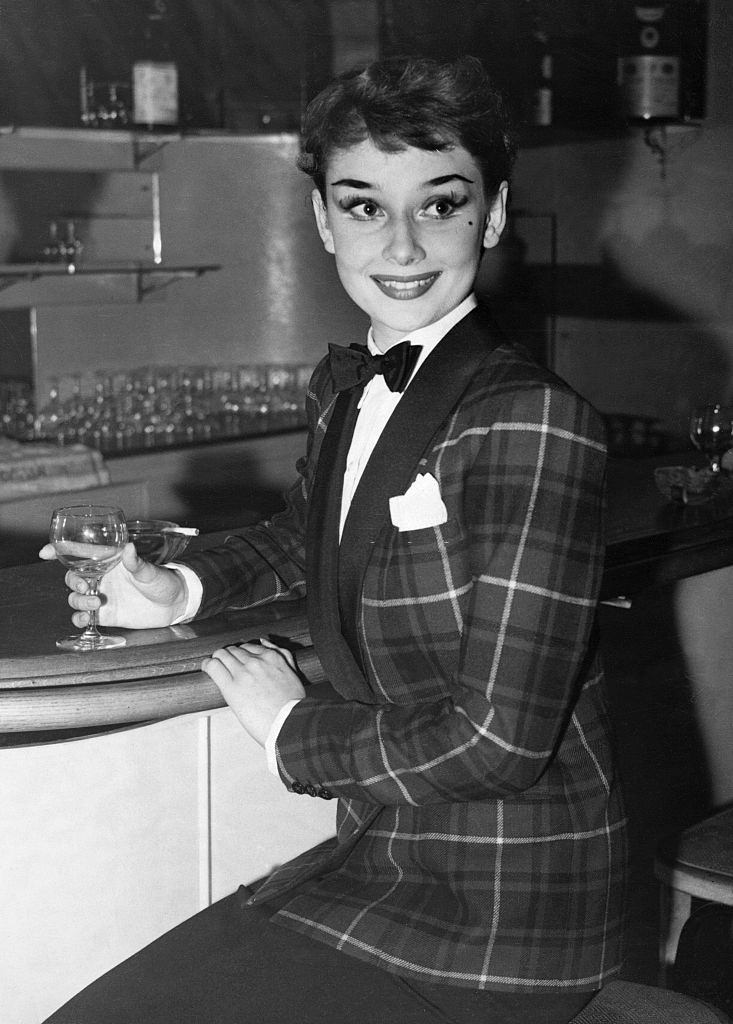
Audrey’s work on the London stage in 1949 included the revue *Sauce Tartare* at the Cambridge Theatre, where she appeared alongside a rotating cast of fellow performers. Behind the scenes, she built friendships with other chorus members and spent her downtime on rooftops, in rehearsal rooms, and in character costumes between shows.
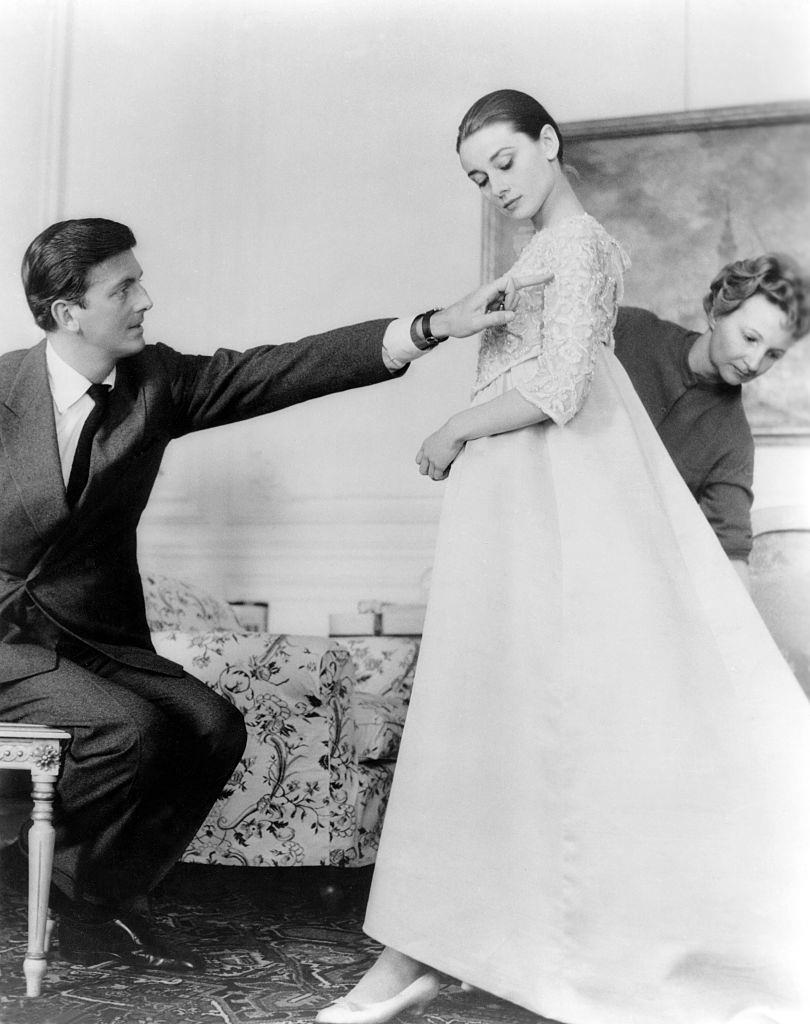
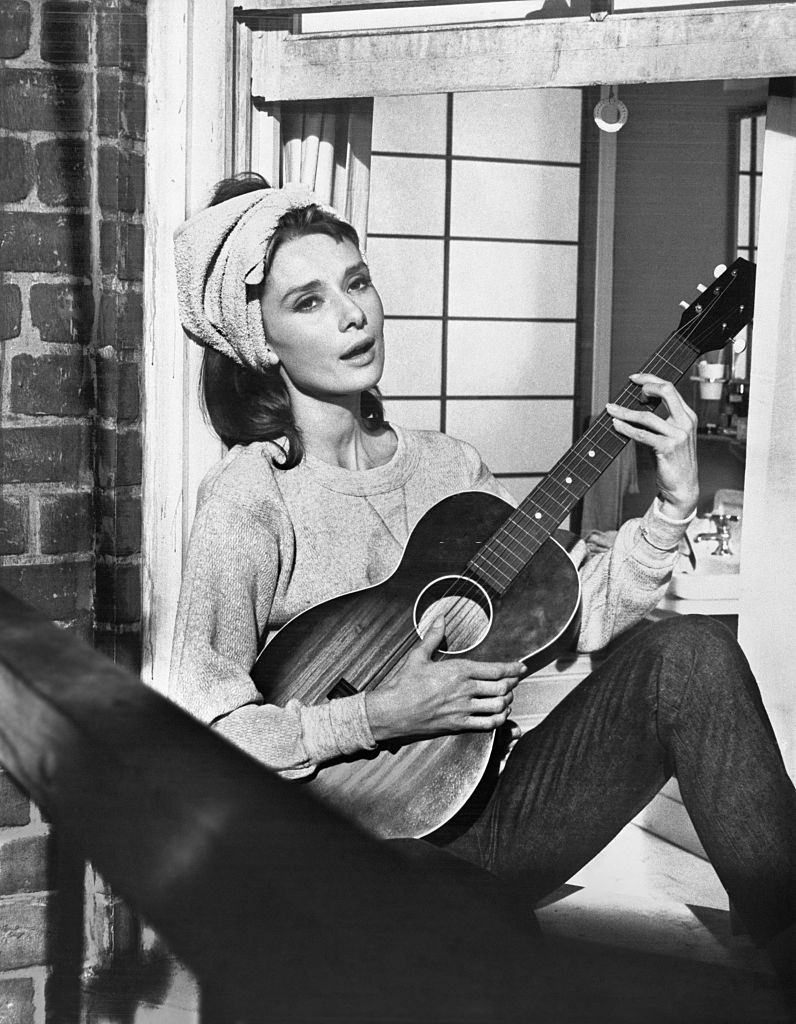
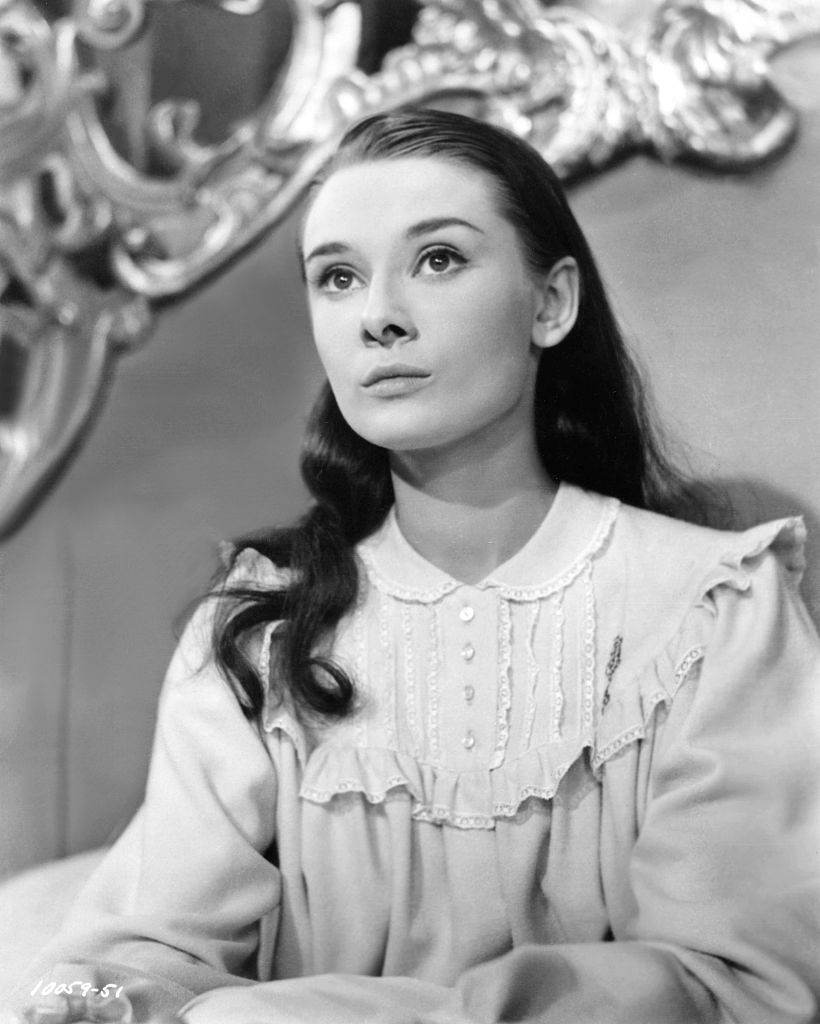
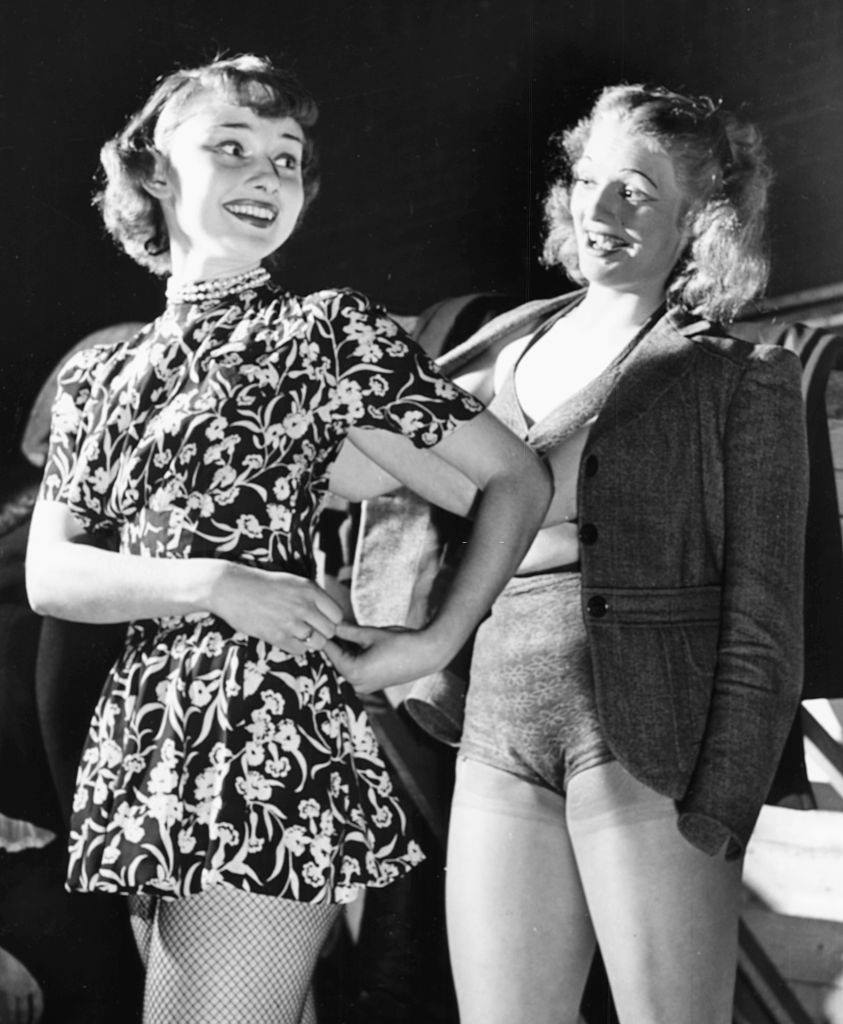
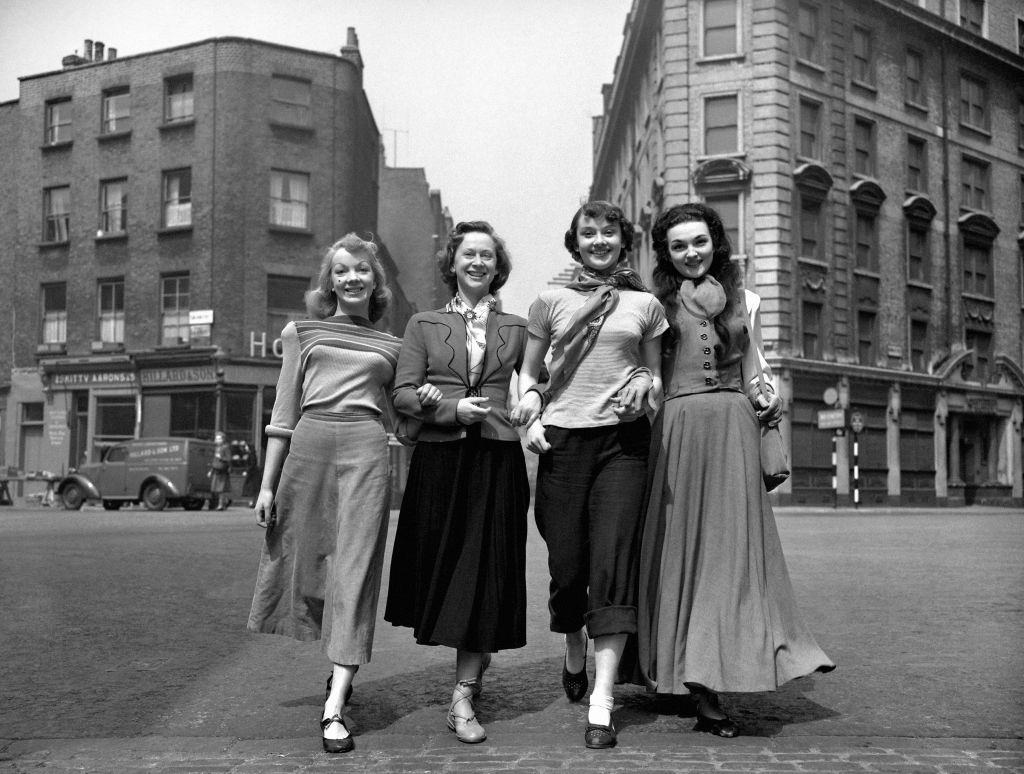
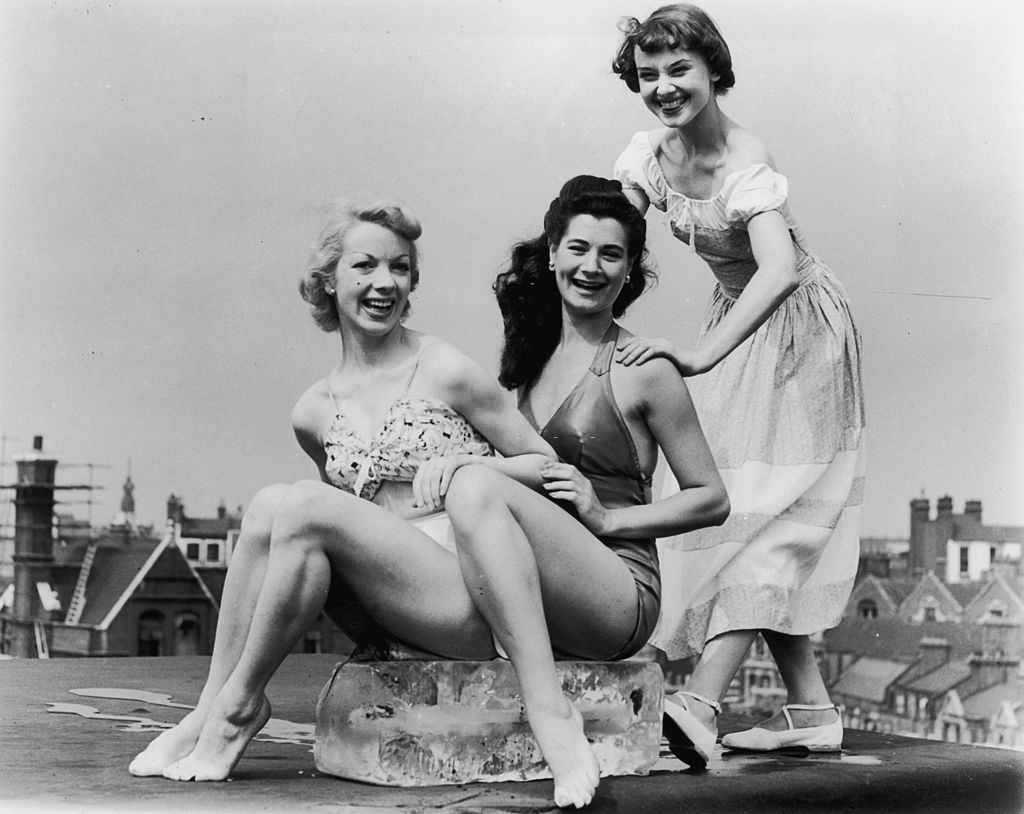
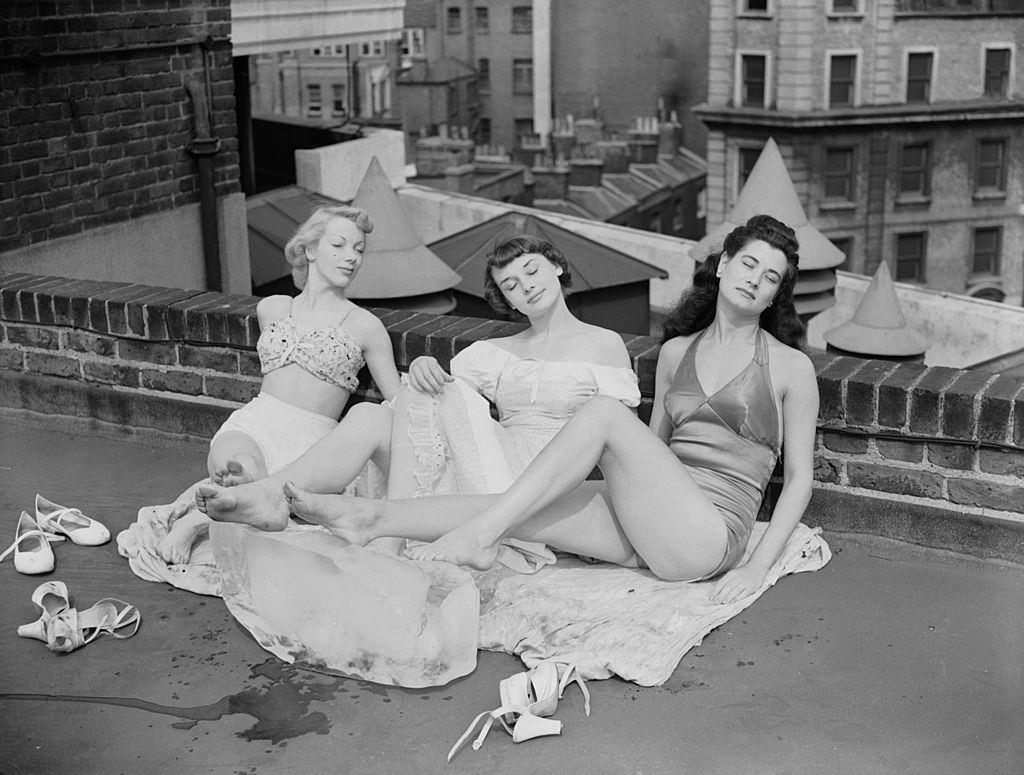
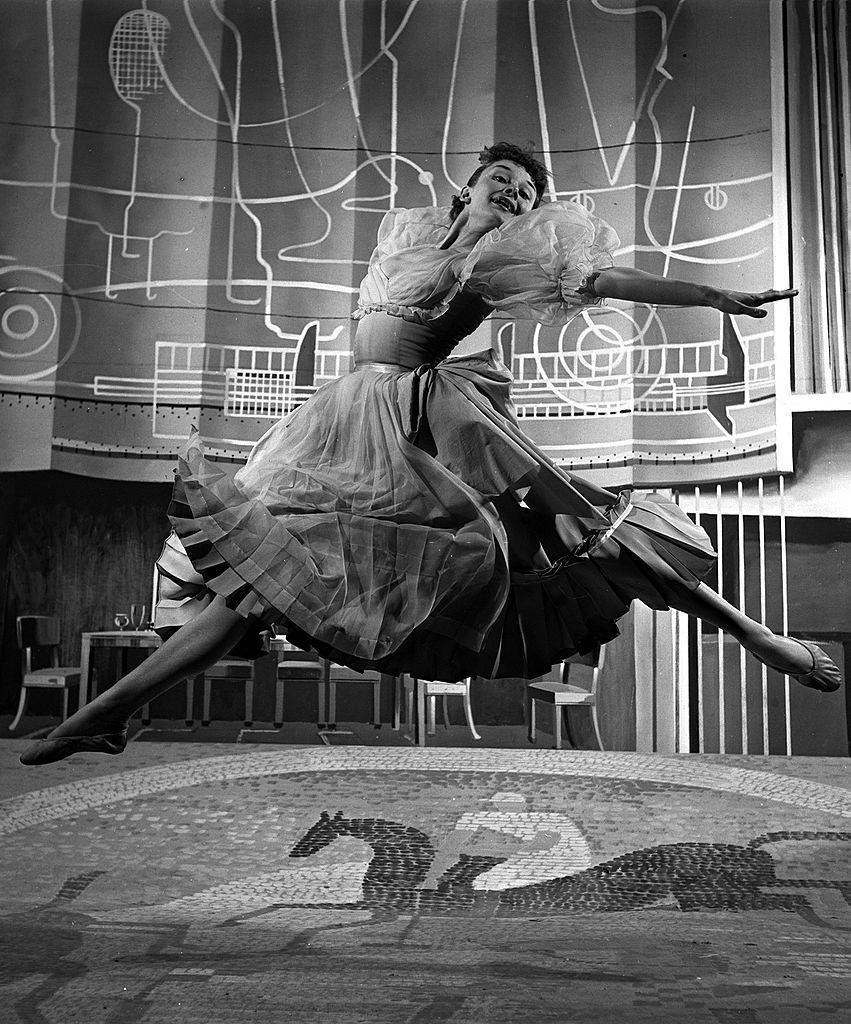
As the 1940s turned into the 1950s, Audrey’s profile grew steadily. She trained hard at the barre, kept up her modeling work, and took on new stage roles. Photographs from these years show a young woman fully in command of her posture and presence — the result of years of ballet training that started in wartime Holland.
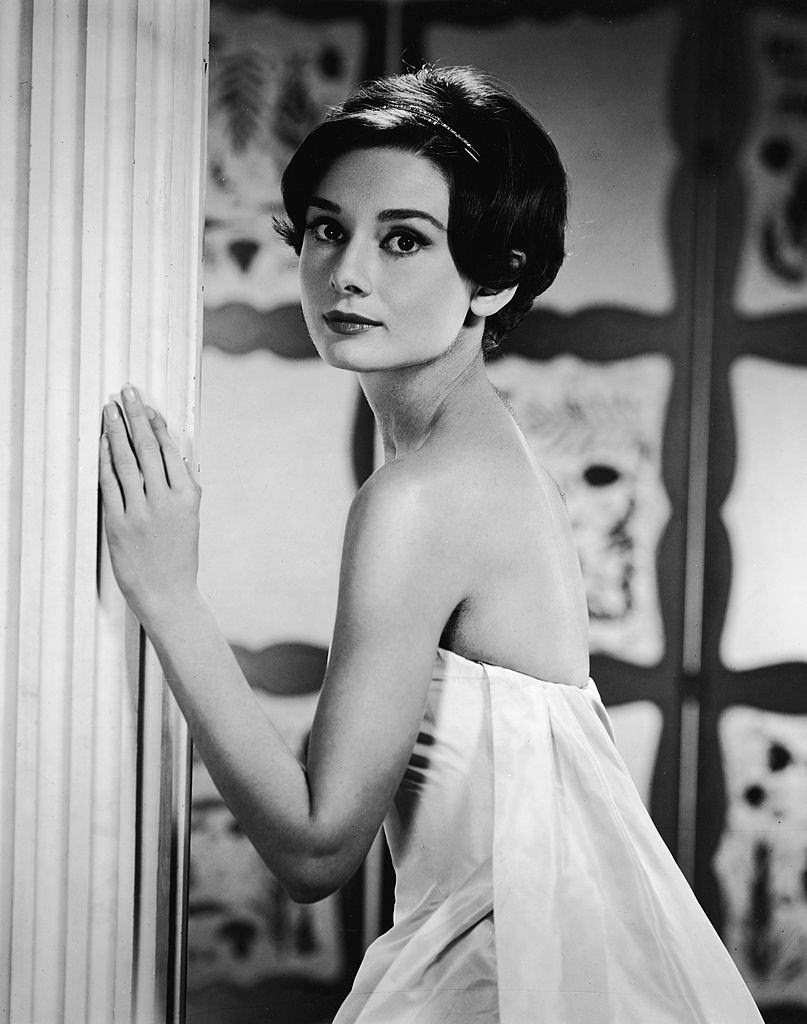
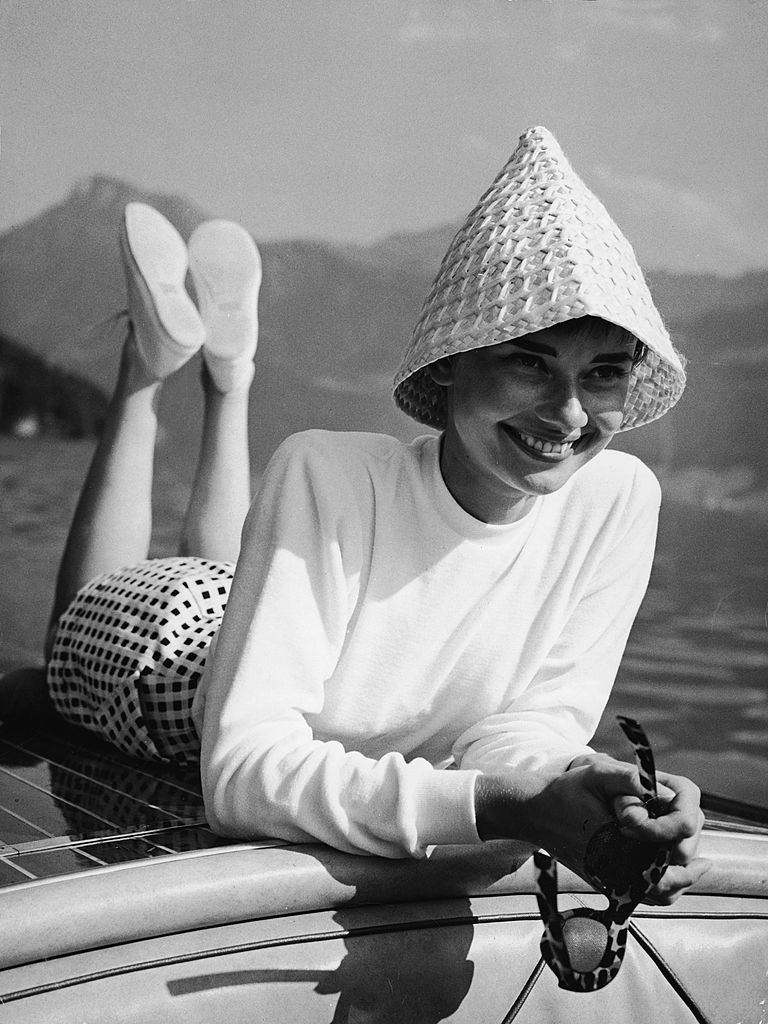
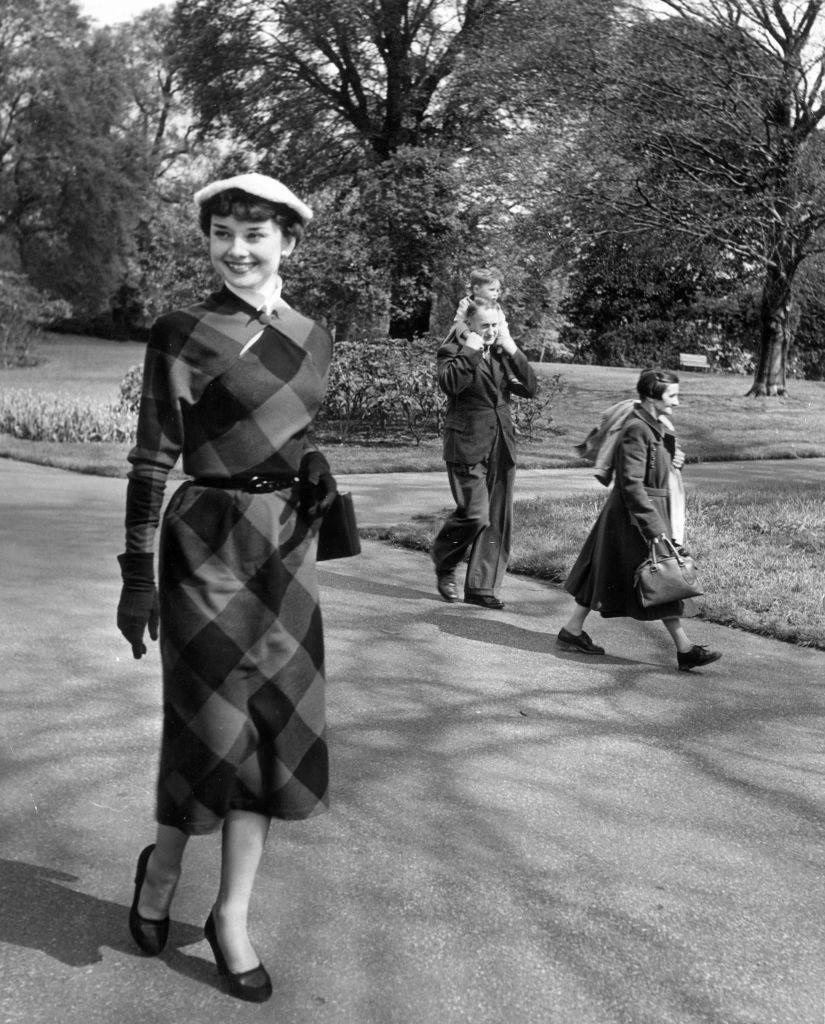
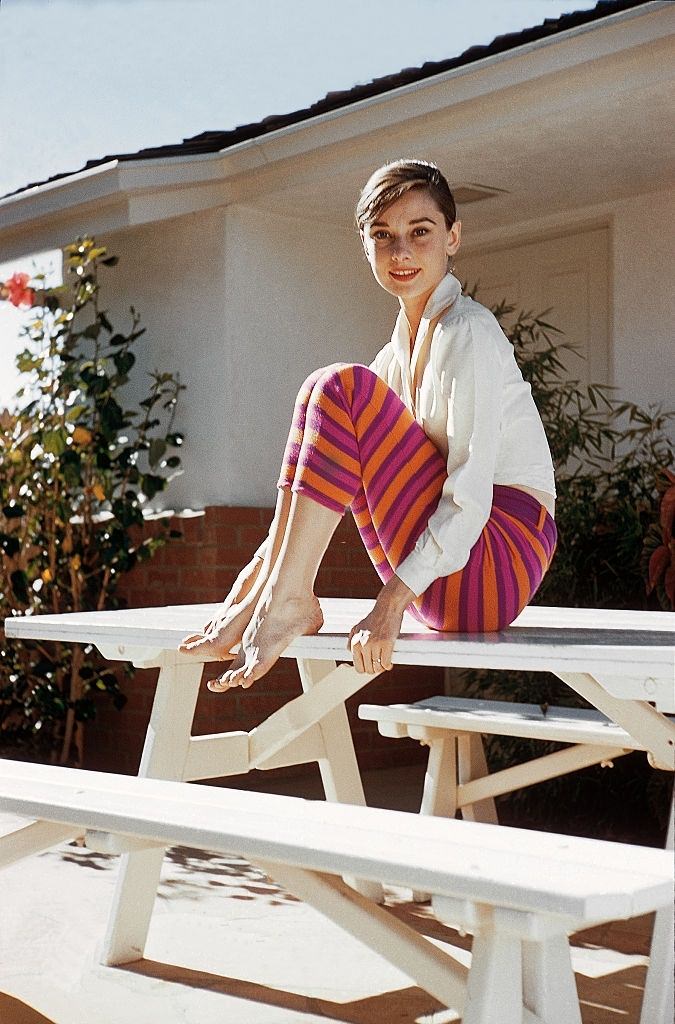
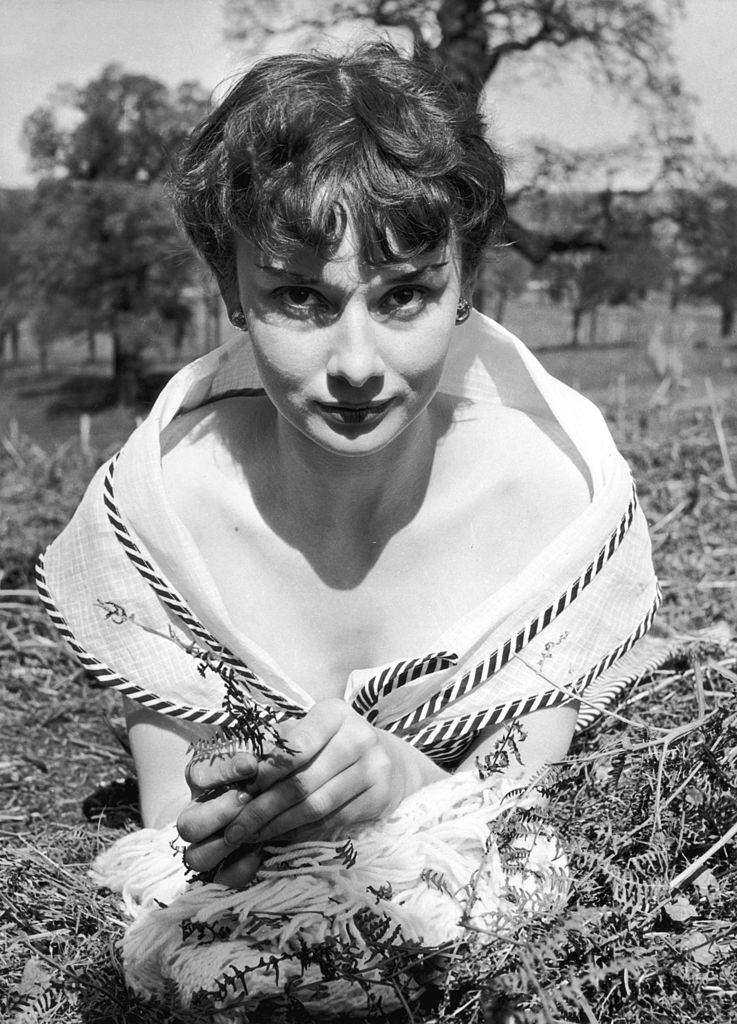
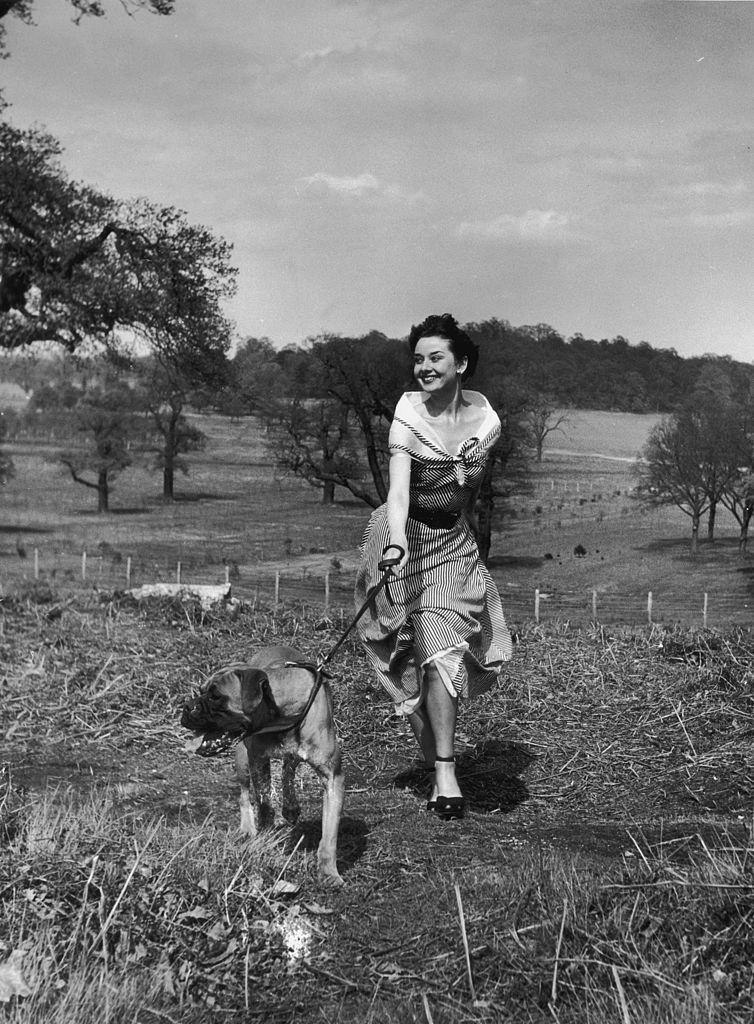
In May 1950, Audrey was photographed in London’s Richmond Park and Kew Gardens — casual, unguarded images that capture a young actress in the quiet stretch before stardom. She walked her dog, strolled through green spaces, and posed with the ease of someone comfortable in her own skin.
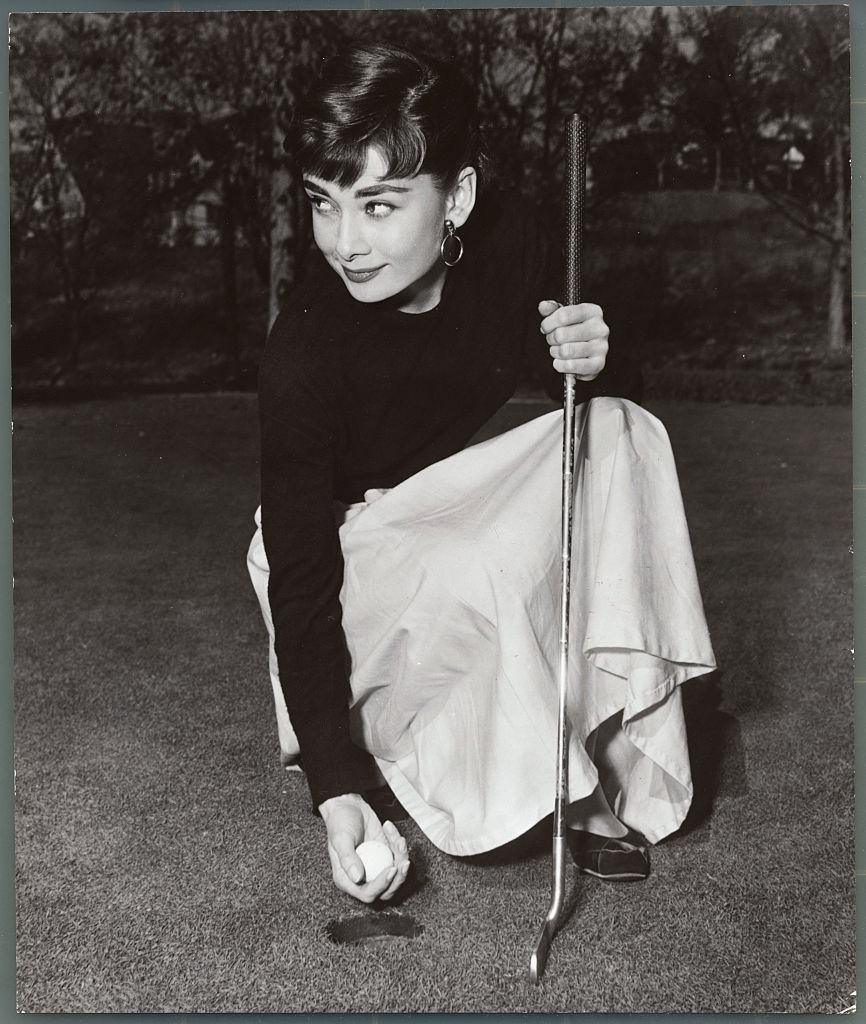
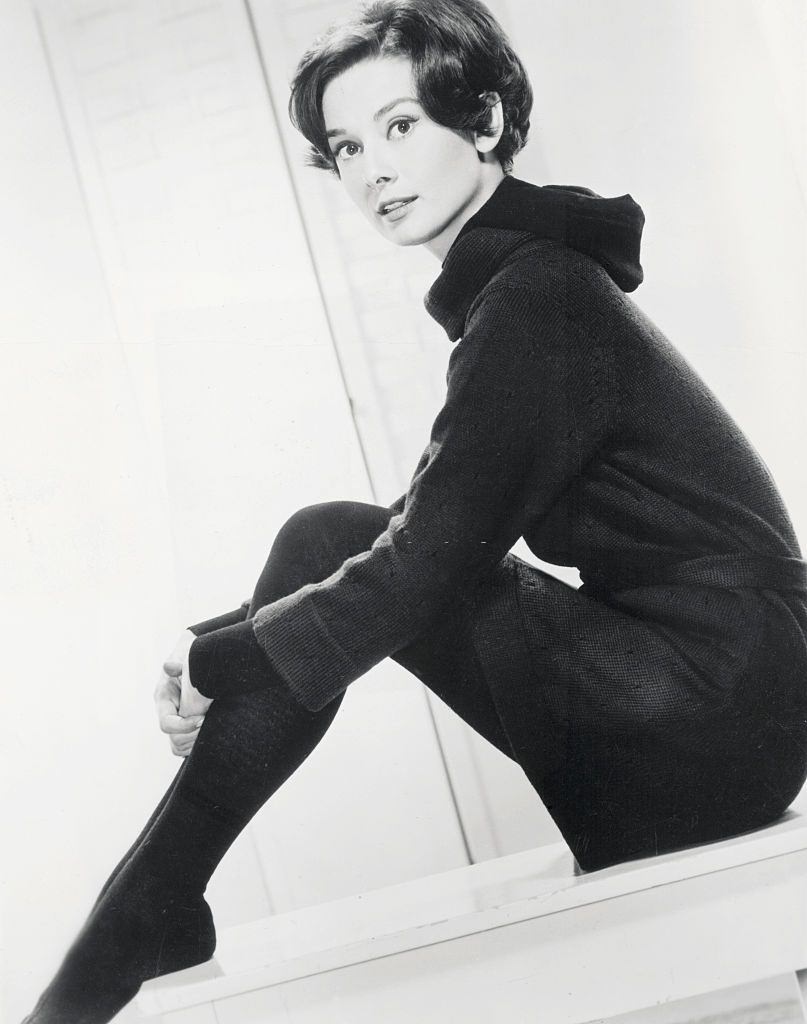
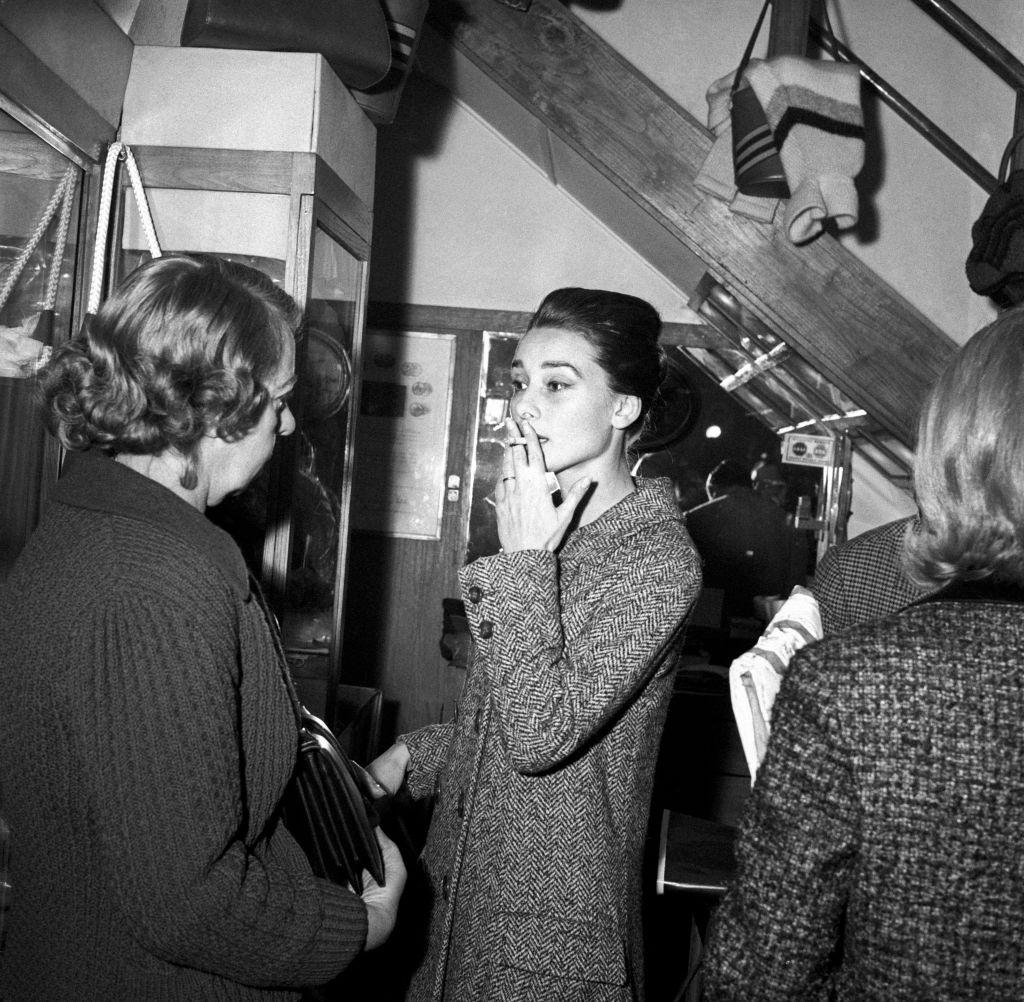
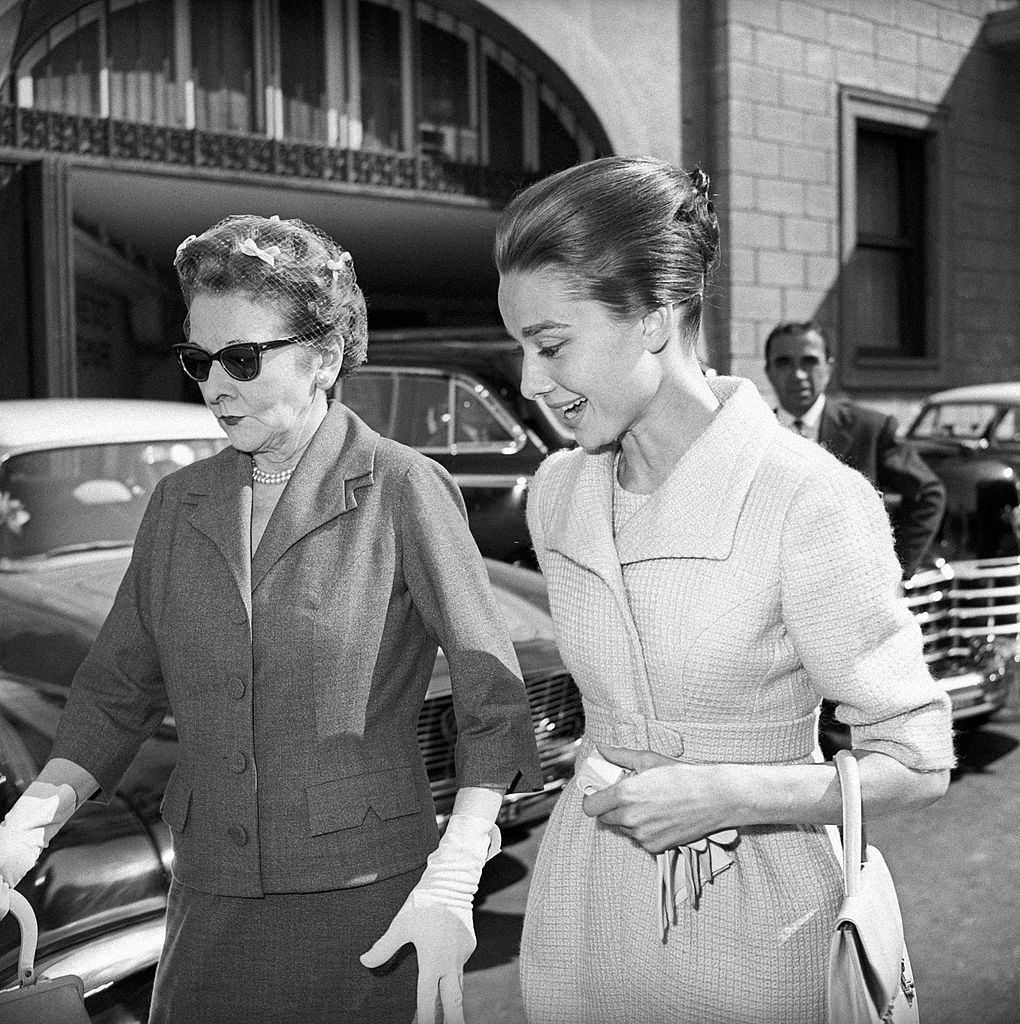
In the early 1950s, Audrey’s mother Ella van Heemstra — the Dutch baroness who had raised her through war and displacement — remained a steady presence in her daughter’s life. The two were photographed together in Rome during the 1950s, where Audrey was spending time as her film career began to accelerate.
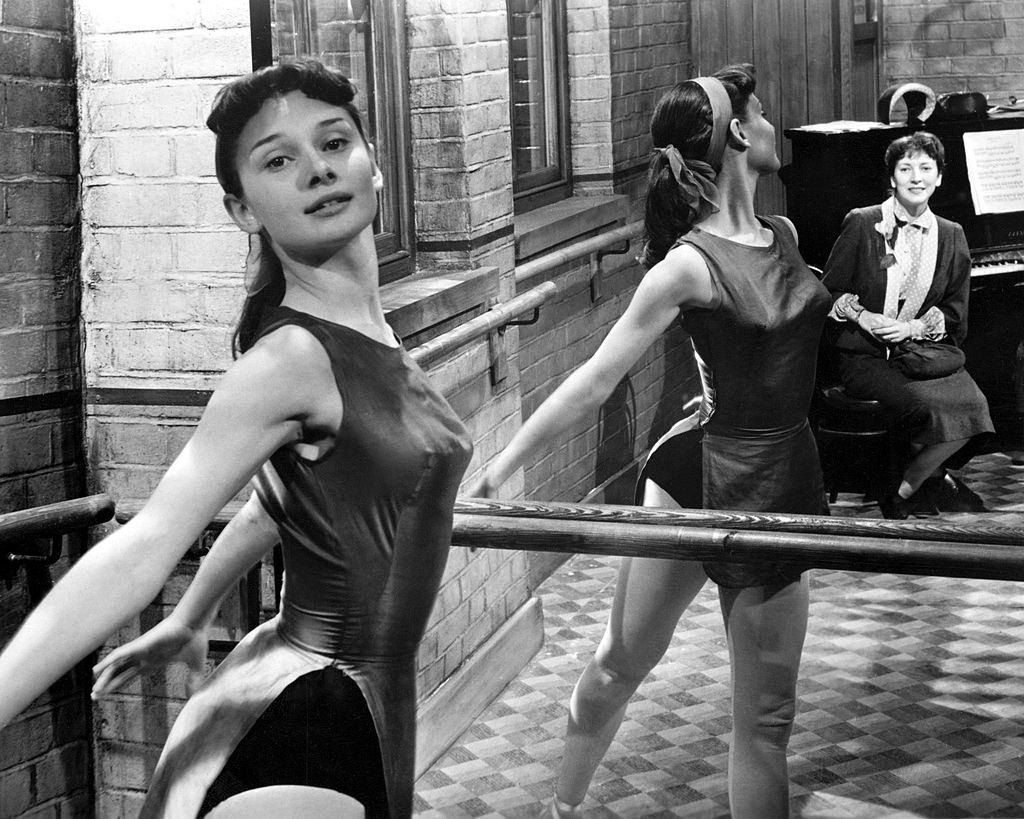
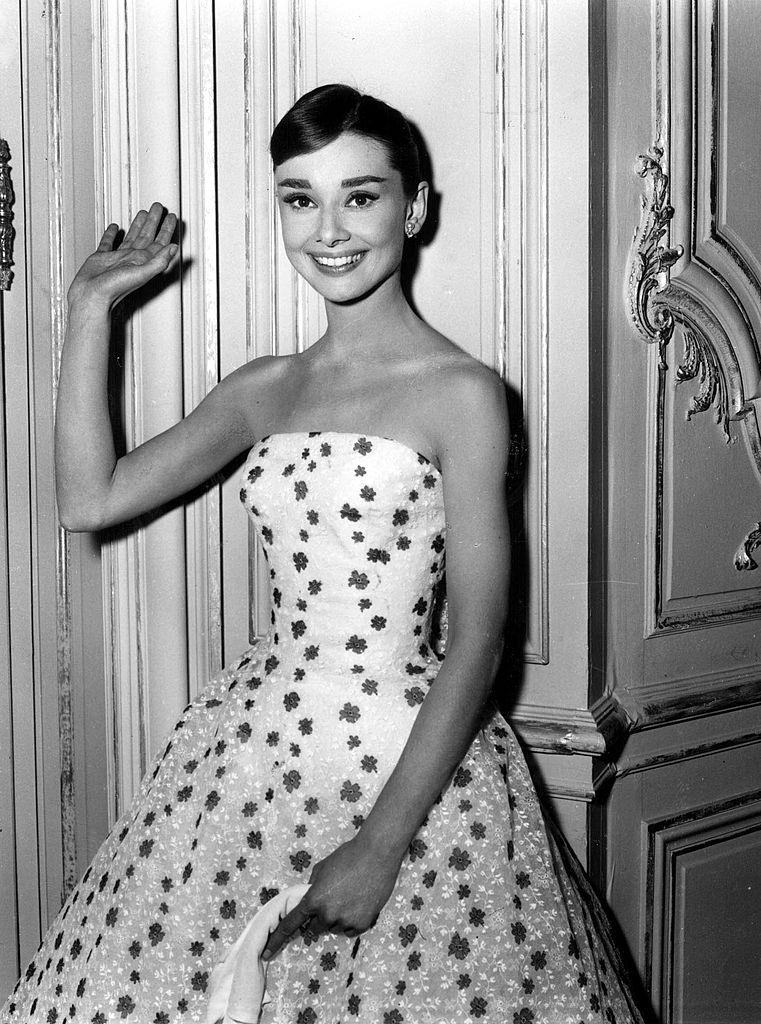
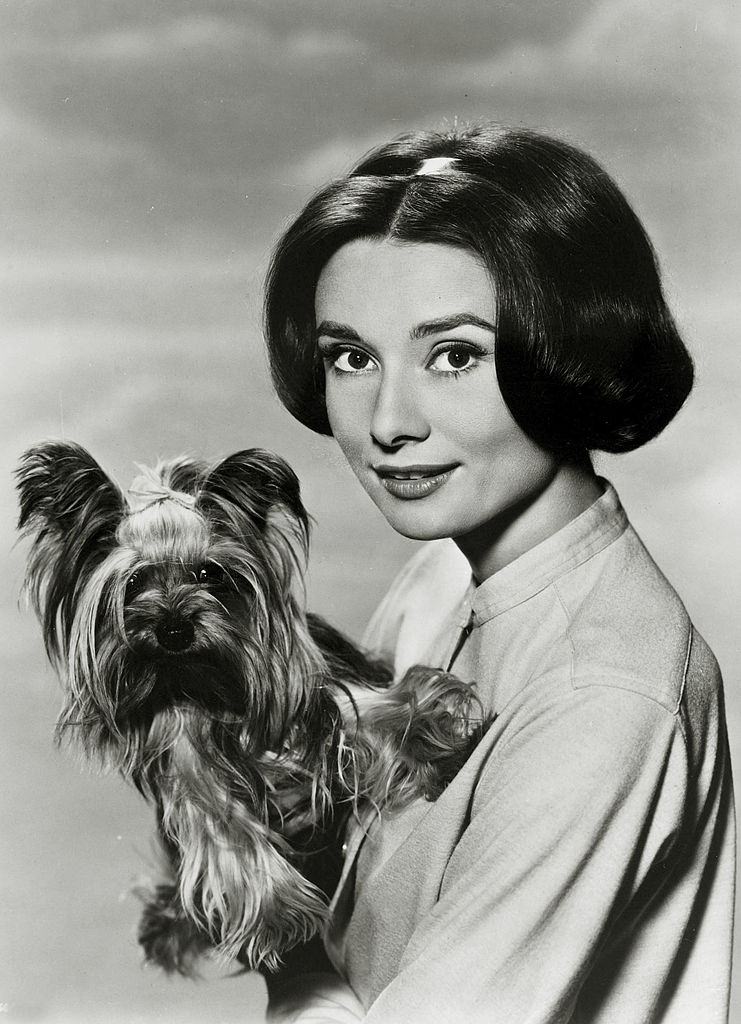
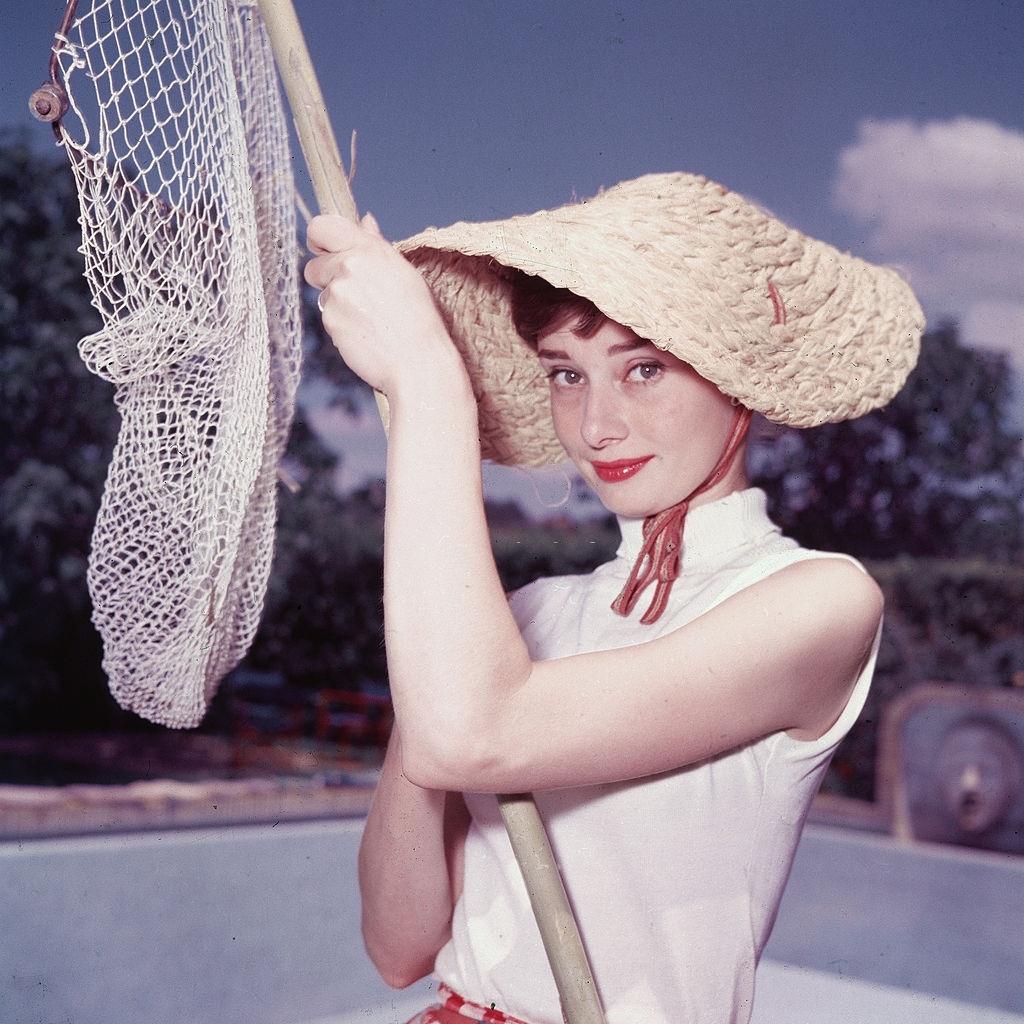
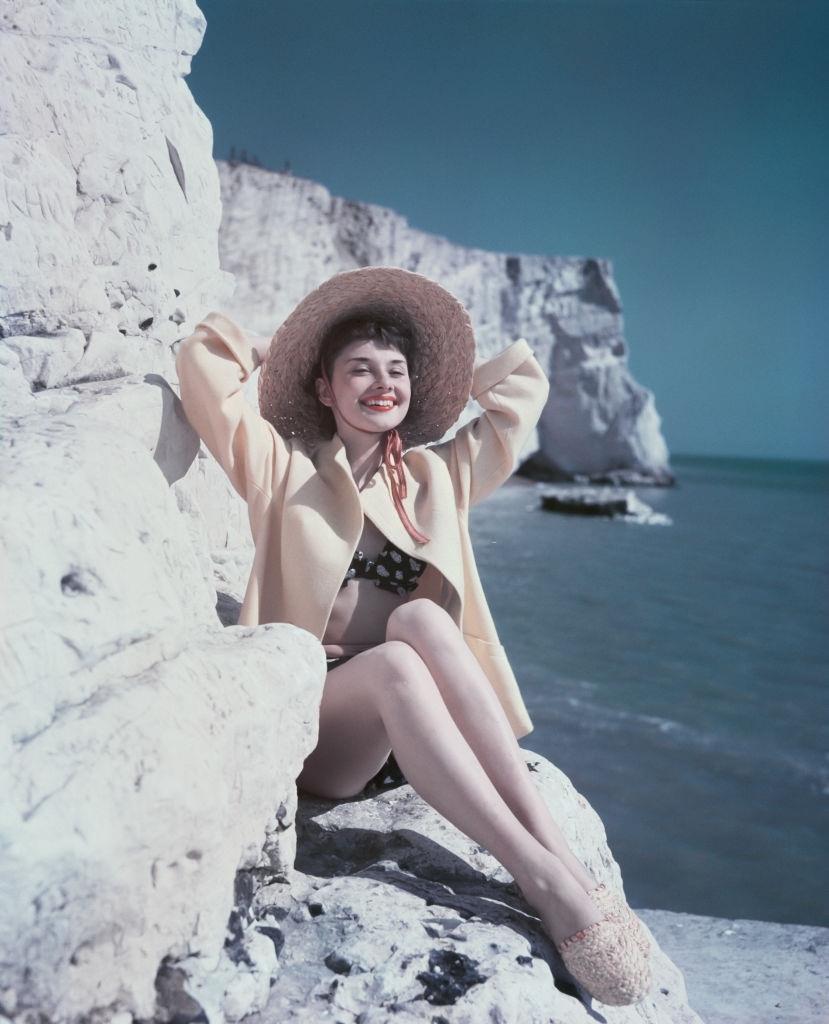
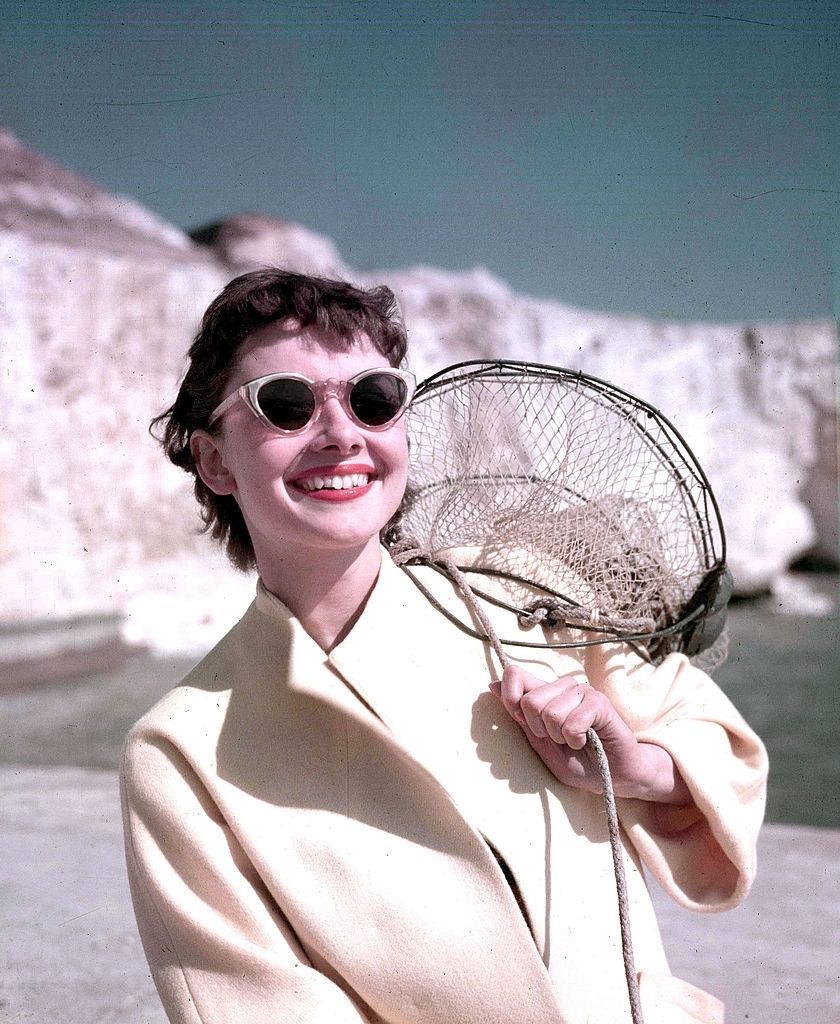
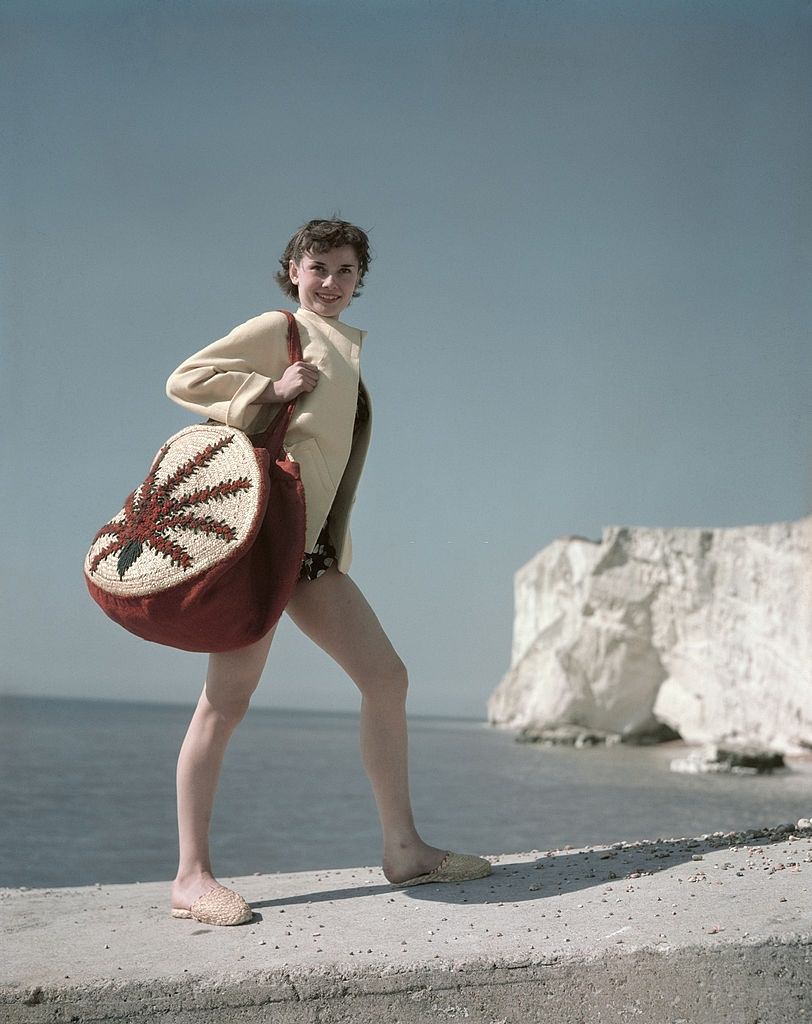
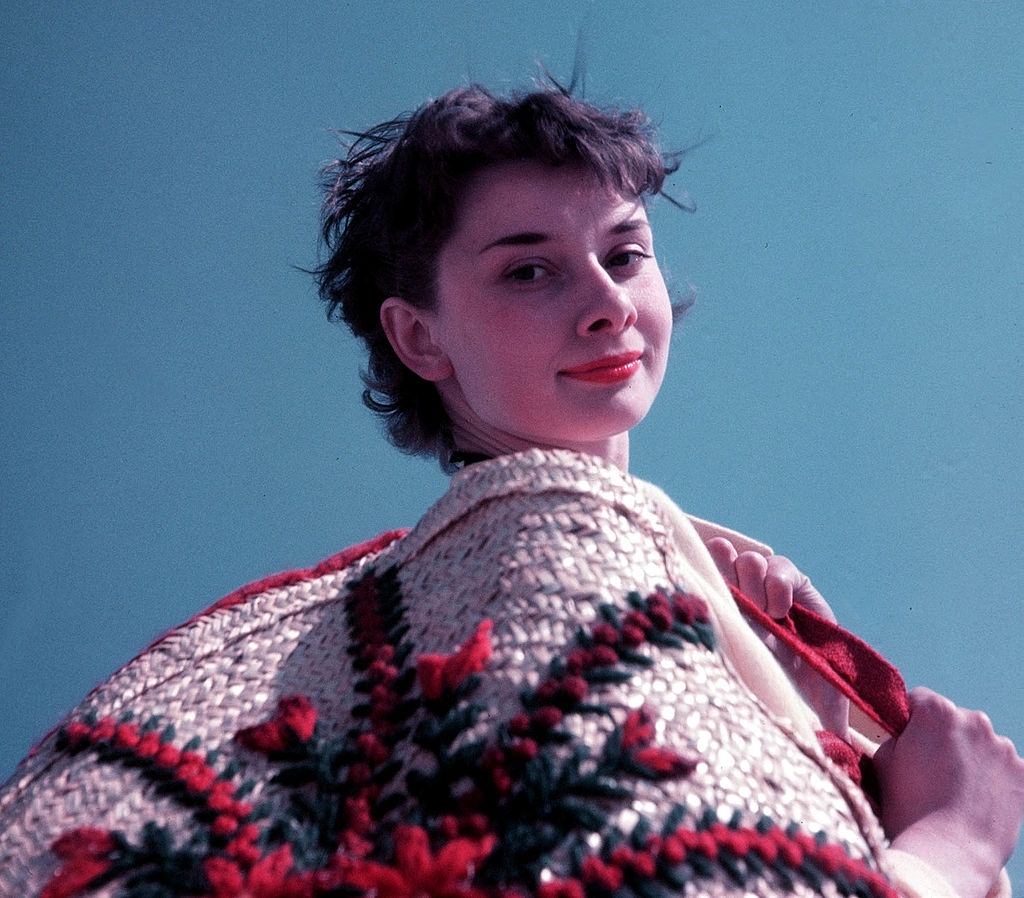
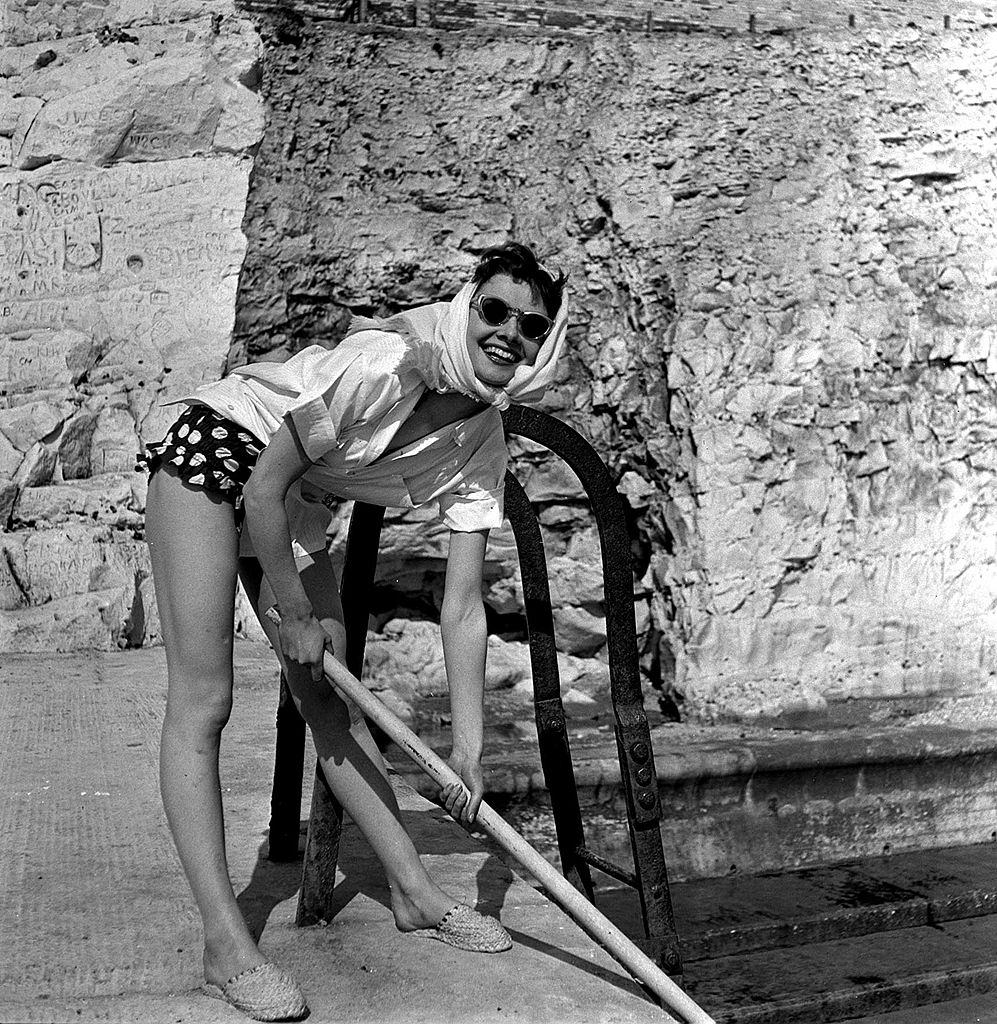
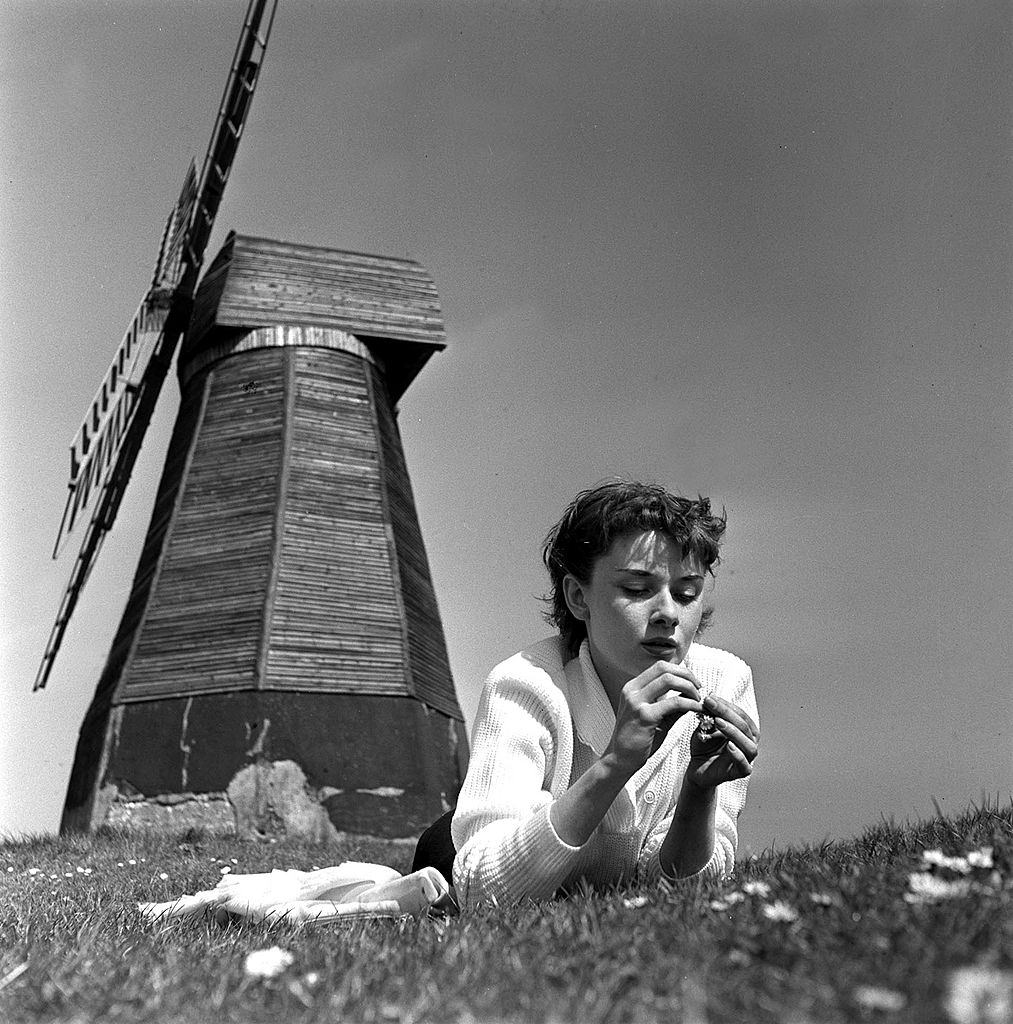
In 1951, Audrey filmed *The Secret People* in Sussex, England, where photographs from the set show her relaxing on rocky coastline and picking flowers in open fields. The film gave her a chance to dance on screen — a skill she had spent most of her life developing. That same year, she also appeared in *Laughter in Paradise* and *One Wild Oat*, building her film résumé role by role.
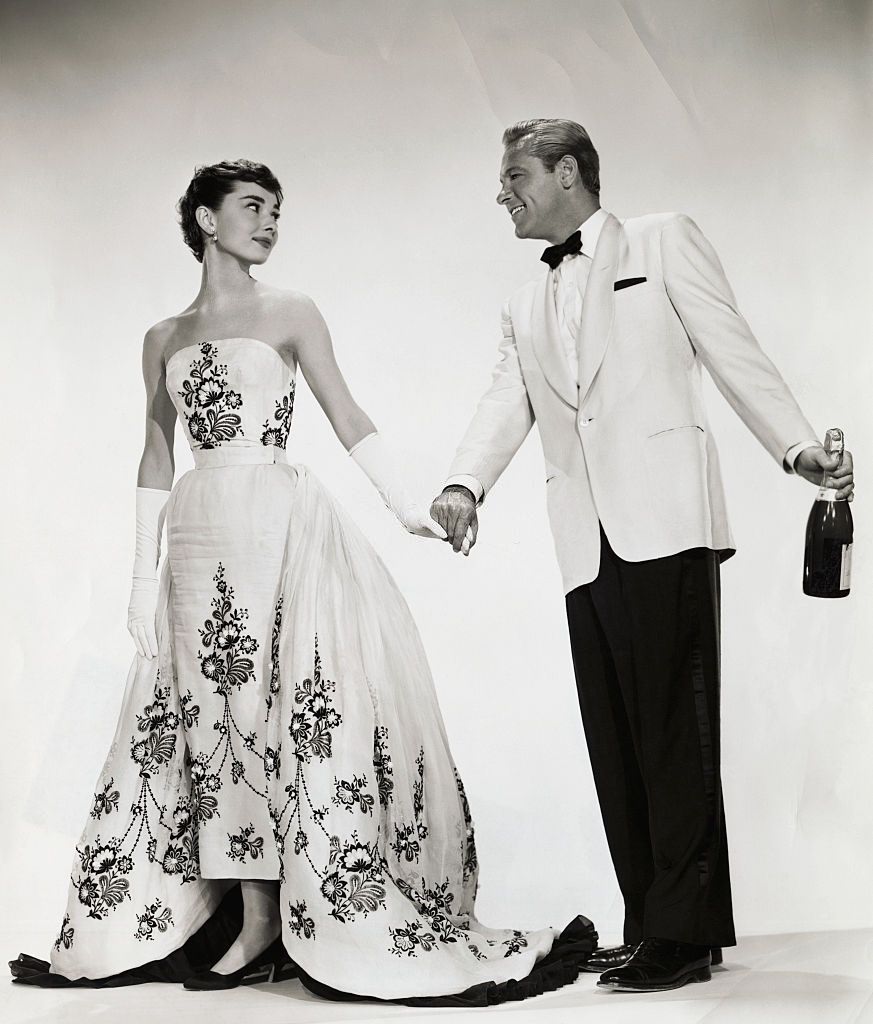
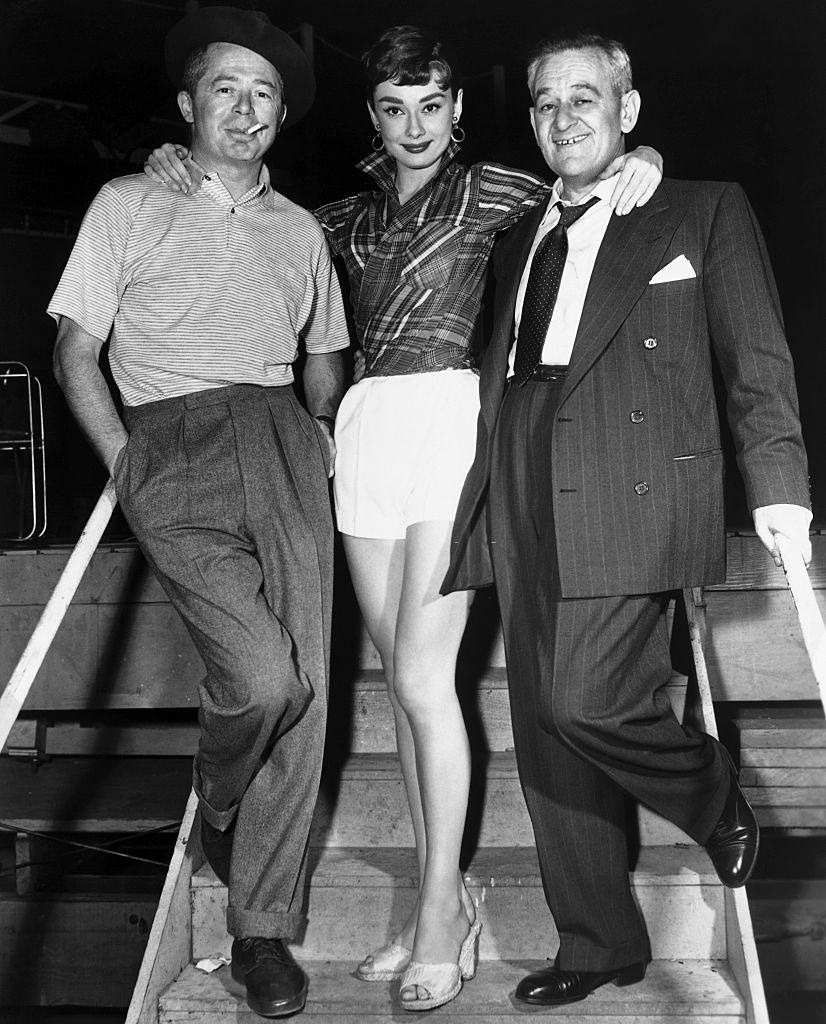
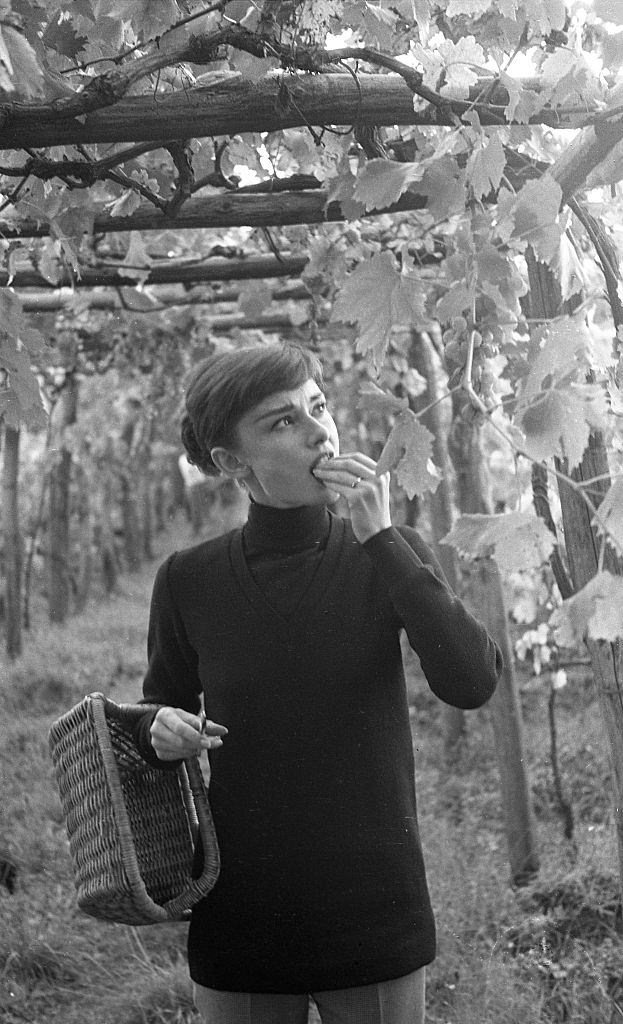
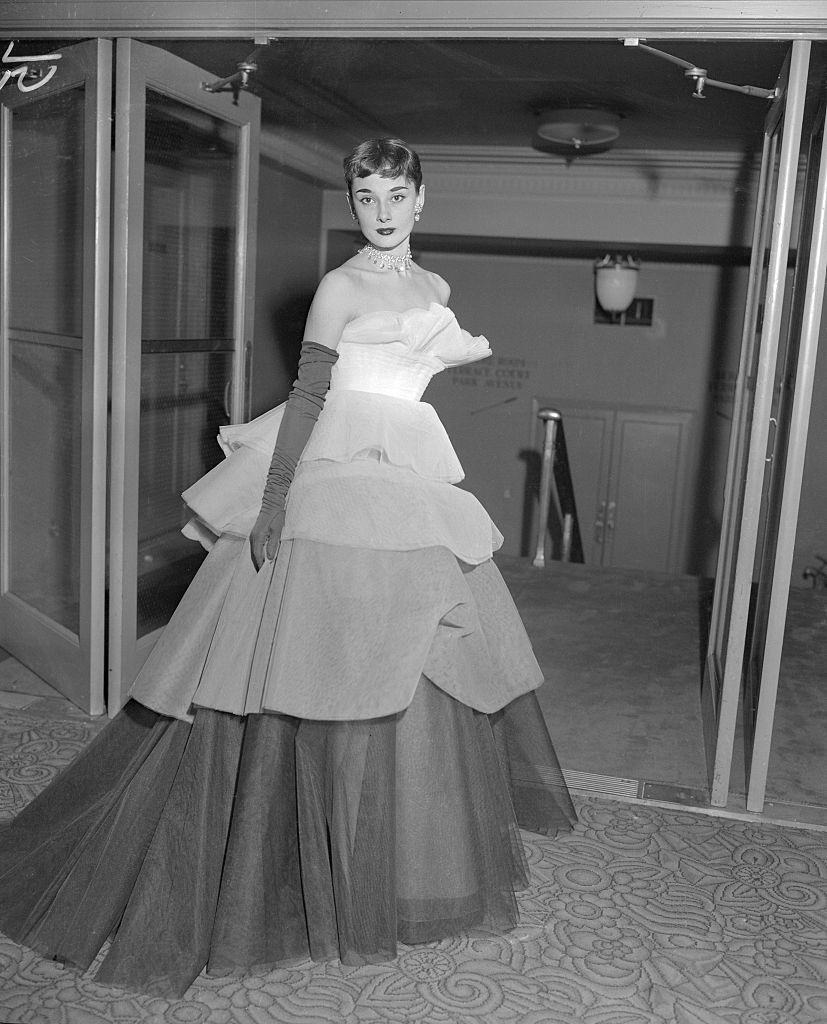
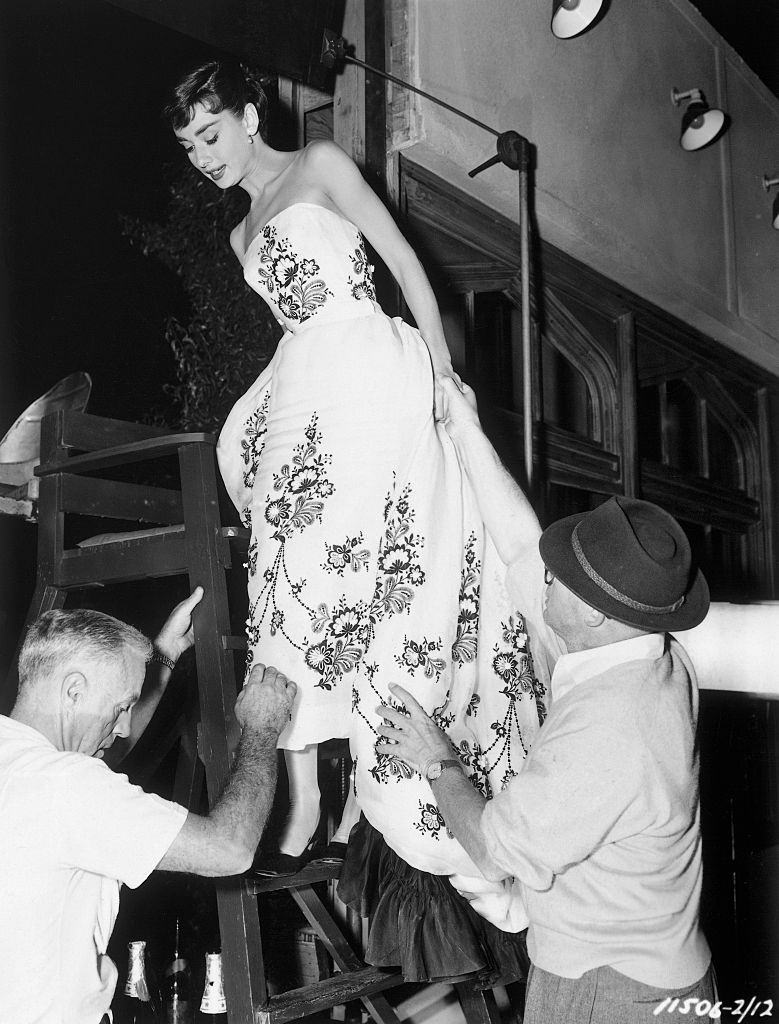
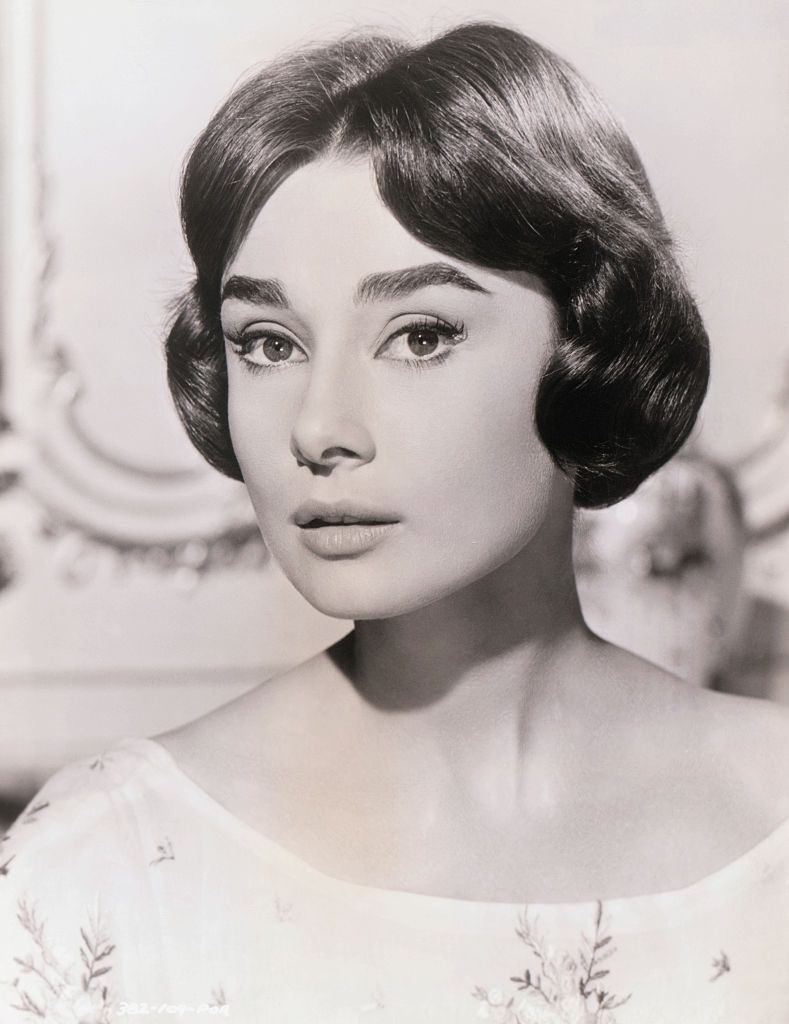
In 1953, Audrey Hepburn starred in *Roman Holiday* opposite Gregory Peck. The role of Princess Ann — a royal who escapes her handlers for a day of freedom in Rome — won Audrey the Academy Award for Best Actress. She was twenty-three years old. The following year, she appeared in *Sabrina* alongside William Holden, directed by Billy Wilder. Her partnership with French designer Hubert de Givenchy, which began around this time, shaped the visual identity she carried for the rest of her career. In 1952, before the Oscars and the international fame, Audrey had become engaged to British industrialist James Hanson. The engagement was called off without a wedding. Two years later, in 1954, she married actor Mel Ferrer.


Oh my goodness. I love her
Child Audrey looks like Child Natalie Portman!!