The Yangtze River is the longest river in Asia and the third-longest in the world. It is also the longest river on Earth that flows entirely within a single country. Stretching across China, the Yangtze drains one-fifth of the country’s total land area and supports roughly one-third of its population. By discharge volume — the amount of water it pushes out — it ranks sixth among all rivers globally. For the people living along its banks in the early 20th century, the river was not a geographic fact. It was the foundation of daily life.
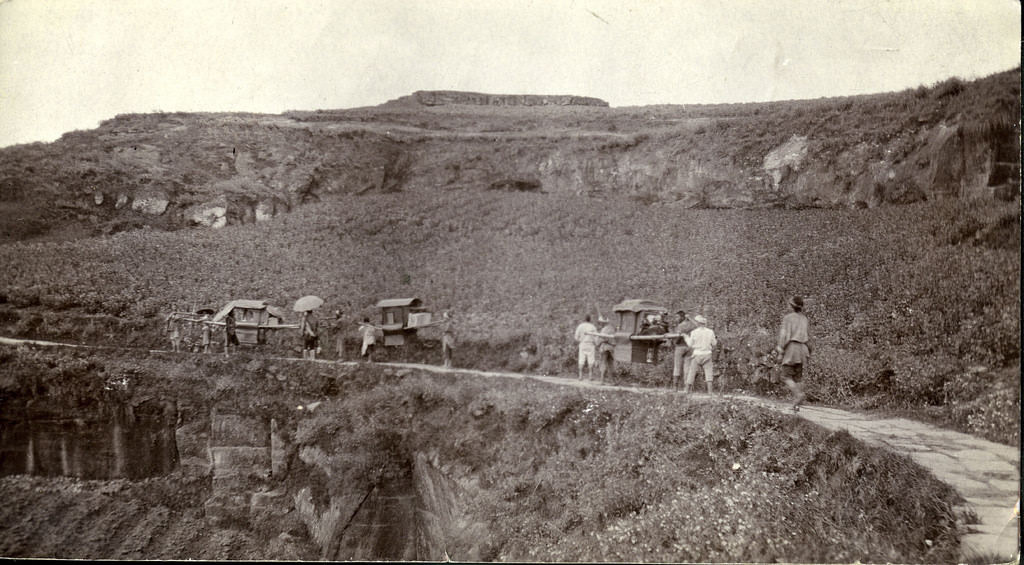
In the 1910s, an American missionary working in China traveled up the Yangtze from Chengdu and brought a camera along. The photographs he took were not posed portraits or staged scenes. They captured real moments — people working, moving goods, and going about their routines along one of the world’s great rivers.
The Yangtze was the main highway for trade and transport across central and western China. Boats of all sizes moved up and down the river constantly, carrying rice, salt, cloth, and timber. Towns and villages that grew up along the riverbanks depended on this traffic to survive.
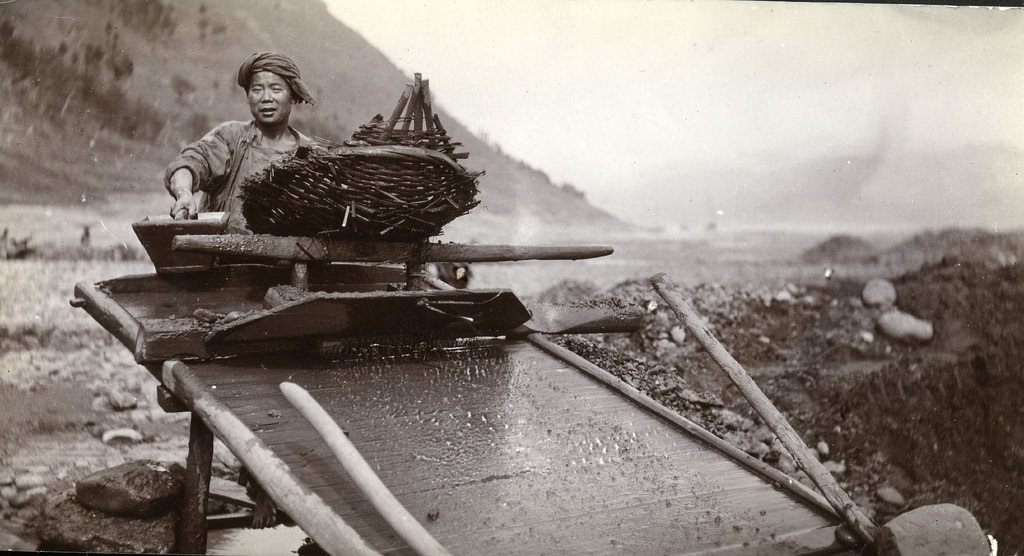
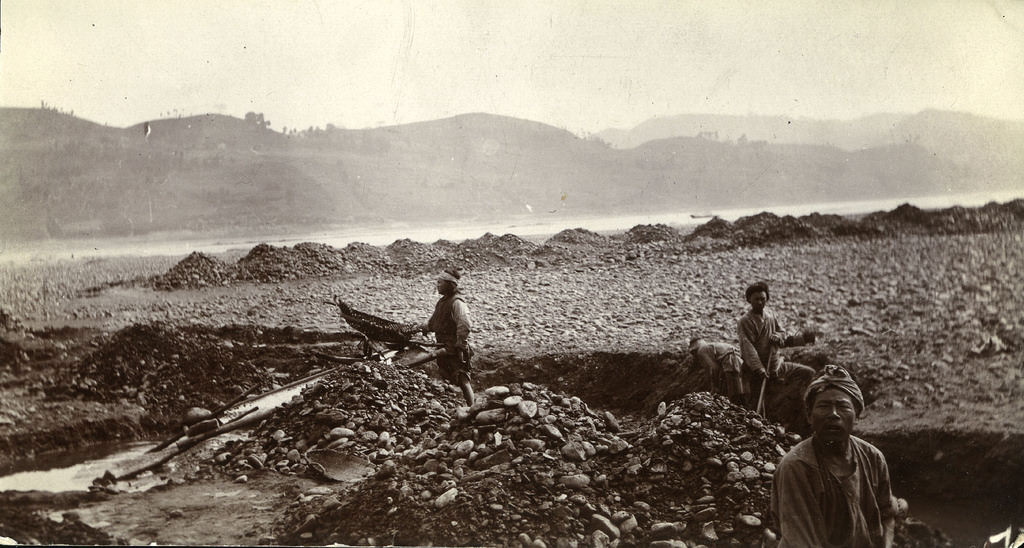
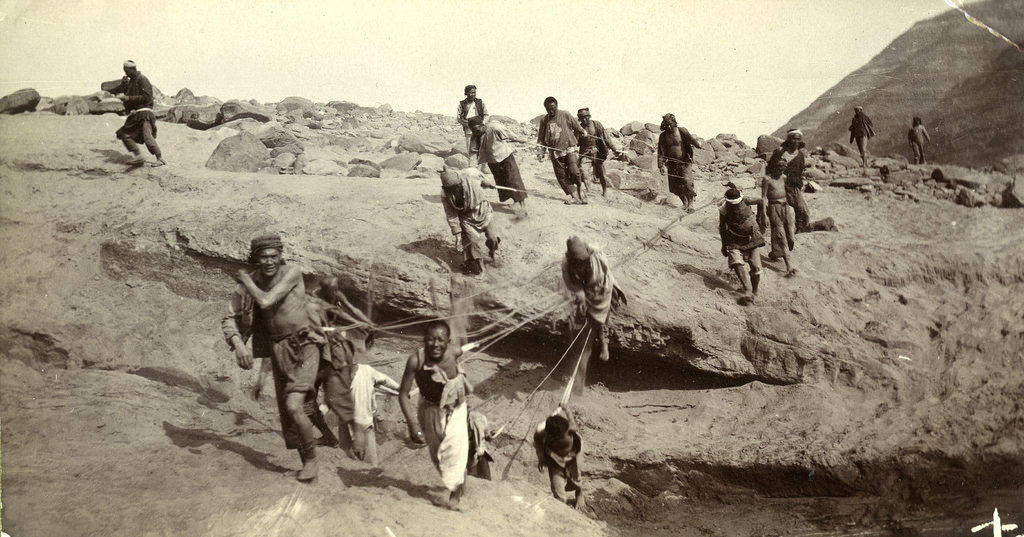
Tracking boats upstream against the Yangtze’s powerful current was brutal physical work. Teams of men called trackers hauled boats forward using long ropes from the shore, their bodies bent low against the pull of the water. This method had been used for centuries and was still common in the 1910s.
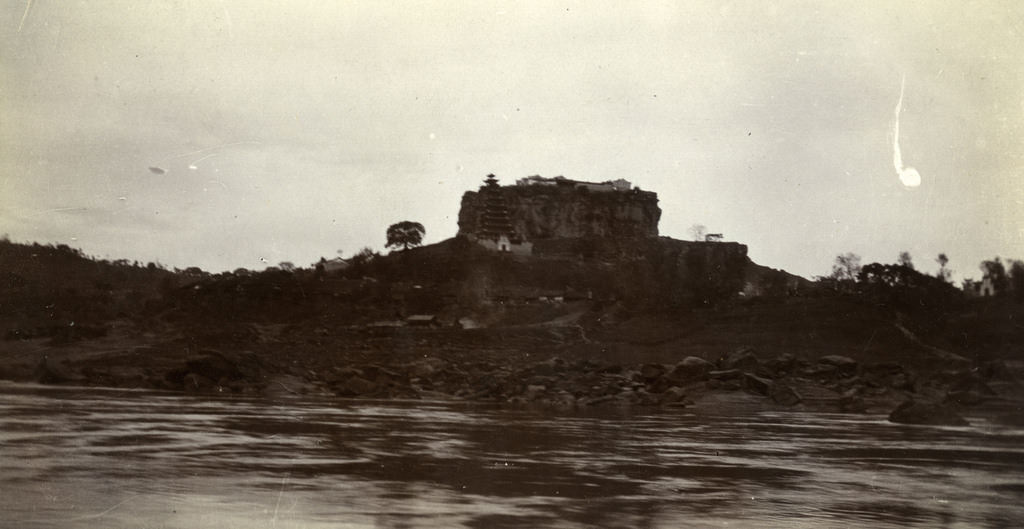
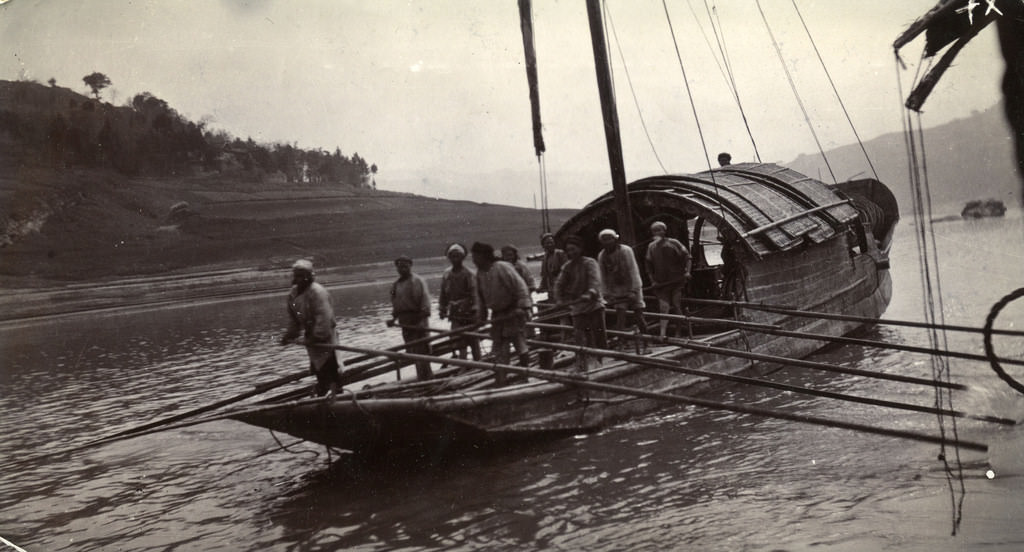
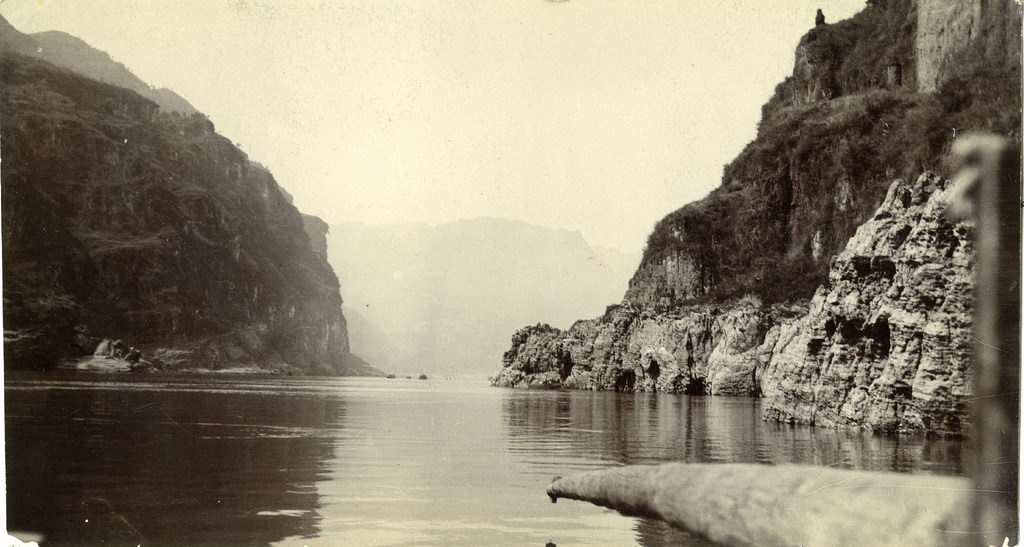
The river passed through dramatic terrain. Narrow gorges with steep cliffs forced the water into fast, churning channels that were dangerous even for experienced boatmen. Navigating these sections required precision, local knowledge, and nerves. Accidents on the river were not rare.
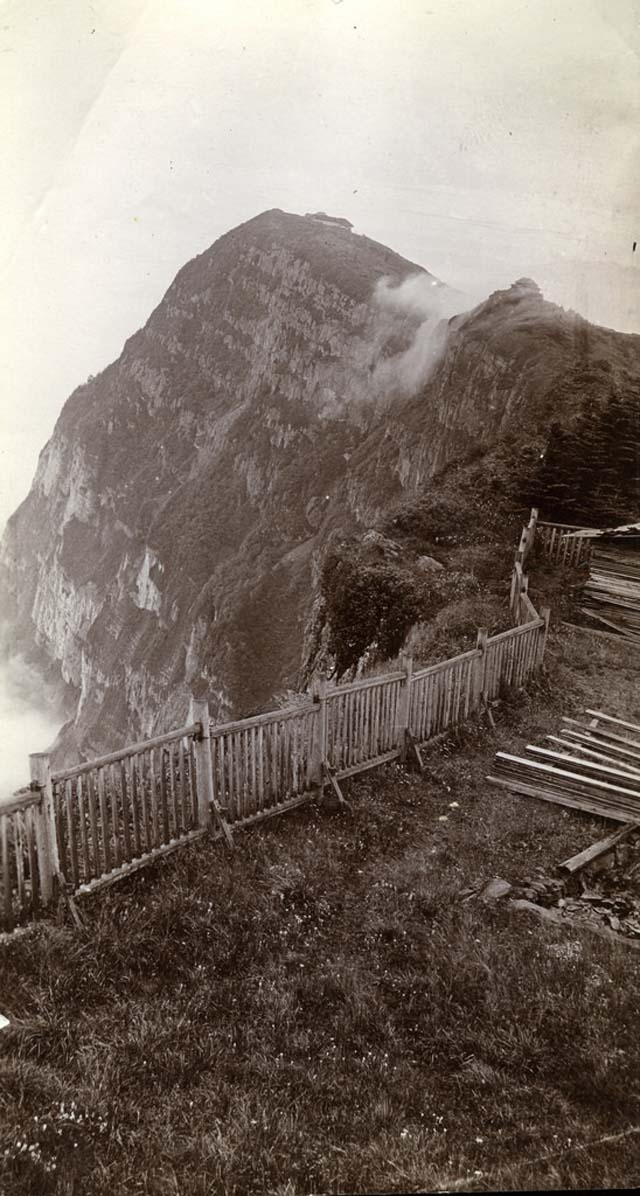
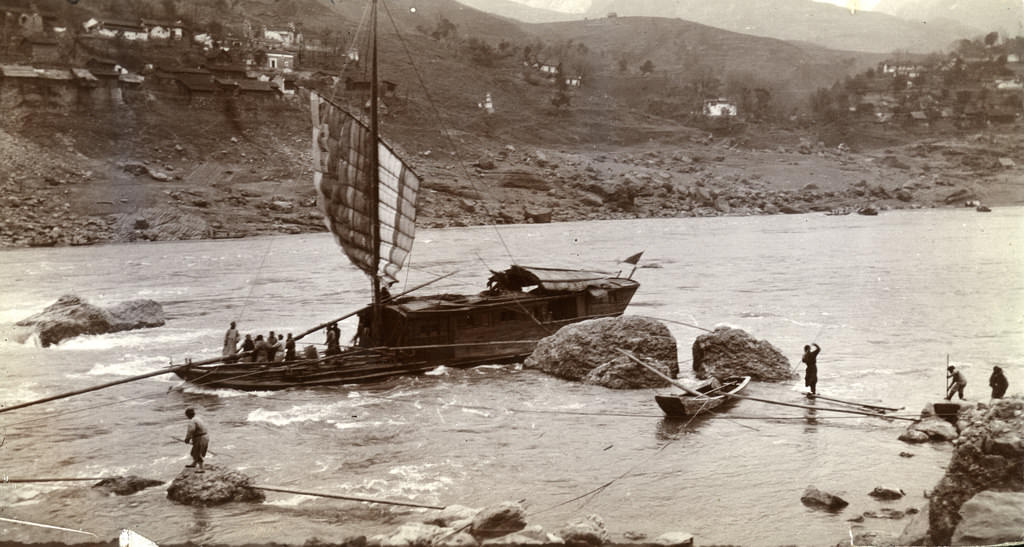
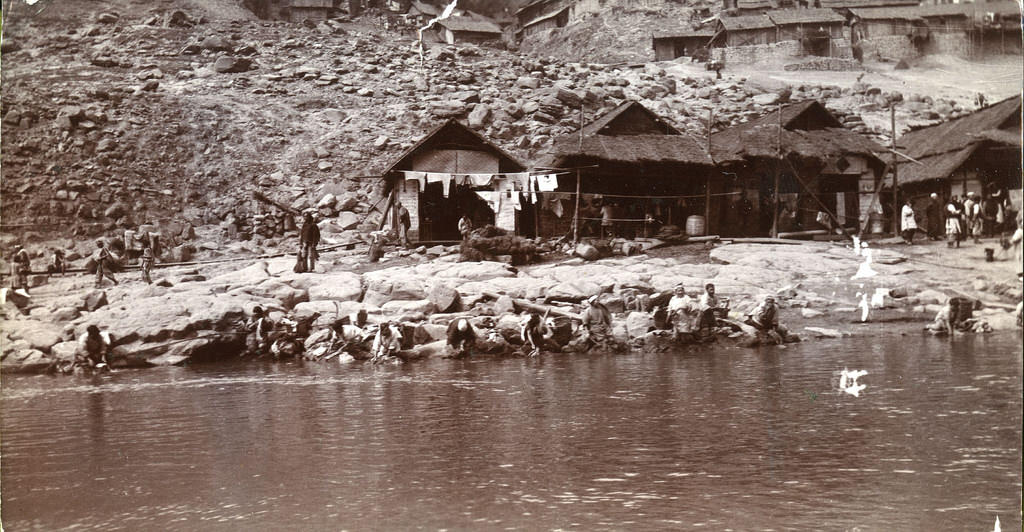
Along the gentler stretches, riverside settlements bustled with activity. Markets, docks, and workshops lined the water’s edge. Fishermen cast nets in the early morning. Women washed clothes on flat rocks near the bank. Children who grew up along the river learned to navigate it from a young age.
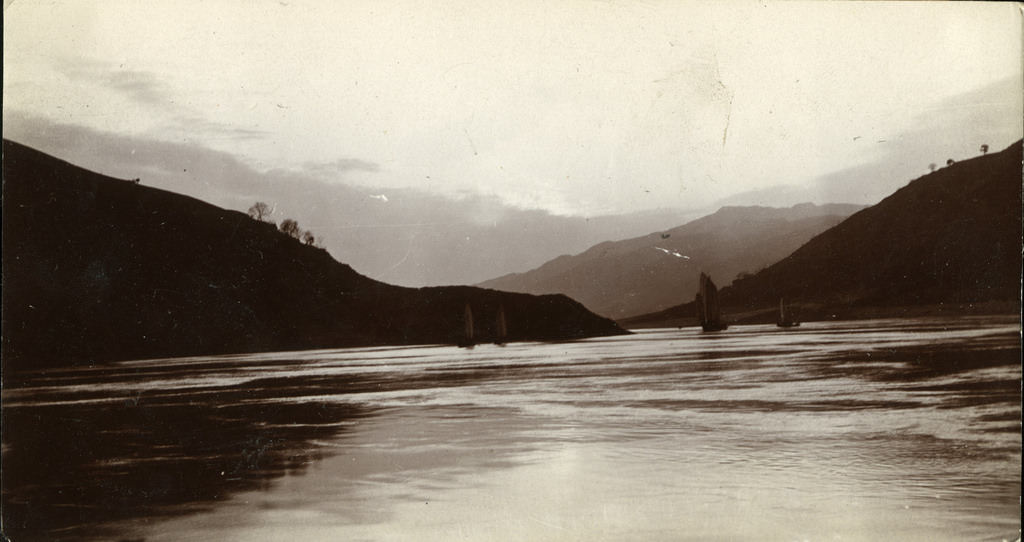
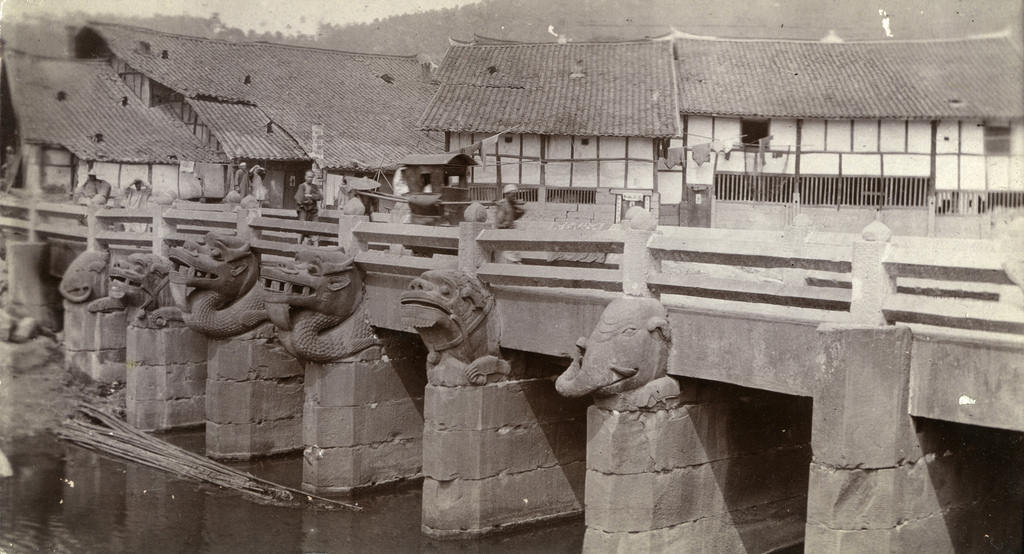
The photographer’s journey from Chengdu took him through some of the most densely populated and historically rich regions of China. Sichuan Province alone, where Chengdu sits, held tens of millions of people at the time — many of them connected to the Yangtze’s network of tributaries and trade routes.
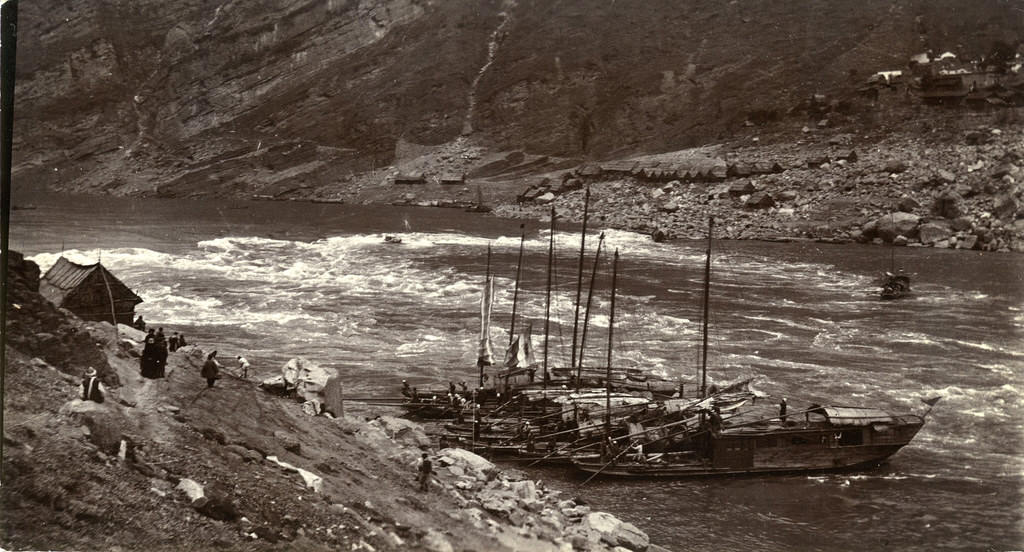
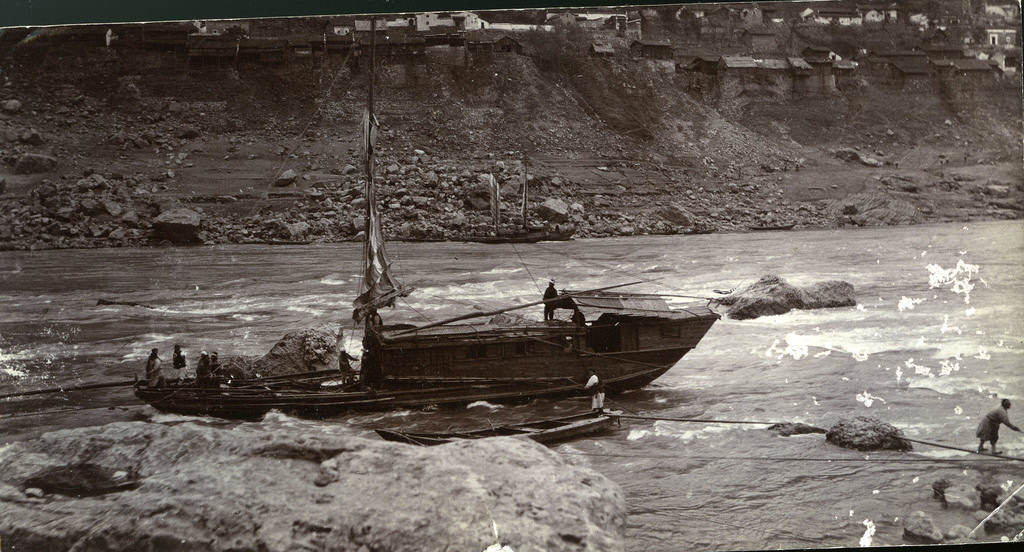
As a missionary, the photographer moved through communities that foreign visitors rarely documented. His access allowed him to photograph scenes beyond the main docks and markets — including village life, local architecture, and the quieter rhythms of communities away from the commercial centers.
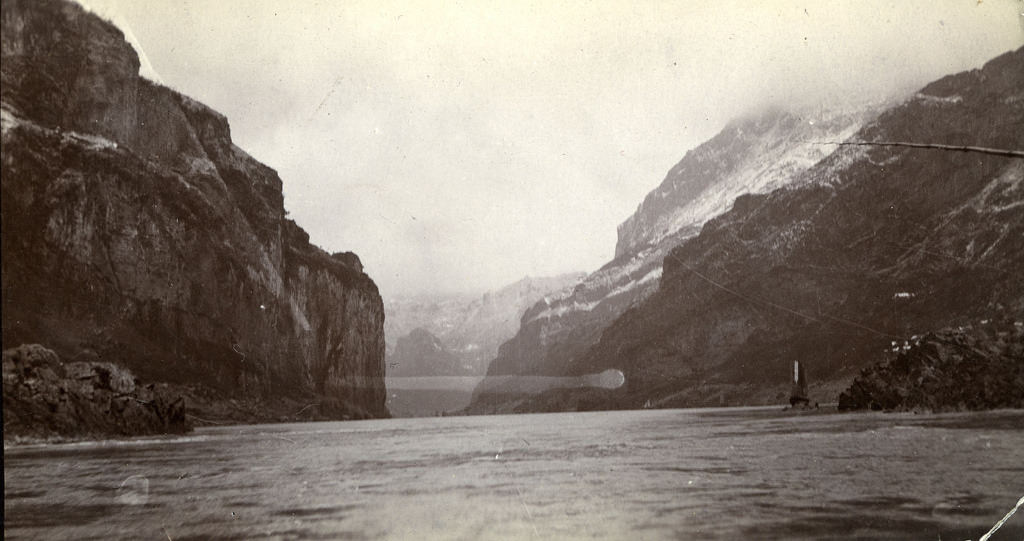
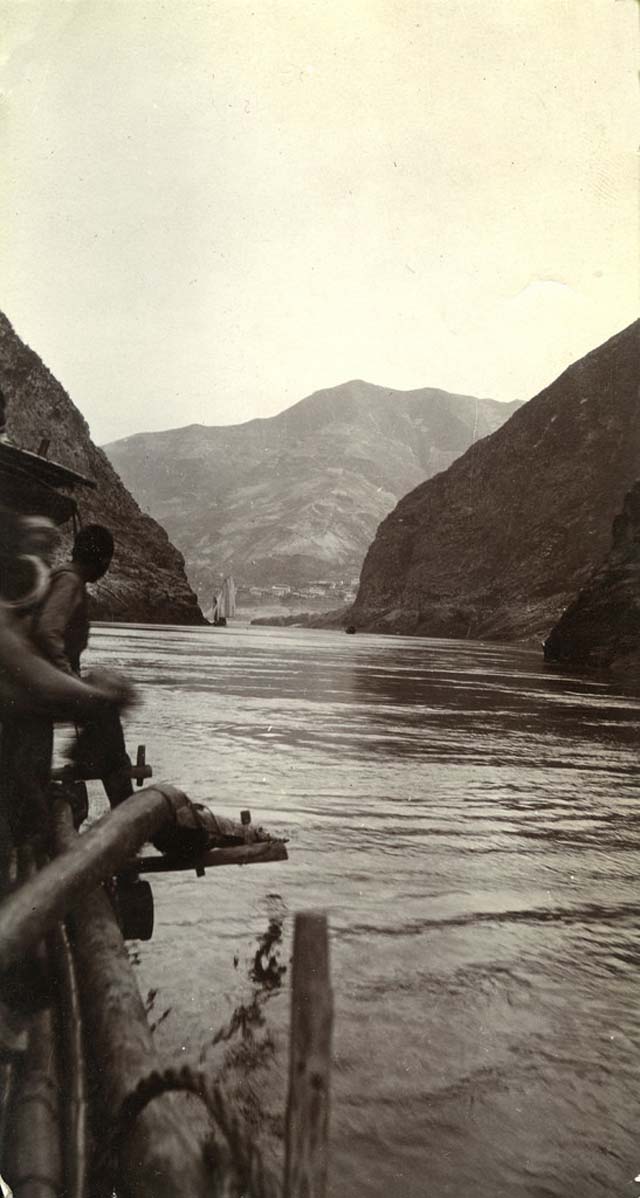
The 1910s were a turbulent period in China. The Qing Dynasty had collapsed in 1912, replaced by the Republic of China, and political instability was widespread. Yet along the Yangtze, the practical demands of daily life continued. Goods still needed to move. Crops still needed to reach markets. The river kept working regardless of who held power in Beijing.
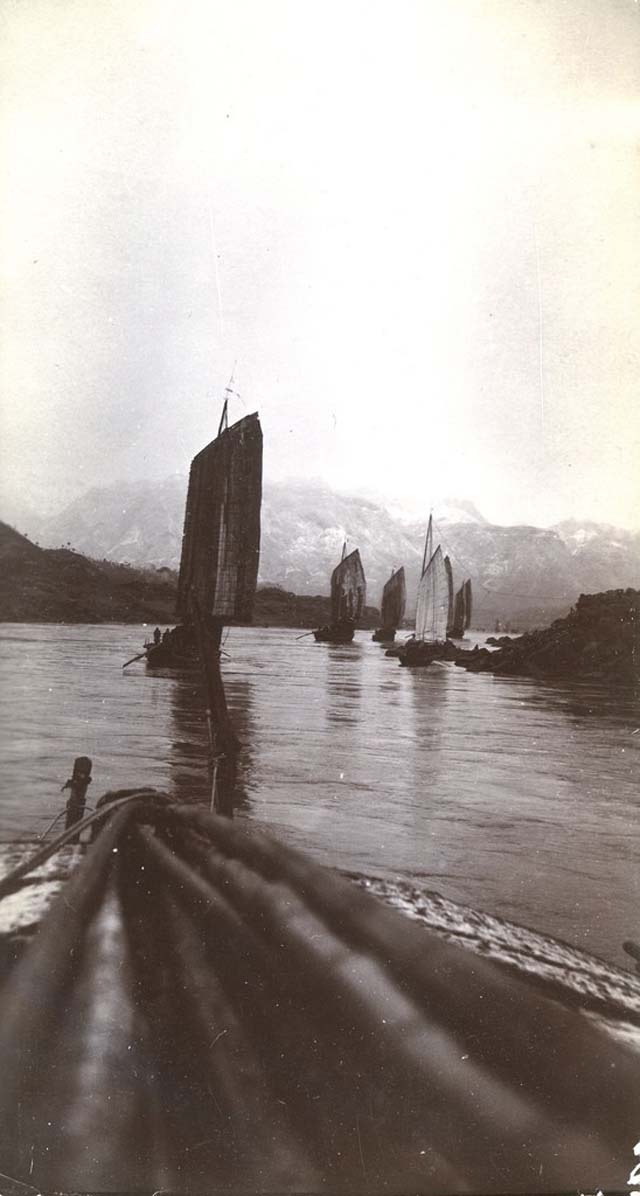
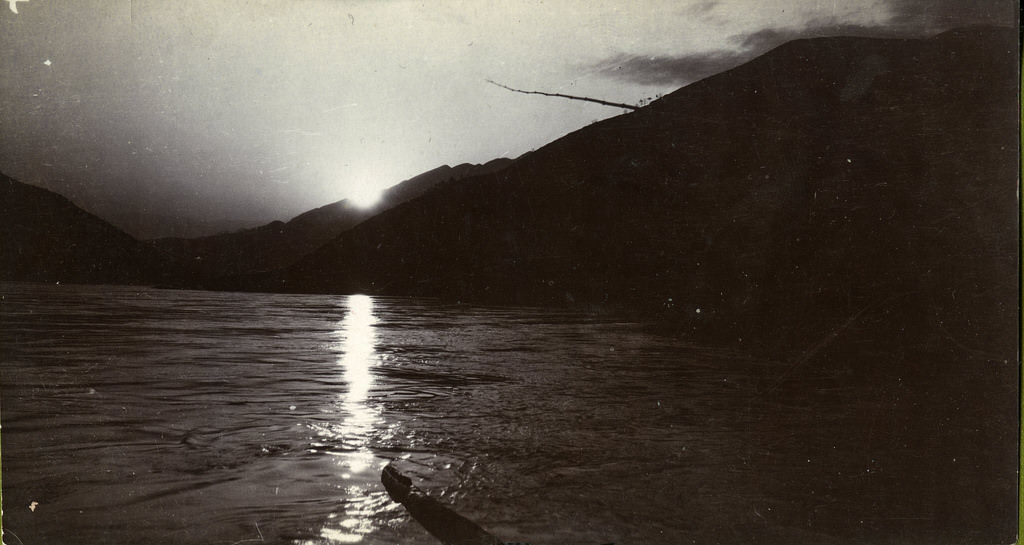
These photographs stand as a direct record of a world that has since changed beyond recognition. The Yangtze of the 1910s — with its tracker crews, wooden junks, and hand-built riverside towns — was a place defined entirely by human labor and the raw force of the river itself.