During China’s Cultural Revolution in the 1960s and 1970s, the government took tight control over what people could see, hear, and experience in daily life. Traditional art forms, foreign films, and classical literature were pushed aside. In their place, a narrow set of state-approved theatrical performances took center stage — literally. These were known as the “model operas,” and for roughly a decade, they were almost the only form of public entertainment available to hundreds of millions of Chinese people.
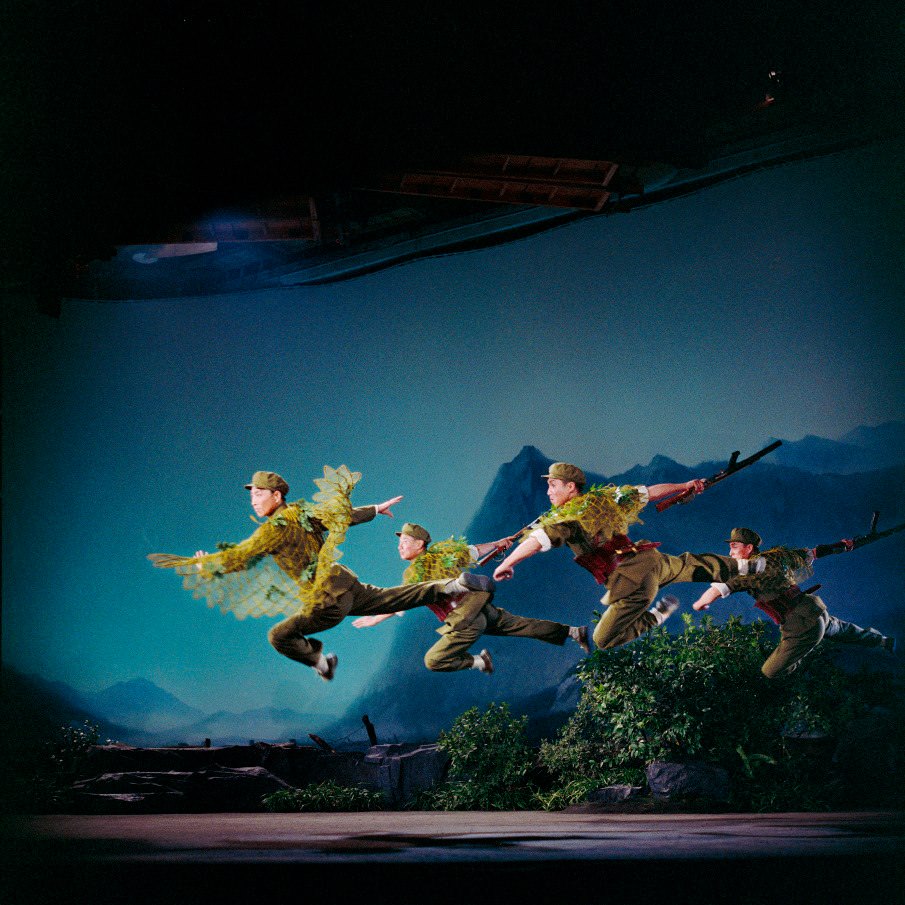
The model operas — called 样板戏 (yàngbǎnxì) in Chinese — were a small collection of approved performances that included revolutionary ballets, Peking operas, and symphonic works. Each one carried a clear political message, portraying heroic workers, soldiers, and peasants triumphing over class enemies. The stories left no room for ambiguity. Heroes were bold and selfless; villains were corrupt and cruel. This black-and-white storytelling was intentional. The state used these performances to reinforce revolutionary values across the entire country.
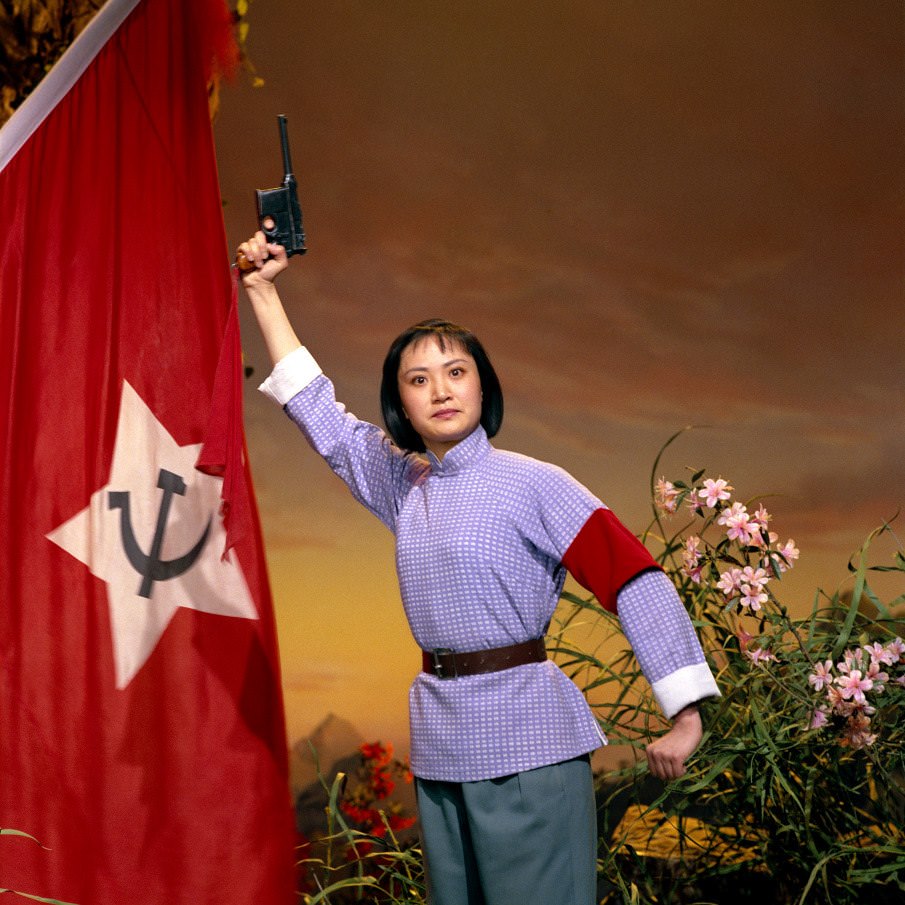
Jiang Qing, Mao Zedong’s wife and a powerful political figure during the Cultural Revolution, personally oversaw the development of the model operas. She shaped their content, their staging, and even the costumes worn by performers. Her direct involvement gave the productions enormous political weight. Criticizing a model opera was not a matter of artistic taste — it was a political act with serious consequences.
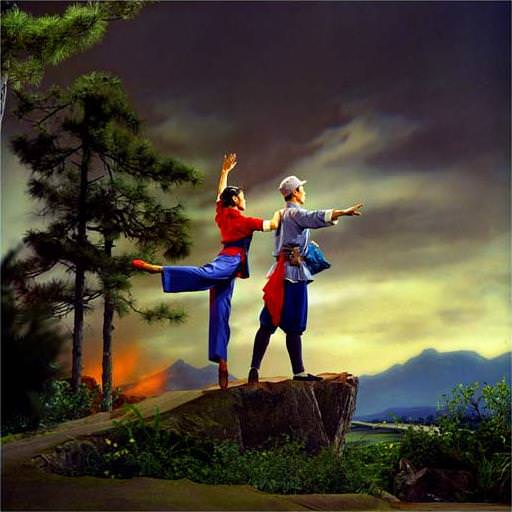
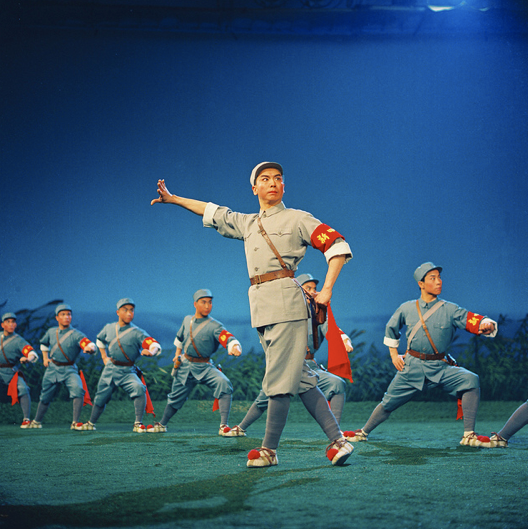
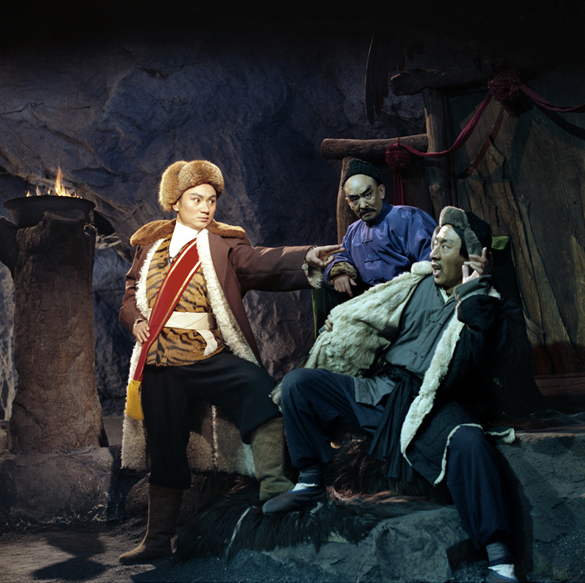
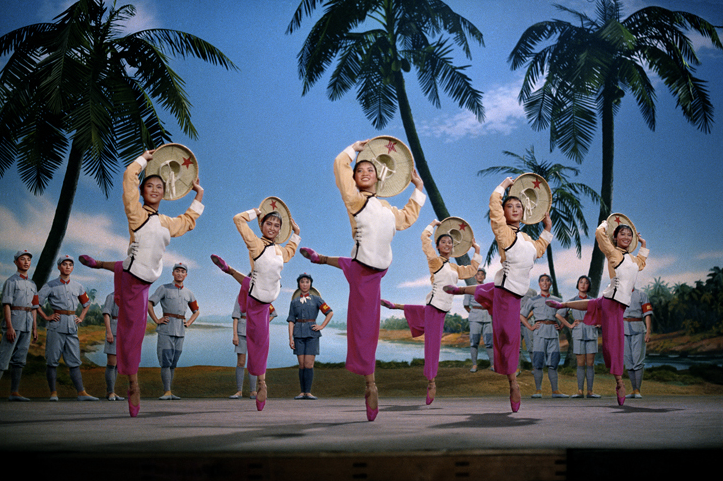
Photographer Zhang Yaxin was given a specific and politically significant assignment during this period: to photograph the model opera performances. His work was not treated as artistic photography in the conventional sense. The images he produced served a larger state purpose — to distribute the look and feel of these productions to people across China who could never see them performed live.
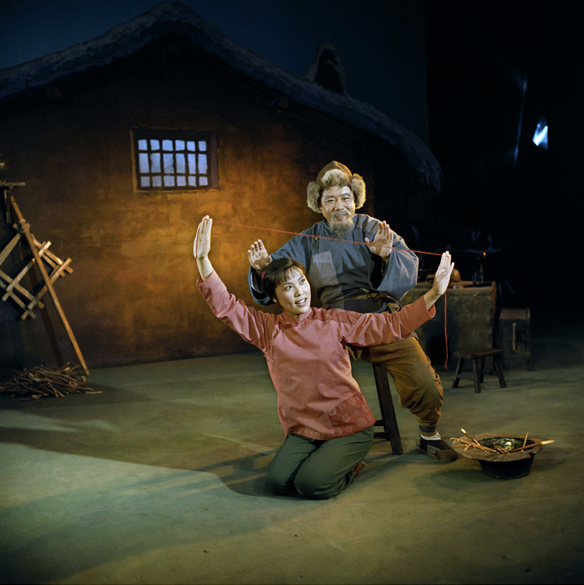
Zhang’s photographs became the official visual record of the model operas. They were reproduced on an enormous scale. Printers transferred the images onto posters, postage stamps, matchbox covers, and decorative porcelain. A factory worker in a rural province who had never seen a live performance could still recognize the exact pose of a character from “The Red Lantern” or “Taking Tiger Mountain by Strategy” — because that image appeared on everyday objects throughout their home.
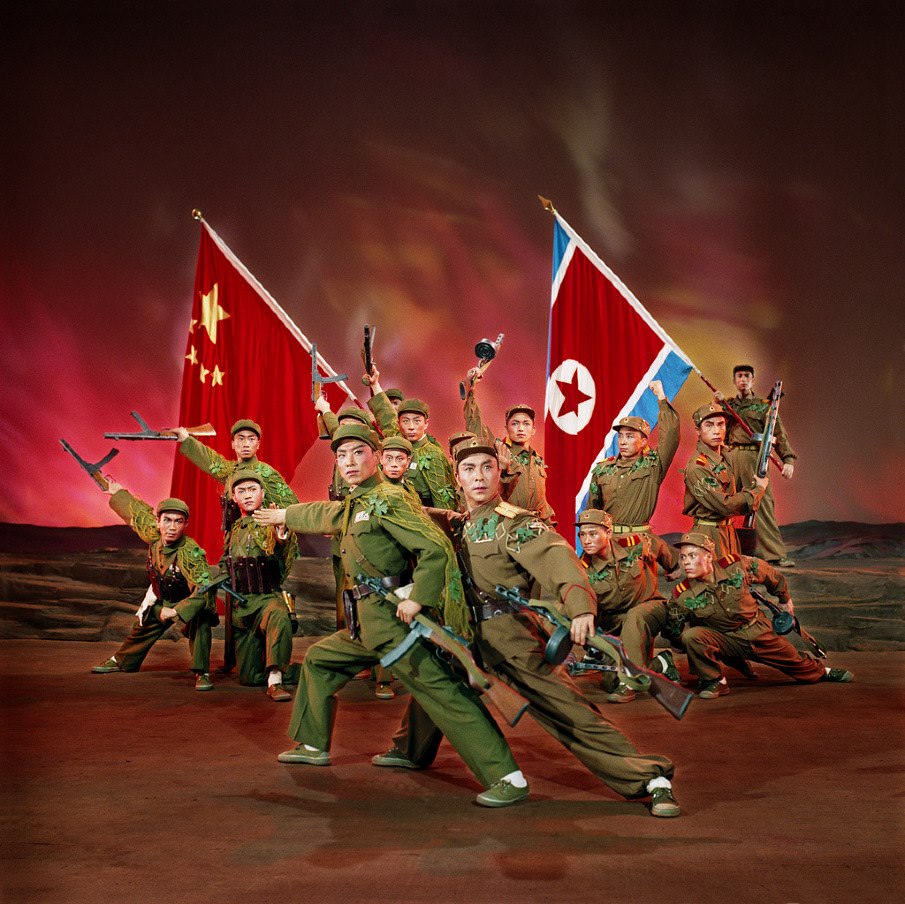
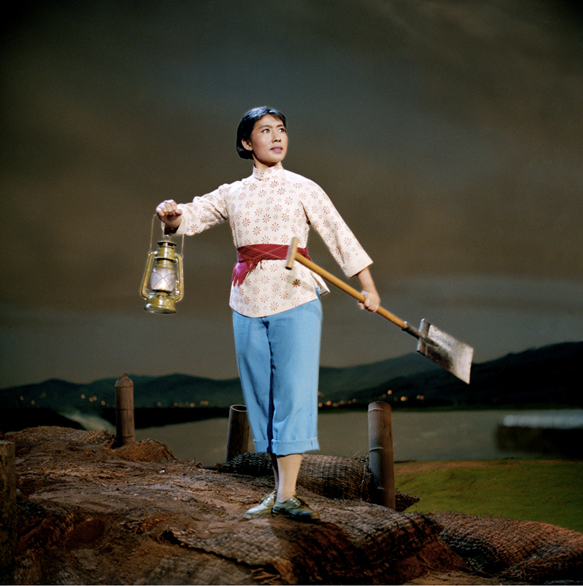
This mass reproduction was a deliberate strategy. By embedding these images into ordinary household items, the government ensured that revolutionary ideology was woven into daily life. You did not need to attend a performance or read a pamphlet. The message came to you through a matchbox on the kitchen table or a ceramic plate on the shelf.
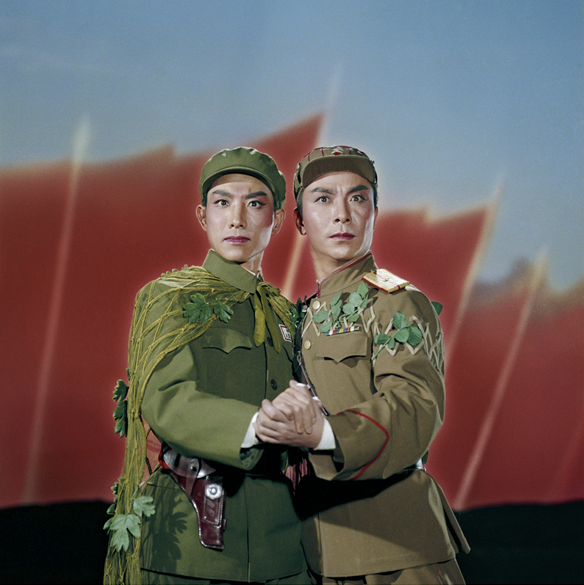
The performances themselves were highly stylized. Costumes were vivid and precisely designed. Lighting on stage was carefully controlled. Every gesture made by a performer carried symbolic meaning. Zhang’s photography captured these details with technical precision, ensuring that the reproduced images stayed faithful to the original staged productions. The photographs had to be correct — not just visually, but politically.
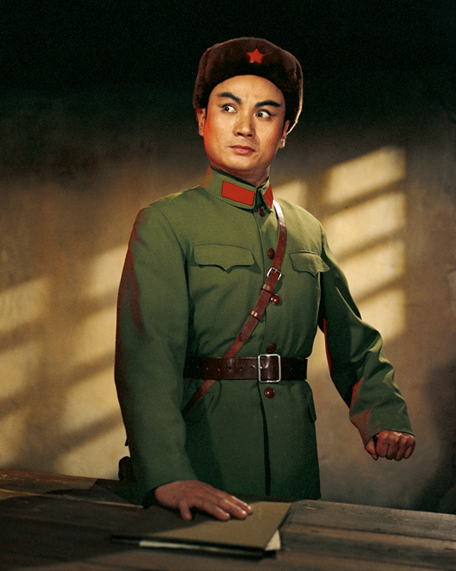
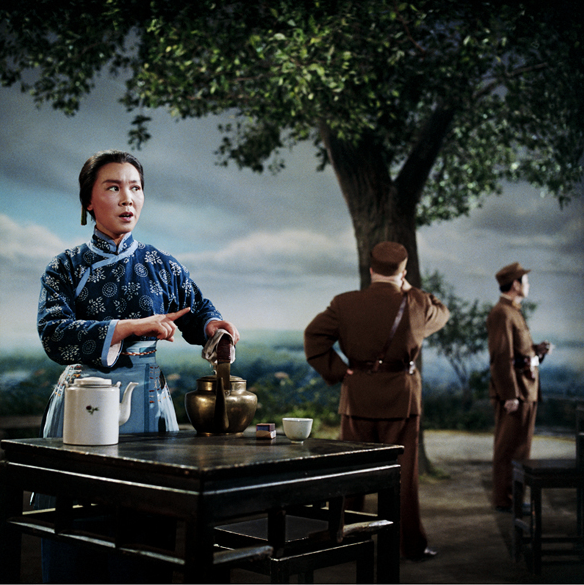
Only eight model operas were officially recognized at the peak of the Cultural Revolution. They included Peking operas like “Shajiabang” and “The White-Haired Girl,” as well as the revolutionary ballet “The Red Detachment of Women.” Each title was performed repeatedly across the country, sometimes by the same troupes touring for years. Audiences watched the same productions over and over, often knowing the lines and music by heart.
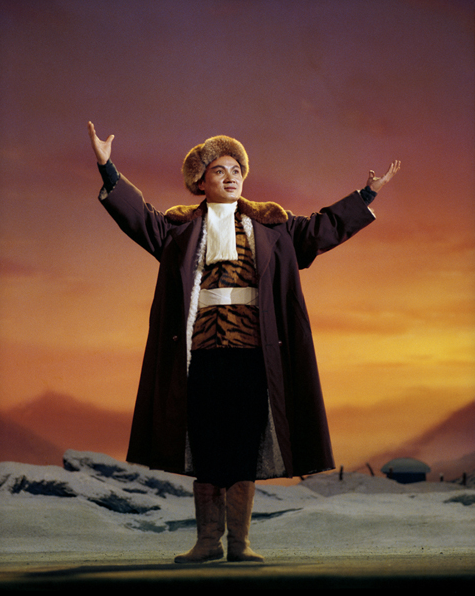
For the performers themselves, being cast in a model opera was both an honor and a source of pressure. These were among the most scrutinized theatrical productions in Chinese history. A misplaced gesture or an imperfect line delivery could attract unwanted political attention. Performers rehearsed with exceptional discipline, knowing that the stakes extended far beyond the stage.
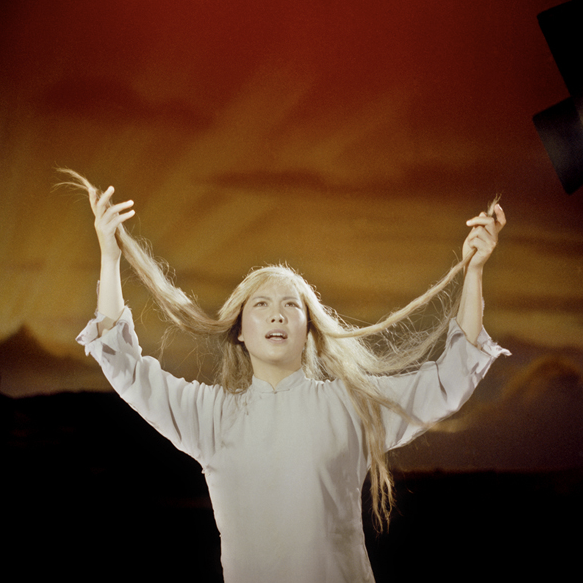
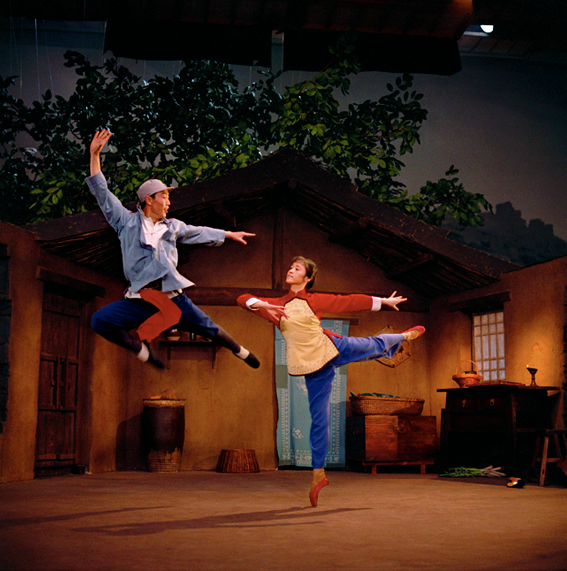
Zhang Yaxin’s photographs stand today as some of the most complete visual documentation of this era. Because traditional arts were suppressed and so much of China’s cultural output was destroyed or banned during the Cultural Revolution, the model opera photographs occupy a unique space. They are simultaneously a record of state propaganda and a detailed archive of performance, costume, and stagecraft from a decade that left little else behind.
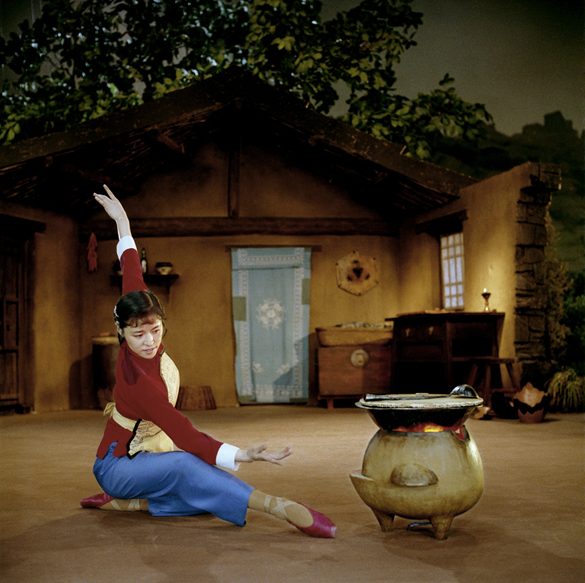
The reach of these images extended beyond China’s borders as well. The model operas were promoted internationally as examples of a new revolutionary culture. Foreign delegations visiting China were taken to performances. Photographs and films of the productions were shared with sympathetic governments and organizations abroad, making the model operas one of the most widely distributed examples of Chinese cultural diplomacy during this period.