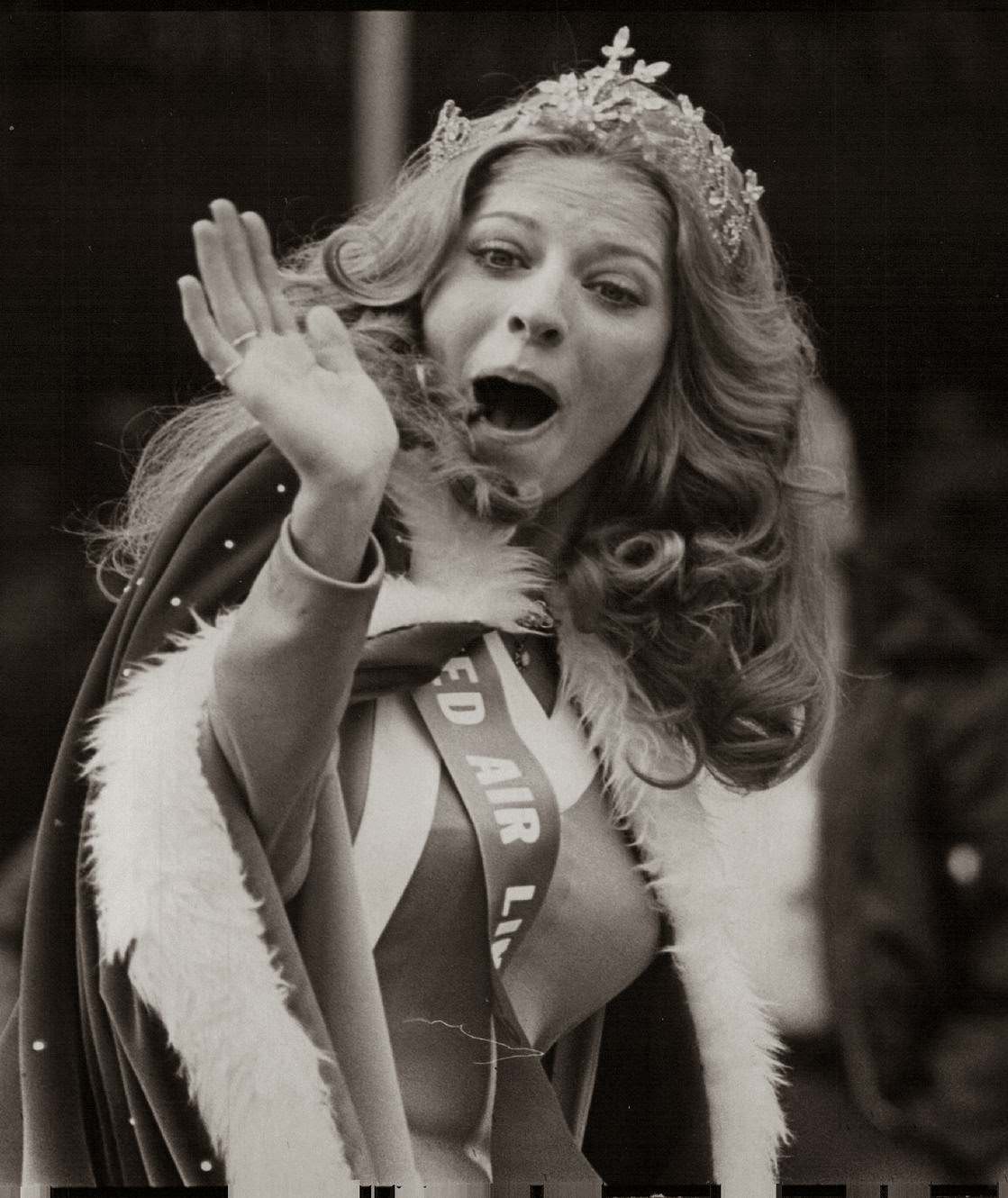
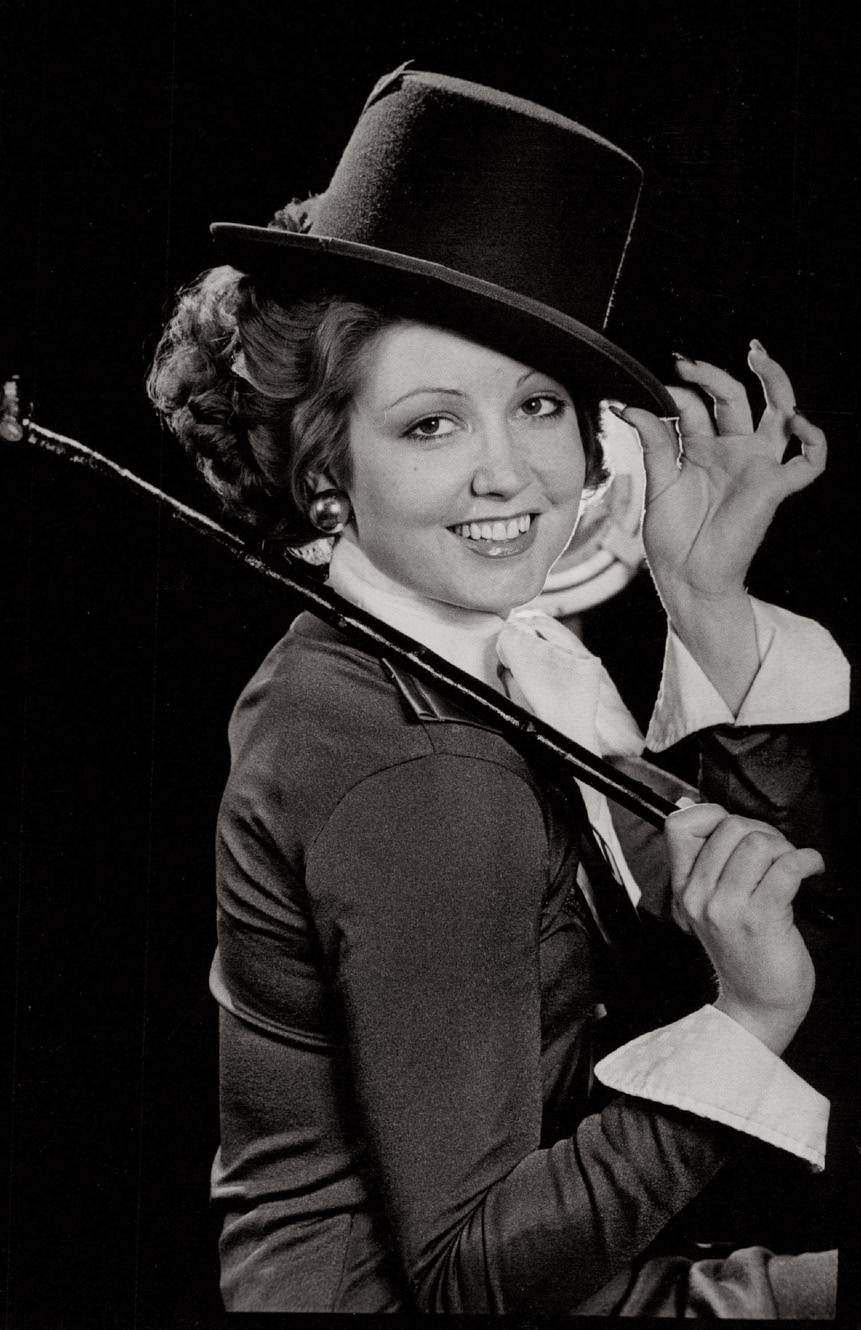
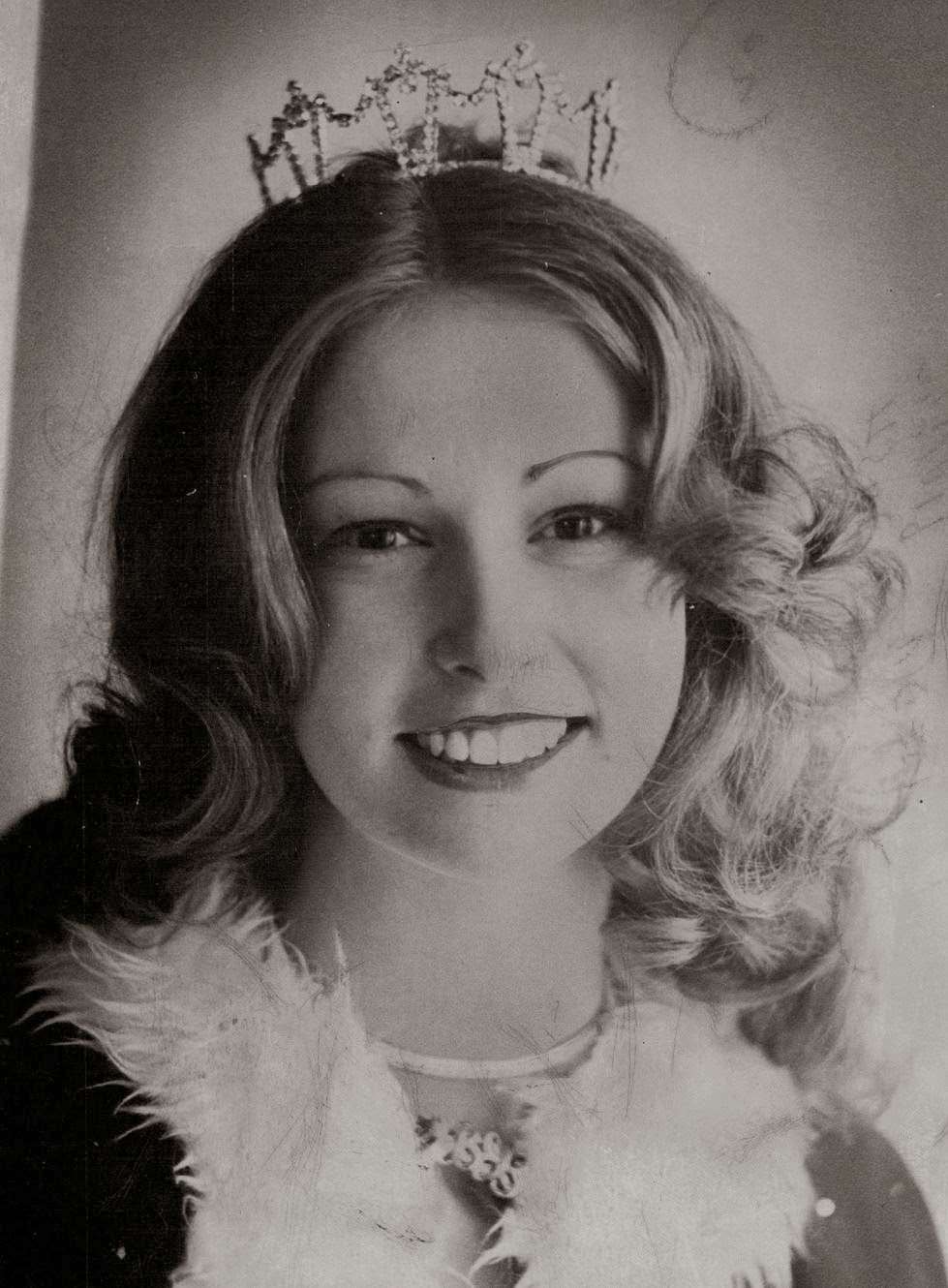
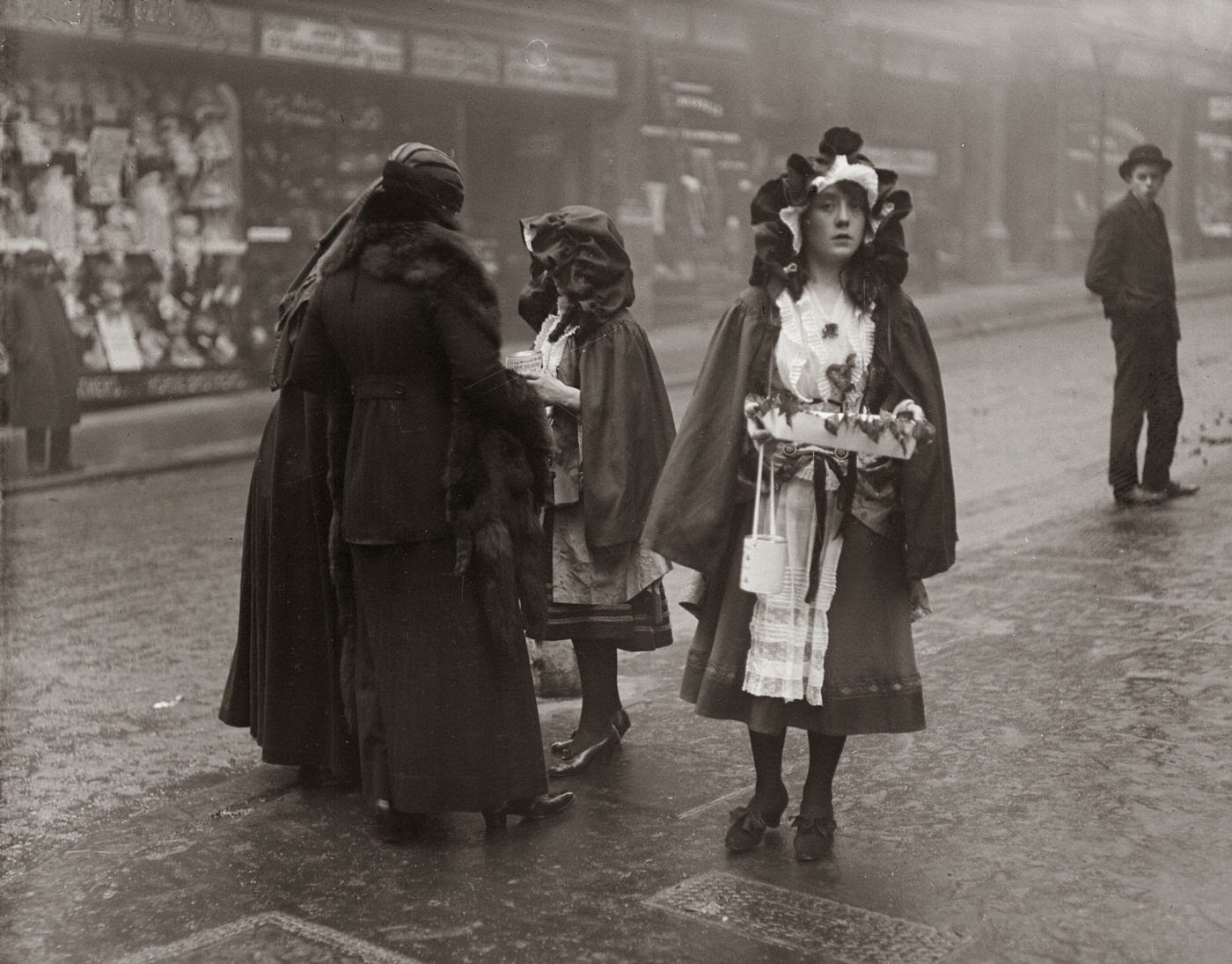
Long before green beads and bar crawls, St. Patrick’s Day in mid-20th century America was a polished, community-driven event. Women were not just participants — they were often the centerpiece of the entire celebration. From Dublin’s street sellers to Denver’s crowned queens, these vintage photos show just how central women were to the holiday.
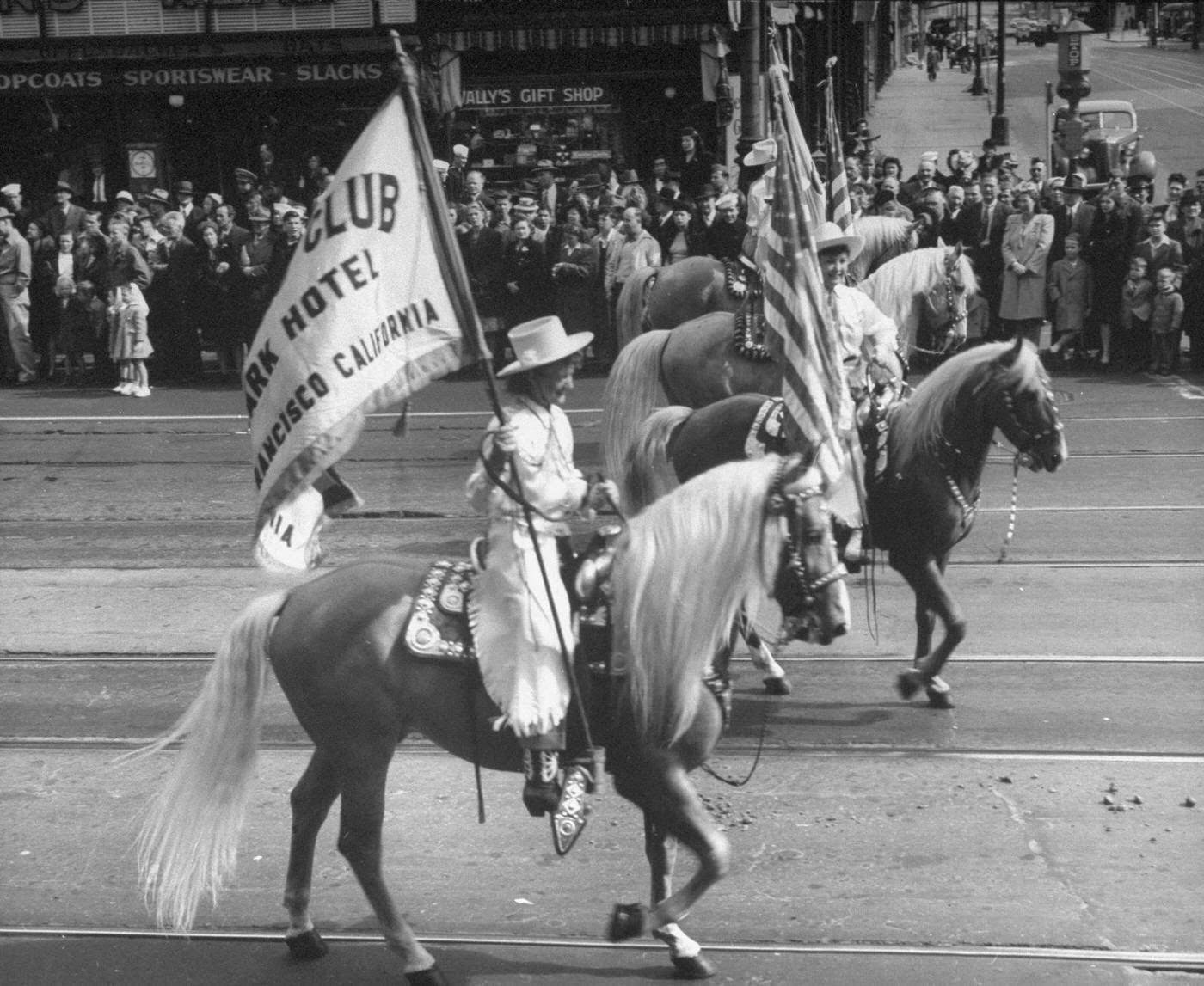
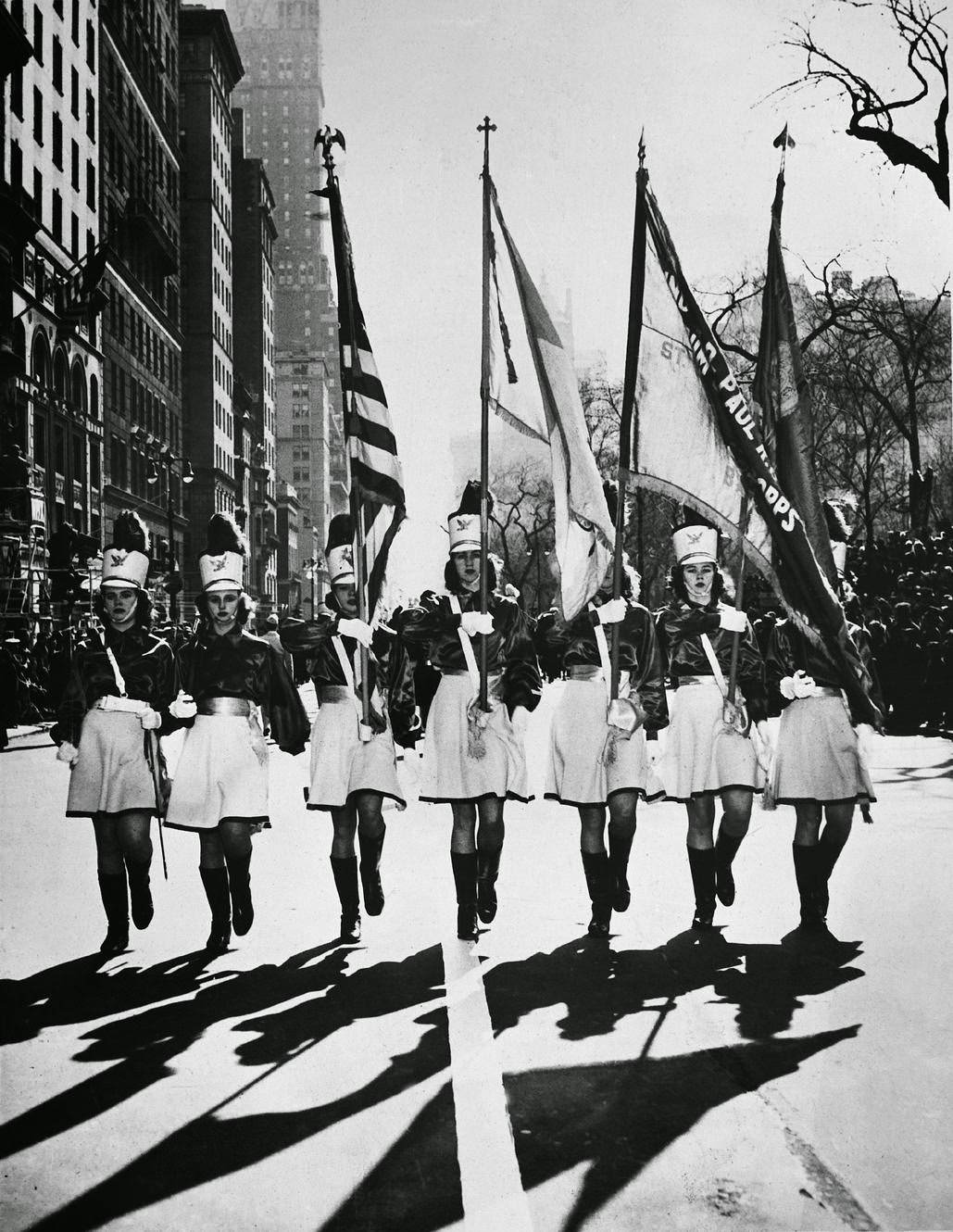
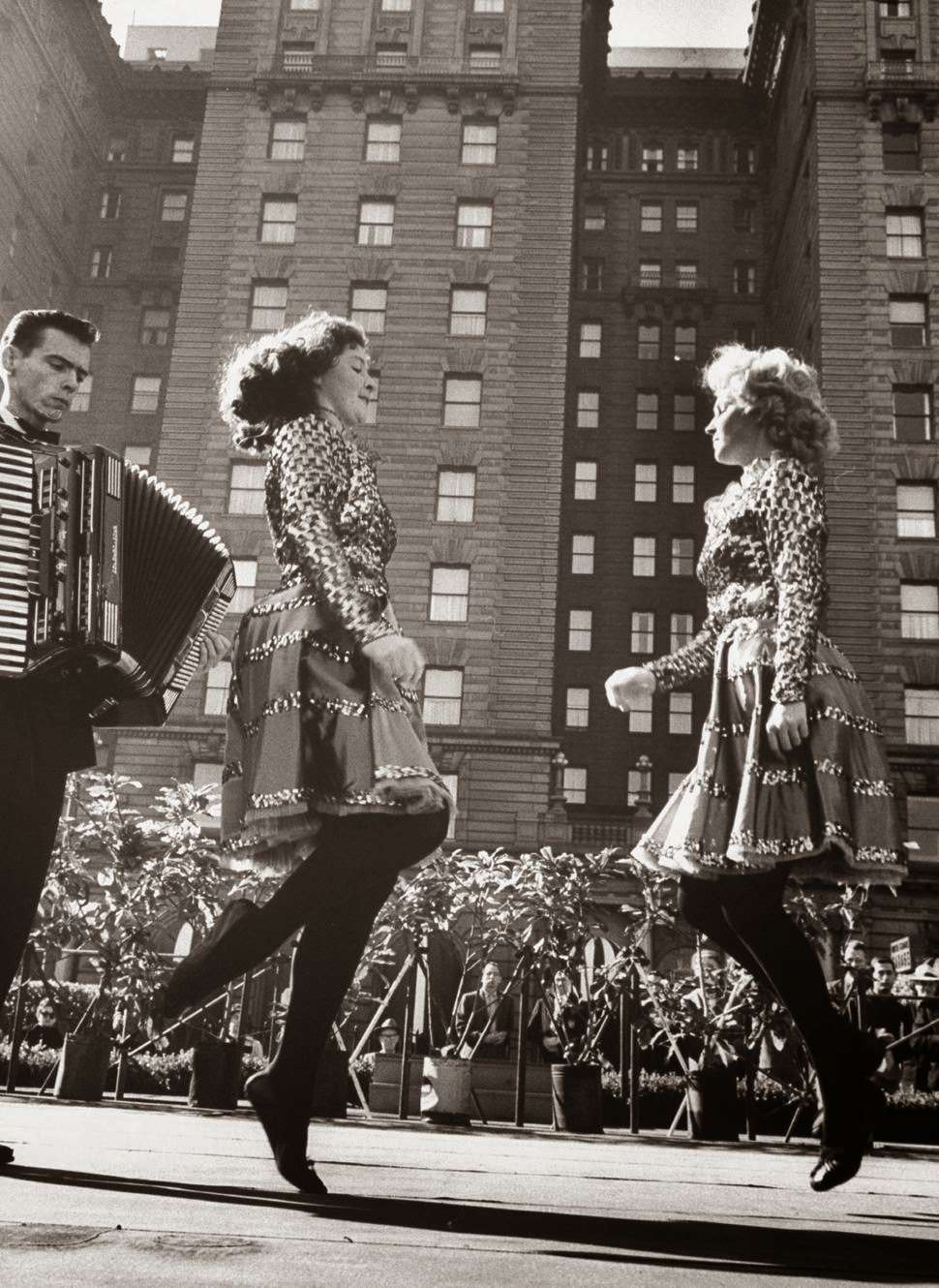
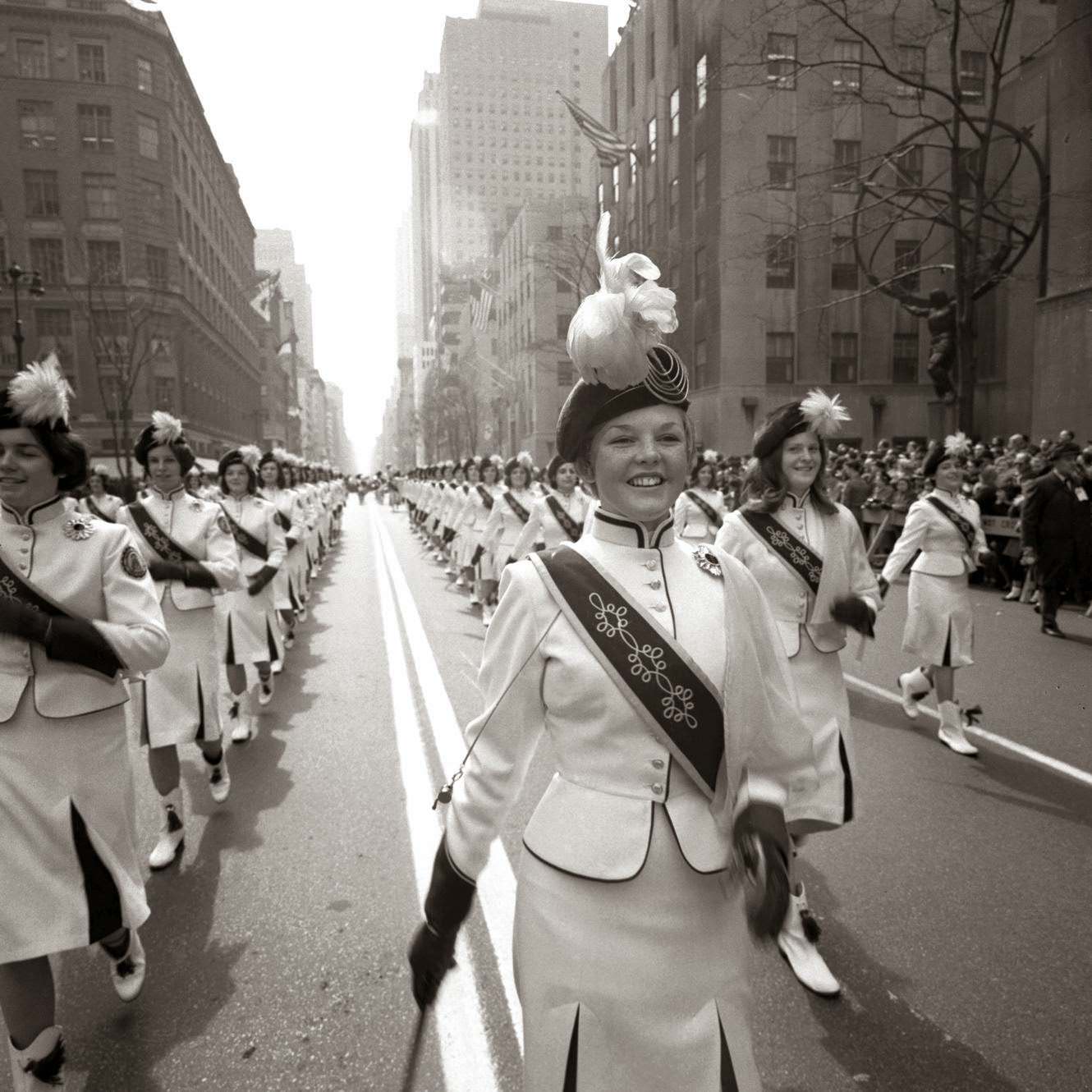
In American cities with large Irish populations, parades drew enormous crowds. Women lined main avenues like New York’s Fifth Avenue dressed in their finest green attire, treating the event as a major social occasion. On the West Coast, San Francisco held its own grand processions, with women marching alongside civic organizations and Irish-American groups.
The holiday also made its way into American living rooms. Television brought St. Patrick’s Day themes to the screen, as seen when CBS hosts Mike Wallace and Buff Cobb dedicated an episode of their talk show to the occasion in 1952.
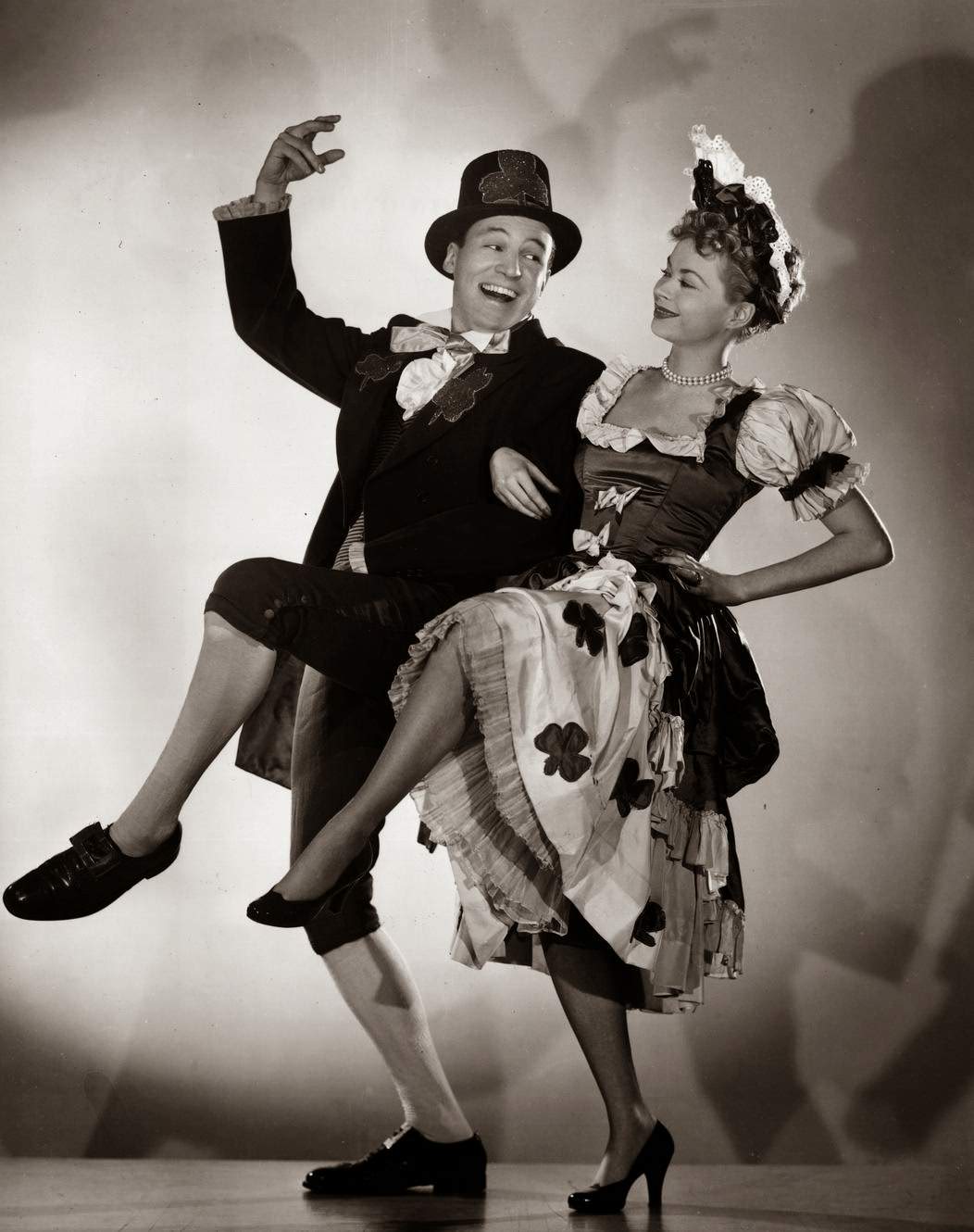
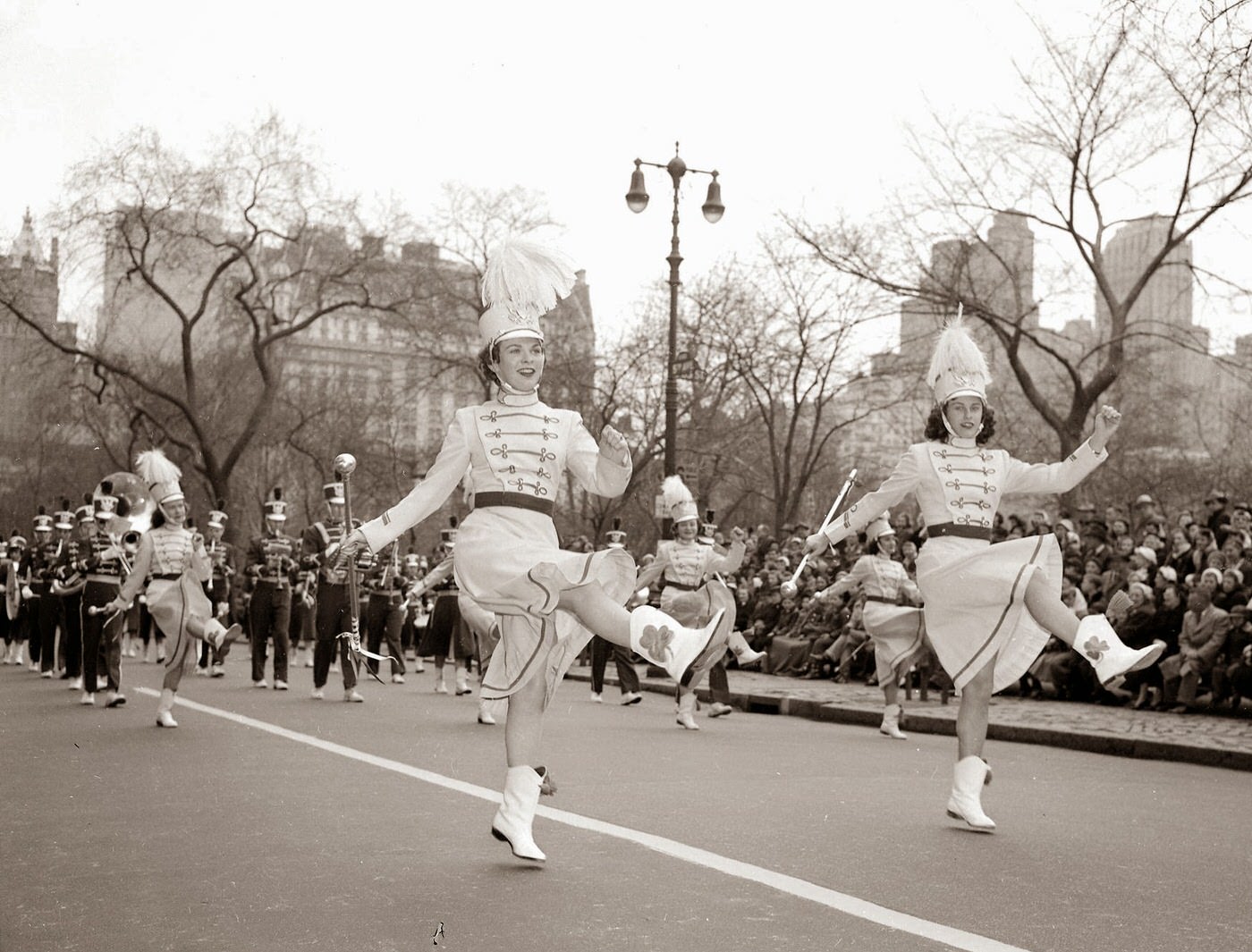
New York’s parade remained one of the largest annual gatherings in the country throughout the 1950s. Women marched with schools, dance troupes, and civic clubs, carrying banners and wearing coordinated green outfits complete with hats, gloves, and shamrock corsages.
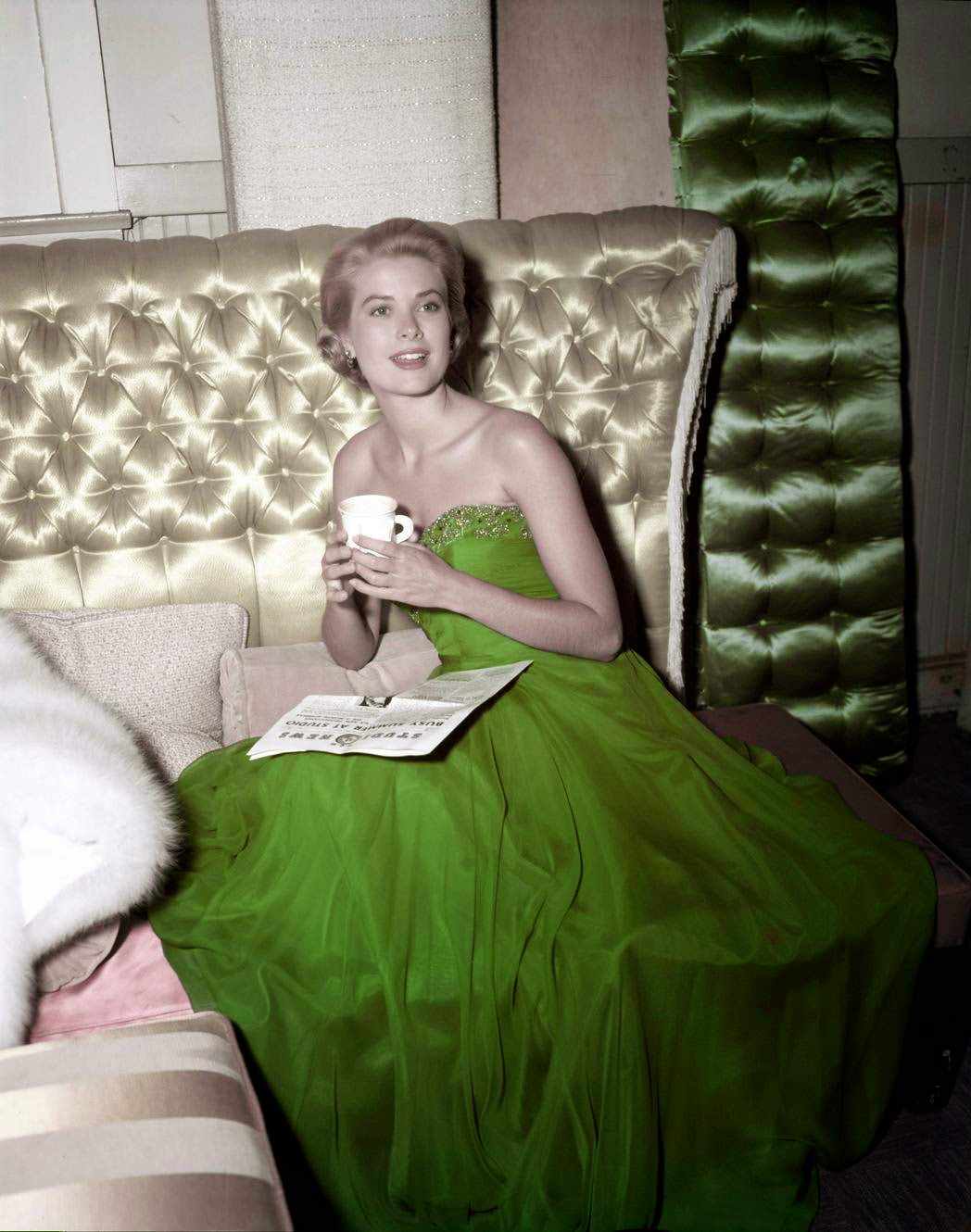
For high-society St. Patrick’s Day Balls, fashion leaned toward glamour. Grace Kelly — before she became Princess of Monaco — was photographed in 1954 embodying that elegant approach to the holiday, wearing green with the kind of composed style that made her a fashion icon of the era.
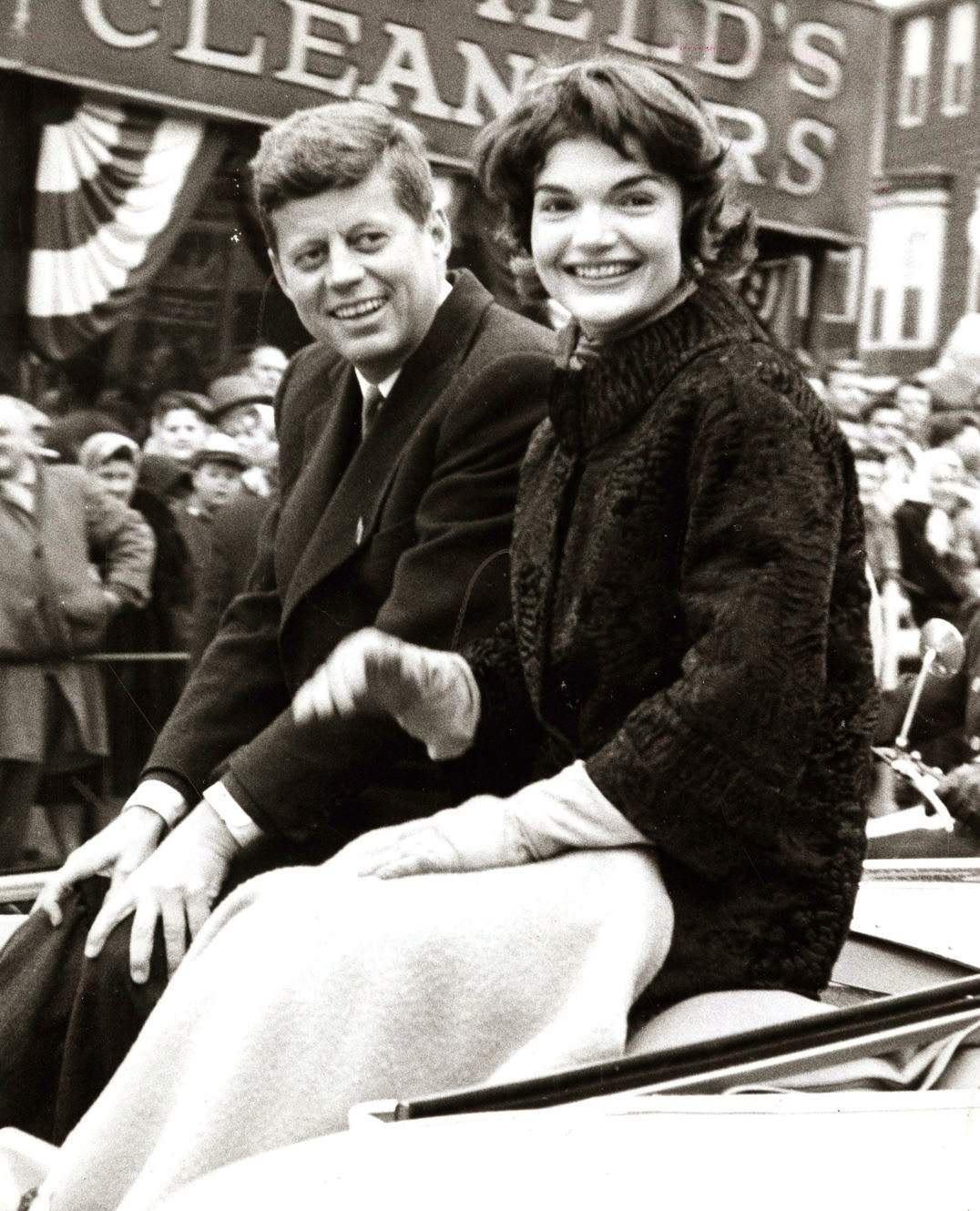
Political families embraced the day publicly as well. Jackie Kennedy attended the Boston St. Patrick’s Day Parade with John F. Kennedy in 1958, dressed in a green coat and pillbox hat — a look that perfectly captured the polished fashion sensibility of that period.
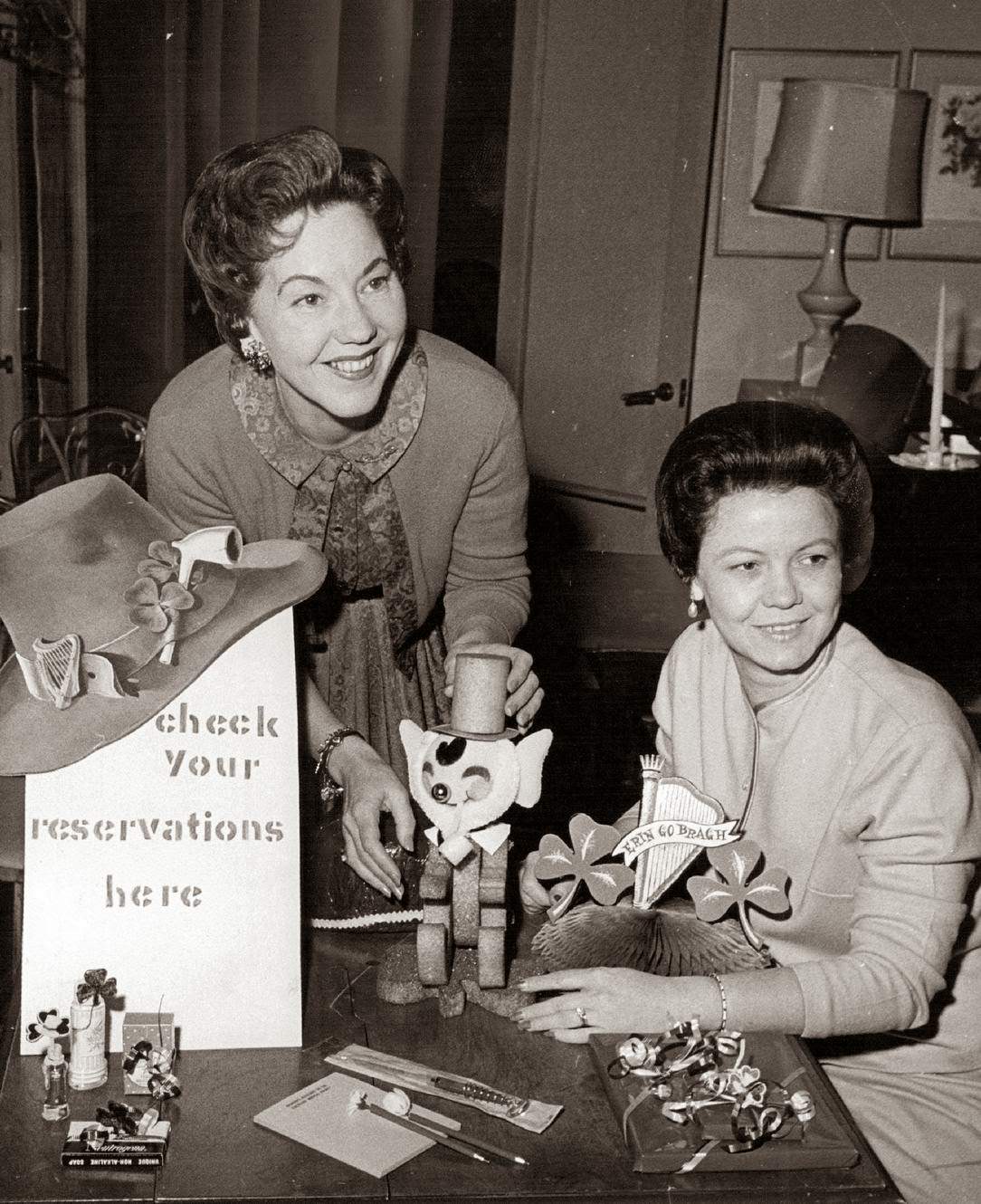
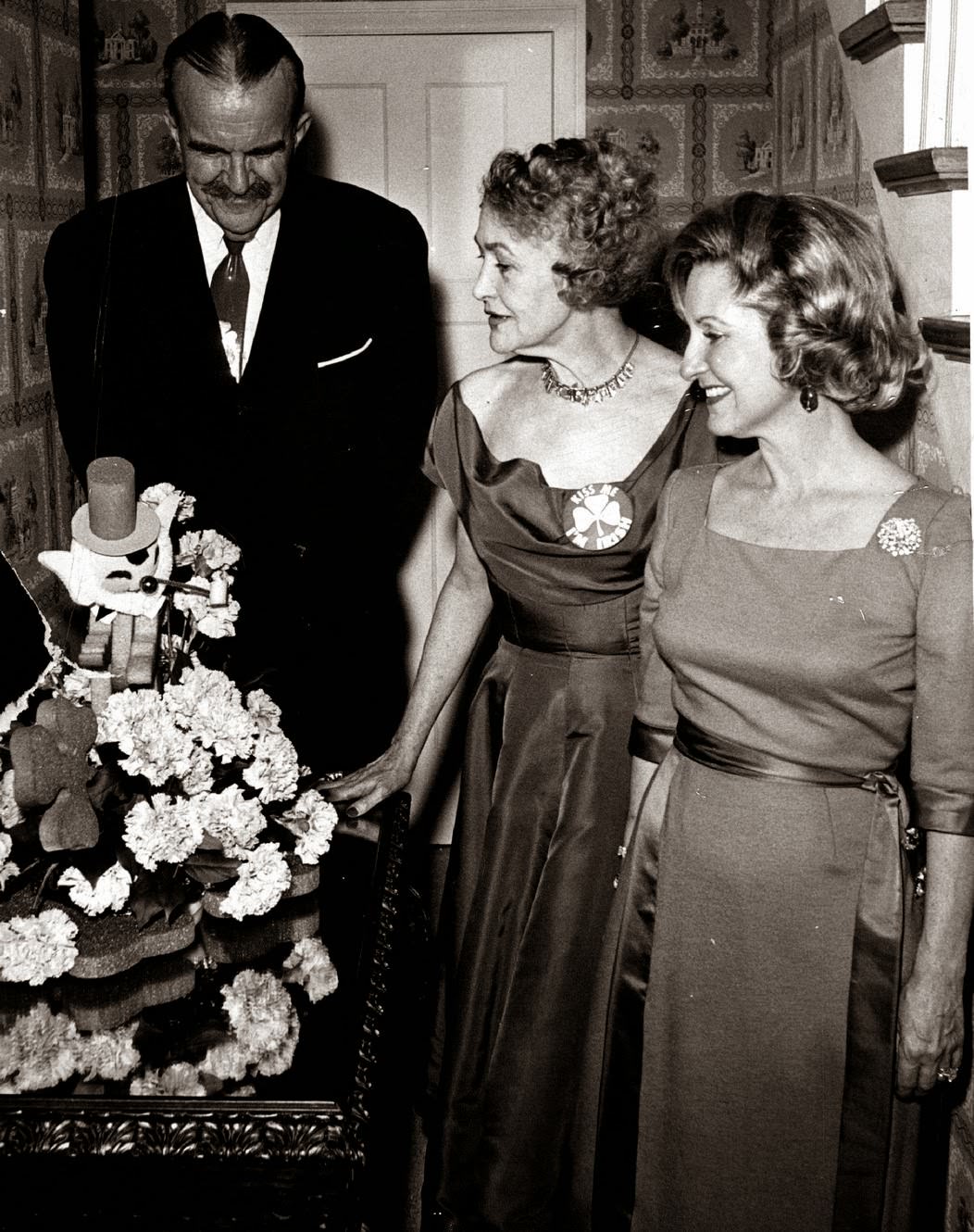
Private parties were just as festive as public parades. Gatherings like Eleanore Weckbaugh’s 1964 St. Patrick’s Day party brought the celebration indoors, where green decorations, formal dress, and community spirit were on full display.
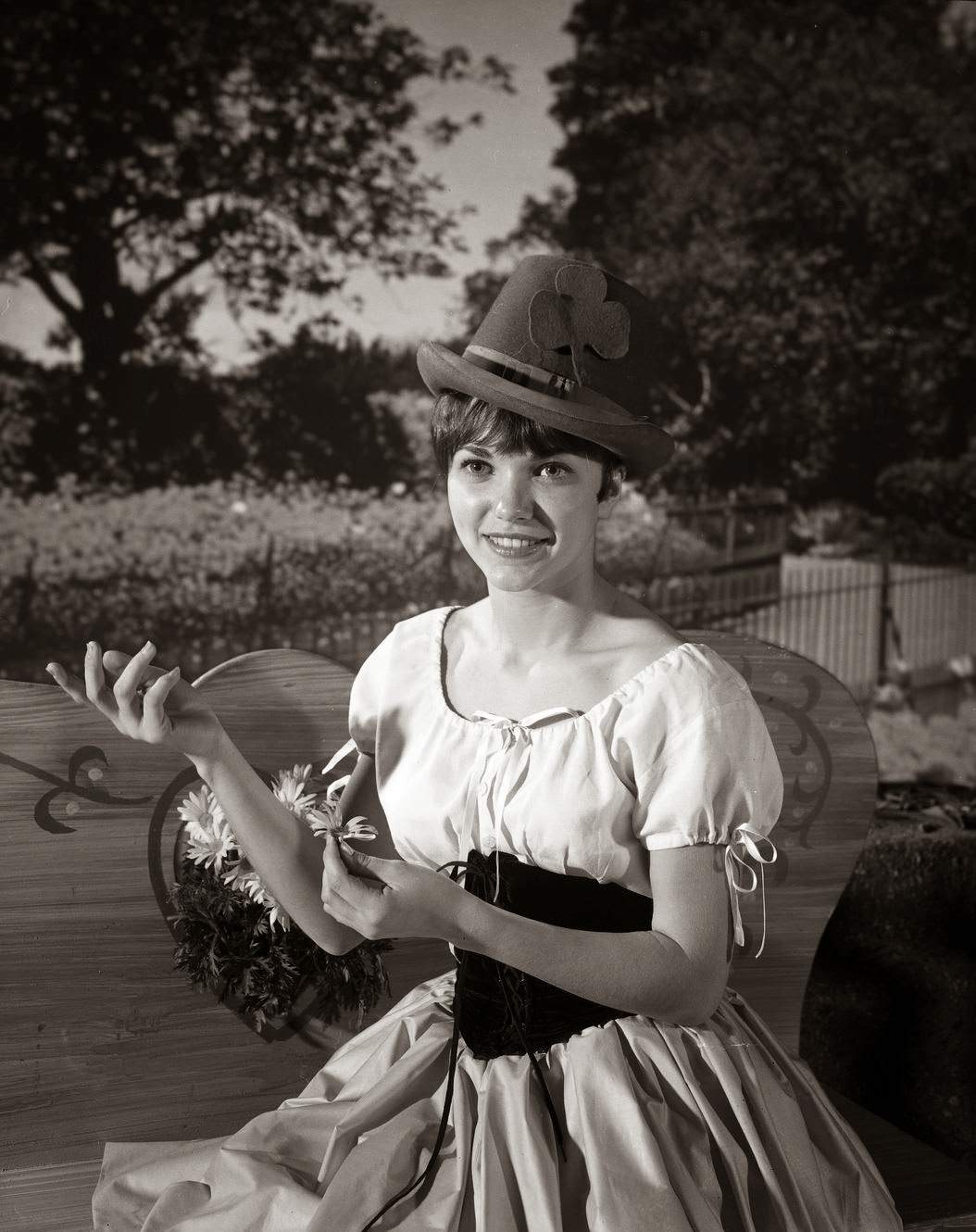
One of the most prominent traditions in cities like Denver was the crowning of a St. Patrick’s Day Queen. The selection process resembled a formal pageant, with young women from the Irish-American community judged on poise, appearance, and ties to their heritage. The queen would ride on a decorated float in the parade, wearing a crown and formal gown, as the face of the city’s entire celebration. Denver held this tradition consistently through the late 1960s and into the 1970s.
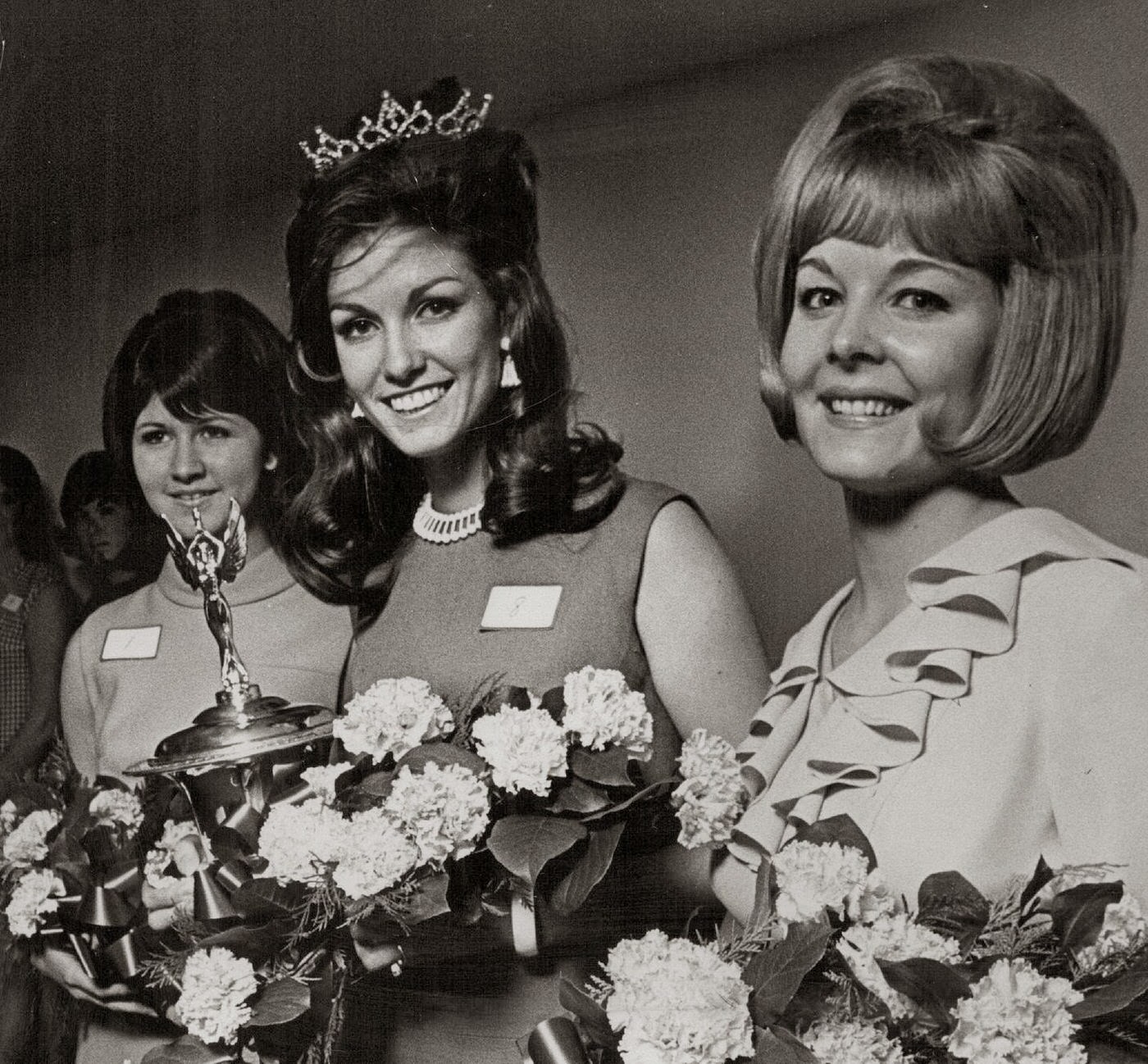
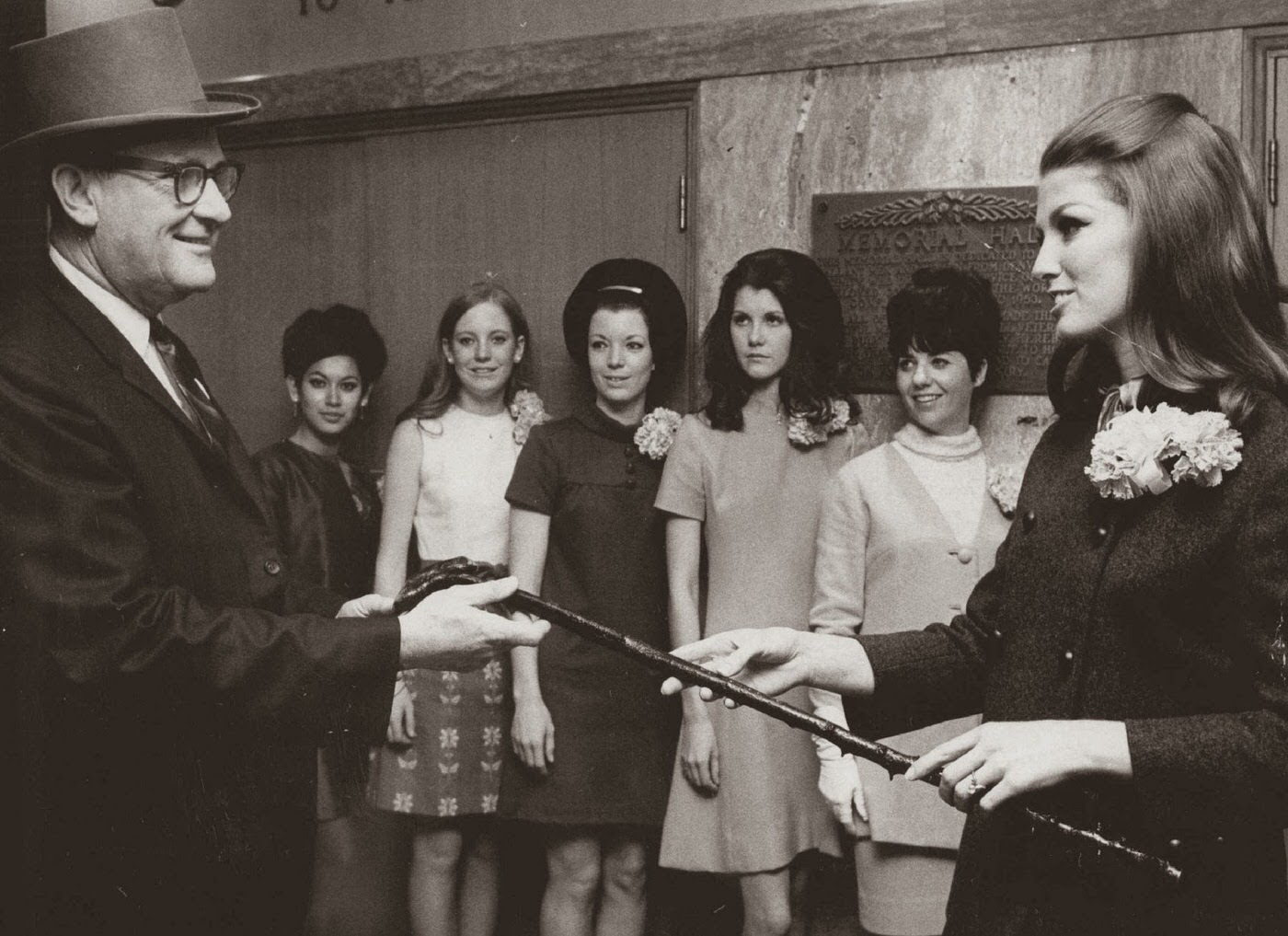
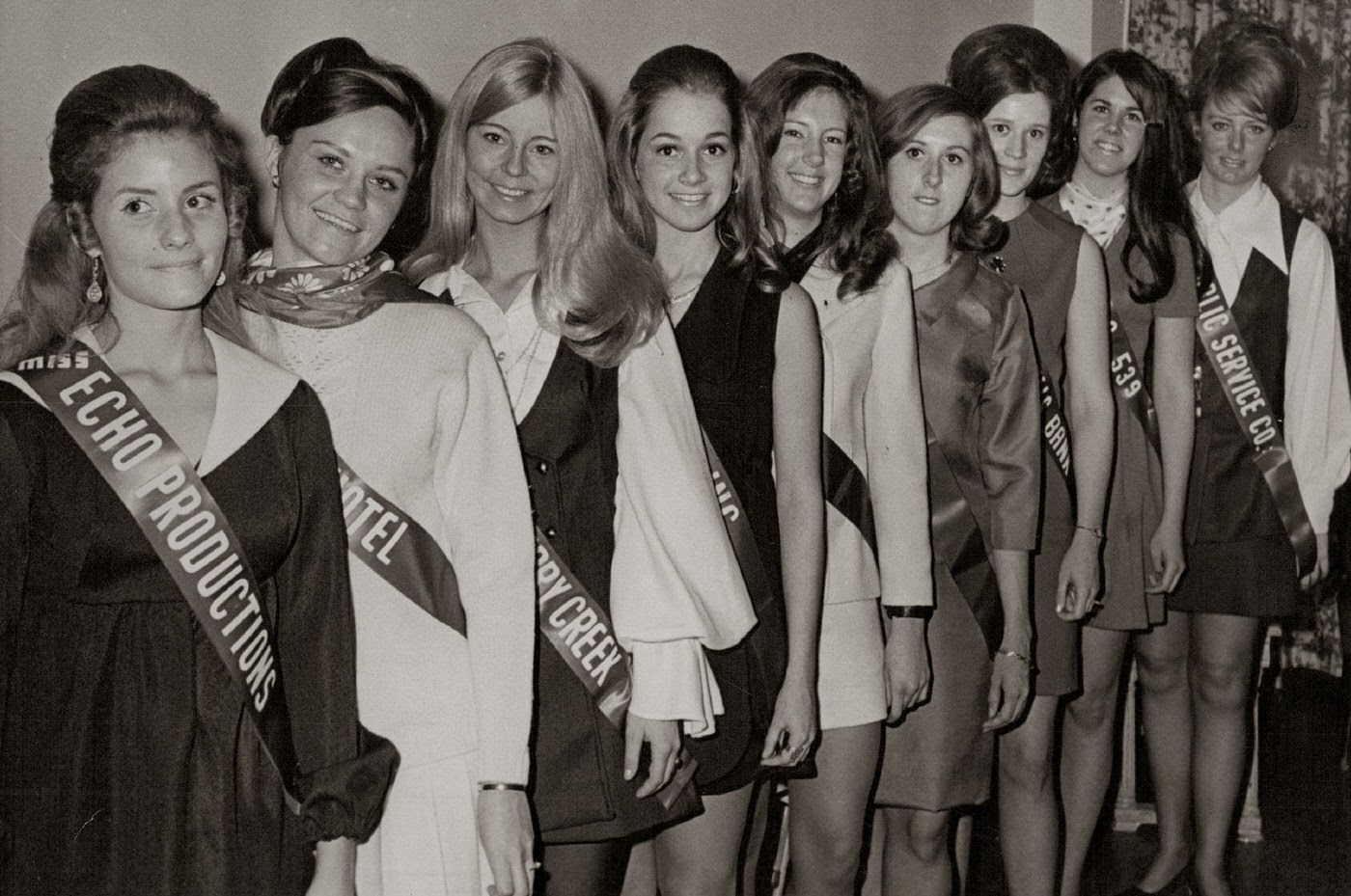
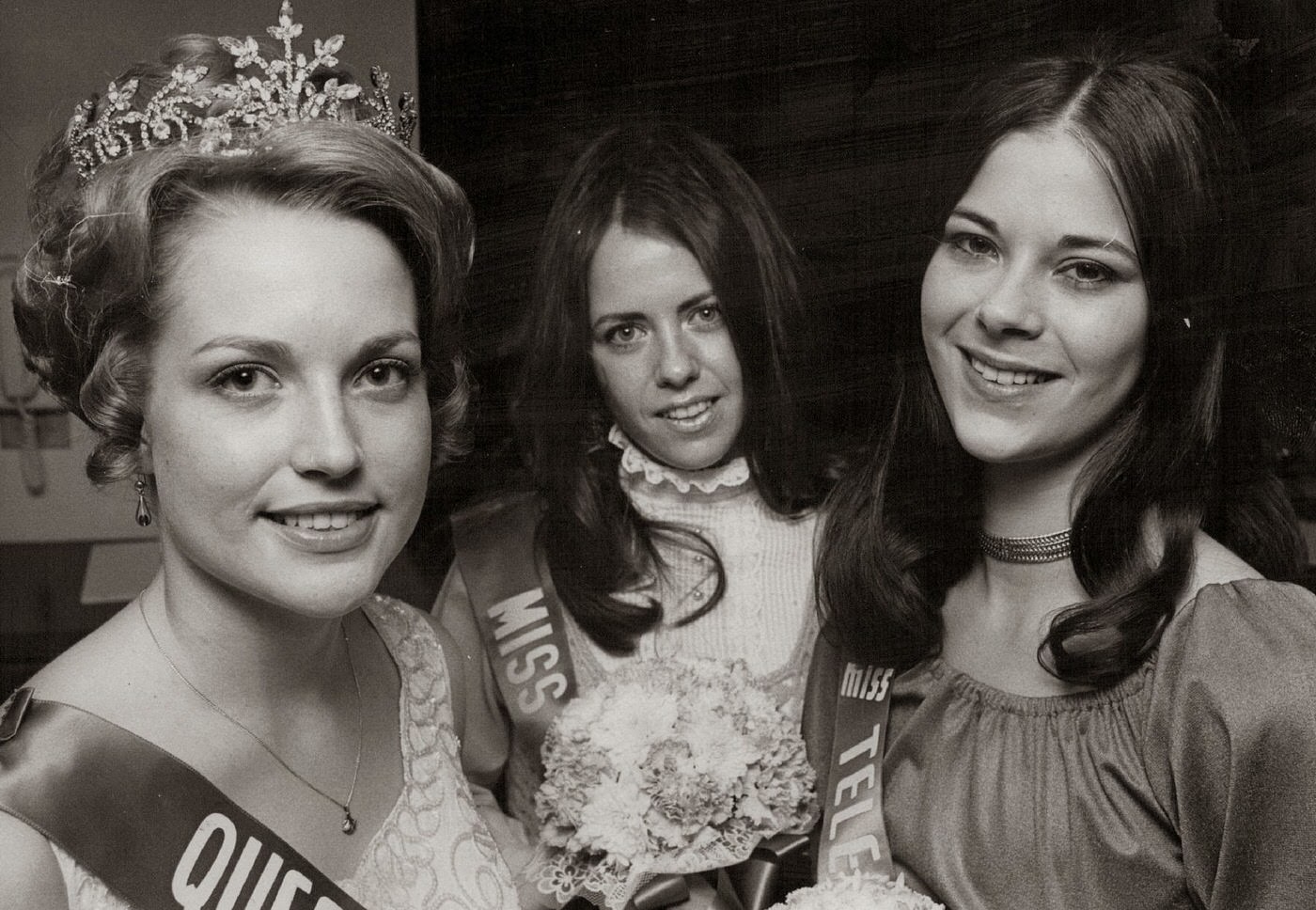
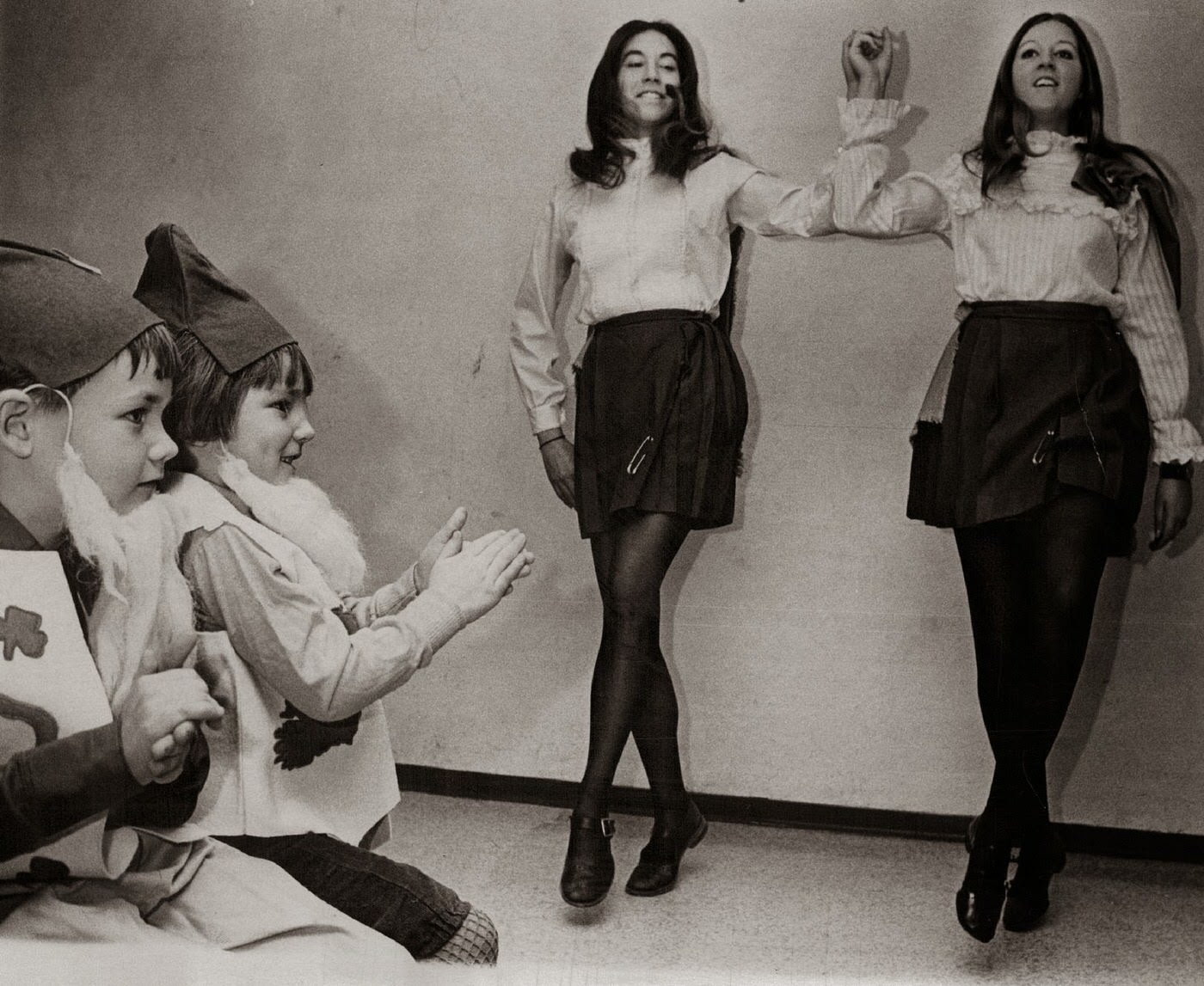
Denver’s queen competition continued to draw contestants each year through the mid-1970s. Each winner took on civic duties beyond the parade itself — attending luncheons, balls, and community events as a representative of her Irish-American heritage.