The American Frontier — what most people call the Wild West — stretched across roughly three decades, from the 1870s to the early 1900s. It was a period of rapid, often brutal change. The U.S. government pushed settlers westward, entire Native American nations were uprooted, and makeshift towns rose from bare plains almost overnight. The mythology around this era tends to focus on gunfights and outlaws, but daily life in the West was far more complex and far harder than most stories let on.
The legal foundation of westward expansion was the Homestead Act of 1862. Under this law, the federal government offered free land to anyone willing to settle and develop it. That promise pulled in farmers, ranchers, miners, and fortune-seekers from across the country and from abroad. Settlers arrived by wagon train, by stagecoach, and eventually by rail. They built homes on the open prairie, broke ground on land that had belonged to Native peoples for generations, and started communities from scratch in some of the most unforgiving terrain in North America.
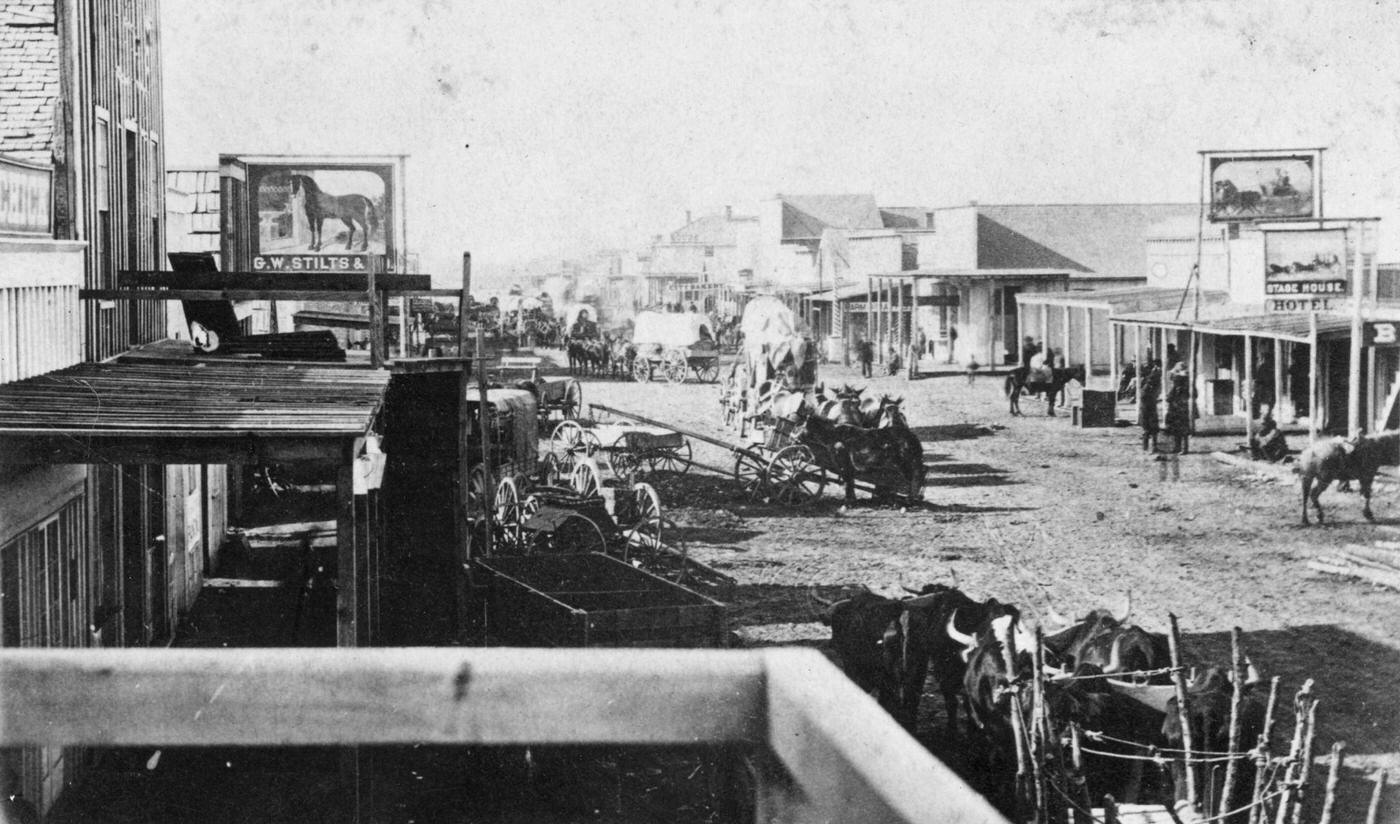
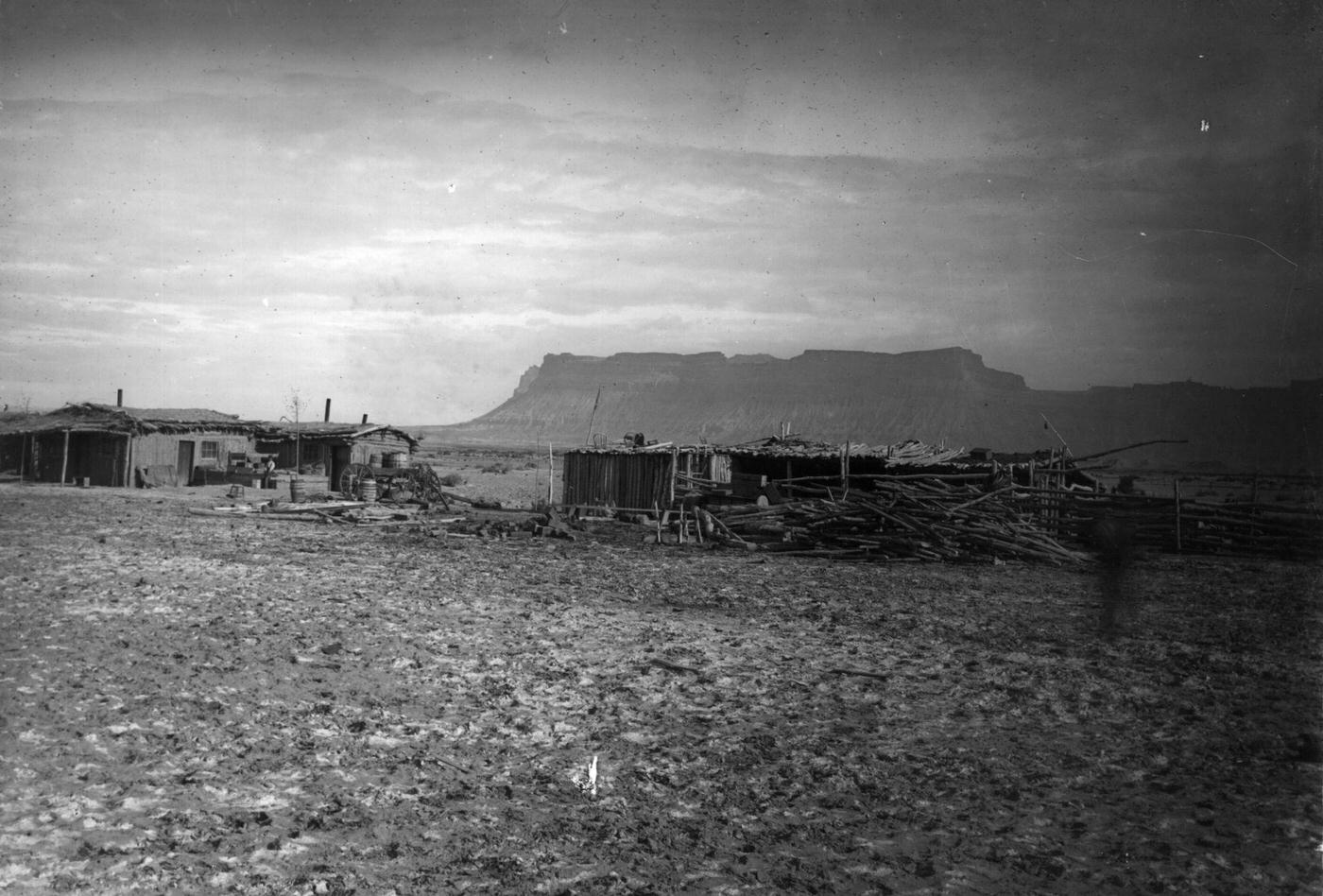
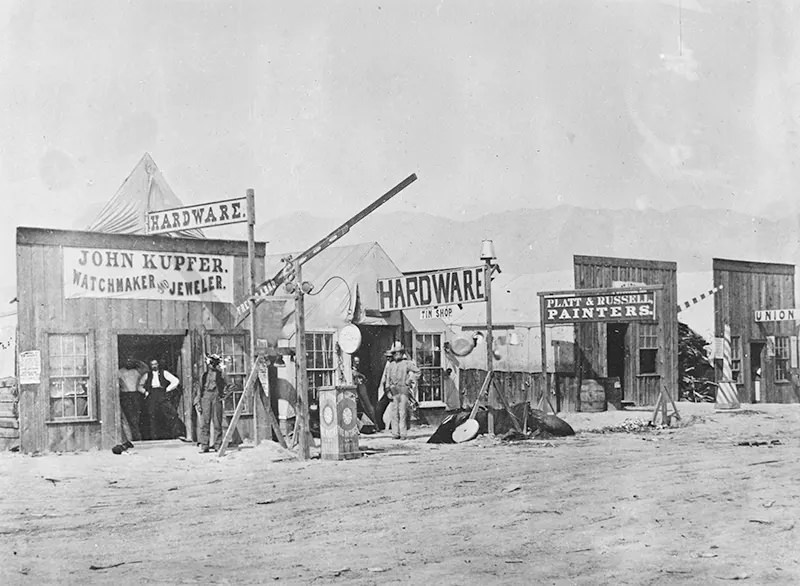
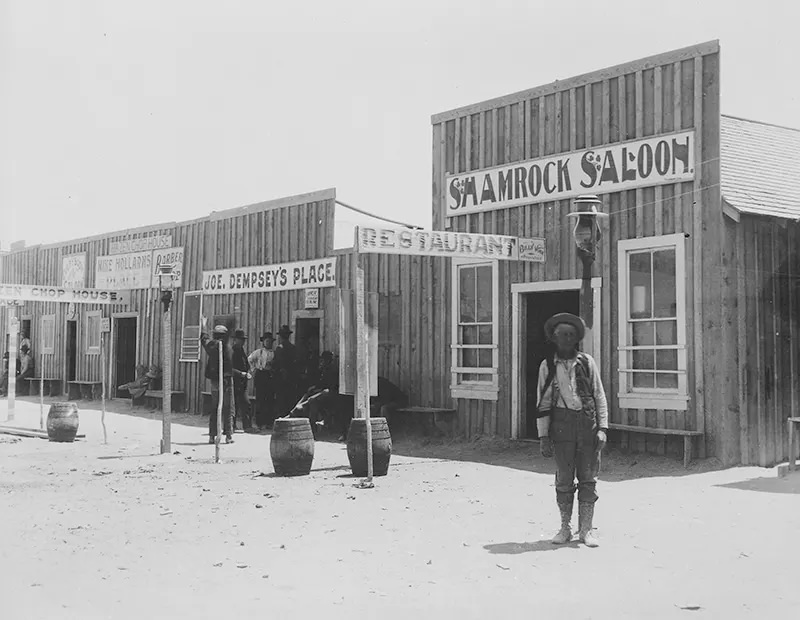
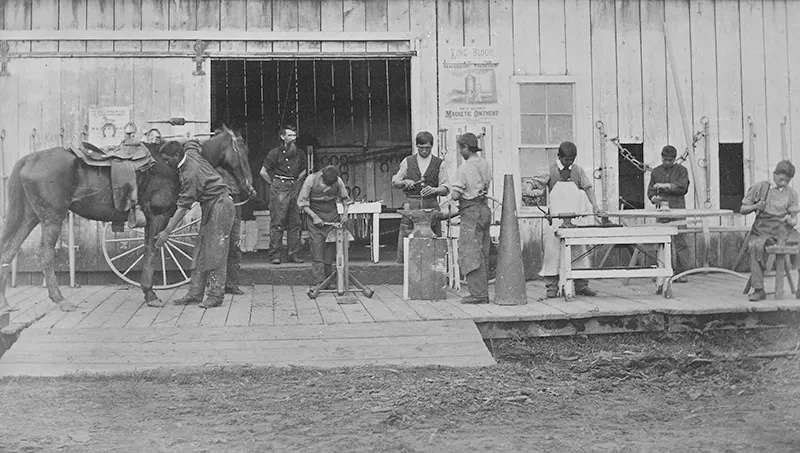
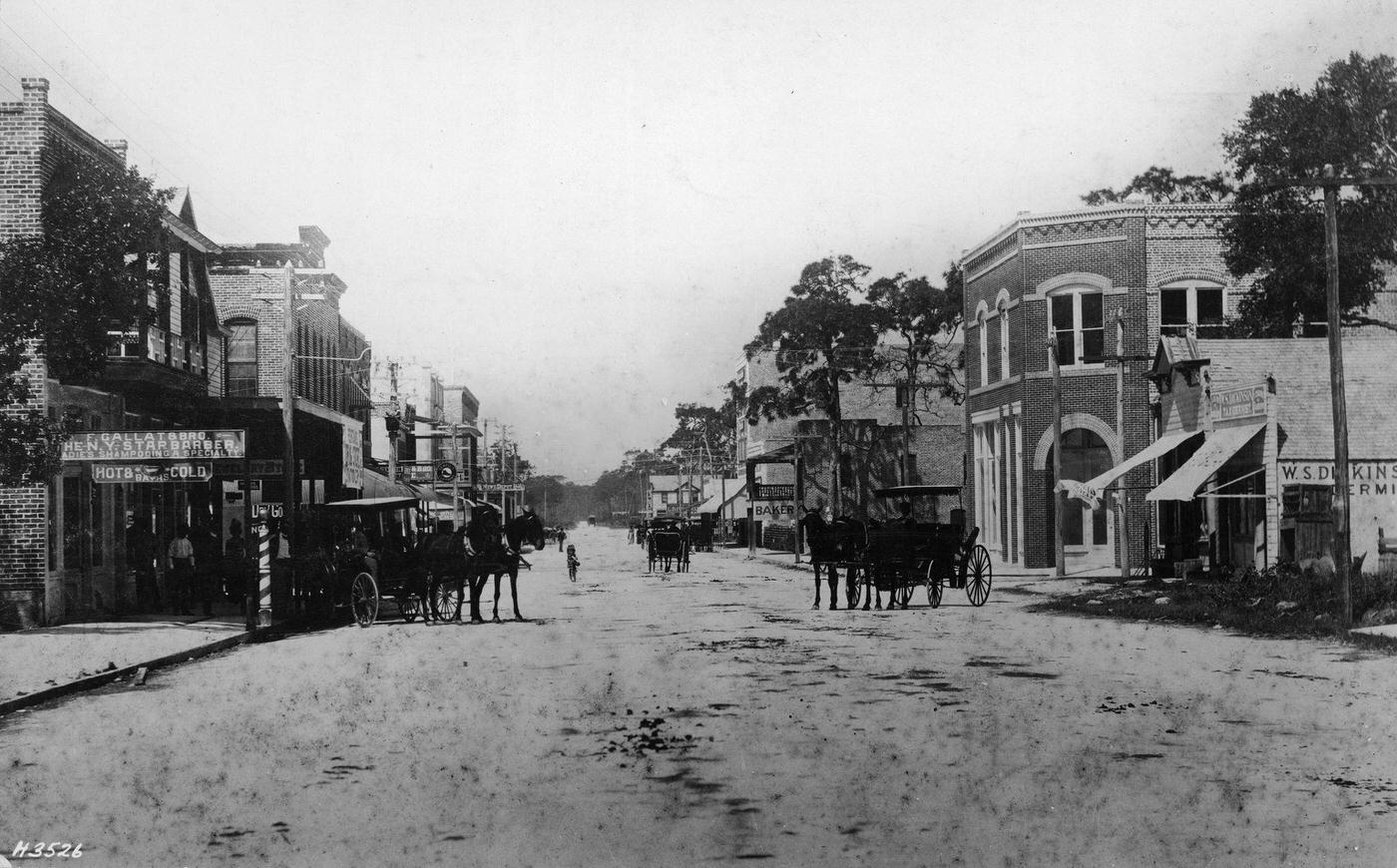
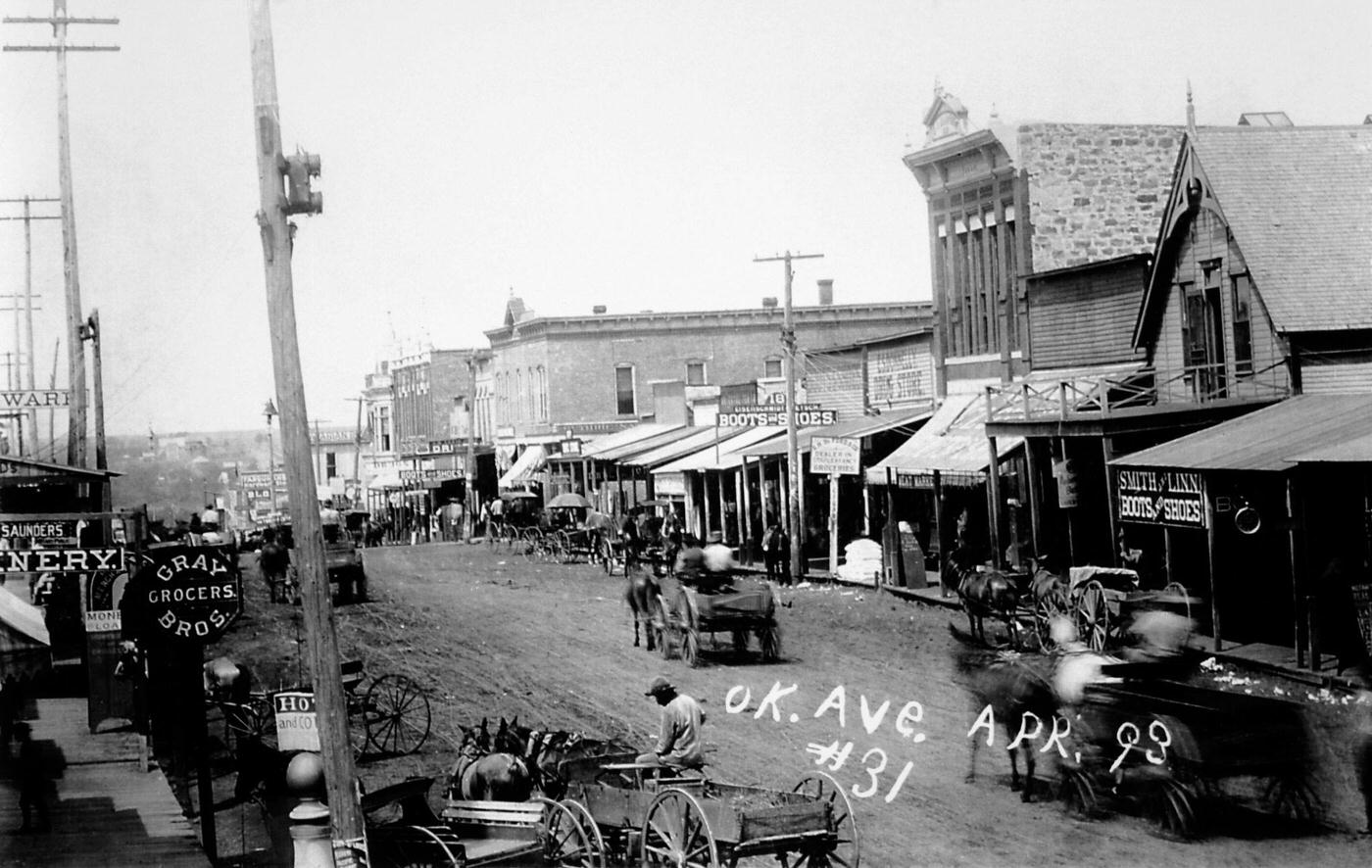
Frontier towns sprang up with remarkable speed. A stretch of open land could become a named settlement within weeks of a land auction or gold strike. These towns were raw and practical — unpaved streets, wooden storefronts, and businesses that catered to whoever was passing through. General stores, saloons, blacksmith shops, and sometimes a single-room schoolhouse were often the first structures in place.
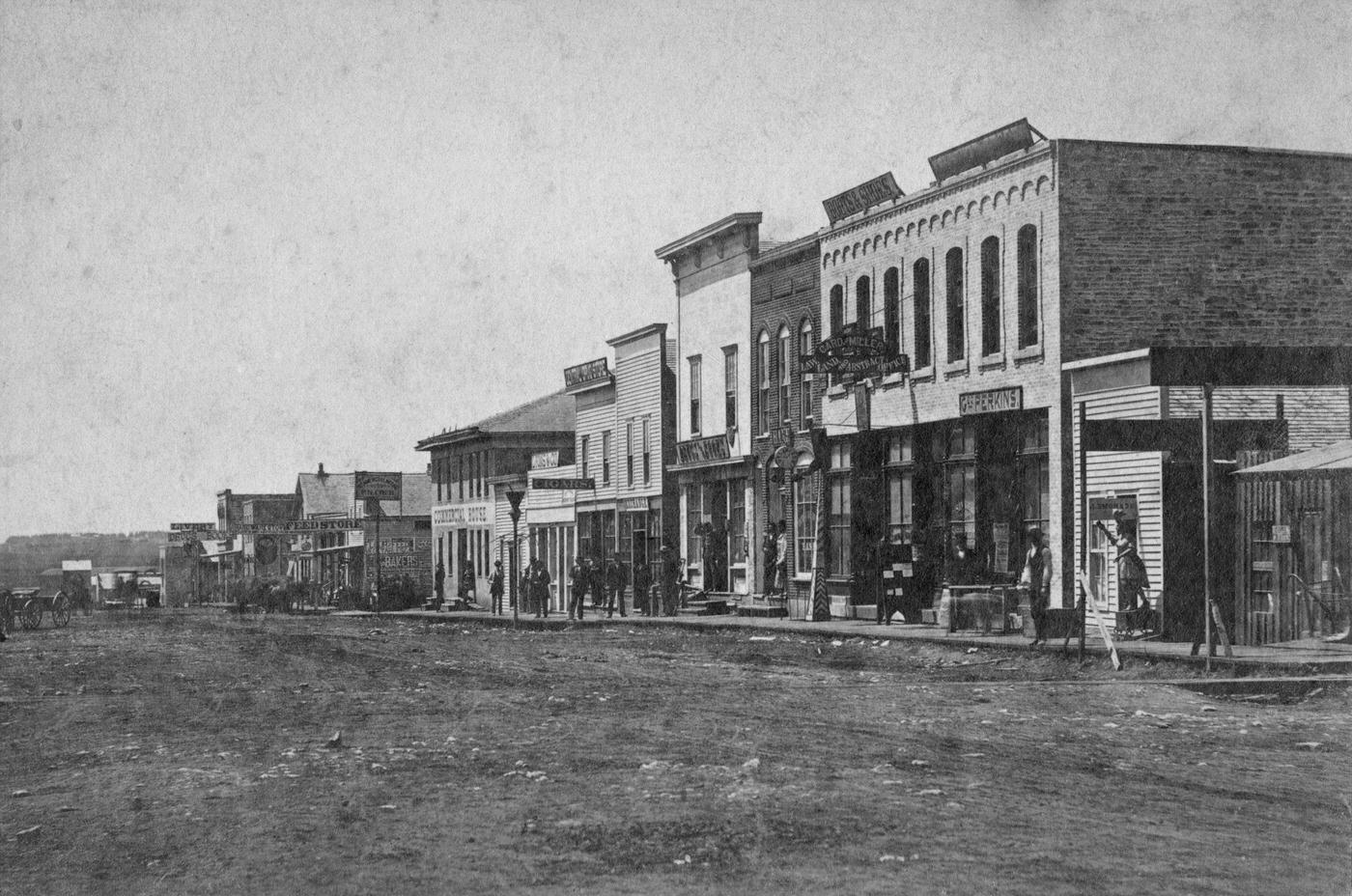
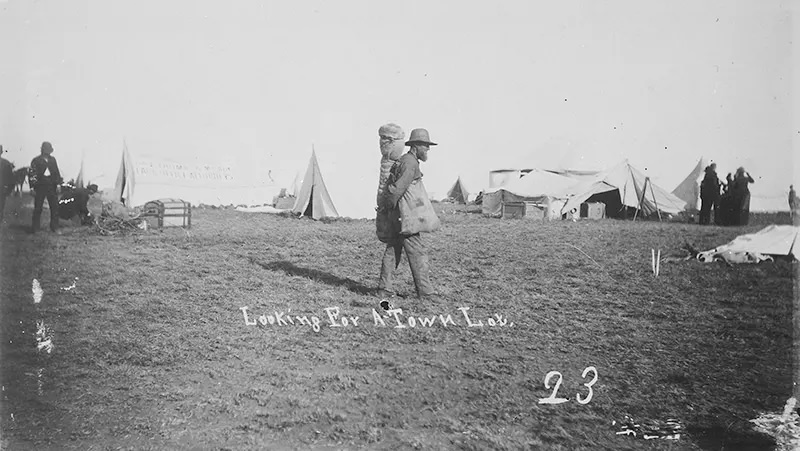
In April 1889, the Oklahoma Land Rush opened the Unassigned Lands to settlement. Tens of thousands of people lined up at the territory’s borders and raced to claim lots the moment the signal was fired. Guthrie, Oklahoma went from empty ground to a city of thousands in a single afternoon. New settlers had to search on foot for available lots, set up tents, and build whatever shelter they could before dark.
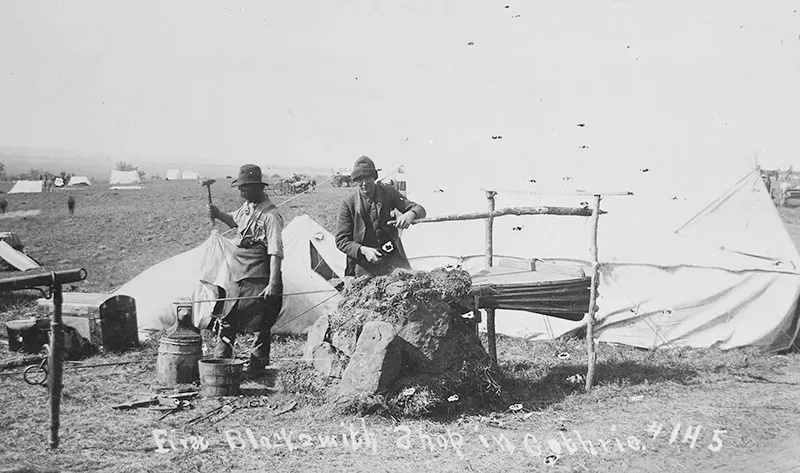
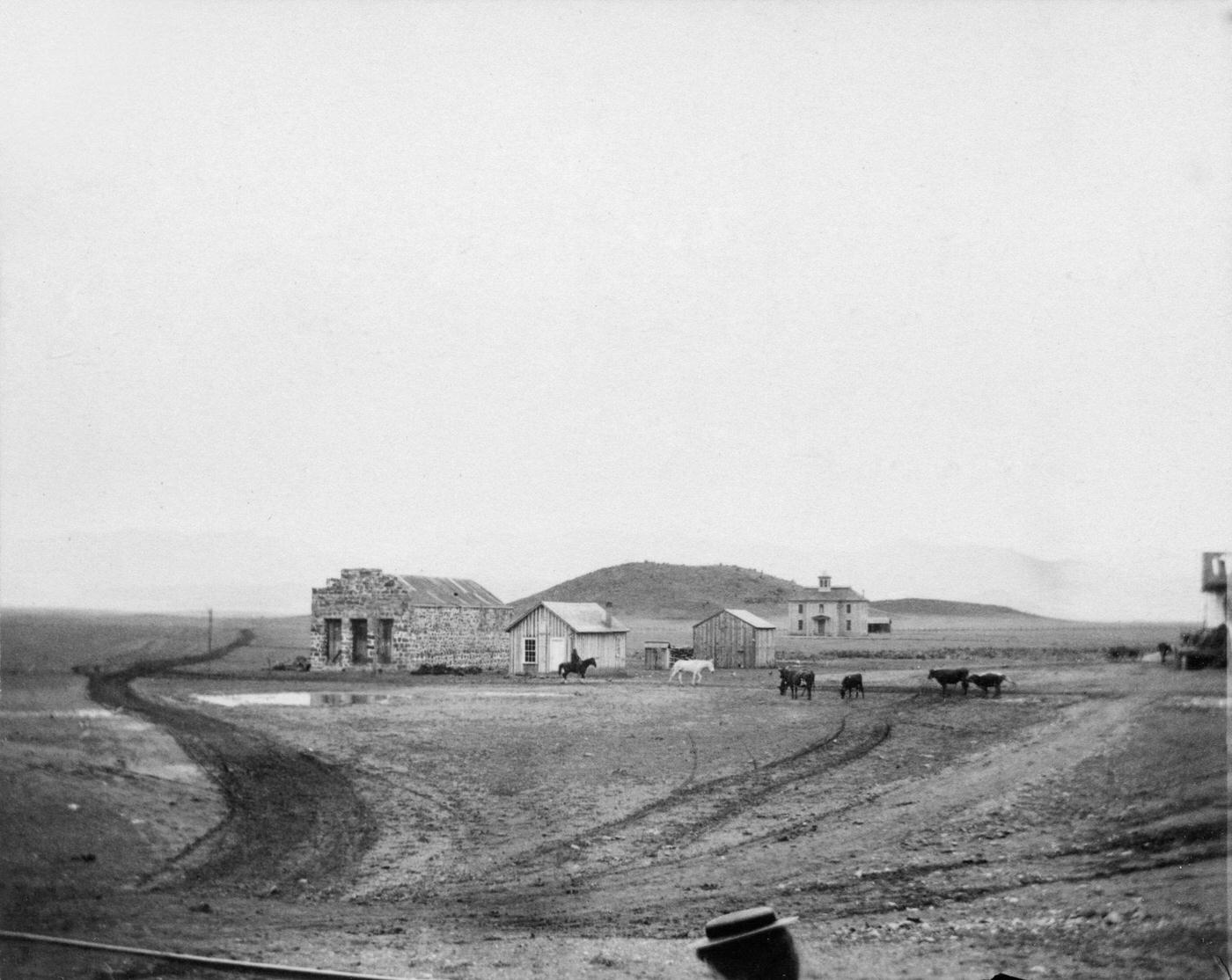
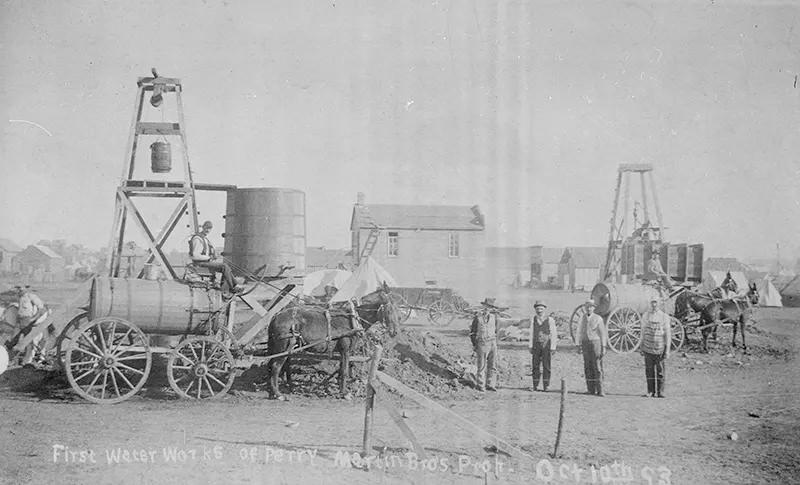
The first structures in any frontier town were rarely impressive. Dodge City, Kansas — which would become one of the most famous frontier towns in American history — started with a single house built in August 1872. Within a few years it was a bustling cattle town. Basic infrastructure like water works, roads, and organized law enforcement came slowly, and many towns operated without them for years.
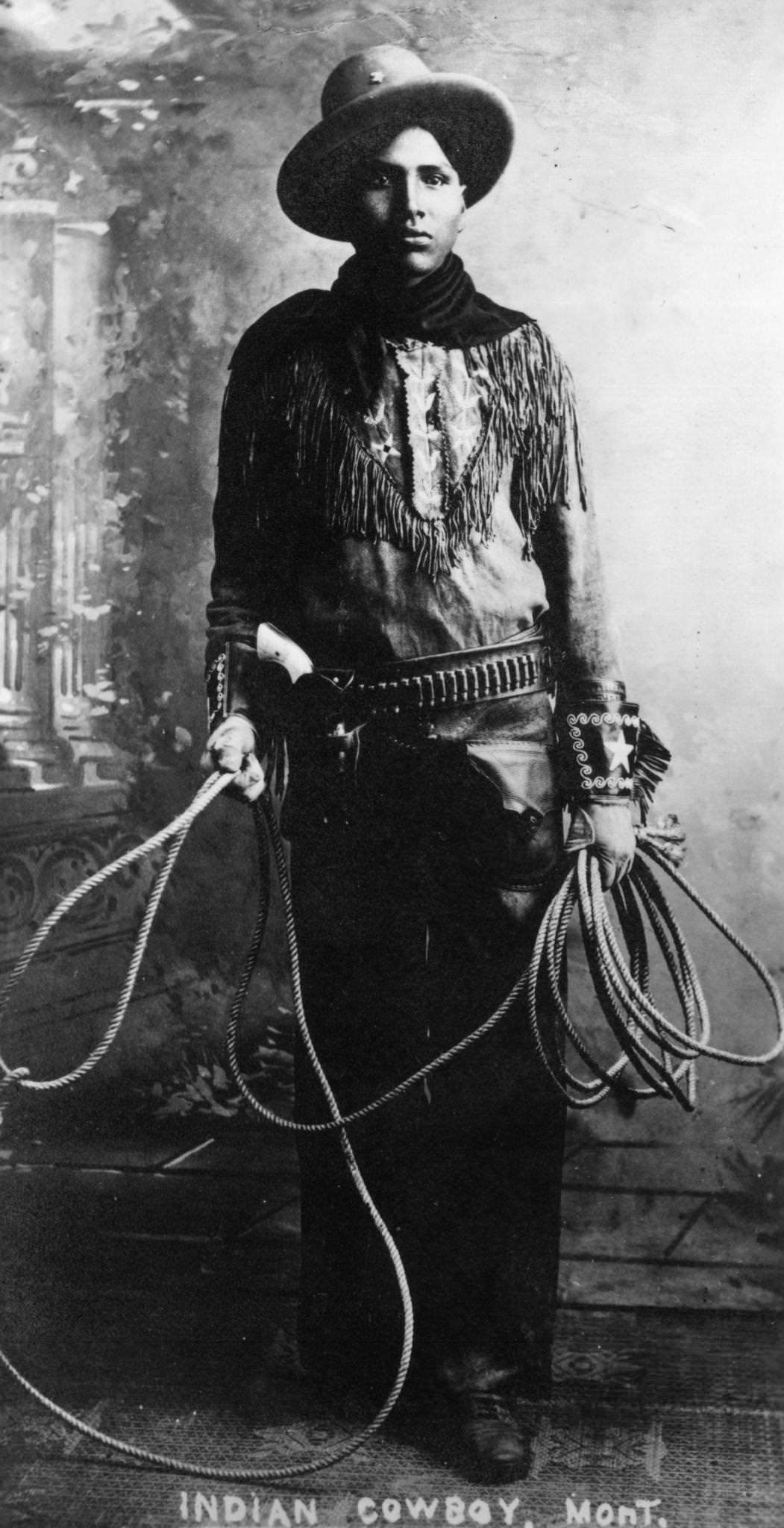
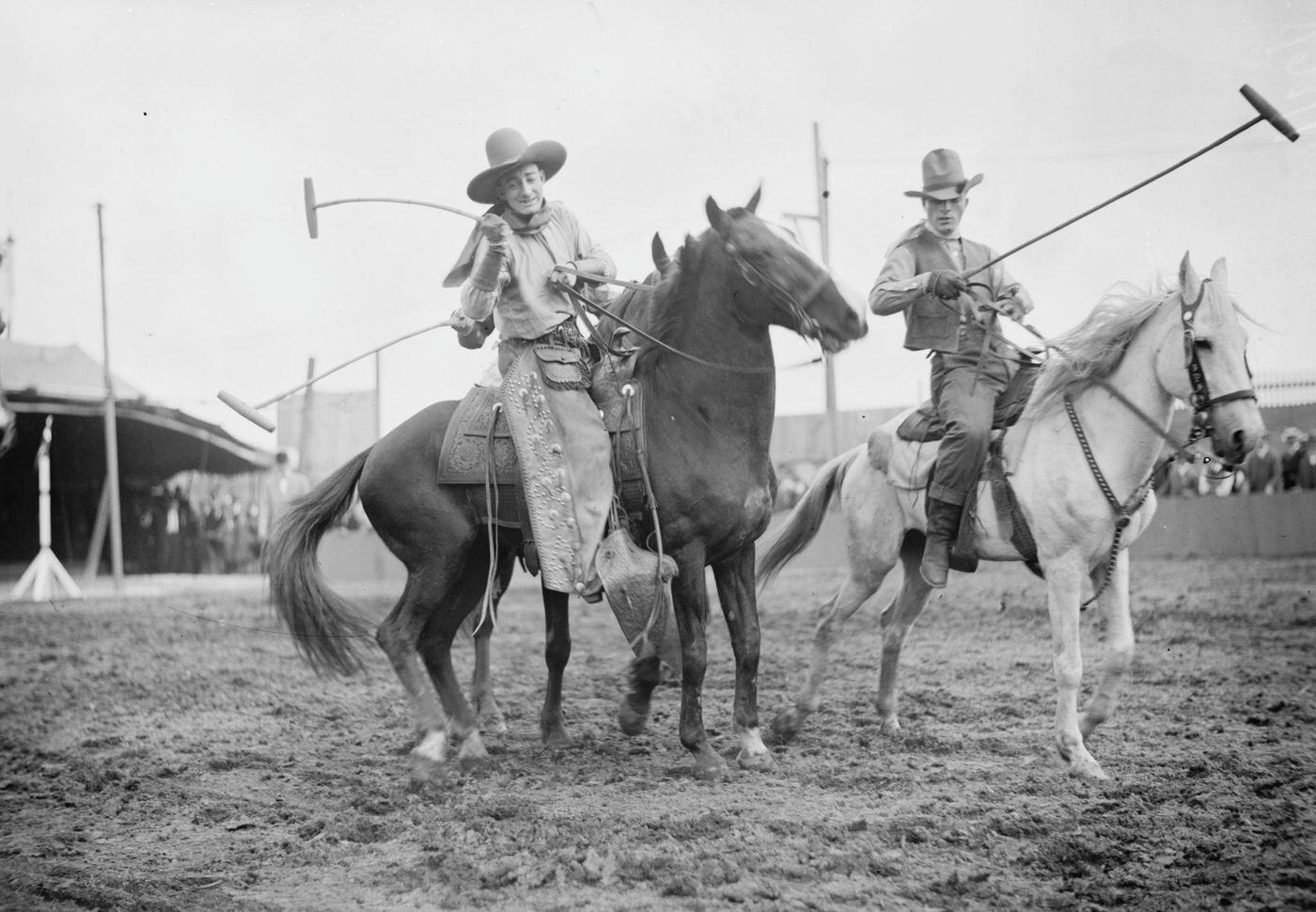
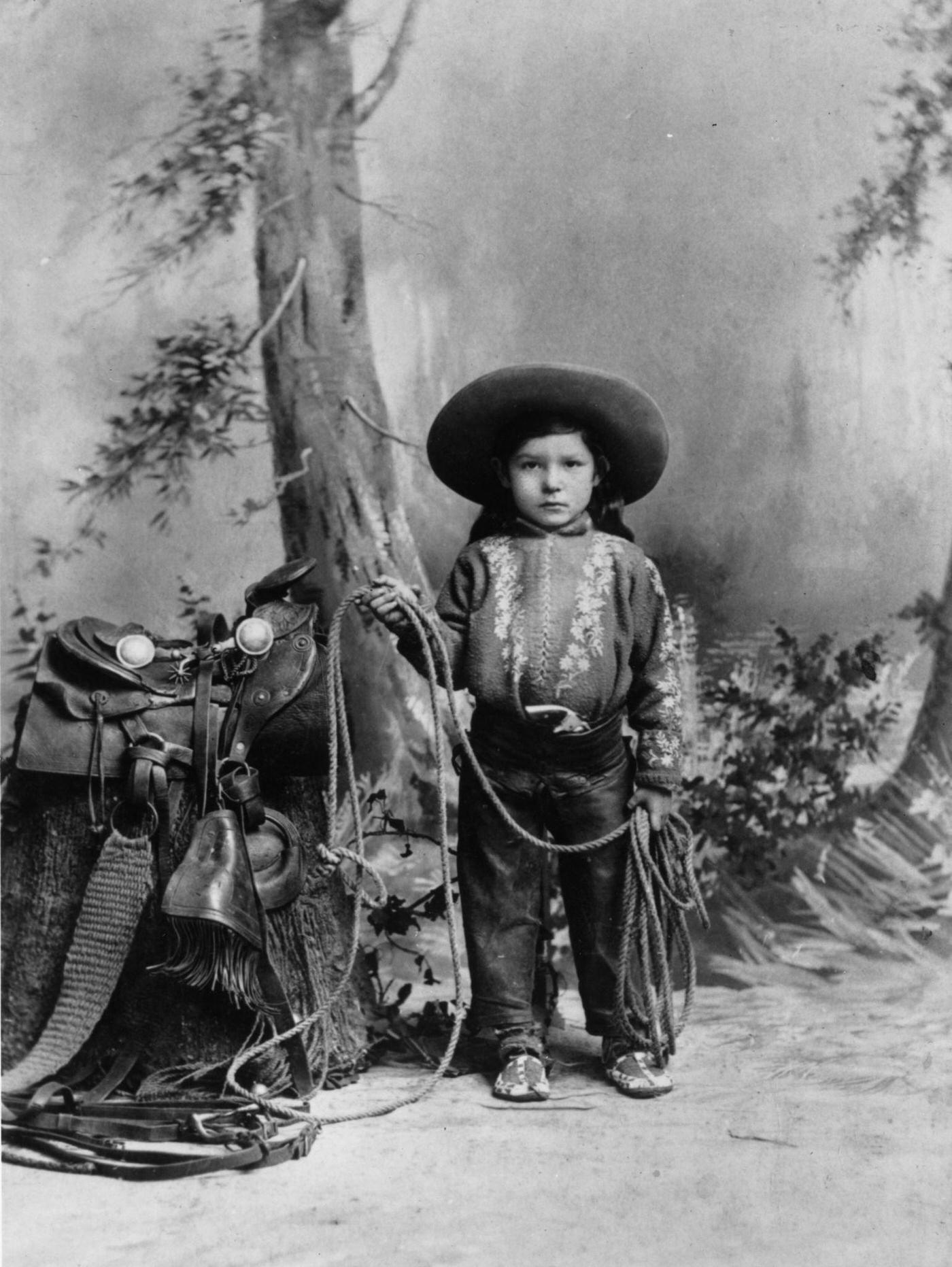
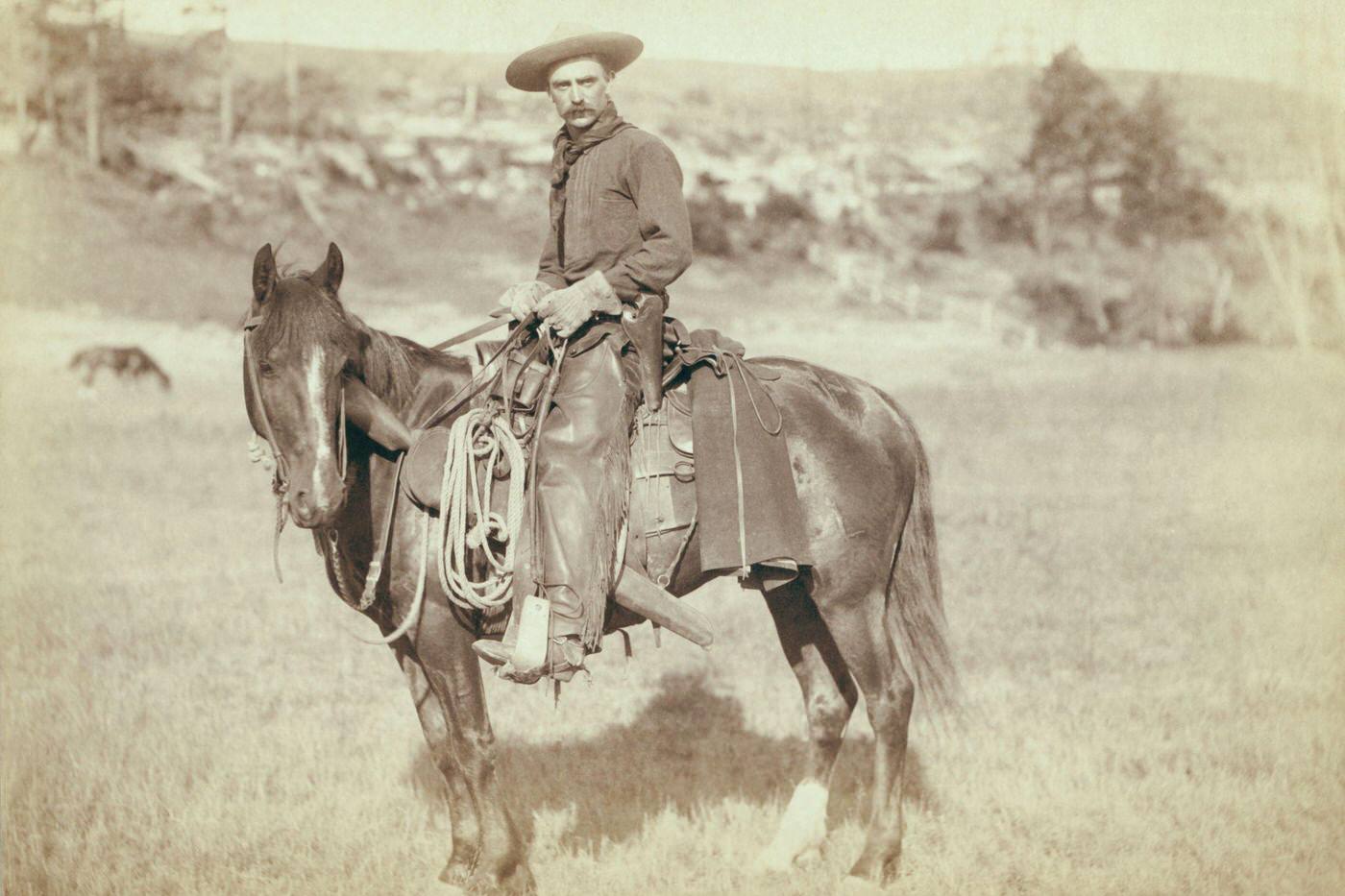
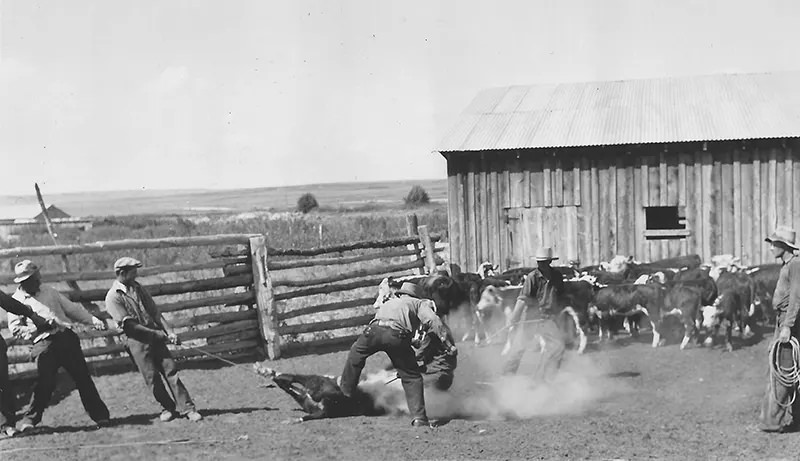
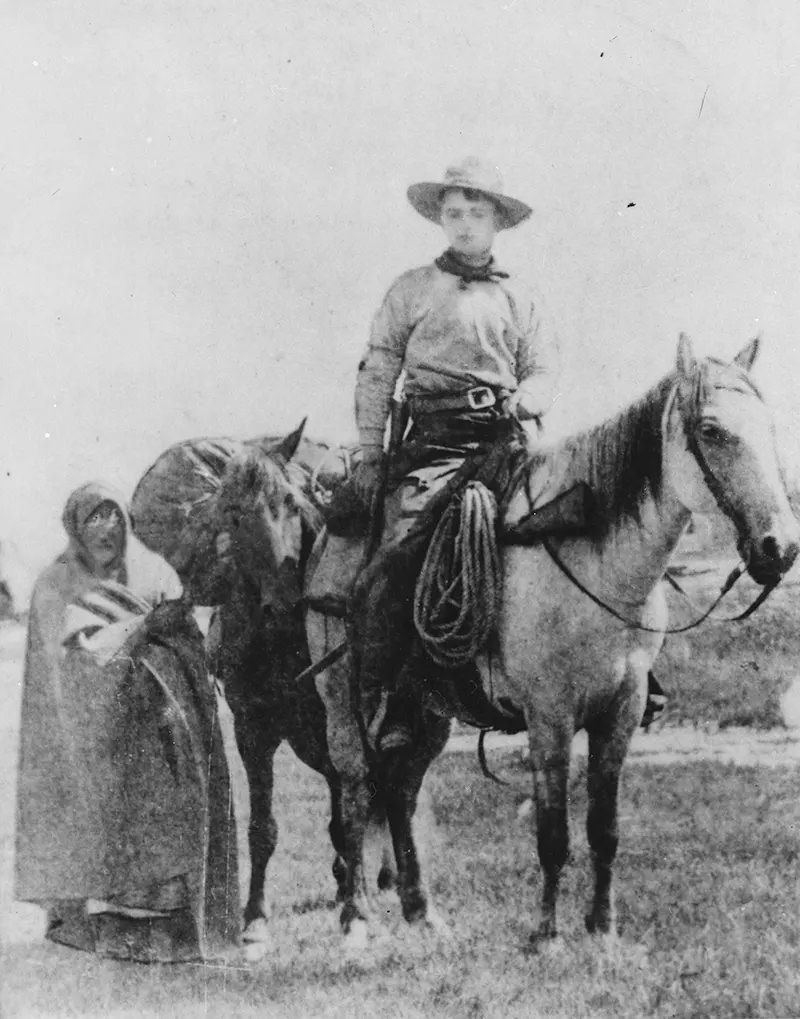
The cowboy became the defining figure of the frontier era. As cattle ranching expanded across Texas, Kansas, Montana, and beyond, ranchers needed men who could manage large herds across open range. Cowboys handled cattle drives that moved thousands of animals hundreds of miles to railroad depots and market towns. The work was physically grueling — long days in the saddle, exposure to extreme heat and cold, and the constant risk of stampedes or injury. Their gear was functional: wide-brimmed hats to block the sun, boots with heels that locked into stirrups, and bandannas worn against trail dust.
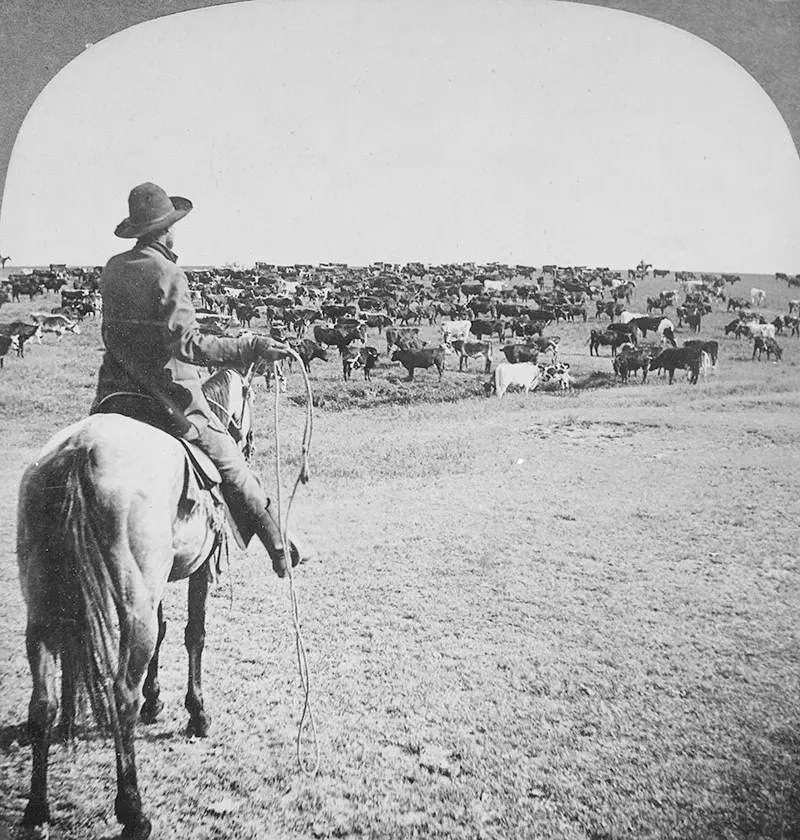
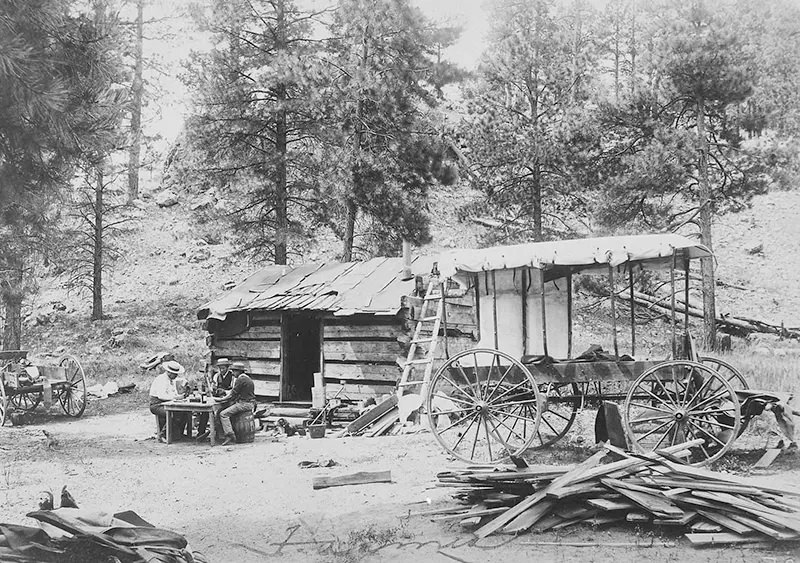
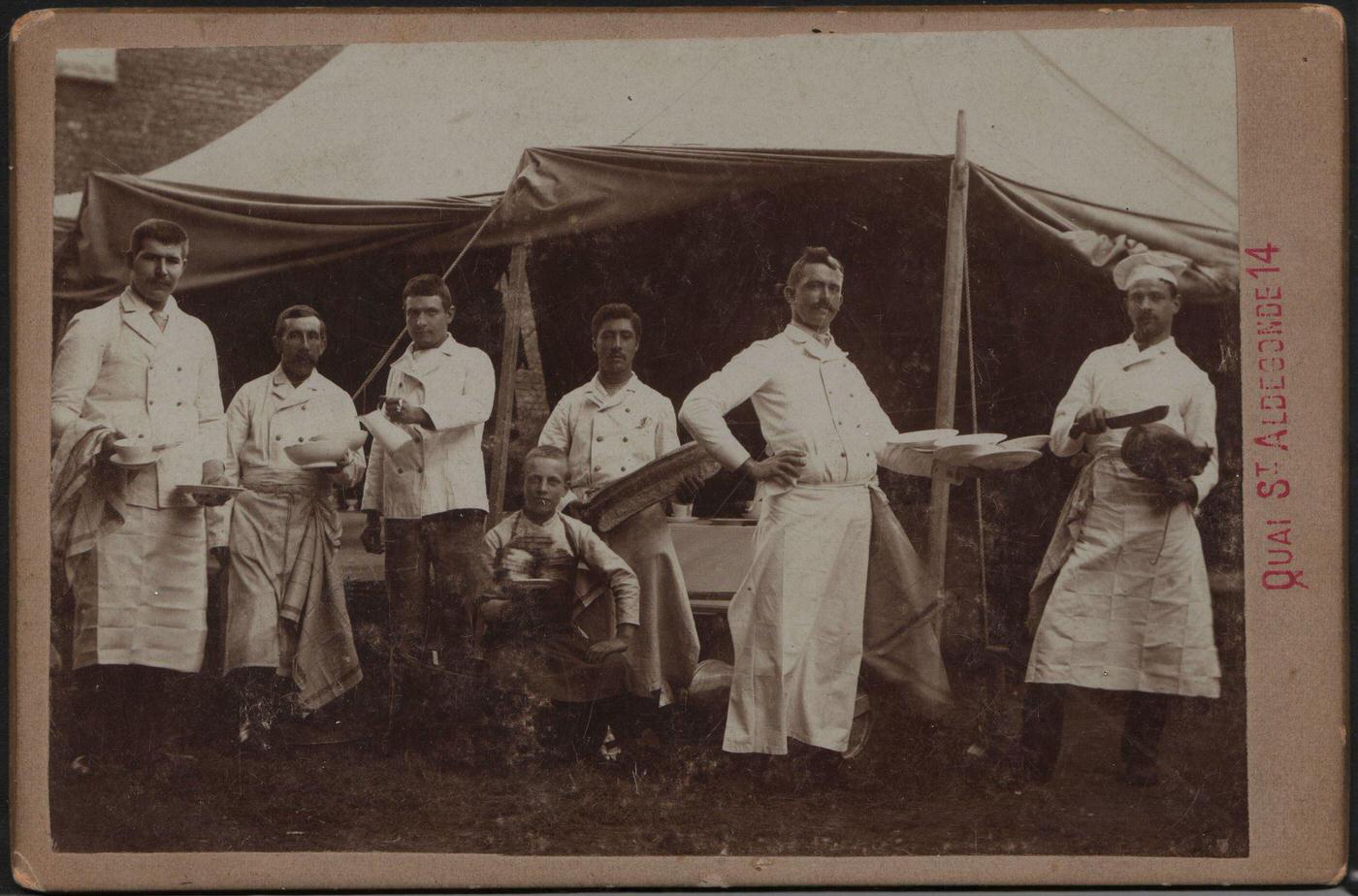
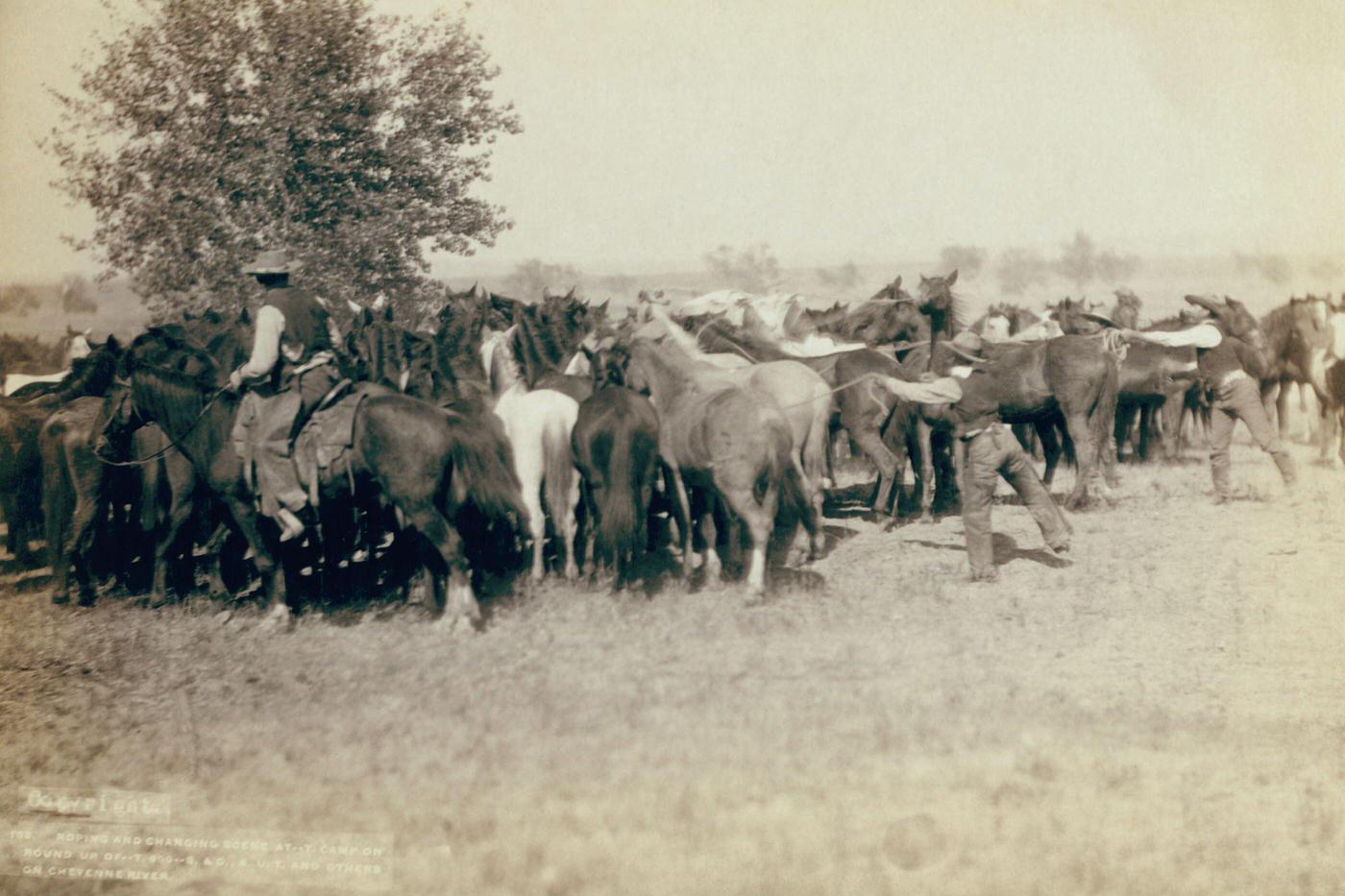
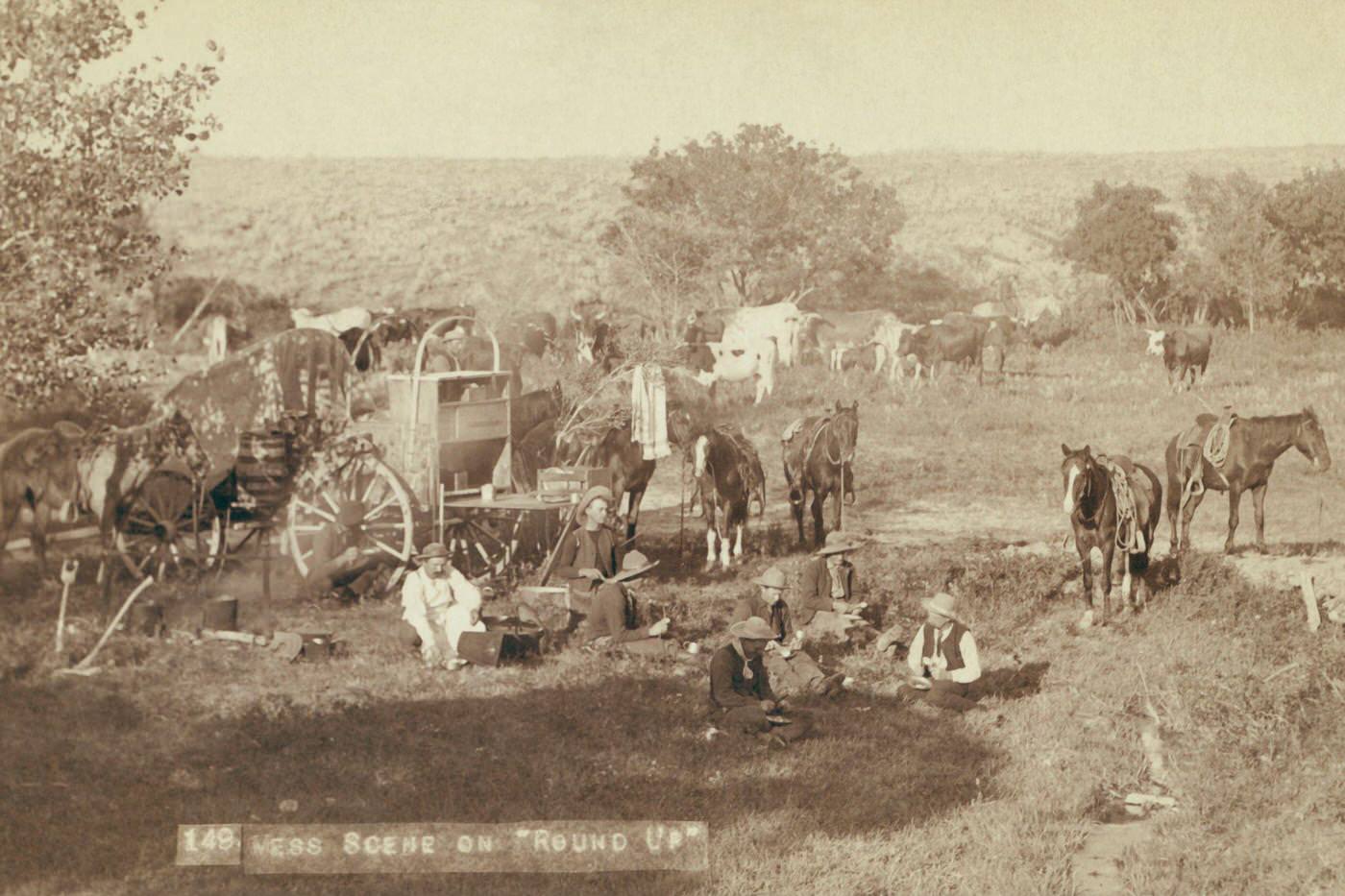
Roundups were major events on the open range. Cowboys from multiple ranches would work together over days or weeks to gather, brand, and sort cattle. The chuck wagon served as the mobile kitchen for the crew, providing meals in the field. Roping, branding, and managing horses were core skills every working cowboy needed, and proficiency in all three directly affected a man’s employability.
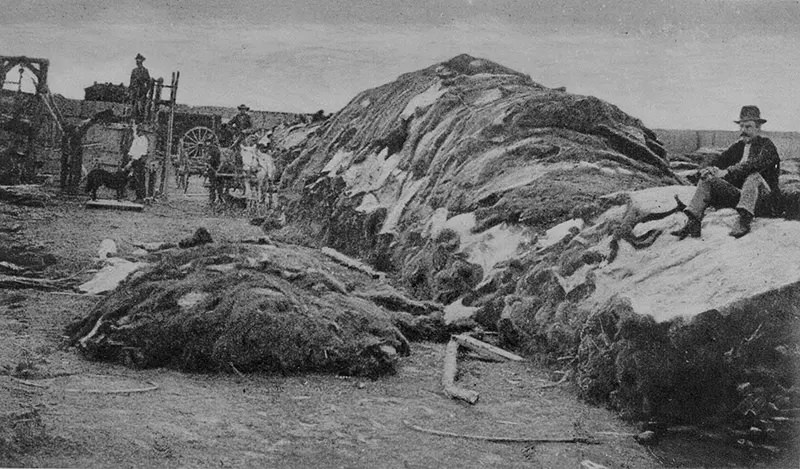
Buffalo hunting was another major industry on the plains during the 1870s and 1880s. Hunters slaughtered bison by the millions for their hides, which were in high demand in the East. A photograph taken in Dodge City in 1878 shows 40,000 buffalo hides stacked in a single yard — a stark illustration of the scale of the kill. The near-extinction of the bison also served a strategic government purpose, destroying the primary food source of the Plains tribes and accelerating their dependence on reservations.
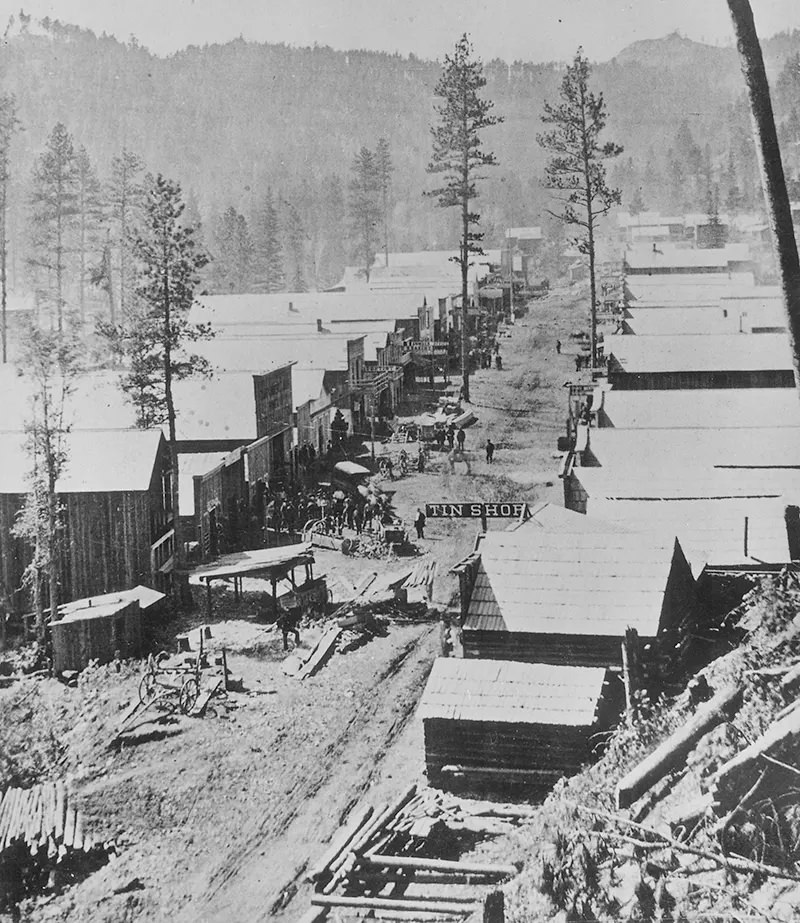
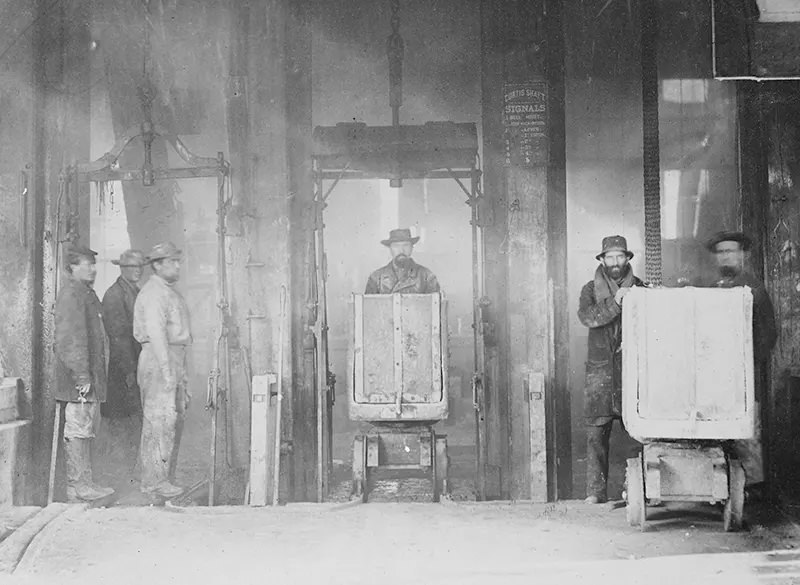
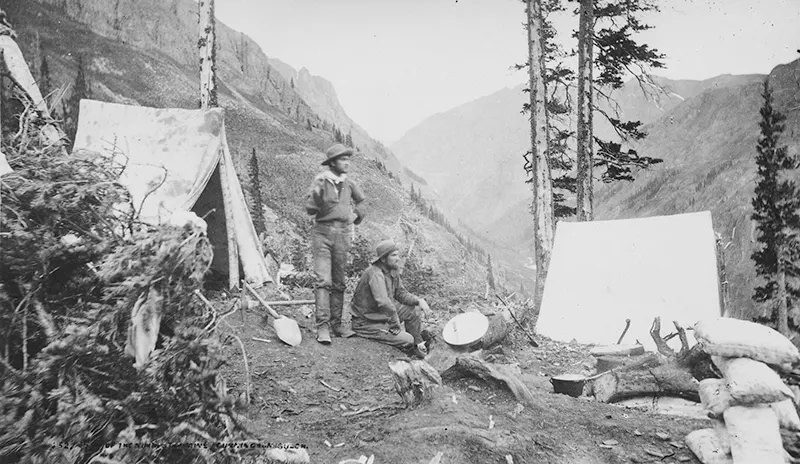
Mining towns were the other engine of westward growth. Gold and silver strikes drew enormous crowds to remote areas practically overnight. Deadwood, in the Dakota Territory, exploded following the Black Hills gold rush of 1876. Prospectors, merchants, gamblers, and outlaws all converged on the same narrow gulches. Virginia City, Nevada saw its own boom driven by silver from the Comstock Lode, with miners working deep underground in difficult and dangerous conditions.
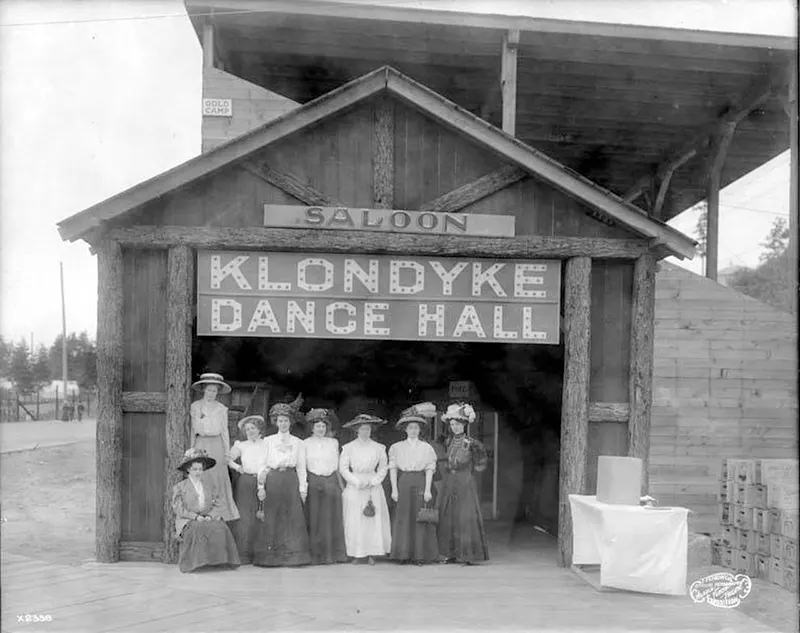
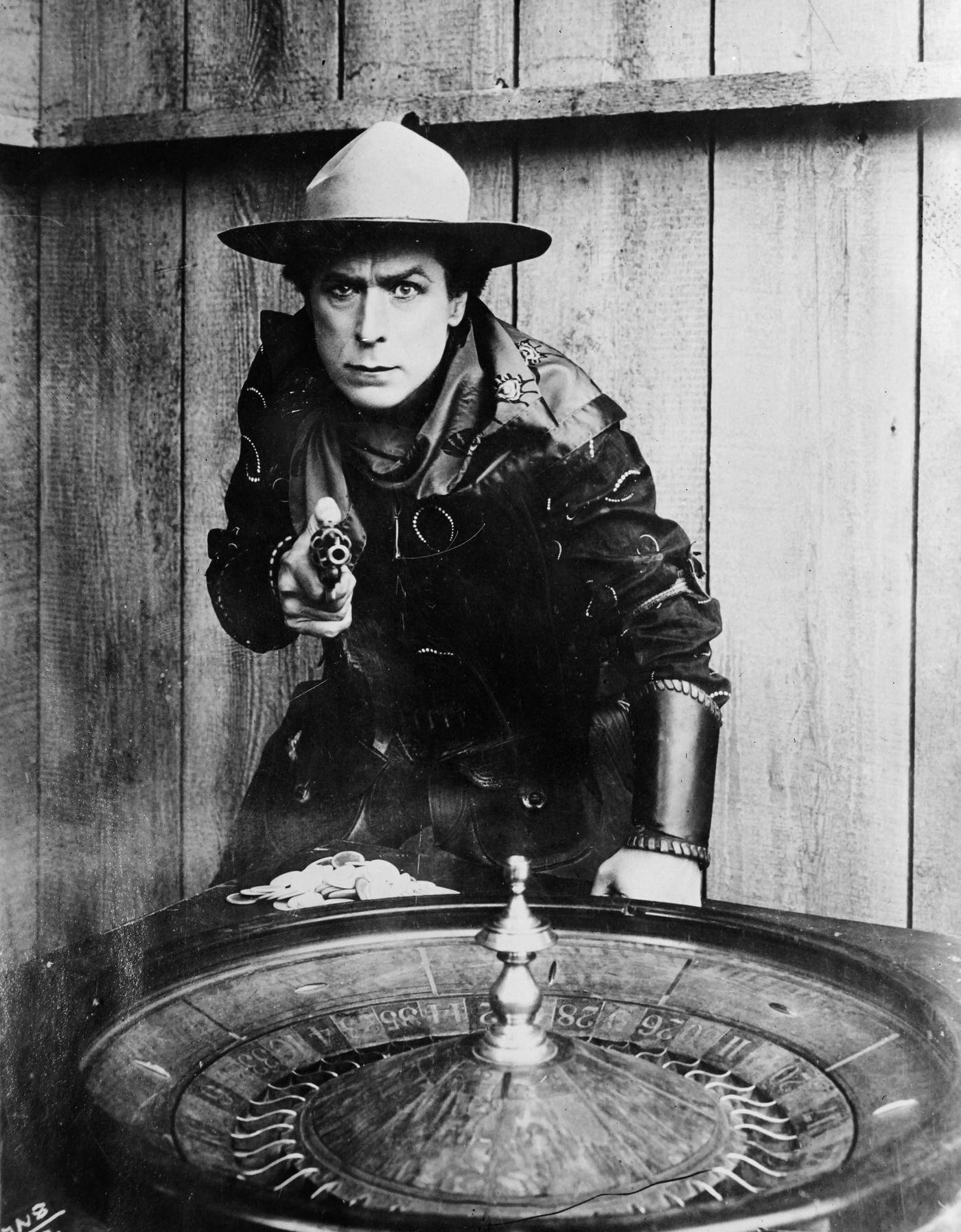
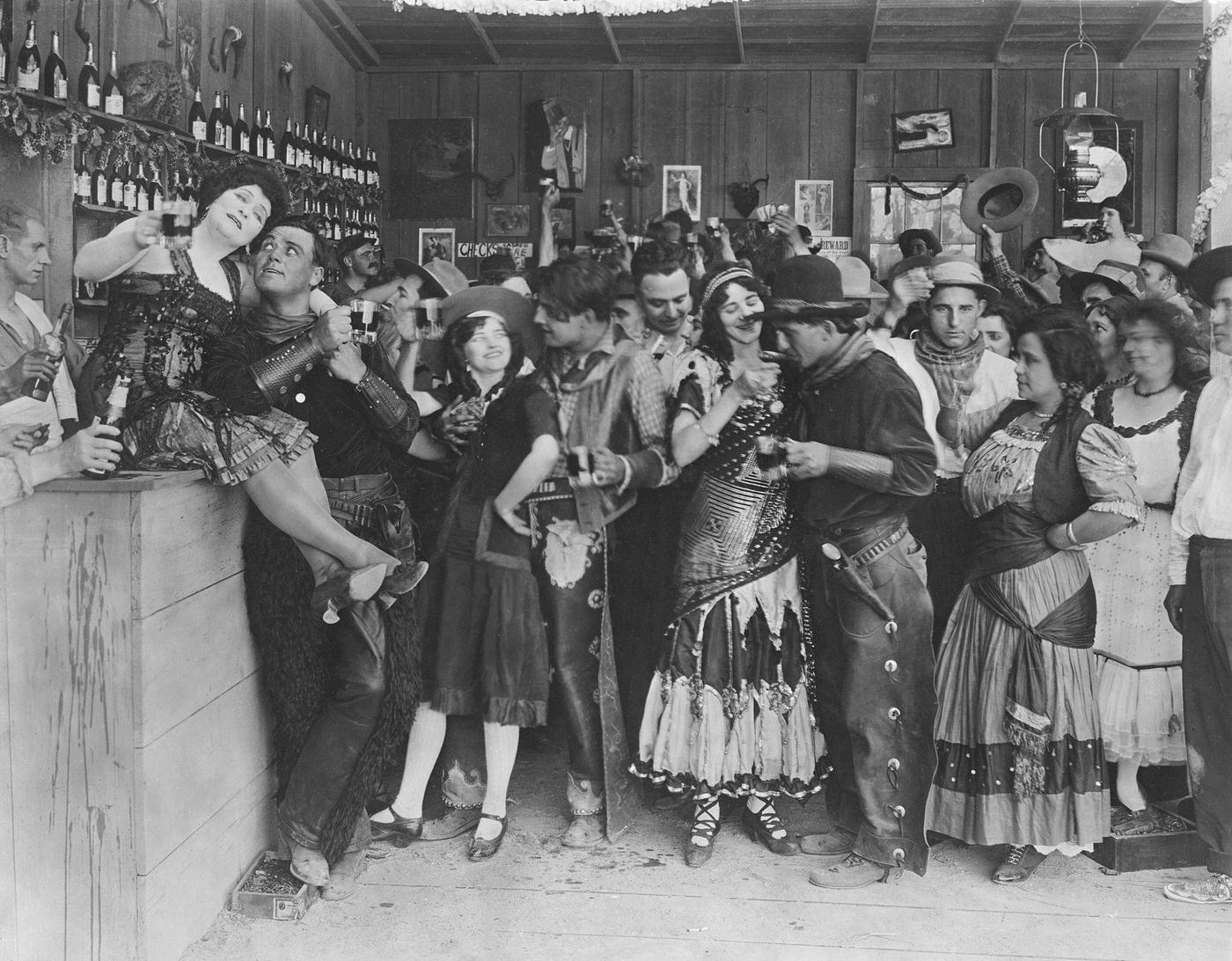
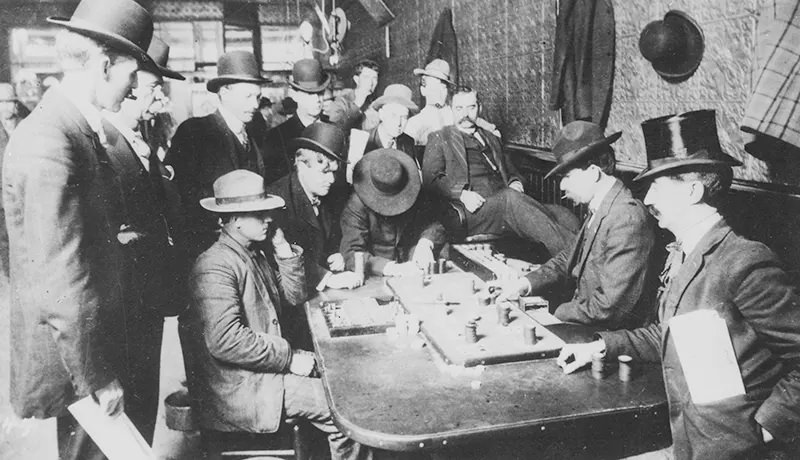
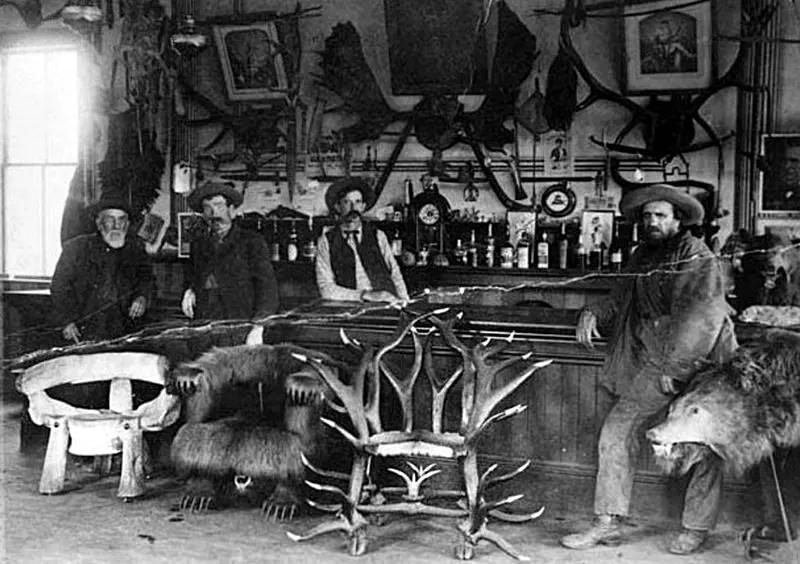
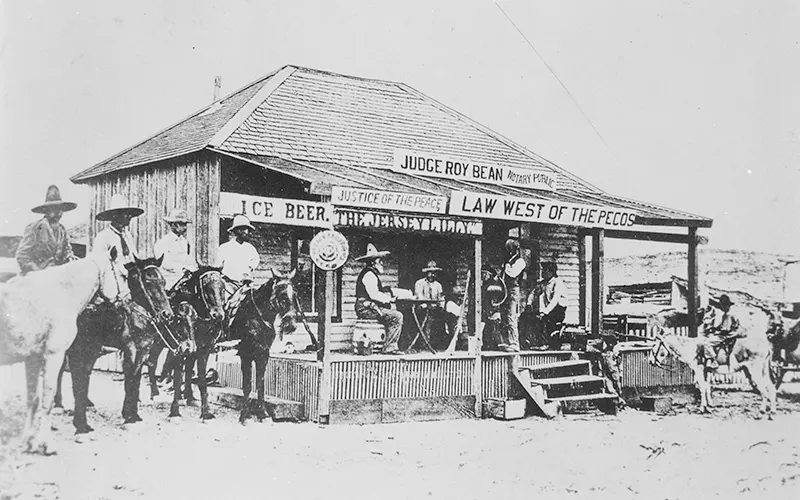
Saloons were the social centers of frontier towns. Men gathered in them to drink, gamble, and conduct business. Games of Faro and poker were common, and saloon owners often held real influence in local affairs. Some saloons doubled as courtrooms, hotels, or offices. Judge Roy Bean famously operated his notary office and courtroom out of the same building that served as his saloon in Langtry, Texas — a detail that says everything about how informal frontier institutions could be.
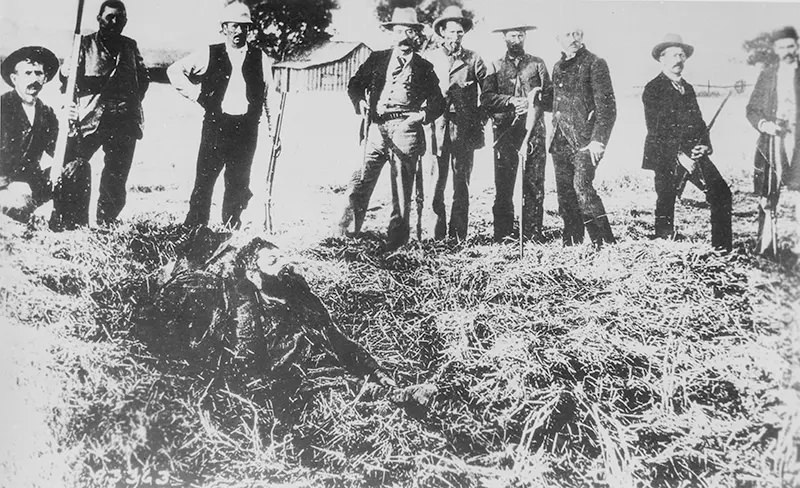
Violence was a persistent feature of frontier life. Outlaws targeted stagecoaches, banks, and trains with regularity. Sam Bass ran with a gang that carried out a string of train robberies in Texas in 1877 and 1878 before being killed by Texas Rangers in 1878. John Sontag, a railroad outlaw in California, was shot during a manhunt on September 14, 1904 — a photographer captured him before he died from his wounds. Jesse James, Butch Cassidy, and the Sundance Kid were among the most wanted men of the era, their crimes and evasions covered extensively in newspapers across the country.
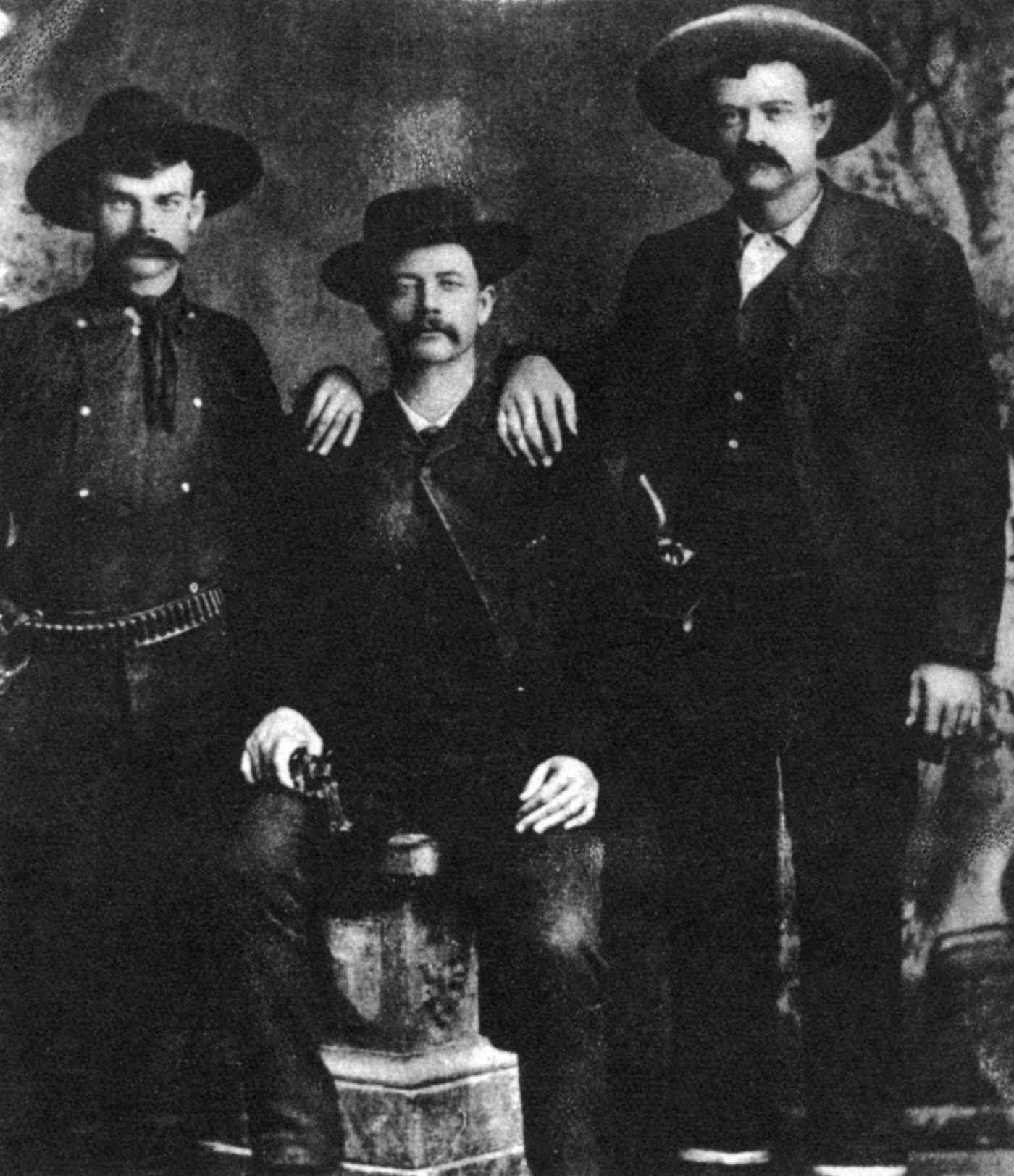
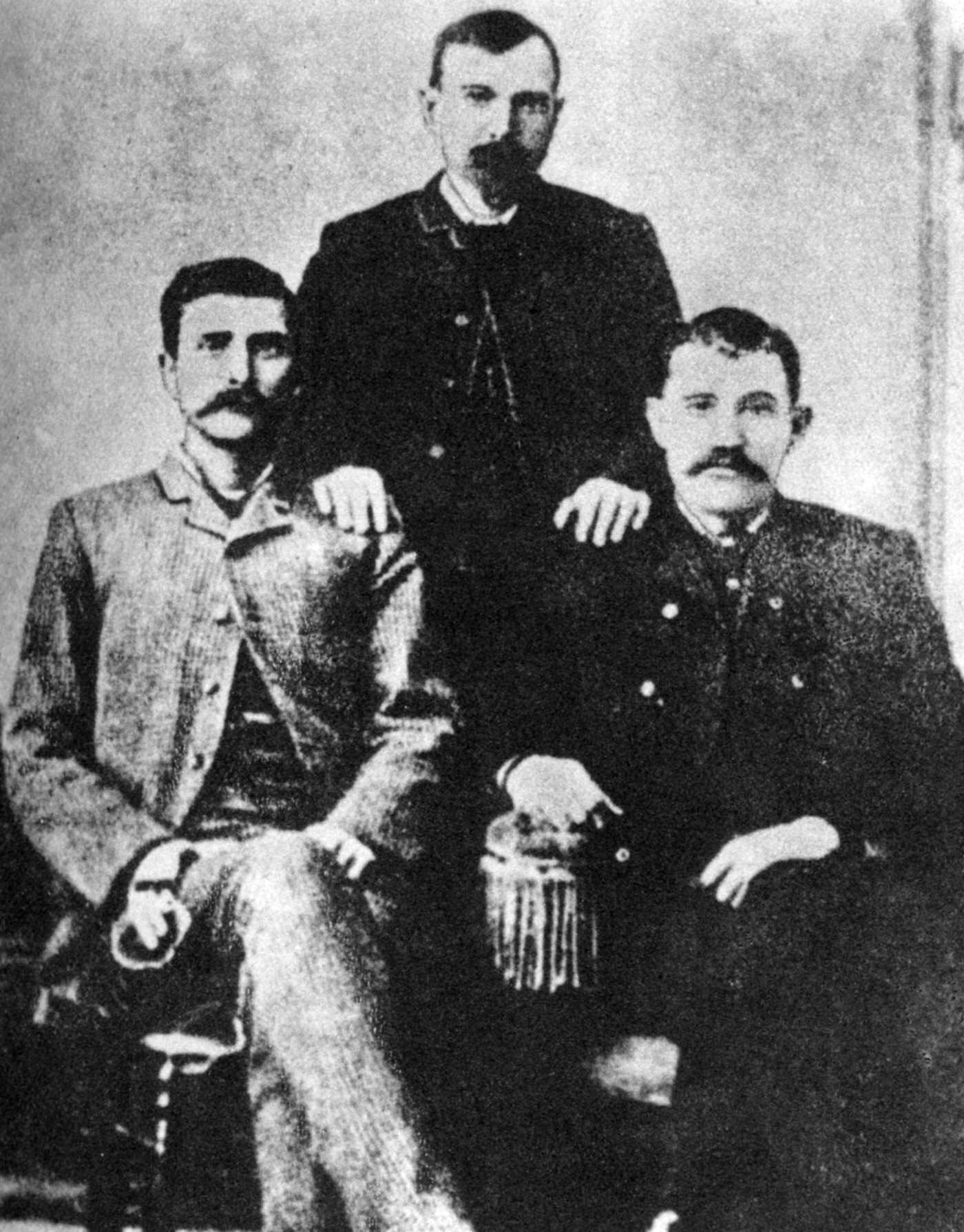
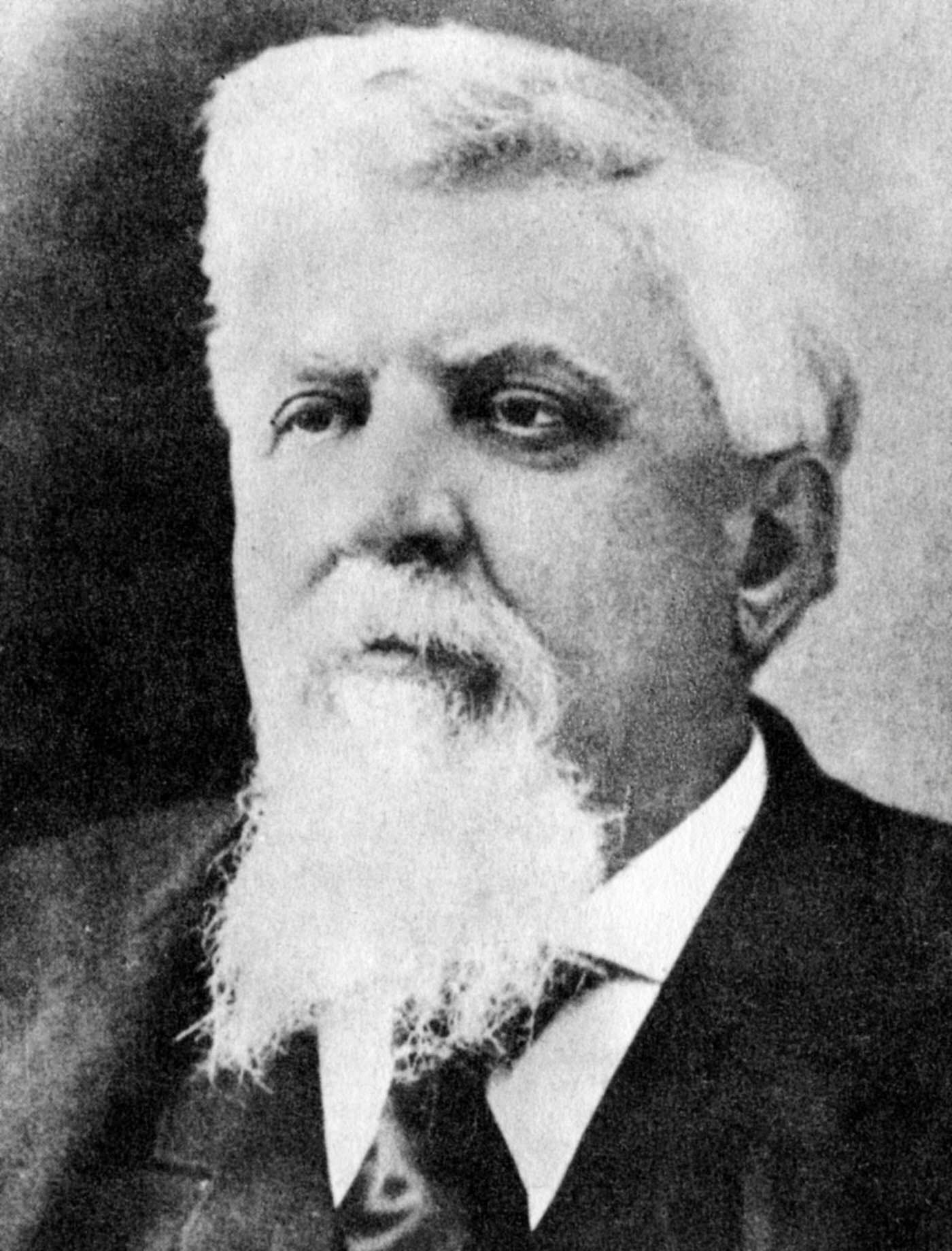
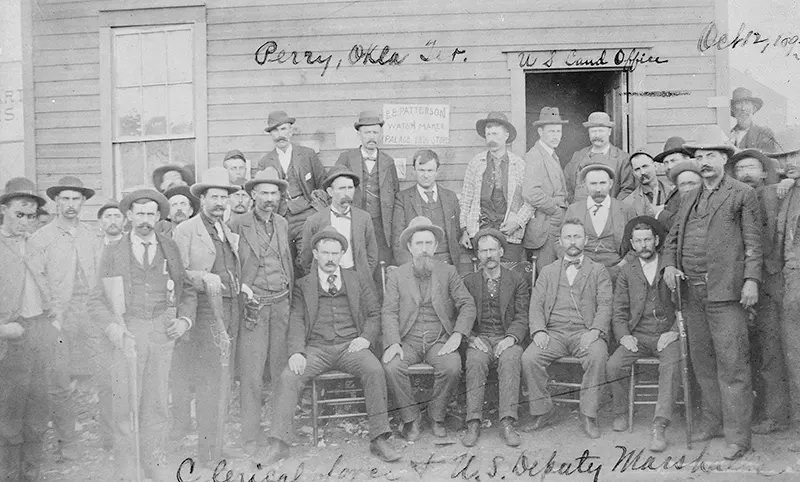
Law enforcement on the frontier was inconsistent at best. Local sheriffs and marshals covered enormous territories, often with little support. Wyatt Earp, Wild Bill Hickok, and Pat Garrett became famous for their willingness to confront outlaws directly. Garrett, elected sheriff of Lincoln County, New Mexico in 1880, was tasked with tracking down Billy the Kid. He successfully arrested the Kid after a shootout, but Billy escaped from custody. In 1881, Garrett tracked him down a second time and shot him dead at Fort Sumner, New Mexico. Judge Isaac Parker, known as the “Hanging Judge,” presided over the federal court in Fort Smith, Arkansas and sentenced dozens of men to death for crimes committed in Indian Territory. His court was one of the few sources of formal justice across a vast, largely lawless region.
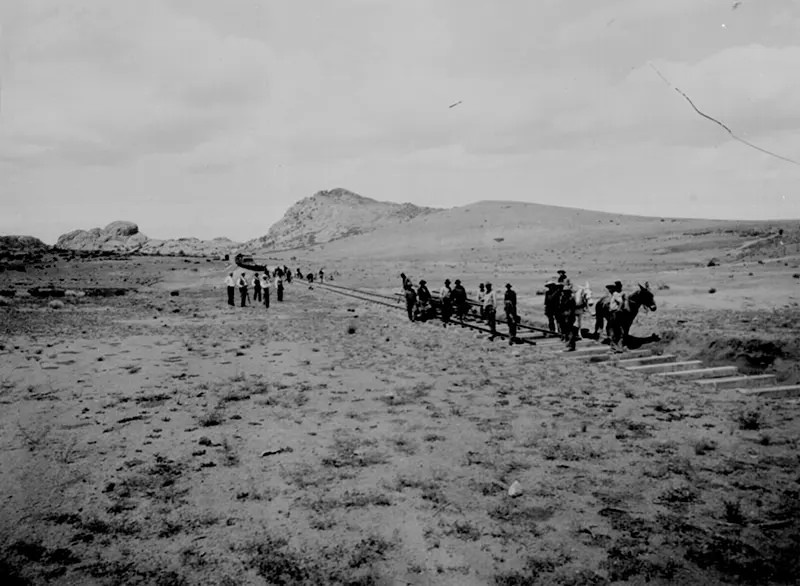
The building of the transcontinental railroad was one of the most transformative developments of the era. Crews of workers — many of them Chinese immigrants on the western end and Irish immigrants on the eastern end — laid track across deserts, mountains, and open plains. The line was completed in 1869, and it permanently changed the West. Cattle could now be shipped east by rail rather than driven on months-long trails. Settlers could reach the frontier in days instead of months. New towns appeared along every new rail line.
While settlers built towns and laid rail, Native American peoples faced systematic destruction of their way of life. The government’s policy of westward expansion pushed tribe after tribe off their ancestral lands and onto reservations. The Sioux, Cheyenne, Apache, Comanche, Navajo, and dozens of other nations resisted displacement, sometimes through armed conflict. The Battle of Little Bighorn in 1876 saw Sioux and Cheyenne warriors defeat Lt. Colonel George Custer’s forces — a major military victory that brought a swift and brutal federal response. The Wounded Knee Massacre of 1890, in which U.S. soldiers killed around 300 Lakota Sioux — mostly women and children — marked one of the darkest moments of the era.
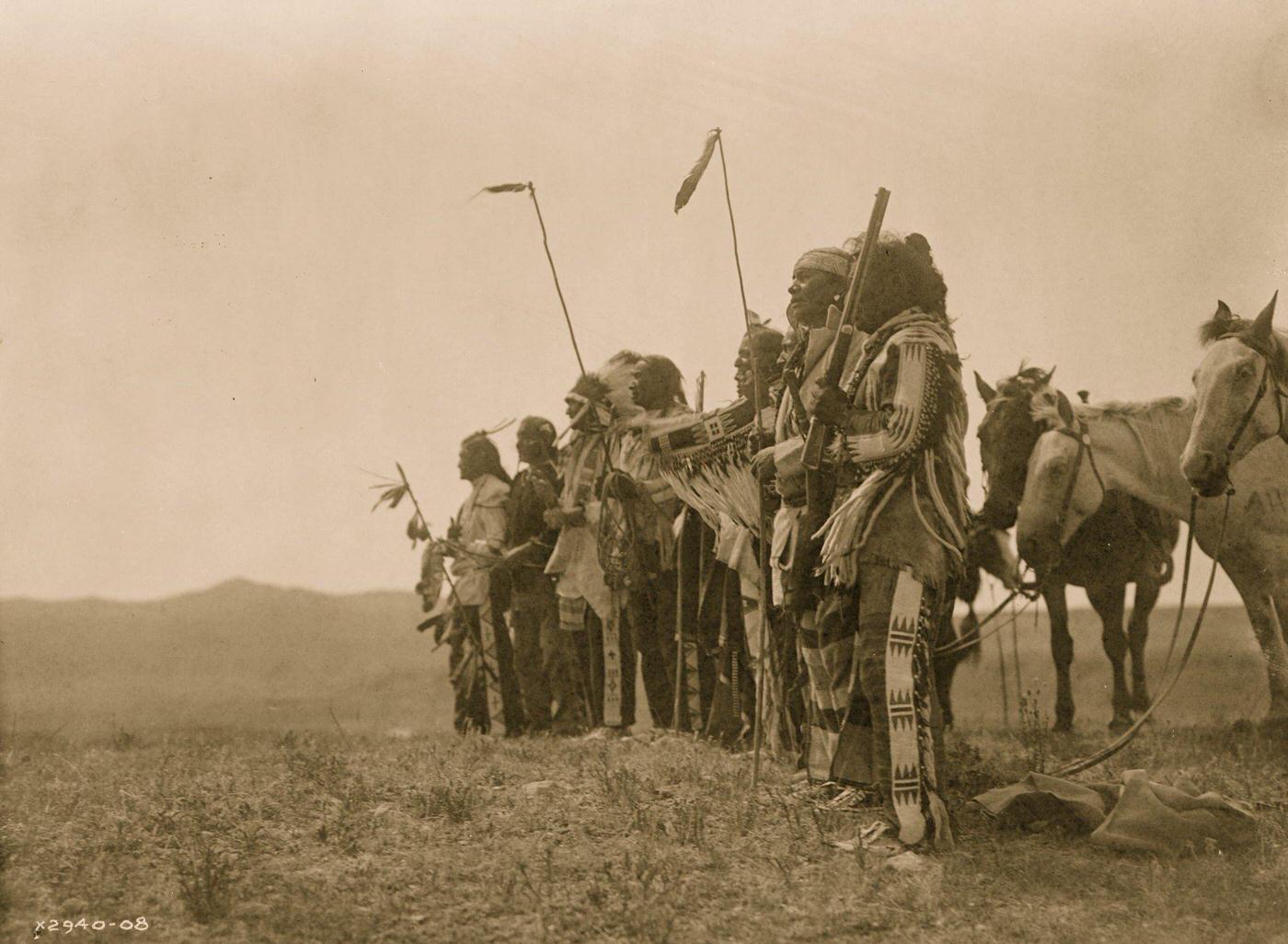
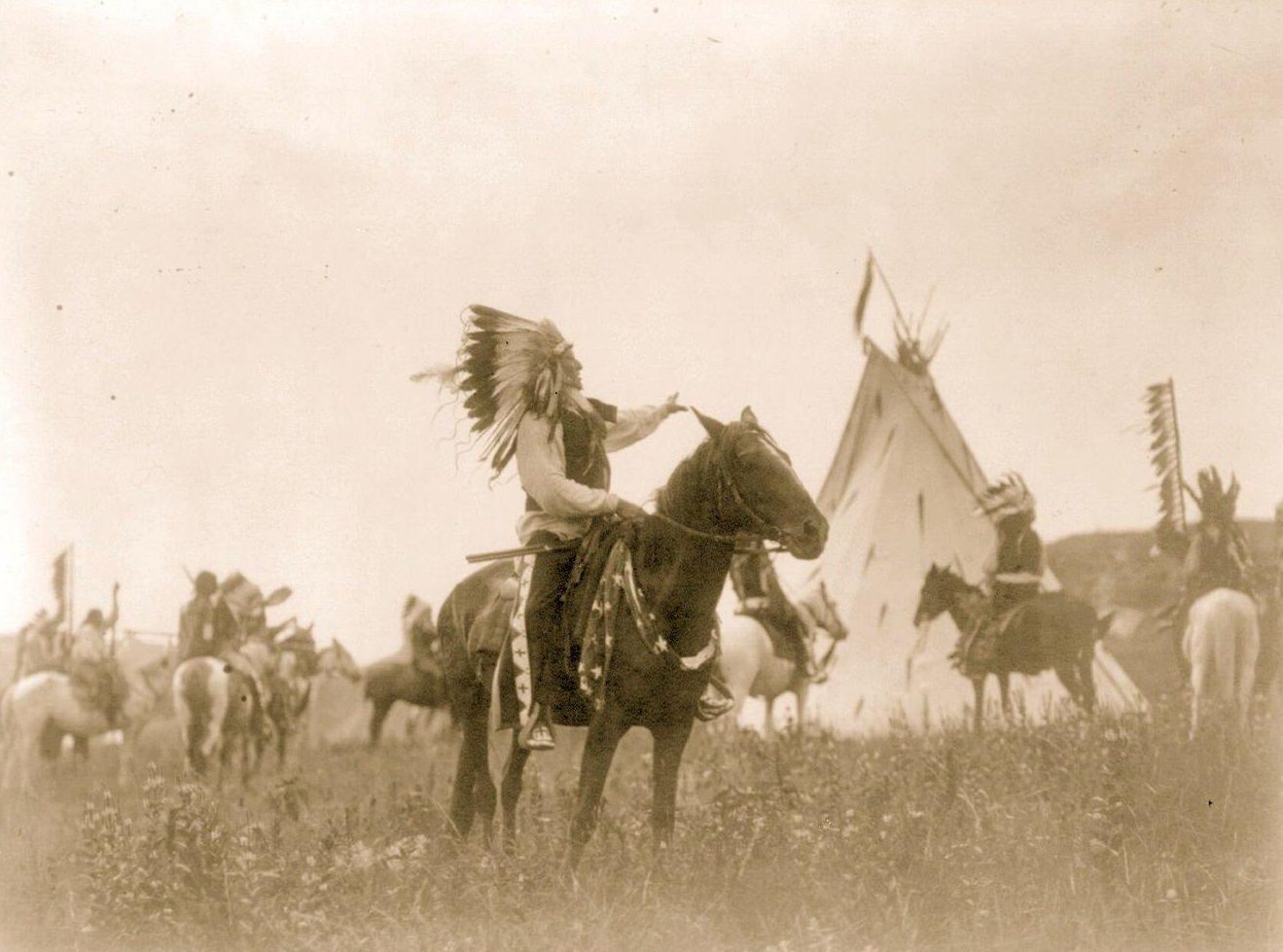
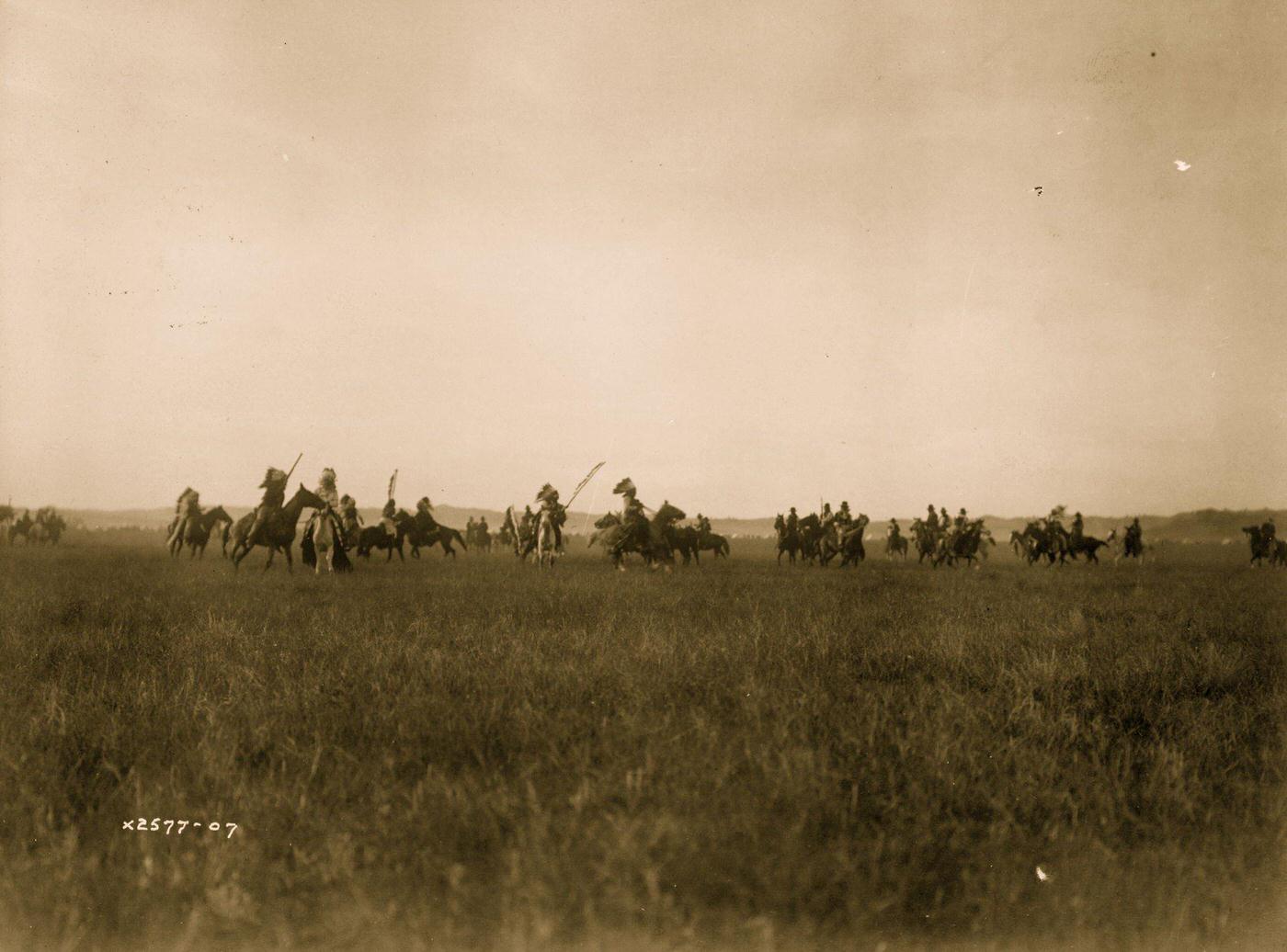
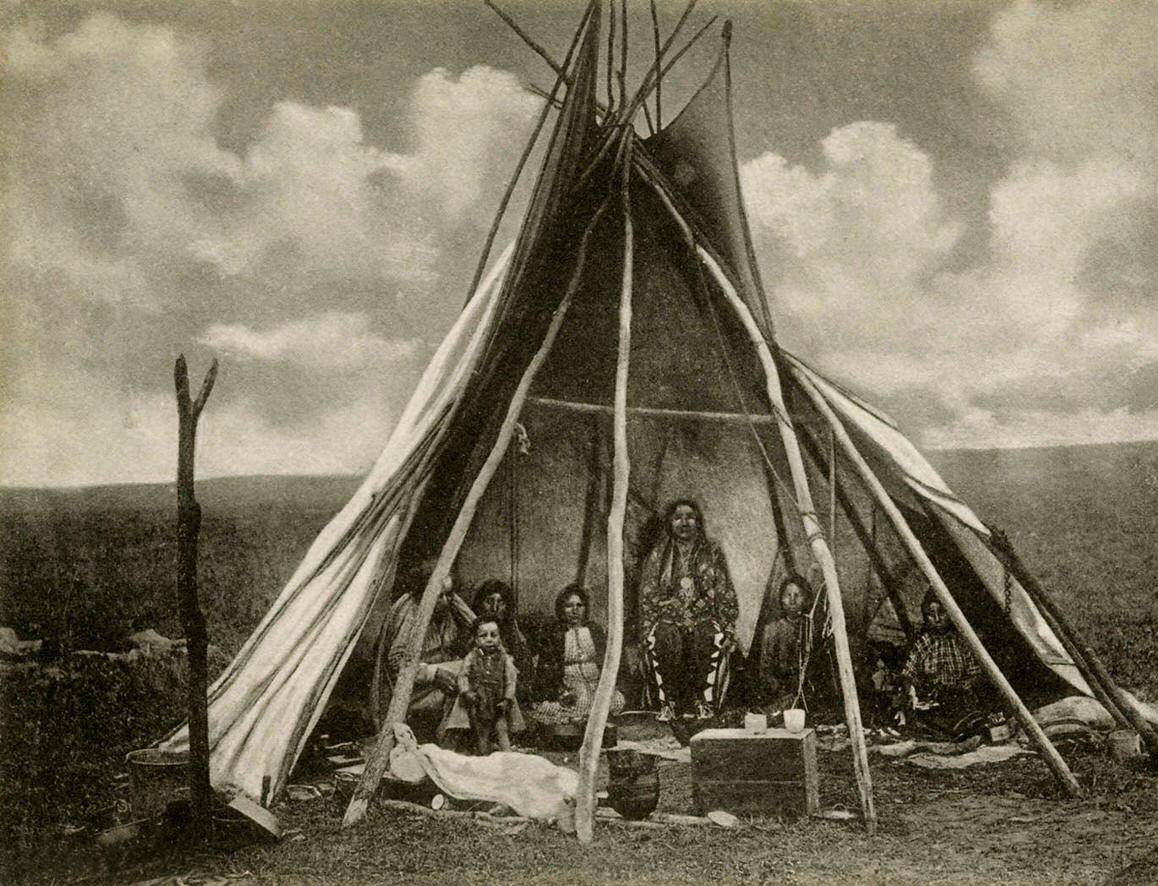
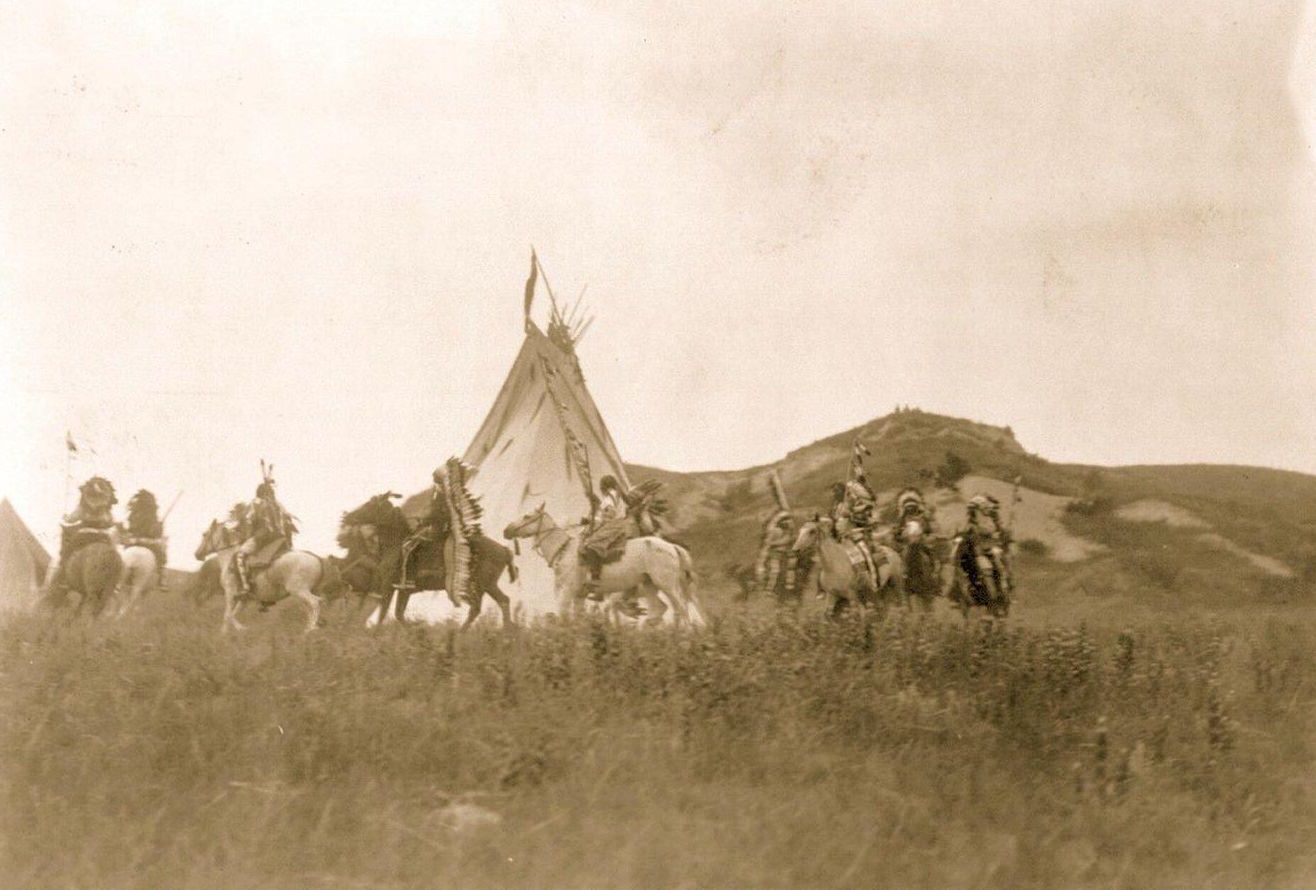
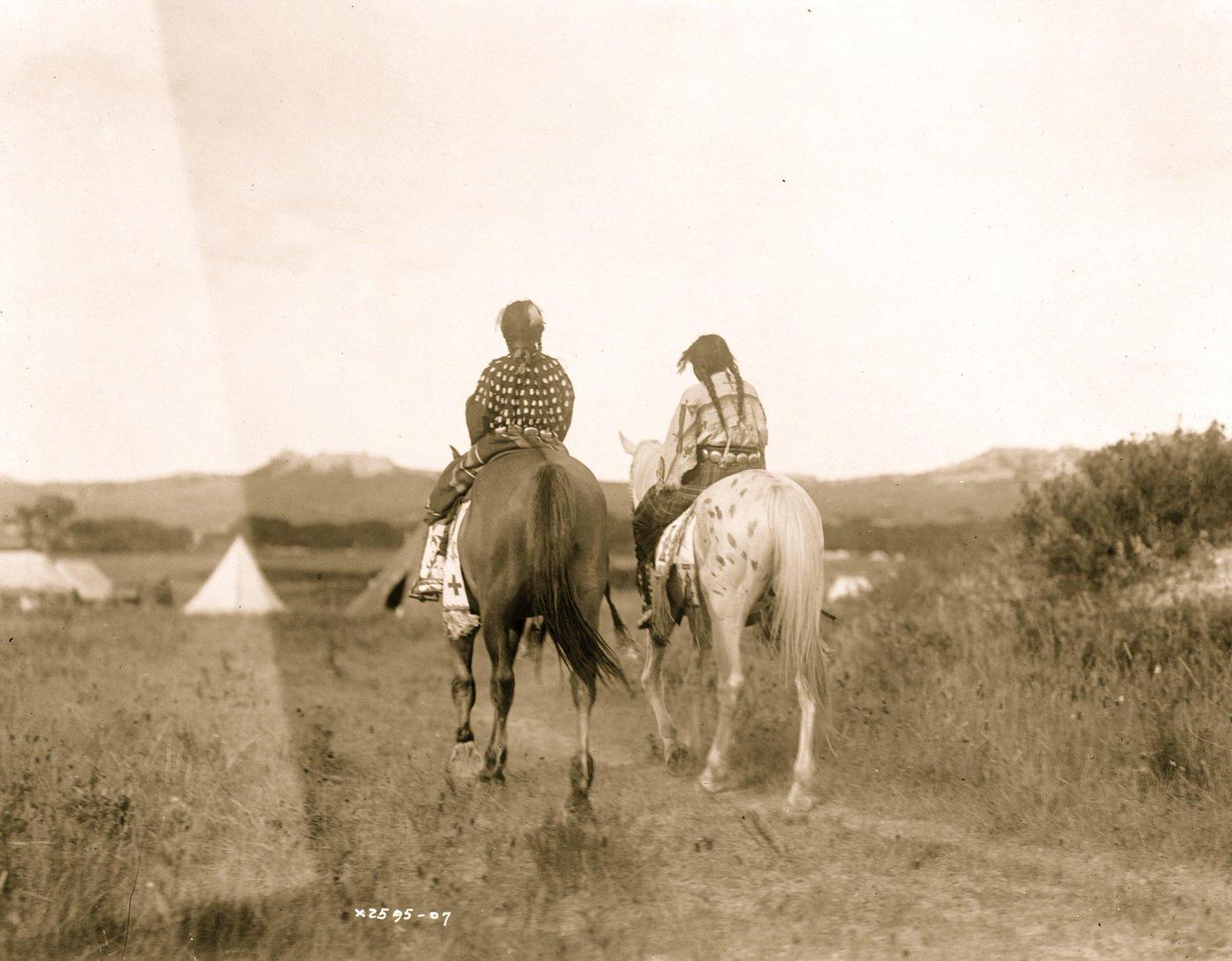
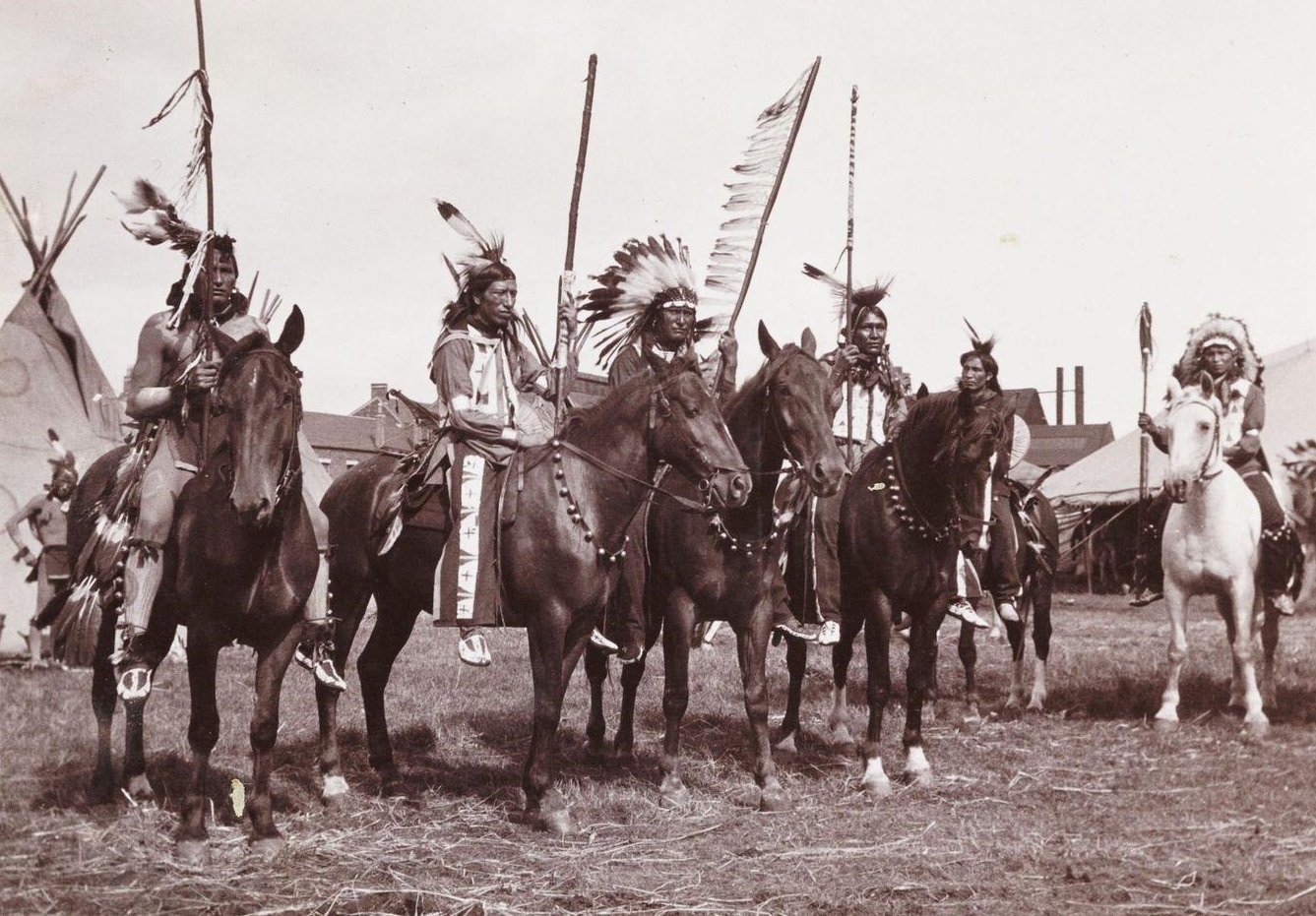
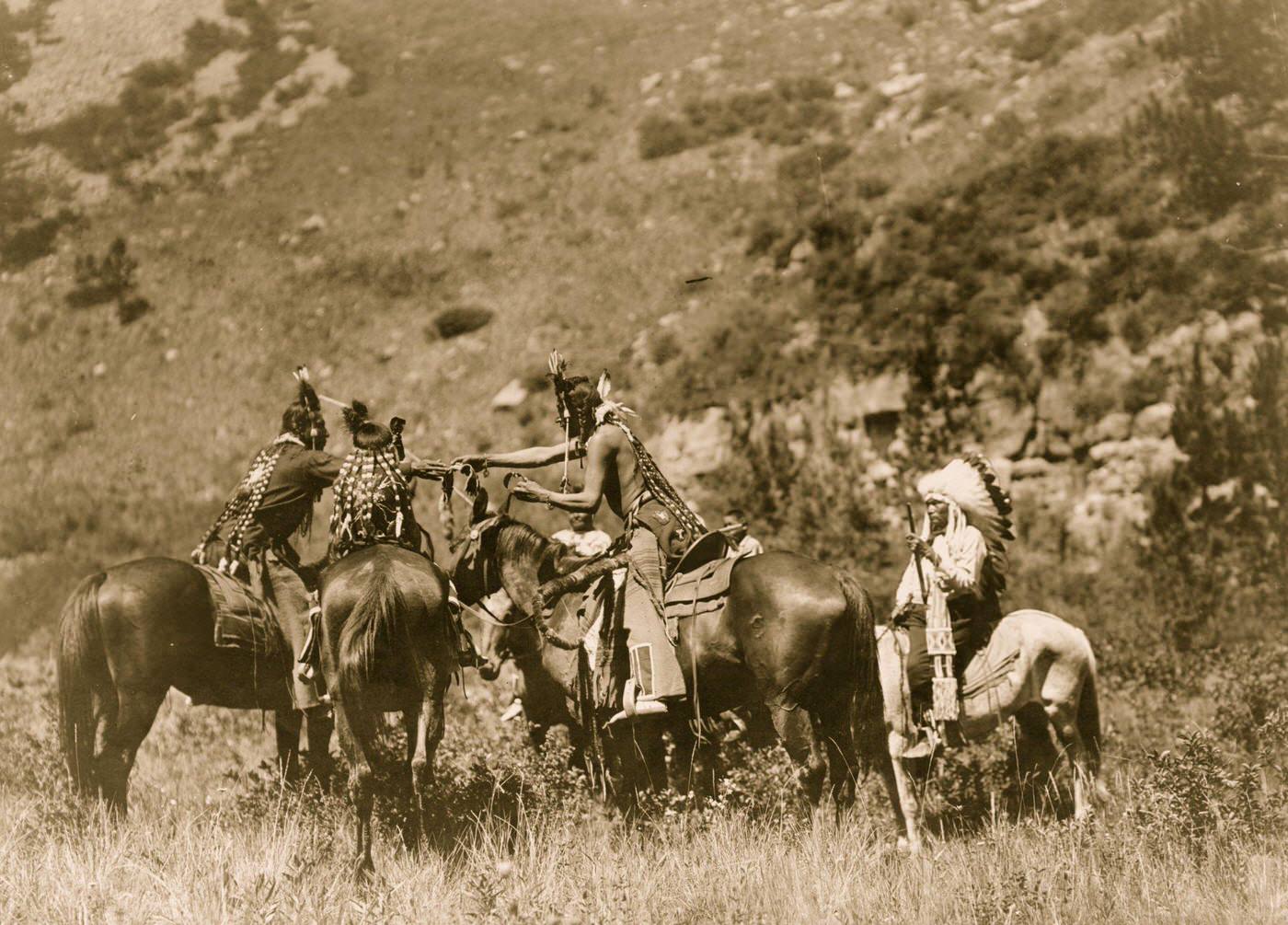
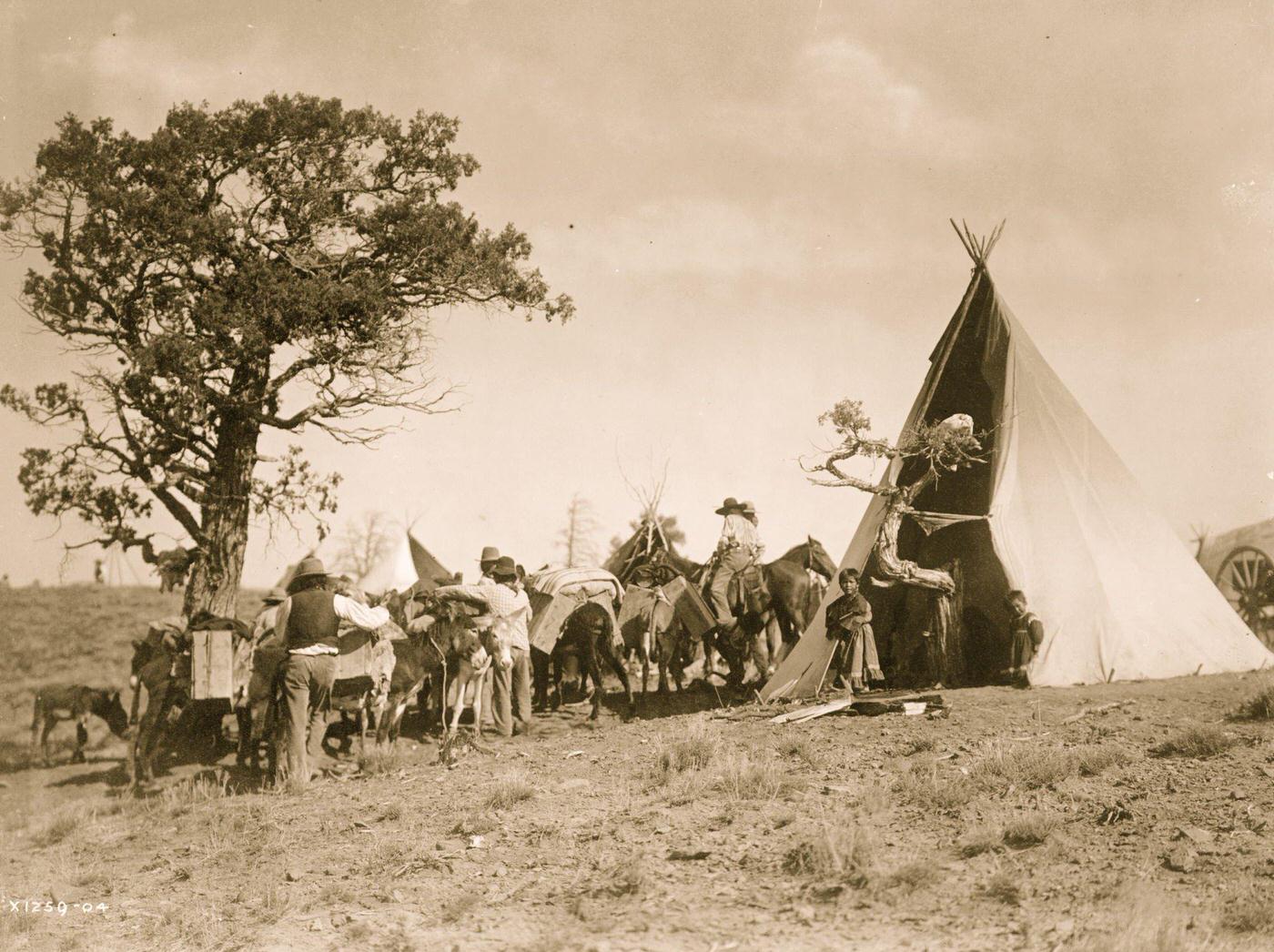
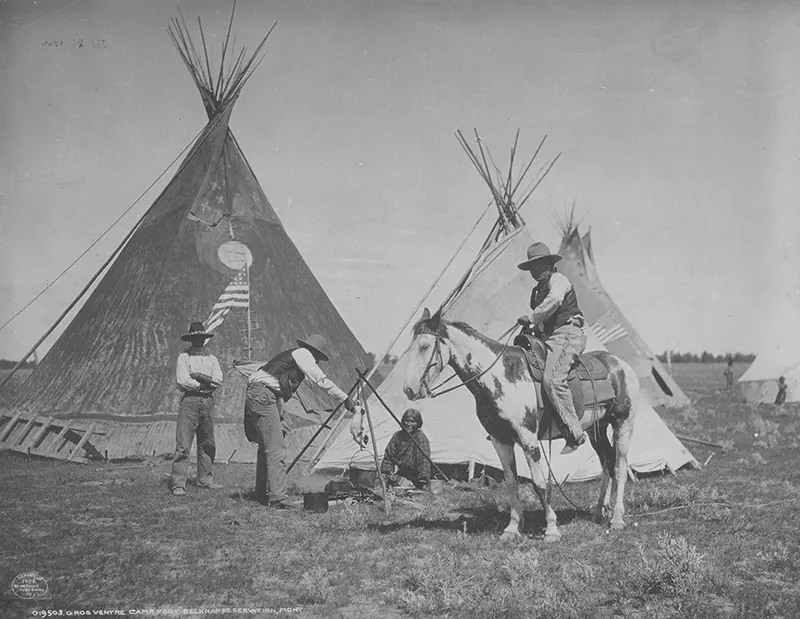
For many Native nations, the horse was central to daily life — for travel, hunting, trade, and warfare. The tipi, often associated with all Plains peoples, was not a permanent home for every tribe. For the Pawnee, tipis were used only when traveling, as their permanent villages were built of earth. Each tribe had distinct customs, architecture, and social structures that reflected centuries of adaptation to their specific environments.
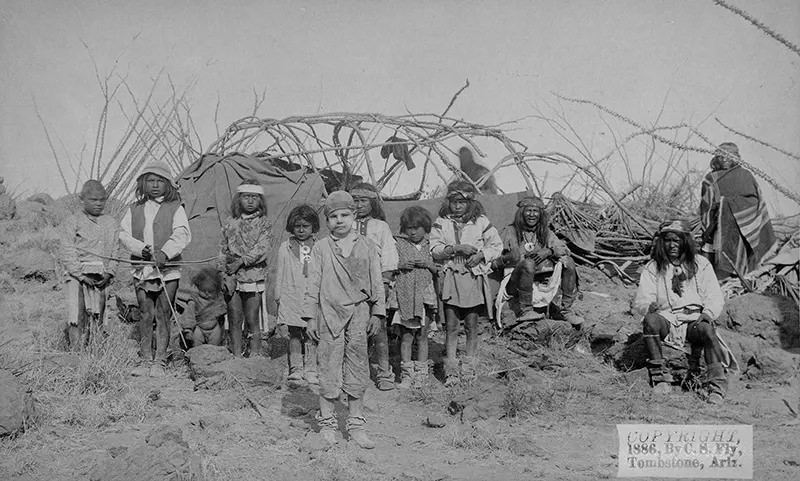
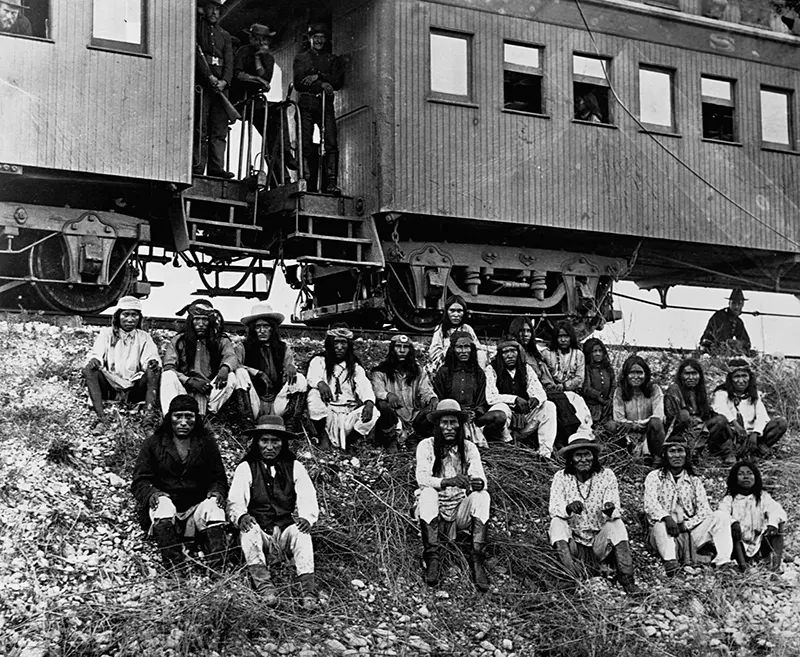
Apache resistance to forced relocation was particularly fierce. Geronimo, the Chiricahua Apache leader, led raids across Arizona and New Mexico for years before his final surrender in 1886. In September 1885, his band abducted 11-year-old Jimmy McKinn during a raid. When the Apaches were briefly captured in March 1886, McKinn was still with them. The photograph of McKinn taken at that moment shows a boy who had spent months living among his captors. In 1886, a group of Apache prisoners were transported by rail under guard alongside the Southern Pacific Railway near the Nueces River in Texas — a documented moment in the forced removal of a people from their homeland.
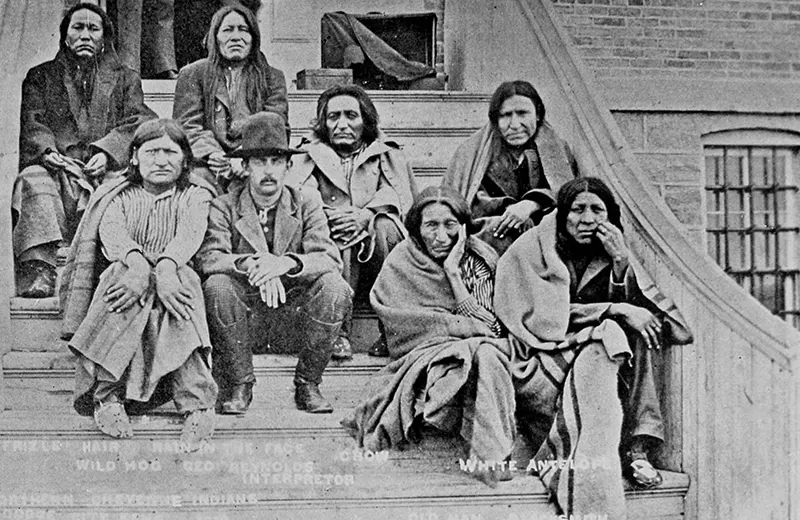
In 1878, a group of Cheyenne who had been confined to a reservation in Oklahoma attempted to return to their homeland in the Black Hills. They were captured and held in the county jail in Dodge City. That act of resistance — walking hundreds of miles back toward home — reflected the determination of Native peoples to maintain some connection to land the government had taken from them. A photograph documenting their imprisonment was taken in 1913, years after the fact, preserving the record of their confinement.
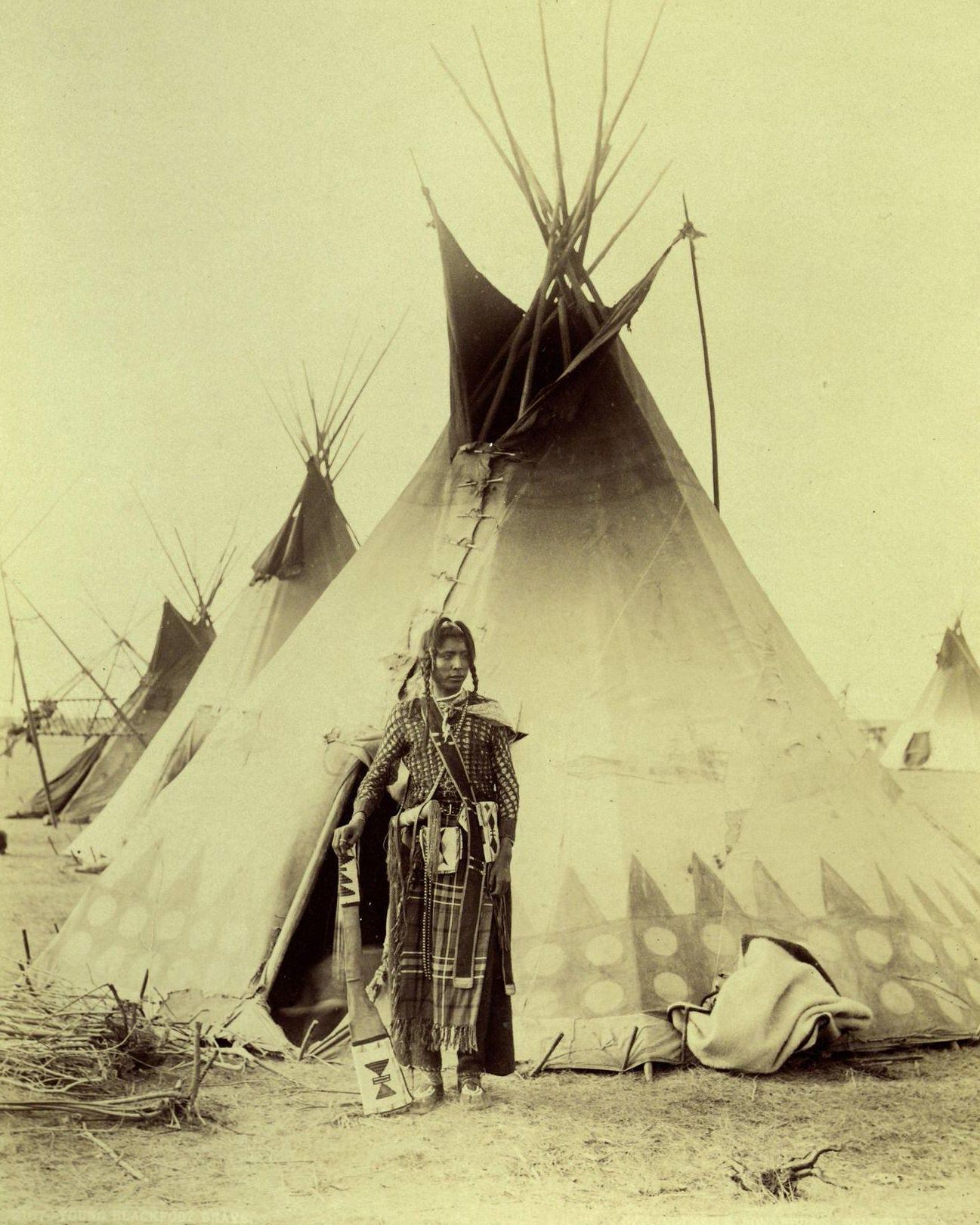
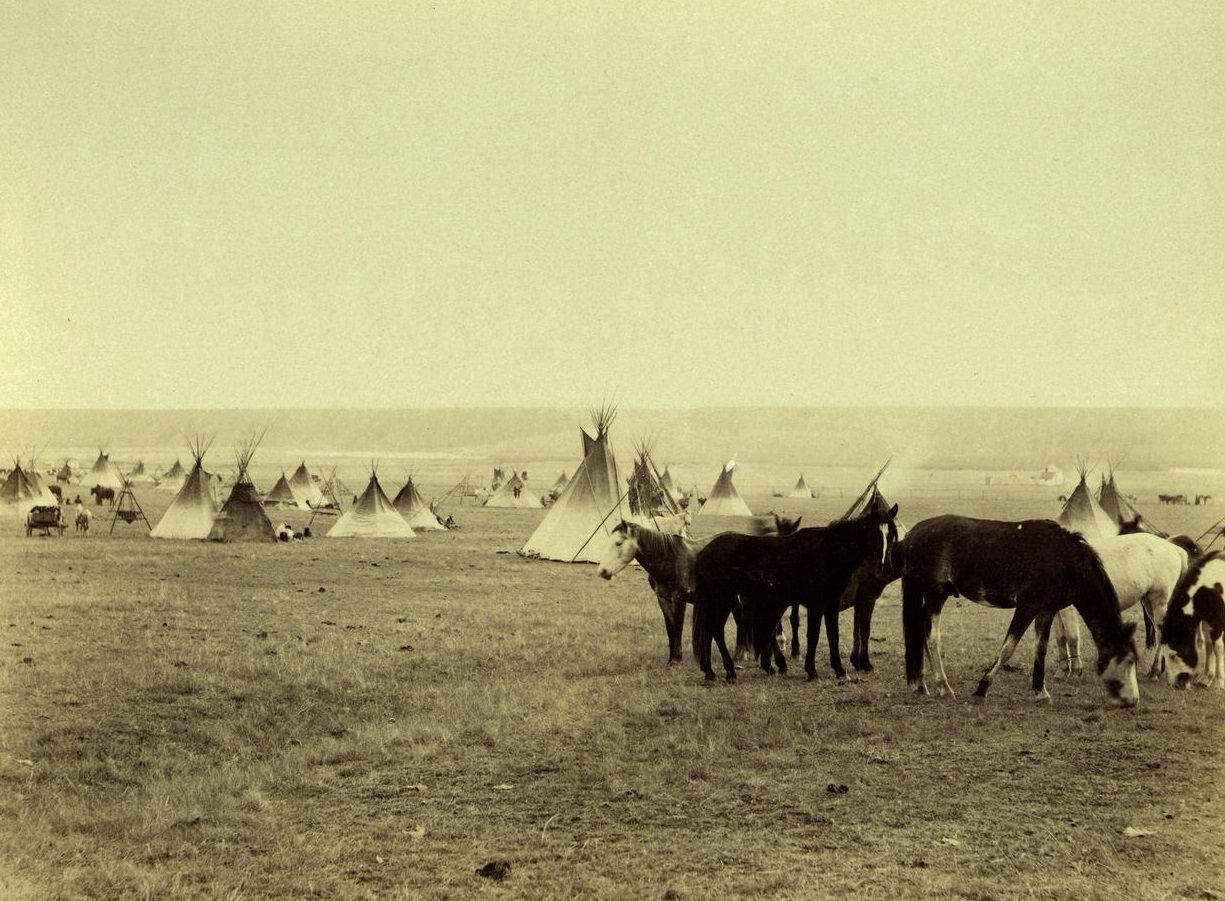
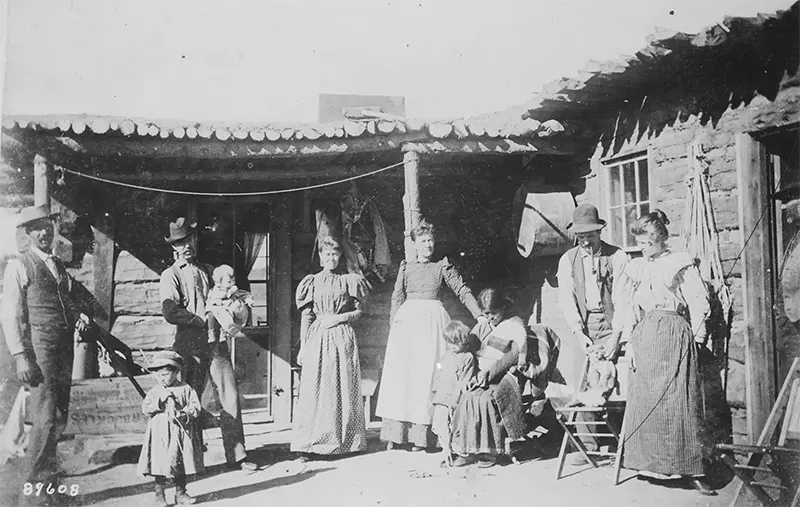
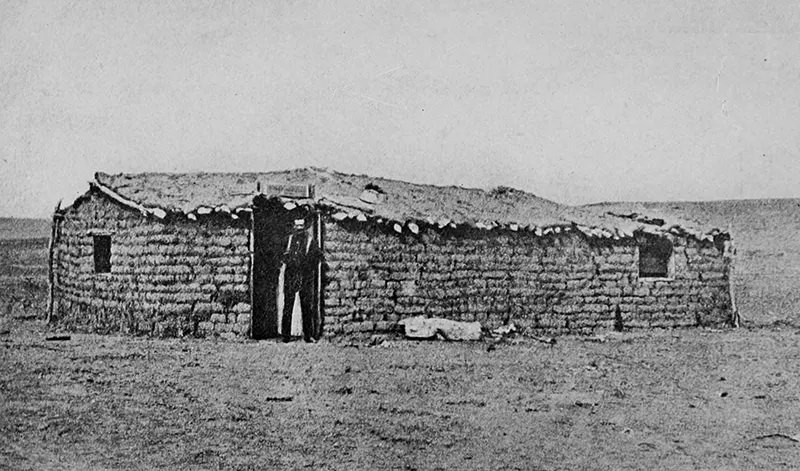
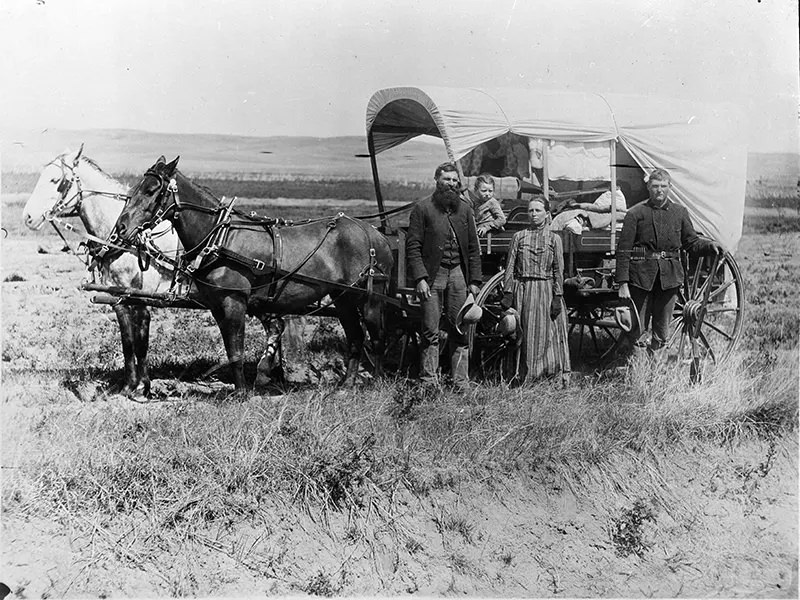
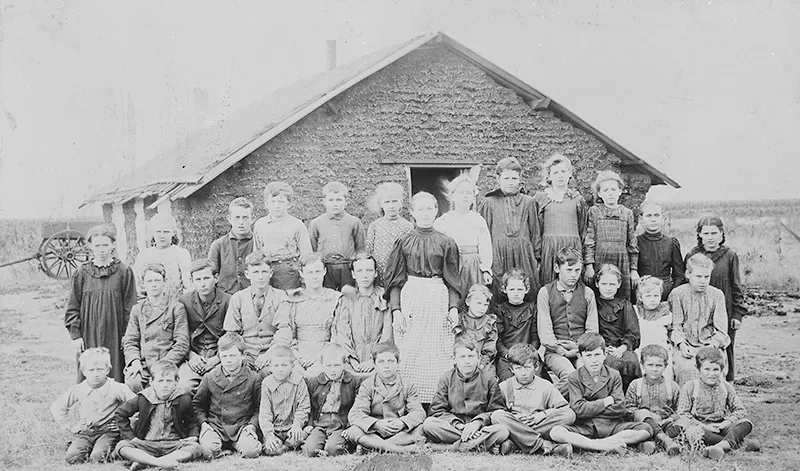
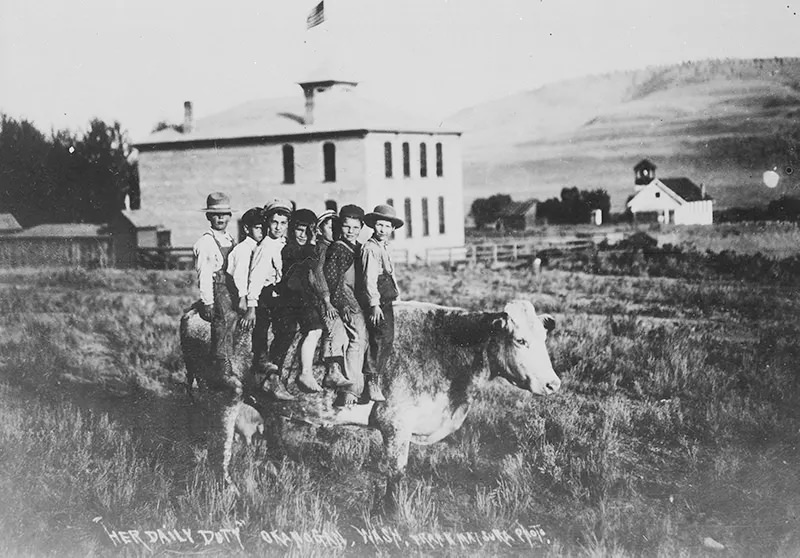
Families who made the journey west did so with extraordinary risk and minimal resources. Many traveled in covered wagons, carrying everything they owned. The journey across the Great Plains exposed them to extreme weather, disease, and attack. Those who settled in Nebraska, Kansas, or the Dakota Territory built homes from sod — blocks of dense prairie earth — because timber was scarce. Children in these communities attended one-room schoolhouses, often taught by a single teacher. In some frontier areas, transportation was so limited that a cow was used to carry seven children to school in Okanogan, Washington as late as 1907.
Communication and mail delivery across vast distances was a serious challenge before the railroad. The Pony Express operated from April 1860 to October 1861, using relay riders on horseback to carry mail nearly 2,000 miles between Missouri and California in about ten days. Riders faced extreme terrain, hostile conditions, and the constant threat of attack. The service was fast and impressive, but it was also expensive and short-lived — rendered obsolete the moment the transcontinental telegraph line was completed.
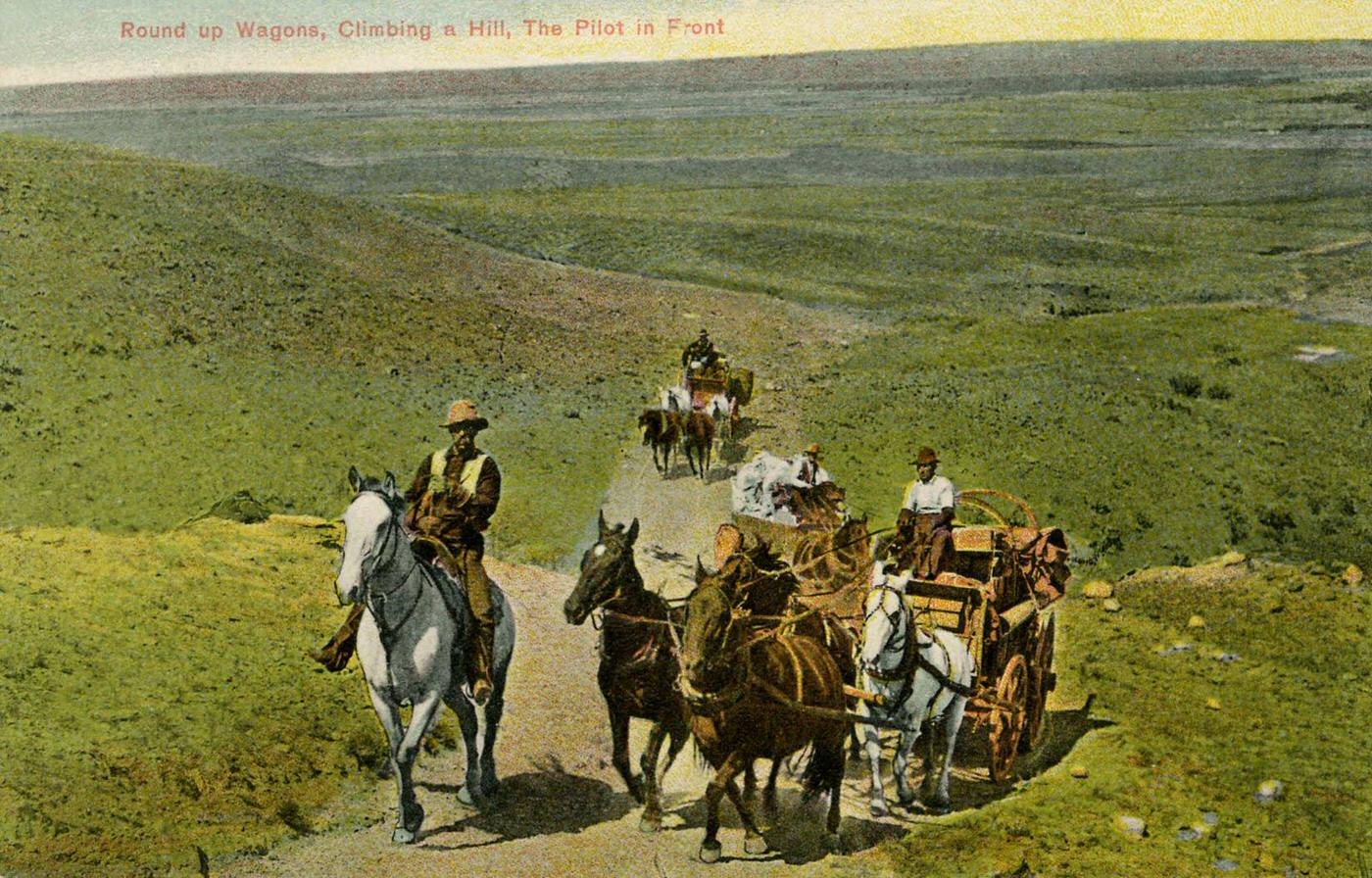
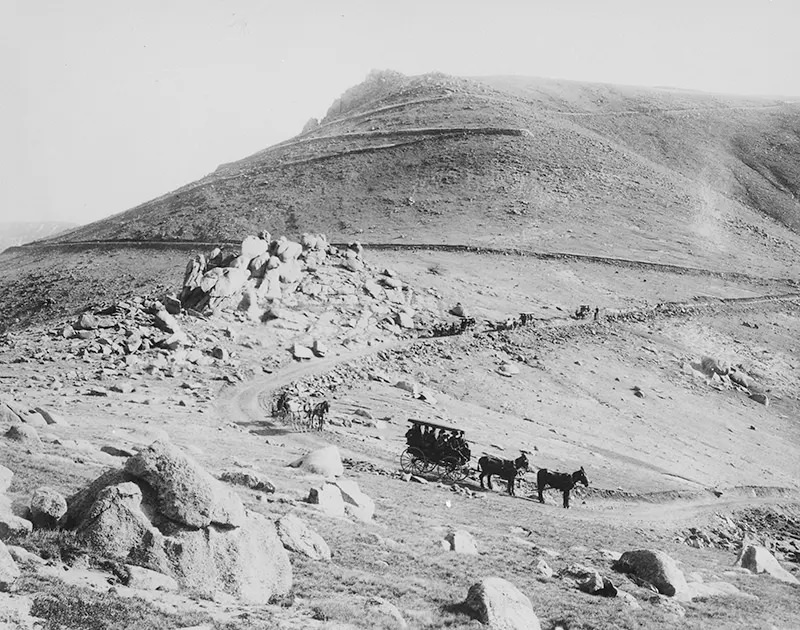
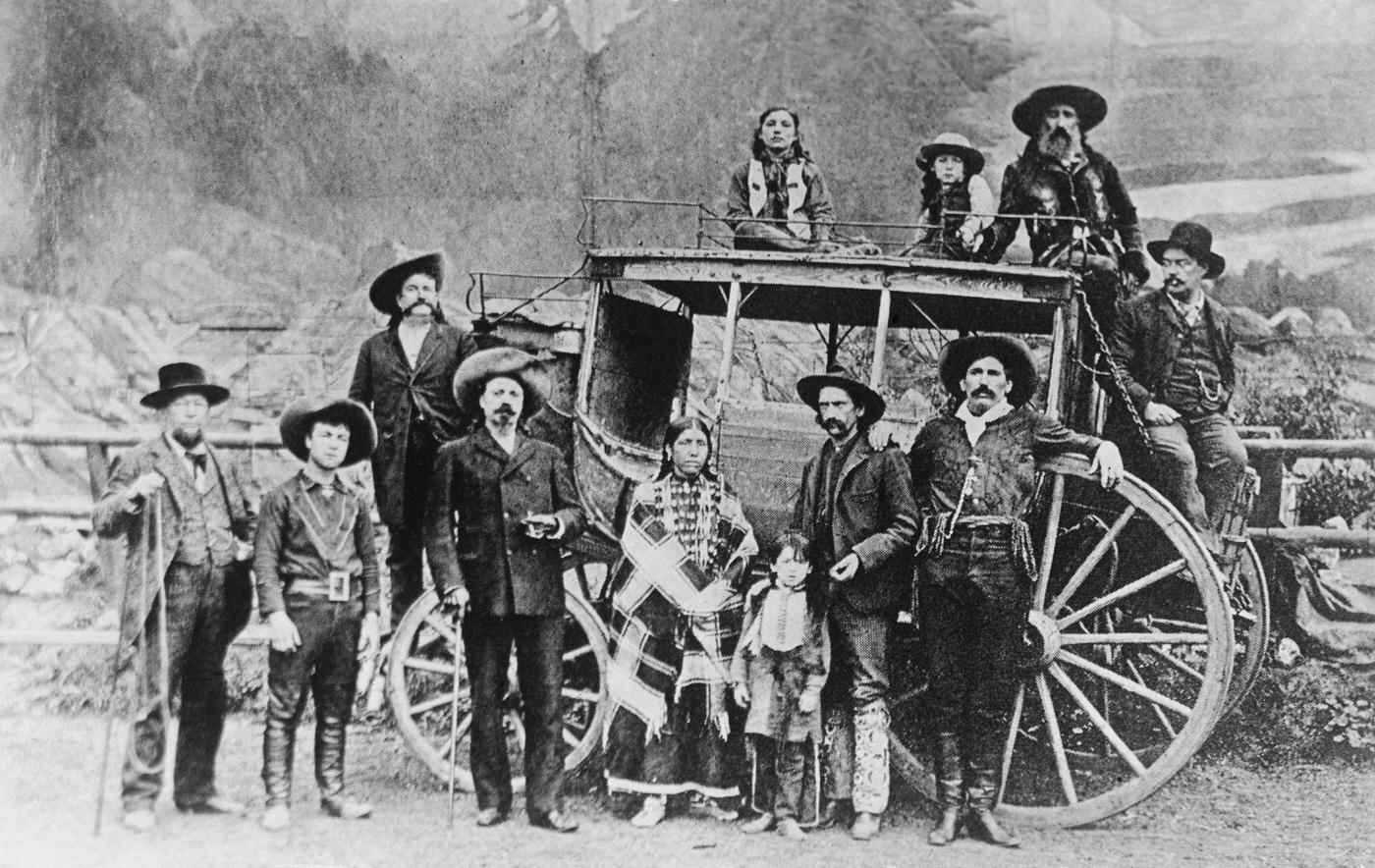
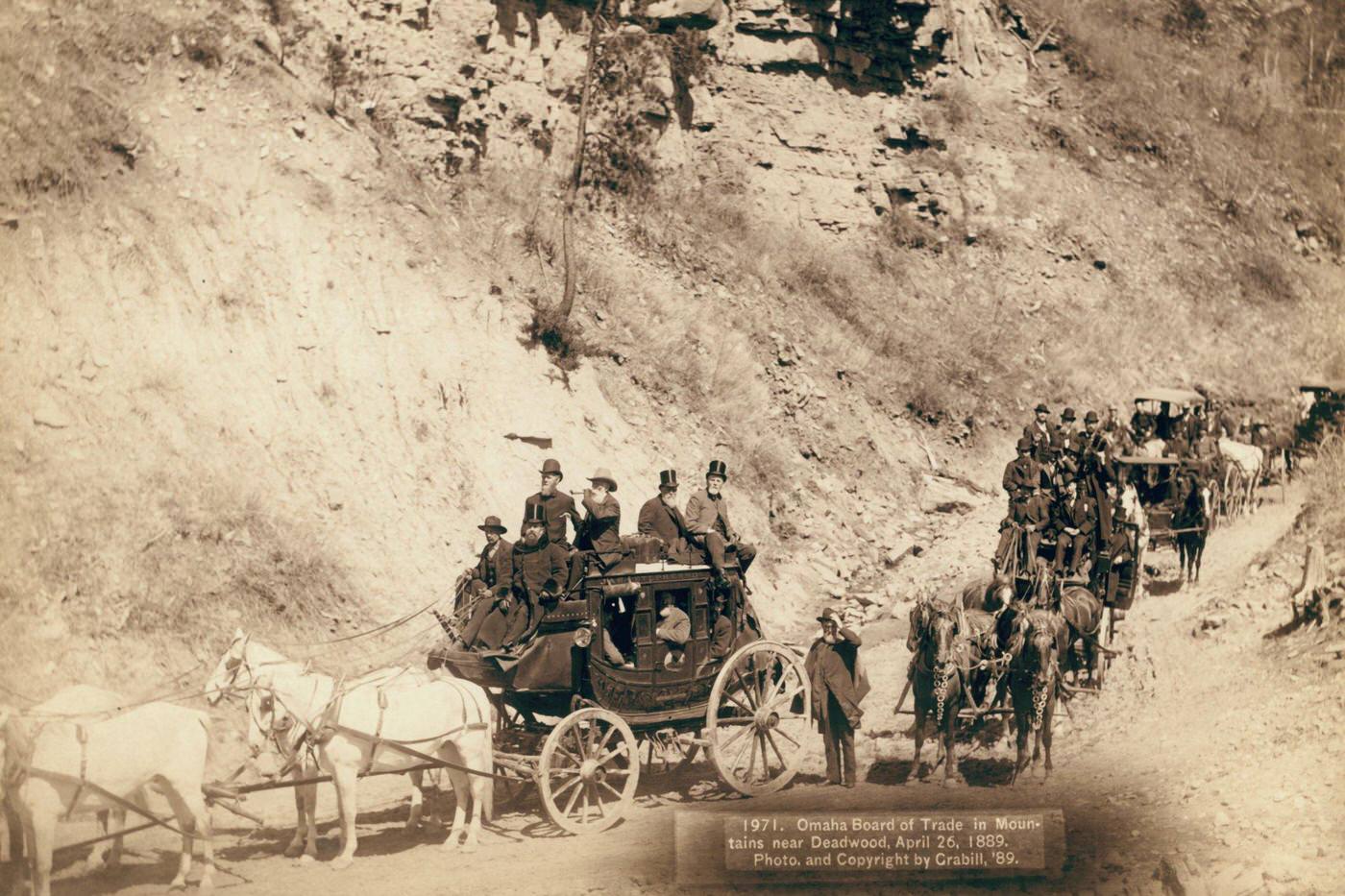
Stagecoaches played a major role in moving people and goods across the frontier. The Deadwood Coach became particularly well known — it ran between Cheyenne and the Black Hills goldfields and was frequently targeted by road agents. By the early 1890s, stagecoach routes were being replaced by rail lines, and the Deadwood Coach made its final run as an era drew to a close.
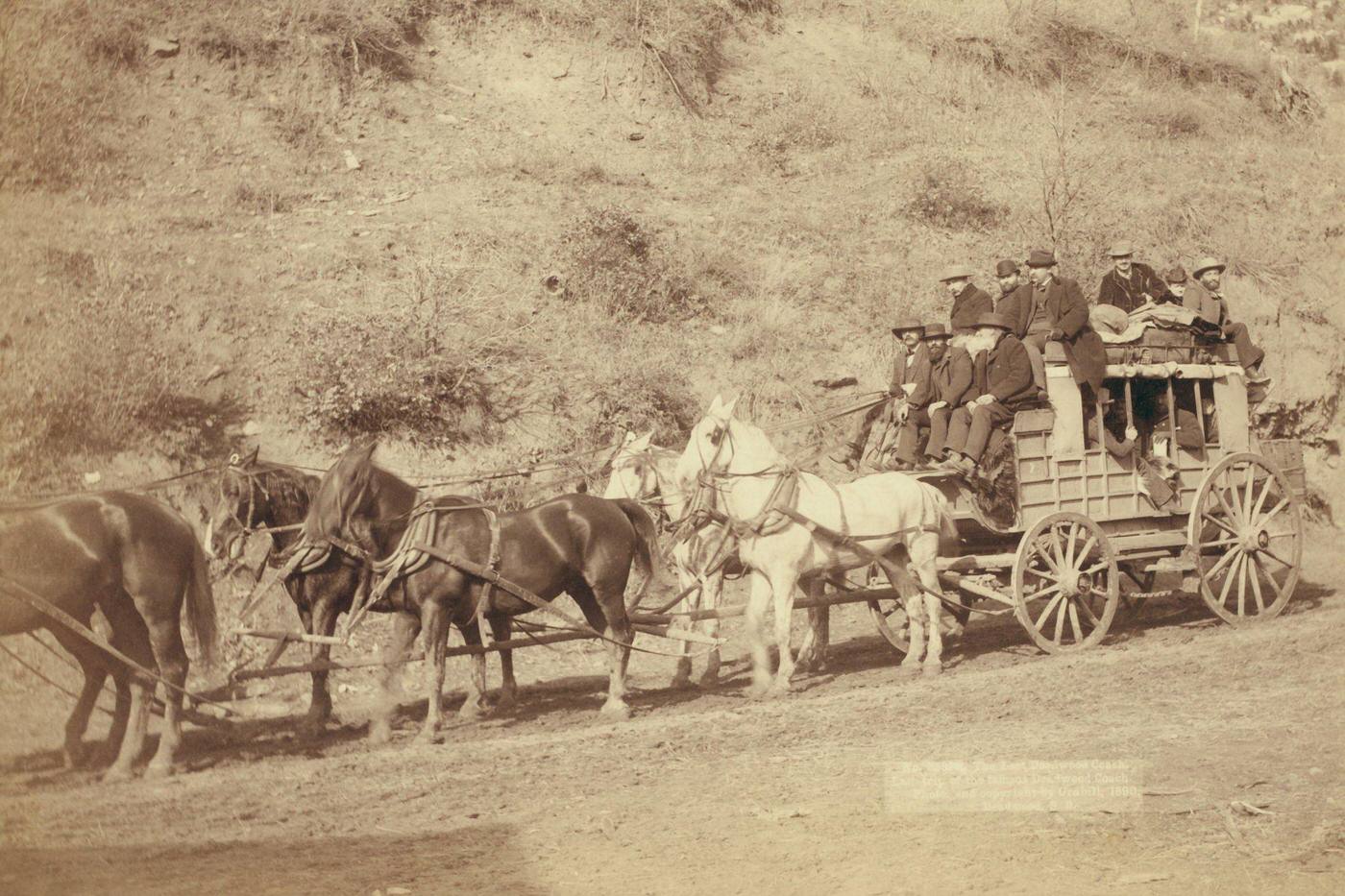
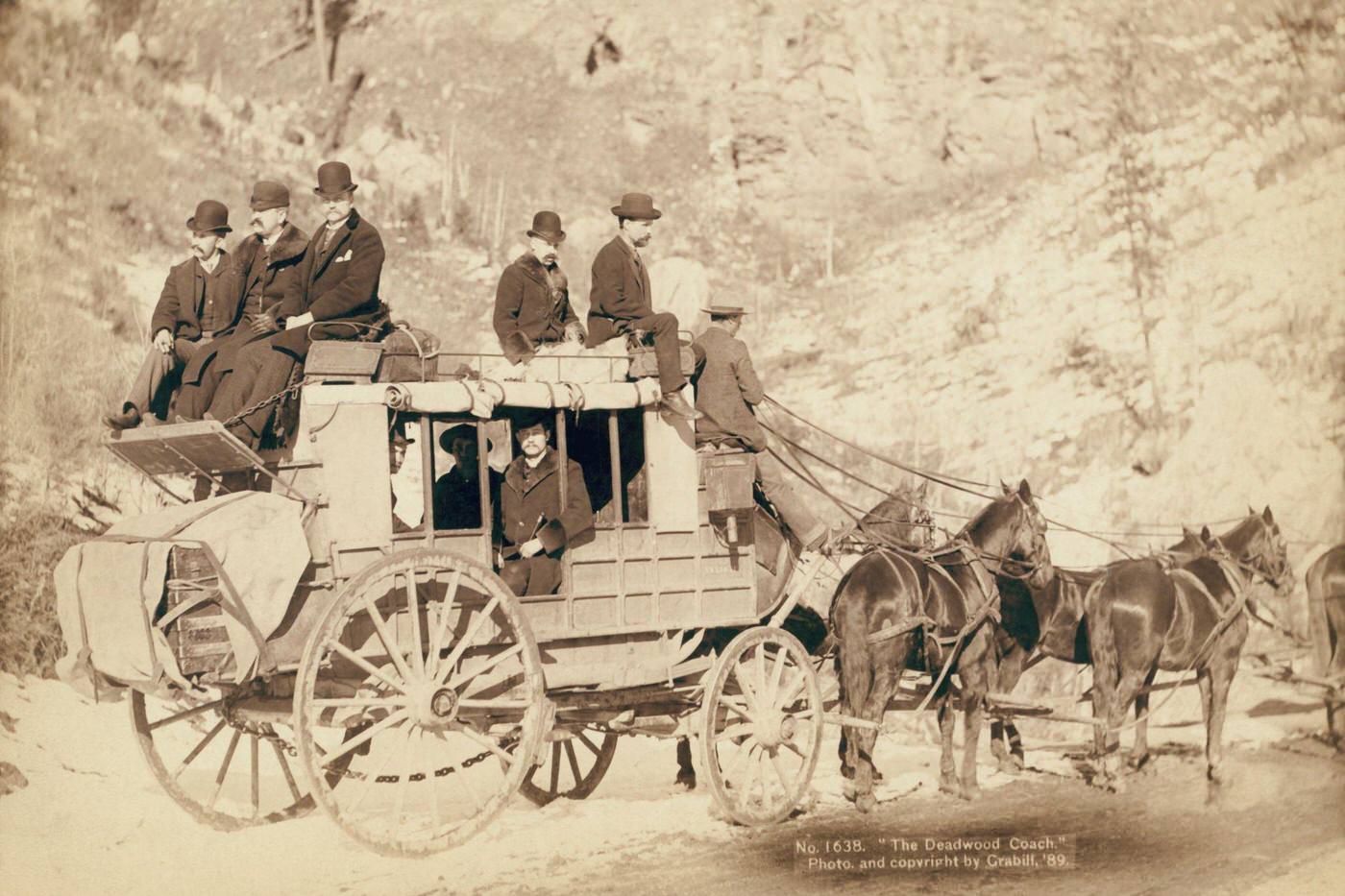
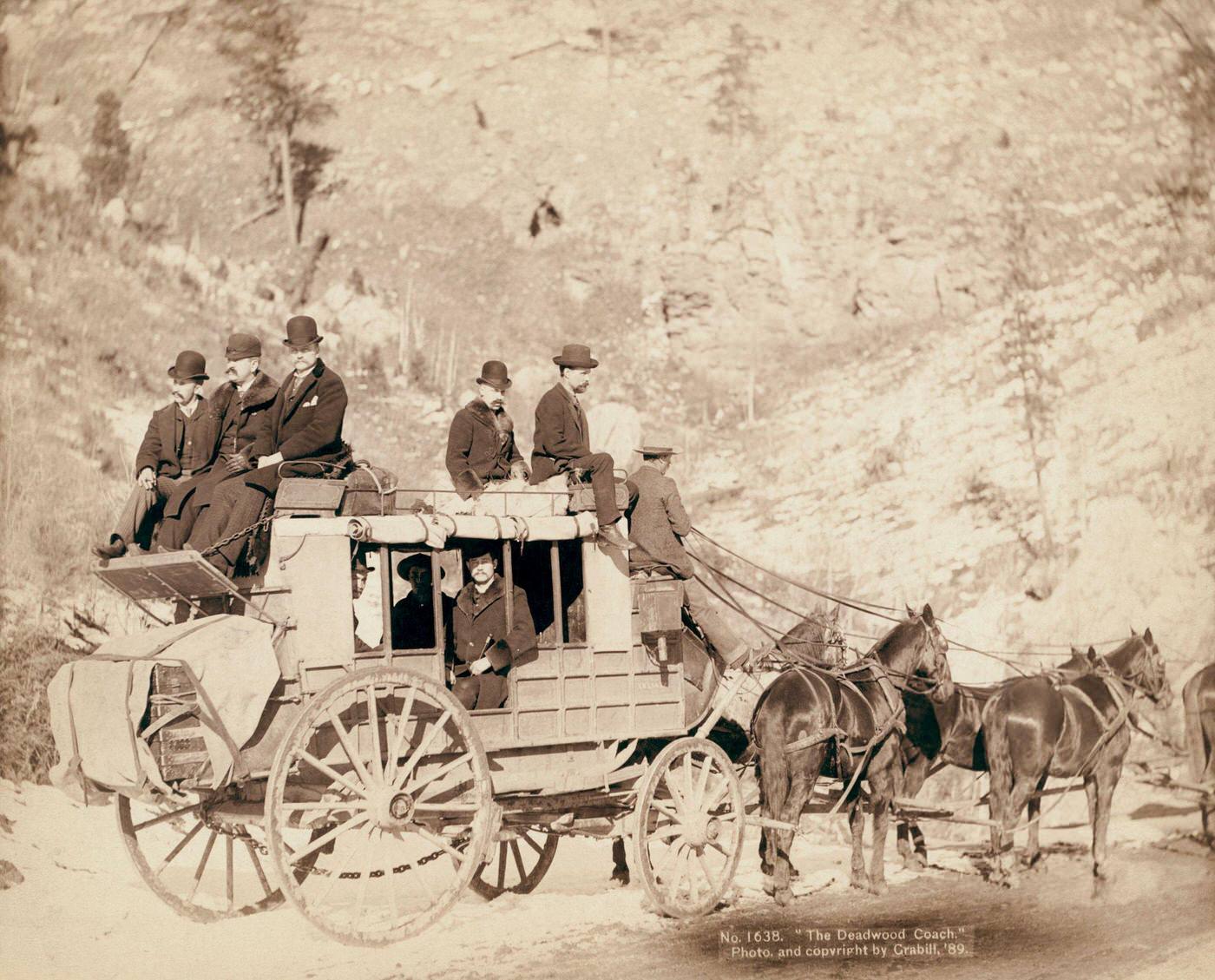
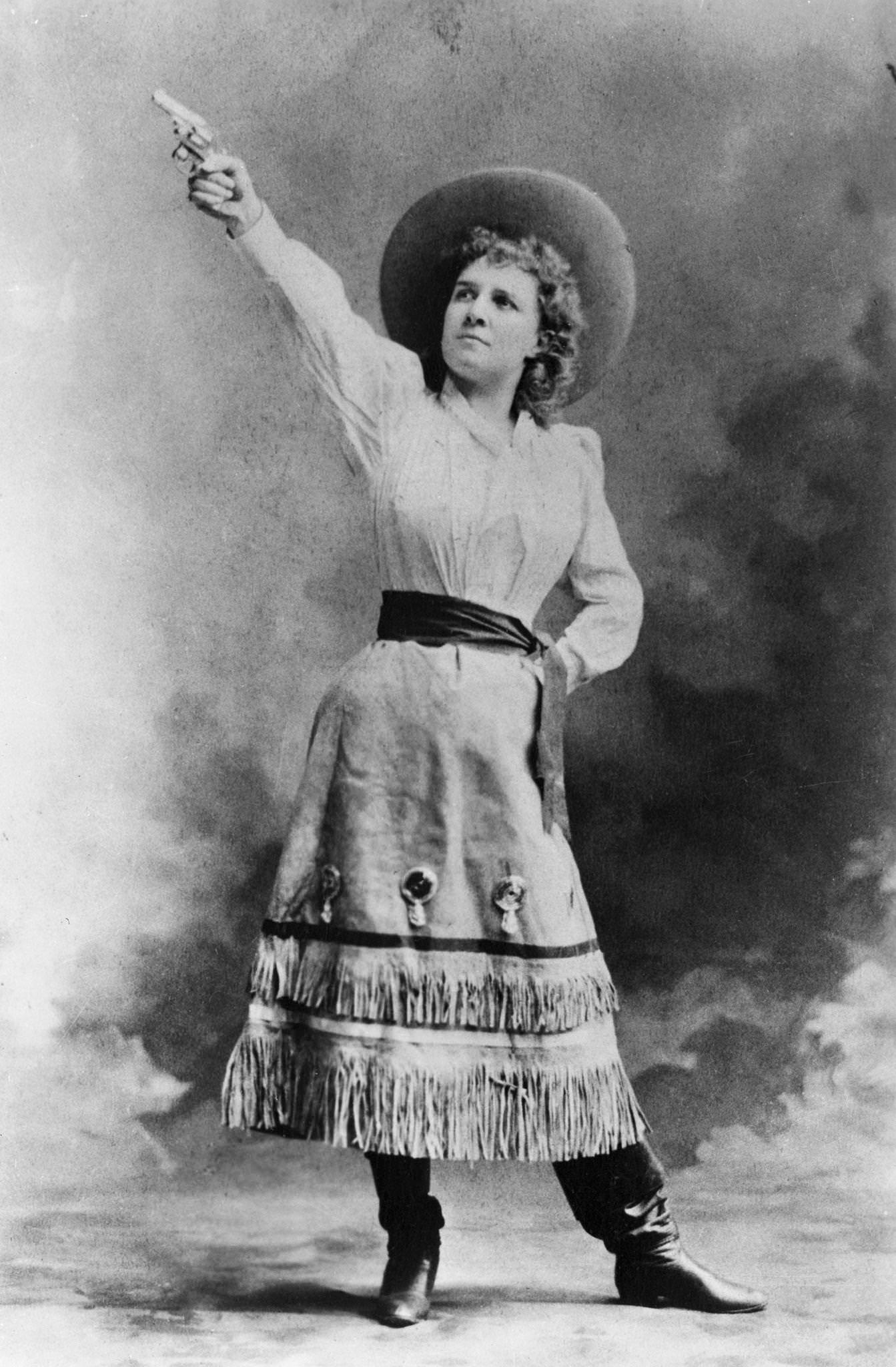
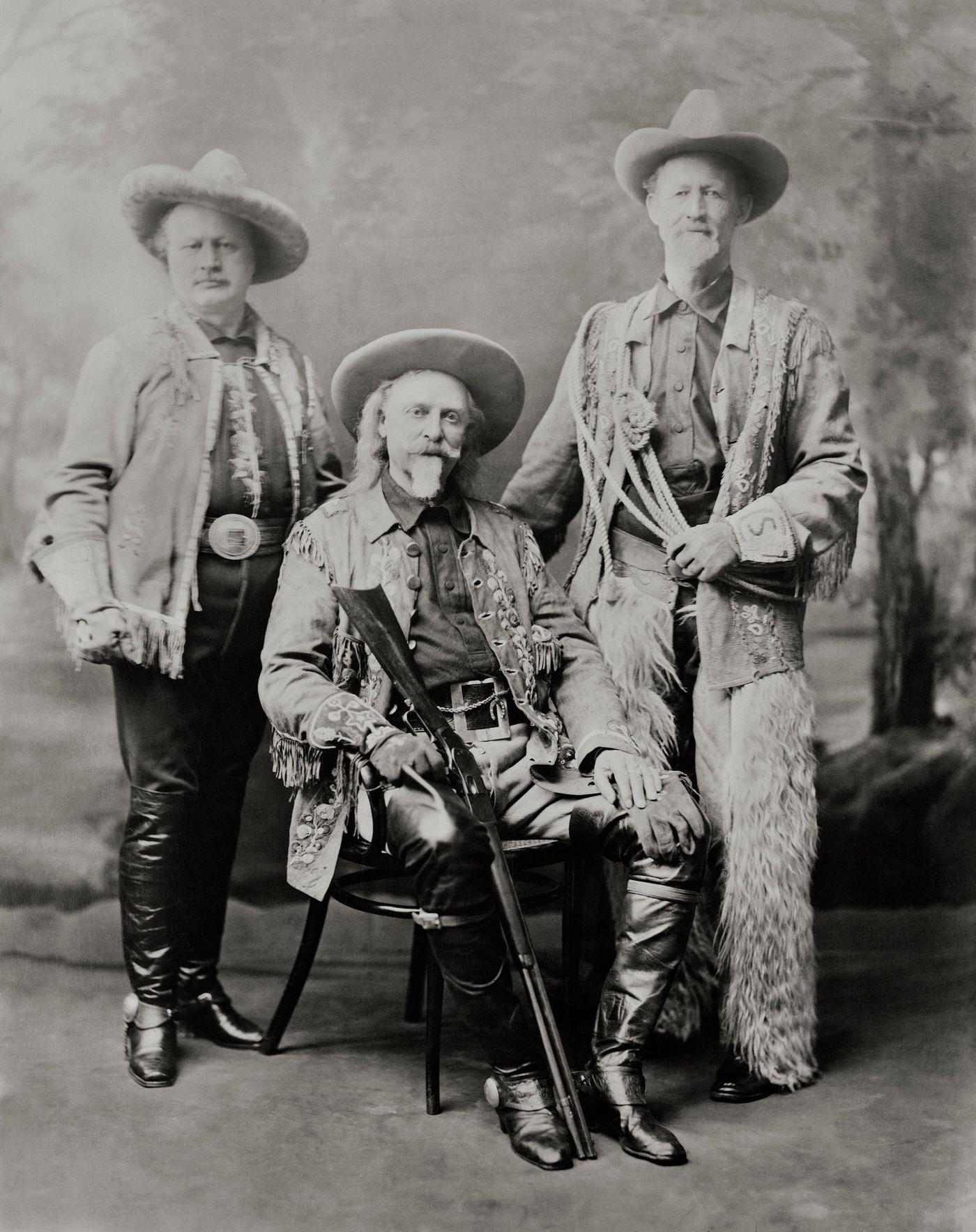
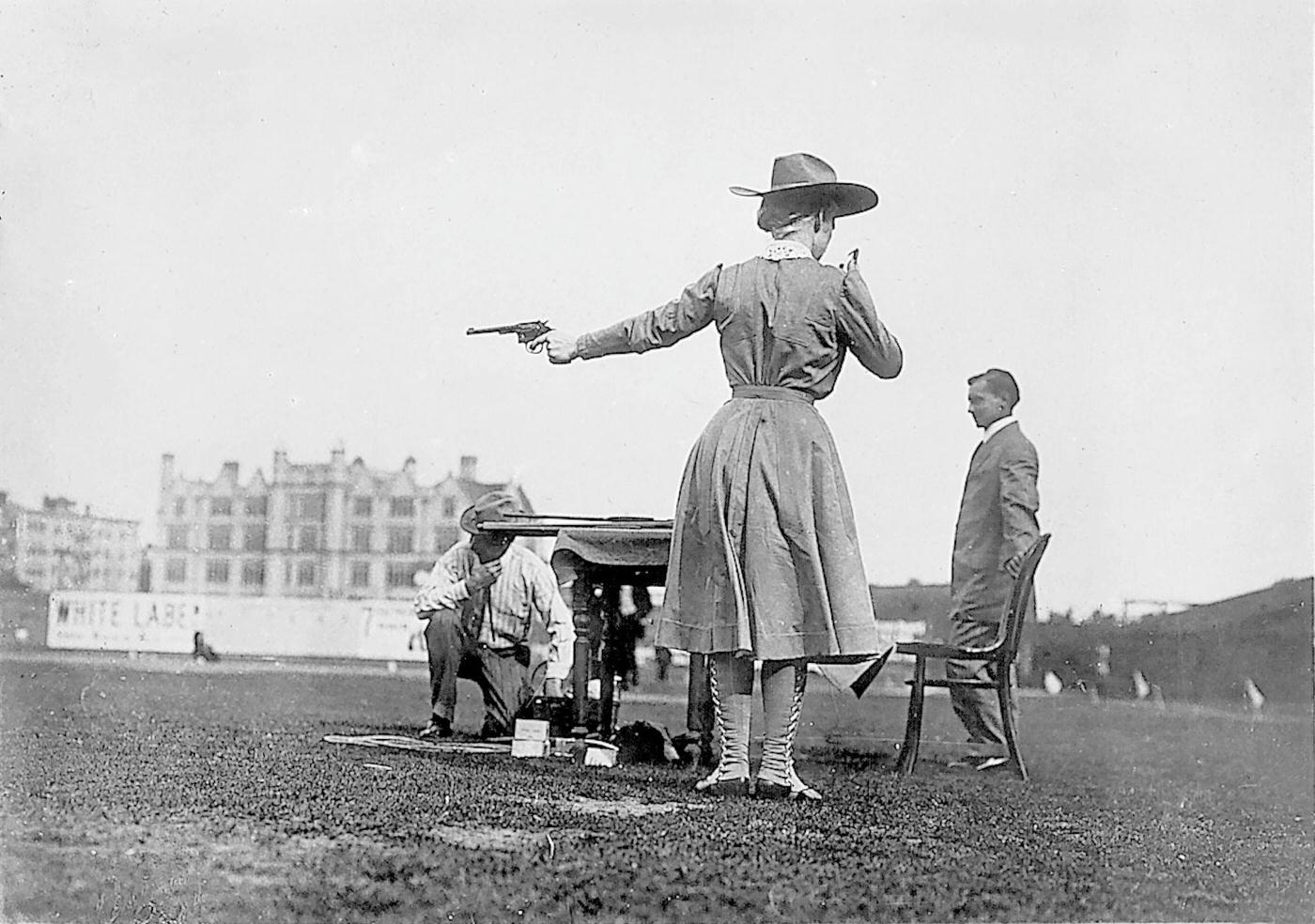
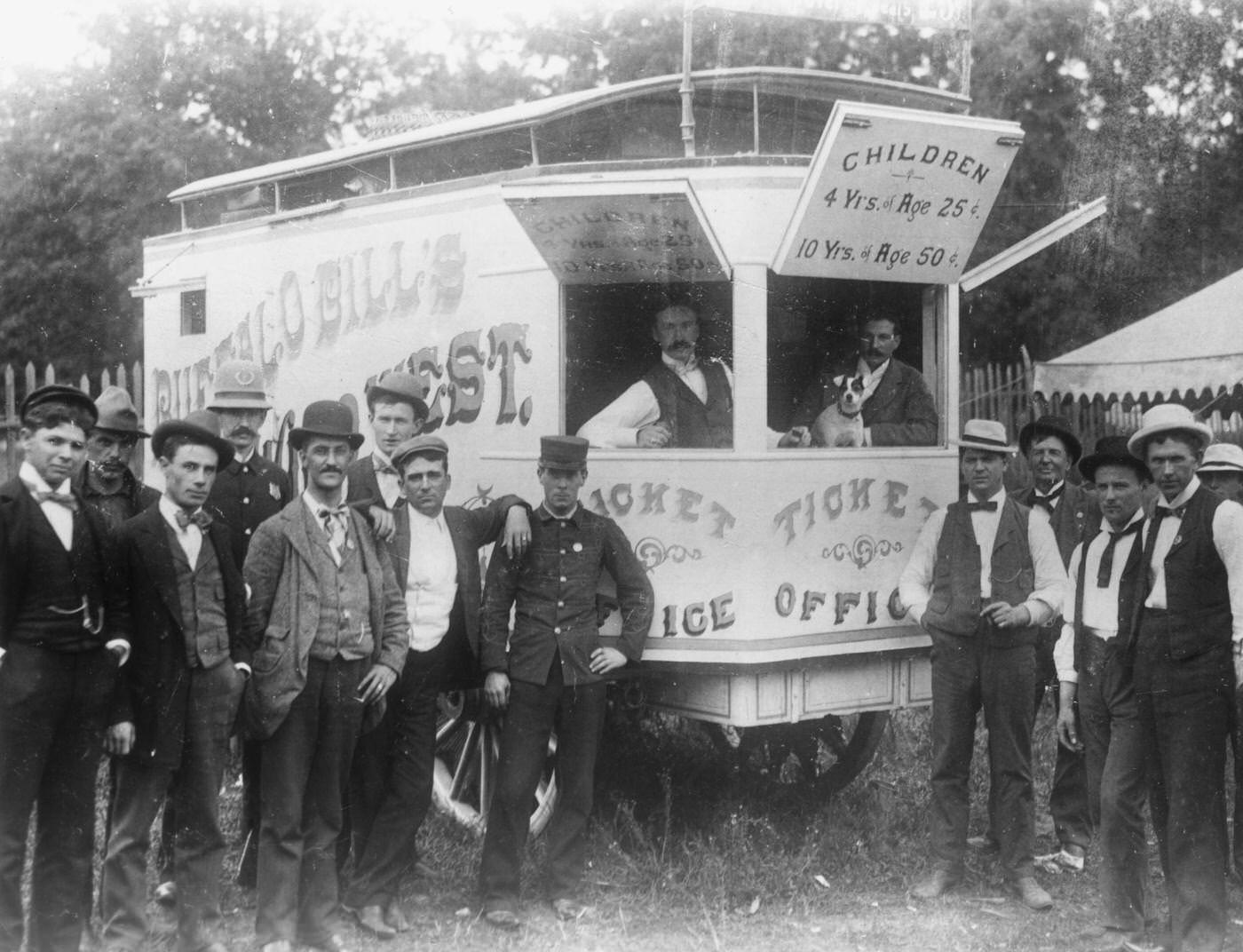
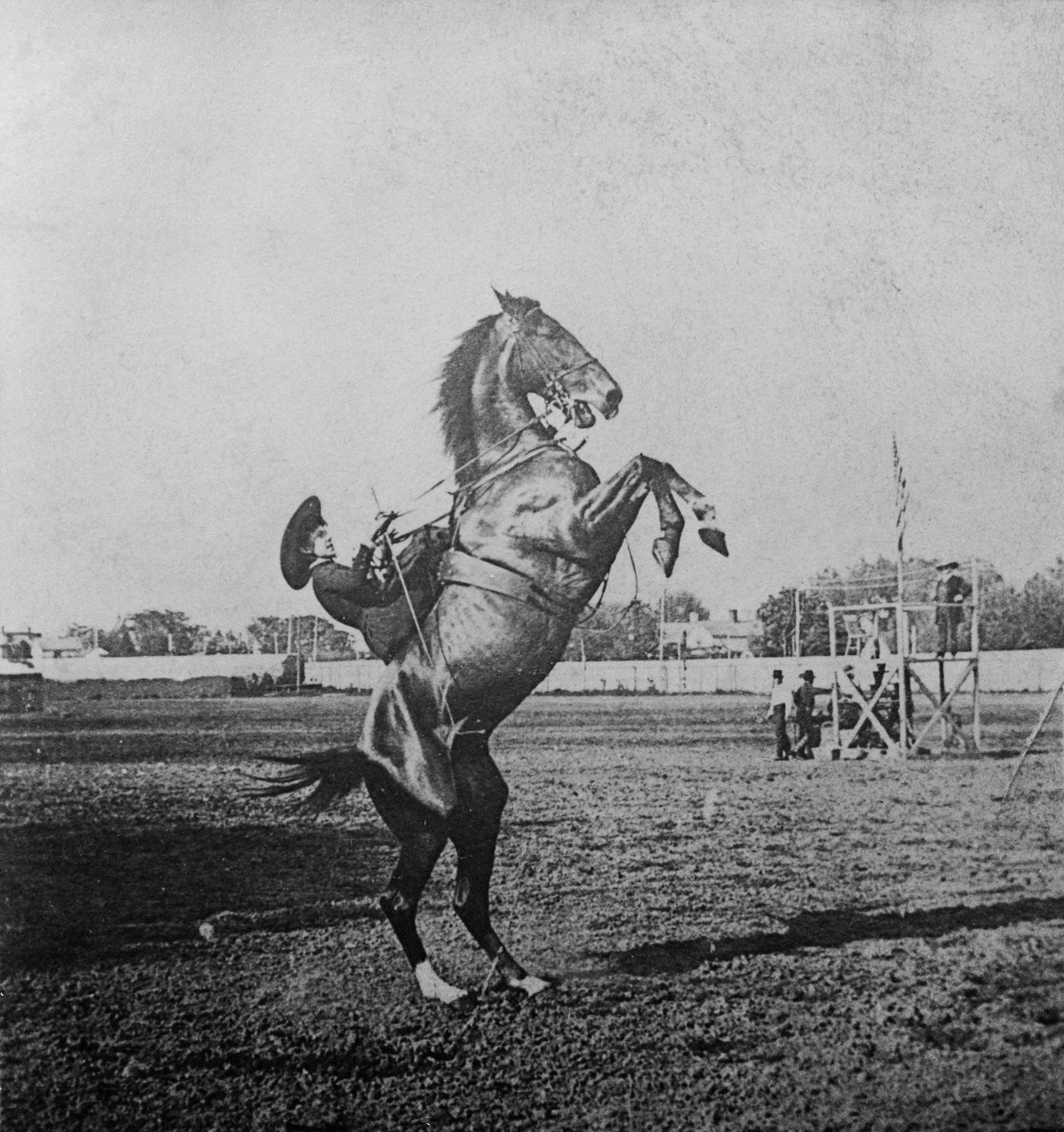
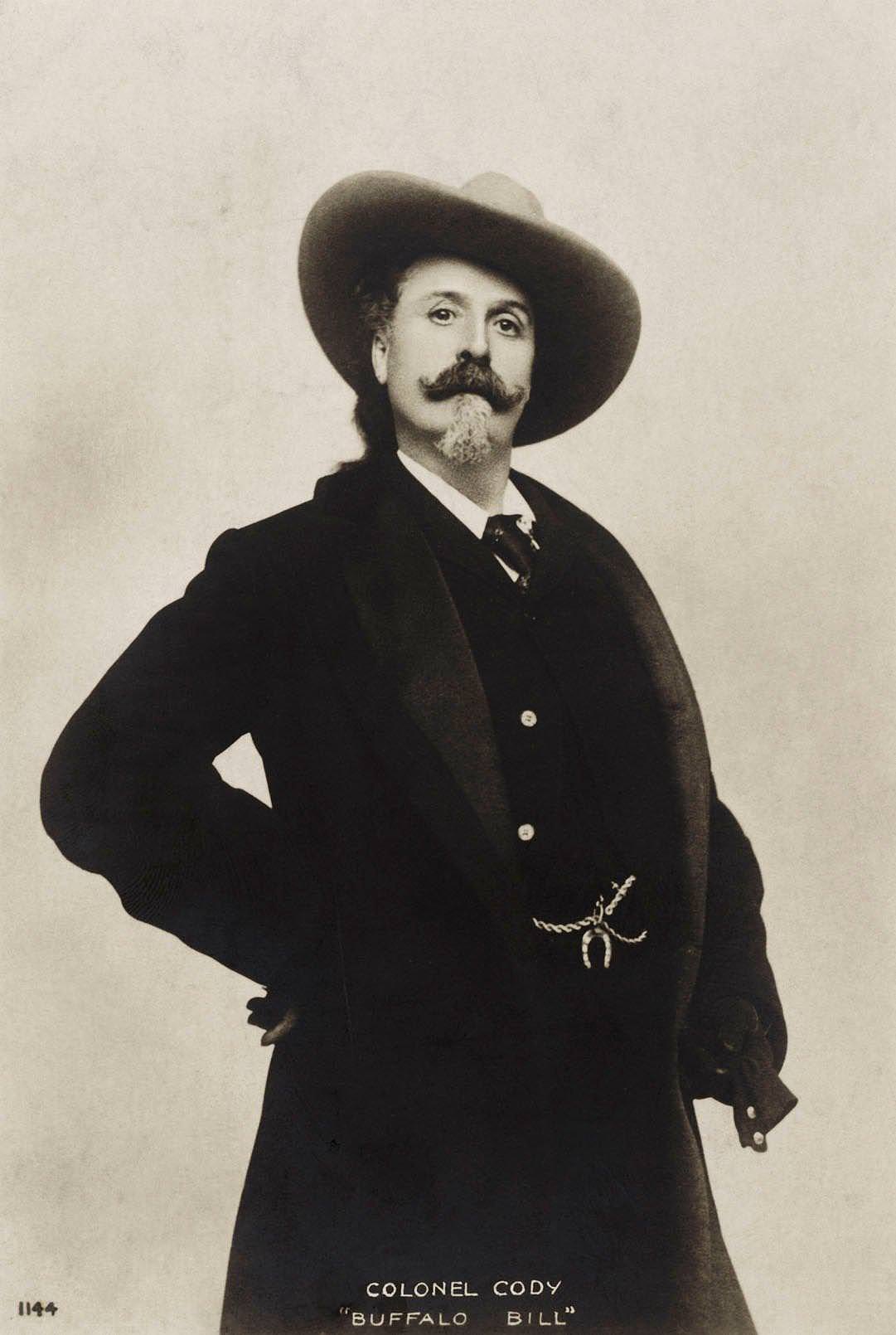
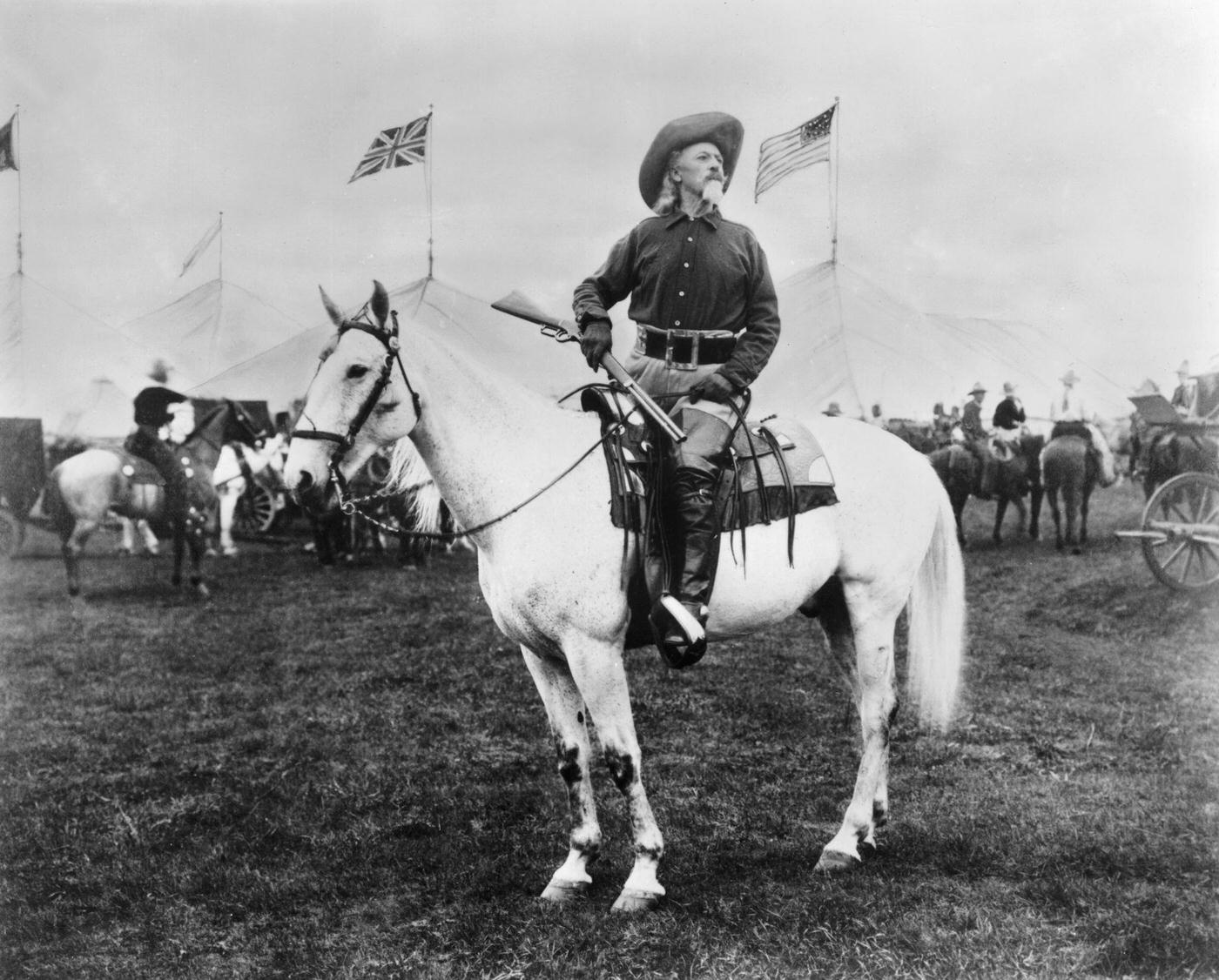
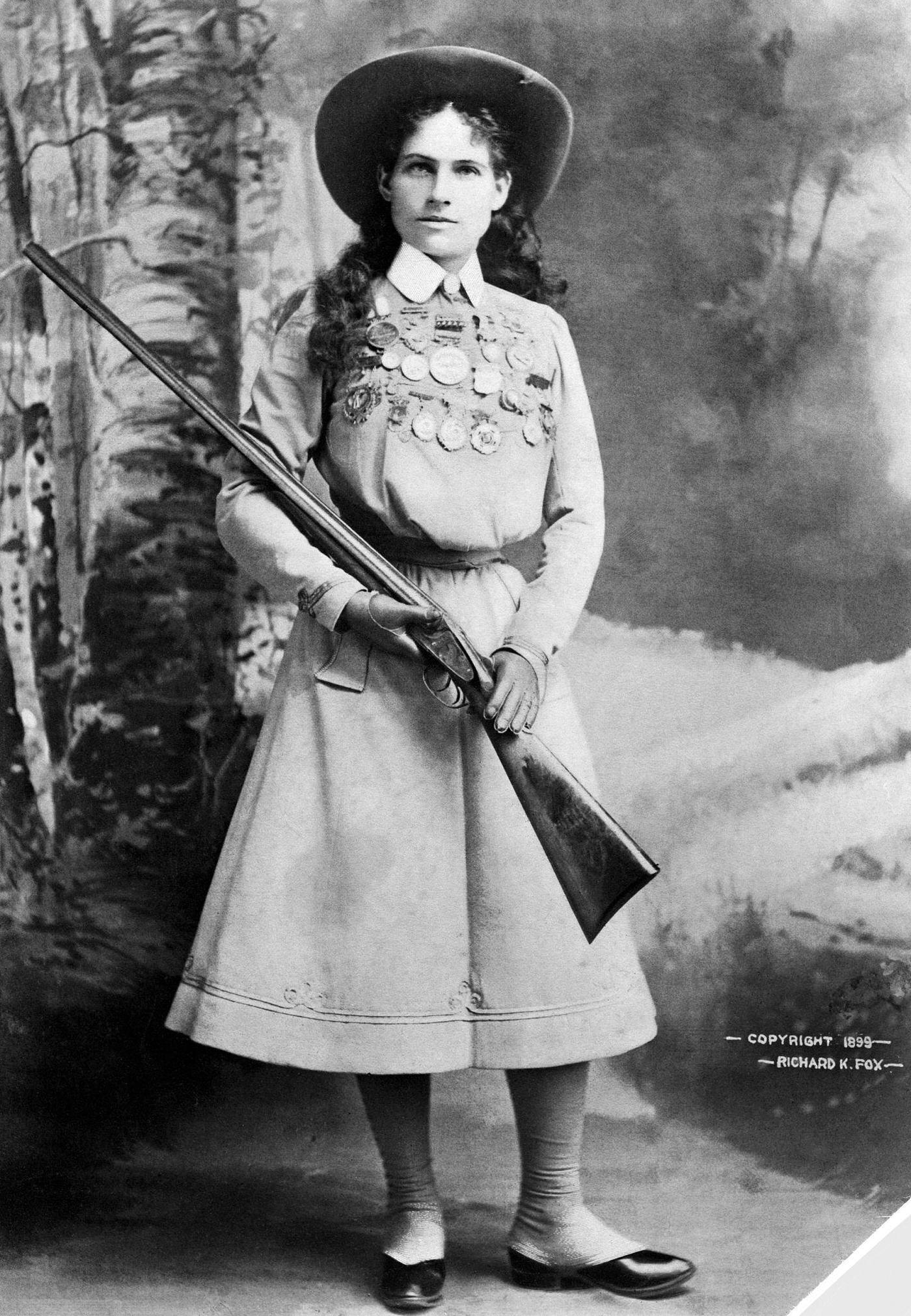
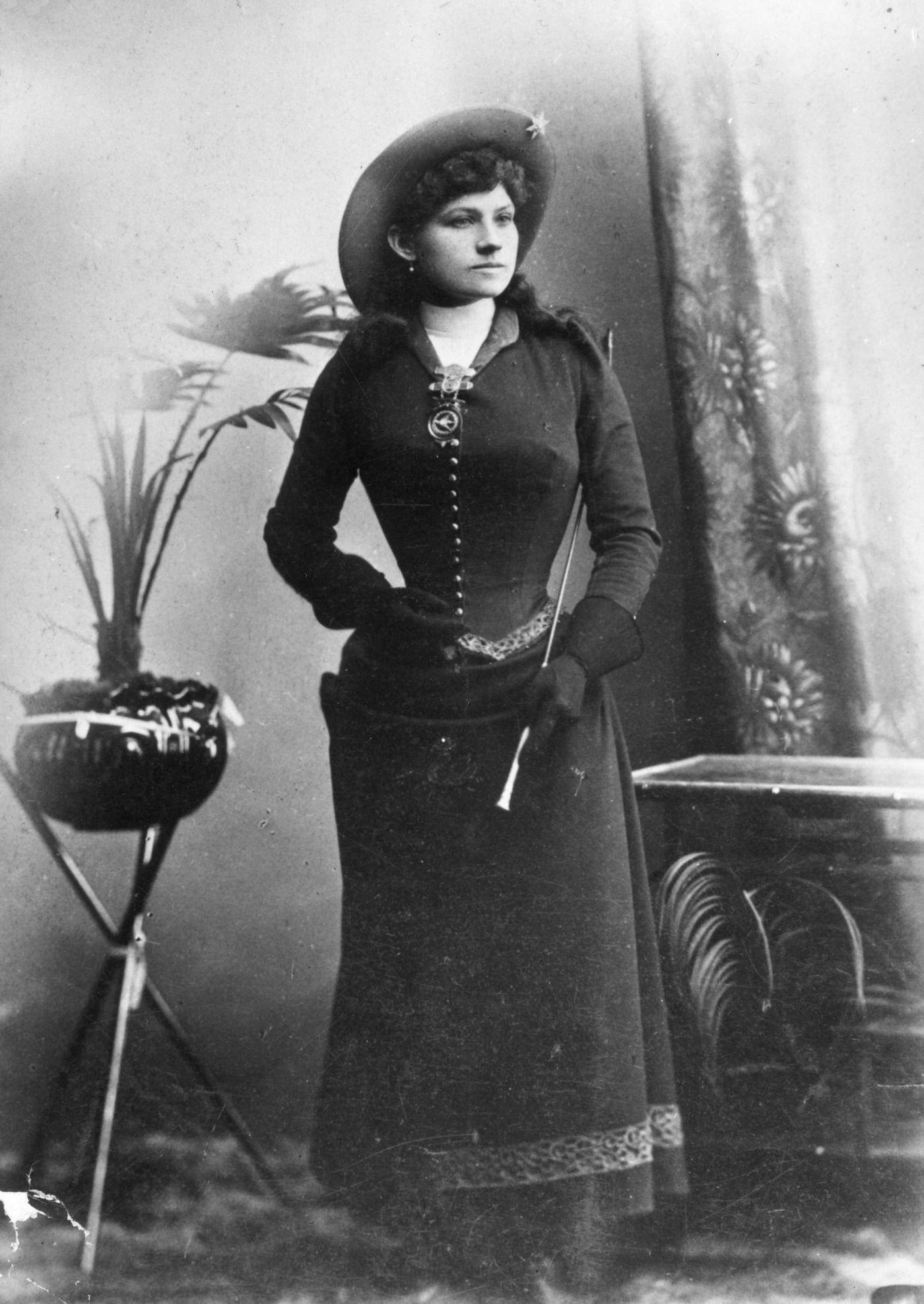
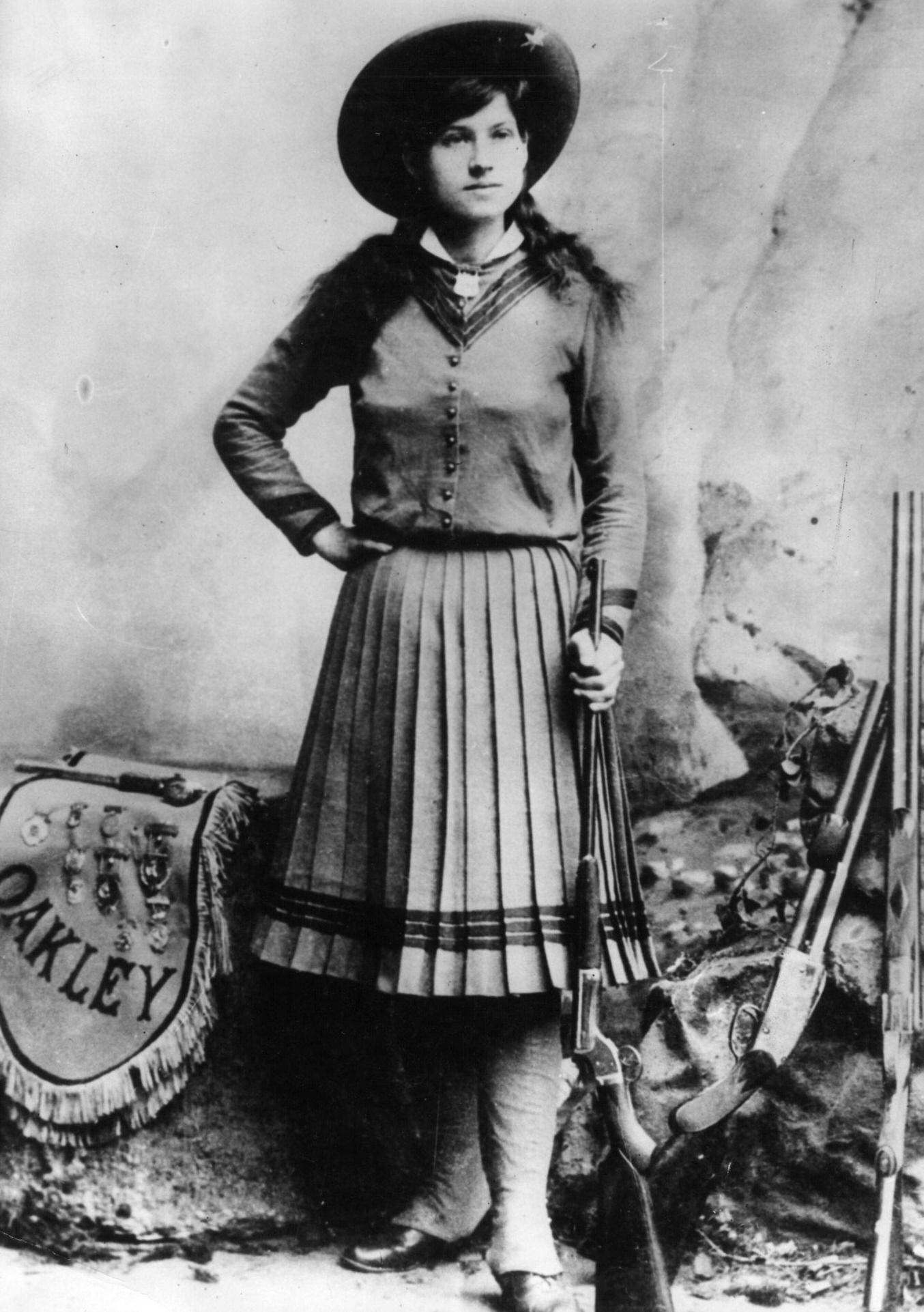
The Wild West Show turned frontier life into entertainment and exported it around the world. Buffalo Bill Cody launched his famous Wild West Show in 1883, drawing enormous crowds across the United States and Europe. The show featured trick shooting, mock battles, stagecoach chases, and performances by actual frontier figures. Annie Oakley became its biggest star. Her marksmanship was extraordinary — she could shoot cigarettes from her husband’s mouth, hit moving targets over her shoulder using a mirror, and perform dozens of other feats with rifles and shotguns.
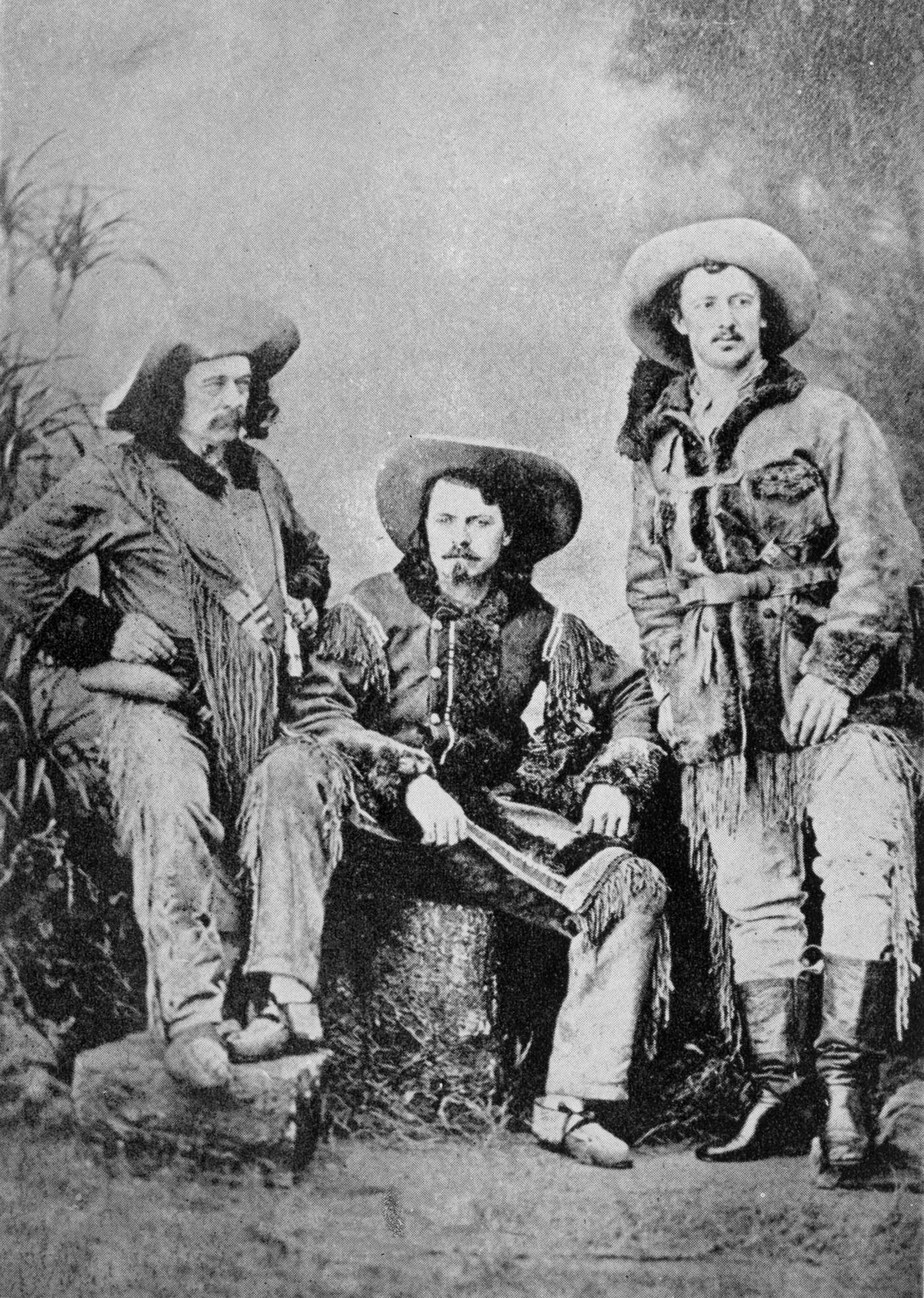
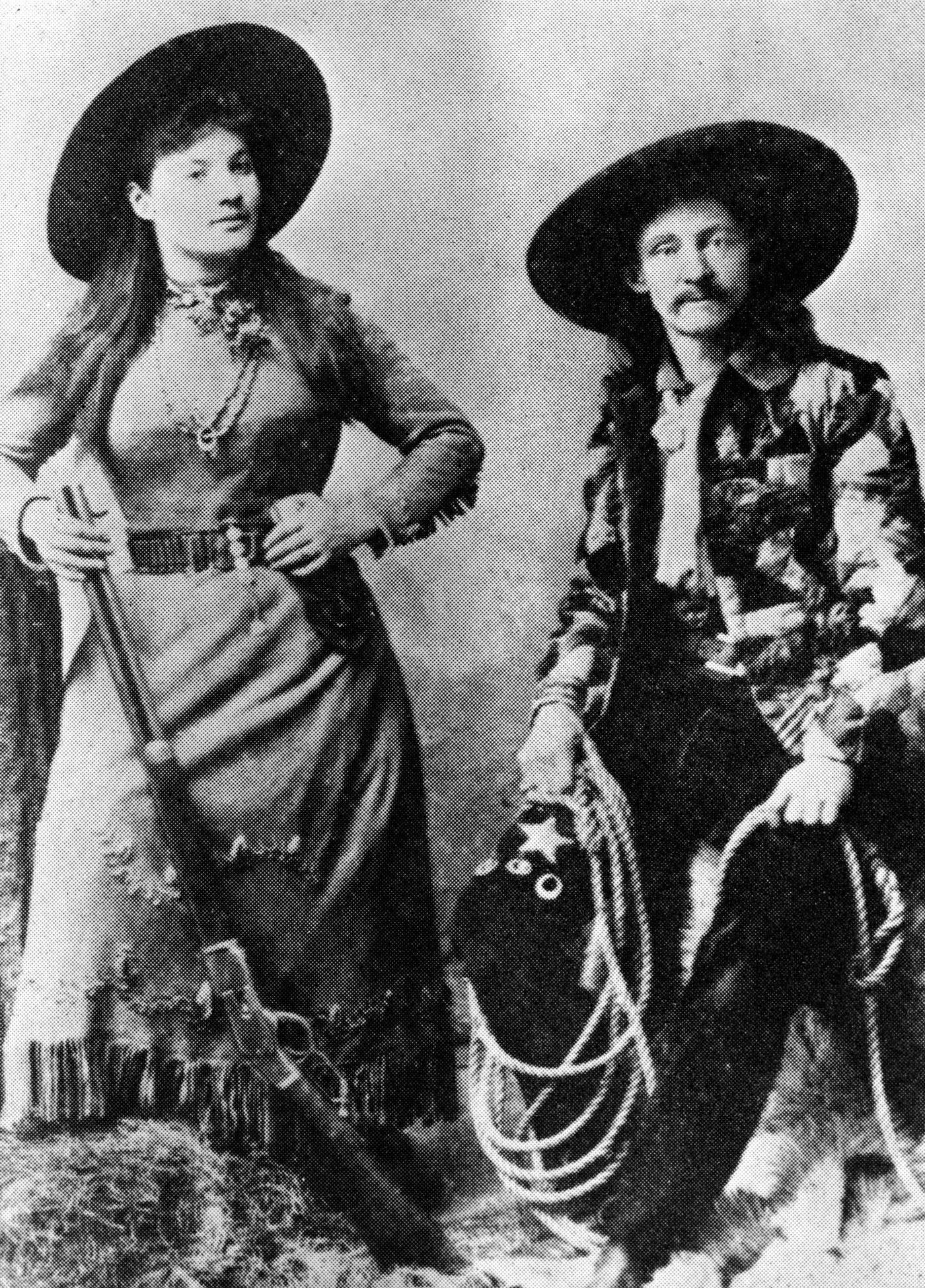
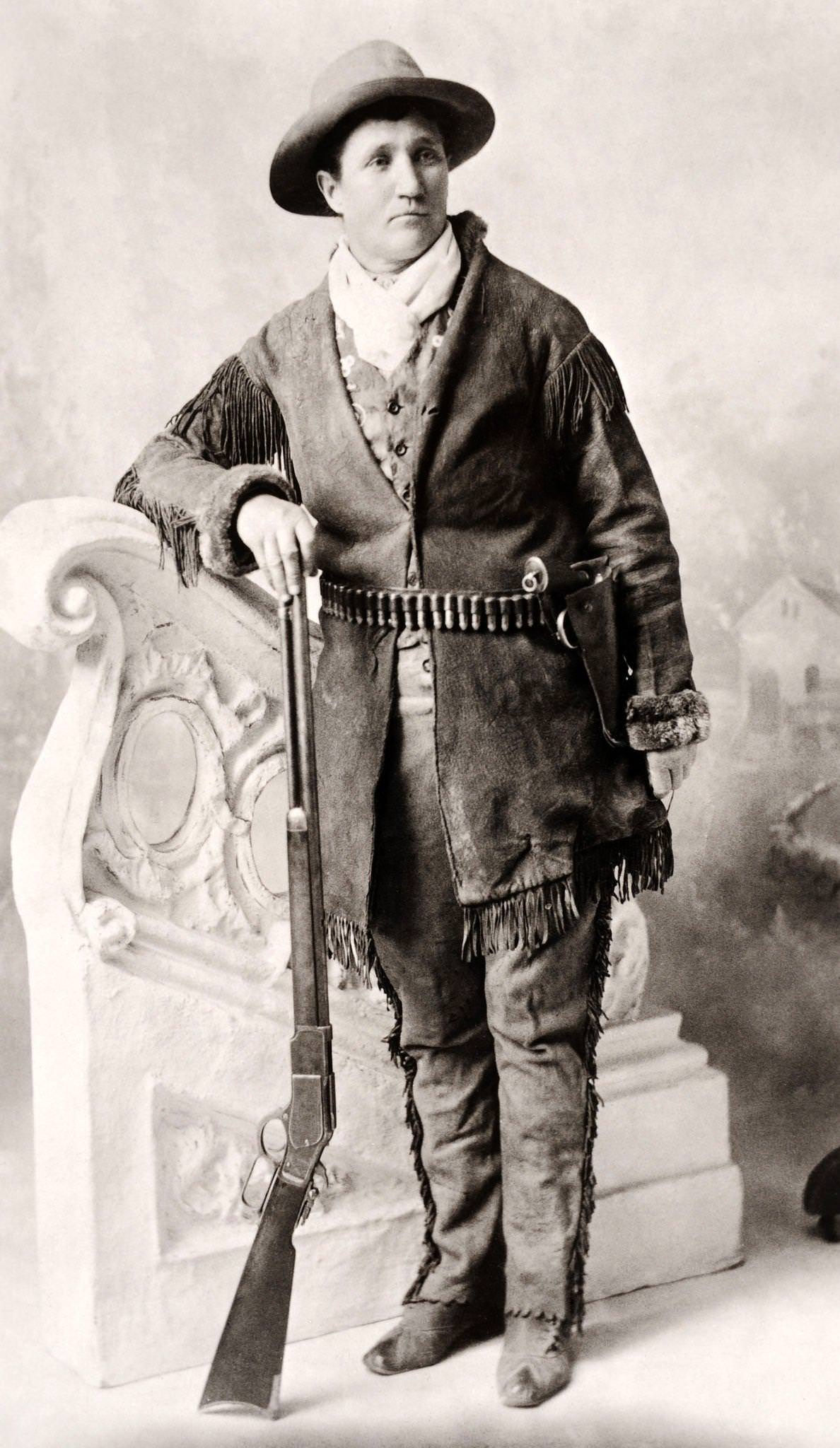
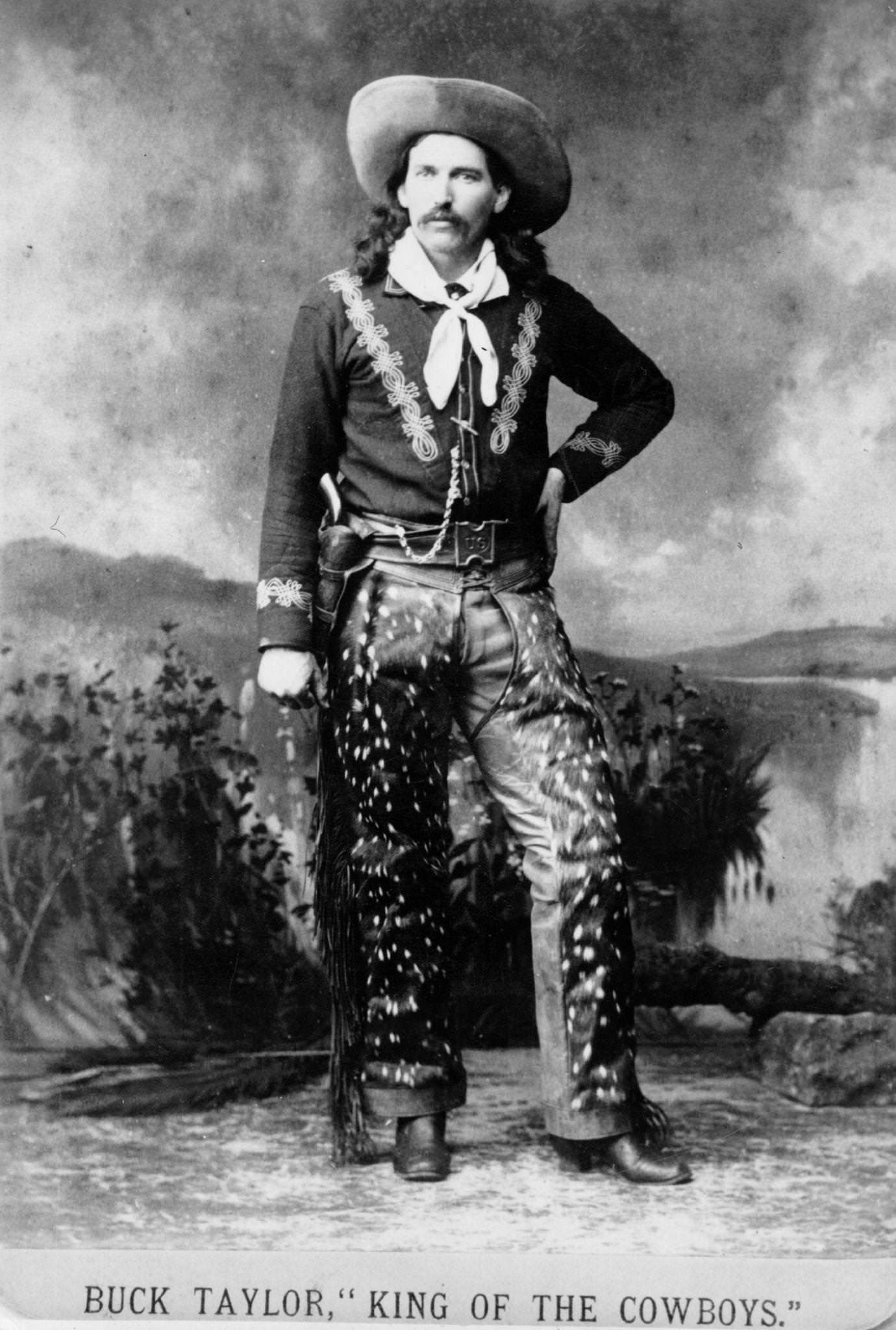
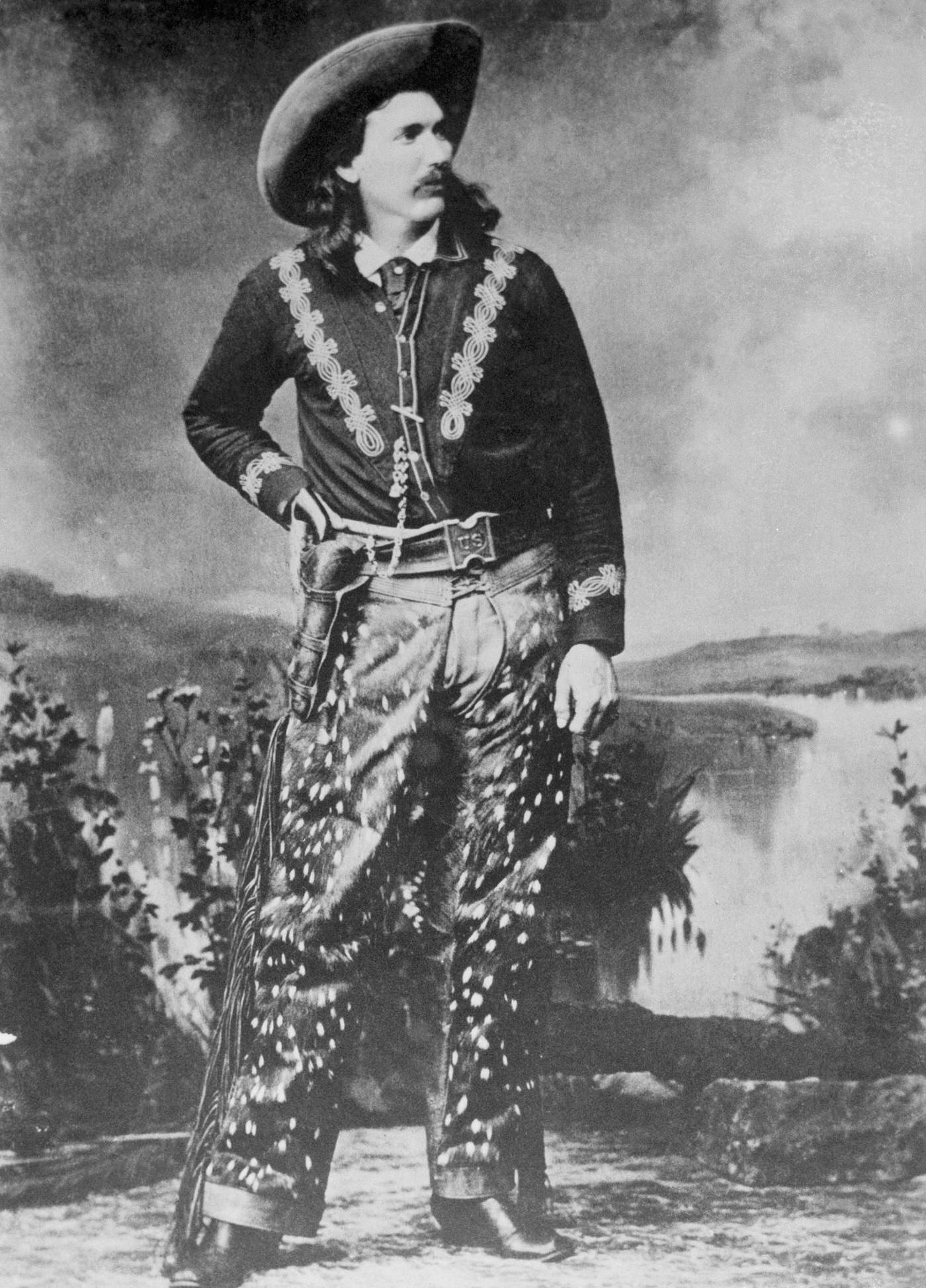
Calamity Jane — born Martha Jane Canary — was another prominent frontier figure. She worked as a scout, took part in military campaigns against Native Americans, and reportedly had a connection to Wild Bill Hickok, though the nature of their relationship was disputed even in her own time. She appeared in Buffalo Bill’s Wild West Show and became one of the most recognizable women associated with the frontier era. Buck Taylor, billed as the “King of the Cowboys,” was the first cowboy to join Cody’s show, signing on in May 1883.
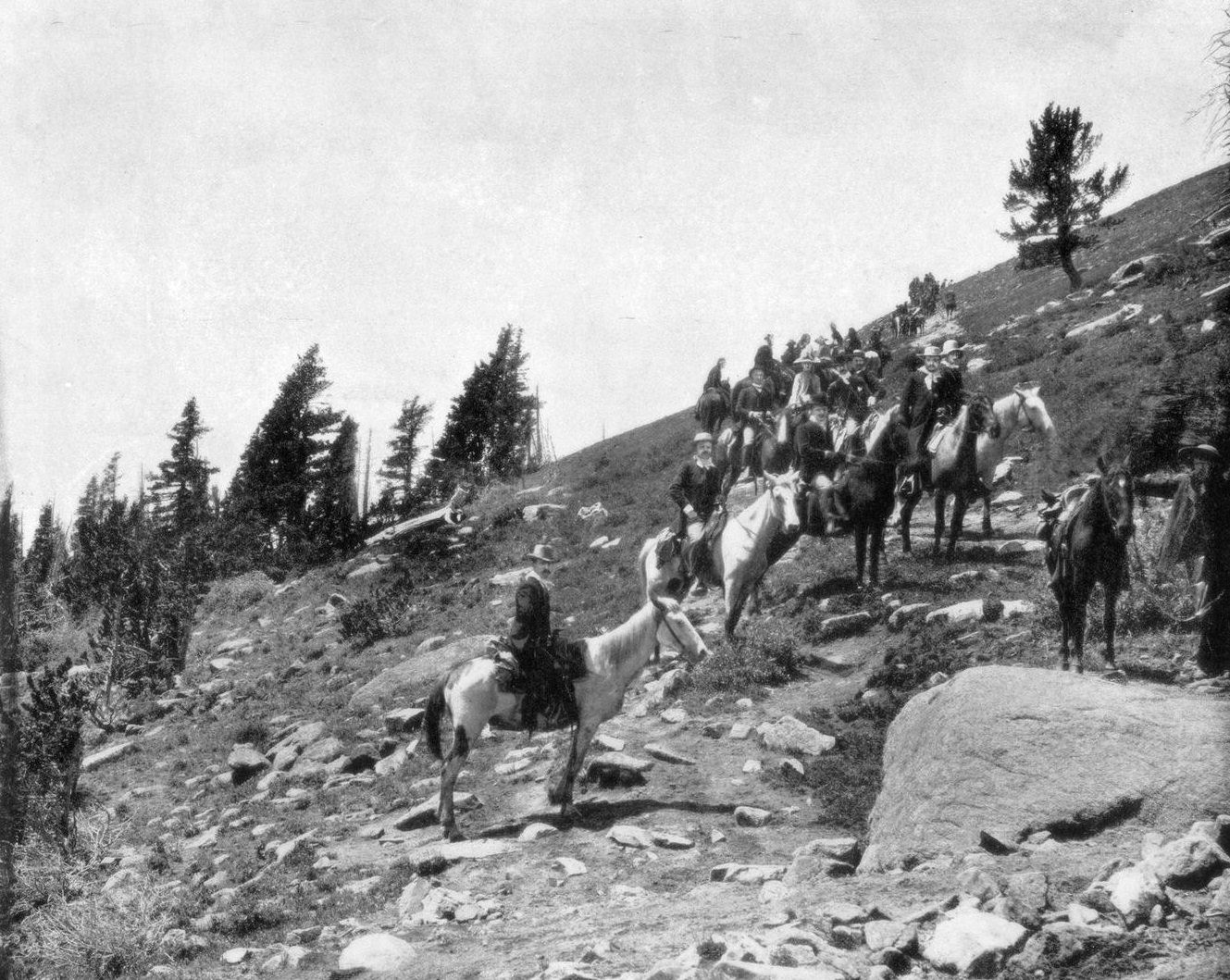
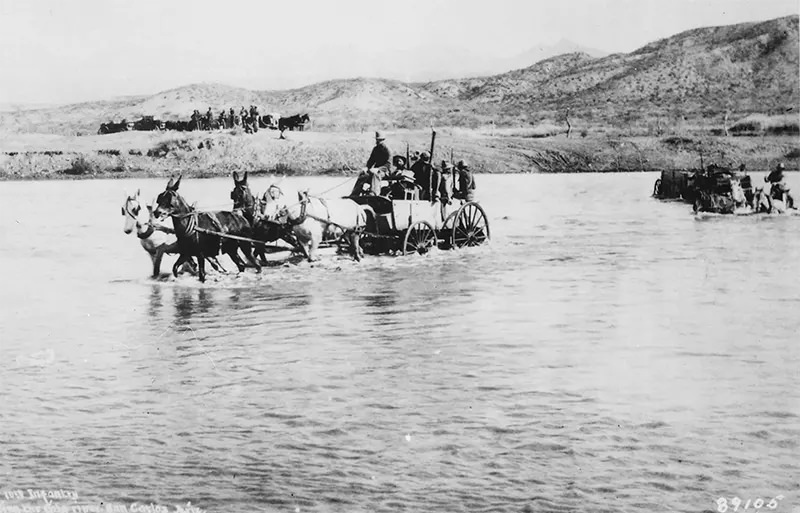
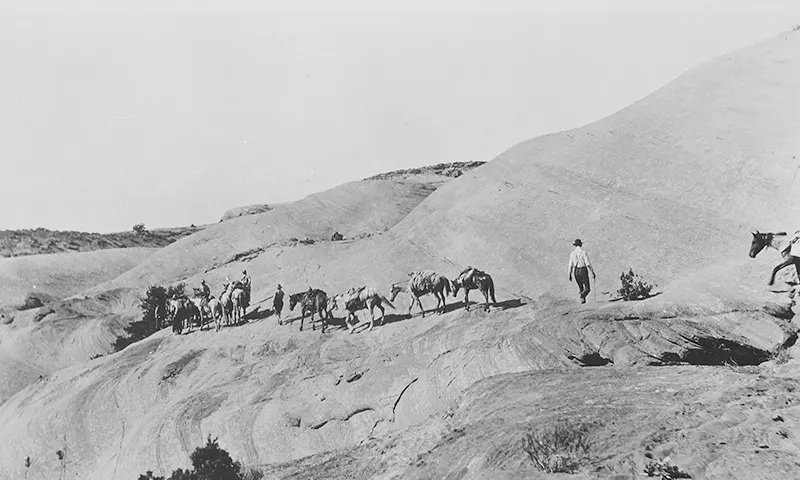
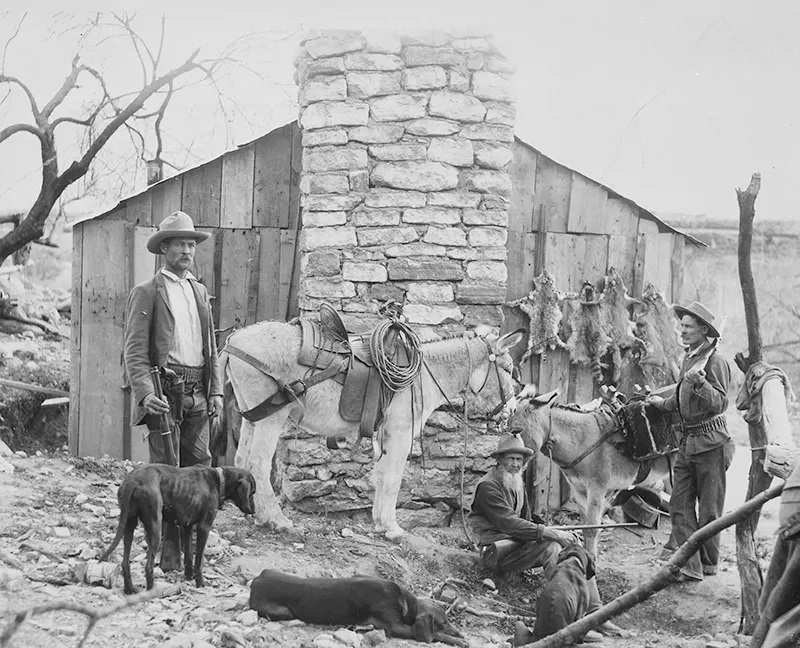
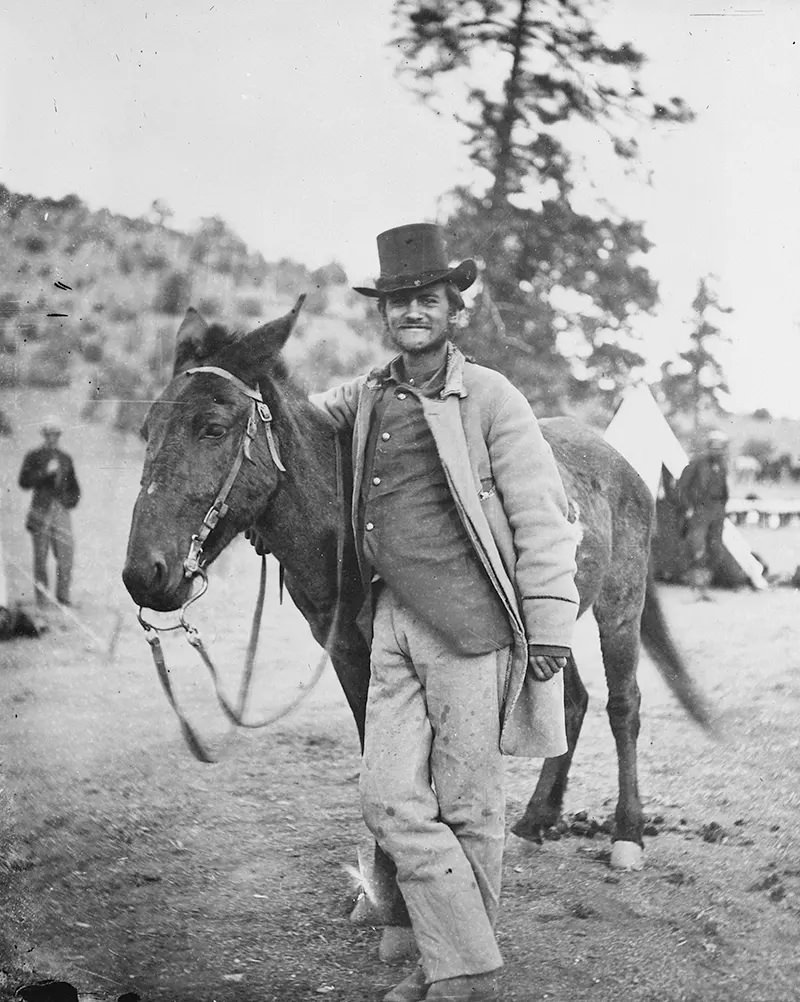
The landscape of the West itself presented dangers that no one who hadn’t experienced it could fully appreciate. Desert terrain, mountain passes, and rivers without bridges claimed lives regularly. Correspondent Fred Loring was photographed with his mule in Arizona in 1871 — two days later, he was killed by Apaches. Travelers moving through the Southwest had to find water at scarce desert wells, navigate canyon terrain, and cross rivers at fords that could surge without warning.
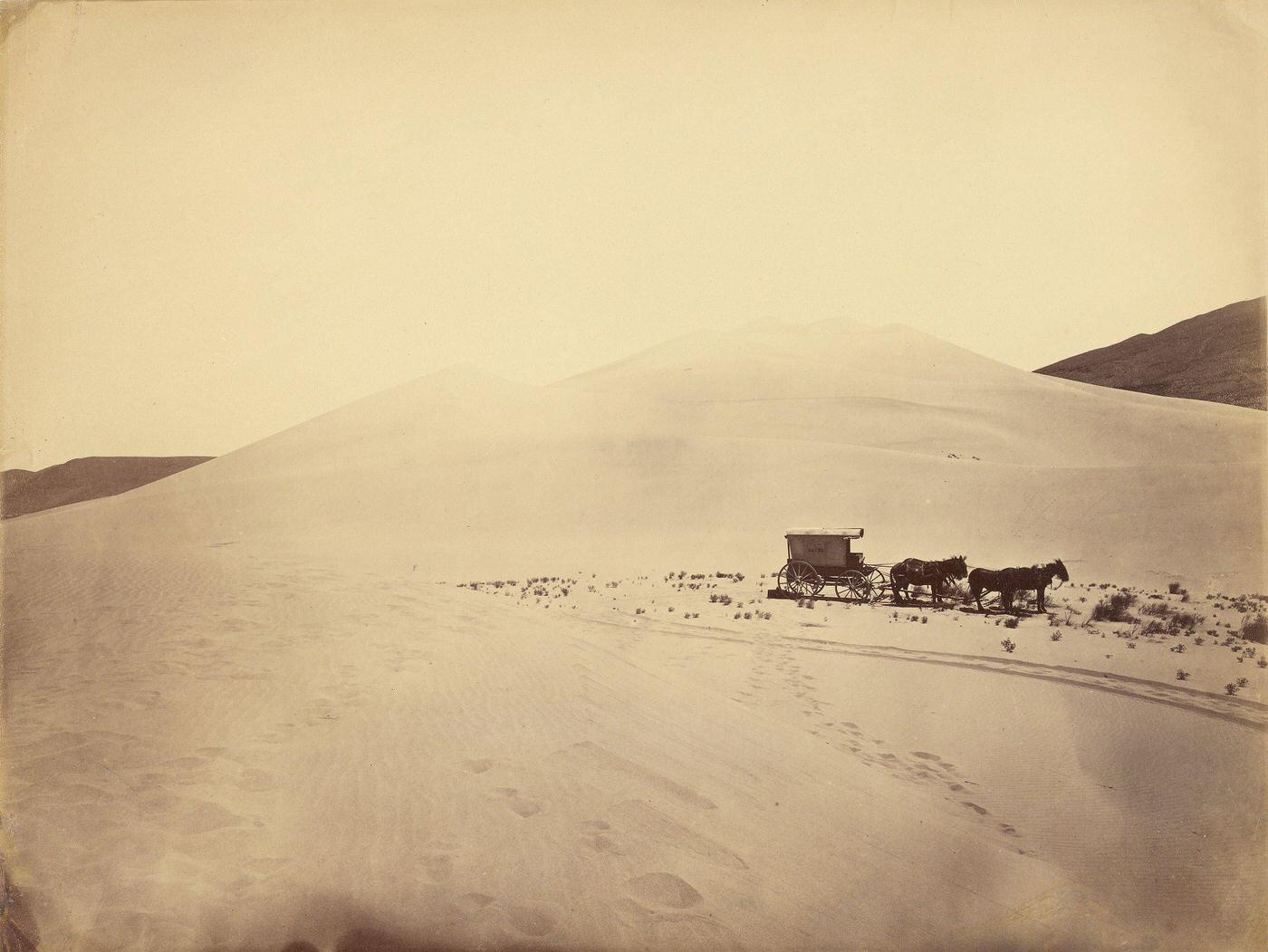
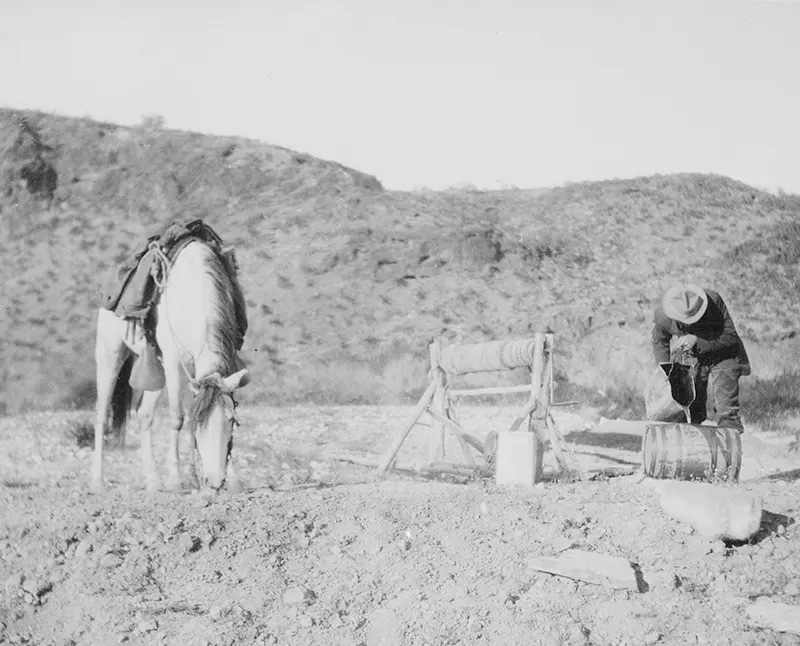
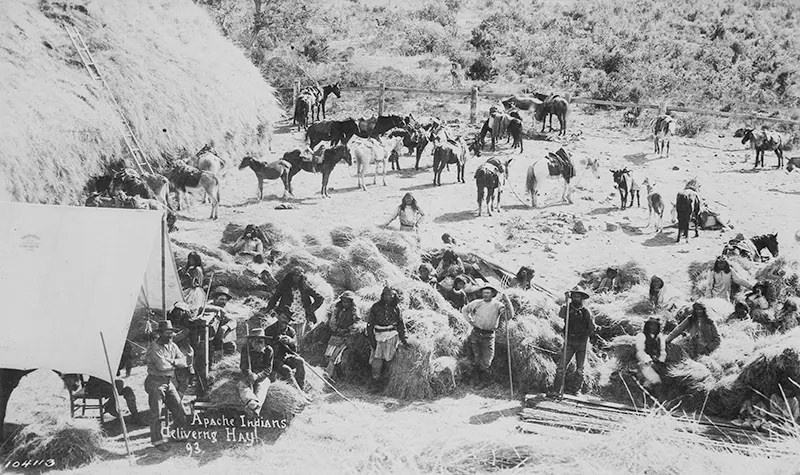
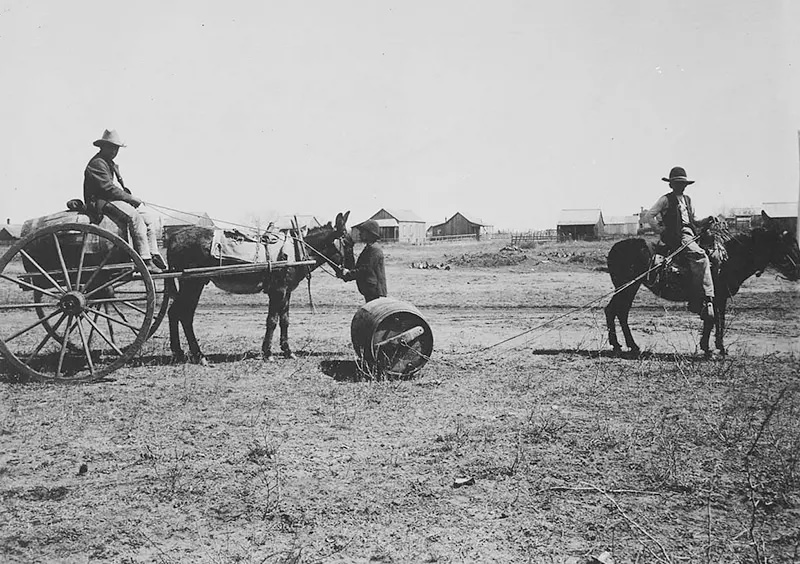
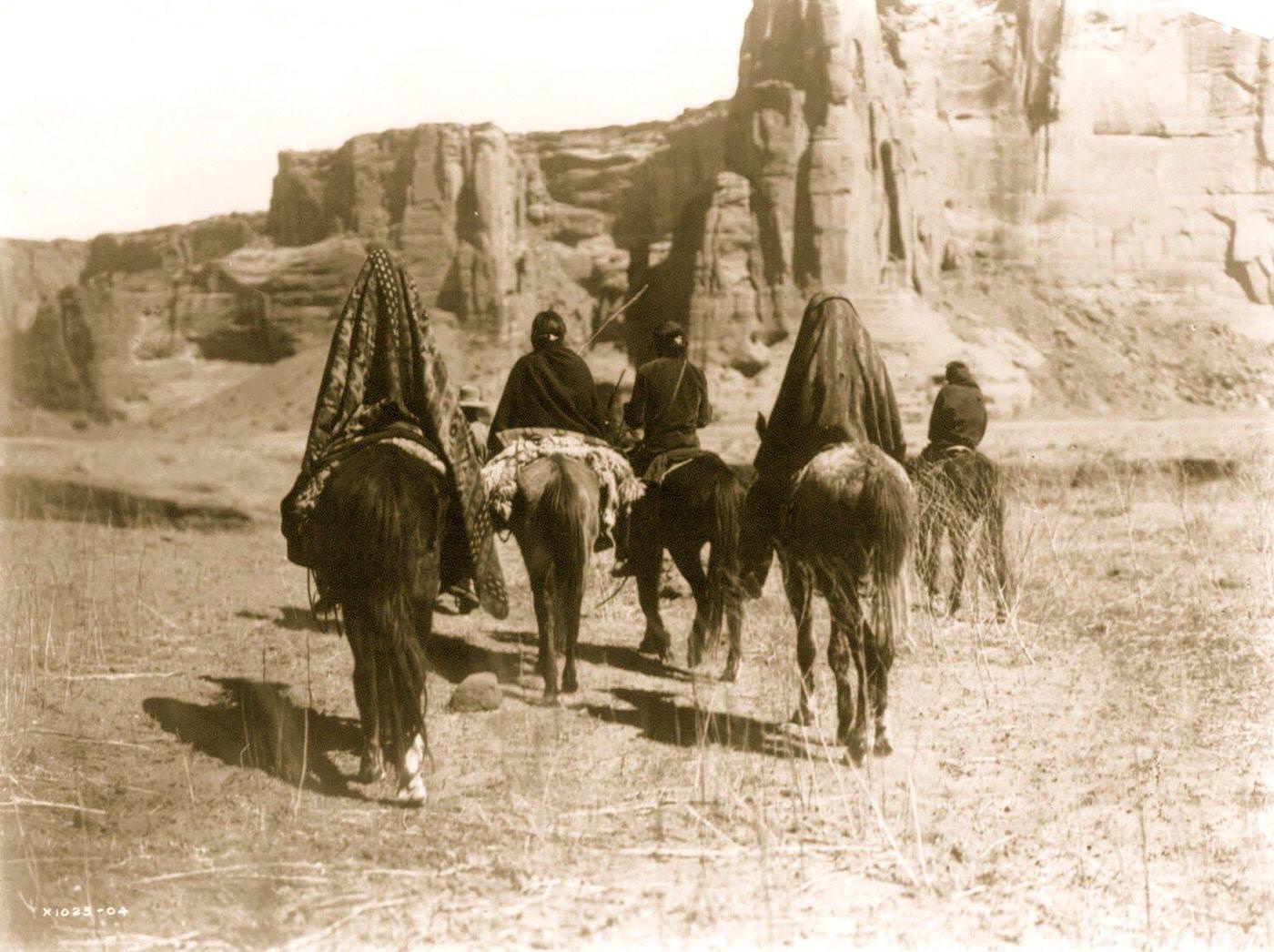
Water was scarce across much of the Southwest, and moving it was a daily task. In Texas and northern Mexico, two distinct methods of hauling water were in common use well into the early 1900s. Wagons fitted with barrels carried larger loads, while burros with water jugs in saddlebags handled more remote or difficult terrain. Apache families navigated Arizona’s waterways with horses loaded with clay jugs, making stops at streams to refill before moving on.
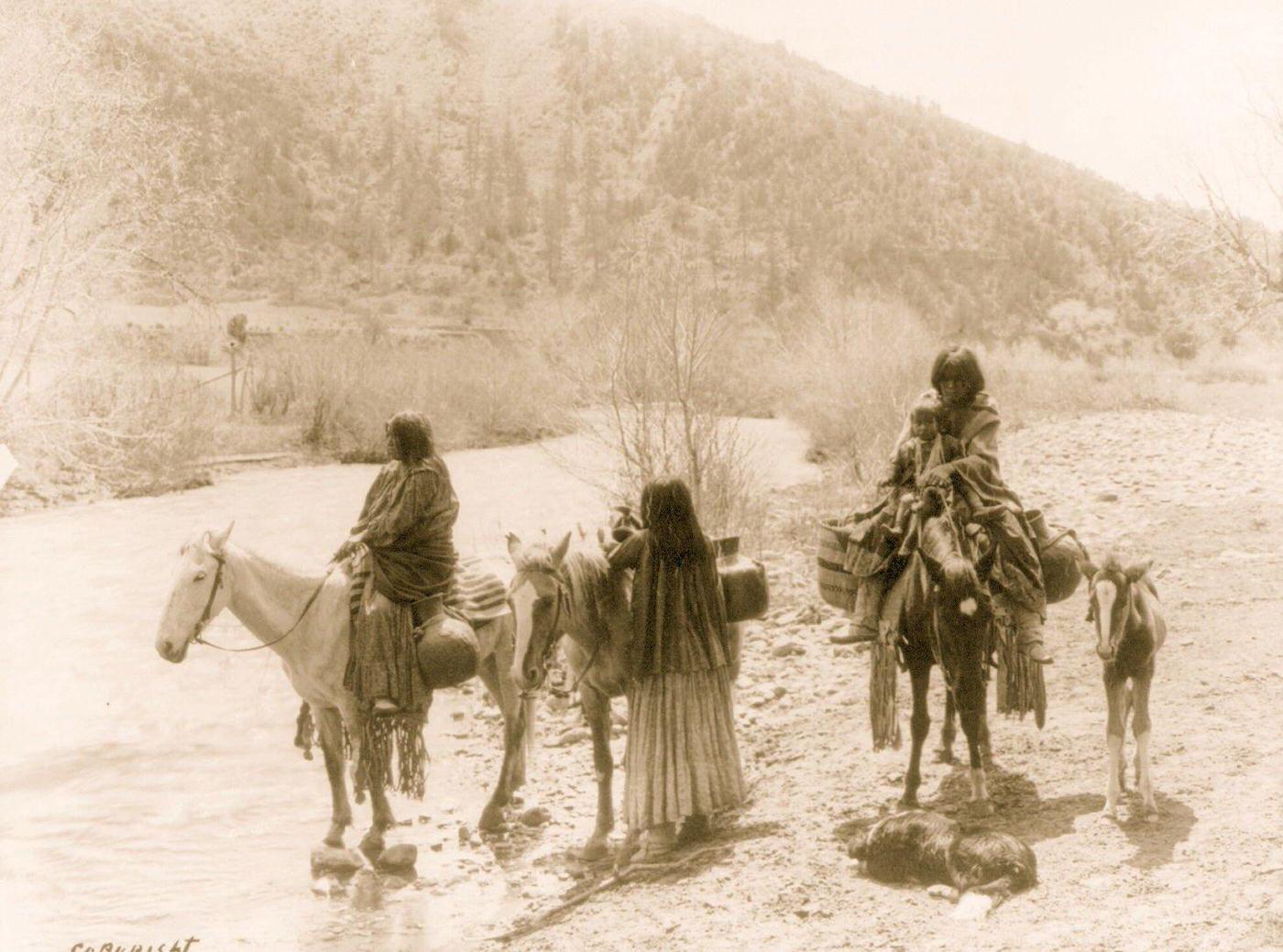
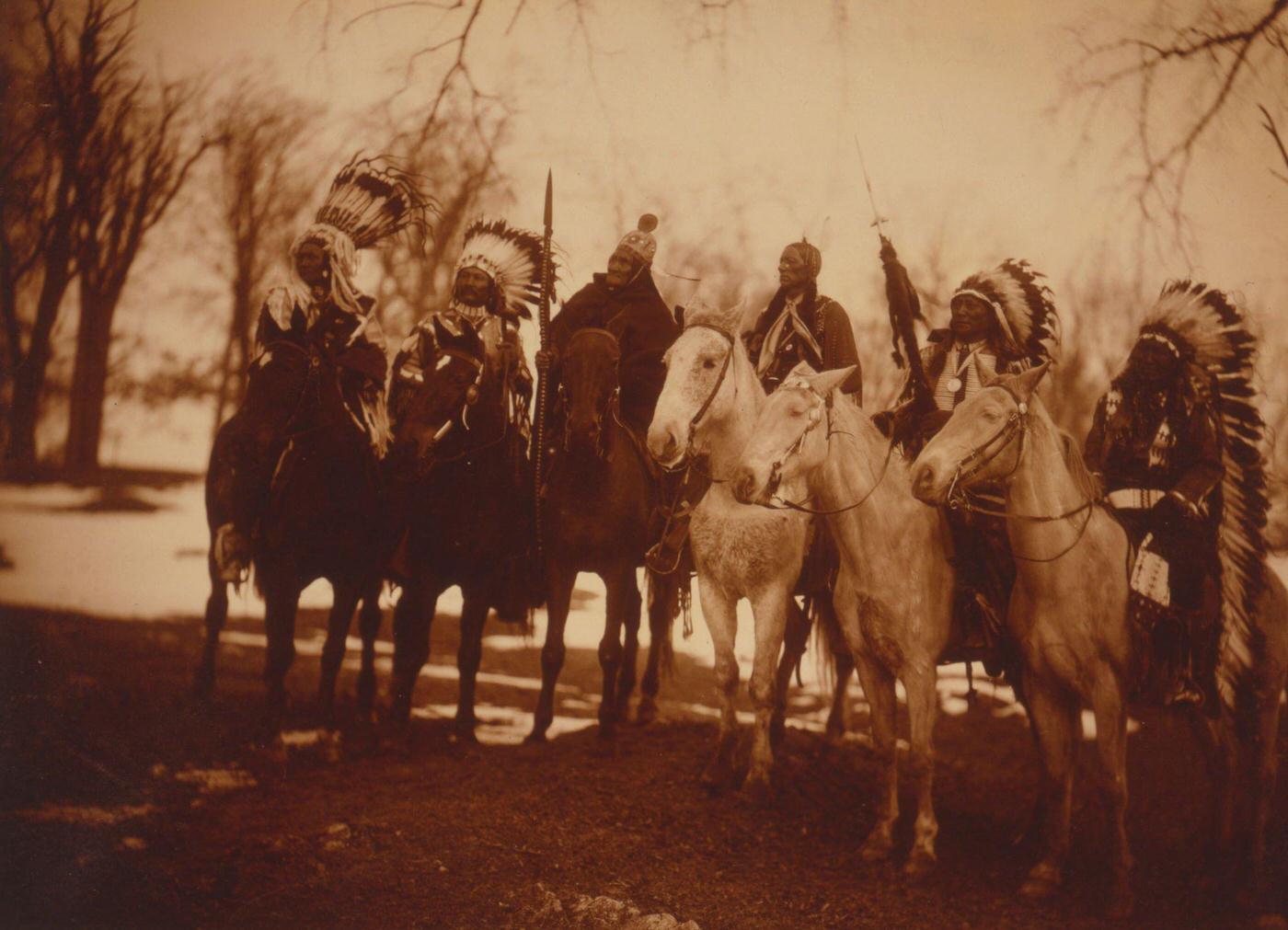
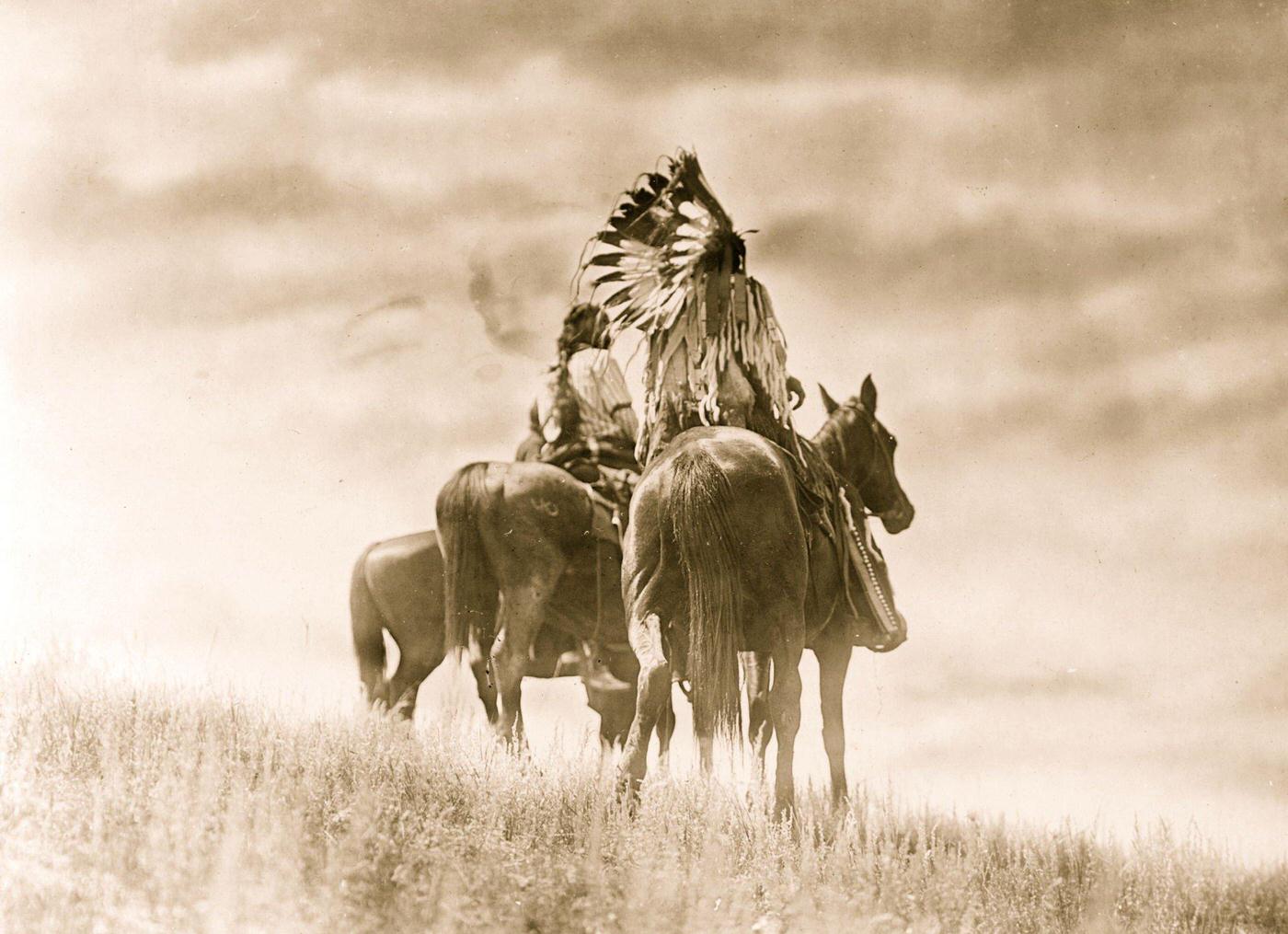
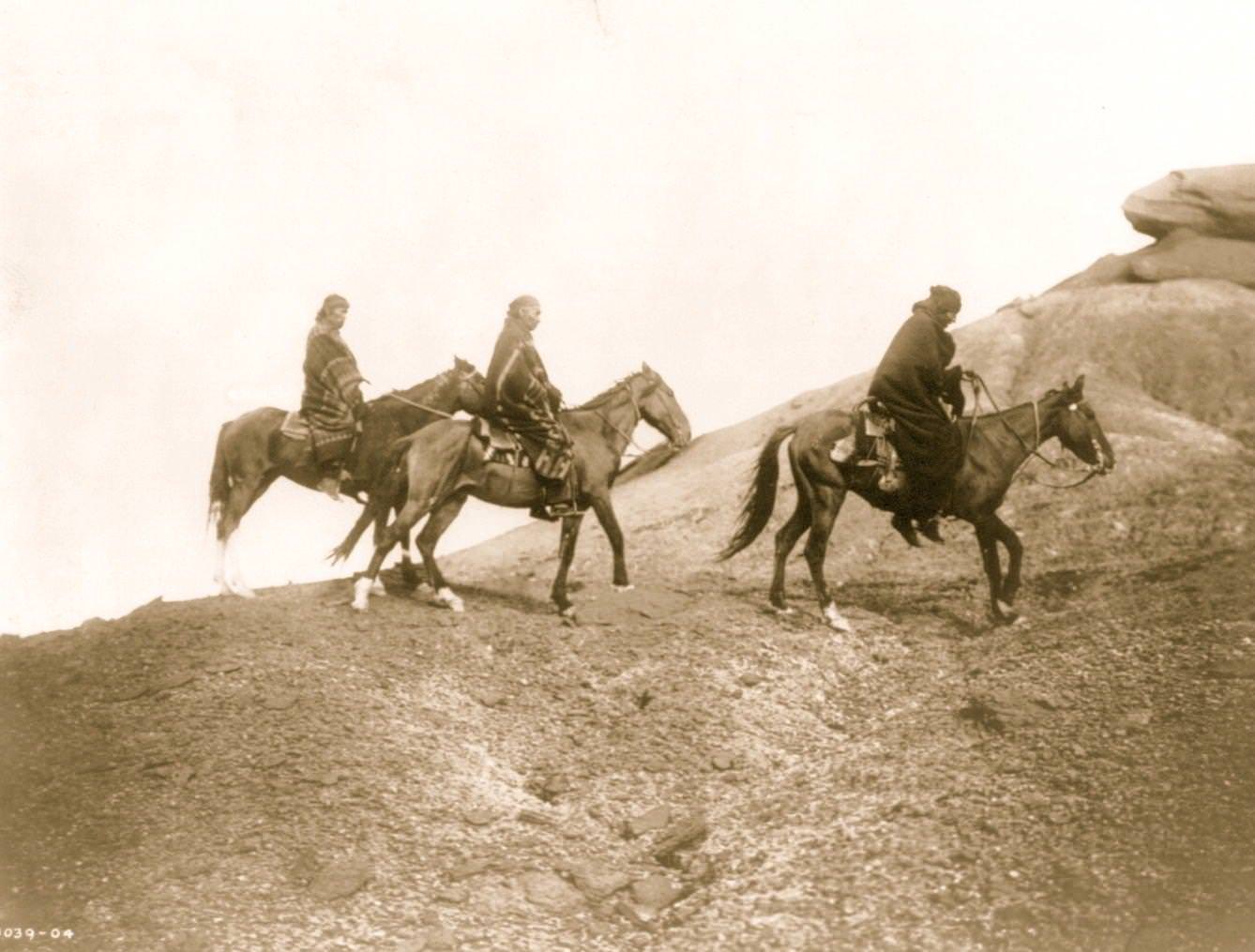
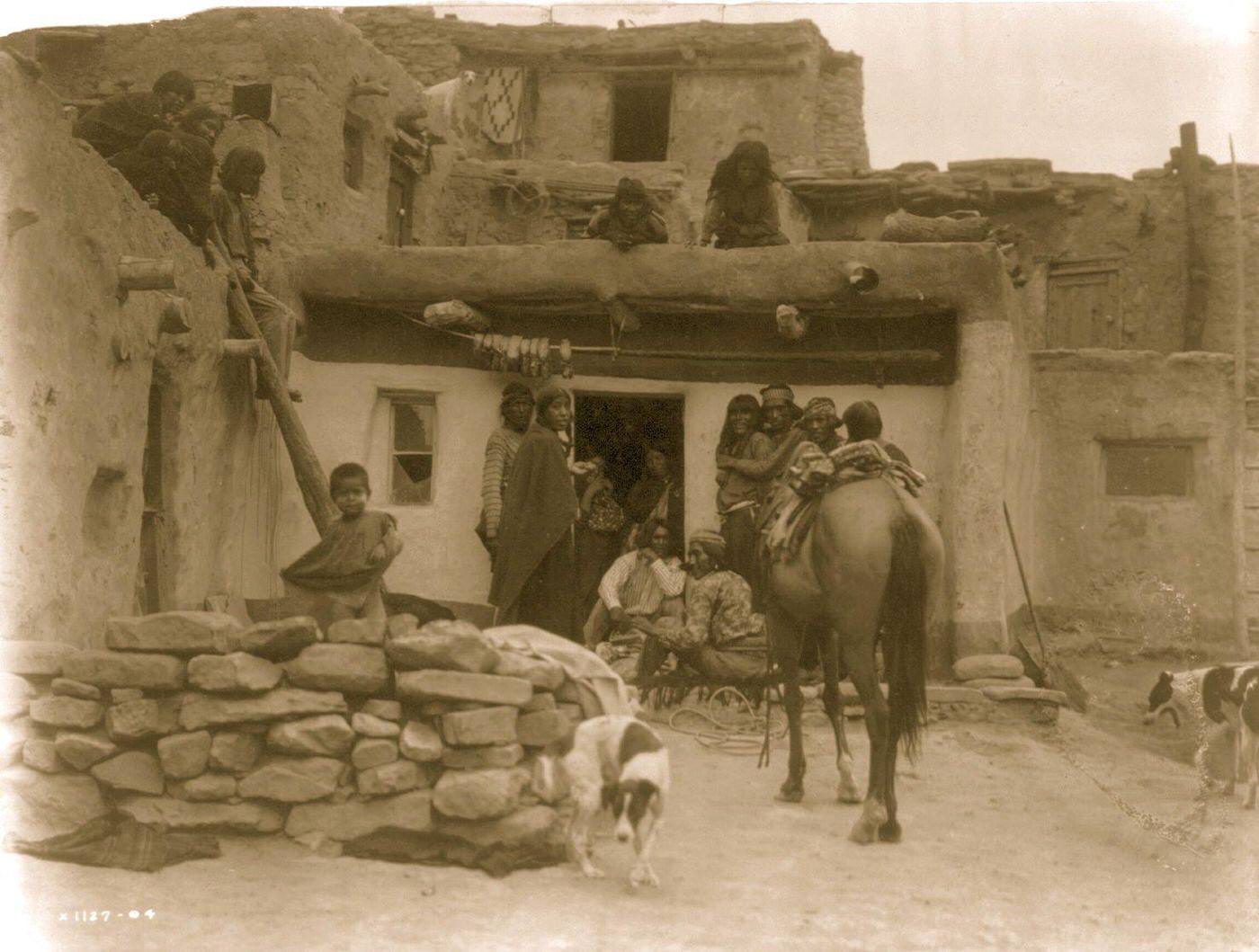
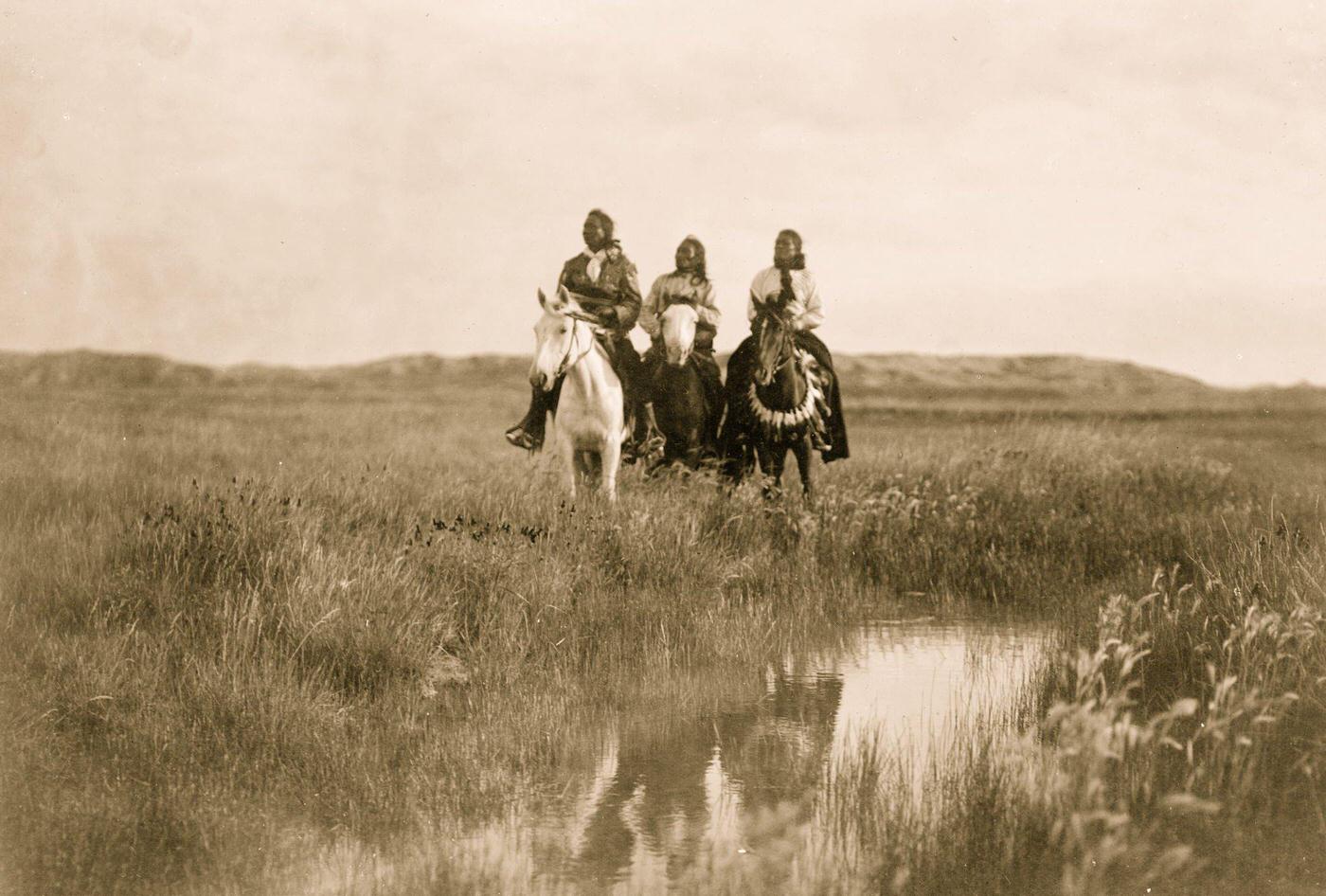
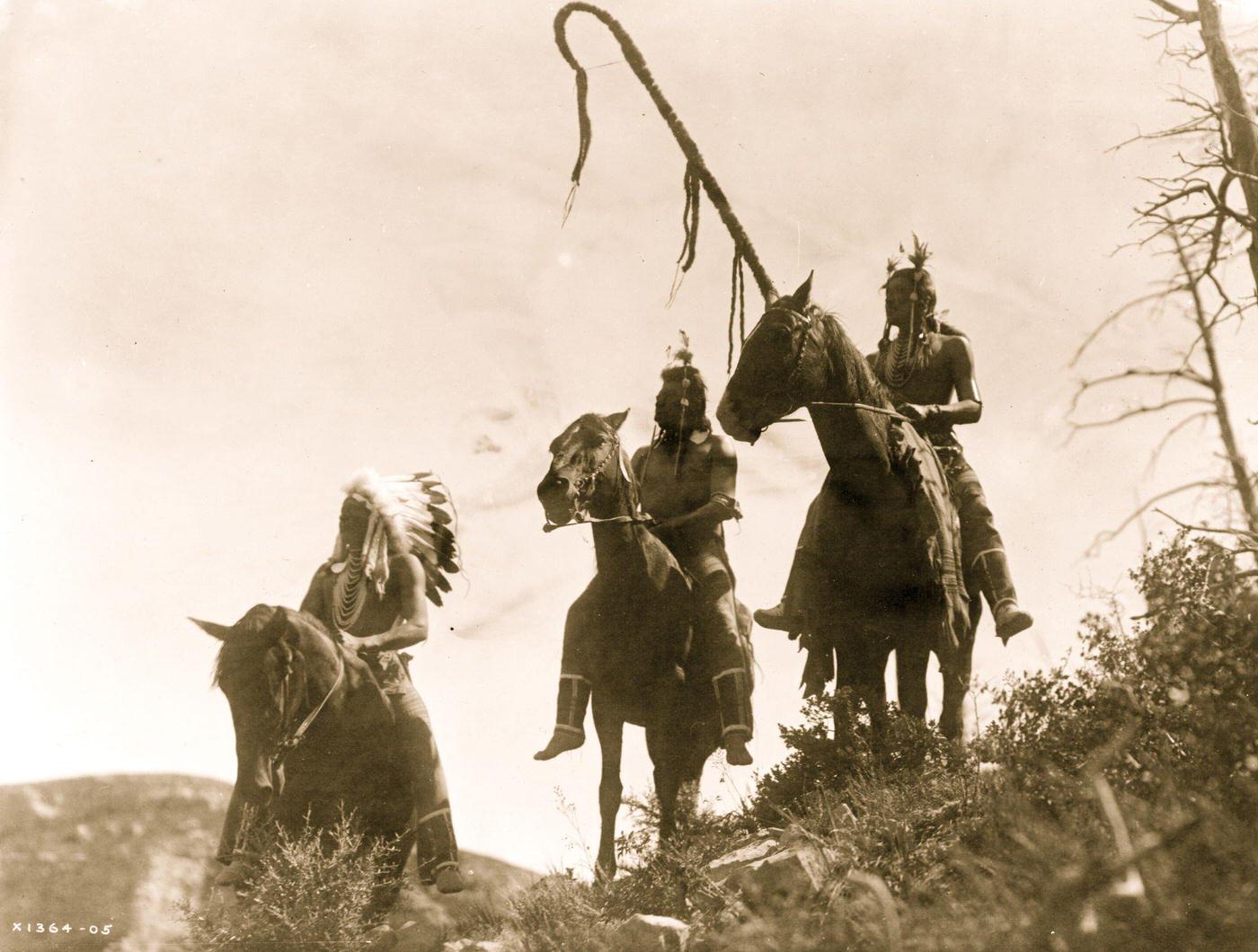
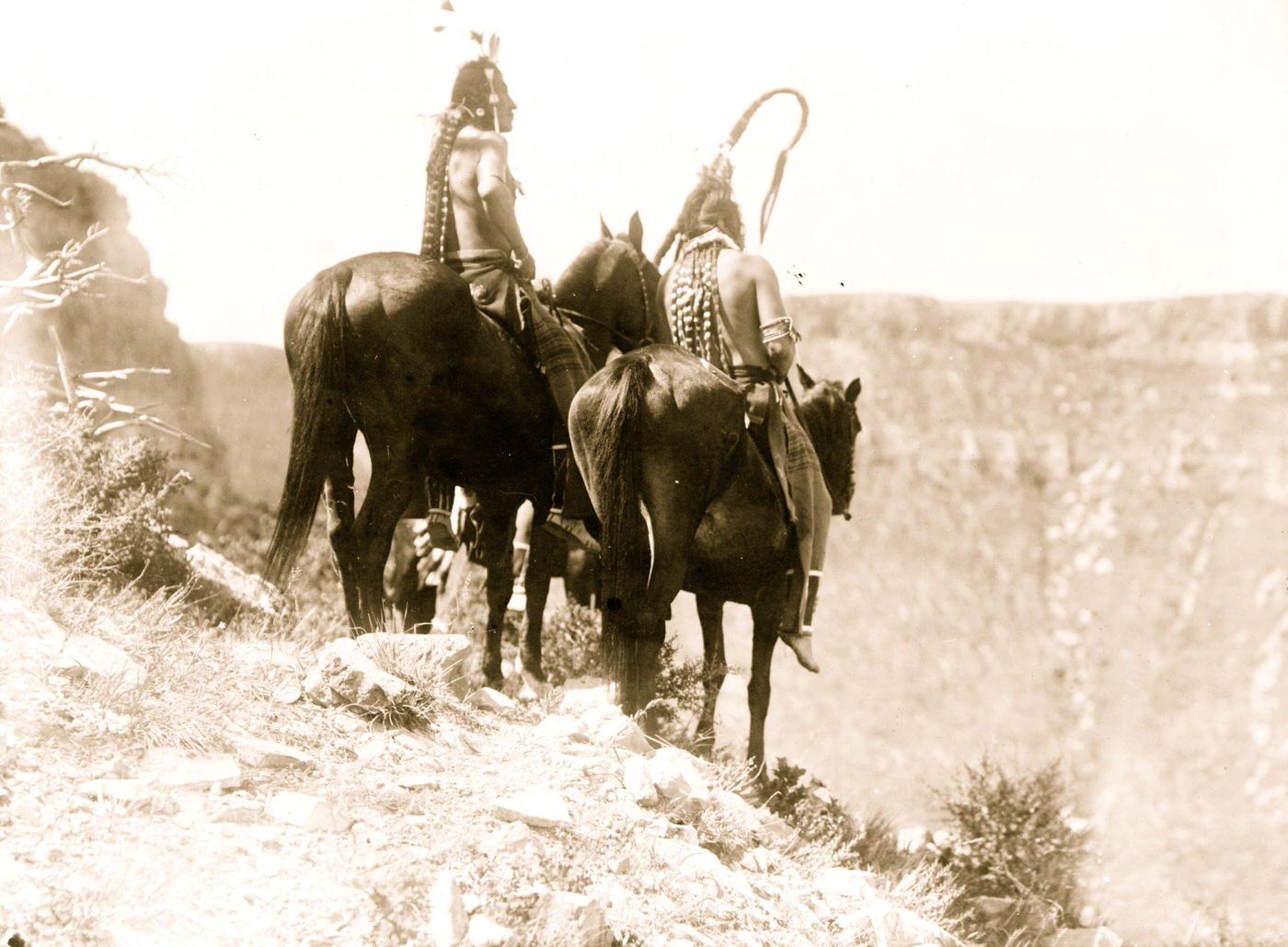
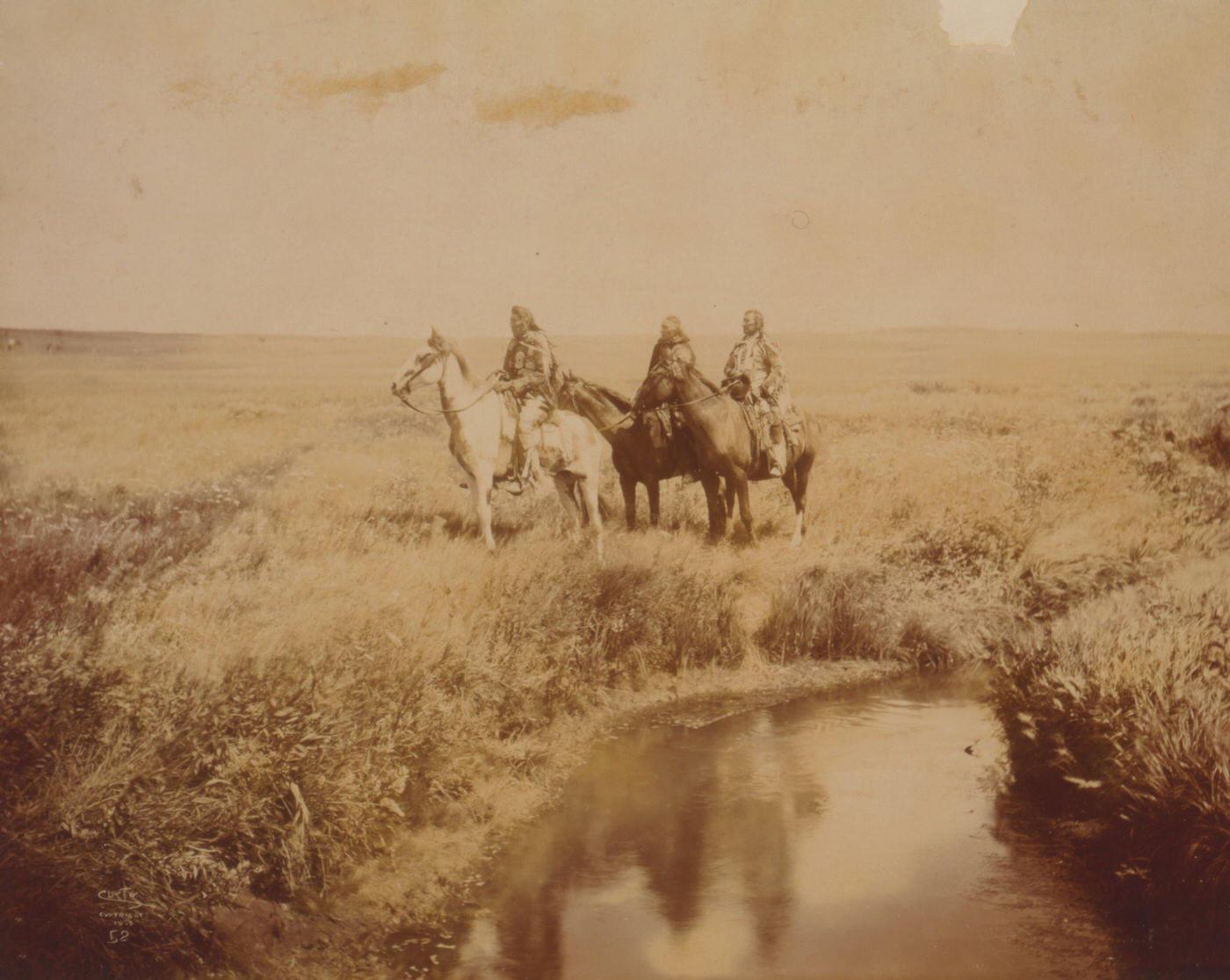
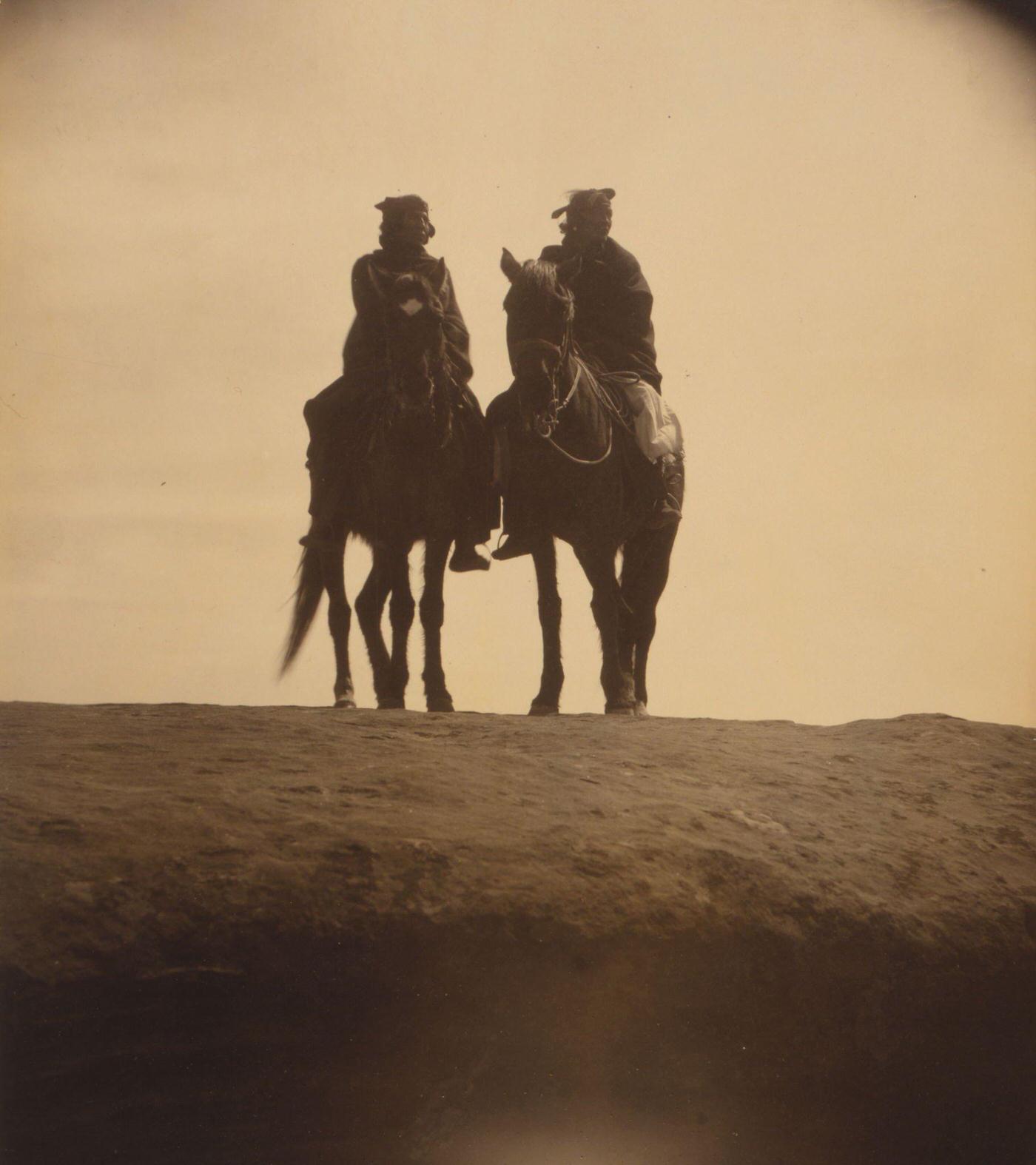
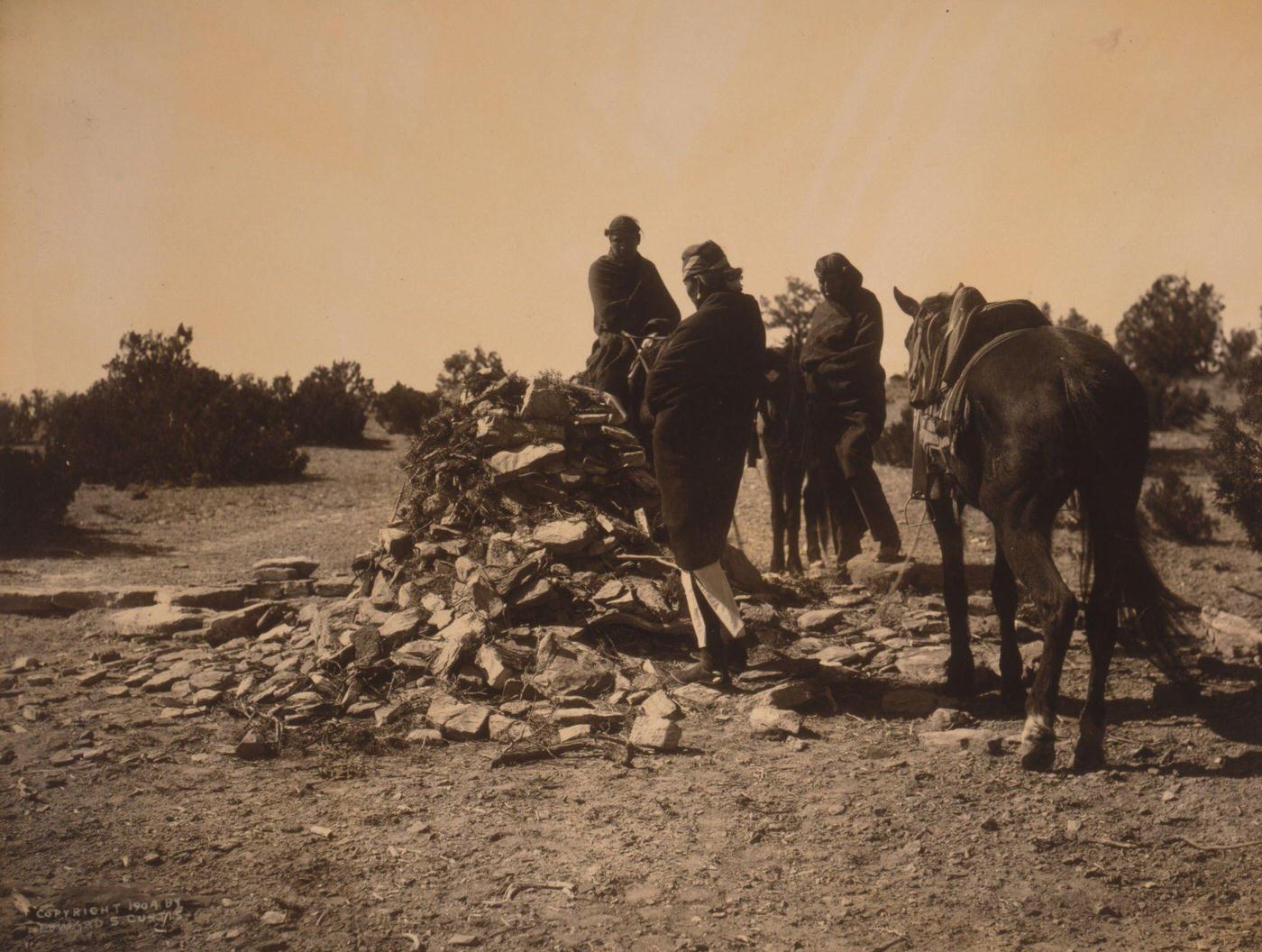
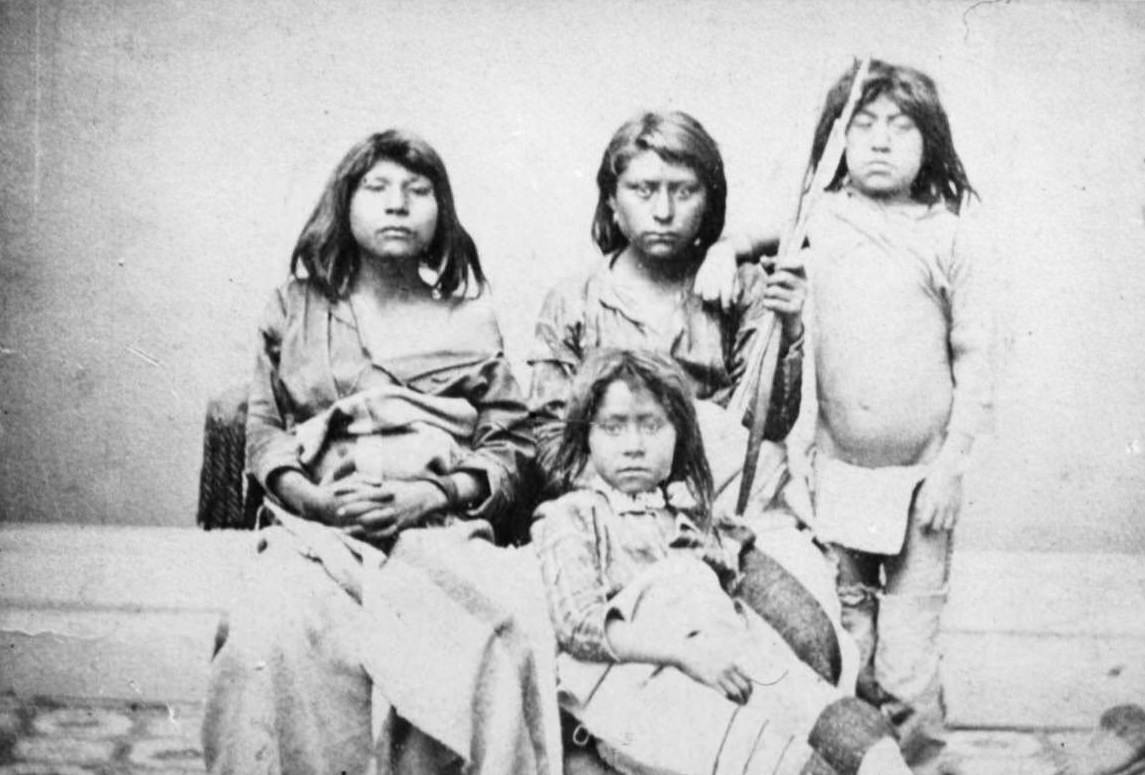
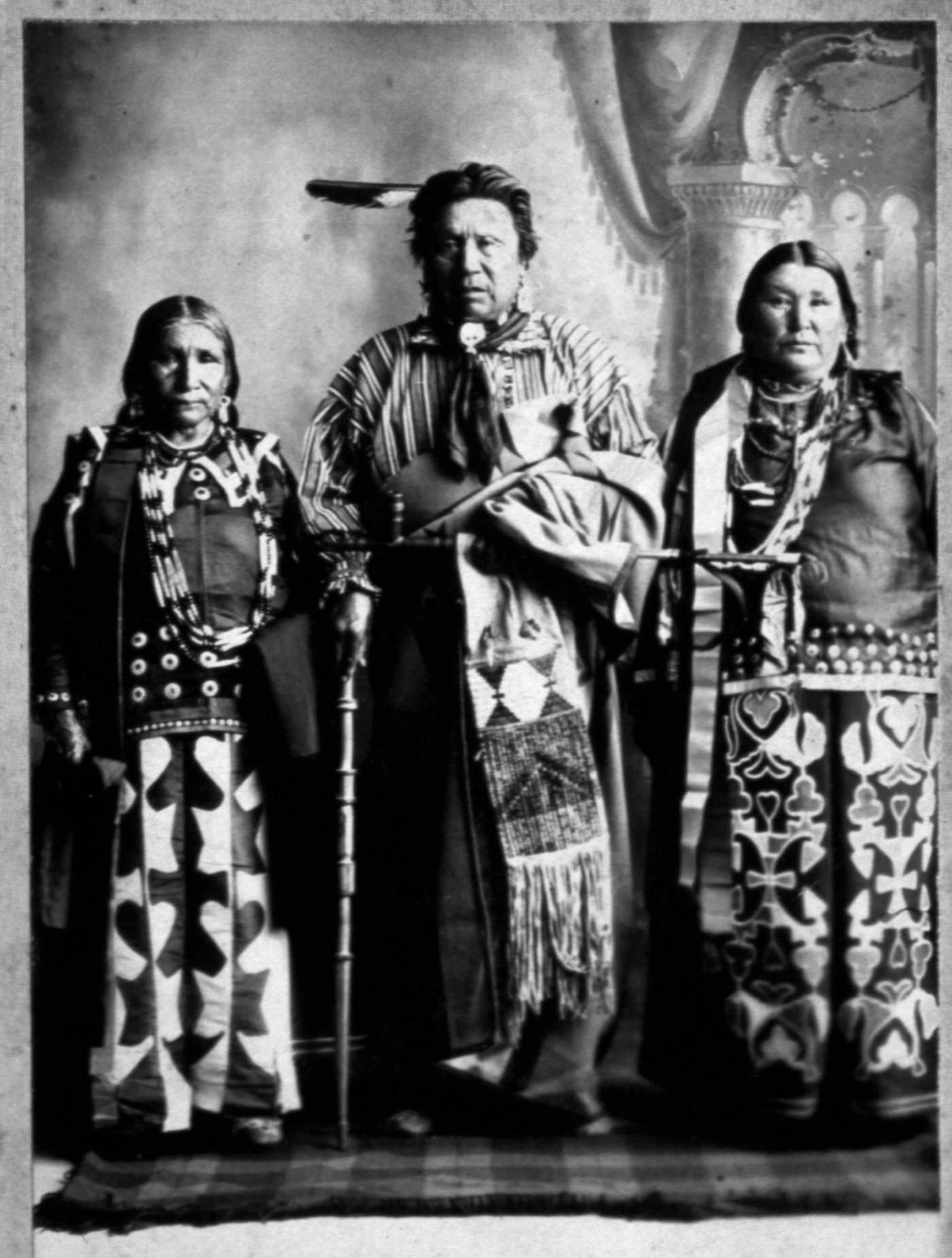
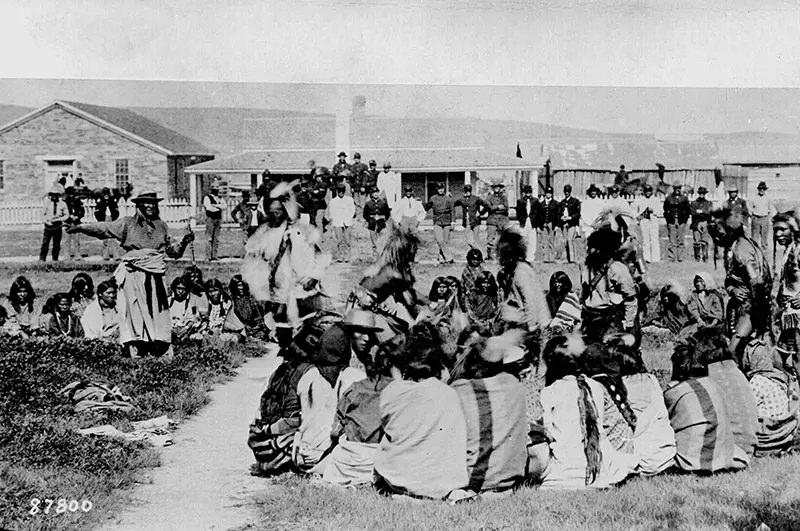
Across the frontier, Native peoples were photographed with increasing frequency during this period. Photographers like Edward Curtis and others traveled to reservations and encampments to document tribes whose traditional ways of life were being dismantled by government policy. The Sioux, Crow, Navajo, Piegan, Jicarilla Apache, Hopi, and many others were captured on camera — sometimes posed, sometimes candid. These photographs are among the most important visual records of a world the United States was actively destroying.
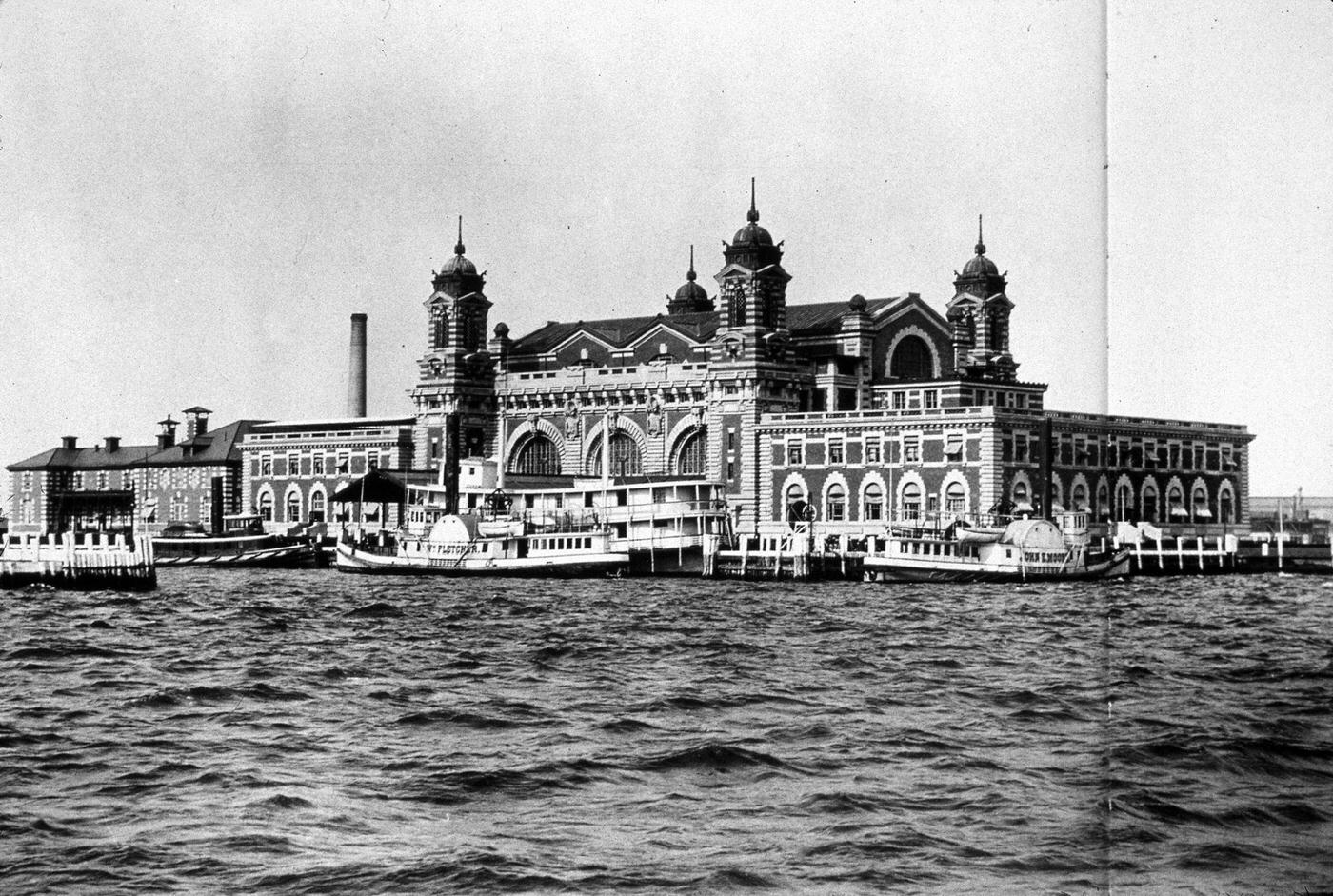
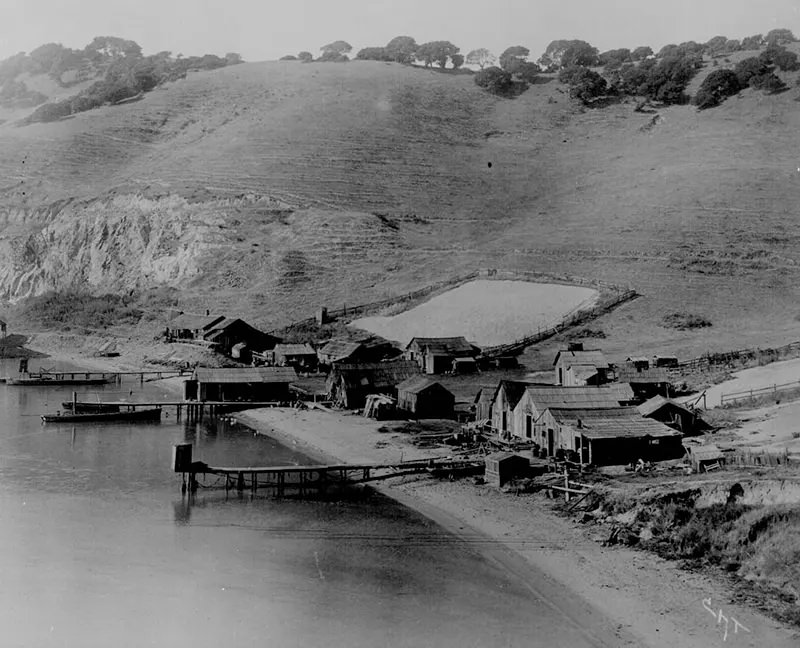
Immigration shaped the frontier in ways that often go unacknowledged. Between 1892 and 1954, more than 20 million immigrants passed through Ellis Island. Many of them headed west, drawn by the same promise of free land that had motivated earlier settlers. Chinese immigrants who came to build the railroads often stayed, forming communities along the Pacific coast and in western towns. A fishing camp established by Chinese settlers at Point San Pedro, California in 1889 is one documented example of communities that formed outside the dominant white settler narrative.
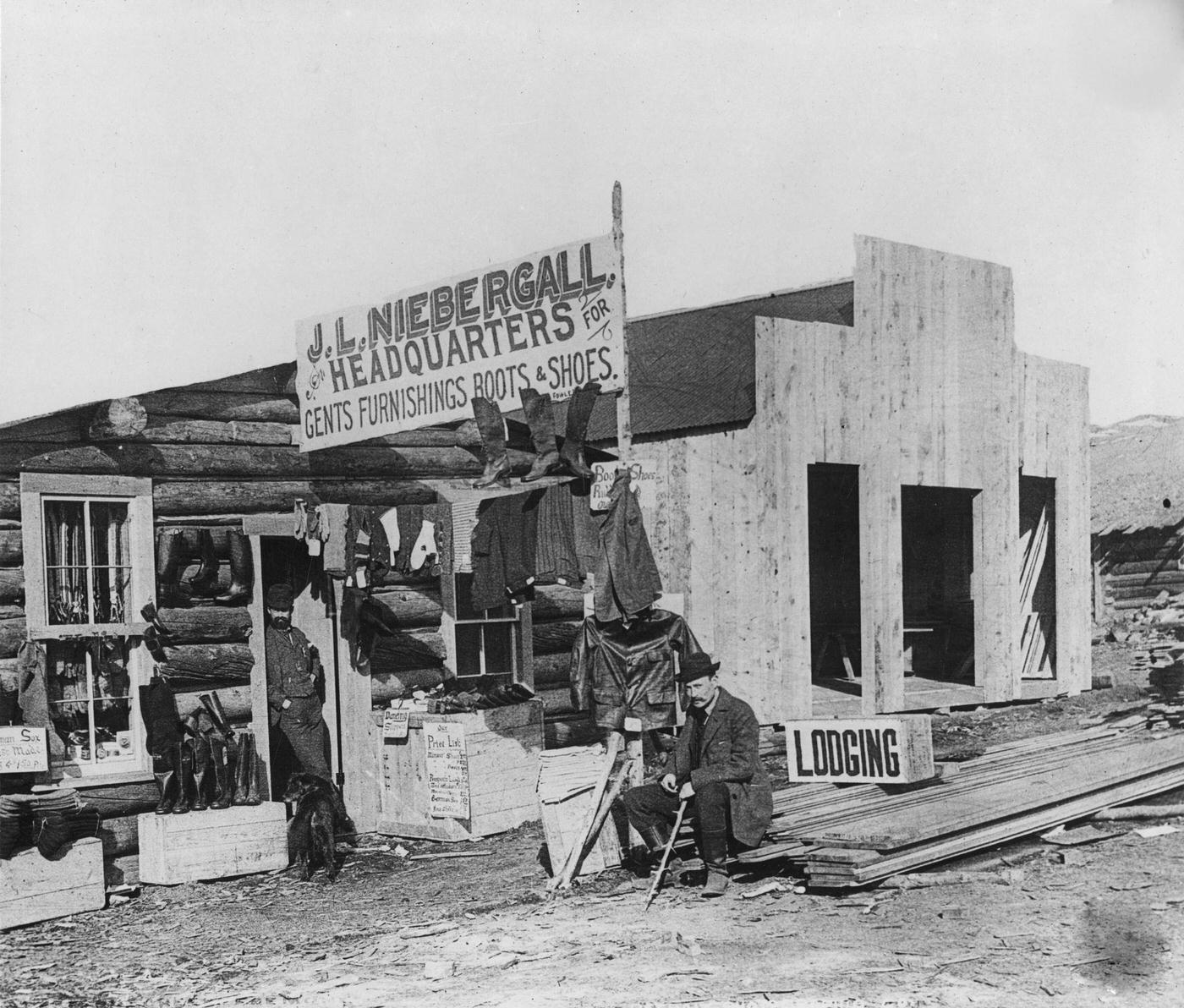
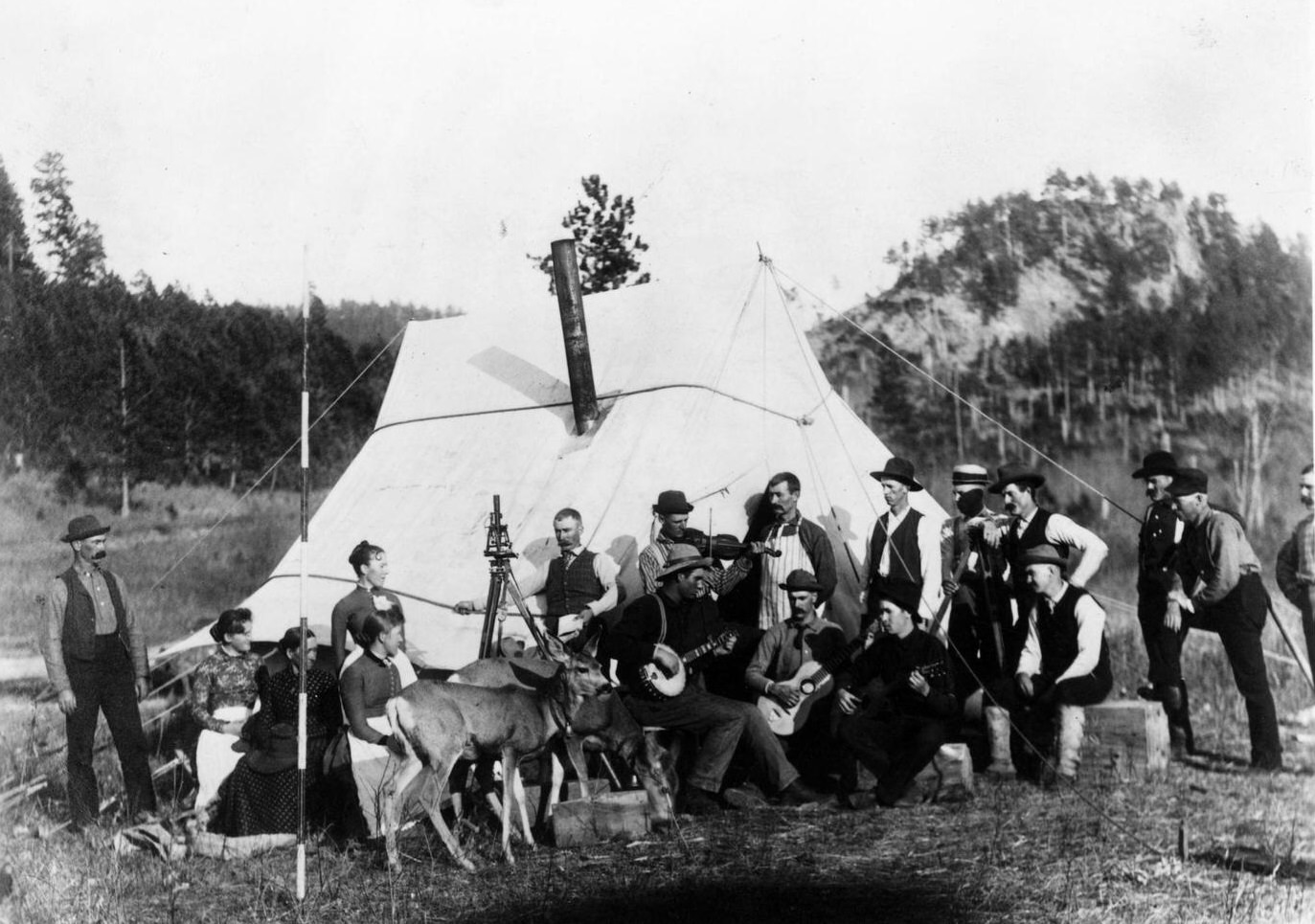
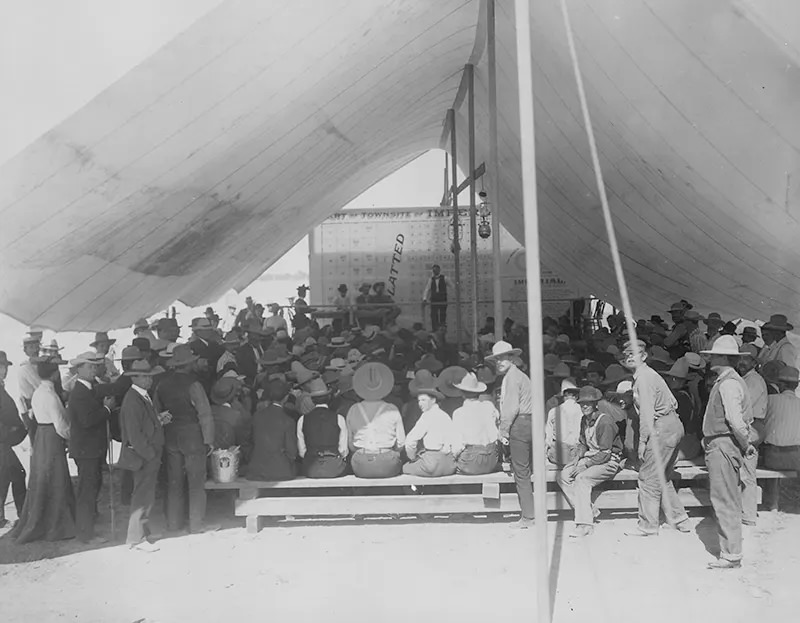
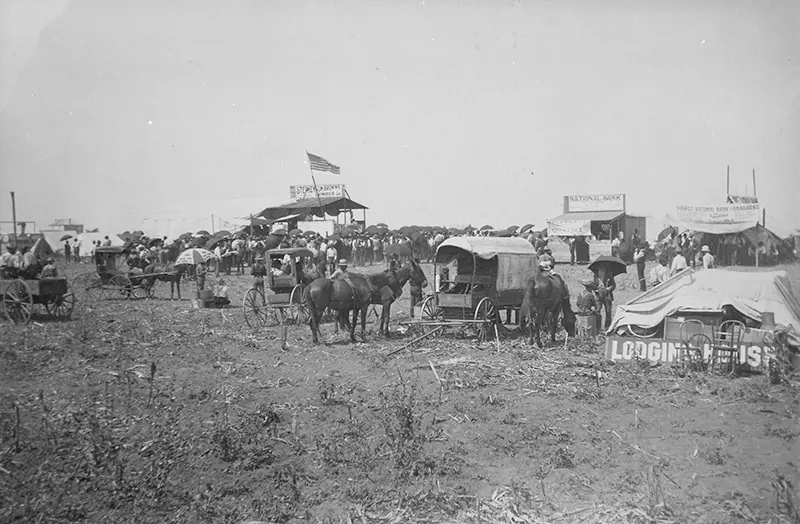
Land auctions were a defining feature of how the West was carved up and distributed. In California, Oklahoma, and other territories, prospective buyers gathered in tents to bid on newly surveyed lots. Some towns were plotted on paper before a single structure existed. Anadarko, Oklahoma held a townsite auction on August 8, 1901, with a lumber company, a temporary bank, and the beginnings of a lodging house all going up simultaneously as the bidding took place.
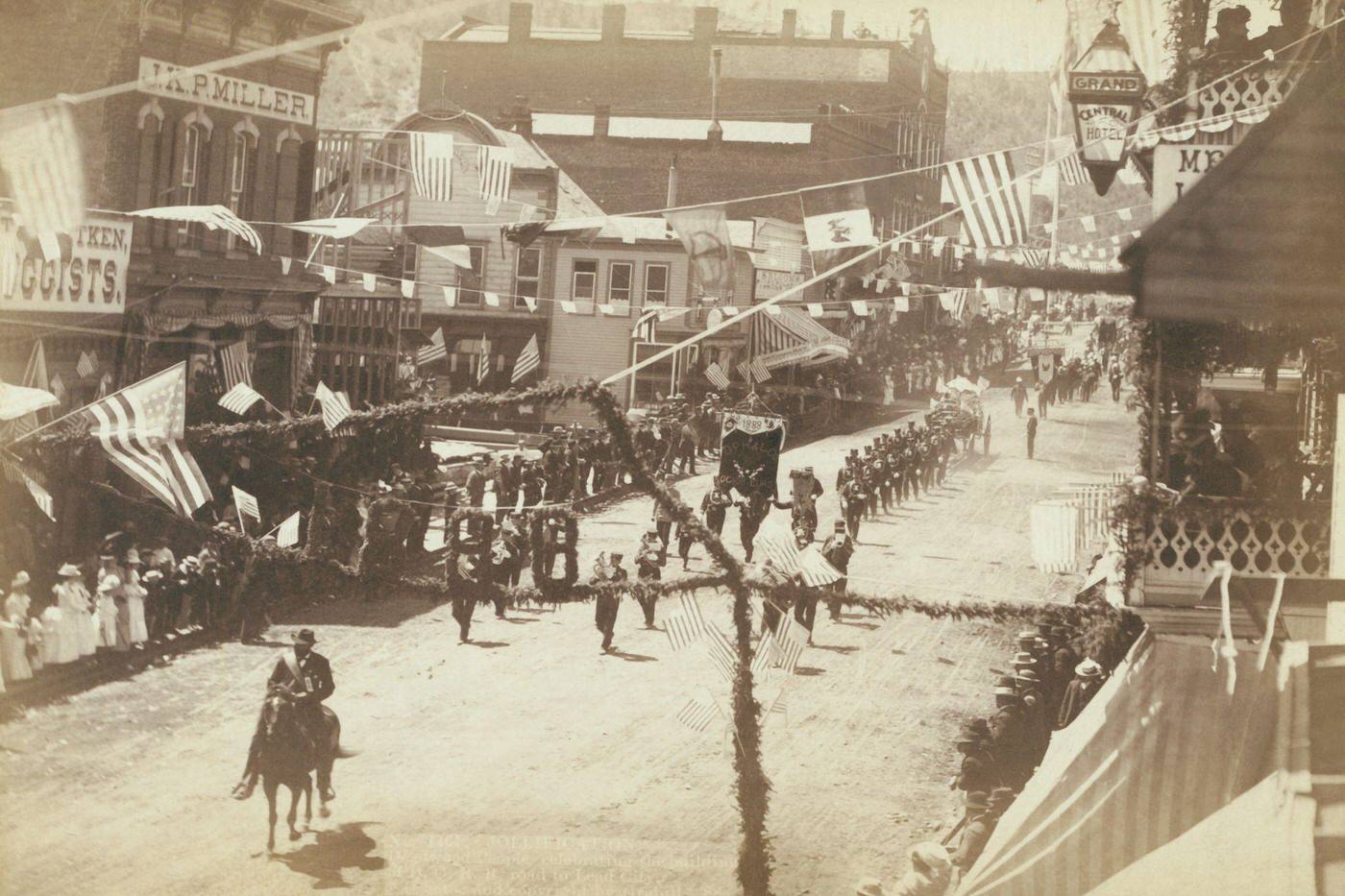
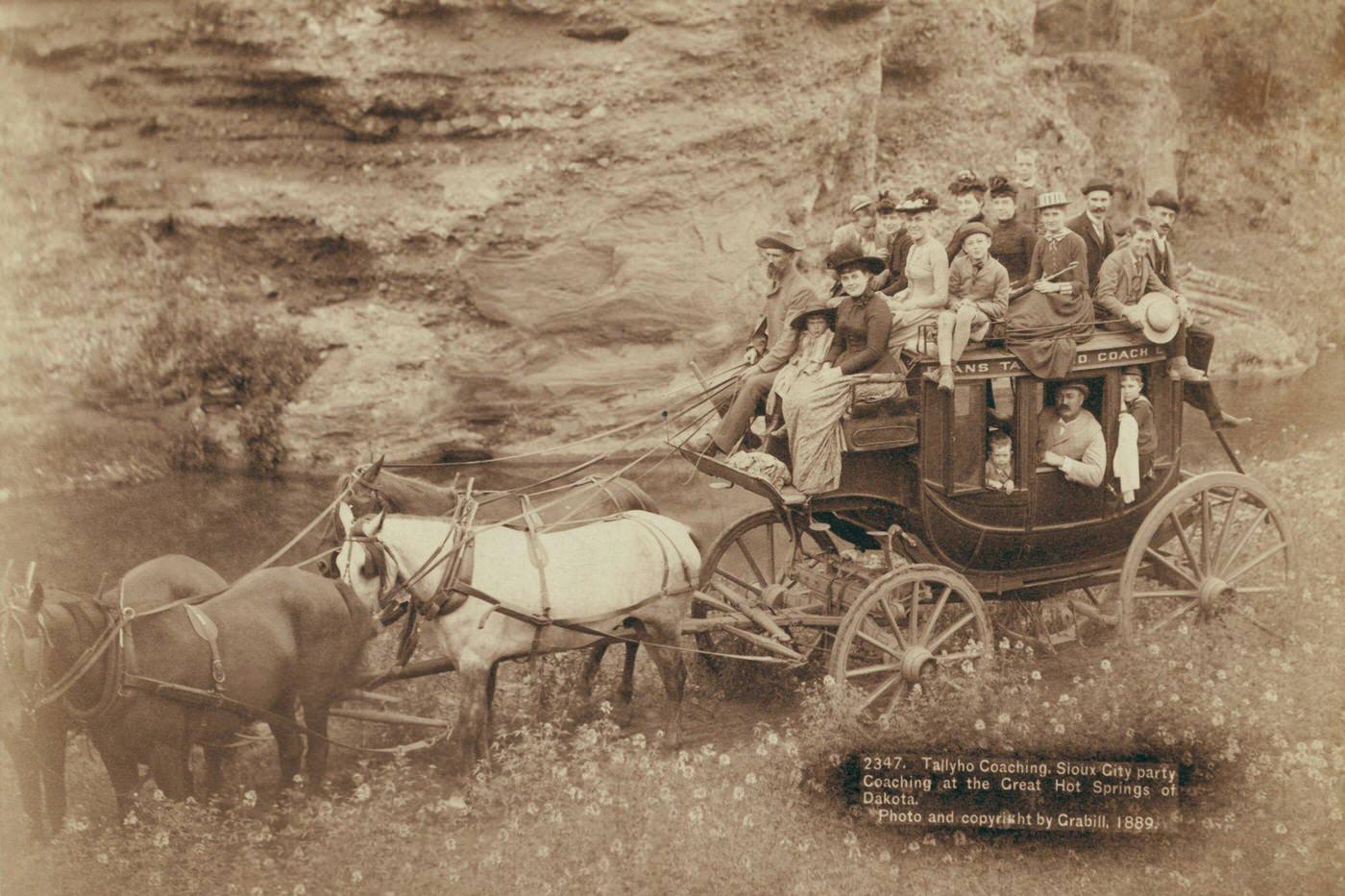
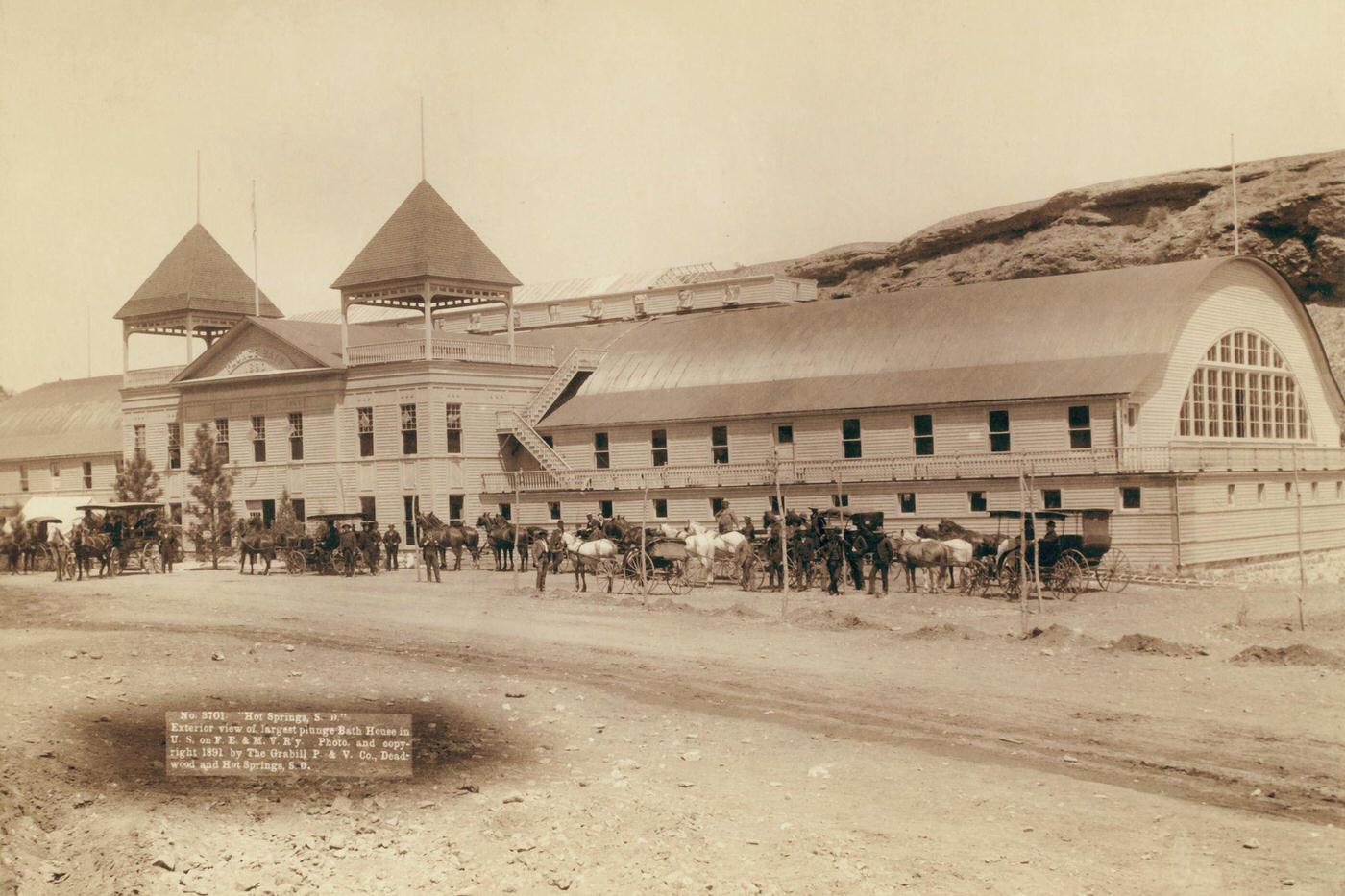
Deadwood grew into a genuine town with parades, hotels, and commerce — a far cry from its origins as a muddy mining camp. By the late 1880s and 1890s, it had the kind of civic infrastructure that marked a settled community. Hot springs resorts in the Dakota Territory attracted visitors from the East, with large bath houses advertising themselves as the finest in the country. Stagecoach excursions, formally dressed tourists, and social events marked a West that was becoming far more domesticated.
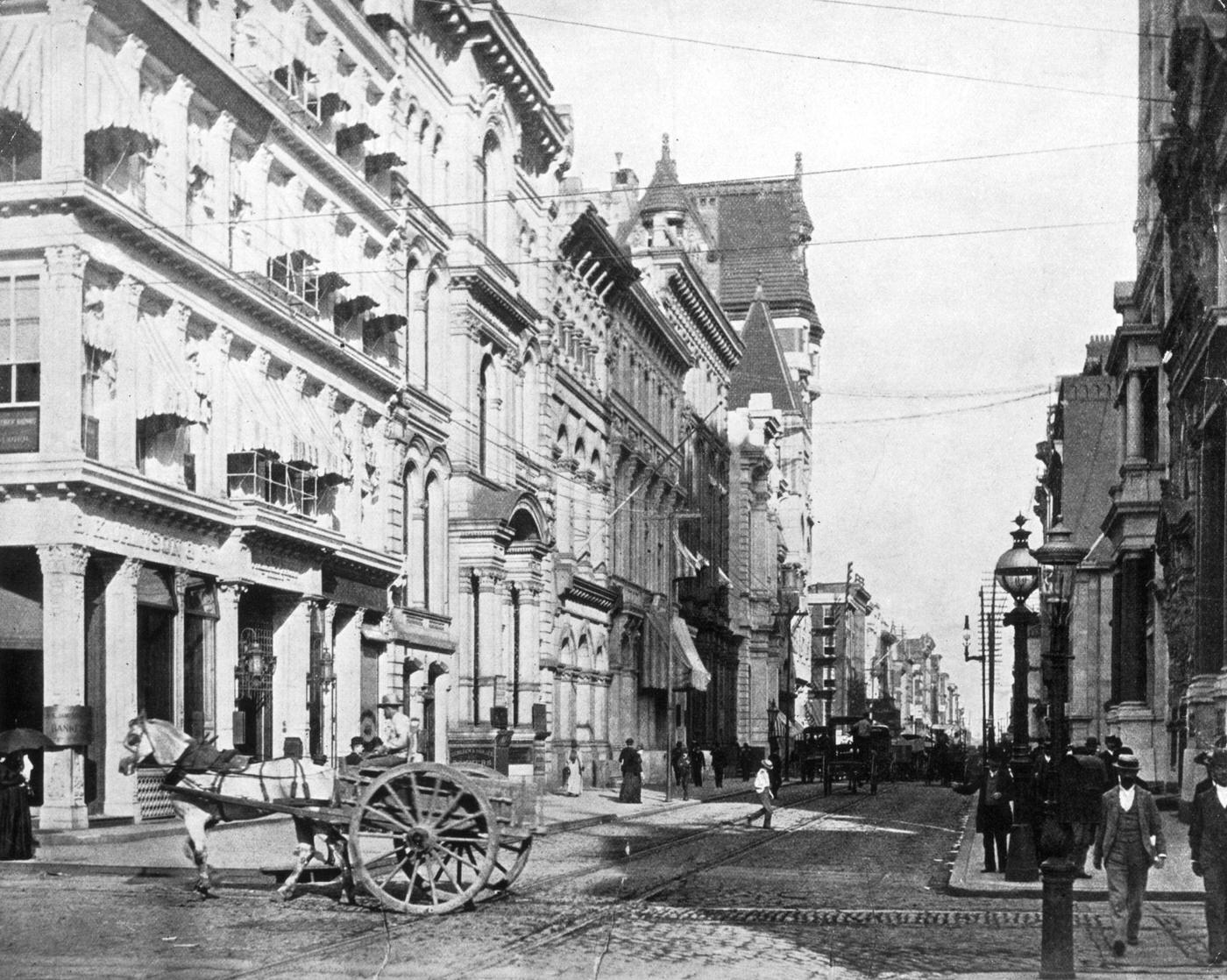
By the early 1900s, the frontier was closing. Western territories were becoming states. Cattle drives gave way to rail transport and large corporate ranching operations. Mining booms faded as the richest deposits were exhausted. Towns that once existed without any formal governance now had mayors, courts, and police forces. The wide-open, largely ungoverned landscape that had defined three decades of American life was becoming regulated, settled, and mapped — and the era that had produced both its greatest legends and its worst atrocities was coming to an end.