Boston in the 1940s was a city shaped by war, neighborhood pride, and relentless daily life. Streetcars clanged along Tremont and Boylston Streets, packed with workers heading to shipyards, factories, and the port. Men in fedoras and women in tailored coats hurried past the display windows at Jordan Marsh and Filene’s, where mannequins showed off ration-friendly fashions. The smell of oil, harbor salt, and exhaust hung in the air from morning to night.
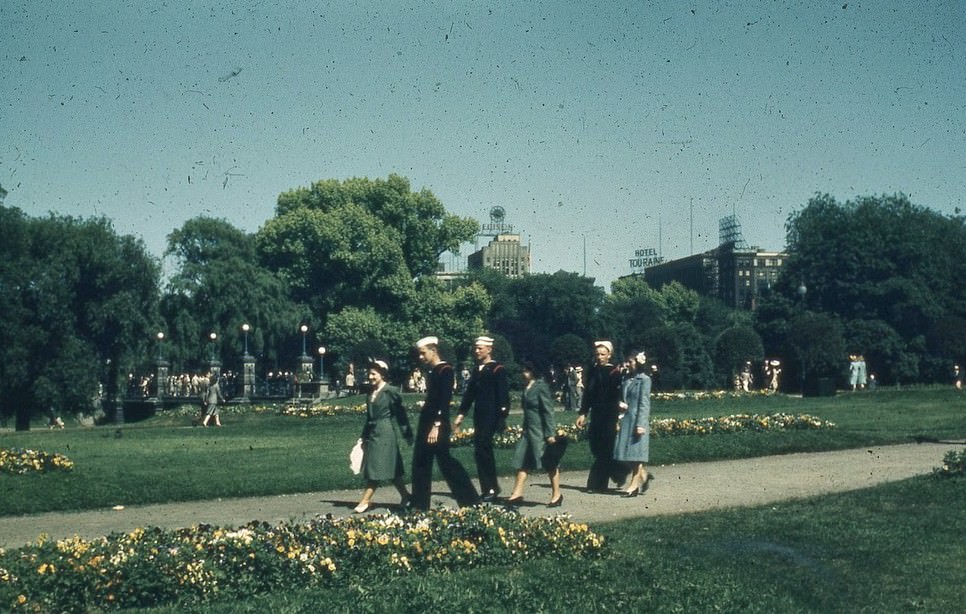
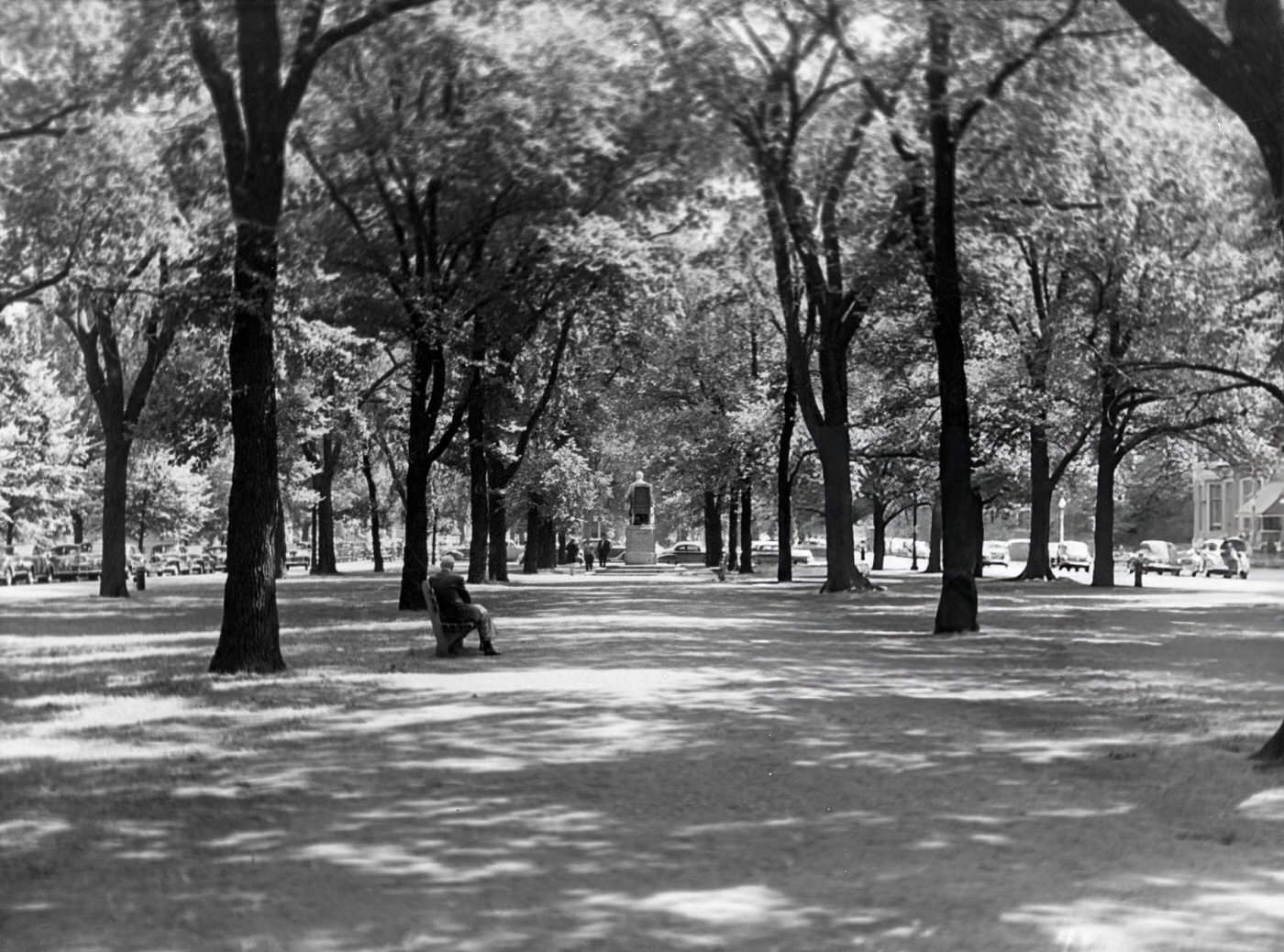
Boston Common served as a gathering place through all of it. War bond drives drew crowds onto the open lawn. Vendors sold roasted peanuts from carts. Couples walked the elm-shaded paths, and returning soldiers were welcomed home in celebrations that spilled across the park. It was public space being used exactly as it was meant to be.
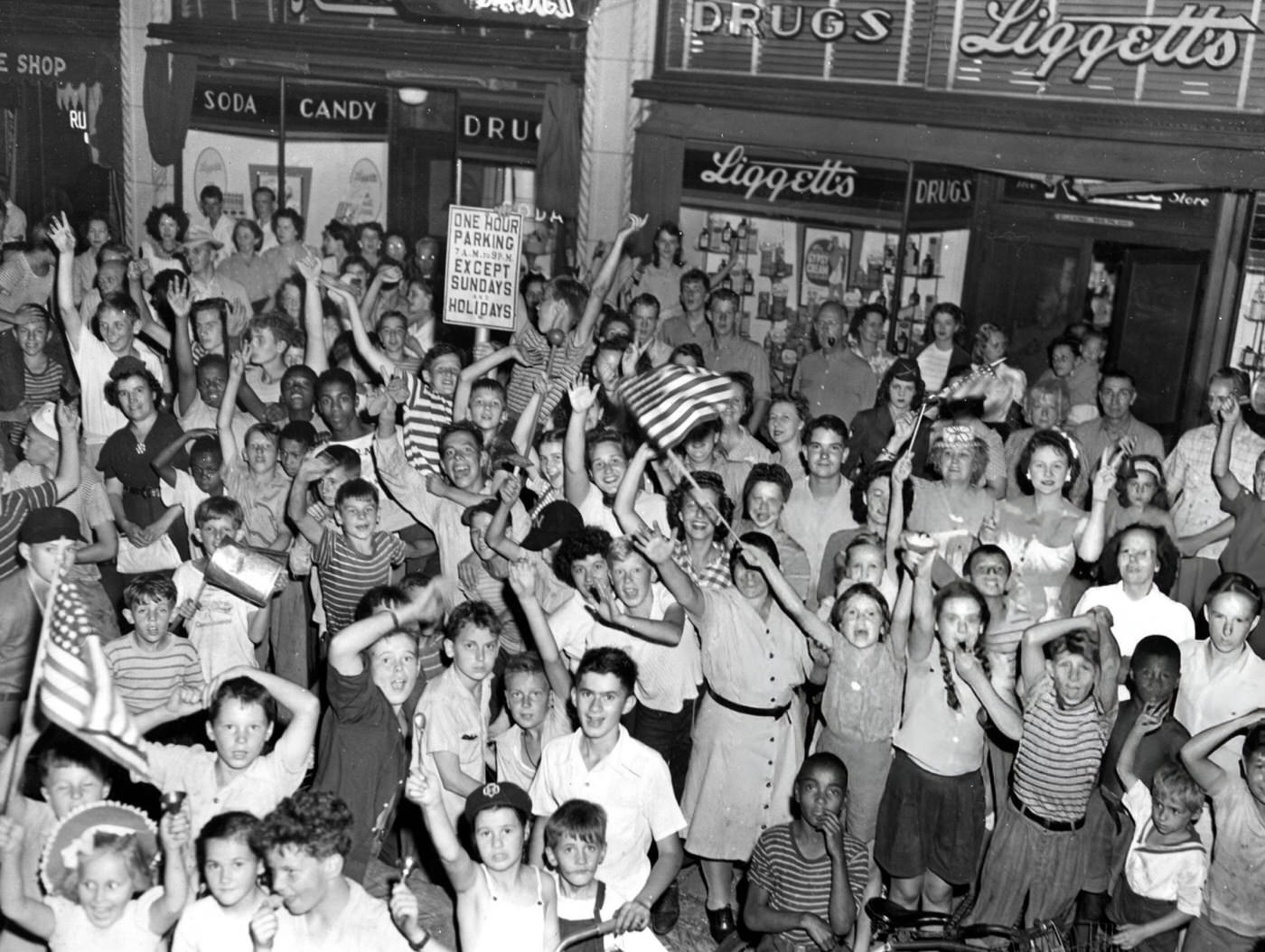
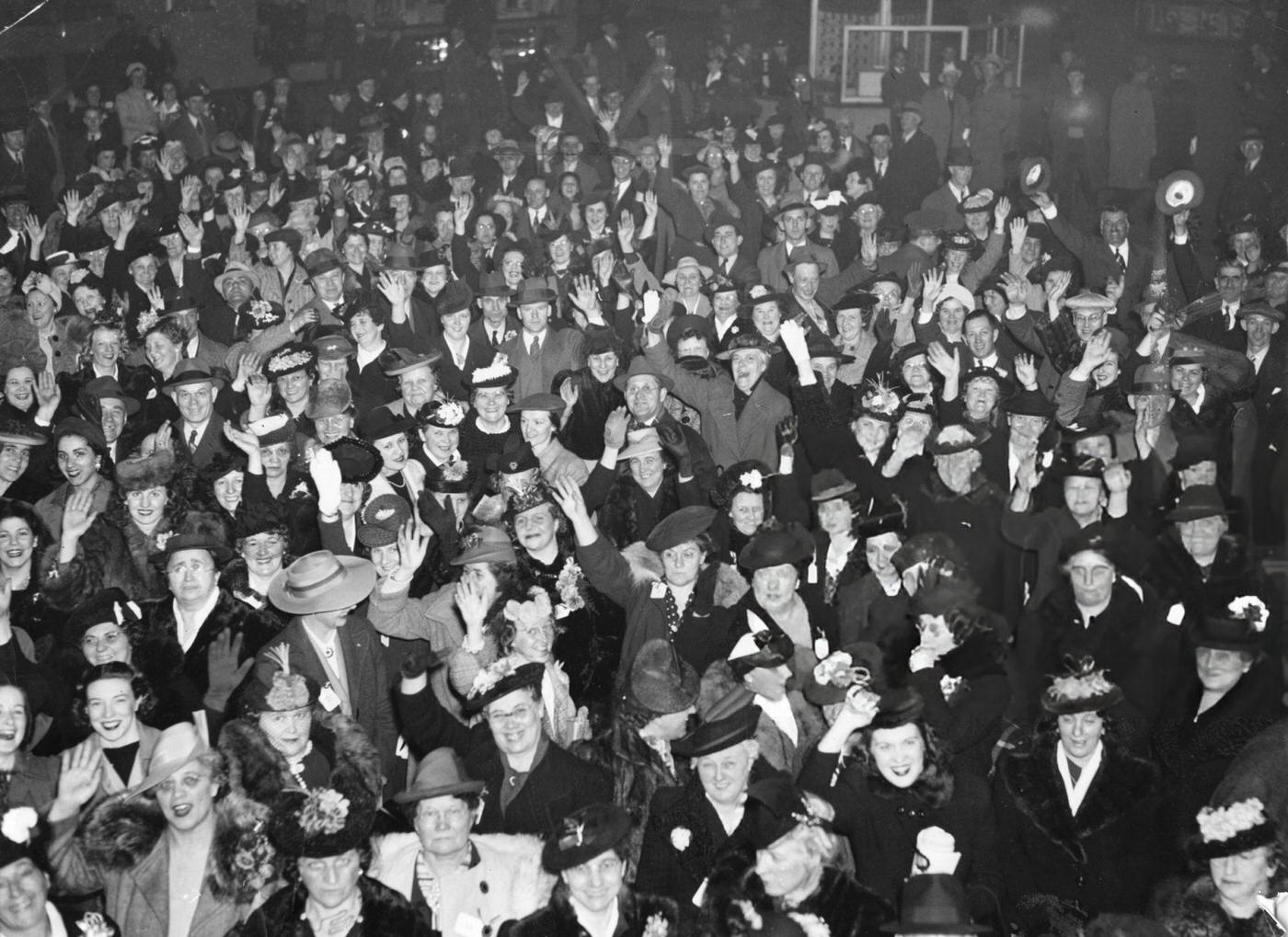
When the war ended in 1945, Bostonians took to the streets. Celebrations broke out across the city’s many neighborhoods, from downtown blocks to outer squares like West Newton. The relief and joy were raw and immediate. For a city that had sent thousands of its sons overseas, the news hit hard and fast.
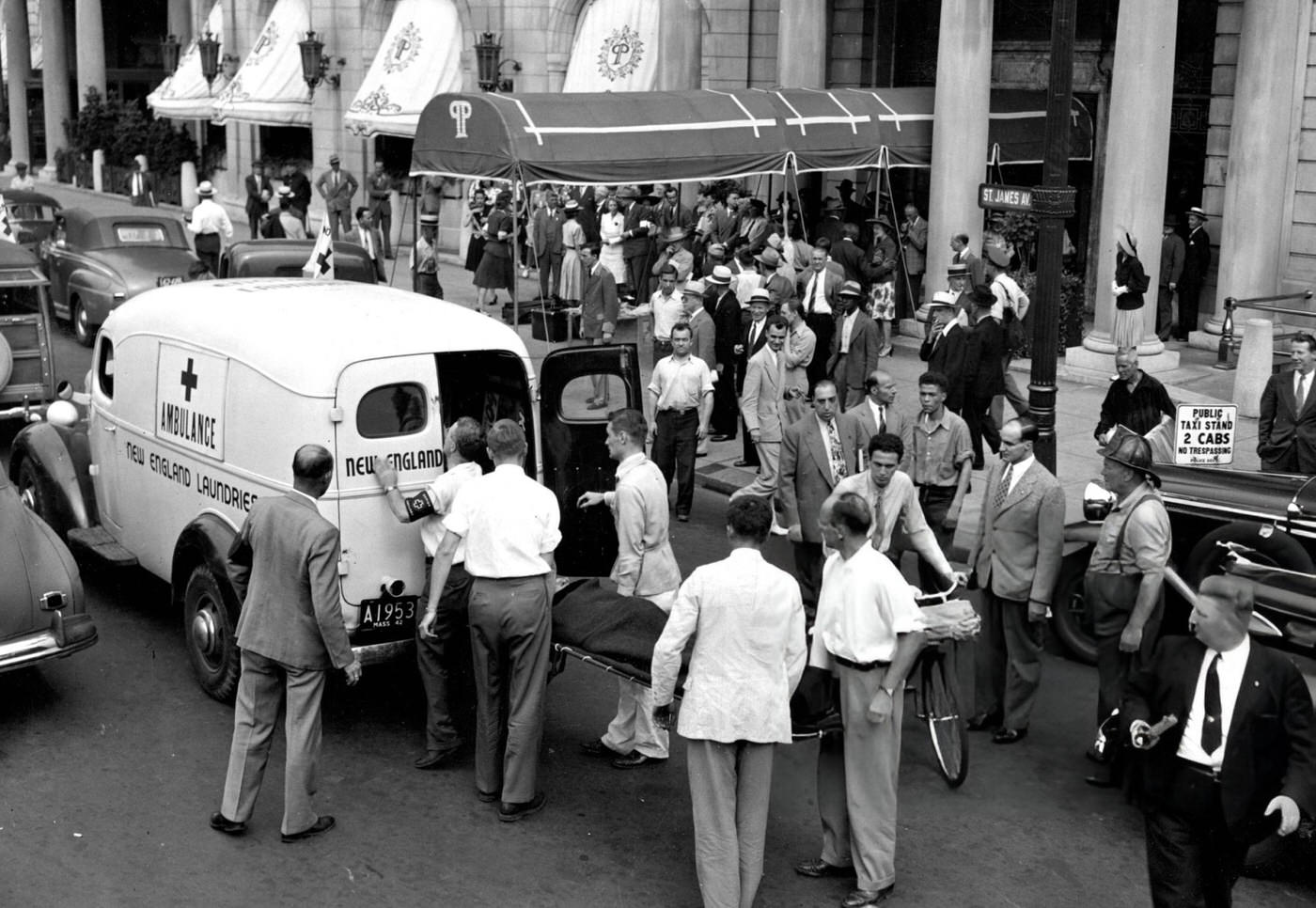
Before that celebration came years of wartime tension. Air raid drills were held across the city, with civilians and officials rehearsing emergency procedures in case of attack. Boston’s role as a major port city made it a realistic target in the minds of city planners. These drills, staged in public squares, were a reminder that the threat felt close.
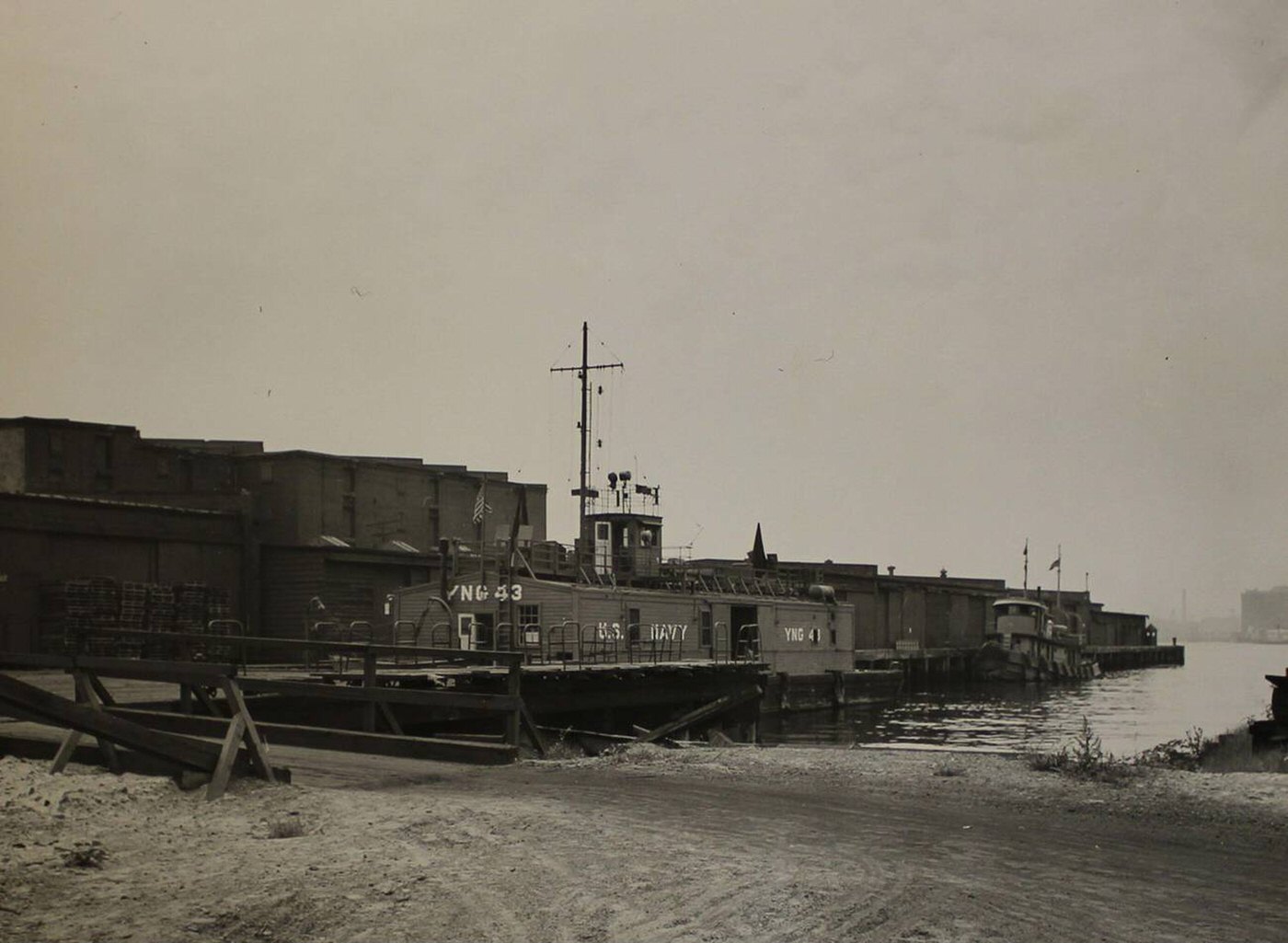
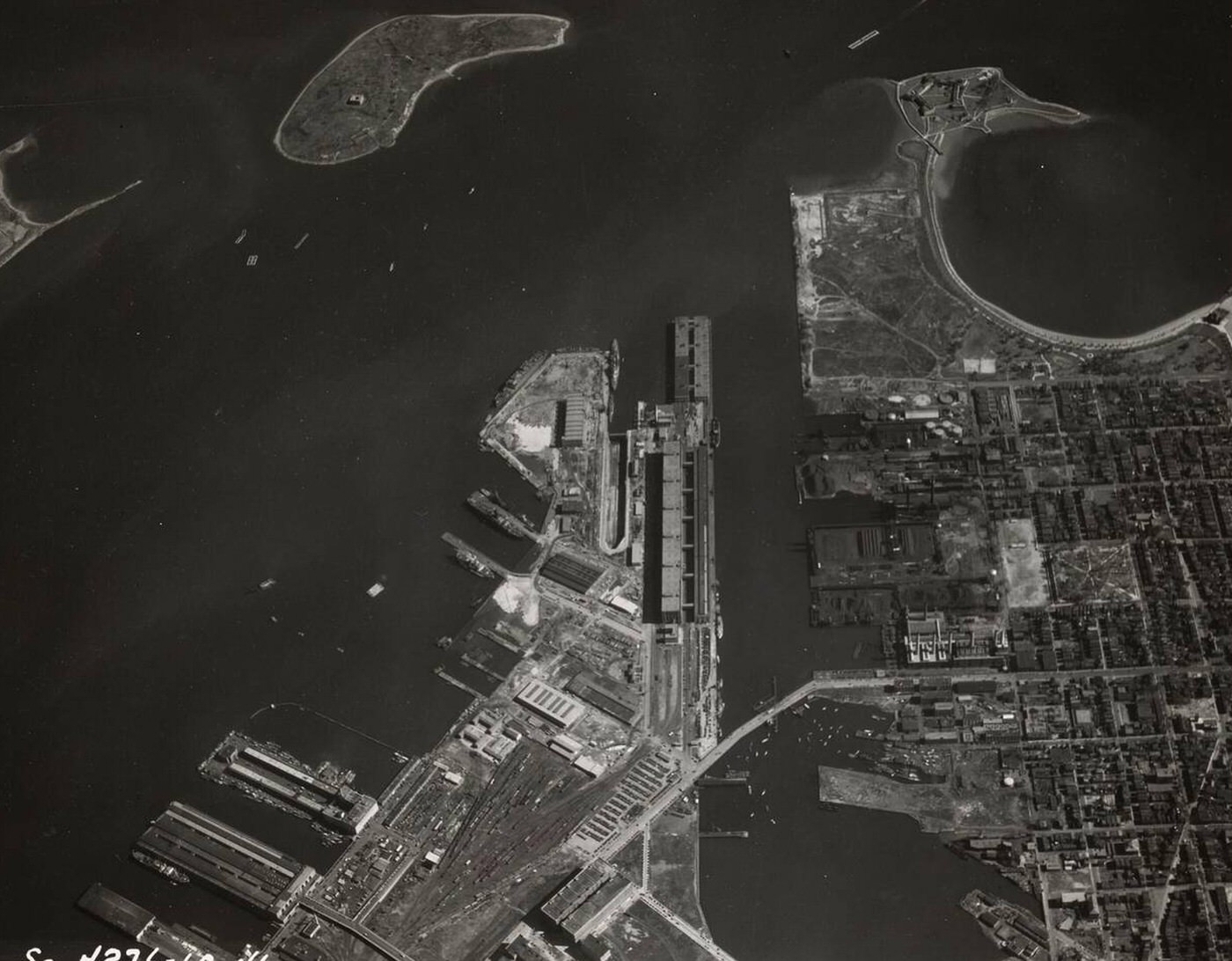
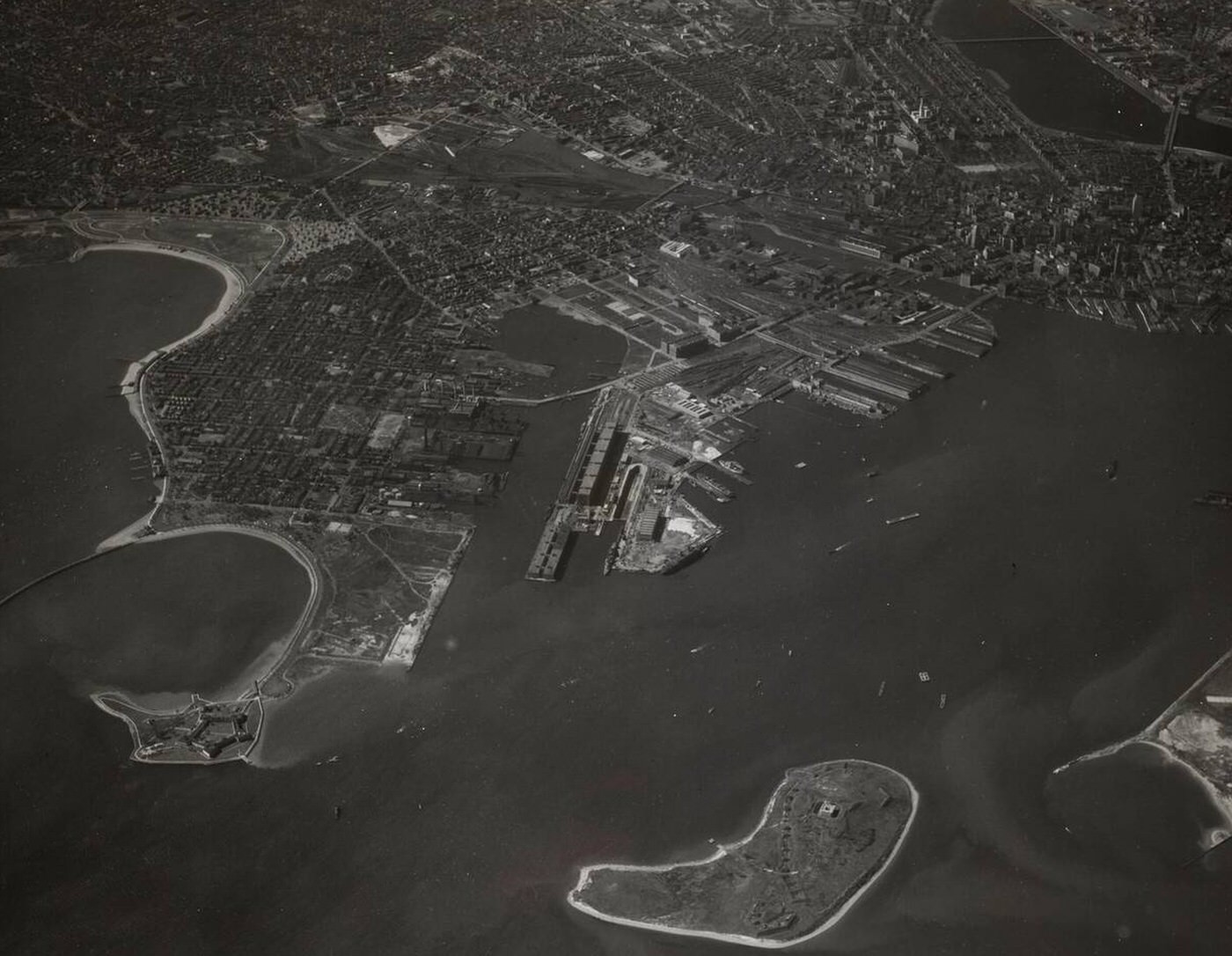
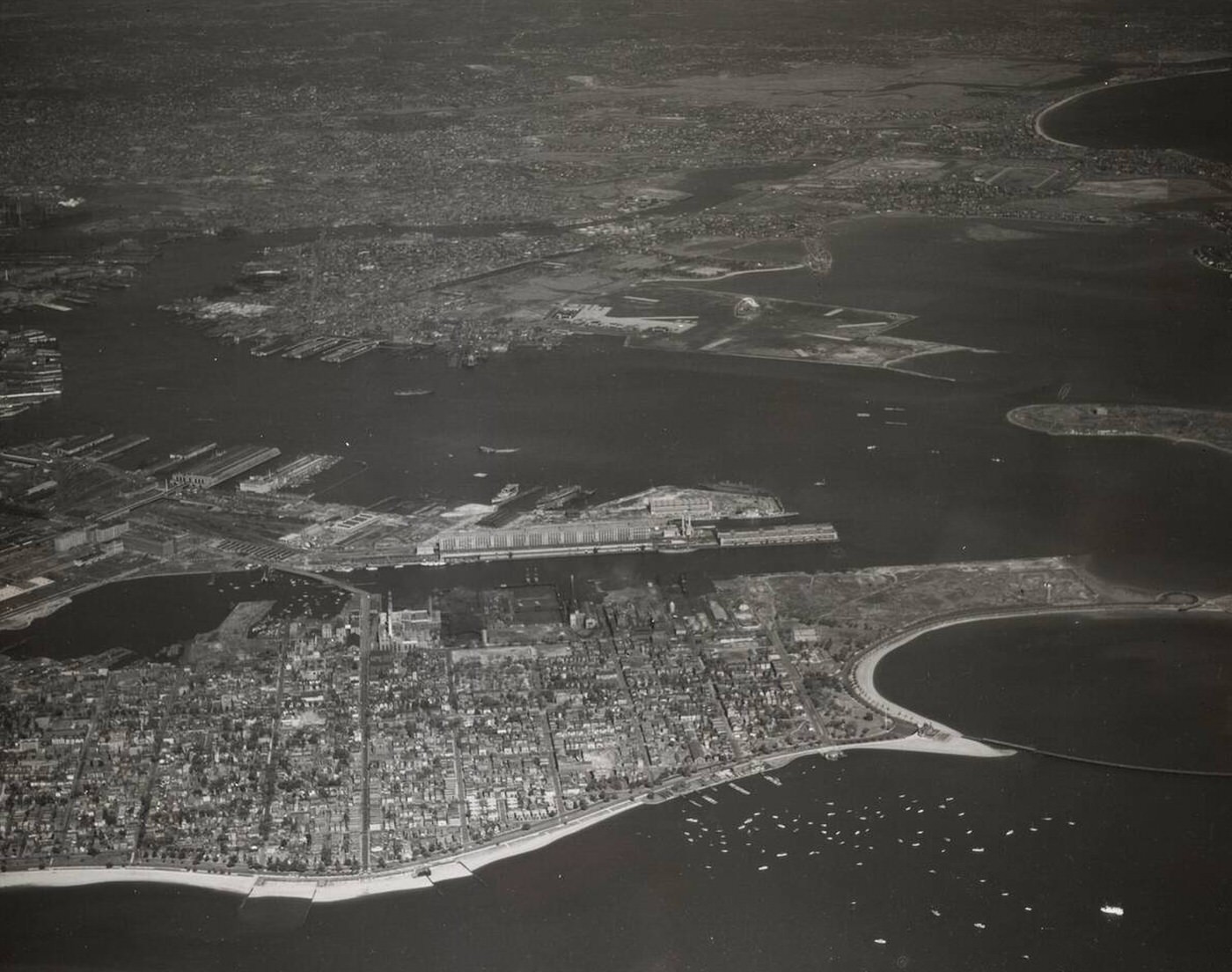
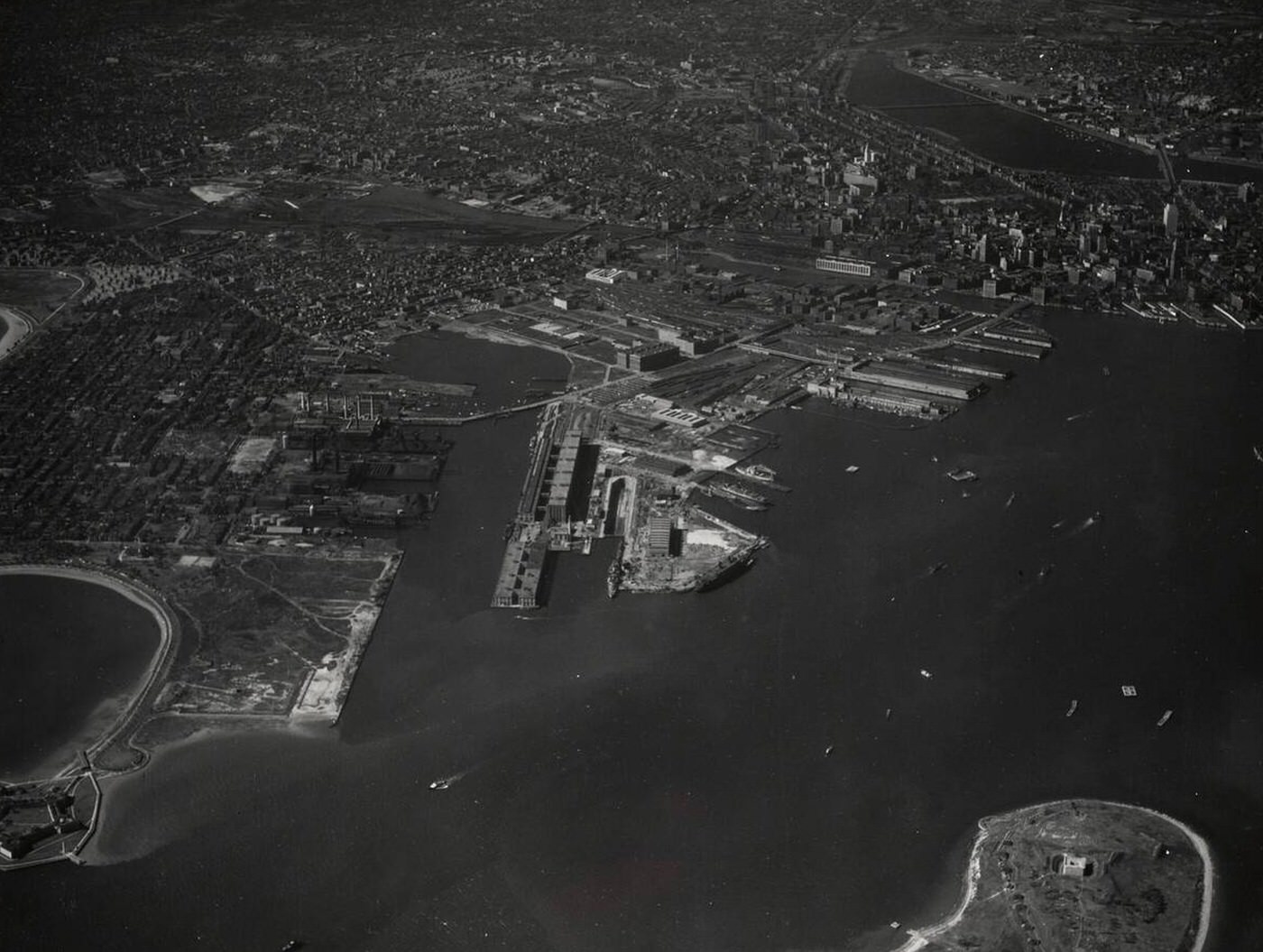
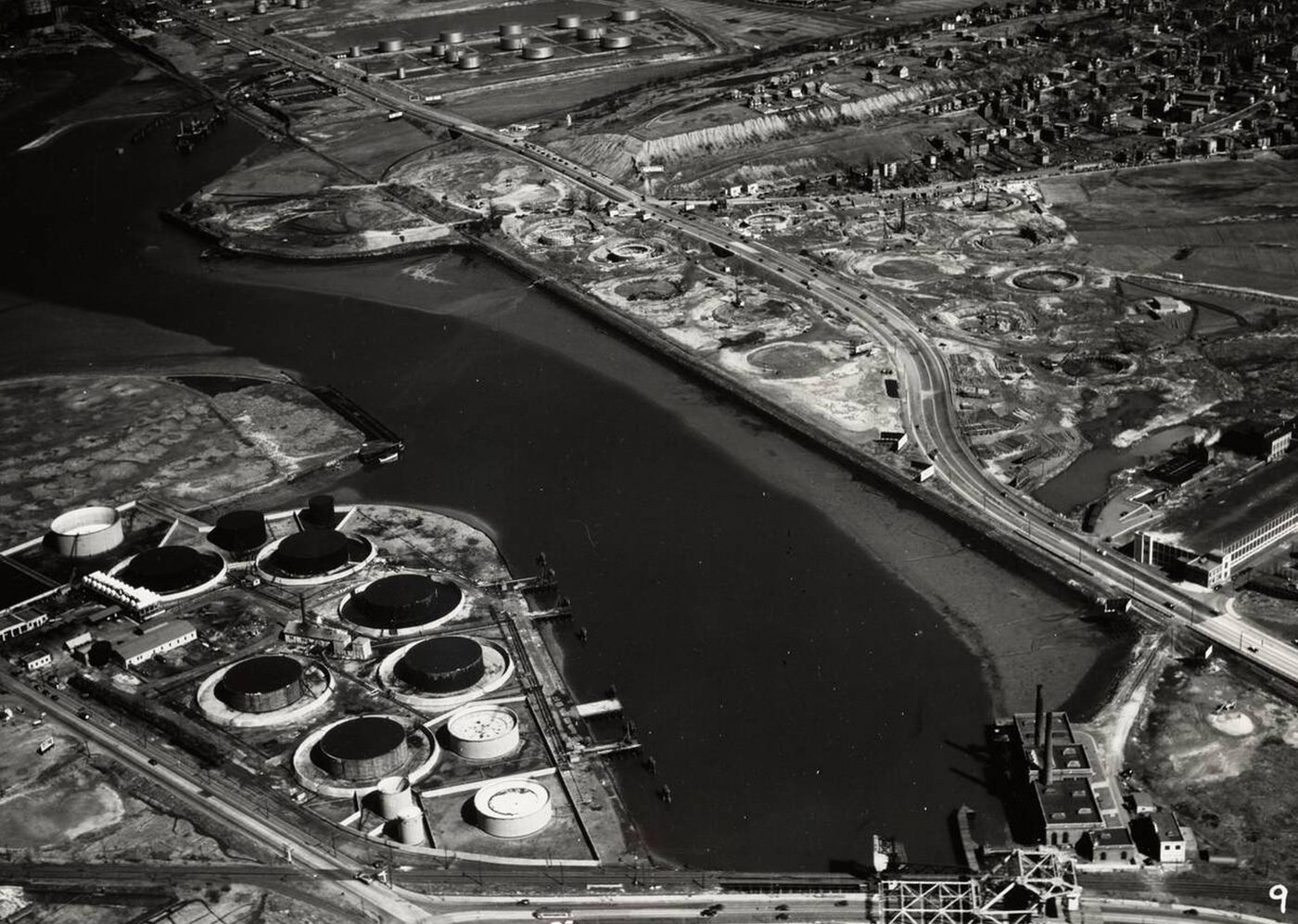
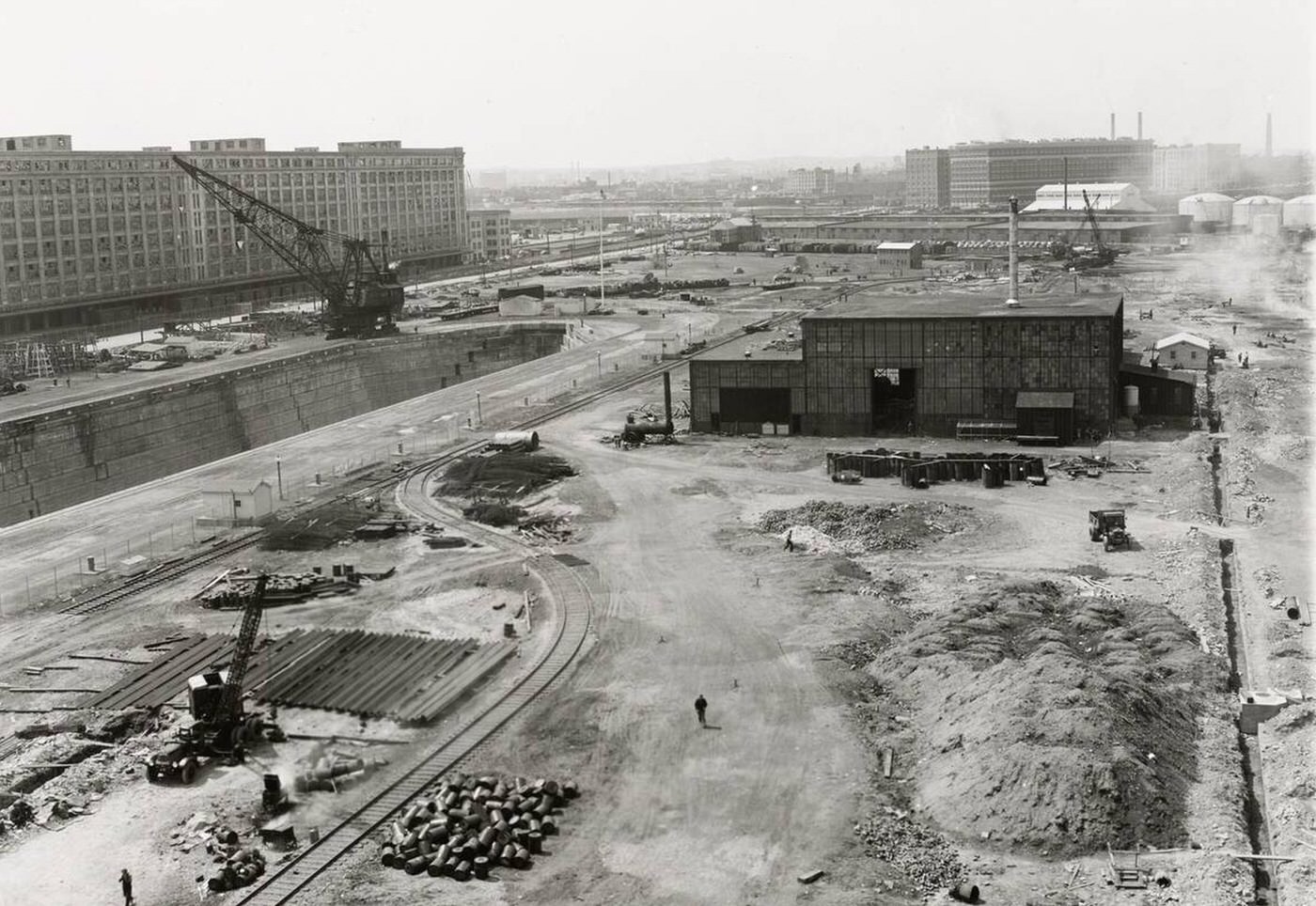
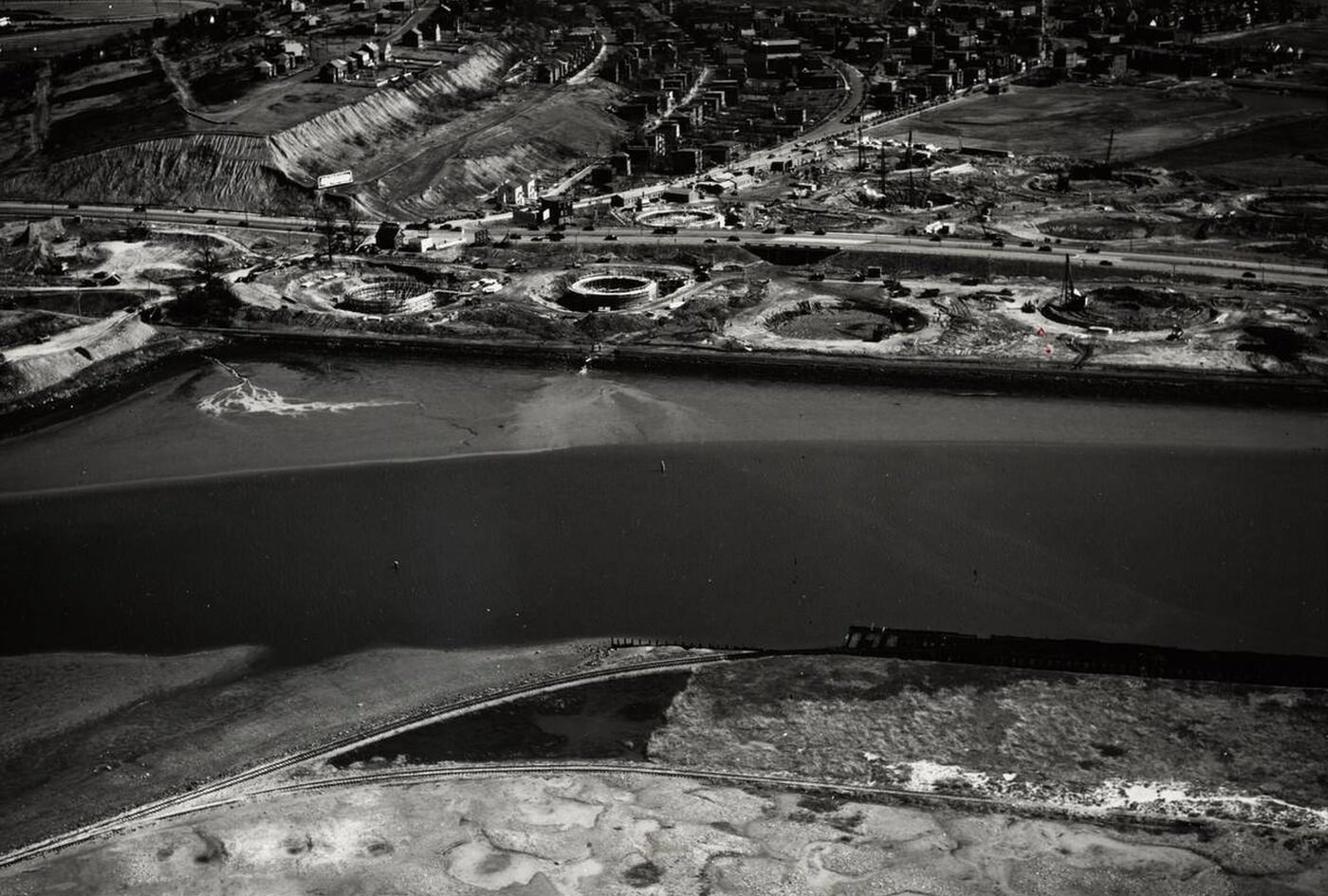
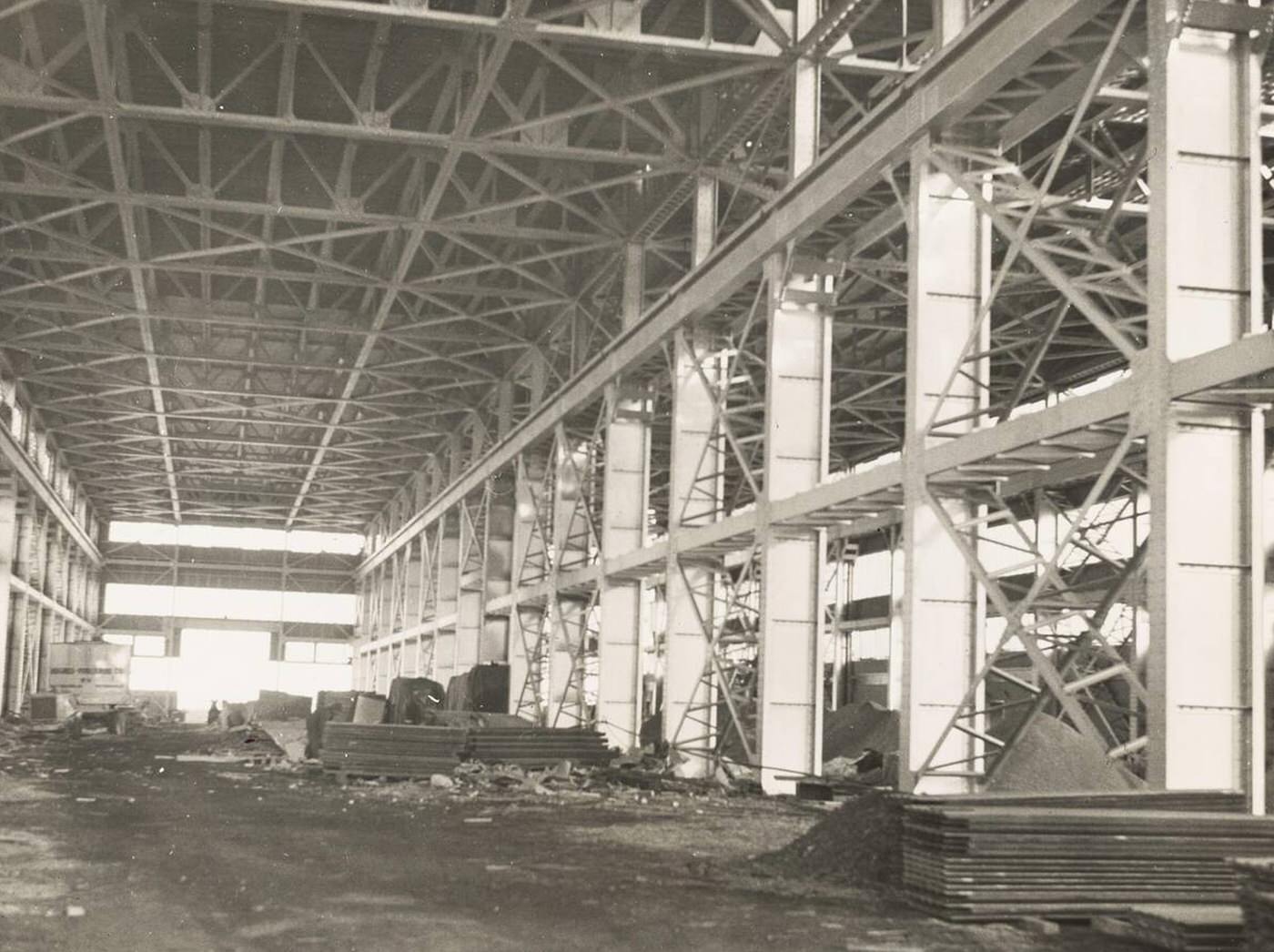
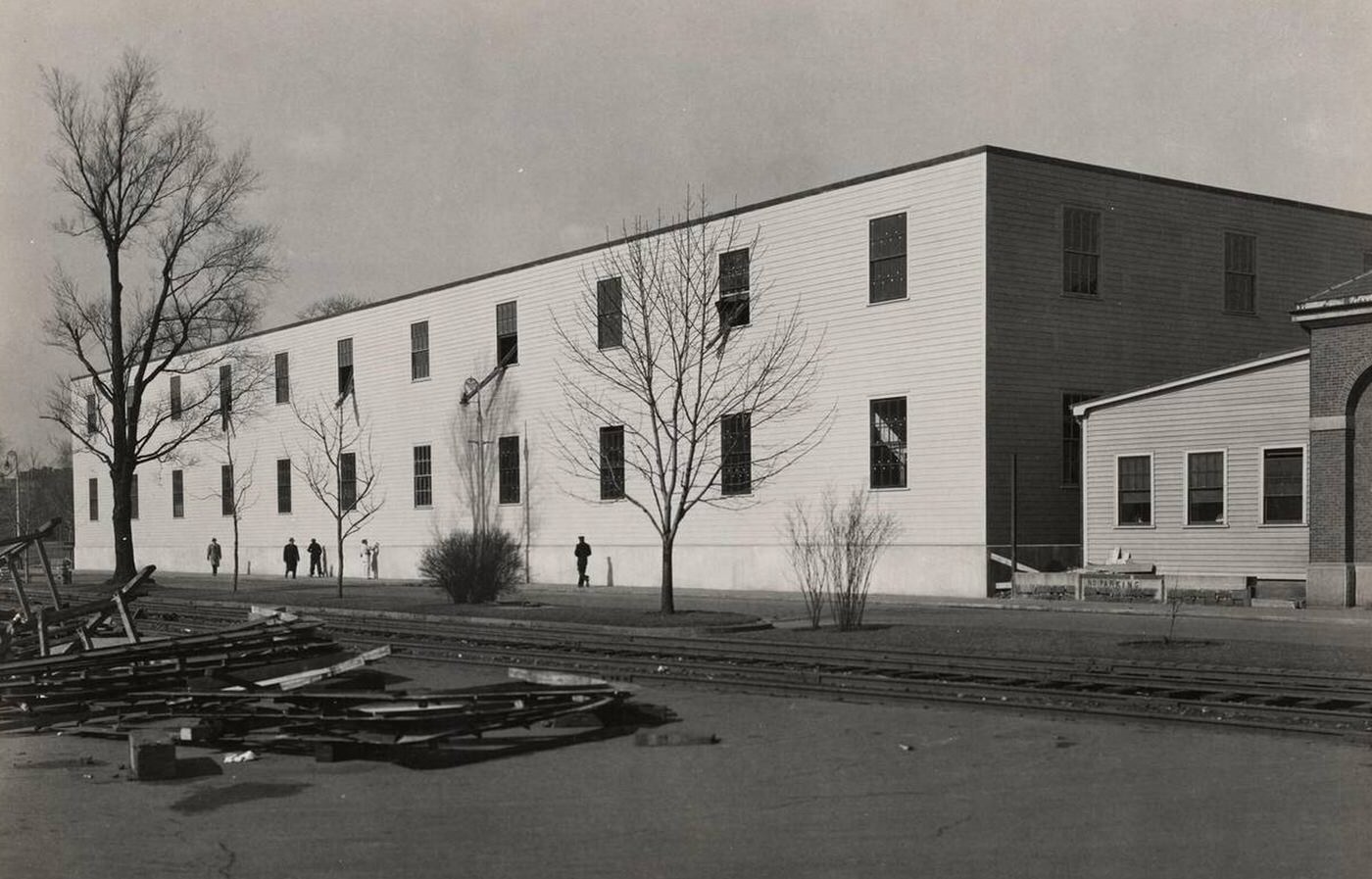
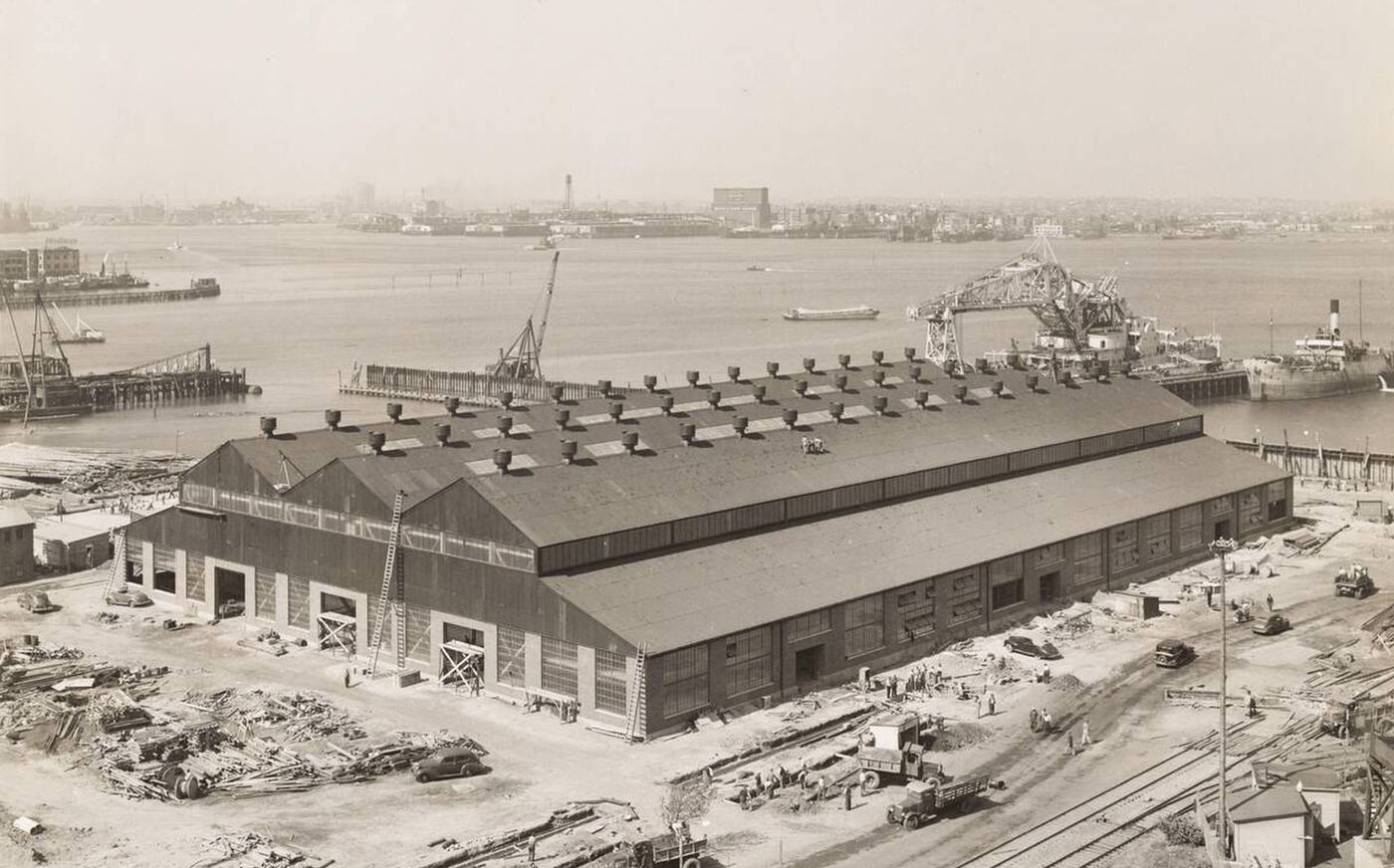
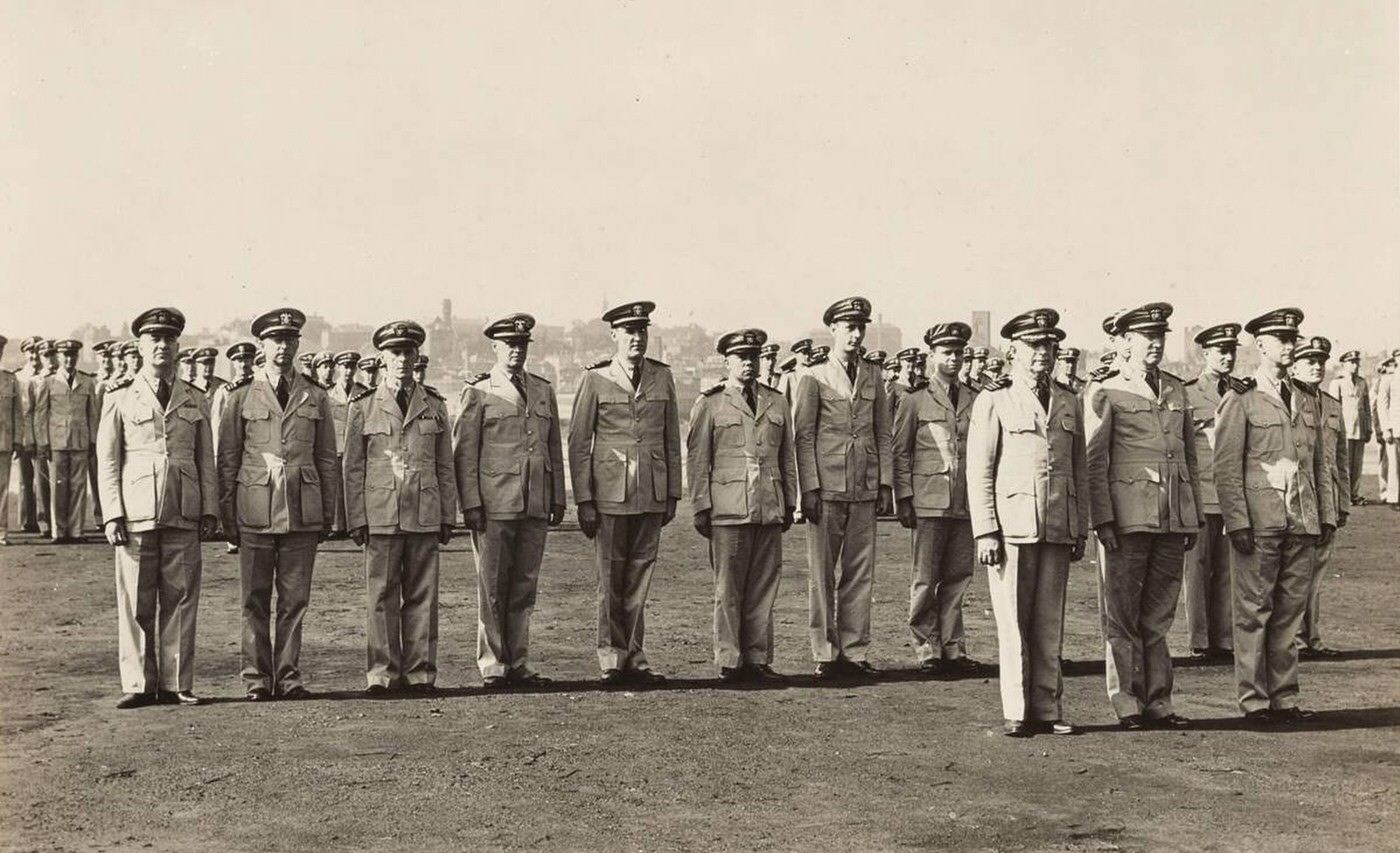
The Boston Navy Yard in Charlestown worked around the clock. Destroyers rolled out and war-damaged vessels came in for repair. The Naval operations extended into South Boston as well, with dry docks, warehouses, and training facilities built or expanded to meet wartime demand. The waterfront was not a place of leisure — it was a machine.
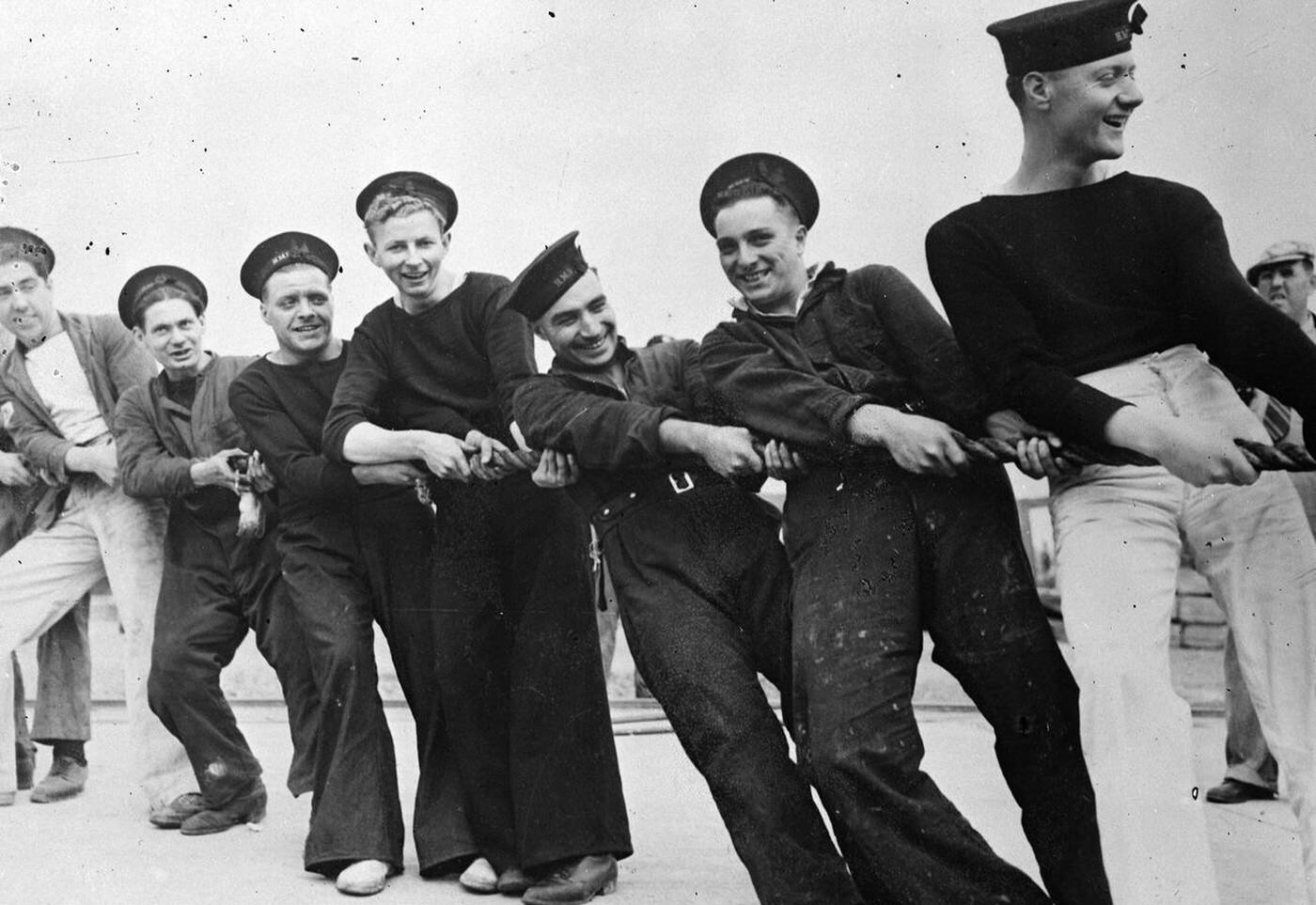
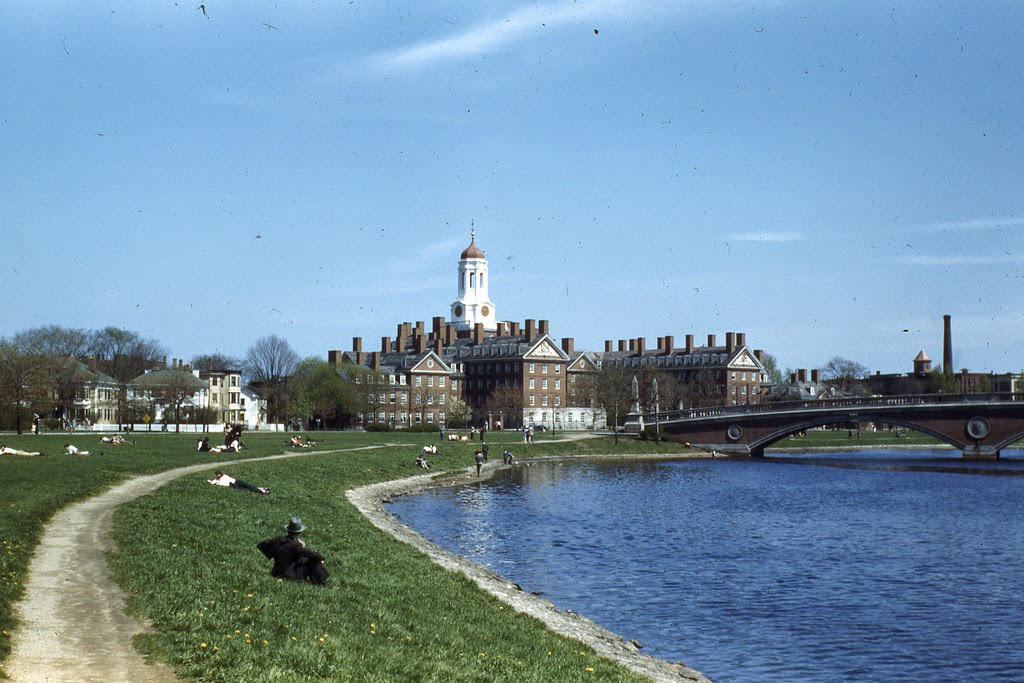
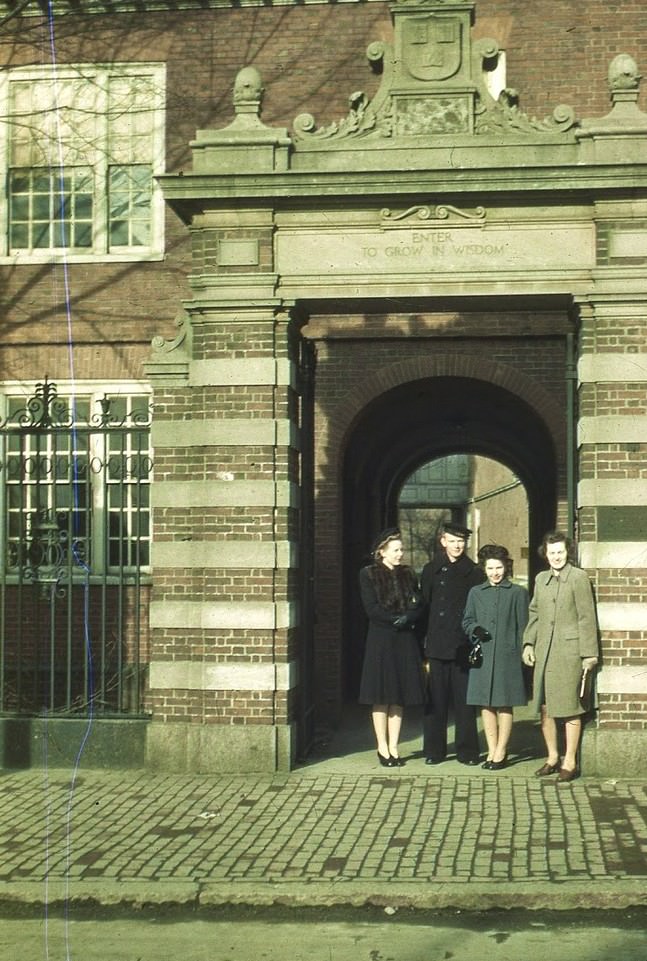
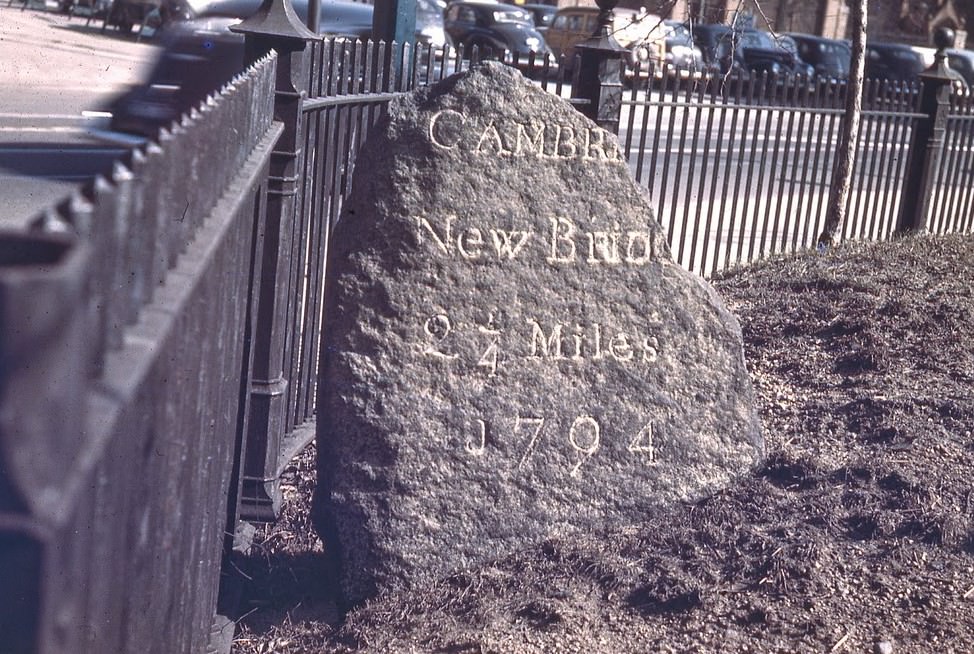
Across the Charles River in Cambridge, Harvard and MIT were deeply tied to the war effort. Labs ran through the night on classified research. The Radiation Laboratory at MIT, in particular, was a hub for radar development — a program that drew scientists from across the country and shaped the course of the war.
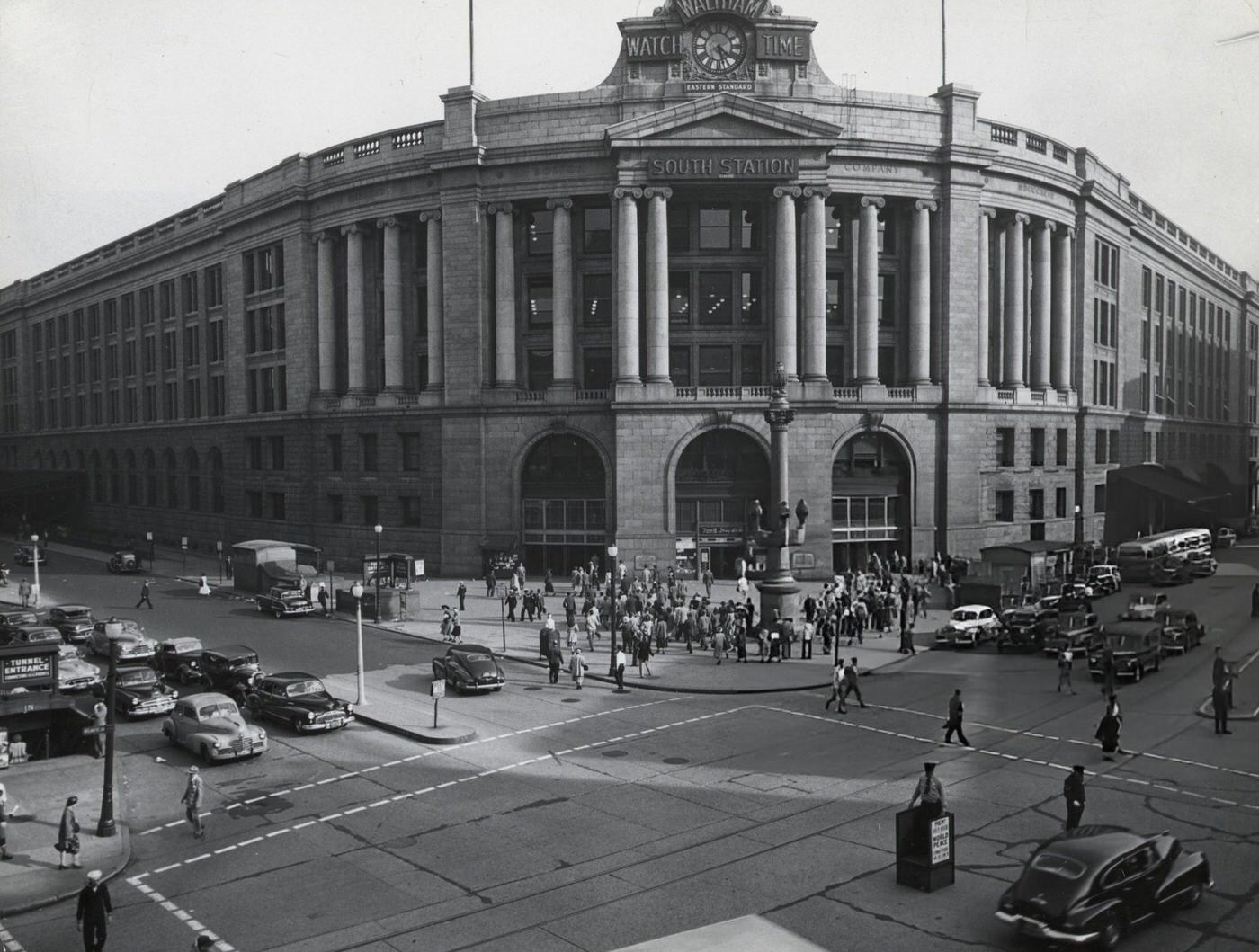
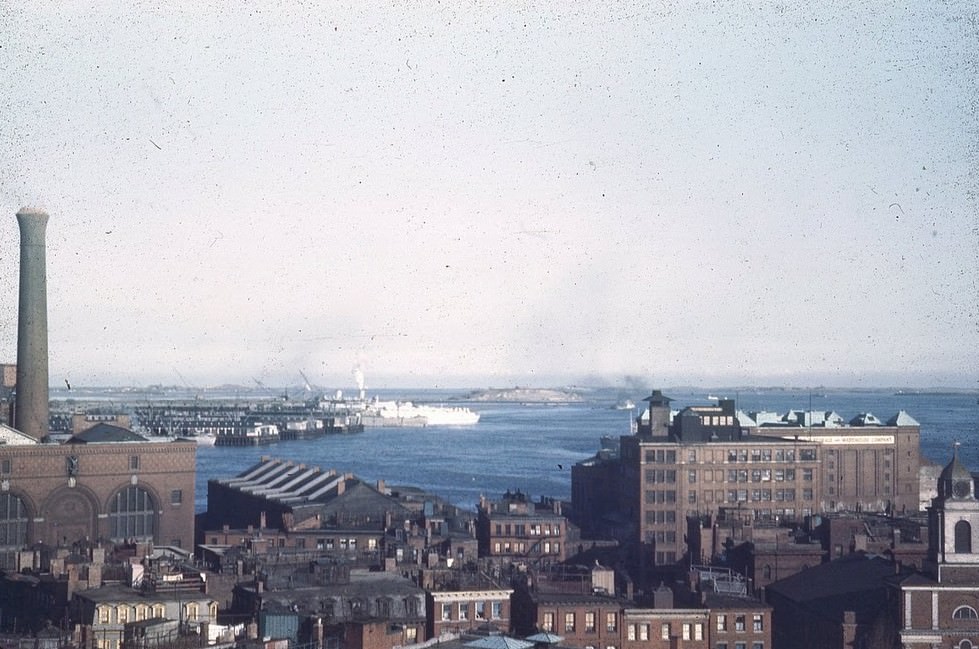
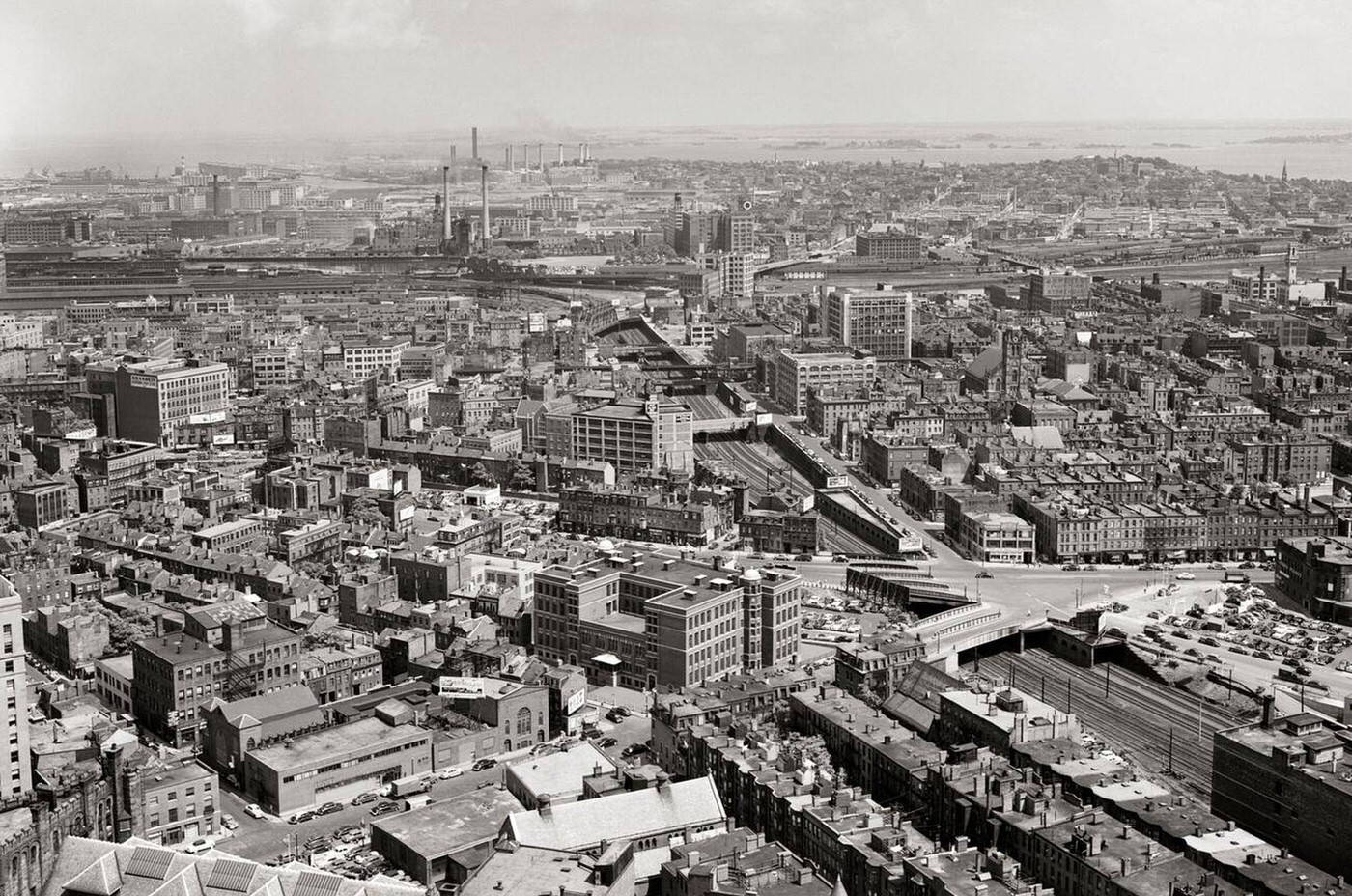
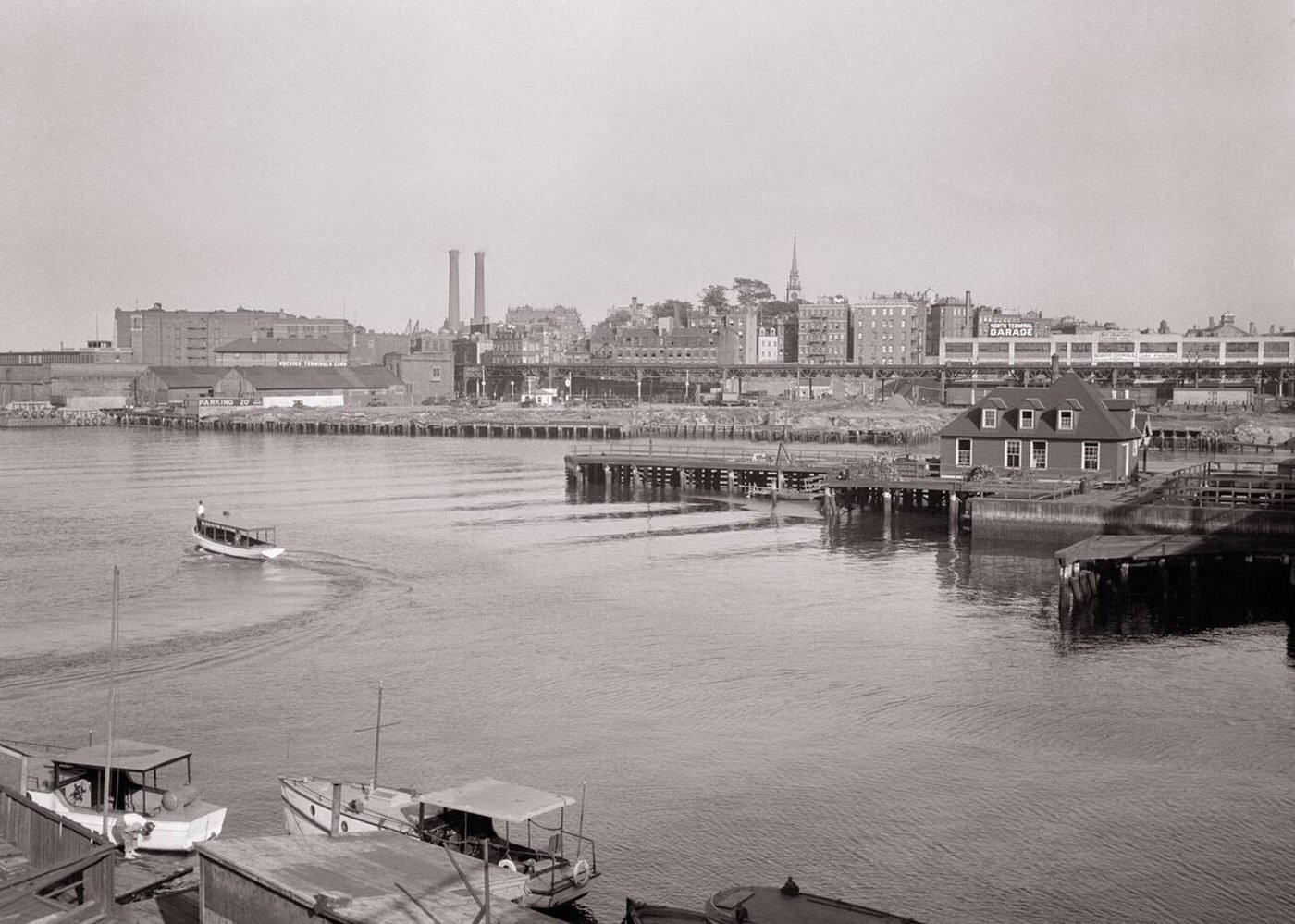
The harbor and waterfront remained central to Boston’s identity. South Station served as one of the busiest rail hubs in New England, connecting the city to troop movements and freight lines. The port saw a steady flow of imported goods — coffee beans, machinery, raw materials — keeping the city’s commercial life running even under wartime strain.
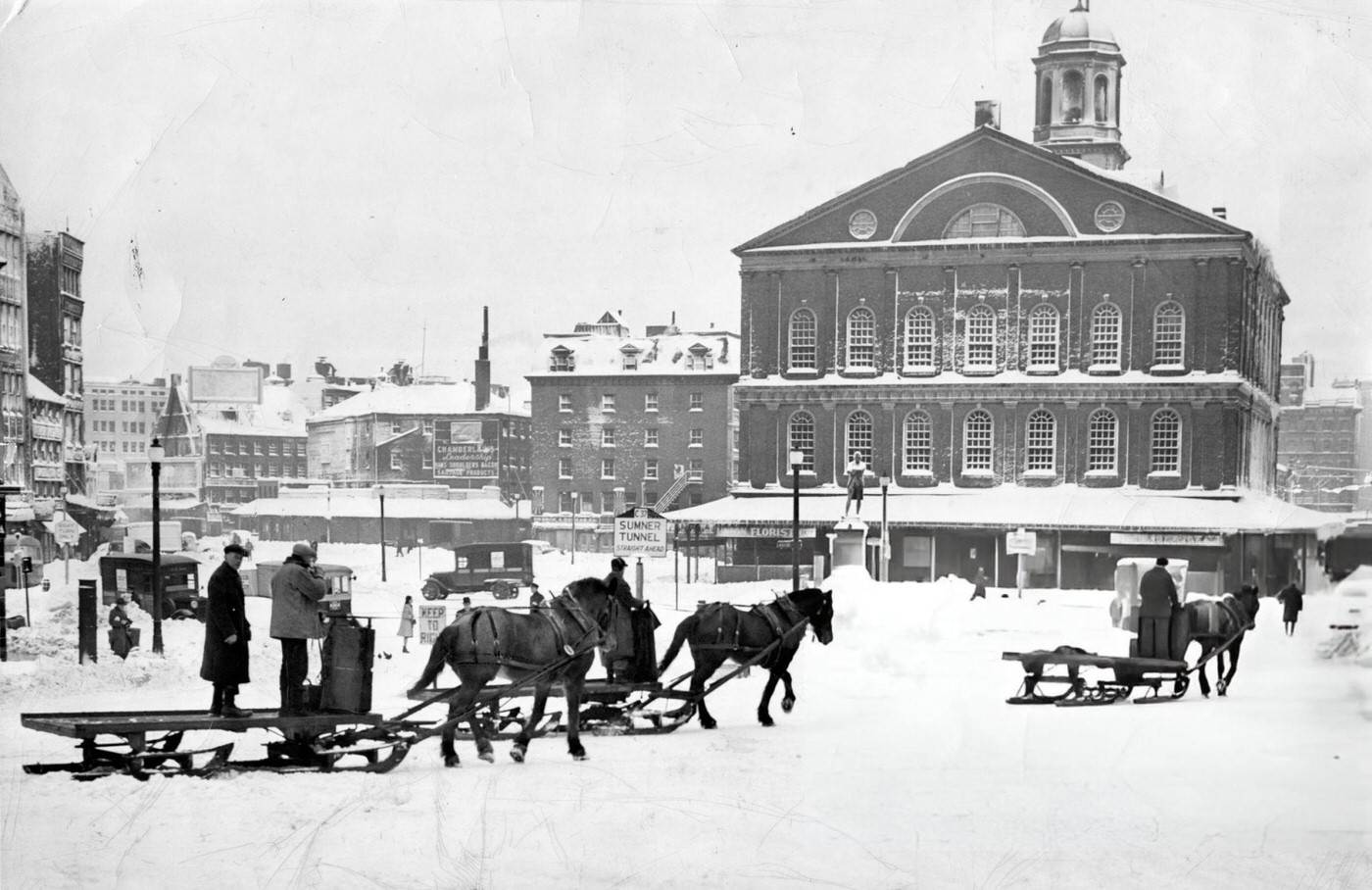
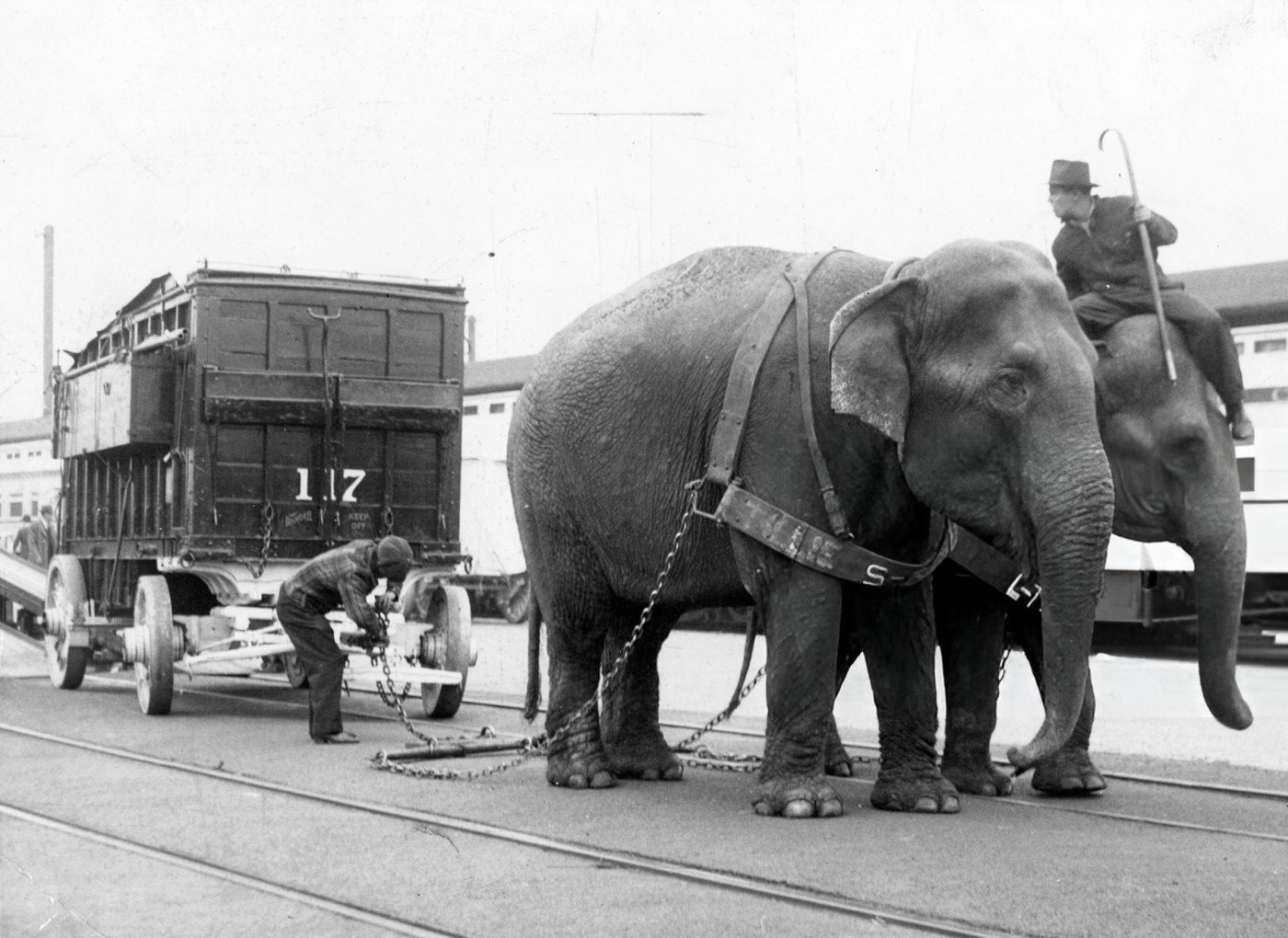
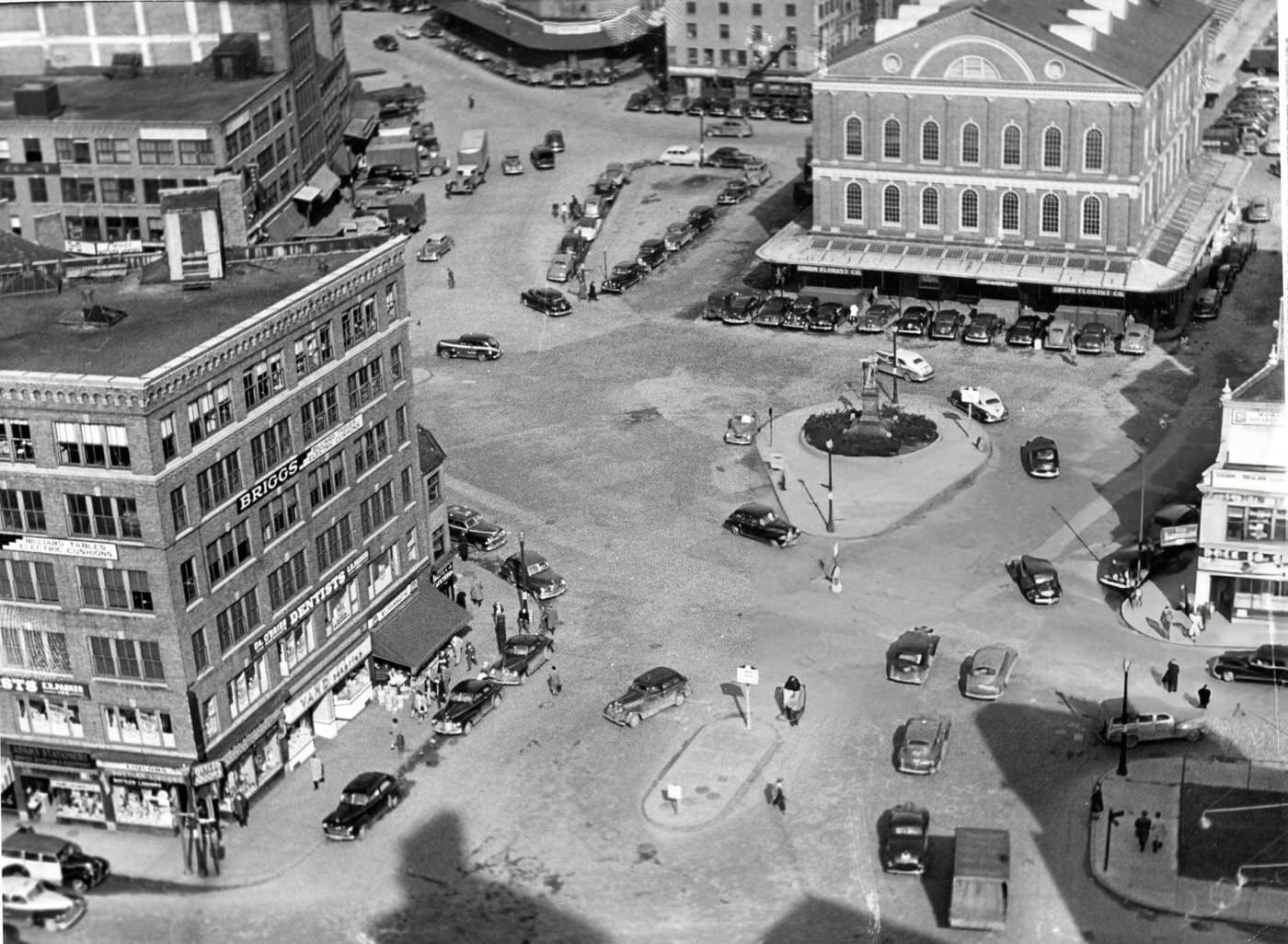
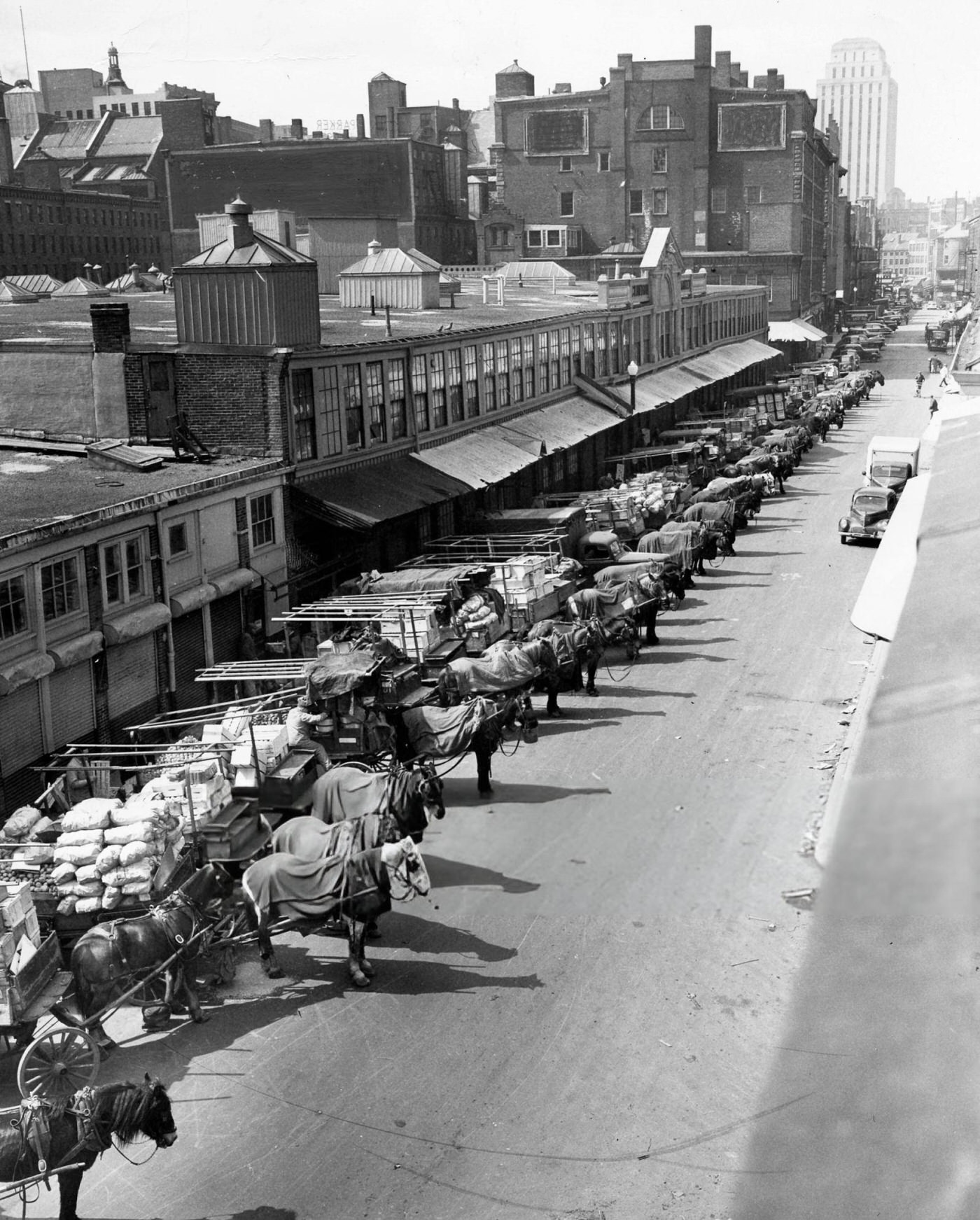
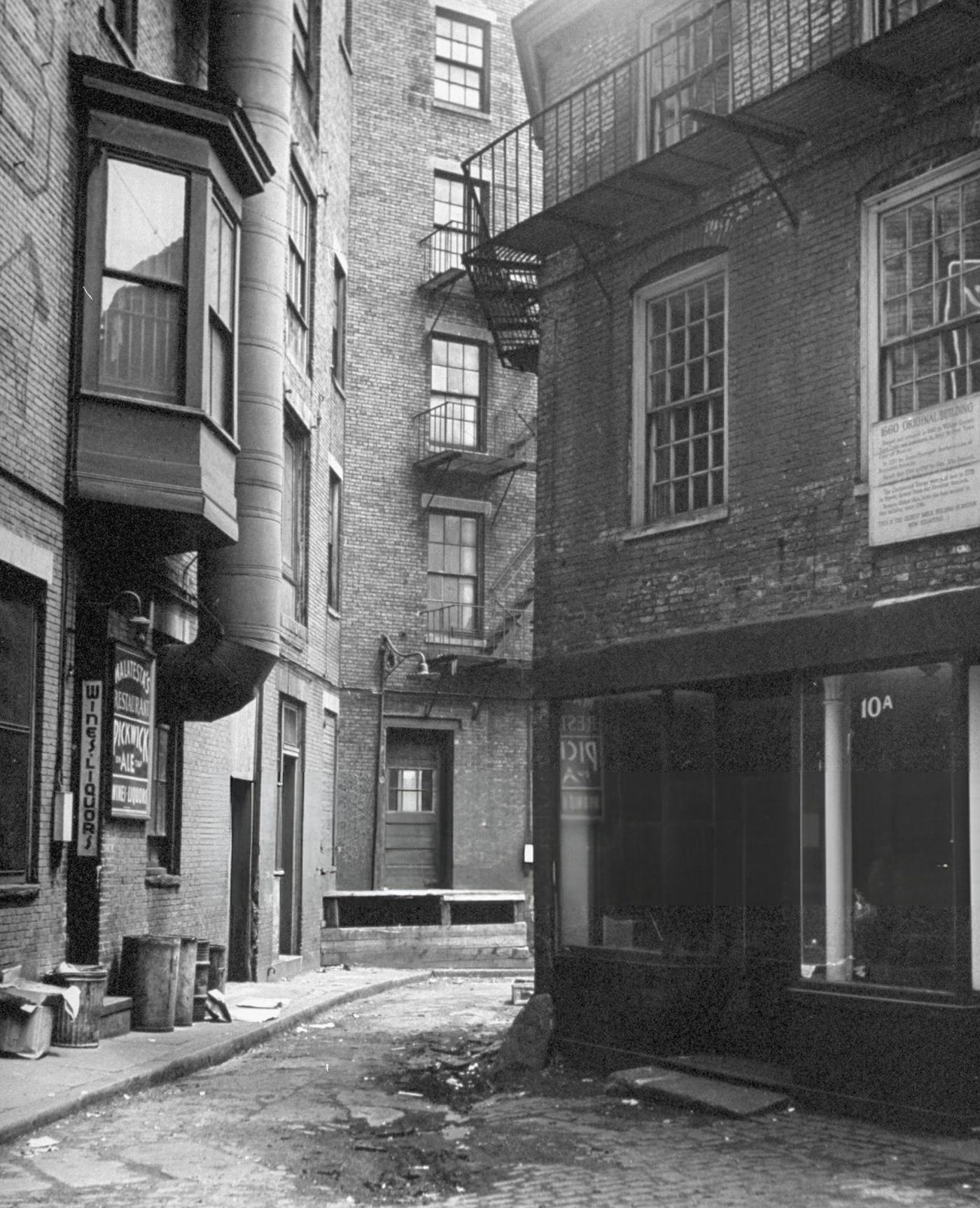
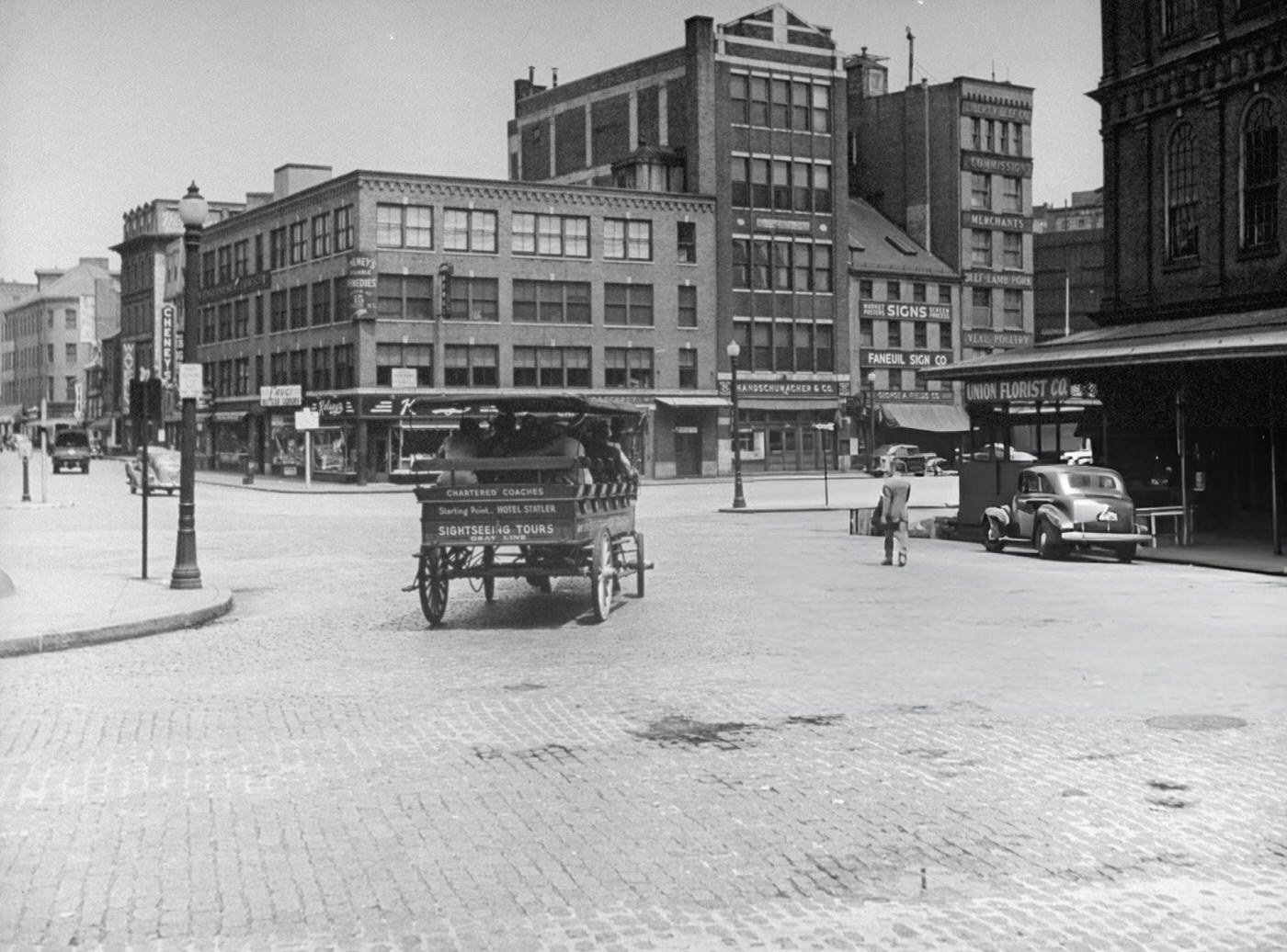
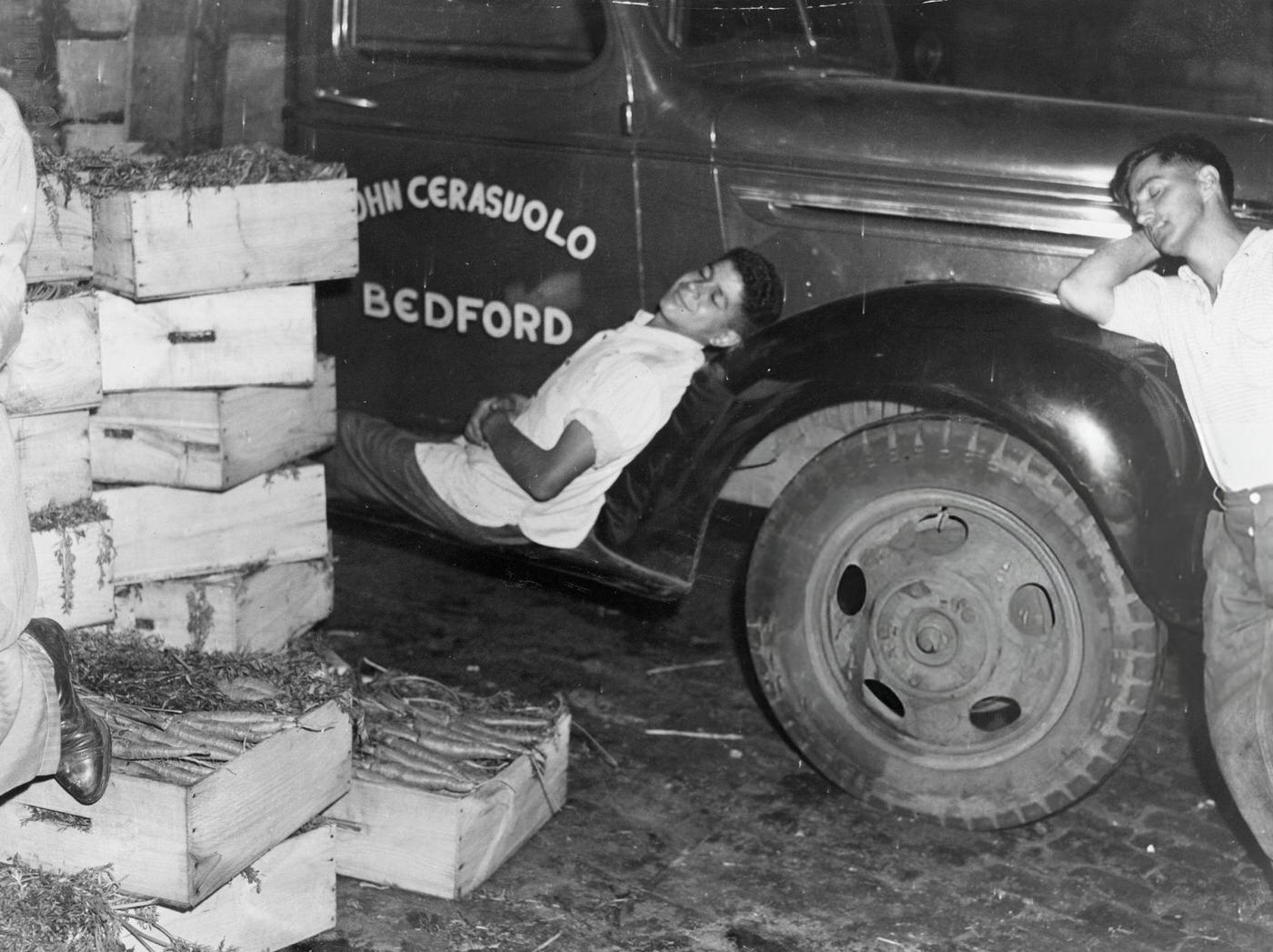
Daily commerce carried on across the city’s market districts. Horses still appeared in the streets near Faneuil Hall and Dock Square in 1948, working alongside motorized trucks in the market district. The area around Dock Square mixed old and new Boston — cobblestone alleys, historic brick buildings, and vendors hustling in all weather.
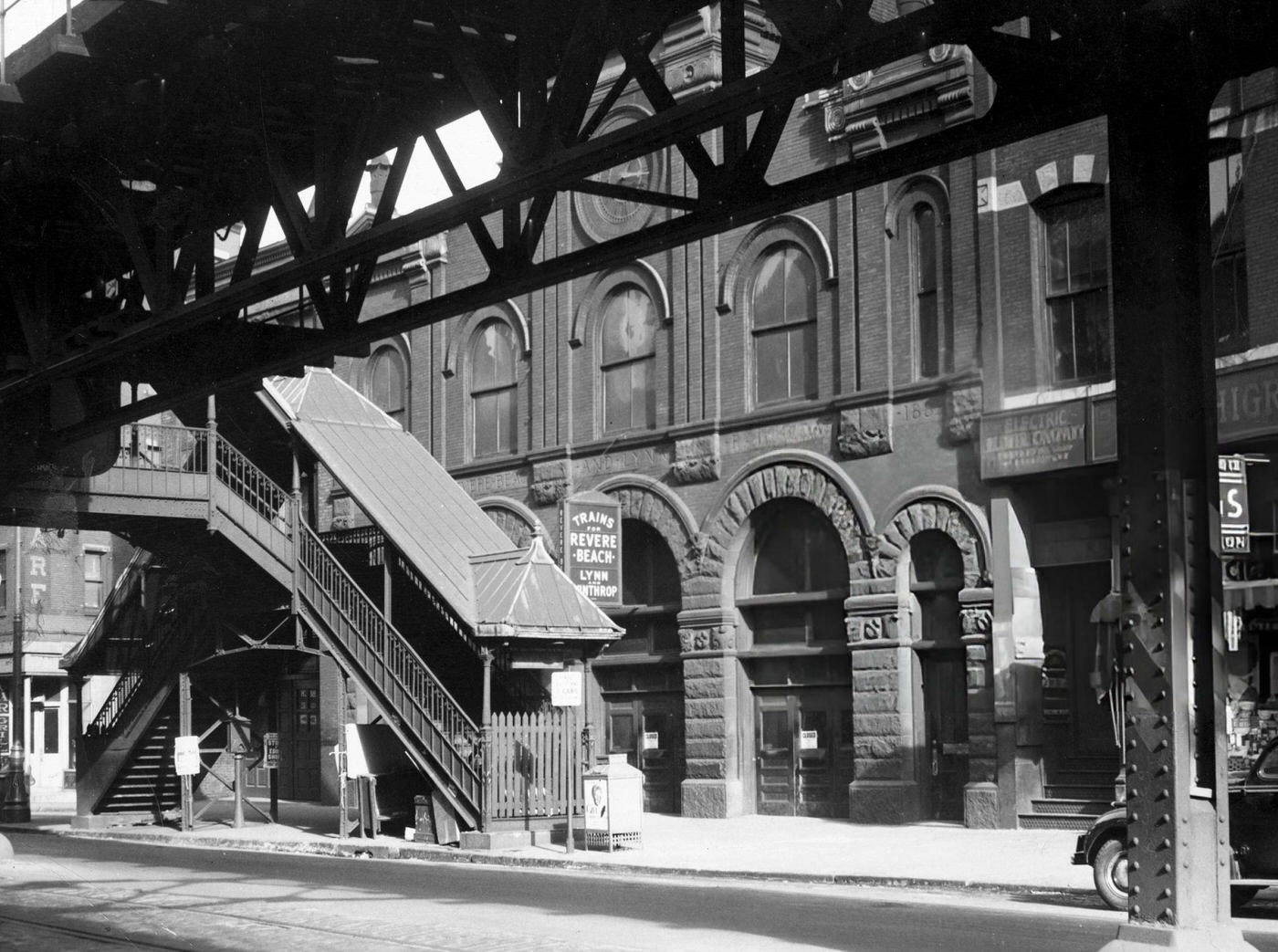
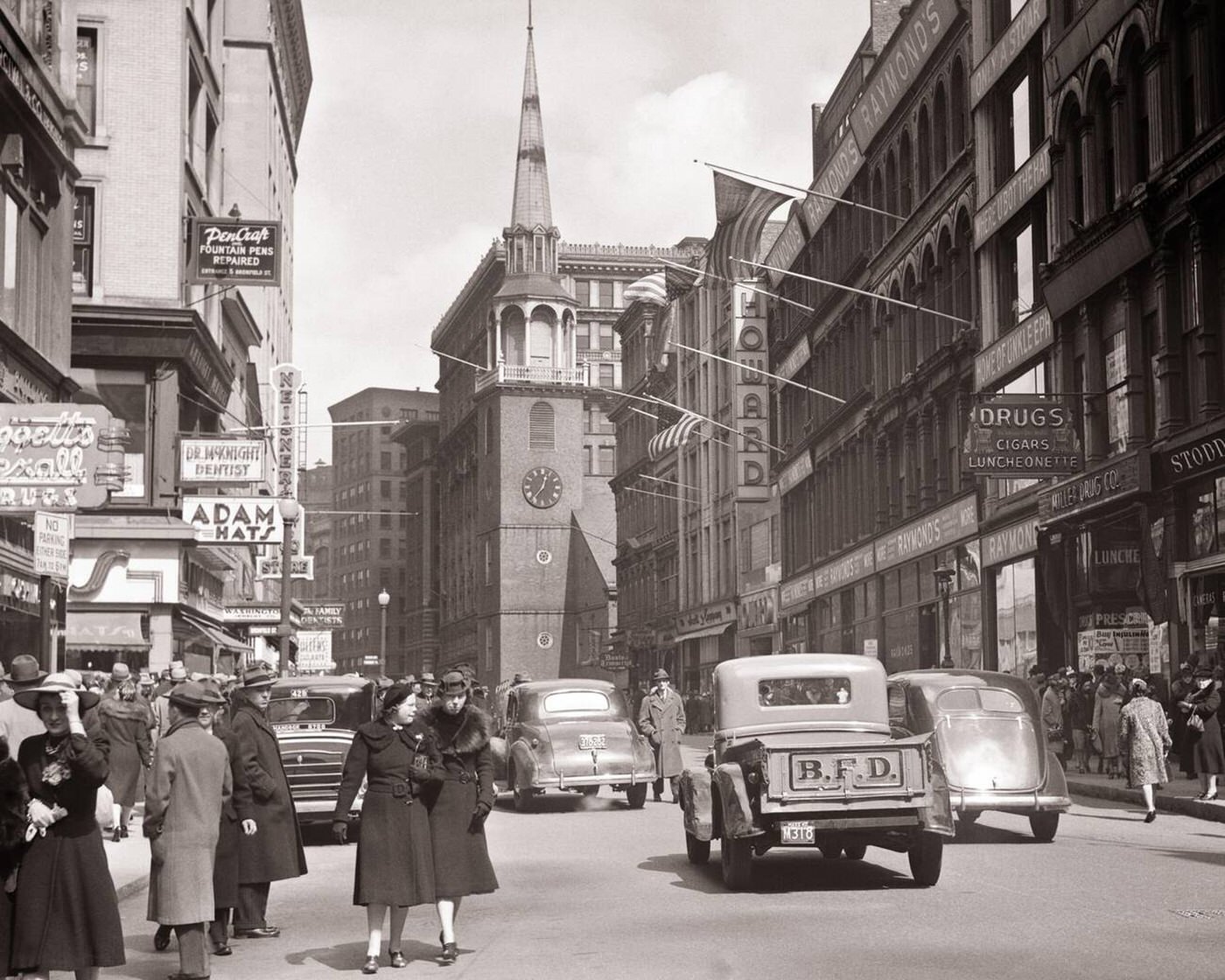
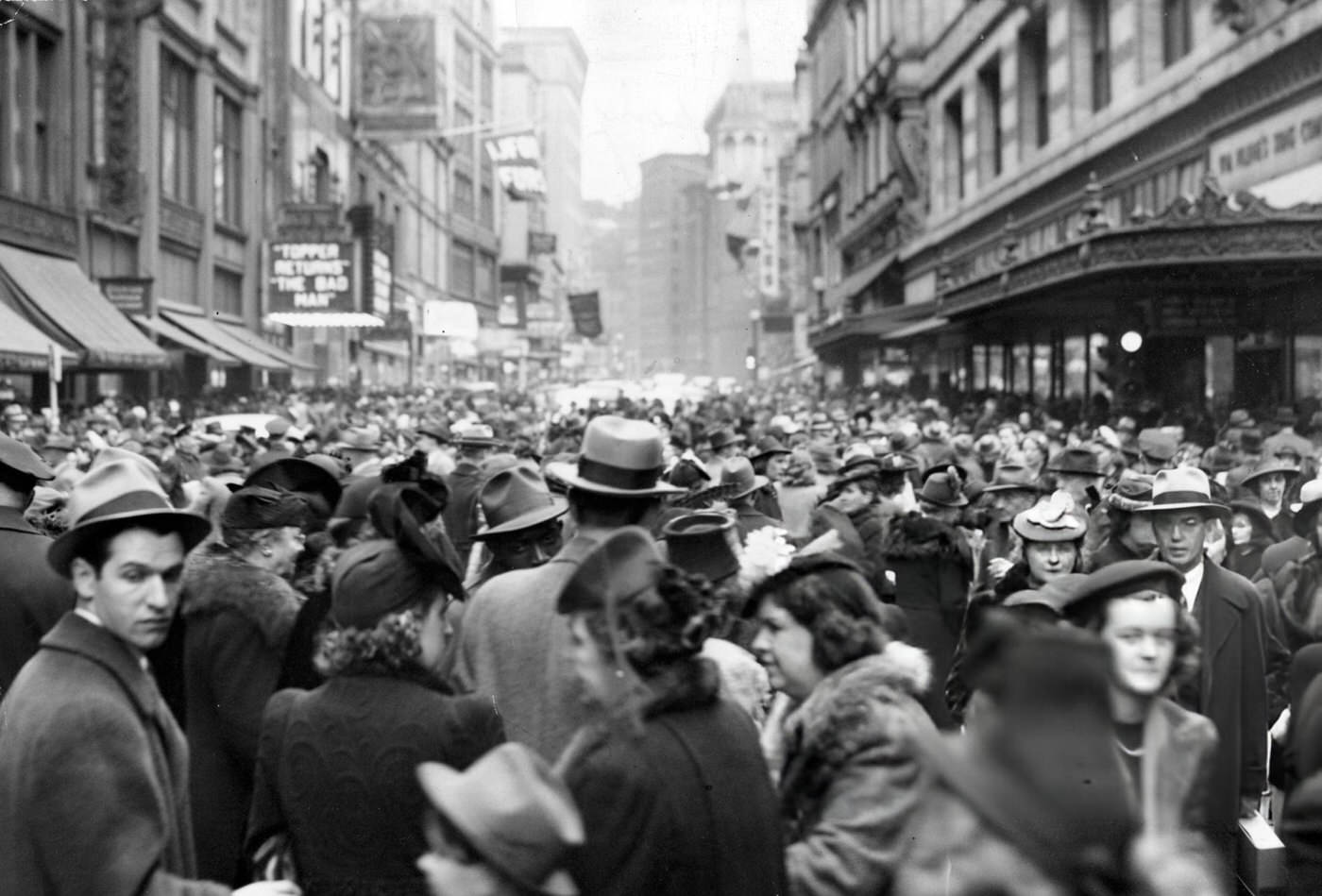
Washington Street was one of the busiest corridors in the city. Shoppers crowded the sidewalks around Washington and Summer Streets for Easter shopping in 1941. Trolleys from the Boston Elevated Railway connected neighborhoods like Dorchester, Roxbury, and Jamaica Plain to the commercial center. On busy days, the streets were a wall of people, vehicles, and noise.
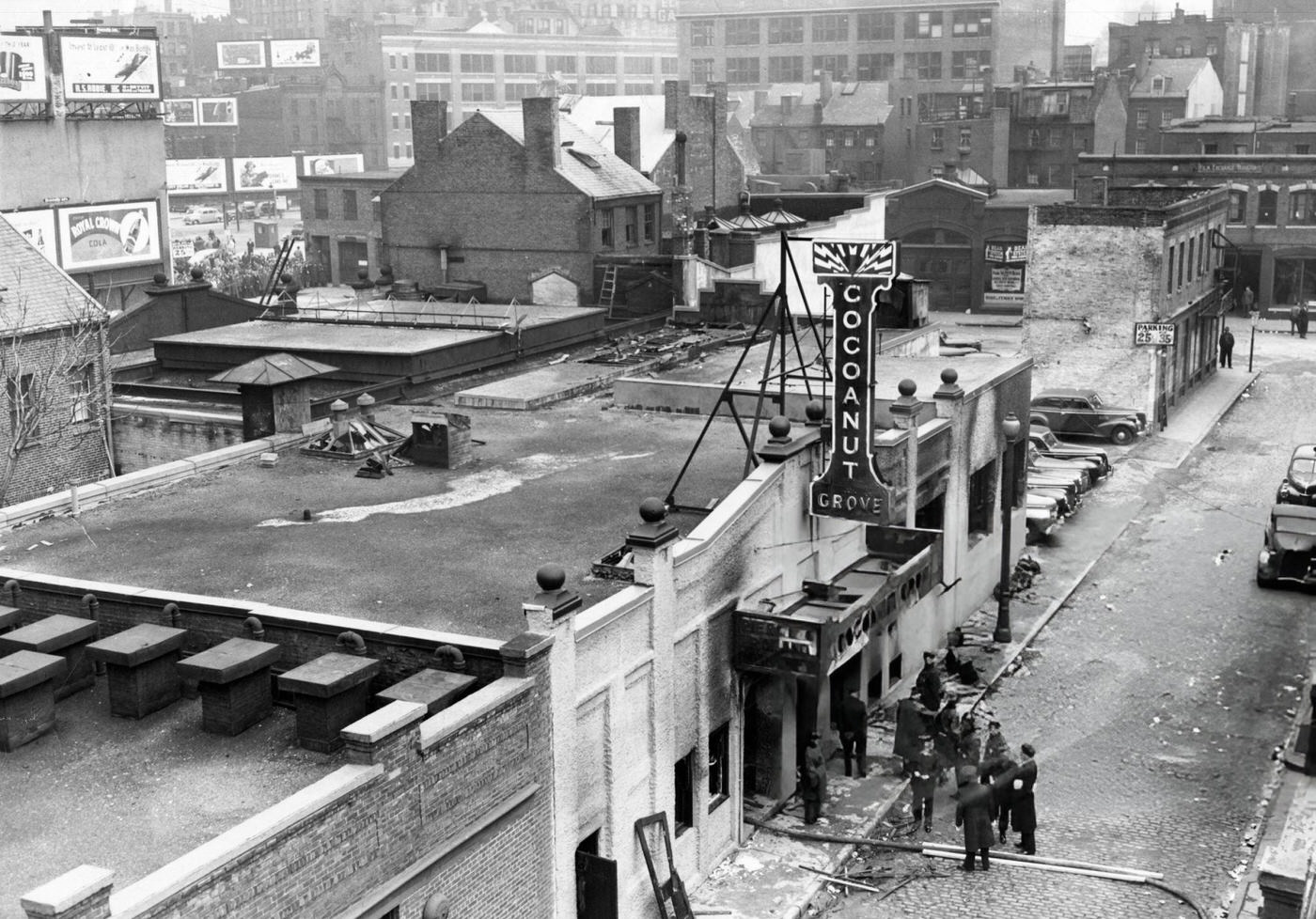
Not all of Boston’s 1940s stories were about the war or commerce. On November 28, 1942, a fire broke out at the Cocoanut Grove nightclub. It killed 492 people and injured hundreds more, making it one of the deadliest nightclub fires in American history. The disaster exposed serious failures in building safety and fire codes, and it changed how cities across the country approached crowd capacity laws.
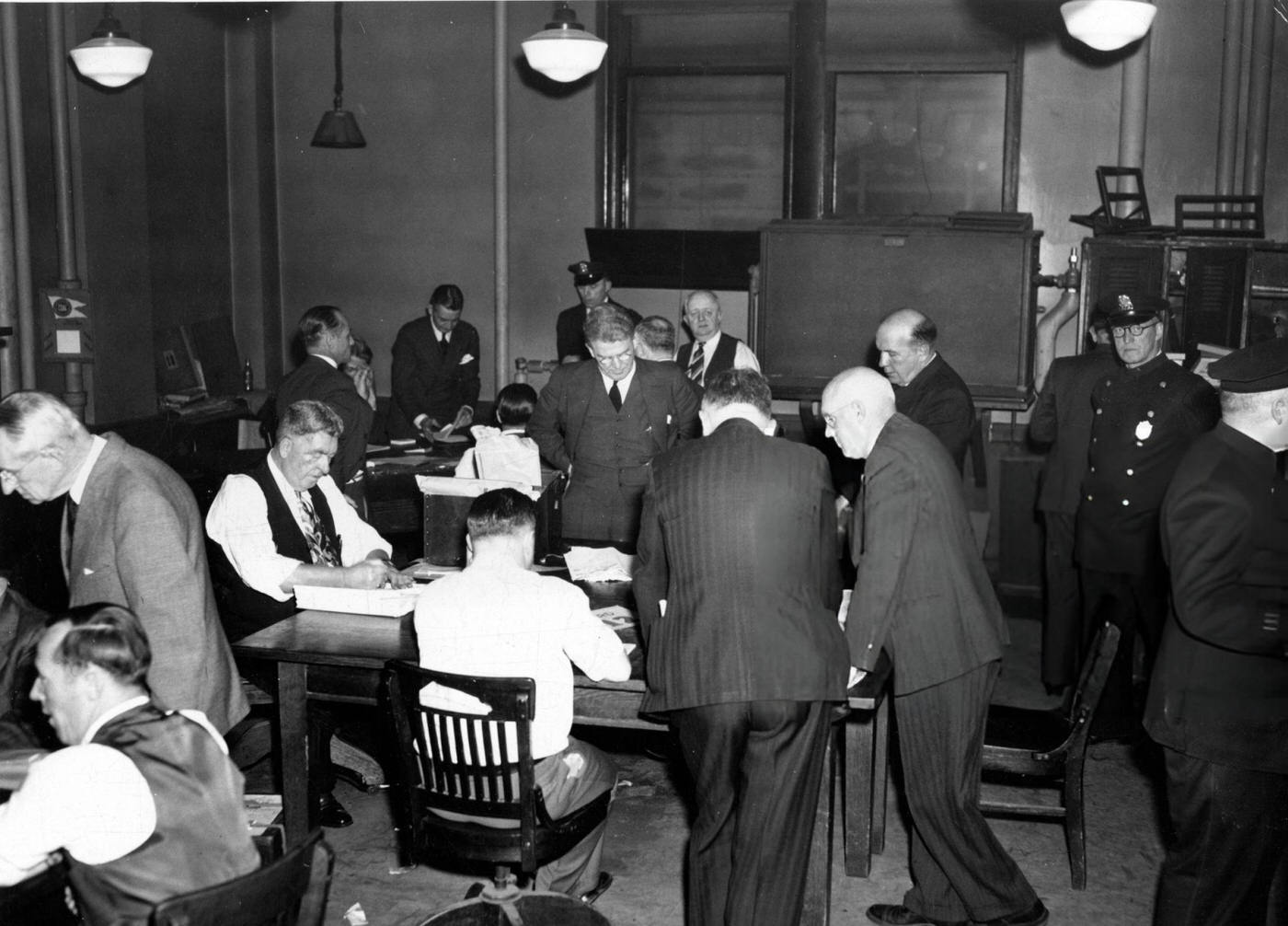
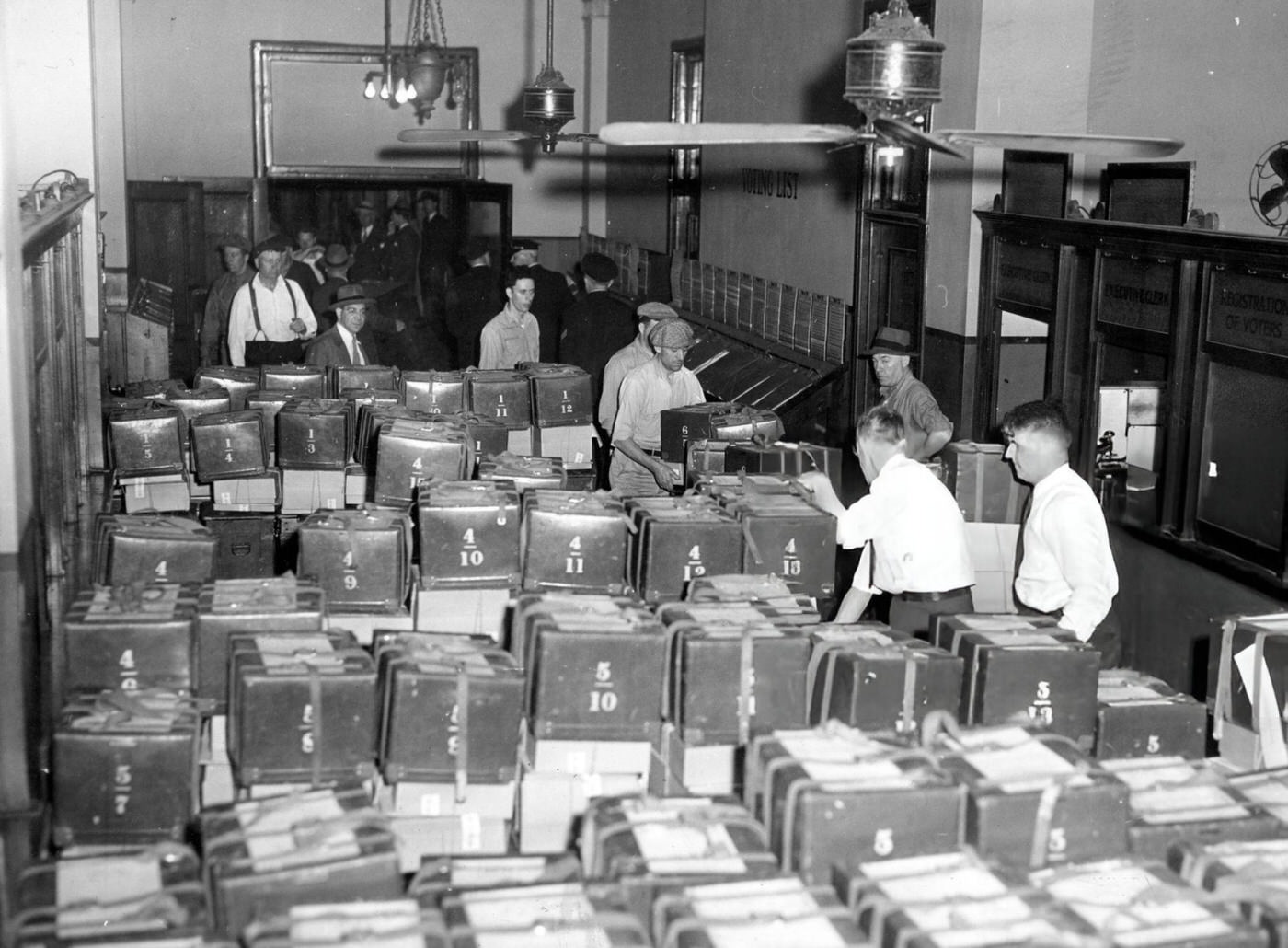
City elections and civic life continued through the decade. In 1942, a congressional recount between William A. Carey and Christian A. Herter played out at Boston City Hall. By 1946, election officials were coordinating ballot distribution from the City Hall Annex with police officers and truck drivers standing by. Boston’s political culture was always loud, contested, and closely watched.
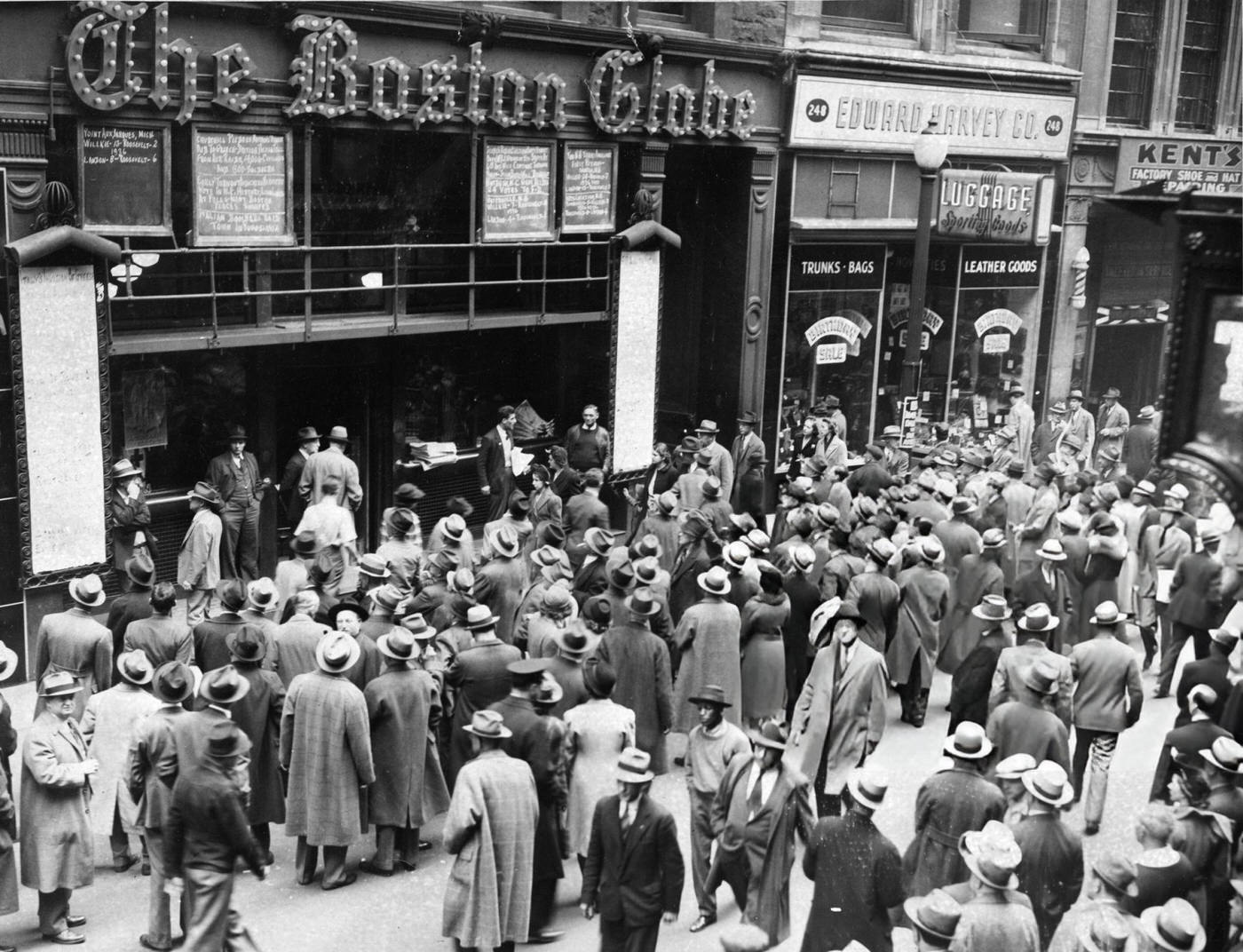
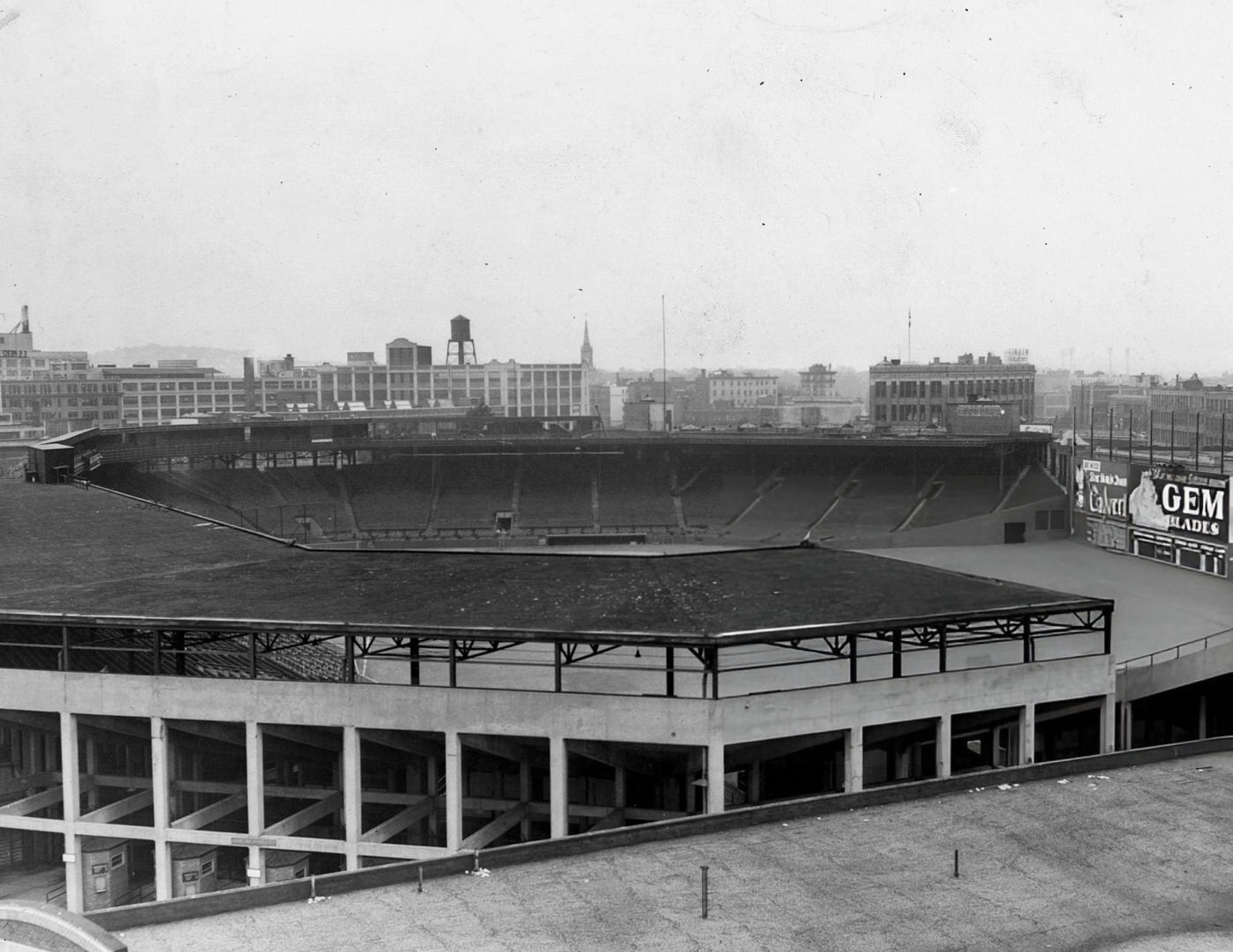
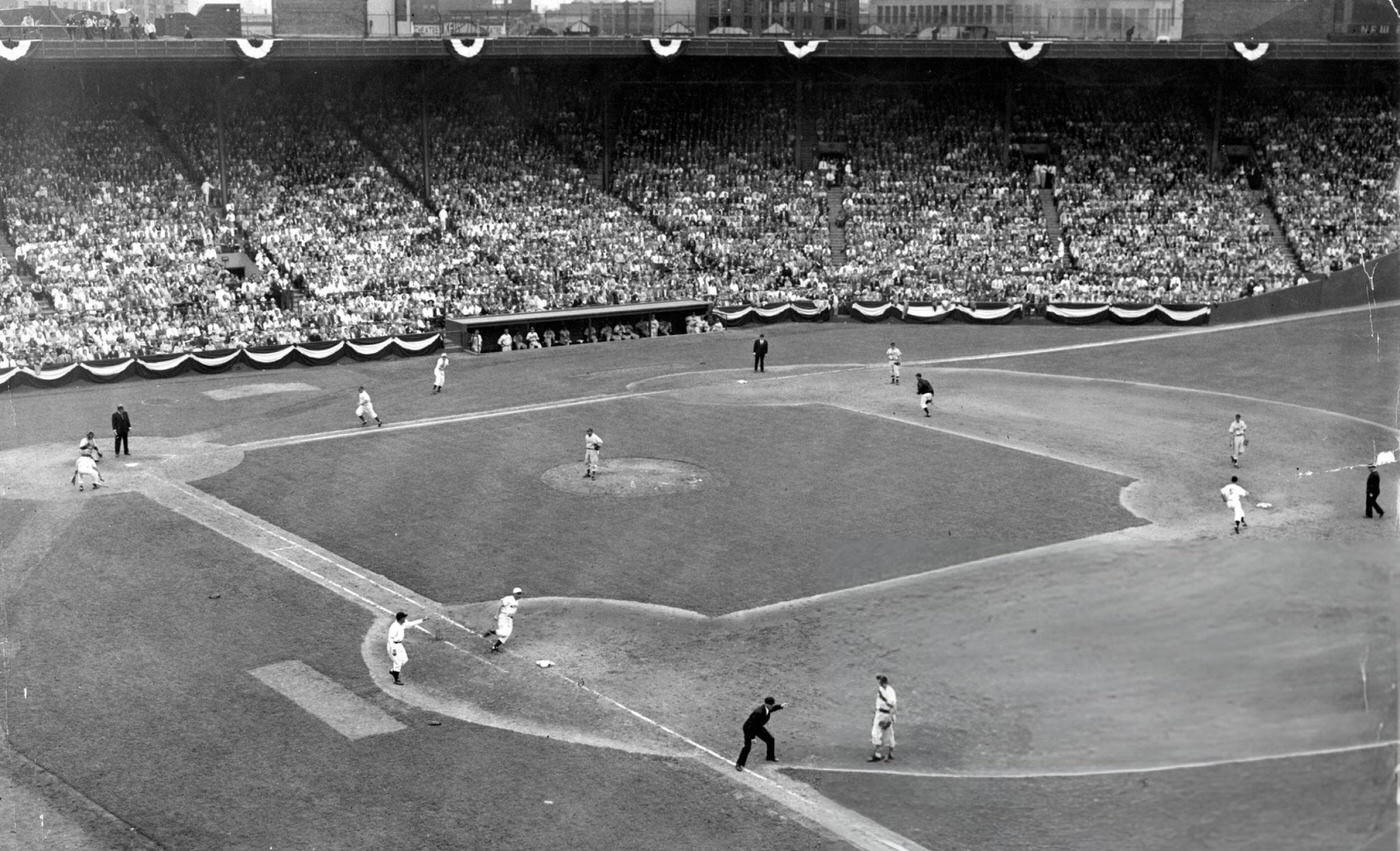
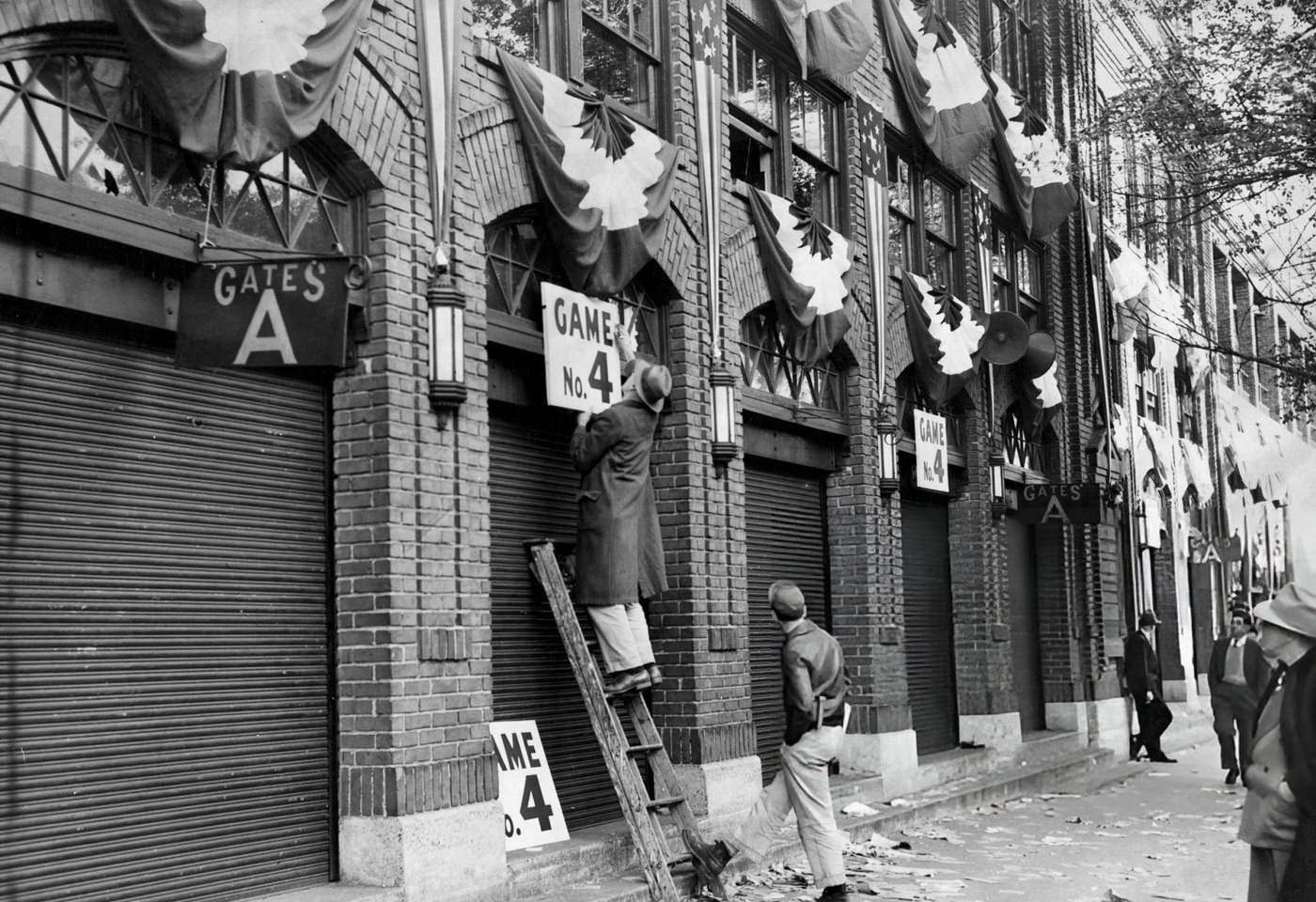
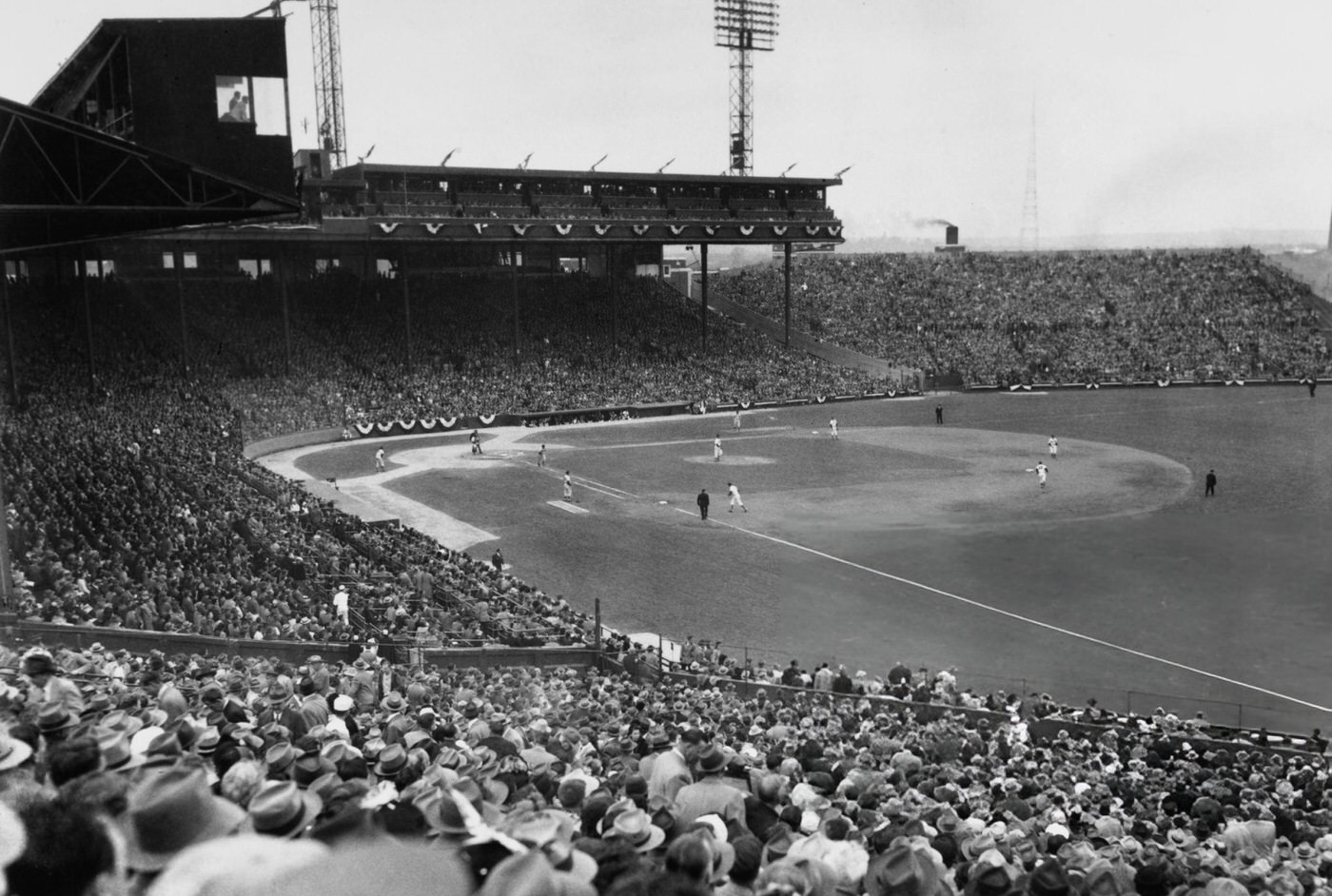
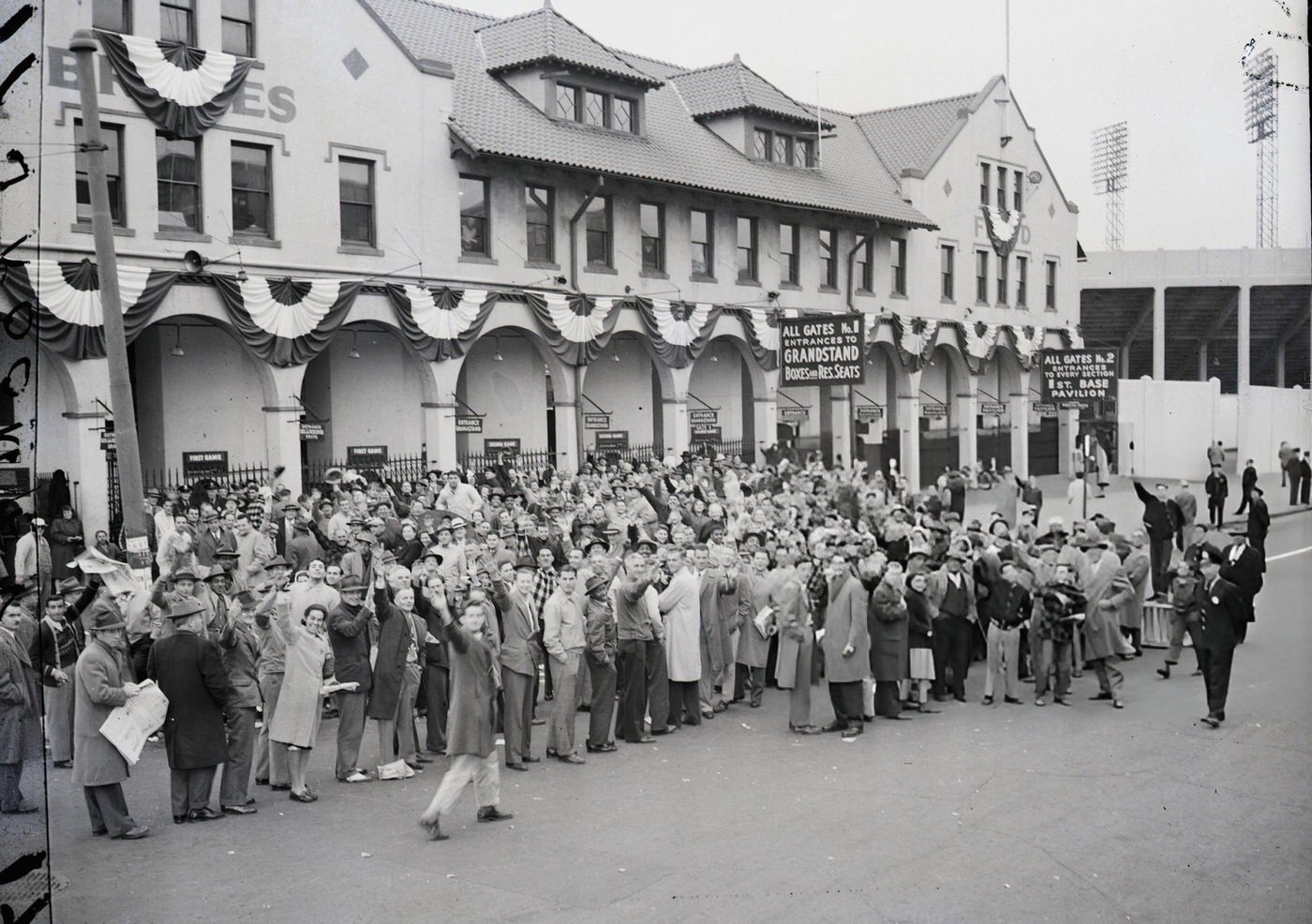
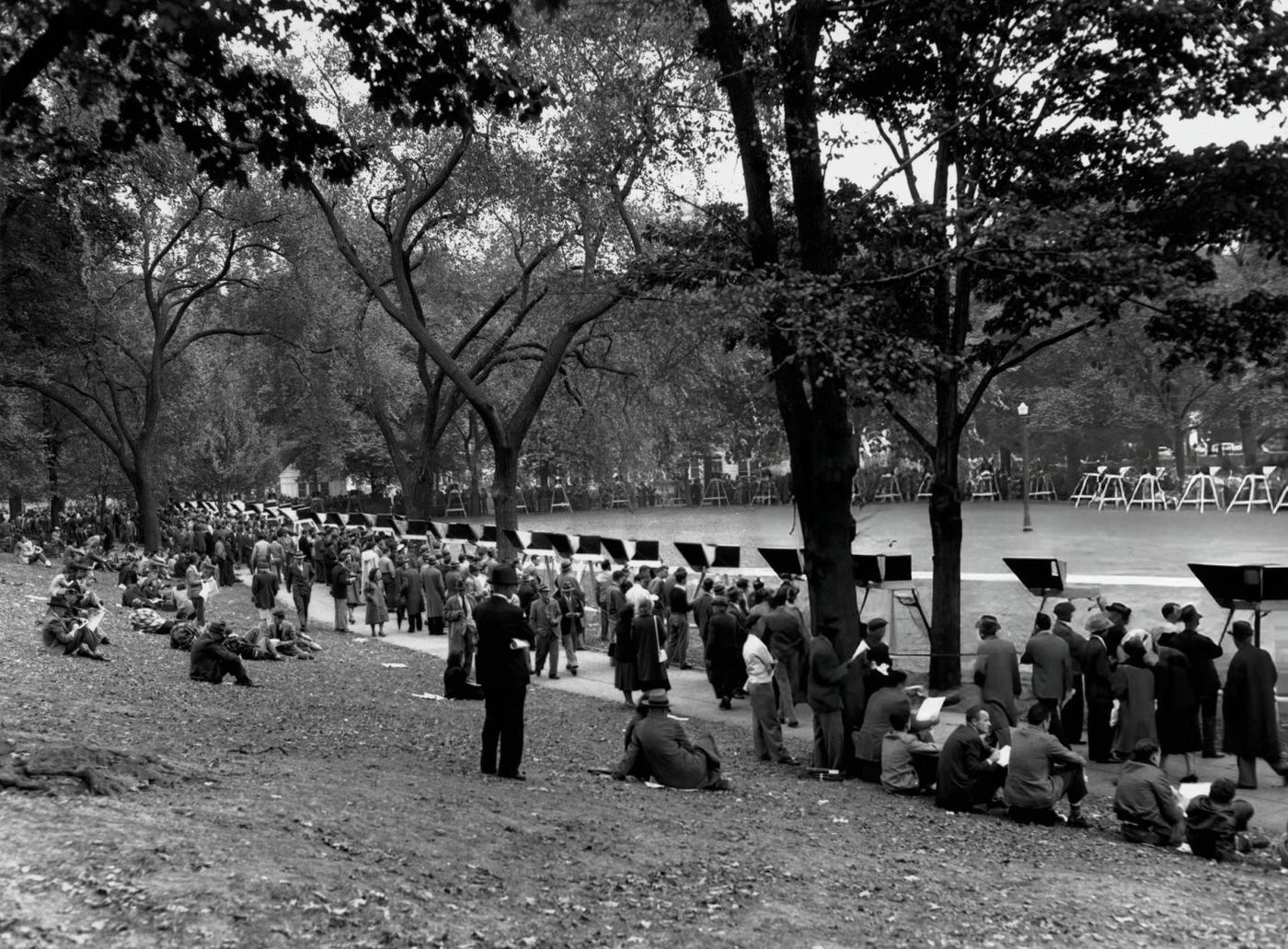
Sports gave the city something to rally around. Fenway Park kept drawing fans even during the war years, and when Ted Williams returned from his service as a Marine pilot, the reception was enormous. The 1946 MLB All-Star Game was held at Fenway. The 1948 World Series brought even more excitement, with the Boston Braves facing the Cleveland Indians. Fans jammed Braves Field and crowds gathered on Boston Common to watch the games on outdoor television sets.
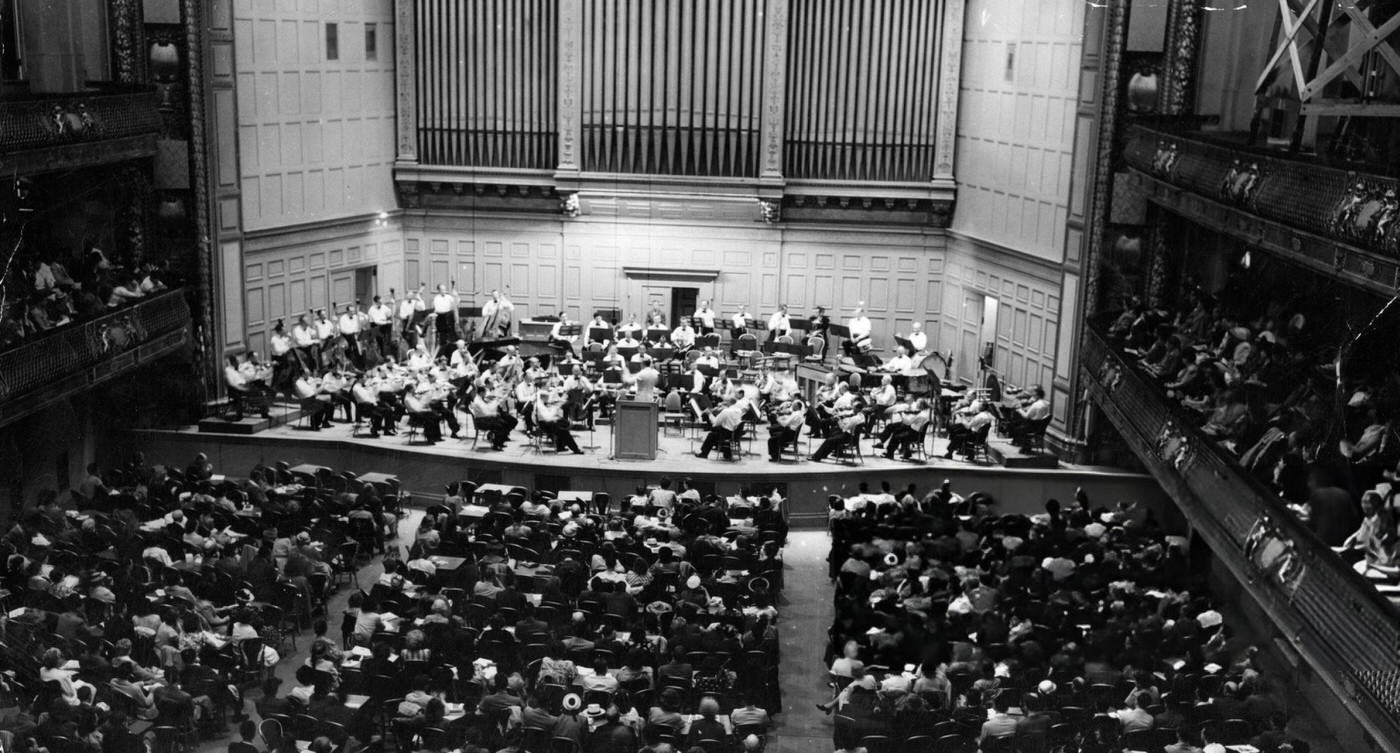
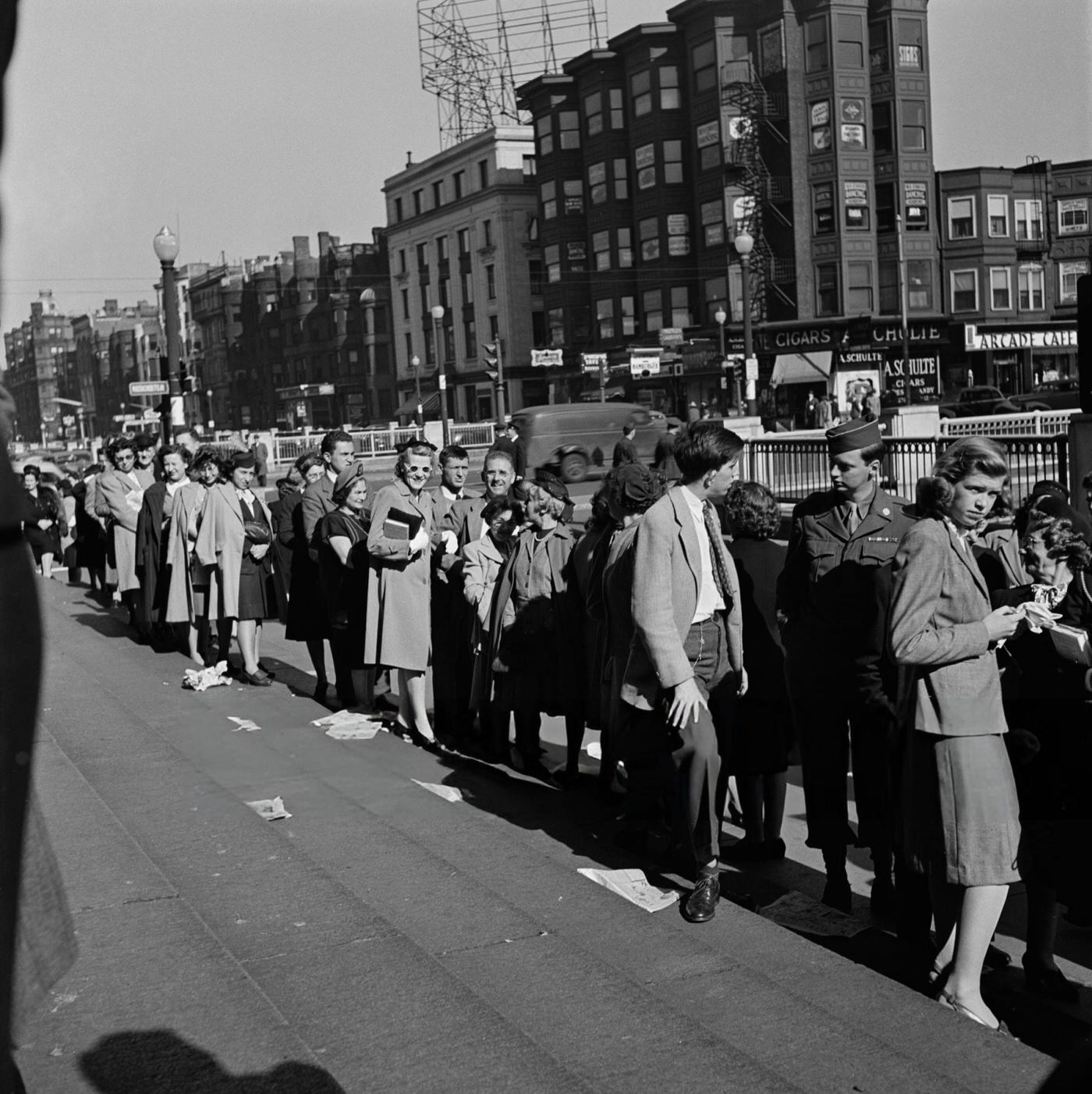
Culture and the arts kept their footing throughout the decade. Symphony Hall staged performances through the war years, offering a break from rationing and grim headlines. By 1948, long lines formed outside the hall before concerts. The Esplanade Concerts, normally held outdoors, moved to Symphony Hall that year due to weather, drawing a packed opening night crowd for their 20th season.
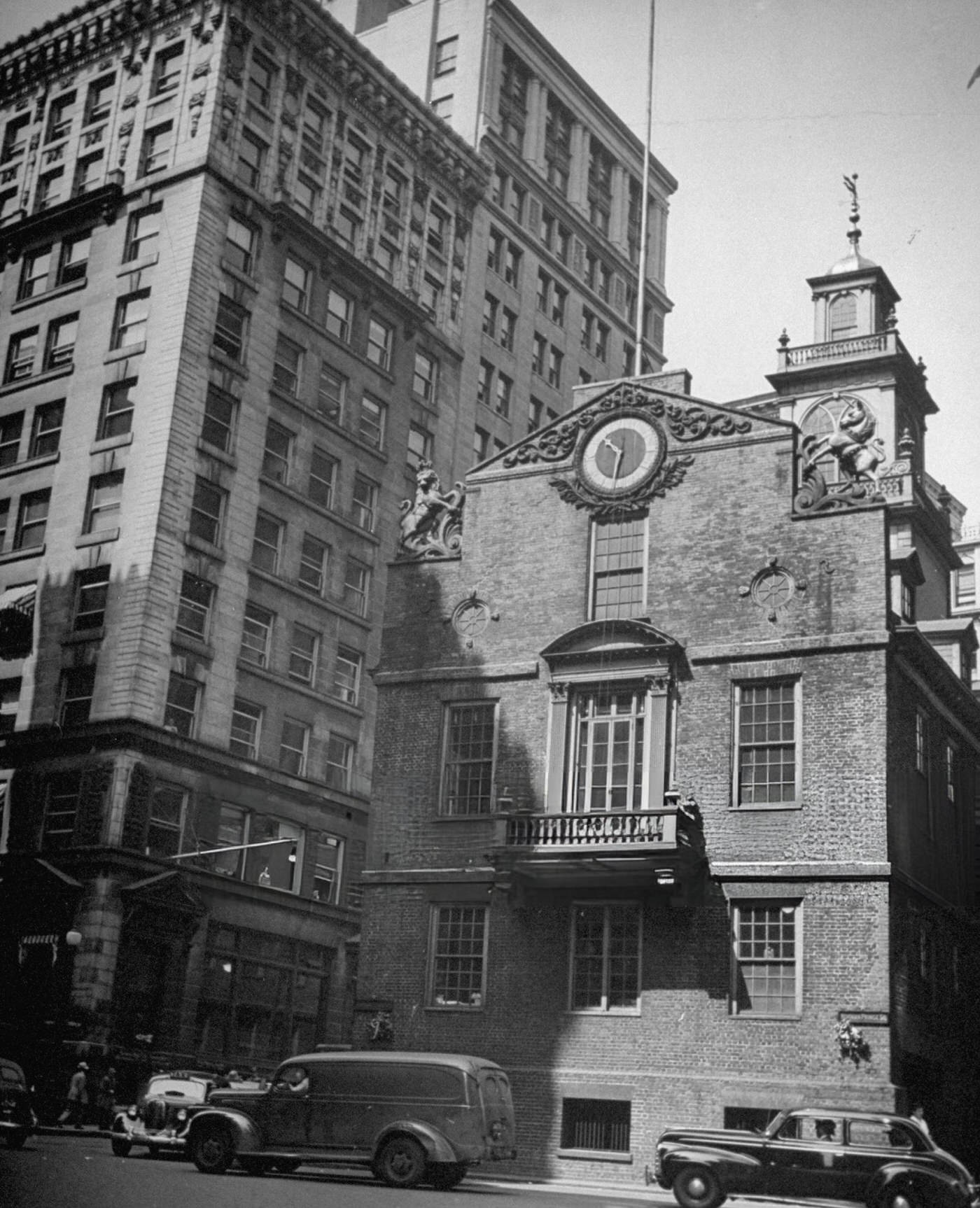
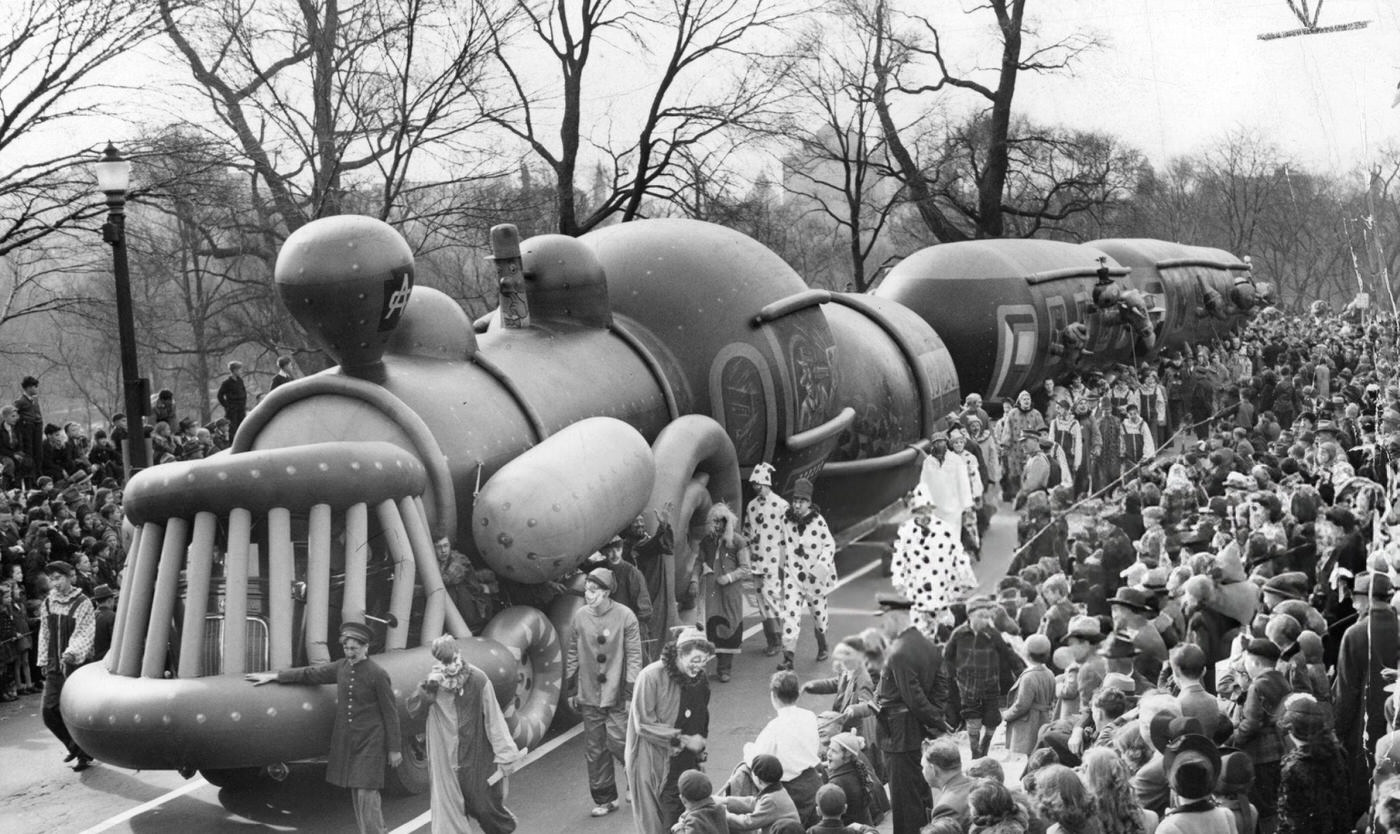
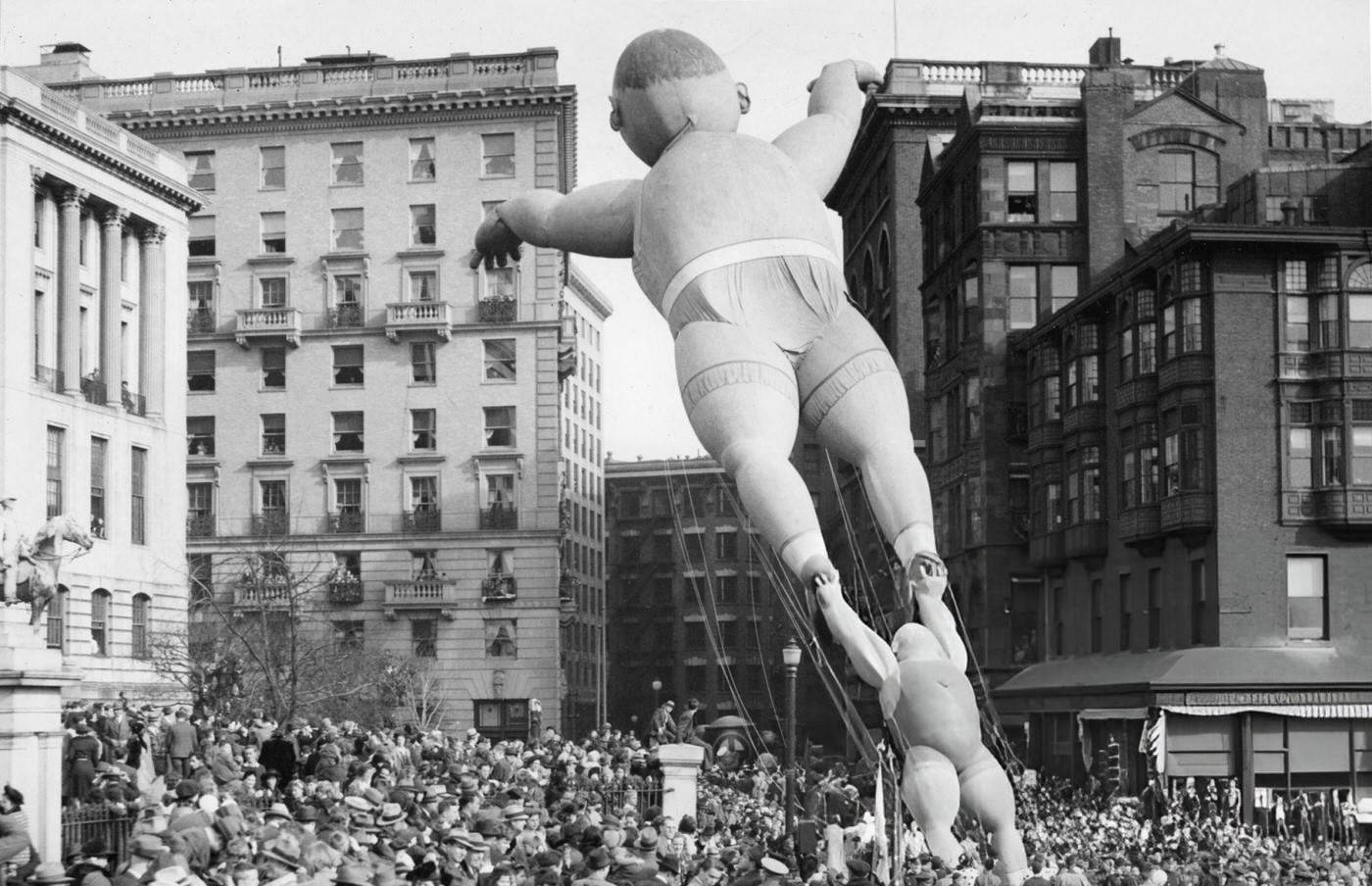
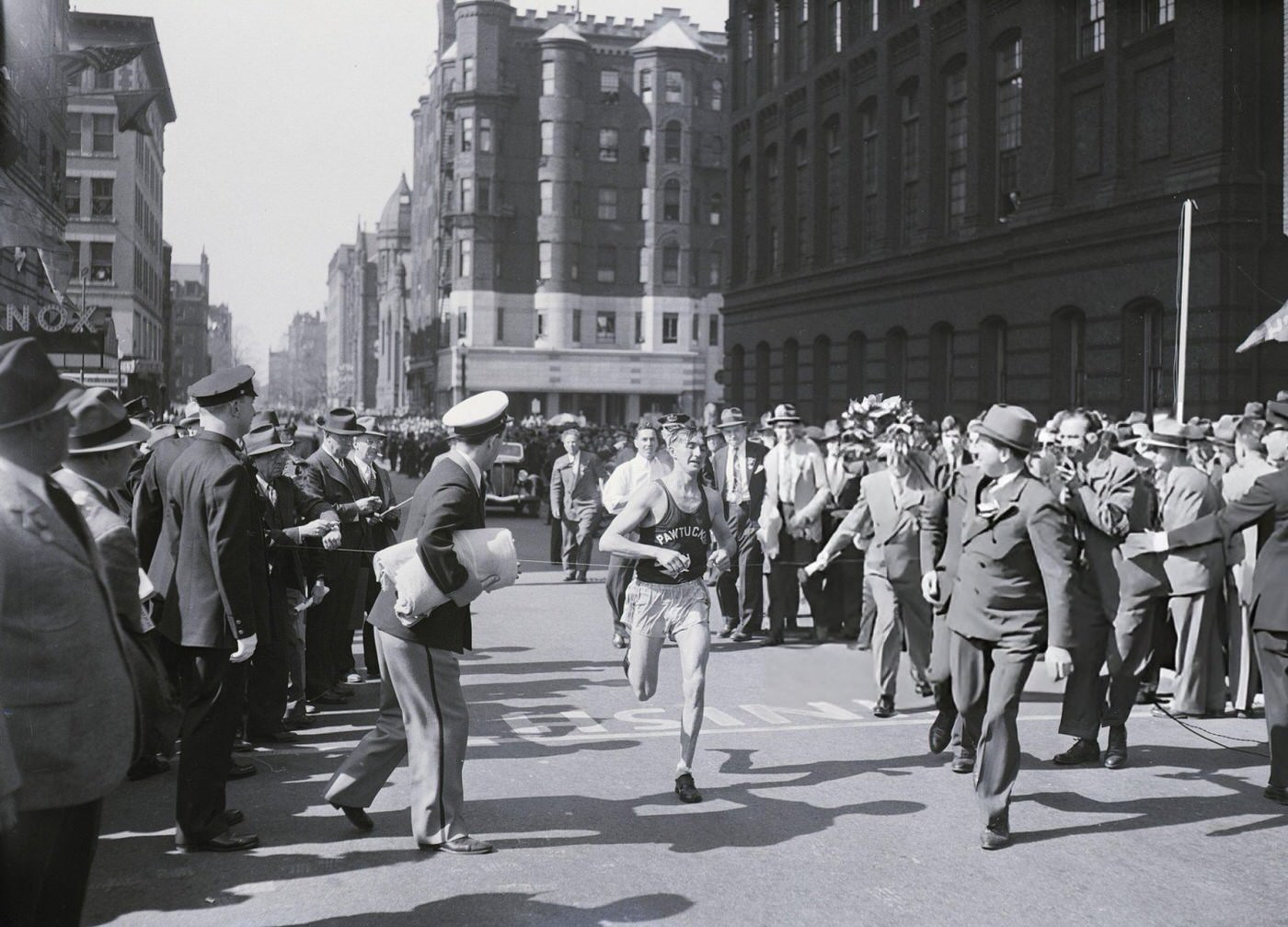
Public celebrations, parades, and community events gave neighborhoods a shared rhythm. The annual Santason parade in 1941 sent giant balloons — including a train balloon and acrobat figures — floating along Beacon Street and past the Massachusetts State House. The Boston Marathon continued to run, with Leslie Pawson crossing the finish line in 1941 to claim his third title.
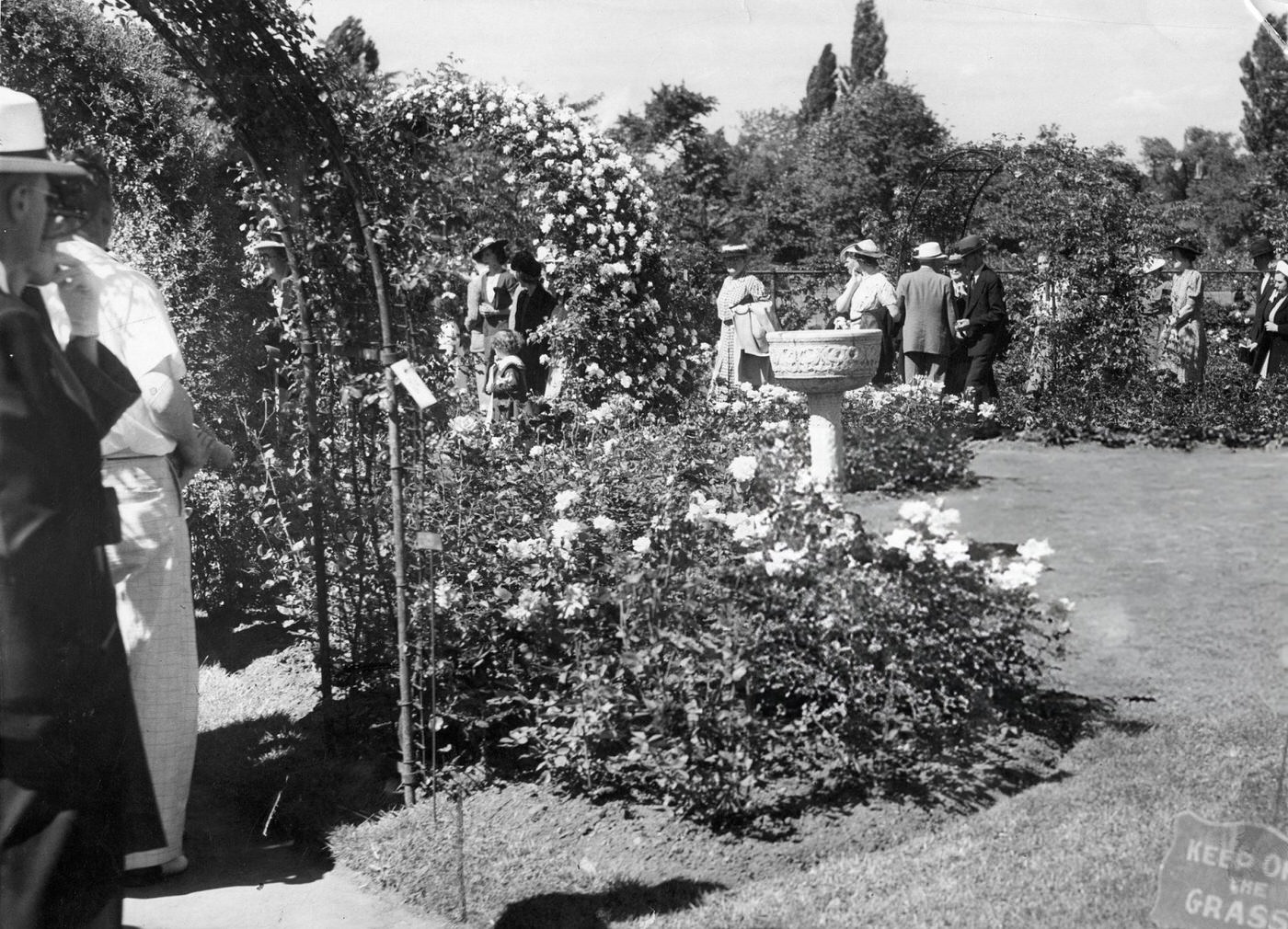
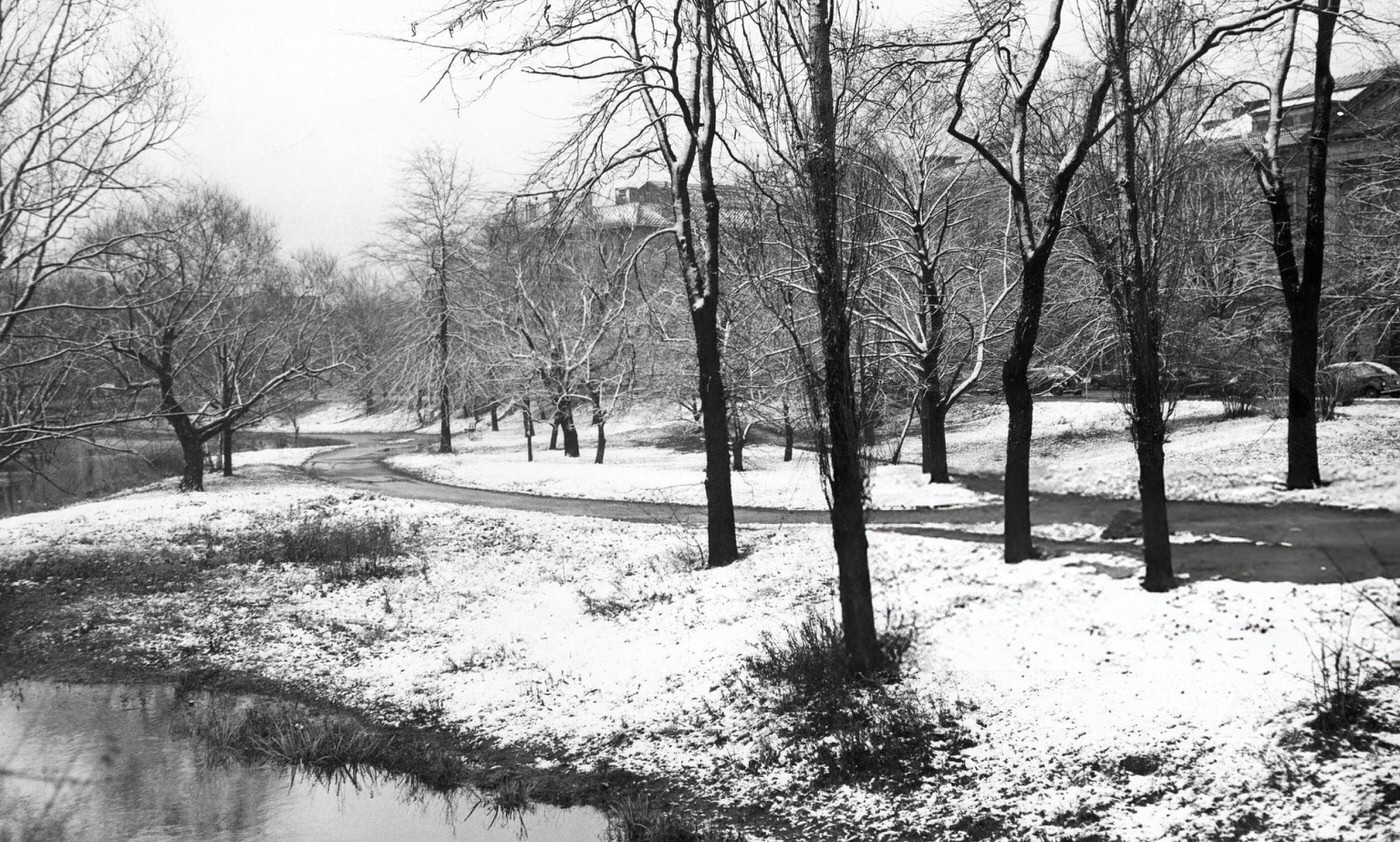
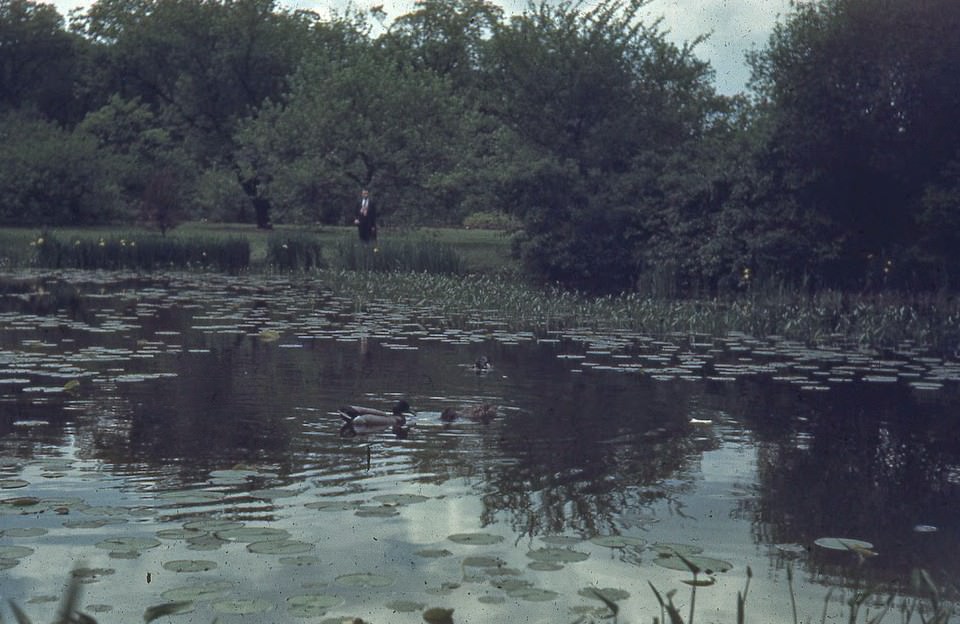
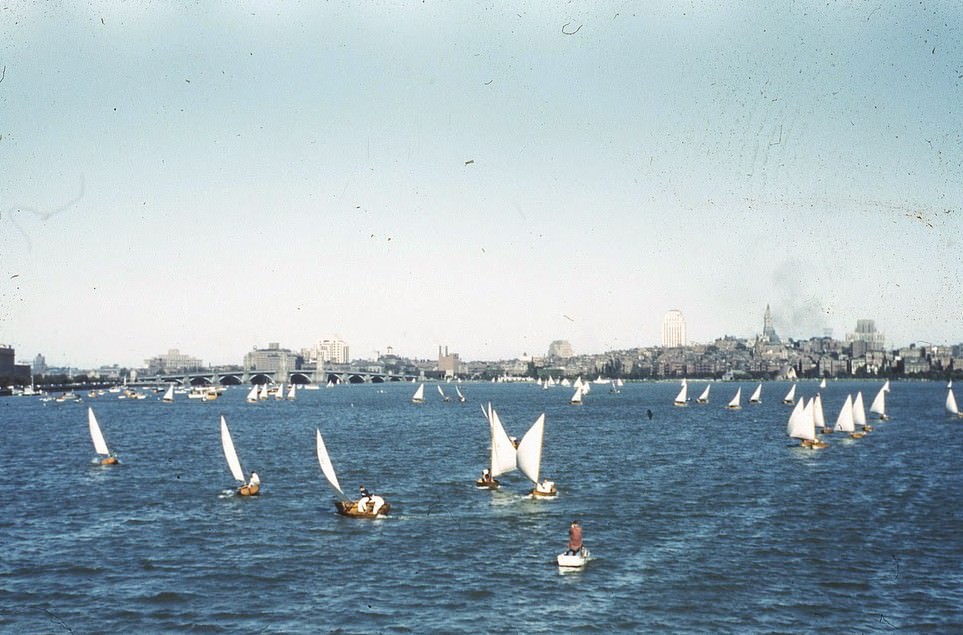
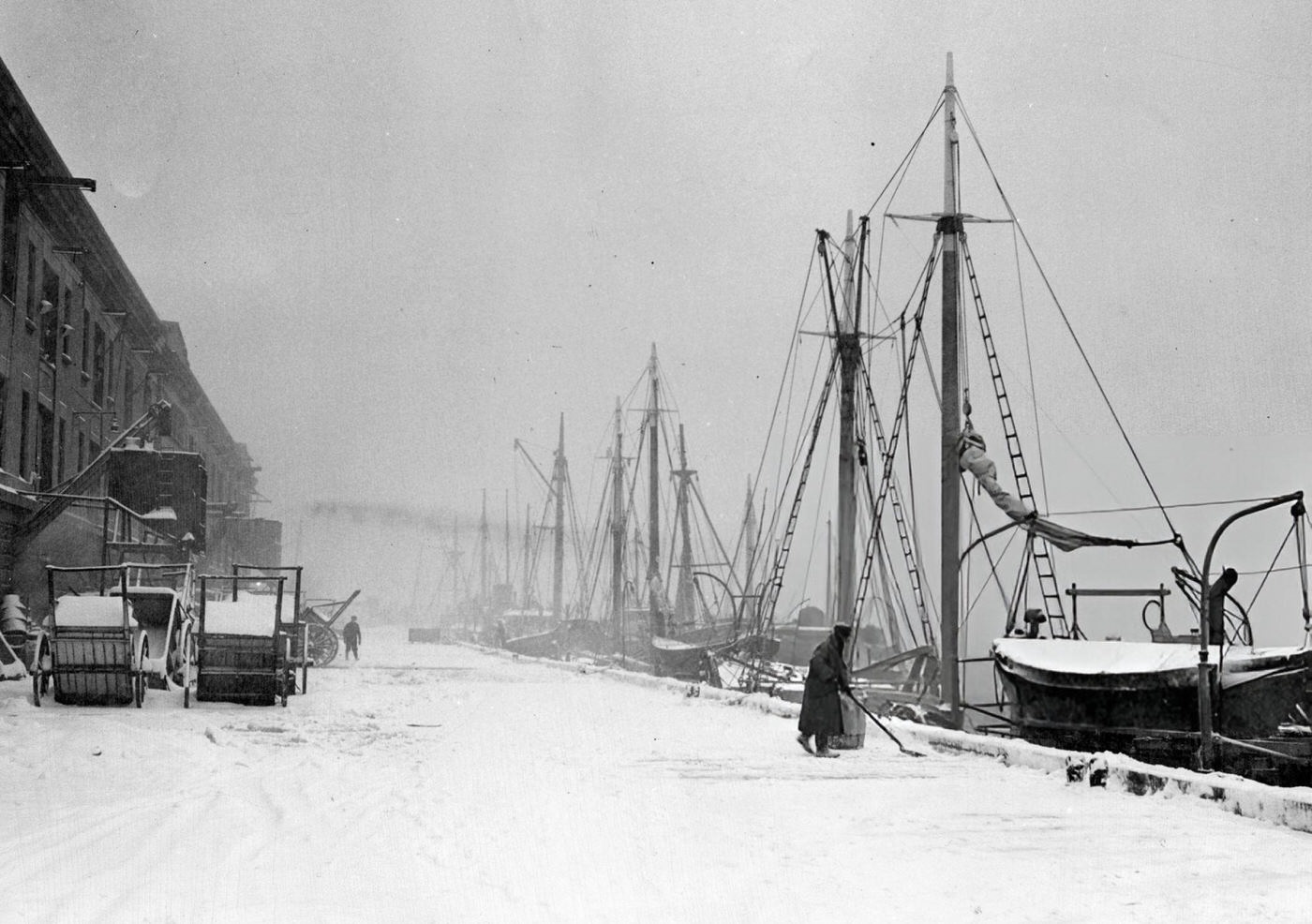
Green spaces offered a different kind of relief from the city’s grind. The Back Bay Fens drew crowds for Rose Sunday in 1940, when the blooms brought hundreds of visitors. Arnold Arboretum remained a quiet retreat, and the Charles River saw sailboats on calmer days. In winter, snow blanketed these same spaces, and workers kept essential areas like Fish Pier cleared and functional.
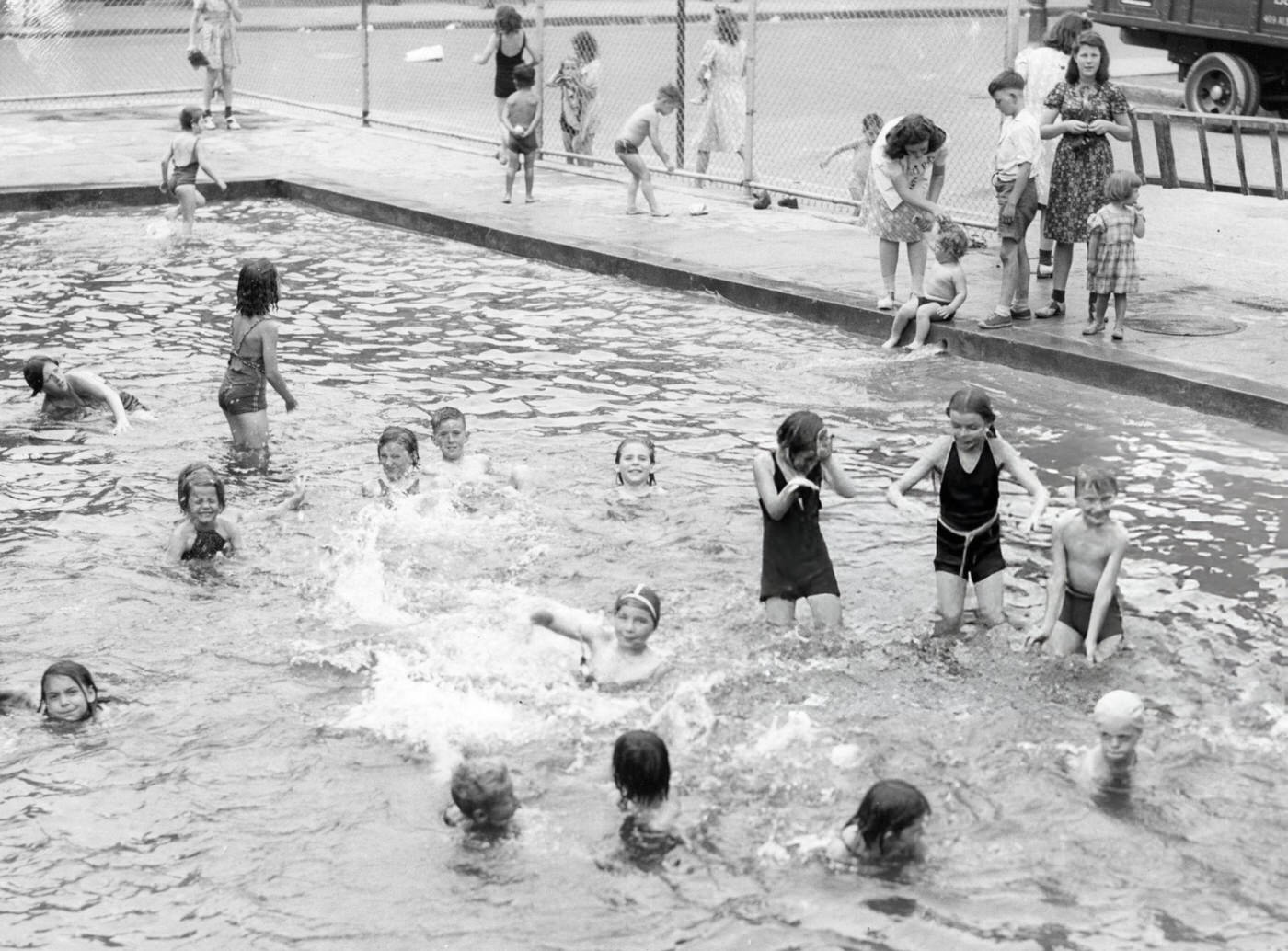
Summer in the South End meant wading pools. In 1940, children used the pool on Harrison Avenue as a way to beat the heat in a dense urban neighborhood. Nearby, the North End’s narrow alleys were filled with kids playing stickball, the smell of fresh bread drifting from Italian bakeries mixing with the smell of delivery truck exhaust.
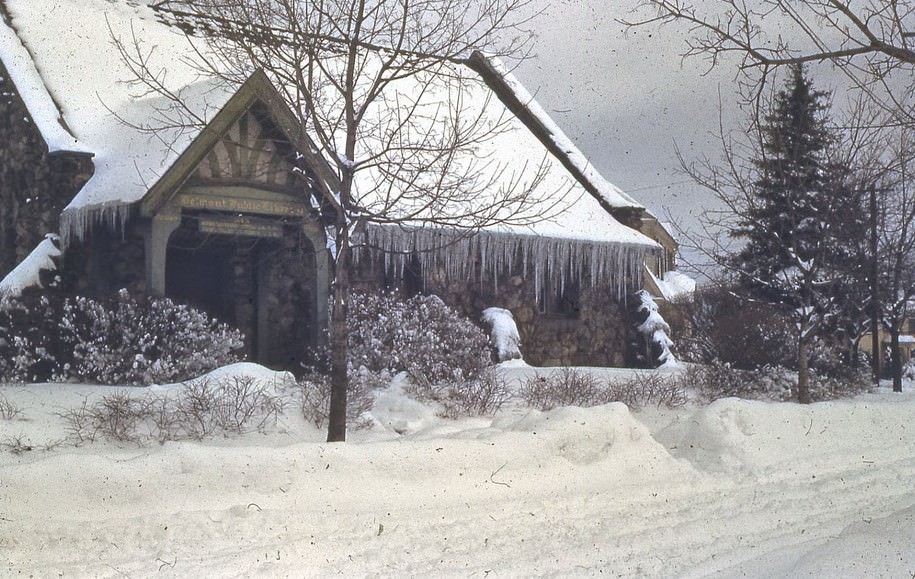
The Back Bay’s brownstone-lined streets housed professionals and students alike. Boston University and MIT students filled the neighborhood’s cafes and libraries. The Boston Public Library hosted art exhibits throughout the decade. In Belmont, just outside the city, community libraries served the growing suburban fringe.
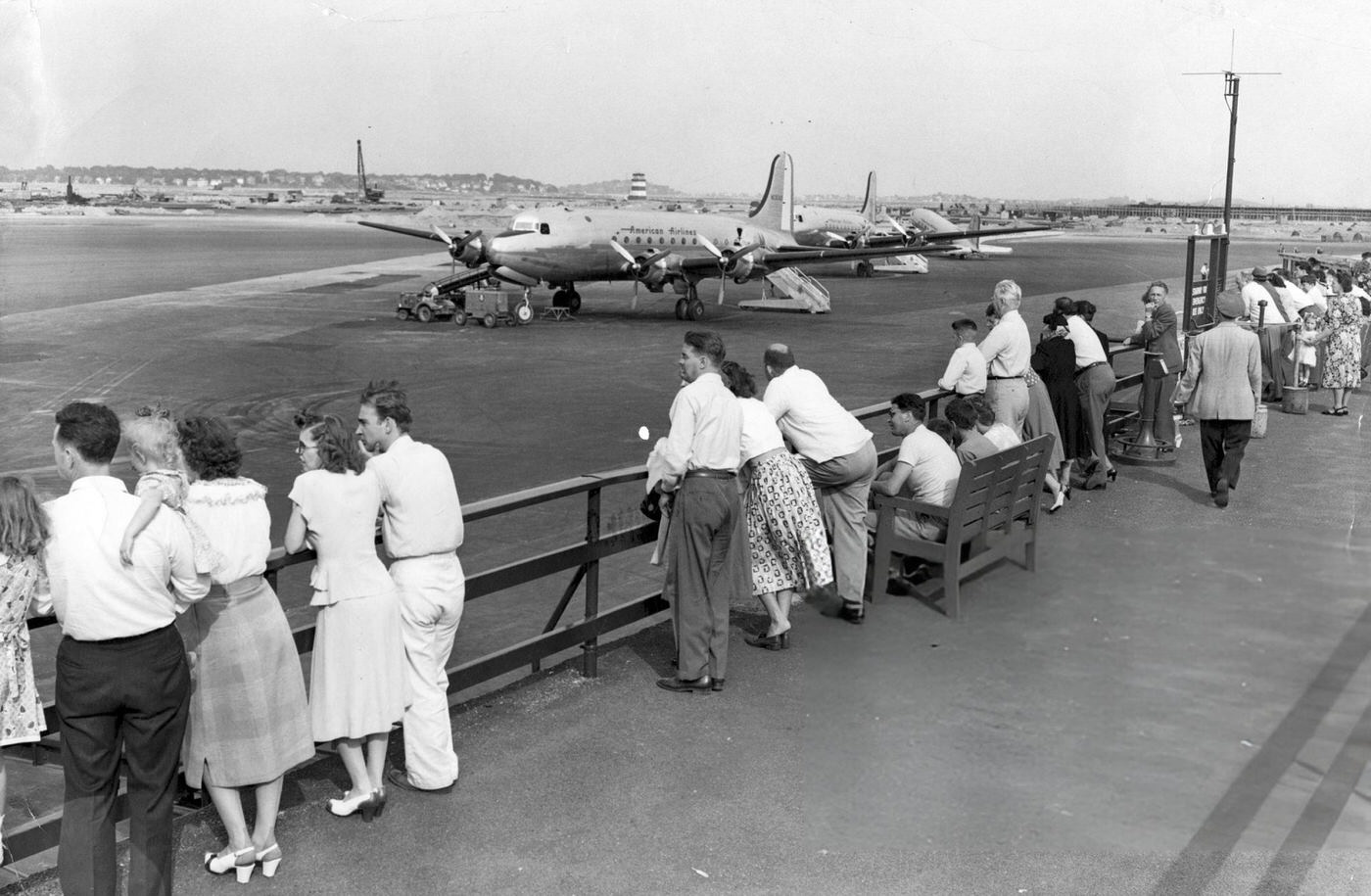
Logan International Airport was still a novelty for many Bostonians. In 1948, visitors paid a dime to watch aircraft arrive and depart from an observation area. It was a small slice of the modern world pressing up against a city that still moved by trolley, horse cart, and foot.
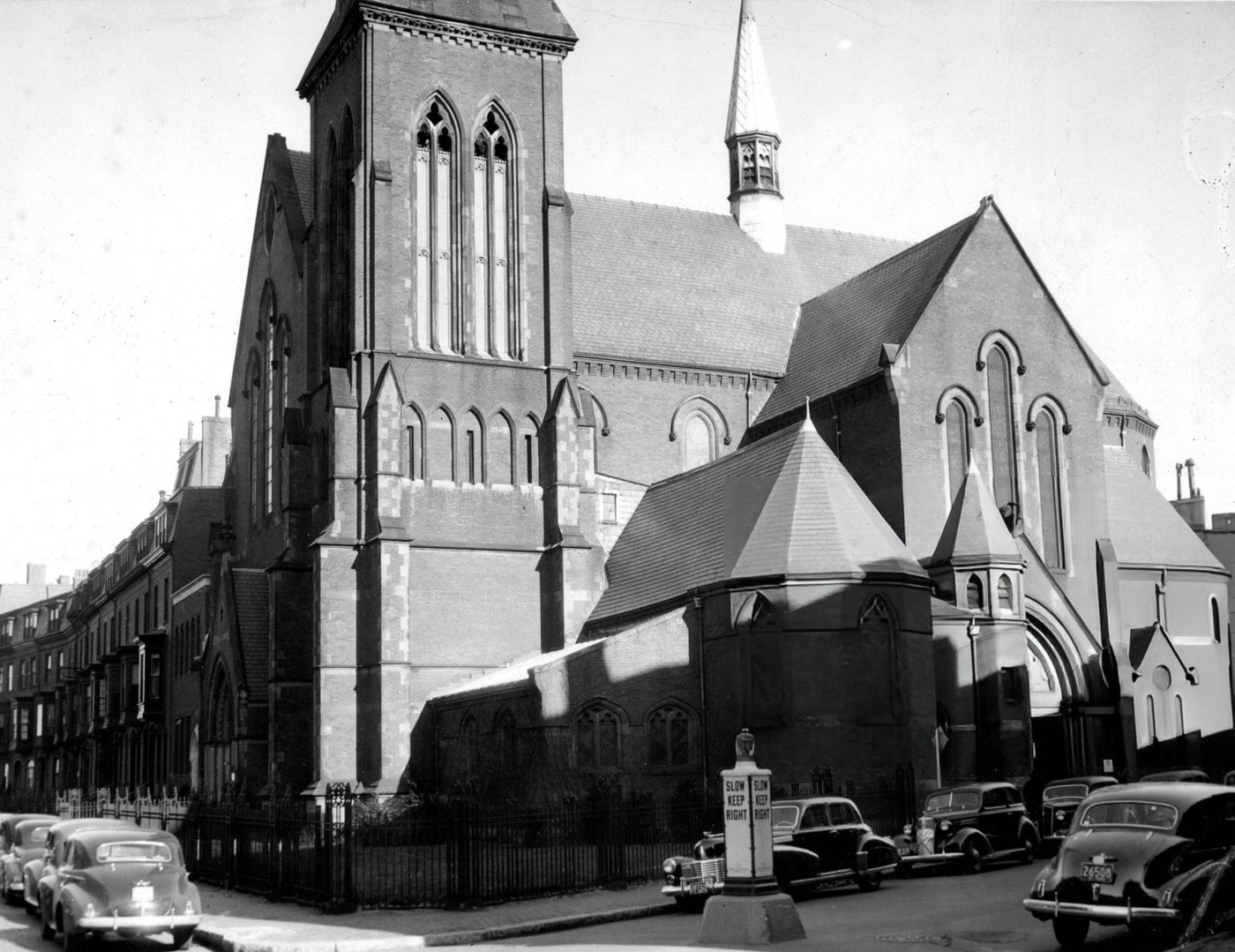
New citizens moved through the city’s civic machinery. In 1941, 450 newly naturalized Americans left South Station for Washington, D.C. Churches anchored neighborhoods — the Church of the Advent in Beacon Hill stood as a landmark of continuity. By the late 1940s, GI Bill students filled classrooms, construction crews were modernizing streets, and Boston Harbor was busy again with peacetime trade.