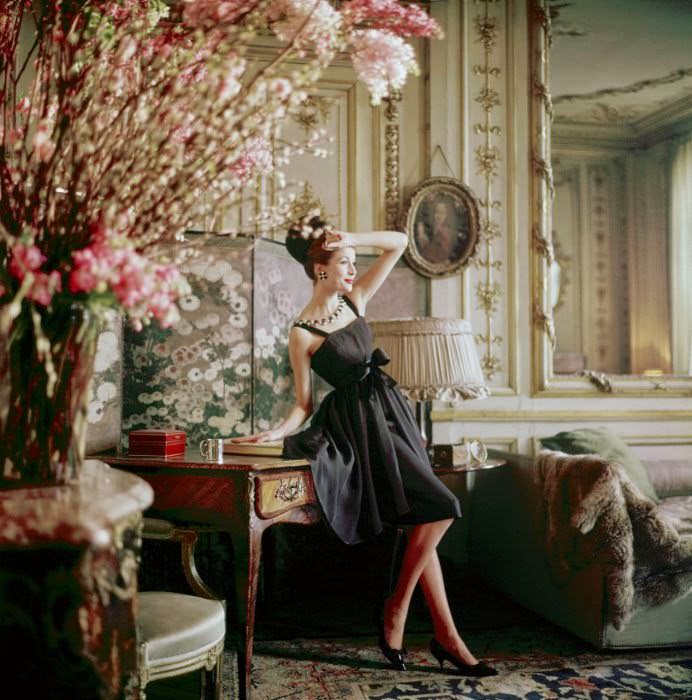
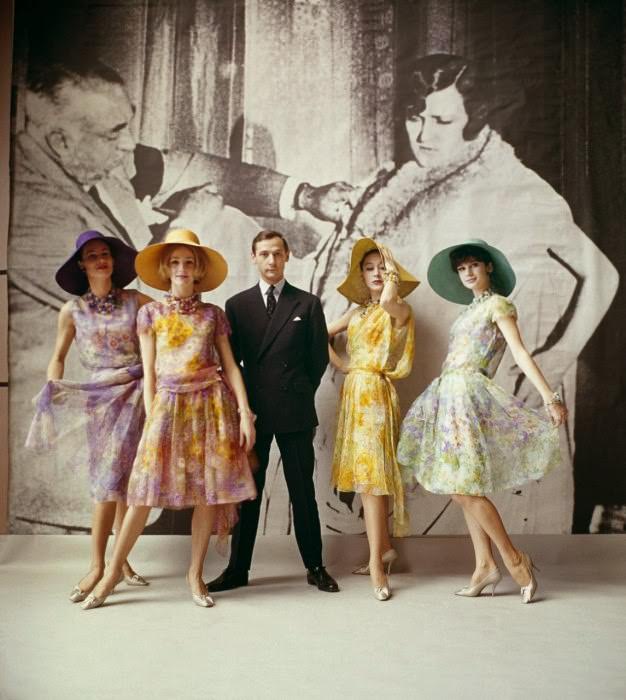
At 30 Avenue Montaigne in Paris, Christian Dior ran one of the most powerful fashion houses in the world. Through the 1950s and into the early 1960s, his salon drew Hollywood stars, European royalty, and editors hungry to see what came next. Every collection was an event. Every gown was an argument for precision.
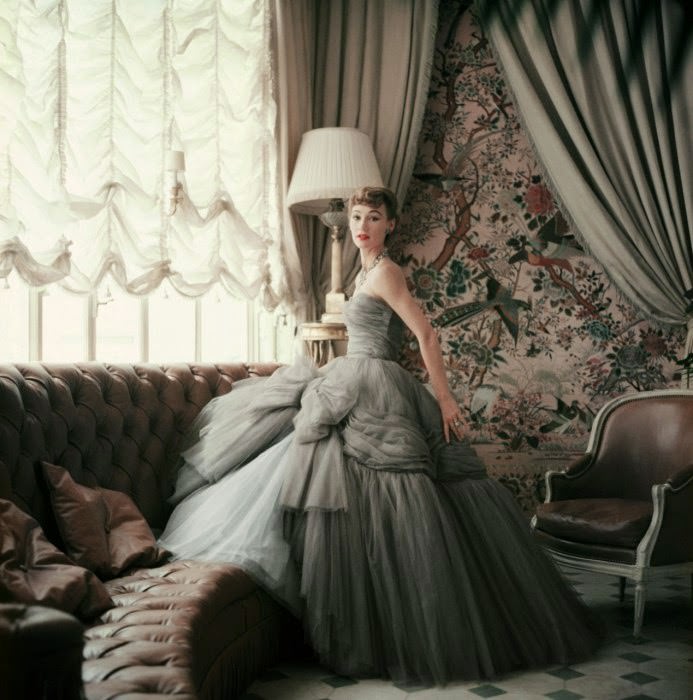
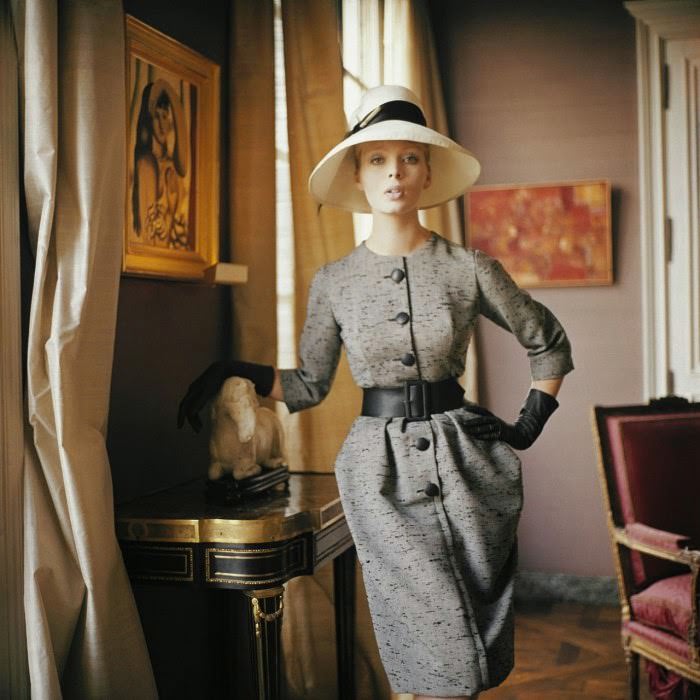
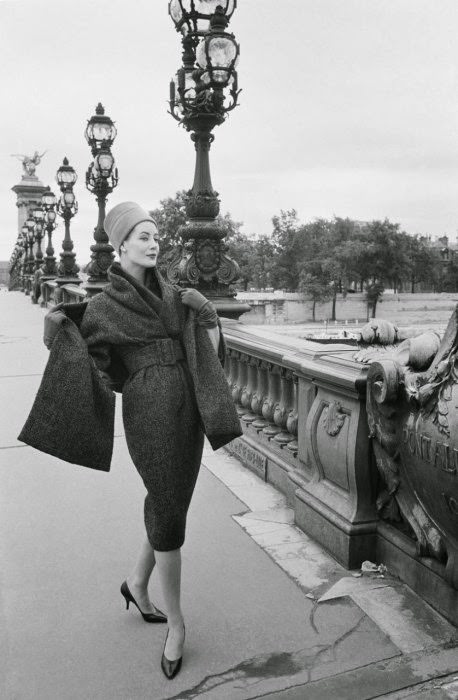
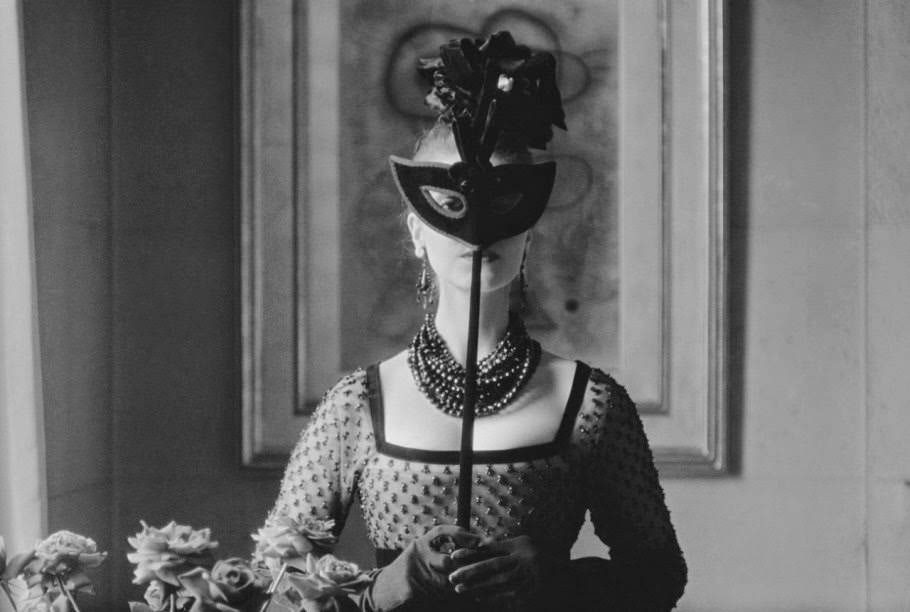
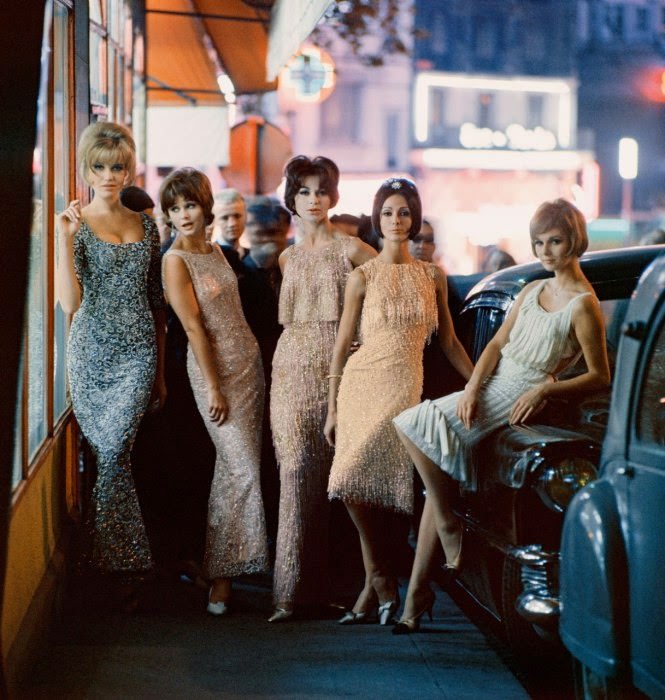
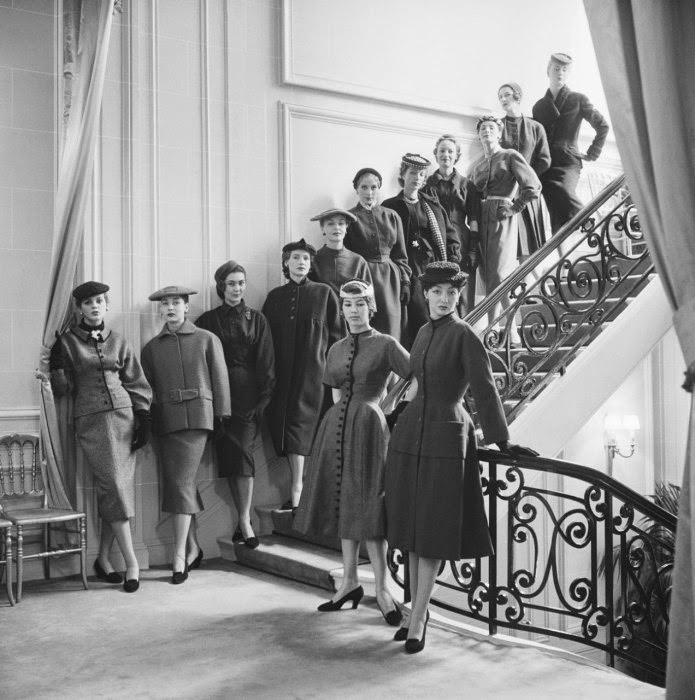
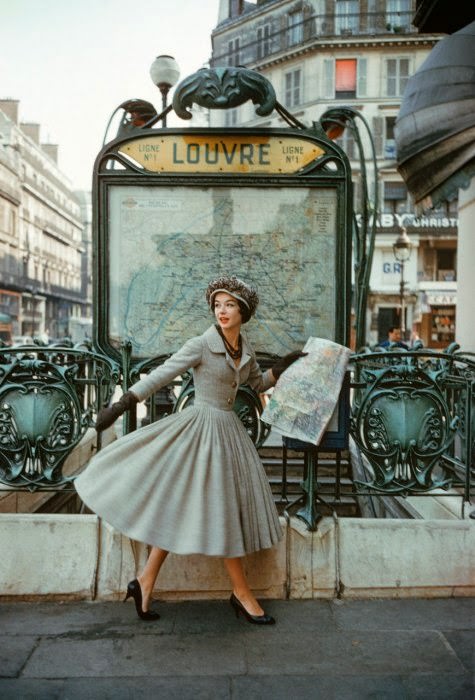
Dior’s “New Look,” launched in 1947, remained the house’s foundation throughout the decade. Cinched waists, rounded shoulders, and full skirts were not trends — they were a uniform for glamour. Photographer Mark Shaw, shooting for LIFE magazine, had rare access to this world and captured it in full.
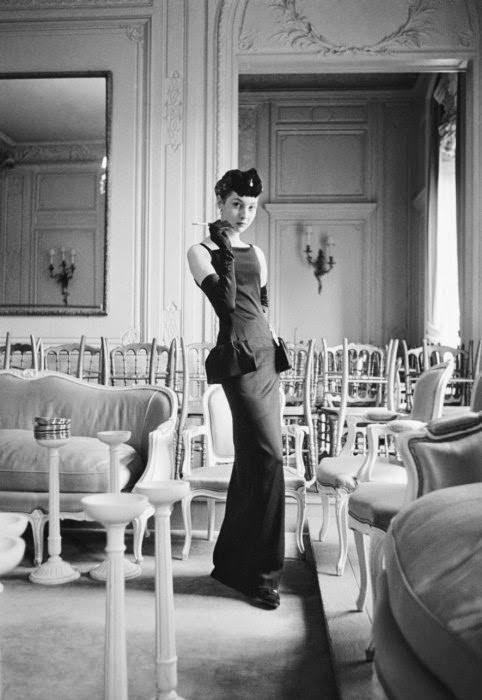
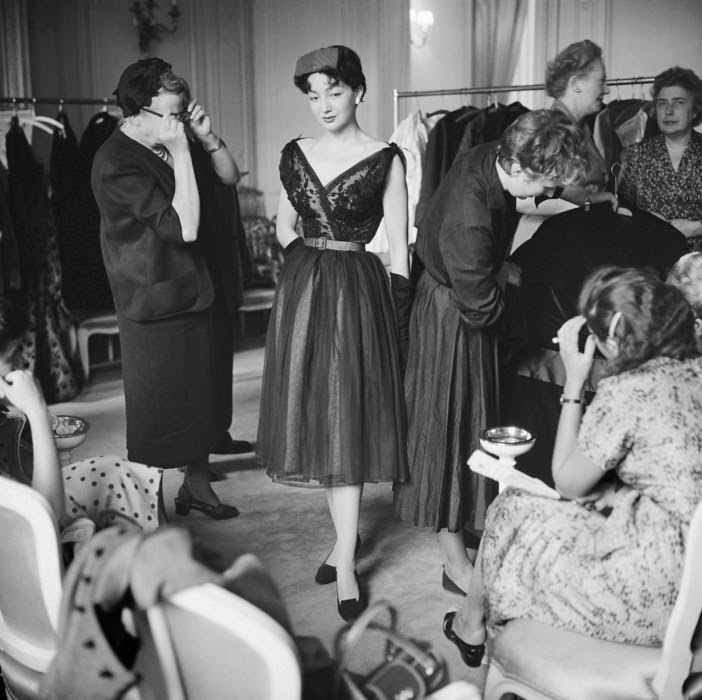
Backstage before a show was controlled chaos. Dressers laced corsets, adjusted gloves to match dress shades exactly, and set hats at precise angles. Perfume was part of the look — applied before a model stepped onto the runway, not after. Nothing was accidental.
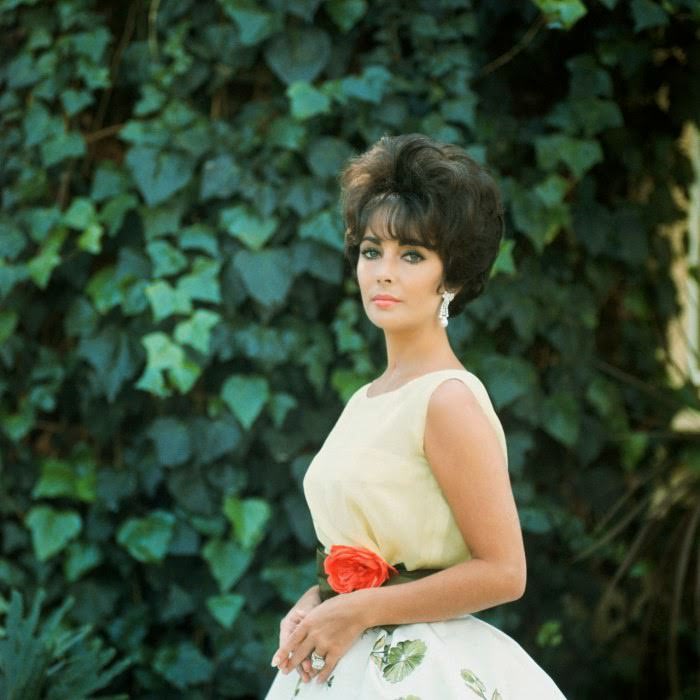
The house attracted some of the most recognizable names on earth. Elizabeth Taylor visited hours after winning an Academy Award for Butterfield 8, stepping into a Soirée à Rio gown from the Spring-Summer 1961 collection.
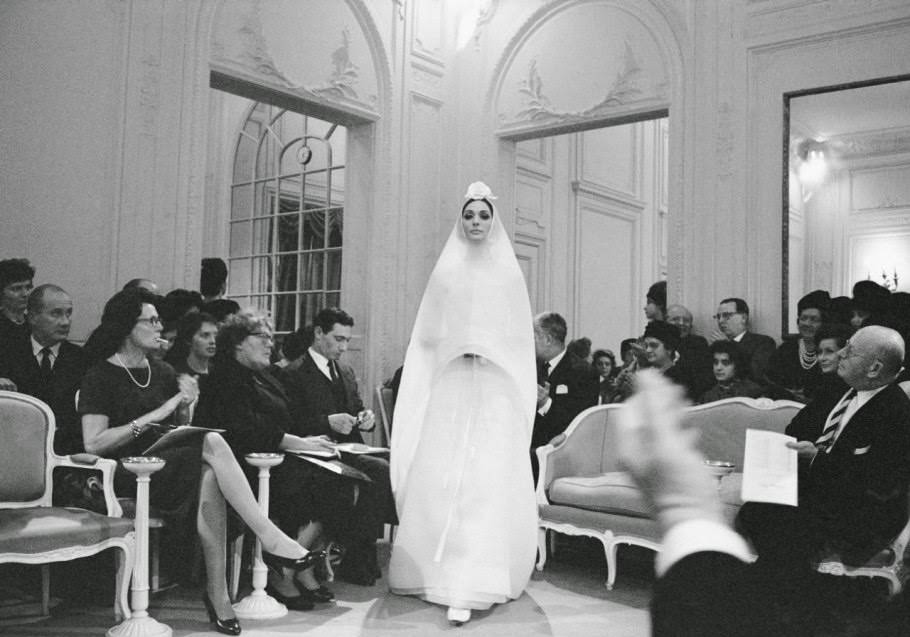
At the shows themselves, buyers studied every piece with intense focus. A single garment could anchor a season’s orders for a major retailer. The stakes made the atmosphere thick with attention.
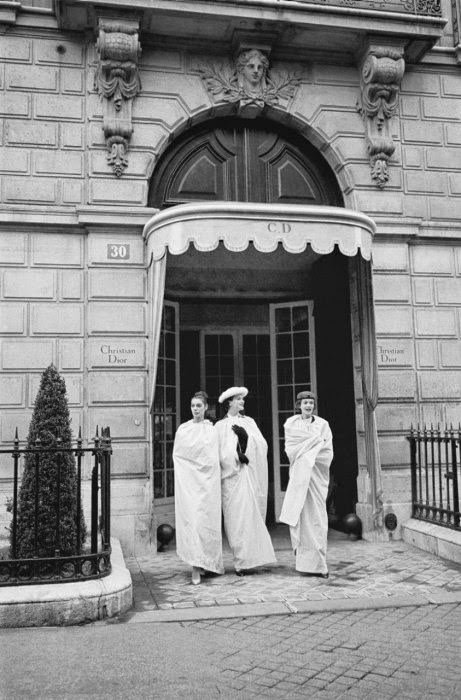
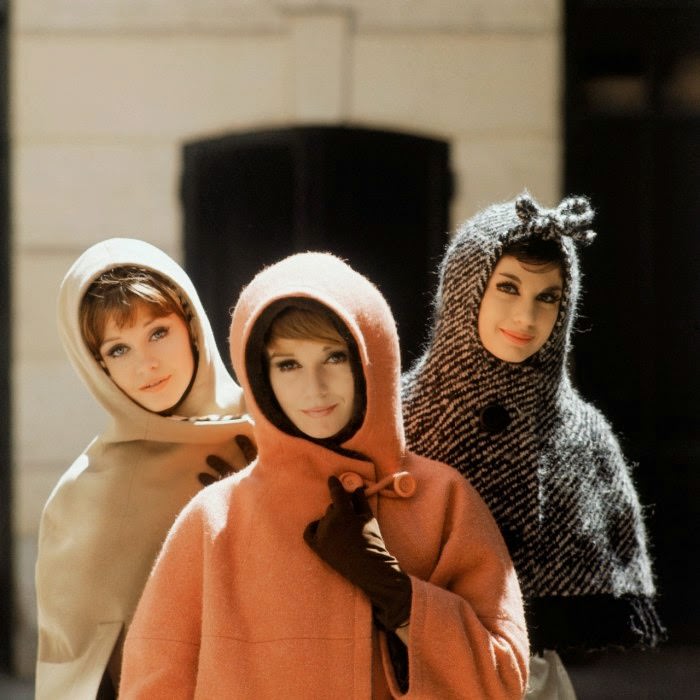
Outside the salon, models were always covered when moving through the streets of Paris. Dior’s new designs were guarded from copyists, who would photograph and reproduce silhouettes before a collection could reach clients.
After Dior’s death in 1957, Marc Bohan took over as creative director. His first collection carried the house’s signature structure into a new era, with gowns that still bore the architectural confidence Dior had built.
Among the models photographed by Shaw was Christa Päffgen, then a young face working for French magazines. She later became known as Nico — muse to Andy Warhol and star of his experimental film Chelsea Girls.