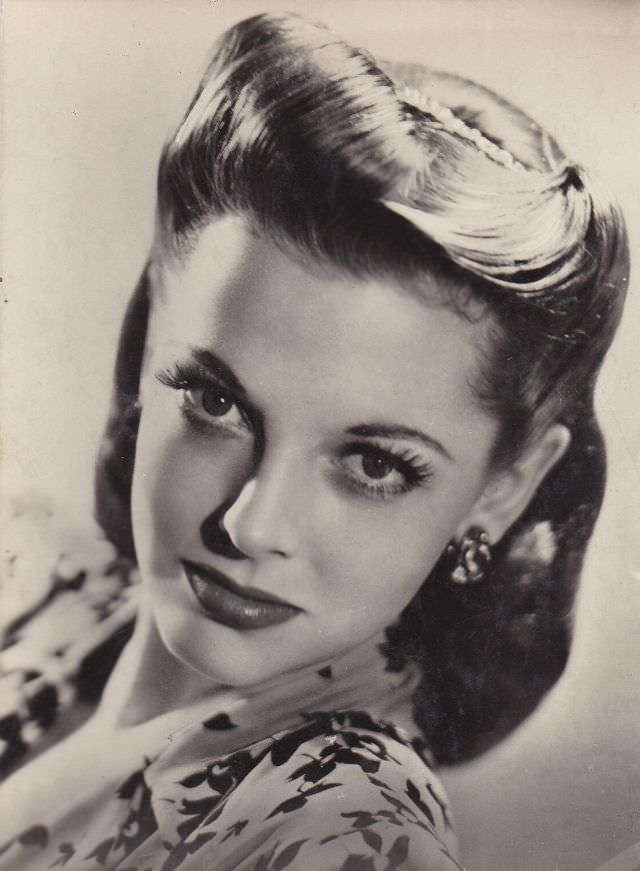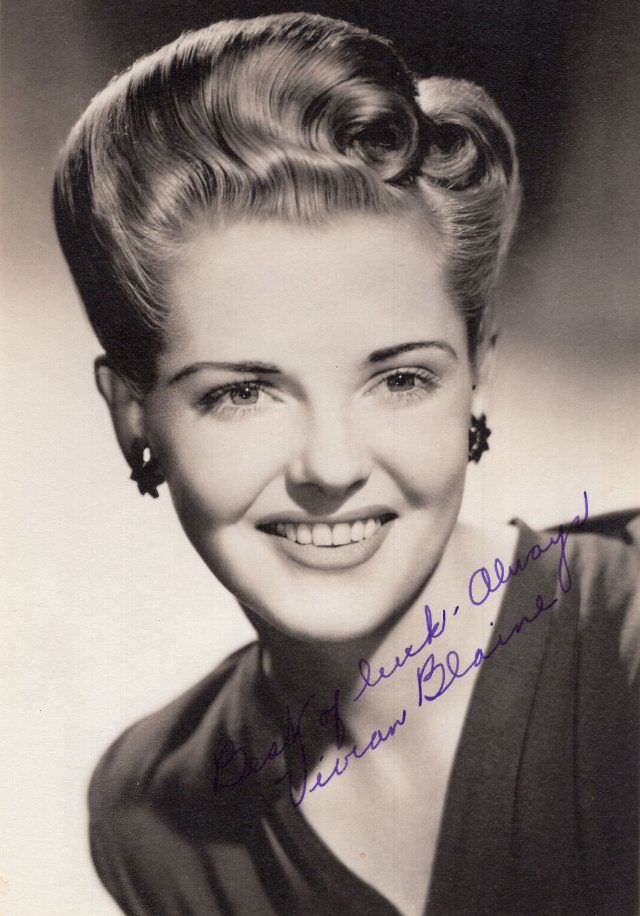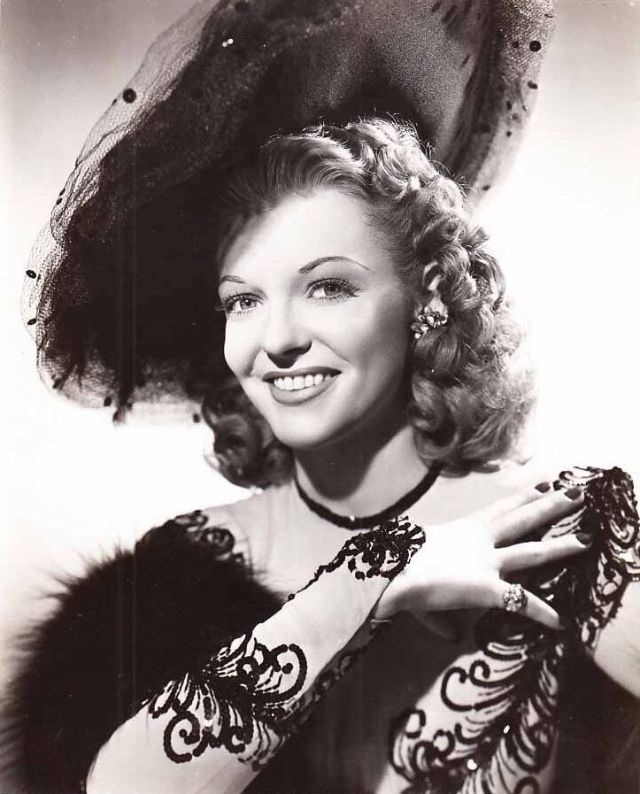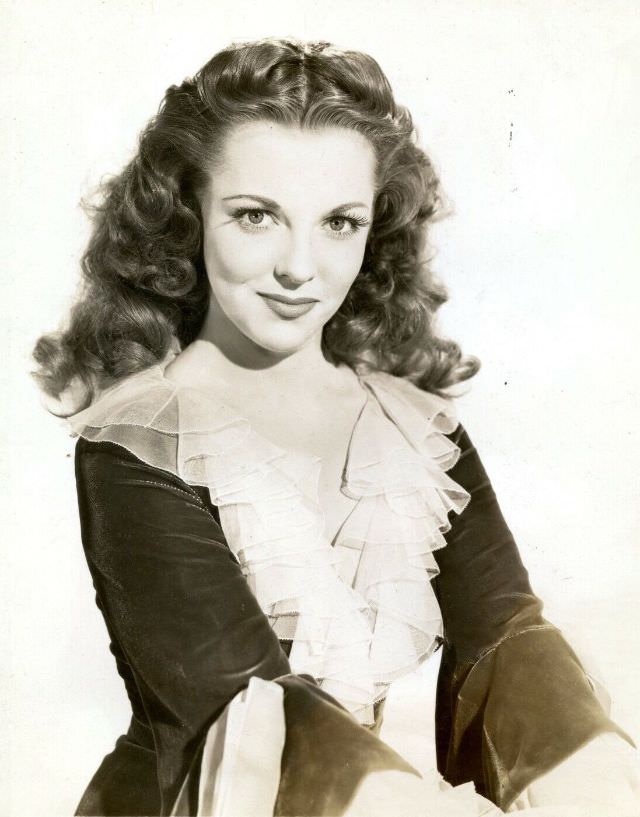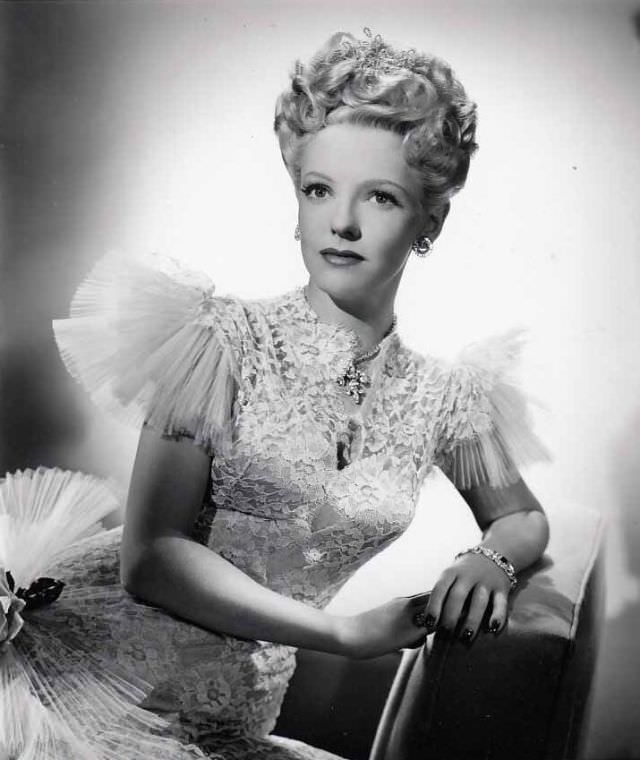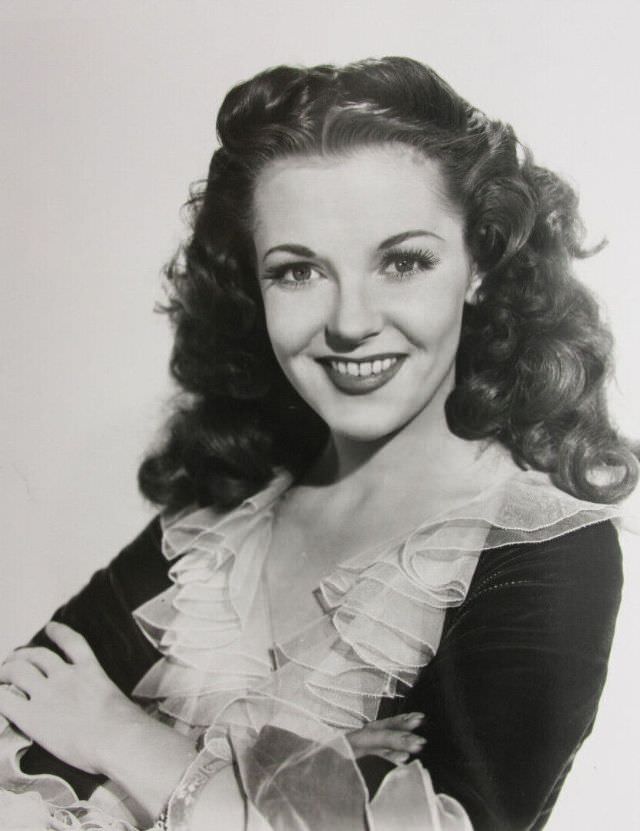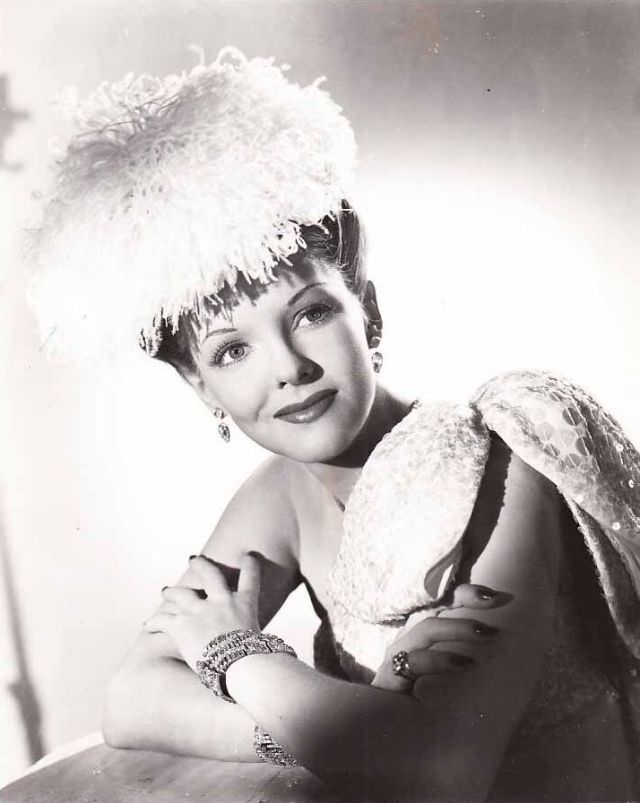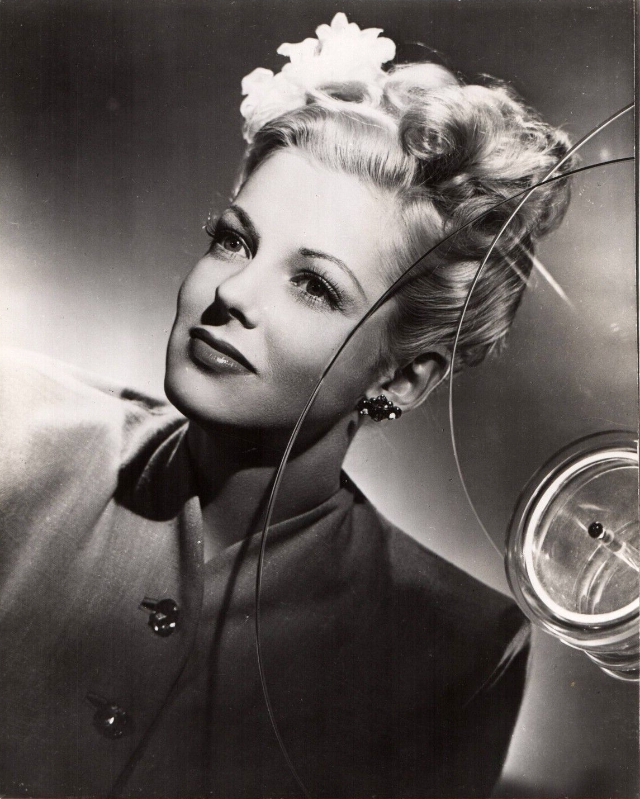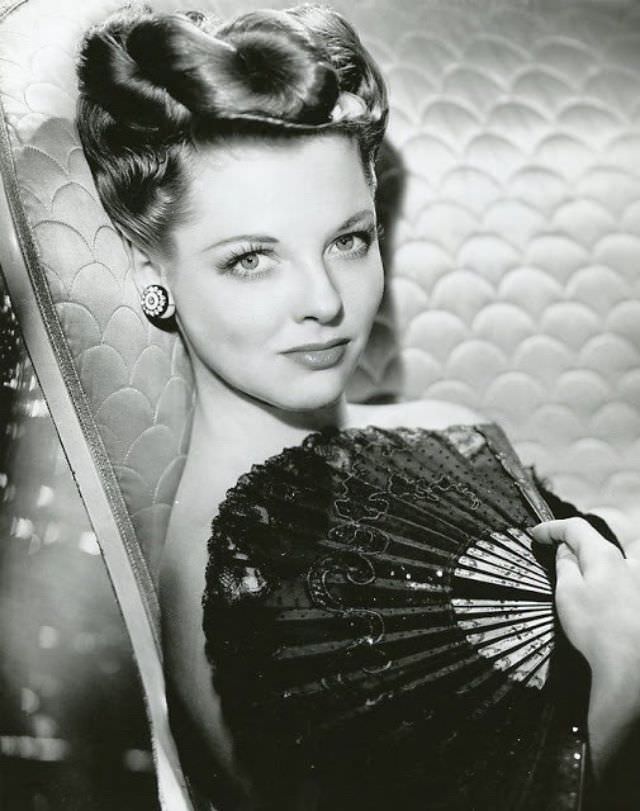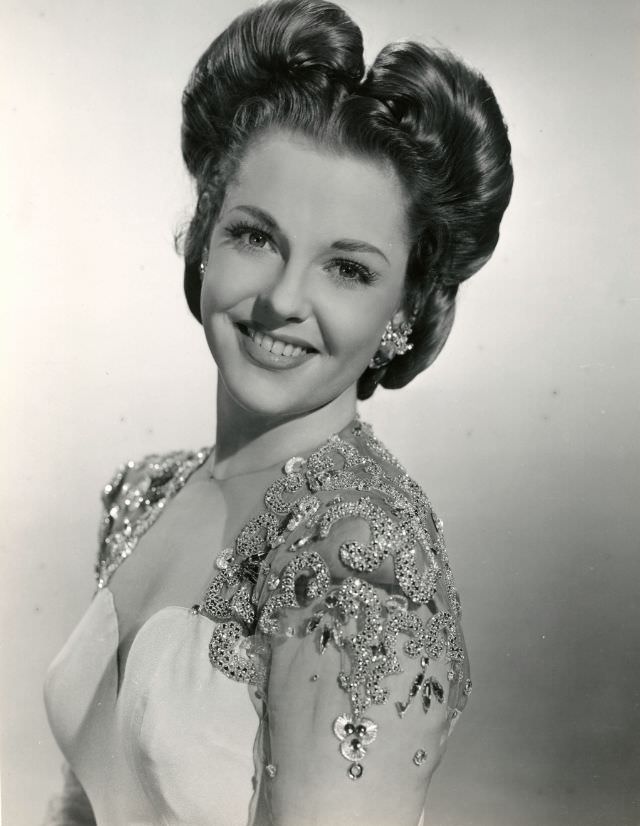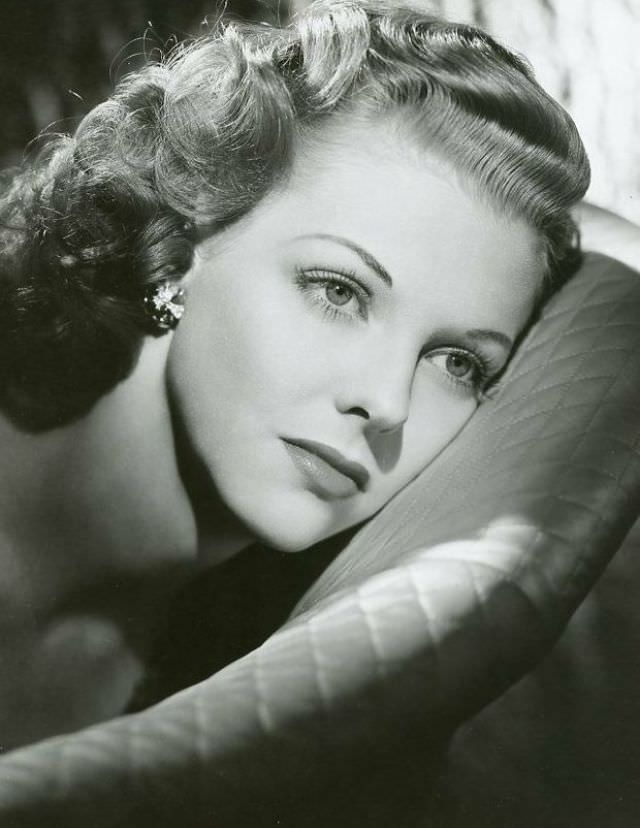

Vivian Blaine was born Vivian Stapleton on November 21, 1921, in Newark, New Jersey. She swapped her last name for the stage-ready “Blaine” and set her sights on show business from an early age. Before Hollywood came calling, she worked the nightclub circuit, sharpening her voice and her instincts for performance. That grind paid off. By the early 1940s, 20th Century Fox had signed her, and her film career was underway.
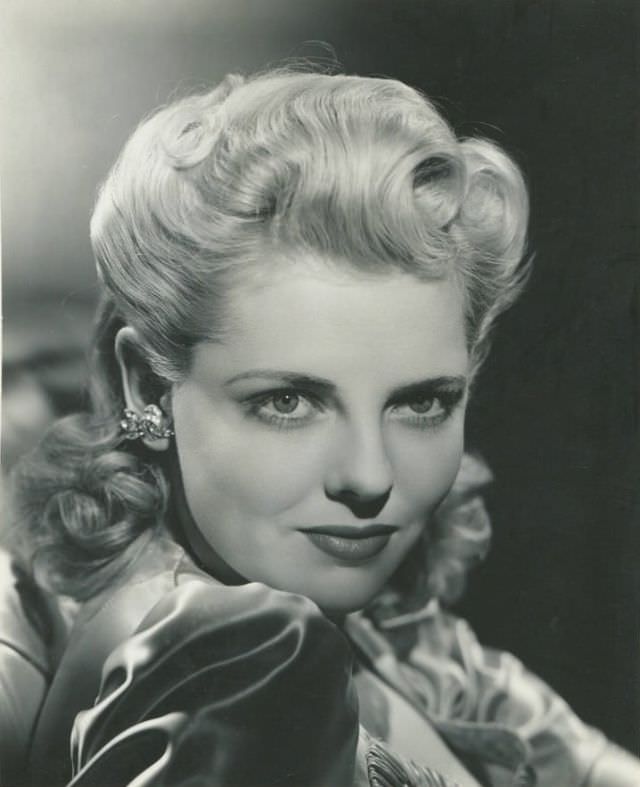
Her film debut came in the 1942 musical “What’s Cookin’?” — a modest entry, but a foot in the door. The role that truly announced her arrival was in the 1945 musical “State Fair,” opposite Dana Andrews. The film was a hit, and Blaine’s warm screen presence and strong voice made her one of Fox’s most reliable musical stars.
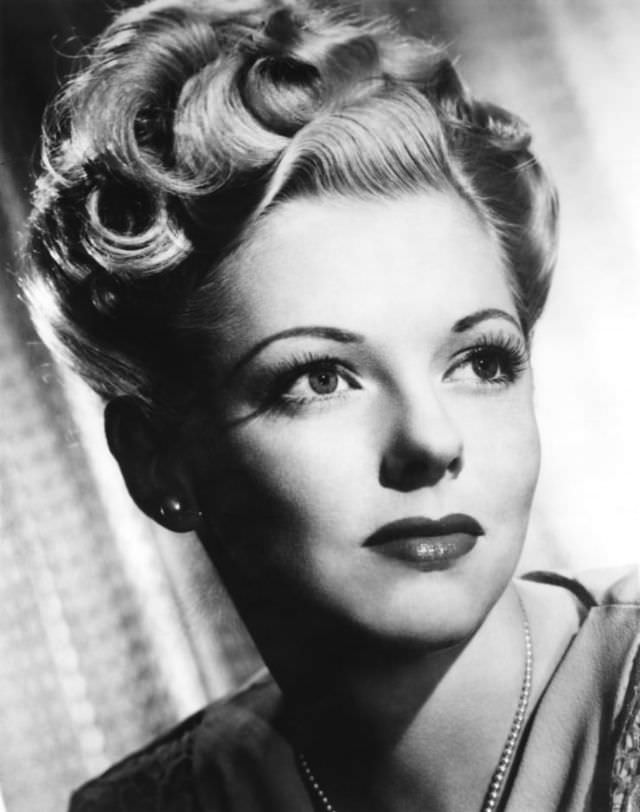
Throughout the decade, she worked at a steady pace. In 1944, she appeared in “Greenwich Village,” a musical comedy that put her singing and dancing front and center. That same year, she starred in “Something for the Boys” alongside Carmen Miranda and Phil Silvers. The film was adapted from a Cole Porter Broadway show and performed decently at the box office.
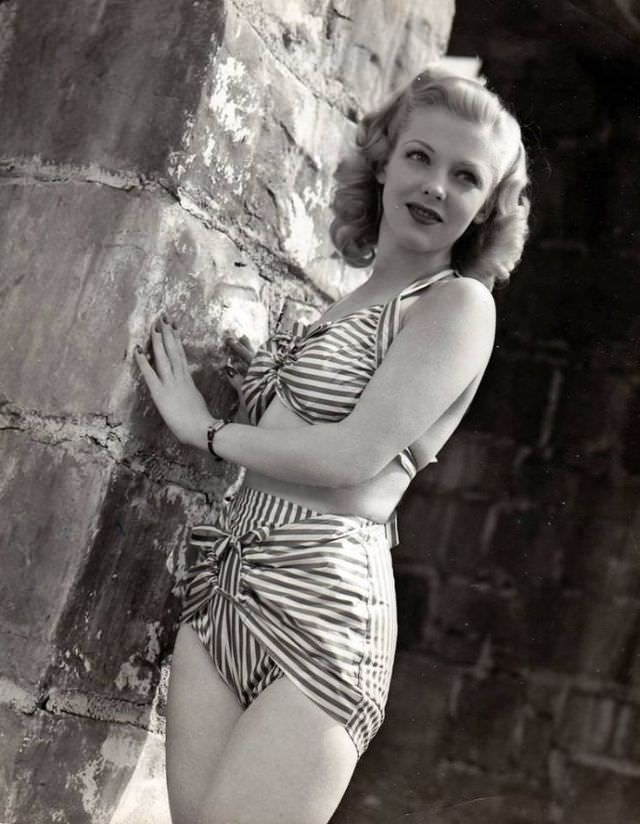
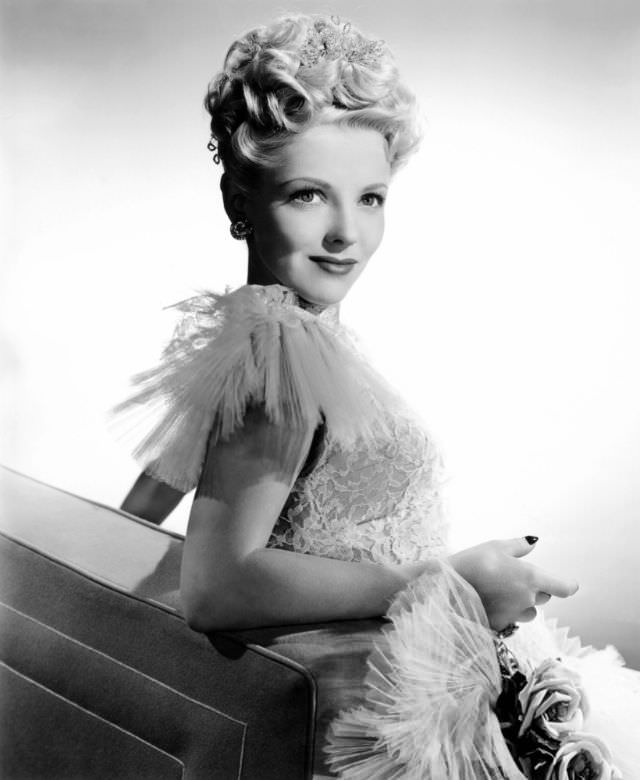
In 1945, Blaine took on a different kind of role in “Doll Face,” playing a burlesque performer. It showed she had more range than her typical musical-comedy parts allowed. The following year, “If I’m Lucky” (1946) paired her with Perry Como and Harry James, leaning once again into the musical format that Fox knew sold tickets.
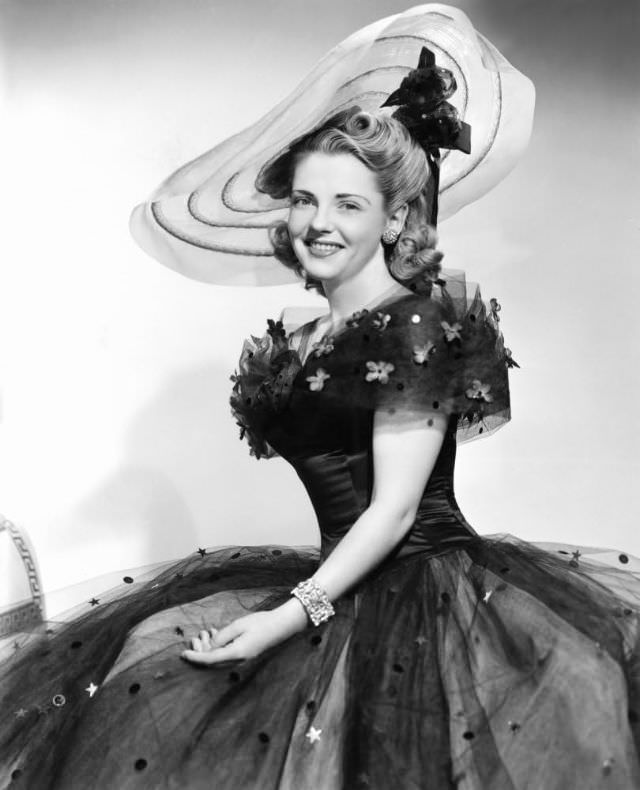
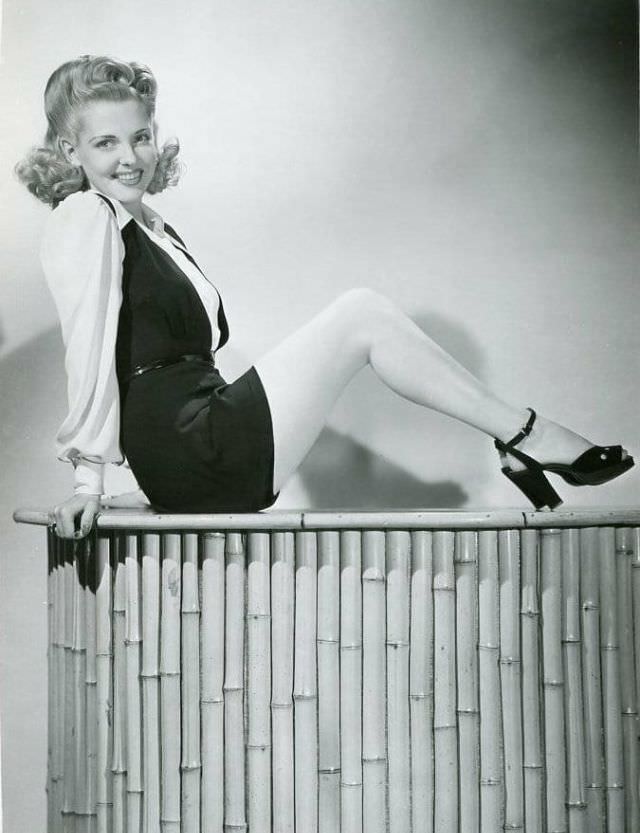
One of her more unusual credits from the decade was “Jitterbugs” (1943), in which she starred alongside Laurel and Hardy. It was a rare blend of slapstick comedy and musical performance, and Blaine held her own against two of Hollywood’s most established comedians.
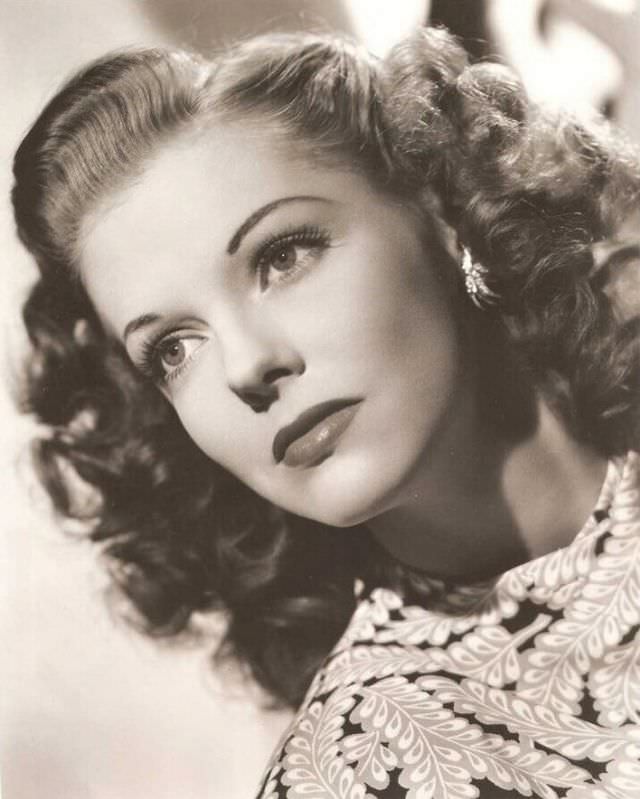
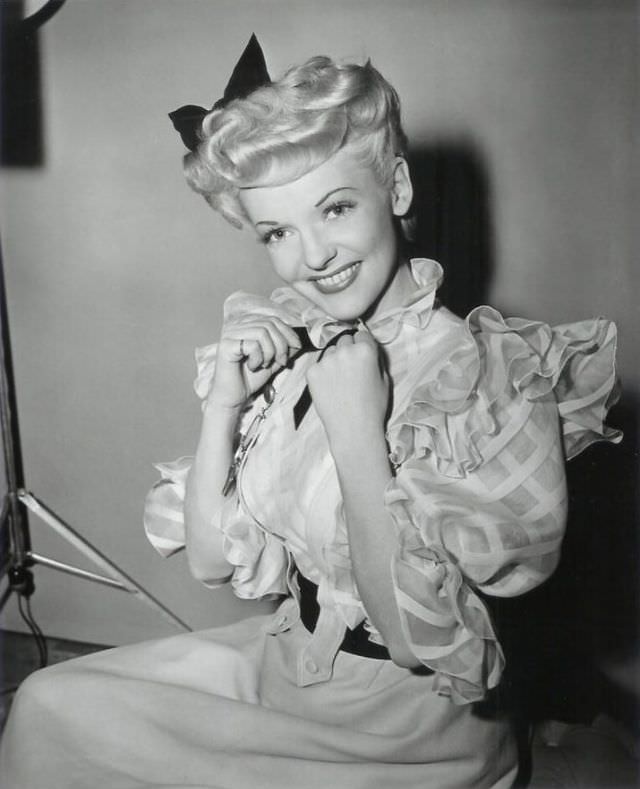
Director Busby Berkeley, famous for his lavish and geometrically precise musical sequences, worked with Blaine during this period. Berkeley’s productions demanded performers who could sing, move, and hold the camera’s attention at the same time. Blaine met every one of those demands.
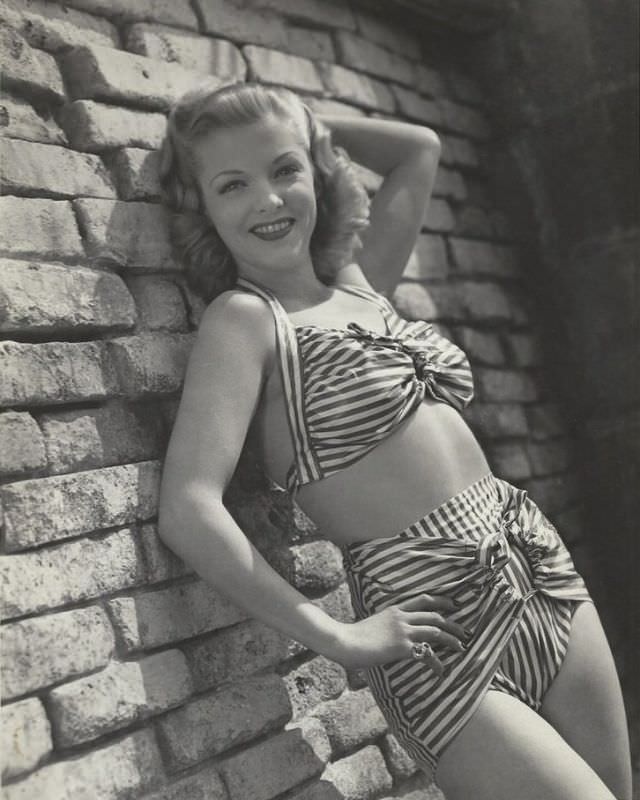
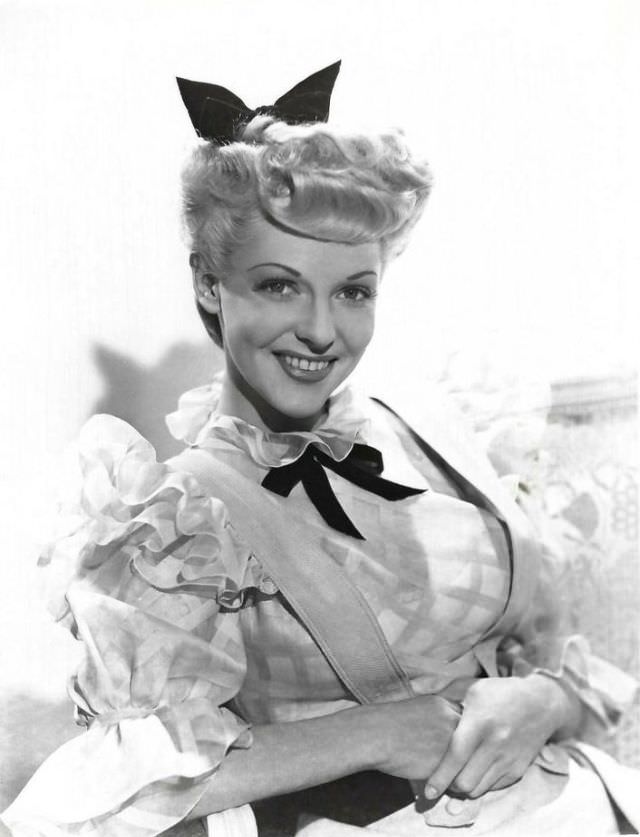
Her work with Carmen Miranda spanned multiple films. Miranda was one of Fox’s biggest international stars at the time, known for her elaborate costumes and high-energy performances. Sharing the screen with her was no small task, but Blaine managed to carve out her own space in every scene.
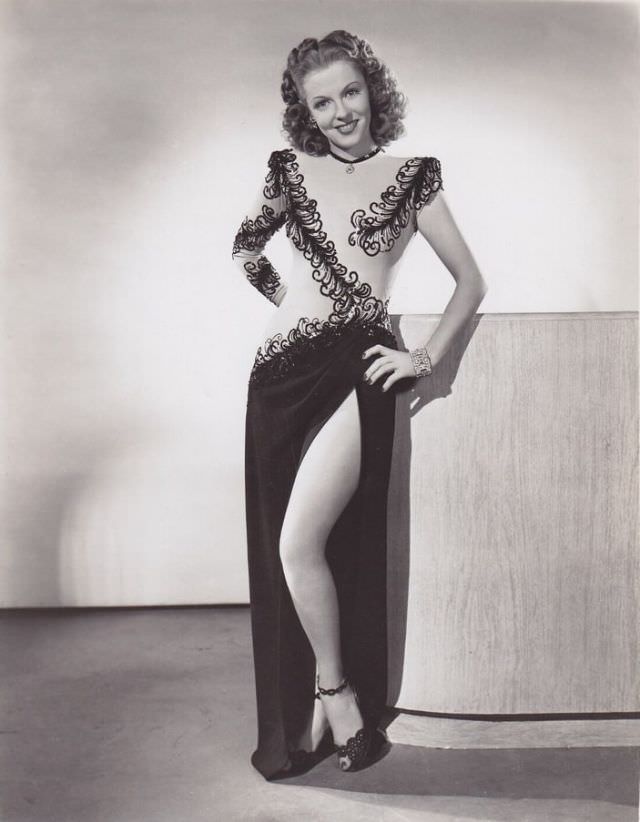
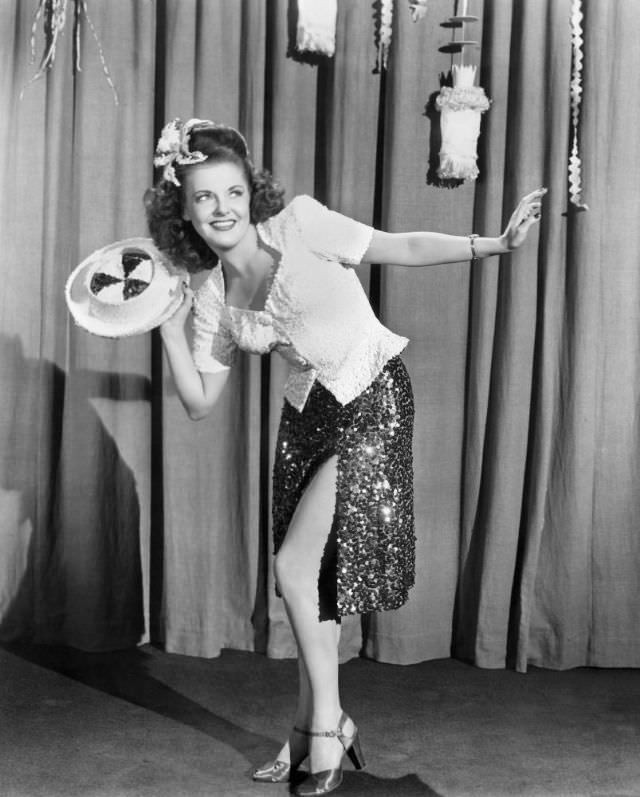
Typecasting was a real obstacle during these years. Studio executives kept pushing Blaine into musicals and light comedies, rarely offering her roles that tested her dramatic side. She excelled in what she was given, but the repetition was limiting. As the decade wore on, audience appetite for film musicals began to cool, which put additional pressure on stars whose careers were built around the genre.
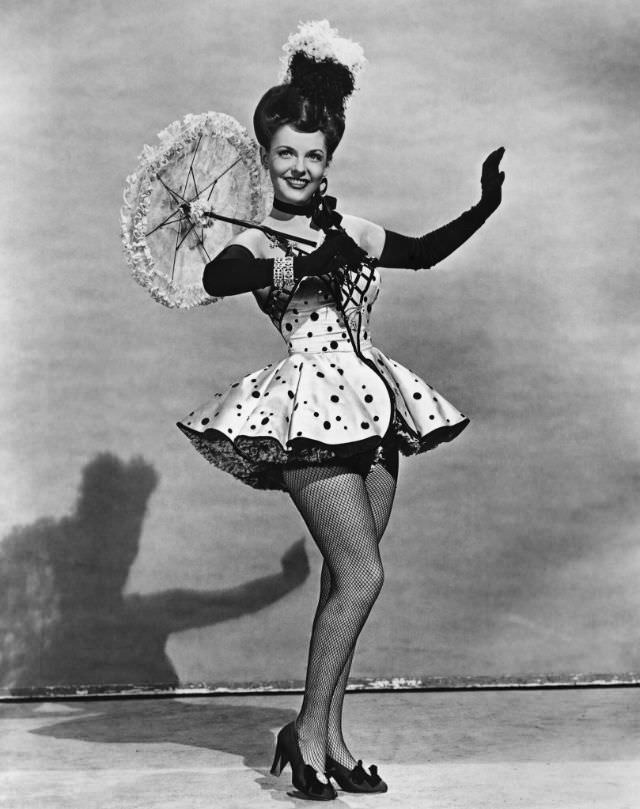
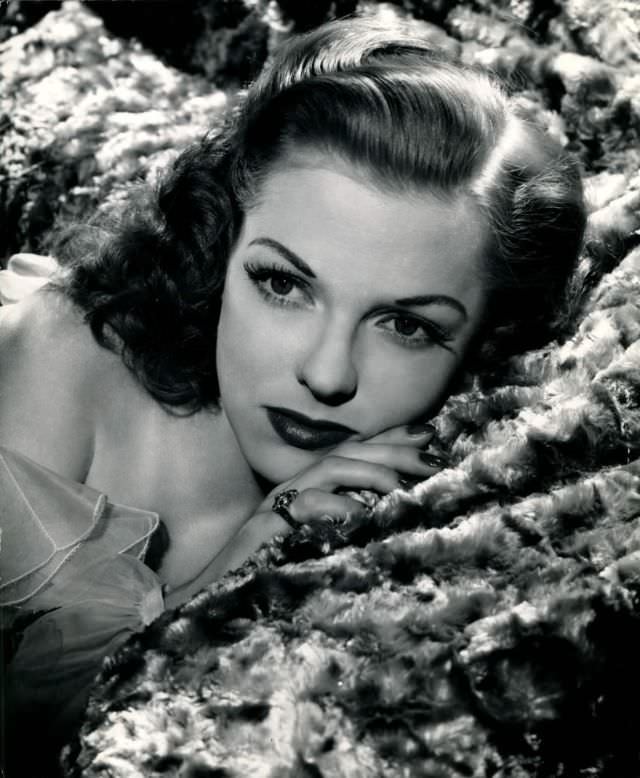
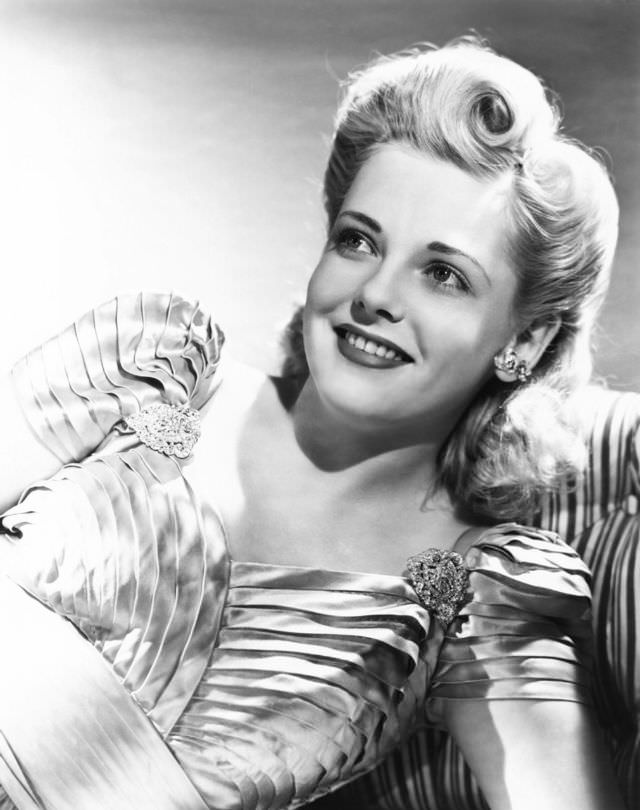
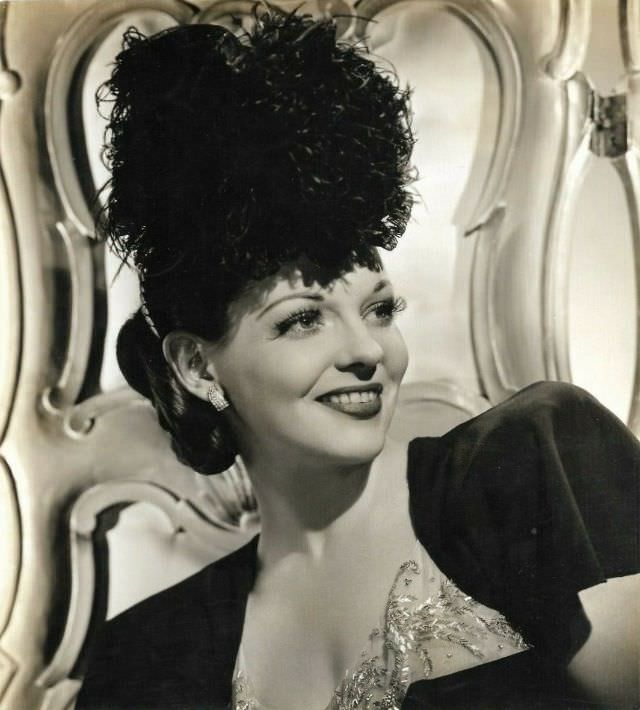
By the late 1940s, Blaine was shifting her focus. Television was emerging as a new platform, and the Broadway stage — where she had roots — was calling her back. These photos from the decade capture a performer at the height of her Hollywood years: polished, vibrant, and clearly at ease in front of the camera.
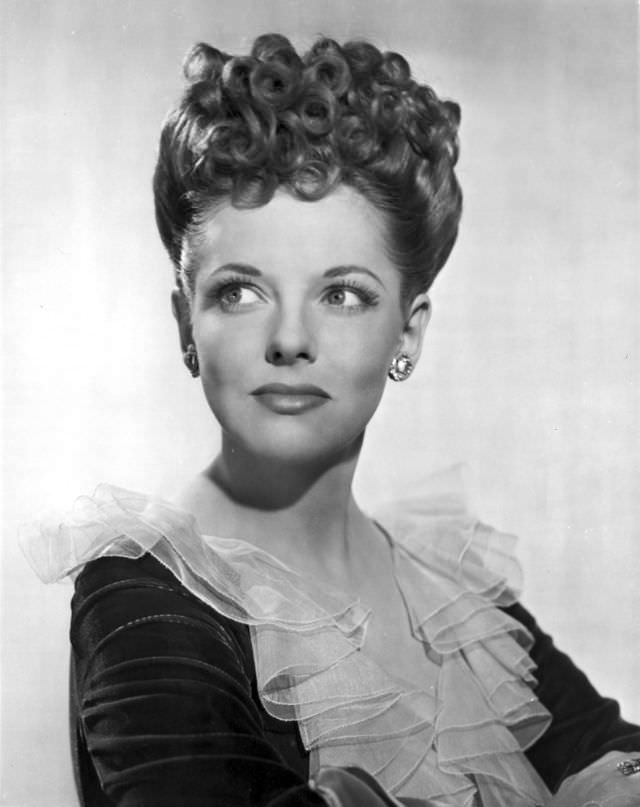
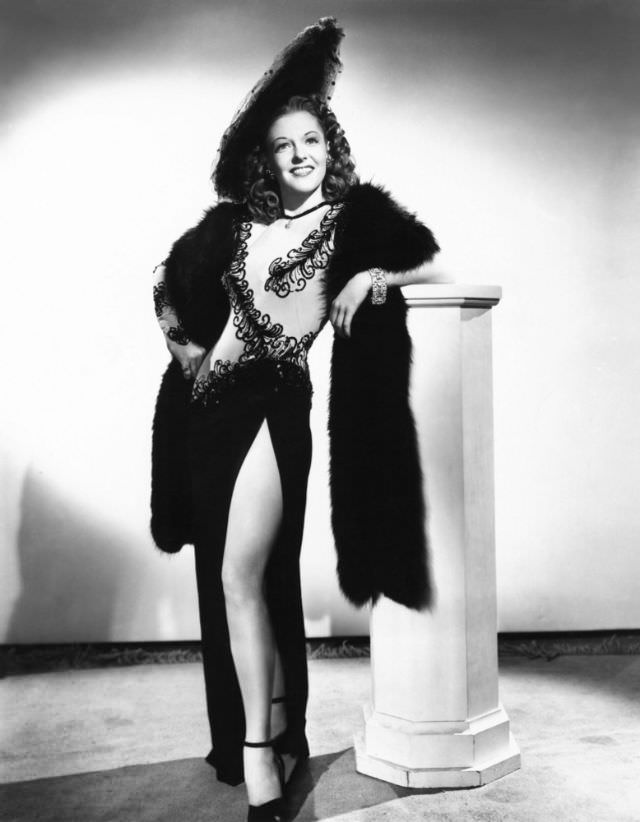
Her return to Broadway came in 1950 with “Guys and Dolls,” one of the most celebrated musicals in American theater history. She played Adelaide, a role that showcased her comedy, her voice, and her theatrical timing all at once. When the show was adapted for film in 1955, Blaine reprised the role — cementing it as the defining performance of her career.