The 1950s and 1960s were a golden age for the American automobile. Car companies weren’t just building vehicles — they were selling a lifestyle, and their advertisements reflected that energy in bold colors, dramatic taglines, and sleek designs. These vintage ads give us a window into a time when owning the right car meant everything.
In 1960, American automakers had an iron grip on the market. General Motors, Ford, Chrysler, and American Motors — the Big Three plus AMC — built 93 percent of all cars sold in the United States and 48 percent of cars sold worldwide. That kind of dominance is hard to imagine today. Full-sized cars, helped along by cheap gasoline, led overall sales throughout the decade.
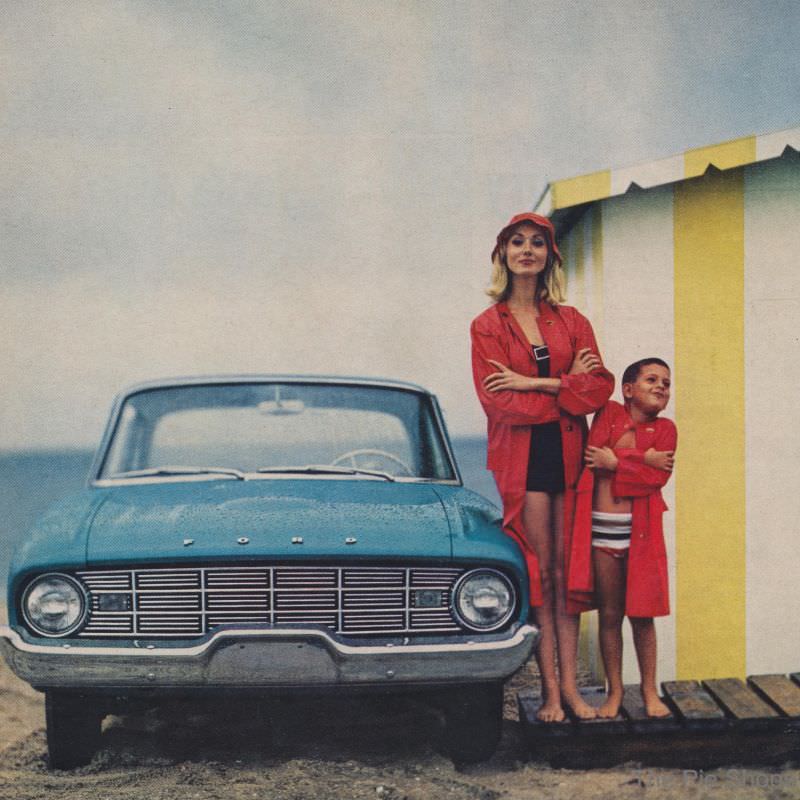
Ford’s Falcon was one of the company’s answers to a growing problem: imports. Volkswagen had begun chipping away at the American market, followed by Fiat, Renault, Datsun (later Nissan), and Hillman. Detroit responded by building smaller, more fuel-efficient “compact” cars. The Falcon was Ford’s entry, while Chrysler offered the Valiant and GM brought out the rear-engine Corvair.
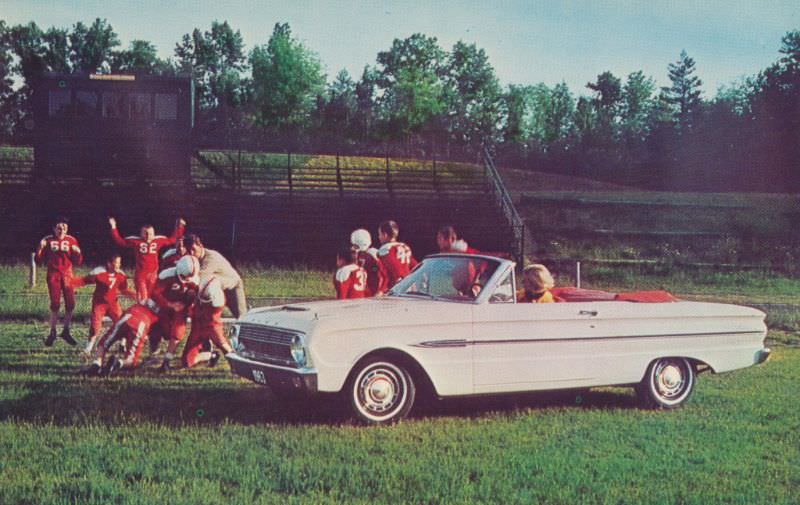
AMC had actually led the compact charge earlier with the Rambler in the 1950s — the first American economy car and the first to offer seat belts as an option. But by 1962, the Big Three’s own economy models had caught up and carved deeply into AMC’s customer base, contributing to the Rambler’s eventual end.
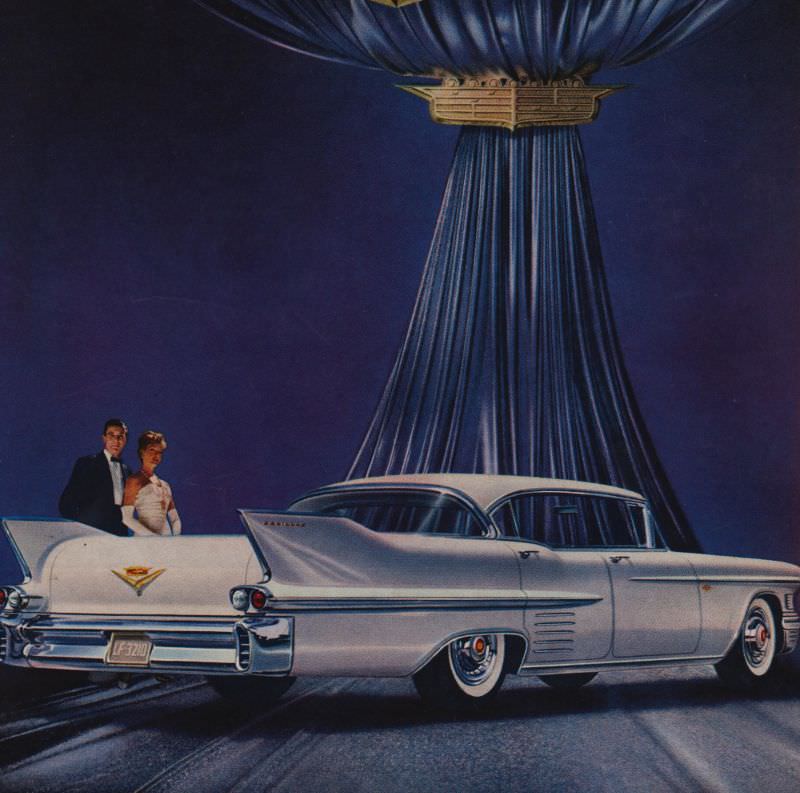
While compacts battled for budget-minded buyers, luxury cars sat comfortably at the top of the market. Cadillac’s ads from this era dripped with confidence — words like “Supremacy” weren’t chosen by accident. The 1958 Ford Thunderbird (second generation) also helped define the four-seat luxury segment, making upscale motoring accessible to more American families.
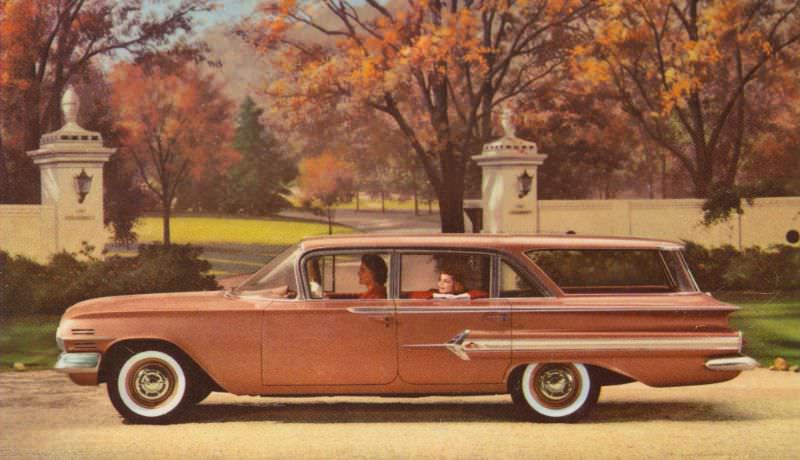
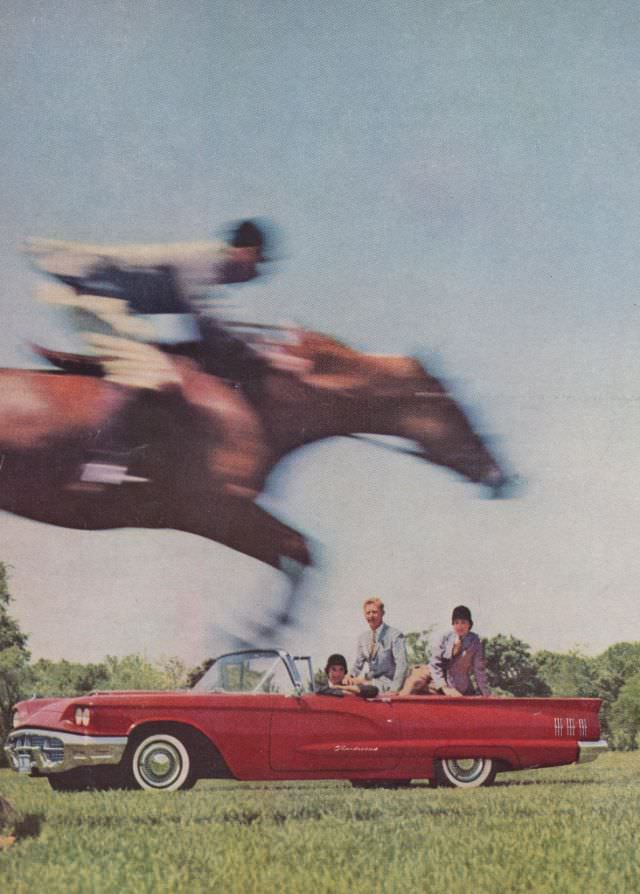
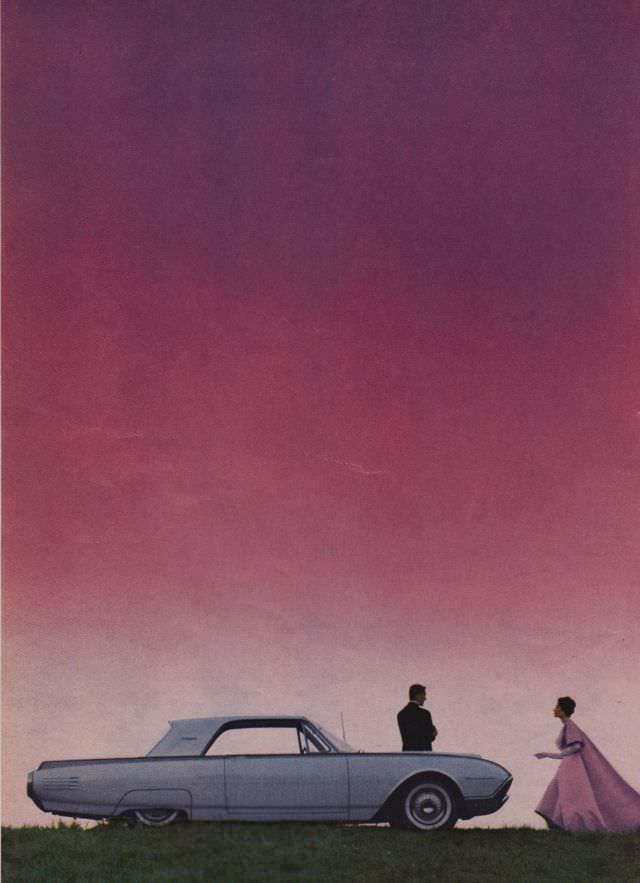
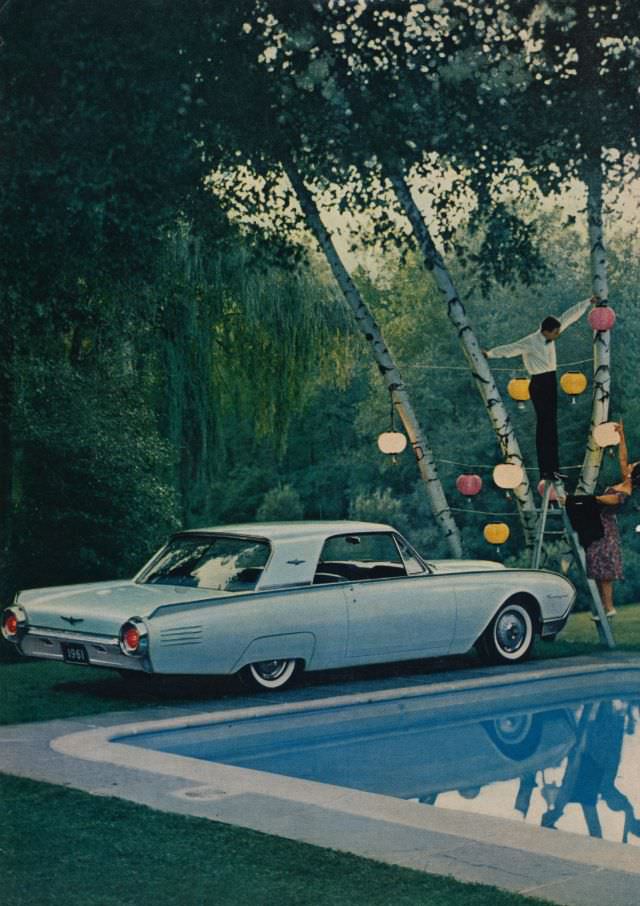
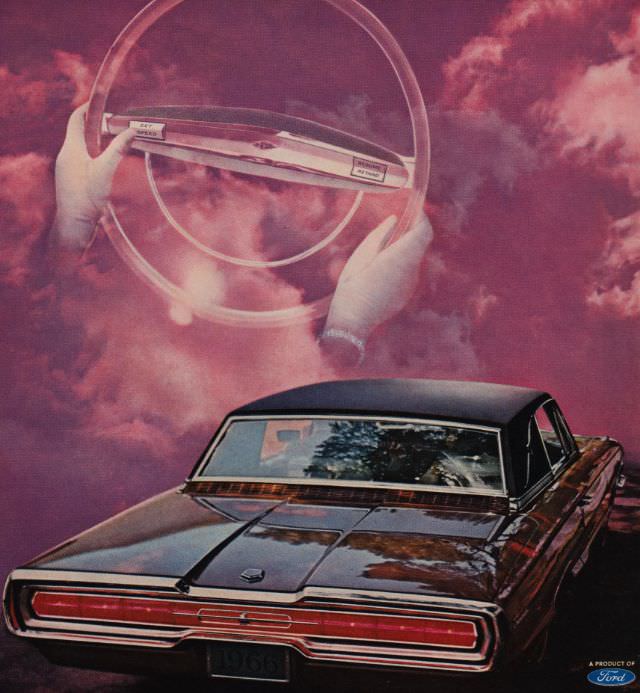
Few nameplates captured the American imagination like the Thunderbird. Ford marketed it as “The World’s Most Wanted Car,” and buyers responded. The T-Bird evolved from a two-seat sports car in 1955 into a four-seat personal luxury cruiser by the late 1950s, setting a template that other manufacturers scrambled to follow.
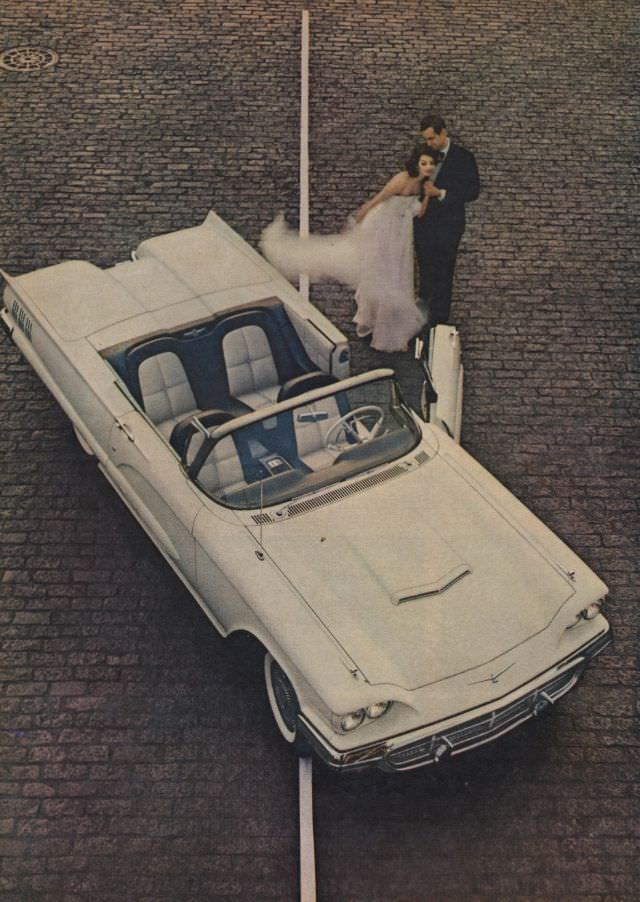
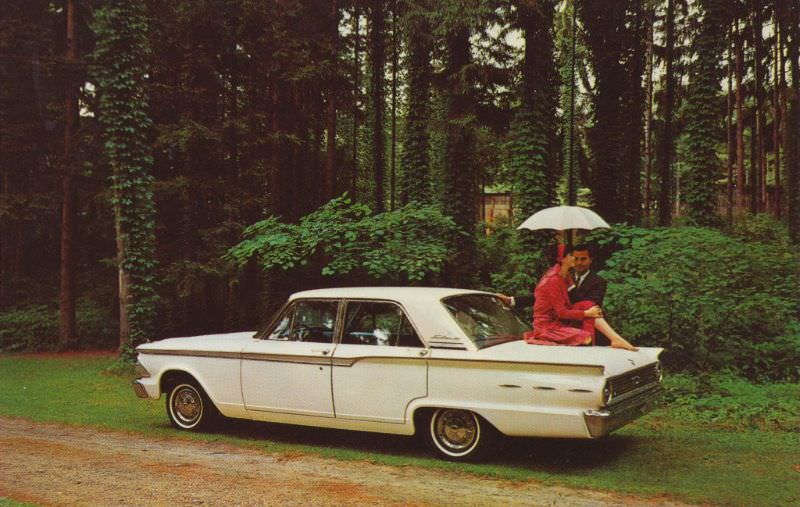
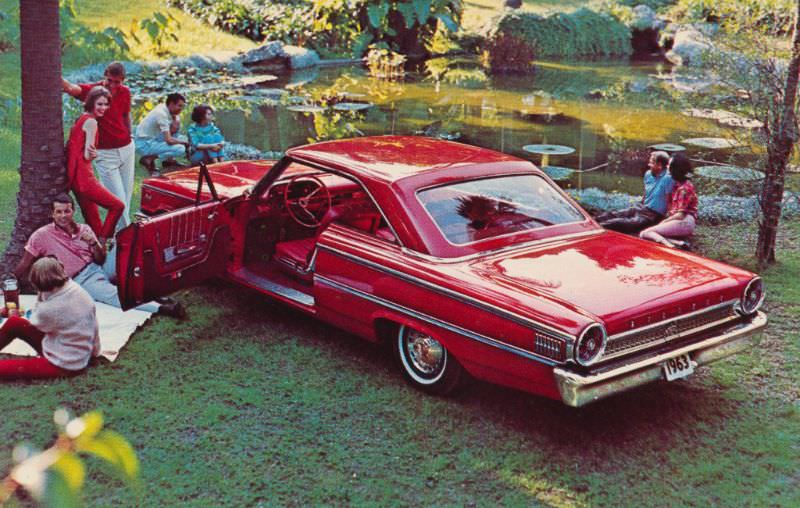
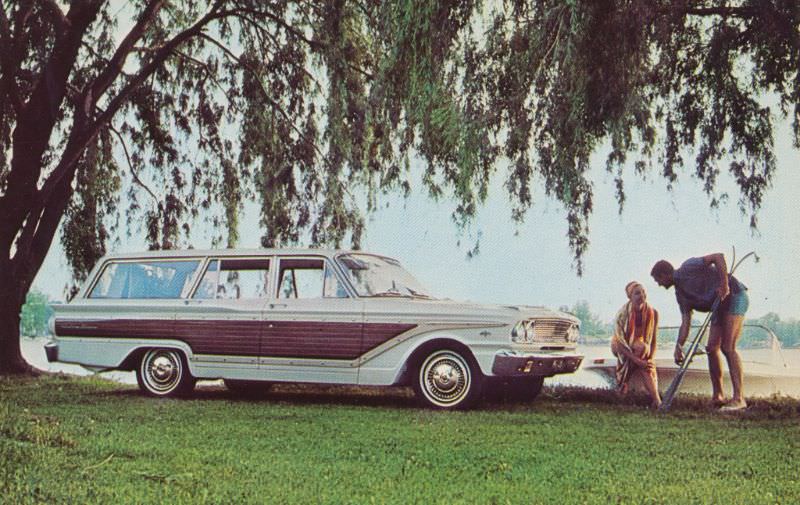
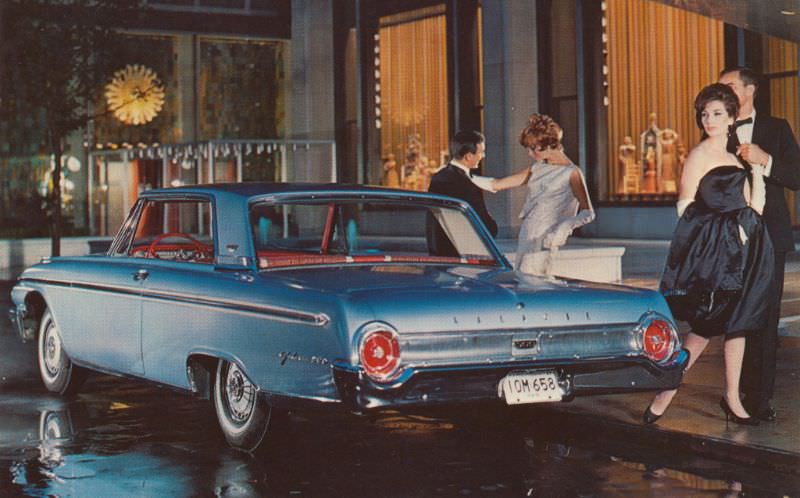
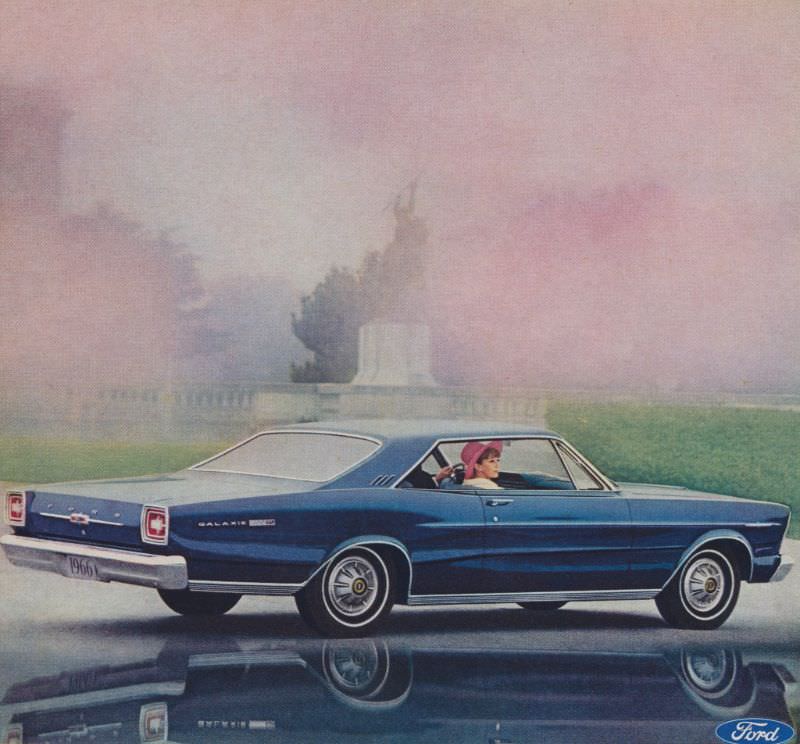
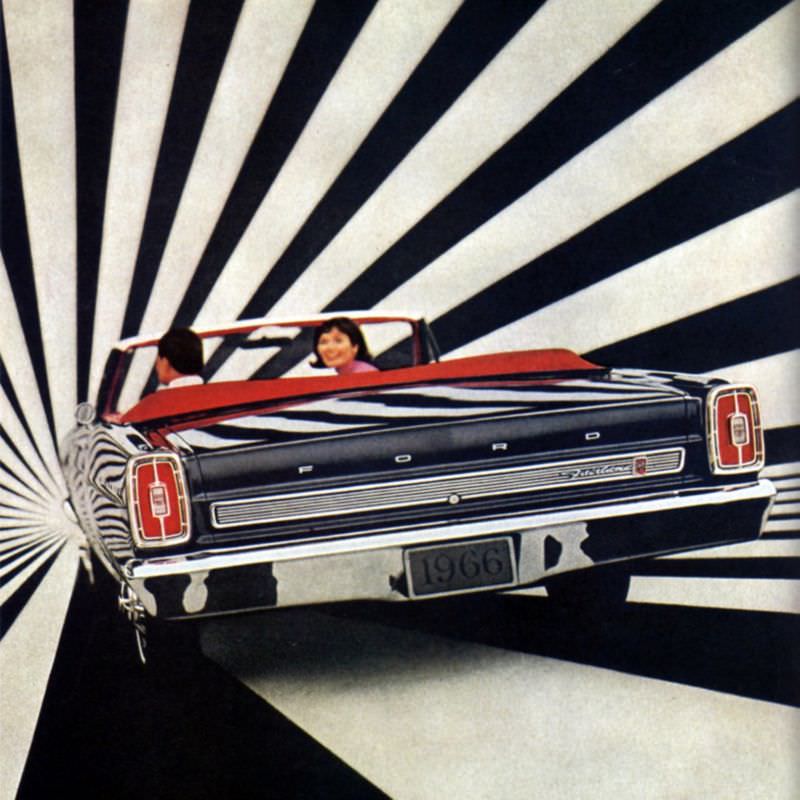
Ford’s Fairlane and Galaxie lines sat in the middle of the market — bigger than a compact, but priced below the luxury tier. They were practical, stylish, and widely advertised. By the mid-1960s, the excessive chrome trim and dramatic tail fins that had defined 1950s styling were mostly gone, replaced by cleaner, more restrained body lines.
The muscle car era officially ignited in 1964 when Pontiac released the GTO. Slipping a powerful V-8 engine into a mid-sized body, it gave everyday buyers access to serious performance at a price they could afford. The formula worked, and competitors rushed to match it. Ford brought out the Mustang, GM launched the Camaro, and Dodge put the Charger on the street.
The Ford Mustang, introduced in April 1964, created an entirely new category: the pony car. It featured a sporty exterior with a short rear deck and a compact rear seat, and it sold in enormous numbers. Its success drew imitators quickly — the Chevrolet Camaro, Pontiac Firebird, Plymouth Barracuda (which actually beat the Mustang to market by two weeks), the AMC Javelin, and the Mercury Cougar all followed.
Not every ad from this era sold a car directly. Suppliers like Alcoa Aluminum ran their own campaigns, tying their materials to the promise of performance and durability. These ads reminded buyers that what was under the skin mattered as much as what they could see in the showroom.
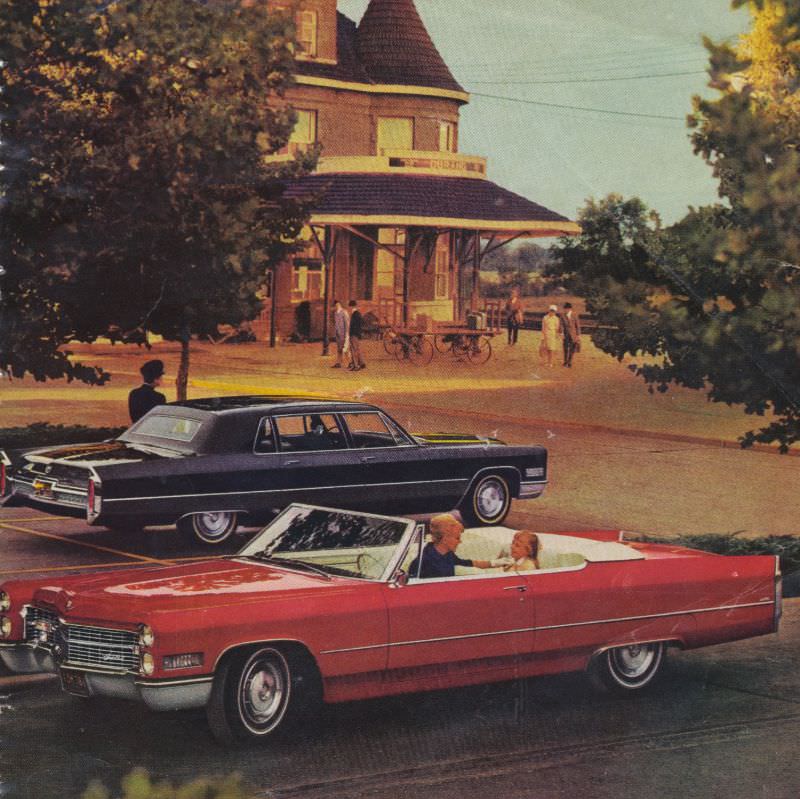
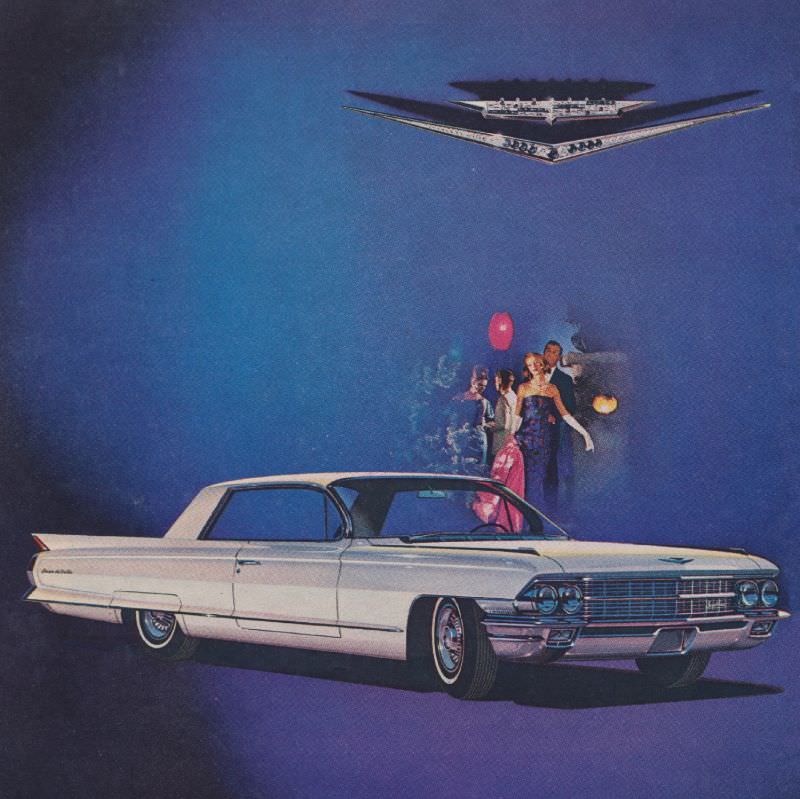
Cadillac’s advertising leaned heavily on prestige. The brand positioned itself as a symbol of arrival — something earned, not simply purchased. Ads used words like “Acceptance” to suggest that owning a Cadillac placed drivers in a class of their own. It was aspirational marketing at its most deliberate.
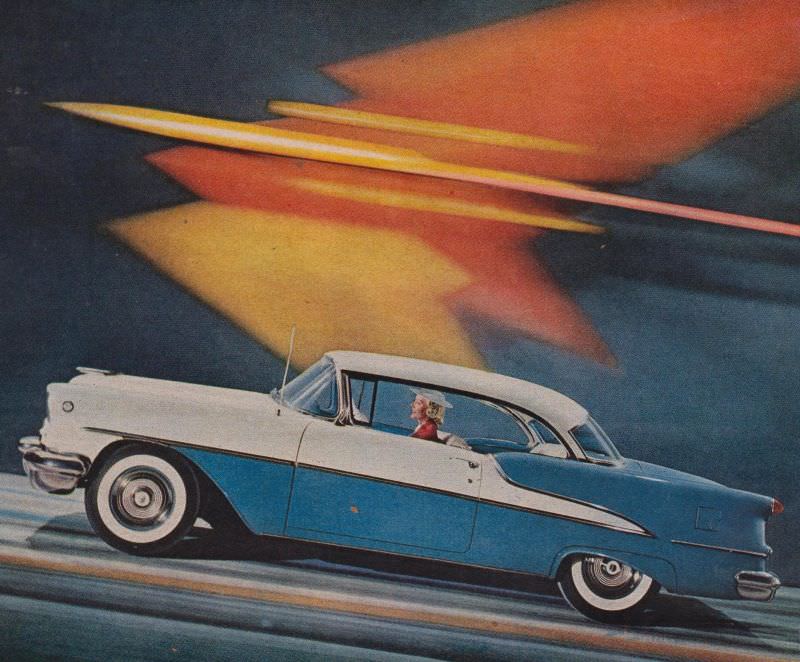
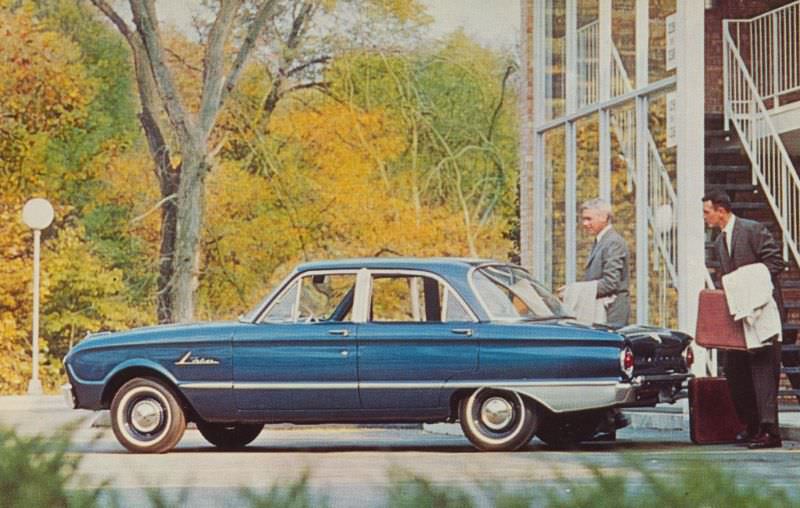
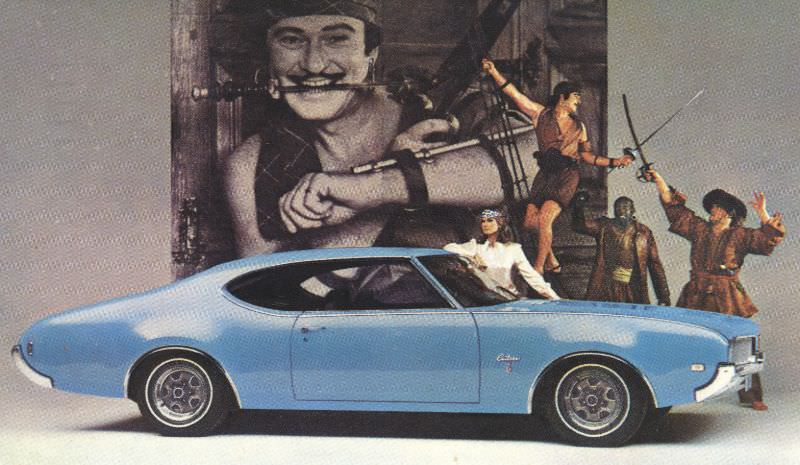
Oldsmobile’s Rocket 88 ads leaned into energy and excitement. The Rocket 88 name had real meaning — Oldsmobile had introduced a high-compression overhead-valve V-8 engine in 1949, and the “Rocket” branding stuck through the following decades. Meanwhile, Ford’s Falcon ads pitched economy and sensibility to families watching their budgets.
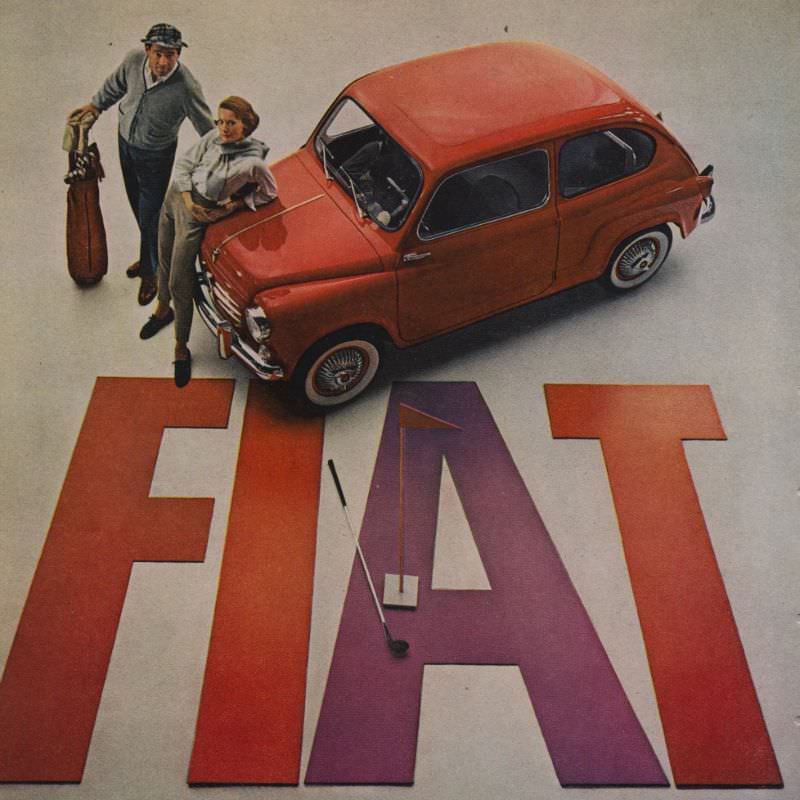
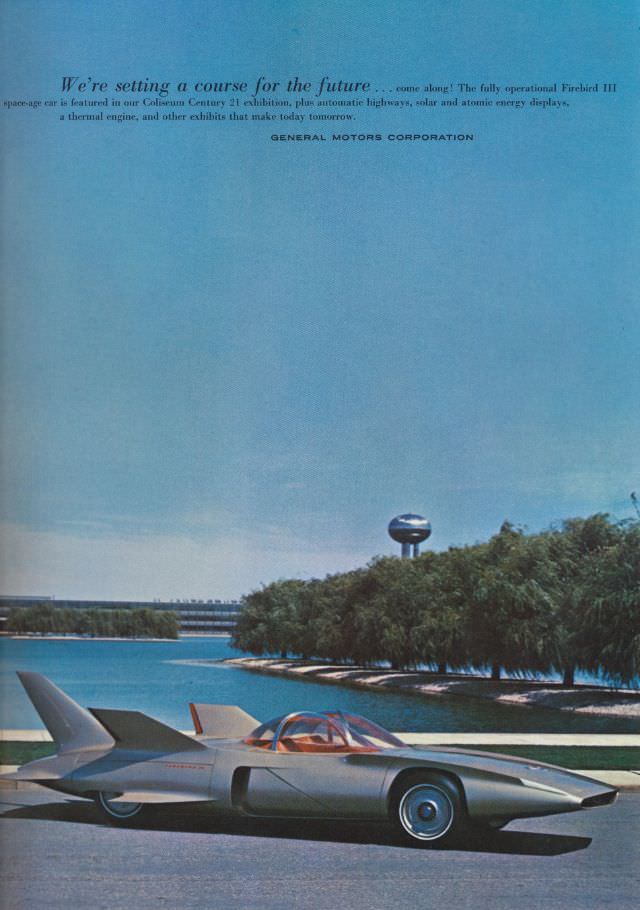
Foreign brands worked hard to win American trust. Fiat’s tagline — “Only Experience Breeds Excellence” — directly pushed back against the perception that European cars were less proven than American ones. GM’s Firebird concept cars, meanwhile, were pure showmanship, giving the public a glimpse of what the future might look like.
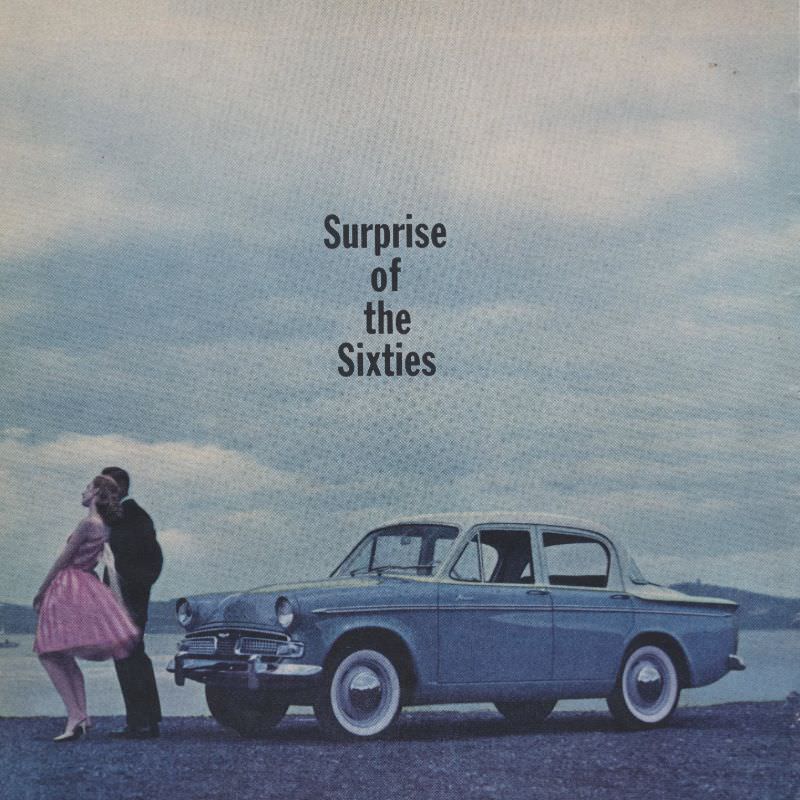
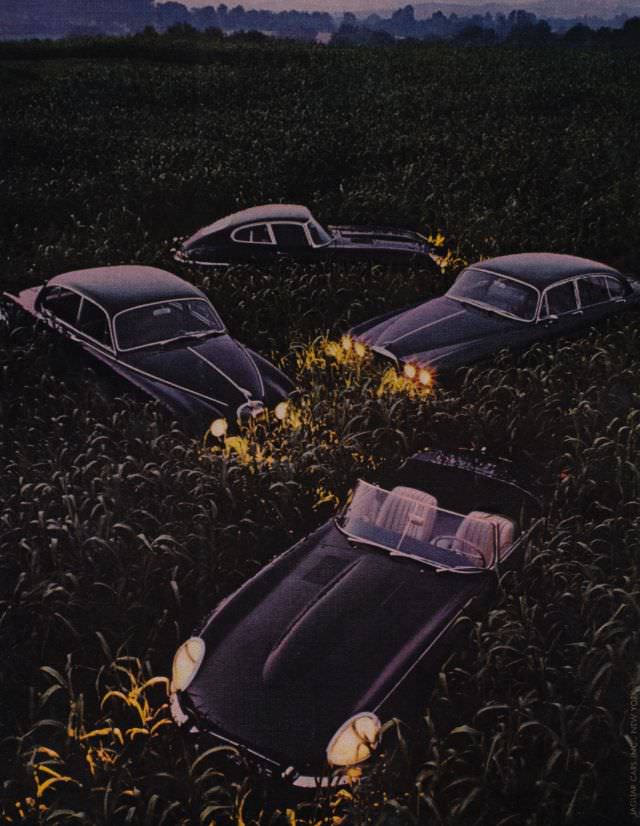
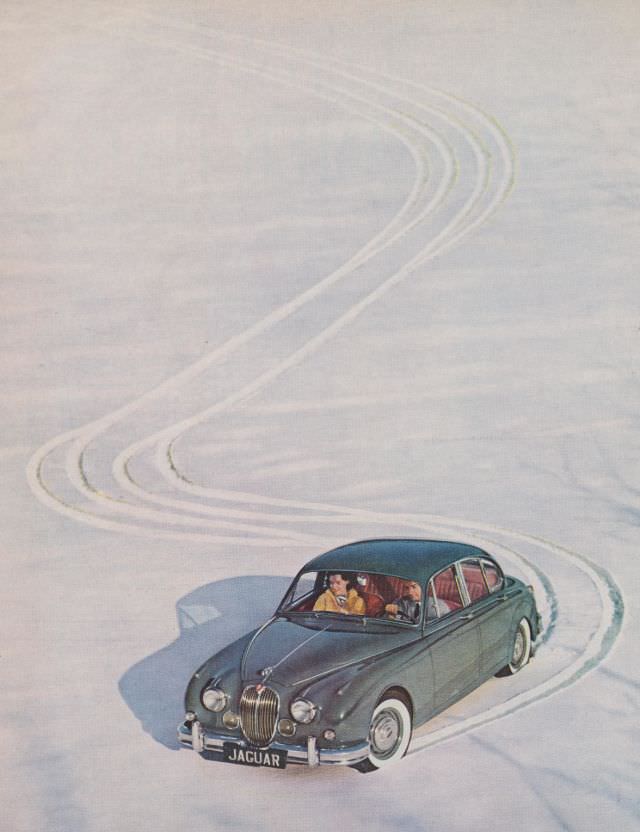
British imports made strong plays for American buyers throughout the 1960s. Hillman called itself “The Surprise of the Sixties,” pitching value and practicality. Jaguar took the opposite approach, branding itself as something altogether different — a sports-minded luxury car that stood apart from anything Detroit was building.
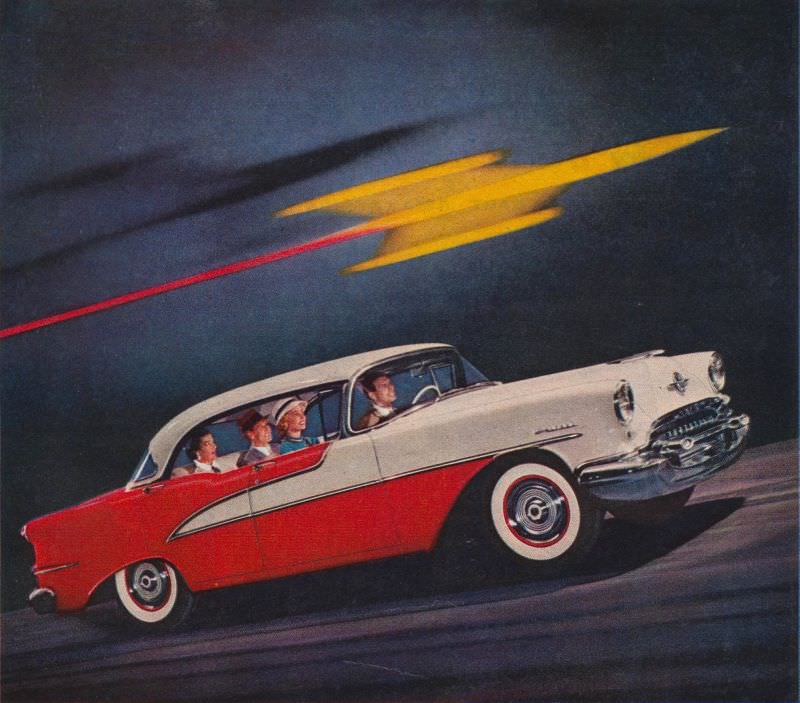
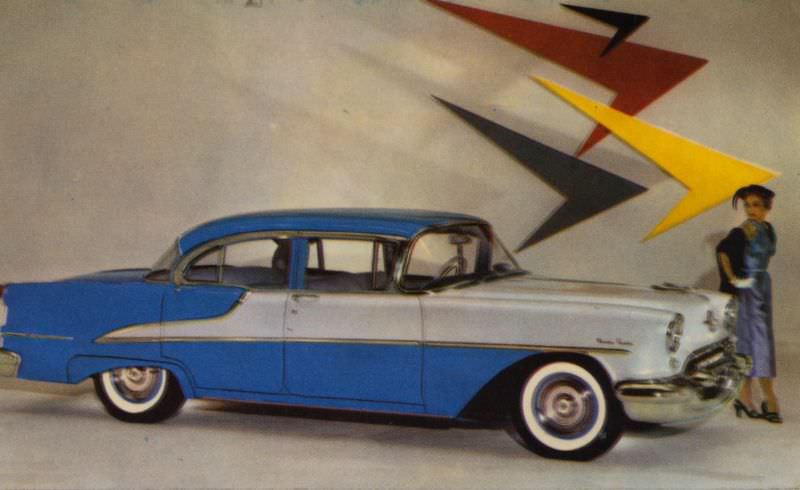
Oldsmobile covered both ends of the market. The Rocket 88 ads targeted buyers who wanted energy and speed. The Ninety Eight, on the other hand, was a full-sized luxury sedan aimed at buyers who wanted comfort and size. In the early 1960s, big cars with big engines faced no serious challenge from regulators or fuel costs.
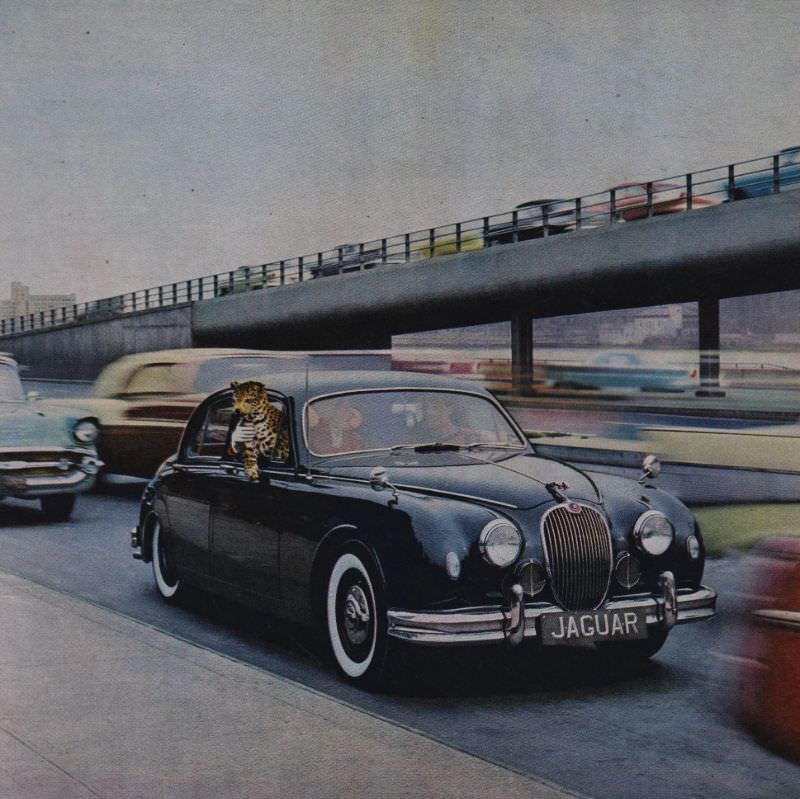
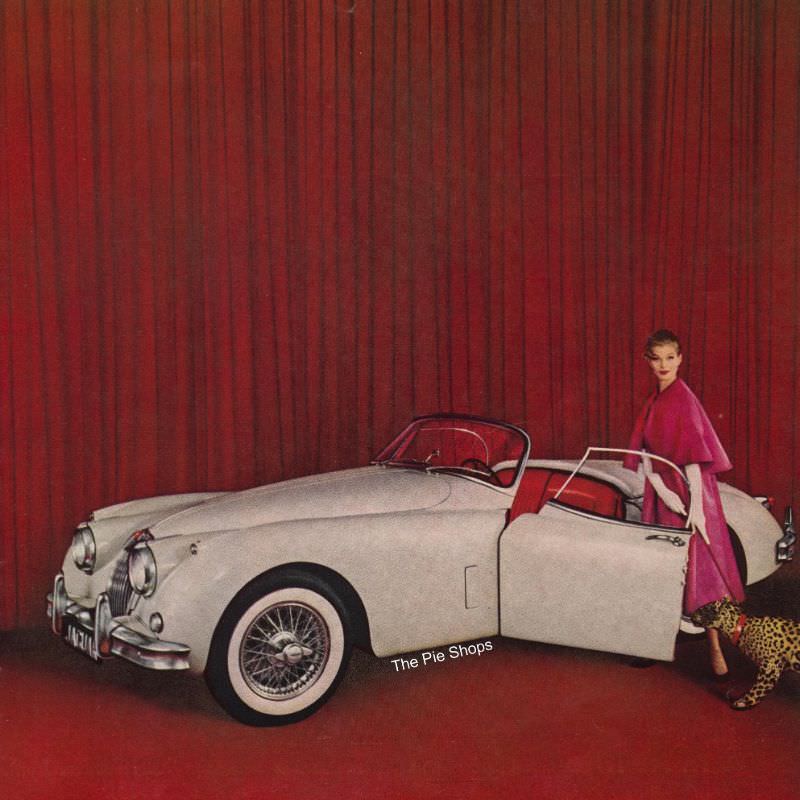
Jaguar’s scarcity-based advertising was a masterstroke. By telling Americans that only 7,500 of them could own one in a given year, the brand turned a supply limitation into a selling point. It made a Jaguar feel rare, exclusive, and worth chasing — a sharp contrast to Detroit’s high-volume production pitch.
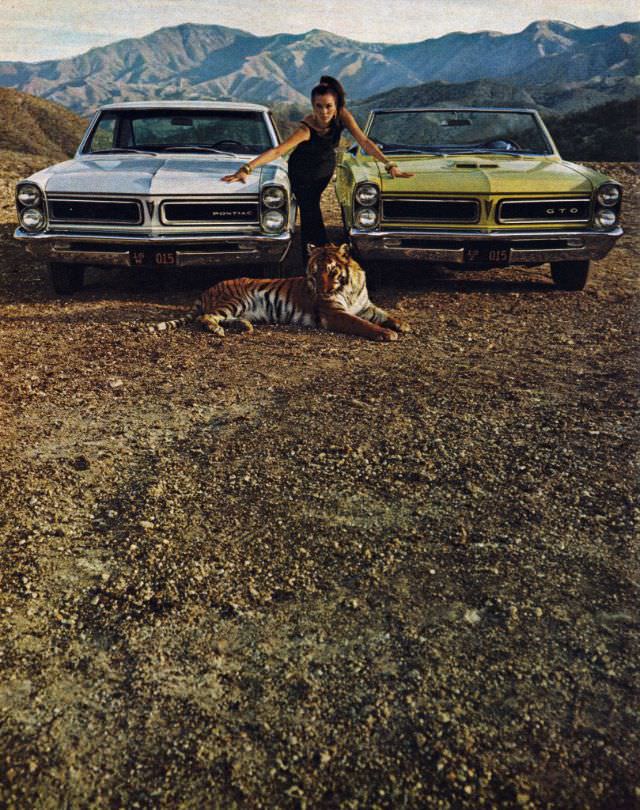
Pontiac’s “Wide-Track” campaign was one of the most successful of the era. The ads emphasized handling and road grip, giving Pontiac a performance identity that distinguished it from other GM brands. The GTO and LeMans shared that identity — built for buyers who wanted speed with their style.
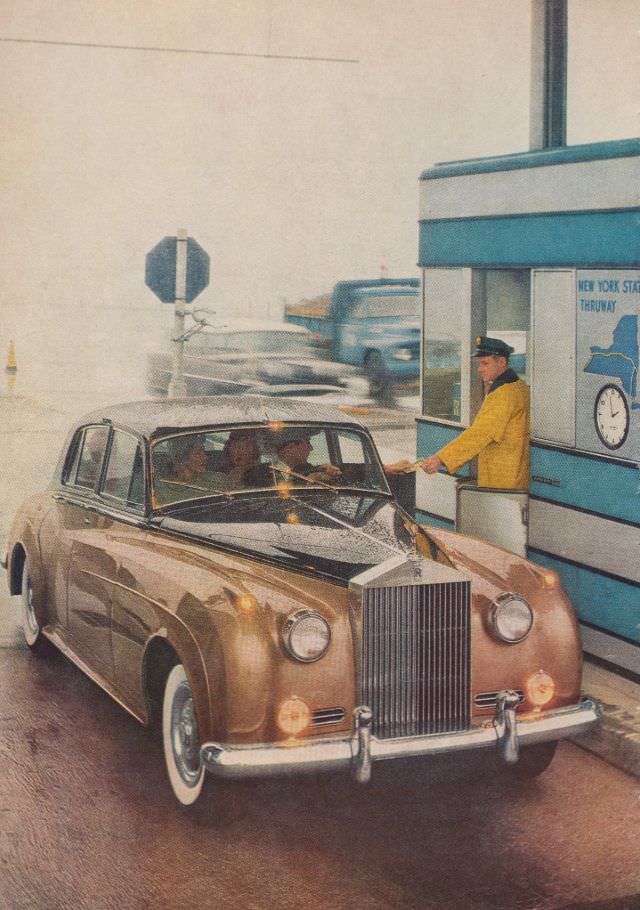
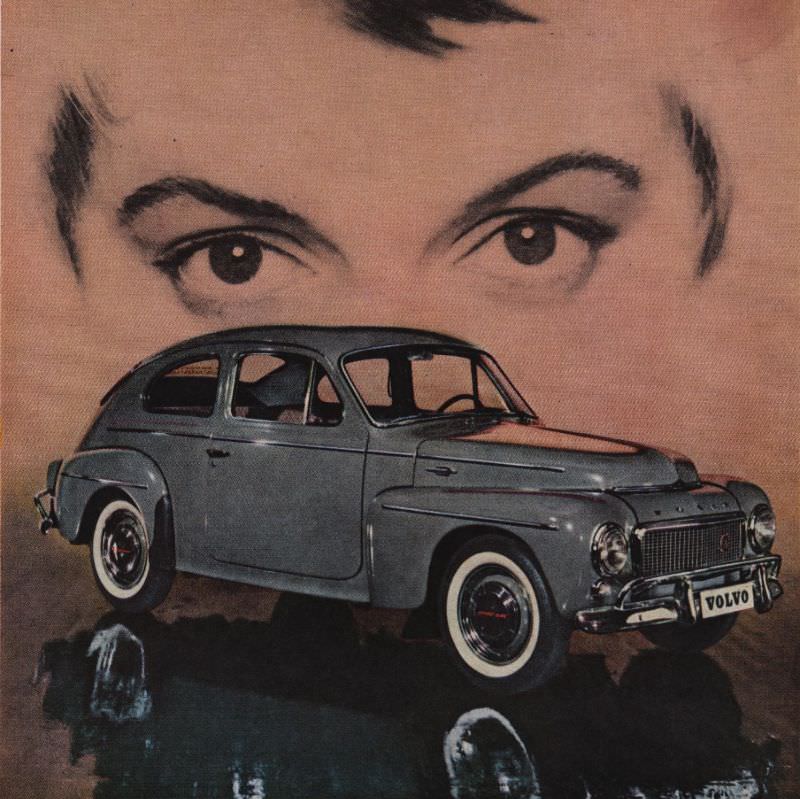
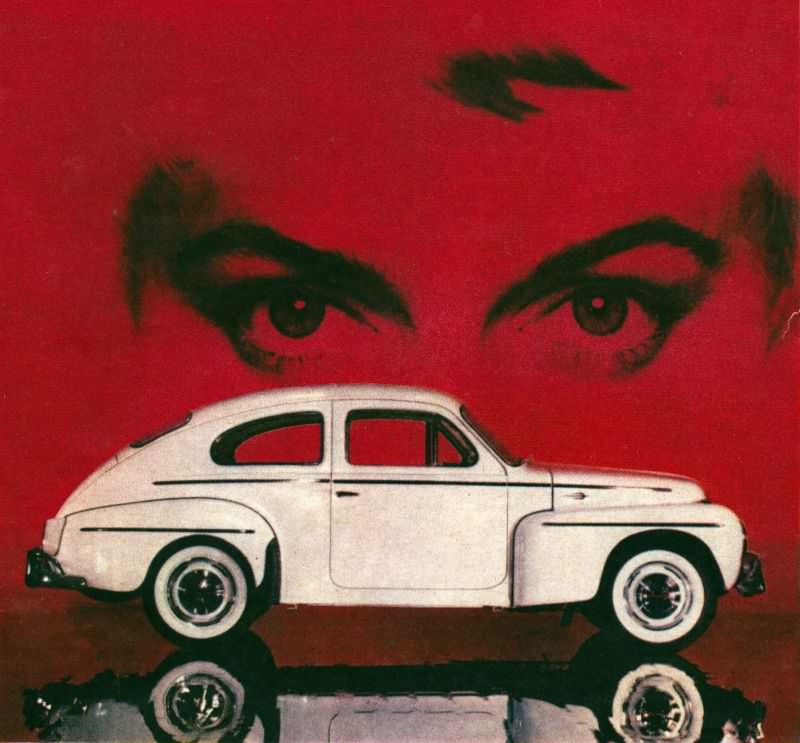
Rolls-Royce didn’t need flashy taglines. The Silver Cloud sold itself on reputation. Volvo, by contrast, was still building its American audience in the late 1950s and early 1960s. Its ads used a direct, confident challenge — “See It, Drive It, You Will Buy It” — betting that the car’s quality would speak for itself once a buyer got behind the wheel.
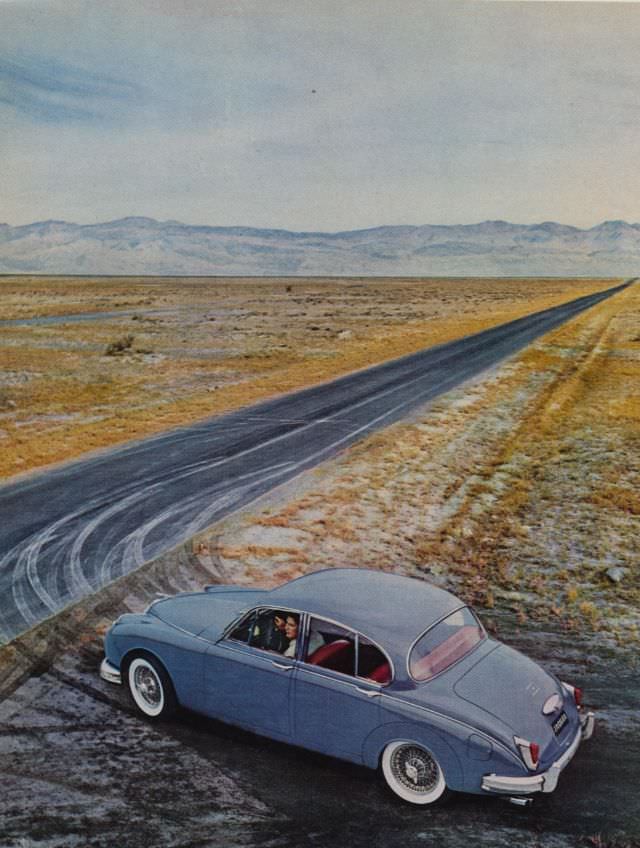
Jaguar’s 3.8 sedan blurred the line between luxury and sport — a combination that American manufacturers hadn’t yet fully explored in a single package. The Vehicle Air Pollution and Control Act of 1965 and the Clean Air Act of 1963 would soon force all automakers, domestic and foreign, to rethink their engines.
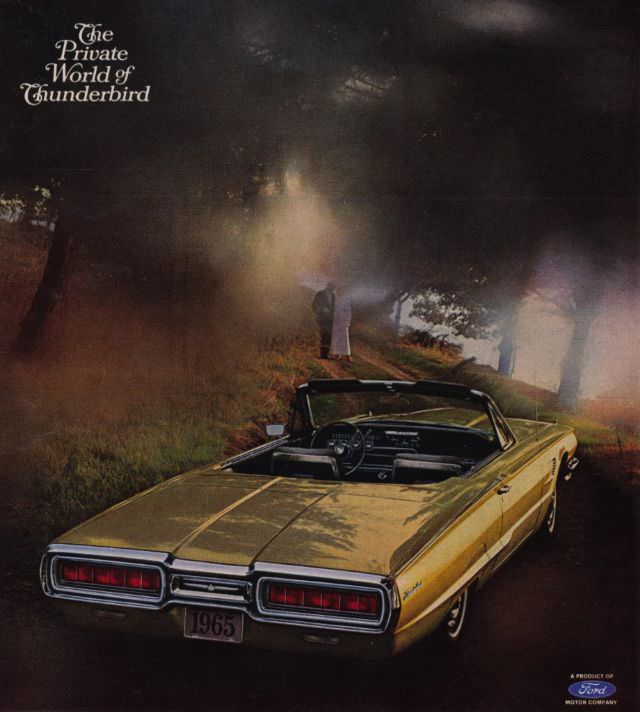
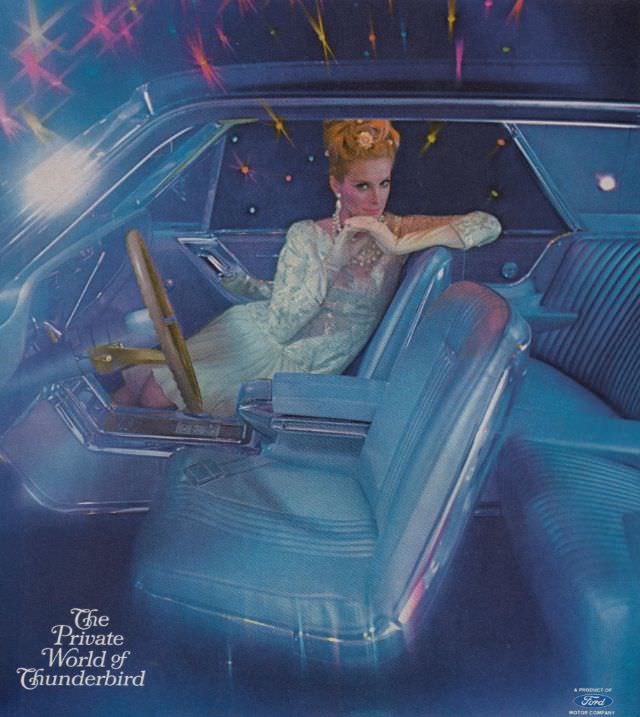
By the mid-1960s, the Thunderbird had settled into its role as a personal luxury car. Ford’s ads framed it as a private retreat — “The Private World of the Thunderbird” — selling the feeling of being cocooned in comfort and style. The rear fins and chrome excess of the 1950s were long gone by this point, replaced by refined, elegant lines.
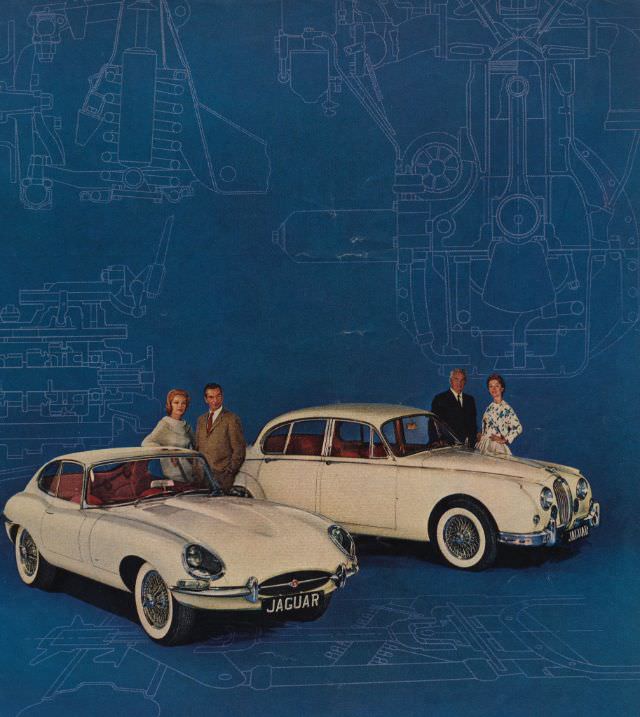
Jaguar’s 1962 ads pushed back hard on any notion that British sports cars were fragile or unreliable. “Rugged” and “Reliable” were words American buyers trusted, and Jaguar knew it. The brand was fighting for credibility in a market that still viewed imports with skepticism.
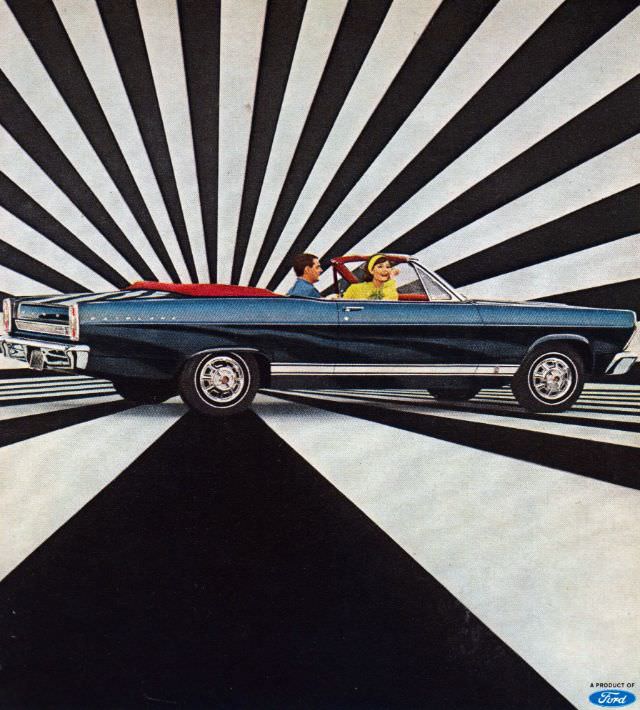
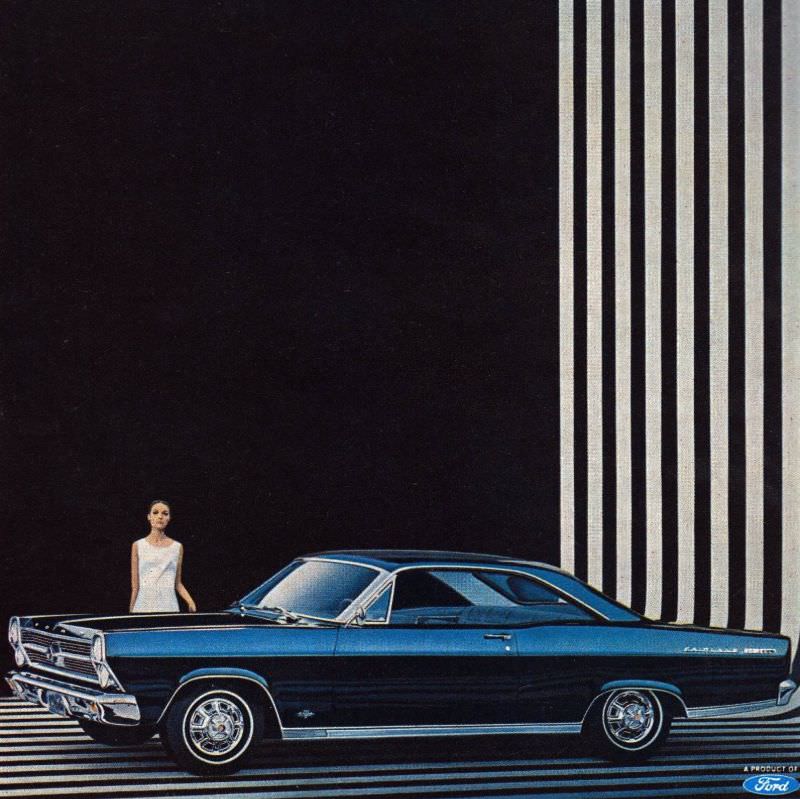
Ford leaned into playful energy for its 1966 Fairlane campaign. The “Wizard of ‘Aah’s'” tagline promised that the car would leave onlookers speechless. The Fairlane had grown more performance-oriented by this point, and Ford was eager to distance it from its earlier, more conservative image.
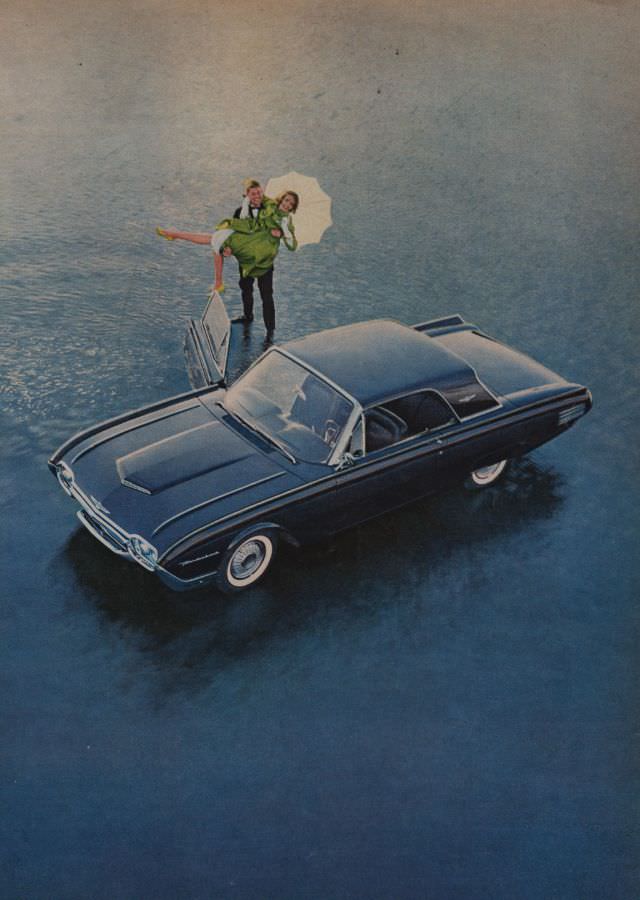
The 1961 Thunderbird ads celebrated a freshly restyled car. Ford called it “magic,” and the new body — longer and more streamlined than the 1958–1960 models — gave them reason to boast. The early 1960s were a high point for Thunderbird sales, and the advertising matched that momentum.