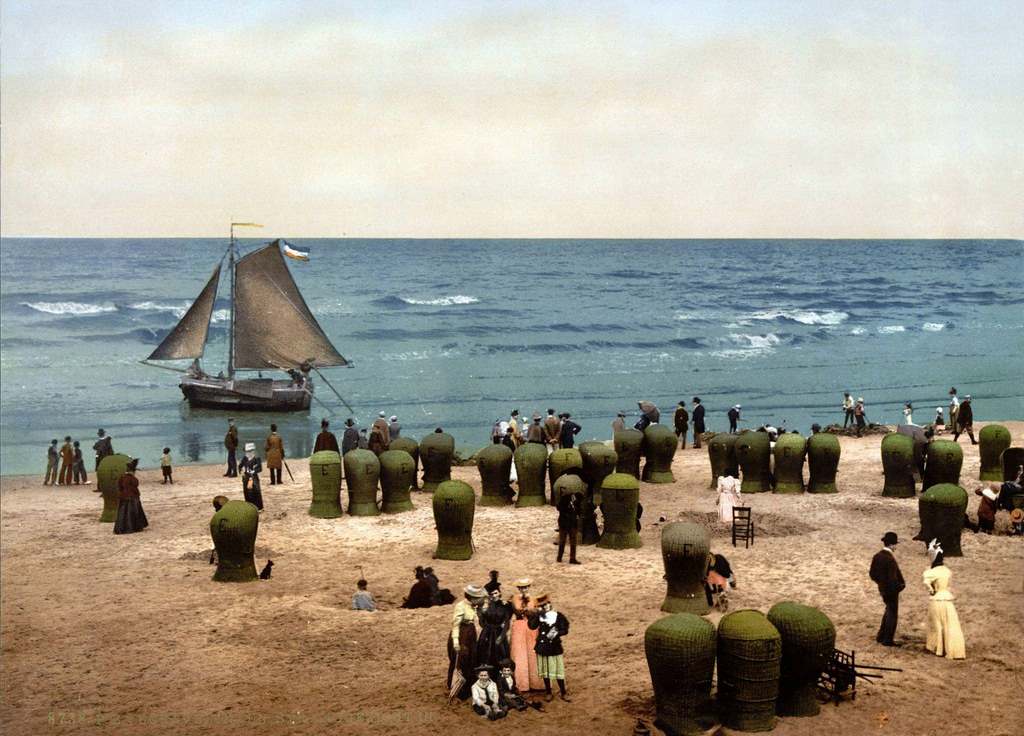
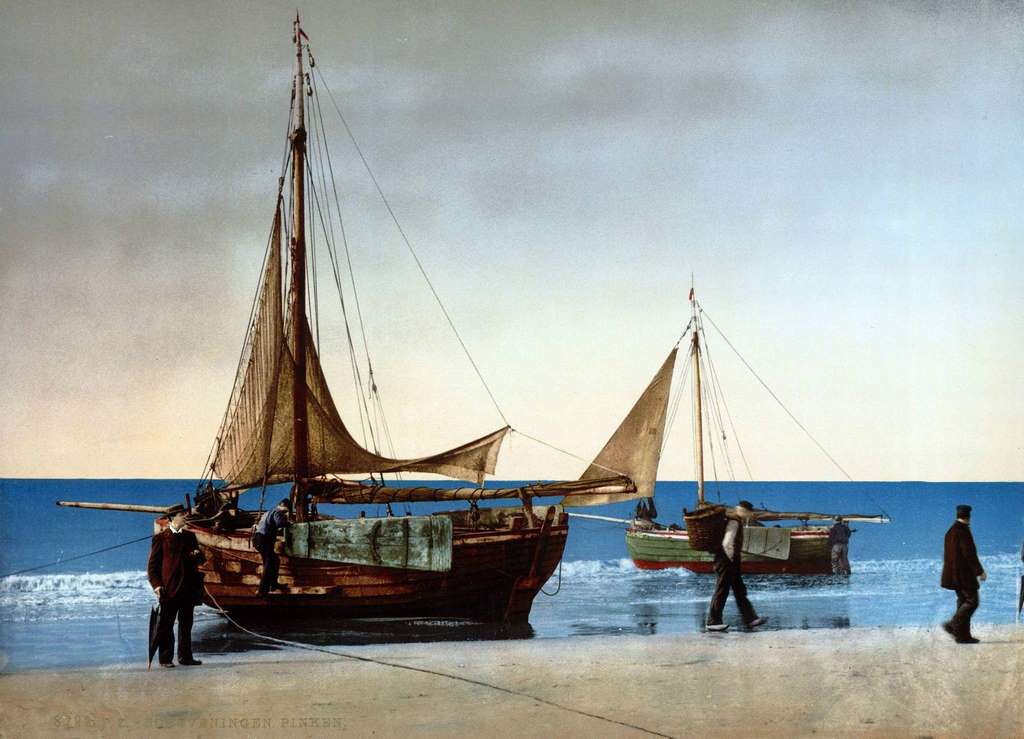
The Netherlands may be best known for its windmills, tulip fields, and canal cities, but its coastline has been a beloved destination for well over a century. Stretching along the North Sea, the Dutch coast is lined with wide sandy beaches, dune landscapes, and resort towns that drew enormous crowds long before the age of international air travel. From the grand seaside promenades of the early 1900s to the sun-soaked summer scenes of the 1980s, beach life in the Netherlands has a rich and fascinating visual history.
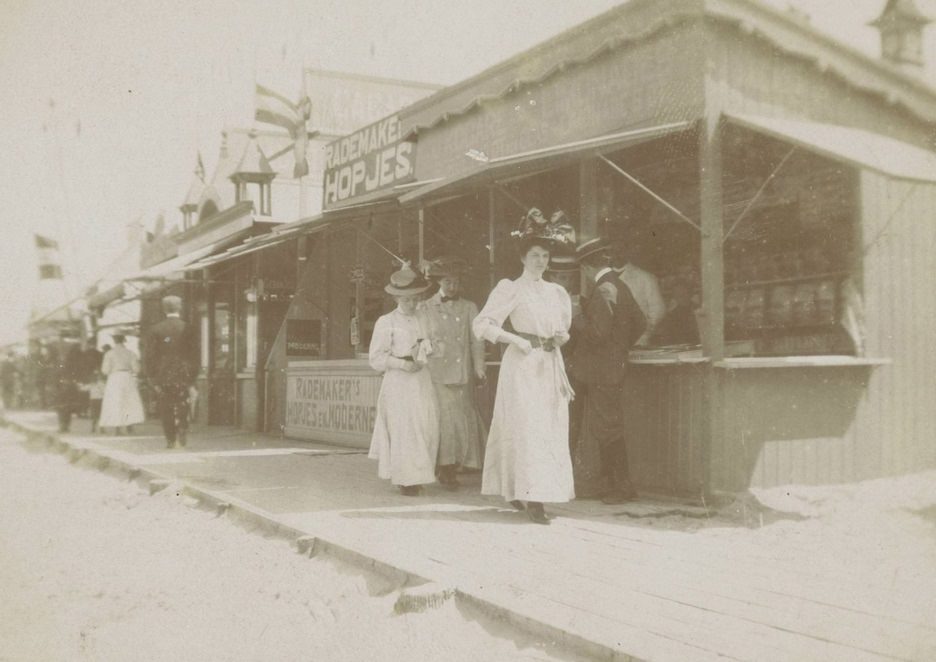
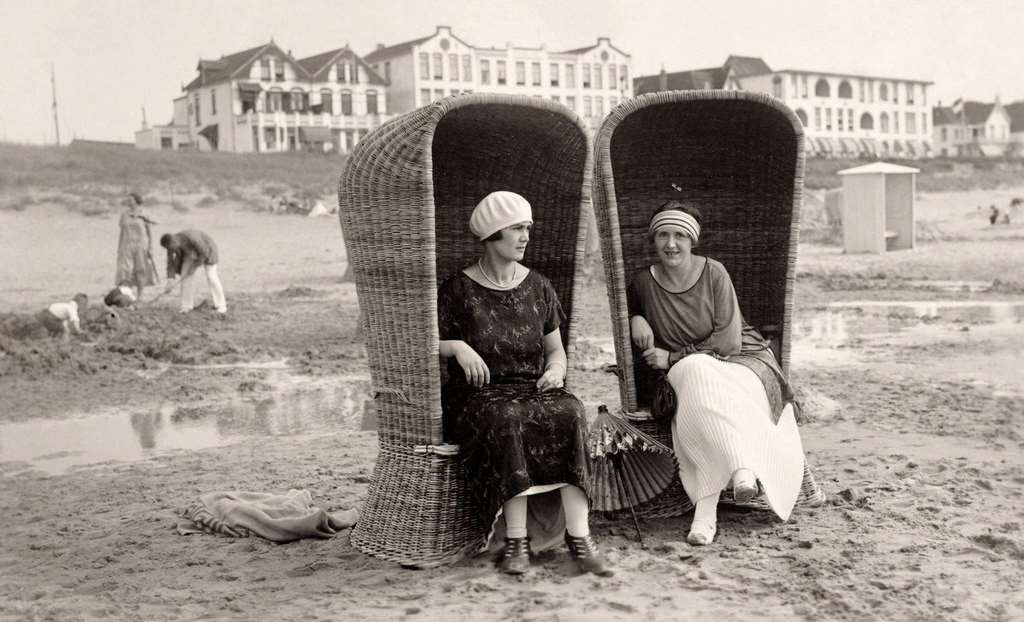
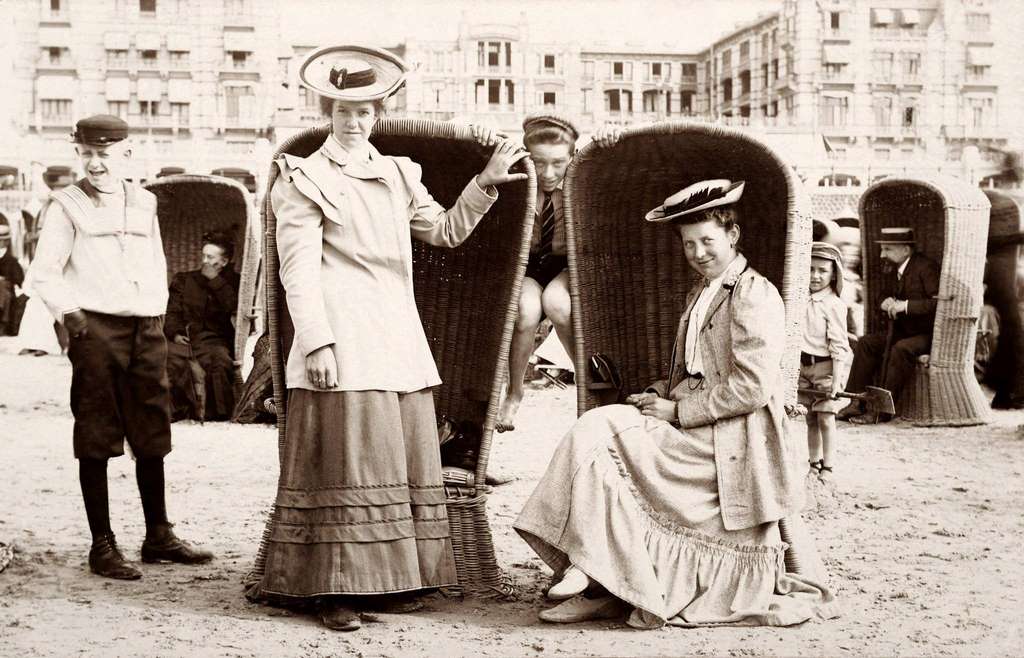
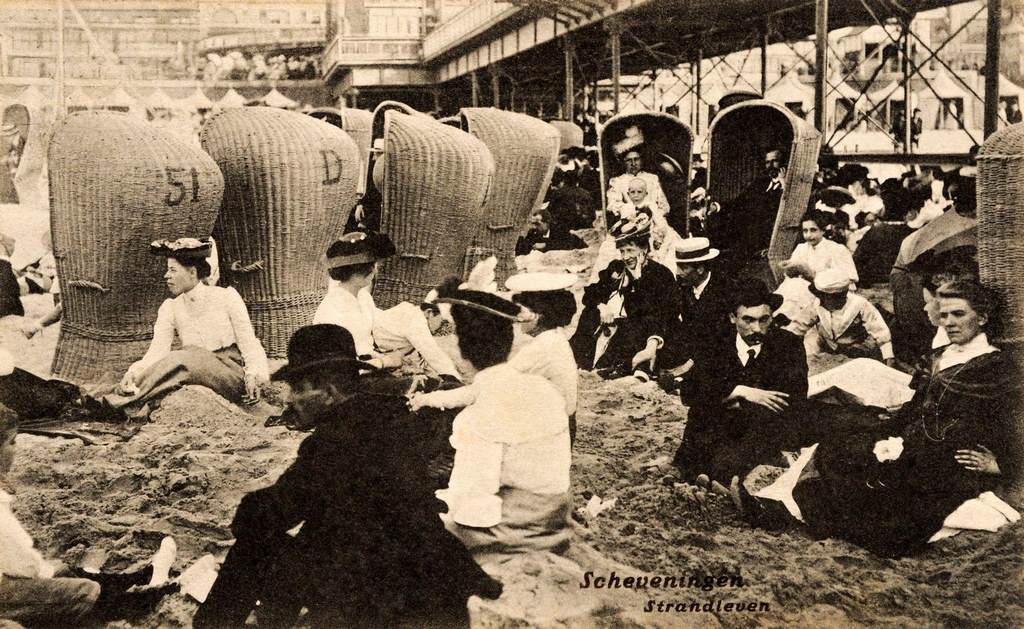
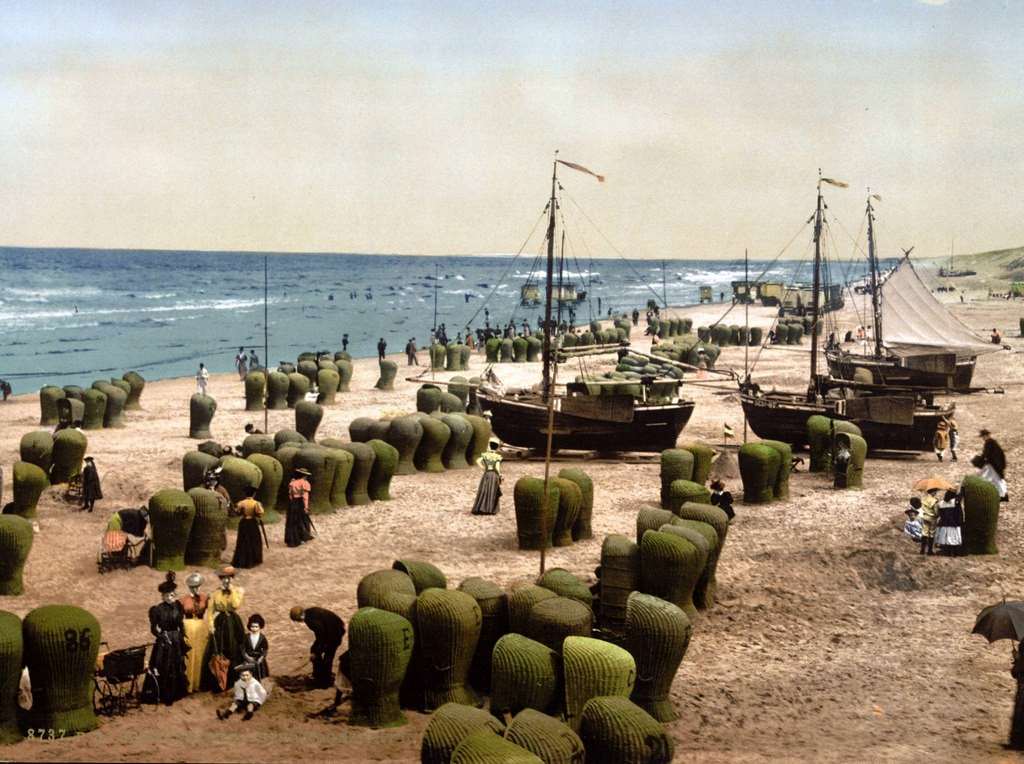
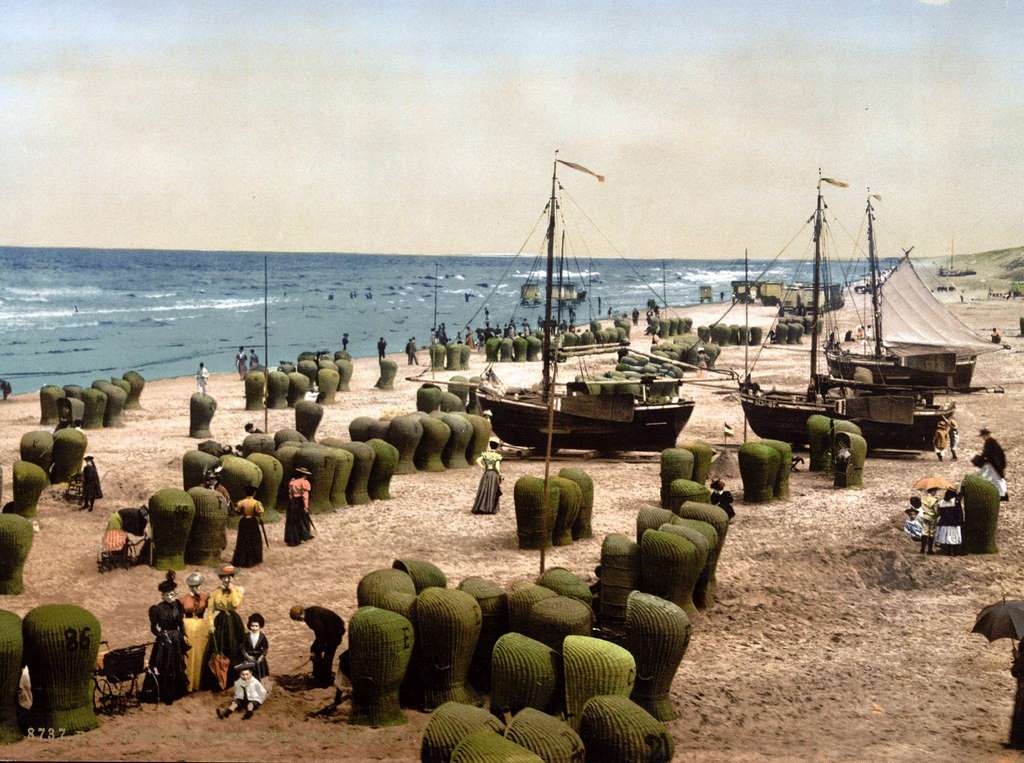
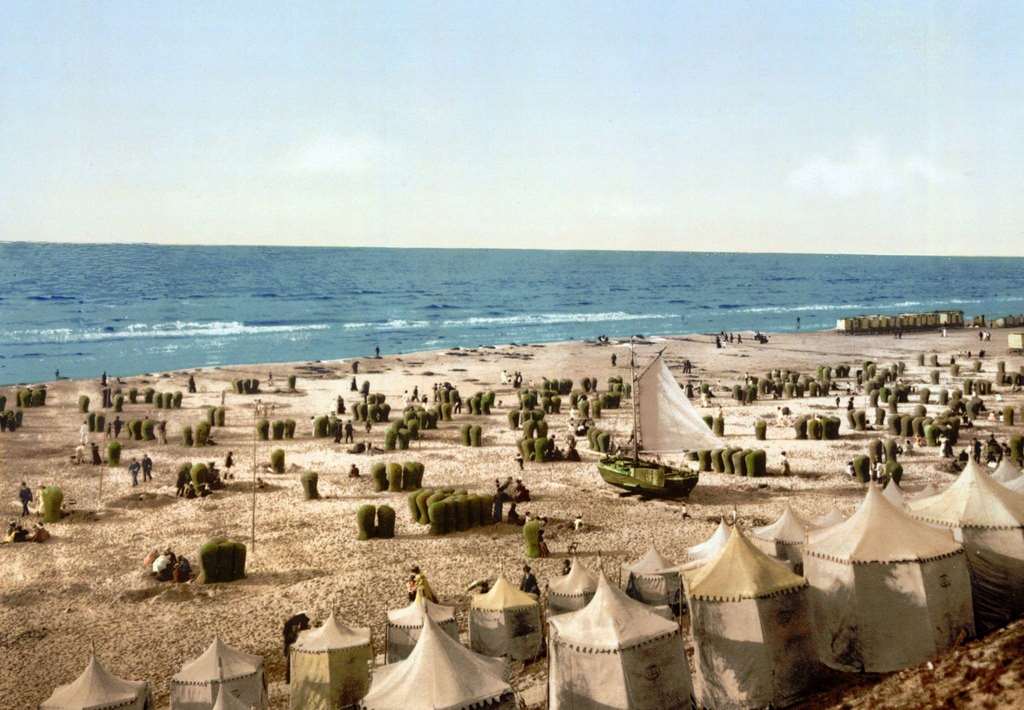
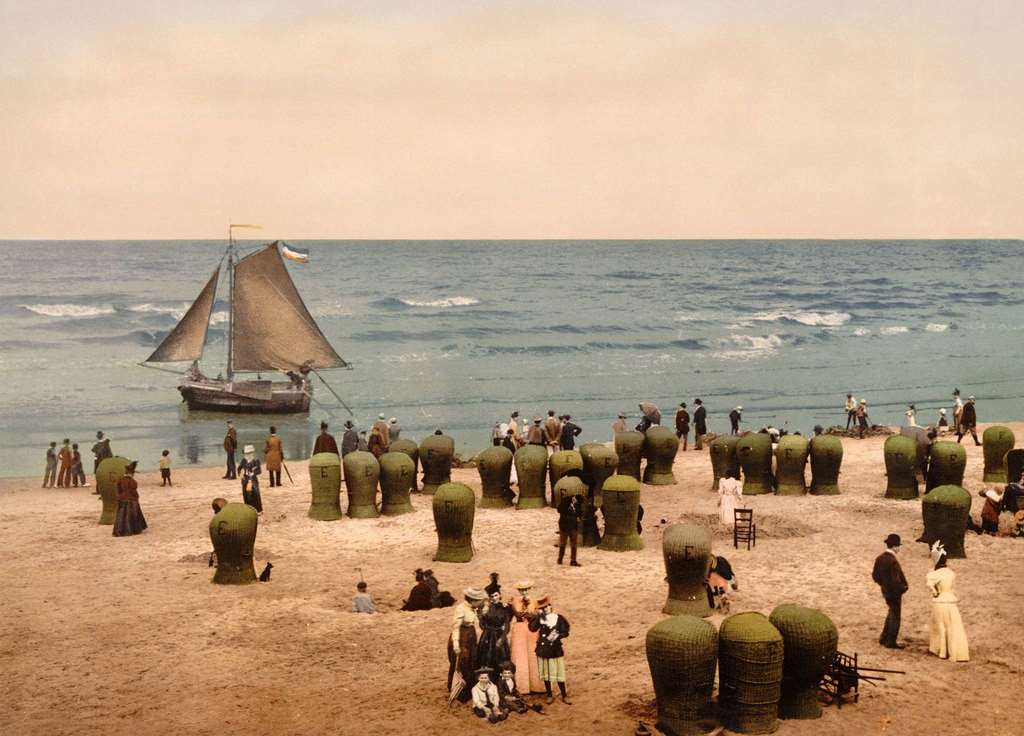
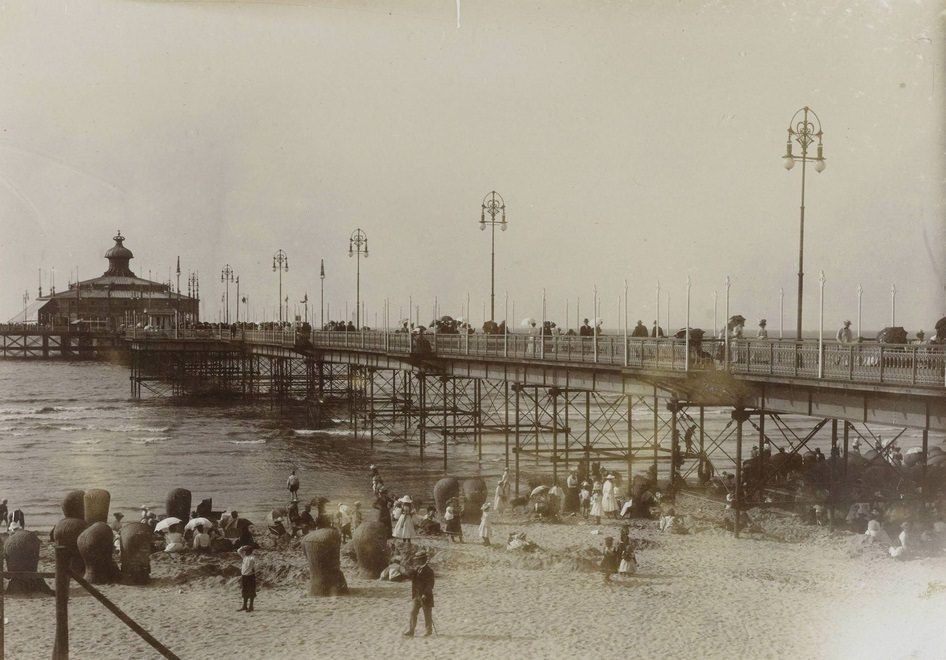
Among all the beaches in the country, Scheveningen — located within The Hague — stands out as the most visited. Its sandy shores backed by grand hotels, a long pier, and a busy boulevard made it the centerpiece of Dutch seaside culture. As far back as 1900, Scheveningen was already drawing well-dressed crowds who arrived by carriage and train to take in the sea air. The photographs from that era show visitors in full Victorian dress, seated in wicker beach chairs or strolling along wooden planks past vendors and stalls.


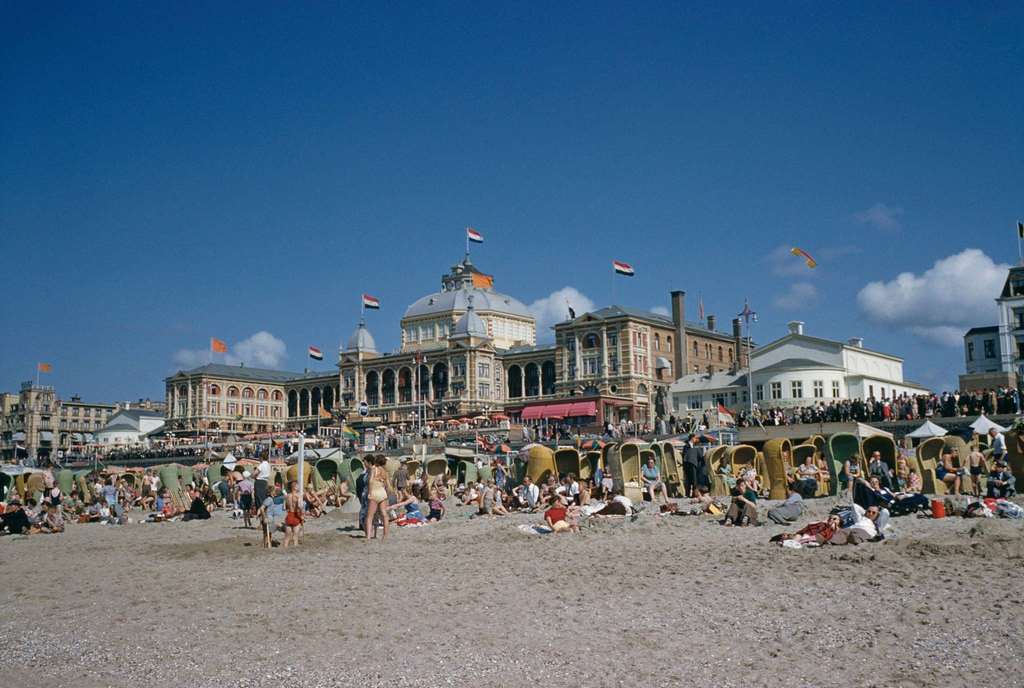
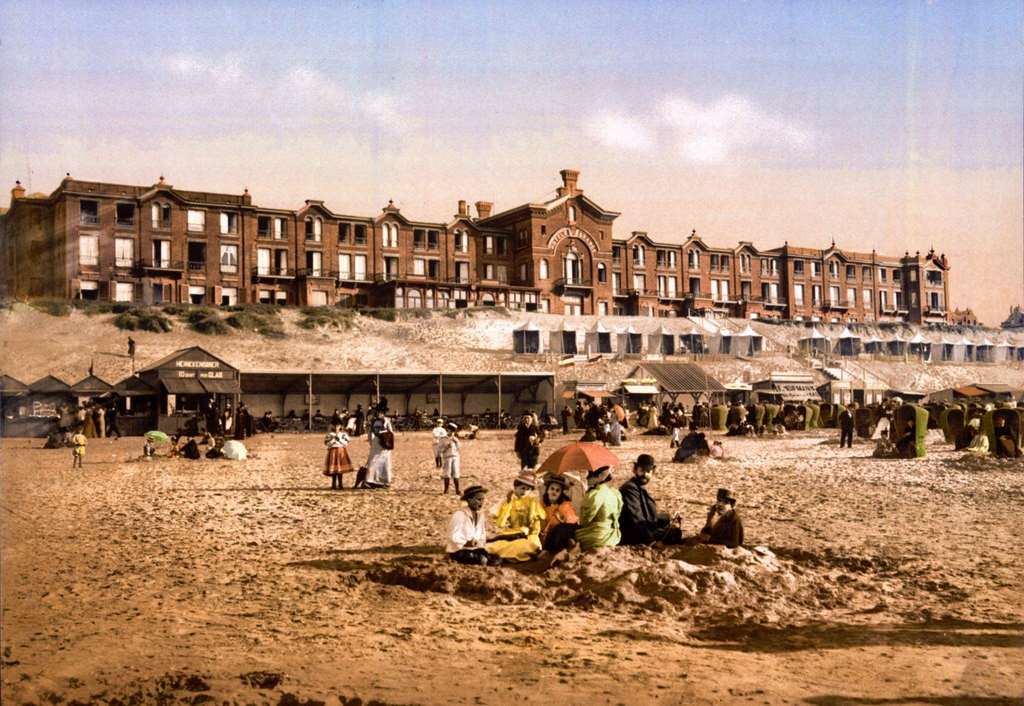
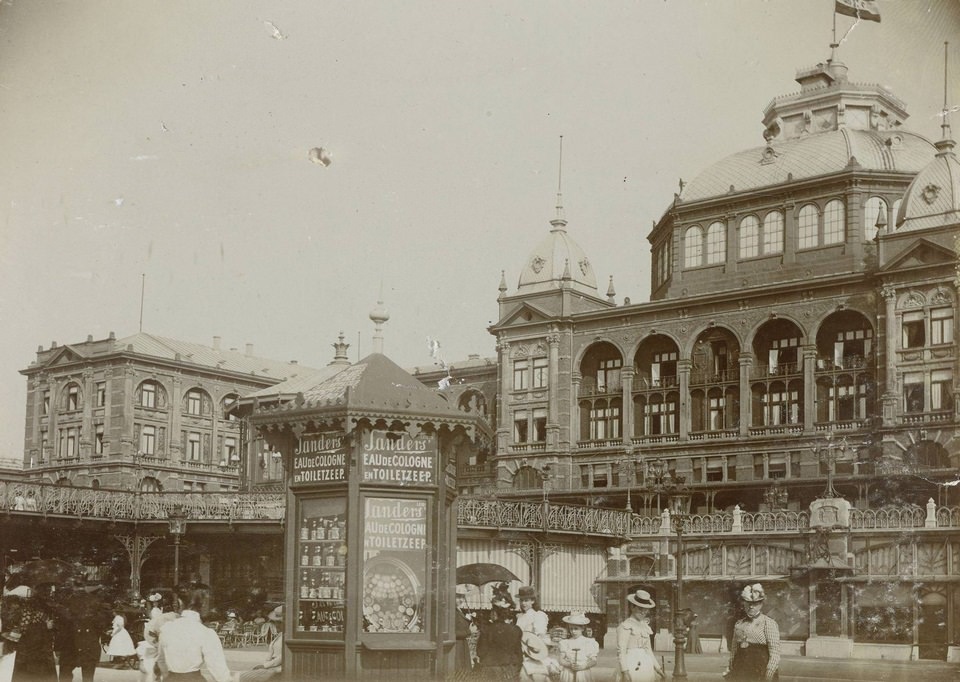
The Kurhaus hotel, one of Scheveningen’s most iconic landmarks, loomed over the beach in grand fashion. Built in the late 19th century, it became a symbol of the resort’s prestige. Photos from 1900 show the hotel’s imposing facade rising behind beachgoers who occupied the sand in formal attire. These early visitors did not come to swim laps or play beach volleyball — they came to be seen, to breathe sea air recommended by doctors of the time, and to socialize among peers.


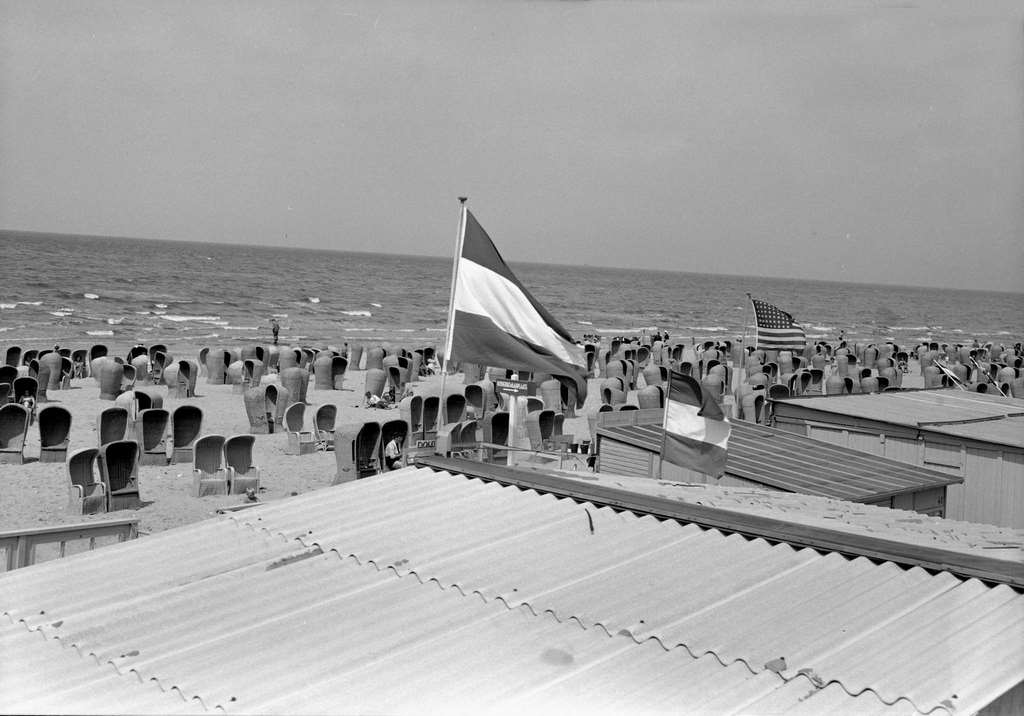
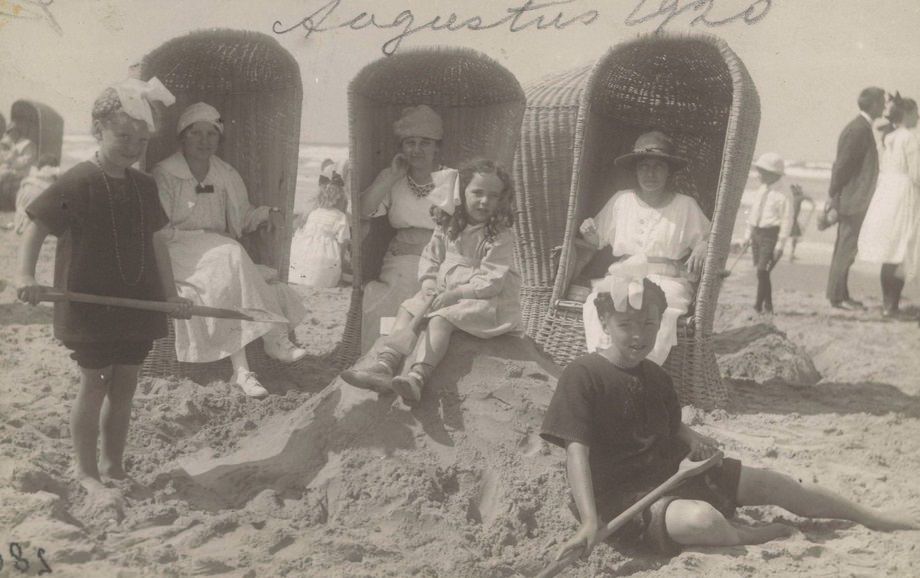
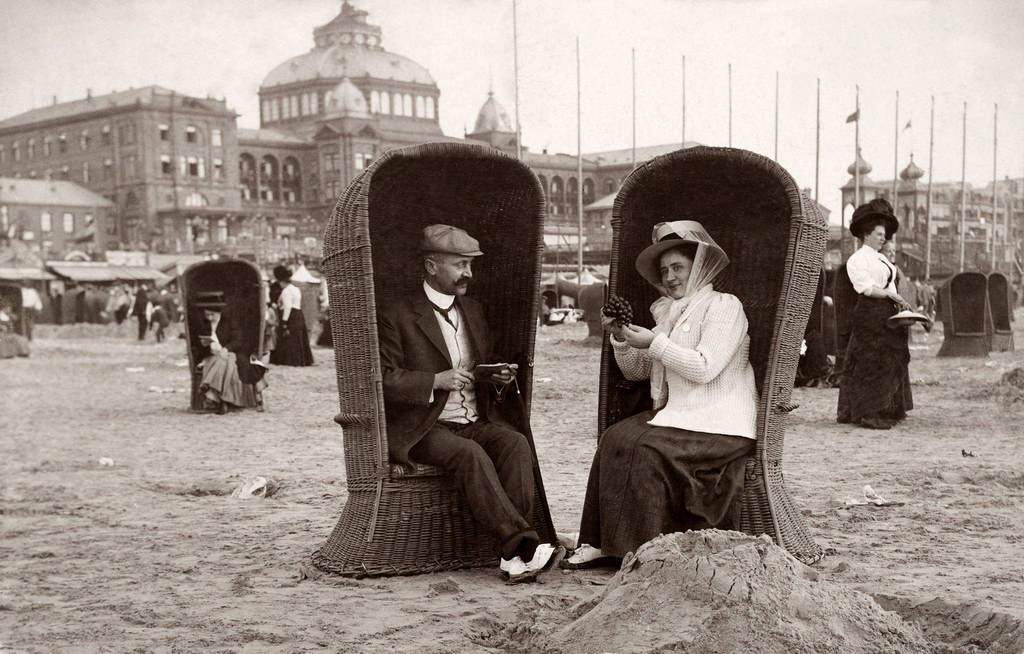
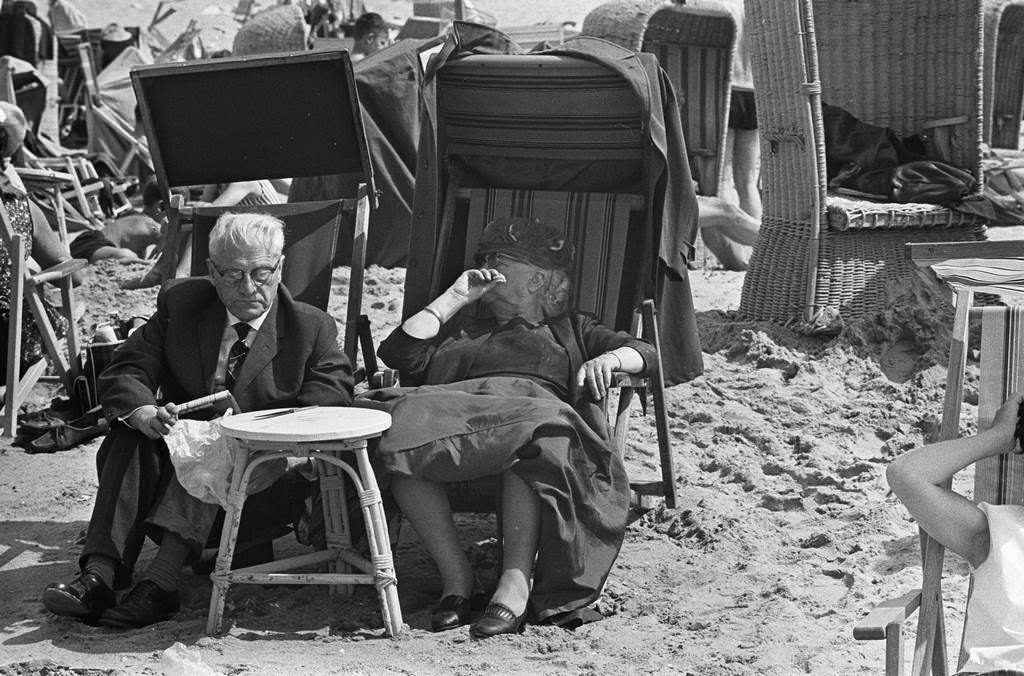
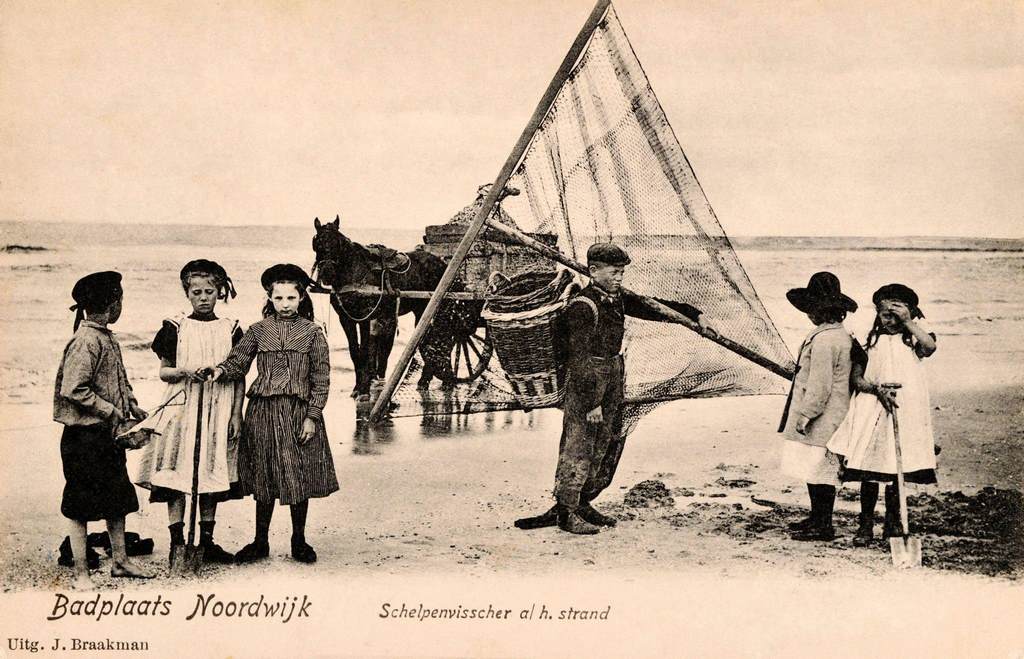
By the early 1900s, beach outings had become a full family affair. A 1910 photograph near Rotterdam captures Dutch children collecting seashells while a horse and cart stands in the background — a reminder of how different transportation and daily rhythms were at the time. At Scheveningen, couples relaxed in rented beach chairs, and holidaymakers of all ages occupied the sand in a relaxed but still quite formal manner. One image from 1910 shows a man smoking a cigar while his companion eats grapes, both seated comfortably in chairs facing the sea.


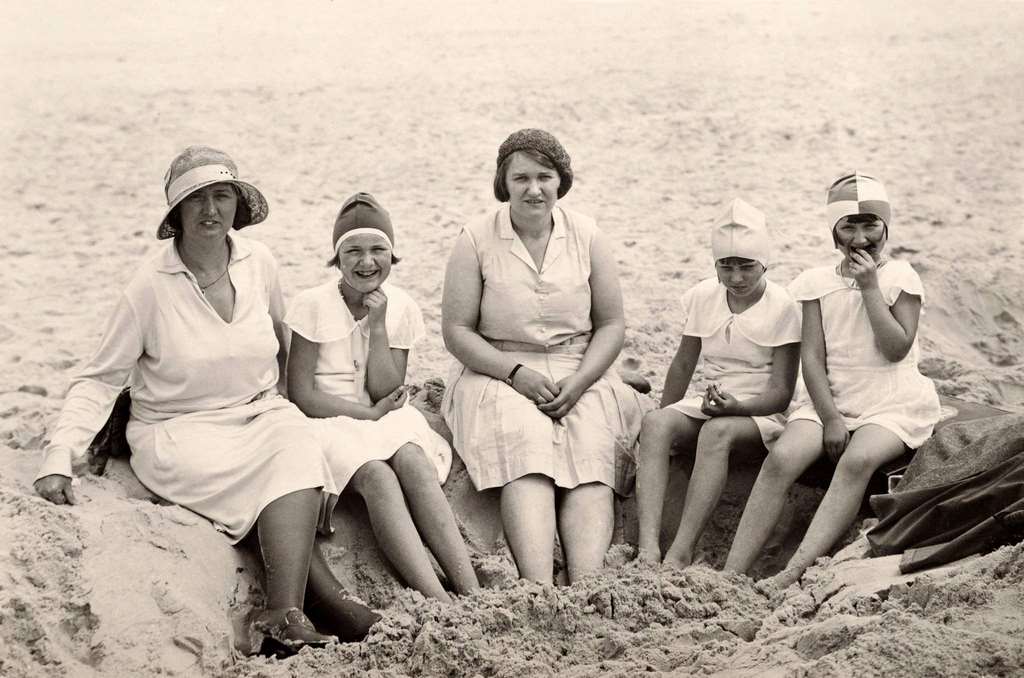
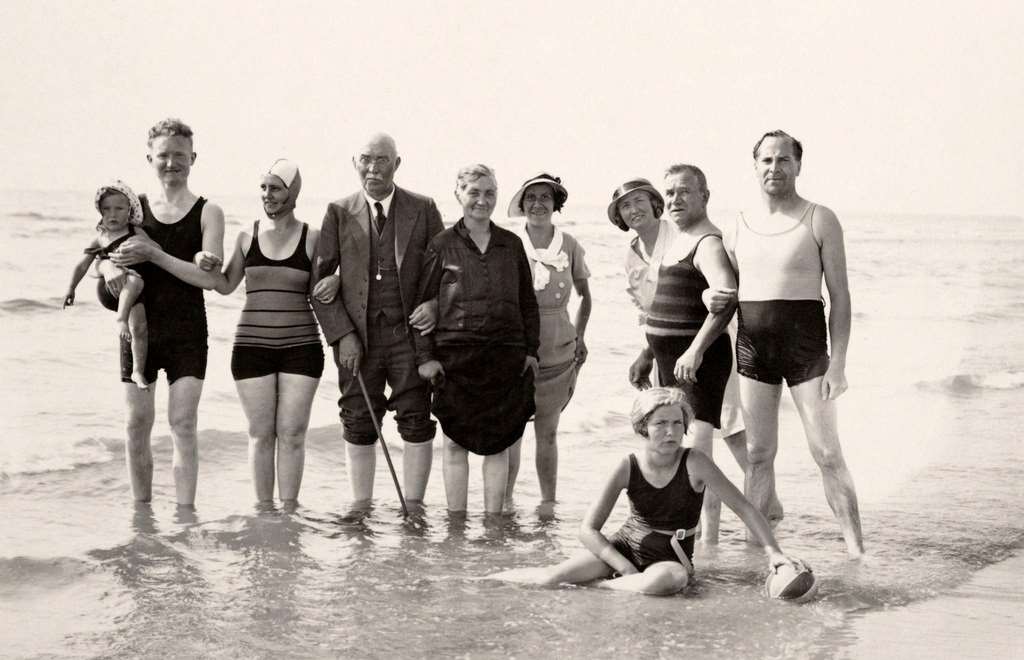
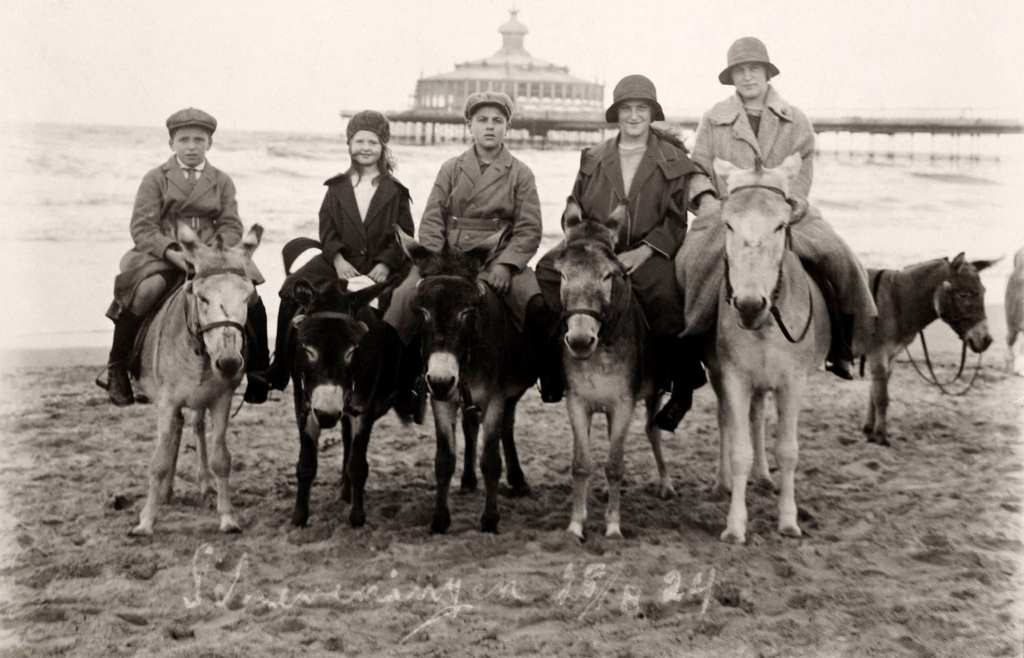
The 1920s brought a slightly more relaxed attitude to the beach. Women began appearing in bathing costumes alongside others still in their Sunday best, showing the slow but visible shift in social norms around beachwear and leisure. Donkey rides were a popular attraction for children at Scheveningen, with the pier visible in the background of photographs from 1924. Wicker beach chairs remained a staple, and family groups — spanning three generations — posed together for photographs on the sand.


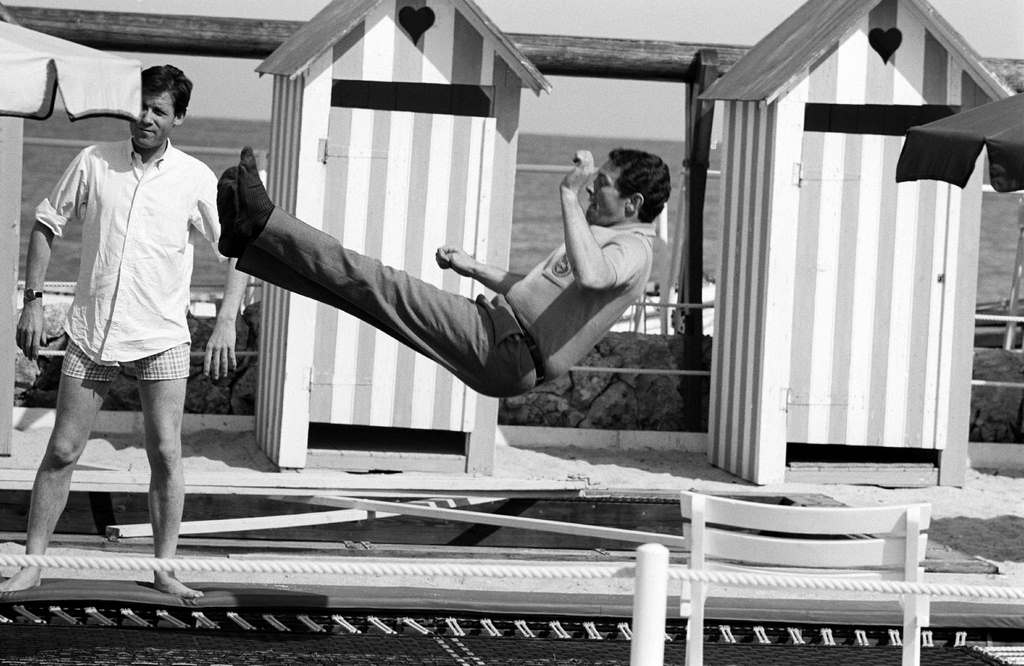
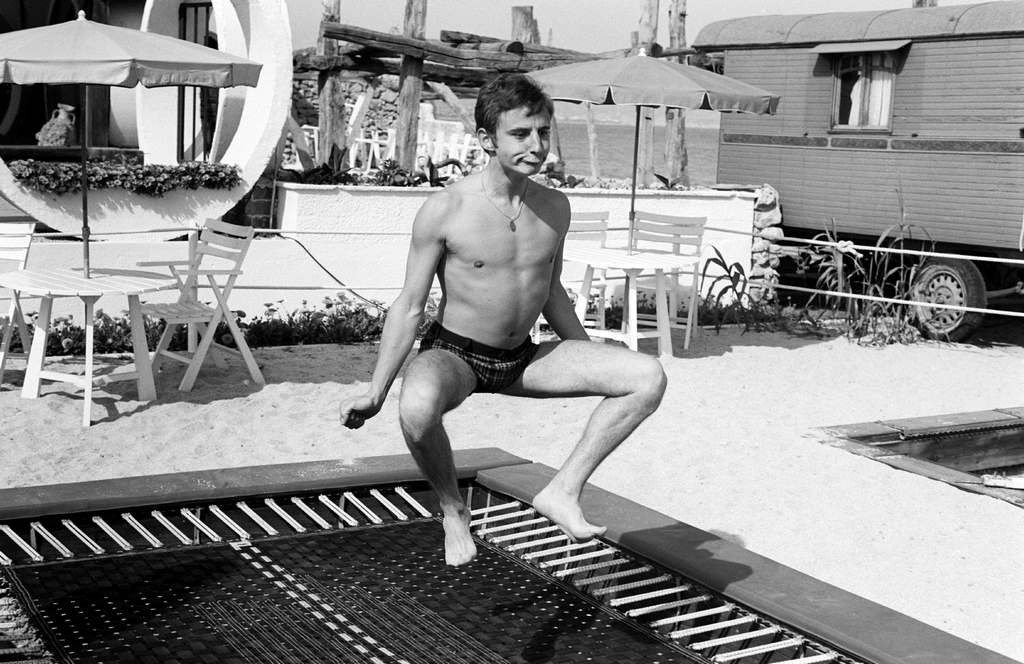
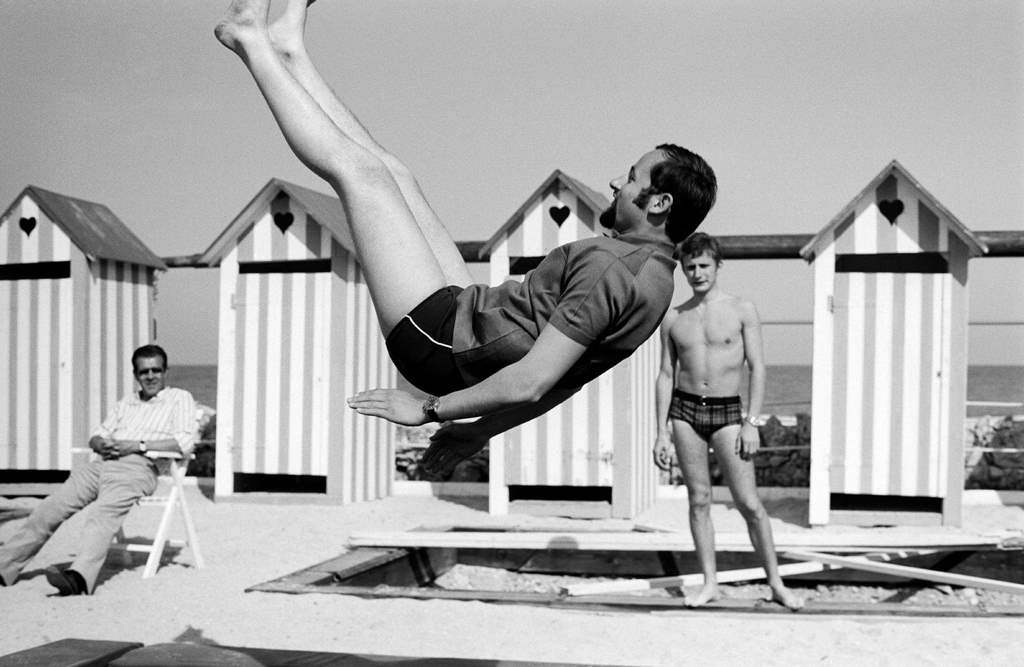
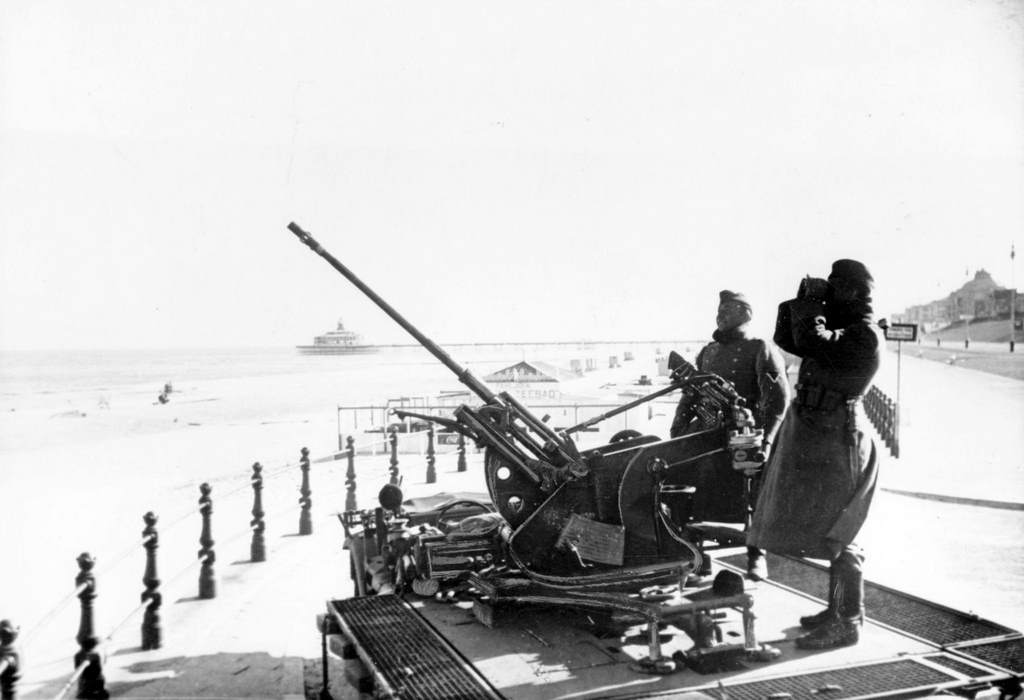
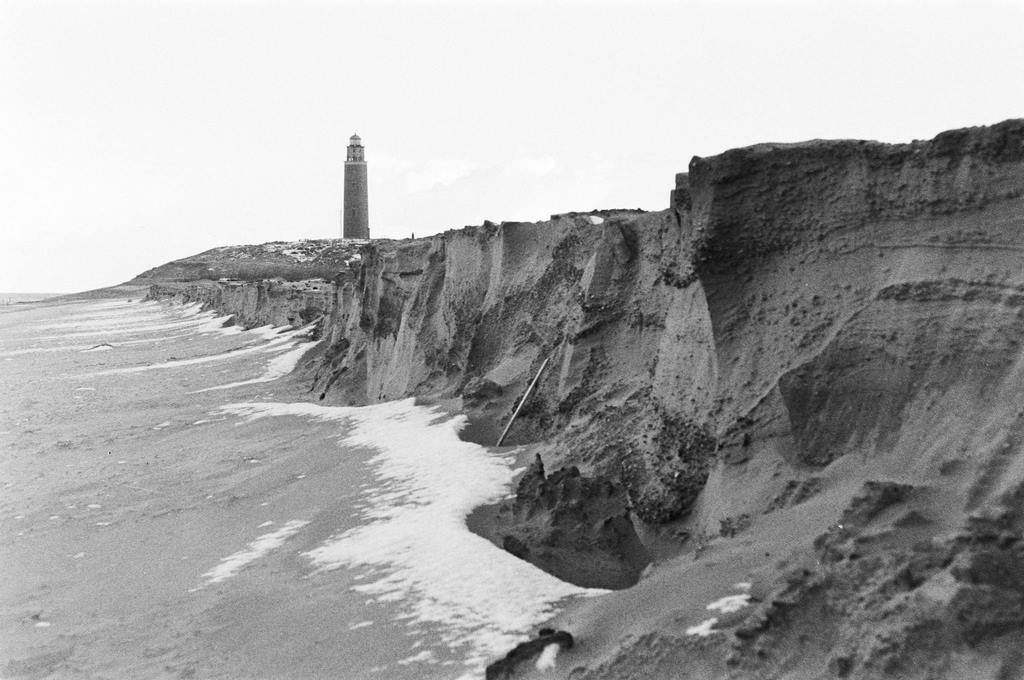
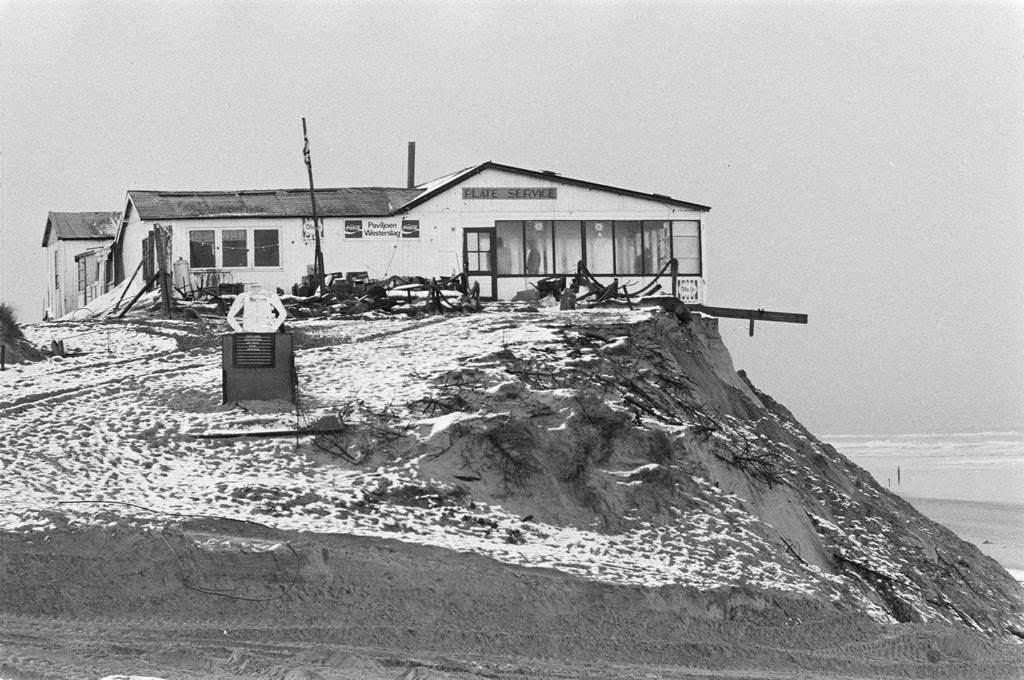
The 1940s brought a sharp contrast to the cheerful beach scenes of earlier decades. During and just after World War II, the Dutch coastline was militarized, and beaches like Scheveningen were closed to the public. By the late 1940s, some normalcy was returning. Beach trampolines appeared at Zandvoort, drawing crowds of children and young people looking for fun. Meanwhile, on Texel island, a powerful storm caused severe coastal erosion, wiping out large sections of land — with the lighthouse standing in the background of the aftermath.


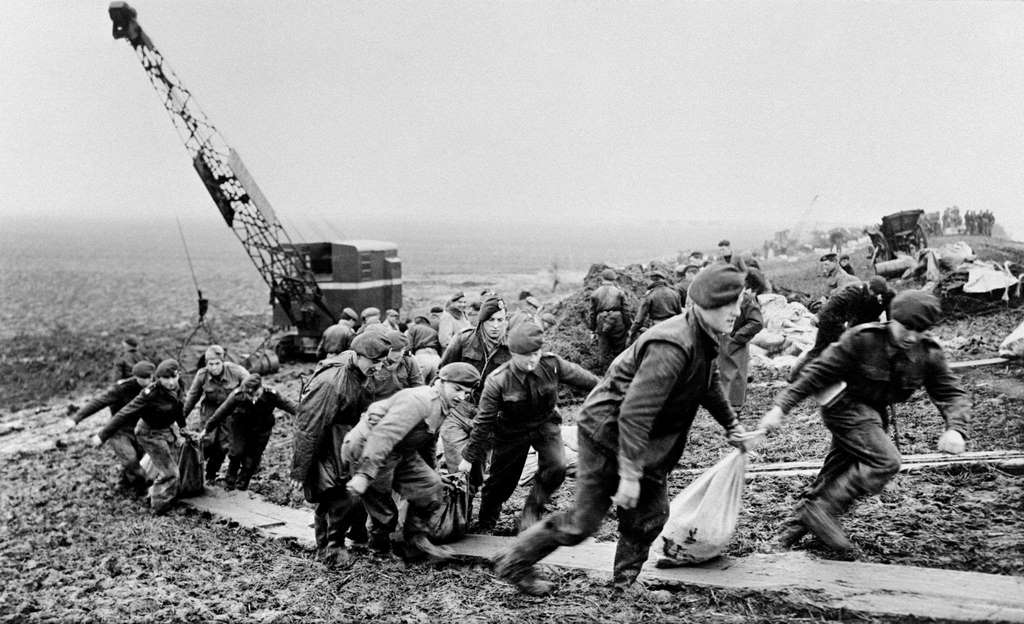
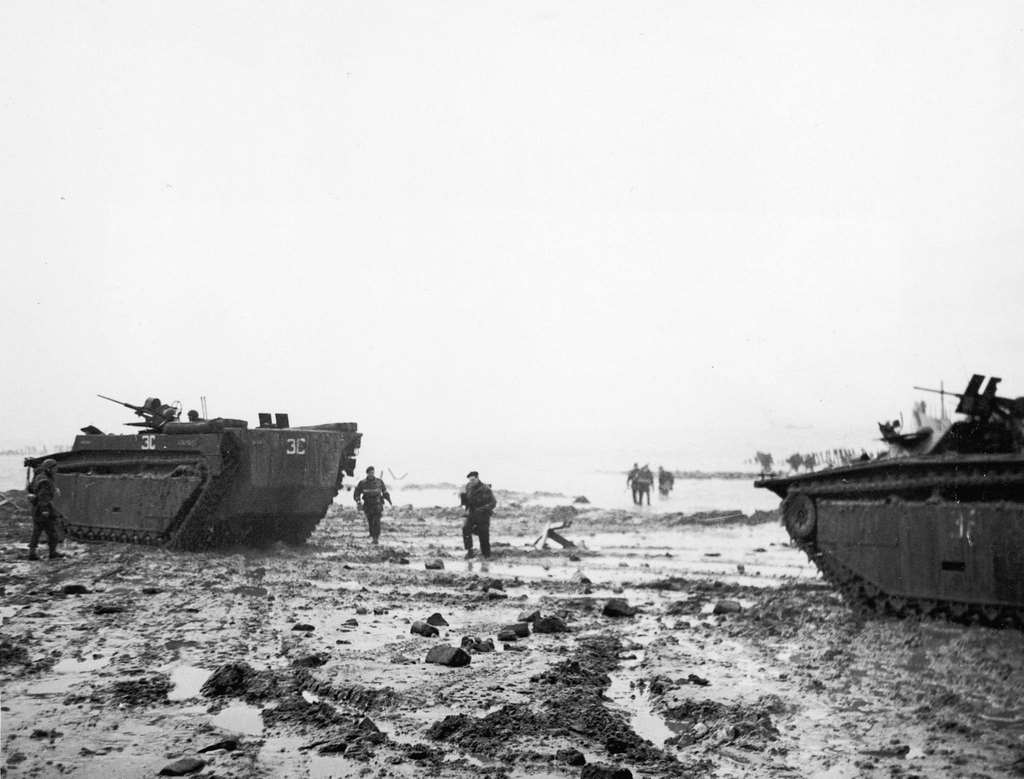
In 1953, the Dutch coast faced a catastrophic flood that killed nearly 1,800 people across the Netherlands. In the aftermath, soldiers and civilians worked side by side on the beaches, filling sandbags to reinforce the coastline against further storm tides. Photographs from that year capture the urgency of the effort — uniformed soldiers stacking sandbags alongside ordinary citizens on the beach. A few years later, in the 1950s, amphibious military tanks appeared on Dutch beaches during exercises, with troops wading ashore in the background.


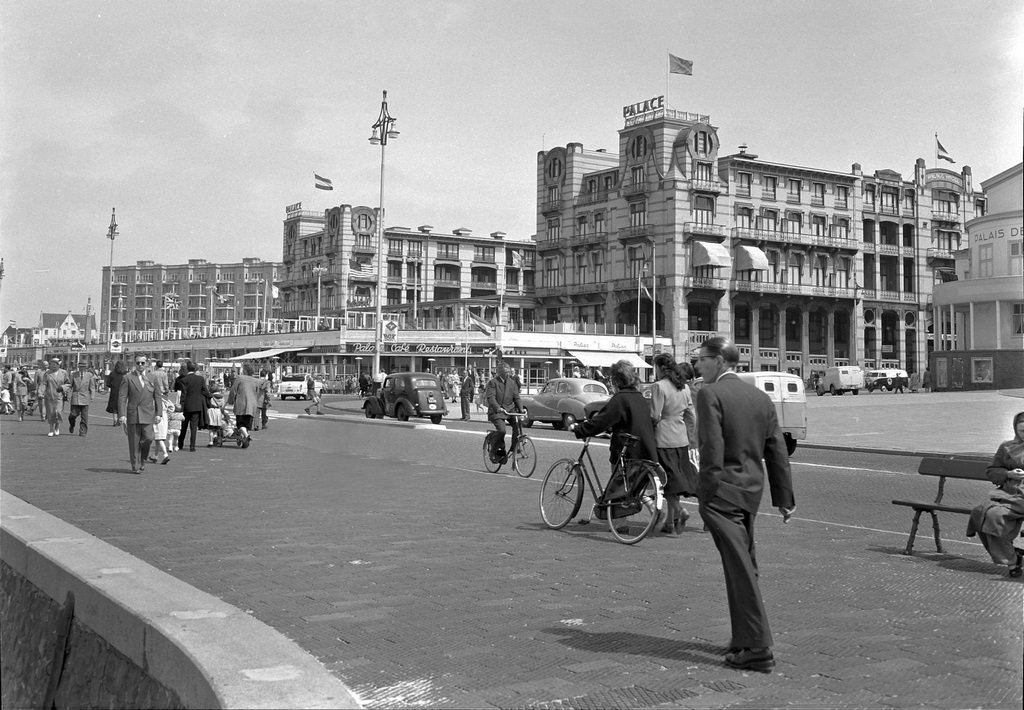
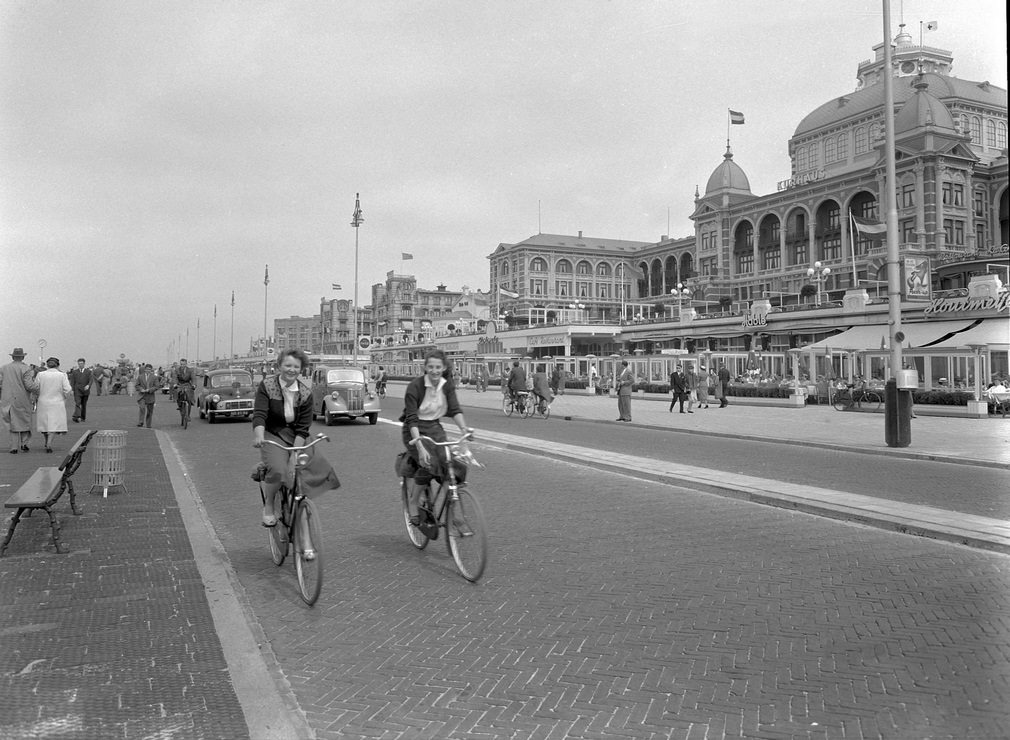
By the mid-1950s, Scheveningen had fully reclaimed its role as the country’s premier beach resort. The boulevard was busy again, and the Kurhaus hotel stood as a proud symbol of the town’s recovery. Photos from 1954 show the Strandboulevard packed with visitors, and the beach stretching wide and open under clear skies. The seaside was no longer just for the wealthy — it had become accessible to Dutch families across all walks of life.


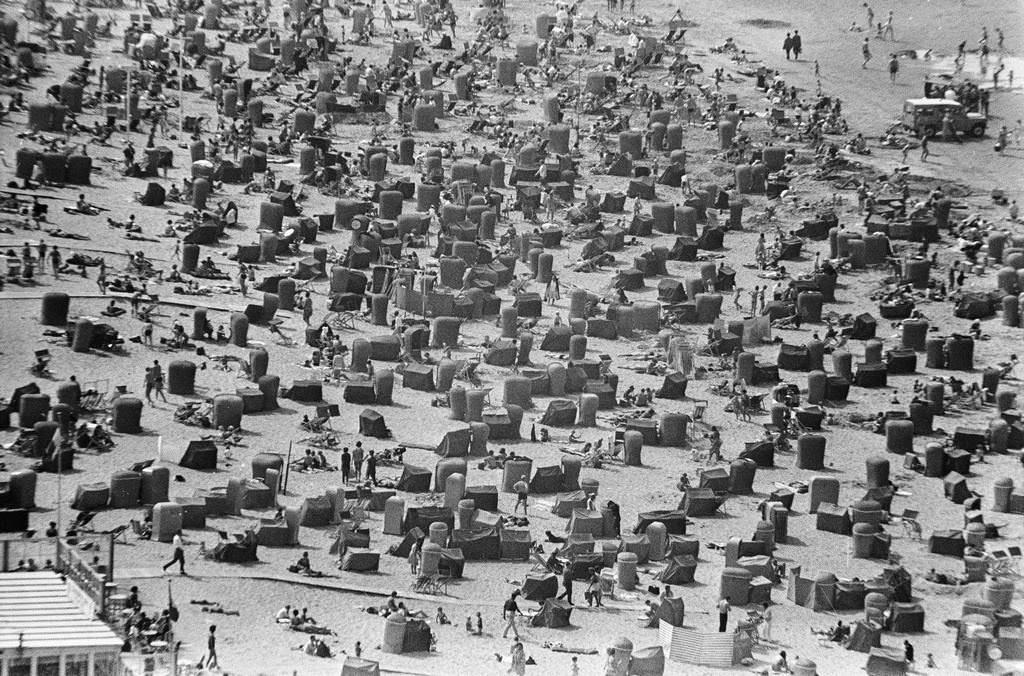
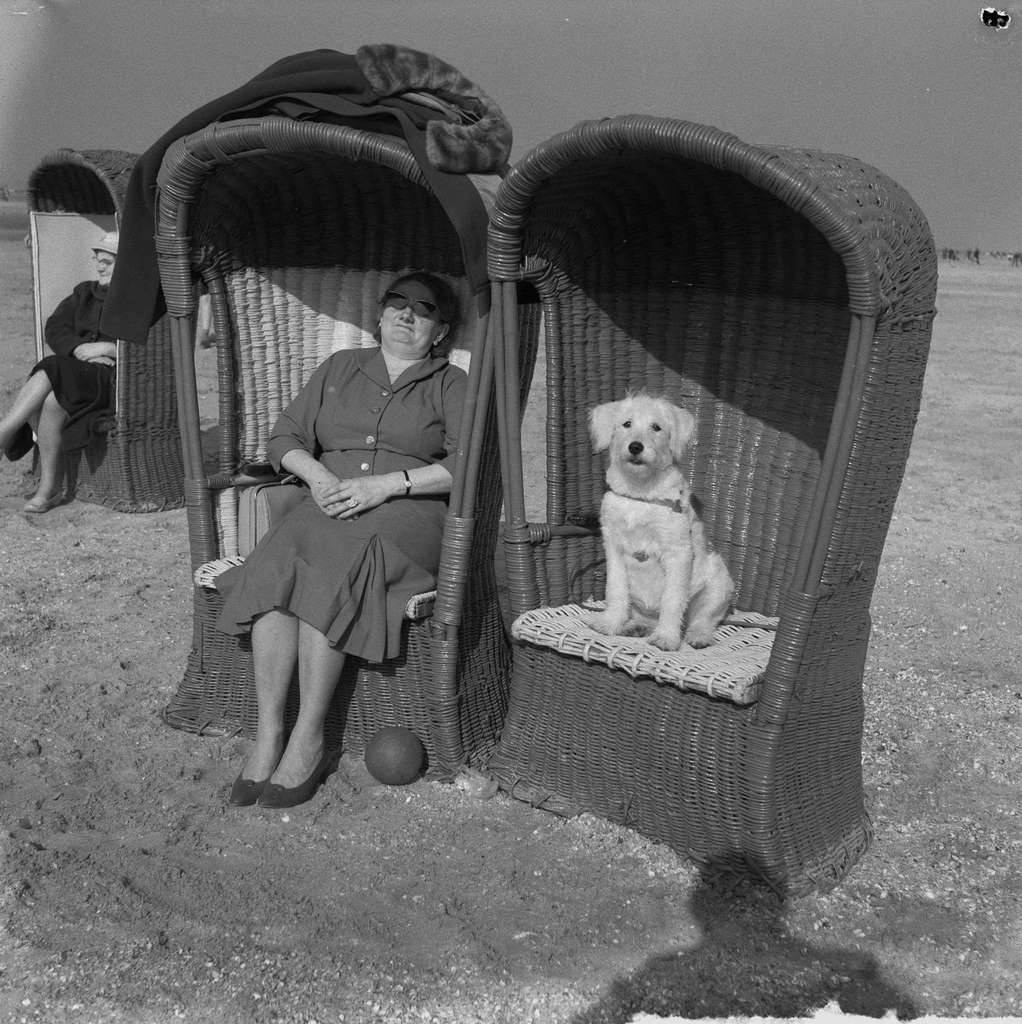
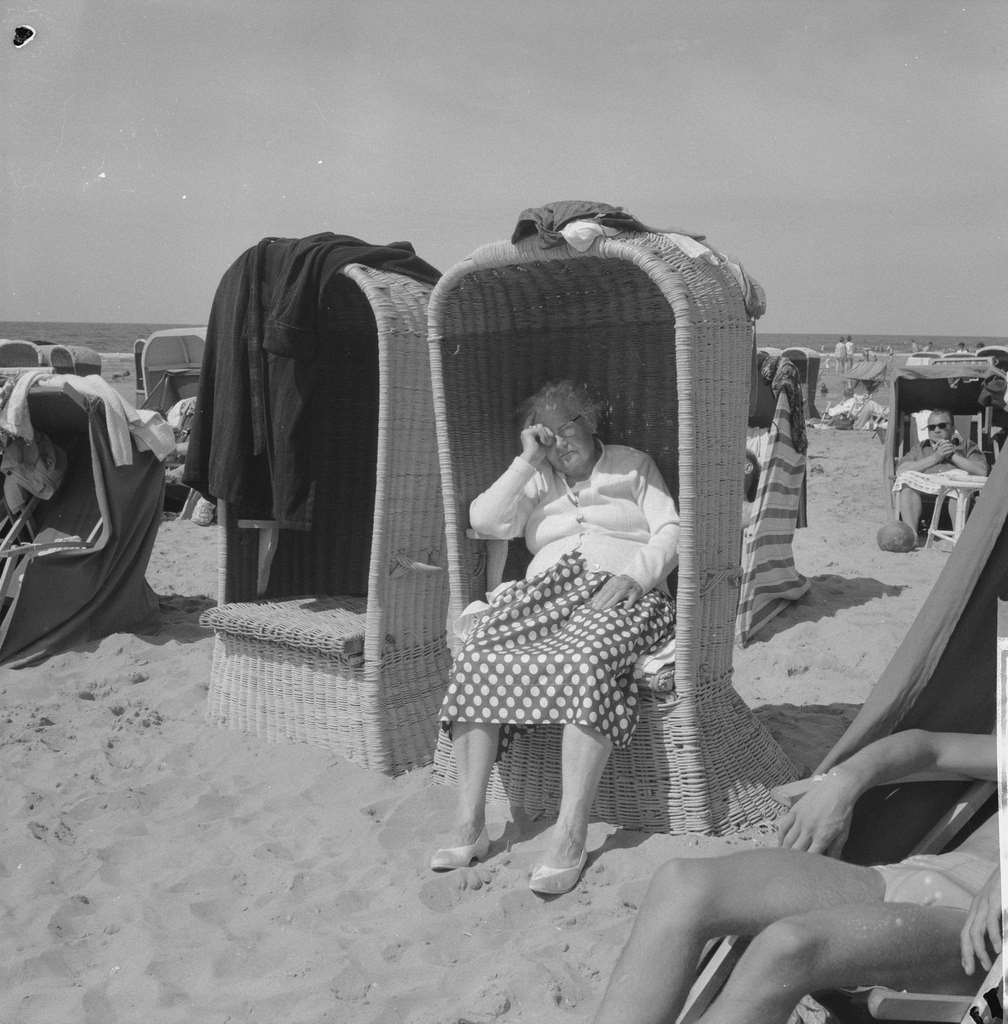
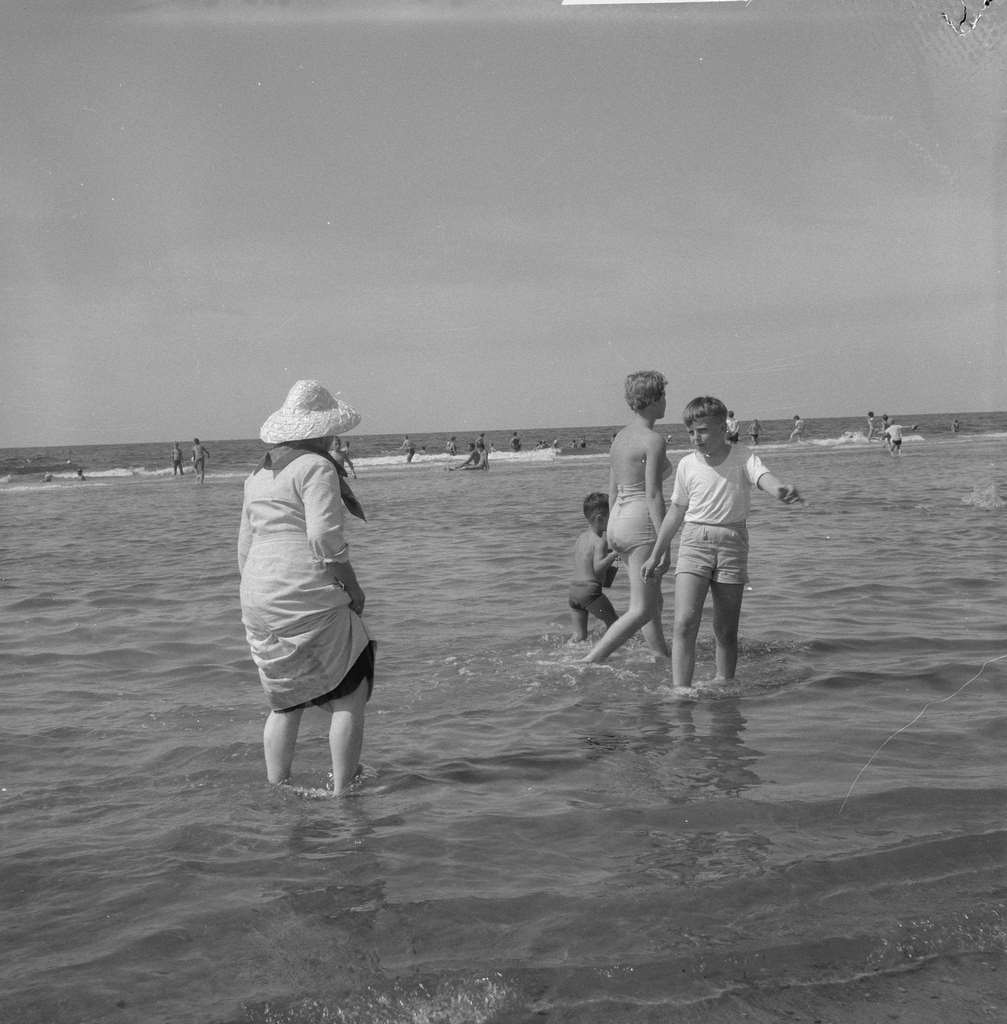
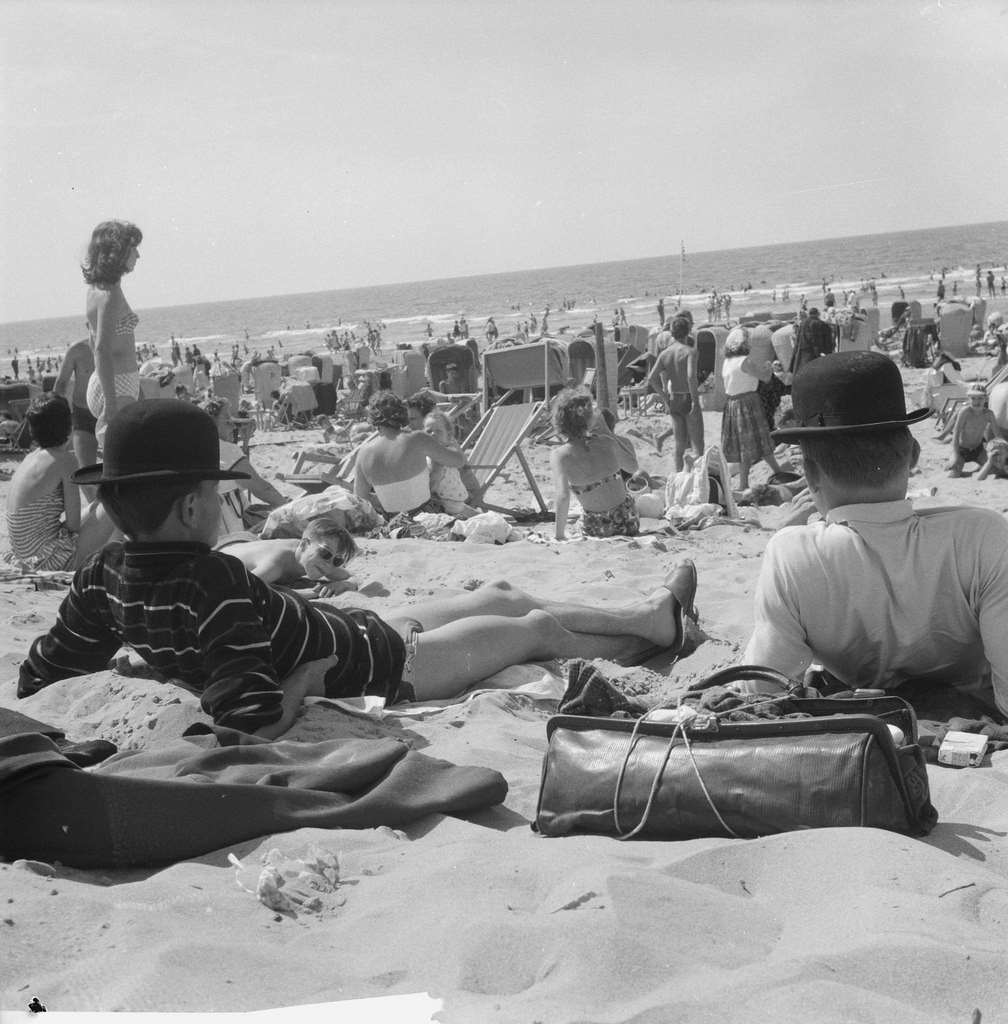
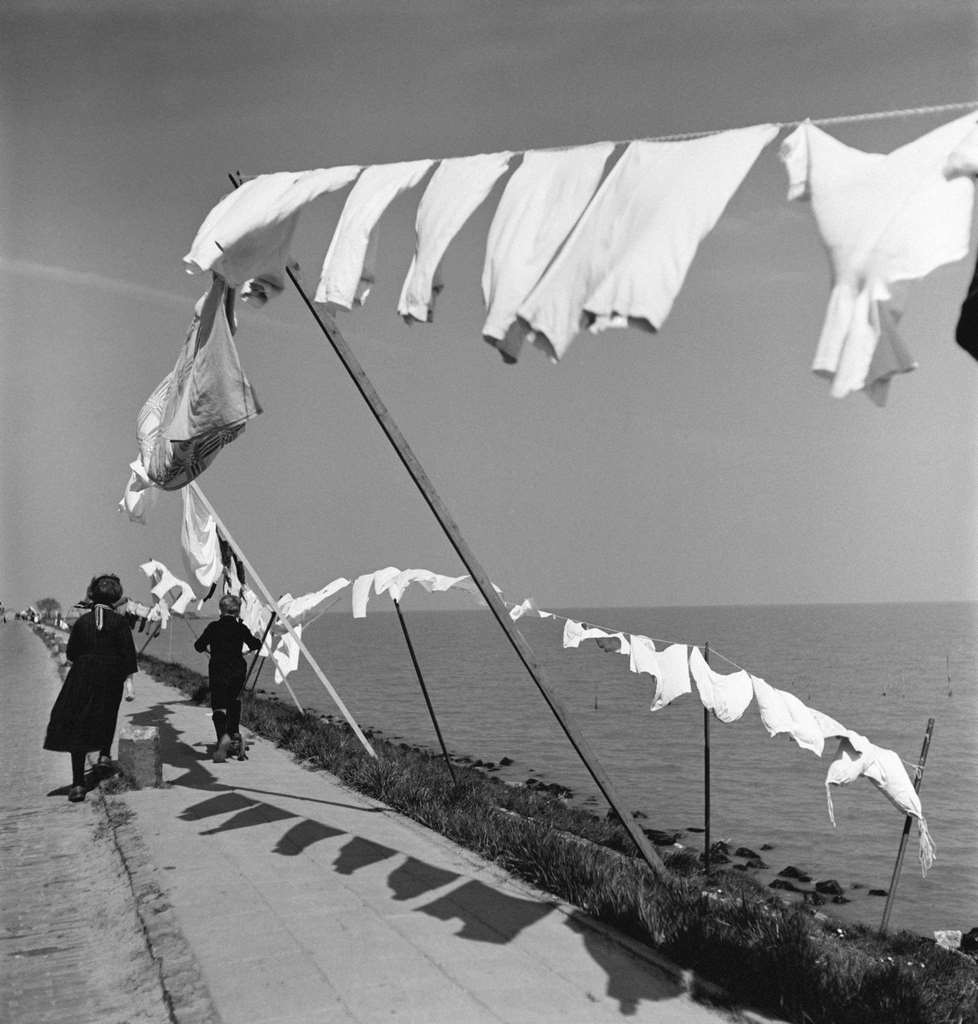
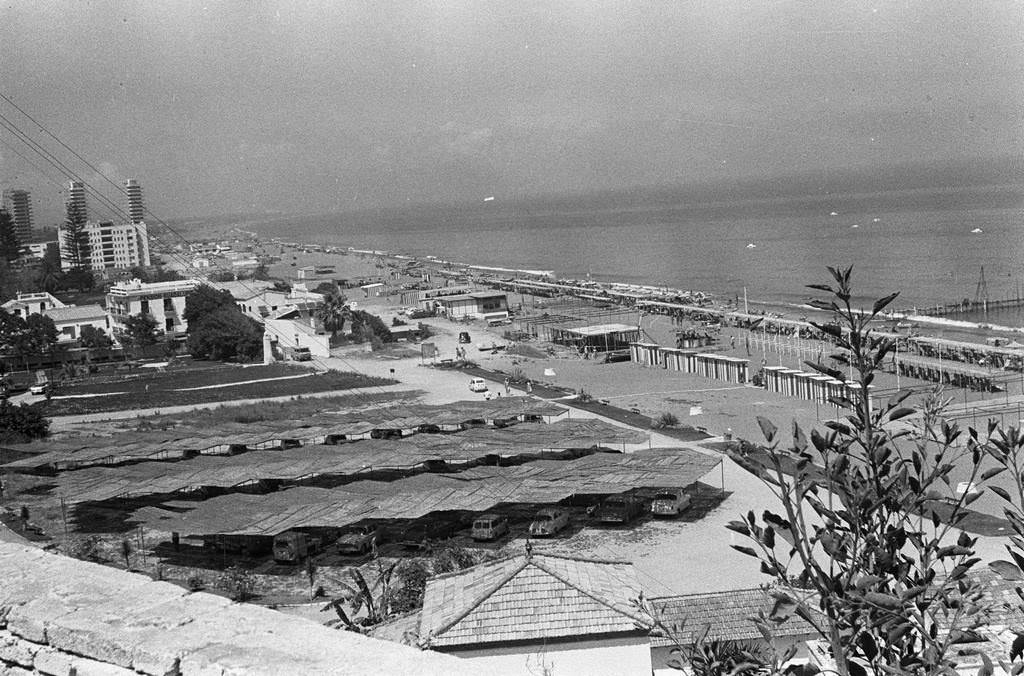
Zandvoort, located just 30 kilometres from Amsterdam, became increasingly popular through the late 1950s and into the 1960s. Its easy rail connection to the capital made it the go-to beach for Amsterdammers on warm days. By August 1960, photographs show packed beaches, children playing near the water, and grandmothers settled comfortably in beach chairs. Laundry hung to dry on wires by the sea — a domestic detail that speaks to how deeply beach life was woven into everyday Dutch summer rhythms.


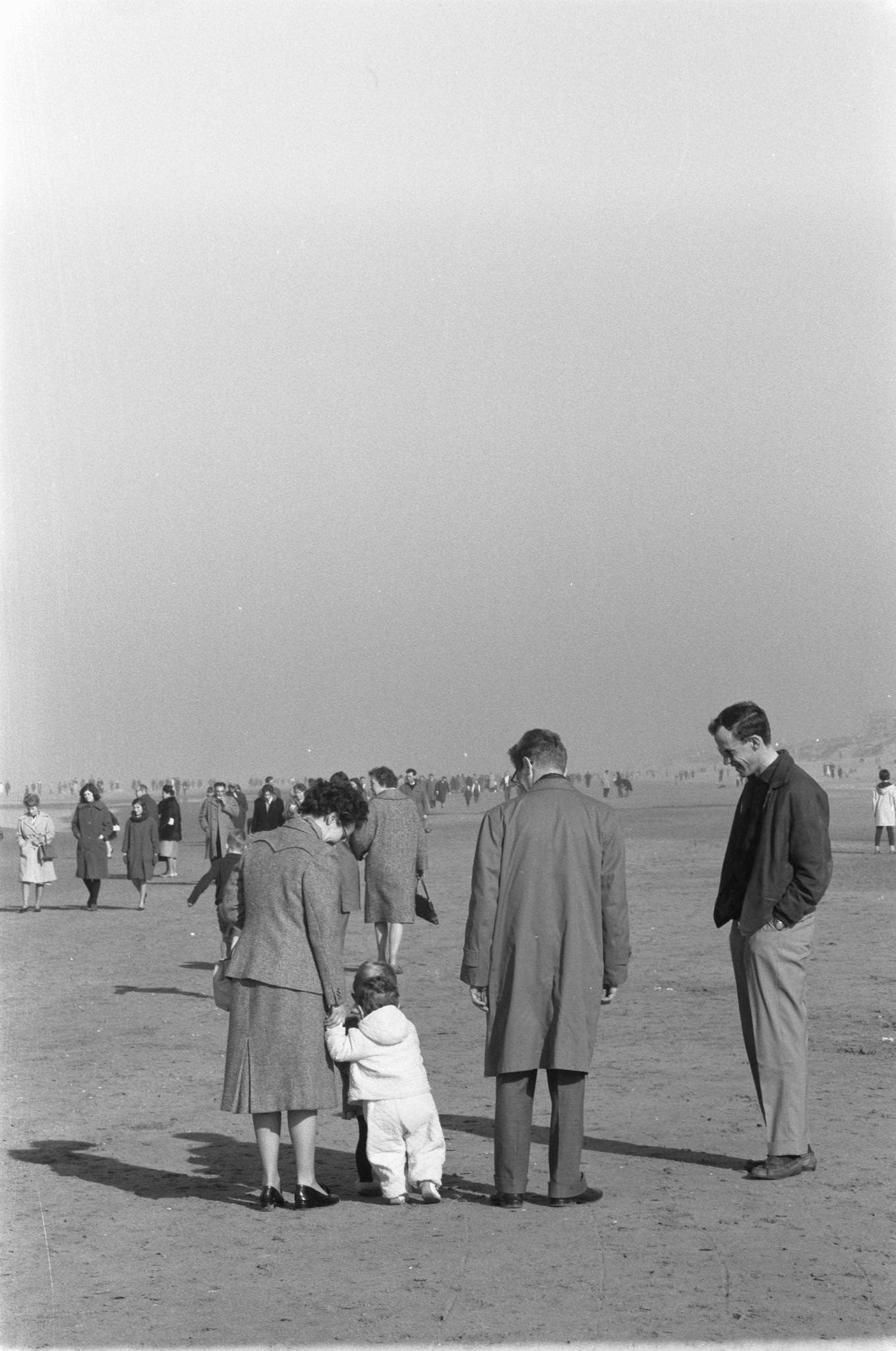
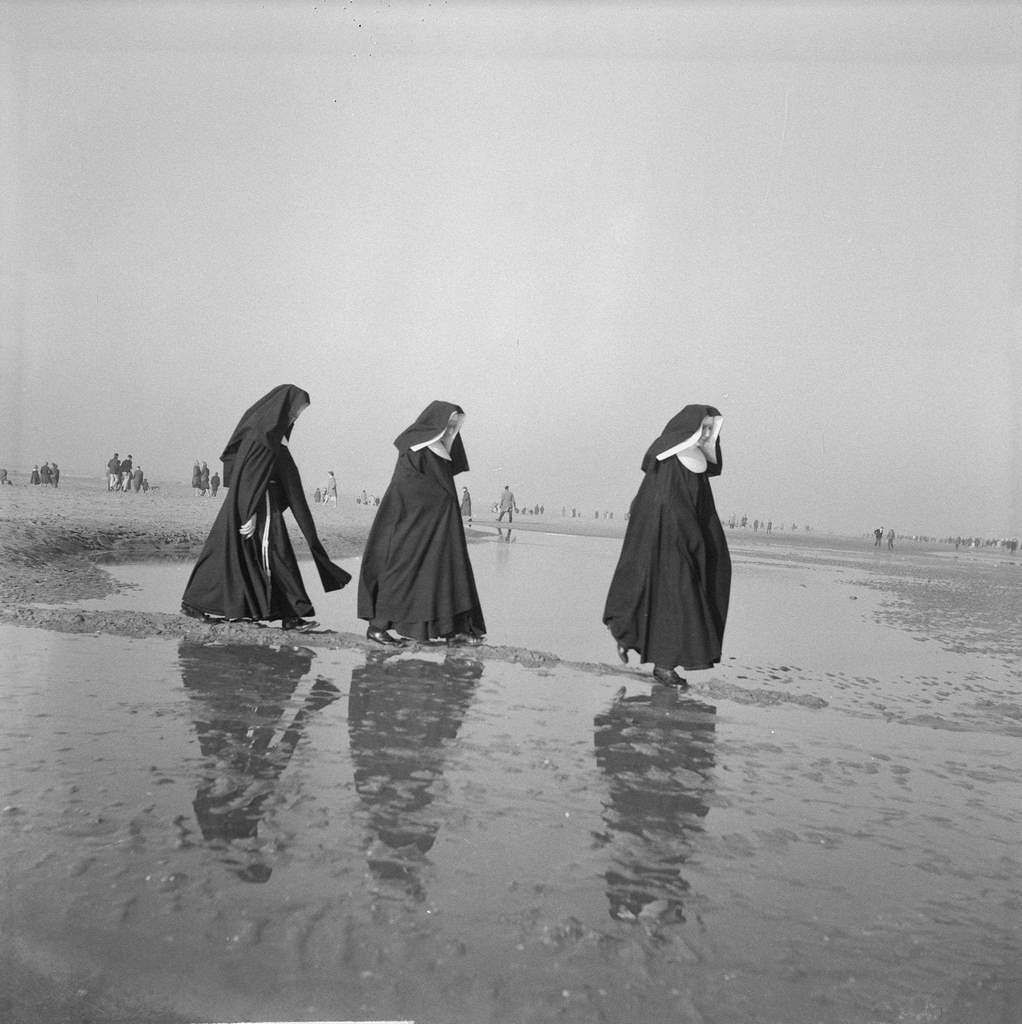
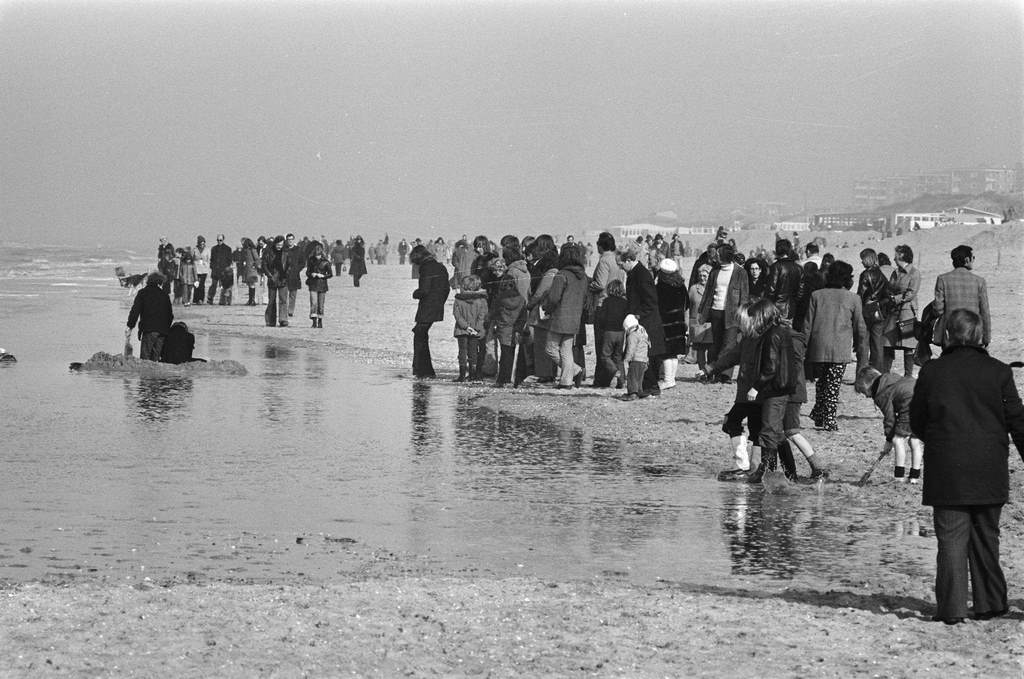
Even in winter and early spring, the Dutch showed their attachment to the coast. In February 1961, photographs at Zandvoort show crowds gathered at beach pavilions — not to swim, but to sit, walk, and take in the sea air on an unusually mild day. Among the beachgoers that day were a group of nuns, their habits unmistakable against the sandy backdrop. These off-season beach visits were a consistent part of Dutch coastal culture, not unusual outliers.


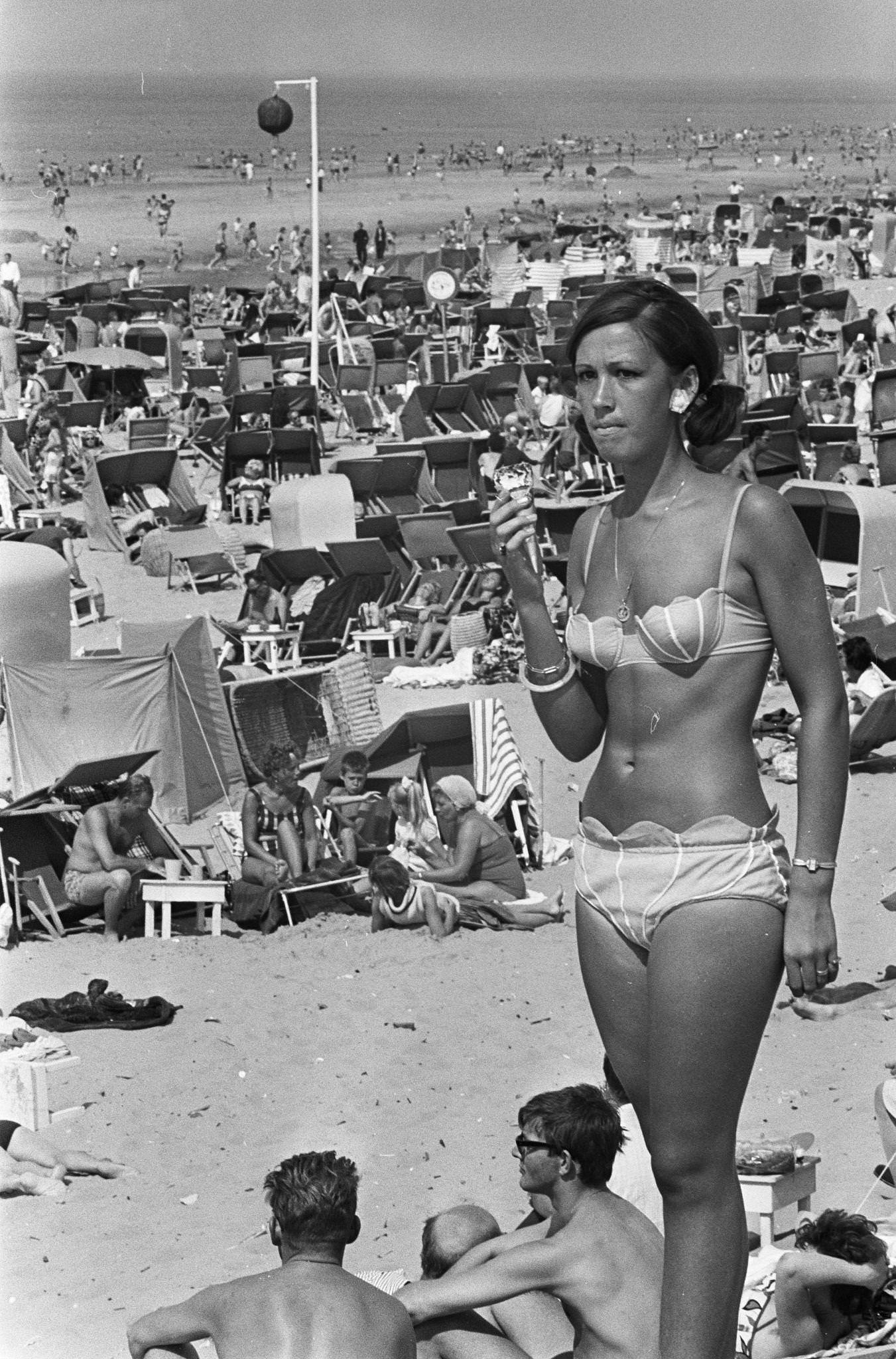
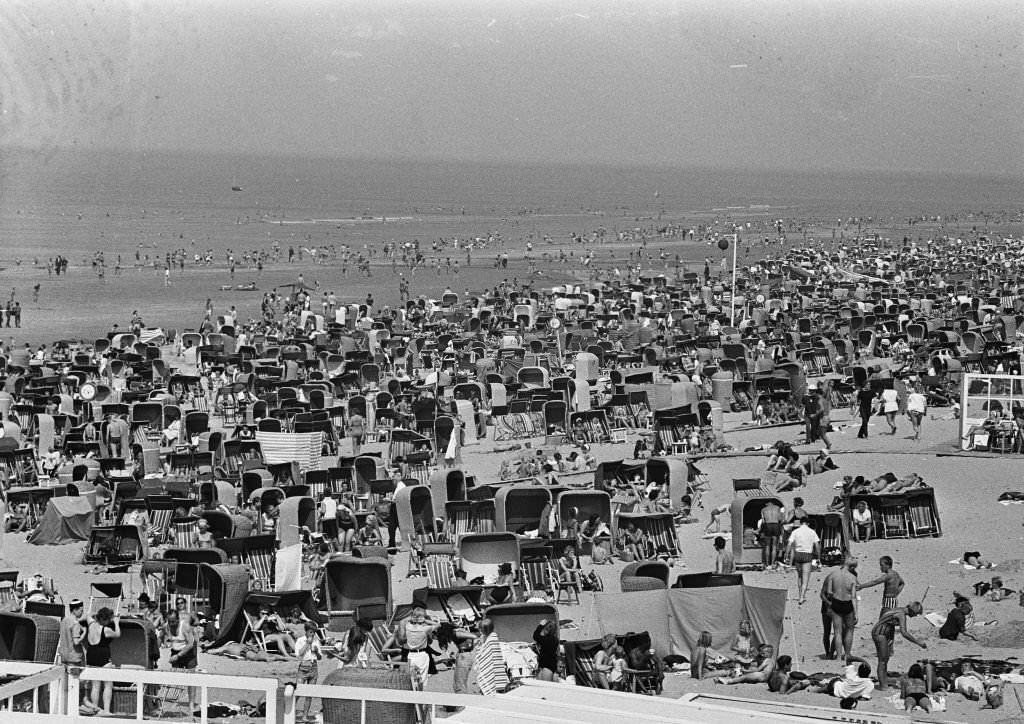
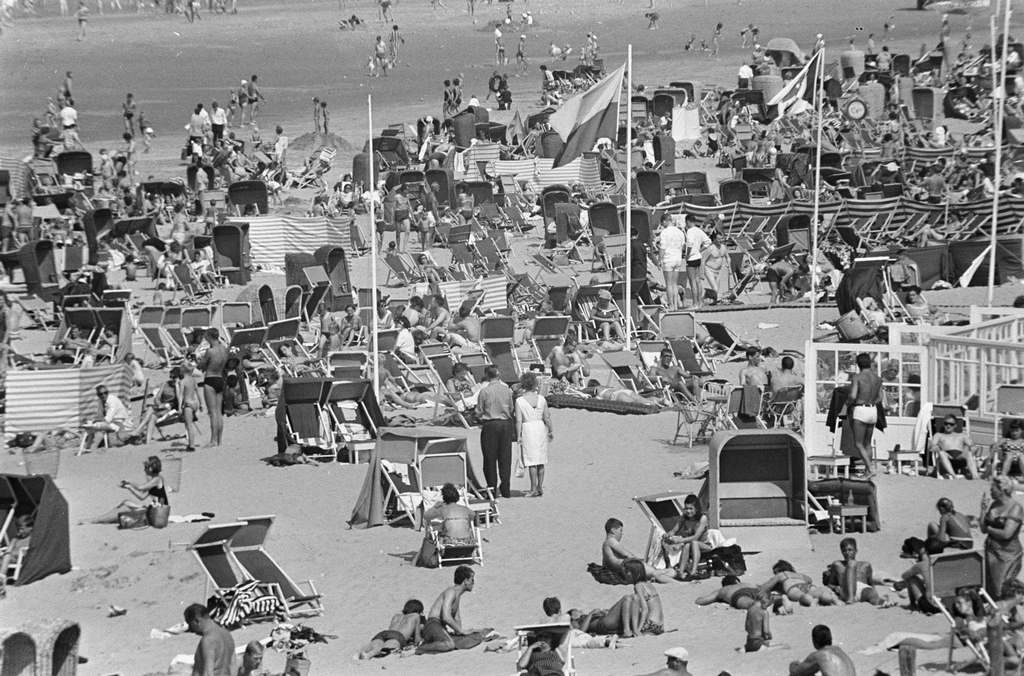
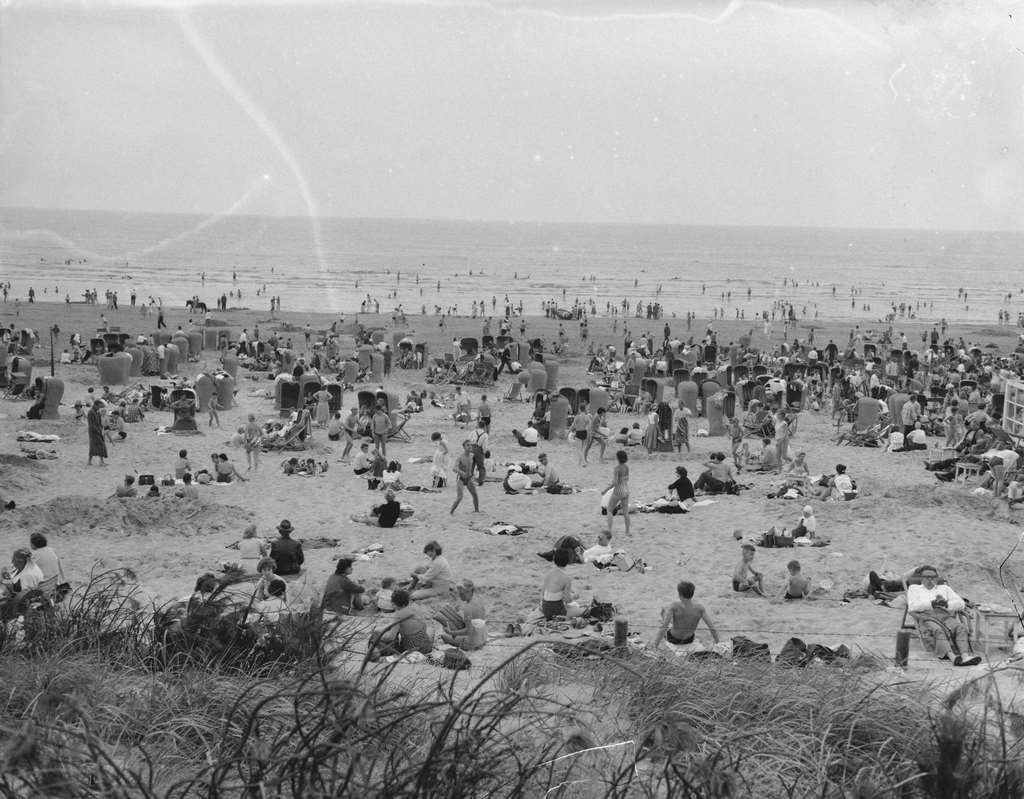
Summer 1965 brought scorching heat and enormous crowds to beaches across the country. On August 13 of that year, the beaches were so packed that the scenes look almost impossible — thousands of people shoulder to shoulder on the sand. Scheveningen, with its iconic Kurhaus hotel rising in the background, was especially busy. Young people, families, and elderly visitors all shared the same stretch of shore, with beach chairs, umbrellas, and towels filling every available space.


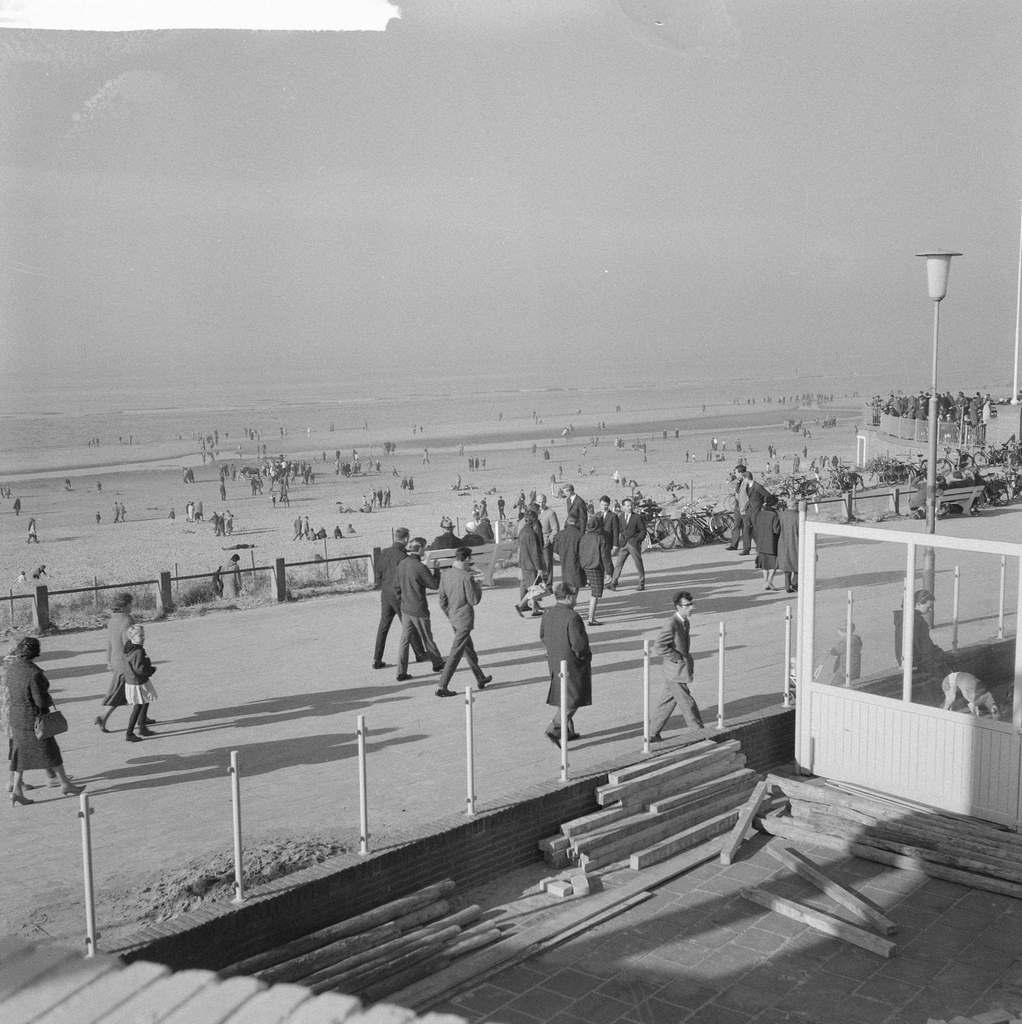
An autumn car tour along Scheveningen beach in November 1959 captured the boulevard from a different angle — quieter, windswept, and stripped of the summer crowds. The contrast between the packed summer scenes and the empty autumn shore shows just how seasonal Dutch beach culture was, at least in the years before heated beach cafes and year-round tourism became the norm.


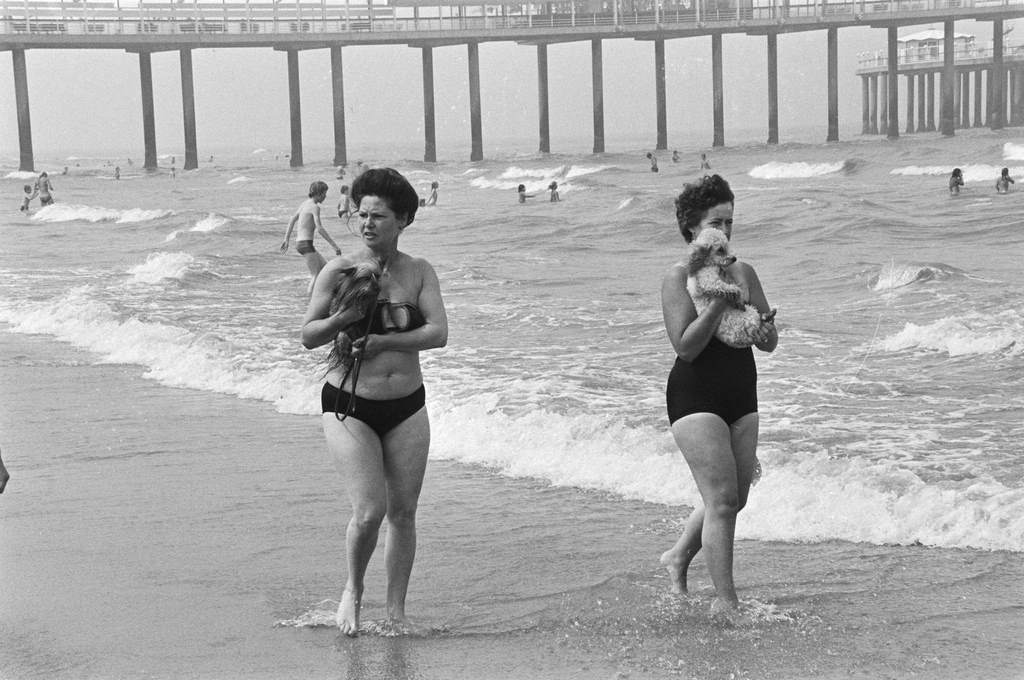
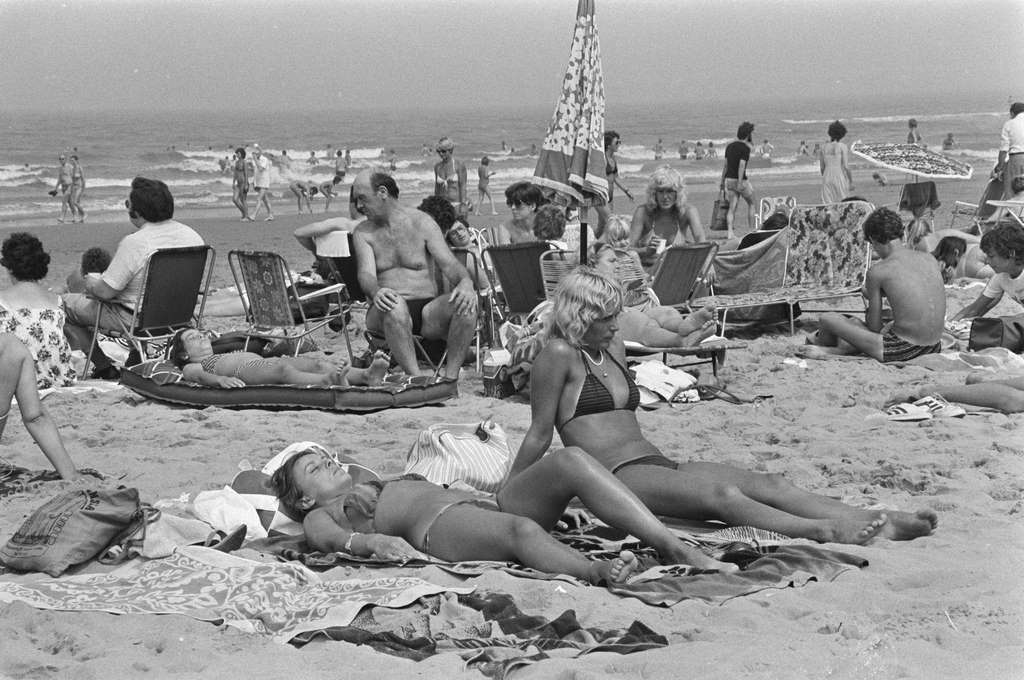
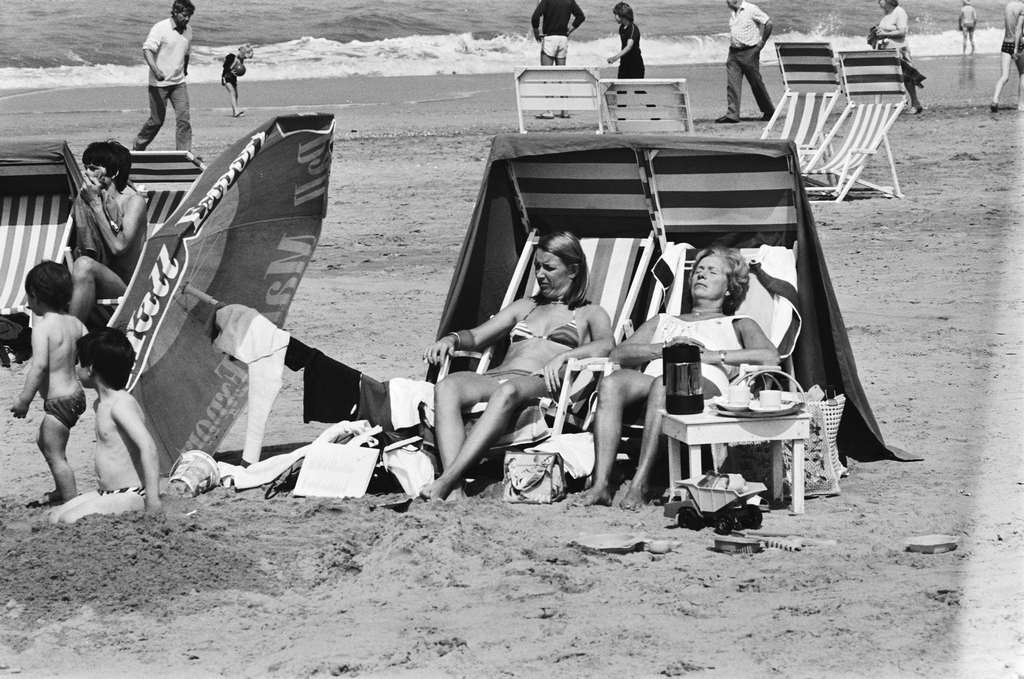
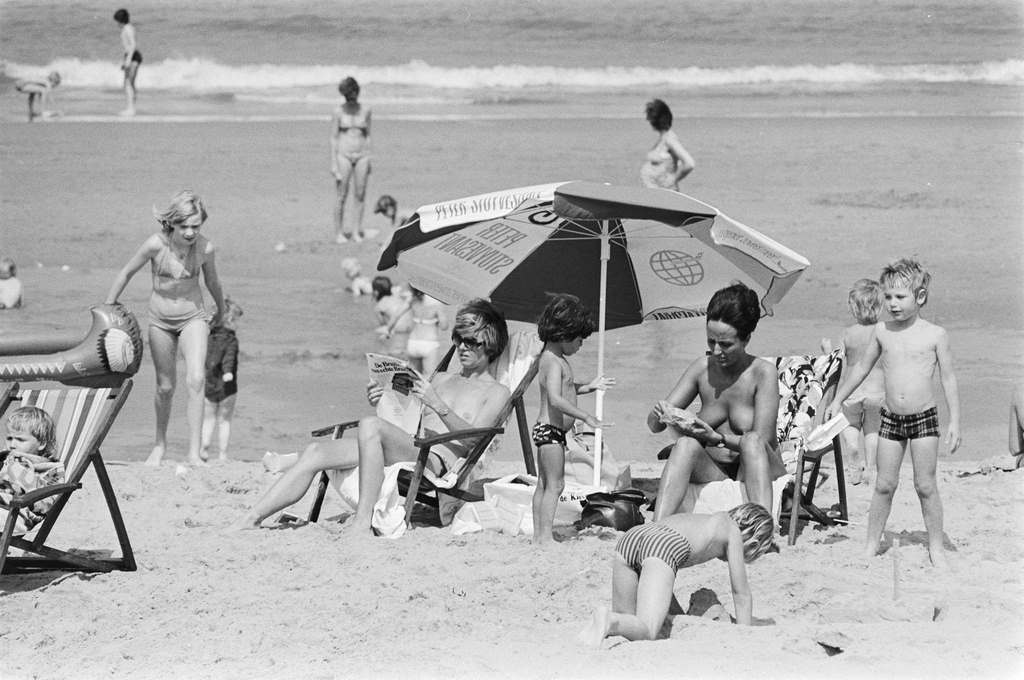
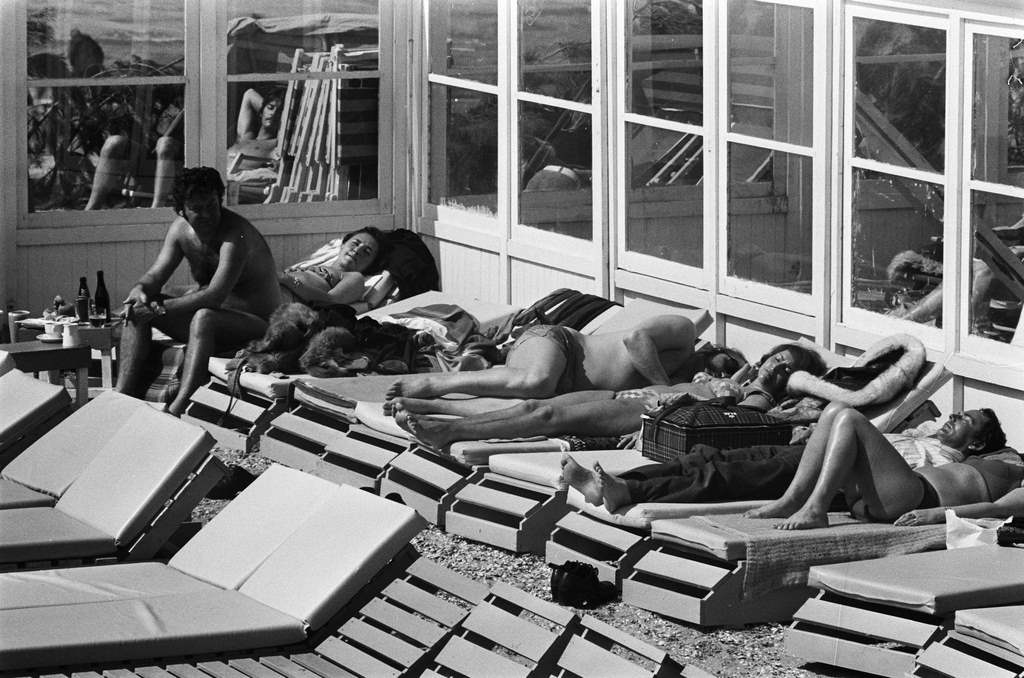
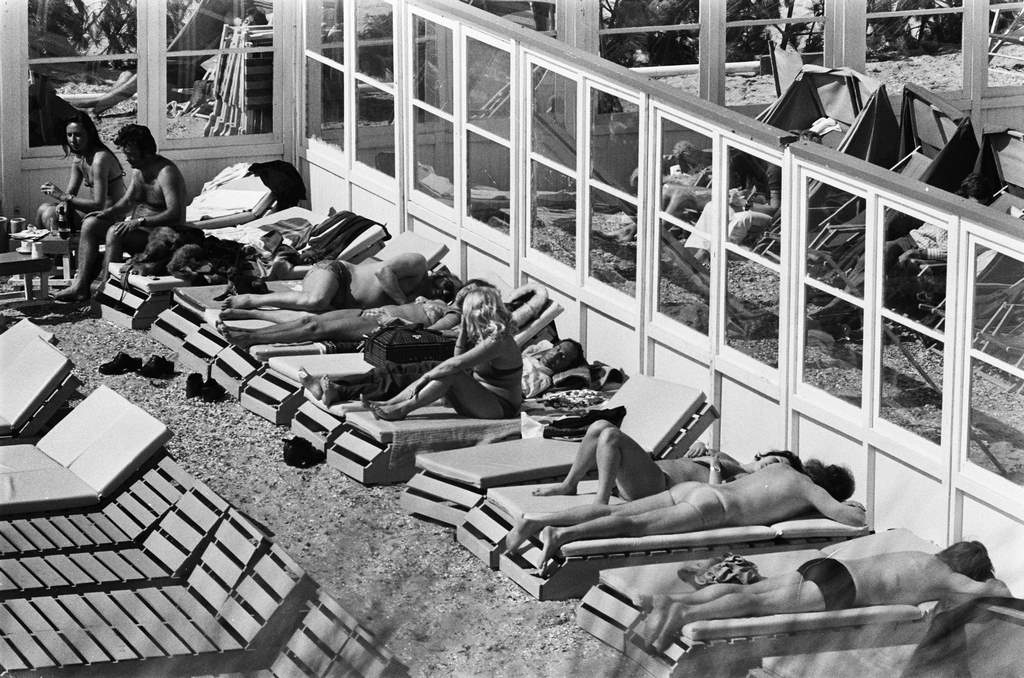
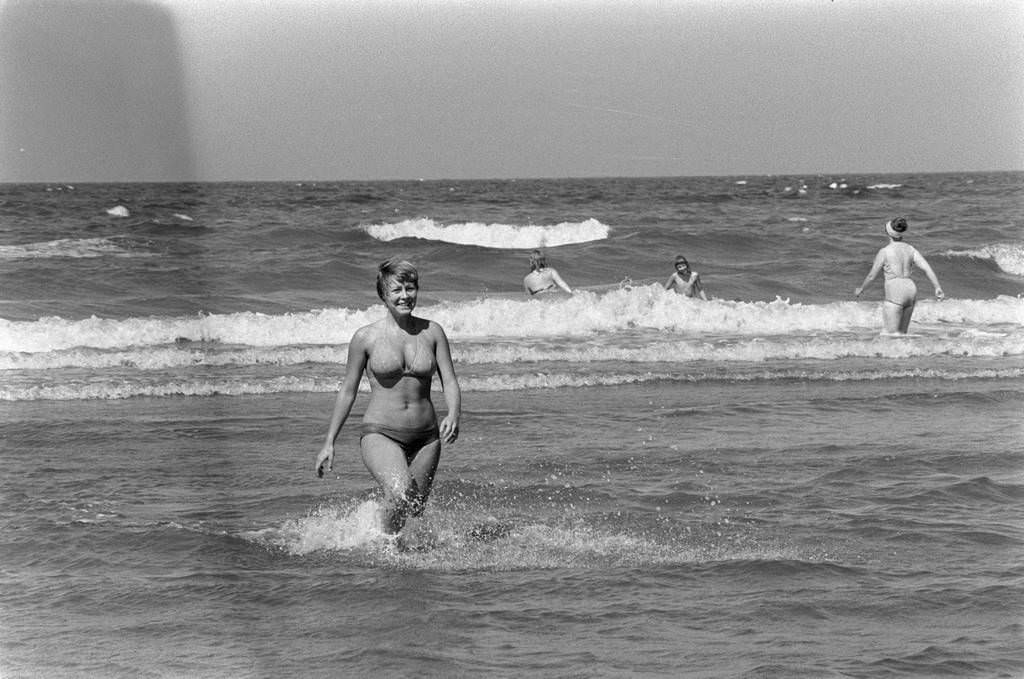
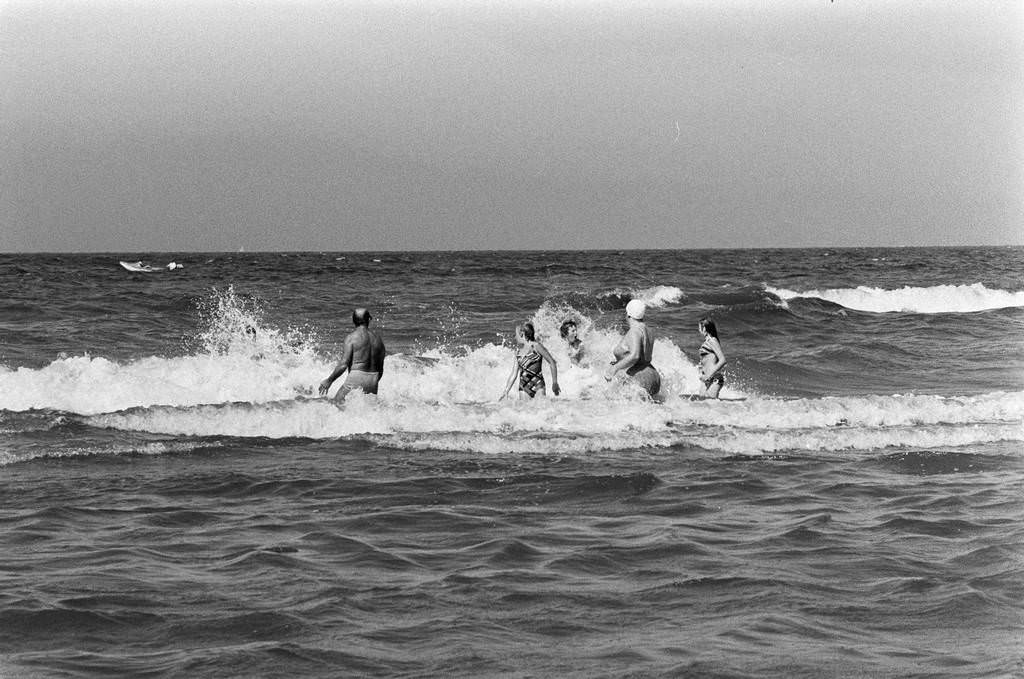
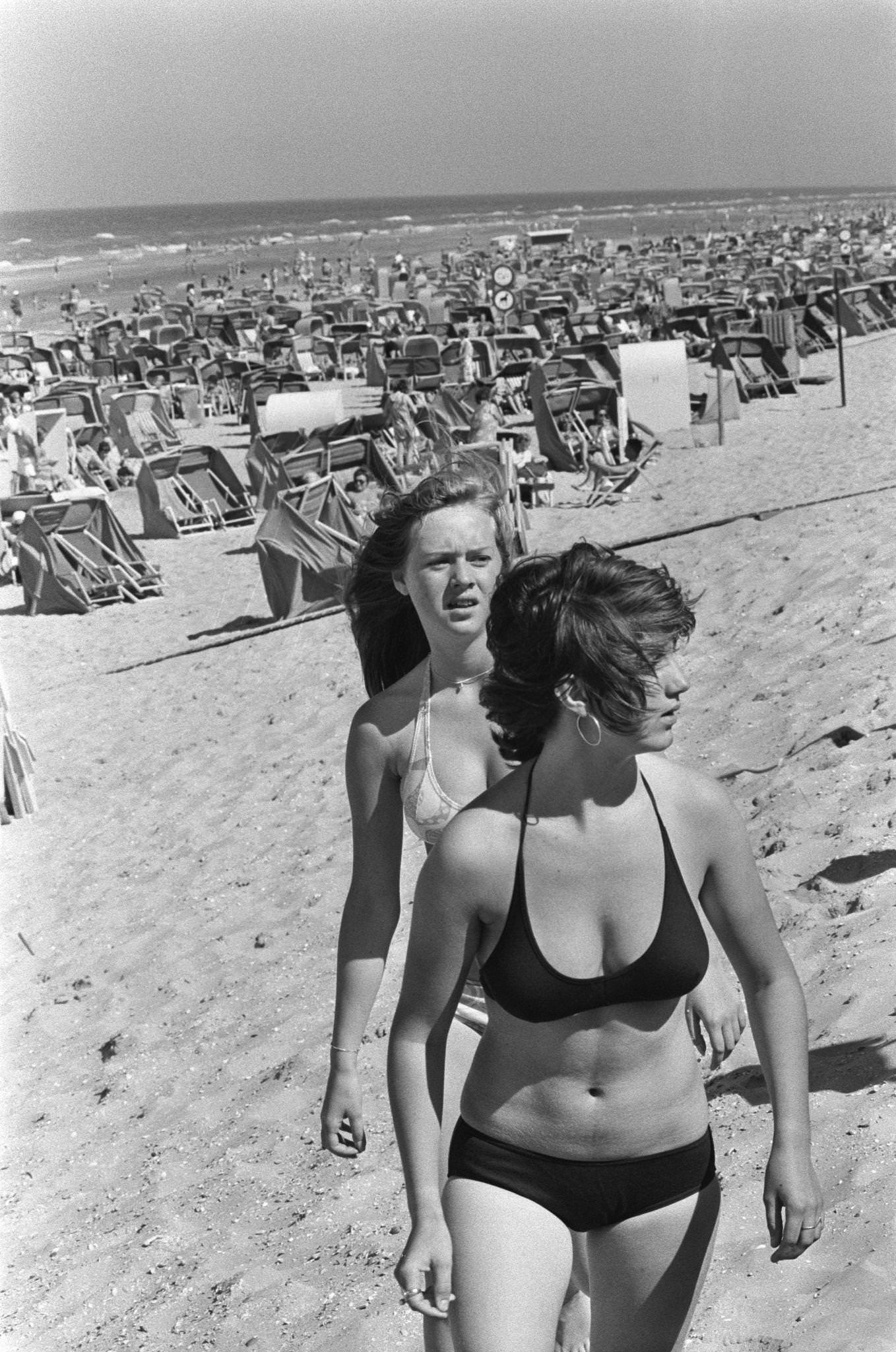
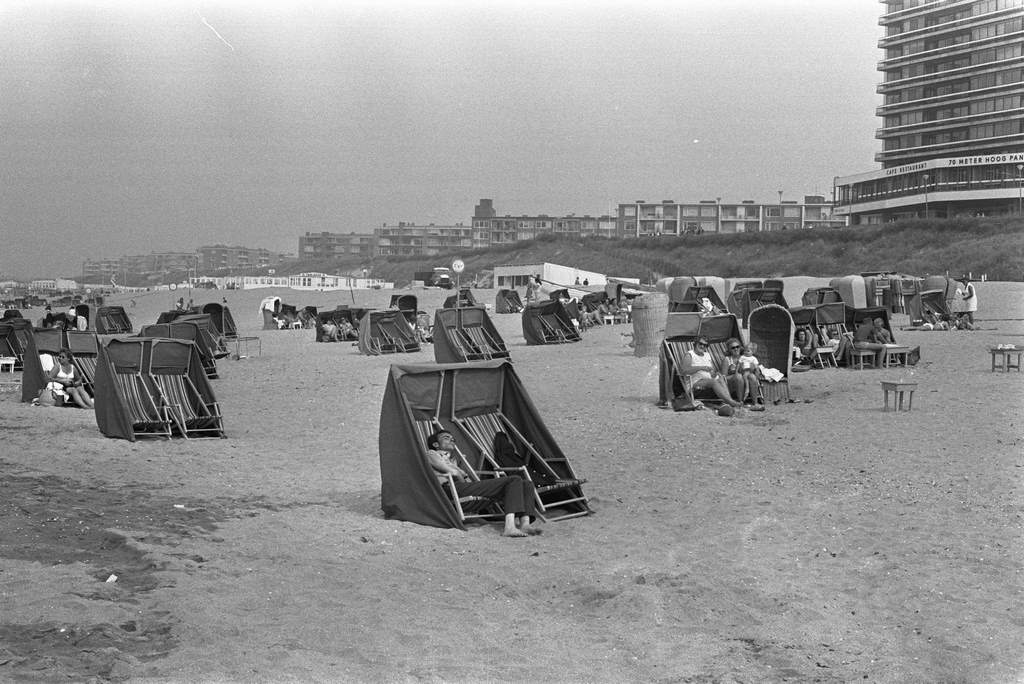
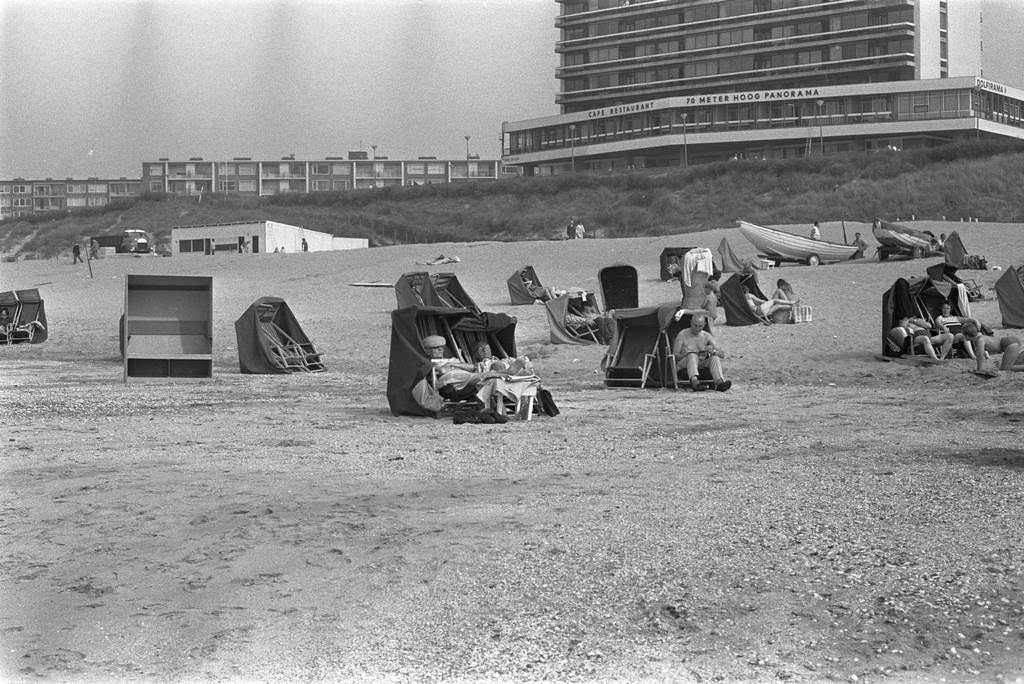
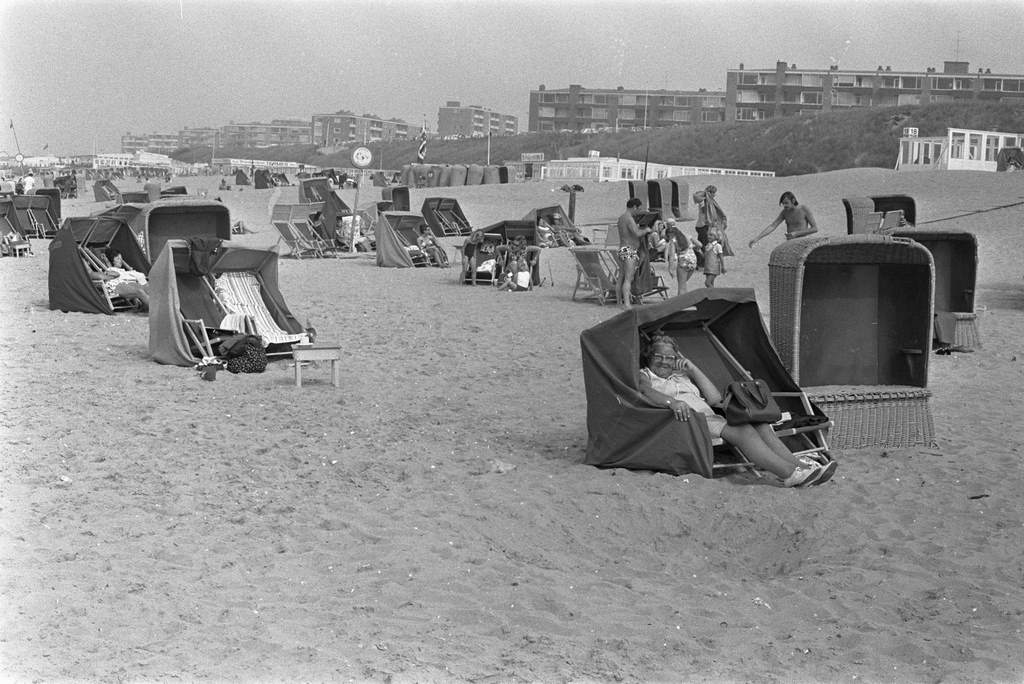
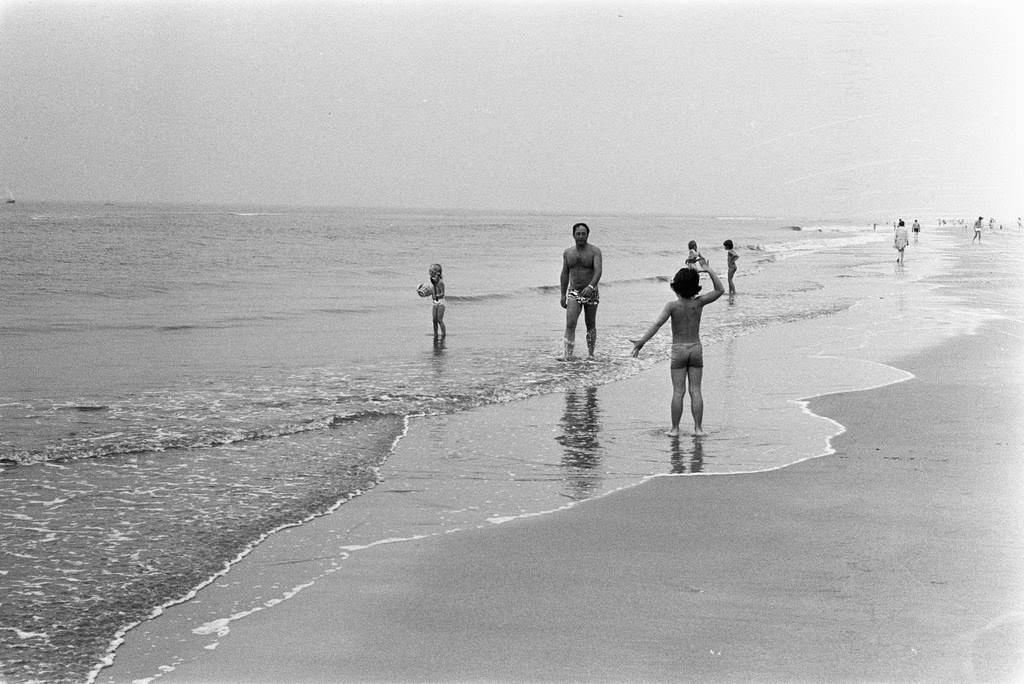
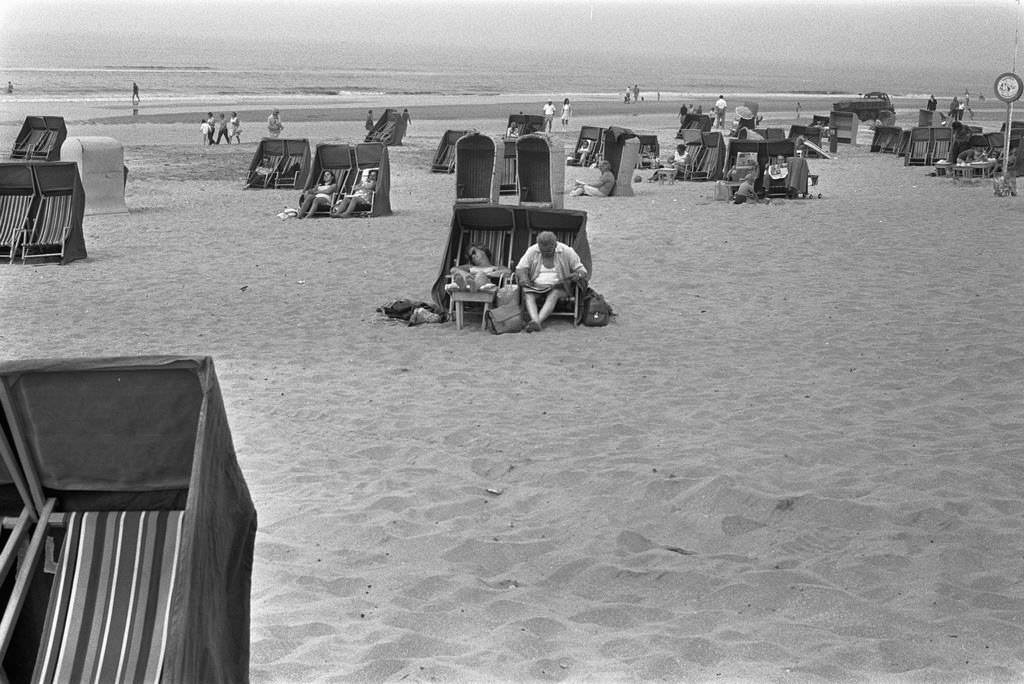
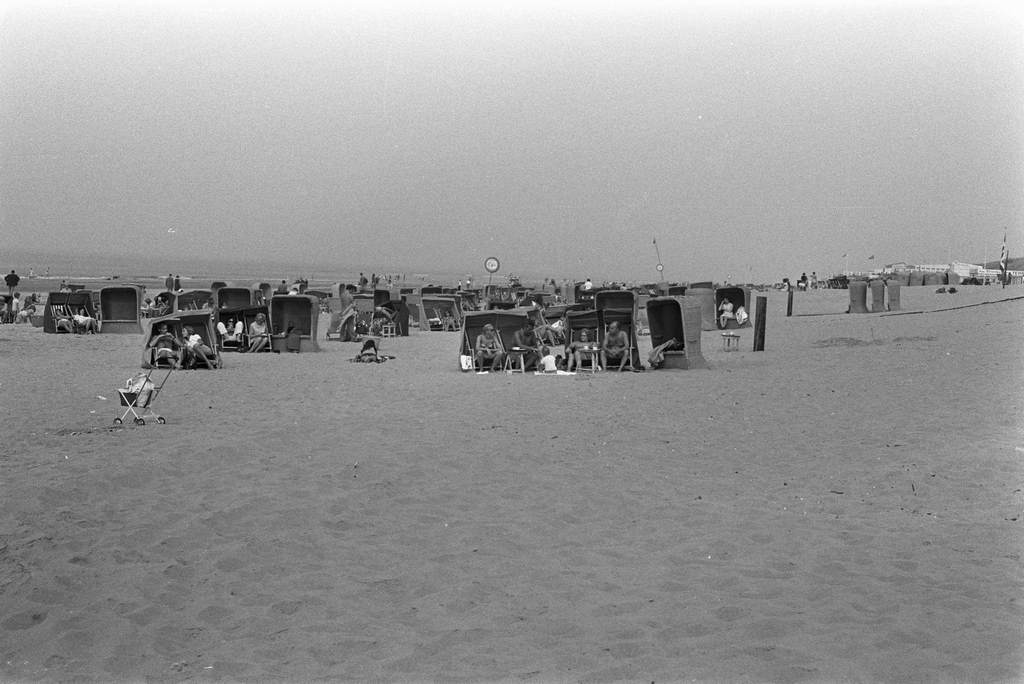
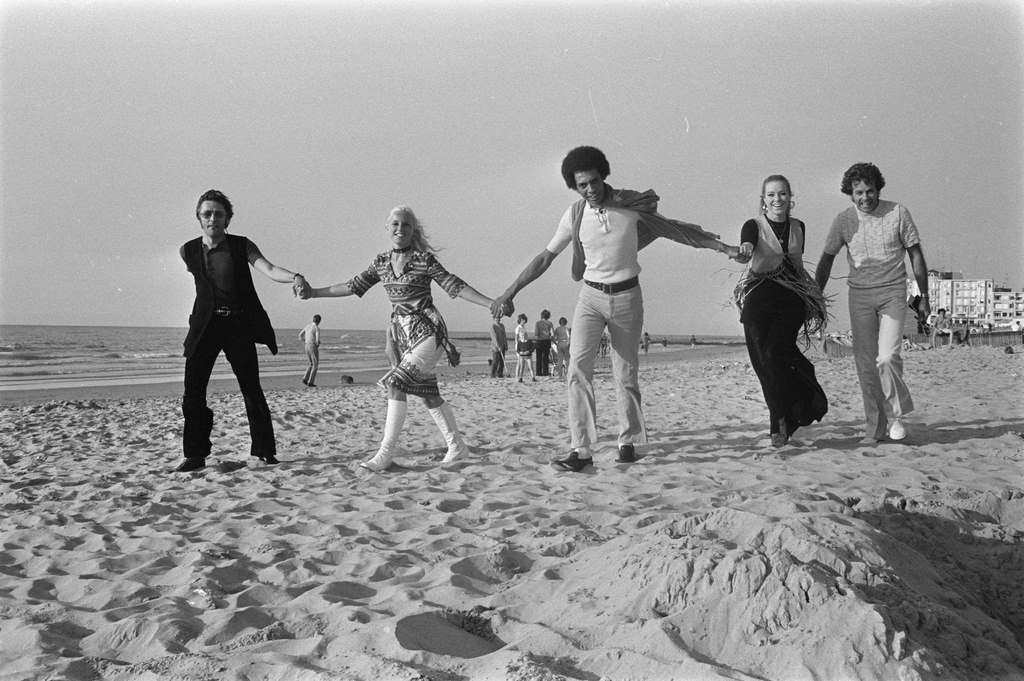
The 1970s saw Zandvoort fully cement its reputation as a lively, youthful beach destination. On warm days, the beach filled rapidly with sunbathers and swimmers. September 1971 photos show visitors making the most of the autumn sunshine — people settled in beach chairs, faces turned toward the sun, reluctant to let the season end. By 1974 and 1975, bikinis and modern beach gear had replaced the more modest attire of earlier decades, and Zandvoort had developed a distinctly energetic, social atmosphere.


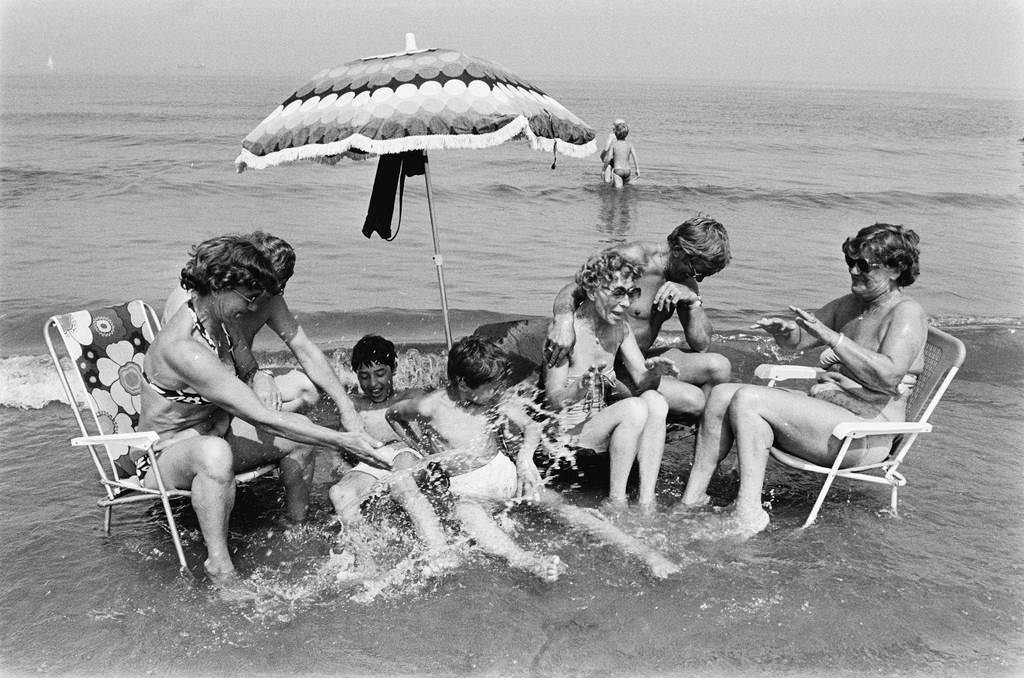
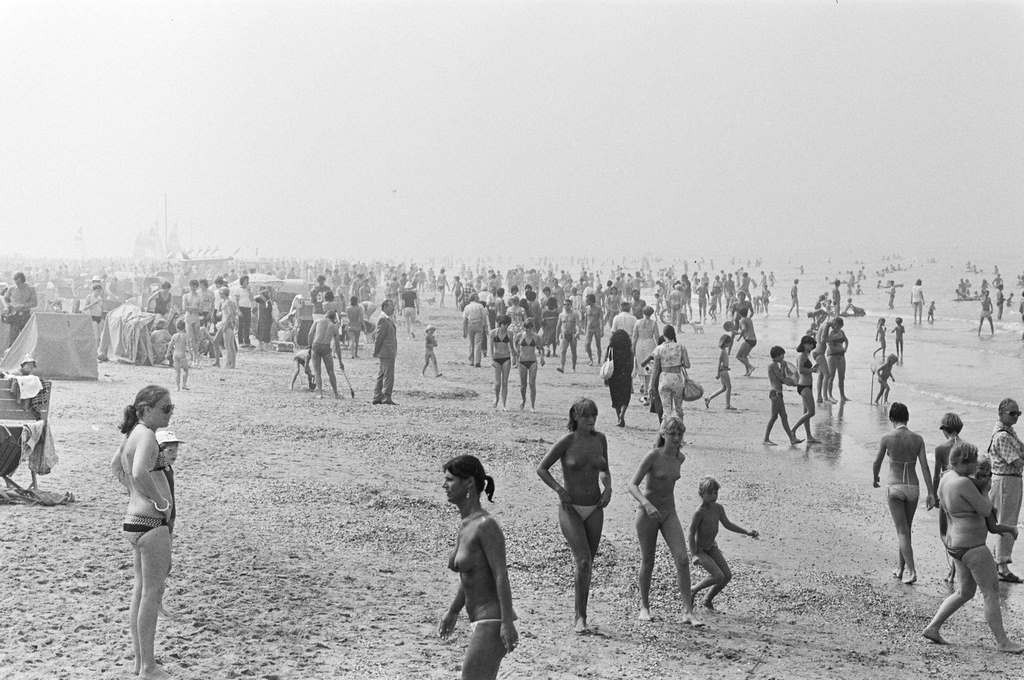
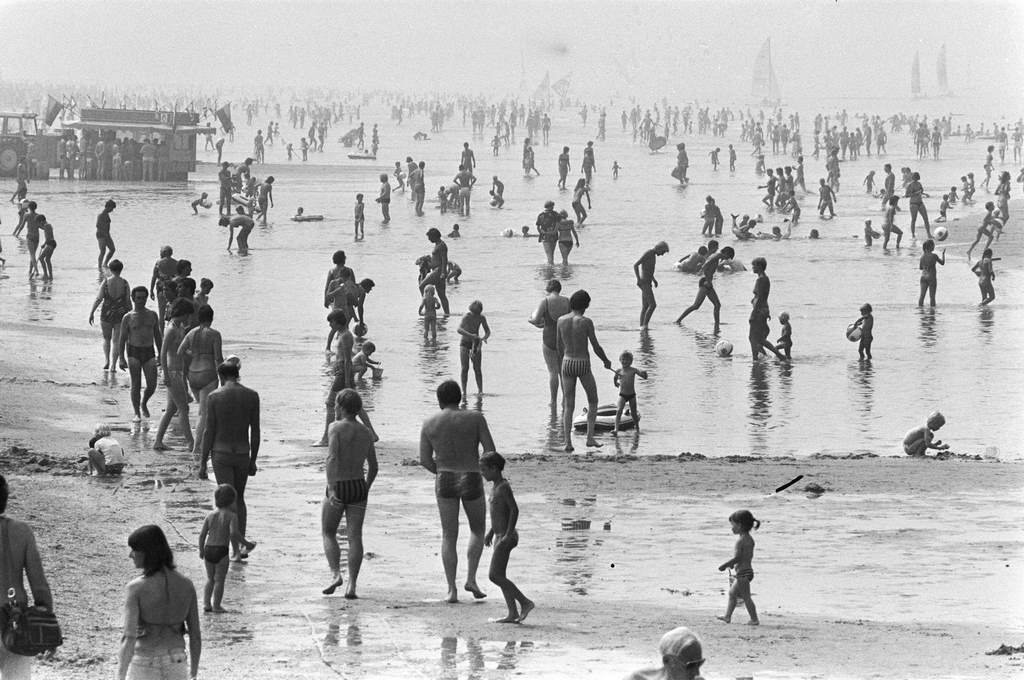
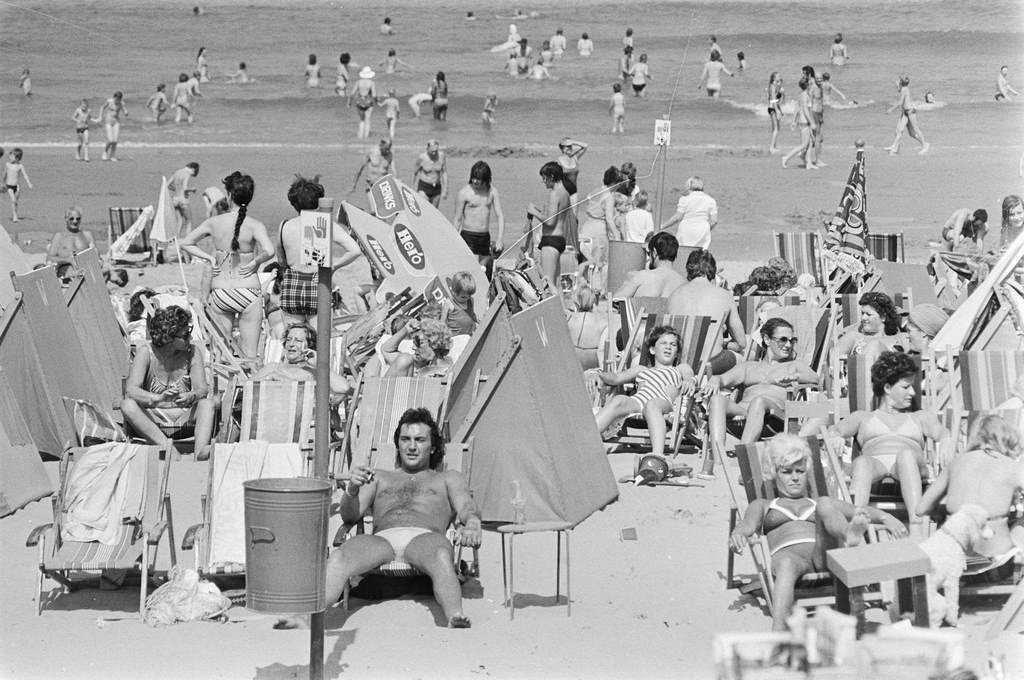
Scheveningen remained a magnet through the late 1970s and into the 1980s. On July 4, 1977, the beach was once again wall-to-wall with visitors enjoying the summer heat. By 1981, Zandvoort scenes showed a more modern beach culture — colorful towels, portable radios, and groups of friends spread across the sand. A June 1982 photograph at Scheveningen captured one of the more unusual sights of the era: people who had dragged their beach chairs directly into the shallow water, sitting with their feet submerged as they faced the open North Sea.


Taken together, these photographs trace a century of beach life in the Netherlands — from stiff Victorian promenades to fully modern beach crowds. The coastline changed, clothing changed, and the social makeup of beach visitors shifted dramatically. But the pull of the North Sea remained constant. Whether on a hot August afternoon or a mild February day, the Dutch returned to their beaches season after season, generation after generation.


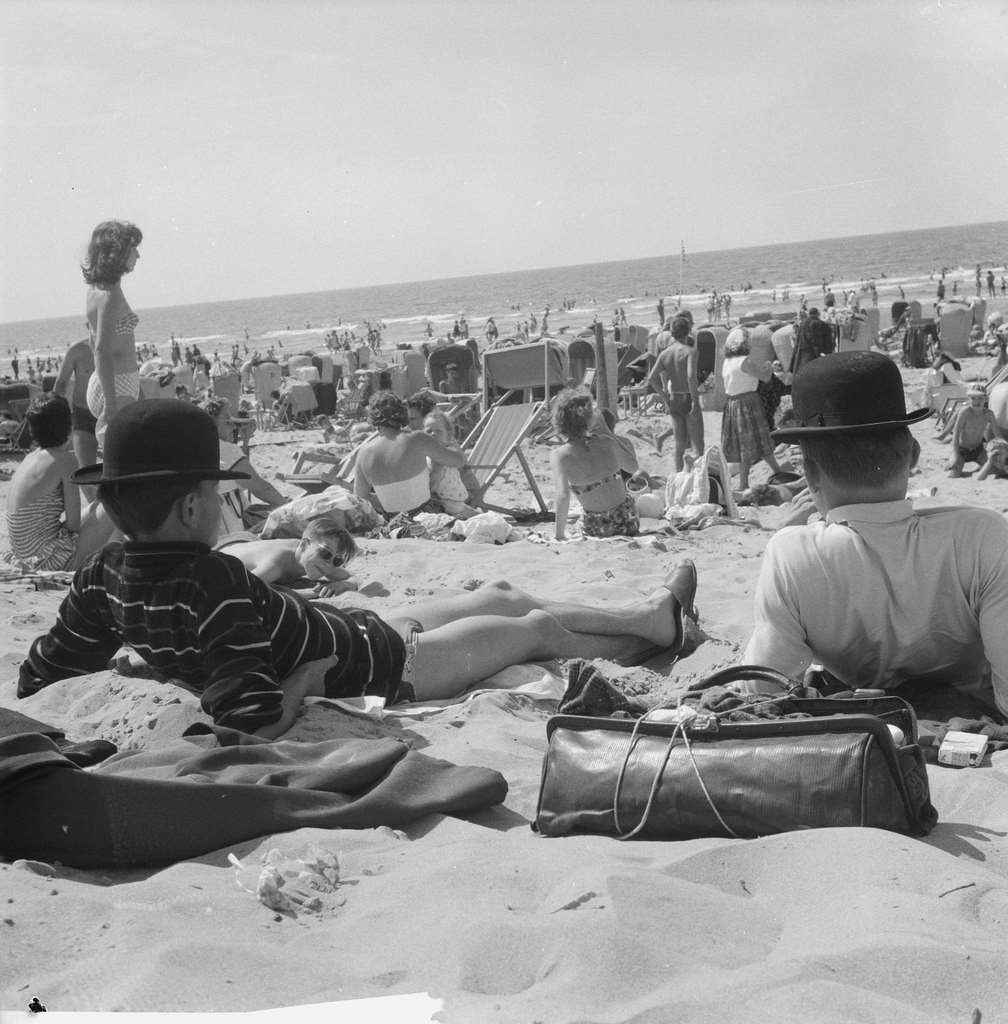
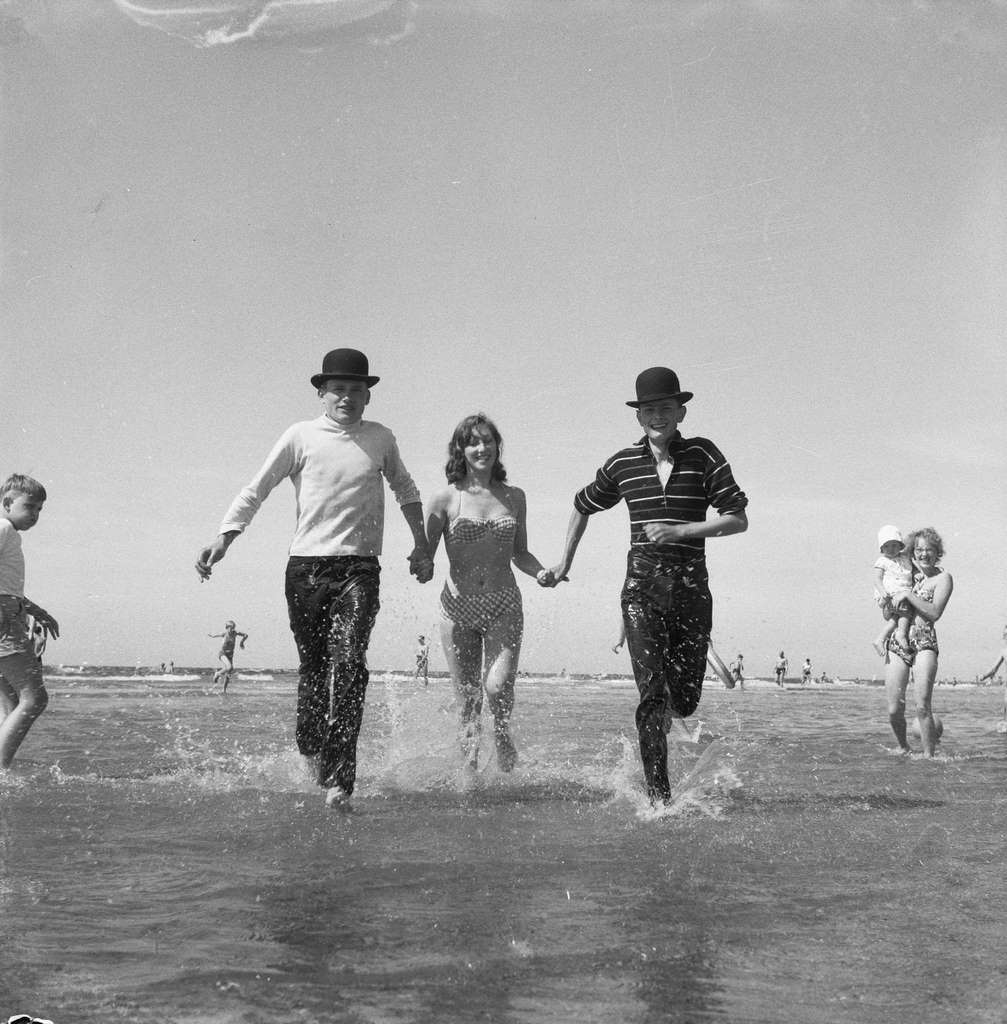
That photo looks like the inspiration for the movie ‘clockwork orange’