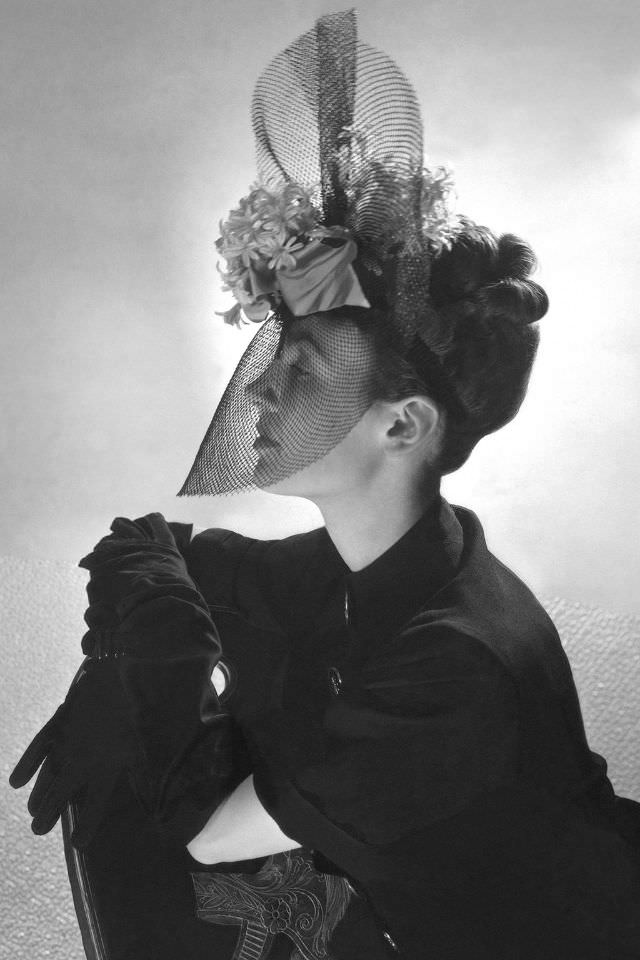
Elsa Schiaparelli was one of the most daring Italian fashion designers of the 20th century. Born into an upper-class family, she broke away from that world and made her way to Paris, where she established her own couture house. It was there that she built a reputation unlike almost anyone else in fashion at the time.
Her client list read like a who’s who of wealth and fame. Heiress Daisy Fellowes and Hollywood actress Mae West were among those who wore her designs. Schiaparelli is widely considered one of the most important figures in fashion between the two World Wars, a period when she was at her most productive and inventive.
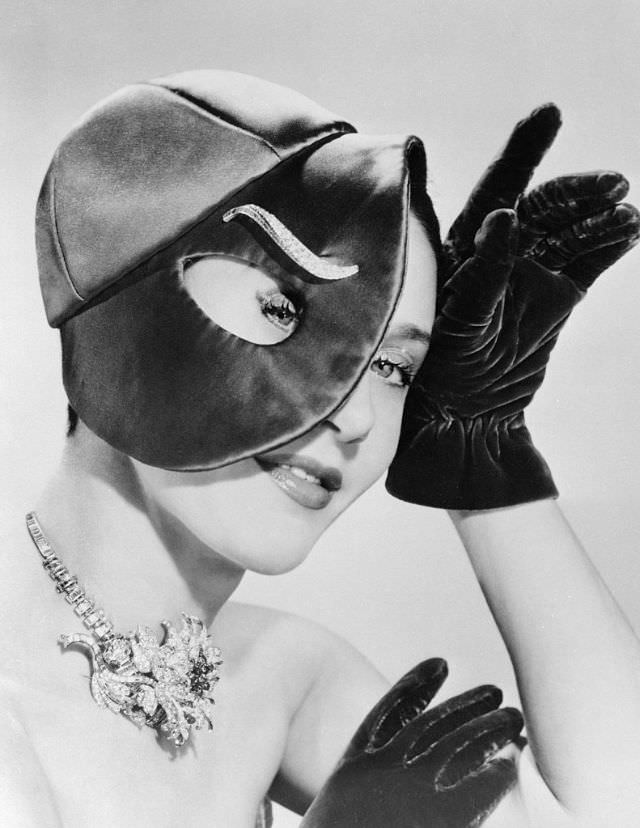
What set Schiaparelli apart was her deep connection to the Surrealist art movement. She collaborated with artists like Salvador Dalí and turned fashion into a form of visual art. Her accessories were especially bold — she designed a purse shaped like a telephone and shoes worn as hats, blurring the line between clothing and sculpture.
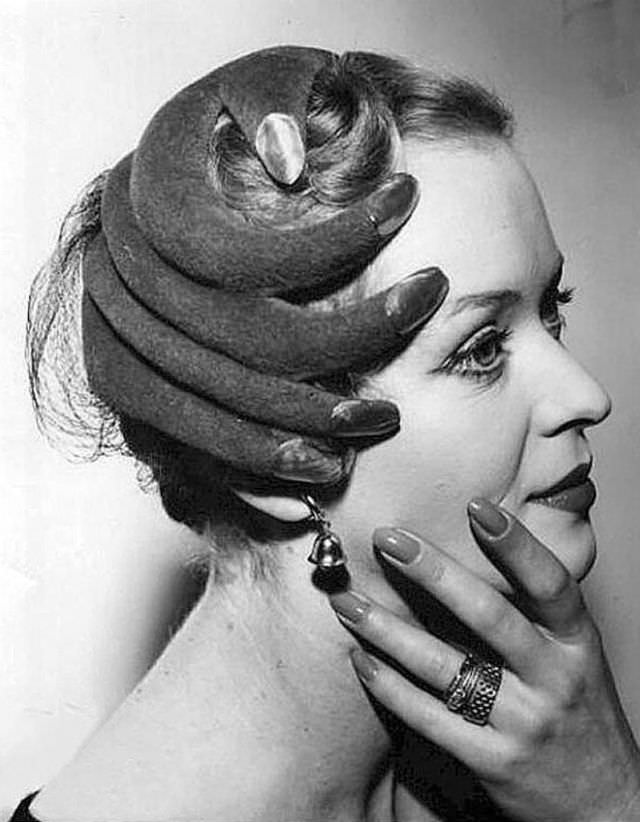
Her hats were perhaps the most talked-about pieces in her entire catalog. Rather than designing headwear that simply complemented an outfit, Schiaparelli created hats that looked like everyday objects turned upside down — literally and figuratively. A lamb chop, an inkwell, a high-heeled shoe: all served as inspiration for what sat atop her clients’ heads.
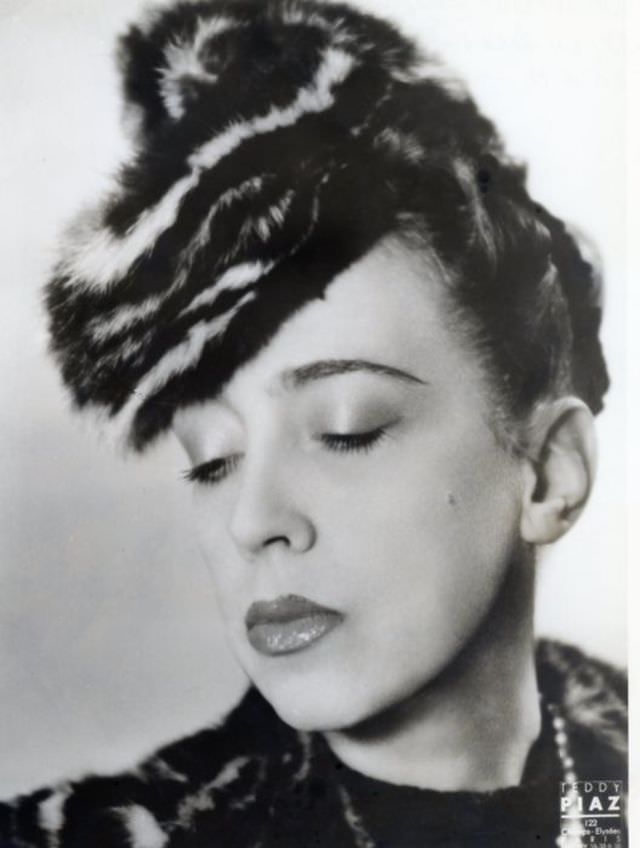
The hats were designed to provoke a reaction. They were witty, strange, and completely intentional in their absurdity. Schiaparelli believed fashion should challenge the viewer, not just dress the wearer. Each piece carried a kind of visual joke that required the audience to look twice.
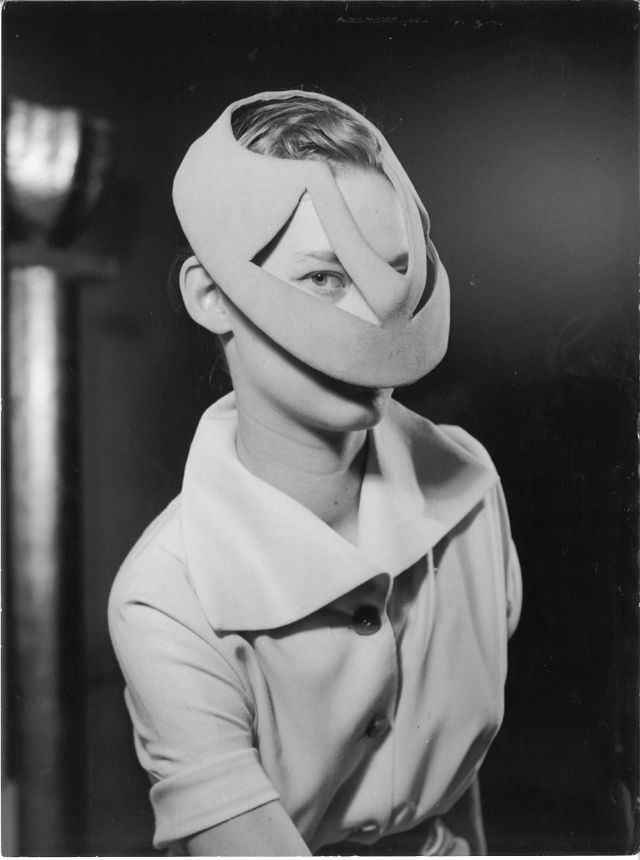
The craftsmanship behind these pieces was meticulous. Despite how playful they appeared, each hat was carefully constructed. Materials were chosen with precision, and the final forms were engineered to sit correctly on the head while still maintaining their object-like appearance.
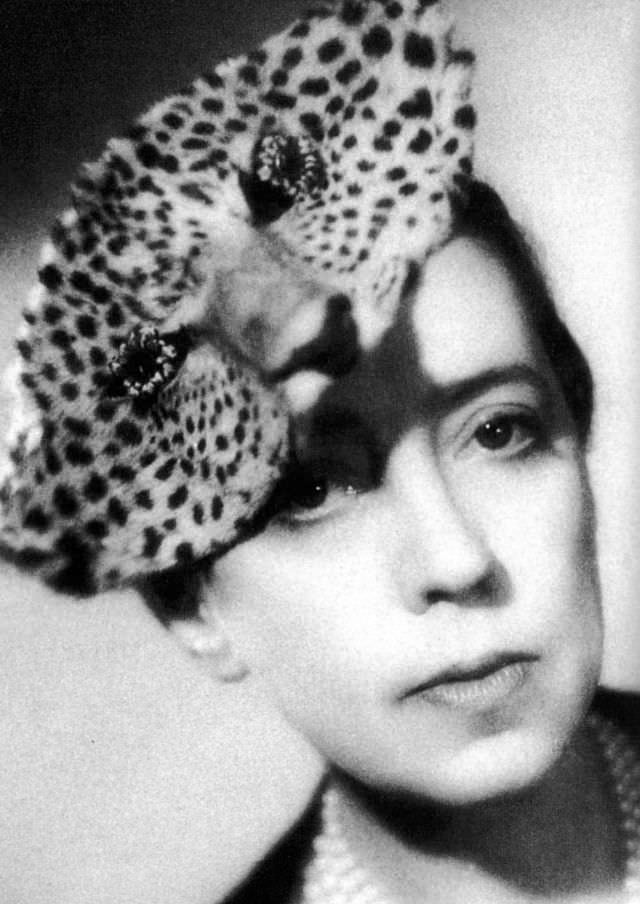
Schiaparelli’s use of color was equally striking. She is credited with popularizing a vivid shade of pink she called “Shocking Pink” — a color that appeared across her collections and became closely tied to her identity as a designer. Many of her hats carried this same fearless approach to color.
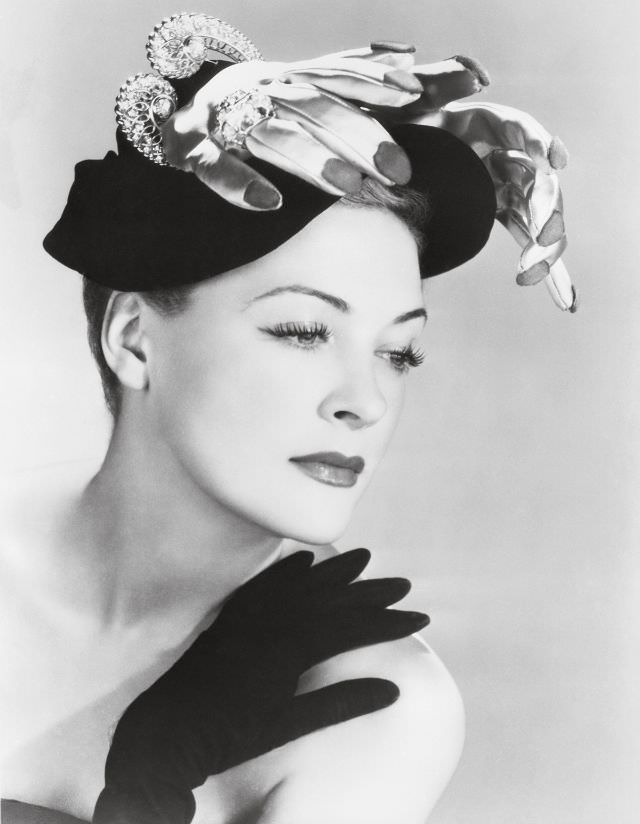
Her surreal accessories were not novelty items. They were high fashion, worn by real women in real social settings. The women who chose Schiaparelli’s hats were making a deliberate statement about taste, humor, and a willingness to stand out in a crowd.
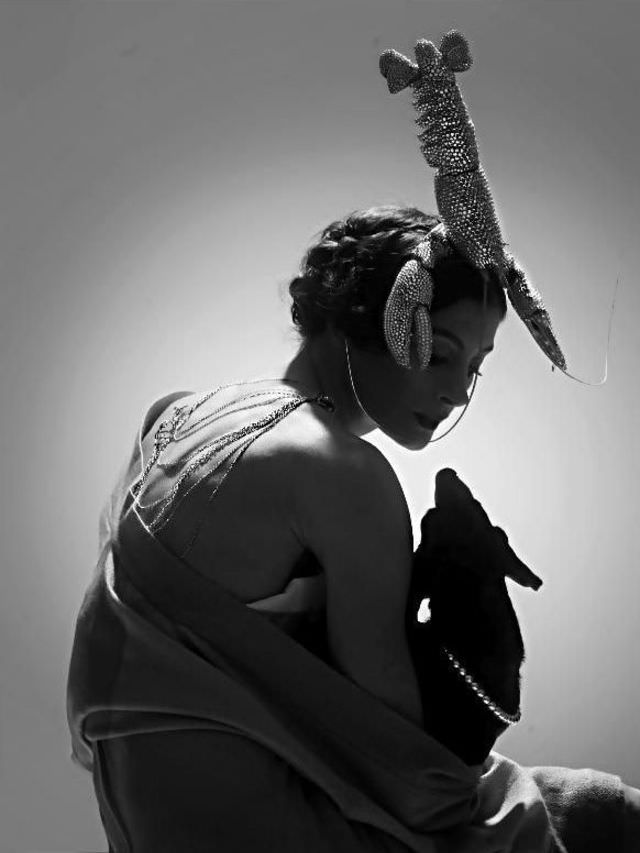
The 1940s brought challenges for the fashion industry, including wartime fabric restrictions across Europe. Schiaparelli adapted, but the spirit of her design philosophy never wavered. Even under constraint, her work maintained its signature wit and structural creativity.
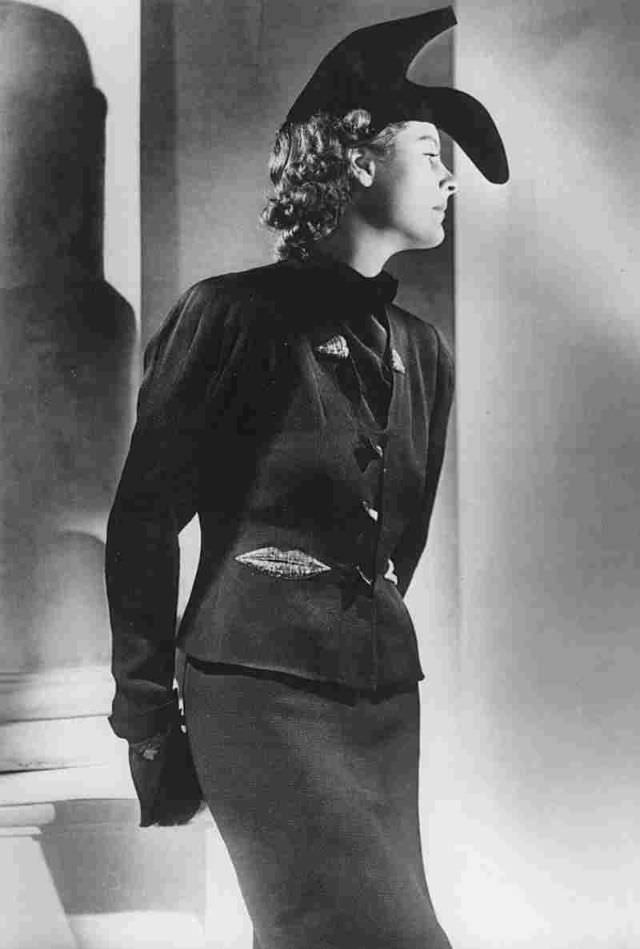
The hats she produced during this era remain some of the most photographed and studied pieces in fashion history. Museums and collectors have preserved them as artifacts of a moment when fashion and fine art genuinely merged into one.
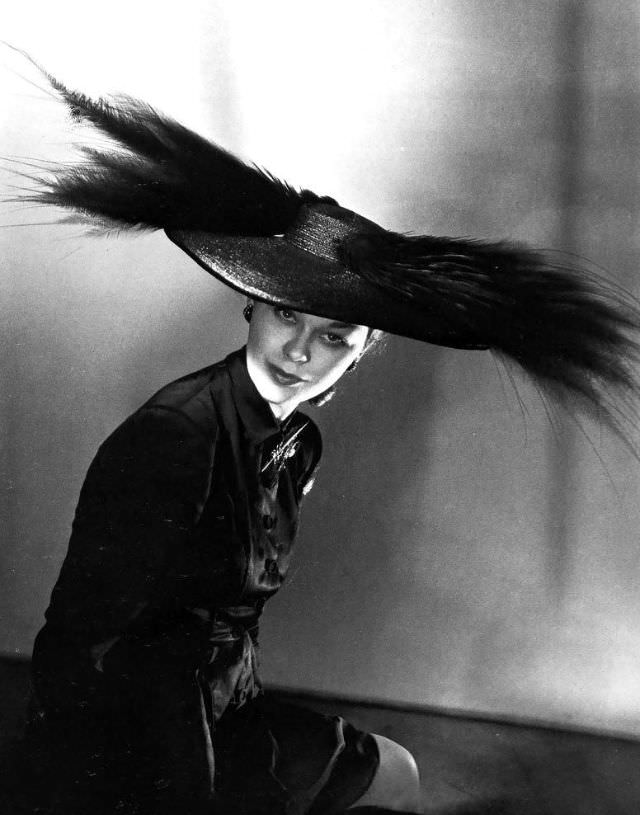
Below is a further look at the range of surreal hats Schiaparelli designed — each one a small, wearable work of art that captures exactly what made her one of fashion’s most original voices.