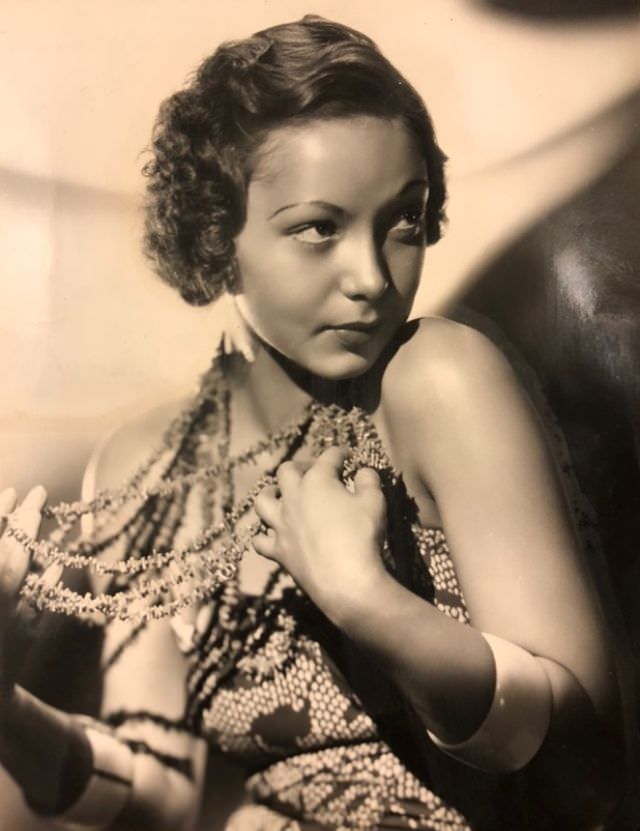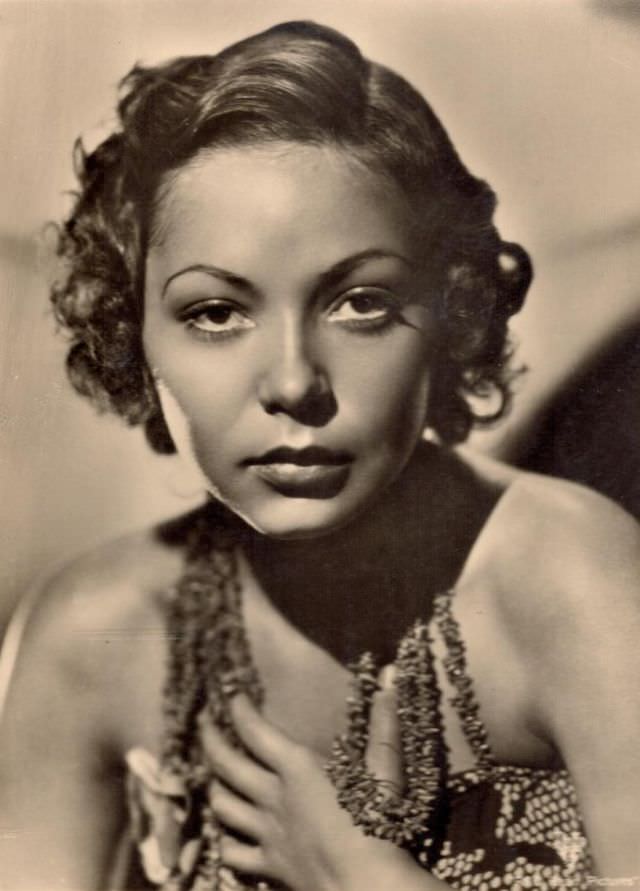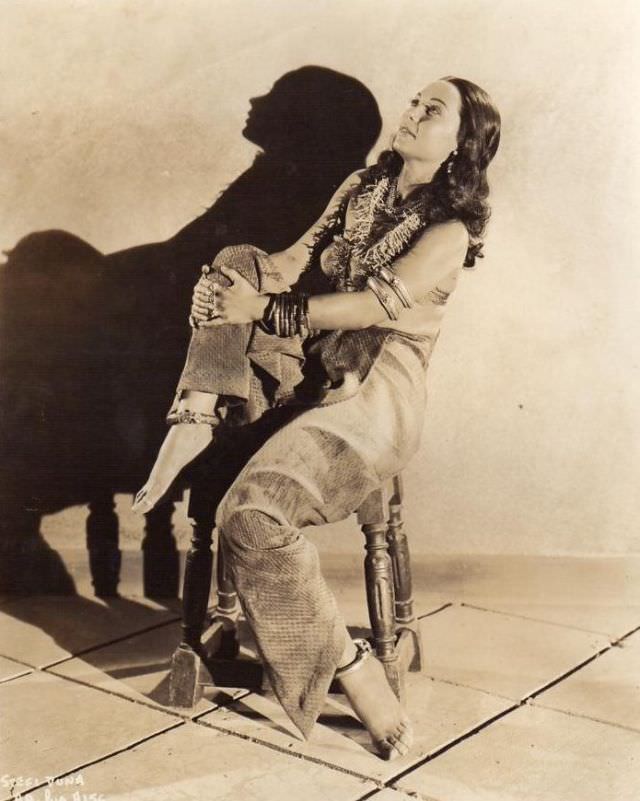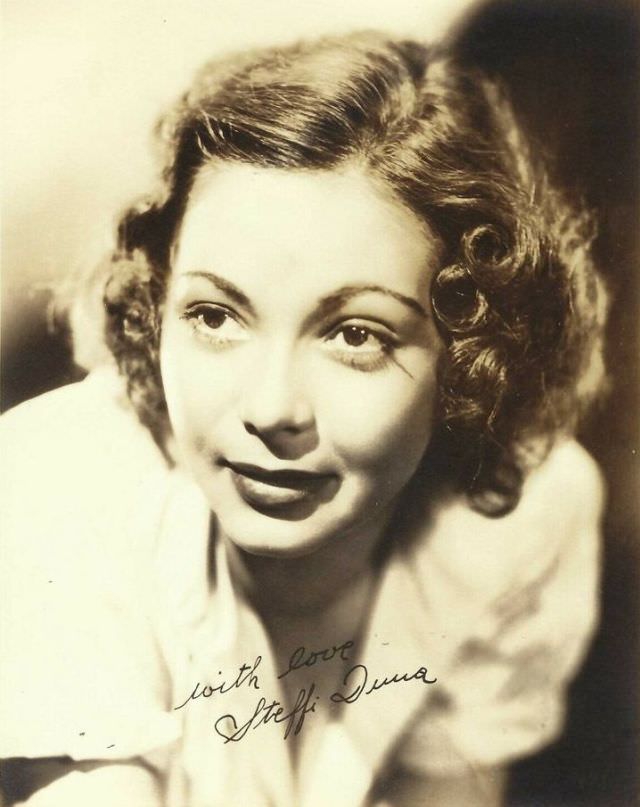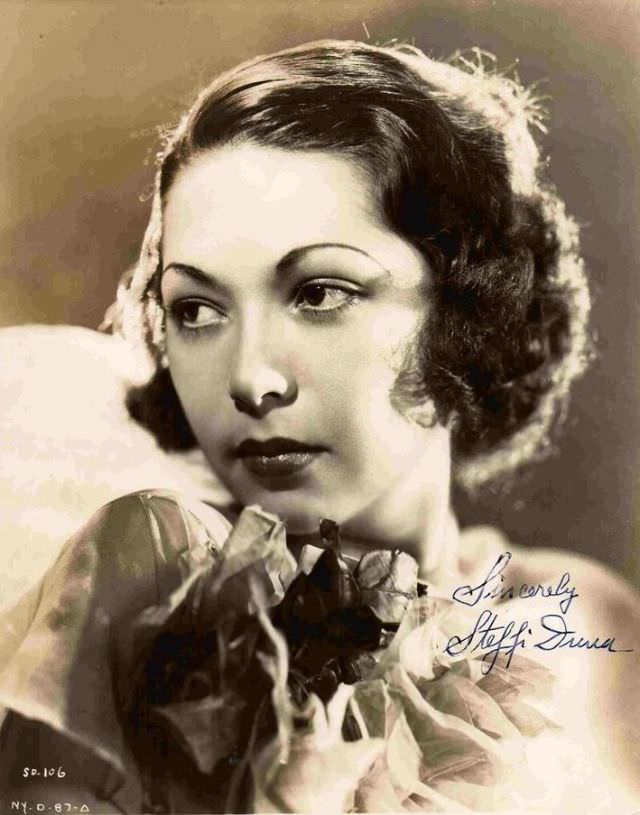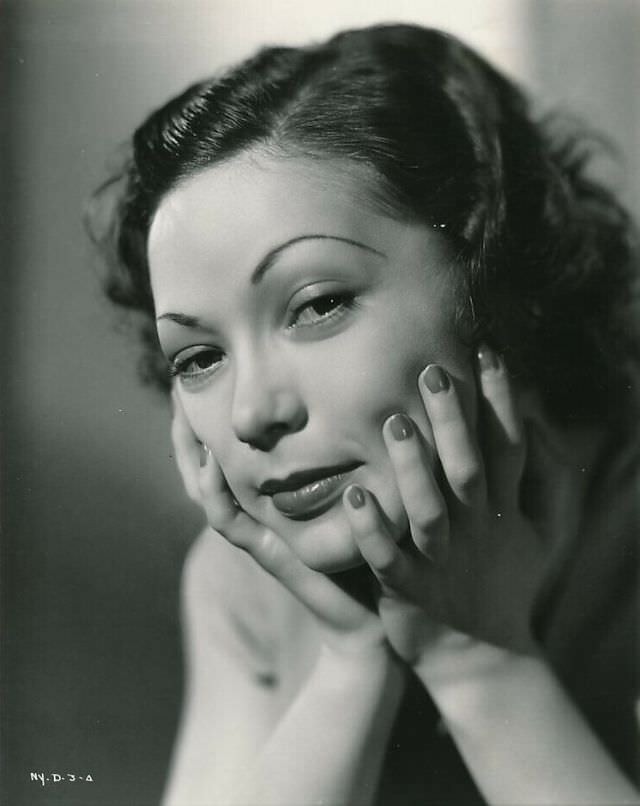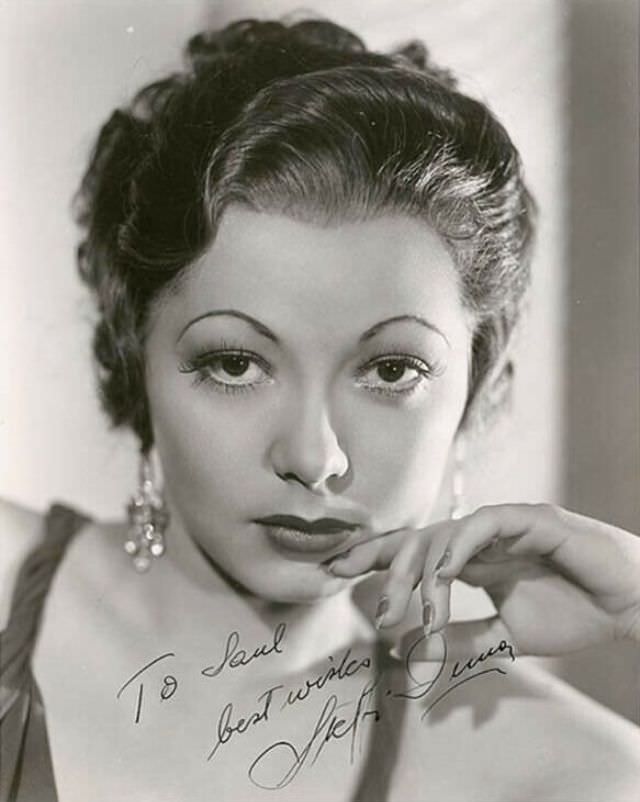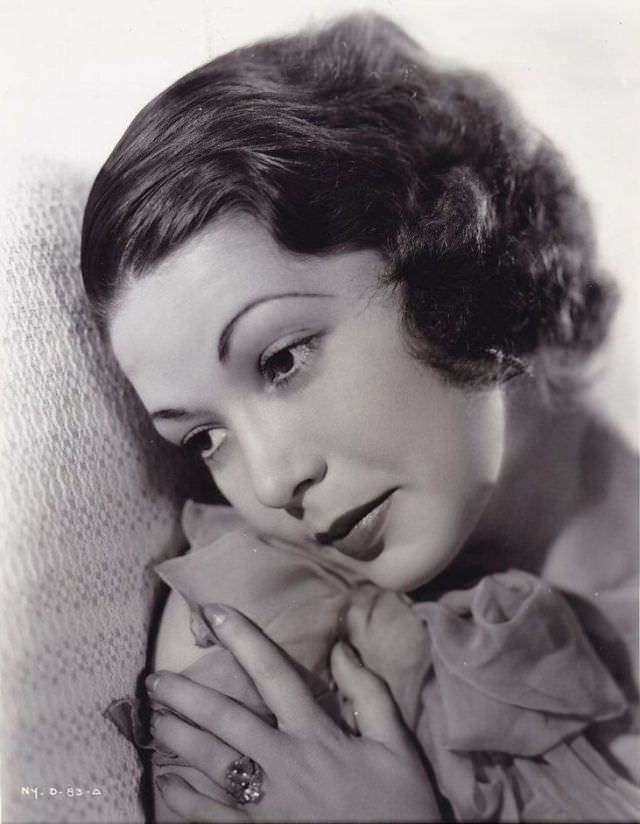

Steffi Duna was a Hungarian-born actress and ballet dancer whose career took her from the stages of Budapest to the film sets of Hollywood. She began performing at just nine years old, quickly drawing public attention with a natural talent that set her apart from other young dancers of her time. Her father recognized her gift early and enrolled her in the finest dance schools in the Hungarian capital, laying the groundwork for a professional career that would span two continents.
Duna made her stage debut performing dramatized fairy tales at the Children’s Theater of Budapest. From there, her dancing career expanded rapidly. She performed in most of the major capitals of Europe, building both her technique and her reputation city by city. By 1932, she had earned a spot on the London stage, making her professional debut as a dancer in Noël Coward’s revue Words and Music. She also performed professionally in Salzburg and Berlin, and appeared in stage productions of Wonder Bar alongside future star John Mills.
That same year, 1932, Duna also made her film debut in a British comedy called The Indiscretions of Eve. The transition from stage dancer to film actress was underway. She arrived in New York City later that year with acting ambitions and not a single word of English. Her directors gave her straightforward advice: stay away from Hungarian-speaking friends so that full immersion would force her to learn the language faster. It worked. Within a few years, Duna was fluent in six languages.
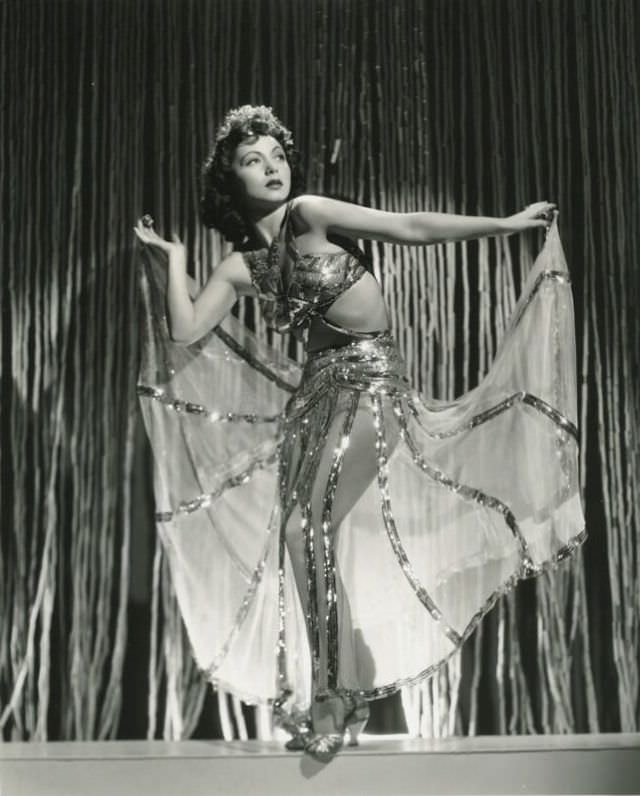
Hollywood took notice of Duna’s striking looks and magnetic screen presence. Despite her European roots, she was regularly cast as fierce Latina characters throughout the 1930s. Her exotic appearance and charisma made her a natural fit for those roles in the eyes of studio casting directors. One of her most notable early parts came in La Cucaracha (1934), a short film that holds a firm place in cinema history as the first live-action short to be shot in three-strip Technicolor.
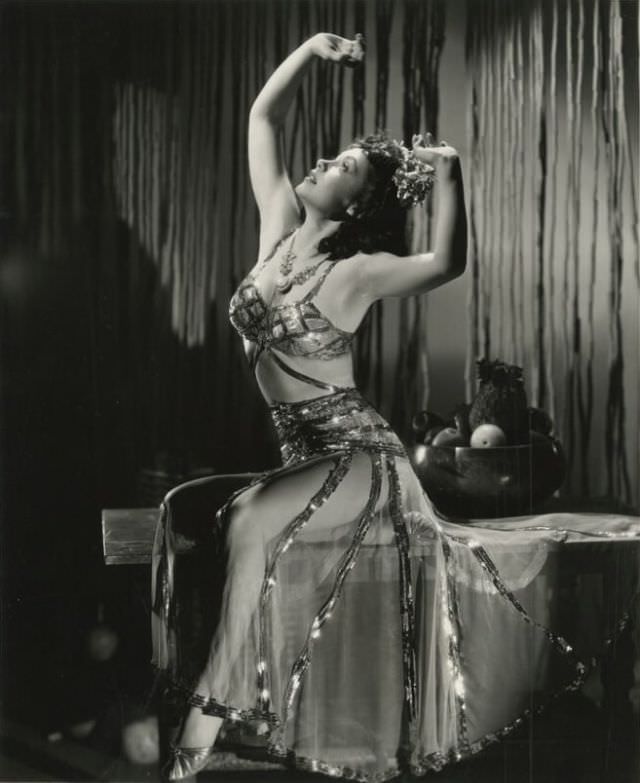
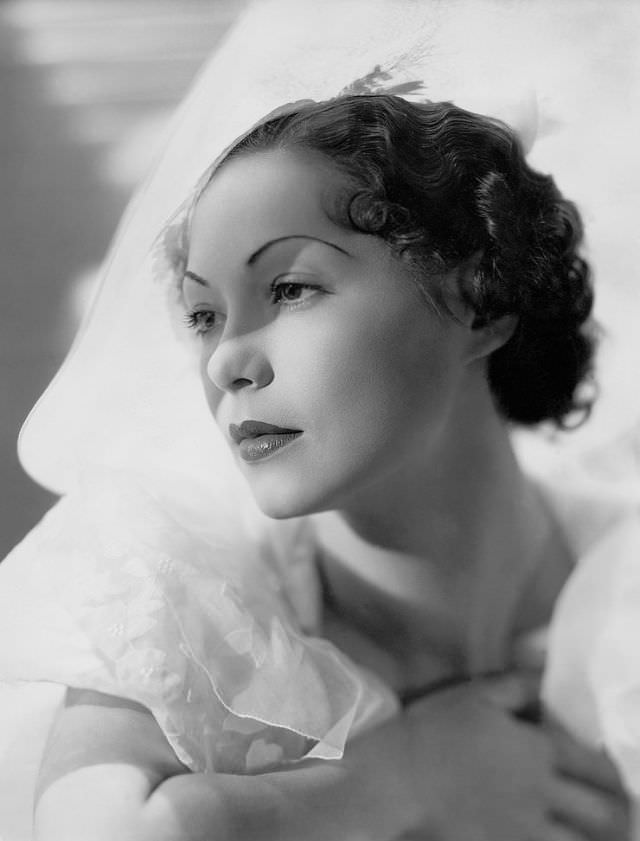
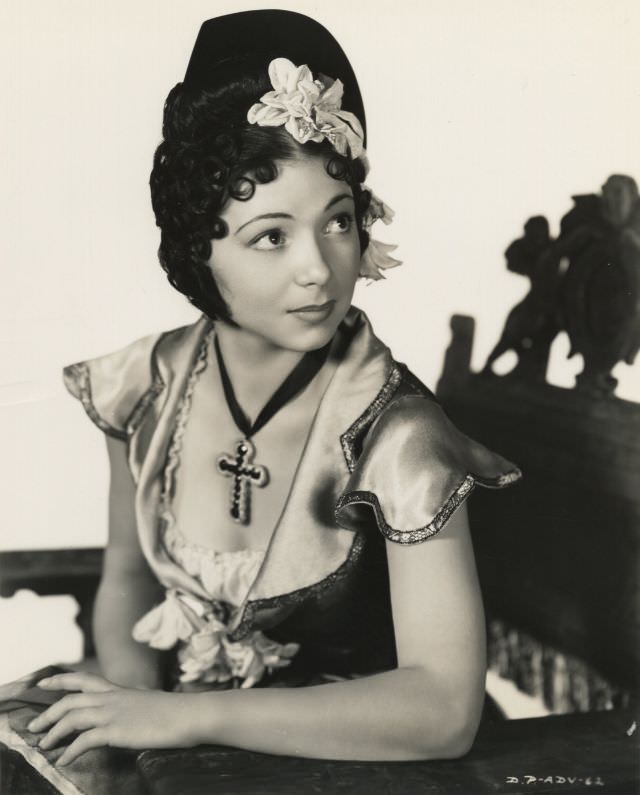
Duna took on lead roles in a string of films during the latter half of the decade. She starred in Anthony Adverse (1936), a sweeping period drama, and played Nedda in the British film version of Pagliacci the same year. By 1939, she headlined Panama Lady, and in 1940 she appeared in Waterloo Bridge. These films showed her range across different genres and settings, from dramatic period pieces to wartime stories.
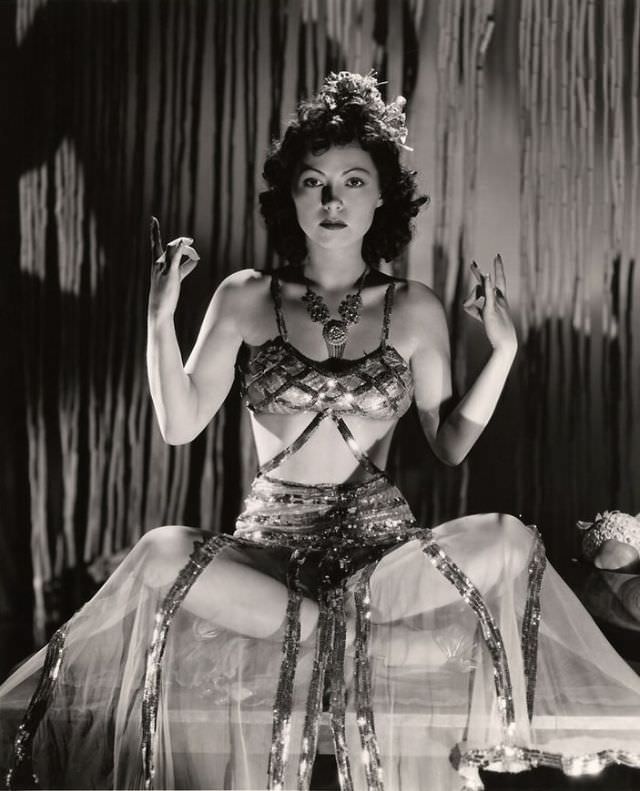
Off screen, Duna’s personal life saw its share of changes. She married actor John Carroll in 1935, and the two had a daughter together. The marriage lasted three years before ending in divorce. In 1940, she married actor Dennis O’Keefe. Together they had two children, a son and a daughter. Unlike her first marriage, this one was lasting. Duna and O’Keefe remained together until his death.
Duna stepped away from acting in 1940, the same year she married O’Keefe. She devoted the years that followed to her family and her children. She spent the rest of her life in Beverly Hills, California, where she died of cancer in May 1992.
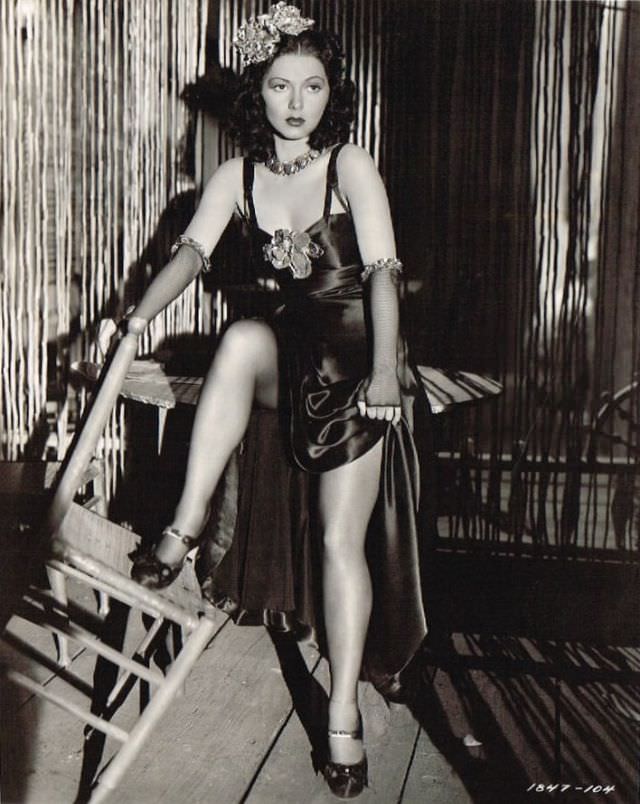
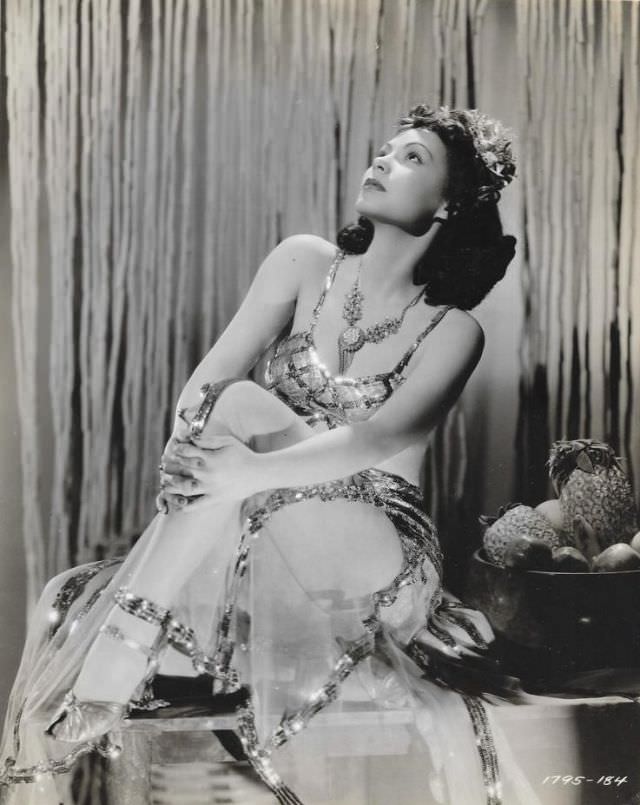
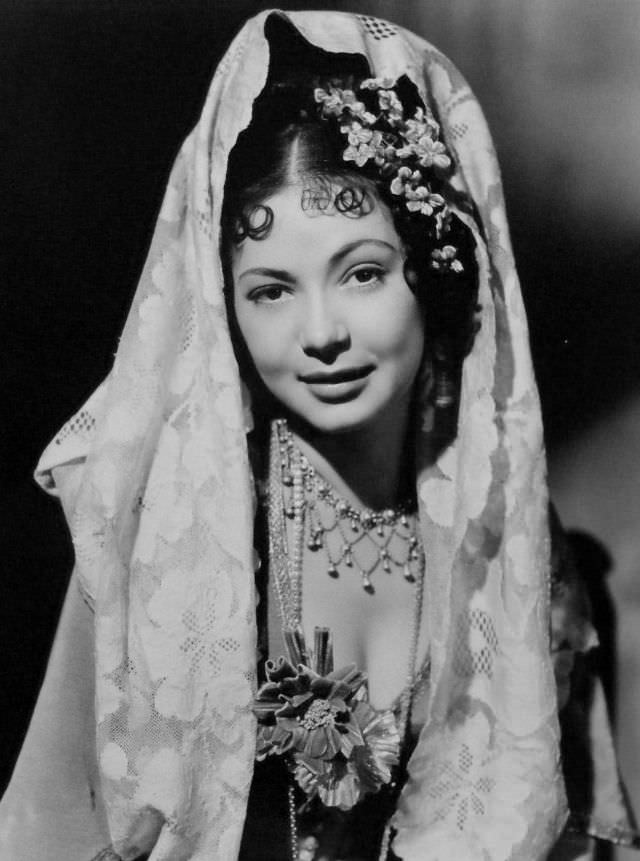
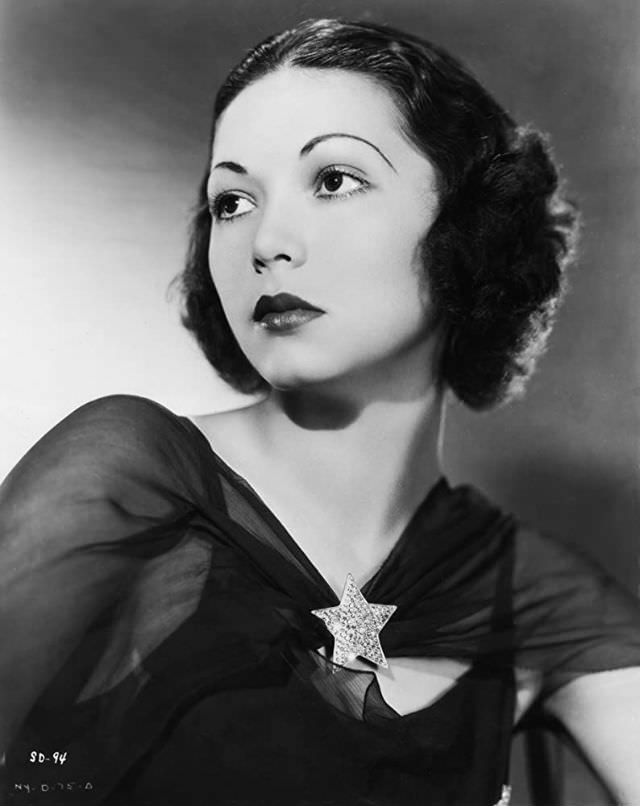
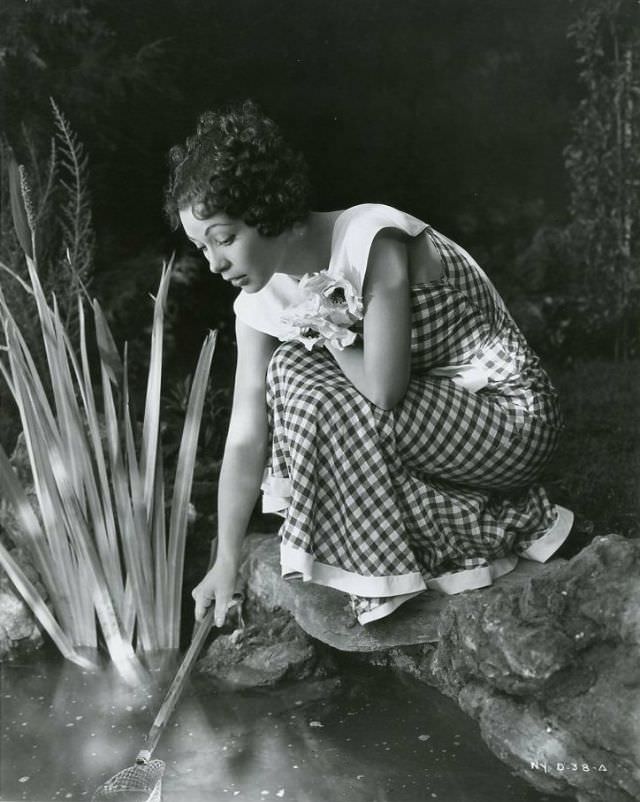
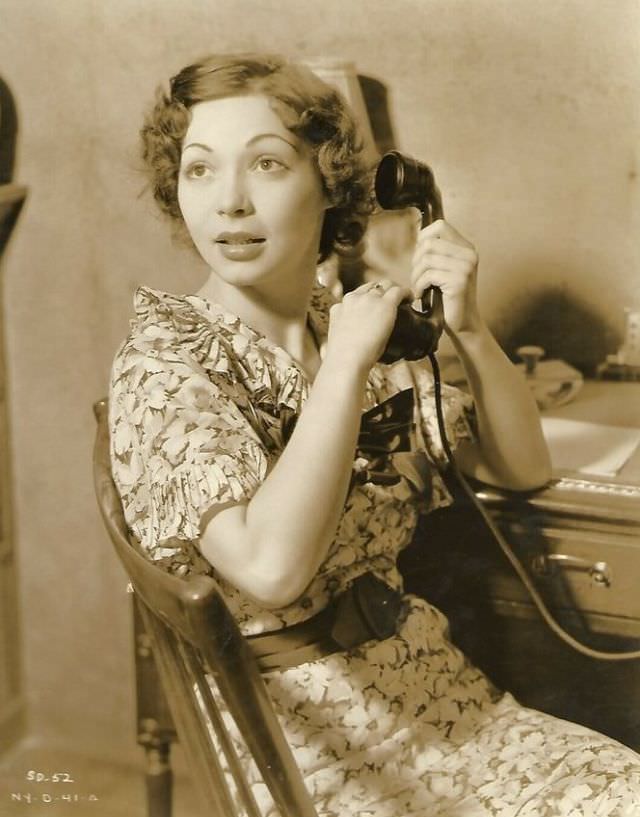
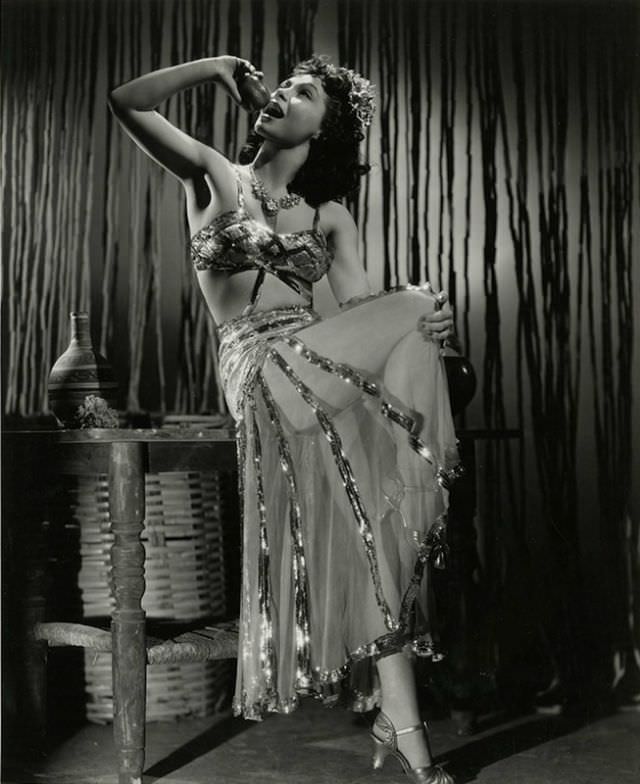
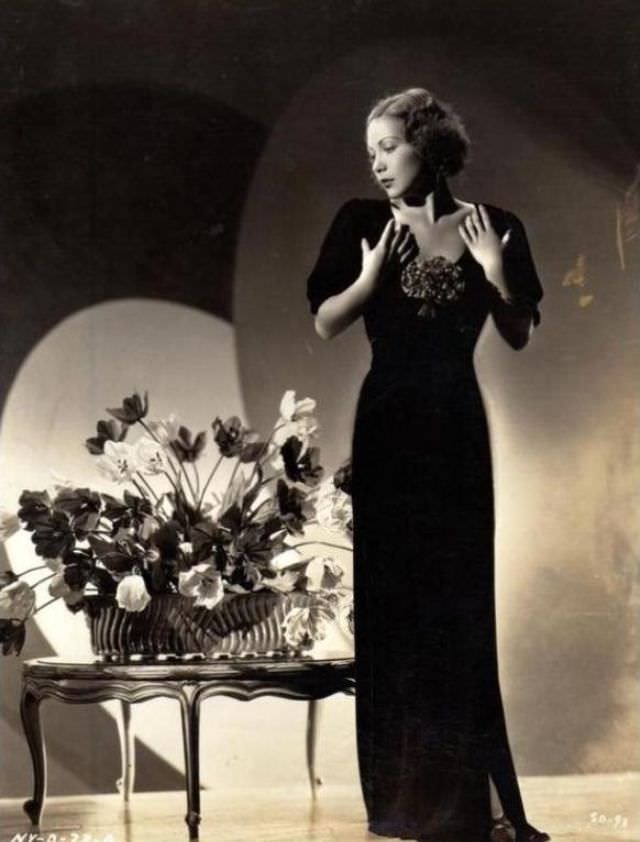
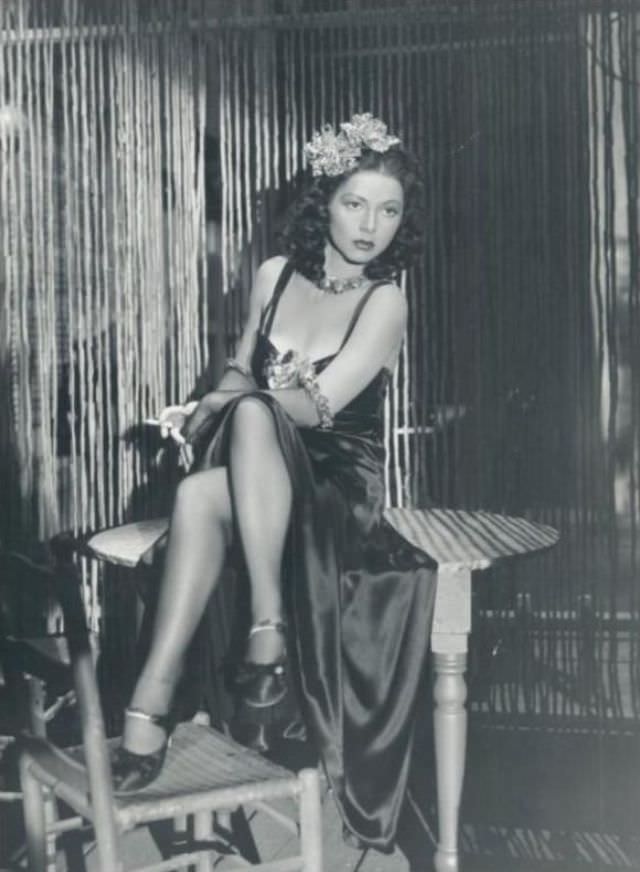
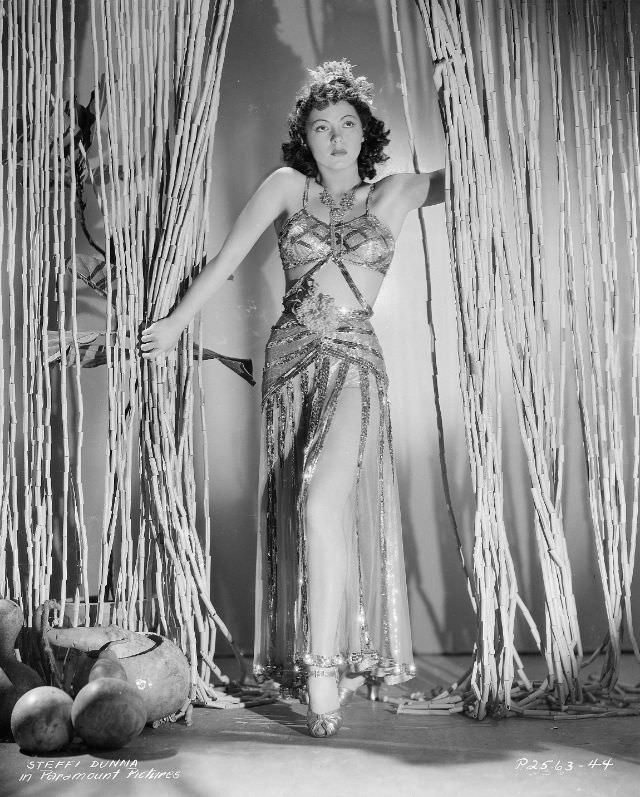
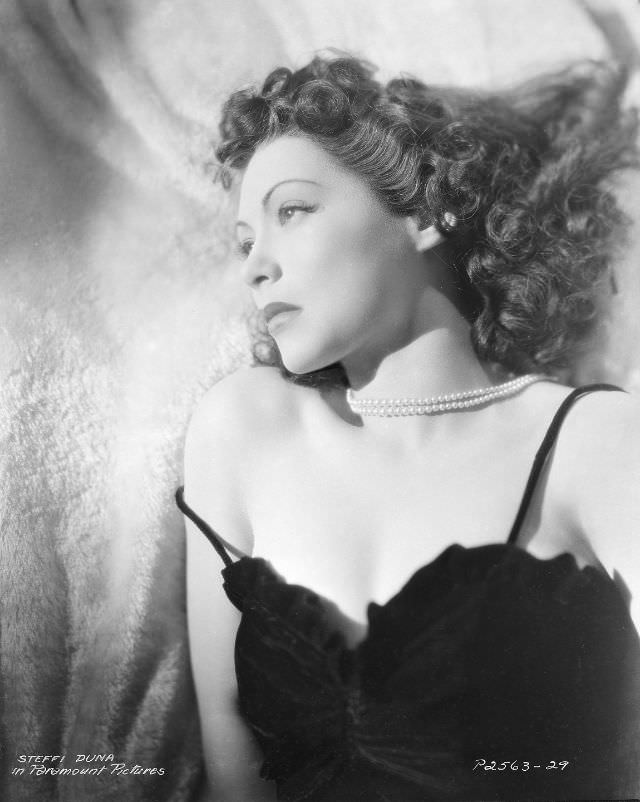
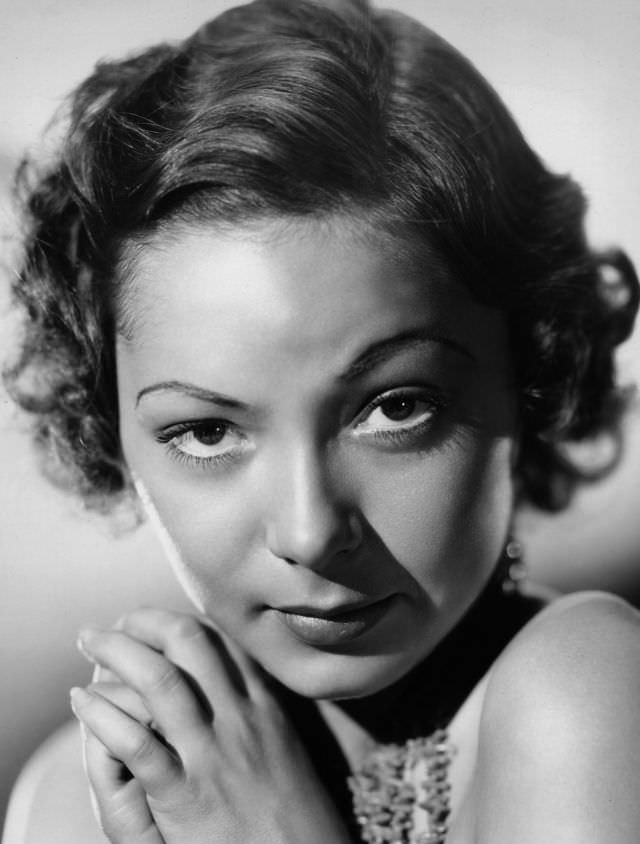
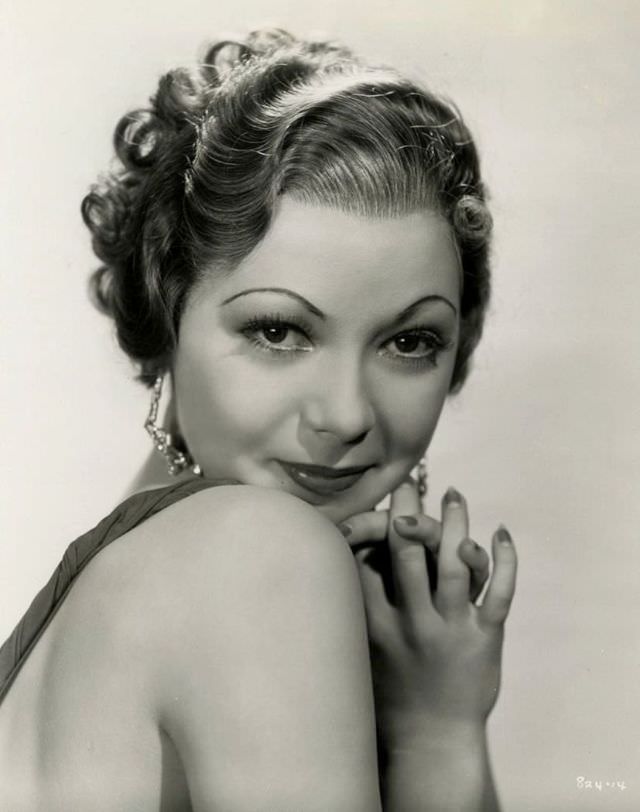
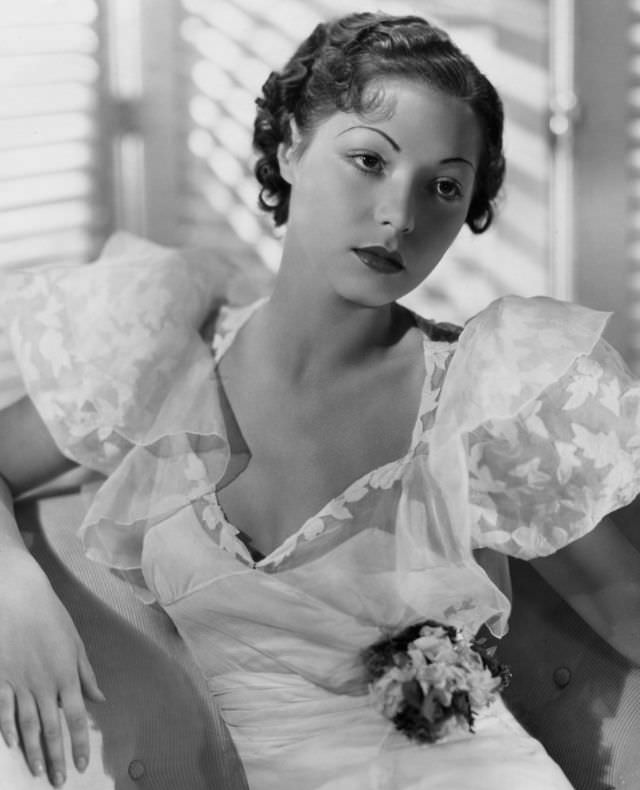
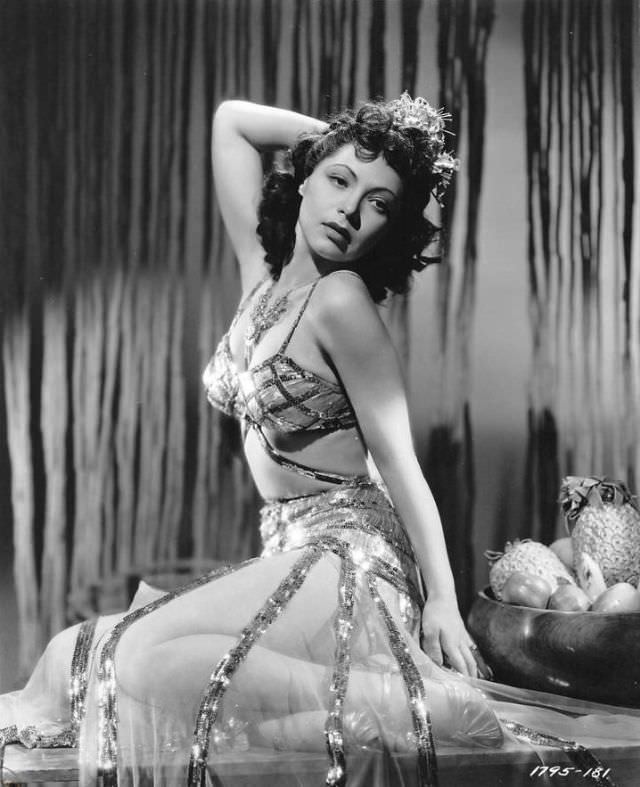
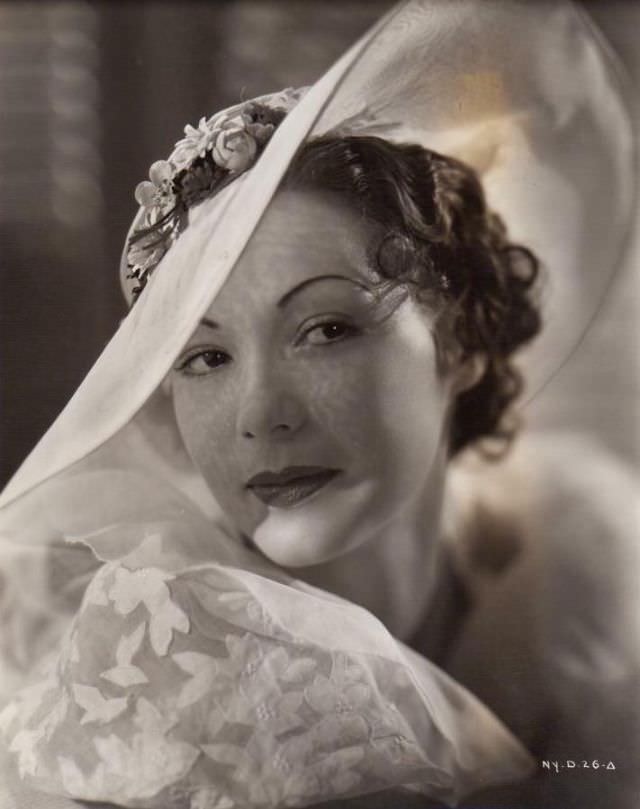
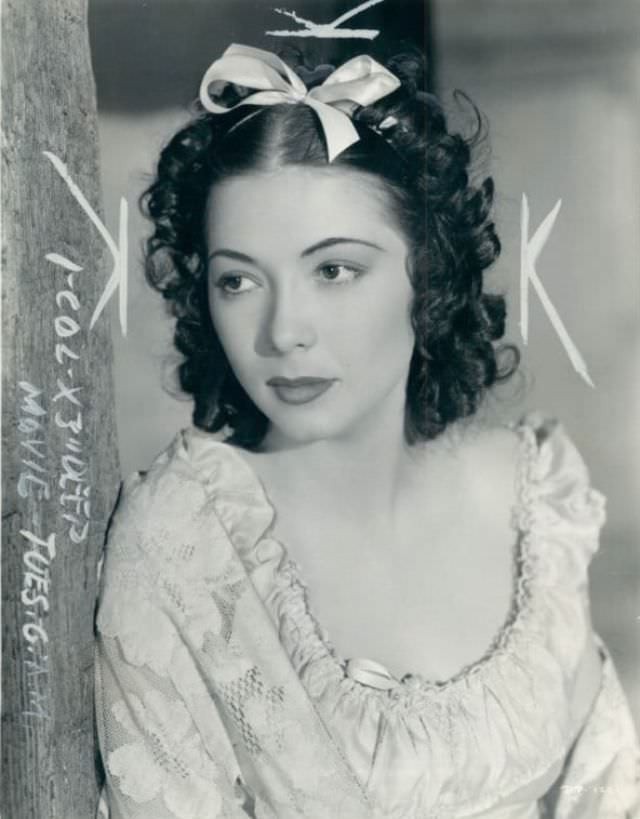
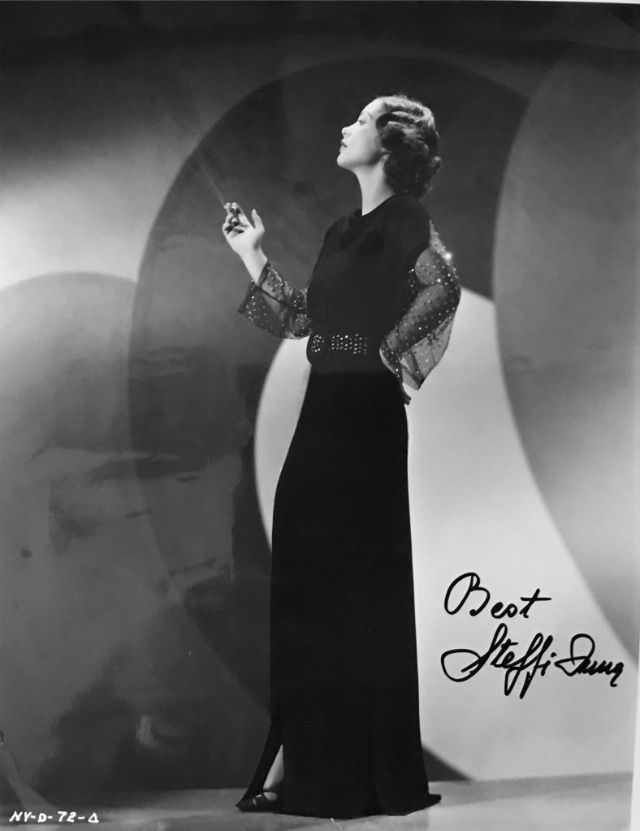
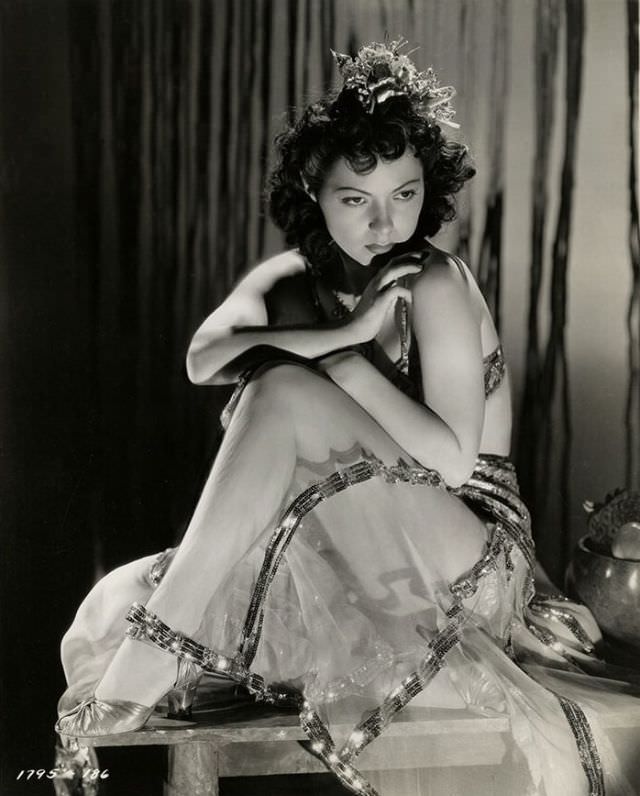
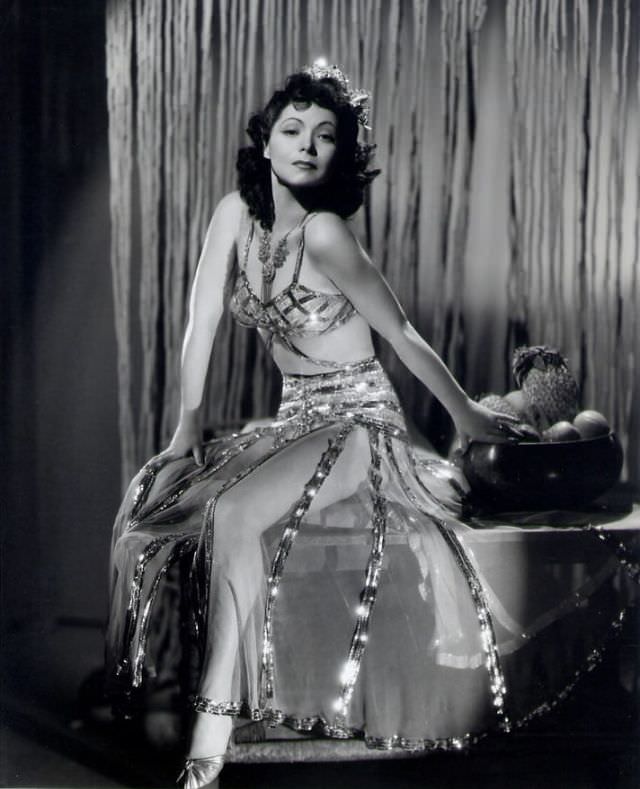
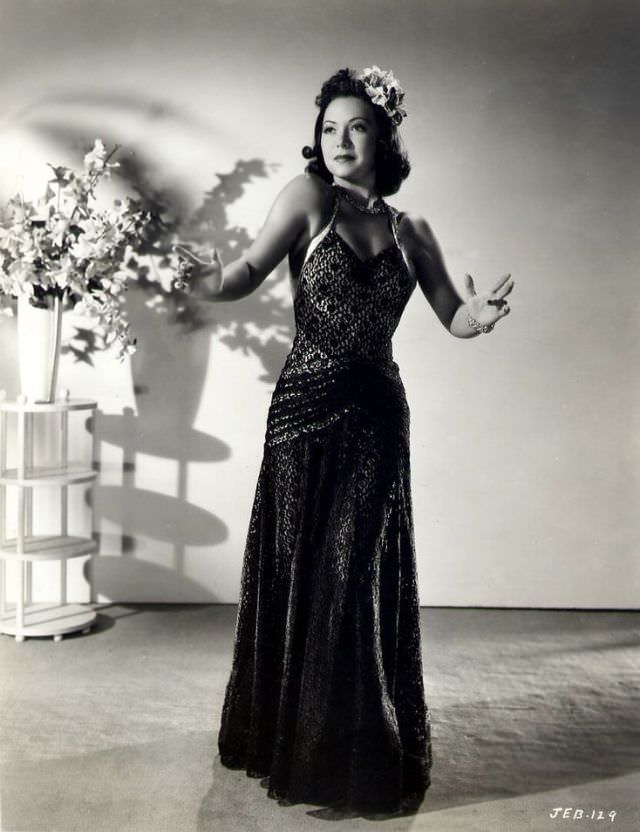
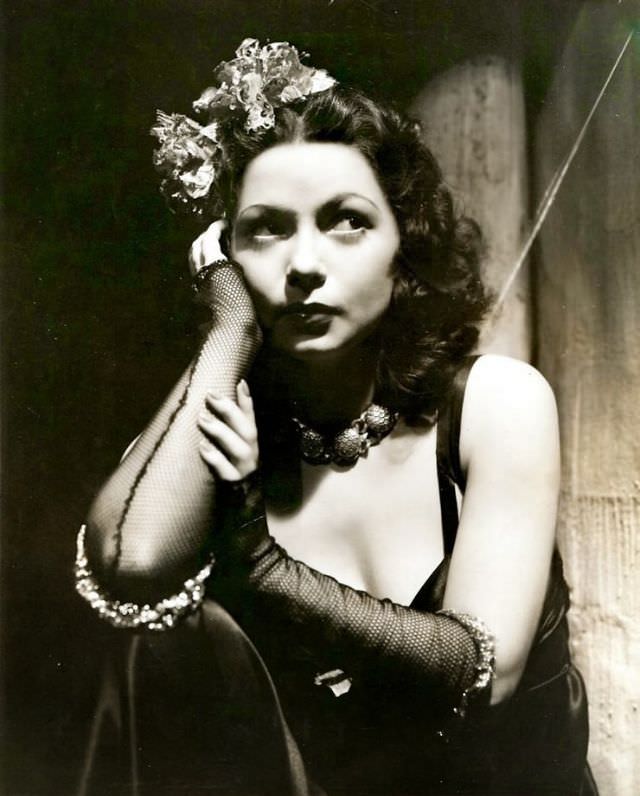
Below is a collection of gorgeous photos of the beautiful Hungarian actress Steffi Duna.