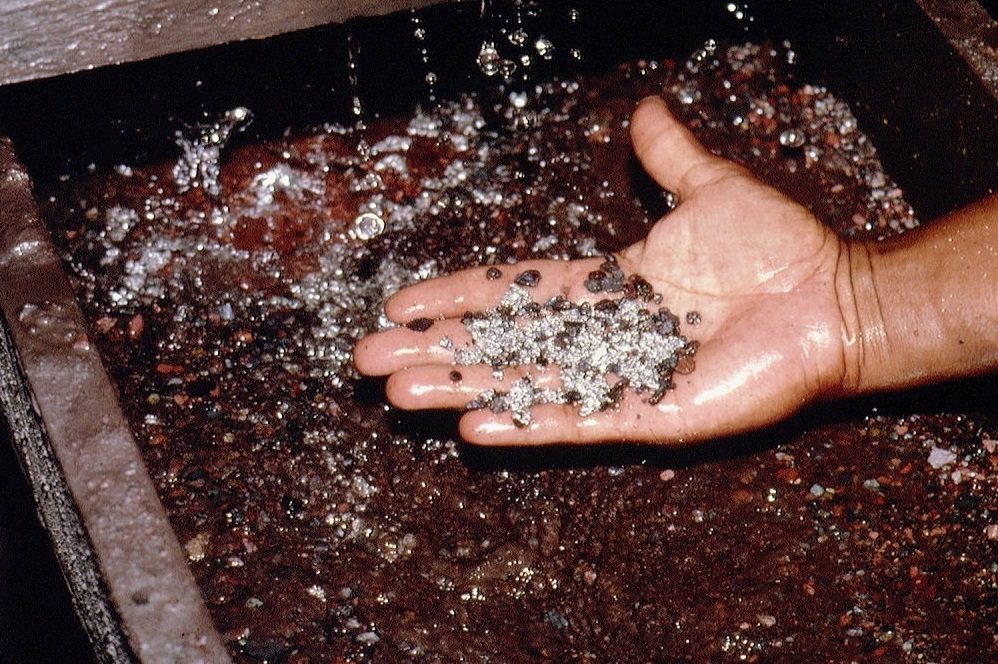

In 1979, a farmer named Genésio Ferreira da Silva was working his land south of the Amazon river’s mouth in the Brazilian state of Pará when he pulled a gold nugget from the soil. That single discovery set off one of the most extraordinary gold rushes in modern history. Word spread fast. Within days, prospectors were descending on the remote site. Within five weeks, 10,000 people were digging through the earth with their bare hands, shovels, and sacks, pulling out chunks of gold as large as 13 pounds.

Getting to Serra Pelada was no easy task. The site sat deep in the Amazon interior, far from any proper road. The only options were to fly in or walk. Many miners paid steep prices to have taxi drivers bring them to the end of a dirt track, then hiked the remaining 15 kilometers—roughly 9 miles—through rough terrain just to reach the pit. The promise of gold was enough to make the journey worthwhile.

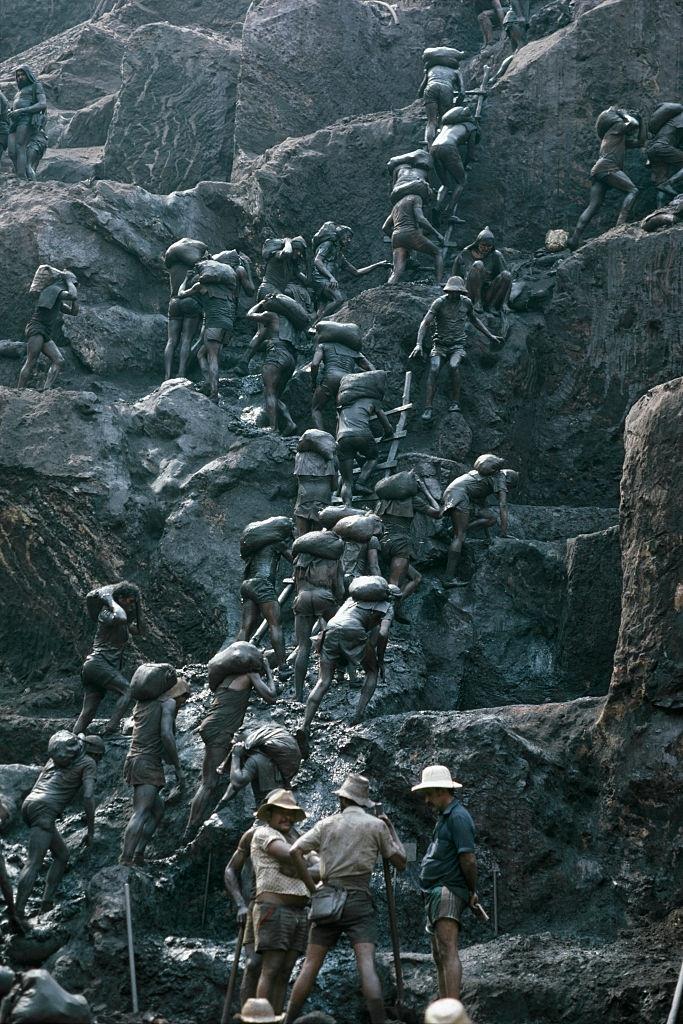
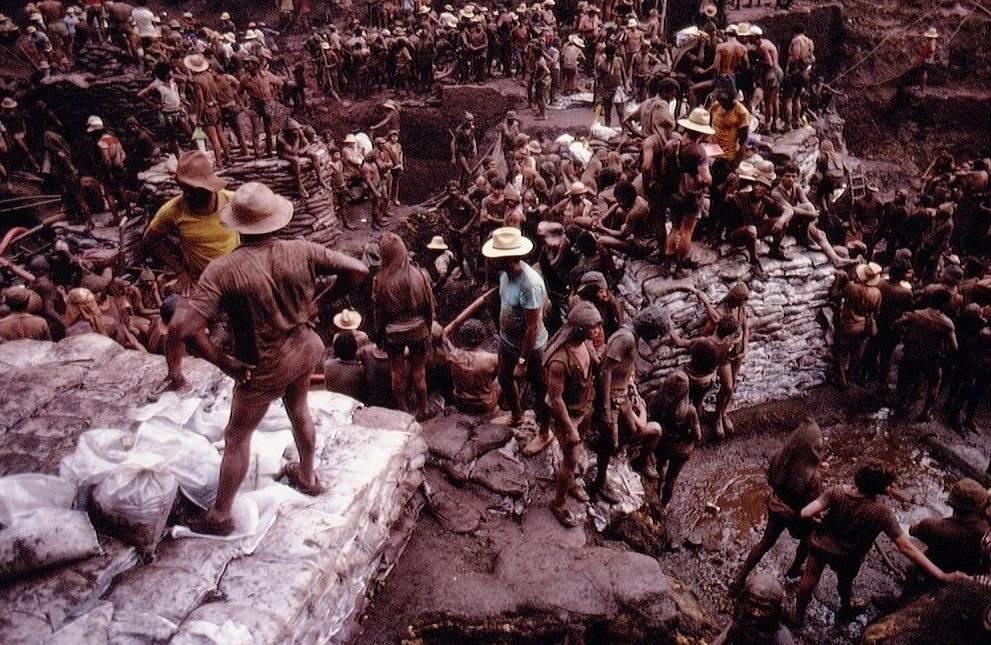
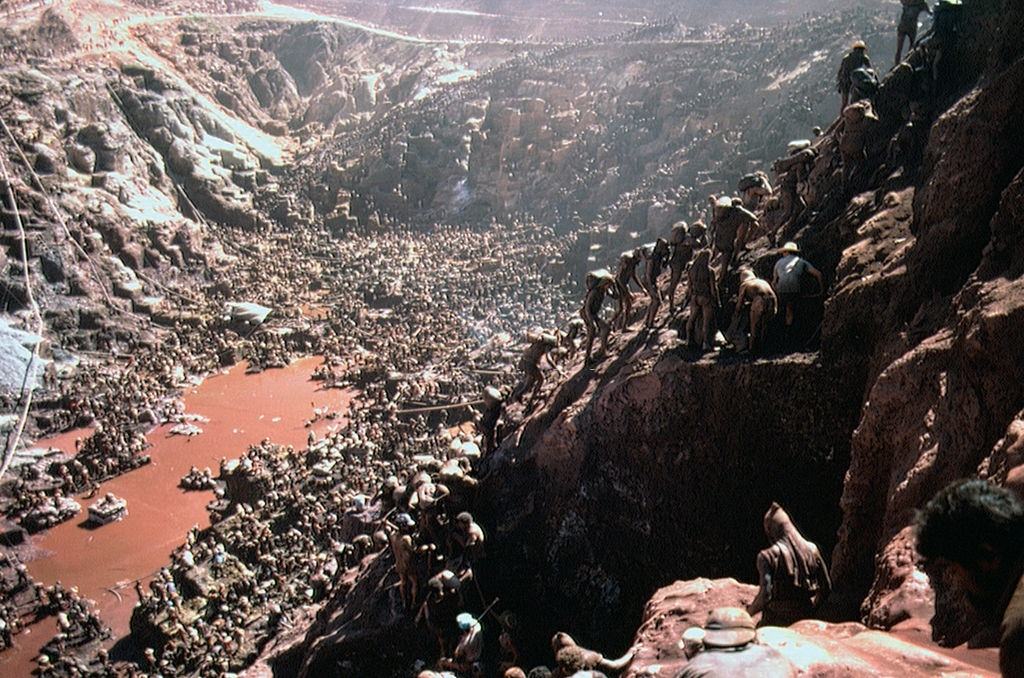
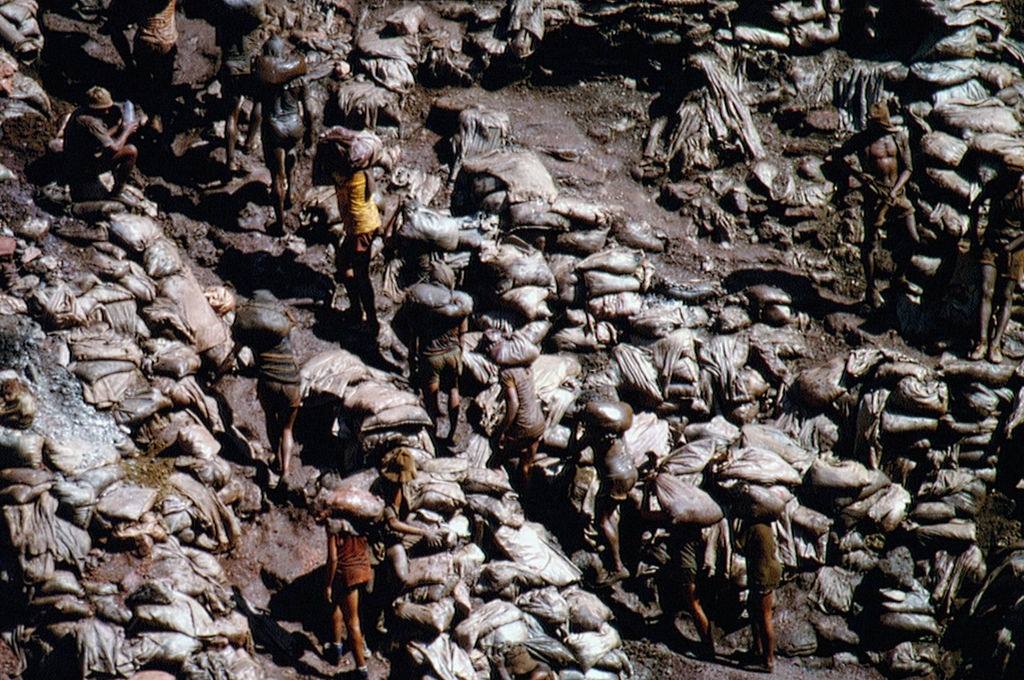
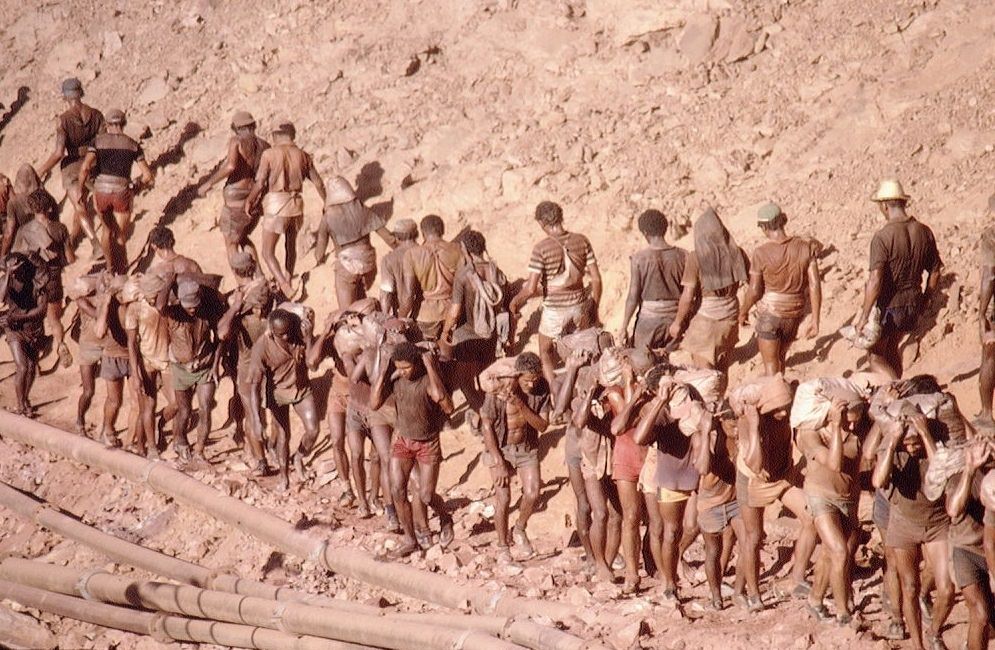
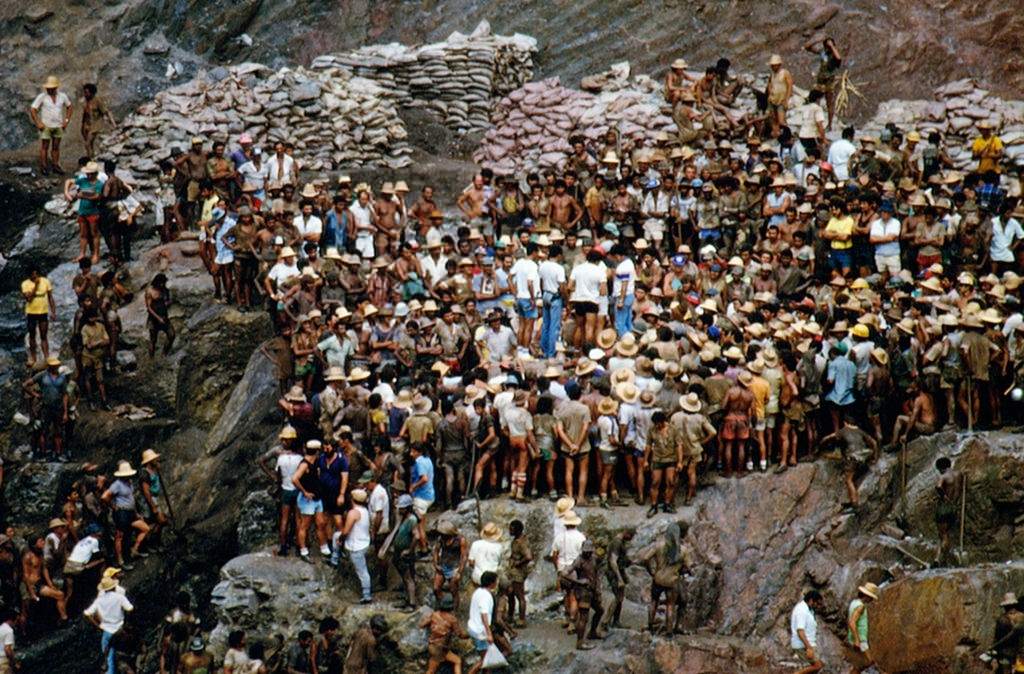
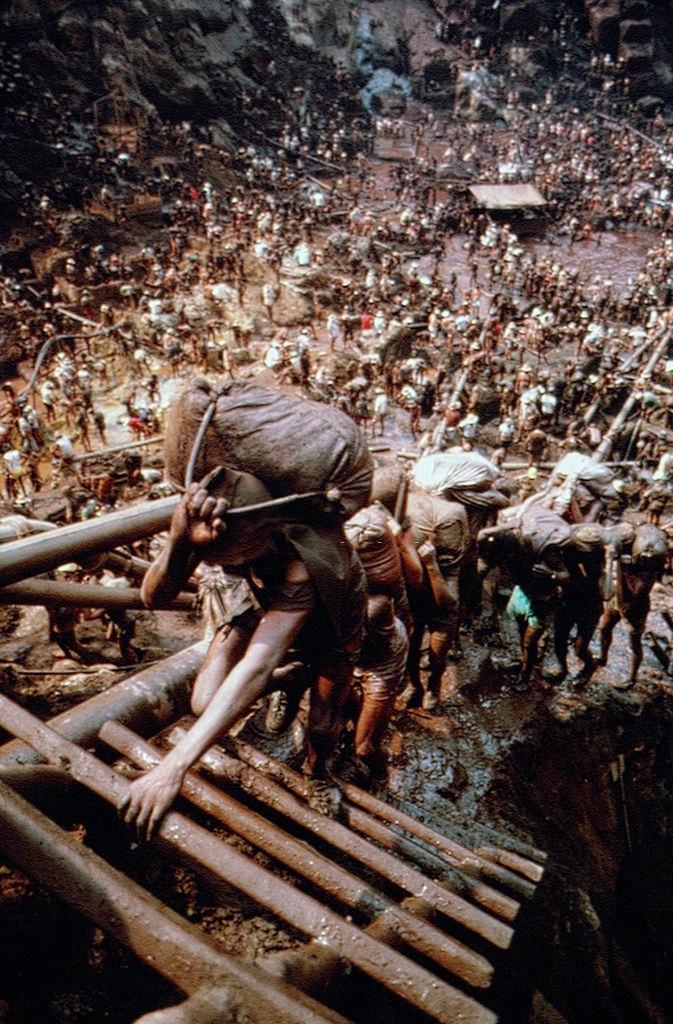
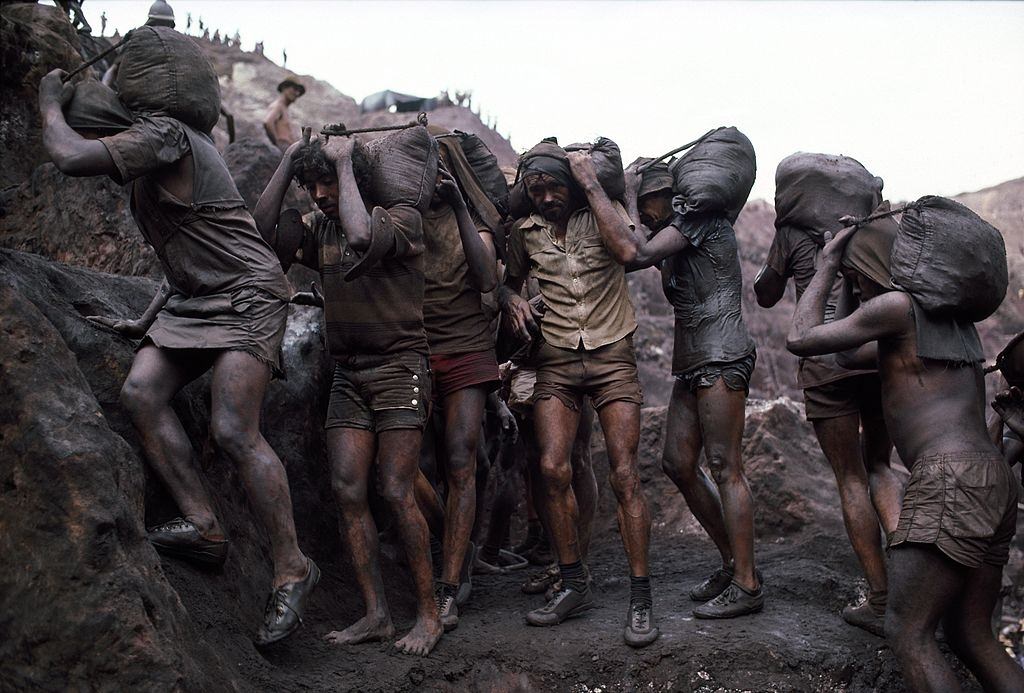
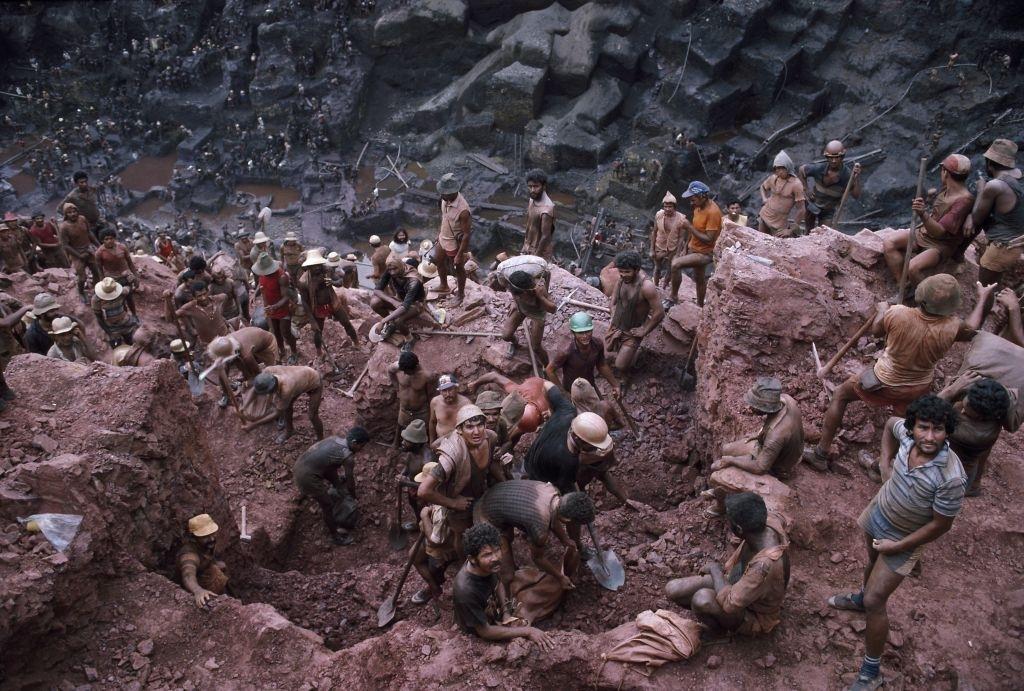
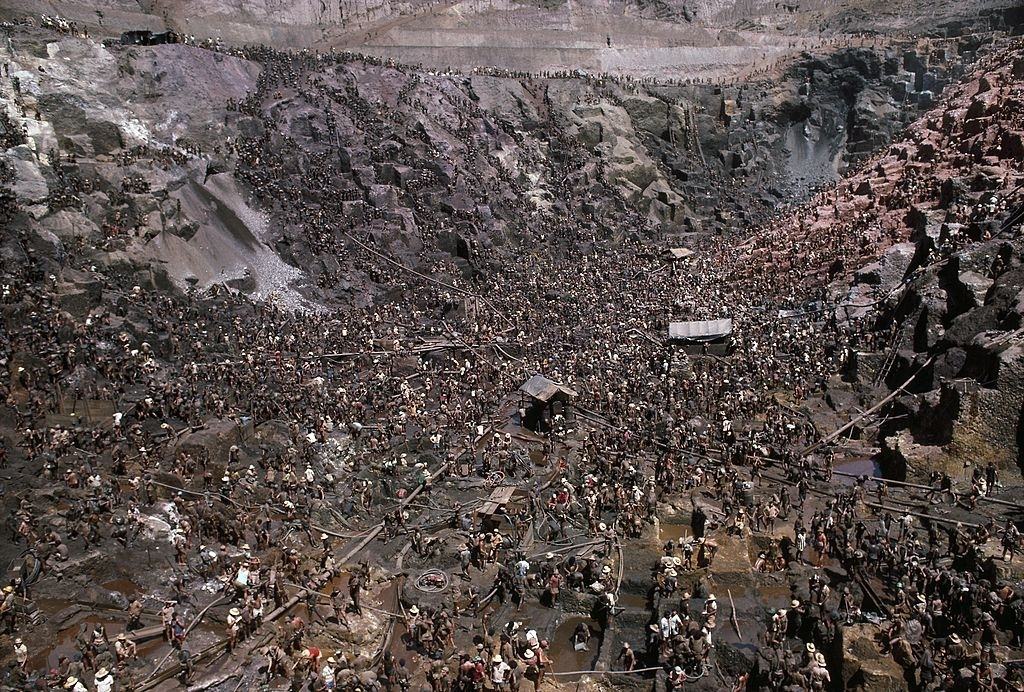
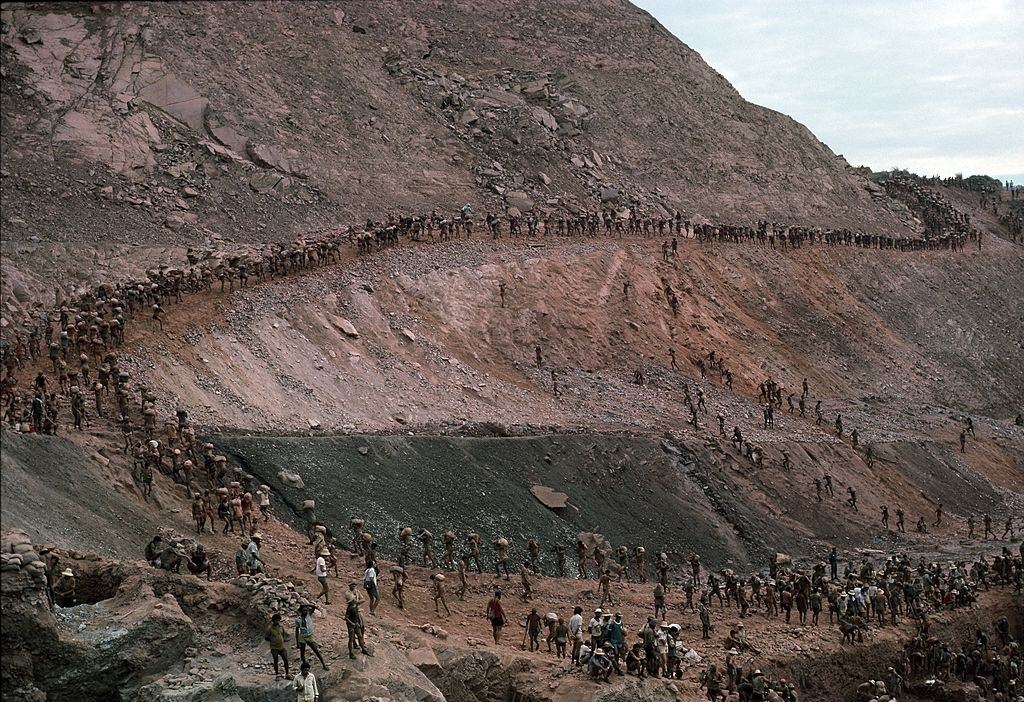
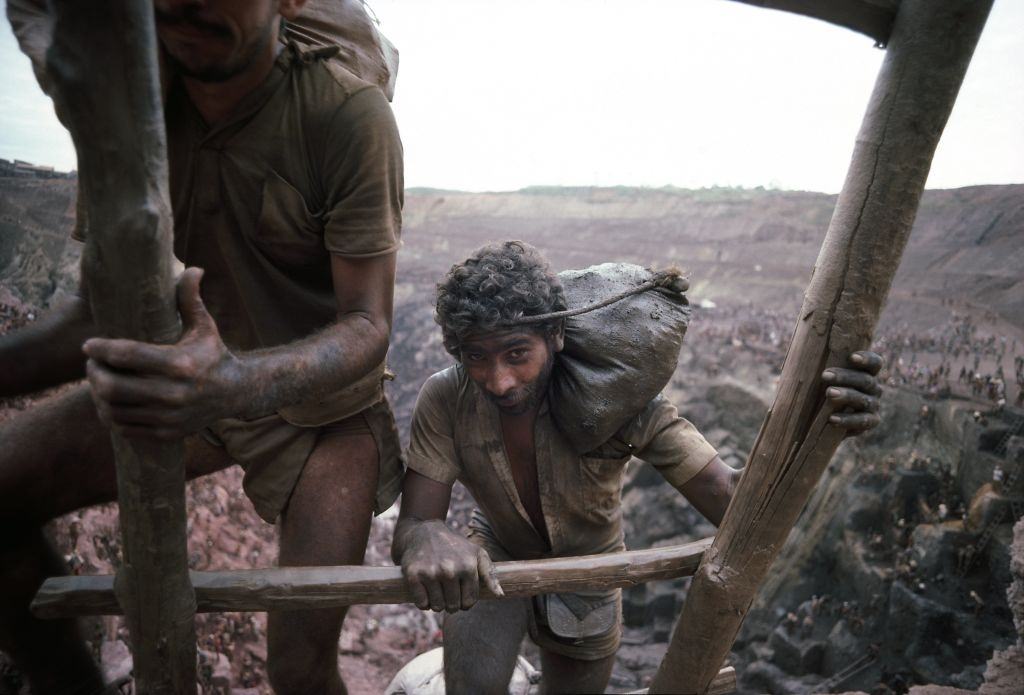
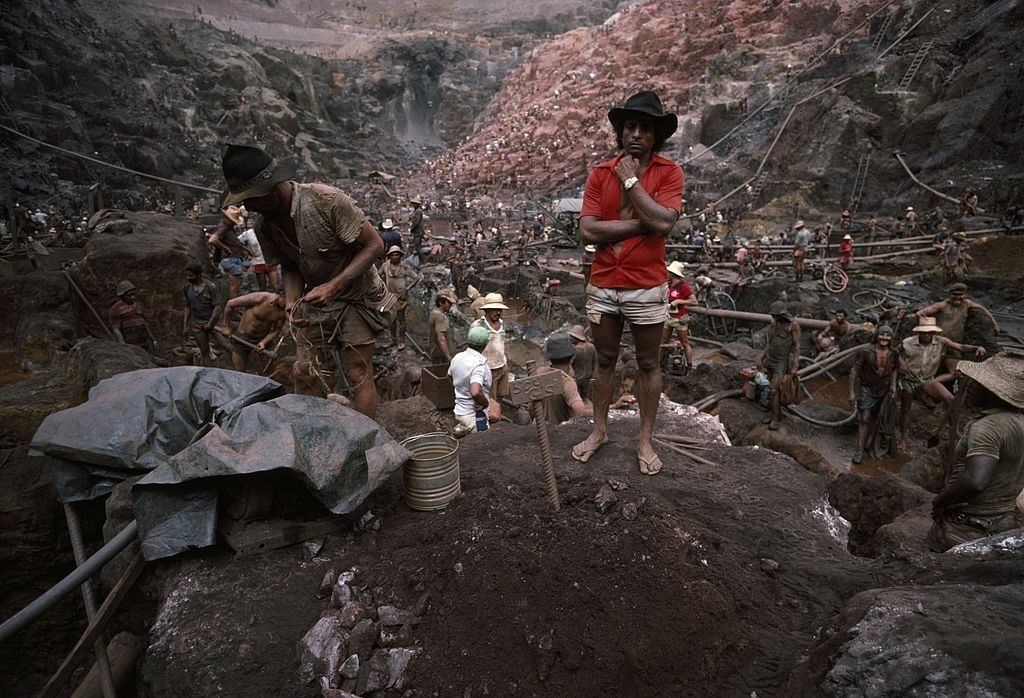
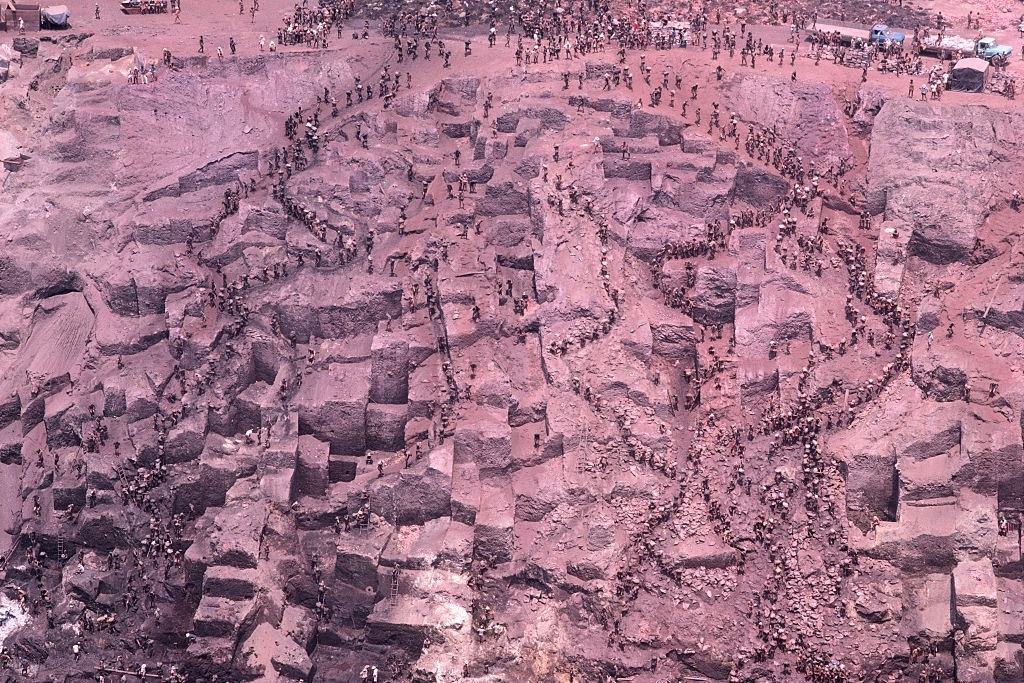
At its peak, Serra Pelada held an estimated 100,000 garimpeiros—independent mineral prospectors—all working inside the same enormous open pit. The mine was divided into individual plots, each measuring just 6.6 feet by 9.8 feet. Plot owners hired workers called porters to haul 40-pound bags of ore up the steep slopes of the pit using wooden ladders and rope. The scene was unlike anything else on Earth: a massive crater crawling with tens of thousands of mud-covered men, moving in every direction like ants in a colony.


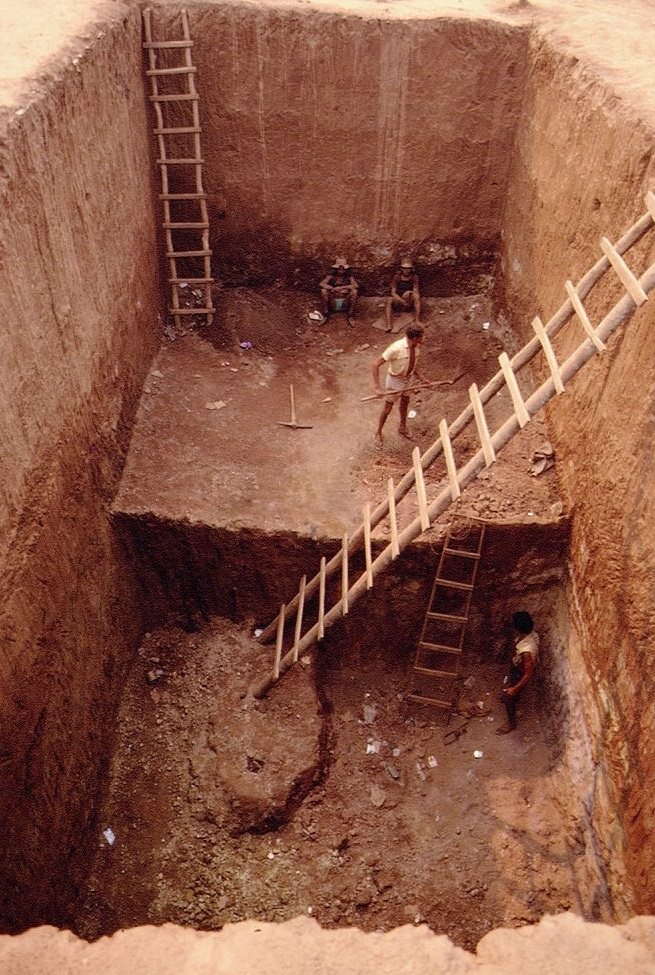
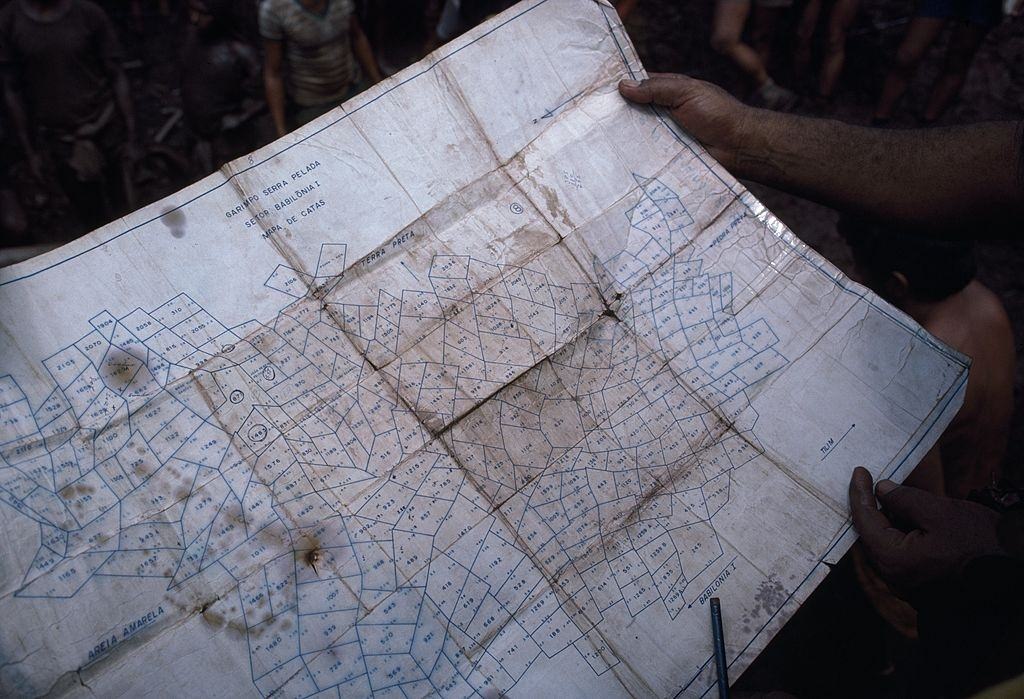
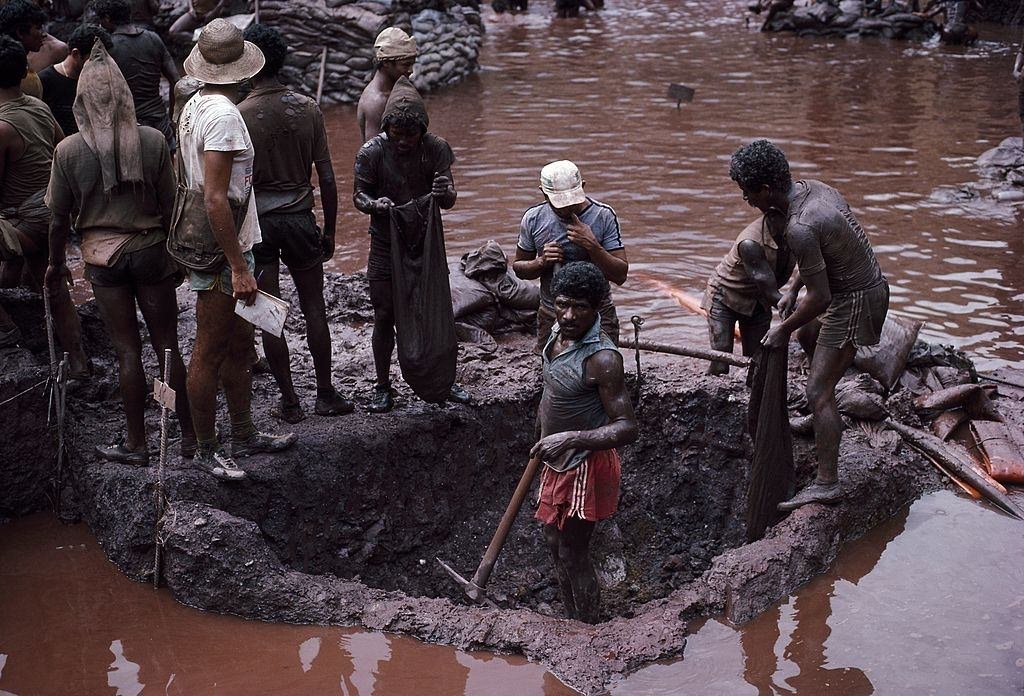
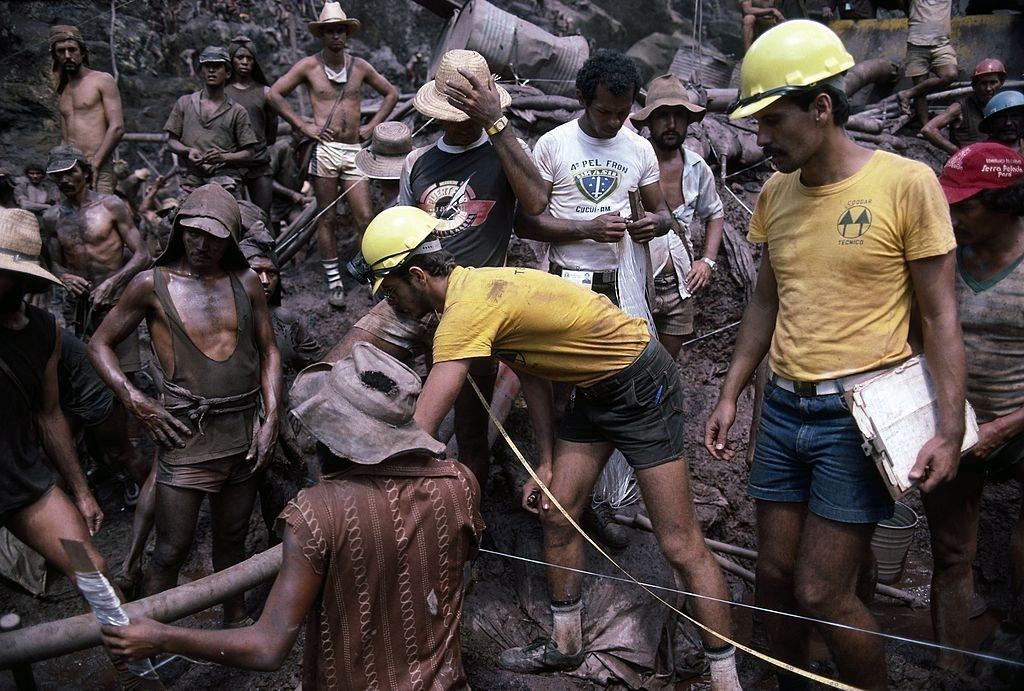
The physical conditions inside the mine were brutal. Workers clawed through wet clay and rock under the Amazon heat. The pit walls were slick with mud, and the ladders connecting the bottom to the surface were worn and unstable. Porters made countless trips up and down each day, their bodies caked in dirt, hauling ore for wages paid out on-site by a paymaster. Plot owners consulted hand-drawn maps to manage their claims while surveyors measured out the tight boundaries between neighboring plots.


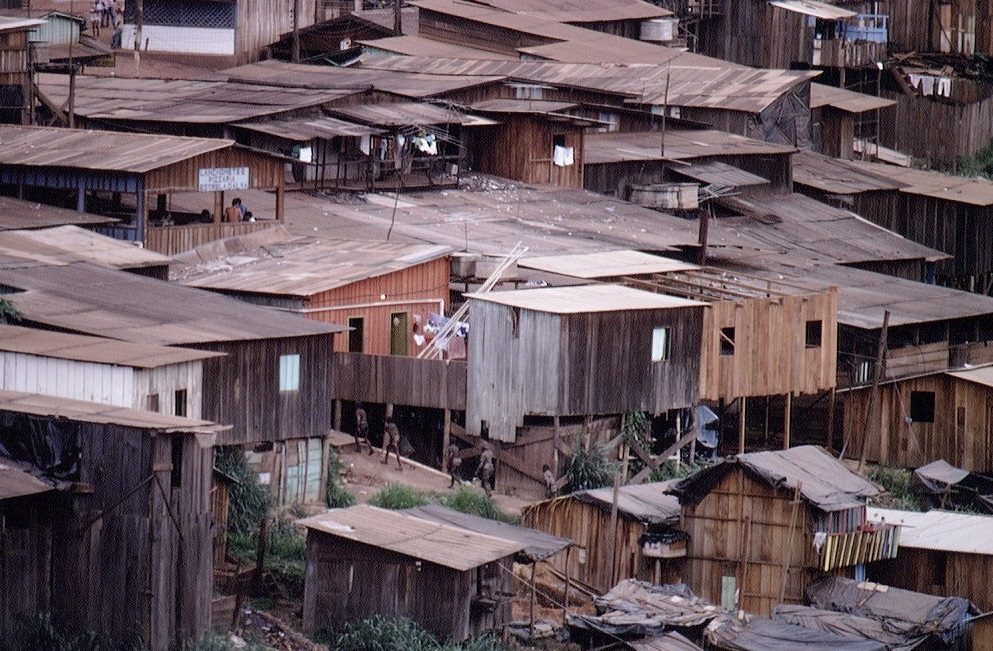
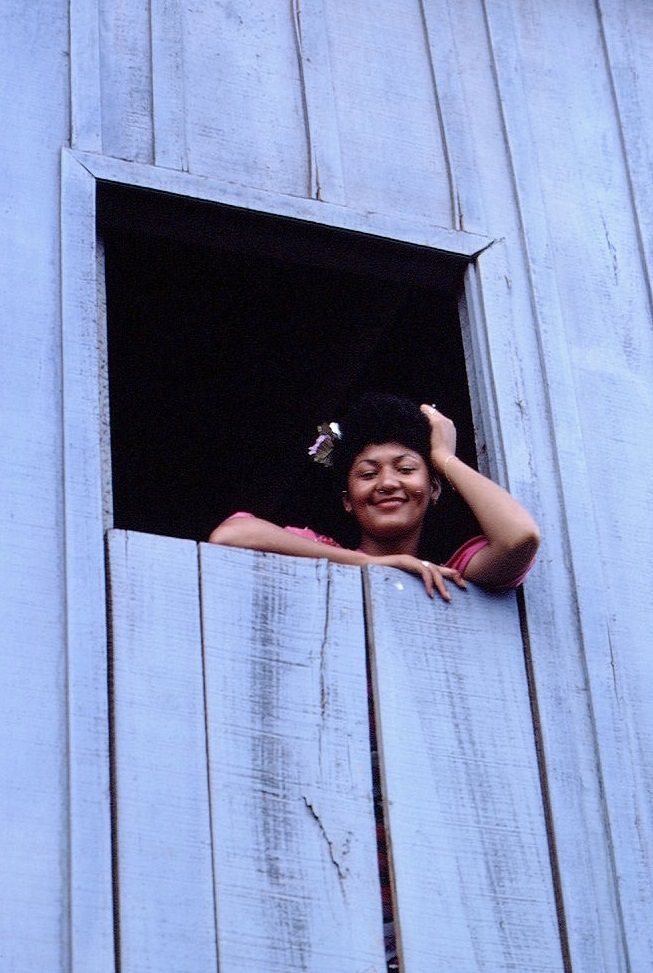
Around the mine, a rough settlement grew up to support the workforce. Makeshift houses and businesses lined the surrounding land, catering to tens of thousands of men who spent their days in the pit. The settlement was lawless by many measures. Serra Pelada became notorious for both murder and prostitution. Women came to the camp specifically to separate the miners from their earnings, offering companionship to men who were far from home, exhausted, and flush with gold-bought cash on lucky days.


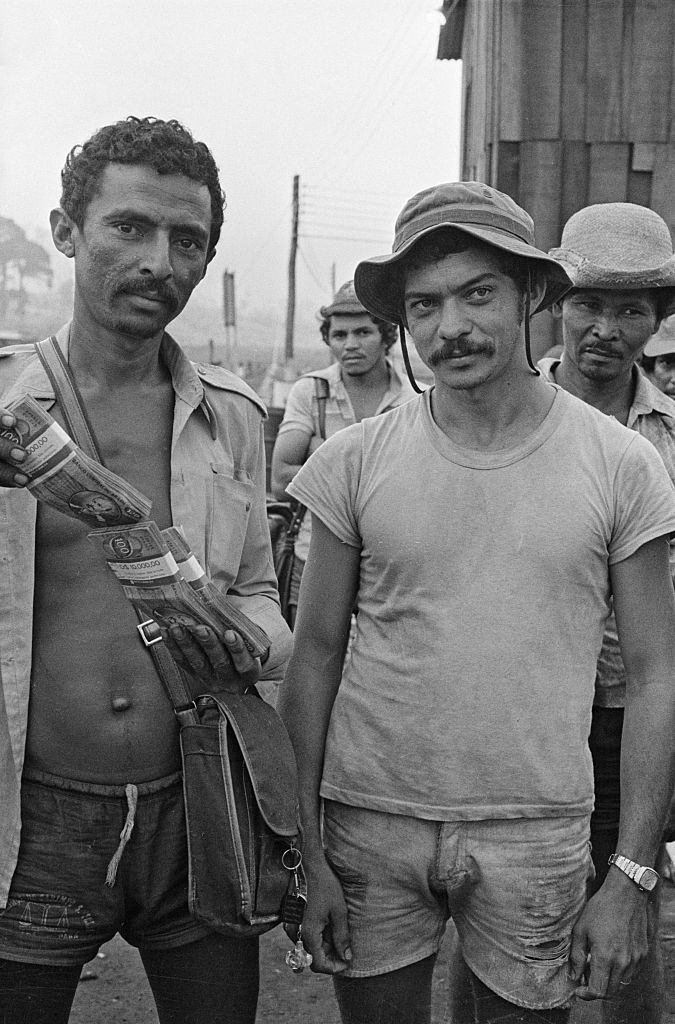
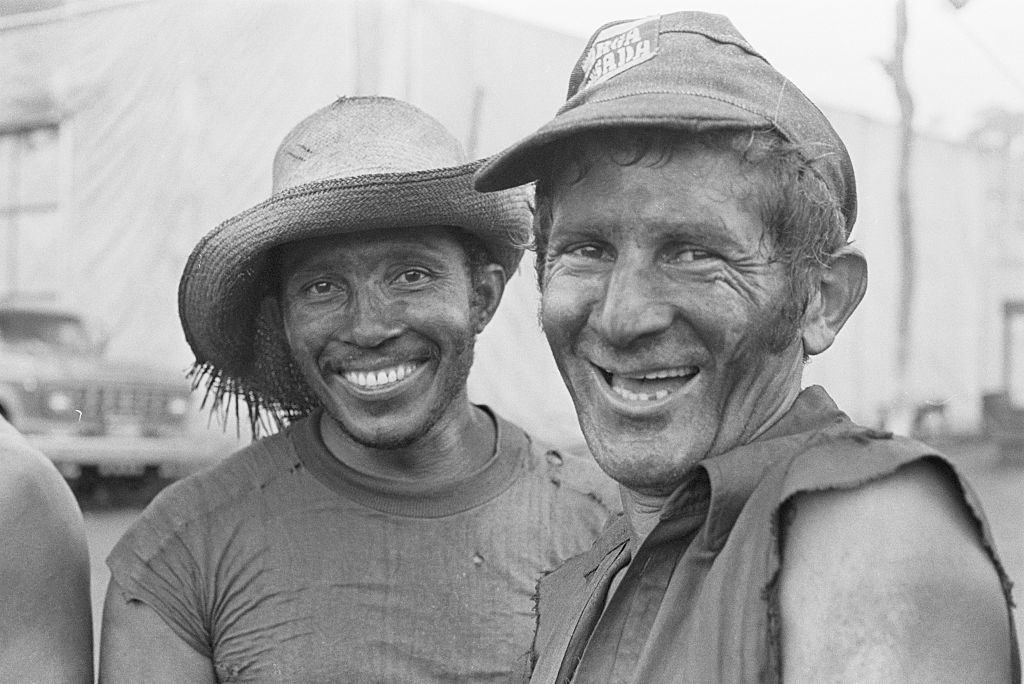
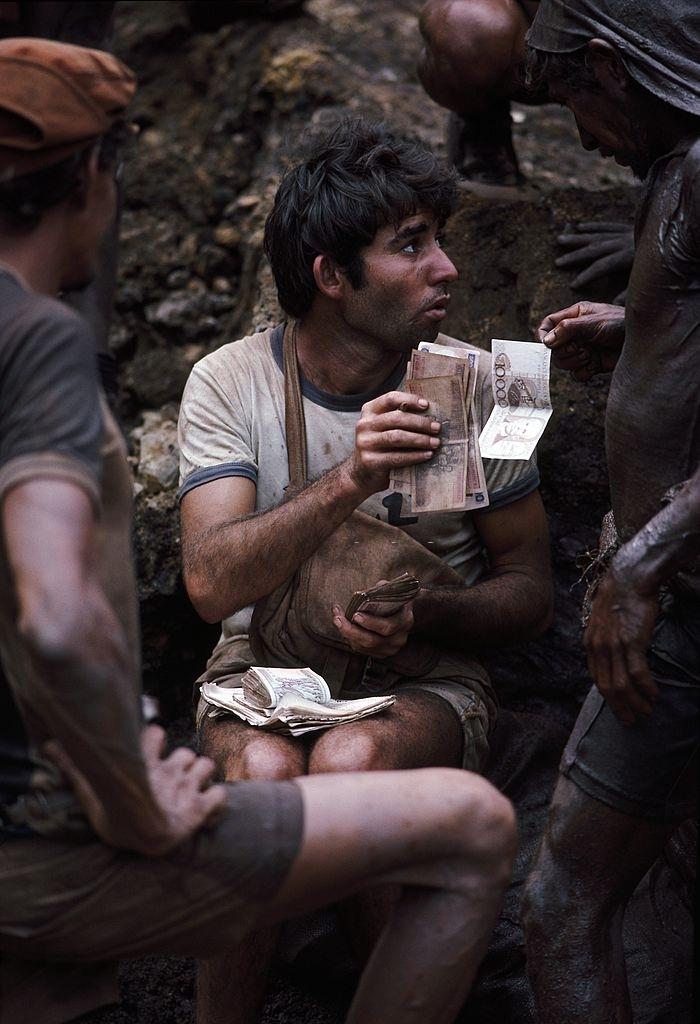
Despite the chaos, there were moments of genuine fortune. Miners like Antonio Chavez walked into local banks to cash in their gold, walking out with thick stacks of bills. Others grinned through layers of mud, knowing they had struck something. The lucky ones were visible proof that the mine could deliver real wealth, which kept thousands more arriving at the site month after month.


Mercury was used to separate gold from the raw ore, and that process had severe environmental consequences. The mercury contaminated local water sources and entered the food chain through fish, which was the primary protein source for both miners and surrounding communities. The ecological damage spread well beyond the mine’s physical boundaries.


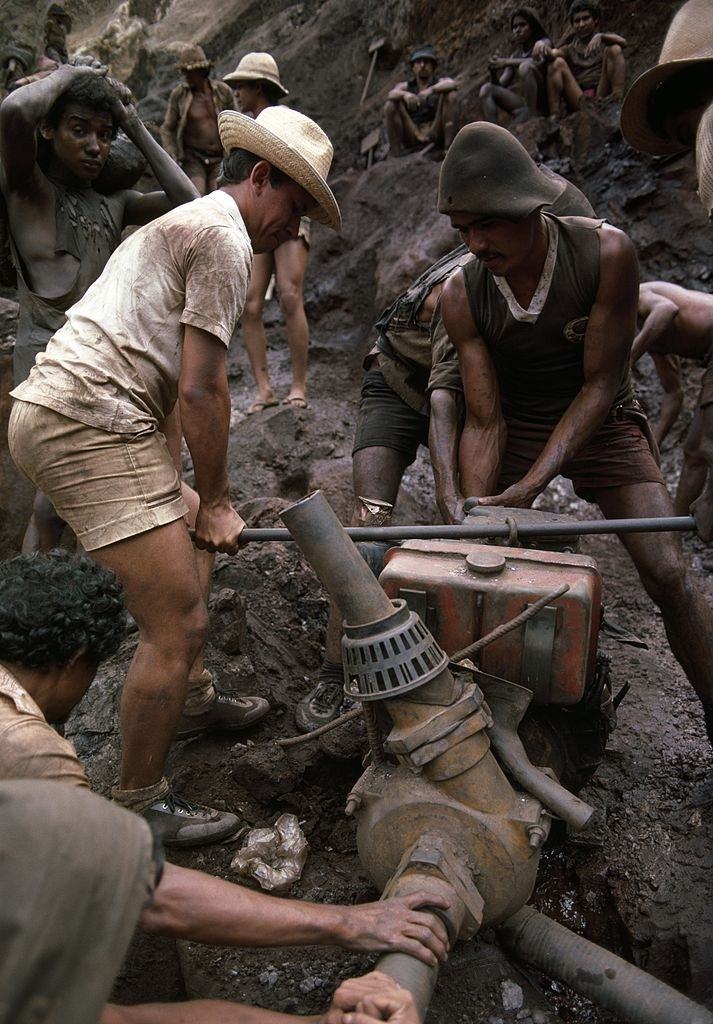
The mine operated from 1980 through 1986. Flooding brought an end to active mining when water filled the lower levels of the pit faster than pumps could drain it. Workers were photographed hauling water pumps into position in a last effort to keep operations running, but the water won. In six years of recorded activity, Serra Pelada officially produced 44.5 tons of gold—a staggering figure for a mine worked almost entirely by hand.


The official 44.5-ton figure, however, represents only a fraction of what was actually extracted. Estimates suggest that more than 90% of the gold pulled from Serra Pelada was smuggled out and sold on the black market, bypassing government records entirely. The true total yield of the mine was far greater than any official document shows.


Photographs taken on July 15, 1985, show the full scale of the operation. Aerial views of the pit reveal tens of thousands of miners packed into the crater, the walls carved into rough terraces, ladders propped against every surface. Surveyors stand over plot maps, workers chip at rock with picks, and paymasters hand over wages at the edge of the pit. These images are among the most striking visual records of industrial-era gold mining anywhere in the world.


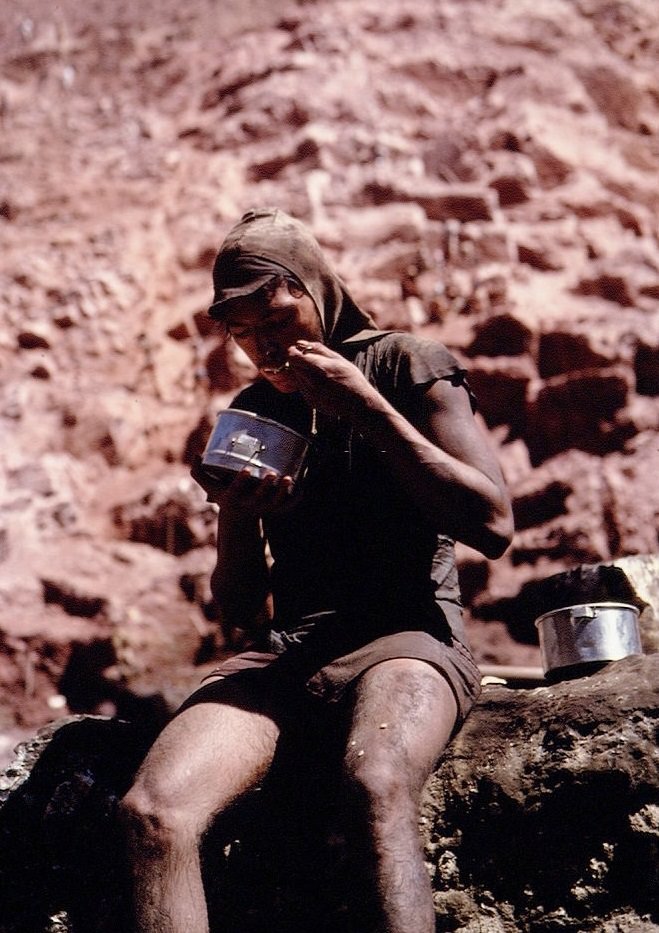
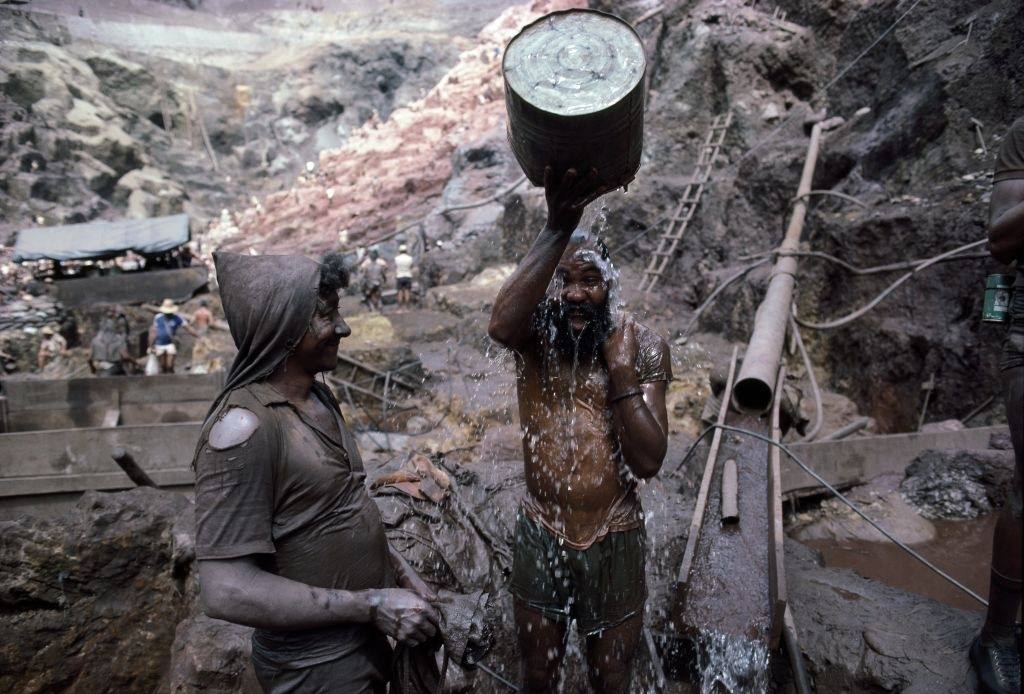
Life at the mine required constant physical maintenance beyond just digging. Workers bathed at the edge of the open pit, the only water available to them. Meals were eaten in whatever space a man could find, often at the lip of the crater or on narrow ledges cut into the dirt walls. The mine didn’t stop for comfort. Men rested briefly, then returned to the pit.


Water management was a constant battle. Workers carried pumps into the pit to drain the water that seeped into the lower levels, especially after heavy rains. Wooden ladders were the only route in and out of the deepest sections. A man could spend an entire day at the bottom, hauling bags up those ladders, only to find his plot flooded the next morning.


Plot ownership gave some men authority over others. An owner could stand at the bottom of the pit and direct a small team of porters, watching the ore move up the ladders while calculating what the day’s haul might be worth. Surveyors made sure no plot encroached on another—disputes over boundaries in such a tightly packed space were inevitable and frequently violent.


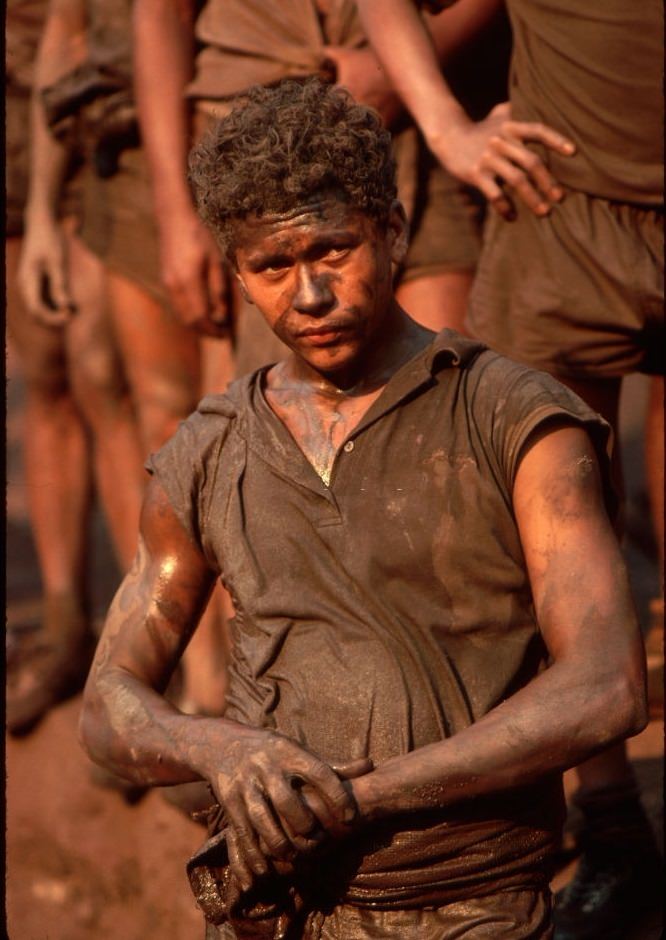
Serra Pelada drew men of all ages. Young miners arrived with little more than a shovel and the determination to find gold. Some of them were barely adults, their faces still young beneath the mud. For many, the mine represented the only real chance at wealth they would ever have. Today, the pit that once held 100,000 working men is a small, contaminated lake. Tons of gold remain buried beneath it, unreachable and untouched.


a brilliant composition Sir.