
The word “selfie” only entered the Oxford English Dictionary in 2013, but the act of photographing yourself is as old as photography itself. Long before smartphones, front-facing cameras, and Instagram filters, people pointed their lenses at themselves and clicked the shutter. The results are a fascinating window into self-expression across nearly two centuries.
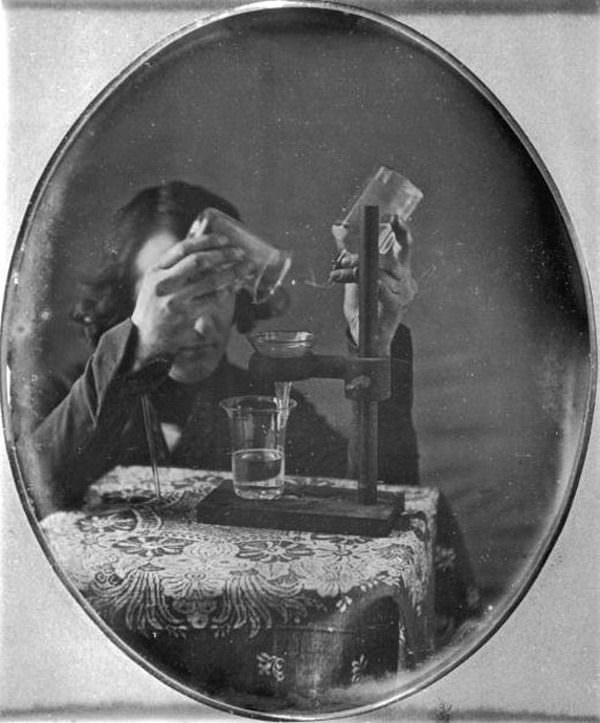
The story of the selfie begins in Philadelphia in 1839. Robert Cornelius, an American photographer, set up his camera in the back of his family’s lamp store, removed the lens cap, ran into frame, and held still for roughly a minute. The result was the first photographic self-portrait ever taken — and arguably the first selfie in human history.
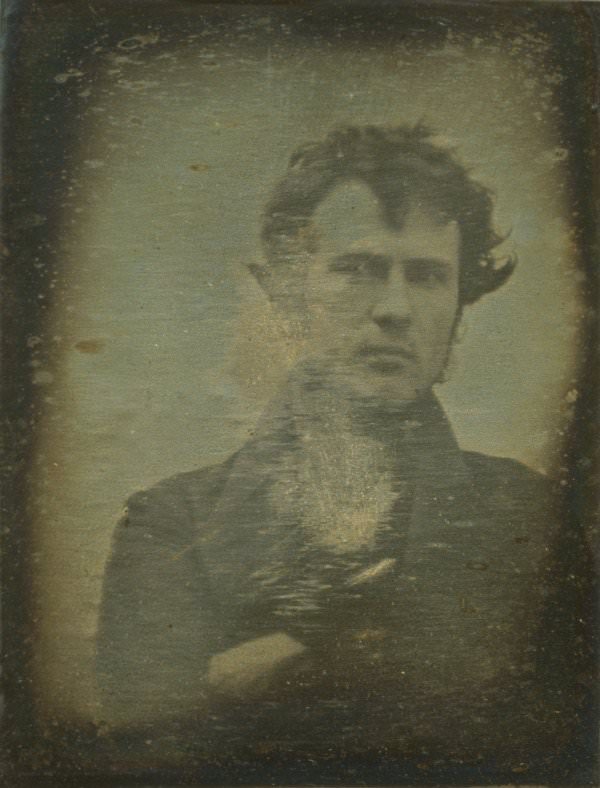
Cornelius didn’t stop there. He returned to the practice four years later, producing another self-portrait that shows a more refined approach to the process.
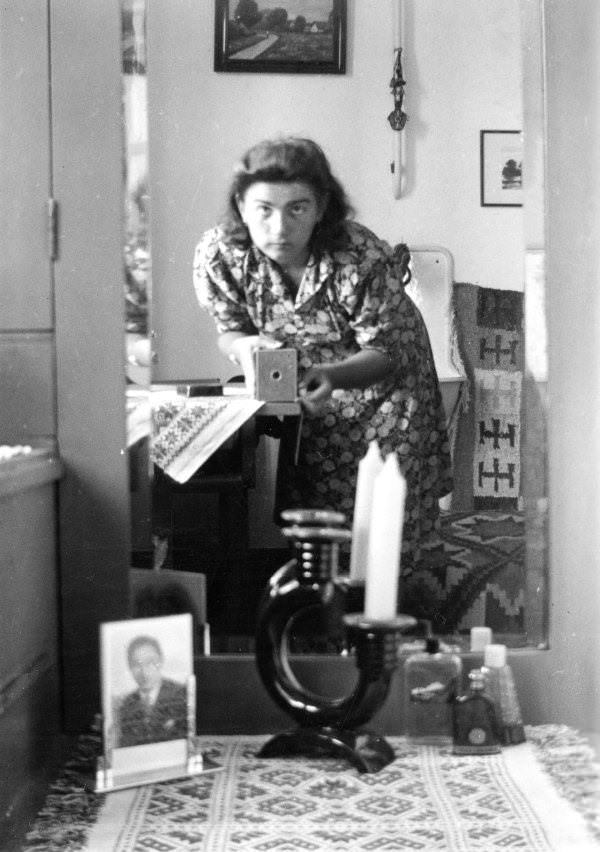
Cornelius wasn’t the only person experimenting with self-portraiture in 1839. Henry Fitz Jr., an American photographer and telescope maker, also captured himself in a daguerreotype that same year. The daguerreotype was the dominant photographic process of the era, using silver-coated copper plates to produce highly detailed images.
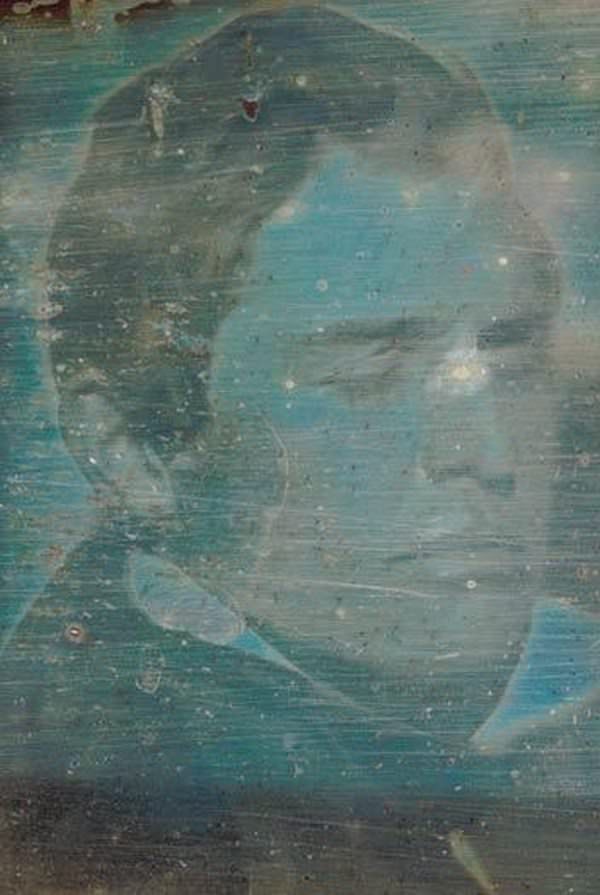
The daguerreotype selfie became a small but notable tradition among early photographers. Czech photographer M. V. Lobethal joined the ranks in 1846, turning the camera on himself in a portrait that remains one of the earliest surviving examples from Central Europe.
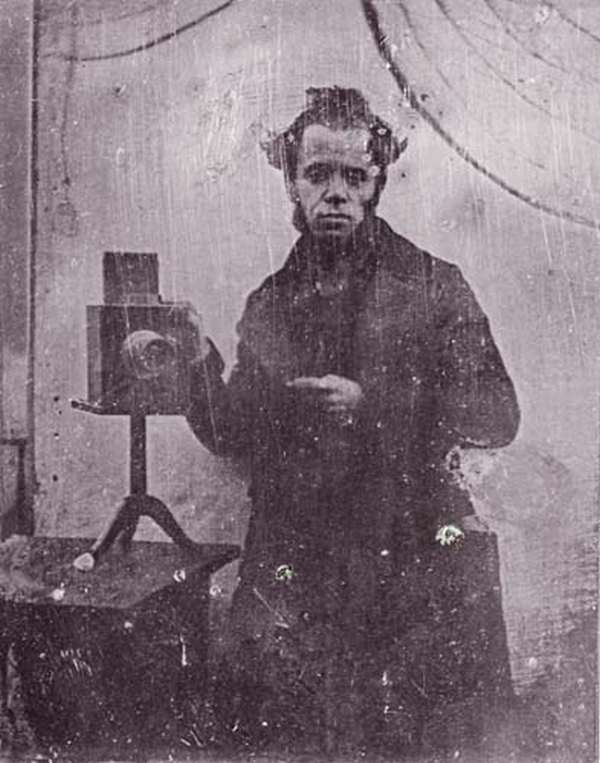
As photography became more accessible in the late 19th century, more people — not just professional photographers — started taking self-portraits. Julia Christiansen Hoffman, an American artist and co-founder of the Arts and Crafts Society of Portland, photographed herself in 1885, decades before self-portraiture became commonplace.
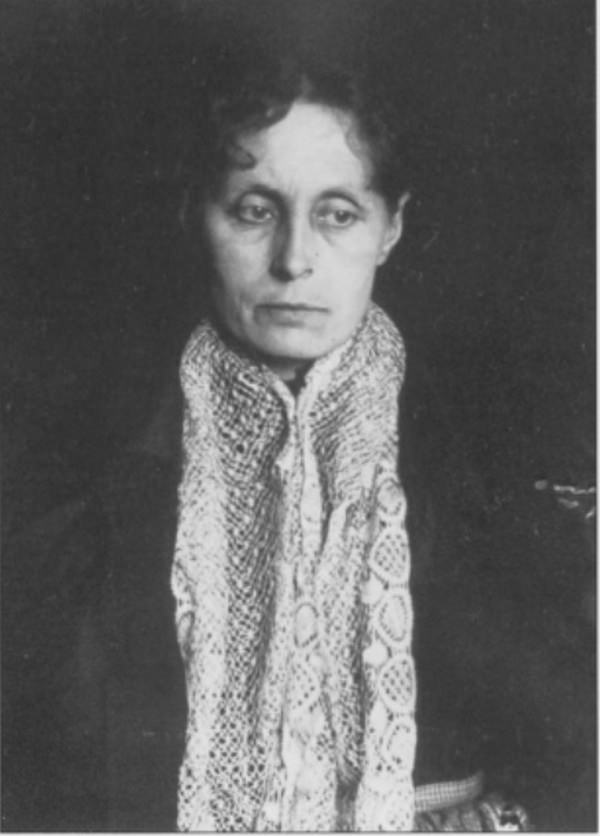
Belgian artist Henri Evenepoel also captured himself on film in 1898, adding a European artistic voice to the growing tradition of self-portraiture near the close of the 19th century.
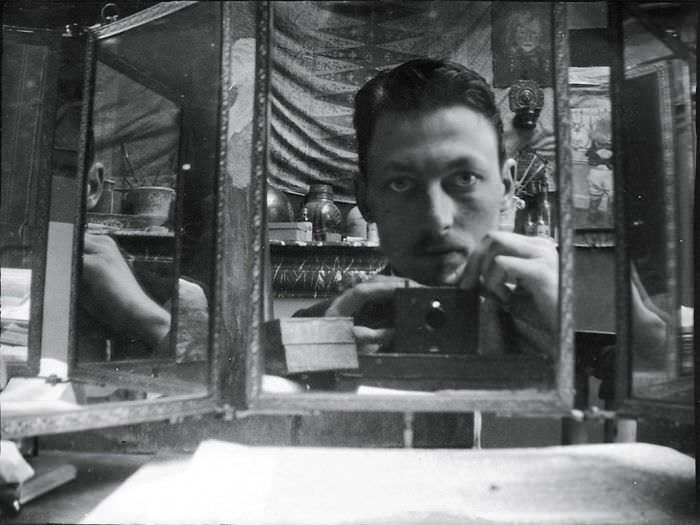
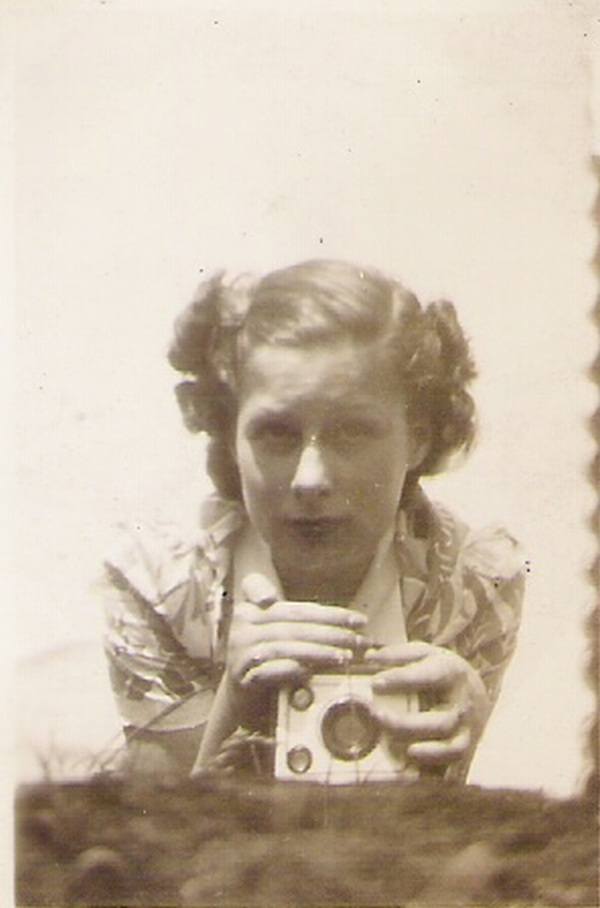
The turn of the century brought new camera technology within reach of everyday people. The box camera, introduced by Kodak in the 1880s, made photography accessible outside of professional studios. One anonymous woman used hers creatively, positioning herself in front of a mirror to capture her own reflection — a method that predates the bathroom mirror selfie by over a hundred years.
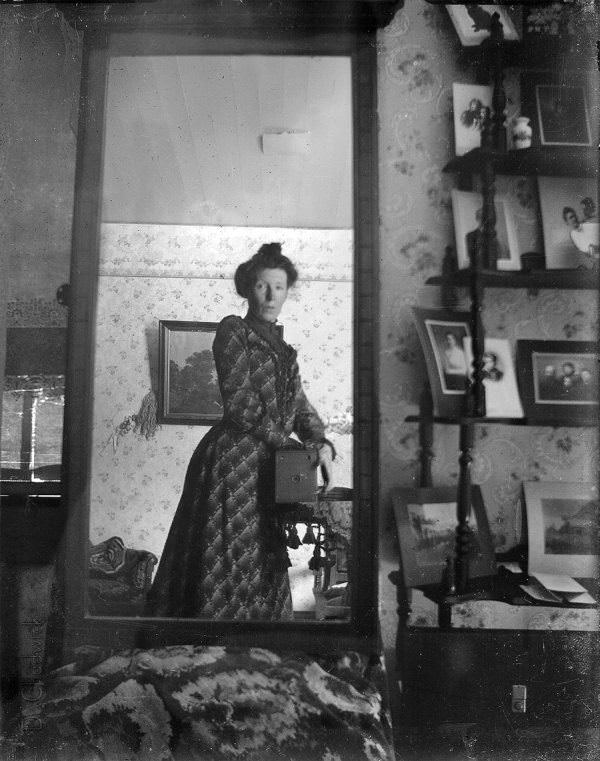
Professional photographers of the era were also documenting themselves. Joseph Byron, a New York photographer known for his theatrical and documentary work, turned the camera on himself in 1909.
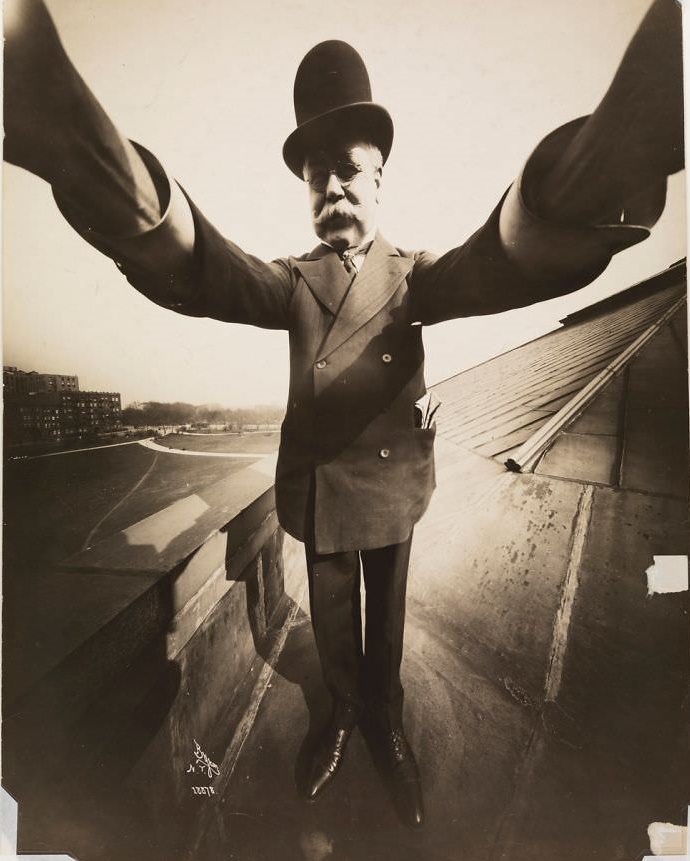
During World War I, soldiers brought personal cameras to the front and into barracks. Australian soldier and pilot Thomas Baker used a dresser mirror to photograph himself in 1917, producing a candid image that feels strikingly modern.
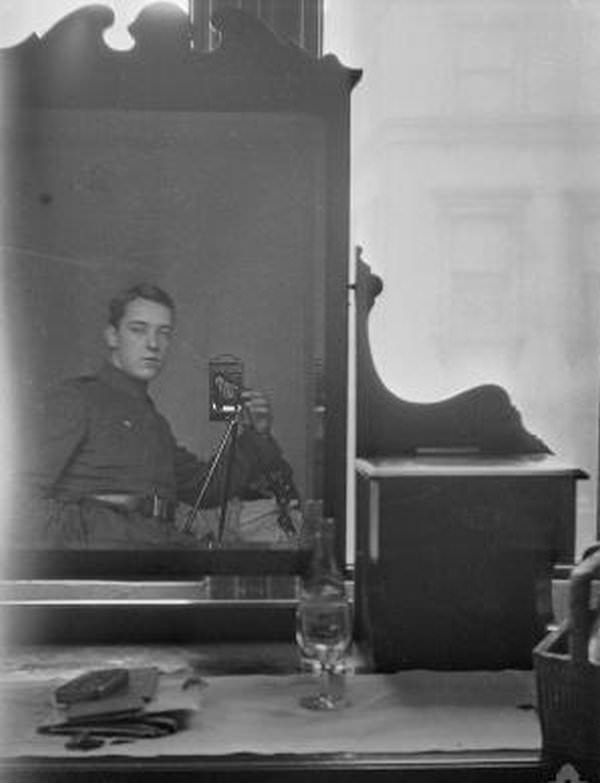
Norwegian photographer and engineer Kristian Berge was also experimenting with mirror self-portraiture around the same period, capturing himself in 1918 with the same casual confidence that defines a modern selfie.
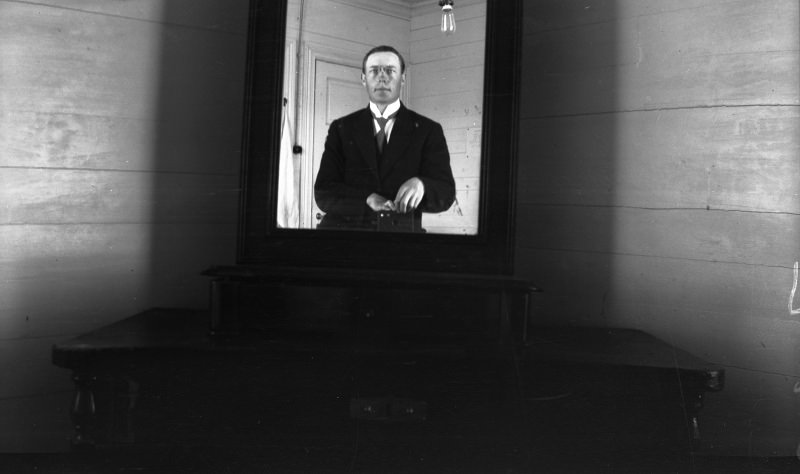
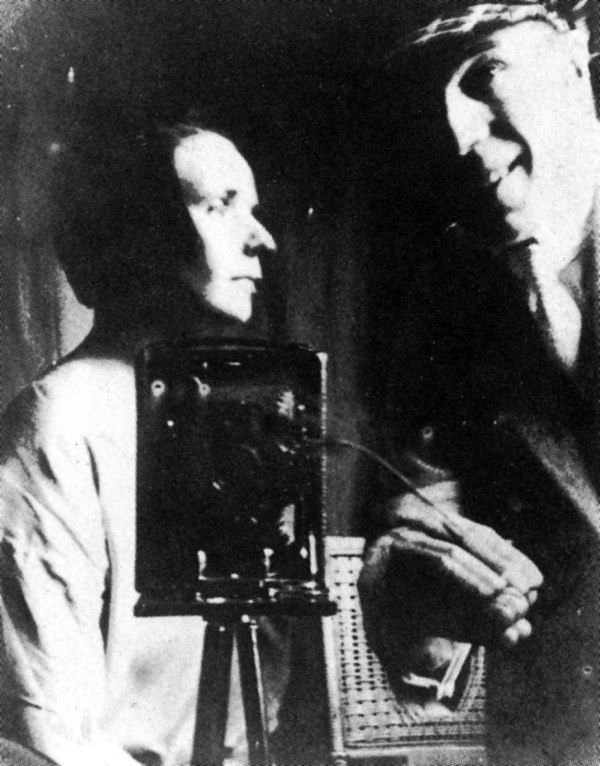
The 1920s and 1930s saw artists and photographers across the world treating the self-portrait as both a personal and creative exercise. Dutch painter, architect, and writer Theo van Doesburg photographed himself in Paris in 1921, with his wife Nelly visible in the background.
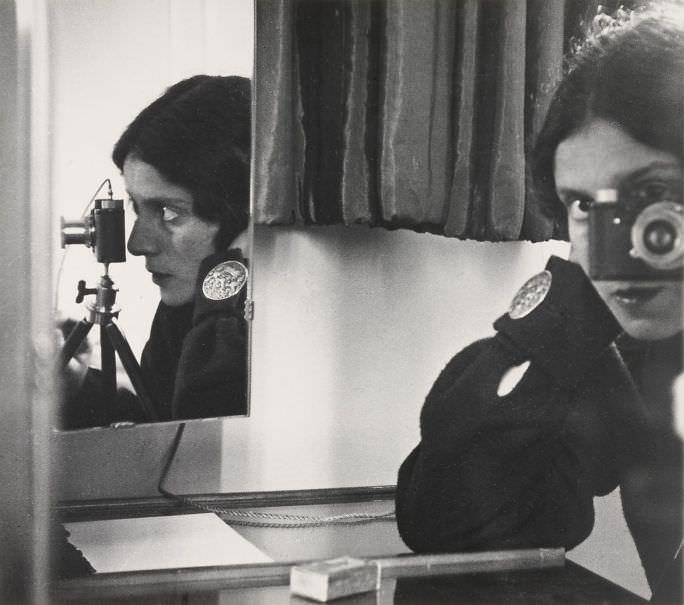
German-born French photographer Ilse Bing, widely known as the “Queen of the Leica,” photographed herself in 1931 using her signature camera in a double-mirror reflection that became one of her most recognized images.
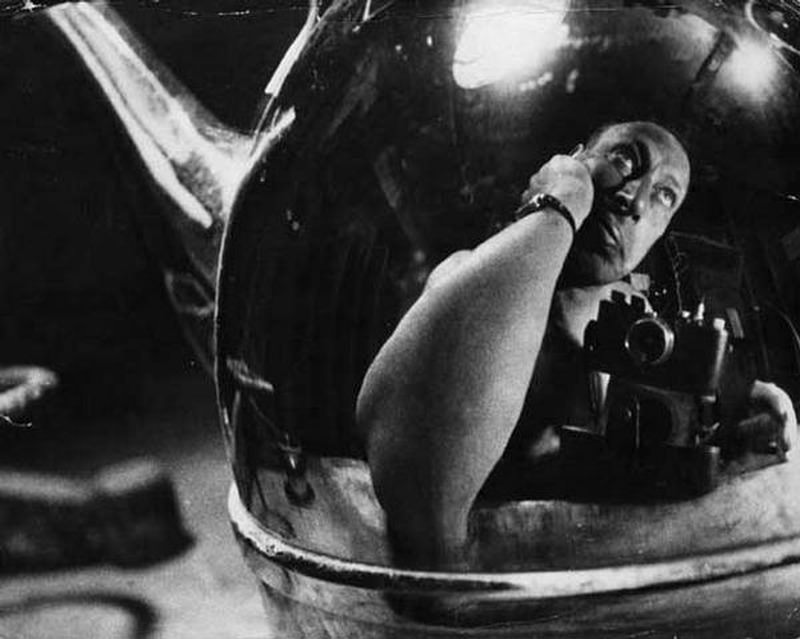
Russian photographer Eleazar Langman took a different approach in 1935, using a reflective kettle surface to capture his distorted reflection — a technically inventive technique that pushed the boundaries of what a self-portrait could be.
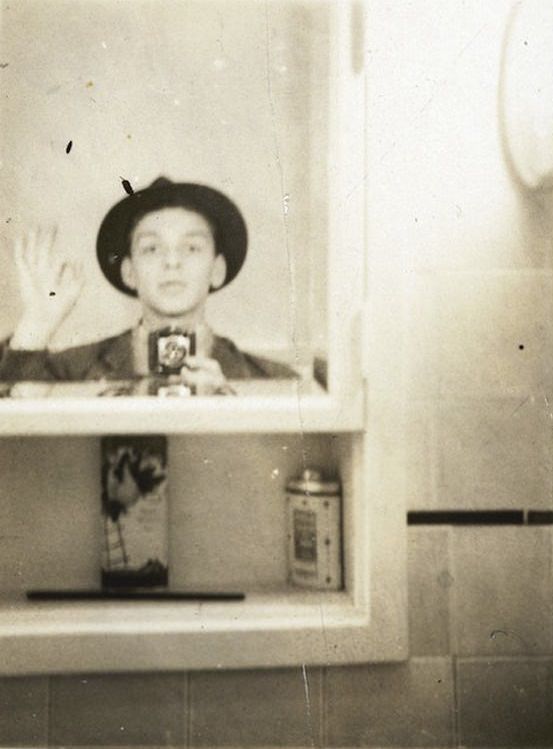
Frank Sinatra, still years away from becoming a household name, photographed himself in a mirror during the 1930s. The image shows a young man already comfortable in front of — and behind — a camera.
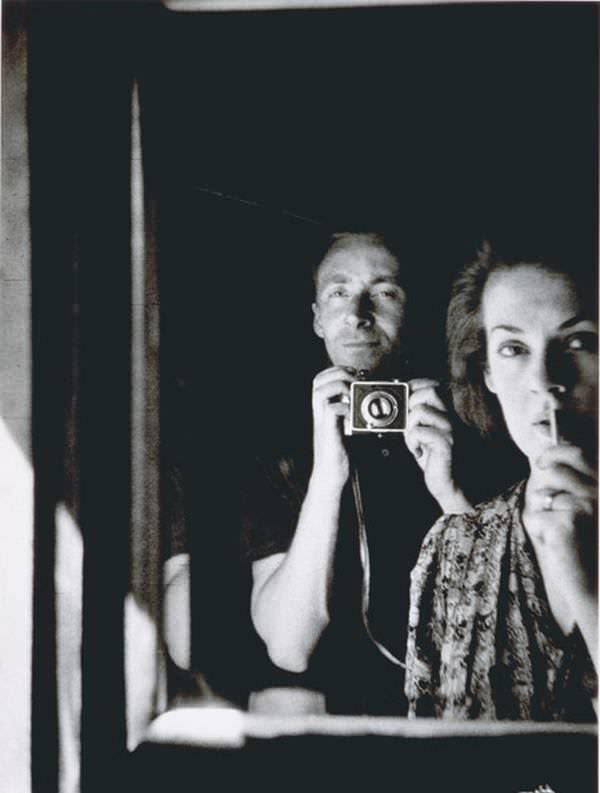
Australian modernist painter Albert Tucker captured himself and his wife, fellow artist Joy Hester, in a mirror selfie in 1939. The photo gives a rare glimpse into their lives together at the start of a turbulent decade for the world.
As war swept across Europe in the early 1940s, photographers continued to document themselves. Polish photojournalist Julia Pirotte, best known for her coverage of World War II, also left behind a striking self-portrait.
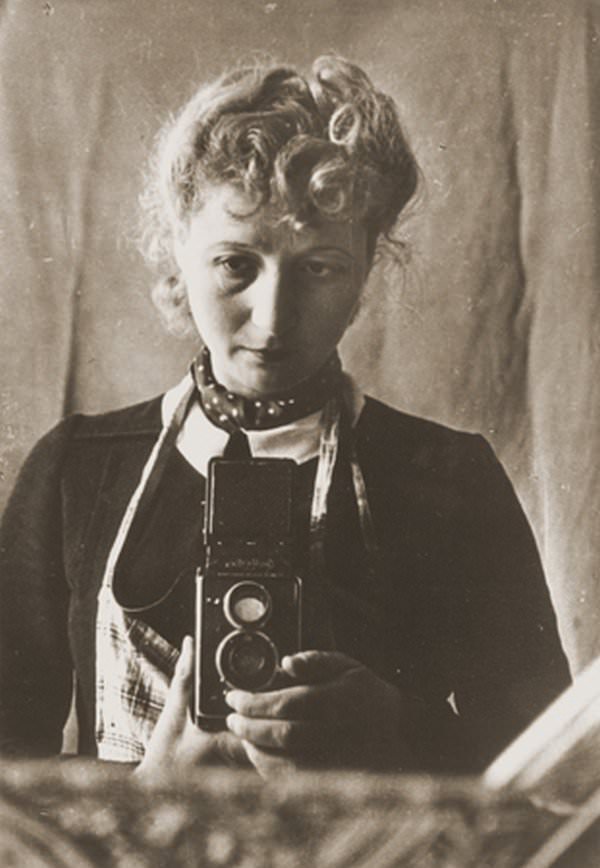
An unidentified woman with a box camera photographed herself in a mirror in 1942. The image is simple but powerful — a person pausing the chaos of wartime to record her own face.
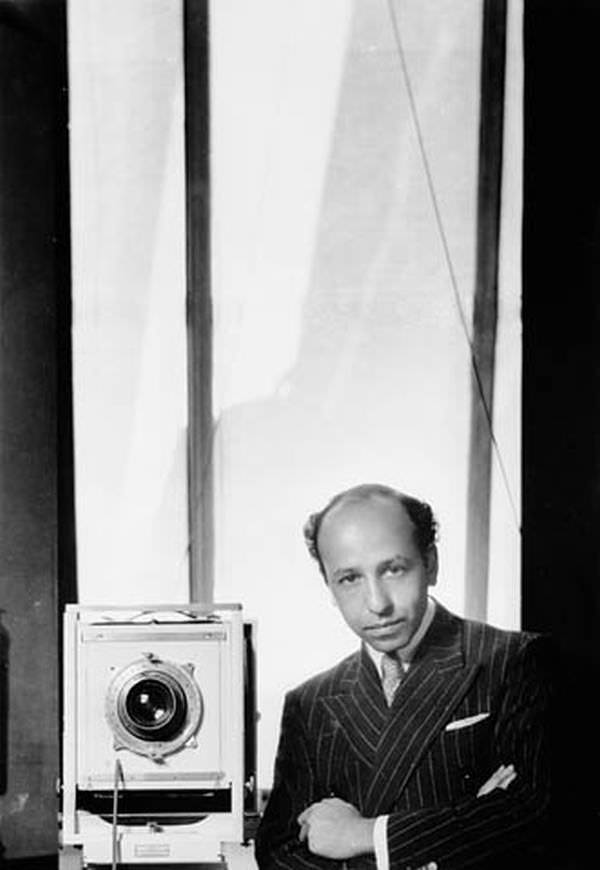
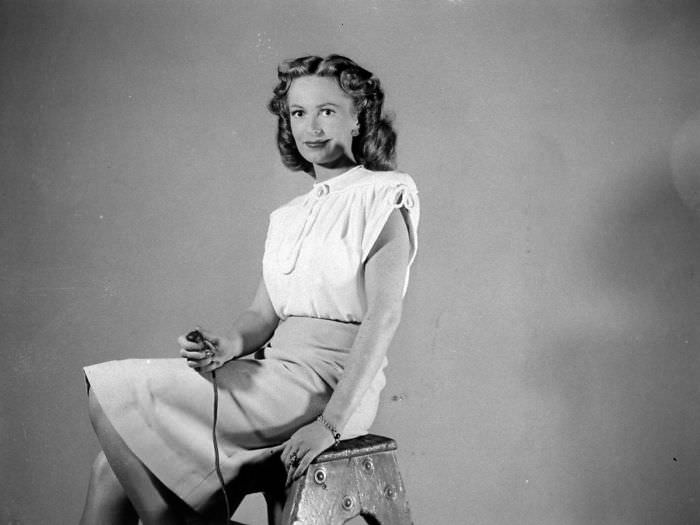
Unidentified women weren’t the only ones doing this. Armenian-Canadian photographer Yousuf Karsh, famous for his LIFE magazine covers, photographed himself in Ottawa in 1938. And actress Geraldine Fitzgerald captured herself in a mirror in the 1940s.
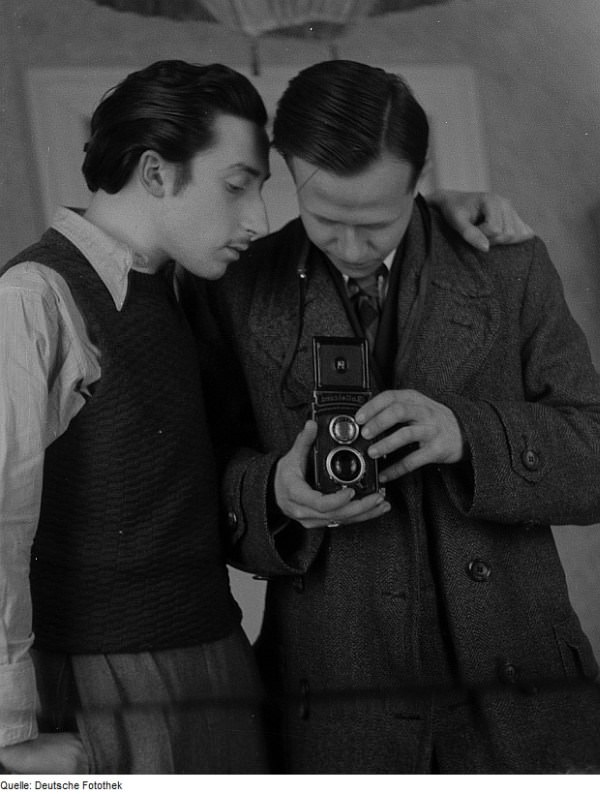
In 1947, German photographer Roger Rössing captured himself in a mirror while an unknown man looked on — a candid moment that shows self-portraiture was far from a solitary act. That same year, New York theater photographer Florence Vandamm photographed herself, adding to the growing archive of mid-century self-portraits.
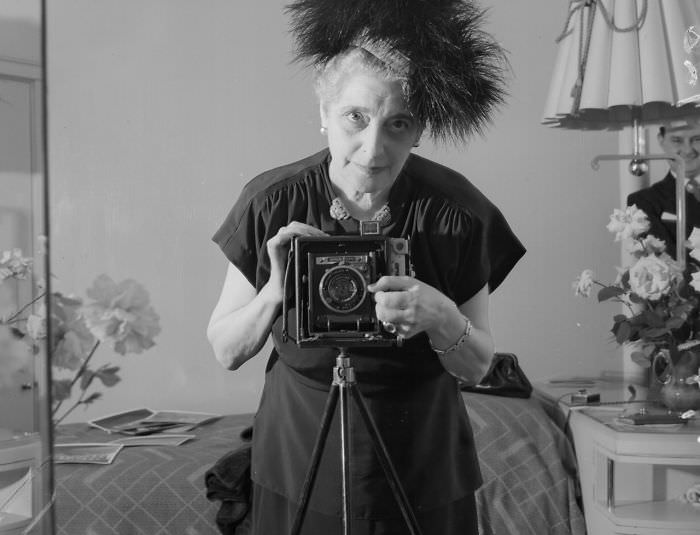
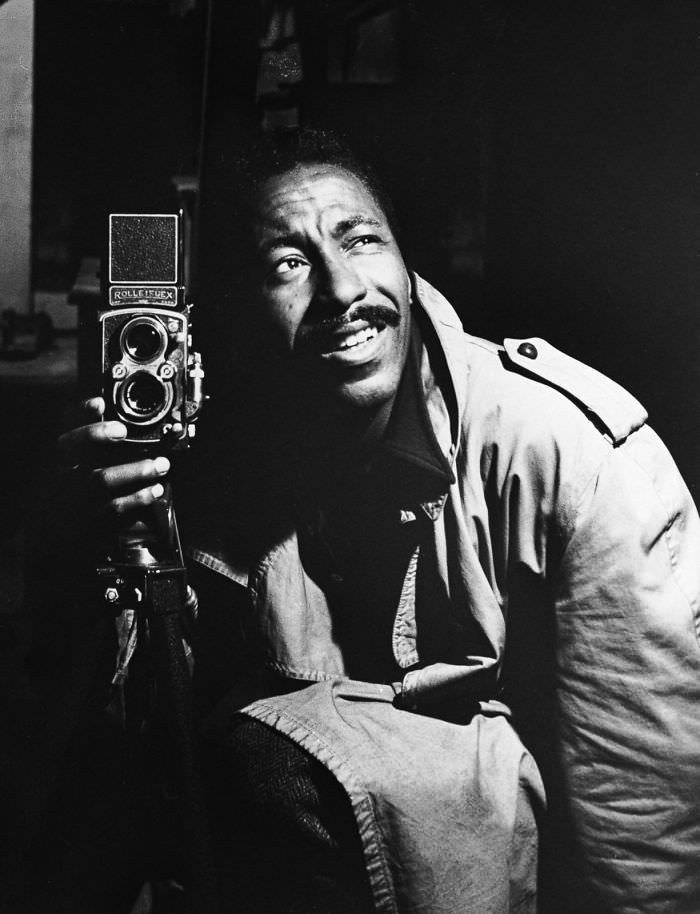
Gordon Parks, the groundbreaking American photographer and filmmaker, photographed himself in 1948. A year later, a young Stanley Kubrick — then working as a photographer for Look magazine — did the same.
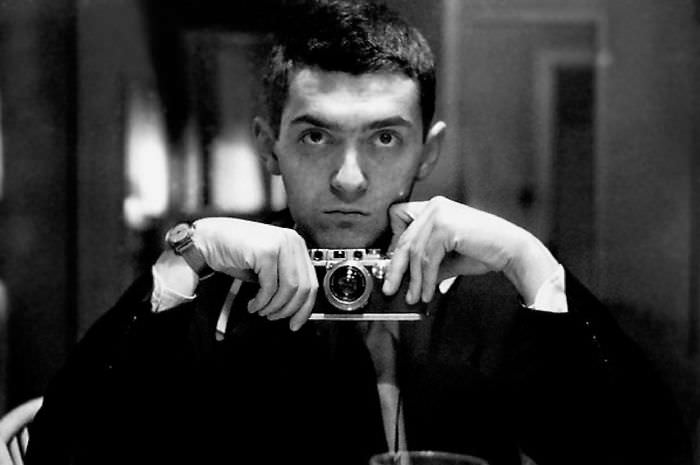
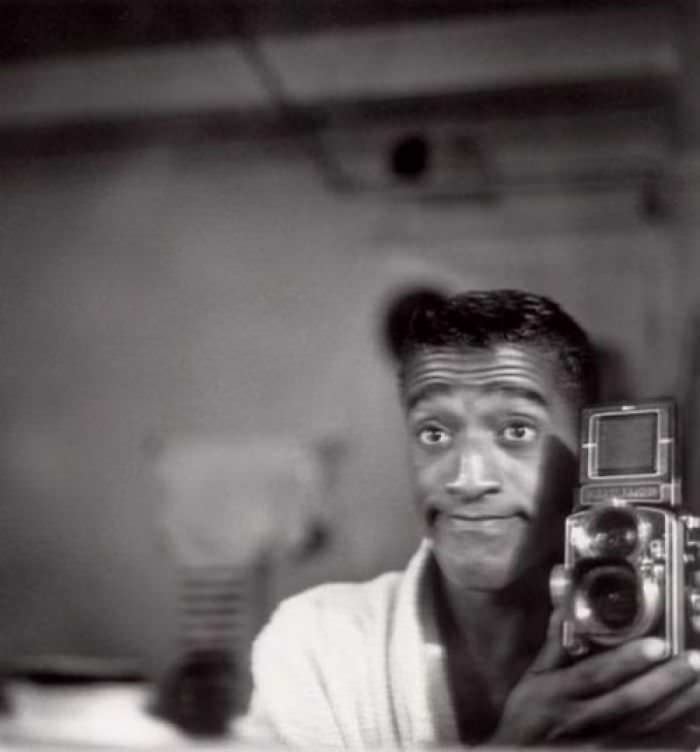
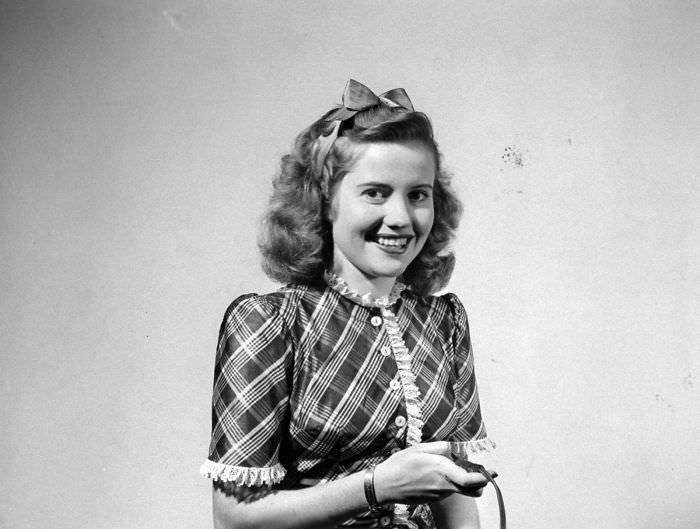
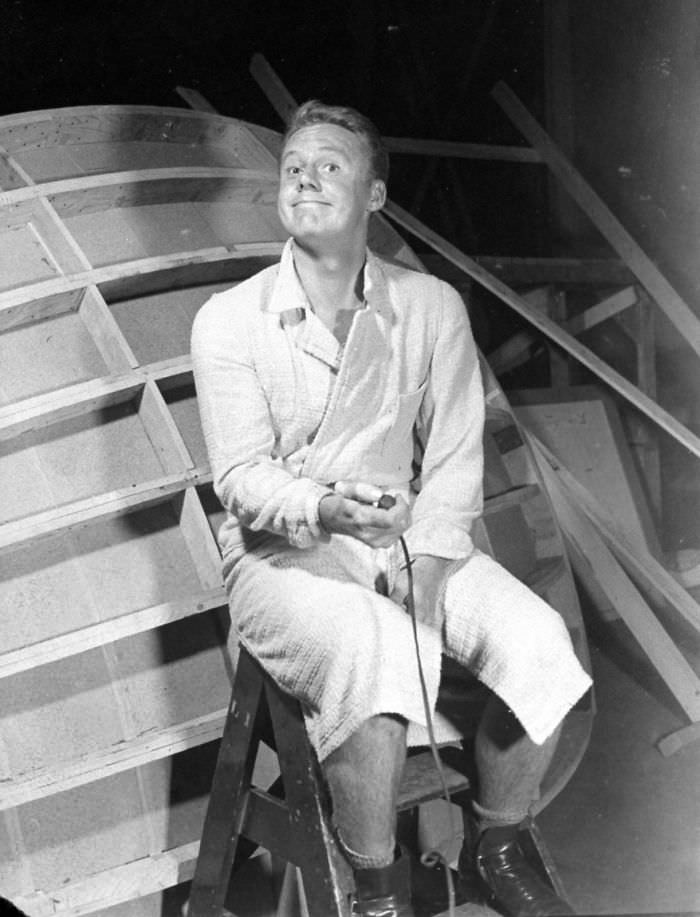
Sammy Davis Jr. photographed himself in 1950, reflecting his well-known passion for photography off the stage. Actor Van Johnson and actress Joyce Reynolds also left behind self-portraits from the 1940s, showing that Hollywood culture had fully embraced self-documentation.
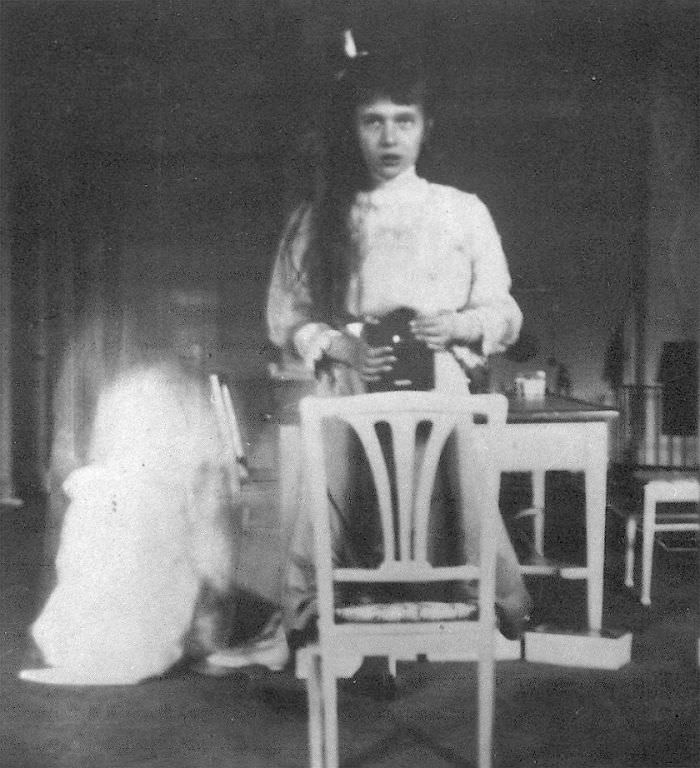
Princess Anastasia, daughter of Russia’s last emperor Nicholas II, photographed herself in 1914 using a mirror and a Kodak camera — reportedly to send the photo to a friend. At just 13 years old, she was among the earliest known teenagers to take a selfie.
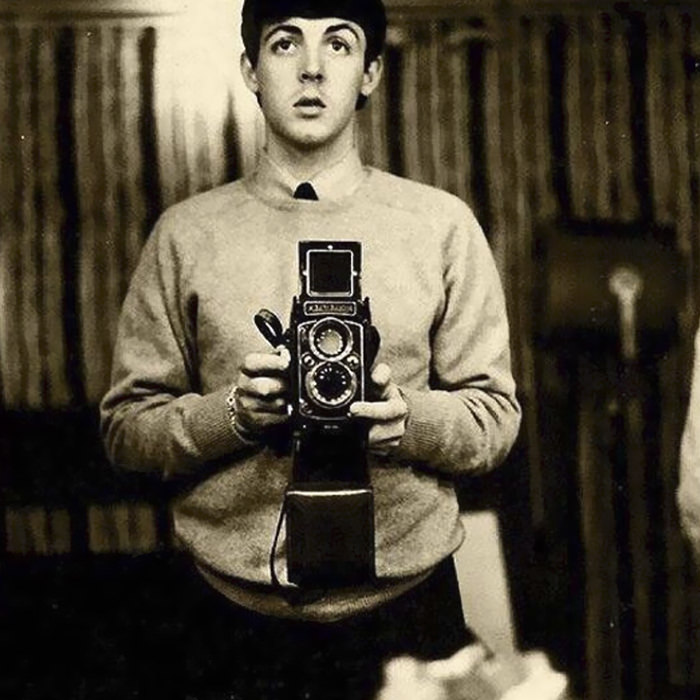
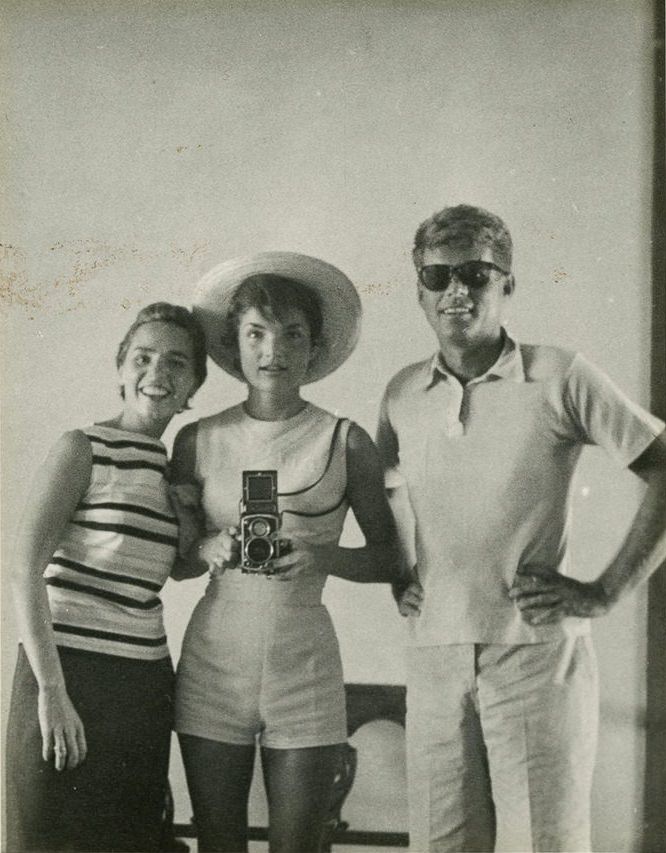
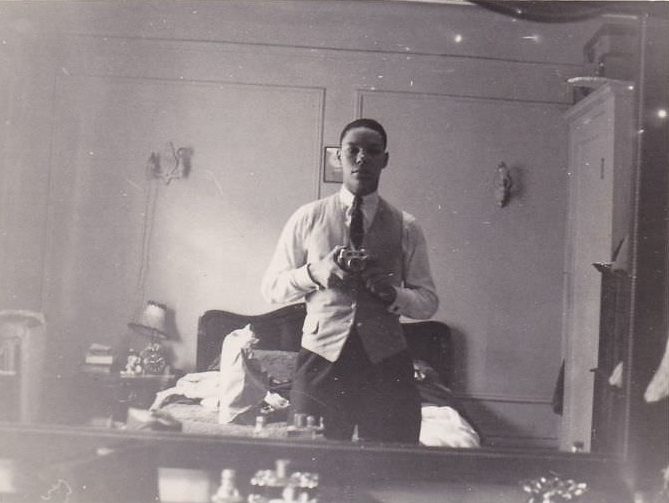
A young Paul McCartney photographed himself in 1959, a year before the Beatles began making their name in Hamburg. Future President John F. Kennedy and Jacqueline Kennedy took a joint selfie in 1954, and a young Colin Powell photographed himself that same year.
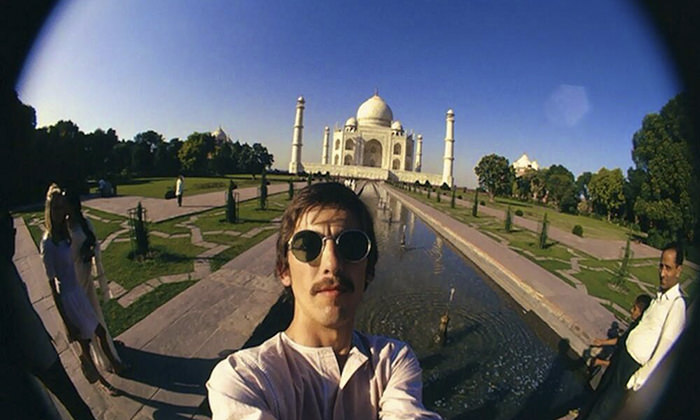
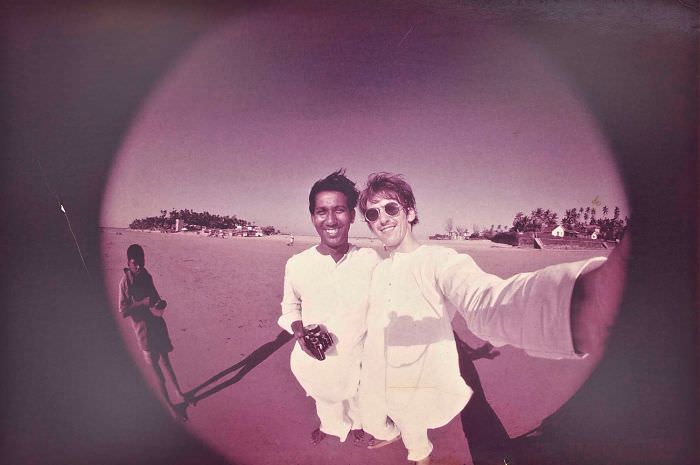
The 1960s brought a surge of celebrity self-portraiture. George Harrison photographed himself multiple times in 1966, including one shot taken in front of the Taj Mahal in India. John Lennon captured himself in 1967. Ringo Starr did the same as early as 1960.
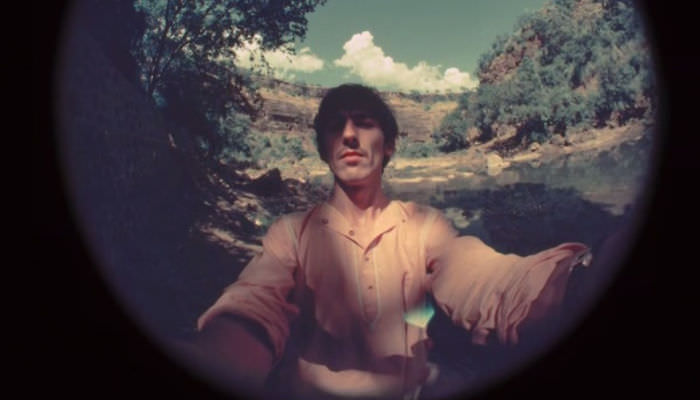
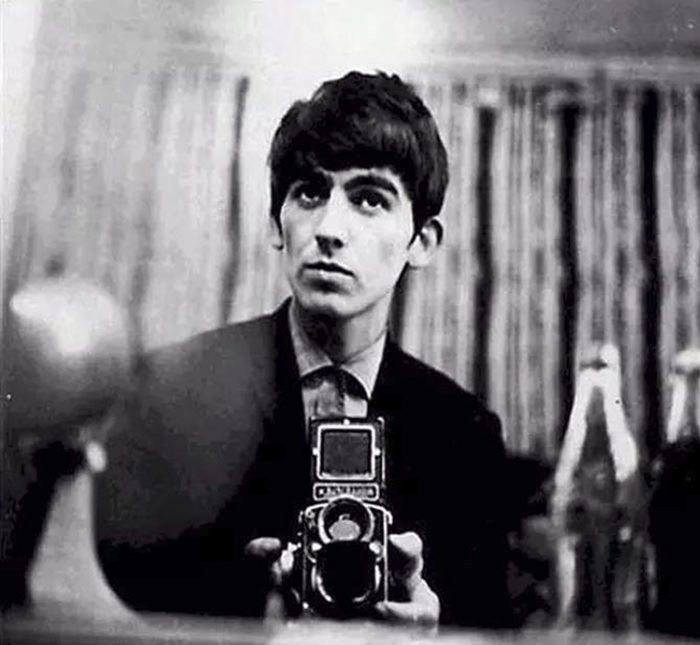
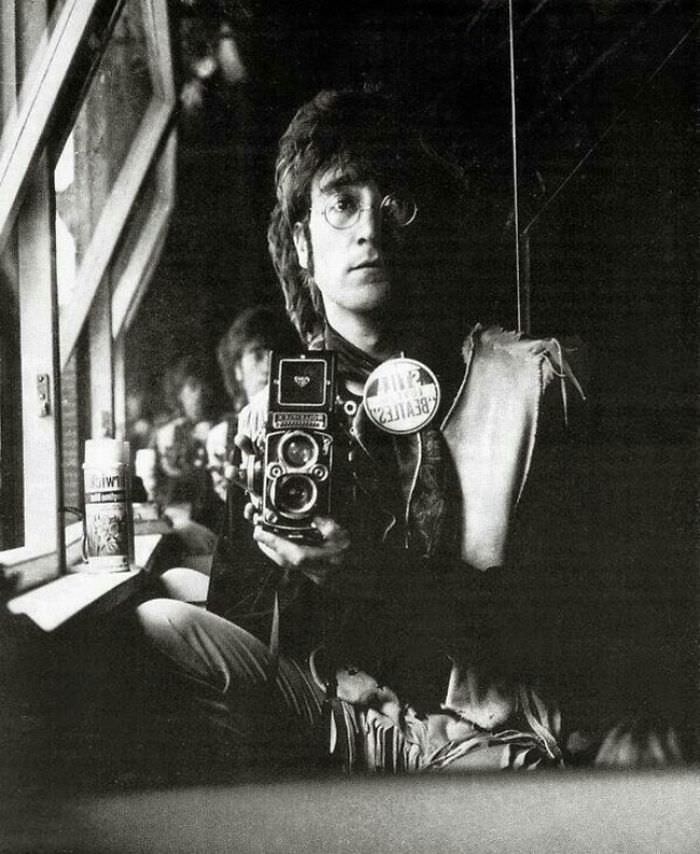
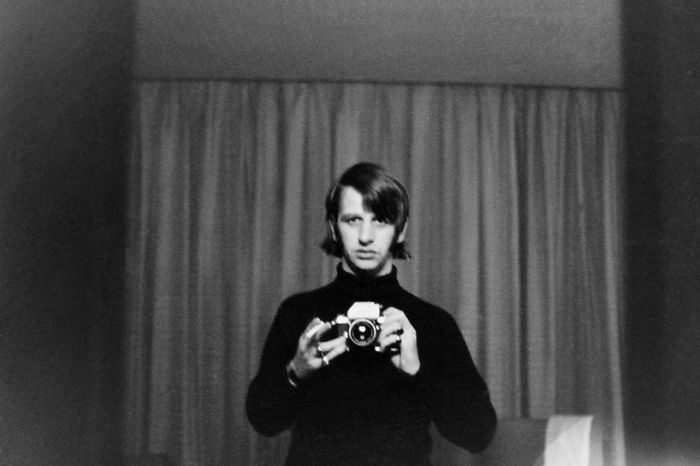
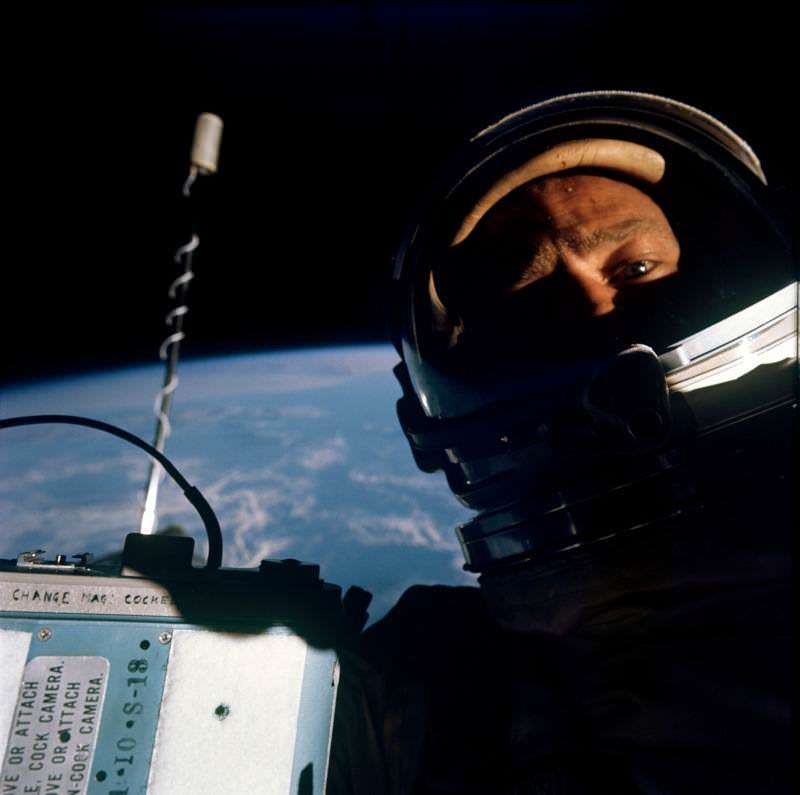
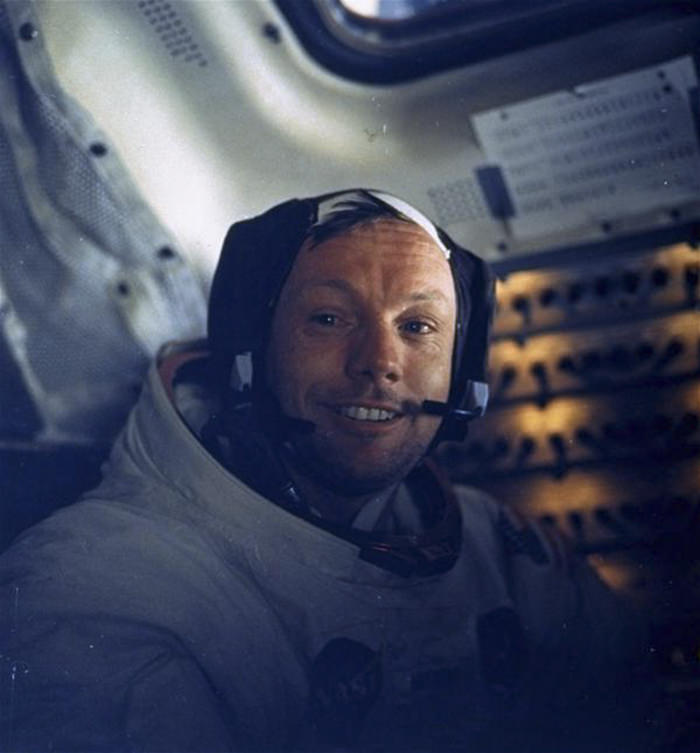
In space, Buzz Aldrin photographed himself during the Gemini 12 mission in 1966, producing what is considered one of the first selfies taken in orbit. Three years later, Neil Armstrong captured himself on the lunar surface during the Apollo 11 mission in 1969.
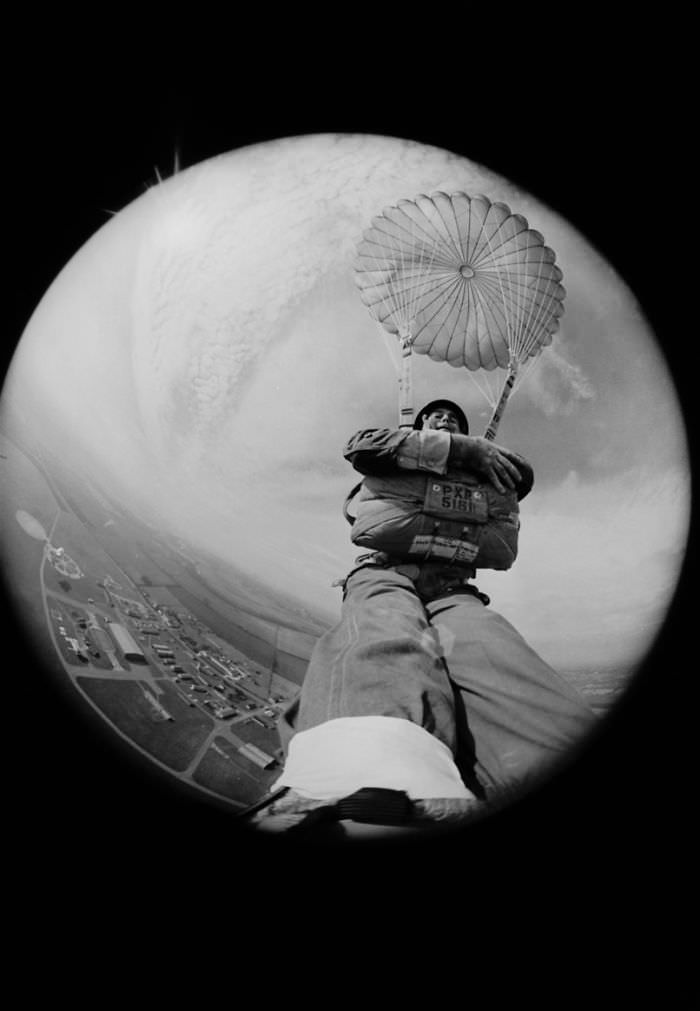
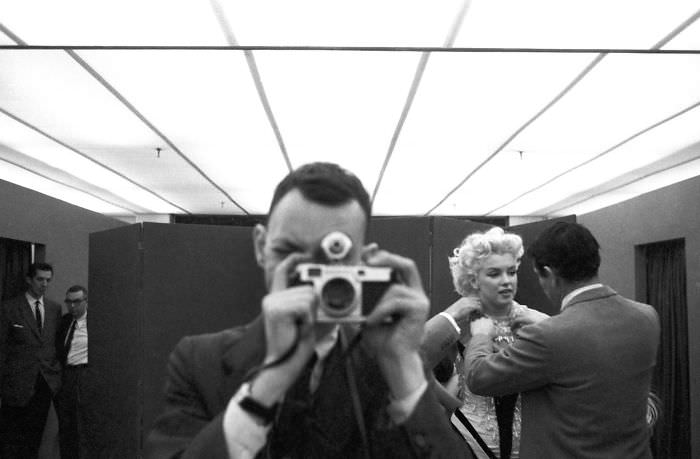
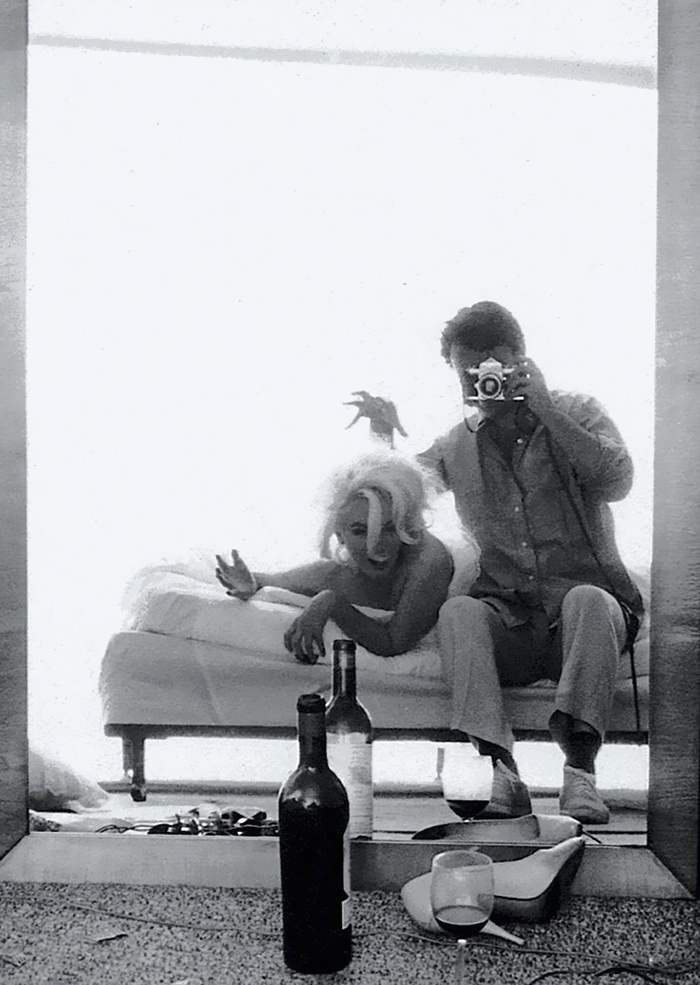
Photojournalist Terry Fincher took a wildly creative approach in 1966, strapping a fish-eye lens to his foot to capture an unusual self-portrait. Meanwhile, photographer Ed Feingersh captured himself alongside Marilyn Monroe in 1955, and Monroe herself photographed her own reflection in 1962.
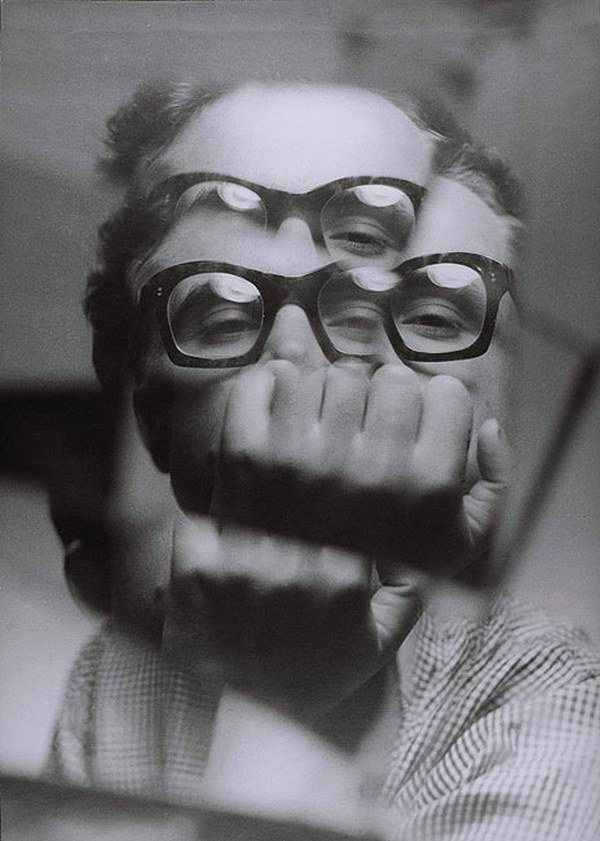
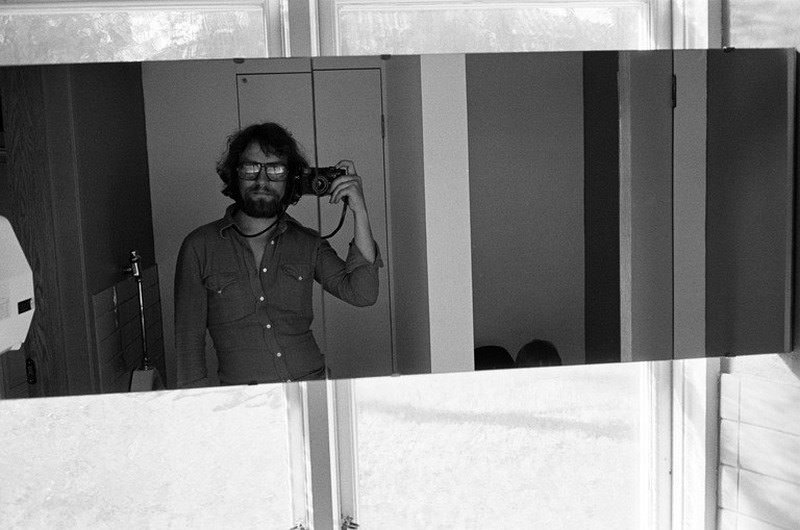
Polish surrealist Zdzisław Beksiński photographed himself through a prism in the mid-1950s, producing a fractured, multi-image portrait that was far ahead of its time visually. Finnish photographer Kari Hakli used a mirror for a more straightforward self-portrait in 1971.
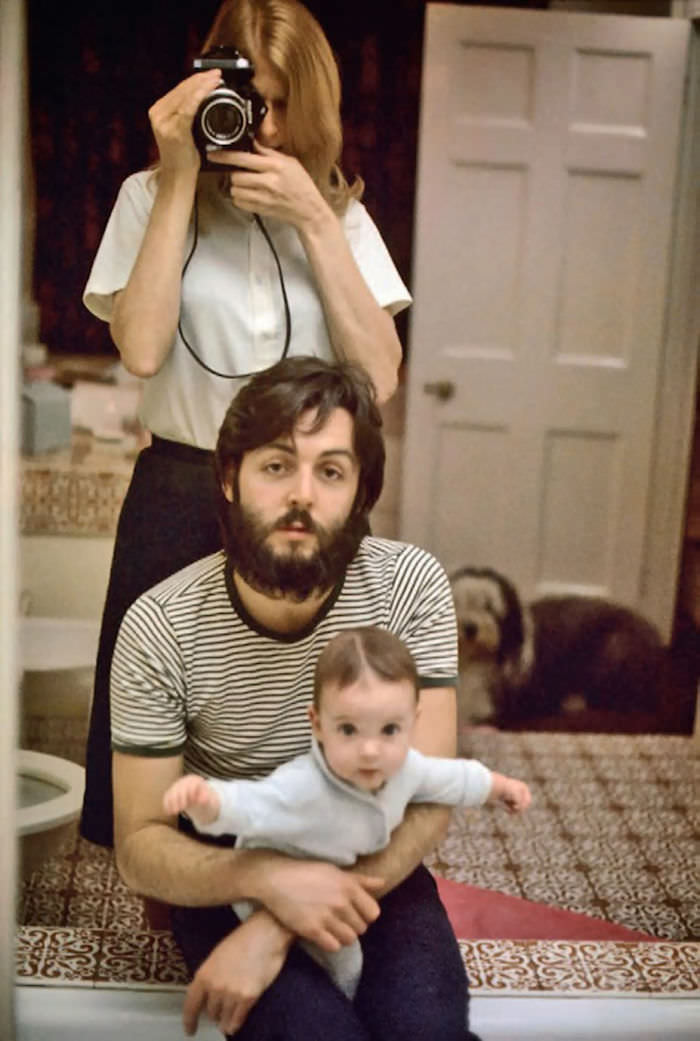
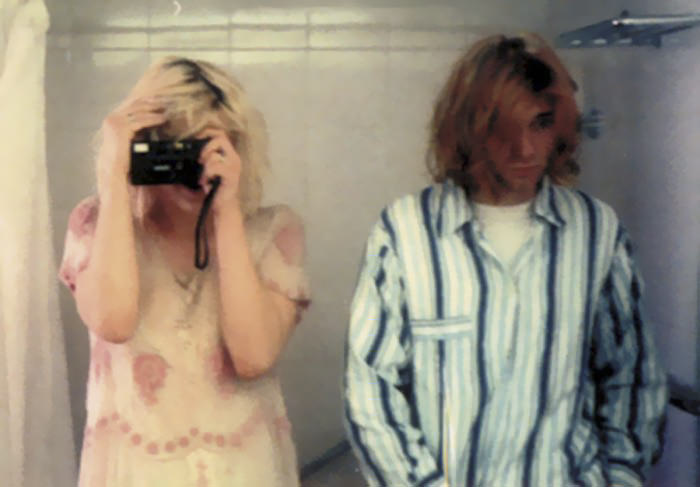
The McCartney family photographed themselves in 1969 — Paul, Linda, and their daughter Mary together in an informal family self-portrait. And the Linda and Paul McCartneys weren’t the only music couple doing this: Courtney Love and Kurt Cobain photographed themselves together in 1992.
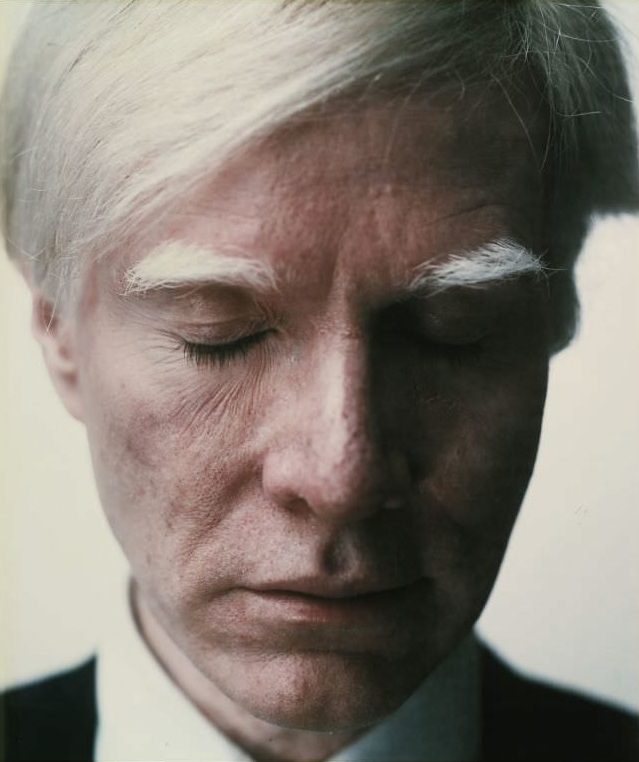
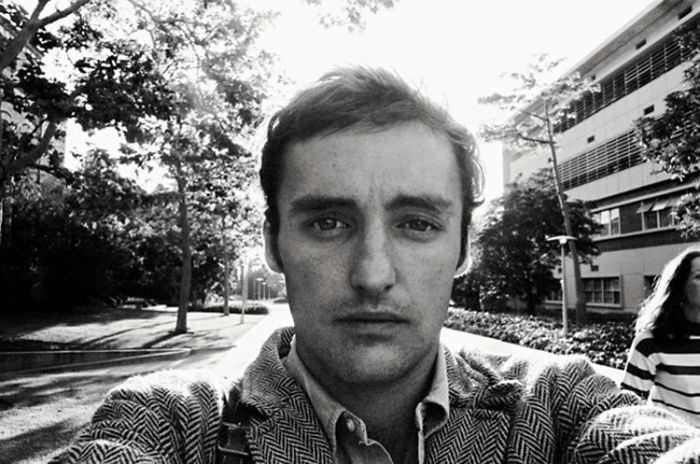
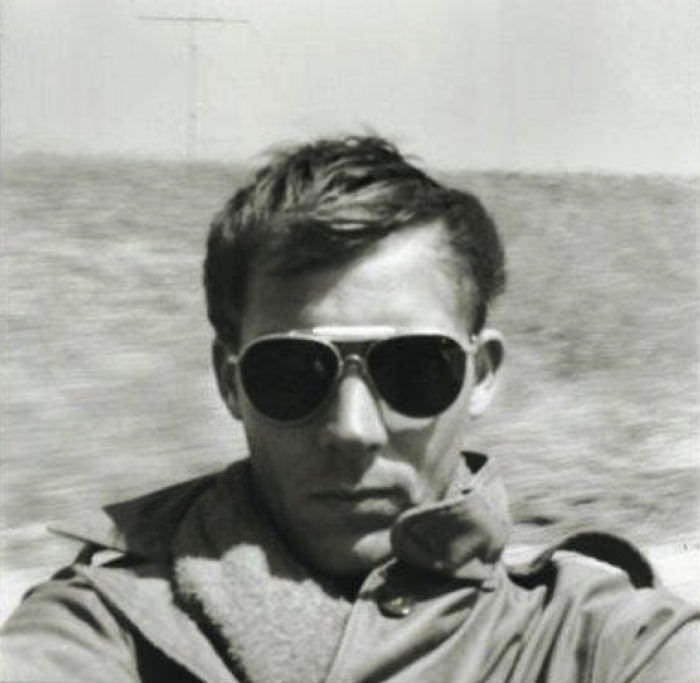
Pop art icon Andy Warhol photographed himself in 1979 — fittingly, given his obsession with image and celebrity. Actor Dennis Hopper captured himself in 1965. Hunter S. Thompson photographed himself in 1960, and Allen Ginsberg did so in 1985.
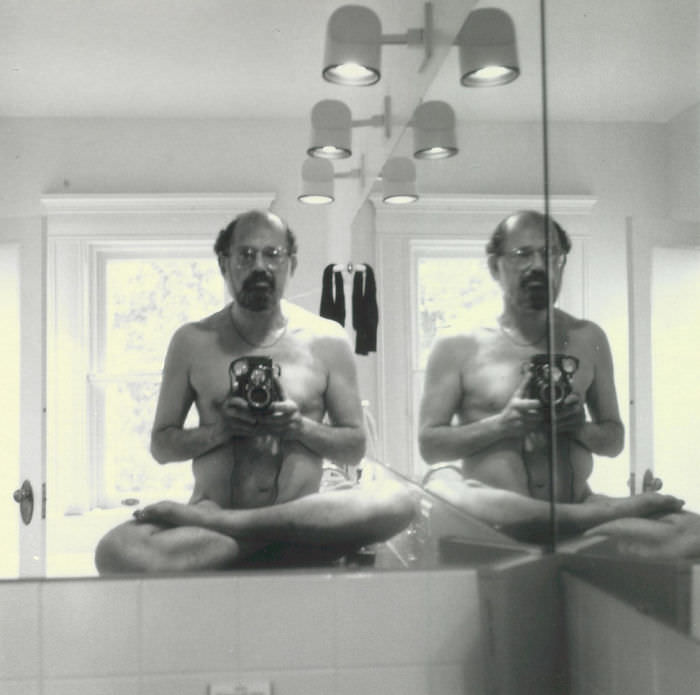
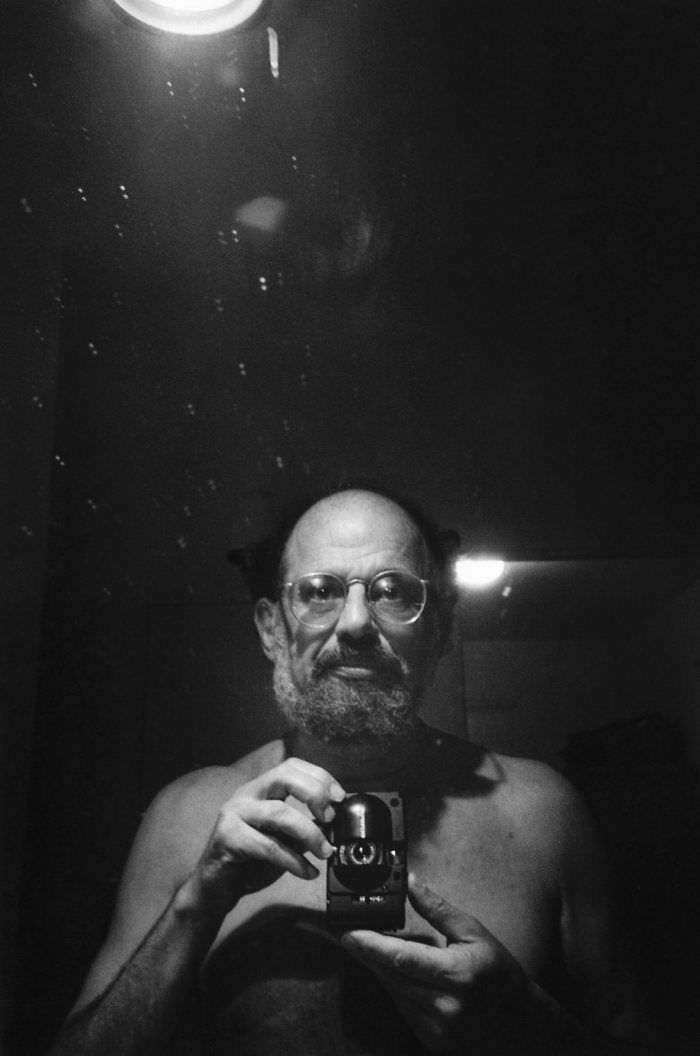
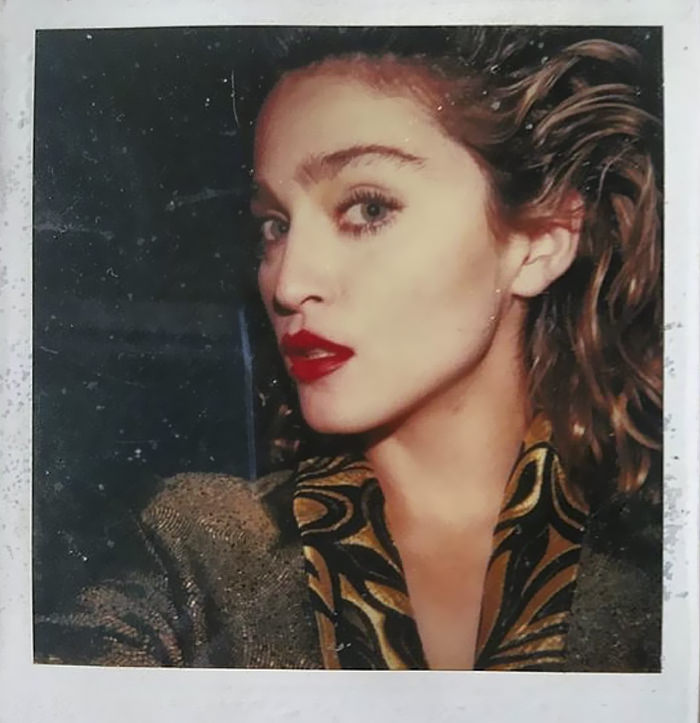
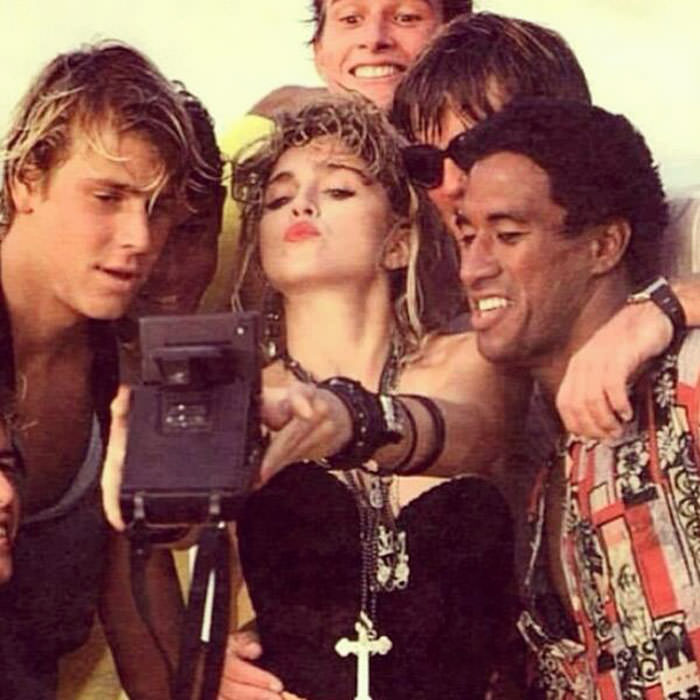
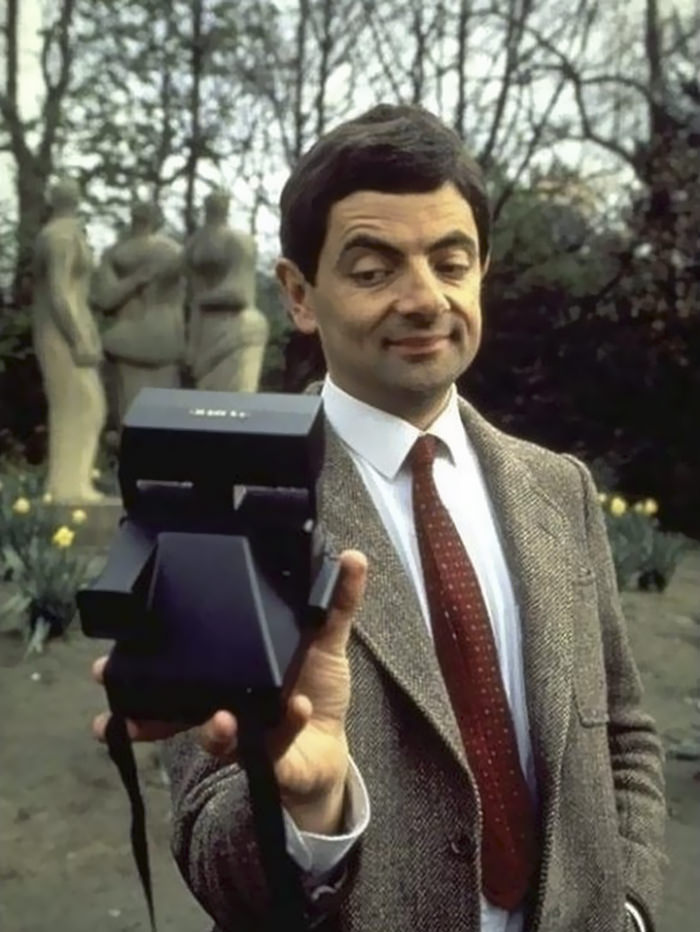
The 1980s produced a string of notable celebrity self-portraits. Madonna photographed herself in 1982 and again later in the decade. Rowan Atkinson captured himself in 1987. French painter Michel Saloff-Coste photographed himself in a mirror sometime during the 1980s.
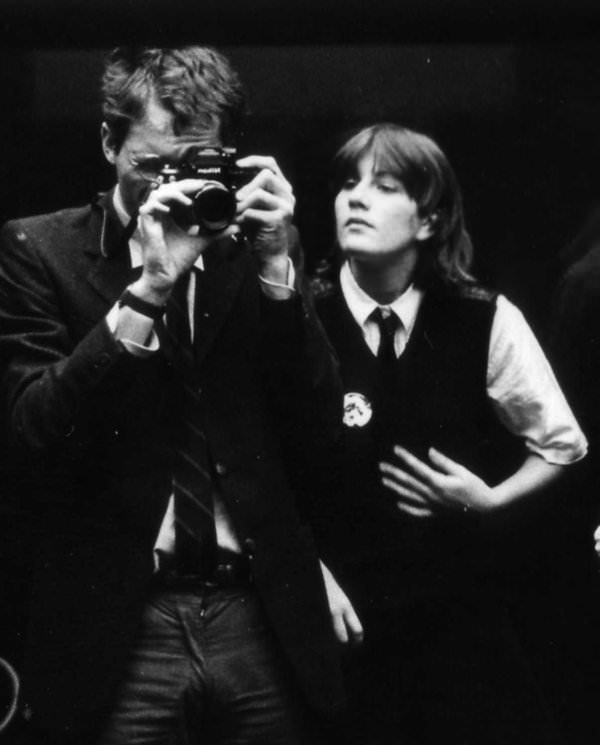
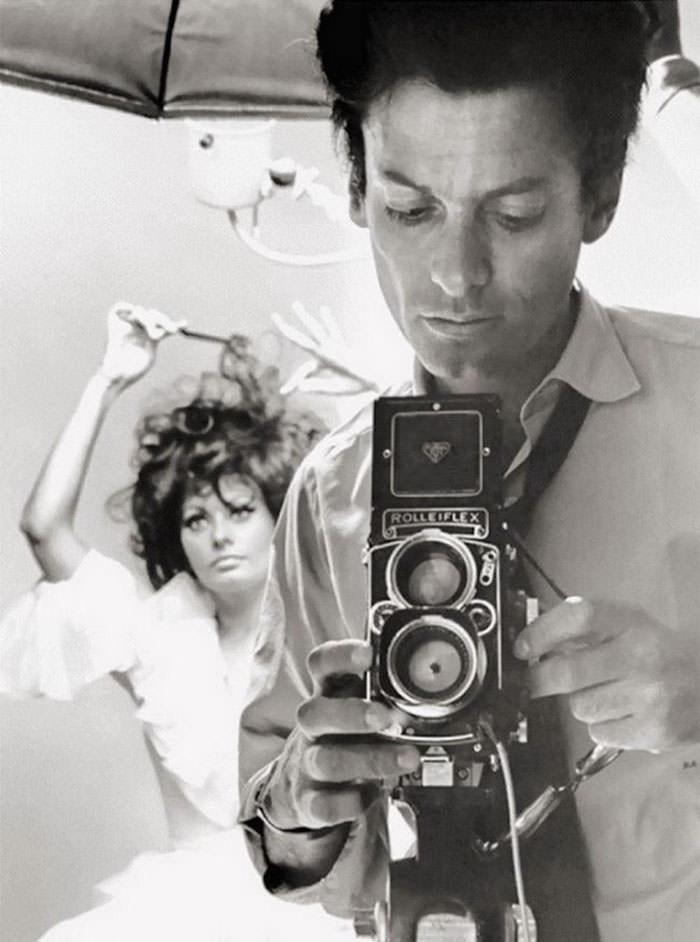
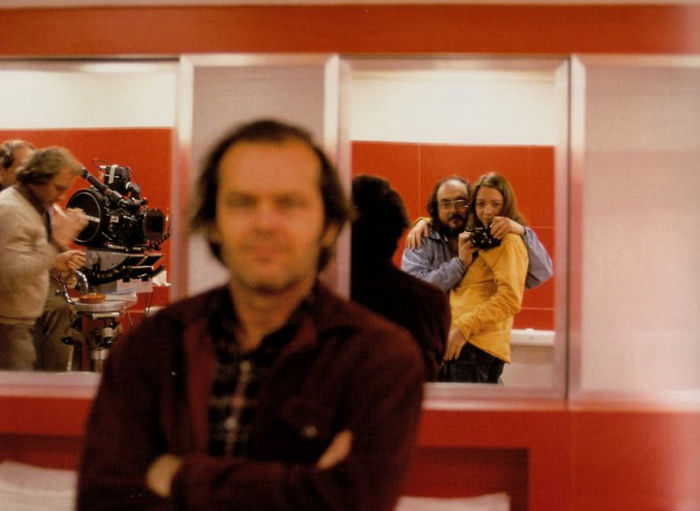
Stanley Kubrick photographed himself on the set of The Shining in the 1980s — with his daughter beside him and Jack Nicholson in the frame, apparently believing the camera was pointed at him. Richard Avedon photographed himself alongside actress Sophia Loren in the 1960s, blurring the line between photographer and subject.
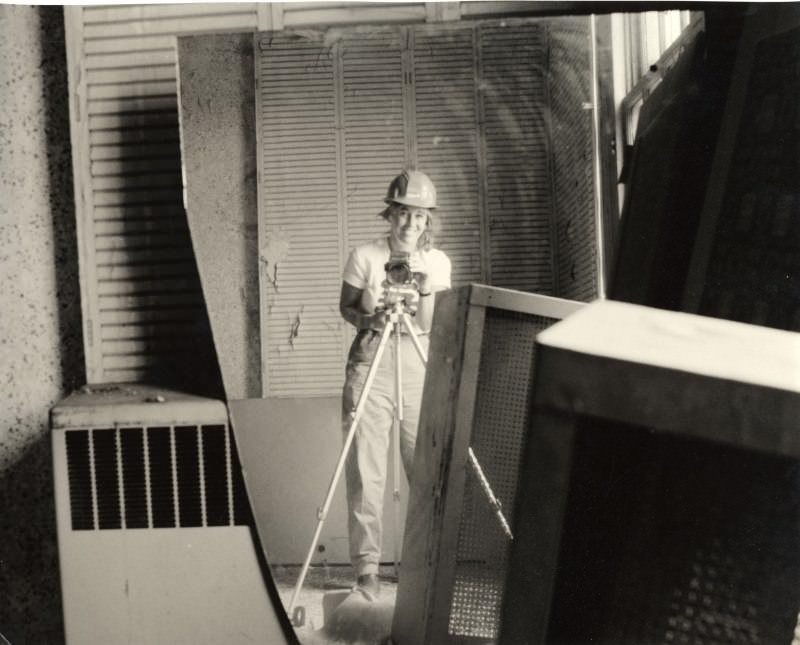
American photographer Carol Highsmith photographed herself in a broken mirror during the restoration of the Willard Hotel in Washington, D.C., sometime between 1980 and 1990. The fractured reflection makes the image one of the more visually striking self-portraits from the era.
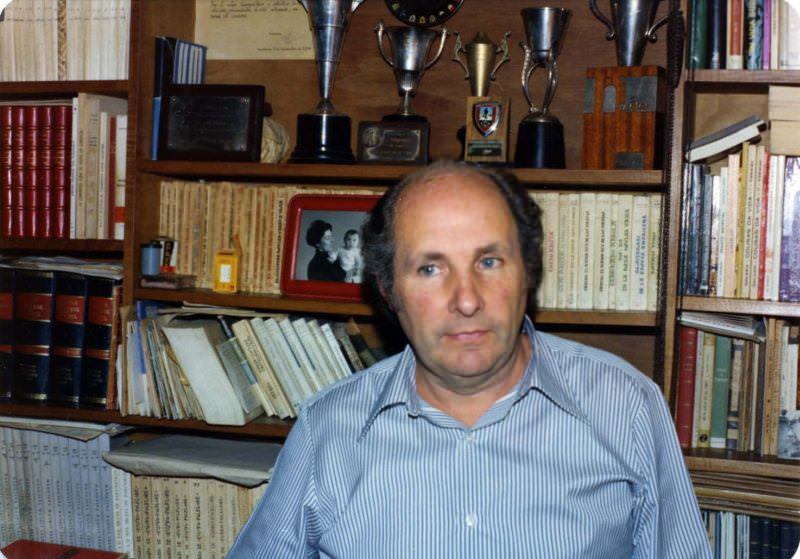
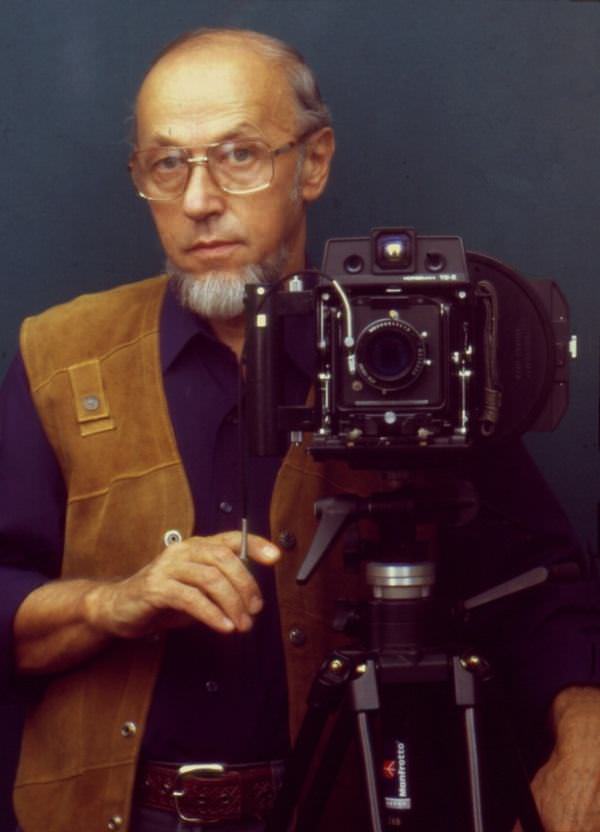
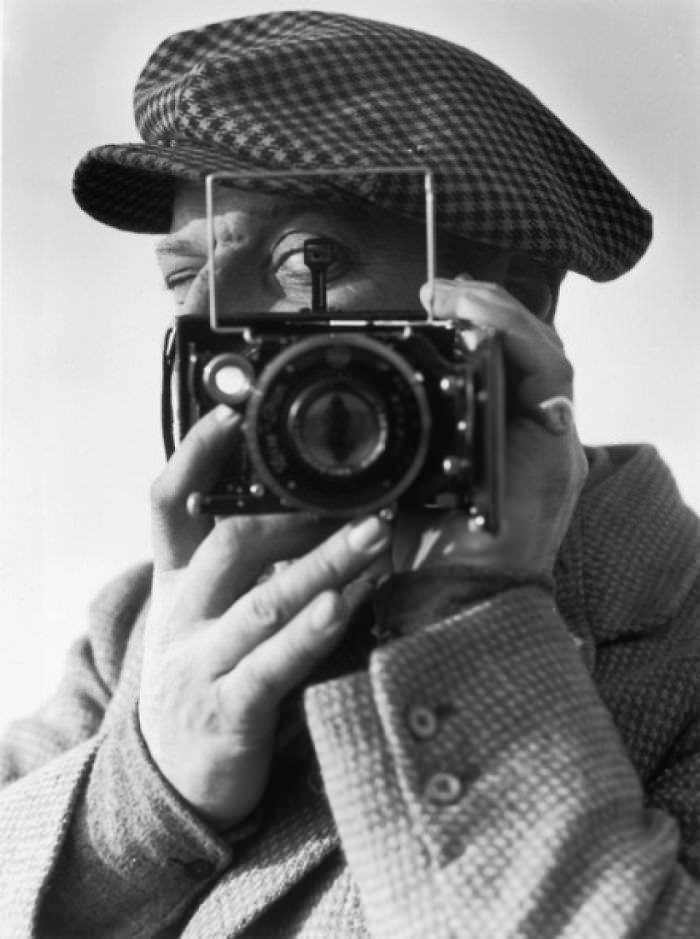
Basque author and biographer Juan San Martín photographed himself in 1976, and Basque photographer Zbigniew Zugaj captured himself in a mirror self-portrait at an unknown date. Polish photographer John Chaloner Woods documented himself in 1938.
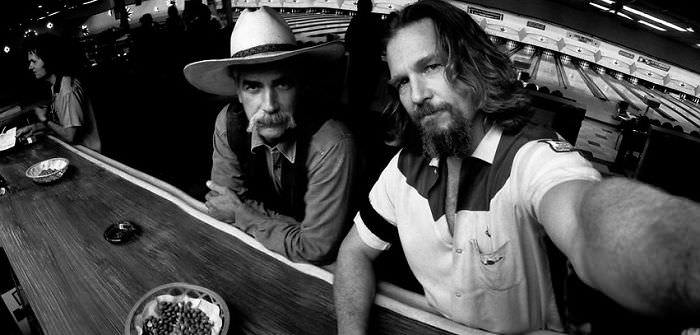
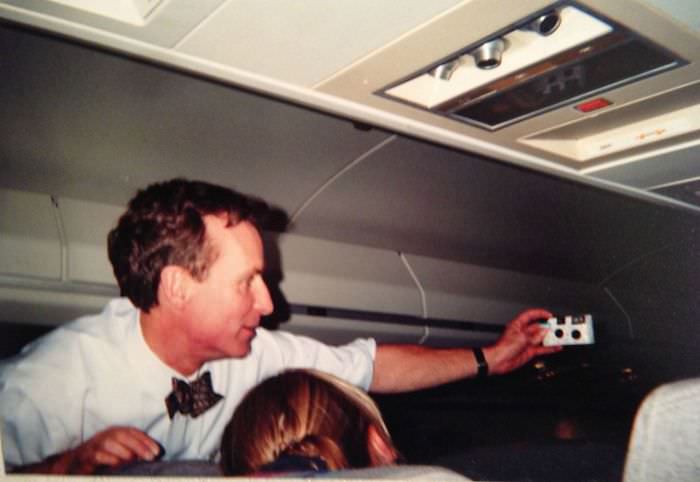
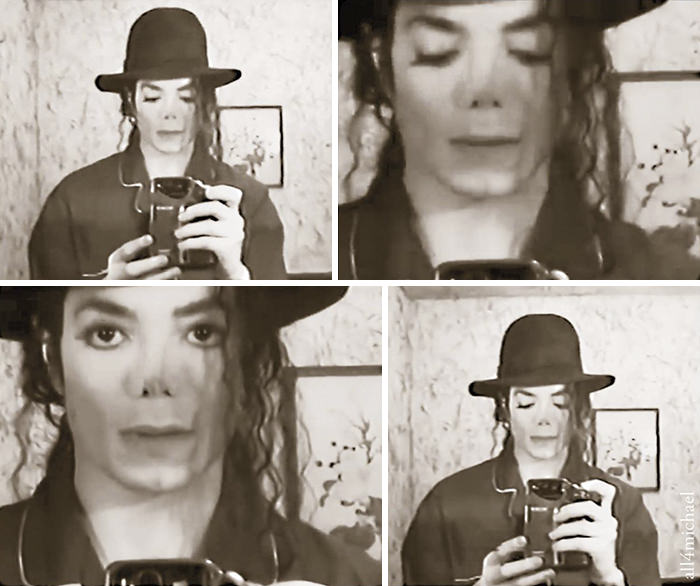
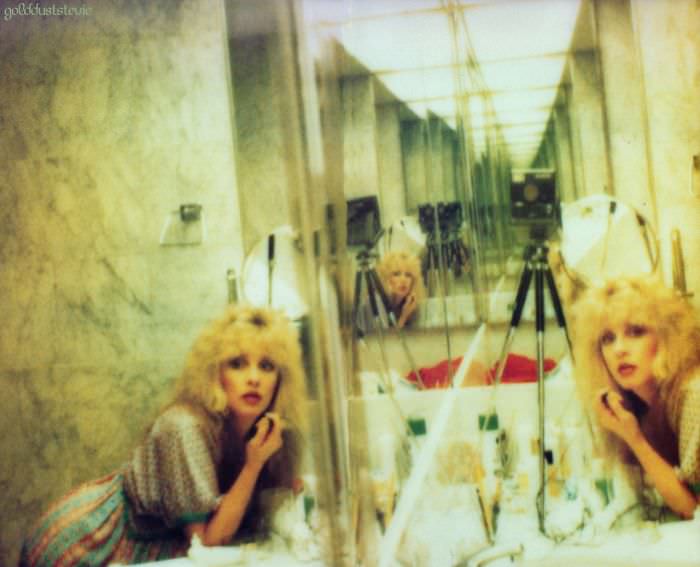
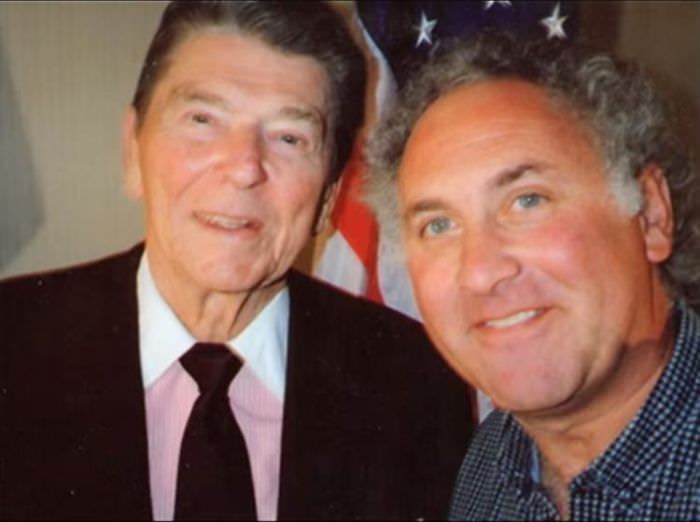
Actors Jeff Bridges and Sam Elliott captured themselves together in 1997. Bill Nye photographed himself in 1999. Michael Jackson took a self-portrait in 1996. Stevie Nicks photographed herself during the 1970s and 80s. Ronald Reagan photographed himself alongside Lester Wisbrod in the 1980s.
An unidentified woman photographed herself in a mirror in 1938, and another unidentified woman did the same in 1922. These anonymous self-portraits are a reminder that the selfie was never just a celebrity habit — ordinary people were doing it long before the word existed.


They were self portraits before they were selfies, and painters were doing them even before photographers were. It’s just a new term for an old practice that dates back 500 years.
It’s my own definition, but I always considered a self-portrait being done by remote/timer and a selfie done while holding the camera directly.
If that’s the distinction, then I was taking selfies with my dslr for a couple decades before “selfie” was a word. In fact, I’ve taken far more of these with a dslr than I have with a phone.
Yea, wasn’t trying to say it was new, just that I consider there to be a distinction between selfie and self-portrait. I think I’m the only person that thinks that though