
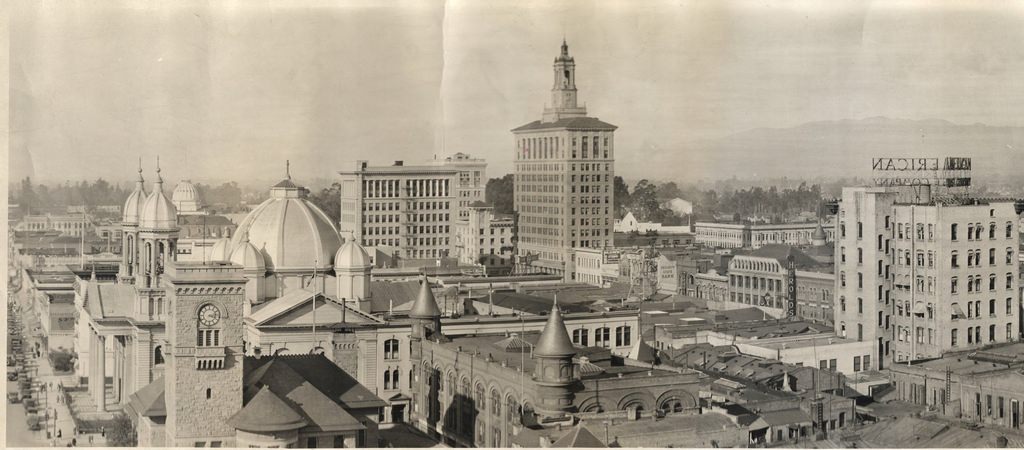
San Jose in the 1920s was the third largest city in California, with a population hovering around 40,000. It sat at an interesting crossroads — still deeply rooted in agriculture, yet visibly pushing toward something bigger. Streets that had once been quiet and dusty were filling up with automobiles. New buildings were going up. And the valley, long nicknamed the “Valley of Heart’s Delight,” was producing prunes, apricots, and cherries at an industrial scale. This was a city waking up.
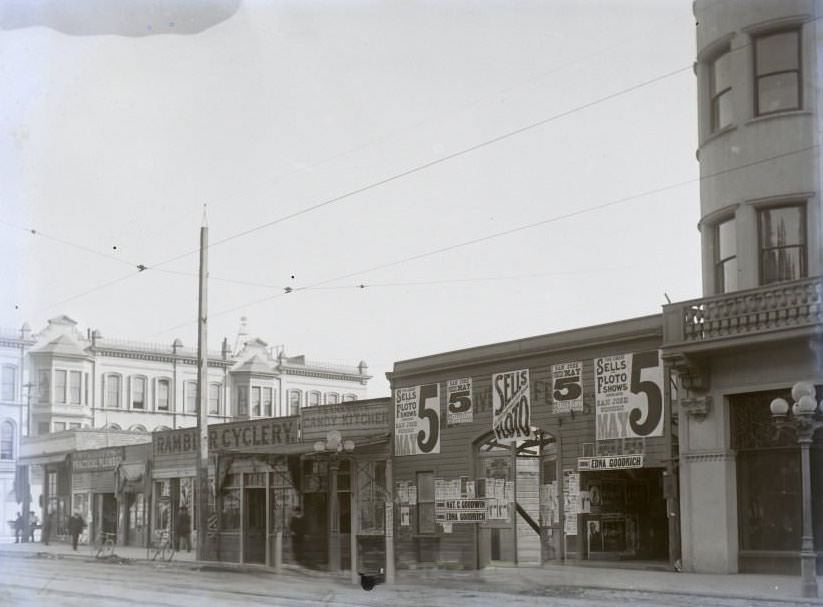
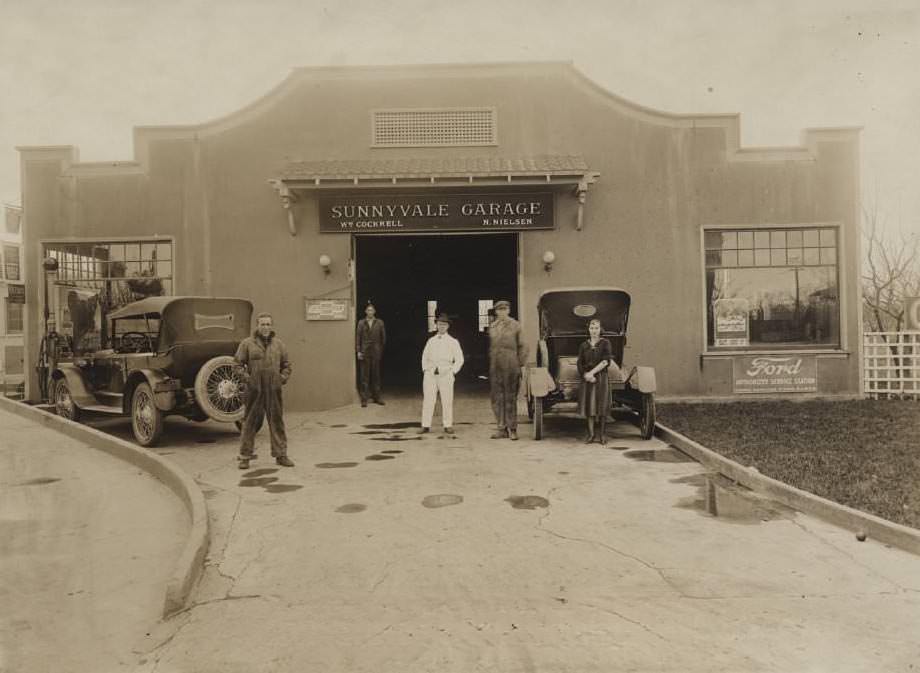
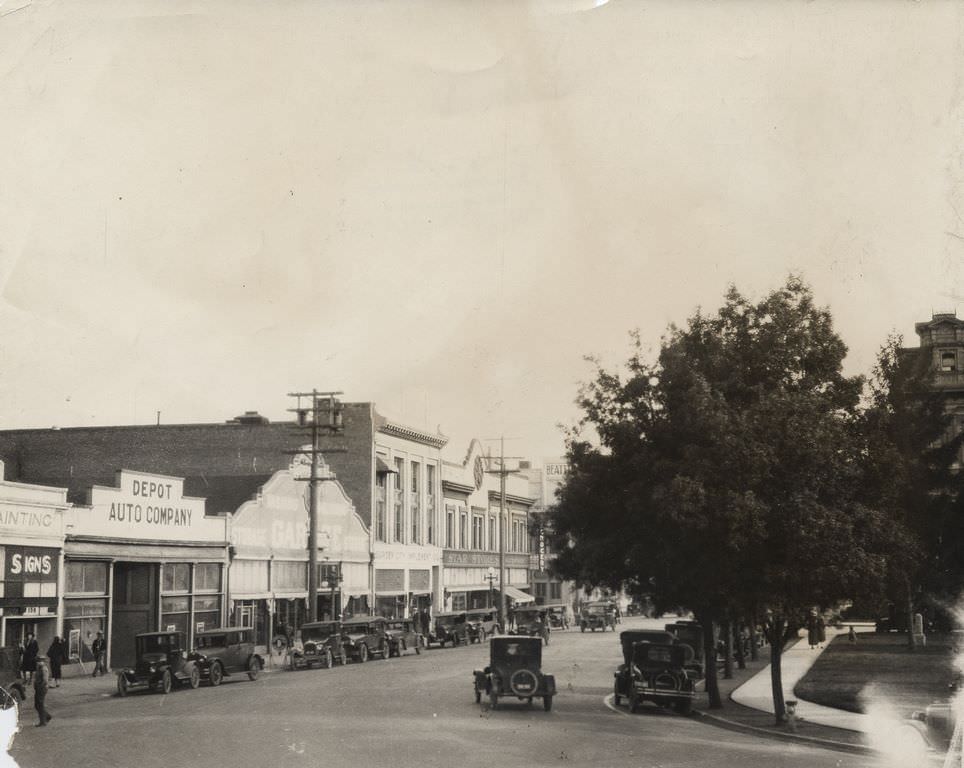
Downtown San Jose had real energy. North First Street was lined with banks, commercial buildings, and shops drawing steady foot traffic. The Bank of San Jose stood alongside the towering Bank of Italy, and the sidewalks were busy with pedestrians and parked automobiles. The city’s electric streetcar system connected neighborhoods, and by mid-decade, automobiles were common enough that garages and service stations were opening across town.
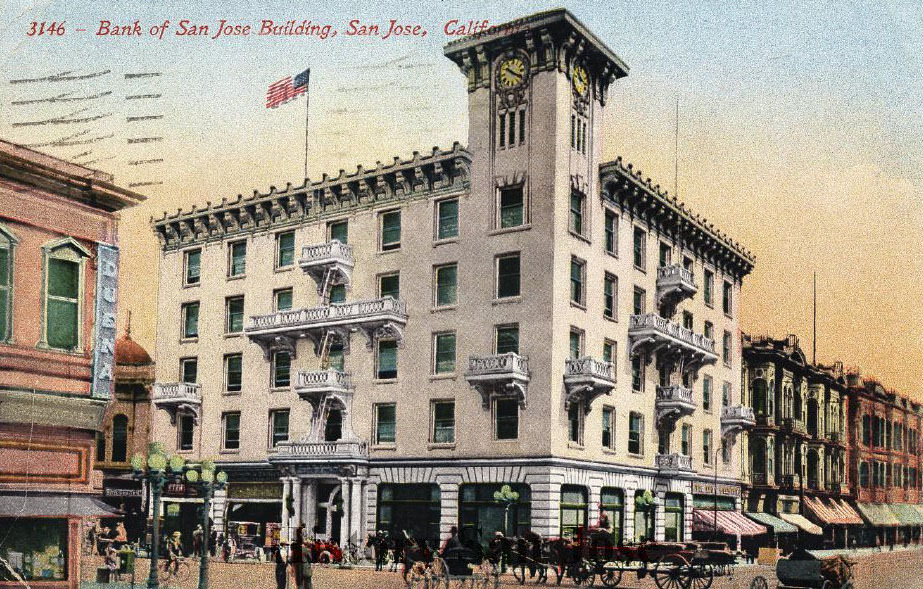
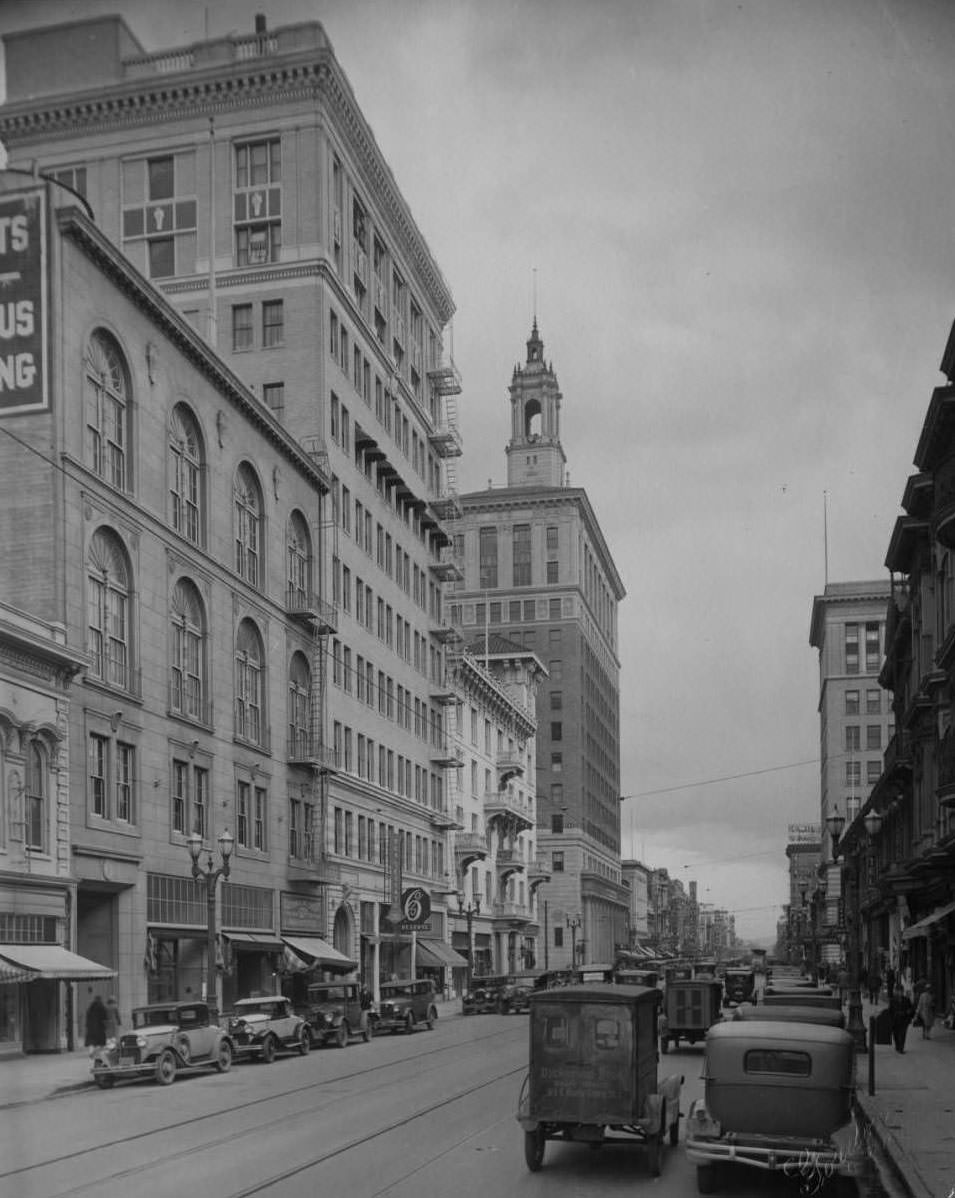
The Bank of San Jose itself had a notable run. Originally built after the 1906 earthquake destroyed its predecessor, it was acquired by the Bank of Italy in 1927 and later demolished in 1947. Its presence on First Street during the 1920s reflected San Jose’s expanding financial sector — new banks and lending institutions were setting up shop throughout the decade to support the city’s growing business activity.
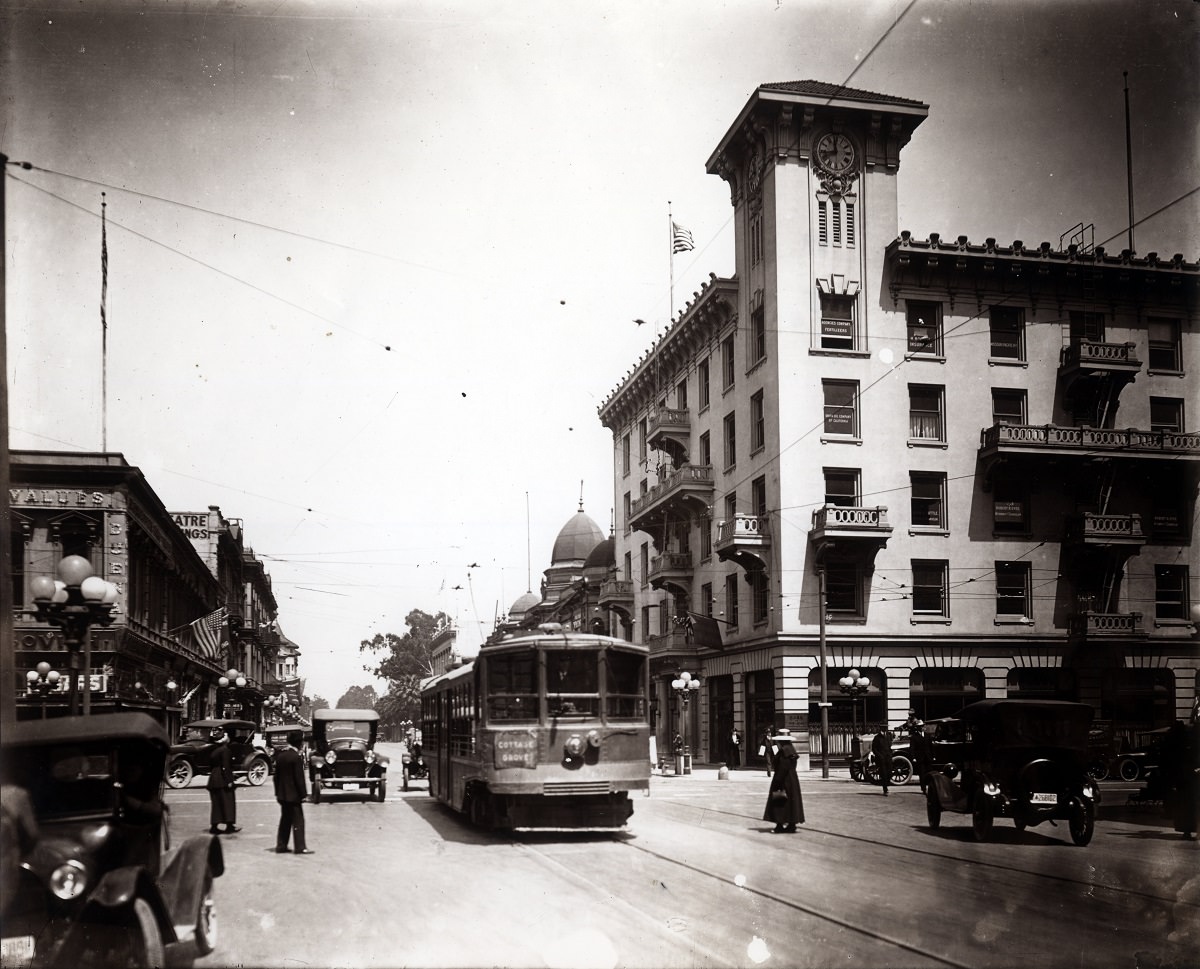
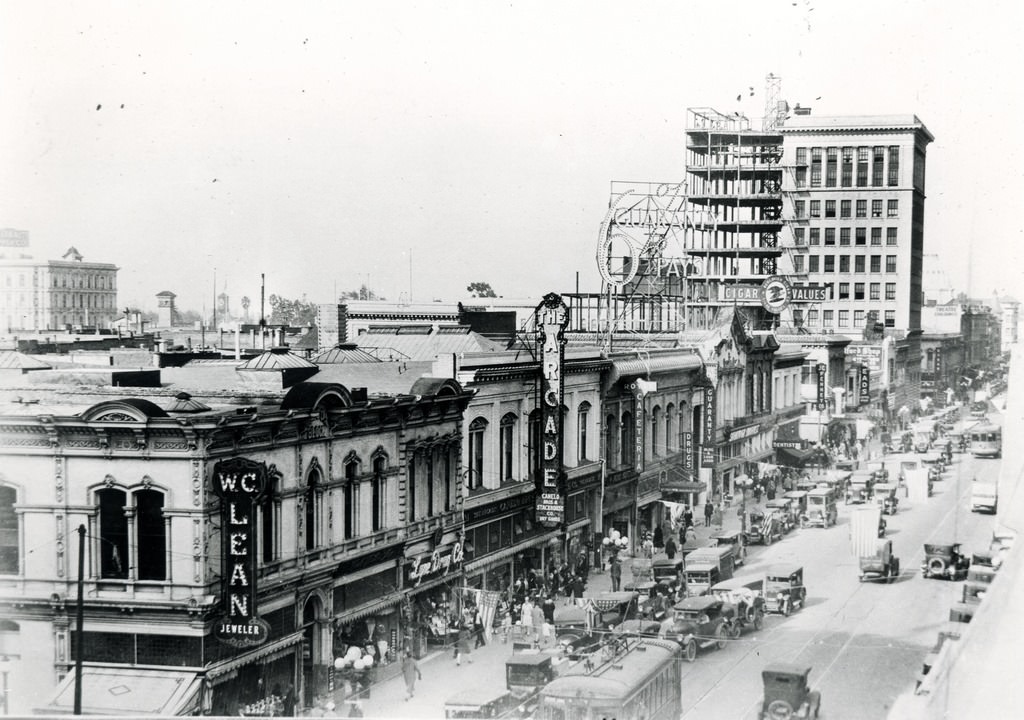
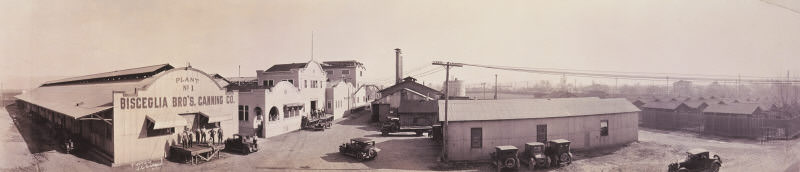
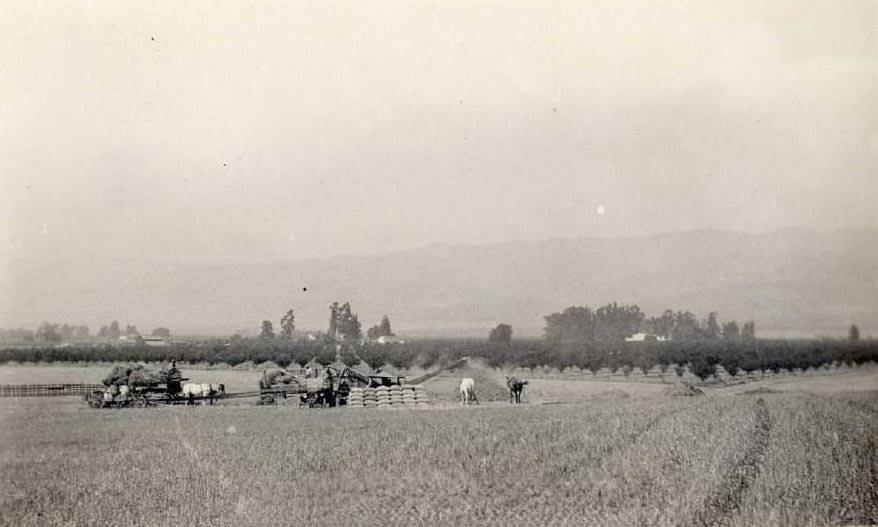
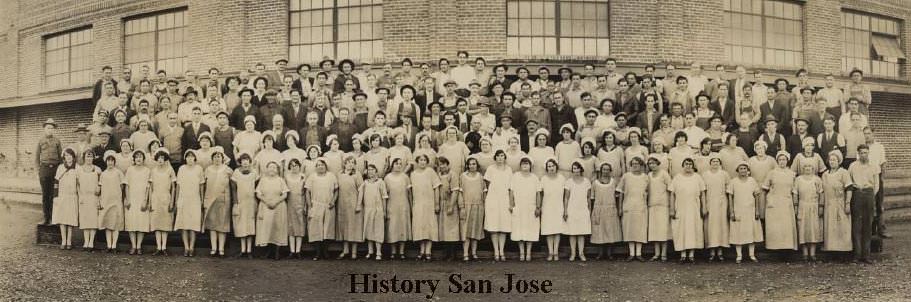
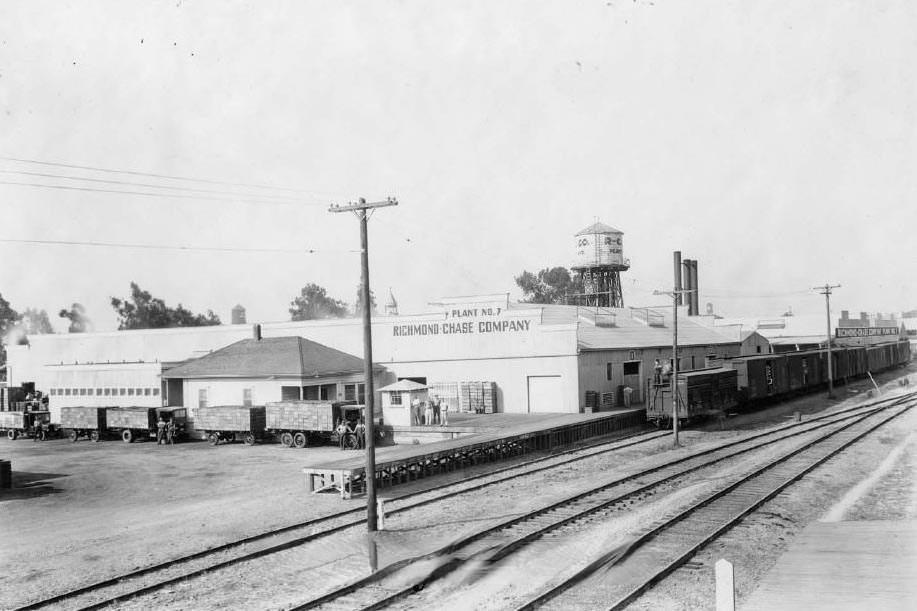
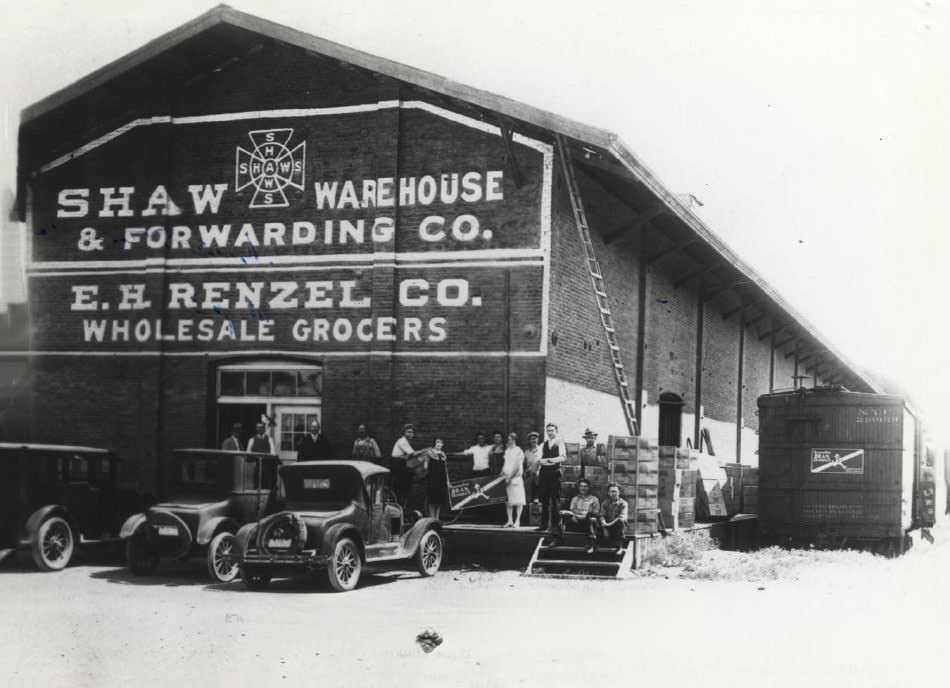
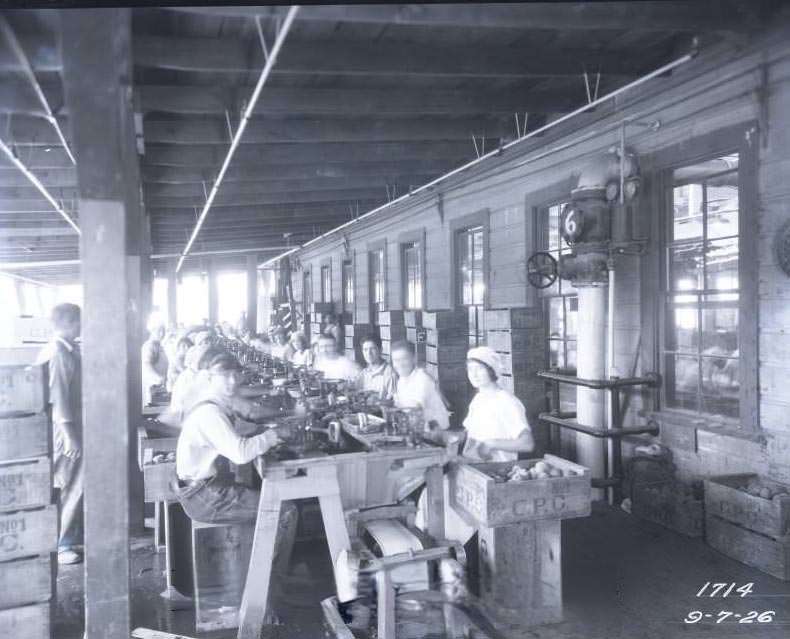
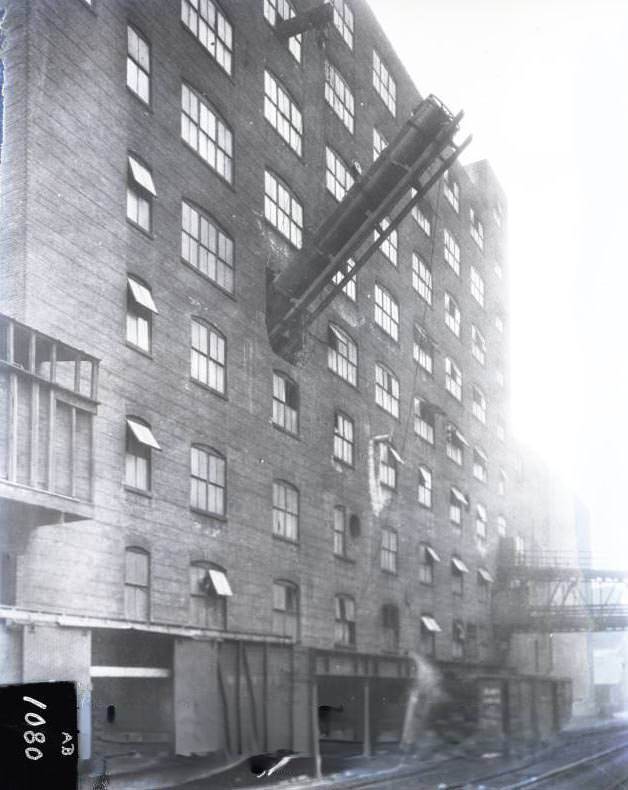
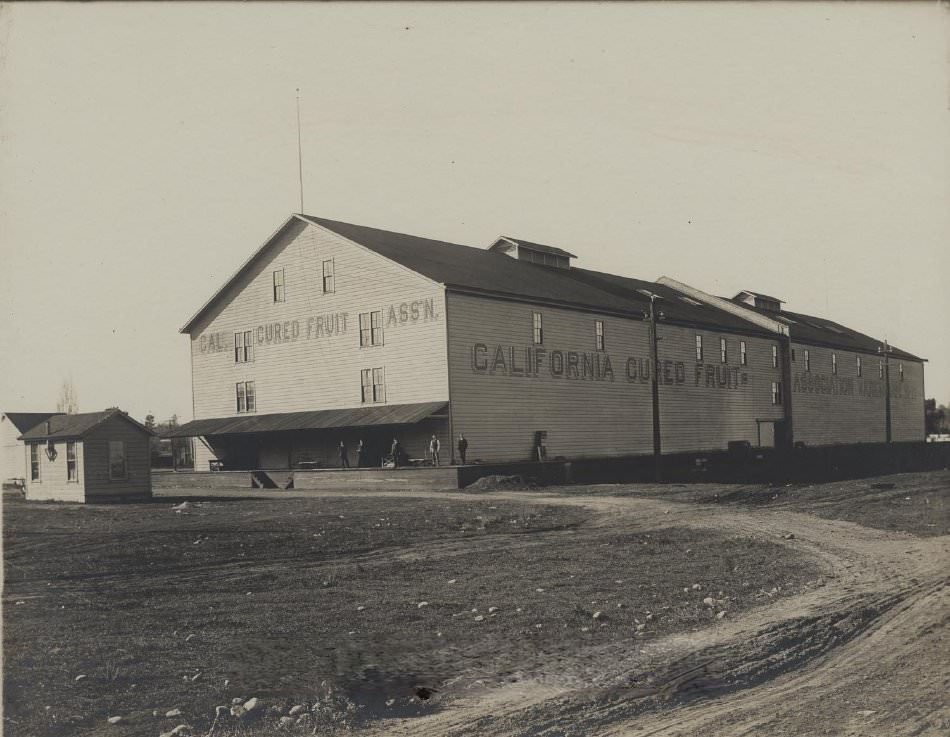
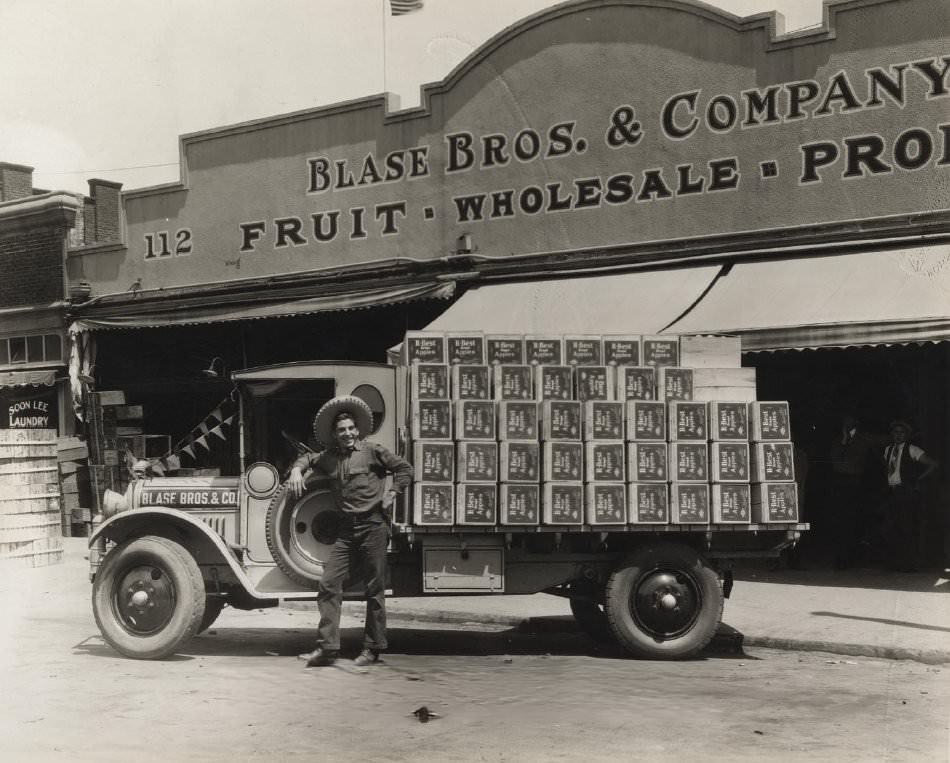
Agriculture was the backbone of the local economy. The Santa Clara Valley’s fertile land supported massive orchards, and the canning industry employed thousands of workers. Companies like Hunt Brothers Packing Company and Bisceglia Bros. Canning Co. ran large operations, processing fruit fresh from the surrounding fields. The California Prune and Apricot Growers Association coordinated distribution on a statewide level, and the valley’s output reached markets across the country.
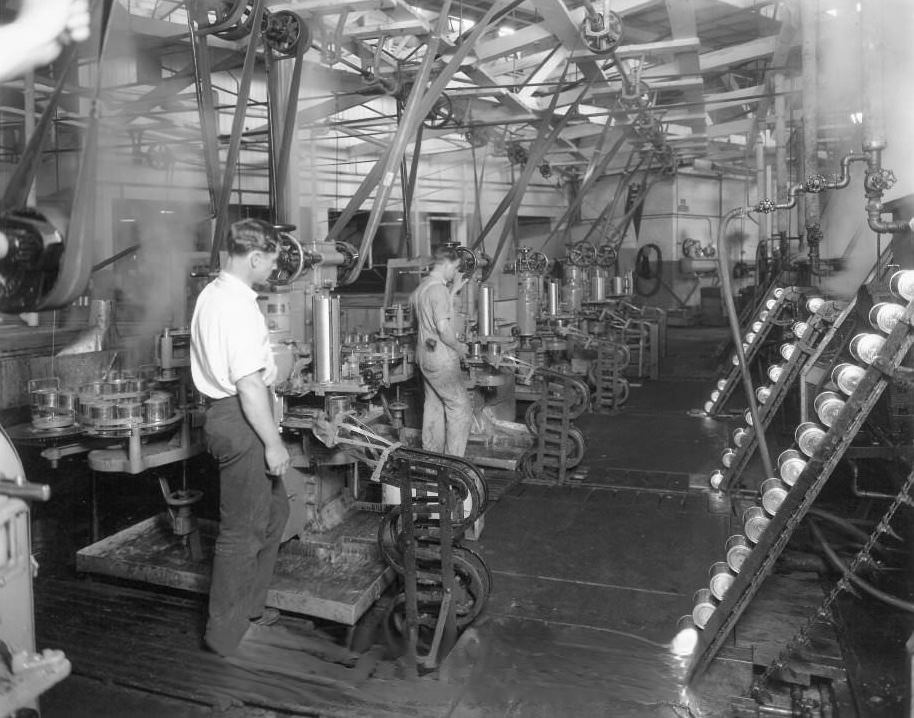
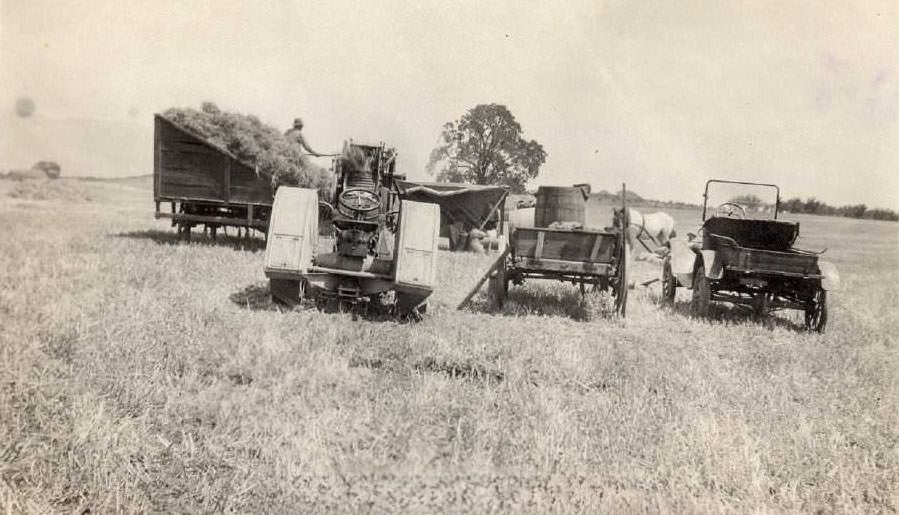
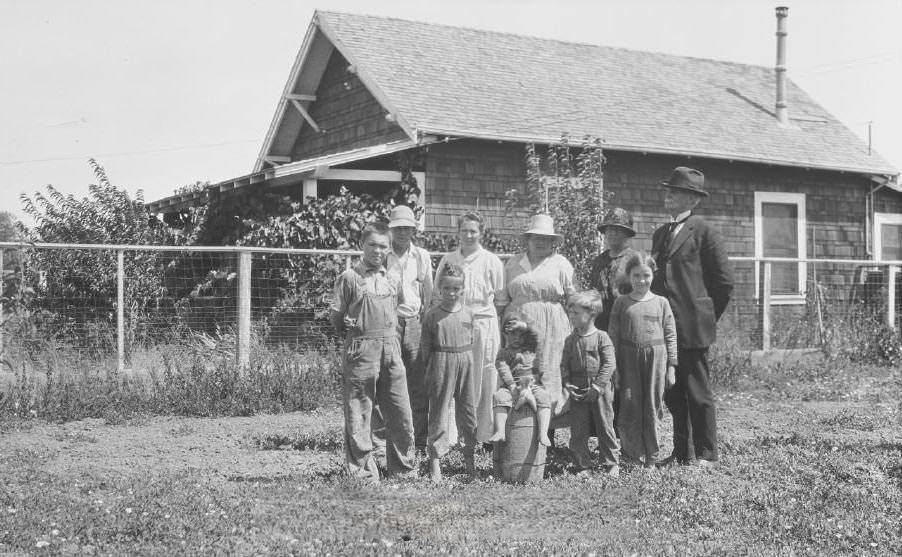
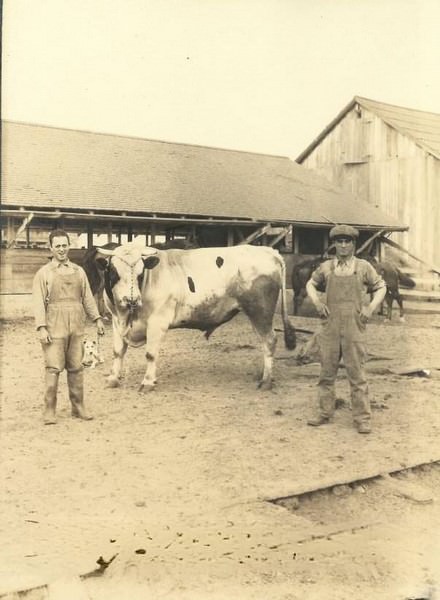
Out in the fields, the work was labor-intensive and constant. Immigrant workers made up a large portion of the agricultural workforce, and their labor kept the valley’s orchards and packing operations running. Advocacy for fair wages and better working conditions grew louder throughout the decade, reflecting broader national tensions around labor rights. The fruit didn’t just appear in cans — it was hauled by truck, sorted by hand, and processed by workers who rarely made headlines.
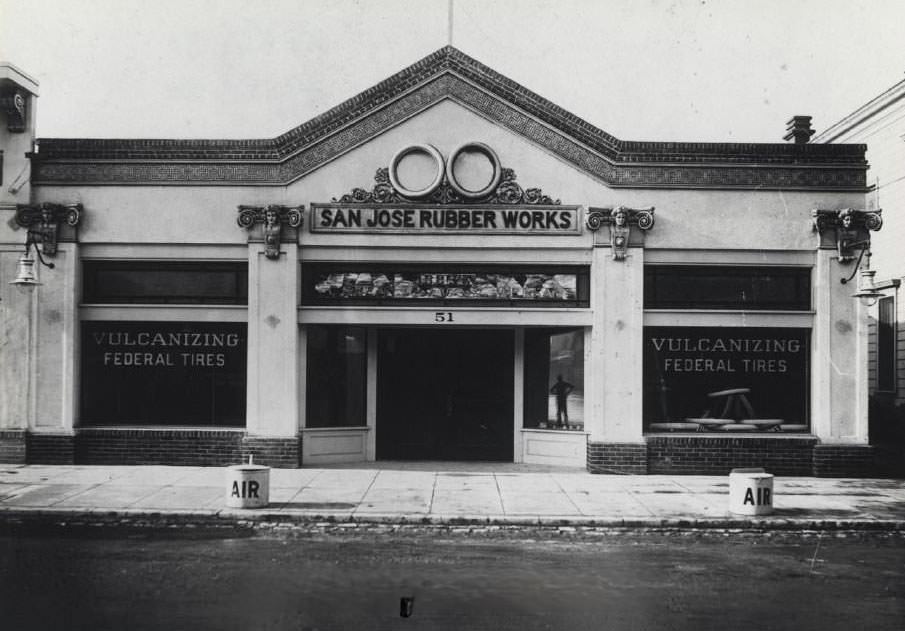
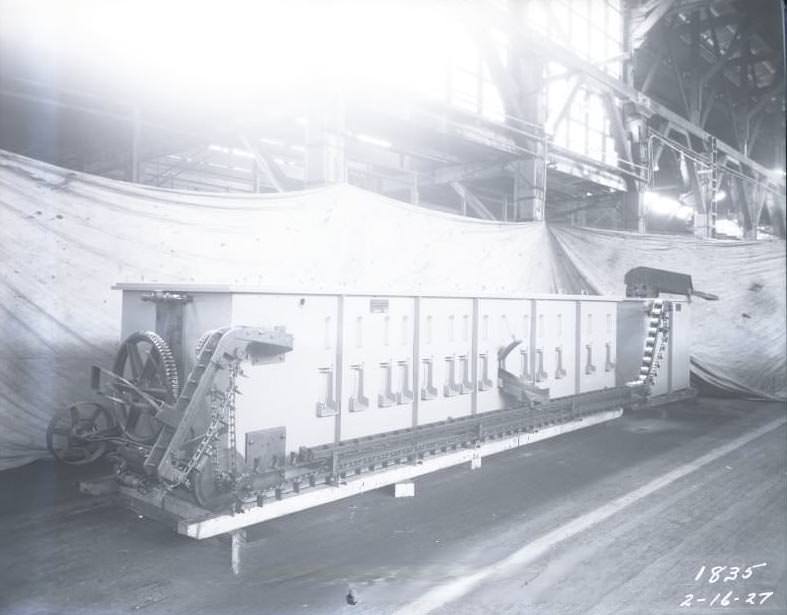
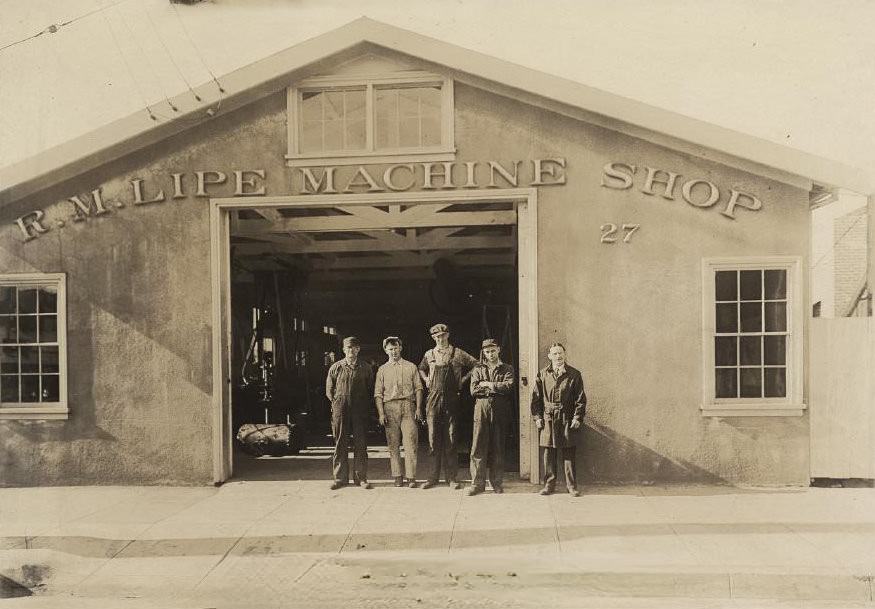
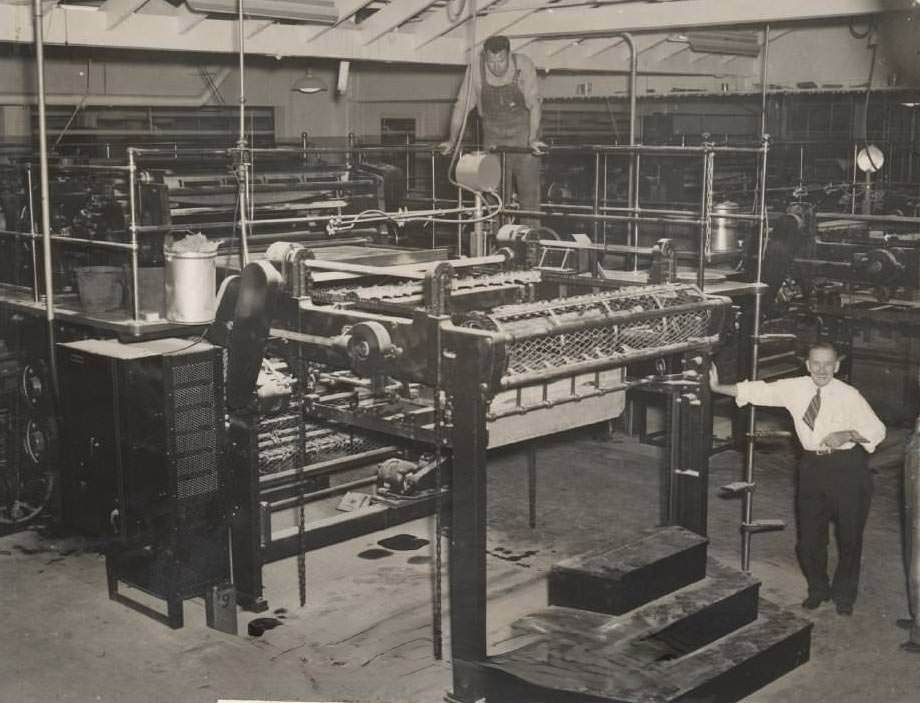
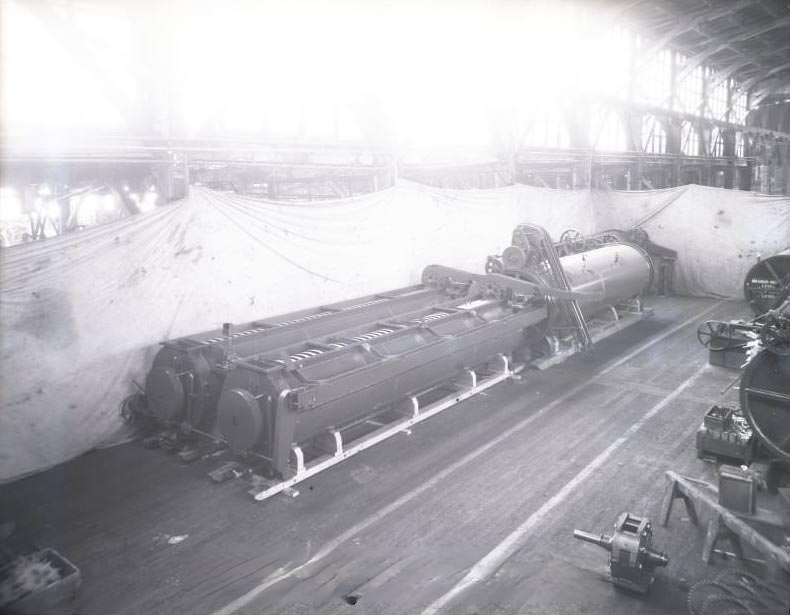
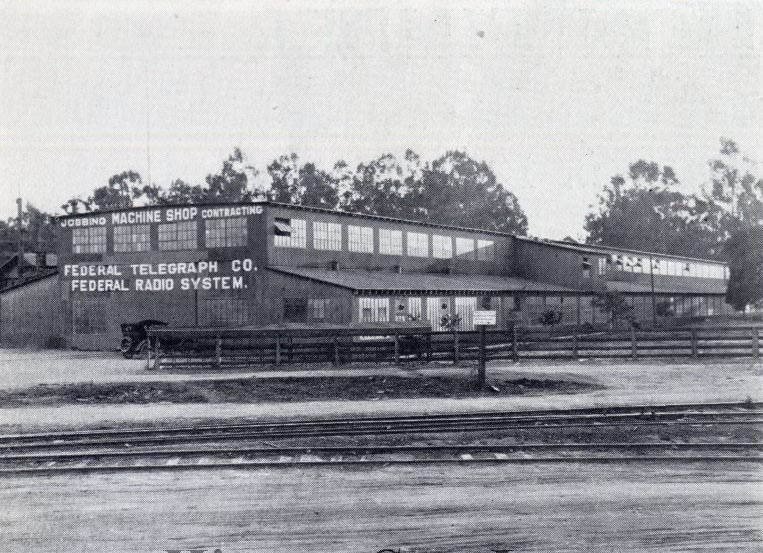
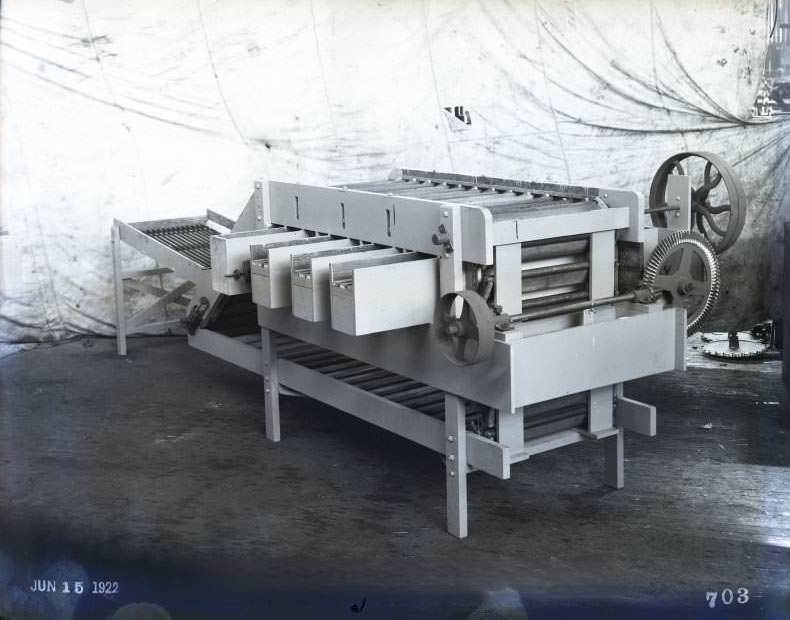
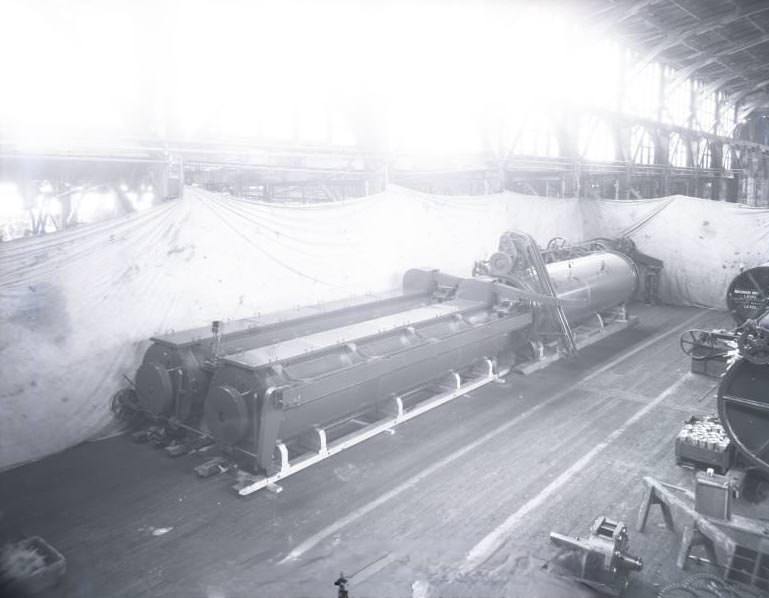
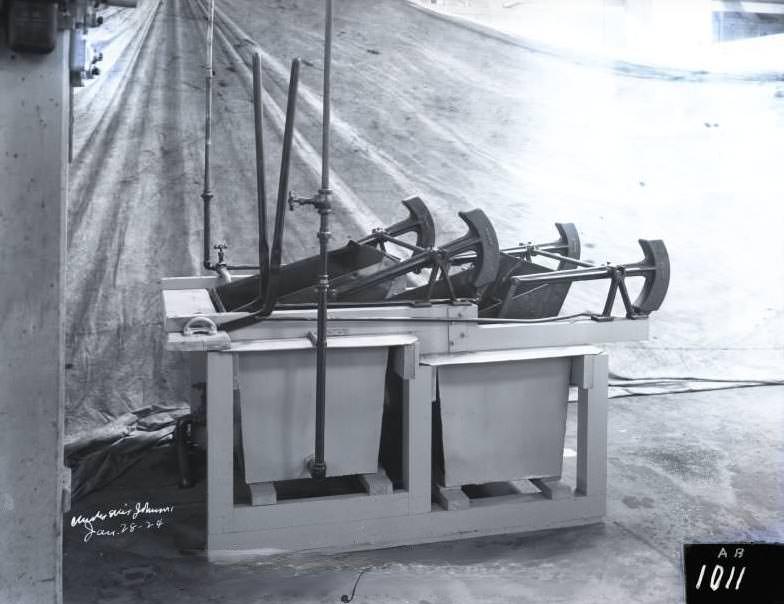
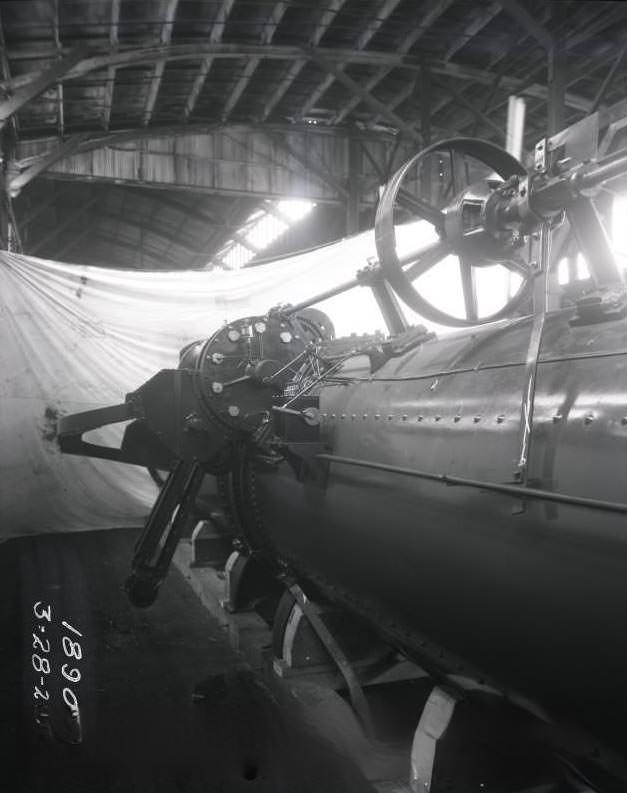
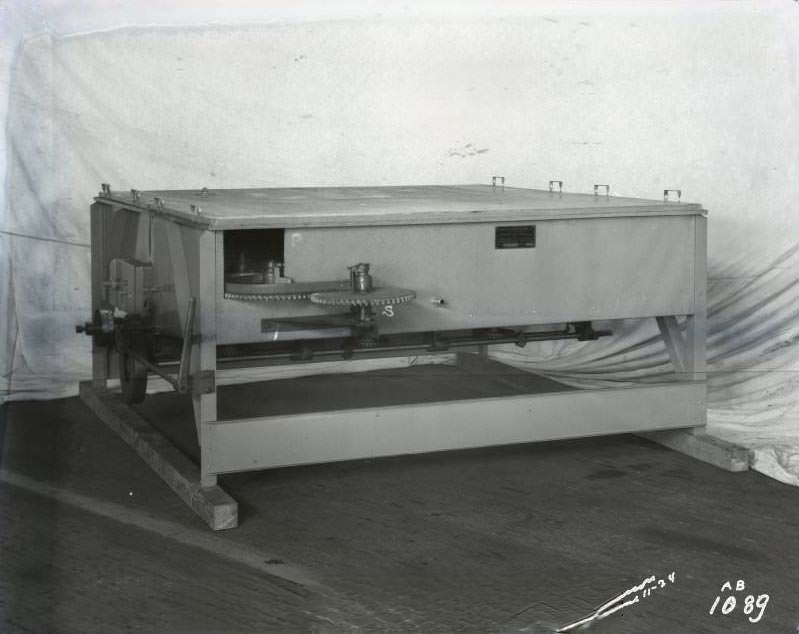
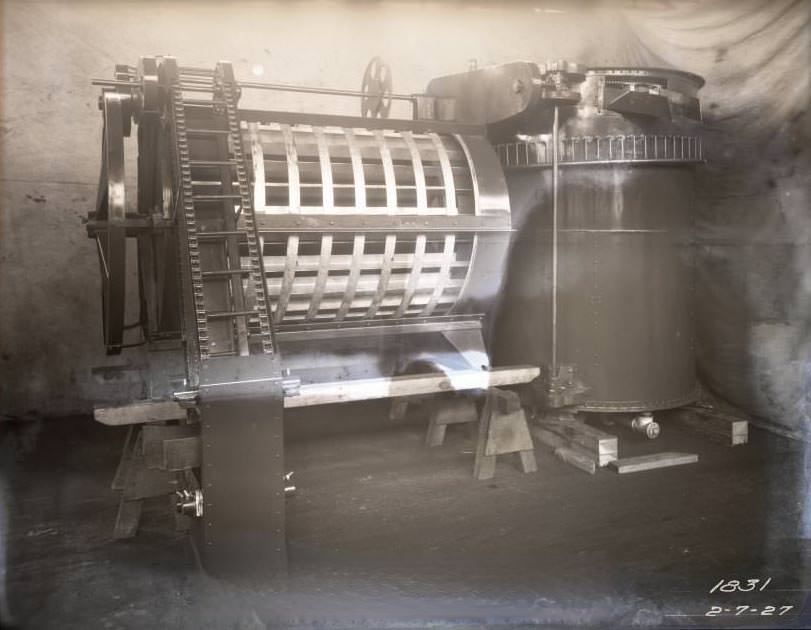
San Jose was also home to a growing manufacturing sector. Machine shops, rubber works, printing companies, and food processing equipment makers all operated within city limits. FMC — the Food Machinery Corporation — was developing a range of industrial equipment for the canning industry, from preheaters and sterilizers to conveyors and pressure cookers. These machines powered the canneries that defined the valley’s economy.
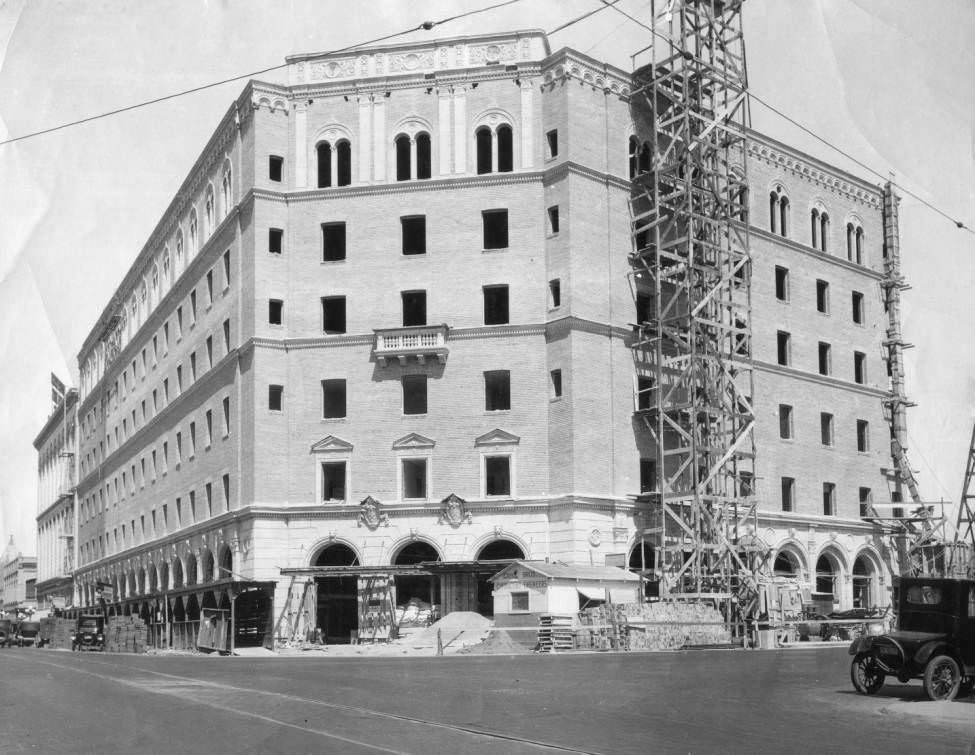
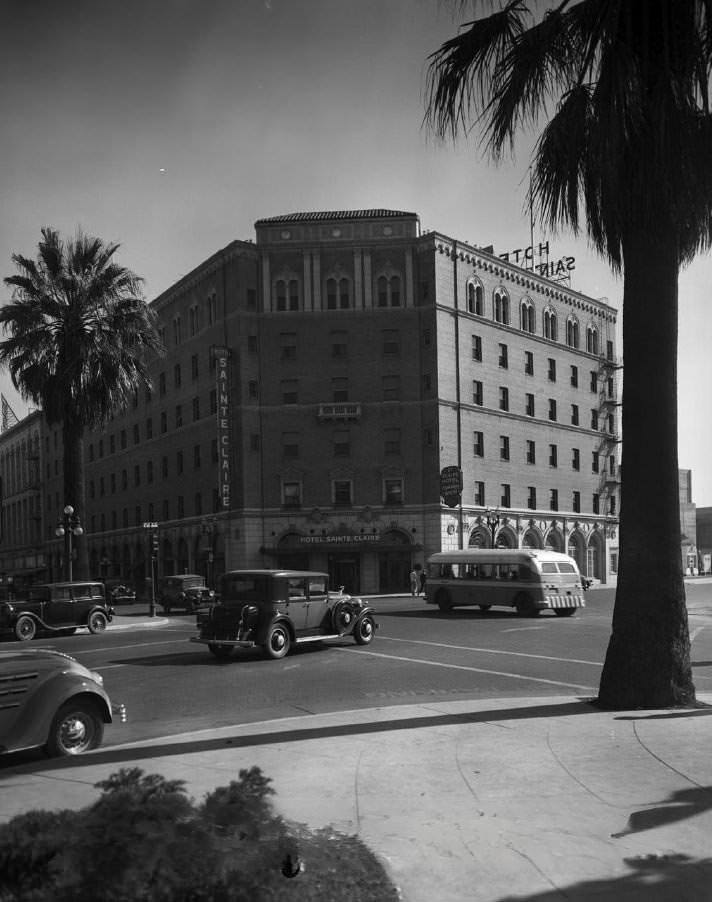
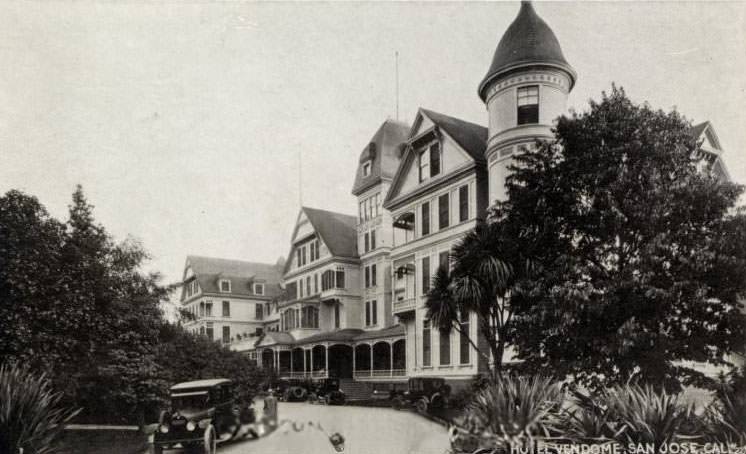
The 1927 grand opening of the Sainte Claire Hotel marked one of the decade’s most talked-about moments. The hotel was luxurious by any standard, offering elegant accommodations and serving as a social hub for the city’s well-to-do. Visitors came from across California to stay there, and its presence signaled that San Jose was no longer just a farming town — it was a place with genuine prestige.
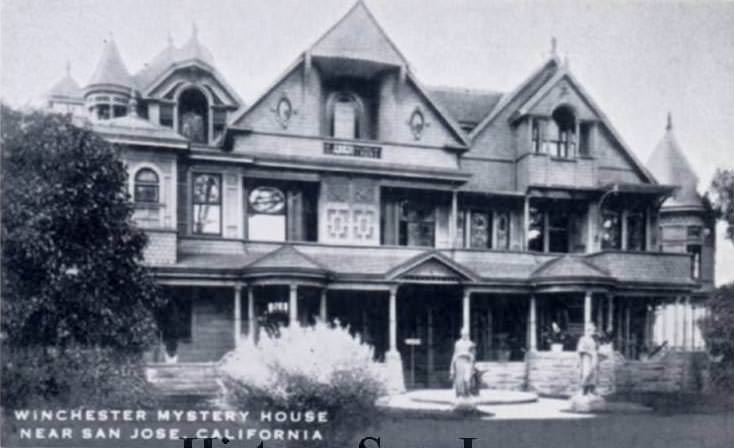
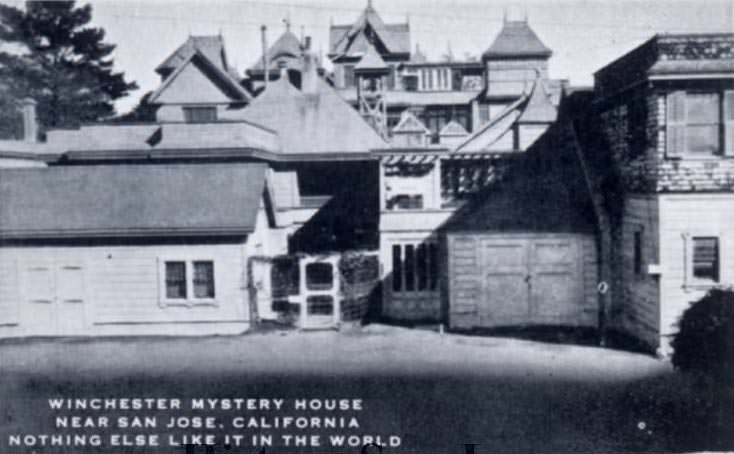
The Winchester Mystery House was already drawing curious visitors from around the state. Built by Sarah Winchester, the sprawling mansion near San Jose was famous for its peculiar architecture — staircases that led to ceilings, doors that opened to sheer drops, and rooms that seemed to have no logical purpose. By the 1920s, it was an established tourist attraction and one of the most recognizable structures in the region.
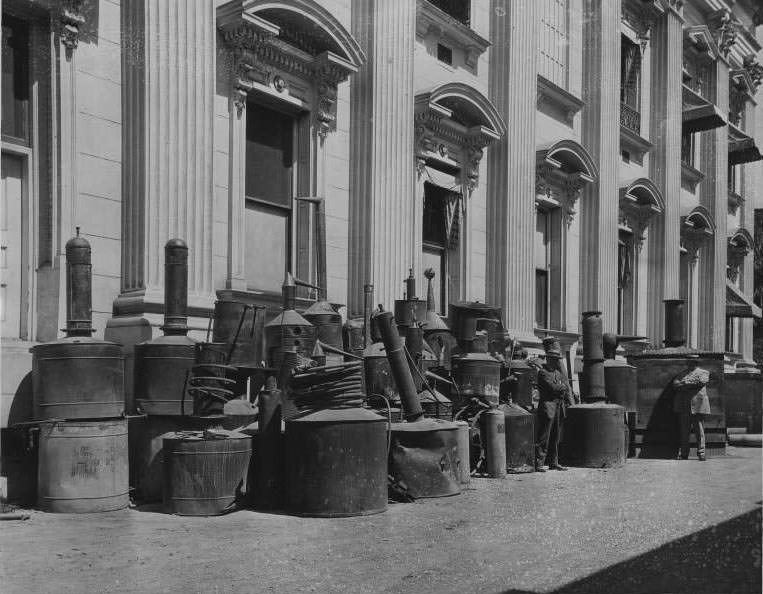
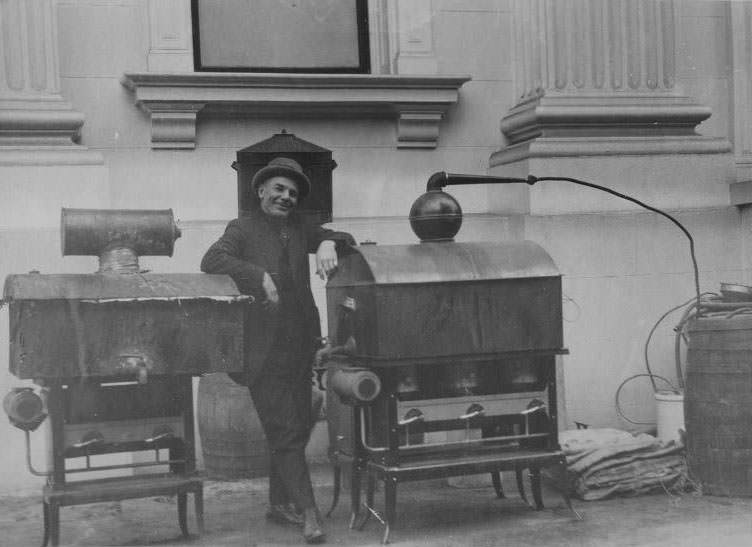
Prohibition hit San Jose the same way it hit the rest of America — it didn’t stop drinking, it just moved it underground. Speakeasies operated behind closed doors, and bootlegging networks quietly supplied illegal alcohol across the city. Law enforcement made periodic crackdowns, and confiscated distilling equipment was put on public display in front of the courthouse — a show of enforcement that did little to slow the trade.
Women’s suffrage, secured nationally in 1920, changed the makeup of civic life in San Jose. Women stepped into more prominent roles in business, education, and community organizations. The flapper style — shorter hemlines, bobbed hair, and a more independent attitude — was visible on city streets. It wasn’t just fashion; it reflected a broader shift in what women’s public lives looked like.
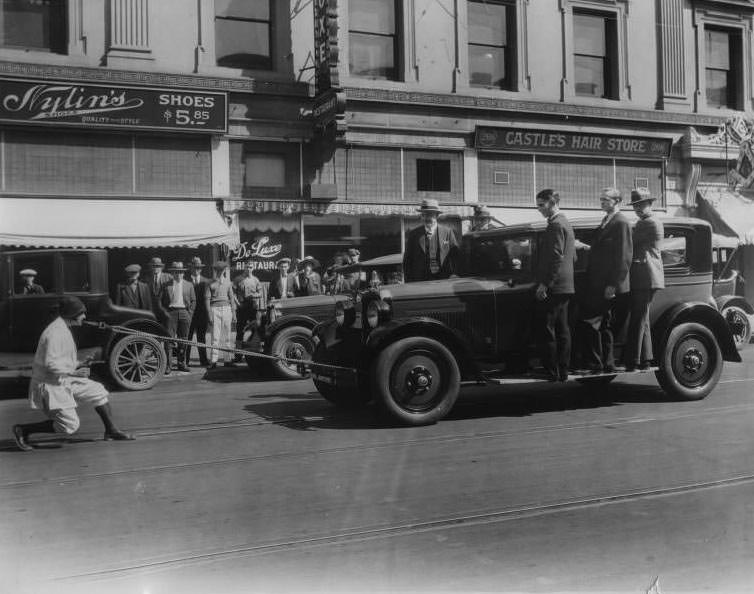
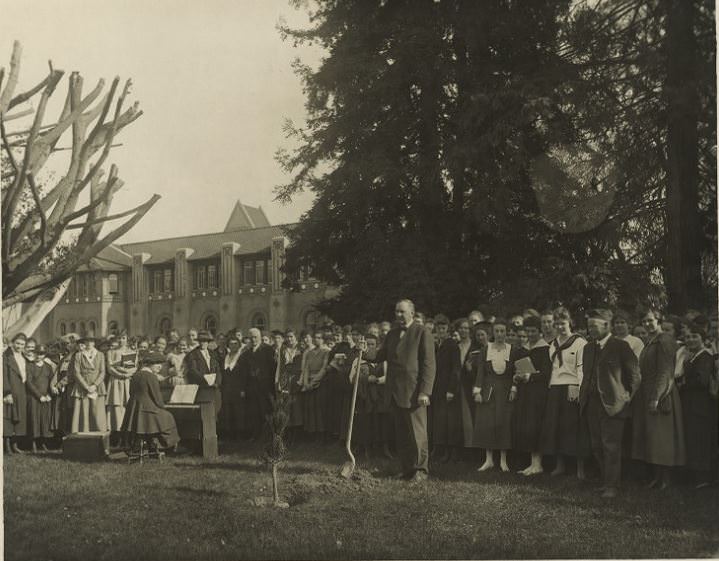
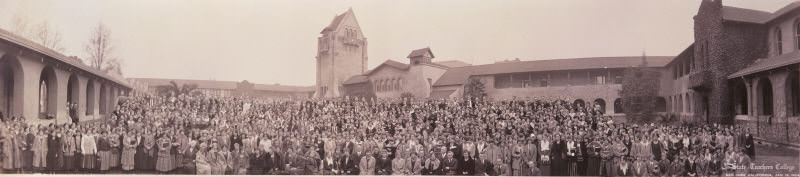
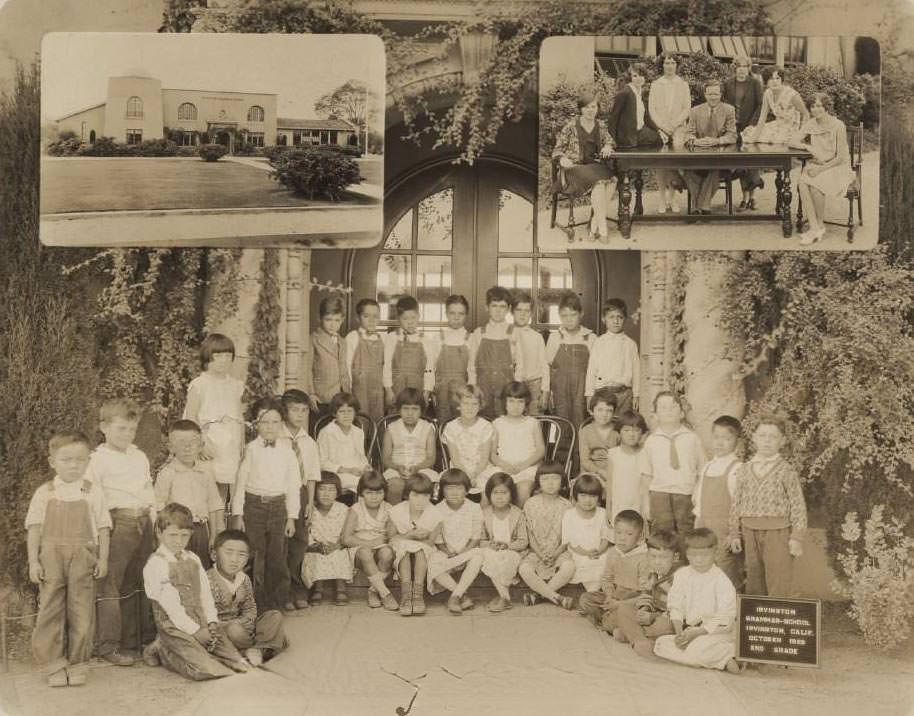
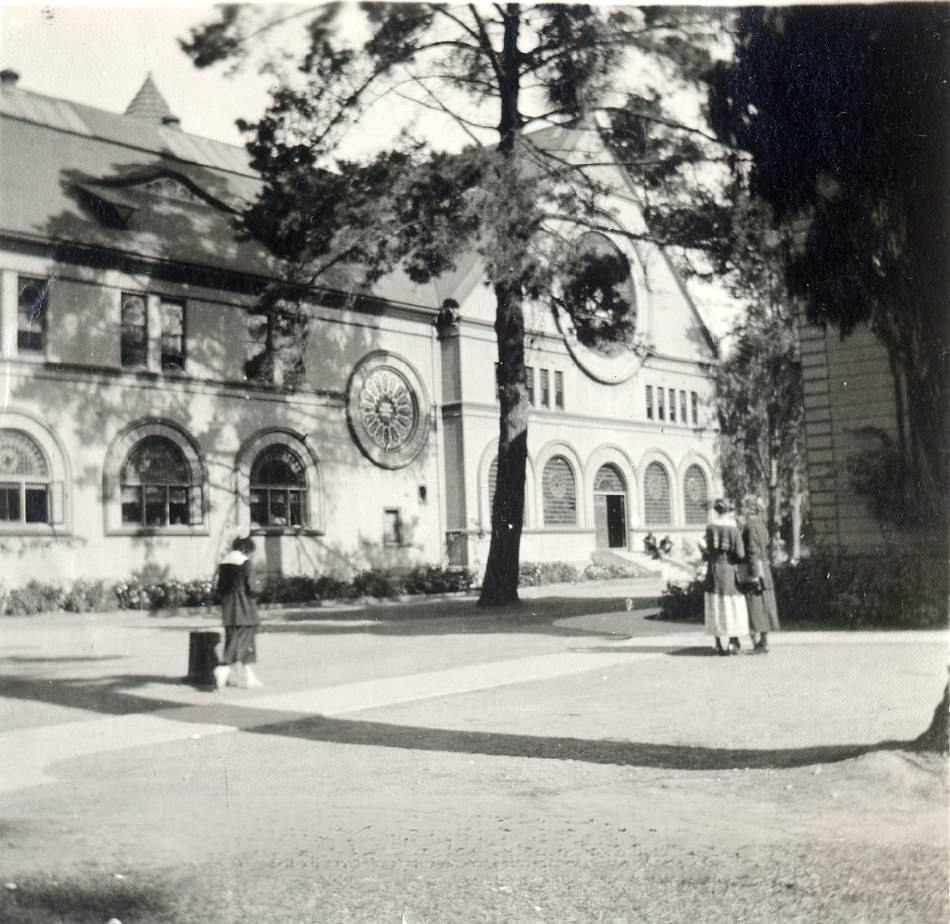
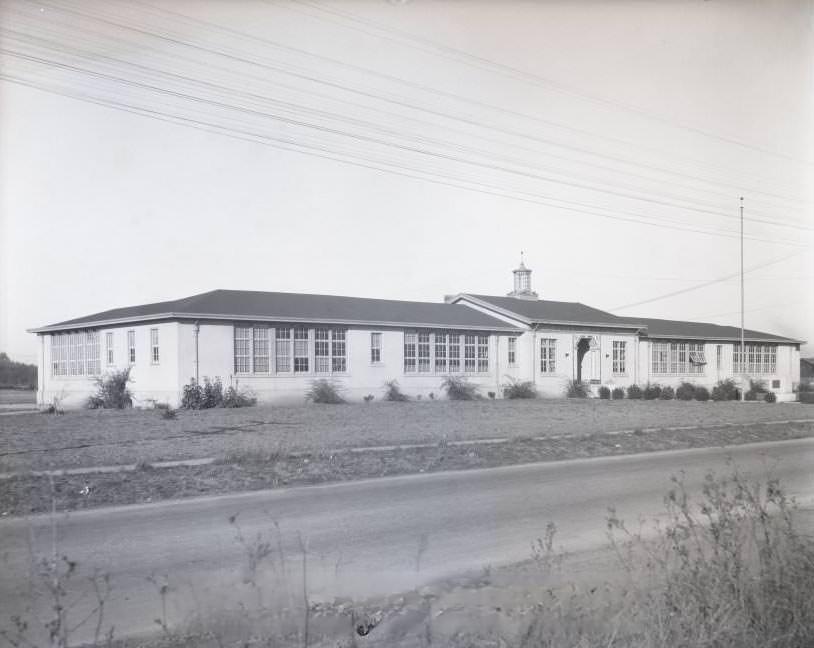
San Jose State Teachers College was a center of intellectual and cultural life throughout the decade. The campus hosted lectures, performances, and sporting events, and it trained the teachers who staffed the expanding public school system. New schools were being built across the city to keep pace with a growing population, and San Jose High School — one of California’s oldest — expanded its facilities during this period.
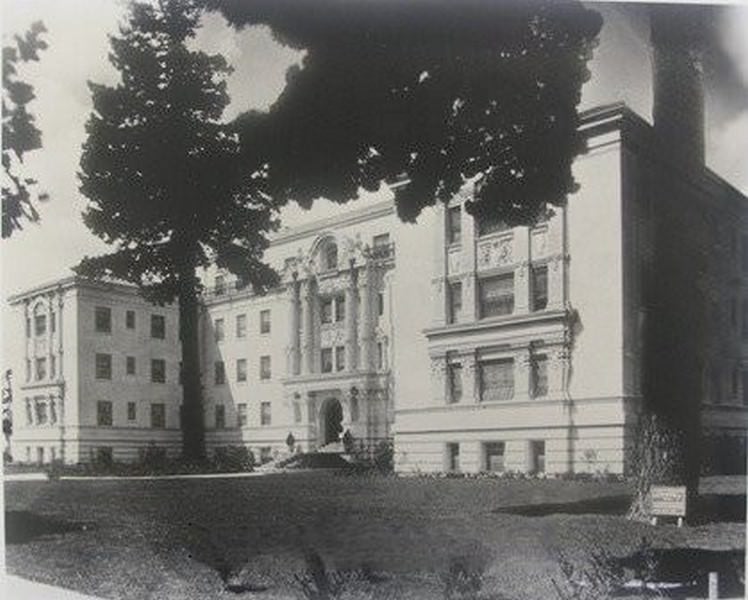
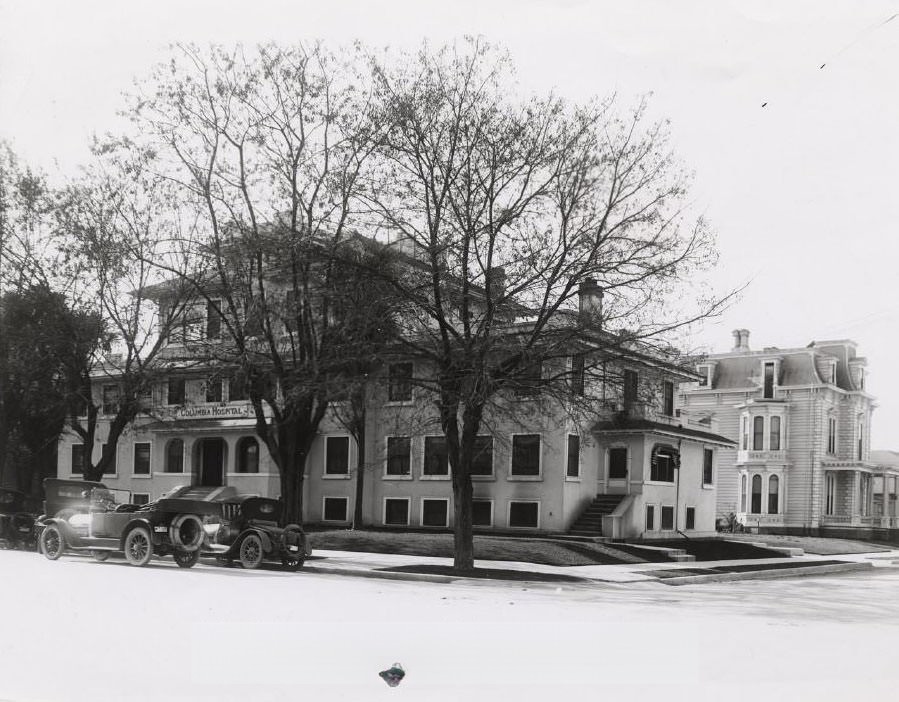
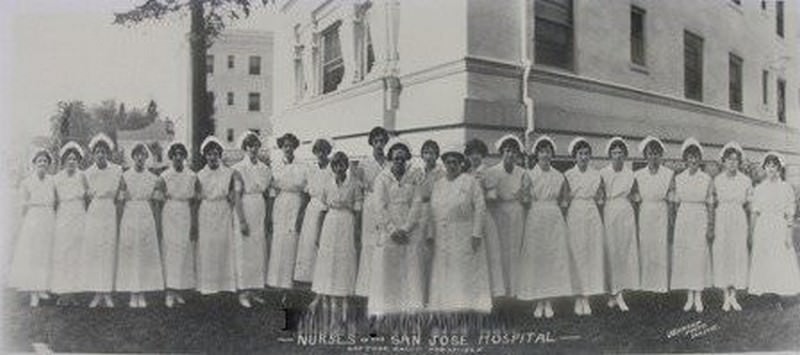
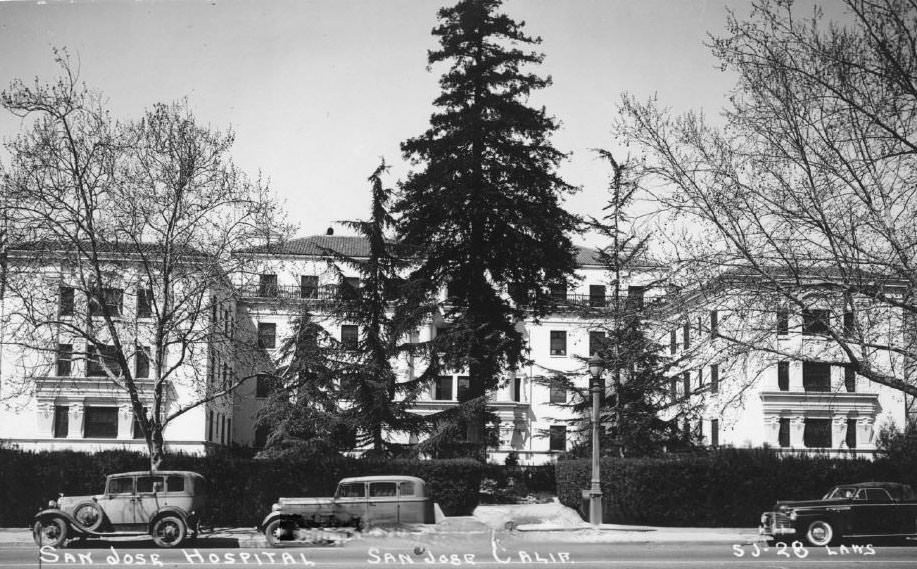
Healthcare infrastructure was also expanding. The San Jose Hospital completed construction in 1923, and the city’s nursing staff grew to match the demands of a larger population. Columbia Hospital operated on Market Street and Auzerias Avenue, and Kuwabara Hospital was under construction at the start of the decade. Medical services that had once been minimal were becoming a genuine part of city planning.
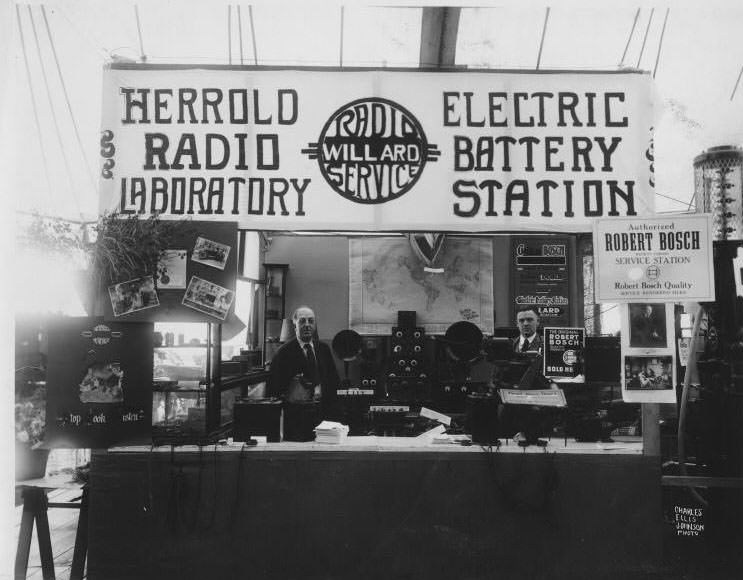
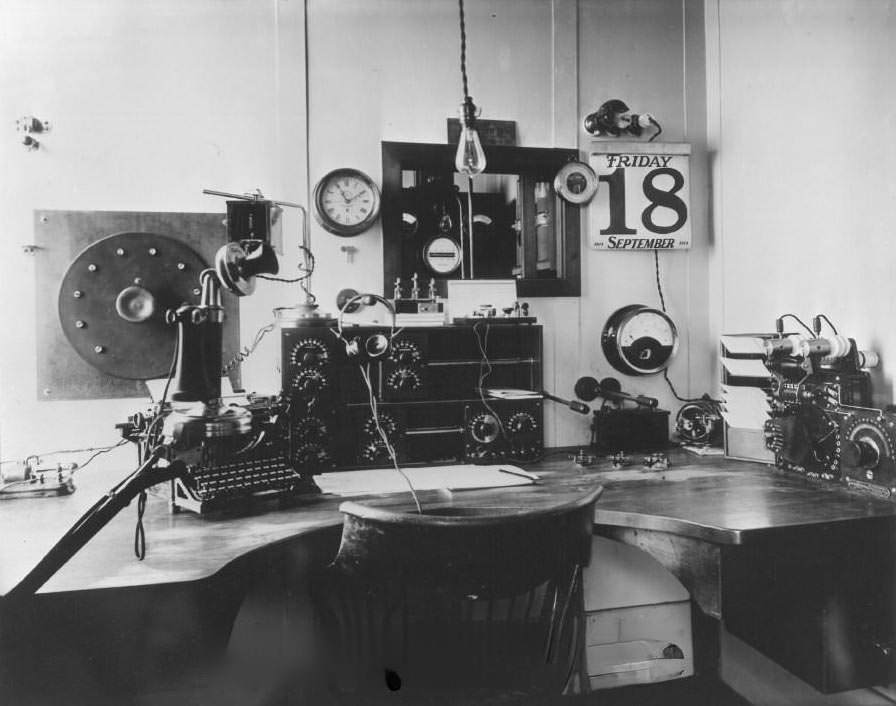
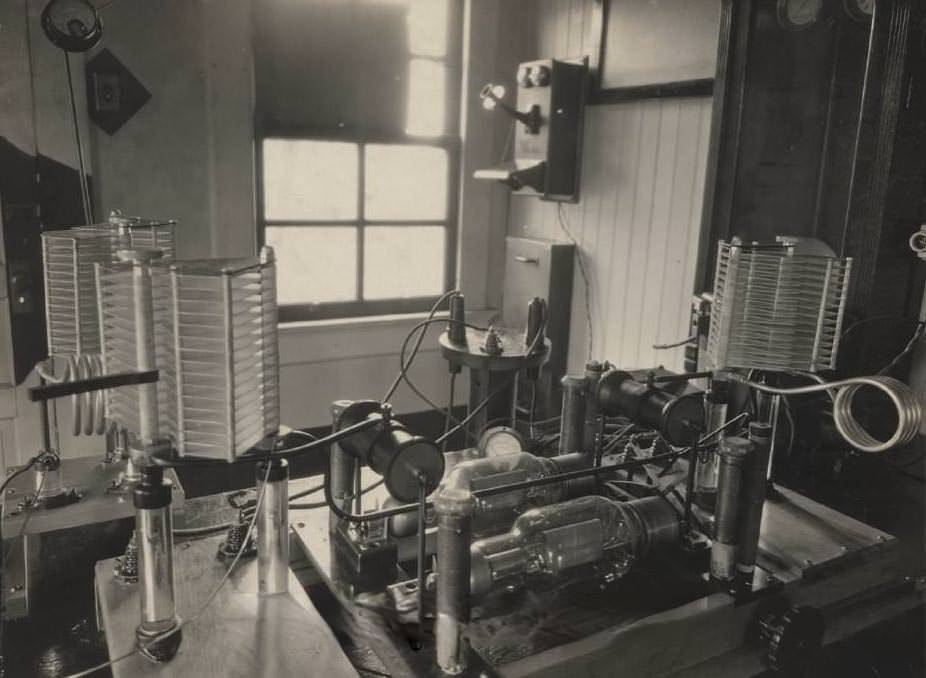
Radio was transforming everyday life. Charles Herrold, who ran an early broadcasting station out of San Jose, had been experimenting with wireless transmission since before the decade began. By the mid-1920s, radio antennas were appearing on rooftops across the city, and families were gathering around receivers to catch news, music, and entertainment. San Jose had a genuine early role in the development of American broadcasting.
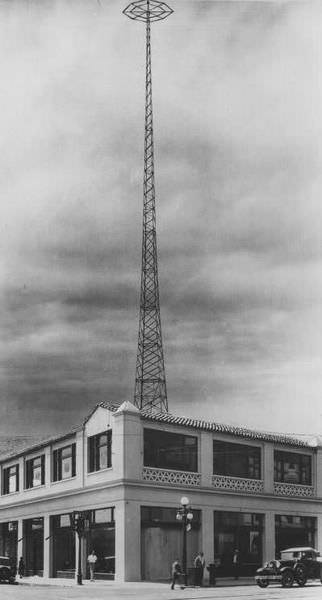
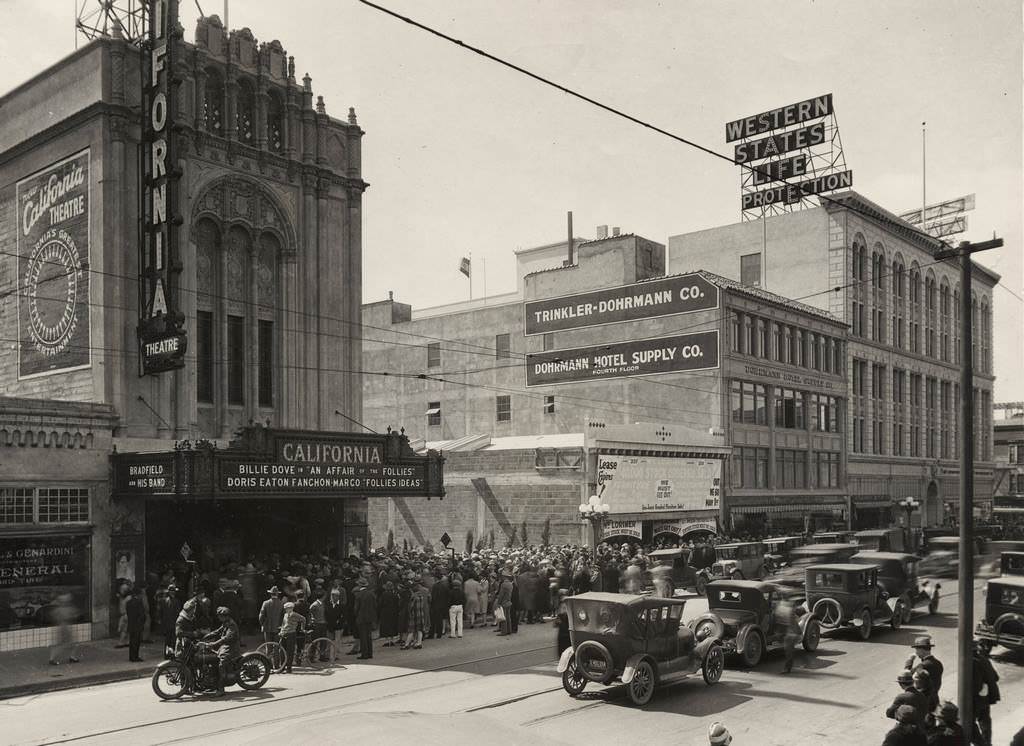
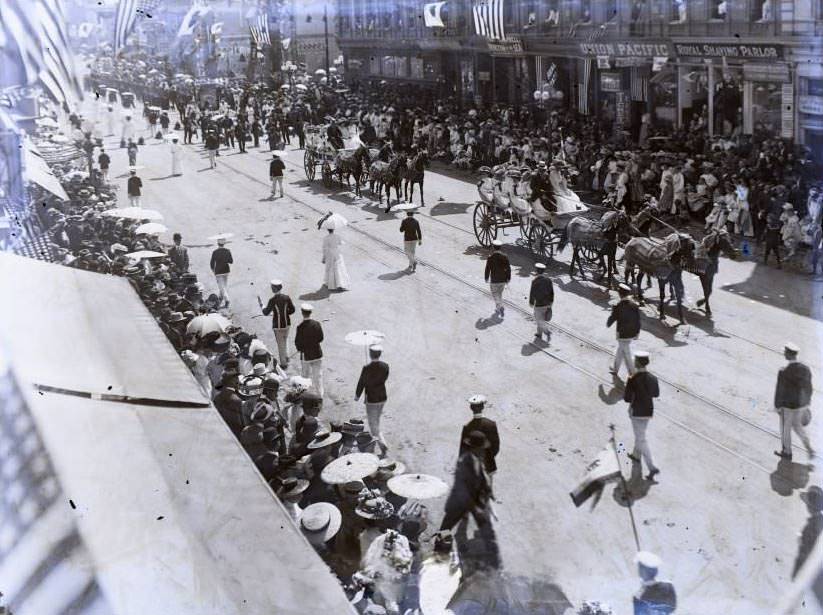
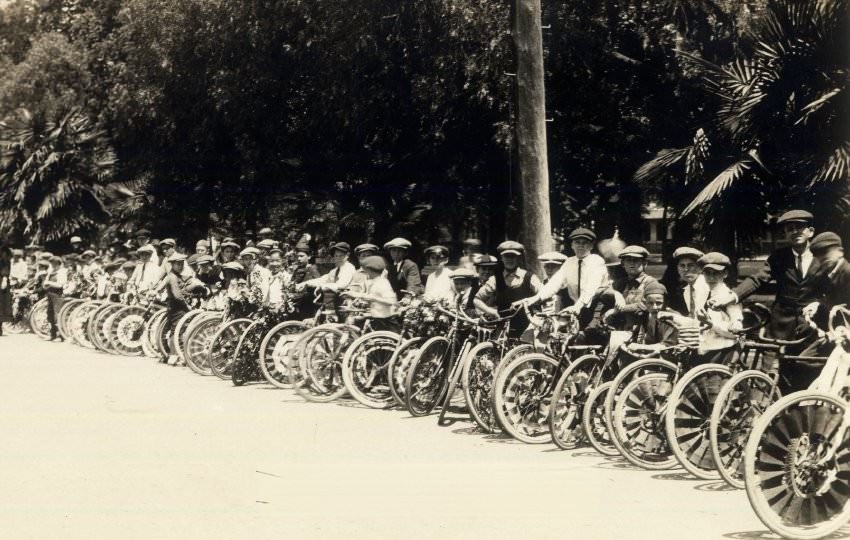
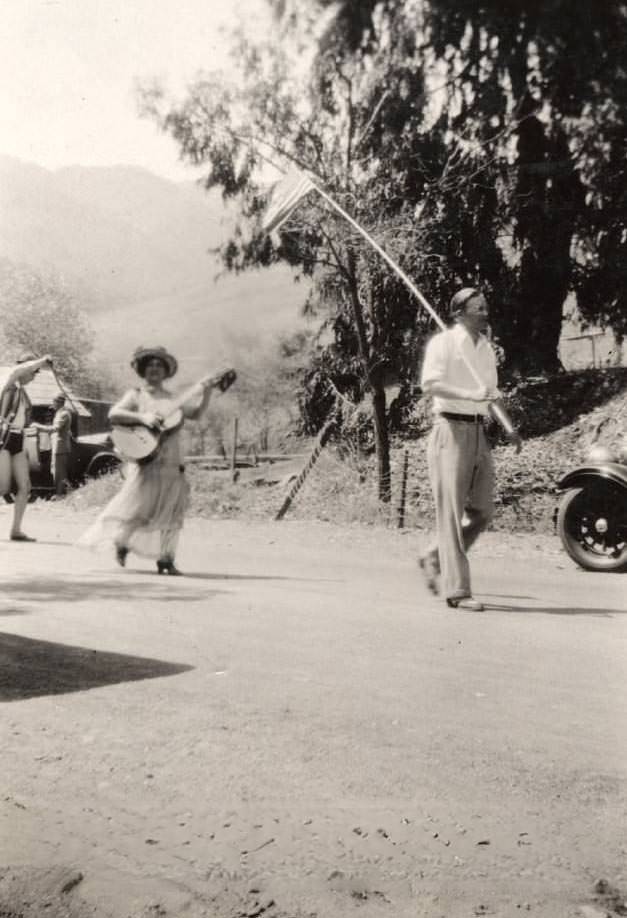
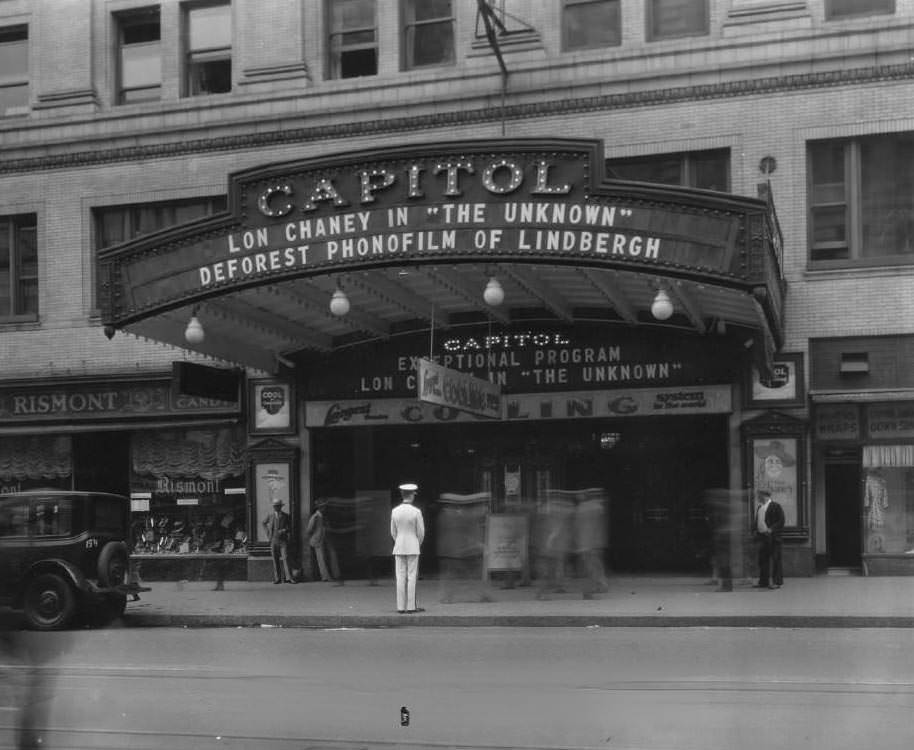
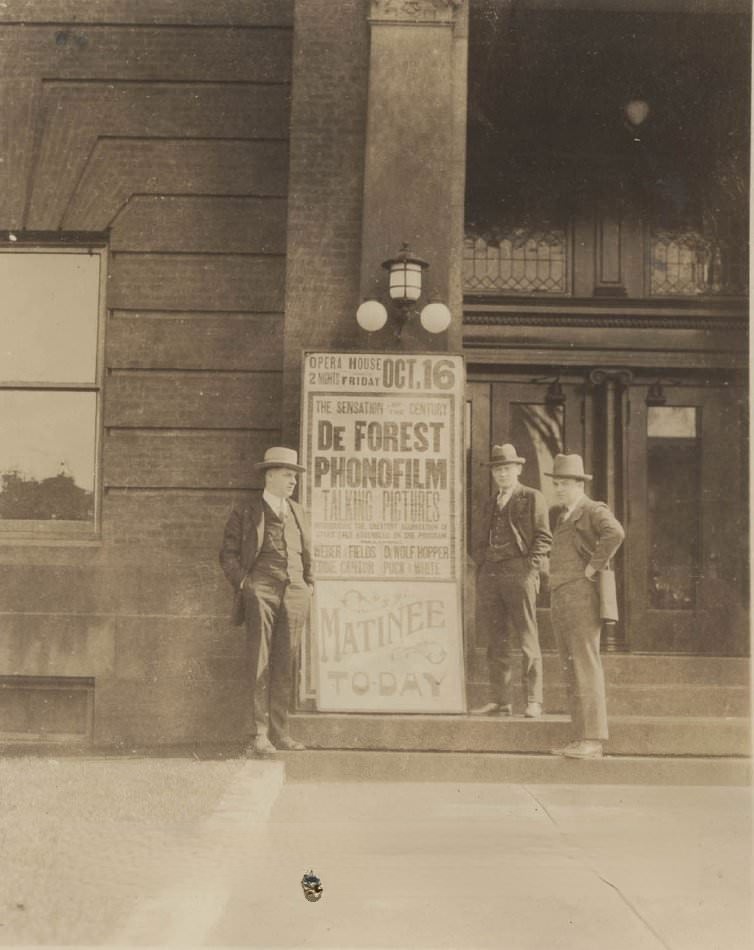
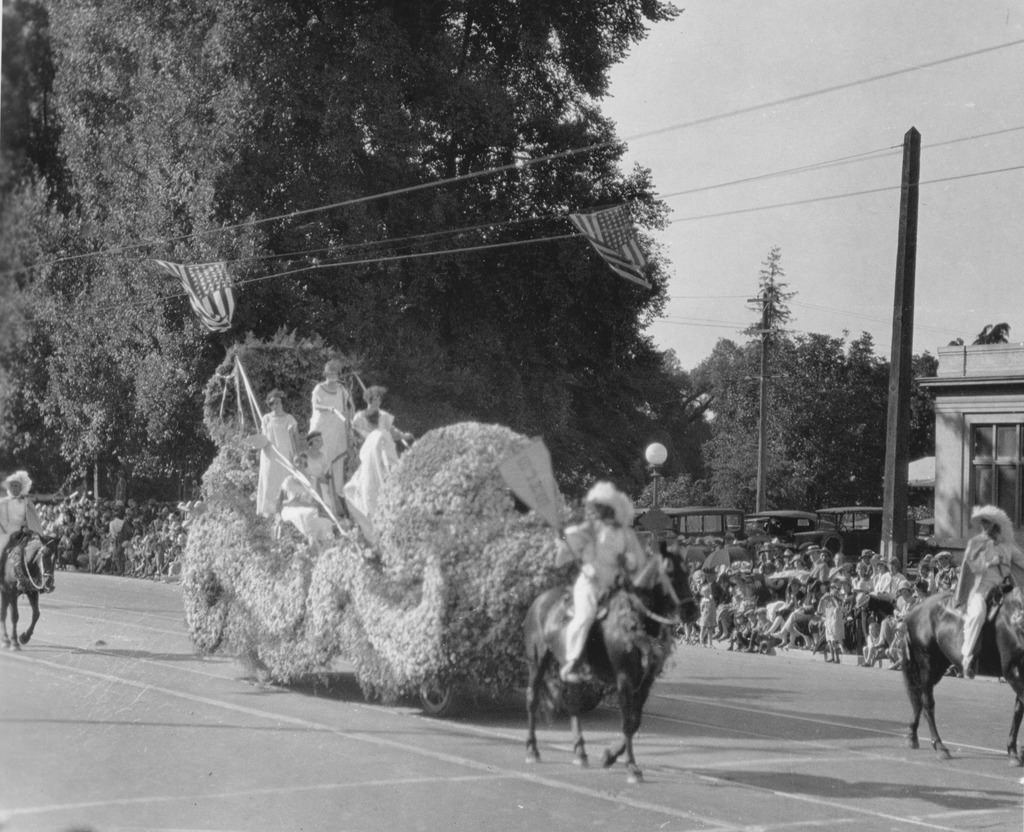
Entertainment in San Jose ranged from the refined to the rowdy. The California Theatre opened on South First Street in 1927 to considerable fanfare. Theaters around the city showed silent films and hosted live vaudeville performances. Jazz filled dance halls, and community events like parades and bicycle races drew large crowds. The Boy Scouts marched down South First Street, and the Olmstead Band performed for audiences who turned out in numbers.
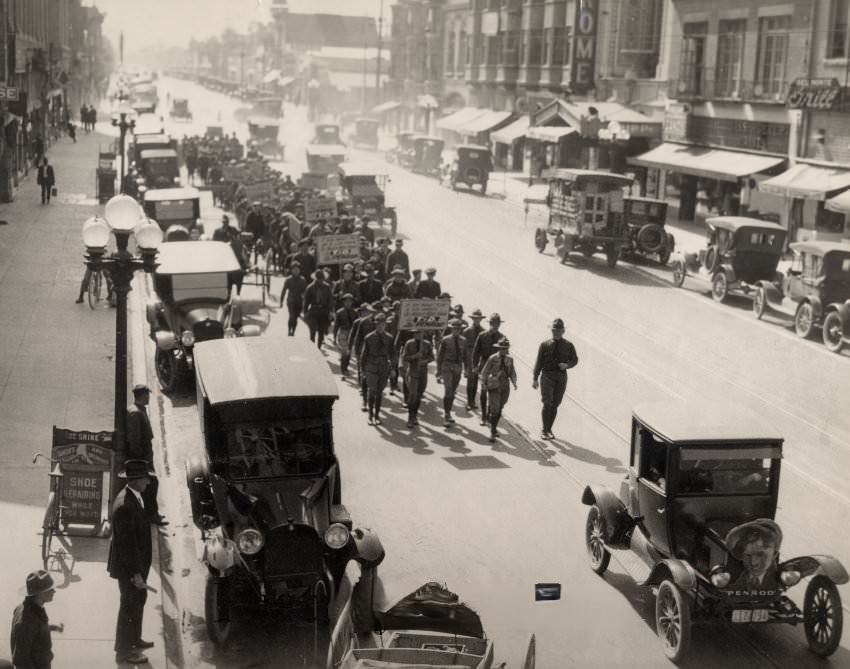
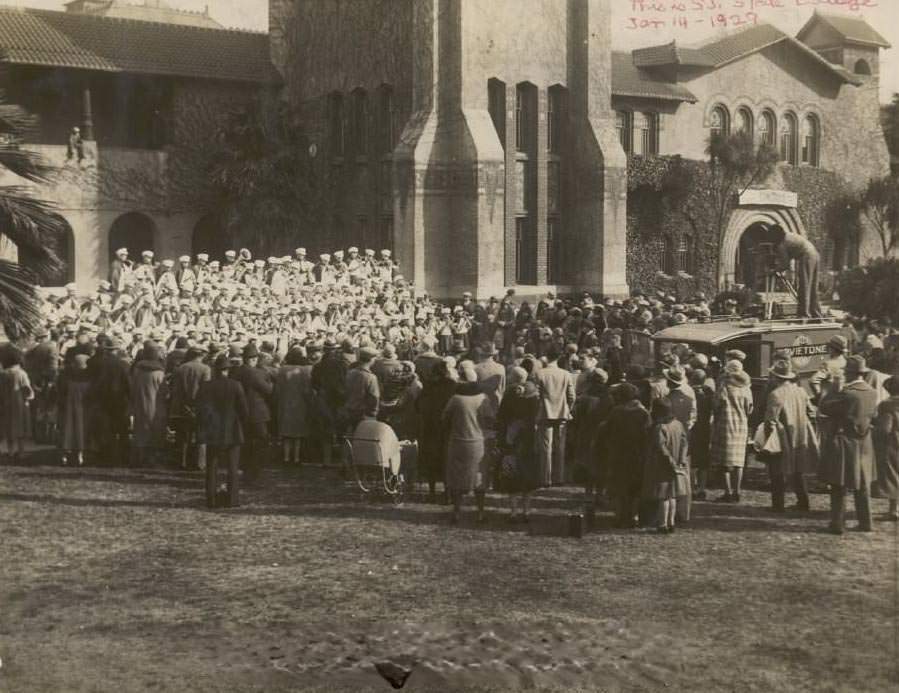
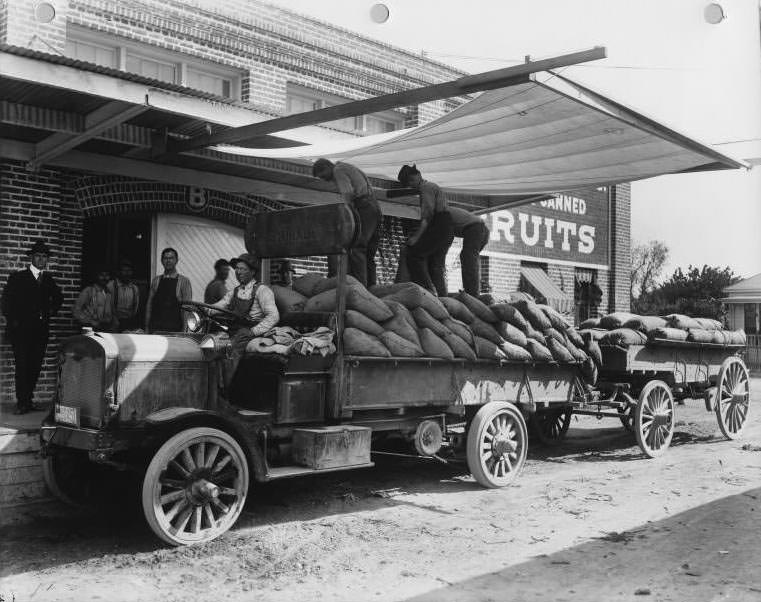
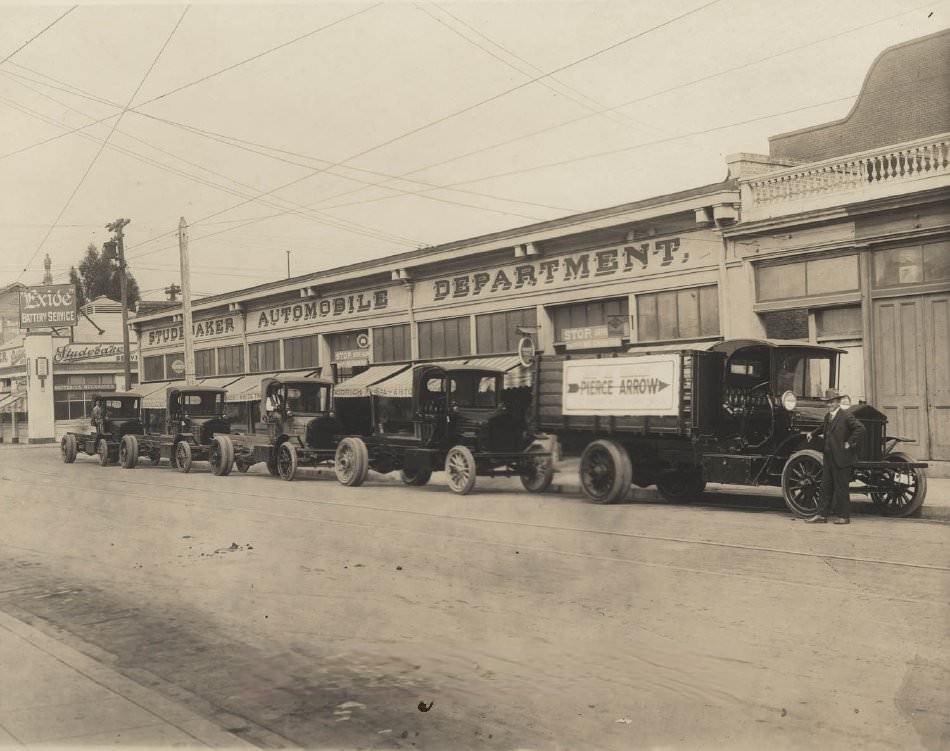
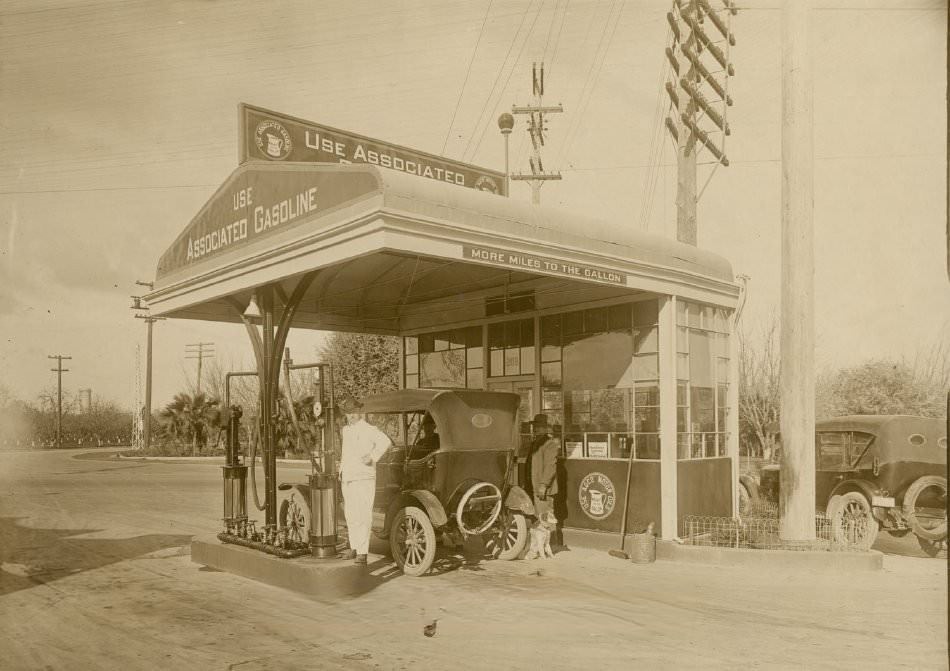
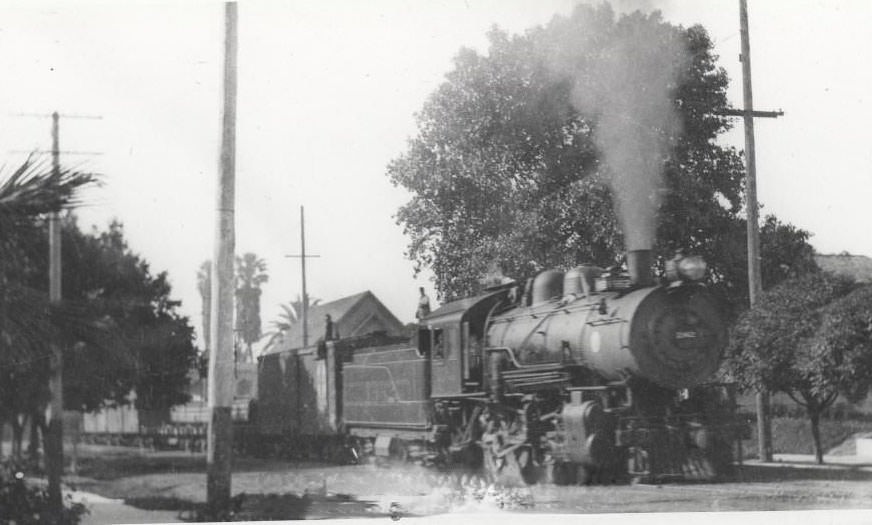
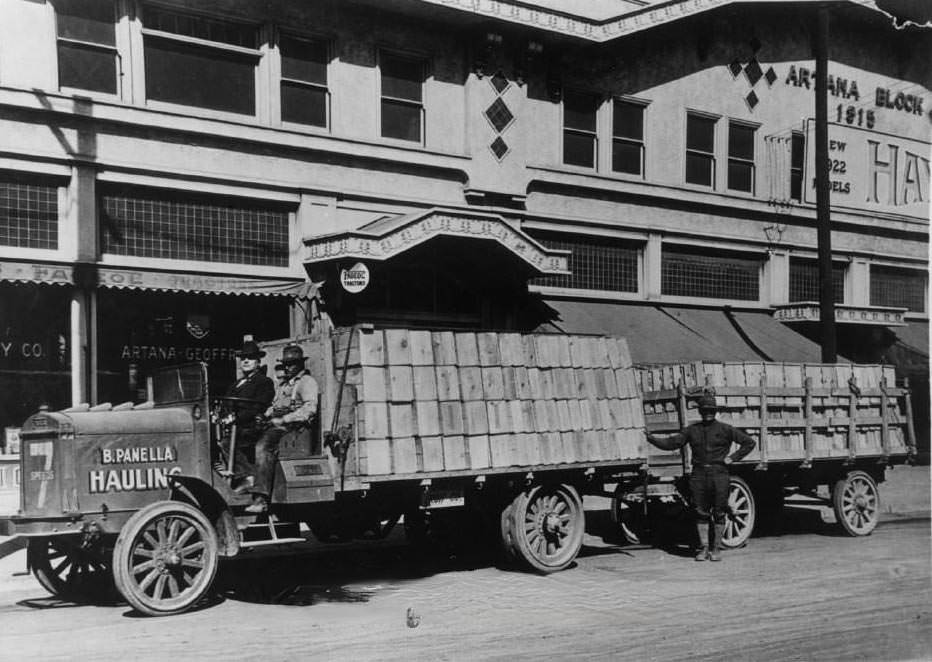
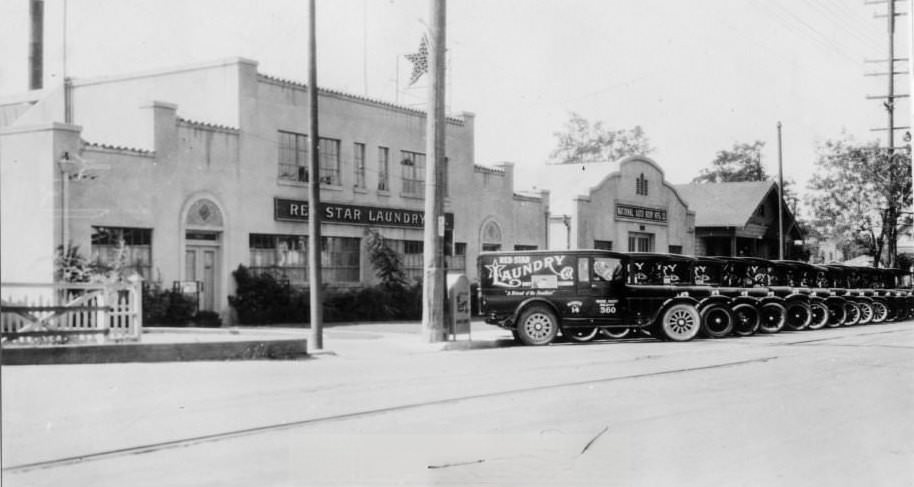
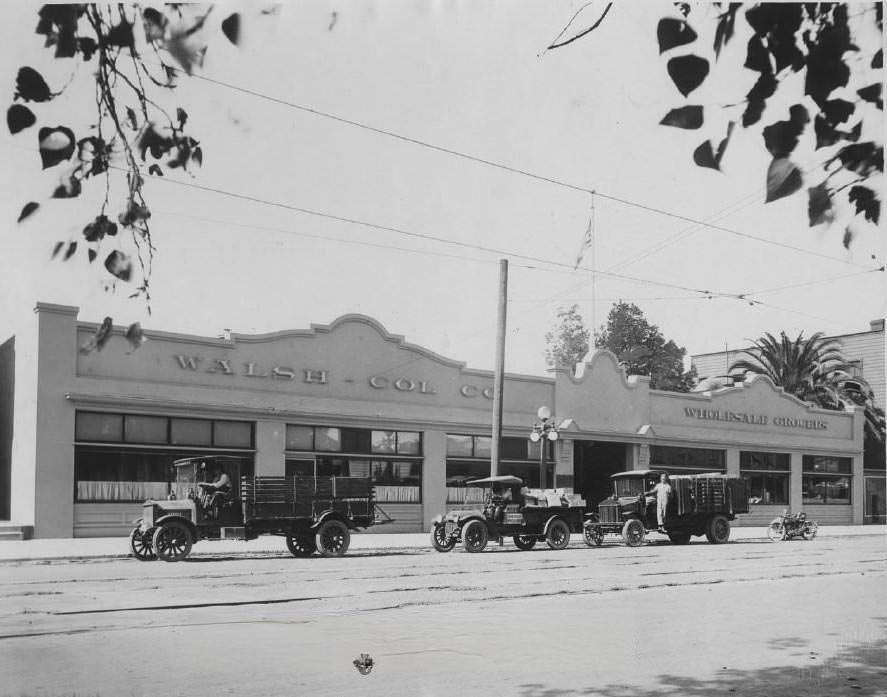
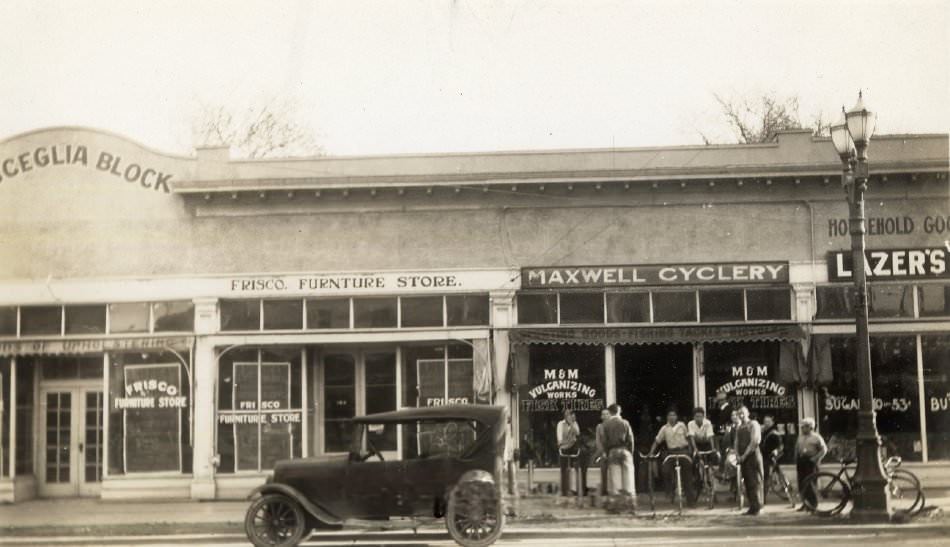
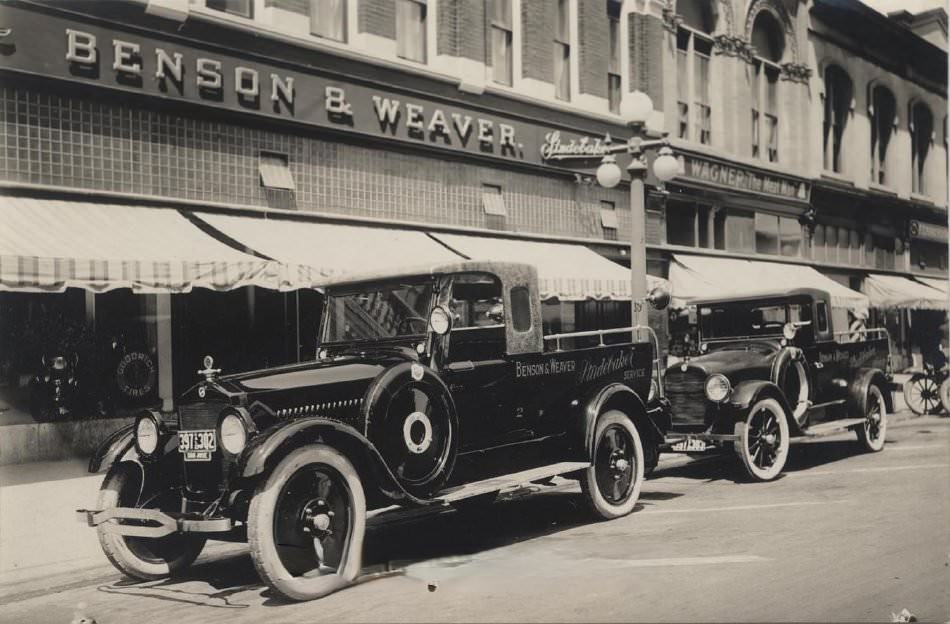
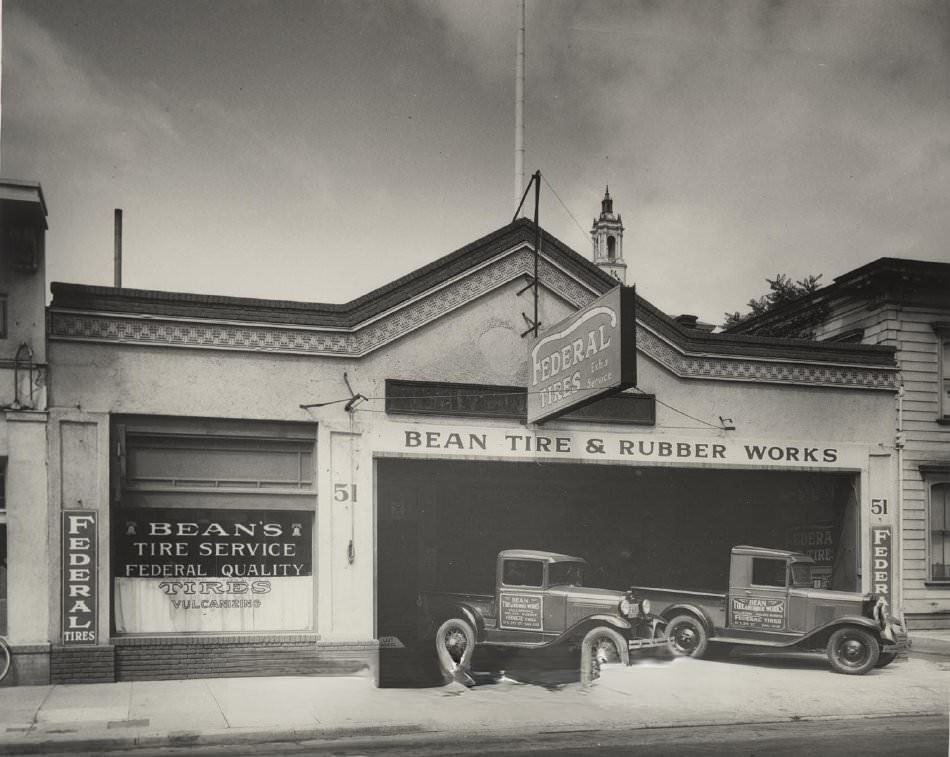
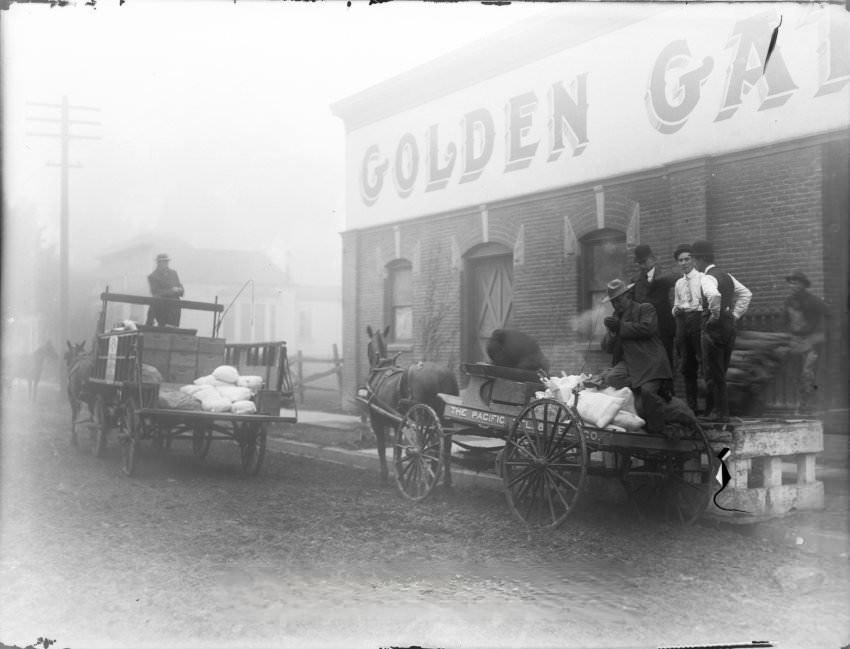
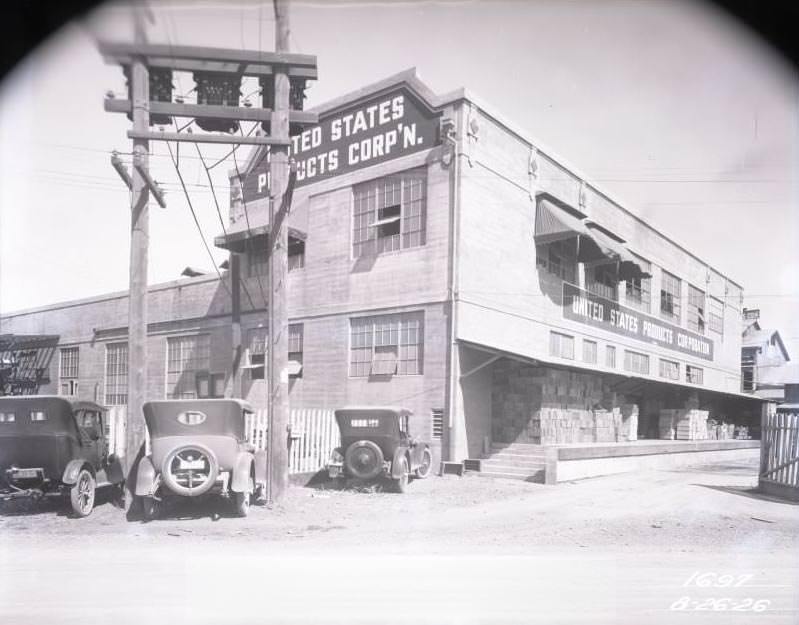
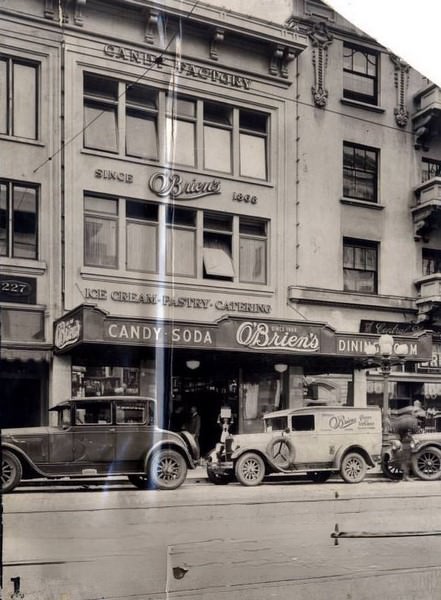
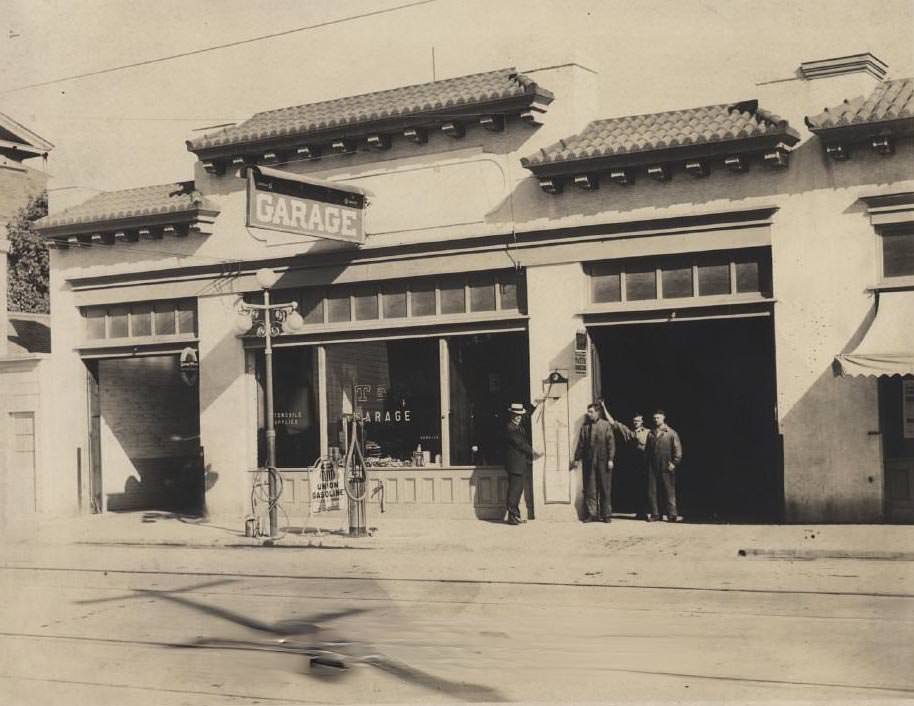
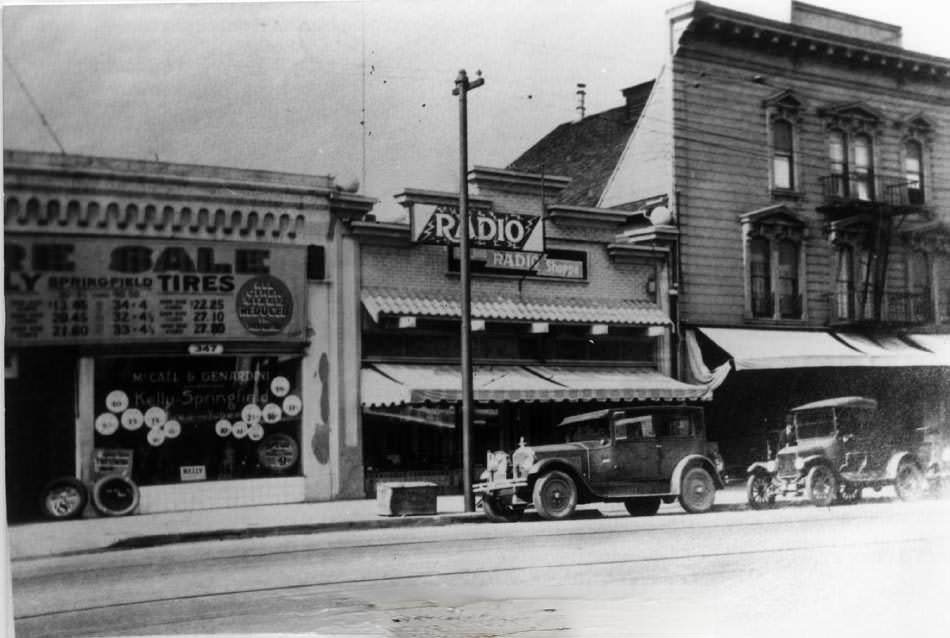
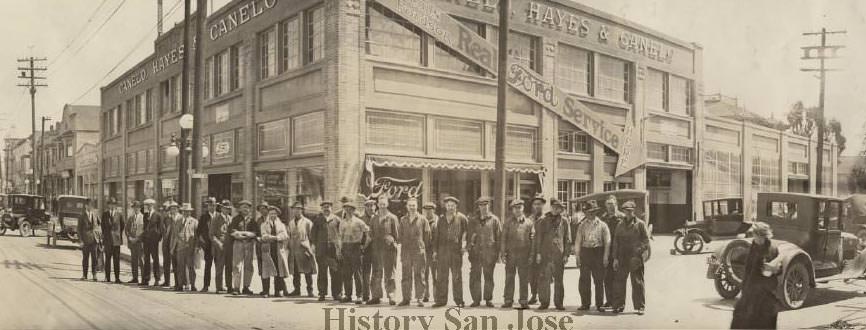
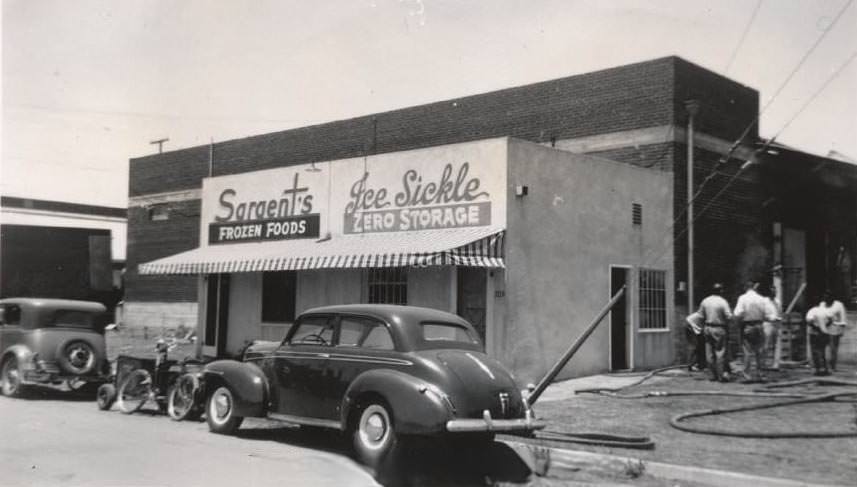
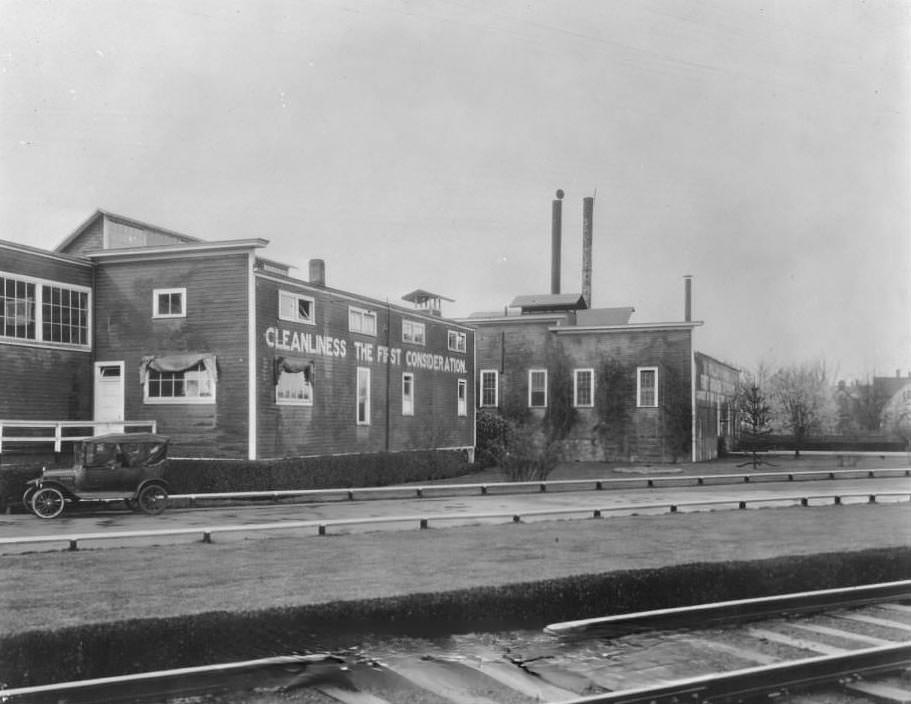
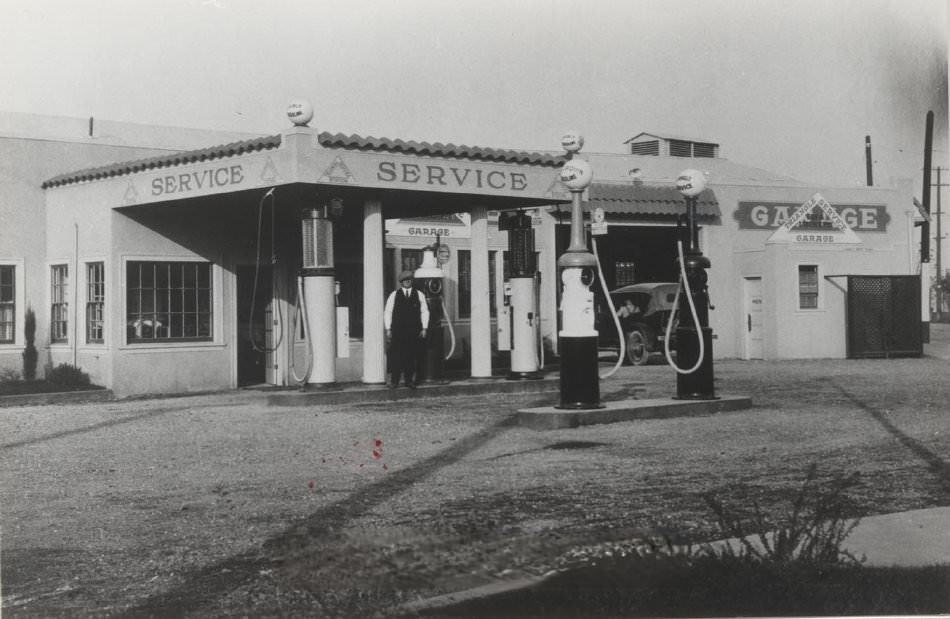
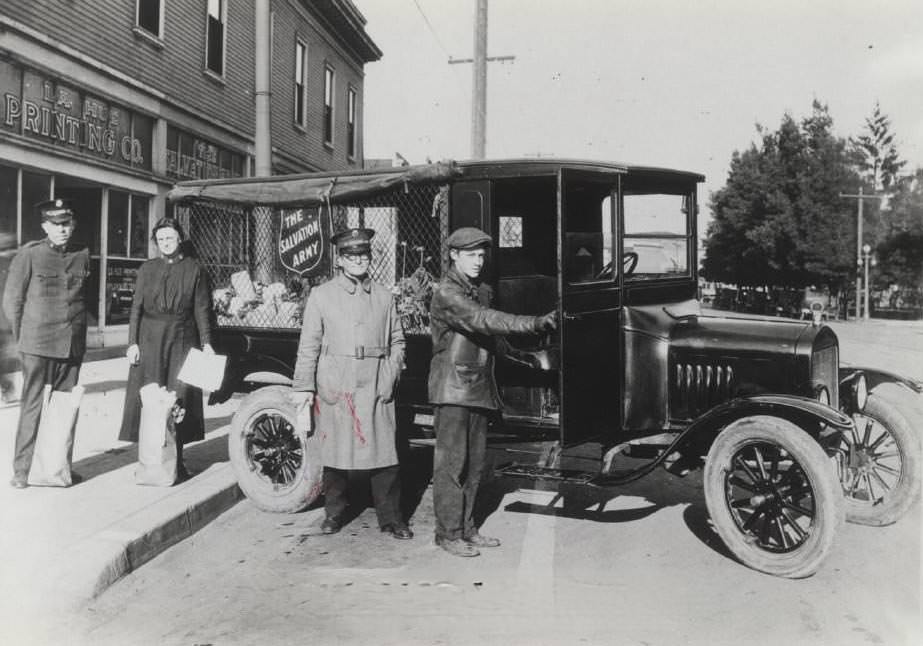
The automobile reshaped the city’s layout and its commercial landscape. Dealerships like Benson & Weaver and Canello Hayes Ford Lincoln were open for business. Service stations sprang up at key intersections. Freight trains still ran along downtown streets, but trucks were increasingly handling local deliveries — a transition visible in photographs of hauling companies loading fruit boxes outside canneries and warehouses.
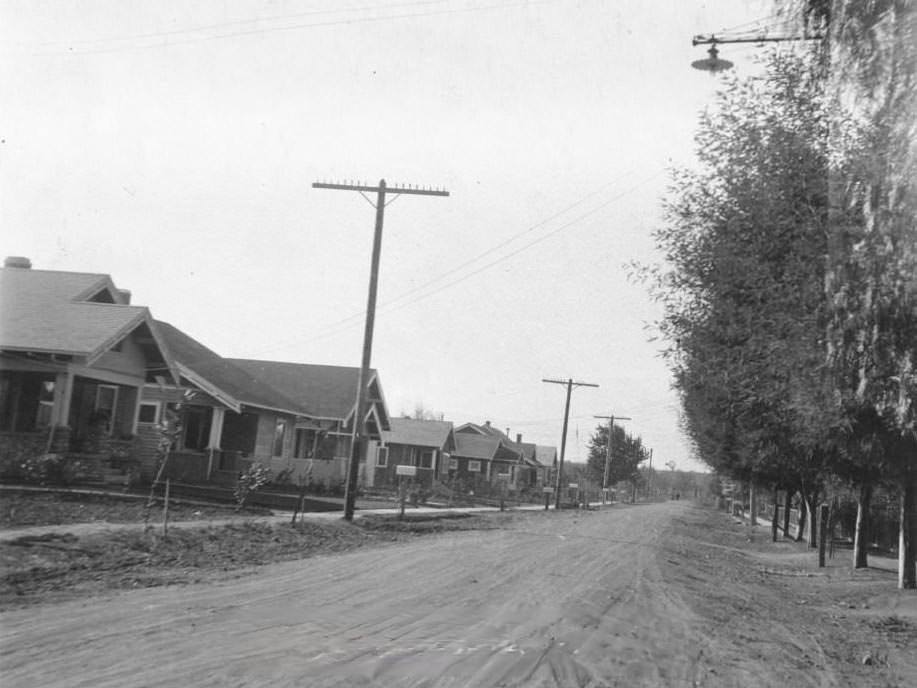
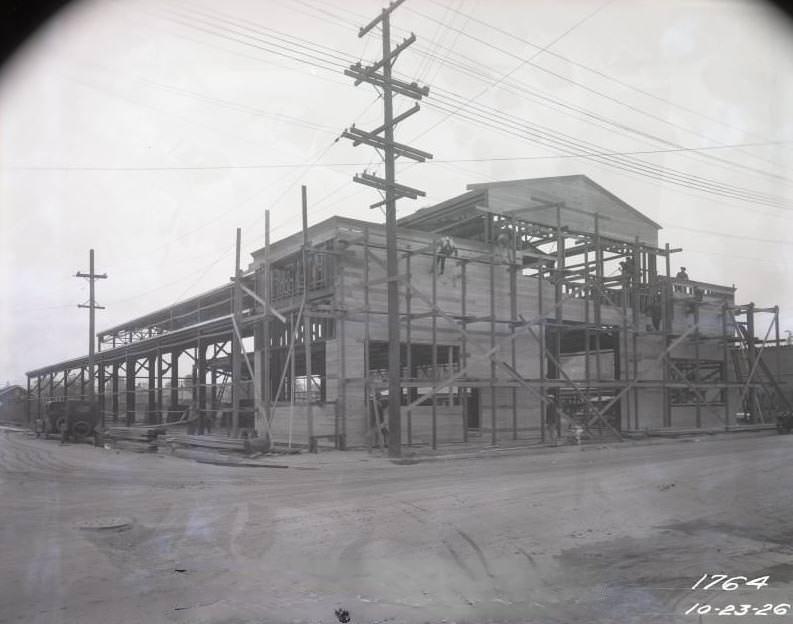
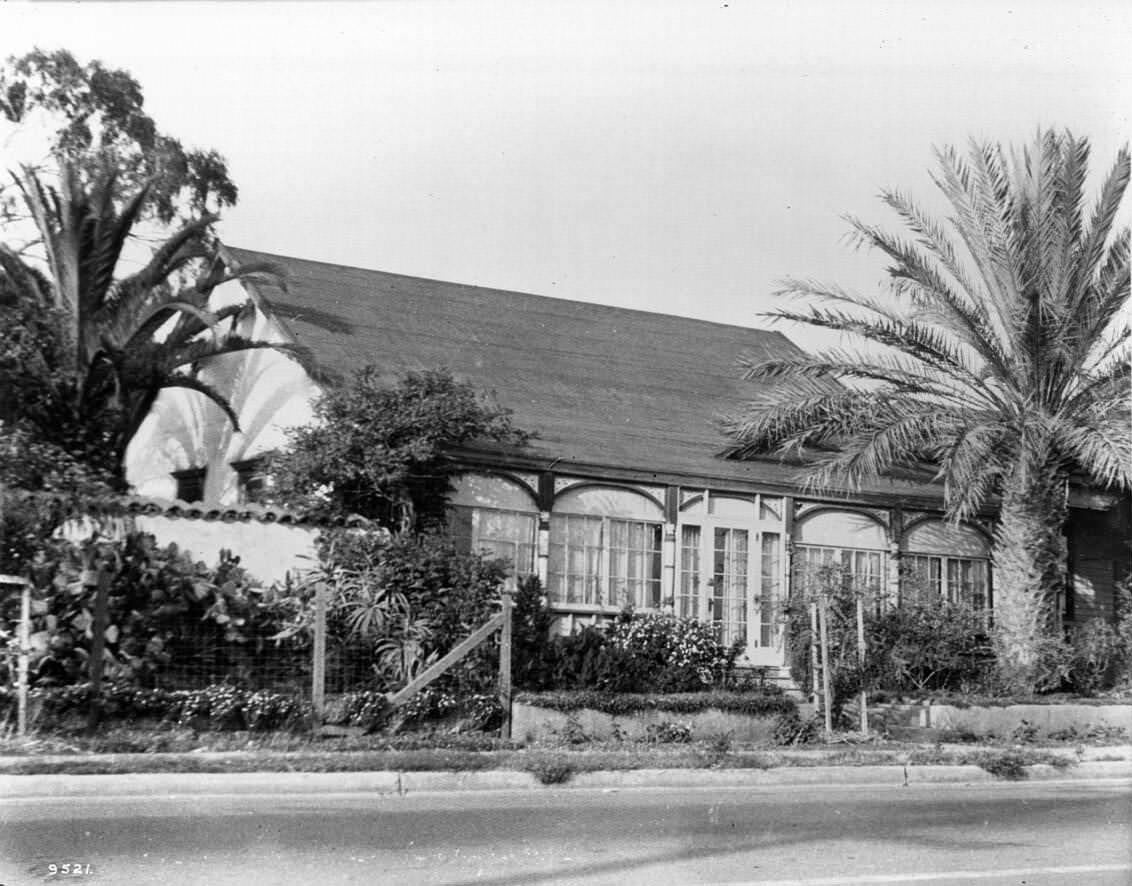
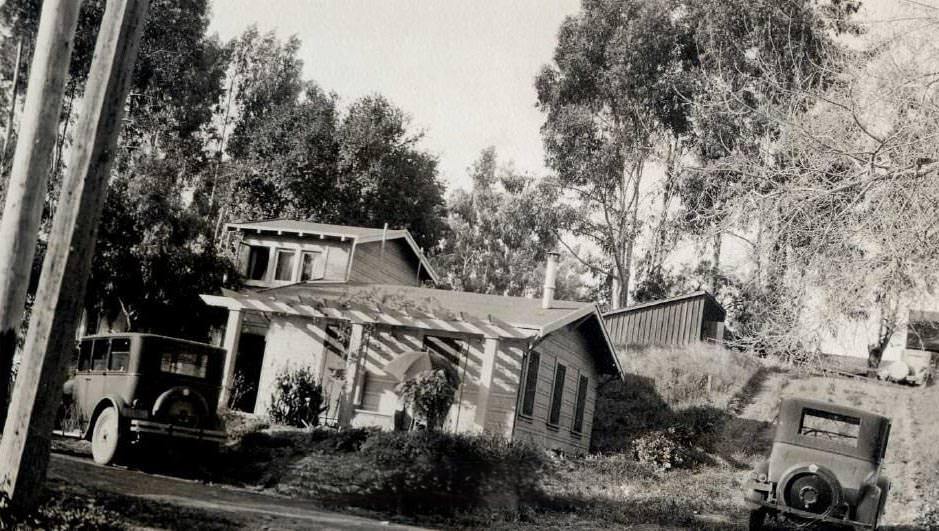
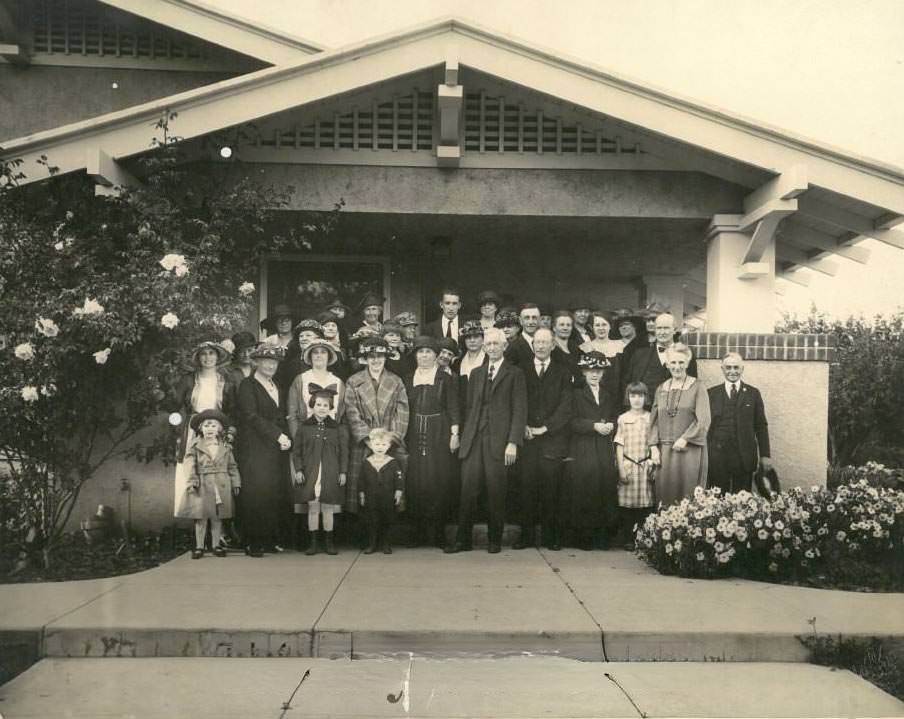
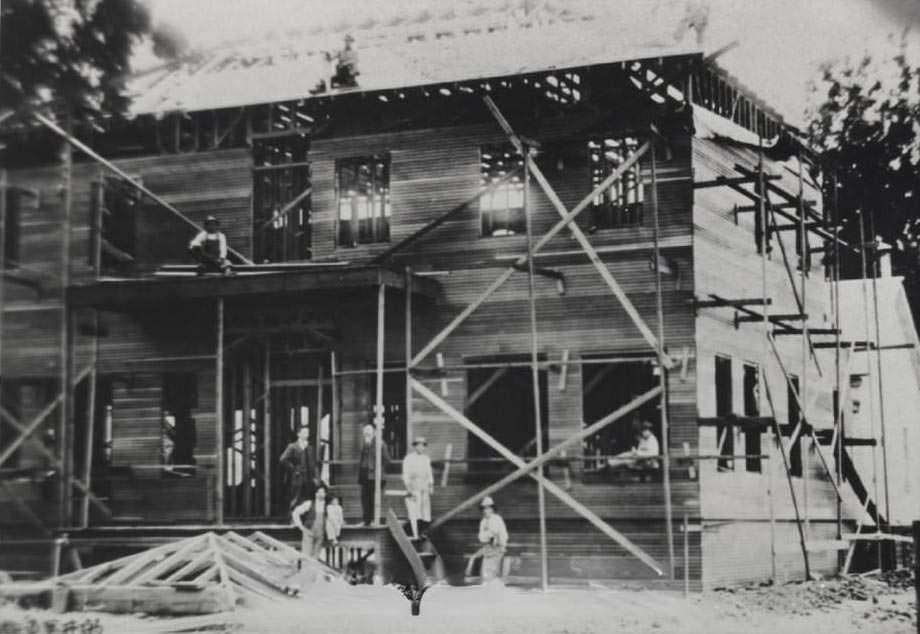
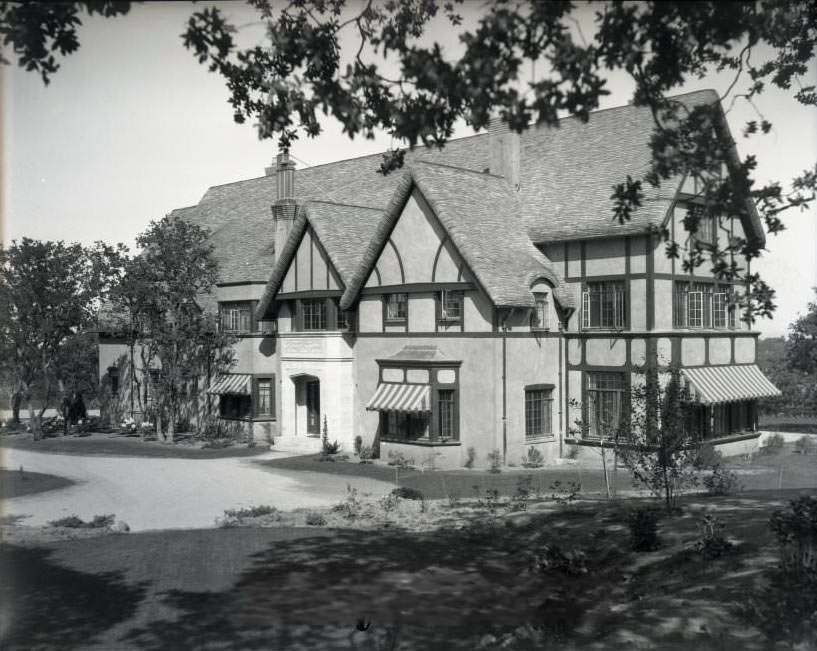
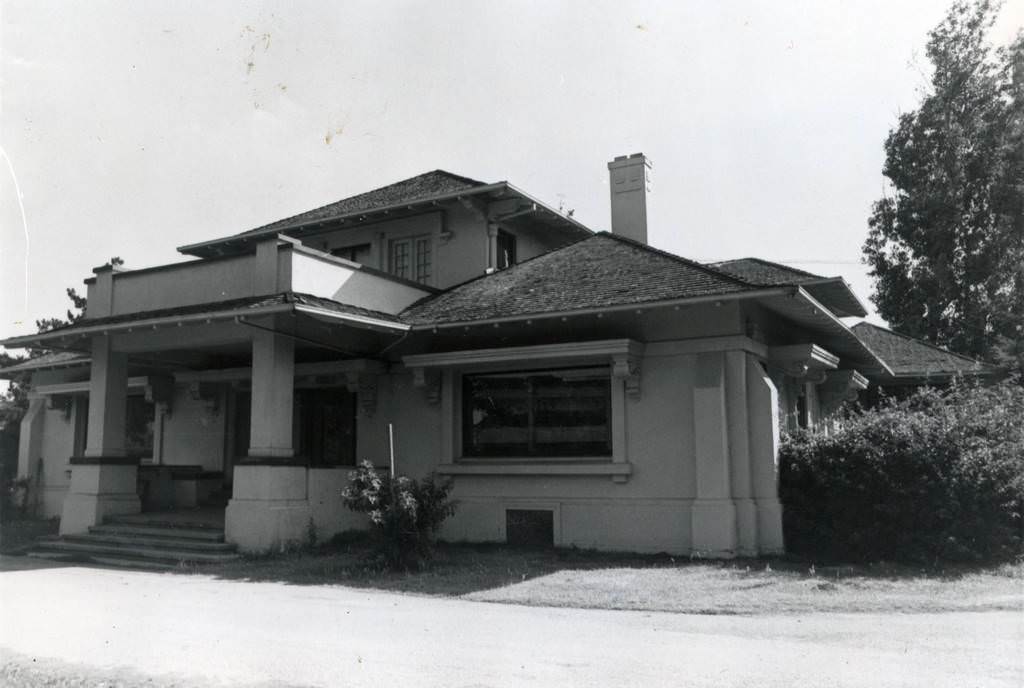
New residential neighborhoods were taking shape across the city. Craftsman bungalows and Spanish Colonial Revival homes defined the architectural style of the era, filling in streets in areas like Willow Glen. The construction boom wasn’t limited to homes — commercial buildings, warehouses, and civic structures were all going up, with scaffolding a common sight throughout the decade.
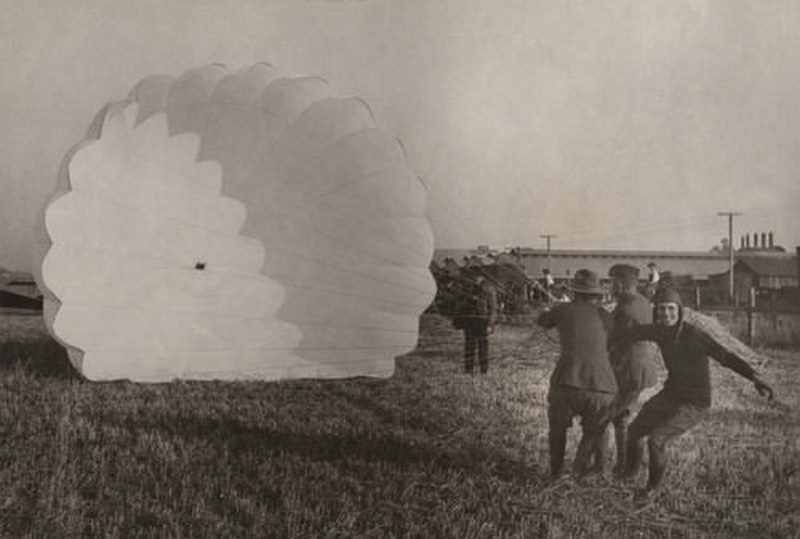
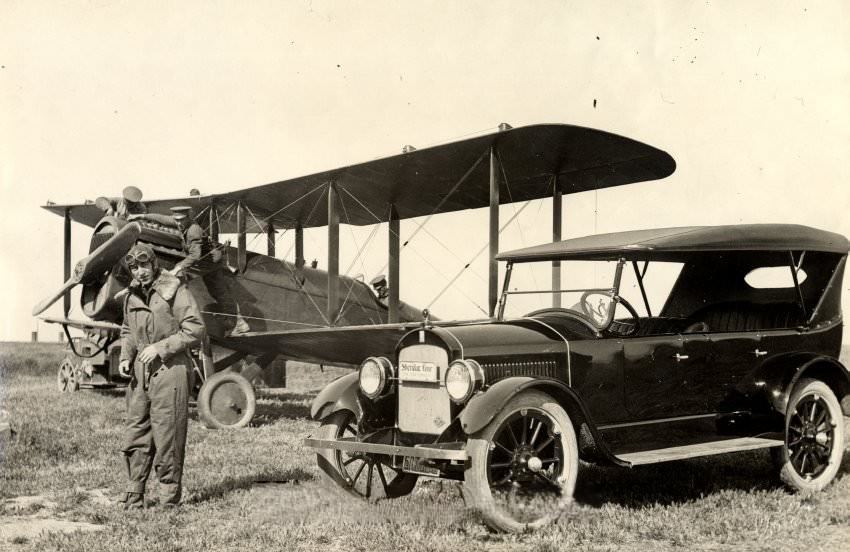
Stunt aviation drew crowds to Phelan Field, a large open tract running from First Street to the Southern Pacific Railroad’s Fourth Street tracks. Stunt flyers performed aerial maneuvers overhead, and parachutists were added to the shows to increase the spectacle. These events pulled in residents from across the city and the surrounding valley.
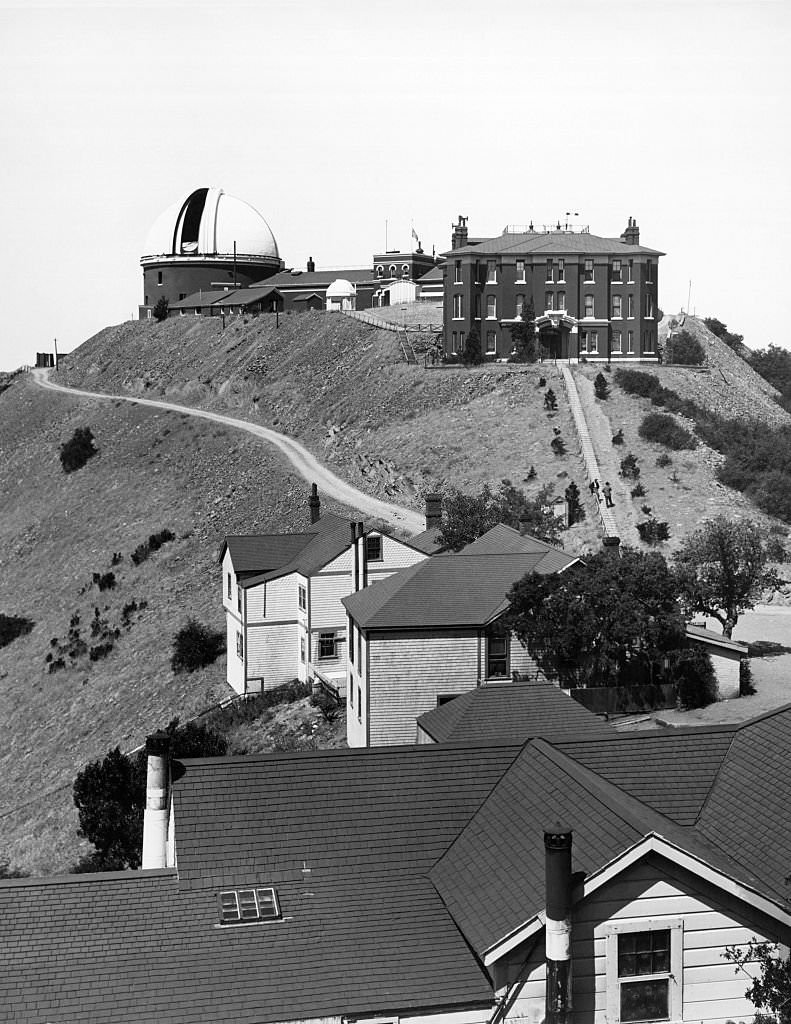
The James Lick Observatory on Mount Hamilton, which had been the world’s first permanently occupied mountaintop observatory since its 1887 opening, remained an active scientific institution throughout the 1920s. Researchers there conducted astronomical work that contributed to national science, and the observatory’s presence on the mountain above San Jose gave the city a connection to cutting-edge research that few cities its size could claim.
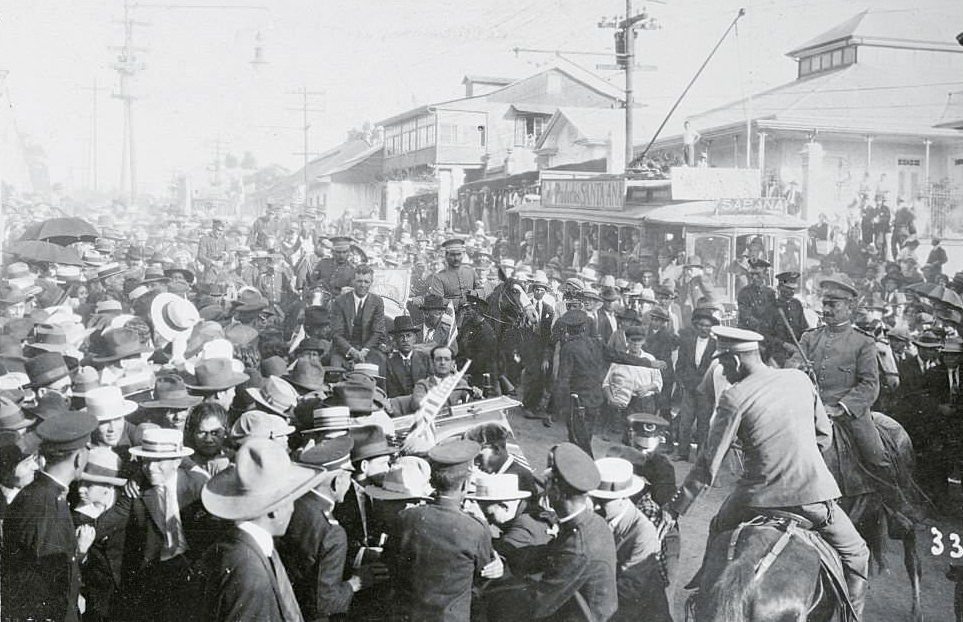
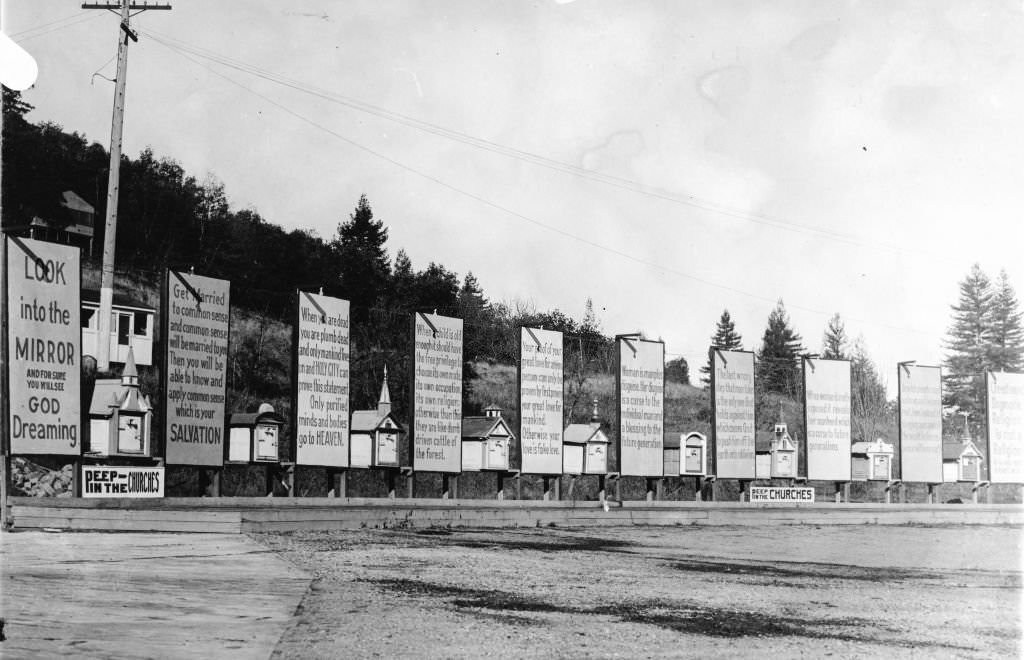
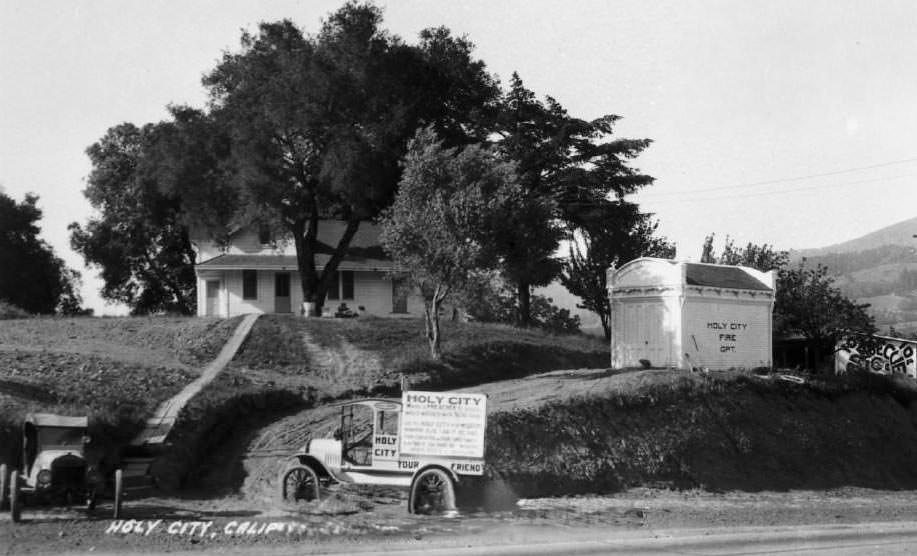
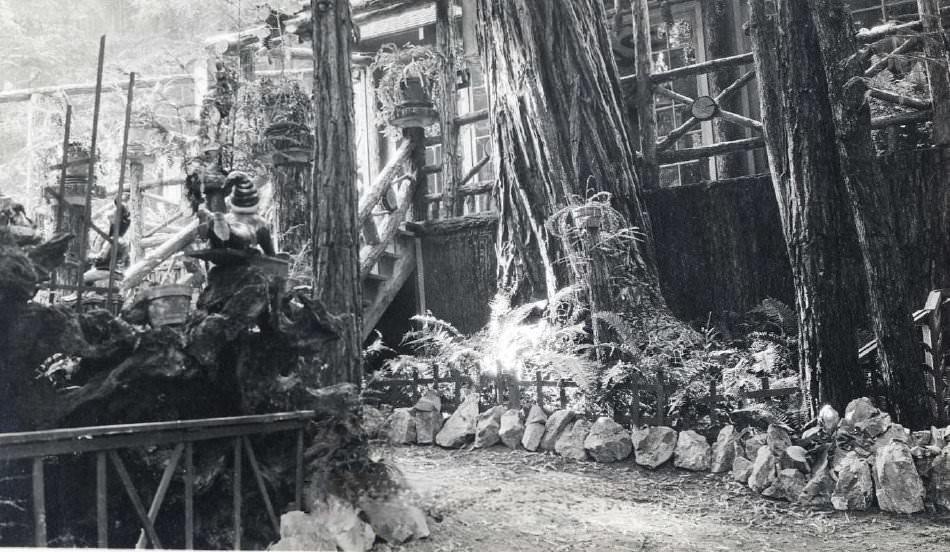
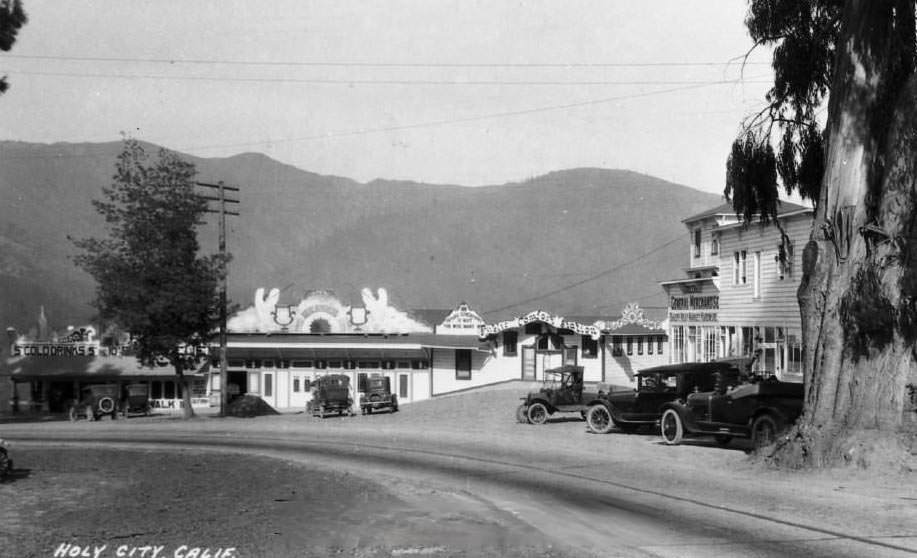
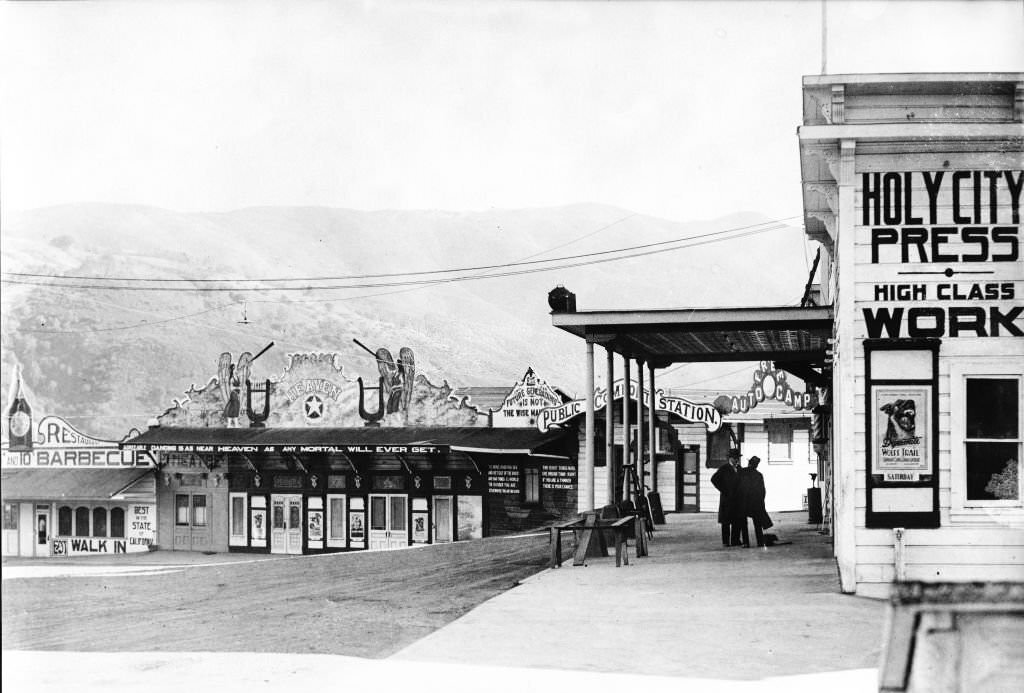
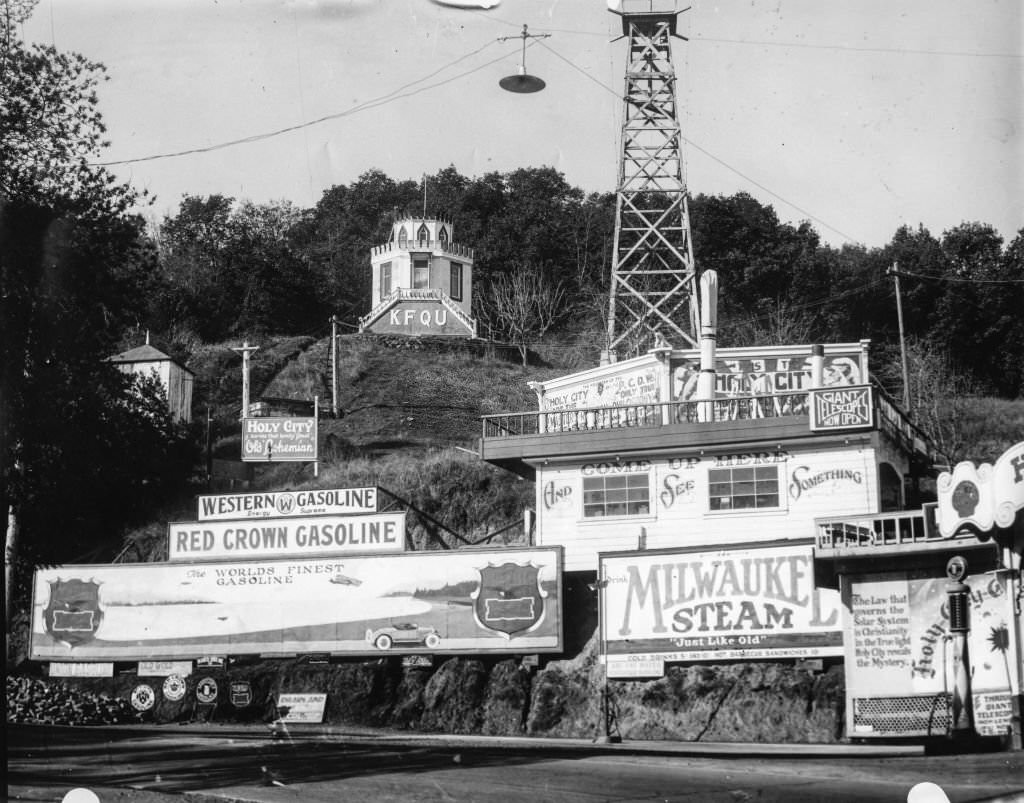
Just outside the city on the Old Santa Cruz Highway stood Holy City, a religious colony founded by William E. Riker. The settlement operated a restaurant, movie house, and printing press, and positioned itself as a stop for motorists traveling between San Jose and the coast — well before State Route 17 made the journey easier. Riker was a man followed by scandal, but Holy City persisted as a roadside curiosity through the decade.
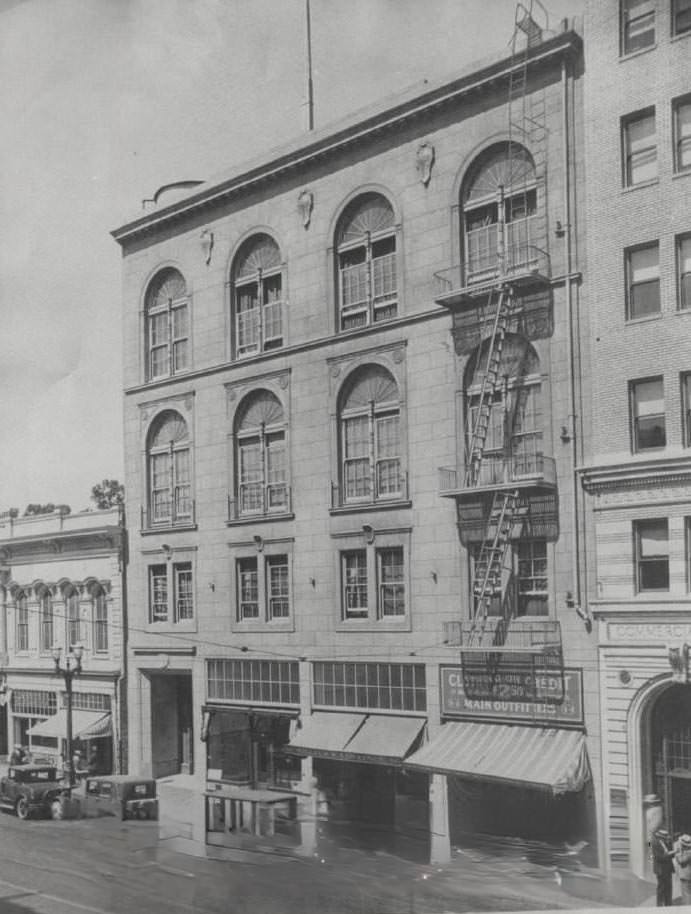
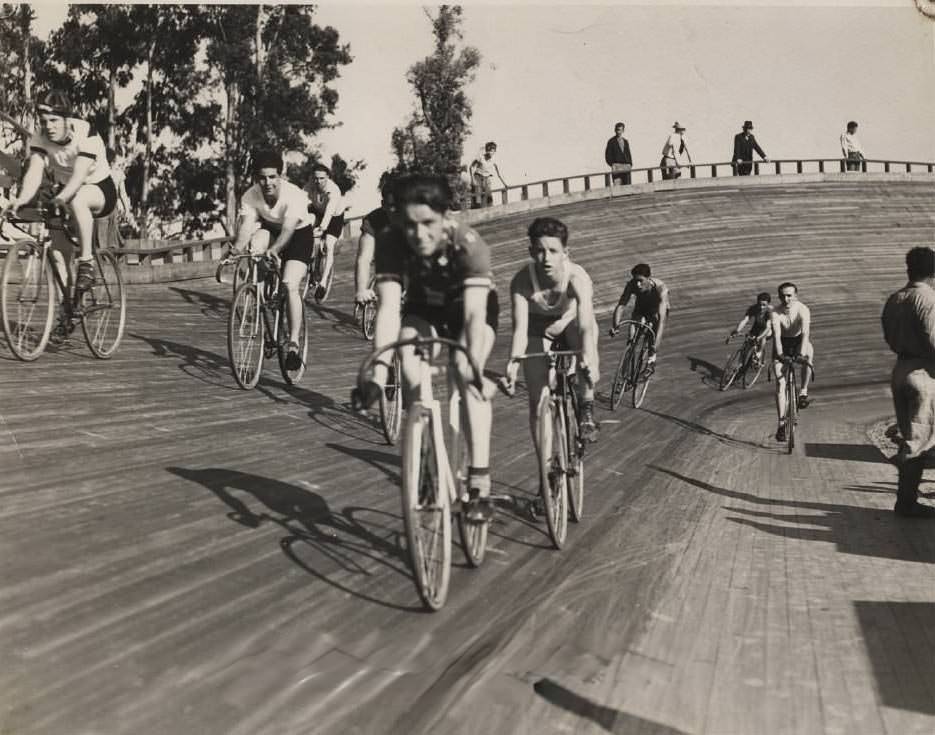
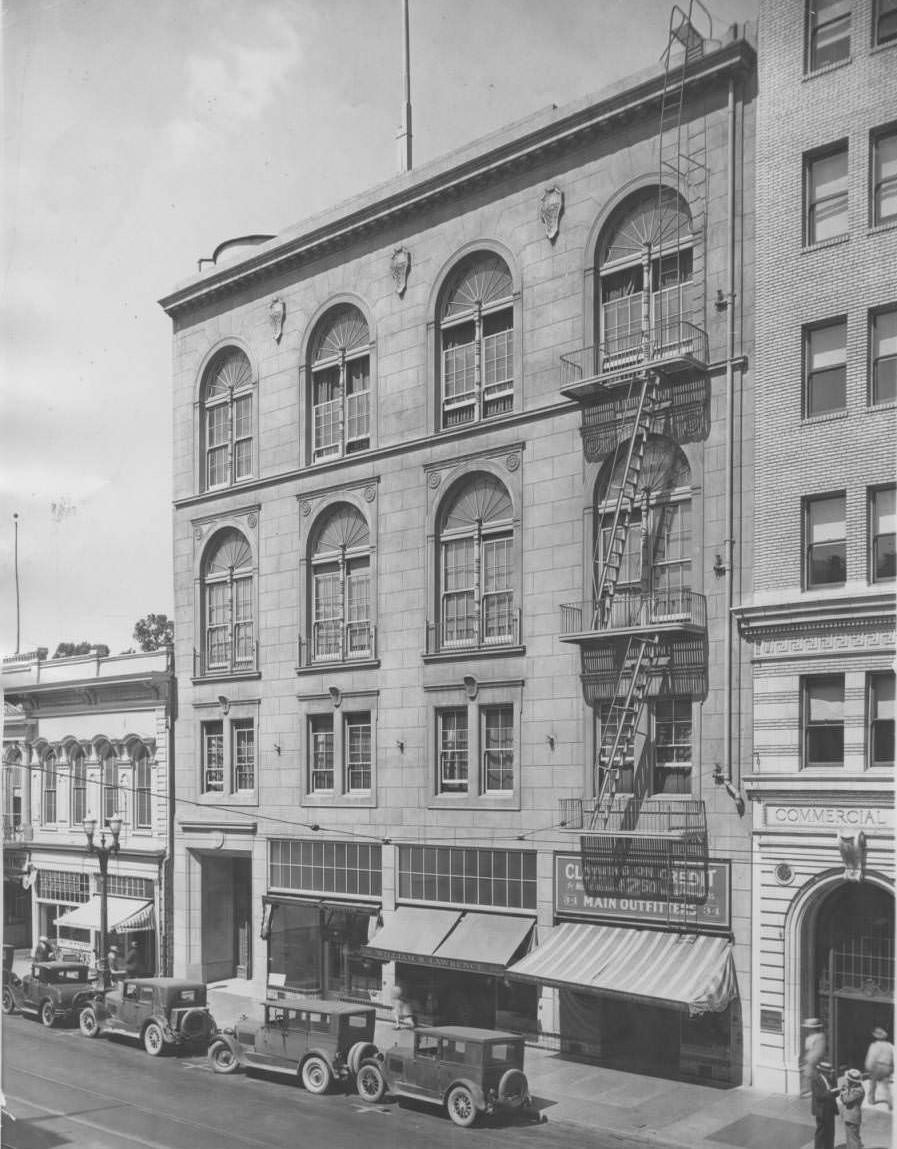
Community organizations were woven into the fabric of daily life. The Knights of Columbus opened a four-story building at 40 North First Street in 1926, complete with a swimming pool on the fourth floor. Groups like the Flower Lover’s Club, cycling clubs, and youth organizations like the Pathfinders gave residents a social structure beyond work and family. Cycling races at the velodrome drew competitive athletes and cheering crowds alike.
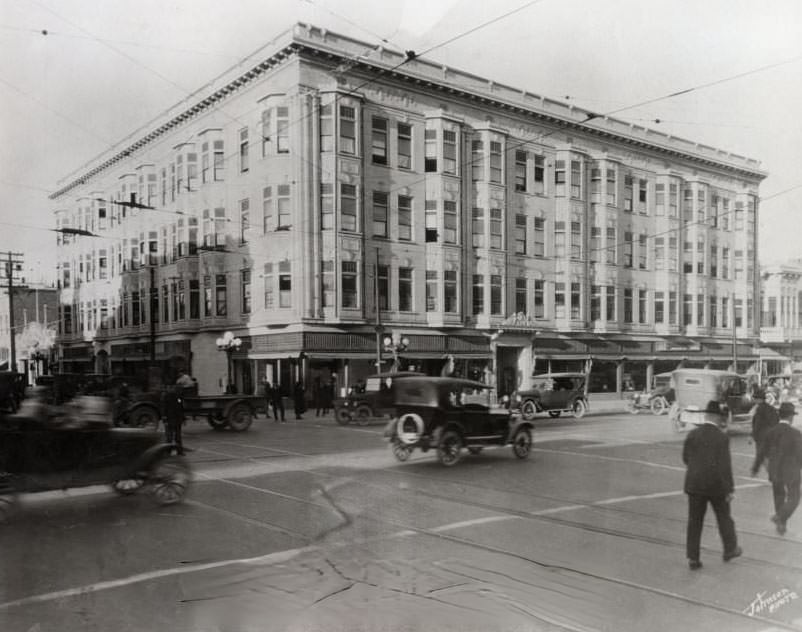
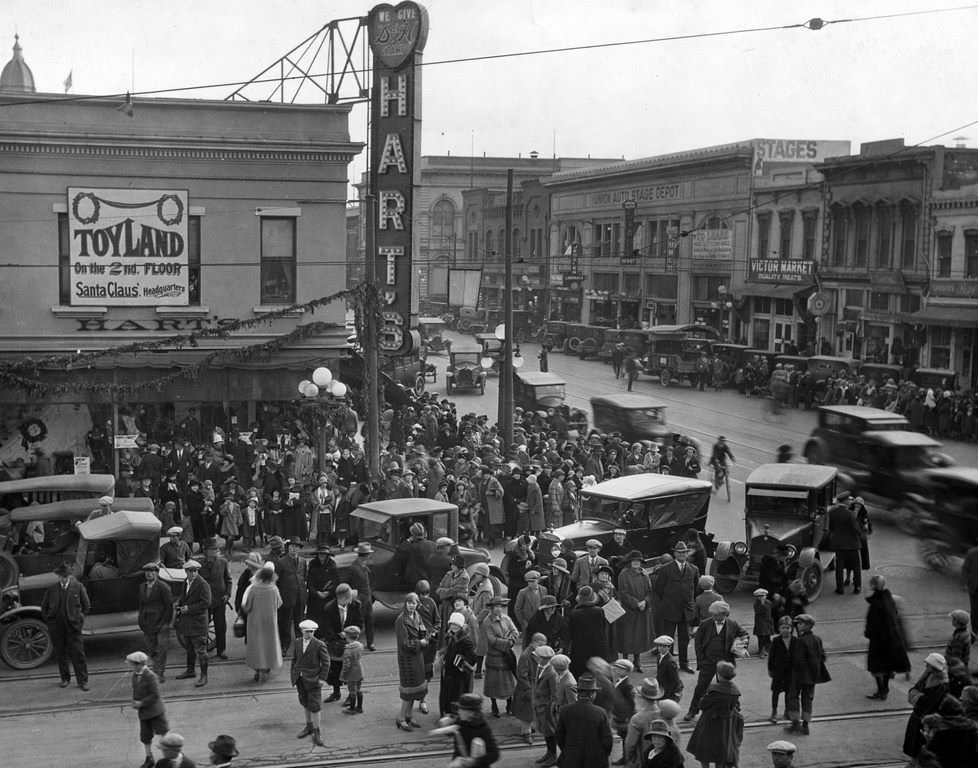
The holiday shopping season brought downtown San Jose to life. The intersection of Market and Santa Clara Streets filled with shoppers, and Hart’s department store on the southeast corner anchored the commercial district as it had for generations. Businesses along South First Street competed for foot traffic, and the city’s retail scene reflected its steady population growth.
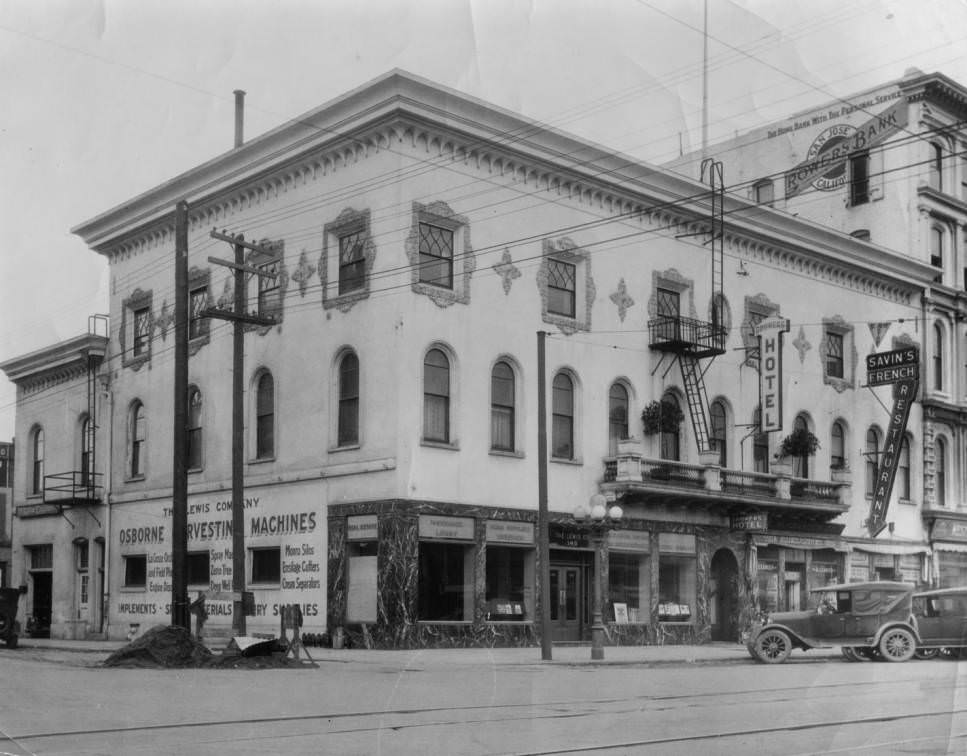
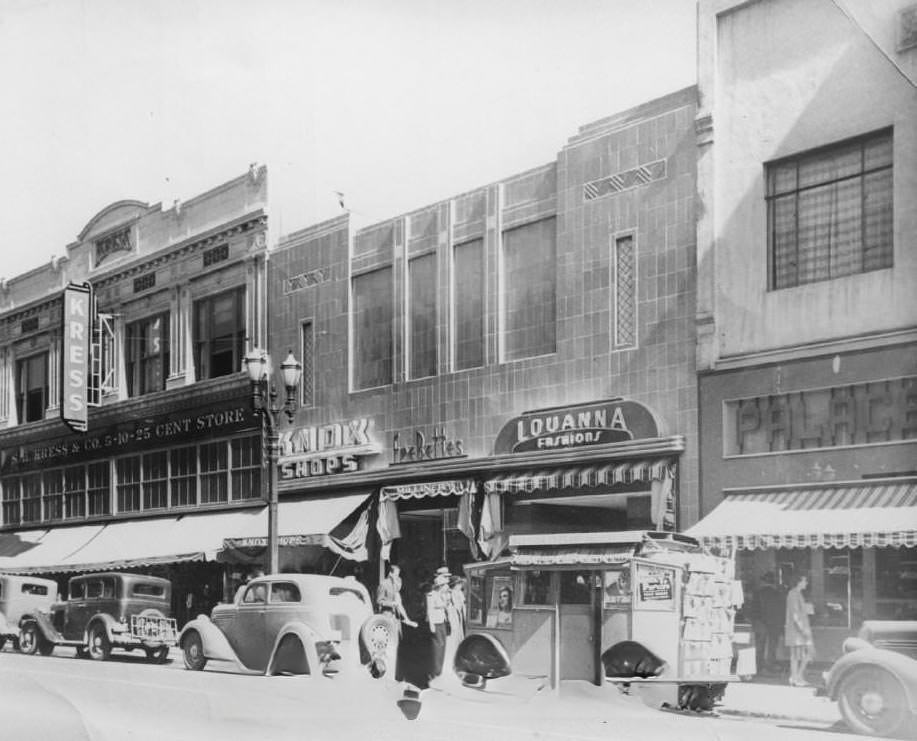
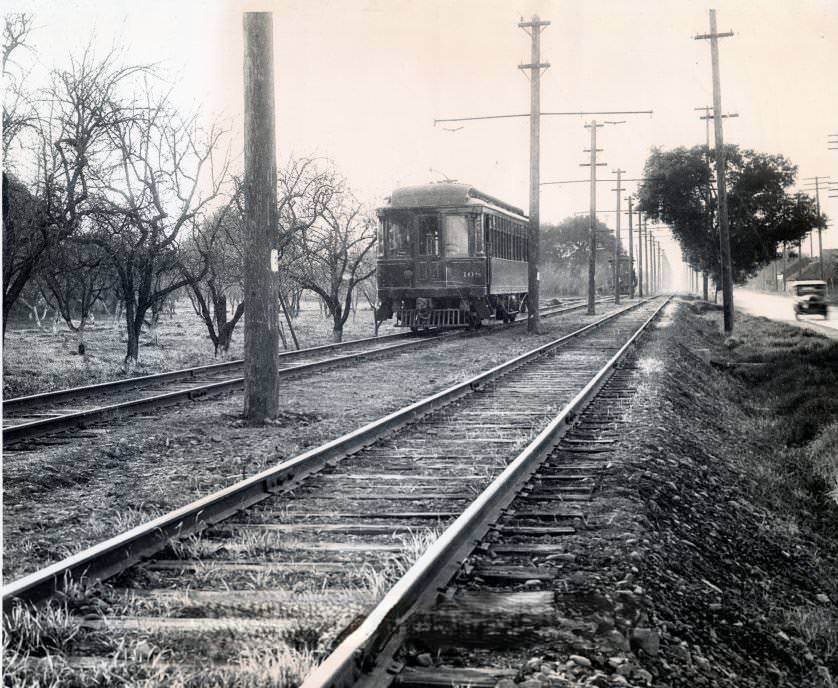
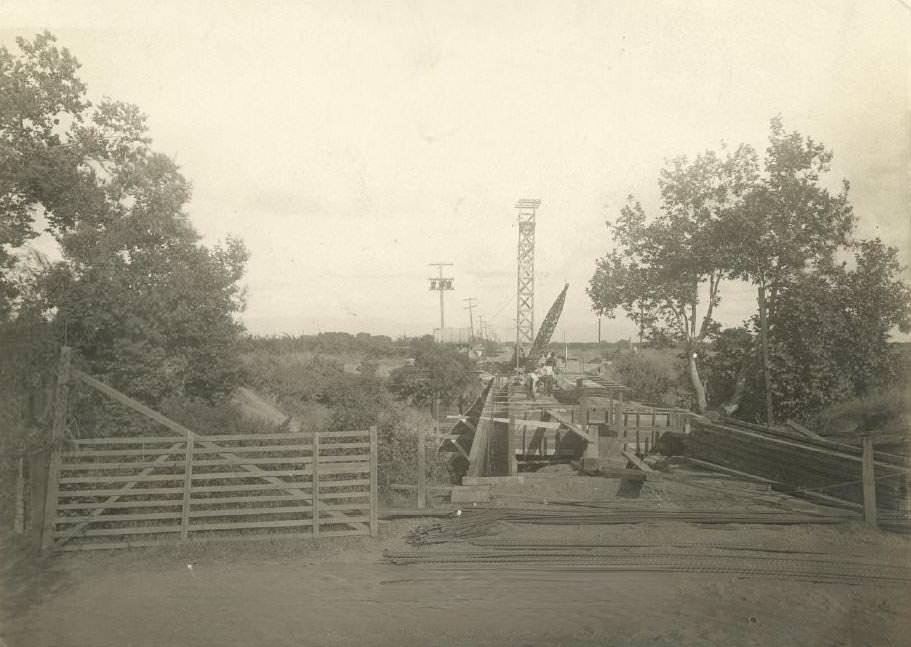
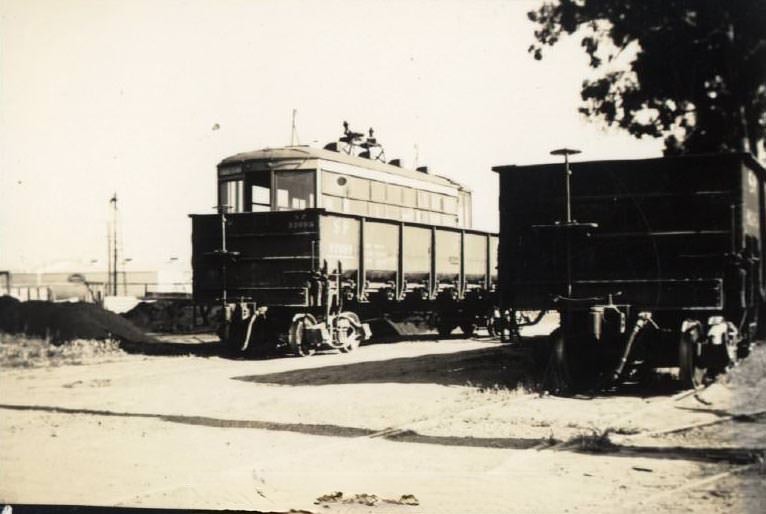
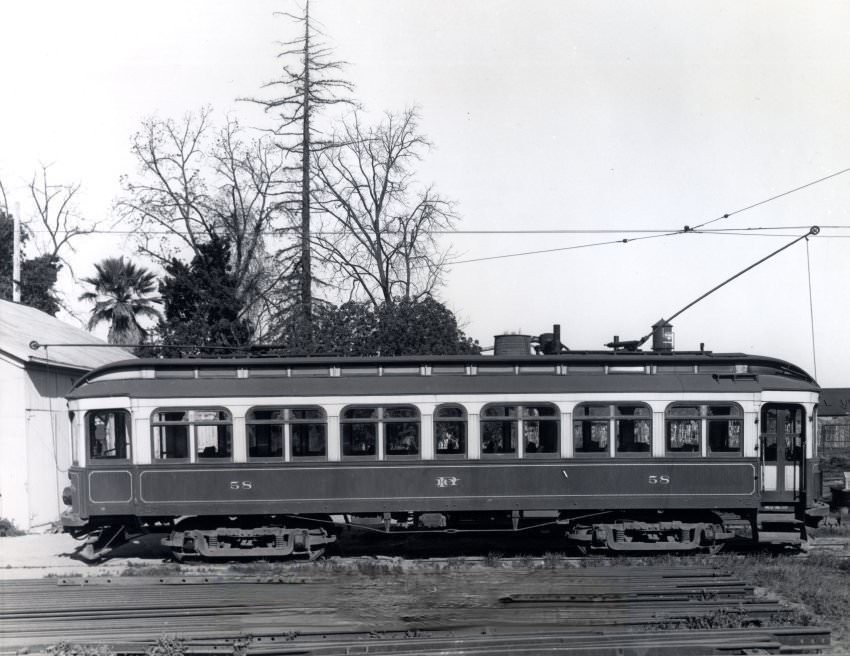
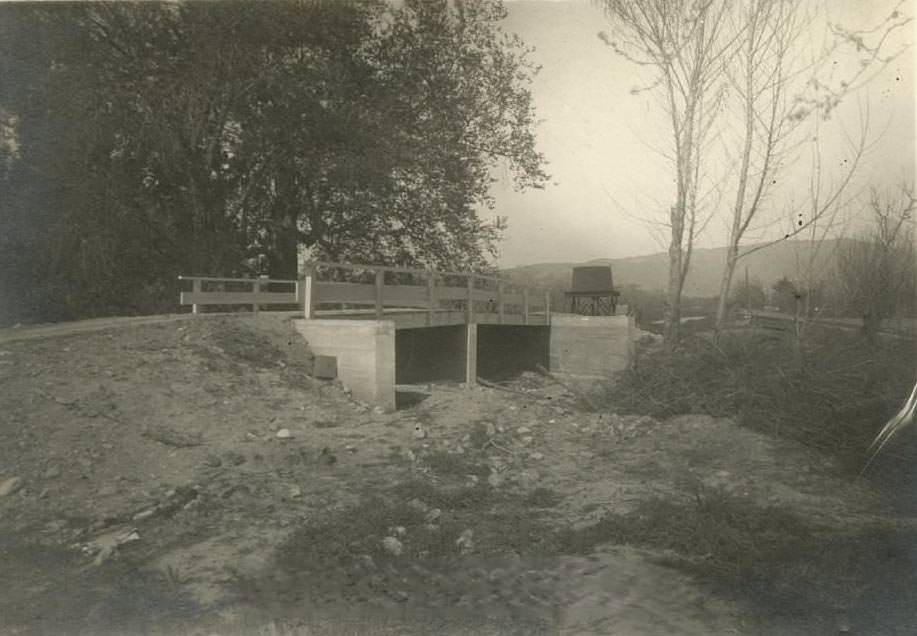
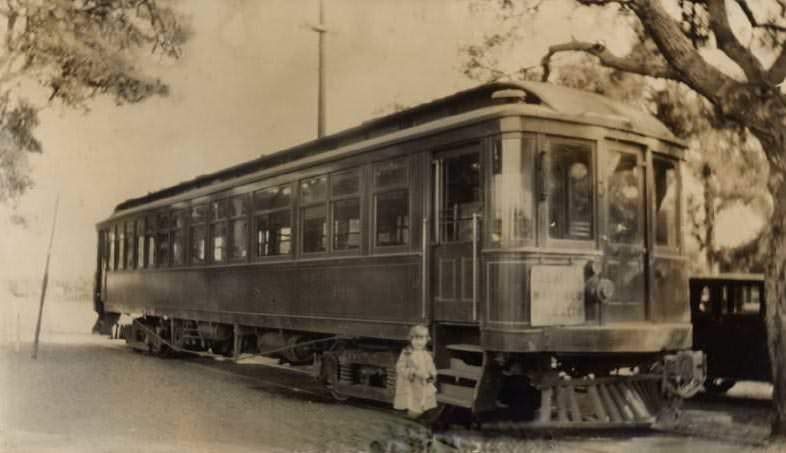
Rail and road infrastructure kept goods and people moving. The Peninsular Railway ran electric cars along routes connecting San Jose to surrounding communities, while freight trains still rolled through the heart of downtown. Bridges over Coyote Creek and Penitencia Creek were part of a broader push to modernize roads and accommodate more vehicle traffic as the automobile increasingly dominated the city’s transportation habits.
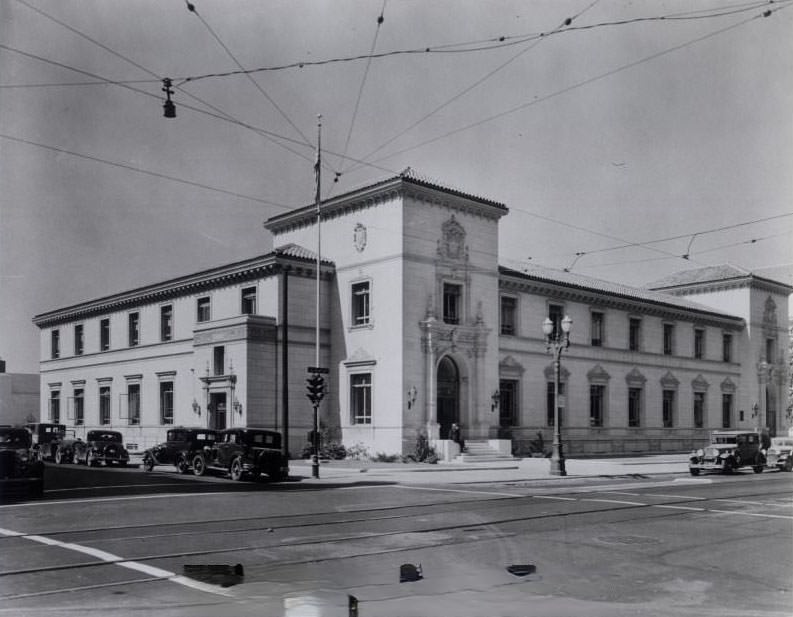
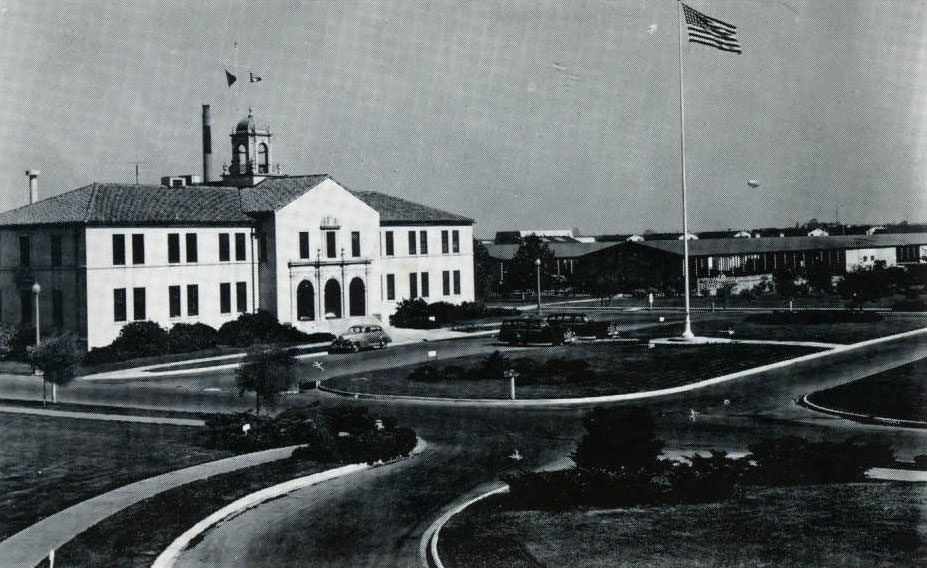
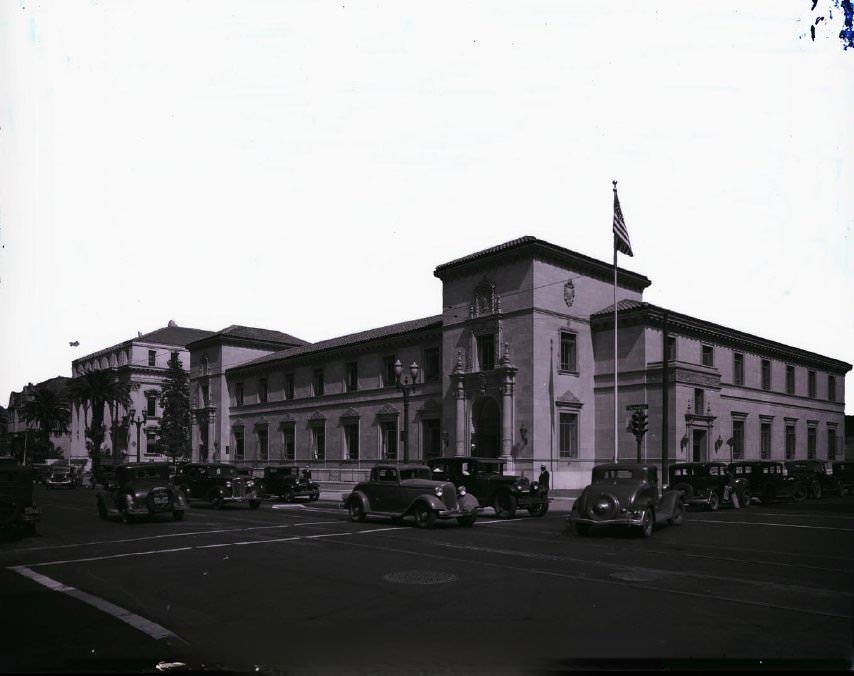
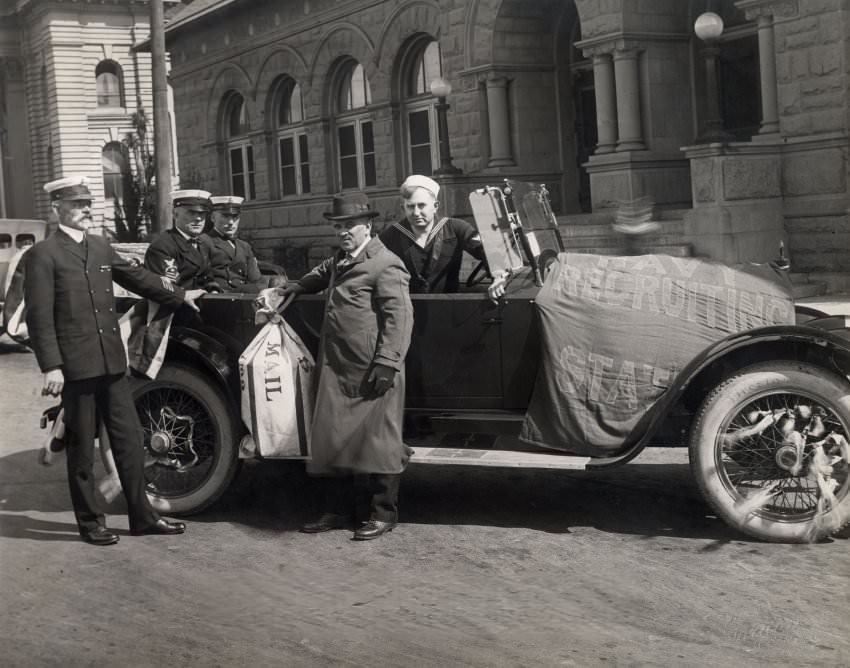
The Post Office on North First Street stood as one of the city’s civic anchors. A car parked outside the Market Street Post Office in 1921 captured what was becoming a familiar scene — automobiles parked in front of public buildings that had been designed for a foot-traffic era. The federal presence in the city was growing, and by the end of the decade, the U.S. Naval Air Station at Moffett Field was taking shape just to the north.
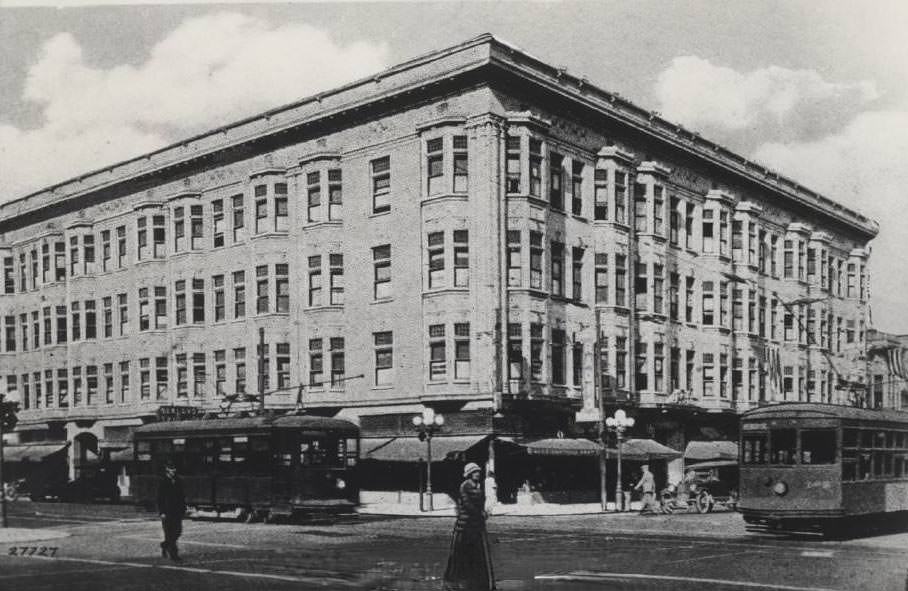
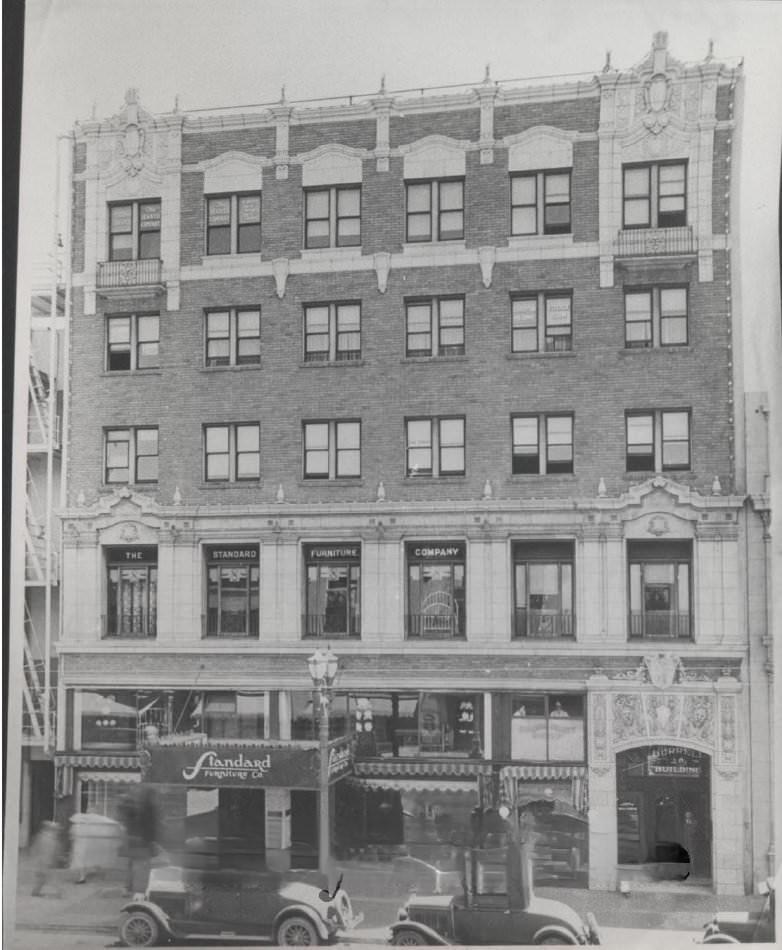
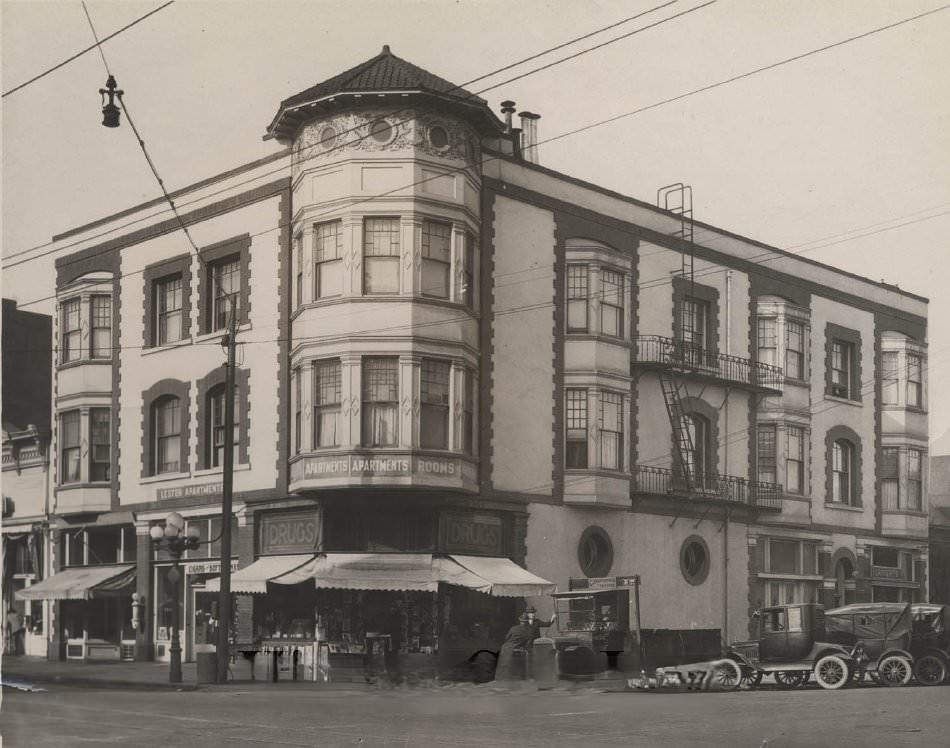
The Porter Building at the corner of Second and Santa Clara Streets was one of the more prominent commercial landmarks downtown — busy with automobile and pedestrian traffic throughout the decade, before it was eventually demolished in 1947. Nearby, the Del Monte and Richmond Chase canneries processed enormous volumes of fruit, employing large workforces and anchoring the industrial side of the city’s economy.
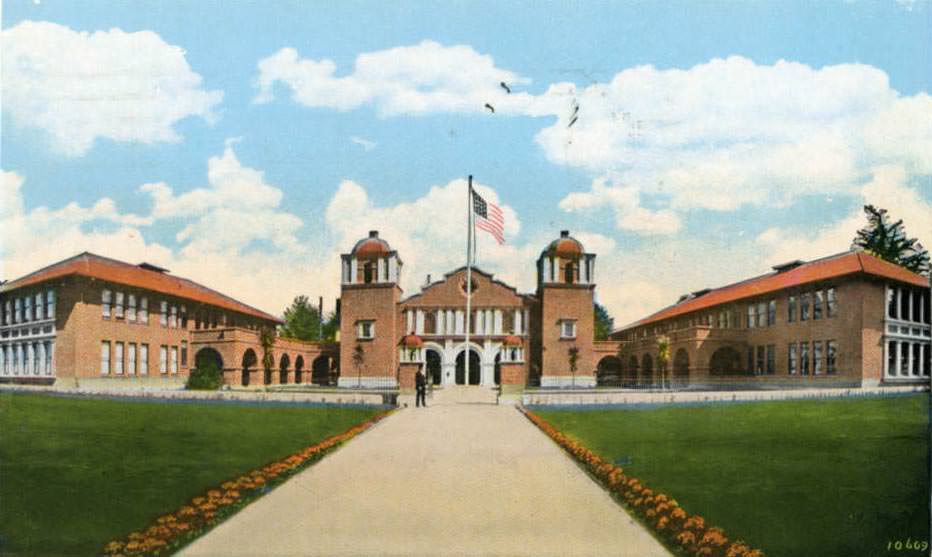
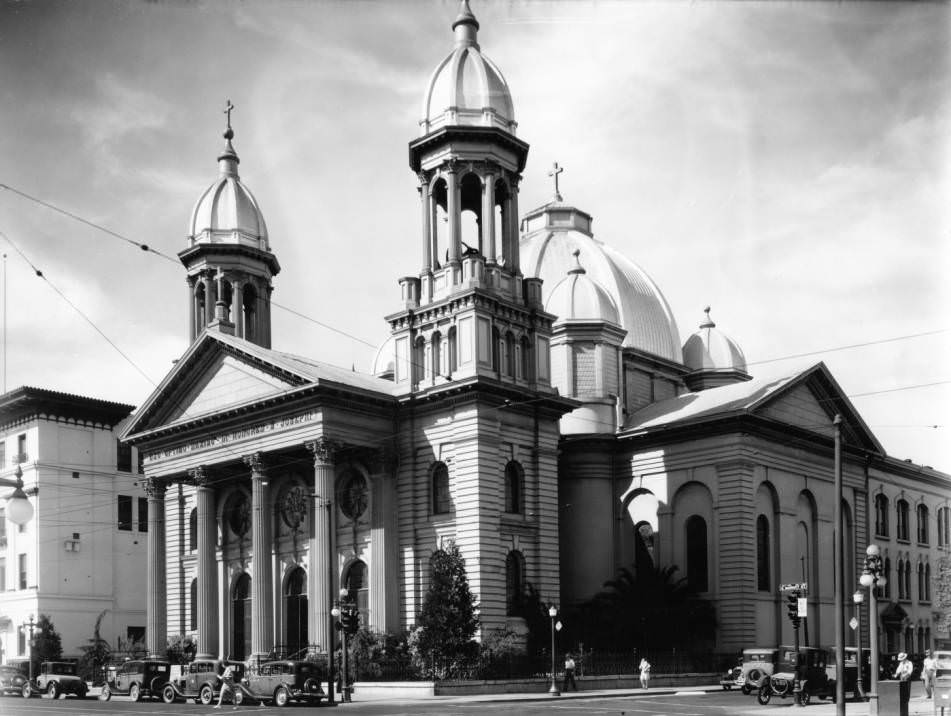
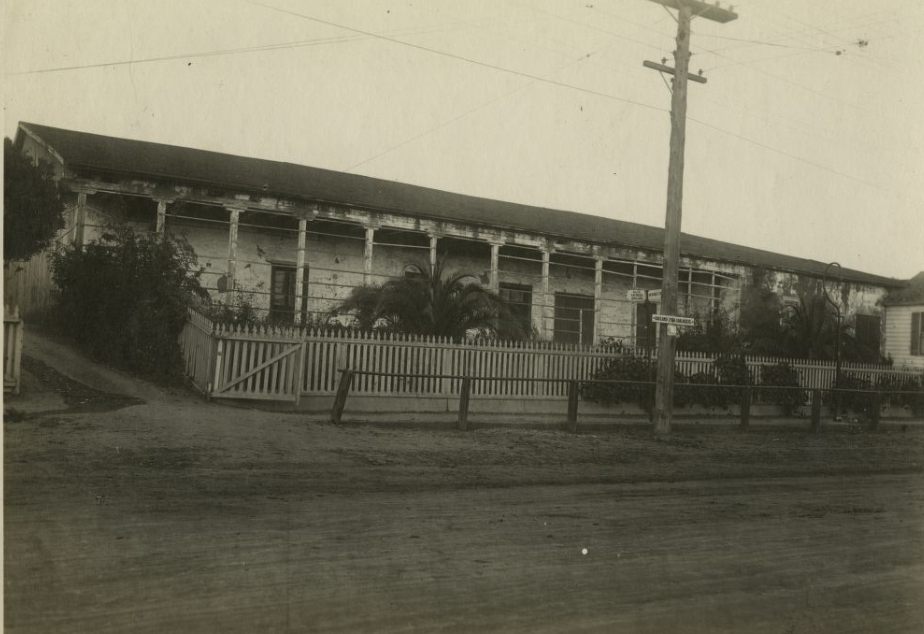
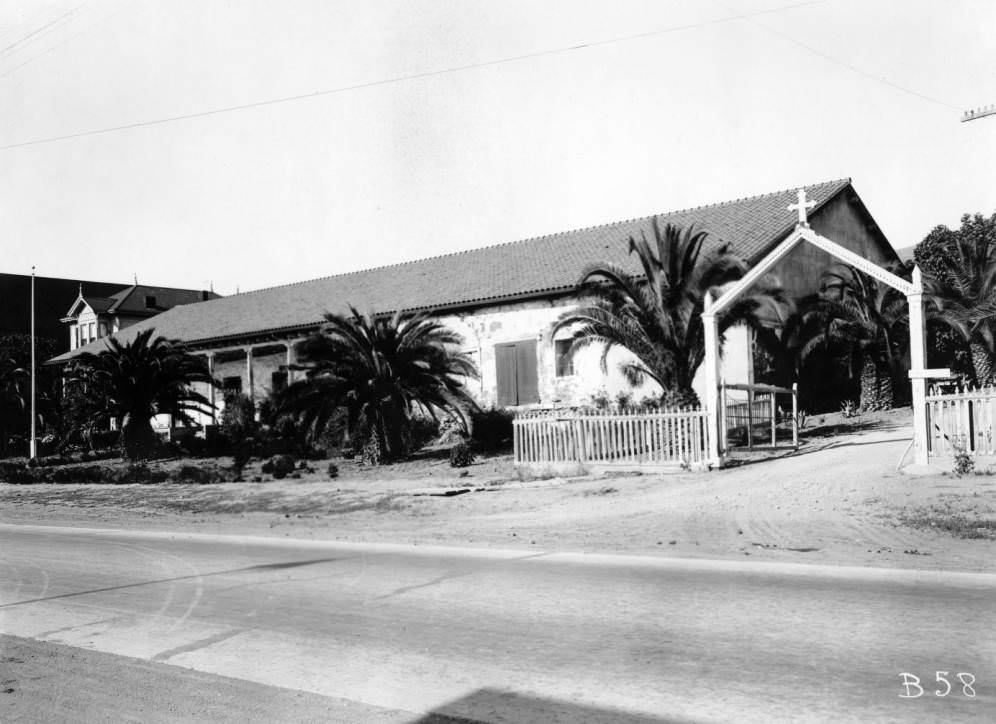
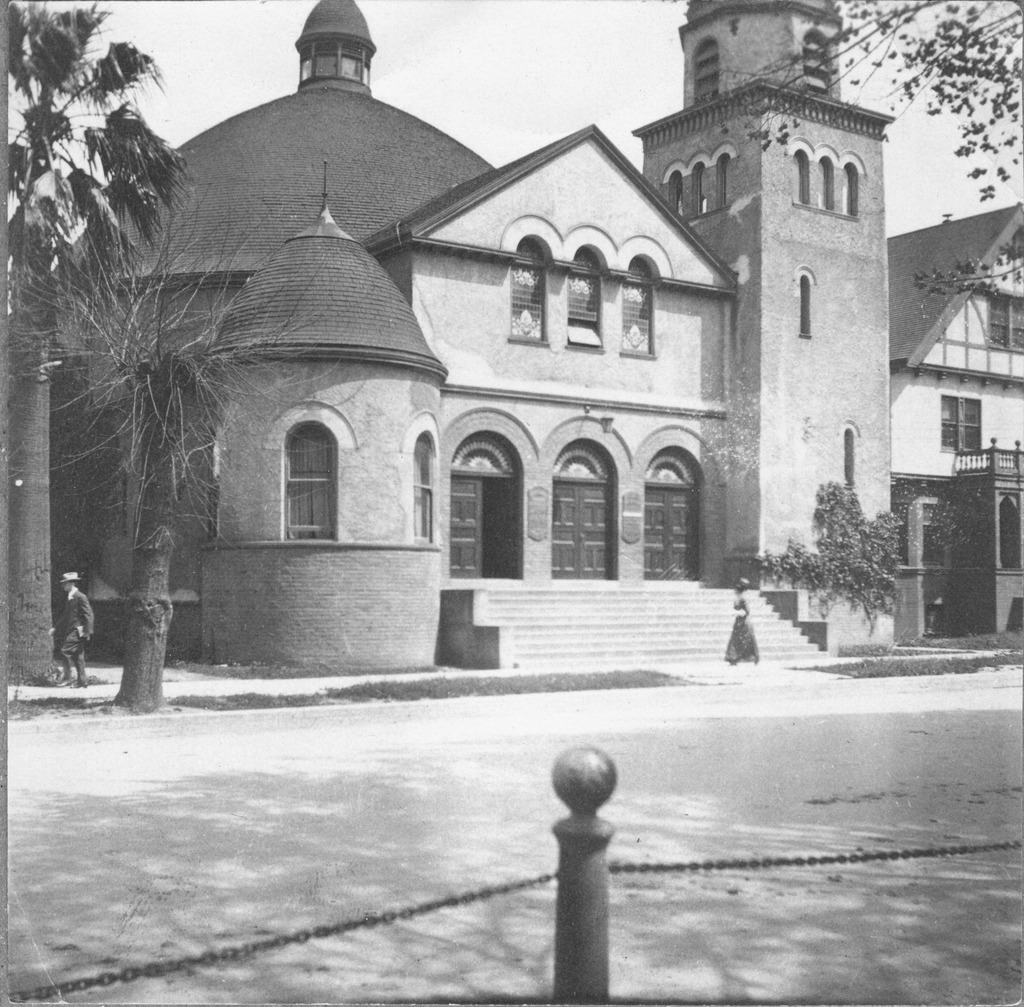
Churches and civic institutions remained central to community identity. Saint Joseph’s Church on Market Street was one of the city’s oldest Catholic parishes. Mission San Jose, outside of town, stood as a reminder of the region’s Spanish colonial roots. And San Jose High School — built in the Mission Revival style with flanking bell towers after the 1906 earthquake destroyed its predecessor — was a defining piece of the city’s educational and architectural landscape throughout the decade.
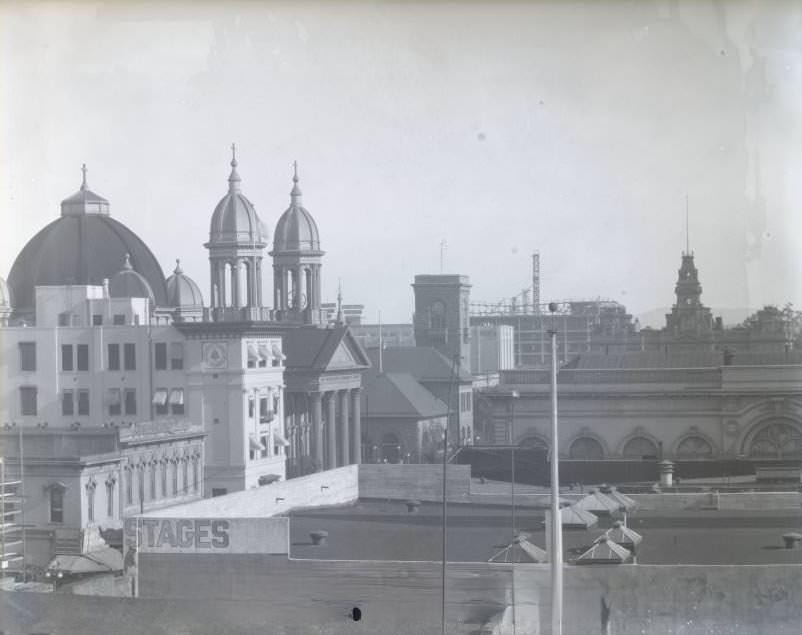
Looking across the decade, San Jose in the 1920s was a place where old and new existed side by side. Orchards lined the edges of a city that was building banks and movie palaces. Freight trains shared downtown streets with Model T’s. Families attended church on Sunday and slipped into speakeasies on Saturday night. The city’s character in this decade was defined not by any single thing, but by the constant, visible tension between what it had been and what it was becoming.

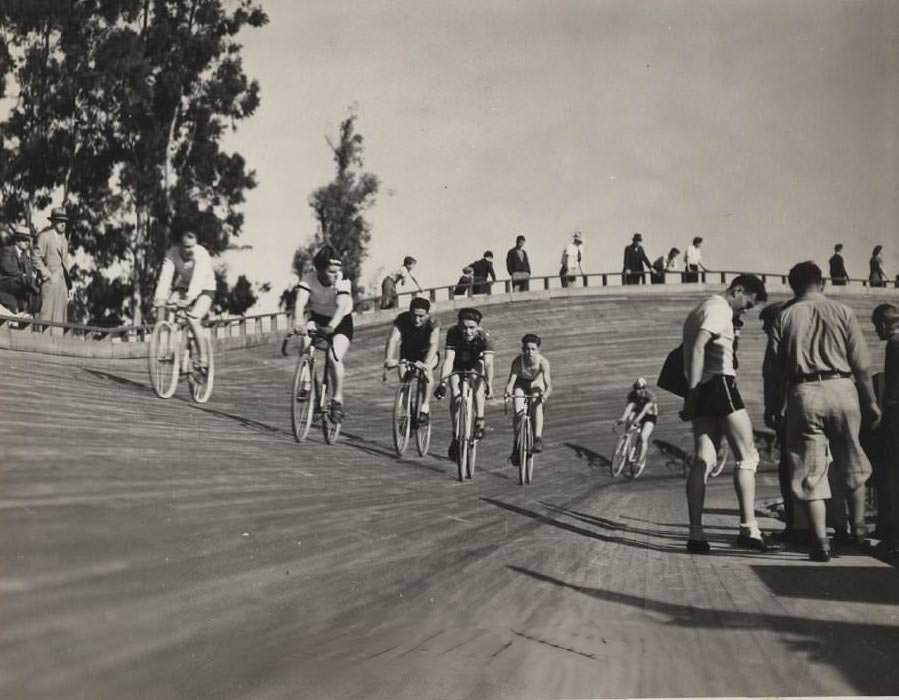






Some cool bicycle photos. I wonder if the one of the track cyclists was at Hellyer? it’s a board track in the photo, and that could have been anywhere, but I don’t know the history of Hellyer and whether it had something before the current track.