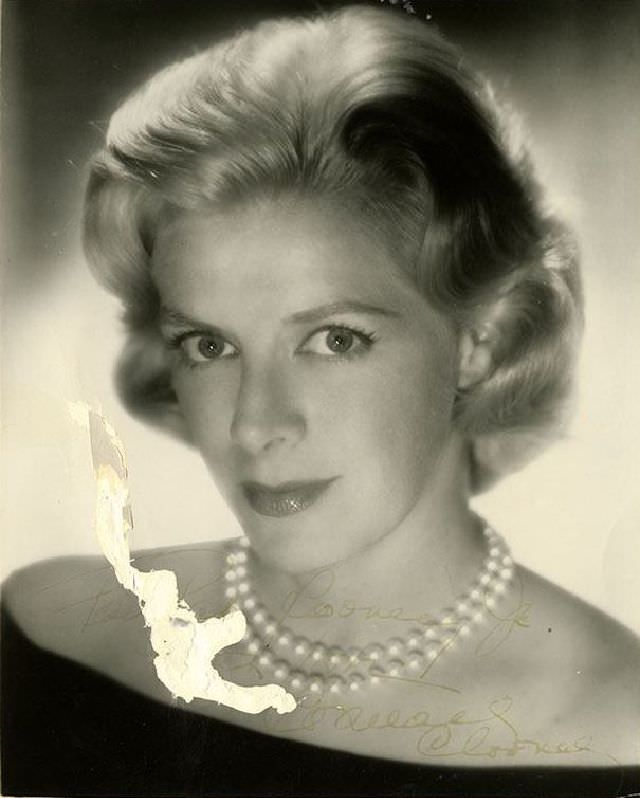
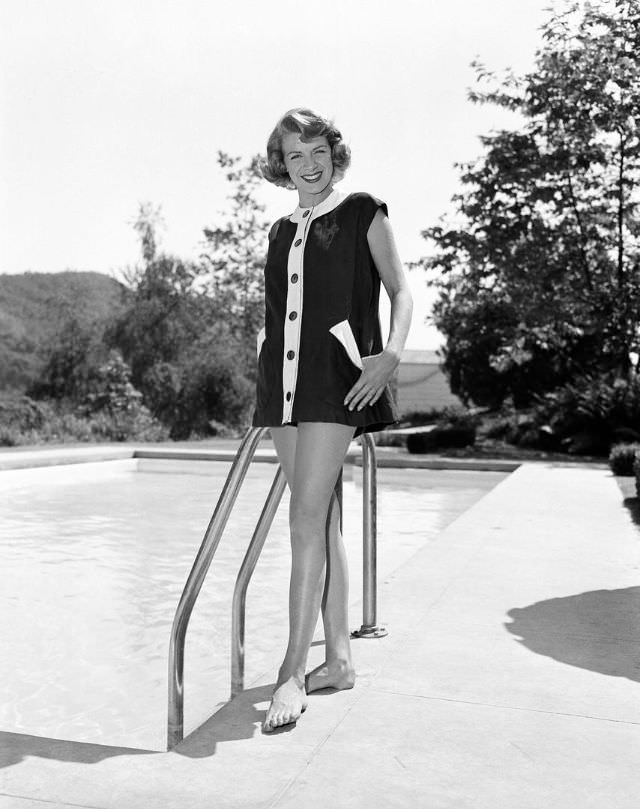
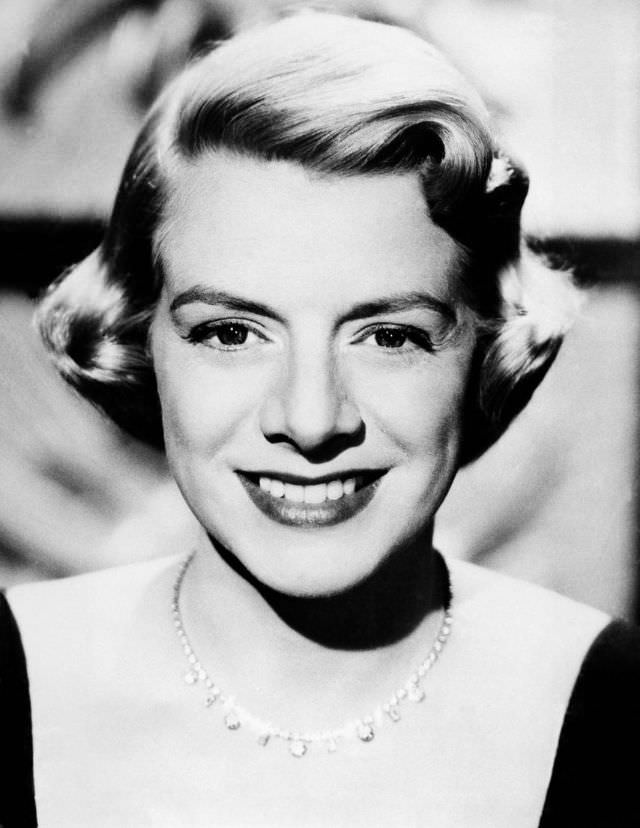
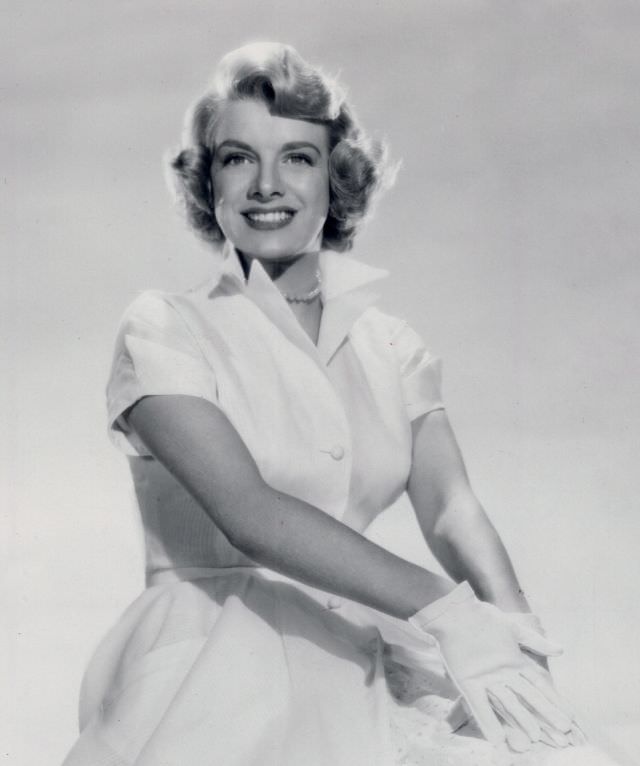
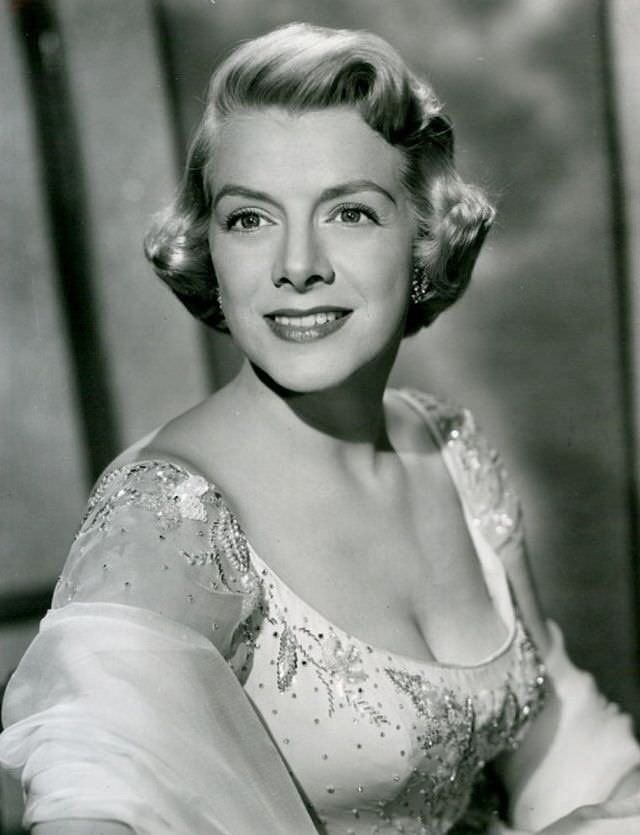
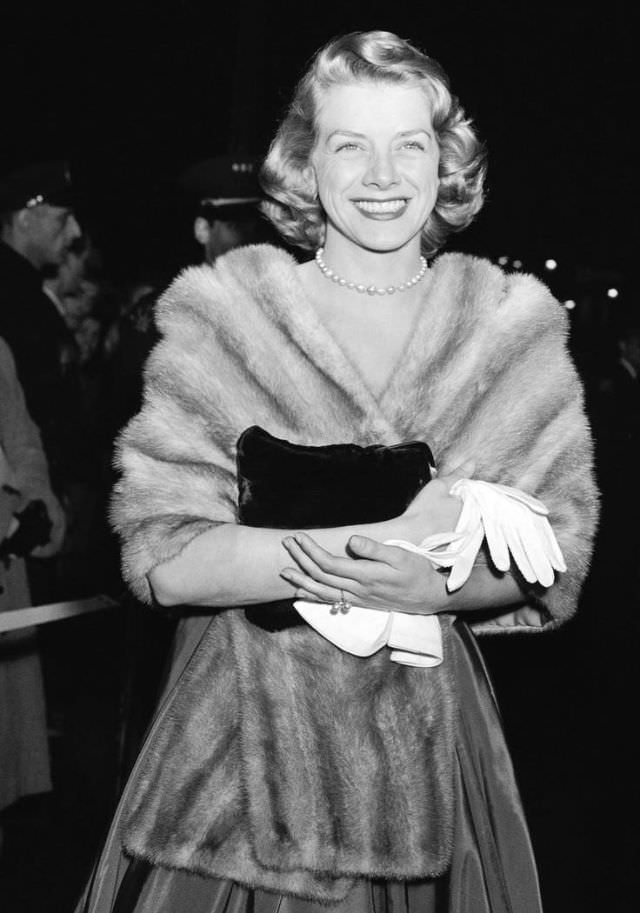
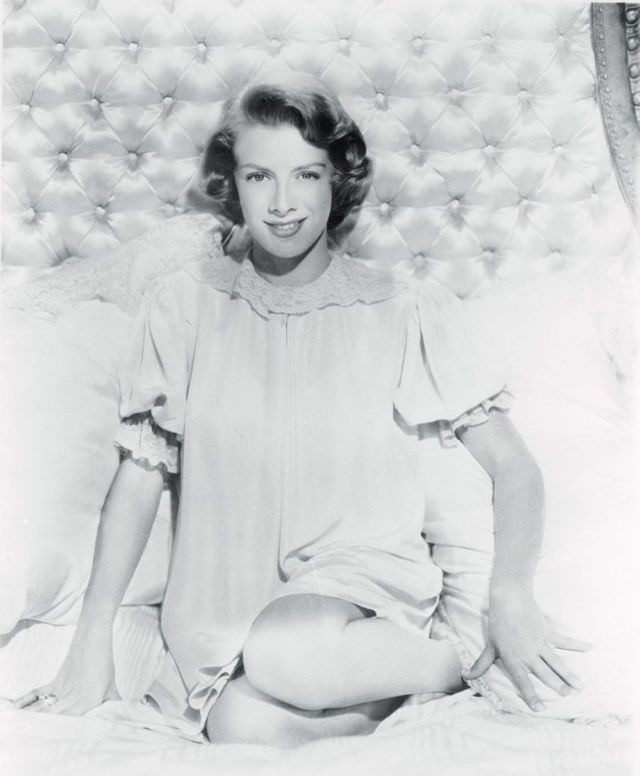
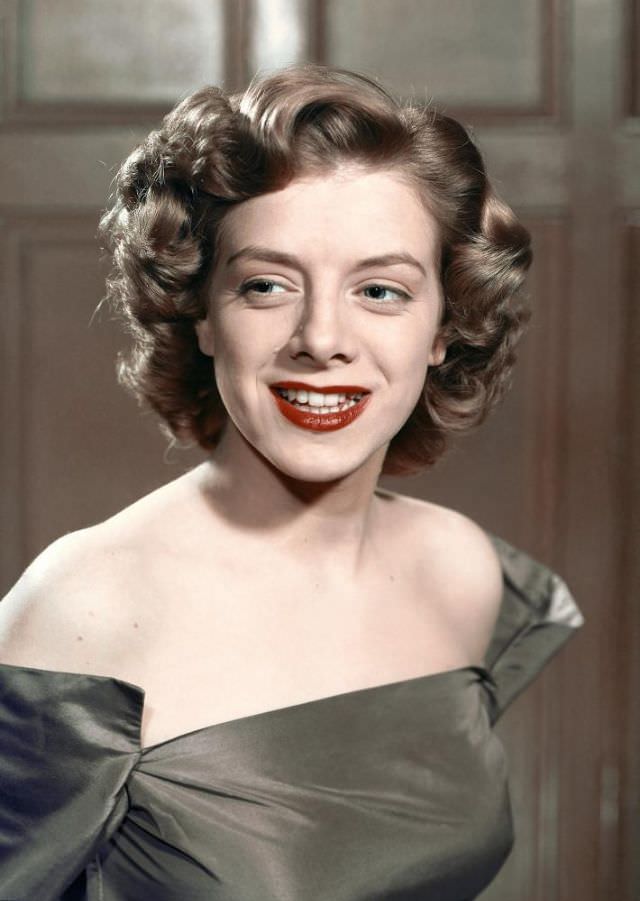
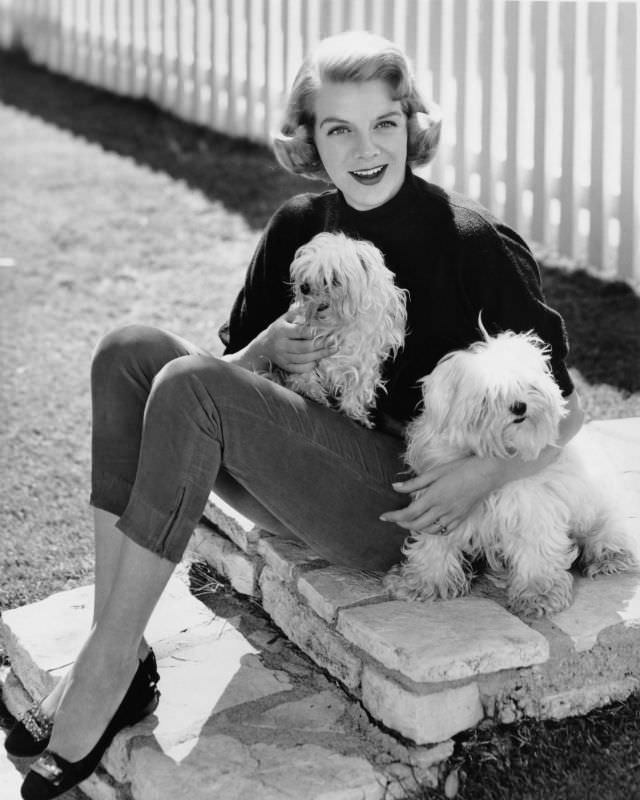
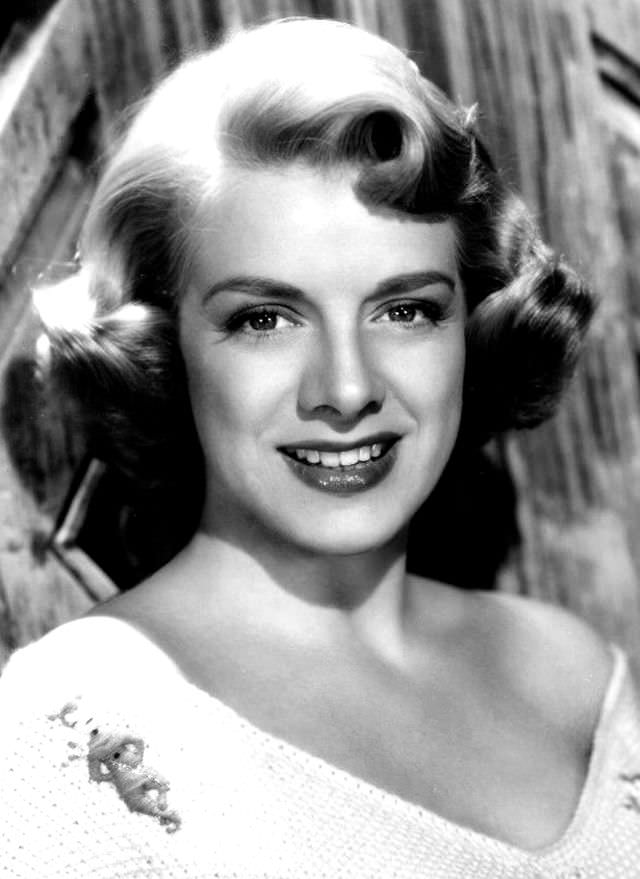
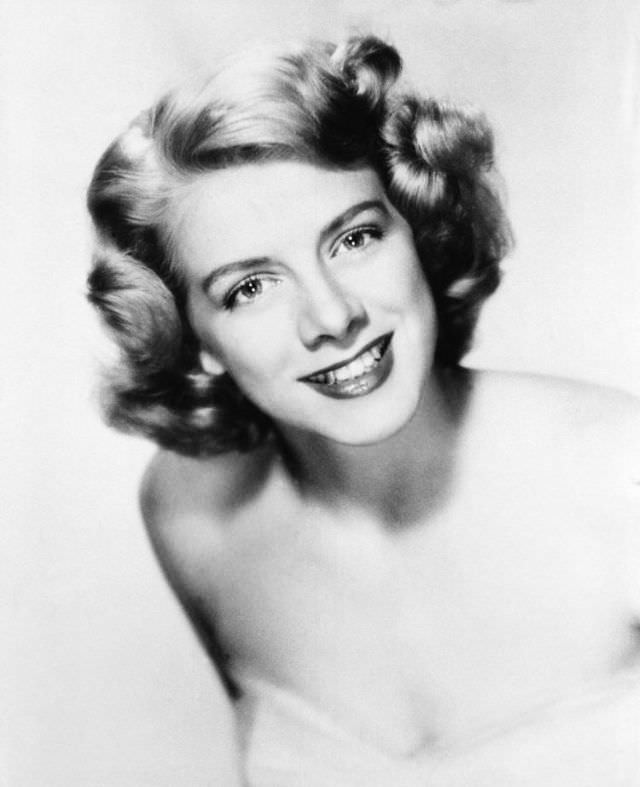
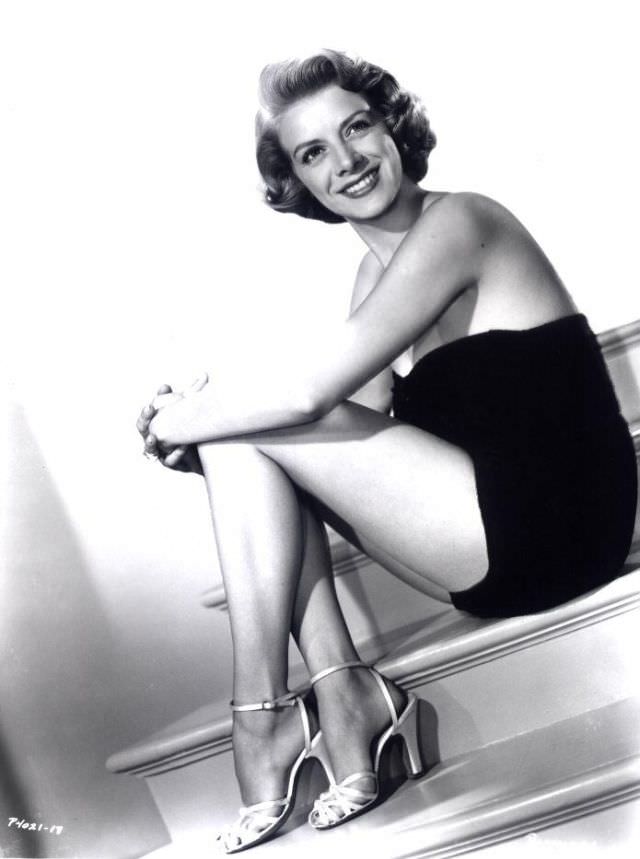
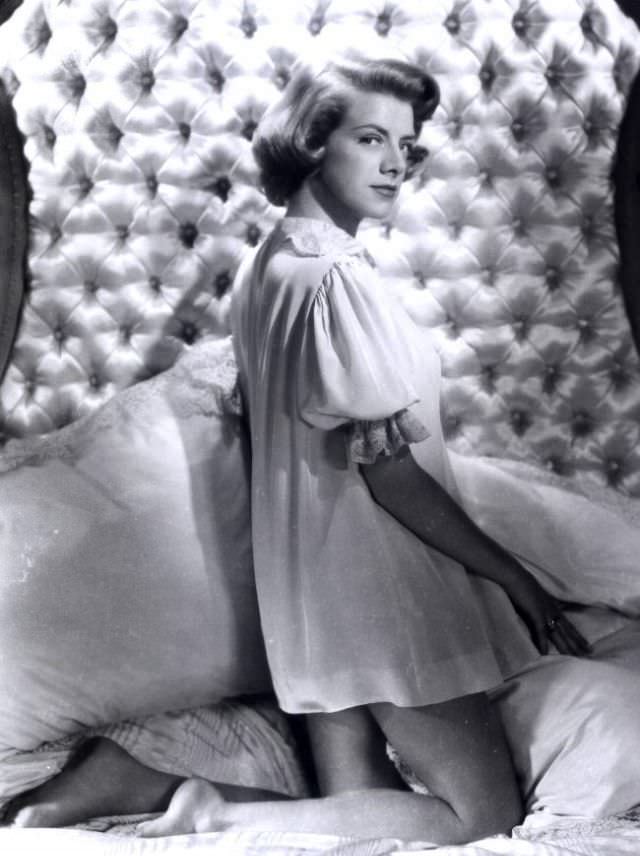
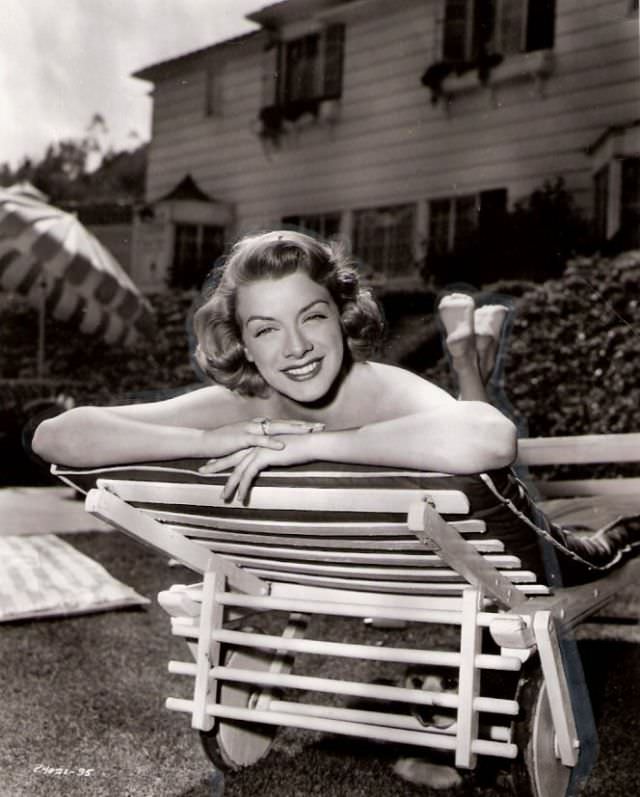
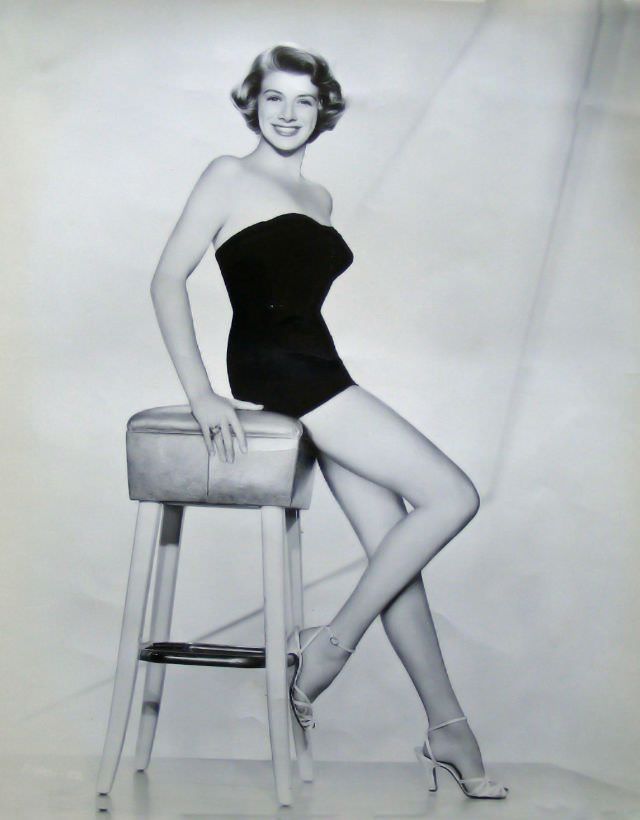
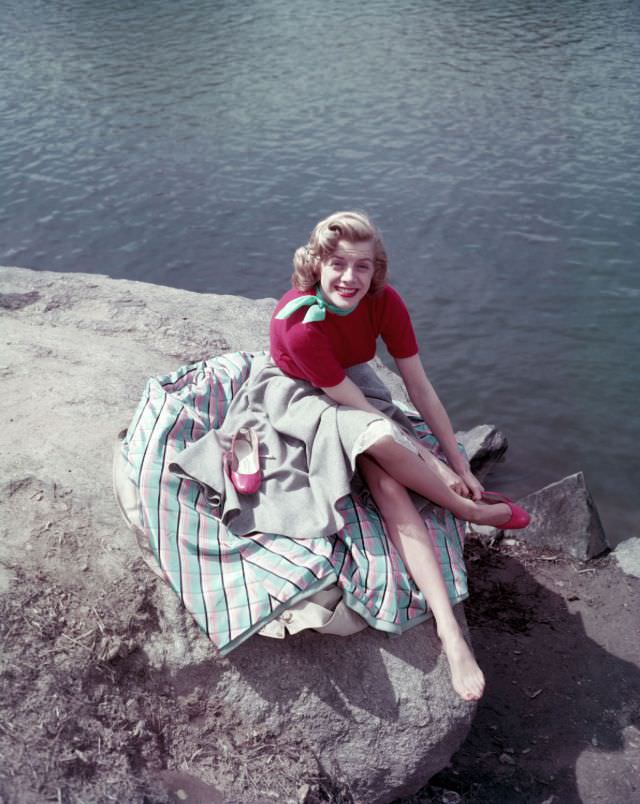
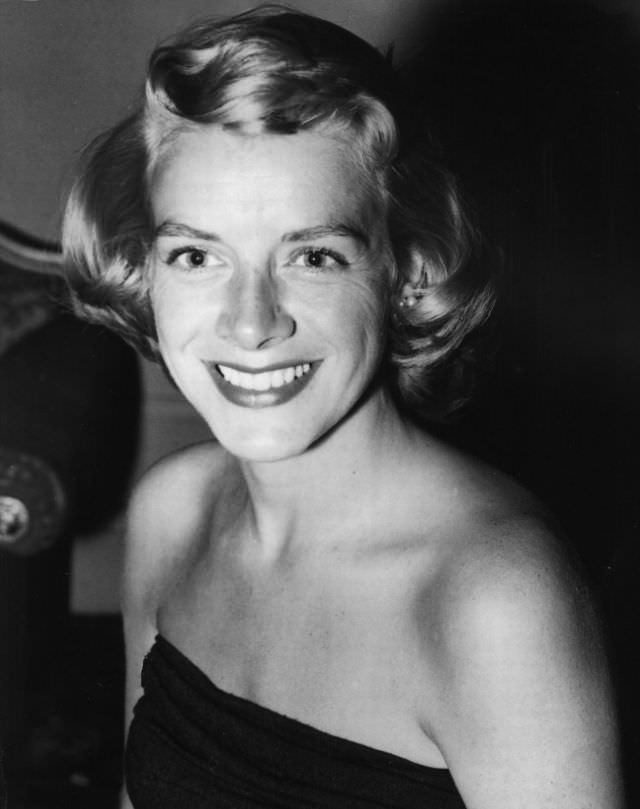
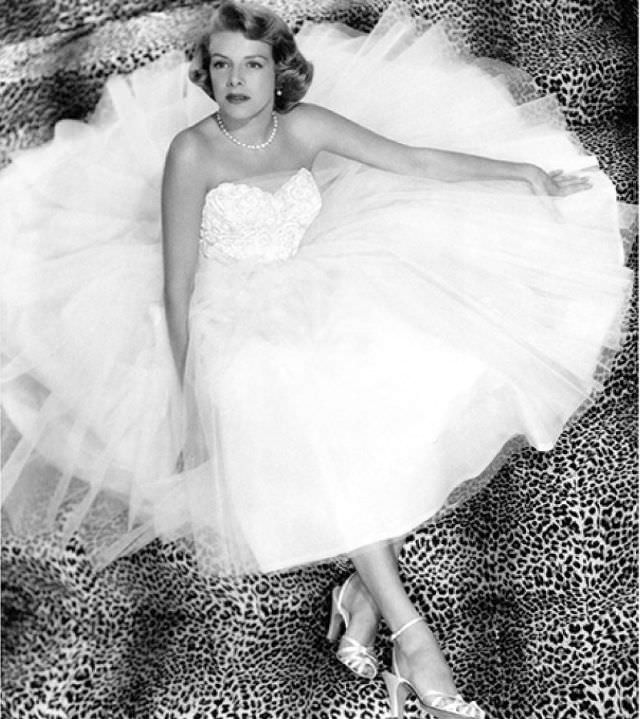
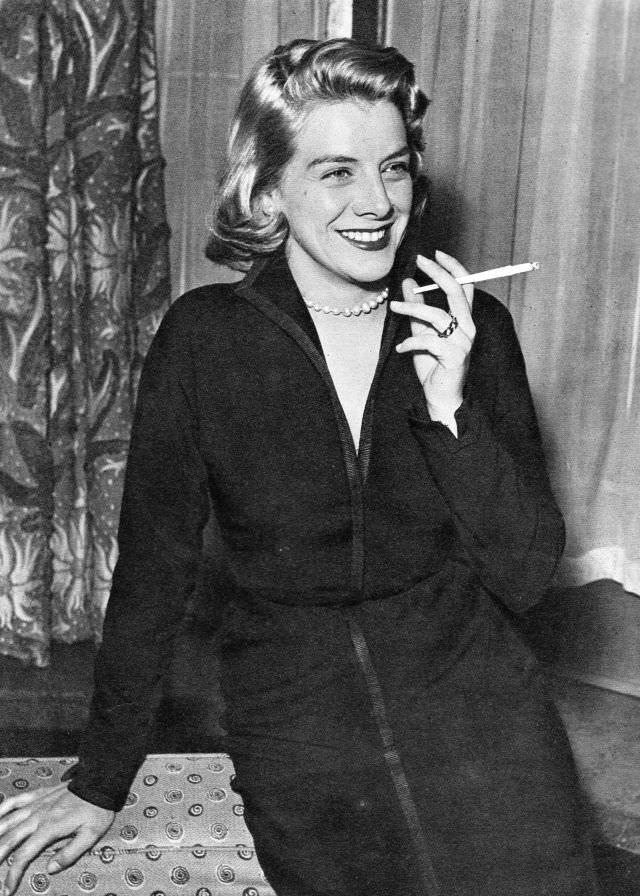
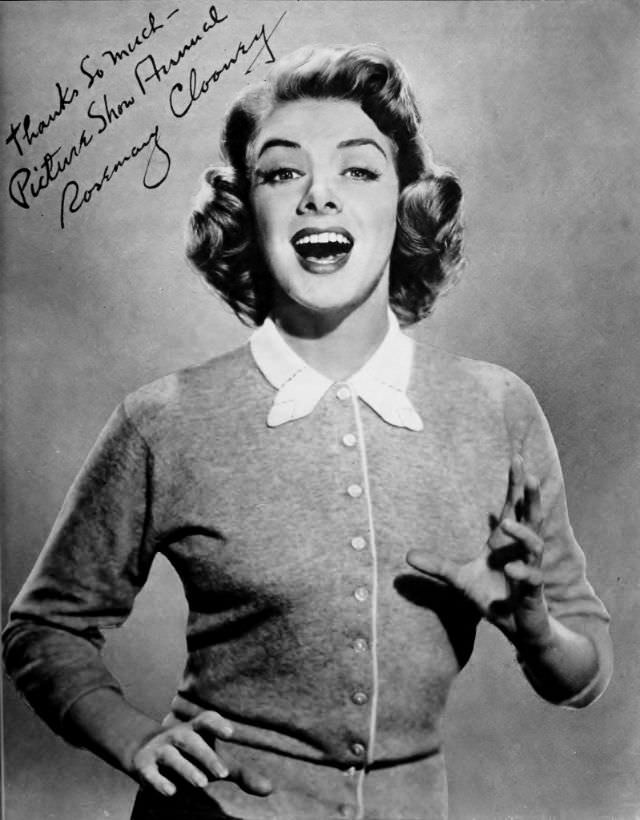
Rosemary Clooney was born on May 23, 1928, in Maysville, Kentucky. From an early age, music was her world. As a teenager, she and her younger sister Betty began singing together on a local radio station in Cincinnati, and their voices turned heads fast.
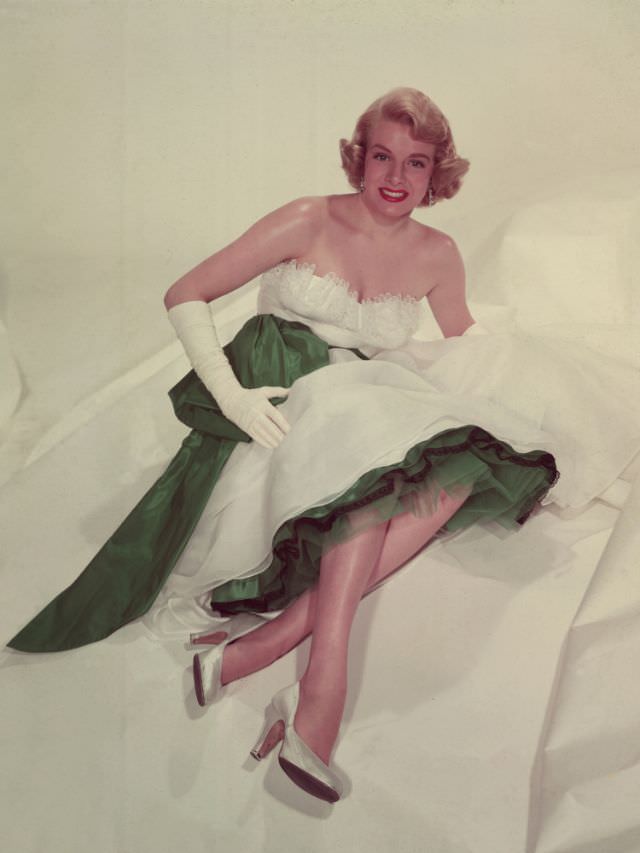
Bandleader Tony Pastor caught wind of the sisters and invited them to tour with his orchestra in the late 1940s. It was a solid start, but Rosemary’s real breakout came when she went solo. In 1951, she signed with Columbia Records and released “Come On-a My House.” The song mixed jazz and pop in a way radio audiences hadn’t quite heard before, and it shot straight to the top of the charts.
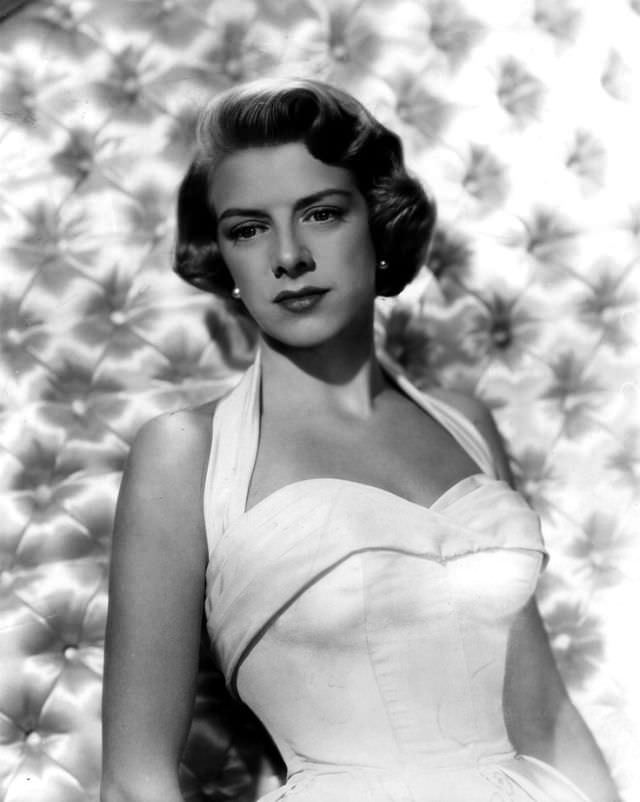
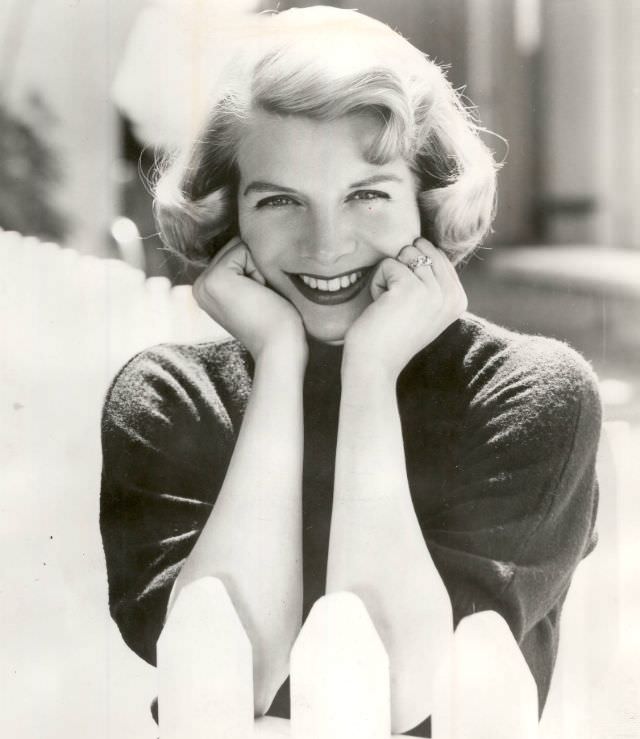
Through the early 1950s, hit after hit followed. “Tenderly,” “Half as Much,” and “Hey There” all became staples on American radio. Her voice carried a warmth that felt personal, like she was singing directly to each listener. Fans across the country — and around the world — responded to that.
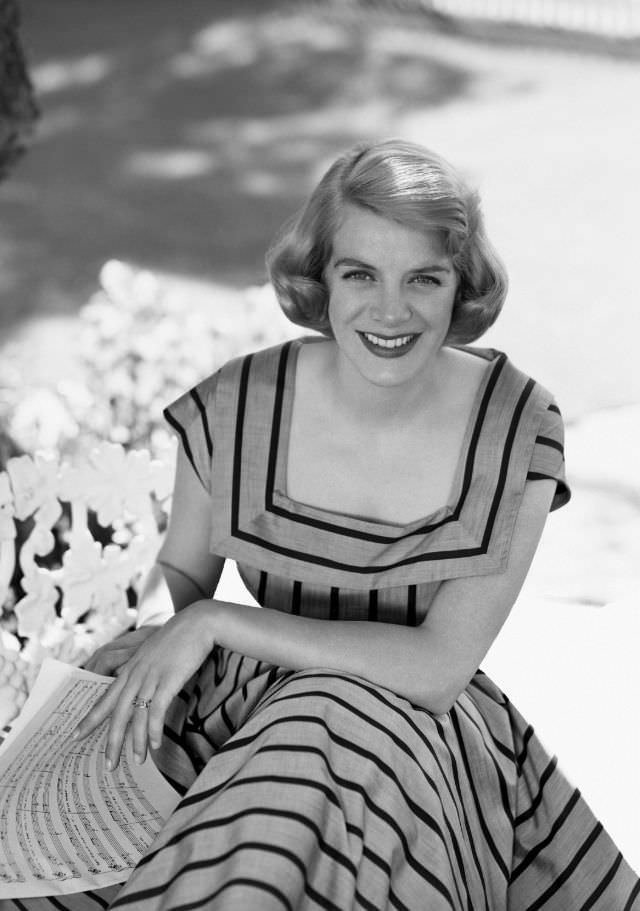
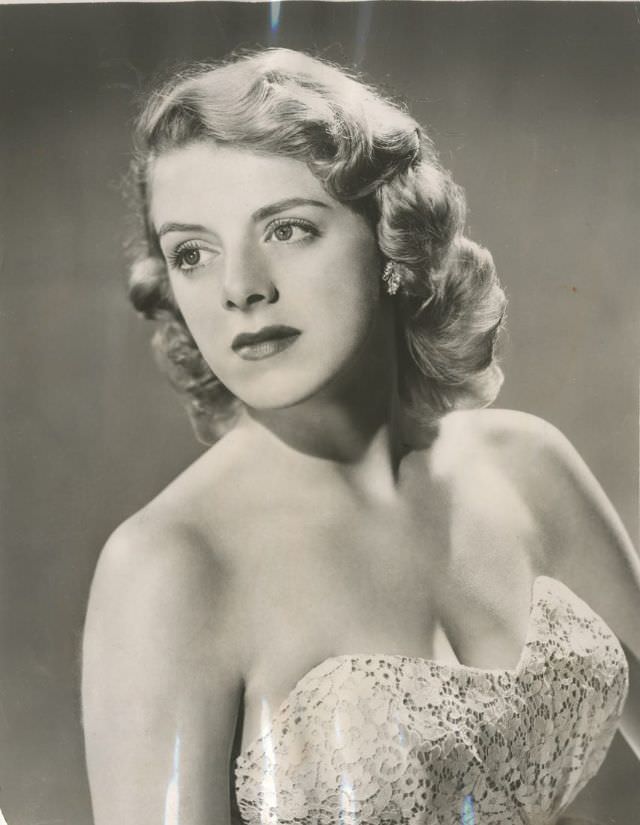
Clooney didn’t stay confined to the recording studio. In 1954, she starred alongside Bing Crosby and Danny Kaye in the film “White Christmas,” one of the most watched holiday movies ever made. Her screen presence matched her vocal talent, and Hollywood took notice.
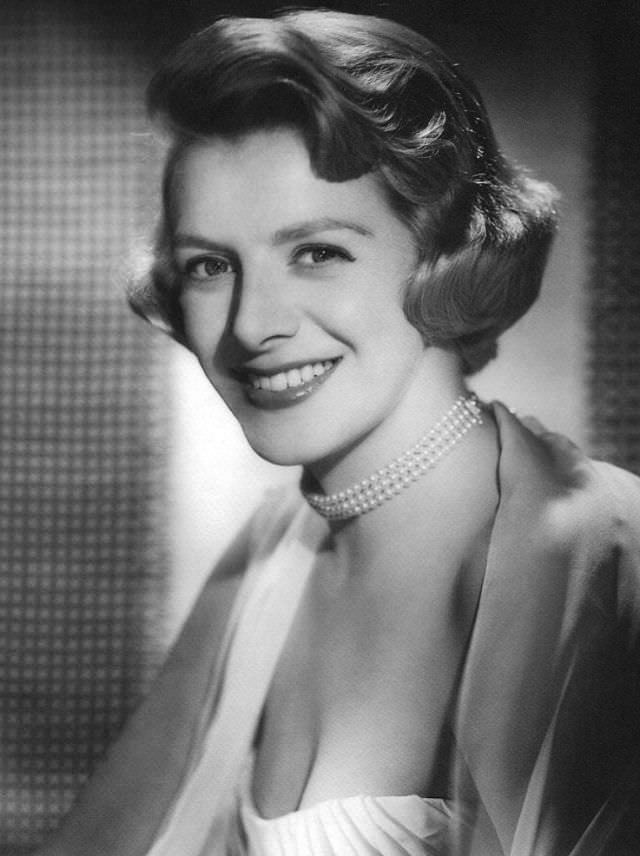
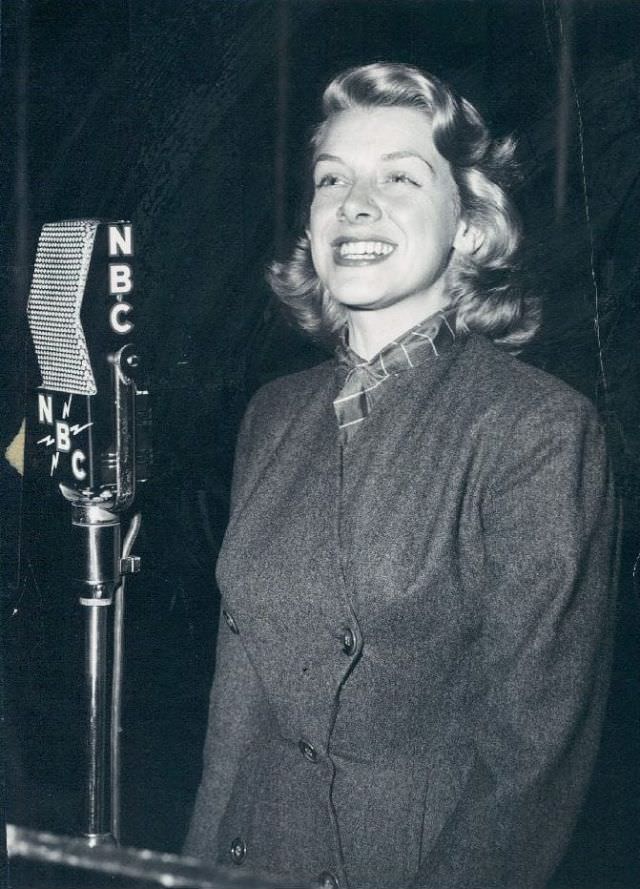
Television was next. She hosted “The Rosemary Clooney Show” from 1956 to 1957, bringing her performances into living rooms each week. At this point, she was one of the most recognizable entertainers in America.
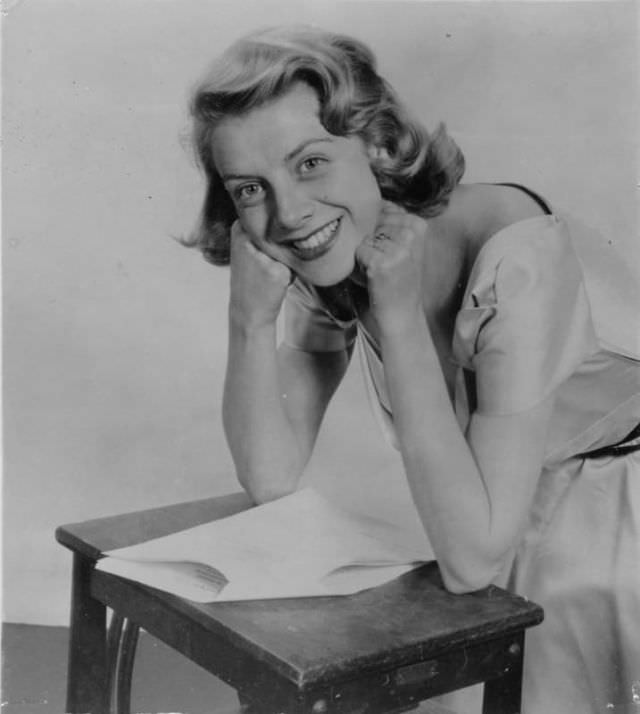
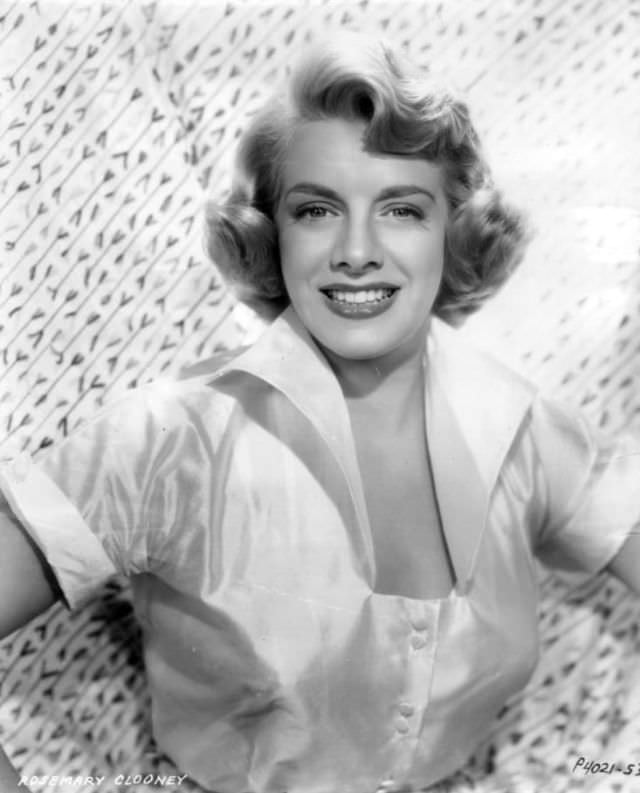
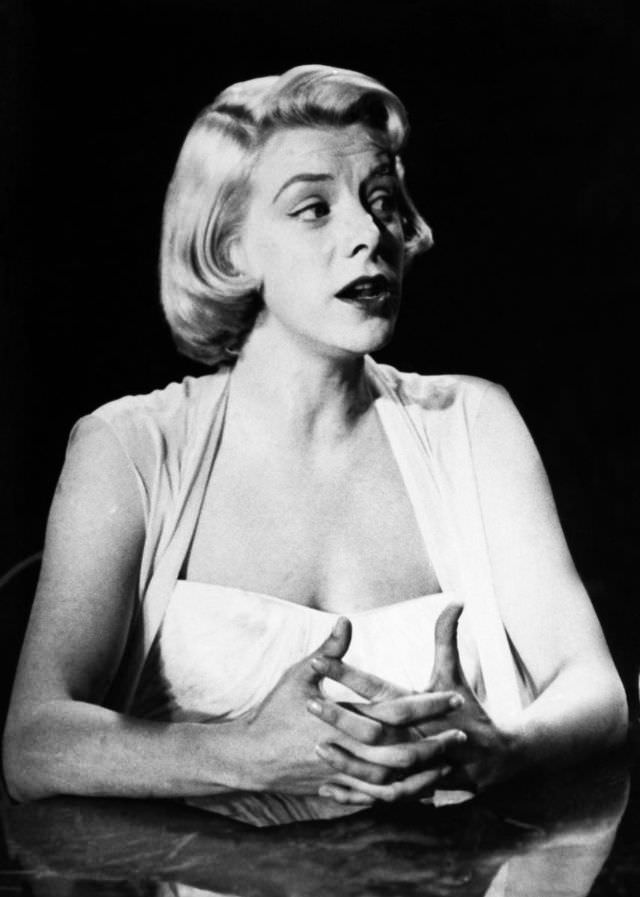
The 1960s brought real difficulty. Musical tastes shifted toward rock and roll, and Clooney’s style fell out of fashion with younger audiences. Her marriage to actor José Ferrer ended. She also battled addiction, a struggle she later spoke about openly. These were hard years, and they took a significant toll.
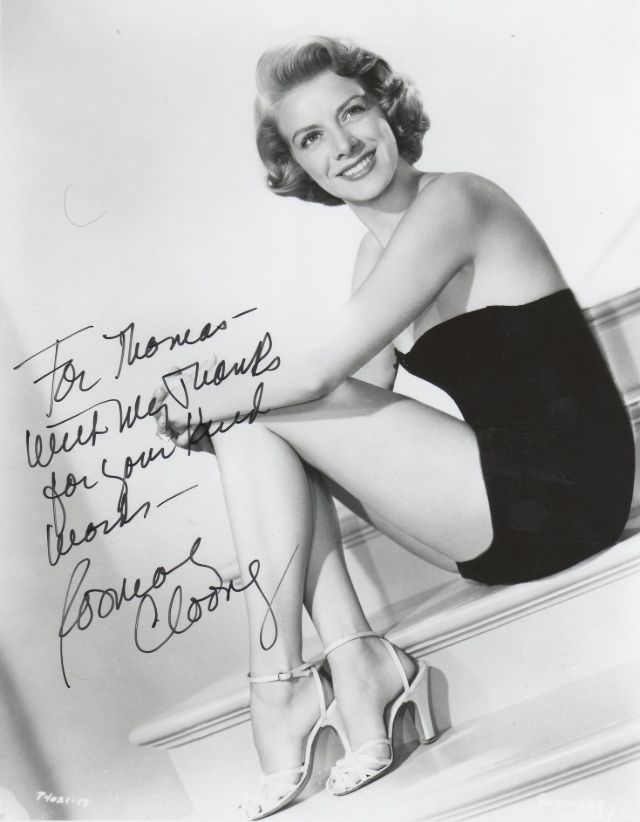
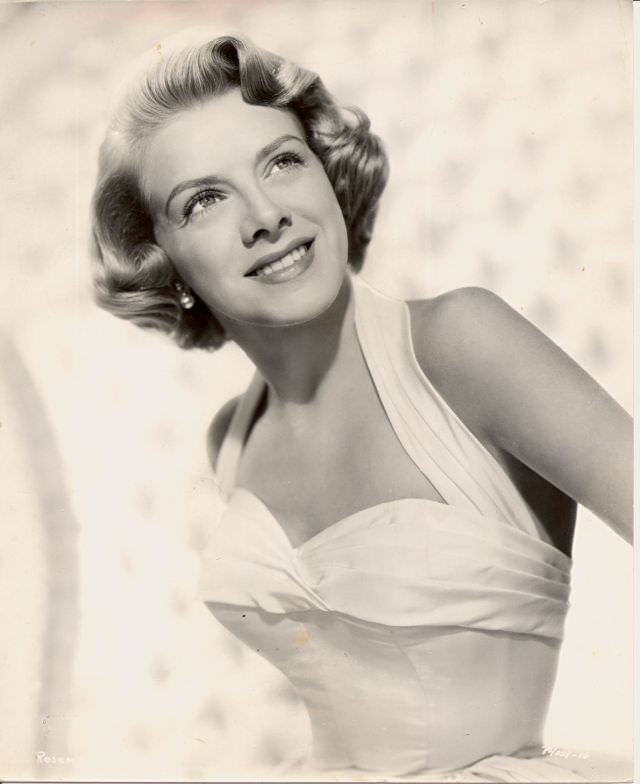
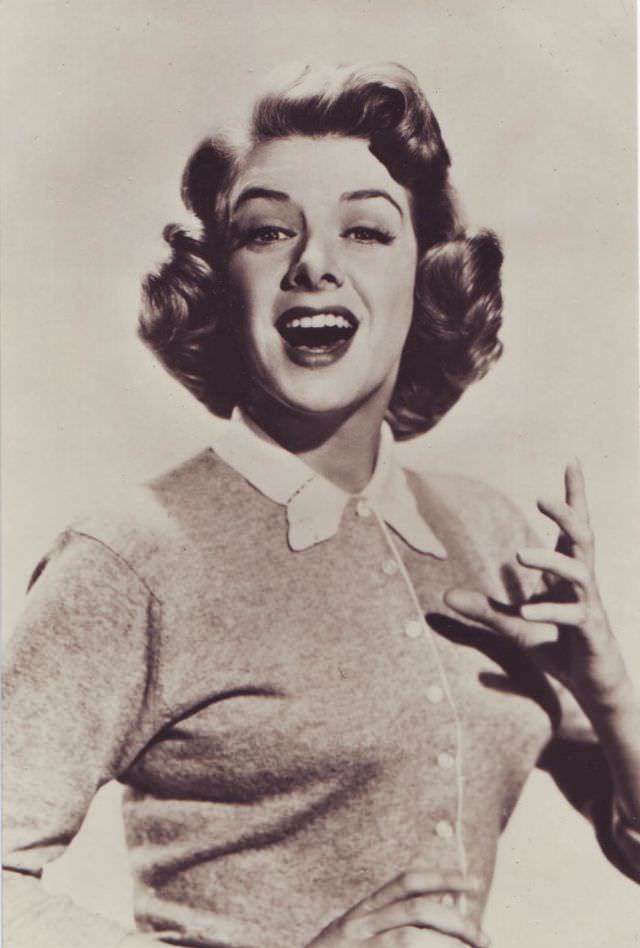
Her comeback began in the late 1970s. She signed with Concord Jazz Records and leaned fully into her jazz roots. The albums she released during this period earned strong critical praise and introduced her to a new generation of listeners.
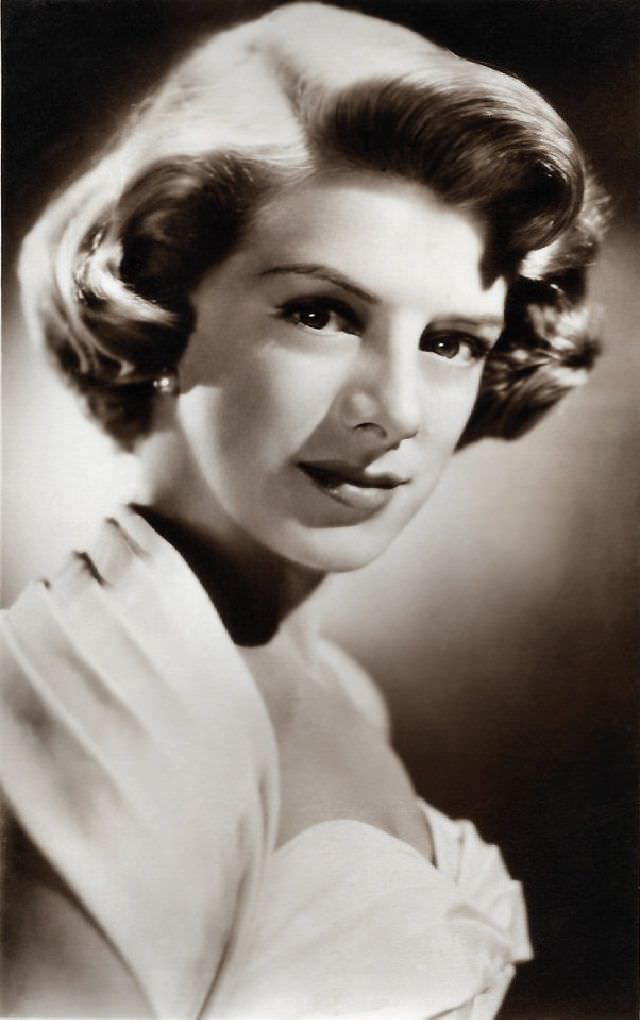
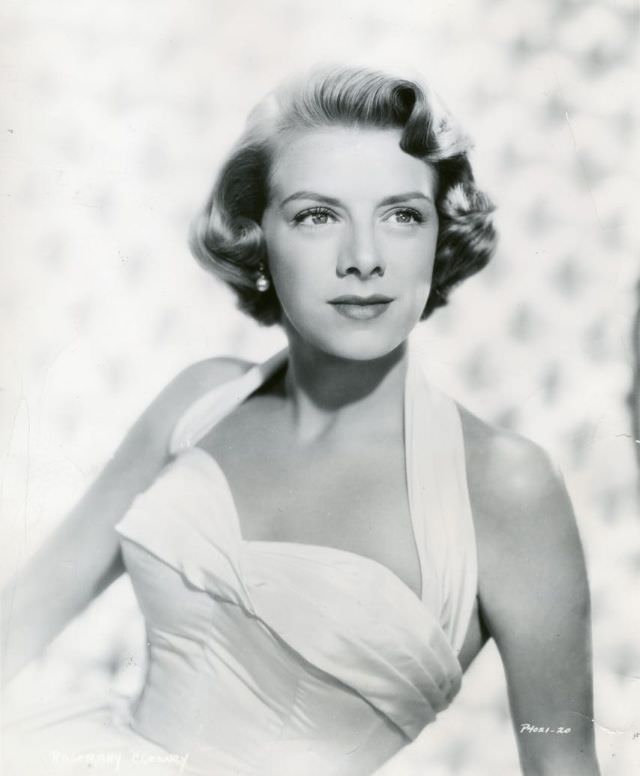
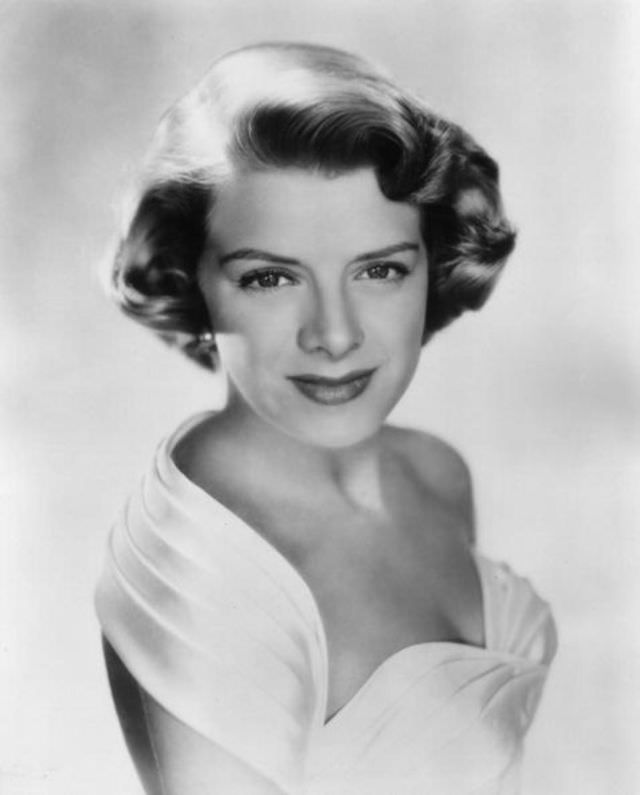
During this resurgence, she collaborated with the legendary bandleader Woody Herman, a pairing that highlighted just how naturally she fit within the jazz world. The recordings from this era showed a voice that had only grown richer with time.
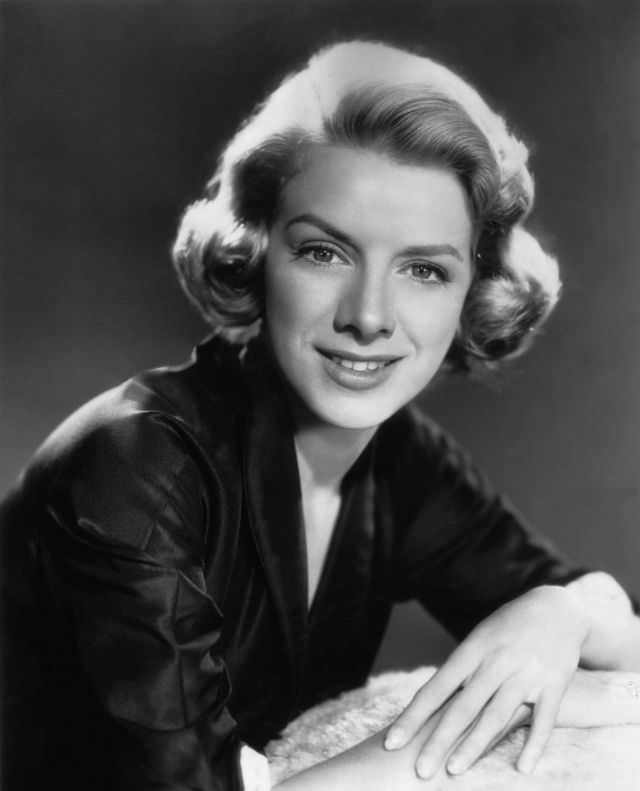
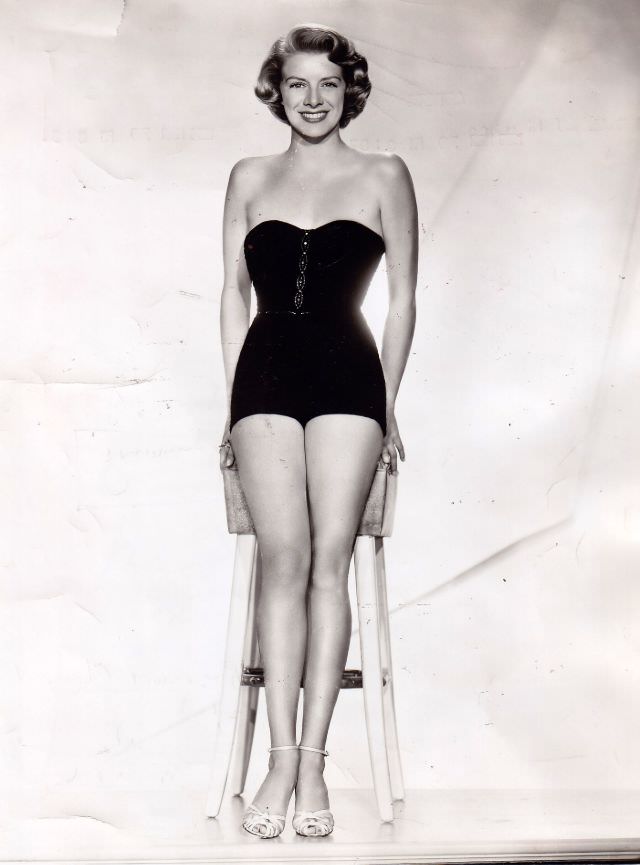
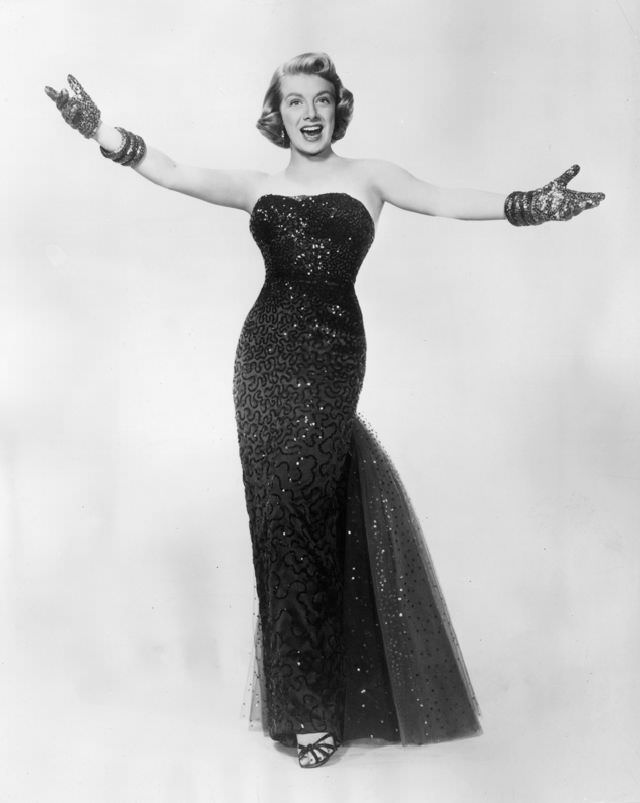
Clooney was also a dedicated advocate for mental health awareness. She shared her own experiences publicly, at a time when doing so carried real social risk. Her candor helped open conversations and reduce the stigma around mental health struggles.