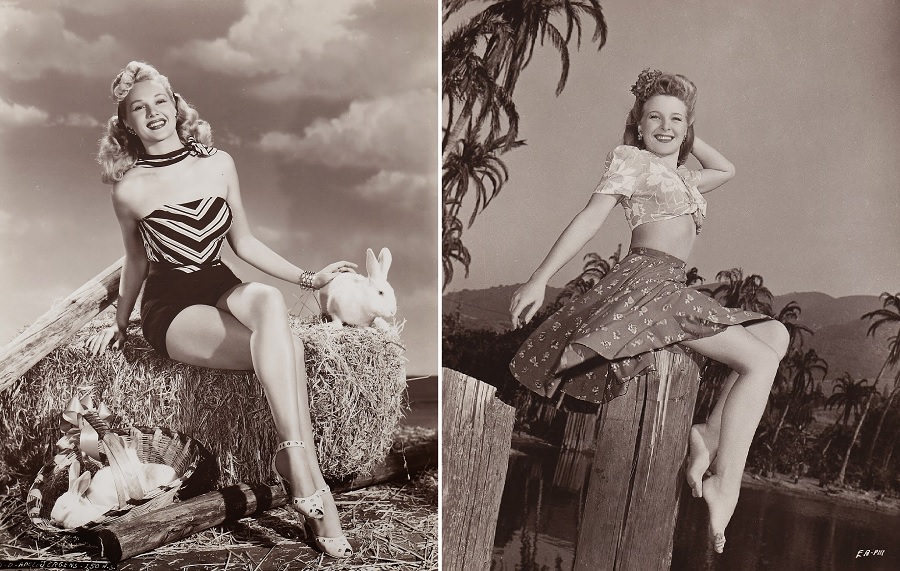
Lauren Bacall first stepped onto the Hollywood stage at just 20 years old, making her film debut in “To Have and Have Not” in 1944. Over the next 15 years, she worked in sixteen movies and built one of the most recognizable careers in American cinema. Her personal life, however, was just as eventful as her professional one — and the 1960s brought some of its most defining chapters.
After the death of her husband Humphrey Bogart from throat cancer, Bacall briefly entered a relationship with Frank Sinatra. That ended when Sinatra called off things after learning his marriage proposal had been leaked to the press. He believed Bacall was responsible. It was a painful end to what had been a high-profile romance.
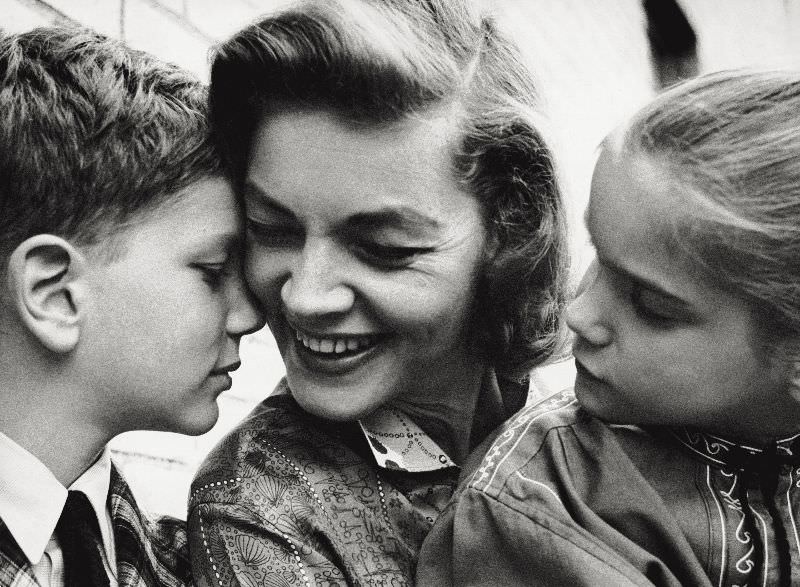
As the decade opened, Bacall was raising two children — Leslie and Stephen — from her marriage to Bogart. The early 1960s photos show a mother deeply present in her children’s lives, even as she prepared to step back into the spotlight.
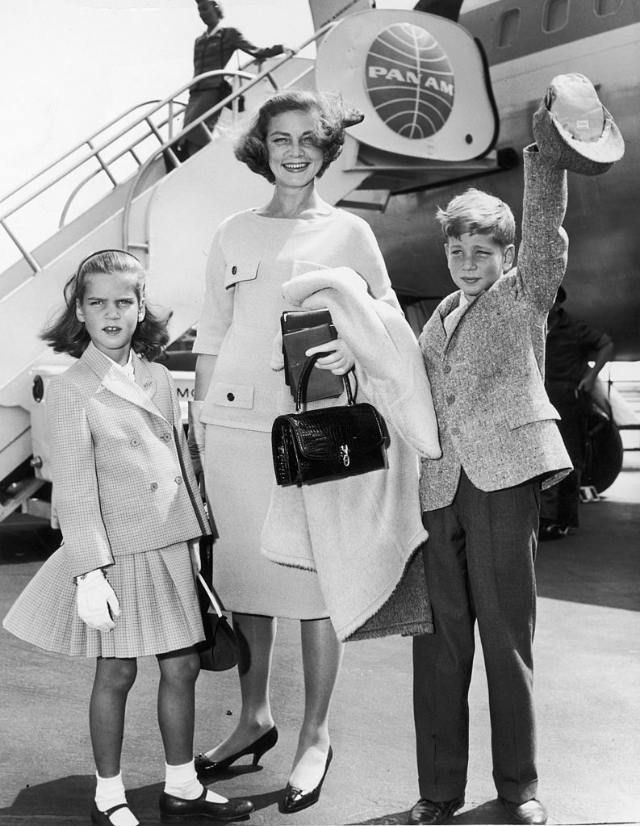
Travel was a regular part of Bacall’s life during this period. She frequently moved between New York and other destinations, often with her children in tow.
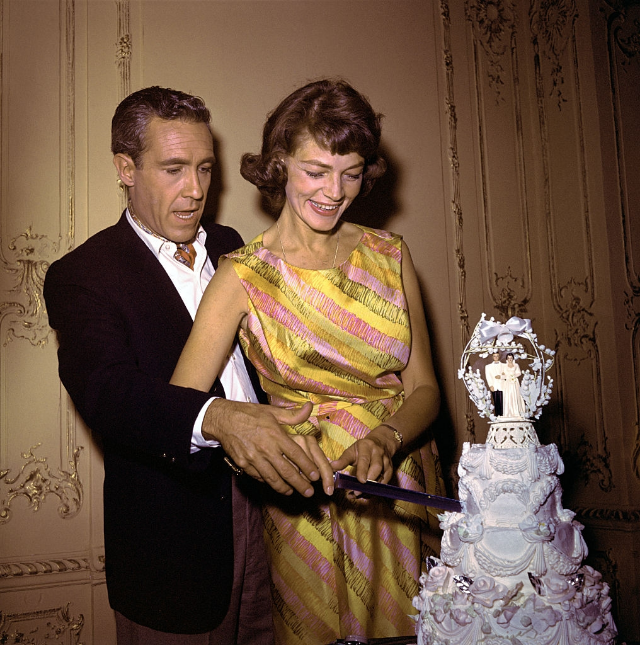
Bacall soon moved on romantically, beginning a relationship with actor Jason Robards Jr. The two married on July 4, 1961, in Ensenada, Mexico. It was a significant new chapter — a wedding day that brought optimism after years of grief and uncertainty.
In 1962, Bacall and Robards welcomed a son, Sam, their only child together. Bacall now had three children — Leslie and Stephen from her time with Bogart, and Sam with Robards. The family settled into their West Side New York apartment, and for a time, domestic life took center stage.
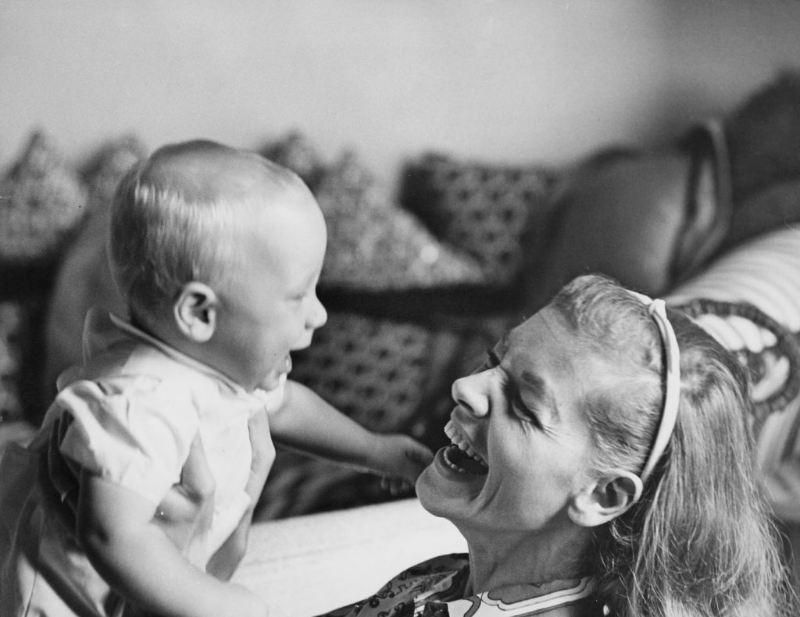
Even while raising a young family, Bacall remained active on set. She worked steadily through the early and mid-1960s, taking on both film and television projects.
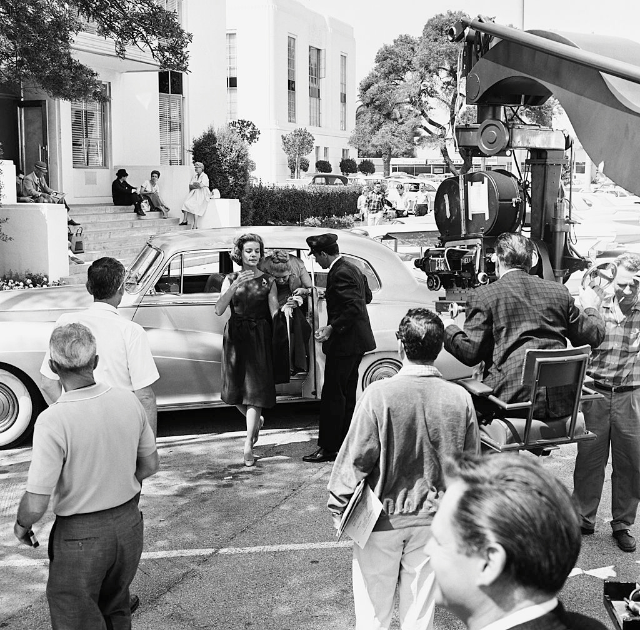
Television offered Bacall a new kind of visibility during this era. In 1963, she appeared in NBC’s “The DuPont Show of the Week,” playing the role of Lorraine Boswell in its 20th episode — a sharp, dramatic performance that showed her range beyond the big screen.
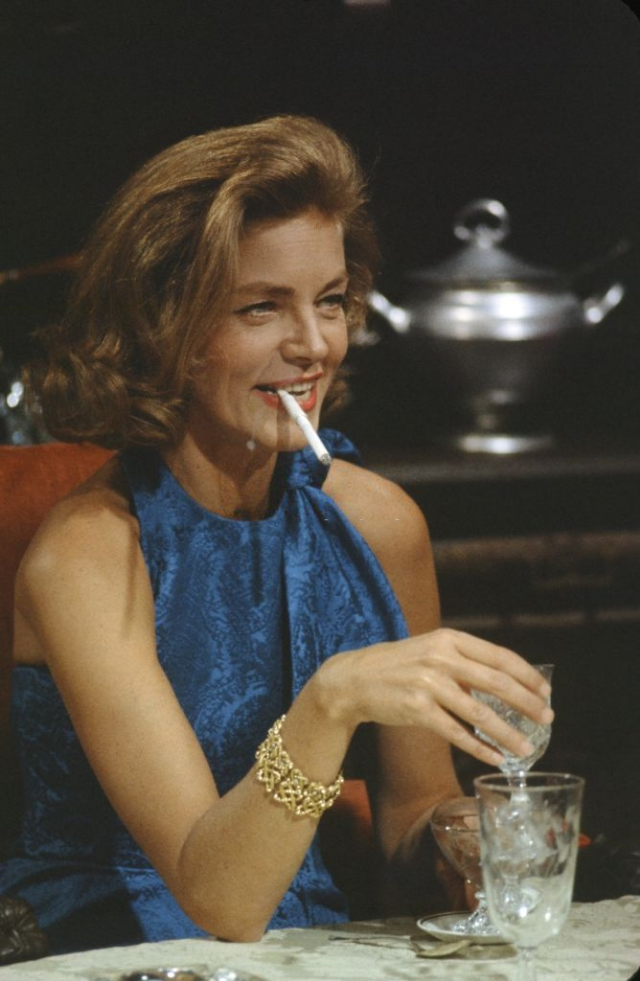
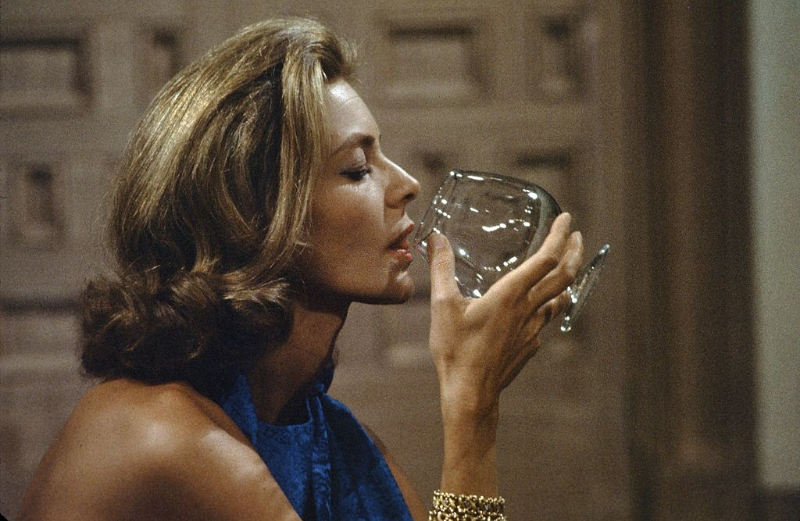
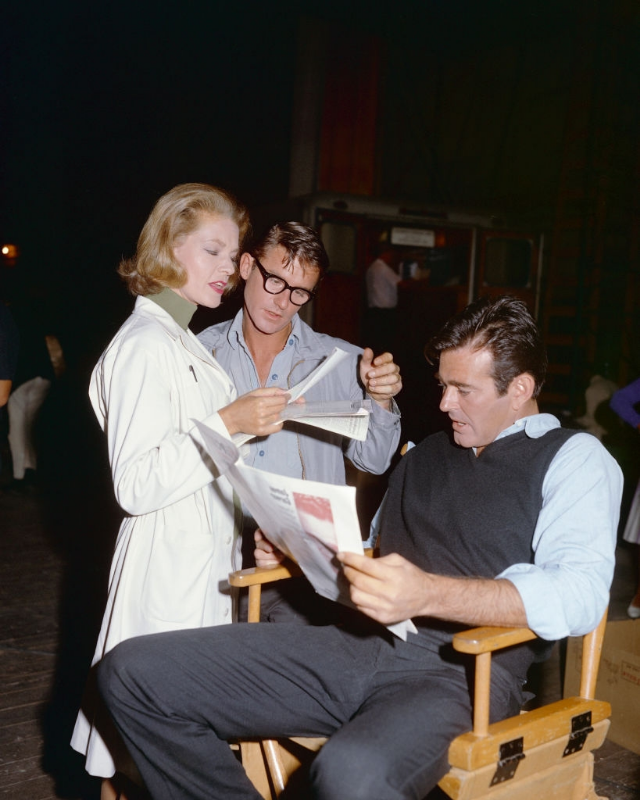
Her return to the big screen came in 1964 with “Shock Treatment,” a psychological thriller in which she starred alongside Stuart Whitman and Roddy McDowall. It marked her first film appearance since Bogart’s death in 1957, signaling a deliberate and confident return to cinema.
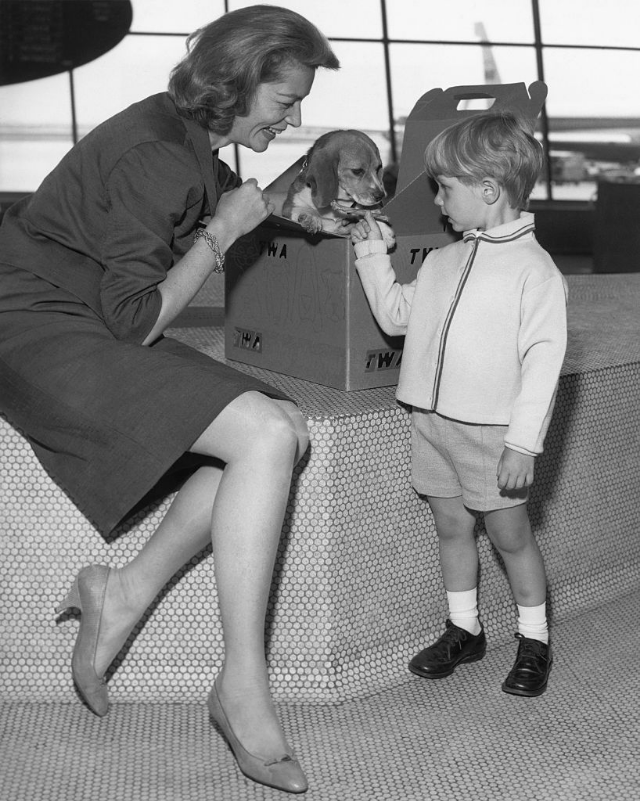
Life as a New York mother continued alongside her professional commitments. In 1965, Bacall and her young son Sam were photographed at the airport, making sure their pet dog Daisy was safely settled before boarding a flight to Los Angeles — a candid glimpse into the everyday rhythm of a busy working mother.
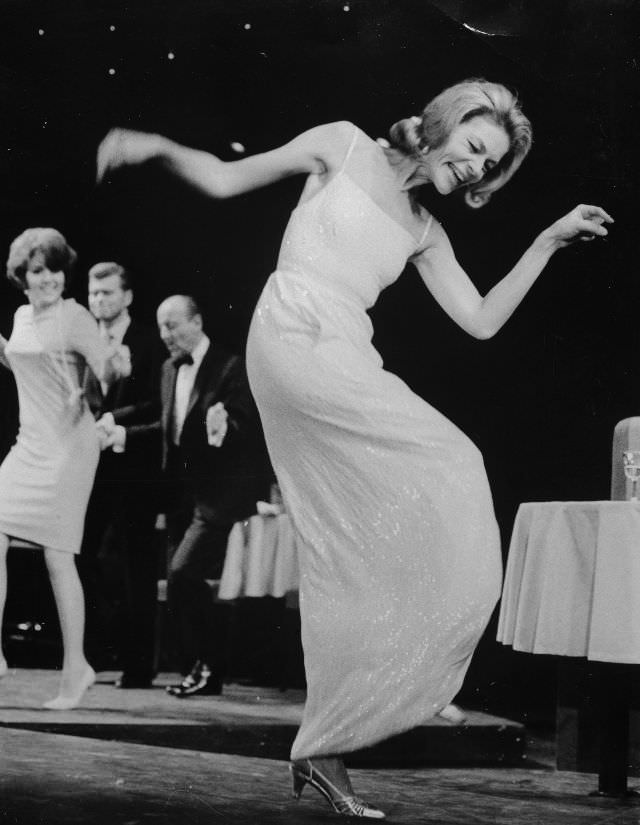
Broadway became a major focus for Bacall in 1965. She took on the lead role in “Cactus Flower,” a romantic comedy that became a genuine theatrical hit. Bacall threw herself into the performance with energy and charisma, earning strong reviews and winning over New York theater audiences.
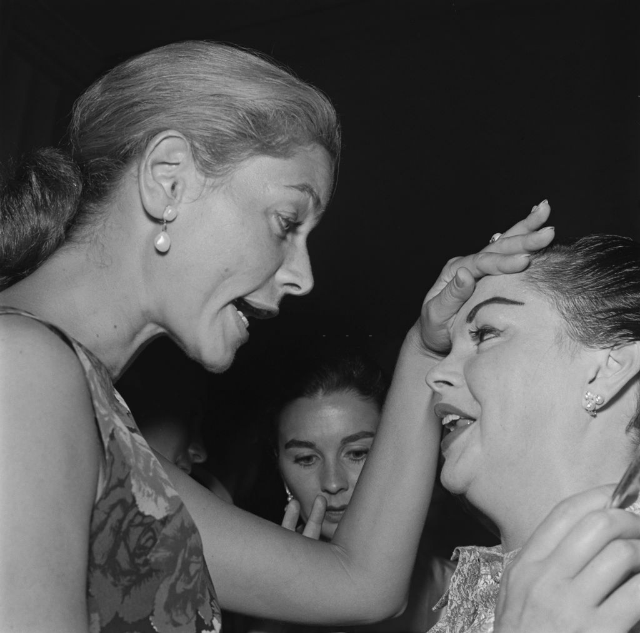
Her social world in the mid-1960s was filled with major figures from entertainment. At one event around 1965, she was photographed alongside actress and singer Judy Garland — two icons of American entertainment captured in a single, informal frame.
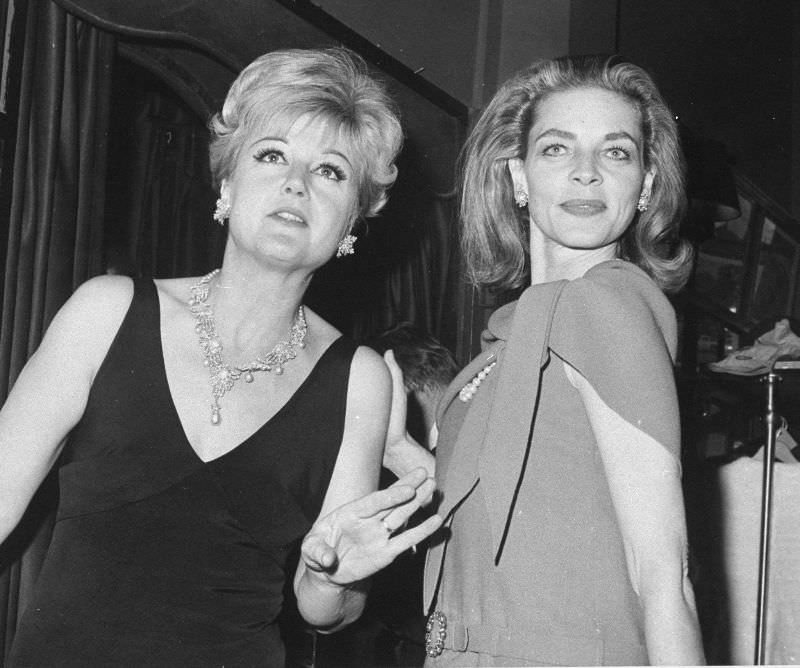
The Film Critics Awards party at Sardi’s restaurant in January 1966 brought together many of the era’s most celebrated names. Bacall arrived alongside actress Angela Lansbury, both dressed for an evening that blended Hollywood glamour with New York’s theater world.
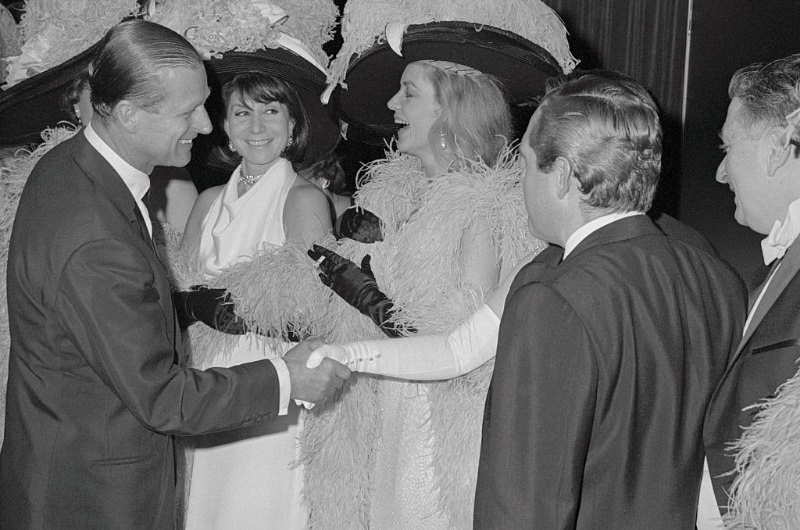
March 1966 brought a notable encounter at the Americana Hotel in New York, where Bacall met Prince Philip. The moment was captured in a photograph showing the two clasping hands — a meeting between Hollywood royalty and actual royalty.
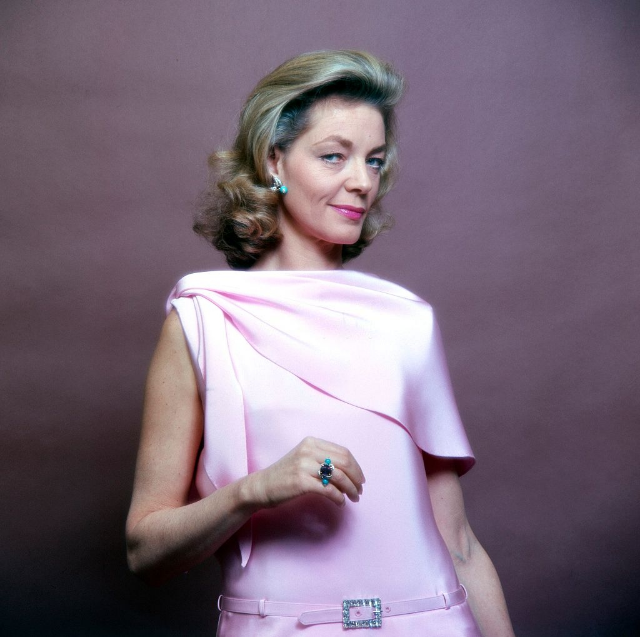
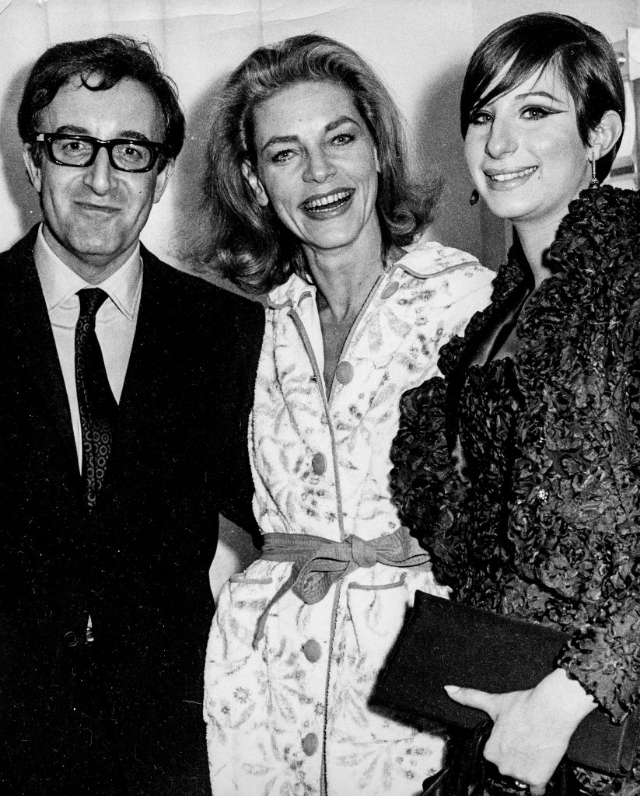
By 1966, Bacall was firmly embedded in the cultural fabric of New York. She was photographed with some of the biggest names in entertainment that year, including Peter Sellers and Barbra Streisand — a snapshot of just how well-connected she was in this world.
Her Broadway success kept her in the center of New York’s theater scene well into 1967. In March of that year, she attended the 21st Annual Tony Awards Party at Sardi’s alongside producer David Merrick, a sign of her ongoing ties to the stage.
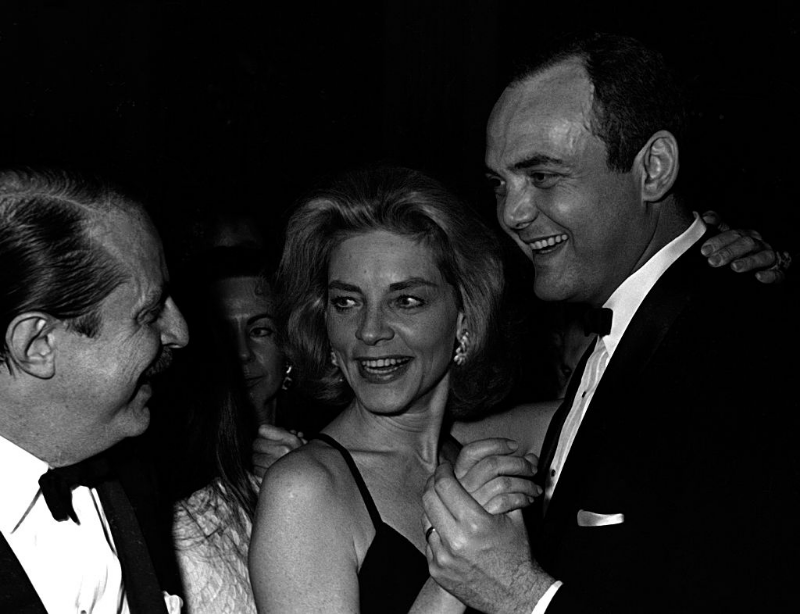
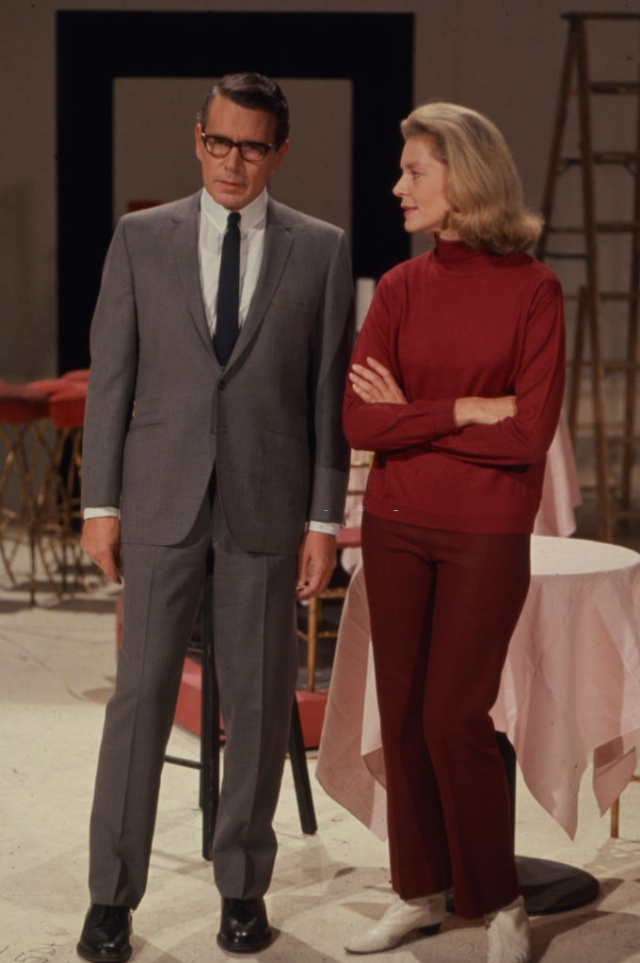
Television continued to feature her throughout 1967. In February, she appeared alongside John Forsythe on ABC’s prestigious anthology series “ABC Stage 67,” one of the network’s flagship programs of the era.
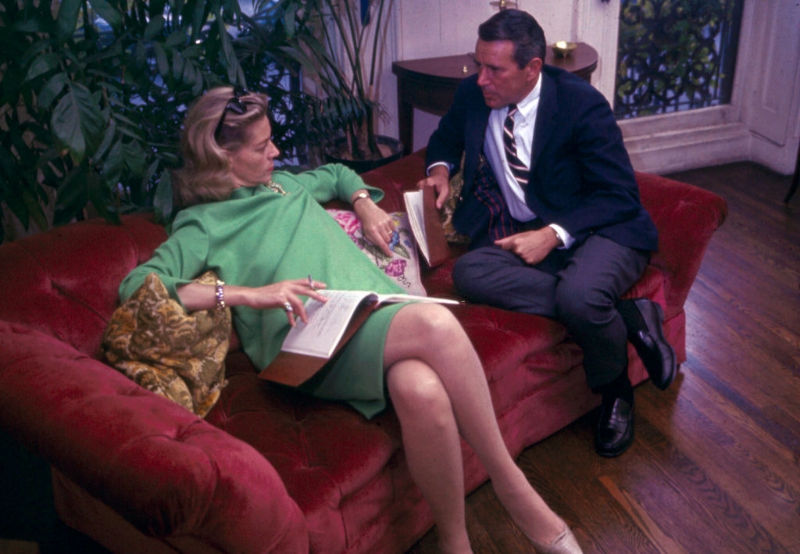
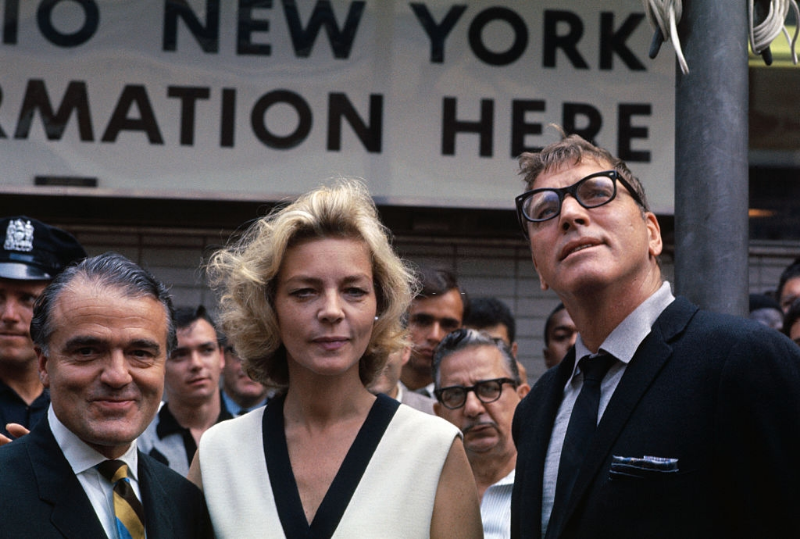
In July 1967, Bacall joined Burt Lancaster and film industry figure Jack Valenti in Times Square for a public event celebrating the growing volume of movie production happening in New York City. It was a show of support for a city that had long been Bacall’s home base.
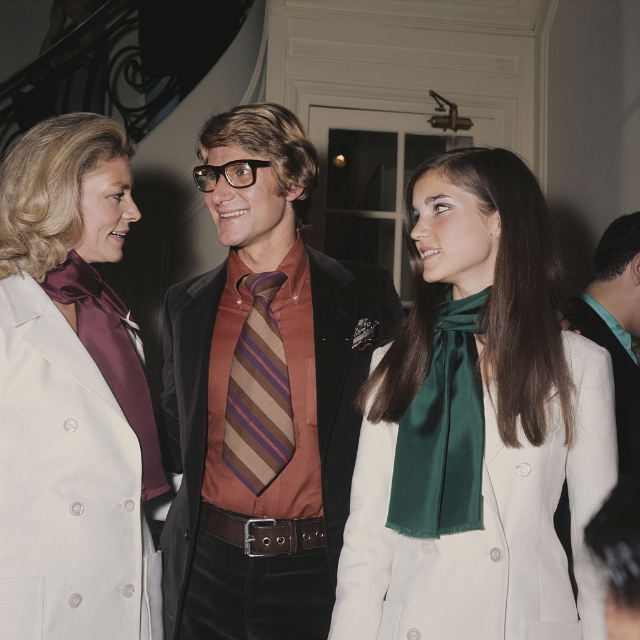
In June 1968, Bacall traveled to Paris to host a CBS special covering the fall fashion collections. The production brought her into close contact with the leading names of French fashion, including Yves Saint Laurent and Pierre Cardin — two designers who defined the look of that decade.
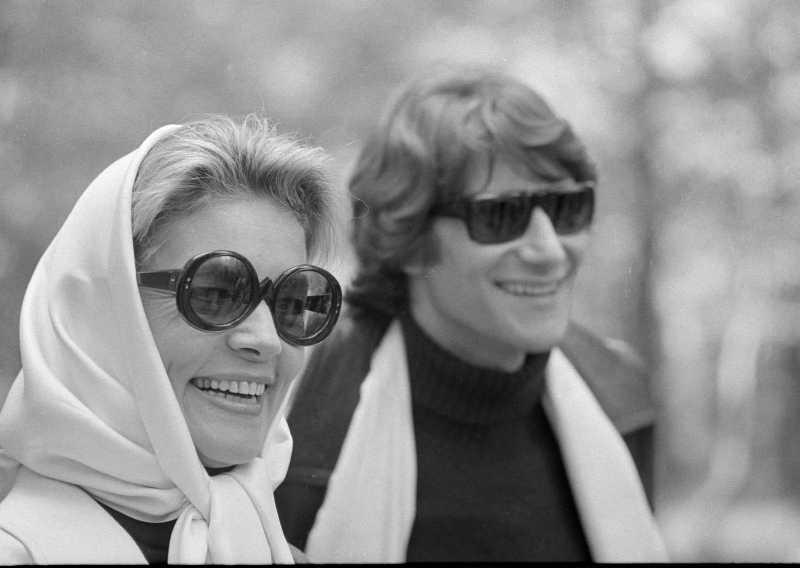
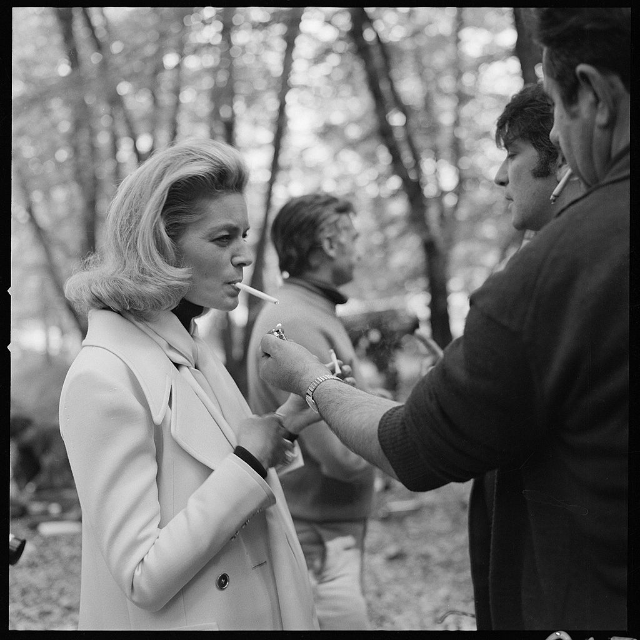
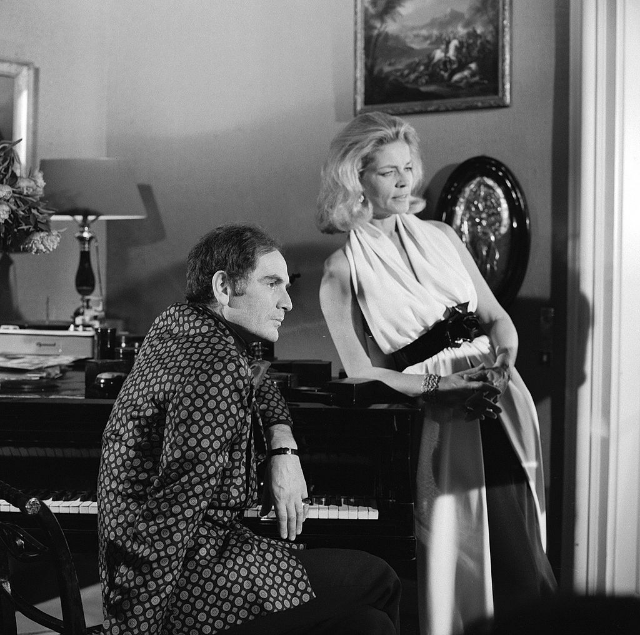
Bacall returned to Paris in July 1968, this time with her daughter Leslie Bogart. The two visited the Saint Laurent Boutique together, and Bacall brought Leslie to a showing of the designer’s latest collection — a rare mother-daughter outing set against the backdrop of haute couture Paris.
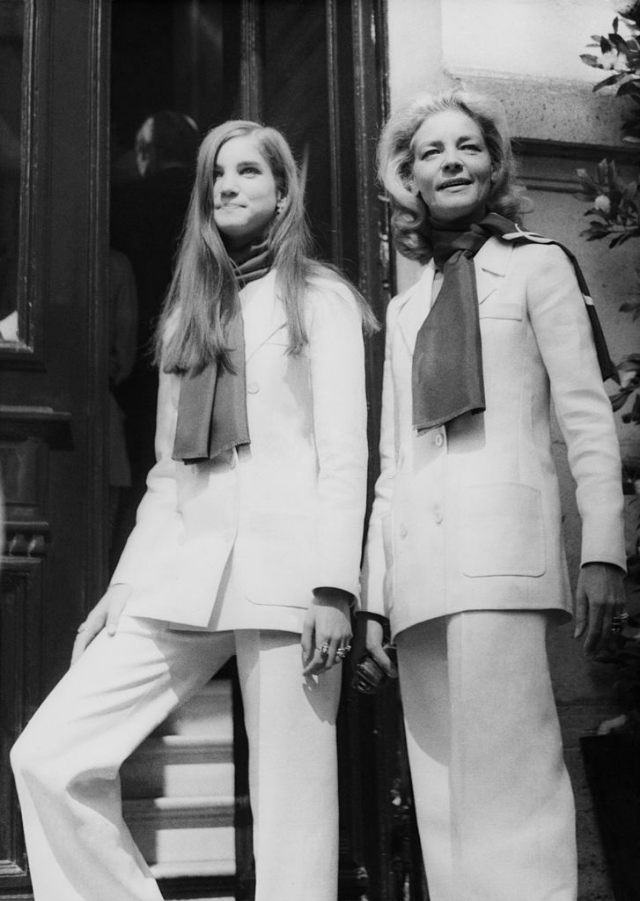
By 1969, the marriage to Jason Robards had broken down. The couple divorced that year, and Bacall later cited Robards’ alcoholism as the central reason in her autobiography. It closed a chapter that had begun with so much promise on that July 4th wedding in Mexico eight years earlier.
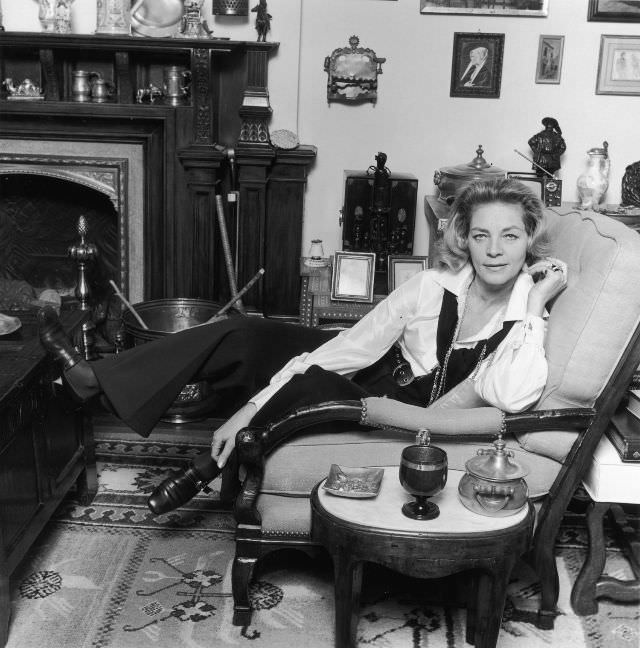
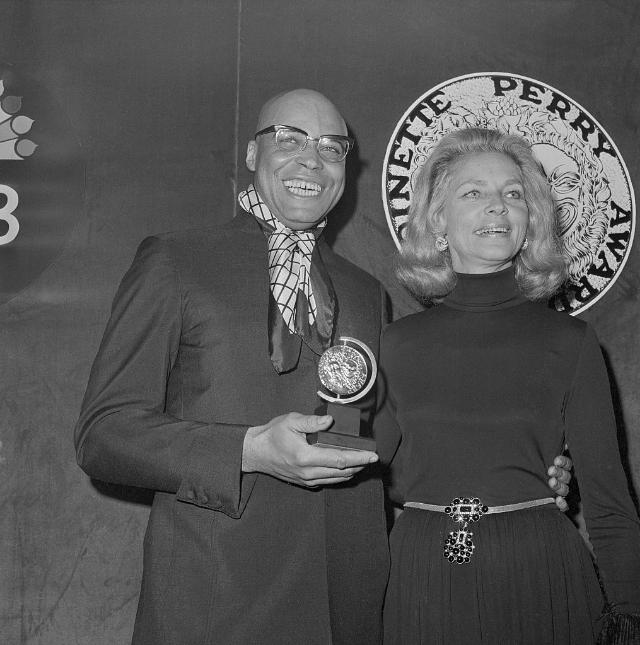
The decade ended on a high note professionally. In April 1969, Bacall presented the Tony Award for Best Dramatic Actor to James Earl Jones for his role in “The Great White Hope” — one of the most celebrated performances on Broadway that season. It was a fitting final moment from a decade that had taken Bacall from personal loss to professional reinvention and back to the center of American entertainment.