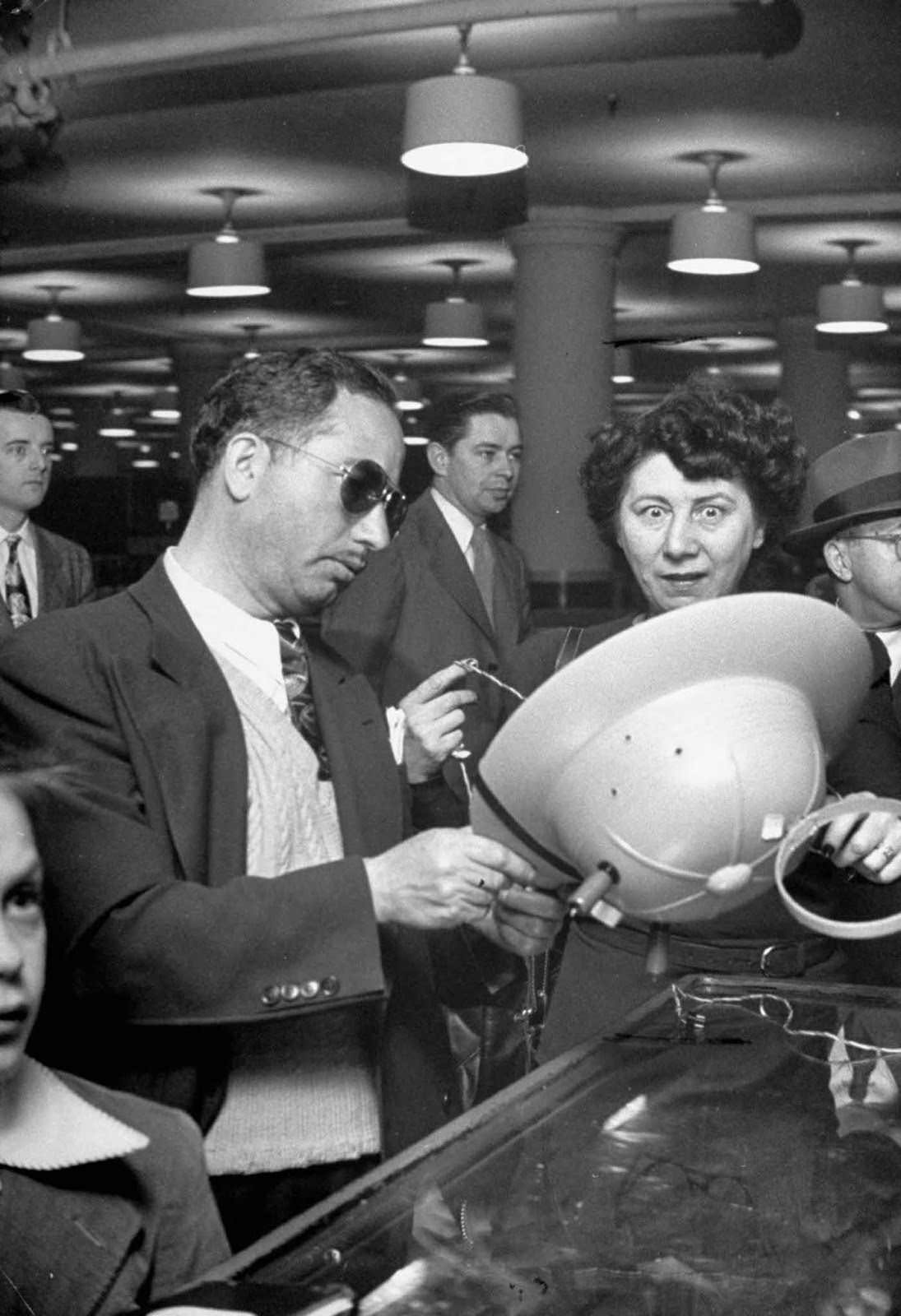
In 1949, a New York novelty manufacturer named Victor Hoeflich introduced one of the strangest consumer gadgets of the post-war era — a working radio built directly into a wearable helmet. He called it the “Man from Mars Radio Hat,” and for a brief moment, it captured the attention of the entire country.
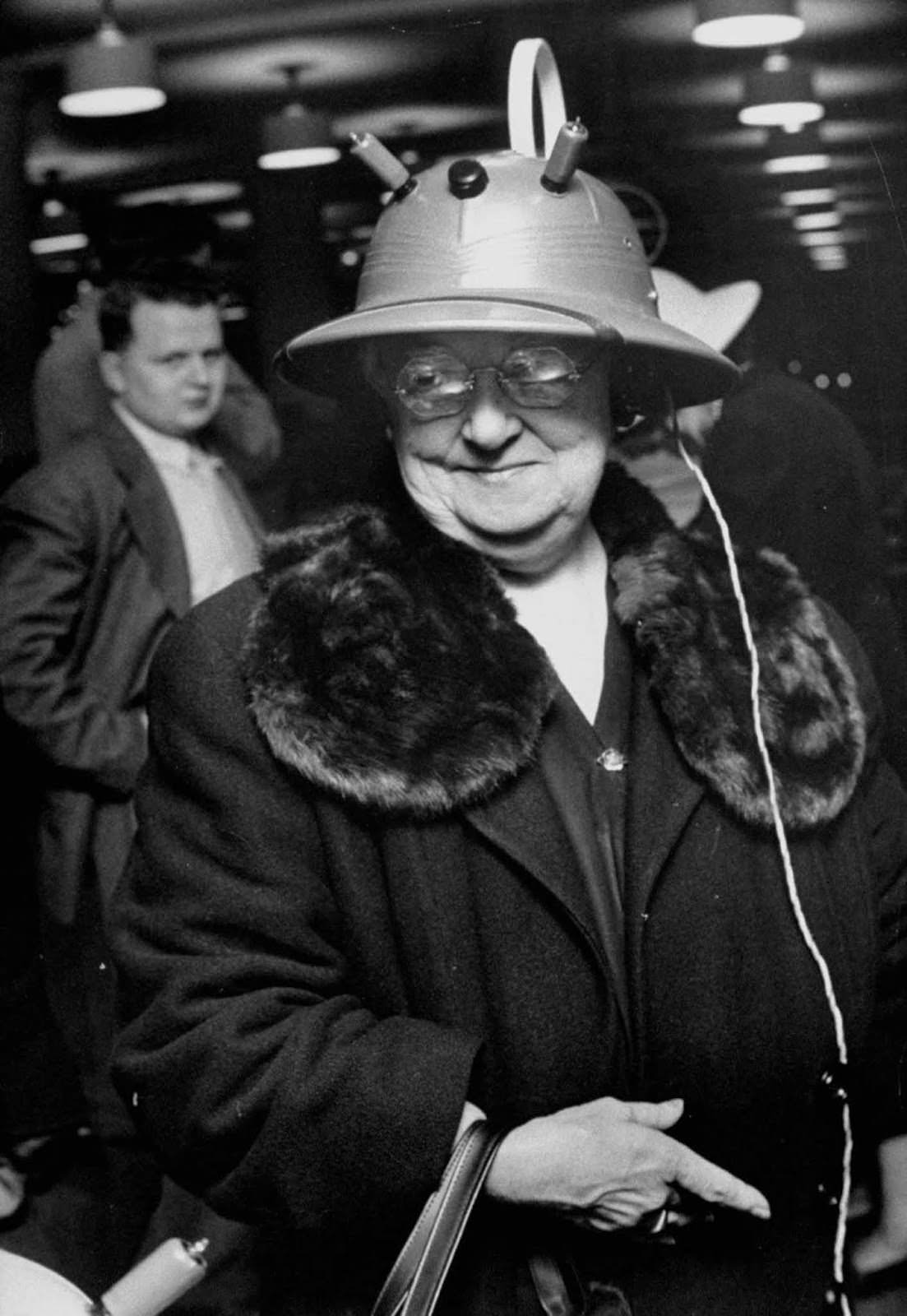
To launch the product, Hoeflich had teenage models photographed wearing the hats for newspapers and press photographers. Those images ran in publications from coast to coast, typically paired with stories explaining the hat’s features and how to use it. The publicity blitz worked — at least at first.
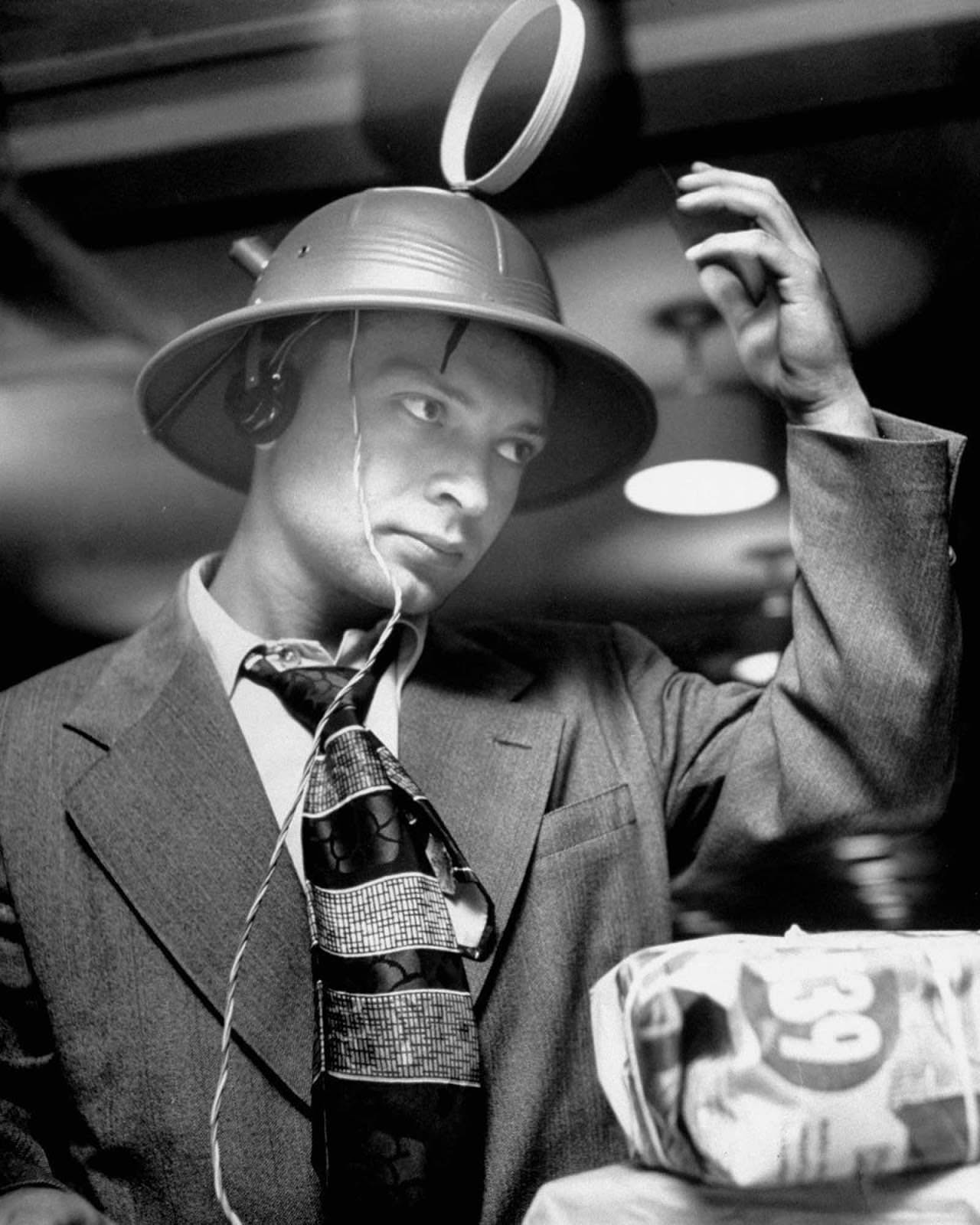
The hat was priced at $7.95 and sold through department stores and mail-order catalogs. It launched in eight colors — Lipstick Red, Tangerine, Flamingo, Canary Yellow, Chartreuse, Blush Pink, Rose Pink, and Tan — with seven more shades added later. A California gas station chain even handed them out as promotional items to customers who bought fuel.
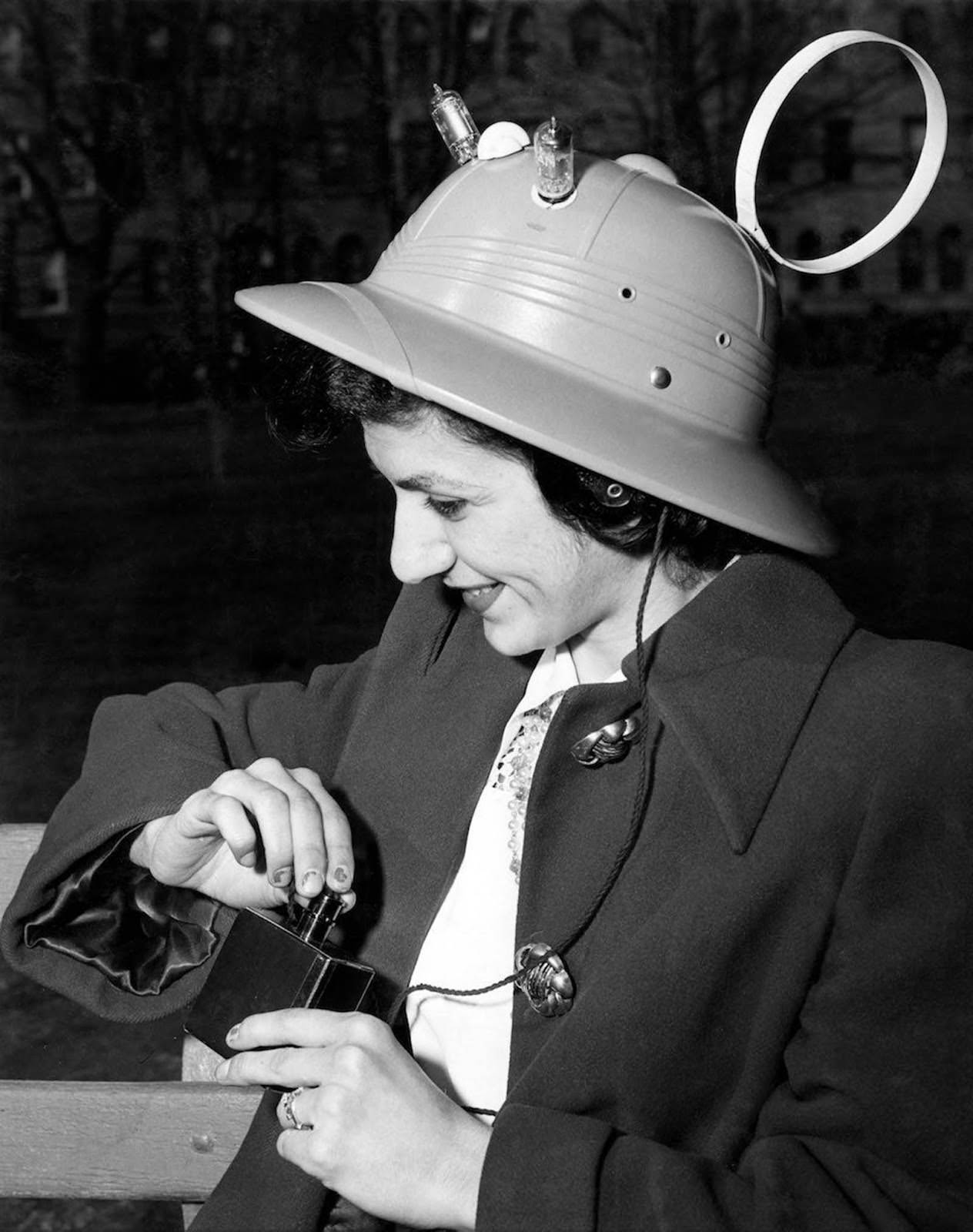
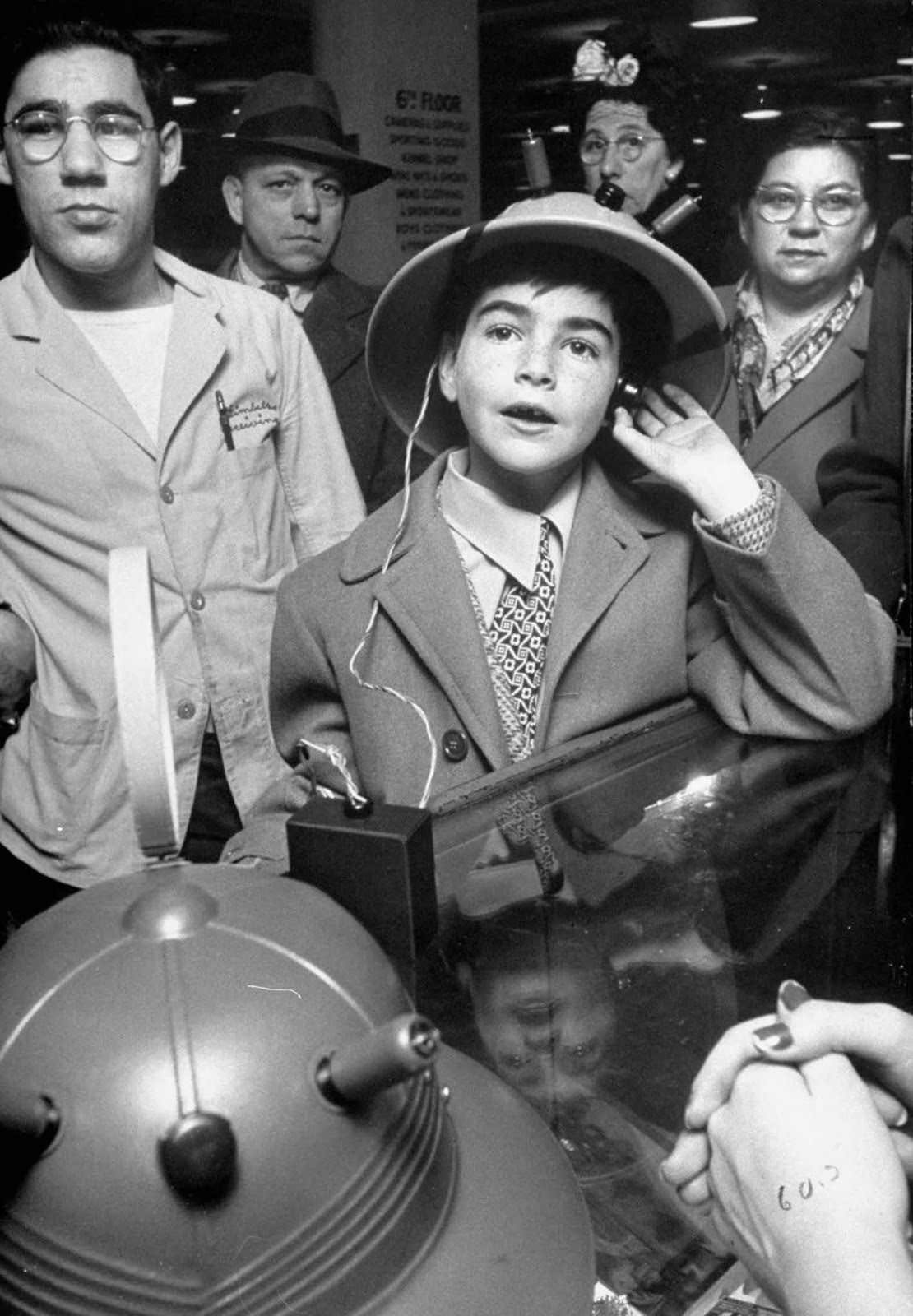
Hoeflich’s company, a novelty manufacturing corporation based in Brooklyn, built the hat around vacuum tube technology — the same radio valve tech that had advanced significantly during World War II. Transistors had been invented in 1947, but they weren’t yet practical for a consumer product like this. Instead, the hat relied on vacuum tubes that ran on low voltage, with a battery carried in the user’s pocket.
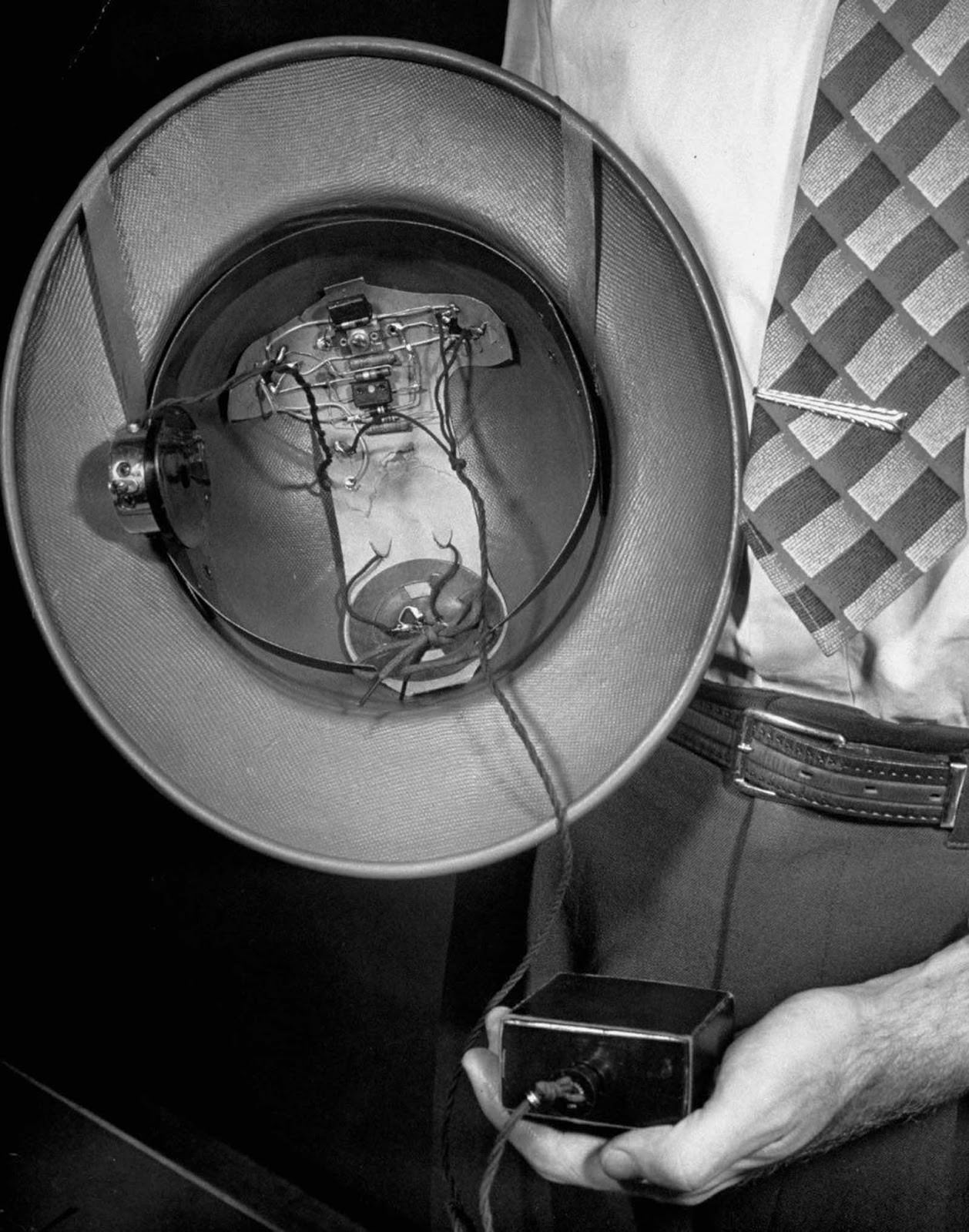
Rather than hiding the technology, Hoeflich made the vacuum tubes a visible design feature. Two tubes sat prominently on the hat, with a tuning knob positioned between them. A loop aerial completed the setup. The radio could pull in stations within a 20-mile radius — when it worked.
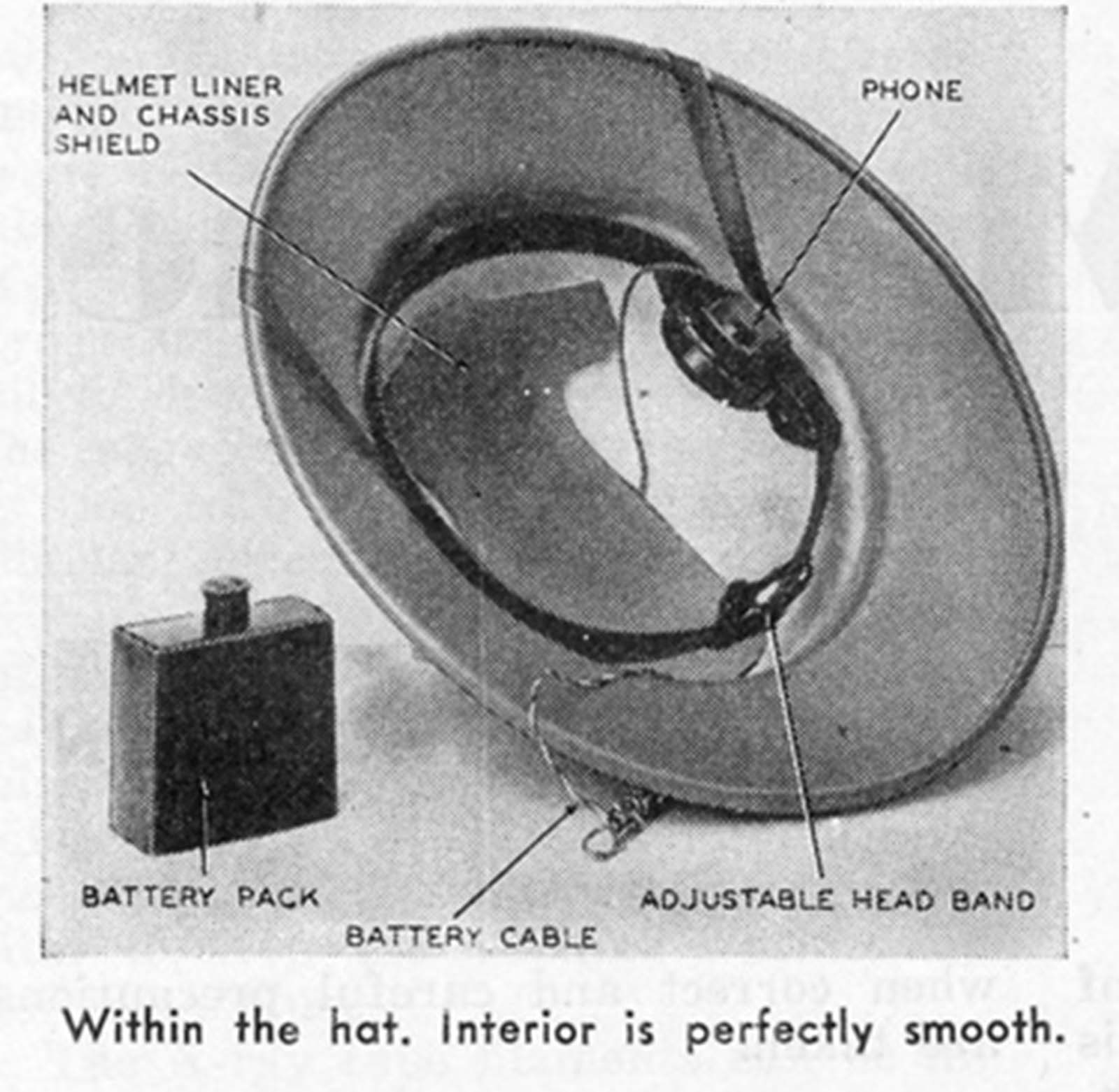
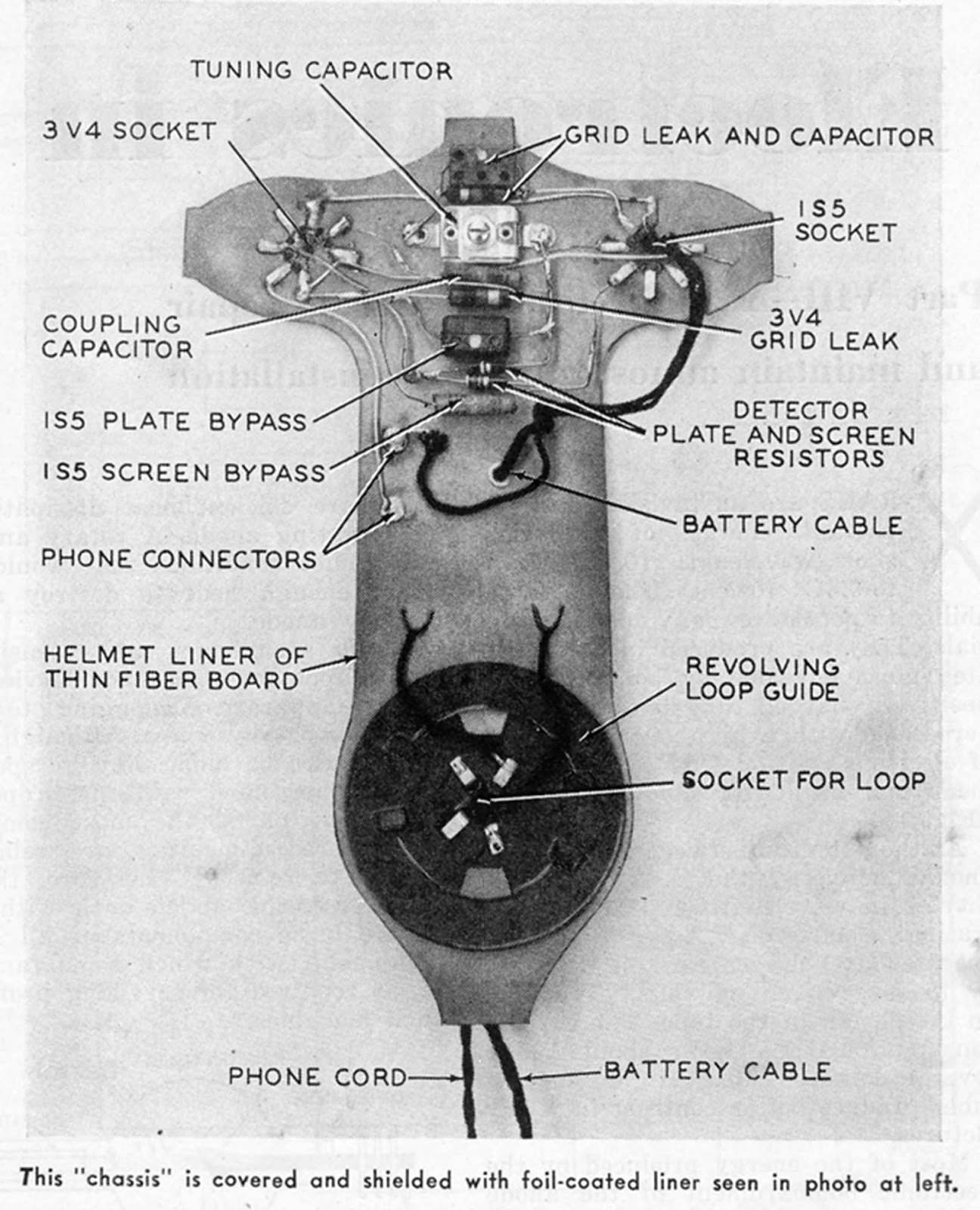
The technical problems were hard to ignore. Signals dropped frequently, and simply turning your head could cause a station to disappear entirely. Attempting to tune in a new station often produced nothing but a loud, irritating squeal. For a product meant to make listening to music effortless and fun, these were serious flaws.
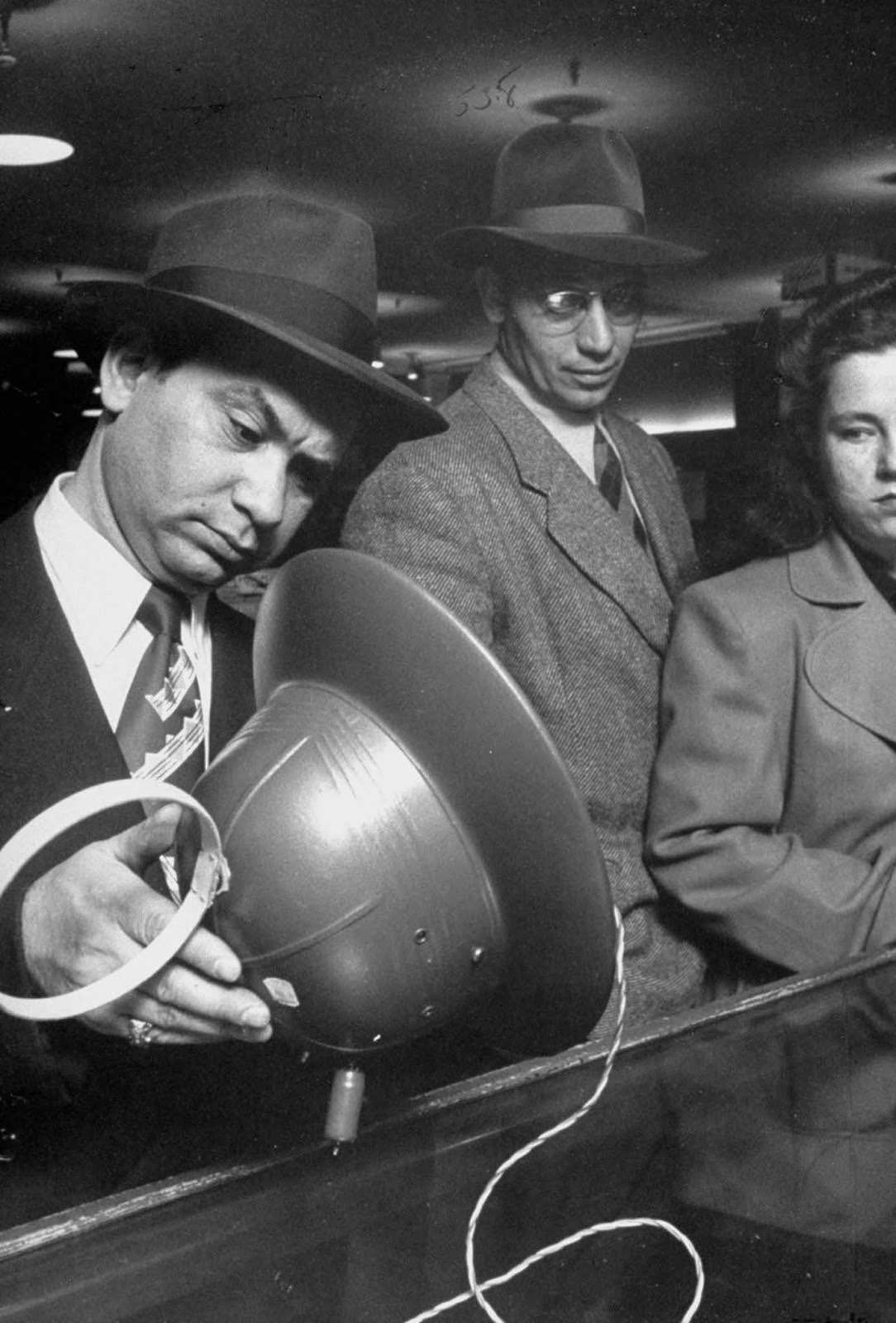
Despite the wide publicity and broad retail distribution, sales dropped off quickly. By the early 1950s, Hoeflich had pulled all advertising and stopped marketing the hat entirely. In a 1956 interview, he noted that orders for the hat were still trickling in — even though it had been out of production for years.