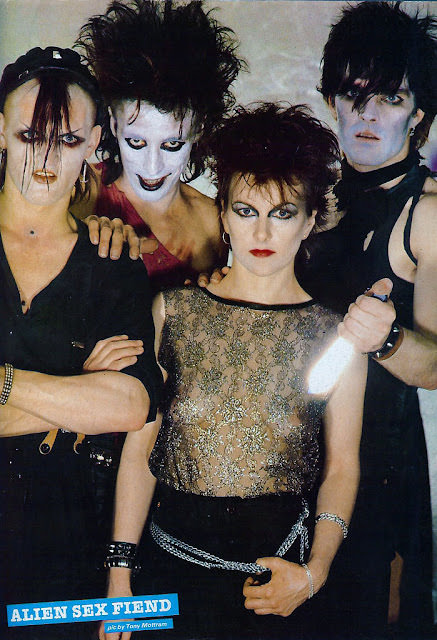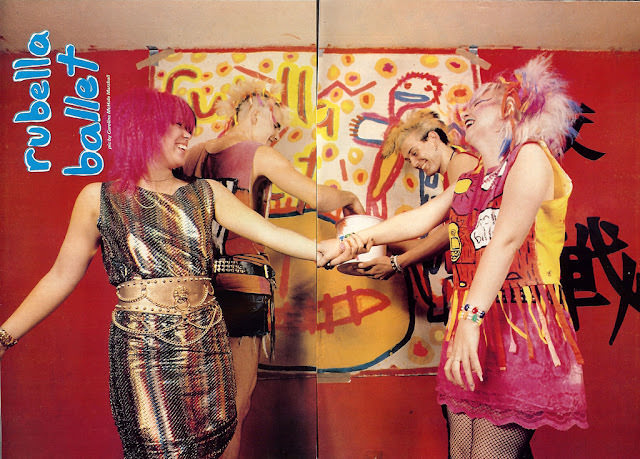
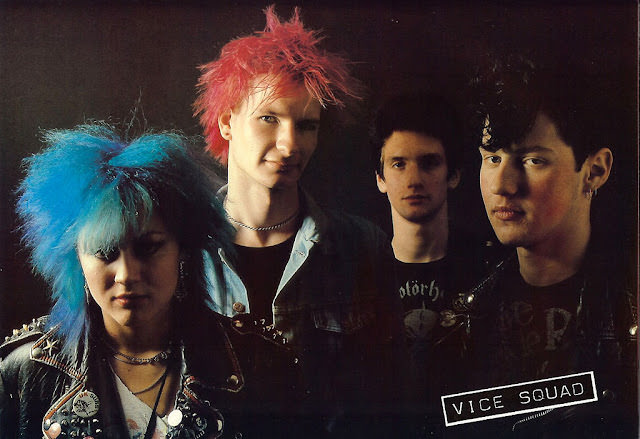
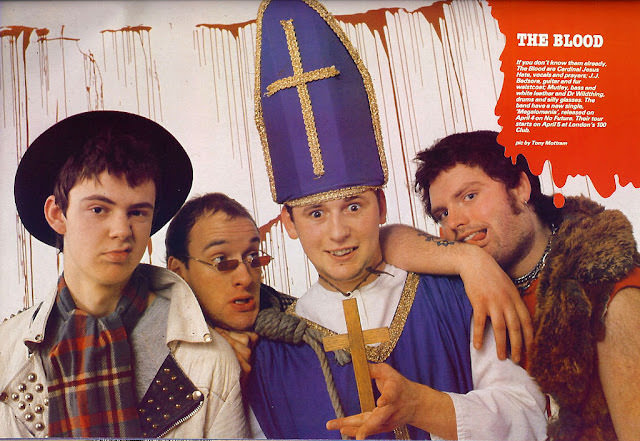
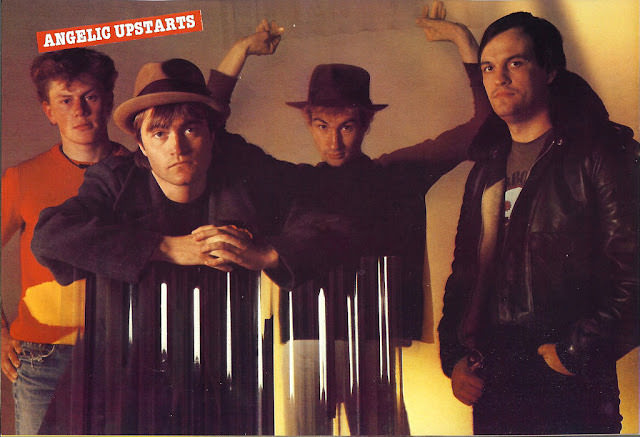
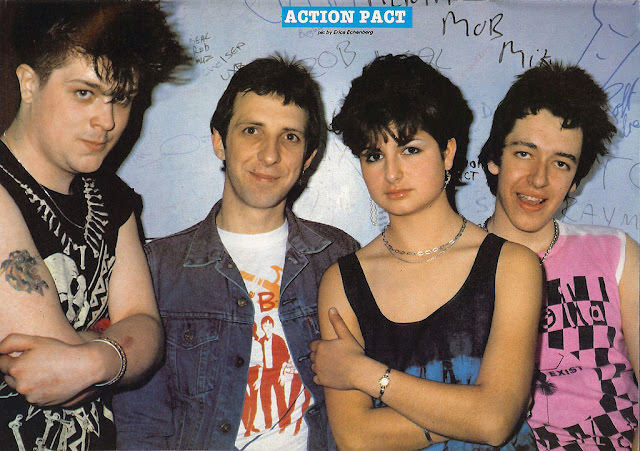
The Sex Pistols and The Clash dominated the headlines, but the 1980s punk scene ran far deeper than those two names. Beneath the surface, dozens of bands were grinding through dingy clubs and makeshift venues across the UK, playing to small but fiercely loyal crowds.
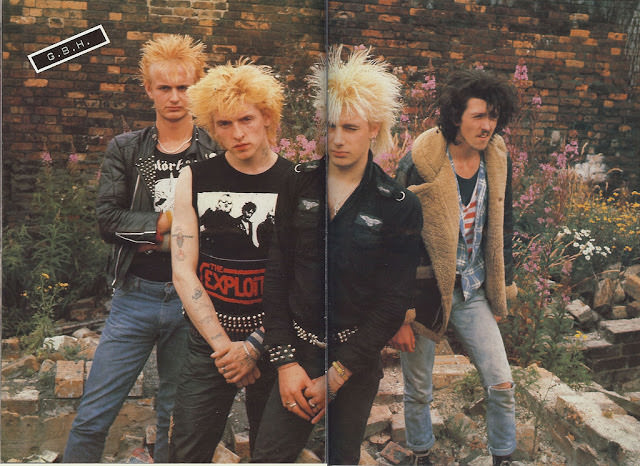
These bands had real targets. Thatcherism, unemployment, and social inequality filled their lyrics with a specific, unfiltered rage. This wasn’t vague rebellion — it was working-class anger aimed directly at the policies dismantling their communities.
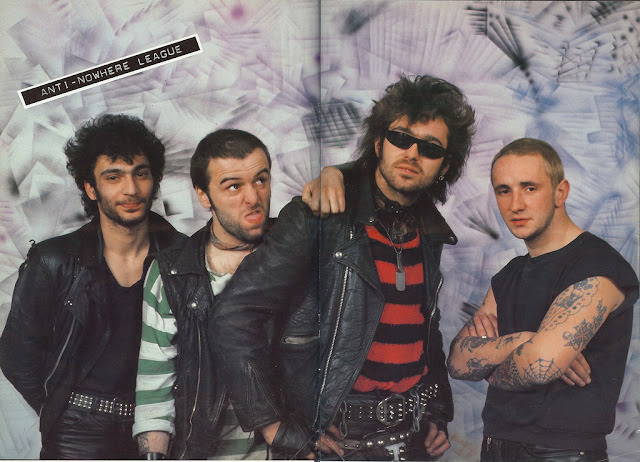
Major labels weren’t interested. So these groups did it themselves. Independent labels, cassette tapes, and self-pressed records got their music out. The DIY approach kept them free from commercial pressure and let them push punk into rawer, stranger territory.
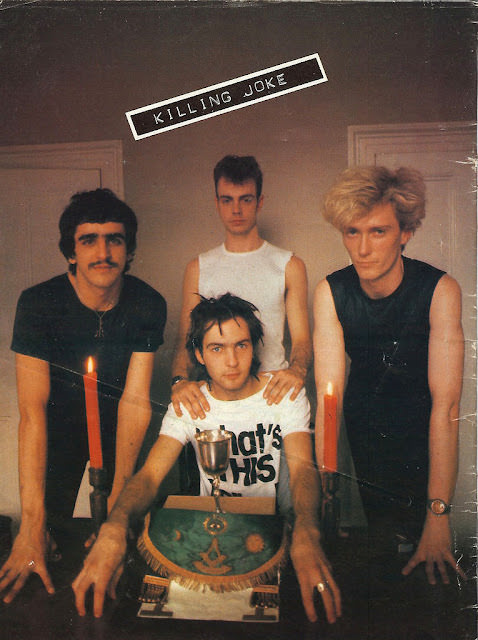
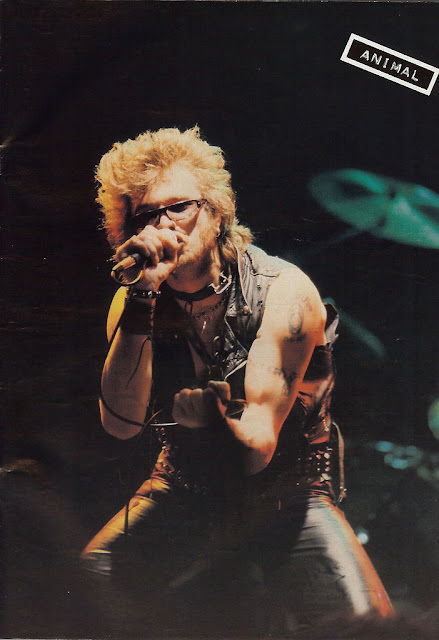
That experimental edge helped birth new subgenres. Anarcho-punk and goth both drew heavily from what these underground acts were doing. Bands like Crass, Rudimentary Peni, and The Apostles were key players who most casual music fans have never encountered.
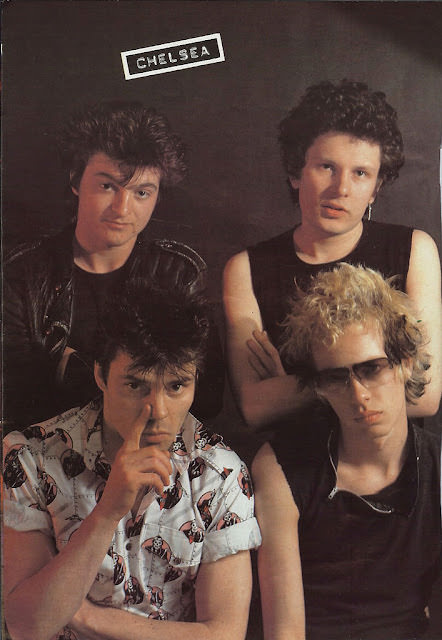
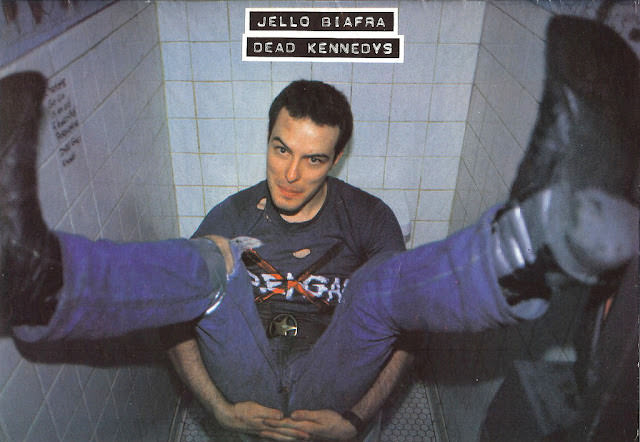
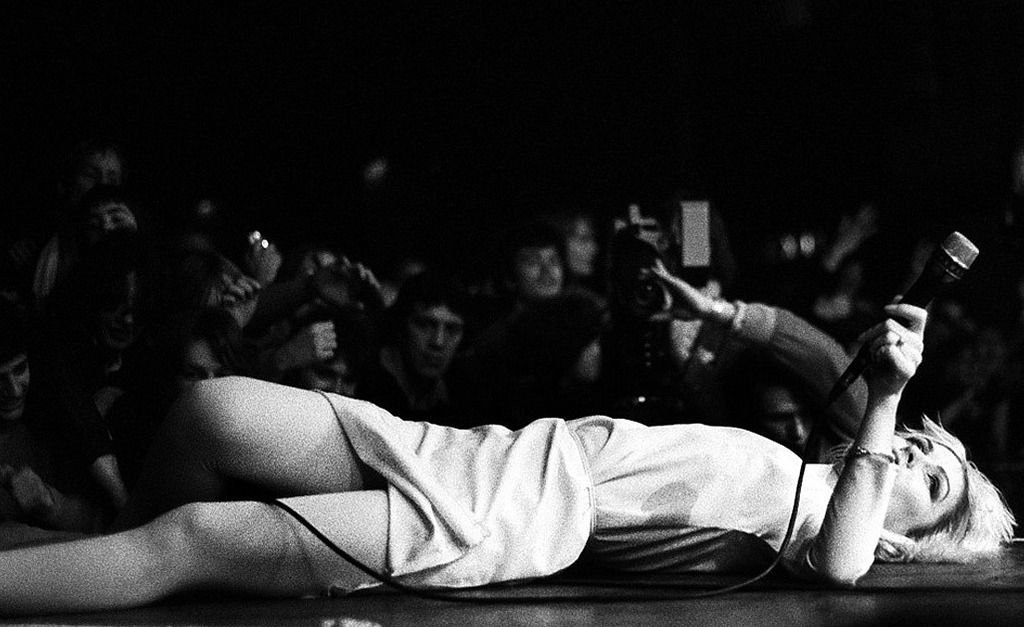
Their live shows were a different kind of experience. Mosh pits, stage diving, and a raw physical energy defined the nights. The venues were small and often chaotic, but that closeness between band and audience made every show feel urgent.
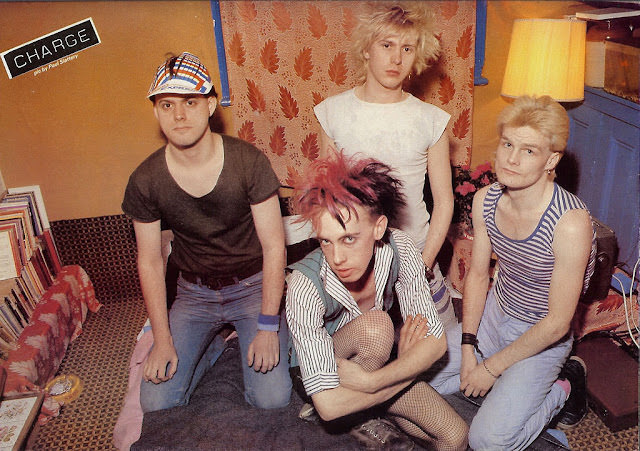
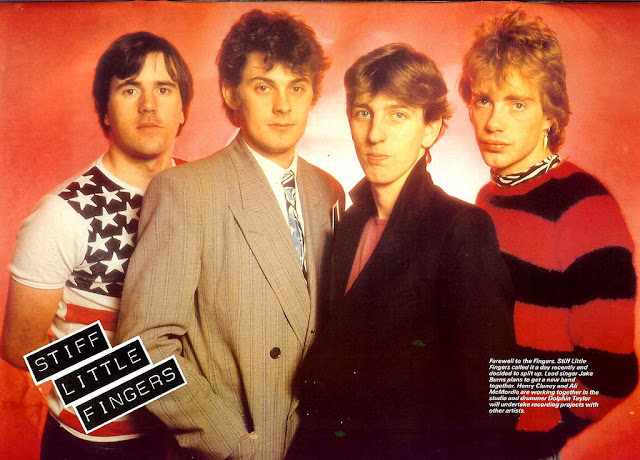
These bands toured relentlessly across the UK and Europe on tight budgets. The road was the job. Playing night after night to a hundred people in a sticky-floored venue was the reality, and most of them embraced it fully.
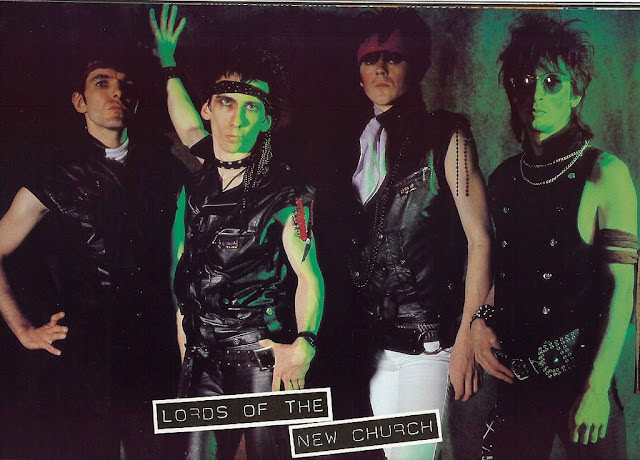
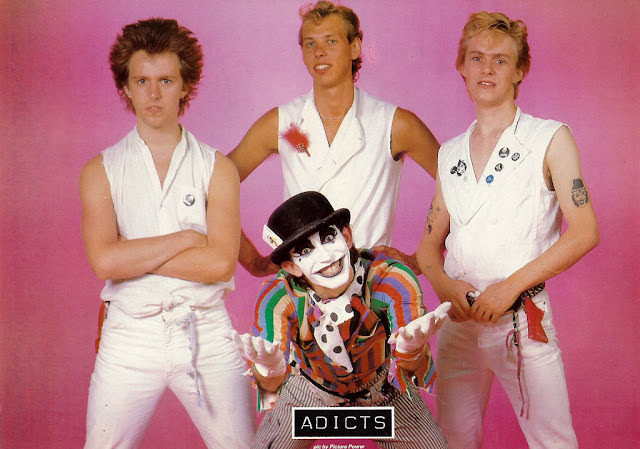
For disaffected young people in Thatcher’s Britain, this music was a lifeline. It gave voice to frustrations that mainstream radio ignored and built tight-knit communities around shared anger and shared sound.
The cassette tape was a powerful weapon. Bands dubbed copies by hand and sold or traded them at shows. A single tape could travel across the country and introduce a new listener to music they’d never find in a record shop.
Fanzines tied the whole scene together. Hand-stapled and photocopied, they reviewed bands, printed interviews, and listed upcoming gigs. They were the social media of the underground — slow, tactile, and entirely community-run.
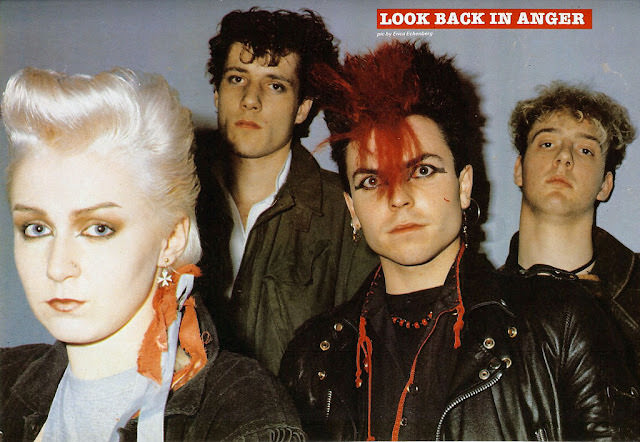
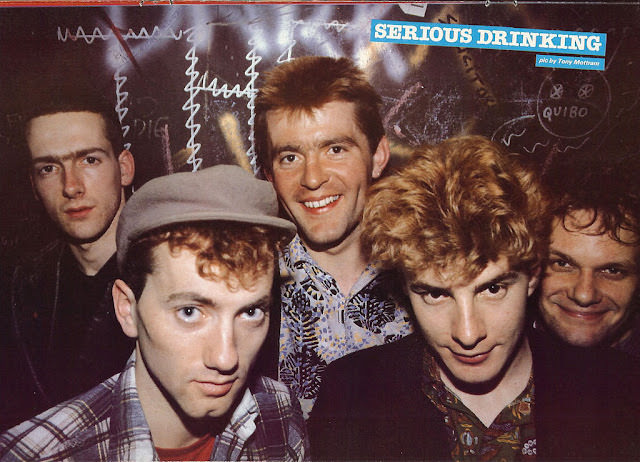
Many of these bands never recorded a proper album. A handful of singles or a rough demo tape is all that remains. Yet those recordings still circulate among collectors and enthusiasts who know exactly why they matter.
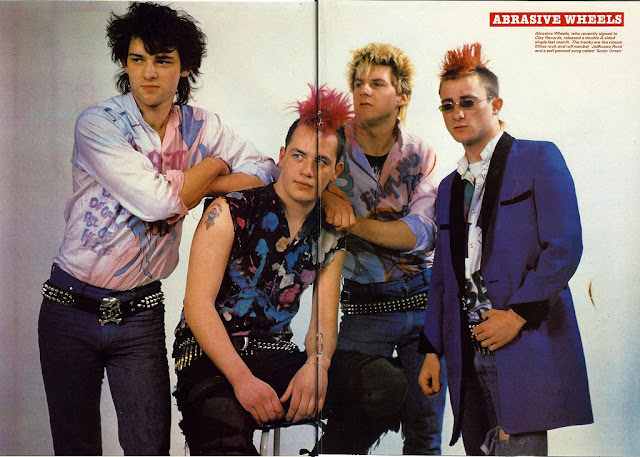
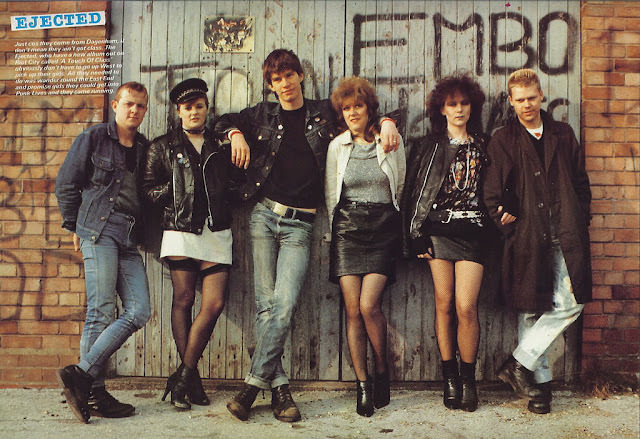
The musicians themselves often moved on quietly — taking factory jobs, joining other bands, or simply disappearing. No reunion tours, no documentaries. Just the music they left behind, still sharp and still loud decades later.