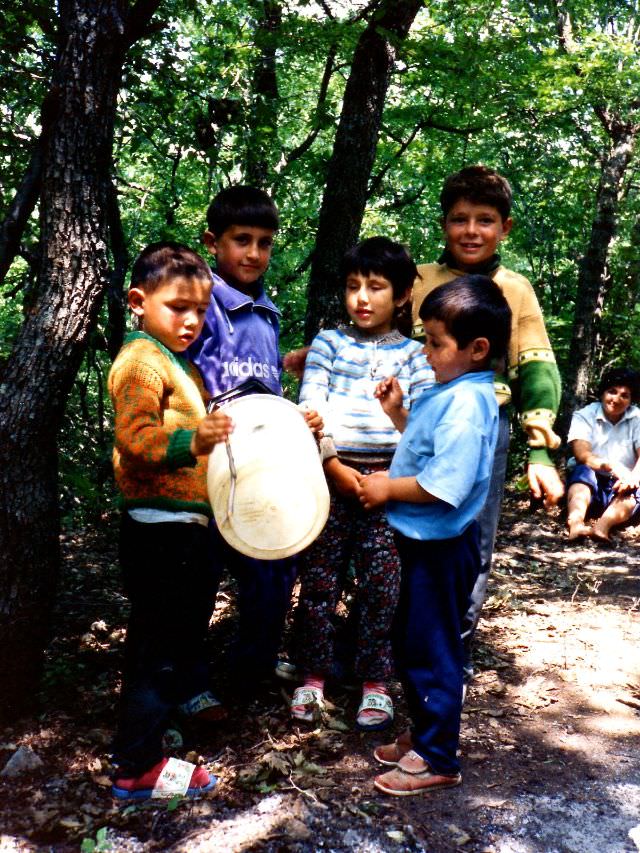
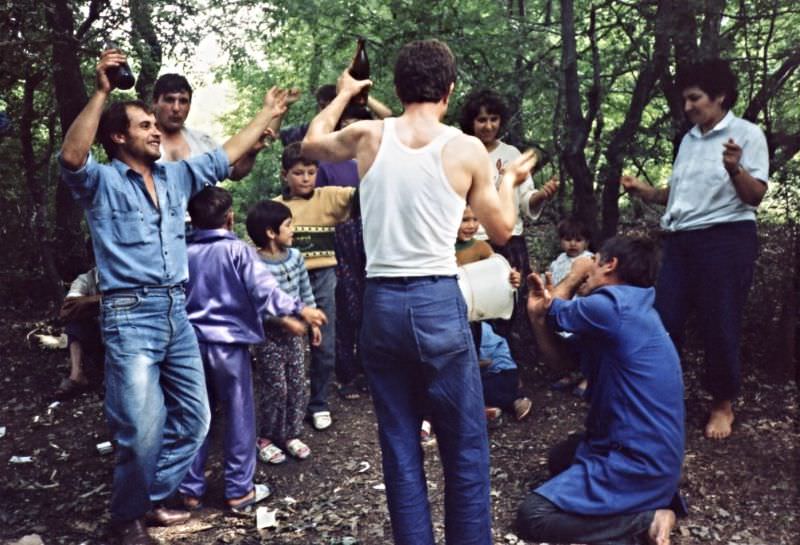
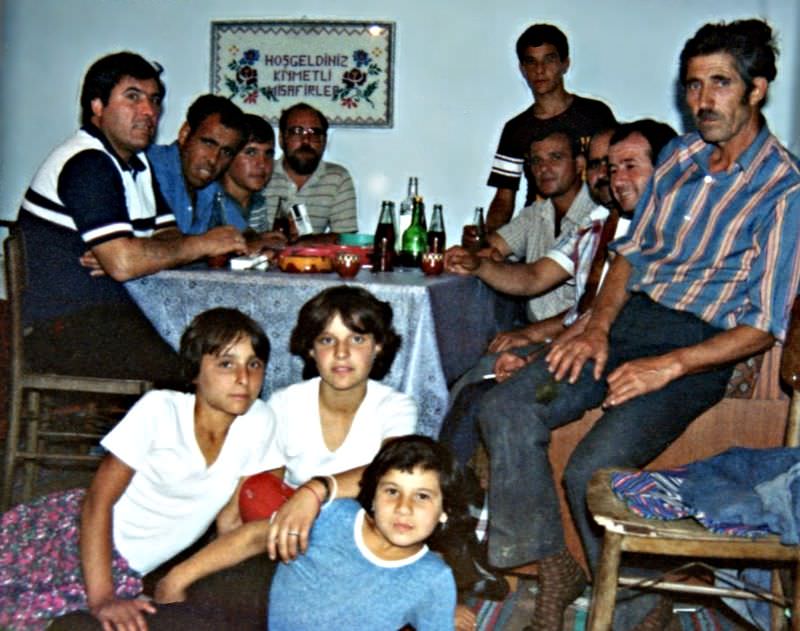
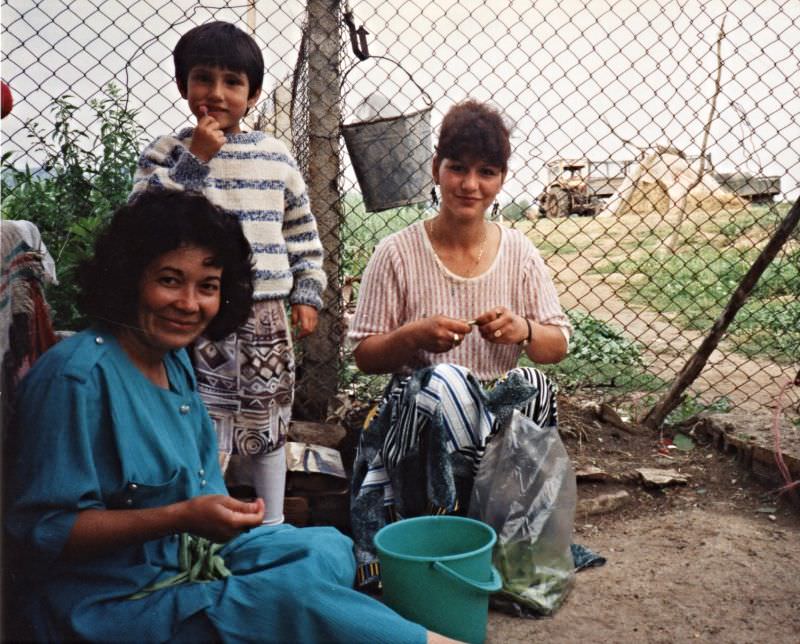
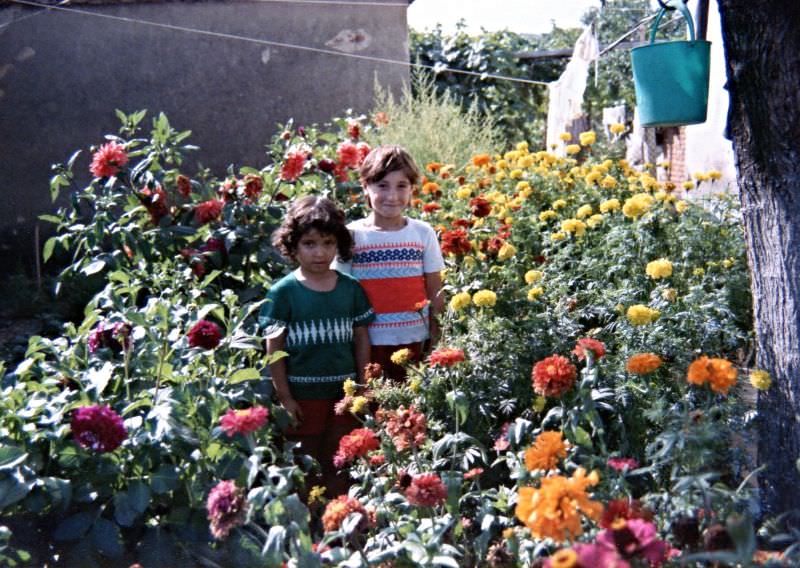
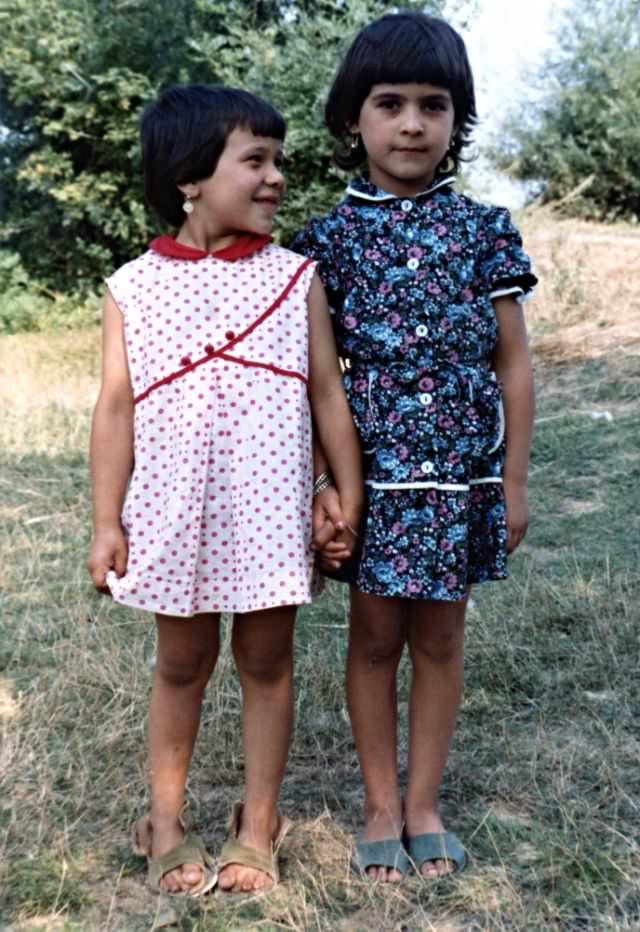
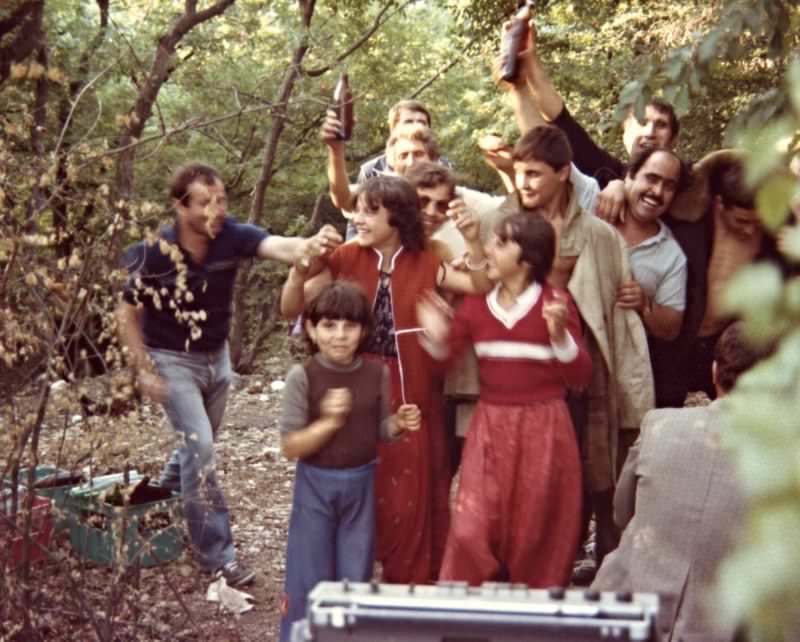
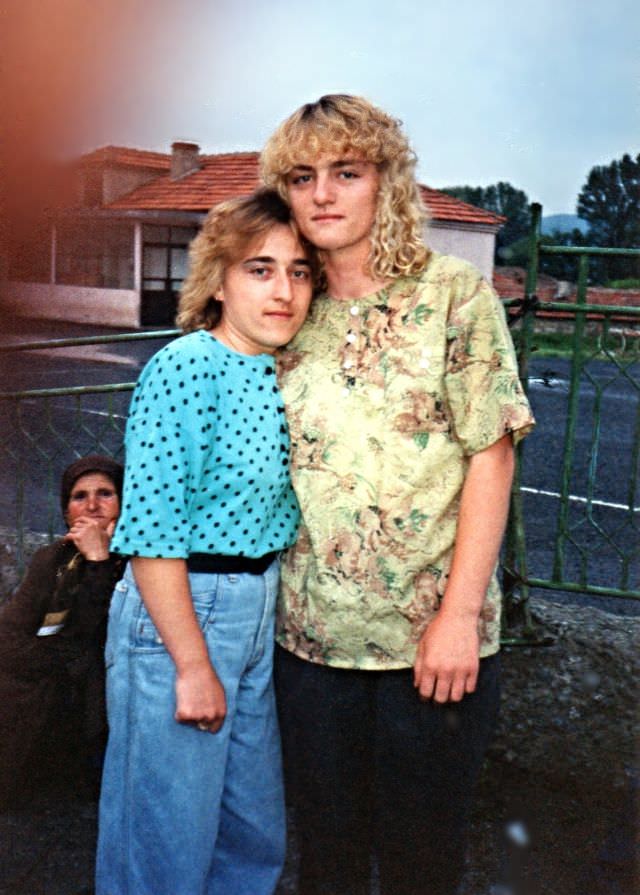
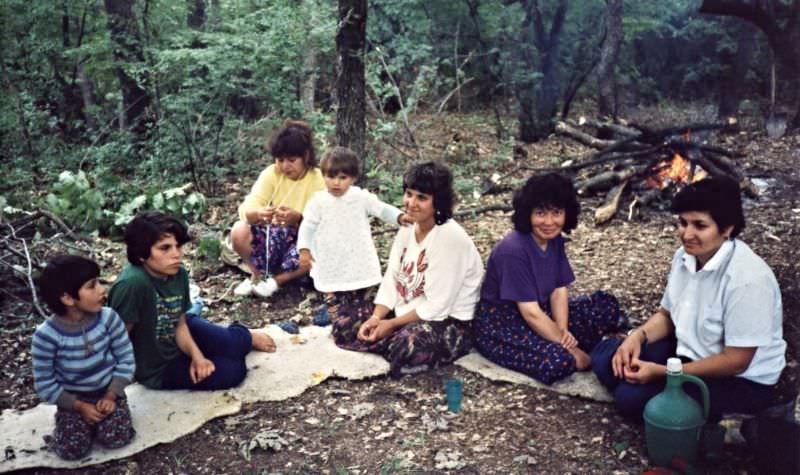
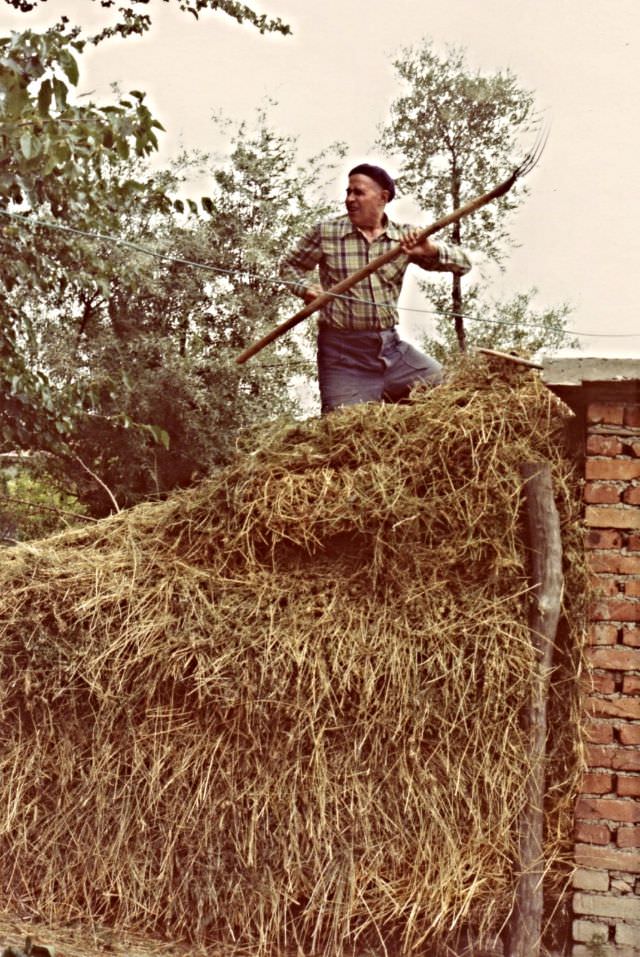
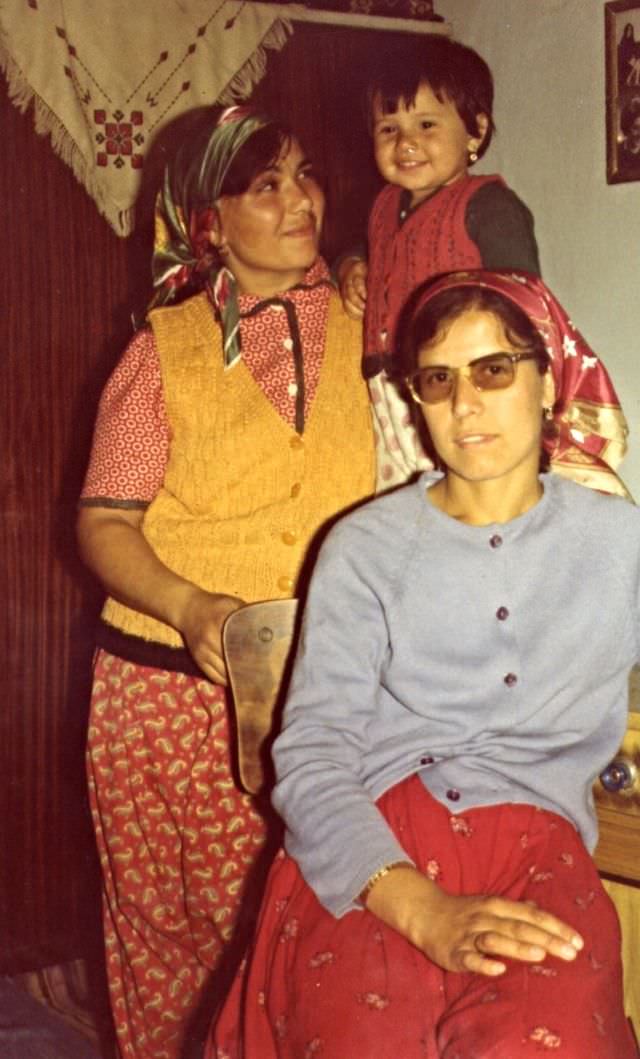
Polyanovo is a small village tucked inside Aytos Municipality, in Bulgaria’s Burgas Province. About 95% of its residents are ethnic Turks, and the community has always been tight-knit. During the 1970s, life there followed a steady rhythm — farm work, family gatherings, shared meals, and seasonal traditions that had been passed down for generations. Photographer Ali Eminov documented this world through his camera, capturing the people closest to him: friends, siblings, parents, aunts, uncles, and neighbors.
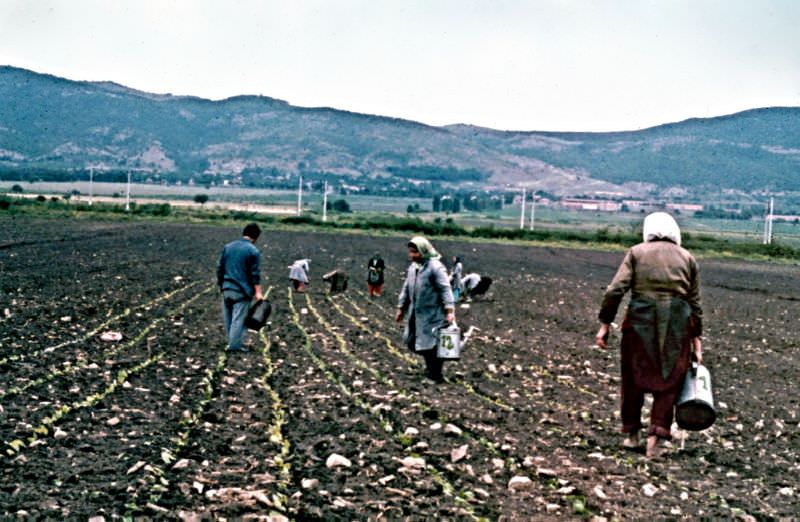
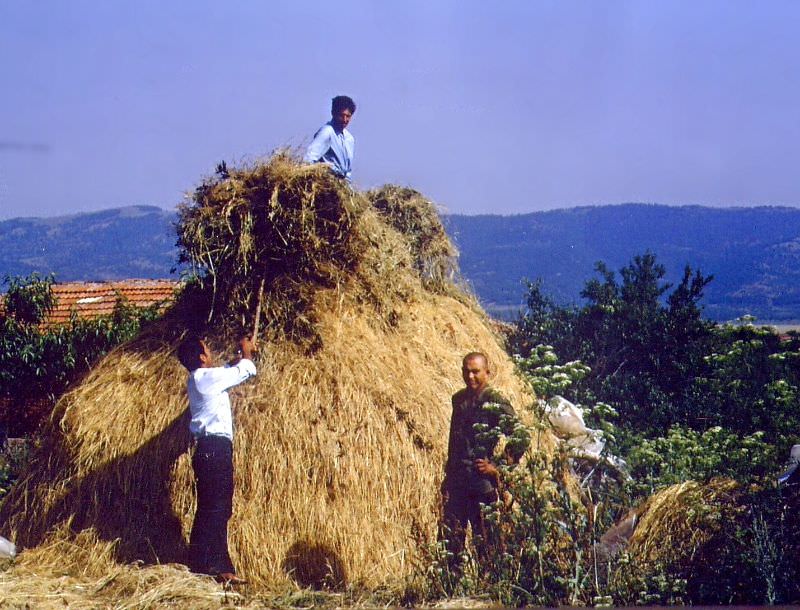
Tobacco was a central crop for Polyanovo and the wider region. Growing and harvesting it was labor-intensive work, and it pulled entire families into the fields — including women and young girls who worked alongside the men. The 1971 photos show this clearly.
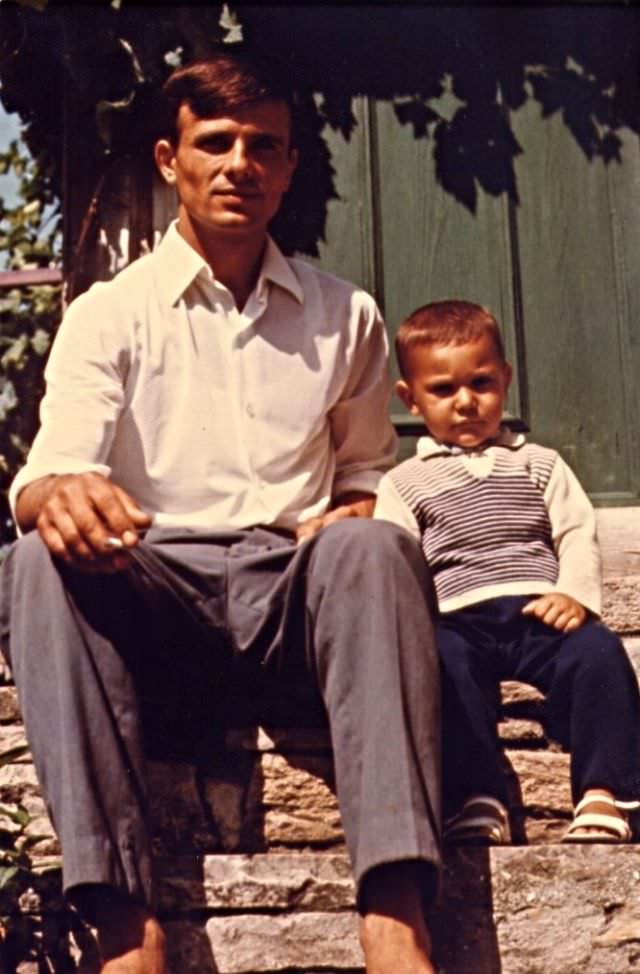
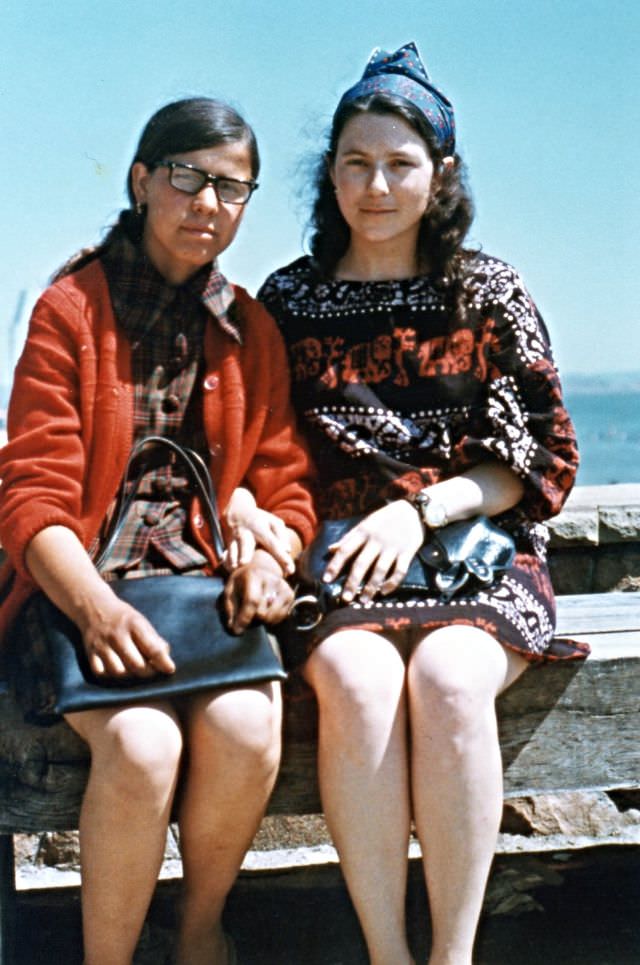
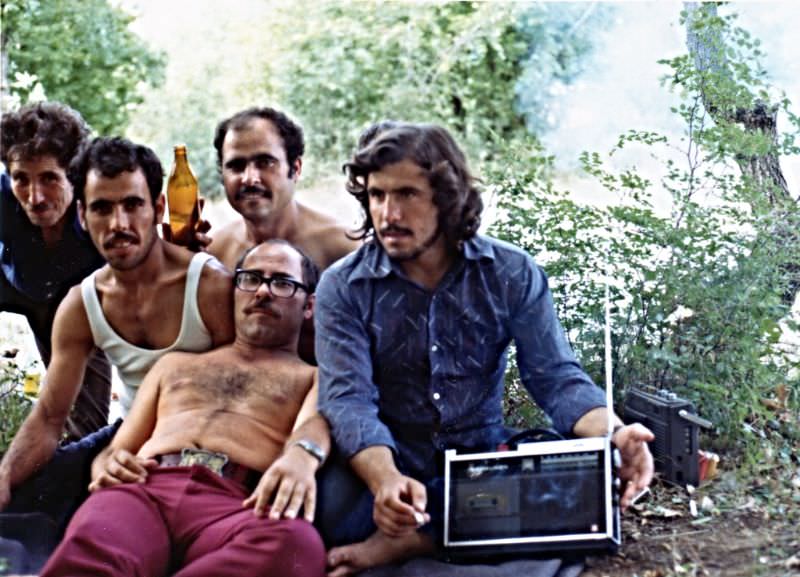
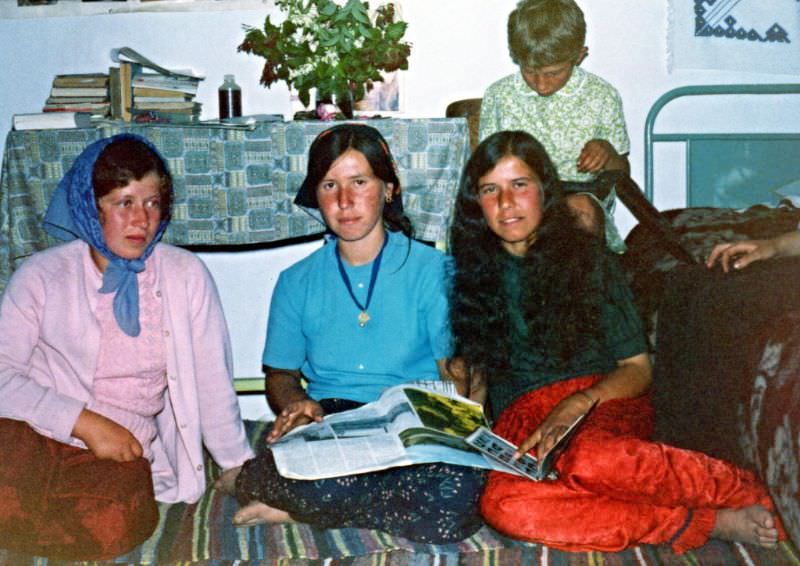
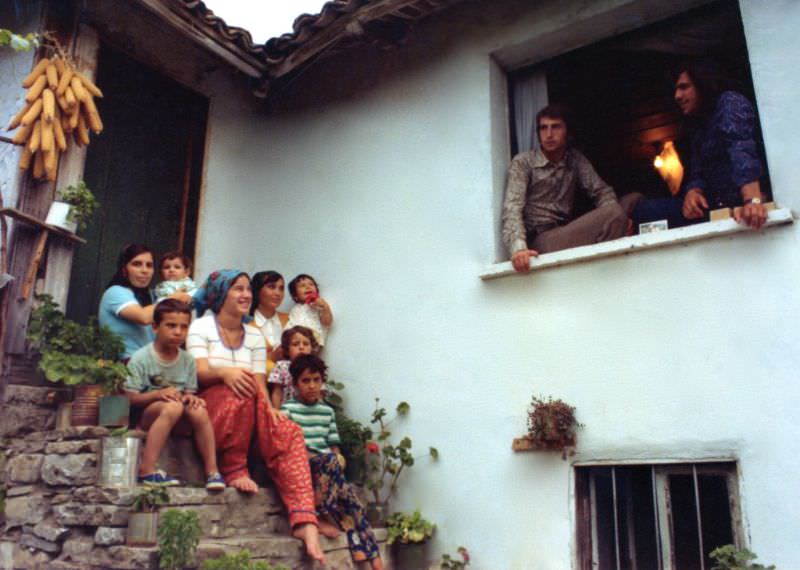
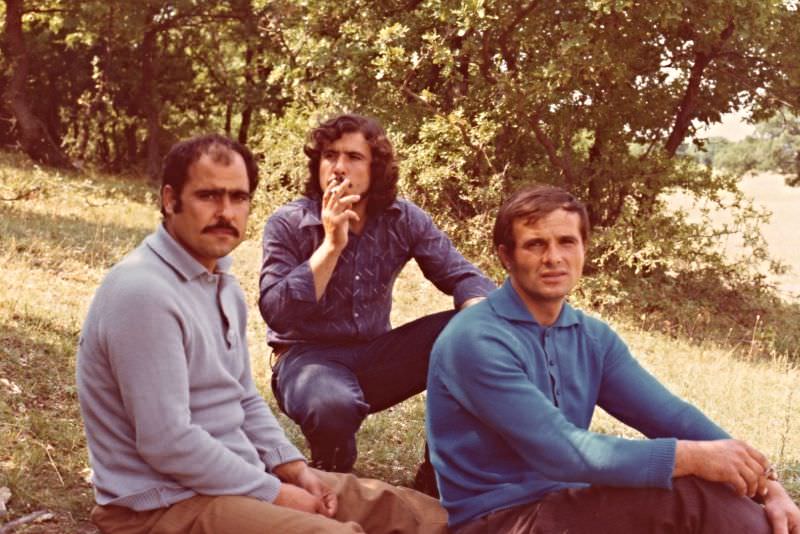
Eminov’s earliest photographs from 1971 also show the faces of the village — friends and family posing together, relaxed and familiar with the camera. Names like Cemal, Metin, Dürduğül, and Mümine appear repeatedly throughout the collection, anchoring the images in real relationships.
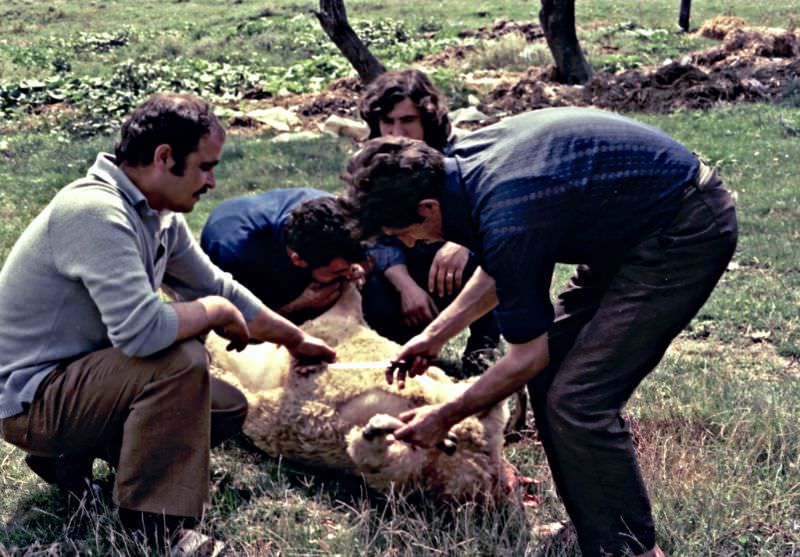
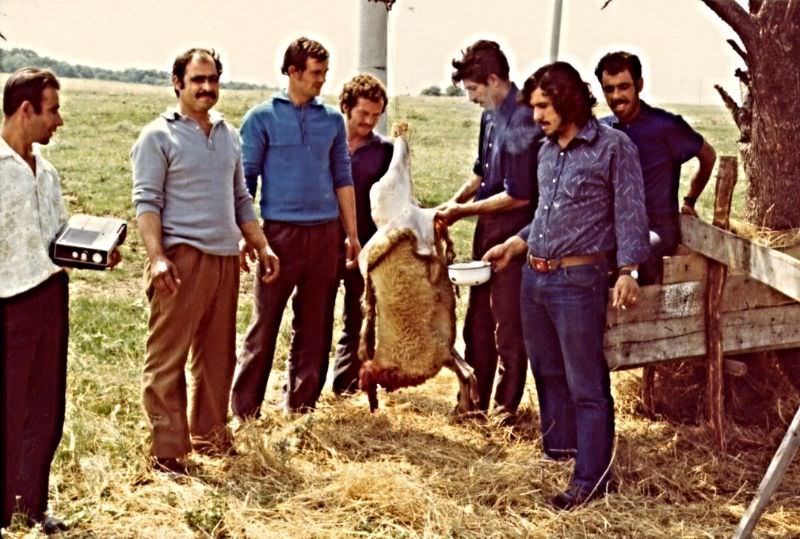
Livestock played a practical role in village life. Slaughtering and preparing a lamb was a common event, done with skill and carried out as a shared task among the men of the household.
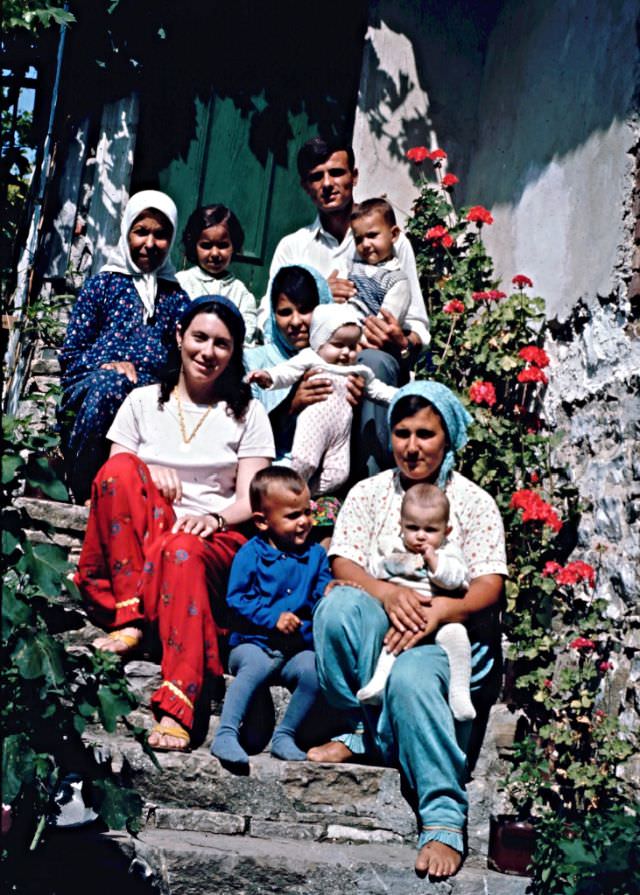
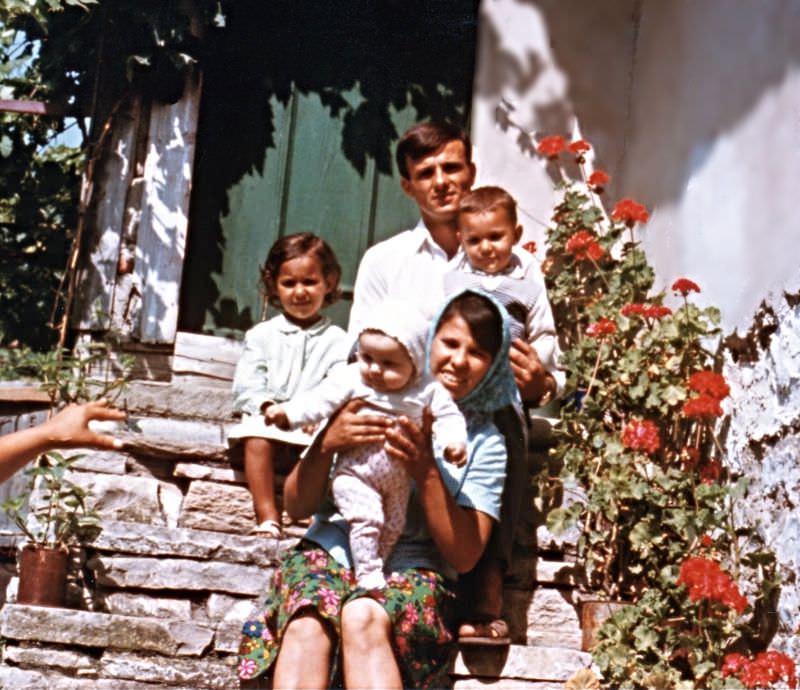
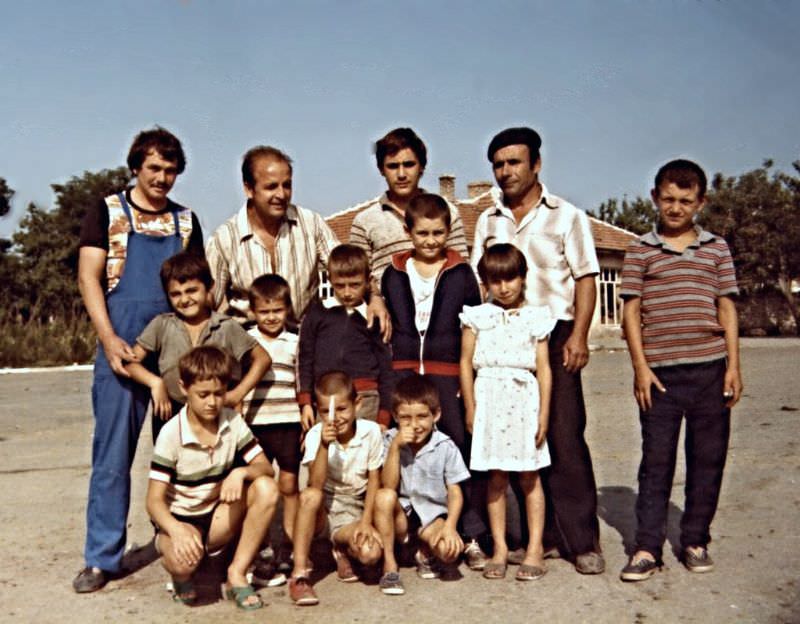
By 1973, Eminov was photographing broader scenes of village youth. Groups of young people gathered in open spaces, and the tobacco fields continued to serve as a backdrop for both work and portraits. The images from this period show a generation of young women and men who were comfortable together and proud to be photographed.
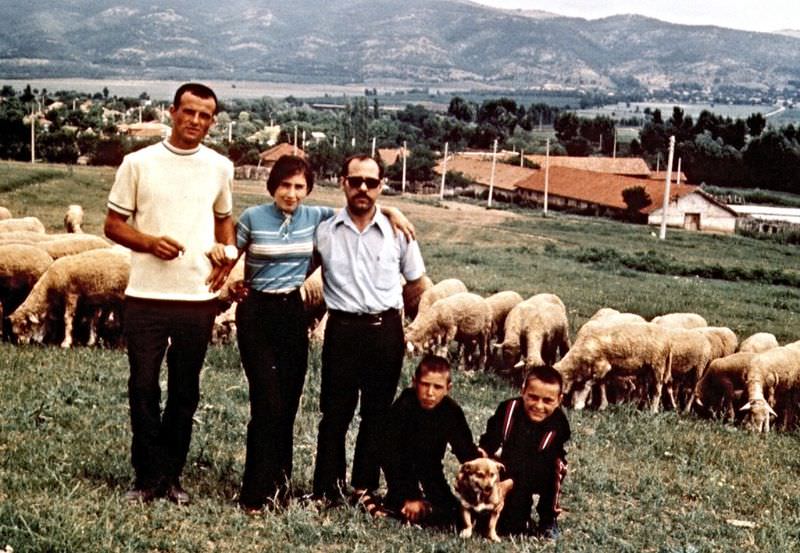
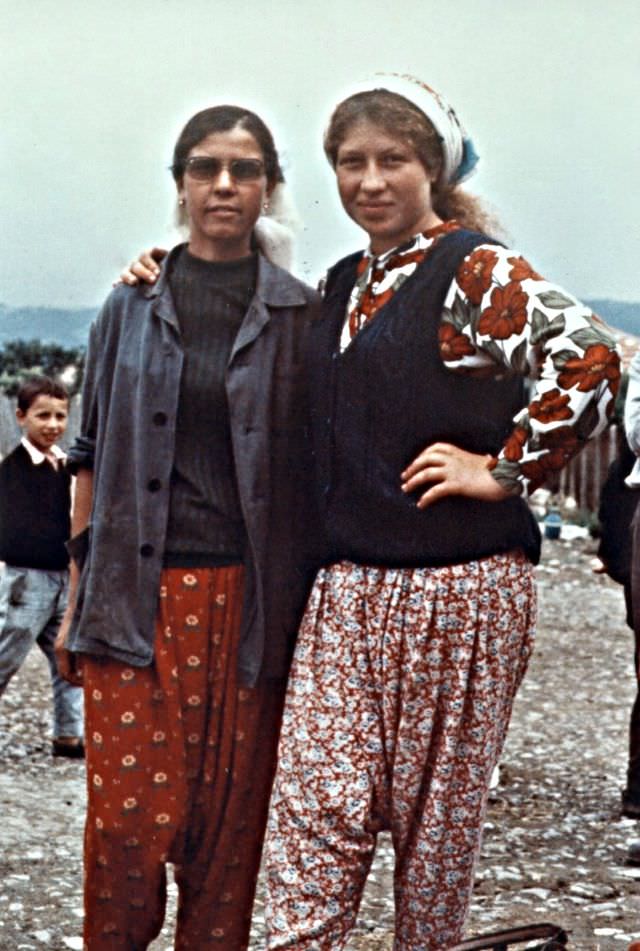
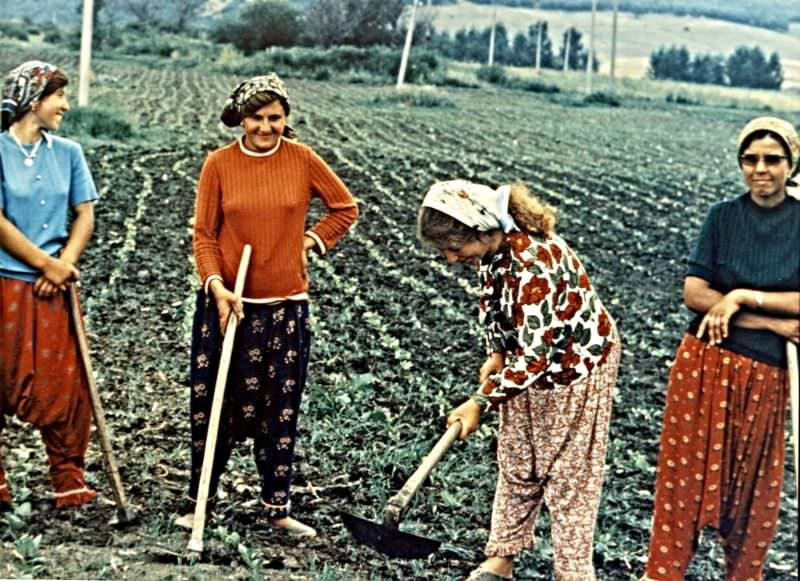
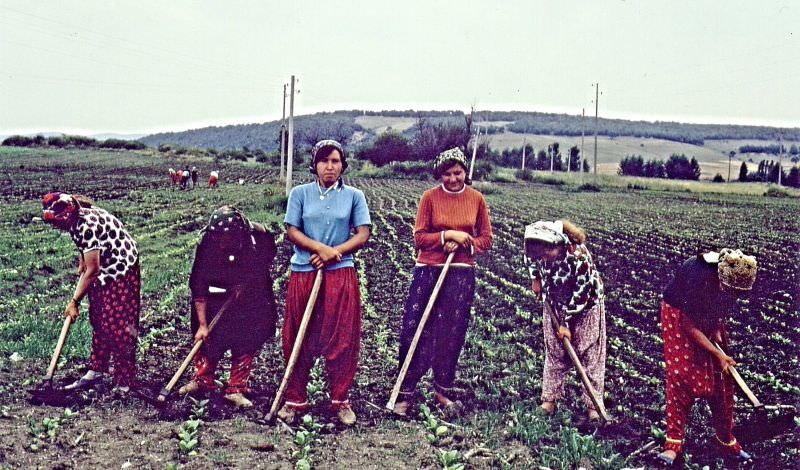
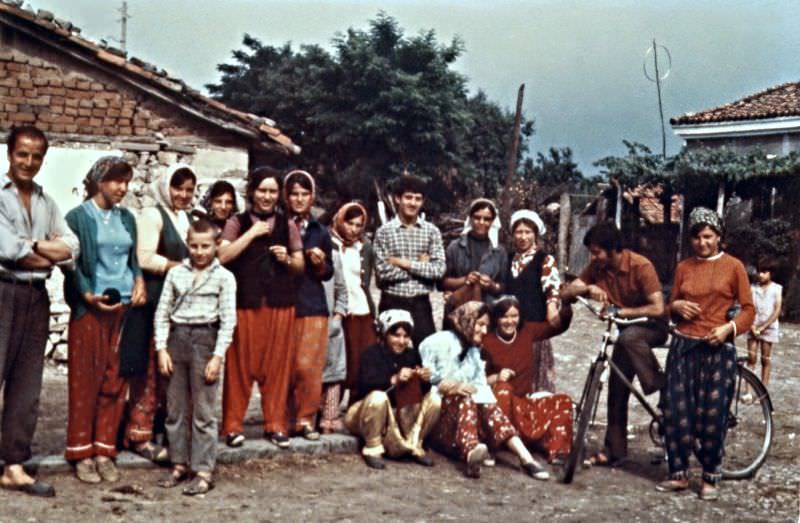
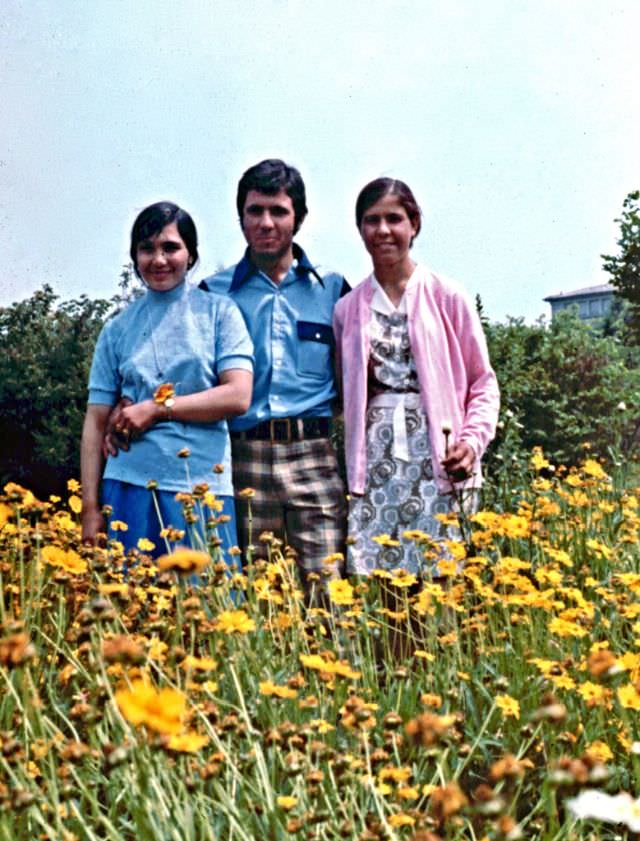
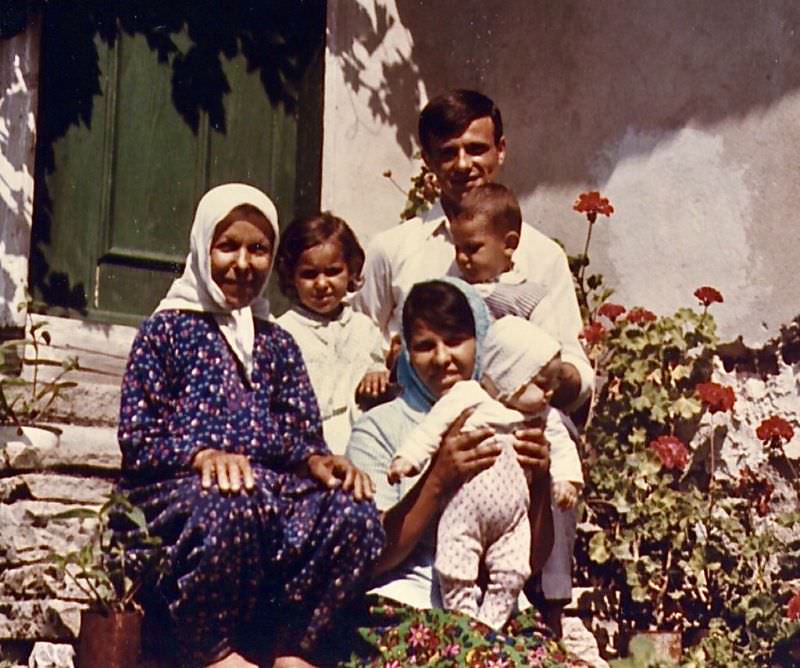
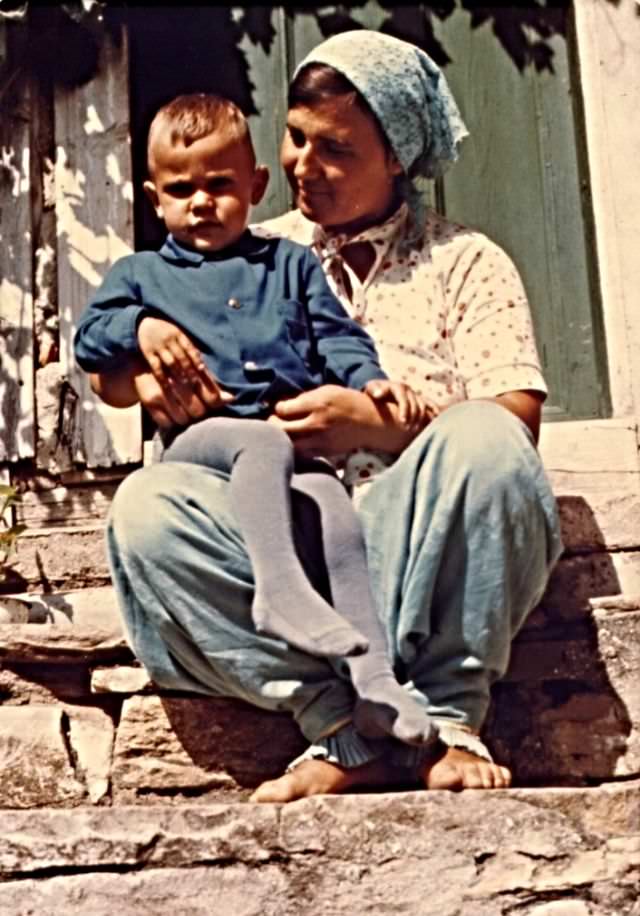
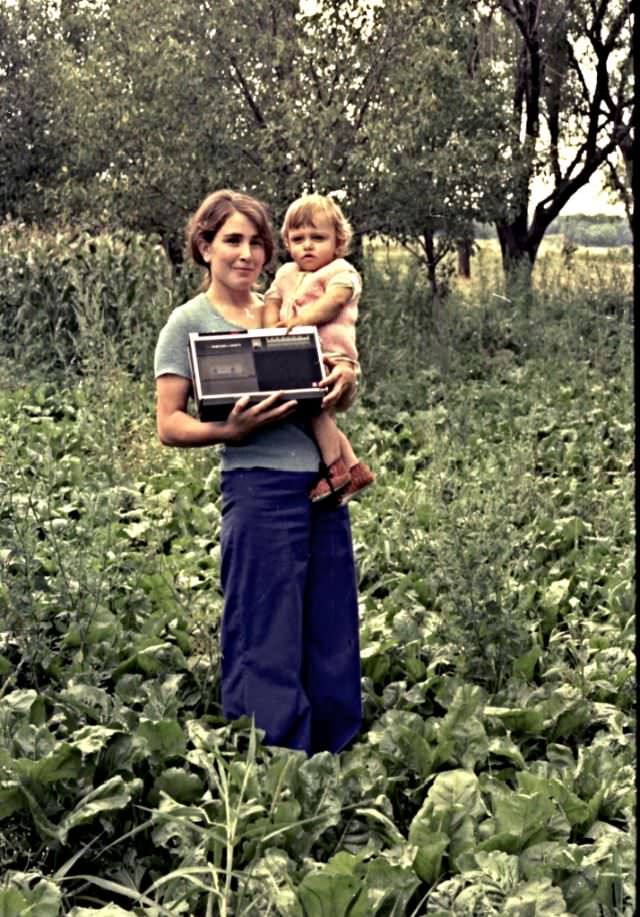
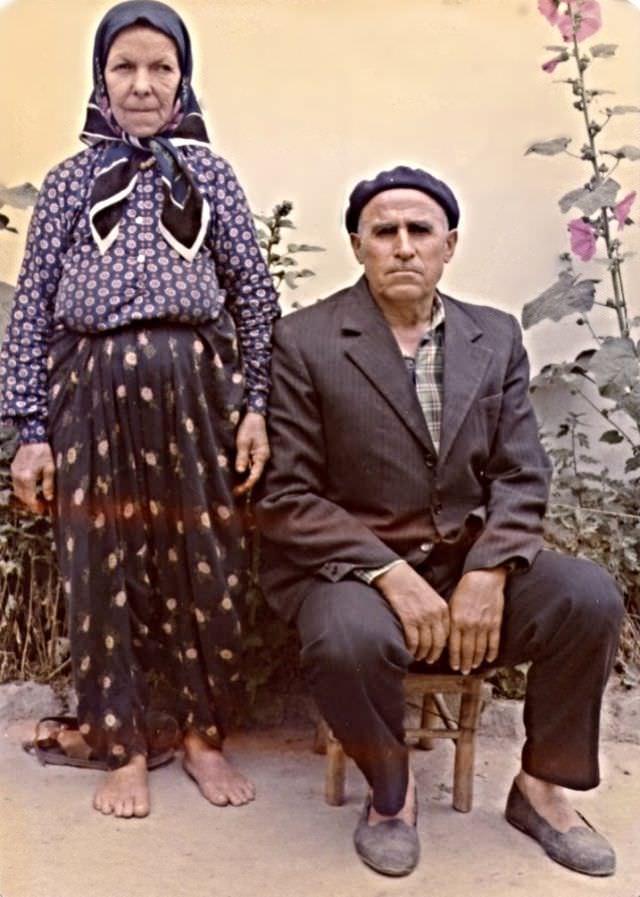
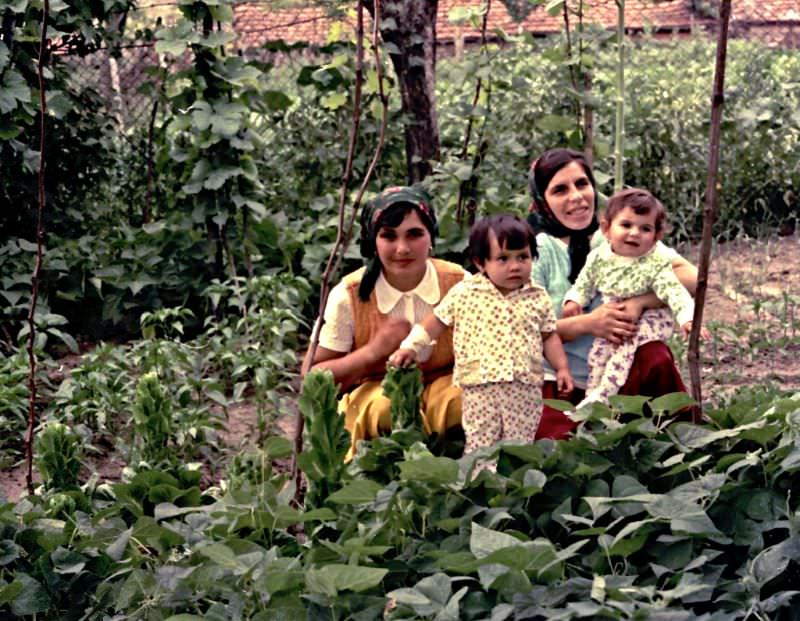
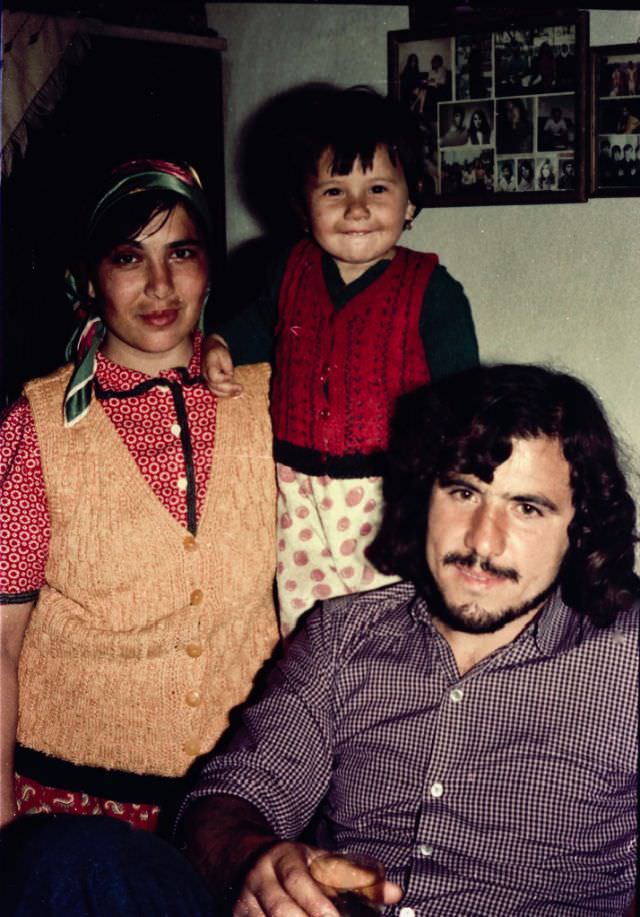
The 1976 photographs are the most plentiful in the collection. By this point, families had grown larger and the range of subjects had widened. Brothers Fehim, Raif, and Apti appear together with Ali, as does their uncle Emin. The photos from this year also show more domestic life — mothers with children, elderly relatives, and intimate family portraits taken outdoors and around the home.
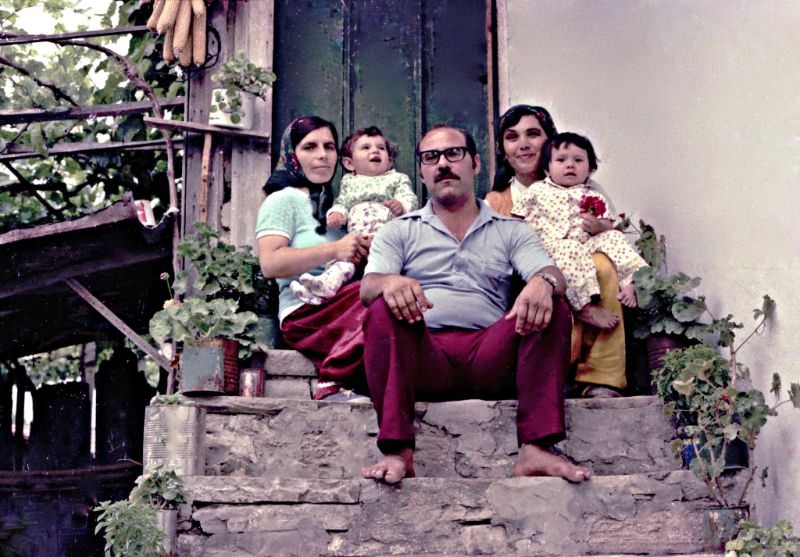
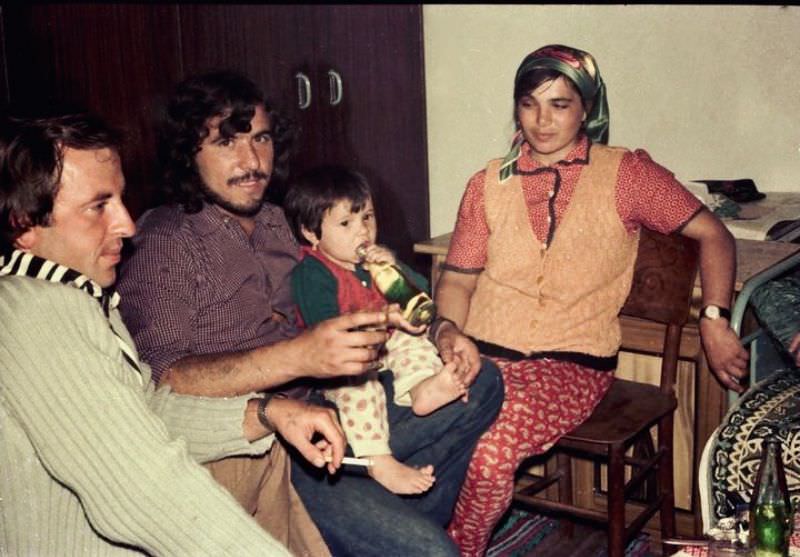
Aunt Şerife features in several portraits from 1976, photographed both with her granddaughter and alone. These close-up images of an older village woman carry the weight of a lived life — one shaped by the rhythms of rural Bulgaria across many decades.
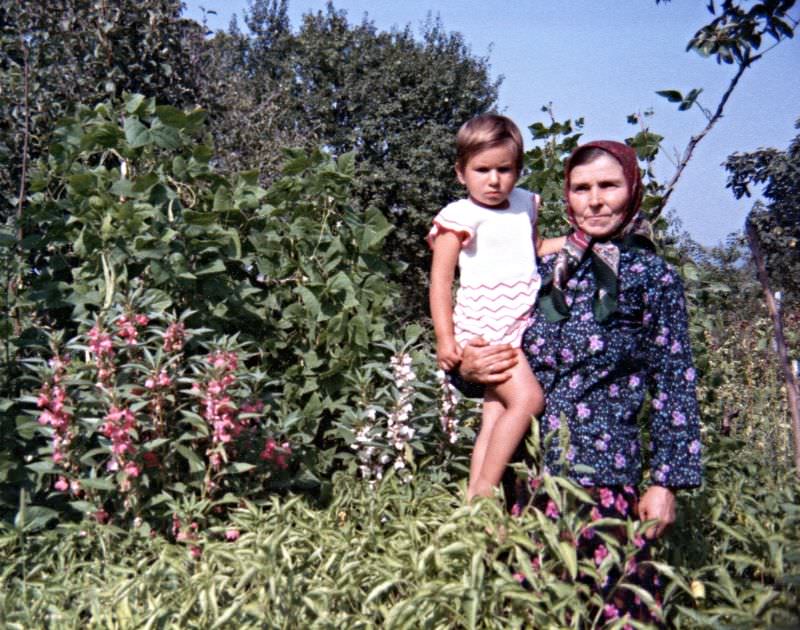
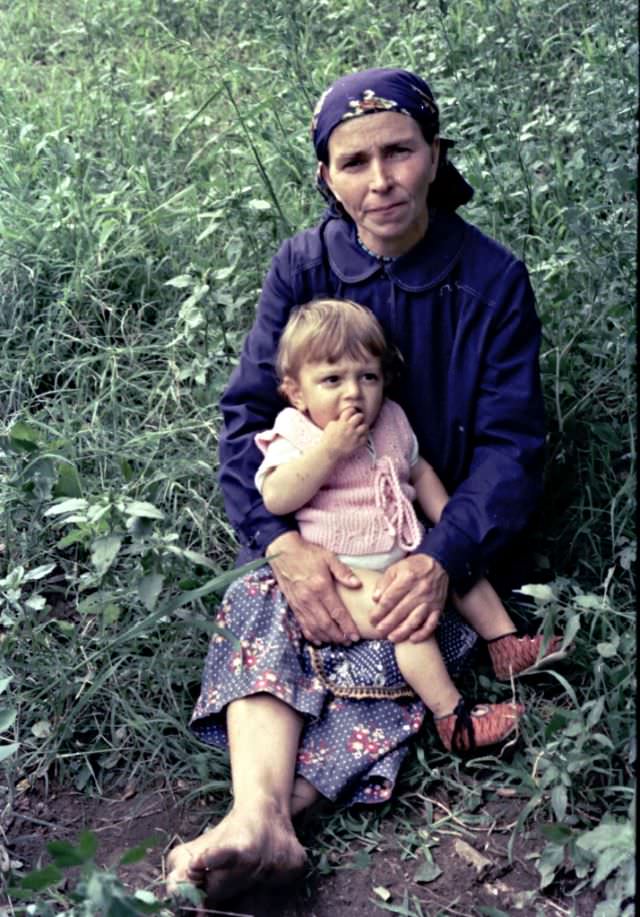
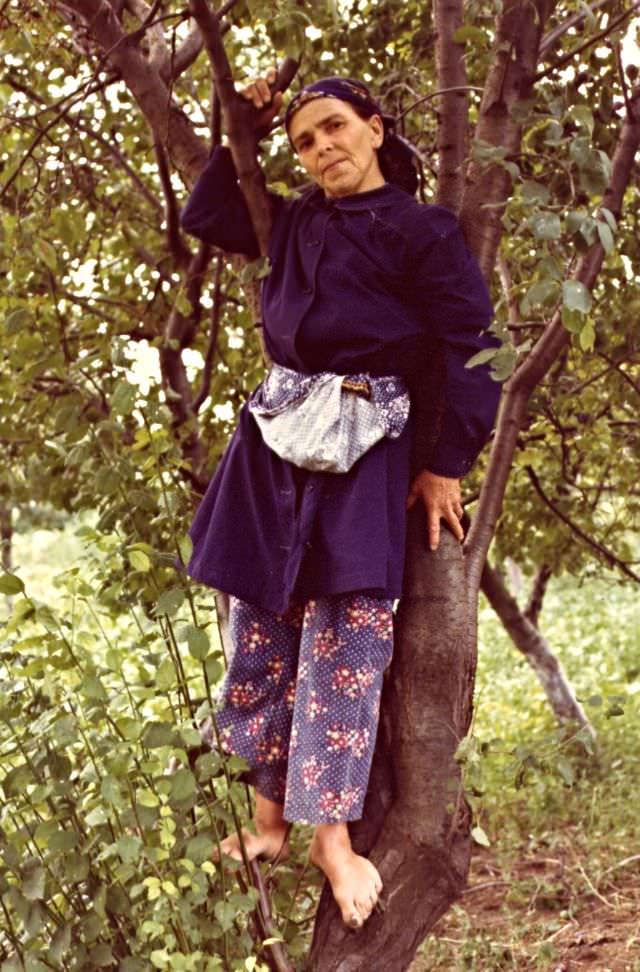
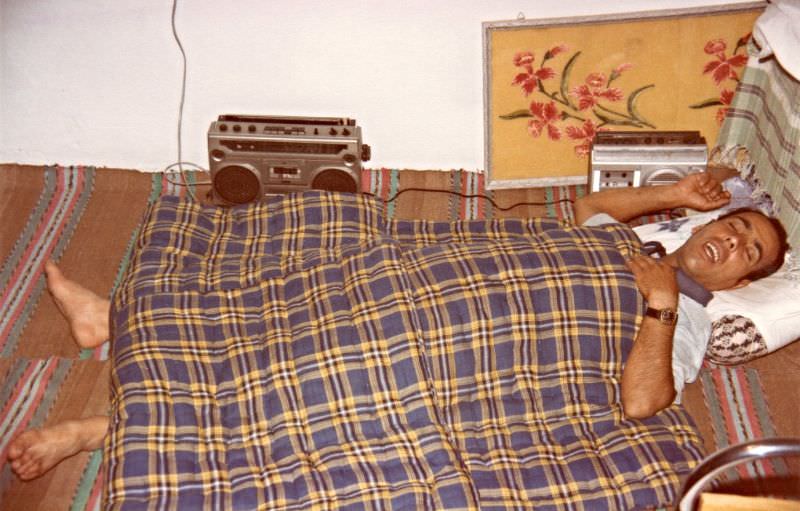
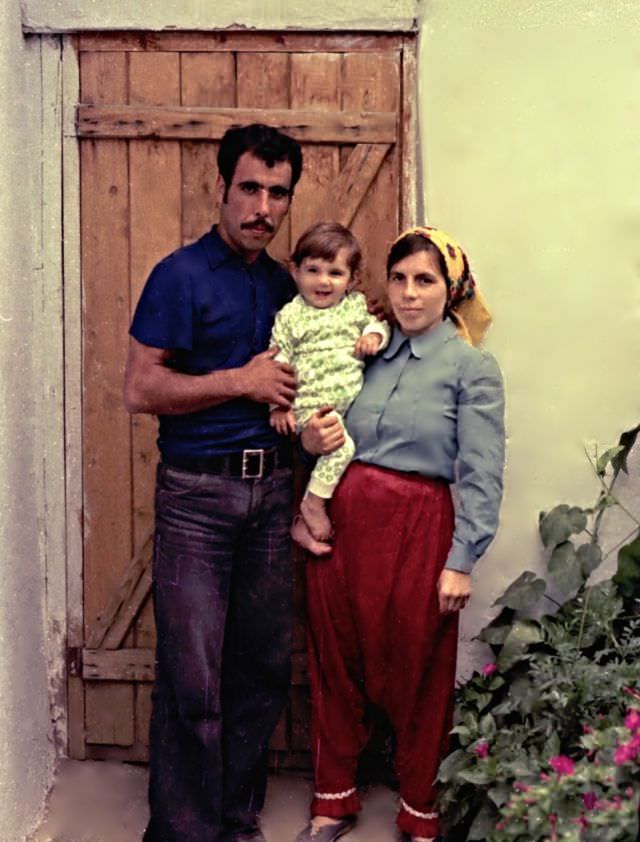
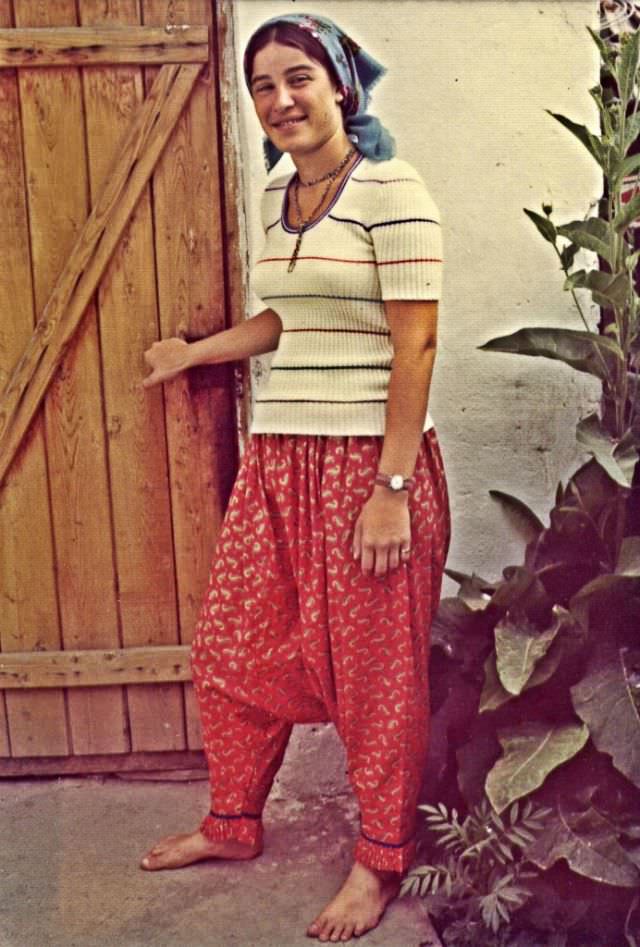
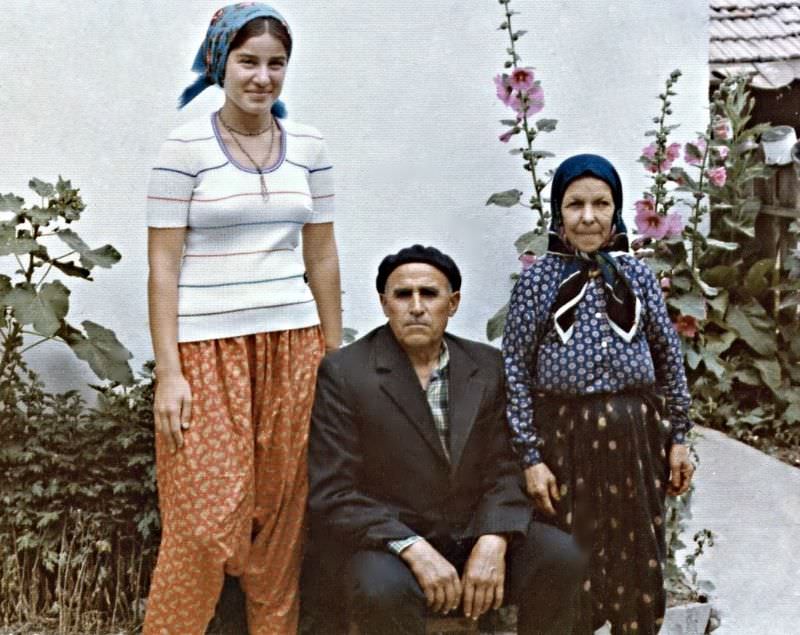
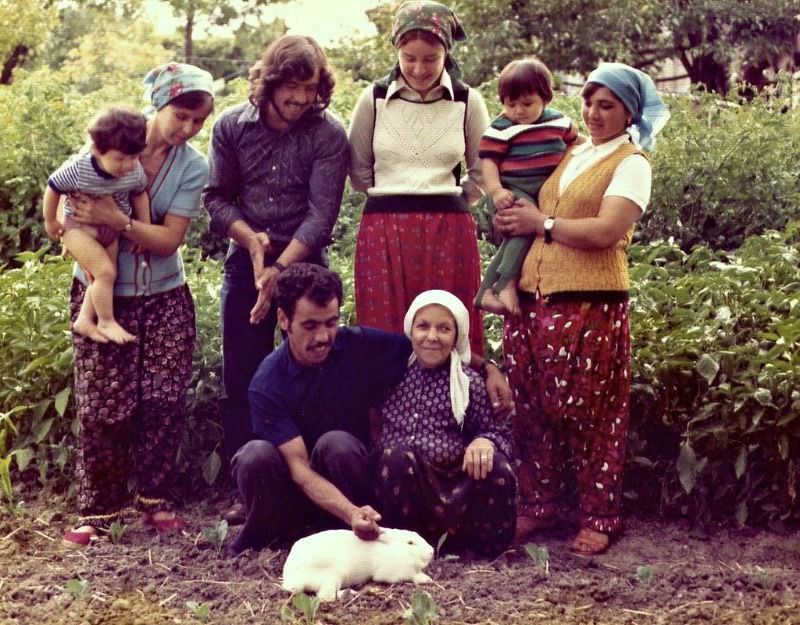
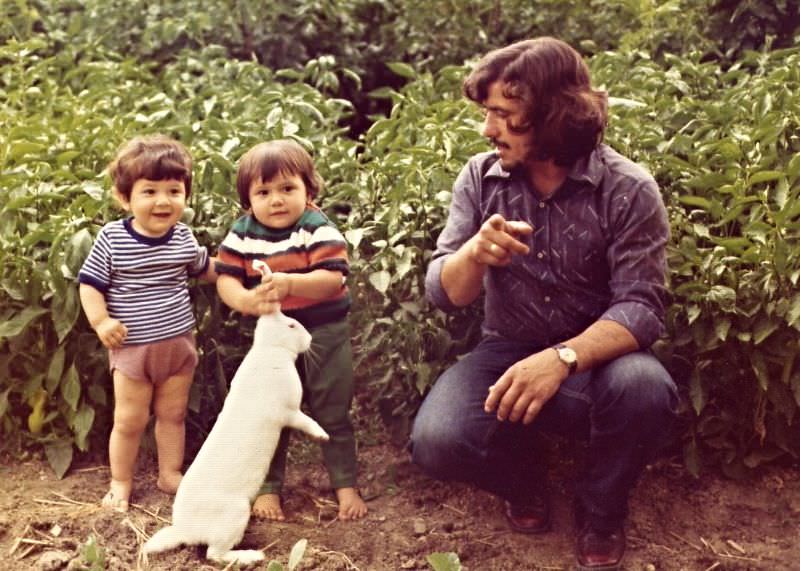
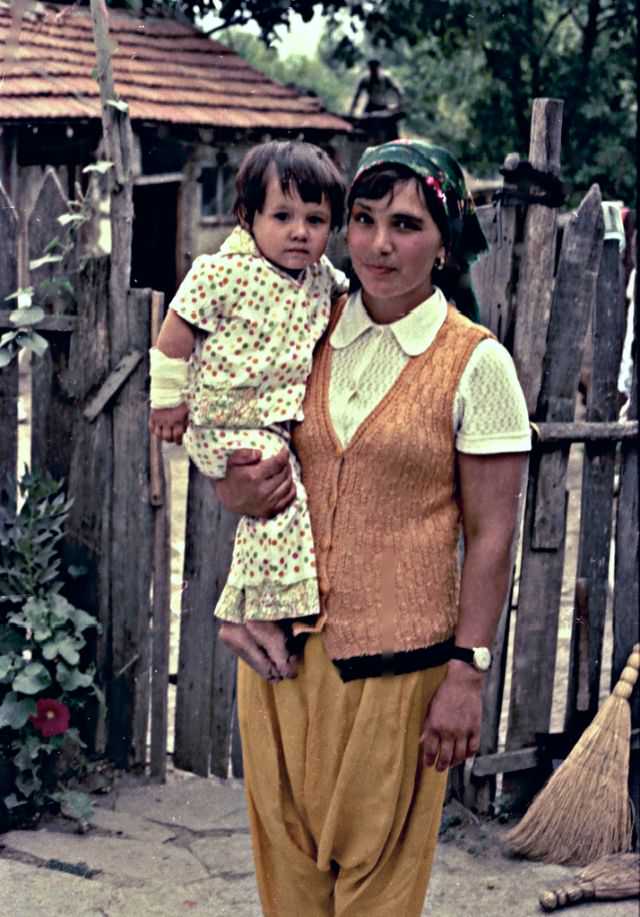
Traditional clothing also makes an appearance in the 1976 photos. Catherine is photographed wearing shalvar — loose trousers common in Turkish communities — a detail that ties the village directly to its cultural roots. Other photos show Catherine with both parents, and in a relaxed family scene with a rabbit, reflecting the casual warmth that runs through Eminov’s whole body of work.
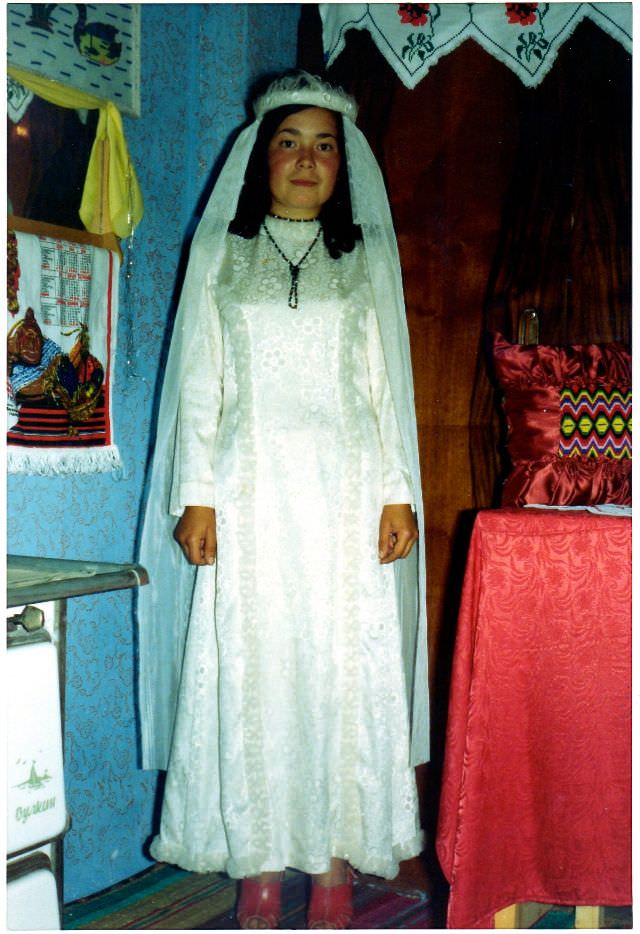
One photograph from 1976 stands out for its lightness: Gülizar trying on a wedding gown. Whether for an actual wedding or simply out of curiosity, the moment captured is playful and full of life.
Lamb slaughter appears again in the 1976 photos, this time during the skinning process. Like in 1971, it is treated as an ordinary task — part of the agricultural calendar, not a special occasion.
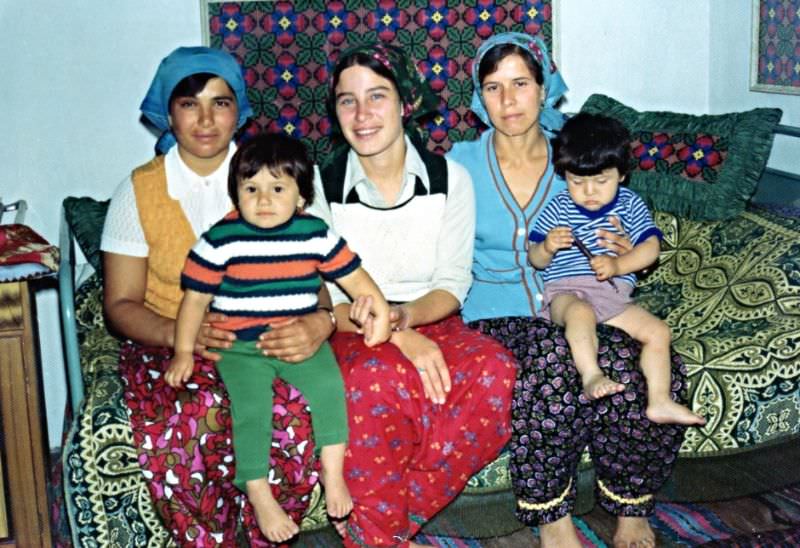
The final set of images, taken in 1978, captures a community that has carried on much as before. Boys pose together, groups gather for meals with food and drink laid out on the table, and women and girls attend a lamb roast. Gülizar appears again, now a few years older. Names like Semra, Sabrie, and Sevinç mark new faces alongside familiar ones.